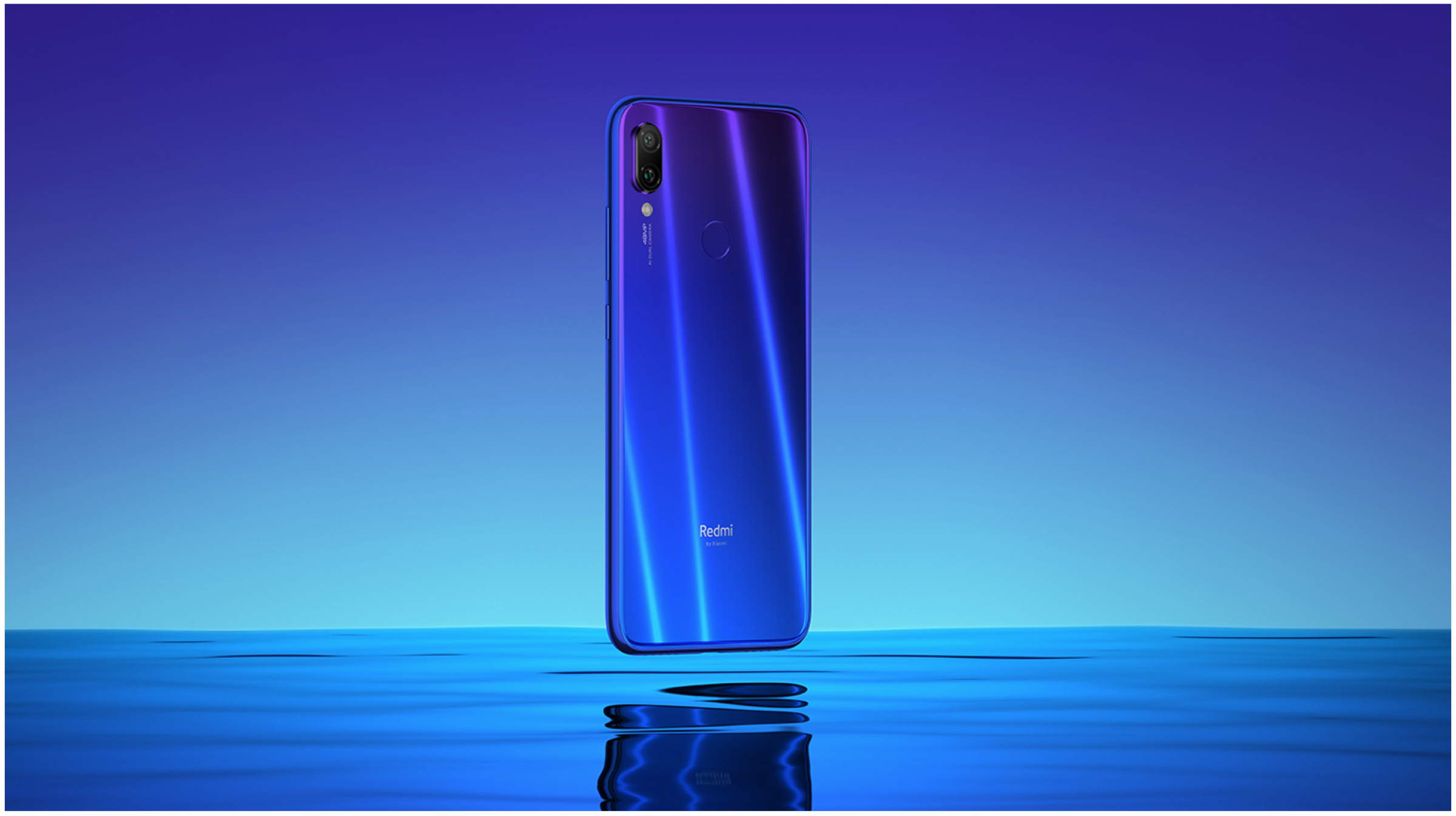
Sources reveal that the Redmi Note 7 and the Redmi Go are on the line for the Indian market this quarter. Some new information indicates the storage and colour variants for Redmi Go and Redmi Note 7. All this for the Indian Market only.
Redmi Note 7
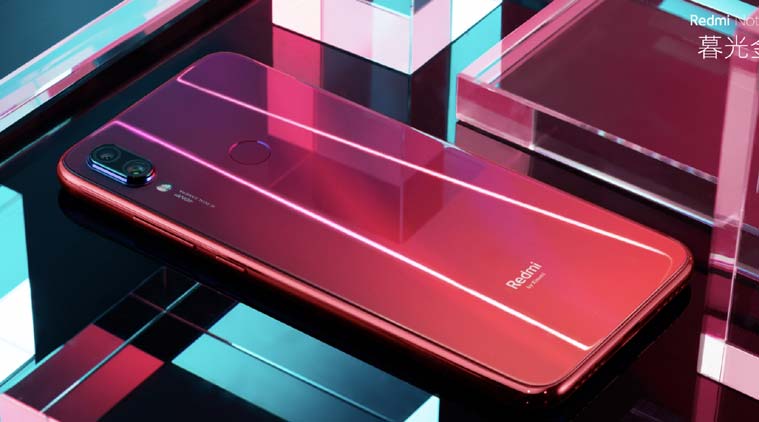 The Redmi Note 7 will supposedly be available in two different memory options when they’ll be launched. A 3GB RAM variant with 32 gigs of internal storage. The other variant, which will be obviously priced higher, will be launched with 4 GB of RAM and 64 GB of memory. There will be another version, but it will probably not release in India. The smartphone will be out in three different colours, Black, Blue & Red. The Redmi Note 7 sports a 6.3 inch Full HD+ display.
The device has a waterdrop notch, and thin bezels at 1.95mm. Powered by the Snapdragon 660 with an Adreno 512 GPU, the device has a dual-camera setup. Furthermore, the smartphone has a 48MP + 5MP camera and a 13 MP selfie camera. Redmi Note 7 packs a 4000 mAh battery, with Quick Charge 4.0.
Redmi Go
 Also Read : Mi Men’s Sports Shoes 2 Launched In India
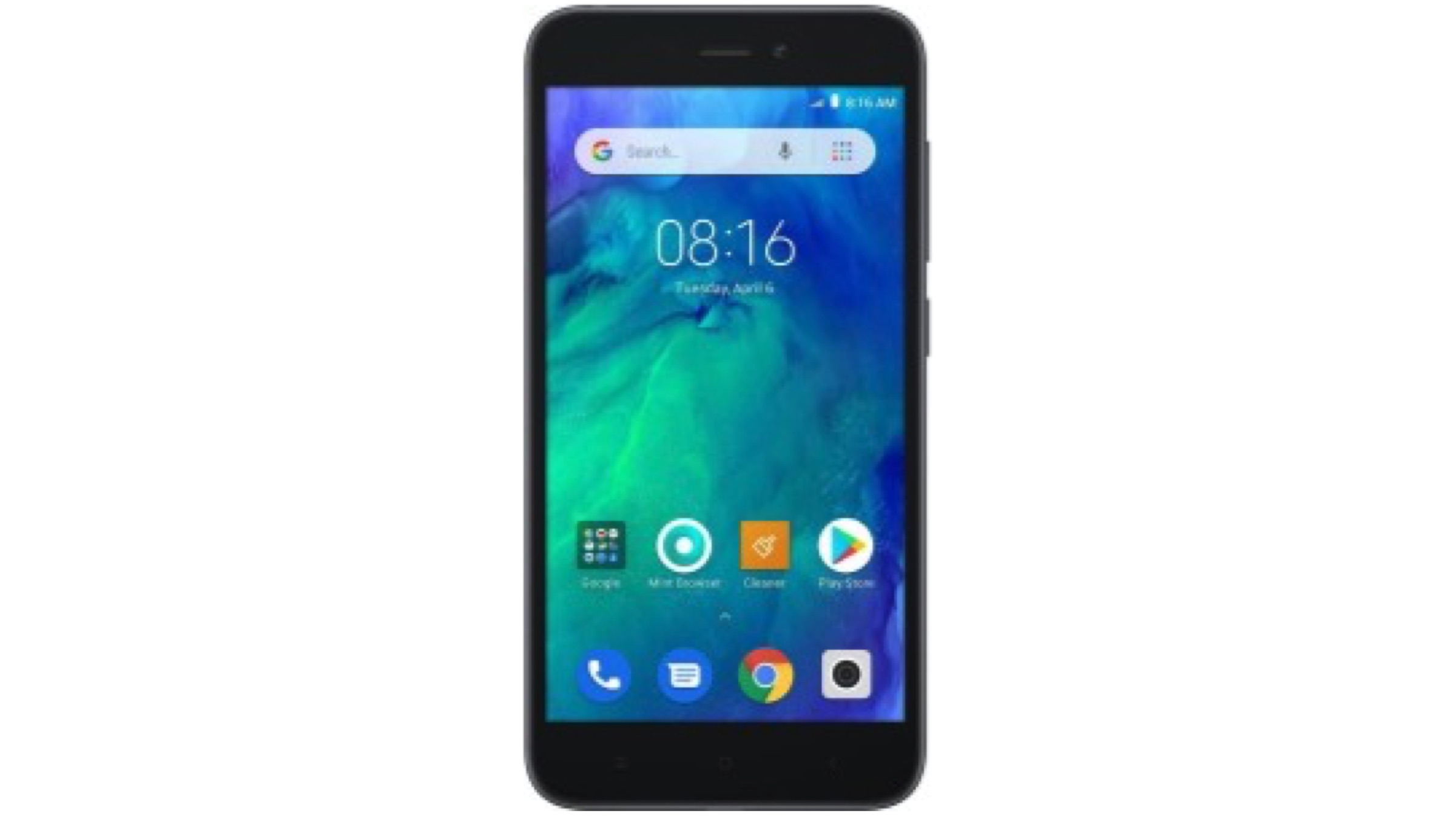
The Redmi Go on the other hand, is only going to be released in one variant. With 1GB RAM and 8GB of internal storage, the phone will launch in the same colour options as the Redmi Note 7. Furthermore, the budget smartphone sports a 5-inch HD display. It’s powered by the Qualcomm Snapdragon 425 chipset. An 8MP rear camera, with a 5MP selfie camera grace the entry-level device. It also has a dedicated microSD card slot, dual SIM card slots and a 3000 mAh battery. It will run Android 8.1 Oreo (Go Edition) out-of-the-box.
 According to a leak the
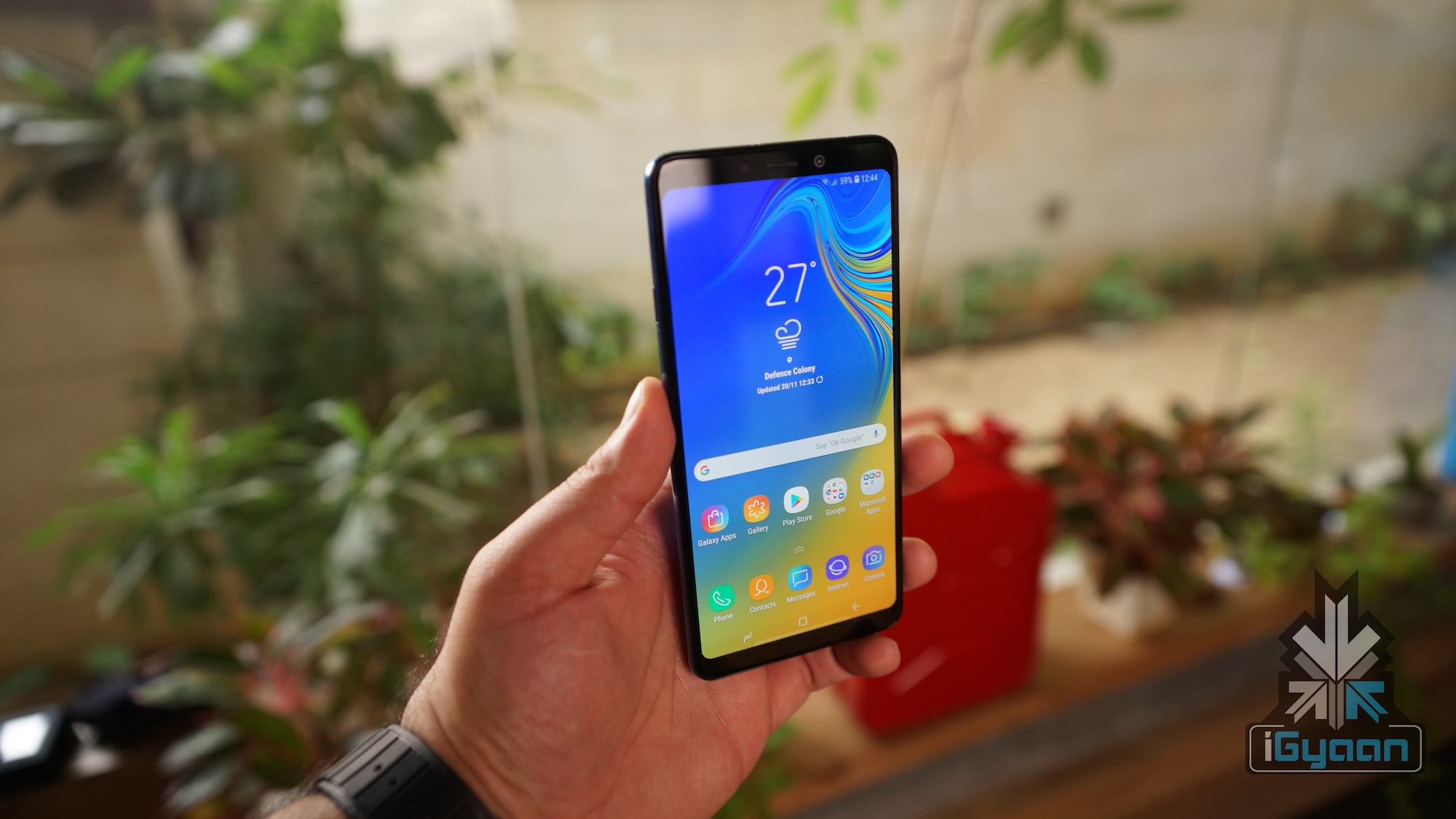
 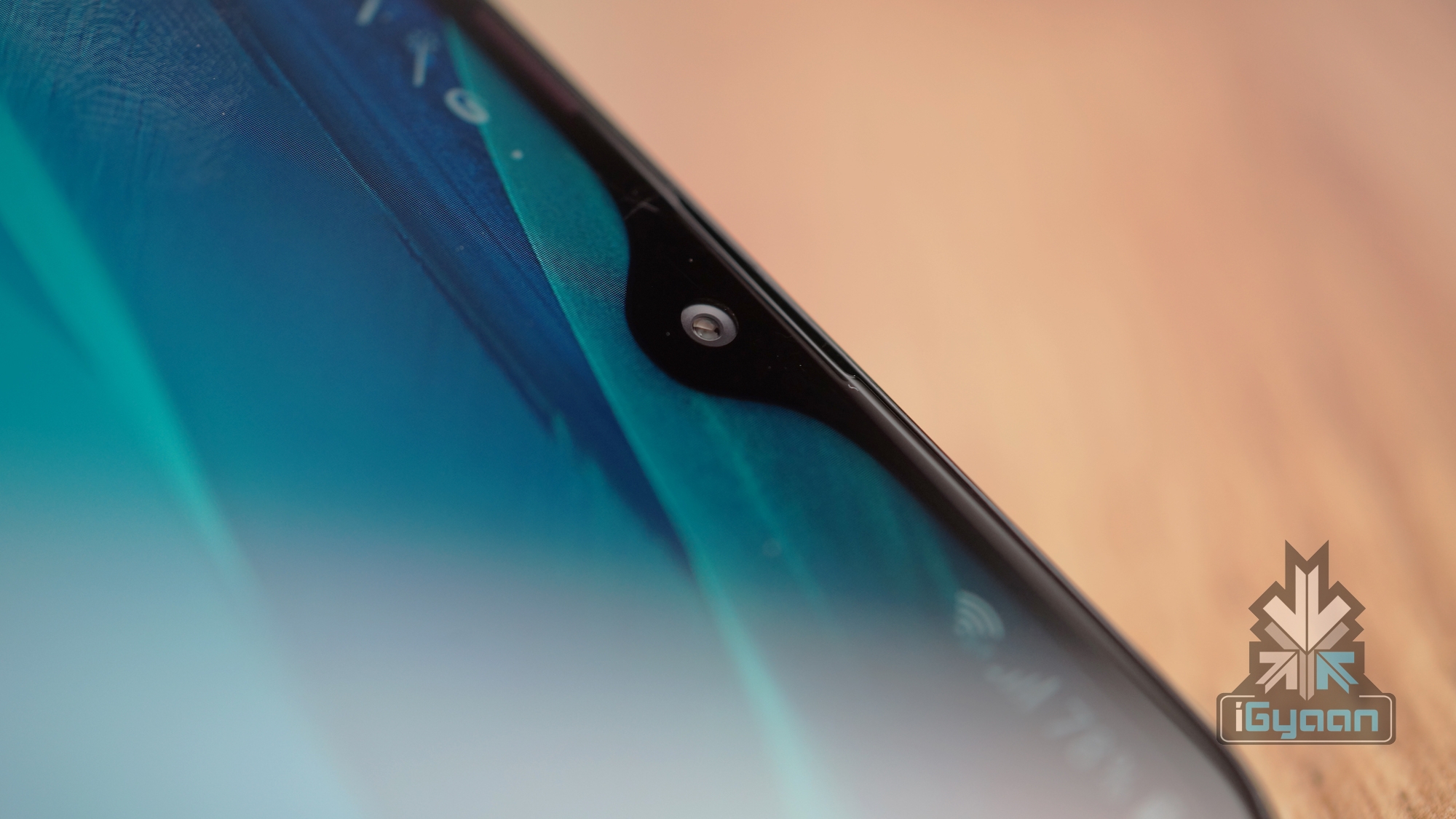 As far as the reported specs go, the three phones popped up on Geekbench some time back, and that’s when it became clear The three smartphones will probably be powered by the Exynos 7885 octa-core processor. Furthermore, With successively 2GB, 3GB and 4GB of RAM, the devices will most likely be running Android 9 Pie. Also, that has to be based on Samsung’s very own UI.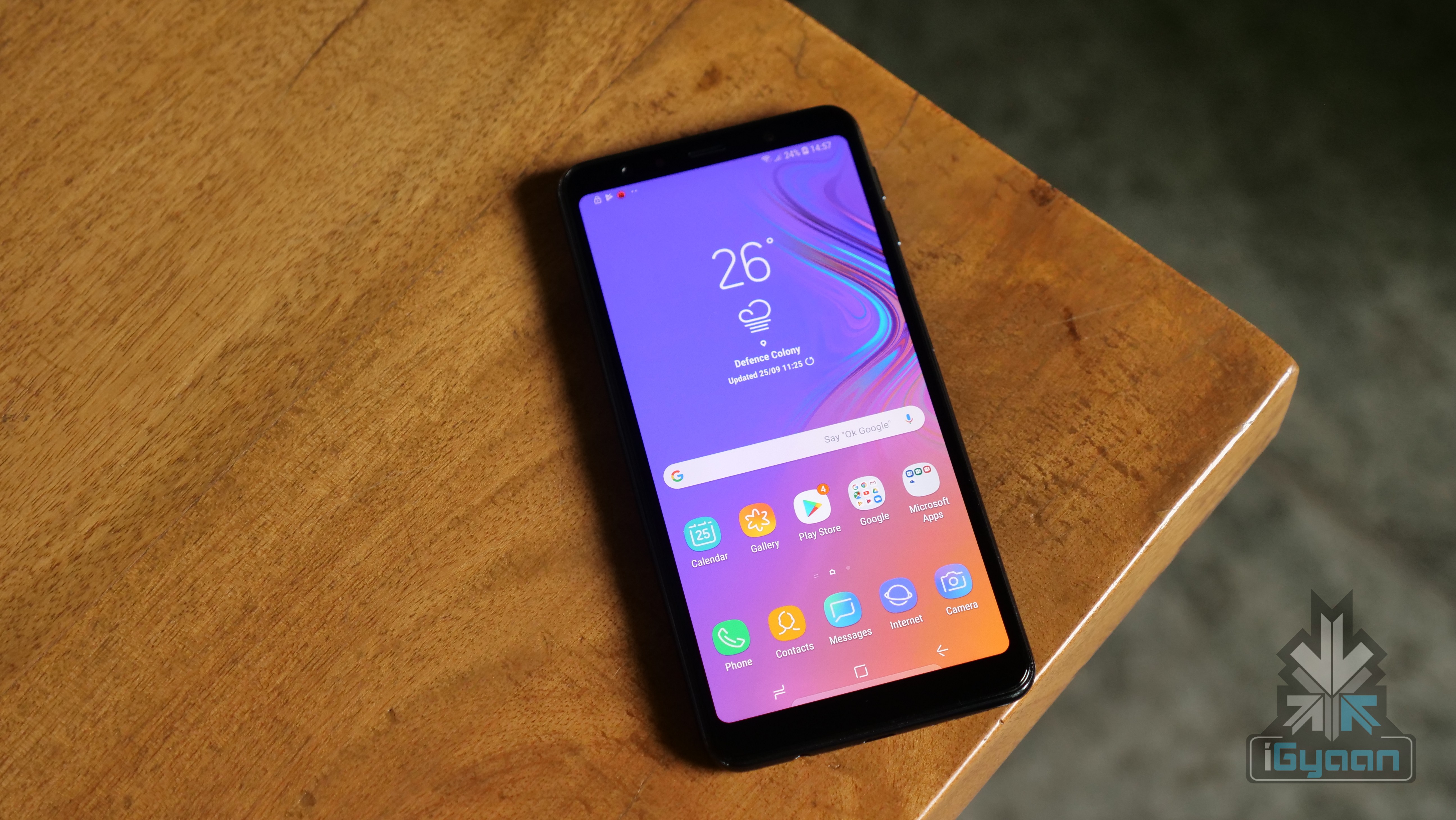
 Also Read :
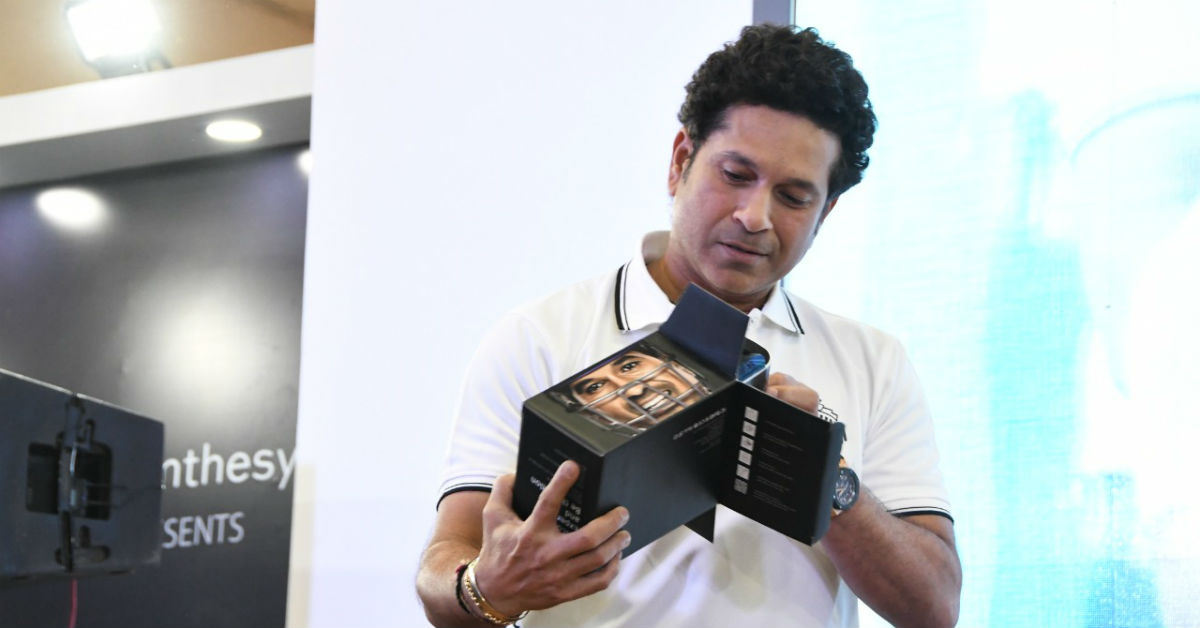 JetSynthesys is a gaming and digi-entertainment company, which is responsible for creating the game, along with the special edition Sachin Saga VR headset. Furthermore, the Master Blaster himself was there at the launch, accompanied by Rajan Navani, Vice Chairman and Managing Director, JetSynthesys. As mentioned before, the IGS saw a lot of tech and gaming enthusiasts gathered together to experience the best of gaming and technology, all at one place.
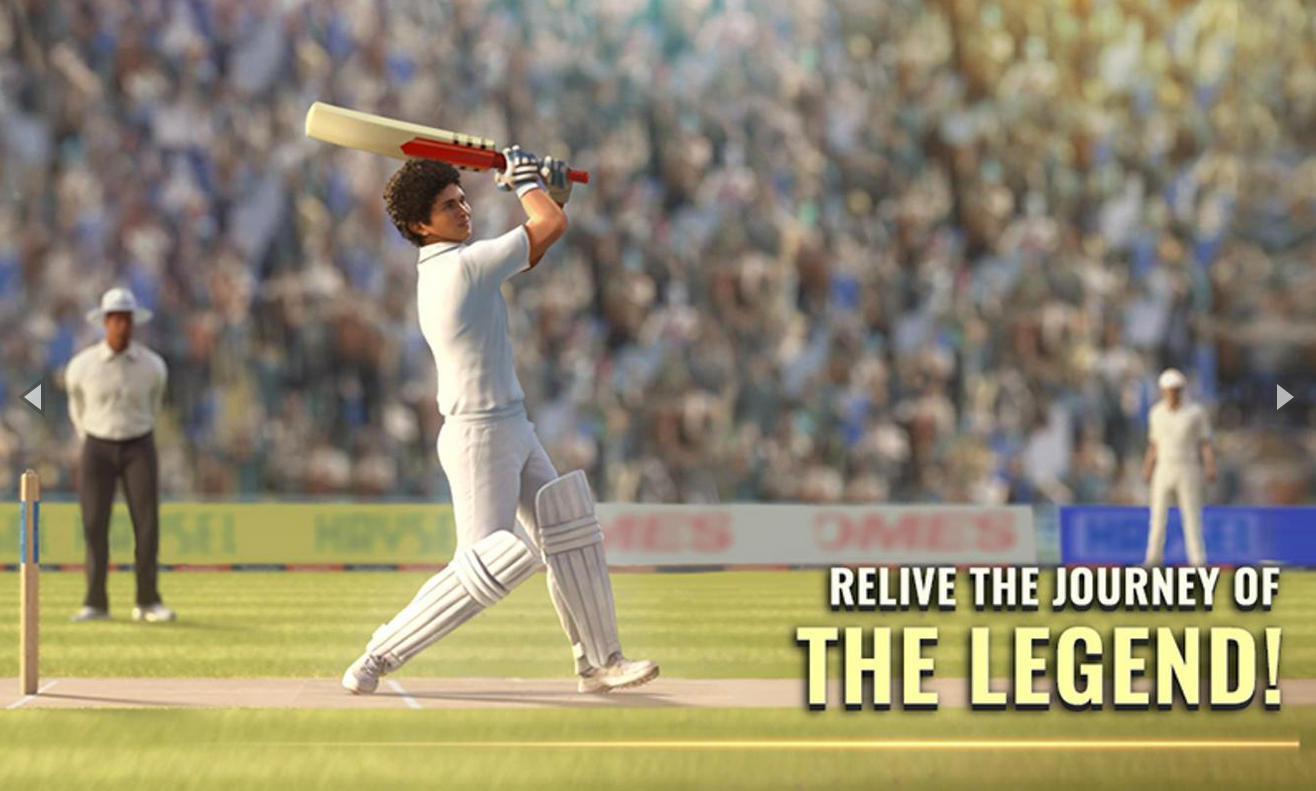 The game is built directly from reality, and is likewise equipped with on-ground immersion. Insane physics ensure that your reflexes are tested at every moment. You’ll face balls at a speed 150 KPH which are tracked in a real-time environment. Also, The high-end VR ensures that you can enjoy realistic shadows and motion captures by Sachin Tendulkar, with over 28 cricketing shots. Furthermore, You can play multiplayer cricket matches with international opponents across real-world stadium replicas. Love the Wankhade Stadium? No problem! A fan of the Lord’s Cricket Ground? You have it all!

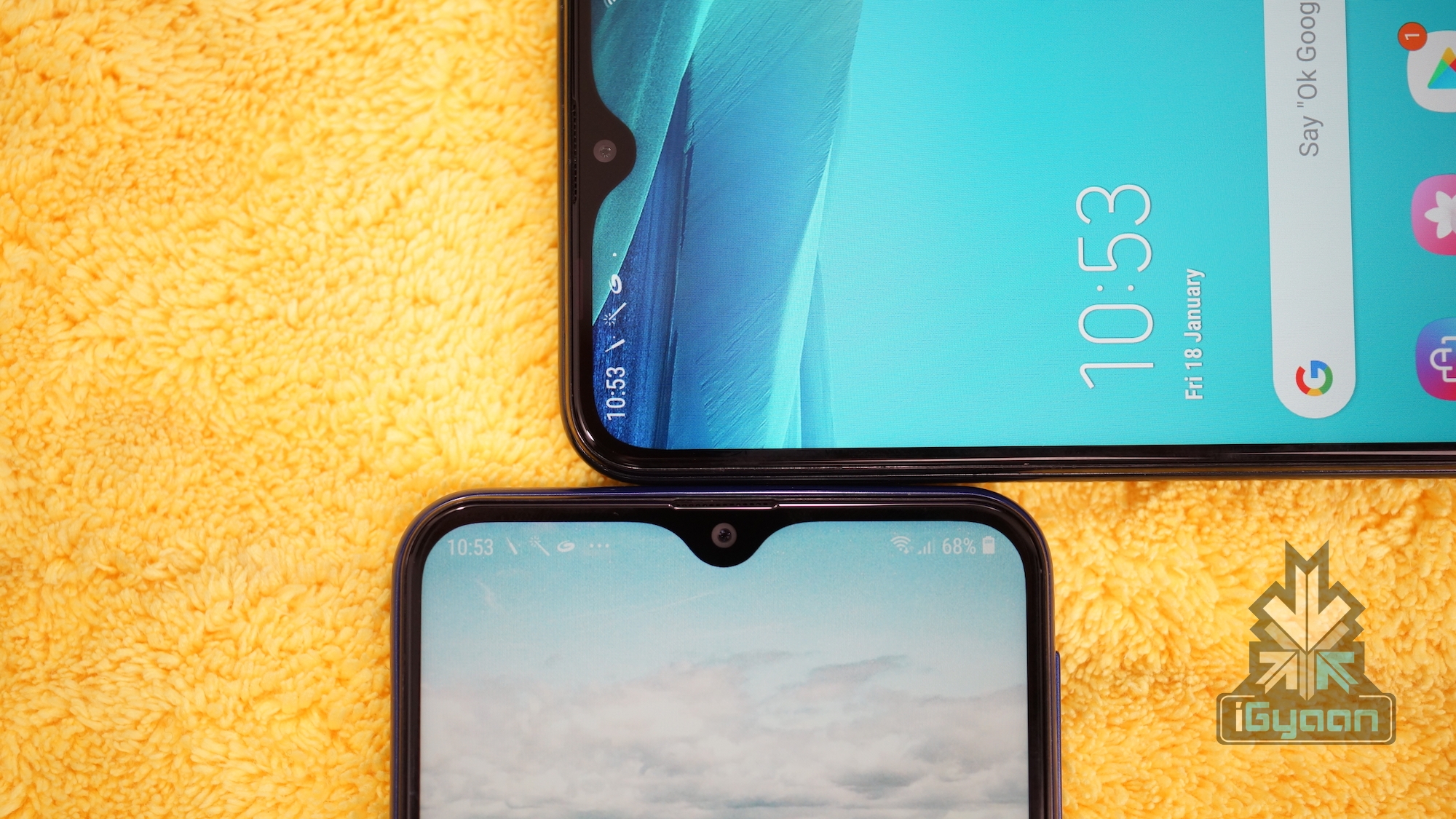
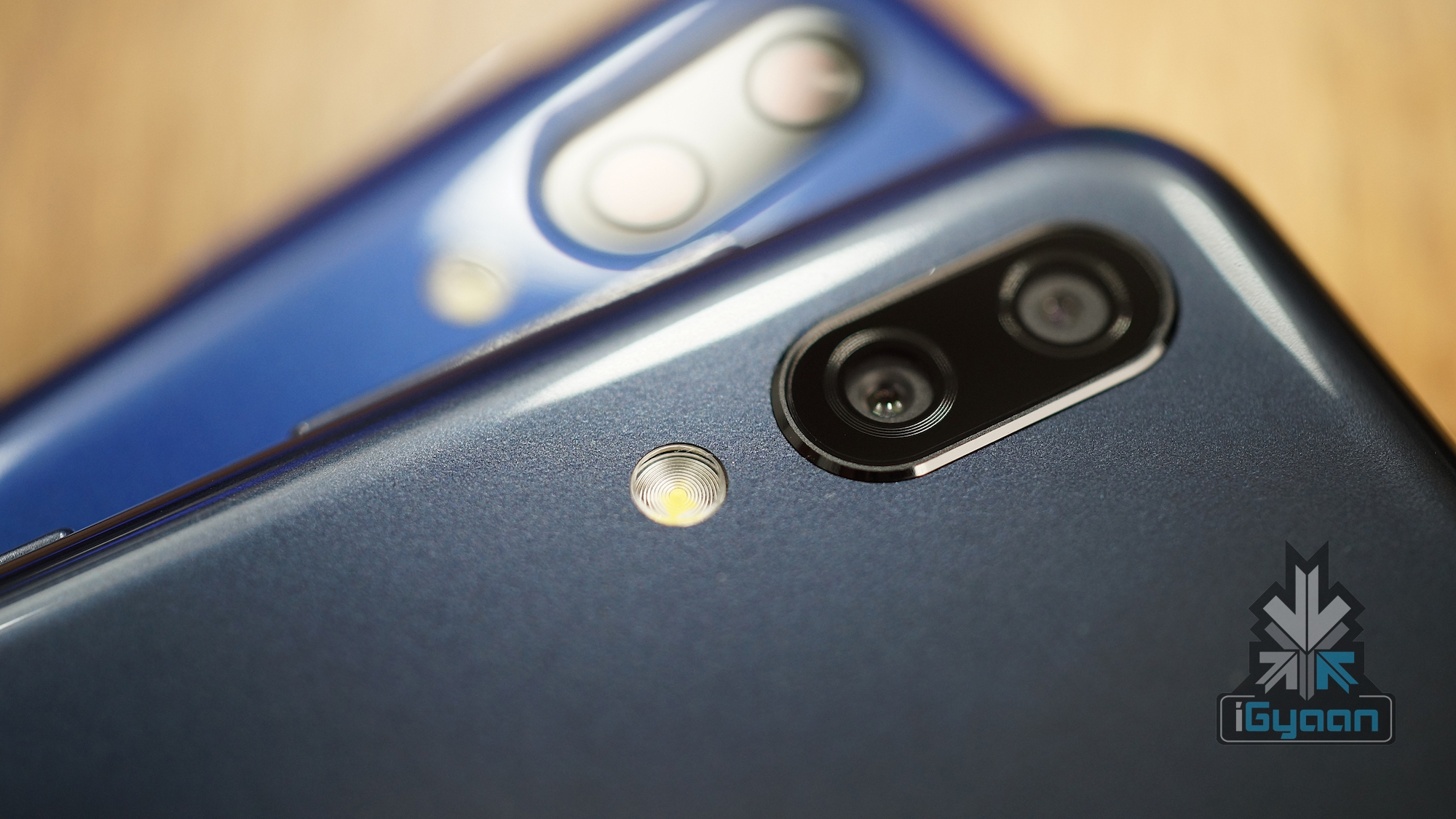
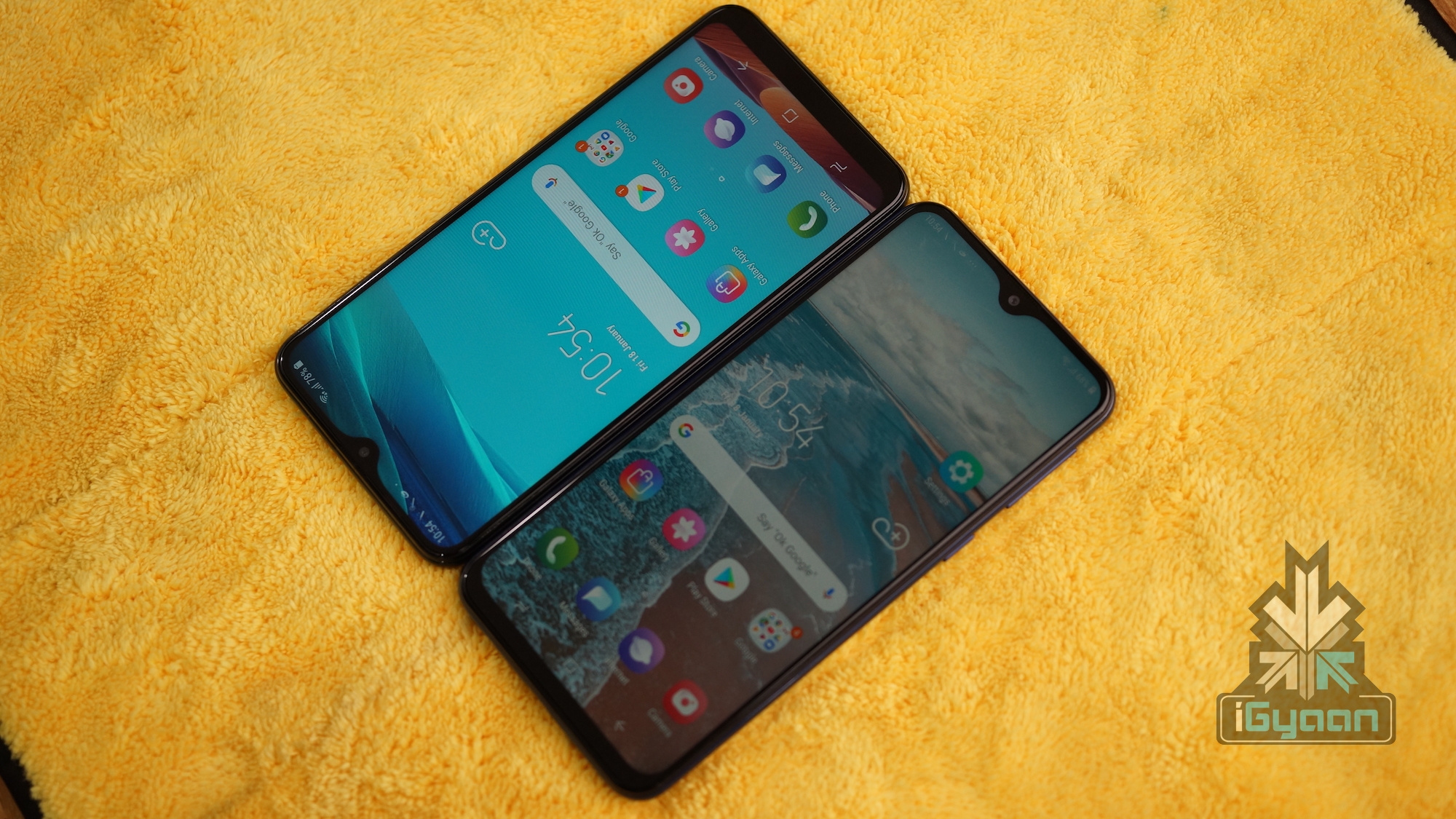 The Samsung Galaxy M10 and M20 will go live on sale today, February 5. Sold exclusively on Amazon India and Samsung’s online store, they’ll be up by 12 noon. Since India is the first country where Samsung is releasing these smartphones, expect a lot of buyers flocking to purchase the M series phones. Standing on the foundation of a strongly-built brand, they are aiming to compete with brands like Xiaomi and Motorola in India.
 The
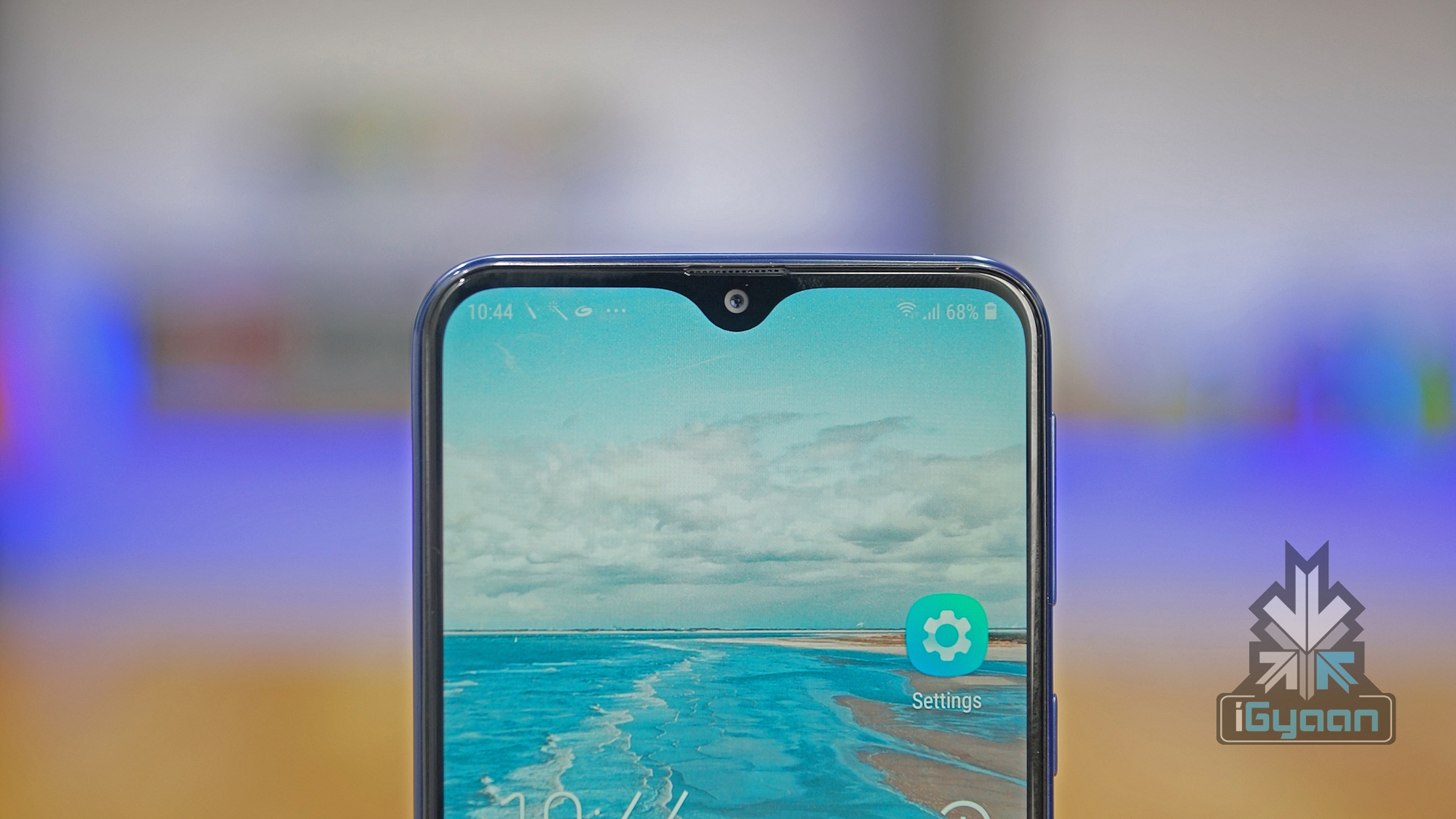
The 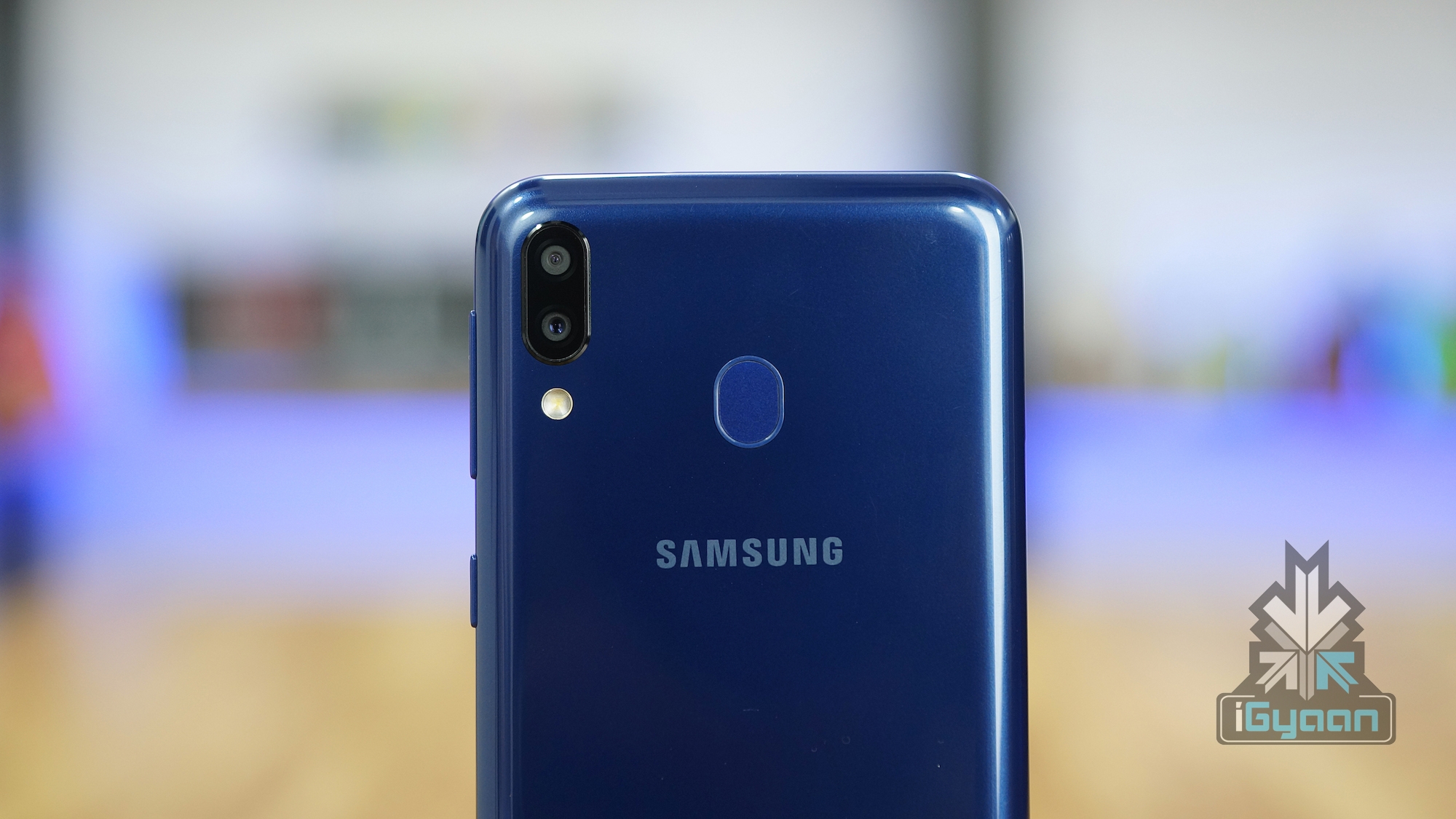 On the other hand, Samsung Galaxy M20 will be available in two variants, a 3GB+32GB variant and a 4GB+64GB variant. Sporting the same, but a bigger 6.3 display than the Galaxy M10, the M20 will run on an Exynos 7904 chipset. With an octa-core CPU (2×1.8 GHz & 6×1.6 GHz), it has almost the same camera specs as the M10. The phone will be powered by a huge 5,000 mAh battery, so you needn’t worry about the juice required to keep your phone running. Also, it comes with a rear-mounted fingerprint sensor.
 Also Read:
 Also Read :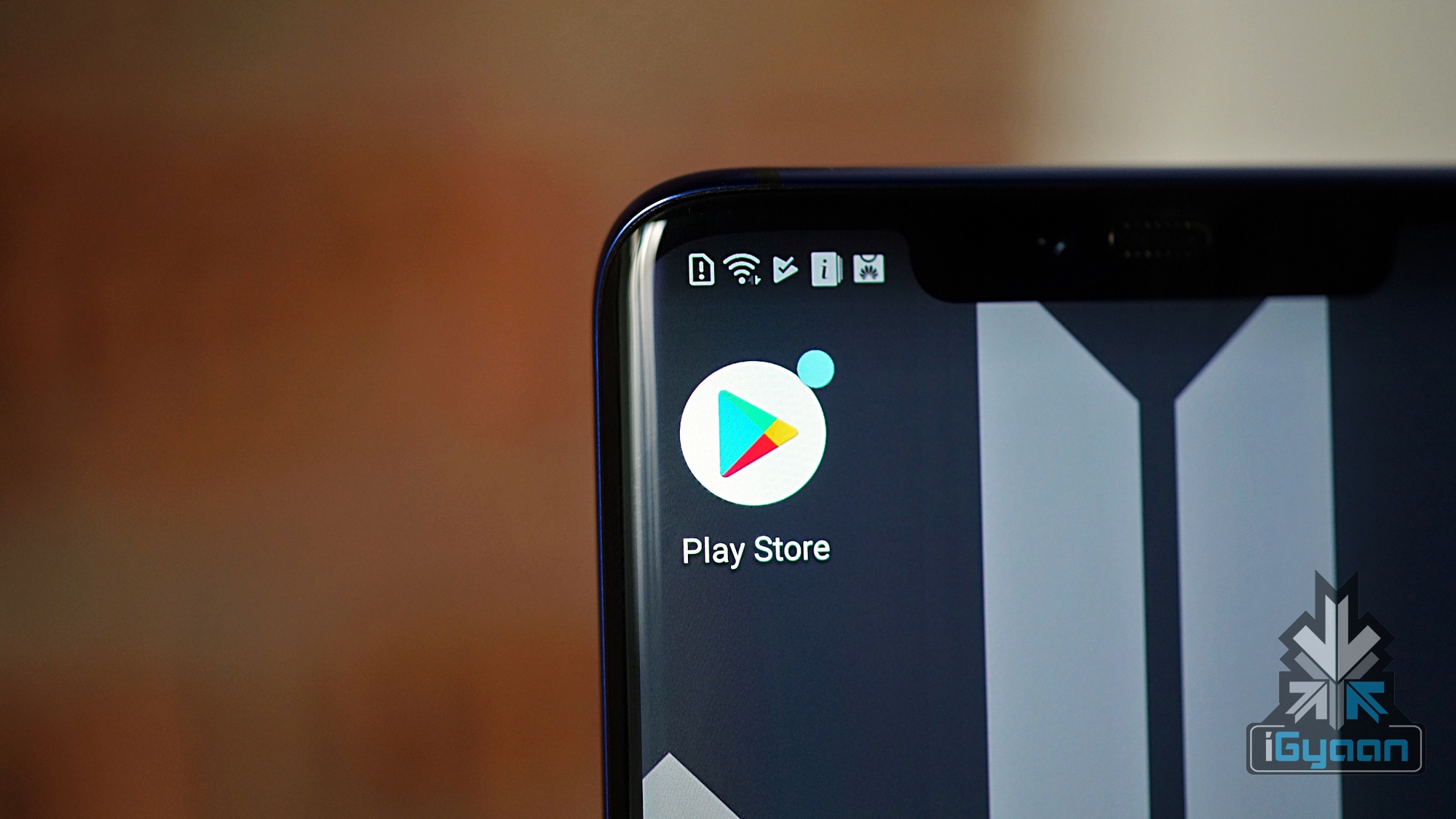
 As reported, several apps which are downloaded from the Play Store tend to display objectionable links and content on their screens. The links and clickable content then redirects the users to ‘scam’ websites, where information is misused. Supposedly, these ‘fake’ apps can access remote ad configuration servers for performing their phishing attacks. Previously, Google banned some Crypto-mining apps from their Play Store, due to policy changes by Google in July 2018. It also banned Chrome crypto-mining apps from the Chrome store. Crypto-jacking was a pretty common activity at that time. Hackers used to take over user’s devices for crypto-mining, even on mobile devices.
 Also Read :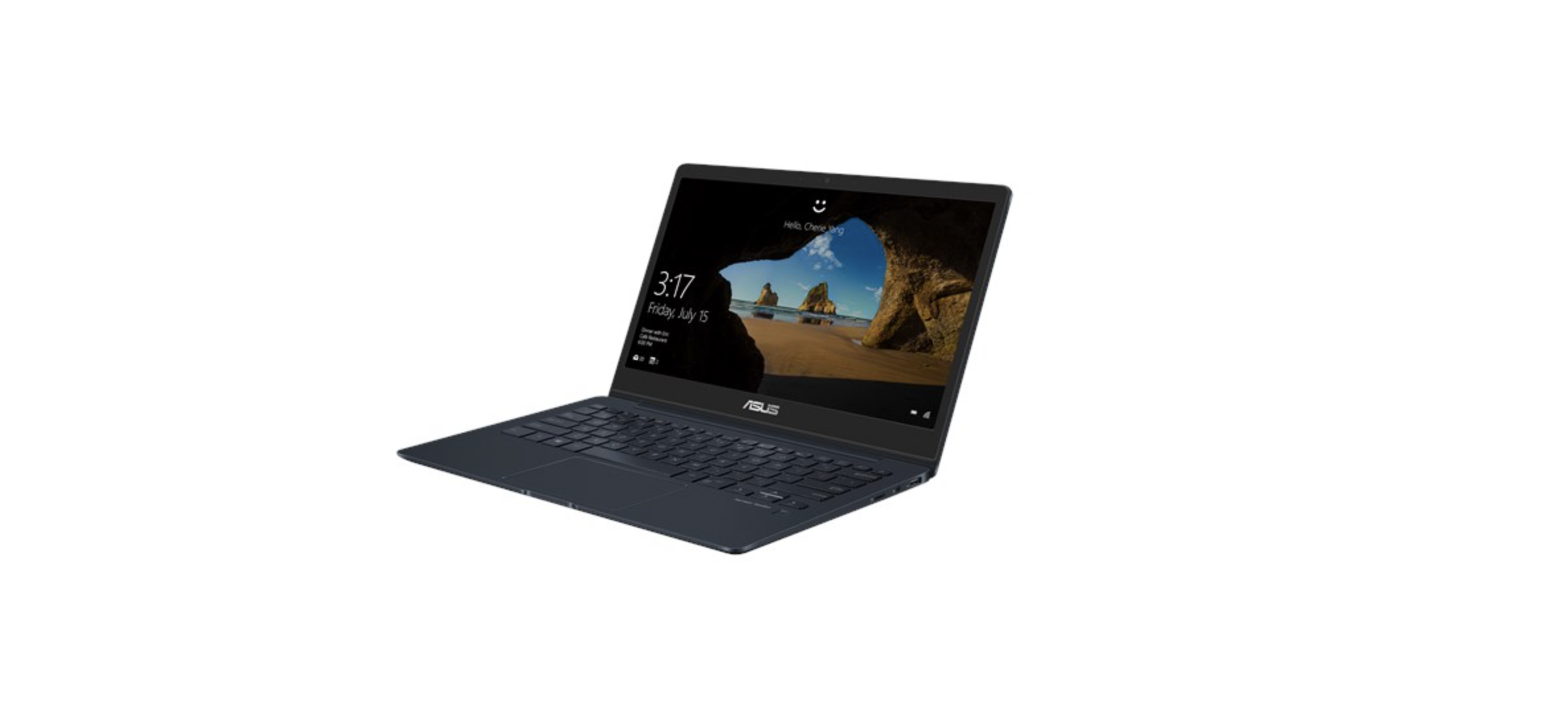
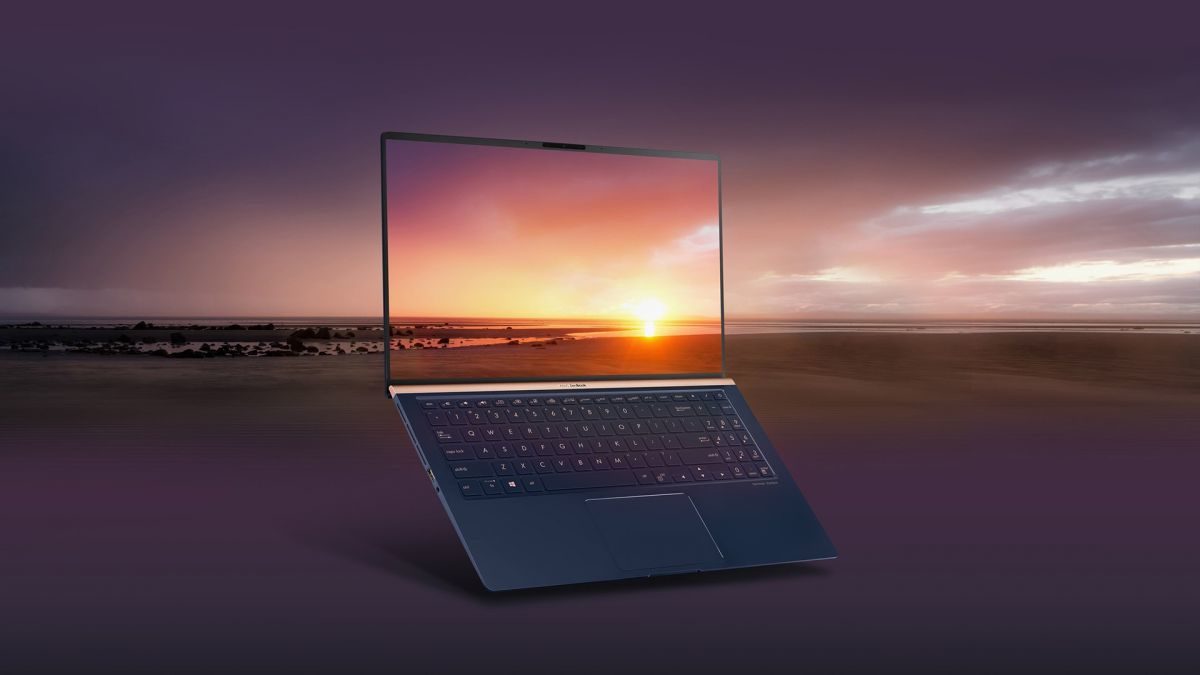
 The ASUS ZenBook 13 in just 16.9 mm thin. Featuring a 13.3 inch Full-HD display with a NanoEdge design, the ZenBook 13 achieves a 95% screen-to-body ratio. With ultra-thin side and bottom bezels (2.8mm-3.3mm), it claims to be the world’s smallest 13 inch laptop. If you think the small screen at 13 inches is an issue, the display is optimized for 178-degree viewing angles. We think that this makes it a great device overall.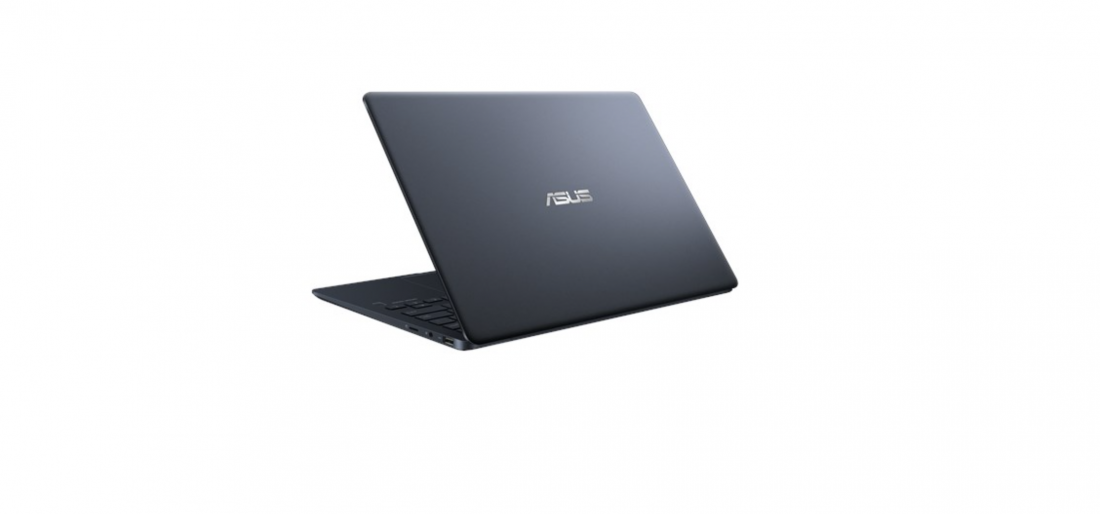
 The next iteration in the ZenBook series is the ASUS ZenBook 14, which will be 0.63 inches thin. The 1.09kg notebook will sport a 14-inch Full HD display, with a 92% screen-to-body ratio. Again, this is possible because of very thin bottom and side bezels. Again, it will be available in the same processor options as the ZenBook 13, with similar graphic options.
  Also Read :
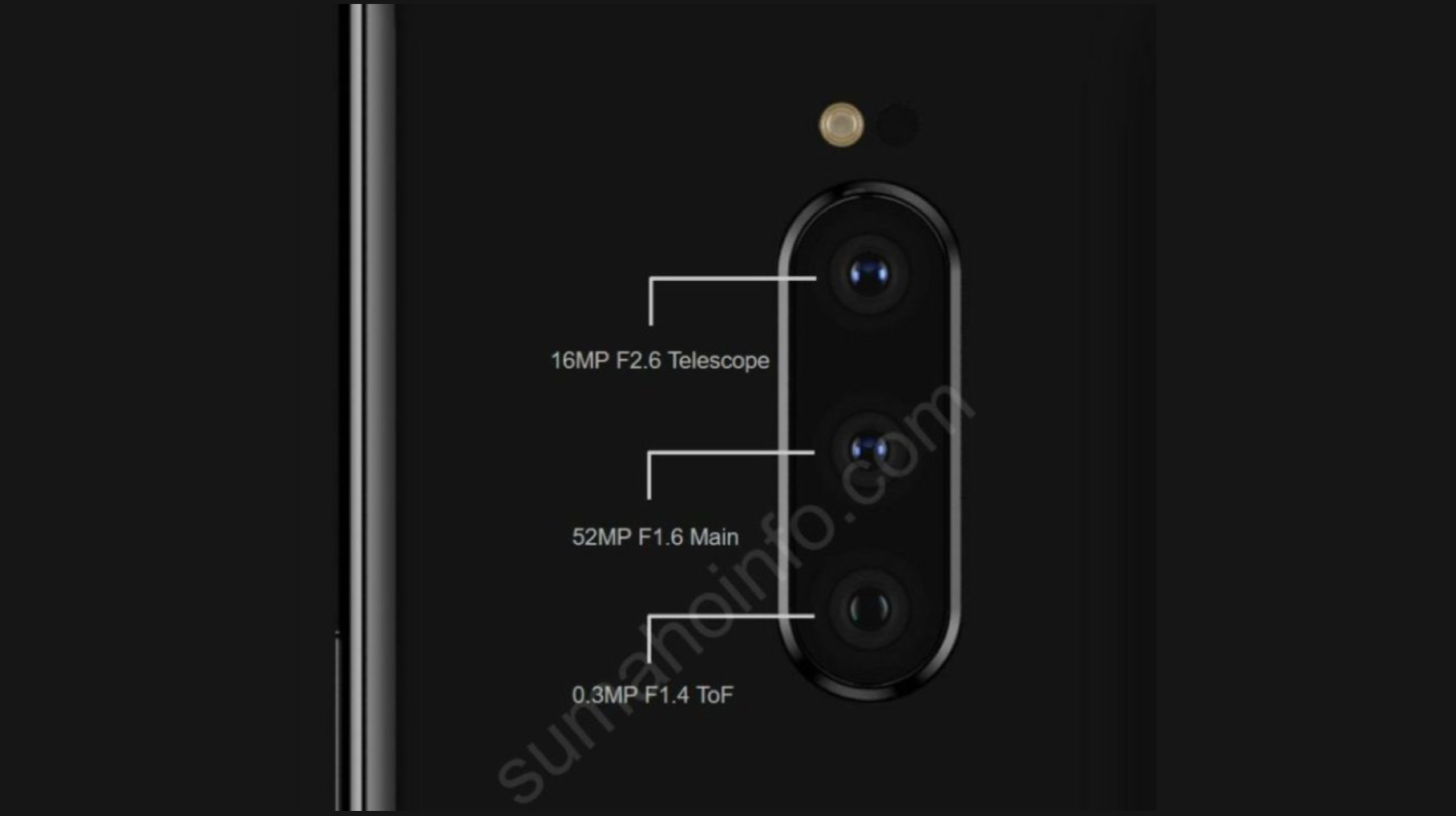
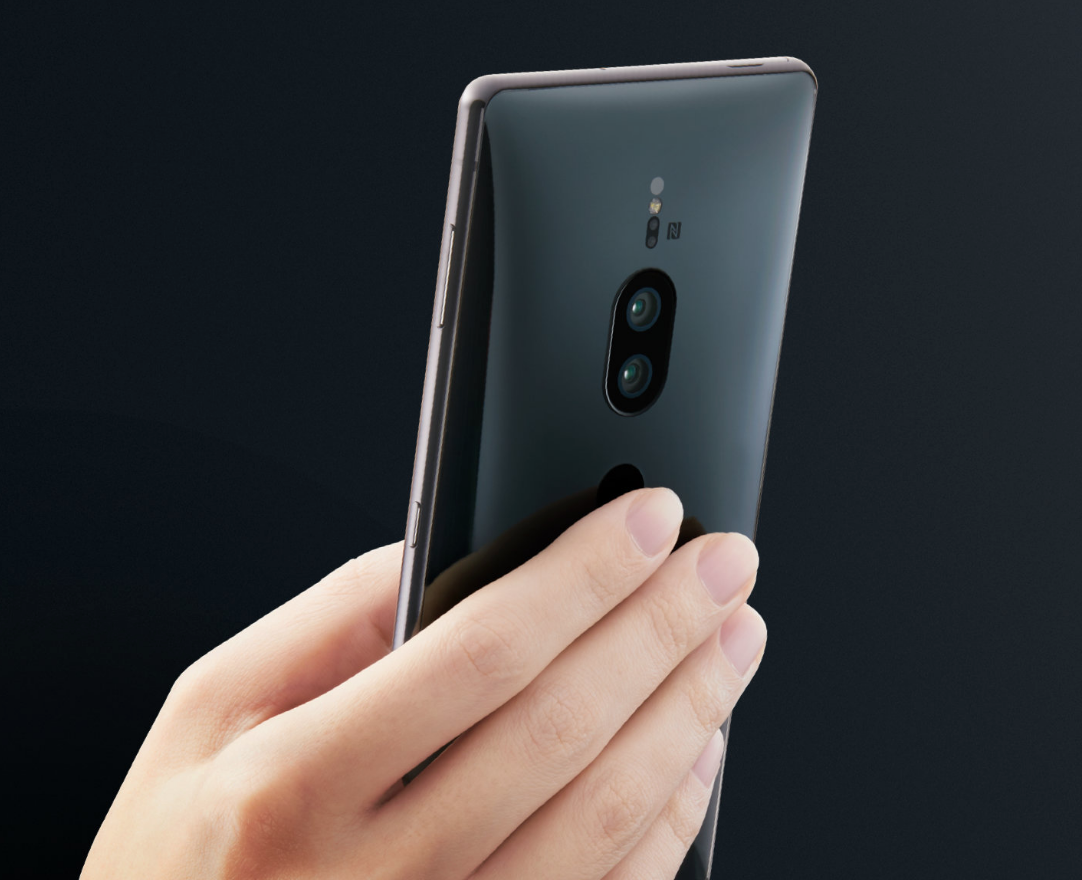 The Xperia XZ4 will the first in the series of premium Xperia smartphones. Sources say that the model will have 3 different camera sensors mounted on the back. Not a lot of details are out yet, but the camera is definitely going to be the defining factor of the Xperia XZ4. The rear image of the device was leaked with the same name.
  Also Read :
 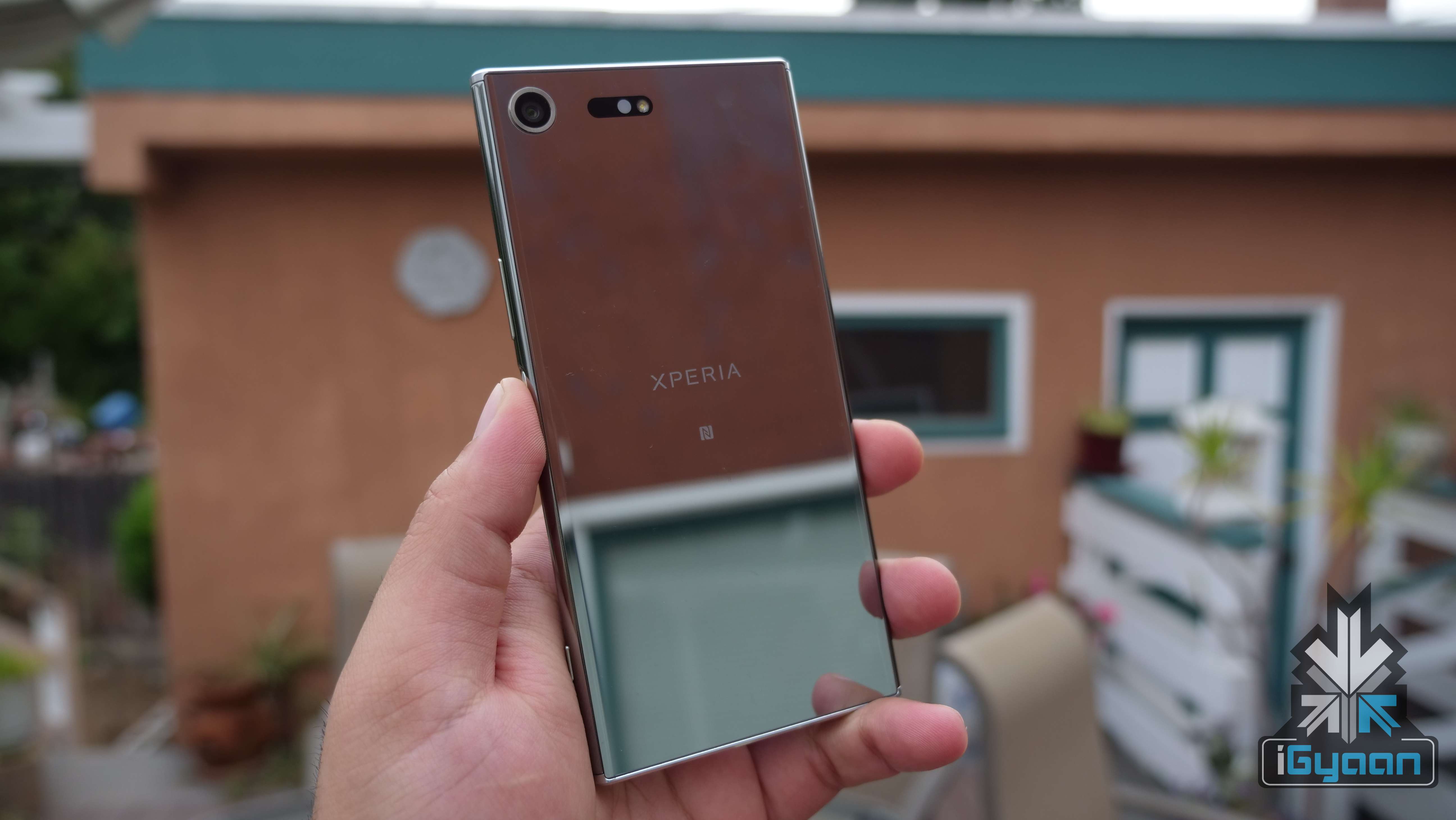 It’s just a matter of time before the Sony Xperia XZ4 is announced, probably at the MWC 2019. Sony’s success rate dropped a bit with its last smartphone range, but hopefully they’ll make it back to the top with a smartphone release like this. Besides, Sony smartphones set standards for some of the best cameras all around. We all hope the legacy continues.
 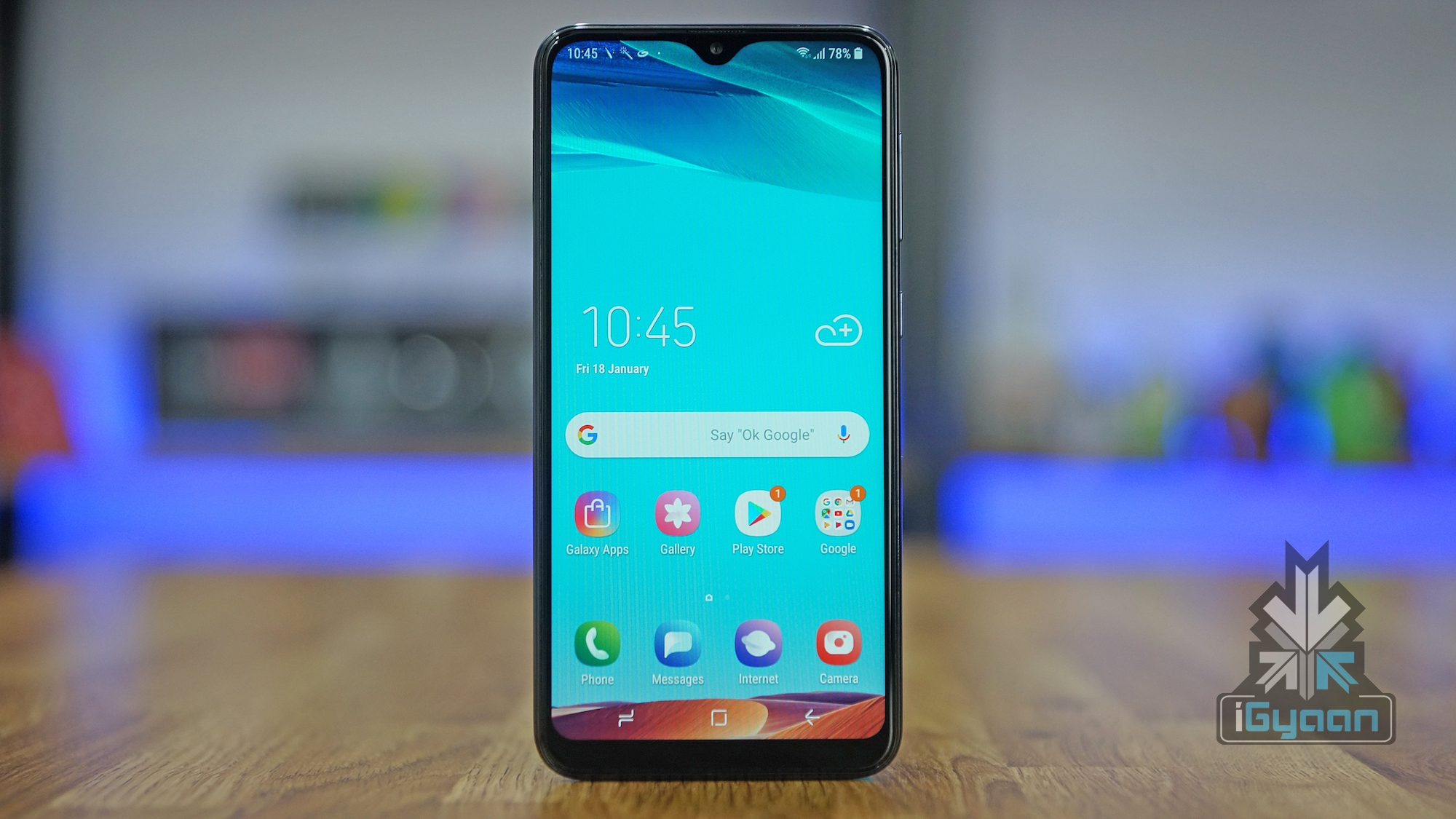 The Samsung Galaxy M30 will be comparatively slimmer than the Galaxy M20. At 8.4 inches of thickness, it isn’t going to be the slimmest phone around. Hopefully, it will be still sleek enough to implant an impression. Sporting the same waterdrop notch as the other two models, the Galaxy M30 is expected to look like a premium smartphone.
  Though we have not confirmed the specs yet, the Samsung Galaxy M30 will run on the Samsung Exynos chipset, and will boast an octa-core processor. By the time the Samsung Galaxy M30 will be released, it will probably run Android 9.0 out-of-the-box.
 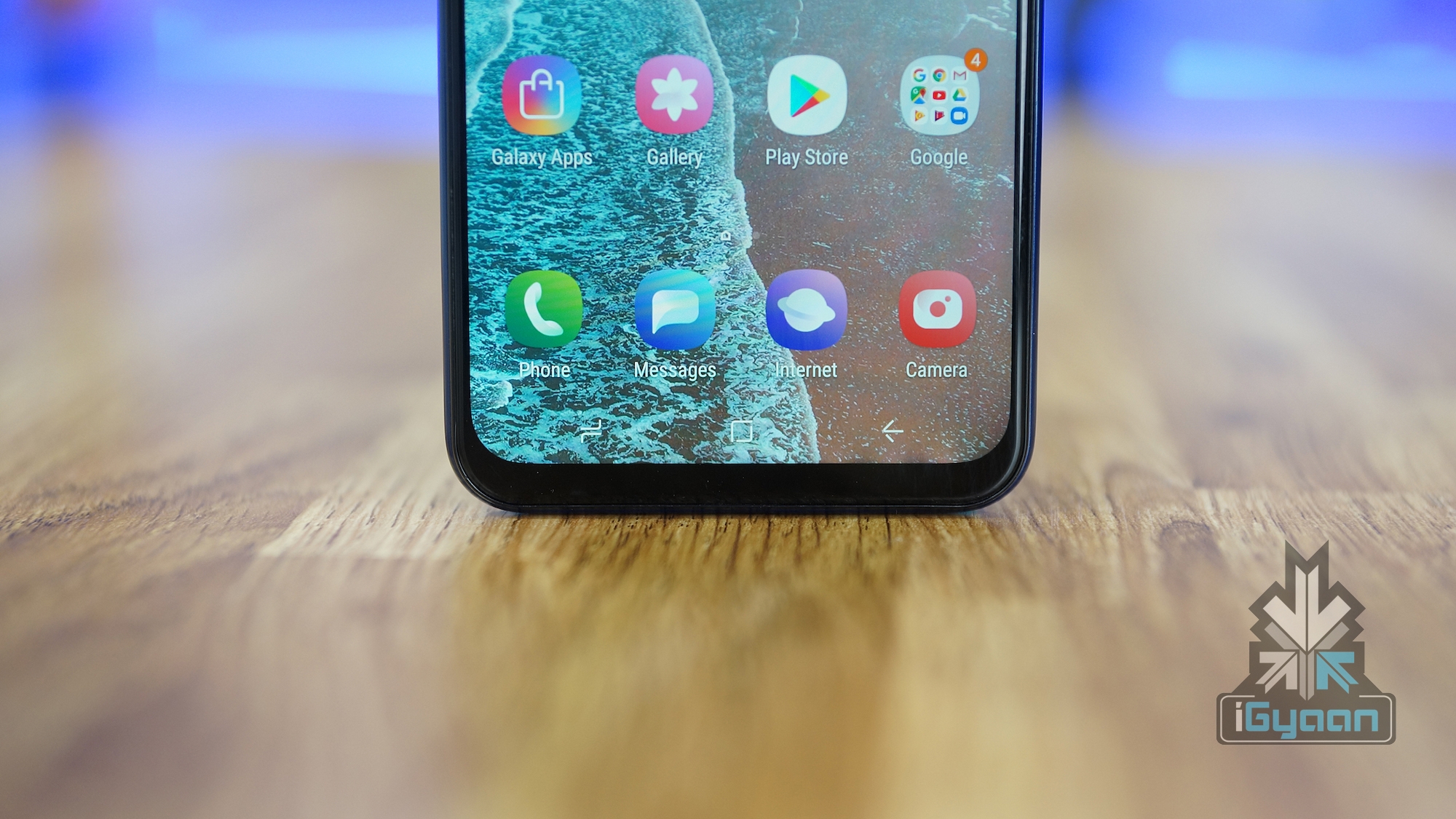 The Galaxy M30 may be rolled out in two variants, a 4GB RAM version and a 6GB one, both with different storage options. MicroSD support will be present, of course, with expandable memory up to 512 GB.
 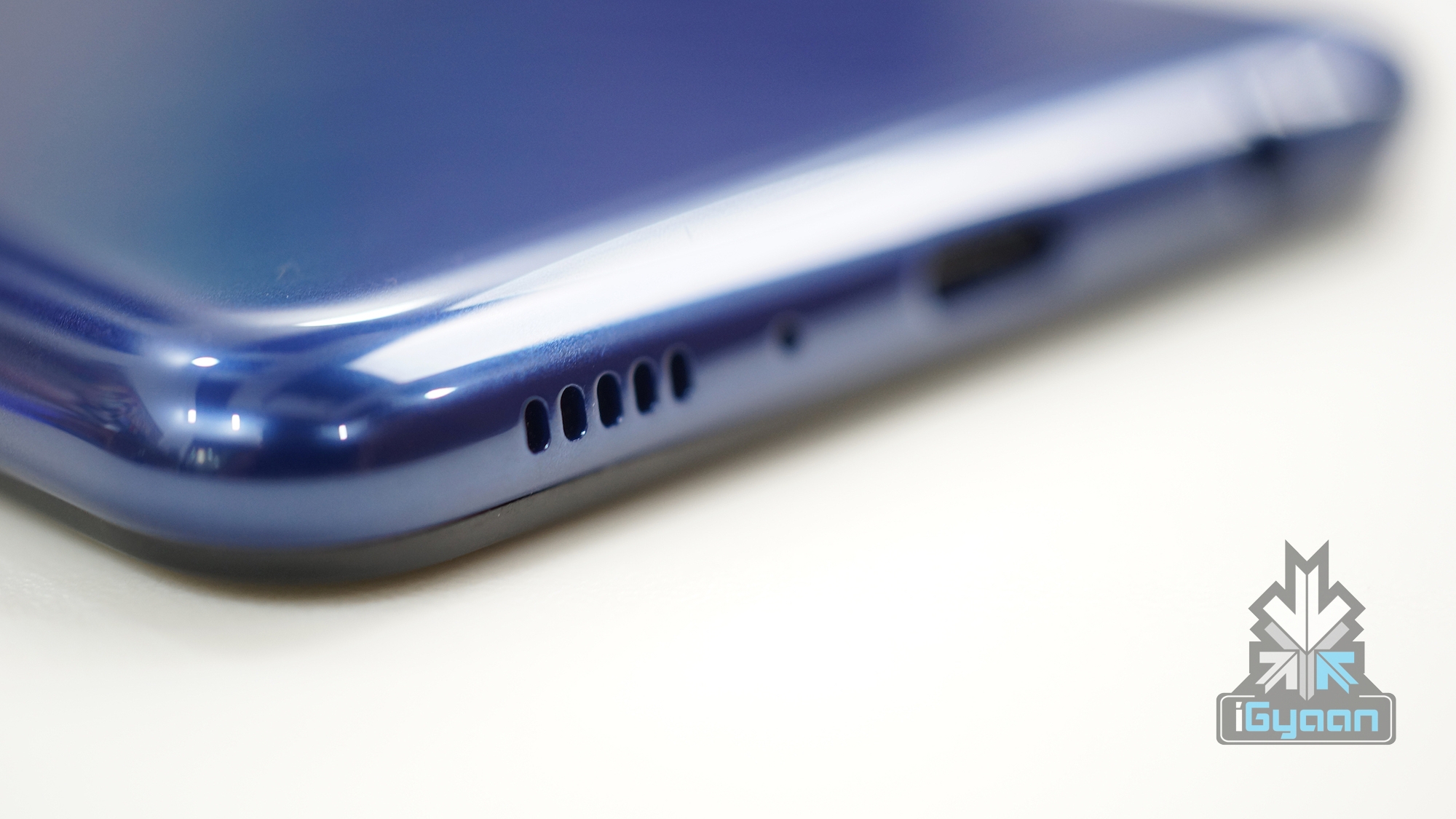 We believe the Samsung Galaxy M30 will pack a non-removable 5000 mAh Li-Po battery with fast-charging support. It will have a Type-C 1.0 reversible connector, with a rear-mounted fingerprint sensor, just like the Galaxy M20.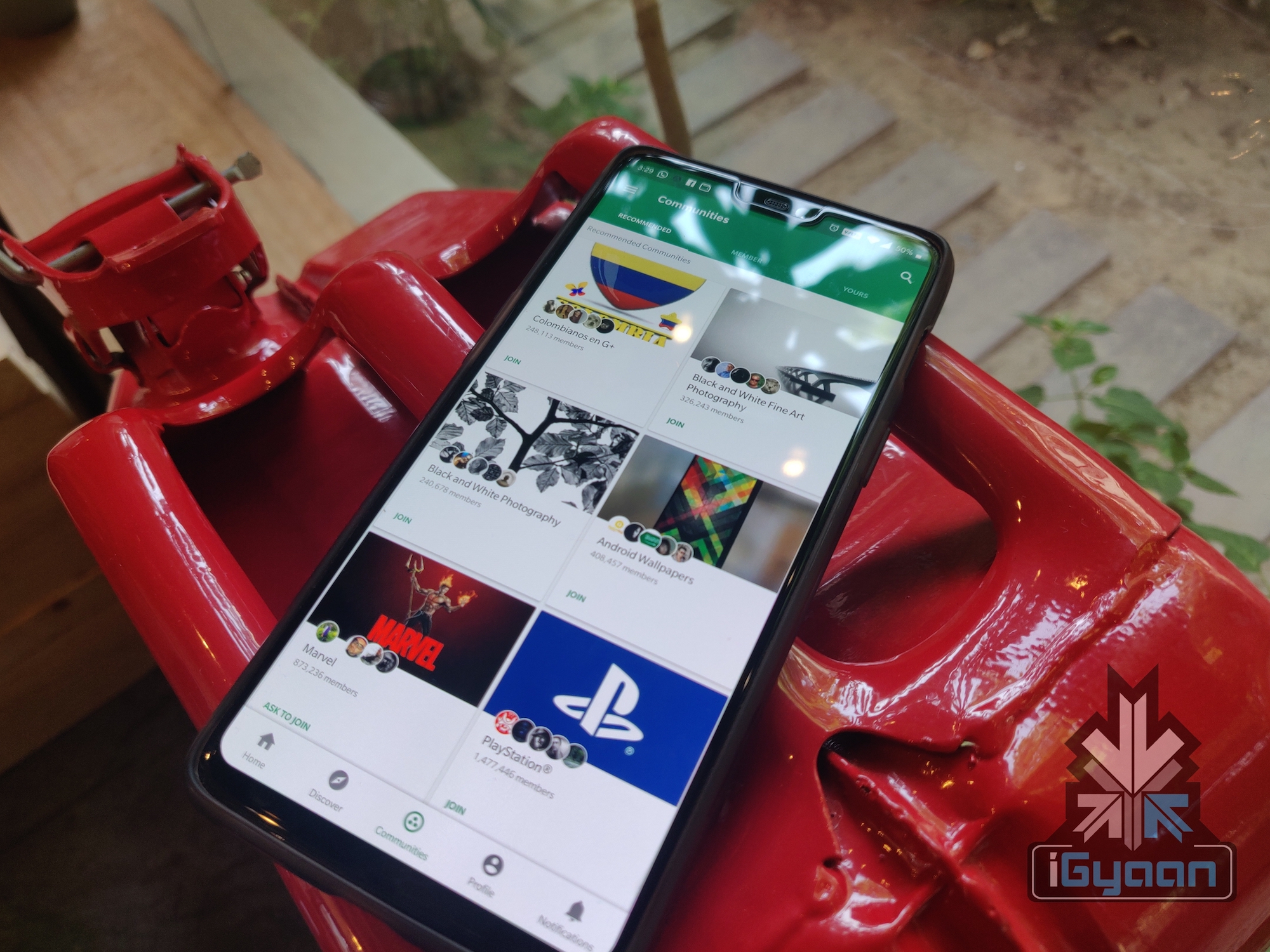
 This shut-down was initiated because they were unable to tackle challenges involved in maintaining a successful product, according to Google. As per
 Also Read :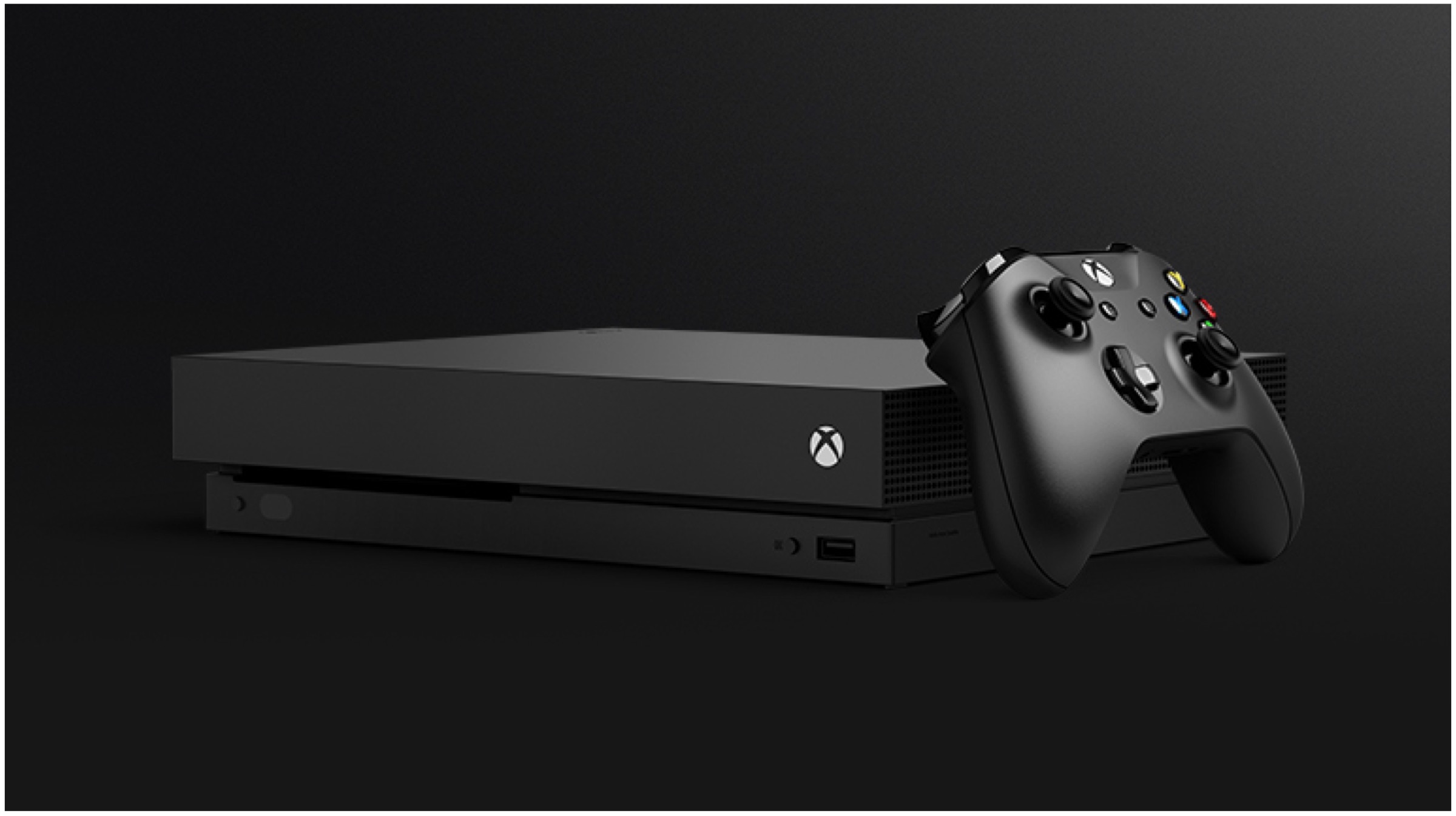
 A lot of reports and complaints originated around 7 pm IST, saying that a lot of Xbox one gamers couldn’t boot their Xbox One up. Even after restarting it several times, there wasn’t a fix available to the problem. Meanwhile, a lot of gamers started reaching out to the Xbox Support page on Twitter, creating a mess. Literally everyone saw that coming.
 Xbox support tweeted a while later (you can check out the tweet
 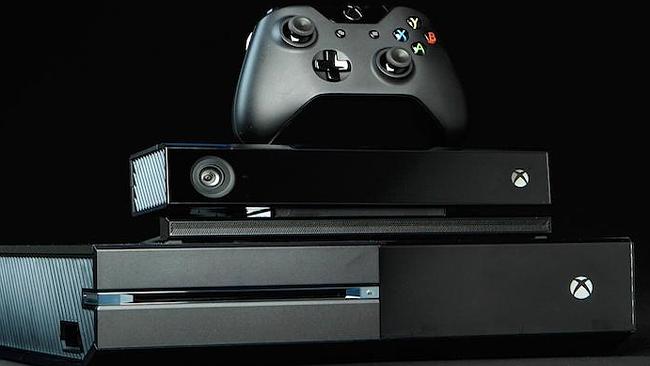 Some hours later, Xbox support got back to their user base with the relieving news that the issue has been resolved. Gamers were able to get back online and text their buddies ‘Servers are back up, let’s play’. According to some tweets, the issue was caused due to a service update, that had to be rolled back in order to fix the outage. But hey, all’s well that ends well.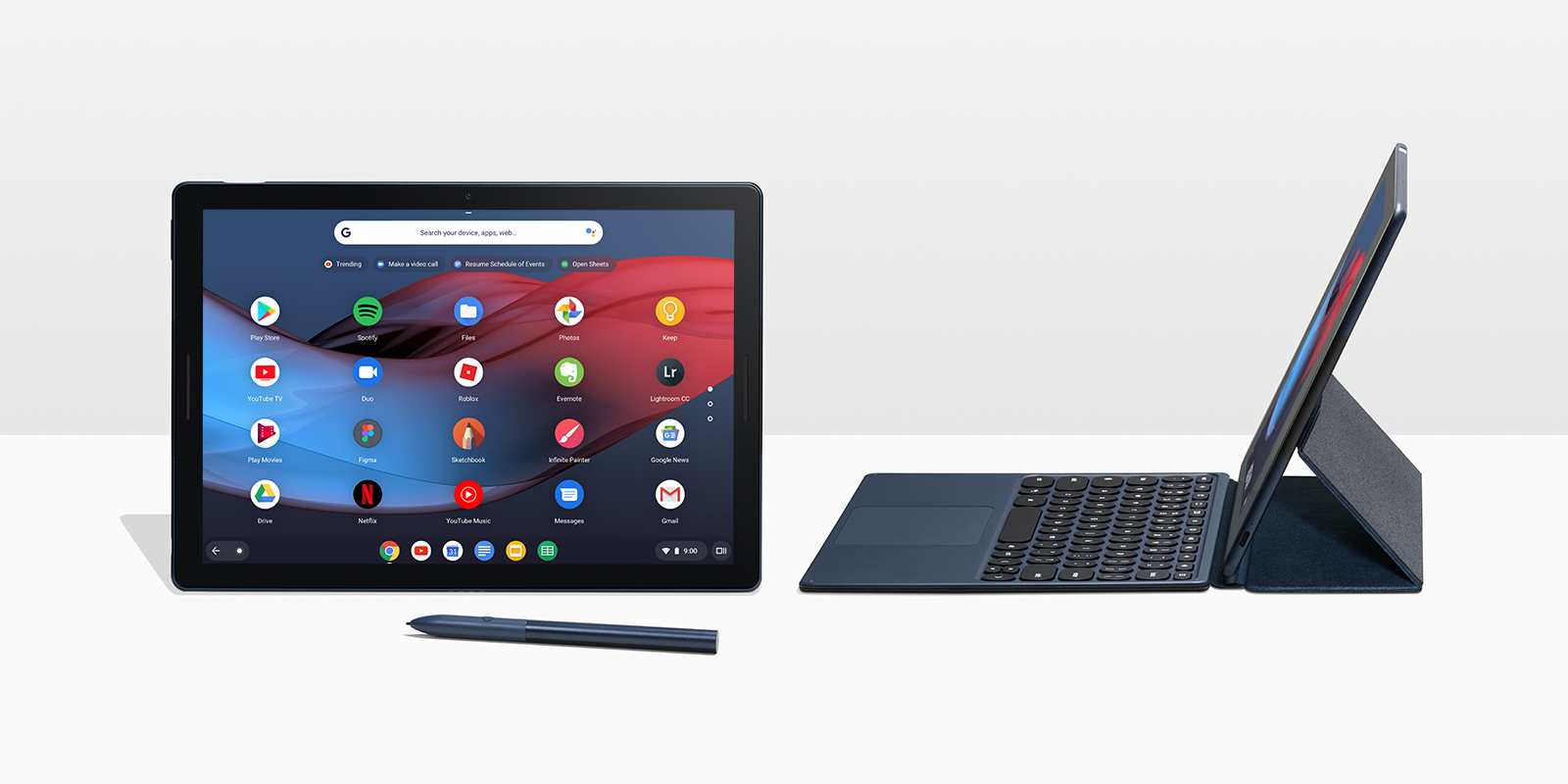
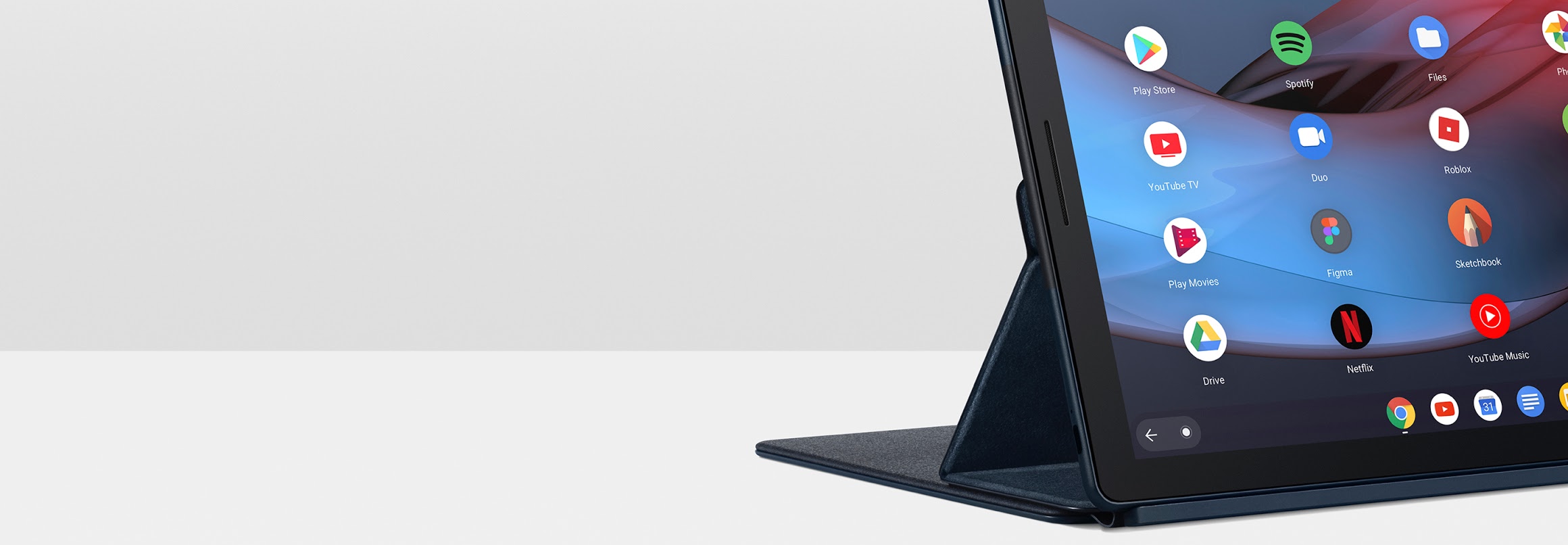 The latest Google “rammus” reveal on Geekbench indicates that the device is packing a 4.20 Ghz i7-8500Y dual-core processor. As we mentioned beforehand, the earlier version had an Intel Core m3-8100Y processor. This is an okay-ish improvement, considering the fact that there is not a lot of performance difference between the two chipsets. Both the Intel chips are based on the Amber Lake microarchitecture. They are built on a 14nm+ FinFET process.
 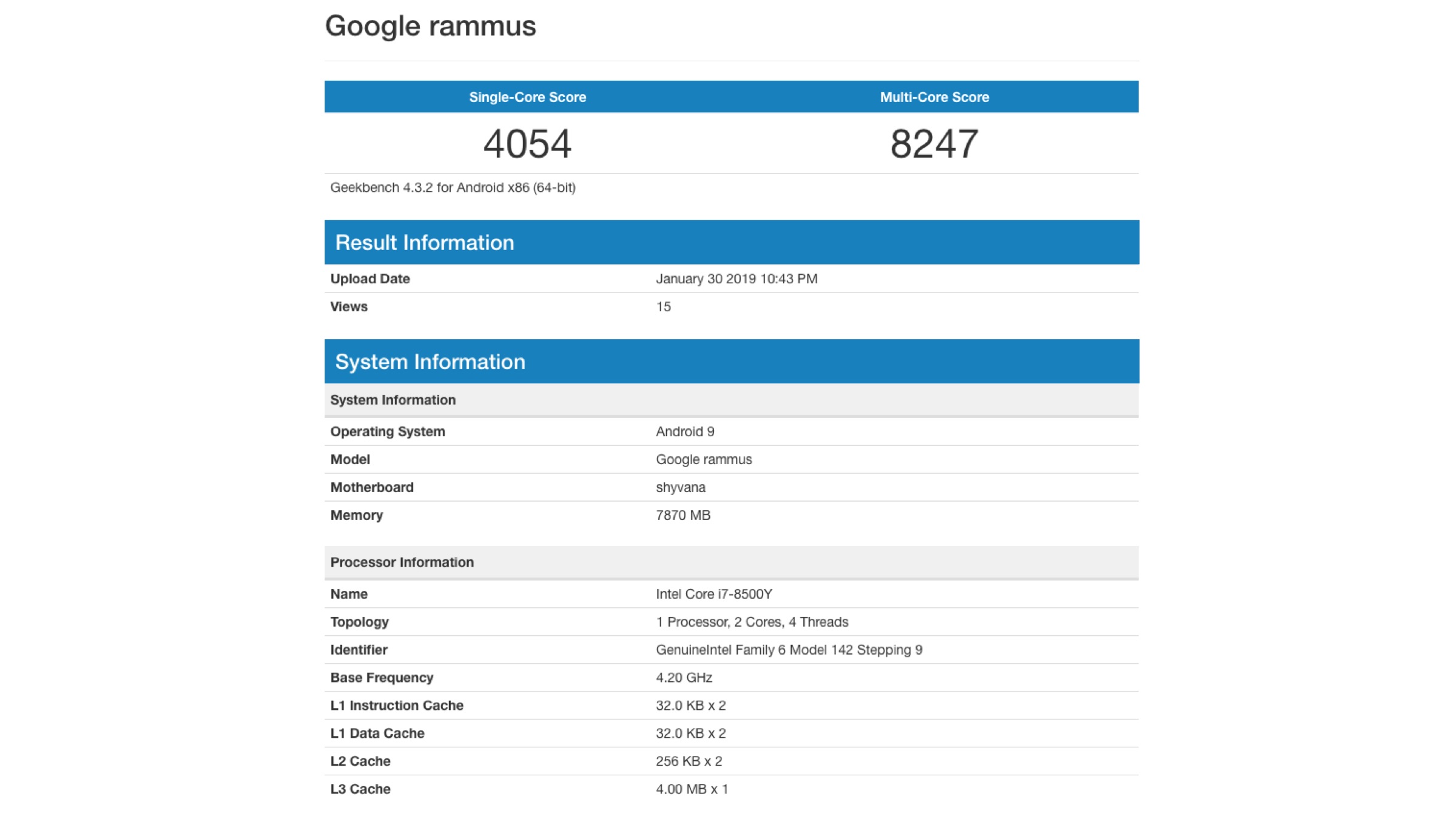 An 8GB RAM over 4GB RAM is a decent upgrade any day, which Google seems to have done with the new “rammus”. If we compare the benchmarking scores of the old and the new “rammus” models, we see a clear improvement. The newer variant with the core i7 processor scored 4054 in the single-core test, whereas it achieved a score of 8247 in the multi-score test. On the other hand, the older variant, which packed the Core m3 scored 3479 points in the single-core test and 6312 points in the multi-core test. A difference of almost 2000 points clearly indicates that Google is planning to bring this strange “rammus” to the market soon.
 Also Read :
 Huawei applied for two separate trademarks at the European Union Intellectual Property Office, also known as the EUIPO. This happened on 29 January, 2019, and they are actually the brand names for Huawei’s next smartphones, Huawei Mate Smart and the Huawei Mate Mini.
  B
B