India is still figuring out technology, yet it is one of the largest consumers of new technology in the world. Smartphones reach India faster than ever and now other categories of tech are starting to pay interest in the growing market.
Gaming is also an industry that has been synonymous with the international market, and while a lot of people are interested in gaming, the scope of engagement has stayed outside the borders of our country.
Let’s Game wants to change that!
A community of gamers, game lovers, game developers and enthusiasts. While iGyaan will do its bit in providing news and information along with reviews. Let’s Game will allow direct interaction with gamers. iGyaan will share community videos and crowd sourced gameplay, tips and tricks.
We are working on a mega event for 2016 where 2000 people will get together for the largest gaming festival in India. We can’t be excited enough!
While we iron out the details on this. Tell us what you would like, how you would like this to work. Your ideas for engagement, and your methods of communication. What you would like to see and how you would like to see it grow.
Motorola India is backing this project by iGyaan and are helping us develop and engage the community.
So stay tuned for updates and more exciting news, and till then watch our intro to Let’s Game below. Soon you and us will be on projects like these together.
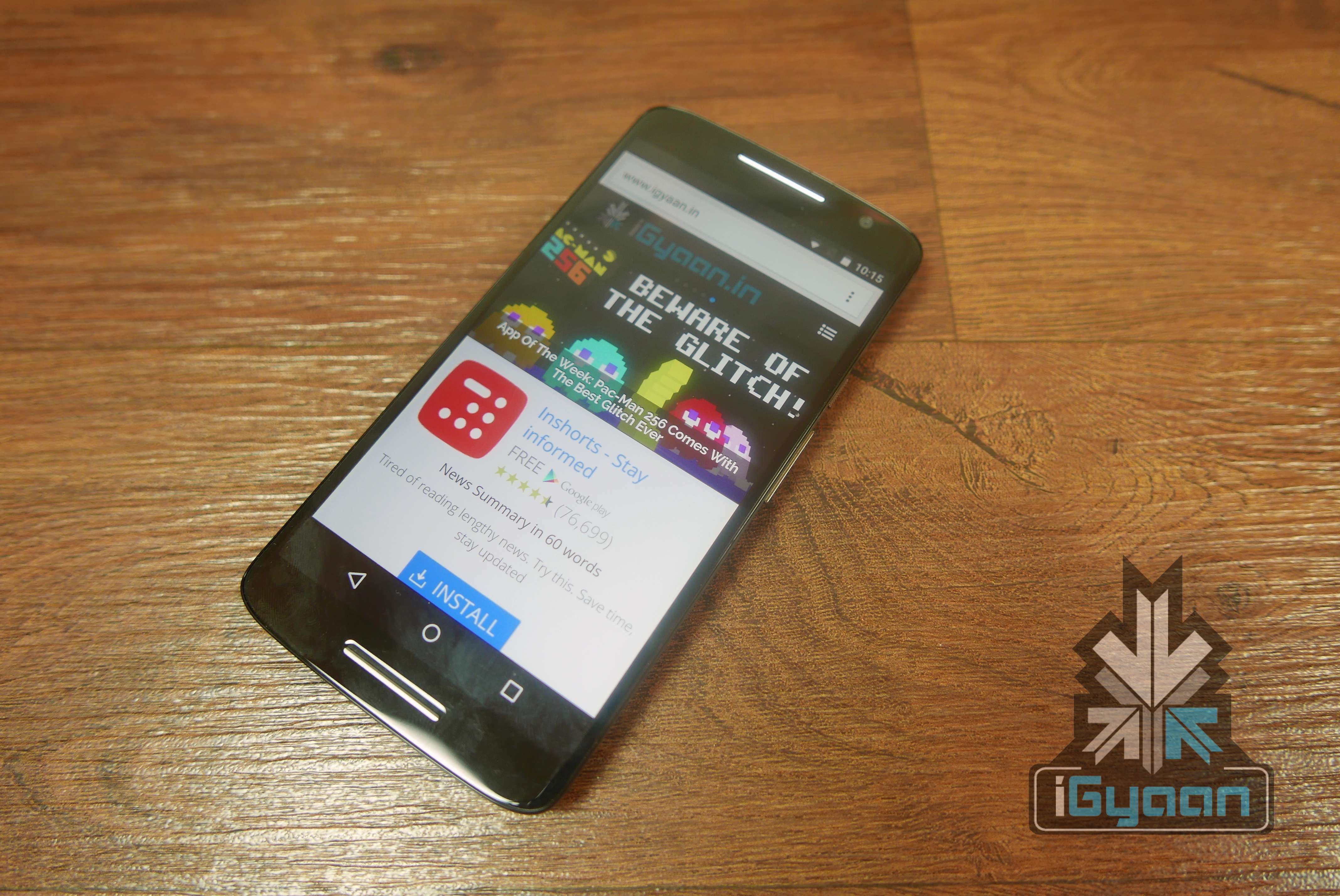
With Motorola’s launch of the newest gen Moto X Play edition in India, the company is showing that it is keeping India’s price conscious consumer in mind. Motorola has stabbed competition from the Chinese region, with this one.
The new Moto X Play has been launched in India starting at Rs.18499 for the 16 GB variant and Rs.19999 for the 32 GB variant.
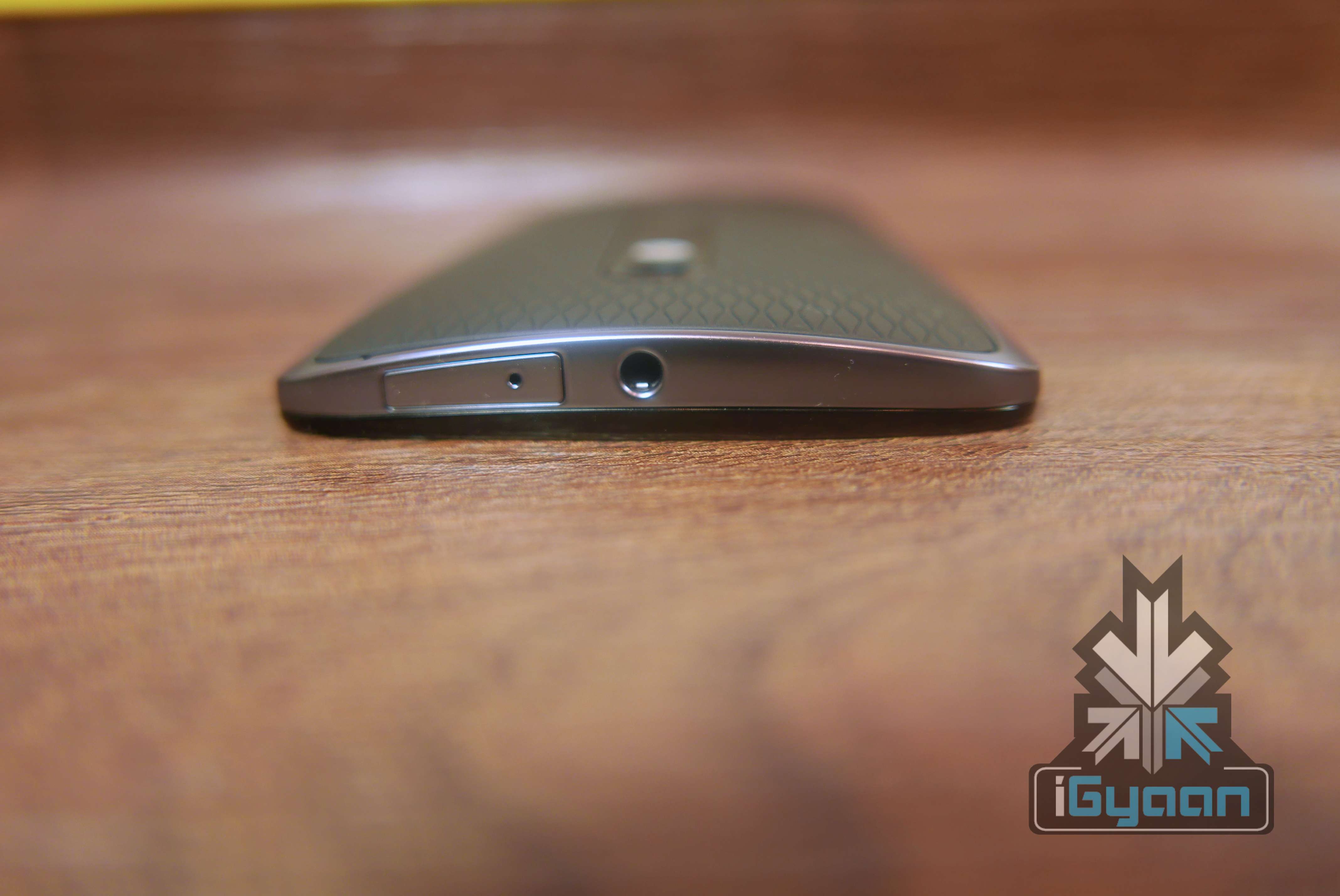
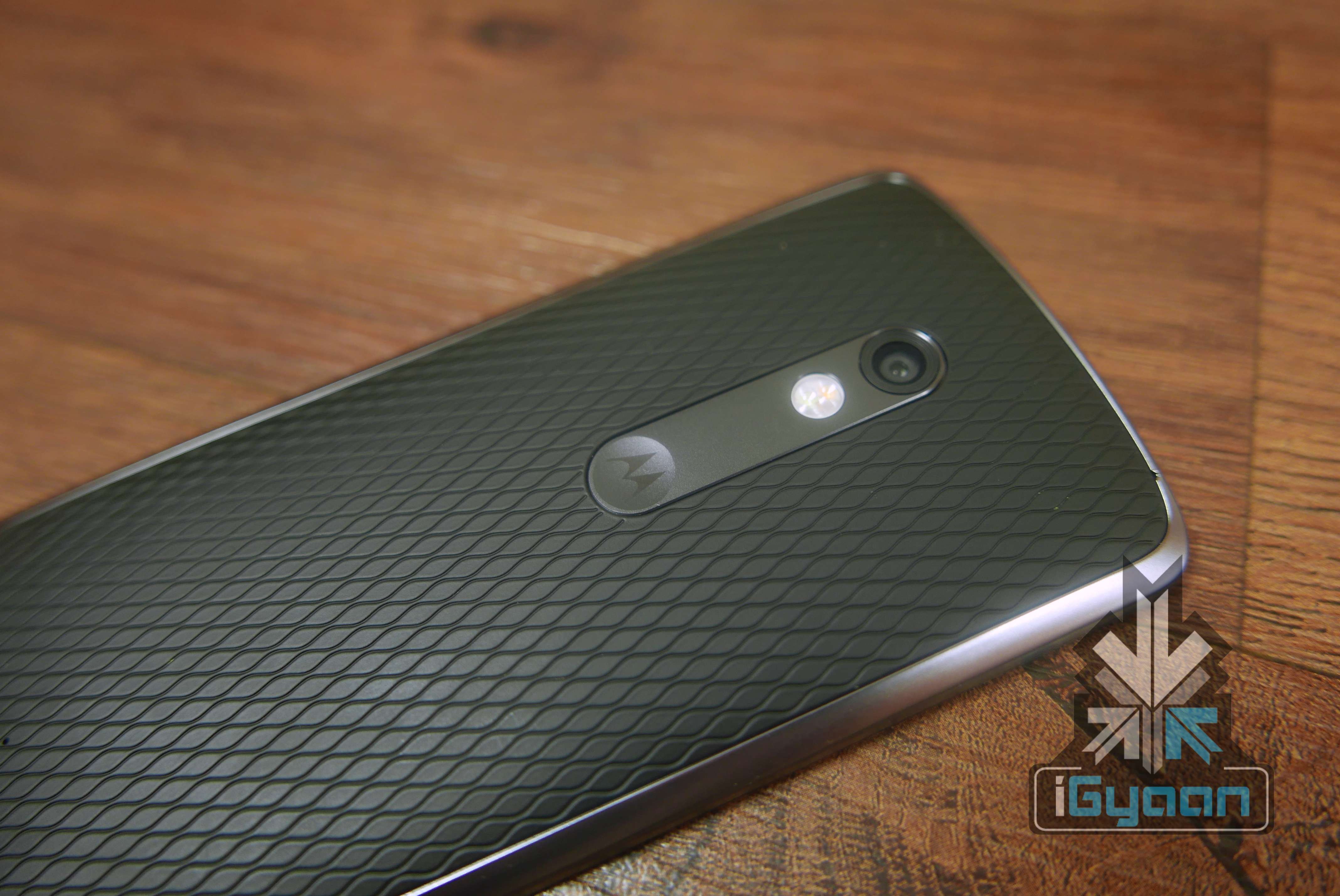
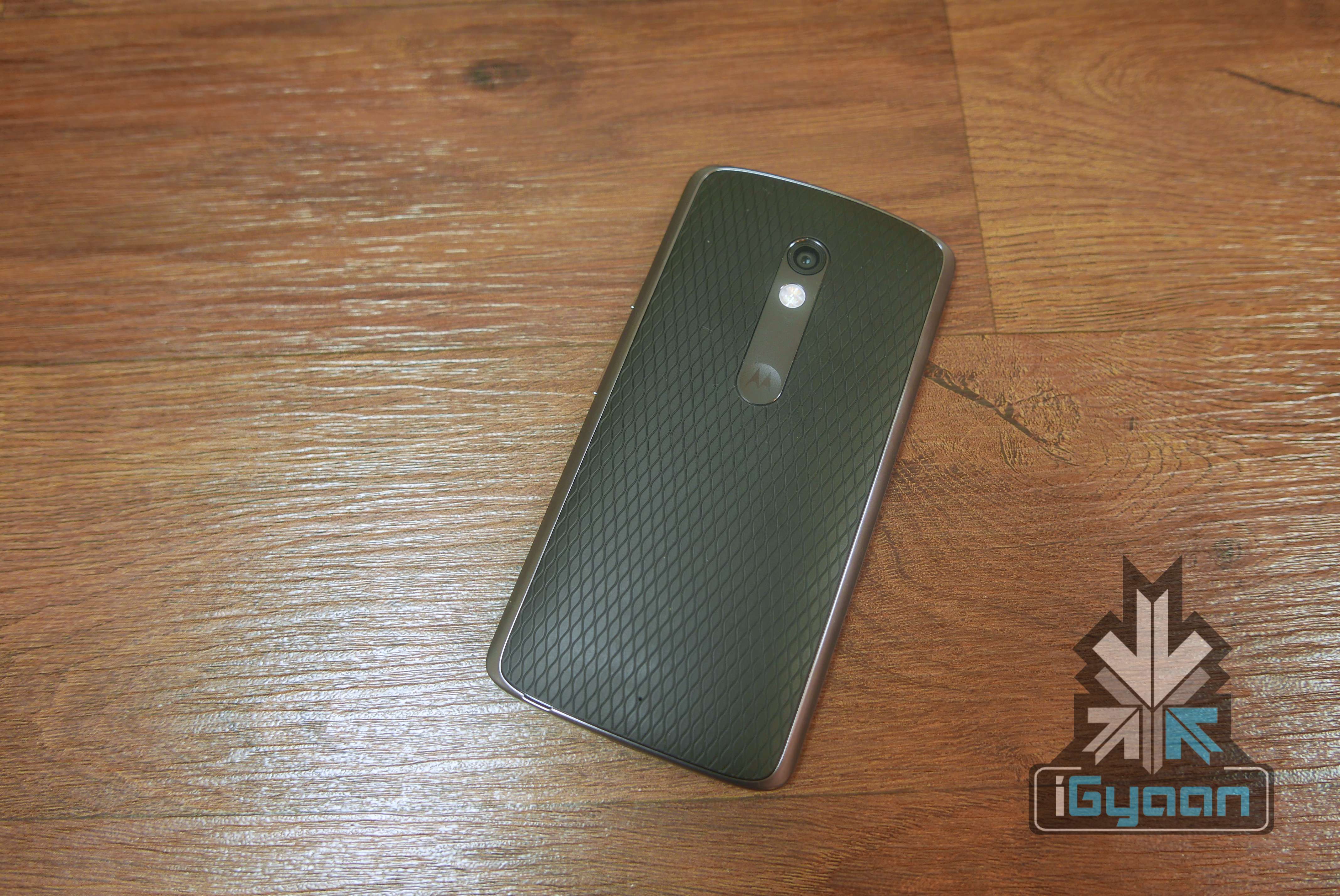
Build Quality is top notch on the new Motorola devices, with the new X built on a metal chassis and on the outside a metal rim. The front has a Gorilla Glass 3 protected display which also counters down on either side of the phone, which feels great to use and avoids the pointy edges of the metal rim from hurting your fingers. The Moto X play is ip52 rated water resistant and can easily resist splashes or basic water damage. The back panes are replaceable too, Motorola calls them “shells”, these can be bought and swapped out to give a different look or material finish to the handset. Available in wood and leather as well, it allows the user to buy the phone at a lower price than add a cover to improve the finish and aesthetics, later on.
On the inside, is a new set of hardware, while the Qualcomm Snapdragon 615 Octa-Core chipset has been seen on a variety of handsets, it seems like a good fit for the Moto X. Supporting it is 2 GB of RAM and 16 / 32 GB storage options along with expandability via micro SD.
Interestingly the 21 MP snapper is quick and snappy, but does not support 4k video, as the chipset may not manage to moderate the heat generated during capture. 1080p video is the maximum you will get and that too only at 30fps.
The new Moto X comes with a massive 3630 mAh battery and a turbo power charger , allowing for a quick charge and giving you multiple hours of usage in just minutes of charging. Motorola seems to have found the right mix of hardware and pricing. For India’s low price market, One Plus and Xiaomi need to rethink their strategy, as Motorola’s aggressive pricing for the Moto X play while cost them some major sales.
Apple like clockwork at an event today launched their revisions to the iPhone 6 and iPhone 6 Plus. Named appropriately, and in Apple’s yearly naming system, the iPhone 6s and iPhone 6s Plus. Apple claims that they have changed everything inside the iPhones. But what all has really changed?
Build and Design
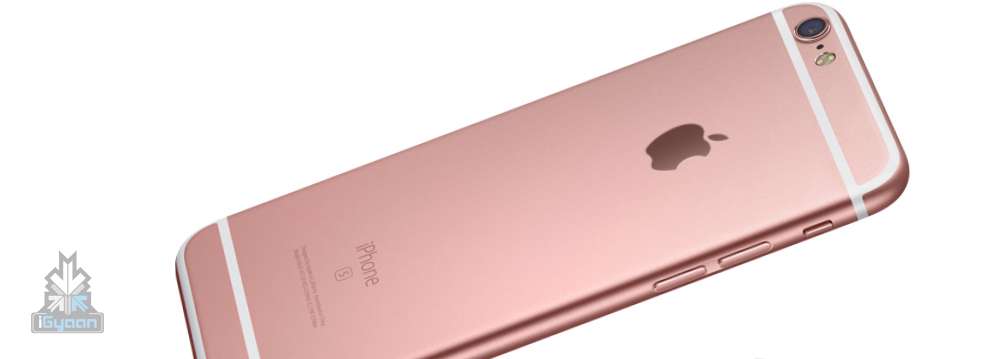
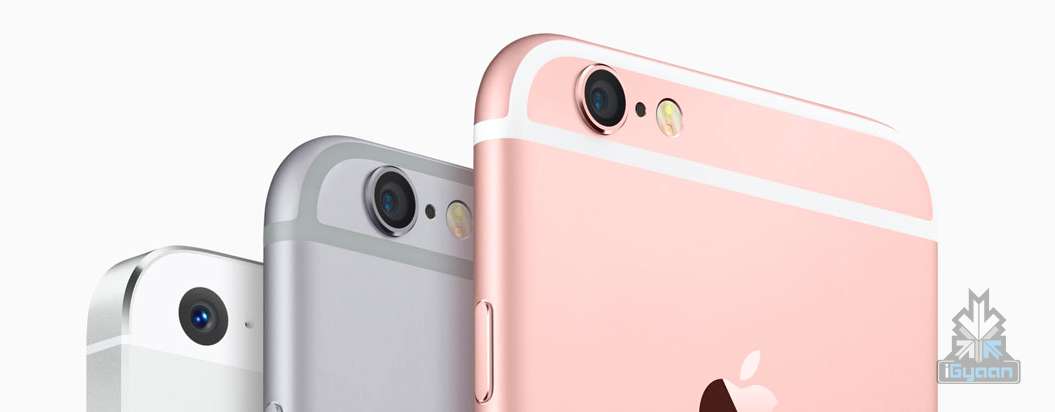
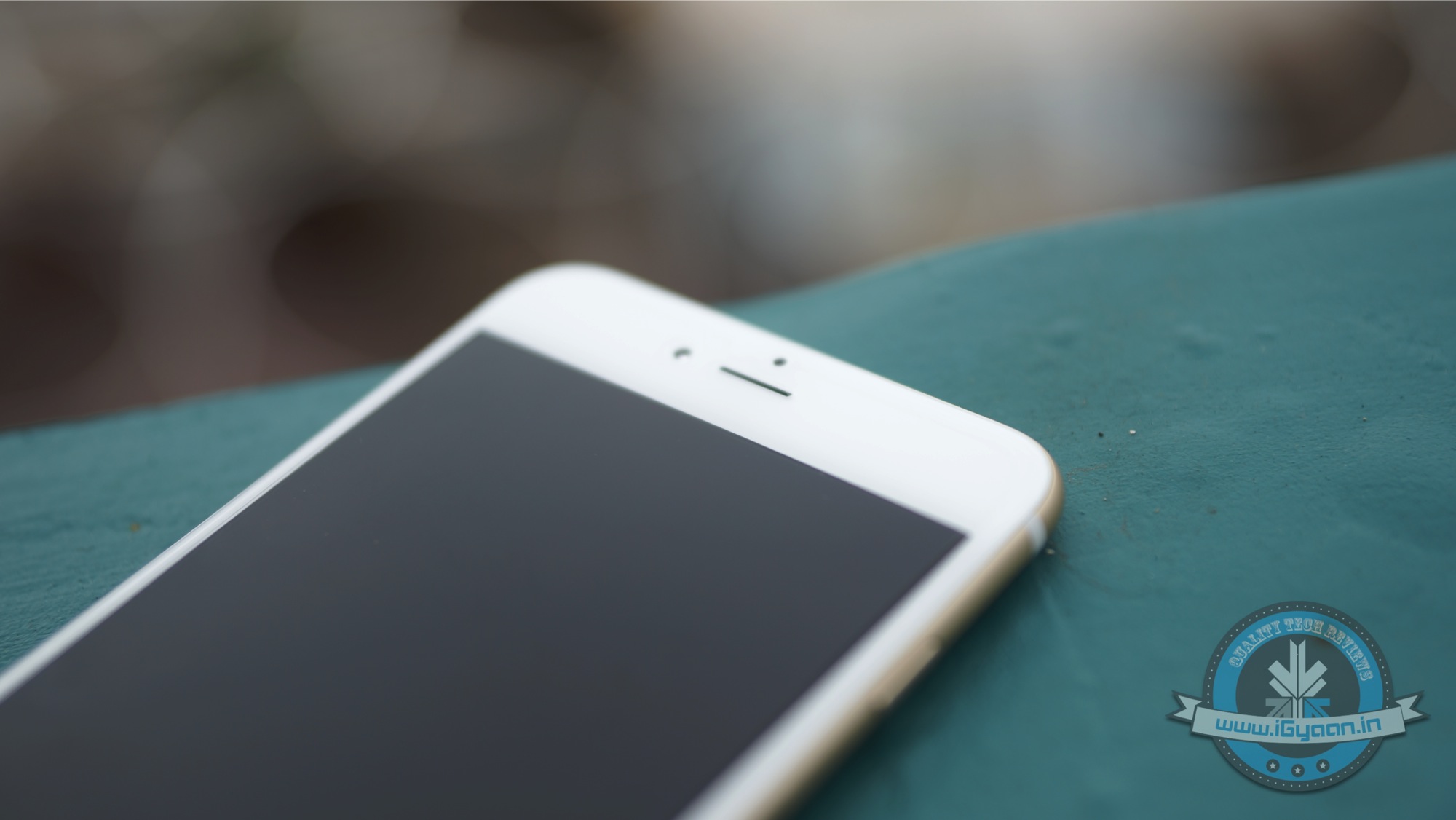
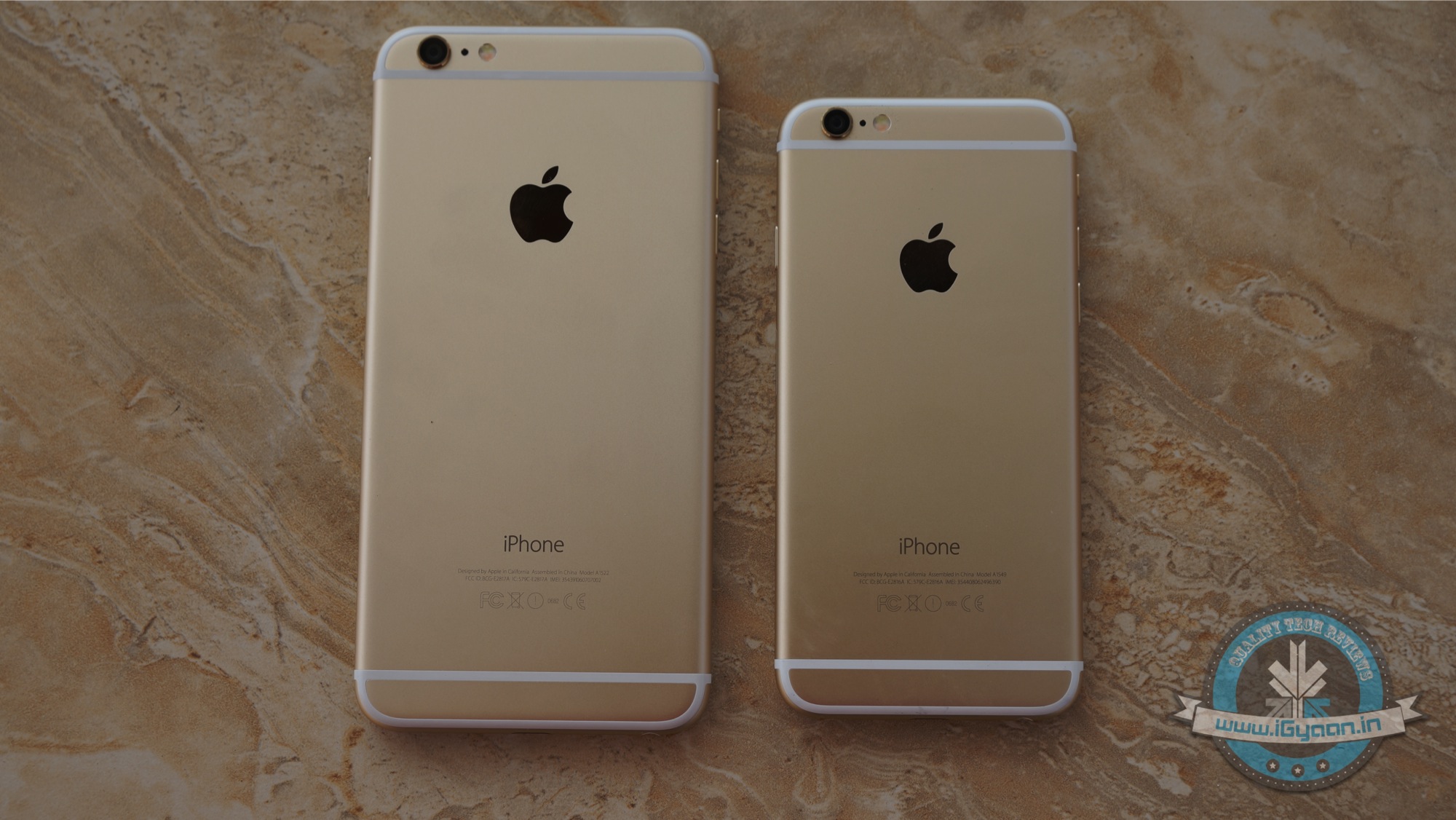
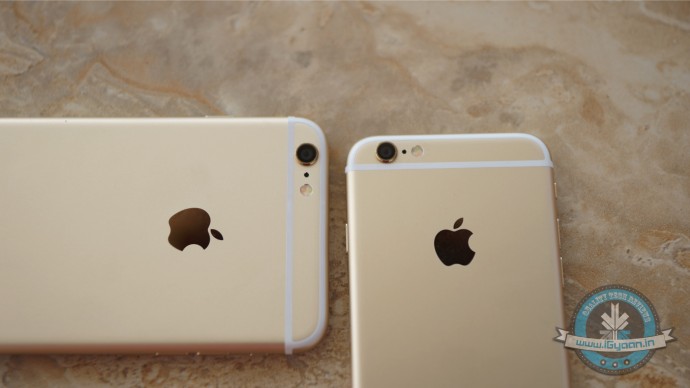
The new iPhones will come in an all new rose gold colour to match with the new Apple Watch colour. Design wise they look the same, with the same identical button layout. The new iPhones, however, are thicker; with the new iPhone 6s now at 7.1 mm up from the 6.9mm of last year and the iPhone 6s Plus up to 7.3mm from 7.1mm on the iPhone 6 Plus.
Weight wise the iPhones are heftier with iPhone 6s up to 143 grams vs last years 129 grams on the iPhone 6 and iPhone 6s Plus now at 192 grams vs 172 grams on the iPhone 6 Plus.
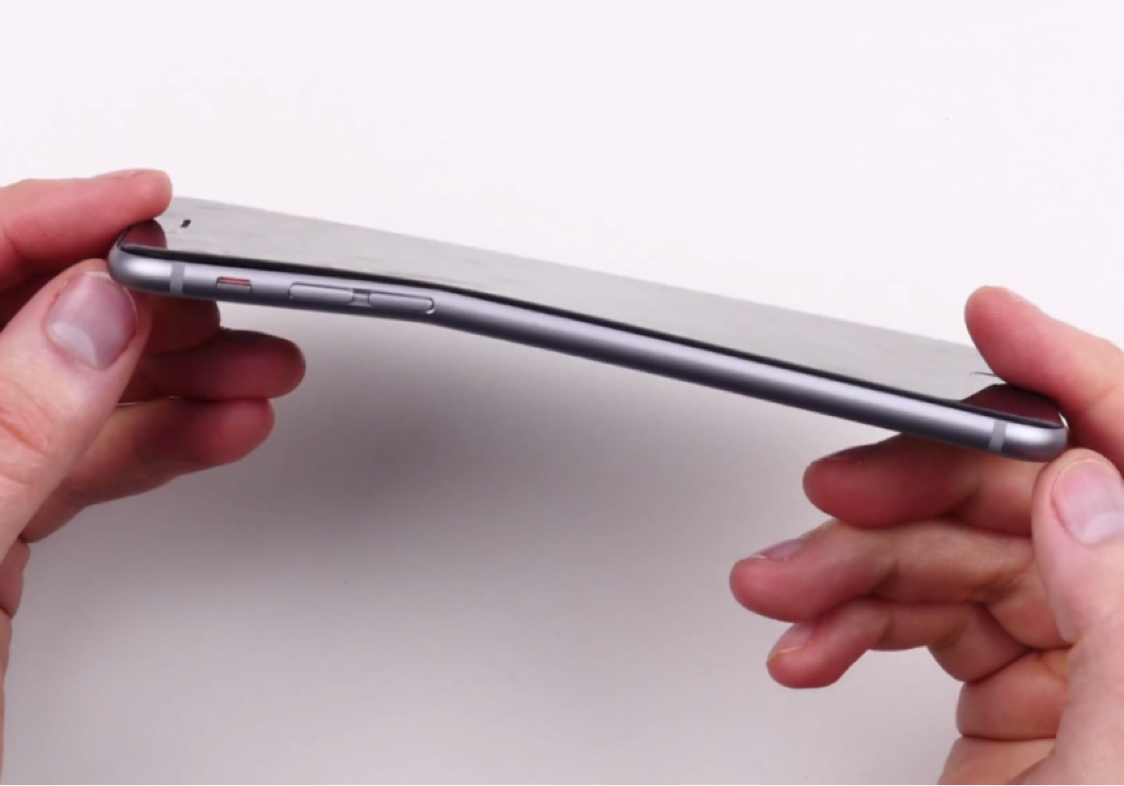
A lot has also changed in the construction of these iDevices. New Apple made series 7000 Aluminium along with extra reinforcement ensures that “bendgate” doesn’t happen this year.
There is also an all new glass layer that Apple claims is tougher than any glass on the market, pointing at Gorilla Glass 4.
Hardware
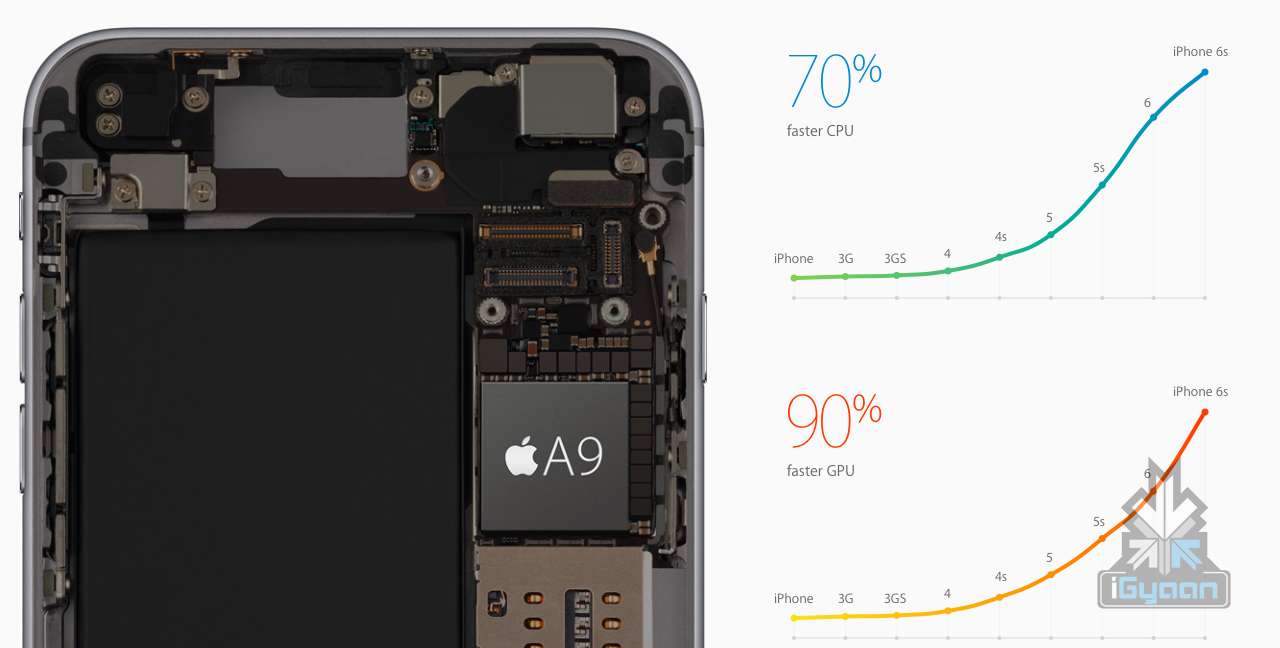
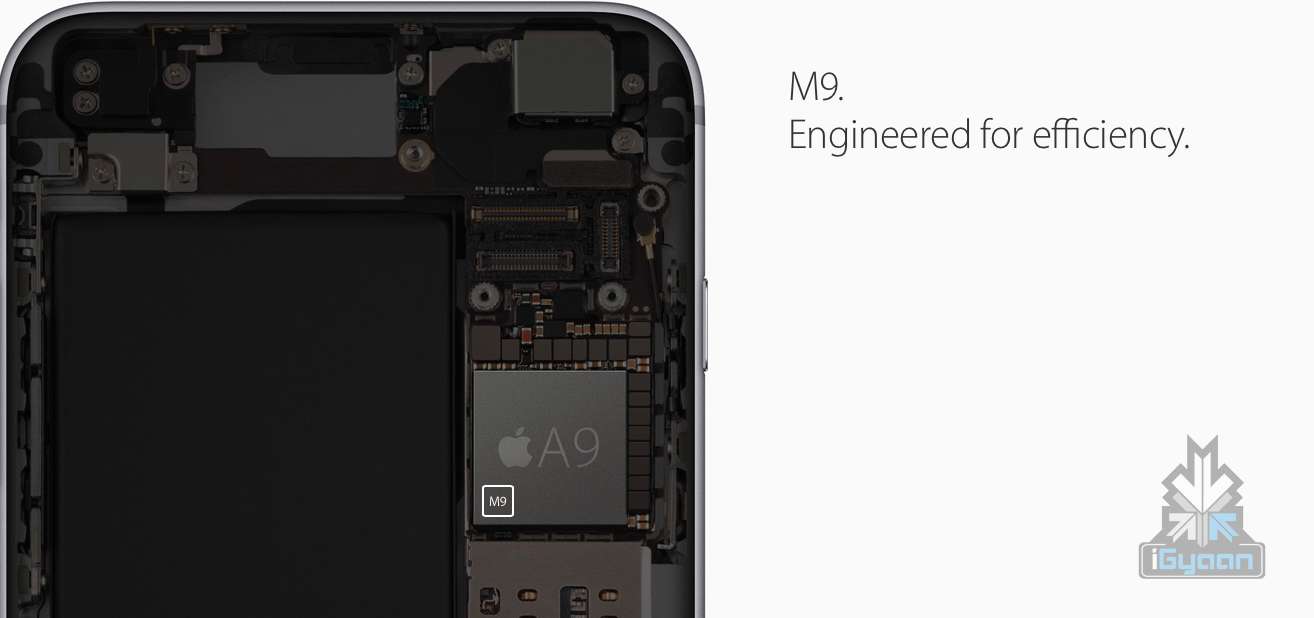
The new iPhones come with a 64 Bit A9 chip with a new M9 co-processor that improves performance and graphic capabilities vs iPhone 6 and 6 Plus that came with A8 chip with M8 Co-processor. The M9 co-processor is now always ‘on’, detecting your movement, vs the M8 which was activated on movement.
The displays remain the same with the same size and same resolution, however the addition of 3D touch will improve user experience considerably.
Camera
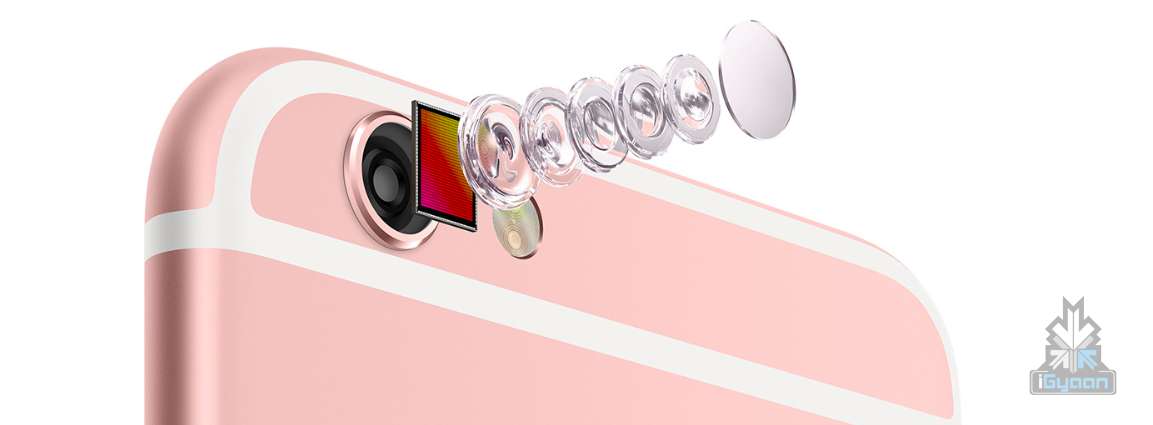
New camera’s will include a 12 MP main camera on both iPhones. Again, like last year only the iPhone 6s Plus gets optical image stabalization. Both iPhones with the newer camera now have the capability of shooting 4k Video and a new “Live Photos” feature that allows you to capture photo moments.
Slo-mo video support for 1080p at 120 fps and 720p at 240 fps, and video stabalization only works up till 1080p video.
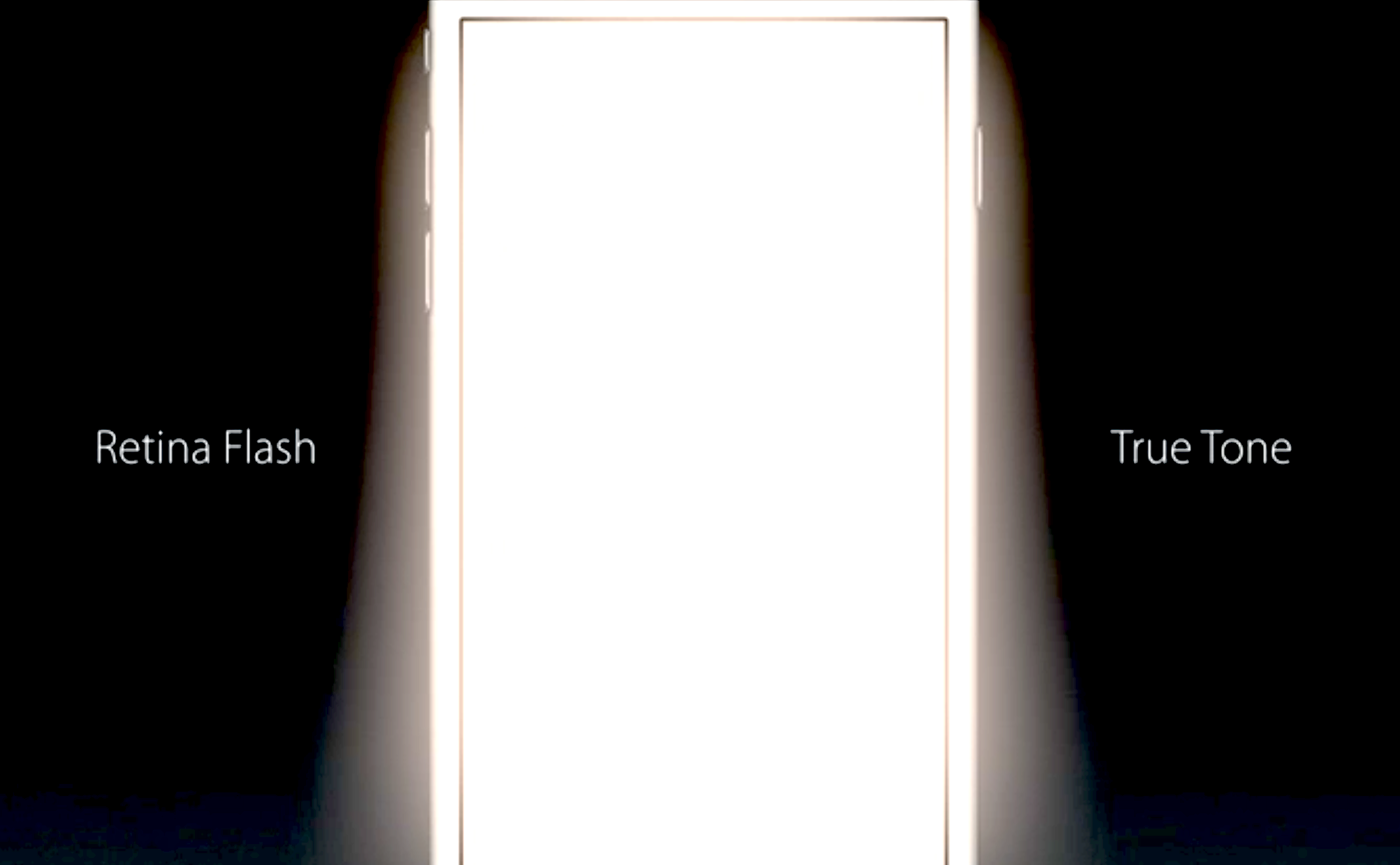
The front camera on the new iPhone 6s and 6s Plus also gets a much needed bump to 5 MP from a paltry 1.2 MP last year, along with an interesting new selfie flash feature which will make the display turn into a true tone flash with 3 times the brightness.
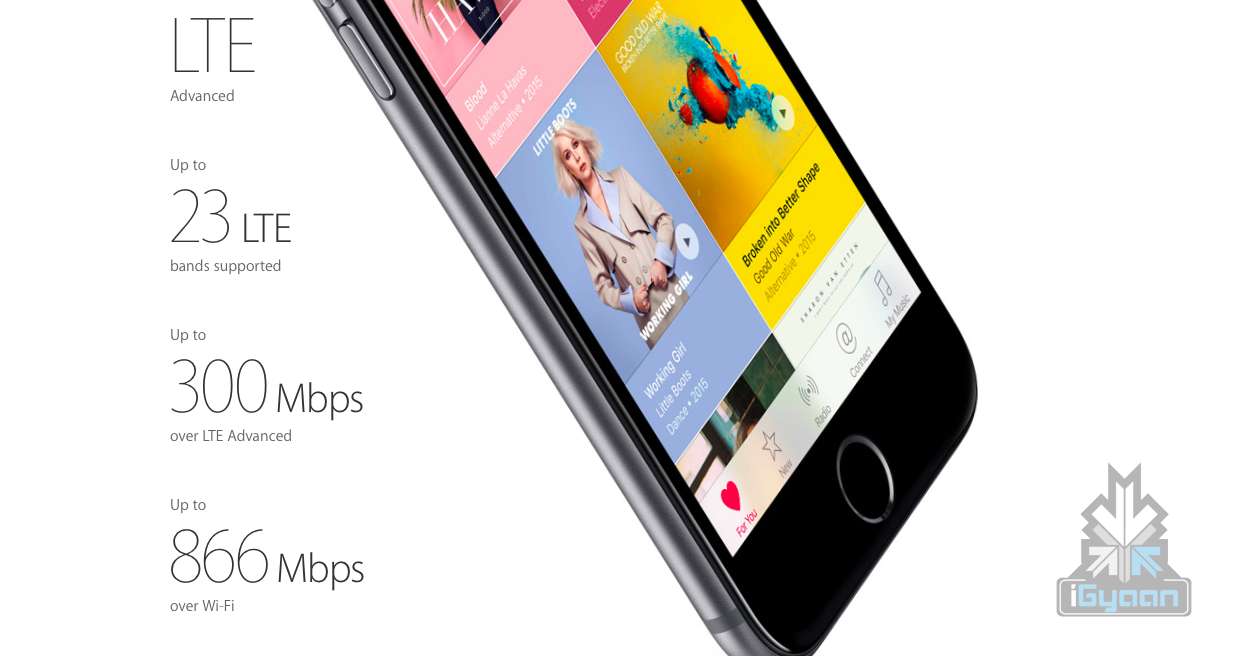
The new iPhones will also support more LTE bands vs last year. Unlocked iPhones will support 23 LTE bands including TD and FD-LTE. The new iPhone 6s and 6s Plus will include VoLTE (Voice over LTE) for better communication capabilities in areas supporting the VoLTE functions.
Software
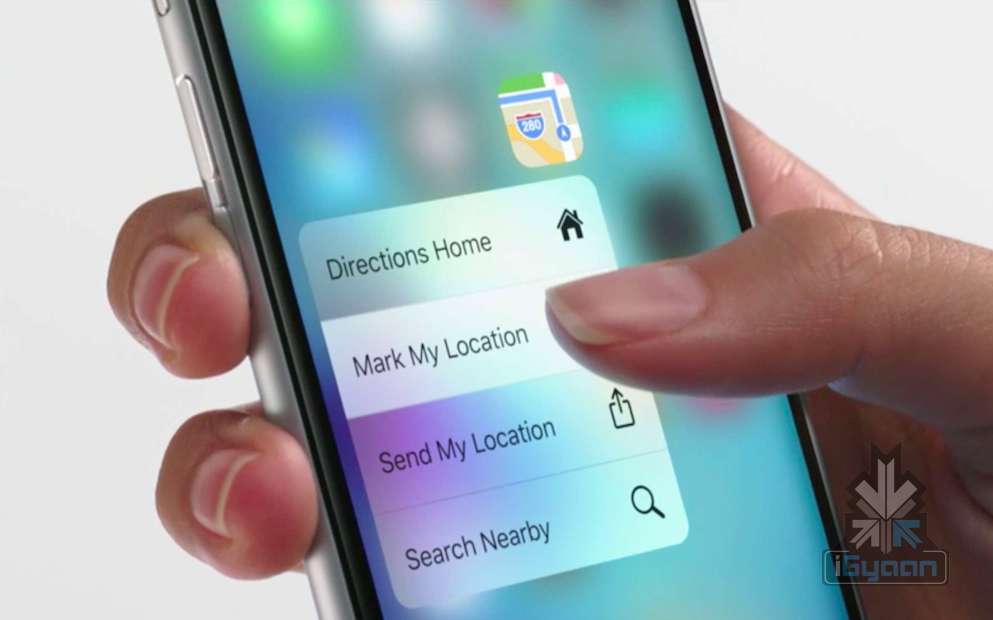
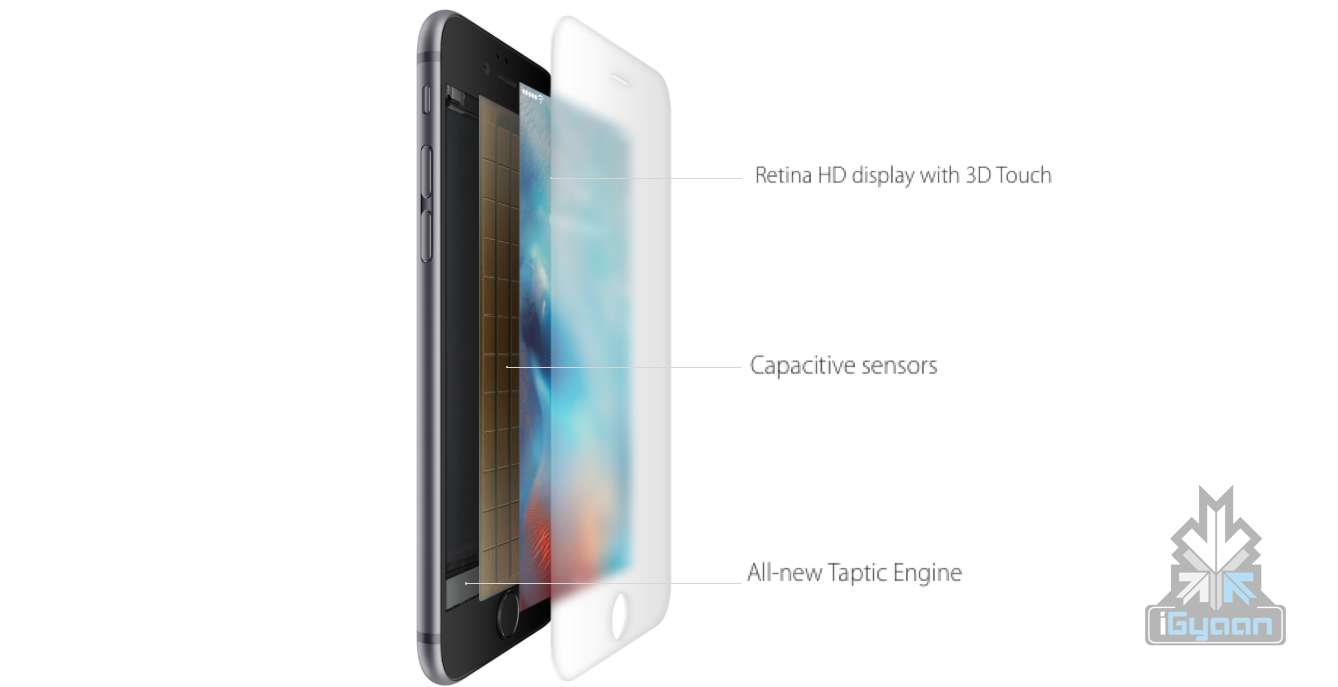
Apart from running iOS 9, thanks to the addition of the new hardware the software will work slightly differently. The new iPhone 6s and 6s Plus feature a new 3D Touch display powered by a Taptic engine. A physical piece of hardware which monitors the input and pressure of a users finger and allows the operating system to respond accordingly.
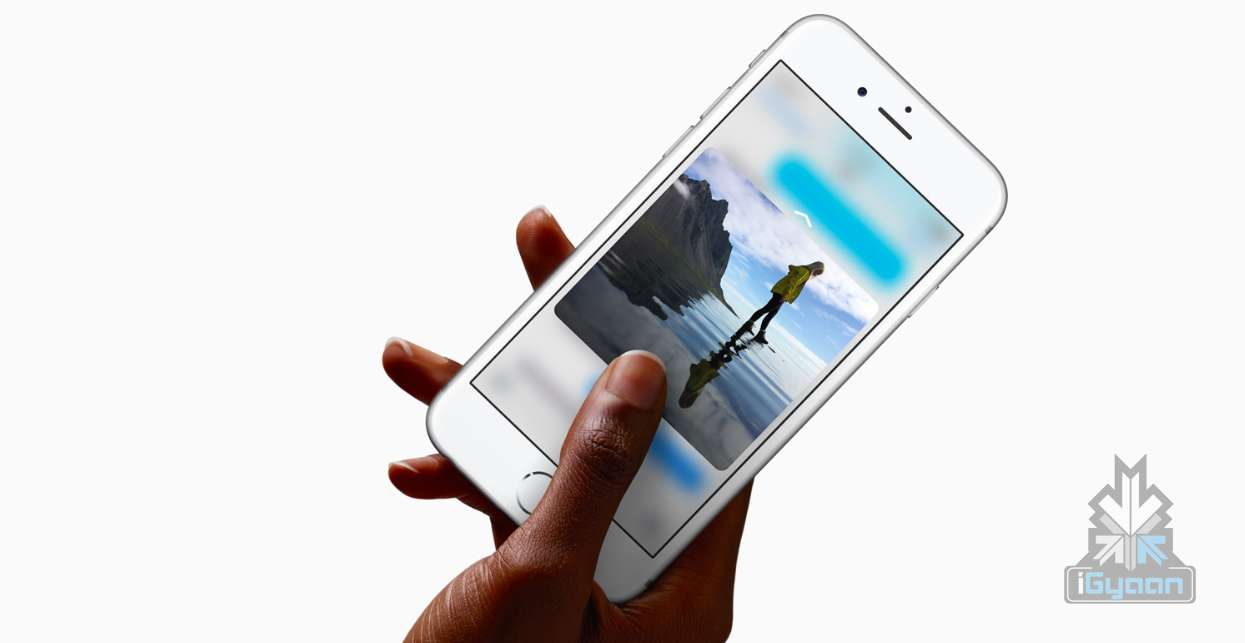
This will save up time allowing you to decide what part of the app you need to access prior to launching the app. Just like a secondary click it allows for more interaction in gaming and in productivity apps as demonstrated by Apple at their event.
The new photos app will allow for live photos that are captured by the iPhone, vs static photos seen up until now. The images will capture a few seconds of cache video allowing you to replay the moment as it occurred. HTC introduced a similar feature on the original HTC One M7 a few years back , however it required you to be in a specific mode with specific features turned on prior to capture. Apple includes this as standard for each photograph, without compromising on speed of capturing a picture.
Thanks to the new hardware you can now call up Siri using “Hey Siri” even when the iPhone is not connected to the charger.
The new iPhone 6s and 6s Plus cost the same as last year on contract in the US. However their unlocked phone pricing is the same as well.
Specifications
iPhone 6s
iPhone 6s Plus
Display
Retina HD display with 3D Touch, 4.7-inch (diagonal) LED-backlit widescreen
Retina HD display with 3D Touch, 5.5-inch LED-backlit widescreen
Resolution
1334 X 750-pixel resolution at 326 ppi
1920-by-1080-pixel resolution at 401 ppi
Processor
Embedded M9 motion coprocessor
Embedded M9 motion coprocessor
Chipset
A9 chip with 64-bit architecture
A9 chip with 64-bit architecture
OS
iOS 9
iOS 9
Internal Storage
16GB/64GB/128GB
16GB/64GB/128GB
Exapandibility
N/A
N/A
Rear camera
12-megapixel iSight camera with 1.22µ pixels, ƒ/2.2 aperture
12-megapixel iSight camera with 1.22µ pixels, ƒ/2.2 aperture, Optical image stabilization
Rear Camera Video
4K video recording (3840 by 2160) at 30 fps
Optical image stabilization for video, 4K video recording (3840 by 2160) at 30 fps
Front Camera
5-megapixel photos, ƒ/2.2 aperture, Retina Flash
5-megapixel photos, ƒ/2.2 aperture, Retina Flash
Front Camera Video
720p HD video recording
720p HD video recording
Body Dimensions
143 grams
192 grams
Special Features
Fingerprint sensor, 3D force touch, live photo
Fingerprint sensor, 3D force touch, live photo
Connectivity
23 LTE and faster Wi-Fi
23 LTE and faster Wi-Fi
Variants
Silver, Gold, Space Gray, Rose Gold
Silver, Gold, Space Gray, Rose Gold
Price
$199, $299 and $399 respectively for 16GB/64GB/128GB on contract.$649, $749, $849 for 16GB/64GB/128GB respectively unlocked
$299, $399 and $499 respectively for 16GB/64GB/128GB on contract.
$749, $849, $949 for 16GB/64GB/128GB respectively unlocked
Apple’s latest edition of their smartphone is all set to be launched on Sept 9th. However, with leaks and information of the devices all over the internet, it seems that the new iPhones will disappoint many.
New leaks from the Netherlands have confirmed that the price of the iPhone will remain at €699 for the 16 GB, with the 64GB and 128GB versions priced at €799 and €899 respectively. Which not only means that Apple will continue selling the low capacity 16 GB version, but it will also be at the same price as the iPhone 6.
It also has become known, thanks to cnBeta, that the new iPhones will have reduced battery capacities with the iPhone 6S at 1715 mAh and iPhone 6S Plus at 2750 mAh vs the iPhone 6 at 1810 mAh and iPhone 6 Plus at 2910 mAh.
This is potentially the worst of the news, as iPhones are already heavily struggling with battery life. Despite many power enhancement updates in iOS 9, a bigger battery is always more appreciated. Also considering that the newer “s” version iPhones usually have a bump in hardware, power consumption might get affected.
The new iPhones are also expected to be heavier that the predecessors, by a few grams. But according to several sources, Apple is looking to reduce the thickness of its already delicate smartphones.
bendgate on the iPhone 6 Plus
Apple suffered heavy bad media last year thanks to the “bendgate” issues. A thinner iPhone may not be the company’s best bet. However, good news around the new iPhones’ construction is the use of 7000 series Aluminium, which is stronger and more resilient. You can also expect Apple to reinforce the iPhones with a stronger inner structure.
One of the main reasons of the success of the new Samsung Galaxy S6 and S6 Edge phones has been their cameras. With the iPhone stuck in the 8MP cycle for many a years, the company is expected to bump up the camera to 12 MP. This will allow the phone to capture 4K video, however this will not make the camera near as high resolution as the 16 MP sensors from Samsung. We can also not expect the Aperture to be around f1.9, the new iPhones are expected to keep f2.0 – f2.2.
4k video also takes up more storage, which means that buyers of the 16 GB variant will be suffering major with storage issues. They would then be forced to upgrade the iCloud storage and dump their files on that, or look for alternatives.
The new iPhones are going to keep the design from last year, which also may disappoint many buyers. With the S6 Edge the new benchmark of design, those looking for a new iPhone will need to push their purchases to next year and wait for the iPhone 7.
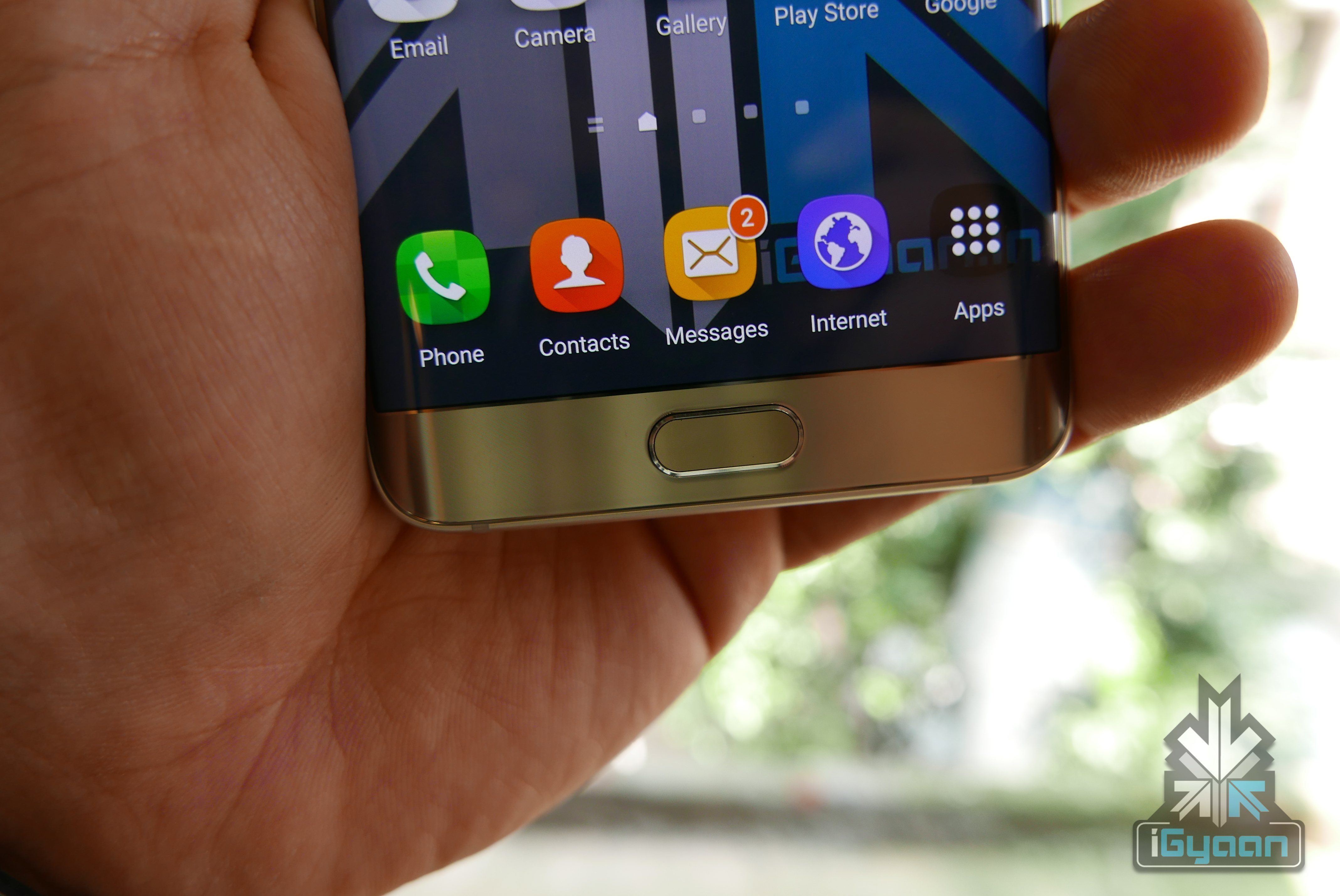
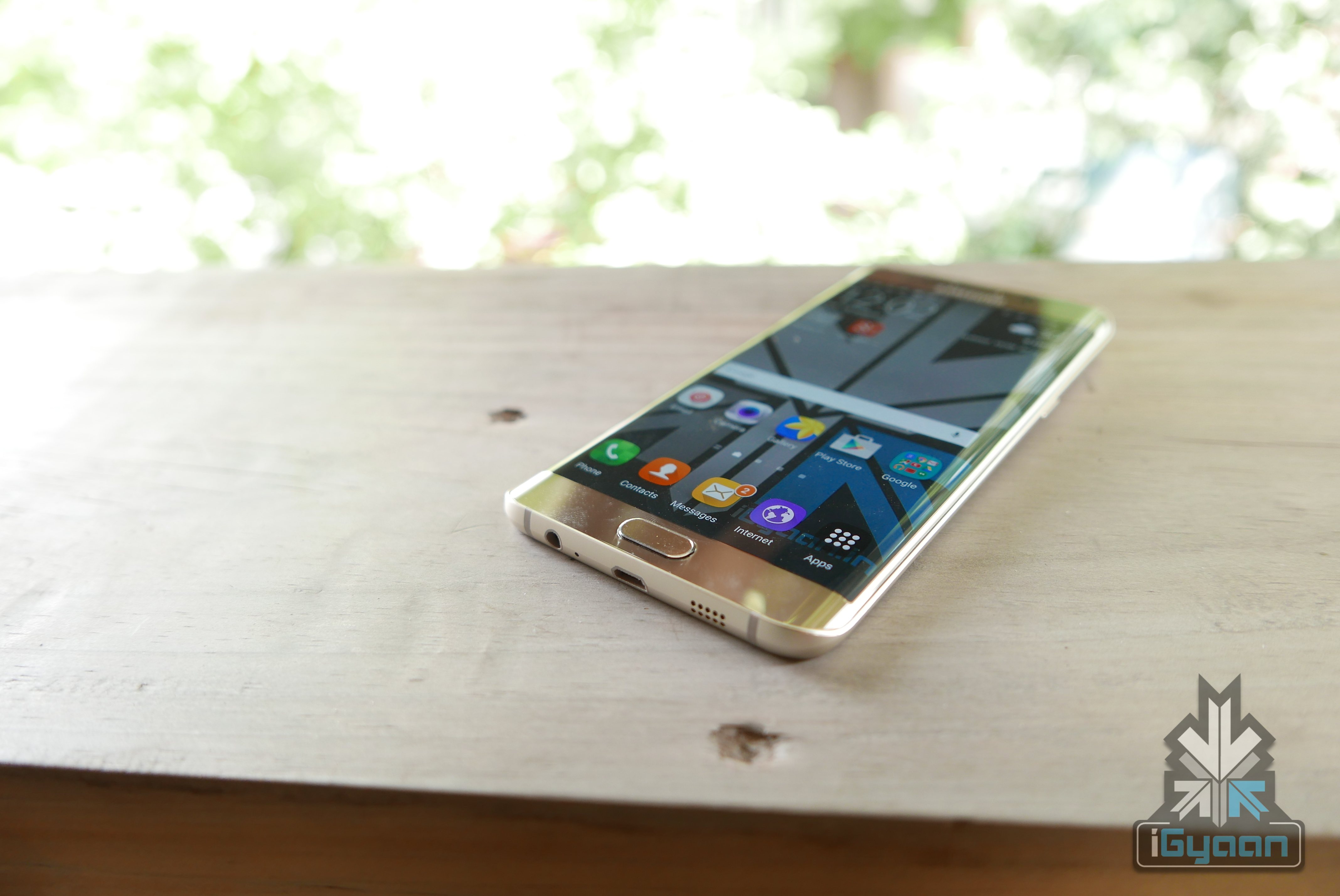
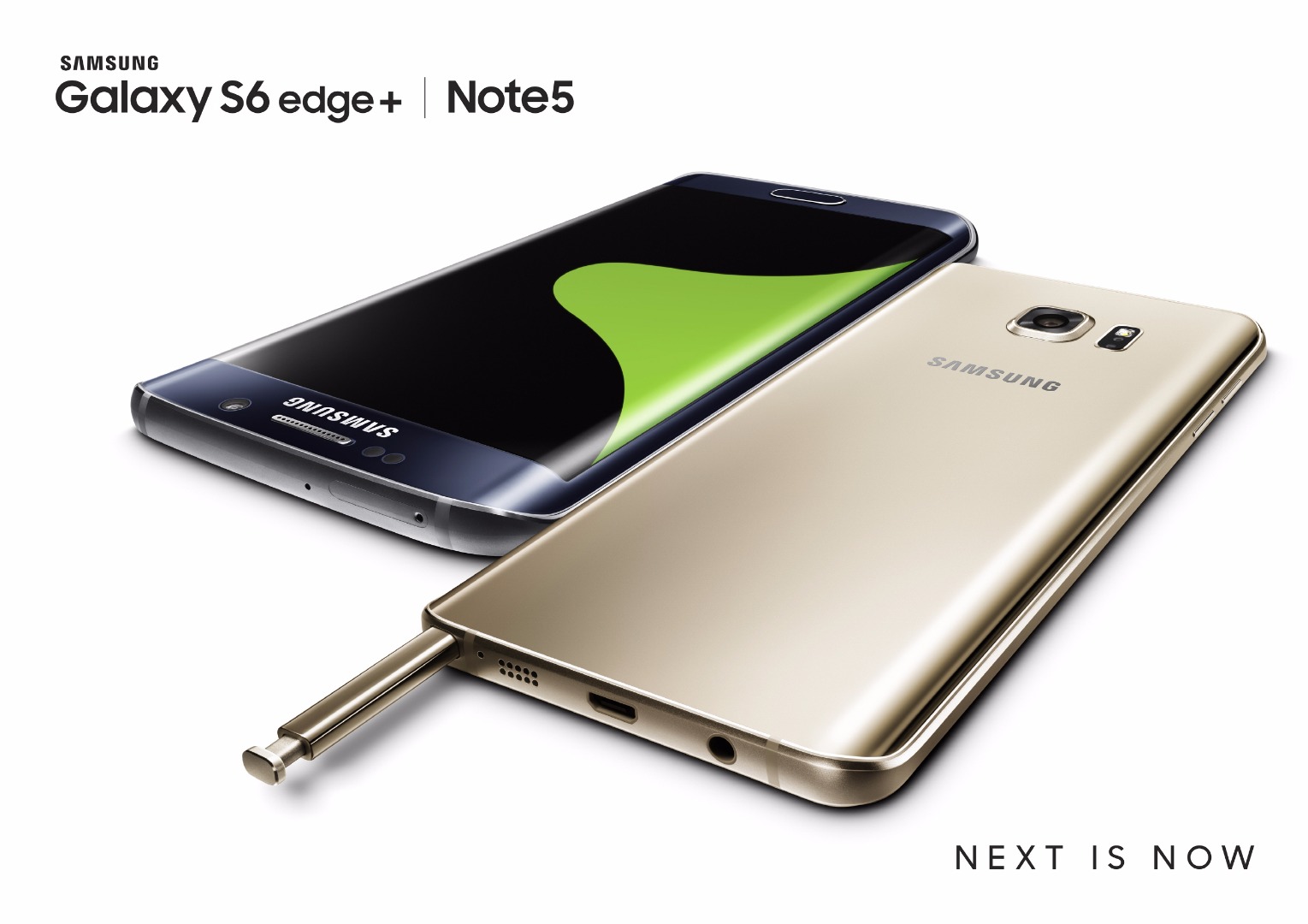
The Samsung Galaxy S6 edge+ is the company’s first big S series phone, as an add-on to the Galaxy S line of devices. Last year the company thought it better to launch an edgier Note in the form of a Note Edge. However, this year Samsung found it more favourable to make a bigger S6 edge.
The Galaxy S6 edge+ also marks a new chapter, one where the line between a smartphone and a phablet is basically blurring out. Samsung has slowly killed the category it created with the Note in 2010. Large screen phones are now mainstream and Samsung is basically reinforcing that with the S6 edge+.
The Galaxy S6 edge+ is designed to one up the iPhone 6 Plus in terms of specifications and hardware. The Galaxy S6 and the S6 Edge both had huge success in the global markets and Samsung expects no less from the Galaxy S6 edge+.
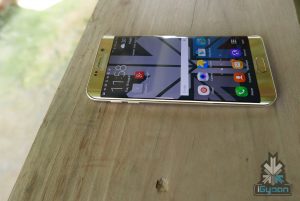
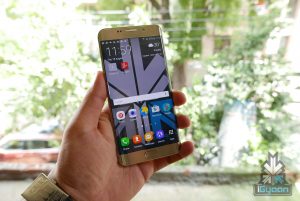
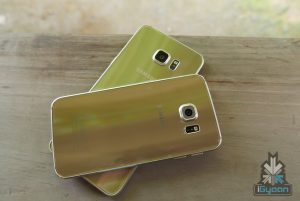
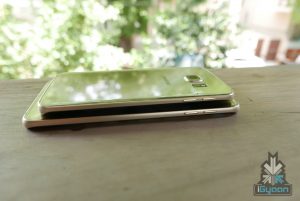
The elder and bigger sibling is identical to the Galaxy S6 Edge, so identical that you won’t be able to tell them apart unless you put them together. There is a massive screen size different however a minor change in actual dimensions. The S6 edge+ just like the S6 Edge is flanked on both sides with edge displays.
The Galaxy S6 edge+ does become slightly more difficult to handle, and hence Samsung has added one handed operation and screen size reduction, similar to Apple’s double tap to pull down screen on the iPhone 6 Plus. This feature was also seen on the recent Galaxy A8 from Samsung.
The Galaxy S6 edge+ is actually slimmer at just 6.9mm vs the 7 mm of the Galaxy S6 and the feel in the hand is very premium. Samsung has really done a good job with the design of the S6 Edge and hence they, didn’t change anything, but make the phone bigger with the S6 edge+.
Everything from the display resolution to chipset and cameras are identical to the Galaxy S6 Edge, however thanks to the new large display of the S6 edge+ the pixel density drops to 515 ppi vs the mammoth 577 ppi on the S6 Edge. The Edge Plus variant also sports a larger 3,000 mAh battery to combat the drain from the larger QHD Super AMOLED display. An additional 1 GB of LPDD4 RAM, takes it upto 4 GB on the edge+ however the phone is missing the 128GB storage option as only the 32 and 64 GB variants will go on sale.
The software department on the edge+ too remains same as the S6 and the S6 Edge, with a cleaner and simplified UI and new apps window to the edge display Samsung is trying to leverage the screen real-estate. You will also still get a Flipboard news feed to the left of the home screen and gestures like flipping a ringing phone to mute the call. Double clicking the home button will quickly launch the camera.
You still get the fingerprint scanner and ability to remember internet passwords and Samsung Account details using your fingerprint as a security mechanism.
Some would argue that the Galaxy S6 Edge was the right size handset and that it fit well in almost all departments. Whether you were an executive or college student, the S6 and the edge variant seemed to be the right size for your hands.
With the Samsung Galaxy S6 edge+ the company is trying to reach to those who liked the iPhone 6 Plus and those who loved the Note category but found it to be a niche. With the S6 edge+ Samsung is trying to make the page size phone more mainstream, and by the looks of it, it seems to be headed in the right direction.
Stay tuned for our Full Review of the Galaxy S6 edge+
The Galaxy Note 5 is the newest Flagship for Samsung. The phablet category maker that changed everything for Samsung gets an overhaul, it also is a change in the way Samsung thinks design.
Last year the Note 4 was a Samsung first too, when the Phablet saw an Edge variant and a metal framed body construction. Learning heavily from that and the uber-success of the S6 in global markets, the Galaxy Note 5 is an all new metal and glass clad flagship for the company and prospective buyers will be pleased.
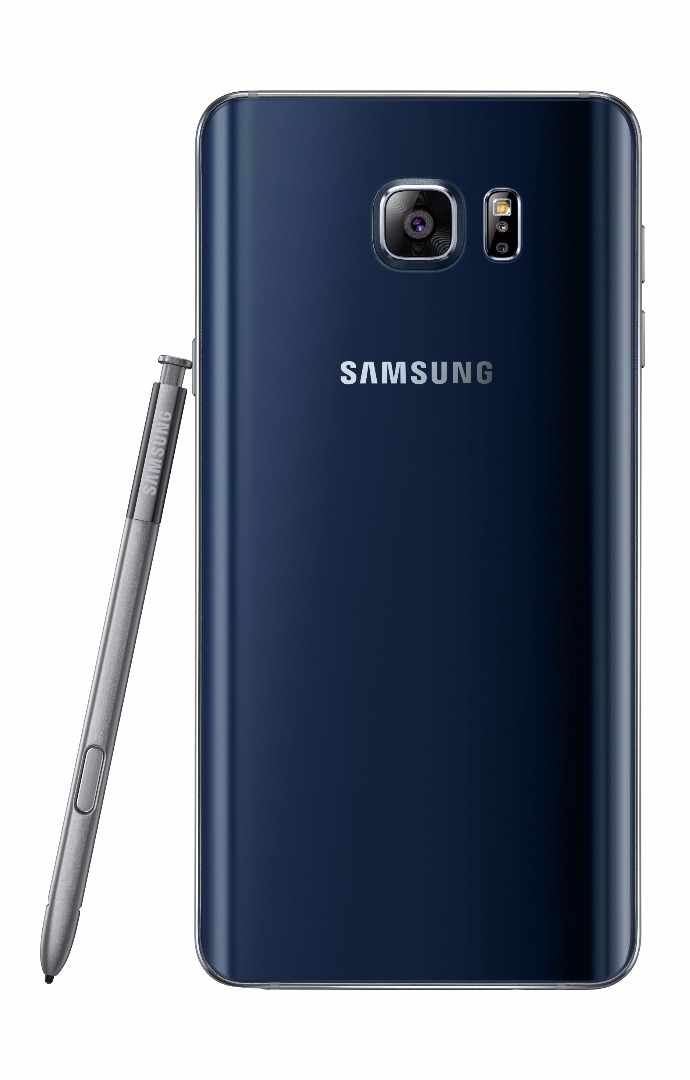
Samsung does also bring the flaws of the Galaxy S6 into the mix. Many have disliked the non removable battery and non expandable store on the Galaxy S6 and the Galaxy Note 5 also lacks in the same areas. Samsung brings an all new Gorilla Glass 4 front and back to the Note device, with coloured glass panels as seen on the S6 and S6 edge. Last year’s Note 4 took a more traditional Samsung approach of the leather look back panel seen on the Note 3 and Galaxy S5. This year the more premium looking Samsung Galaxy Note 5 will grab all the attention prior to the next iPhone launch, especially because that is what the company was gunning for.
Samsung seems to have liked what they did with the Galaxy S6 and the S6 Edge, as they bring the same Octacore chipset as on the S6 and S6 Edge onto the Note 5. The LPDDR-4 RAM and newer camera optics, all of which are shared by younger siblings the Galaxy S6 and Galaxy S6 Edge, have also been added to the Note 5 (the Note 5 gets 4 GB RAM). The Note 4 was run on Snapdragon chipsets, and with instability issues, Samsung chose not to use the Snapdragon chipsets and rather went with their own chipsets on the Note 5 as well.
The inclusion of colour options on the Note 5 means that Samsung is now targeting a wider array of prospective buyers, especially those who have loved the gold and blue variants on the S6. While the company had chosen a more traditional black and white approach last year with the Note 4.
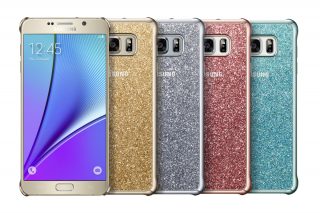
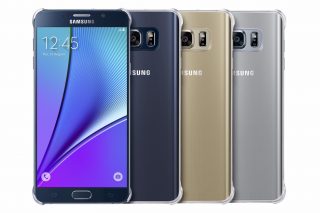
This years Note 5 will also see cover options and accessories all of which are built to highlight and use features like the new S-Pen with ease.
The S-Pen is also new, with a click mechanism at the back that lets you easily mount and unmount the pen from the Galaxy Note 5. The S-Pen software features are also improved with a simpler UI and a dark scribble note mode which basically lets you scribble a note when the screen is turned off.
What is also new in the Note 5 when compared to Note 4 is Samsung Pay, a transaction system designed and made to run with virtually all credit card machines globally. This will currently be launched in the US and Korea and will later be available to the world.
Samsung Pay
Samsung has also added something that they call fast wireless charging into the mix with their new Galaxy Note 5. The Samsung Galaxy S6 supported fast charging via microUSB and wireless charging over various standards. Samsung claims to have combined these technologies and have launched a fast wireless charger, which in theory should also be backward compatible with the Galaxy S6 and S6 Edge.
Feature
Galaxy Note 4
Galaxy Note 5
Display
5.7 inches with a Super AMOLED capacitive touchscreen
The new Moto G for 2015 is the hero for Motorola. With a whole spew of upgrades, the new Moto G is ready to take on the market. With little change in design and price, the customer is left asking for a lot more.
Overview
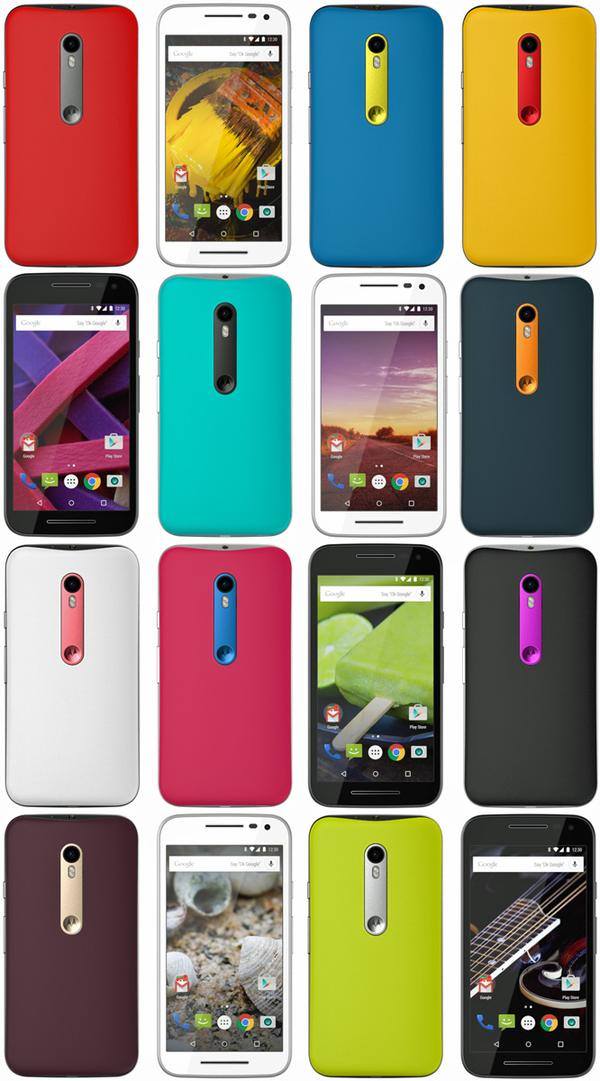
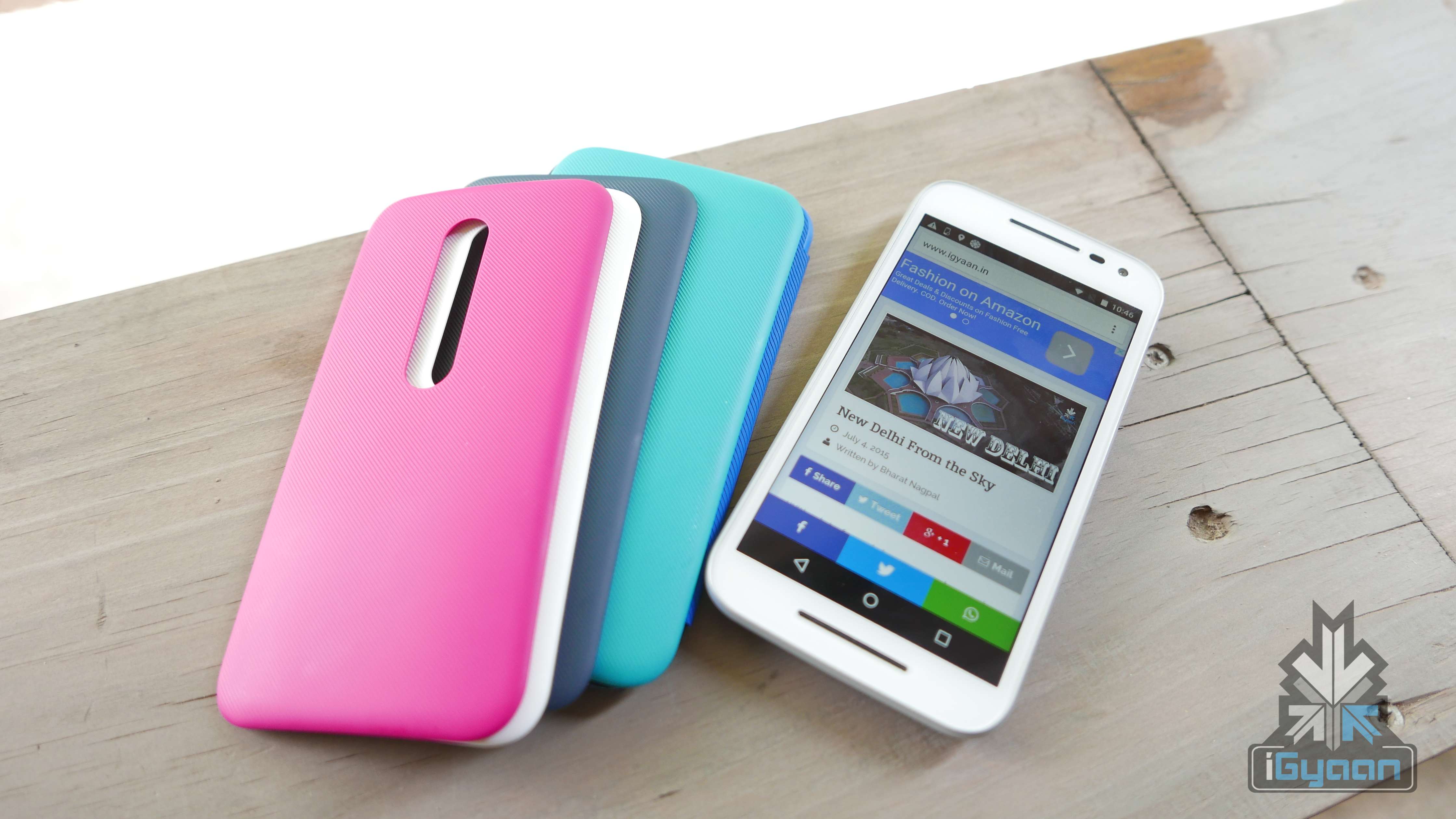
The new Moto G is available in two variants; a cheaper one priced at Rs. 11,999 comes with 8GB storage and 1 GB of RAM, whereas, a slightly expensive one at Rs 12,999 comes with 16 GB of storage and 2 GB of RAM. You also have a whole variety of covers that you can buy and swap with your current cover.
Build Quality and Design
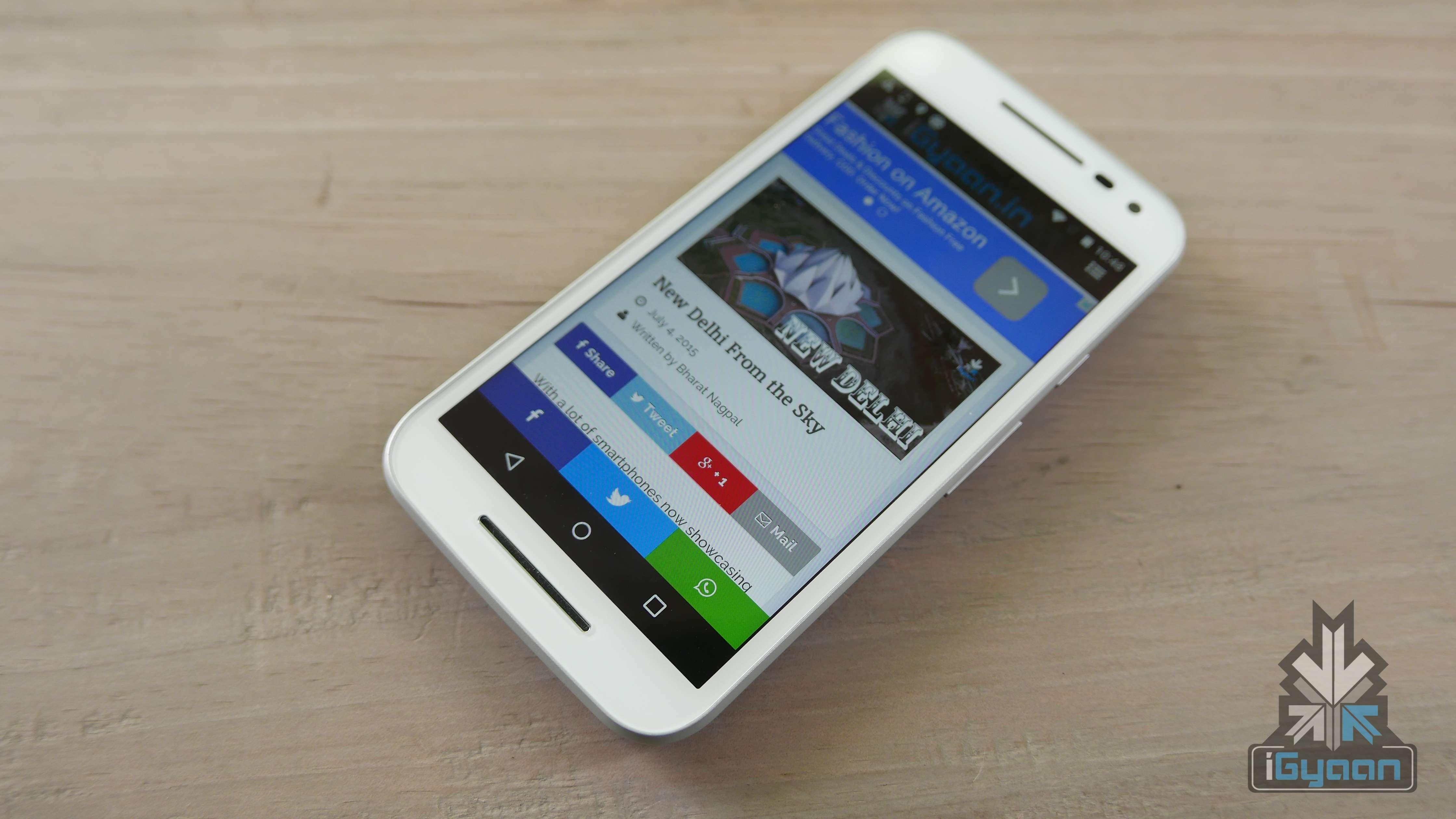
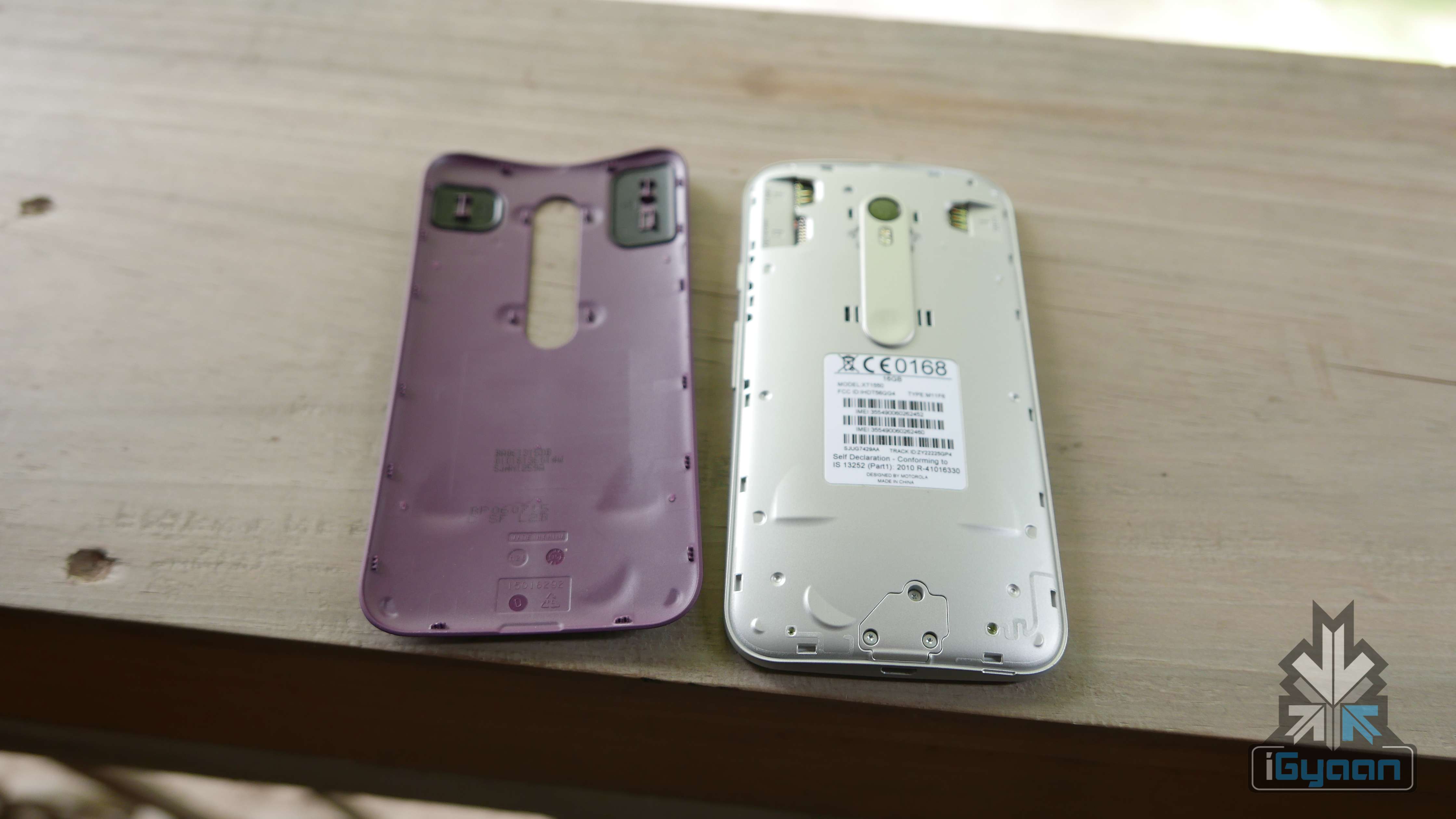
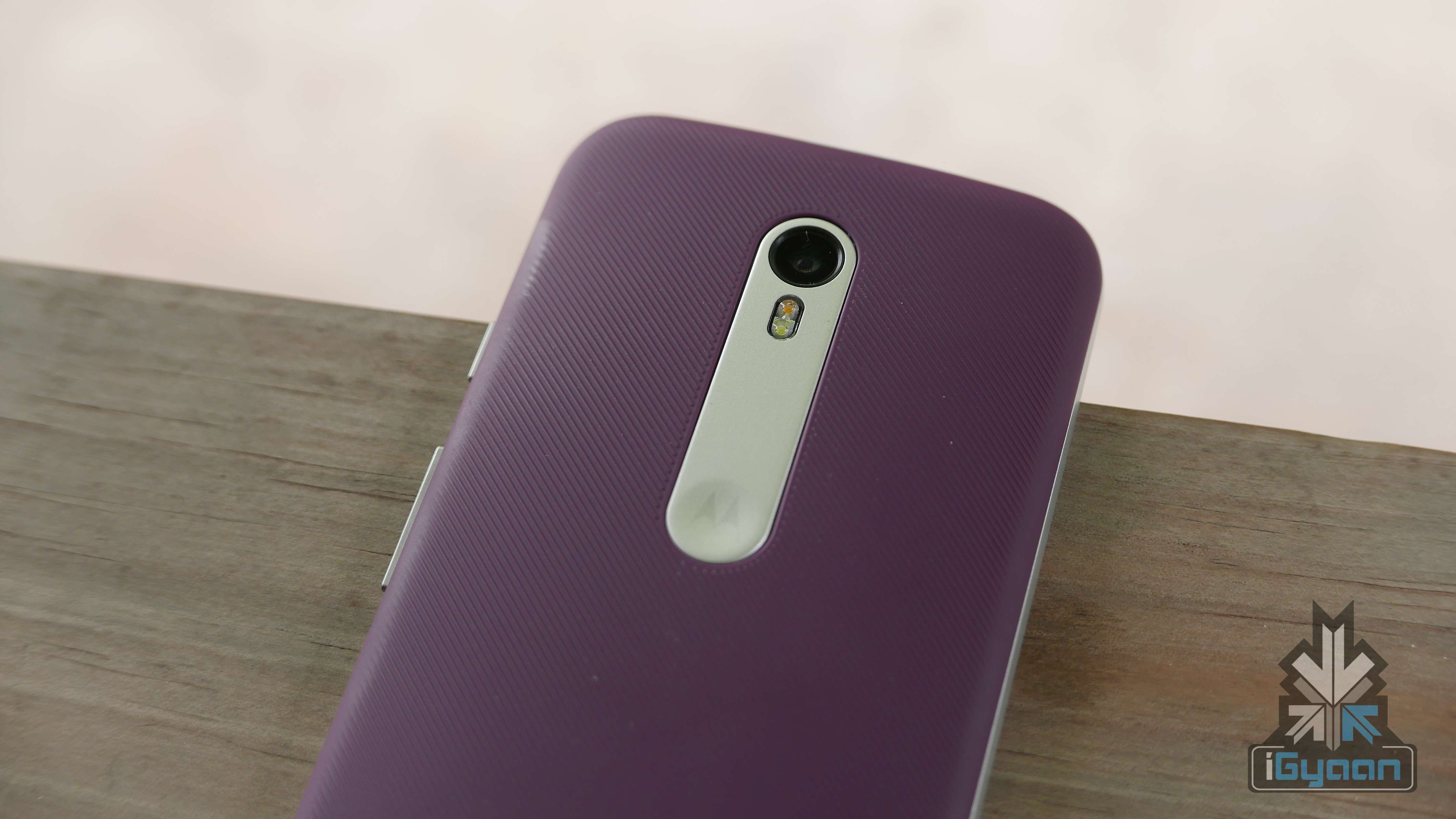
Design wise you have a whole lot of differences starting with the back of the new Moto G, all the way to the front. It’s more rounded and has silver accents, which add to the premium look and feel of the device. The long cut in the back panel houses the camera equipment and the panel has a new reassuring texture.
Build is superior when compared to the last gen of the Moto G. With the IPX7 rating, the new Moto G can also withstand 3 ft (1 M) of water immersion. This makes the phone one of kind in this price bracket and also the second device only after the Apple Watch to have this rating.
The plastic shells are high quality and swappable, which mean you can easily replace the back if damaged. The new Moto G also has Gorilla glass and a new solid structured frame that makes it a big winner in the build department.
Hardware
No hardware does not get a big boost, but you do get an improved camera, a slightly faster and more stable chipset and that is just about it. USB On the go is easily available, you also have micro SD card slots for expandability and two hardware options; 1 GB RAM + 8 GB Storage or 2 GB RAM + 16 GB Storage both of which support expandability and are separated only by a Rs. 1000 price difference.
The Moto G Gen 3 is more of a balanced smartphone. You won’t get a performance monster and you shouldn’t expect it to be one especially with the specifications it is packing. The 2 GB version, only slightly more expensive performs far better than the 1 GB variant. It will also bump up the onboard storage to 16 GB which would only make sense.
The User interface is fast and smooth and the stock Android helps with that to a big extent. The GPU handles multitasking and gaming with ease, although some applications tend to lag with the 1 GB variant. The 2 GB will work well for day to day usage and also with gaming.
Games work well with the 2 GB variant, as mentioned earlier. If you choose to run your games (like Asphalt 8) with higher graphics you will face some lag, mainly due to the limitations of graphics processing.
Camera and Multimedia
The 13 MP main camera is a big improvement, mix it up with the Android 5.1 camera capabilities and you get a great camera experience. Manually set up focus and exposure before you click the picture. The camera focuses quickly so you can go up close with your subjects and get a good depth of field. Images tend to be sharp and autofocus is snappy. Its a pity that the Moto G misses a proper oleophobic display, which would allow you to use the phone under water. No, you don’t have an underwater camera with the new Moto G.
No image stabalization also means that shaky hands need to beware of the induced camera shake. Video stays at 1080p and you also get some high speed capture at 720p reducing speeds to half, if needed.
The speaker is forward facing and has good audio. Despite the dual grills there is only a mono speaker. We would have liked a louder speaker, or at least a stereo speaker combo. The forward facing speaker makes the audio experience while watching video or playing games, improved.
The display is still a 1280 x 720p panel but is extremely vivid and bright. Outdoor visibility could have been better, but is very usable. The display has good viewing angles and the colours pop, so you won’t find us complaining. We did want a 1080p display and since most of the competition does offer up a 1080p display in this segment, it became a let down for us.
Phone Networks and Battery
With the inclusion of 4G networks, the Moto G adds the list of network ready phones. A major deal of Androids will join this list by the end of the year as most network players will offer 4G services.
The network performance is good and the audio quality is excellent. The connection strength is a big improvement over the last gen. phone. With the IPX7 rating, the one thing we really wanted to check was underwater calling capability. The phone does ring, but making a call is practically impossible as the display goes crazy with electric conduction the minute you unlock the screen, so your phone will randomly jump from app to app. We don’t really want to be making calls underwater, but hey, it could come in handy.
We are getting mixed reports about the battery life, some users are complaining of battery drain and others of overheating issues. However, we faced no such issues, and the phone gave us 1+ day of average use. We are expecting 4-5 hours of talk time mixed with varied use. Charge the Moto G once a day and you are good to go.
Talk Time 4G : 4.5 Hours
Internet : 7-8 hours of surfing
Music : 11 hours
Video : 5 hours
Conclusion
The Moto G (3rd Gen) is a smart upgrade from a good company. They did miss out on a few key things, a better display and a better chipset would make this the best phone for the price. However, it is a smart choice. It has the trust of a motorola handset, and the added legacy of great phones like the Moto Defy. Also the IPX7 rating, makes it the only phone in this class, with any such rating. It will be useful for those who need it.
Lastly, the swappable colour covers make sense and add personal style. Availability is easy, no flash sales and no invites. Smartphones need to be easy to buy and readily available in 2015, and the new Moto G ticks all the boxes of being a well rounded phone.
[tw-button size=”medium” background=”#07ABE2″ color=”” target=”_blank” link=”http://www.flipkart.com/moto-g-3rd-generation/p/itme9ysjfazgqyqz?pid=MOBE6KK9HGWQ6ZAZ&affid=bhnagpalgm”]Buy Now [/tw-button]
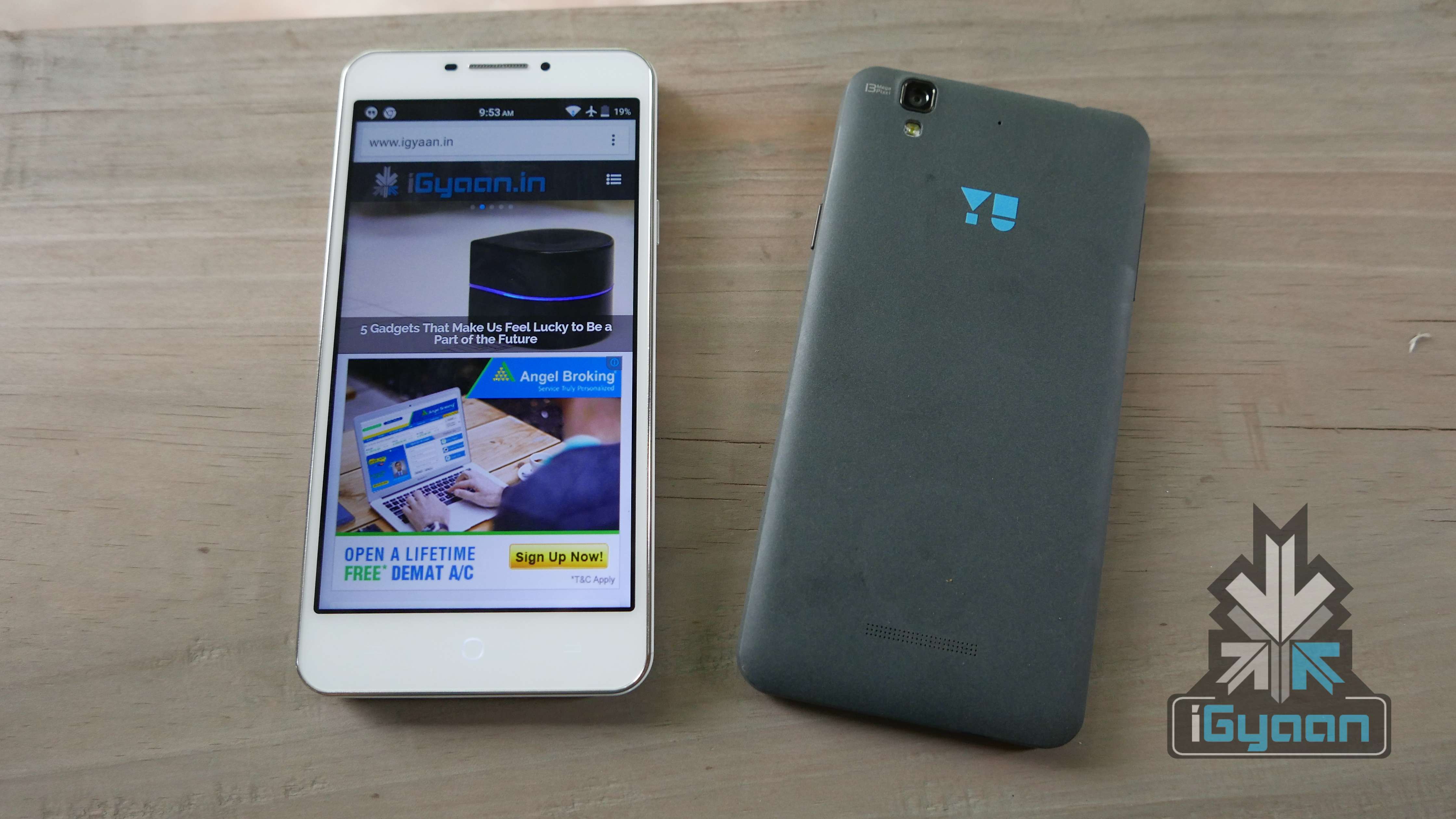
Today Yu Televentures announced a new handset, the Yu Yureka Plus. The phone is a revision to the existing Yureka, with added benefits. The revised specs also called for a revised price of Rs. 9,999.
Registrations for this handset have started again today and the handset will go on sale on the 30th of July exclusively on Amazon.in.
Overview
The Yu Yureka Plus is a phone that the Yureka should have been, in the first place. However, it is the company’s way of letting their consumers know that they are listening. The Yureka Plus improves on key features without drastically increasing the price. Is it worth the extra moolah? Let us find out in the iGyaan review.
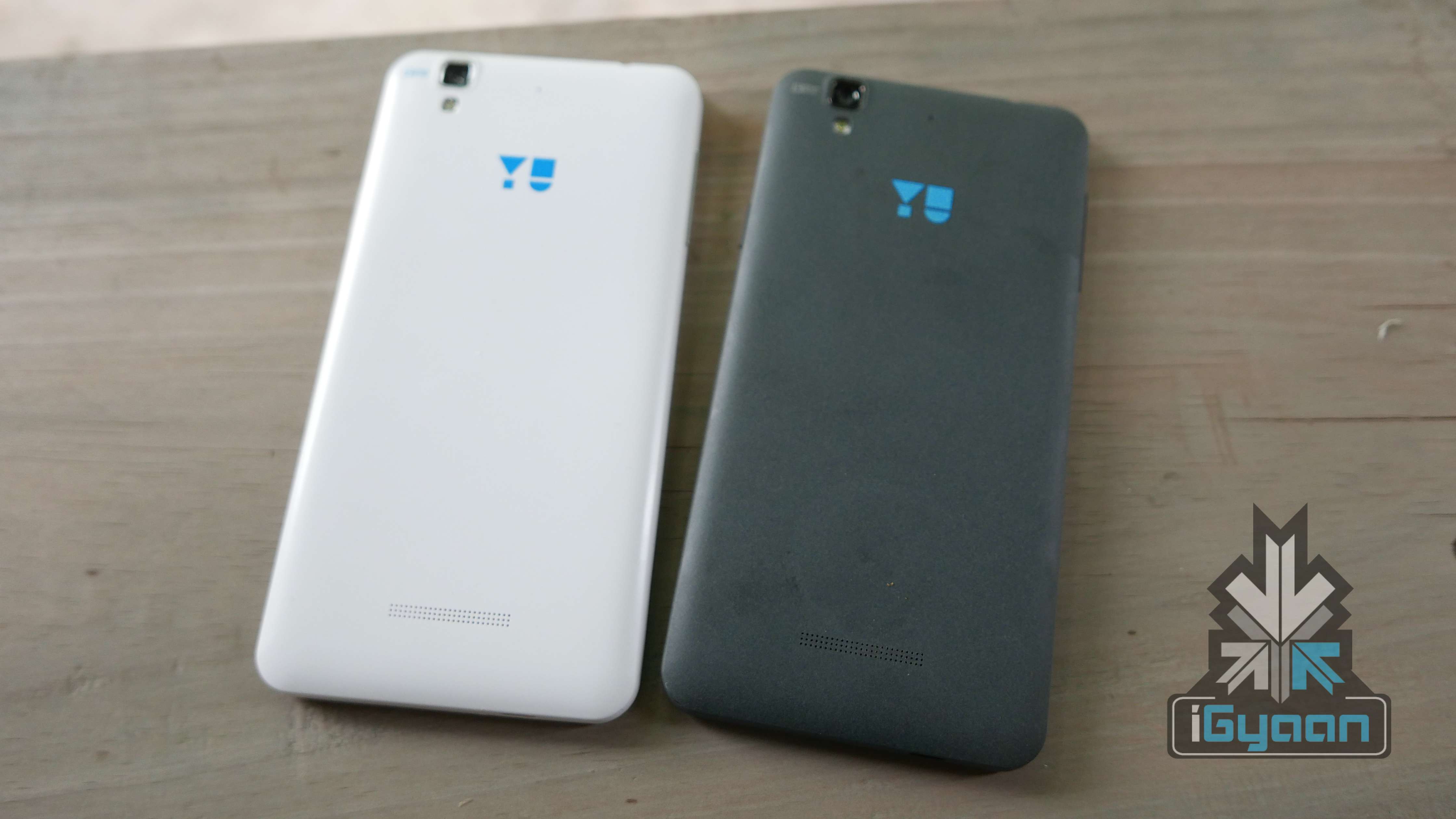
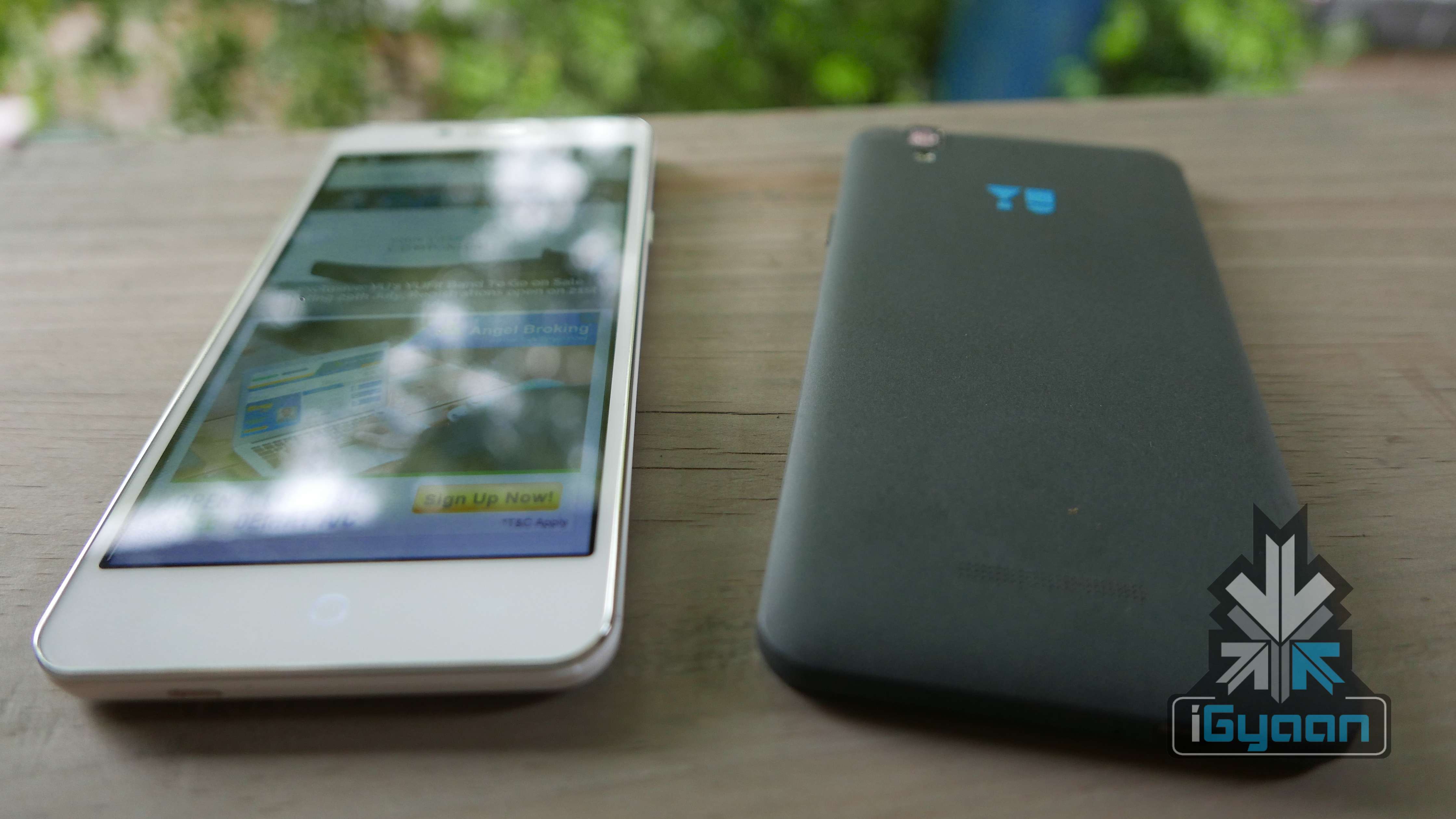
Alabaster White and Moonstone Grey
Hardware
Spec wise, the phone is more or less the same with some improved features. A higher resolution display with Gorilla Glass 3, a new Sony sensor in the camera and a stronger chassis.
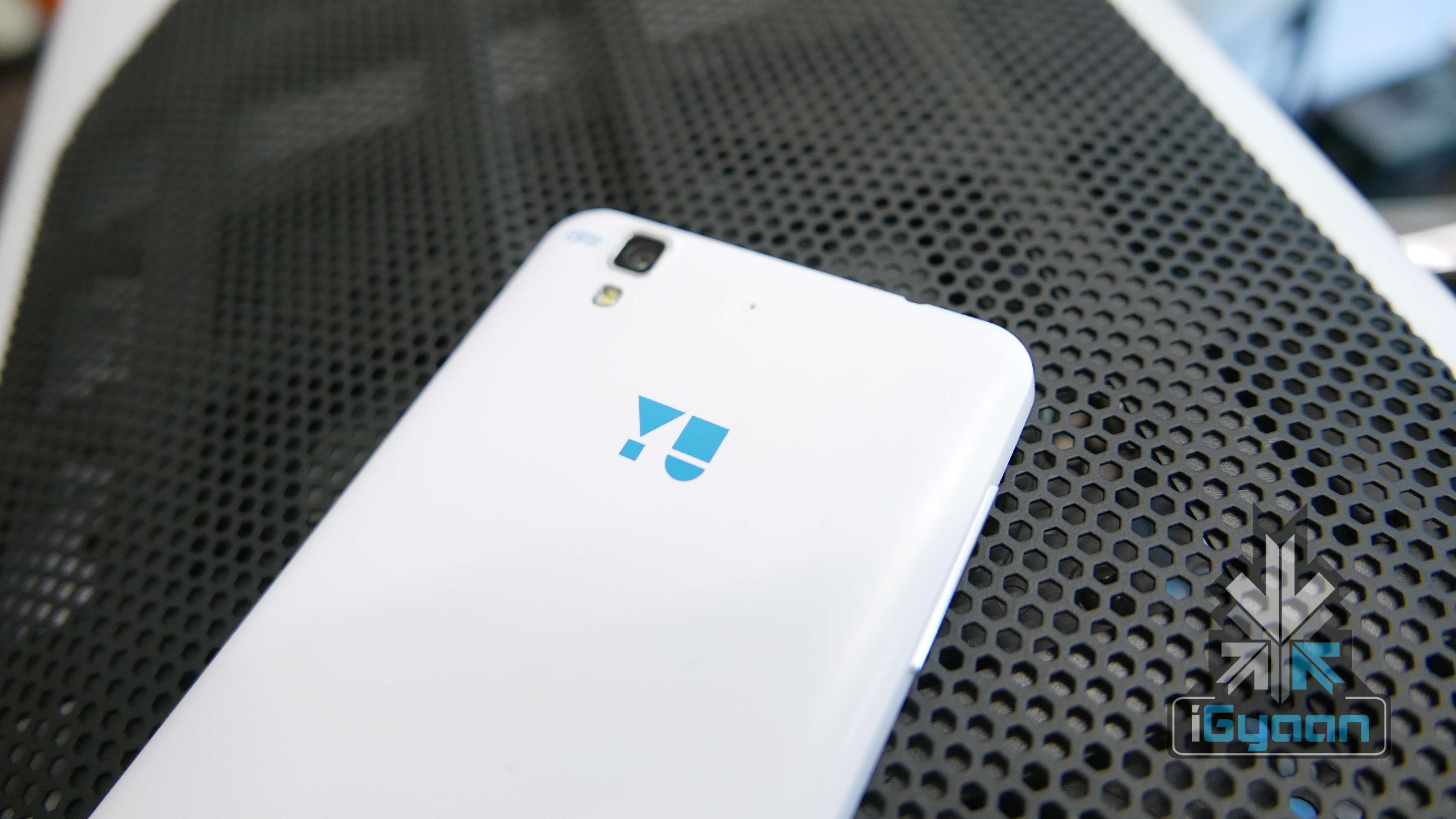
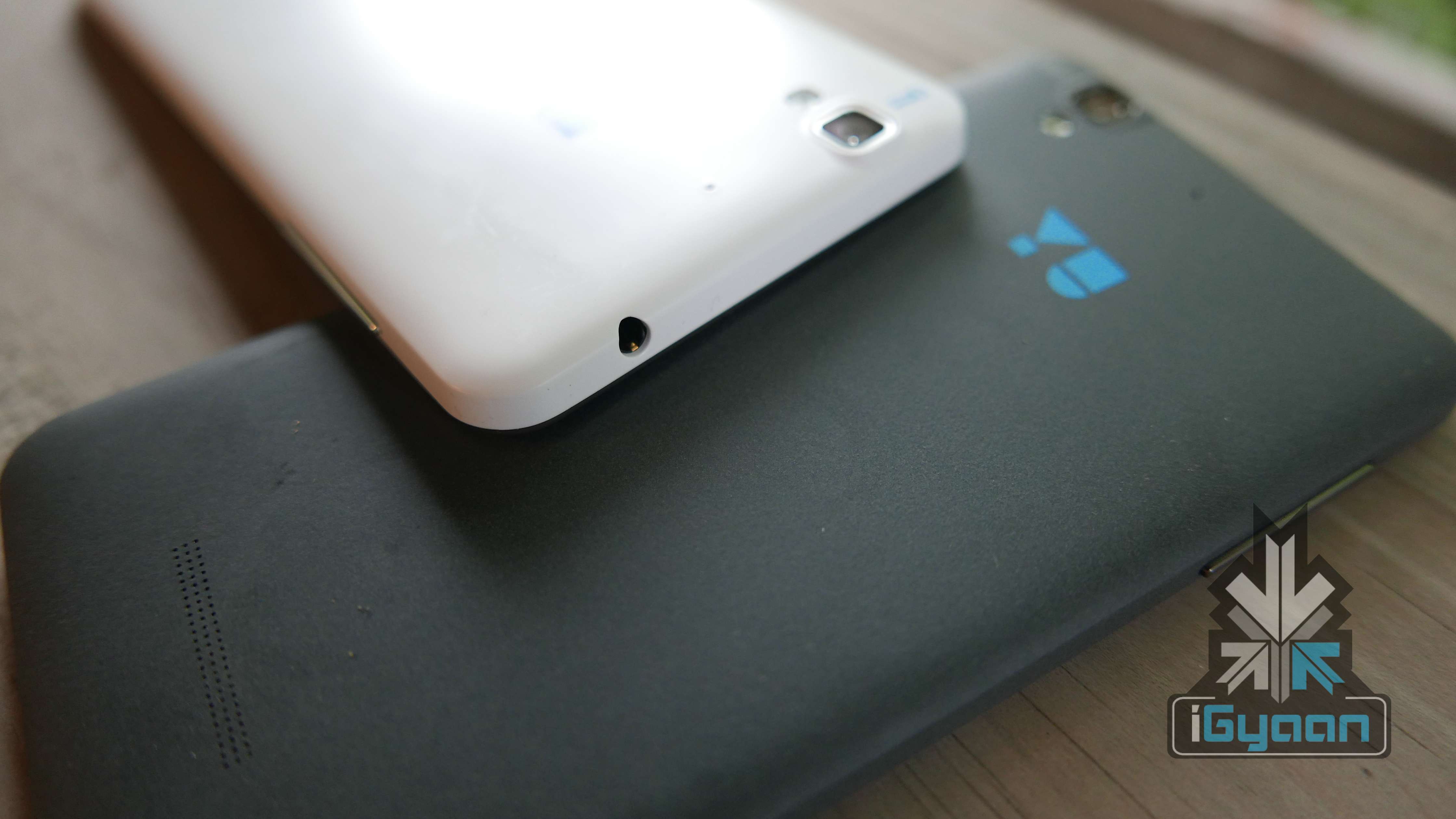
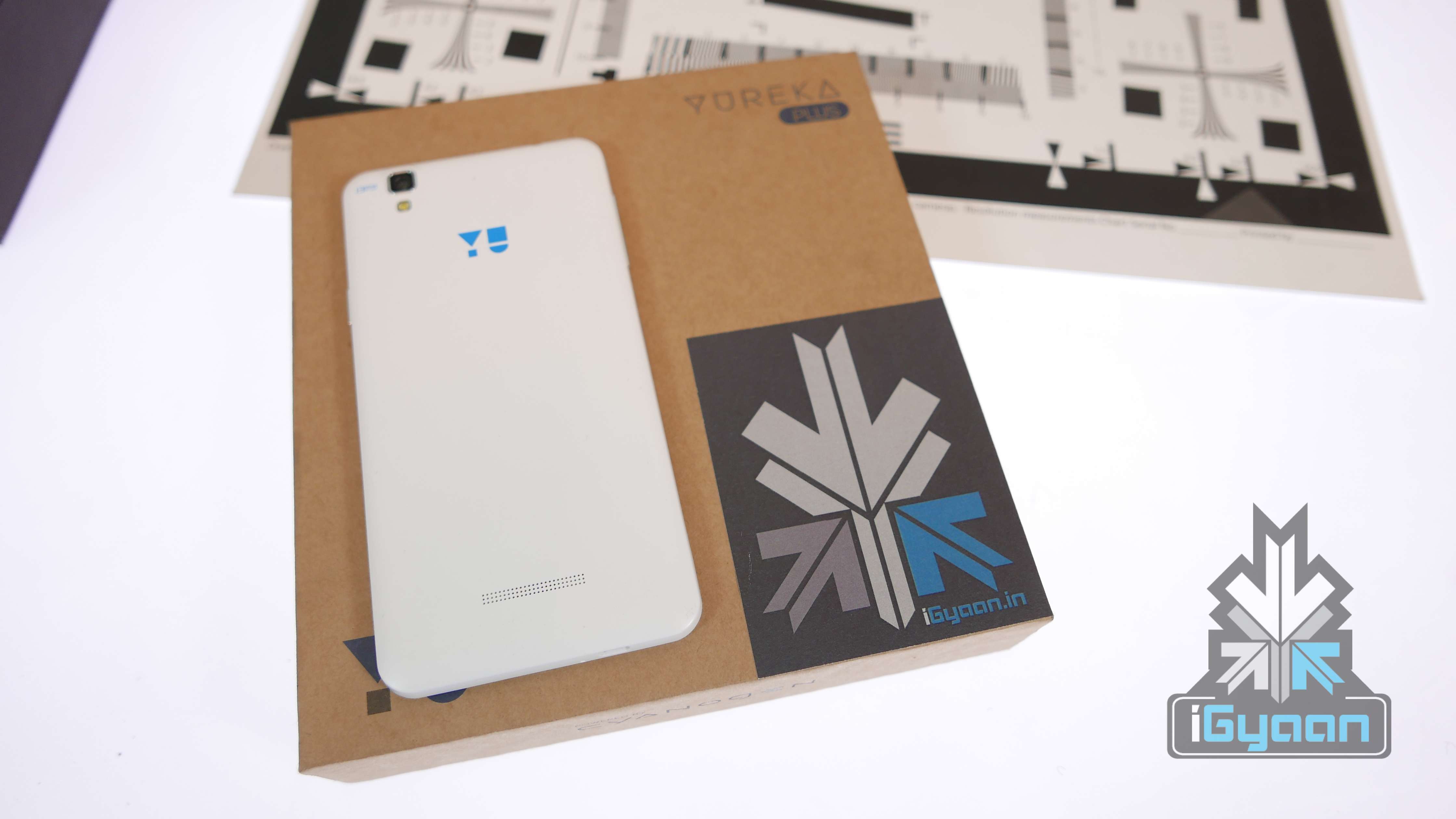
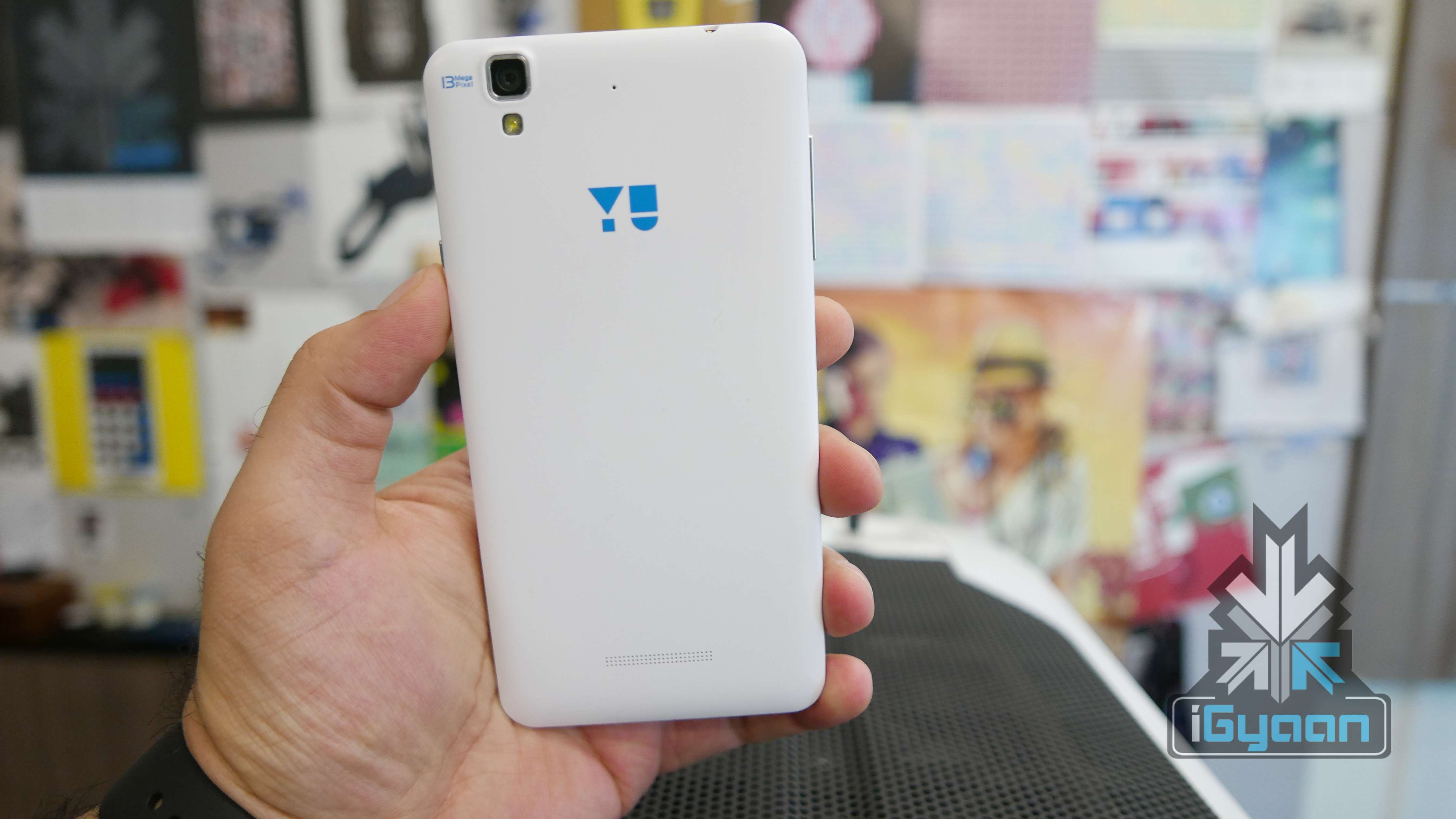
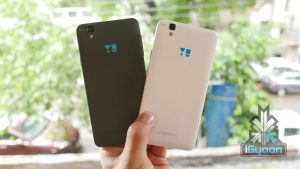
Design wise, you really cannot tell one Yureka from the other (even if the other is a Plus). The only real design change is the availability of the the alabaster white colour, which is great to look at. Since it is a matte finish, it won’t attract fingerprints, but it will attract stains and pen marks just like the Silk white OnePlus One. For our other inputs on the design you can revisit the original Yureka review.
Build-wise, Yu claims that there is a brand new chassis which has been reinforced for additional rigidity in the frame. The phone is more resilient to drops and dings and just like the first gen Yureka, should last you a long time. The addition of Gorilla Glass 3 as a top layer of the display will make the phone slightly more tougher.
The Yureka was pretty tough as it is, and we showed that off in our review of the handset. Pop on a case and the included screen protector and you are good to go. However, the new white colour, despite being resistant to smudging and fingerprints, gets dirty easily and will attract ink stains and food stains.
Performance and Gaming
Just like on the design front, the performance of the Yu Yureka Plus is the same as the Yureka. The Hardware is identical and a few software improvements are apparent. The phone does not heat up despite excessive usage, and the plastic shell of the phone aids in keeping the heat at bay. Although the Yureka was in big trouble with heating issues, after some usage, it appears to be resolved.
We, just like everyone else who waited for a new device, expected a big bump in specs and that was not the case with the Yureka Plus. The company launched a modest update and the performance hasn’t been entirely impacted. The benchmark scores are higher due to software optimizations, but this might not be the case after weeks of usage.
Gaming seems better too, we did face few drops and jitters while playing games like Asphalt 8 and we are not sure if the full HD display will impact the GPU performance enough to make a difference in gaming.
Network, Calls and Battery
The Yu Yureka Plus will handle two LTE enabled SIM cards, however, you can have data running on one SIM at a time. LTE speeds are good as we managed over 20 Mbps downloads on Airtel Delhi Network. The network remains strong through most areas, which also impacts the battery less, hence improving the battery life.
Calls remain good too, the proximity sensor issue also seems to have been addressed. Sometimes however, during the calls the screen turns on, on its own, which can get rather frustrating. Dropped calls are negligible and can also be due to network limitations in certain areas.
Battery will last you a day with moderate usage. The Full HD display will impact the battery life a little extra, but optimisations from the company improve performance, considerably. We did hear mixed opinions about the battery last time, where some experienced good battery life while others had heating and battery drain issues. If that will be the case with the Yureka Plus or not, is presently unknown.
Talk Time : 5-6 Hours. (LTE)
Music : 10 Hours
Internet Usage : 5.5- 6 Hours
Multimedia and Gaming : 4 Hours.
Cyanogen
Yu Yureka was the reason that OnePlus had to drop Cyanogen OS usage on the One when it was launched in India. Their Cyanogen OS exclusivity partnership is one of the biggest reasons that makes the Yu franchise stand out. Cyanogen 12 OS comes out of the box on Android 5.0.2 along with many of the new features on the OS. The newer user interface has a highly improved experience. Transitions and page changes are fluid too. Cyanogen customization options make the usage very personal, and the tweaks and quick toggles make usage, easy.
Alabaster White and Moonstone Grey
Yu Brand Value and Promise
Negative chatter still remains high on the lack of service quality from Micromax. The Yu franchise also has the same response. With a lack of spares, service from the brand is slow and tedious and somewhat expensive in case of things like cracked display replacement.
The forums are active and a large community has adapted the brand and endorse it thoroughly. We don’t see many updates from the company when compared to the activity of companies like OnePlus and Xiaomi on their respective forums. However the discussion boards are full of consumers and prospective buyers communicating within themselves, which is in itself, a great thing. There are also YU team members who answer queries, in the usual, robotic manner.
Display and Camera
The increase in resolution is always welcome, especially when it brings along added Gorilla Glass 3 protection. The outdoor visibility is poor and at its brightest setting, it is barely visible. The increased resolution improves ppi to 400ppi which will improve the usage experience. The display has good colour reproduction and viewing angles.
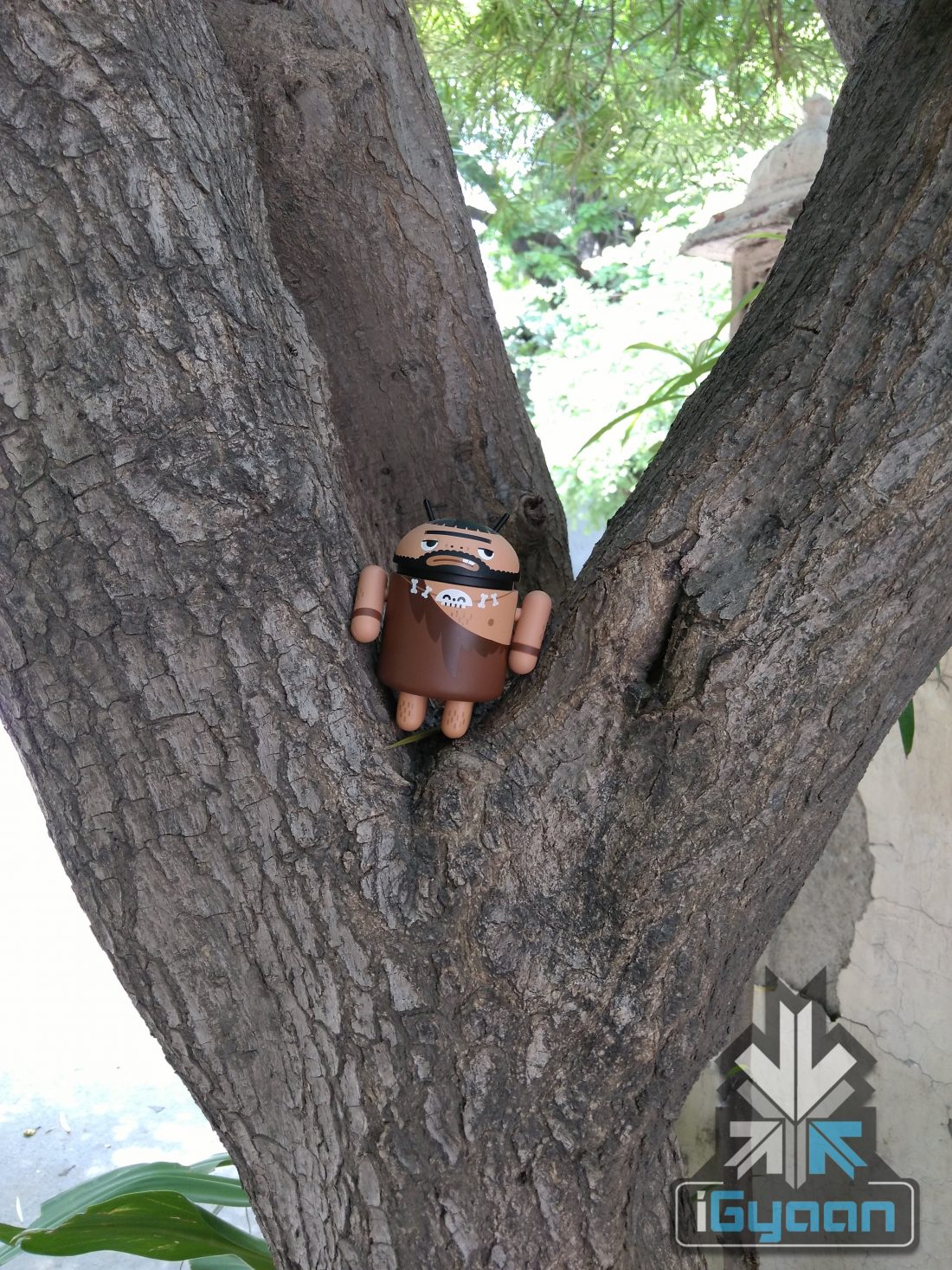
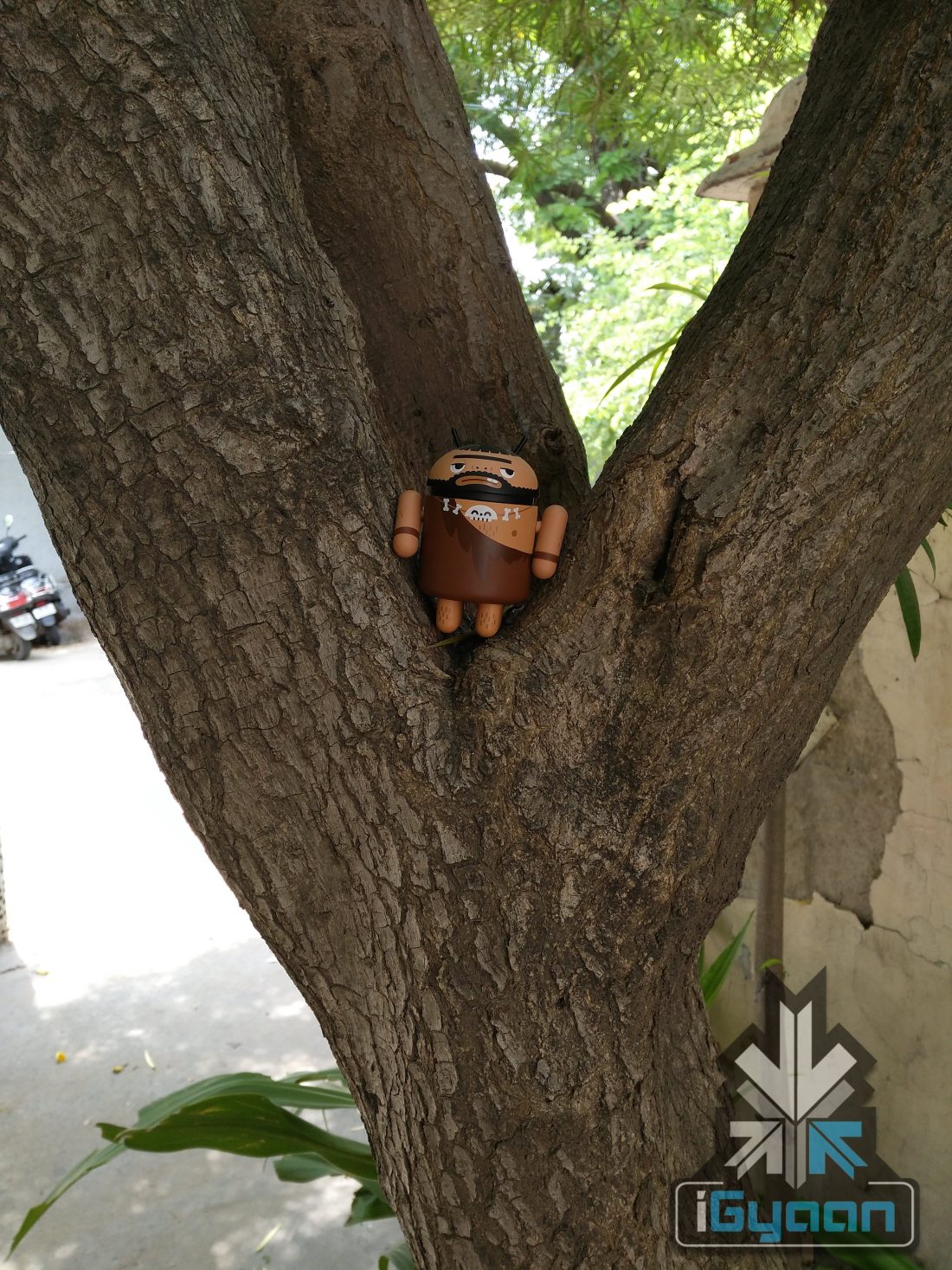
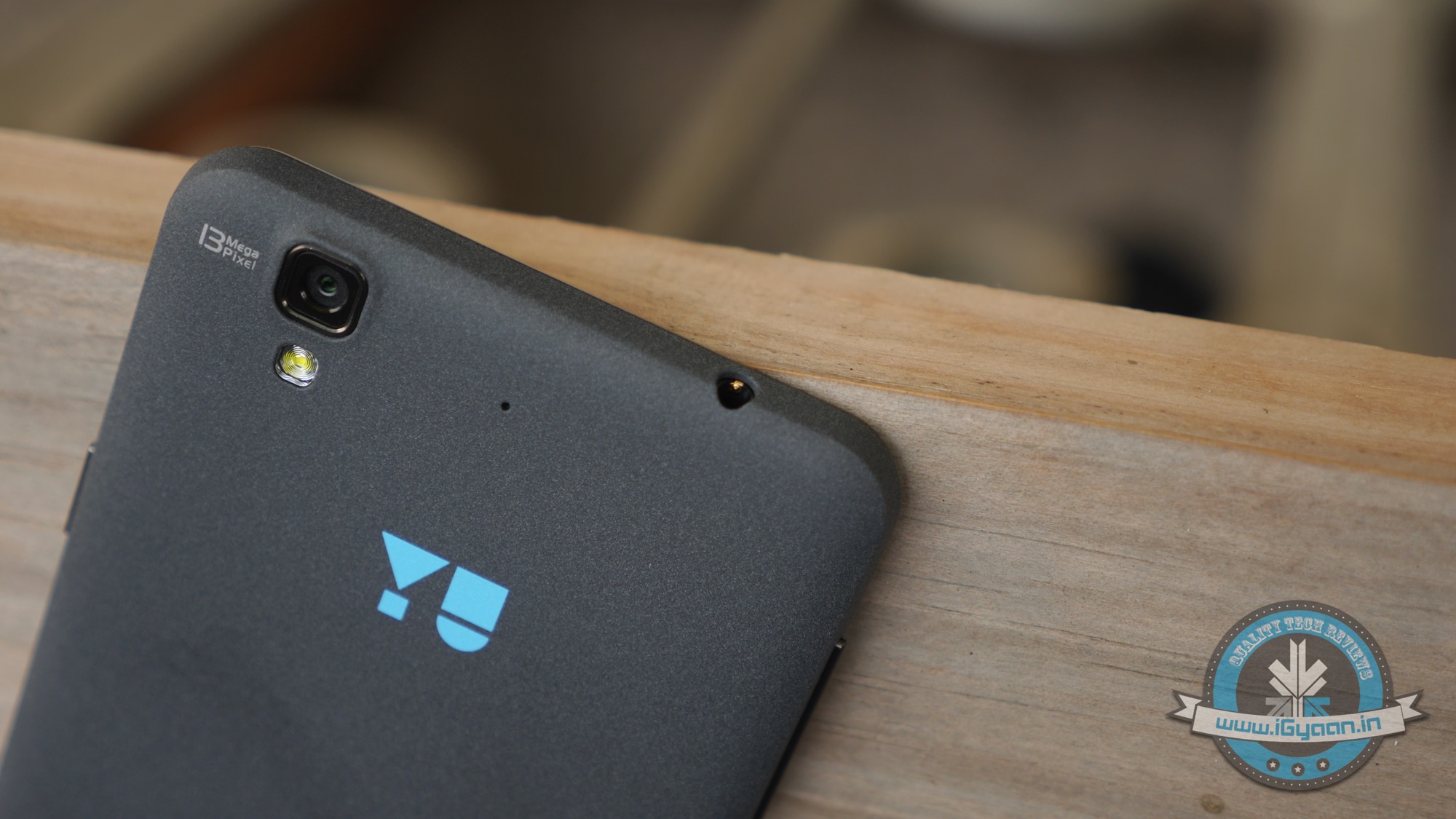
The camera sensor has been improved from a previous gen Sony sensor to a newer sensor which will capture colours better and work well in low light conditions. The megapixels remain the same at 13MP, however images are sharper and contrast is better. Some samples are given below. Video is still shot at 1080p and thanks to better low light performance and colour saturation, the video quality is much better.
Yureka
Yureka Plus
Yureka
Yureka Plus
Conclusion
While the price difference is negligible and so are the improvements, the Yureka Plus adds a Full HD display and a better camera, with a supposedly better build. All of which are worthy of the Rs. 1,000 price increase. There is no loss in performance, in fact, it is a tad bit better. If Yureka was your choice before, the Yureka Plus should be your choice now. There are however some other options in this price bracket, the ZenPhone 2 and the new Moto G (3rd Gen) is just around the corner. Check out our video review below.
Click here to register for the Yu Yureka Plus : [tw-button size=”medium” background=”#07ABE2″ color=”” target=”_blank” link=”http://www.amazon.in/b/ref=as_li_ss_tl?_encoding=UTF8&camp=3626&creative=24822&linkCode=ur2&node=6690337031&pf_rd_i=yureka&pf_rd_m=A21TJRUUN4KGV&pf_rd_p=656691227&pf_rd_r=1R4GV1T0M1A7TNVFECFT&pf_rd_s=desktop-auto-sparkle&pf_rd_t=301&qid=1437731665&ref=spks_0_0_656691227&tag=igyaan-21″]Register Now[/tw-button]
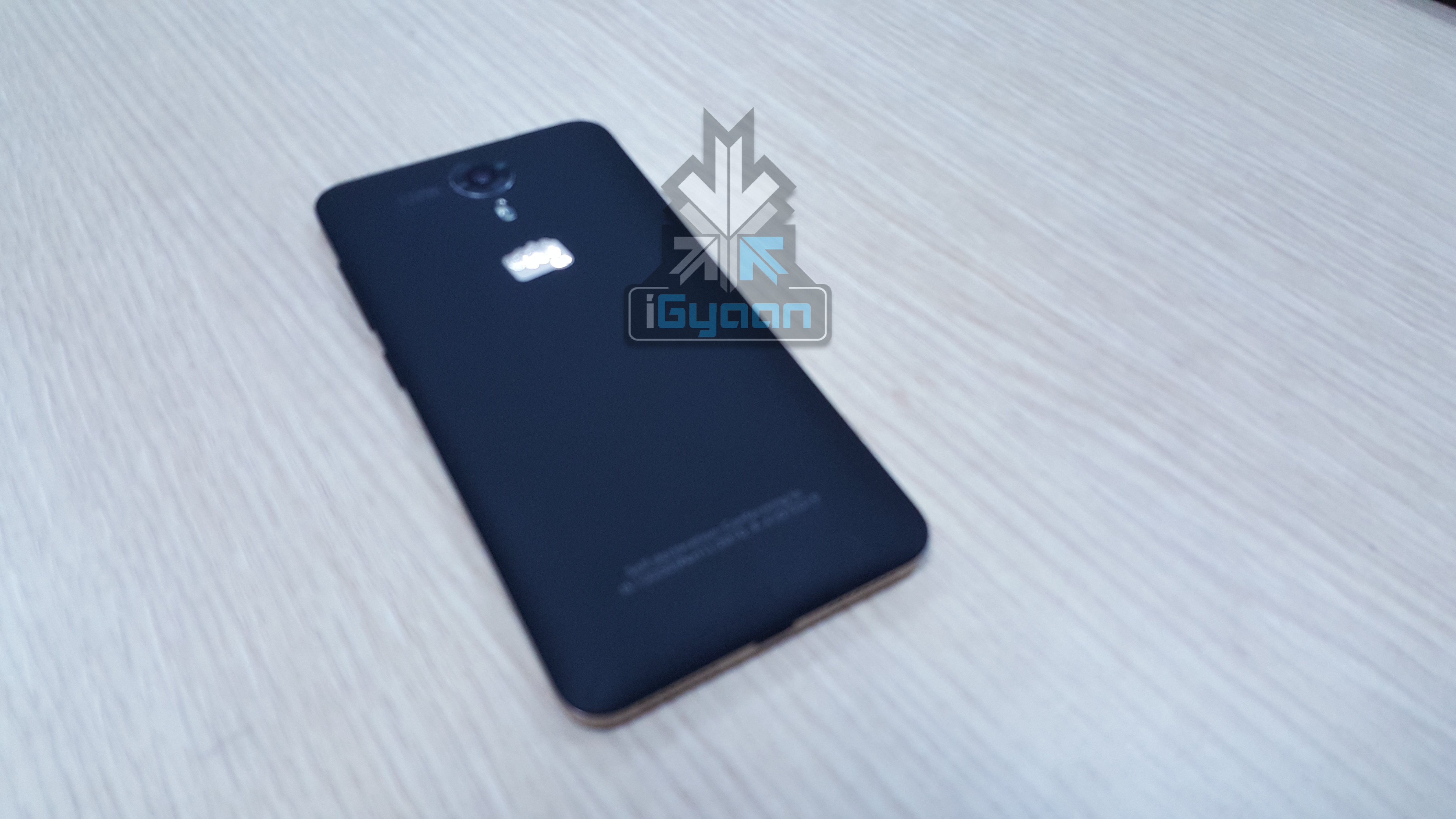
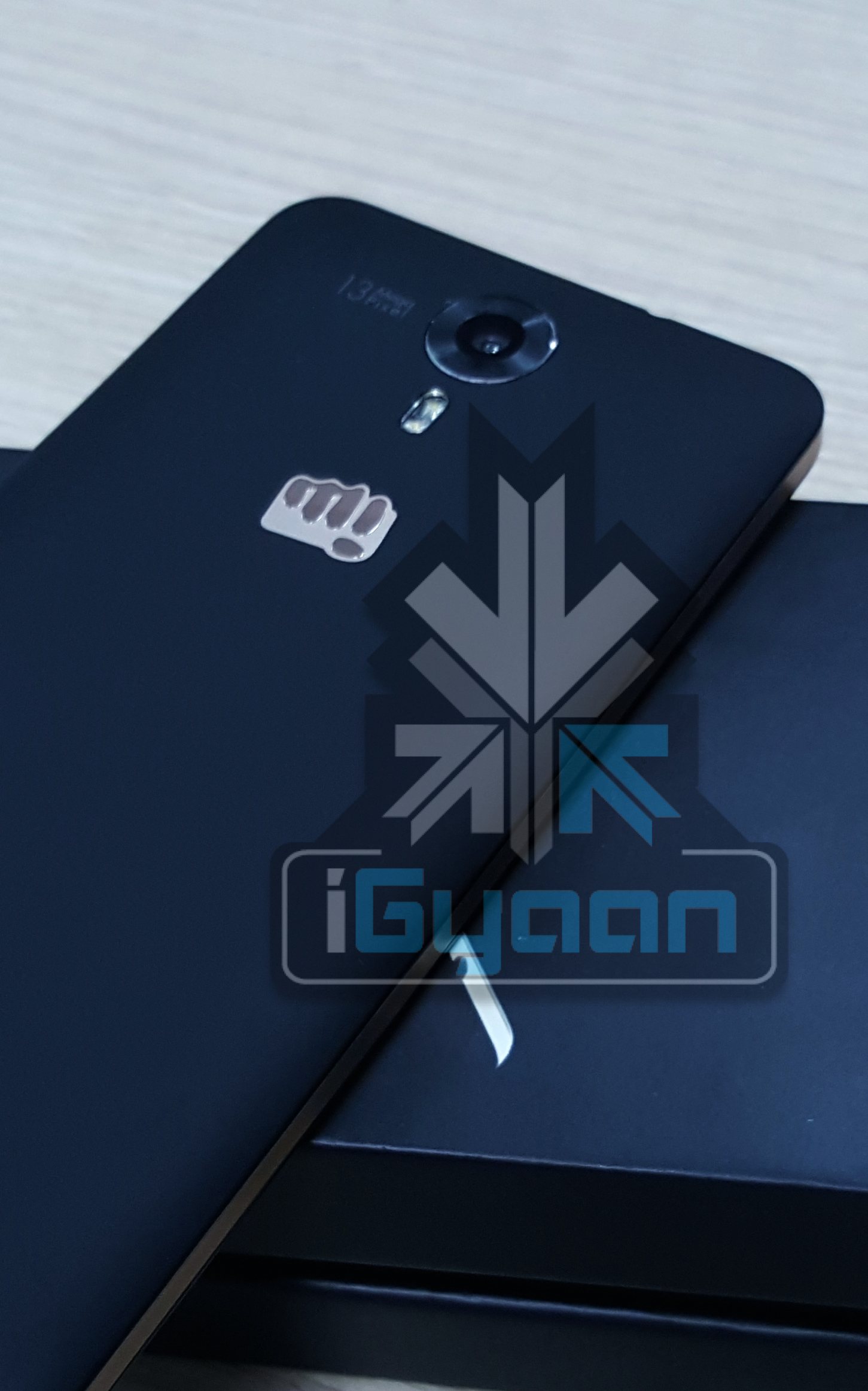
If our source is to be believed, this is Micromax’s next big thing. However it is going to be an ultra budget device. Details are sketchy at the moment, however it appears to have a black and gold design with a metal frame. The phone is expected to be below the 10k price bracket considering their own Yureka sells for Rs. 8,999.
The second image illustrates the device slightly better and also shows off the 13MP rear camera. The Micromax logo appears to be in a gold colour as well. The rear appears to have a rubberised back cover. Our source (who refuses to be named) also tells us that the device will be a Snapdragon 615 handset and may possibly run Cyanogen OS.
We know that this device will be competitively priced and may be sold through an online exclusive partner. The details of RAM, storage and display etc. are presently unknown. We are trying to get more information or at least a name for the handset. The leaked smartphone is expected to launch soon, however, all this must be taken with a pinch of salt. It is just as likely that this could be a prototype or a test device.
Micromax officially declined to comment on the same.
Micromax-owned Yu Televentures has just launched the new Yu Yureka Plus. Aesthetically the Yureka Plus is quite identical to the original Yureka. However, there are few changes which may be oblivious to the eye, and one change which is majorly apparent.
Alabaster White
The alabaster white colour, reminds us of the the remaining out of the two colours that Oneplus One launched with (Silk White and Sandstone), since moonstone grey took care of the rest.
Hardware Specs
Yu Yureka Plus
Display
5.5-inch FHD Gorilla Glass 3
Resolution
1920 x 1080px 400ppi
Chipset
Qualcomm Snapdragon 615
Processor
1.5GHz Octacore | 64 Bit
GPU
Adreno 405
RAM
2GB
Primary Camera
13MP Sony Sensor
Front Camera
5MP
Video Recoding
1080p Full HD
Storage
16GB
Expandable Up to
32 GB
Battery
2,500 mAh
Operating System
Android 5.1 Lollipop with Cyanogen 12
Bluetooth
4.0
Price
Rs. 9,999
Alabaster White and Moonstone Grey
The Yu Yureka Plus comes with similar things inside the box – a Handset, Charger, Earphones, USB Cable and Documentation. Specs wise, the Yu Yureka Plus gets a FHD display with Gorilla Glass 3 in the same 5.5 inch size making the pixel density reach 400ppi. New improved camera sensors from Sony will improve picture quality drastically, and a new improved chassis is said to be more resilient. The smartphone is up for registrations on Amazon.
December of 2014 was when Micromax formed and launched their fork called Yu Televentures. The online sale company, is designed completely to take on the likes of Xiaomi and OnePlus. The company had great ambition and a unique business model. It brought in the best of Xiaomi and OnePlus to the Indian masses for a budget.
The first device, the Yureka, was a huge success for the company and a great product to launch with. At their most recent launch, Rahul Sharma, CEO Yu Televentures, revealed his plans for the company and launched the Yuphoria along with several other devices. This included the recently launched YuFit Fitness band.
Alabaster White and Moonstone Grey
Today the company has announced the Yu Yureka Plus, priced at Rs. 9,999. Do not be confused by the name, the handset is not larger than the previous Yureka, nor is it bumped up in specs. It does have some minor, yet significant, upgrades. The Yureka Plus comes with a 1920x1080px display vs the 720px on the original Yureka. The Plus version also gets the Corning Gorilla Glass 3 protection layer added to the top of the display. All this is on the same size 5.5-inch display which bumps up the pixel density to 400 ppi.
The new Yu Yureka Plus also has a new camera sensor, made by Sony, keeping the Mega Pixel count intact at 13 MP. The company is also touting a new improved chassis and better build qualities.
However, the most important change to us is the new white colour finish back panel option. Which not only gives this handset a distinctive look but a slightly more premium one.
Registrations for the handset have begun today, and the phone will go on sale on the 24th of July at 12:00 Noon, at Amazon.in. The Yu Yureka Plus comes in two colour options, the Moondust Grey and Alabaster White.
Micromax subsidiary, YU Televentures, will launch a new smartphone today. The company had recently tweeted “Your prayers shall be answered…”, featuring a graphic poster of a phone with the caption “The God Shall Return”.
The company has had it’s share of the limelight since the launch of the Yureka in December 2014. Now the company is expected to launch a sequel to the Yureka. With the videos released in the past by Yu CEO Rahul Sharma, it is expected that the handset will be better built and sturdier.
A bump up in specs is expected too, with possibly a larger display with better hardware on the inside. A beefier battery and camera are always welcome. A increase in price however may not be appreciated, so hopefully the company can play it well when they announce the new handset later today.
See the two videos below, and let us know in the comments what you expect from YU today.
Yesterday, Music gear and accessory company Marshall audio released information about their upcoming smartphone called the London. While the news made waves, the phone specifications itself are not that appealing.
[pullquote_left]What Android Needs Today is More Personality Not More Performance[/pullquote_left]
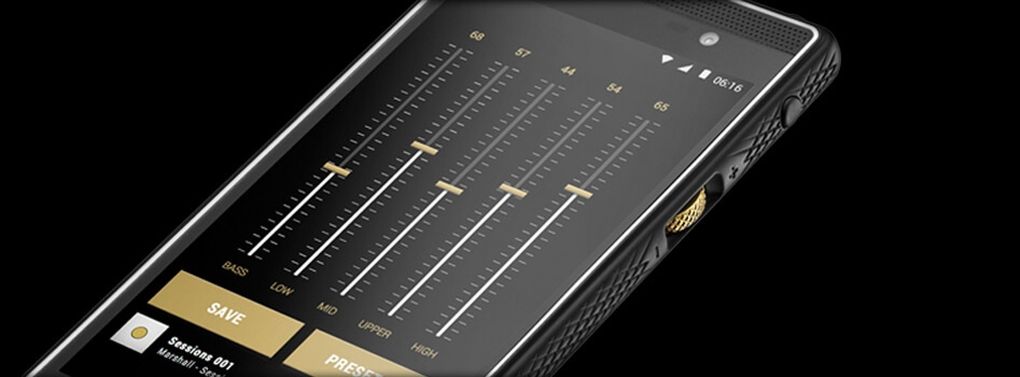
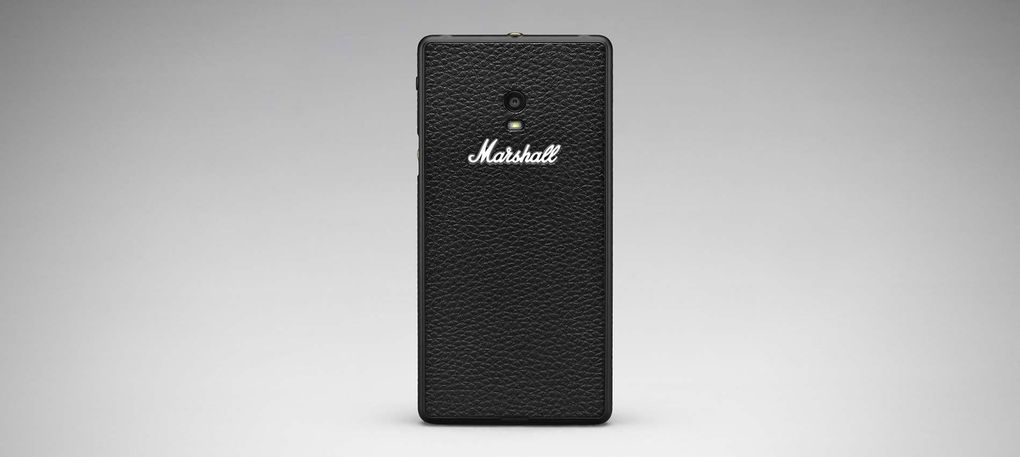
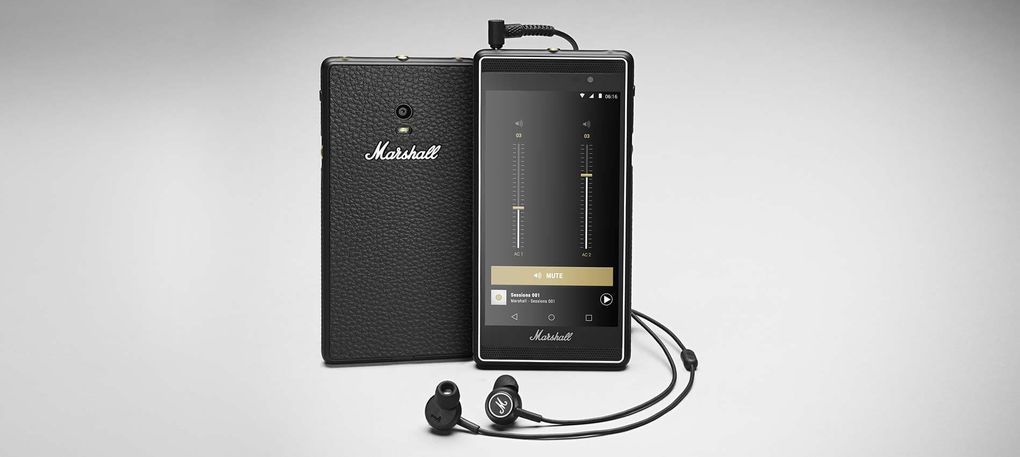
However the Marshall London is designed not to impress the spec-hungry but more the music hungry. The company claims that Android today needs more personality, and not more performance. The phone is relatively low end with a 4.7-inch, 720p display. Dependant on 2GB of RAM, a 2500 mAh (removable) battery, and a Snapdragon 410 processor which is seen in some of the most popular low end phones.
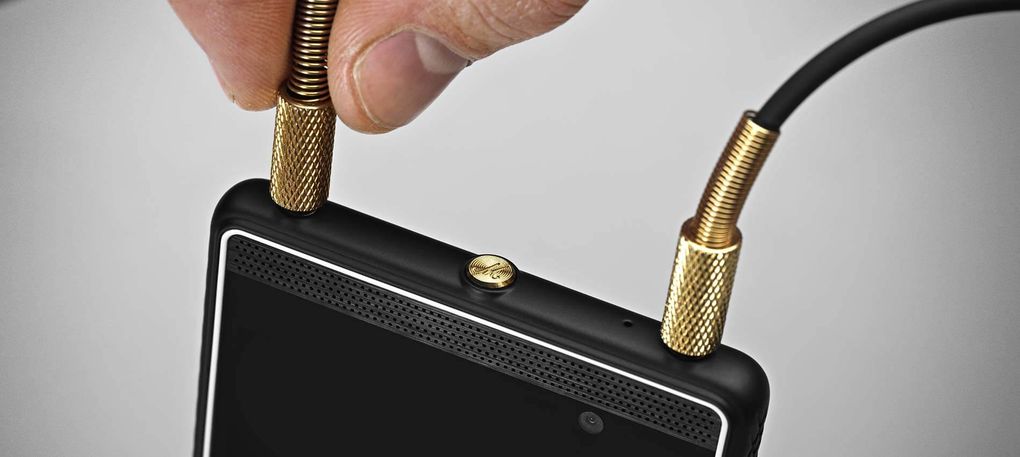
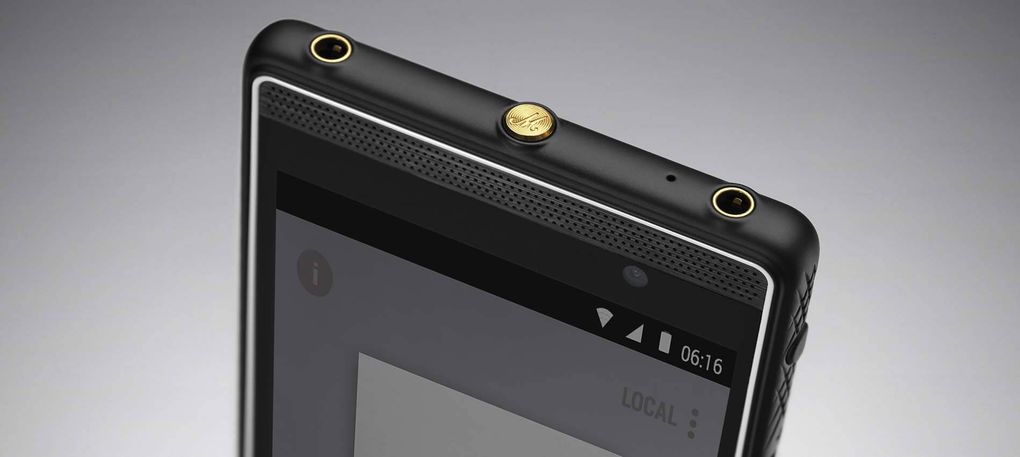
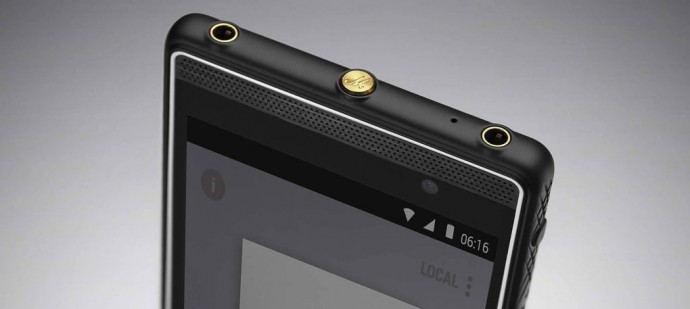
The London has been priced higher than expected for roughly US $ 549 or Rs. 35000. But, the intention that the phone serves is different. Apart from being completely brilliant to look at, the music centric London has excellent audio processing. Dual headphone outputs, Dual front speakers and a jog dial for precise controls. There is a dedicated “M” button on the top for easy access to music.
There, However, seems to be various implications of the dual headphone jacks. Thick of multi track mixing or recording. Dual independent outputs to separate devices, and dual monitoring when mixing tracks on a DJ app. From a use case point of view, it eliminates quite a few hurdles. The phone won’t be available till late Aug, in the meanwhile however, you can check out the pictures of the beautiful Marshall London below.
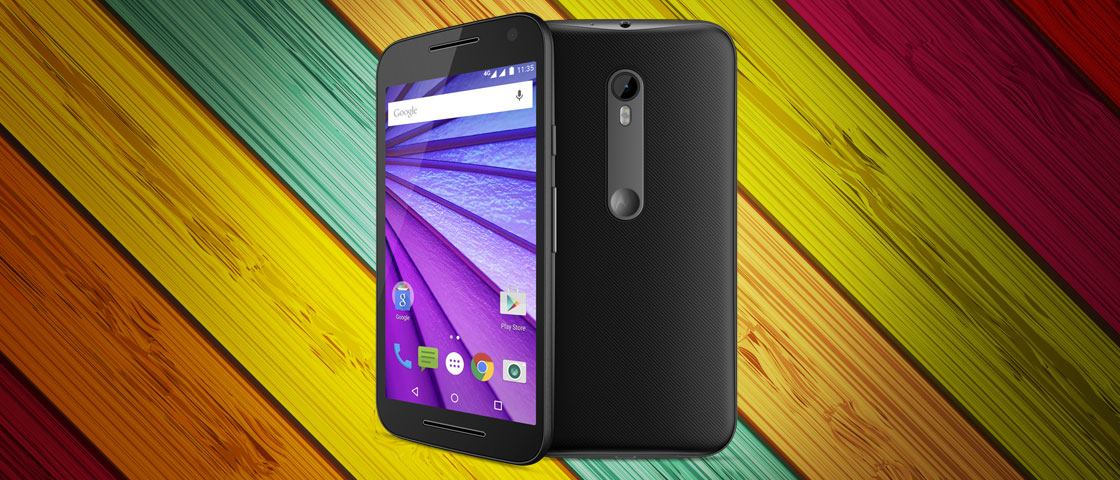
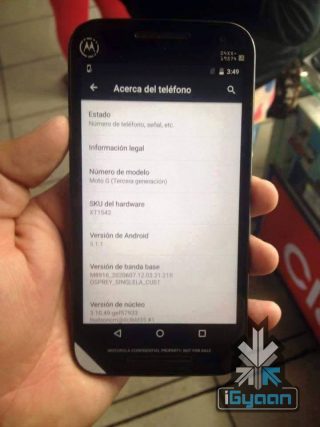
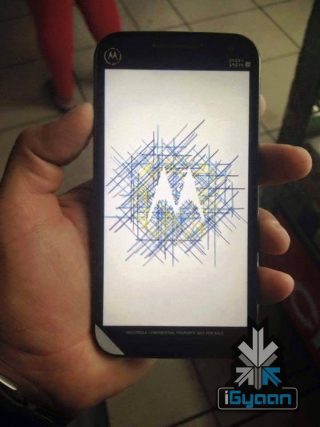
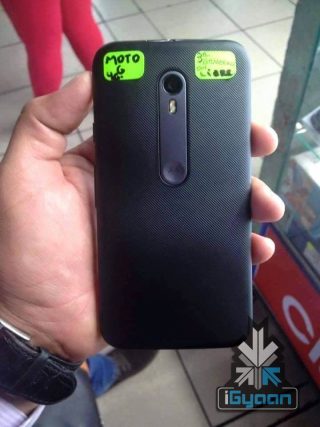
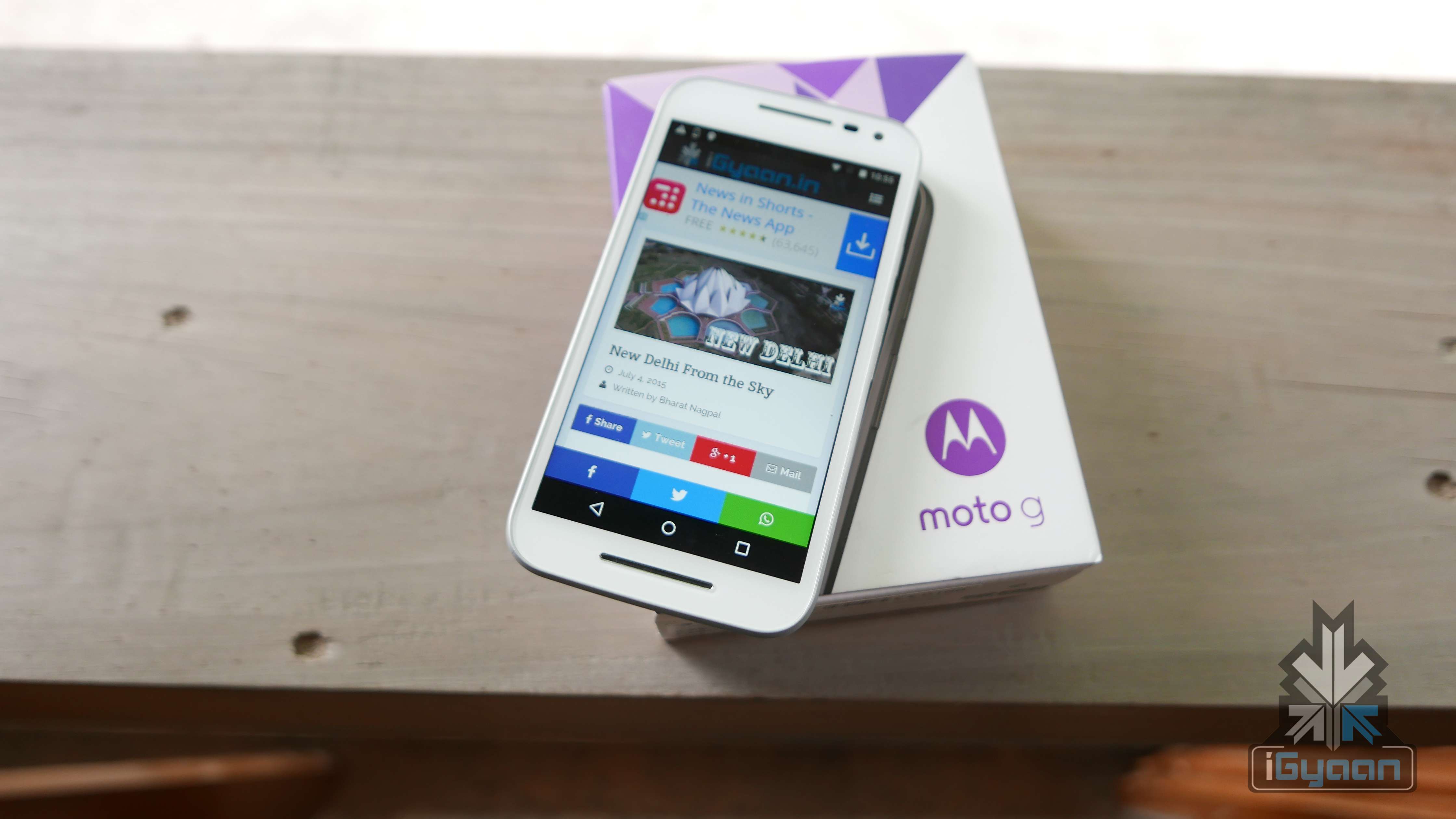
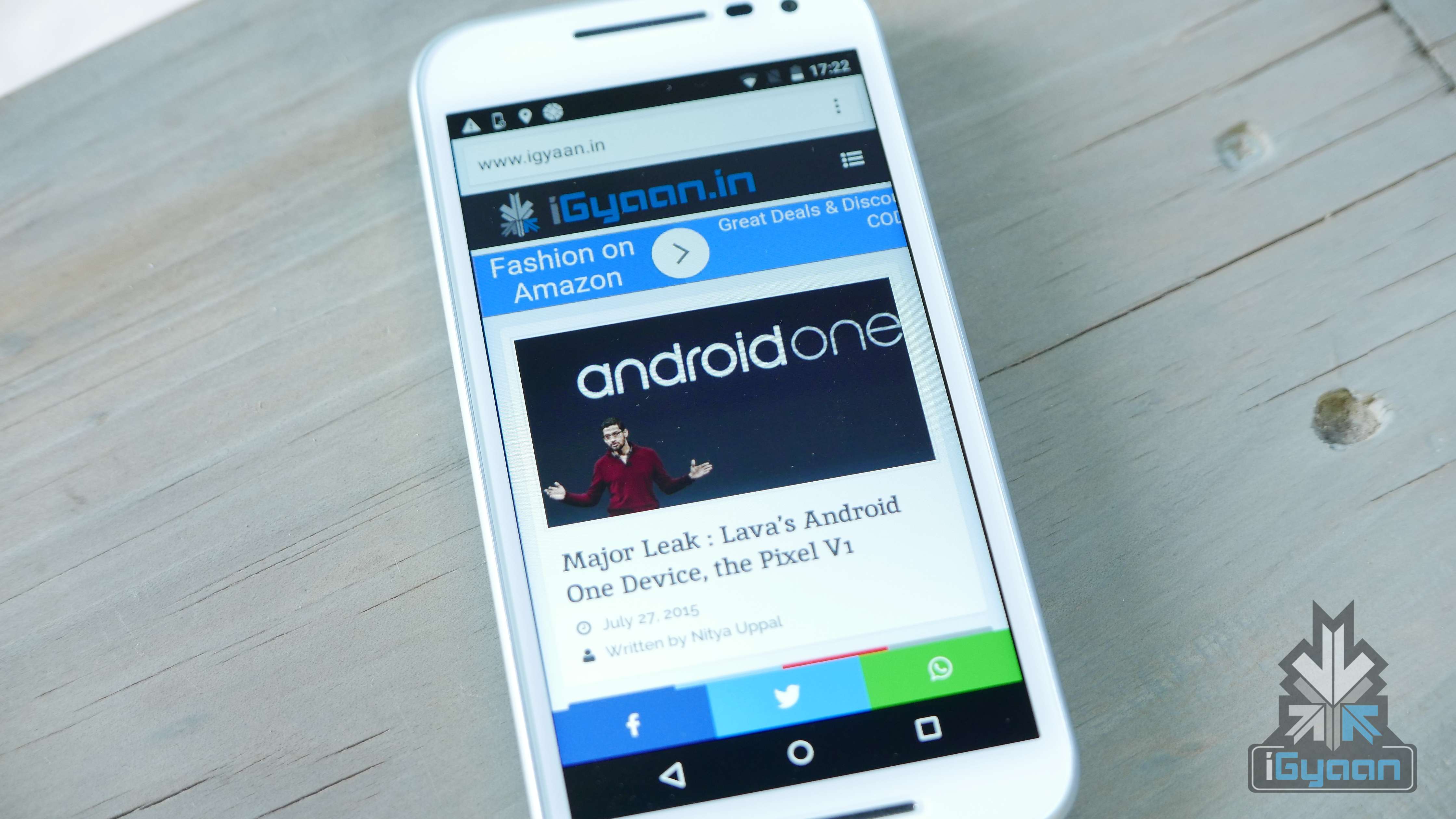
What appears to be an accurate leak, shows off the next generation Moto G and Moto X by the Lenovo owned Motorola. The Moto X and Moto G for 2015 have been leaked before, but here you can see a lot more information.
The new Moto G (3rd Gen.) seems to have identical hardware Snapdragon 410, 2GB RAM and Android 5.1.1 out of the box. According to rumours the Moto g (3rd Gen.) will be released on July 28, it will have 4G + dual SIM versions. Moto g (3rd Gen.) is IPX7 waterproof cell phone.
The new Moto X will supposedly has a 5.64-inch QHD display, running on the Qualcomm Snapdragon 808 chipset with 3GB of RAM, USB Type C port, 21GB of user available storage. A 16MP main camera with an f2.0 lens, a 5MP front camera and 3,280 mAh non removable battery. It will run Android 5.1.1 Lollipop out-of-the-box just like the new Moto G.
Motorola will this time offer up the Moto G with various options. The Moto G 8 GB variant will come with 1 GB of RAM whereas the Moto G 16 GB variant will come with 2 GB of RAM. The Moto G will be equipped with a 13 MP main camera and a 5 MP front-facing camera. The company will also extend the Moto Maker to the Moto G which was recently outed by notorious tipster @eveleaks.









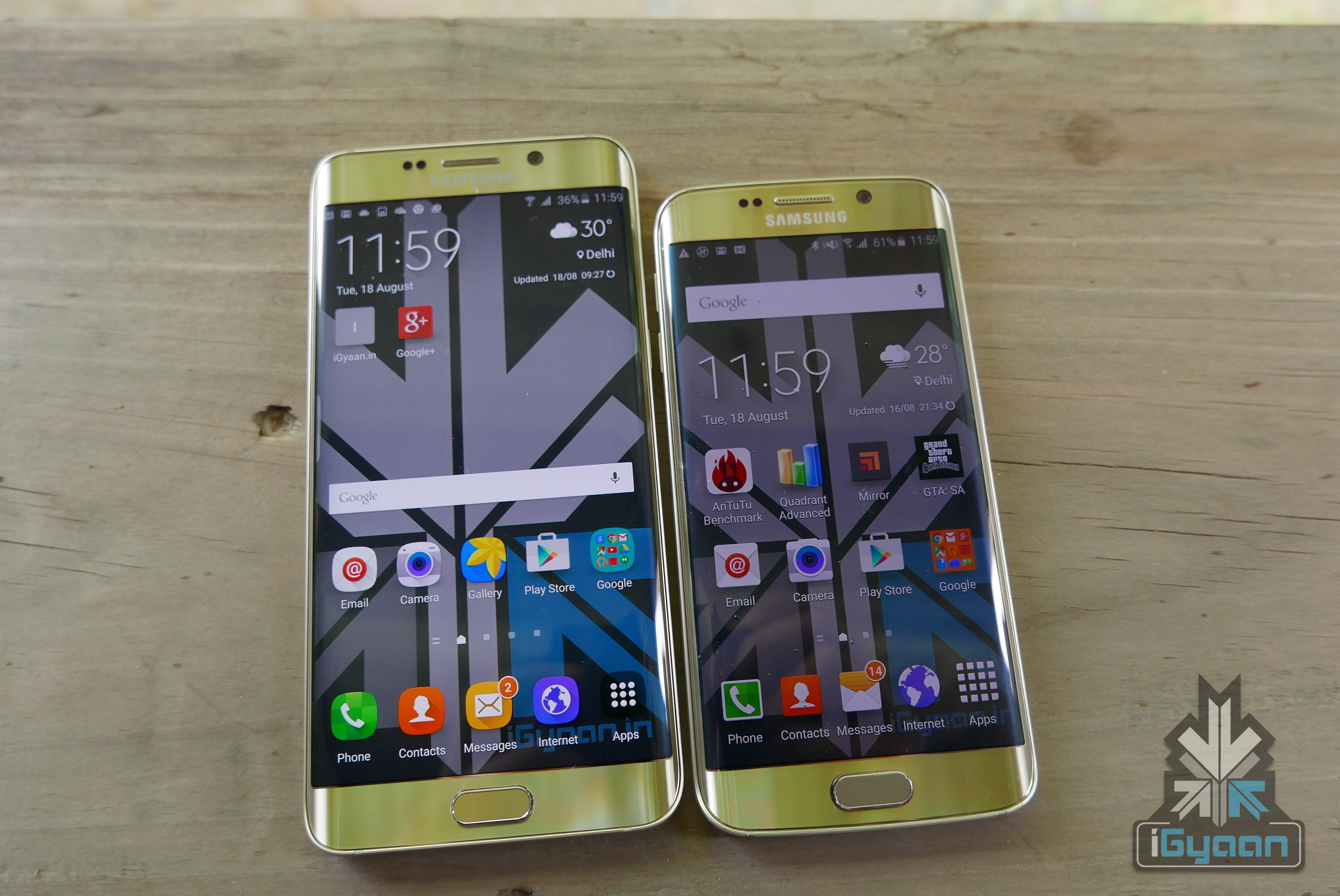
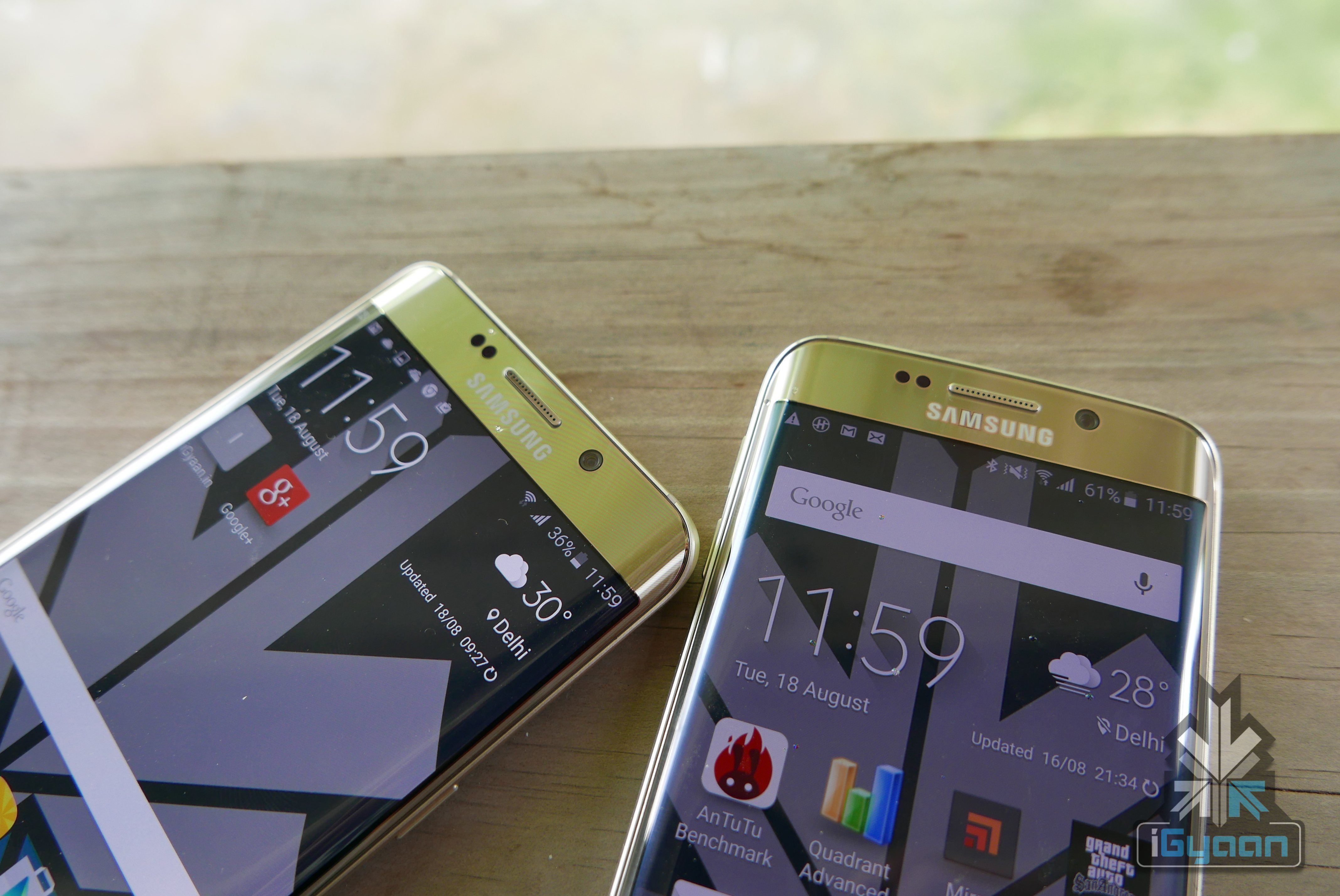
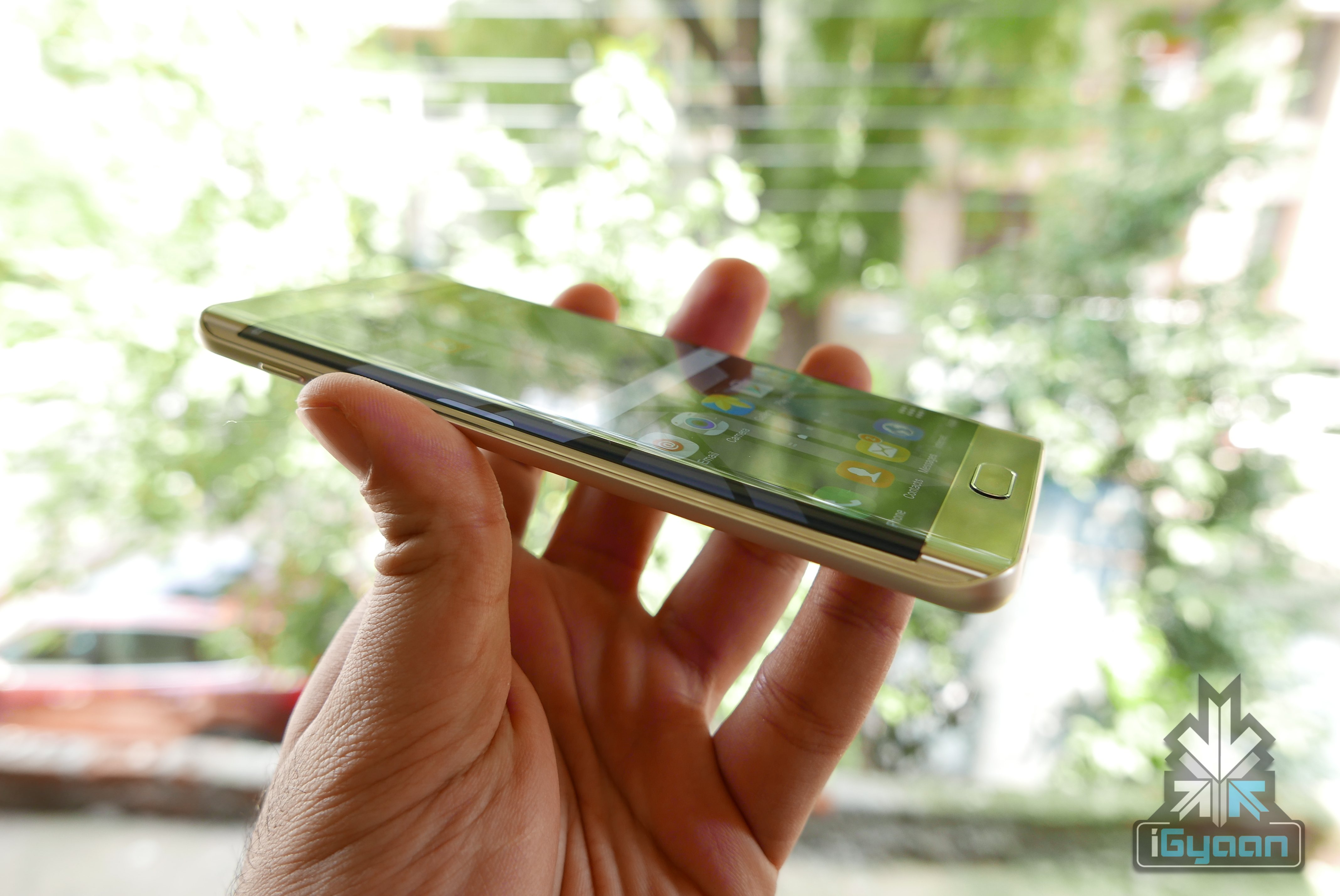





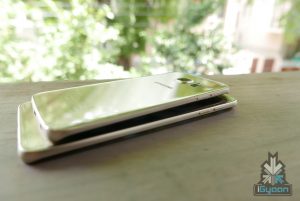

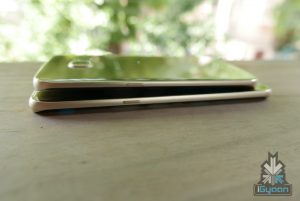
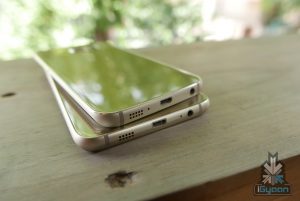



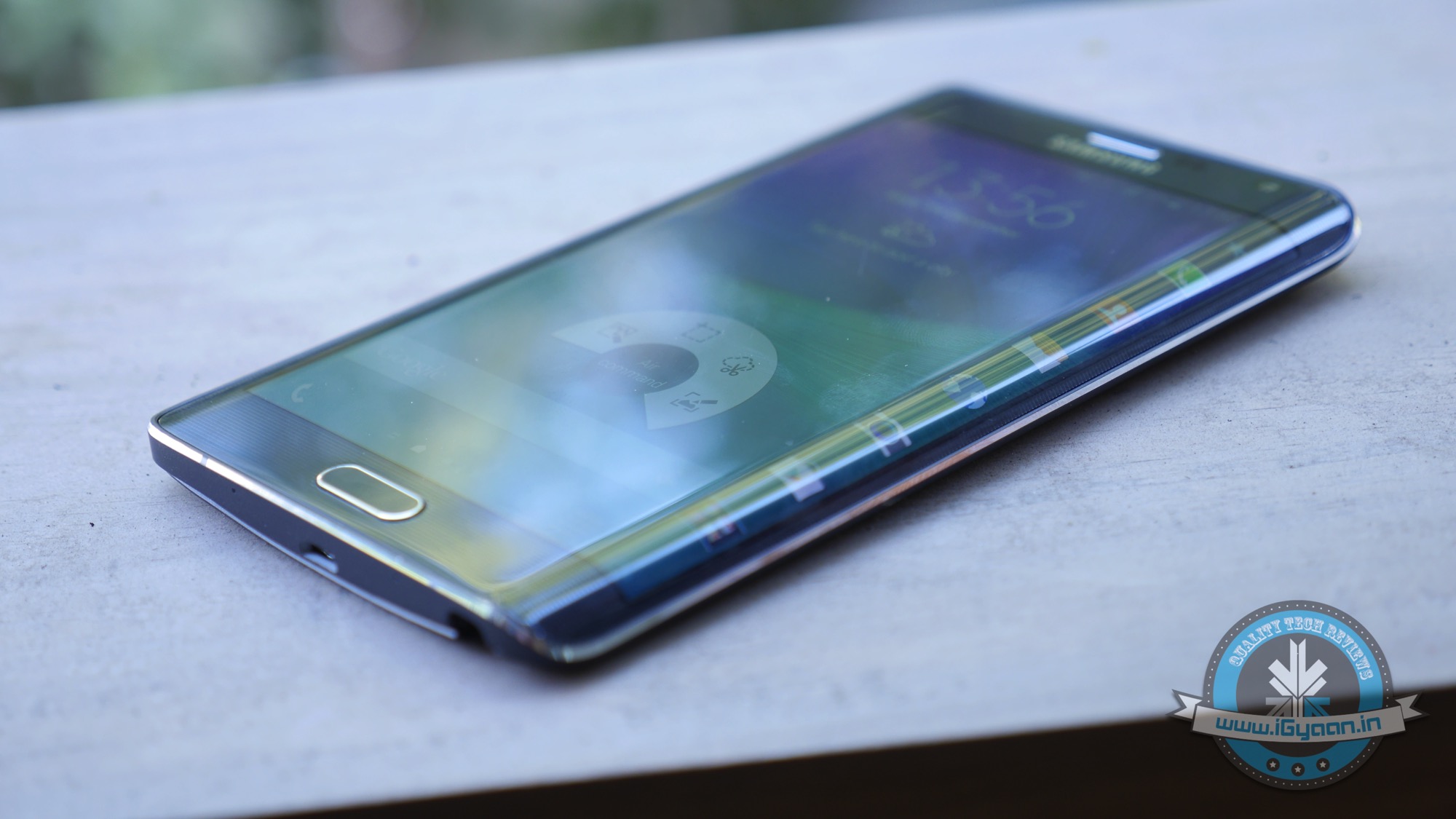

 Samsung seems to have liked what they did with the Galaxy S6 and the S6 Edge, as they bring the same Octacore chipset as on the S6 and S6 Edge onto the Note 5. The LPDDR-4 RAM and newer camera optics, all of which are shared by younger siblings the Galaxy S6 and Galaxy S6 Edge, have also been added to the Note 5 (the Note 5 gets 4 GB RAM). The Note 4 was run on Snapdragon chipsets, and with instability issues, Samsung chose not to use the Snapdragon chipsets and rather went with their own chipsets on the Note 5 as well.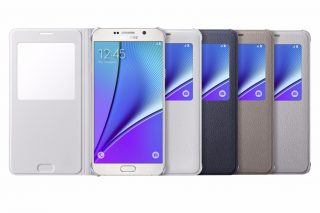
















 [pullquote_left]What Android Needs Today is More Personality Not More Performance[/pullquote_left]
 The London has been priced higher than expected for roughly US $ 549 or Rs. 35000. But, the intention that the phone serves is different. Apart from being completely brilliant to look at, the music centric London has excellent audio processing. Dual headphone outputs, Dual front speakers and a jog dial for precise controls. There is a dedicated “M” button on the top for easy access to music.