Author: Meenakshi Rawat

  • Xiaomi Unveils a Pink Edition of Mi Note on its 5th Anniversary, Priced at Rs. 25,200

    Xiaomi Unveils a Pink Edition of Mi Note on its 5th Anniversary, Priced at Rs. 25,200

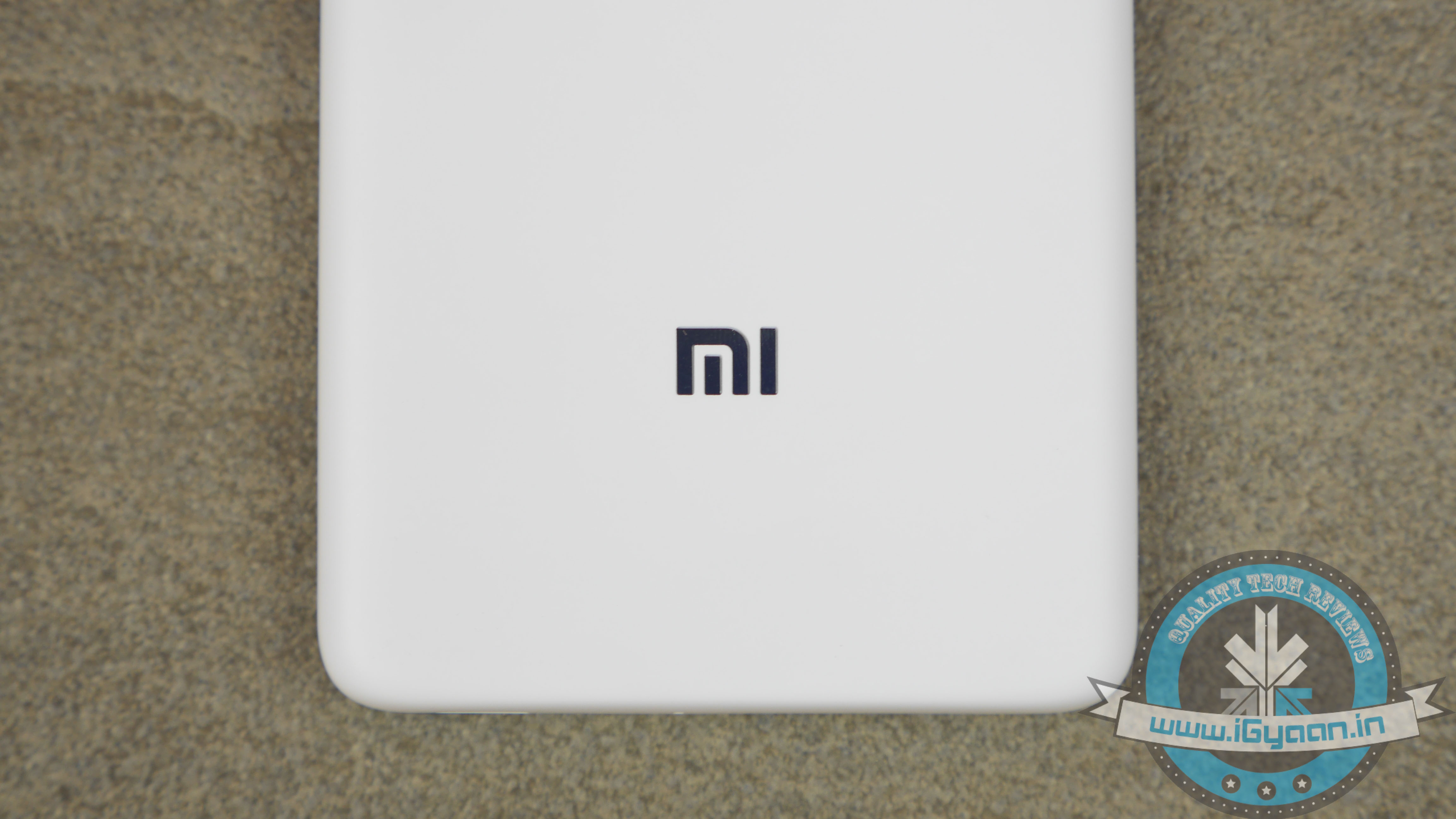
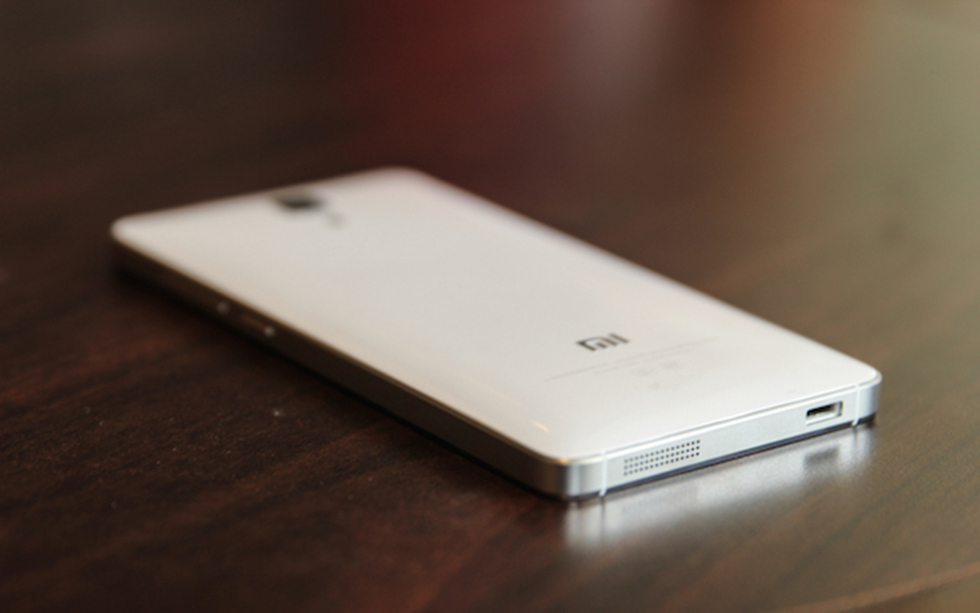
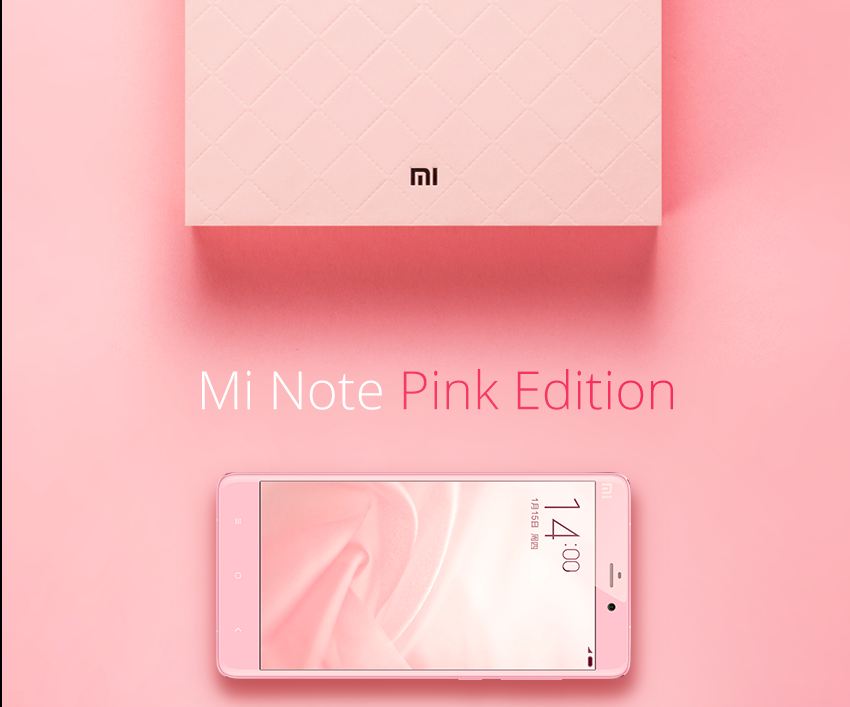
    A while ago, we spoke of Xiaomi teasing a device made for women. Today, on its fifth anniversary, the Chinese smartphone brand ended all speculation and raised the curtains off the Mi Note Pink Edition. The handset is nothing but a regular Mi Note with a uniform pink coloured body. The device is launched at the price tag of 2,499 Yuan, which translates to around Rs. 25,200.
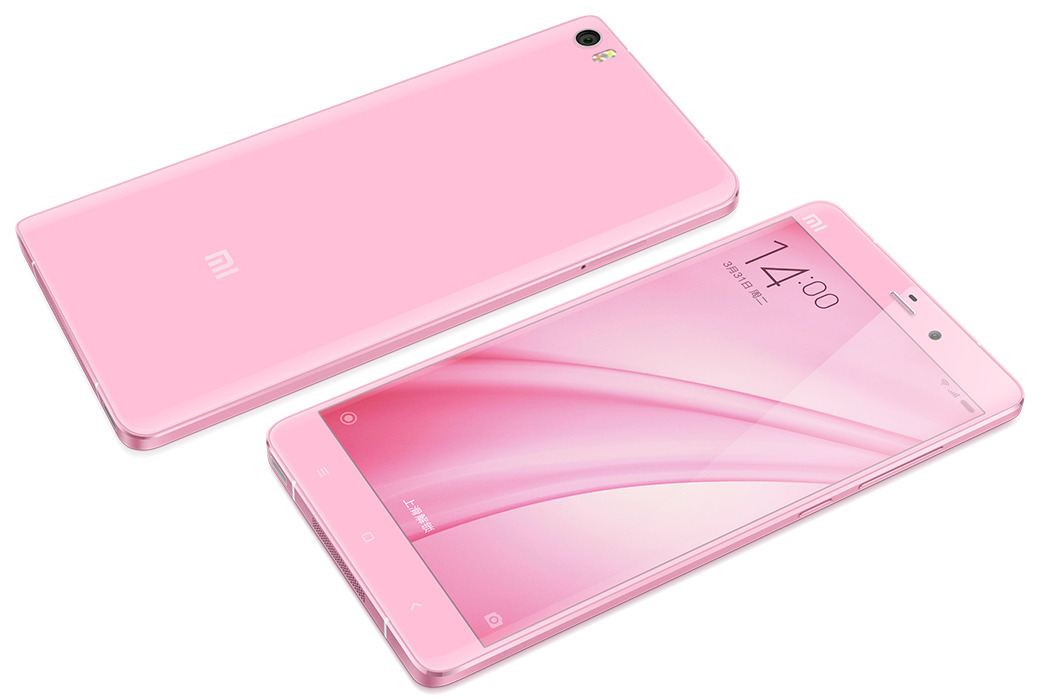
    mi note pink

    As aforementioned, the Pink Edition of Mi Note holds the same specifications and features. The handset touts a 5.7-inch full HD (1920×1080p) display and is fitted with a 2.5GHz Snapdragon 801 quad-core processor along with Adreno 330 GPU. RAM of 3GB capacity runs the handset and the onboard storage space stands at 16GB. The pink variant features a 13MP rear camera and a 4MP selfie snapper.
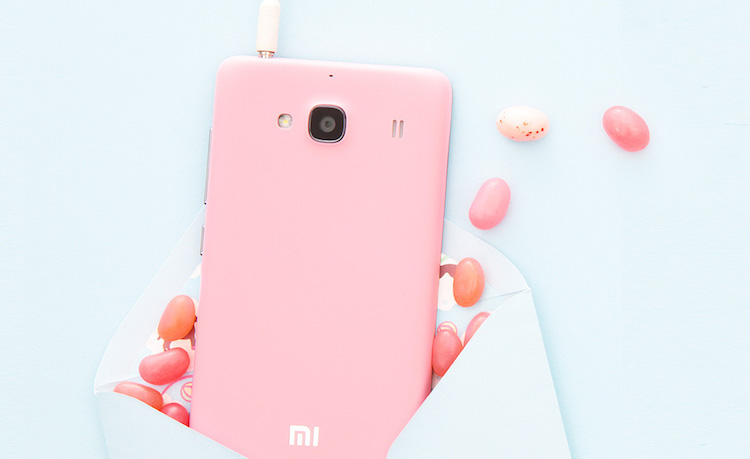
    Pink-Mi Note

    On April 8, the limited Mi Note Pink Edition will go on sale in China. Interested customers need to hurry up as only 20,000 units have been manufactured. To compensate the slight bump in price, Xiaomi is offering customers a power bank of 5,000mAh, along with the smartphone.

    Prior to this, the world’s third largest smartphone manufacturer released a Bamboo edition of Mi Note. The special edition had a bamboo back and came at a price of RMB 2,299. The handset is on sale in China.

  • Google Makes the Gmail App an Integrated Inbox for All Your Email Accounts

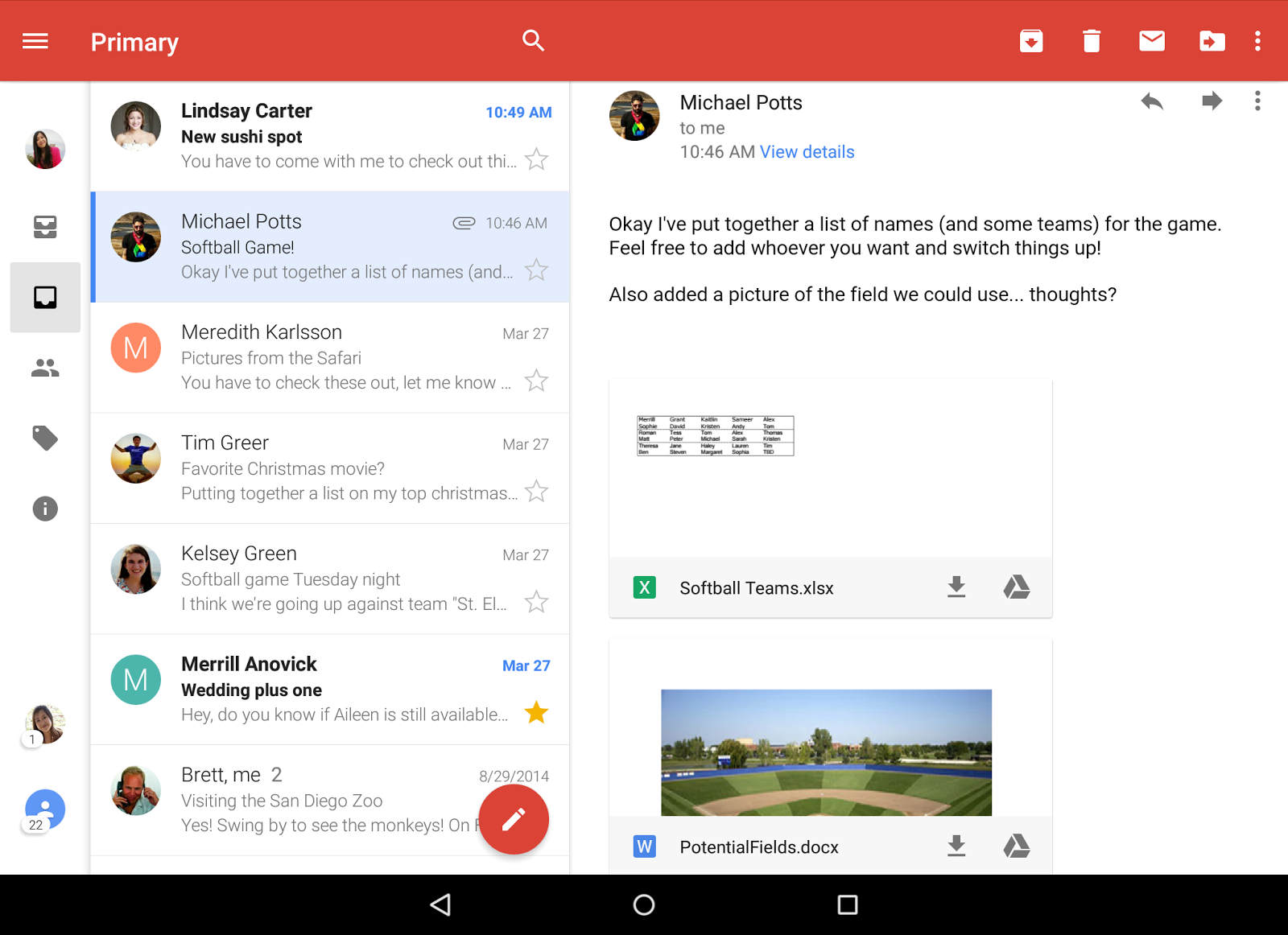
    Google understands the need of users to maintain several accounts at a time, and has found out a hassle-free solution to help  bring them all in one place. Google has announced a Gmail update for Android users that makes Inbox a unified place to access emails from your multiple accounts. Which simply means, whether you have a Yahoo account or an Outlook ID, you can add them all to send and receive messages through the consolidated Gmail app.

    The Gmail update holds a new option called ‘All Inboxes’. This option comprises of a list of all your added accounts and one can continue the conversation from different handles through ‘All Inboxes’. This upgrade relieves users from the inconvenience of hopping from one tab to another.

    gmail

    Along with providing a combined Inbox, the internet giant has added a slew of other features too. Like Gmail, Google has added a threaded conversation support to other accounts as well, which keeps the emails in an organized manner. The messages remain stacked at a place as one conversation. Also, the upgrade opts for a smarter search tool. Users can find better results with the improved auto-complete feature which makes their search quicker.

    gmail update

    Followed by them are a few other inclusions like more responsive animations and larger attachment previews. A button of ‘Save to Drive’ can be spotted in the update where users can save the files with a single tap.

    The official blogpost of Gmail states that the upgrade was made available from yesterday onwards, and Android users can update Gmail to find the changes. Meanwhile, the company hasn’t notified about its roll out for iOS users as of now, but it is expected to arrive soon.

  • Xiaomi to Bring Out a Sub-Rs. 5,000 Smartphone on April 8 : Report

    Xiaomi to Bring Out a Sub-Rs. 5,000 Smartphone on April 8 : Report

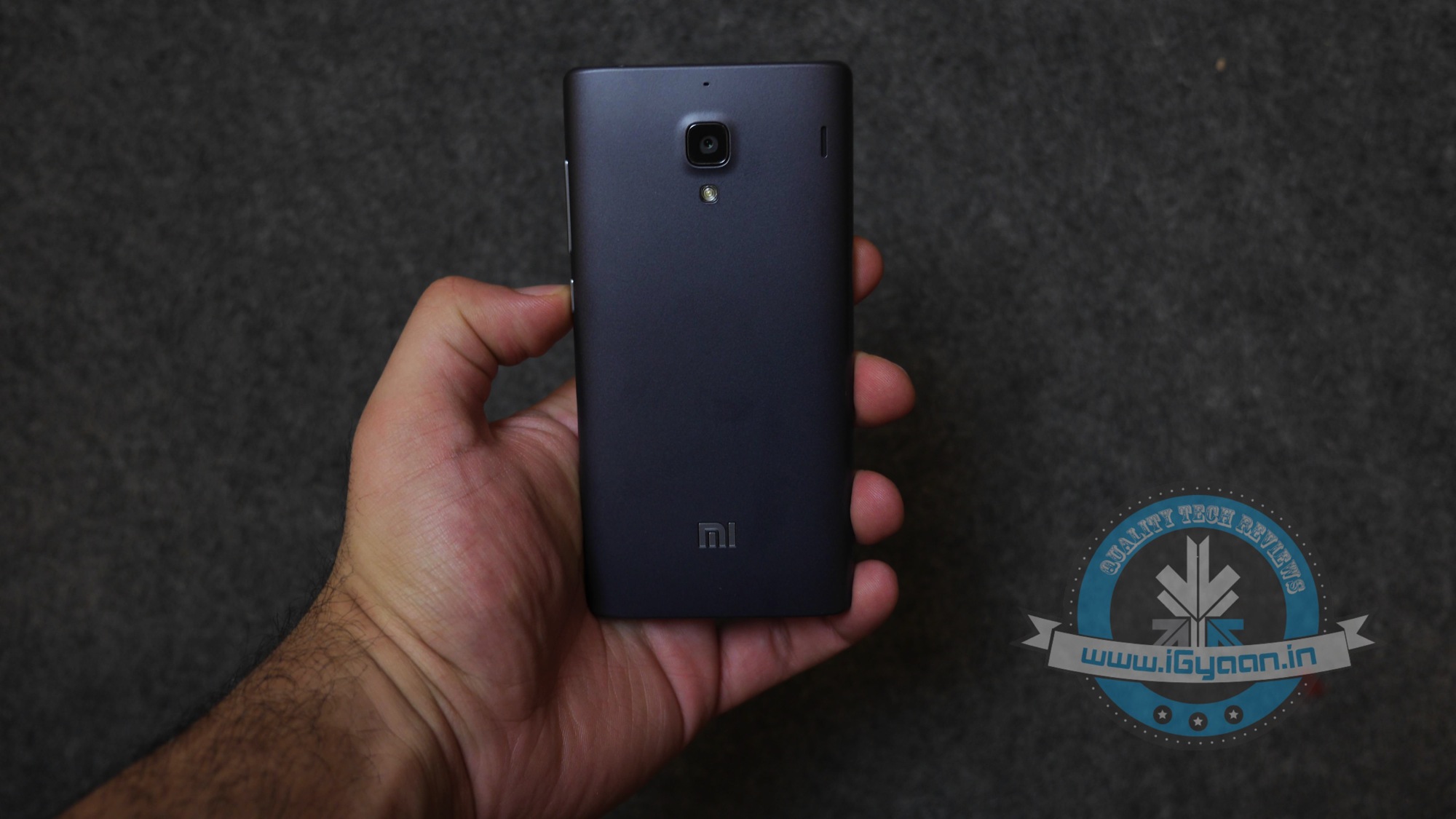
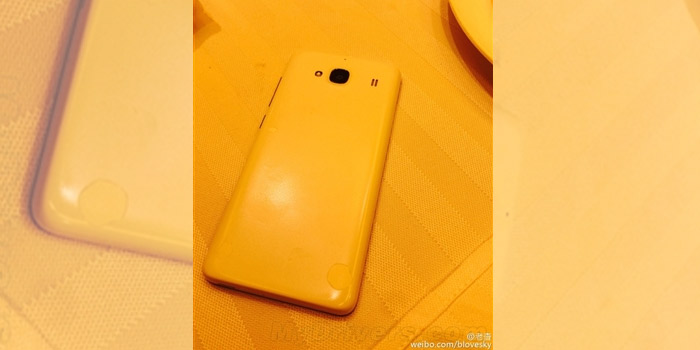
    Xiaomi is known as an electronics firm that offers premium handsets at a reasonable price range. Since long, rumour mill has suggested Xiaomi is planning to release an entry-level smartphone. The same device has now appeared online through a leaked image. The handset is expected to debut on April 8 and will cost 499 Yuan (approximately Rs. 5,000).

    From what it appears from the first look of the upcoming phone, it seems to be a cheaper version of Redmi 2. Some reports have also surfaced that throw light on the inner details of the smartphone. According to Chinese blog Mydrives.com, the phone will sport a 4.7-inch (720x1280p) screen. A 1.6GHz Leadcore LC1860 quad core processor, along with 1GB of RAM. The device will run on Android 4.4 KitKat with MIUI skin on top.

    xiaomi

    Coming to its optics, an 8MP rear camera paired with a 2MP secondary shooter will sit on the device. The storage option includes 8GB of inbuilt space, which at this point of time is unknown if it would be expandable.

    Until now, it is not known if the smartphone will make it to countries outside China, but some online publishers are claiming it may arrive in India by April 8. Few days back, Xiaomi teased a picture of a dress that had a NSSJ caption on top. The smartphone is stated to launch today at the occasion of the company’s fifth anniversary.

    The launch event can take place anytime soon. We will keep you updated with information on the availability of the latest device as soon as something arrives. Keep checking back.

  • Microsoft Lumia 640 and the Bigger 640 XL Expected to Land in India Next Month

    Microsoft Lumia 640 and the Bigger 640 XL Expected to Land in India Next Month

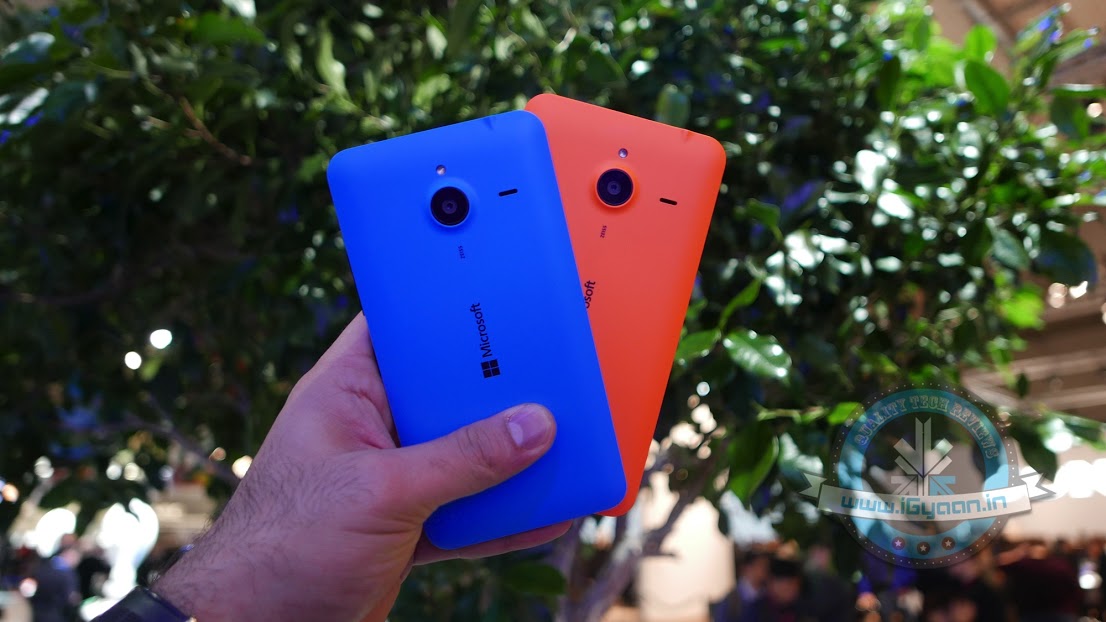
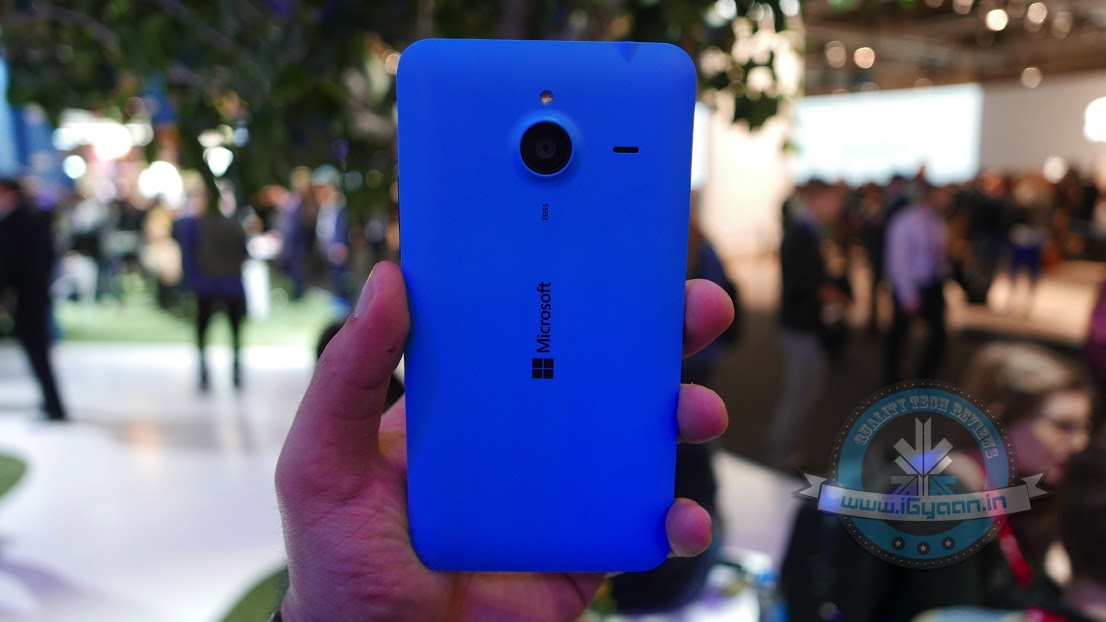
    At the recently concluded tech carnival, Mobile World Congress, Microsoft brought to the world two affordable smartphone innovations, Dual SIM Lumia 640 and Lumia 640 XL. The handsets come preloaded with Windows 8.1 and offer free Office 365 for one year. The Lumia smartphones are now making way to the Indian land and as per reports, both the devices will hit the Indian market in early April.

    As per India Today, the company is presently importing the devices from Vietnam, and a total of nine batches have made it to Mumbai. As per the import/export tracker, the Lumia 640 is priced at Rs. 4,683, while the bigger Lumia 640 XL will cost slightly higher at Rs. 6,710. However, it should be noted that these are not the final prices, and the original price could be a tad higher.

    lumia 640 19

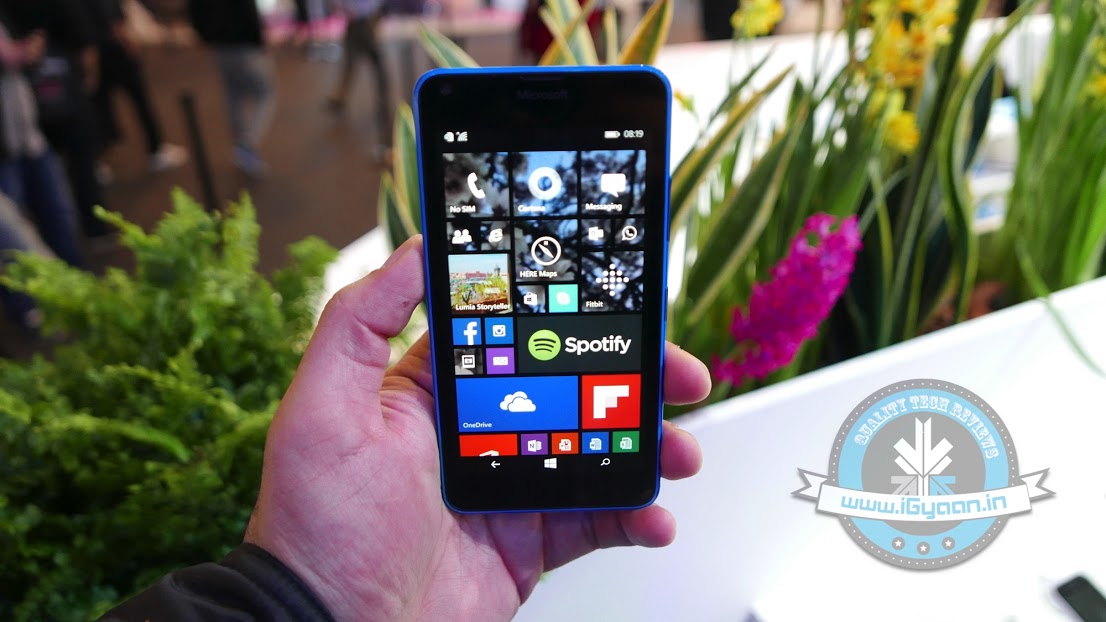
    Recalling the key specifications of the handsets, the Lumia 640 sports a 5-inch HD display which is protected by Gorilla Glass 3. The company has equipped the device with 1.2GHz Qualcomm 400 quad-core processor paired with 1GB RAM and 8GB storage. It comes in four colour options – cyan, orange white and black.

    The rear camera is 8MP and comes bundled with LED flash. A 1MP snapper with wide angle lens sits at the upfront. For now, the handsets will ship with Windows 8.1, but it will soon upgrade to Windows 10.

    lumia 640XL  3

    On the other hand, Lumia 640 XL is the bigger sibling of the Lumia 640. It has a 5.7-inch screen and packs the same processor as that of Lumia 640. It comes with a 13-megapixel camera with LED flash and Carl Zeiss optics, and the front has a 5MP shooter with wide angle lens. A bigger battery of 3,000mAh is fitted onto the phone which keeps the device running for a full day usage.

    Both the devices come in two variants – 3G and LTE. As always, the LTE variants will cost slightly higher than the 3G version.

    Have a look at their spec sheet:

    SPECS

    MICROSOFT LUMIA 640

    MICROSOFT LUMIA 640 XL

    Display 5-inch IPS  (294ppi)Gorilla Glass 3 5.7-inch IPS LCD (259ppi)Gorilla Glass 3
    Processor 1.2GHz Qualcomm 400 quad-core 1.2GHz Qualcomm 400 quad-core
    RAM 1GB 1GB
    Storage 8GB 8GB
    Expandable Upto 128GB 128GB
    Main Camera 8MP 13MP
    Front Camera 1MP 5MP
    Battery  2500mAh 3000mAh
    Operating System Windows 8.1 Windows 8.1
    Price €160 (near Rs. 11,000) €220 (near Rs. 15,000)

    In case you missed our hands-on video, do watch the clip below:

  • LG Quietly Releases Spirit with Android Lollipop in India, Priced at Rs. 14,250

    LG Quietly Releases Spirit with Android Lollipop in India, Priced at Rs. 14,250

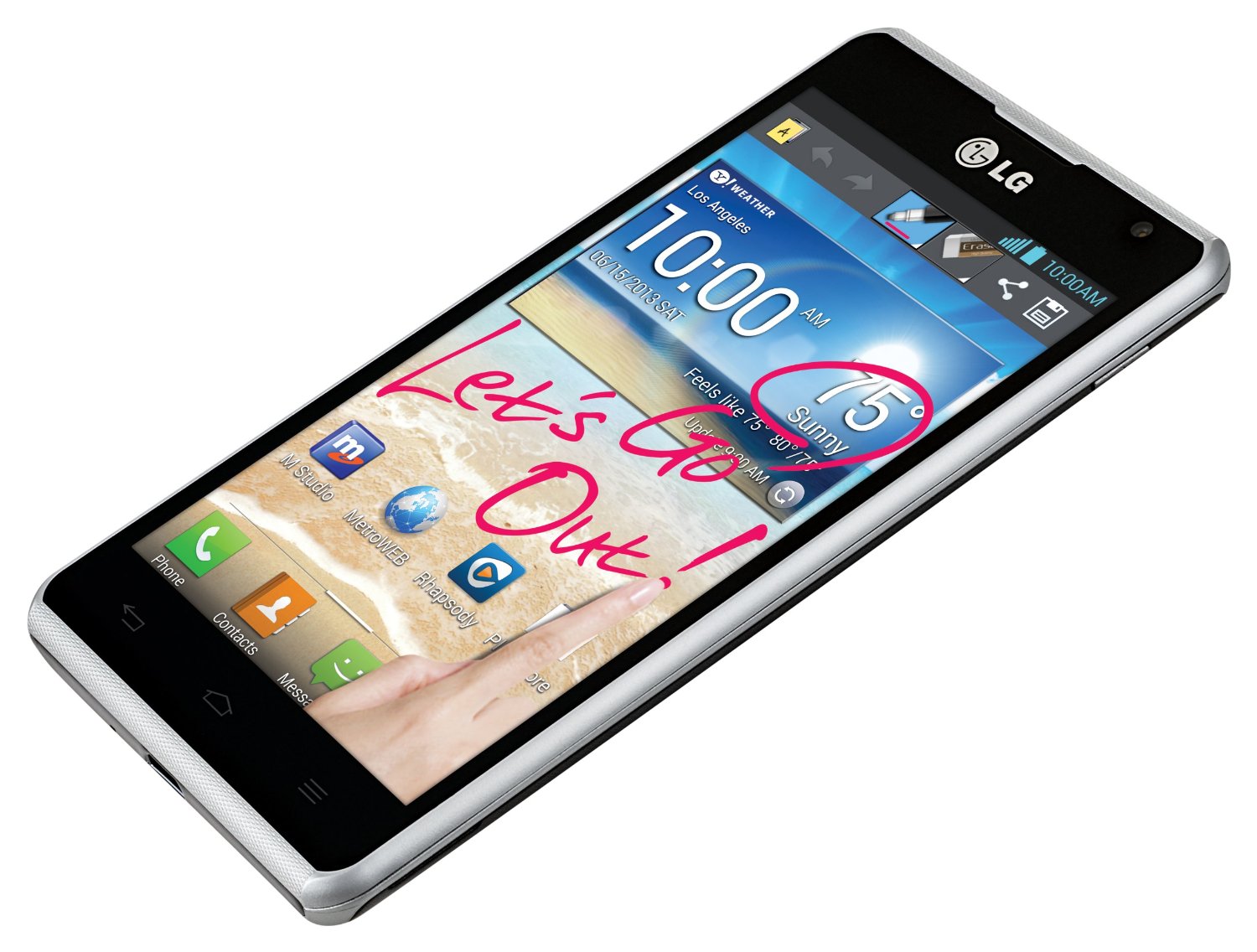
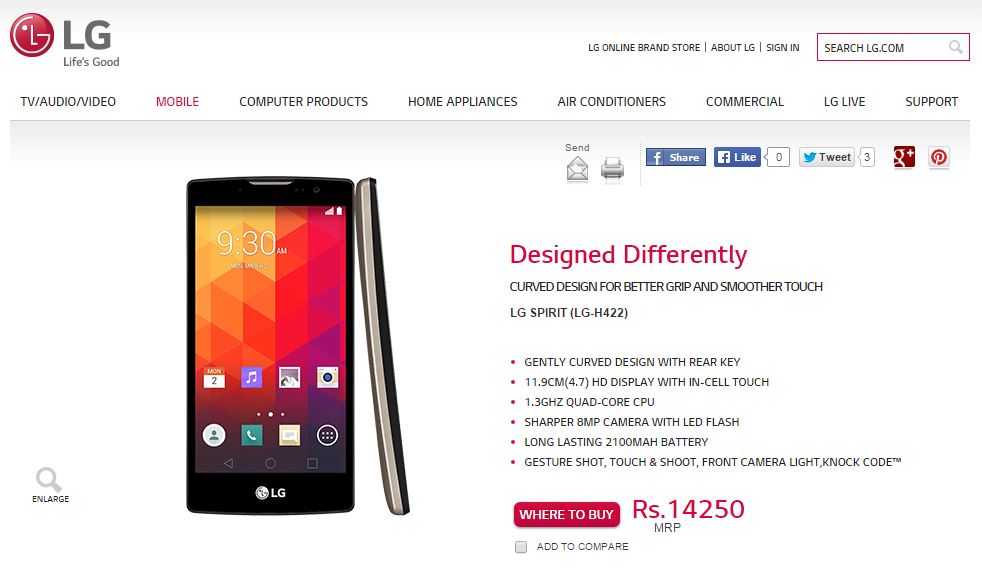
    Earlier today, LG announced the global roll out of its four mid-range smartphones – Magna, Spirit, Leon, and Joy; all these devices were officially launched in February this year, ahead of MWC. Just a few hours after the announcement, one of the four models made an appearance on LG India’s official website. It is listed on the company’s India-specific website with a price tag of Rs. 14,250. The device comes in two different colour options.

    lg spirit

    Throwing light on the specifications of LG Spirit, the device holds an HD 720p touchscreen display of 4.7-inch. It features a 1.3GHz quad-core processor bundled with 1GB of RAM. The onboard storage space of the phone is 8GB, which can be extended via MicroSD card up to 32GB. LG Spirit runs on default Android 5.0.1 Lollipop with the company’s UI on top.

    The phone features an 8MP camera at the back with LED Flash and autofocus, while the front holds an average 1MP shooter. The device comes with connectivity options like Wi-Fi, Bluetooth, GPS/ A-GPS, and Micro-USB. A battery of 2100mAh is equipped with the device along with the key feature ‘Knock Code’.

    The dual-SIM handset is slightly curved to fit in the palm of the user. At a price of Rs. 14,250, the phone will get a tough competition from lowly priced Yu Yureka and Xiaomi Redmi 2.

    Below are the specifications of LG Spirit:

    SPECS

    LG SPIRIT

    Display 4.7-inch 720p
    Processor 1.3GHz quad-core
    RAM 1GB
    Internal Memory 8GB
    Expandable up to 32GB
    Camera 8MP rear, 1MP front
    Battery 2100mAh
    Operating System Android 5.0.1 Lollipop
    Price Rs. 14, 250
  • Microsoft Expected to Take on Chromebooks with Inexpensive Windows 10 Laptops

    Microsoft Expected to Take on Chromebooks with Inexpensive Windows 10 Laptops

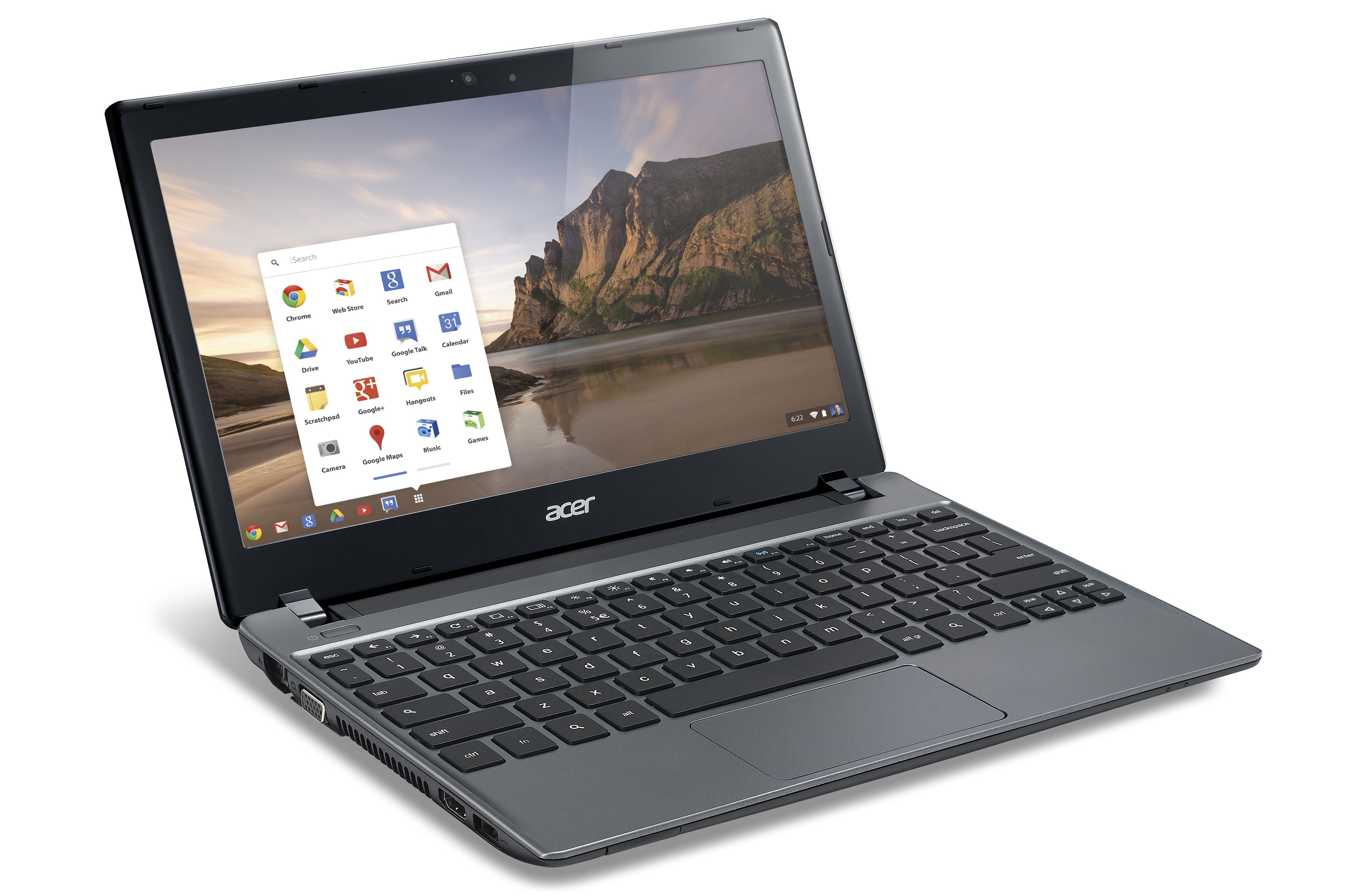
    While Microsoft enjoys a supremacy in the laptop OS domain with Windows, Google is on top of the mobile operating system game with the widely accepted Android by its side. But the search engine giant has also managed a foothold in the hardware arena with its popular Chromebook series. To recoup its audience, the Windows is planning to roll out two new inexpensive products that can counter Google’s Chromebooks.

    According to the online publishing portal Digitimes, the company will release two affordable notebooks in mid-2015. These laptops will be 11.6-inch in size and will run on the latest Windows 10. The price of the notebooks will range from $149 to $179 at the max and will target the education and consumer markets. Unlike bigger laptops with powerful processors and graphics, the forthcoming devices are said to perform basic tasks like internet surfing, social media usage and Microsoft office processes.

    chromebook

    If the source is to be believed then the laptops will house Intel’s Bay Trail-T CR (BTCR) processors. The one for educational purposes will be manufactured by electronics company Elitegroup Computer Systems (ECS) while, for the consumer market, the company will collaborate with China-based 3 Nod to manufacture the laptops.

    It has also been learnt that Microsoft may expand its project and release more models in larger sizes to compete with Google’s 11.6-inch, 13.3- inch, and 15.6-inch notebooks.

    [poll id=”30″]

  • Xiaomi Announces Second Open Sale of Mi Pad in India

    Xiaomi Announces Second Open Sale of Mi Pad in India

    There is good news by Xiaomi for those who missed the chance to own a Mi Pad in the first open sale held on March 24. The Chinese electronics major is holding a second sale today through its exclusive online partner Flipkart, and just like the previous time, users are not required to register for the device. The tablet is on open sale and it’s available to buy 12 noon onwards today.

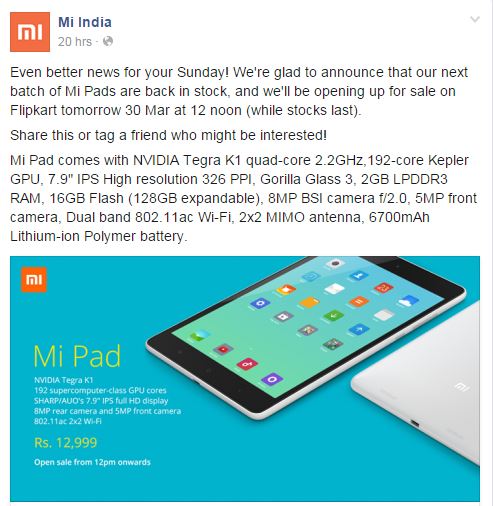
    The Beijing-based firm spread the word about the sale via Facebook –

    facebook

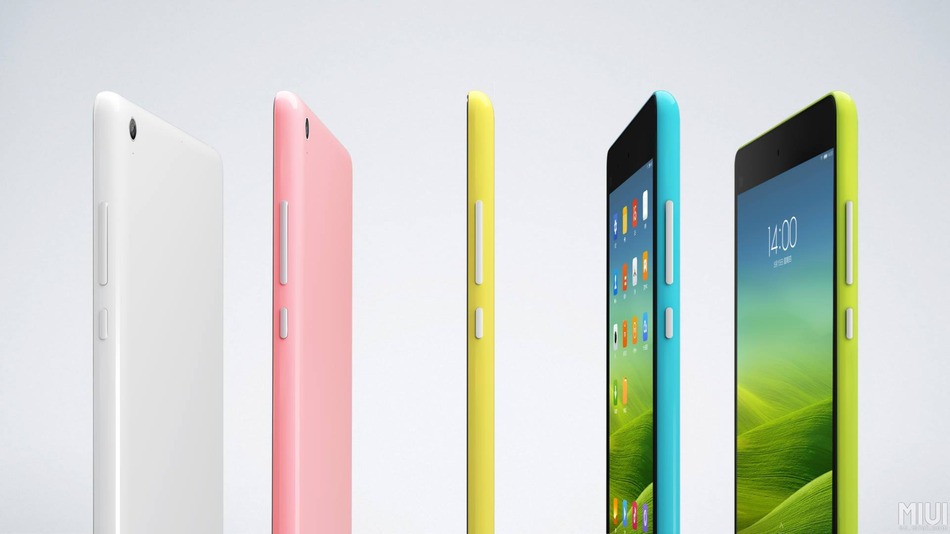
    The Mi Pad is one superior tablet that has the specifications of a high-end device. It is affordably priced at Rs. 12,999. The Mi Pad is thin at 9.4mm and sports a 7.9-inch IPS display with a resolution of 2048×1536. The tablet is powered by a 2.2 GHz Nvidia Tegra K1 SoC ARM Cortex-A15 processor, 2GB RAM and 16GB inbuilt storage space. The Xiaomi tablet runs on Android 4.4 KitKat with MIUI skin on top. The device comes with an 8MP rear camera and a 5MP front camera, and has a powerful battery of 6700mAh.

    Brief details about its specs are provided below:

    SPECS

    Xiaomi Mi Pad

    Display 7.9-inch IPS326 PPI
    Processor 2.2 GHz Nvidia Tegra K1 SoC ARM Cortex-A15
    RAM 2GB
    Internal Memory 16GB
    Expandable up to 128GB
    Camera 8MP rear, 5MP front
    Battery 6700mAh
    Operating System Android 4.4 KitKat
    Price Rs. 12,999
  • Google and Johnson & Johnson Come Together to Build Surgery Assistance Robots

    Google and Johnson & Johnson Come Together to Build Surgery Assistance Robots

    Google is leaving no stone unturned to take humankind into the future. From ruling the internet industry to creating self-driving cars, Google has left its imprints everywhere. Now, the search giant wants to use its technological expertise to advance medical science. Pharmaceutical giant Johnson & Johnson announced its partnership with Google and said that both companies would develop advanced robots to assist surgeons with operation.

    For this deal, Google’s Life Science division will be working closely with Ethicon, a medical device making company in Johnson & Johnson family. Google threw light on the collaboration and what can be expected from it with the following comment:

    [quote text_size=”small”]

    It will help explore how the latest innovations in computer science and advanced imaging and sensors could be integrated into tools that help surgeons as they operate.

    [/quote]
    Both companies hinted that Ethicon will be responsible for surgical instruments development and Google will deal with data. They will bring together their capabilities, intellectual property and expertise to make  an innovative robotic-assisted surgical platform possible.

    The advanced technology will help operating room experts to get a better picture of the interior body parts and assist in carrying out a successful operation. A software platform will also be developed that can figure out abnormalities in crucial features like blood vessels, nerves, and other silent diseases that thrive in the body. It will help people in detection of diseases at the primary stage and minimize trauma and scarring and accelerate post-surgical healing.

    Google has been actively participating in biotechnology since past few years, and its Life Science division is dedicated to devising measures to benefit the world. A while back, it invested a contact lens that can measure the glucose level in the wearer’s blood. The Silicon Valley giant is becoming a bigger part of our life with each passing day.

  • Sony’s Augmented Reality Glasses Goes Up for Sale in 10 Countries

    Sony’s Augmented Reality Glasses Goes Up for Sale in 10 Countries

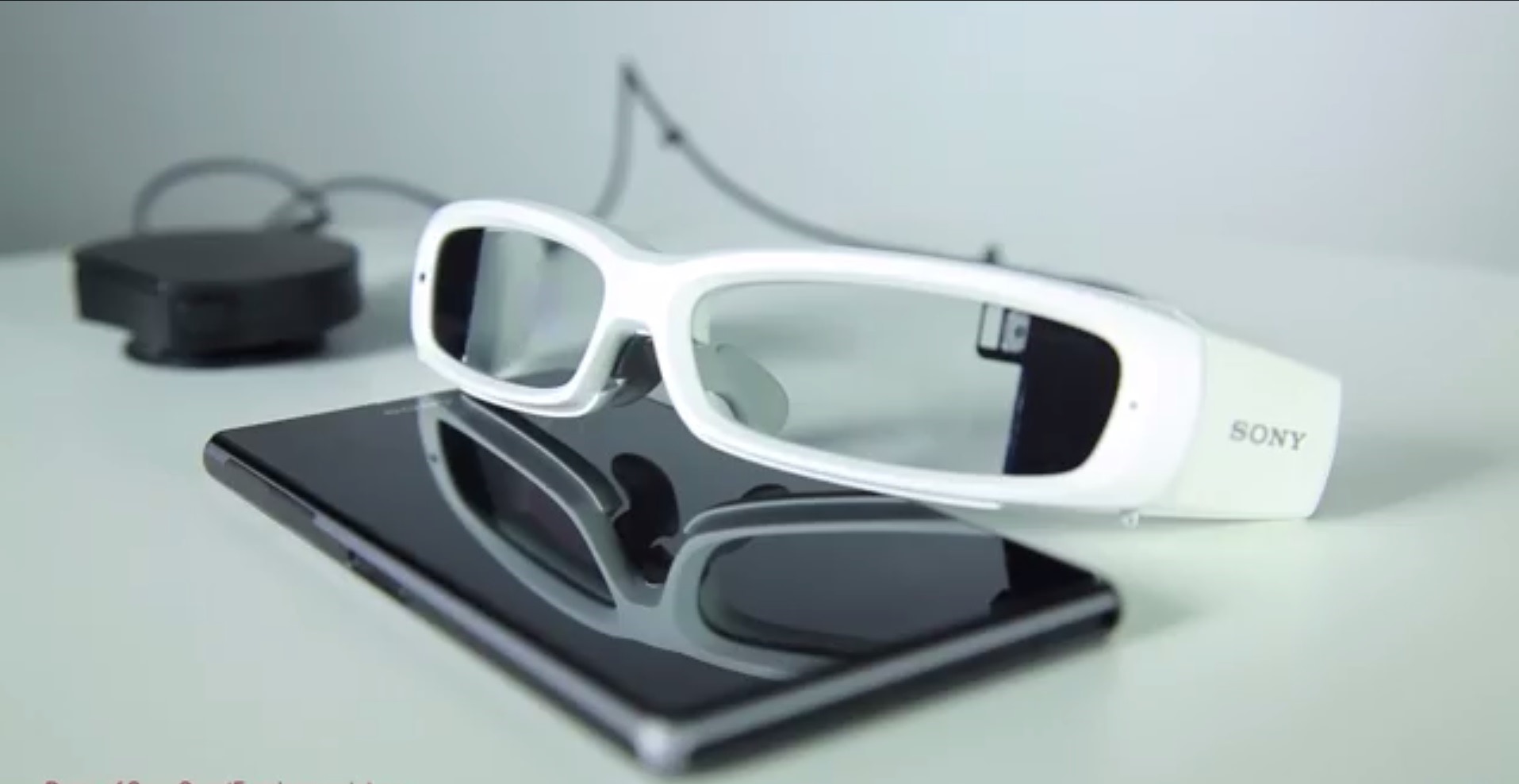
    Sony dipped its toes in the field of augmented reality two months back with the launch of SmartEyeglass. The electronics maker is now putting the transparent lens eyewear on sale in 10 countries across the globe.

    The smart glass going on sale is the Developer Edition of AR eyewear and comes at a price of $840. The 10 countries where it will be accessible are Belgium, France, Germany, Italy, Japan, Netherlands, Spain, Sweden, UK, and the USA. It is a Developer version, the general audience will get their hands on the device in a while. Only the business customers of the following countries would be able to get their holds on the AR tool.

    For a while now, an influx of augmented reality devices has increased in the technology sector. Earlier Google came up with the Google Glas, which was pulled back from the market recently. Microsoft also stepped in the arena with the introduction of the HoloLens and gathered appreciation for bringing alive a cordless, self-contained Windows computer with holographic capabilities.

    The Sony SmartEyeglass is a see-through binocular that superimposes text, symbols and images into the natural field of view. It projects a virtual image through the holographic elements to the user. The wearer can get updates of bus times, directions, and much more in front of their eyes. The device connects to the Android smartphone and mimics the behaviour of the SmartEyeglass.

    For in-depth information on its working, check the video below:

    https://youtu.be/Bx7O_h09HKA

  • Xiaomi Ties Up with The Mobile Store to Sell Smartphones in Retail Stores

    Xiaomi Ties Up with The Mobile Store to Sell Smartphones in Retail Stores

    Since the arrival of Xiaomi in India, the Chinese manufacturer has been selling phones through the exclusive online partner Flipkart. Now, the company is giving a boost to its business on the Indian soil. China’s largest smartphone maker has adopted the offline sales policy in the country and will retail its smartphones through the brick-and-mortar outlets of The Mobile Store.

    The company head of India operations Manu Jain notified about the same with his statement –

    This will be the first time we’re getting into offline trade in India. In China, about 20-30% of total sales come from telecom operators’ stores while the rest come from our online store – Mi.com

    Now, one can walk into any of the 55 outlets of The Mobile Store in Delhi-NCR and own a Redmi handset. Meanwhile, the company has drawn out two models, Mi 4 and Redmi Note 4G for sale, and they can be grabbed at the price range of Rs. 19,999 and Rs. 9,999 respectively. The sale begins from Saturday, 28th March, onwards.

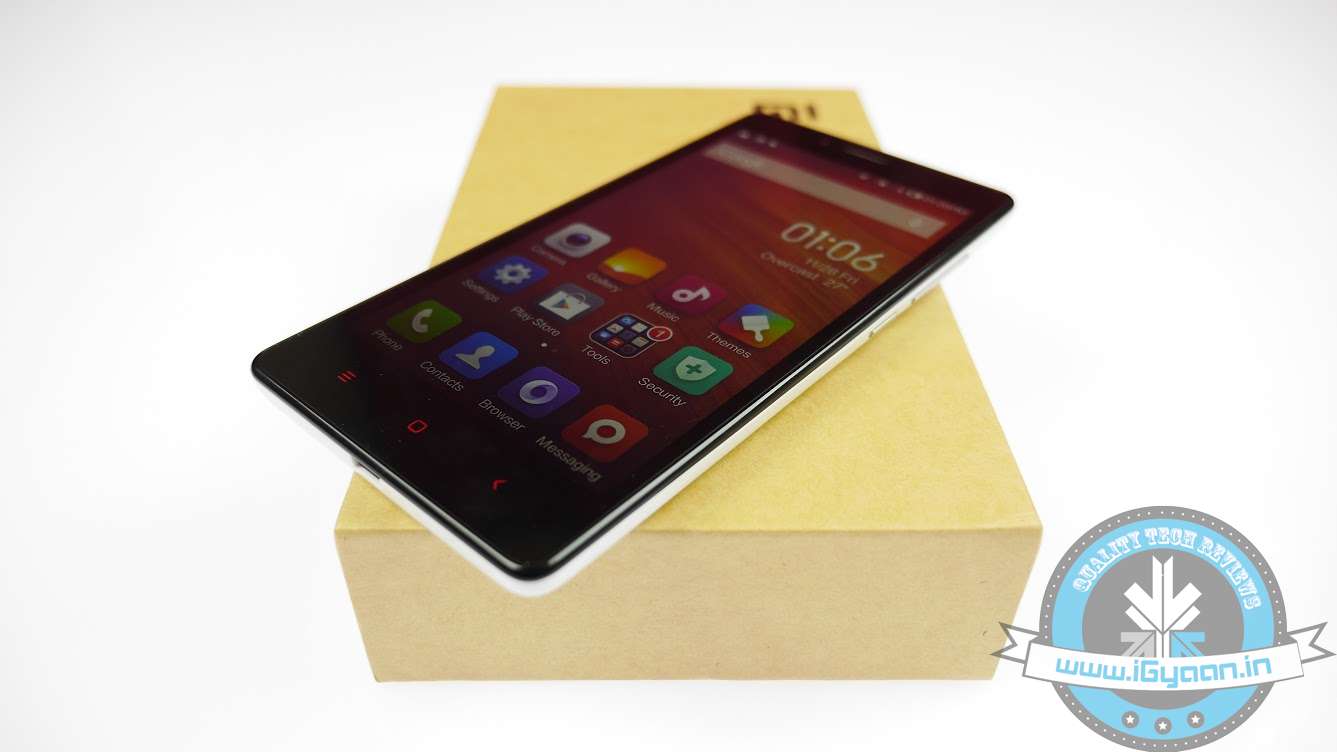
    Xiaomi Mi 4
    Xiaomi Mi 4

    For the moment, only the national capital’s stores offer the devices, but The Mobile Store will soon make them available in its 300 stores across the nation. The stores will not only retail the phones but will also offer repair service, as announced by Himanshu Chakrawarti, Xiaomi Chief Executive.

    Meanwhile, the company’s association with the e-commerce partner still exists, and all the Xiaomi products will be available on Flipkart as always. The Indian online retail channel appreciated Xiaomi’s step and said that the brands sold on Flipkart are always welcome to explore alternative channels.

    Redmi Note
    Redmi Note

    Over the past year, Xiaomi has undertaken rigorous efforts to establish itself in the Indian market. It is building up its Research and Development centre in Bangalore and has inaugurated its India-centric online store Mi.com in India. Anyone can order authentic Mi accessories like headphones, power bank and other products from there.

    It is also estimated that the Chinese electronics brand can start its own smartphone store in India if the offline programme goes well. The company has received tremendous response in the country for offering impeccable devices at afforable rates. Lately, it launched its new budget superstar, Redmi Note 2, in India which is available via flash sale on Flipkart. We hope that the trial proposal gets a thumps up and we finally bid farewell to the entire flash sale shenanigans as they have become tiring now.

  • OnePlus’ Upcoming Gaming Gadget Could be a Drone

    OnePlus’ Upcoming Gaming Gadget Could be a Drone

    In spite of being almost a year old, OnePlus has earned a reputation for being a renowned smartphone brand. For now, it has just OnePlus One in its Devices segment, but the Chinese manufacturer announced earlier this month that it would soon launch an entirely new product in April.

    OnePlus turned down all the possibilities of the new device being a smartphone, tablet, or a smartwatch, and declared that it will be a ‘game changing’ product. Now, it seems like we have an idea of what the company was talking about.

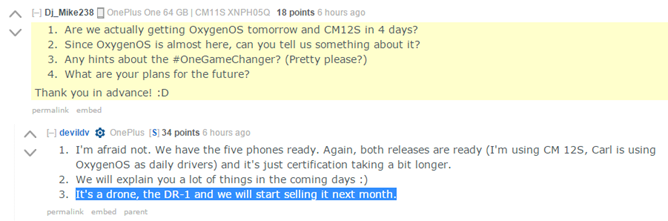
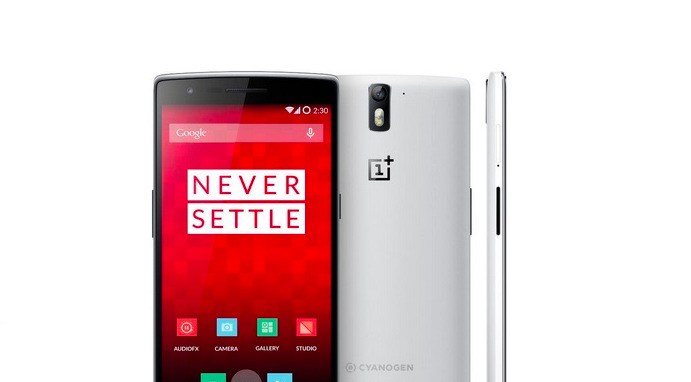
    oneplus droneOnePlus made the announcement during an Ask Me Anything (AMA) session on Reddit, and what came out from the conversation was unpredictable. The forum administrator David S. replied to the queries saying that the upcoming product would be a drone. It’s not certain if he was trolling, but his comment reads, “It’s a drone, the DR-1 and we start selling it next month.”

    It’s surprising to hear that how drone technology, at this point of time, could be a game changer when many companies have already come up with remarkable unmanned aerial vehicles. For now, the OnePlus fans have to wait till April for the company to officially make an announcement.

    [poll id="29"]

  • Lenovo A7000 with Dolby Atmos Technology Expected to Cost Below Rs. 10,000

    Lenovo A7000 with Dolby Atmos Technology Expected to Cost Below Rs. 10,000

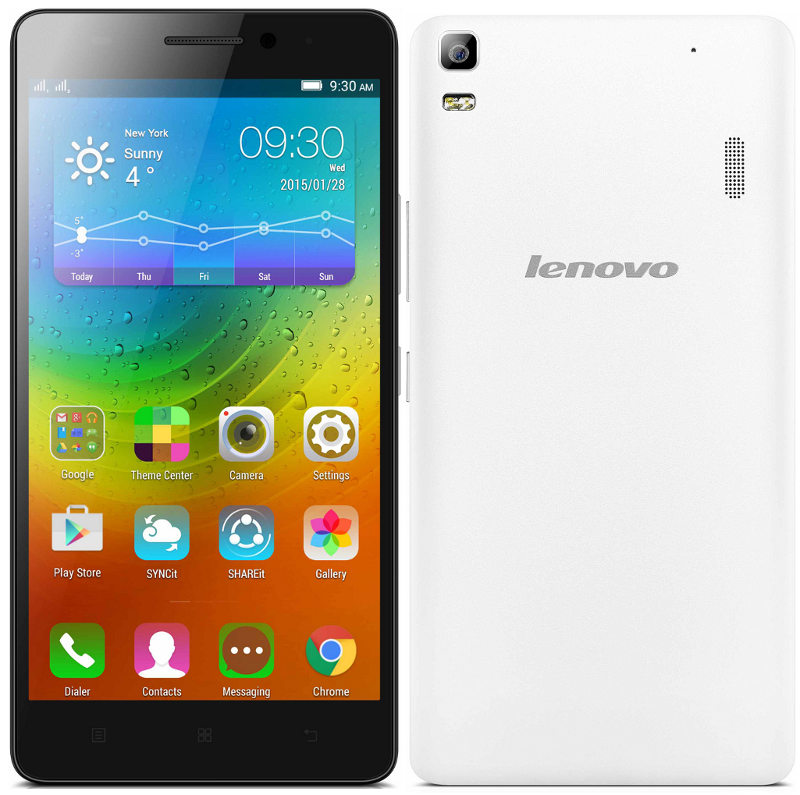
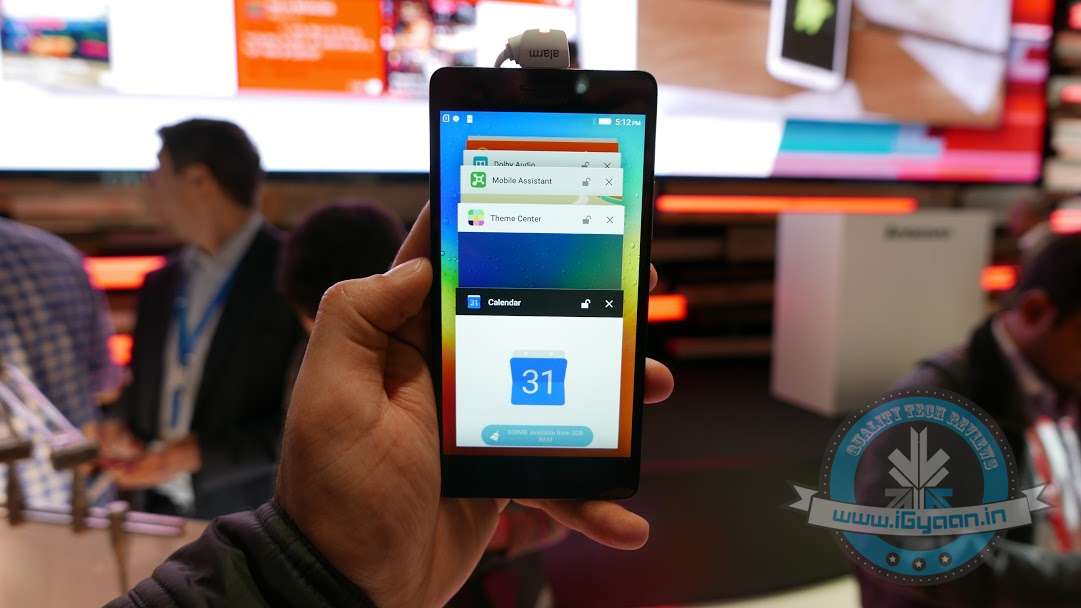
    When Lenovo unveiled its latest offering, the A7000 at MWC this year, it was evident that the smartphone can stand against the likes of Xiaomi Redmi Note 4G and YU Yureka. The smartphone is expected to come to Indian shores on April 7 and the company has sent out invites for the same. Along with its all-round specification, users have one more reason to own a Lenovo A7000.

    According to a source citied by Times of India, the Lenovo A7000 will cost users somewhere around Rs. 8,999 to Rs. 9,999. The price range will put it directly at odds against the Yu Yureka and the Redmi Note. This is the first commercial handset to boast Dolby Atmos technology. Interestingly, the company has chosen a Dolby Atmos sound equipped movie theatre as their event venue.

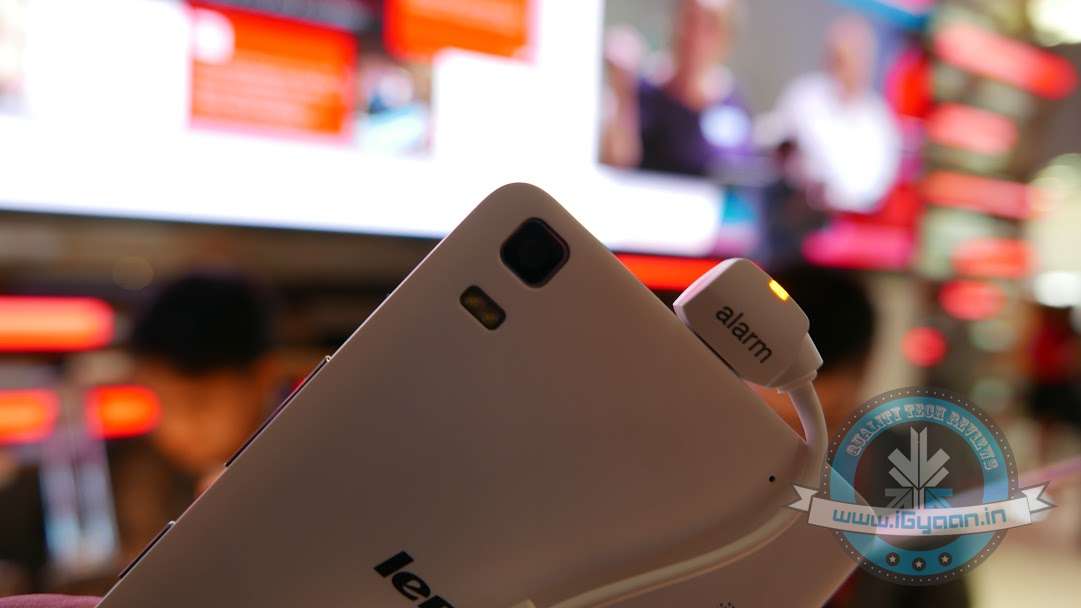
    Lenovo A7000 2Talking about the specifications, the Lenovo A7000 sports a 5.5 inch HD display. It is powered by a 1.5 GHz MediaTek True8Core processor with 4G LTE. It flaunts 2 GB RAM and 8 GB internal storage which is expandable through MicroSD. The device is 7.9 mm thick and weighs just 140g. The smartphone runs on Android 5.0 Lollipop.

    Lenovo A7000 3On the camera front, this budget device offers an 8 MP shooter on the back and a 5 MP selfie camera on the front. It gets its juice from a 2900 mAh battery that might just cut it for its massive display.

    The USP of the device is the Dolby Atmos sound, the technology make the content sound like it is coming from all directions. You will, of course, require a pair of headphones to get the true Atmos experience.

    Keep checking iGyaan for more updates on the Lenovo A7000.

  • OnePlus Misses Oxygen OS Rollout Deadline, Will Compensate with Giveaways

    OnePlus Misses Oxygen OS Rollout Deadline, Will Compensate with Giveaways

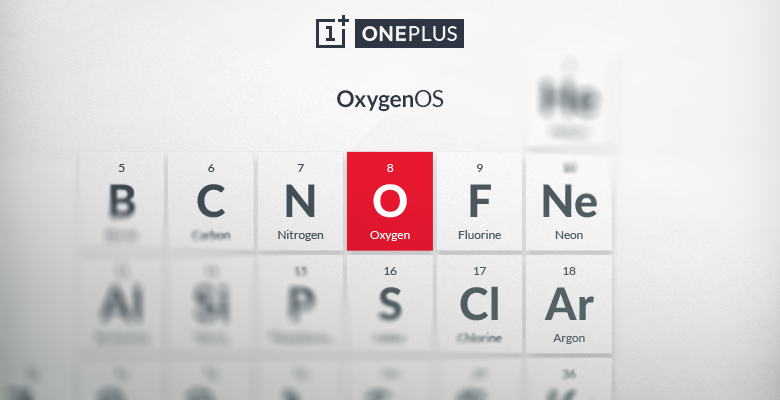
    On March 18, we broke the news that OnePlus will be releasing the upgrades; CM 12S and OxygenOS. The Chinese electronics manufacturer promised the OnePlus One users that OxygenOS, the Lollipop-based ROM, will officially be made public on or before March 27, which is today. But OnePlus has missed the deadline leading to disappointed customers who were really looking forward to their Lollipop updates.

    oxygenos oneplus

    OnePlus notified its users saying that there will be further delay in the release of the update. The company representative David posted on Reddit –

    We are gonna be giving away the 5 devices sometime tomorrow, yes :(

    However the company is ready to give away five 64GB OnePlus One smartphones as promised, It is not the first time OnePlus missed a deadline for the launch of its new OS. It had previously declared that it will release its own new operating system Oxygen on February 12, but didn’t carry out the roll out.

    OnePlus is a young smartphone brand that has released just one smartphone till now. It is planning to expand its line of devices and is expected to launch a second smartphone soon. It’s certain that the delay would be because of the company’s efforts to bring out a stable version, and we appreciate its dedication. We hope that the firm will not keep its users waiting for long this time and will release OxygenOS as soon as possible.

  • DARPA is Developing a Real-Time Positioning Technology That Will Replace GPS

    DARPA is Developing a Real-Time Positioning Technology That Will Replace GPS

    The Global Positioning System (GPS) technology has been in use from many years now. Different sections of the society like military, civil, and commercial sector make use of GPS to track down accurate location and time information. However, the satellite navigation system has its own limitations and gets obstructed by weak signals. To rise above the vicious circle, DARPA, the agency of U.S. Department of Defense, is working on an alternative of GPS.

    The advanced research wing of US Military is building up a cutting edge location technology that will offer real-time navigation-tracking inspite of blind spots and jammers. This will lend a hand for the U.S. Defense department to get instant information about the location of their soldiers and tanks and also the rivals. The research wing of U.S. Department of Defense said in a statement :

    The need to be able to operate effectively in areas where GPS is inaccessible, unreliable or potentially denied by adversaries has created a demand for alternative precision timing and navigation capabilities.

    This technology won’t just benefit the military; a range of new self-contained instruments are under development that will give real-time details about time, location, and motion to civil and commercial users. The organization is working on self-calibrating gyroscopes, accelerometers, high-precision clocks and navigation instruments that work without wireless signals or other external sources.

    darpa soldiersThe agency is reportedly eyeing on new technological sensors that could pick up “signals of opportunity” such as television, radio, cell towers, satellites, and even lightning, and assist the receiver in navigation and real-time positioning. Termed as ASPN (All Source Positioning and Navigation), the innovation will help soldiers in harsh conditions such as in dense jungle, underwater or underground, deep foliage, etc. In short, it will reach all the places where GPS access gets obstructed.

    Also it is learnt that the upcoming device will be compact in a way that it can be carried by the soldiers or can be installed on tanks to know about their positioning. The sensors will be cut down in size to reduce power consumption.

    All this sounds good, but don’t expect it to come to your hands anytime soon. This GPS alternative is presently under development and it will take a few years to come to the market.

  • Facebook Showcases Solar-Powered Drones Which Will Beam Internet Down To Earth

    Facebook Showcases Solar-Powered Drones Which Will Beam Internet Down To Earth

    At the two-day F8 Developer Conference at Fort Mason in San Francisco, Facebook shared with the world its plans for year 2015. Yesterday we surfaced the news of Facebook extending Messenger support to third-party apps allowing users to interact with businesses. Now, the social networking giant announced that it will be building drones to help accomplish its Internet.org project.

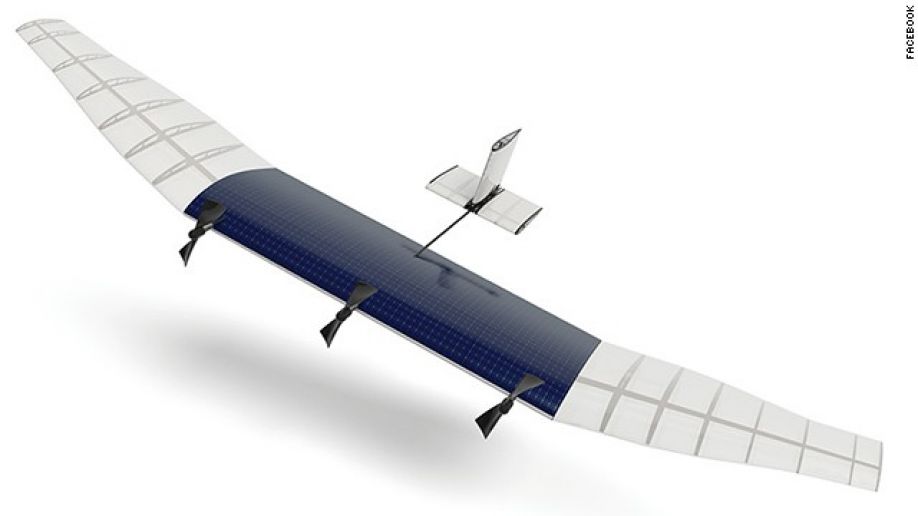
    According to The New York Times, the unmanned aerial vehicle will be V-shaped and are codenamed as Aquila. The drones have got their name from an eagle in Greek mythology. The wingspan of Aquila would be as wide as a Boeing 767 jet airliner, but will weigh as much as a compact car; thanks to the lightweight material to be used for its construction.

    drone

    The unmanned aerial vehicle will reportedly stay in the atmosphere for almost three months and will use solar power for its operations. Staying in the air, the drones will push internet access to 60,000 and 90,000 feet via lasers. During their suspension in the sky, the aerial vehicles will communicate with each other so that they cover the maximum area on the earth. According to the source, the first flights will begin in summer this year, however, the commercial deployment of these drones fleet may take time.

    Facebook’s drone initiatives are powered by its buyout of Ascenta, a drone maker in 2014. But it needs external support to build its fleet of drones. Facebook is seeking partners to fund its Aquila project to take off, and in turn the company will offer the data and technology to the supporters.

    Until now, Facebook was recognised as a social media entity, but looks like it wants to be the leading powers of the technology busines. Facebook inaugurated the limited free internet service across the world in August 2013 and today, it’s shaping itself to give maximum benefits to the people. It recently brought the internet.org initiative to India in a tie-up with Rcom. There are several initiative underway to offer low cost, high speed access to the entire population of the planet. Apart from Facebook’s drone initiative, Google is making headway in the arena with its Project Loon. SpaceX founder Elon Musk, in cooperation with Google also plans to cover the planet under a constellation of internet beaming satellites. The human population will soon become a connected civilization.

iGyaan Network
Privacy Overview

This website uses cookies so that we can provide you with the best user experience possible. Cookie information is stored in your browser and performs functions such as recognising you when you return to our website and helping our team to understand which sections of the website you find most interesting and useful.