Author: Mukund Krishna Kumar

  • Samsung To Launch Three Galaxy S10 Phones

    Samsung To Launch Three Galaxy S10 Phones

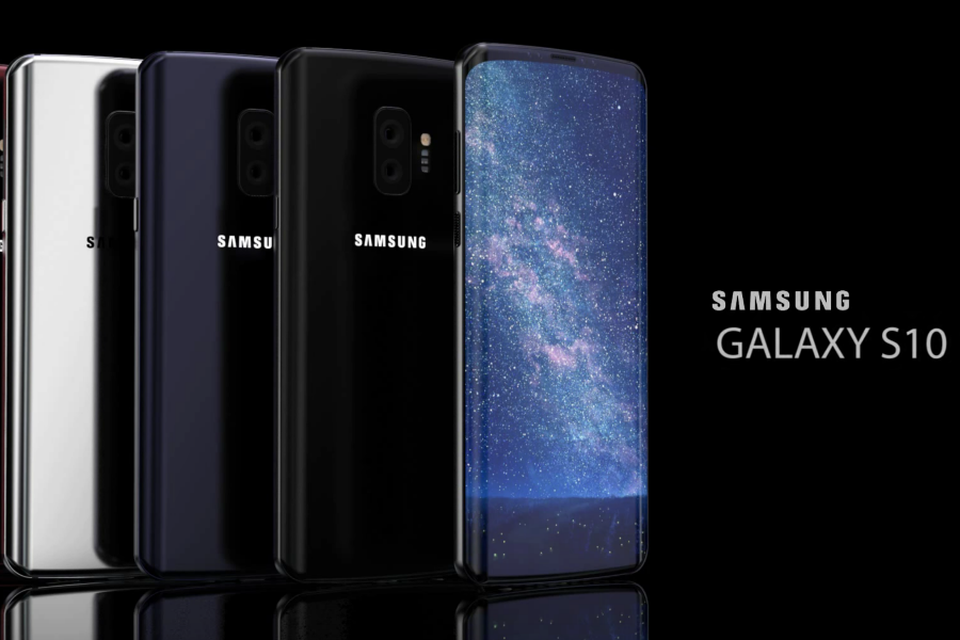
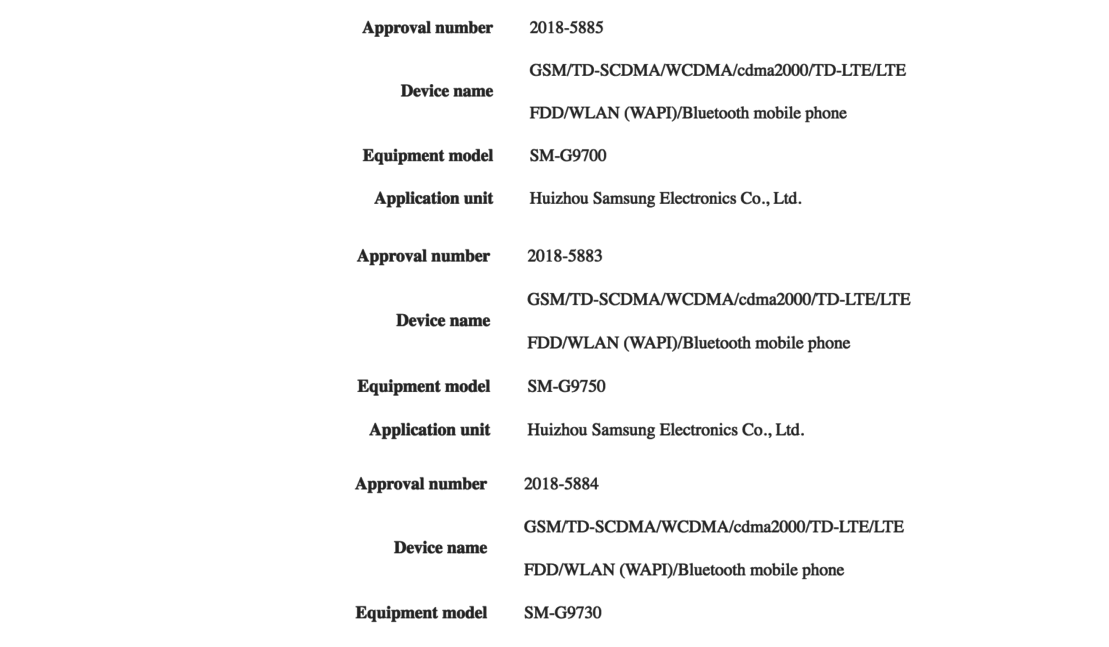
    Three new Samsung Galaxy S10 models have been certified in China, according to reports. The SM-G970F, SM-G975F and SM-G973F models have appeared for certification. The Samsung Galaxy S10 is the upcoming flagship from Samsung. It packs many new features, according to reports. The device will launch on the occasion of the 10th Anniversary of the Galaxy smartphones.

    Also Read: Huawei Mate 20 Design Shown In Official Press Images

    Specifications

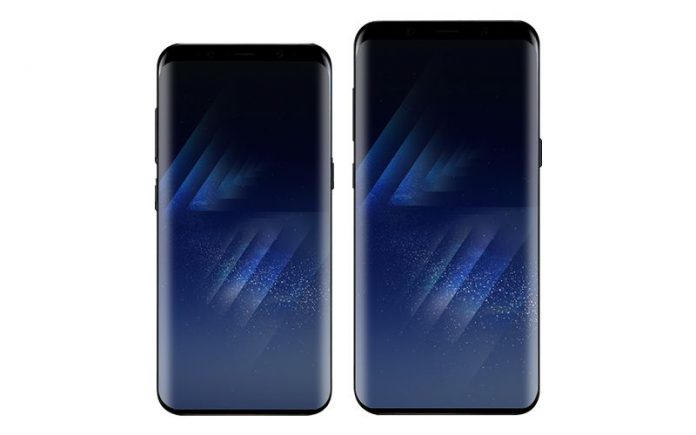
    Previous leaks have reported that the Samsung Galaxy S10 will have three distinct variants. The first will be a 5.8 inch flat display device with a single rear camera. This is the cheapest variant, called the Galaxy S10 Lite. The devoid variant will feature a 5.8 inch curved display and will have dual rear cameras. The third will be the ‘true flagship’ device and will have three rear cameras and two front facing cameras. There are talks of a 5G variant of the same.

    Other than this, the Galaxy S10 is reported pro have slimmer bezels (but no notch), an ultrasonic in-display fingerprint sensor and various gradient colour options. The ultrasonic fingerprint reader is an existing Qualcomm technology. This is much more secure than existing ‘optical’ in-display fingerprint sensors and works in almost all conditions.

    Concept Images of Galaxy S10

    The Galaxy S10 will run on the Snapdragon 8150 chipset, according to reports. This is the latest chipset from Qualcomm and will be the next flagship offering. While the Snapdragon 8150 does notifier much improvement over the Snapdragon 845 in terms of speed, the biggest change is the addition of a Neural Processing Unit (NPU). An NPU will help better integrate the Machine Learning and AI into the chipset. Apple had introduced a dedicated NPU with its A11 Bionic Chip last year and continues to offer it in its new A12 Bionic. The addition of an NPU to a Qualcomm chipset will help bring Android devices up to speed with iPhones.

    Additionally, the folding smartphone from Samsung might be facing some delays, but the Samsung Galaxy S10 is sure to steal the spotlight with its exciting new features, if the leaks are to be believed.

  • Google Pixel 3 And Pixel 3 XL Launched

    Google Pixel 3 And Pixel 3 XL Launched

    Google has launched the highly anticipated Google Pixel 3 and Pixel 3 XL devices at the Made By Google event today. The Pixel 3 and Pixel 3 XL are exactly what we saw in the numerous leaks leading up the the event. However, they do carry features and improvements which we did not know.

    Design

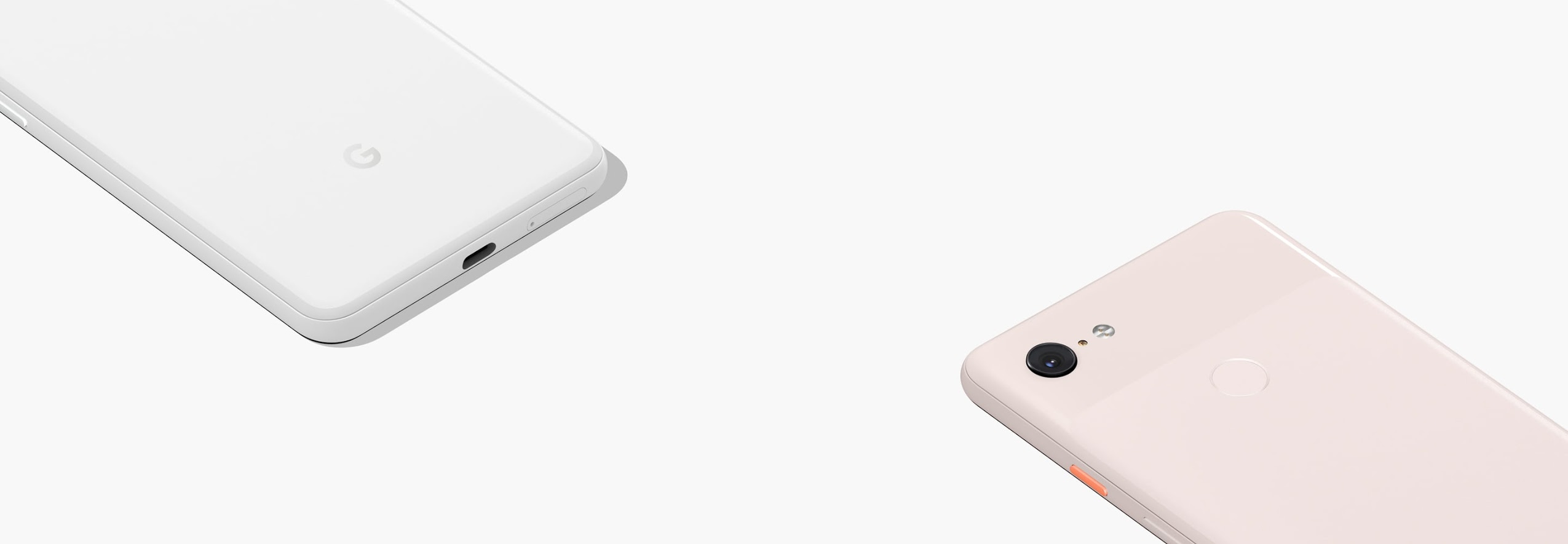
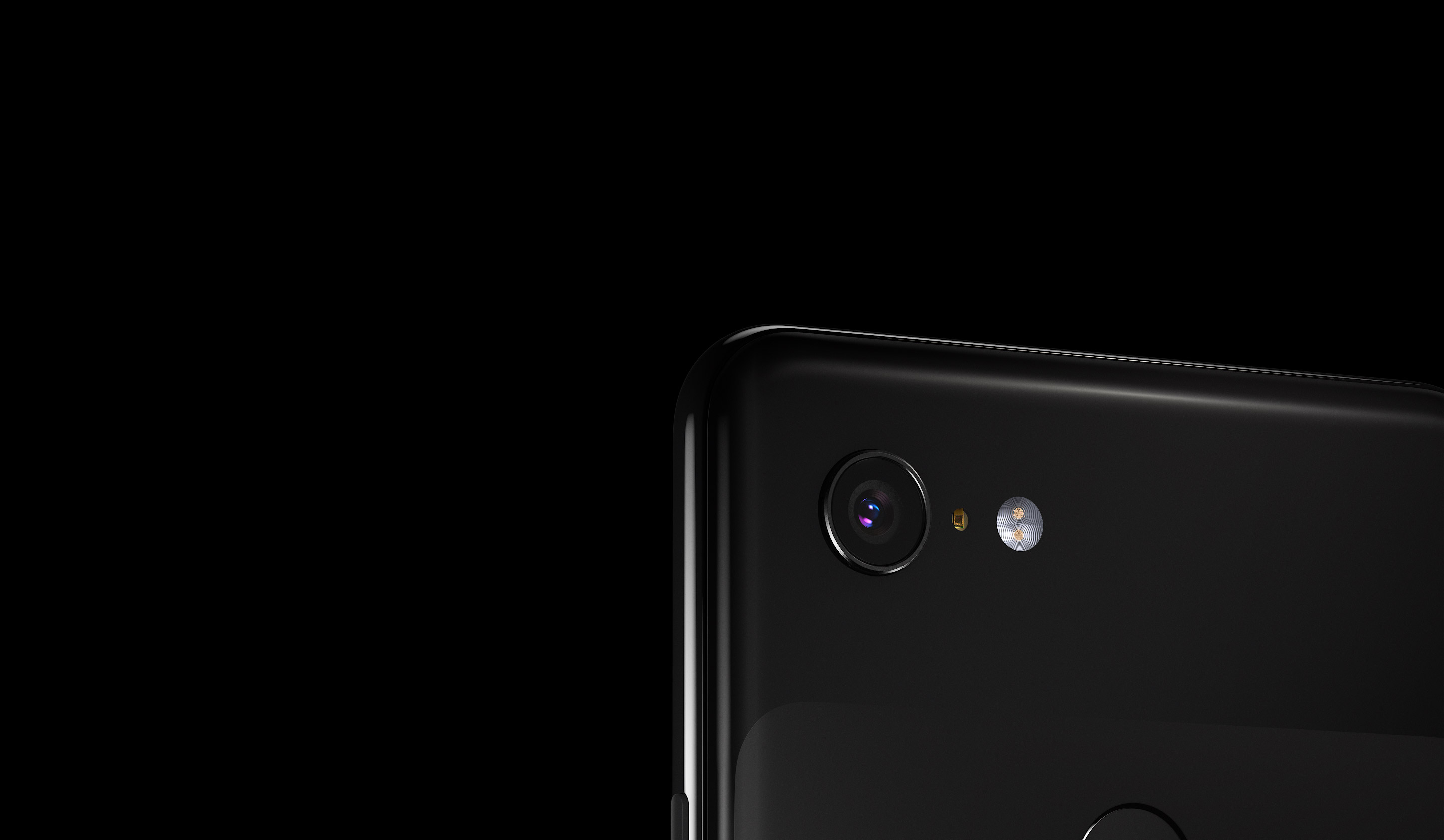
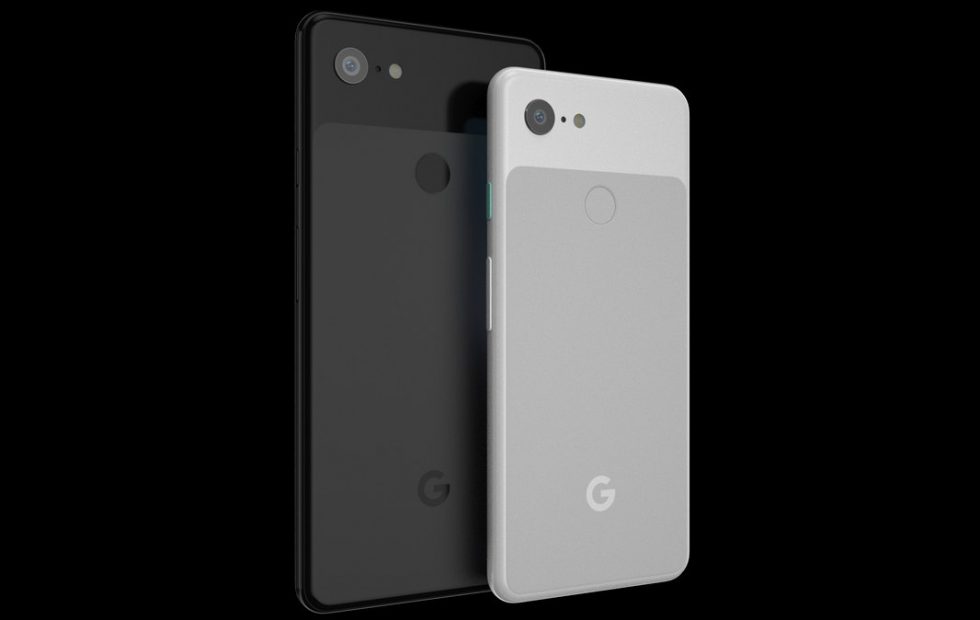
    The Pixel 3 and Pixel 3 XL devices sport a familiar design with a matt finish back and rounded edges. The rear of the device houses the single camera lens, LED flash and fingerprint sensor. The front of the Pixel 3 XL is a bit different, with a huge notch, which Google claims provides more screen real estate to users.

    They feature Corning Gorilla Glass 5 on the screen for protection and Soft touch Corning Gorilla Glass 5 on the back. The devices have an IPX8 water and dust protection rating. The devices have an Aluminium frame with hybrid coating and are available in Just Black, Clearly White and Not Pink Colours.

    Display

    The Google Pixel 3 has a 5.5 inch FHD+, flexible OLED display. It has an 18:9 aspect ratio and a pixel density of 443 ppi. The Google Pixel 3 XL has  a 6.3 inch FHD+, flexible OLED display. It has an 18:5:9 aspect ratio and a pixel density of 523 ppi.

    Both the devices have an always-on display and the now playing feature. They have Corning Gorilla Glass 5 for protection and HDR support.

    Processor

    The Google Pixel 3 and Pixel 3 XL run on the Qualcomm Snapdragon 845 SoC. They have an Octa Core CPU with a clock speed of 2.5 GHz, along with the Adreno 630 GPU.The devices have 4 GB of LPDDR$ RAM and 64 GB/ 128 GB storage options.

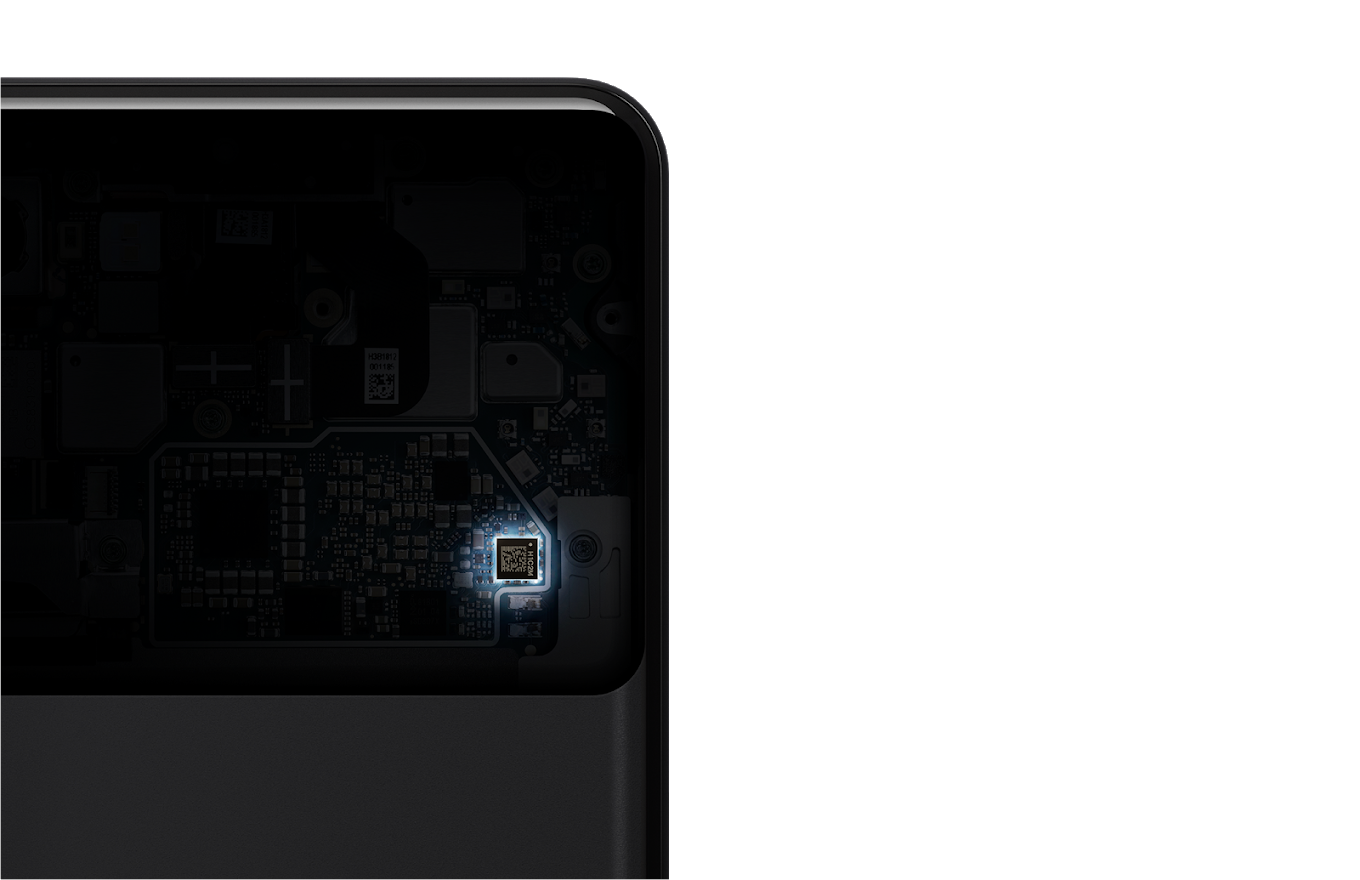
    Additionally, they have the Pixel Visual Core chip which helps in improving the camera performance. The devices also feature the Titan M security module. The Titan M security module adds to the security provided with your phone and it safeguards user data, passwords and more.

    Camera

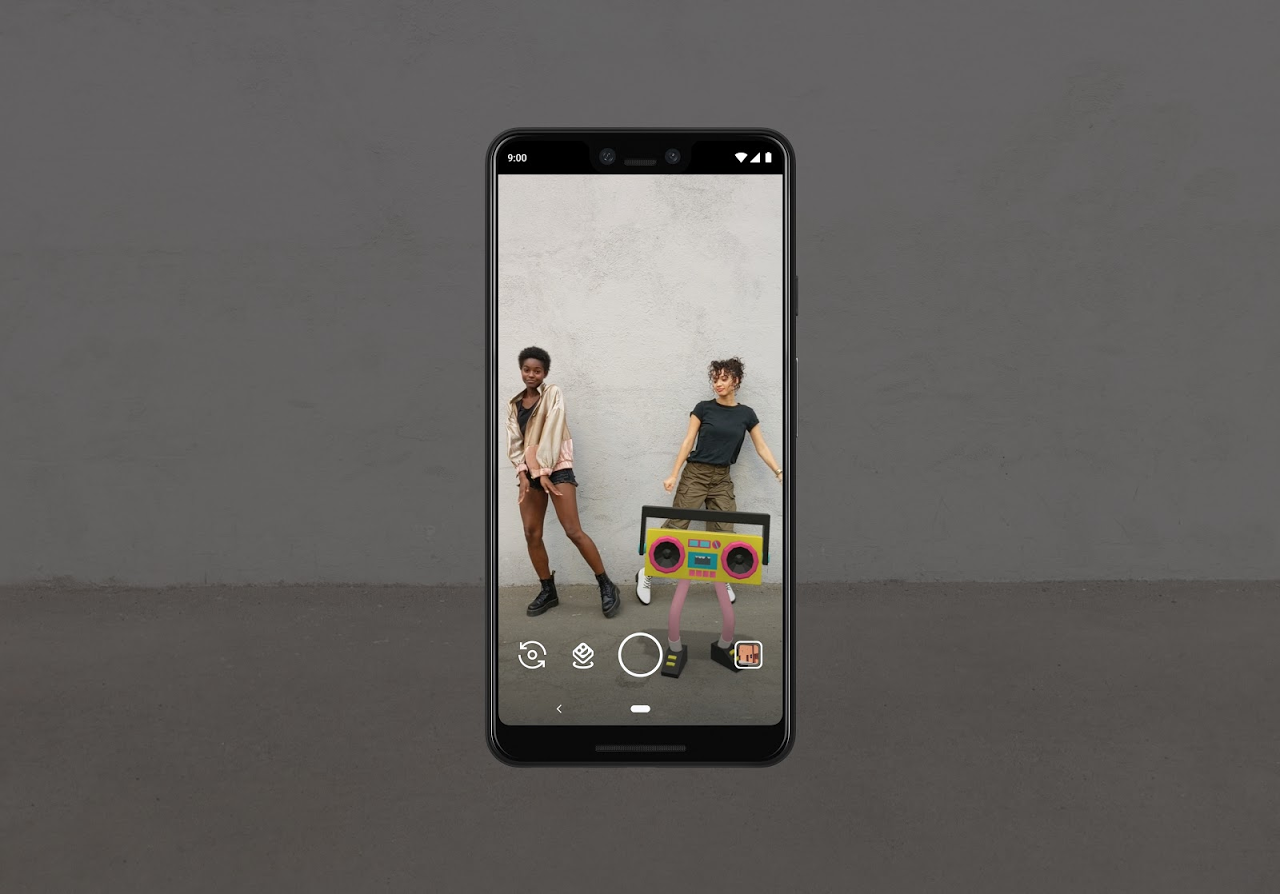
    Pixel devices have been known for their excellent camera performance. The Pixel 3 and Pixel 3 XL also come with a bunch of new camera features and improvements. The devices have a 12.2 MP dual-pixel rear camera. This has an aperture of f/1.8 and shots 4K video at 30 fps. The devices have dual front cameras featuring an 8 MP wide angle lens and a telephoto lens. The lenses have an aperture of f/2.2 and f/1.8 respectively. The front camera records 1080p video at 30 fps.

    The Pixel 3 and Pixel 3 XL camera are heavily integrated with AI. The cameras use machine learning to shoot the perfect picture every time, according to Google. The Pixel 3 and Pixel 3 XL continue to have the

    The rear camera features autofocus and dual pixel phase detection. With this you can just tap on a subject and the camera will automatically track the subject, never letting it go out of focus.

    Battery & Audio

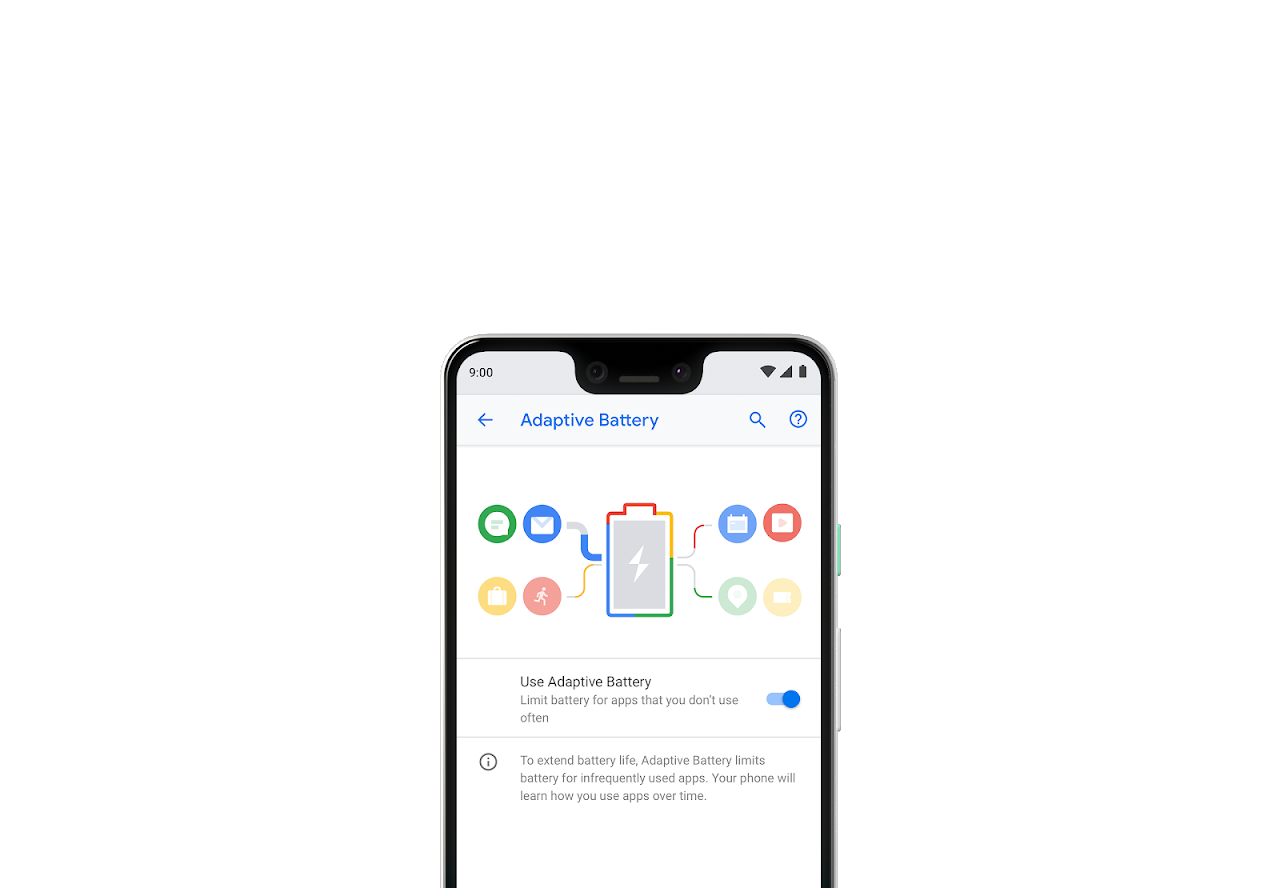
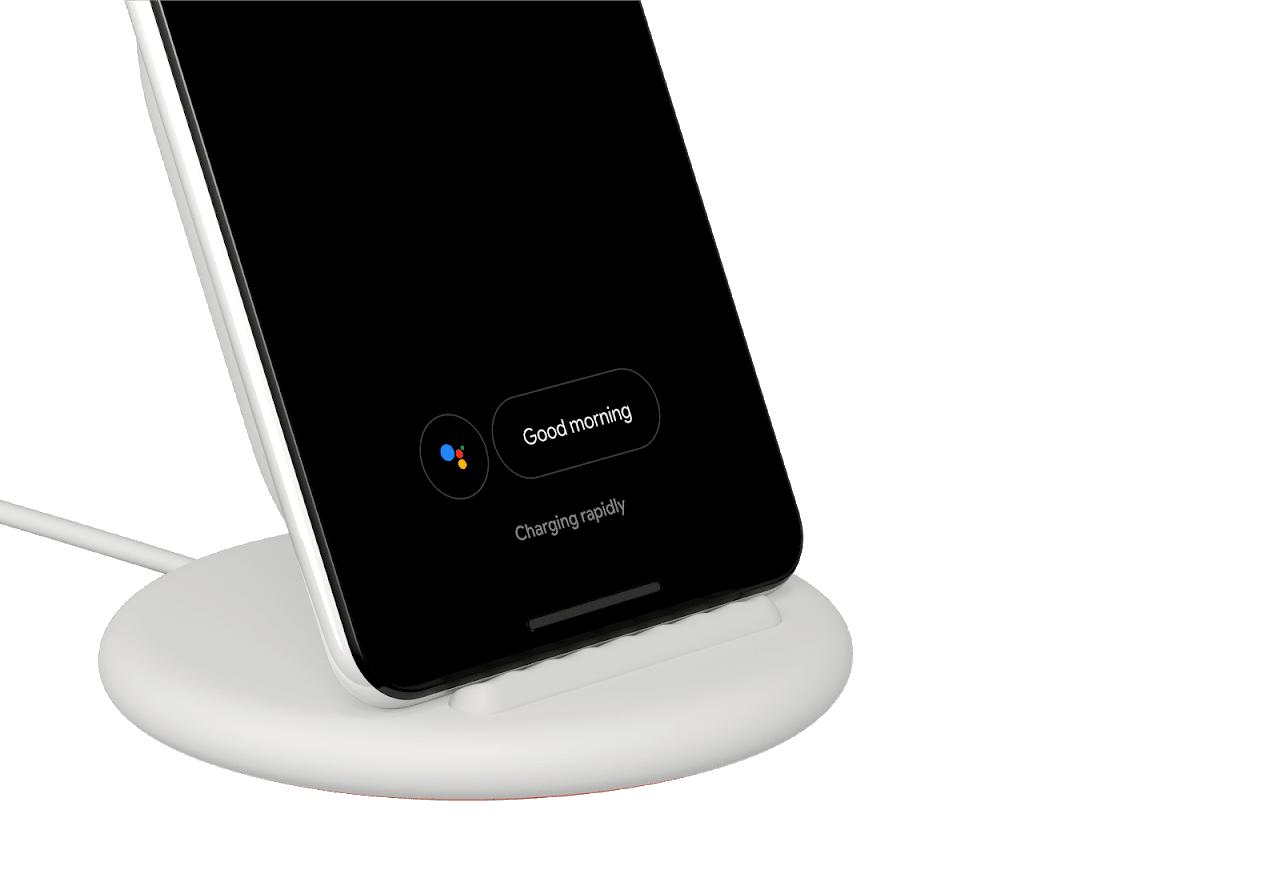
    The devices have a 2915 mAh battery with fast charging and wireless charging support. The device uses a USB Type-C charger. The Pixel 3 and Pixel 3 XL have dual front firing speaker and 3 microphones. Google also offers YouTube Music for 6 months, free of cost to all Pixel 3 buyers. The Pixel 3 devices will be the first to ship with YouTube Music.

    Additional Features

    The Pixel 3 and Pixel 3 XL have some other equally impressive features as well. The device has a CallScreen feature. With this, you can just tap on the CallScreen button when you are receiving a call. The Phone will automatically ‘talk’ to the person on the other end of the line and inquire as to who is calling and for what reason. It will then transcribe the reply in real time and show it to you in textual format on your screen. You can then decide whether you want to pick up the call, reject it or report it as spam.

    The devices also have the flip to shut feature. With this, you can just turn your phone upside down, to mute notifications.

    Price

    The Google Pixel 3 starts at $799 and is up for pre-order now.


  • Huawei Launches Ultra Fast Charging Battery

    Huawei Launches Ultra Fast Charging Battery

    The Huawei Consumer Business Group has unveiled the first patented Lithium-Silicon battery. The company promise to change the entire experience of using a smartphone with this new battery. The Lithium-Silicon battery enhances fast charging and adds to the safety as well.

    Also Read: Huawei’s Freebuds 2 Pro & Huawei Mate 20 Pro Leaked

    Huawei says that the technology is similar to a battery which is likely to be seen in upcoming Huawei smartphones. This could mean that we would see the Huawei Mate 20 and Mate 20 Pro equipped with this capabilities. The new battery is more durable and has better power-retention capability. This is due to the fact that the silicon anodes in the Lithium-Silicon battery hold more power than the Graphite based versions.

    The company claims that this technology will revolutionise the way people use their smartphones. Just like multi-touch changed the way displays work. The battery has 3D Nitrogen-doped Carbon coating. They manufacture the coating at a lower temperature and it has high conductivity. This results in ultra fast charging.

    Ultra-Fast charging uses a relatively low voltage and high current formulas. This is however, unlike the conventional fast charging technologies. The low voltage and high current formula maximises the amount of current going into the device while minimising efficiency loss simultaneously.

    Huawei says that the technology is based on electrochemical kinetics advancements. This enables ultra fast charging batteries to support greater power efficiency and current input. The company promises that this new technology will change the way we use smartphones and free users from having no access to their devices due to lower battery life. It will be interesting to see how this technology will impact the way smartphones work in the future.

  • Huawei Mate 20 Pro To Lose The Headphone Jack

    Huawei Mate 20 Pro To Lose The Headphone Jack

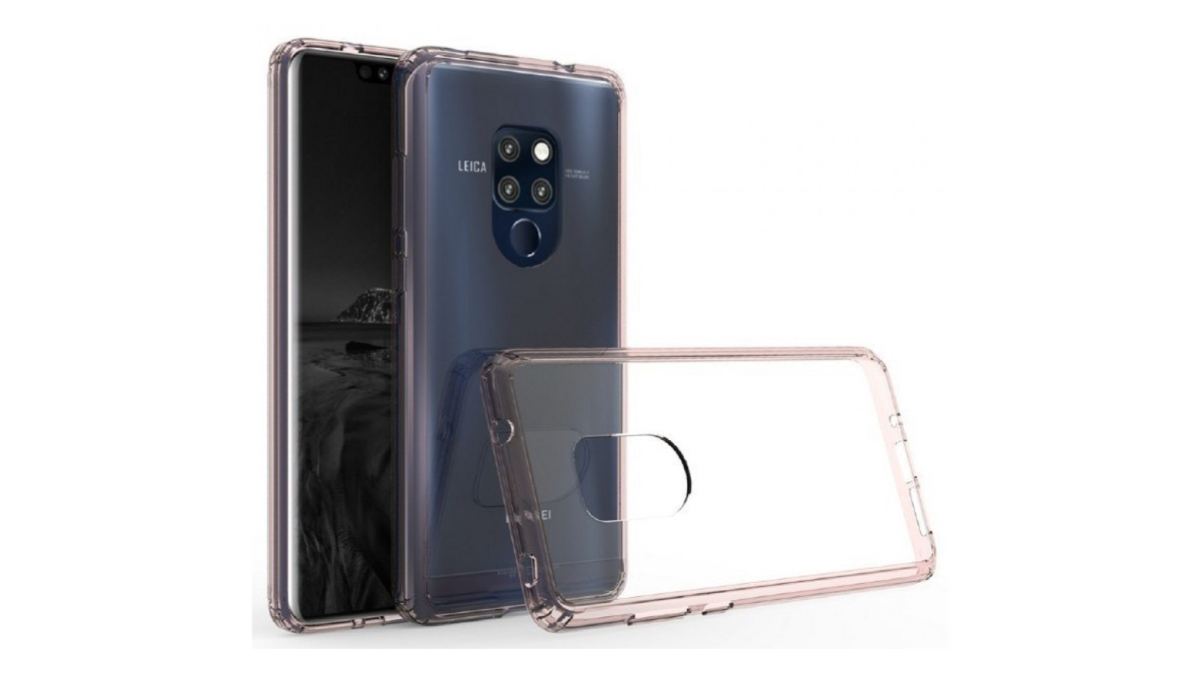
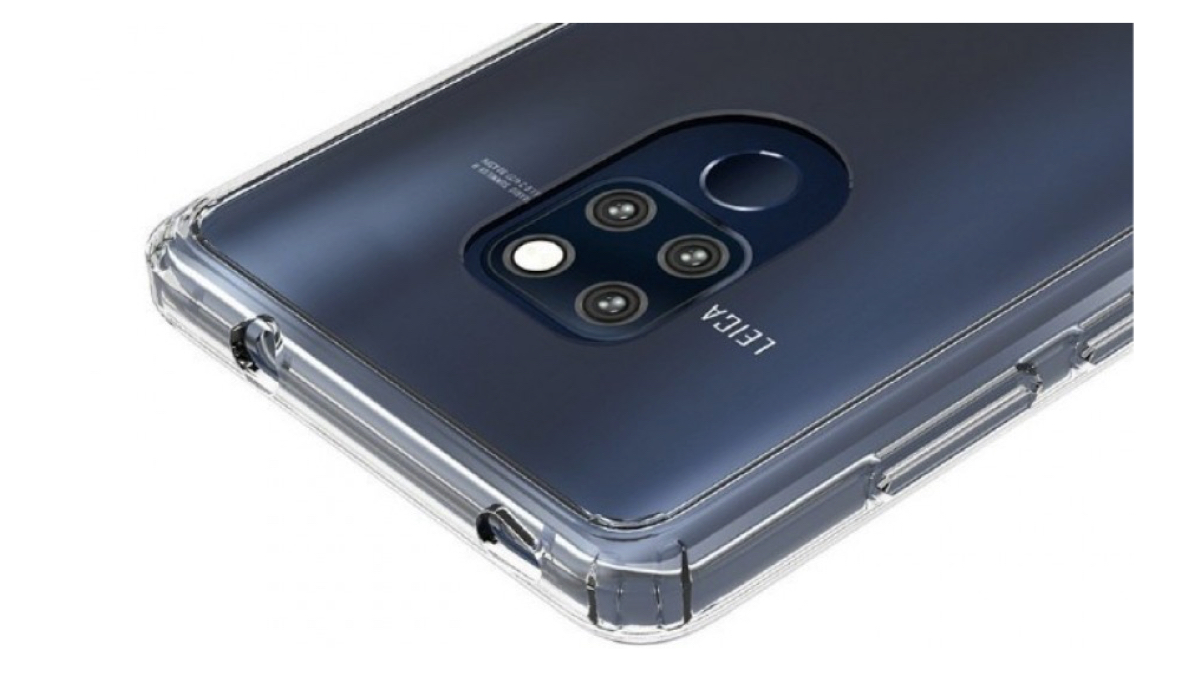
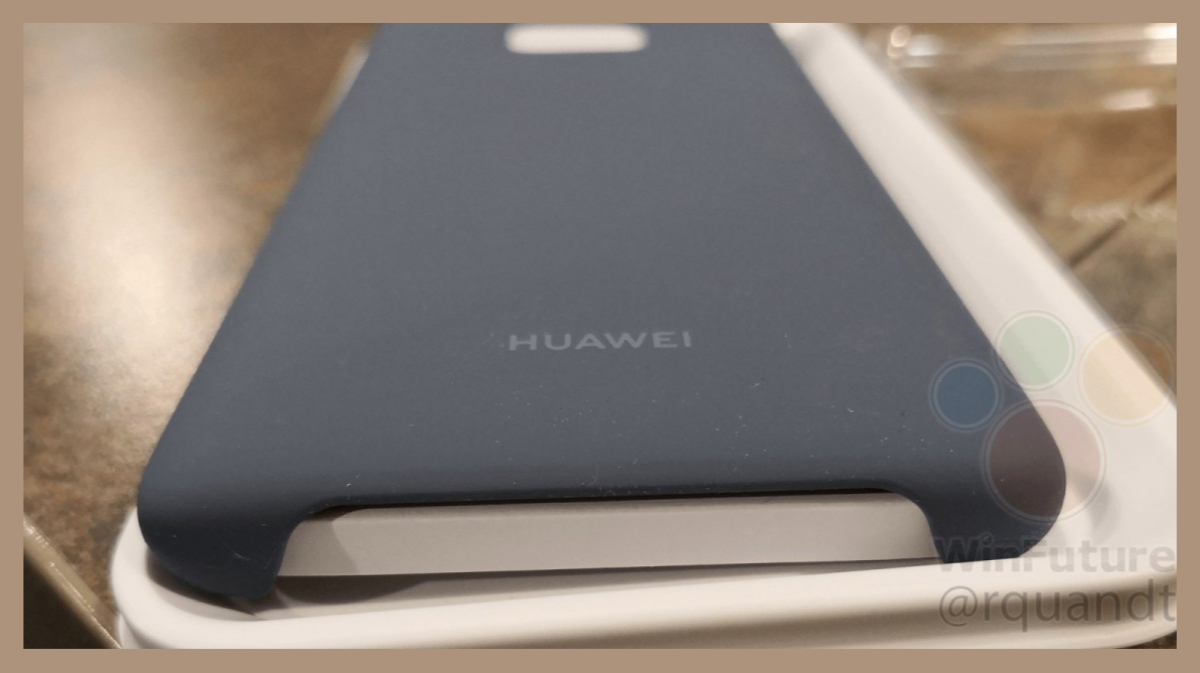
    The Huawei Mate 20 and Mate 20 Pro are set to launch on October 16 and now a new leak reveals some more features about the highly anticipated devices. The Huawei Mate 20 will have a headphone jack while the Mate 20 Pro will not. The finding was through a leaked render of the devices.

    The images show a round hole on the top of the Mate 20, right next to what seems to be an IR blaster. The Mate 20 case also shows off the rear mounted finger print sensor. This has been placed right below the triple camera setup. The images also detail the speakers on the bottom, USB Type-C mouthpiece.


    A Mate 20 Pro case, shows that the devices lacks the headphone jack and also a rear mounted fingerprint sensor. This could hint at an in-display fingerprint sensor on the device.

    Specifications

    The devices will run on the new flagship Kirin 980 SoC from Huawei. The company claims that the processor is faster than the latest A12 Bionic from Apple. The processor is made from the 7nm manufacturing process, which increases its speed. The Mate 20 is reported to have a 6.53 inch LCD display with a 2,244 x 1,080 px resolution. It is said to pack a 4,000 mAh battery. The Mate 20 Pro is said to have a curved OLED display with a resolution of 3,120 x 1,440 px.

    The Huawei Mate 20 is said to be available in 4GB, 6 GB and 8 GB RAM variants. They will also offer storage variants of 256 GB and 512 GB. The Mate 20 Pro is said to have  a 6 GB and 8 GB RAM variant and 256 GB and 512 GB variants.

    The devices will also sport a water drop notch on their display and are building up a lot of excitement as Huawei has been hyping the launch a lot. An earlier leak had detailed the prices of these devices which did come as a shocker to everyone.

    Benchmark Scores

    Additionally, the benchmark scores of the devices have been leaked which show that they will be the fastest Android devices to hit the market this year. Huawei hasn’t lived up to its promise of beating the new Apple iPhones, however this is a leak and we might see a different score after the launch.

    The Huawei Mate 20 and Mate 20 Pro are set to launch on October 16.

  • Amazon Great Indian Festival Sale : Top Deals On Headphones

    Amazon Great Indian Festival Sale : Top Deals On Headphones

    The Amazon Great Indian Festival Sale is starting today and its got some great deals lined up. For the lovers of sound and music, we bring to you the top deals in headphones and earphones. The sale starts at 12 Noon today for prime customers and tomorrow for others.

    boAt Rockers 430 Bluetooth Headphones


    This pair of bluetooth headphones will ensure that you don’t get into the hassle of wires again. The headphones have a built-in microphone and a good design to suit your needs.

    The device is available in The Amazon Great Indian Festival Sale for a price of Rs 1,799 compared to its original price of Rs 3,490.

    Sennheiser Momentum 2.0 Wireless Headphones

    The Sennheiser Momentum 2.0 features the NoiseGard hybrid active noise cancellation technology and has folding headbands, providing improved portability.

    The device is available for a price of Rs 31990 compared to its original price of Rs 39990.

    Soundmagic E10C In-Ear Wired Headphones

    The SoundMagic E10C is constructed with two-tone metal ear piece bodies and low profile metal hardware, with a modern design and finish for a premium appearance. The tangle-free cable and included wire clip ensures that the E10C are easy to wear and use.

    The device is available for a price of Rs 1399 compared to its original price of Rs 3199.

    JBL in-ear headphones

    The new JBL C200SI has powerful 9mm drivers and offer all-day comfort. An in-line microphone with universal remote control lets you talk and manage your calls on Android and iOS devices

    The device is available for a price of Rs 799 compared to its original price of Rs 1499.

    Bose Quiet Comfort Noise Cancelling Earphones

    Quiet Comfort 25 headphones are a pair of wired headphones from Bose which provide a great sound experience as well as functionality.

    The device is available for a price of Rs 12600 compared to its original price of Rs 25200.

    Sennheiser RS175 Wireless Headphones

    These are a pair of closed, circumaural headphones with digital wireless audio transmission and has a transmission range of up to 328ft/100m. 

    The device is available in The Amazon Great Indian Festival Sale for a price of Rs 17590 compared to its original price of Rs 21990.

    Ant Audio H56 Bluetooth Metal in Ear Stereo Bass Headphone

    It can be used when you are out running, jogging or exercising. It offers high quality, hands-free phone conversation with up to 6 hours of playtime and just 1.5 hour of charging time.

    The device is available for a price of Rs 999 compared to its original price of Rs 3299.

    Sennheiser Momentum Free 507490 in-Ear Wireless Earphones

    The momentum free has a highly portable design. It delivers ang all-day listening experience. It packs an integrated microphone, a six-hour battery life and a luxurious leather case.

    The device is available for a price of Rs 11990 compared to its original price of Rs 14990.

    Sennheiser CX Sport Bluetooth Sports Headphone

    Sennheiser’s CX Sport In-Ear Wireless headset is lightweight, sweat and splash resistant. The CX Sport can be worn around or in front of the neck. Four sizes of ear adapters and three sizes of ear fins provide a personalised fit for wearing comfort and passive reduction of external noise.

    The device is available in The Amazon Great Indian Festival Sale for a price of Rs 7,990 compared to its original price of Rs 9,990.

    Nu Republic Nu Jaxx Wireless Earphones with Mic

    The ear buds pack CSR 8635 chipset, coupled with large 11MM titanium drivers. It has a metal design and a magnetic faster system which ensures that the ear buds wrap around your neck when not in use. The headphones come with a 1-year replacement warranty.

    The device is available for a price of Rs 1299 compared to its original price of Rs 3999.


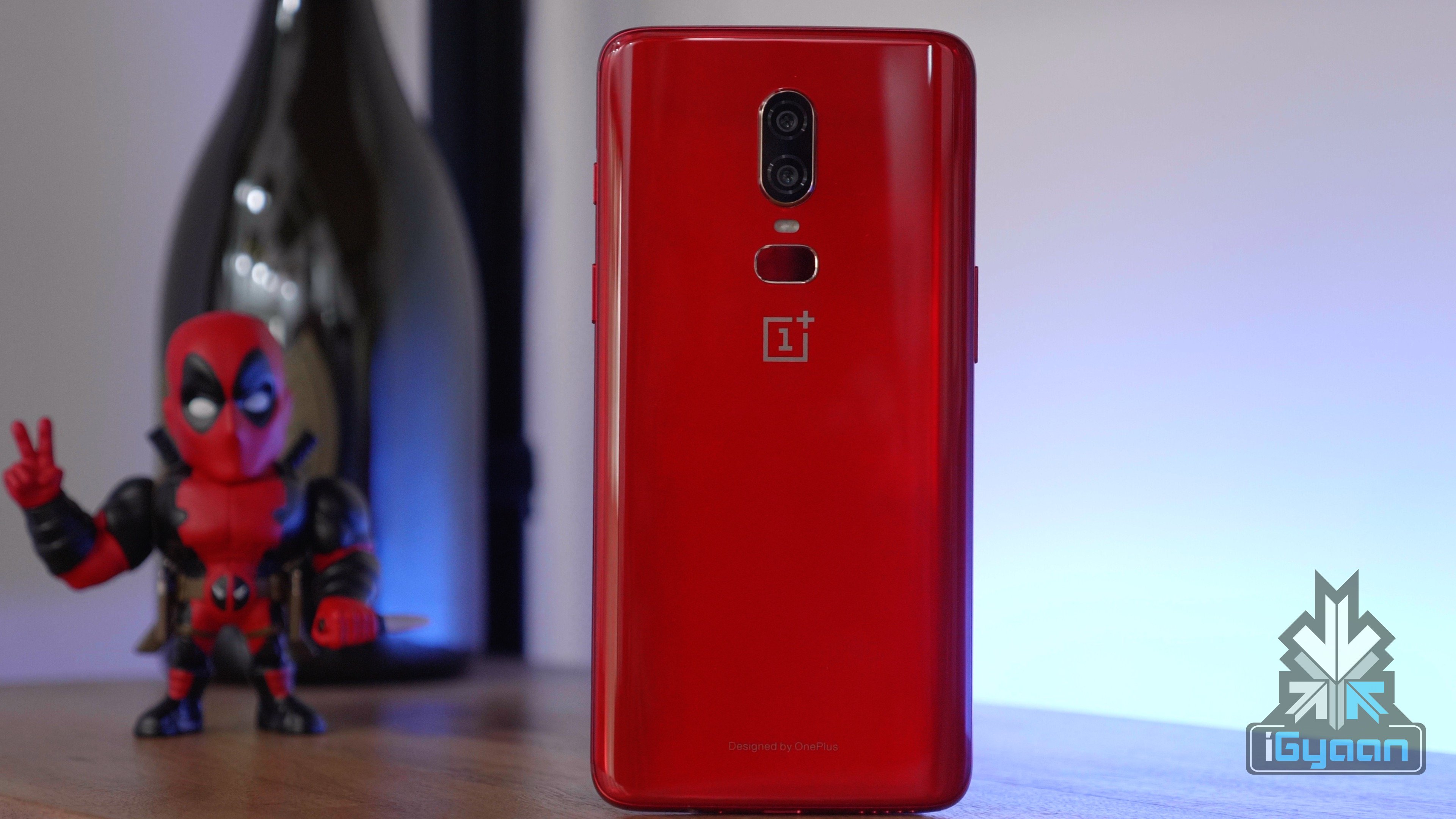
  • OnePlus 6T India Launch Set For 30th October

    OnePlus 6T India Launch Set For 30th October

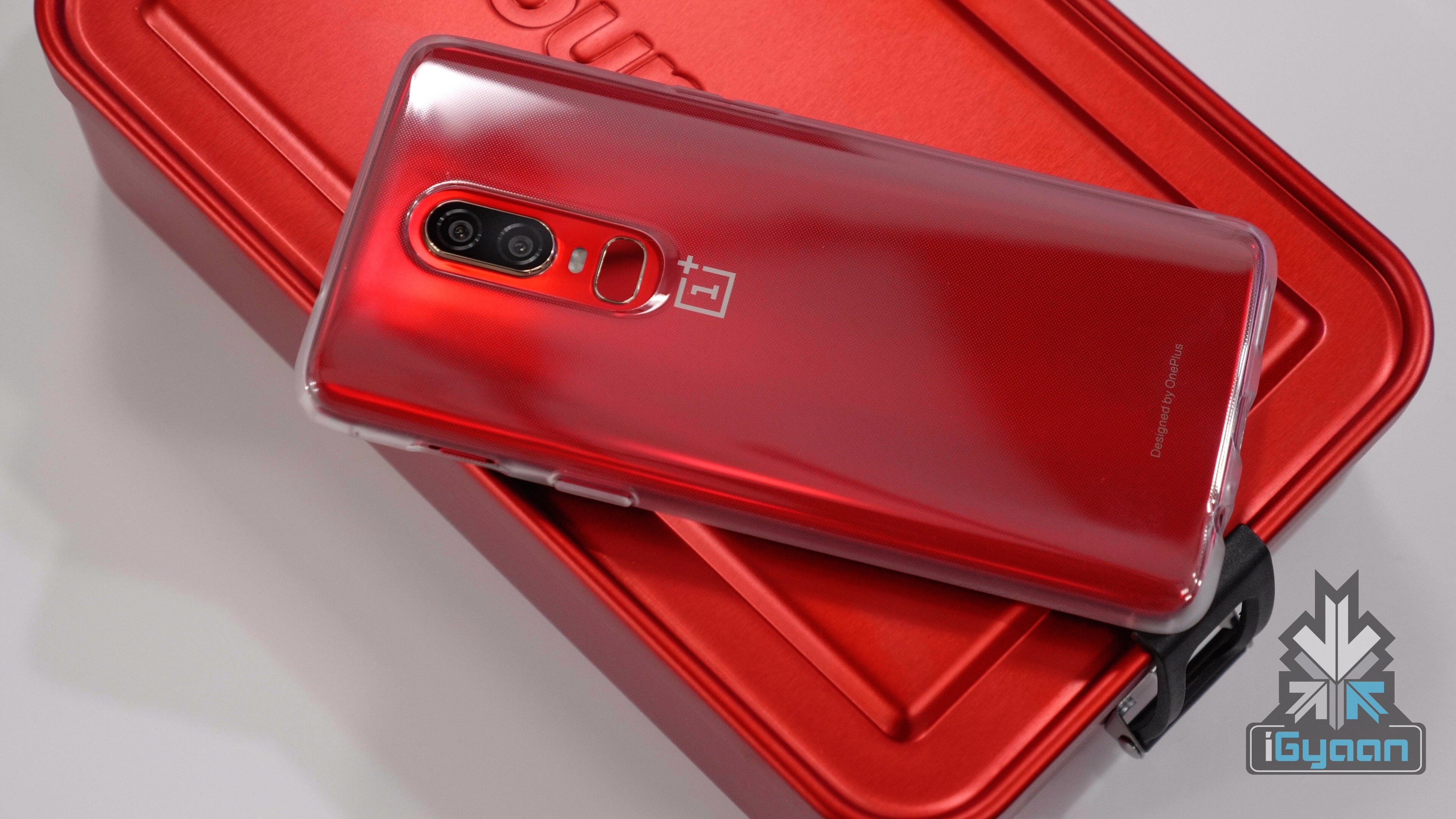
    The launch of the much awaited OnePlus 6T has been announced. The smartphone will be launched in an event in New Delhi, on October 30. Invites for the event will be available on oneplus.in from 10:00 AM on October 17 and cost Rs 999. Those who attend the event will get a gift hamper full of super add-ons and OnePlus merchandise.

    Also Read: OnePlus 6T Listed on Amazon With Type-C Earphones

    The event will start at 8:30 PM IST. The company claims that the attendees will be the ‘first in the world’ to experience the OnePlus 6T. The OnePlus 6T is the next flagship killer from OnePlus and is set to be faster than its predecessor. The device features an in-display fingerprint sensor and a tiny water drop notch on its display. The device is expected to have better performance than the OnePlus 6 as its tagline ‘Unlock the Speed’ conveys.

    Pre-Booking & Specifications

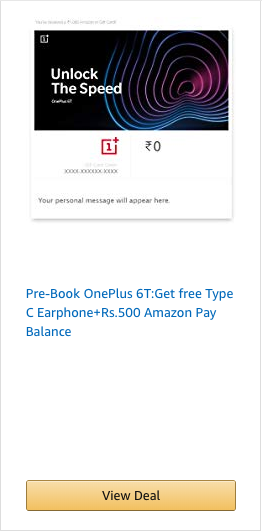
    The pre-booking for the device is set to open on the official launch date or even sooner as a listing on Amazon had gone up earlier. The listing detailed the device and also said that those who pre-book the device will receive free Type-C Earphones and Rs 500 Amazon Pay Balance. The Type-C Earphones will put an end to complaints regarding the lack of a headphone jack.

    The device is said to have a 6.41 inch Super AMOLED display. It will reportedly run on the Qualcomm Snapdragon 845 SoC and has 8 GB of RAM. The device may have a 512 GB storage variant this time, considering the fact that OnePlus doesn’t offer expandable storage support and that it is offered in most phones these days. The device will run Android 9 Pie out of the box and might have an IP rating this time around.

    The exact details of the OnePlus 6T, along with the price will be known after its launch on October 30. Stay tuned to iGyaan for more information about the device.

  • Xiaomi Mi Band 3 Review : Hot Or Not?

    Xiaomi Mi Band 3 Review : Hot Or Not?

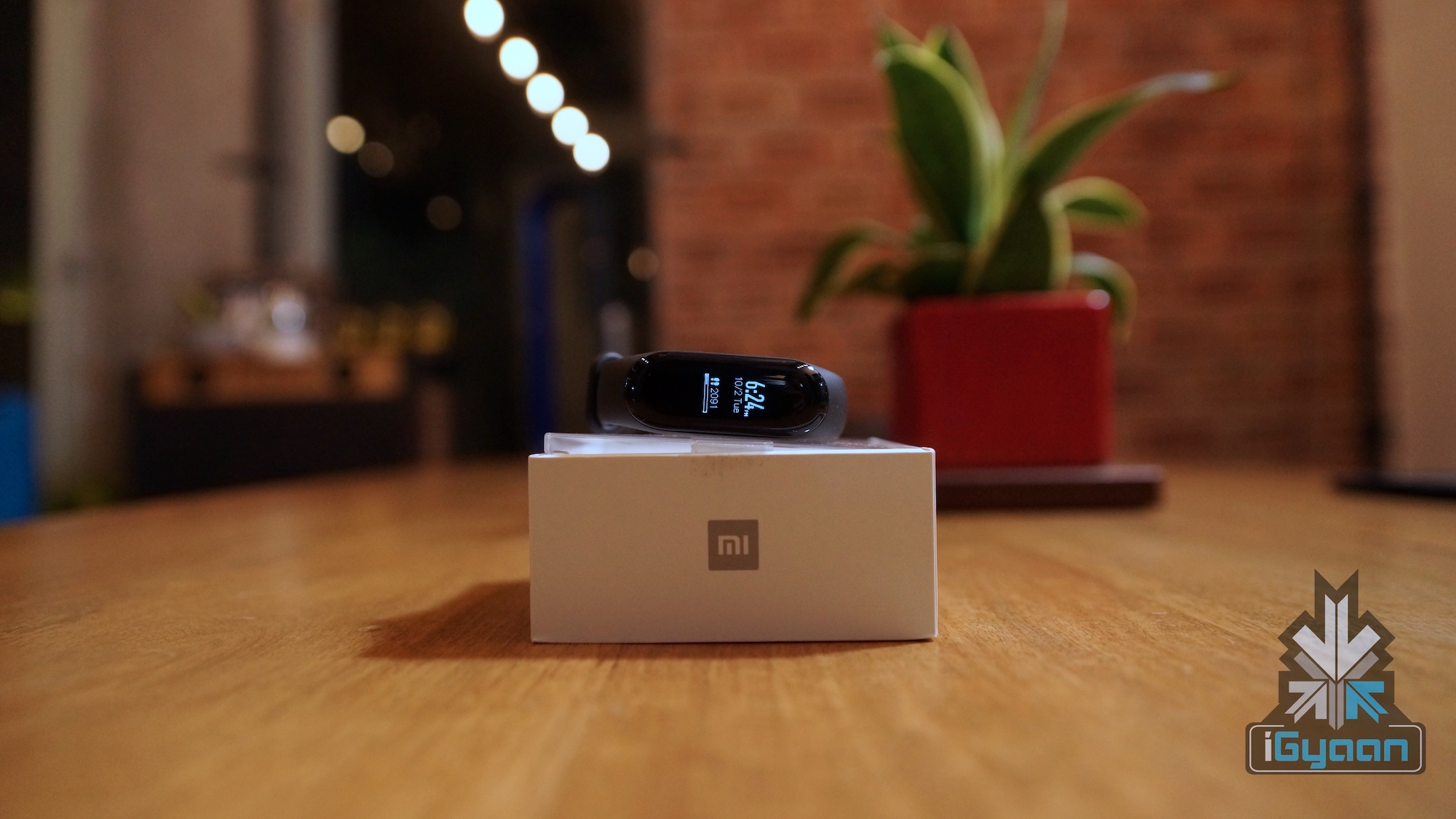
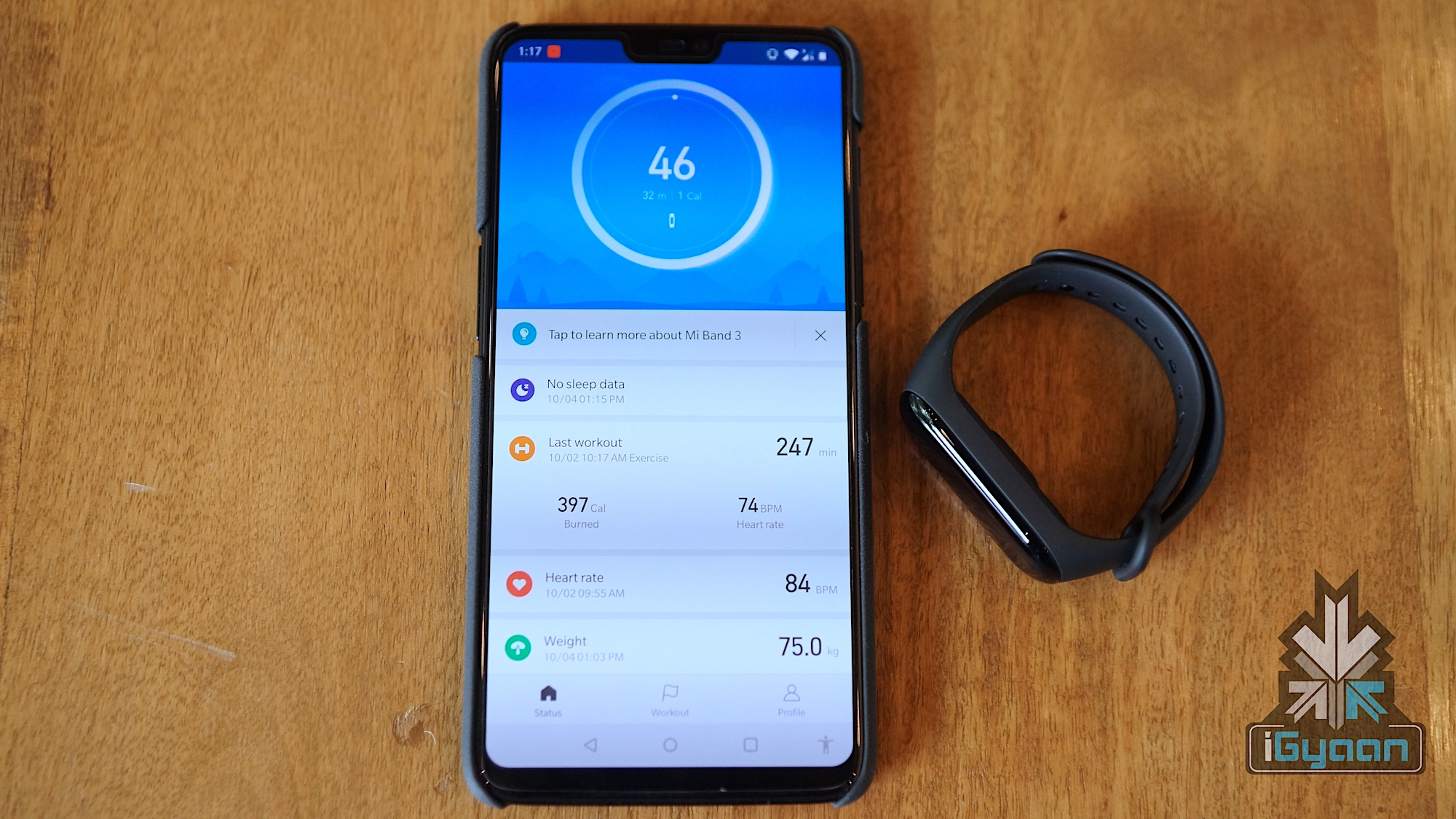
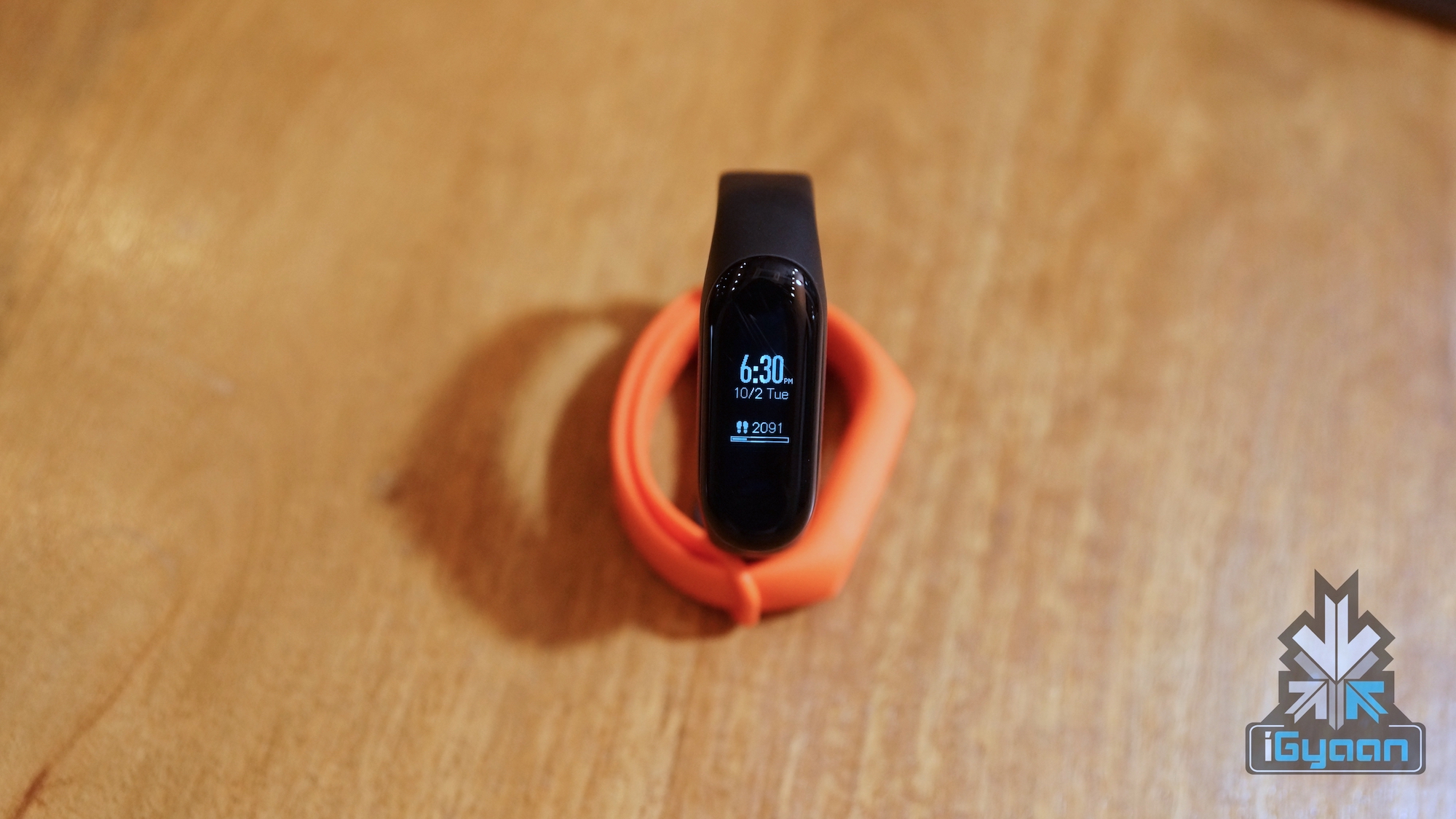
    Xiaomi’s new Mi Band 3 is the latest in the series of fitness bands offered by the smartphone giant. The Mi Band and Mi Band 2 were popular as they were offered at a very attractive price. The Mi Band 3, has also been launched at a lucrative price, but that is not all. Xiaomi has also ensured that the price is not the only thing which makes the Mi Band 3 attractive. Loaded with features such as an improved heart rate sensor, a pedometer, a bigger display and much more, we try to find out if the Mi Band 3 is worth it.

    [section label=”Build Quality & Design”]

     Build Quality & Design
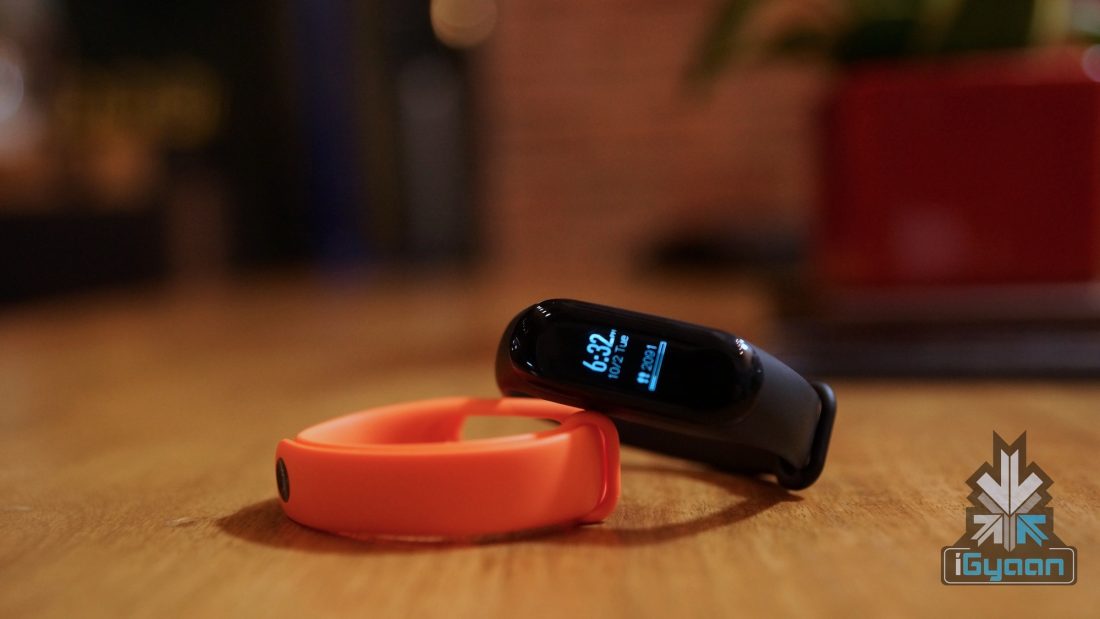
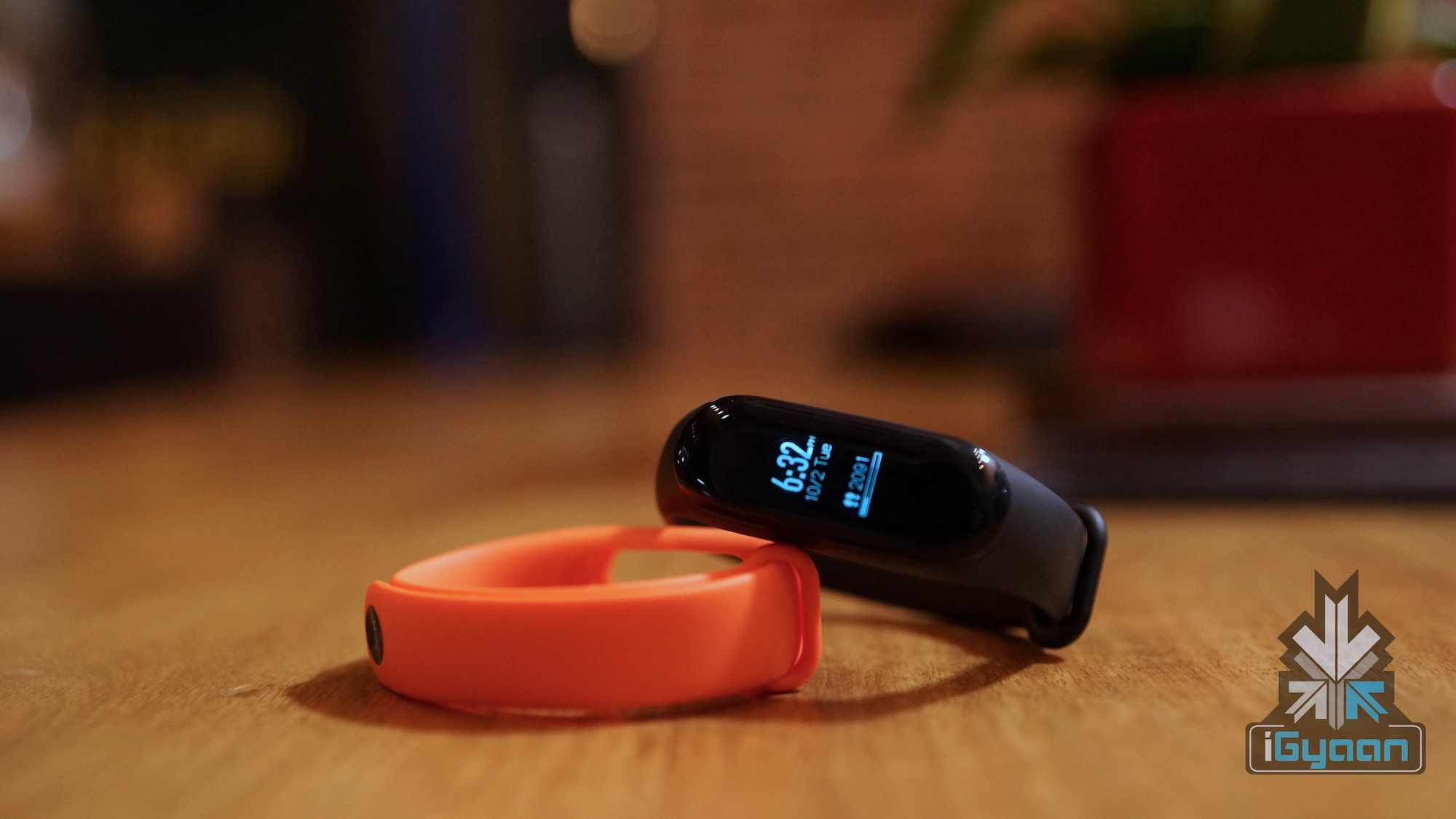
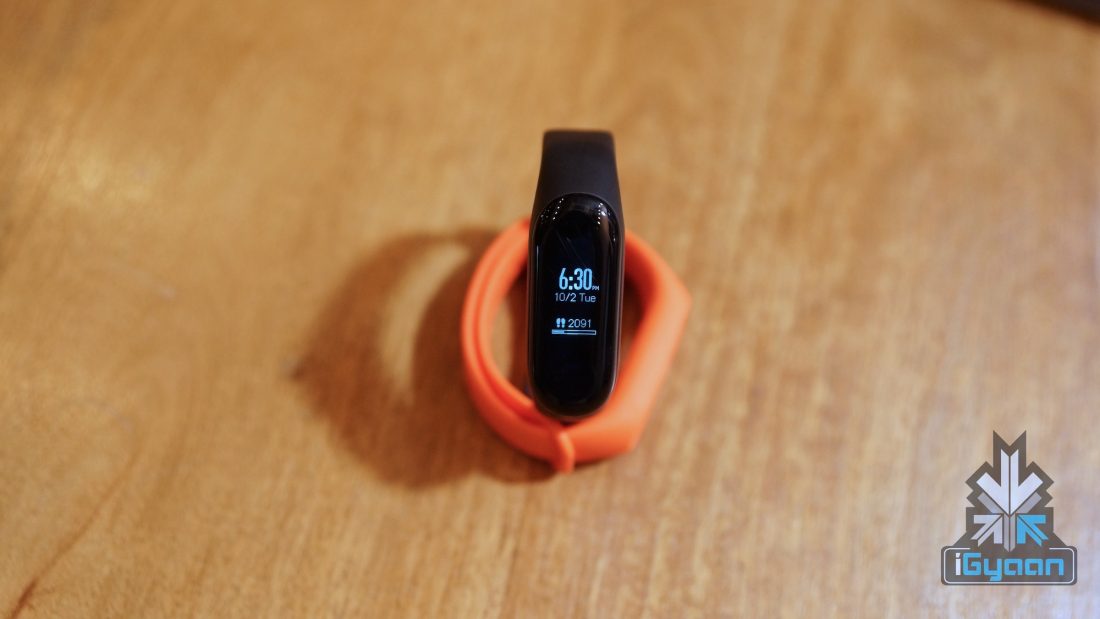
    The Mi Band 3 looks pretty much the same when compared to the previous generation, but features a bigger OLED screen and a new strap. The new strap is very sturdy and made of Thermoplastic Elastomer. The Mi Band 2 received complaints from users regarding its strap which left their hands itchy and irritated. The new strap on the other hand is very comfortable and convenient to wear and you don’t realise it sitting on your hand.  The strap is adjustable up to 21.6 cm, easily fitting hands of all sizes. The strap is also available in different colours, and the black that we have looks good and has a great finish.

    The band is resistant to dust and sweat and doesn’t get accumulate dirt even with extensive use. The Mi Band 3 has an IP rating of 5 ATM which means that the device is water and dust resistant. It is water resistance to 50 metres, therefore using it in heavy rain or even a swimming pool should not be a problem. The display however, is not that durable and can get scratched easily. We recommend that you install a screen protector for your Mi Band 3. Xiaomi has also fixed the issue of the tracker getting loose or falling out of the strap which was prevalent with the Mi Band 2. Now, its secured so well that sometimes one finds it difficult to take it out. The tracker by itself weighs 8 grams and combined with the band, it weighs 20 grams. Overall, the device is built well and most importantly doesn’t feel like you have something sitting on your wrist as you go through your day. 

    [section label=”Display”]

    Display
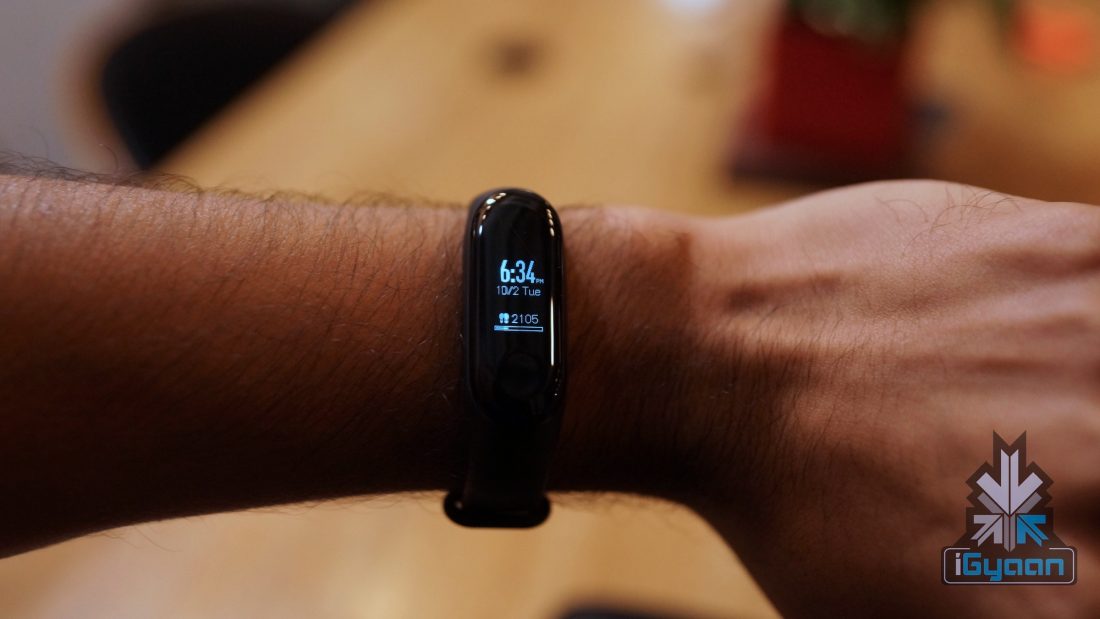
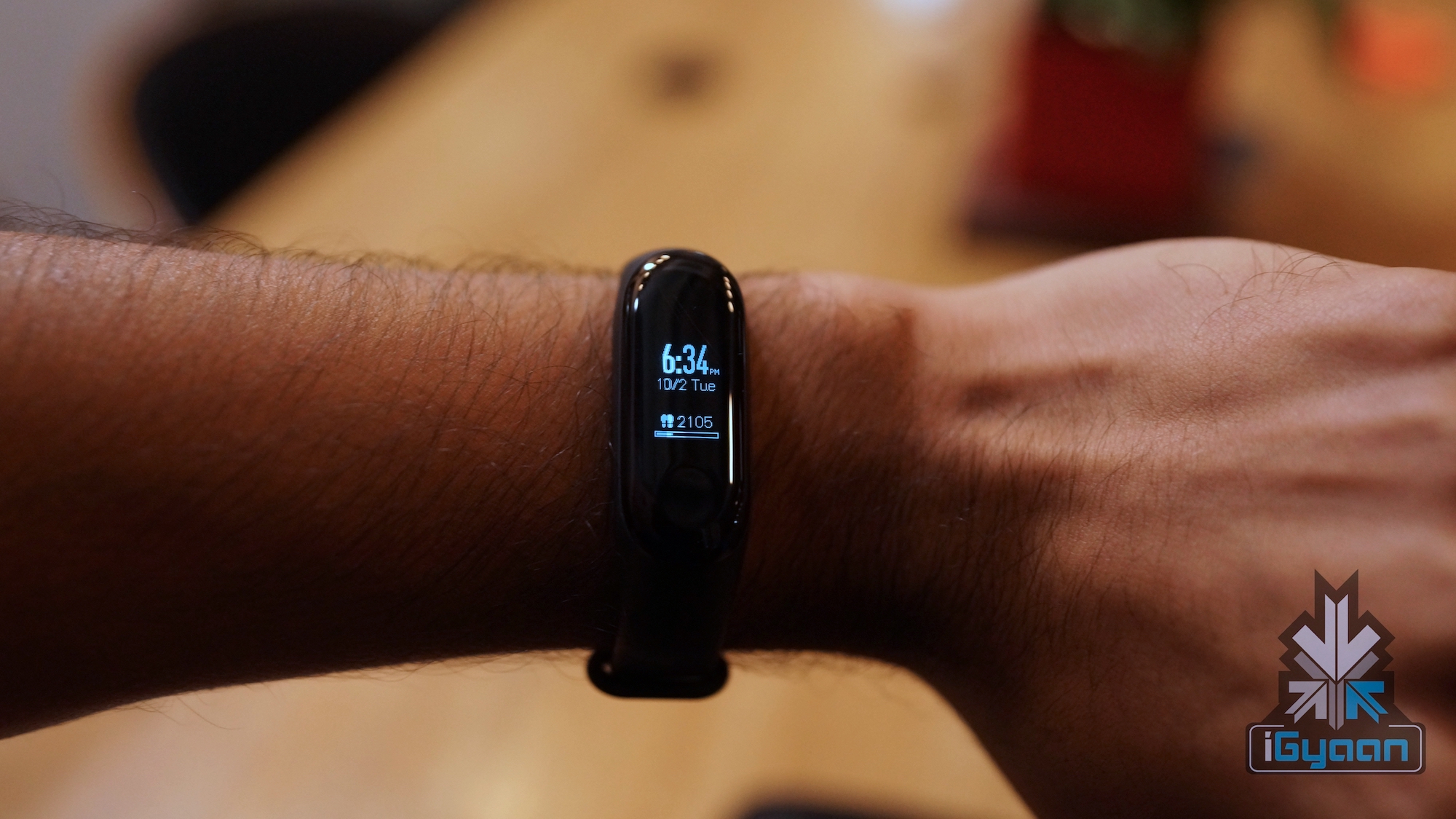
    As mentioned before, the Mi Band 3 has a bigger, 1.9 cm OLED display. Since the display is OLED, it helps in improving the battery life. It is all touchscreen and easy to navigate through. The touch can be unresponsive at times but it is mostly effective. It works well even when it is in contact with water. In fact, it sometimes works even more smoothly when covered with water! The display has good viewing angles and is very crisp indoors. It’s not the best in direct sunlight, but you can view it if you put in some effort.

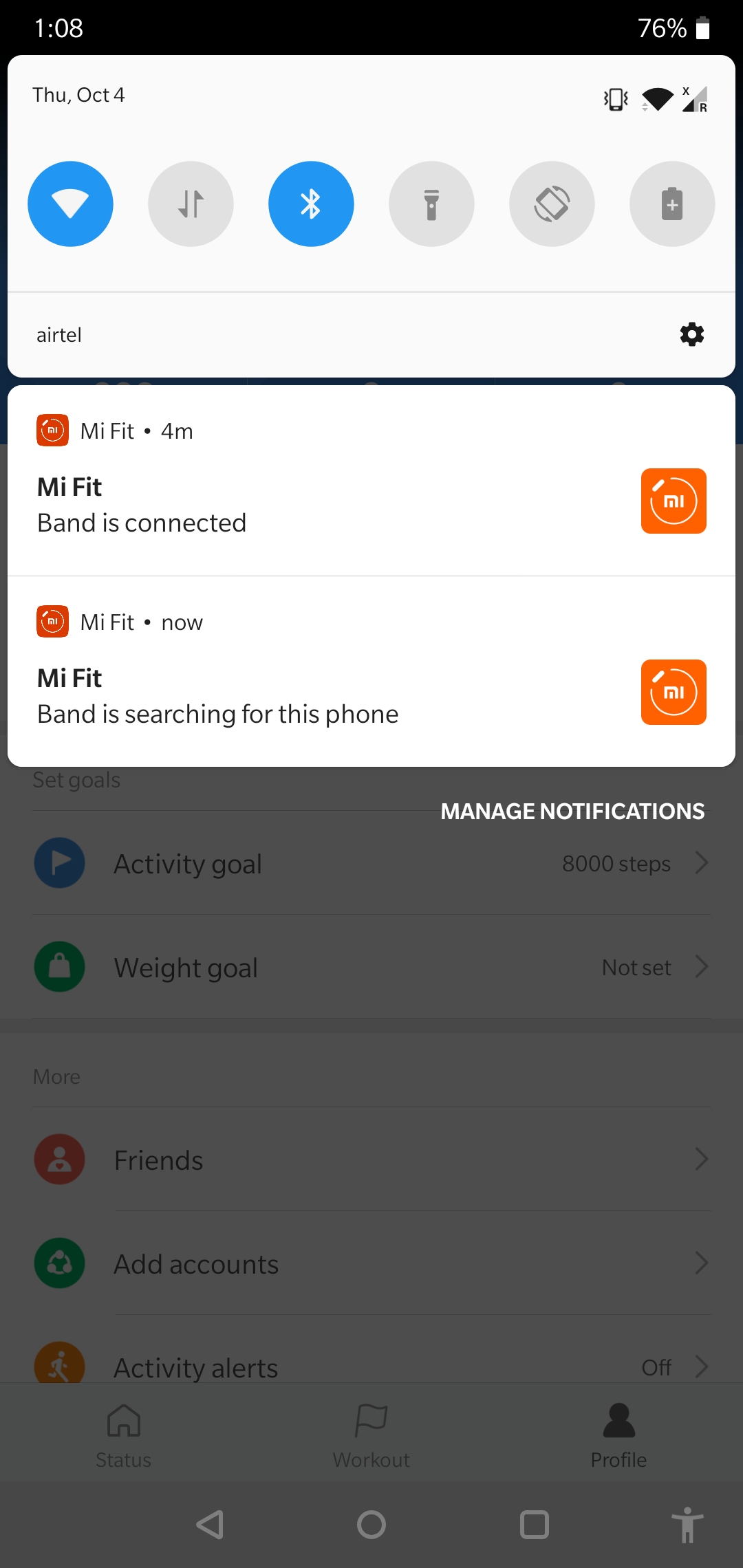
    A lot of users had complained of the lack of an always-on display on the earlier Mi Band. An always on display will let you view information such as the time and date without the need for waking the screen up from time to time. Xiaomi hasn’t provided a solution for this yet and has instead provided a twist to wake feature with the Mi Band 3. The twist to wake function can be activated through the MiFit app. Once in the app, you need to navigate to the ‘Profile’ section. Here, you click on your device, which is the Mi Band 3. Scroll down a bit and you will see the ‘lift wrist to view info’ option which you can enable. The function activates the screen every time you twist or raise your wrist. However, it does not work well all the time and you might have to repeat the action twice or thrice to get the display going. You can also customise the watch face through the Mi Band itself, choosing from three different options.
    [section label=”App Integration”]

    App Integration
    The Mi Band 3 also packs a lot of cool features other than that of a regular fitness band. The band depends heavily on app integration to utilise most of the features. The app in itself can be confusing at times and could be simplified. The setup process is somewhat tedious and it takes a while to get a clear idea of the layout of the app. After some familiarisation, you will find access to a whole lot of options.

    For those of you who were wondering about music controls, the app does not support this. If you are playing music, the band does not even recognise it, therefore being able to control it is out of the question. The Mi Band 3 does not have NFC support, despite many Mi Band 2 users looking forward to it.
    [section label=”Fitness”]

    Fitness

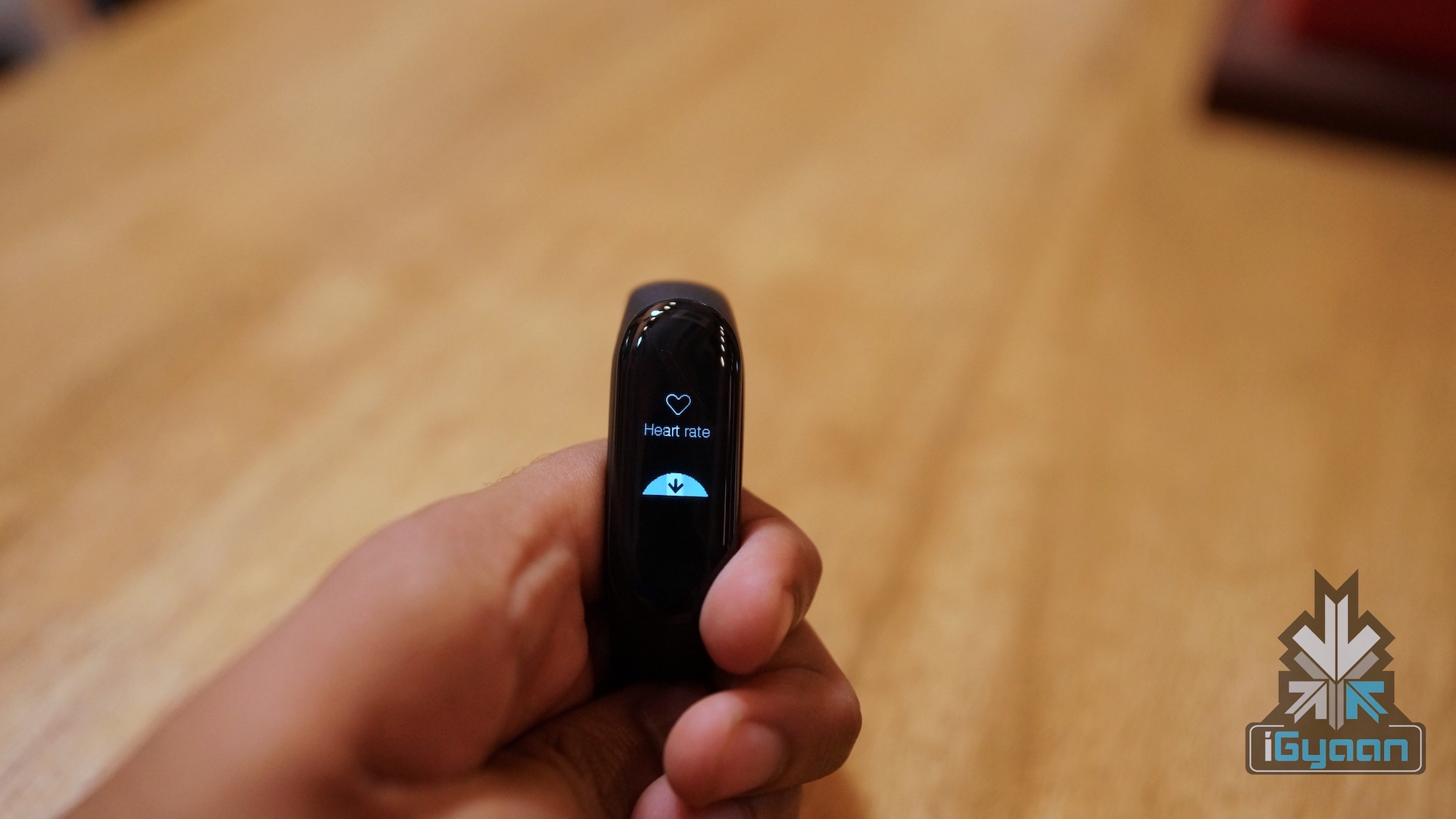
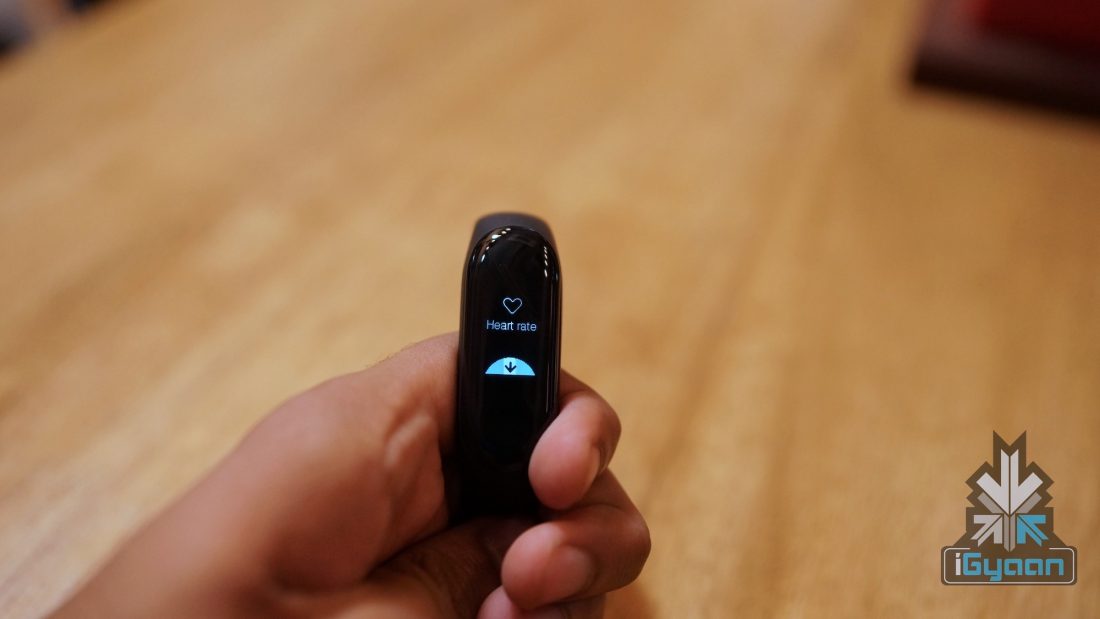
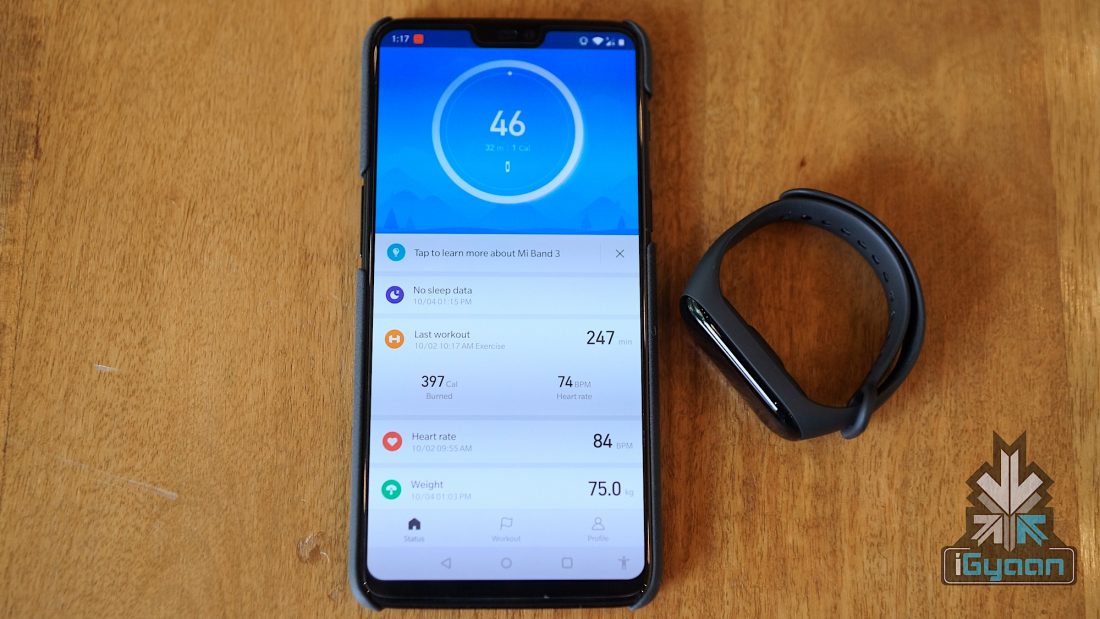
    Essentially being a fitness tracker, the Mi Band 3 packs a lot of features. It features a heart rate sensor, which is a definite improvement over that of the Mi Band 2. The heart rate sensor was surprisingly accurate on many occasions. On comparing the data with that of the Apple watch, we found the readings to be identical. Through the app, you can view your heart rate data and keep a track of it over days and weeks. The heart rate sensor is a good feature for people with health issues or those who are simply health conscious.

    However, it is not recommended to be fully dependant on the data for an accurate depiction of your health. The heart rate sensor also takes quite a toll on the battery life of the Mi Band 3. Frequent use of the feature will bring down the battery life of the device to a couple of days. On the flip side, not using the feature so much will ensure a better battery life.

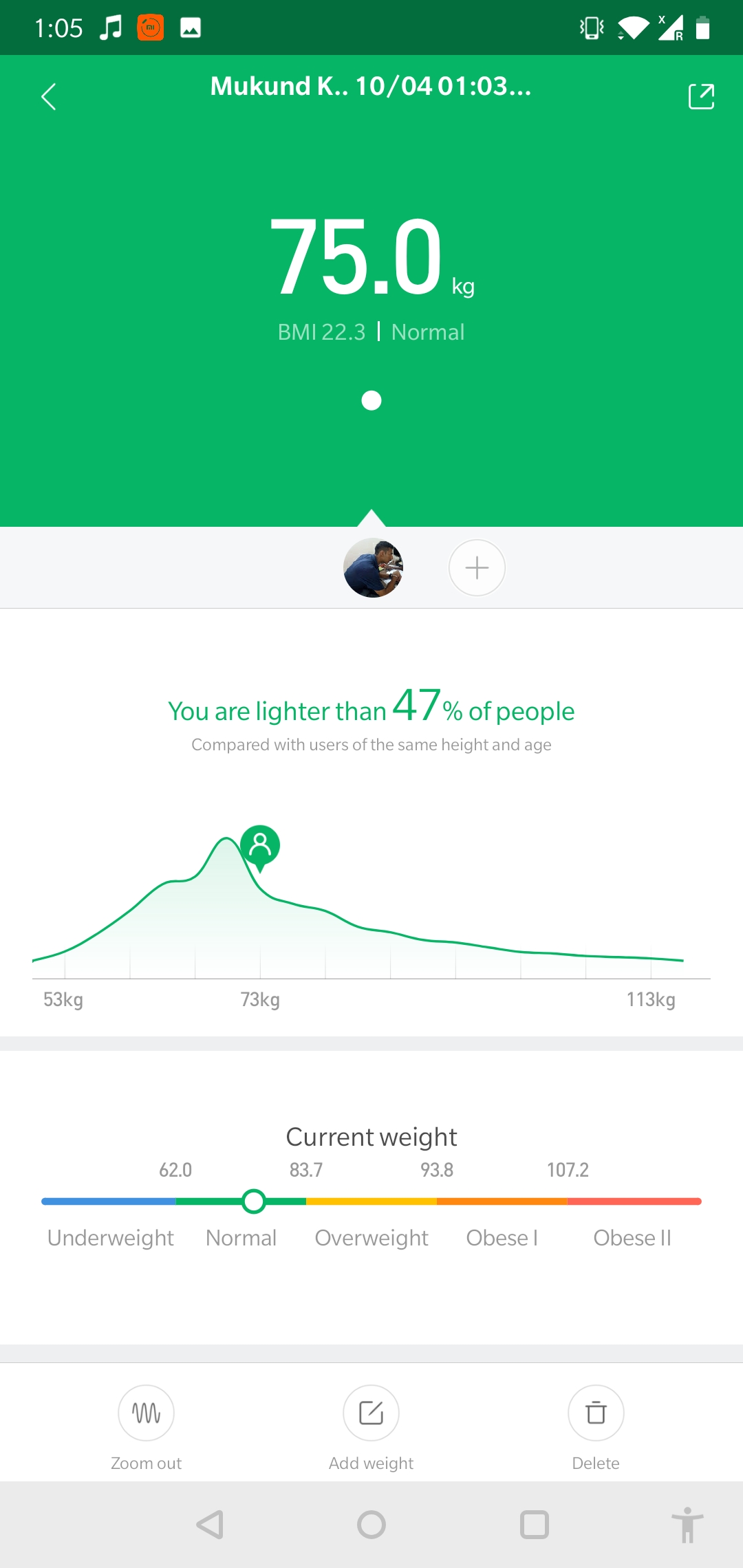
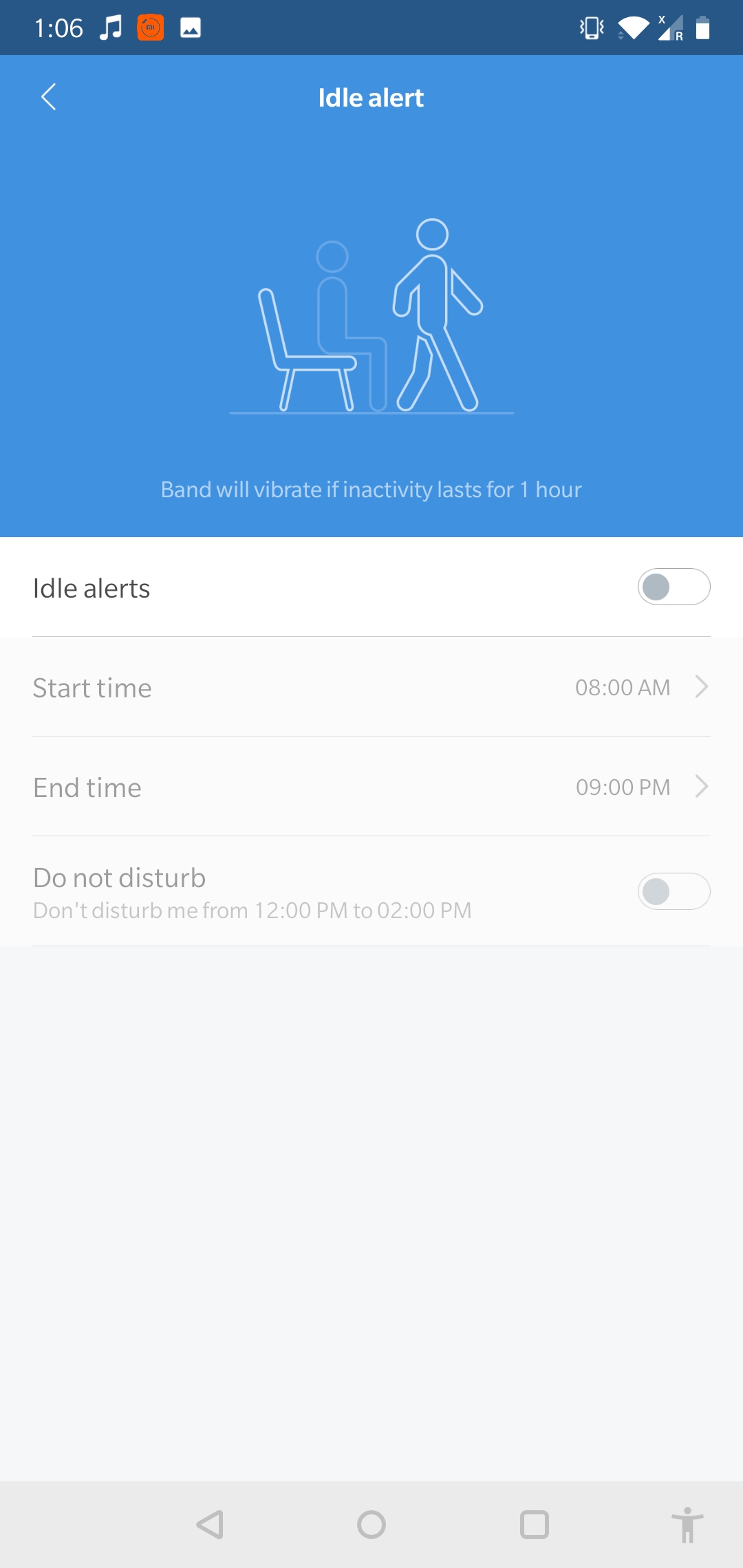
    The device has a pedometer, a calorie tracker and a distance tracker. The pedometer is still not very accurate and sometimes records steps even while you’re just sitting. However, while you’re on the move, it does provide pretty accurate data. Additionally, you can also add a step goal through the app. You can also set a weight goal. The app does not help you reach these goals much but does give you a summary of your activities for the day and how much closer you are to your goal. You can also program the app to give you hourly reminders to get up and move if you’ve been sitting for too long.

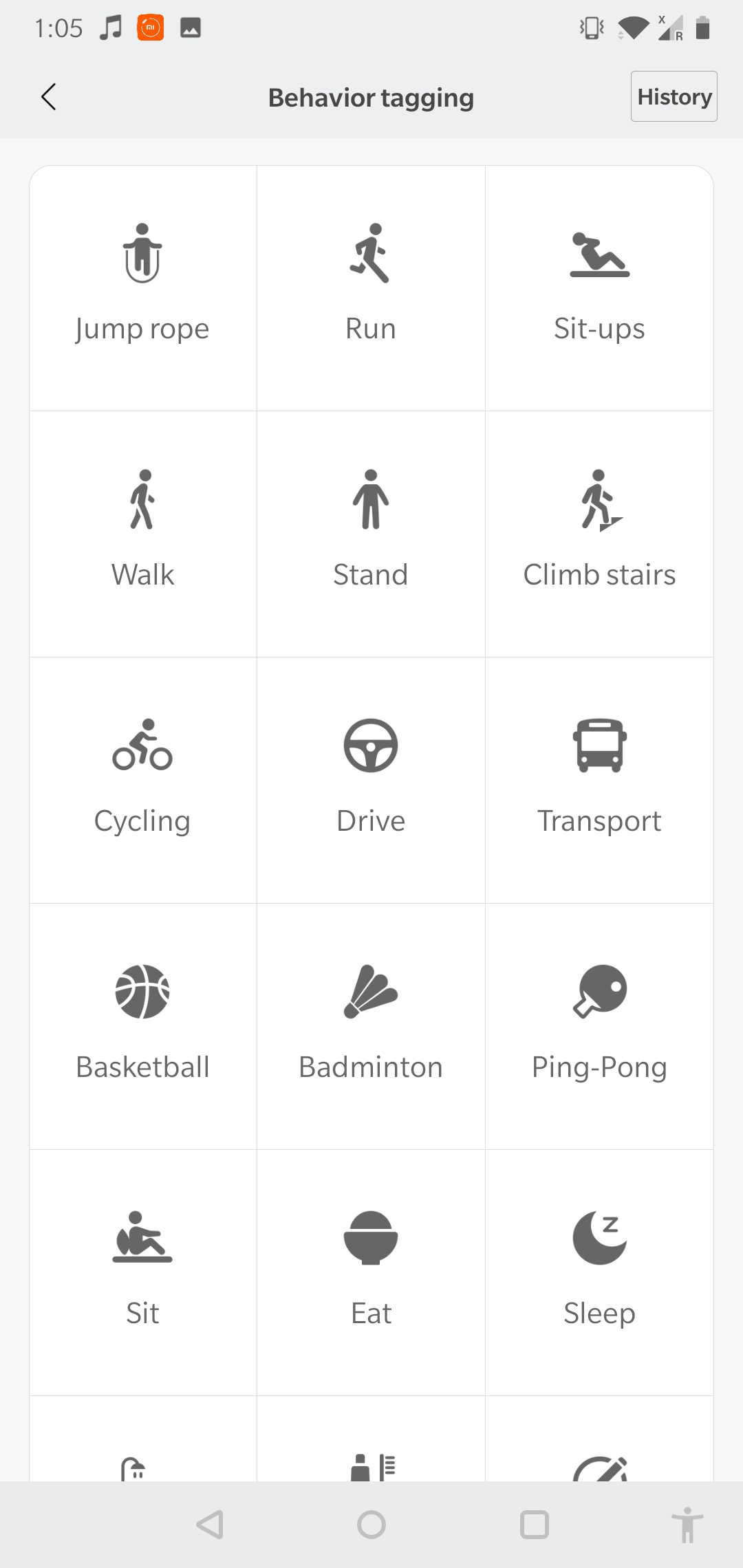
    Also featuring on the Mi Band 3 is a dedicated exercise mode. This is a letdown as the exercise mode is not at all specialised and just records the duration of your exercise and the number of calories you burnt. There is no option to define what kind of exercise you did, nor does it give you any comprehensive feedback. A ‘solution’ has been provided for this under the behaviour tagging section in the app. This lets you tag your activity for a certain duration or time period under various options such as running, swimming, badminton, etc.

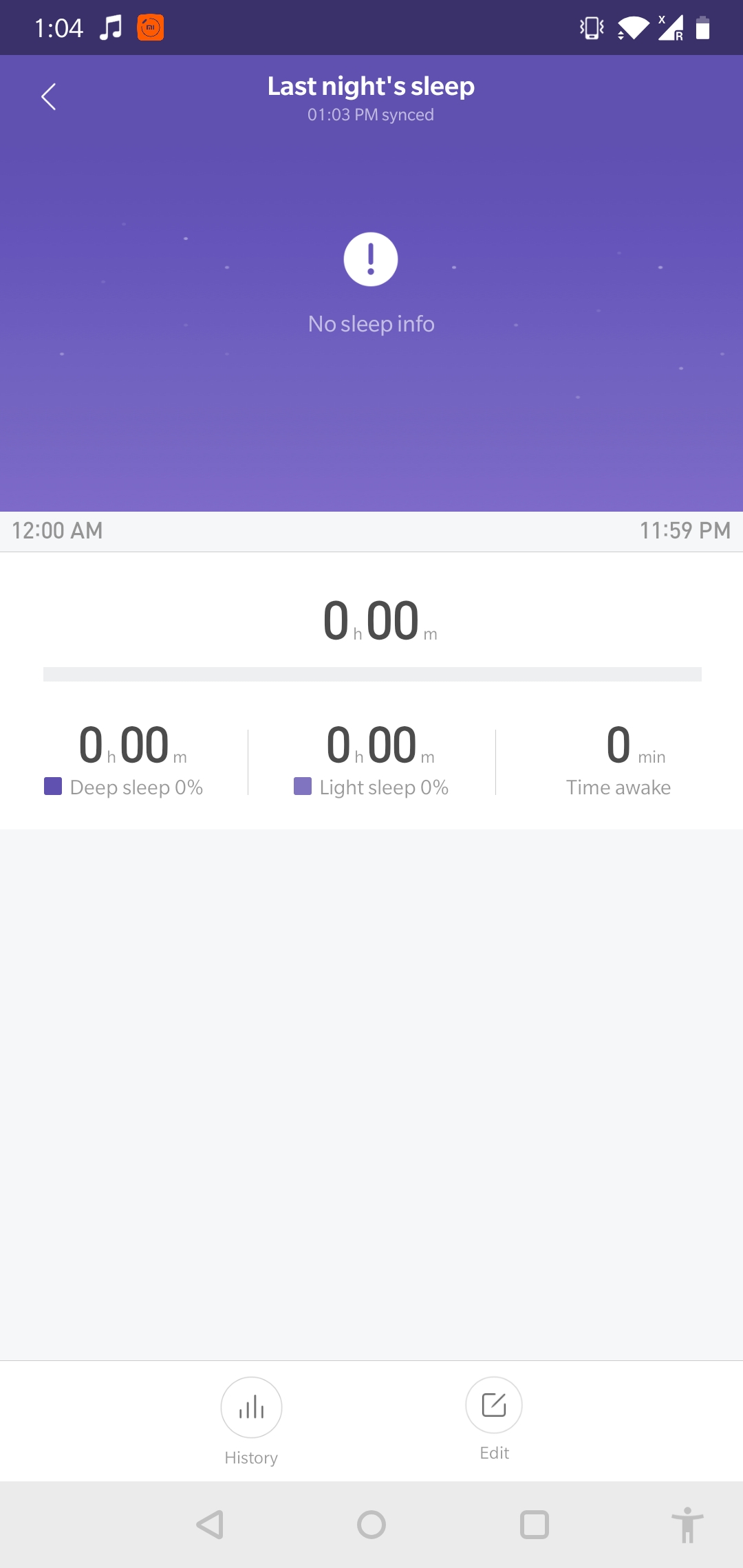
    With the Mi Band 3, you also get sleep tracking. The band tracks your sleep and gives you a comprehensive breakdown of the quality of your sleep. It divides your sleep into various parts such as ‘deep sleep’, ‘light sleep’ and more. The app also allows you to record how you feel when you wake up. This helps you track your sleep and accordingly make changes in your schedule. The Mi Band 3 also has a stopwatch, which is useful during a workout or a run.

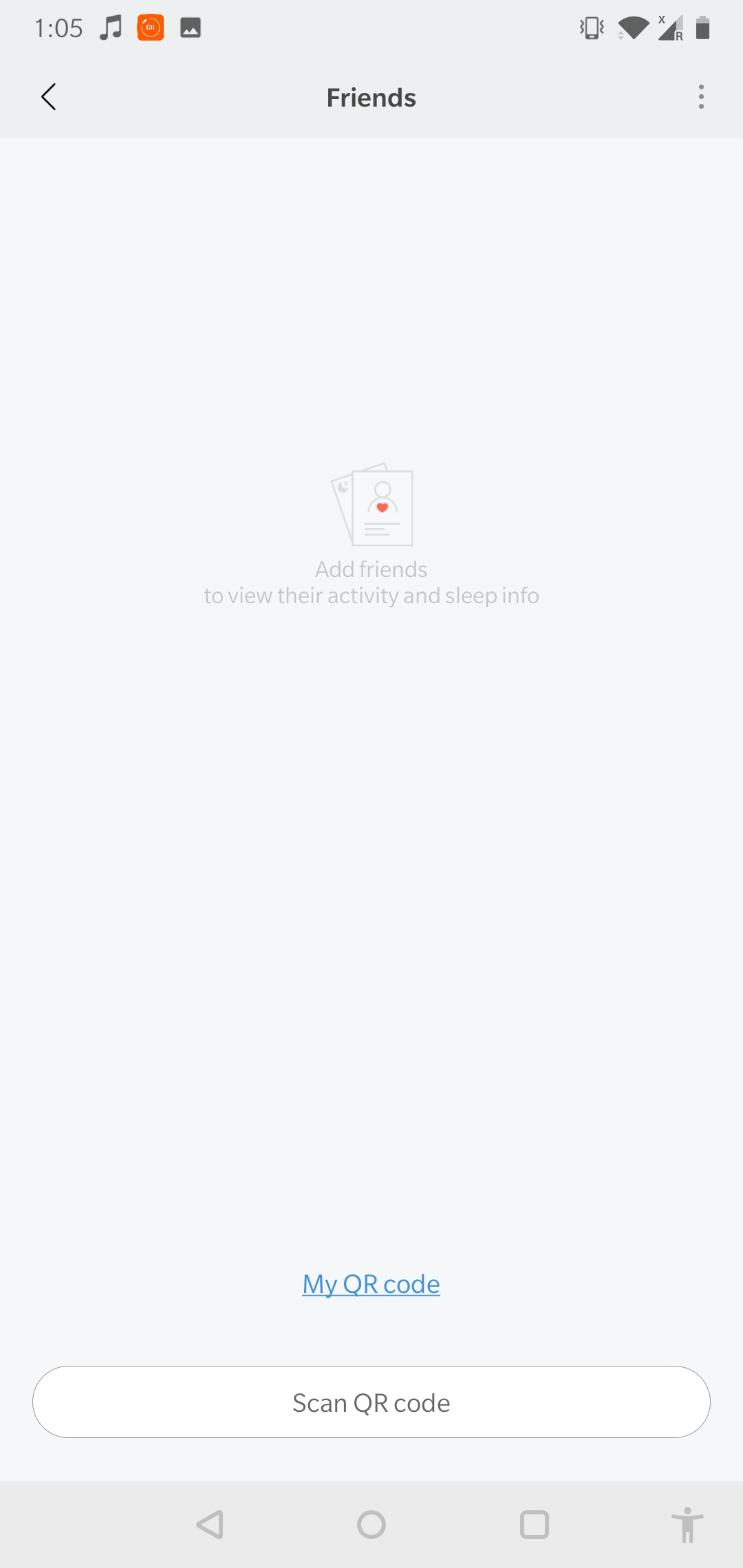
    Apart from the above-mentioned features, you can also add friends through the app. This is done by scanning the QR code on the app. Once you have added someone as your friend on the app, you can then track their activities and oddly enough, their sleeping patterns. Xiaomi claims a battery life of 20 days with the new Mi Band 3. But the battery life varies with how much you use it and what features you use. The heart rate sensor takes a toll on the battery and the band may just end up lasting for around a week with intense usage.

    [section label=”Notifications”]

    Notifications

    Another upgrade with the Mi Band 3 is the notifications feature. Now, you can receive all the notifications that are on your phone, directly to the Mi Band. This eliminates the need to keep your smartphone with you all the time or keep checking it. You can choose and add those apps from which you want to receive notifications. You can receive WhatsApp and text messages. These notifications are read-only and there is no way to reply to them through the band. Similarly, you get a notification when someone is calling you, however, you can only reject the call and not answer it or talk back through the Mi Band 3. You need to connect the Mi Band 3 to your smartphone via Bluetooth to do this.
    [section label=”Standalone Tracker”]

    Standalone Tracker

    However, one does not always have to keep their phone connected to the Mi Band 3 via Bluetooth. You can also use the device as a basic fitness tracker. It will give you access to features such as the pedometer, heart rate sensor, calorie tracker and stopwatch. You will not be able to receive notifications and the data from your Mi Band 3 will not sync with the app until your phone is connected to the device. Being connected to the Mi Band 3 does not mean that you cannot connect to another device via Bluetooth. If your smartphone has Bluetooth 4.0 or above, it will connect to another device while being connected with the Mi Band 3 at the same time


    [section label=”Verdict”]

    Verdict

    For a price tag of Rs 1,999, there is only so much that a device can offer. But the Mi Band 3 actually offers much more. Despite the fact that it is a budget fitness band, it does not lag behind in terms of features. Most of the features in the band are as effective as they are attractive. So if you’re looking for a fitness band on a budget, the Xiaomi Mi Band 3 is the way to go.
     

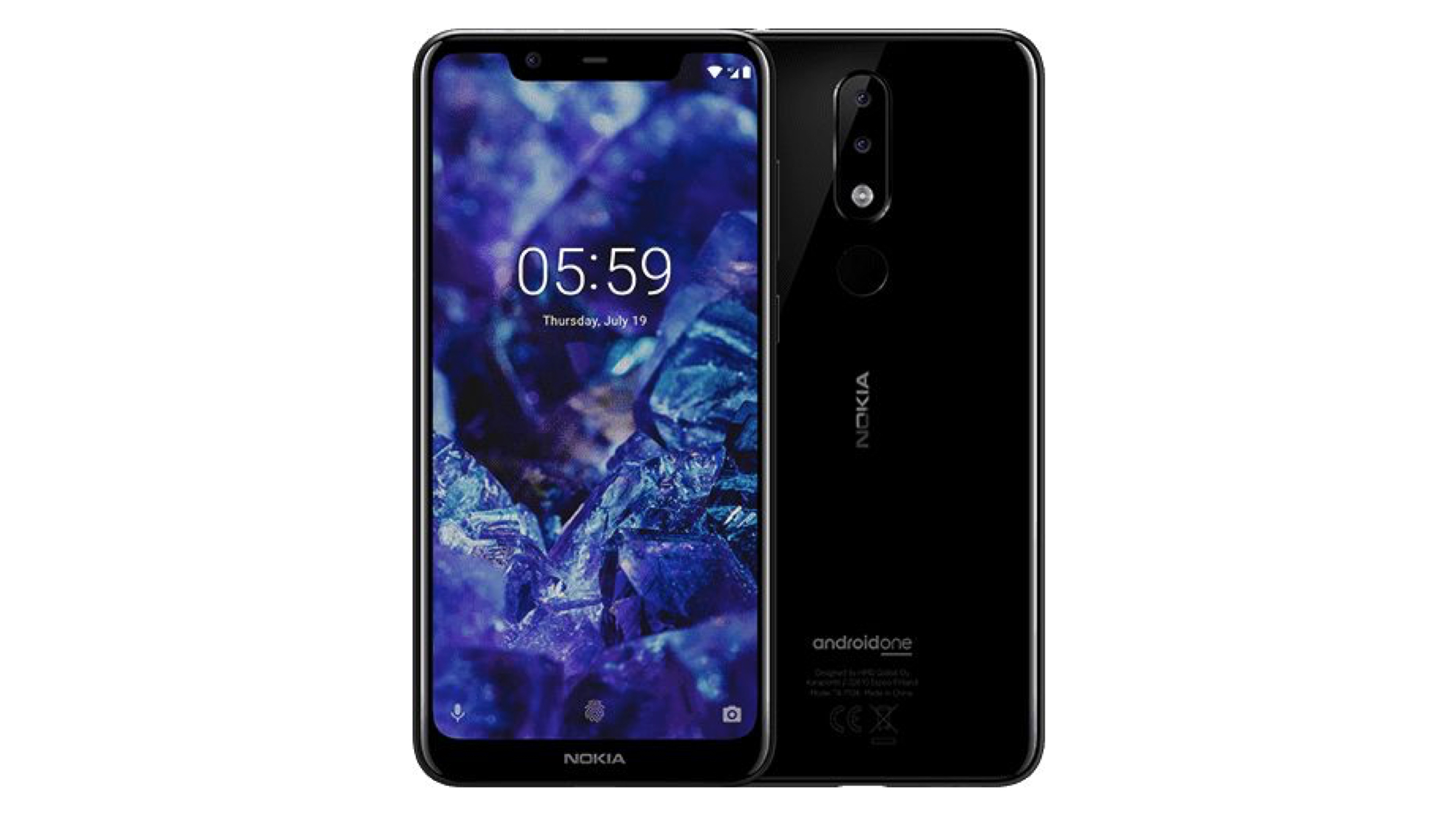
  • Nokia 7.1 Plus With ‘Mega Display’ To Launch Soon

    Nokia 7.1 Plus With ‘Mega Display’ To Launch Soon

    Nokia India teased a smartphone with a ‘mega display’ on its twitter account recently. The phone could be the Nokia 7.1 Plus, the successor to the recently launched Nokia 7.1. Nokia was however quick to take down the tweet shortly after it was posted, hinting that it may have not been intended to be showcased, yet.

    Also Read: HMD Launches Nokia 7.1 With Android One And Zeiss Optics

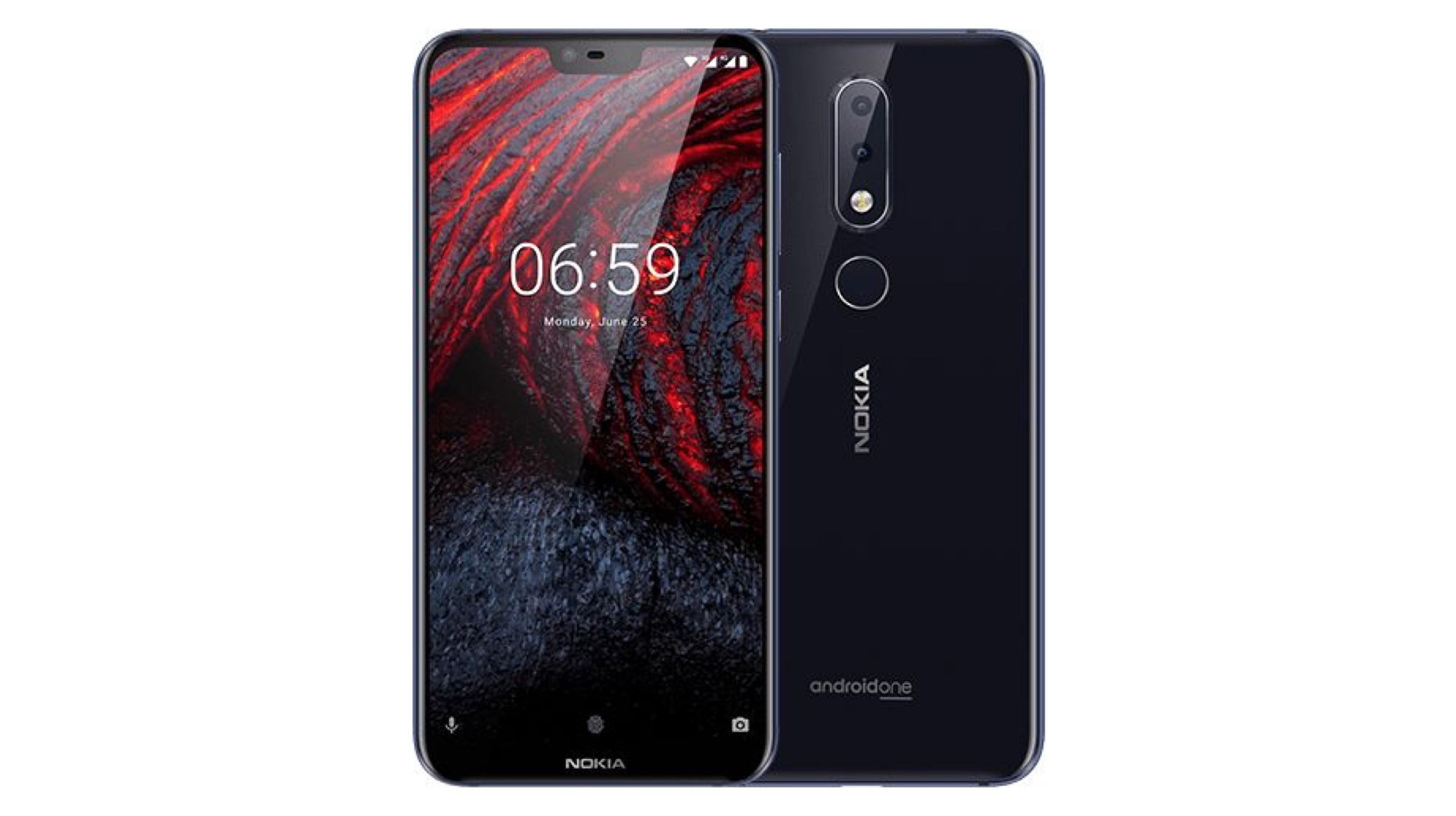
    The device will feature a 6.18 display. This will be an IPS LCD screen with an FHD+ resolution. The device will be powered by a Snapdragon 710 chipset and has 4 GB of RAM and 64 GB of internal storage. There are also rumours of a higher, 6 GB RAM and 128 GB storage variant.

    However, judging by the recently launched Nokia 7.1, we can expect the same ‘Pure Display’ technology  and Zeiss camera setup. The Pure Display  gives the device an HDR display and also converts all your content into HDR in real time. It also had a Zeiss camera setup. This makes for better camera performance, according to the company.

    Since the Nokia 7.1 Plus is the successor to the Nokia 7.1, it will carry more updates than just a bigger screen. HMD Gobal is aiming to make a comeback into the smartphone market with its mid range line-up. The company faces fierce competition in this segment and needs to ensure they hit the right chords with buyers. The device is said to launch on October 11.

  • OnePlus 6T Listed on Amazon With Type-C Earphones

    OnePlus 6T Listed on Amazon With Type-C Earphones

    The launch of the OnePlus 6T is near and the device seems to be up fro pre-order on Amazon. The deal was available for some time and is no longer visible. It also offered Type-C Earphones and Rs 500 Amazon Pay Balance if you pre-book the device. The option is no longer available on Amazon and came shortly after OnePlus took to its twitter handle to announce that something exciting regarding the OnePlus 6T is on its way.


    Reports suggest that pre-bookings for the device will open from the date of the official announcement in India and will end on October 30. The device is pegged to start shipping from November 1. However, we still have to stay tuned to the company’s official twitter handle to see what else the offer holds. One thing is for sure, early users will be getting the Type-C earphones bundled with the device, which will put an end to user woes regarding the lack of a headphone jack.


    The OnePlus 6T will have an in-display fingerprint scanner, a water drop notch on its display. It is said to be faster than its predecessor. This can be inferred from the tagline for the device, which reads ‘Unlock the Speed’.

    Specifications

    Despite the fact that a ‘T’ upgrade does not carry very significant changes, the OnePlus 6T is already shaping up to be very different from its predecessor. This could mean that for the first time, we could see a major jump in specifications. However, the device is said to run on the Qualcomm Snapdragon 845 SoC and has 8 GB of RAM. The device may also have a 512 GB variant as OnePlus does not offer memory card support for its devices. The OnePlus 6T will have a 6.41 inch Super AMOLED display, according to reports. The display features a water-drop notch and an in-display fingerprint scanner, which has been confirmed. It is said to have a 3,700 mAh battery and will run Android 9 Pie.

    The launch of the device is set for October 16.

  • Top 5 Most Awaited Upcoming Smartphones

    Top 5 Most Awaited Upcoming Smartphones

    The smartphone industry has been growing at an unprecedented rate. With cut-throat competition, manufacturers are making breakthroughs almost every few months. For some, it is the  battle to be on the top and for the others, it is the war to survive. So, we take you through the top smartphones which are set to launch soon. The specifications are based on various leaks and the official specs will only be revealed after the launch of the devices.

    Google Pixel 3


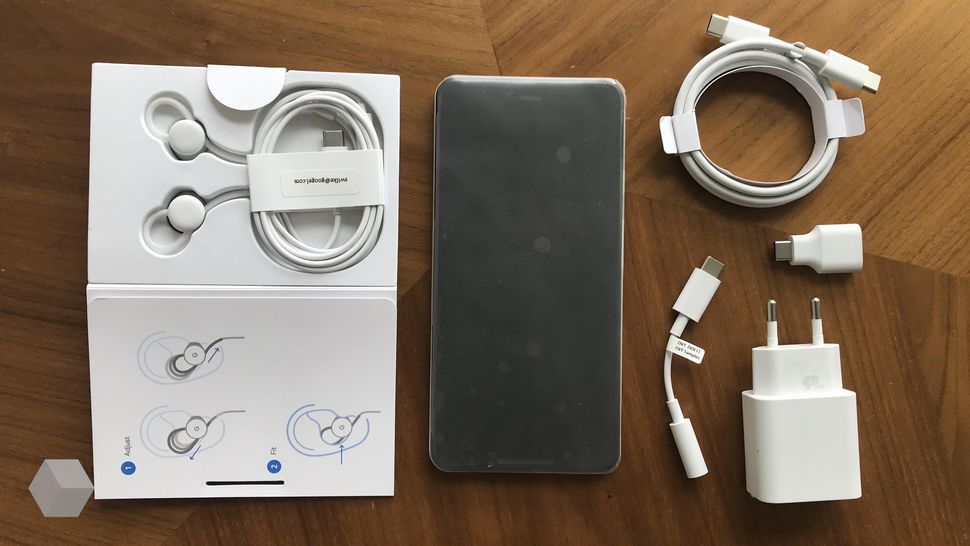
    The upcoming flagship devices from Google is one of the most and least anticipated phones. The reason being that even though they will be great devices, a series of leaks have laid the devices bare before us. With unboxing videos and reviews doing rounds of the vast internet, the only thing which is possibly left to know is the price. The Google Pixel series is the only one to have stuck to a single lens camera setup, even in 2019. This does not make the devices dated or dull the camera performance.

    The Google Pixel 2 has one of the best smartphone cameras out there, despite the fact that it has been an year since its launch. The Pixel 3 and Pixel 3 XL will continue to carry what has now become a signature single camera setup. However, Google has given in to another trend from the smartphone industry. The infamous notch. The larger, Google Pixel 3 XL has a huge notch while the Pixel 3 will sport a more conventional design.

    Both the devices will run on the Qualcomm Snapdragon 845 chipset. The phones will have a 5.4 inch  display. Both pixel phones will have 4 GB of RAM and 64 GB of Storage in the base variants. The top variant may offer upto 256 GB of storage. The smaller Pixel 3 has a 3000 mAh battery while the larger XL has a 3400 mAh battery.

    The Google Pixel 3 and Pixel 3 XL will launch on October 9.

    OnePlus 6T

    The OnePlus 6T is going to launch on October 16 and fans cannot contain their excitement. The upcoming device will see major changes such as the presence if an In-display fingerprint sensor and a water drop notch. A ‘T’ upgrade does not usually see such changes. Upgrades in terms of camera, battery and speed are possible, making the device even more appealing. However, OnePlus has let go of the headphone jack and the decision does not sit well with some fans. But, it is highly improbable that the someone would shun this device over a headphone jack.

    The device will run on the Qualcomm Snapdragon 845 SoC and have 8 GB of RAM. In terms of storage, the device will have 512 GB of storage as OnePlus does not offer microSD card support with its devices. It has a 6.41 inch Super AMOLED display with a tiny waterdrop notch. The device will run Android 9.0 Pie out of the box and has a 3,700 mAh battery.

    The OnePlus 6T will launch on October 17.

    Nokia 9 PureView

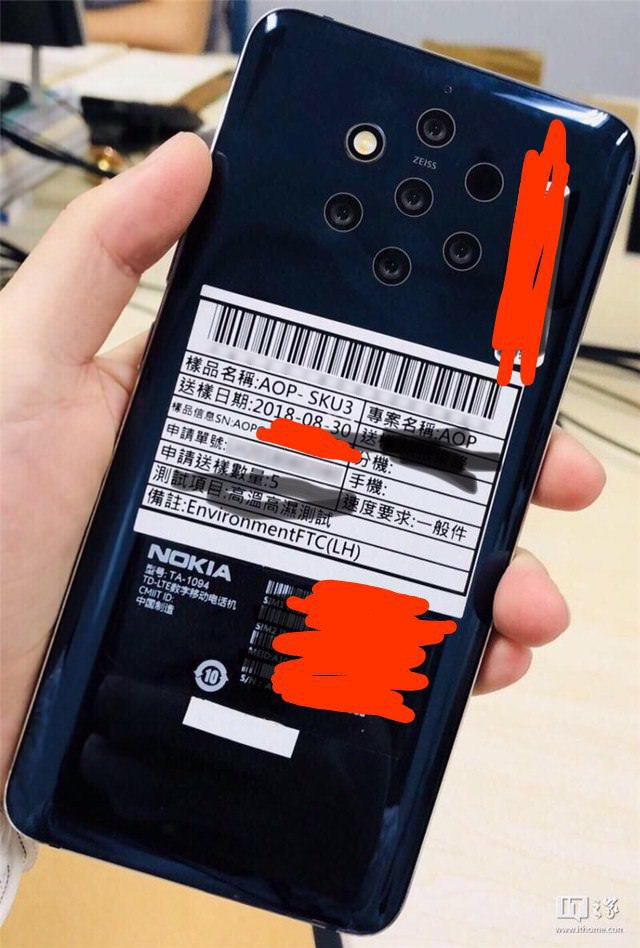
    The Nokia 9 PureView is one of the most unique devices on the list as it sports a penta camera setup, according to report. The penta camera setup is a patented technology, belonging to Zeiss. Additionally, reports say that the Nokia 9 has the PureView tag. The PureView tag indicates a device which is revolutionary in terms of camera performance.

    Additionally, the Nokia 9 has a massive 4150 mAh battery and an in-display fingerprint scanner. The device has a 6 inch AMOLED display. It runs on the Snapdragon 845 SoC and has 8 GB of RAM. The device has 256 GB of internal storage and an IP68 certification.

    Huawei Mate 20 Pro


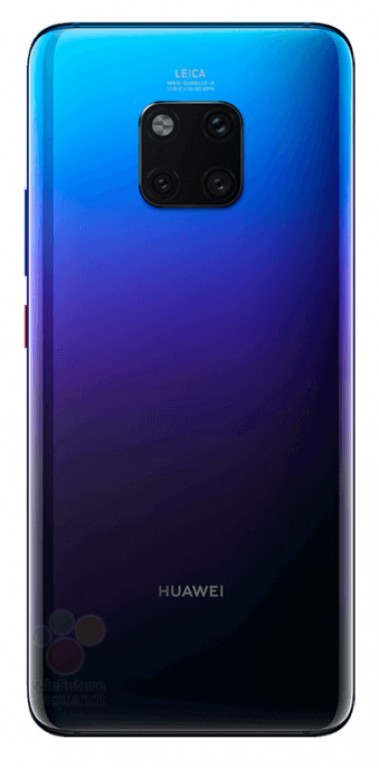
    With its launch around the corner, Huawei is stirring up curiosity with the Mate 20 Pro. The Mate 20 Pro features a unique triple camera setup design. The design is in a square with the LED flash filling in the last spot in the box. The device will run on the Kirin 980 SoC as announced by Huawei. The Kirin 980 is the next flagship from Huawei and is manufactured by the 7nm process. Huawei claims that the Kirin 980 is faster than Apple’s latest A12 Bionic chip.

    The device has a 6.3 inch screen with a tiny, water drop notch. Along with the Kirin 980, it has the Mali G76 MP10 GPU, an AI processing Unit and DDR4 RAM. Under the hood, it has a 4,000 mAh battery . It has an in-display fingerprint sensor. The cameras range from f/1.8 to f/2.4 in terms of aperture and have varying focal lengths from 16 mm to 80 mm.

    The Huawei Mate 20 Pro is set to launch on October 16.

    Samsung Galaxy A9 Star Pro

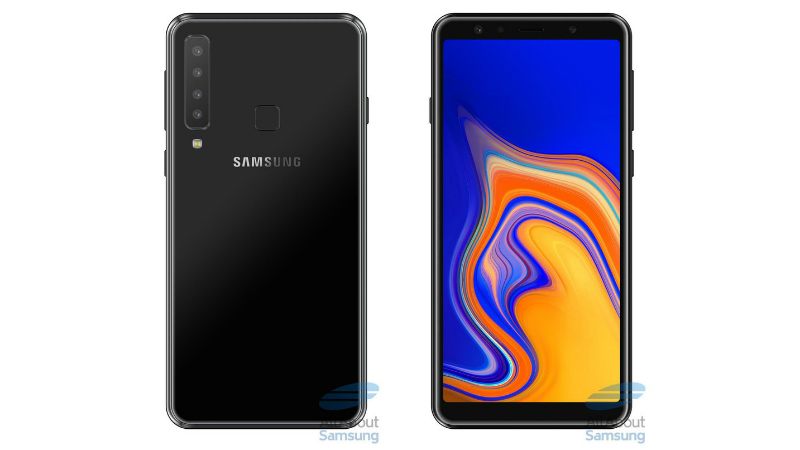
    The Samsung Galaxy A9 Star Pro is set to be the next big thing from Samsung. The device is said to feature a quad camera setup, a first for the company which recently launched the Galaxy A7 with a triple camera. With these devices, it is clear that Samsung is not saving all the best features for its flagship devices and is now focusing on all segments.

    The Samsung Galaxy A9 Star Pro has a 6.28 inch Super AMOLED display. It runs on the Qualcomm Snapdragon 660 processor and has 6 GB of RAM and 128 GB of internal memory which is expandable up to 512 GB using a microSD card. It packs a 3720 mAh battery. The four cameras are a main camera, a depth sensor, a wide angle lens and a telephoto lens.

    The device is set to launch at the special Galaxy Event on October 11.

  • Huawei Mate 20 Design Shown In Official Press Images

    Huawei Mate 20 Design Shown In Official Press Images

    The Huawei Mate 20 and Mate 20 Pro are set to launch on October 16 in London. The devices sport a triple camera setup on the rear and a water-drop notch on the display. The Mate 20 and Mate 20 Pro are highly anticipated devices and sure to bring in some innovation as Huawei had mocked Apple for not bringing something new with their iPhones this year.

    Also Read: Huawei Mate 20 Pro With Kirin 980, Triple Camera Images Leaked

    While the Huawei Mate 20 Pro had been leaked many times before, we now see what is claimed to be an official  press render of the Huawei Mate 20. The Mate 20 is the cheaper version of the Mate 20 Pro, therefore it will lack a few features, although it is not certain right now as to what these features will be.

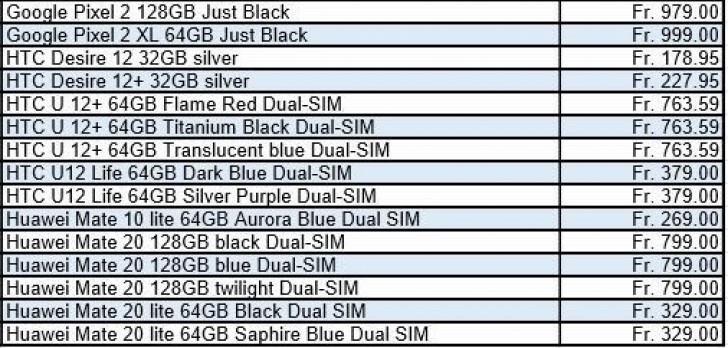
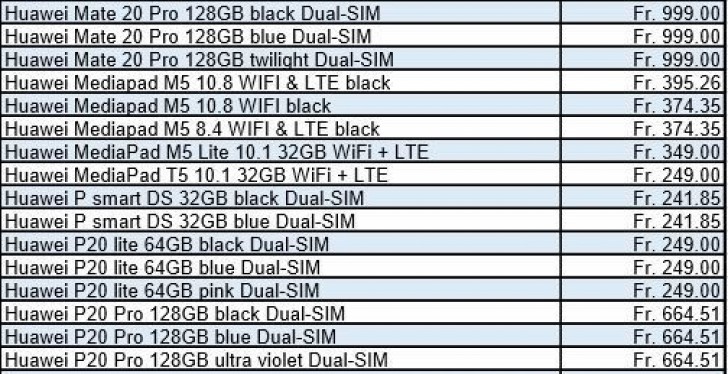
    Another leak shows the alleged price of the Mate 20 and Mate 20 Pro along with the new MediaPad M5 Lite Tablet.

    The prices are in Swiss Francs and puts the Mate 20 between $ 850 and $ 900. The Mate 20 Pro, sits at around $ 1100. These prices are surprising to say the least and might not go too well with some of Huawei’s fans.

    Specifications

    The device will feature a 6.3 inch screen with a small water drop notch. The camera setup is in a square with three lenses and an LED flash. The Mate 20 and the Mate 20 Pro will be running on Huawei’s new flagship processor, the Kirin 980. The Kirin 980 is made with the 7nm manufacturing process and is promised to be the fastest chip. It will have a Mali G76 MP10 GPU, an AI processing unit and DDR4 RAM.

    Reports claim that the cameras will range from f/1.8 to f/2.4 in terms of aperture and form 16 to 80 mm in terms of focal length. The device is said to pack a 4,000 mAh battery and an in-display fingerprint sensor.

    Specific details about the device will only be known at its launch, on October 9. However, it is expected that Huawei will blow our mind, with the amount of teasing that they had been doing.


  • ‘Top Shot’ Leaked For Google Pixel 3

    ‘Top Shot’ Leaked For Google Pixel 3

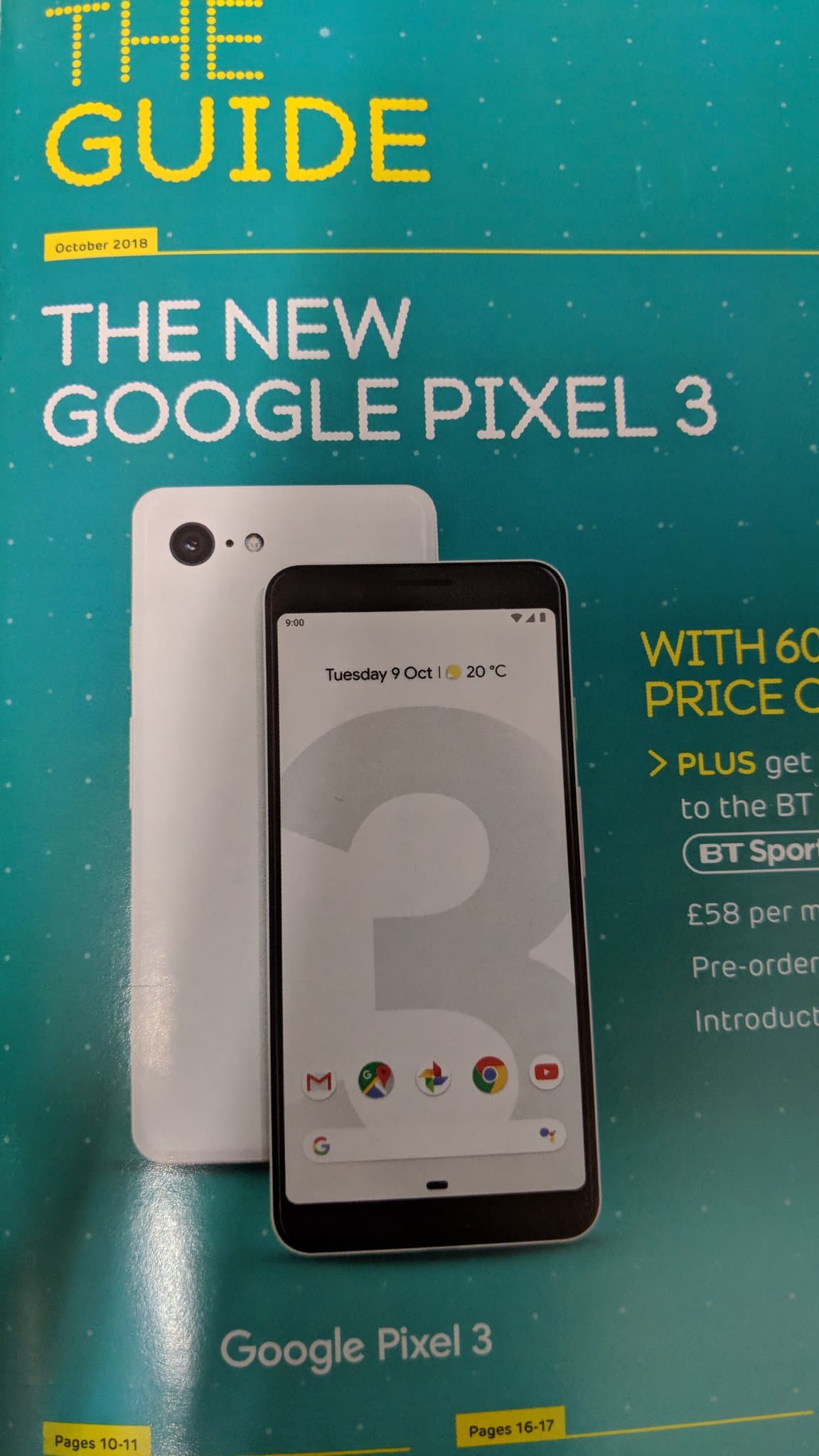
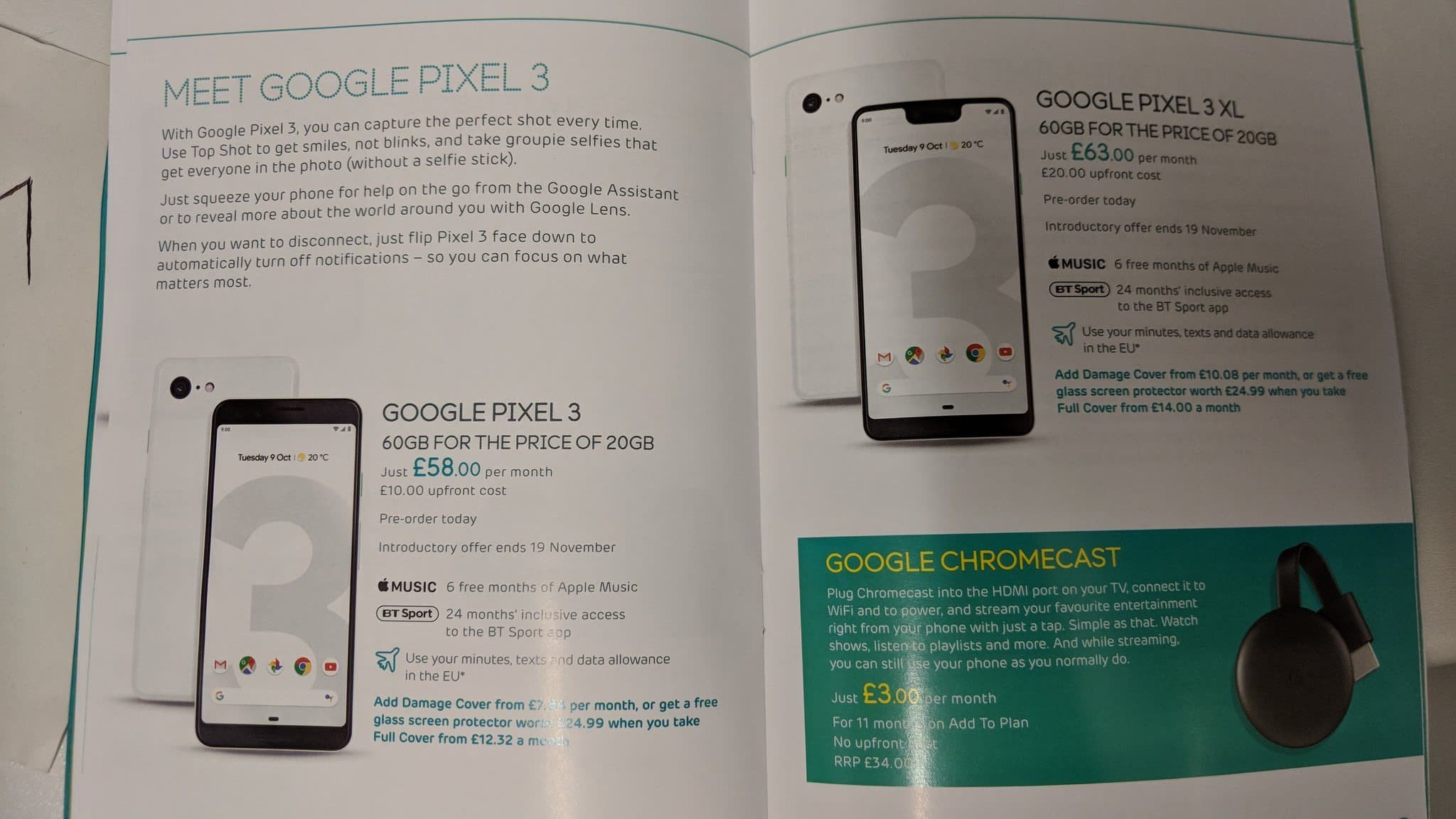
    With just a few days to go for the Launch Event, yet another leaks reveals more about the Google Pixel 3. While extensive leaks have already covered the vital specs of the device, this new leak shows off some features of the device. They were spotted in what seems to be a catalogue for Google devices. The Google Pixel 3 and Pixel 3 XL will feature a ‘Top Shot’ feature and a ‘face down’ feature. Also spotted in the same leak is the upcoming Google Home Hub device.

    Also Read: New Leak Shows Off Sand Pink Pixel 3 And Pixel 3 XL

    The new Top Shot feature in the Pixel 3 and Pixel 3 XL lets you capture the perfect shot every time, according to the leak. The content reads “Capture smiles, not blinks, and take group selfies with everyone.”   What this could possibly mean is that the new feature can detect when you blink, thus taking better selfies. It also would be able to identify smiles. This is probably going to be done through AI integration with the camera.  The group selfie feature also confirms that one out of the two front facing cameras on the Pixel 3 and Pixel 3 XL will be a wide angle lens.

    Specifications

    The Google Pixel 3 and Pixel 3 XL will have a main 12 MP f /1.8 camera. The devices also have a dual front camera setup. Both the devices will run on the Qualcomm Snapdragon 845 chipset. The devices  will have a 5.4 inch 2160 x 1080px and 6.71 inch 2960 x 1440px display respectively. Both Pixel devices will have 4 GB of RAM and 64 GB of Storage in the base variants. However, they may be offered in up to 256GB storage sizes. The smaller standard sized Pixel will be powered by a 3000 mAh battery while the larger XL will get a 3400 mAh battery.

    Th catalogue also mentions that you can just flip your Pixel 3 device face down to turn off notifications. This could be one of the features that is included in Google’s Digital Wellbeing program which aims to curb your smartphone addiction. What this feature would do is basically switch your device to Do Not Disturb when you flip it. The feature is called ‘Flip to Shh’. It had already shown up in some of the Beta versions of the Digital Wellbeing program.

    Google Home Hub

    The Google Home Hub is a smart display designed to work with Google Assistant. The device is pegged to have a 7 inch screen and ‘crystal clear audio’. The device focuses on getting things done hands free and working with voice search. You can get your commute , calendar, reminders and more on your home screen. It will also enable you to control your lights, cameras, TVs and more utilise the Google assistant to the fullest. Most of these features are available in Alexa enabled devices and the Apple HomePod. While the Hub has an advantage over these devices in terms of a display, pricing is going to be key for Google.

    The launch event for Google is set for October 9. It will see the launch of many devices other than the Pixel 3 Smartphones and the Home Hub.

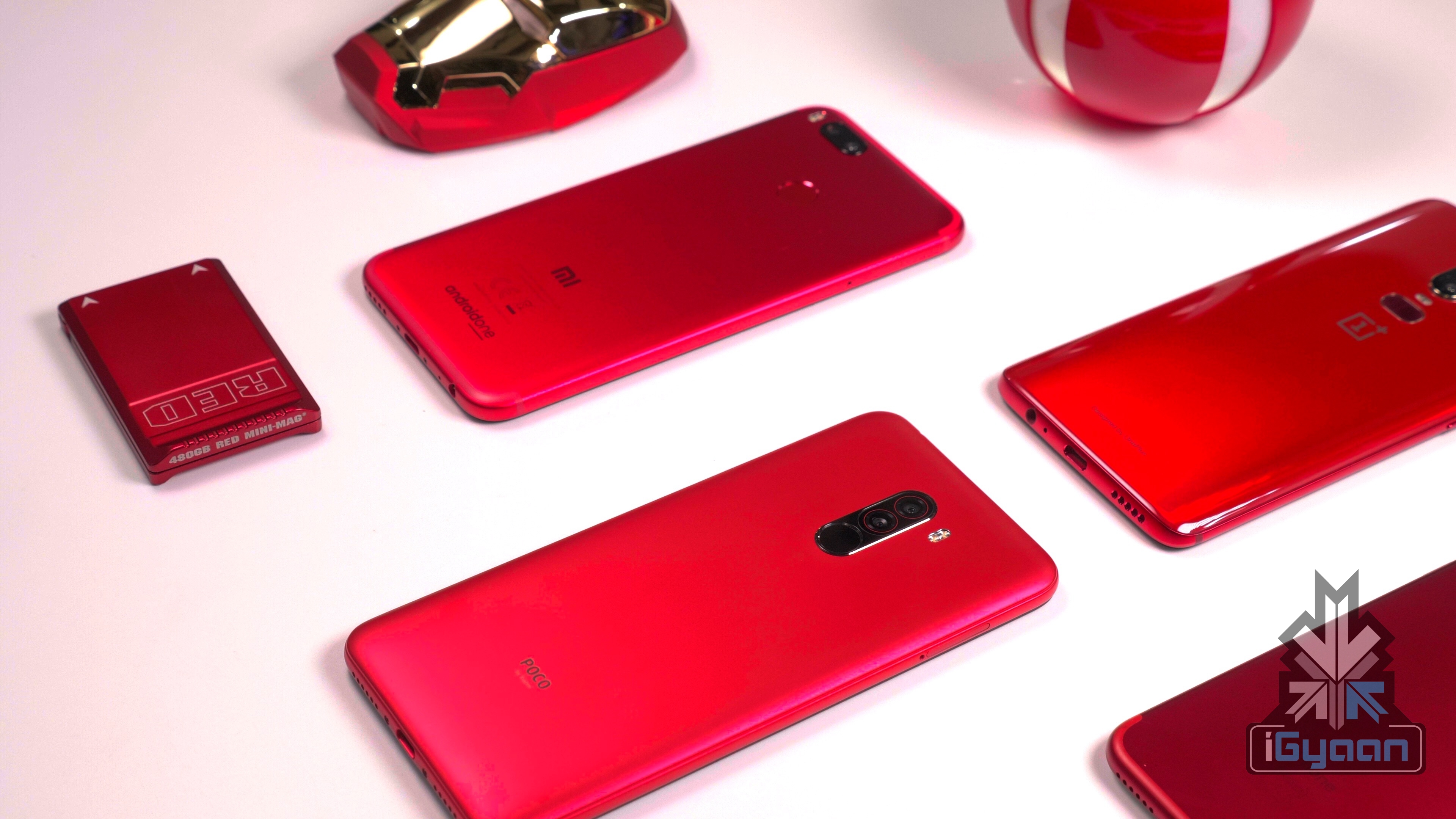
  • Xiaomi Poco F1 Rosso Red First Look : Pocophone Red

    Xiaomi Poco F1 Rosso Red First Look : Pocophone Red

    Xiaomi has launched the Poco F1 Rosso Red edition. The Poco F1 is available in three variants and four different colour options which are Black, Blue, Red and an Armoured edition for the top variant. The Poco F1 starts at Rs 20,999 and at this price, offers some killer features.

    However, we did notice the screen bleeding issue in our video and in our use of the device as well. Additionally the Poco F1 lacks the Widevine L1 which means that it does not support HD playback on Netflix or Amazon Prime. But, if you are ready to overlook these issues, the device is a steal at this price and the Poco F1 Rosso Red only adds to its appeal.

    To know more about the device, read Xiaomi Launches Poco F1 With Snapdragon 845.

    The Poco F1 has a 6.18 inch FHD+ display. It has a resolution of 2246 x 1080px and a pixel density of 402 ppi. The highlight of the device is the fact that it runs on the Qualcomm Snapdragon 845 SoC. This chipset is used by most flagship devices. Additionally, the processor is liquid cooled offering better performance. The Poco F1 has a 4,000 mAh battery and Quick Charge 3.0 support. It sports a 12 MP + 5 MP dual rear camera and a 20 MP front camera. The device also has IR Face Unlock and a rear fingerprint sensor.

    The Poco F1 is available in three RAM and storage versions. It has 6 GB + 64 GB, 6 GB + 128 GB and 8 GB + 256 GB variants.

  • Panasonic Unveils Eluga X1 And Eluga X1 Pro

    Panasonic Unveils Eluga X1 And Eluga X1 Pro

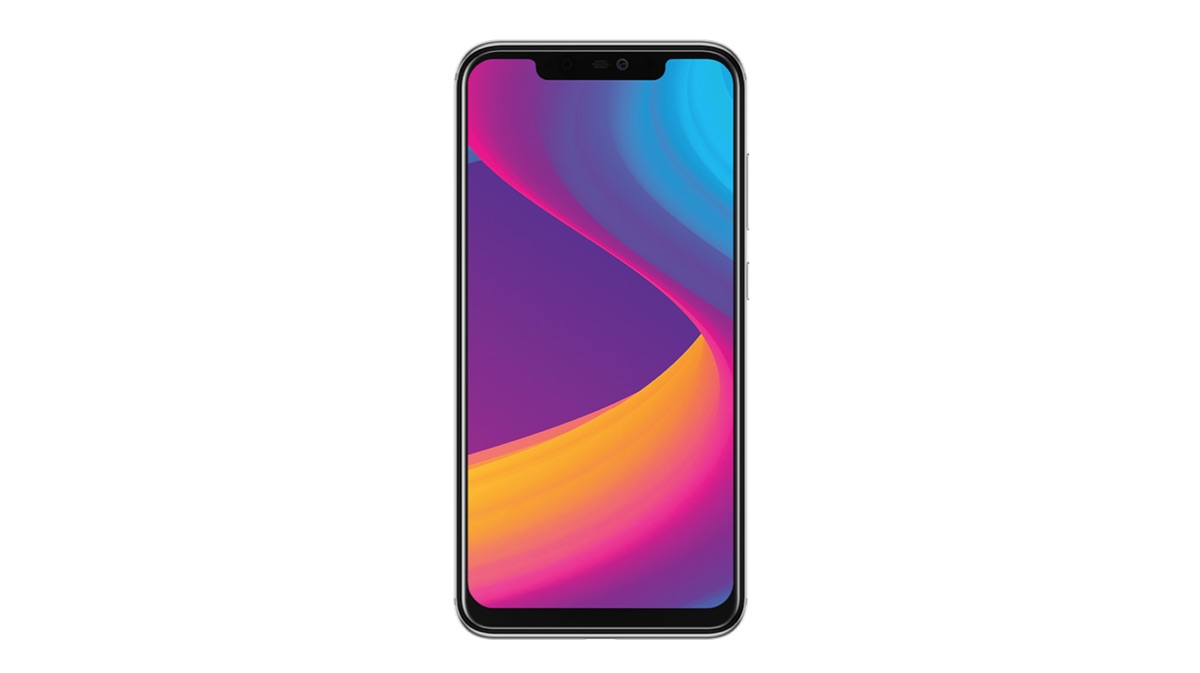
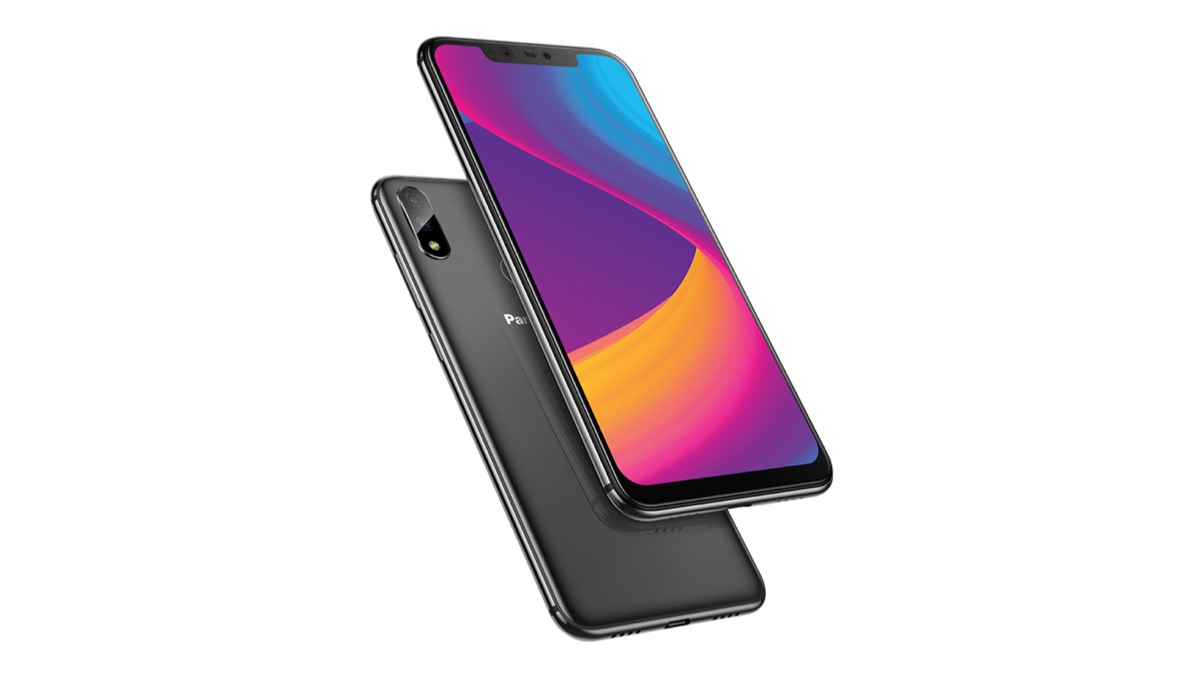
    Panasonic has launched the Eluga X1 and Eluga X1 Pro smartphones in India. The devices have features such as InfraRed Face Unlock and wireless charging. The Eluga X1 is priced at Rs 22,990 and the Eluga X1 Pro will cost Rs 26,990 and will go on sale on October 10th.

    Panasonic Eluga X1

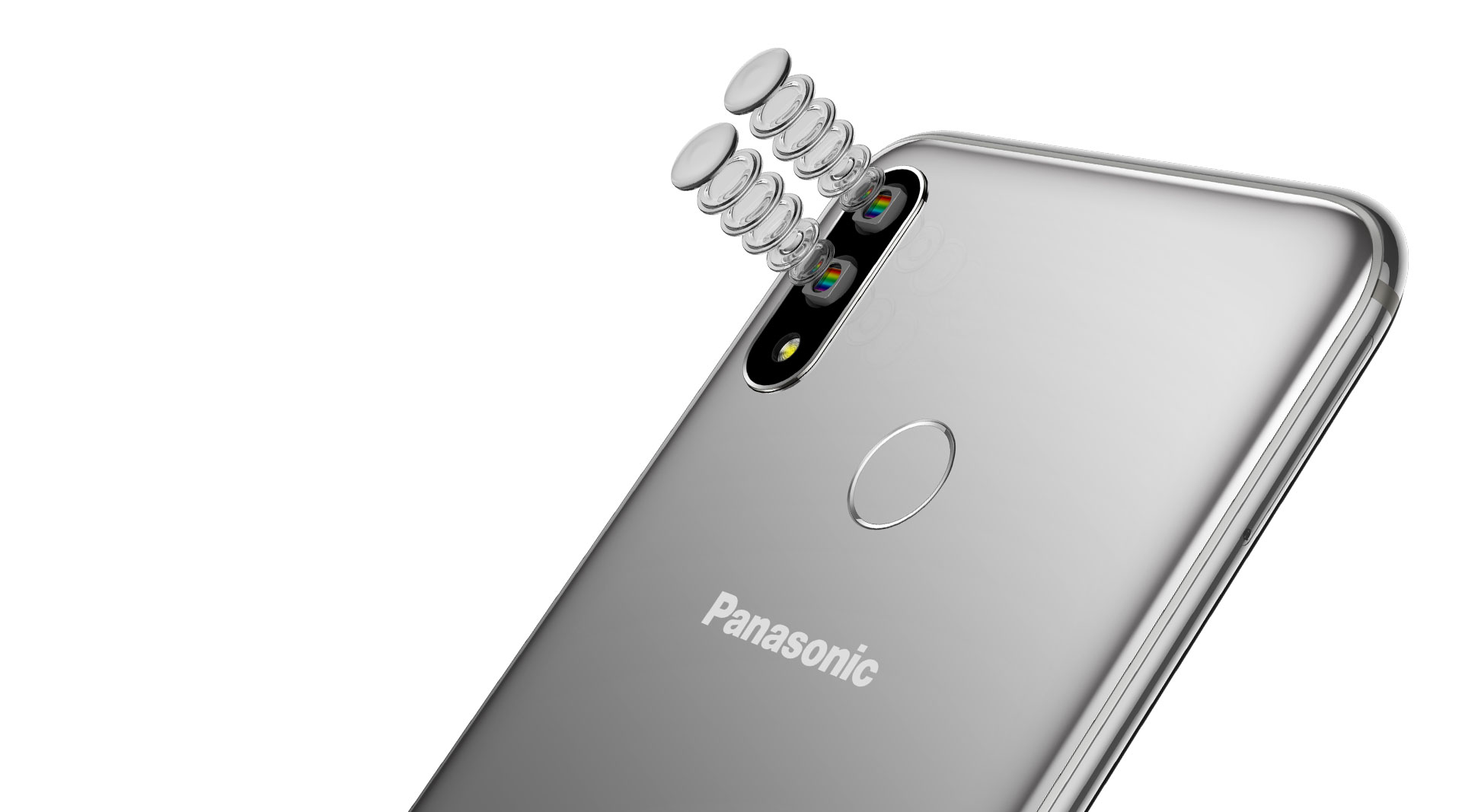
    The Eluga X1 has a stainless steel body with a 2.5D curved glass back. The display has the popular notch and the back of the device hosts the dual camera setup and the fingerprint scanner. It has a 6.18 inch FHD+ display with a resolution of 2246 x 1080 px. It has Gorilla Glass 3 for protection against scratches.

    The device runs on the Mediatek Helio P60 processor and has 4 GB of RAM and 64 GB of internal storage. The storage on the device is expandable up to 256 GB using a microSD card. It packs a 3,000 mAh battery and runs Android Oreo 8.1 out of the box.

    The device has a 16 MP + 5 MP dual rear camera with AI technology and Screen Recognition Technology. It has features such as Face Beauty Mode, Bokeh effect, Live Photos, Time Lapse and Group Selfie. It has a 16 MP front camera for better selfies.

    Panasonic Eluga X1 Pro

    The Panasonic Eluga X1 Pro is similar to the Eluga X1 in all aspects except for RAM and storage options. The device has 6 GB of RAM and 128 GB of internal storage, which is expandable up to 256 GB. Both the smartphones use the same Mediatek Helio P60 Processor.

    The devices have InfraRed Face Unlock and wireless charging, which is not usually seen in this price segment. The IR FaceUnlock lets you unlock your device even in darkness. The device have a 3. mm headphone jack and a USB Type-C port.

    The Eluga X1 and Eluga X1 Pro have a lot of AI features. Panasonic has introduced its AI and Machine Learning Platform Arbo Hub on these smartphones. The Arbo Hub provides access to multiple apps on just one platform. It has services such as cab bookings, bill payments, news, sports, and more. Panasonic has partnered with multiple apps to ensure a better experience.

    Panasonic is aiming to get back into the market with these new smartphones. However, it is trying to enter through the highly competitive mid-range segment. While it does offer features such as wireless charging and IR Face Unlock, its competitors offer faster processors and devices like the Poco F1 offer the flagship Snapdragon 845 SoC at a lesser price. However, Panasonic is trying to mainly target the offline market and will make the devices available in retail stores and also Flipkart.

  • HMD Launches Nokia 7.1 With Android One And Zeiss Optics

    HMD Launches Nokia 7.1 With Android One And Zeiss Optics

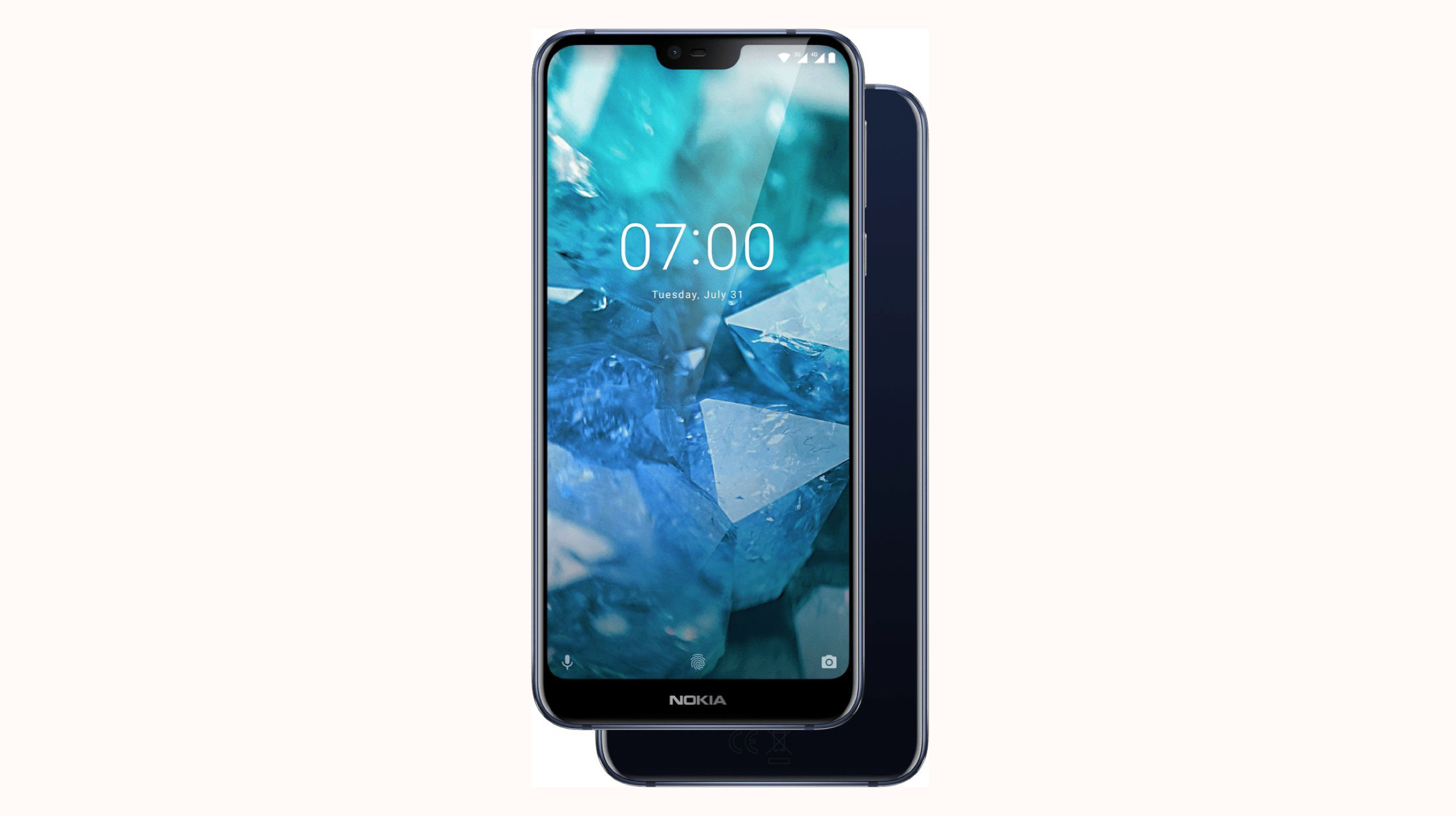
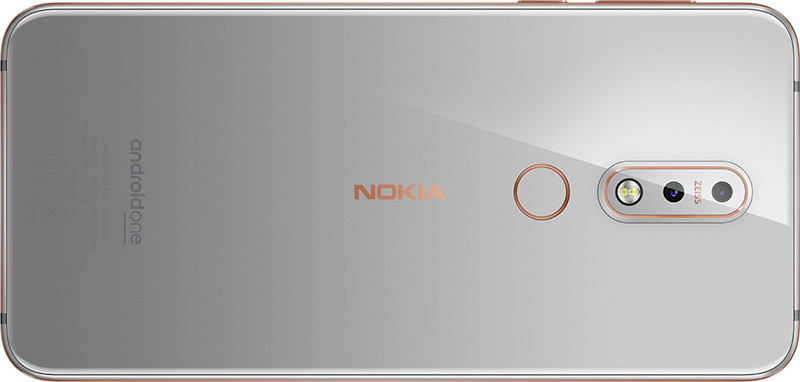
    HMD Global unveiled the Nokia 7.1 Plus smartphone at its highly anticipated event in London. The Nokia 7.1 is made up of all the right things that Nokia had done during its glory days. It has a 5.84 inch FHD+ HDR display, a premium and stylish finish, a Zeiss rear camera setup and Android One.

    Design

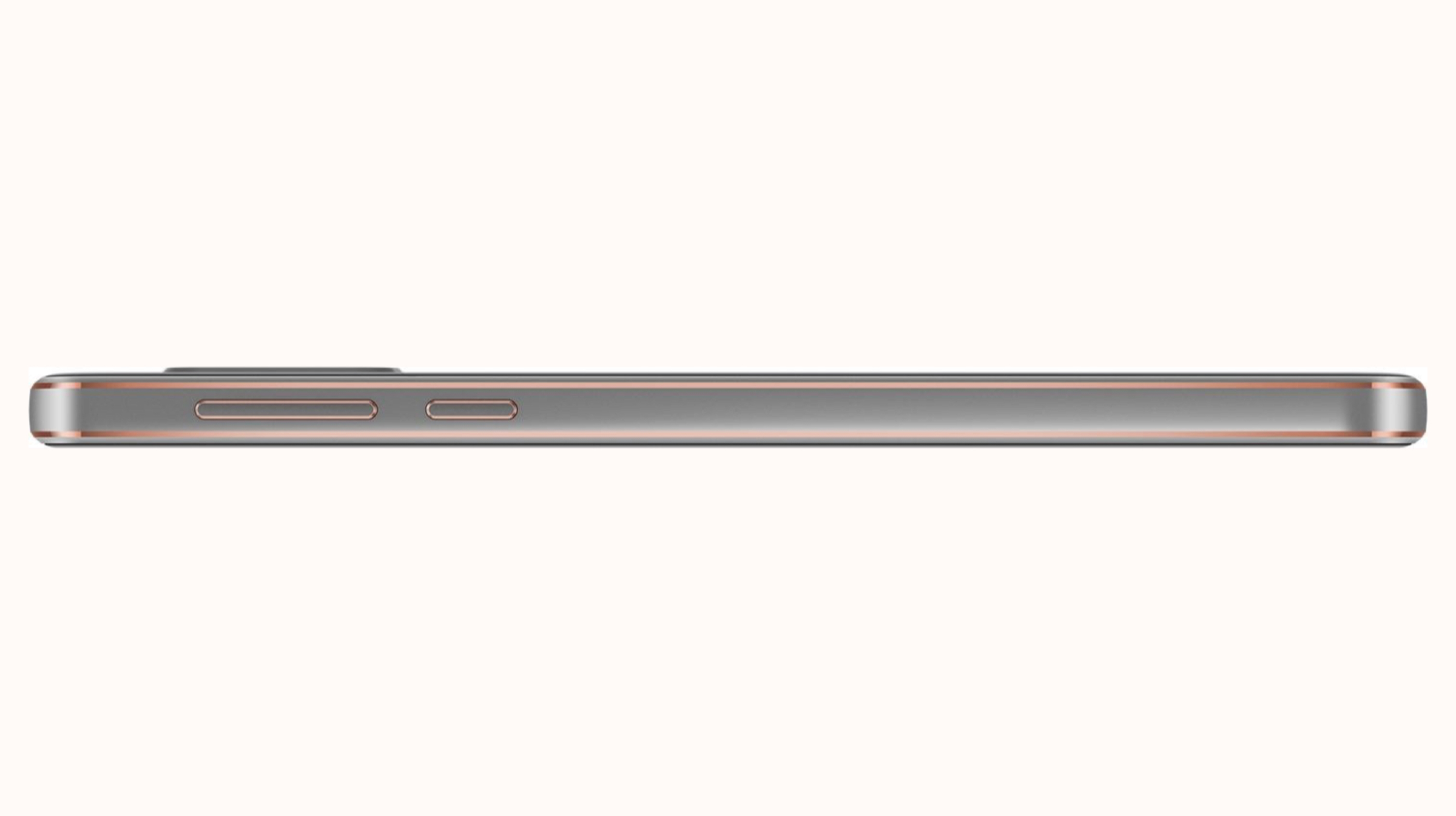
    The Nokia 7.1 has a simple but elegant design. It is made of one piece aluminium and 2.5D curved glass edges. The display sports a notch and the back of the device has the dual rear camera setup, along with the fingerprint scanner and Android One branding.

    Also Read: LG V40 ThinQ Launched With Five Cameras

    Display

    Sporting a 5.85 inch FHD+ display with a notch, and has a resolution of 2280 x 1080 px. It has a 19:9 aspect ratio and a pixel density of 432 ppi. The Nokia 7.1 is the first smartphone by HMD to carry their “Pure Display” technology. Usually, flagship devices have HDR10 support, making the display more crisp.

    The Nokia 7.1 has a special chip created by PixelWorks which helps it to convert any content to the HDR10 format. This is the standard HDR format and Nokia says this conversion is done in real-time. What this means is that no matter what you will view on your device, it will be in HDR. An HDR display is not a bump in resolution but in terms of the Dynamic Range, resulting in more vivid, contrasting colours and a better viewing experience.

    Processor

    The device runs on the Qualcomm Snapdragon 636 SoC with the Adreno 509 GPU. It has an Octa Core Kryo 260 CPU with a clock speed of 1.8 GHz. It offers 3 GB and 4 GB RAM options and 32 GB and 64 GB storage options. The storage is expandable up to 400 GB using a microSD card. Under the hood, the device packs a 3,060 mAh battery. Nokia claims that it will offer full day performance.

    Running Android Oreo out of the box, the device will receive Android 9 Pie by the end of November, according to the company. The Nokia 7.1 runs on Android One. This gives the device a clean stock Android experience and speedy software updates.

    Camera

    The Nokia 7.1 has a 12 MP + 5 MP dual rear camera setup. The 12 MP f/1.8 is a Zeiss lens which offers the highest quality, according to Nokia. We have seen that earlier Nokia devices with Zeiss lenses always offered a great camera experience and the same can be expected from the Nokia 7.1. The 5 MP lens is a depth sensor. This helps the camera create better portraits, and also support the live Bokeh feature.

    As of now, Nokia only offers this feature in its Flagship Nokia 8 smartphone. The live Bokeh mode features a slider which lets the user control the amount of blur in the background while taking a shot. The device also features a 8 MP front facing camera with an aperture of f/2.0. The device also features an improved ‘bothie mode’ which allows users to take a picture using the front and rear camera at the same time. The camera also has AI integration which will improve its performance.

    Price & Availability

    The Nokia 7.1 has been launched and will reach the European market soon. However, there is no word about the India launch. The device will go on sale in the US for $ 349 which is around Rs 25,000 and is available in Gloss Midnight Blue and Gloss Steel colours.


iGyaan Network
Privacy Overview

This website uses cookies so that we can provide you with the best user experience possible. Cookie information is stored in your browser and performs functions such as recognising you when you return to our website and helping our team to understand which sections of the website you find most interesting and useful.