Author: Parul Ritvik Sood

  • Mozilla Brings Out Firefox v35 with a Cool New Conversation Tool

    Mozilla Brings Out Firefox v35 with a Cool New Conversation Tool

    Mozilla has launched the new version of its internet browser called Firefox Version 35 Final which will be followed by  Firefox for Android 35.0 in the coming days. The latest version comes with various new features including new room-based conversion tool for Firefox Hello, improved geolocation tools and an integrated download manager for Android.

    The new room-based chat model allows users to organise different conversations and contacts in groups, making it easy to keep track of old chats and start new ones with your contacts. The new version has also simplified the chat process by removing certain steps.

    Firefox-Hello

    Now, when you start a conversation, a window opens showing a self-view until the person you have invited clicks on the link and joins you. When they do, you’ll be notified with an audio alert and the Hello icon will turn blue. According to Mozilla, Firefox Hello is the world’s  first global communications system built directly into a browser.

    Second important iteration in the Firefox v35 is the Firefox Marketplace for the desktop, however, it is currently in Beta.  The marketplace is already available on Firefox OS and Firefox for Android, now the company is testing apps on Windows, Mac, and Linux with the help of selected users.

    https://www.youtube.com/watch?v=TEPq4xFGzG0

    Next up is the soon-to-release Android-build version with the promise of improved opt-in geolocation service with the help of your Wi-Fi and cellular signal. Along with this, Bing Search will provide secure search via HTTP and will be integrated with the Android download manager as well.

    All of the aforementioned features will be available in Firefox toolbar and in the Customize mode. The v35 is already available for Windows, Mac and Linux as free, open-source download fon Firefox.com while the Firefox Version 35 for Android will be available shortly.

  • Ericsson Starts a New Patent War, This Time With Apple

    Ericsson Starts a New Patent War, This Time With Apple

    Apple and Ericsson are suing each other in the US court after failing to reach an agreement regarding the pricing of wireless-tech patents used by various smartphone manufacturers.

    According to Apple, Ericsson is seeking excessive royalties for its LTE patents, even though, they are not essential to the industry cellular standards anymore. The iPhone maker has asked the Federal Court of California to rule that Ericsson’s patents are not essential for long term evolution.

    Apple’s spokesperson said that the royalties should be based on the value of the processor chip that includes the technology, and not by hierarchy. However, if the court decides to deem the patents essential and charge Apple for its infringement, Apple wants the court to assign a reasonable royalty rate.

    Both the companies currently have a license agreement that covers many of Ericsson’s allegedly standard-essential patents. The agreement was signed in 2008, soon after Apple launched the iPhone.

    Ericsson has a long history of patent war, in 2012, it sued Samsung Electronics Co. for infringement, saying the South Korean phone maker failed to extend a licensing deal after years of negotiations. The two sides reached a settlement a year ago with a new licensing deal over wireless technology in smartphones, TVs, tablets and Blu-ray disk players.

    You might recall, one of the recent patent wars Ericsson was involved in, was the Xiaomi patent infringement in India which led to the Chinese company’s temporary ban in the country. Ericsson sued Xiaomi saying the Chinese phone maker hadn’t licensed its inventions. Ericsson spokesman says that the company holds several essential patents for 2G, 3G and 4G wireless technology, which means any seller of products compliant with those standards must secure licenses.

  • New Screenshots Reveal How an iPhone App will Control the Apple Watch

    New Screenshots Reveal How an iPhone App will Control the Apple Watch

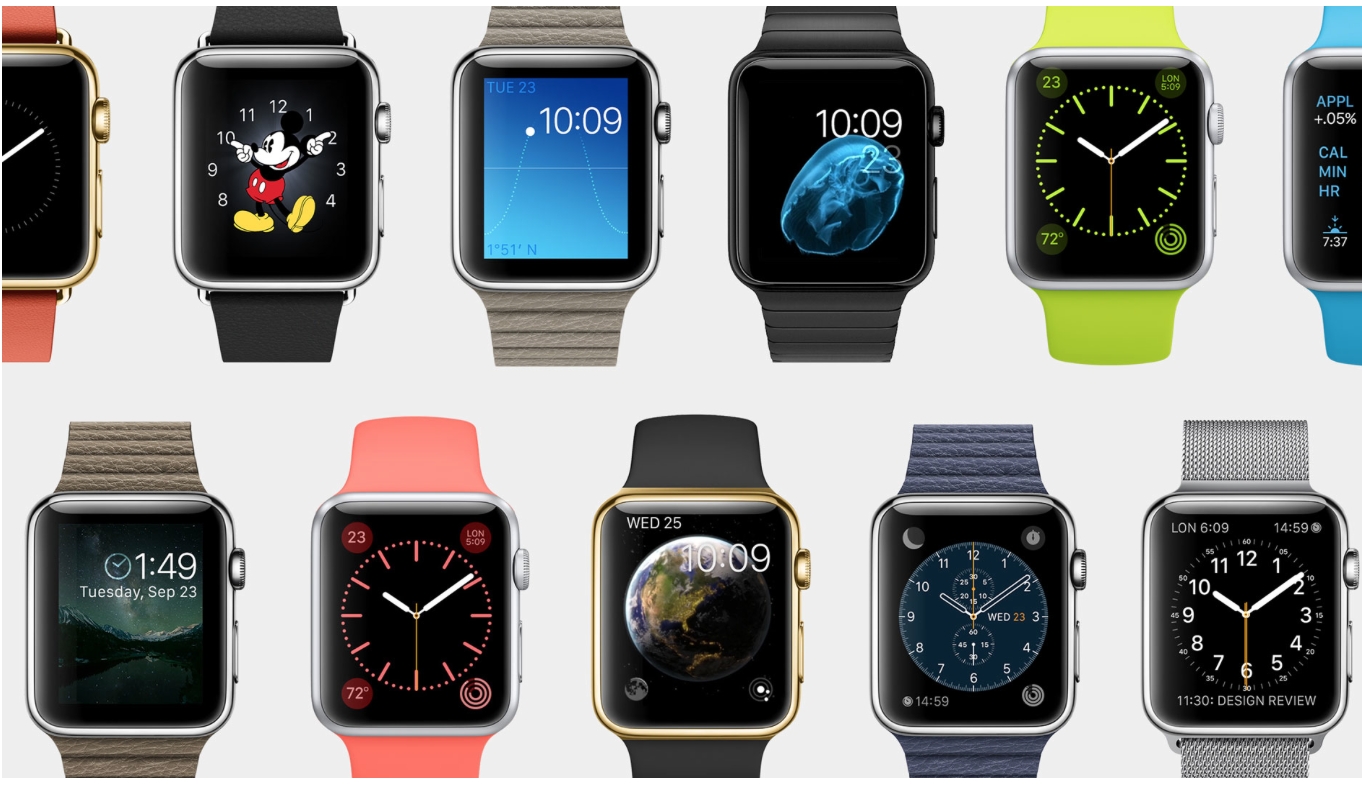
    Everyone is waiting to get their hands on Apple’s new smart watch. Although it is one of the late entrants in the smartwatch segment, it is one of the most awaited devices around. Months ago, at the mega-event held in Cupertino, the company claimed that the Apple Watch will be highly customizable. However, the details about how that would be achieved were few, until now.

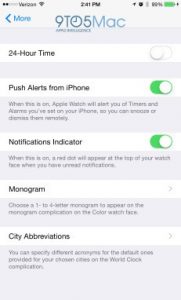
    Yesterday, it was reported that the latest iOS 8.2 beta will come with an Apple Watch application for the iPhone through which the smartwatch can be customized. The app, which is referred to as the ‘Companion app’ , manages settings for Apple Watch applications, as well as settings for iPhone-Apple Watch interactivity.

    Apple watch Features Design 18

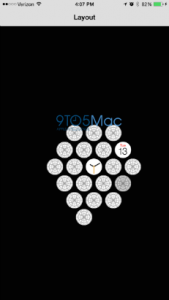
    The publication also revealed some screenshots of the ‘Companion app’ which gives us little insight of the new functions expected. According to screenshots, users will be able to manage and organize applications on the Apple Watch Home Screen via a virtual view on the iPhone Companion application.

    Most of the functionality of the Apple Watch will be decided via the companion app, including alert and notification preferences, as well as some of the visuals you see on the wearable. The layout for the cluster of application icons on the Apple Watch’s home screen can be managed from the companion app, using a virtual preview.

    According to the images, Apple Watch will rely heavily on voice commands for texting, browsing and other  functions.

    There’s also the option to have the Apple Watch unlock any time a user unlocks his or her iPhone, so long as the watch is attached to their body.

    Apple Watch was announced back in September 2014 along with Apple iPhone 6, iPhone 6 Plus and Apple Pay. The company has said that it will ship in “early 2015,” however, it is widely expected that the Watch might ship in by March.

    Want to know more about the Apple Watch? Click here.

  • Samsung Launches its First Tizen-Based Smartphone in India

    Samsung Launches its First Tizen-Based Smartphone in India

    Samsung has finally launched its much awaited Tizen-based Z1 smartphone in an event held in New Delhi.  As expected, the new Tizen OS powered smartphone is a budget smartphone. It sports a 4-inch WVGA (480x800p) PLS display and is powered by a 1.2GHz A7 dual-core processor and comes with 768MB RAM. The Z1 has 4GB of internal storage expandable up to 64GB via a microSD card.

    On the imaging side, Z1 flaunts a 3.1MP rear camera with LED flash and a VGA front camera. It is powered by a 1500mAh battery. It will support 3G, Bluetooth 4.1, Wi-Fi and A-GPS connectivity option. Additional features include accelerometer, ultra power saving mode, private mode and ability to access browser pages offline.

    Samsung, ultimately, aims to make Tizen the ‘OS of Everything’, making it the direct  rival to Google’s Android and Apple’s iOS mobile platforms. At CES 2015, announced that all the 2015 TVs will be powered by Tizen OS.

    However, the delays and the consumer skepticism for anything other than Android and iOS have meant that the devices running on Tizen haven’t been able to emerge from its initial stage.

    With the launch of Tizen-OS powered Z1, the company has shifted its strategy, setting aside its high-end ambitions and aiming at emerging markets like India with cheap devices powered by the OS. Samsung Z1 is priced at Rs. 5,700 and will go on sale today, on both online and offline stores.

    Specs

    Samsung Z1

    Processor 1.2GHz A7 dual-core
    RAM 768MB RAM
    Display 4-inch WVGA (480x800p) PLS
    Operating System Tizen 2.3
    Camera 3.1MP rear camera with LED flash and a VGA front camera
    Battery 1500mAh
    Storage 4GB, expandable up to 64GB
    Price Rs. 5,700
  • Google Brings Out a Fast and Easy Flight Search Tool in India

    Google Brings Out a Fast and Easy Flight Search Tool in India

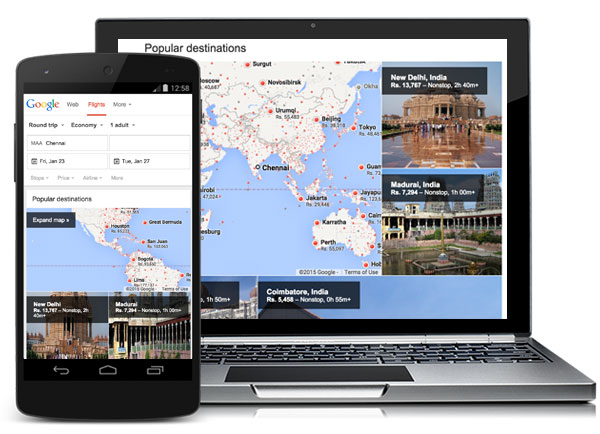
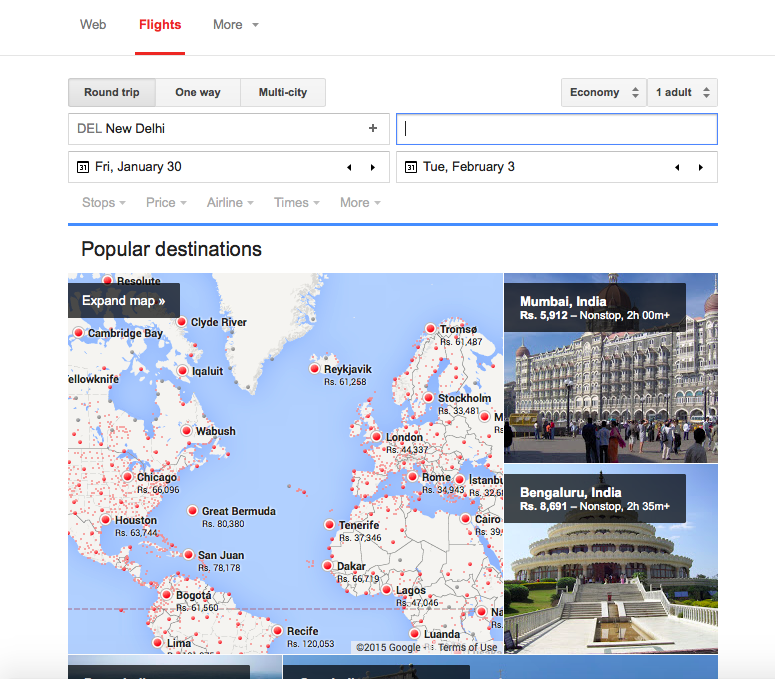
    Google has entered the Indian airline booking industry with its Google Flight Search which it launched yesterday. Internet giant’s new flight search tool allows users to search for flights, their prices, timings, etc directly within the search engine.

    The new feature from the search giant, reduces the need for users to check out different online travel aggregators. These aggregators provide flight information and take a cut on the tickets they sell. Google’s presence in this space could reduce traffic to their portals.

    Google Flight Search Tool
    Head over to www.google.co.in/flights to check it out now

    Along with this, the company has partnered with Goibibo to display results from its own portal along with options thrown in by Google search from airline websites, when a user keys in requirements such as destination and travel date.

    The service has been available to other markets since its launch in the US in 2011. In India, Google has been testing the waters for some time now. Previously online travel agents had threatened to lodge a complaint with the Competition Commission of India against the tool.

    Despite Google’s strength in web searches, the success of flights and hotel search products is dependent not only integration with key airlines and intermediaries in the country but, most importantly, displaying competitive fares and supporting multiple customization.

    Google Launches a Super Easy Tool to Help Search for Flights in India

  • Project Ara MDK 0.2 Details Module Marketplace, An Online Store for Ara Hardware

    Project Ara MDK 0.2 Details Module Marketplace, An Online Store for Ara Hardware

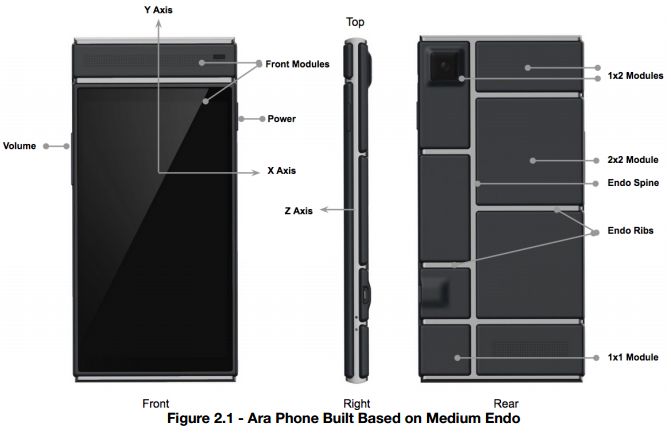
    Fast approaching Google’s second Ara Developers’ Conference seems to have kicked off with great excitement. The Phonebloks community has announced the release of the second Module Developers Kit. This kit takes the modular smartphone closer to reality.

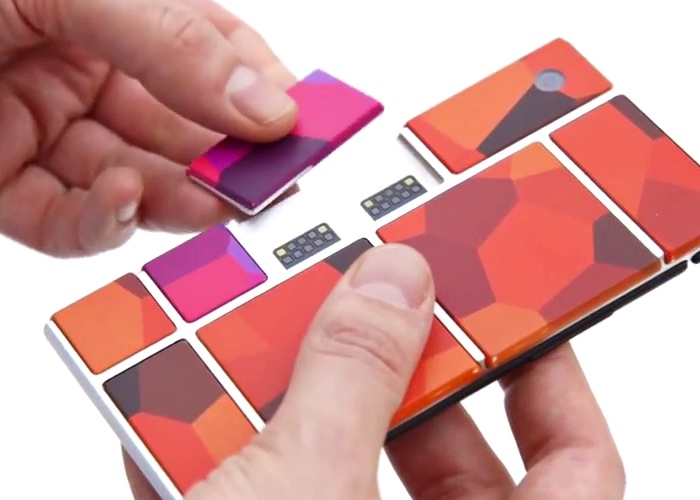
    The second instalment of Project Ara developer kit is not just exciting for developers but even has something for users to anticipate. The biggest addition with the MDK 0.2 is a section on the Module Marketplace, which is said to be a lot like a Google Play Store for Ara hardware modules. Unlike the Play Store, however, it seems that this marketplace is going to be strictly curated.

    ara-mdk_01

    Developers will be able to submit details about their hardware through the Ara Developer Console, while users of Ara phones will be able to use an Ara Configurator app to choose the hardware they’d like. At the most basic level, this can let you customize your phone by choosing modules you’ll need most.

    There is also something in store for end-users, of course. Phonebloks has mentioned that an Ara Manager app will be made available in the near future. This app will let users control the functions of different modules and monitor their state and information.

    The MDK 0.2 is based on the Spiral 2 prototype that will be revealed at the upcoming developers’ conference. The second Project Ara modular smartphone MDK has been created in collaboration with numerous companies such as NK Labs, LeafLabs, New Deal Design, Metamorph Software, X5 Systems, Toshiba, Mixel, Quanta, Opersys, Linux Solutions, Linaro, BayLibre, NewOldBits, Oxford Systems, Foxconn and IDT Systems.

  • Xiaomi Teases its New Flagship Ahead of the 15th January Launch

    Xiaomi Teases its New Flagship Ahead of the 15th January Launch

    Coming from nowhere to take over the world’s tech market, Chinese handset maker, Xiaomi is all set to reveal it’s new flagship device on 15th January. Creating a hype, in which the company can now be considered an expert, Xiaomi took to its Facebook page to tease a new flagship device that is set to unveil this week.

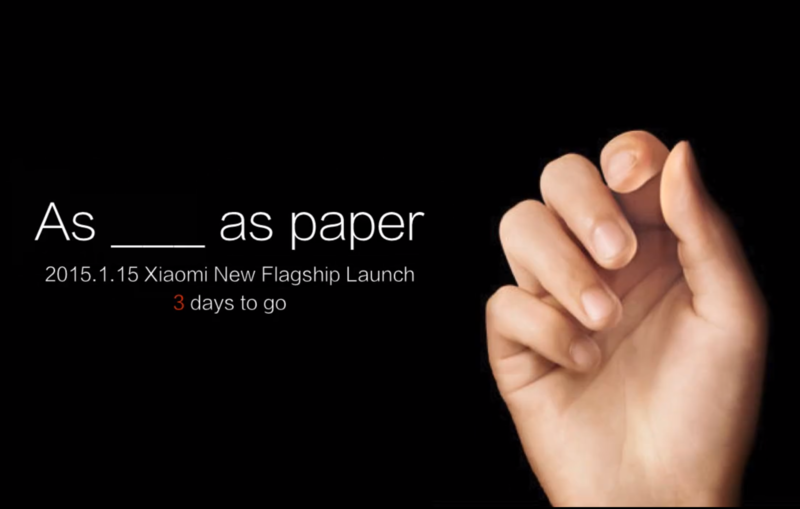
    A short video teaser plays a little “fill-in-the-blank” game with the viewer hinting at the device’s design. It consists of sentences with missing adjectives which should be filled by the viewers.

    Post by Mi.

    The company has sent out invites for the launch event set for 15th of January. According to the official MIUI thread, the launch will take place at 2.00 PM Beijing time. The page doesn’t specifically state what new device they’re launching, but the general agreement is that this hype is for the Mi5.

    xiaomi-teaser

    This upcoming premium launch by Xiaomi is expected to sport a 5.7-inch QHD display. It will get its processing might from the 64-bit Snapdragon 810 SoC which will be supported by an Adreno 430 graphics engine and 3 GB of RAM. It will offer 16 GB internal memory and feature a fingerprint sensor. It is also expected to flaunt a 20.7 MP camera with Sony Exmor RS sensor.

    xiaomi january 15

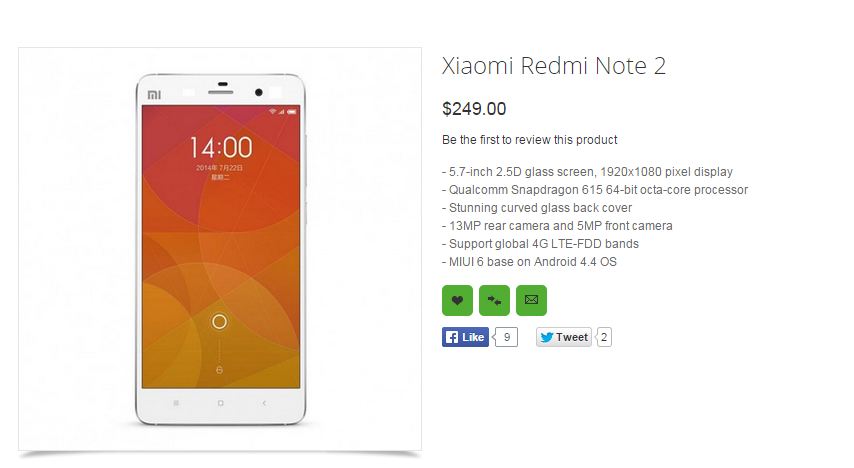
    There are also speculations that Xiaomi might unveil the new Redmi Note 2 along with the new flagship. An online listing of Xiaomi Redmi Note 2 on an online portal Oppomart is the cause of these rumours. The online listing has revealed the complete specifications and pricing of the Redmi Note 2. This may imply that either the Redmi Note 2 will be launched along with the Mi5 or the company will launch the Redmi Note 2 instead of the Mi5.

  • After Acquiring US-Based UrbanSpoon, Zomato to be Available in 22 Countries Globally

    After Acquiring US-Based UrbanSpoon, Zomato to be Available in 22 Countries Globally

    It is a big day for foodies, as one of their favourite restaurant guide, Zomato, has entered the US market with the recent acquisition of UrbanSpoon. According to TechCrunch, the acquisition is worth $50-60 million, however, the company didn’t disclose the terms of the deal.

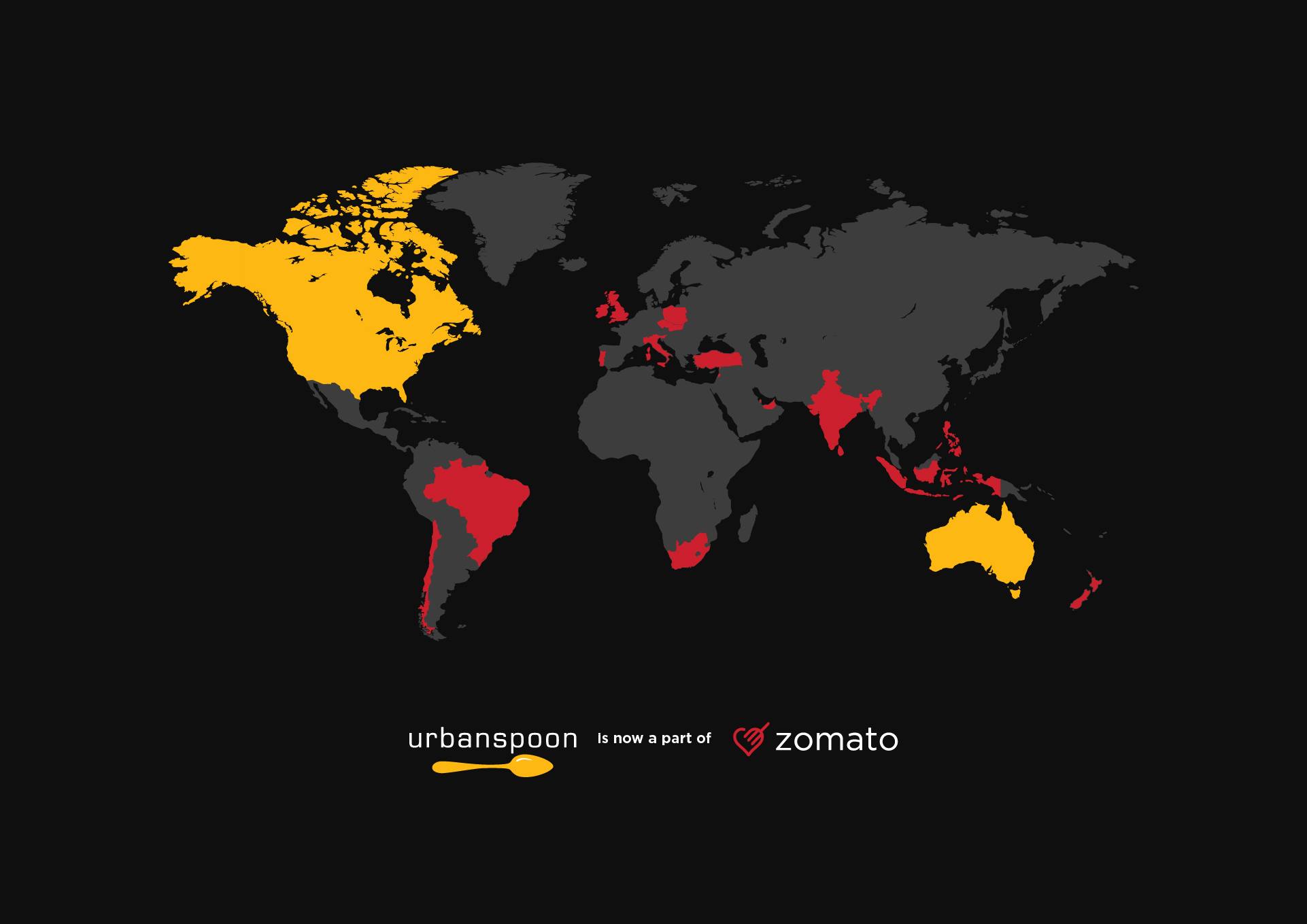
    Urbanspoon is an IAC-owned restaurant information and recommendation service that operates in Australia, Canada, New Zealand, Ireland, the United Kingdom and the United States. Urbanspoon’s apps are known for their randomized Slot Machine. Users tap the ‘Spin’ button (or shake the device) to see new places to try based on neighborhood, cuisine or price.

    This is one of the biggest deal in the food service industry as well as it marks the entry of Zomato in the USA market. Zomato claims that the deal is one of the largest purchases of a U.S-based consumer Internet company by an Indian start-up.

    This latest deal, the sixth and biggest acquisition so far by Zomato, will be an all-cash transaction powered by the Gurgaon-based company’s most recent round of funding that closed in November. According to the founder and CEO Deepinder Goyal, most of Urbanspoon’s current staff will be retained, but its traffic and information will be redirected to Zomato’s apps and website by the end of March.

    zomato urbanspoon

    With US in its portfolio, Zomato has now reached 22 countries. Zomato last year acquired five restaurant search players in New Zealand, Poland, Czech Republic, Slovakia and Italy. The purchase should more than triple its database of restaurants, bringing the total up to over a million. In US, Zomato will compete with the likes of Google-backed online food listing portal Zagat and OpenTable. The deal will also help Zomato enter the Australian and Canadian market.
    Zomato has recently revamped its online portal making it more like a Facebook for foodies. In the future, the company intends to add mobile payment options along with the ability to search among specific food items. Right now, Zomato’s biggest competition is Yelp which operates in about 28 countries and lists business ranging from restaurants to beauty salons and spas.

  • Top 5 Expected Features of Microsoft’s Windows 10 Browser, Spartan

    Top 5 Expected Features of Microsoft’s Windows 10 Browser, Spartan

    Microsoft’s new Windows 10 internet browser, codenamed Spartan, has started to garner attention. Various leaks and rumors suggest that Spartan will be one of the major elements of Microsoft’s upcoming Windows 10 operating system and will come with some ground-breaking features which are currently missing in competing browsers such as Chrome and Firefox.

    We’ve listed the top 5 expected features of the Windows 10 internet browser, Spartan.

    1. Digital Inking Support

    Spartan-Microsoft

    Word has it that Spartan will include digital inking support which allows Windows 10 users to annotate a web page with a stylus and send the notes and annotations to a friend or colleague. According to The Verge, the annotated Web pages will be capable to be stored on OneDrive, “which can be accessed by any browser across multiple platforms”.

    2. Cortana Integration

    cortana-03

    The recent rumors claim that the Spartan web browser will be heavily linked to Microsoft’s Cortana digital assistant. Moreover, current features that work with Bing on Internet Explorer will be used on the Cortana interface in Spartan. Given that the company has already revealed that Cortana will form an integral part of the Windows 10 operating system, this speculation makes sense.

    3. Group Tabs

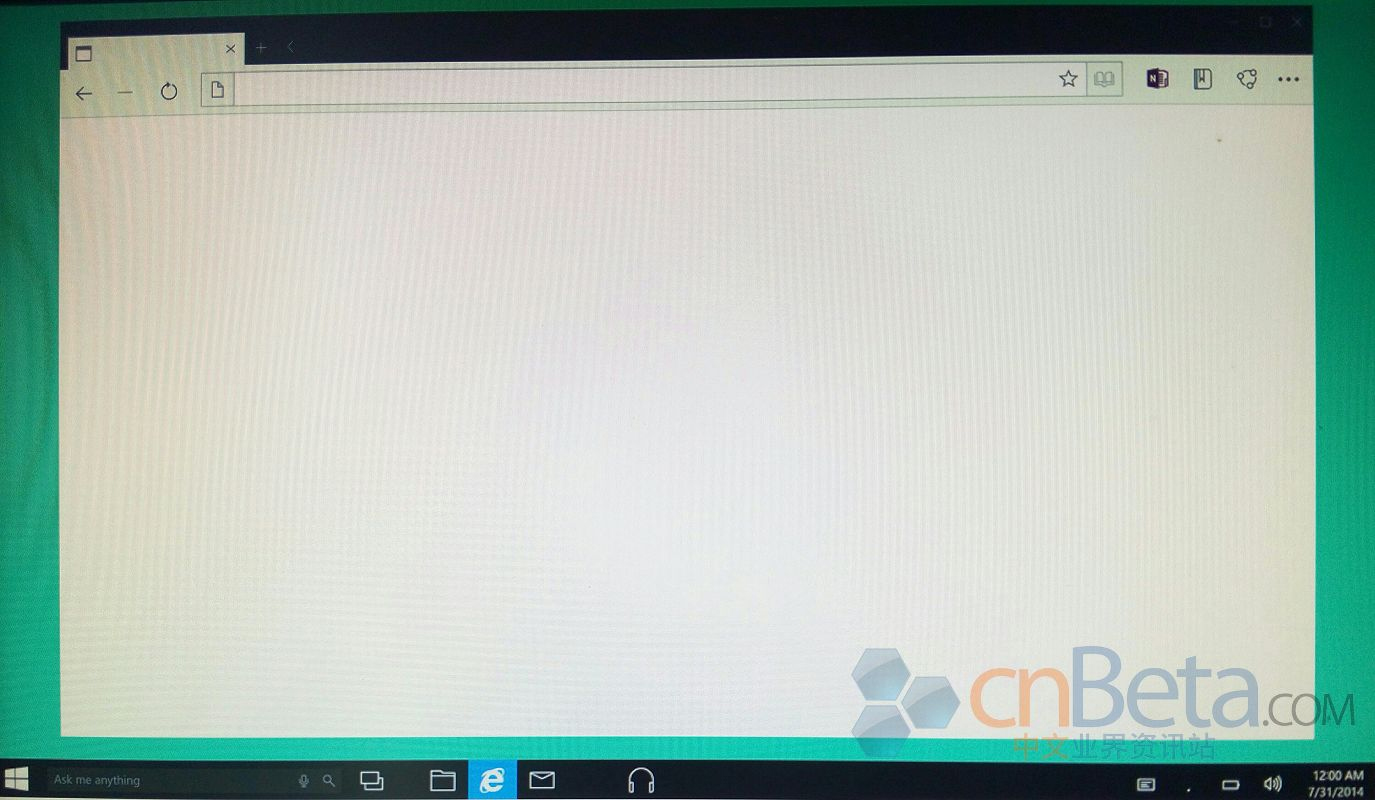
    Leaked images of Spartan  by Cnbeta
    Leaked images of Spartan by Cnbeta

    A third major feature of Spartan will be a new way to group tabs together which will help declutter the occasionally messy interface of multiple browser tabs. Spartan may allow users to open multiple sites in grouped tabs together, so they can do things like compare prices of a new phone without having to switch between tabs or split up personal tabs from work ones.

    4. Fast Updates

    spartan-browser

    According to leaks, Microsoft is planning to feature Spartan as an app in order to facilitate smooth and faster updates. Right now, Internet Explorer isn’t an app that Windows 8 or Windows Phone users get via the Windows Store or Windows Phone Store; it’s part of the OS platform. By making Spartan an app, Microsoft should be able to update it more quickly.
    5. Minimalistic Design
    cortanaspartan.0

    Spartan will use the Trident rendering engine and the Chakra JavaScript engine that are a part of the Internet Explorer. It is expected to look and work more like lightweight browsers such as Google’s Chrome and Mozilla’s Firefox. It will allegedly support extensions. Also, the company originally was expected to add custom themes to the new browser. It appears that will not be the case at launch. However, it is possible custom themes may come in future updates.

    Microsoft has said that the browser is not just a newer version of the Internet Explorer but a different browser altogether. Microsoft is expected to show off and discuss Spartan during the 21st January Windows 10 preview event it is hosting in Redmond, Wash.

  • LG Launches the Curved UltraWide Monitor Along with a 4K Monitor in India

    LG Launches the Curved UltraWide Monitor Along with a 4K Monitor in India

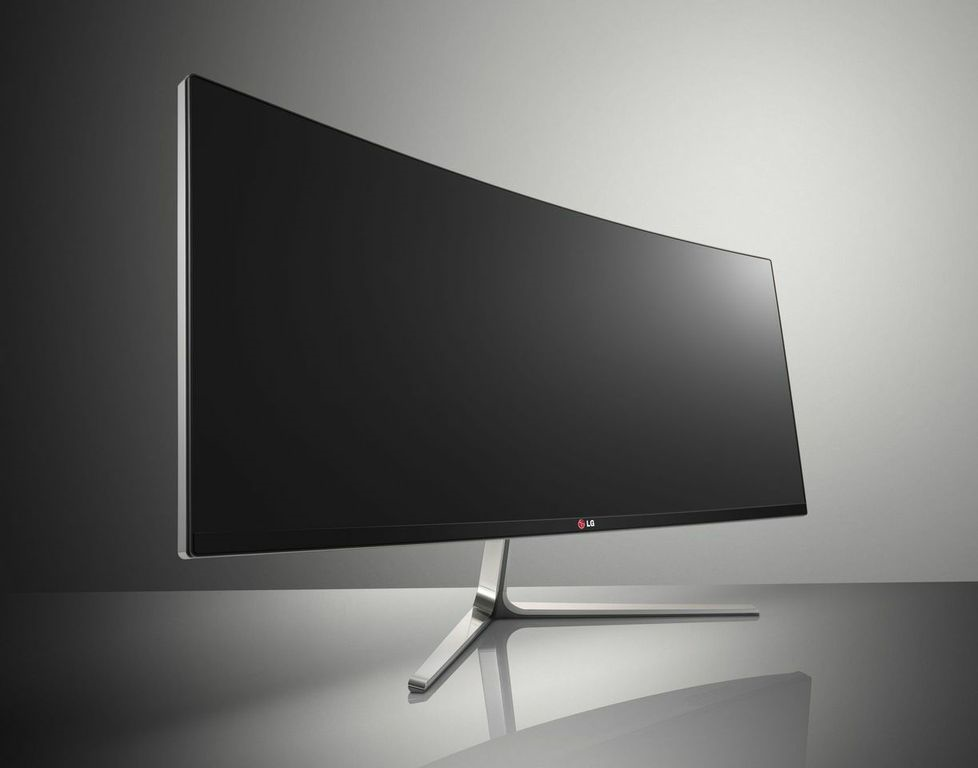
    Gamers, graphic artists, CAD designers and even humble home entertainment enthusiasts who regularly spread their onscreen activities across multiple displays were super impressed by LG’s flagship IPS 21:9 Curved UltraWide Monitor when it launched back in IFA 2014.

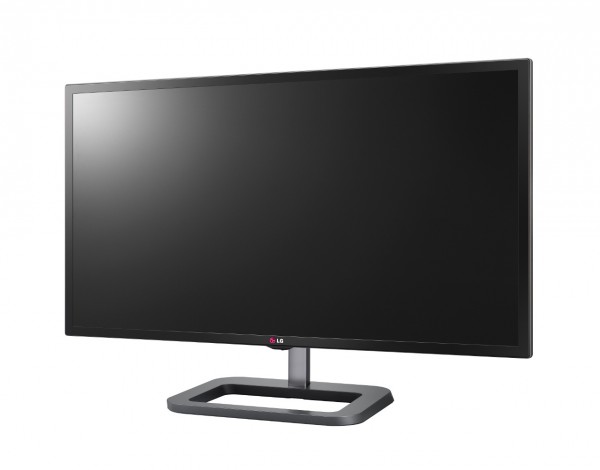
    Now, the company has announced that it will introduce this impressive Curved UltraWide Monitor along with other compelling monitors in the Indian market. In essence, LG’s curved QHD monitor, the UC97 bridges the two worlds of widescreen monitors and curved TVs together. This monitor is targeted at power users who need, not just a great viewing experience but also the extra room to place their windows, particularly those in the creative business.

    LG Digital Cinema 4K
    LG Digital Cinema 4K

    With Quad HD resolution display at 3440 x 1440 pixels, this 34-inch monitor packs quite a punch and is considered the world’s first curved monitor with an extra-wide 21:9 aspect ratio. For connectivity, it utilizes Thunderbolt 2 connectors not just for fast data transfers but also for the ability to daisy chain other devices. It also comes with its own 7W stereo speakers boasting the Maxx Audio tech.

    LG will also introduce the Digital Cinema 4K Monitor—also known as the 31MU97—which has a 31-inch screen and 4096 x 2160p resolution. It can reproduce 99 percent of the Adobe RGB color space and includes calibration software. LG claims that MU97 Digital Cinema 4K monitor owners can look forward to ultra-sharp images with wide viewing angles, and those using it for work will appreciate its ability to reproduce 99 percent of Adobe’s RGB color space.

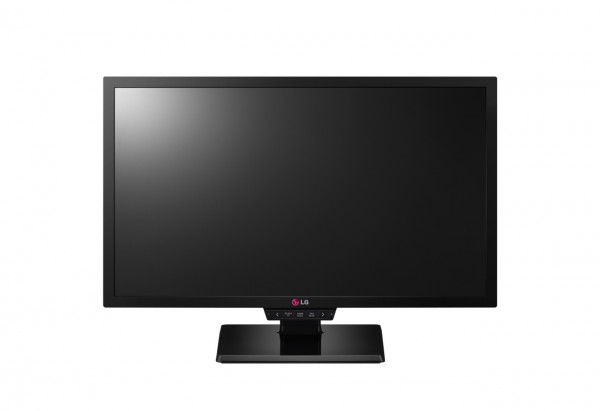
    LG GM77 Gaming Monitor
    LG GM77 Gaming Monitor

    Gamers are the important prospective customers of the high-end monitors and LG has made sure they are not left in the dark. LG is also announced the GM77 24-inch monitor with 144 Hz refresh rate for smooth, flicker-free onscreen action. The gaming monitor also benefits from a feature to render consistent blacks across different scenes, and a mode to cut down motion blur. Game Mode also offers players the chance to switch between three optimized settings with the push of a hotkey on the monitor.

    The Curved UltraWide Monitor is expected to be priced around Rs. 85,000 and the Digital Cinema 4K Monitor around Rs. 90,000, meanwhile there is no word on the price of GM77 Gaming Monitor. According the  company, you will be able to buy their extreme monitors by the end of this month.

    If you are looking to build your own system according to your preference, using one these monitors, check out our DIY Hackintosh Build video below for inspiration:

  • Xiaomi Redmi Note 2 Might Accompany Mi5 for the 15th January Launch

    Xiaomi Redmi Note 2 Might Accompany Mi5 for the 15th January Launch

    Xiaomi has already started rolling out the invitations for its January 15th event in Beijing. So far the rumours adamantly insist that we will see the Mi5 or the Mi4s for the first time. However, an online listing of a new Xiaomi handset has added new speculations.

    A listing on Oppomart, an online reseller of smartphones, has revealed the complete specifications and pricing of the Remi Note 2. This implies that either the Redmi Note 2 will be launched along with the Mi5 or the company will launch Redmi Note 2 instead of Mi5.

    redmi note 2

    It is said that the Redmi Note 2 will look nothing like its predecessor. In fact, it might take its design inspiration from the current Mi flagship i.e. Xiaomi Mi4. The front will be protected by Gorilla Glass; the rear Gorilla Glass body might be curved, according to rumours.

    According to the listing, the Xiaomi Redmi Note 2 will come with a 64-bit Snapdragon 615 octa-core processor with 2GB RAM and 16GB/ 32GB storage options. The screen size will be 5.7-inches and will be made of 2D glass, (an upgrade from the 5.5-inch screen on the current Redmi Note) and will feature a resolution of 192ox1080 pixels. There will be a 13MP rear camera (Sony IMX214 with zero shutter lag) and a 5MP front shooter on the device.

    The invite only says that Xiaomi will unveil a new device on Jan 15.
    The invite only says that Xiaomi will unveil a new device on Jan 15.

    Along with this, more details about another mysterious handset from Xiaomi have emerged. A $65 (approx Rs 4,000) Xiaomi smartphone has passed TENAA, which is the Chinese equivalent of the FCC. Going through the listing, this $65 handset may be the same handset which is expected to launch with the low cost Leadcore LC1860 CPU (clocked at 1.6GHz).

    Other specs include the 4.7-inch, 720 x 1280 resolution display, 1GB of RAM and 8GB storage. An 8MP camera is said to be found on back of the handset, while a 2MP shooter adorns the front of the phone.

  • Samsung’s Ultra-Thin Metal Body Galaxy A7 Goes Official

    Samsung’s Ultra-Thin Metal Body Galaxy A7 Goes Official

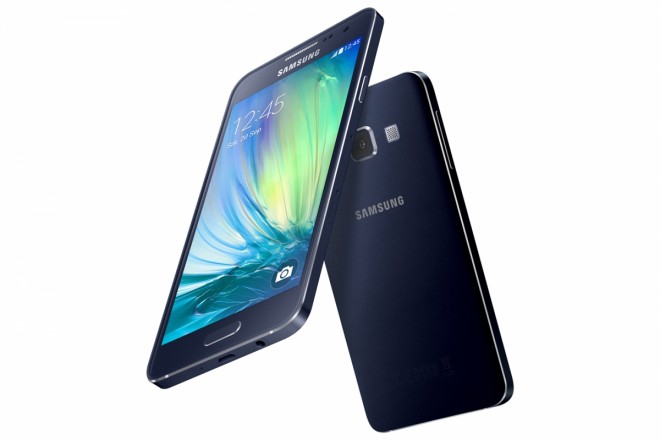
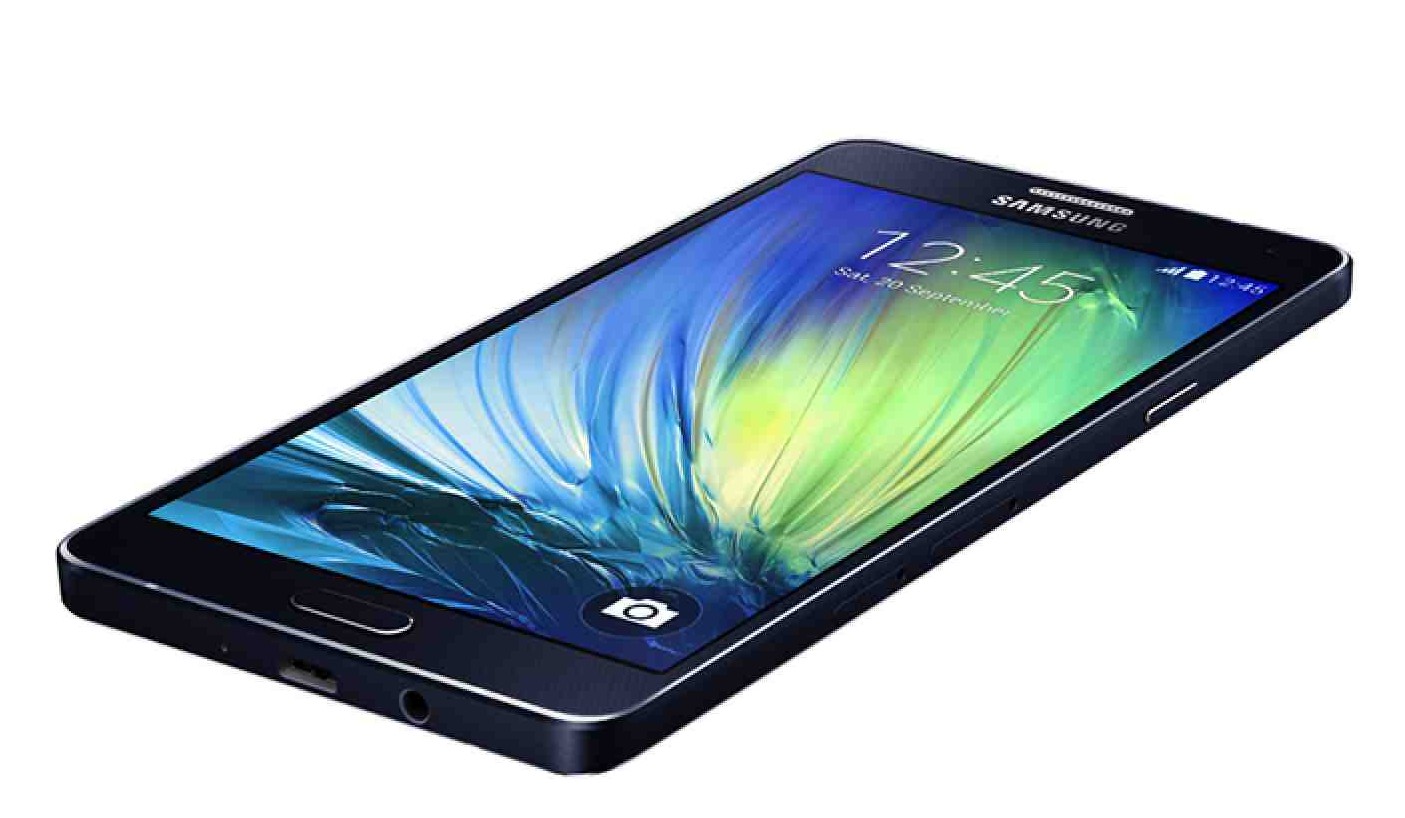
    After months of speculations and rumours, Samsung has finally unveiled the much-awaited Galaxy A7 in Philippines. The metal-clad smartphone with optional dual-SIM functionality will be available at the end of Q1 this year in two different chipset configurations.

    The slimmest Samsung smartphone yet, Galaxy A7 measures 6.3 mm in thickness and sports the same metallic uni-body design we see in the flagship Alpha series. The smartphone flaunts a 5.5 inch AMOLED display and runs on Android 4.4 KitKat OS skinned under Samsung’s own Touchwiz UI.

    samsung-a7

    The Galaxy A7 comes with 64-bit Qualcomm Snapdragon 615 SoC or a 32-bit Exynos 5430 with both chipsets featuring octa-core CPU. Both versions of the smartphone will offer 2GB of RAM and 16GB of built-in memory. A microSD card slot for further expansion will also be available.

    On the imaging side, the slim smartphone sports a 13MP main camera and 5MP front-facing unit with several Samsung customizations. It includes several selfie features, including Wide Selfie and Rear-cam Selfie. A 2,600mAh battery powers the device.

    Considering it is the slimmest phone by Samsung sporting a metallic design, it is quite likely the handset will do good in the market. While some folks would prefer a higher-resolution display, the rest of the A7’s spec list looks good for an upper mid-range/lower high-end Android smartphone.

    Samsung Galaxy A7 will be available in dark blue, white, and gold color schemes. The Korean giant promises a “competitive price point” for the device. While we have no official date or price, the Samsung Galaxy A7 should be available at the end of Q1 2015 for an expected price of Rs. 35,000.

  • Delhi-based Frankly.me Bags $600,000 Funding From Matrix Partners

    Delhi-based Frankly.me Bags $600,000 Funding From Matrix Partners

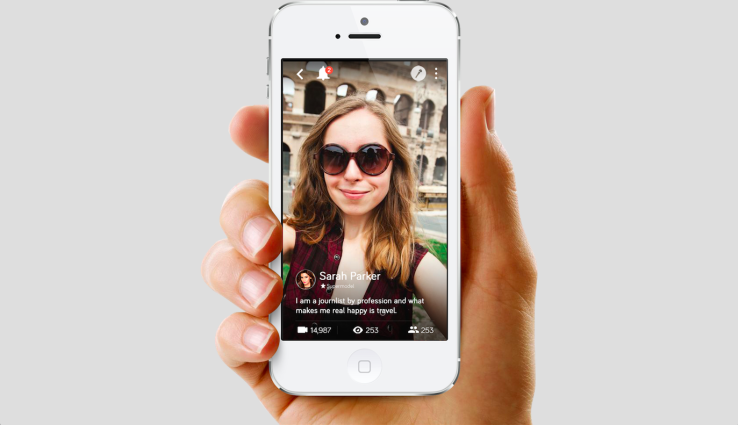
    A Delhi-based startup called Frankly.me, which developed a video Q&A platform, just like VYou, has bagged a an investment of $600,000 from Matrix Partners, that would aid the company to carry its on going development and mark its presence in the Indian market.

    Currently in beta, the app and website, Frankly.me, is a video Q&A platform that serves the purpose of connecting common people with public figures and eliminates the communication gap between them. The platform is compared to VYou which saw more than million  answers posted and raised $3 million in funding before shutting its consumer site down in March 2013 due to lack of user engagement.

    However, according to the founder Nikunj Jain and Abhishek Gupta, Farankly.me will not meet the same fate as there is a drastic difference between the social demographic of India and US. The startup  hopes to take advantage of the country’s fast-growing mobile penetration rate with this week’s launch of its mobile app.

    frankly

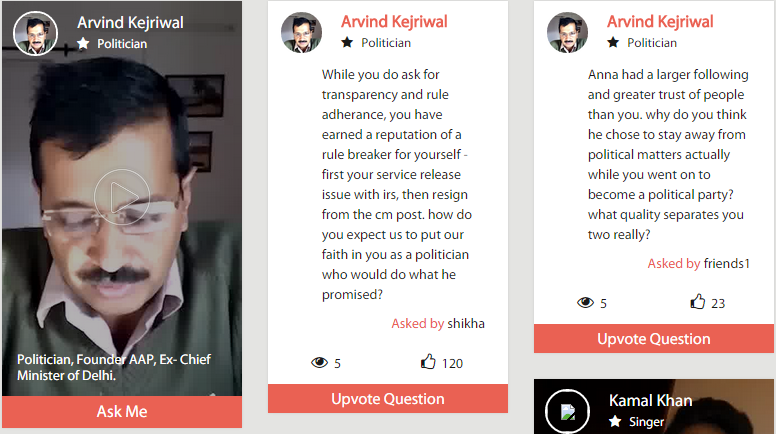
    There is no similar platform in India for people to connect with public figures, such as government officials. Delhi’s assembly elections are expected to take place next month, and representatives from all major parties have already signed up to take questions on Frankly.

    The founders hope the election scenario will help the startup to gain user base and users will stick around on the platform to communicate with other people even after elections. The people engaged with the startup, range from politicians like Arvind Kejriwal, the ex-chief minister of Delhi, to entertainment celebrities, astrologists, and top chefs.

    Exposure from public figures on the platform has resulted in 1,000 to 2,000 new users each day since Frankly launched its beta last week, the company claims. Frankly is still considering different business models, but the company is focused on gaining users for now and founders believe that “if you have a good conversation going on, monetization should not be a problem.”

  • CES 2015 : Lenovo Launches Two Smartphones and a Fitness Band

    CES 2015 : Lenovo Launches Two Smartphones and a Fitness Band

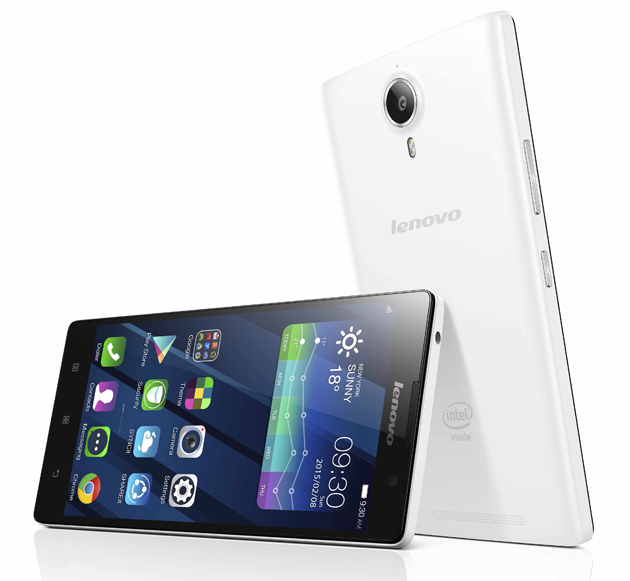
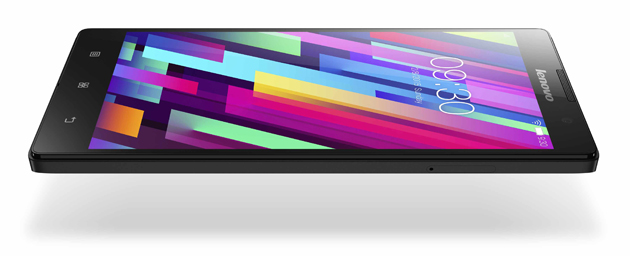
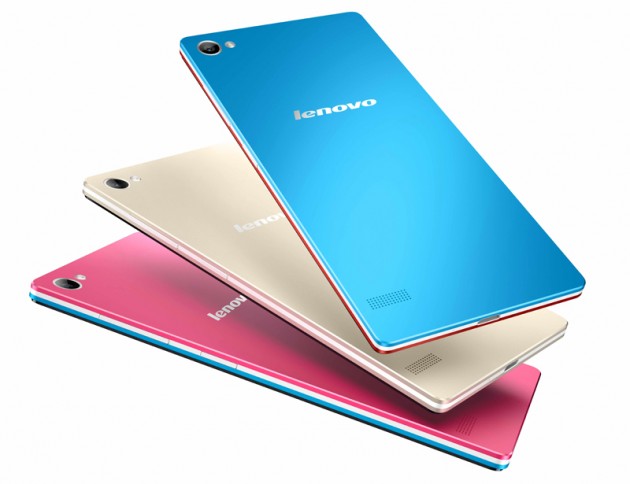
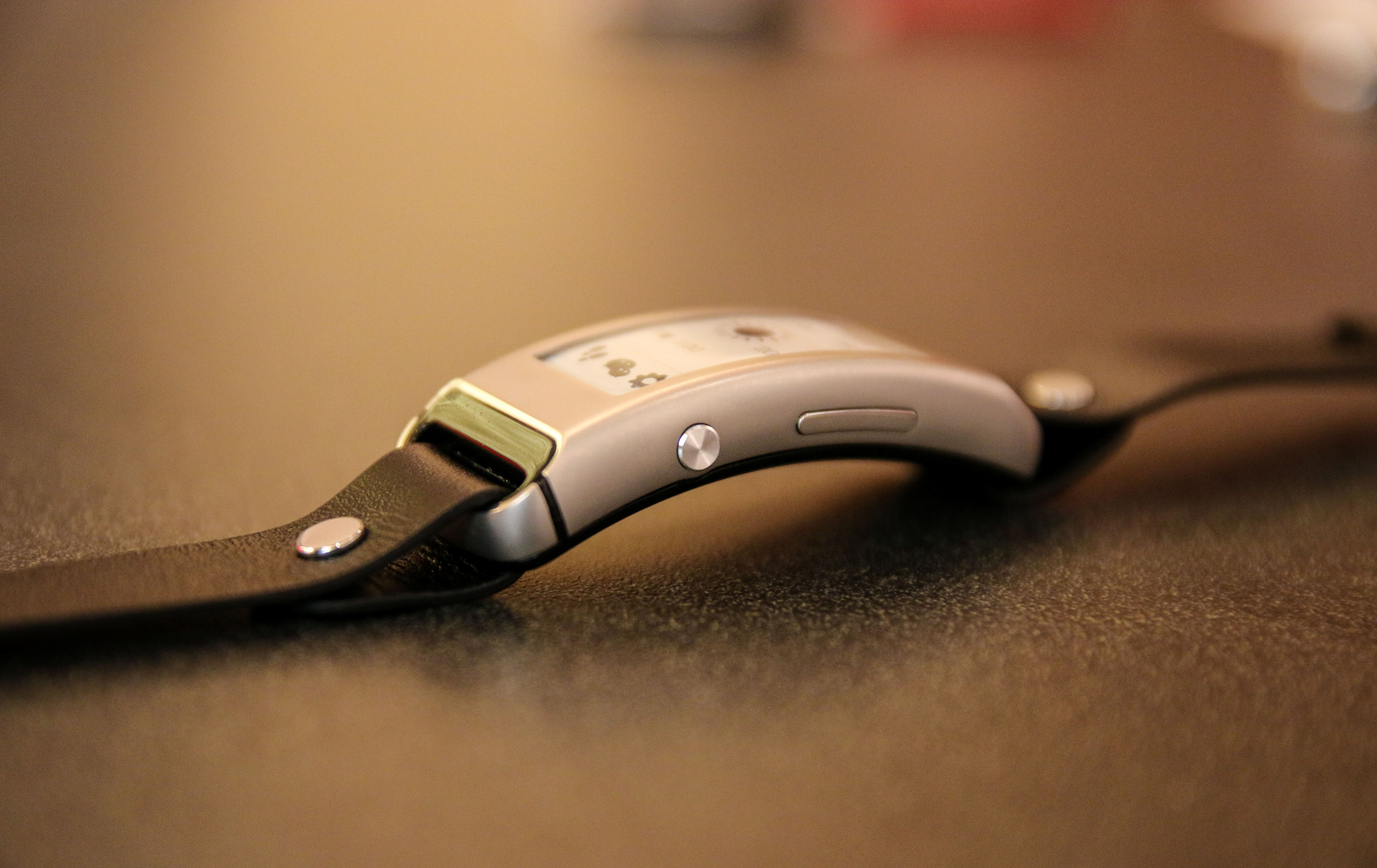
    Lenovo has added two new smartphones, an accessory and a wearable to it portfolio. The company pulled the wraps of the a couple of Android 4.4 KitKat-powered droids dubbed Vibe X2 Pro and P90 along with a unique selfie-flash accessory.

    Lenovo P90, the highlight of the show, is workhorse with an enormous battery. It is also the first phone running on Intel’s 64-bit Atom 1.8GHz quad-core processor, and supports LTE-Advanced (FDD and TDD), which offers theoretical download speeds of 150Mbps.

    lenovo-p90-2
    Lenovo P90

    The Lenovo P90 sports a 5.5-inch 1920×1080 IPS display, 2GB of RAM, 32GB of internal storage, 13 megapixel rear camera with OIS (optical image stabilization), front-facing 5 megapixel camera and a massive 4,000 mAh battery which, according to the company, will last for 2 days on a full charge. The Lenovo P90 will be available in February for $369

    lenovo-vibe-x2-pro-4-630x484
    Lenovo Vibe X2 Pro
  • CES 2015 : Sony Set to Roll Out Lollipop to Xperia Z3

    CES 2015 : Sony Set to Roll Out Lollipop to Xperia Z3

    During CES 2015 at Las Vegas, COO of Sony, Michael Fasulo, announced that the company is all set to roll out Android 5.0 Lollipop to its Xperia Z3 lineup starting next month. Sony had earlier revealed that Android 5.0 Lollipop would come to the “core” Xperia Z2 and Z3 lines in early 2015.

    The company confirmed the previous rumours in December, but the Japanese electronic giant hasn’t been too specific on exactly when this rollout will happen. However, Fasulo revealed that the update will begin rolling out to the Xperia Z3 next month.

    Google released Android Lollipop 5.0.1 to the masses in December 2014 and the wait began as manufacturers optimised the code before pushing it out to their flagship devices. Till now handful of devices like Moto G (Gen 1 and 2), Galaxy S4, Galaxy Note 2 have got the lollipop update.

    Sony’s announcement follows the company’s promise last October to eventually deliver Lollipop to its entire Xperia Z range of devices.

iGyaan Network
Privacy Overview

This website uses cookies so that we can provide you with the best user experience possible. Cookie information is stored in your browser and performs functions such as recognising you when you return to our website and helping our team to understand which sections of the website you find most interesting and useful.