Author: Sahil Kapoor

  • Lenovo Z5 Pro Teaser Reveals Dedicated Safety Chip

    Lenovo Z5 Pro Teaser Reveals Dedicated Safety Chip

    Lenovo will launch the highly anticipated Z5 Pro on the 1st of November. The Lenovo Z5 Pro will be the successor to the previously launched Z5 and as per reports, it will be a significant update to the latter. Lenovo’s Vice President has been continuously sharing updates on Weibo which provide a good idea about the upcoming flagship. The upcoming Lenovo Z5 Pro has a similar design to the Mi Mix 3 & the upcoming Honor Magic 2.

    Sliding Cameras
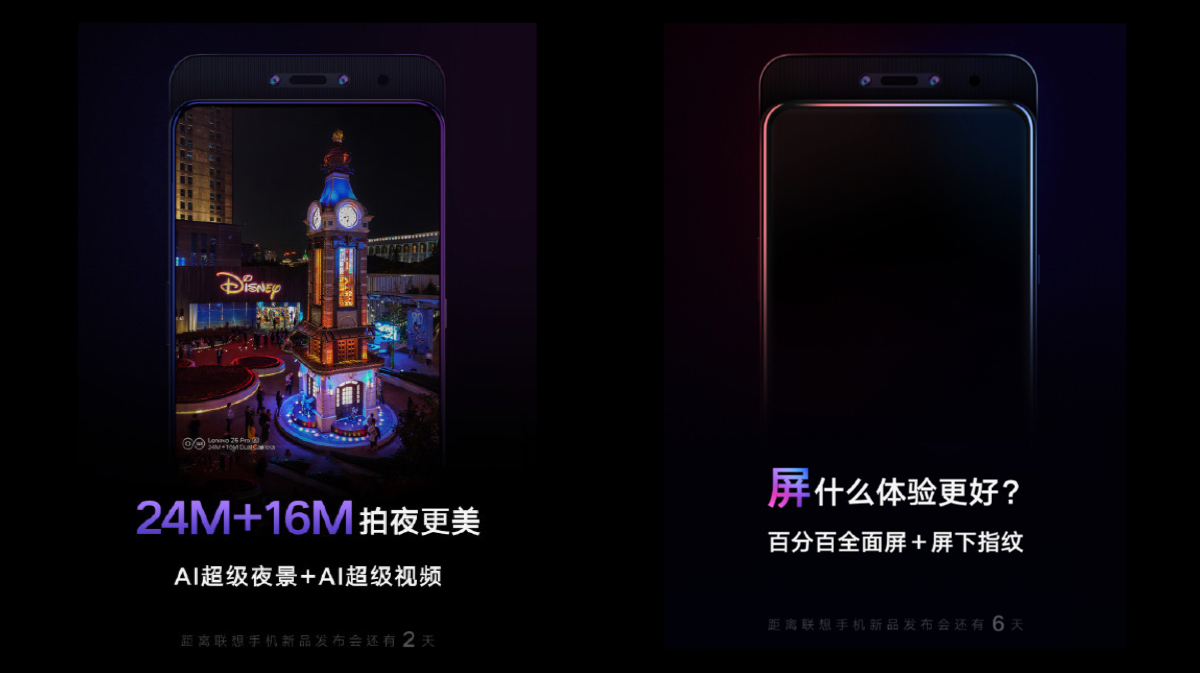
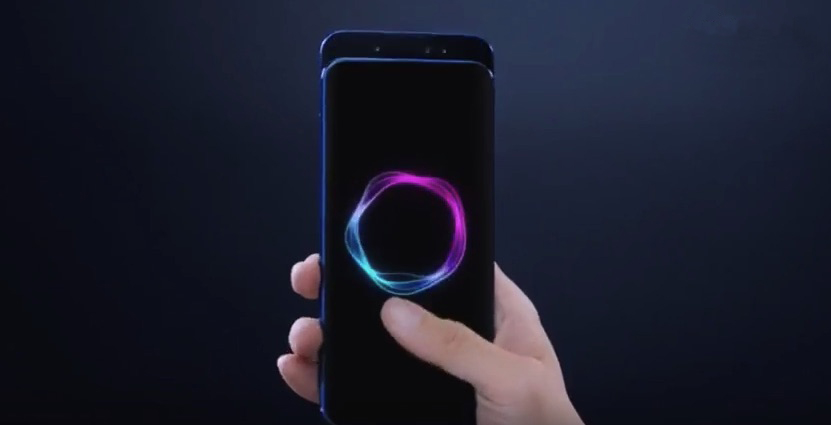
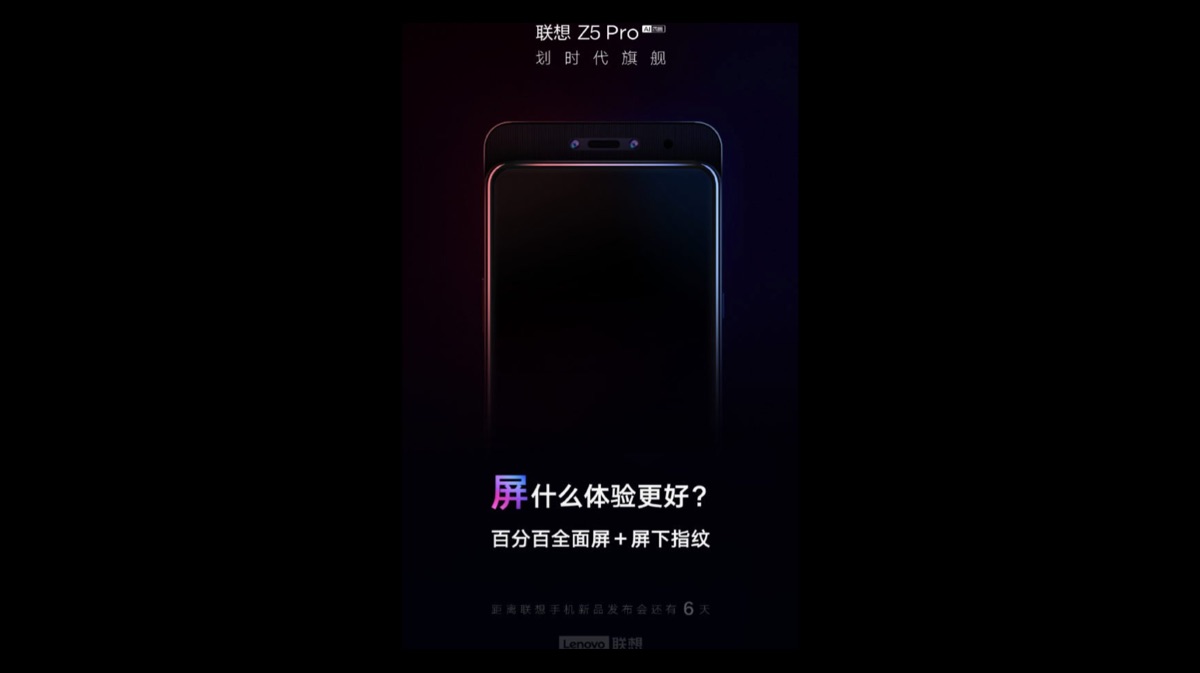
    One of the key highlights of the Lenovo Z5 Pro will be the display which the company claims is a 100 % Full View screen. The smartphone has a sliding screen which reveals the concealed dual front cameras and the speakerphone. It has dual 24 MP + 16 MP front-facing cameras which also might support facial recognition. Yet another cool feature is the fingerprint scanner which is placed under the display.

     Double Helix Slider

    The poster translated from Chinese reads that the Lenovo Z5 Pro employs six double helix springs to operate the sliding mechanism. The poster also reveals the slider has a life cycle of more than 3,00,000 slides which is similar to Xiaomi’s claims for the Mi Mix 3. Although, it is noteworthy that the Mi Mix 3 uses neodymium magnets instead of springs to operate it’s sliding mechanism.

    Hardware Level Security Chip
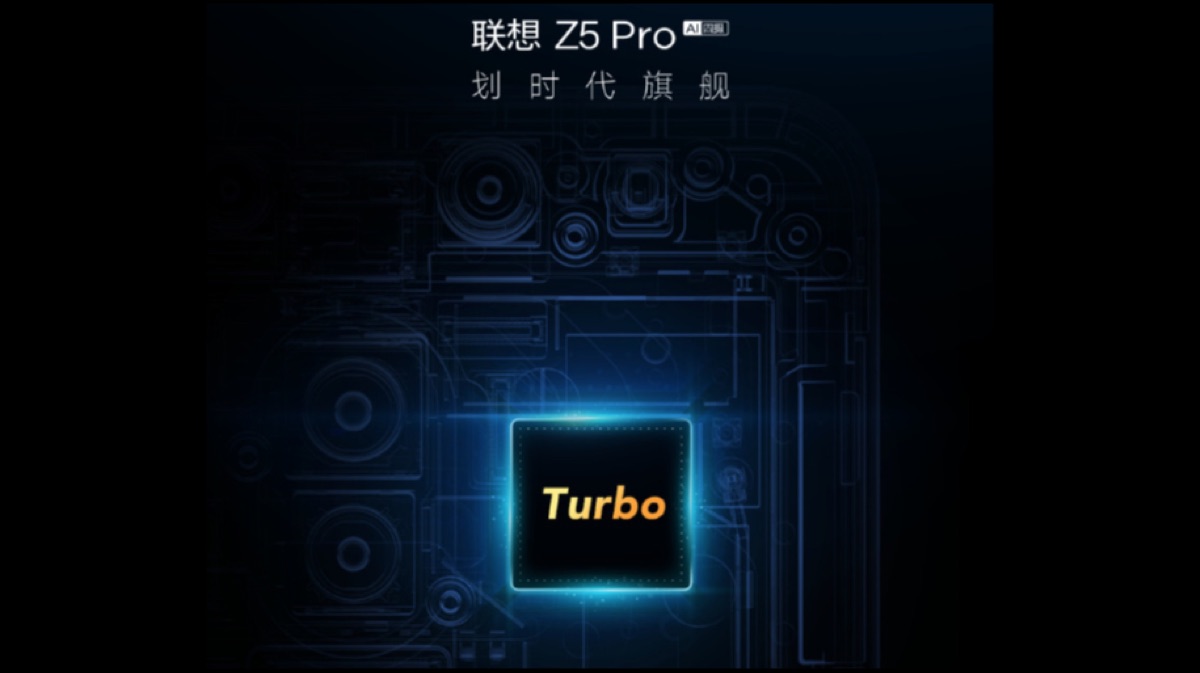
    Another teaser reveals that the Lenovo Z5 Pro has an embedded hardware-based security chip like the Google Pixel 3 XL. The hardware-based chip in the Google Pixel 3 XL adds an additional level of security to the smartphone. The chip stores sensitive information like fingerprint data and banking details and is designed to be tamper resistant. It is expected the Lenovo Z5 Pro will have a similarly conceptualised chip to secure the latest flagship.

    Dolby Atmos Sound Support

    The latest poster adds to the already feature-rich smartphone as it reveals the smartphone has Dolby Atmos Sound support. Dolby Atmos delivers a rich, immersive sound experience while watching movies and playing games making the smartphone experience even better. The text translated from Chinese also points out some noise reduction technology but, no detailed information is unavailable.

    Alleged Specifications
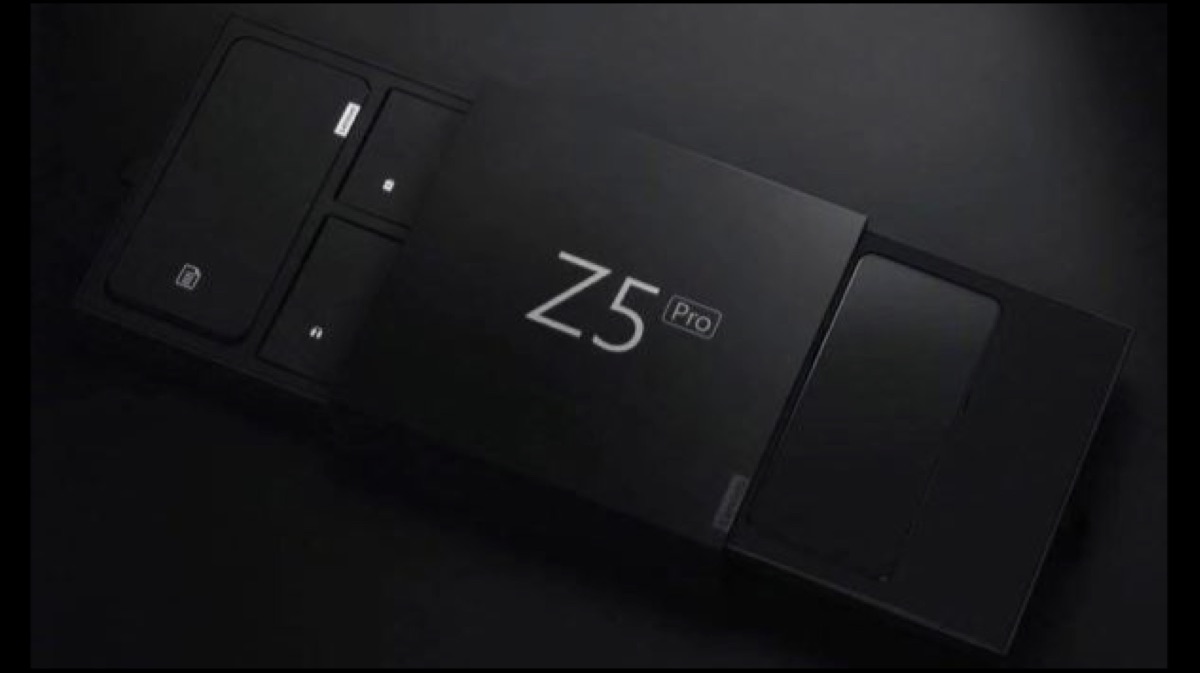
     

    The Lenovo Z5 Pro will likely have the Octa-Core Snapdragon 845 SoC with 6 GB or 8 GB of RAM. The device might have a larger than 6-inch display and 128 GB or 256 GB of internal memory. As it has become the industry standard for flagship smartphones.

    Also read: Honor To Launch Water Play 8 Tablet

    To conclude, the Lenovo Z5 looks like a powerful flagship smartphone. To get the exact details and features, we won’t have to wait for long as the device officially launches on November 1.
  • Apple To Roll Out iOS 12.1 Update With New Emojis & Group FaceTime

    Apple To Roll Out iOS 12.1 Update With New Emojis & Group FaceTime

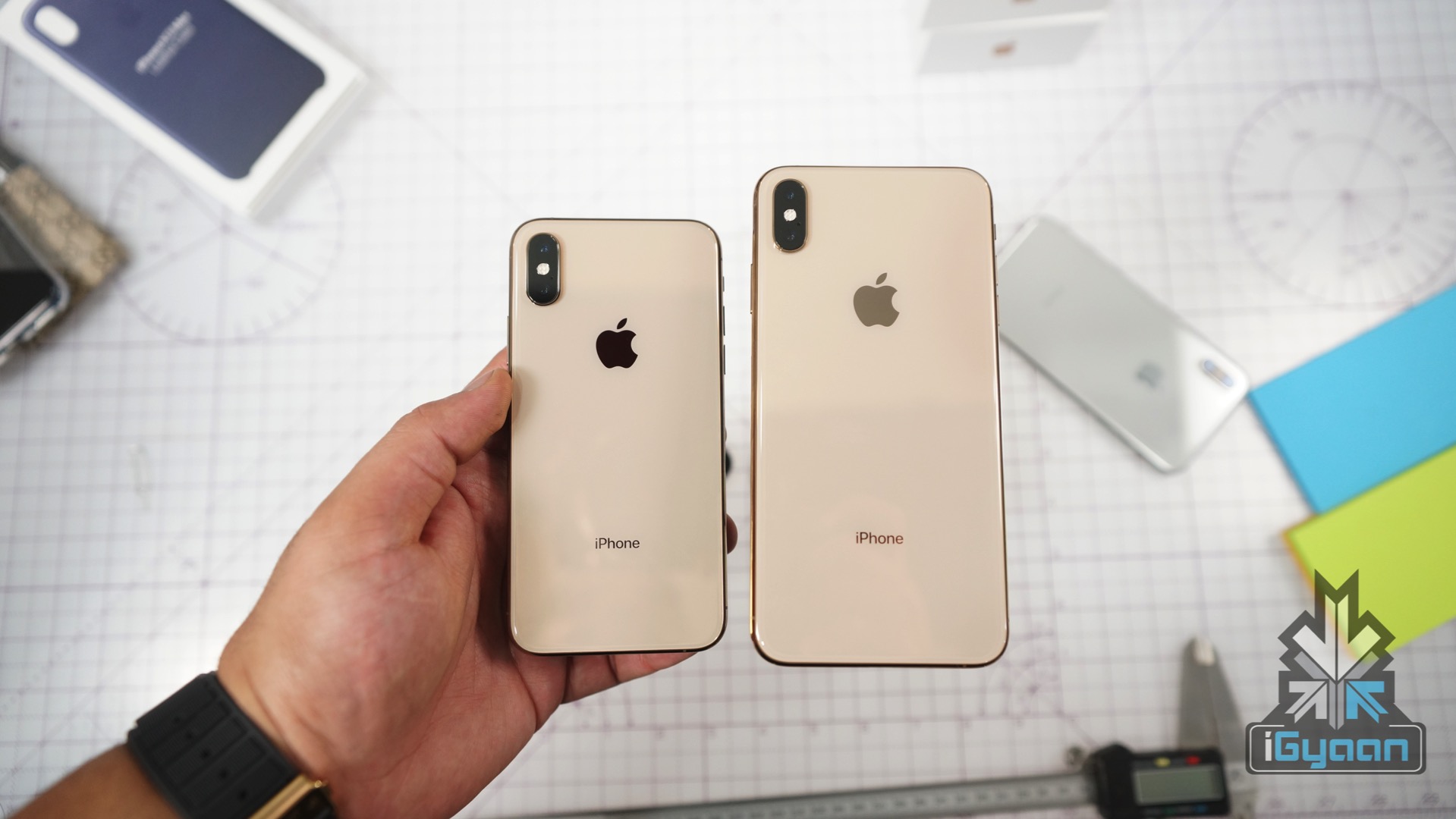
    The latest Apple iOS 12.1 for the iPhone, iPad & iPod Touch will be released today under the free software update. The update will add multiple new features to the current devices like new emojis, real-time Depth Control for portrait mode, Group FaceTime and dual SIM support. Additionally, the update might fix the ‘beauty-gate’ issue that has affected iPhone XS & iPhone XS Max’s front selfie camera.

    Dual SIM iPhone

    The Dual SIM support is new to the latest Apple iPhones which include the iPhone XS, iPhone XS MAX, and iPhone XR. The new iPhones have one physical sim card slot and an additional in-built eSIM which is programmable for the second number. This iOS update will bring support for the second SIM to other phones as well. The update also displays the currently active SIM and the network indicator in the Control Centre.

    However, the Chinese variant of iPhones doesn’t support eSIM card. Hence, the Chinese variant has a slightly different hardware to accommodate the two physical SIM cards.

    All New Emojis

    The initial release of iOS 12 added the customizable memojis and four new Animoji characters. The latest iOS 12.1 will add human-like emojis including bald people, redheads and several other characters.

    Group Facetime

    With iOS 12, Apple completely redesigned the video and audio calling app, FaceTime. The redesign adds memoji, animoji support and effects like stickers. The latest iOS 12.1 will support group video calling between up to 32 individuals. The latest FaceTime software is built with Apple’s iMessage and it allows users to leave or join the ongoing call without reconnecting.

    It is noteworthy that some devices running on the iOS 12.1 will not support group video chat due to hardware limitations. The unsupported devices include iPad mini 2, iPad mini 3, iPad Air and phones released prior to the iPhone 7. However, they do support audio group chat.

    Real-Time Depth Control Support

    The Portrait mode on the new iPhones creates a dept effect by adding a background blur to the subjects in the photo. The iPhone XR, XS, and XS Max already allow editing the amount of background blur from the photos app.

    Also read: OnePlus 6T Unboxing And Hands On Video

  • Nubia Red Magic Gaming Phone To Launch Soon In India

    Nubia Red Magic Gaming Phone To Launch Soon In India

    Nubia Technology is a smartphone manufacturer based in Shenzhen, China which was first started by ZTE in 2012. But in 2017, ZTE reduced its stake in the company after which Nubia became an independent company. Previously Nubia has manufactured some cool looking smartphones in black colours with red accents. Though the company offers good smartphones they have not seen substantial growth in the Indian market. That could also be due to almost non-existent marketing and availability of the smartphones in India.

    Nubia launched a gaming niche specific Red Magic smartphone in Europe & China earlier this year. The company initially offered 10,000 units of the gaming smartphone on a Chinese vendor jd.com which got sold out in a mere 37 seconds. The gaming phone was also put on sale on the crowdfunding website, Indiegogo where it surpassed its initial goal by 240%.

    Red Magic Design

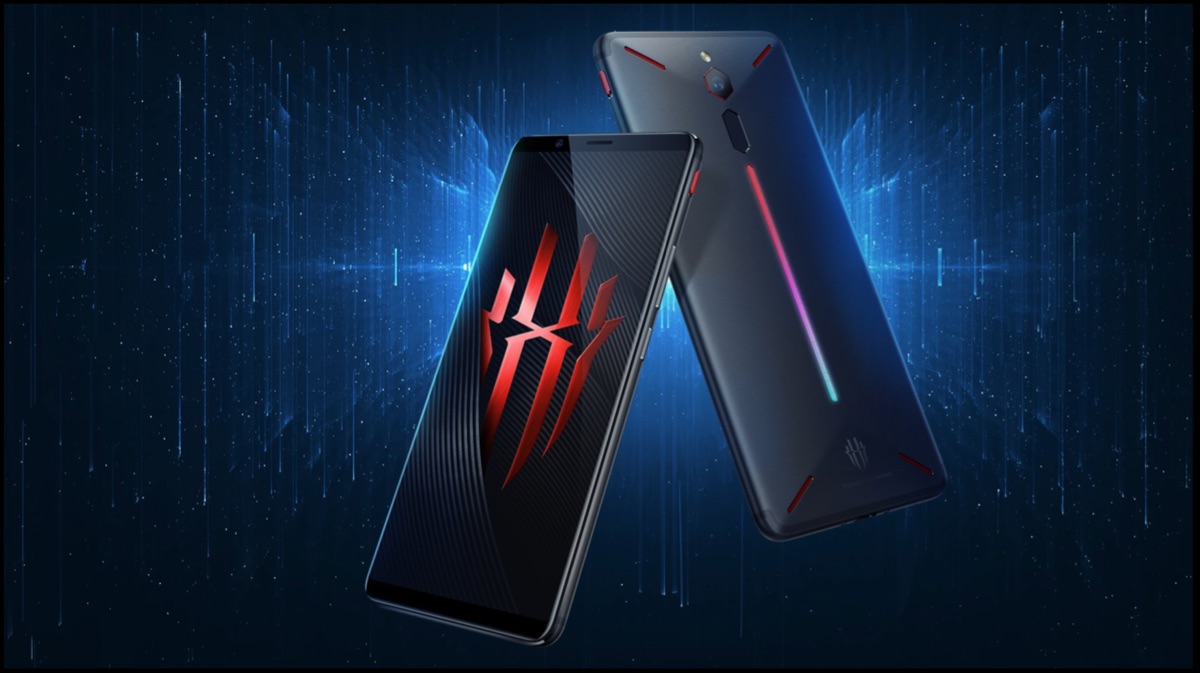
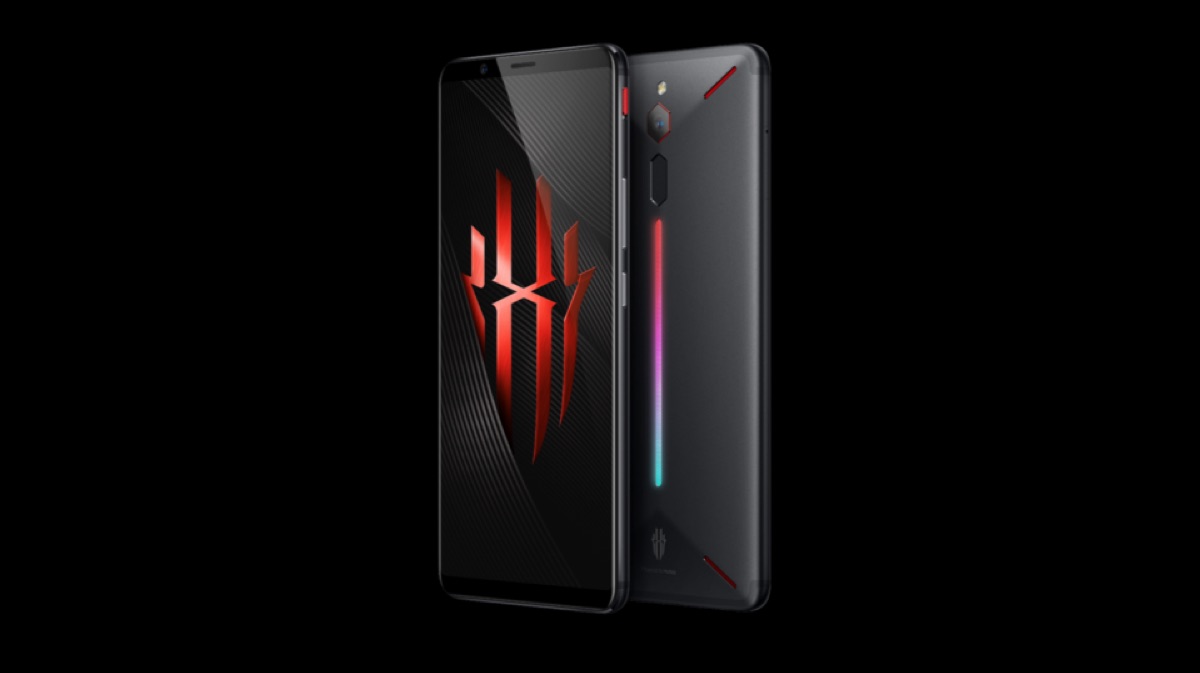
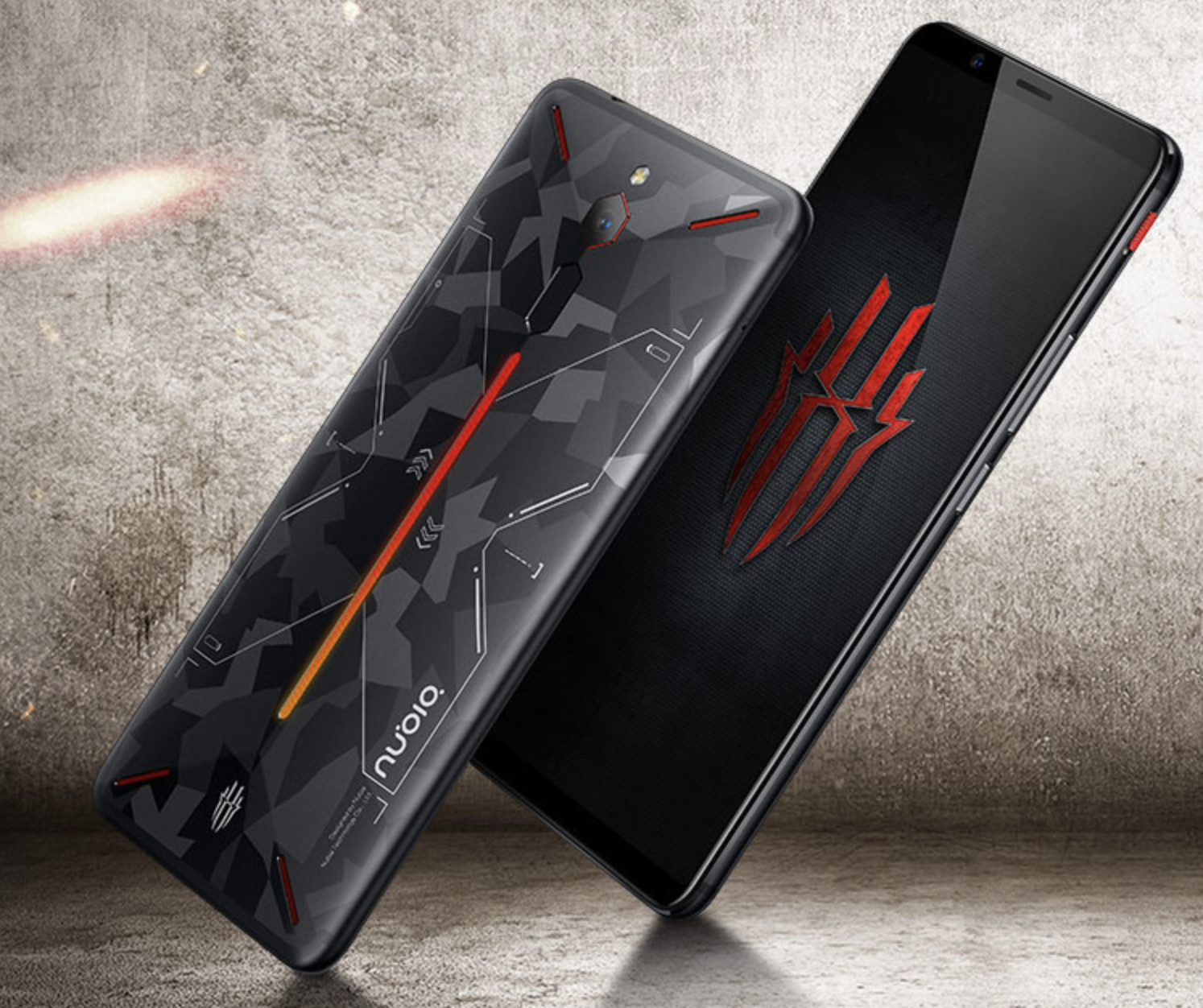
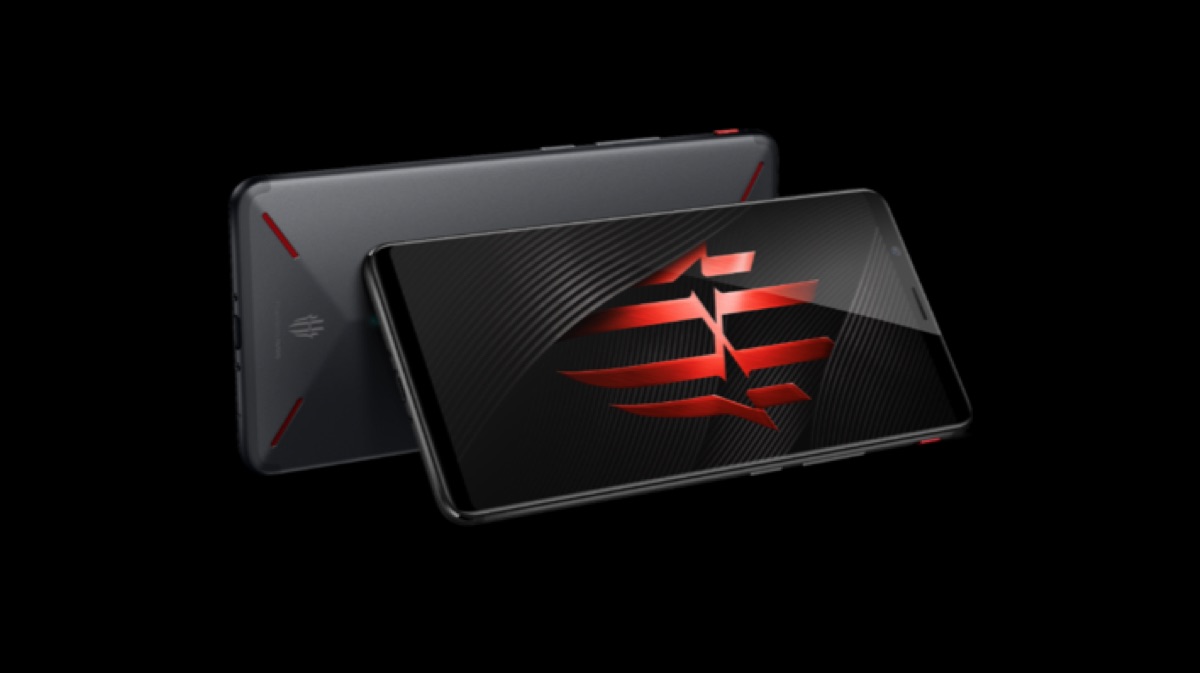
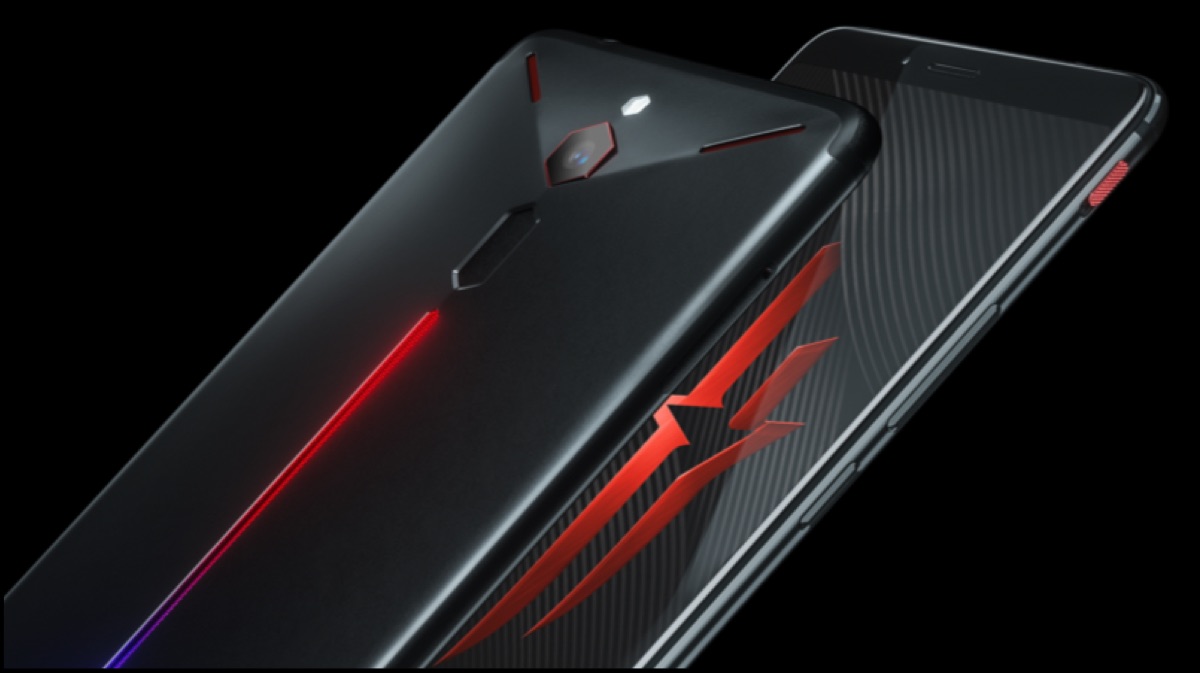
    The smartphone has a front glass and rear aluminum build which looks really good in the black and red color with an RGB led bar running across the back. The front of the glass has prominent top and bottom bezels. The front camera and speakerphone are also placed on the top bezel.

    The Red Magic has 4 red colored mesh grills on the back of the device. Out of which the top two act as exhaust holes for the multilayer cooling technology. While the bottom right mesh acts as the loudspeaker for the phone. The back of the device also houses the hexagonally shaped camera, LED flash and the fingerprint sensor. The RGB light bar is placed below the fingerprint reader and can be set to the choice of the user or changes according to the colours on the display. The company logo and branding is also engraved onto the rear aluminium panel.

    Nubia Red Magic

    The power button and the volume rockers are present on the right side of the device. Additionally, the Red Magic also has a dedicated Compete mode button that is placed over the volume rocker. The gaming button when slid up, closes the background applications and enters a dedicated gaming space for maximum gaming performance. The handset also has a 3.5 mm jack to connect to your favorite headphones and a bottom mounted  USB Type-C port for data sync and charging.

    In terms of the user interface, the Red Magic uses Nubia’s custom skin which is built on top of Android.

    Gaming Accessories

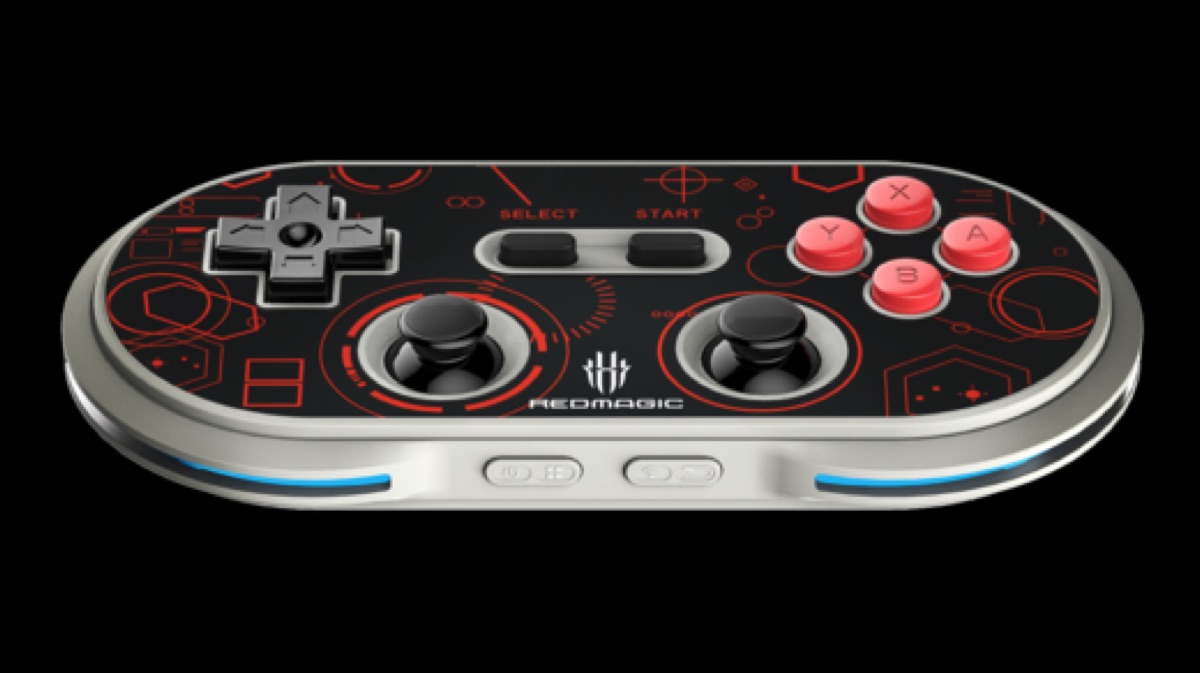
    As it is a gaming centered smartphone the company also offers some accessories which include a Bluetooth controller, extra long charging cable and protective cases. However, the accessories are sold separately.

    Red Magic Specifications
    • Display: 5.99-inch Full HD+ 2160 × 1080 pixels, 18:9 aspect ratio
    • Operating System: Android 8.1 Oreo
    • Processor: Qualcomm Snapdragon 835
    • RAM: 6 GB / 8 GB LPDDR4x
    • Storage: 64 GB / 128 GB
    • Rear Cameras: 24 MP, LED Flash
    • Selfie Camera: 8 MP
    • Security: Rear fingerprint scanner
    • Connectivity: Dual 4G VoLTE, Wi-Fi 802.11 ac 2.4G + 5G, Bluetooth 5 .0 + LE, GPS, USB Type-C , 3.5 mm audio jack
    • Battery: 3800 mAh
    • Dimensions: 158.1 × 74.9 × 6.8 mm
    • Weight: 185 grams
    Price & Availability

    The smartphone has a price tag of CNY 2,499 (around Rs. 26,400) for the 6 GB  / 64 GB variant and CNY 2,999 (about Rs. 31,600) for the 8 GB / 128 GB variant in China.The price in India is reported to be under Rs 30,000 and it might be available in India soon after the festive season.

  • IIT-Madras Researchers Develop India’s First Microprocessor

    IIT-Madras Researchers Develop India’s First Microprocessor

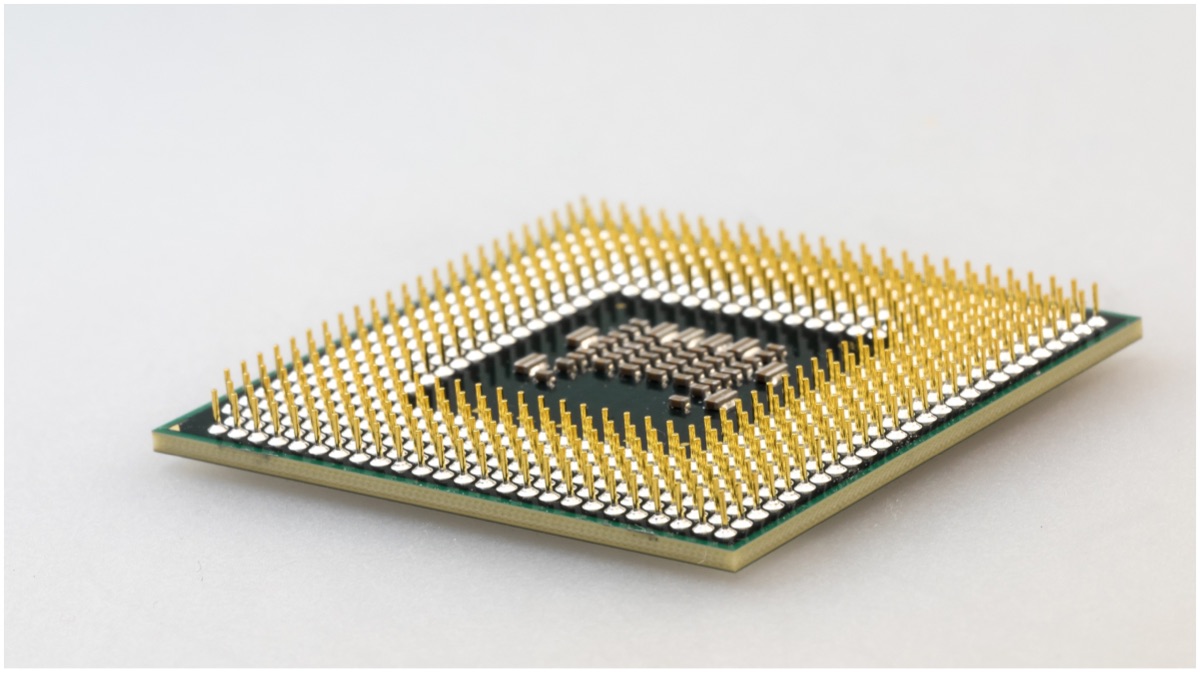
    Researchers from the Indian Institute of Technology, Madras have designed and developed India’s first indigenous microprocessor for mobile computing devices. As a result, it will help to diminish India’s reliance on foreign microprocessors.  The microprocessor is on par with International standards hence, it is fit for sectors like Defence and Communication.

    Indian Shakti!

    The chip is developed under project ‘Shakti’ and was manufactured at the Indian Space Research Organisation’s (ISRO) Semi-Conductor Laboratory (SCL) in Chandigarh. It is the first RISC V (Reduced Instruction Set Computer)  microprocessor that is fully designed and developed in India. Shakti microprocessors are built on an open and free programming language ISA which stands for Instruction Set Architecture. The RISC-V ISA  provides hardware and software freedom for future developments, due to its open source nature.

    India’s Latest Computing Achievement

    Most noteworthy, the Indian chips eliminate the risks of backdoors or trojan infested hardware which is significant as these will be used in sectors by defence and government agencies where security is a major concern.

    Kamakoti Veezhinathan, who is the lead researcher at RISE (Reconfigurable Intelligent Systems Engineering ) laboratory states that the Digital India movement will be hugely benefited by this feat as many applications require task-specific processor cores.

    The clock speeds of Shakti processors are designed to suit various electric devices like consumer electronic devices, networking systems, and embedded low power wireless systems. Project Shakti is financed by the Ministry of Electronics and Information Technology, Government of India.

    IIT Madras officials said that this homegrown microprocessor is a major step towards computing self-sufficiency in the future. The Shakti processors use Bluespec open-source High-Level Synthesis (HLS) language.

    Also readXiaomi Announces Android Pie Update Schedule

    Even more, the first batch of 300 chips was manufactured in July 2018 at Intel’s facility at Oregon, US. The processor is called the RICE CREEK and it was successfully able to boot the Linux operating system. Above all, the latest chips are manufactured in India.

  • Xiaomi Announces Android Pie Update Schedule

    Xiaomi Announces Android Pie Update Schedule

    Xiaomi has become one of the biggest smartphone companies not only due to good hardware but also because of the long-term software support they offer. Except for the Android One devices they are usually one of the first companies to push the latest Android updates to their smartphones.

    Android vs iOS adoption

    Android Pie Android 9 Google

    Android definitely trumps iPhone in terms of device shipments but it is nowhere near Apple’s iOS adoption rate. The latest iOS 12 already runs on more than 50% of the supported devices whereas the latest Android 9.o Pie merely runs on 0.1% of Android devices.

    Talking about Android adoption rate, Android Nougat has the highest market share at 29.3%.  Followed by Marshmallow at 21.6% while Android Oreo is at number three with 19.2 % share. Xiaomi being a global smartphone seller does have an effect on the Android adoption rate. The following list provides information about when their smartphones will get the latest updates.

    Android Update Timeline


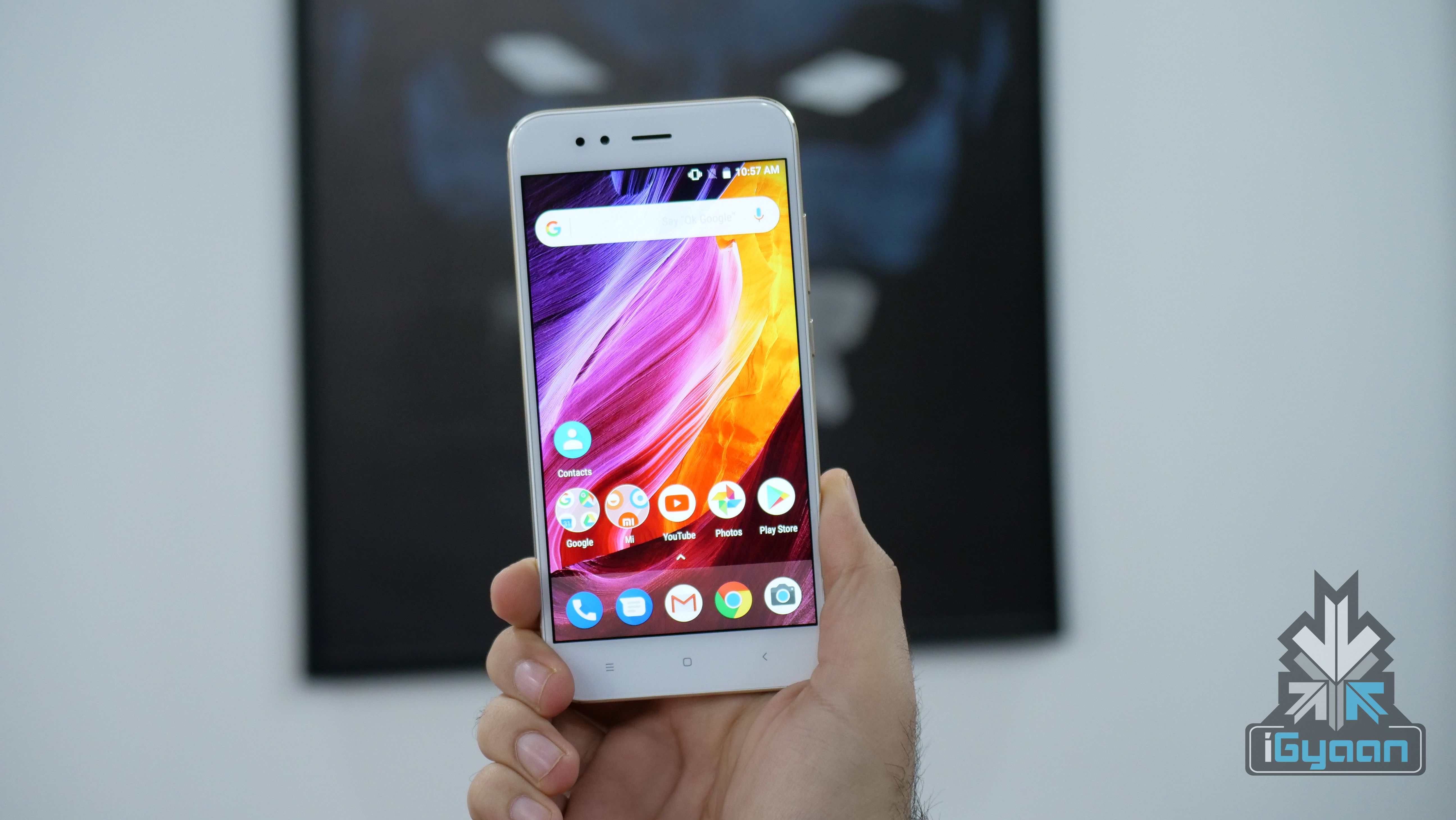
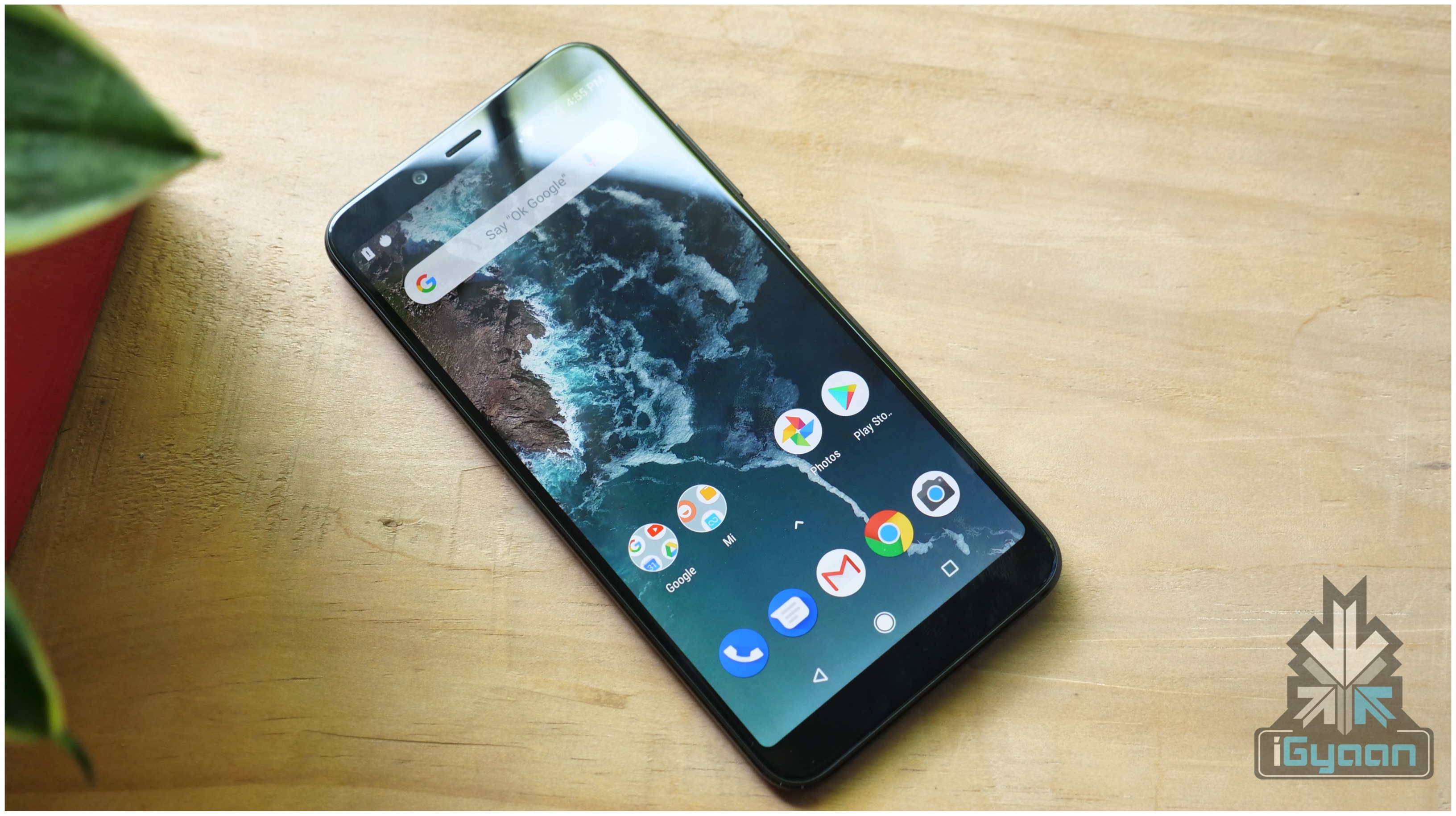
    Xiaomi Mi A1

    According to Xiaomi’s list, the Redmi 5, Redmi 5A, Redmi Note 5 Pro & the Redmi A1 will get the Android Oreo update in December 2018. Additionally, the company has provided a list of smartphones already running on Oreo.

    These are the smartphones have already received the Android Oreo update:

    • Mi 5, Mi 5s, Mi 5s Plus
    • Mi 6
    • Mi 8 SE, Mi 8 Youth Edition, Mi 8 screen fingerprint version
    • Mi MIX, Mi MIX 2
    • Mi Note 2, Mi Note 3

    The Mi MIX 2s, Mi8 & Mi 8 Explorer Edition have already received the Android 9.0 Pie update while the devices that will receive Android 9.0 Pie in December are as follows:

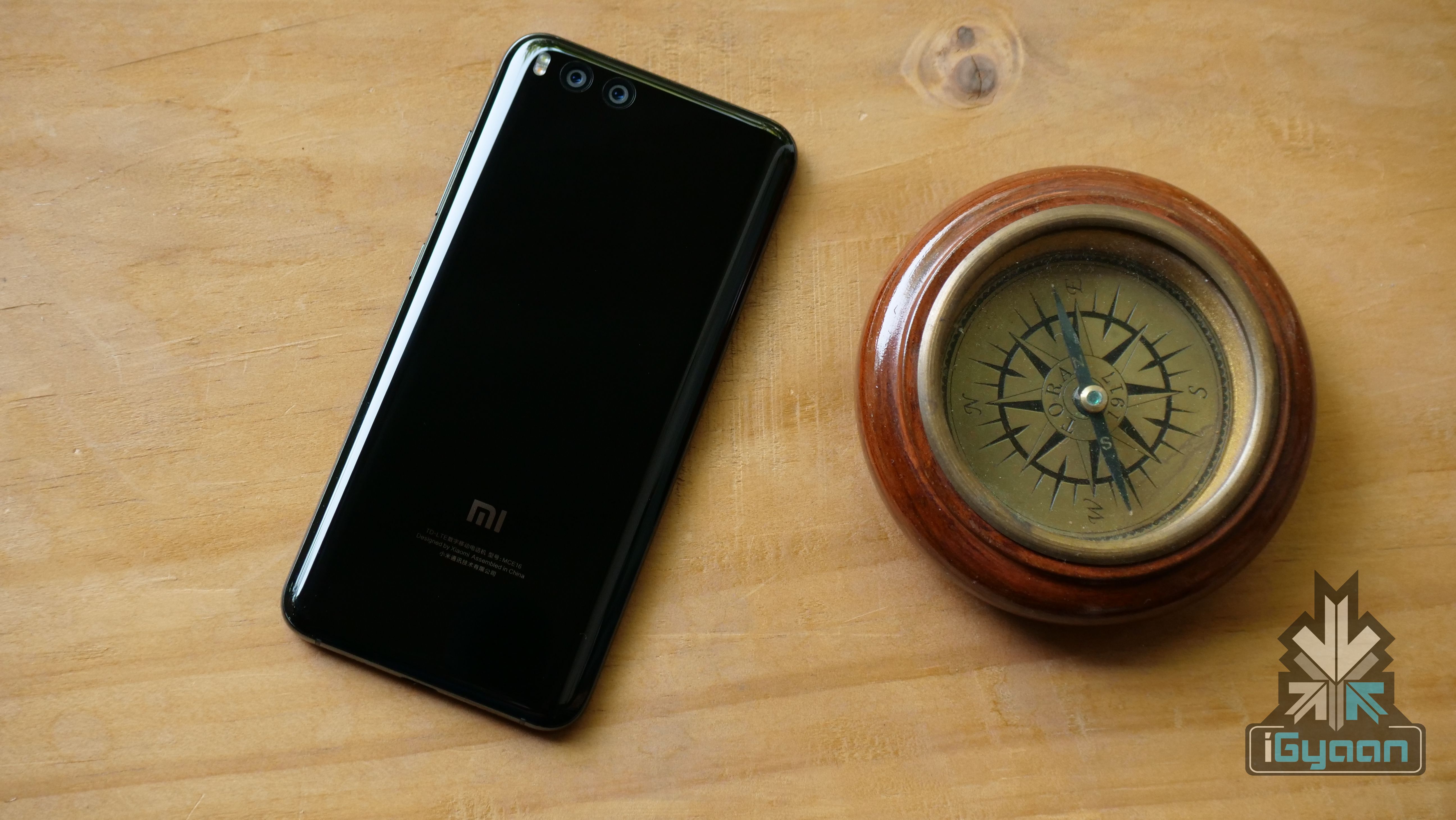
    Xiaomi Mi 6
    • Mi 8 fingerprint edition
    • Mi 8 SE
    • Max 3

    Also Read: Asus Zenfone 6 Leak Shows In-Display Camera

    To conclude, the flagship devices are receiving the latest Android 9.0 Pie and whereas with the mid-range & budget devices users will have to be content with the Android Oreo which was released on 21 August 2017.

  • OnePlus 6 Showcased In Unreleased Gradient Back Panels

    OnePlus 6 Showcased In Unreleased Gradient Back Panels

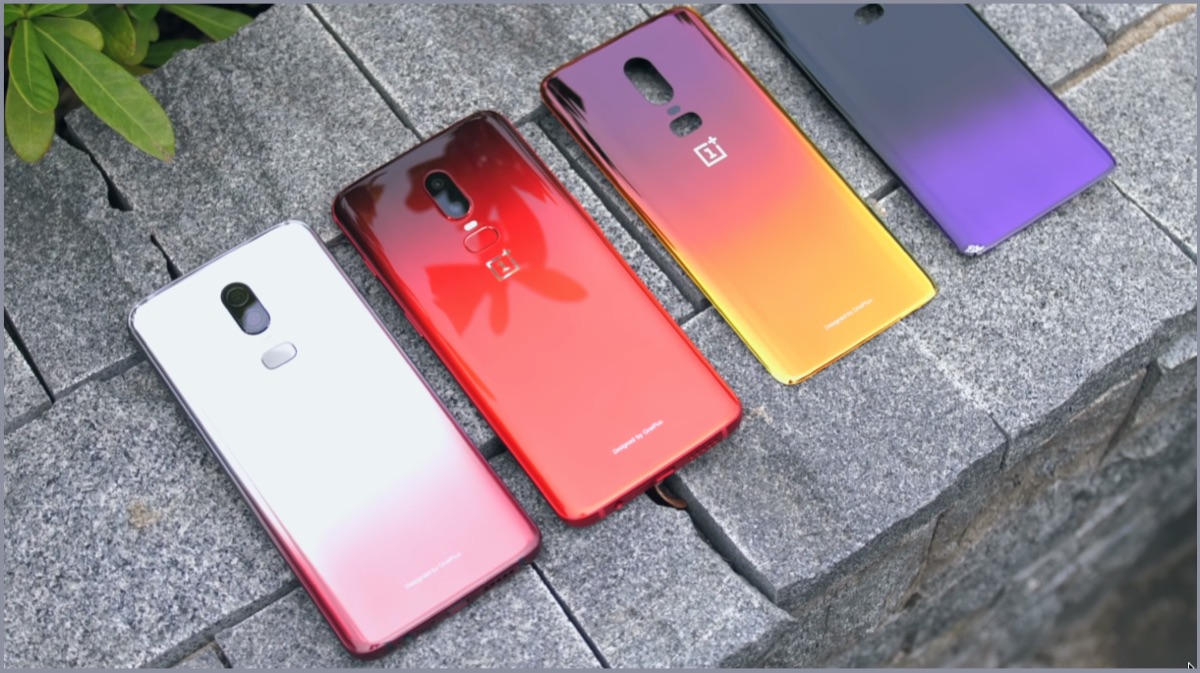
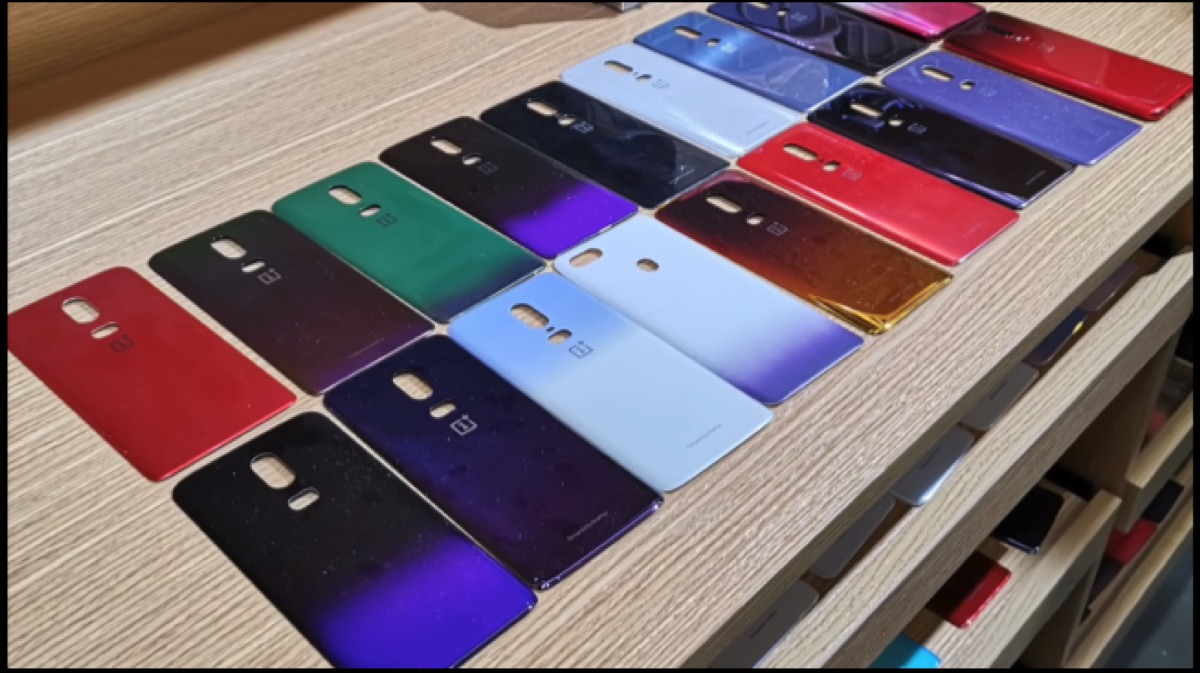
    The OnePlus 6T is set to launch on the 29th of October and prior to the launch, the company invited YouTuber Mrwhostheboss, aka Arun Maini, to visit the OnePlus headquarters in Shenzhen, China. Arun shared a few prototypes of OnePlus 6’s unreleased gradient back panels.

    Gradient Back: Hot or Not?

    Gradient back panels look futuristic and are a complete departure from the conventional monochrome-back smartphones. Huawei and Vivo were one of the first companies to offer their smartphones in gradient back color options. P20 was the first the smartphone from Huawei which was available in gradient colours and it definitely grabbed a lot of attention. Recently, Samsung also launched their five camera Galaxy A9 in three different gradient back colours.

    Gradient Back OnePlus!

    The pictures posted by Arun show 18 different gradient color back panels for the previously launched OnePlus 6. The photos reveal gradient back panels ranging from pink and silver to glittery purple and gradient green colours. The unreleased back panels surely look beautiful and are bound to catch your eye. Surprisingly, none of the gradient back panels made it to the retail OnePlus 6. The device is only available in four different colours which are Silk white, Flame Red, Midnight Black, and Mirror Black. However, with the rise in demand of these gradient colours OnePlus might launch the upcoming OnePlus 6T with some of these color panels.

    Also readSmartphones To Scooters; Xiaomi’s Ever-Expanding Portfolio

    The launch of the OnePlus 6T is right around the corner and we won’t have to wait for long to know whether any of these stylish panels become a reality or not.

  • Smartphones To Scooters; Xiaomi’s Ever Expanding Portfolio

    Smartphones To Scooters; Xiaomi’s Ever Expanding Portfolio

    The Xiaomi Corporation was founded 8 years ago in China, by Lei Jun and seven other partners. In 2011, Xiaomi officially launched the Xiaomi Mi 1 smartphone with MIUI firmware based on Android. In 2012, the company launched their second smartphone, Xiaomi Mi 2 which the company claims sold over 10 million units within 11 months of its launch. The company since then has seen tremendous growth and in the last year crossed the 17 billion USD sales mark.

    Expansion Outside China

    Xiaomi announced their expansion outside China in 2014 and that is when the company launched their first smartphone in India. The smartphone was called the Mi 3 which due to its impressive specs and low price tag raked in a lot of sales for the company. The Mi 3 had the Quad-Core Snapdragon 800 SoC at almost half the price of the Google Nexus 5 and Galaxy s4 which had the same chipset. This smartphone changed the perspective people had about Chinese handsets. From being cheap and low quality to low-cost high-value products in the eyes of the consumers.

    2013-2014 was the period when India was seeing its massive e-commerce transition. It allowed Xiaomi to scale quickly and not wait to open physical brick and mortar stores. Since then, Xiaomi has continuously launched smartphones with latest specs at comparatively low prices. Some of the devices include the Redmi and Redmi Note series smartphones.

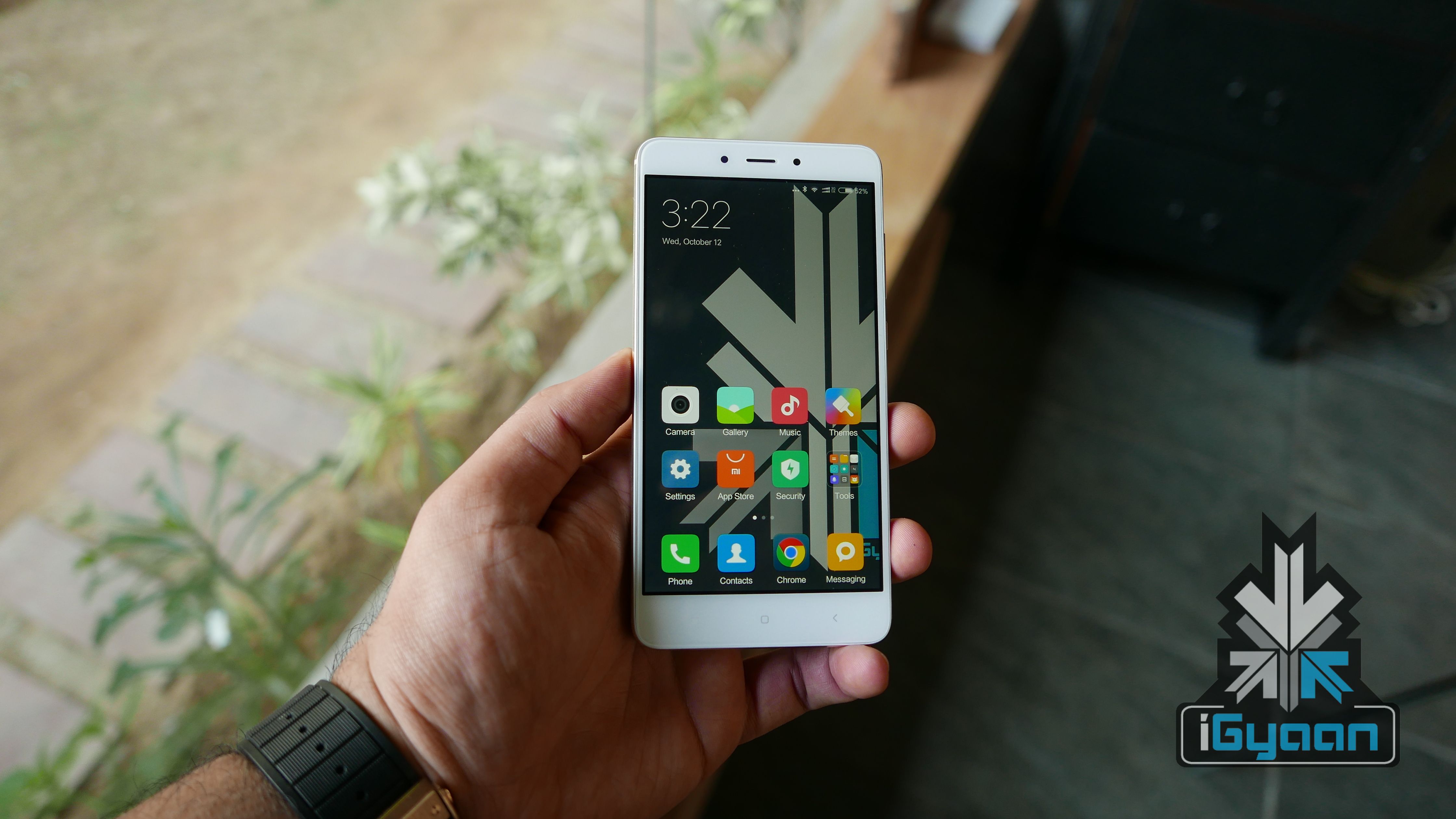
    Redmi Note 5
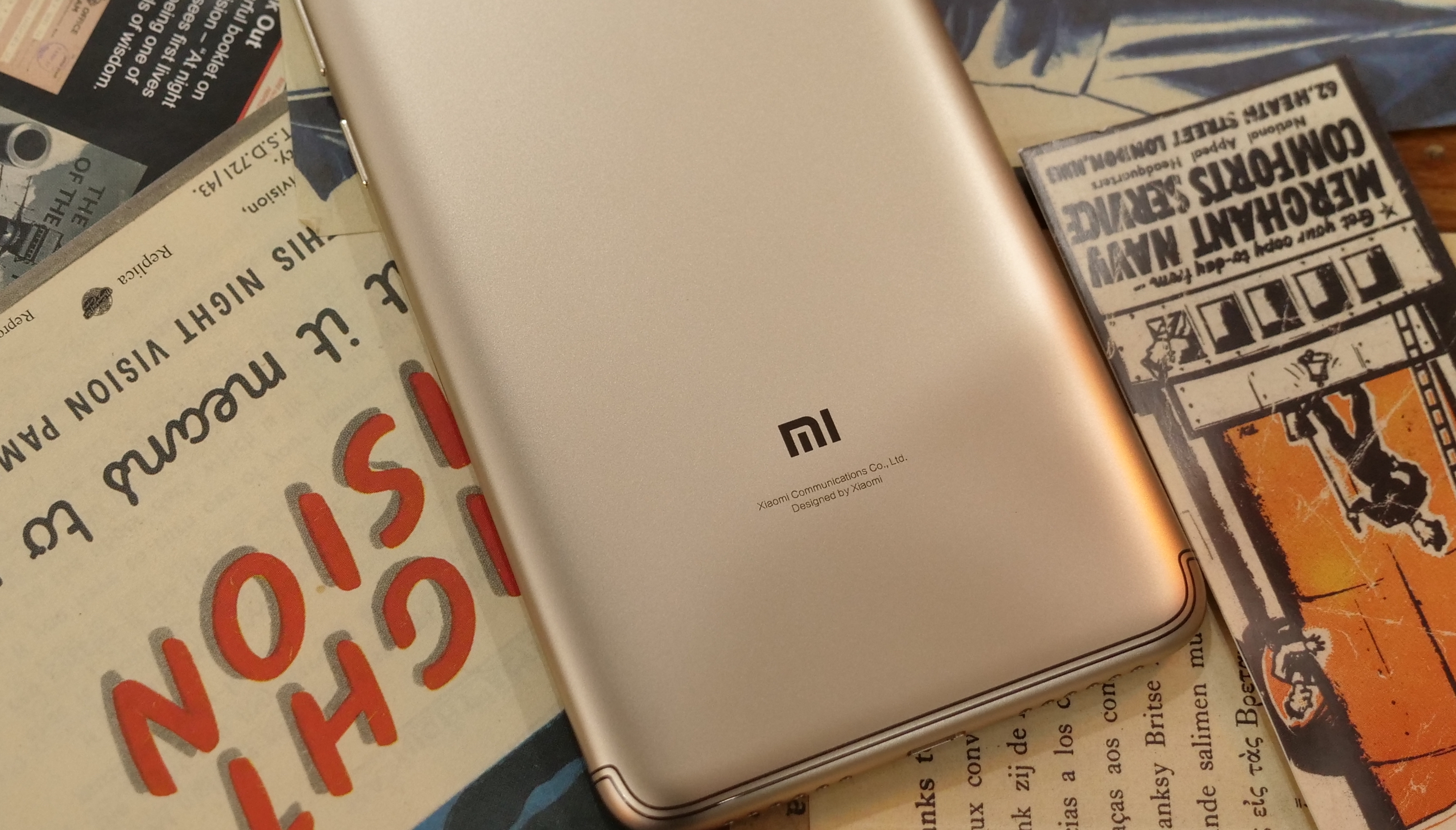
    Xiaomi Redmi Note 4

    At the same time, Xiaomi was performing well in other countries like Singapore and Brazil. Back in 2017, the company expanded into Pakistan and Bangladesh. Up until now, the company has been launching smartphones in Tier 2 countries but, according to the latest announcements it company is now moving into Tier 1 countries.

    Tier 1 Expansion
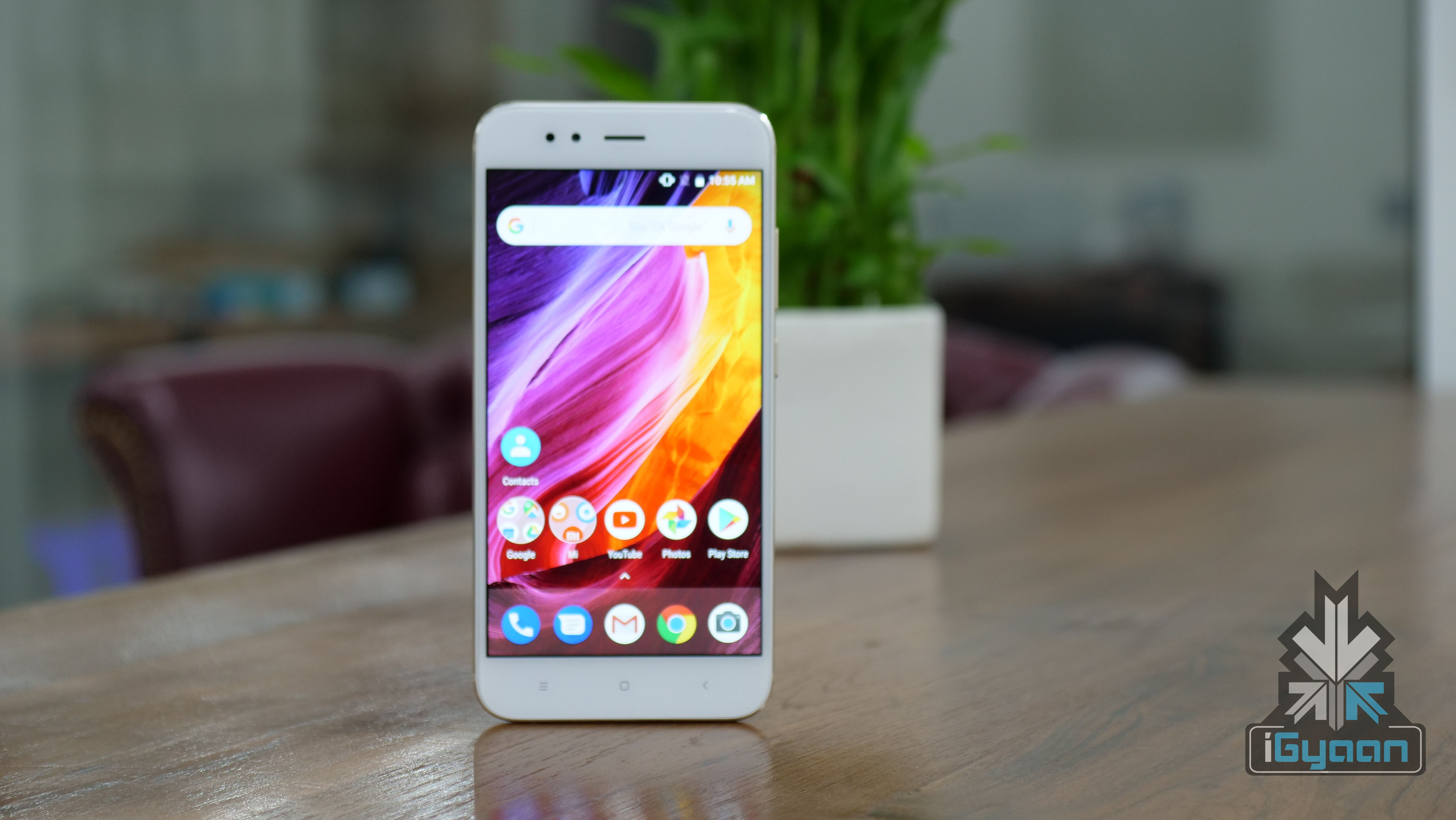
    Xiaomi Mi A1

    Last year Xiaomi spread their presence to Spain and France with the Mi A1 & Mi Mix 2 smartphones. Recently, the company has announced that they will officially make their way into the United Kingdom and Ireland. The Ireland launch is set to November 1 while the UK launch is set to November 8. The company will also open a physical MI experience store in White City, London after the launch. The company has partnered with Three UK to sell devices in both UK and Ireland. Three is a major telecom company in both the countries and will help with the propagation of products.

    Xiaomi apparently plans to be one of the biggest smartphones company hence, they are continuously expanding into new regions and markets.

    Smartphone’s The Limit?
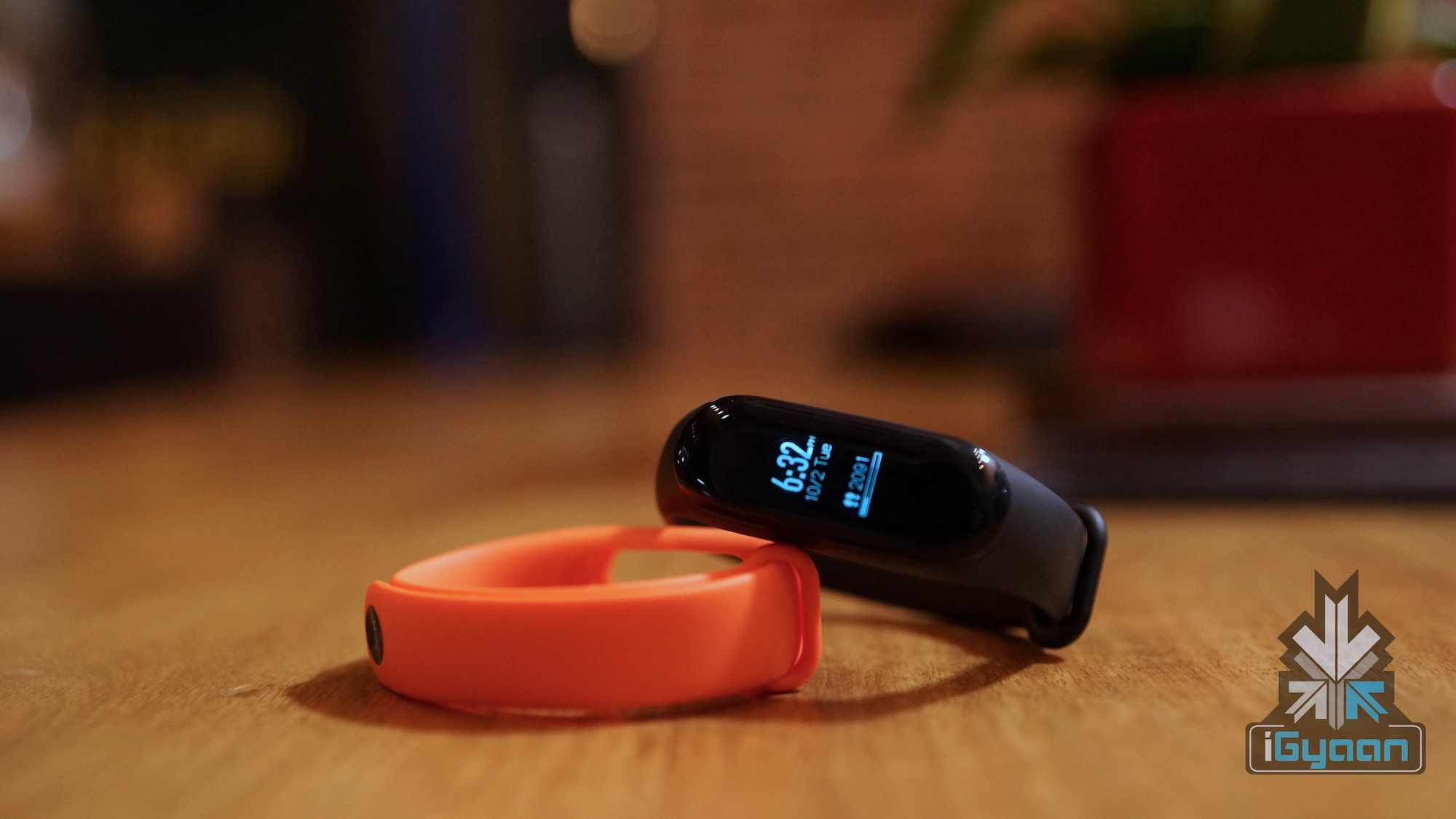
    Mi Band 3

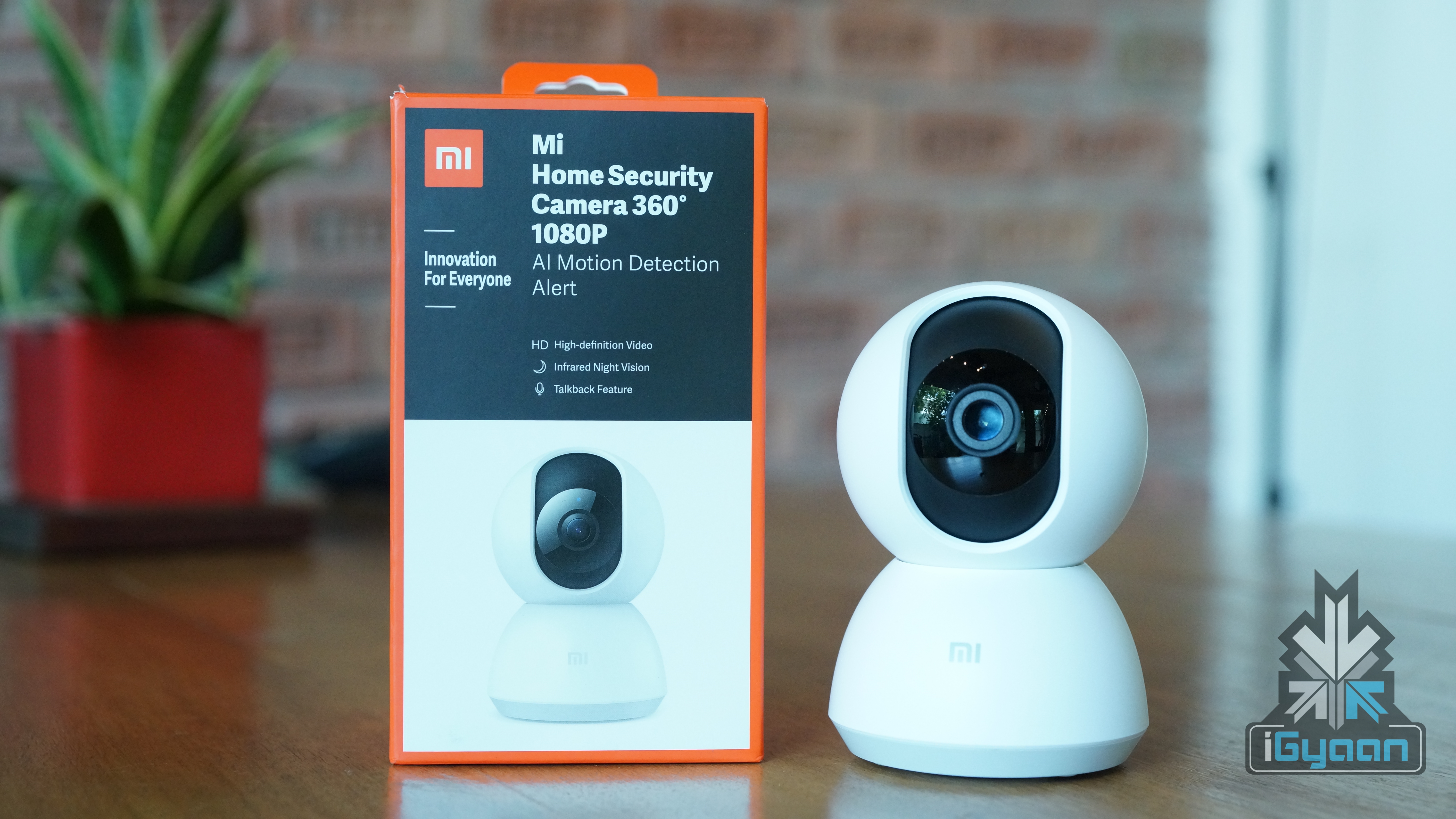
    The company is not only limited to smartphones, but they also offer a plethora of products ranging from security devices to fitness products and even Mi Televisions & other consumer appliances.

    Xioami is truly an unconventional company with unconventional strategies. The company keeps on acquiring start-ups and other unique companies to incorporate their products and technologies into their own offerings.

    The more products you surf for on the Mi Global website, the crazier it gets. The company makes mobility vehicles like electric scooters, mijia shoes, and has even started selling smartly designed luggage trollies.

    In other words, Xiaomi is not a company focused only on electronics. Whenever this ambitious company finds a product that can be improved or a problem that needs to be solved, they will rapidly develop solutions and products according to it. We can say this is just the start of a young, aspiring company and only time will tell what the future of the company holds.

  • Huawei Announces AI Enabled Smart Speaker

    Huawei Announces AI Enabled Smart Speaker

    Earlier this month, Huawei released their Mate 20 series smartphones in London. And now, the company has launched the Mate 20 trio in the Chinese market. Along with the Mate 20 smartphones, the company also launched a smart AI speaker which draws a lot of inspiration Apple’s HomePod.

    The Rise Of AI Speakers
    Apple
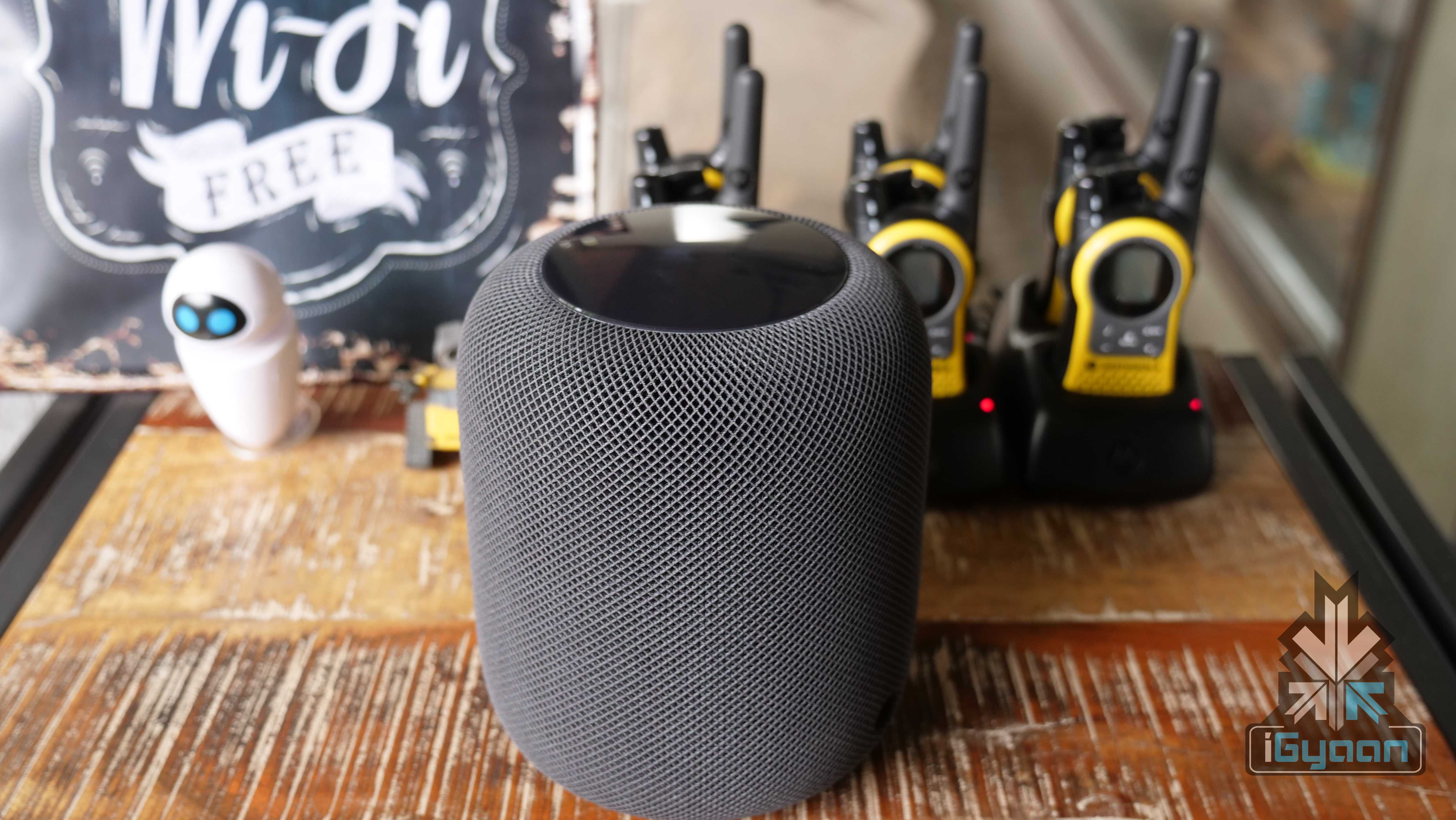
    HomePod

    With the advancements in AI (Aritficial Intelligence) and Virtual Assistant technology , the smart speaker market is getting very hot. Top tech companies are working hard to grab their shares in this new industry. Companies like Google, Amazon & Apple already offer smart speakers and recently the Chinese tech titan Huawei, has jumped on the bandwagon with a budget AI speaker.

    Huawei’s Fatboy AI Speaker

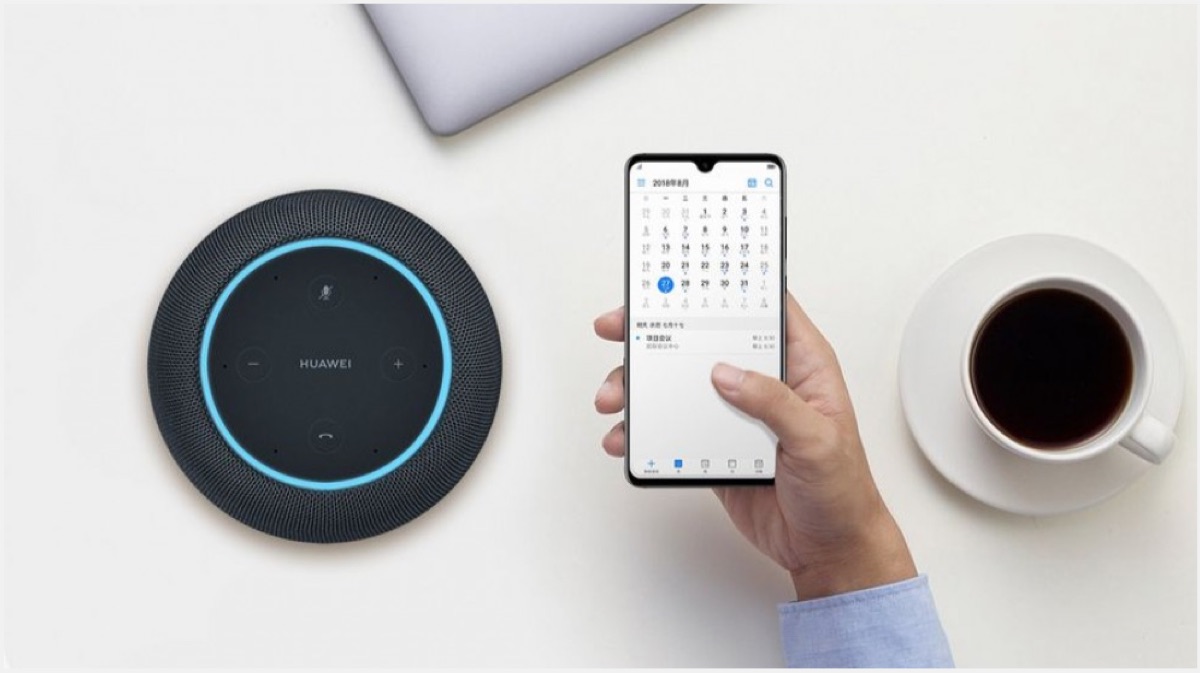
    While the overall design is pretty similar to that of the Apple HomePod, the LED ring on the top and the four control buttons remind us of another smart speaker. The AI speaker from Huawei looks like a chubby sibling of the Alexa powered Amazon Echo Plus. The speaker has a cylindrical design with control buttons on the top. It has 6 michrophone pinholes on top and a circular ring light around the controls. The Huawei AI speaker has 4 top mounted buttons to control all its functionalities. It includes volume up & down button, mic mute button and a call receive button. The AI speaker can be connected to a smartphone and directly receive calls.

    The Huawei AI speaker uses a 2.25 inch sound driver that has a power output of 10 W along with two passive bass radiators. The company claims these help in creating a more natural sound effect and powerful bass performance. For acoustic systems and design co-creation, Huawei partnered with Dynaudio which is a Danish loudspeaker maker. The smart speaker uses Huawei’s “Histen” algorithm which is a music equaliser and sound effect controlling software available on their smartphones.

    The brains of the smart speaker are powered by Huawei’s “Xiaoyi” voice assistant which enables it to interact with HiLink supporting smart devices like lights, air purifiers, security cameras and more.

    Also read: Huawei Mate 20 Pro Launched in China With New Variant

    The Huawei AI speaker has a price tag of 399 CNY (around Rs. 4,000) which is much less compared to other smart speakers available in the market. Huawei is yet to comment on it’s global launch or the date of sale.

  • Honor Magic 2: Everything We Know So Far

    Honor Magic 2: Everything We Know So Far

    A high screen-to-body ratio is the latest trend in smartphones and companies are continuously trying hard to achieve it. Recently, we saw the launch of Xiaomi Mi Mix 3 with an insane 93.5 % screen-to-body ratio. Lenovo is boasting that the new Z5 Pro will have a 100 percent full-view display with in-display fingerprint scanner. And now, fresh renders of the Honor Magic 2 have surfaced online which follow a similar design theme.

    Consumers, We Shrunk The Bezels

    With each passing year, smartphone manufacturers try to shrink the bezels around the screen. But till now components like the front facing camera, earpiece and ambient light sensor have held back companies from achieving this goal. Now, the companies have found a way around it. Manufactures are now concealing the previously mentioned hardware components behind a sliding screen. It has allowed companies to significantly bump up the screen real estate available on a device.

    Honor Magic 2: Truly Infinite Screen

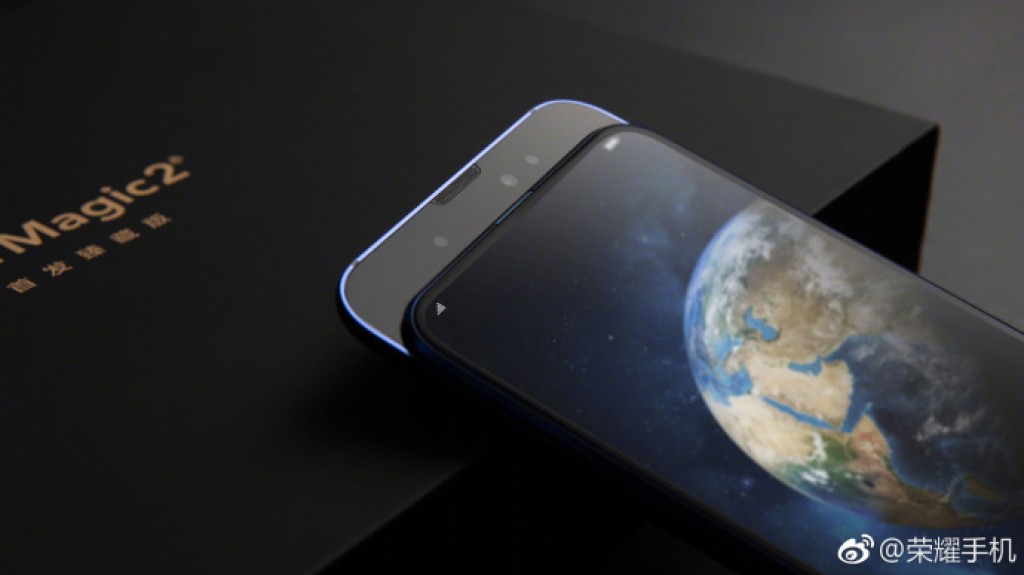
    Honor is a sub brand of the Chinese telecom giant Huawei and the company is about to launch a new smartphone called the Honor Magic 2. As per latest renders, the Honor Magic 2 has triple sliding front cameras with 3D face unlock technology. Previously shared photos of the smartphone give us an idea that it will have a very high screen-to-body ratio.

    A listing of the Honor Magic 2 was recently seen on the Chinese website TENAA. According to TENAA’s listing, the device has a 6.39 inch AMOLED screen with a resolution of 2340 x 1080 px. The Smartphone weighs 206 grams and measures 157 x 75 x 8.3 mm.

    It will run on the 7 nm Octa-Core Kirin 980 SoC and have 6 GB / 8 GB of hi-speed LPDDR4x RAM. In terms of storage the device will be available in 128 GB / 256 GB storage variants. No information about memory expandability is available. The Honor Magic 2 runs on EMUI 9 ,which is based on Android 9.0 Pie. It has a 3,400 mAh battery with 40 W fast charging capabilities. Other connectivity features of the smartphone include NFC, Bluetooth 5.0, 4G VoLTE, 802.11 Wi-Fi and a USB Type-C port.

    Latest renders of the device reveal that it will be available in three gradient colors which are Blue, Pink & Silver. The Honor Magic 2’s power button and volume rockers are placed on the right whereas the sim card tray is on the left side.

    Also read:  Samsung Galaxy S10 To Launch In Three Variants Along With A Foldable Phone

    The smartphone’s launch is scheduled for the 31st of October hence, we wont have to wait for long to get the official specifications and features of the Honor Magic 2.

  • Lenovo Z5 Pro With Sliding Screen Teased Ahead Of Launch

    Lenovo Z5 Pro With Sliding Screen Teased Ahead Of Launch

    Lenovo is known for their industrial grade Thinkpad laptops and not so much for their smartphones. But, the company has been trying hard to break in to the smartphone market and they have launched some robust smartphones like the K8 Note and the Z5. Recently, the Vice President of Lenovo, Edward Chang has shared a teaser of an upcoming smartphone on Weibo. The device is called the Z5 Pro which is the successor to the Lenovo z5.

    Lenovo Z5 Pro Teaser

    The teaser shows a smartphone with dual front sliding cameras which look similar to the Xiomi Mi Mix 3 and has and edge-to-edge display. The poster states that the release is scheduled for 1st November which is just 6 days away. It also reads that the smartphone has a full view screen and an in-display fingerprint scanner. Lenovo claims that the Z5 Pro has a 100% screen-to-body ratio as it does not have a notch or speaker grill.

    Previously an alleged video of the Z5 Pro was posted on Weibo which appears to be the same device seen in the official teaser. Detailed specifications of the Z5 Pro are not available but it will surely have better specs than its predecessor. For reference:

    The Lenovo Z5 has a 6.2 inch Corning Gorilla Glass protected IPS display. The display has a pixel density of 402 ppi and an aspect ratio of 18.7:9. The Lenovo Z5 runs on the Octa-Core Snapdragon 845 SoC which is paired with 6/8 GB of RAM. In terms of storage, it is available in 64 / 128 GB ROM variants which are expandable up to 256 GB via a microSD card. The smartphone has dual 16 MP + 8 MP rear and an 8 MP front camera. The device is powered by a 3,300 mAh battery that supports 15 W fast charging. The Lenovo Z5 has a rear mounted finger print scanner for securely unlocking it.

    Also read: Realme To Soon Launch A Helio P70 Powered Smartphone

    To conclude, Lenovo Z5 Pro will be a true flagship phone and definitely grab a lot of attention.


  • Realme To Soon Launch A Helio P70 Powered Smartphone

    Realme To Soon Launch A Helio P70 Powered Smartphone

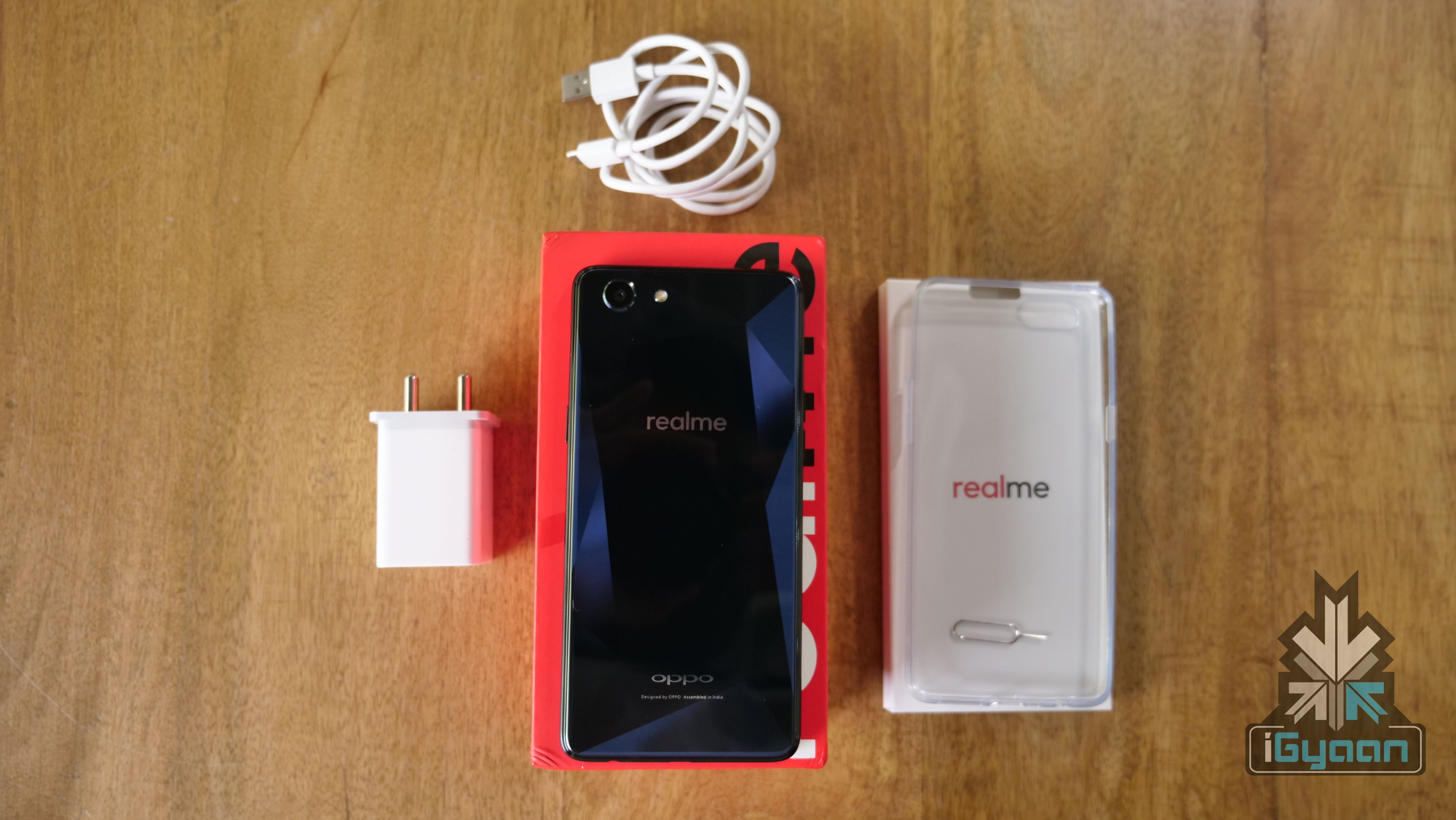
    Realme is a smartphone manufacturer which was first registered in China in 2010. The company was a sub-brand of of Oppo Electronics until it’s sepration in 2018. The company launched its first smartphone, the Oppo Realme 1 earlier this year which was a huge hit in the Indian smartphone market. Realme has launched other smartphone models since then which are in high demand as well. Now, MediaTek has made an announcement at the IMC(Indian Mobile Congress) 2018. The company confirmed that a Realme smartphone will be the first device to be powered by the upgraded MediaTek Helio P70 SoC

    Helio P70- What Has Changed?

    The recently launched Helio P70 is an upgraded version of the Helio P60 which is seen in the likes of Oppo F9 Pro & Realme 1. The Helio P70 is 64-bit Octa-Core processor which uses 12nm production process that makes it more power efficient. It is up to 13% faster than the Helio P60 and up to 35% less power hungry. The Heli0 P70 supports up to 8 GB DDR4 RAM or 4 GB DDR3 RAM. The Helio P70 SoC has the Mali-G72 GPU with 900 MHz frequency and has a maximum screen resolution support of 2160 x 1080 px.
    The Helio P70 also has an in-built 525 MHz APU(Accelerated Processing Unit) which is a combination of CPU & GPU that allows for faster data communication. Hence, resulting in better performance and processing power.

    Realme & MediaTek
    Oppo Realme 1

    The last time Realme and MediaTek got together ,the result was the Realme 1. It stirred up the already cut-throat Indian smartphone market. Before the launch of Realme, Xiomi was one of the top smartphone manufacturers to offer a feature packed device at a highly affordable price. The Realme brand has since then become a synonym for great value for money smartphones. Later, the company launched the Realme 2, with a bigger battery and a fingerprint scanner which was an alternate to their Realme 1 which was more performance oriented. Recently, the company launched the Realme 2 Pro, a powerful mid-ranger and the Realme C1, the budget killer. Both of which run on Qualcomm processors.
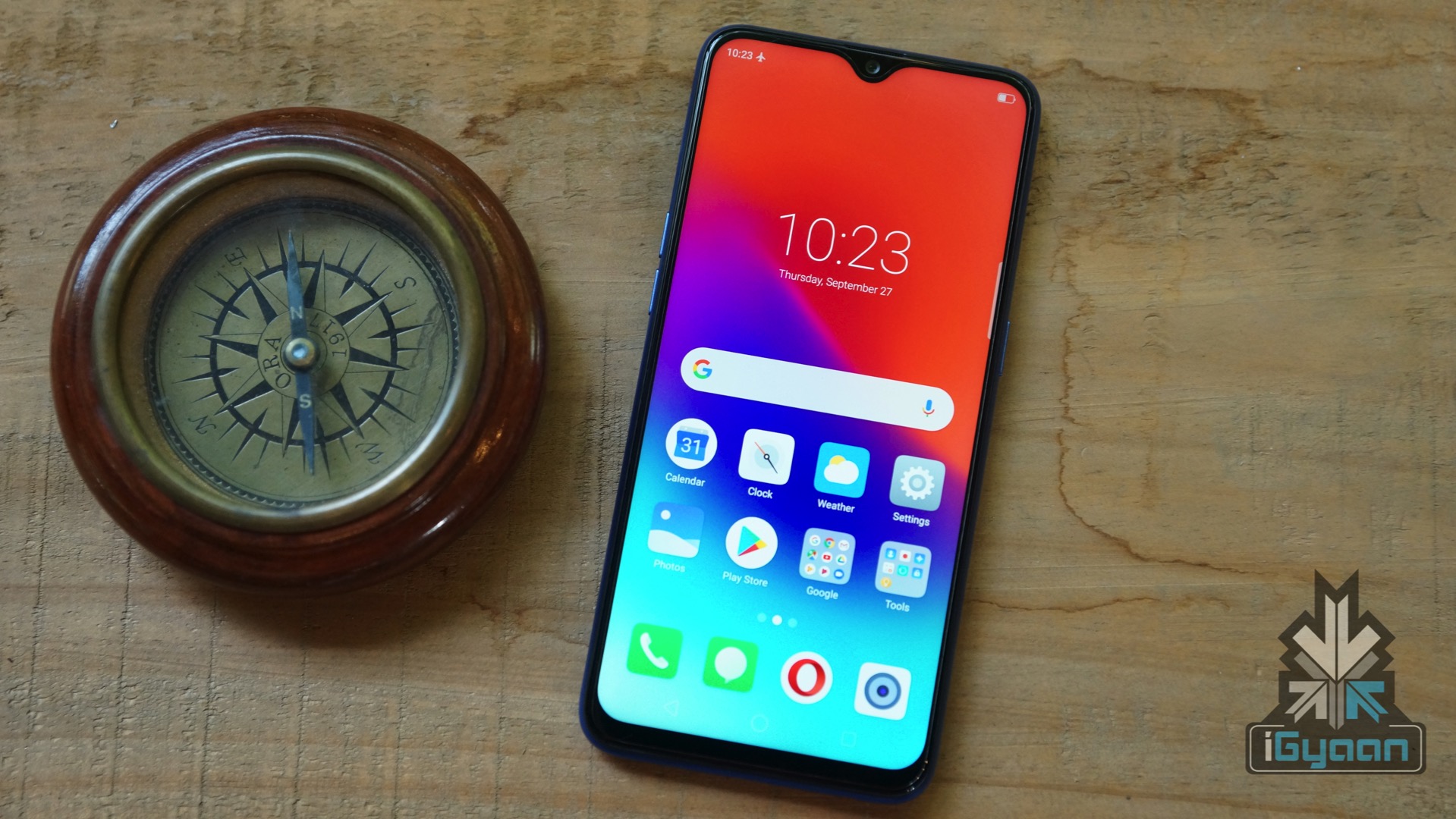
    The Realme 1 with the Helio P60 SoC had overall better performance compared to it competitors in that price bracket. Now, the updated Helio P70 with multiple updates and better AI intergration is out. We are eager to see how the upcoming Realme smartphone with the Helio P70 SoC will fare. As we know, Realme prices their smartphones very aggressively we have a feeling the new smartphone will be a killer deal that will be hard to pass.

    The launch date of the device is not yet available, but the company had hinted towards a possible smartphone release by the end of this year.

    Also read: Top Smartphone Deals On Amazon Great Indian Sale

  • Top Smartphone Deals On Amazon Great Indian Sale

    Top Smartphone Deals On Amazon Great Indian Sale

    The Amazon Great Indian Sale is on its 3rd day and a lot of top smartphones are still available at great discounts. We have picked the best smartphones with top deals in the Amazon Sale. Here is a list of the same:

    Apple Deals:

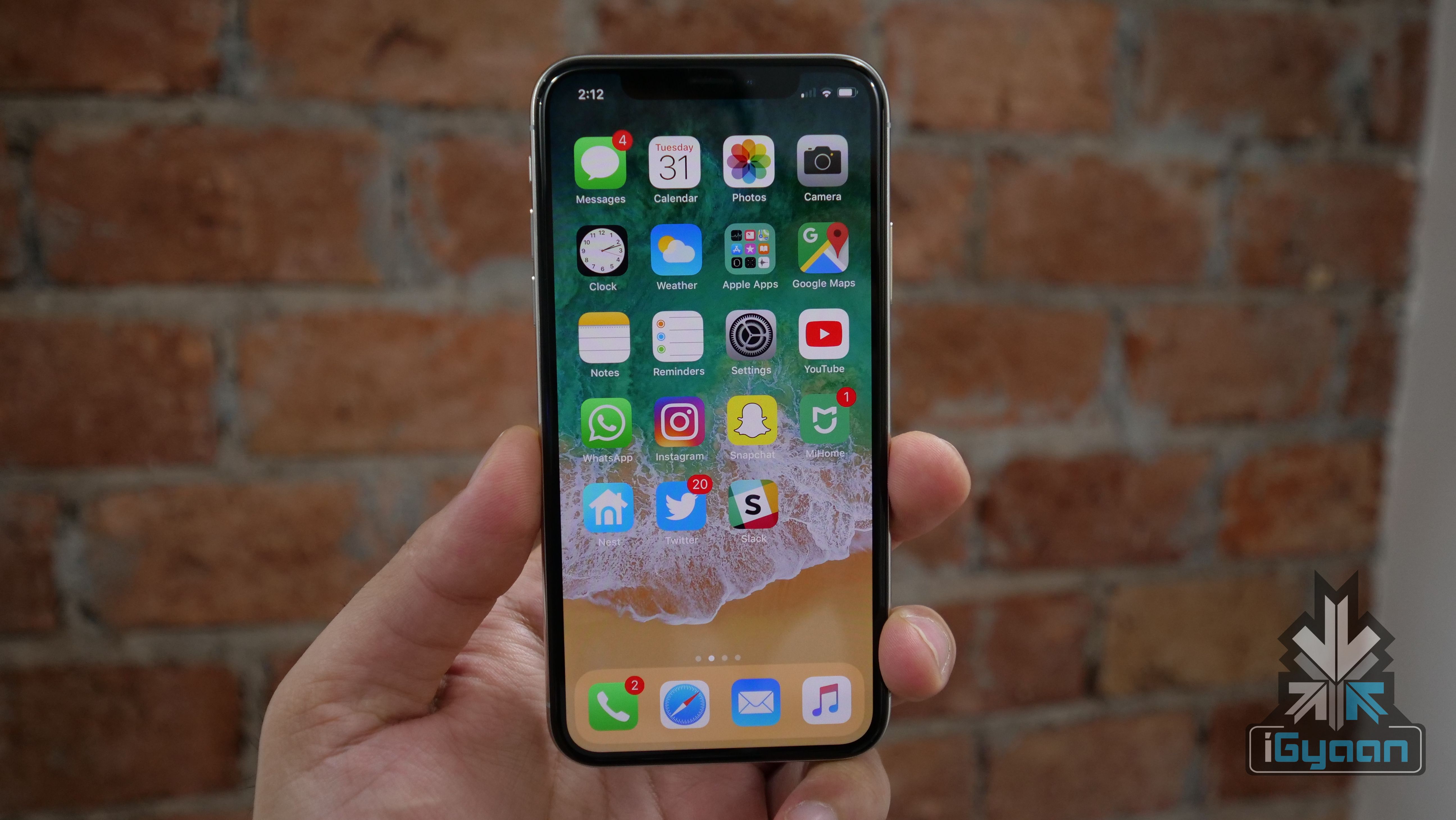
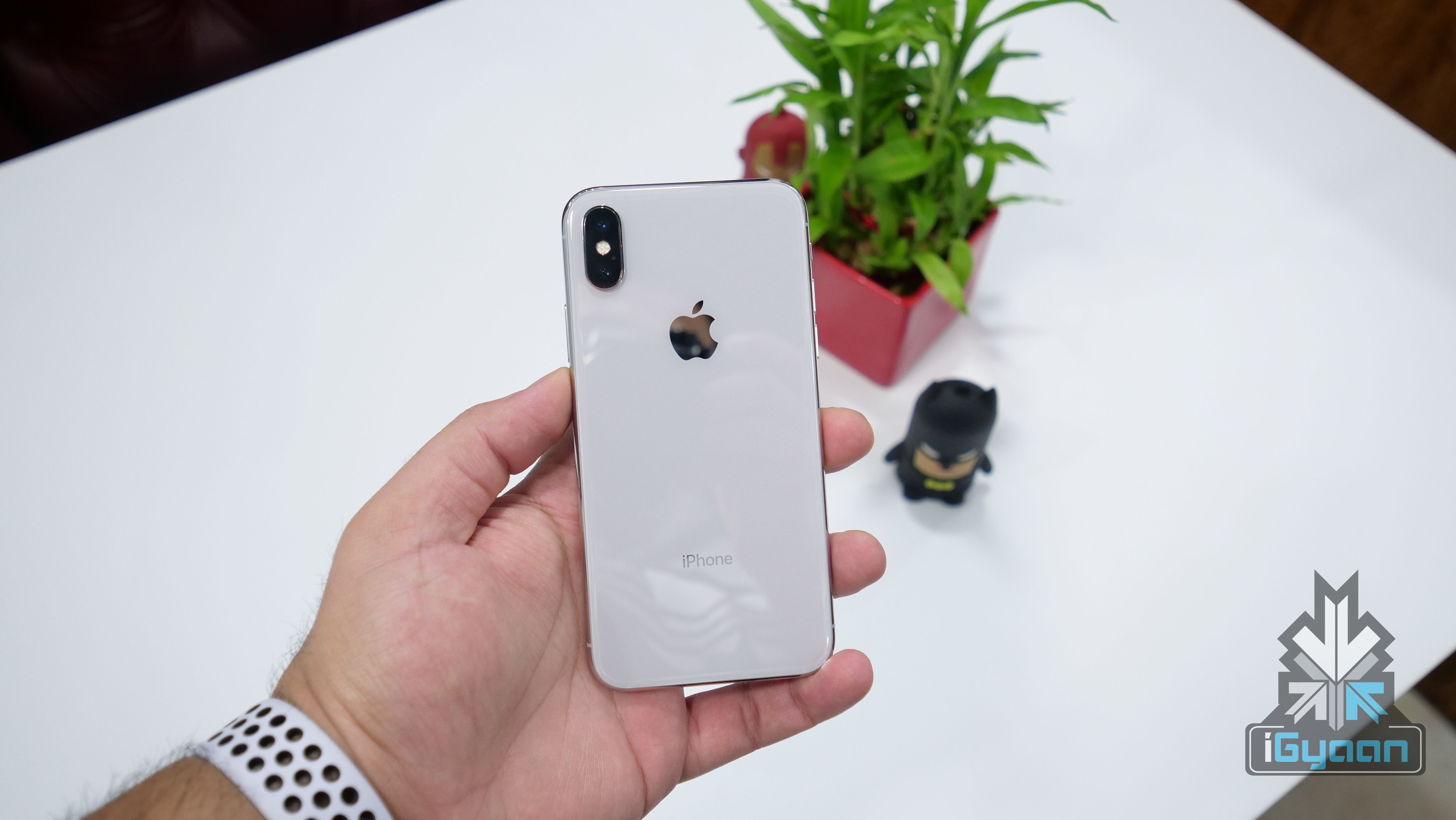
    • iPhone X 3 GB RAM, 256 GB Storage

    iPhone XS

    Regular Price- Rs. 1,08,930

    Amazon Great India Sale Price:- Rs. 89,999

    • iPhone X 3 GB RAM, 64 GB Storage

    Regular Price- Rs. 95,930

    Great India Sale Price:- Rs. 74,999

    Blackberry Deals:

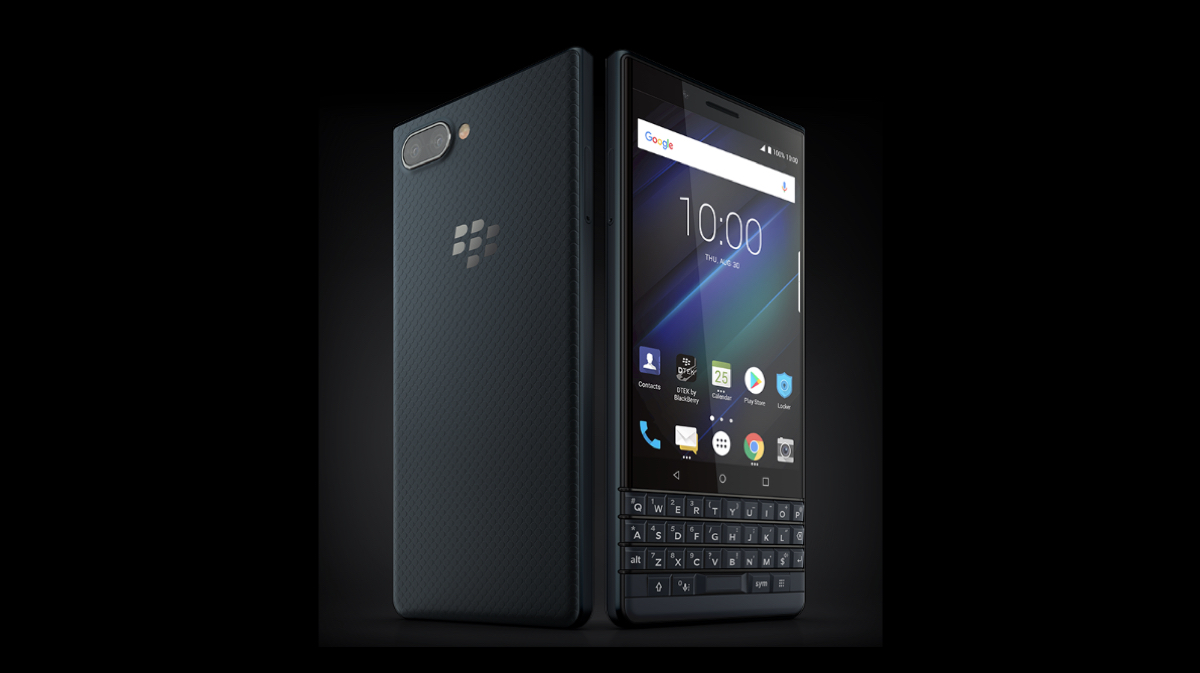
    • Blackberry Key 2 LE

    Regular Price- Rs.37,990

    Amazon Great India Sale Price:- Rs. 29,990

    Honor Deals:

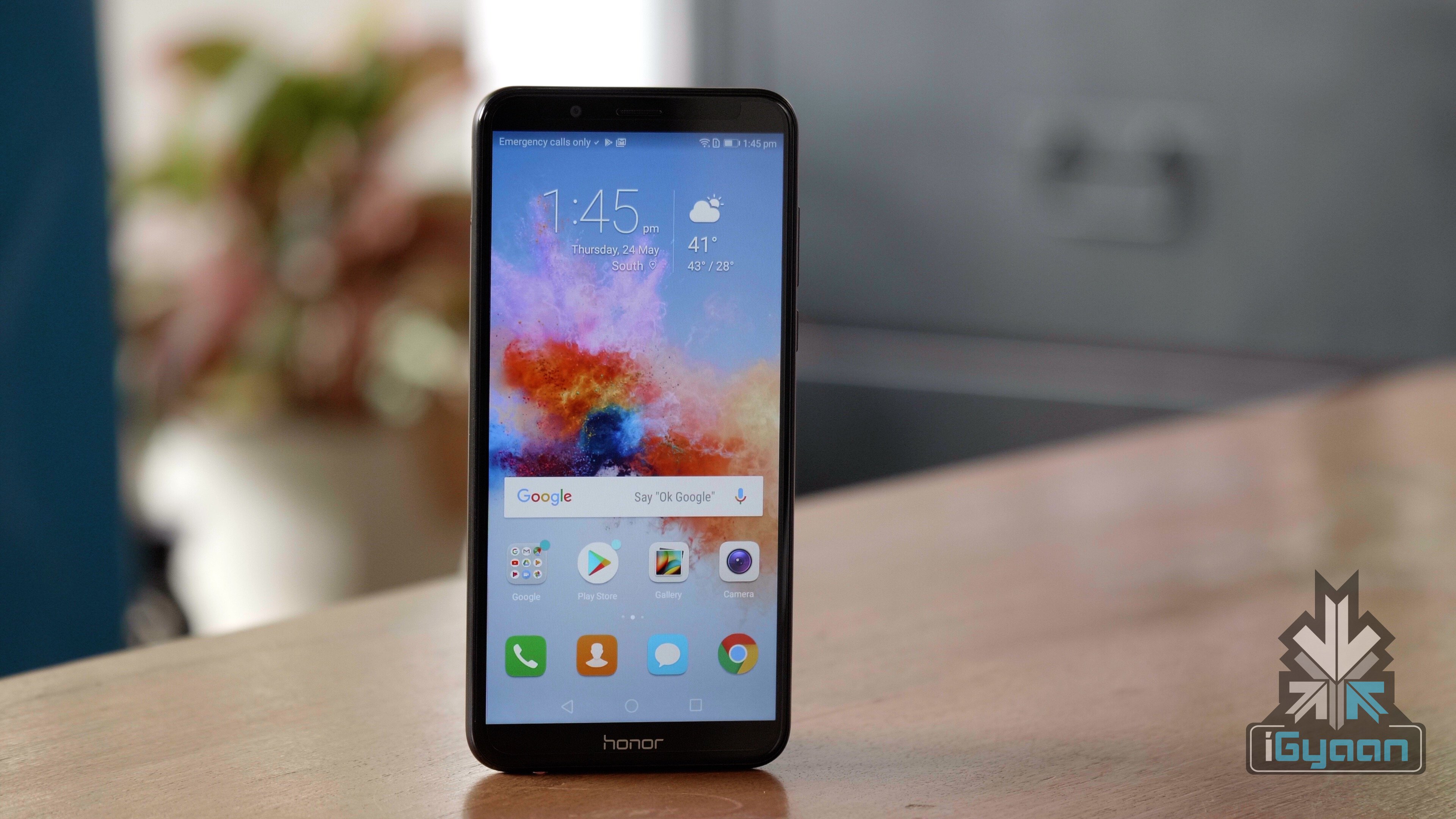
    • Honor 7c 3 GB RAM, 32 GB Storage

    Regular Price- Rs. 12,999

    Great India Sale Price:- Rs. 8,499

    • Honor 8x 4 GB RAM, 64 GB Storage

    Regular Price- Rs. 17,999

    Amazon Great India Sale Price:- Rs. 14,999

    • Honor Play 6 GB RAM, 64 GB Storage

    Honor Play

    Regular Price- Rs. 25,999

    Great India Sale Price:- Rs. 23,999

    • Honor Play 4 GB RAM, 64 GB Storage

    Honor Play

    Regular Price- Rs. 21,999

    Amazon Great India Sale Price:- Rs. 17,999

    Huawei Deals:

    • Huawei Nova 3 6 GB RAM, 128 GB Storage

    huawei

    Regular Price- Rs. 39,999

    Great India Sale Price:- Rs. 29,999

    • Huawei Nova 3i 4 GB RAM, 128 GB Storage

    Regular Price- Rs. 23,999

    Amazon Great India Sale Price:- Rs. 17,990

    • Huawei P20 Lite 4 GB RAM, 64 GB Storage

    Regular Price- Rs. 22,999

    Great India Sale Price:- Rs. 15,999

    Mi Deals:

    • Mi A2 4 GB RAM, 64 GB Storage
    Xiaomi Mi A2

    Regular Price- Rs. 17,499

    Amazon Great India Sale Price:- Rs. 14,999

    • Redmi 6 Pro 3 GB, 32 GB Storage

    Regular Price- Rs. 11,499

    Great India Sale Price:- Rs. 10,999

    • Redmi 6 Pro 4 GB, 64 GB Storage

    Regular Price- Rs. 13,499

    Amazon Great India Sale Price:- Rs. 12,999

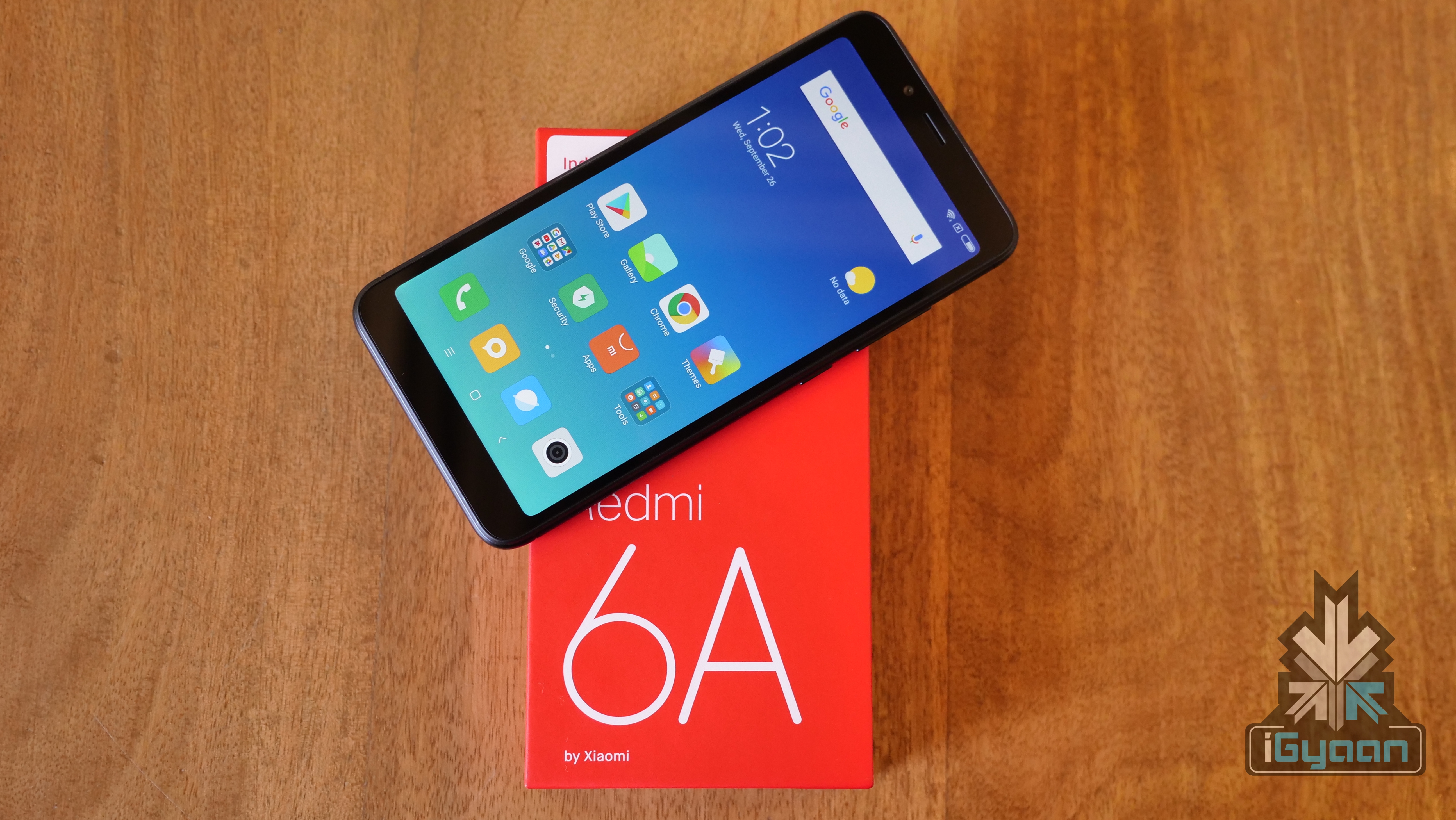
    • Redmi 6A 2 GB, 16 GB Storage

    Regular Price- Rs. 6,999

    Great India Sale Price:- Rs. 5,999

    • Redmi Y2 3 GB, 32 GB Storage

    Regular Price- Rs. 10,499

    Amazon Great India Sale Price:- Rs. 9,999

    • Redmi Y2 4 GB, 64 GB Storage

    Regular Price- Rs. 13,499

    Great India Sale Price:- Rs. 10,999

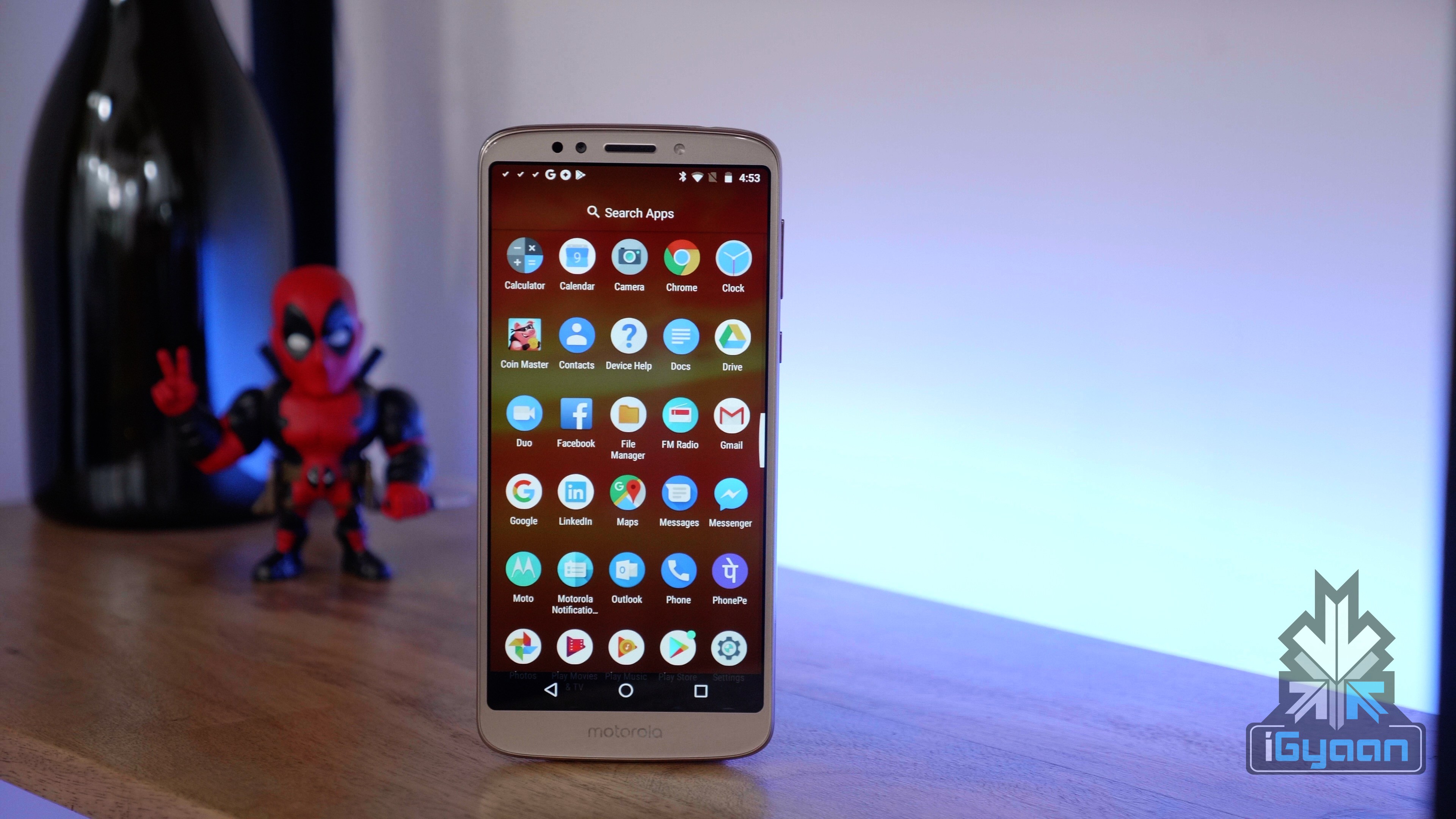
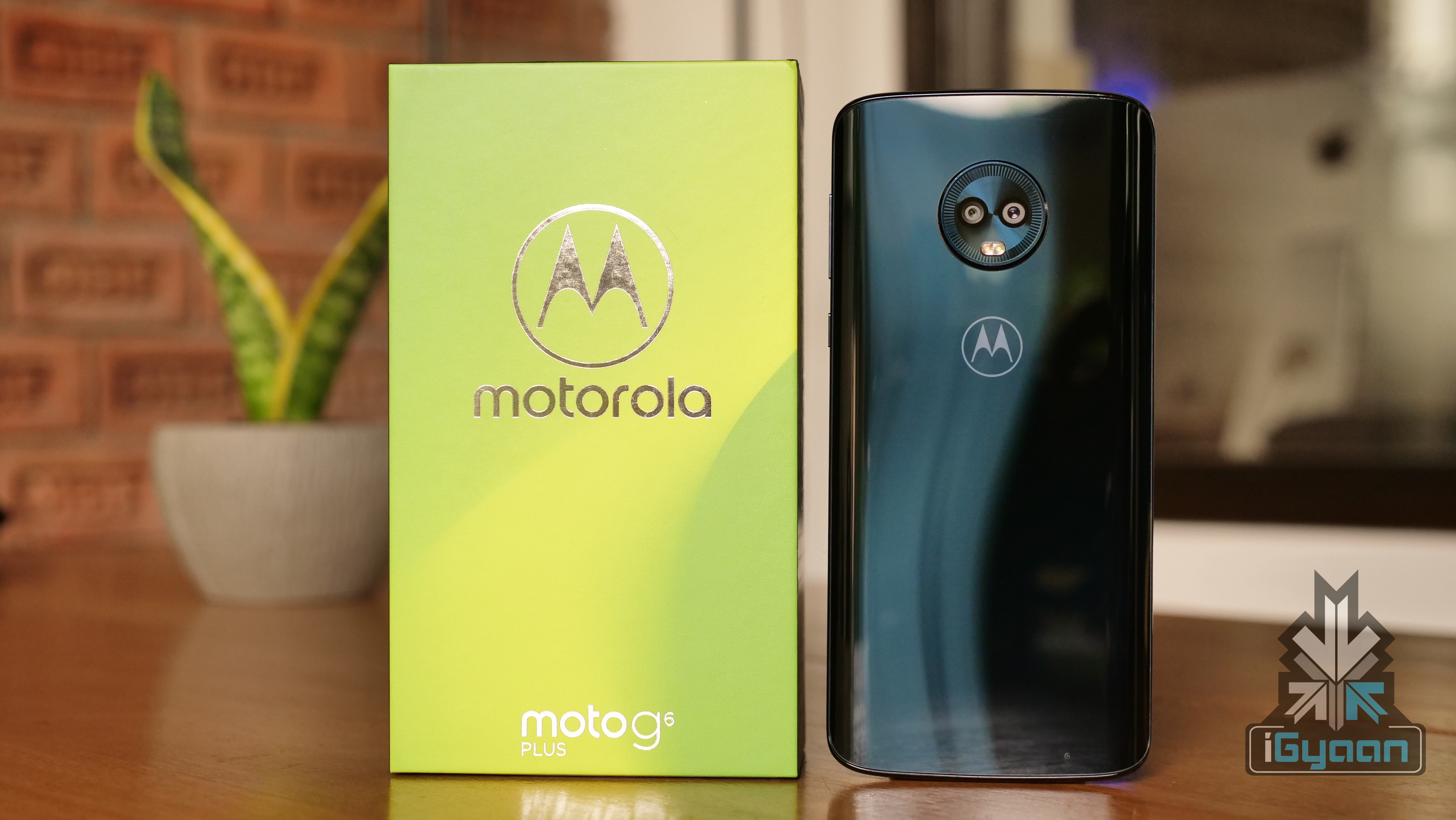
    Moto Deals:

    • Moto E5 3 GB RAM, 32 GB Storage

    Regular Price- Rs. 12,9999

    Amazon Great India Sale Price:- Rs. 9,999

    • Moto G6 4 GB RAM, 64 GB Storage

    Regular Price- Rs. 17,999

    Great India Sale Price:- Rs. 13,999

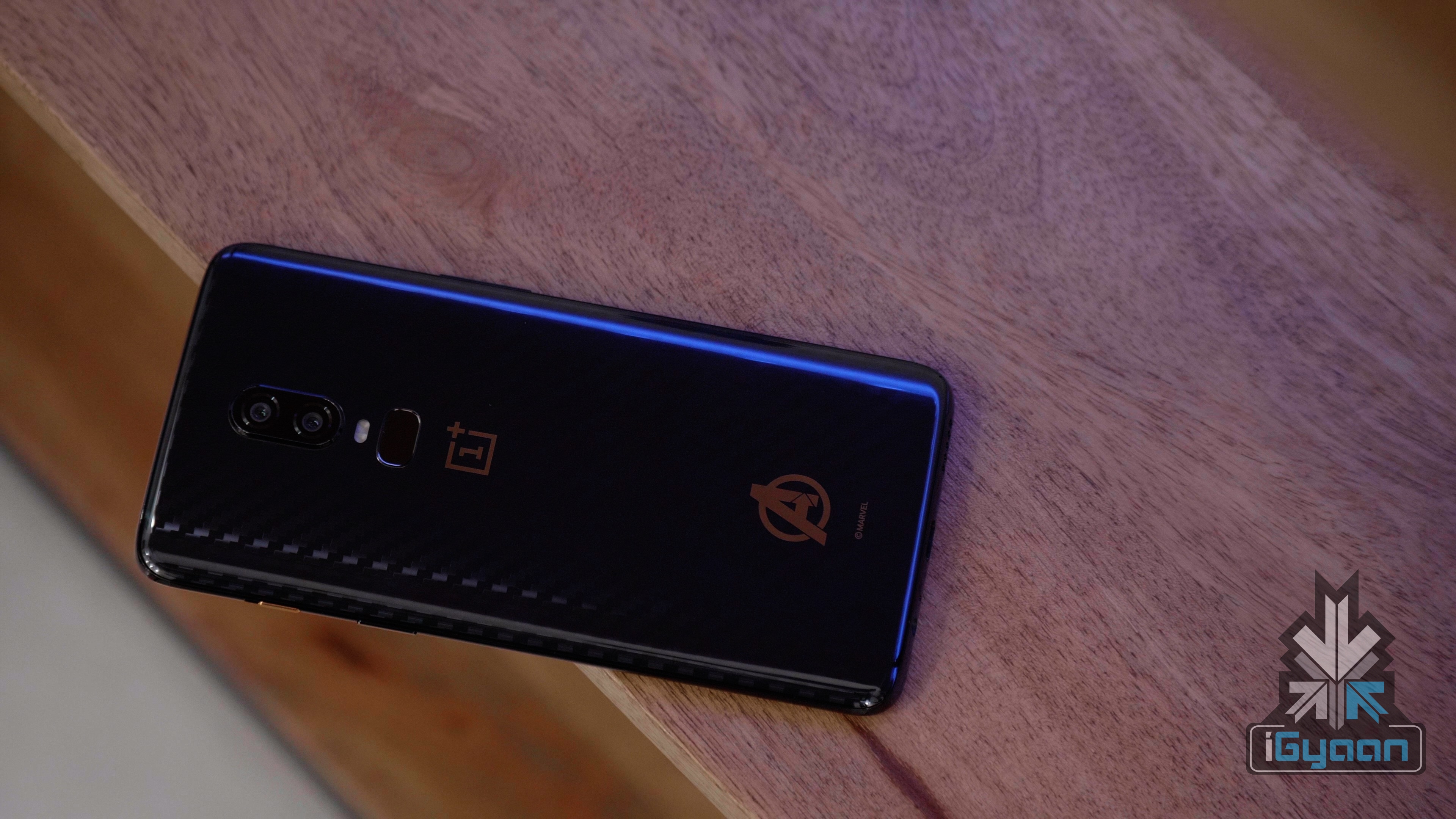
    OnePlus Deals:

    • OnePlus 6 8 GB RAM, 256 GB Storage

    Regular Price- Rs. 43,999

    Amazon Great India Sale Price:- Rs. 38,999

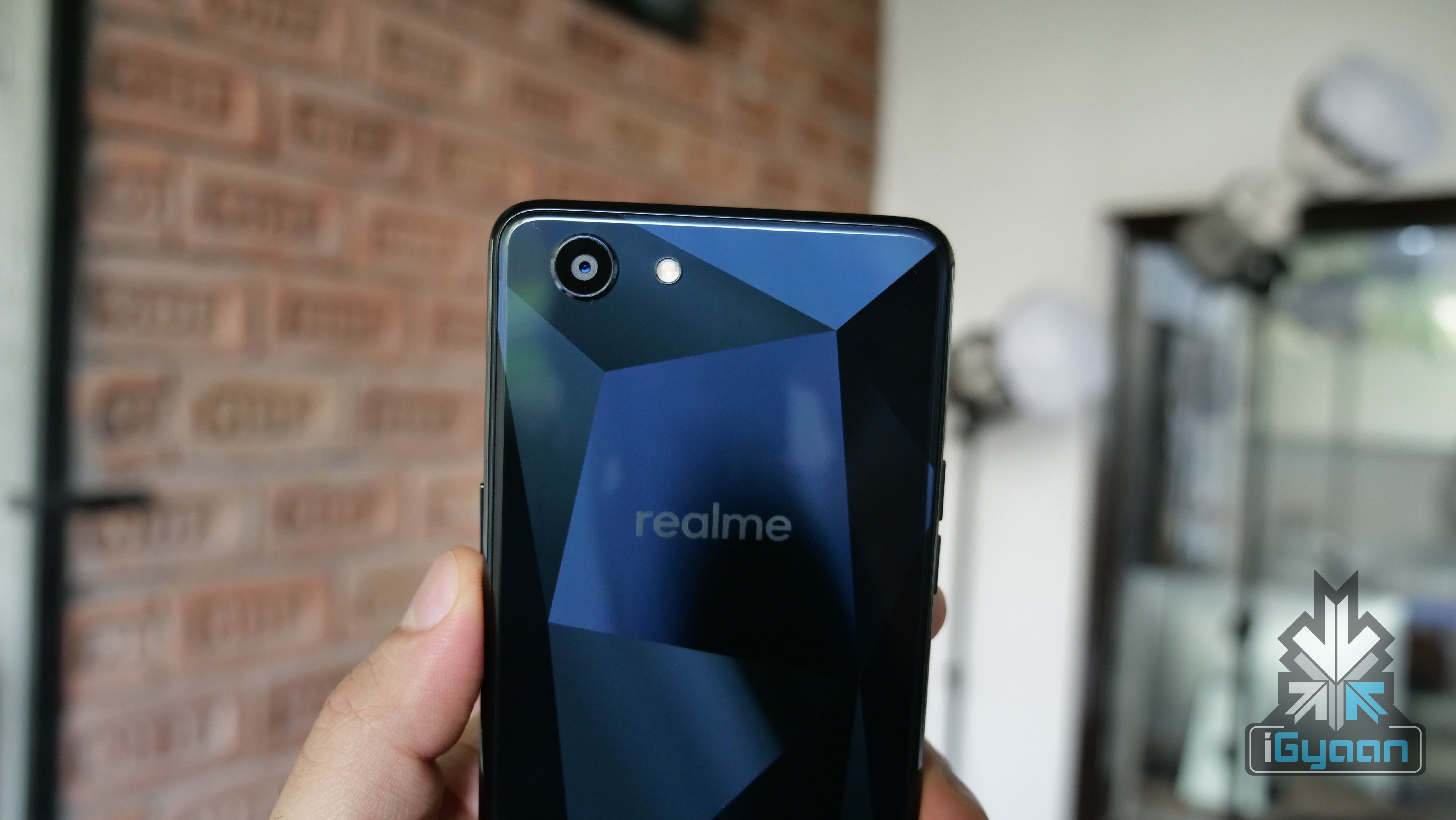
    Realme Deals:

    • Realme 1 6 GB RAM, 128 GB Storage


    Realme 2 Pro

    Regular Price- Rs. 14,990

    Great India Sale Price:- Rs. 11,990

    • Realme 1 4 GB RAM, 64 GB Storage

    Regular Price- Rs. 12,990

    Great India Sale Price:- Rs. 9,990

    Samsung Deals:

    • Galaxy A6 4 GB RAM, 64 GB Storage

    Regular Price- Rs. 25,500

    Amazon Great India Sale Price:- Rs. 16,990

    • Galaxy A8 Star 6 GB RAM, 64 GB Storage

    Regular Price- Rs. 38,000

    Great India Sale Price:- Rs. 33,990

    • Galaxy A8+ 6 GB RAM, 64 GB Storage

    Regular Price- Rs. 29,990

    Amazon Great India Sale Price:- Rs. 23,990

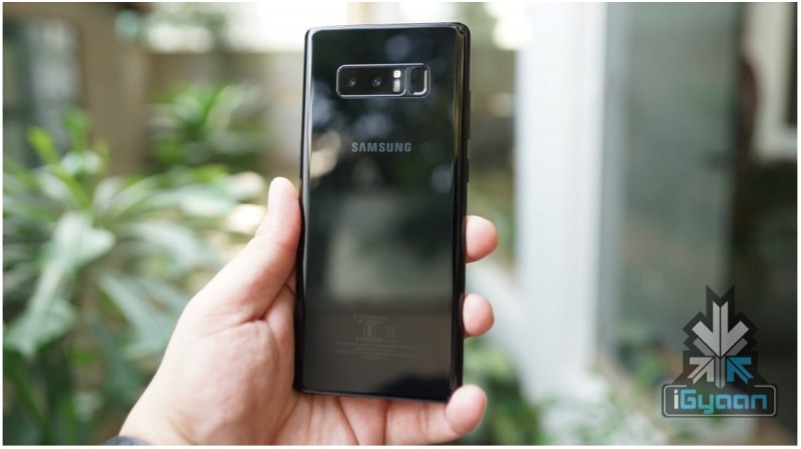
    • Galaxy Note 8 6 GB RAM, 64 GB Storage

    Regular Price- Rs. 67,900

    Great India Sale Price:- Rs. 43,990

    • Galaxy Note 9 6 GB RAM, 128 GB Storage

    Samsung Galaxy Note 9

    Regular Price- Rs. 73,600

    Amazon Great India Sale Price:- Rs. 67,900

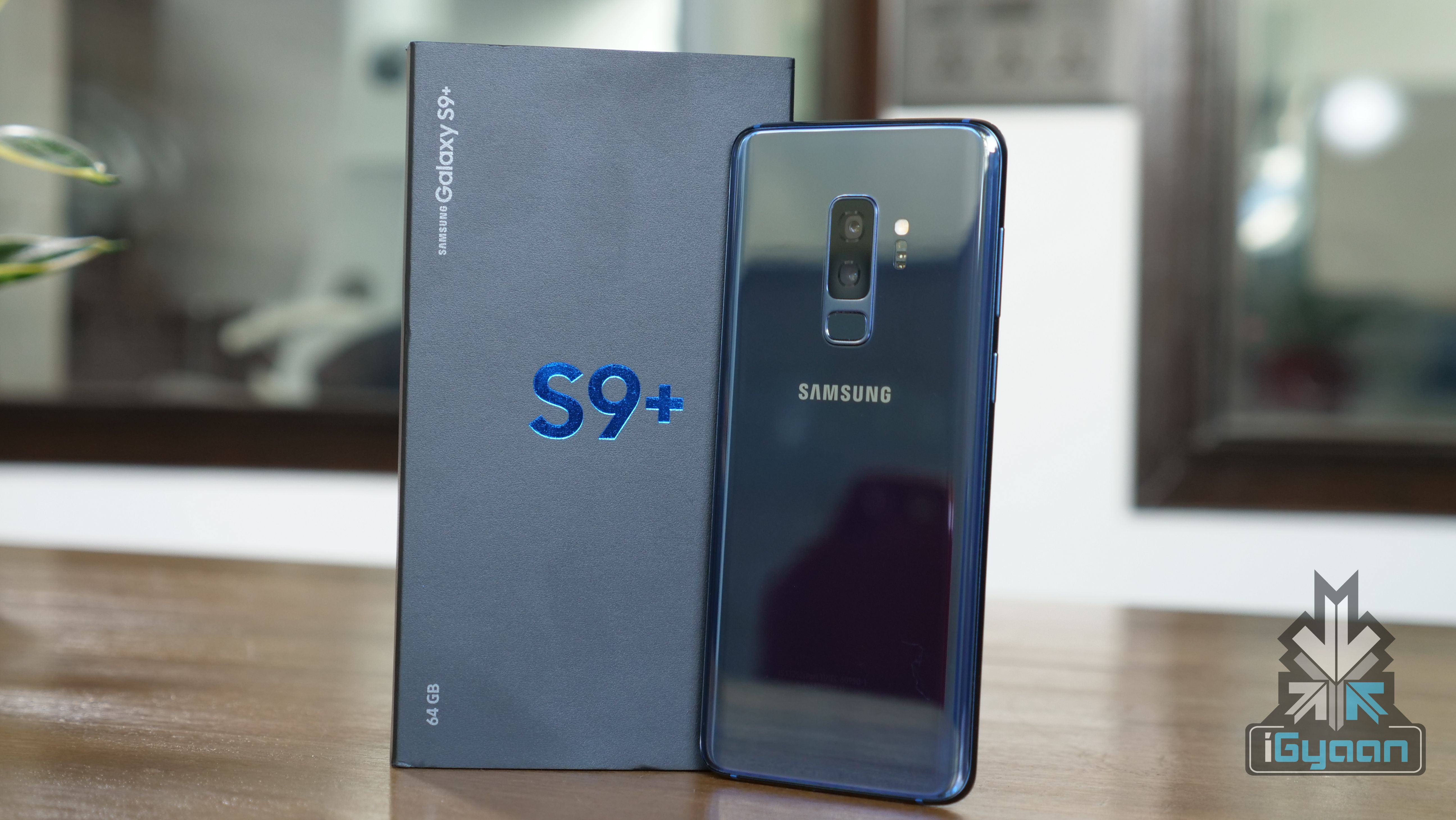
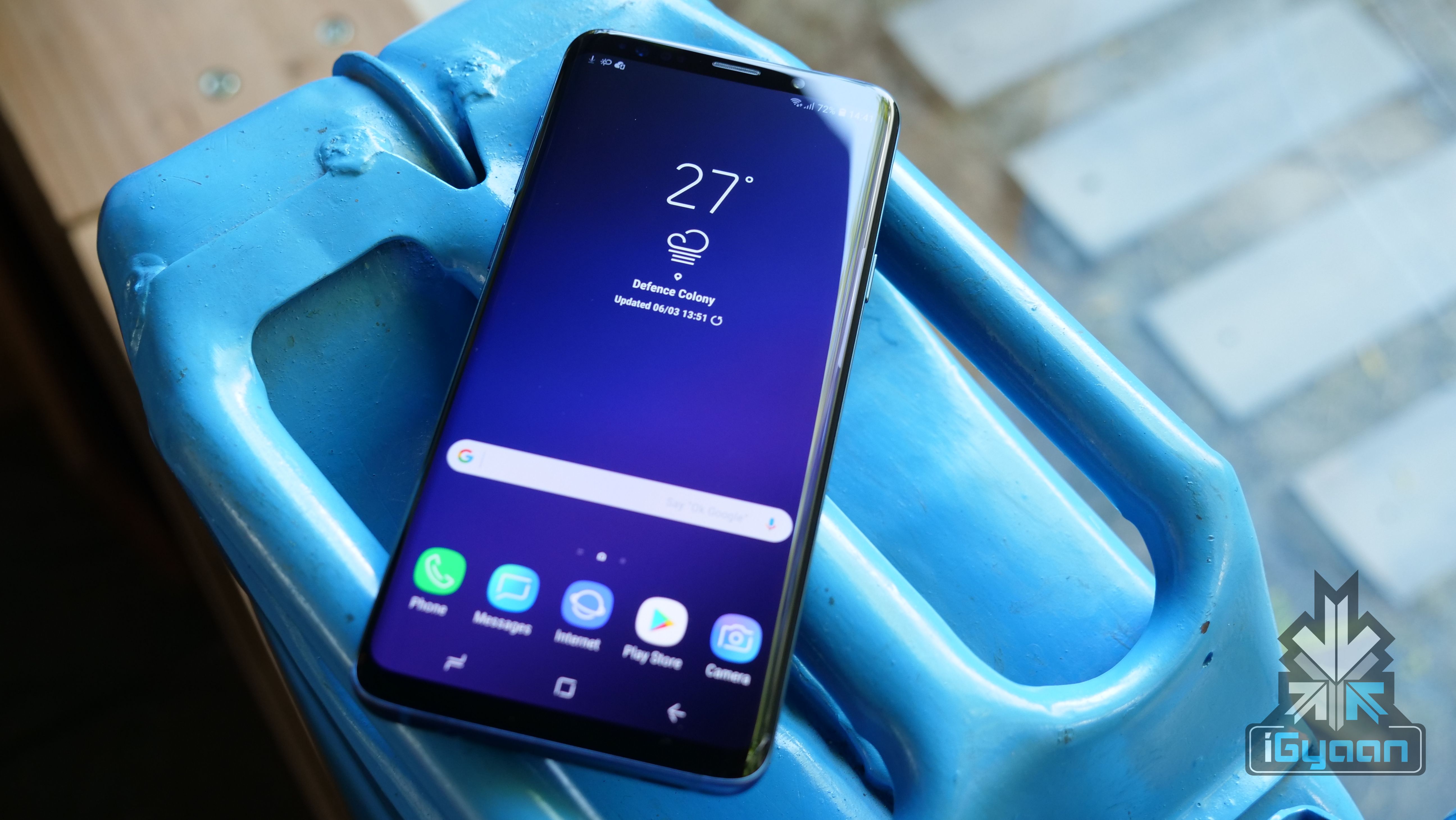
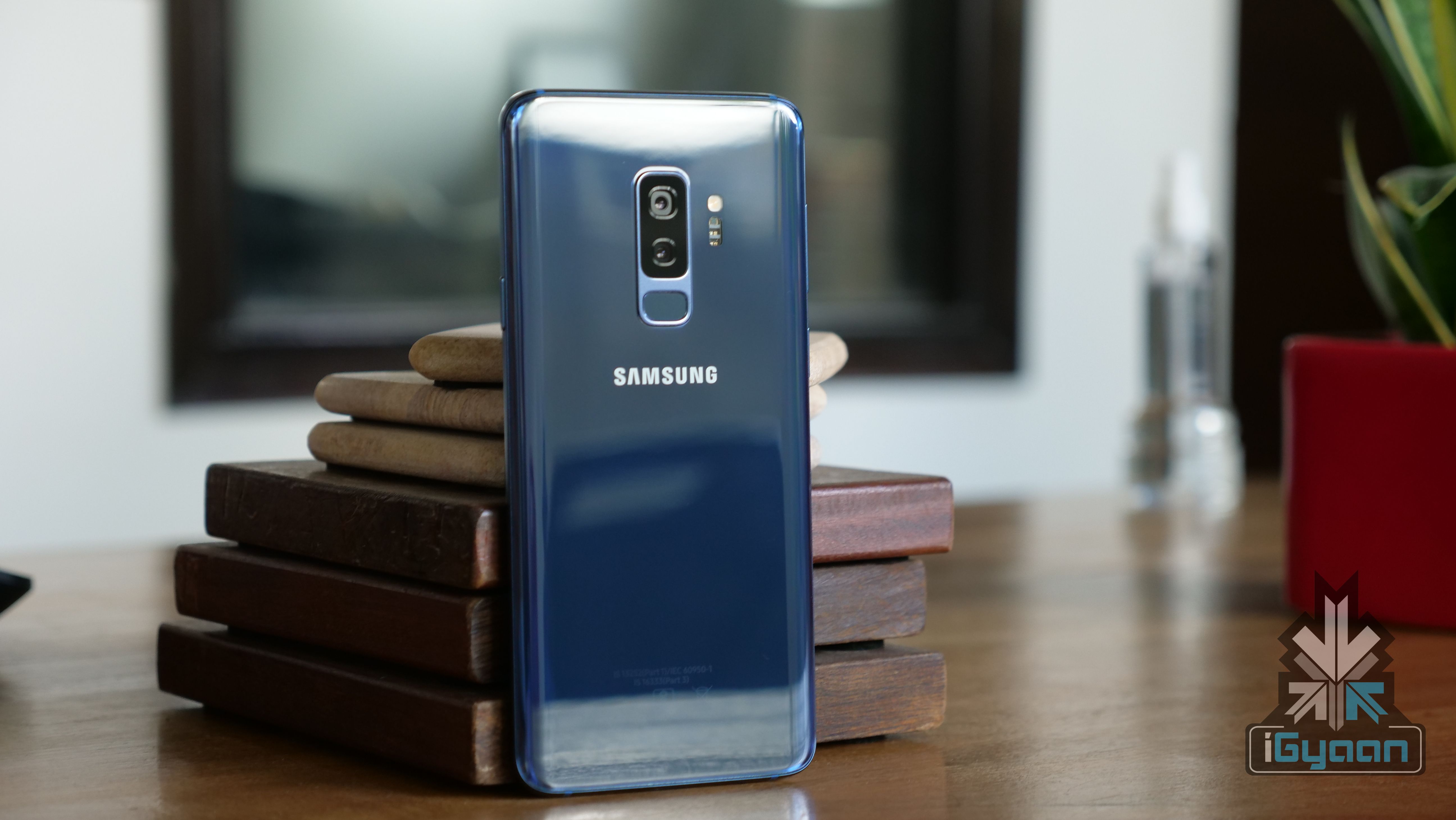
    • Galaxy S9+ 6 GB RAM,64 GB Storage

    Samsung Artificial Intelligence

    Regular Price- Rs. 70,000

    Great India Sale Price:- Rs. 61,900

    • Galaxy S9+ 6 GB RAM, 128 GB Storage

    Regular Price- Rs. 74,000

    Amazon Great India Sale Price:- Rs. 65,900

    • Galaxy S9+ 6 GB RAM, 256 GB Storage

    Samsung Galaxy S10

    Regular Price- Rs. 79,000

    Great India Sale Price:- Rs. 69,900

    • On5 Pro 2 GB RAM, 16 GB Storage

    Regular Price- Rs. 7,990

    Great India Sale Price:- Rs. 5,990

    • On7 Pro 2 GB RAM, 16 GB Storage

    Samsung On7 Pro 7

    Regular Price- Rs. 9,490

    Great India Sale Price:- Rs. 6,790

    Oppo Deals:

    • Oppo A3s 3 GB RAM, 32 GB Storage

    Regular Price- Rs. 13,990

    Amazon Great India Sale Price:- Rs. 12,990

    • Oppo A5 32 GB Storage

    Regular Price- Rs. 15,990

    Great India Sale Price:- Rs. 14,990


  • Nubia Red Magic 2 Gaming Phone Teased Ahead Of Launch

    Nubia Red Magic 2 Gaming Phone Teased Ahead Of Launch

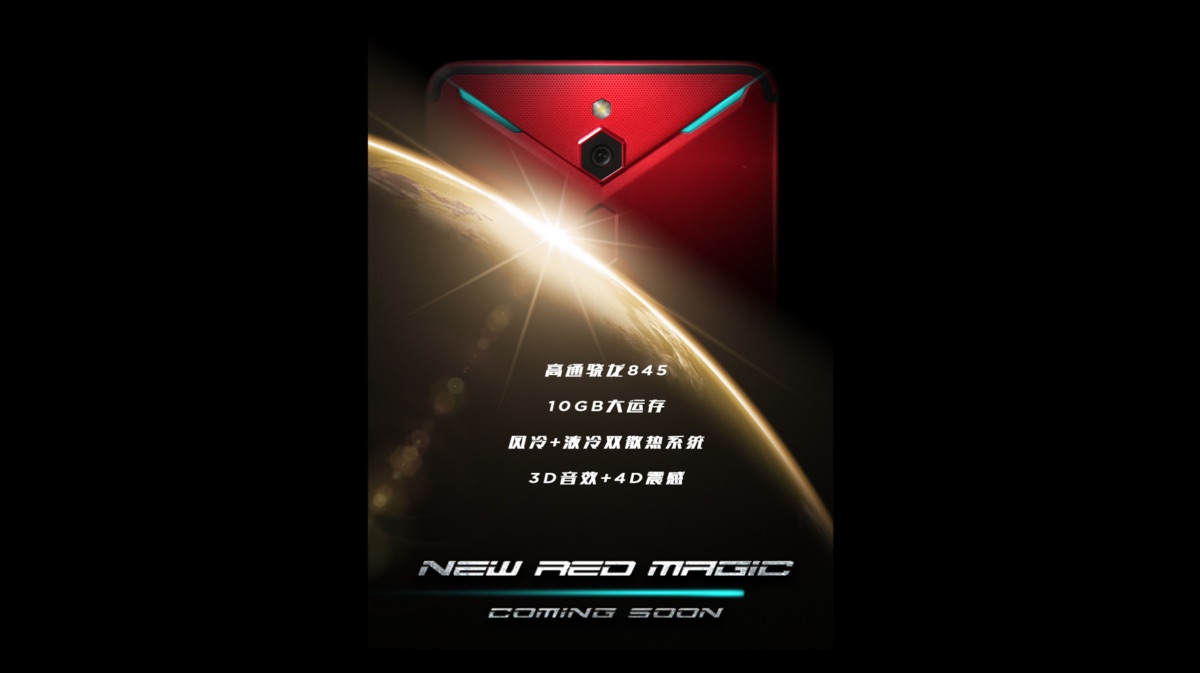
    Nubia Technology was started by ZTE in 2012 but the company later became independent in 2017 when ZTE reduced their stake in the brand. Nubia makes some interesting looking smartphones, of which an example is the Red Magic Gaming smartphone. The Red Magic 1 was released earlier this year and now the company is gearing up to launch it’s successor, the Red Magic 2. The company shared a poster of the upcoming smartphone on weibo.

    Red Magic!

    The teaser reveals that the design of the new device will be quite similar to the Red Magic 1 which had a glass front and an aluminium back. The Red Magic 2 has a single rear camera with a hexagonal LED flash. Even the rear mounted finger print sensor has an elongated hexagonal shape. The back of the device has 4 slits with blue colour accents in them which add up to the gaming theme. The device will have a horizontal RGB light bar on the back side. The Red Magic 2 also has grey colour antenna lines on the back for allowing cell reception through the aluminium shell.

    Nubia Red Magic 1
    Nubia Red Magic 1

    The teaser boasts some specifications of the smartphone and it seems the Red Magic 2 will be a capable gaming device. It will run on the latest Octa-Core Snapdragon 845 SoC and have 10 GB of RAM. The recently launched Xioami Black Shark Helo & the Xiaomi Mi Mix 3 are one of the first devices to offer 10 GB of RAM. Additionally, the smartphone will have liquid cooling technology, 3D sound and 4D shock haptic feed back capabilities. The previously mentioned slits on the back might have stereo speakers producing a 3D like sound effect. About the 4D haptic feedback, the Red Magic 2 might have mutiple vibrating motors which will add a new dimension of user experience while playing games on the device. Nubia might try to emulate a similar experience as seen in the PS4 haptic feedback controllers.

    Also ReadXiaomi Mi Mix 3 With 10 GB RAM & 5G Support Launched

    Launch Date & Price

    The teaser does not provide any specific launch date, but according to sources, the device will launch on the October 30. No information about the price is available but Nubia might want to price the device close to the Red Magic 1 which has a price tag of $ 399 (around Rs. 29,000).

  • Xiaomi Mi Mix 3 With 10 GB RAM & 5G Support Launched

    Xiaomi Mi Mix 3 With 10 GB RAM & 5G Support Launched

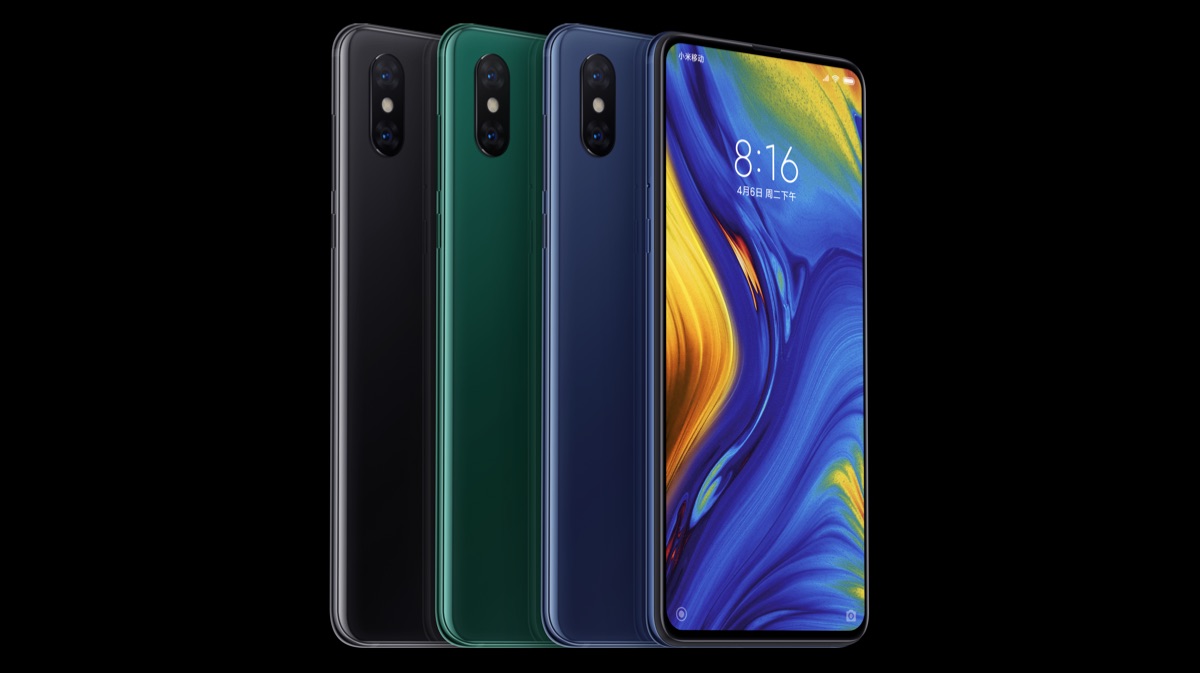
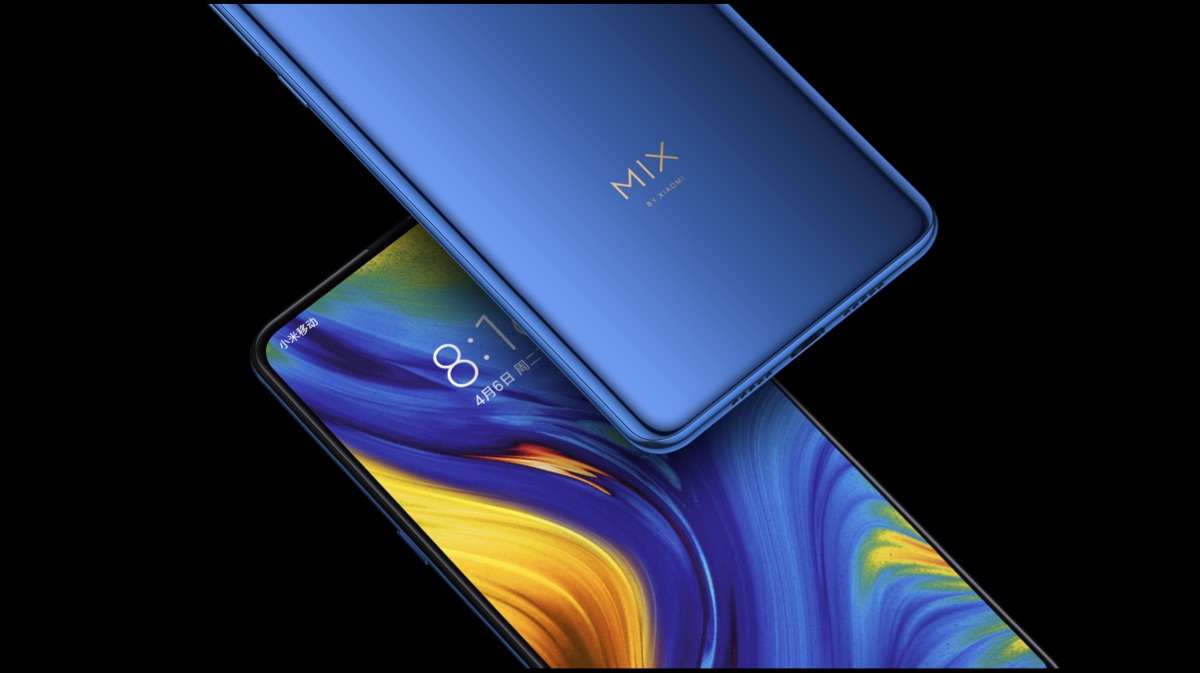
    The trend of bezel-less smartphones is on the rise and Xiaomi is definitely one of the early adopters of this design language. Recently Xiaomi held a launch event in Palace Museum which is one of China’s most important historical landmark and launched the world’s first commercial 5G phone, the Mi Mix 3 with extremely thin bezels. It is the successor to the Xiaomi Mi Mix 2s which was launched in 2017.

    Design

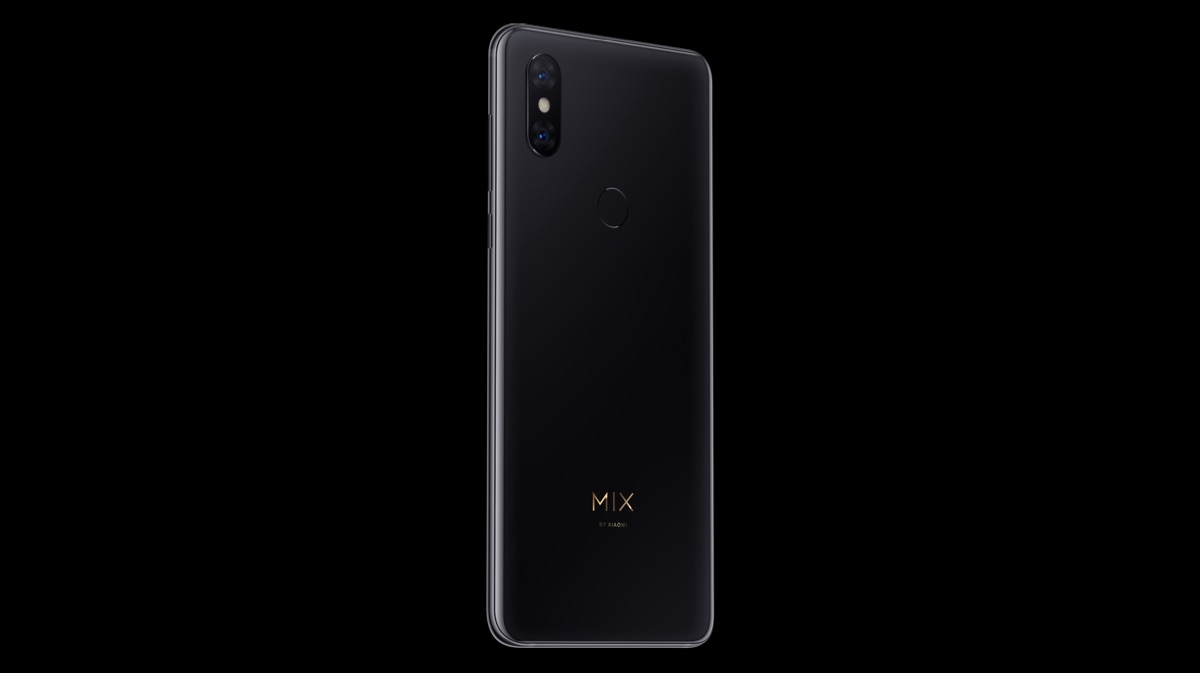
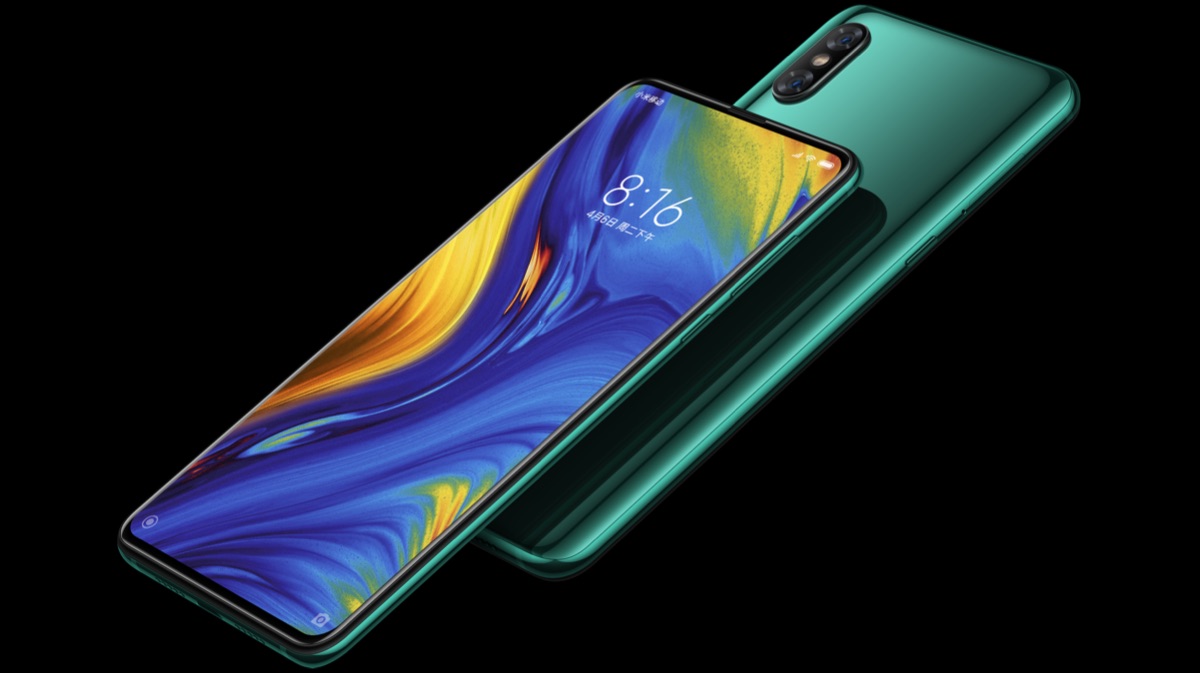
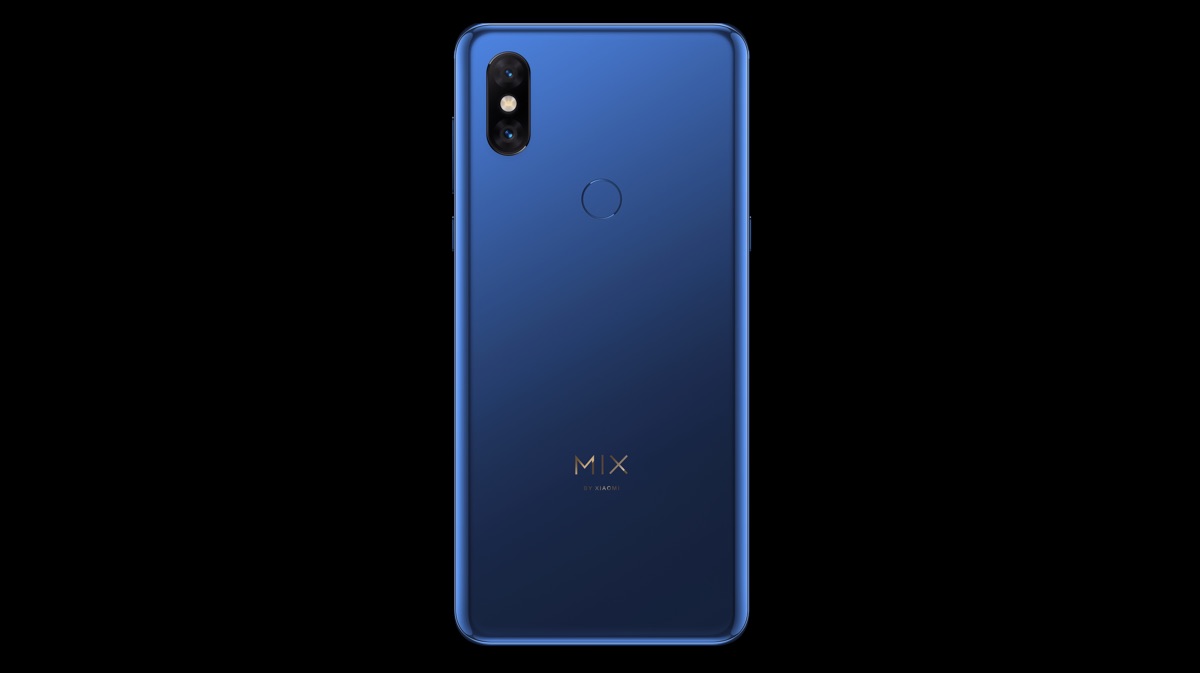
    The new Mi Mix 3 has a sliding panel which hides the dual front cameras and essential sensors. Xiaomi has lab tested the sliding screen and claims it has a life expectancy of 300,000 slides. It has a four-sided curved ceramic back and a screen to body ratio of 93.4 %. It has dual front cameras and dual rear cameras with AI beautification. The smartphone also has a fingerprint sensor which is mounted on the back of the device.

    Specifications

    The Mi Mix 3 has a 6.39 inch FHD+ AMOLED display with a 2340 x 1080 px resolution and 19.5:9 aspect ratio. The AMOLED panel has a 60000:1 contrast ratio and 600 nit brightness level. The rear camera setup has dual 12 MP + 12 MP sensors with f/1.8 & f/2.4 apertures. The front camera uses a Sony IMX576 24 MP sensor and a 2 MP depth sensor. The rear cameras can capture 2160p 4K video & slow motion videos at 960 fps. The device has a Night Mode camera option which the company claims can take excellent low light photographs. At the launch event, Xiaomi also said that the device has the highest DXOMARK camera score on any smartphone which is 108.

    The Mi Mix 3 runs on the Octa-Core Snapdragon 845 processor and is available in 3 stoage capacities which are as follows:

    • 6 GB RAM + 128 GB ROM
    • 8 GB RAM + 256 GB ROM
    • 10 GB RAM + 256 GB ROM

    It also supports wireless charging at up to 10 Watts and the company will ship one with the device.

    Price

    The Mi Mix 3 is available in 3 color options which are Blue, Green & Black. Prices for various models are as listed:

    • Mi Mix 3 6 GB RAM + 128 GB ROM – 3,299 ¥ (around Rs. 34,800/-)
    • Mi Mix 3 8 GB RAM + 256 GB ROM – 3,599 ¥ (around Rs. 38,000/-)
    • Mi Mix 3 10 GB RAM + 256 GB ROM – 3,999 ¥ (around Rs. 42,200/-)

    The smartphone is currently available only in China but we expect the company to launch the smartphone in India soon.


  • Apple & Samsung Penalised For Intentionally Slowing Down Phones

    Apple & Samsung Penalised For Intentionally Slowing Down Phones

    Consumer Groups in Italy filed cases against Apple & Samsung for purposely slowing down older generation smartphones. The cases were filed in the Italian Competition Authority for which the verdict is now out. Both the companies have been found guilty. Samsung faces a fine of 5 million Euros while Apple faces a total fine of 10 million Euros for two different cases. The investigation found out that Apple & Samsung pushed firmware updates for older devices which downgrades their performance.

    Performance Gate

    In 2016, Samsung urged the Note 4 consumers to upgrade to the latest Marshmallow update. The Note 4 was released back in 2014. The Marshmallow update was made available after the launch of the Note 7 in 2016. Consumers complained that the new update was not optimised for the Note 4. It caused serious malfunctions, including unwanted automatic restarts, as it put too much stress on the ageing Note 4. The excessive stress caused a lot of hardware failure which had high repair costs to fix as the devices were out of warranty by then. Additionally, the report emphasised that Samsung did not provide for a viable option to downgrade the device which would bring back the phone to their original state.

    Similarly Apple also persuaded their customers to upgrade their old devices to iOS 10. Various models including iPhone 6/6 Plus & 6s Plus which were launched in 2014 & 2015 were provided with the iOS 10 update. The iOS 10 update lead to shortened battery backup due to greater energy demands of the software. To limit this issue Apple released yet another update in the form of iOS 10.2.1. This reduced the device’s speed to prolong battery performance.

    Moreover, Apple was found guilty in violation of Article 20 of the Italian Consumer Code. Until December 2017, Apple did not provide consumers with sufficient information regarding batteries. Such as stating their average life cycle and deterioration pattern. Along with information about their rectification measures to maintain and replace batteries in order to retain full functionality of the device.

    Also ReadSamsung Teases Galaxy A8s With A Camera Cut-Out And No Notch

    Both companies also need to publish an amending declaration on their Italian websites about the issues and its counter measures.


iGyaan Network
Privacy Overview

This website uses cookies so that we can provide you with the best user experience possible. Cookie information is stored in your browser and performs functions such as recognising you when you return to our website and helping our team to understand which sections of the website you find most interesting and useful.