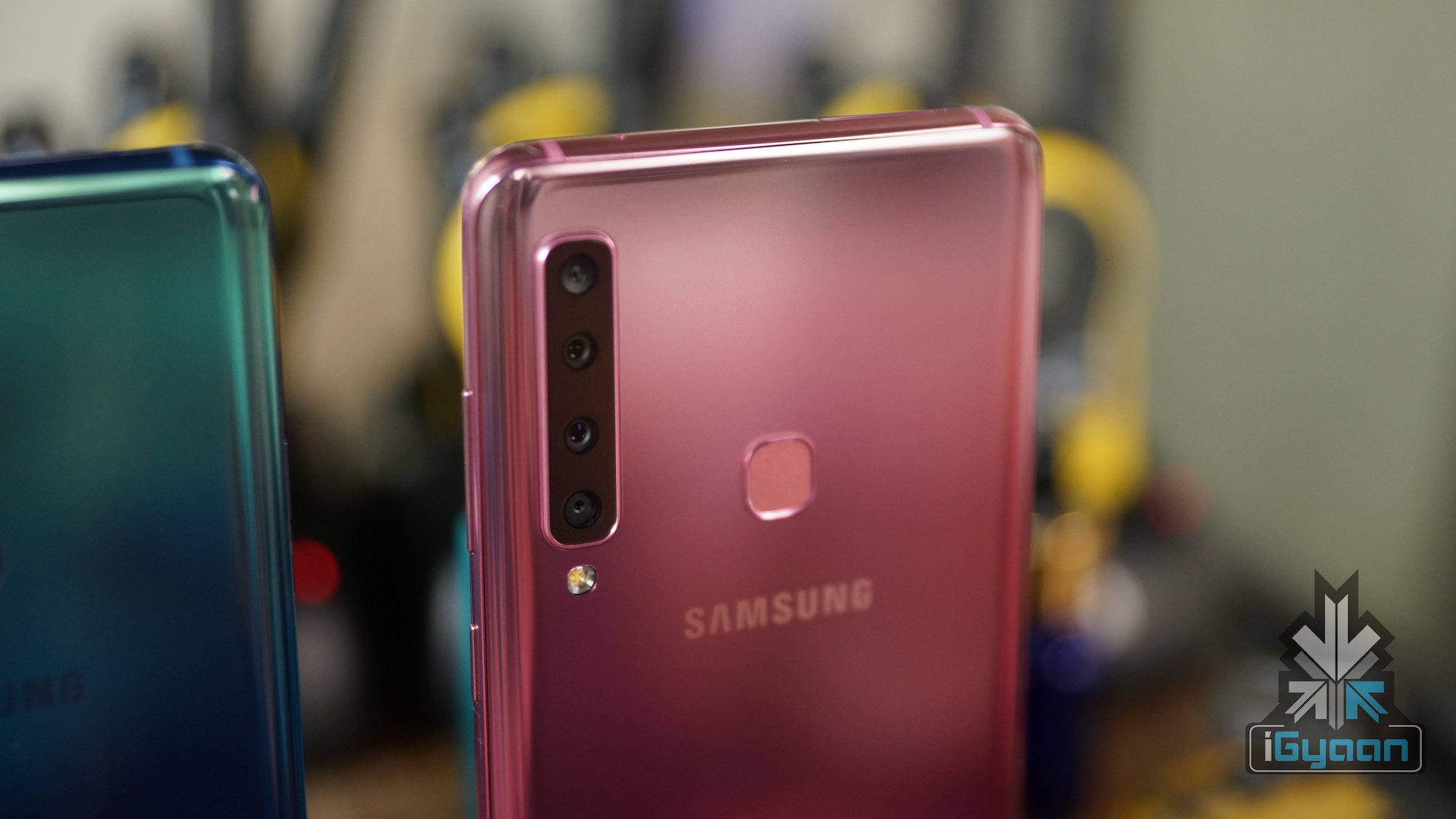
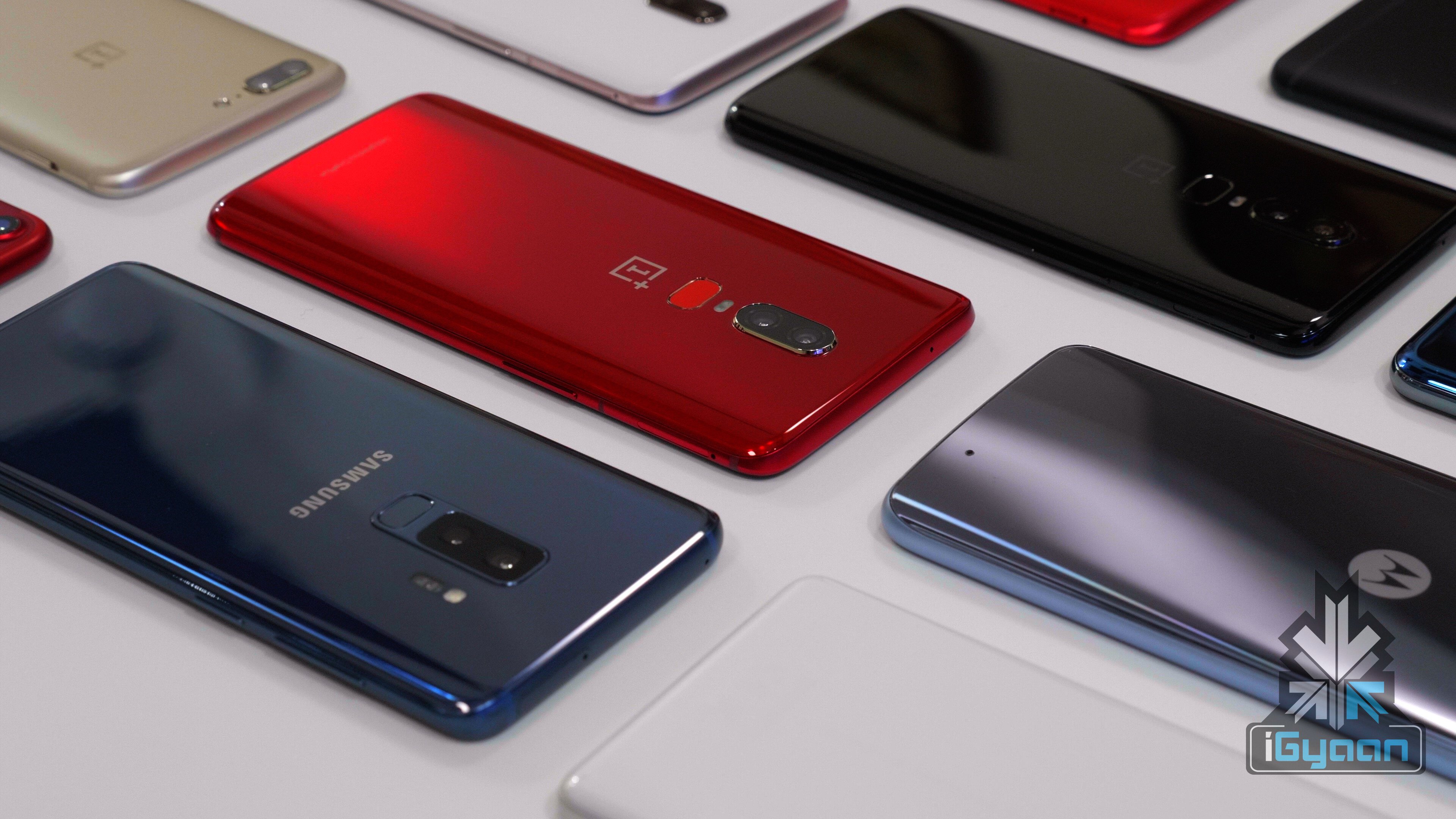
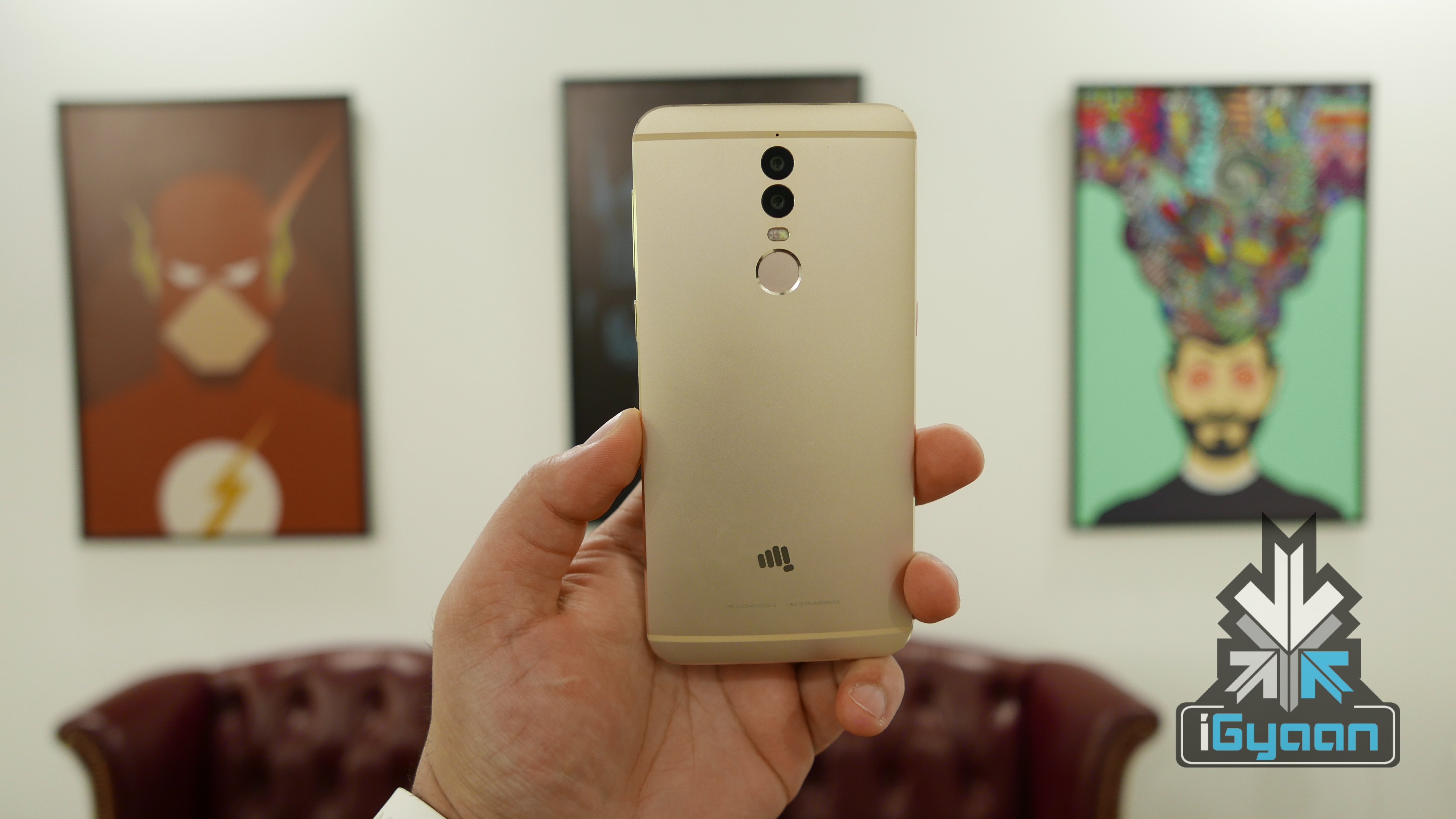
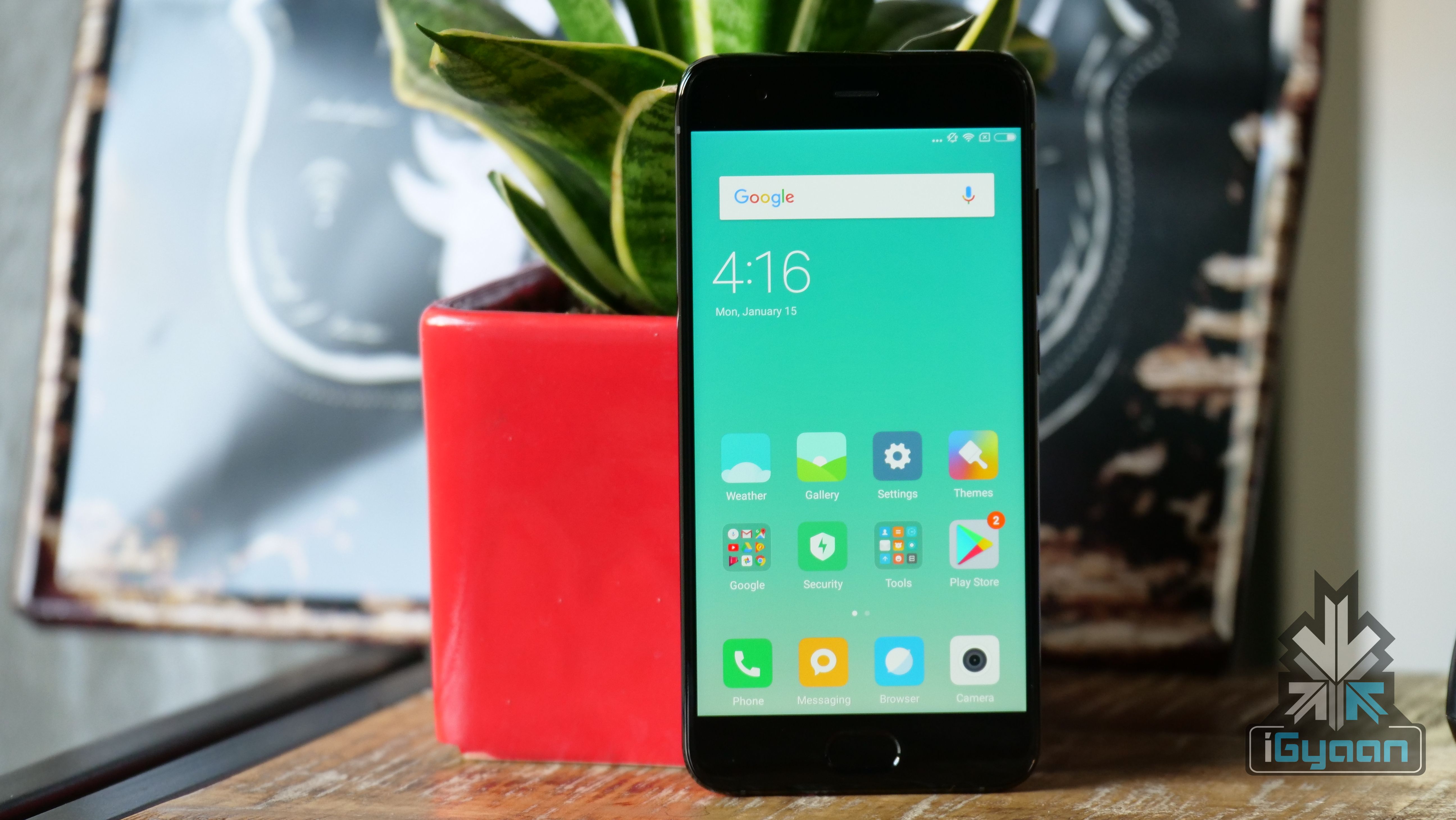
India is a largely online buyer’s market and many phone manufacturers have switched to selling online instead of investing in brick and mortar stores. Samsung has been in the number one position in terms of smartphone sales worldwide for quite some time now. But Xiaomi had taken the lead in the first quarter of 2018 in terms of India smartphone shipments market share. But now, it seems like Samsung will get a leg up in this battle with a new law that has been introduced by the government banning exclusive deals of phone manufacturers with online marketplaces.
What Exactly Happened?
Most manufacturers these days such as Xiaomi, Oppo, Vivo and even OnePlus use these exclusive launches with one of the E-commerce players to promote their phones and drive sales. The new law will bring the websites including Amazon and Flipkart to a level playing field. The government also directed that a single vendor can sell a maximum of 25% of its inventory on an e-commerce platform. This is where Samsung’s brick and mortar stores come in. Since the Chinese manufacturers heavily depend on online sales which help them keep their phone prices down, we can expect a surge in prices of these phones in future. We can also expect phones being sold out quicker. A black marketing of phones due to their unavailability can also be a cause for concern. Xiaomi and OnePlus has already started opening their own storefronts in several locations in India. But they are not nearly enough to compete with Samsung.
According to Counterpoint, about two years ago, 5% of Xiaomi’s volumes came from offline channels which has grown to around 30%. This can largely be attributed to them opening their own stores and selling through other affiliate stores as well. Xiaomi has around 500 Mi stores at the moment while Samsung has around 2100 stores in the country. This also means that Indian manufacturers who completely missed out on the online selling bandwagon might just regain their footing in the business. OnePlus had also said in March 2018 that they will expand their offline selling stores, which they call ‘experience zone’. Their plans included 10 cities which also include Delhi, Mumbai, Chennai and others.
It is also important to note that the offline segment witnessed an annual growth of 6.6 per cent in Q3 2018 but still online channels continued to dominate with around 60 per cent of the Indian smartphone market in that quarter.
Good news for open world shooter fans! Just within a year of the release of Far Cry 5 in 2018 new Far Cry is coming! Named Far Cry New Dawn, the game continues from where the previous Far Cry left off. The last edition of the game revolved around a religious cult in Montana in the fictional Hope County. The game’s story starts 17 years after the last one’s apocalyptic conclusion and now the town and scenery has completely changed. One can see flowers and greenery around with wild animals roaming in the amazing vista. Blue skies, green trees and flowers may seem very unlike Far Cry games, things quickly change and we get a glimpse of the Far Cry we all want to play.
The trailer reveals a lot about the game and we can find a lot of small details if we look at it carefully. On first glance, we can see the amazing details of the scenery. The weapons and houses are rendered wonderfully. One can see the items scattered around the area with foliage growing in and around them. You can see broken down cars around the entire area with cellphone towers and parts of metal that says Father was right, referring to the preacher named Joseph Seed of Far Cry 5.
A village can be seen with the survivors of the war with them going about their business, but then mayhem ensues. And we get into the Far Cry territory. A new group of scavengers show up with weapons and cars. This group is monikered as Highwaymen and the protagonist has to kill highwaymen to rebuild the settlements and ensure peace. The character that you will play is a fresh character and is reportedly a survivor from somewhere else.
The game features a lot of weapons. Including rocket launchers, makeshift weapons that are made from salvaged metal and of course really crazy guns with amazing detailing. There are painted guns, flamethrowers and whatnot.
But no Far Cry game is complete without it’s villains. Far Cry villains are known to be powerful both in terms of ammunition as well as emotionally and physically. New Dawn’s negative lead roles involve Mickey and Lou, murderous twin sisters who control the Highwaymen.
They are seen killing people mercilessly and seem to be extremely ruthless. The game developers have done a great job in detailing including their hair colours, costumes and even the blood splatters.
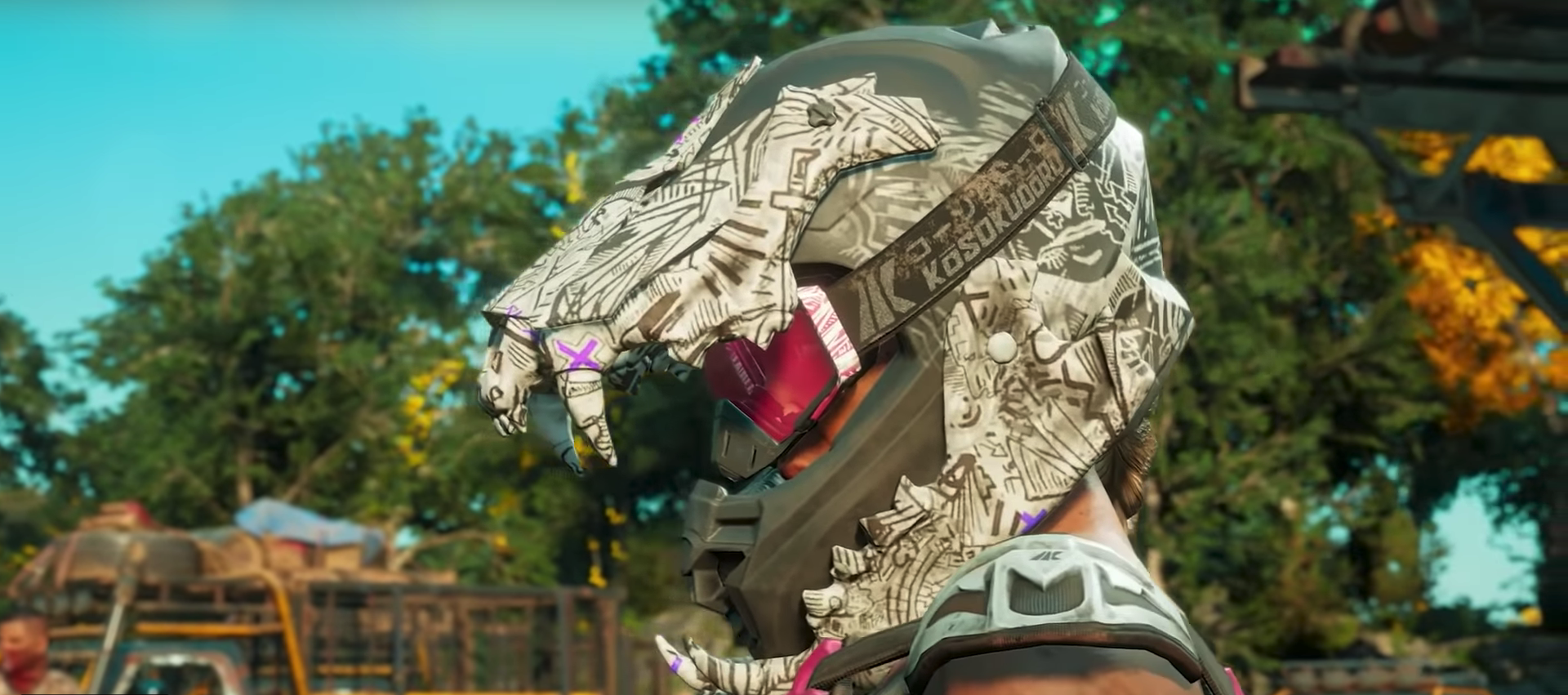
The helmets and even the vehicles are extremely detailed and makes for an absolute visual treat.
According to the game’s creator’s, the survivors and highwaymen will be at war constantly and both these groups will look after their own so unity seems to be an interesting theme to this game. They have also revealed that there will be different tiers of enemies each with their own difficulty level and combat capabilities and can be differentiated by their attire and weapons.
Then there is a lot of killing. A lot. Oh, and did we also mention there is a very cute and scared dog in the trailer as well?
The game will be launched on February 15th and pre-bookings have already opened up. It will cost $ 40 and will have different versions. Pre-ordering will also get you an in-game unicorn trike as well!
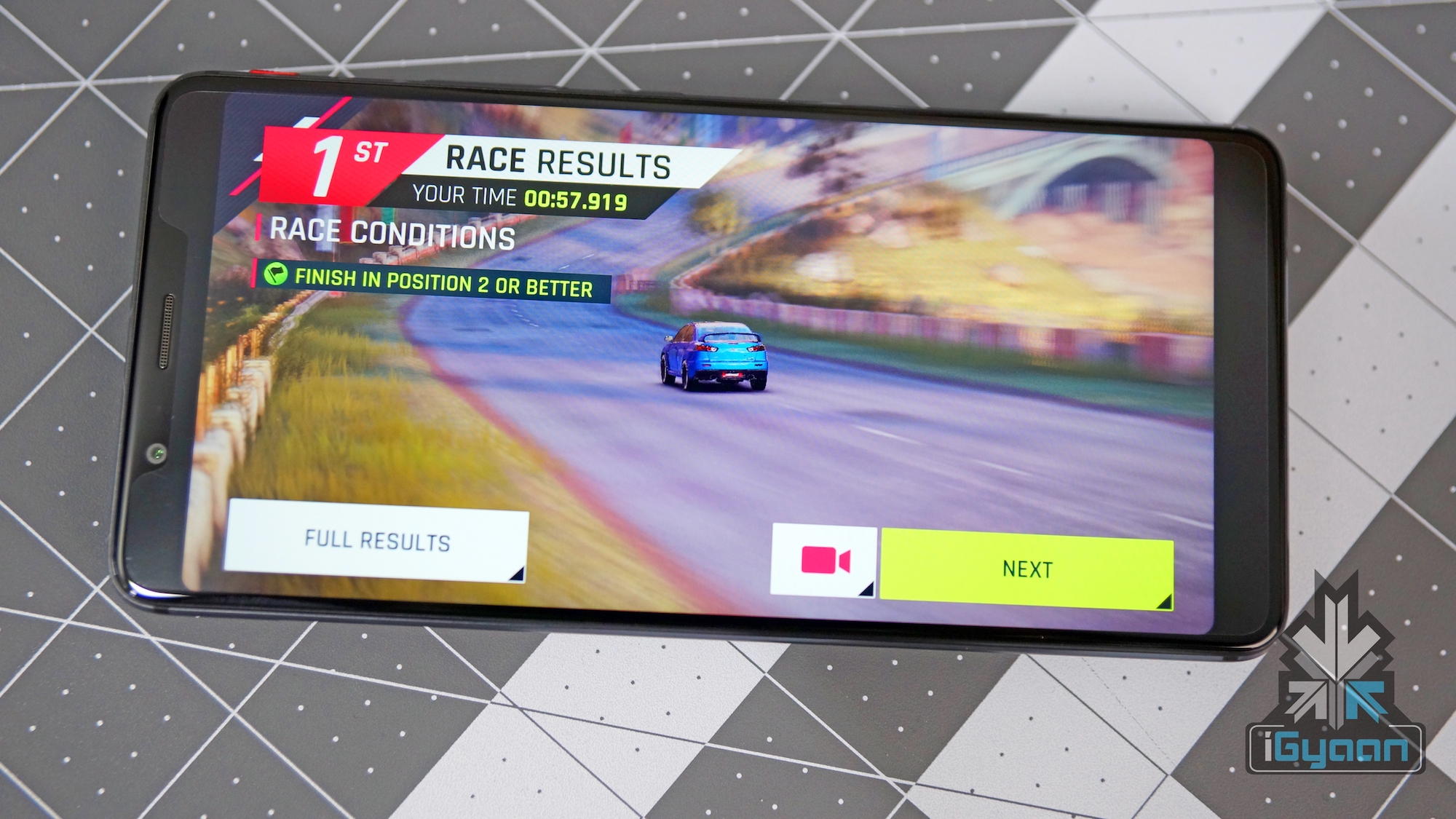
Gaming smartphones were fringe products till about two or three years back and have recently come into the limelight. A few years ago, smartphone research and development was going mostly into making the screens larger and better, increasing speeds for day-to-day work and increasing battery life. But since then a lot has changed, and phones have become even more powerful. Now, phones can support games that have high-end graphics and can run them without harming the CPU or the battery of the phones. However, there are certain drawbacks to buying and using gaming phones as well. In this article we will discuss the positives as well as the negatives of buying a gaming phone.
What Are Gaming Smartphones
Gaming smartphones are phones that are primarily built with a focus on gaming and are modified to suit gamers’ needs. They are usually higher-end phones with great batteries, more than decent RAM and memory and a number of other specifications like liquid cooling and overclocked CPUs. We will talk about these differences later in the article.
How Did The Trend Start
To understand how the trend started, we have to go a long way back to the time feature phones were a thing, maybe even before that. The history of Gaming as we know it can be traced back to the first interactive electronic game with an electronic display in 1947, the first true video games in the early 1950s, and the rise of early arcade video games in the 1970s. The first portable video game was introduced in the form of the Handy Game created by Epyx in 1987. This device later turned into the Atari Lynx in 1989. Portable gaming consoles these days include Sony’s PSP, Playstation Vita and Nintendo Switch. Portable video game consoles were all the rage when they first came to the market a few years back. Every college or school kid had one and buying or trading games were considered a common phenomenon.
However, when gaming consoles were selling like hotcakes, smartphone manufacturers were brewing up a storm. Video games however, weren’t new and had existed on phones for a long time. The first mobile phone game was introduced in 1994, with a pre-installed Tetris on a mobile phone called Hagenuk MT-2000. In 1997 however, things changed a lot for the mobile phone gaming industry when Nokia decided to redesign a game called Snake and put it in some of their phones. The game became widely popular and thus started a long and arduous journey towards the marriage of a telephonic device and a gaming device. The smartphones of today with their high-end games would not have been possible without these companies and their gamble into gaming.
How Is It Different From Other High-End Phones
We often get asked why one should consider buying a gaming phone and not buy a high or similarly specced top-end smartphone. There are both positives as well as negatives to buying a gaming phone. Let’s discuss the positives first.
Positives
Overclocked
Overclocking is the process of increasing a computer’s clock rate to make it run at a higher speed than it is supposed to. The term overclocking is usually used with regard to CPU and GPU but can be applied for other components as well. Most smartphones are under-clocked because, even though their CPU may support higher speeds, the phone might overheat and die. Most phones do not have a decent cooling system in place because our day-to-day functions on a smartphone do not generate so much heat. Overclocking generates a lot of heat as the CPU performs more tasks per second thus requiring better cooling. This brings us to our next point.
Cooling system
Most computers use two types of cooling to keep the system at an optimum temperature. These are heat sinks and liquid cooling. But phones cannot really use a heat sink as phones need to be thin and light and everything from a battery to a motherboard and cameras need to be cramped in there. So gaming phones use heat pipes and liquid cooling instead. But most other phones have no cooling systems and use the metallic or aluminium back to dissipate heat. How this works is when the CPU heats up, the back of the phone heats up.
The air outside is generally cooler than the phone, which absorbs the heat from the back of the phone. So, in short, gaming phones have a better and faster cooling system in place. These cooling systems are much more efficient in dissipating heat and will keep your phone cool while the phone performs at a much higher speed.
Better Battery
Gaming phones, since they are generally built for performance draw a lot of battery. Thus, these phones need a lot of juice to keep running. Generally speaking, gaming phones have better batteries compared to other top end smartphones. While many lower end phones may match the same battery capacity, the gaming phones do indeed work for longer as they have optimised performance in terms of the screen and CPU drawing from the battery.
RAM Optimisation
Gaming phones have certain RAM optimisations through software that help the phone perform at it’s optimal best. This is done by better memory management. RAM optimisation enables a phone to clear up the RAM by killing unwanted Apps so that the gaming experience is unhindered.
Gaming Mods
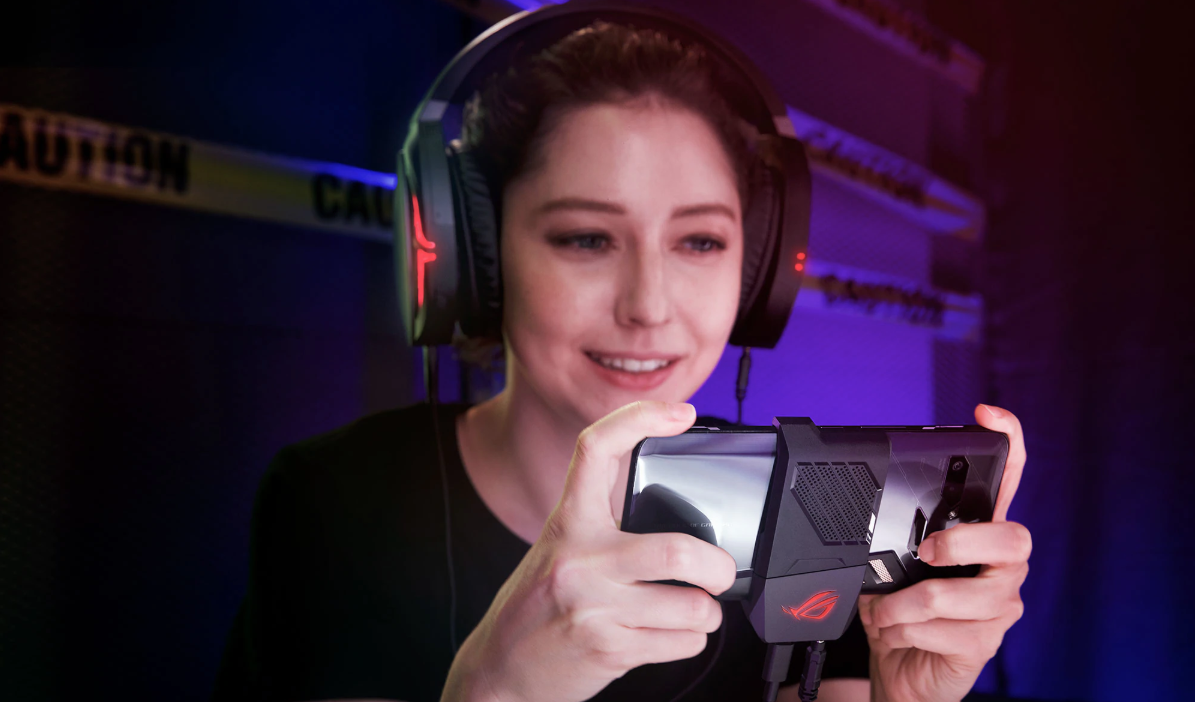
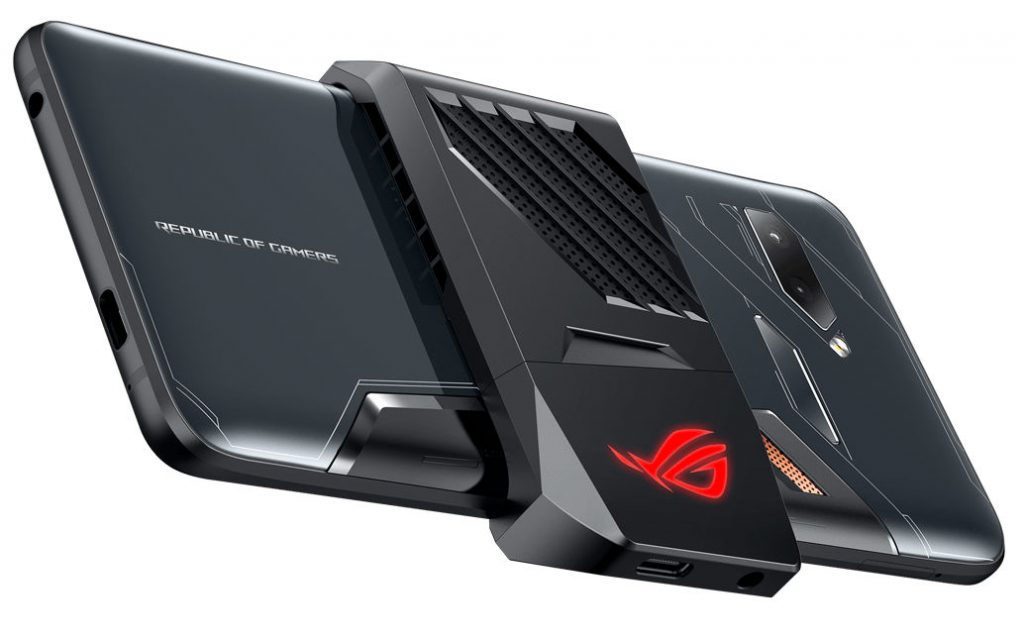
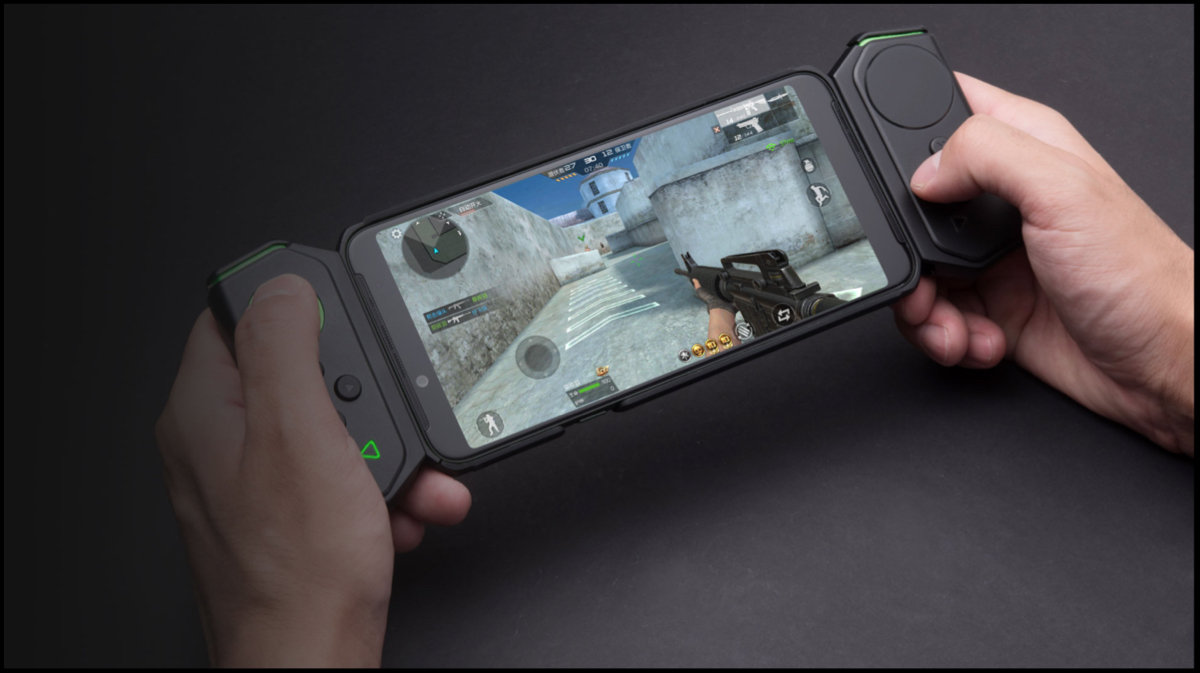
Since these phones are made specifically for gaming, these are built from ground up. keeping the quirks of gaming in mind. For example, the Asus ROG Phone has a headphone jack both at the bottom of the phone as well as on the side of the phone. This allows a gamer to play games in the horizontal mode using two hands while charging the phone. There are several such modifications on gaming phones that make a gamer’s life much easier.
High Quality Displays
Many high end phones these days have really good screens. Many have AMOLED displays or retina displays. But the gaming phones have an extra feature that in terms of the refresh rate. A refresh rate is the rate an LCD or LED panel changes a frame. It is calculated in frames per second (fps) and a higher refresh rate is extremely helpful for gamers since the images change faster compared to other screens giving gamers the extra edge to kill and spot enemies faster than others. Many gaming phones have a refresh rate of 120 Hz while normal smartphones usually have a refresh rate of 60 Hz.
High Quality Speakers
Gaming requires really great quality speakers. A good speaker can give you an immersive experience in gaming. Gaming smartphones usually feature great speakers with HD sound, dolby digital sound or Dolby Atmos stereo speakers. Some of these phones have great amplifiers as well.
More Inbuilt Memory
Most high-end phones have a decent amount of RAM. For example, the latest iPhone XS has 4GB of RAM while the flagship Samsung Galaxy S9 has 4GB RAM. However, most gaming phones these days offer upto 10 GB of RAM. This makes day-to-day functions faster as well, apart from gaming of course!
Added Accessories
Gaming phones come with accessories that can be used to make the gaming experience better. These include extra battery packs, phone coolers, additional headphone jacks and more. These accessories might be expensive but they are quite helpful and can elevate your gaming experience overall.
Negatives
So what gives? If gaming phones are so good then why isn’t everyone buying it instead of a top end smartphone? Well, in making these high end hardware and software changes, the phone companies sacrifice other features. Let’s find out what the negatives are.
Camera
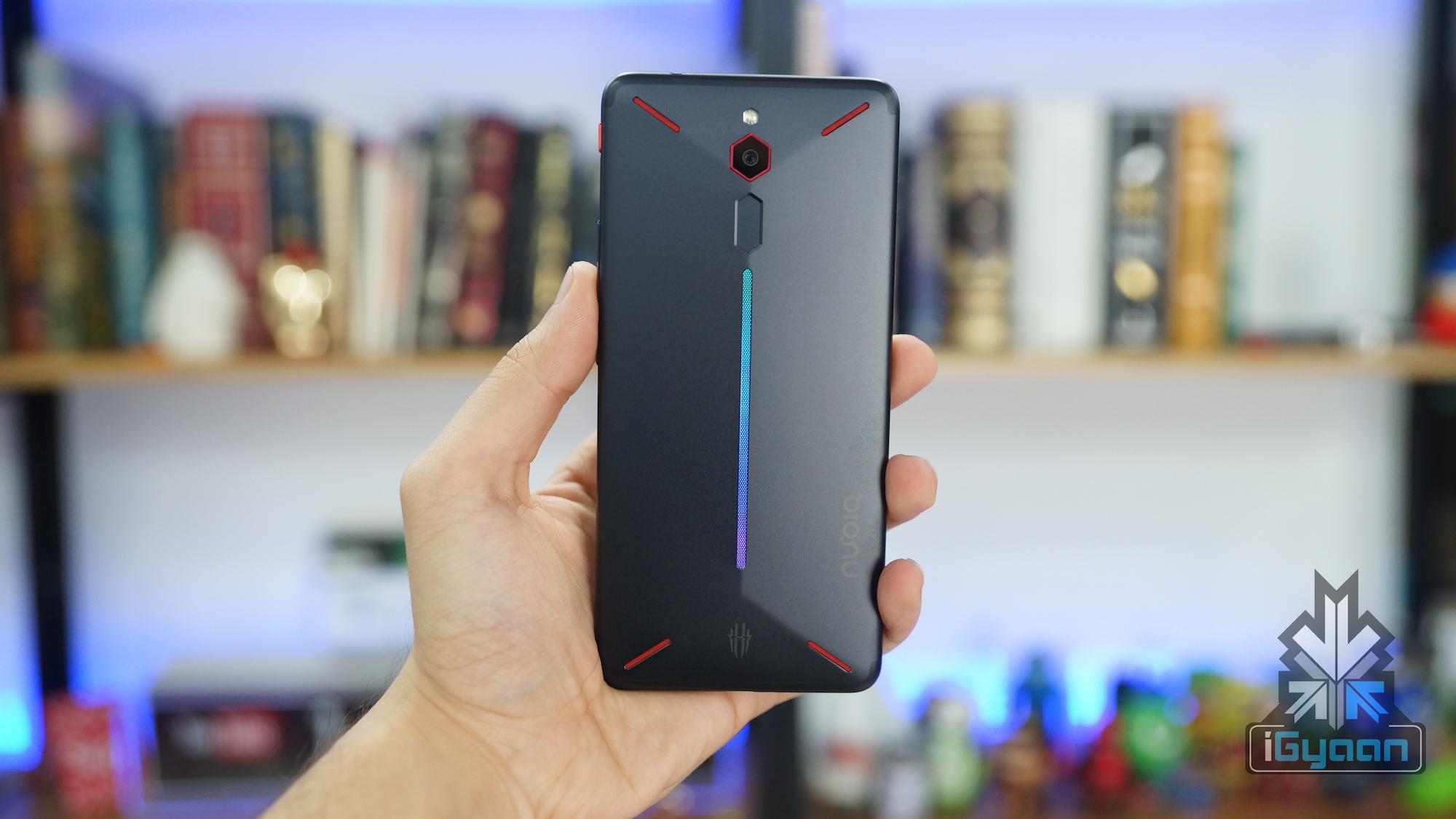
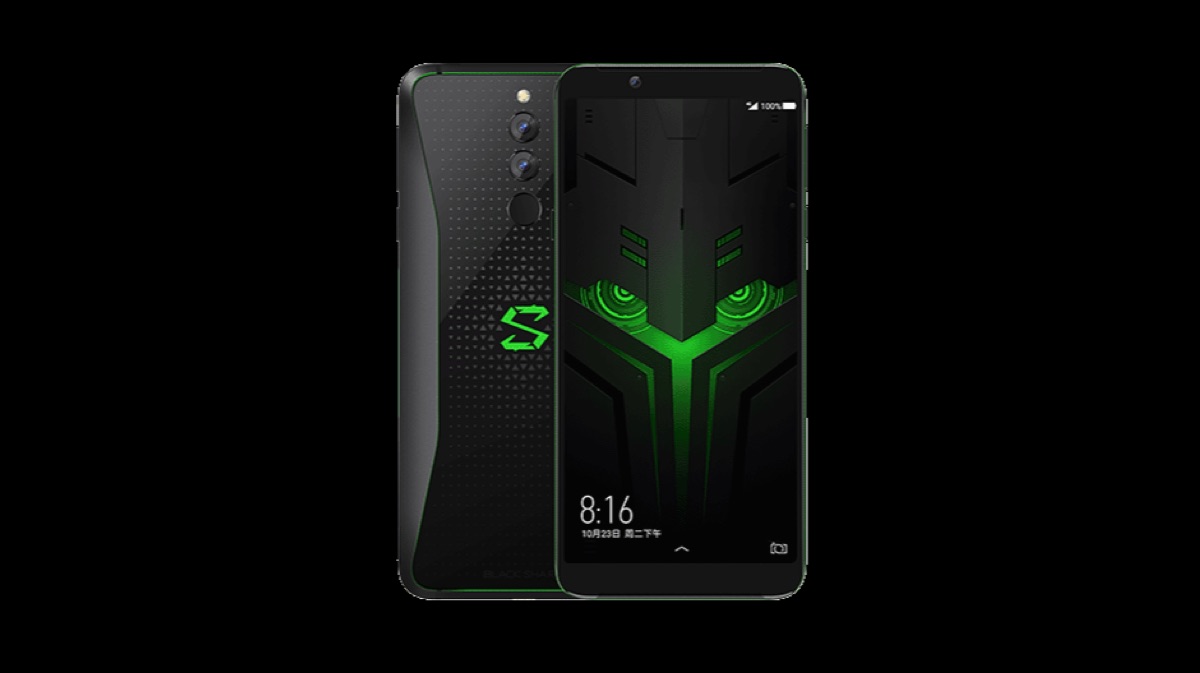
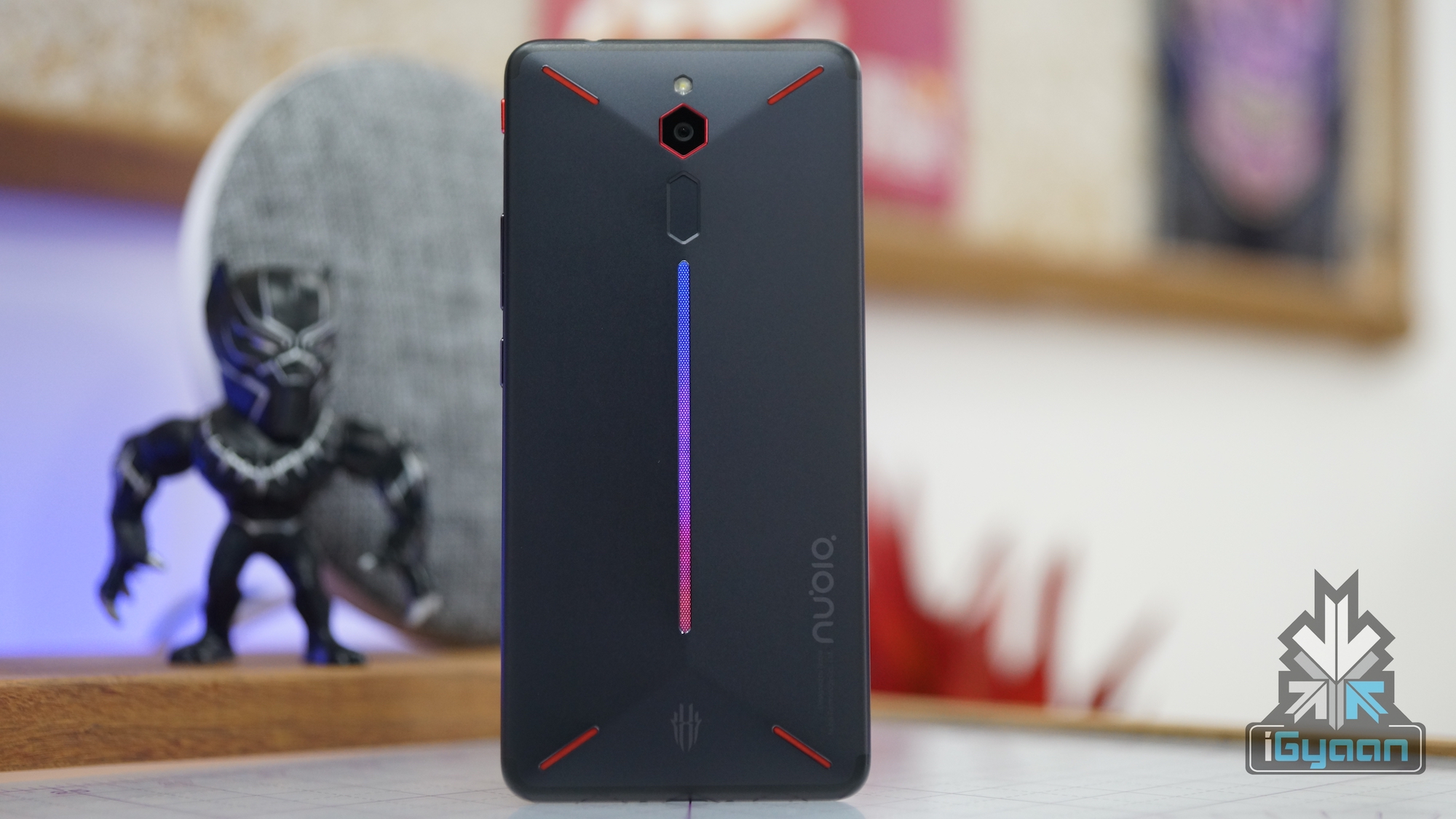
Most gaming phones are not meant for taking photos or selfies, so their cameras are usually not that great. Many of the budget gaming phones usually sacrifice image quality by reducing the camera specifications. For example the Xiaomi Black Shark has a 20 Megapixel front camera but has a 12 megapixel and 20 megapixel back camera but the ZTE Nubia Red Magic has a single 24 megapixel sensor at the back. Even though the cameras are not bad, but compared to top of the line smartphones in the same price range, the image quality falls flat.
Bulky
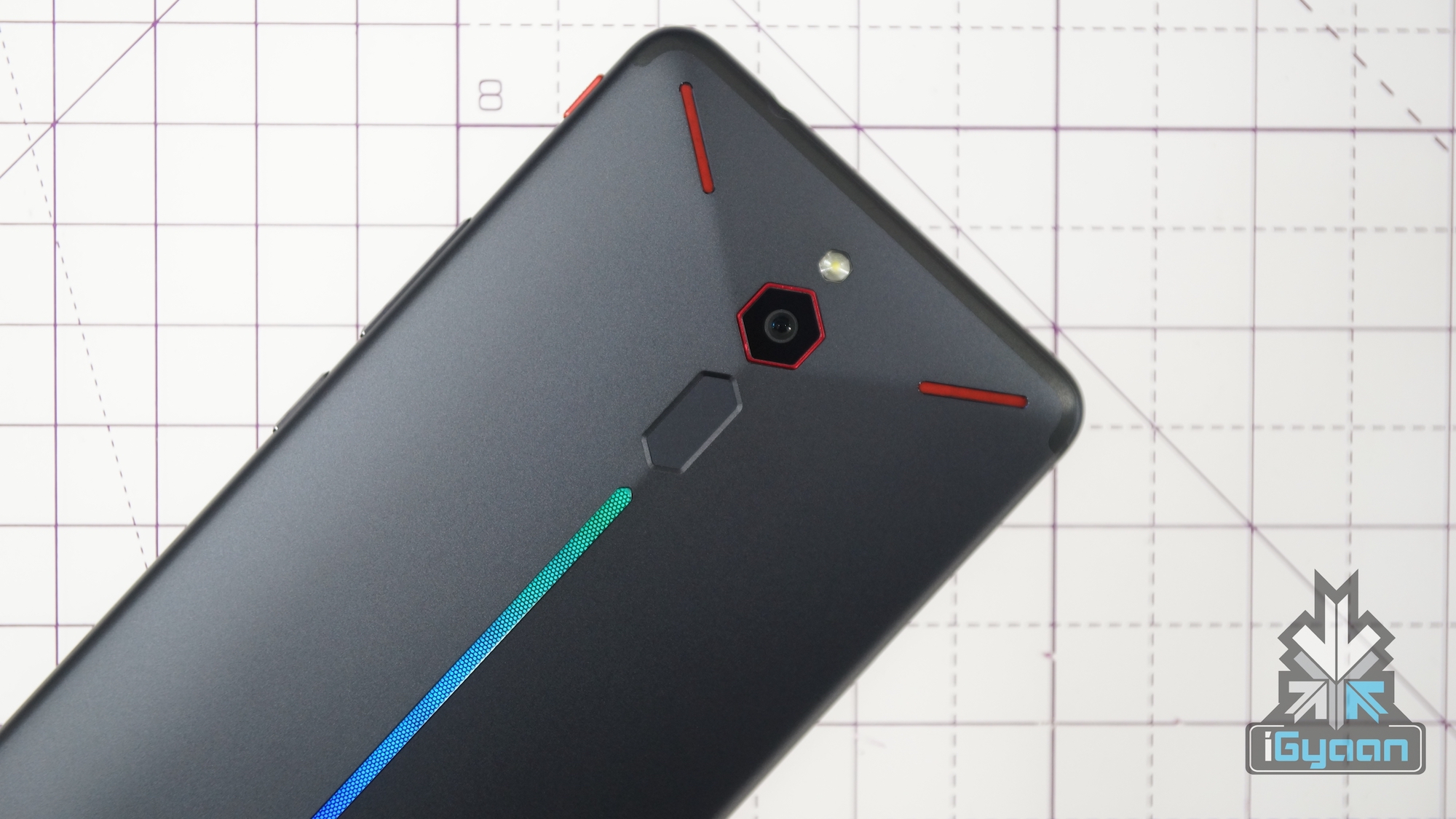
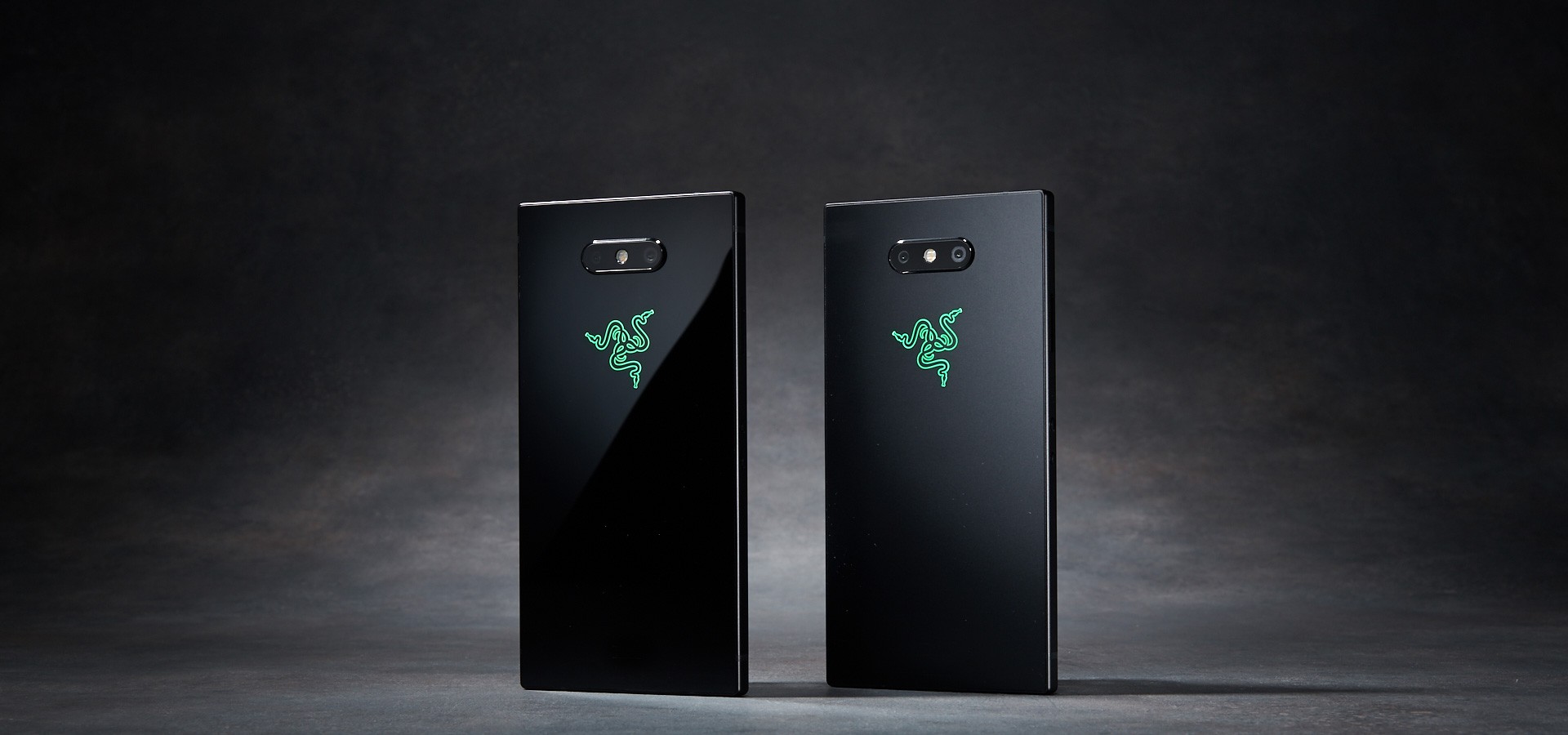
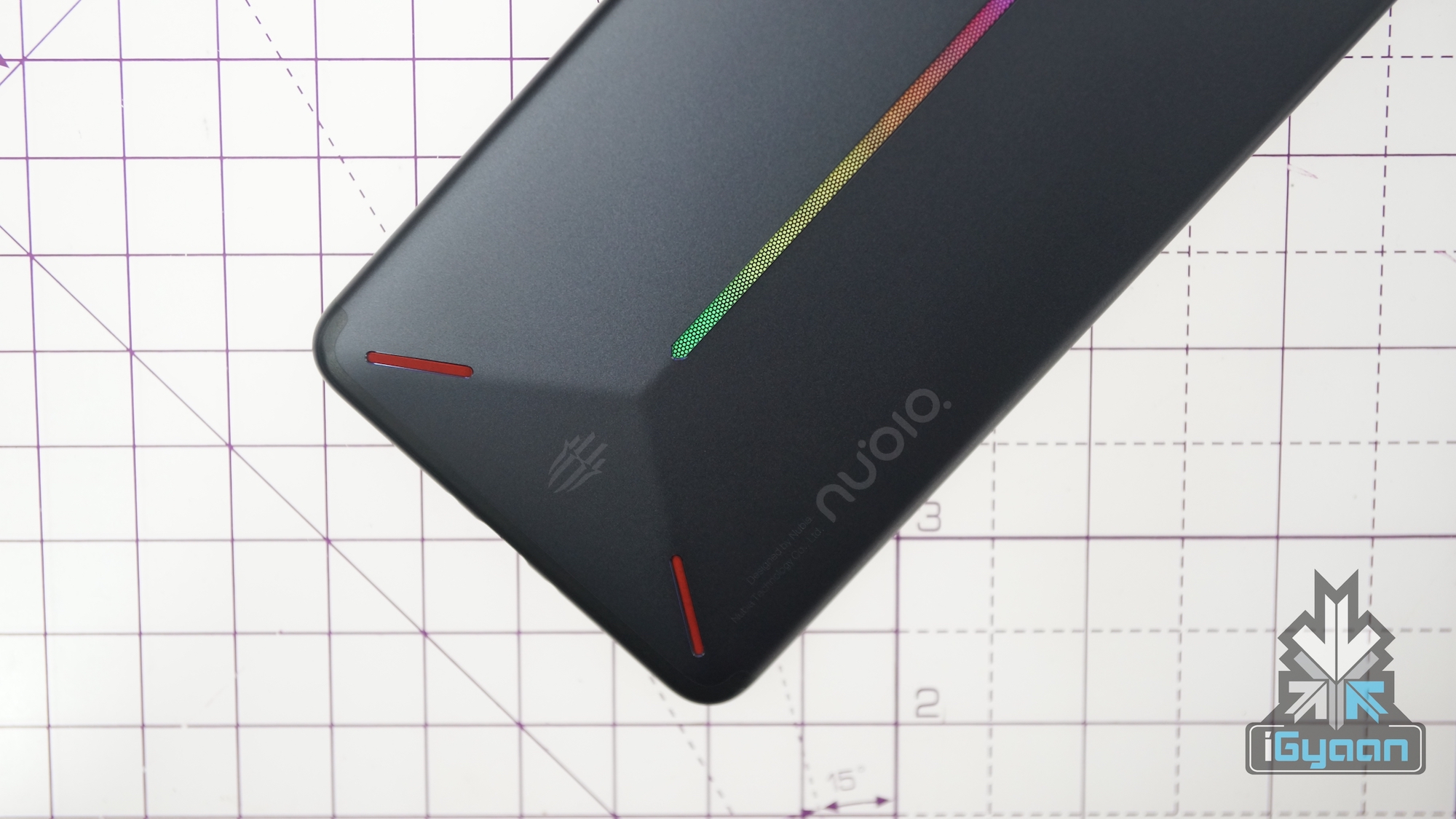
These phones have a lot of modifications done in order to make it gaming friendly. These modifications take up space thus making these phones heavy and large. These are nowhere near the sleek smartphones that we see and use everyday and may feel like a brick at times. But it also sets you apart from the similarly designed phones that we see everyday. These phones have a dash of colour, look menacing and usually have glowing lights in the back. If you are a fan of sleek smartphones, gaming phones probably aren’t for you.
Expensive
These phones are specced to the brim and because of that, are expensive. They can be priced anywhere between $ 400 to $ 800 and are quite expensive. It is also to be noted that phones with similar specifications from manufacturers such as Apple and Samsung can go way above that reaching prices as high as $ 1500.
Delayed Software Updates
Gaming smartphones are generally not known for speedy software updates and OS updates. Since these phones have their own UI to make the phone look more like a gaming device, these UI changes take time for the company to implement on a new OS. This can be a hassle for people who like to get timely security and software updates.
Best Gaming Smartphones To Consider
Now that we have discussed both the positives and the negatives, here is a list of the best gaming phones available in the market that you can consider to buy:
Apple is the preferred choice for many consumers since privacy is something the company boasts of in their ecosystem. But Apple also abides by the rules and regulations of the respective countries it sells its phones to and according to their latest transparency report, they seem to be providing user’s data to the government. Transparency reports are reports that are published in regular intervals by tech giants such as Facebook and Twitter. These are available for customers to see and includes data such as Government requests, Account Restriction / Account Deletion and Account Preservation.
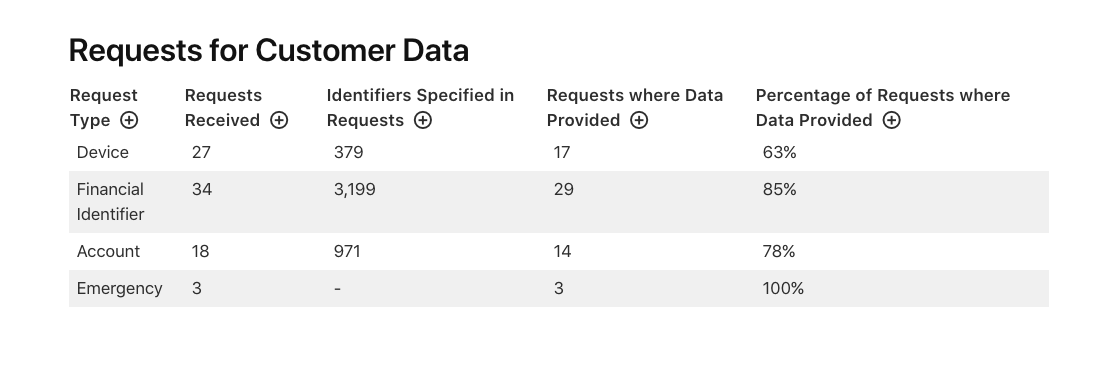
It must be noted that the government does not ask for every Apple user’s data and these requests go through a rigorous screening process. These include the government asking for information on a particular user through subpoenas, court orders, warrants etc. According to Apple, government and private entities are required to follow applicable laws and statutes when requesting customer information and data from Apple. The reports from January – June 2018 suggest that the total Device requests in that time period were 27. Out of that, 17 requests were granted by Apple which is a 63% request approval. Device requests include information of a particular device that a particular person is using such as IMEI or Serial Numbers.
Financial Identifier Requests
Requests on financial identifiers from the Indian government amounted to 34 in total. Out of that Apple granted information on 29 which is an 85% request approval. Financial Identifiers are requests received from a government agency seeking customer data such as credit card or gift card. This is in light of the iTunes gift card fraud that has been prevalent for a while now. Requests for Account details such as Apple ID and emails were also made by the Indian Government. These amounted to a total of 18 in the half-yearly period. Apple gave information on 14 of those requests.
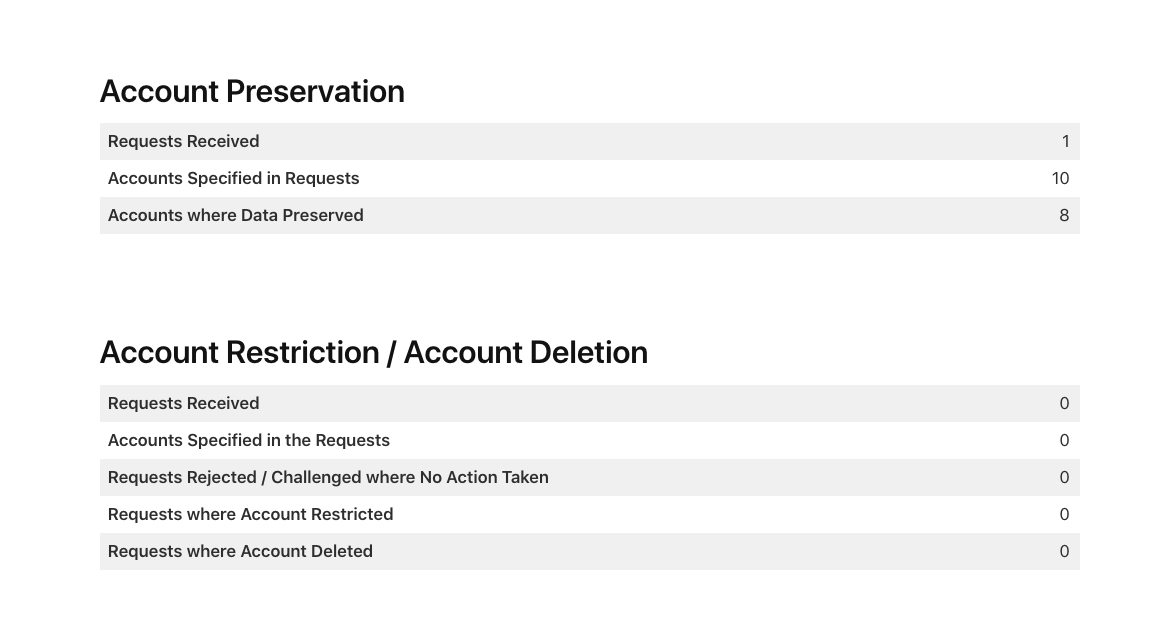
Apart from these, 3 emergency requests were also made by the government and Apple followed through on all of them. These requests are made when the government requires user’s data on an emergency matter. There were no Account restriction or deletion requests made in the 6 month time period by the government.
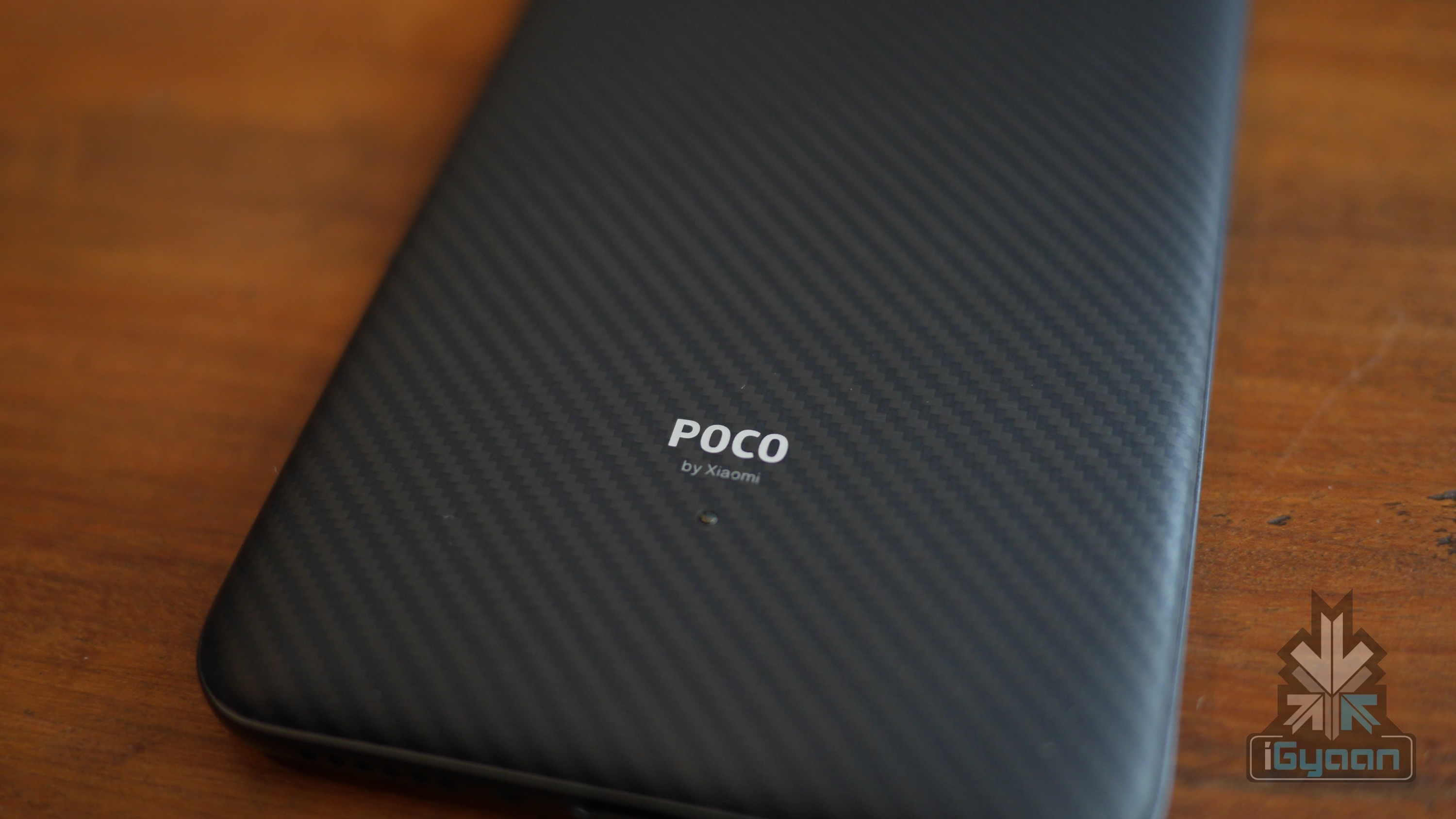
Xiaomi’s secret weapon is the Poco phone F1. It released with a huge hype around the unbelievable price and amazing specifications. The phone features the top of the line Snapdragon 845 SoC at an amazing launch price of Rs. 20,999. This caused a lot of uproar because of the cheap price. The Poco F1 was previously launched with an armoured edition but it was only available in the pricier 8 GB RAM and 256 GB storage variant. This was however, out of the budget of many consumers. This is set to change now that Poco F1 Armoured Edition has been launched at a lower 6GB RAM and 128 GB storage configuration.
The Poco F1 featured a MIUI 9.6 based on Android 8.1 Oreo out of the box but has recently started receiving Android 9.0 Pie on top of MIUI 10. The phone has a 6.18-inch full-HD+ screen with 1080 x 2246 pixel resolution display. Although there was a lot of furore regarding the phone not being able to play HD videos from some video streaming websites, many consumers did not care. The phone has a 2.5D curved display with Gorilla Glass 3 which provides additional protection. But the main feature that attracted so many fans towards this phone was the Qualcomm Snapdragon 845 SoC which is the latest SoC available at the moment.
The Poco F1 Armoured Edition has a dual camera setup at the back and a single camera at the front. The rear cameras include a 12-megapixel Sony IMX363 primary sensor and a 5-megapixel secondary sensor. It also features a 20-megapixel camera along with HDR and AI Beautify features. Other notable features include 4G+ VoLTE, Wi-Fi 802.11ac, Bluetooth v5.0, USB Type-C, 3.5mm headphone jack. It has a 4,000 mAh battery that supports 18W charging and Quick Charge 3.
The phone’s armoured edition will go on sale in the country through Mi.com and Flipkart. Starting 00:01am on December 26, 2018. The 6GB 128GB variant is priced at Rs 23,999 in India.
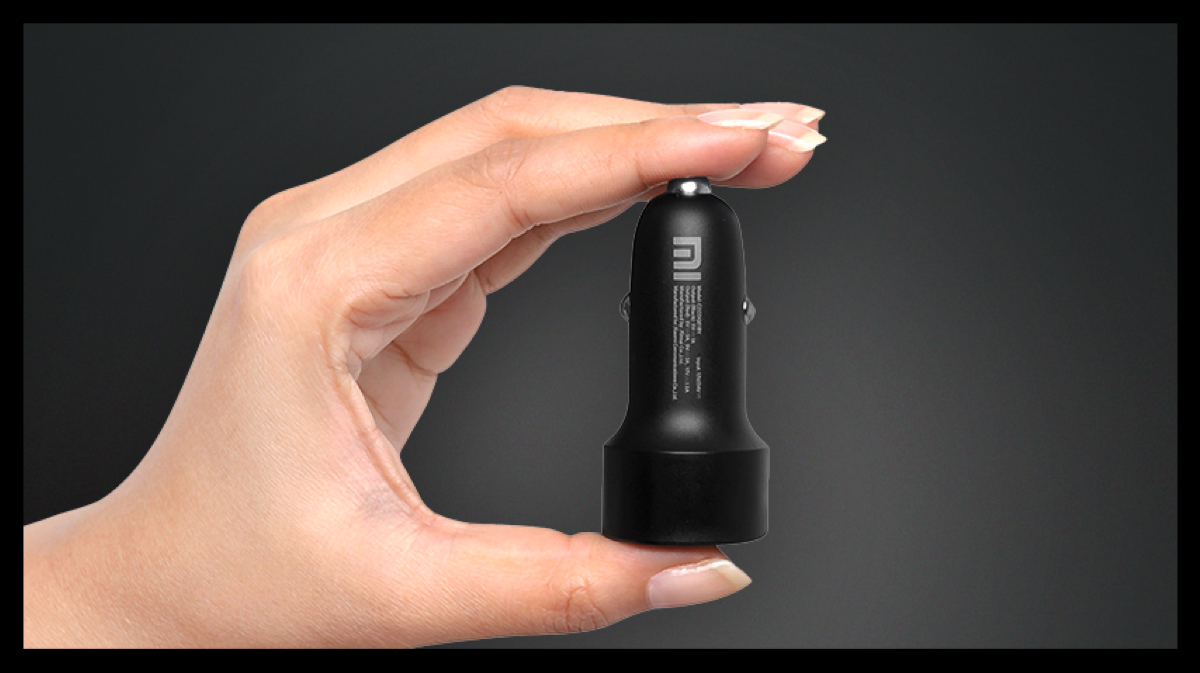
Xiaomi has been known to introduce products ranging from home appliances to phones and even other tech accessories. They have a host of products that are currently available in other countries, but not in India at the moment. The company had previously introduced a car charger last year. This was expensive due to it being built with a metal body and two USB ports. But now they have introduced a new car charger that is made of a polycarbonate shell, thus reducing the price and increasing the cost effectiveness of the charger. We all have faced issues with our phones running out of juice when we most need it. The car charger charges your phone using the car’s outlet, thus ensuring you never miss a call while travelling.
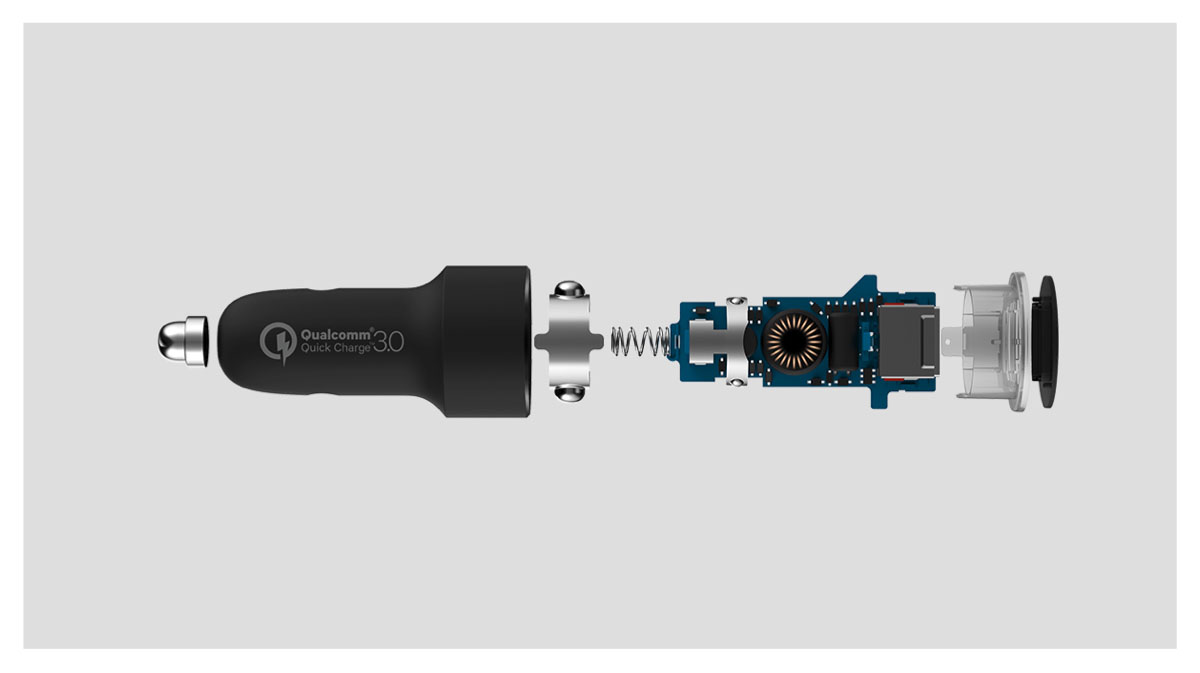
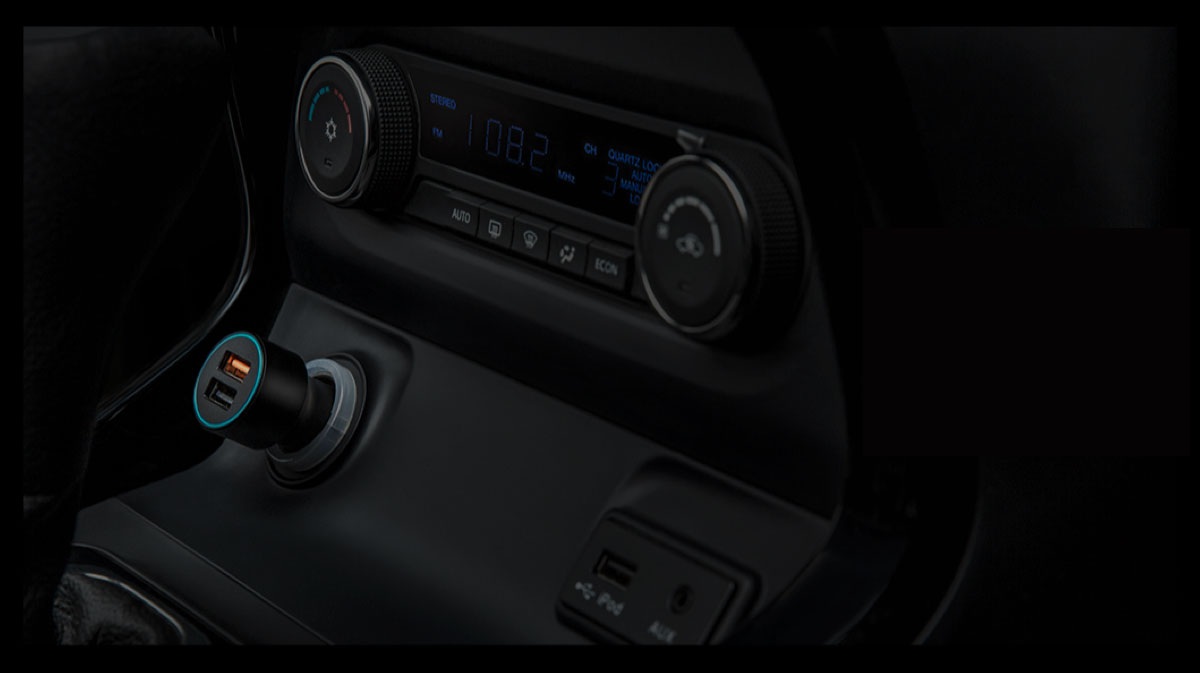
Specifications The new charger that Xiaomi calls the Mi Car Charger Basic has two USB slots as well and can charge two devices simultaneously. It supports 12V and 24V input that are available in almost all modern cars. It features four layers of protection in output that prevents overcharge and over voltage while also ensuring protection from short circuit and higher temperatures while charging. The charger is extremely handy and has a very compact size. It is also lightweight since the charger is made of hard plastic or polycarbonate. The charger features a blue LED light ring as well.
The Quick Charge 3.0 compatibility ensures that your phone charges fast, even on a short distance journey. QuickCharge 3.0 supports USB Type-A, USB micro, USB Type-C and proprietary connectors. Qualcomm boasts of charging a battery to 80% in just 35 minutes with Quick Charge 3.0 as the charger optimises power transfer in the early stages of charging. This allows the charger to recharge the battery at a faster rate in case of a lower battery charge. The charger is available on Mi’s website for a price of Rs 499.
PUBG has been locking horns with other popular games with a similar play style, like Fortnite, for a long time now. Fortnite had surpassed PUBG in terms of number of concurrent players and PUBG has been fighting back.
What Happened?
In January, PUBG had recorded a concurrent player number of around 3.2 million and as of the time of writing this article, the game has a total of 1,083,312 users in it’s 24 hour peak. The widely popular game has started with a bang, but saw reduction in the number of players since June 2018. The reduction in the number was gradual and did not happen suddenly.
This indicated that the players were either moving on to other games or were bored of playing PUBG. But with the release of the new snow map, it seems like players are coming back. China, Korea and India are massive markets for PUBG players while the United States plays Fortnite majorly. The +7.04% gain in players comes after ten months of falling numbers. Fortnite on the other hand, topped the list in November setting a new milestone of reaching 200 million concurrent players.
PUBG has also been riddled in controversy with the company recently banning major teams and players for cheating after an anti cheat software went live. The map hack allowed the players to see their enemies on the mini map constantly giving them a tactical edge over the others. Other games like Call of Duty Black Ops also led to the loss in the number of players. The much anticipated game’s release saw a significant drop in the player numbers. But with the new Vikendi map and newer faster and better play styles, PUBG might make a strong comeback. PUBG also seems to be listening to their players and adding or fixing problems that are reported. They recently made small changes that has improved the overall gaming experience after listening to feedback.
There is some good news for all the Android users! Google has increased the number of photos and videos that can be stored in an album to 20,000. Google Photos is a widely used service and most Android phone users backup their photos and videos in Google’s cloud storage. This enables a user to seamlessly switch to new phones without the hassle of shifting gigabytes of data from one phone to another. Each Google Photos storage is associated with a Gmail account. The limit for each album was previously set to 10,000 photos. With Google introducing the Live Album feature, there will now be more albums than before. The Live Album feature enables the app to differentiate between different photographs and creates and segregates photographs for you. This makes an album of your pets, your travels and so on.
What This Means For Users
With smartphone cameras becoming better and better, the size of images have increased. So has the user’s tendency to shoot more photographs with mobile phones. This new expansion of storage allows the user to not have to worry about running low on space and having to delete images from Google Photos. Google has also confirmed that it won’t count some formats of videos under the ‘unlimited storage’ umbrella. These include videos saved in mpg, .mod, .mmv, .tod, .wmv, .asf, .avi, .divx, .mov, .m4v, .3gp, .3g2, .mp4, .m2t, .m2ts, .mts, and .mkv formats. These videos can still be uploaded to Google Photos, but will take up space on your Google Drive.
While a user gets 15 GB storage for free on Google Drive, one can choose to increase that space by paying a premium. There are six different plans available at the moment which are 100 GB, 200 GB, 2 TB, 10 TB, 20 TB and 30 TB. The lowest plan for 100 GB data storage will set you back by Rs 130 per month. Alternatively, one can create another Gmail account to get 15 GB more data but that would mean you will need to keep both logged in on your phone to access the storage without interruptions.
With phone prices sky rocketing, it is hard for an average consumer to buy new top end phones. One also often feels uneasy in buying used smartphones devices online. When buying a second hand phone, there are a lot of things that one needs to keep in mind, specially if they are being bought online. More often than not, if a deal is too good to be true, it probably isn’t. In this article, we will discuss the nuances of buying second hand smartphones online and how to make the right buying choices.
Where To Begin?
Before you start searching for a new phone, you need to be sure that you want a new phone. Decide on a budget that suits you and then convince yourself to stick to this budget. There may be instances when you might get a far better model at a price range that may be slightly above yours. Stay away from them as, if the price of a second hand phone is too good a deal, it may have other problems.
Try to stay within your budget. The next thing you need to decide on is the phone you want. If you are a light user and only use your phone to make calls and send text messages and like a little bit of social media time everyday, you may not require a very high end phone at all. But if you have the budget for a high end smartphone that is great too. Now let’s look at the two types of used phones that you will come across online.
Used Phone Sold By User
These are phones that are sold by people who have used the phone they are selling. These are people like us who are either looking to upgrade or switch their own phones for better models. You can often see listings like these on various websites and these sellers will usually not have any ratings. These users do not sell phones often and thus finding a trusting source can be a cause for concern. There will be some listings that use stock photos. You will need to be careful when buying from these sellers and if you do not see photographs of the actual phone then best avoid these sellers.
Always ask for the original product images as it will at least help you understand the condition of the phone from a cosmetic standpoint. If a phone is badly damaged from the outside, absolutely avoid it. A damaged phone from the outside will most certainly have damaged or dinged up interiors as it shows that the owner did not care for the device as much as he should have.
If the device shows normal wear and tear from prolonged use, that should be fine. Ask the user what he will be selling along with the phone. See to it that he shares the box, bill and charger. If you are buying from a website such as OLX or Quikr, then check the IMEI number to make sure it isn’t stolen from someone else.
Refurbished Phone Sold By Seller
These types of phones are relatively safer to buy. Many websites, Amazon being a big example, have sellers who are trusted and sell refurbished phones. They buy phones from other users and repair and sell them after fixing it both internally as well as cosmetically. They will also usually provide a 6 month or 1 year warranty or guarantee (differs from seller to seller) and will fix the phone for you if anything goes wrong. Remember that these warranties are not given by the manufacturer of the phone but the seller themselves. These phones are a little more expensive compared to the phones that are sold directly by the users since the sellers charge for buying, refurbishing and then selling the phone off. There sometimes will be underlying terms and conditions that you also need to look at. Read the description carefully before you buy.
Websites Where You Can Buy Used Phones In India
OLX
Olx is a classifieds website where you can both buy as well as sell phones in India. It has it’s presence in 45 different countries and is headquartered in Amsterdam. Although the website is meant for users to post items for sale, many small businesses also sell smartphones and laptops here. You can directly connect with the seller and meet and buy the phone. While it isn’t exactly an online transaction, it does help you find people who are willing to sell what you are buying. It is safer in a way because you get to hold the phone and test it out before actually buying.
Quikr
Quikr is another classified advertisement website, working on the same model as OLX. It is an Indian platform and is focussed on providing a better experience for buyers and sellers than many other similar platforms. Beware of fake sellers though as many have reported to have received phones with parts replaced with cheaper Chinese made counterparts inside the phone. One can recognise a fake post by looking at the price and images. If you see a Samsung S9 Plus available at Rs 8000, it is probably a copy or has replaced parts. If there are more than 1 phones of the same model, it might be a seller who is buying cheap copies and selling them at a profit.
Amazon
Amazon has a lot of refurbished phones from different sellers. Being a globally renowned website, their quality control for sellers on the platform will be better. The phones, as mentioned above will be a little more expensive but the quality and the description will be clearer. These listings generally have a “Certified Refurbished” tag on the image and are also written in bold letters. Many descriptions of these listings suggest that the phone is Amazon-qualified and performance managed where the reseller performs a full diagnostic test, replaces any defective parts, and thoroughly cleans the product. The products also reportedly will have minimal to no signs of wear. They also have no visible cosmetic imperfections when held 12 inches away and the batteries will have at least 80% capacity relative to new ones.
CEX
This is an extremely popular website and shop in UK and is slowly gaining ground in India. They have different models of different phones that can be viewed on their website. CEX both buys and sells phones and one can buy phones using CEX voucher or actual cash. There is a flat 2 year warranty on everything they sell. And there is a doorstep buying and selling process as well. You can visit their shop and see the phones and choose from them. The prices of each phone are listed on their website as well. These are also refurbished.
Facebook Groups
Facebook has become home to hundreds and thousands of buying and selling groups and these have thousands of members each. Every city has a group that sells phones. If you find the correct group, then you can chose from a variety of options and connect directly with sellers. You can also meet and see the products yourself. While this may be a great place for phones, do check the profile of the seller once and ensure that the post is not fake or the seller is genuine.
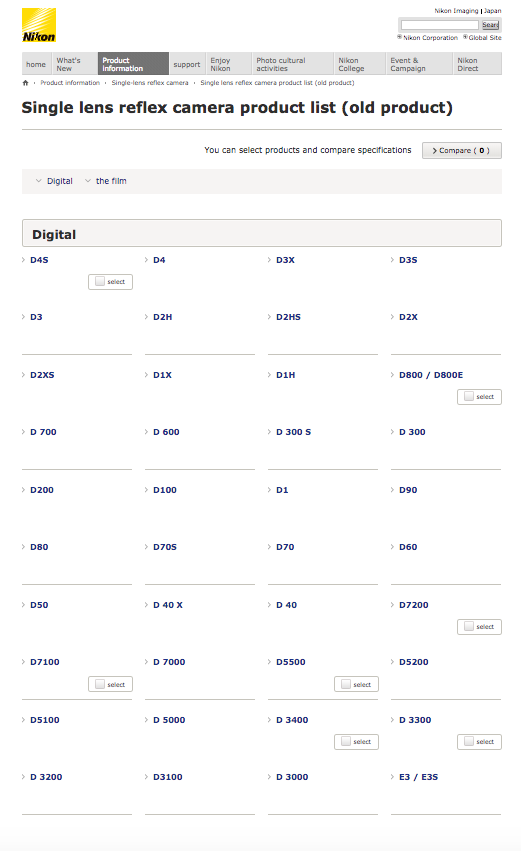
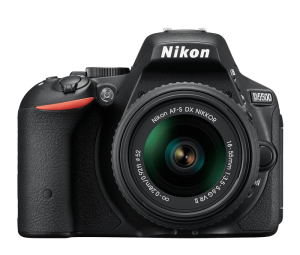
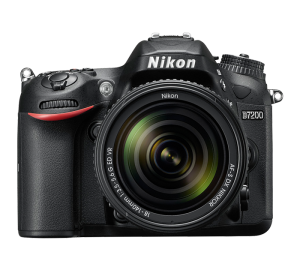
Nikon has finally announced the discontinuance of the popular D5500 and D7200 cameras. Rumours about the same were doing rounds of the internet for the longest time, but it seems like Nikon has finally done it. Both the cameras were released in 2015 and Nikon has better options with even better specifications at the moment. It seems like a good time to discontinue them, as the 24 Megapixel Dx body D5500 was getting old and featured old technology and so did the D7200.
The D5500 was available in several different bundles with different body and lens combinations at the time of it’s discontinuation. The first bundle was priced at Rs. 61,950 with D-ZOOM KIT: AF-P 18-55mm VR + AF-S 55-200mm VRII Kit Lenses. The second bundle available was for Rs. 65,950 which had the AF-S 18-140mm VR Kit Lens. It also had a cheaper option for Rs. 52,950 with AF-S 18-55mm VRII Kit Lens. The camera was worth Rs. 47,450 for the body only version. These were extremely high considering other cameras as well as Nikon’s own D5600 is priced in the similar price range. The D5600 has better specifications and so does the newer D7500. The D7200 had a price range of Rs. 1,08450 to Rs. 69,950 while the D7500 has a price range of Rs. 1,15450 to Rs. 96,950.
This year, Nikon has forayed into the mirrorless segment as well, which are quite expensive. With the discontinuation of the older models it seems highly likely that Nikon might release newer models of the currently available D7500 and D5600 soon. While Nikon itself has discontinued the two cameras they are still available on Amazon’s India website as well as Flipkart.
In today’s world of every growing technology and ideas, companies come and companies go. Most of them exit the scene as rapidly as they climbed the top of the ladder. GoPro is such a success story. Despite still having a relatively good footing in the market, it will be difficult for them to make a comeback unless they change their ways. Action cameras have been there for a while now and it all started with GoPro itself. In 2002 Nick Woodman went on a surfing trip and quickly realised that there was no way to take excellent quality photographs while in the water. While most photographers shooting surfing images usually used DSLR with long tele lenses from the beaches, buying these lenses and equipments and hiring photographers were an expensive affair. This led to the birth of the desire to shoot professional images in dire situations and adventure sports.
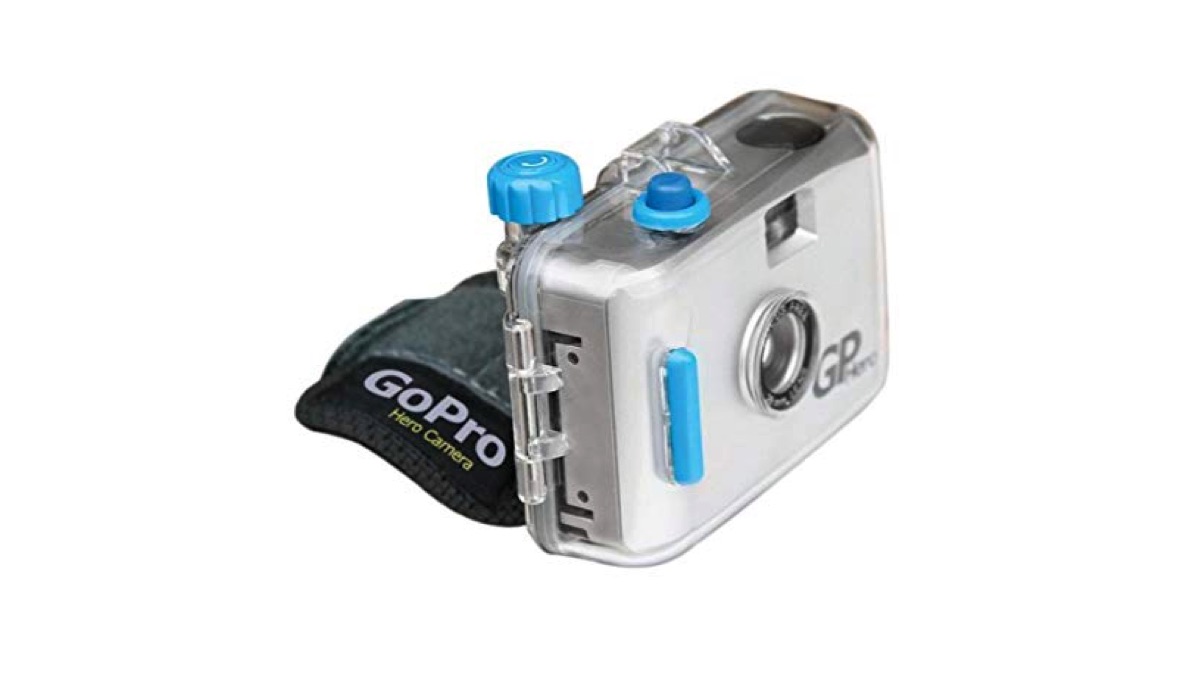
In 2004 GoPro built it’s first camera that used 35mm film. The Hero lineup that we see today was born as the GoPro 35mm HERO in 2004.In its first year they sold $150,000 worth of products. Then in 2006 the Digital HERO was released. The camera shot 640×460 resolution photos and VGA definition 320X240 (10 fps) video for a maximum of 10 seconds. The Digital HERO had 32 MB of internal memory without an SD card slot.
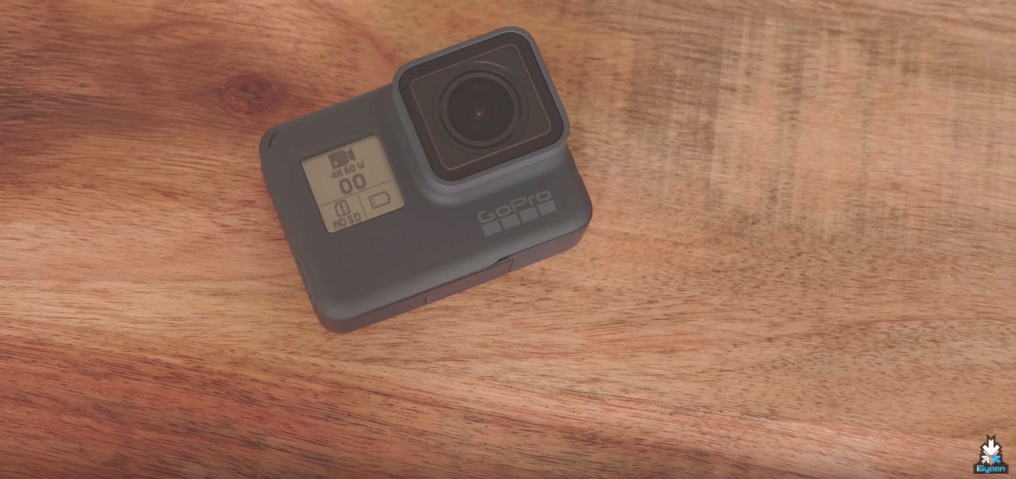
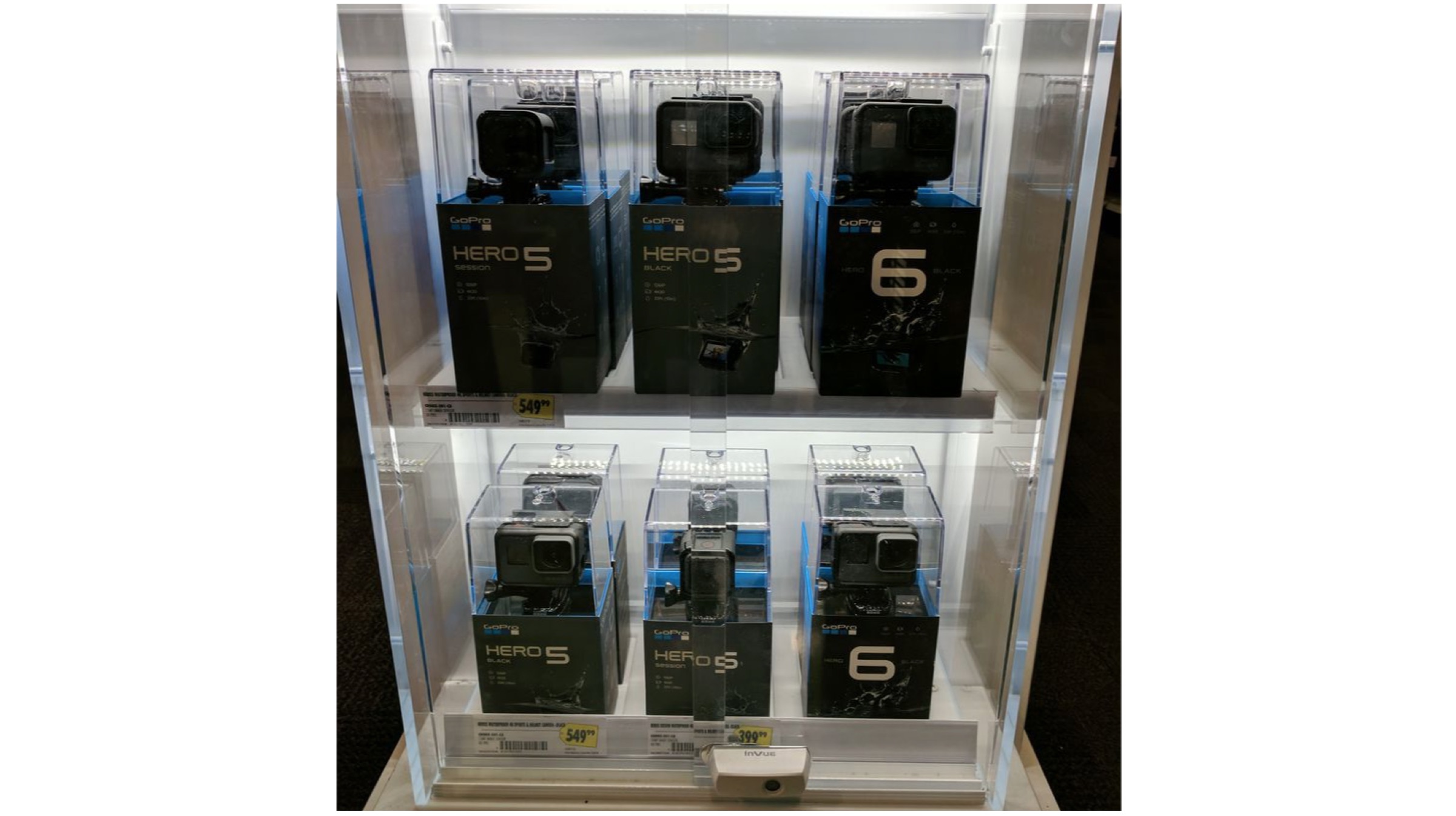
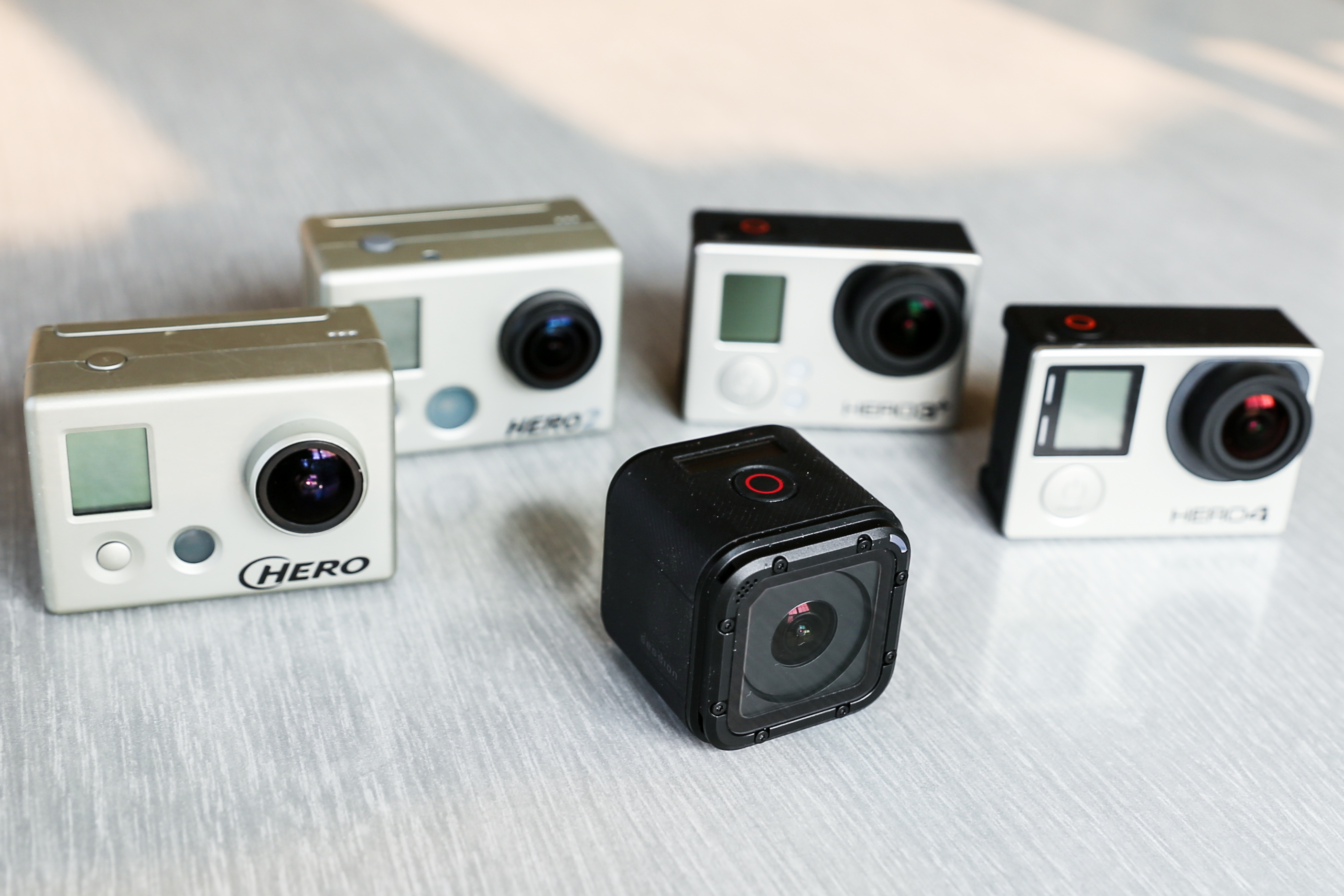
Over the years, small improvements were made and the Digital HERO3 was released in 2007. It featured a 3-megapixel camera and shot standard definition 512×384 video. The latest GoPro, which is the Hero 7 shoots 4K images at 60 fps, came after several iterations of the HERO lineup. The cameras that were released between the Hero digital and Hero 7 were Digital, Digital 3, Digital 5, Digital Wide, HERO 2, HERO 3, HERO 3+, HERO5, HERO6, Fusion and HERO (2018). While the development and refining was constant and very smooth, the time taken to do it was not in their favour. But before we go into the reasons of the revolutionary company’s eventual failure in the market, let’s discuss why it succeeded in the first place.
GoPro’s Success
GoPro was released at a time when cameras were bulky accessories that only photographers would buy. Yes, there were point and shoot cameras available, but these cameras were extremely brittle, untrustworthy and weren’t the greatest performers. In other words, they underperformed both in terms of image quality and build quality. Since Sony’s introduction of the world’s first ‘digital’ camera in 1981 called Mavica, there was very little in terms of research and development done in this sphere. While the DSLR technology was being improved with leaps and bounds, the compact camera segment was falling behind. Rangefinders were still in fashion and so was 35mm film. With little or no access to personal computers, the day to day consumer was more inclined towards having a film camera and saving printed positives.
What set the GoPro 35mm Hero apart from the rest of the point and shoot cameras was its ruggedness. It was also quite famous for being small and handy. The camera measured in at just 2.5 x 3 inches (64 by 76 mm) and weighed a mere 0.45 pounds (200 grams). What you got with the camera was a clear case with quick release, a camera strap and a ski glove adapter lash. It was functional in water to a depth of about 15 feet (5 m). The camera was marketed as a “reusable wrist camera” and included a roll of 24 exposure Kodak 400 film.
Many photographers as well as day to day users such as students on a spring break, travellers and family members were using it. People in the United States love water, be it surfing, diving, river cruise, beach holidays or just a simple day relaxing at the pool. The camera struck a chord with these users. For a time when cameras had to be taken extreme care of and maintained like a family jewel, this rugged camera with a case and waterproofing was an excellent choice. Another extremely important reason for the GoPro Hero 35mm’s success was its pricing. Priced at just $20, it was an extremely good deal for photo enthusiasts and families alike.
As time passed, the cameras became digital and so did people’s ways of interacting with technology. Everyone who was even slightly well off had a personal computer. At the Worldwide Developers Conference keynote address on June 6, 2005 which is a year before the first digital GoPro’s launch, Steve Jobs announced that Apple would begin producing Intel-based Mac computers in 2006. The world around GoPro changed and so GoPro changed along with it. They shifted to digital which was widely accepted by the people. But it also was a sign for future historians to look into since that was the last quantum leap that they took. At least till 2018, when this article is being written. Now that we have a basic idea of where GoPro was headed, let’s find out what led to the near shutdown of the industry leader.
The Downfall
GoPro was never doomed for failure. They had, what people in the industry call the first mover’s advantage in a segment in the photography and videography industry. A segment that they created themselves. Just as the word Xerox had become synonymous with Photocopier machines after the inventors named and trademarked their process under that name, action cameras were at one point known as GoPros. This was because they were for the longest time, the only players in the action camera market. So how did it all change?
Lack Of Research And Development
GoPro, being the leader in a market that previously did not exist, took the sales figures for granted and did not pay heed to what the future of the company was. A company, specially in the tech industry, needs to constantly keep innovating in order to compete. GoPro understood the position it stood in – great sales figures, stock prices increasing, newer markets such as India, South East Asia etc opening up. These made them oblivious of the fact that they need to make their company future-proof. For the longest time, their Hero series of cameras just saw incremental upgrades. This was in terms of video resolution, sensor size and durability. There were very few path-breaking innovations from them.
Higher Cost The prices of the cameras kept increasing. This was partly due to the difficulty to fit all the features that the camera offers into such a tiny package without compromising on the durability. And partly due to them wanting to make huge profit. Their understanding of customer bases were different from their expectations of the same. They wanted to be a niche for adventurers, travellers, trekkers who could afford a $400 camera which gave a decent output but worked on adverse conditions. However the majority of customers for the company were just average day to day people. When it comes to action cameras, buying just the camera is never enough. These cameras require different accessories for different activities. These accessories become a part of the investment that one considers before buying an action camera. The GoPro accessories come at a very high price. For students and young enthusiasts, buying these accessories become extremely difficult. Especially when similar accessories are available in websites such as Aliexpress, Ebay and Gearbest.
Lack Of Understanding Of The Market Another major reason for GoPro’s failure was the lack of understanding of the market. They did not expect or receive any competition from the smartphone market at the beginning of their journey. But as smartphones started to get better and smarter, cameras in smartphones also got better. Every person had a camera in their pocket and GoPro’s USP of it being handy and powerful became redundant. Smartphones became waterproof and much more rugged. GoPro was slowly falling behind due to it’s lack of uniqueness. Both it’s unique selling propositions – ruggedness and being small and handy- were not ‘unique’ anymore. They failed to understand how the market was growing and developing. And they failed to adapt. While their rivals slowly moved into the action camera, drone and gimbal business, GoPro joined the party much later.
Being Out Of Touch With Consumers GoPro wanted to become a niche and desirable product that catered to adventurers, surfers and travellers. Their main customer base was skaters, skiers, holiday makers and just about any average person. While they listened to their ‘Pro’s, they completely forgot about their other customers. They promoted their products using professional athletes and adventure sports enthusiasts. They failed to really showcase how an ordinary family man or woman could use their product too. A person who was thinking of buying an action camera saw only surfers and divers and such using these devices. This led to the customer deciding against buying a GoPro because they felt that the product probably wasn’t for them.
Underestimating Competition This might have been the final nail in the coffin. GoPro was executing their tried and tested formulae over and over again. Meanwhile companies like DJI, Yi and SJCam were developing action cameras, gimbals and drones. GoPro failed to notice the market shift towards drones and birds eye shots in videos and vlogging. YouTubers also slowly shifted to powerful point and shoot cameras. These included cameras such as the Sony RX100 series, Canon’s G9X series. Some even shifted to higher-end and bigger cameras like the Panasonic GH5. While GoPro was releasing it’s first digital action camera, the founder of DJI was still studying in college. However, in 2018, DJI has completely taken over the drone business. So much so that GoPro has finally shut down their drone division and laid-off a lot of employees to cut losses.
The Next Step
Their understanding of the market and industry needs to improve. Within a week of the GoPro Karma launch, DJI announced their own drone – the DJI Mavic Pro. The Mavic Pro was better in terms of features and specifications thus beating GoPro to their game. DJI created quality products at a competitive price. GoPro needs to reduce the prices of their accessories so that more people feel comfortable in investing in a GoPro ecosystem. GoPro badly needs to streamline their work and employees if they wish to stay afloat. New investors are also something they should look into, to keep the company afloat. GoPro needs to get a grip on the ‘Next big thing’ that may hit the market. This will give them a head start compared to Chinese companies who are always on the lookout for the same.
What Else?
They also need to start looking at and listening to customers. They need to market their products by tailoring specifically for consumers. The company has already started to do that through their Instagram account that accepts entries from users. They still need to unify their App ecosystem which now consists of the GoPro App which is 97Mb, Quik App which is 100Mb and Passenger 43Mb. It would be extremely useful if all the three apps were unified into one single app.
They also need to give developers more access to their hardware. This will enable customers to make their cameras more useful in their respective businesses by tweaking the firmware. All in all, GoPro needs to understand the pulse of the industry. They need to create a great marriage of hardware and software. Being user friendly and affordable will also factor in, if they wish to survive in the cut-throat market of technology.
Remember when big Bollywood names would advertise for Micromax and a great cricket catch would be known as Karbonn Kamal Catch? These names had become synonymous with smartphones in every household in India. But what happened to them? Why are these names not right next to Xiaomi or OnePlus in the sales records in India? With Micromax just having launched it’s first smartphone with a notch, almost a year behind other smartphone makers, we delve deep into what really happened. In this article we find out, from various reports, previous interviews, sales reports, online user feedback and everything else, how these companies went from being at the pinnacle of smartphone sales to losing everything.
How Did These Companies Come Into Existence?
Back in the day, the US market was starting to move towards smartphones from feature phones. In 2007, the first iPhone was introduced to the world, and it revolutionised the mobile phone industry. India was still largely a feature phone market with very few devices from Blackberry and Nokia’s Nseries phones that were called ‘multimedia smartphones’ being sold. These devices were expensive and were sold in high-end stores which almost always had a different section for the customers of such phones. Priced anywhere between Rs 25,000 to Rs 45,000, these phones were the envy of people who couldn’t afford them, and pride of people who could. Feature phones were still a large part of sales for players such as Nokia, Sony and Motorola.
The dealers could make huge profits selling these phones. Now at that point in time, the market was open to any risk taker who could afford to get into the business of making their own brand. And so they did. Companies such as Micromax, Lava, Karbonn etc were all either dealers for smartphones, software companies or telecommunication ventures who wanted to make a mark on the emerging trends of smartphones. They, however did not have the production capability or the funding to start a production unit in India. This brings us to our next point, white labelling.
What Went Right?
White Labelling
To understand white labelling, one needs to know what OEM and ODMs are. Original Equipment Manufacturers are companies that sell product made by other manufacturers under their own brand name. Original Design Manufacturers are companies that design and manufacture a product according to a different company’s needs who sell them under their own brand. Brands like Lava, Micromax and Karbonn saw this OEM and ODM relationship as a great scope for a business model for smartphone manufacturing.
Chinese phones were already available in the Indian market, but they were not well received. No one wanted to invest in a ‘Chinese phone’ because these phones had no warranty and no after sales service. What the Indian companies did was ask manufacturers in China to design and build smartphones according to their needs and these manufacturers would build it and dump it in India. The Indian companies would then add their own branding to these phones and sell them in Indian markets with warranty and an after sales service promise. This was a great business model and these Indian brans gained ground quick!
Cost Effective
One of the several reasons for the success of these phones were their cost effectiveness. They were providing feature rich phones, dirt cheap, compared to their more expensive counterparts like Nokia and Blackberry. iPhones were also seen from time to time, but were rare. Motorola was a big hit with their RAZR and ROKR series models but these were also getting sloppy. At the time, 2G phones were reigning the market and calling and texting were quite expensive for Indian consumers. But with the introduction of 3G in and around 2008, Internet users suddenly blew up.
WhatsApp’s introduction a year or two later was also a major shift. Most of the expensive international brand’s phones wouldn’t support WhatsApp, and many would not support 3G. A massive number of people had to shift and so a great opportunity opened up for all manufacturers. Indian companies cashed in on this by introducing smartphones with bright LED touchscreens, Android based OS and a host of other features. These were priced at around Rs 10,000 – Rs 15,000. There was also one more feature that these companies, along with the internet boom, made famous. Let’s talk about that next.
Dual Sim
When we say that the Indian companies were the talk of the town back then, we really mean it. From students in high schools and colleges to working professionals, everyone was a consumer of these Indian brands. Many shops even raised their prices at one point of time for the Micromax Canvas series of phones because of the high demand and low availability. These phones, among other things, introduced a feature that has stuck on even now. That feature is Dual sim cards.
When companies such as BSNL and MTNL started providing cheap internet options, people wanted to use two sim cards in one phone.This was because porting phone numbers wasn’t really something one could do easily. The Indian manufacturers went to the Chinese ODMs and asked for a phone that could use two SIM cards. Thus in 2010, Spice mobiles launched India’s first dual SIM ( 3G + 2G) phone. Although Dual SIM isn’t a technology the OEM or the ODM invented, it was definitely seen as a useful feature for a particular market and brought into use by these companies.
Faster Turnaround Time
White labelling also worked for these companies because of another reason. These phone manufacturers had a faster turnaround time, compared to Nokia, Sony or Samsung. They did not have to do their own research and development, neither did they have to design the phone, they could just bring a new model to a market much faster. A company like Nokia had to design, manufacture, market and sell these phones. These took at least a few months to achieve, from scratch. The ODMs meanwhile, did not have to worry about marketing and selling their products while an OEM did not have to worry about the design and manufacturing. This symbiotic relationship helped them bring newer models with the latest features to the market faster than many other established phone makers.
What Went Wrong?
Chinese ODMs Started Their Own Branding
Many ODMs in China understood the fact that the real money was to be made in the distribution and marketing of phones in markets like India. Working with the Indian companies, they had already learnt a lot about the market and the distribution channels. Many other established Chinese companies like Xiaomi also set their eyes on India at the time. These ODMs and other smaller Chinese brands started shipping their own branded smartphones to the country with a promise of better after sales service. But in order to compete with the already established brands, they needed o keep the pricing to a bare minimum. This is where the next turning point in the market comes.
Online Sales
Flipkart had already set up a good service channel and delivery channel owing to it’s online model of selling books and then later selling other items. Amazon entered the Indian market in 2013 when they realised the scope this market had. They also started with books and movies and slowly gained the customer’s trust. Indians were sceptical of using online channels to buy expensive products, specially electronics. But as the online revolution progressed, Indians started to slowly indulge in online shopping.
One of the other factors for this was the introduction of 4G in 2012. This made internet services considerably faster and cheaper. These Chinese manufacturers saw the opportunity of cutting costs. Costs for establishment, delivery and distribution as well as a lot of other smaller expenses that the companies would’ve incurred if they sold through offline channels such as retail stores. Online selling allowed the Chinese players to bring phone prices down a lot.
Lack Of Vision
The Indian companies were heavily invested in marketing and advertising their products and failed to realise that time and technology was moving at a rapid pace. They did not expect that the Indian market would shift so drastically. India, at that time, had come out of recession and the industrial production was growing instead of slowing down. People were slowly getting back their jobs and many started earning more than they were spending. This caused online sales to grow as well. The introduction of 4G was a huge change, and it rolled out in a matter of just a few months. Reliance Jio rolled out 4G phones and 4G connectivity and 3G suddenly became a backdated technology.
Most Indian companies had a huge order booked for a lot of smartphone units. These suddenly became extremely hard to sell to the new customers who were looking to buy 4G phones. With 4G being extremely cheap, the Chinese manufacturers were ready for the 4G wave and they jumped in to sell their phones. This lack of vision for the future affected many companies and brought many more to their knees before their ultimate shut down.
No Or Very Little R&D
The Indian smartphone companies were headed by strong businessmen but not technical or product people. They knew how to conduct a business with a given set of rules. But the smartphone market changes extremely rapidly and they couldn’t catch up. The Indian companies had no proper R&D department put in place. They had no or very few factories and relied mostly on ODMs for their products. With ODMs going their own separate ways to create new models of 4G phones, all the while, marketing and selling their own smartphones. Meanwhile the Indian manufacturers were left stranded with a huge number of smartphones to clear. This was one of the many reasons why a huge corporation like Nokia also fell short. R&D is an integral part of smartphone manufacturing and big companies such as Samsung, Apple and Huawei have a lot of manpower as well as capital dedicated to this sphere.
Bad After Sales Service
There were several reasons for Indian consumers to buy Indian smartphones. But one of the top reasons was the guarantee of repair in case of any manufacturing issues. Most Indian companies failed on this promise. If you do a quick online google search, you will see that a majority of consumers were extremely unhappy with the after sales service. There are complaints of these companies taking the phone for months and not repairing or replacing it. Moreover, bad behaviour from the staff and a rampant complaint of overcharging were pushing customers away. This was the final nail in the coffin. Almost all smartphone users shifted to the newly launched Motorola, Xiaomi and OnePlus phones.
While the Indian companies are slowly dusting off their archaic ways and slowly investing in R&D, they have a long way to go. It would be best if they skipped a few of the popular trends right now. Instead, they should try to predict what trends are to come in the near future and work on that. We surely hope these companies get to play on a level playing field in the years to come, so that the Indian smartphone manufacturing market flourishes as a whole.
Samsung’s plan to reshuffle it’s entire line up of phones is coming to fruition slowly and the M series’ first phone will launch soon. Several leaks have surfaced since the knowledge of the Galaxy M20 phone’s existence. However, most of the rumours have been mostly about the cosmetics and nothing was really known about the internals. But it seems that now new leaks have surfaced that details the phone and camera specifications. The phone will feature a 5000 mAh battery.
The Leak
There are very few phones currently in the market that have a 4500 mAh + battery. Some of these include the Motorola One Power, Honor 8X Max, Asus Zenfone Max Pro M1, Asus Zenfone Max Pro M1 and Moto E5 Plus. These phones generally sell quite well since battery is a huge issue for people in India. Bigger screens also require bigger batteries which is why most phablets and bigger screen phones have bigger batteries. The phone will feature a tear- drop notch and will have a dual camera setup at the back. The front camera will supposedly be 8MP and the two cameras at the back will be 13 and 5 Megapixels. The Galaxy M20 measures in at 156.4 x 74.5 x8.8.
It will also retain the fingerprint sensor and will be an entry level phone. The phone is supposed to feature an Exynos 7885 SoC with 3GB of RAM. The Galaxy M20, being an entry level phone, will feature an LCD IPS screen measuring over 6.0 inch in diagonal. It will reportedly be released in the UK, Germany, France, Poland and Scandinavia and may be released in other countries on a later date. There are no leaks for the Galaxy M30 as of now but we are sure there will be more information coming out in the days to come.
Google has been rolling out country specific features for a long time and it’s Maps feature is one of the best navigation tools in the world. While there are many India-specific features already available, a new feature that has been recently introduced can be extremely helpful for a lot of residents as well as travellers. The new feature allows you to see how long it will take to reach your destination in an auto rickshaw. It also shows the estimated cost for the travel. Indian auto rickshaws are infamous for not using their fare meter and overcharging. Many rickshaws use the fare meter and take tourists around a longer route to get an inflated fare. So we checked out the new feature on Google Maps and it is pretty cool! See how it works:
First thing is to check if the Maps app is up-to-date or not. Then open the app and select the location you wish to visit.
Second step is to select the mode of transport. Since the default is always a car or four wheeler, select the ‘Public transport’ section. This looks like a Train symbol which is on the right of the ‘Bike’.
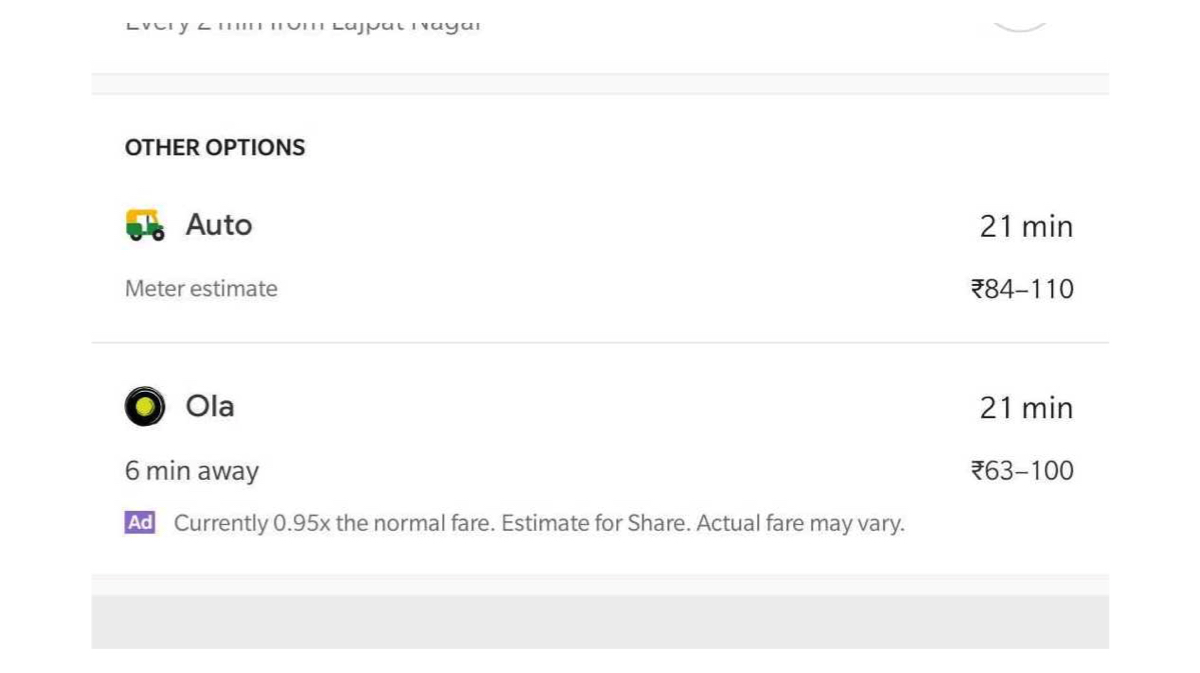
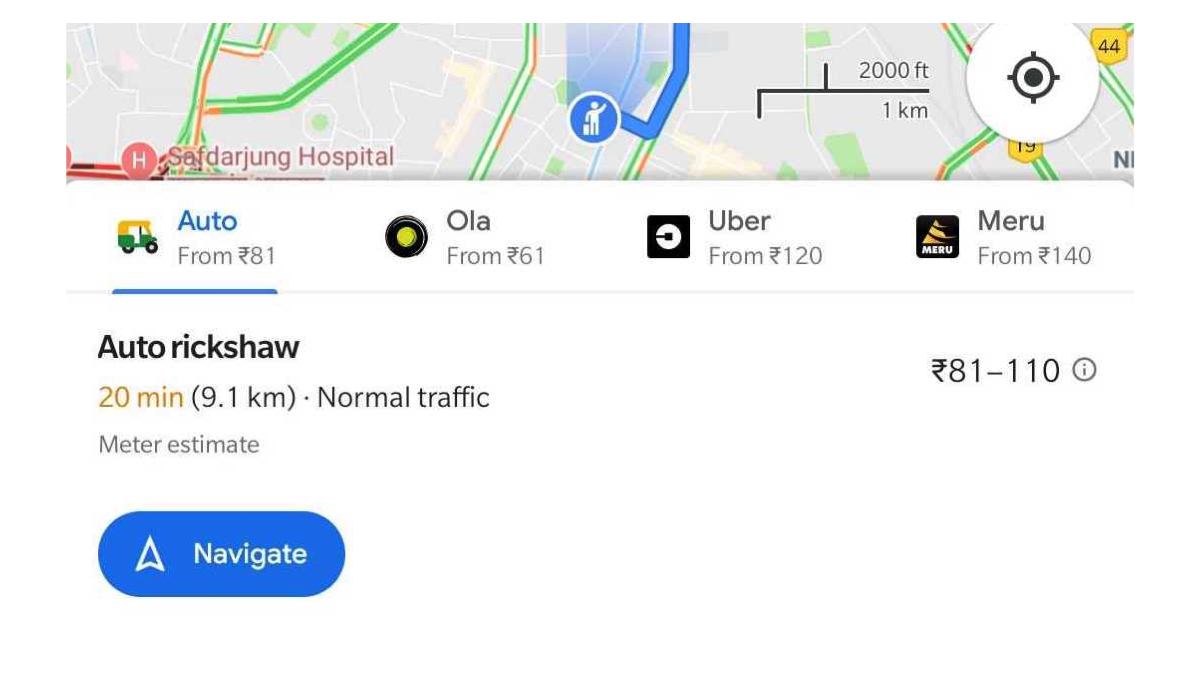
Scroll to the bottom half of the screen on Google Maps and you will see an ‘Auto’ option in the ‘Other Options’ section. It shows the approximate cost and time taken for the journey.
You can also find different options for Taxi aggregators such as Ola, Uber and Meru cabs which show the estimated cost and allow you to directly jump to the respective apps for booking.
While the Auto feature in Google Maps is currently available in Delhi, the country’s capital, we hope Google rolls the feature out to other cities soon.
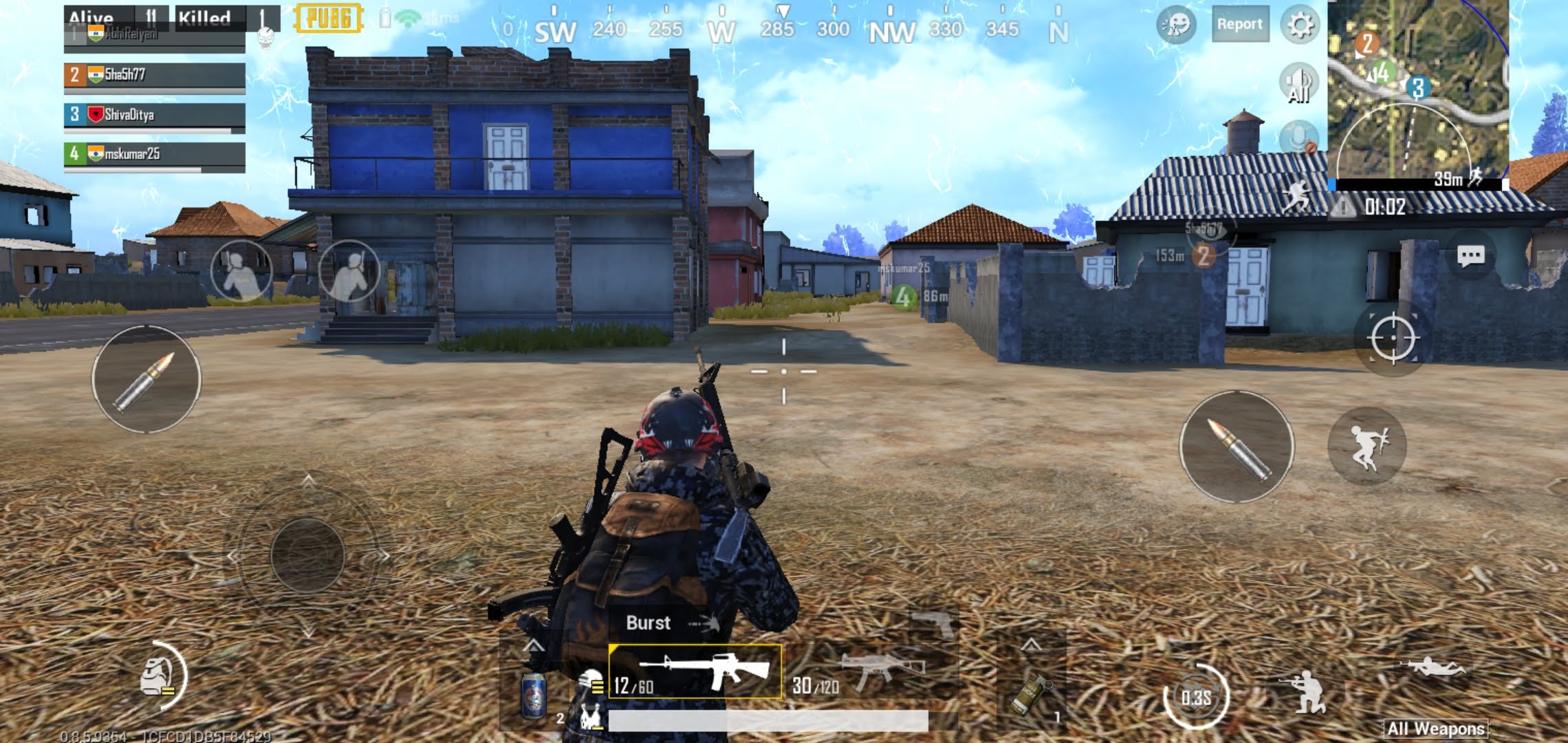
We have been keeping a close eye on all the happenings of PUBG and now, the news is out for the highly expected Vikendi map. Tencent’s servers are down and it seems like the company is getting ready to roll out the Vikendi map in it’s new update. The notice states that the servers will be taken offline for maintenance from 00:00 to 9:00 UTC on December 17th. The service will renew sooner or later depending on the progress. The new version will be pushed to Google Play and App Store on December 18th.
What To Expect From The Update
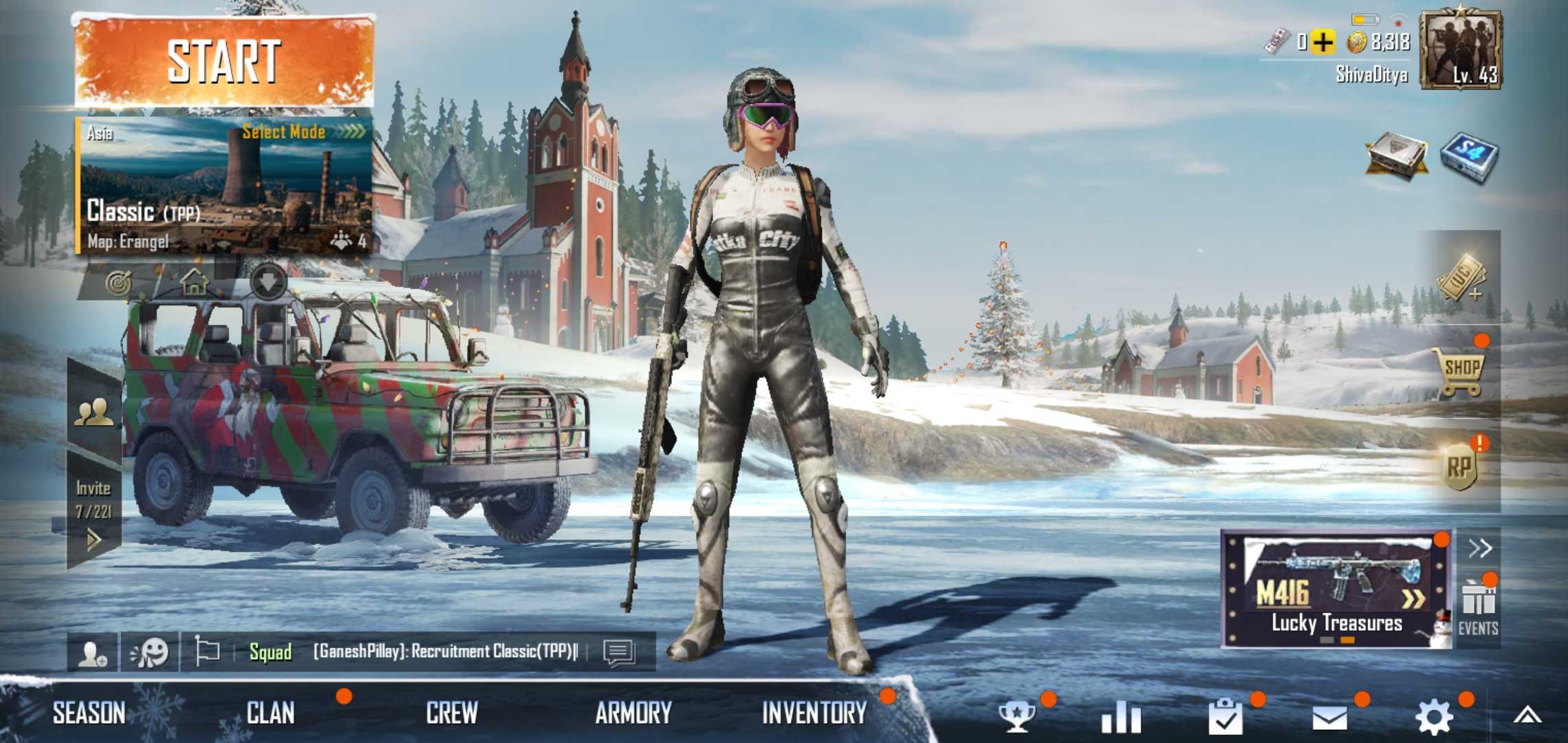
The new update will push out the Vikendi map. The map is a 6×6 km snow themed map. PUBG will add a Snow theme to the main menu and add Arabic language support. There will also be cross- server matchmaking and players will be able to report suspicious behaviour while spectating after dying. If a player updates before 25th they will receive an Outfit Box III (7d) and 1888 Battle points. The new update will also bring new season spending rewards. Other games such as Fortnite and Call of Duty also have their own winter theme before Christmas and PUBG’s map will be fitting as well as challenging for players.
The company had teased the map during the Microsoft Press conference at E3 without having revealed much. There has been dummy maps and reddit threads about the same but it is yet to be seen how the map plays out. From what we know so far, the play-time for the map will be shorter than Erangel but longer than Sanhok. The map is said to consist of a wide variety of attractions. It will have businesses areas and villages with a dense and thick forest. There will also be a warm Mediterranean coastline and snowy mountains in the central area of the map.