Smartphones are not just a communication device anymore. They are business gadgets and a storage for tons of personal information. With the number of revelations of hacking and stealing content from users phones and cloud account, security of the smartphones has become an important topic of discussion amongst all stakeholders. Samsung has decided to step up its game on security and has partnered with Blackberry for the effort.
Samsung’s own Knox was reported to have a flaw that apparently left the system ‘completely compromised.’ Here Blackberry can come really useful as it has been unanimously praised for having one of the best enterprise security.
This will also be a good opportunity for Blackberry to share the limelight with the global consumer electronics giant. Blackberry has had serious issues in the recent past with the rapid decline in sales.
Blackberry will provide its expertise to enhance the performance of Samsung’s Knox system. It will integrate its BES12 end-to-end encryption system with Samsung’s Knox. The offspring of this alliance will be introduced early next year.
The security option is essential for corporate and government sectors as they deal in sensitive information. These sectors also consume massive inventories from the companies so it would be important for Samsung to convince them of its security standard.
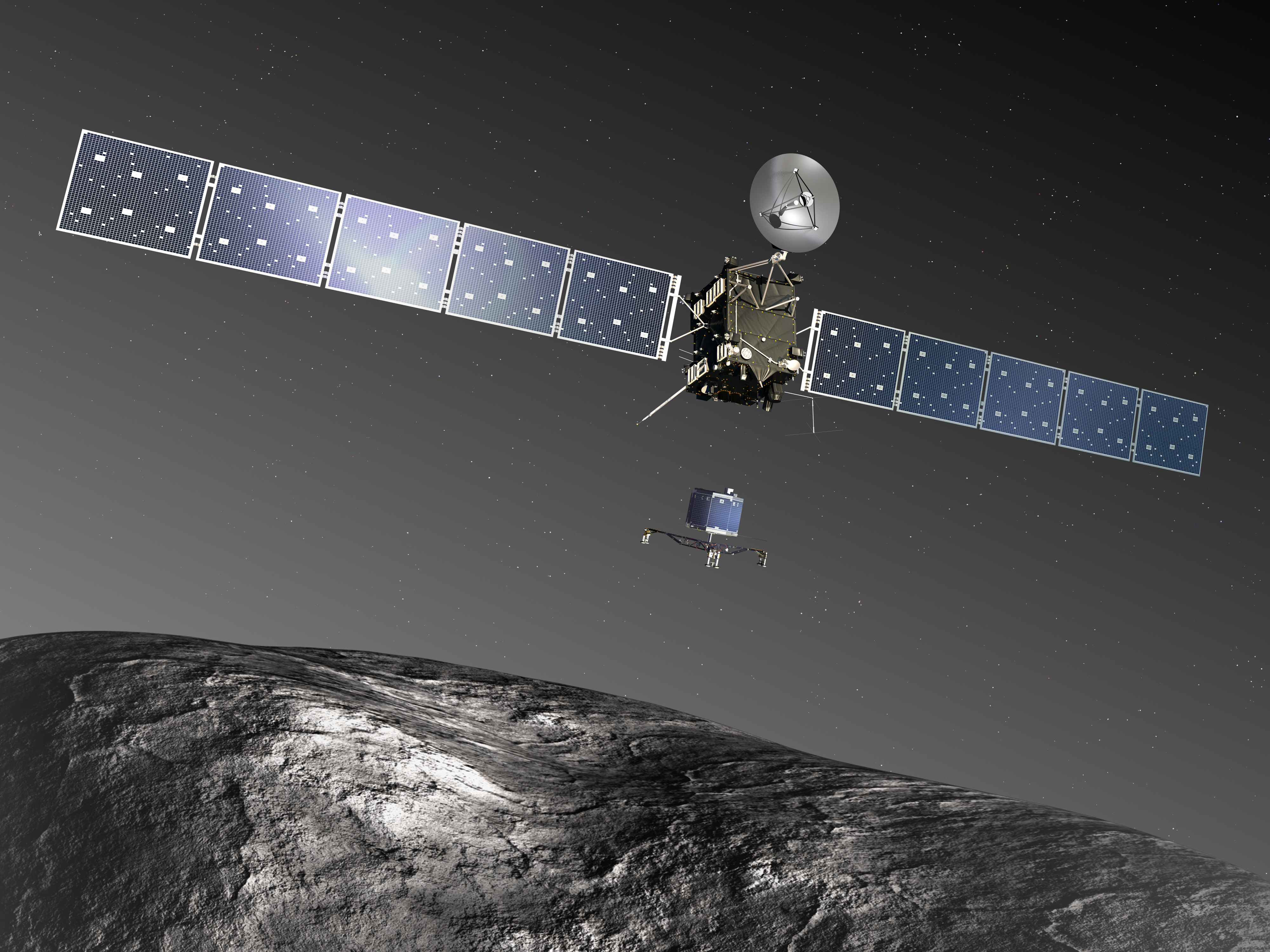
Space travel is an amazing and audacious task. Over the course of last 60 years, we have made incredible advancements in the field of space research and space travel. We were literally catapulted to the technology age just through our investments into space travel. Milestones after milestones have encouraged us to peer further in the history and workings of the universe, and how it’s connected to us. We did face some political difficulties in the middle that slowed down our efforts into space, but seems like things are looking up again with the Rosetta mission by the European Space Agency (ESA). The Rosetta mission created history today by landing the first human object on a comet.
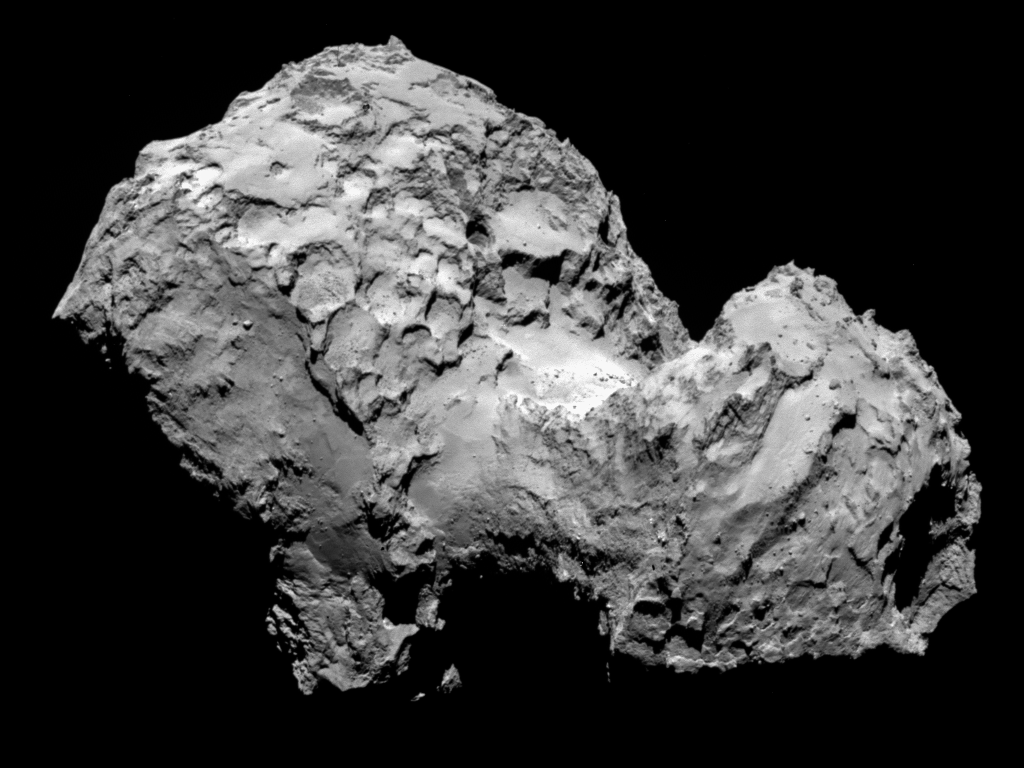
Comets are the building blocks as well as leftovers of solar systems. The comet in spotlight currently is called 67P/Churyumov–Gerasimenko, or if you are not in the mood for a tongue twister, you can simply call it 67P. Rosetta had to embark on an arduous journey of 10 years to reach the comet.
Image from first rendezvous of Rosetta with Comet 67P.
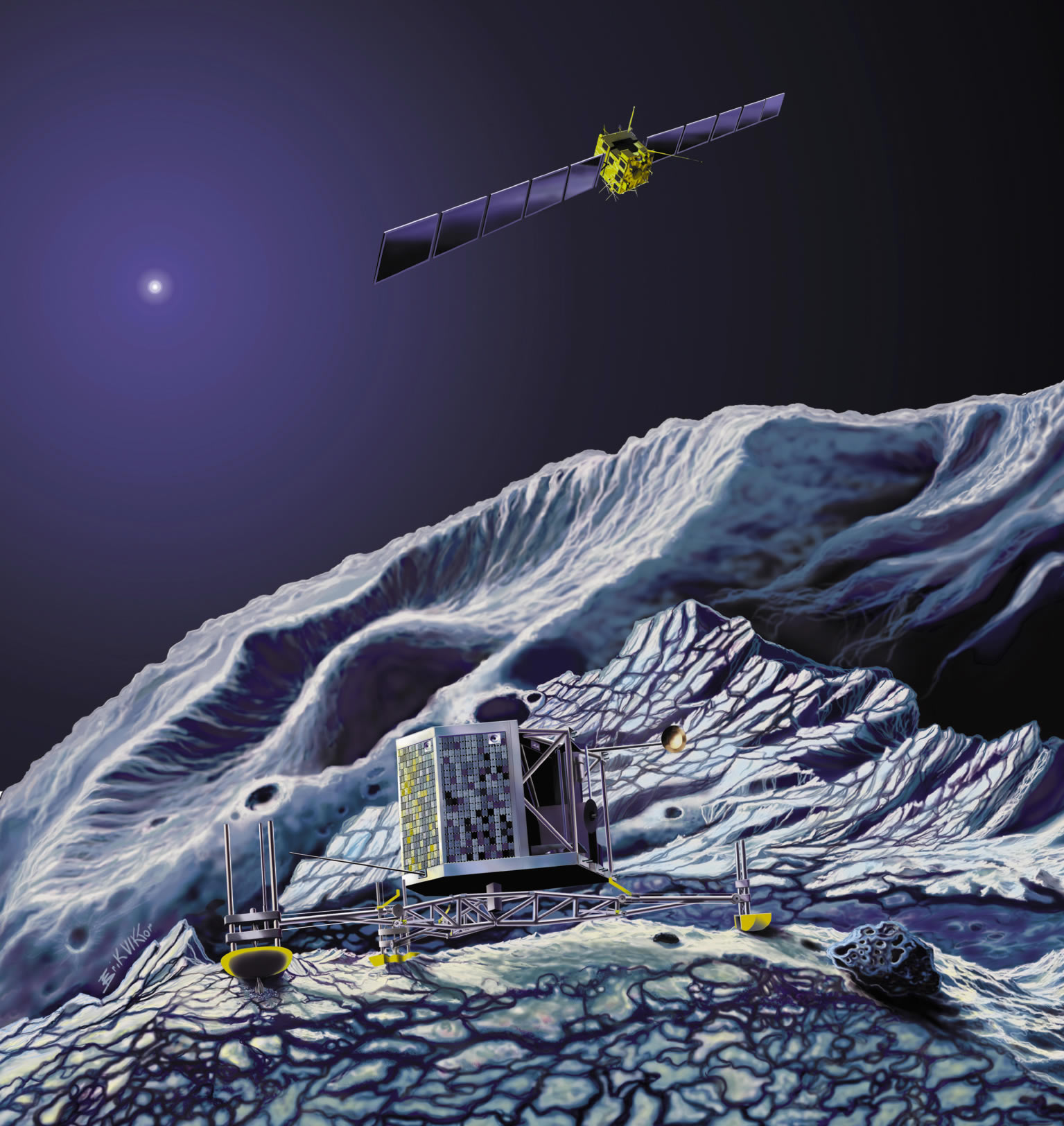
The planning for the Rosetta mission began almost 25 years ago. The mission was launched on 2nd March, 2004. It reached the comet on 6th August, 2014. Since then it vigilantly orbited around the comet. The space probe features 12 instruments, and the Philae robotic lander, with an additional nine instruments. It’s this Philae lander that created history by being the first human made object to reach a comet. Rosetta mission will orbit 67P for 17 months and is designed to complete the most detailed study of a comet ever attempted.
Philae did cause a bit of a scary moment for the scientists as for some hours they were unsure if the lander was able to hold on to the giant rock in space. Apparently, the comet bounced back two times before landing on the comet in its third attempt. The bouncing happened because the thrusters and anchors which were supposed to aid in landing failed to operate. Don’t blame them, they were in the cold dark space, cramped up for 10 years, might have found it hard to stretch their legs.
Rosetta and the Philae Lander will journey with 67P to uncover the roots of life.
It was not an easy feat to achieve as told by Matthew Genge, who is a lecturer in Earth and Planetary Sciences at Imperial College, London. He said, “This is the most difficult landing in space history, like landing a balloon in a city center on a windy day with your eyes closed.”
The scientists report that the lander is safe and stable, but they are unsure if they’ll be able to drill into the surface to collect samples. They say that the loss of anchors might make it difficult to drill. It is being said that the probe has landed on a soft layer of dust. But considering it’s a once in a lifetime opportunity, the scientist will make the best of it.
Rosetta and Philae will tag along with 67P for its journey around Sun. The mission will be able to answer some questions that we have been asking for a long while, like where did all the water on Earth come from. It is for long been theorized that comets brought the water and building blocks of life from outer space to Earth. If Rosetta proves that, we’ll have added another ancestral root to our family tree. So, go on Rosetta, live long and prosper at a place where no man has gone before.
ESA also made a Hollywood grade short film to explain the importance of the mission. It stars Aiden Gillan from the Game of Thrones.
If you are into installing custom ROMs onto your phones, you definitely know about CyanogenMod. It is also the default OS on the legendary OnePlus One. ROM has one of the best customisation features and is regularly updated. Having said that, CyanogenMod is ready with the next in its line-up (CM 11.0 M12) for supported devices.
CyanogenMod 11.0 M12 has been released for the following devices: HTC One (M8), Samsung Galaxy S4, Galaxy Note 3, Galaxy S4 Mini, Motorola Razr, Sony Xperia Z, Xperia Z Ultra, Xperia Tablet Z, Amazon Kindle Fire HD 7, HTC One Max, and Nexus 7 Wi-Fi.
The new build brings many new features over its predecessor. 9to5google reports that this new update is based on Android 4.4.2 KitKat. They also report that the new update offers “range of bug fixes and improvements: a fix for signal strength on certain devices, updates to frameworks and core apps, a list of devices connected to tethering and more.”
On its Twitter page, Cyanogen teased the new pin scrambling feature. It jumbles the numbers when asking for pin so that the perpetrator would have to work harder to get access to your phone. This seems like a simple, yet elegant solution to pin code theft.
Worry about people catching a glimpse of your PIN code strokes? Check out Scramble PIN Layout feature on Cyanogen OS http://t.co/nqJtPHfhim
If you were wondering, then yes, CyanogenMod is already working on the Android Lollipop update for its ROM. All good things ask for patience and for something as sweet as CyanogenMod, the wait has been worth it in the past, so you should do the same this time around.
Drones are fast becoming their own individual market. By offering an opportunity to capture images that were simply not possible some time back, they are rapidly becoming the darling of professionals and average consumers alike. They are also constantly getting smaller and better at what they do; some models are even available in an affordable consumer price range. DJI, a company that might instantly bring the thought of a drone in your head, is ready to take things further with the new DJI Inspire 1.
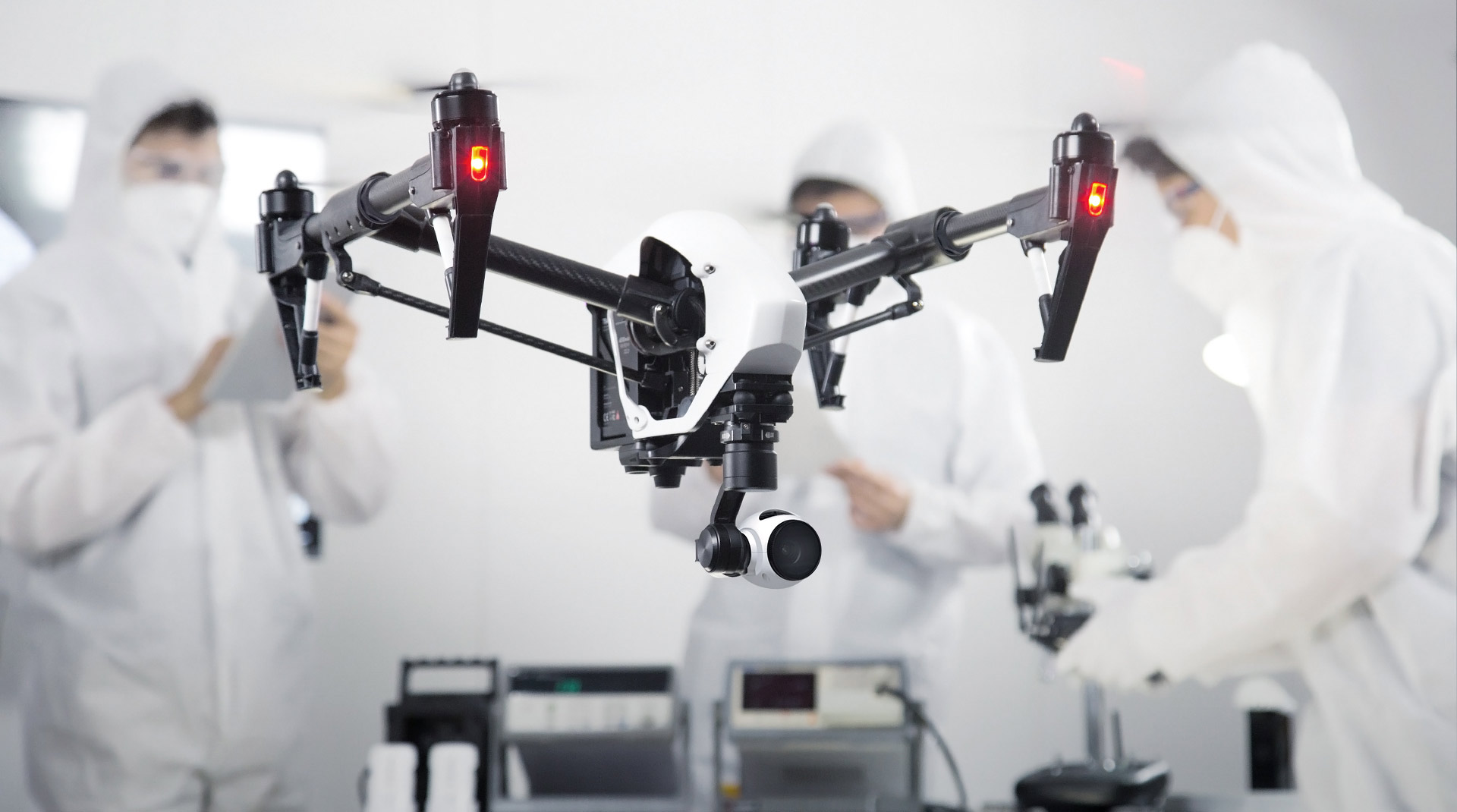
The Inspire 1 is one of the coolest drones out there. The drone looks like a vicious predator on the hunt. The quadcopter flaunts its 4K camera and retractable landing gear.
This latest offering by DJI sorts a three-axis gimbal on which the camera is mounted. The camera is capable of shooting 12 megapixel images and 4K video at 30, 25 and 24fps. Talk about options for a filmmaker. The camera also has a wide 94-degree field of view so you can take those sexy fly-bys. Also, as the arms go up during flights, you can also get amazing 360 degree visuals.
Stabilizing this drone isn’t too much trouble either. The device uses a stereoscopic ‘optic flow’ camera to help stabilize the drone. Using the camera, the drone can stabilize without locking on to GPS. Also using the Lightbridge, a wireless HD transmitter, you can get a live feed of what you are shooting. The range of Lightbridge is 1km, which is just fantastic.
Operating the drone is also a breeze. This drone gives you an option for two people to operate the device. One person can direct the drone while the other can control the camera. Though the second remote can set you back $500.
Inspire 1’s awesome features come at a price though. If you are thinking about getting this bad boy be ready for a lighter pocket as the price tag on this device is $2900. The average drone comes in under $1000 mark. But the Inspire One’s amazing new features definitely help justify its price. So if you got the cash and an itch for shooting epic aerial footage, the DJI Inspire One is exactly what you were looking for.
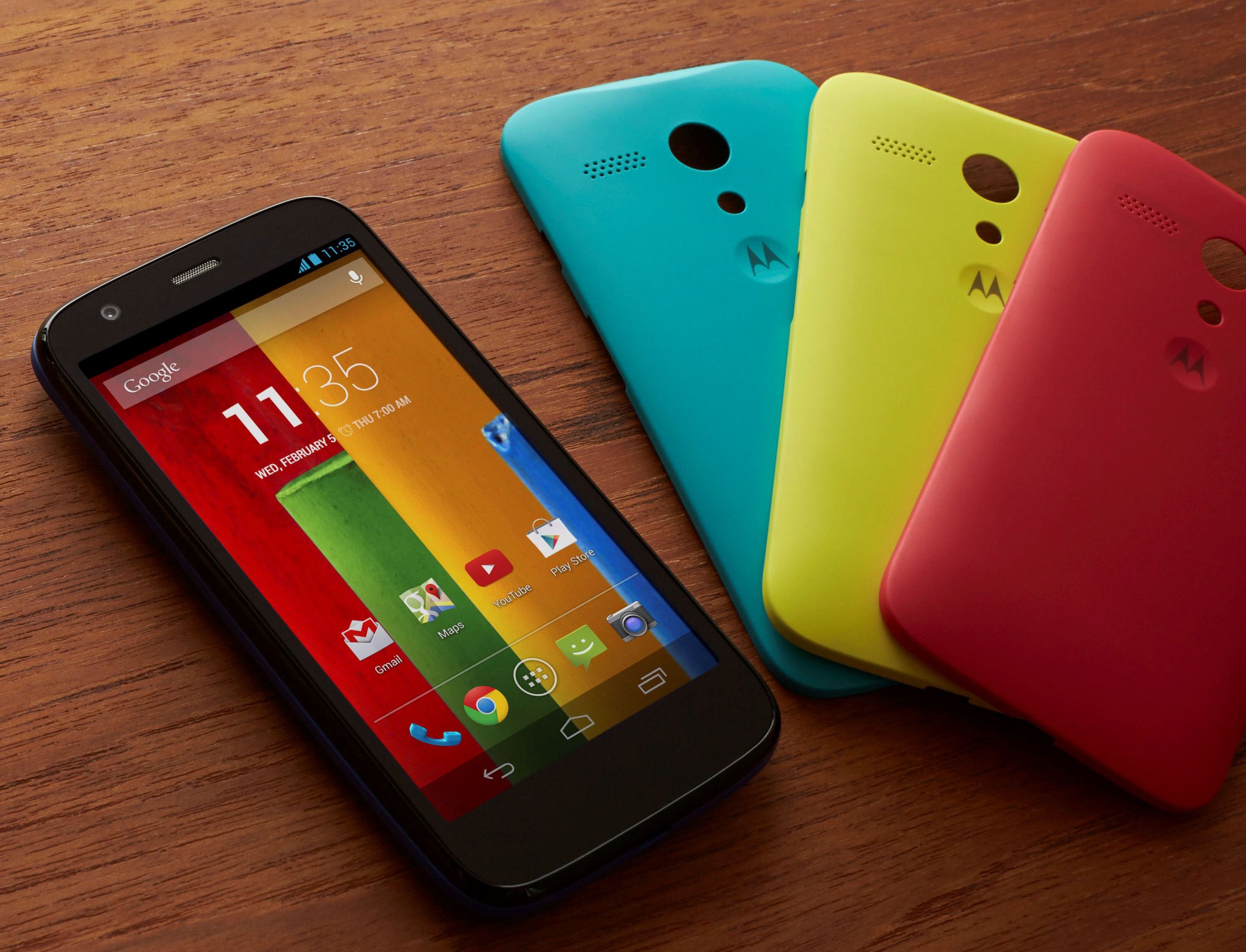
With the smartphone market getting concentrated, the companies are now being judged on the speed of update deliveries. Companies have also recognized this, and they are now working proactively to bring the updates to its consumers. With the Android 5.0 Lollipop out in the world, the race is on to be the first company to bring the update as fast as possible. Seems like Motorola, which had previously been the front runner in the KitKat race is taking the lead in the Lollipop side of things too.
Motorola has begun the process of officially rolling out the new operating system update for Moto X Pure Edition and second generation Moto G. At present the rollout is meant for unlocked GSM phones sold in the US. But soon enough the update will start showing up for users in other markets.
Motorola had previously released an update for testers and clearly the process is all done for the final rollout. This is a commendable feat as even the older Google Nexus devices haven’t received the update yet. LG is also expected to bring out the Android 5.0 update for the G3 by sometime this week.
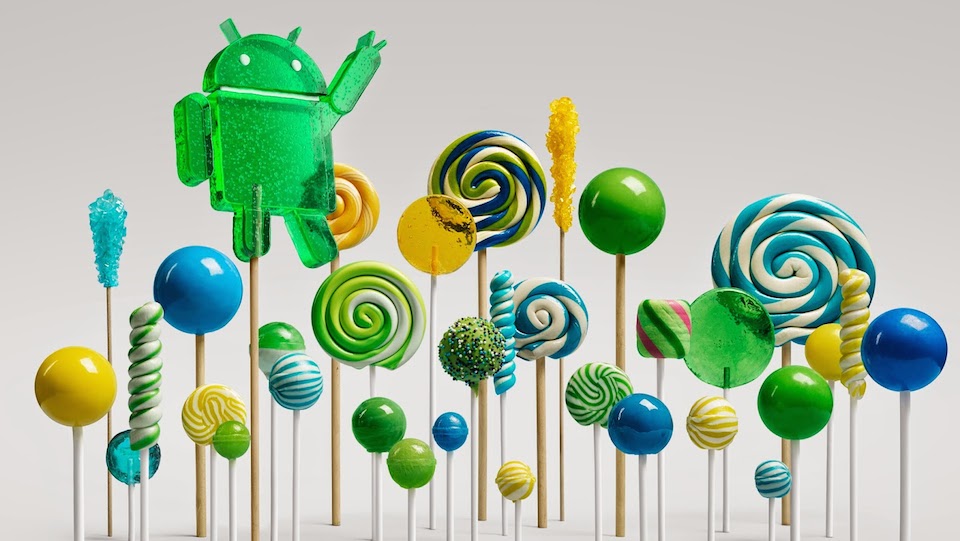
Android 5.0 Lollipop is the best Android OS, and it’s a really good news that companies are focusing on bringing this update to its users. Lollipop comes with a refreshing new look along with several other features including increased battery life. To know more about what’s in store with the Android 5.0 update, click here.
With the release of the new Lumia branded phones by Microsoft, Nokia died as a mobile phone brand. For most, it’s not just a phone brand; it was a revolutionary change maker. It created, nurtured and took the mobile business to its maturity. We have now reached a point of tremendous concentration in the mobile market and the company who started it all has bid farewell. Nokia is like a grandparent; it did its part and then departed, leaving behind a lasting legacy of a communication infrastructure that has brought gigantic leaps in the growth of human civilization.
Journey To The Mobile Business
Nokia’s paper mill on the banks of River Nokianvirta in 1868.
Nokia began as a paper mill back in 1865 with its second mill going up in the town of Nokia in Finland. The name ‘Nokia’ is derived from the river Nokianvirta, on the banks of which the company was established.
The company expanded to working with rubber, electricity, and cables. Nokia rubber boots become a bona fide design classic, still on sale to this day by the name Nokian, albeit under new owners.
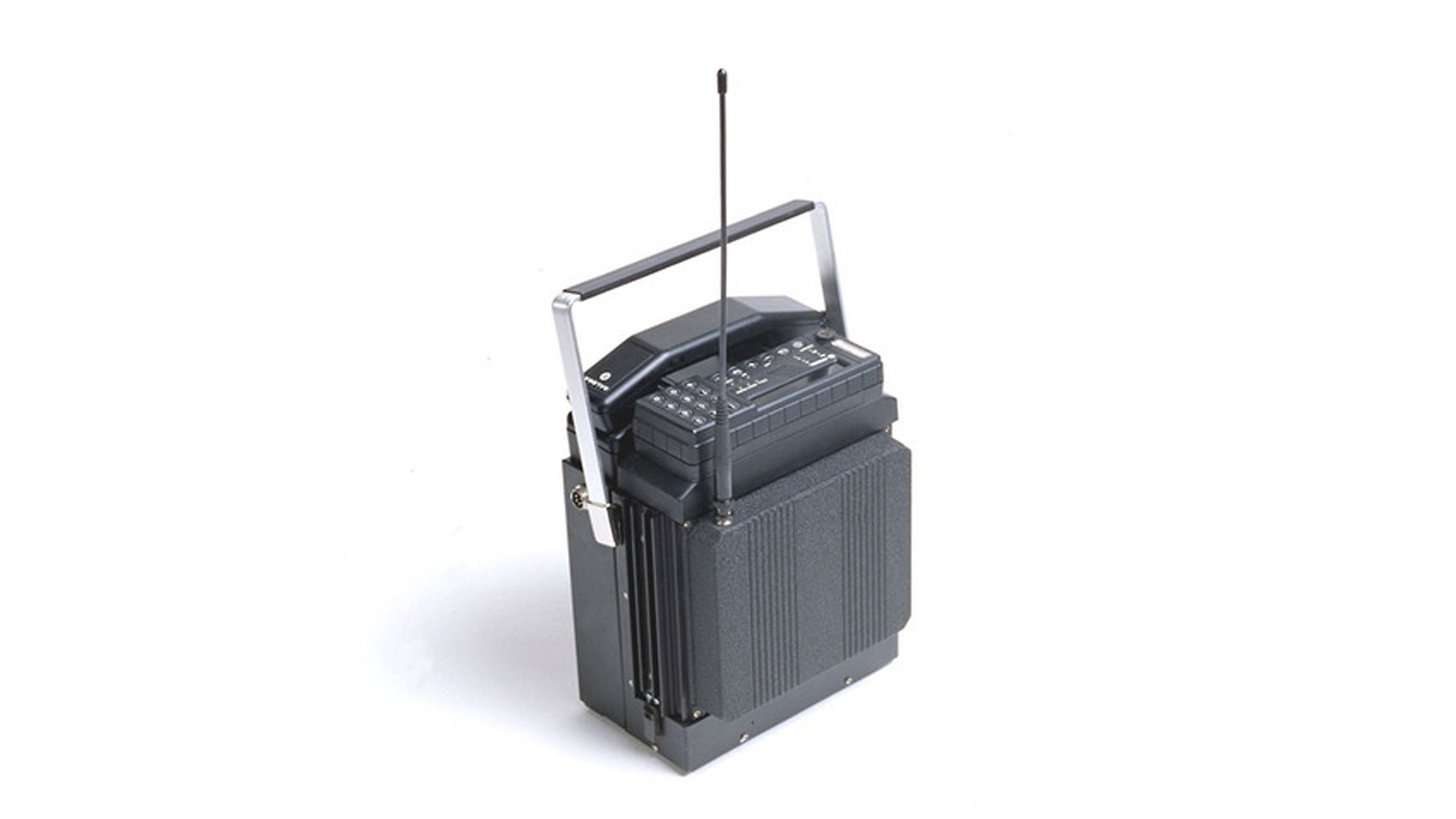
Let’s fast forward to ’60s when the company made its foray into electronics. Nokia developed a host of electronic devices including radio telephones for the army. In 1979 Nokia took its first steps into telephony by creating Mobira Oy in a JV with Finnish TV maker Salora, and they created the Nordic Mobile Telephone (NMT) service. This was the world’s first international cellular network and in the 80s, Nokia launched its first car phone called the Mobira Senator.
The Mobira Senator was the companies first car phone.
In the 1970s and 1980s, Nokia developed the Sanomalaitejärjestelmä (“Message device system”), a digital, portable and encrypted text-based communications device for the Finnish Defence Forces.
In 1987, Nokia launched the Mobira Cityman, the first mobile phone that would run on the company’s NMT network. At 800 grams and priced at $6,308, it may be heavy and pricey by today’s standards, but the device soon hit cult status when Mikhail Gorbachev was photographed using the device.
Nokia also tried its hands at personal computing.
In the 1980s, Nokia’s computer division Nokia Data produced a series of personal computers called MikroMikko, which it later sold to Fujitsu. It briefly tried its luck again in the personal computer market in August 2009 with the introduction of the Nokia Booklet 3G mini laptop. It was not commercially successful but was appreciated for its integrated 3G modem, high-resolution screen, exceptional battery life and its fan-free design.
World’s first commercial GSM call was made in 1991 in Helsinki over a Nokia-supplied network, by Prime Minister of Finland Harri Holkeri. Also, the first device to be used to make a satellite call in 1994 was a Nokia device. Nokia truly started the mobile revolution.
The Devices
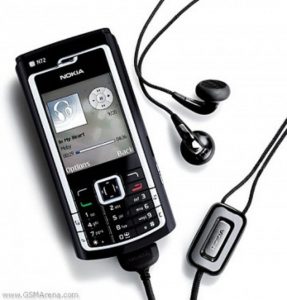
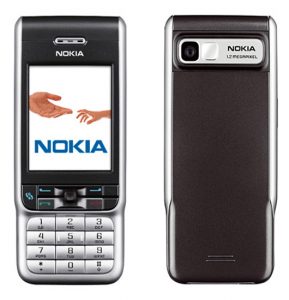
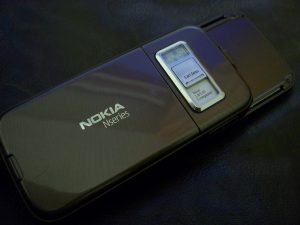
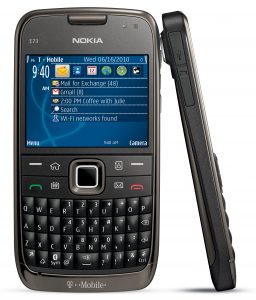
Nokia E Series
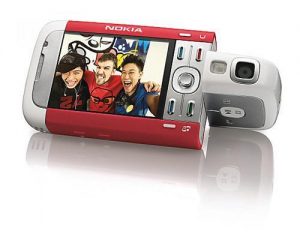
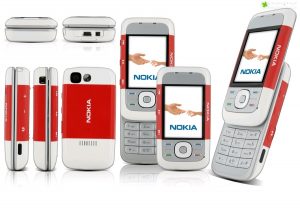
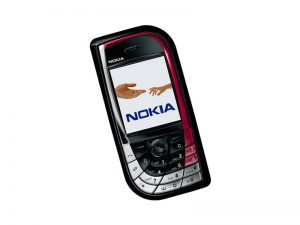
Nokia 5300 Xpressmusic
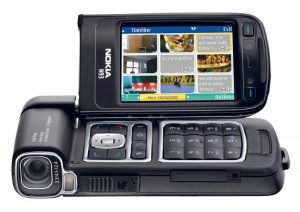
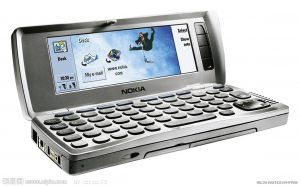
Communicator
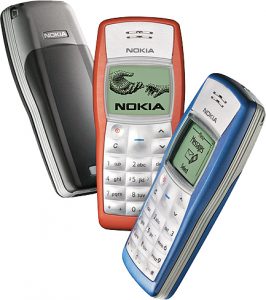
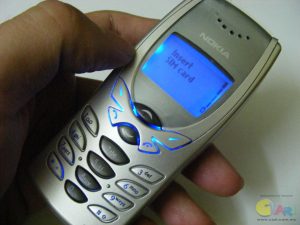
Nokia 1011 was the first mass-produced device from Nokia. The design of the device was quickly copied into making pencil boxes for kids. The memory could hold 99 numbers and had a price tag of $1600.
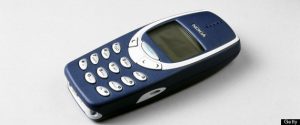
Nokia 3310 announced on 1st September 2000, has now become a cult classic. There are unlimited internet memes based on the “Hulk-ness” of the device. Touted in humor as the only Man-Made thing that can incapacitate the Hulk. Nokia sold over 126 million pieces of the 3310 which had a 96×48 pixel display. You could take off the front and back panel and replace it with the color of your choice. It was the first phone to allow 459 character SMS messaging.
Nokia 2110 was the first phone to come with the Nokia tune. It is estimated that the Nokia Tune is heard worldwide an estimated 1.8 billion times per day, approximately 20,000 times per second. It has been the icon of Finnish corporation Nokia since the 1990s.
Introduced in 2002, the Nokia 3510 was the first color phone from the company. It was also the first mass market GPRS device.
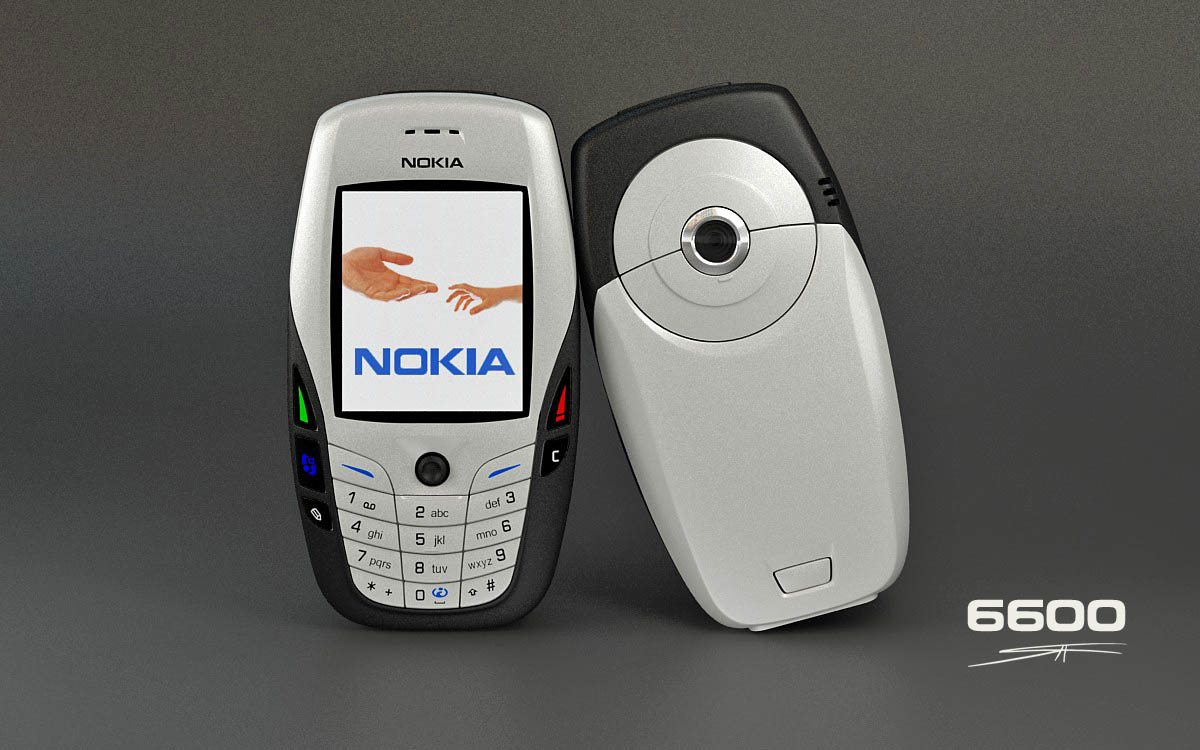
The 6600 was one of the most popular devices and was almost the star of the movie, Cellular.
The Nokia 6600 was a prolific device that was launched in 2003. The owners of the phone flaunted its VGA camera, Bluetooth and expandable memory. It was the first Nokia and Symbian device to sell over a million.
The devices from Nokia were also known for its superior camera performance. Thanks to its popularity amongst the users worldwide, at one point Nokia was the biggest digital camera manufacturer in the world. It surpassed all other conventional camera makers.
The company has set records after records during its stint at the top of the food chain. In fact, the Nokia 1100 is the bestselling phone yet, selling over 250 million devices. At its peak the company sold 475 Million devices back in 2008, a feat that is still unchallenged.
So What Remains of Nokia
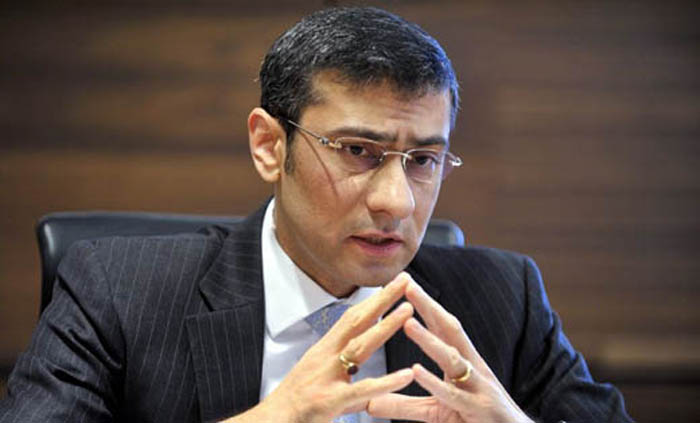
Following the departure of the mobile and services division of the company, the company is now has three business groups: Mobile Solutions, HERE, and Technologies. The company is currently headed by India-born Rajeev Suri.
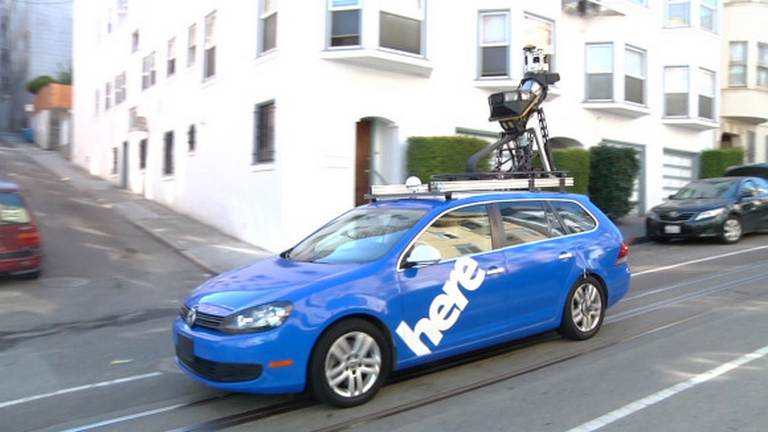
Nokia’s Mapping service Here is one of its remaining businesses.
In 2007 Nokia acquired Chicago-based company NAVTEQ, which was the largest maker of automotive. This set the path to Nokia’s Here Maps. The mapping system is one of the few business retained by Nokia following its acquisition by Microsoft. Nokia will be now selling the mapping data to navigation providers like Garmin, BMW, Oracle and Amazon.com. It will now be available as a service across multiple platforms like Android and iOS.
India born Rajeev Suri will be heading Nokia in its new era.
Nokia Networks, which is a wholly owned subsidiary of Nokia will also stay back with the company. It is a multinational data networking and telecommunications equipment company. They provide business services like Customer care support, fixed-mobile convergence, Hosting, IPTV, Mobile TV, WCDMA frequency reforming. It also provides connectivity solutions to governments, railways and airways.
Nokia had developed a new operating system called MeeGo. When it shifted to Windows phone, the MeeGo team left Nokia to form an independent phone company called Jolla. The phones recently arrived in India.
Another brand that is the offspring of Nokia is the luxury smartphone maker, Vertu. It was established by Nokia as a wholly owned subsidiary in 1998. For long the company used Symbian OS before shifting to Android recently. The phones are known for their stratospheric price and handcrafted luxury devices.
The journey of Nokia was long, arduous and for the most part rewarding. The company deserves credit and respect for spearheading the mobile revolution across the world. For the folks who saw the transition of the mobile world in the past two decades, the name Nokia brings a lot of memories of personal communications through what are now archaic devices. The mobile world has come a long way, but the fingerprints of Nokia will be visible everywhere. We don’t know what the future holds for Nokia, but we sure hope that it pulls a ” Motorola” and has a chance to rise from its ashes. RIP you Tech Giant.
Timeline
1982: Nokia created the world’s first car phone, the Mobira Senator. It was paired with the Nordic Mobile Telephone analog standard and weighed around 22 pounds.
1987: the portable Cityman was Nokia’s first handheld mobile phone. It weighed a little over 1.7 pounds and cost about $5,456.
1994: Nokia launched the 2100 with the now iconic Nokia ringtone.
1997: Launches Snake, one of the most widely recognized mobile games of all time.
1996: The Communicator 9000 of was the first all-in-one phone of Nokia’s kind. It had email, web browsing, fax, word processing and spreadsheet capabilities came for $800.
2000: Nokia 3310, the hulk of the mobile world is launched, and it sells 126 million units sold worldwide. Later becomes a popular internet meme.
2002: Nokia 7650 for around €600 was Nokia’s first Camera phone.
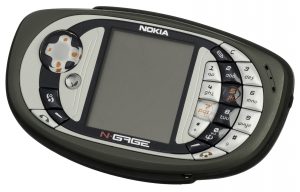
2003: N-Gage, World’s first gaming phone.
2008: 5800 Xpress Music release was Nokia’s first all-touch smartphone, but Apple was out with its iPhone and Android was coming up around this time.
2011, Nokia debuted its first Windows Phone, the Lumia 800.
2014, Microsoft acquires Nokia’s Mobile and Services business and puts an end to Nokia’s existence as a mobile brand.
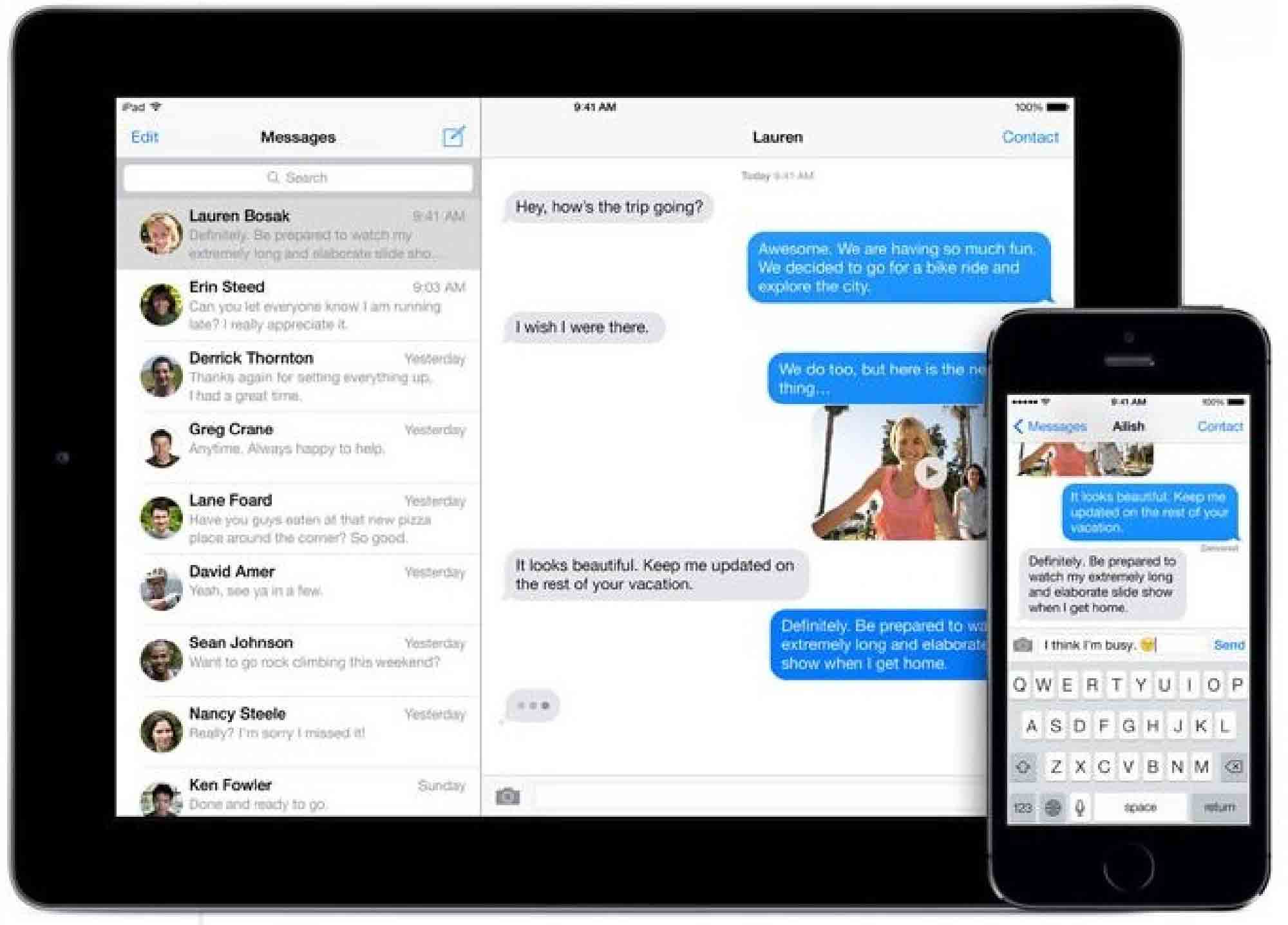
Apple’s iMessage is a free messaging service. This service was announced in 2011, and it along with other free messaging apps have been blamed for the steady decline in the usage of SMS service. There was though a major flaw in iMessage that has got Apple another visit to the courthouse.
Apparently, Apple’s messaging followed the users even after they bid their iPhones goodbye. When an iMessage user used a different device with the same number, Apple’s system was still automatically converting messages from iPhone users. This led to non-delivery of messages. This is an important issue as essential or emergency messages could have been disrupted because of this bug.
Apple has fixed the issue now, but not before getting an invite to court. The company is now facing a class-action lawsuit alleging that the company failed to disclose the bug to the users. The court specifically alleged that Apple’s intentional acts have caused an ‘actual breach or disruption of the contractual relationship.
In response to the allegation, Apple has stated that they have not intentionally kept the bug a secret. They added that there is no incentive in curbing the SMS feature considering that it needs the carriers to sell its devices.
Net Neutrality is one of the most important issues being discussed in the United States. The path taken by FCC will set a precedence that can be used by all other service providers across the world. The future of the free internet stands is at stake and hence it’s important to save it. Luckily amongst the supporters of the Net Neutrality is an important figure; none other than the President of the United States.
Net neutrality principle states that all data that is being transmitted on the internet is equal, and service providers cannot prioritize any data packets.
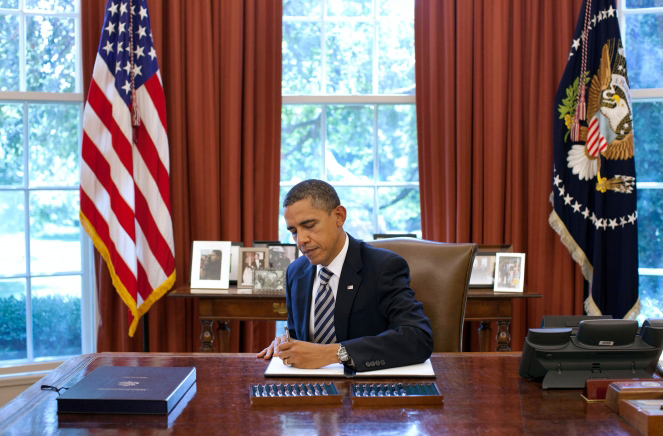
President Barack Obama in a video address asked the Federal Communications Commission to formulate more stringent rules that protect the net neutrality principle. He expressly stated in the video address, “It is common sense that the same philosophy should guide any service that is based on the transmission of information — whether a phone call or a packet of data.”
FCC had previously called on for public comment on the issue that attracted over four million comments from the public. The majority of these comments were in favor of stronger rules. Even the big internet companies like Google, Netflix, Kickstarter and Vimeo along with others joined hands in support of net neutrality.
The biggest hindrance in the passing of the new rules is the heavy money might of the corporations who have lobbied proactively to gut the net neutrality principle. The telecom companies are not at all a fan of government regulation of the internet. Even the Republican Party, which won control of the two legislative bodies of the US Congress is in favor of diluting Net Neutrality. The stance of the party is evident from this tweet from one of the foremost voices of the Republican side of Congress.
“Net Neutrality” is Obamacare for the Internet; the Internet should not operate at the speed of government.
The internet is a phenomenal tool and an essential utility. By diluting net neutrality, companies will be able to charge a premium on specific content like certain sites or charge extra for video streaming. In countries like India, where the telecom providers are known for giving low-grade services at high prices, the issue of net neutrality should be of concern. Using the ignorance of laws, the telecom companies might try to gut the principle outrightly.
If you like the way your internet feels, however slow or unsatisfactory it may feel in its present state, it is still a million times better than what the telecom companies are planning to do with it. So if you like the access to unlimited database of cute animals and babies and all the other awesome stuff in the world, then keep a vigilant eye for whenever you hear the term Net Neutrality.
We all know the depreciational quality of any online conversation with another human being. There’s something about the mode of online communication that leaves us shielded from other person’s emotions, leading us to create a lot of nasty content over the internet. The information super highway was meant for the world to unite and share ideas, instead, we have turned it into a septic tank of human nastiness. One of the worst issues online is the issue of online harassment. It is especially a common occurrence on social media. Now Twitter will be taking steps to prevent harassment on its pages.
Twitter has joined hands with a non-profit advocacy organization Women, Action, and the Media (WAM) to take on online harassment. It is reported through a PEW survey that as many as 25% of women aged between 18-24 have been stalked online, while 26% have been on the receiving end of online sexual harassment.
Twitter said that it works with multiple partners to take on online harassment.
These are troubling figures as it creates a malignant atmosphere for women online. In the garb of anonymity, insensitive elements create a havoc on the person they are targeting. WAM will work towards making it easier for Twitter to take actions against these unscrupulous troublemakers.
WAM has created an online form which can be used to report abuses. It is an anti-gender harassment campaign, and so the form can be used by women and men both. WAM has made it clear that they will use the complaints received to direct Twitter to take action, but ultimate authority lies with Twitter.
Recently, a major Twitter scandal unfolded in the Tech world with the exposure of #gamergate, where certain female gamers were being harassed by gamers. They were forced to speak out against gender discrimination against females in gaming. After facing tremendous pushback from mainstream attention, the gamergate movement is now dying a silent death.
The safety features might come in handy for reporting abuses, but what is really necessary to end this menace is accountability. The people who indulge in harassment of others leads to more controls on expression, which just spoils the fun for everyone. It’s important that the abusers face the consequences of their actions. But most importantly, we need to have an online culture conversation. The online world is an ecosystem of its own, and it is still discovering itself, constantly evolving. We need to create a civilisational grammar for this new society and make it a place to have real developmental interactions.
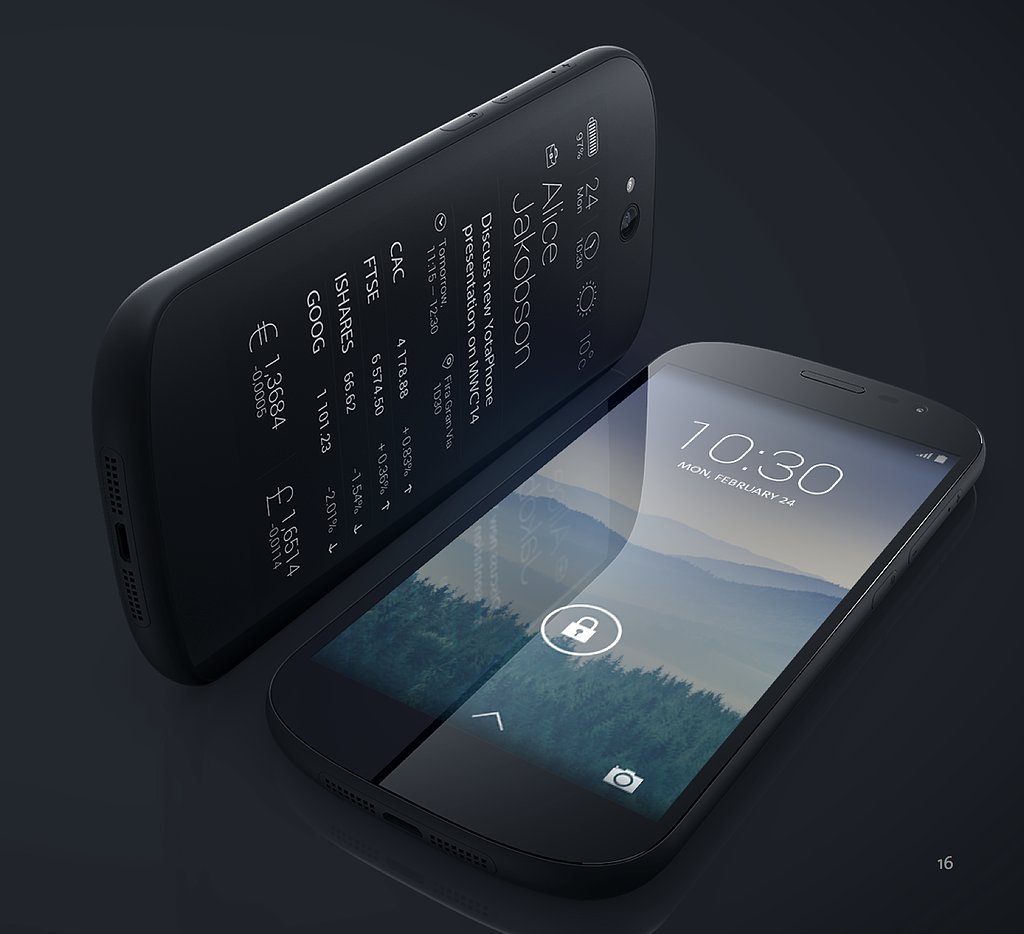
You don’t see a lot of tech news about Russia unless it’s about its new global infractions that have almost become a daily affair. Russia doesn’t have a huge name in the consumer technology market. But one Russian company has merged the smartphone and the e-reader to make a unique dual-display device.
YotaPhone recently made a footfall on the Indian shores. The phone is being sold exclusively on Flipkart in India. The phone’s next version, the YotaPhone 2, has found its first owner in Chinese President Xi Jianping.
President Putin Gifting President Xi Jinping the YotaPhone 2. (Source: RT screen grab)
Russian President Vladimir Putin gifted the next generation phone to the Chinese President during the ongoing Asia-Pacific Economic Cooperation (APEC) summit in Beijing.
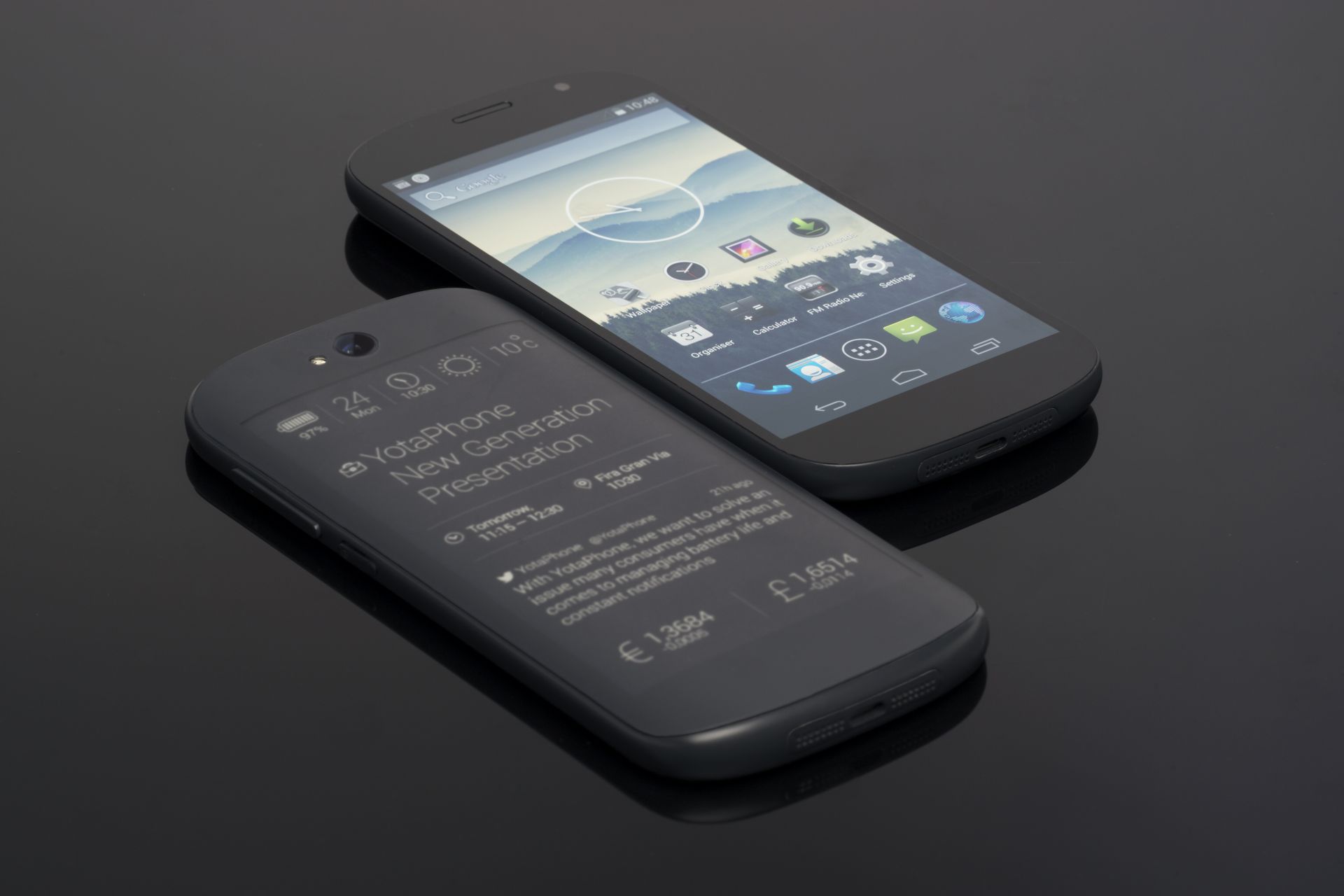
YotaPhone 2 has got some improvements over its predecessor. It features a 5-inch 1080p AMOLED display and a 4.7-inch QHD e-Ink touchscreen, which is way better than the 4.3-inch of the previous model. It runs on Android KitKat and is powered by a 2.3GHz quad-core Snapdragon 800 chipset along with 2 GB of RAM. The phone has 32 GB internal storage space.
Yotaphone 2 is a considerable improvement over its predecessor.
On the camera front, YotaPhone 2 sports an 8MP camera on the back and a 2MP camera on the front. It gets its juice from a 2,550mAh battery. The phone is expected to release for general sale in Russia this December. It will come to European, Chinese and South-East Asian market in the first quarter of 2015.
Well, now that the phone is in Chinese hands, we can expect a million copies coming out soon all over the world. Russia might have inadvertently handed the only unique consumer device to the world’s photocopier nation.
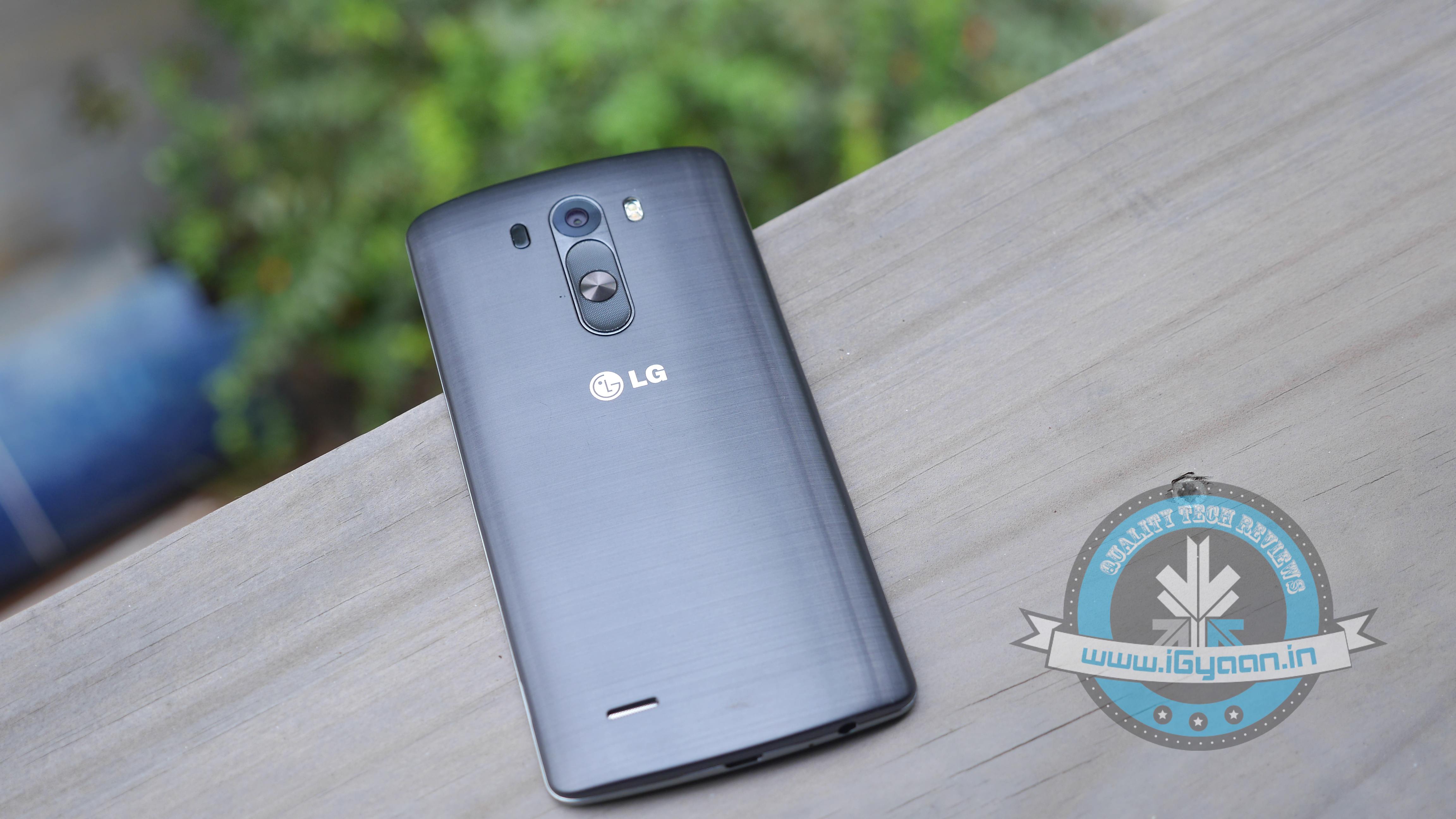
LG has so far had a good year. The company got back into focus with its G3 family of devices. Its smartwatches are getting quite an appreciation in the market, and it is ready to bring out devices with its own line of chipsets. In between all of this, the company will also become a customer-darling with its announcement of bring out the new Android 5.0 Lollipop update.
It was expected that Motorola would be the first one to deliver the new OS update to its users, but LG seems to have beat them to it. The company will begin the update delivery process from Poland by this week. It will then start the update process in other important markets.
The first update will be for G3 users. LG will later announce a schedule for its other devices. In the fast updating and concentrating market, the company who delivers the fastest updates may move forward in the food chain. Motorola has released the Android 5.0 update for its testers on the Moto X devices. A full update will be out this month or early next month.
The latest Lollipop update is, in fact, the best Android update yet which takes the operating system to the next level. The update adds better battery backup to the devices, and the new material design and animations have been appreciated for introducing a fresh look to the operating system. Here’s a list of all the devices that will be getting the Android Lollipop update.
This week, November truly began. WhatsApp came up with the biggest news for Indians that got all of them really excited. The best Android device, Nexus 6 finally got listed and is ready for the first users to get their hands on the epic device. On the gaming front, GTA V got a first person update that will surely make the epic game more exciting. On the auto front, Rolls-Royce introduced its multi-crore offering in India and also found a customer for it.
So we decided to list out how the week fared for the tech world.
1. Vice President of WhatsApp, Neeraj Arora announced that because India has a low concentration of credit cards for online payment, they will be offering the service for free to Indian users. [button link=” https://www.igyaan.in/88974/whatsapp-free-lifetime-india/” size=”small” text_size=”beta” newtab=”on”]Click Here For More![/button]
2. GTA announces First Person Mode with the new update: [button link=” https://www.igyaan.in/88834/gta-first-person-mode-ps4-xbox-receive-update/” size=”small” text_size=”gamma” newtab=”on”]Click Here For More[/button]
3 Nexus 6 is listed on Indian Play store for Rs. 44,000 for the 32 GB variant: [button link=”https://www.igyaan.in/89050/nexus-6-play-store-for-rs-44000/” size=”small” text_size=”gamma” newtab=”on”]Click Here For More![/button]
4. Oneplus finally announced its India plan. The One will be priced at Rs. 25,000 for the 64 GB variant. The phone can cause seismic shifts in the mid segment. : [button link=”https://www.igyaan.in/88608/oneplus-one-2/” size=”small” text_size=”gamma” newtab=”on”]Click Here For More![/button]
5. Rolls-Royce dropped the Ghost Series II in India. The car costs a princely sum of Rs.4.5 crores. With its 6.6-litre V12 engine, the ultra-luxury sedan can do the 0-100 km/h sprint in just 4.7 seconds, and can reach an electronically limited top speed of 250 kmph. : [button link=”http://www.autogyaan.com/11826/rolls-royce-ghost-series-ii-india/” size=”small” text_size=”gamma” newtab=”on”]Click Here For More![/button]
6. Popular Indian hatchbacks have failed the safety tests conducted by NCAP(New Car Assessment Programme.) The cars are the popular Maruti Suzuki Swift and the Nissan Datsun Go.: [button link=”http://www.autogyaan.com/11803/indian-hatchbacks-fail-ncap-safety-tests/” size=”small” text_size=”gamma” newtab=”on”]Click Here For More![/button]
7. Xiaomi plans to take on GoPro on its turf. The chinese company wants to introduce its action camera which would be capable of recording 30 fps 4K video, as well as 120 fps 1080p video. It can pose some serious threat to GoPro’s stranglehold on the market. It is expected to be priced at RMB 999 which translates to around Rs.10,000.: [button link=” https://www.igyaan.in/89171/xiaomi-gopro-camera/” size=”small” text_size=”gamma” newtab=”on”]Click Here For More![/button]
Chinese technology powerhouse Xiaomi is all set to acquire chip maker Leadcore. The company might take a 51% stake in the company. It is expected that with the inclusion of these chips, the price of Redmi phones might go even further down.
Xiaomi presently uses Qualcomm Snapdragon chipsets in its handsets. It’s the power of the snapdragon line of chipsets that has given a boost to Xiaomi to take on the world market. Its inclusion of high-quality equipments even on its lower-end devices has created a trust factor amongst its present and future customers.
The company debuted with the Xiaomi Redmi line. But the spec-sheet of these devices helps them to take on other available devices with much higher price tag. Xiaomi has to be very cautious about the quality of its products. They should make sure that the Leadcore chipsets provide the same level of performance as they got from Snapdragon chipsets. Xiaomi will still be using Snapdragon chipsets for its devices that are higher up in the food chain.
There is also a great news for the potential consumers with this development. With Leadcore chips under their belt, the Redmi line of devices can see a major price cut. The phones are expected to lose as much as Rs. 2,000 off their price tag. The device will then truly become disruptive for the market and may cause loads of worry for the competitors. The ones who will seriously feel the brunt will be local manufacturers like Micromax, Lava and others. Guess we just have to wait to see another bloodbath, courtesy again by Xiaomi.
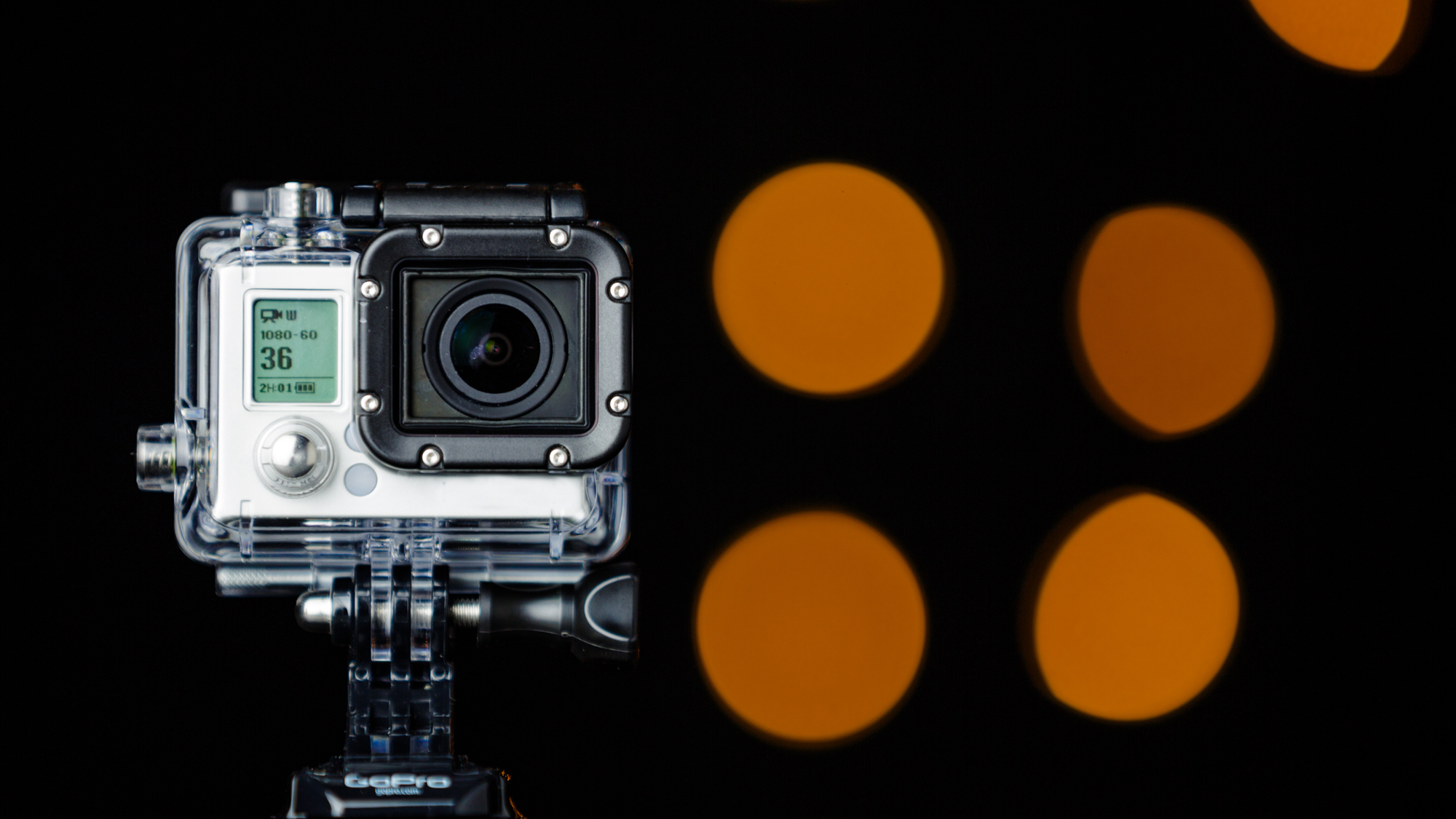
GoPro has created a unique market for itself. It is almost reminiscent of the time when iPod came out and enjoyed the first-mover advantage. In the past few years, GoPros have gained pop culture prominence. Their cheap price tag and amazing ability to withstand extreme pressure has made it a darling of the adrenaline junkies and self-obsessed selfie-clickers alike. Other companies are trying to create a foothold in the action camera market. Recently, we saw HTC come out with its RE camera. Now, Chinese powerhouse Xiaomi is contemplating a dip into the action camera market.
If rumors are to be believed, Xiaomi’s action camera is expected to record 30 fps 4K videos, as well as 120 fps 1080p videos. The camera has a 138-degree wide angle lens. GoPro recently added 4K video recording feature in its new line of products. Xiaomi might use its brand recognition and its business tactics to disrupt GoPro’s market enough to squeeze in.
Xiaomi’s action camera will support micro-SD cards up to 128 GB. The device has pretty much everything to attract an action sports enthusiast. Using the 120 fps capability of the camera, one can take amazing slow motion pictures.
The camera is expected to come out first in China at a price of RMB 999, which translates to around Rs. 10,000, which is again an attractive price for a device of such caliber. It is expected to come out by the year end. We’ll be keeping a vigilant eye on the developments of this device.
Tata Communications has partnered with Google to provide cloud services to companies. The company is known for providing communication services to multi-national enterprises and service providers.
Google will connect its new product, Google Cloud Interconnect, with Tata Communications’ IZO Public platform. Tata’s IZO helps companies to set up their own cloud systems. Google has already partnered with multiple companies in India and is seeing the country as an important investment hub.
With the move towards enterprise mobility, the push for setting cloud systems is gaining momentum. Tata has already partnered with Amazon and Microsoft for its IZO platform. With IZO, Tata provides tools to the companies to set up customised cloud ecosystem.
The move towards cloud will also help bring down the operating expenses of Indian companies as they don’t have to invest in the heavy tech setups like setting up servers and data storage. Cloud systems provide these services at a marginal cost.
The battle for the enterprise segment is heating up and unlike the mobile market, there are three major contenders here. Along with Apple and Google comes Microsoft, which is, in fact, the biggest IT service provider to the corporate sector. The war will be won by whoever comes up with the best mobility solution, which is the way forward. It will surely be interesting to see if Microsoft manages to retain its dominance or any other competitor will come up with better mobility solution.
Update: In a previous version of the story it was mentioned that Tata communication is a subsidiary of The Tata Group, whereas it is an independent company. The error has been corrected.