Author: Happy Nagashetti

  • Indian Prime Minister’s Office Has an Average Internet Speed of 34 Mbps

    Indian Prime Minister’s Office Has an Average Internet Speed of 34 Mbps

    If you live in India, you probably scream at your internet service at least once a week. A report on the ‘State of the Internet’ by AKAMAI has found the Indian internet lowest amongst its South Asian neighbors and also amongst its BRICS partners. A Right to Information (RTI) application filed by Vinoth Ranganathan who is also the co-founder of onlinerti.com has found something interesting about the Indian Prime Minister’s office.

    The RTI revealed that the National Informatics Centre (NIC) provides a healthy internet speed of 34 Mbps. This is rather slow for the office of the head of state as Gigabit connections are available in the market. The entire country is governed by the South Block (Prime Minister’s office), and it deserves to have a high-speed connectivity. In comparison according to AKAMAI report, only 1.2% of Indian internet users have access to a speed above 10 MBps.

    In the answers to the RTI, there was also a mention about the operating systems used at the PMO. Surprisingly even after severe privacy concern raised by Edward Snowden, the computers at the PMO still continue to use Window 7/8. In the response, it was also said the government was not spending any amount on the Prime Minister’s official twitter handle @PMOIndia. Though the PMO refused to answer how many computers have been hacked at the PMO in the past five years.

    The present Indian government has placed technological growth at its core with the Digital India Project. It is a massive effort to construct an information super-highway across India that will aid in the development of the nation. The project will be shaped with a massive investment of 1 lakh crore. An industrial economy grows on the back of its road system and in the present knowledge economy, the speed of access to the information superhighway, i.e., the internet will decide the speed of growth. So we hope the Digital India Project stands out as a government initiative that actually stands up to the promise and the present internet speed at the PMO becomes a standard across by the end of the project.

  • Kochi-Based Start-Up’s Home Automation Device Has a Job For Your Spare Smartphone

    Kochi-Based Start-Up’s Home Automation Device Has a Job For Your Spare Smartphone

    Start-ups are a great big bastion of innovation. It is there where the real world changing innovations are taking place. There are many start-up’s working the field of home automation. One such startup happens to be Mindhelix, which is known for its personal security app. It came up with an innovative solution to take care of two issues at once. First it gives a new life to your old phone and second it takes your house into the future. The solution is called Rico.

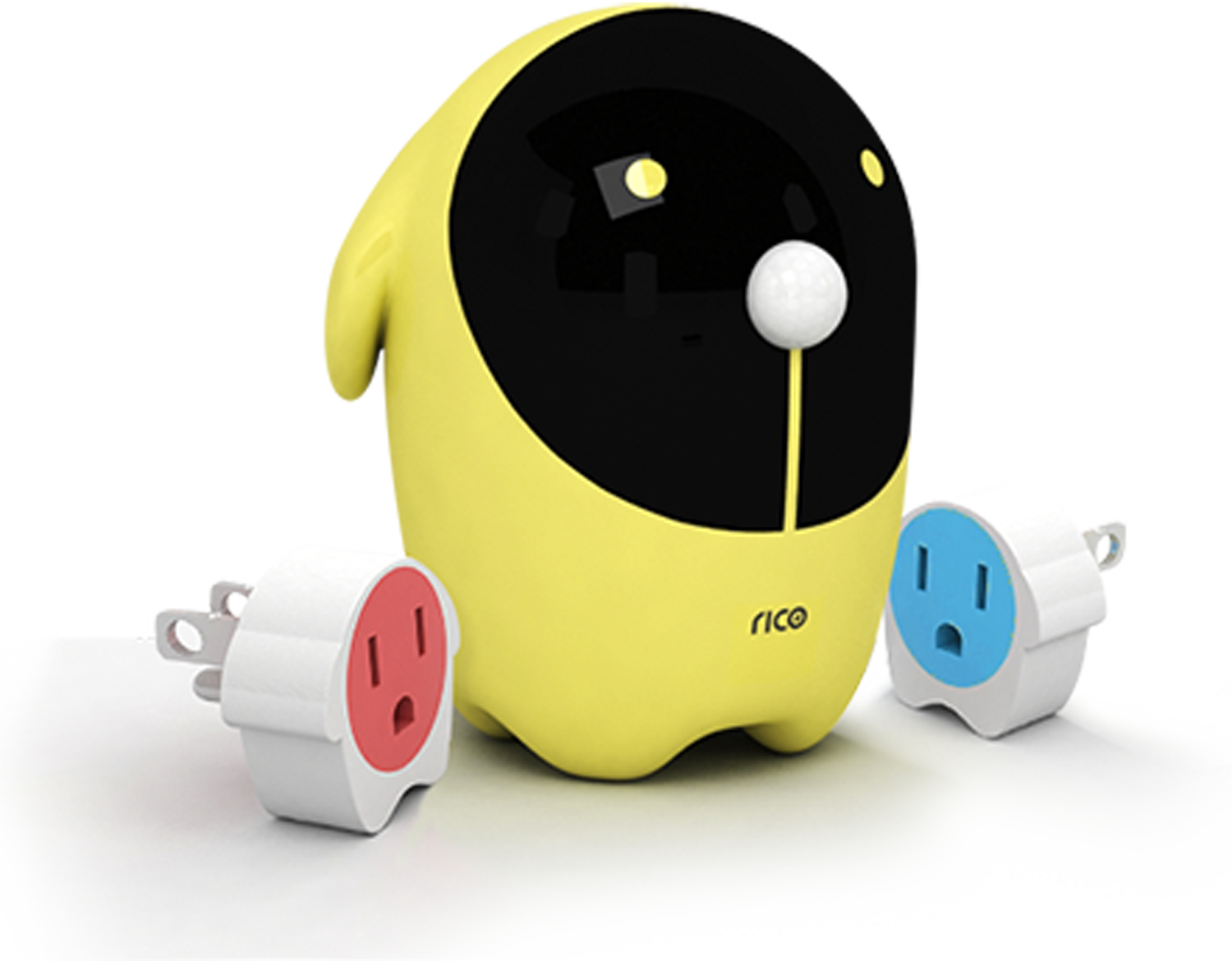
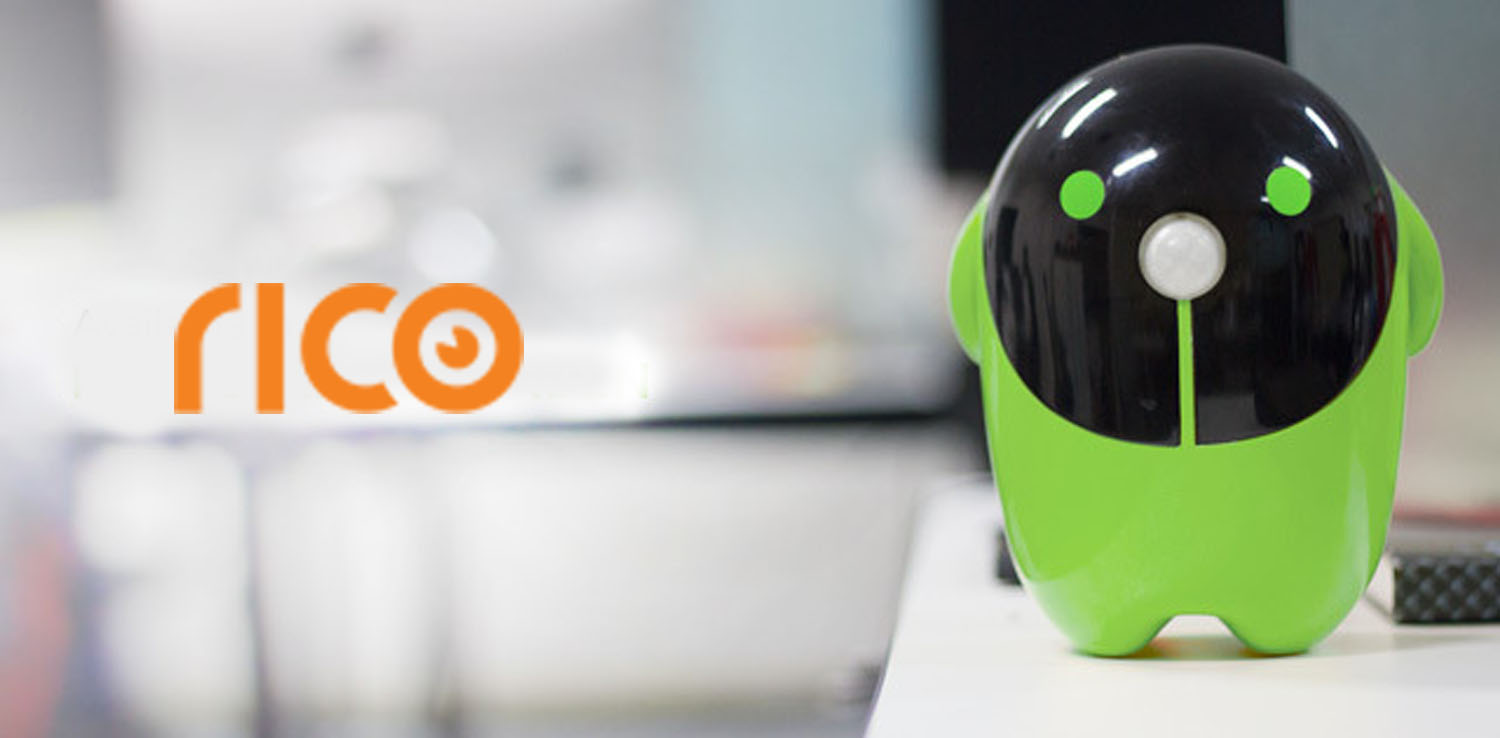
    Rico is a small toy shaped, sensor-laden device that uses your old smartphone to provide advanced home automation services. It can even work without a smartphone but considering that every house has or will have a spare phone lying around, this seems a great proposition.

    Rico is available in multiple color options.
    Rico is available in multiple color options.

    The device is capable of multiple functions on its own. It provides motion detection, temperature detection, carbon monoxide, smoke, humidity sensing along with the ability to control smart sockets. Add in a smartphone and the device becomes a home automation powerhouse which provides HD Camera for home monitoring, Wi-Fi connectivity and a more powerful processor.

    The company plans to bring Smart sockets, which you can use to control your electronic devices such as refrigerator, AC’s and such. It is also a great way of getting rid of electronic wastes made by discarded phones that are still functional and end up adding toxic materials to the environment.

    Rico's Smart Sockets will let you control your electronic devices through its mobile app.
    Rico’s Smart Sockets will let you control your electronic devices through its mobile app.

    The greatest advantage of devices such as this is that it clears you of the worry of the security of your pad. The device can be controlled using a mobile app. As for the smartphone on the inside, it accepts any android devices running 2.2 and above and Apple devices with iOS 6 and above. It can take in any device up to the screen size of 5.7 inches (sorry Nexus 6).

    Mindhelix’s Kickstarter page has achieved its required target of $100,000 with over 60 hours to spare. The company is expected to ship Rico to its backers by November of 2015.

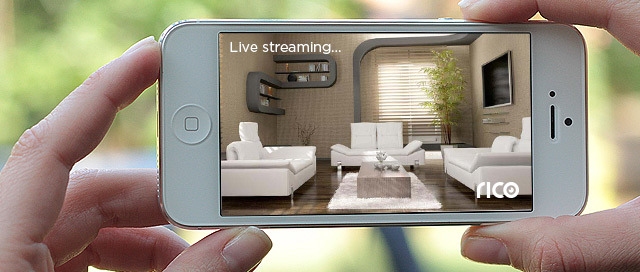
    Its great to get a livestream of your house.
    It’s great to get a livestream of your house.

    This seems like a great device to have in the house. The company is partnering with OEM’s in China to put the device into production. The Indian government also announced today that they want to set up a $15 billion dollar Internet of Things (IoT) market in India. If it is serious about it, the government has to encourage setting up of OEM’s in India by providing incentives to such small businesses. The Start-up village in Kochi where Rico was conceived is a fantastic example of how government-private partnership can lead to innovative solutions. This must be replicated across the country, especially in areas that are devoid of the IT boom. As we have said earlier, there is no dearth of talent in India, all that is needed is good leadership.

  • German Guy Finds an Awesome Use of His Retired Power Mac G5

    German Guy Finds an Awesome Use of His Retired Power Mac G5

    If you ever had to deal with the pain of parting with an electronic device, then you must know how hard it is. Laptops and desktops are especially hard to say goodbye to. You spend a lot of time trying to figure out which device to buy and then you spend countless moments with it. But some people find it so hard to bid them farewell that it leads them to create something amazing.

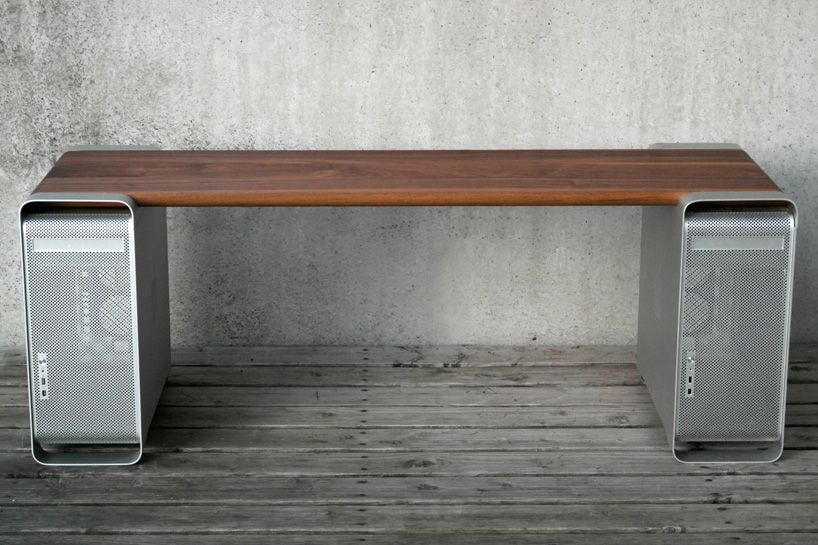
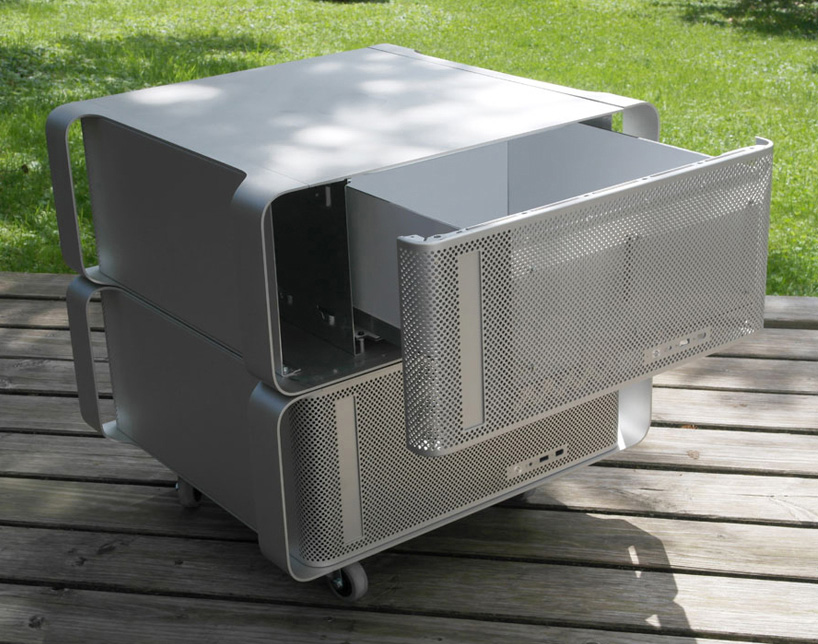
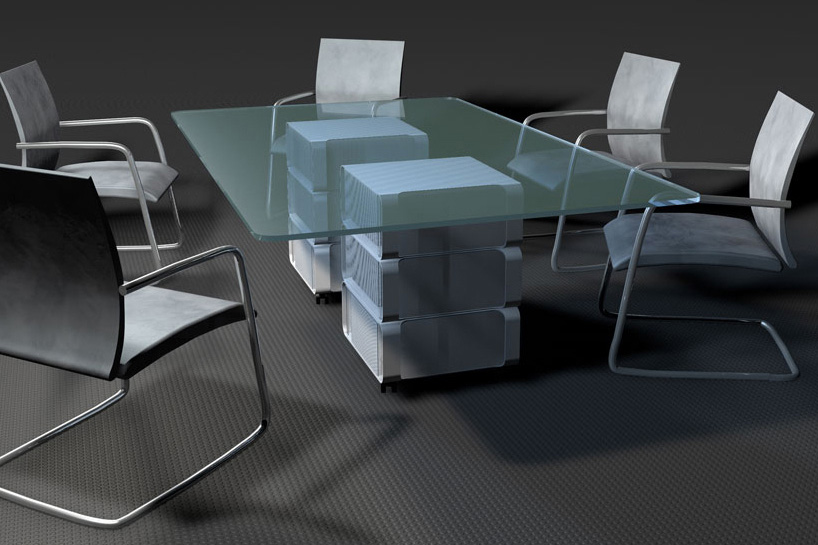
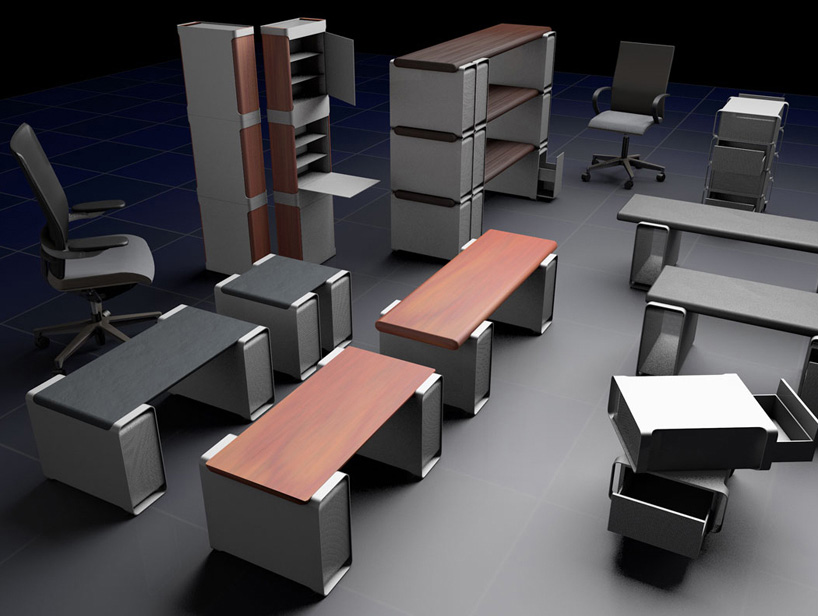
    Meet Klaus Geiger who gave a second life to his Power Mac G-5. It is so cool; you might ask why hasn’t this been done before. Klaus uses two shells of the Power Mac’s and lays classy wooden slabs on them.

    If you think about it, it’s a great homage to the first 64-bit architecture. It is also a great way of taking care of the exponentially growing e-wastes. With the access to technology getting cheaper and the devices getting updated at a faster rate, discarding of old technology has also increased. For a cleaner planet, it is essential that we find effective solutions to dump the e-waste. What Klaus has done is one great example of fixing the new generation trash.

    Check out the images here:

    Klaus Power Mac Furniture (3)

    Klaus Power Mac Furniture (4)

    Klaus Power Mac Furniture

    Klaus Power Mac Furniture (5)

  • Indian Government Plans to Lead Internet of Things Race

    Indian Government Plans to Lead Internet of Things Race

    The Internet of Things (IoT) is where the tech world is employing immense resources. It is an ecosystem in which everyday devices can converse with each other and make human lives easier. It will be the next generation technology revolution. It seems like the present Indian government recognizes the massive benefits of raising this futuristic industry. It is planning to set up a $50 billion industry by 2020.

    The Internet of Things will make everyday devices which require human input into almost sentient interconnected objects. These devices will coordinate together and process the situation, and will provide solutions to human issues in an efficient manner. It will decrease human errors by using algorithmic capabilities to streamline human life. For example, your fridge will recognize that the milk will soon run out, and it will order a carton for you. There can be large scale application of this technology in the fields of medical, transportation, retail, industrial, communication and energy.

    Here is a video from intel that explains some city-wide benefits of connected devices:

    IoT will also bring immense safety and convenience in the daily lives of the public. The devices would still take human input. So you can imagine a thermostat in your house that recognizes that you are arriving home by tracking your GPS and will set a comfortable temperature inside. How cool does that sound?

    This is a great new field that will also bring in thousands of technology jobs. So if you are in the technology field or a budding engineer, you know which area of study to concentrate on. This new industry can easily give way to the next generation of Eric Schmidt’s and Mark Zuckerberg’s.

    There will be a lot of privacy concerns though, for which the government has to provide a clear privacy document that could be understood by all. In an age where data is power, it’s absolutely important to safeguard it. 2020 is six years away, and this is the right frontier to point towards.

  • Ultrasonic: A Tool That Can Make Your Device Truly Hands-Free

    Ultrasonic: A Tool That Can Make Your Device Truly Hands-Free

    Ever wondered if it’s time to bid the whole keyboard and mouse a grand farewell considering touch is fast becoming the norm. Well, the engineers at Knowles seem to be working hard to make sure that you don’t even have to touch your smartphone or tablet to get your tasks done.

    Knowles is a legendary company with a long history of over 60 years. In fact Neil Armstrong’s most revered words, “That’s one small step for man; one giant leap for mankind,” were spoken into a Knowles microphone. Guess that sets the credibility of the company to set the claims for what it is offering.

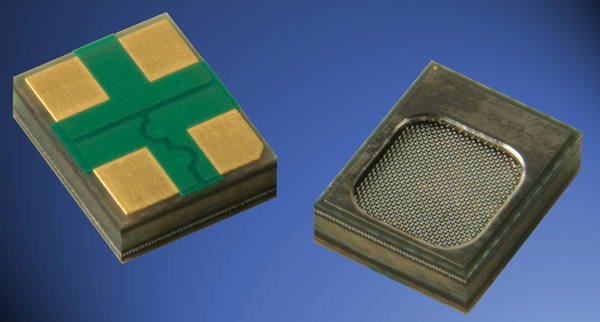
    The company has developed a mic called ultrasonic. It is about the size of the tip of a pen. This mic can hear sound waves that are inaudible to the human ear. It captures the waves emitted from special speakers installed in a smartphone or a tablet. The device the uses those signals to triangulate and track the hand movements and give the desired output.

    The Pen-Tip sized sensor is capable of letting you use your devices hands free.
    The Pen-Tip sized sensor is capable of letting you use your devices hands free.

    Ultrasonic can track gestures and movements to a distance of 4 to 12 inches from the display. The device manufacturers have installed additional sensors in their camera to add similar features, but they only can track motion up to 2 inches from the screen. Ultrasonic’s feature will let people give a presentation on their devices, and they can flip through slides with ease. The device also utilizes less power than the camera solution as it works on sound waves.

    The executives at Knowles are enthusiastic about this technology and say they are ready to market it to top device manufacturers. The device has already been bought for tests by some small manufacturers. They ultimately want the device to feature in devices from brands like Samsung and Apple and make the technology mainstream.

    Most of the companies already add three microphones to their devices for better voice capturing and noise cancellation. The companies would only have to add one more mic input into their devices to make Knowles’ unique interaction system work.

    This sounds like a great new feature to have in our smart devices. The Smartwatch segment can greatly benefit from this. The tiny display often get covered while they are touched; a gesture interaction will really come handy. We’ll be waiting for this to come to the market.

  • IAF Adamant to Ban Use of Xiaomi Smartphones

    IAF Adamant to Ban Use of Xiaomi Smartphones

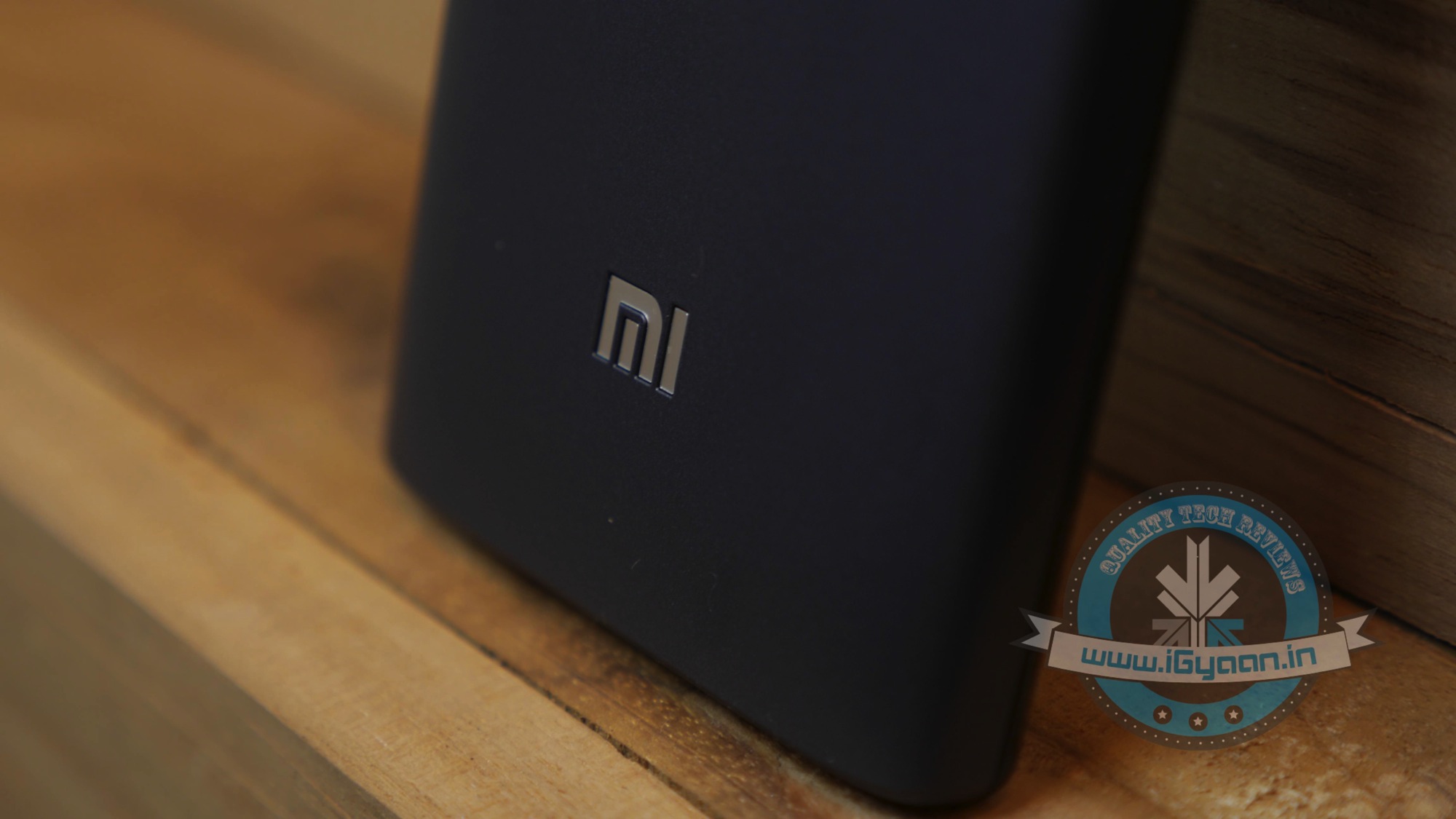
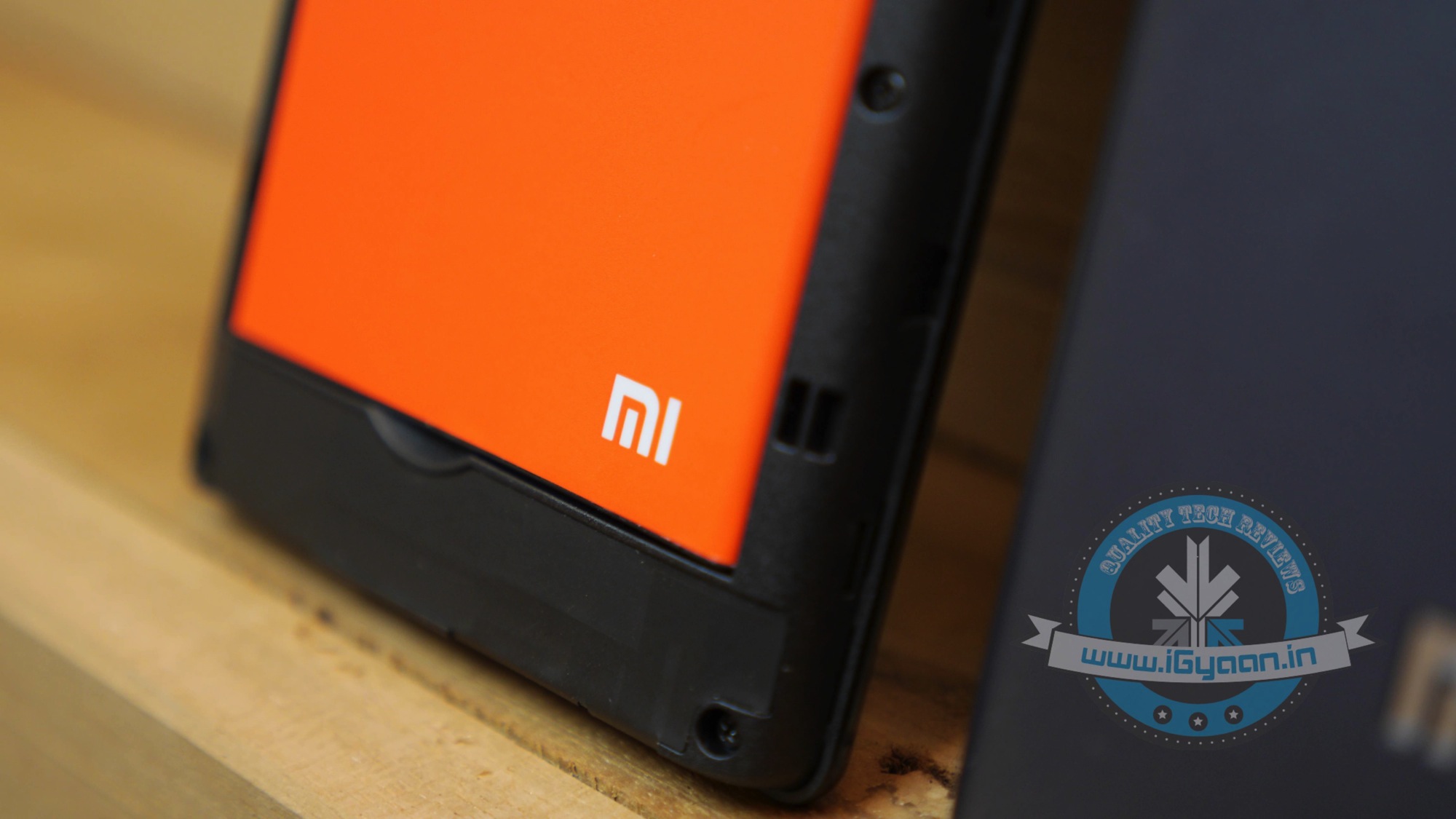
    The Indian Air Force (IAF), earlier this week had issued a circular to its employees asking then to refrain from using Chinese phones. The focus was mainly on the hot selling Xiaomi phones. It had cited a report by F-Secure which said that they found that the Redmi 1S was forwarding carrier name, phone number, IMEI (the device identifier) plus numbers from address book and text messages back to Beijing. Even after Xiaomi took proactive steps towards addressing its concern, IAF, is pressing on its officials and families to refrain from using the phones.

    Xiaomi had earlier in an interaction with PTI said that IAF must be taking into consideration an earlier privacy concern raised by F-secure. The security solutions company had done a test on the phones and found that they were automatically syncing the files on the cloud. Xiaomi said this was because cloud syncing was on by default on their devices. The company had released an OTA update on 10th August which would give the users the option to manually turn cloud syncing on.

    Xiaomi Redmi 1s Unboxing 4

    Xiaomi added that F-Secure had acknowledged the efficacy of the new update. The company had also started the process of migration of the international user data out of its Beijing-based servers and started shifting it to Amazon’s AWS data centers.

    It is important to know that this issue is not a cause for concern for the general public. The data, that is said to be collected by all service providers and handset manufacturers. The cause of concern was it going into the hands of a Chinese company. The Chinese government is notorious for collecting information without much regard for the legality of its actions. The country’s authorities had raged a man-in-the-middle attack to harvest passwords of iCloud users. Folks working in the military deal with sensitive information and that’s why the Air Force is exercising proactive caution. For the average person, you can go ahead and register for that next flash sale. It’s only going to get better after these incidents.

  • Google’s Reinvented ‘Inbox’ App to Ease the On-The-Go E-mail Experience

    Google’s Reinvented ‘Inbox’ App to Ease the On-The-Go E-mail Experience

    E-mails have been one of the greatest tools of the last decade. The speed of communication they introduced has helped significantly to help economies grow. Though their place in personal interactions has been taken over by social media, emails have managed to stay relevant by offering features such as video chat. Gmail, world’s most used email service now brings an app that can make using e-mail in the mobility era a breeze.

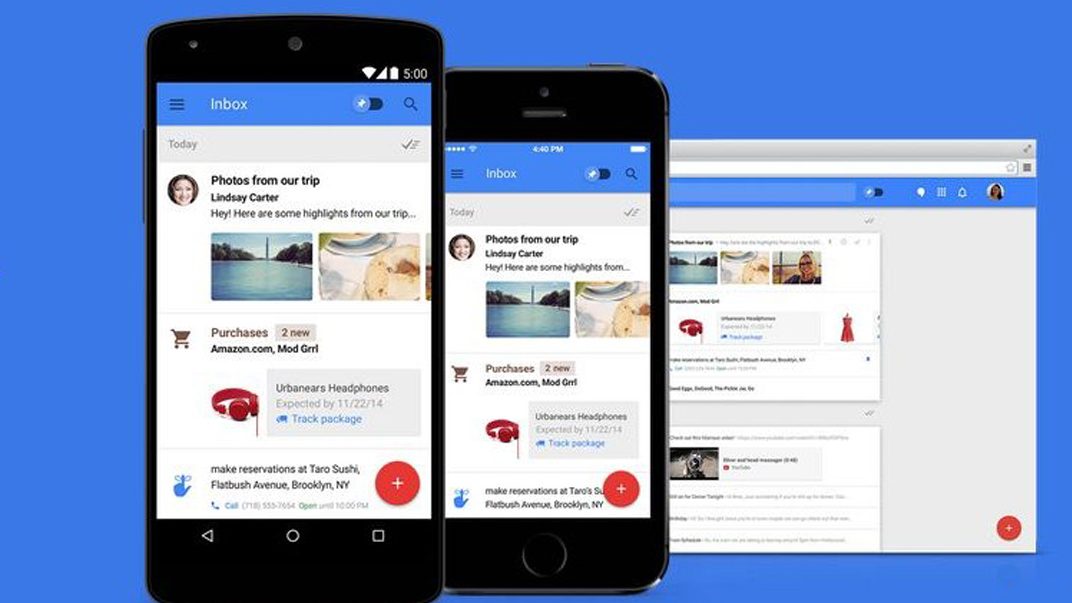
    “Inbox” is an email meant for folks who regularly use their mobile devices to check their emails. It is almost like a personal assistant neatly organizing your inbox so that you can just concentrate on the things you do.  The app offers multiple features to make your life easy.

    First of all is the ‘Bundles’. Google introduced an exciting feature on Gmail where emails were sorted into Primary, Social and Promotions which did the heavy sorting for you. Now with Inbox Google takes it a step further. Using technology that it had for Google Now, the app can read through your content and sort travel related mails into one bundle, and your purchase info into another. You can also create new bundles and customize your inbox according to your needs.

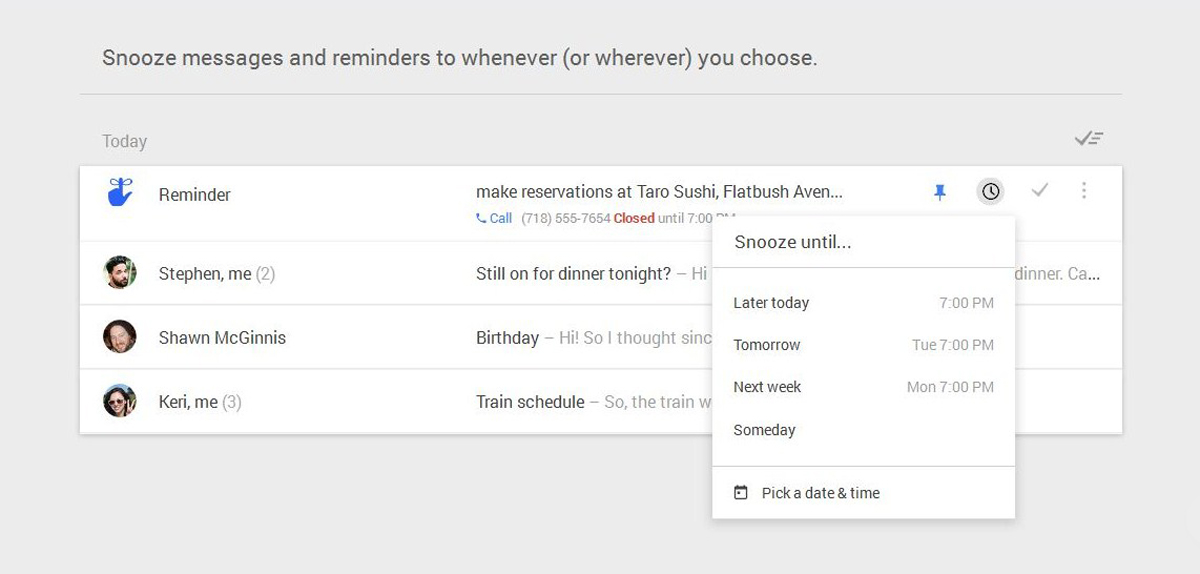
    The Snooze feature will help you get that well needed rest from your inbox.
    The Snooze feature will help you get that well needed rest from your inbox.

    Second feature it flaunts is ‘highlights’. Using this, you can see order updates, flight status, reservation details, and pictures without having to open the message.

    One important feature of the new inbox is ‘reminders’. You can easily set up reminders at the top of your inbox. This way they stay where you can always spot them. You can also use Google Keep for this but having reminders at one place does make sense.

    A feature that will be appreciated by most working professionals is snooze. Using this feature, you can choose to ignore the mountains of work emails during your rest time. Just set the snooze period you desire, and you won’t get any message or reminders during that period. If you snooze a message for office, the app will recognize when you’ve reached the office and it will show up again.

    The interface of the app is clean and lets you give quick access to all you need. Hope Google keeps this app to the basics and not try to add clutter like video chat. There are already too many video chat apps out there. The simplicity of this app is really inviting.

    Now all this sounds enticing enough to hit the Play store to score yourself an Inbox but, unfortunately, all good things ask for patience. Currently, the app is only available through invitation. You can send an email to [email protected] to request your invitation. We will give you a more in-depth review once we get our hands on the app. So stay tuned.


  • HP Expected to Unveil a New Form Factor PC Called ‘Sprout’ Next Week

    HP Expected to Unveil a New Form Factor PC Called ‘Sprout’ Next Week

    After phones, tablets and smartwatches, seems like the world needs to now get ready for a PC with a new form factor. HP is about to unveil a new device which is expected to be different from anything we’ve seen till now. The product is called ‘Sprout’.

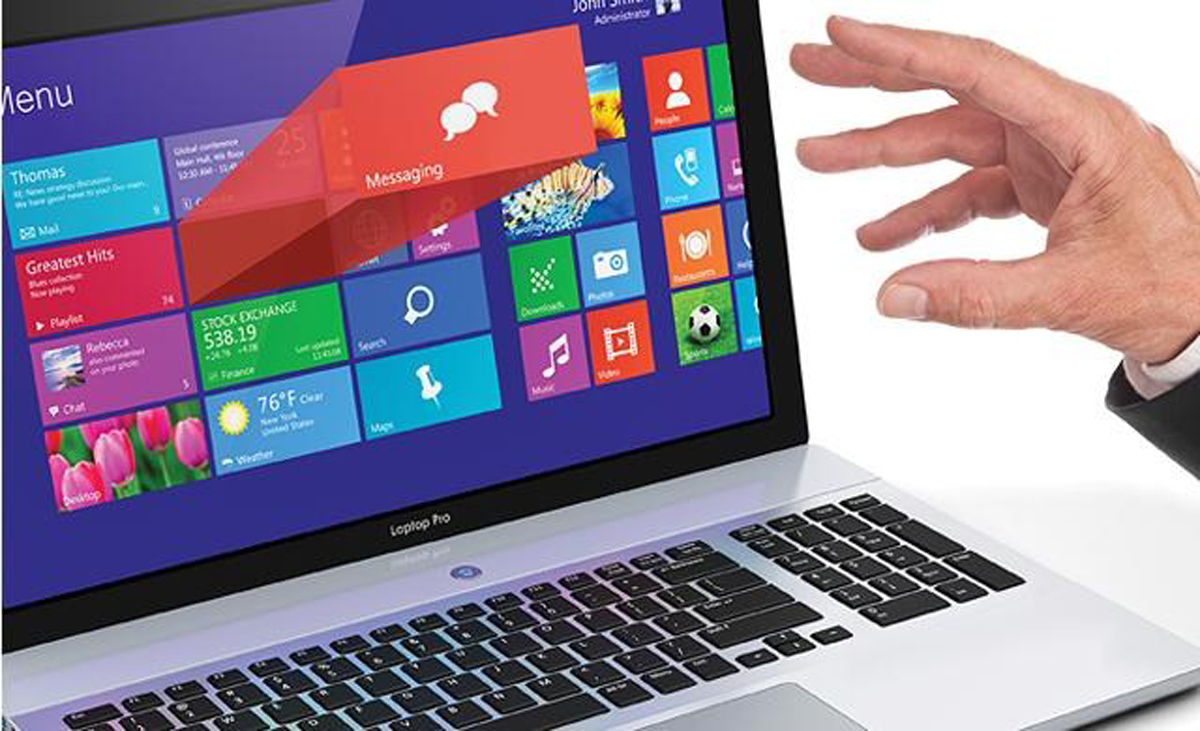
    Sprout is expected to bring a whole new way of interacting with computers. Its components are minimal. It is made of one large flat screen which will be similar to HP’s Pavilion Touchsmart line. Apart from the display, there’s a touch-enabled surface and a 3D scanner and projector placed in an overhead device.

    Sounds like something interesting is being cooked behind the curtains at HP. Though its functionalities are not clear yet but looking at components, it looks ready for some advanced tasks. Re/code reports that the device might project an image on the surface from the overhead device. Users can manipulate this image with their hands or a stylus. Adding new objects to this image is fairly easy. By just keeping an image on the surface, the 3D projector captures it and introduces it in the image. It seems like a great proposition for at least the graphics industry.

    The target consumers for this device are businesses and prosumers so one can expect the price to be on the steeper end. But like every technological innovation, its success will lead to cheaper copies, so there’s no worry in that. For long, Keyboards and Mouse have been our way of interacting with computers, it’s good to see HP bringing a new approach to interface with the digital world.

    Sprout would be unveiled at a function in New York on the 29th of October. The device is expected to run on Windows initially but may even run Android OS in the future. We’ll be keeping an eye on the release and will bring you the latest. Keep checking iGyaan for more.

  • In a Post-Nokia World, Microsoft Unveils the New Microsoft Lumia Branding

    In a Post-Nokia World, Microsoft Unveils the New Microsoft Lumia Branding

    With the era of Nokia coming to a close, a new phone ecosystem will take its place. Microsoft has unveiled the new branding for its smartphone line-up which will now be known as Microsoft Lumia. As a part of the transition, the websites and social media pages are already on the move from the old Nokia to new Microsoft’s mobile pages.

    greenimage3

    To make its name prominent on the device, the Microsoft name will be featured prominently on the front and back of devices. According to the acquisition agreement, Microsoft had a good 18 month long period for them to transition from the Nokia brand for its smartphone business. The Nokia name will not be completely scratched out yet. Microsoft still has a 10-year license to use the Nokia brand on basic phones. This was a really shrewd move by Microsoft as Nokia has immense brand recognition in the basic phone market. Microsoft can use it to their advantage to have a constant stream of income through this channel. It is not a resource intensive segment either so Microsoft can literally make easy cash off Nokia’s heavy lifting.

    Microsoft won’t have an easy ride in the market. Though its devices have been commended for superior performance and with the 8.1 update, the Lumia ecosystem have got an immense boost. But the devices have failed to find users in the market that is ruled by Google and Apple. Mobility segment is important for the future of Microsoft as an institution. With the speedy shift towards mobility by the enterprise segment, Microsoft’s core consumers are at stake. With the one platform ideology of the upcoming Windows 10 OS, the company can make some gains in the mobility market too. We just need to wait until next year to see how it all works out for Microsoft.

  • LG Set to Release New Smartphone Featuring Company’s Own Chipset

    LG Set to Release New Smartphone Featuring Company’s Own Chipset

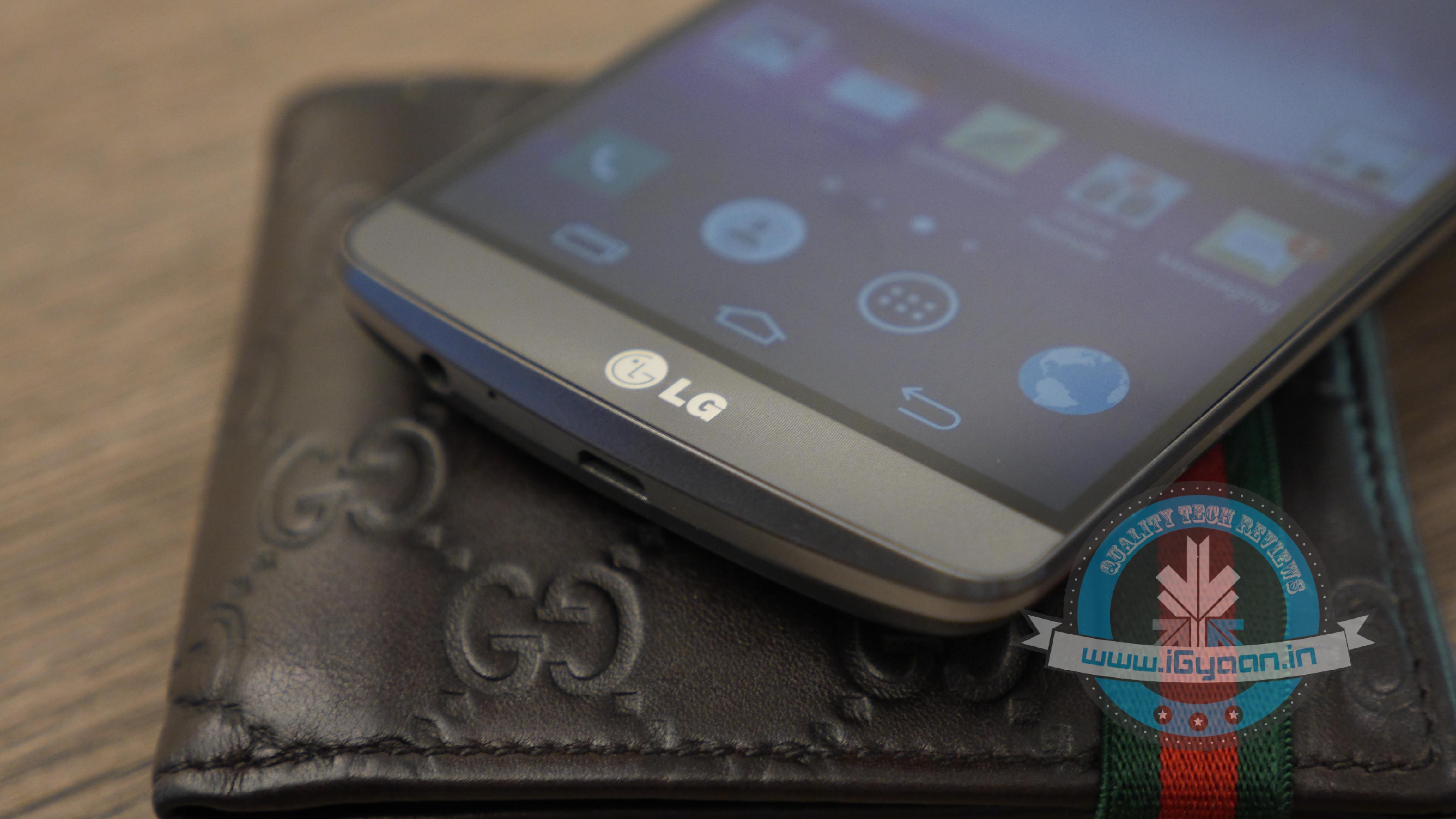
    We have heard for long about LG’s homegrown chipset. It was its effort to catch up with its compatriot and consumer electronics powerhouse Samsung. The chipset is supposedly going to be called Odin. Now it seems that the Chipset is well cooked, and it’s ready for the world to see.

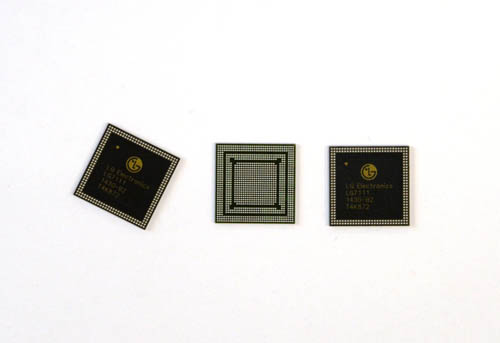
    LG has said that the processor will be inducted in the upcoming LG G3 Screen, which will be unveiled in South Korea. The processor will be called the NUCLUN (pronounced NOO-klun) and will boast of an Octa-Core (1.5GHz Quad-Core +1.2GHz Quad-Core) processing capability.

    Nuclun processor is LTE Category 6 ready.
    Nuclun processor is LTE Category 6 ready.

    The company claims that the Nuclun processors are designed to handle LTE Cat.6 and can provide download speed of up to 225Mbps. It also provides backward compatibility with current LTE networks.

    Dr. Jong-seok Park, President and CEO of LG Electronics Mobile Communications Company said, “NUCLUN opens up a new chapter in LG’s history of innovation in the mobile industry. With this in-house solution, we will be able to achieve better vertical integration and further diversify our product strategy against stronger competition. NUCLUN will give us greater flexibility in our mobile strategy going forward.”

    Samsung’s Exynos processors are still trying to find their mark and LG needs to bring an efficient chipset if it wants to take on the leader of the market; the Snapdragon family. The LG G3 Screen with its 5.9 inch Full HD display won’t make it to India anytime soon, but we’ll know pretty soon if LG has a worthy competitor for this ever-saturated market.

  • Heeding to Privacy Concerns, Xiaomi Shifts User Data Out of Beijing

    Heeding to Privacy Concerns, Xiaomi Shifts User Data Out of Beijing

    Xiaomi has taken into consideration the massive privacy scares regarding their devices and are taking proactive steps towards addressing them. The company is planning to shift non-Chinese user data out of its Beijing data center. This comes after the directive issued by the Indian Air Force for its personnel, asking them or their families to refrain from using Chinese phones.

    The Air Force had cautioned its employees, warning that Xiaomi was secretly sending user information to a secret location in China. Xiaomi has been a favorite amongst the young population because of high spec devices which are available for attractive prices. The buzz around it has led to a figurative stampede to get the device on Flipkart.

    Xiaomi Redmi 1s Unboxing 11
    One of the most popular phones in India, the Xiaomi Redmi 1S sells out within seconds on Flipkart.

    Seeing this accusation by the Air Force could cause trouble for its business in India, Xiaomi quickly went into damage control mode. Xiaomi’s Vice President of International, Hugo Barra wrote a detailed blog post on how the company plans to take on the issue.

    Mr.Barra said that the company has been setting up servers in multiple locations and will be moving user data outside China. All international user data will be shifted to Amazon AWS data centers in California (USA) and Singapore. This migration process will be completed by the end of October and will benefit its users in Hong Kong, India, Indonesia, Malaysia, Philippines, Singapore, and Taiwan.

    It was also said in the post that by next year the company will try to set up a local data centre in India and Brazil itself. This will give users faster access and privacy can be maintained in-country.

    The Chinese authorities have been facing heavy criticism for engaging in a man-in-the-middle attack on Apple iCloud account. Considering the interfering nature of that government, it is rather safer to keep your data away from their prying eyes. We have to wait and see if these measures taken by the company offer some good solutions to the concern. People love these irresistible devices, but the importance of privacy cannot be overlooked.

  • Expert Believes ‘Digital India’ Plan Flawed, Needs a Practical Cyber Security Policy

    Expert Believes ‘Digital India’ Plan Flawed, Needs a Practical Cyber Security Policy

    The present Indian government has put particular focus on the communication infrastructure of the country. The focus is especially on making India a powerful force in the digital era. It envisions mobile connectivity for every Indian and developing the nation through an e-governance system. The Digital India program is the most visible action plan by the government. But experts are asking the Indian authorities to take a breather and first work out a clear strategy for cyber security.

    Cyber Security is an important element of a communication infrastructure. It is not just necessary to establish these protocols but to enforce them as well. Currently, according to the Director of the cyber warfare program at the Tel Aviv University’s Institute for National Security Studies, Mr Gabi Siboni, the strategy arena is where India is lacking. This was reported by Economic Times.

    According to Mr. Siboni, the paper published by the Indian government released last year on the subject lacked clear direction. The paper envisions a huge infrastructure that would employ over 5 lakh professionals trained in cyber security to protect the national interests in 5 years. But the paper doesn’t mention how these professionals will be acquired or trained.

    The report points out that there has been a heavy increase in the number of cyber security attacks on this country’s institutions. According to data gained from the Indian Computer Emergency Response Team (CERTIn), the attacks have increased to a massive 62,189 until May this year from a meagre 23 reported incidents in 2004. This has also increased the costs to businesses whose infrastructure is targeted through such attacks.

    Mr. Siboni has pointed out that currently the attackers are way ahead of the defenders. So it’s absolutely necessary to define the minimal defence strategy for civilian, business and government security. There is no fool-proof way of securing the cyber arena but if you have a clear strategy to deal with them, you can repel these attacks to a certain extent. We hope the Indian authorities are taking notice.

  • NASA Starts its SoundCloud by Sharing Some Epic Moments in Space History

    NASA Starts its SoundCloud by Sharing Some Epic Moments in Space History

    We all love the outer space. It has enticed us since childhood and everyone who came before us. But it wasn’t until recently that we could finally soar above the surface of the planet and bid adieu its atmosphere and stare at the great expanse. One agency that takes most credit for helping humankind cross this frontier is the National Aeronautics and Space Administration aka NASA. Now NASA just tuned into SoundCloud and has released, what can be called a space nerds ultimate audio fantasy.

    It has released some of the most symbolic recordings in its tryst with space travel.

    Here’s the sound from the first man-made object in space called Sputnik. The people who launched it wouldn’t have imagined it leading to a communication infrastructure that runs the world of today. These are one of the most iconic beeps ever heard.

    The first one is from the moment during the flight of Apollo 13 when the oxygen tank exploded. The crew made a heroic survival in the harshest of conditions known to man to return back to their home planet.

    These one’s have to be the saddest of all; they mark the end of the epic voyages of the Space Shuttle programs.

    [soundcloud url=”https://api.soundcloud.com/tracks/172461628″ params=”auto_play=false&hide_related=false&show_comments=true&show_user=true&show_reposts=false&visual=true” width=”100%” height=”450″ iframe=”true” /]

    Space is silent, the almost vaccum makes it impossible for sound to travel. But radio waves are everywhere. They are transmitted by activities of the heavenly bodies including earth. Nasa’s space probes have recorded the radio signals from the planets. Here’s what Cassini heard on Saturn.

    Voyager is the ultimate space probe. It launched in the September of 1977 with a mission to study the outer planets, the gas giants. Its primary mission ended in 1980 but it kept going on and still continues to go on. Here is some of what is heard during its legendary voyage.

    And at last, this is a message from the Stars. The sound we hear travel thousands or millions of years before it reached us. It may have left its host star even before humanity existed. This message truly travelled in time.

    If you are crazy about outer space as we are, then go out to Nasa’s Soundcloud page and it surely will create a sense of nostalgia that will engulf you.

  • Samsung and Airtel Team Up to Bring an Integrated Digital TV

    Samsung and Airtel Team Up to Bring an Integrated Digital TV

    The biggest consumer electronics company and India’s prominent mobile and DTH operator are partnering to bring hassle-free entertainment to the Indian shore. Airtel and Samsung have teamed up to bring India’s very first Integrated Digital TV (iDTV).

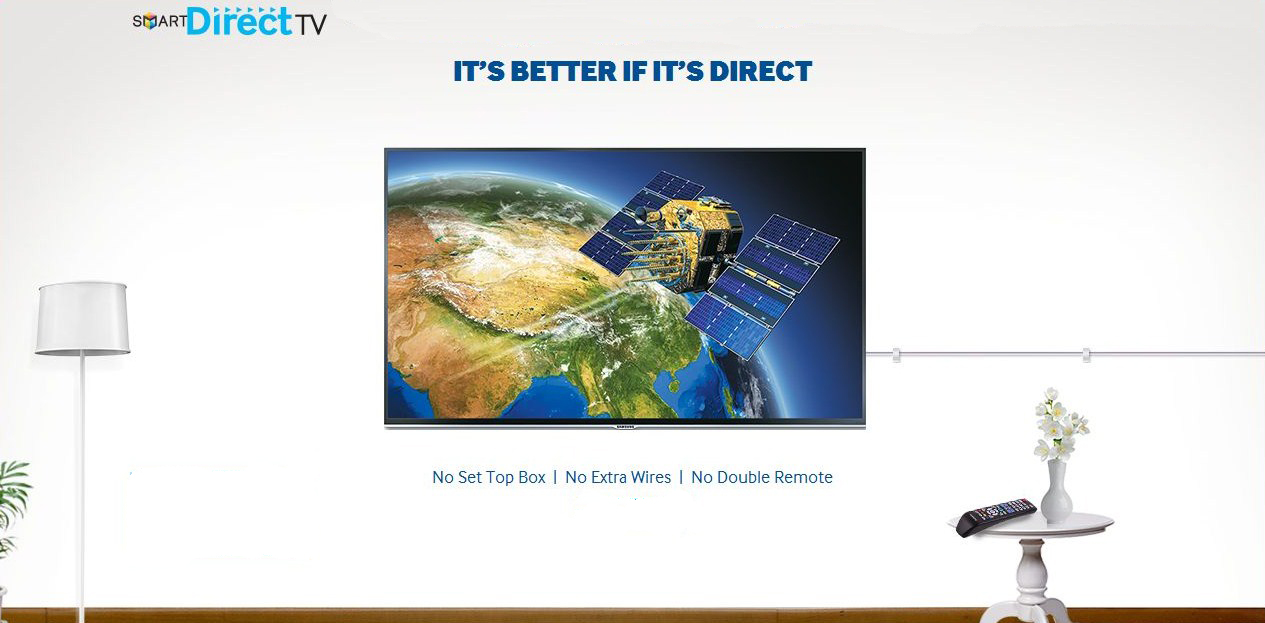
    An integrated digital television (iDTV) set is a television set with a built-in digital Tuner. They make the set-top box obsolete, which is great. Unfortunately, they still require that dish to catch the signal. It would be cool if the electronics market can do away with that too; we’ve had enough of our roof’s looking like a television station.

    smartDirect TV copy

    Coming back to the matter at hand, the iDTV also gives you freedom from the dual remote system that we use presently. On this TV, a single remote system also makes life easy as it comes accompanied with an intuitive user guide.

    Shashi Arora, Bharti Airtel’s CEO – DTH & Media said, “The in-built Airtel DTH smart card supports direct signal reception from the dish antenna, thus enabling crystal clear audio-video quality and making these Samsung TVs the smartest available in the marketplace today.”

    These iDTV’s will utilize a Smart Card from Airtel, which goes directly into the TV. The devices come in the category of Samsung’s SmartDirect TV. This TV range will start at Rs. 44,900, which seems like a fair price. It also comes coupled with 4 months free subscription as an introductory offer.

    So if you wanted to do away with that mess of wires and just kick back in your couch potato mode with just one remote, this might be what you were looking for.

  • Satya Nadella Becomes One of the Highest Paid Tech Executives

    Satya Nadella Becomes One of the Highest Paid Tech Executives

    Indians love the sound of the phrase, ‘pay package’. It rings a mental cash register in their heads when they hear it followed five or six figure numbers. It figuratively goes “cha-chinng”. But listening to what Hyderabad-born Satya Nadella has achieved will make all the traditional Indian fathers sigh that they can’t ask him to marry their daughters.

    Satya Nadella has scored a whopping $84 Million pay package. This, of course, will be dispensed to him in a long period of time, but it still is more than what normal Indians can think of and what corrupt politicians might make in a year.

    Mr. Nadella is the third in the line of Microsoft CEO’s, after Bill Gates and Steve Ballmer. He is though the first one to not score a multi-billion dollar holding in the company. But for running the biggest tech company in the world, the $84 Million package sounds alright.

    Satya Nadella is the Third CEO for Microsoft in its 38 year history.
    Satya Nadella is the Third CEO for Microsoft in its 38 year history.

    This package is indicative of the total remuneration that will be received by Satya Nadella over the years, but his annual gross isn’t low either. He is expected to take home a luxurious $11.6 million.

    There have been mixed news coming out of Microsoft’s stable ever since Mr.Nadella took the helms of the company. He was recently heavily berated for saying that women should not ask for a pay rise but have “faith in the system”. He is also the person who oversaw the biggest job cuts in Microsoft’s history, most of them were ex-Nokia employees.

    Now you might be imagining him in a Darth Vader helmet but he helped out the business too. He led the development of one of the largest cloud infrastructures in the world. He will be responsible for the audacious Windows 10 which hopes to do away with all the headaches Windows 8 brought.

    For the first non-American CEO in the 38-year history of the world’s biggest tech company, there is still a lot to achieve. We’ll be keeping a vigilant eye on this homeboy and will keep a track on how he plans to keep Microsoft valid in the mobility era.

iGyaan Network
Privacy Overview

This website uses cookies so that we can provide you with the best user experience possible. Cookie information is stored in your browser and performs functions such as recognising you when you return to our website and helping our team to understand which sections of the website you find most interesting and useful.