Author: Happy Nagashetti

  • REVIEW: Sandisk Ultra Dual On-The-Go Pendrive

    REVIEW: Sandisk Ultra Dual On-The-Go Pendrive

    Ever since the inception of multimedia enabled phones, one question that has bothered the users is the storage space of these devices. Listening to the complaints, many companies have added the expandable storage feature, which is without a doubt, one of the most important feature of the phones. With the companies providing easy accessibility in terms of storing data as well as installing app data on the SD card, some of those issues are addressed. But what about devices which only have limited storage options like the blockbuster MOTO G which only comes in an 8 or 16 GB option. And what if you are a multimedia hoarder and even with expandable memory, you are not satisfied with the storage space. Here the SanDisk Ultra 16GB Micro USB 2.0 OTG Pen Drive
    will come for your rescue.

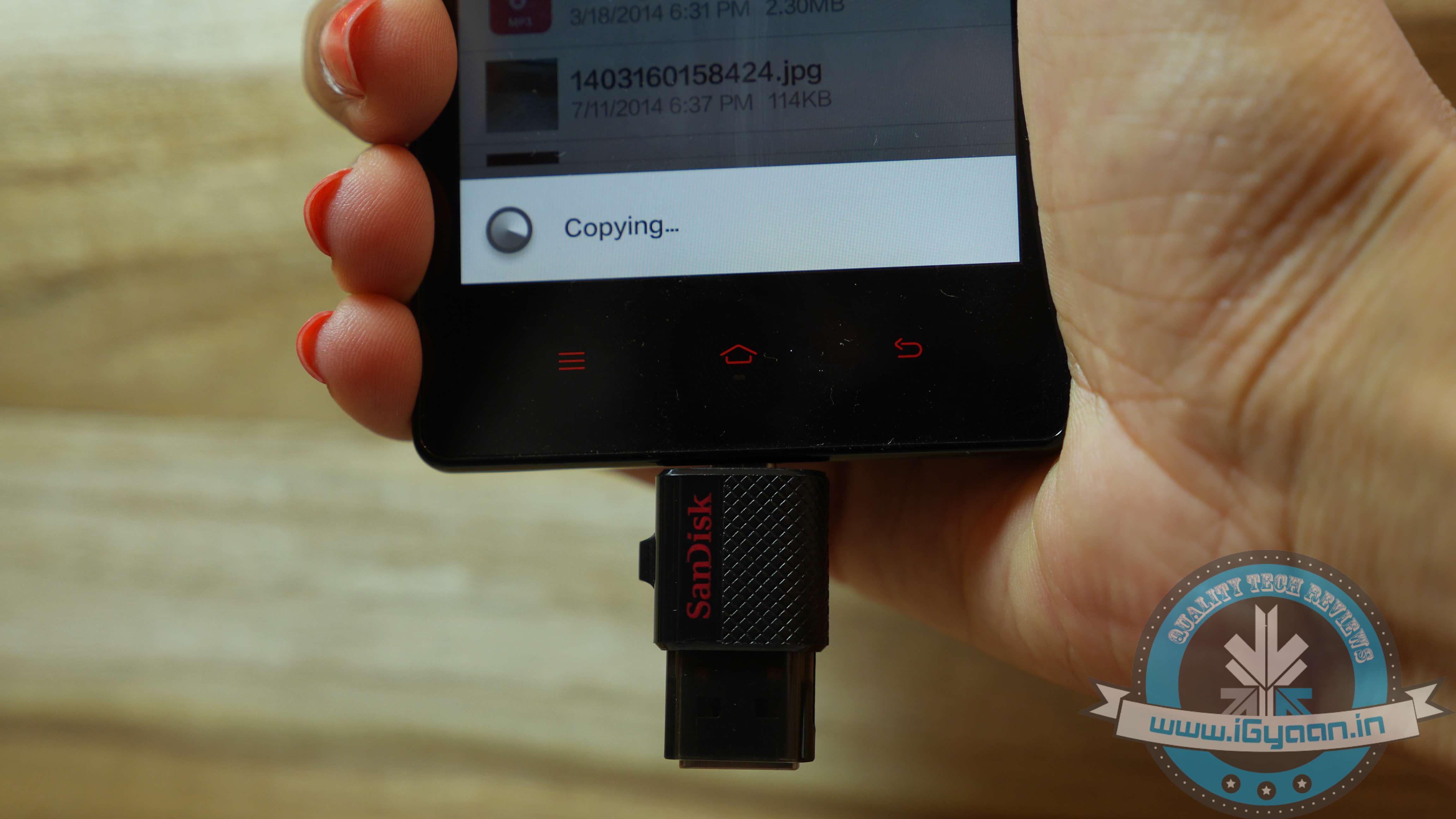
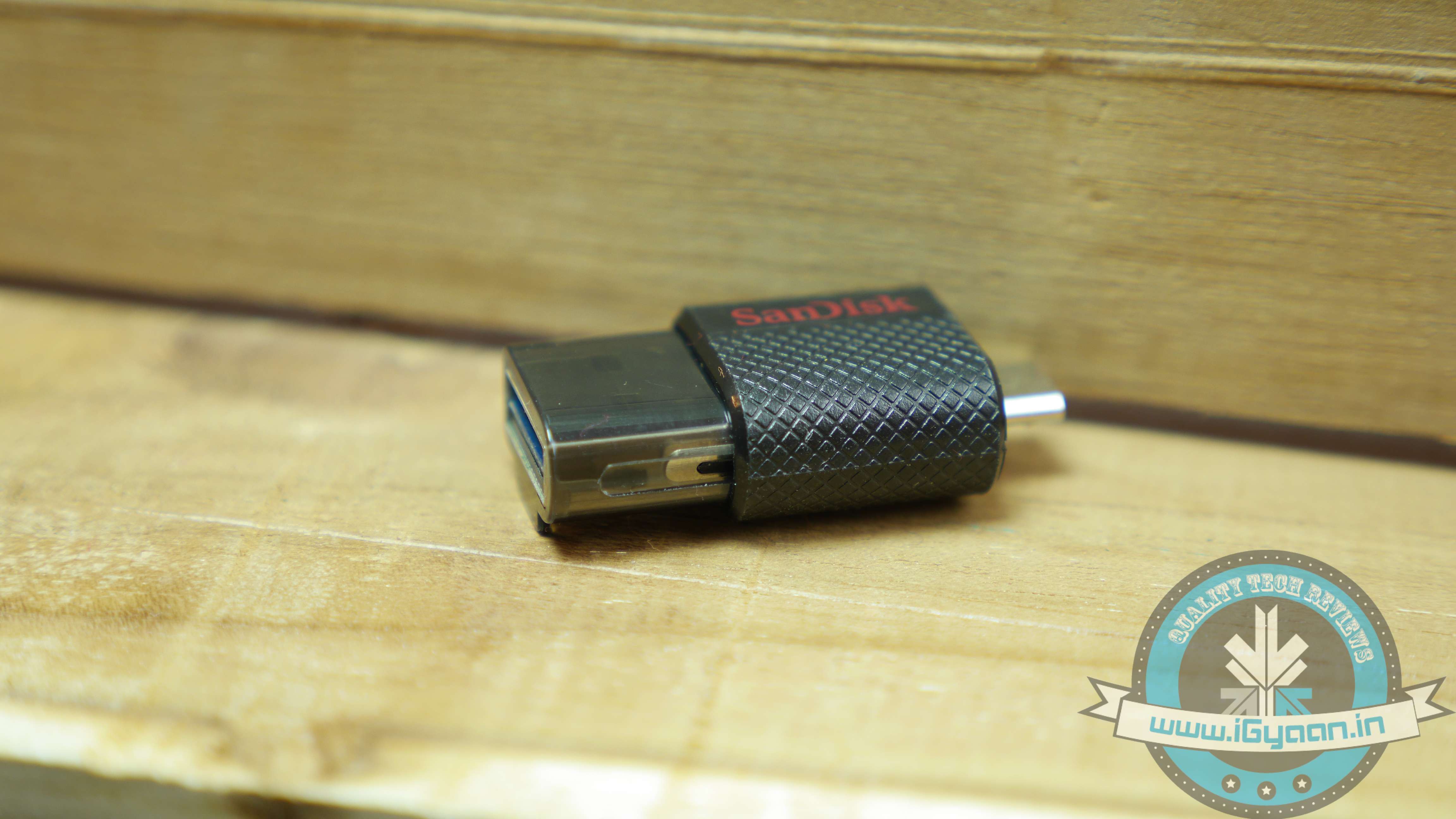
    The Sandisk Ultra is a boon for OTG devices with limited storage
    The Sandisk Ultra is a boon for OTG devices with limited storage

    The Sandisk On-The-Go Pendrive is a tiny dual sided flash drive that comes with a USB 2.0 jack on one end and a micro USB slot on the other end. It is available in 16,32 and 64 GB variants starting at Rs. 629. The drive attaches to your OTG enabled phones and is recognized easily on the phones we tested the drive on.

    On the design front, this drive has a protective casing for both USB ends. The casing clicks when it completely covers the USB to secure the ends. But while dropping it head on to the ground for testing we found that the micro USB side would slide back on impact, exposing the head, which is a bit of a worry. The micro USB end is also a bit tiny so you may have to take off the protective casing on your phone to connect the device. The middle portion with is sturdy and easy to hold.
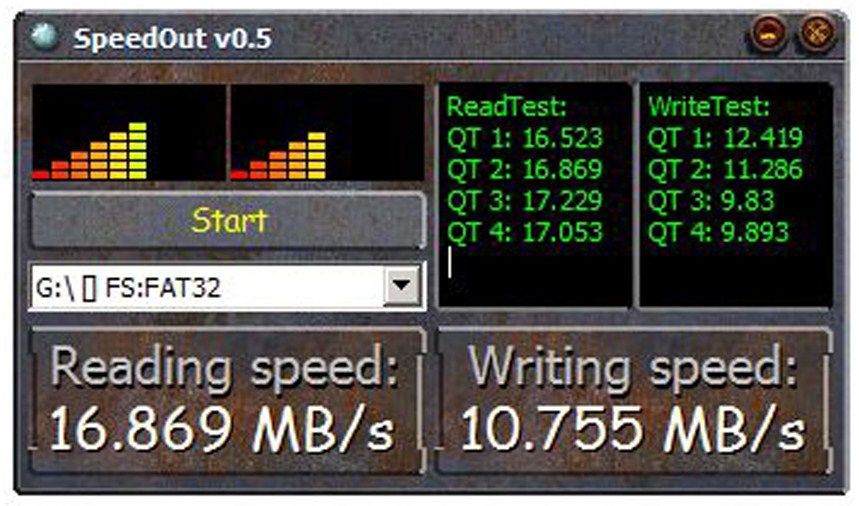
    speed sandiskThe drive’s read and write performance though are not satisfactory. In our test we found the reading speed was 16.86 MB/s whereas the writing speed was 10.75 MB/s, which is almost a third of the USB 2.0 speeds. But with the convenience it offers, some may overlook the low transfer speeds.

    SanDisk provides a downloadable app, Memory Zone. This sleek looking app has a user friendly interface and allows you to password-protect your content. It also lets you sync your data with cloud storage options like Dropbox, Google Drive or Box.

    Overall the tiny, one of a kind device is functional with some  flaws. Considering its price and what it offers it can also be considered a value for money. Sandisk needs to work on the speeds of the device, immediately and make the casings better so they don’t expose the Micro-USB end.


    [tw-column width=”one-half”]

    GOOD THINGS

    • Convenience
    • Portability
    • One of a kind

    [/tw-column]

    [tw-column width=”one-half” position=”last”]

    BAD THINGS

    • Poor speeds
    • Build quality of micro USB casing

    [/tw-column]
  • Anymote Home: Convert Any Phone Or Tablet Into A Universal Remote

    Anymote Home: Convert Any Phone Or Tablet Into A Universal Remote

    Home automation is a tech segment that is attracting a lot of attention from the big brands such as Samsung, Apple and others. Living in an automated home actually feels like living in the future that Sci-fi writers from back in the day envisioned. Now the technology exists but is still away from the reaches of regular folks, but you can get a taste of the future using Anymote Home.

    Anymote is a universal remote, which the makers claim is capable of controlling over 800,000+ devices, which is a big claim. It is not one of your conventional universal remotes; this baby lets you convert your smartphone or tablet into a fully functional, Bluetooth connected device. This will also save the money that you would spend on a high priced flagship phone with IR blaster. One more advantage of Anymote is that it can be used from anywhere in the house so you don’t need to be physically present to control your device.

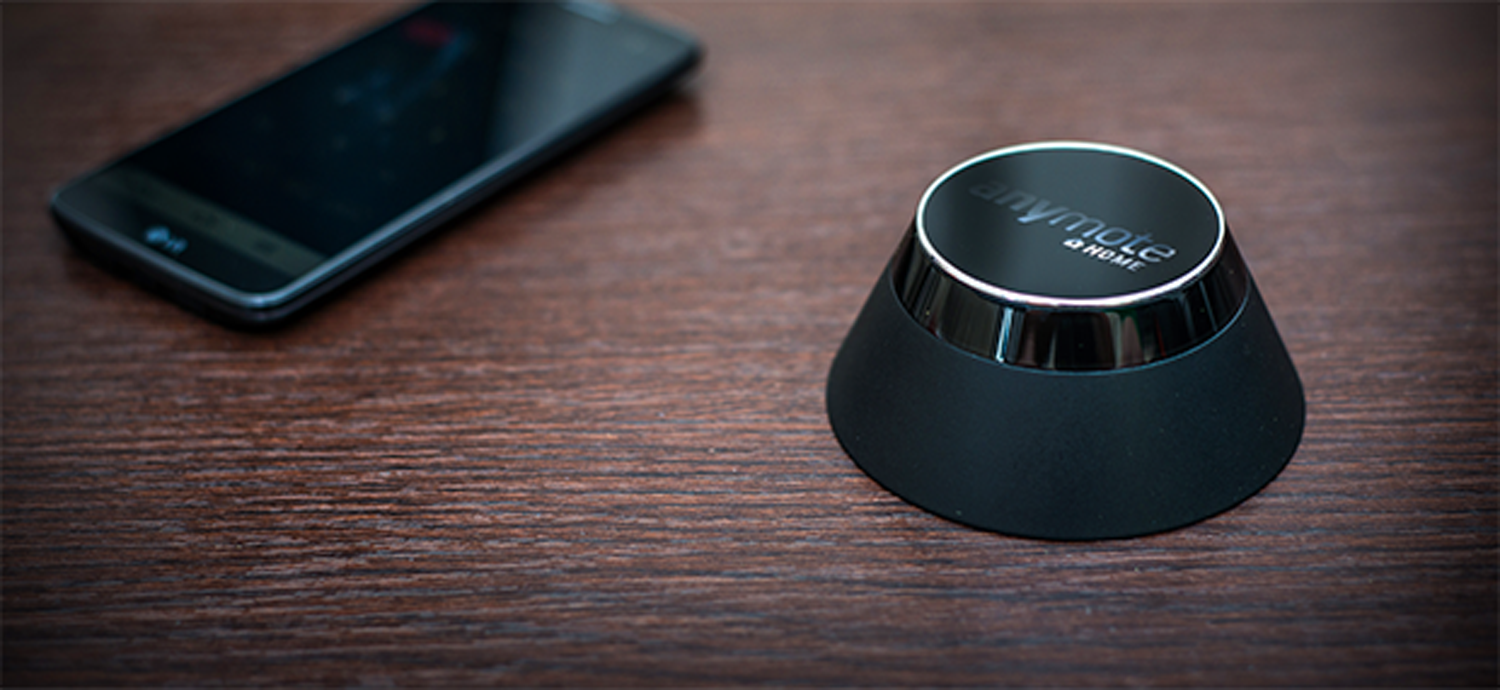
    The device gives you immense convenience to control your house and give it a futuristic feel
    The device gives you immense convenience to control your house and give it a futuristic feel

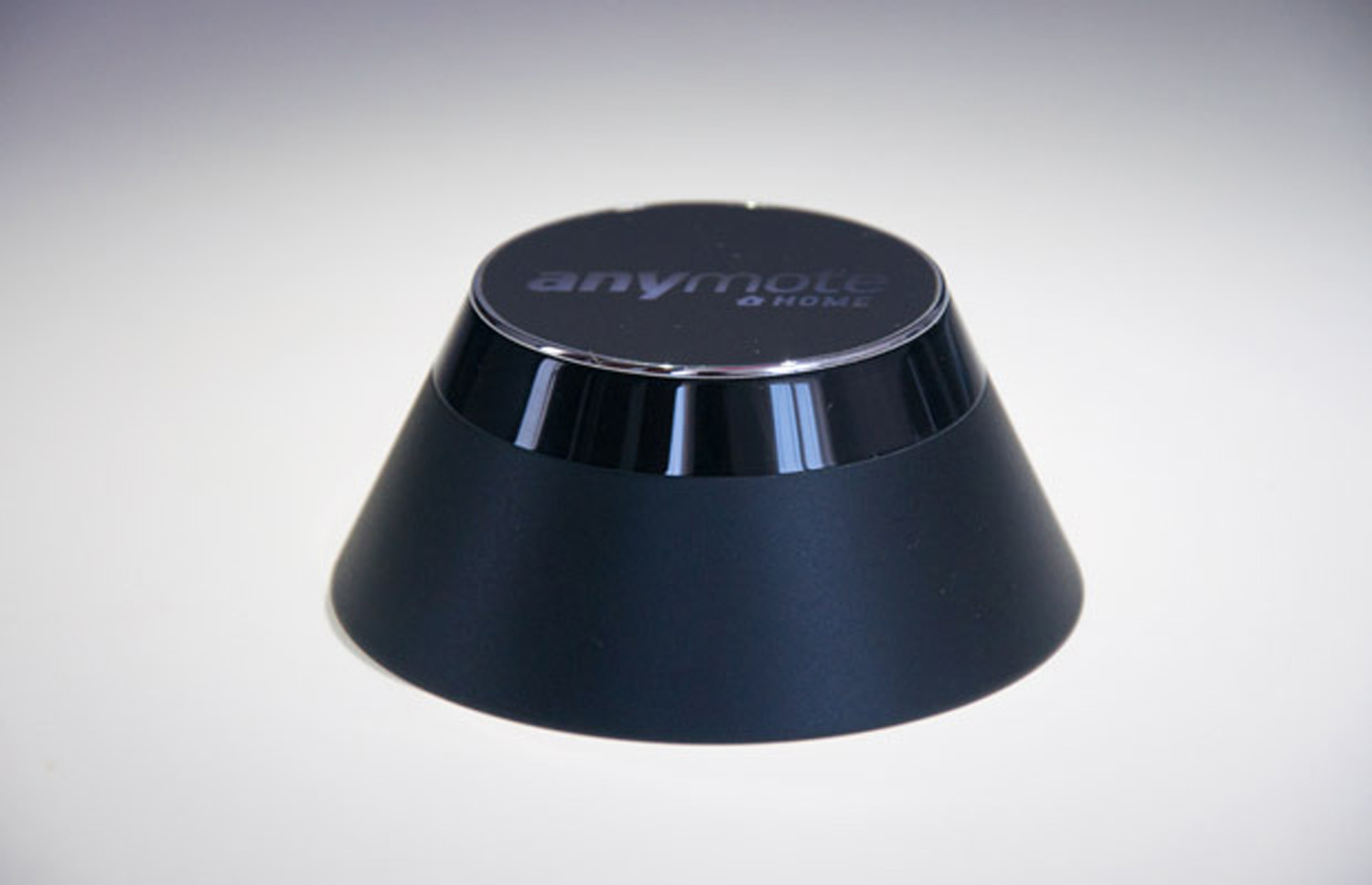
    This tiny, semi cone shaped device is capable of bringing immense convenience to your life. It gets its juice from a 2000 mAh battery. There are no cables here, and as the device blasts the signals in a 360-degree range, you can place it anywhere in the room.
    The device is compatible with iOS and Android systems. It goes symbiotically with your smartphone usage. It lets you control almost anything that can be controlled through a remote in your house, from TV’s, Home theatres, Air conditioners to even remote controlled lights in your house.

    The device has Sonos system that makes it an intelligent home control system. To give you added convenience, Anymote can mute or pause your TV or music system when you are getting a call. Its movie mode can dim the lights for you. It can set up the home temperature depending on when you arrive and when you leave. Also to truly make you enjoy your home, it recognizes when you have arrived home and cues music to welcome you, it’s almost Jarvis without the snarky voice.

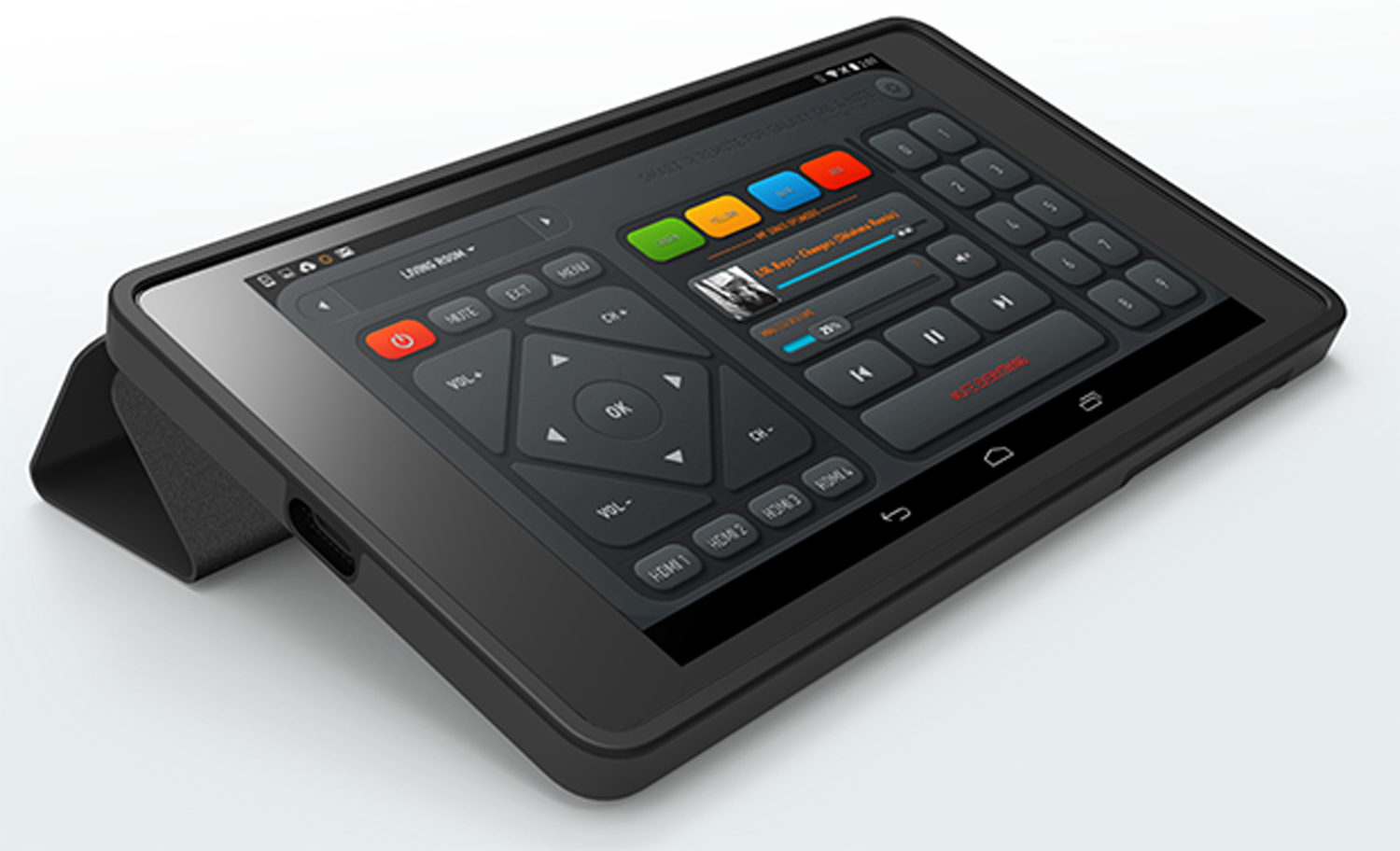
    The Smart IR app is the control station for the entire house.
    The Smart IR app is the control station for the entire house.

    The device is developed by a start-up called Color Tiger who has listed the device on Kickstarter. At the time of writing this article, Anymote is fast closing in on its required pledge of $50,000 with 42 days to spare. Manufacture and shipping will take some time though. If the early birds listings on the page are to be believed, the device is expected to be priced at $50-70 which is fairly cheap when considering the possibilities it offers. Color Tiger expects to ship the device by May 2015. But if you have a phone with IR blaster and don’t want to wait till next year for the device, you can get the Smart IR Remote app from Google Play.

    So if you want to get rid of the frustrating number of remotes while bringing in a futuristic appeal to your house, the Anymote is what you were looking for. This truly is a couch potato’s dream come true.

  • Gionee Brings The GPAD G5 With Hexa Core Processor to India

    Gionee Brings The GPAD G5 With Hexa Core Processor to India

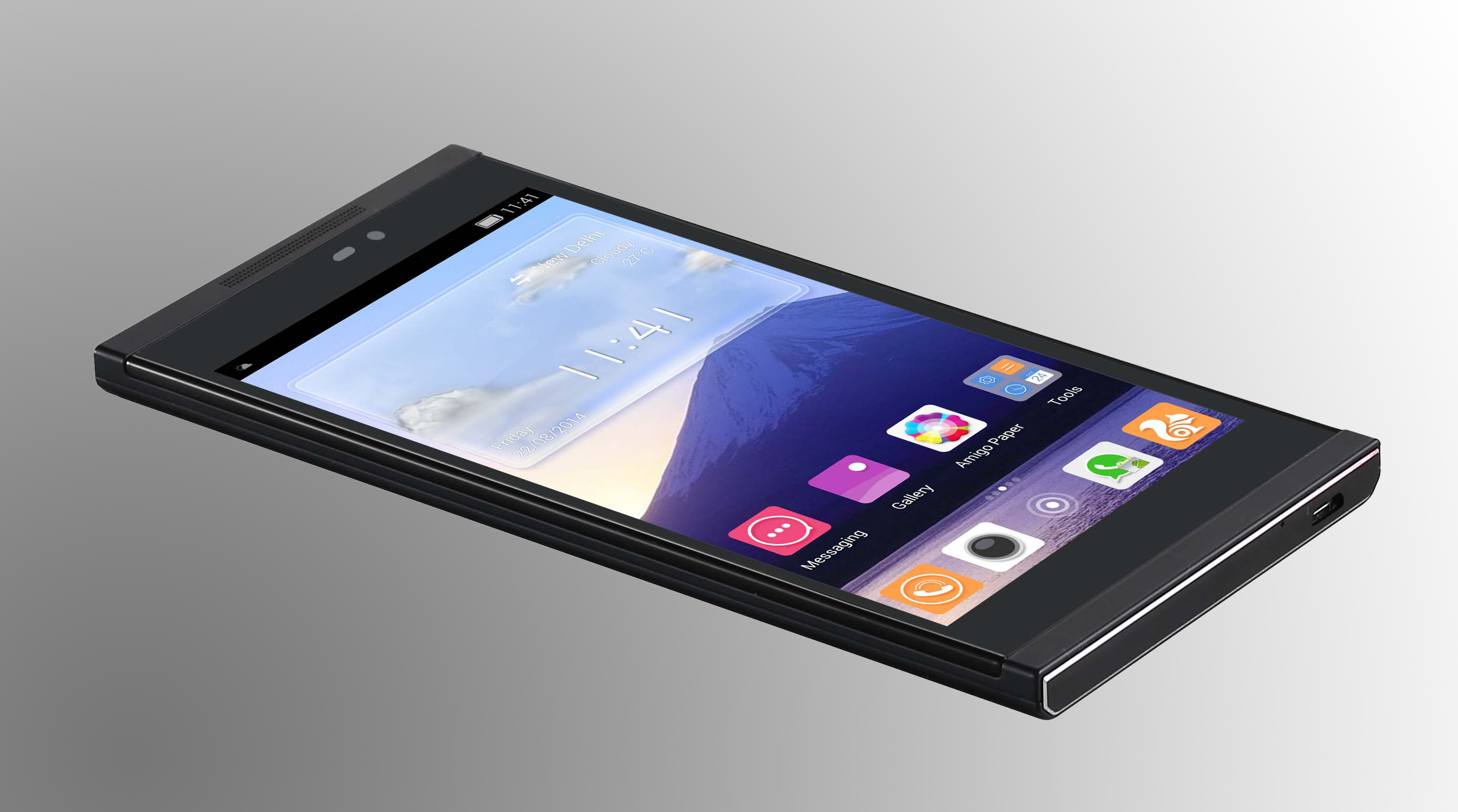
    Chinese phone makers Gionee today brought the GPAD G5 to India. The phone follows an edgy design pattern and is quite a looker. Gionee sure knows how to make their phones look good.

    The GPAD G5 gets its processing might from a 1.5 GHz Hexa Core processor. It is running on Android 4.4. The device comes with 1 GB RAM and 8 GB internal memory which is expandable up to 32 GB. The device has a 5.5 inch IPS HD display with a Dragontrail screen. Dragontails are made of thin glass without the fragility and have high scratch resistance.

    The phone's edgy design sure is appealing to look at.
    The phone’s edgy design sure is appealing to look at.

    The camera on the back of the device is an 8MP shooter while the front sports 2 MP selfie camera. Considering Gionee’s history, the camera should have great clarity and feature which we’ll confirm when we get our hands on the device.

    The device gets its juice from a 2400 mAh battery which sounds less when considering the 5.5 Inch screen and the Hexa core processor. But Gionee has managed some good OS optimization which leads to a good battery back-up, we’ll check out how the phone manages its juice later.

    The GPAD G5 has some decent mid segment specs and is priced at Rs. 14,999 which is a good price when compared to every brand except Gionee’s compatriot, Xiaomi.

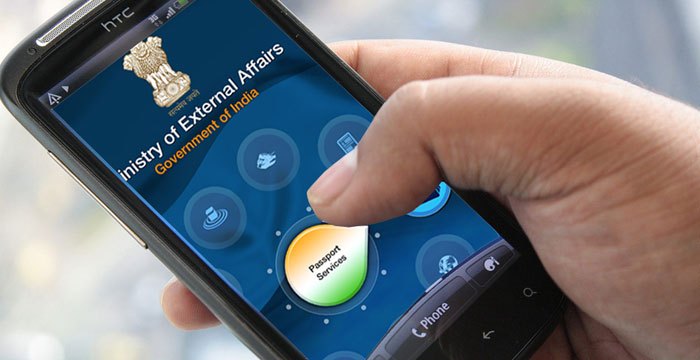
  • Government of India Launch Dot Bharat Domain For Regional Languages

    Government of India Launch Dot Bharat Domain For Regional Languages

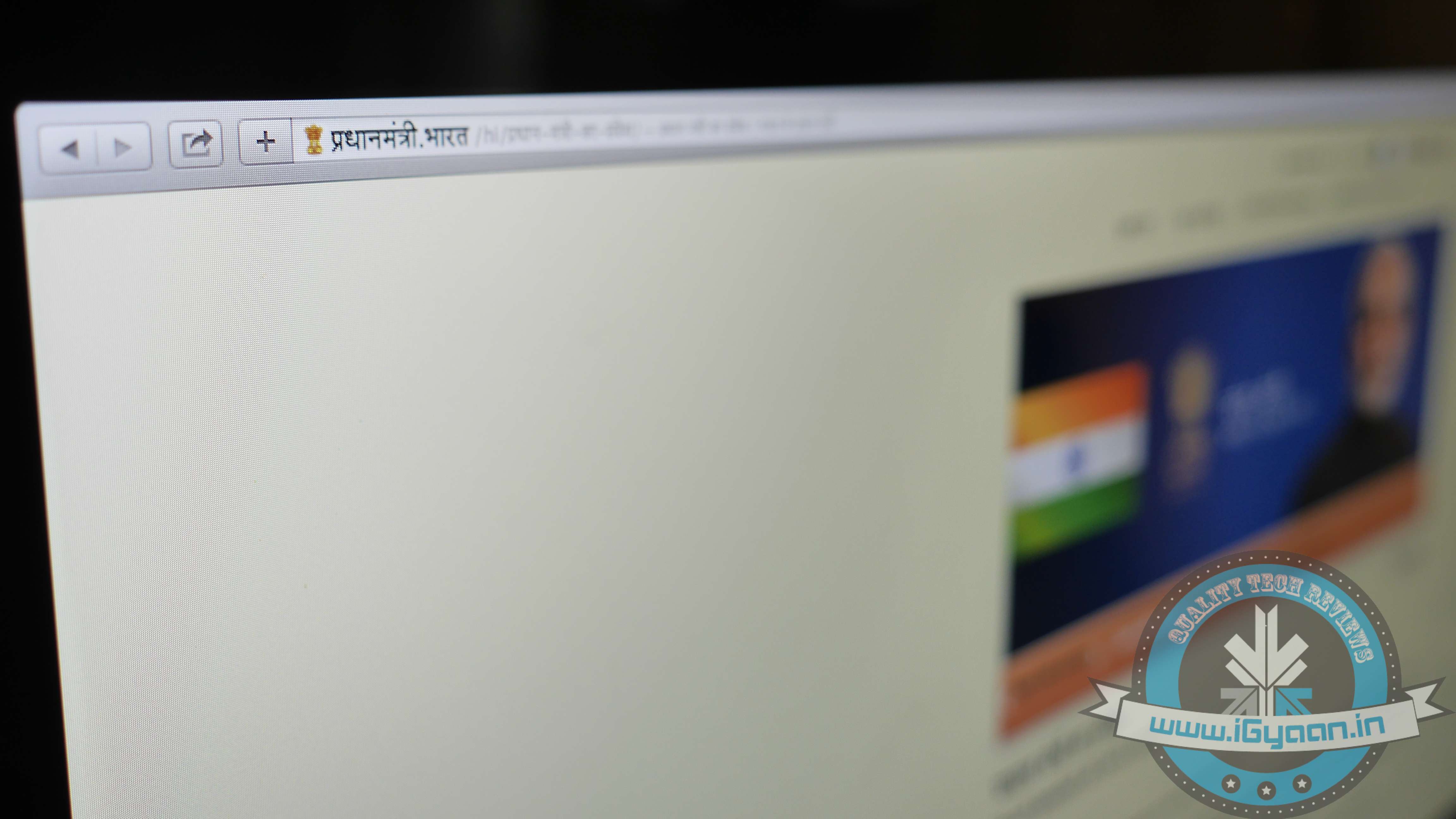
    Standing on their promise of bringing technical, infrastructural development to the forefront, the Government of India has launched Dot Bharat domain in Devanagari script. The domain will initially begin support for Hindi, Bodo, Dogri, Konkani, Maithili, Marathi, Nepali and Sindhi languages. It will be later extended to more languages in the future.

    This move will make it easy for a lot of people who are not versed in Roman characters. A huge section of Indian population cannot comprehend English, and that makes it hard to introduce them to the internet. This domain will work towards introducing them to the working of the internet that they can use to avail government services. The government is also looking at making government documents available online to create more transparency. They want to create a one window system that will let villagers get the documents they need without traveling to government offices.

    The domain was launched by the Minister of Telecom Ravi Shanker Prasad. It is expected to bring a good amount of convenience in the rural areas. The government is planning to make a major shift towards e-governance. It will also help bring business opportunity till now limited to urban centers to the hands of the rural population. This would certainly result in job growth in regions that need them. Dot Bharat was developed by the National Internet Exchange of India in cooperation with Centre for Development of Advanced Computing.

    Dot Bharat would also help boost the creation of webpages based on local languages. It will not just help in bringing a lot of people to the internet but create a huge job growth for the technical spectrum from engineers to designers who are comfortable with local languages. Indian Prime Minister too has pressed on more use of local languages in government communication.

    It will be interesting to see if the local language sites are better that the mainstream internet or will it too devolve into comment section filled with name calling and undue criticisms.

  • Xiaomi Mi 4 Coming to India This December In Two Variants

    Xiaomi Mi 4 Coming to India This December In Two Variants

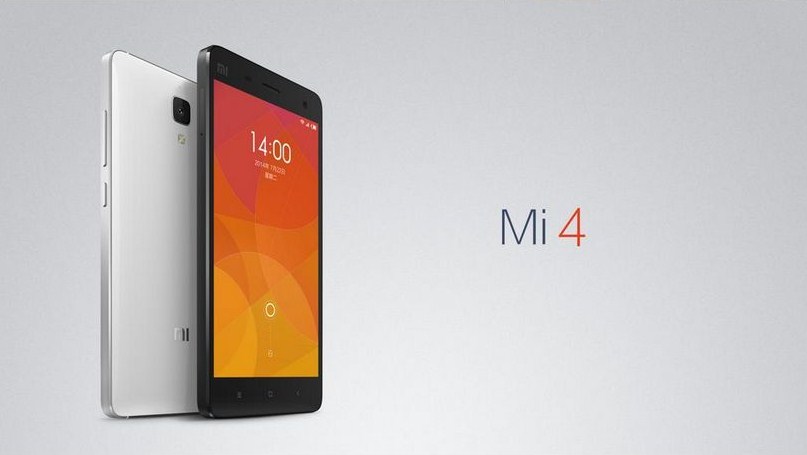
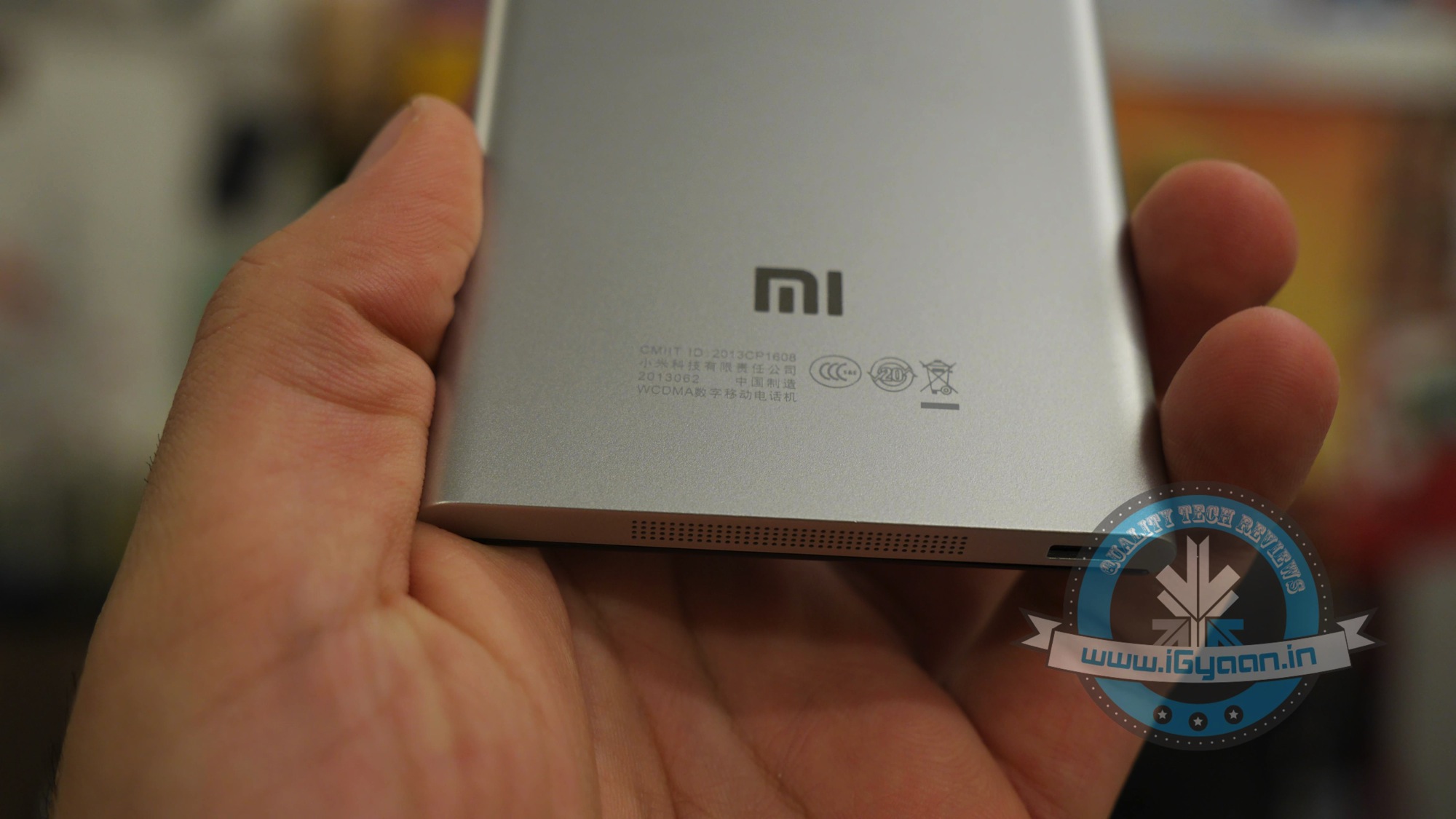
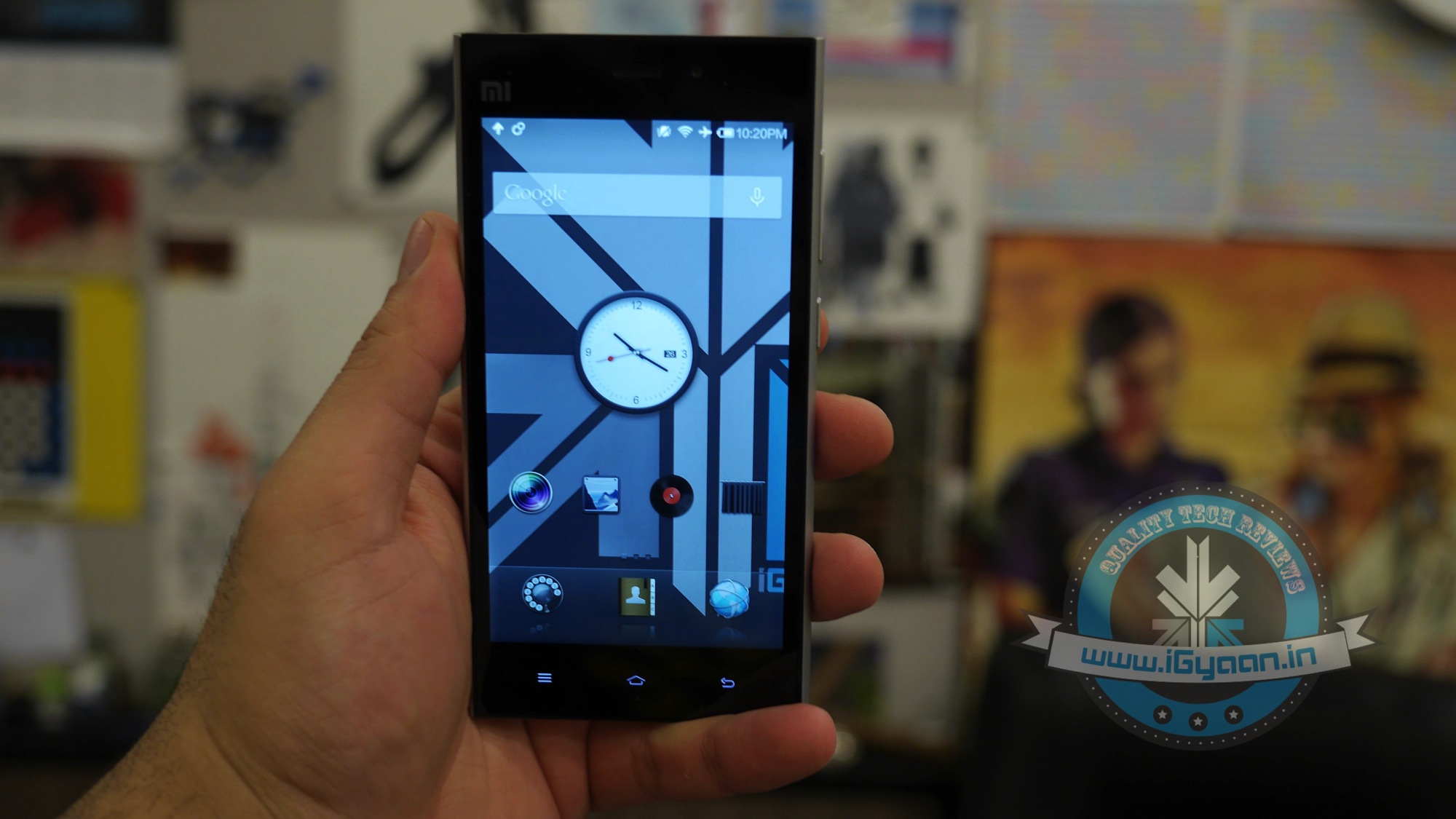
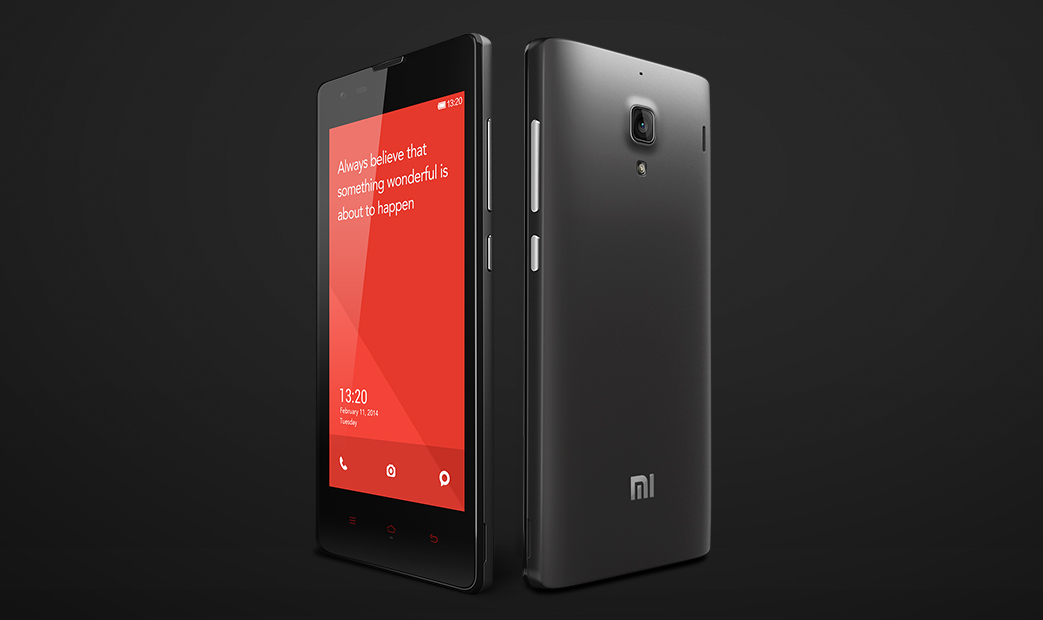
    We have received exclusive word from Xiaomi that the Mi 4 will be making the journey to the Indian shores. The devices are expected to come in two variants. The phones haven’t yet been manufactured as they need to be calibrated to India specific conditions. They  will be made TDD-LTE and FDD-LTE compatible for India. The devices are expected to be priced at Rs. 22,000 and Rs. 25,000. Considering the miniscule price difference between the two variants it will be interesting to see what Xiaomi has in store for India.

    This phone will be the fourth offering from Xiaomi in India following the Mi 3, the Redmi 1S and the soon to come Redmi Note. The phone will release soon after the launch of the OnePlus One in India. The OnePlus One has already created a lot buzz around the world because of its incomparable specs encased in classy, visually appealing exteriors, it is seen as the only competitor to Xiaomi. (We are Giving away OnePlus One Invites Here)

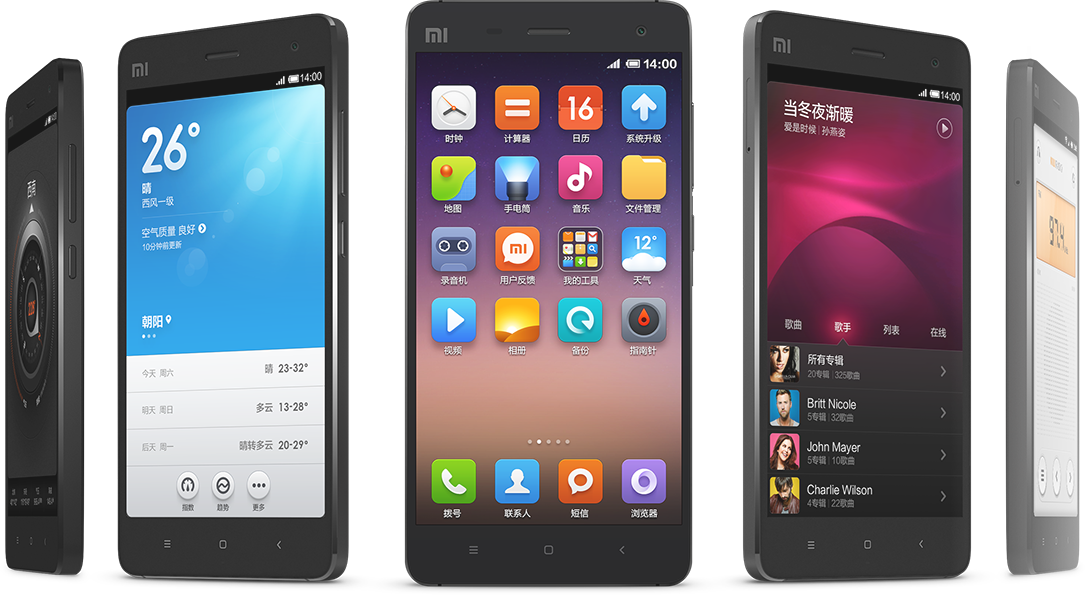
    The phones features will bring a thousand tears to Flagship makers
    The features on the Mi 4 will bring a thousand tears to Flagship makers

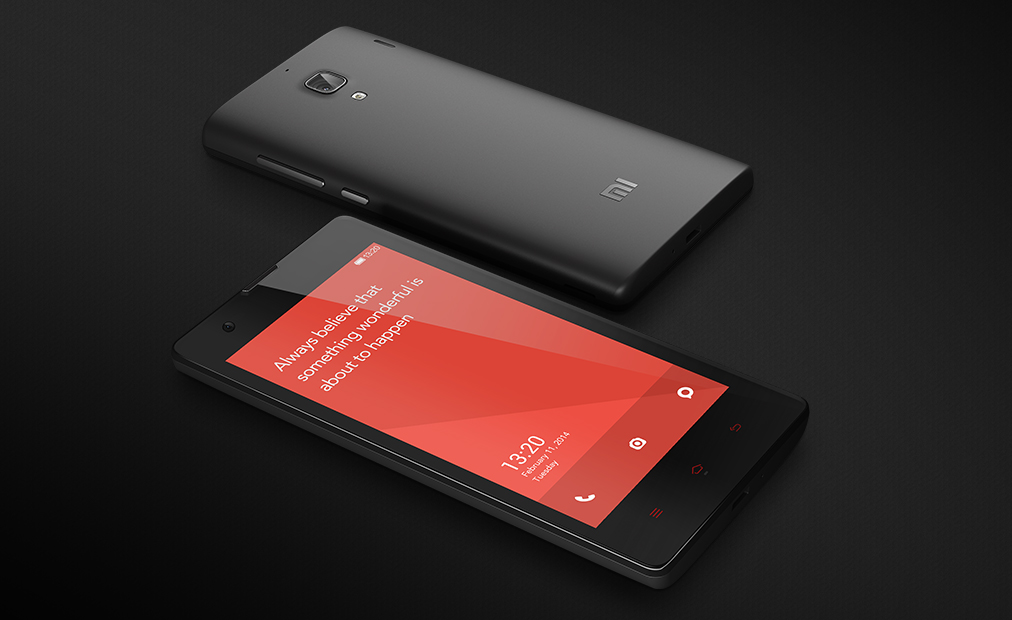
    The features on the Mi 4 are as impressive and aspirational as its predecessor. The phone runs on Android Kitkat 4.4.3 based MIUI 5 and might be upgraded to MIUI 6 by the time it comes to India. It is powered by a Snapdragon 801 chipset which is clocked at 2.5 GHz. It holds 3 GB of RAM, which is a lot of RAM for the price point, and comes in 16 and 64 GB variants. The display on the device is a full HD 5 inch screen with a pixel density of 441 ppi. It houses a 13 MP camera on the back and an 8 MP camera on the front. All that feature for the price almost makes you feel guilty about paying too less for all that awesomeness.

    The Mi 4 is expected to make a landing in India by the end of December. So if you were one of the unlucky one’s who couldn’t score a Mi3, you need not worry, a slightly expensive but bigger beast lies in wait for you. Just make sure you save enough cash for the moment of arrival of Mi 4 because as you know, those bad boys fly of the shelf incredibly fast.

  • Xiaomi Plans to Set Up Shop in Bangalore to Make India-Specific Phones

    Xiaomi Plans to Set Up Shop in Bangalore to Make India-Specific Phones

    After seeing tremendous market potential for itself in the neighboring land, Chinese smartphone maker, Xiaomi is planning an R&D center in India. The company has seen phenomenal opening of its innings in India with its one of kind phones falling short of supply for the massive demand.

    The R&D center will primarily focus on customizing the devices for the Indian consumers. The company said that they intend to have a team of engineers, designers and product managers who will build features that are specific to the needs of the Indian population.

    The company is still a beginner in the smartphone game by market standards, but it was confident of its audacious product. The company took on the climb and has made it onto the list of the most appreciated products in the market. Its mid-segment priced products are capable of taking on the flagships. The company has made its mark in the markets of Singapore, Malaysia, and the Philippines and is now planning to wreak havoc in the markets of Indonesia, Thailand, Russia, Turkey, Brazil and Mexico.

    Xiaomi claims the specific hardware requirements for  Indian market caused the low supply.
    Xiaomi claims the specific hardware requirements for Indian market caused the low supply of the Mi3

    One of the major reasons cited for the R&D center is the heterogeneous network requirements of India. This country has different hardware and antenna calibrations which require physical calibration in the devices meant for the country. It was this reason that the phones meant for markets of China and Taiwan couldn’t be directed to India thereby leading to a shortage of products.

    Apart from this, the company is planning on setting up its own consumer call centre to answer the queries of the consumers. Currently, the consumer support has been outsourced, and even the company runs on a bare minimum workforce in India under Head of Operations, Manu Jain.

    This development shows the seriousness of the Indian market, in Xiaomi’s scheme of things. The company plans to prioritize both India and China as just catering to these two markets would be immensely profitable considering the massive population. The company will release its LTE enabled MI4 in India probably by December end. So if you want to have the full Xiaomi experience, there might be a job waiting for you in Xiaomi’s upcoming Banglore facility.

  • After Xiaomi, Oppo Signs an Exclusive Deal With Flipkart

    After Xiaomi, Oppo Signs an Exclusive Deal With Flipkart

    Flipkart is becoming ‘the’ place online for smartphone manufacturers to reach out to consumers. The strategy gathered steam when the king of comeback, Motorola, introduced their products on the website. Its Moto line of products went out of stock when they went on sale, indicating the huge demand online. This encouraged others to try out the route and we have seen companies like Xiaomi gaining huge popularity in India through Flipkart. Now another Chinese smartphone manufacturer, Oppo is going for an exclusive retail deal with Flipkart.

    Oppo has some good products in its kitty.
    Oppo has some good products in its kitty.

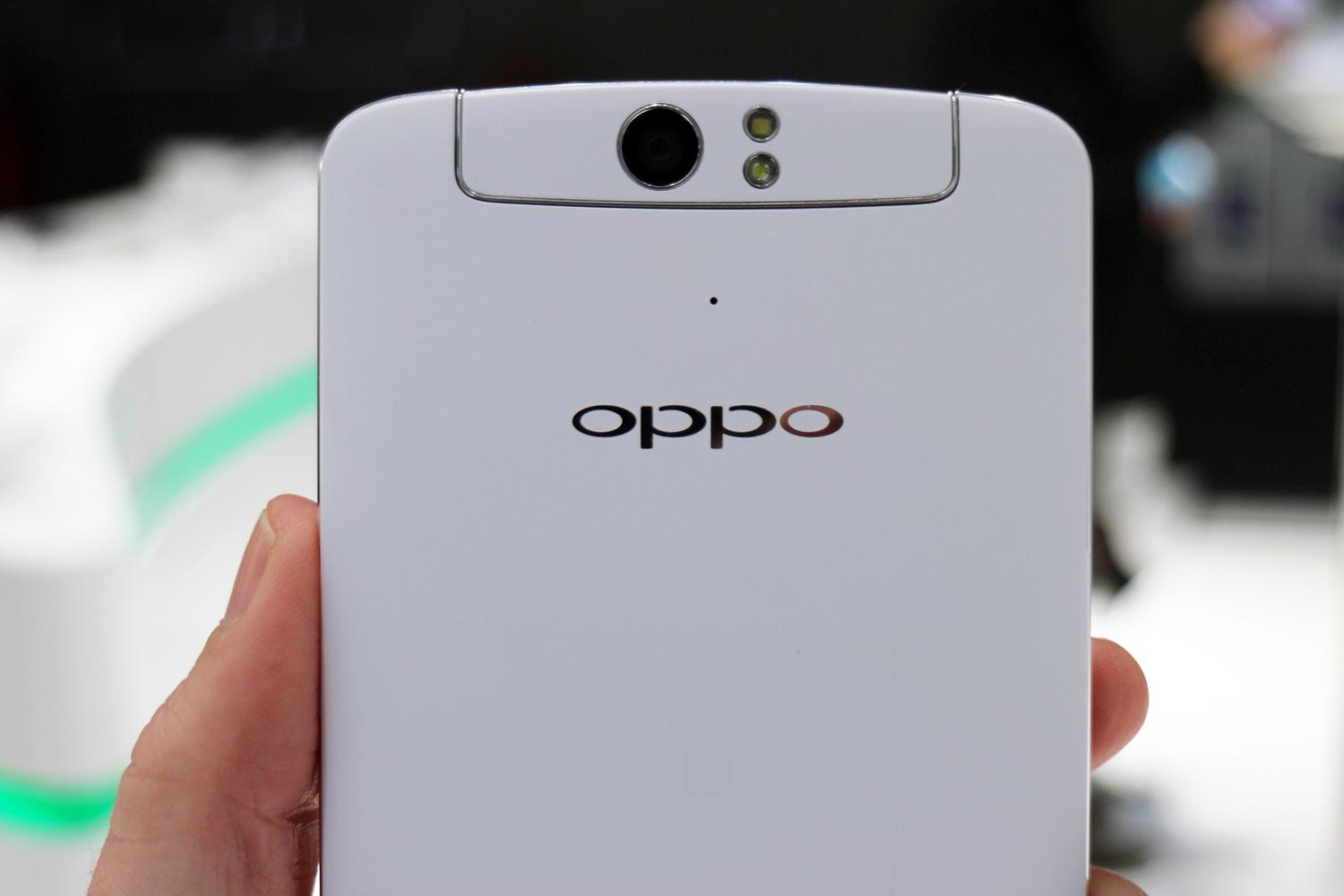
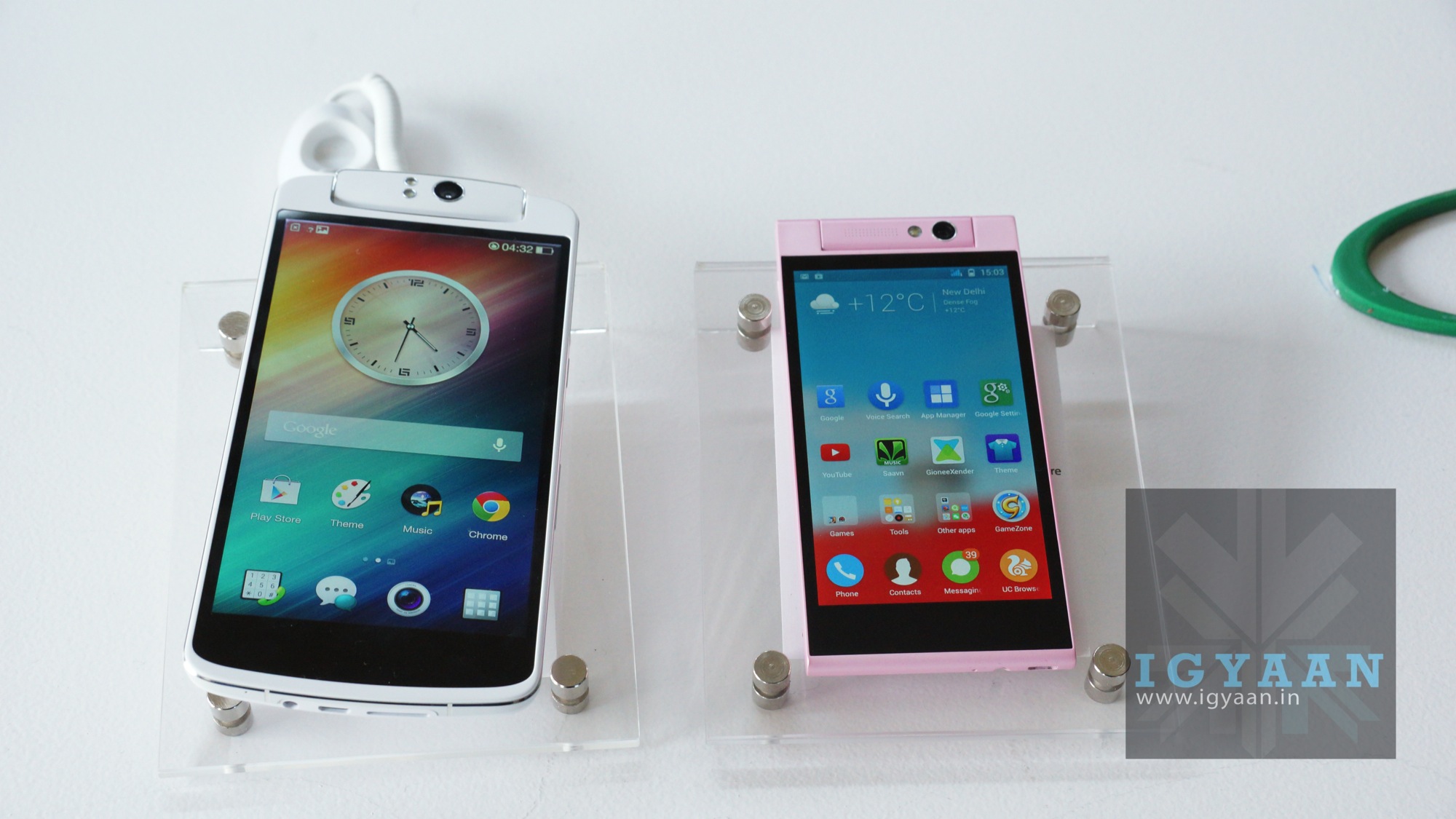
    Oppo has some amazing devices such as Find 7 which was the first phone with Quad HD (2K) display in India. The company is looking forward to generating an all India market for their devices. They currently have 10 devices in the Indian market and they can be found in a price range of Rs. 8990 to Rs. 37,990. The phones in the Oppo stable in India are Oppo N1,  R1, Find 5 Mini,  Neo,  Yoyo,  Joy,  Neo 3, Find 7a and the the recently released N1 Mini.

    The company’s CEO, Mr. Tom Lu had this to say about the deal: “We have been striving to come closer to our customers and become a part of the society. With more and more consumers going online, having a digital presence has become a must. Flipkart is definitely one of the most popular shopping platforms with a very loyal customer base and by partnering with them, we are sure Oppo’s smartphones will reach out to more customers. With our products, Indian customers will get a chance to experience the best in innovation, the way many customers have enjoyed globally.”

    Oppo certainly has some good products in its stable. The company hasn’t actually been able to create a buzz towards itself, even with an ad campaign that starred Hrithik Roshan. Considering the huge demand for quality high specs phones for fair prices on Flipkart, Oppo might be able to carve out a decent consumer base for its consumers.

  • 5 Reasons Why You Should Consider Buying a Windows Phone

    5 Reasons Why You Should Consider Buying a Windows Phone

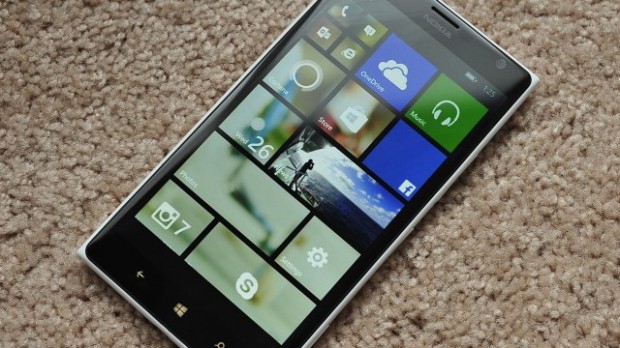
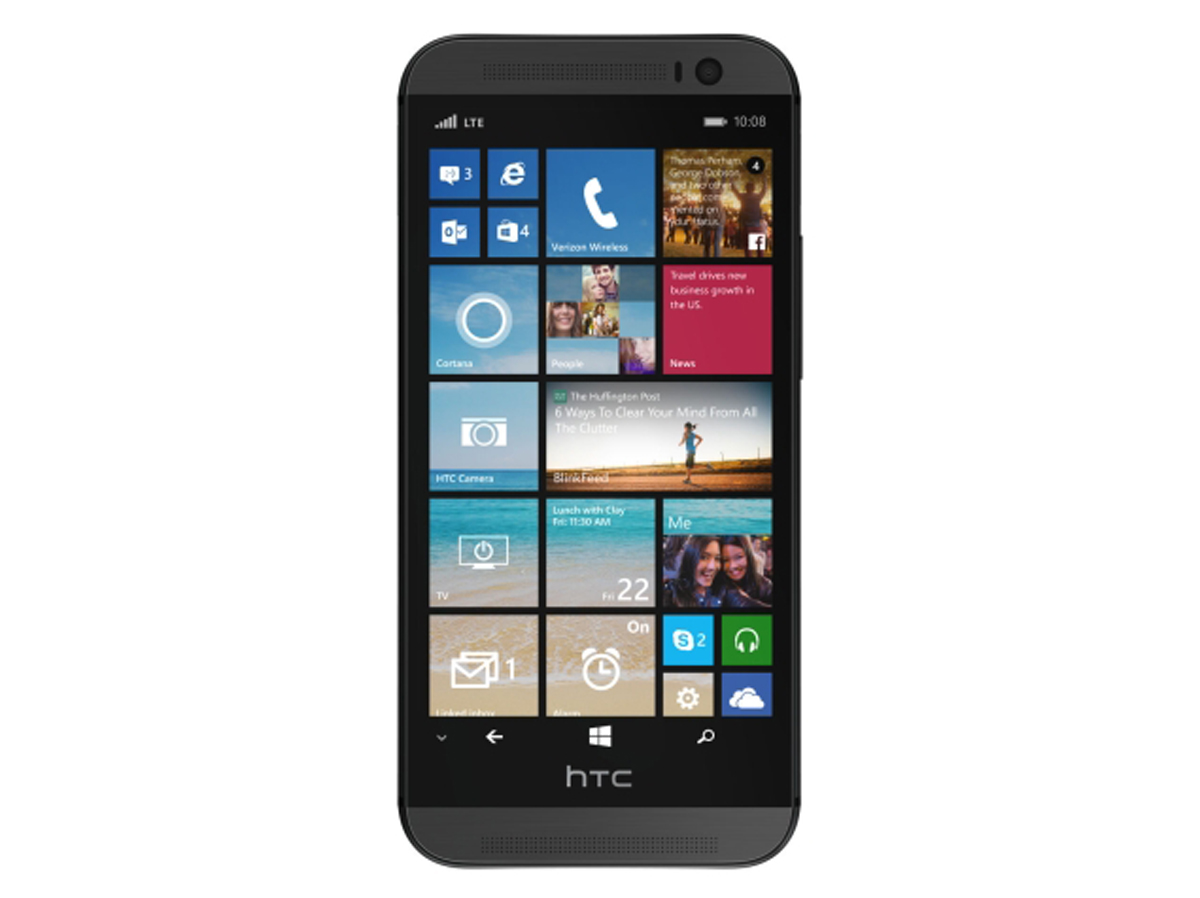
    The Windows Phone is making a comeback. This time the operating system has found a home in one of the most appreciated smartphones in the business. The new HTC One M8 with Windows has given a fresh new breath of life to the Windows Phone 8.1 and given users a chance to experience the operating system on a brilliantly designed phone. The success of this phone will definitely encourage other manufacturers to bring out Windows variants in their flagship space.

    So we dug deep, scoured through and looked into the Windows Phone 8.1 operating system. With this new Windows Phone 8.1 update the OS is catching up to the giants. We check out how a Windows phone can score over the champions of the smartphone game, Android and iOS.

    With the HTC One M8 running Windows Phone 8.1, the OS is back in view
    With the HTC One M8 running Windows Phone 8.1, the OS is back in view

    5. Its Customizability

    Windows phone 8 didn’t have many customizability features but much has changed since. The Windows phones of course don’t have as many customizability features as Android but it surely has more than the iOS. The  ‘Start background’ lets you personalize the homepage. The homegrown apps on the Windows Phone 8.1 are ready to take on the world and the OS is as competitive as others.

    4. Cortana

    Cortana has some nice quirky attitude.
    Cortana has some nice quirky attitude.

    This one will definitely be a plus for Microsoft. The digital assistant inspired by the widely acclaimed character from Halo is a lot of fun. Cortana is anthropomorphic which means that you can have a conversation with her and because of this, she wins over the robotic Google Now responses. Cortana is capable of doing what Google Now does but with a quirky attitude that you would love. Cortana’s Notebook is a feature worth mentioning. The user customizable Notebook is used by Cortana to find the best results for you.

    3. The Action Centre

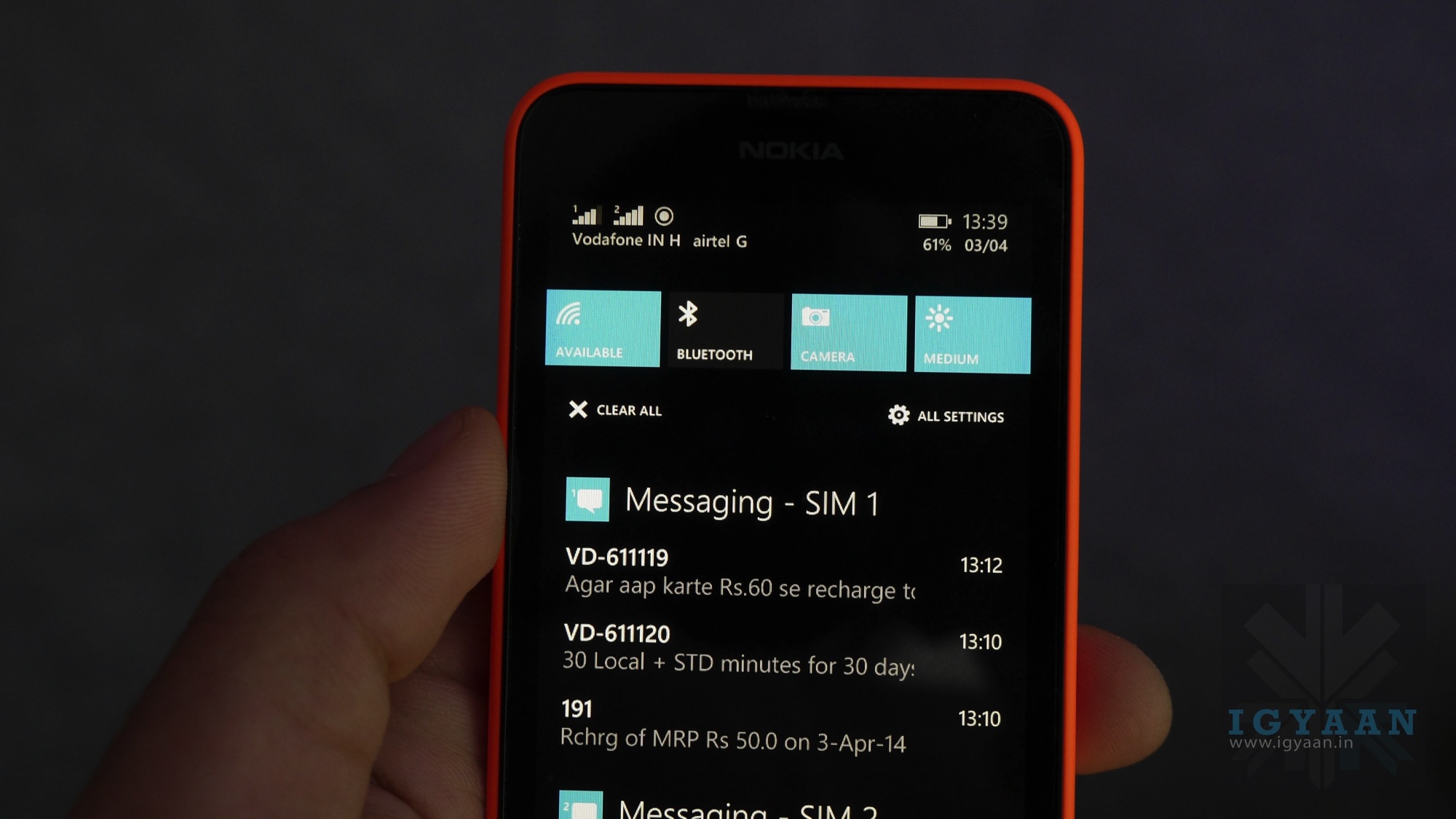
    Action Center
    Action Center

    The only thing missing from the main screen of a Windows phone was a notification menu. It’s here, Microsoft has brought the ‘Action Center’ in Windows Phone 8.1 which makes the OS fully functional now. The Action Center can be accessed by swiping down the screen from top, just like in Android.

    2. Integrated Skype

    skype

    Skype’s Video calling prowess is globally known. On a Windows system, Skype is the default video dialing client on the Windows Phone 8.1. The app is also integrated with Cortana so you can ask Cortana to video call someone from your contacts.

    1. Faster Software Updates

    windows-phone-update

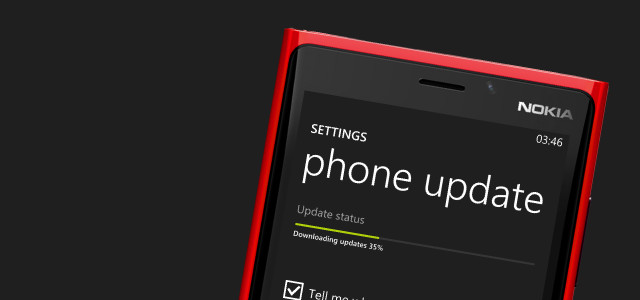
    Microsoft has said that the cycle of the updates delivery will be sped up to one new update every 6-8 months. The OS upgrade will take place every in one or two years. By speeding up the updates process, the company can generate trust in its consumers of a quality product.

    Overall, Windows Phone 8.1 update was one of the most advantageous updates over its predecessors. With Microsoft getting into the mobile game and taking its mobile operating system seriously, it will be interesting to see how the market treats it. With the promise of frequent updates, Windows Phone can surely attract enthusiasts first who are bored of the usual iOS and Android fare. There is a need for a third alternative in the OS market and Windows seems like a good option as it is backed by one of the biggest tech giants. The more attention given to the OS, more the developers will be interested in creating apps for the system.

    Now that the update to the Windows Phone 8.1 is days away, we hope to see it grow and give us viable alternatives in the market.

  • China to Bring Out its Own Operating System and Take On US-Based Systems

    China to Bring Out its Own Operating System and Take On US-Based Systems

    The Chinese, can be called the shop floor for all of the world’s smartphone needs. If it’s an electronic product, at least one bit of it is produced in China. The communist nation has seen phenomenal economic growth ever since the technocrats running the country transformed the country into a manufacturing giant. Inspired by the boom that the Chinese economy has seen, the Indian government urged the world to manufacture in India.

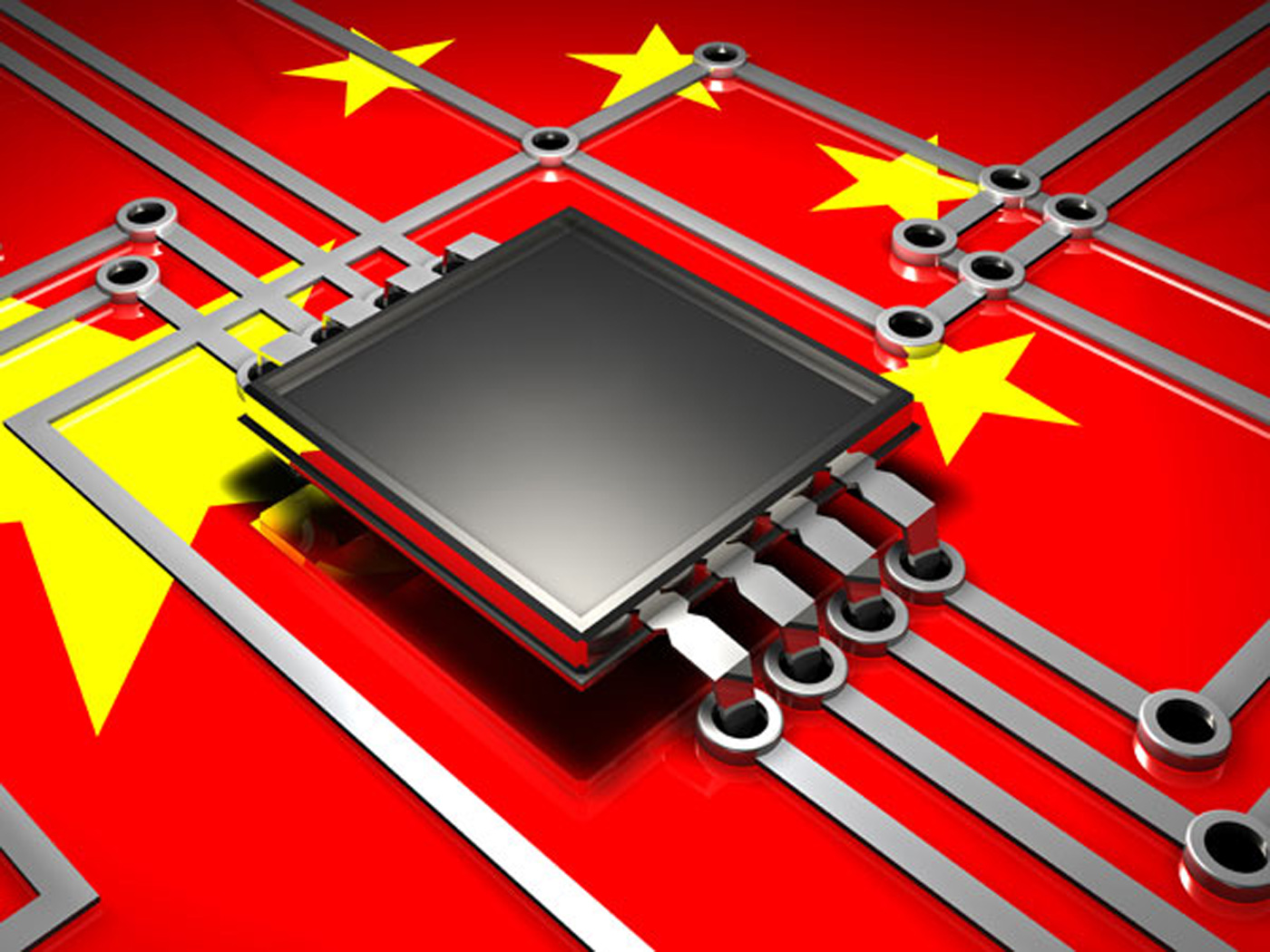
    The Chinese are now trying to stake a claim in one more important arena in the international business, the Operating System. China is proactively developing an operating system that will help it decrease its reliance of US-made OS like the ones from Windows, Apple and Google. In fact, China wants to take on the OS giants with their version.

    The new OS will be based on Android. It is being developed by a team which is headed by the co-founder of Lenevo, Guangnan Ni. It will be released this October. The OS will be available for the Chinese government offices as well as fr consumer use.

    Spying concerns have been cited a reason for China opting for its own OS
    Spying concerns have been cited a reason for China opting for its own OS

    China, in recent years, has tried to create an alternative to the US based OS’s. The Chinese Academy of Sciences released the China Operating System (COS), in January of this year, but it wasn’t appreciated as much. This new OS will be first released for desktop and later a mobile version will also be released.

    The recent revelation of software backdoors that can be used by agencies like NSA to spy on users was cited as one of the major reasons for the development of the OS. China had recently banned all Windows 8 systems in its government offices after terming Microsoft a monopolistic company.

    The country has intense information restrictions and prefers to use systems developed within the country. Getting an OS made at home will also add to the nationalistic pride in the communist nation.

    In India, the Rs. 1,13,000 Crore Digital India Project will work towards constructing a informational highway that connects the whole of India. The project will also encourage software systems to be programmed in India for the use of the nation. Clearly the goal of the government of India too is to reduce the dependency on foreign based products. This is a valid thought and if the government puts its money where its mouth is, it will be able to encourage a generation of tech entrepreneurs who are presently working to make foreign enterprises profitable. These entrepreneurs will help create a powerful economy for the future India.

    The Dragon has made its mark on the world and is standing as a formidable adversary. It’s for us to see if the Tiger can ever catch up.

  • Xiaomi Redmi 1S Goes on Sale 2nd September for Rs. 5999, Registrations Start Today

    Xiaomi Redmi 1S Goes on Sale 2nd September for Rs. 5999, Registrations Start Today

    Xiaomi’s Vice President of International, Hugo Barra officially introduced the Xiaomi Redmi 1S in India. The invite for the event was sent out last week. The specs of the device got a lot of folks excited. Some went ahead and called the device the Moto G killer, well the phone is here and it sure looks worth its hype.

    The Redmi 1S is a dual SIM phone. Though the device uses standard SIM, it provides adapters for nano SIM to regular SIM and mini SIM to regular SIM. Xiaomi has also brought spare batteries to India. These batteries come with their own charger, so you can be fully packed on juice when you are on the move.

    Xiaomi Redmi 1s 1
    The affordable device takes on the phones in the above Rs 10000 segment too

    The Xiaomi Redmi 1S has a 4.7 inch IPS display with 1280×720 pixel resolution. It is powered by a quad-core 1.6 GHz Qualcomm Snapdragon 400 mobile chipset. The phone has 1GB RAM and internal storage of 8 GB. The part that will make multimedia enthusiast jump with joy is the fact that Redmi 1S gives you an expandable storage option up to 64 GB. It runs on a version of MIUI that is based on Android 4.3 Jellybean.

    The device comes with an 8-megapixel camera with a wide f/2.2 aperture and a LED Flash. It offers burst mode, auto-focus, zero shutter lag, HDR and real-time filters. For the selfie lovers the front sports a 1.6 megapixel camera.

    The device has a feature called the ‘Light Mode’ which gives the UI a simple look. The icons are bigger in this view and the phone almost turns into a feature mode. The device gets its juice from a 2000 mAh battery which is perfect for the price.

    The Redmi 1S will go on sale on Flipkart on the 2nd of Spetember. The registration for the device will begin at 6 PM today. Xiaomi will also provide accessories for this device like cases and screen protector. While the leather case comes at a price of Rs 599, the screen protector can be bought for Rs. 179.

    The icing on the cake was the announcement that the device is a 1000 Rupees cheaper than previously anticipated. Hugo Barra said, “We were able to reduce the price to Rs.5999 by eliminating the marketing budget.” The incredible specs at that price are an amazing deal. Guess Xiaomi wishes to take on both the Motorola champions, the Moto G and E at once.

  • Nexus 6 May Be Called ‘Nexus X’, Possible Launch Date Revealed

    Nexus 6 May Be Called ‘Nexus X’, Possible Launch Date Revealed

    With many interesting devices in the market, the smartphone space looks bustling with energy of an overcrowded market. But a lot of people still waiting for that time of the year when the makers of Android, bring out their own device, the Nexus series. Google’s Nexus phones are one of the most looked forward devices as they bring a native Android experience as intended by Google.

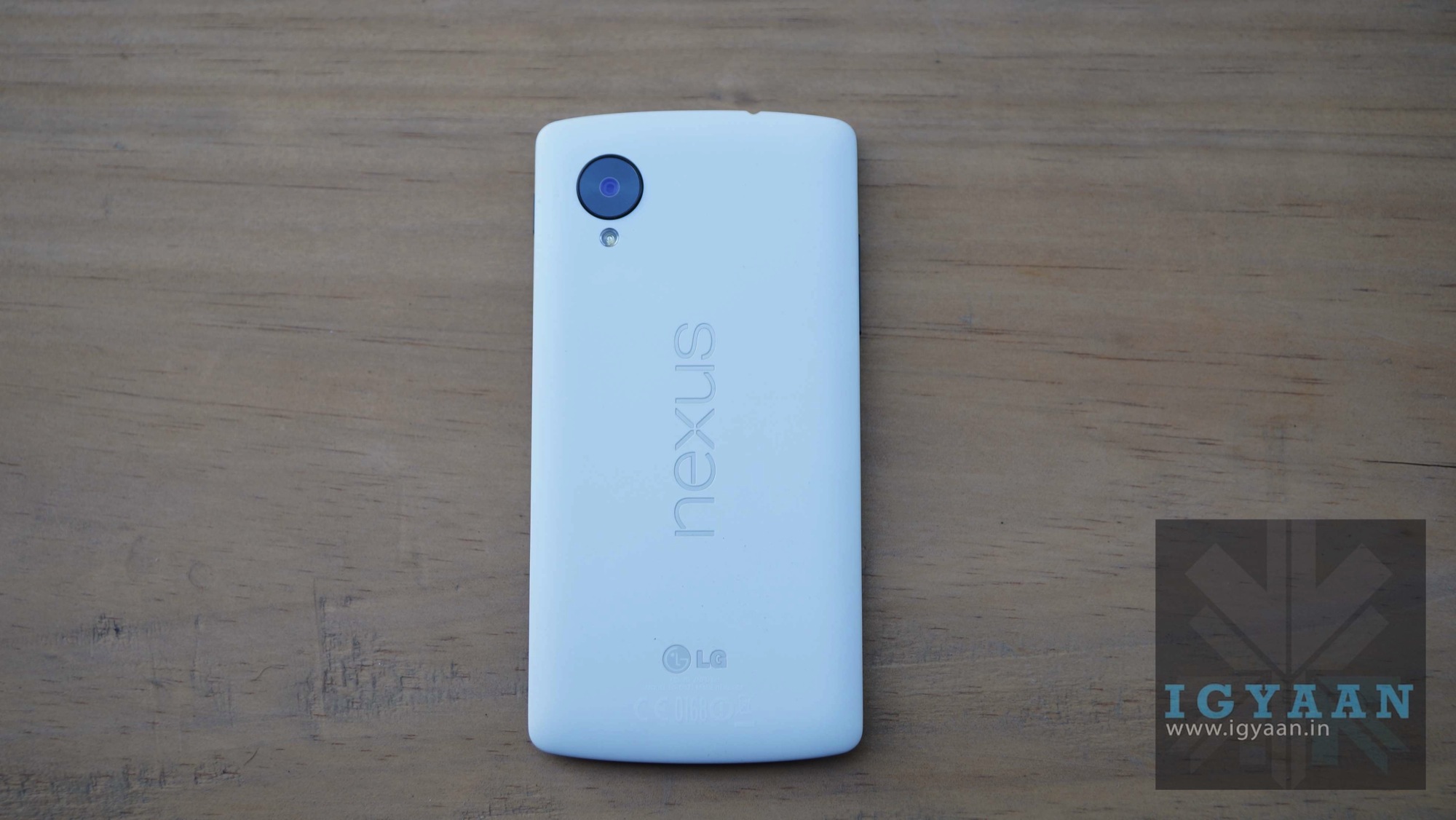
    This time around Motorola has been roped in to make the next Nexus device. TKTechNews and Phone Arena say they have received information about this device; the Nexus 6 may be called the ‘Nexus X’ as that is the codename being used internally by Motorola. The model number of the device is XT1100.

    There is a bit of conflict between the sites regarding the screen size. While TKTechNews claims that the device has a massive 6.3 inch screen, PhoneArena reports on a slightly conservative screen size of 5.9 inch. Previous leaks have also reported on a 5.9 inch 2K screen. Anyway, the phone will still take on the Note 4’s screen so it will be interesting to see who brings out a better 2K screen, Motorola or Samsung.

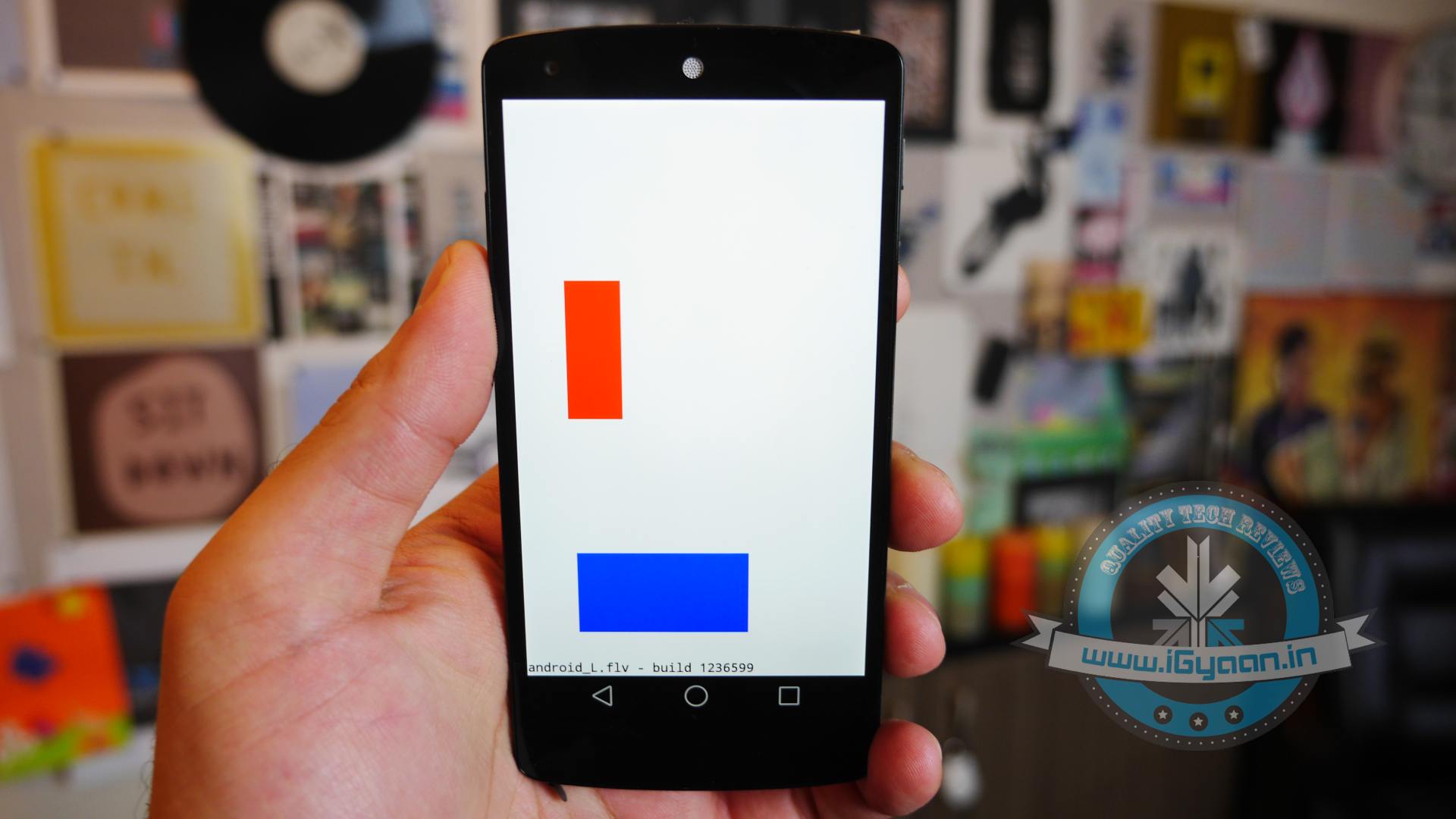
    The 5.9 inch phone is expected to tun Android L
    The 5.9 inch phone is expected to tun Android L

    The Nexus X is expected to be based on the upcoming Moto S. It will be powered by the 2.7 GHz Snapdragon 805 processor. The camera on the device is a 13 megapixel shooter with optical image stabilization, and on the front it sports a 2.1-megapixel camera. It will also come with the Google’s next mobile OS, the Android LMP (Lemon Meringue Pie) as it’s expected to be called.

    One of the main reasons cited for the change of name is trade mark issues. Nexus 6 was the name of the Androids (robots) in Philip K Dick’s novel Do Androids dream of Electric Sheep? The novel was later produced as the famous Blade Runner films.

    The Nexus device will come with the carrier Sprint and it will be priced at $499 with a 2 year contract. In Europe, the phone will cost 419 Euros. The device is expected to arrive by Halloween as a pleasant ‘treat’. As Google did last year, the phone will be released without an announcement. Now we know what we want Christmas, hope Google brings it to a major market like India as soon as possible.

  • Indian Prime Minister Wants Every Citizen to Own a Smartphone by 2019

    Indian Prime Minister Wants Every Citizen to Own a Smartphone by 2019

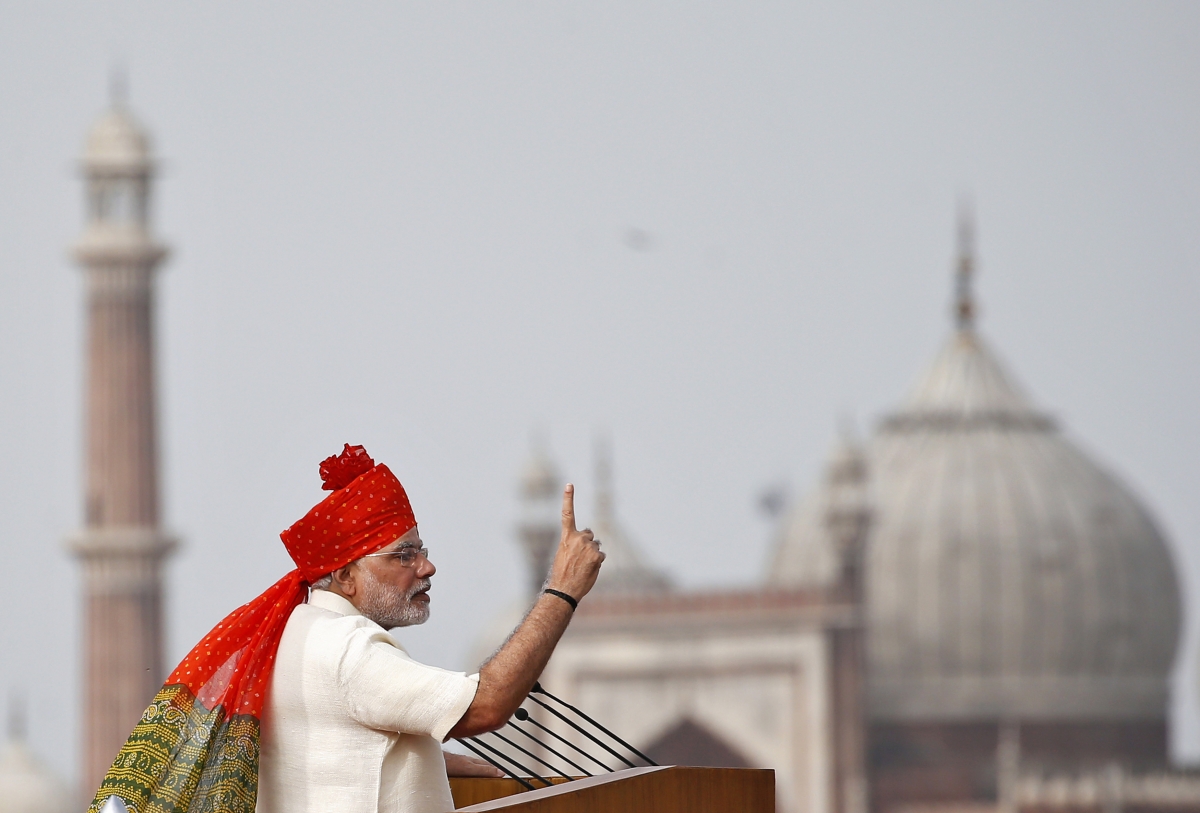
    The Indian Prime Minister, Mr. Narendra Modi laid out some bold 21st century goals in his Independence Day speech. One important goal was the Digital India project which would connect India through its length and width. The project has been green-lit by the cabinet of ministers, and the Prime Minister hopes for an India where government services can be delivered through the creation of technological infrastructure.

    For starters, the Digital India project is a Rs 113,000 crore project directed towards setting up of a broadband highway. It hopes to connect 2.5 lakh villages by broadband and phones and bring Wi-Fi capabilities in 2.5 lakh schools, all universities and setup public Wi-Fi hotspots for citizens. It is expected to create about 1.7 crore direct and 8.5 crore indirect jobs. It will be particularly beneficial for delivering e-governance and e-services.

    As of now mobile phones have reached about 74% of Indian population, which considering India’s massive population is a huge number. While a major portion of this population resides in urban areas, Mr. Modi hopes to change that in the coming future. He wants every Indian citizen to have access to a smartphone by 2019. He hopes to see mobile phones grow as welfare services delivery tool.

    The main aim of the Digital India Project is to convert India into a connected knowledge economy which offers world class services. The government plans to take assistance from tech giants such as Cisco and Facebook in creating the infrastructure as well as spread awareness regarding the plan.

    E-Governance is not just economical, it provides immense convenience to citizens
    E-Governance is not just economical, it provides immense convenience to citizens

    The cornerstone of his speech on Independence day was transforming India into a manufacturing hub of the world. The government of India plans to bring net electronics import to zero by 2020 which is an audacious plan. This will also help in curbing down the huge outflow of income that is spent by tech crazy Indian population. The manufacturing process will no doubt get a boost from the high-speed informational connectivity.

    The Telecom Minister of India, Ravi Shanker Prasad said that the National Optic Fibre Network (NOFN) venture which had been lying dormant for some years will be reinvigorated. The progress of the network will be monitored by the Prime minister himself.

    Investment in Technological infrastructure will lead to a speedy growth in the economy. Not only will it help a farmer in the remote region of the country to know the right price of his produce, it will also make the government functioning transparent. It will also help in bringing better, technology aided education to the children of India, thereby leading to an optimistic future about the country. All we can ask the Prime Minister right now is to bring Google Fibre to India and speed up the urban economy right away.

  • LG to Roll Out World’s First 4K OLED Display

    LG to Roll Out World’s First 4K OLED Display

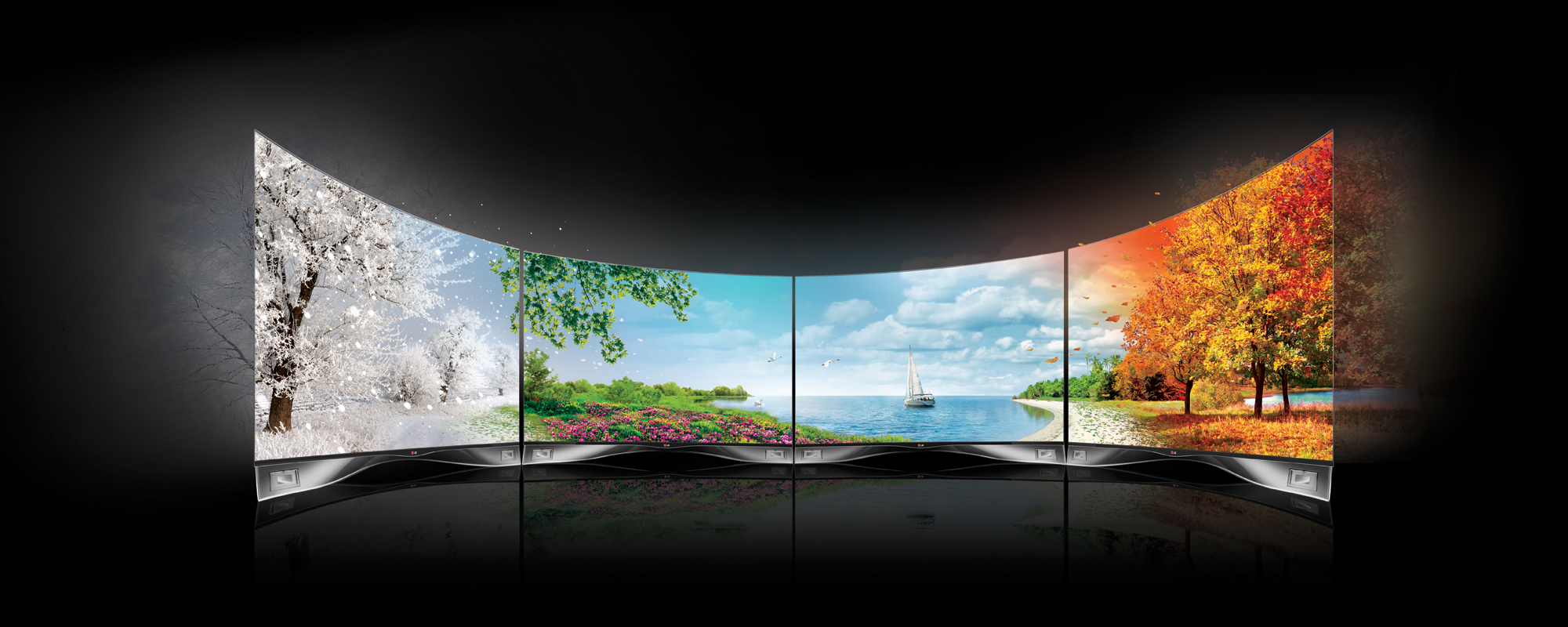
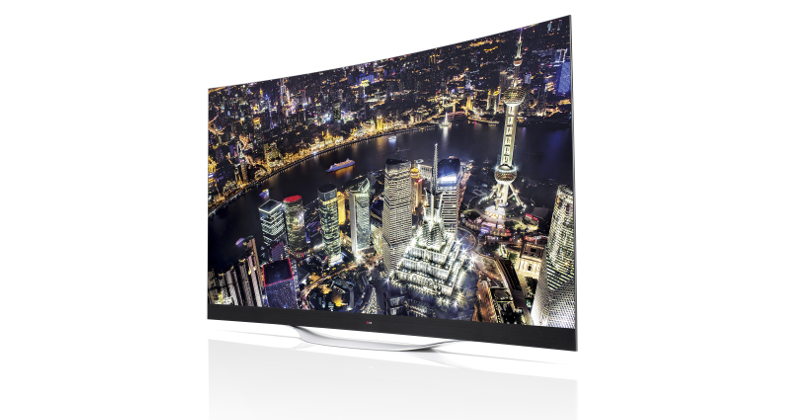
    The battle of pixels just reached a major extreme. LG will become the first company to sell a 4K OLED TV in the world. These TV’s are massive; they come in 65 and 77-inch variant. These monstrosities have a pixel resolution of 3840X2160.

    The 4K OLED TV’s would be first sold in LG’s homeland of South Korea. The company plans to sell the 65-inch variant at a price of 12 million Won ($11,766) that is a huge amount of moolah, but the prices will, of course, come down over time.

    The OLED TV’s are capable of producing better blacks, fix flickering and blurring, and reproduce colors more efficiently. LG’s 4K OLED TV will also have audio system that has been designed by Harmon Kardon. The operating system on the TV is WebOS, which is really easy to pick up and makes browsing around the options fairly simple.

    The 4K OLED's were introduced at CES 2014
    The 4K OLED’s were introduced at CES 2014

    The main issue with these TV’s is the availability of content that will do justice to such a massive high-def screen. 4K has gained steam in the past few years, but there is a shortage of content for both 2K and 4K. 2K screens have percolated down to mobile devices and have found home in devices like Oppo Find 7, LG’s G3 and the upcoming Note 3. But even here there is a serious lack of content in terms of multimedia and apps. Most importantly, there aren’t enough content delivery mechanisms like discs or USB devices out there for 2K or 4K master quality.

    The only option currently is to access the little amount of content available on the internet. But even here, the streaming options are limited by the internet speeds. Even the ISP’s don’t have the capability to handle the massive resources that 4K requires. Currently, 4K content can only be streamed in America, so LG could have introduced them in USA first, but guess they wanted to unleash the pixel powered brilliance to their compatriots first. The TV’s will arrive soon to North American and European markets.

  • Ready to Note: Samsung Releases Note 4 Teaser

    Ready to Note: Samsung Releases Note 4 Teaser

    Samsung has brought out teasers for the upcoming Note 4. The phone has been prone to several leaks recently. First the specs were leaked through benchmarks app, AnTuTu and soon after that the camera specs were released online. Now Samsung has brought out teasers for the upcoming Phablet. The teasers are tagged “Ready to Note” along with the release date of Note 4 which is 3rd September 2014.

    Note 4 is stated to have a 5.7 inch QHD display and is expected to be powered by a Snapdragon 805 or an Exynos 5 Octa SoC. The device is expected to sport a 16 MP camera on the back and a 3.7 MP front selfie shooter.

    The First ad focuses on the handwriting capabilities of the Note 4 while the second ad focuses on the S-Pen and its capabilities. The teaser shows the air menu so it seems the air menu will continue on the Note 4.

    The date is just a week away and we can’t wait for September to show up with all the amazing gadgetry like the Moto 360, the LG G Watch 2 and of course the iPhone 6.

  • runScribe: A Wearable That Helps Perfect Your Running

    runScribe: A Wearable That Helps Perfect Your Running

    Running is awesome. It works out the whole body and perhaps is all you need to stay in shape. Plus it has the added advantage that it doesn’t need any equipment; you can just go with the flow. But the makers of a wearable device called runScribe believe that they have found a perfect running companion.

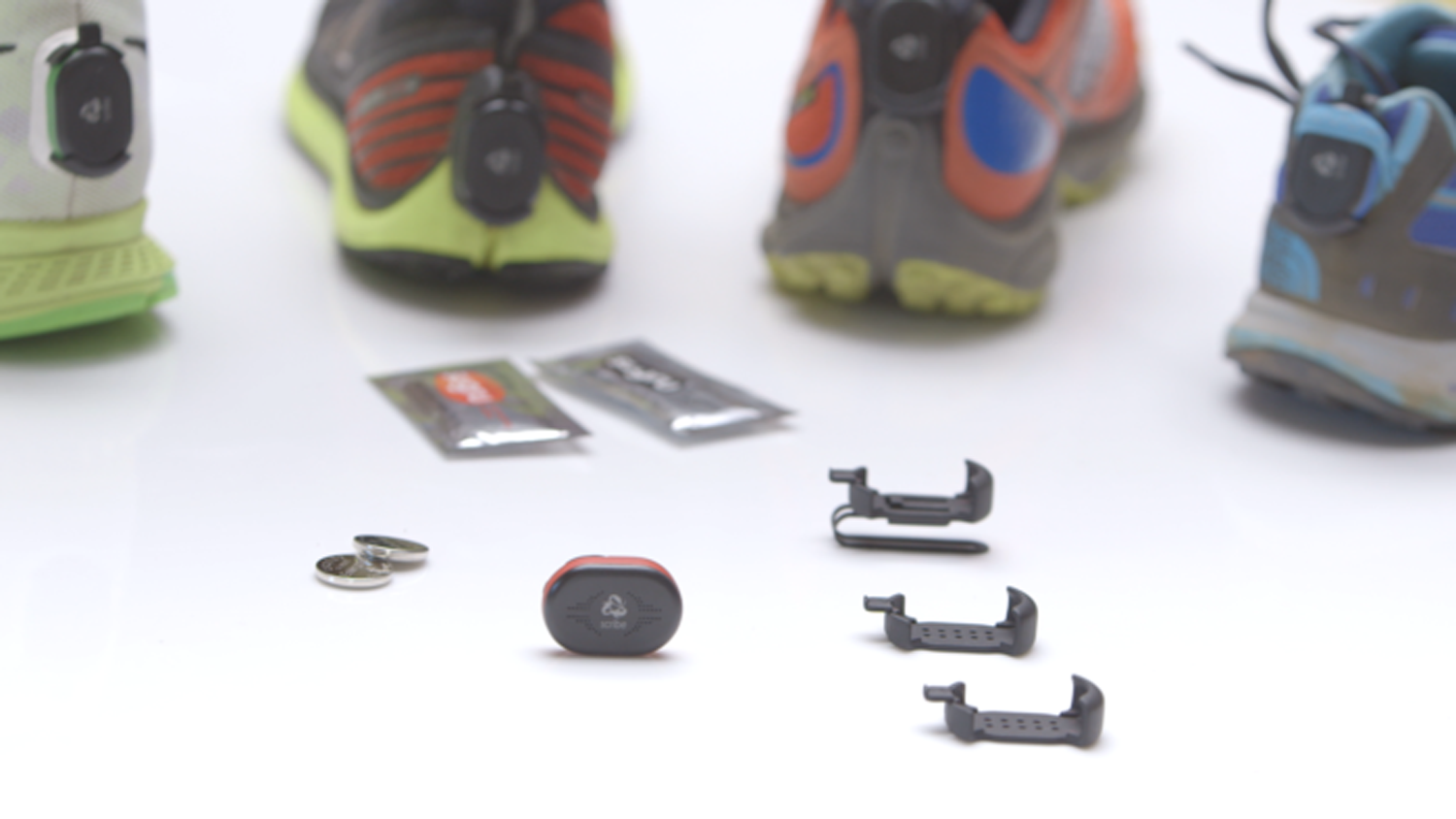
    runScribe is a tiny gizmo that you set on the back of your shoes and just get running. The makers say that the device will help reduce the chances of injuries caused during extraneous runs.

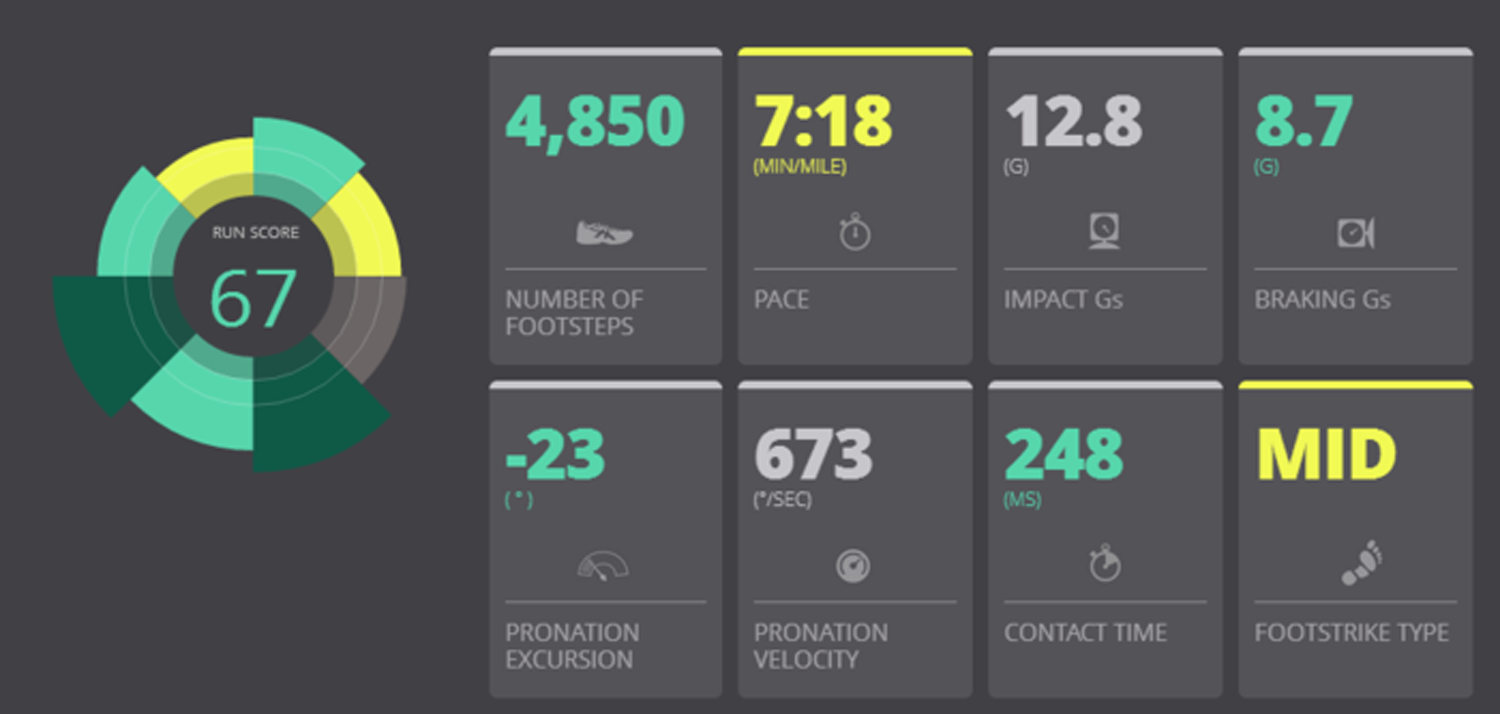
    The device uses its 9-axis sensor to monitors the run and does many calculations that later can be observed on a computer. Unlike other devices only that measure speed and distance traveled, runScribe’s system indulges in measurement of 13 data points. It gives the details like footsteps, pace, pronation excursion, foot strike type and more. It even lets you know the different kind of footwear you should use for your running.

    You can monitor multiple data points using the app that comes with runScribe
    You can monitor multiple data points using the app that comes with runScribe

    The computer application that comes with the device is interactive and helps in effective monitoring of the data gathered by the device. The team at Scribe Labs that makes this device is waiting for crowd-sourced data to turn up so that they can make their system more efficient.

    The device will be helpful for professionals. It has good potential at a time when wearable technology is fast becoming a craze. The project has reached its required goal of $50000 on Kickstarter with 27 days left to spare.

iGyaan Network
Privacy Overview

This website uses cookies so that we can provide you with the best user experience possible. Cookie information is stored in your browser and performs functions such as recognising you when you return to our website and helping our team to understand which sections of the website you find most interesting and useful.