Author: Vipul Vij

  • LG Claims It Did Not Copy Apple iPhone X’s Notch

    LG Claims It Did Not Copy Apple iPhone X’s Notch

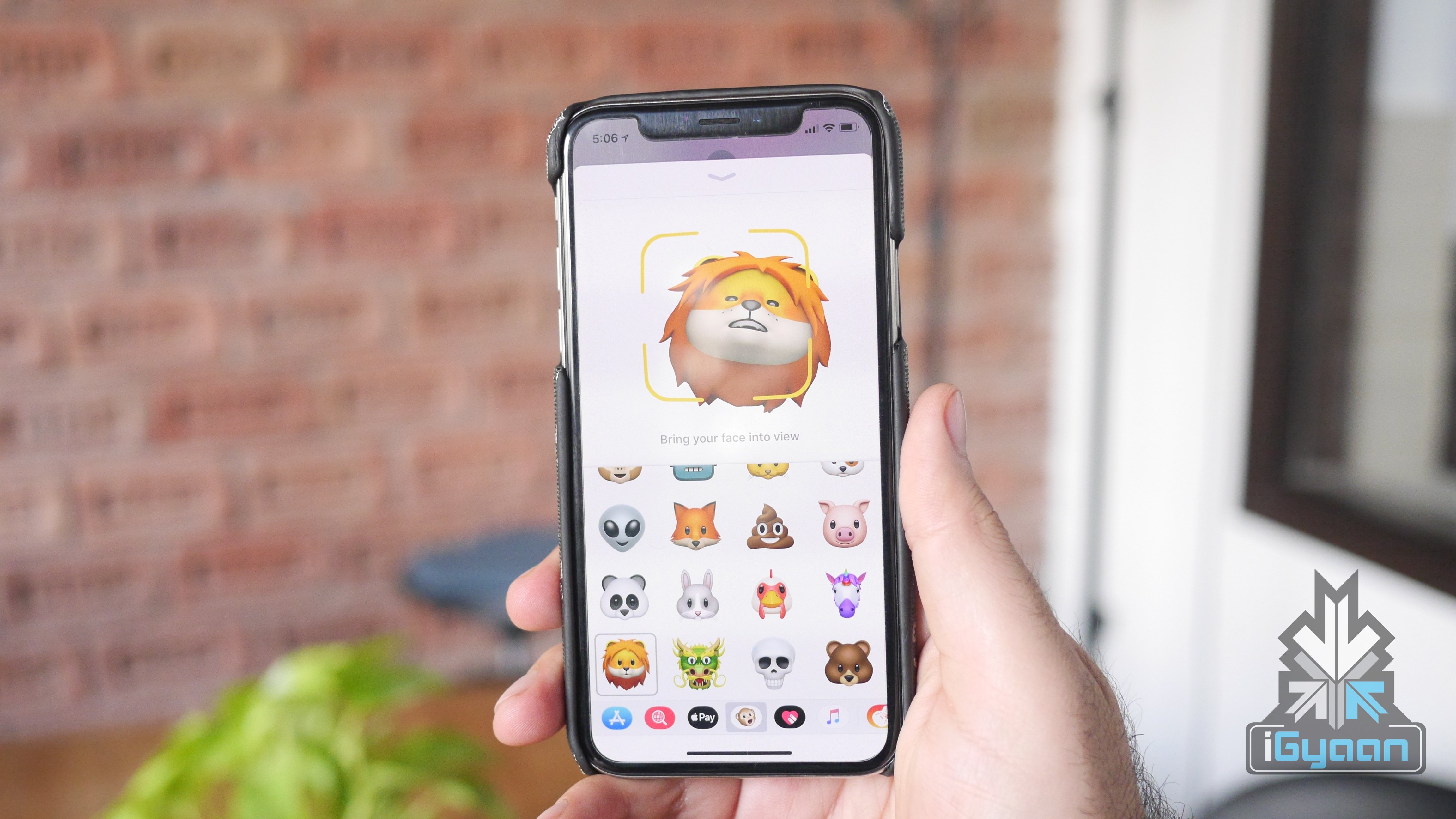
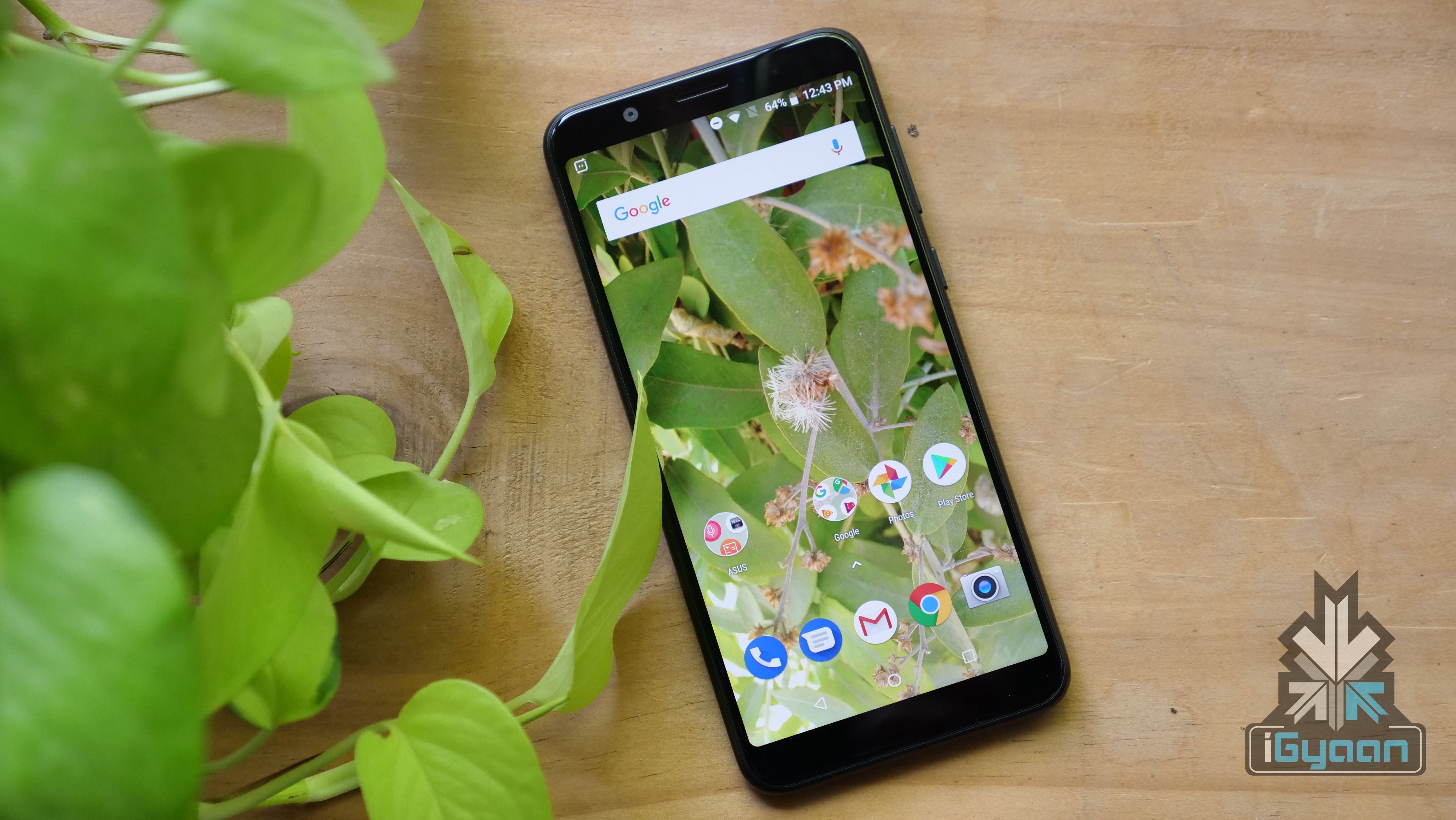
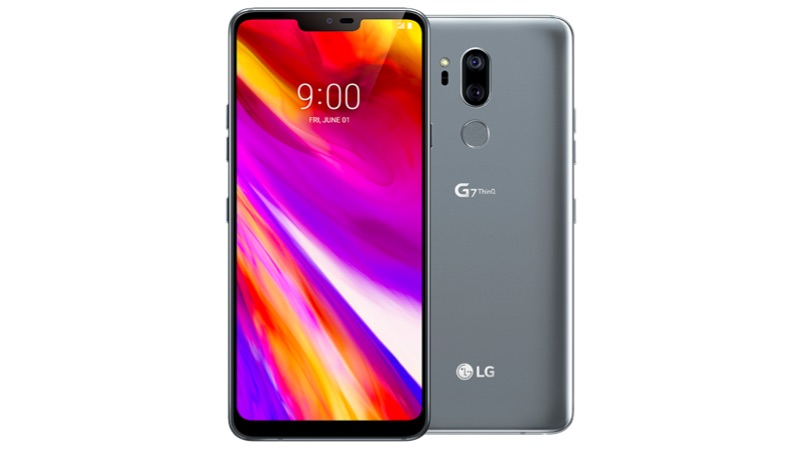
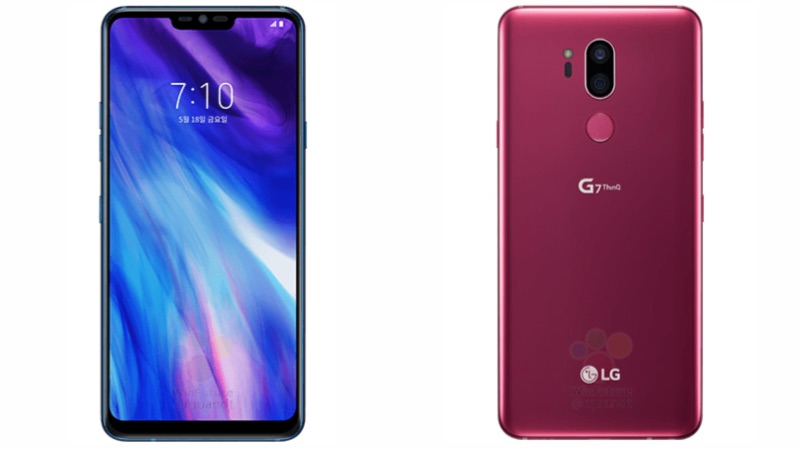
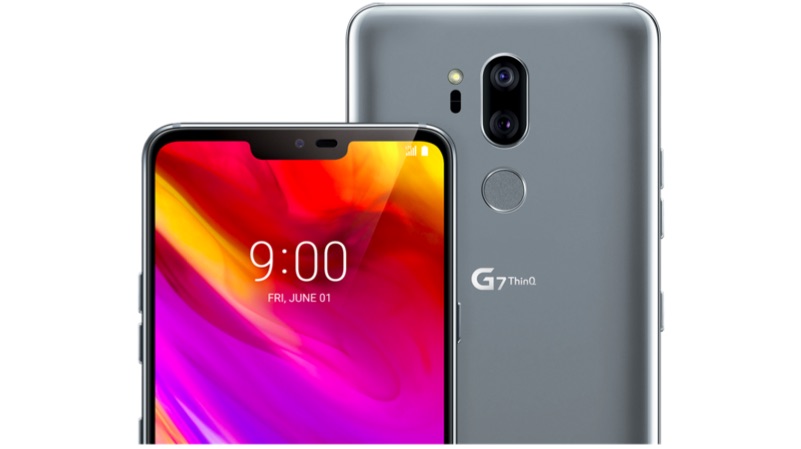
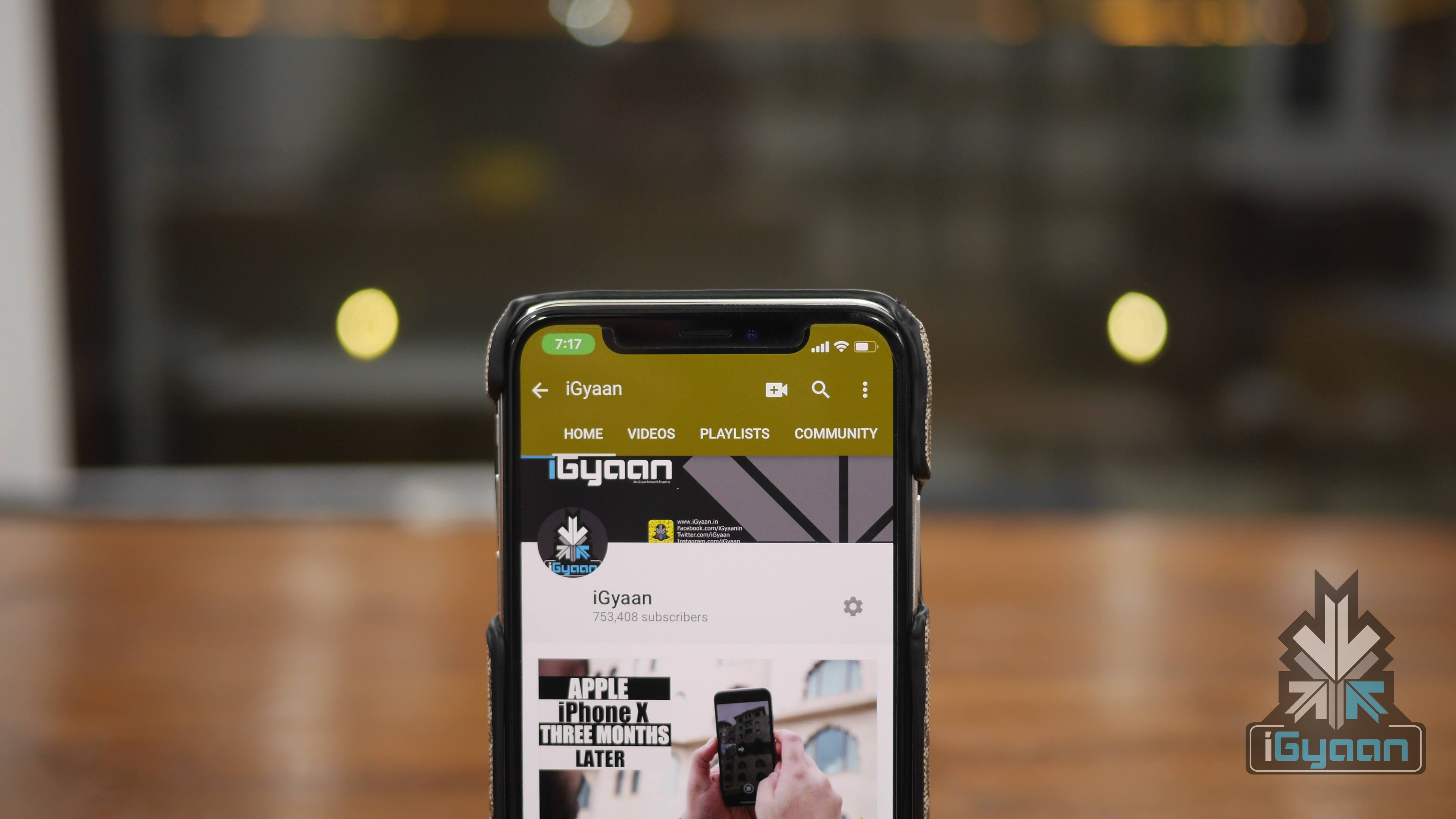
    The Essential Ph-1 was technically the first smartphone to have a notch on the display. It was a tiny cutout on the top for the front-camera which made it look like a cyborg’s eye. However, the notch was made famous by the iPhone X which was launched in September 2017. Ever since the iPhone X was launched, we have seen more Android OEMs have embraced the notch with devices like the Huawei P20 Pro, Asus Zenfone 5Z. The latest to join the list is the LG G7 ThinQ.
    Apple

    Must Read: LG G7 ThinQ To launch In India On May 25th

    LG, however, claims that it did not imitate the iPhone X. Hwang Jeong-hwan, chief of LG’s mobile division in an interview said:

    We planned the notch design before Apple. The display design may look similar to that of other smartphones, but boasts differentiated features.

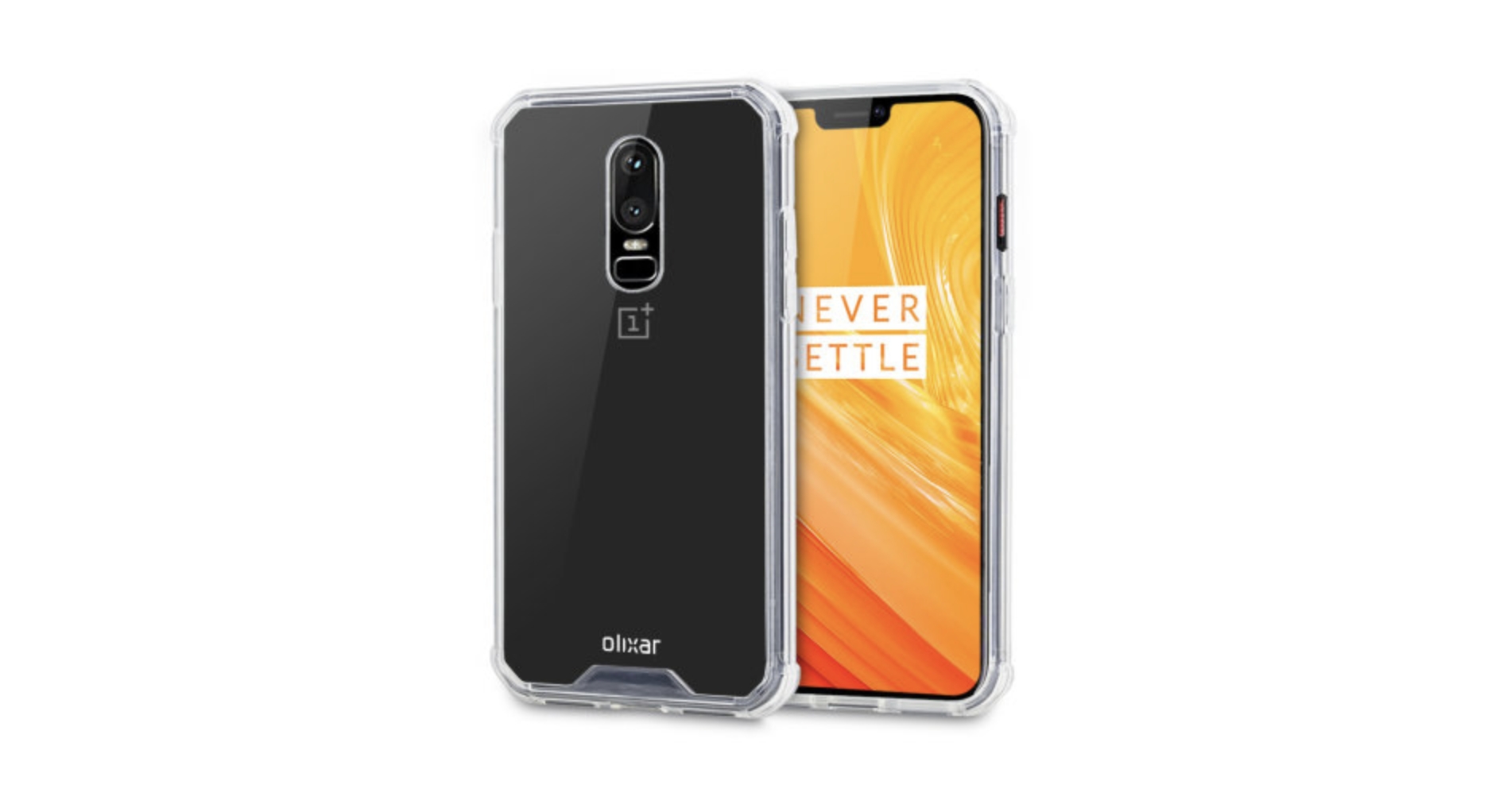
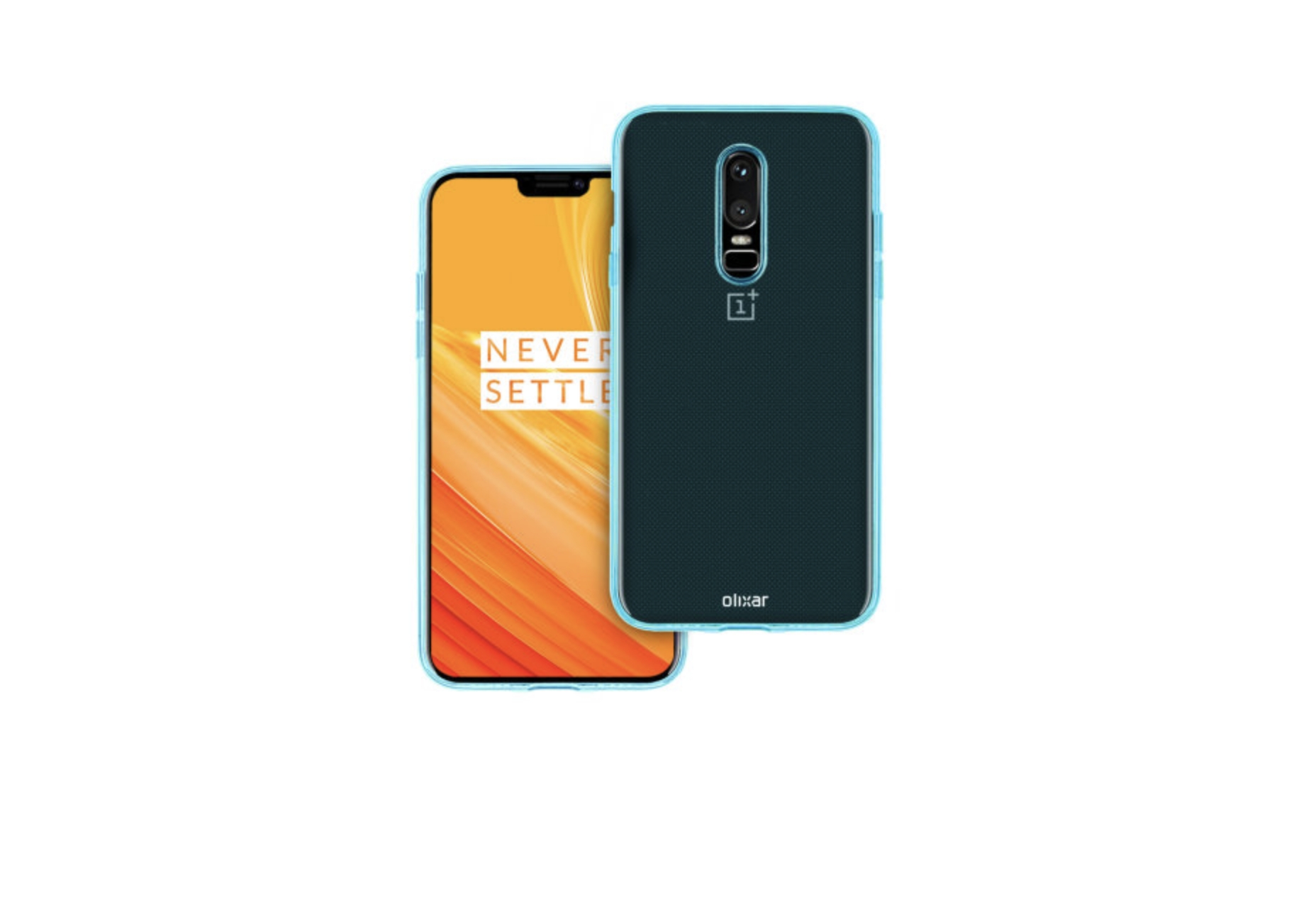
    The LG G7 ThinQ is not the last smartphone to sport a notch, though. The OnePlus 6, scheduled for a May 16th launch will also have an iPhone X-like notch. Google has also recognised the growing popularity of the notch and decided to introduce a feature in the first developer’s preview of Android P. We expect Android P to have better support for this design and more apps will be acclimatised with various kinds of notches in the near future.

    Must Read: OnePlus 6: Everything We Know So Far

    The LG G7 ThinQ was launched on the 2nd of May and is expected to launch in India on the 25th of May for a price of Rs 54999. It has a has a 6.1 inch IPS LCD display with a 3120 x 1440 px resolution. The device has a 19.5:9 aspect ratio which will come in handy when the user decides to hide the notch.

    Under the hood, the smartphone runs on the latest Qualcomm Snapdragon 845 chipset coupled with 4GB of RAM and 64GB of onboard storage. The storage will be expandable via a microSD card. Powering the G7 ThinQ is a 3000 mAh battery with QuickCharge 4.0 and wireless charging. The G7 ThinQ+ will have 6GB of RAM and 128GB of onboard storage.

    The power button now sits on the right side of the device in a more conventional position. Interestingly, there is a Google Assistant button placed below the volume rockers on the left side. The button is not remappable right now and can only be disabled if a user is not a fan of the Google Assistant.

    Must Read: LG G7 ThinQ To launch In India On May 25th

  • Gboard Lets Users Make Their Own GIFs

    Gboard Lets Users Make Their Own GIFs

    Gboard is one of the best, if not the best keyboard for Android. Google has consistently added new features to the keyboard and now, a new feature in its beta version might be the most interesting one. In the latest beta version 0f the Gboard app, users can make their own GIFs from the keyboard itself.

    To make a GIF, simply tap on the emoji button on the keyboard. Then click on “Make A GIF” and click on the record button. The GIF can be made from either the front or the rear camera. Users can also add effects before recording. Once the GIF is made, users can either instantly share it, save it or re-do it if any changes are to be made.

    Gboard

    We expect this feature to soon make its way to the stable version of Gboard. GIFs or Graphics Interchange Format are already very popular and have become a way of expression on social media. Adding this feature to chats will only intensify the populairty of GIFs and Google would want the stable version users to experience it as well.

    Must Read: 76% iOS Devices Are On iOS 11 While Only 4.1% Android Devices Are On Android 8 Oreo

    If you really want to try out the feature right now, you can always sign up as a beta tester. Once the feature has been rolled out to the stable version, you can end your run as a beta tester and move back to the stable Gboard app. To sign up for the beta test, simply go to Google Play Store and search for Gboard. You can also head straight to the Gboard app listing by clicking here. Once there, scroll to the bottom of the listing and join the beta test. Once enrolled, you will get a notification to update your Gboard app which will have the new “Make A GIF” feature.

  • Apple iPhone X Was The Best Selling Smartphone In Q1 Of 2018

    Apple iPhone X Was The Best Selling Smartphone In Q1 Of 2018

    Launched in September of 2017 for a whopping US$ 999 starting price, the Apple iPhone X had its fair share of doubters. The new design complete with a notch initially did not impress many. The iPhone X also did not have the famed Touch ID and was replaced Apple’s own facial recognition system, now known as Face ID. With so many changes and a record high price, the iPhone X was still the best selling smartphone of Q1 of 2018.

    Apple

    In a new report by Strategy Analytics, Apple sold 16 million units of the iPhone X in the quarter, making it the best selling smartphone. Apple did announce record profits for the quarter and Tim Cook claimed that the Apple iPhone was the best selling smartphone in many markets. Apple announced quarterly revenue of US$ 61.1 billion, a year-over-year growth of 16% which is much higher than its street estimates.

    Must read: Apple iPhone SE 2 Renders With Face ID And iPhone X Style Notch Leaked

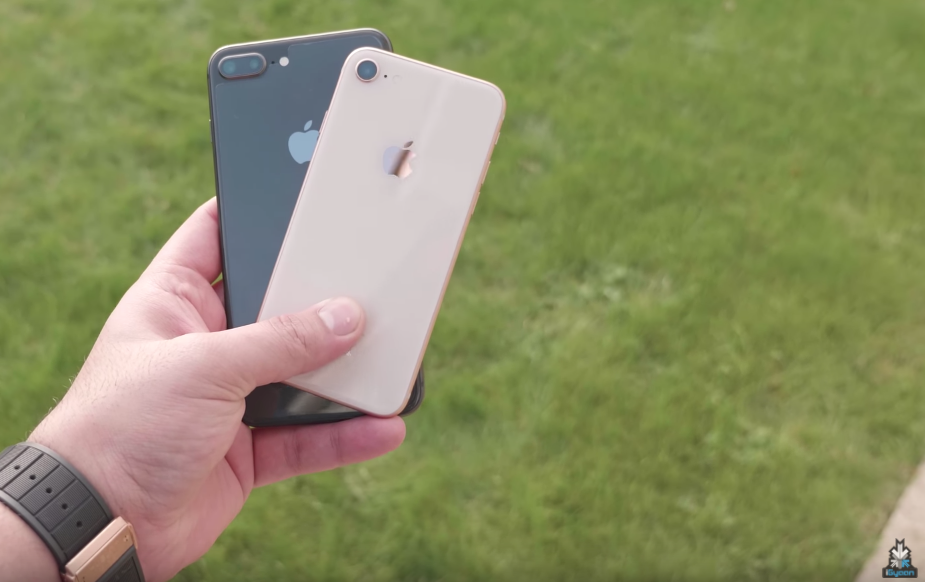
    A close second on the list of best selling smartphones was the iPhone 8 with 12.5 million units. The iPhone 8 Plus, launched along with the iPhone 8 and iPhone X was the third best selling smartphone with 8.3 million units sold. At number four on the list was the iPhone 7, a smartphone launched in 2016, with 5.6 million units sold during the quarter.

    iPhone 8, 8 Plus

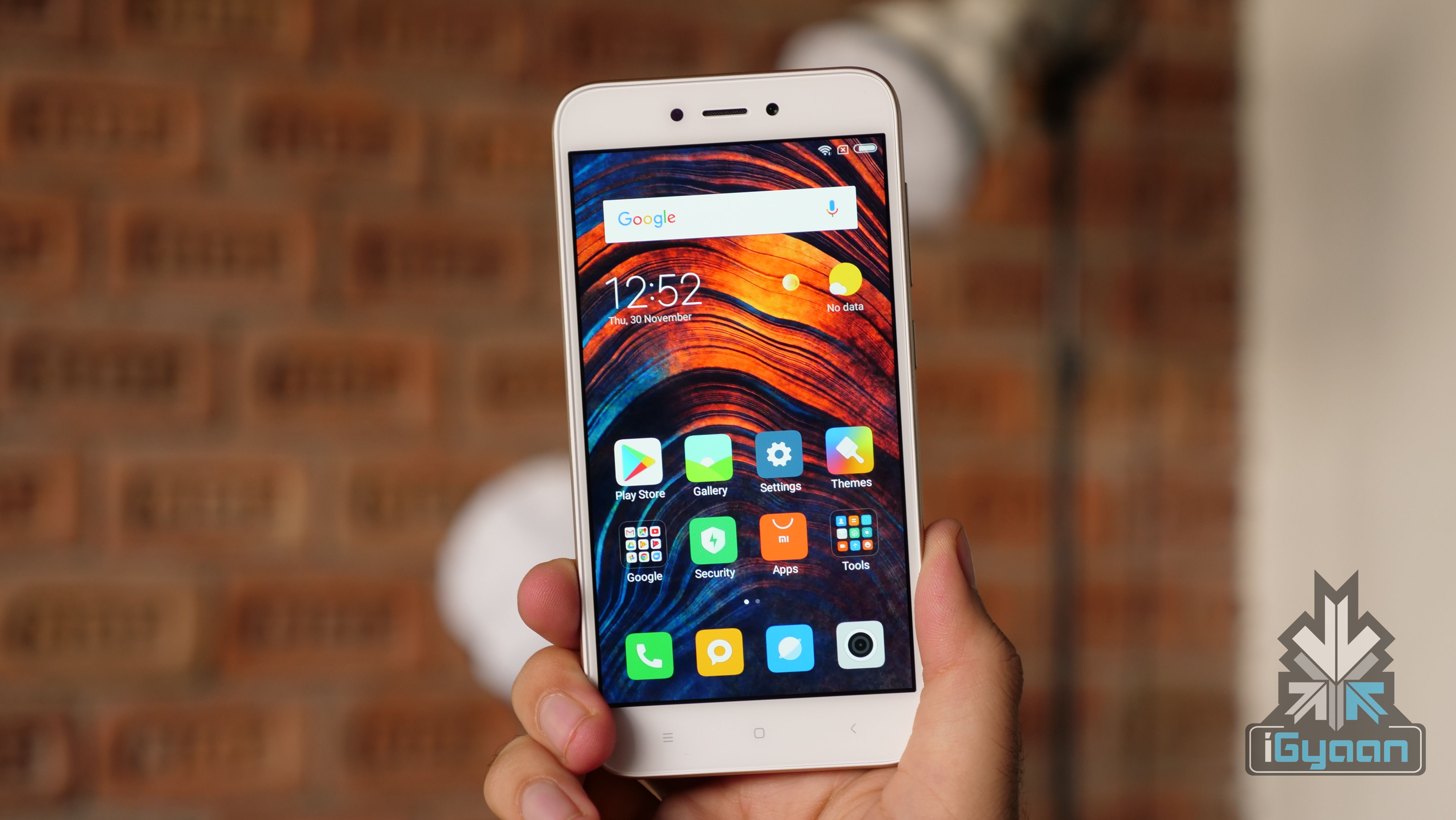
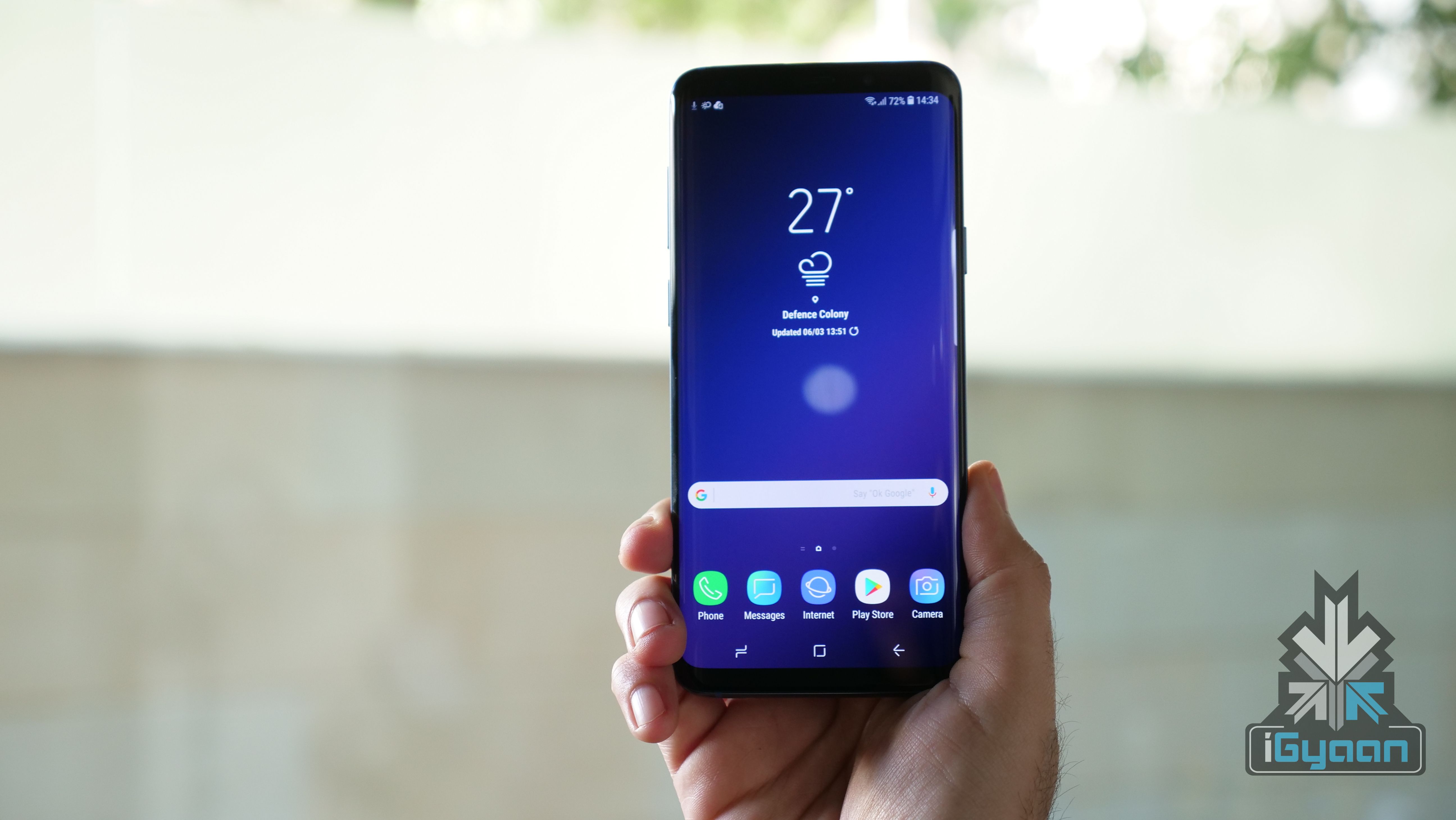
    Xiaomi’s “Desh Ka Smartphone” Redmi 5A was fifth on the list with 5.4 million units sold. Credit has to be given to the Samsung Galaxy S9 for coming in sixth on the list. The smartphone was launched in late-February and went on sale in March. In all, the top six smartphones accounted for 1 in every 7 smartphones shipped in the world during the quarter.

    Redmi 5A

    It is a mind-boggling statistic that the top five best selling smartphones were from the same company, Apple. The iPhone 8 and 8 Plus, which were believed to be unimpressive when compared to the iPhone X managed to be among the best selling smartphones of the quarter. This report also contradicts many claims from analysts that the Apple iPhone X is not in demand anymore and the Apple is planning to stop the production of the iPhone X.

    Must Read: OnePlus 6 Price In India Leaked, Starts At Rs 36999

    Samsung Galaxy S9

    With smartphones like the OnePlus 6 launching in May, more smartphones would be thriving to enter that list for the coming quarters of 2018.

  • OnePlus 6 Specifications Listed On TENNA

    OnePlus 6 Specifications Listed On TENNA

    The OnePlus 6, just like almost every other smartphone, has been leaked extensively before its launch. The company has itself tried to stay ahead of the leaks and dropped hints about certain aspects of the upcoming flagship smartphone. Now, just before its launch, the OnePlus 6 has been listed on TENNA with all its detailed specifications revealed.

    We already know that the ObnePlus 6 will have a notch on the display, much like the Huawei P20 Pro and G7 ThinQ. OnePlus came out and addressed the issue by telling people to learn to love the notch. That, however, did not go down well consumers and Carl Pei had to delete that tweet. The company has also confirmed that the smartphone will have an all0glass design, however, it has not been confirmed whether it’ll support wireless charging or not.

    According to the listing on TENNA, the OnePlus 6 will have a 6.28 inch Super AMOLED display with a 2280 x 1080 px resolution. This translates into a 19:9 aspect ratio and the phone will shift to a conventional 18:9 aspect ratio if a user decides to hide the notch.

    Under the hood, the device will run on the Qualcomm Snapdragon 845 chipset coupled with either 6GB or 8GB of RAM. The listing is of the base model with 6GB RAM and 64GB storage. The other two variants will be 8GB RAM with 128GB or 256GB non-user expandable storage. This will be the first time that ttheOnePlus smartphone will have 256GB of onboard storage.

    Must ReadApple iPhone SE 2 Renders With Face ID And iPhone X Style Notch Leaked

    The smartphone will run Android 8.1 Oreo out of the box with stock-ish OxygenOS on top. Powering the OnePlus 6 will be a 3300 mAh battery with DashCharge support.

    Similar to the OnePlus 5T, the OnePlus 6 will have two RGB sensors with the same aperture for better low-light photography. The portrait mode will be executed using the software. The listing reveals that the OnePlus 6 will have a 16MP primary sensor coupled with a 20MP sensor, the same as the OnePlus 5T. On the front will be a 16MP which should be able to record at least 1080P videos.

    The pricing of the smartphone, however, despite recent leaks is still unclear. We expect the OnePlus 6 to retail at a starting price of Rs 35999. The OnePlus 6 launch in India is scheduled for 17th May. The smartphone will subsequently go on sale via Amazon on the 21st of May.

  • Walmart To Acquire Flipkart For Up To US$ 16 Billion

    Walmart To Acquire Flipkart For Up To US$ 16 Billion

    The world’s largest retail chain, Walmart will buy 73% of Flipkart. The deal appears to be imminent as Walmart has prepared to at least US$ 14.6 billion, and as much as US$ 16 billion, in the cash-and-stock buyout of the Indian e-commerce giant. Moreover, Alphabet Inc., the parent company of Google, is said to be ready with a US$ 3 billion investment as well.

    According to the report by Factor Daily, one source had valued Flipkart at US$ 20 billion while two other sources said that Walmart had put company’s value at as much as US$ 22 billion. At this price, Walmart will spend more than US$ 16 billion for the acquisition. After meetings went on throughout Thursday, both the parties appear to have signed a tentative agreement. One source said:

    Everything has been finalised… The papers have been signed by both the parties.

    Flipkart’s CEO, Kalyan Krishnamurthy, and other top-level personnel are expected to maintain their roles. The report cites a few sources, and one of the sources claimed that the deal will be a mix of cash and stock.

    Cash component will be close to 55%, which will mark the exit of some of the largest investors in Flipkart.

    Softbank, an investor in Flipkart holds a little over 20% stake in the company. With this acquisition, Softbank will exit the company fully and is expected to make up to US$ 4 billion. This is a whopping 60% return on its investment of US$ 2.5 billion in the company it made about eight months ago. Other investors like Tiger Global, Tencent and Microsoft will not cash out completely.

    Must Read: Apple Working On An AR/VR Headset With 16K Resolution Display

    The two major players in the Indian online market are Flipkart and Amazon. If this deal goes through, the scenario will remain the same. Amazon has been breathing down Flipkart’s neck in terms of market share as Flipkart continues to have a larger market share. According to a report by Forrester, in 2017, Flipkart’s standalone market share was 31.9%, while Amazon’s was 31.1%.

    With the deal on the later stages of completion, it could be announced at any moment. Neither of the two parties involved in the deal has made any statements so far. We will update you as soon as we get more information about the acquisition.

  • OnePlus 6 Avengers Edition Retail Box Hints At Kevlar Finish Back Panel

    OnePlus 6 Avengers Edition Retail Box Hints At Kevlar Finish Back Panel

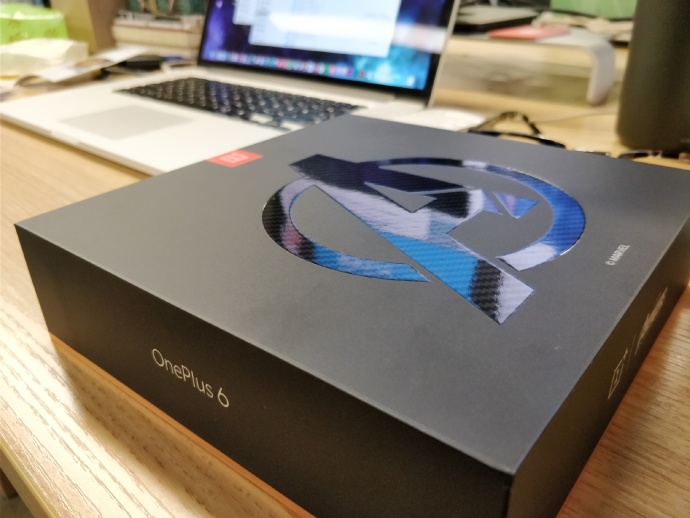
    The OnePlus 6 will be the much-awaited follow-up to the OnePlus 5T which was launched in November 2017. So far, we already know quite a few details about the upcoming flagship smartphone. OnePlus has generously teased almost all the new features that we can expect from the device, including the limited edition OnePlus 6 Avengers Edition of the smartphone. Now, a new image posted OnePlus’ Weibo account reveals the design of the retail box of the OnePlus Avengers Edition.

    The image does not reveal any specifications of the device. However, there is a huge hint about the build and design of the smartphone on the box. The Avengers insignia features a kevlar finish which hints at the build and design of the special edition OnePlus variant. In the teaser of the smartphone that OnePlus released a few days ago, we noticed a similar hint.

    Must Read: OnePlus 6 Price In India Leaked, Starts At Rs 36999

    This could be possible, considering the company brought back the famed Sandstone finish on the OnePlus 5T Star Wars Edition. It is worth noting that the OnePlus 5T STar Wars Edition was launched in other countries as the Sandstone Edition, meaning a Kevlar Edition could be in the pipeline for OnePlus in other countries. The company has already confirmed that the OnePlus 6 will have a glass back, and the Avengers Edition could be a unique offering from OnePlus.

    Must Read: OnePlus Teases OnePlus 6 Avengers Edition

    The OnePlus 6 Avengers Edition is expected to be only available in the 8GB and 256GB storage model. Considering OnePlus’ pricing strategy, the OnePlus 6 Avengers Edition will be priced slightly higher than the regular OnePlus 6 256GB storage model.

    OnePlus 6

    In 2018, the OnePlus 6 will be the only affordable flagship smartphone for now. Things might change when Xiaomi launches the Mi MIX 2s and Asus launches the Zenfone 5Z in India. However, the OnePlus 6 with its new features should have a lot of suitors. We will keep you updated with all the news about the OnePlus 6 as we approach its official launch.


  • Asus Launches Android Go Smartphone Zenfone Live L1 With An 18:9 Aspect Ratio

    Asus Launches Android Go Smartphone Zenfone Live L1 With An 18:9 Aspect Ratio

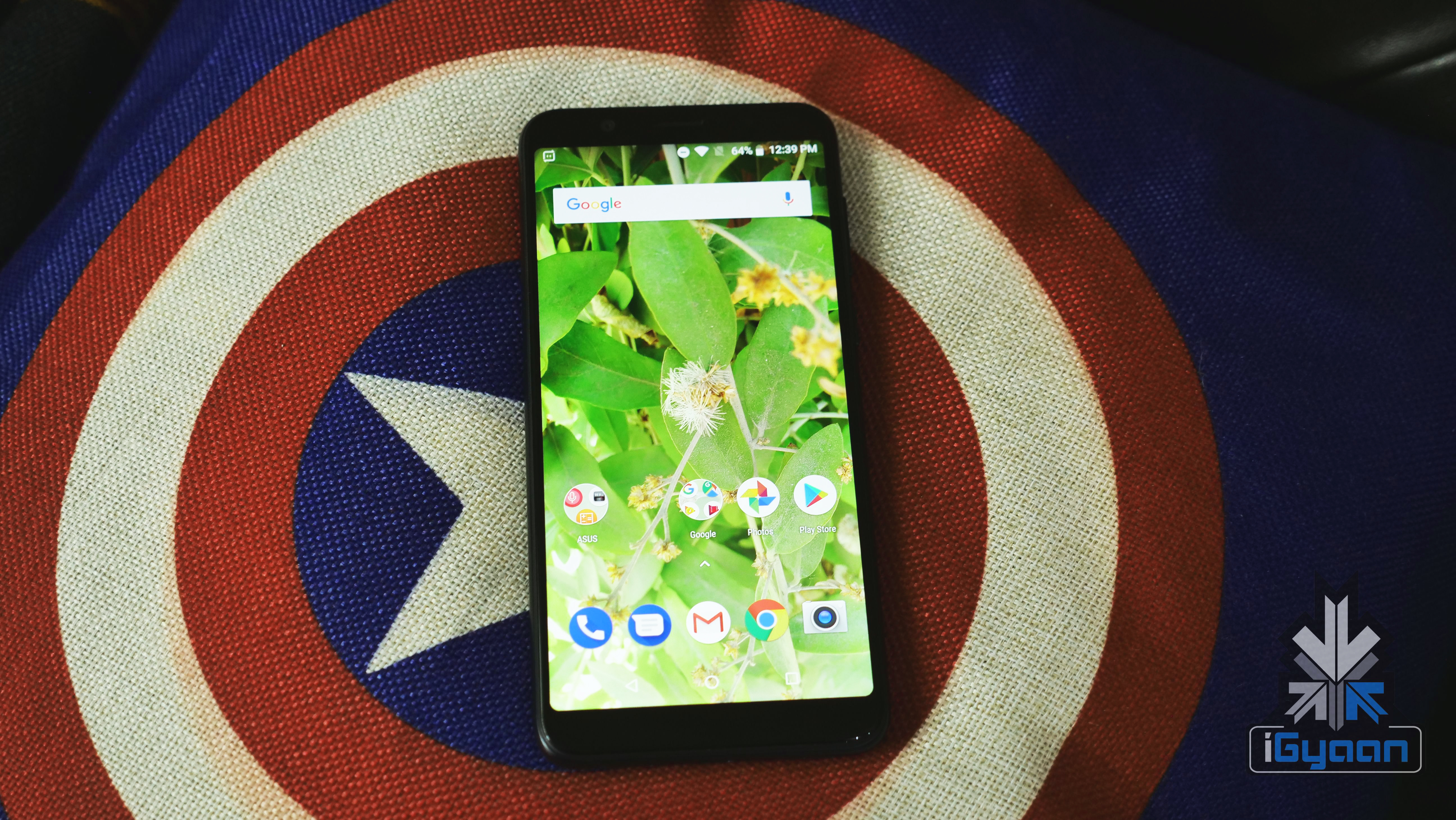
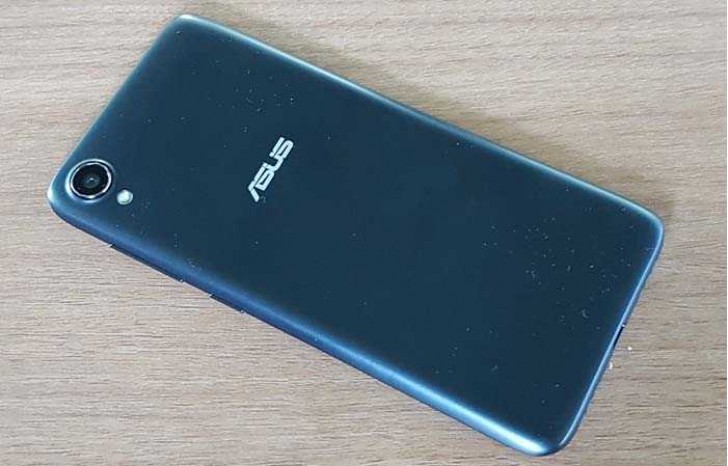
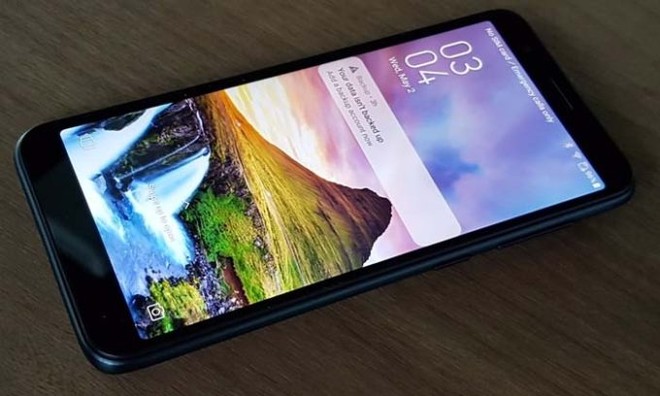
    Asus launched an impressive budget smartphone, the Zenfone Max Pro in India in April. The company is also expected to launch the Asus Zenfone 5Z which it unveiled at MWC 2018. However, before a flagship smartphone launch, the company has unveiled its first-ever Android Go smartphone, the Zenfone Live L1. Asus has launched the new smartphone in Indonesia for a price of around IDR 1.5 million (Rs 7200 approx.).


    The Asus Zenfone Live L1 is an entry-level Android Go device that has a 5.45 inch display with a 1440 x 720 px resolution.

    Under the hood, the smartphone runs on the Qualcomm Snapdragon 425 chipset paired with 1GB of RAM and 16GB onboard storage. The onboard storage can be expanded using a microSD card slot. The smartphone runs on Android 8.1 Oreo (Go Edition) out of the box. Asus has also launched a 2GB RAM variant of the smartphone which runs Android 8 Oreo with ZenUI 5.0 on top.

    Powering the smartphone is a 3000 mAh battery which charges via a micro USB port. To the back of the smartphone is a 13MP camera with an LED flash while the front of the device houses a 5MP camera.

    Must Read: OnePlus 6: Everything We Know So Far

    About Android Go

    At the Google I/O event in May 2017, Google promised to launch a custom version of Android tailor-made for lower-end devices. On the 5th of December, Android Go (Oreo edition) was officially launched and made available to smartphone manufacturers and developers.

    The idea behind Android Go is for Google to create a version of Android OS which is designed to run better on phones with either 512MB or 1GB of RAM. In the world of OnePlus 5T with its 8GB of RAM or Galaxy Note8’s 6GB RAM, it is easy to forget that there are lower-end smartphones currently available in the market which have 1GB of RAM or less.

    Must Read: Asus Zenfone Max Pro Receives Face Unlock Feature Via New Software Update

    Google has claimed that Android Go’s Oreo edition will be a variant of Android Oreo that a manufacturer can just set by ticking off a configuration flag. What this basically does is that it sets up the phone to use the “Go” versions of a handful of Google apps such as the main Google app, Google Assistant, Google Maps, Gmail, and others. Google claims that the smaller apps and slimmer OS can as much as halve the amount of storage that’s taken up by default on a new phone running default OS.

    For an entry-level Android Go device, the Zenfone Live L1 has impressive specifications, especially when compared to the likes of the Nokia 1, another Android Go device. However, the Zenfone Live doe snot have a fingerprint sensor which is a norm for a 2018 a smartphone. There are no details about the smartphone’s launch in India as of now.

  • HTC U12+ To Launch On May 23rd

    HTC U12+ To Launch On May 23rd

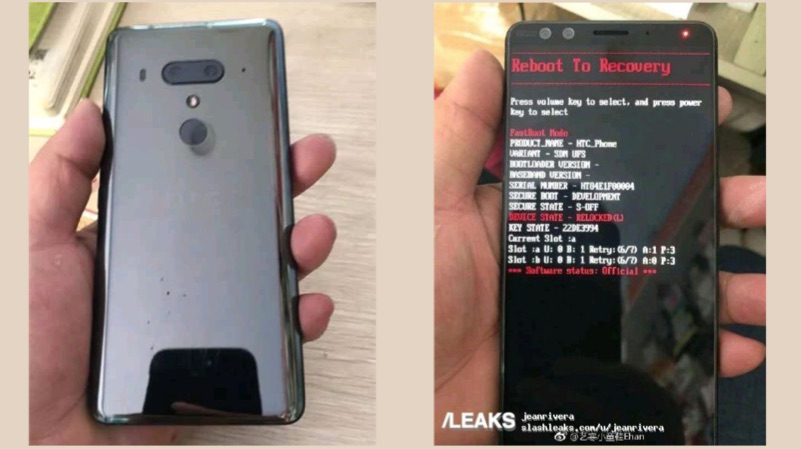
    Flagship smartphones in 2018 have not disappointed so far. From the Samsung Galaxy S9 to the Huawei P20 Pro, we have seen some impressive flagship devices being launched. A few high profile launches are scheduled for the month of May. The LG G7 ThinQ was launched on the 2nd of May while the OnePlus 6 will be unveiled on May 16th in London. Now, HTC has announced that it will launch a new smartphone on the 23rd of May. The company is expected to launch its follow up to the HTC U11, the HTC U12 or HTC U12+.

    The teaser shows the upcoming device stripped to its bare bones. While companies usually resort to showing glimpses of the design of the smartphone, HTC has gone for something different. The caption, “A phone that is more than the sum of its specs,” is either a cliched tagline or a hint at the name of the smartphone. Recently, we have seen leaks of the HTC U12+, suggesting that the company might launch the U12+ instead of the U12. A ‘Plus’ moniker could signify a huge upgrade over the HTC U11+ since technically, it does succeed the U11+ and not the U12+.

    The HTC U11 was a well-received smartphone even though it did not have a dual-camera setup or thin bezels. The device’s camera performance and build quality were appreciated and we expect HTC to build on that with the HTC U12+. The HTC U11+, launched in November 2017 became HTC’s first smartphone to sport an 18:9 aspect ratio and thin bezels.

    The HTC U12+ is also expected to have an 18:9 aspect ratio and an all-glass build. According to a recent leak, the HTC U12+ might have a 5.99 inch IPS LCD display with 2960 x 1440 px resolution QHD+ panel. Under the hood, the device will run on the latest Qualcomm Snapdragon 845 Octa-core chipset. The base variant might have 6GB RAM and 128GB storage. The smartphone might have a 3420 mAh Li-ion battery and run Android 8 Oreo out of the box.

    The U12+ will also be the first HTC flagship smartphone to sport a dual-camera setup on the back. Leaks suggest that it would be a 16MP primary sensor paired with a 12MP secondary sensor. The type of sensors used has not been revealed yet.

    The launch of the U12+ is a few days away and as we move closer to the launch, more details about it are expected to be leaked. We will keep you updated with all the news about the HTC U12+.

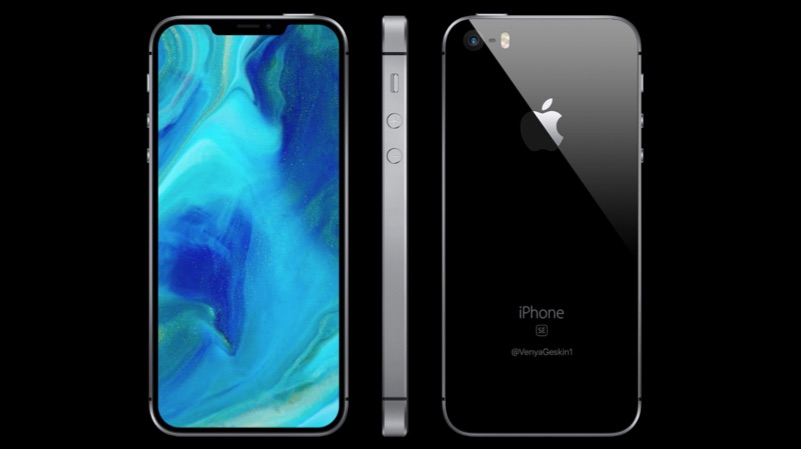
  • Apple iPhone SE 2 Renders With Face ID And iPhone X Style Notch Leaked

    Apple iPhone SE 2 Renders With Face ID And iPhone X Style Notch Leaked

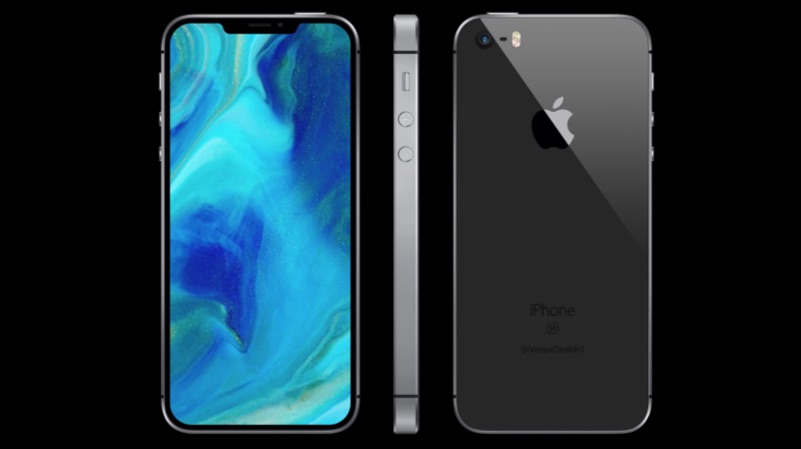
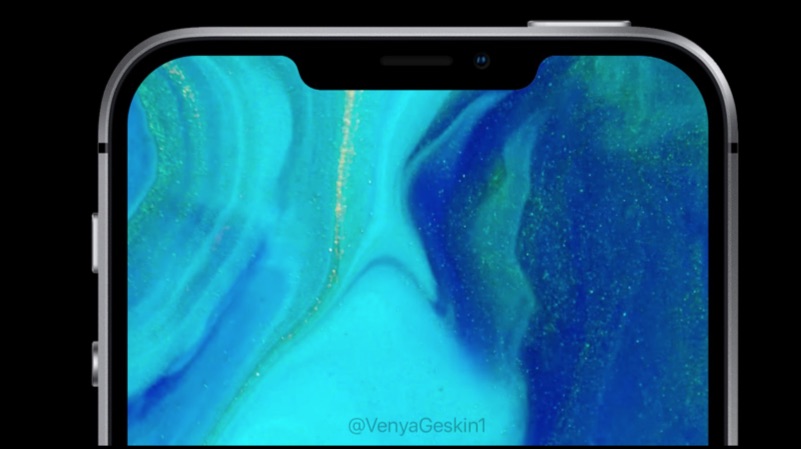
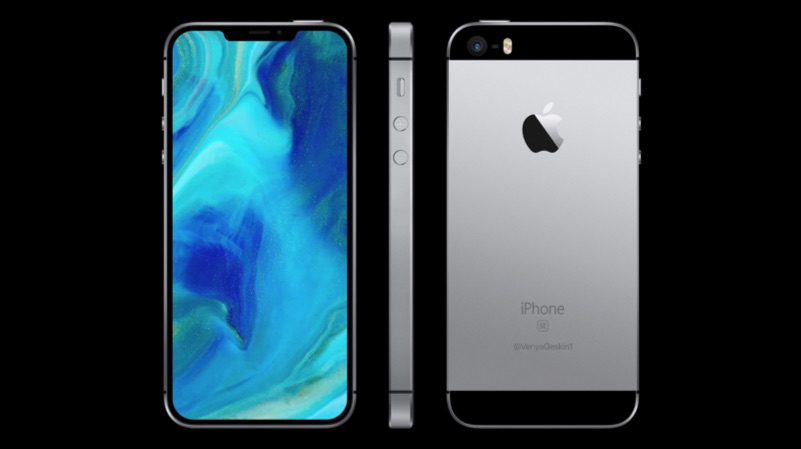
    The Apple iPhone SE 2 is one of the most highly anticipated smartphones of 2018. The follow-up to the successful iPhone SE has divided opinions and renders for the past few months. Some reports claim that Apple will play it safe and not tweak the design too much with iPhone SE 2. The other side of the spectrum consists of renders that claim that the iPhone SE 2 will have a design similar to the iPhone X complete with Face ID and a notch.

    New renders posted on Twitter by popular leaker Ben Geskin reveal the iPhone SE 2 as an extension of the iPhone X. According to the renders, the iPhone SE 2 will have a bezel-less design and a notch, just like the iPhone X. There is no chin on the iPhone SE 2 here, which means no LCD display. Since Apple folds the display from the bottom to get rid of the chin, an OLED panel is necessary for that. If this turns out to be true, the iPhone SE 2 will likely have a better display than the iPhone 8/8Plus which have an LCD panel.

    Must Read: 2018 Apple iPhone With LCD Display Won’t Have 3D Touch

    Geskin first posted renders of the iPhone SE 2 without a glass back. However, he followed that up with two separate renders of the iPhone SE 2 sporting a glass back. One of those images were of the iPhone SE 2 with an iPhone 4-like back. For people who don’t remember, the iPhone 4 had a glass back after which Apple moved on to an aluminium back. An iPhone X-style front mixed with an iPhone 4 back does give the iPhone SE 2 a very interesting look.

    One thing consistent with all iPhone SE 2 renders is the presence of a single camera on the back of the smartphone. Apple will likely use the iPhone 7 sensors for the iPhone SE 2. Under the hood, the iPhone SE 2 is expected to run on the Apple A10 Fusion chipset, the same SoC that powers the iPhone 7/7 Plus and the new entry-level iPad.

    Must Read: OnePlus 6 To Launch In India On May 17th

    We expect the iPhone SE 2 to launch before WWDC 2018 commences in June. This means that the iPhone SE 2 could be launched in May, joining a huge list of other flagship devices launching in this month. India will be one of the first few countries where the Apple iPhone SE 2 goes on sale. It will be manufactured at the Bengaluru plant where the current iPhone SE and iPhone 6s Plus are manufactured.

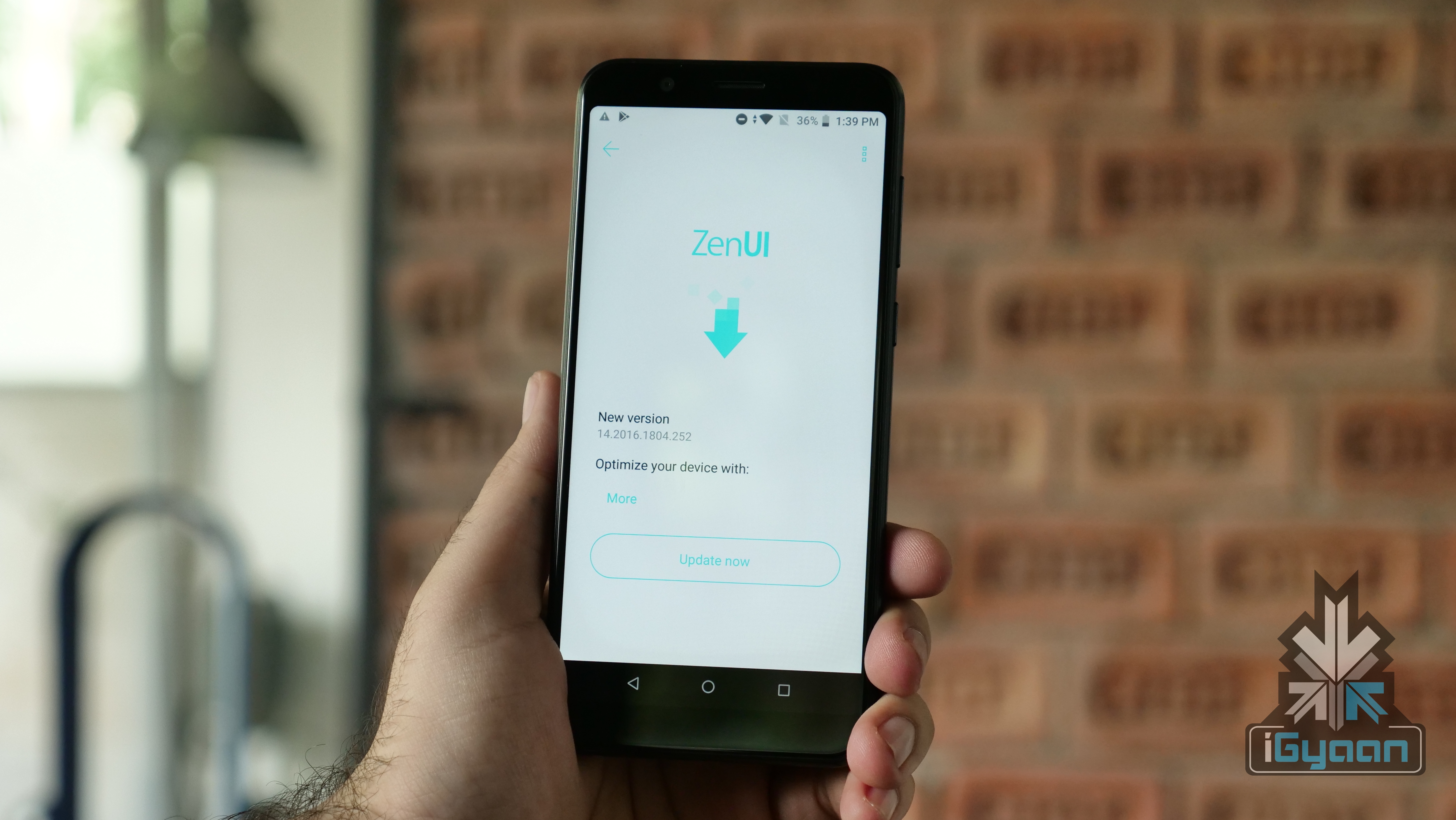
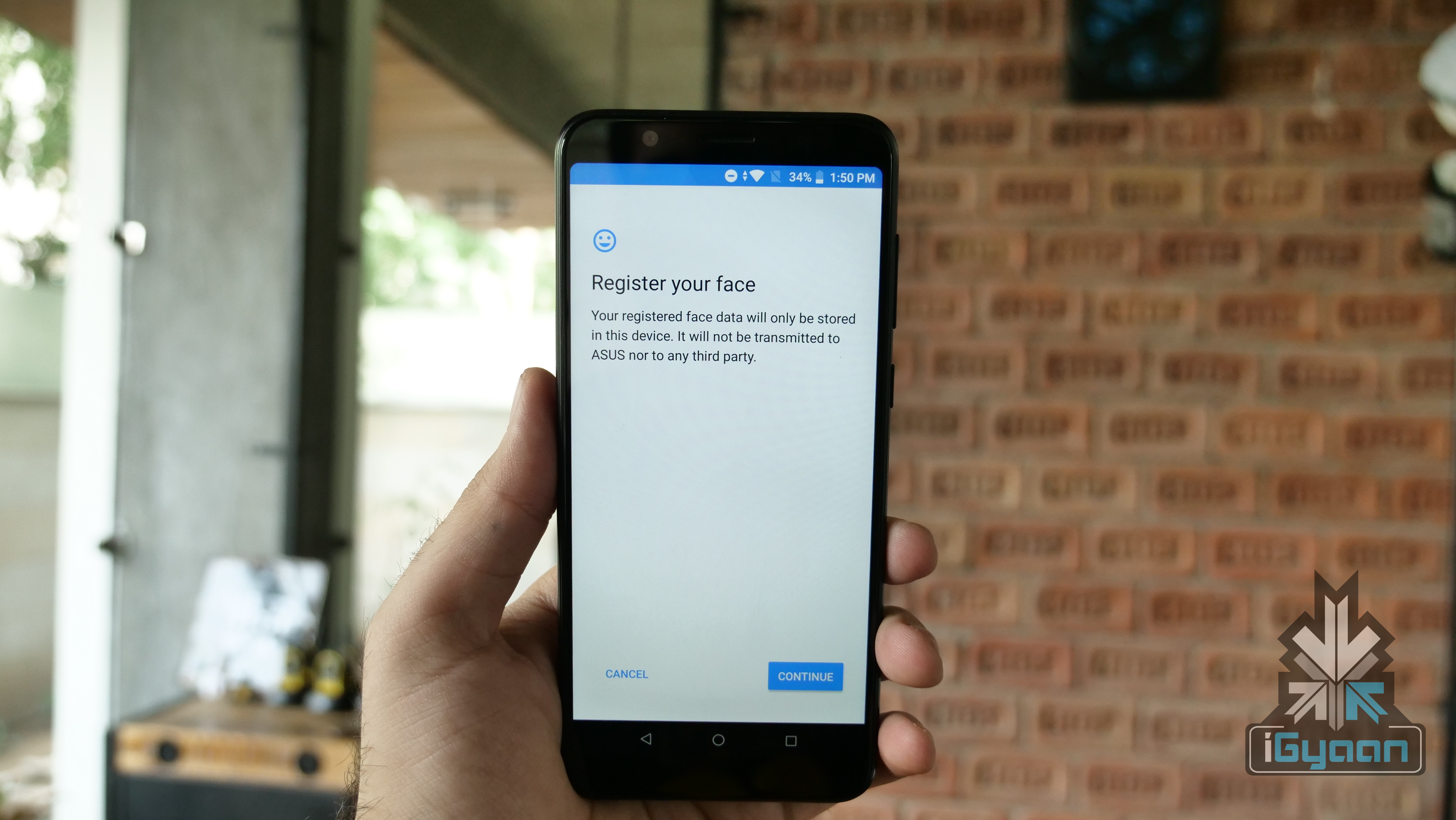
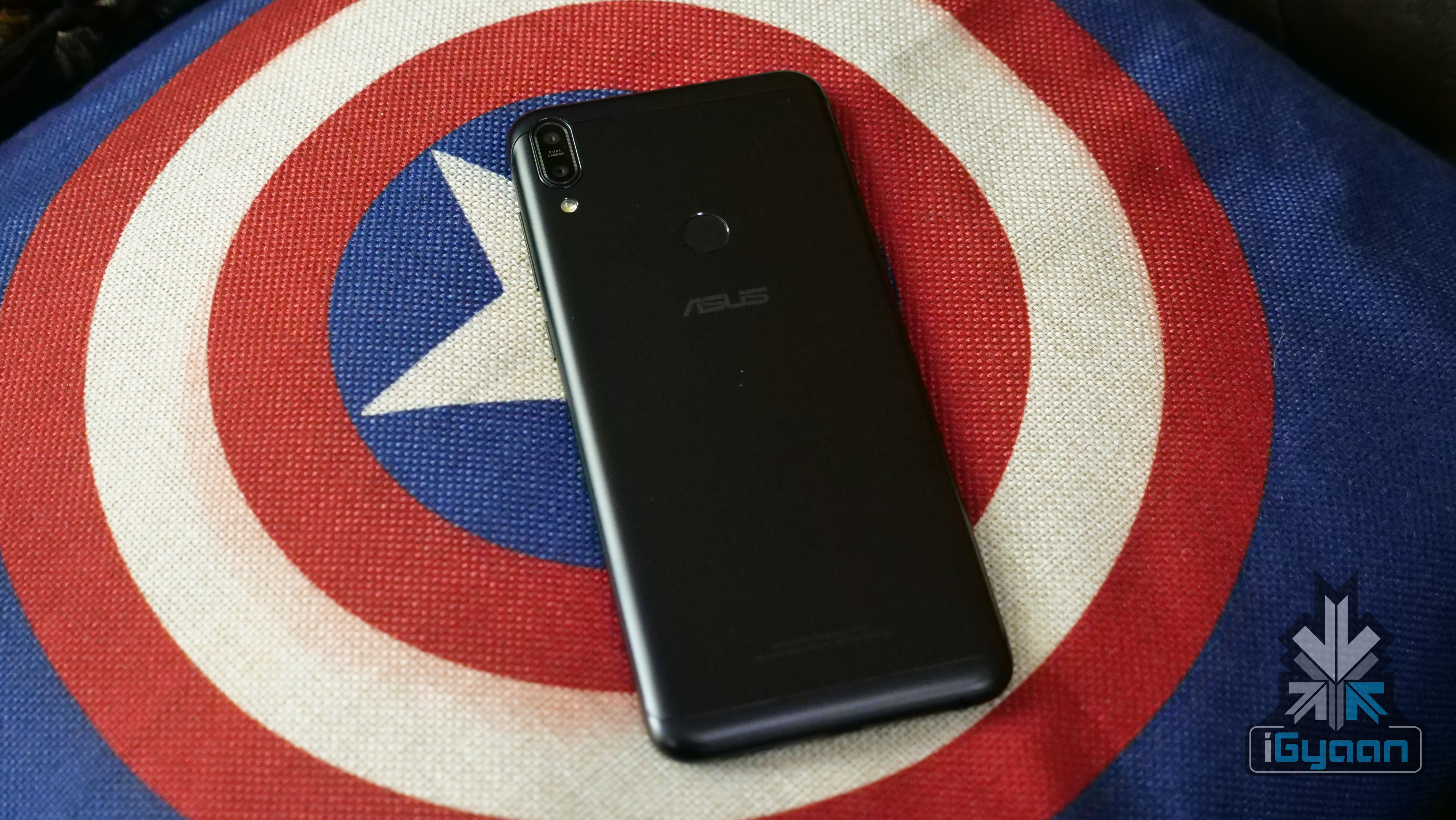
  • Asus Zenfone Max Pro Receives Face Unlock Feature Via New Software Update

    Asus Zenfone Max Pro Receives Face Unlock Feature Via New Software Update

    Asus launched its new budget smartphone, the Asus Zenfone Max Pro on April 23rd. The smartphone retails for Rs 10999 for the base variant and the company has already promised to launch a 6GB RAM variant with better camera performance. Asus has been pushing out a few software updates to the Zenfone Max Pro before its first sale and the new update brings the Face Unlock feature to the device.

    The Face Unlock feature is definitely the marquee addition with the new software. However, there are a few other changes that might improve the day-to-day usage of the smartphone. The update brings improvement to the gyroscope functionality and some audio parameters. Asus claims that the response speed of the fingerprint sensor will also improve. There are a few improvements in the camera department as well like colour correction, HDR Algorithm, low light photography and more.

    Must Read: Asus Zenfone Max Pro Vs Xiaomi Redmi Note 5 Pro

    The Asus Zenfone Max Pro is also only the second smartphone running on the Snapdragon 636 chipset to be launched in India. This means that it is a direct competitor of the highly popular Xiaomi Redmi Note 5 Pro.

    Without a doubt, one of the highlights of the Zenfone Max Pro is its battery capacity. It is powered by a 5000 mAh battery while the size and weight of the smartphone are almost equivalent to that of the Redmi Note 5 Pro. For context, the Redmi Note 5 Pro is powered by a 4000 mAh battery. However, the Zenfone Max Pro will charge via a micro USB port which means it could take a while to fully charge from 0%.

    Must Read: Xiaomi Redmi Note 5 Pro Price Hiked 

    The Asus Zenfone Max Pro is available in two variants in India for now, one with 3GB RAM and 32GB storage and the other with 4GB RAM and 64GB storage You can buy it by clicking here. At the launch, the company also announced that a 6GB RAM/128GB storage variant with better camera capabilities will be launched at a price of Rs 14999.

    That 5000 mAh battery will be powering a 5.99 inch IPS LCD display with a 2160 x 1080 px resolution.

    So far, Asus smartphones have had the custom ZenUI on top of Android. However, Asus has gone the stock Android route with the Zenfone Max Pro. Out of the box, the Zenfone Max Pro will run on Android 8.1 Oreo, which is the latest version of Android available right now. Asus has also promised timely software upgrades for their new budget smartphone up to Android Q.

  • LG G7 ThinQ To launch In India On May 25th

    LG G7 ThinQ To launch In India On May 25th
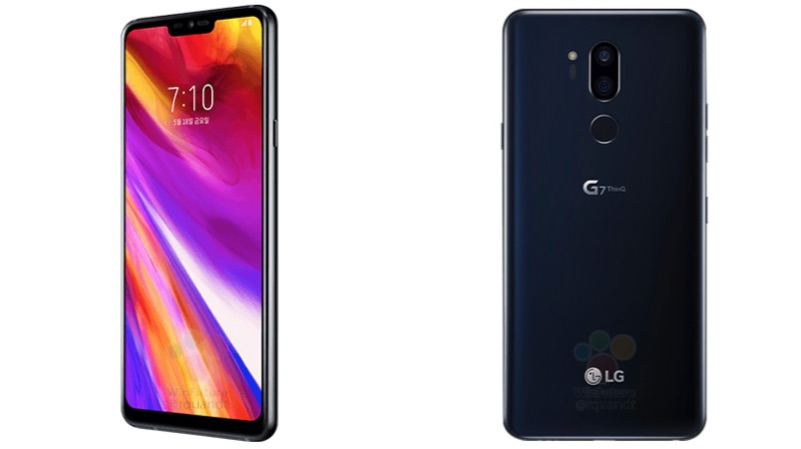
    After a rehashed launch strategy and new design, the LG G7 ThinQ is official. LG has launched its new flagship smartphone with an unusually long name that might put some people off. Nevertheless, the smartphone has high-end specs, build and design as the company plans to resurrect its smartphone business.

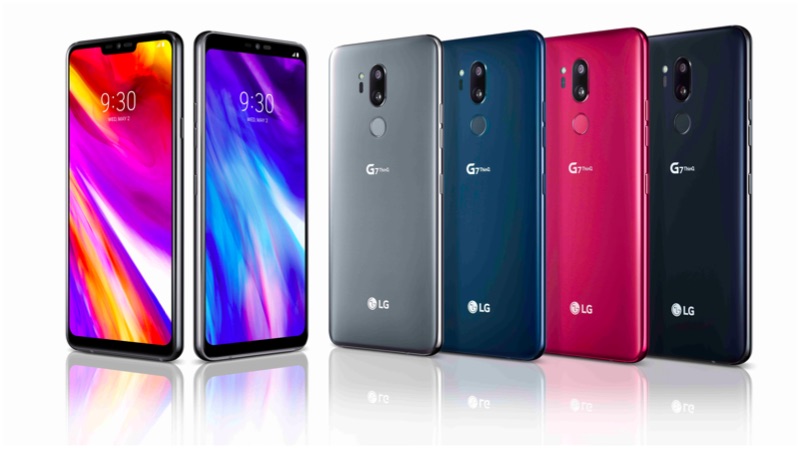
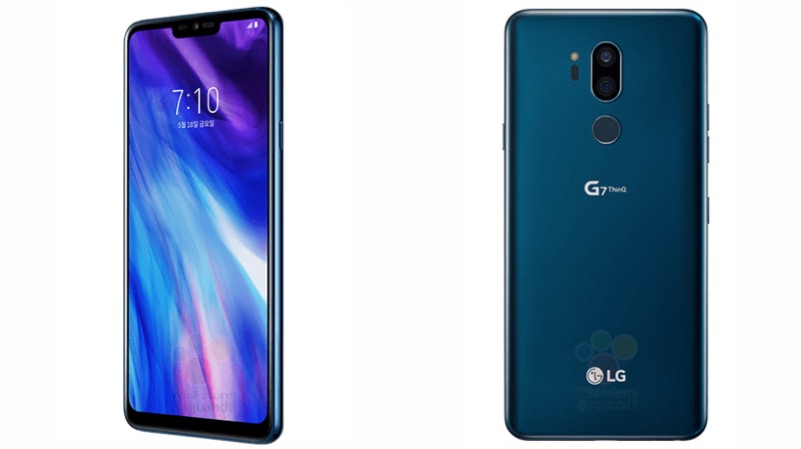
    The G7 ThinQ will launch in India on the 25th of May and could be priced at Rs 54999 for the 4GB RAM model. The company has announced that the smartphone will be available in Platinum Gray, Aurora Black, Moroccan Blue and Raspberry Red colour variants. Even before the launch, LG started hinting at a few new features of the LG G7 ThinQ like its Boombox speakers. Apparently, this speaker will increase the base sound level by more than 6dB with twice the amount of bass. LG believes that this translates to more than ten times the loudness than that of an average smartphone. The bass can further be amplified by placing the device on a solid surface or box.
    Colour Variants

    The G7 ThinQ has a 6.1 inch IPS LCD display with a 3120 x 1440 px resolution. The device has a 19.5:9 aspect ratio which will come in handy when the user decides to hide the notch.

    Under the hood, the smartphone runs on the latest Qualcomm Snapdragon 845 chipset coupled with 4GB of RAM and 64GB of onboard storage. The storage will be expandable via a microSD card. Powering the G7 ThinQ is a 3000 mAh battery with QuickCharge 4.o and wireless charging. The G7 ThinQ+ will have 6GB of RAM and 128GB of onboard storage.

    The new flagship smartphone will run Android 8 Oreo out of the box LG’s AI Pack 2.0. LG has announced that it plans to push out an update for Android P as soon as Google launches it.

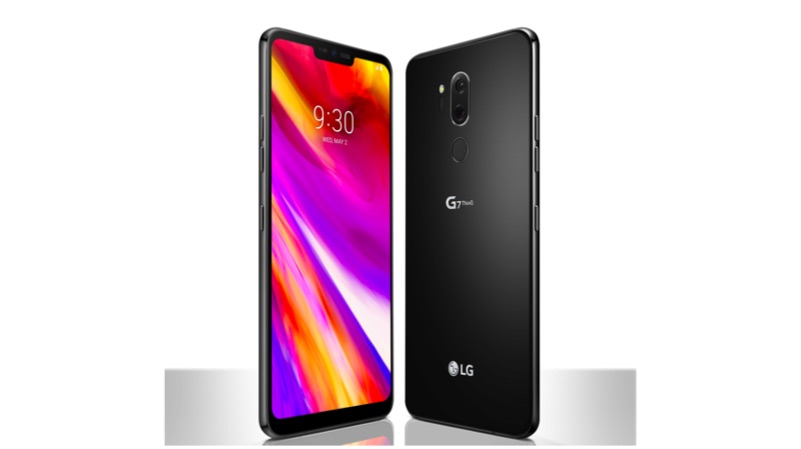
    The fingerprint sensor placed on the back of the smartphone no longer doubled up as a power button. The power button now sits on the right side of the device in a more conventional position. Interestingly, there is a Google Assistant button placed below the volume rockers on the left side. The button is not remappable right now and can only be disabled if a user is not a fan of the Google Assistant. AI is a theme well spread out throughout LG’s UI here. The camera app has an AI Cam button wherein the camera can sense a scene and automatically tweak certain settings for, theoretically, a better shot.

    To the back of the smartphone is a vertically placed dual-camera setup. The primary 16MP wide-angle sensor has an f/1.9 aperture while the secondary 16MP RGB sensor has an f/1.9 aperture. To the front of the device is an 8MP camera with an f/1.9 aperture.

    The LG G7 ThinQ looks a lot like an Android flagship smartphone of 2018 with a notch and an all-glass design. How well it resonates with LG loyalists and Android users, in general, is a question that only time will answer. In India, the G7 ThinQ will be up against the likes of the Galaxy S9, OnePlus 6 and even Xiaomi could launch the Mi MIX 2s in India soon.

  • LG G7 ThinQ Specifications Leaked Ahead Of May 2nd Launch

    LG G7 ThinQ Specifications Leaked Ahead Of May 2nd Launch

    The LG G7 ThinQ will launch on the 2nd of May. The smartphone was supposed to launch at MWC 2018 but, the company decided to skip the event and work on its next flagship a bit more. Now, after months of speculations around the future of LG G series of smartphones, the G7 ThinQ is ready for its debut. So far, the smartphone maker has revealed a few details about the device and now, detailed specifications of the G7 have been leaked.

    According to the report, the LG G7 ThinQ will probably be priced below under 640 Euros in some markets. This is a significantly lower price than the Galaxy S9 that retails for 849 Euros.

    LG revealed that the G7 ThinQ will have a 6.1 inch LCD display with a resolution of 3210 x 1440 px. The highlight of the LG G7 ThinQ, according to the company, will be the brightness of the display. The ‘Super Bright Display’ goes up to 1000 nits while consuming up to 30% less power than the LG G6’s. Apparently, the screen also covers 100 percent of the DCI-P3 colour gamut. The specifications mentioned are not the best in class or nothing we haven’t seen before. However, if LG is talking up the display of the G7 ThinQ so much, then there has to be something in the execution that LG has done differently.

    The LG G7 ThinQ will have a 19.5:9 aspect ratio, same as the iPhone X and taller than the 18:9 G6. This taller aspect ratio is the result of a notch on the display which has become quite common for Android smartphones in 2018. LG has also claimed that the chin of the G7 ThinQ is about 50% smaller than the chin on the G6. However, it still won’t be as thin as the iPhone X and would be comparable to the OnePlus 6 (which also has a notch).

    Under the hood, the G7 will run on the Qualcomm Snapdragon 845 chipset which will be coupled with either 4GB or 6GB RAM and 64GB of onboard storage. The fingerprint sensor will sit on the rear of the device which won’t double up as a power button. The power button has now been moved to the side of the smartphone in a more conventional position. Also, the G7 ThinQ will have a hardware button dedicated to the Google Assistant, just like the Bixby button found on new Galaxy flagship devices.

    Powering the device will be a 3000 mAh battery and support for QuickCharge 4.0. The G7 ThinQ will run Android 8 Oreo out of the box with LG’s own custom skin on top. According to the LG, the upcoming smartphone will have a “Boombox Speaker.” Apparently, this speaker will increase the base sound level by more than 6dB with twice the amount of bass. LG believes that this translates to more than ten times the loudness than that of an average smartphone. Considering the size of the smartphone, this could be a remarkable achievement for LG. The bass can further be amplified by placing the device on a solid surface or box.

    The G7 ThinQ will also have a dual-camera setup on the back. The 16MP primary camera will be an RGB sensor with an f/1.6 aperture while the secondary 16MP camera will also have the same f/1.6 aperture. Similar to previous gen LG flagship devices, the secondary 16Mp camera could also be equipped with a wide-angle lens.

    The LG G7 ThinQ has a huge job of reviving a dwindling smartphone business of LG. With a refreshed design and new launch strategy, the LG G7 ThinQ would want to replicate the success of some of the earlier LG smartphones.

  • WhatsApp Co-Founder Jan Koum Leaves Facebook Amid Data Privacy Concerns

    WhatsApp Co-Founder Jan Koum Leaves Facebook Amid Data Privacy Concerns

    Facebook has been embroiled in a huge debate about the internet as a whole. As social media has grown to become such an integral part of our lives, it is no secret that users have given more personal information than needed to various social media platforms over the years. Facebook has been under the cosh for allegedly, not using that information in an ethical manner. Now, it appears that the conversation of privacy has trickled down to Facebook-owned properties, mainly WhatsApp. Co-founder and CEO of WhatsApp, Jan Koum has announced that he will be leaving WhatsApp soon.

    https://www.facebook.com/jan.koum/posts/10156227307390011

    Jan took to his Facebook page to announce his departure, making sure he doesn’t give away any reasons that made him quit the company he started. A report by Washington Post claimed that he had a clash with Facebook and the company’s plans of using users’ private data. It also claimed that Jan plans to step down from Facebook’s board of directors.

    In 2014, Facebook bought WhatsApp from Jan for a reported US$ 19 billion. The app has since become the most famous instant messaging service. In July 2017, the company announced that it had reached 1 billion active daily users who were sending 55 billion messages per day, 4.5 billion photos and 1 billion videos.

    Jan Koum

    WhatsApp has always pledged to protect user data and promised to protect that when Facebook bought the messaging service. In 2016, it further solidified its stance by introducing end-to-end encryption. However, Facebook, WhatsApp’s parent company has been accused of letting third parties use sensitive user data to their advantage. His departure will certainly be a blow for Facebook, especially after Brian Acton, co-founder of WhatsApp quit the company in November. Brian Acton, for that matter, has joined the rising voices of people concerned about data protection. The social media campaign, #DeleteFacebook has also gained impetus in the last few months.

    Facebook is yet to respond to reports of Jan quitting due to differences with Facebook about handling user data. However, Mark Zuckerberg, CEO of Facebook did reply to Jan’s post, saying:

    I will miss working so closely with you. I’m grateful for everything you’ve done to help connect the world, and for everything you’ve taught me, including about encryption and its ability to take power from centralized systems and put it back in people’s hands.

    It’ll be interesting to see the repercussions now since both the founders have quit the company. Facebook will be eager to continue building the legacy of its largest-ever acquisition in the wake of questionable times for the parent company.


iGyaan Network
Privacy Overview

This website uses cookies so that we can provide you with the best user experience possible. Cookie information is stored in your browser and performs functions such as recognising you when you return to our website and helping our team to understand which sections of the website you find most interesting and useful.