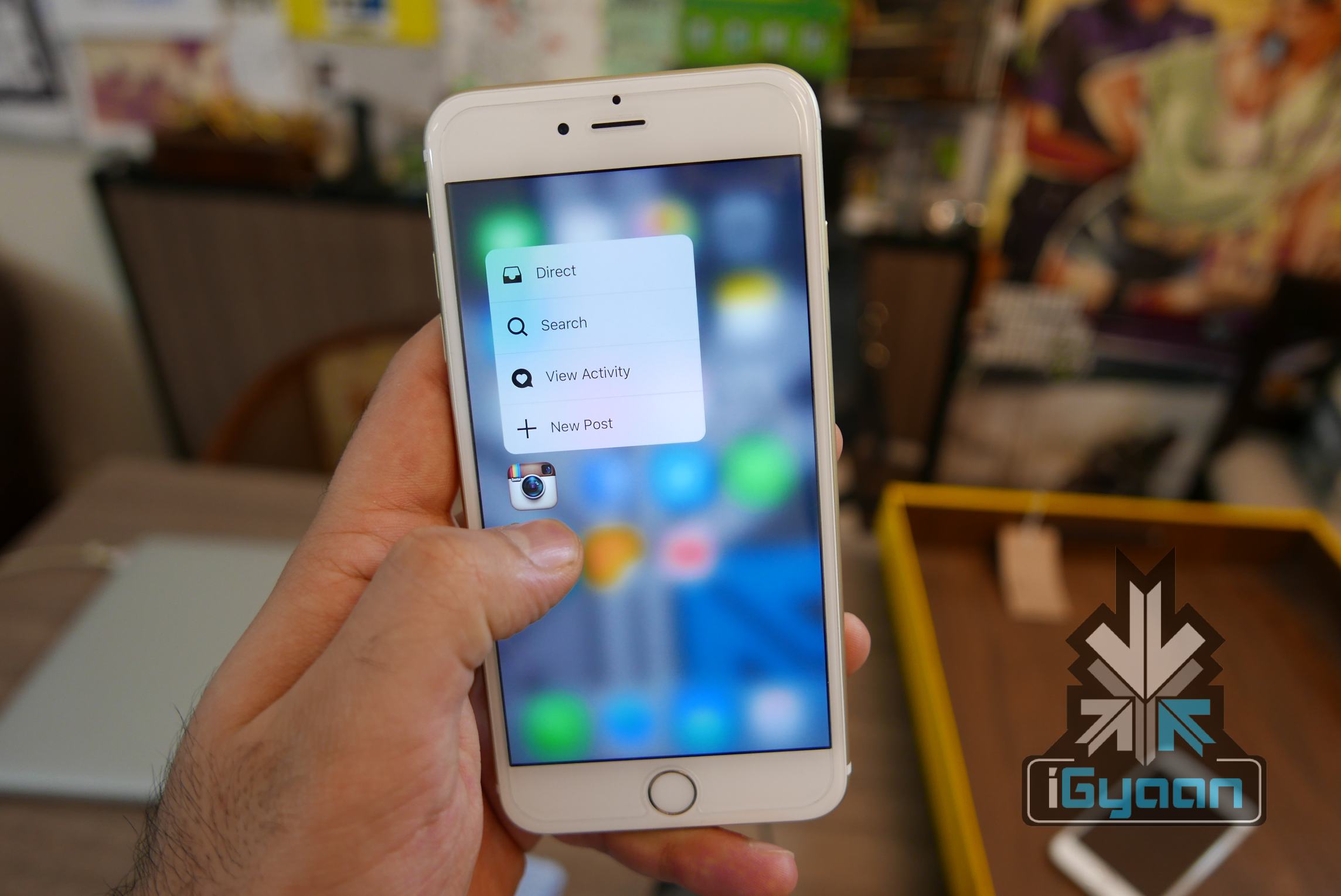
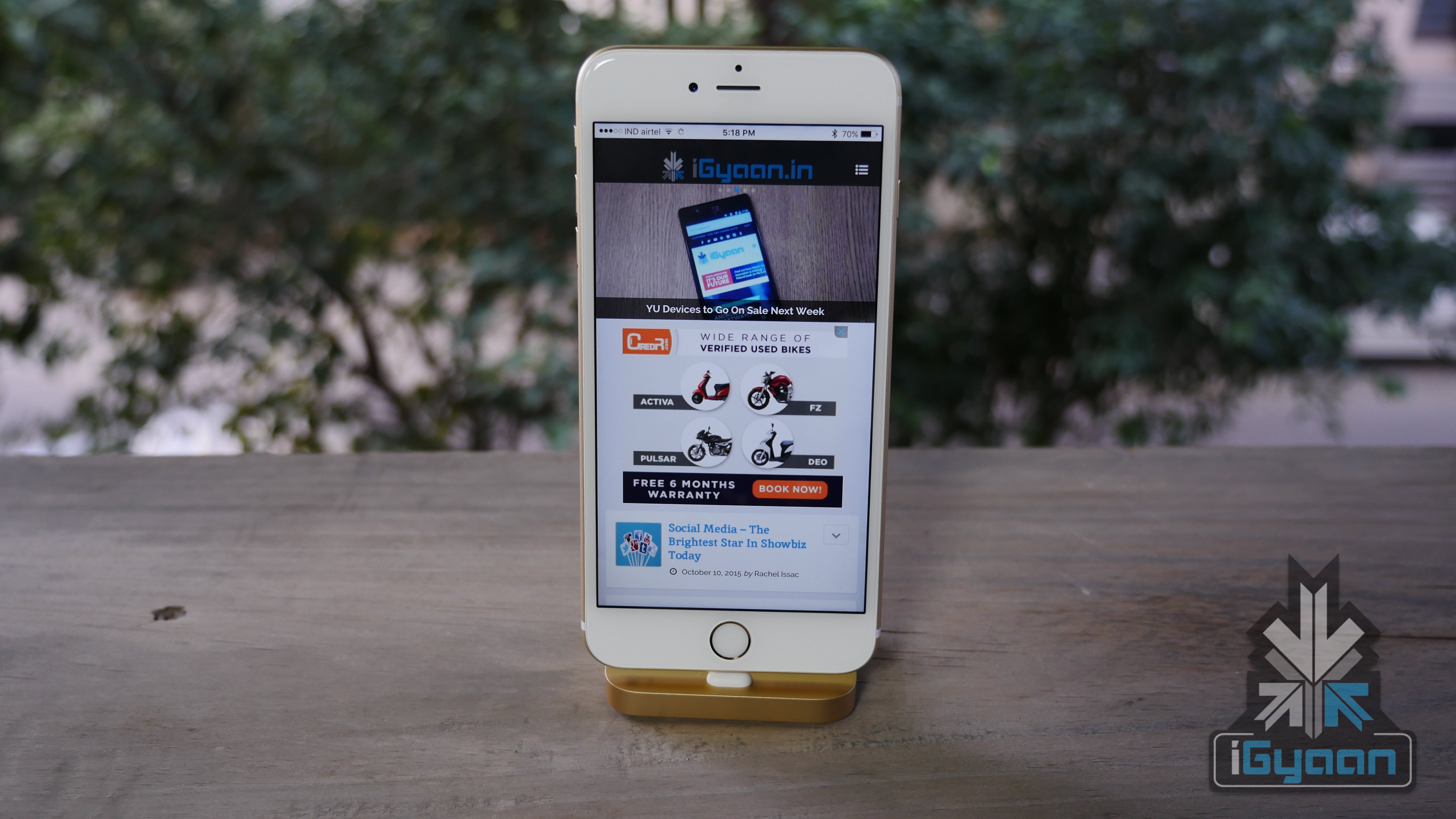
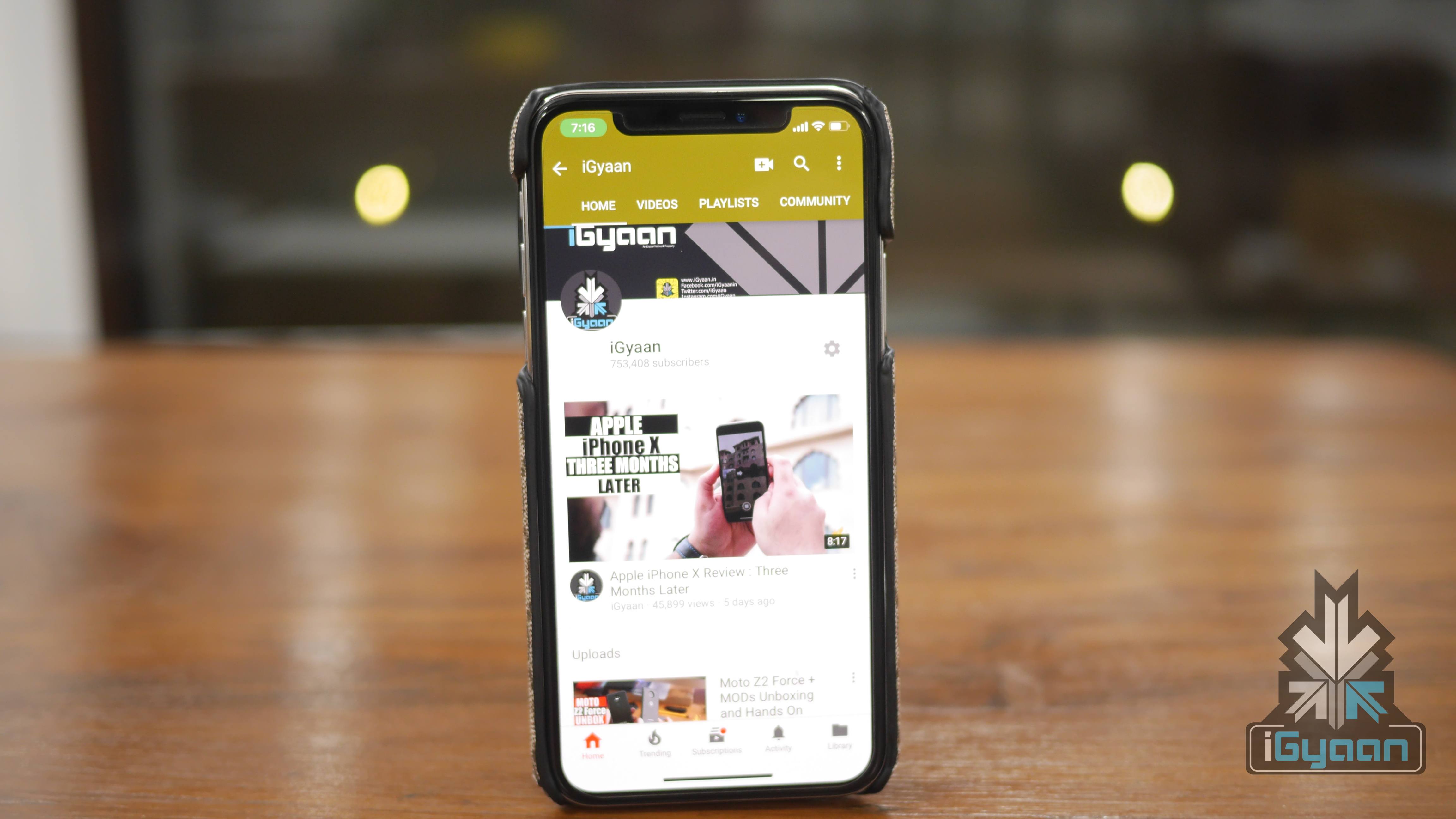
One of the most successful Apple iPhones in India, the iPhone 6s Plus might be in line to receive a price drop. Not to compete with other smartphones or due to dwindling sales figures but, because Apple will soon manufacture the iPhone 6s Plus in India. Apple has already begun a trial run at the Bengaluru plant of its contract manufacturer, Wistron. The iPhone 6s Plus will be the second iPhone after the iPhone SE to be manufactured in India, if we exclude the upcomingiPhone SE 2.
Wistron has already set up a new assembly line for iPhone 6s Plus production, and commercial production is expected to start in about two weeks. Just like with the iPhone SE, the iPhone 6s Plus will also see a drop in price as the manufacturing cost decreases. However, that might take some time as Apple is already selling the 6s Plus units in India which were imported initially. Locally produced iPhone 6s Plus can bring down the prices by 5-7%.
The iPhone 6s Plus 32GB currently retails for Rs 37999. After a 7% price drop, the price of the iPhone 6s Plus 32GB could come down to around Rs 35000. At such a price point, the 6s Plus will have a price similar to the entry-level model of the upcoming OnePlus 6. An industry executive said:
However, the price correction may not be reflected immediately since Wistron will not be able to fully meet the entire requirement of iPhone 6s Plus in India and imports from China will continue. Eventually, as the local capacity gains scale the prices will get corrected.
This is a great move by Apple considering the recent price hike of its iPhones in India. The Central Government increased import duties from 10% to 15% on products like circuit boards etc. Apple’s biggest competitor Samsung was insulated from the price hike as its premium smartphones are manufactured in India. Apple has also been working on its local sourcing plants in India. In early-2017, Apple had one sourcing plants. However, the company now has five sourcing plants for things like packaging products, adapters, accessories etc.
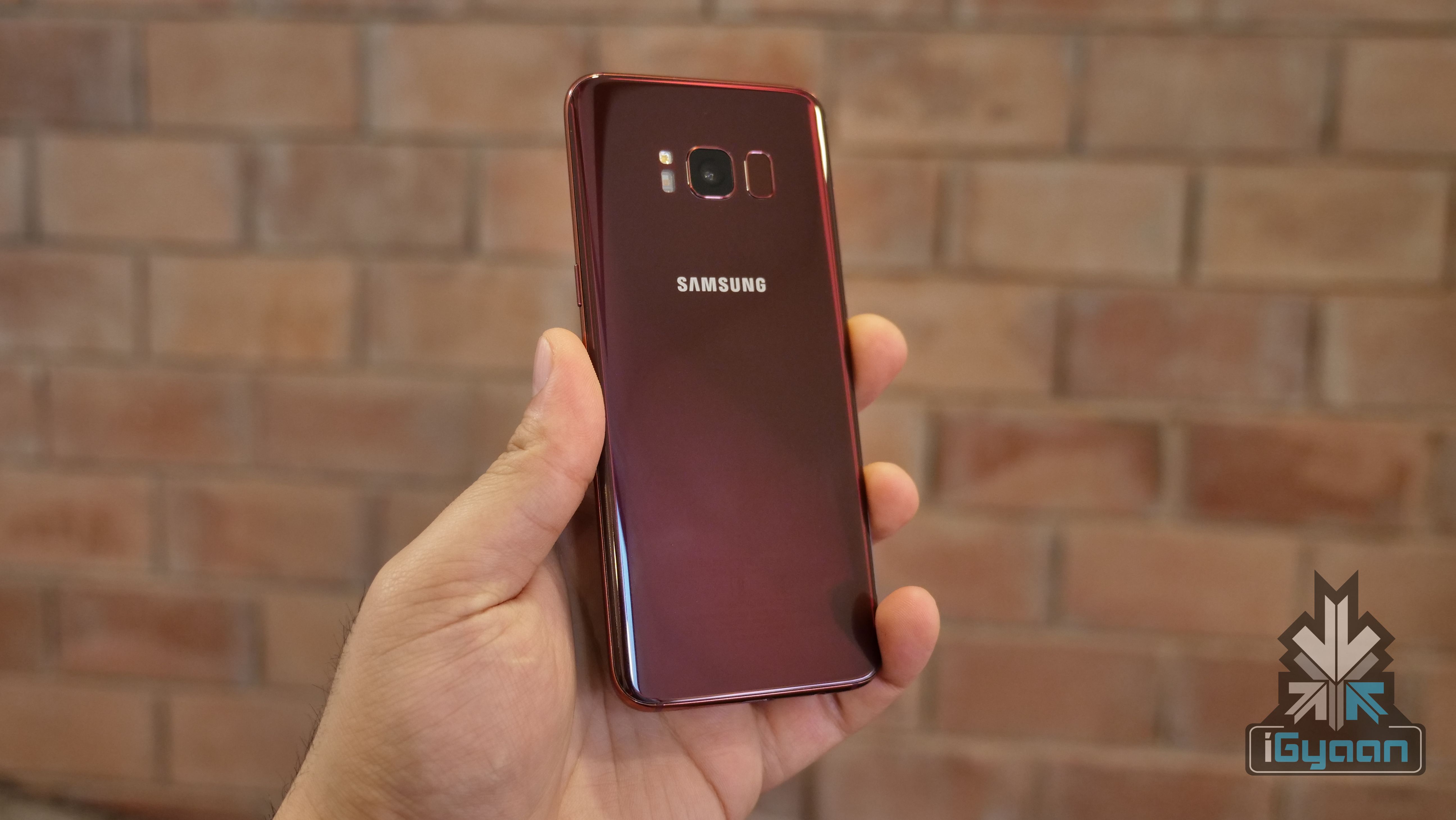
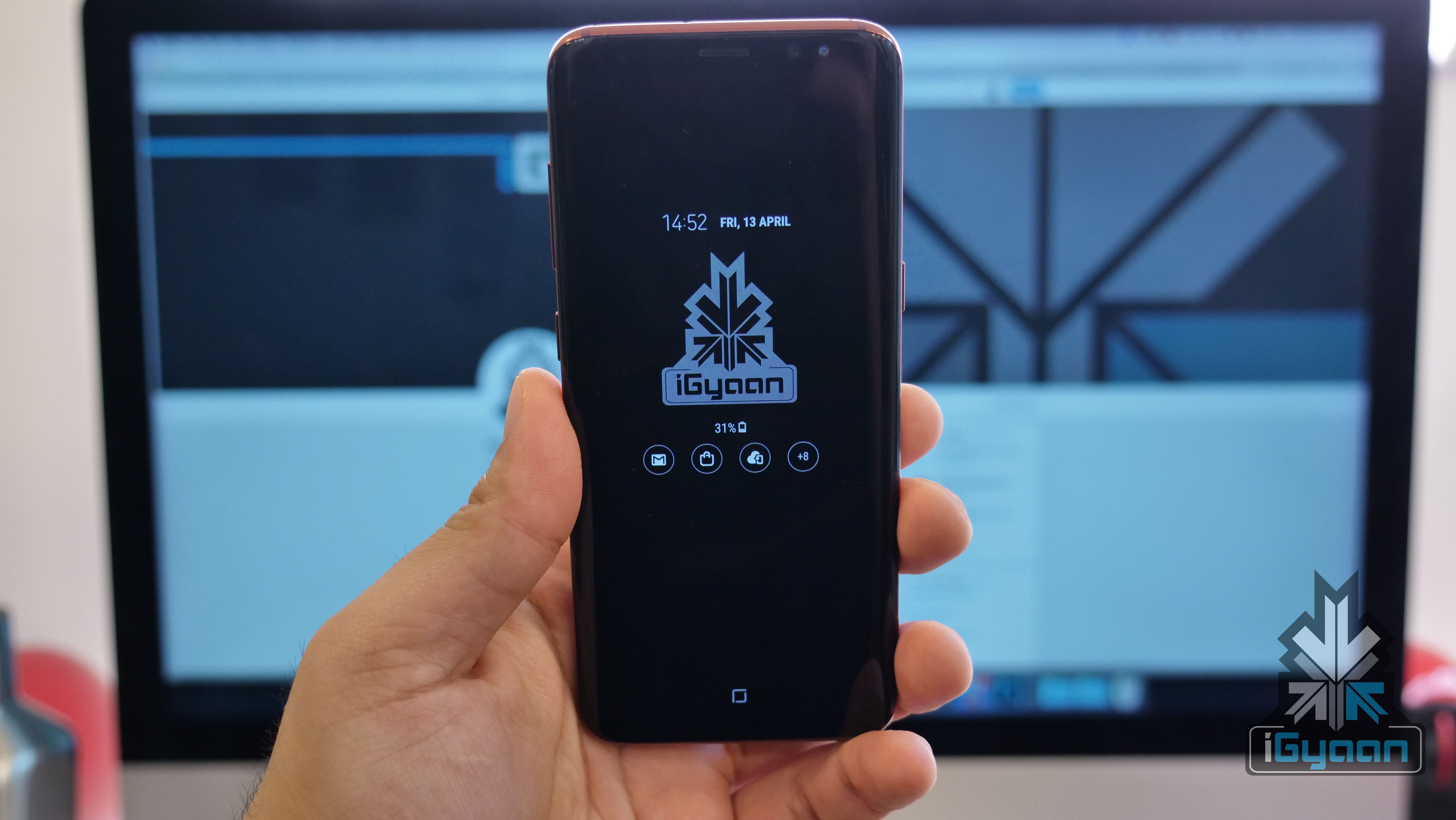
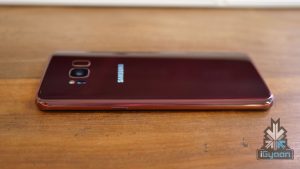
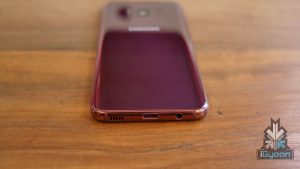
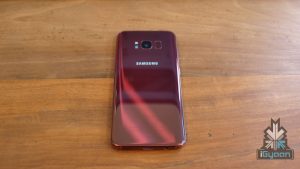
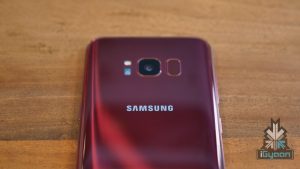
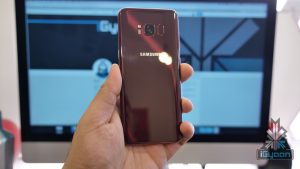
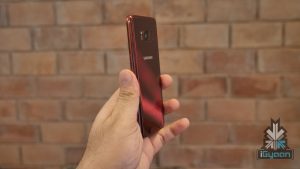
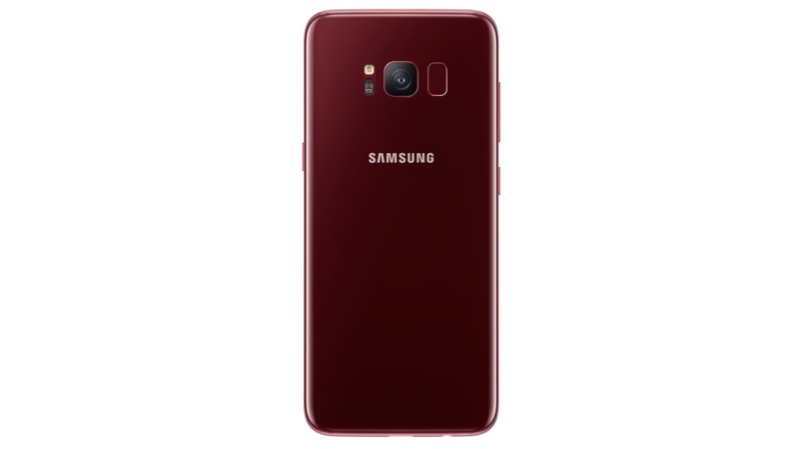
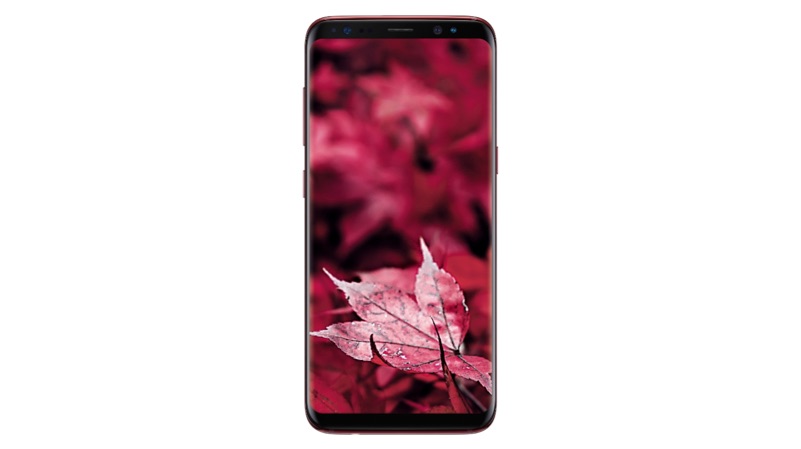
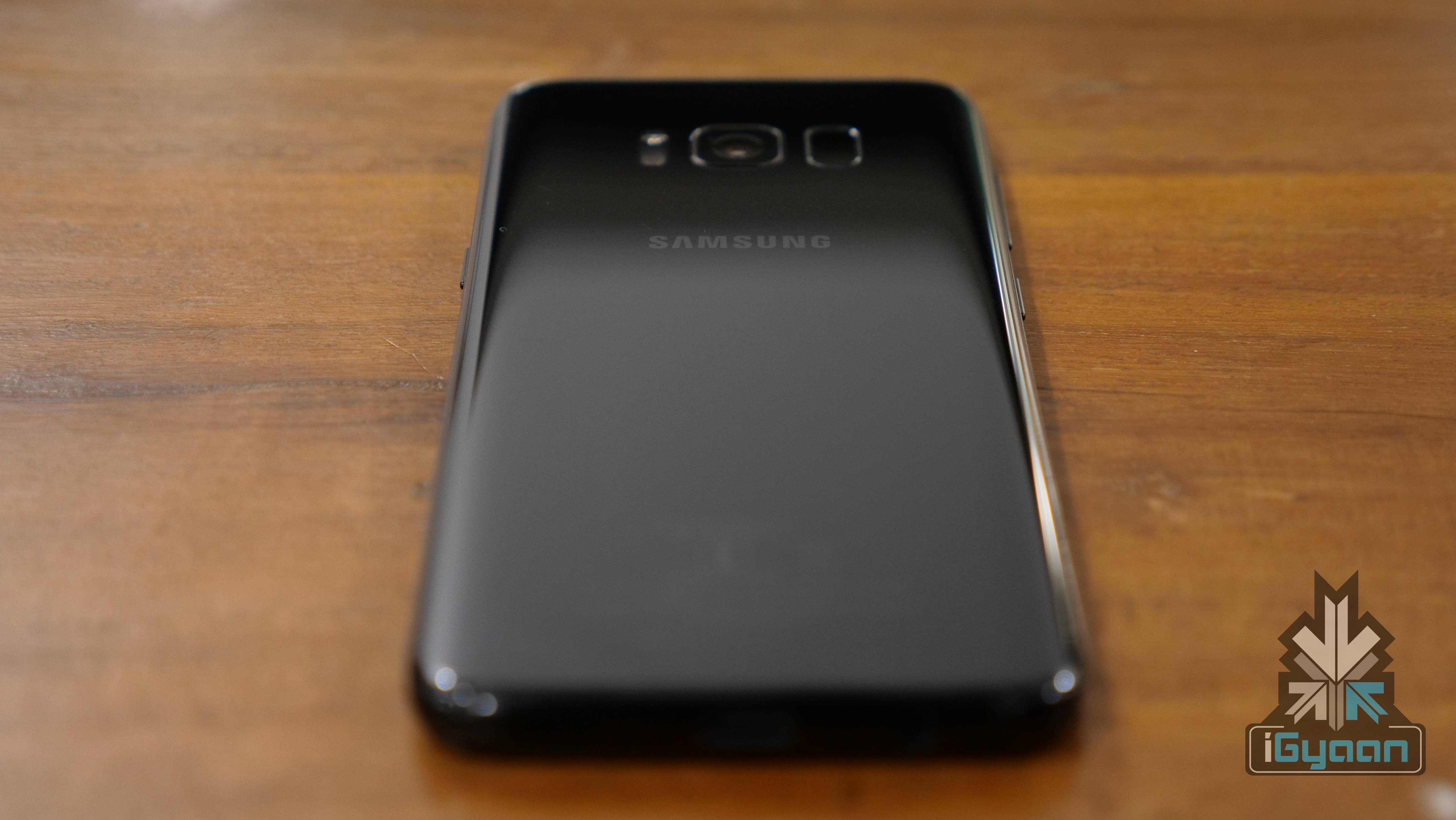
Samsung has launched a new colour variant of its year old flagship device, the Galaxy S8. Available now the Samsung Galaxy S8 Burgundy Red colour, retails for Rs 49999. Consumers can also avail a Rs 10000 cash back on credit card payments, bringing the effective price of the Galaxy S8 to Rs 39999. The 2017 flagship smartphone received a price cut after the Galaxy S9 and S9+ were launched in India back in March.
The timing of the launch of the Galaxy S8 Burgundy Red in India is an interesting one, as it was launched a few hours before Apple introduced the iPhone 8 and 8 Plus (Product) RED globally. What makes the Galaxy S8 Burgundy Red the best colour variant of any smartphone is the fact that it is not your usual red coloured smartphone. Smartphone makers like OnePlus, Xiaomi and Honor have also launched a red colour variant of their popular smartphone but, nothing quite like the Burgundy Red found on the Galaxy S8.
The all-glass Samsung Galaxy S8 was already one of the best-looking smartphones to have launched lately and the new colour makes it a tad better. Also because of the glass build of the Galaxy S8, the shade of red colour is much deeper and more subtle than the red colour found on the likes of the iPhone 7 or OnePlus 5T.
At a price 0f Rs 49999, the Galaxy S8, especially with the new Burgundy Red colour can be a great buy. Smartphones these days barely differ in specifications and the difference is even more minute when comparing two generations of a smartphone. If a user is not interested in the variable aperture or 960fps video recording, the Samsung Galaxy S8 is a great way to get the design and build quality of a Galaxy S9 at a price that is much lower.
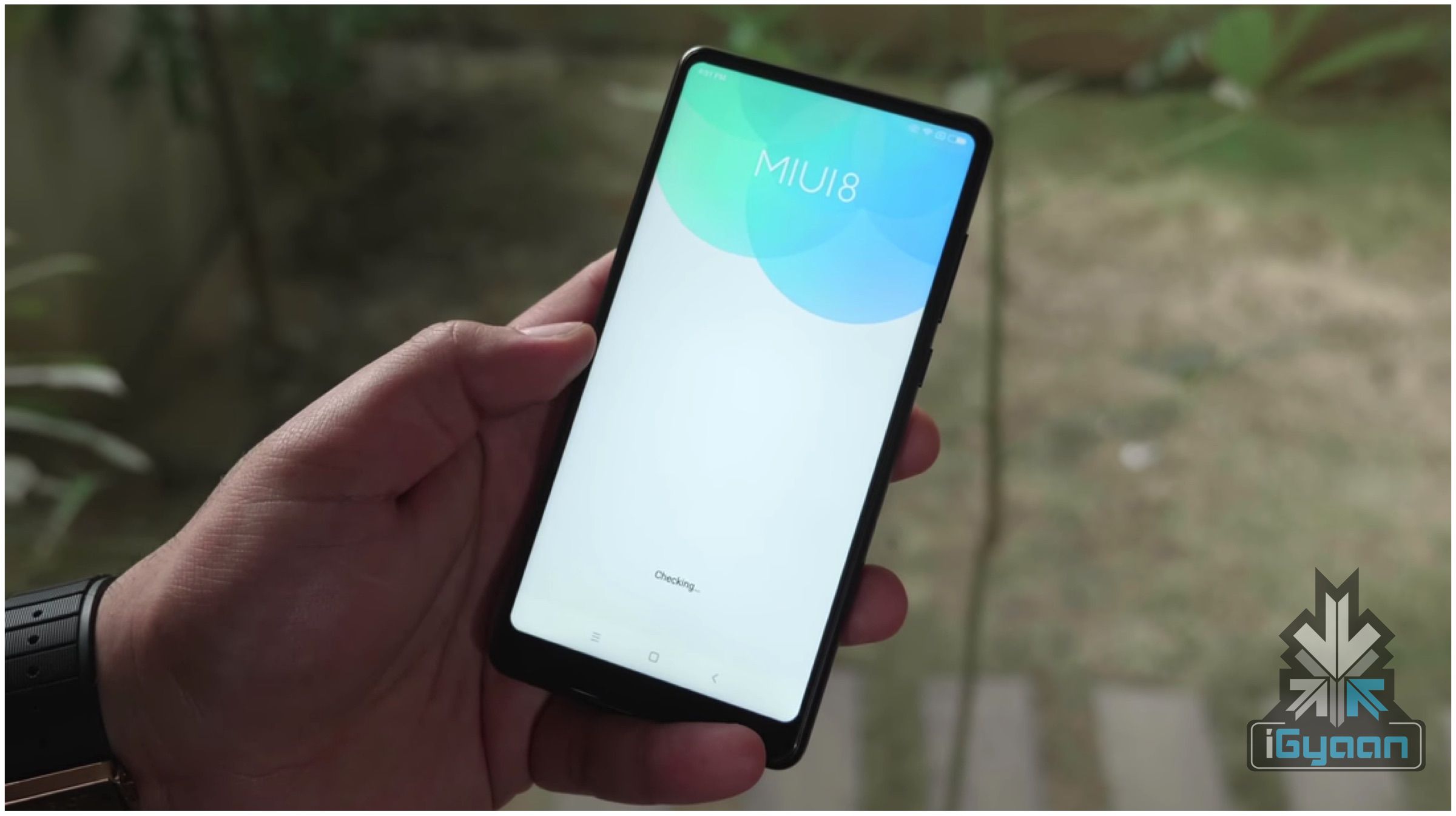
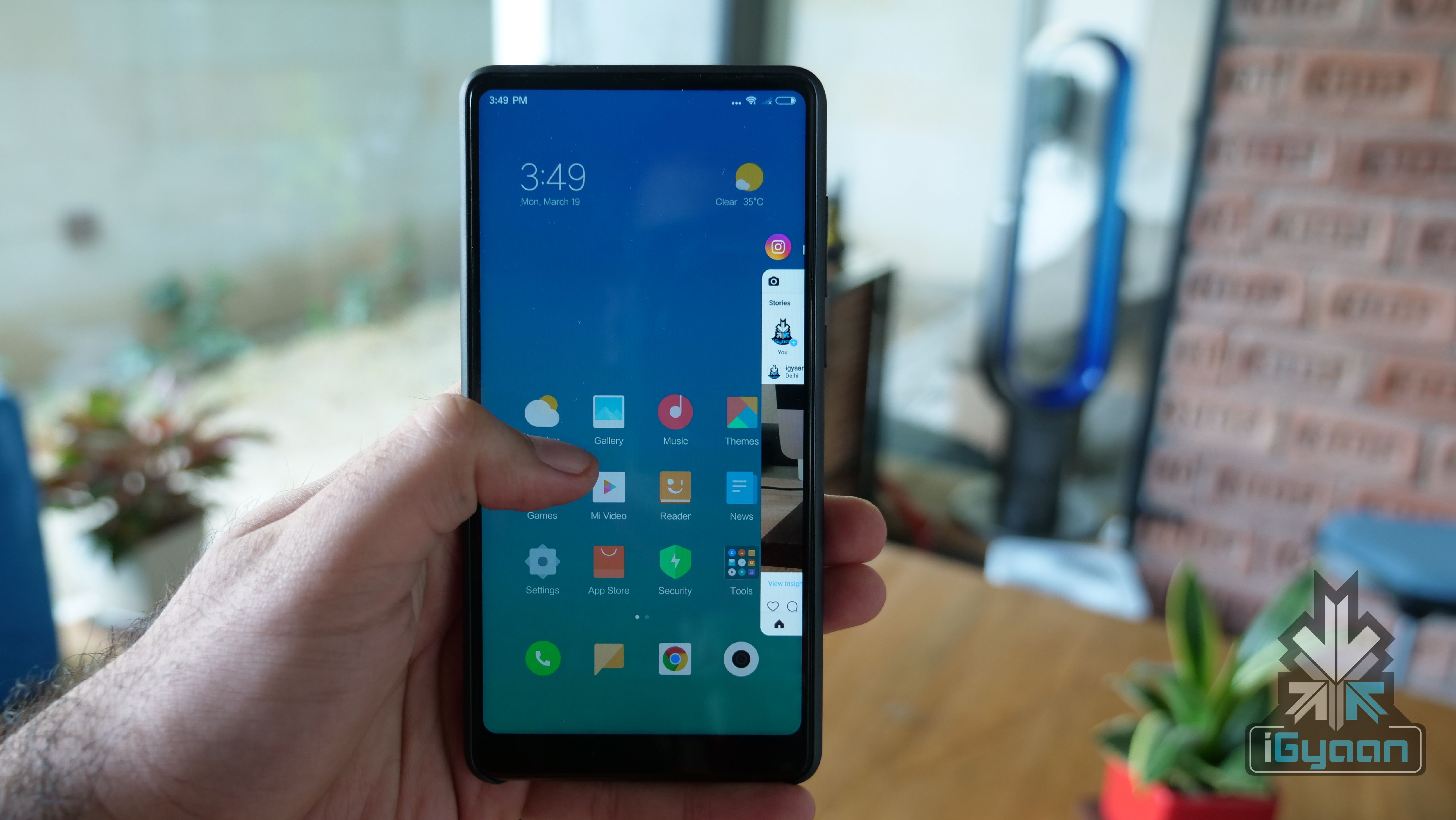
Xiaomi launched the Mi MIX 2 in India on the October 10th 2017 for a price of Rs 35999. After more than six months of its official launch, Xiaomi is planning a drastic price drop for the Mi MIX 2. Sources close and exclusive to iGyaan have reported that Xiaomi is planning to slash the price of the Mi MIX 2 to Rs 24999.
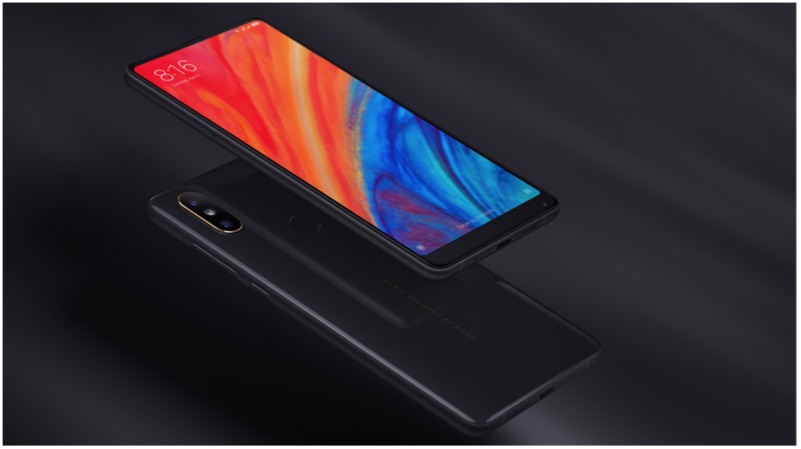
Xiaomi recently launched the Mi MIX 2s in China and just like the Mi MIX 2, the new Mi MIX 2s could also make its way to the Indian market. This could be one of the main reasons why Xiaomi is willing to bring the price of the Mi MIX 2 down in India. In early-May, OnePlus will launch its new flagship device, the OnePlus 6 at a price very similar to the current price of the Mi MIX 2 (around Rs 34000). With the OnePlus 6 being a modern flagship with better specifications, Xiaomi would want to avoid clashing with it in a price sensitive market like India.
Mi MIX 2s
So far, there has been no communication from the company about a possible Mi MIX 2s launch in India. This means that this decision could be a pre-emptive one with the OnePlus 6 launch in consideration. However, for now, the reason for the price drop cannot be confirmed but, only speculated.
At the time of the launch, the Mi MIX 2 was up against the likes of the OnePlus 5 and Nokia 8, both of which had an inferior design and build quality. Over the months since its launch, companies like OnePlus and Honor launched the OnePlus 5T and Honor View 10, respectively with a new design and similar specifications and a cheaper price tag. This meant the Mi MIX 2 had competition in terms of design, specifications and the price as well.
Gesture Support On MIX 2 After MIUI 9.5 Update
The design and build quality of the MIX 2 was highly appreciated at the time of its launch. The tri bezel-less design with a thicker chin meant that Xiaomi could offer a great screen-to-body ratio as well. In our review of the Mi MIX 2, we found the camera performance of the smartphone to be lacking and that was about it. As a whole, the Mi MIX 2 was and is a great phone and at a price of Rs 24999, it could be a steal.
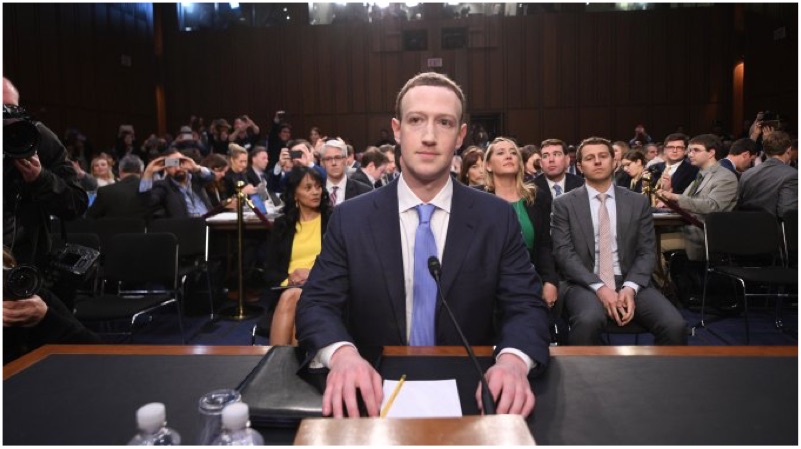
Mark Zuckerberg didn’t reveal the hotel he stayed in during the testimony while Facebook users share their travel plans to everyone. This pretty much sums up the entire deposition of the Facebook co-founder Mark Zuckerberg. The CEO of the largest social media company, Zuckerberg sat in front of the Congressmen and tried to clarify the role of Facebook in the whole Cambridge Analytica data breach scandal. Leading up to the testimony, it was reported that Facebook had arranged training with DC Consultants for Mark Zuckerberg.
The testimony, or more so the idea of putting Mark Zuckerberg through his paces, even though exciting for its mere existence, was anything but. All the Senators present at the testimony were inept of the working of social media and the business model of Facebook. And that clearly showed in the five-hour long testimony which was a huge win for Facebook and Mark Zuckerberg. The testimony meant that Facebook was prepared to go under the cosh to prove its innocence or remorse, and it did so and came out pretty much unscathed.
Mark Zuckerberg clearly knew what was to be done as he dodged any questions that could have had further implications. He repeated a lot of the answers, most of them coming from his own Facebook post from a few weeks ago. That goes on to prove how surfaced the questions were from the Senators. It is worth noting that every Senator had only five minutes with Zuckerberg, which meant that very few asked tough questions and even fewer had the opportunity to follow that up with another query.
After the testimony, important questions like did Facebook cover up the Cambridge Analytica scandal? Or decide against adding privacy protections earlier to protect its developer platform? Another rising question is whether it is a breach of trust on Facebook’s part to delete Zuckerberg’s Facebook messages out of recipients’ inboxes? Unfortunately, nobody even began to scratch the surface that could have further led to answers to these questions. Whether Zuckerberg would have complied and answered to those questions is a different kettle of fish altogether.
Facebook’s homework for this testimony also shone through during the questioning. The most common questions asked Zuckerberg were a few things that Facebook had taken care of well in advance. For example, Mark Zuckerberg was asked about Facebook’s ineptness during the 2016 Election campaign. On 9th of April, Facebook had announced that it had deleted the accounts of Russian GRU intelligence operatives in June 2016.
Another question that was asked, was “Is Facebook Sorry?” To which Zuckerberg replied:
We didn’t take a broad enough view of what our responsibility is and that was a huge mistake. That was my mistake.
The five-hour long testimony ended with Zuckerberg unmoved and calm while many viewers felt let down by the lack of knowledge behind the questions directed at him. The testimony might have left a lot of questions unanswered but, it appears to be a win for Facebook. The social media giant has pretty much laid the facts in front of the world. To prove that the testimony was a success for Facebook, investors rewarded Facebook with a 4.5% share price boost.
Update: The video has been recovered by YouTube and is now live on the video streaming platform.
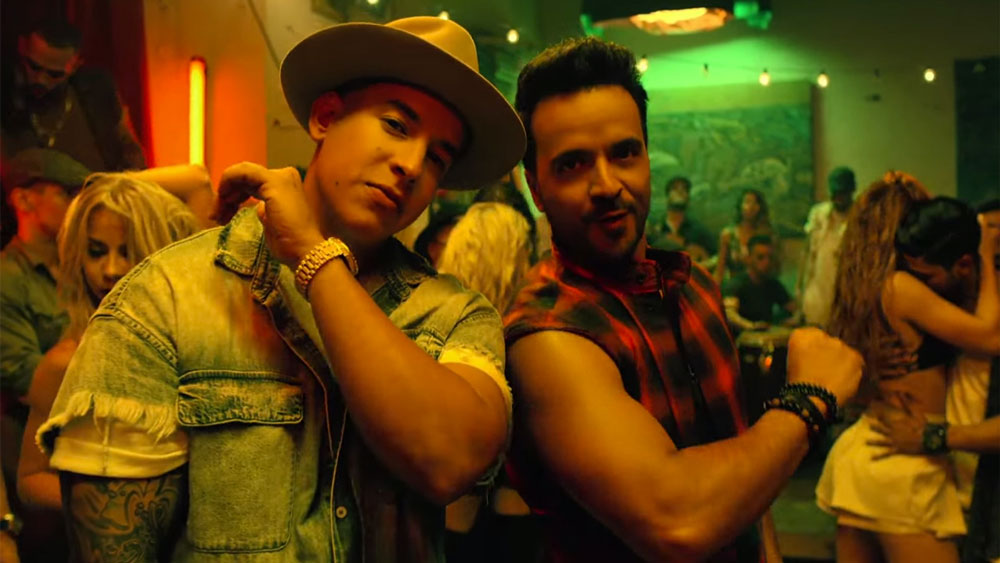
Luis Fonsi’s song, Despacito became the most-watched video ever on YouTube. Now, after falling victim to a cybercrime, the official video of Despacito has been deleted from YouTube while several accounts of other artists have also been compromised.
At first, the thumbnail for the video was altered. The original image was replaced with a group of masked men holding guns and the description was changed by a group of hackers calling themselves Prosox and Kuro’ish. The hackers also wrote “Free Palestine” in the description of many videos. The image of the masked gang members is from the Netflix show, Casa de Papel.
Apart from Luis Fonsi (creator of Despacito), several other artists’ Vevo accounts including DJ Snake, Shakira, Katy Perry, Taylor Swift and more have been hacked.
Almost all the videos of these artists are available on YouTube as of now. However, the titles, descriptions and thumbnails of many famous videos have been compromised. It is worth noting that all these videos were uploaded to the Vevo accounts of these artists. There is no clarity about the degree of access these hackers have gained. Whether these hackers have gained access to individual accounts or if there was a wider attack on Vevo accounts.
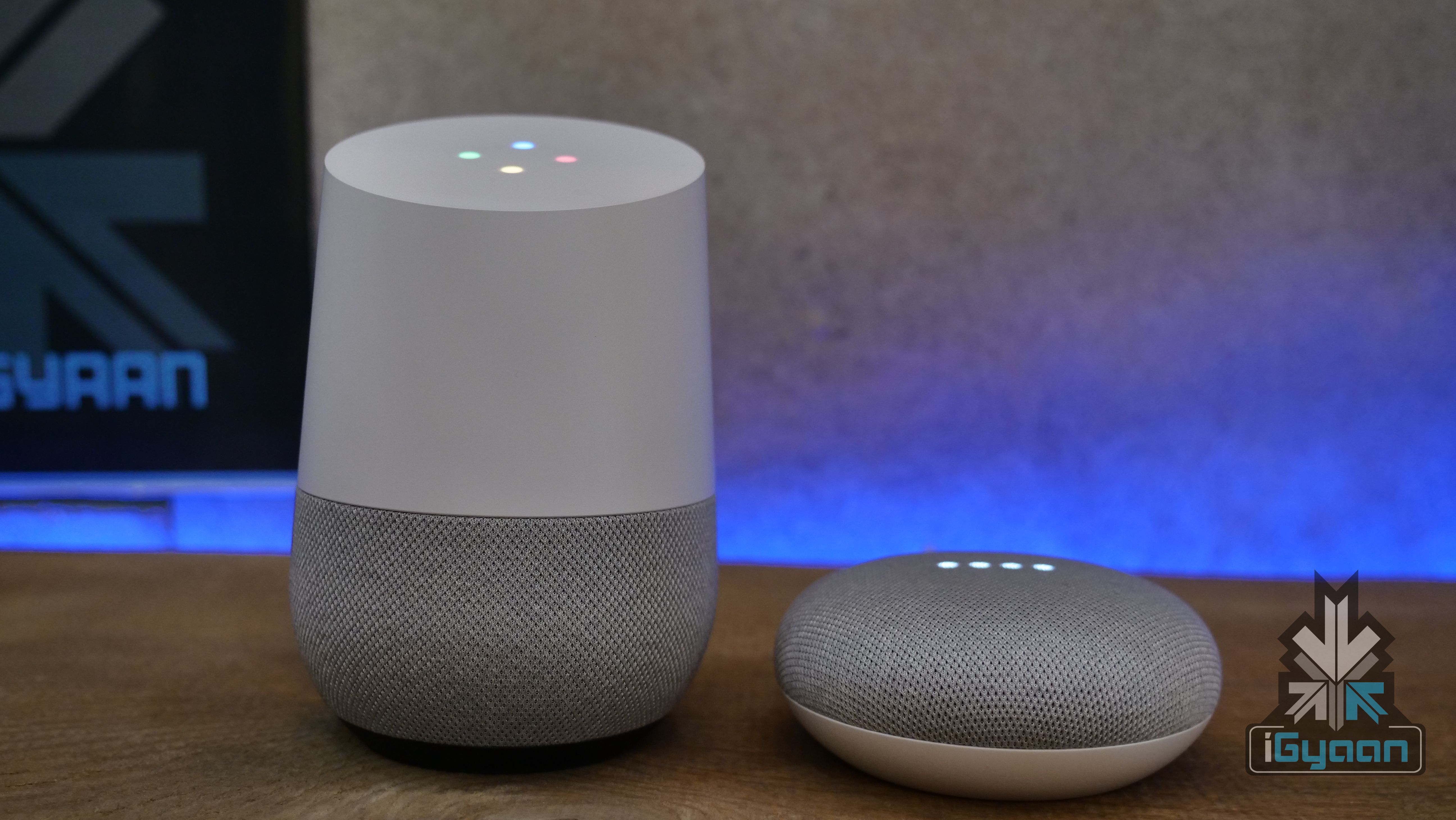
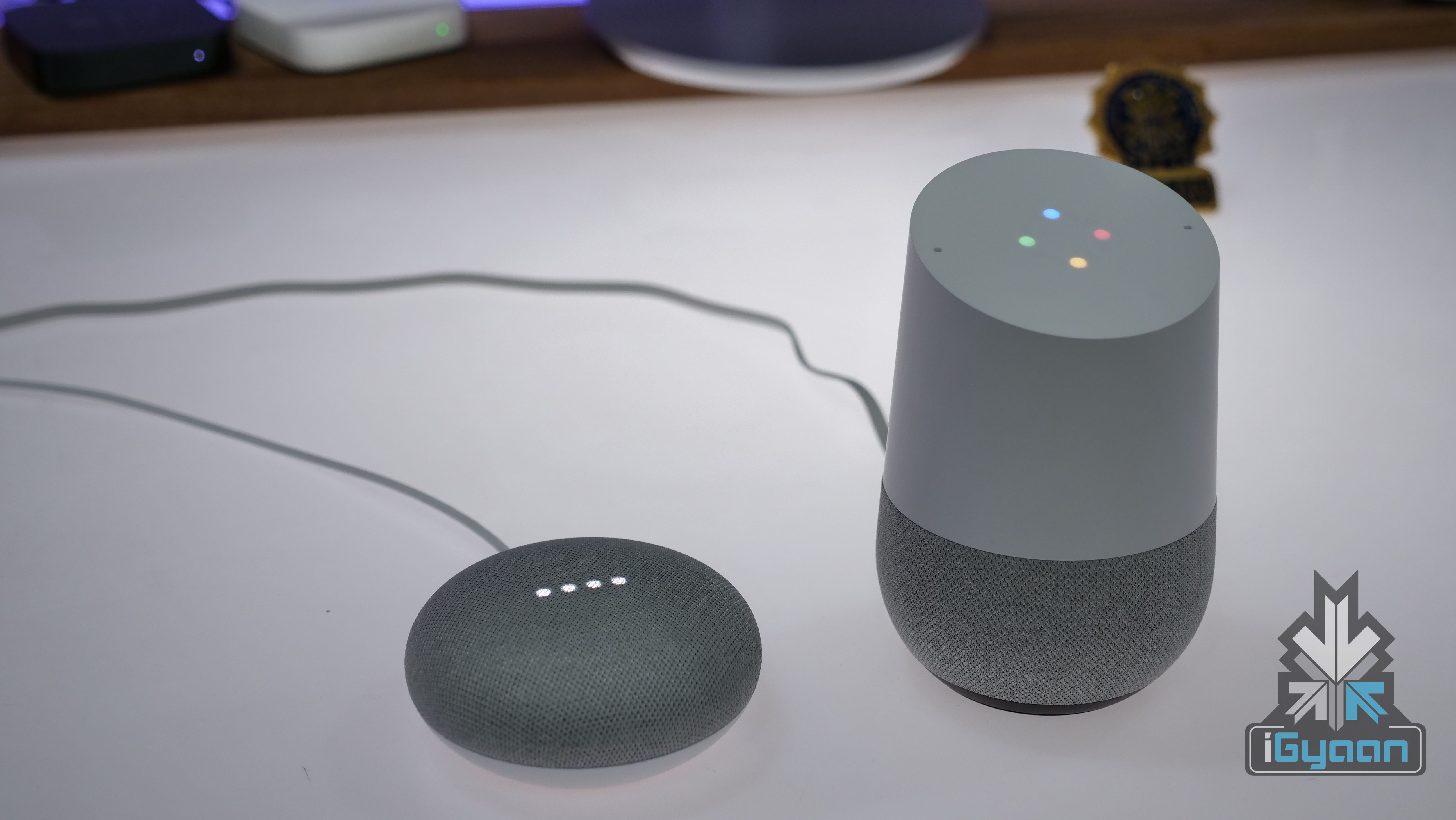
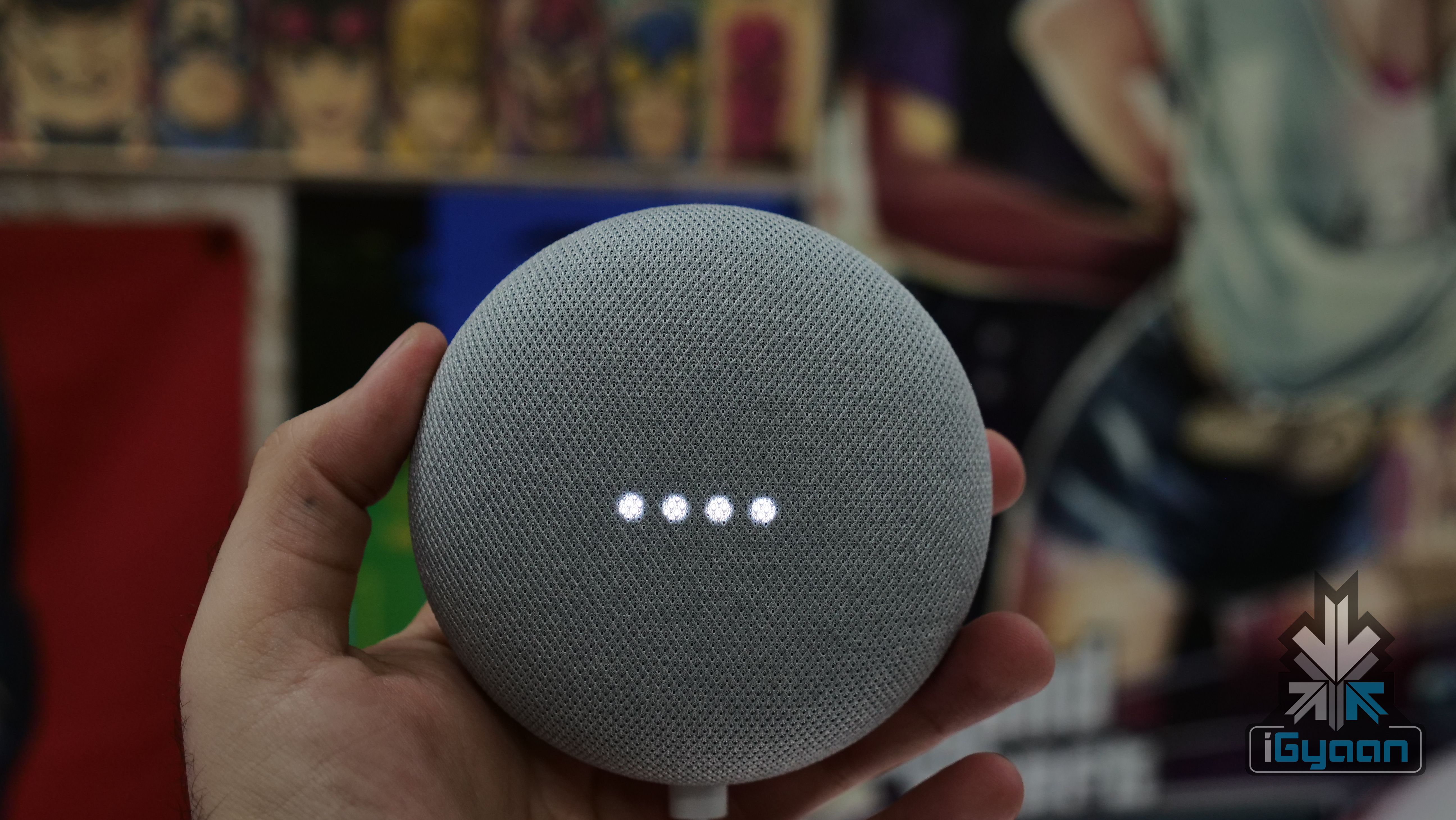
Google has launched its first-ever line of smart speakers in India at an event in Delhi. The company has launched its most affordable offering, the Google Home Mini for Rs 4499 and the mid-range Google Home for Rs 9999.
The Google Home Mini and Home will compete with Amazon Echo Dot and Echo, which were launched in India back in October 2017. The smart speaker industry in India is starting to pick up its pace as more companies are introducing their smart speakers in India. Recently, another Echo Dot/Home Mini alternate, Eufy Genie was launched in India which is available for Rs 3980 via Amazon. The Eufy Genie is powered Alexa, Amazon’s AI assistant. The Google Home and Home Mini, on the other hand, are powered by the Google Assistant, the company’s own AI assistant.
Amazon Echo Plus
These smart speakers function only if they’re connected to a Wi-Fi network. The speakers act as great music players but once connected they can be used to also control different smart home accessories like a smart bulb. Additionally, these speakers can schedule a task, set an alarm, ask for trivia or the latest news.
Google Home Specs
Available in two colour variants, one with White, while the other a Slate fabric finish. The larger smart speaker has a 2 inch driver with dual 2 inch passive radiators. The speaker requires 16.5 Volts and 2A current, which is why the speaker has to be connected to a power source at all times. One can connect to these speakers using an iOS or Android smartphone using the Google Home app. The speaker supports both 2.4 GHz and 5 GHz Wi-Fi Bands. Additionally, these speakers can connect with each other to run as a single set of speakers or for multi-room playback.
Weight (g)
477
Supported Audio Formats
HE-AAC, LC-AAC, MP3, Vorbis, WAV (LPCM), FLAC, Opus
Wireless network
802.11b/g/n/ac (2.4GHz/5Ghz) Wi-Fi
Speaker
2in driver + dual 2in passive radiators
Connections
DC power jack, Micro-USB port (for service only)
Google Home Mini Specs
The Mini has a similar functionality in a compact form factor. The speaker is available in three different finishes, which includes Chalk, Charcoal, and Coral. Due to smaller form factor, it requires 5 Volts and 1.8 Amps power. However, it packs in a smaller speaker, which might not be able to fill out even a small room.
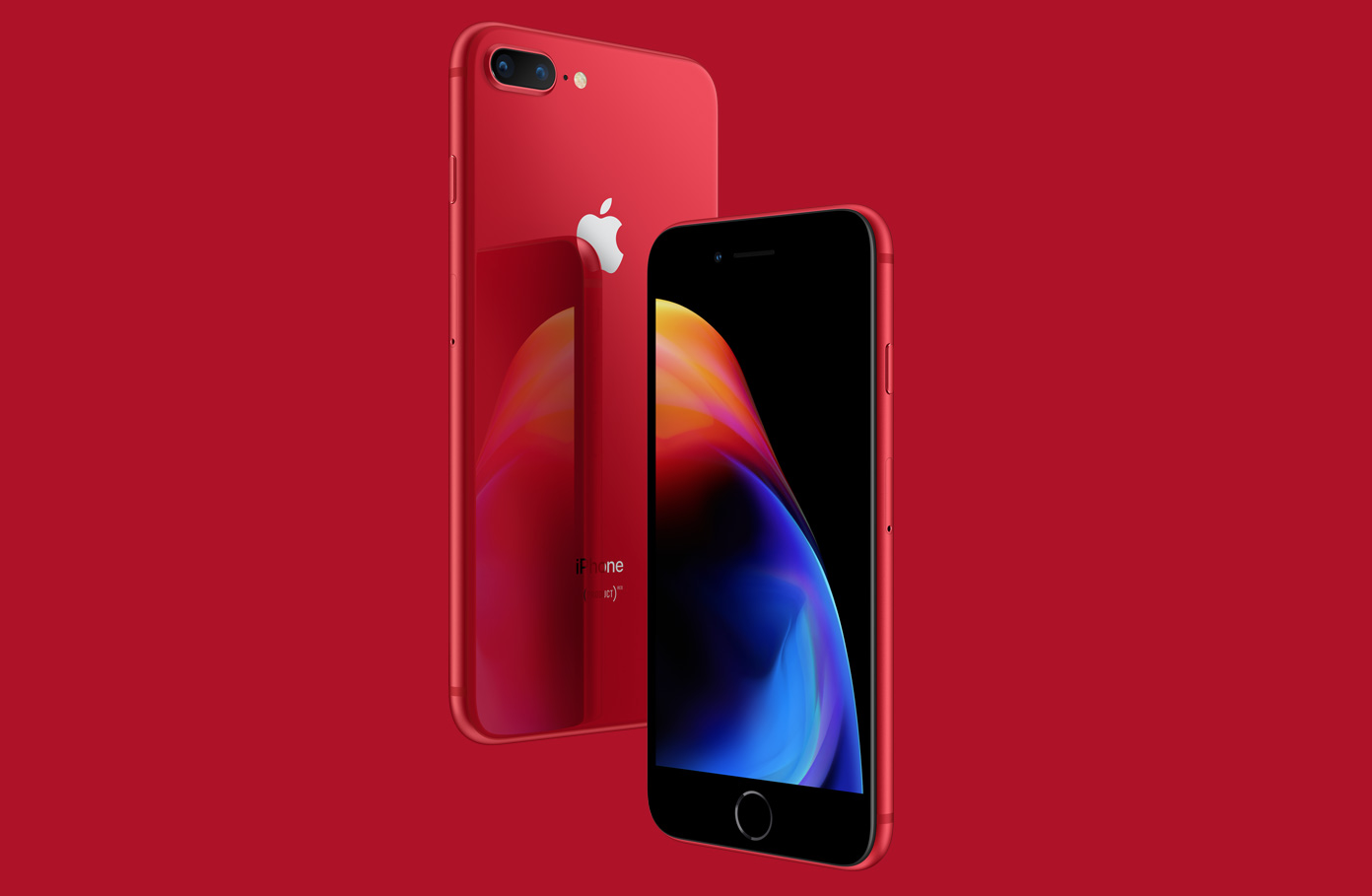
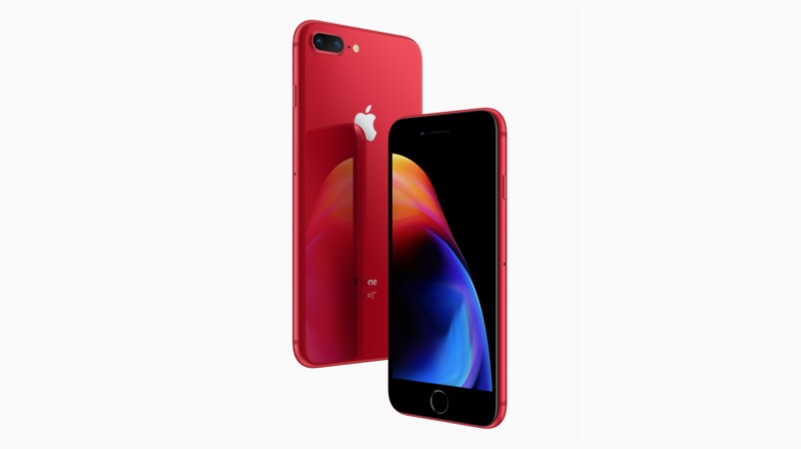
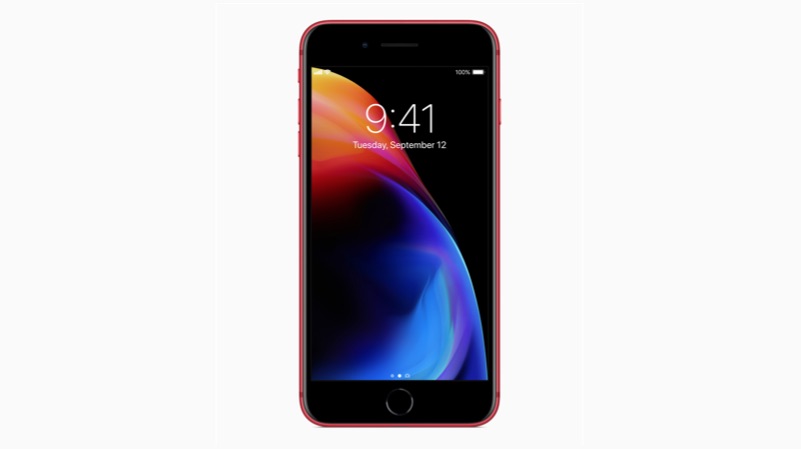
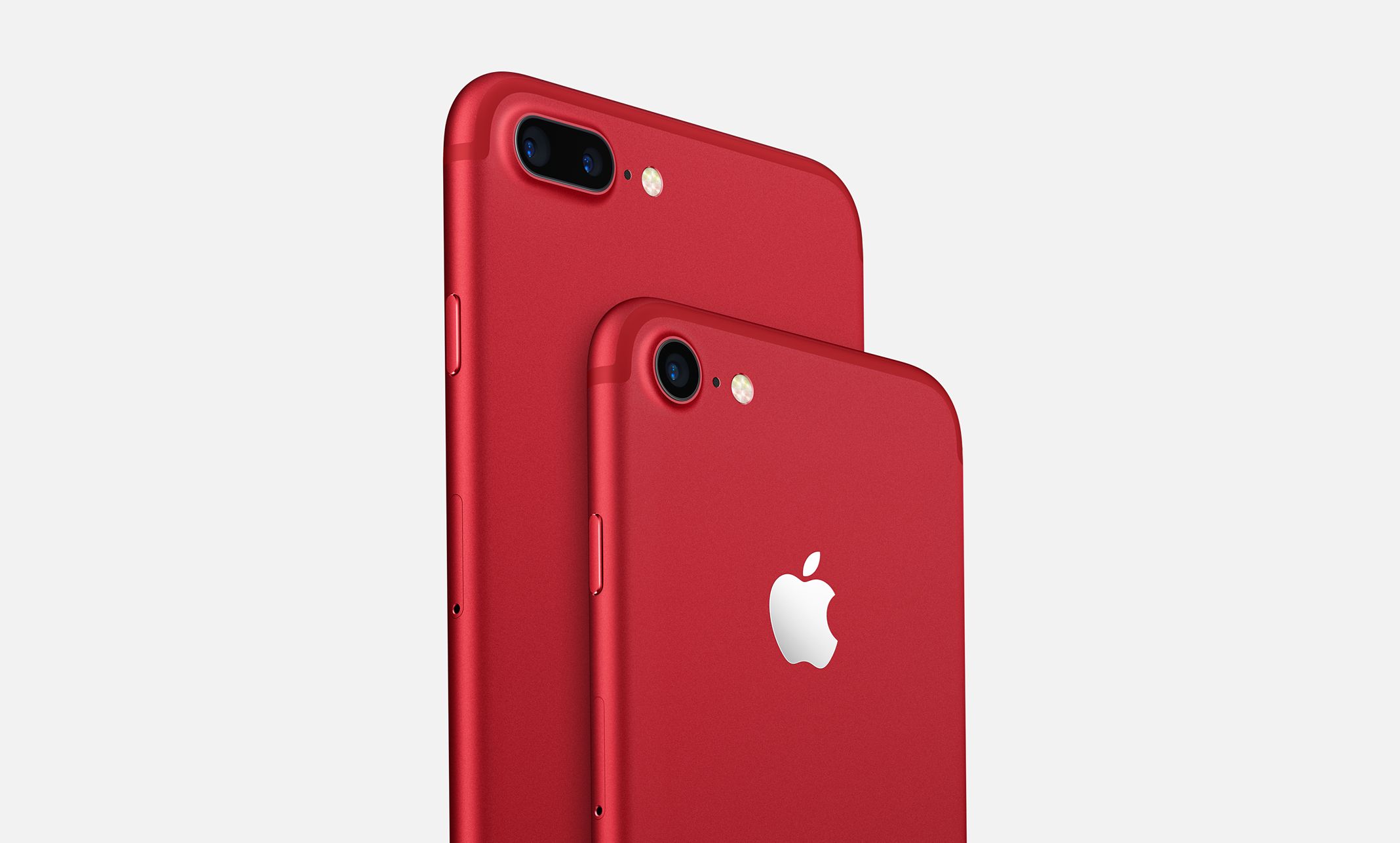
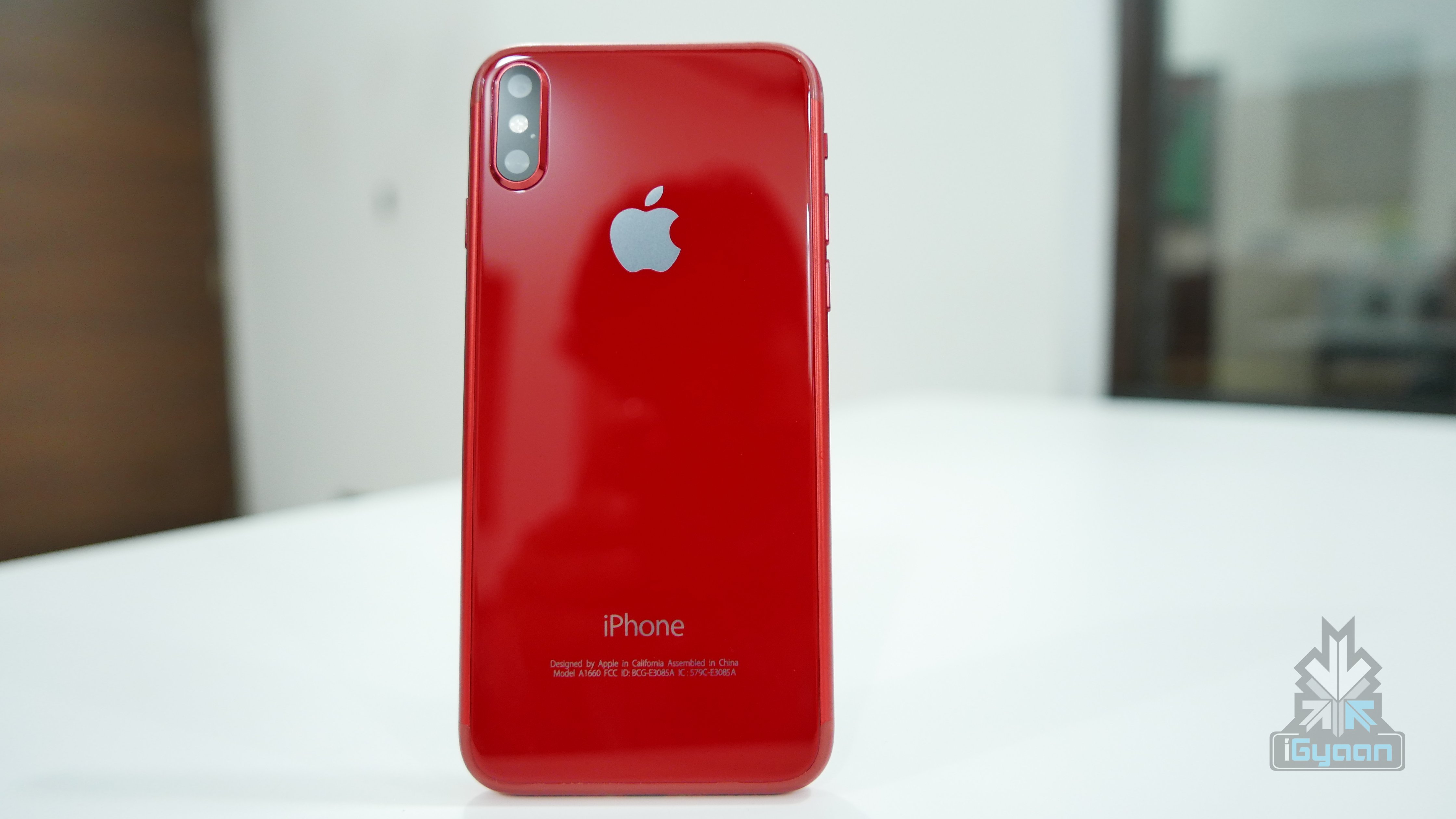
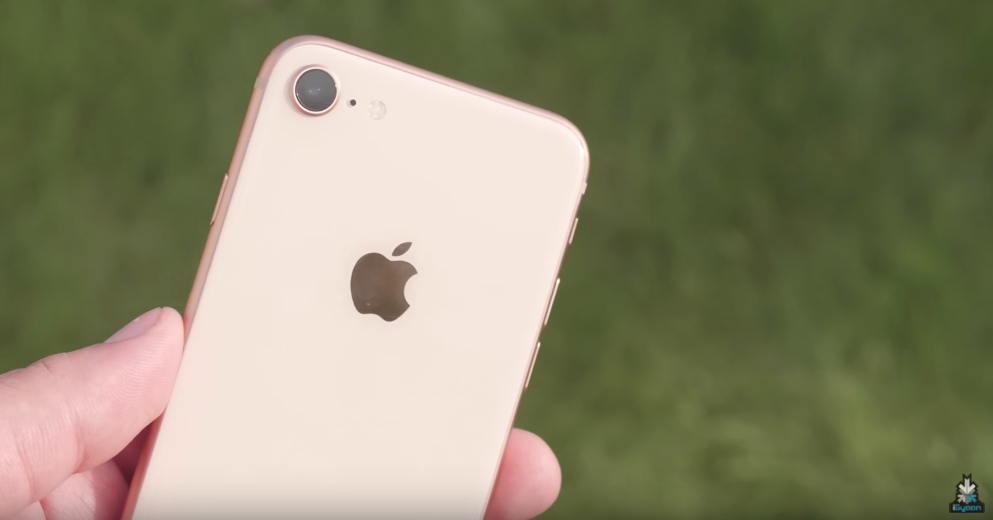
Apple has officially launched the iPhone 8 and iPhone 8 Plus (Product) RED variants at a starting price of US$ 699. The new iPhones start shipping to countries like the US, Australia, New Zealand etc from the 13th of April. However, the iPhone 8 and 8 Plus (Product) RED won’t hit the Indian shores until May. The iPhone 8 and iPhone 8 Plus (Product) RED will be available in both 64GB and 256GB storage variants and will start retailing at a price of Rs 67940.
Apple’s Vice President of Product Marketing Greg Joswiak said:
This special edition (PRODUCT) RED iPhone features a stunning red and black color combination and also offers customers the opportunity to make an impact in fighting the spread of HIV and AIDS. We are proud to support (RED) with this bold new iPhone and hope customers think it is as special as we do.
Apart from the exciting new colour, the new iPhones do not add any new functionalities. However, one thing that differs from last year’s iPhone 7 (Product) RED variants is the front of the iPhones. This time around, the thick bezels are black in colour, while the 2017 (Product) RED iPhones had white coloured bezels. Many iPhone users wanted black bezels and Apple has rectified that with the 2018 (Product) RED iPhones.
The new colour variant launch is a part of Apple’s partnership with (RED), an advocacy group dedicated to combating HIV/AIDS in Africa. It was founded in 2006 by Bono, frontman of the iconic band, U2 and ONE Campaign activist Bobby Shriver. In fact, Apple has launched a number of special RED iPads, iPods, cases and for the first time, in 2017, launched the iPhone 7 and iPhone 7 Plus in the special edition colour.
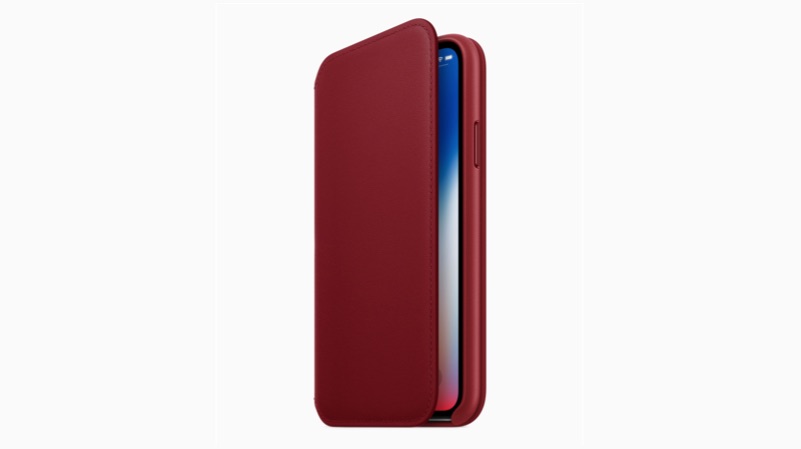
Apart from the new iPhone 8 and 8 Plus colour, Apple has also launched a new Folio case for the iPhone X. The new iPhone X (Product) RED Folio case will retail for Rs 7900 and will be available from Apple Authorised Resellers.
Huawei recently launched its 2018 flagship Android smartphone, the Huawei P20 Pro. Apart from its design which is inspired by the iPhone X, the most exciting feature of the device is its camera capabilities. The P20 Pro is the first-ever smartphone to have a triple-camera setup on the back. Its global price is EUR 899 (Rs 71000 approx.) but, it is expected to have a lower price tag in India.
Over the years, camera performance of a smartphone has taken precedence over other features. A crappy camera can be the downfall of an otherwise great smartphone. The Essential Ph-1 is a great example of that. Similarly, a great camera can uplift a smartphone with other visible flaws. The 2016 Google Pixel smartphones did not have a great design, add-on features like wireless charging or water resistance. However, they had the best camera on the market which overshadowed much of their flaws.
So, we took the top flagship smartphones on the market right now and put their cameras through the paces. The smartphones in question here are the Huawei P20 Pro, the Galaxy S9+, Apple iPhone X and the Moto Z2 Force.
Camera Samples
Huawei P20 Pro
Apple iPhone X
Samsung Galaxy S9+
Moto Z2 Force
Specifications
Huawei P20 Pro
Samsung Galaxy S9+
Apple iPhone X
Moto Z2 Force
EUR 899
64GB: Rs 65900
256GB: Rs 72900
64GB: Rs 82999
256GB: Rs 97999
Rs 34998
6.1 inch
OLED
6.2 inch
Super AMOLED
5.8 inch
Super Retina OLED
5.5 inch
P-OLED
2244 x 1080 px
18.5:9 Aspect Ratio
1:1,000,000 Contrast Ratio
Samsung has launched the Galaxy S8 in a new Burgundy Red colour variant at a price of Rs 49990 in India. The new colour variant will be available across all leading retail outlets with an additional Paytm cashback of Rs 10000 from the 13th of April. Whether the new colour variant will be available online via Flipkart or Amazon is not yet clear. After the launch of the Galaxy S9 and S9+, the Galaxy S8 and S8+ received a heavy price cut and the new colour variant is available at the same price as the other Galaxy S8 colour variants.
The Samsung Galaxy S8, even after a year since its official launch, continues to be a strong seller for Samsung. For consumers looking for a flagship Samsung device but, do not want to spend heavily on the S9 or its bigger sibling, the Galaxy S8 makes perfect sense. It is now available at a much lower price compared to its original price tag and still has one of the best display and build quality on the market.
Samsung Galaxy S8 Midnight Black
With the new Burgundy Red colour, the consumers have another option to choose from. This new colour variant also gives Samsung an upper hand over other sub-50K smartphones like the Nokia 8 Sirocco. It is worth noting that the Galaxy S8 is out of stock on Flipkart and offline retailers are the only source to buy a new Galaxy S8 from. The Galaxy S8 Plus, on the other hand, is still available on Flipkart.
In March 2017, Apple launched the iPhone 7 and iPhone 7 Plus (Product) RED. The new colour variants kicked off another smartphone trend of OEMs launching special edition red variants of their popular devices. It now looks like that Apple will continue its Product RED series with the launch of the iPhone 8 (Product) RED.
According to a report by MacRumors, it has viewed a memo from Virgin Mobile, which says that Apple will announce the new iPhones on the 9th of April. While the memo confirms the new variants will be available for preorders, it doesn’t specify whether the iPhone X (Product) RED will be included or not.
The new colour variant launch is a part of Apple’s partnership with (RED), an advocacy group dedicated to combating HIV/AIDS in Africa. It was founded in 2006 by Bono, frontman of the iconic band, U2 and ONE Campaign activist Bobby Shriver. Over the years, Apple has launched a number of special RED iPads, iPods, cases and for the first time, in 2017, launched the iPhone 7 and iPhone 7 Plus in the special edition colour.
Just like 2017, the difference between a regular iPhone 8/8 Plus and iPhone 8 (Product) RED will just be the colour. The specifications will remain the same.
There won’t be any launch event as Apple has not publicised or sent invites to an event yet. Similarly to last year, Apple will send out a press release to announce the new colour variant. It also appears that AirPower will be a part of the announcement. AirPower was announced along with the iPhone X launch and is a wireless charger for the iPhone, Apple Watch and AirPods. Interestingly, all the mentioned devices can be charged simultaneously using the AirPower.
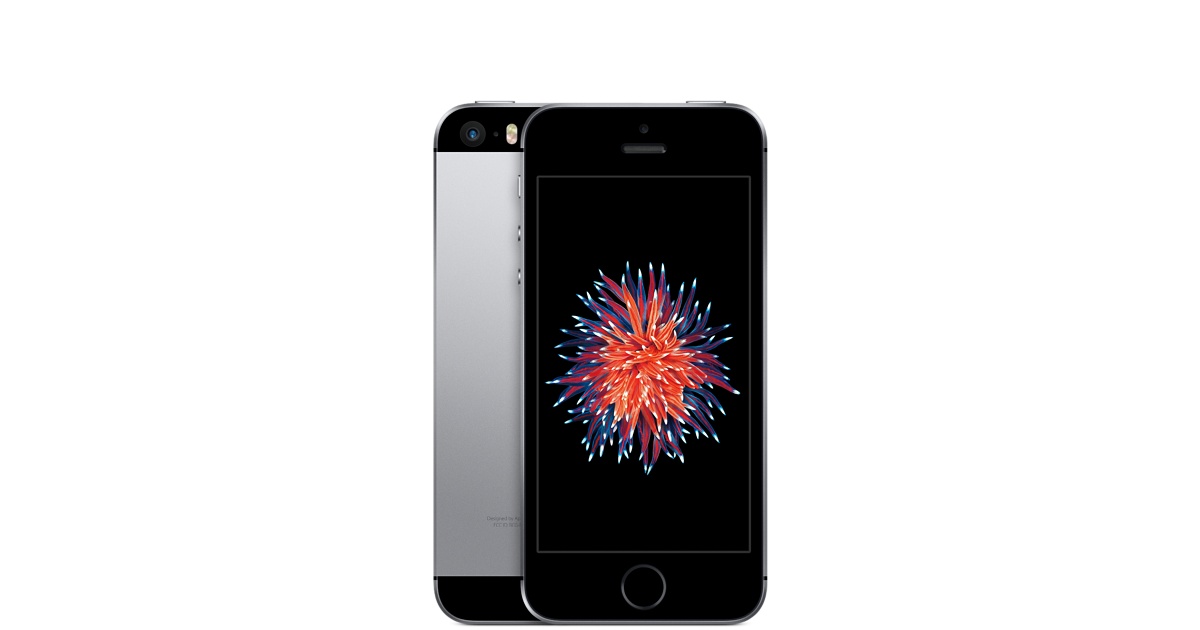
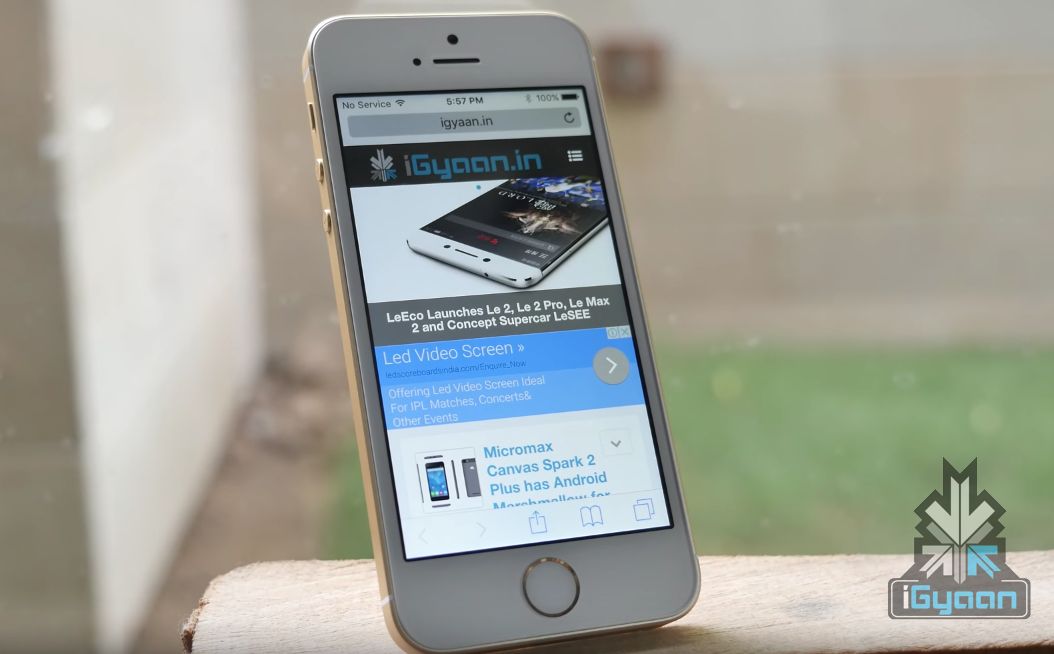
In March 2016, Apple launched the iPhone SE along with Apple Watch Series 1 and the 9.7 inch iPad Pro. The iPhone SE was considered as the successor of the iPhone 5s and reverted to a 4 inch screen after Apple had moved on to bigger smartphones with the launch of the iPhone 6 and 6 Plus. Even two years since its launch, the iPhone SE continues to be a strong seller because of its update software, better hardware and a compact form factor. In the world of 6 inch phablets now being called smartphones, a powerful 4 inch smartphone is a great option.
iPhone X
The iPhone SE, at the time of its launch, was priced at Rs. 39000 in India which was much less than the introductory price of the older gen iPhones in India. In a price-sensitive market like India, the availability of an iOS device that did not compromise on hardware and also offered a compact flagship design helped Apple penetrate further into the Indian market. The Indian market had a certain section of society that thrived to buy a new iPhone while the rest of the population resorted to Android devices thanks to its wider availability and cheaper price tag.
The iPhone SE allowed people to enter the Apple ecosystem. Not just in terms of sale, the iPhone SE was groundbreaking for Apple because it was the first (and so far the only) iPhone that was manufactured in India. This helped Apple keep the price of the iPhone SE much lower than its predecessors. Apple began manufacturing the iPhone SE in India in May of 2017 and since then the price of the iPhone SE has significantly lowered. Currently, the iPhone SE retails for Rs. 18499 for the 32GB storage variant.
The iPhone SE lineup was not refreshed in 2017 and instead, Apple launched three new iPhones later in the year in September. The iPhone X being the most significant of the three. Ever since the launch event in September, there have been rumours that the ‘SE’ lineup will see a new iteration in 2018. So far, we have seen conflicting reports about the design of the iPhone SE 2 while it is quite clear that the specifications will resemble that of the iPhone 7.
Launch
Soon after the September launch event hosted by Apple, there were rumours that the iPhone SE 2 would launch in March, just like the iPhone SE. However, the March 27th event focussed primarily on education and Apple launched a refreshed entry-level iPad. The next big Apple event is the World Wide Developer’s Conference that will commence on the 1st of June. Again, WWDC is not known for product launches as it focusses on software and app developers. The HomePod is the only notable unveiling that happened at WWDC 2017. It doesn’t seem likely that Apple would launch the iPhone SE 2 at WWDC 2018.
There have been reports that the iPhone SE 2 will be an India-exclusive device which means that the company could launch it a few months before the September launch event. However, there is no fixed date for the launch of the iPhone SE 2 so far.
Name
This is probably the most straightforward aspect of the iPhone SE 2 we know of. Apple has followed a set naming pattern for its iPhone lineup so far and will, in all probability, continue to do so with the ‘SE’ lineup. The iPhone SE 2 will succeed the iPhone SE, hence, it would make sense for Apple to name its the “iPhone SE 2.”
Design
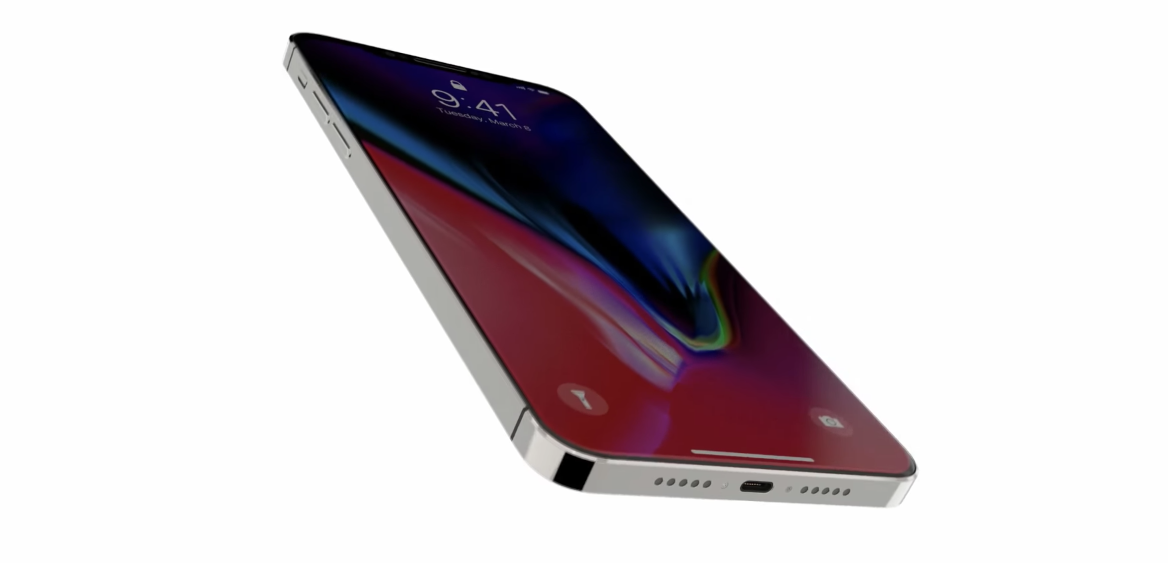
The design of the iPhone SE 2 is where most of the contradictions appear. Soon after the iPhone X was launched, reports claimed that Apple will unify the design of all the future iPhones including the iPhone SE 2. If so, we could see a major design overhaul with the SE 2 and might be one of the best-looking budget smartphones in India. An iPhone X design would also mean the introduction of Face ID and the departure of the Home Button.
iPhone SE 2 Concept
Apple would be able to fit in a larger display in the same compact form factor which would be appreciated by many. However, implementing Face ID will increase the cost of production which would, in turn, increase the final price of the smartphone. An increase in price would take away one of the most exciting factors of the iPhone SE 2, its affordability. Hence, it is fair to assume that Apple could retain the design of the original SE and just upgrade the specifications and cameras.
Display
The size of the display of the iPhone SE 2 will largely depend on what design language Apple decides to follow. Recent reports suggest that the iPhone SE 2 will have a design very similar to the iPhone SE, which means the SE 2 will retain the 4 inch display. In such a case, we expect Apple to bump up the resolution a bit from iPhone SE’s 1136 x 640 px resolution.
With the iPhone 8 and iPhone X, Apple also introduced the True Tone display technology for iPhones. With True Tone, the display adjusts to the environment, in theory, reproducing better colours. Apple is expected to do the same with the iPhone SE 2 to maintain some sort of commonality with its current line of iPhones.
Under The Hood
When the iPhone SE was launched in March 2016, it was powered by the Apple A9 chipset. This was the same chipset that also powered the iPhone 6s and 6s Plus which were launched in September 2015. If Apple follows the same pattern with the iPhone SE 2 could have the Apple A11 Bionic chipset that is also found on the iPhone 8, 8 Plus and the iPhone X.
However, it is more likely that the SE 2 will have the Apple A10 Fusion chipset under the hood. This is the same chip that powers the new 9.7 inch iPad and the iPhone 7 lineup. Coupled with the A10 chip will be 2GB of RAM and a minimum of 32GB of storage. The iPhone SE 2 will also retain in other storage variants, possibly 64GB and 128GB.
Camera
With the iPhone SE, users got the same primary camera found on the iPhone 6s, which was launched a few months before the iPhone SE. This means that the iPhone SE 2 could have the same camera setup found on the iPhone 8. So far, there are no reports claiming that the iPhone SE 2 will have a dual-camera setup hence, we don’t expect the iPhone 8 Plus camera setup to make its way to the SE 2.
iPhone 8
On the front, the iPhone SE 2 will have an improved version of the front-camera found on the iPhone SE. Even though the iPhone SE was launched two years ago, ist front camera still holds up pretty well. This means that the iPhone SE 2 is expected to have a good camera performance if and when it is launched.
Conclusion
The Apple iPhone SE 2 appears to be ready for a launch in 2018. It is yet to be confirmed whether Apple will launch the smartphone at a separate event or at one of it upcoming launch events. Irrespective of the date of launch, the iPhone SE 2 is highly anticipated all over the world. Especially in price-sensitive markets like India, to be able to buy an iOS device at an affordable price is a great prospect for consumers.
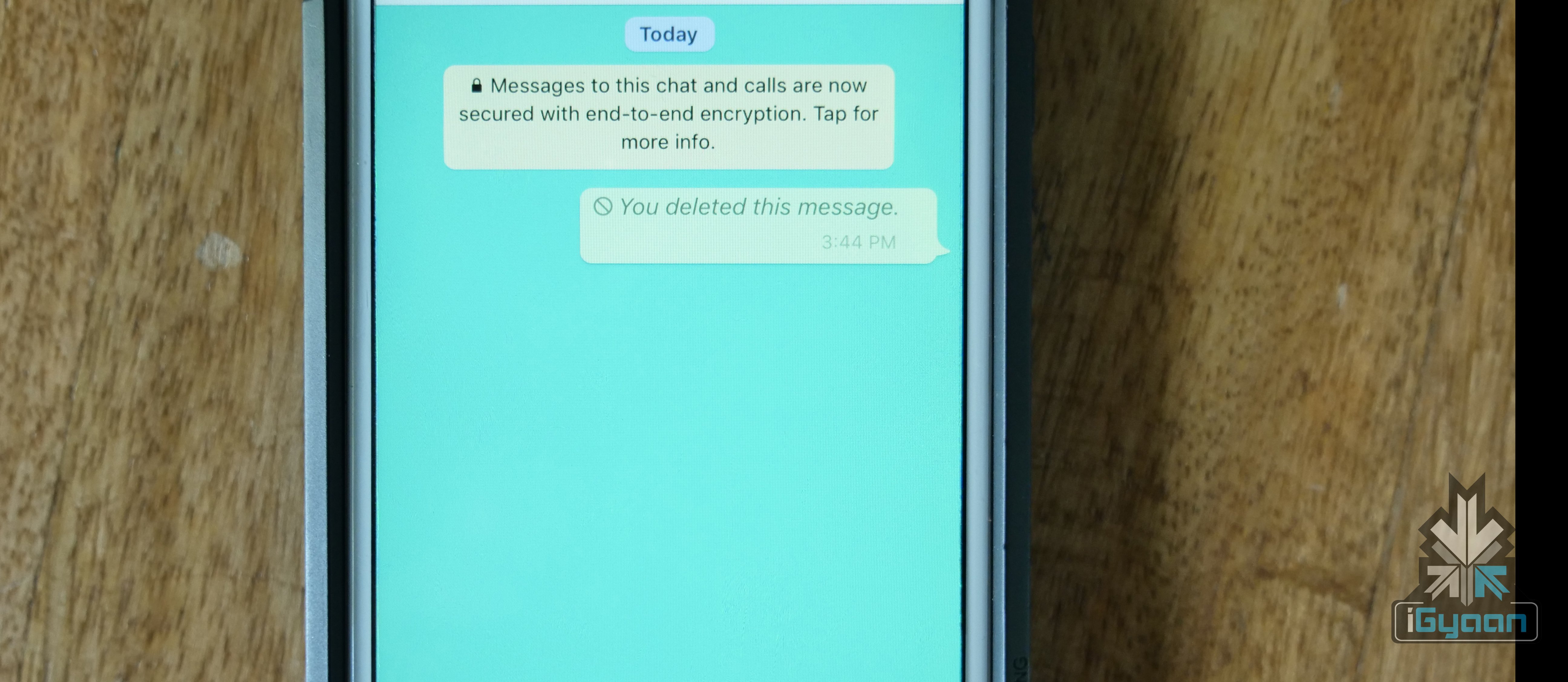
Over the past few weeks, Facebook has been under the cosh from the media and its users alike. Facebook was accused of leaking private data of over 50 million users which were used by Cambridge Analytica during the 2016 US Presidential Elections. However, the outrage around Facebook and callous handling of sensitive data have increased when it was learned that Facebook deleted messages sent out by Mark Zuckerberg from the recipients’ inbox. It now appears that Facebook is ready to share this luxury with all of its users in the coming months.
According to a report by TechCrunch, a Facebook spokesperson has confirmed that the social networking company is currently working on the ‘Unsend’ feature’s development. This feature will soon be available for everyone across the globe. A few months ago, WhatsApp also rolled out a similar message wherein users could delete a sent message before it was read by the recipient.
However, it is worth noting that this feature will work very differently from WhatsApp’s. Another spokesperson told TechCrunch that the only way to implement ‘Unsend’ on Messenger is to set an expiration date for the message. This will, in fact, work very similar to what Snapchat has with its personal messages. Essentially, a user can set a timer on the message before pressing send, once the timer runs out, the message gets deleted. It is like a self-destruct mode but, for messages. It is not yet clear if the recipient will be made aware of the self-destruct mode of the messages they receive.
While it is okay to delete messages on WhatsApp because of the times you are either sending to or receiving from people you know, the implications of the ‘Unsend’ feature on Facebook are far more severe. On Facebook, users get a lot of messages from strangers which, if taken to court, can be used as evidence. Now, with the new feature, users will have to take a screenshot of every message they feel is important or suspicious.
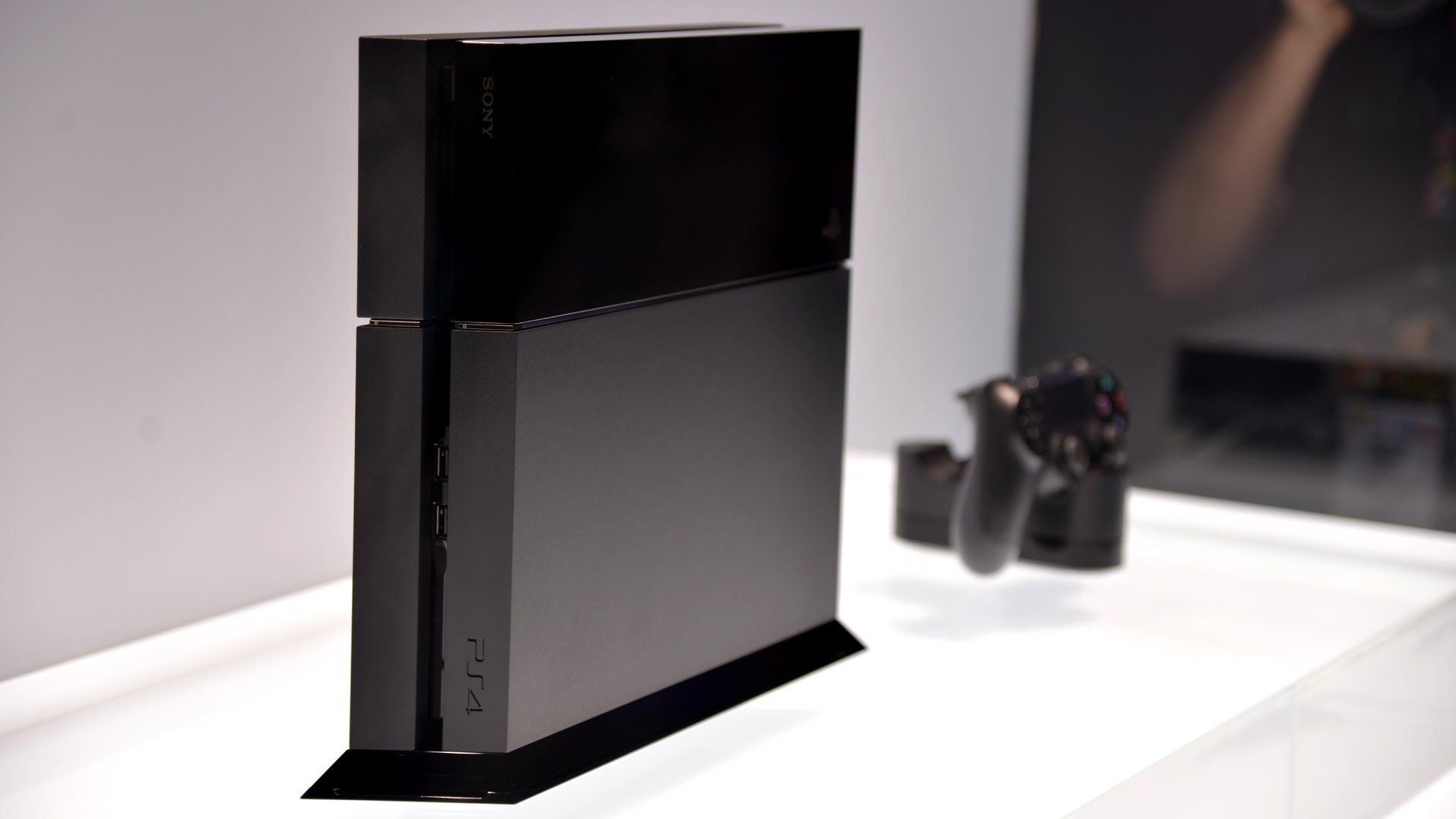
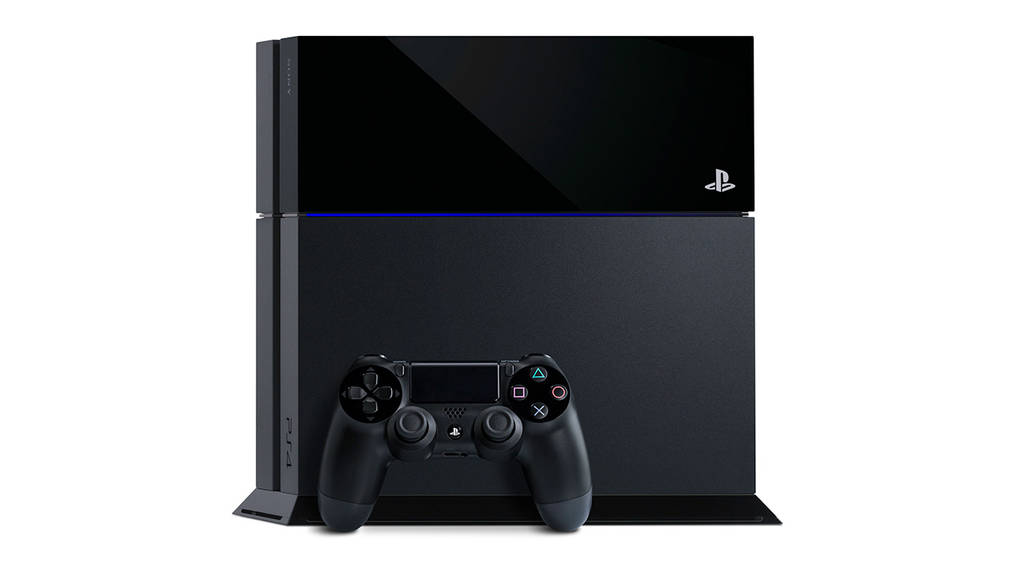
Sony and Microsoft right now, dominate the gaming console industry, with Nintendo recently joining the fore. The Nintendo Switch with its portability and power has become extremely popular in some markets. Now, it appears that Sony might launch its next-generation of the gaming console, the PlayStation 5 in late-2018.
Sony PlayStation 4
The PS 5 could launch in late-2018 and will be powered by an AMD chipset. This chip will have a lot of deeper VR advantages. Interestingly, these will be custom-made AMD Zen chipset on the Navi architecture. It is worth noting that the source of this report has had decent success in similar leaks about the PlayStation 4, Microsoft Xbox One and Nintendo Switch.
However, a contradicting a report by an industry analyst appears to have quashed this rumour. According to Michael Pachter, a release later this year for the PS5 is very unlikely. In fact, Pachter believes that Sony PS5 will most likely ship sometime in 2020. However, he also doesn’t rule out the possibility that it could release in 2019. He says:
25% [probability] next year and 75% in 2020.
Sony is known for waiting a long time between generational launches. The gap between the first PlayStation and the PlayStation 2 was notably a little over five years. Meanwhile, the gap between the between the PS2 and PlayStation 3 was roughly six years. And then the gap between the PS3 and the PlayStation 4 was seven years. This means that a 2018 launch of the PlayStation 5 would create a gap of 5 years, which seems highly unlikely.
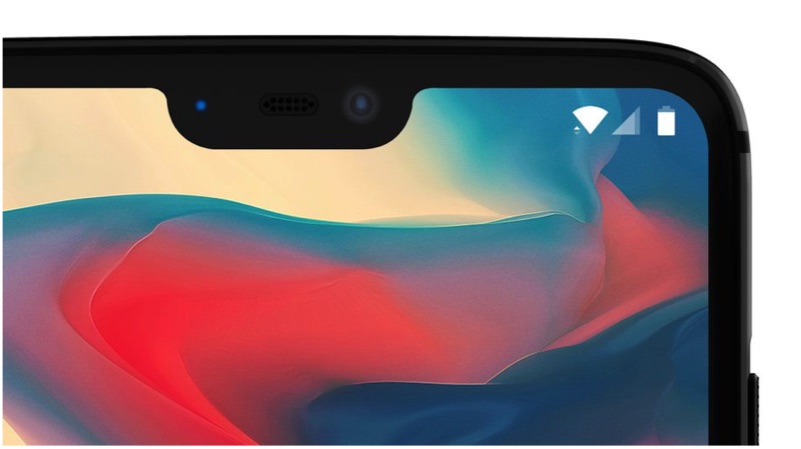
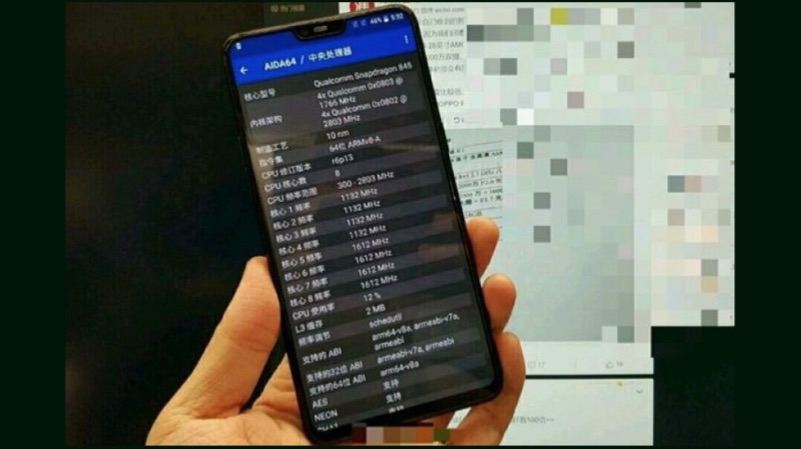
OnePlus appears to be gearing up for the launch of the OnePlus 6. The company has started teasing the upcoming smartphone on social media and the leaks have been aplenty. A few days ago, we got a confirmation from OnePlus itself that the OnePlus 6 will sport an iPhone X like notch. Now, a new image of the smartphone out in the wild has re-affirmed the same. The notchy OnePlus 6 is seen running the AIDA64 app with all the information in the background blurred out.
While the image doesn’t shed any light on something we don’t already know, it does give us a glimpse of what the OnePlus 6 might look like. Carl Pei has already stated the reasons why the smartphone will have a chin and this image shows us the possible size of the chin. It appears to be thinner than the one found on the Huawei P20 Pro or the Asus ZenFone 5Z. However, unlike the P20 Pro, which has a front-facing fingerprint sensor, the chin on the 6 won’t solve a purpose.
OnePlus, on their Facebook page, also released a teaser hinting at gestures for navigation on the OnePlus 6. The company has already introduced this feature for the OnePlus 5T via the Open Beta build 3 and it appears that the feature will be available out of the box.
OnePlus 6 Leaked Image
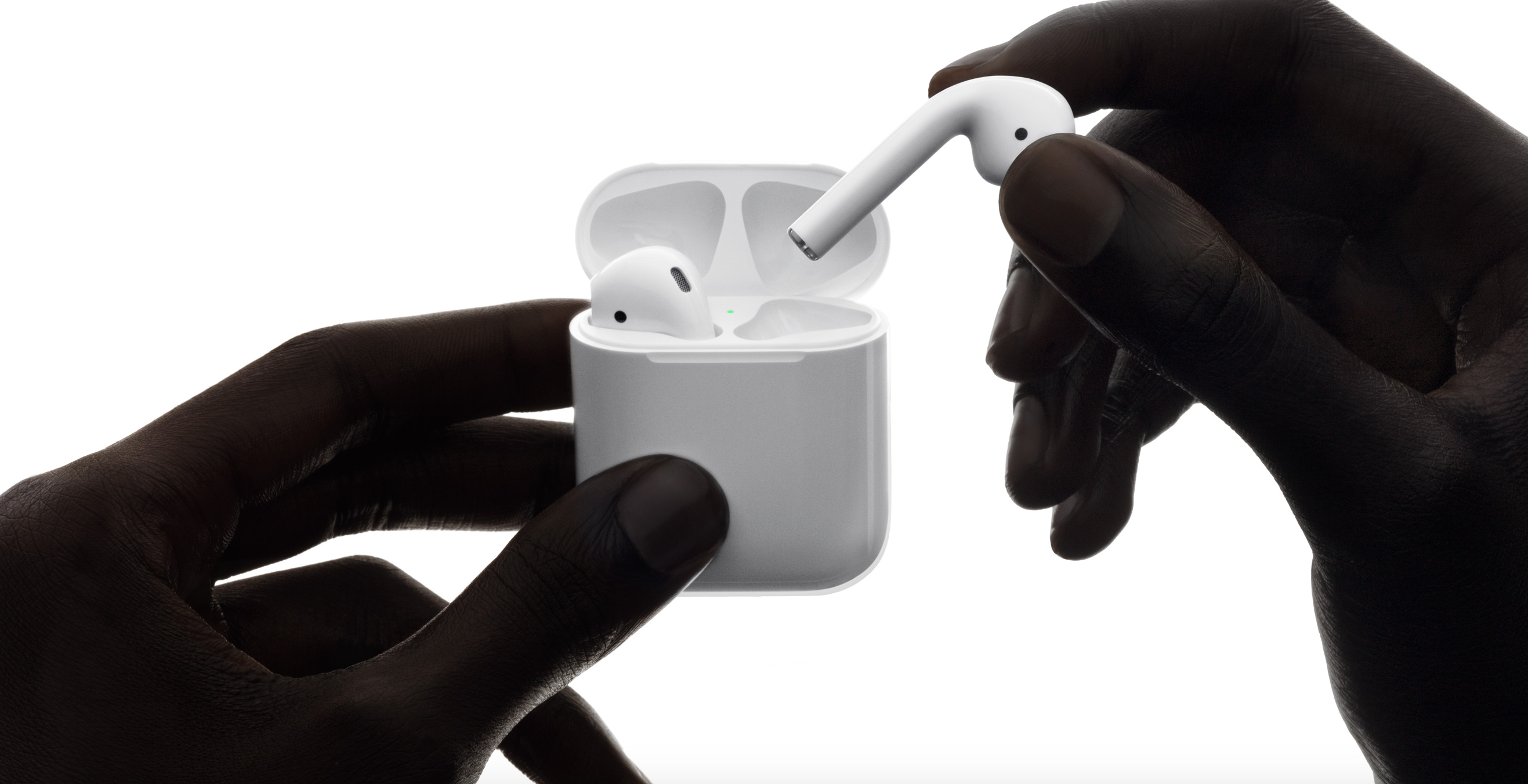
Apart from the OnePlus 6, the company might also launch a pair of Bluetooth earphones. Huawei also introduced its own pair of truly wireless earbuds, the Freebuds at the P20 Pro launch. It will be interesting to see what the OnePlus wireless earbuds will look like. Considering OnePlus’ history of getting inspired by Apple’s design, we won’t be surprised if the earphones look like AirPods.
Xiaomi was earlier expected to launch the Mi 7 at an event during the Mobile World Congress 2018. The delay in the launch of the Mi 7 was initially attributed to just the timing of the Mi MIX 2s launch. However, it now appears that the company delayed the launch to incorporate within the Mi 7 new biometric technology. Xiaomi CEO has confirmed via an online post that the MI 7 will indeed have an in-screen fingerprint sensor.
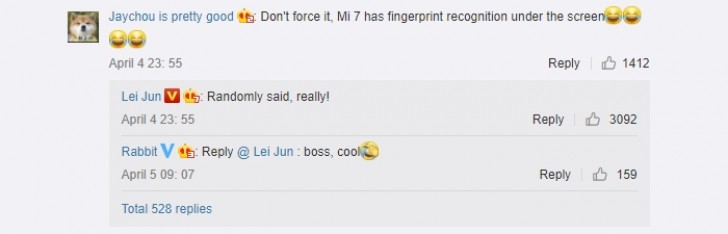
Xiaomi’s CEO Lei Jun commented on a Weibo post confirming the feature. The exchange happened on a post containing official Xiaomi Mi Mix 2s disassembly photos. In the image, it appears that a user jokingly mentions that the Mi 7 will have an in-screen fingerprint sensor. Lei Jun then replied to that comment confirming the presence of an in-screen fingerprint sensor.
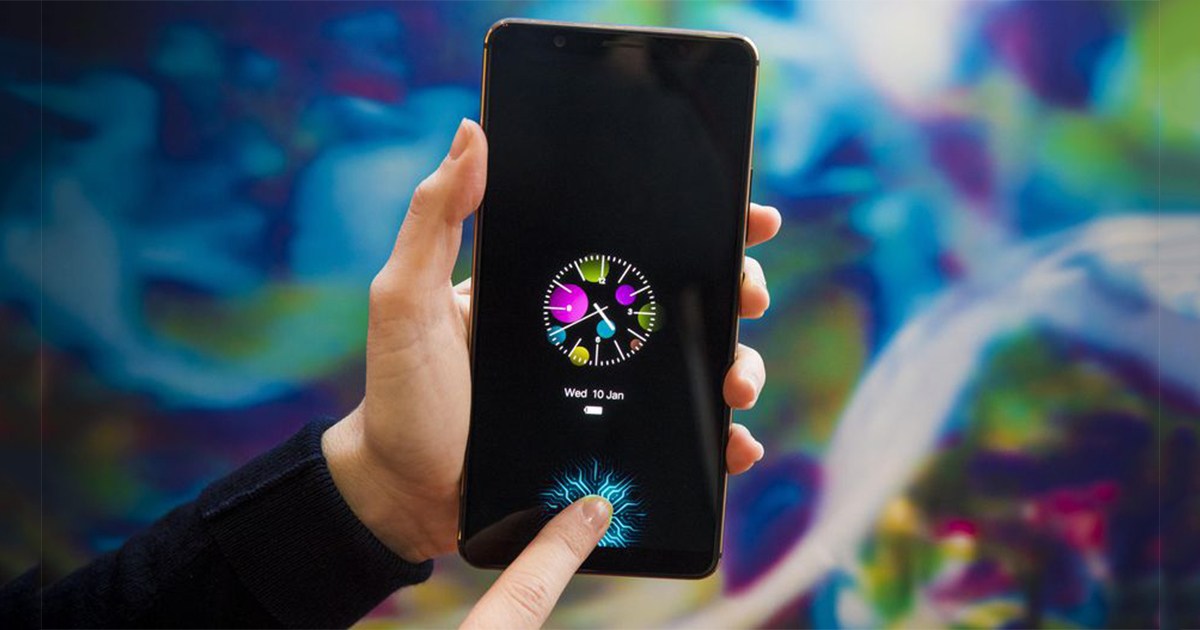
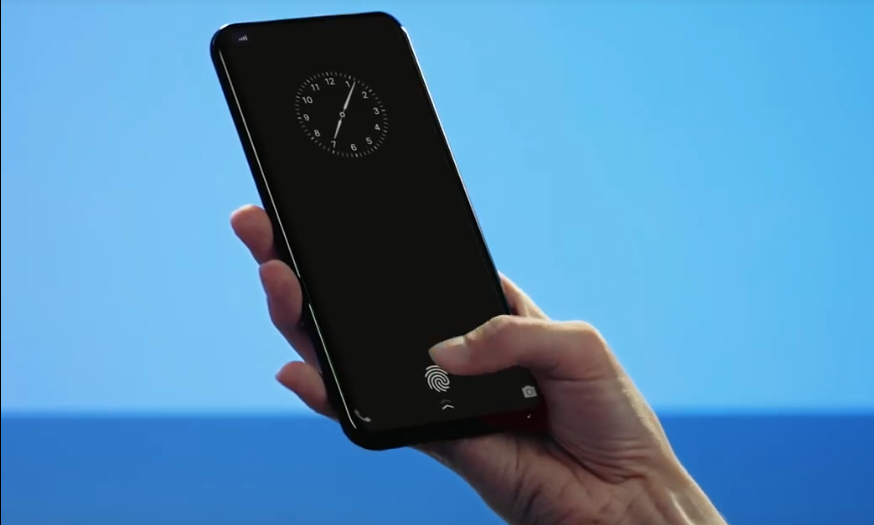
In-display Sensor demo
It is worth noting that the nature of the exchange is not serious and the following comment sort of dismisses the claim. However, there has been a lot of chatter of the Xiaomi Mi 7 sporting the Clear ID technology. If so, the Mi 7 is confirmed to also have an OLED display which is required to embed this type of fingerprint sensor.
The fingerprint sensor sits between the mainboard and the OLED panel where the OLED panel illuminates the finger and then processes the fingerprint scan. Hence, this technology will not work on an LCD panel, at least for now. Synaptics claims that it has a failure rate of 1 in 50,000. So far, the consensus on the use of Clear ID tech has been positive. However, many have pointed out that it is still much slower than traditional fingerprint sensors. With Xiaomi taking its time to launch the Mi 7, we expect the phone will launch with a more refined version of this Clear ID tech.