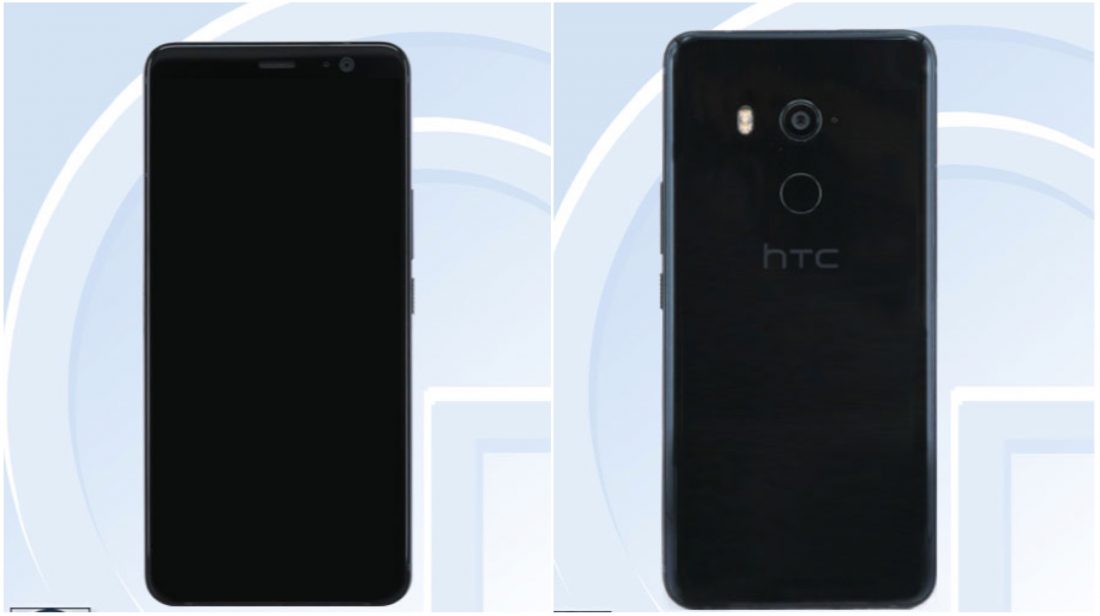
HTC has been active on social media in dropping hints about its new smartphone. The rumoured HTC U11 Plus will be launched on the 2nd of November and is expected to have a new design as HTC tries to bounce back in the race for smartphone market dominance.
In a new tweet, it is visible that the home button is missing and the bezels are thinner than the ones seen on the HTC U11. In a previous tweet, HTC showed a glimpse of the back of the phone which had a fingerprint sensor and a single camera along with an LED flash. It was speculated that HTC will skip the U11 Plus and only launch the HTC U11 Life on the 2nd of November. However, it seems like HTC will be launching the HTC U11 Plus and the U11 Life as well.
There isn’t much known about the U11 Plus yet. The device is expected have a 5.99-inch 2880 x 1440 px display translating to an 18:9 aspect ratio. The phone will have minimal bezels and a rear-mounted fingerprint sensor. Like the HTC U11, the Plus variant of the phone will be powered by the Qualcomm Snapdragon 835 chipset. The HTC U11 Plus is expected to come in two variants – one with 4GBR RAM/64GB storage and second variant which will be a top end version will come with 6GB RAM and 128GB of internal storage.
The smartphone is expected to have a 12MP rear-mounted camera. On the front, the U11 Plus is expected to have an 8MP sensor. HTC will not jump the dual-camera bandwagon just yet and continue with a single camera at the back just like the U11 (as is visible in the teaser). The U11 Plus is also expected to be IP68 certified water and dust resistant. It is also said to support Qualcomm QuickCharge 3.0 and also include the HTC U11 Active Edge feature.
The phone(s) will be launched on the 2nd of November where its global availability and price will be officially revealed.
India recently became the second largest smartphone market in the world, only behind China. For years, the mid-range smartphone market has had a plethora of phones offering top of the line performance at an affordable price. 2017 saw dual-camera phones entering the sub-20K segment while other phones continued to deliver the best in class performance with very little compromises. Let’s take a look at the top smartphones between Rs 10,000 to Rs 20,000 that you can buy right now.
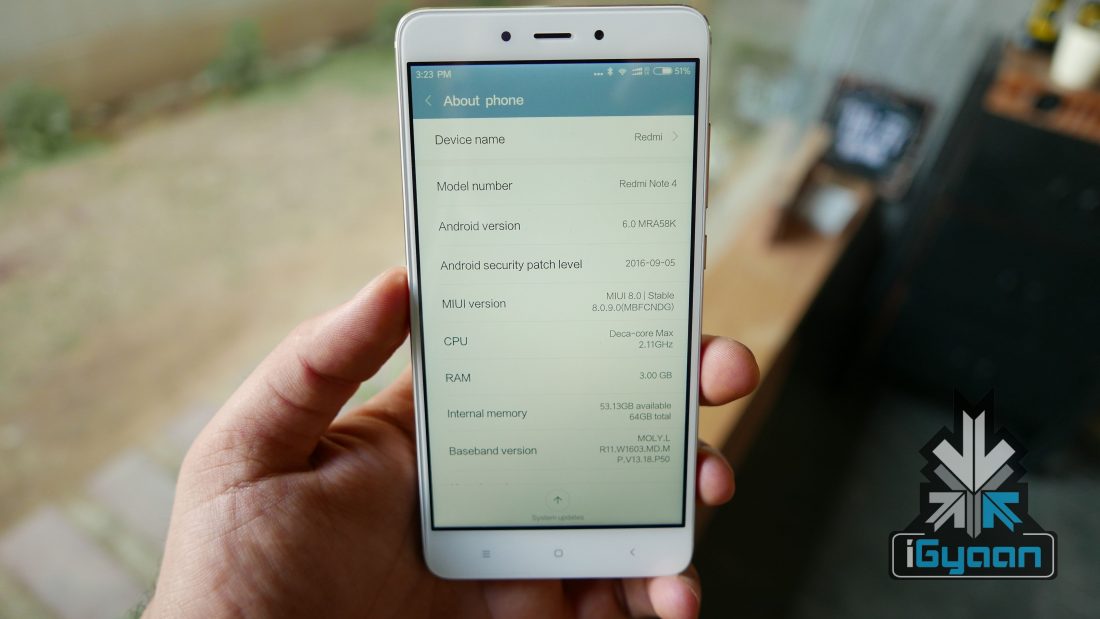
Xiaomi Redmi Note 4
Priced the cheapest in this list, the Xiaomi Redmi Note 4 is by no means the cheapest in terms of specifications and performance. The Redmi Note 4 has a 5.5 inch IPS LCD display with a 1920 x 1080 px resolution. Powering the device is a massive 4100 mAh battery and it runs Android 6.0 Marshmallow out of the box. Under the hood, the smartphone has a the Qualcomm Snapdragon 625 chipset, up to 4GB of RAM and 64GB of onboard storage which can be expanded via microSD card. It has a rear mounted 13MP camera with an f/2.0 aperture and records 1920 x 1080 px videos at 30fps. The front of the smartphone has a 5MP camera with an f/2.0 aperture which records 1280 x 720 px videos at 30fps.
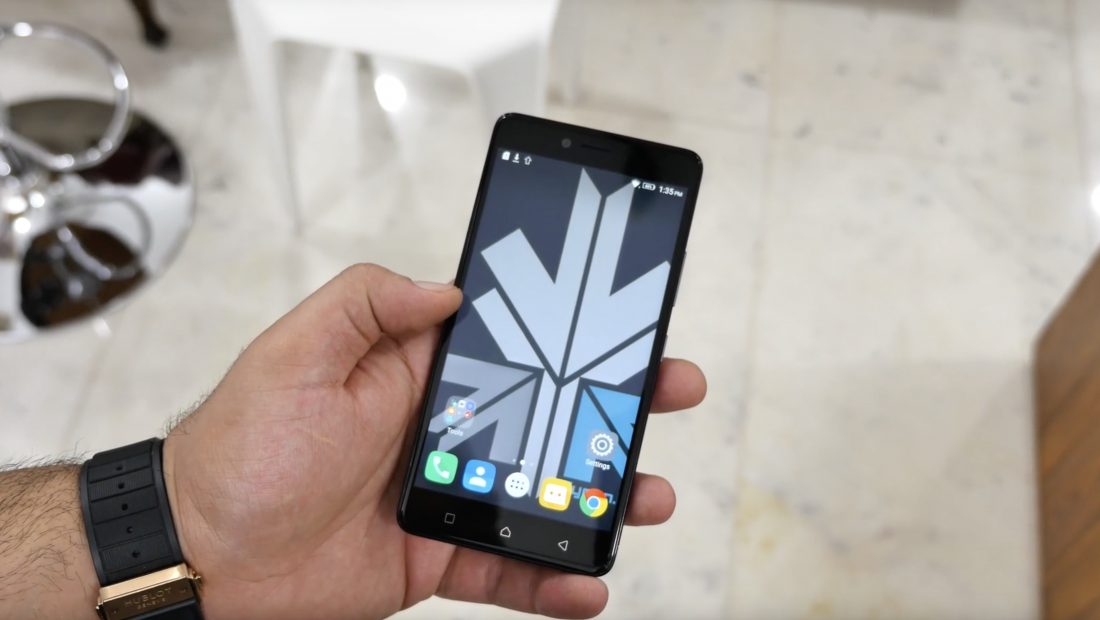
Lenovo K8 Note
Another smartphone with a dual camera setup at the back, the Lenovo K8 Note is priced slightly higher than the Redmi Note 4 and offers stock Android OS and a guaranteed update to Android 8.0 Oreo. The Lenovo K8 Note packs the Helio X23 chipset with a 2.3GHz high-performing deca-core processor and the Mali T-880 MP4 GPU. The device has two variants – 3GB RAM with 32GB onboard storage and 4GB RAM with 64GB onboard storage which is expandable up to 128GB via a microSD card and features USB OTG support for added storage options. The phone features a 5.5-inch 1920 x 1080 px display with a pixel density of 441ppi and a Corning Gorilla Glass with oleophobic coating for scratch resistance. The smartphone is powered by a 4,000mAh battery with turbo charge.
The Lenovo K8 Note has a 13MP Pure cell sensor mated with a 5MP Samsung BSI sensor dual camera setup and dual LED flash at the back. The phone is capable of depth mode effects along with 1920 x 1080 px Video capture. A 13MP camera with LED flash and an f/2.0 aperture sits on the front of the device above the display.
Xiaomi Mi A1
Stock Android OS with Xiaomi’s hardware and a confirmed upgrade to Android 8.0 Oreo and Android P for Rs 14999. This seemed surreal up until August when Xiaomi launched the Android One Xiaomi Mi A1 in India with a best-in-segment dual-camera setup at the back. The smartphone has a 5.5 inch 1920 x 1080 px LTPS display with Corning Gorilla Glass on top for protection and aluminium unibody build. Powering the device is a 3080 mAh battery and 2A charging through the Type C port. The Mi A1 runs pure Android 7.1.2 Nougat OS. Even though the phone has stock Android OS, Xiaomi has retained a few apps, such as the Mi camera app since the Google app doesn’t support dual-camera functions right now. The phone has the Qualcomm Snapdragon 625 chipset, 8x ARM Cortex A53 2.0GHz 64-bit processor, 4GB RAM and 64GB of onboard storage which is expandable via microSD card. Handling the graphics under the hood is the Adreno 505 GPU. The fingerprint sensor sits at the back of the device below the camera. Xiaomi has also included a dedicated headphone amplifier for better music listening experience.
The Xiaomi Mi A1 features dual sensors – 12MP with an f/2.2 aperture (26mm) and 12MP with an f/2.6 aperture (50mm) setup with 1.25-micron pixel size. Out of the two cameras at the back, the primary one is equipped with a telephoto lens and the secondary camera has a wide-angle lens. The telephoto lens allows the user to take bokeh effect shots with blurred background and a 2X optical lossless zoom. For landscape shots, Xiaomi has introduced a wide angle lens while on the front is a 5MP camera.
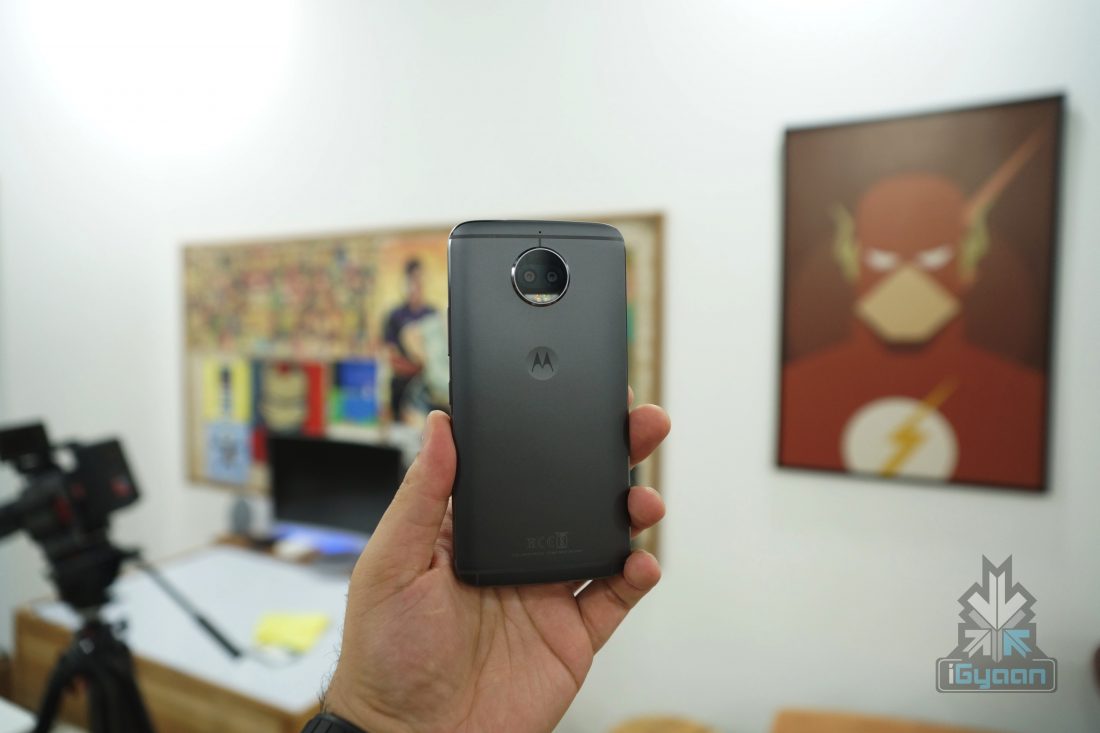
Moto G5s Plus
Motorola followed up the highly successful Moto G5 Plus with the Moto G5s Plus. With stock Android OS and dual-cameras at the back, it really is a toss-up between the G5s Plus and the Mi A1. The Moto G5S Plus has a 5.5 inch 1920 x 1080 px display with Corning Gorilla Glass 3 on top for protection. The device is powered by a 3,000 mAh battery with included turbo charge capabilities. The Moto G5S Plus runs Android 7.1.1 Nougat with little customisation done by the manufacturer resulting in stock Android OS experience. The smartphone has the Qualcomm 625 chipset, an octa-core processor clocked at 2.0 GHz with 4GB RAM and 64GB of onboard storage which can be expanded up to 128GB via a microSD card. The fingerprint sensor is housed inside the home button which sits below the display.
The Moto G5S Plus features rear-mounted 13MP dual-cameras with an f/2.0 aperture. The dual camera captures Bokeh, and selective focus shots, along with other capabilities of background replacement and exposure management. On the front is a wide angle 8MP camera with a single LED flash and a panoramic mode. The rear cameras capture videos in 4K at 30 FPS and the front camera records videos in 1080P at 30 FPS. According to Motorola, additional features such as Night Display and Quick Reply enhance the software experience.
Apple iPhone SE
The Apple iPhone SE was launched in India in March 2016, which should automatically make it a no-go. But, the good thing about an iPhone is the support it gets from Apple. The recently launched iOS 11 was made available to a phone as old as the iPhone 5s, which proves that the software of the iPhone SE will be up-to-date for another 2 years at least. If you miss the good old days of smartphones that were truly usable with one hand, then the iPhone SE is the way to go. The iPhone SE has a 4-inch 1136 x 640 px Retina display. Powering the device is Apple’s A9 chipset which can also be found in the iPhone 6s and iPhone 6s Plus. The iPhoen SE has a 12MP rear mounted camera with an f/2.2 aperture and a front facing 1.2MP camera with an f/2.4 aperture. The rear mounted 12Mp camera is capable of recording 3840 x 2160 px videos at 30fps while the front facing camera records 1920 x 1080 px videos at 30fps.
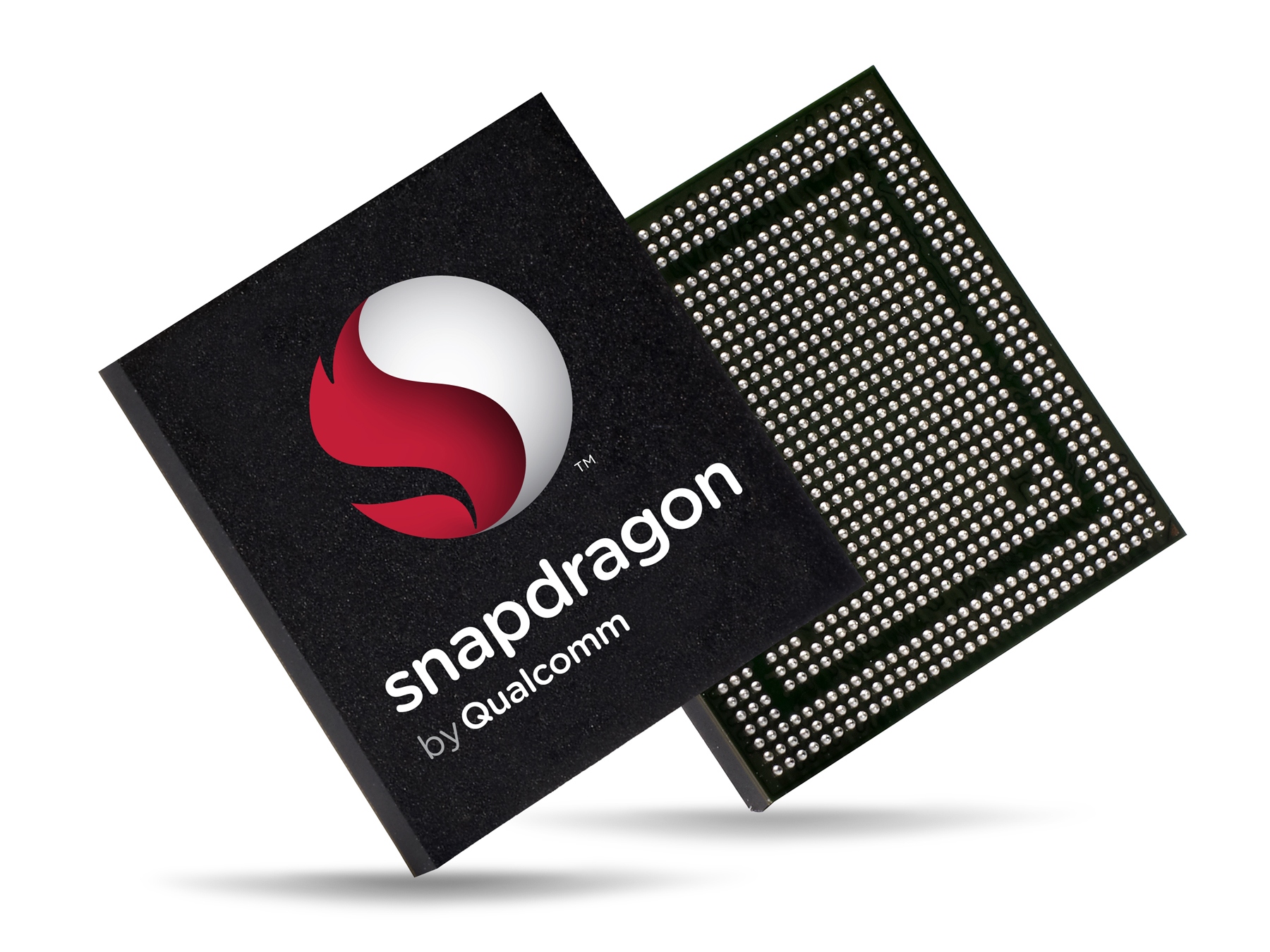
2018 will see most of the flagship smartphones being powered by the Snapdragon 845 SoC, which will succeed the Snapdragon 835 from 2017. Qualcomm is likely to announce the new flagship chipset, the Snapdragon 845 in December at the Snapdragon Technology Summit that will be held in Maui, Hawaii between 4th of December and the 8th of December.
The Snapdragon 835 was announced during CES 2017 in January of 2017 so, Qualcomm’s announcement might come a month prior to what is the norm. The Snapdragon 845 could be manufactured through 10nm Low Power Early (LPE) FinFET process. It is expected to have four ARM Cortex-A75 cores and four ARM Cortex-A53 cores. It is also reported that the new SoC will be paired with the Adreno 630 GPU, which is expected to deliver a significant graphical performance bump over the Adreno 540 that comes with the Snapdragon 835. The upcoming chipset will also be optimised for augmented reality (AR) and virtual reality (VR). Updated Kyro cores and X20 connectivity modem means upgraded downlink speeds of 1.2Gbps.
iGyaan reported that the Samsung Galaxy S9 could be the first device to feature the Qualcomm Snapdragon 845 chipset as per an agreement between Qualcomm and Snapdragon. In 2017, Samsung manufactured Qualcomm’s Snapdragon 835 chipset and got to keep the initial batch for itself. That’s why early in 2017 there was no other Snapdragon 835-powered handset on the market other than the Galaxy S8. This could be the case in 2018 as well.
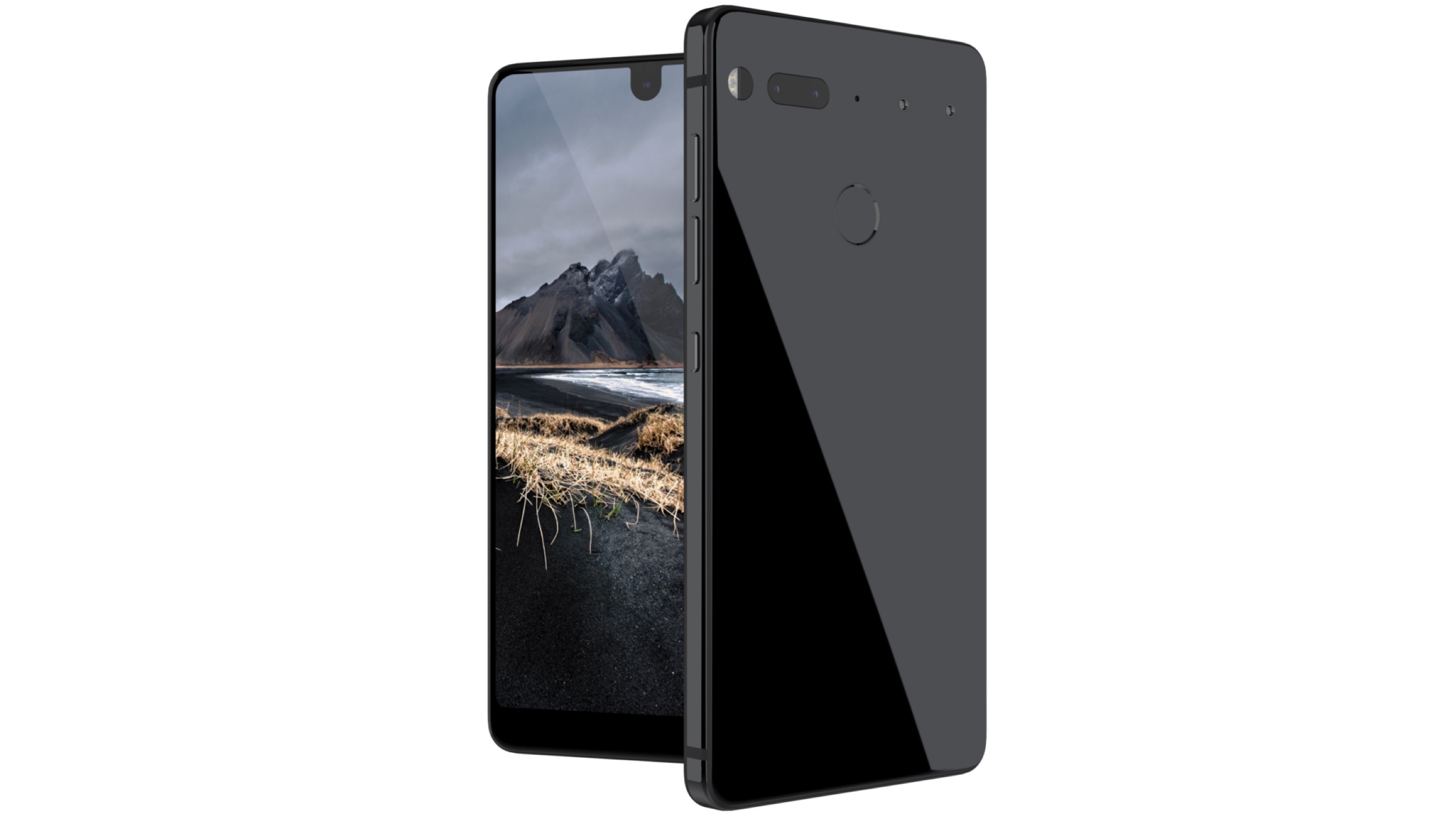
The first from Essential, the Ph-1 was announced in early 2017 and starting shipping in August. The phone received a price drop ion October making it available at a price of US $499.
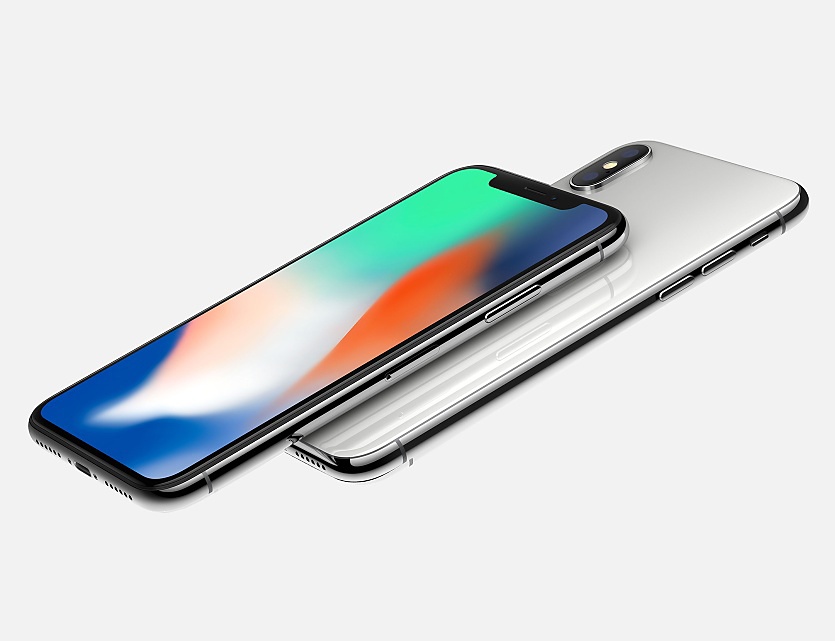
The Apple iPhone X went up for pre-ordersacross the globe and was sold out in minutes. The demand for the iPhone X was never in question but, looking at the steep pricing, it was speculated that a lot of people might hold off from buying the iPhone X and wait for at least a year and then upgrade to the 2018 variant. Apple has revealed its new repair policies for the iPhone X and it might just influence the buyers into paying an extra US $199 for Apple Care.
The company has updated its flat-fee repair pricing page to show that a screen-only repair will cost US $279, and all other damage will cost a whopping US $549 which is more than half the purchase cost of the 64GB variant. Percentage-wise, the cost is in line with Apple’s repair cost for other iPhone models. The iPhone 8, for example, costs US $699 for the 64GB variant, and a repair will cost you US $349. With AppleCare+, the prices are reduced to US $29 for a screen repair, and US $99 for anything else. The catch here is the cost of AppleCare+ which will run you a steep US $199 for the iPhone X.
If you are clumsy and do not want AppleCare+, make sure you use a tough case and never break it.
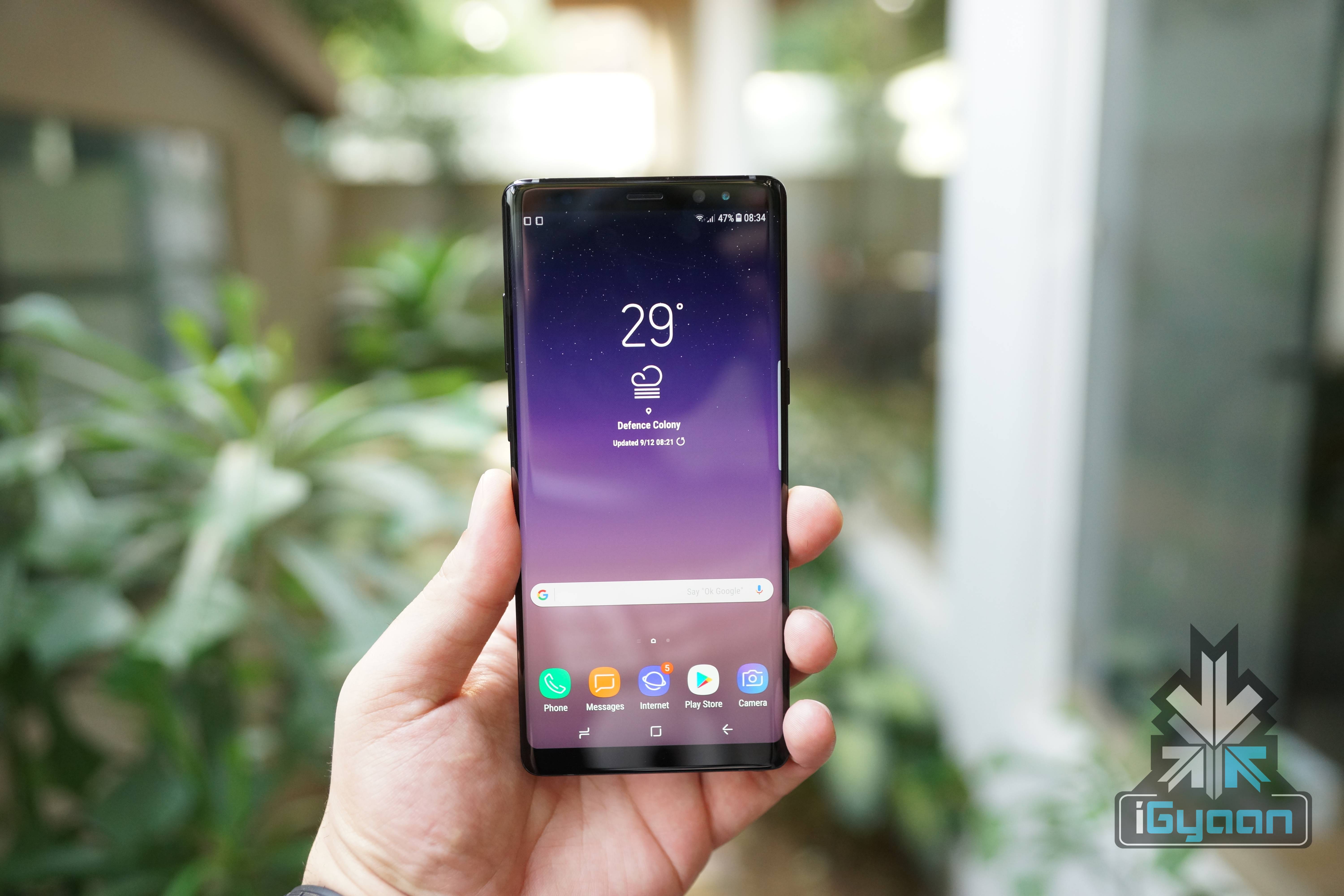
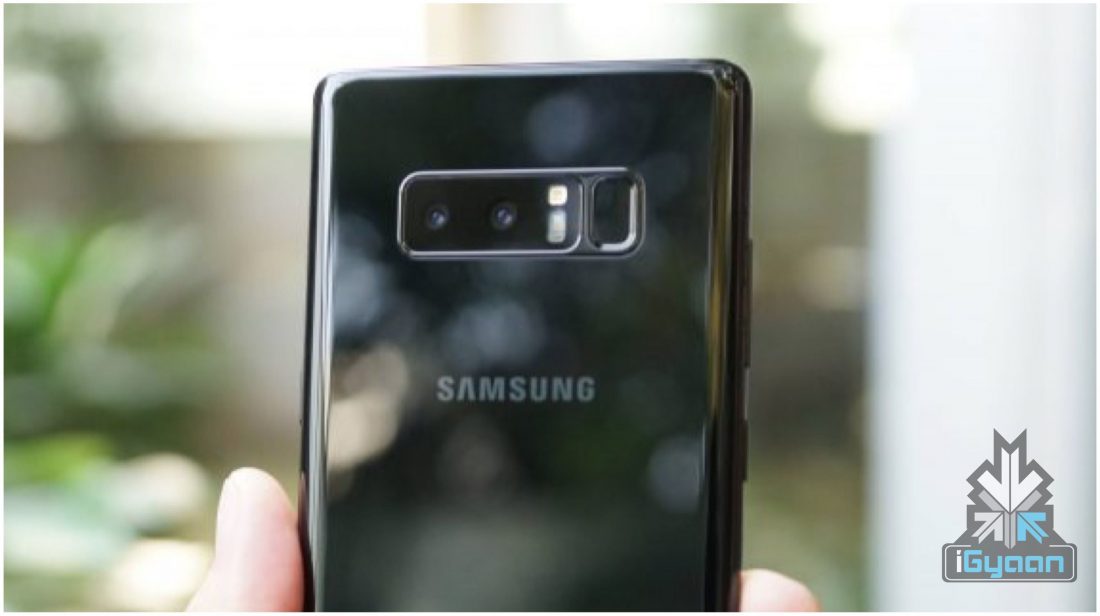
2017 has been a hugely successful year for Samsung Mobile, and with the popularity of the iPhone X, Samsung Components division is about to make a lot of money, too. This year saw the rise of three great flagship smartphones from Samsung, the Galaxy S8, Galaxy S8+ and the Galaxy Note8. With barely any flaws to point out, the three phones have become hugely popular thanks to the display, design and camera performance. One blemish, on otherwise great devices, is the placement of the fingerprint sensor. All of this might change with the Galaxy Note9 in 2018. Report suggests Samsung has filed for a patent with KIPRIS, South Korea’s patent office, for a pressure-sensitive in-display fingerprint reader which may debut on one of its upcoming flagship smartphone in 2018.
After a lot of complaints pertaining to the awkward placement of the fingerprint sensor on Samsung’s 2017 flagship smartphone lineup, consumers might be able to experience the in-display fingerprint sensor in the Samsung Galaxy Note9 in 2018. Samsung had developed an optical fingerprint reader that was tested on the Galaxy Note8 but, it turned out to be imperfect due to uneven screen brightness. The area containing the fingerprint reader appeared brighter than the rest of the screen, which is why it eventually couldn’t make it to the Galaxy Note8.
This falls in line with the report from Ming Chi Kuo from KGI Securities who said that the Galaxy Note9, and not the Galaxy S9 will feature the pressure sensitive in-display fingerprint sensor. Time will tell how much Samsung has progressed with this new technology and rest assured, by the time Samsung launches the Galaxy Note9, the South Korean conglomerate will not be the only smartphone maker with this feature in its smartphone.
Xiaomi has announced that its latest version of custom skin, MIUI 9 will be launched in India on the 2nd of November along with a new smartphone which will focus on selfies. MIUI India took to Twitter to announce that MIUI 9 will enter the Indian market on the 2nd of November.
We listened to your requests. Global MIUI 9 is coming to India on 2nd Nov. Are you excited? #LightningFast ? 500 RT & we'll reveal more. pic.twitter.com/FCdpM286Zv
This means that all eligible Mi and Redmi phones will eventually receive the MIUI 9 Global Stable ROM update very soon. Xiaomi’s MIUI 9 brings in a lot of new features like split screen, faster app launching speed, application prioritisation and more. It will be interesting to see if the Smart Assistant launched with MIUI 9 in China will make its way to India or not.
The next big announcement was from the Twitter account of Redmi. Redmi confirmed that the new phone launching will not be the Mi Note 3 or even a new Redmi Note phone.
The Xiaomi Mi Note series has been hugely popular in China and after the success of the Redmi Note series, it was speculated that the Mi Note series will also debut in India albeit a higher price tag. Xiaomi teased the launch of the Mi A1 in a similar way back in August and it looks like the new phone will be an India-centric phone and compete with other mid rangers that claim to have the “best selfie camera.”
Xiaomi recently launched the Redmi 5A in China earlier in October which is the successor to the Redmi 4A. In August, Xiaomi launched the Redmi Note 5A in China, with a 16MP front camera which focuses on selfies. It might be possible that these two phones will be launched with new names and start a new lineup of mid-ranged selfie phones in India.
The term “professional gamer” is still a new phrase people are getting used to and eSports has become more and more successful over the years and is not slowing down any time soon. On the 27th of October, FIFA and EA Sports announced that they intend to replicate one of the world’s greatest athletic events in the world of gaming, introducing FIFA eWorld Cup 2018.
Announcing the tournament, Todd Sitrin, SVP and GM of the Competitive Gaming Division at EA said:
Last year was a pivotal achievement for competitive FIFA, engaging millions of competitors and spectators through world football and global competition. In partnership with FIFA, we’re accelerating the growth of competitive gaming through the EA SPORTS FIFA 18 Global Series on The Road to the FIFA eWorld Cup 2018, producing more competition, attracting more competitors and connecting with more fans than ever before.
From November 2017 to July 2018, there will be a series of qualifying tournaments where players can compete for their spot in the tournament. There also will be official league-qualifying tournaments for existing teams and pro players to win their spot. By the end of the season, FIFA and EA Sports will host 128 teams (64 on PS4 and 64 on Xbox One) from across the globe in the FIFA 18 Global Series Playoffs. From there, the top teams will qualify for the Global Series Tour, the FIFA eWorld Cup Grand Final.
So, how good are you and your friends at FIFA? Head on to the official website to learn more about the competition.
After months of being in beta testing, it appears that WhatsApp is finally happy with its recall feature. WABetainfo now reports that the new feature called ‘Delete for Everyone’, has started rolling out to some Android, iPhone, and Windows Phone users. It only works if both the recipient and sender have the latest version of WhatsApp installed and it also works on WhatsApp Web version.
The website notes that the rollout is slow and may take some time to reach out to all the users. The feature is said to work for all kinds of message like texts, images, videos, GIFs, voice messages, contact, files, location, quoted message, and status replies on WhatsApp.
It is worth noting that the feature works only within 7 minutes of sending the message, after that, the message can’t be recalled. Deleted messages will be replaced by “This message was deleted for everyone.” Once the sent message is deleted by the sender, WhatsApp will remove the message from the chat page as well as from the notifications window.
One of the most widely requested feature on the most successful instant messaging apps is finally rolling out to all the users. Because the roll out will happen in phases, don’t get anxious if you haven’t received the update yet.
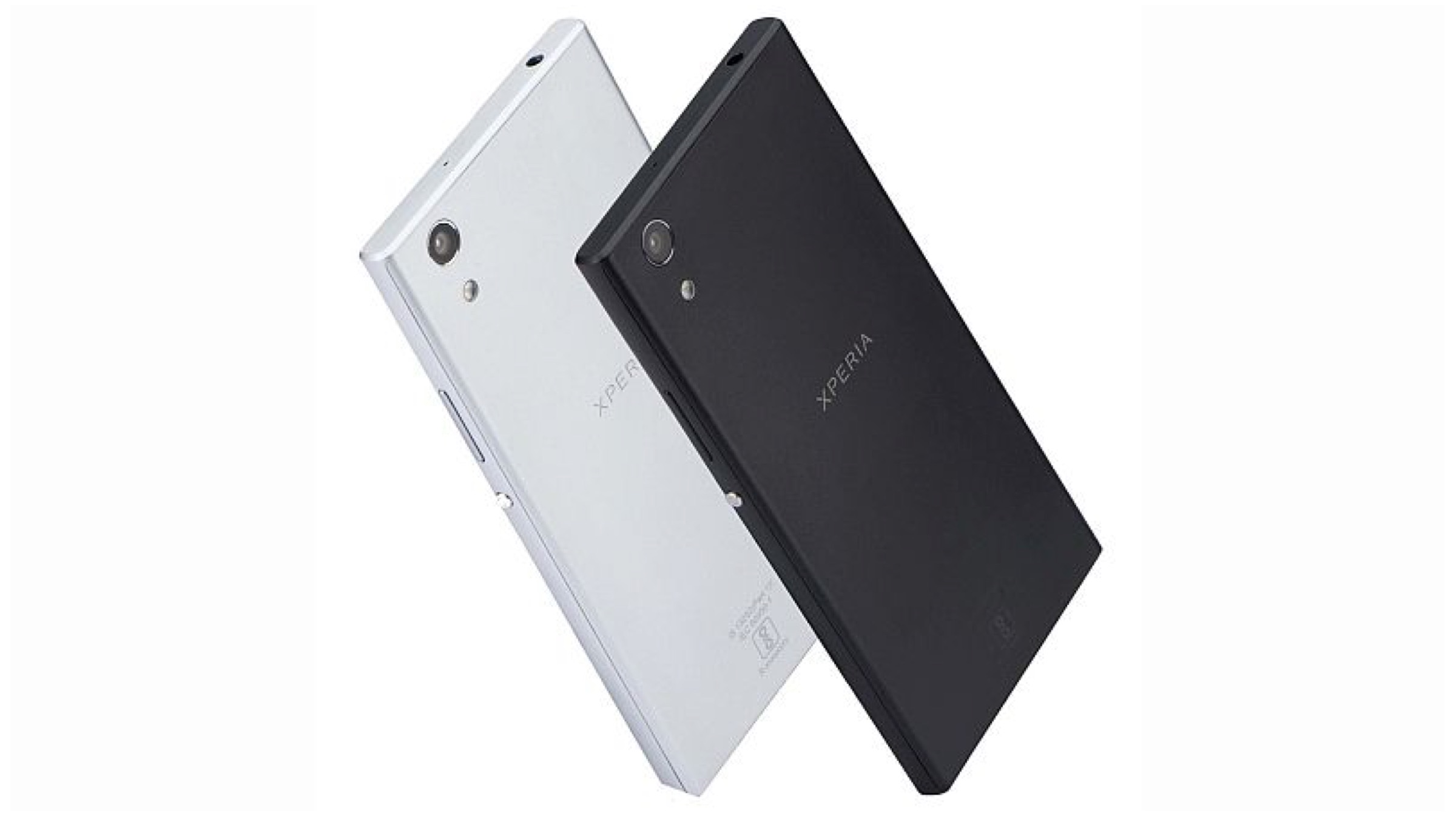
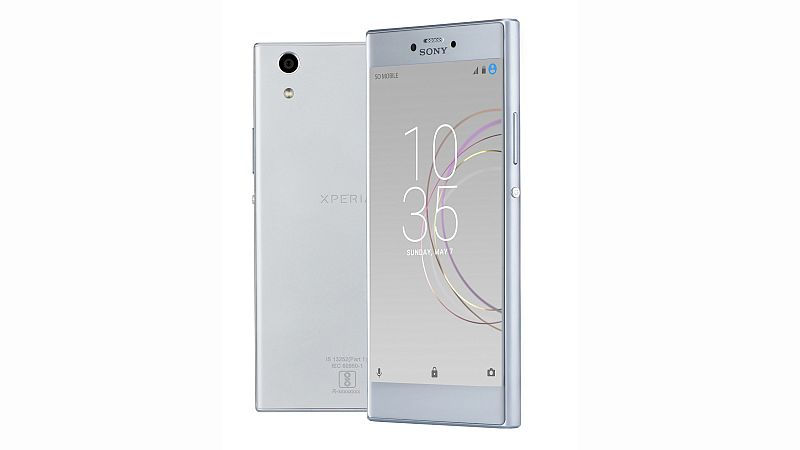
Sony has launched two new mid-range smartphones, the Xperia R1 and Xperia R1 Plus in India. Both the phones will be sold offline and will be available across all Sony Center and major mobile stores across India from the 10th of November. The devices are priced at Rs 12990 for the Xperia R1 and Rs 14990 for the Xperia R1 Plus, and both the phones will be available in Black and White colour variants. The design of the phones reminiscent of all the Sony Xperia phones launched since the Xperia Z with a rectangular shape and blockish design.
Both the phones have identical specifications with the only difference being in the RAM and storage. Both the devices have a 5.2 inch TF display with a 1280 x 720 px resolution. the smartphones are powered by 2620 mAh battery and run Android 7 Nougat out of the box. Under the hood, the devices have the Qualcomm Snapdragon 430 chipset. The Xperia R1 has 2GB of RAM and 16GB of storage while the Xperia R1 Plus packs 3GB of RAM and 32GB of storage. The storage is expandable via microSD card.
Both the devices have a 13MP rear camera with autofocus, Exmor Sony sensor, and LED flash. There’s an 8MP front camera on both the phones.
The company has also confirmed that interested customers can register for the phones starting 27th of October on Amazon. Sony promises has promised that pre-registered customers will be entitled for a special offer.
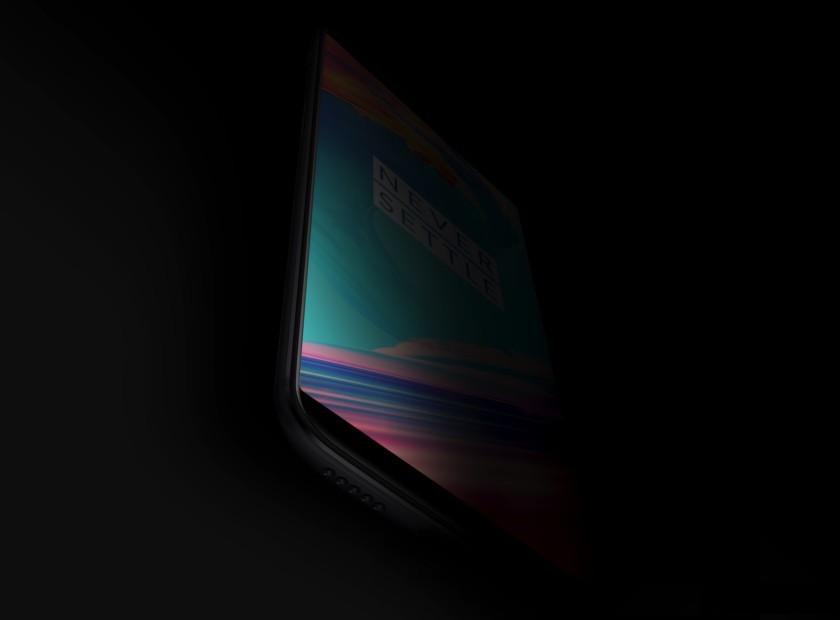
OnePlus 5T rumours refused to fizzle out and as we get closer to the alleged launch date, these leaks will just increase in number. However, that doesn’t mean every leak can be taken on its face value, and it is important to anakyse some leaked images. The latest one that is doing the rounds on the internet is that of the promotional poster of the launch event.
As can be seen in the image, the poster looks as legitimate as it gets. However, it is fair to say that this image is nothing but a well designed hoax. Remember the Ultra Pixel? The caption as well doesn’t seem like something a brand would go for. The word footprint is a term largely used within the tech industry and isn’t a word laymen use to describe a phone. The rumoured specifications do seem to be on point and feasible for a 6-month upgrade.
Just like the OnePlus 3T, the OnePlus 5T is expected to be an incremental update rather than a drastic new upgrade in terms of hardware. The 5T is expected to have the Qualcomm Snapdragon 835 chipset as it is the current flagship chipset. The dual cameras at the back are also expected to be the same as found on the OnePlus 5. The OnePlus 5T will have a 6 inch AMOLED display with a 2160 x 1080 x resolution which translates to an 18:9 aspect ratio.
The smartphone is expected to run Android 7.1.1 Nougat with OnePlus’ Oxygen OS on top. The 2017 flagship will have the Qualcomm Snapdragon 835 chipset with a combination of either 6GB RAM and 64GB of storage or a whopping 8GB RAM and 128 of storage which can not be expanded. The OnePlus 5T is also expected feature dual cameras on the back, one of the main cameras is a 20 MP sensor with an f/2.6 aperture, while the other is a 16 MP camera with an aperture of F/1.7 . The secondary telephoto lens is used for 2X lossless optical zoom and a ‘portrait mode’ for blurred background images.
Co-founder of OnePlus, Carl Pei recently held a poll on Twitter:
The overwhelming response in favour of the headphone jack should at least guarantee that the OnePlus 5T if launched, will have the beloved 3.5mm headphone jack.
Amazon introduced its prime membership along with its Prime Video service in India in 2016 at a yearly charge of Rs 499. At that price with Amazon’s fast delivery and a decent amount of streaming content, the deal is a steal. But, this won’t be for too long as the membership charges will increase to Rs 999 from the 31st of October.
Prime is designed to make your life better every single day. Tens of millions of members around the world enjoy the many benefits of Prime. In India, Prime members enjoy unlimited free 1 day and 2 day delivery over 11 million products online, free standard delivery without minimum purchase, exclusive deals on bestselling products and instant access to Amazon Prime Video with the latest movies and TV shows. Amazon Family, offers members who are young parents a 15% off on diaper subscription all year-round and soon adding to this bouquet of many benefits, Prime members will have instant access to a strong catalogue of songs across International and national selection with Amazon Prime Music.
Amazon Prime Video services has lesser content than Netflix or Hotstar but, the convenience of 1-day or 2-day delivery across the country makes it a good deal.
Google launched the Pixel 2 and Pixel 2 XL globally on the 4th of October and showed signs of getting serious about its hardware. Google talked highly about its new phones’ integration of software, hardware and AI. The bigger sibling, the Pixel 2 XL has a pOLED display and over the course of past few weeks, several issues pertaining to its display have surfaced online. Issues like black smearing and screen burn in were heavily reported and Google responded with a simple, “We are actively investigating” the issues. Now, Google has released a blog post in which the company has said that the display issues will be resolved via a software update and the warranty period for all Pixel 2 owners has been extended to two years.
Our current investigation of burn-in, which started as soon as we received the first user report on October 22, confirms that the differential ageing is in line with that of other premium smartphones and should not affect the normal, day-to-day user experience of the Pixel 2 XL.
Regardless, we use software to safeguard the user experience and maximise the life of the OLED display, and we’ll make ongoing software updates to optimise further. We’re very confident that the Pixel 2 delivers an exceptional smartphone experience, and to give users peace of mind, every Pixel 2 and Pixel 2 XL will now come with a 2-year warranty worldwide.
This should come as a relieve to people who have bought the Pixel 2 XL or had plans to buy one. The Pixel 2 and Pixel 2 XL pre-orders have begun in India and will be sold online via Flipkart.
OnePlus 5T might be real or a mythical creation of a bored mind with a Twitter handle. We will never know for sure until OnePlus either announces it or denounces it. Till then, we have some more speculation to ponder upon. The two co-founders of OnePlus, Carl Pei and Pete Lau shared two images from the camera of what might be the upcoming OnePlus 5T.
Both the tweets have the same caption, “Cool photo, must have come from a great camera ?.” This indicates that the Tweets were planned and definitely a promotion or a teaser of what be coming. If these pictures were clicked by the OnePlus 5, the co-founders would not have been cryptic about it. The two images are taken in low-light conditions and suggest that the next OnePlus smartphone will have some serious improvements in low light shooting capabilities. The possibilities include a software-based enhancement, a larger sensor and a wider aperture.
All of this can be construed according to the reader’s convenience. It might actually be a sign that the OnePlus 5T is real and the company is jumping on the hype train to increase anticipation of the upcoming phone or, the two co-founders took advantage of the situation and decided to have a little joke with all the optimists of the Twitter world.
Apple launched the iPhone X on the 12th of September in the US and announced that the phone will be available to pre-order from the 27th of October in markets such as India. Priced at Rs 89000 for the 64GB variant, the Apple iPhone X will be the most expensive iPhone ever launched in India and the pre-orders begin at 1. Reports suggest that due to the intricate manufacturing process of the FaceID technology, Apple has only been able to produce half the iPhone X’s it expected to make in 2017. This means that the demand will be high and you will have to be extremely diligent to successfully pre-order the iPhone X when the bookings go live.
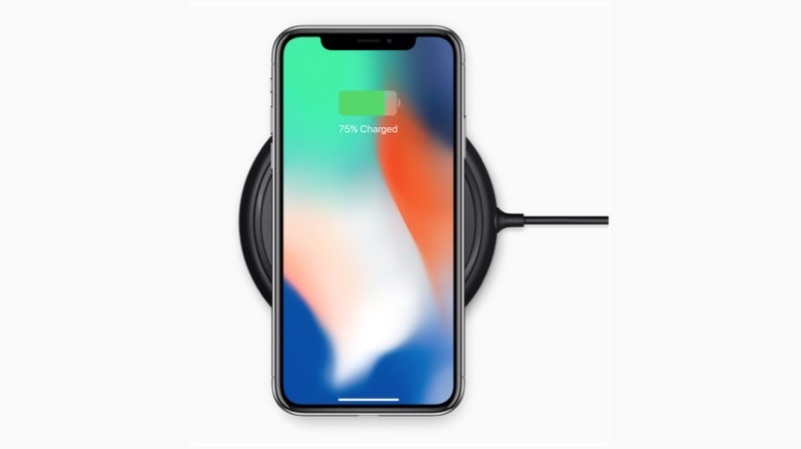
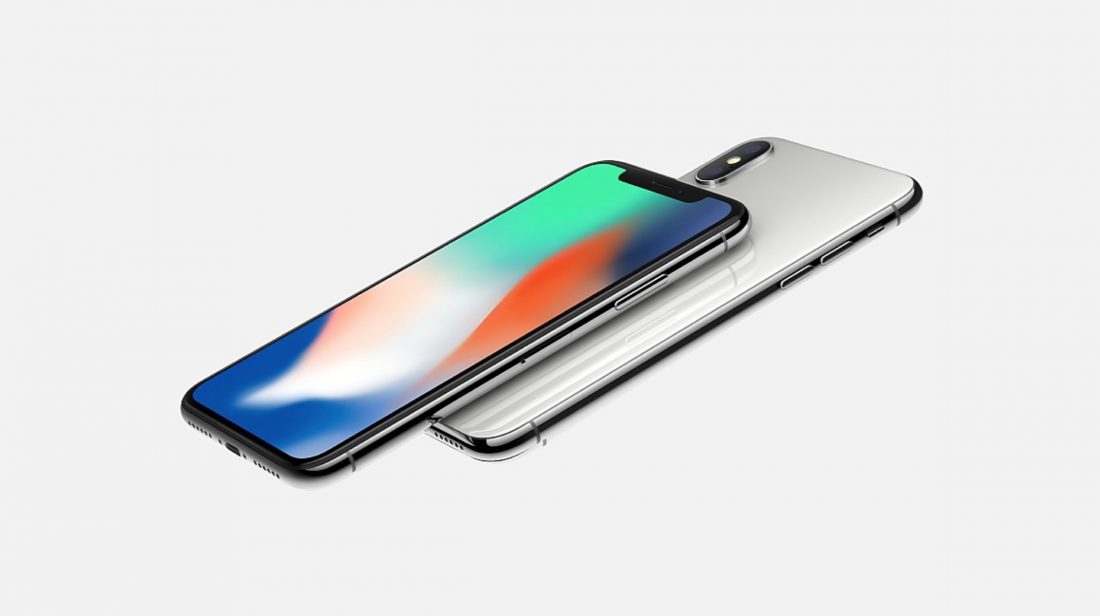
The iPhone X has a 5.8-inch 2436 x 1125 px OLED True Tone Super Retina display with minimal bezels around it. The phone runs iOS 11 and is powered by a 3,000 mAh battery which charges through the Apple signature lightning port placed at the bottom of the phone. Under the hood, the smartphone has the Apple A11 Bionic chipset with a neural engine, a hexa-core processor, 3GB of RAM and storage options of 64GB, and 256GB. As is with every iPhone, the onboard storage can not be expanded via a microSD card. The small bezels mean there is no physical home button, which is now replaced with gestures for navigation. Siri is activated by pressing the now larger lock/unlock button. The iPhone X is also IP67 certified for water and dust resistance.
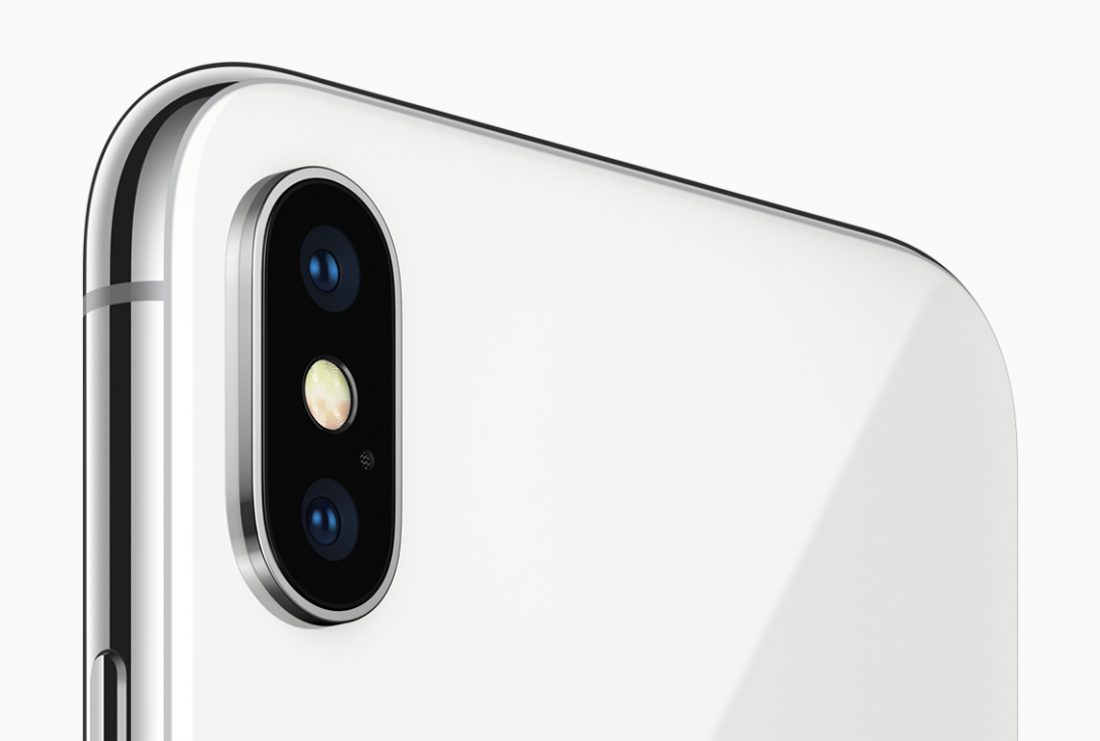
The iPhone X has dual 12-megapixel rear cameras, and it’s equipped with dual optical image stabilisation. The sensors are both larger and faster, according to Apple, and the main camera is equipped with a wide angle lens and has an f/1.8 aperture while the secondary telephoto lens has an f/2.4 aperture. In between the two cameras is a quad-LED True Tone flash. Both the front and back cameras have the portrait mode. The rear cameras have the portrait lighting feature, just like the iPhone 8 and iPhone 8 Plus.