Author: Vipul Vij

  • Apple’s A11 Chipset Way Ahead Of Its Competition – Geekbench Founder

    Apple’s A11 Chipset Way Ahead Of Its Competition – Geekbench Founder

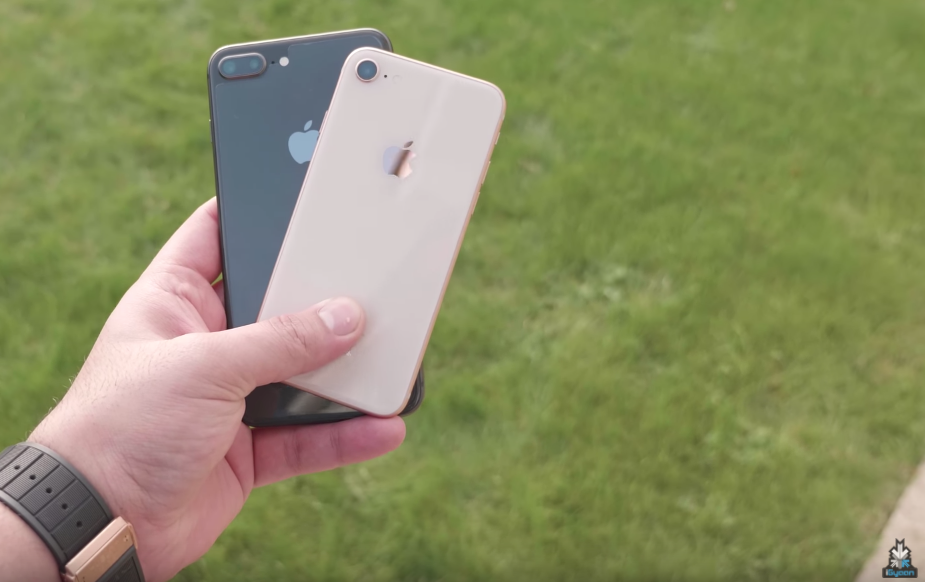
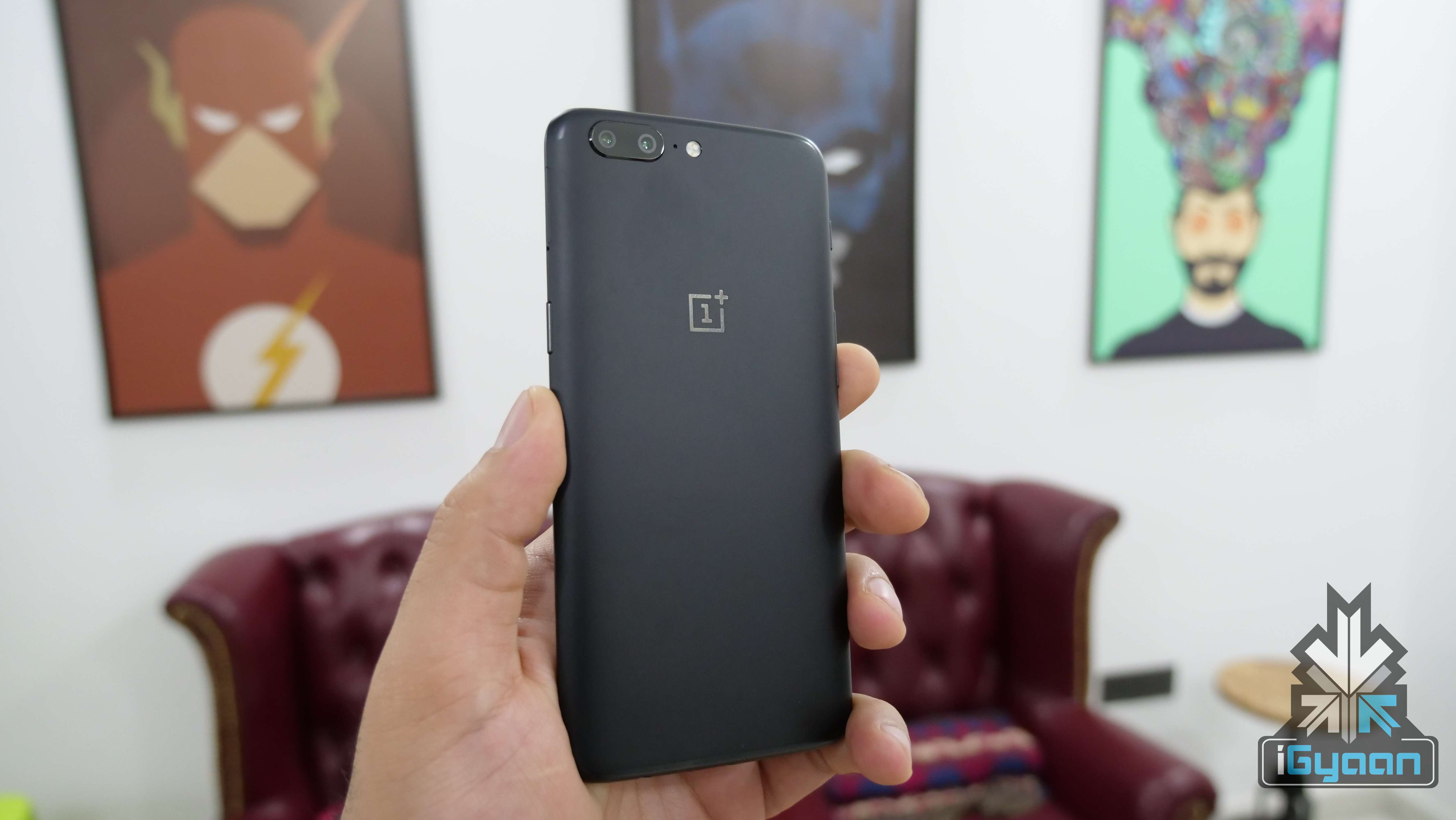
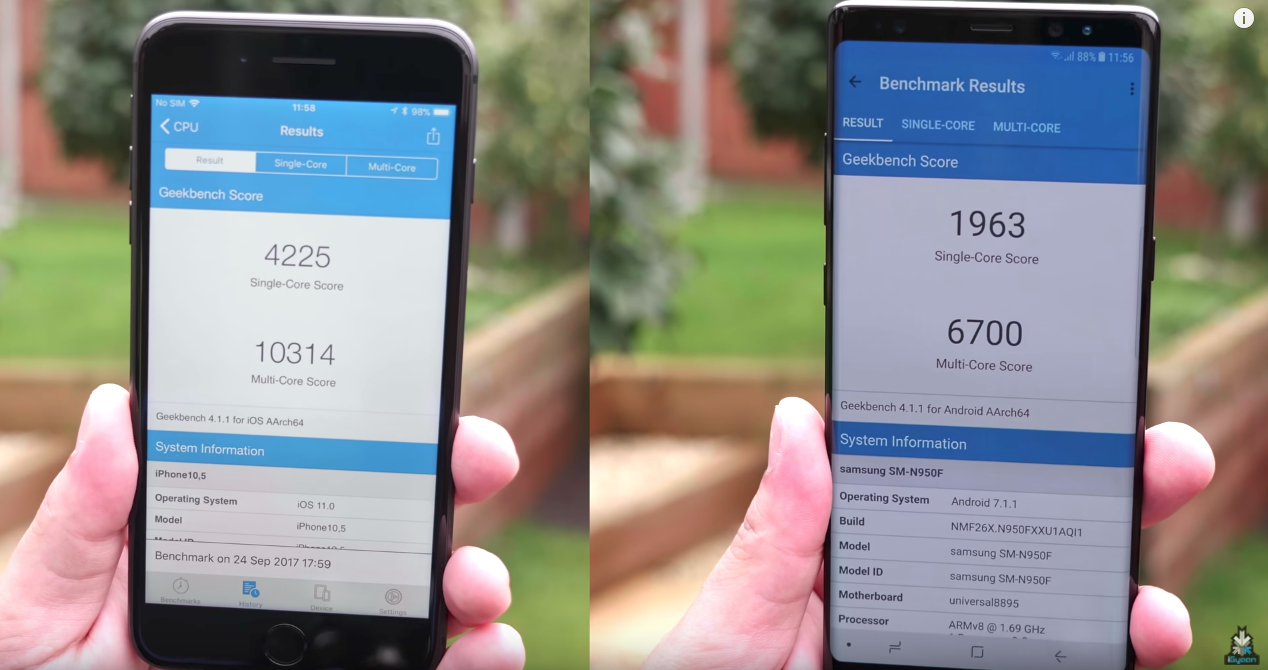
    Qualcomm Snapdragon 835 chipset was the incremental update to 2016’s Snapdragon 821 chipset and has largely been excellent in performance. Smartphones like the Samsung Galaxy Note8, OnePlus 5 and Galaxy S8/S8+ have the latest flagship chipset and their performance has been top-notch. On September 12th 2017, Apple announced its three new iPhones and talked a lot about the new chipset inside the iPhones, the A11 Bionic chipset. The first ever chipset from Apple that has six cores, but, still less than the eight cores found in the Snapdragon 835. The iPhone 8 was launched and the customary benchmark tests were performed in which the A11 chipset blew the Snapdragon 835 out of the park on multi-core results.

    Founder of Geekbench John Poole, a popular CPU testing portal in a recent interview said:

    At this point, you’ve got desktop-class performance in a handset. There’s no way of looking at it any other way. I wouldn’t have thought to use my first-generation iPhone to edit video. I would’ve thought you were crazy. Everybody looks at the A11 scores and they go, ‘Holy crap, this is . . . what does this mean? Are these even comparable? The thing that I don’t fully understand is why performance has seemed to stagnate on the Android side. Where you don’t see these big leaps forward. I don’t understand what’s happening there.

    The disparity of scored between the Snapdragon 835 and A11 Bionic is astonishing, considering the A11 has six cores while its counterpart has eight cores. So much is the dominance of the A11 chip that the benchmark results are close to that of a MacBook.

  • More Images Of The Google Pixel 2 And Pixel 2 XL Leaked

    More Images Of The Google Pixel 2 And Pixel 2 XL Leaked

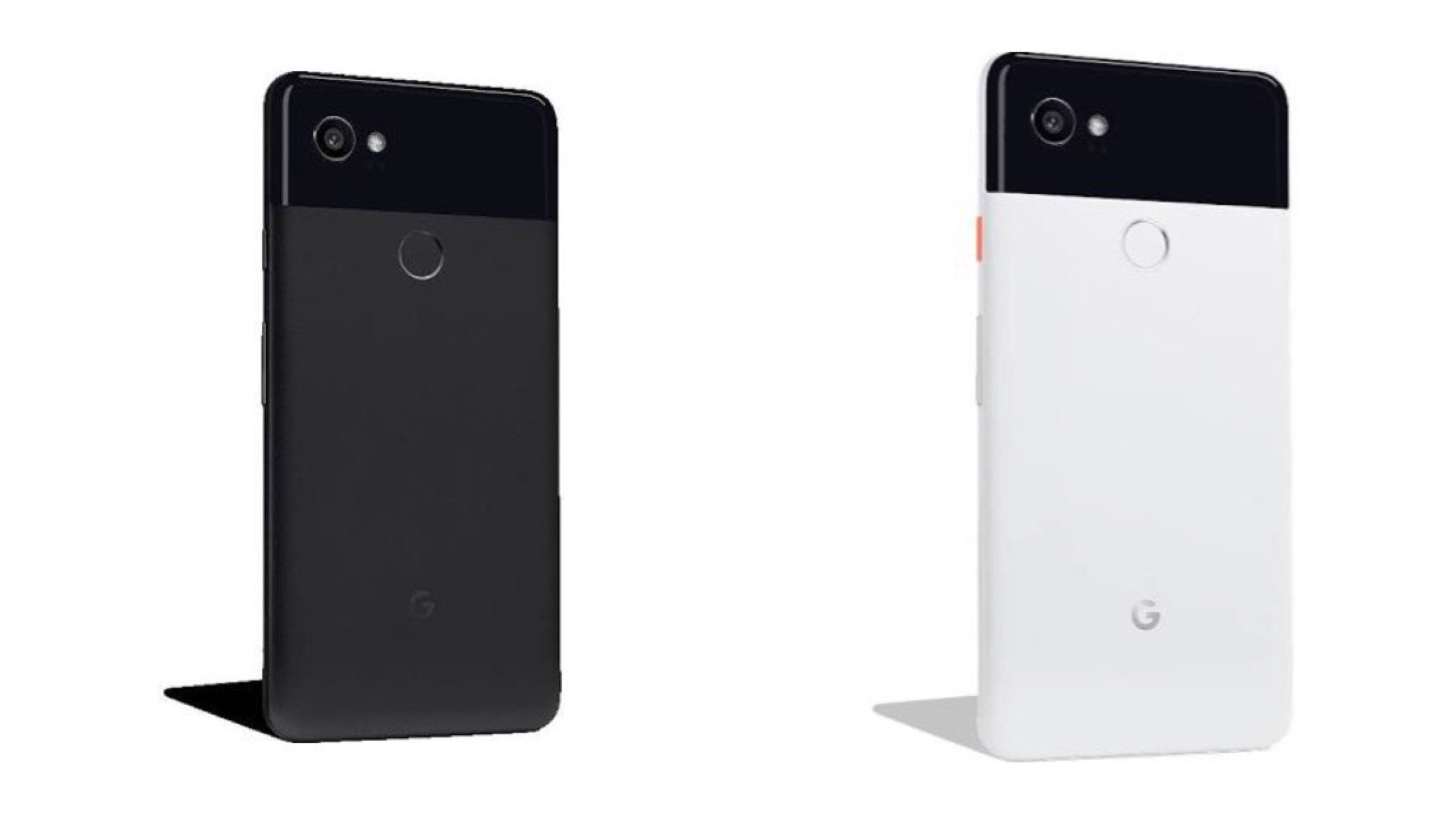
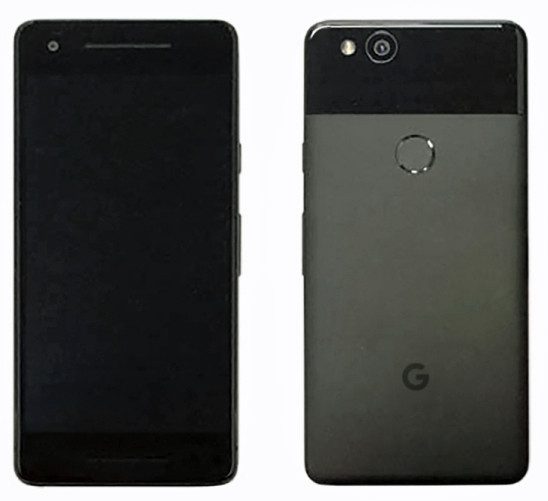
    Just a day before the official launch of the Google Pixel 2 and Pixel 2 XL, more images of the two phone have been leaked. Prolific leaker has tweeted images of the two new phones revealing the front, back and home screen launcher.

    The images show three colour variants of the two phones, Black & White, All Black and Light Blue. The design of the smartphones at the back is more or less similar and in line with other recent leaks with a glass window and two-tone colours. Interestingly, both the phones have front-facing stereo speakers. The Pixel 2 has thick bezels and looks more similar to the 2016 Pixel while the Pixel 2 XL, which is being made by LG looks similar to the LG G6. The Pixel 2 XL has a forehead and chin similar to the LG G6 and Google has fit front-firing stereo speakers in the those tiny bezels, which, if true will be quite commendable and appreciated.

    You may also like – Everything We Know About The New Pixel 2 Smartphones

    As for the specifications, we know both the phones will have the Qualcomm Snapdragon 835 chipset, and not the eariler rumoured Snapdragon 836 chipset. The Pixel 2 will be powered by a 2700 mAh battery while the Pixel 2 XL will be a powered by a 3520 mAh battery. Both the phones will run Androi 8.0 Oreo out of the box and have 4GB of RAM with two storage options – 64GB or 128GB. Just like the previous gen Pixel phones, there will be no microSD card support for storage expansion. Something unlike the Pixel 2016 will be the absence of a 3.5mm headphone jack which has been revealed in multiple leaks and renders. The Pixel 2 will have  5-inch 1920 x 1080 px display while the Pixel 2 XL will have a 6-inch 2880 x 1440 px display.

    The launch event is just a day away and all the rumours will be put to bed when Google raises the curtain and introduces the new Pixel 2 and Pixel 2 XL. And in case you were wondering and hoping against hope, there won’t be an “Ultra Pixel.”

    [section label=”Related Items”]


  • Messenger Lite For Android Launched In US, Canada And Other Countries

    Messenger Lite For Android Launched In US, Canada And Other Countries

    Facebook has launched the ‘Lite’ version of its data inhaling app, Messenger for Facebook in the US, UK, Canada and Ireland. The app is an Android-only app so far and was primarily targeted at people who live in areas where the internet isn’t equipped enough to handle the data intensive tasks of the regular Messenger app. But, the expansion of the app to Facebook’s top developed markets mean that people who want to save data charges like teenagers can take advantage of the app. However, Facebook has no plans as of now to introduce the app for iOS devices.

    We’re excited to bring Messenger Lite to Android users in four new markets, including Canada, Ireland, the U.K. and the U.S. Messenger Lite is a slimmed-down version of Messenger that offers the core features of the app, while giving everyone the opportunity to stay connected to their friends and family, regardless of device or quality of internet connectivity.

    Lead by India and Brazil in terms of downloads, the Messenger Lite was first introduced in October 2016 in five countries before its near global expansion in April. As mentioned earlier, this rollout could be beneficial for Facebook as potential low data costs could help the company attract teenagers who are active on the social media platform and want to stay in touch at all times. The Messenger Lite app could help them make full use of the app’s core features while skimming out on the data charges.

    One of the main reasons cited by Facebook to introduce Messenger Lite was that there are over a billion people who still don’t have access to high speed 3G or 4G network. This move to bring the Lite app in developed markets with proven high speed internet means that the company can now target people who like to cut costs but, not necessarily like to give up using their phones for chatting.

  • Apple Might Revert To LCD Displays For The iPhone 9

    Apple Might Revert To LCD Displays For The iPhone 9

    The yet to be released iPhone X was met with great response after it was announced that it will finally sport an OLED display. Apple has been using LCD panels for its iPhones for the longest time and the need for a display with more vibrant colours and deeper blacks was on the rise. Apple satiated those needs with the iPhone X but, it looks like the dream of an OLED display on all iPhones will be short-lived. The Wall Street Journal has reported that Apple is interested in buying LCD display panels from a Japanese manufacturer, Japan Display. But, the LCD panels won’t be any ordinary LCD panels, in fact these LCD displays are called Full Active and are expected to make up 70% of Apple’s display orders for its next lineup of iPhones which will launch in September 2018.

    Full Active LCD screens apparently make it easy for smartphone manufacturers to make edge-to-edge phones even more compact. As compared to OLED screens, Full Active LCD screens are only 0.5mm thick (or thin), or half the thickness of OLED screens. Apple’s desire to switch Full Active LCD screen suggests that the Cupertino-based tech giant is on the move to make its smartphones even more bezel-less than the iPhone X. It may also be a case of Apple sticking to LCD screens for its non-marquee smartphones. This also makes sense as LCD screens are cheaper to produce than OLED displays.

    The fact that the iPhone X doesn’t come out till November is enough for us to believe that its preliminary to hear things about the 2018 iPhone. It is more than possible that Apple is bulk-ordering these screens for its budget-tier iPhones like the iPhone SE.

  • OnePlus 6 To Launch In Early 2018, No OnePlus 5T To be Launched

    OnePlus 6 To Launch In Early 2018, No OnePlus 5T To be Launched

    In a deviation from its previous smartphone launch plans, OnePlus won’t be releasing a OnePlus 5T in late 2017. In fact, reports suggest that the OnePlus 6 will be launched in early 2018. This is a detour from OnePlus’ smartphone launch activity from the recent past. In 2016, OnePlus launched the OnePlus 3 and the OnePlus 3T was launched in late 2016 with a new chipset and a bigger battery.

    According to a report, OnePlus 6 might be a major departure from the design language that OnePlus has adopted for its smartphones till now. The OnePlus 6 might have a bezel-less display, which would result in a screen larger and taller than the 5.5 inch display we’re used to seeing on OnePlus smartphones. One thing is certain, whether the company decides to launch the OnePlus 5T or the OnePlus 6, the specifications of the phone will be top notch. It was earlier reported that the OnePlus 5T will be launched in late 2017 or early 2018 and have the Qualcomm Snapdragon 836 chipset. This incremental move would be similar to what OnePlus did with the 3 and 3T in 2016.

    But, it was reported that a Snapdragon 836 chipset is not in the works and doesn’t feature in the company’s future plans. This might have impacted OnePlus’ plan of releasing a ‘T’ variant of the 2016 flagship, the OnePlus 5. On the other hand, if the OnePlus is launched in early 2018, it could feature the Qualcomm Snapdragon 845 chipset. Apart from that, the smartphone might have similar variants of 6GB RAM/64GB and 8GB RAM/128GB storage. The dual-camera setup is expected to retain its place and just like the OnePlus 5, the implementation of the dual cameras will be a much discussed point.

    OnePlus so far, has been hard at work rolling out updates for its three smartphones and recently launched a limited edition variant of the OnePlus 5 in association with French artist Castelbajac. OnePlus has also tied up with Croma to expand its offline presence.

  • Xiaomi Redmi Note 5 Renders Suggest Thinner Bezels And Dual Cameras

    Xiaomi Redmi Note 5 Renders Suggest Thinner Bezels And Dual Cameras

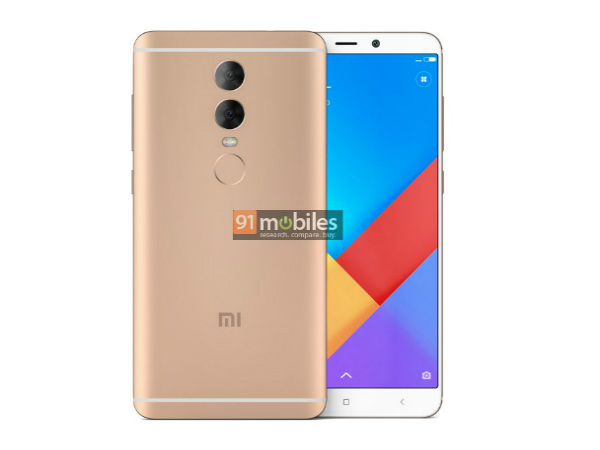
    Xiaomi’s upcoming Redmi Note 5 might have thin bezels and a dual camera setup. Xiaomi recently launched the Redmi Note 5A and the Redmi Note 5 is expected to be the bigger sibling of the two.

    According to leaked renders shared by 91Mobiles, the Xiaomi Redmi Note 5 might have a 5.5inch 1920 x 1080 px display with thin bezels. The Redmi Note 5 may have a dual-camera setup at the back, which is expected to be a combination of a 16MP and 5MP sensors along with dual-tone LED flash. On the front is expected to be a 12MP camera.

    The Redmi Note 5 will have a metal unibody design reminiscent of the Redmi Note 3 and Note 4. The fingerprint will found in a similar centrally located placing at the back.The three navigation buttons will be placed below the display as Xiaomi refuses to take the onscreen button route. On the top of the phone will be a 3.5mm headphone jack and an IR blaster. The device is expected to be have either the Snapdragon 630 or Snapdragon 660 chipset based on the 14nm process. The smartphone is also rumoured to be available in three variants, one with 3GB of RAM and 32GB onboard storage, and the one with 4GB RAM and 32GB/64GB storage. The device is said to be powered by a 4000 mAh battery and support quick charge through the USB Type C port placed at the bottom of the device. The Redmi Note 5 will run Android 7.1 Nougat with Xiaomi’s custom skin, MIUI 9 on top.

    The price of the Redmi Note 5 is expected to be similar to that of the Redmi Note 4. The 3GB RAM and 32GB storage variant might be priced at 1200 Yuan (Rs. 11800 approx.), 4GB RAM and 32GB storage at ,400 Yuan (Rs. 13700 approx.), and the 4GB RAM and 64GB storage variant at 1500 Yuan (Rs. 14700 approx.).

    At the end of the day, these are renders and not actual phone leaks so take them with a pinch of scepticism. There is no rumoured date of launch yet for th Redmi Note 5 but, similar to the Redmi Note 4 the phone might be launched globally early in 2018.

  • Huawei Mate 10 Pro With Dual Cameras Leaked Ahead Of Its Launch

    Huawei Mate 10 Pro With Dual Cameras Leaked Ahead Of Its Launch

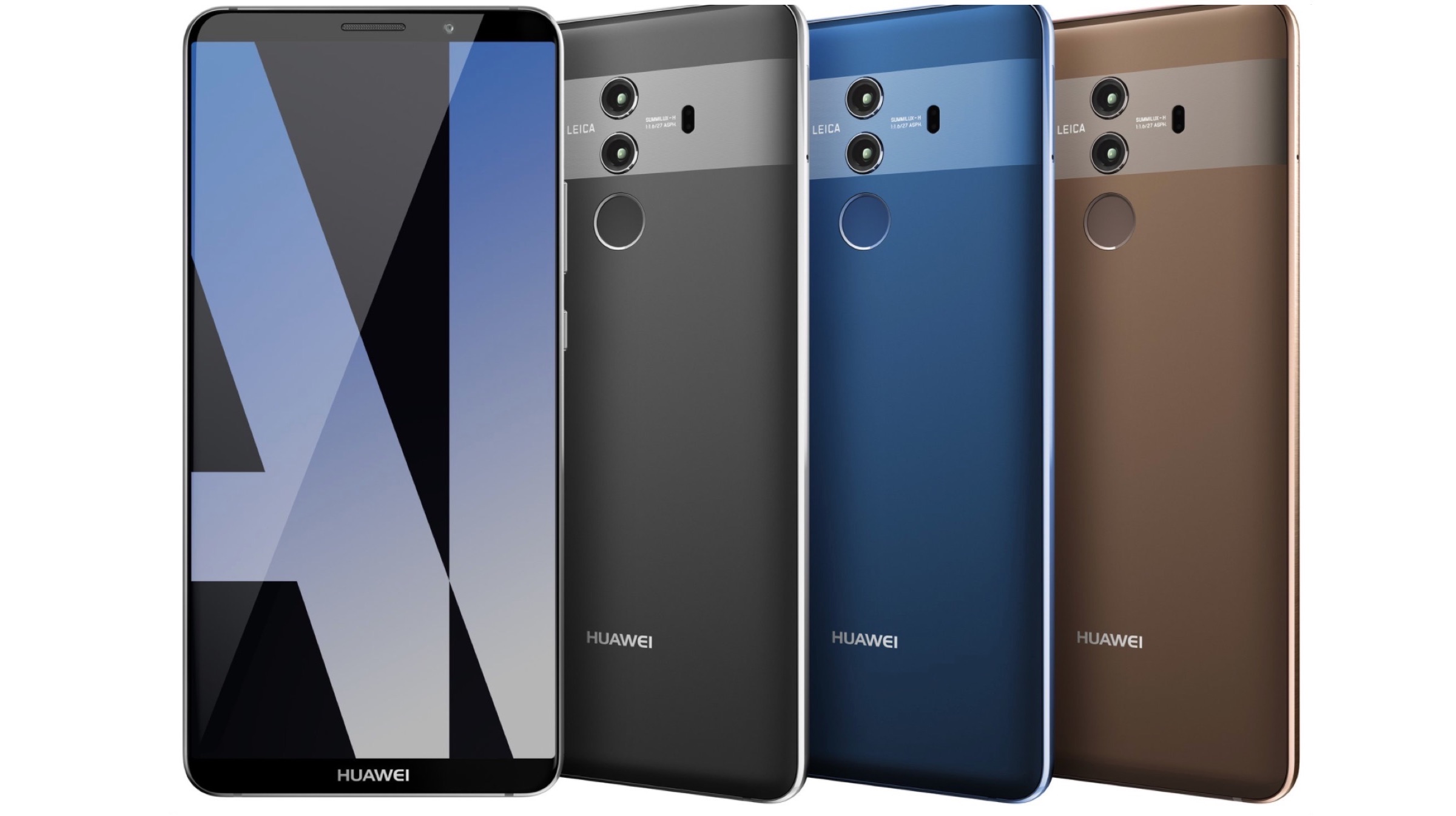
    Even though Google’s new Pixel 2 lineup has been dominating the rumours ever since Apple unveiled its 2017 iPhone lineup, Huawei’s Mate 10 smartphones have been grabbing headlines. The Mate 10 lineup is scheduled to be announced on 16th October in Munich. A prolific leaker had given us a glimpse of what the Mate 10 Pro would look like, come October 16th.

    It seems like the bezel-less display trend has finally caught up with Huawei as the leaks show minimal bezels around the display of the Mate 10 Pro. There is a forehead and chin to the phone but the design looks edge-to-edge as the side bezels are almost invisible. The colour variants shown in the tweet are also interesting. The three colours are grey, blue and what looks like brown. There is a dual-tone colour scheme at the back with the vertically placed dual-cameras sitting in a slightly different coloured strip. The tipster also claims the phone will be launched in a limited Porsche Design edition with a burnished finish.

    The Huawei Mate 10 Pro will be powered by Kirin 970 chipset, which was unveiled at the IFA 2017 in Berlin by Huawei. The smartphone is expected to be powered by a 4000 mAh battery and run Android 8.0 Oreo out of the box. The smartphone will have 6GB of RAM, and 64GB and 128GB onboard storage variants. The phone is also expected to be IP68 certified water and dust resistant.

    The Leica branded dual camera setup at the back is said to consist of 12MP and 20MP sensors with an f/1.6 aperture and OIS. On the front, the smartphone is expected to have an 8MP camera.

    Huawei boasted about the Kirin 970 chipset at the time of its unveiling and interestingly said that it has a neural transmitter, same as the A11 Bionic chipset found in the iPhone 8 and Phone X. Huawei went ahead and teased the launch of the “real AI smartphone” right after Apple’s September 12th event. It is believed that Huawei was referring to the Mate 10 Pro in that teaser.

    At the IFA 2017, Mr. Richard Yu, CEO of Huawei Consumer Group said, “The NPU present inside the Kirin 970 chipset can think and actively work to provide you the best user experience, whereas other A.I. assistance like Google Assistant only works reactively.” The new chipset will also mean better battery life as Huawei suggests that it is “50 times more efficient than an average CPU.” Huawei being telecommunications giant has introduced new features in the Kirin 970 such as the Cat 18 compatibility, which means it can reach download speeds up to 1.2GB per second.

    The AI capabilities of the new Huawei Mate 10 Pro make it an exciting prospect and the phone is also expected to be launched with a premium price tag to compete with the likes of Galaxy Note8, iPhone X and the yet to be launched Google Pixel 2 and Pixel 2 XL.

  • India To Roll Out 5G Internet By 2020

    India To Roll Out 5G Internet By 2020

    India is planning to roll out 5G internet services by the year 2020. In order to complete this task successfully, the government has set up a high-level forum which will evaluate all possible roadmaps to make sure that 5G internet becomes prominent in the country. For the said objective, the ministries of telecom, information and technology, and science and technology have been included in the forum. A budget of Rs 500 crore is set aside for research and development of 5G technology by the government.

    The minister of State for Communications Manoj Sinha said:

    We missed the opportunity to participate when the standards were being set for 3G and 4G, but don’t want to miss the 5G opportunity. Now when the standards are being set for 5G across the world, India will also participate in the process. As per the OECD Committee on Digital Economic Policy, it has been stated that 5G technologies rollout will help in increasing GDP, creating employment, and digitising the economy.

    Apart from the government, Indian telcos such as Airtel are also actively taking initiatives toward the 5G technology. Airtel on 26th September launched a mimo, a pre-5G technology, producing internet browsing speeds three times higher than the current levels. State-run Bharat Sanchar Nigam Ltd. along with Airtel have also signed initial pacts with smartphone makers such as Nokia for the development of 5G and its applications which are relevant to India.

    India was slow to jump aboard the 3G and 4G train. Even currently, the 4G technology adoption is at a nascent stage whereas a lot of countries have adopted 4G and even 3G has become a secondary internet technology. In order not to lose out on the 5G hype, India is planning to hold auction for 5G spectrums. While a part of the government back an early sale of 5G airwaves, the telecom industry wants it to be sold only post 2018, citing the lack advanced ecosystem around the technology as the main reason. The industry also believes that India will get 5G only around 2021-2022.

    The International Telecommunication Union (ITU), which will finalise the standards for 5G mobile technology proposed the downlink peak rate for 5G at 20 gigabits (or 20,000 megabits) per second. These speeds however, cannot be ascertained yet since the technology is yet to be deployed.

    A country where even 4G speeds at the moment are underwhelming and network speed throttling is a major issue, 5G technology becoming a regular for consumers seem like an overkill or a distant dream. But, the forum setup by the government includes all the important bodies necessary to make 5G technology a relevant dream in the future. The high-level forum will work towards accelerated deployment of 5G for specific use cases in India, and these will include development of roadmap related to emerging technologies, testing, and trials.

    Manoj Sinha has said that India is “We are open to collaboration” with countries who have set up a similar forum. This early resilience shown by the government is definitely a positive sign and a step in the right direction.

  • Google Assistant Might Be Heading To Chromebooks

    Google Assistant Might Be Heading To Chromebooks

    Google is gearing up to launch a few marquee products at its 4th October launch. Along with the Pixel 2 and Pixel 2 XL, there are rumours of a new Google Home, and laptops being unveiled at the event. A new leak through a teardown of the Google Home app suggests that Google Assistant might be making its way to the new Chromebooks.

    According to a report by 9to5Google, hidden deep in the compatibility section of the app is the mention of Chromebooks:

    Listed in the compatibility section of the Chat with your Assistant ‘game’ right alongside phones, Google Home, and Allo is Chromebooks, clear as day.  Not only is the text listed out, but a Chromebook icon shows up right along with those for Home and phones, so it seems pretty concrete that this is something Google intended to do, but just slipped out a little early.

    It seems like introduction of Google Assistant to Google’s laptop range suggests that the Pixelbook might be launched on October 4th. There are also reports that the new Pixel phones will and Google Assistant will be more integrated than ever and this may be the theme of the October 4th launch. Google Assistant is also getting updates that makes the AI assistant capable of performing more complex tasks and with Google Home Mini also launching, Google might be looking towards making its consumers surrounded by Google Assistant.

    The launch event is two days away so stay tuned because iGyaan will bring you all the news from the event!

  • Apple iPhone 8 And iPhone 8 Plus Receive Underwhelming Response At Launch Across The Globe

    Apple iPhone 8 And iPhone 8 Plus Receive Underwhelming Response At Launch Across The Globe

    When Tim Cook announced the iPhone 8 and iPhone 8 Plus and paused for a second before saying, “One more thing,” the anticipation of the iPhone X turned into reality. He went on to unveil the iPhone X with an all-screen design,  “superior cameras” and “revolutionary FaceID” technology. The afterthought of the iPhone X announcement was, “What about the iPhone 8?” That thought translated into action as the launch of the iPhone 8 and iPhone 8 Plus saw an underwhelming turnout across the globe. Over the years, iPhone launch days have seen huge turnouts with people camping outside retail outlets just to get their hands on the new iPhones before it runs of out of stock.

    In countries like the UK and Australia, it was heavily reported that there hardly any people waiting to buy the iPhone 8 and that most of the consumers are holding back their credit cards for the new iPhone X. This begs the question, why did Apple release the iPhone 8 and iPhone 8 Plus? Why not name them the iPhone 7s and iPhone 7s Plus and keep a sizeable price difference between these phones and the iPhone X to attract consumers? The 256GB variant of the iPhone 8 Plus will cost you Rs 86000 in India and the 64GB variant of the iPhone X will retail at Rs 89000. People who love iPhones have used 16GB variants of their favourite devices for a long time and using a 64GB variant now will anyway be a storage bump for them. So, anyone willing to spend such a large amount of money for an iPhone would rather wait a month and get an iPhone with a new design and cameras.

    You may also like : iPhone X vs The Competition

    Another point to note here is that even though the new cameras on the iPhone 8 and iPhone 8 Plus are better than the previous generation and the A11 bionic chipset is destroying the Snapdragon 835 on speed tests. Historically, iPhones have never been slow or have buggy software due to the internals. Apple has been known to optimise the software and hardware in a way that an iPhone 5s after 4 years of its launch still operates better than most of the Android phones launched back in 2013. This begs the question that will an iPhone 7 or even an iPhone 6 user upgrade to an iPhone 8, or wait for the iPhone X? There are reports that the 2018 iPhone will get TouchID back and the fingerprint sensor will be placed under the display. If people are sceptical about FaceID, won’t they rather wait a year and upgrade to the 2018 iPhone?

    Apple has definitely put in a lot of though here and wouldn’t have invested so much of money if it didn’t see a return and has targeted the consumer section that will buy the iPhone 8 or the iPhone 8 Plus. Have you bought the iPhone 8 yet or are you waiting for the iPhone X? Let us know in the comments.


  • Google Hypes Up The Pixel Launch, Posts Multiple #TeamPixel Images

    Google Hypes Up The Pixel Launch, Posts Multiple #TeamPixel Images

    The new Google Pixel 2 and Pixel 2 XL will be launched on October 4th and the anticipation is increasing every passing day. The Pixel and Pixel XL from 2106 were well received for their camera performance and leaks suggest that the new Pixel smartphones will improve on that performance. There has been a trend of smartphone makers teasing marquee smartphone launches with bits and pieces of information like LG did with the V30. Google, in a new blog post has posted images taken from the Pixel phones and labelled #TeamPixel to remind everyone that the Pixel phones still possess one of the best cameras in the market.

    The newly launched Apple iPhone 8 Plus grabbed the headlines when DXOmark rated its cameras as the best smartphone camera in the world. Last year, during the launch of the Pixel and Pixel XL, Google showed off the DXOmark rating of the Pixel phones as the best rated smartphone cameras. The baton was then passed on to the HTC U11 which was launched in early 2017. This carefully timed blog post might be Google’s strategy of reminding everyone about the cameras on last year’s Pixel smartphones and hyping up the launch of the new Pixel 2 and Pixel 2 XL. It is widely assumed that Google will improve the camera performance. Both the phones will have what Google is calling, “Pixel Cameras.” The Pixel 2 and Pixel 2 XL will have a Wide Colour Gamut and Google Imaging Chip, as well as Optical Image Stabilisation. Whether OIS will be present in both the cameras is yet to be seen.

    You may also like : Everything We Know About The Upcoming Pixel 2 Smartphones

    The images in the blog post do look sharp and showcase the image taking ability of the phone in all lighting conditions.

    Related Items

  • Unboxing The GoPro Hero 6 Black

    Unboxing The GoPro Hero 6 Black

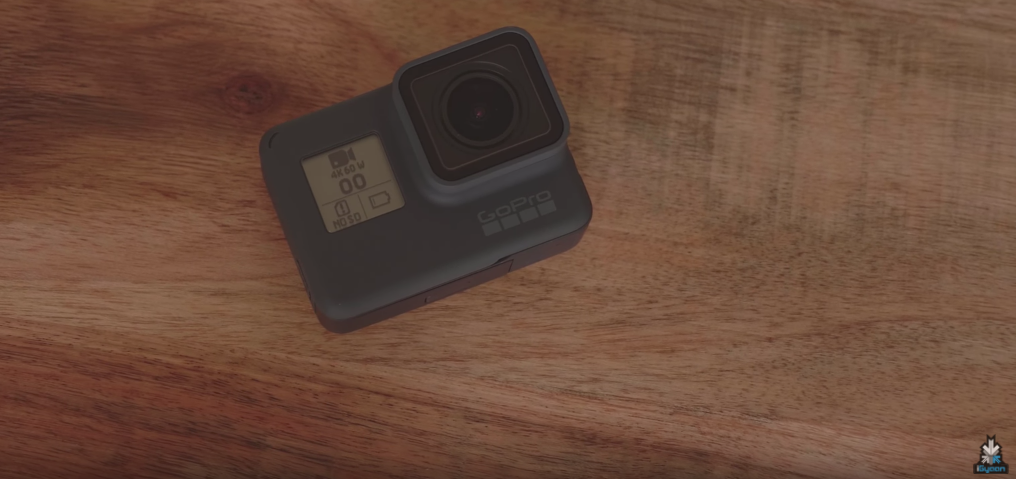
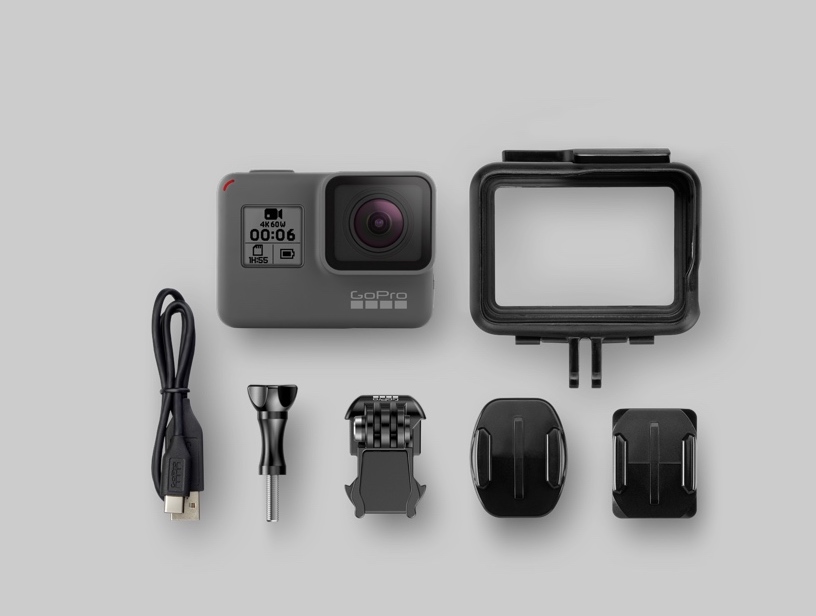
    GoPro has launched its new flagship camera, the Hero 6 Black for a price of US499 and Rs 45000 in India. The Hero 6 Black has the new custom G1 chipset which should result in better image processing and battery performance since GoPro has optimised the chipset with its software rather than picking an off the shelf chipset. This is a huge departure for GoPro as it parted ways with Ambrella, the company who has supplied chips for GoPro cameras for a long time. Let’s unbox the new GoPro Hero 6 black and see what we get:

    • Hero 6 Black
    • Host of mounts for the camera
    • Micro USB charging cable
    • Documentation
    • Battery
    • GoPro stickers

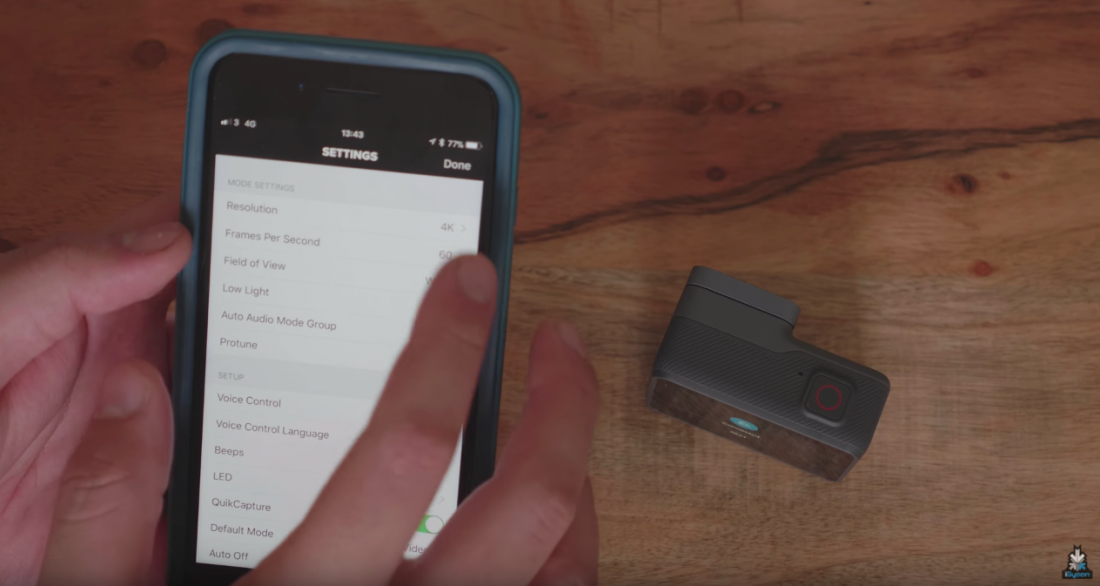
    The GoPro Hero 6 Black records 4K videos at 60fps and 1080P videos at 240fps. The new GoPro Hero 6 Black will shoot 12MP photos, in JPG or RAW, and GoPro’s Wide Dynamic Range mode. But it will supposedly perform better in low light than the Hero 5 Black and offer better image quality in all situations. The GoPro Hero 6 Black will shoot 3840 x 2160 px videos at 60fps. Higher frame rates offer a smoother look and more importantly, they make it possible to create slow-motion footage. There’s also a better Wi-Fi radio inside that triples the transfer speeds of the last generation Hero, so you can get your footage into the GoPro app on your phone three times faster than previous generation GoPro camera.  The GoPro has GPS, a 2-inch LCD touchscreen on the back, voice controls, and some instant-editing features for when you’re on the move. The new camera is rugged as usual and is waterproof to 33-feet.

    Click Here To Buy GoPro Hero 6 Black

  • Facebook Is Working On Its Own Facial Recognition System

    Facebook Is Working On Its Own Facial Recognition System

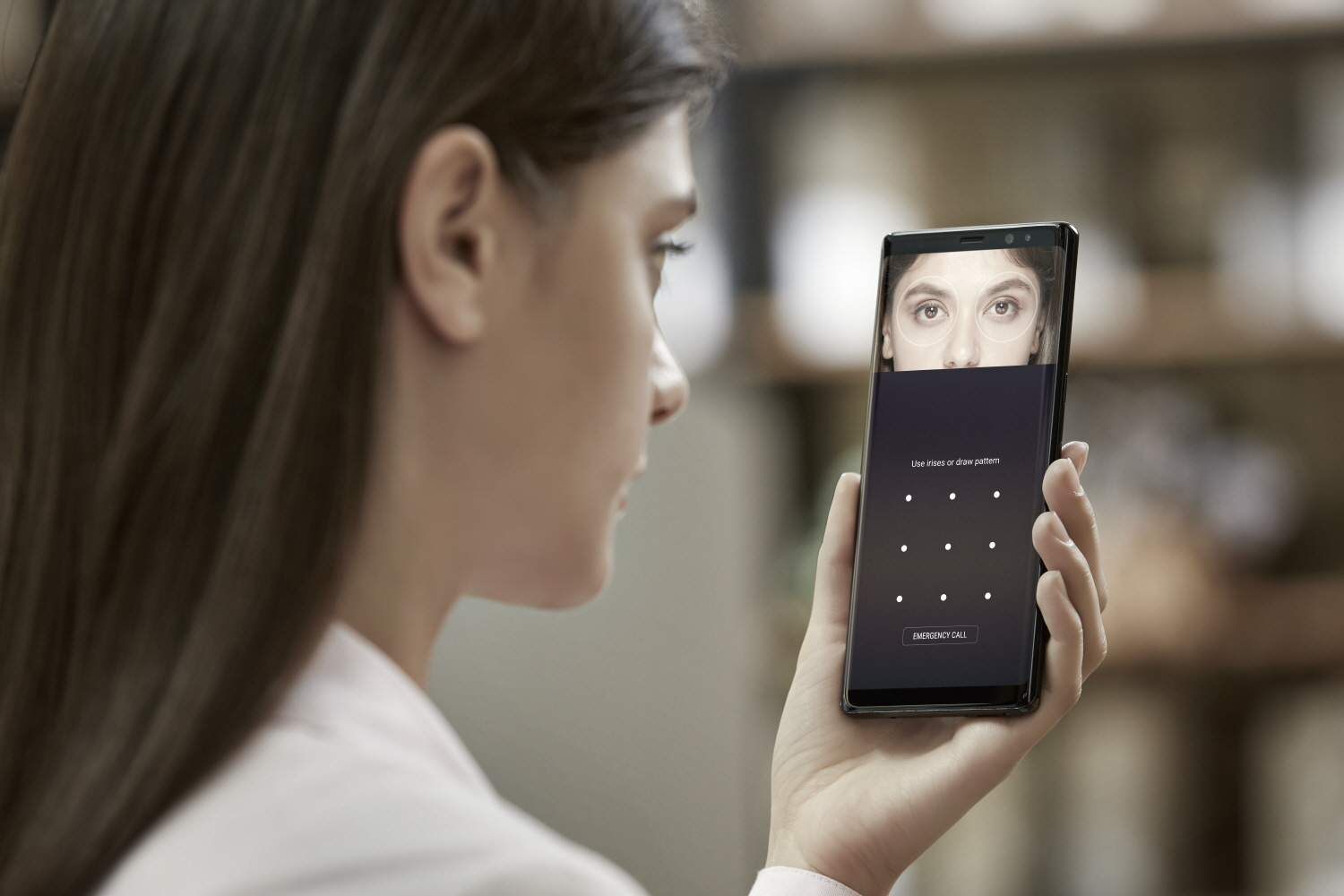
    Facebook is working on it’s own facial recognition system. According to a screenshot shared by a social media researcher, this feature is in its testing phase right now. Facial recognition system is really picking up its pace in the tch industry after a series of iris scanners found in likes of Galaxy phones and most recently, Apple adopting facial recognition to replace fingerprint sensors in its upcoming iPhone X.

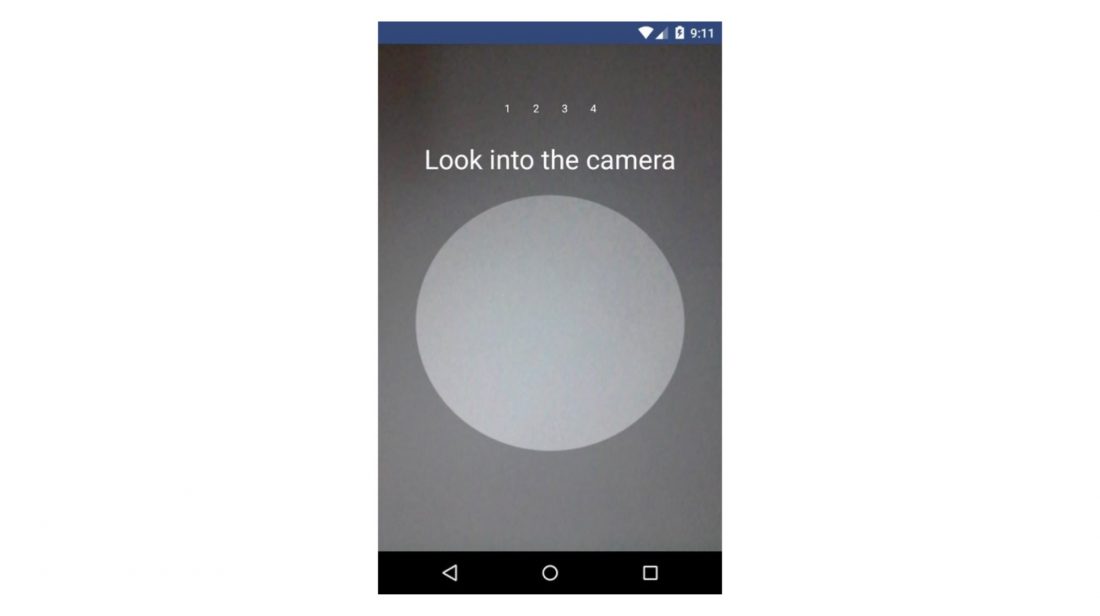
    If you get locked out of your Facebook account, the feature will help you regain access by using your face to verify your identity. That could be especially useful if you’re somewhere that you can’t receive two-factor authentication SMS due to network issues, like if you’re on a hike or while traveling abroad, or if you lose access to your email account. TechCrunch reached out to Facebook and received a response:

    We are testing a new feature for people who want to quickly and easily verify account ownership during the account recovery process. This optional feature is available only on devices you’ve already used to log in. It is another step, alongside two-factor authentication via SMS, that were taking to make sure account owners can confirm their identity.

    In its testing phase, Facebook is testing how robust the feature is and the failure rates. If the new feature proves to be reliable helpful isn’t fooled by hackers or images of the owner, Facebook could potentially roll it out to more people. This feature will add another dimension to Facebook’s account recovery process. Already, if you get locked out of your Facebook account, you can either use the two-factor authentication SMS or email, or you can designate several “trusted friends” who receive a code that you can ask them for to unlock your account. In some cases it asks you to identify photos of your friends to prove you’re actually you.

    Any form of biometrics used by a social networking site can cause in people’s minds but, if it is used to privately get your account back then the new facial recognition might be welcomed by the Facebook community.

  • Everything We Know About The New Google Pixel 2 Devices

    Everything We Know About The New Google Pixel 2 Devices

    The launch of the new Pixel 2 and Pixel 2 XL is scheduled for October 4th. Two of the most anticipated Android smartphones of the year have a lot riding on them after Apple unveiled the iPhone X with a new design and a whole lot of technology crammed into it. With months of leaks and renders finally culminating into the official reveal, let’s take a look at what we know so far about the Google Pixel 2 and Pixel 2 XL.

    Display

    The most recent leak by Android Authority sheds light on the display of the two Pixel smartphones and corroborate what we have all been expecting. The Pixel 2 will have a 5 inch 1920 x 1080 px display while the Pixel 2 XL will have a tall 18:9 aspect ratio curved Quad HD screen. The screen size of the Pixel 2 XL is expected to be 6 inches.
    Design

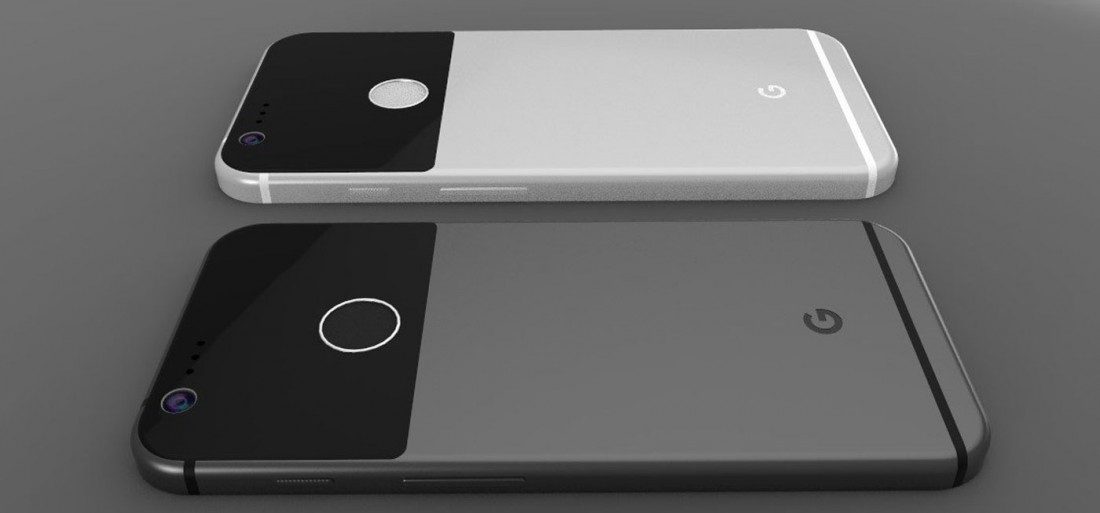
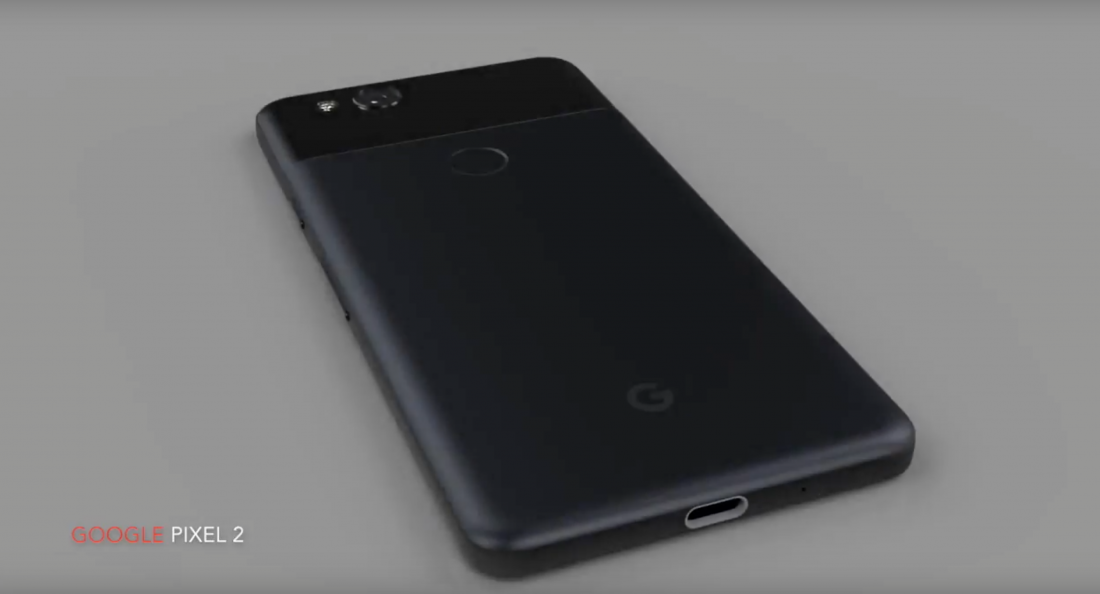
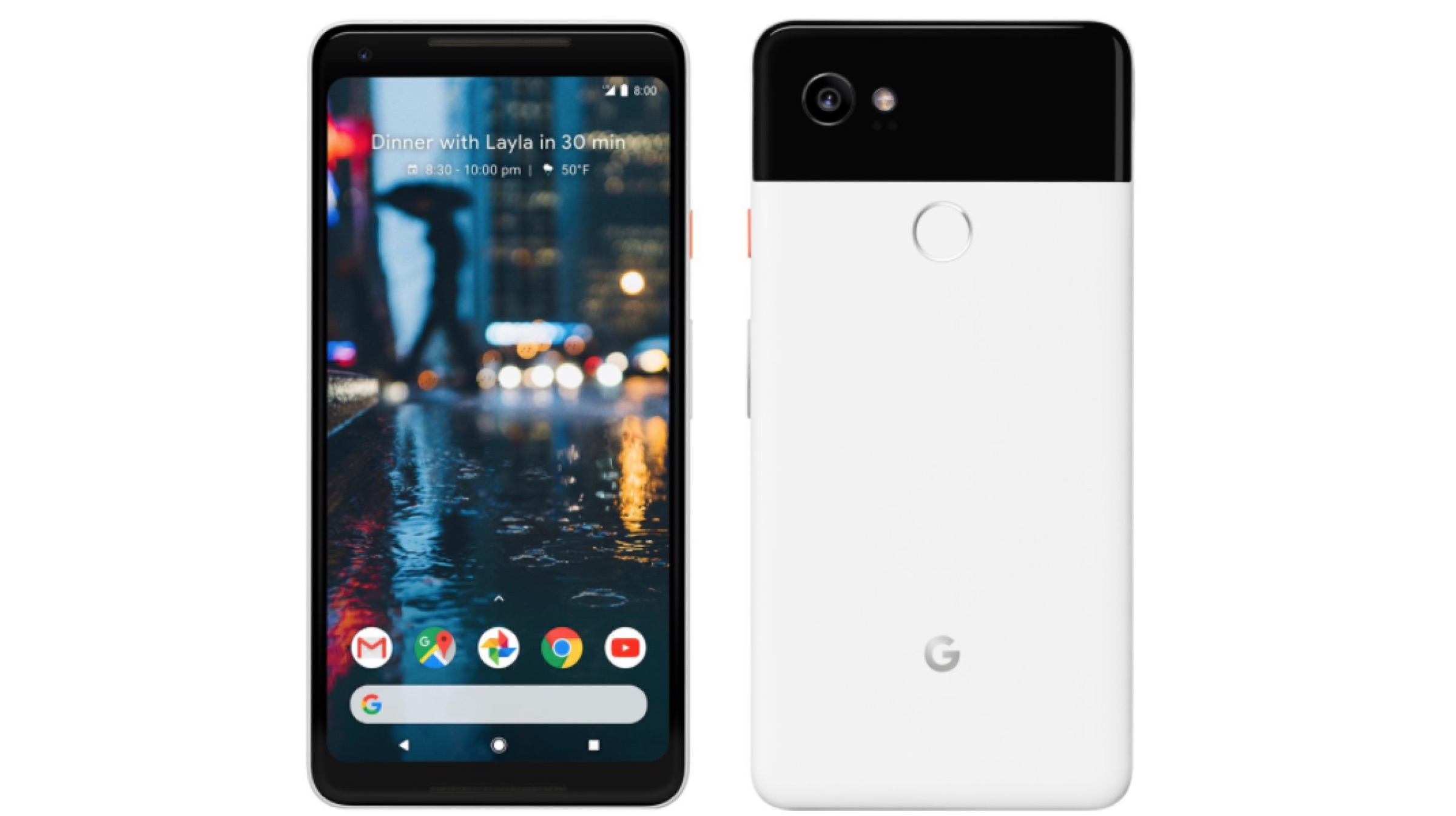
    The design of the 2016 Pixel smartphones was one of the most polarising features of the phone. The “glass window” at the back bothered some people, while others felt indifferent towards it. The new Pixel 2 lineup is expected to retain the glass window albeit, a smaller size. The fingerprint sensor will be placed outside the window this time around. The thick bezels will be present on the smaller sibling, the Pixel 2. Google will reportedly add front-firing stereo speakers to the thick bezels. The Pixel 2 XL, on the other hand, will have a more 2017 flagship design with thin bezels and a tall display. The stereo speakers will be present but, they won’t be front-firing ones. The phones are expected to be launched in two colour variants, All Black, and Black and White. The front of both the colour variants is expected to be black.
    Price

    One of the most important aspects of any smartphone is its price. There isn’t any definitive proof or leak that sheds light on the pricing strategy that Google will adopt for the new Pixel lineup. However, there are reports of Google dropping the 32GB variant and launching the new Pixel devices in 64GB and 128GB variants only. This may translate into a higher starting price than the previous generation Pixels. Also, Google may bundle unlimited Google Cloud storage till 2023 for consumers who buy the Pixel 2 or Pixel 2 XL which the company may use to justify the steep pricing.

    The 3.5mm Headphone Jack?

    Yes, with each passing day it looks more and more likely that Google will dump the 3.5mm headphone jack on the new Pixel smartphones. The leak is a few weeks old and was corroborated by Android Authority’s credible source. It will be interesting how Google will deal with the news especially after its not-so-subtle dig at Apple last year during the launch of the 2016 Pixel.
    Camera

    The information about cameras on both the Pixel 2 and Pixel 2 XL is a little hazy. Both the phones will have what Google is calling, “Pixel Cameras.” Unlike a lot of 2017 flagships, the Pixel 2 and Pixel 2 XL will have a single camera at the back. The Pixel 2 and Pixel 2 XL will have a Wide Colour Gamut and Google Imaging Chip, as well as Optical Image Stabilisation. Whether OIS will be present in both the cameras is yet to be seen.

    What’s Under The Hood?

    The Pixel 2 and Pixel 2 XL will have specifications worthy of being 2017 flagships. Both the phones will have the Qualcomm Snapdragon 835 chipset, even though there were rumours of a Snapdragon 836 debuting. The devices will have 4GB of RAM, 64GB or 128GB of onboard storage but, looks like microSD card slot will still be missing. The Pixel will be powered by a 2700 mAh battery while the Pixel 2 XL will be powered by a 3520 mAh battery. As expected, both the phones will run Android 8.0 Oreo out of the box and will be the first one in line to receive the Android P update in 2018.

    Active Edge And Google Assistant

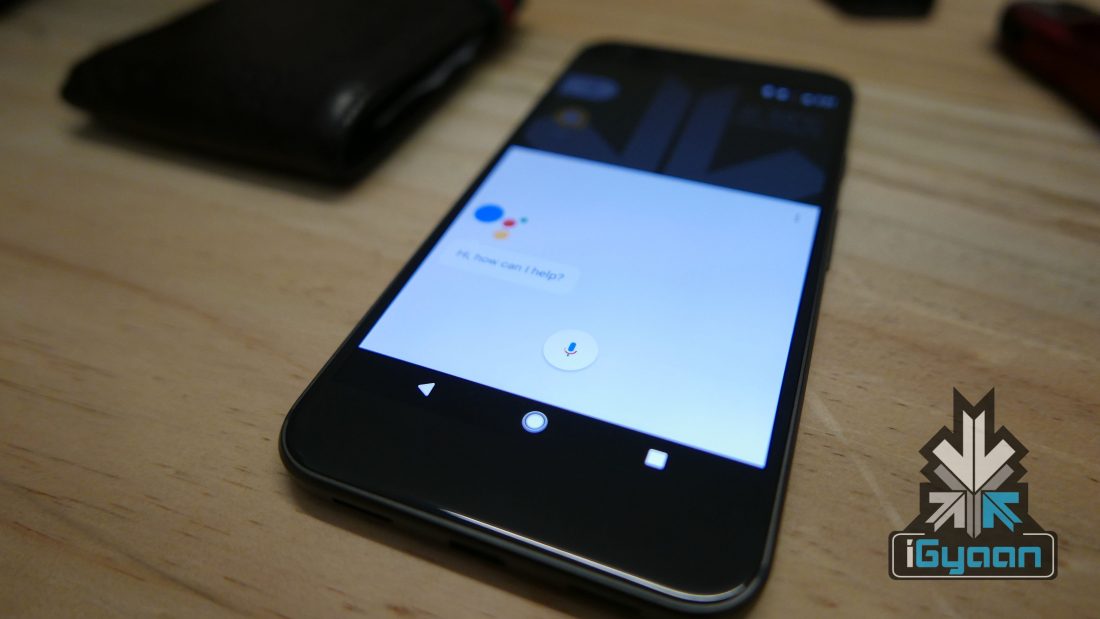
    The new Pixel smartphones are also expected to have the Active Edge feature which was first experienced on the HTC U11. This feature allows you to squeeze the frame of your phone to launch an app or trigger an action. It is being said that Active Edge will work closely with Google Assistant this time around to make the experience of using Google’s AI assistant more immersive and interactive.
    The launch of the Pixel 2 and Pixel 2 XL is just a few days away. The leaks will always be leaks and never tell us the whole picture. Stay tuned to iGyaan as we will bring you the full coverage of the event to your screens.
  • OnePlus 5 Android Oreo Update Imminent After Geekbench Spotting

    OnePlus 5 Android Oreo Update Imminent After Geekbench Spotting

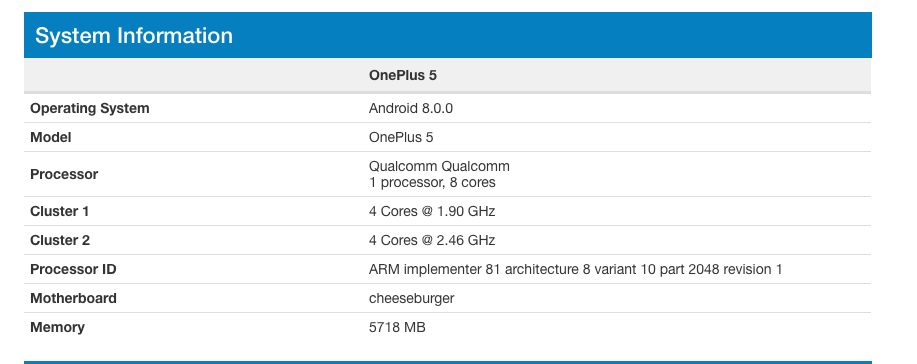
    OnePlus has been hard at work rolling out sizeable updates for its smartphone lineup. Recently, OnePlus 3 and OnePlus 3T received an update that brought in a lot of features from the OnePlus 5. And now, a listing of a OnePlus 5 running Android 8.0 Oreo has been spotted on Geekbench. There is no definitive date as to when will the OnePlus 5 start receiving Android 8.0 Oreo update.

    You may also like – Battle Of The Flagships Under Rs 40,000: OnePlus 5 Vs Nokia 8 Vs Honor 8 Pro Vs LG G6

    OnePlus recently announced that the OnePlus 3, 3T and 5 will receive Android 8.0 Oreo update before the end of 2017. The announcement, however, was a bittersweet moment for OnePlus 3 and 3T users as the Android Oreo will be the last major software update for the two smartphones. There is no official announcement on the timeline of the update and the last we heard was that the OnePlus 3 beta testing team received the Android Oreo update days after the new OS’ official launch. Before the Android Oreo update, OnePlus has rolled out a couple of significant updates for the OnePlus 5. One of the updates brought Electronic Image Stabilisation to 4K video recording via the back cameras. OnePlus recently announced a limited edition OnePlus 5 in association with renowned French artist Castelbajac during an event in Paris. Apart from that, OnePlus 5 is available to buy offline at select Croma retail outlets across the country.

    To recall, the OnePlus 5 has a 5.5-inch 1920 x 1080 px Super AMOLED display. The smartphone runs Android 7.1.1 Nougat with OnePlus’ Oxygen OS on top. The 2017 flagship has the Qualcomm Snapdragon 835 chipset with a combination of either 6GB RAM and 64GB of storage or a whopping 8GB RAM and 128 of storage which can not be expanded. The OnePlus 5 also features dual cameras on the back, one of the main cameras is a 20 MP sensor with an f/2.6 aperture, while the other is a 16 MP camera with an aperture of F/1.7.

iGyaan Network
Privacy Overview

This website uses cookies so that we can provide you with the best user experience possible. Cookie information is stored in your browser and performs functions such as recognising you when you return to our website and helping our team to understand which sections of the website you find most interesting and useful.