Warning: Attempt to read property "slug" on null in /home/igyaanin/public_html/wp-includes/taxonomy.php on line 4695 Communication Interface – iGyaan Network Warning: Attempt to read property "slug" on null in /home/igyaanin/public_html/wp-includes/taxonomy.php on line 4695
After launching 4G services in NCR last week, Vodafone has today announced the roll-out of its high-speed 4G services in prominent business and residential corridors of Mumbai across the Western suburbs and South Mumbai in a phased manner. The roll-out will be complete by the end of next month as had been earlier revealed by Vodafone.
Vodafone has revealed that all existing customers can move to 4G plans at the same price as their existing 3G plans. The Vodafone 4G network in Mumbai is built on an 1800 MHz band and will enable Vodafone 4G customers to gain access to the service across a range of smart devices including Mobile Wi-Fi and dongles.
Speaking at the launch, Sunil Sood, Managing Director and CEO, Vodafone India said, “We are delighted to launch our high-speed 4G services in Mumbai for our customers to experience the most advanced wireless broadband experience available across the globe today. Vodafone’s global expertise and experience of launching 4G across 19 countries gives us a better understanding of this technology and need of the 4G customer. Initial response from customers who have experienced 4G services in Kerala, Karnataka, Kolkata, Delhi and NCR has been positive and encouraging. As a steadfast partner of Digital India, we remain focused on deploying multiple technologies – 2G, 3G or 4G for optimum use as each technology has its own vital role to play in servicing the myriad connectivity needs of consumers across the country. ”
The Anaheim Police Department has just made life creepier for everybody. The authorities have been using stingrays, a kind of mobile surveillance system, to keep track of people’s location. Dirtboxes, which are plain-mounted sting-rays, were employed by the Department in 2009, followed by land-mounted stingrays in 2011.
These stingrays are attached to aircrafts that fly over Southern California city. The region is home to Disneyland, one of the most frequented places by tourists in the world.
“This cell phone spying program—which potentially affects the privacy of everyone from Orange County’s 3 million residents to the 16 million people who visit Disneyland every year—shows the dangers of allowing law enforcement to secretly acquire surveillance technology,” says Matt Cagle, technology and civil liberties policy attorney for ACLU-NC.
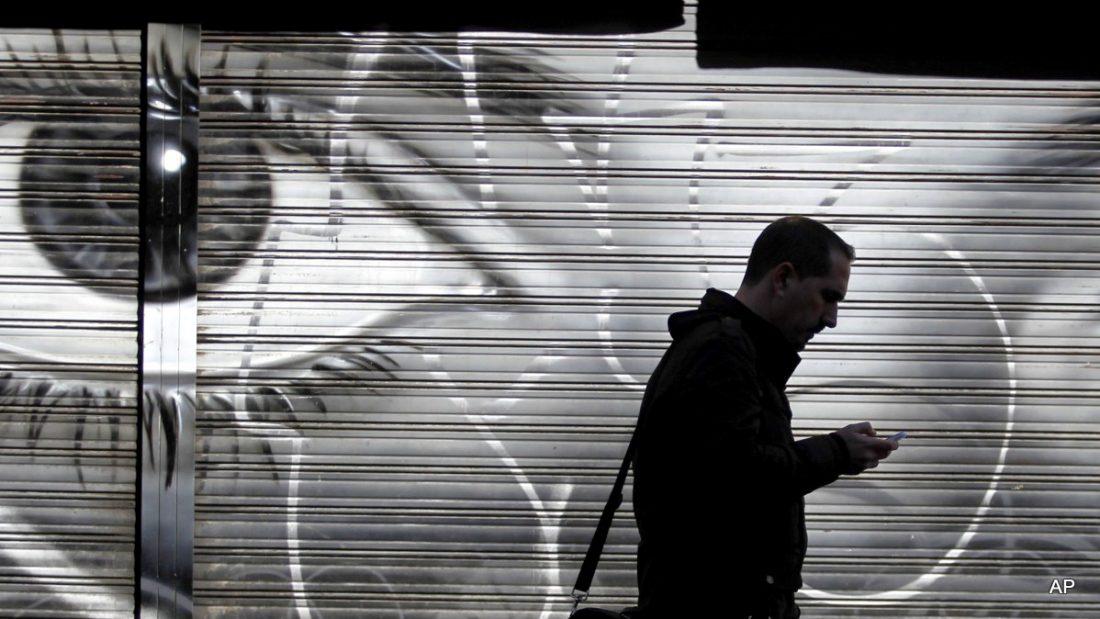
The surveillance tech in question here works by impersonating cellphone towers tricking mobile phones into connecting to them. This connection ensures that whoever is controlling the impostor-tower has full information of the phone’s location and unique ID. Stingrays send out signals stronger than other towers in the vicinity, ensuring the phone’s connection with them. Also, they are not selective in getting devices to connect with them -all devices in the location would inadvertently connect with them.
Additionally, the surveillance also causes disruption in services for innumerable users in the Orange County when they are connected to one of the stingray devices. However, the authorities have ensured that the surveillance system is capable of identifying calls made to 911 and letting them through minus any disruption. This also implies that emergency calls made to non-911 numbers would have trouble getting through.
In the past, there have been reports about other American cities using these Dirtboxes as well. Chicago and Los Angeles are two such names that pop up. Anaheim by far, however, is the smallest city to have been using this kind of surveillance tech.
Cagle comments on this and says, “If a city of this size possesses a Dirtbox it really begs the question what other cities smaller than Los Angeles and Chicago were able to buy these devices in the six years since it has had one.”
Though the extent of control Anaheim’s stingrays and Dirtboxes are unclear at this point, it doesn’t leave us with a very comfortable scenario. These are one of the few kinds of surveillance we are aware of. Nobody truly knows what goes on under the facade of the supposed transparency of the administration. Does this piece of news leave you uneasy about your privacy? Let us know in the comments below.
Reliance Jio Infocomm Limited, headed by Mukesh Ambani, has announced its plans to launch the 4G network services through an integrated system. As per the company statement released recently, “RJIL plans to provide seamless 4G services using LTE in 800MHz, 1,800MHz and 2,300 MHz bands through an integrated ecosystem.”
Reliance Jio or RJIL is an Internet access and telecommunication company headquartered in Mumbai and is a subsidiary of Reliance Industries Limited. This company is the only pan-India operator with Broadband Wireless Access spectrum and uses commercial LTE services for providing 4G across India with over 22 telecom circles.
Reliance successfully acquired the 1800 MHz spectrum for 14 circles back in 2014, and in March 2015, Reliance acquired the spectrum in 800MHz and 1800MHz in over 13 circles. The company states the Mobile Switching Centre Code (2G network element that controls the Network Switching Subsystem elements), Mobile Country Code and the Mobile Network Code (both are used in combination to identify a mobile phone carrier using GSM or LTE networks) has also been allotted.
Reliance has asserted that it hopes to provide high-speed services in domains like education, healthcare, security, financial services, government-citizen interfaces and entertainment. The company claimed that access to innovative and empowering digital content is of utmost priority. It is learnt that Reliance is working with strategic partners to aid it in installation and testing activities.
Samsung hasn’t had a good time with its smartphone business in the past couple of years. As the smartphone market gets more saturated by new players, Samsung is looking for a new arena’s to assert its dominance before the other players catch-up. The company says that by 2020, all its devices will connect to the internet and to each other, thereby creating an internet of things ecosystem.
During its presentation at CES, Samsung showed its dedication to the cause of the Internet of Things (IoT). Samsung, of course, is one of the biggest manufacturers of consumer electronics and hence it has a massive research background to play around with the technology. The company wishes to grab a big portion of the IoT market which is estimated to be worth $7.1 trillion by 2020.
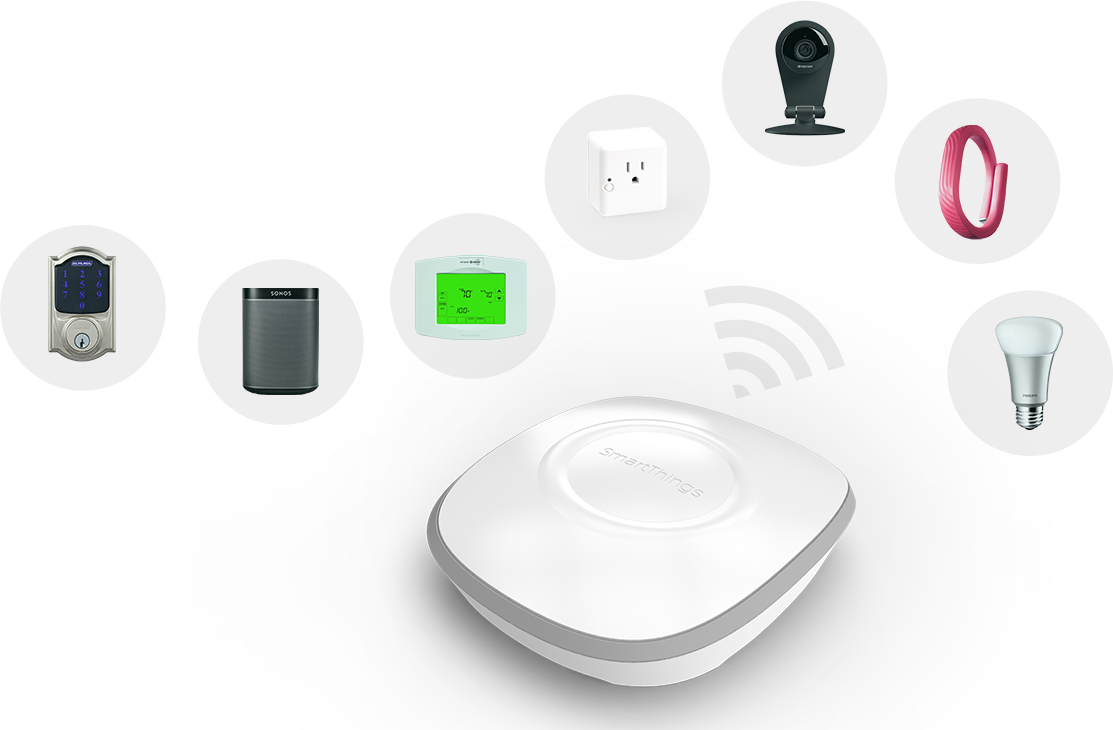
Samsung acquired SmartThings last August which makes hubs that allow various devices to interact with each other.
If you don’t already know, Internet of Things is a concept where all devices are interconnected and provide intuitive functionality and provides immense convenience to the users. For example, if you run out of milk, your refrigerator will recognize it and order milk for you. Another example could be that your keys can recognise when you have left the house and power down the house and when you are coming back it can set the lighting and temperature according to your needs.
Samsung bought a company called SmartThings, last year in August. SmartThings makes hubs that allow internet connected devices to interact with each other. This is what Samsung is banking on for setting up its initial IoT infrastructure. But a proper channel and language for interaction between the various different kinds of devices is still in the process of development. There are some equipments in the market that provide limited experience of IoT, for e.g Google Nest, but a seamless interaction between the devices is still a few years away. Google Nest has an initiative called ‘Work with Nest’ where they are currently working with many companies including LG and Samsung to make the companies devices “smart.”
One good act on the part of Samsung is that it has decided to keep this ecosystem, meaning that the devices will not be locked inside the Samsung infrastructure. This might help the devices to gain more acceptability in the market as people won’t be enthusiastic about investing in Samsung devices only for their houses.
The arena of the Internet of Things is wide open for companies and innovators to plant a flag. This industry is still in the beta stage but once IoT is unleashed to its full potential, it will radically change the way we interact with technology. We hope Samsung does a far better job in this arena than it has done with its popular smartphone arm in the last few years.
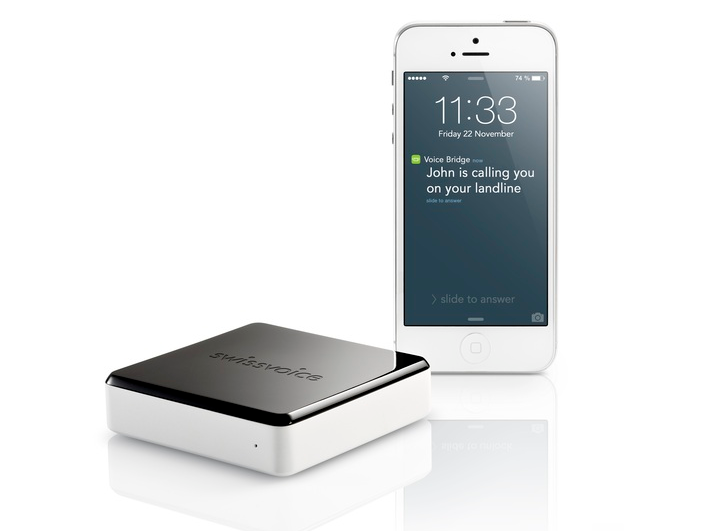
SwissVoice has announced a new device called the ‘VoiceBox’ at its press event at CES 2015, which allows a user to make and receive calls on their mobile devices using their existing fixed line without additional costs.
Designed for both personal as well as professional use, the device has a box like structure that can connect your landlines to smartphone and tablets. Voice Bridge can connect upto 5 devices to a fixed line. The device should come in real handy in situations where everyone wants to use and share their existing fixed line numbers on several smartphones and tablets in the same house or office. An ideal choice for start ups or SOHO companies as they can easily have a conversation in conference mode.
While away form home, Voice Bridge sends instant notifications to your smartphone of any incoming call courtesy of a feature called ‘Follow Me’. As it can fully integrate your smartphone’s address book, you can call back with the touch of a button from your smartphone.
The device uses PSTN line and acts like a standard PSTN line, so there’s no need to modify the home setup. Meanwhile, there’s also no need for Wi-Fi pairing or setting up a user account. Voice Bridge is failry easy to setup as it comes with a plug and play installation. Users will simply need to plug the voice bridge box to their Wi-Fi Router, download the app from the App Store or Google Play and launch the app on their smartphone or tablet.
VoiceBridge will be launched in the US, South America and Europe in the first quarter of 2015 priced at $99.
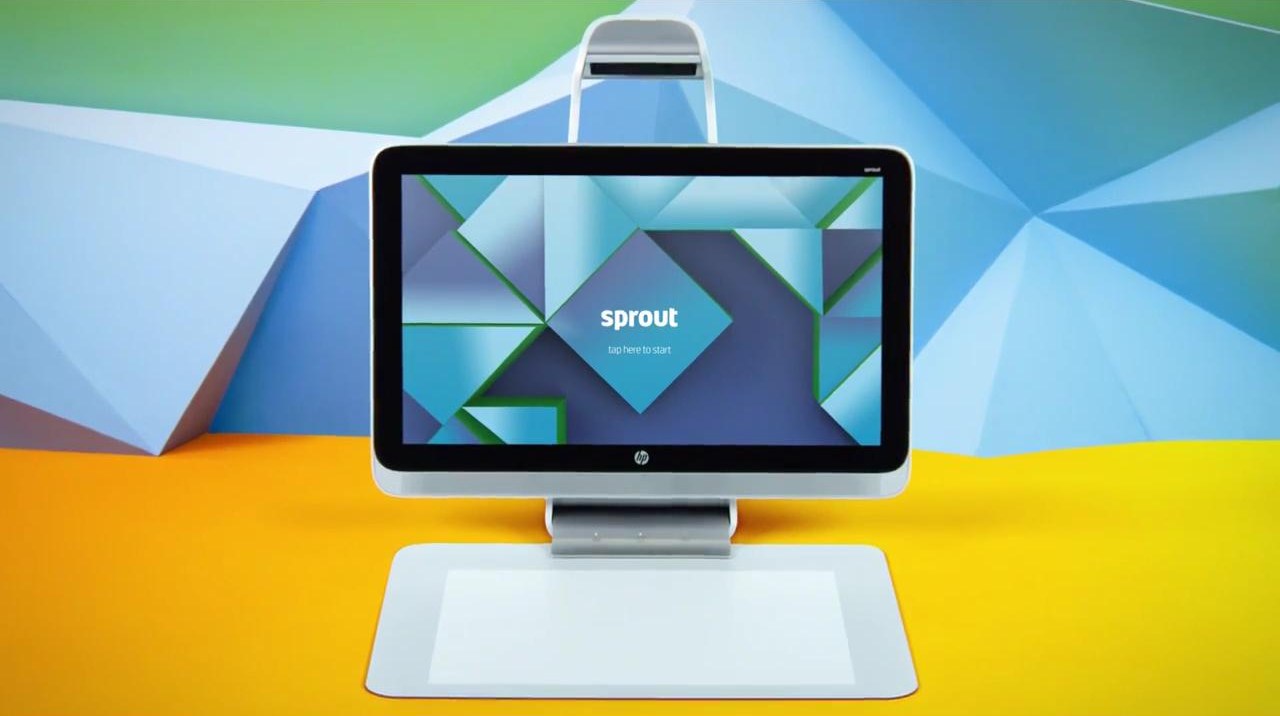
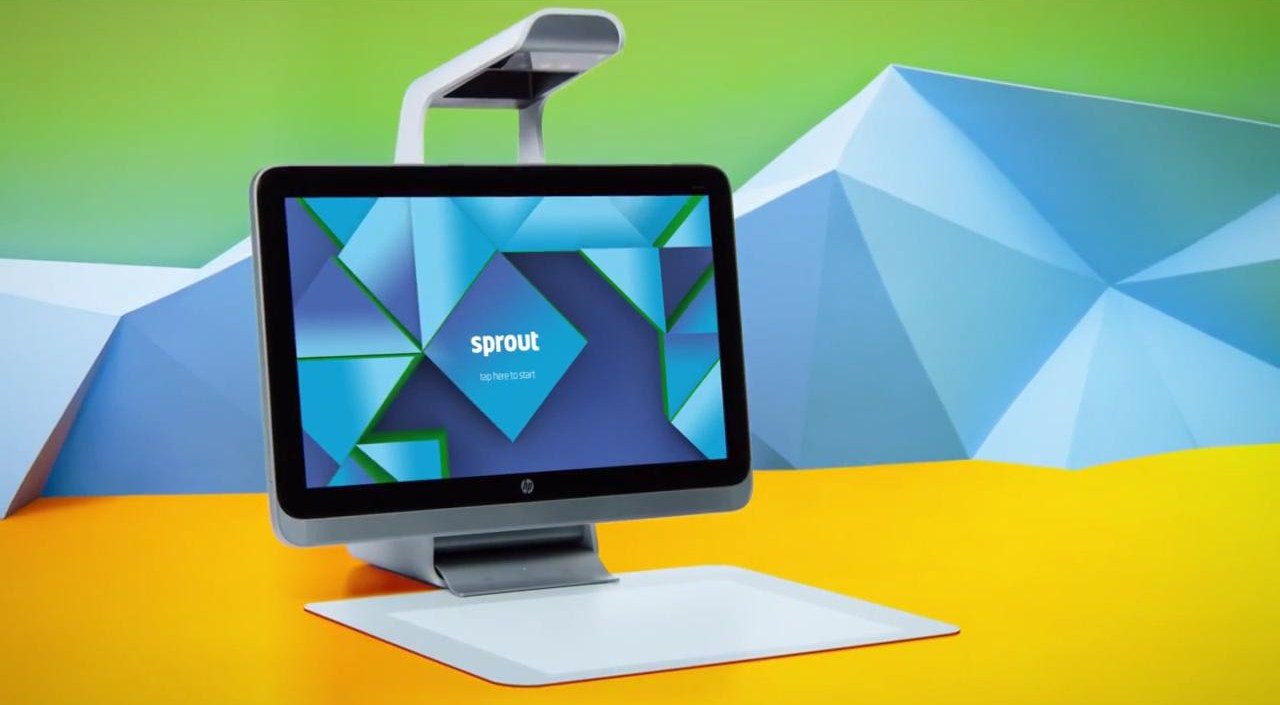
HP had announced recently that it would be unveiling an all new form factor, and it’s here. HP calls it the ‘Sprout’ and it connects the digital and analog with an ease that till now was only possible on Sci-fi features.
Sprout consists of two screens. The first one is a 23-inch LCD screen with 10 point multi-touch capabilities. The second and more interesting one is a 20 inch touch mat which is capable of 20-point multi-touch. The touch functionalities are integrated under the mat.
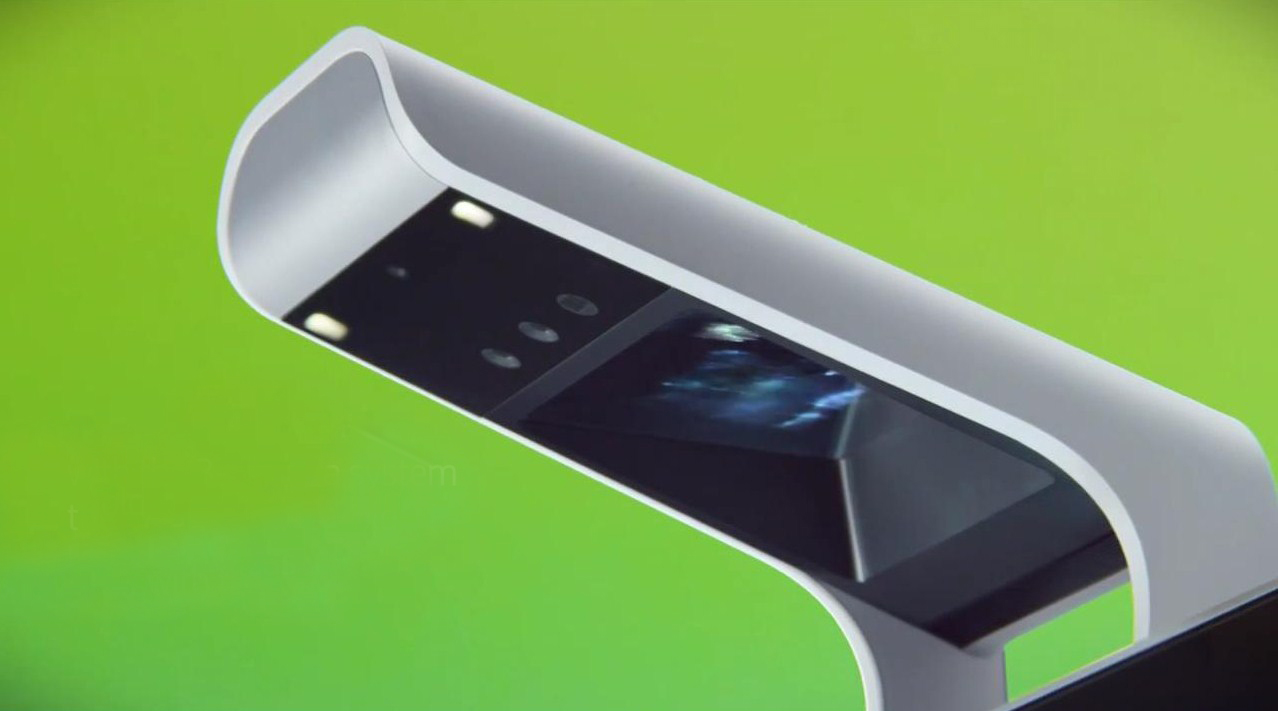
The Illuminator is where all the magic happens.
What makes the Sprout fully functional is the ‘Illuminator’, which sure sounds like a name for a cyborg. The Illuminator is made up of a set of imaging technologies that are pooled together and placed on an extended arm on the top of the LCD display. It holds in itself a 14.6-megapixel digital camera, a DLP projector, and Intel’s RealSense 3D camera. The 3D camera lets users easily scan 3D Objects and being working on them right away.
HP has created its own UI called the Workspace that is built on Windows 8.1 interface. The company will be releasing a Software development kit for the developers to create app for this innovative new product.
With the specs on hand this is a creative professionals dream come true.
It is powered by a 4th generation Intel Core i7 Processor. The graphics are taken care of by an NVIDIA GeForce GT 745A graphic card with 2GB DDR3 dedicated memory. It comes with 8 GB DDR3 SDRAM (2x4GB and is expandable up to 16 GB). The device flaunts 1TB SATA 6G Solid State Hybrid Drive with 8GB flash acceleration cache. It will also sport an Adonit Jot Pro stylus to write and draw comfortably, and it can be attached magnetically to the upper-right side of the Sprout display.
Sprout is targeted mostly toward artists, designers, architects, publishers and other creative professionals. It will cost $1,899, which is a great price for a debut product with such innovative features. It ships with a 20-inch touchscreen monitor, a physical keyboard and a mouse. Though you may want to do away with the peripherals and just use the digital keyboard and feel its fantastic, futuristic pleasures.
After phones, tablets and smartwatches, seems like the world needs to now get ready for a PC with a new form factor. HP is about to unveil a new device which is expected to be different from anything we’ve seen till now. The product is called ‘Sprout’.
Sprout is expected to bring a whole new way of interacting with computers. Its components are minimal. It is made of one large flat screen which will be similar to HP’s Pavilion Touchsmart line. Apart from the display, there’s a touch-enabled surface and a 3D scanner and projector placed in an overhead device.
Sounds like something interesting is being cooked behind the curtains at HP. Though its functionalities are not clear yet but looking at components, it looks ready for some advanced tasks. Re/code reports that the device might project an image on the surface from the overhead device. Users can manipulate this image with their hands or a stylus. Adding new objects to this image is fairly easy. By just keeping an image on the surface, the 3D projector captures it and introduces it in the image. It seems like a great proposition for at least the graphics industry.
The target consumers for this device are businesses and prosumers so one can expect the price to be on the steeper end. But like every technological innovation, its success will lead to cheaper copies, so there’s no worry in that. For long, Keyboards and Mouse have been our way of interacting with computers, it’s good to see HP bringing a new approach to interface with the digital world.
Sprout would be unveiled at a function in New York on the 29th of October. The device is expected to run on Windows initially but may even run Android OS in the future. We’ll be keeping an eye on the release and will bring you the latest. Keep checking iGyaan for more.
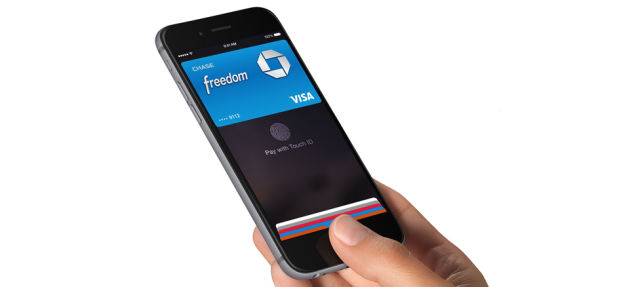
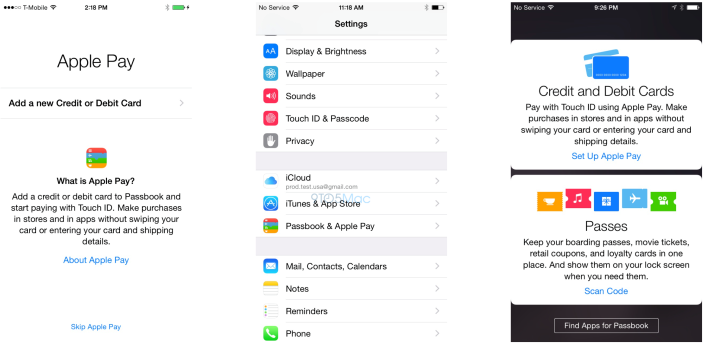
Apple Pay, Apple’s NFC and Touch ID-based mobile payment solution, might arrive soon than anyone expected. Apple announced its first mobile payment system will launch this month, however the company did not not reveal a specific date. Now, a new leaked memo suggests Walgreens, America’s online pharmacy service, will begin rolling out the service next week on October 18. The training materials, shared by MacRumors, for the Apple Pay launch at Apple retail stores have also detailed some new specifics regarding the Apple Pay setup and transaction processes both on customer iPhones and in Apple retail stores.
It’s unclear if this is specific to Walgreens or if the memo is referencing a widespread rollout. However, according to the leak, it’s unclear if this is specific to Walgreens or if the memo is referencing a widespread rollout. Credit cards can be added to Passbook via an iTunes account or by using the iPhone’s camera to scan in details. Passbook will be able to store up to 8 credit/debit cards, according to the training materials.
The date makes sense, as this Thursday (October 16th) is Apple’s iPad event, which would also be a logical time to announce the roll-out of Apple Pay. As announced on September 9, popular drug store Walgreens is one of Apple’s major launch partners, along with other companies like McDonalds, Macy’s, Staples, and more. According to the Walgreens memo, customers who have an iPhone 6 will be able to use Apple Pay in Walgreens stores by tapping their devices “to the upper portion of the pinpad to pay for their purchase.”
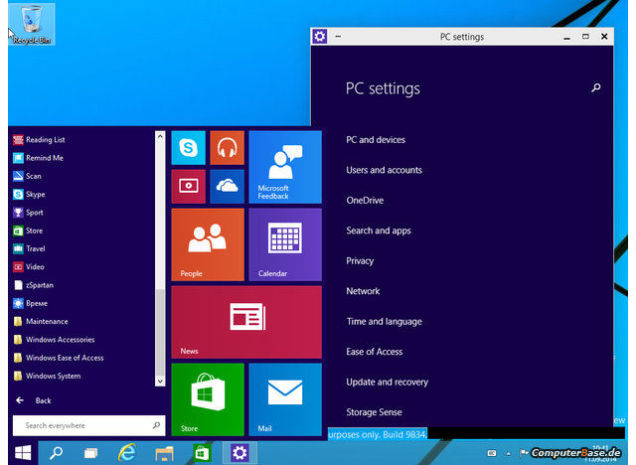
Microsoft launched its new Window OS operating system at a small event yesterday in California. What came as surprise was the name that the company decided to give it. It is not Windows One, not Windows 9, but Windows 10, which combines the reborn Start Menu with Windows 8’s colorful live tiles and adjusts its behavior depending on how you’re using your device. Microsoft wants us to think of the latest version as a fundamental change to how Windows works, and the company skipped a version number to show it.
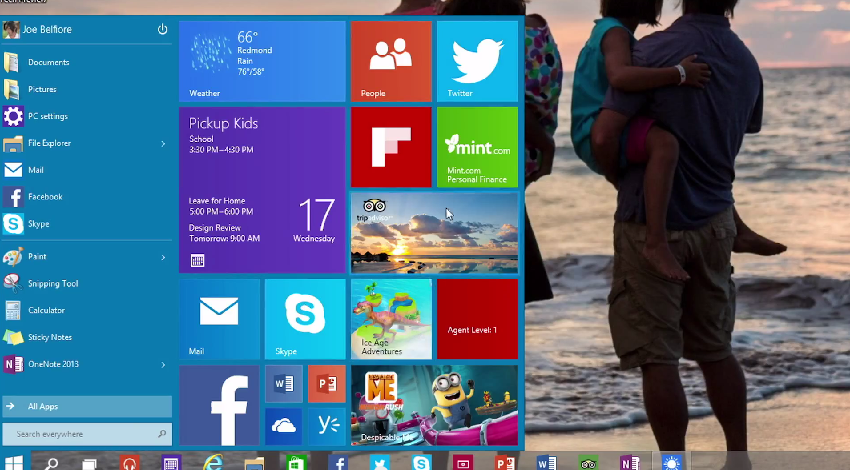
Return of the Start Menu
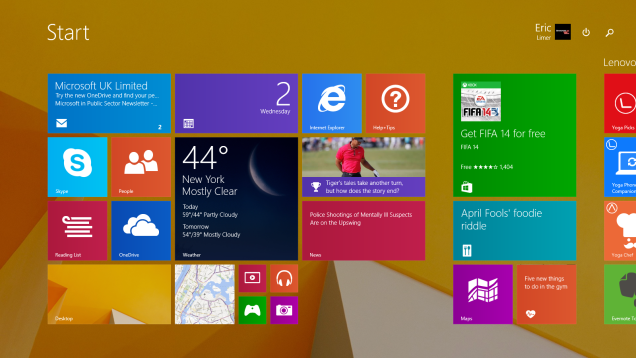
Originally codenamed Windows Threshold, the new operating system essentially drops the tiled “Metro” user interface that Microsoft had attempted to implement across its entire device line, from desktop PCs to Surface tablets and Windows Phone devices. Replacing it is a combination of the so-called live tiles, squeezed comfortably in the new Start Menu. It is a more retro Windows experience that will, according to the company, suite both touch and keyboard-and-mouse users.
Windows 10 is such a substantial leap, according to Microsoft, that the company decided it would be best to skip Windows 9, the widely expected name for the next version.
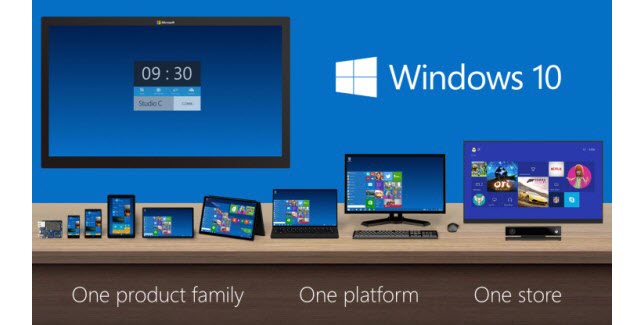
“Windows 10 will run on the broadest amount of devices. A tailored experience for each device,” Myerson said at a press event here Tuesday. “There will be one way to write a universal application, one store, one way for apps to be discovered purchased and updated across all of these devices.” “We believe that, together with the feedback you provide us, we can build a product that all of our customers will love,” Myerson added. “It will be our most open collaborative OS projects ever.”
The New Continuum Mode
Microsoft is also working on a tweaked UI that isn’t in Windows 10, yet. For two-in-on devices, a “Continuum” mode will adjust the UI depending on whether or not the mouse and keyboard is present. When a keyboard is disconnected, the Windows 8-style Start Menu appears and a back button is available so that users can easily back out to a prior command. Menus grow larger. But when a mouse and keyboard is connected, the desktop mode reappears, Windows apps return to desktop windows, and the Start page disappears.
That means your software will know when you’re using the OneDrive cloud service or Microsoft Word on a Surface device or a Lenovo laptop and adjust accordingly in a way that will unlock that productivity that Microsoft feels has been eluding its family of devices with Windows 8.
Windows 10 will work across devices.
The goal with Windows 10, the company stressed, is to find UI approaches that use the same mouse and keyboard experience evolving from Windows 7 so the touch users get something natural. During the event, Microsoft also offered insight into what went wrong with Windows 8. The goal of that OS was based on the effect that two-in-one’s can have for the productivity of Windows to help people get things done. Two-in-one devices can shape-shift from laptop to tablet, and Microsoft hopes that Windows can dominate that dual form factor in a way that their competitor Apple cannot, with its separate iPad and laptop lines.
Windows Mobile 10
For the Windows smartphones, the Windows Mobile OS will share the UI and the name. The company also said that the it will not have a desktop. However, it did not elaborate on what the next version Microsoft’s mobile OS may look like.
How Much will it Cost?
The company didn’t talk about the business model for the new OS either. The earlier reports suggested that the new Windows 10 may come for free as Apple does with its OS X upgrades or for nominal fee of $20. However, nothing is official yet.
When it Will be Available?
Microsoft expects to release the OS sometime in 2015, after the company’s Build Developer Conference in April. Microsoft also announced its Windows Insider Program, a developer’s program to allow enterprise people to evaluate it early, and will be available starting Thursday. Members of the program will have access to the ‘tech preview build.’
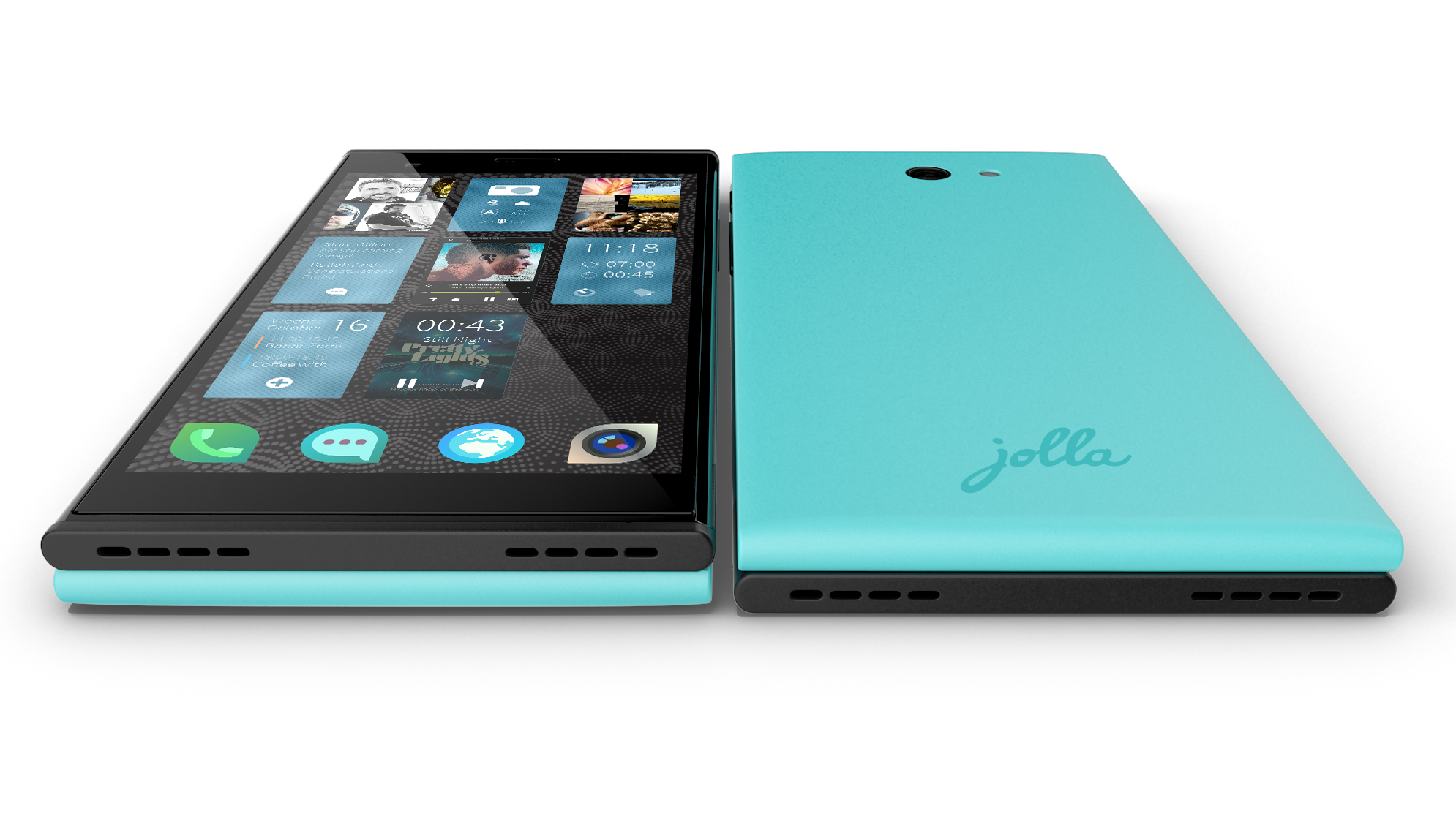
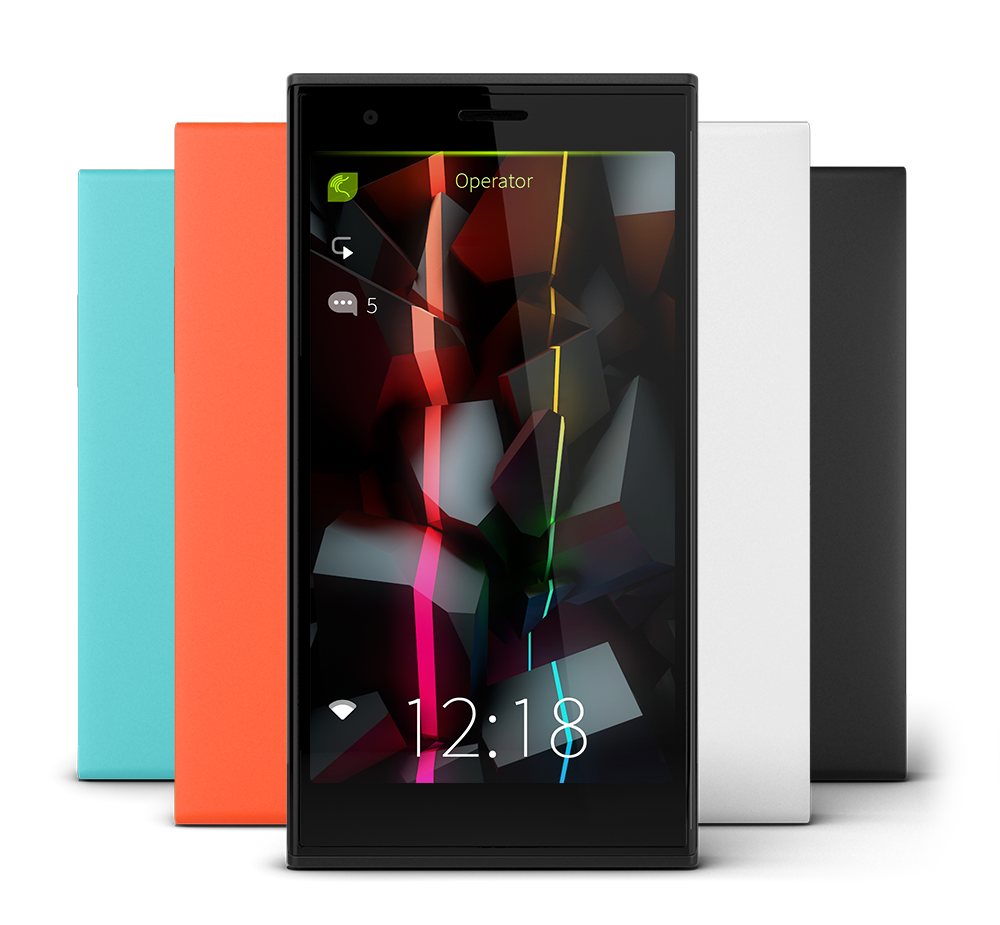
As we reported earlier, Jolla was expected to launch its first smartphone in India. The Finnish handset maker has now launched its debut smartphone that runs on company-owned Sailfish OS in India. The handset will be available exclusively on Snapdeal for Rs. 16,499.
Sailfish OS has born from the Nokia-backed project, Meego. The Sailfish OS is unique in the sense of its gesture heavy interface. Multiple functions on the phone can be targeted through interactive gestures. The learning curve is minimal if you have the basic smartphone experience. The best part, Sailfish is compatible with Android applications which will definitely make it desirable for many enthusiasts.
The company also heavily promotes Sailfish OS’ multi-tasking abilities that allows users to see all the running apps on one screen. A feature which isn’t available on any other mobile operating system. It is also capable of running Android apps which you can download via the Yandex and Aptoide Stores and other third-party Android marketplaces.
Specs
Jolla smartphone
Display
4.5-inch IPS qHD display
Processor
1.4GHz dual-core processor
RAM
1GB
Storage
16GB expanable
Camera
8-megapixel rear camera / 2-megapixel front-facing camera
Operating System
Sailfish OS, based on Linux and runs Android apps through third-party app stores
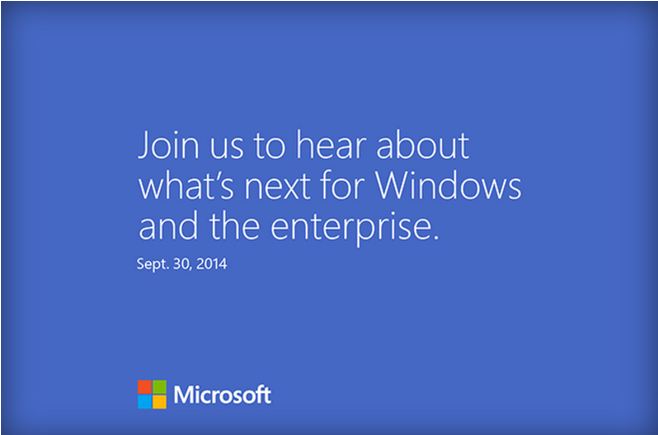
Microsoft is all set to launch the “Windows Technical Preview” for Windows on September 30th at San Francisco. Windows 8 has been a huge failure despite the fact that the company has been updating it regularly since the past two years when it was officially released. The new upgrade is said to be focused on traditional desktop PC users. With the new update, the company aims to fix and improve the Windows 8 mistakes with the return of the Start menu, flexible app windowing, virtual desktops, Microsoft’s Cortana digital assistant, and a whole lot more.
Let us look back at rumors and leaks to show what is expected from the Windows 9:
The Name
Most of the leaks and rumours have come with the codename “Project Threshold,” it is certain that this is the next version of Windows. The only mystery here is, what will the new update be called once it is made official for public use. For now, Windows 9 seems like an obvious option.
Return of the Start Menu
Well, it has been pointed out in numerous leaks and rumors that with the arrival of the new update, the company will include the traditional Start menu which has been missing in the Windows 8. The Metro-style Start Screen isn’t exactly gone. Instead, it will just be condensed down into the Start Menu with live tiles. However, the Start Menu will be optionally expandable into a full-screen view for those who are comfortable with a full-screen version now.
Change in Apps
As a noticeable change, rumors illustrate that the charm bar will be removed, and the metro-style apps will run on Windows 9 instead of a full screen-only app mode. Windows Phone’s voice assistant ‘Cortana’ is expected to be among these newly Window-able apps. Windows 9 is also expected to bring virtual desktops into the desktop ecosystem.
Windows Phone
Windows 9 version for the smartphones will apparently strip out the Windows RT desktop and include the Notification Center in it, same as the Windows Phone 8.1. It will turn Windows RT (Window 8 version for smartphones) into a Metro-only tablet-first operating system that straddles the line between desktops and phones by offering a more traditional tablet experience. Also, it is said that the new mobile version of Windows 9 would be limited to running only Marketplace apps much like Windows Phone and Windows RT we have today.
How Much Will it Cost?
Various rumors have pointed out the new update may come at a price. However, it also said that it will be cheap, not more than $20. Meanwhile, Microsoft is said to offer unknown incentive to get people off old Windows XP, which has been Microsoft’s most successful windows update in recent years. It is also Windows 7 users may have to pay a bit more than the others.
When Will it Arrive?
Microsoft has already sent out invites for an event on September 30th. They promise to reveal “what’s next for Windows and enterprise.” It is certain that it will be the Windows 9, and most likely the release of a early developer version known as the “Technical Preview”, in Microsoft’s terms. When the real version hits the market is still unknown. However, all the rumors have pointed out to a spring 2015 arrival.
With a PC and Mobiles being an absolute necessity, it is necessary to have seamless interaction between them. Apple’s latest ecosystem attempts to do just that. Continuity features like Handoff let users continue their work from their phone to their Mac PC’s without a delay. Not to be left behind, Google also announced some interconnectivity features between Android desktops and Chrome systems. But these attempts are still futile in comparison to MIT’s THAW which takes seamless interconnectivity to a whole new level.
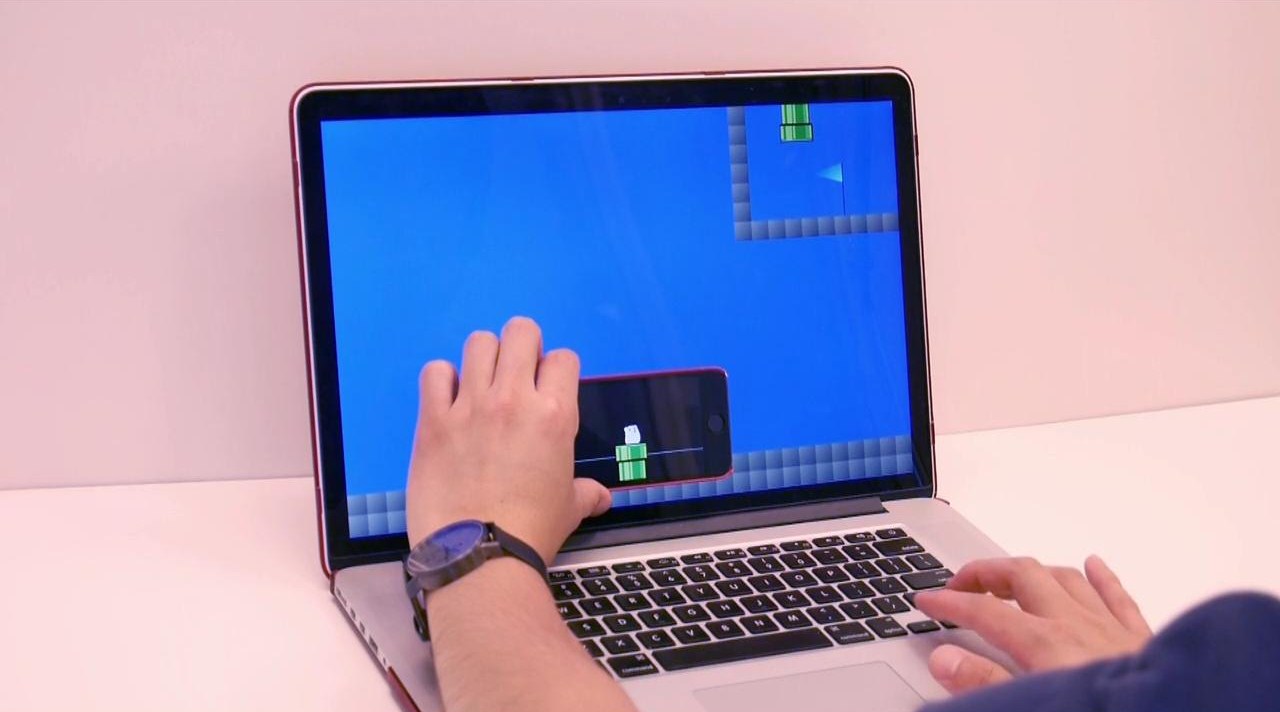
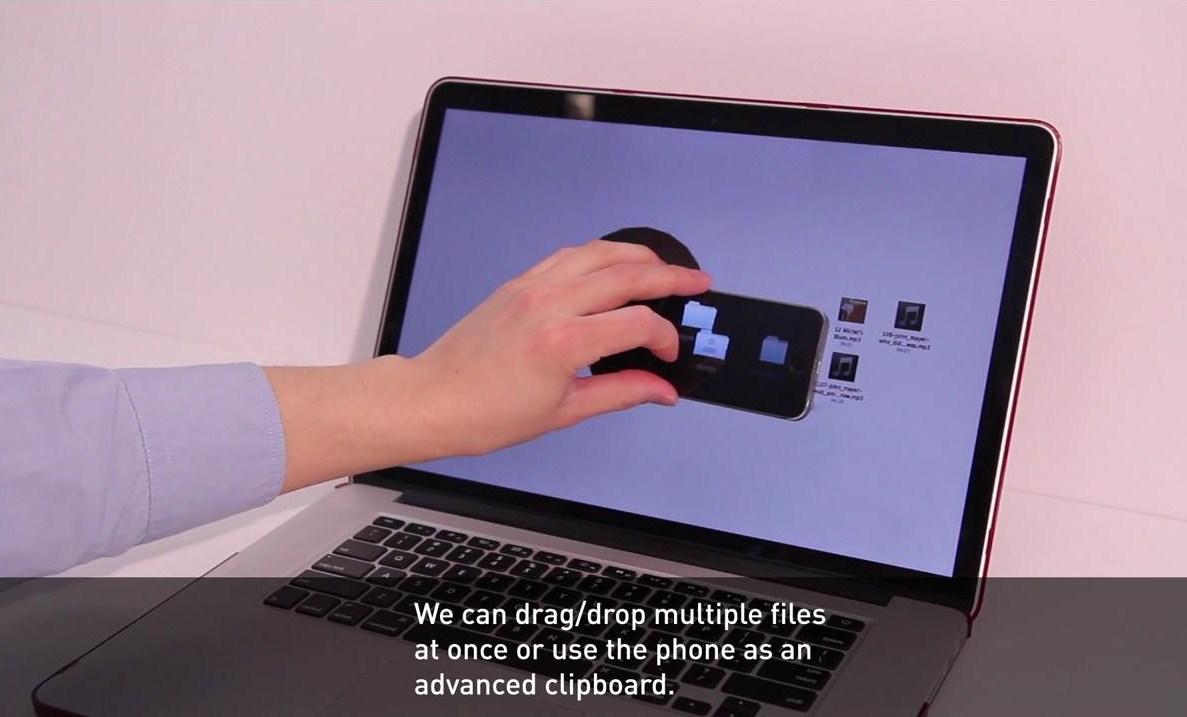
Two teams of researchers at MIT have developed a smartphone system called THAW which allows users to transfer files through and fro from PC to a smartphone. This can be done simply by touching the phone to the screen of the desktop PC. You can take the webpage you were working on your phone by just touching the phone to the screen. It almost feels like those screens in sci-fi flicks which can be shifted from one display to another, like Avatar.
THAW makes you phone a physical handle through which you can send or receive files directly from the screen. The secret behind the technology is the phone camera. The camera takes the image from the desktop screen and then through software manipulations the files are accessible on the phone. This feature will help solve the file management clarity issue that everyone is trying to address. Apple’s Cloud Storage now gives the ability to change the content, and it will appear the same from all your devices. THAW just takes it a bit further.
Now this project is still in its infancy and may or may not come to the market. But just the knowledge of the possibility of this technology will create a boom for devices with such functionalities. This looks like an excellent feature to have and looks so simplistic and effortless. Hopefully, the companies are watching; this is one feature that everyone will love. MIT researchers claim that this can work with practically any smartphone with accelerometer, so come on Samsung, here’s an idea for the Galaxy S6.
As expected, Microsoft is all set to announce the new major version of the Windows OS. In line with the developing rumors, Microsoft has rolled out the invites of the Windows 9 event which is going to be held on September 30th in San Francisco. The event will focus on enterprise and power users of Windows, with Joe Belfiore and Terry Myerson leading a discussion about the future of Windows.
The company is expected to roll out the “Windows Technical Preview” at the event or soon after, so that developers and enterprise customers can test the number of changes the company has made. The recent rumors and leaks had suggested the addition of a new Start menu, a virtual desktops feature, and a Notification Center.
Microsoft is also expected to fine-tune its desktop user interface to improve and flatten the traditional icons along with some changes in the taskbar for Contara integration and virtual desktop. Other changes are expected to come on a regular basis. The Windows Technical Preview will be available until the operating system is complete and ready for release next year.
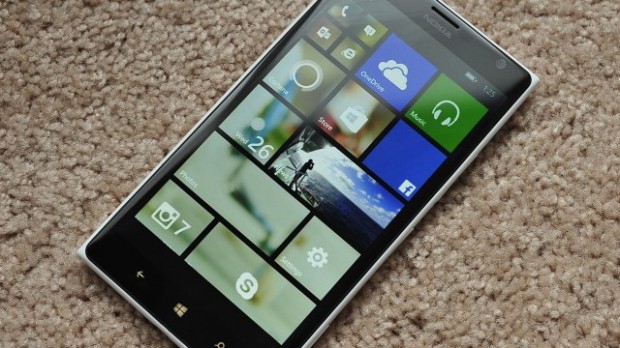
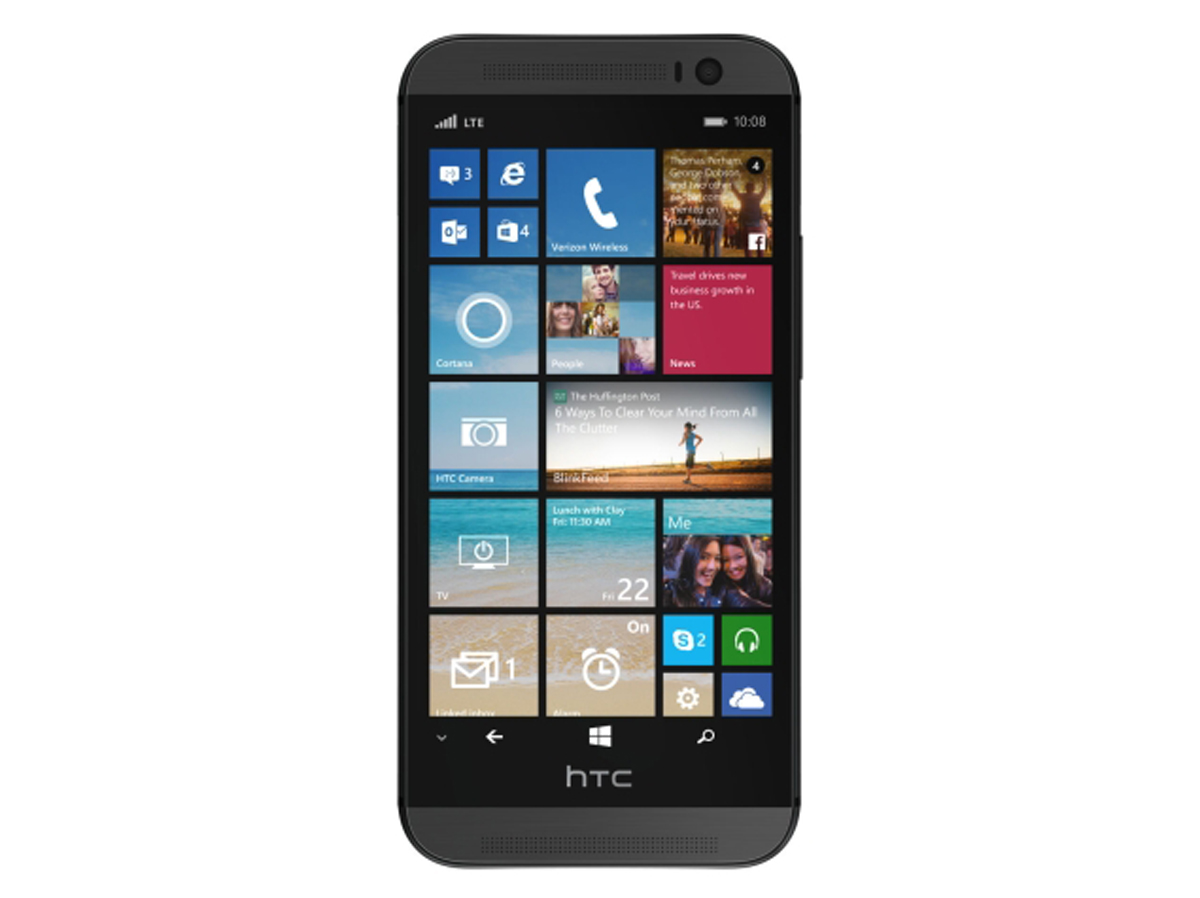
The Windows Phone is making a comeback. This time the operating system has found a home in one of the most appreciated smartphones in the business. The new HTC One M8 with Windows has given a fresh new breath of life to the Windows Phone 8.1 and given users a chance to experience the operating system on a brilliantly designed phone. The success of this phone will definitely encourage other manufacturers to bring out Windows variants in their flagship space.
So we dug deep, scoured through and looked into the Windows Phone 8.1 operating system. With this new Windows Phone 8.1 update the OS is catching up to the giants. We check out how a Windows phone can score over the champions of the smartphone game, Android and iOS.
With the HTC One M8 running Windows Phone 8.1, the OS is back in view
5. Its Customizability
Windows phone 8 didn’t have many customizability features but much has changed since. The Windows phones of course don’t have as many customizability features as Android but it surely has more than the iOS. The ‘Start background’ lets you personalize the homepage. The homegrown apps on the Windows Phone 8.1 are ready to take on the world and the OS is as competitive as others.
4. Cortana
Cortana has some nice quirky attitude.
This one will definitely be a plus for Microsoft. The digital assistant inspired by the widely acclaimed character from Halo is a lot of fun. Cortana is anthropomorphic which means that you can have a conversation with her and because of this, she wins over the robotic Google Now responses. Cortana is capable of doing what Google Now does but with a quirky attitude that you would love. Cortana’s Notebook is a feature worth mentioning. The user customizable Notebook is used by Cortana to find the best results for you.
3. The Action Centre
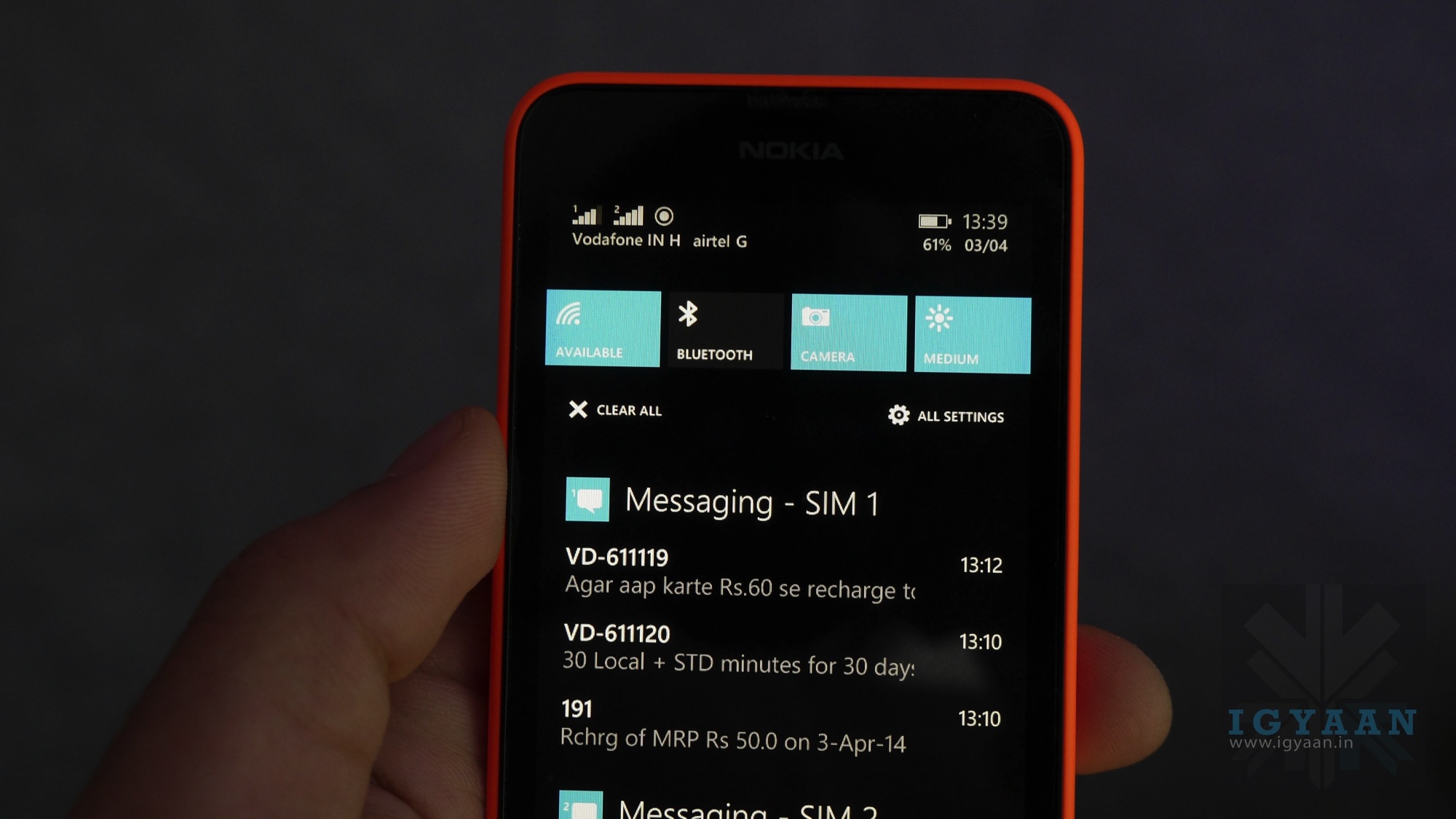
Action Center
The only thing missing from the main screen of a Windows phone was a notification menu. It’s here, Microsoft has brought the ‘Action Center’ in Windows Phone 8.1 which makes the OS fully functional now. The Action Center can be accessed by swiping down the screen from top, just like in Android.
2. Integrated Skype
Skype’s Video calling prowess is globally known. On a Windows system, Skype is the default video dialing client on the Windows Phone 8.1. The app is also integrated with Cortana so you can ask Cortana to video call someone from your contacts.
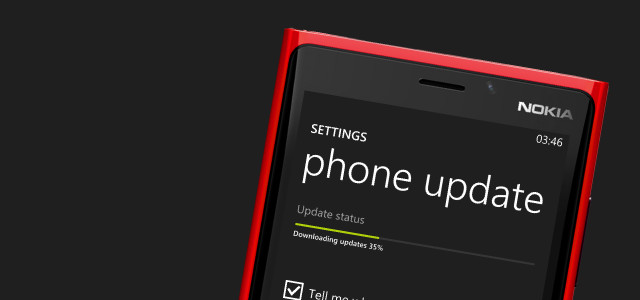
1. Faster Software Updates
Microsoft has said that the cycle of the updates delivery will be sped up to one new update every 6-8 months. The OS upgrade will take place every in one or two years. By speeding up the updates process, the company can generate trust in its consumers of a quality product.
Overall, Windows Phone 8.1 update was one of the most advantageous updates over its predecessors. With Microsoft getting into the mobile game and taking its mobile operating system seriously, it will be interesting to see how the market treats it. With the promise of frequent updates, Windows Phone can surely attract enthusiasts first who are bored of the usual iOS and Android fare. There is a need for a third alternative in the OS market and Windows seems like a good option as it is backed by one of the biggest tech giants. The more attention given to the OS, more the developers will be interested in creating apps for the system.
Now that the update to the Windows Phone 8.1 is days away, we hope to see it grow and give us viable alternatives in the market.
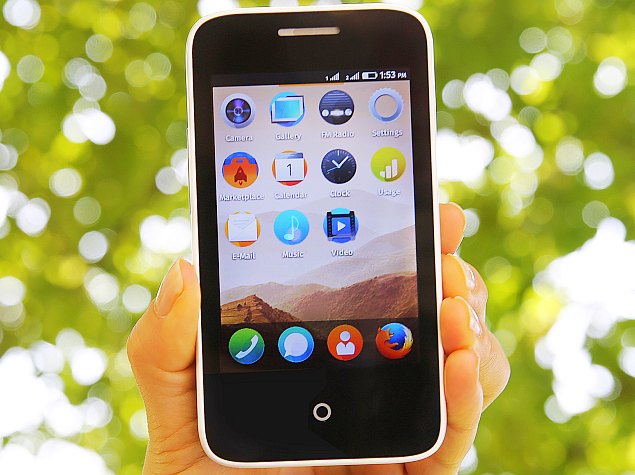
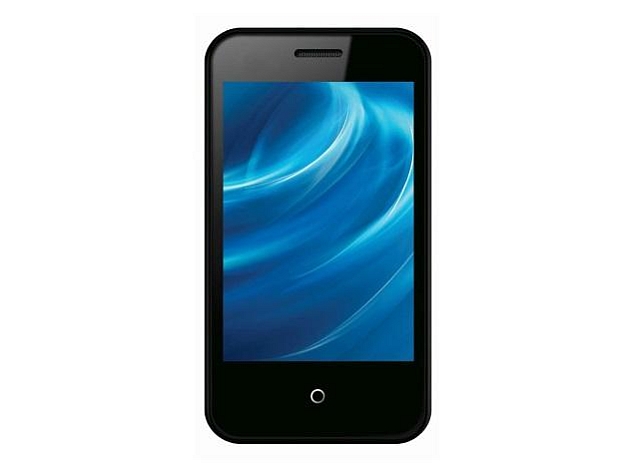
Back in June, Mozilla announced that it was bringing the Cloud FX to Indian and Indonesian markets at this year’s Mobile Asia Expo. Now, the Firefox maker, has launched India’s first Firefox OS smartphone dubbed as ‘Cloud FX’.
The device is a fruitful result of the partnership between Mozilla and Intex. Touted as the cheapest smartphone in the country, the handset was first introduced to India at the Mobile World Congress in February.
[quote text_size=”small” author=”Keshav Bansal” author_title=” Intex Technologies Director (Marketing)”]
This dual SIM-handset is for those looking to upgrade from feature phones without worrying about the price or complexity of a smartphone. We are confident that it will find great traction, especially in tier II and III towns
[/quote]
Bansal also added that the company is targeting rural areas and small cities. The company is aiming to sell more than 5 lakh units in the next three months.
In terms of specs, the smartphone is nothing special. A 2 megapixel camera, 128 MB RAM, a 3.5-inch screen. It’s got a 3.5-inch capacitive touchscreen with 480×320 pixels resolution. Intex has packed in a 1GHz Spreadtrum processor along with 256 MB total memory. It is also got dual SIM support.
However, this is a 2G-only phone with support for Wi-Fi. The Cloud FX takes in microSD cards, but support is limited up to 4GB only. It comes with a 1250mAh battery. The company is clearly not offering a dream phone; Firefox and Intex are targeting an audience that is buying their first smartphone.
“The positive consumer feedback from other markets tells us that people like the unique user experience and openness we’re building with Firefox OS,” Mozilla President Li Gong said in a statement. “Firefox OS smartphones in the ultra-low-cost category will redefine the entry-level smartphone and create strong momentum in Asia.”
The Intex Cloud FX is priced at Rs 1,990 and will be exclusively available on Snapdeal. Intex has also teamed up with Aircel to provide Aircel users who buy the phone 1GB Data free for two months.