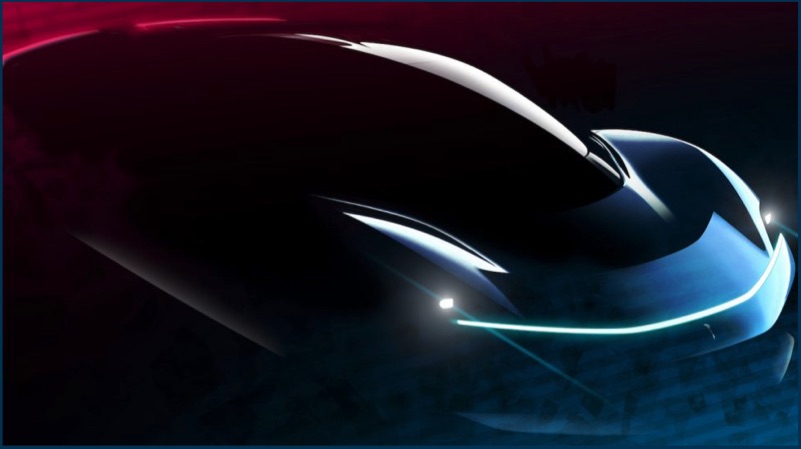
Category: AutoGyaan

Cars, Bikes, Alternative Vehicles, Air Transport et All

  • BlackBerry And LG Are Making Autonomous Cars

    BlackBerry And LG Are Making Autonomous Cars

    A press release has announced the partnership of BlackBerry Limited with LG Electronics Inc. for a major new project. The aforementioned brands are recognisable for their consumer grade electronic products. However, the new project that is being spearheaded by the two companies will encompass the automobile industry, namely self-driven (autonomous) cars.
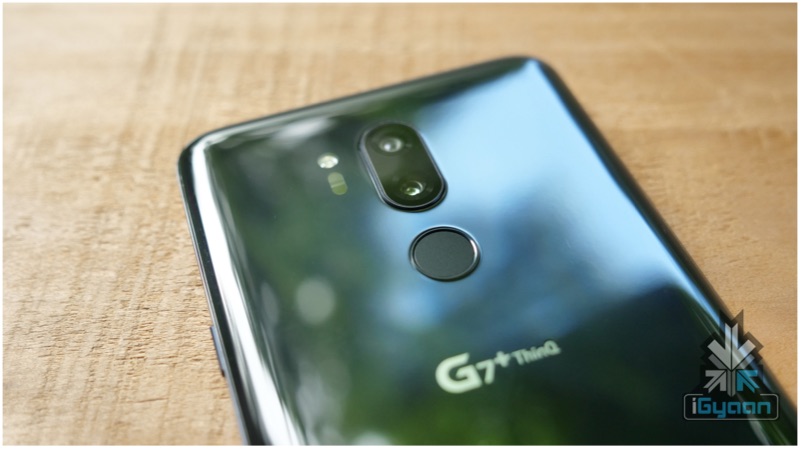
    BlackBerry and LG

    Historically, LG and BlackBerry were popular smartphone brands. The companies were critically acclaimed worldwide for their handsets, including India. The onset of the smartphones industries tech race had rendered BlackBerry and its business-centric devices obsolete. LG faired much better in comparison but has also seen a decline in the last couple of years. Though, the company is well known for its home appliances such as televisions and refrigerators. 
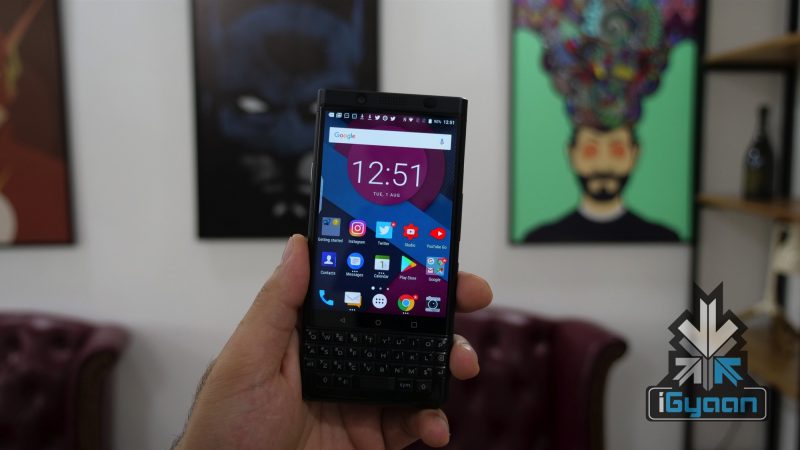
    BlackBerry Key 2 LE

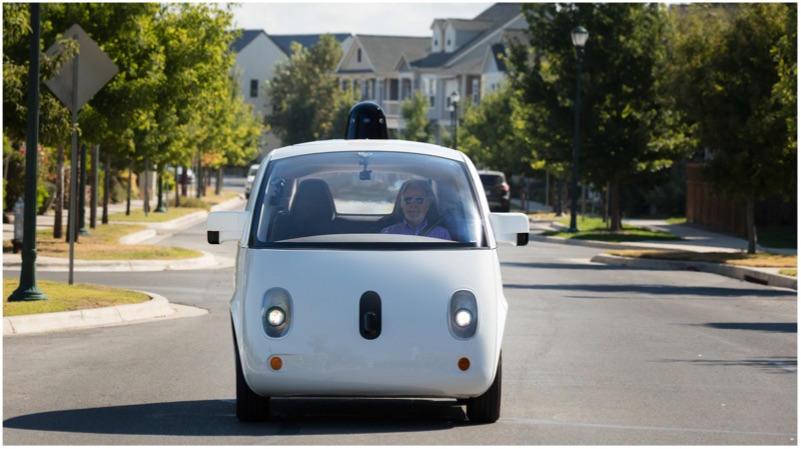
    The new project for autonomous cars is a heavy task. Self-driven cars are unlikely to hit Indian market anytime soon but are already being tested in developed nations like the US. Google, Apple, Uber and other such companies have been testing the technology for a while now. The automobile industry would greatly benefit from the expertise of both the companies in the arriving years.
    The new agreement formed between the companies carries statements of the joint expansion through the partnership. Both the companies are large corporations that have only a small part of their business models aimed at the smartphone industry. Blackberry is well-renowned for its QNX software-based services and safety solutions that are being utilized by a multitude of companies.
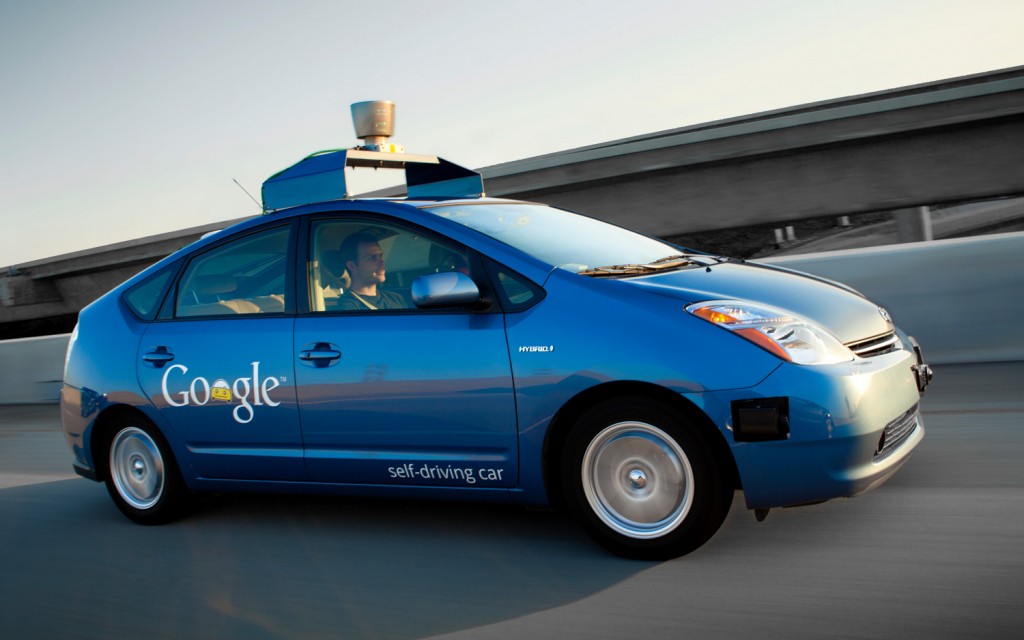
    Google’s Autonomous Vehicle

    The companies have formed a conjunction to push forward the development and commercial availability of autonomous vehicles. The entire automobile industry has been working on numerous autonomous locomotives for years now. This new collaboration will seek to accelerate the transitional process between traditional to self-driving cars. The project will encompass a network of self-driving vehicles that are connected to one another. It will also help boost the myriad of suppliers that automobile OEMs are working with.
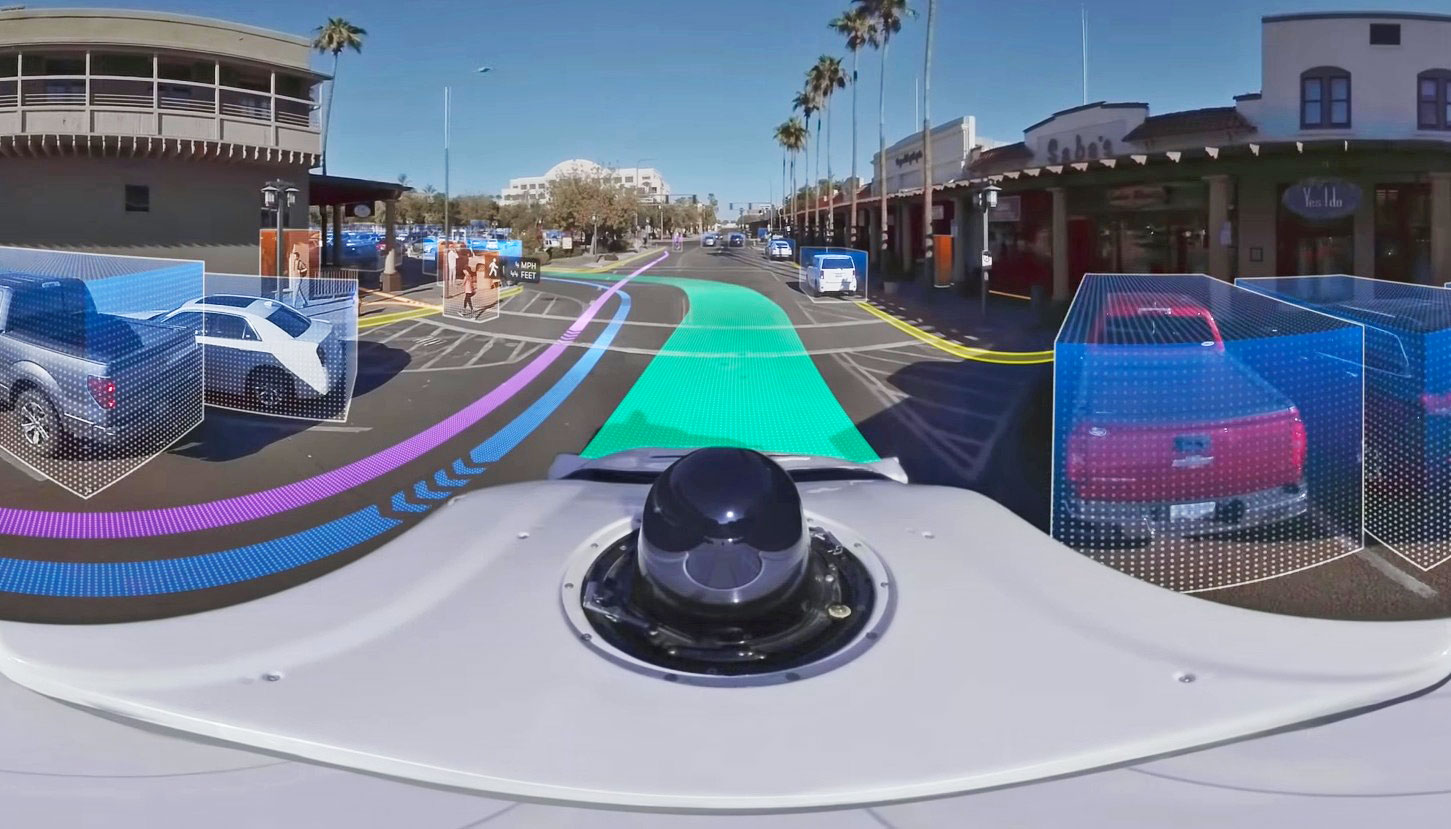
    According to the report, BlackBerry’s QNX-based software solutions are planned on being incorporated by LG Electronics. The South Korean company’s hardware expertise will use QNX solutions to build numerous next-gen components such as:

    • A security solution designed to help safeguard the system against malware and cyber threats and prevent malfunctions.
    • Incorporate an improved voice and sound quality systems, namely media entertainment system, for the car’s internals.
    • To build the control system for autonomous cars.
    • An accessible mobile interface with control over multimedia functionalities.

    Furthermore, the companies’ goals are to “produce cutting-edge cars for the future of the automotive market”. BlackBerry, unlike LG, has shifted its focus on its software services that are used in the mobile and automobile industry. The Canadian company is already supplying its technology to manufacturers developing driverless cars. LG, however, is still present in the smartphone market with its latest W series entries being launched in India. The company is still a big name in household products and is planning diversification in new ventures such as this.
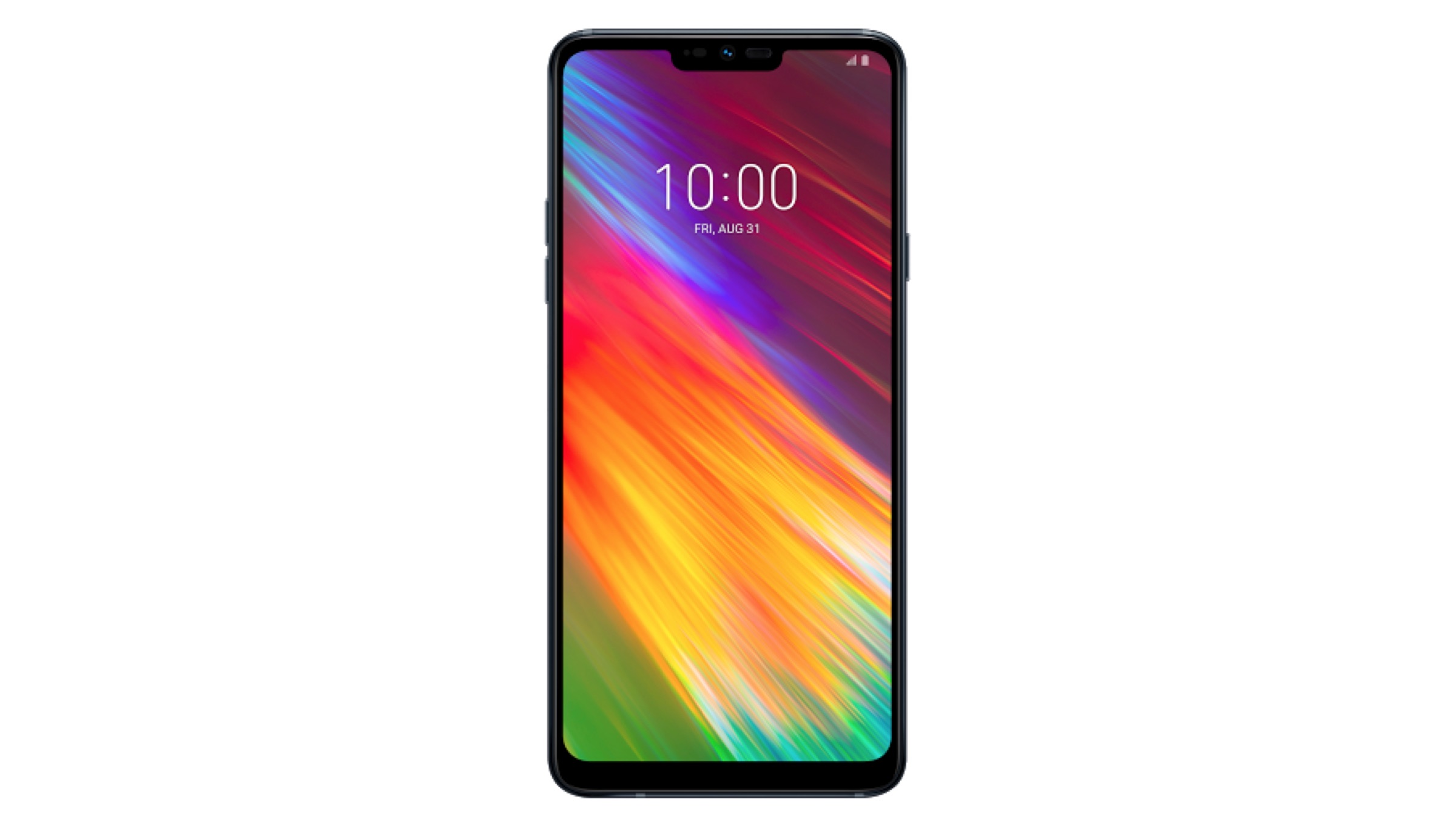
    LG
    LG W10

    Also ReadWhatsApp Tests Feature That Allows Sharing Status To Facebook

    The implications of the joint venture could be huge. Both LG and BlackBerry could potentially reduce the time frame for commercially available self-driving cars. The companies will rely on each other’s strong suits for the partnership. It might not be too long before the project bears its fruits. Unfortunately, it is just an announcement and not an actual product launch. We are still years away from actually seeing such cars in real-world practice. 
  • Revolt RV400 Launched, First All Electric Indian MotorBike

    Revolt RV400 Launched, First All Electric Indian MotorBike

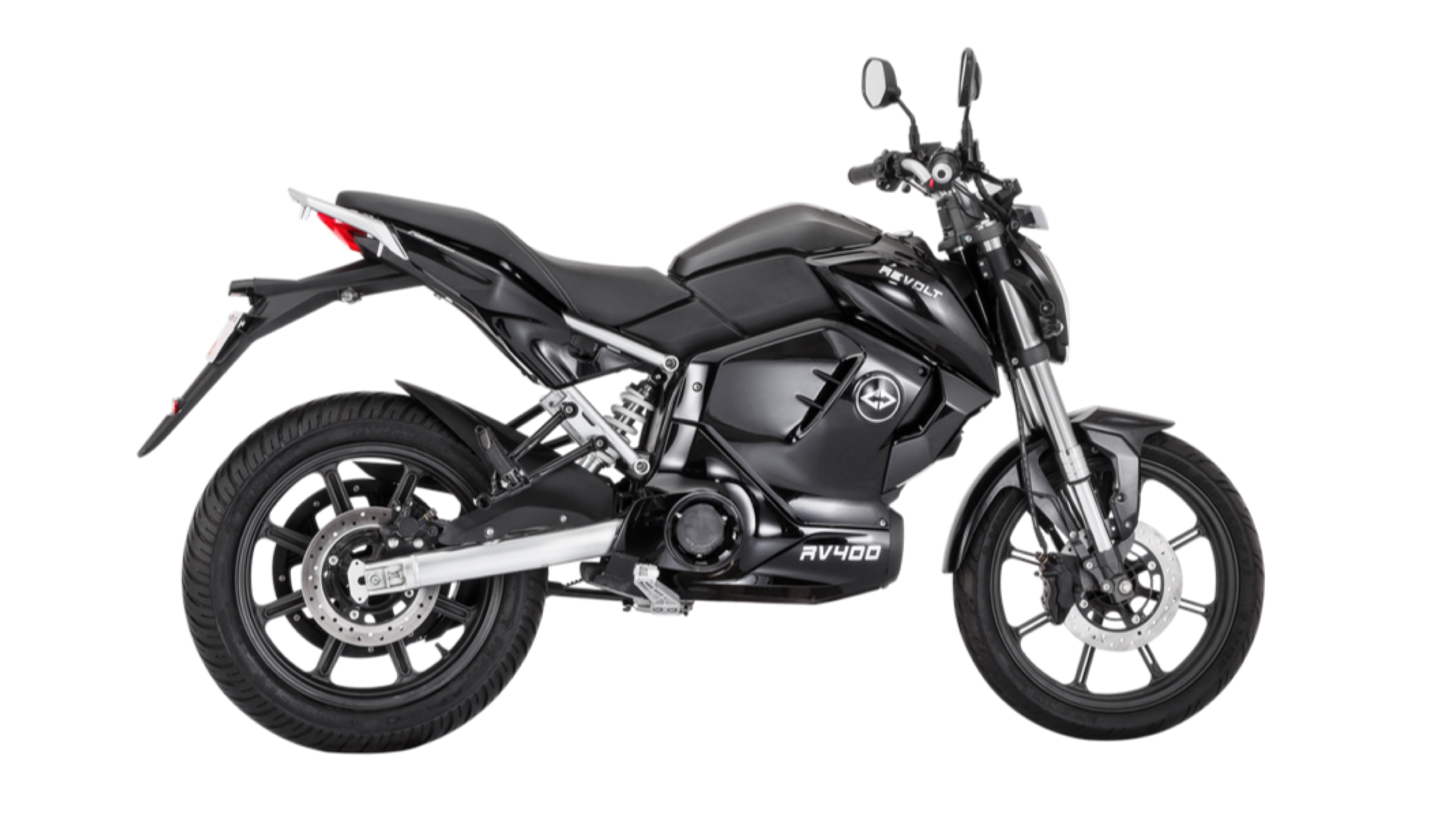
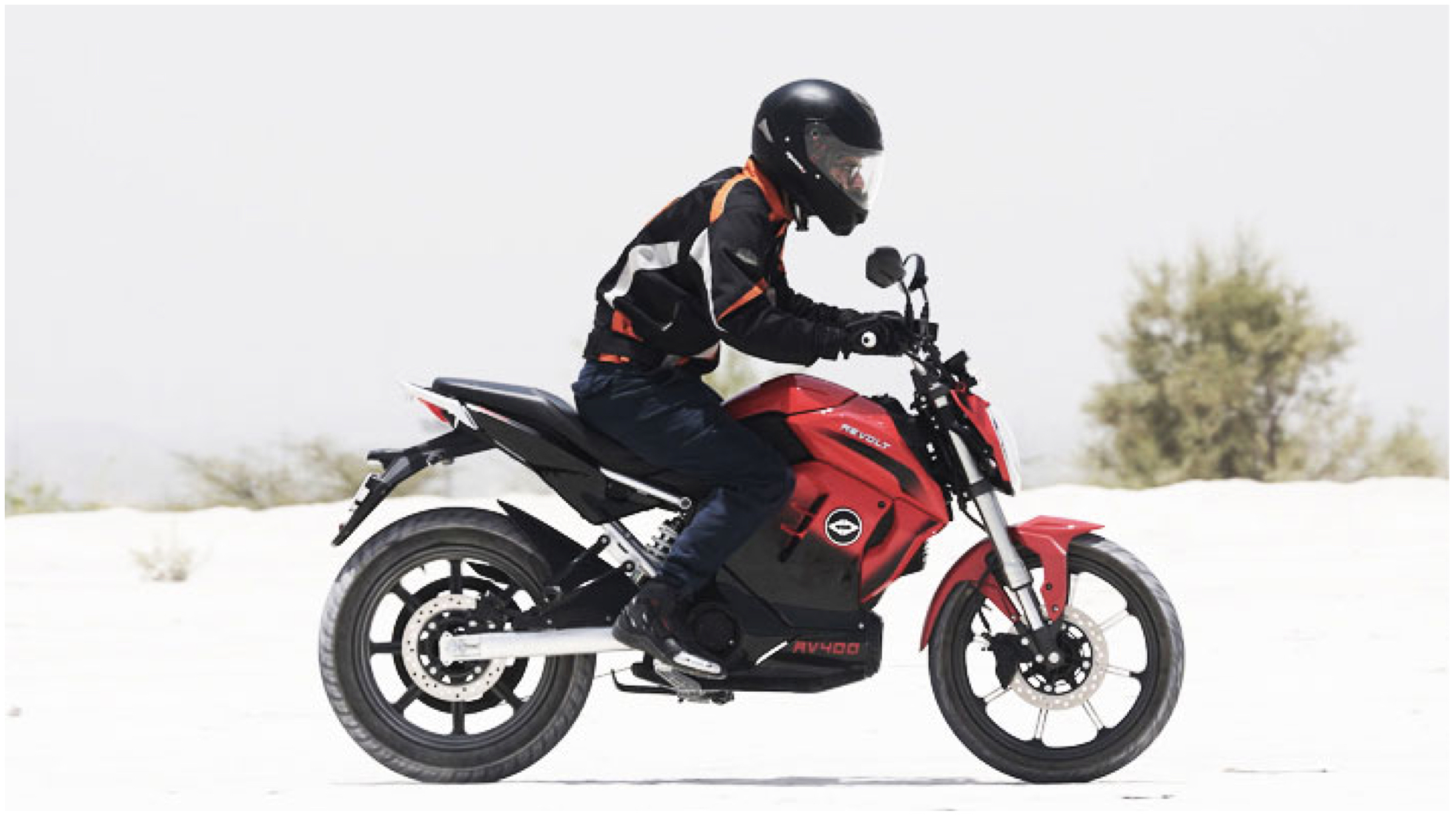
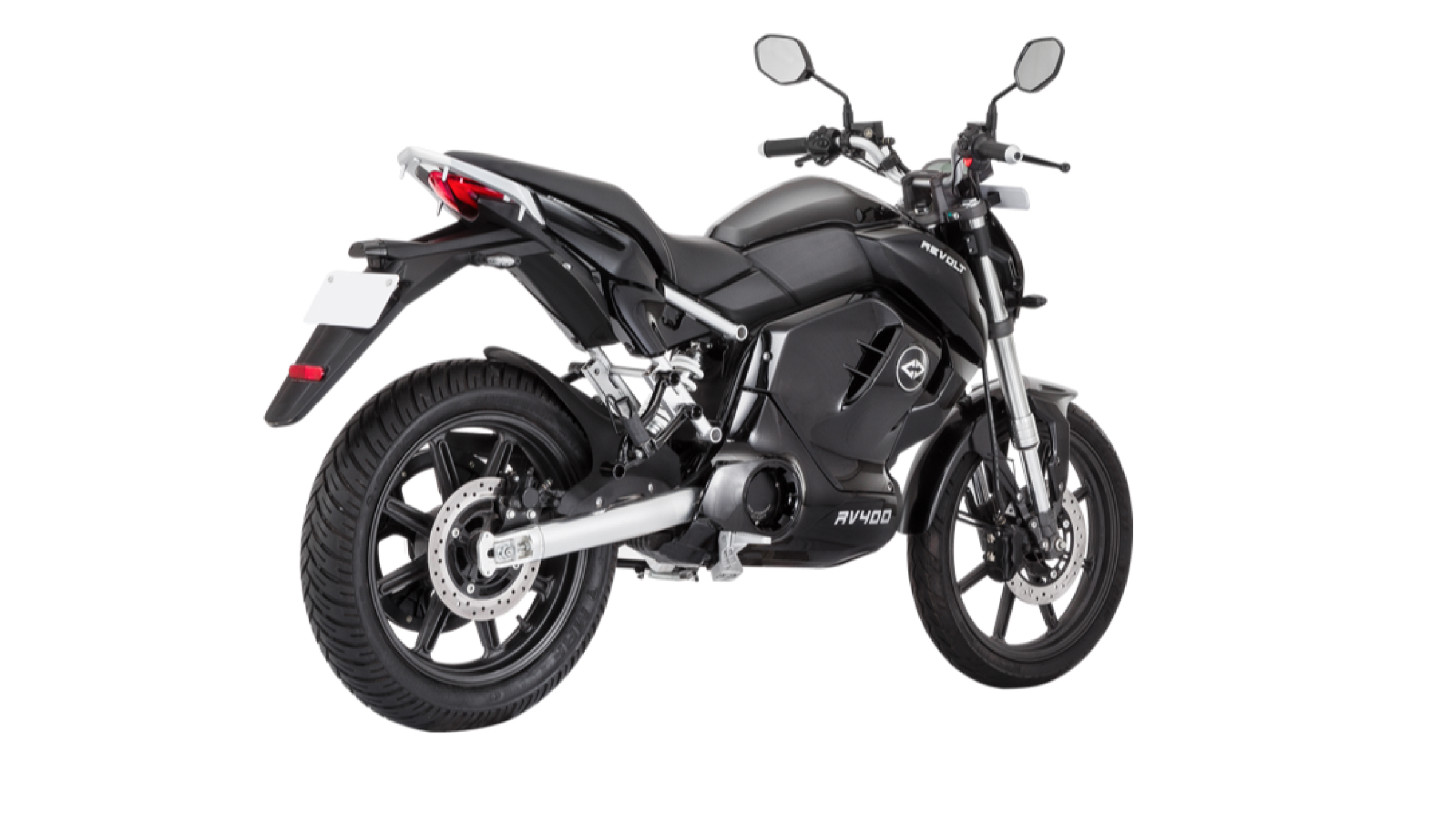
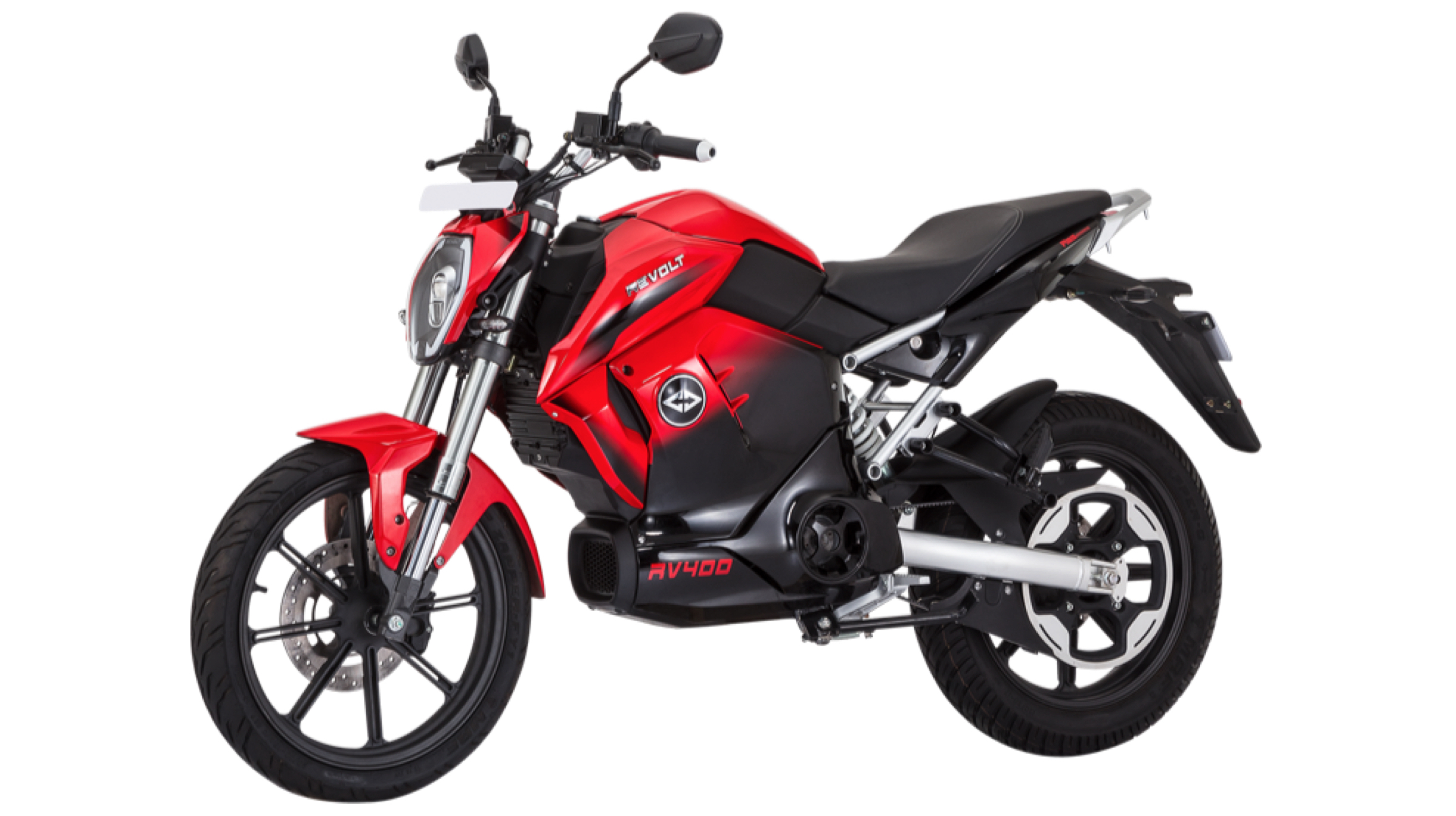
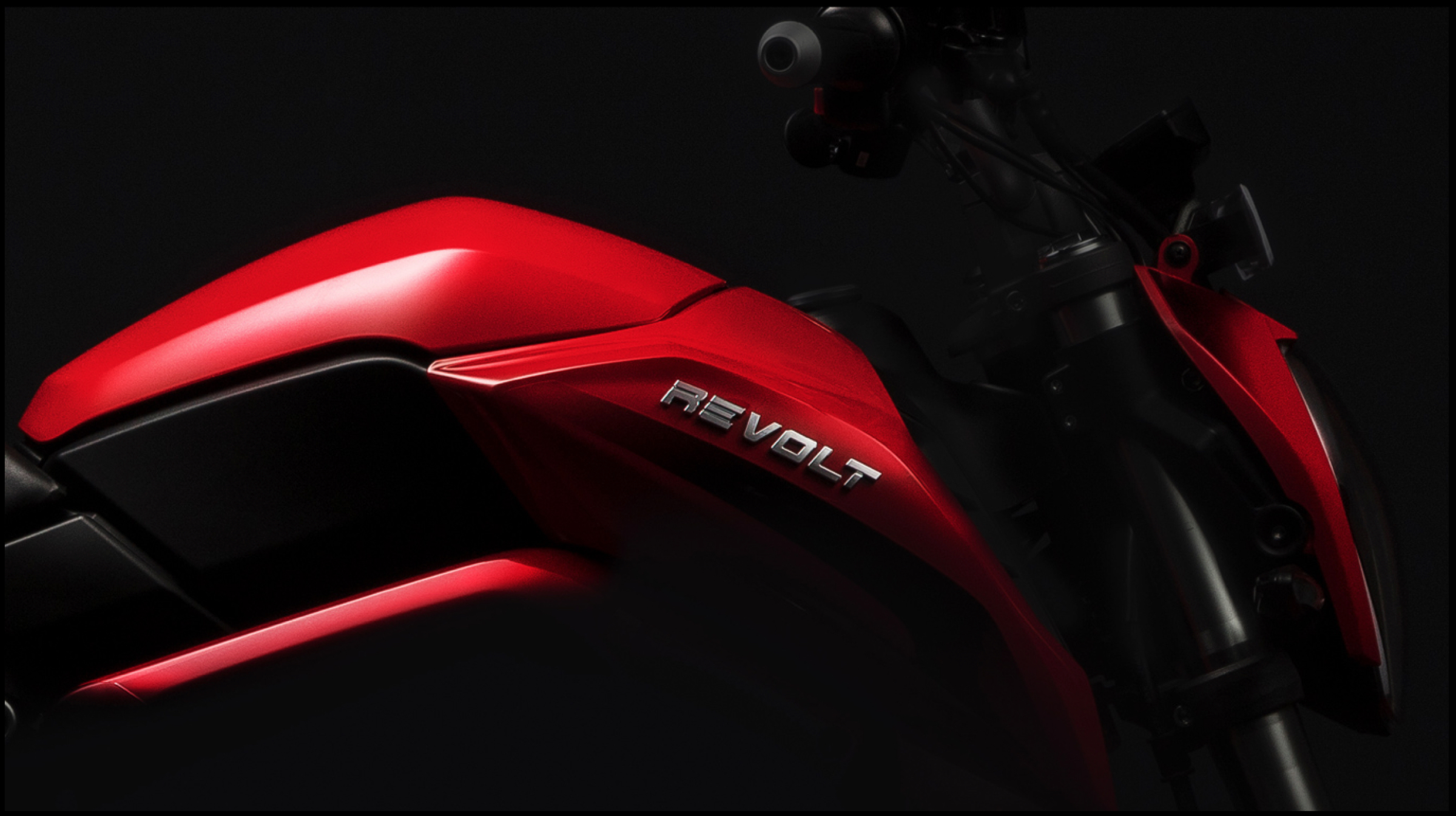
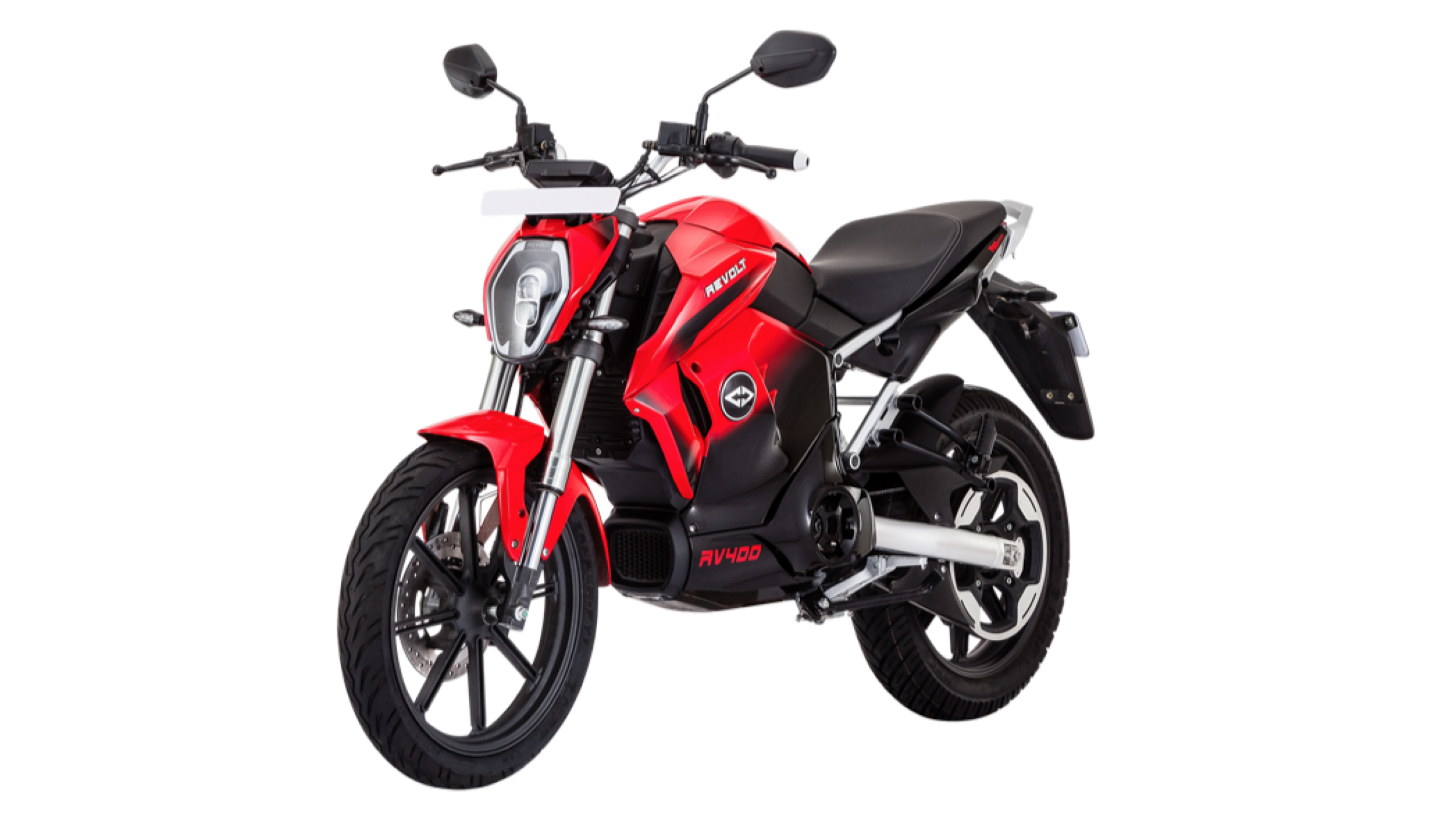
    Micromax co founder, Rahul Sharma’s independent venture Revolt Motors, has unveiled its first electric bike, the RV 400 in India which is targetted towards the youth. The pre bookings for the newly launched EV will commence on the 25th of June 2019. Interested users can book the bike from the company’s website or Amazon.in at a price of Rs 1000. 

    Revolt RV 400 Design and Features

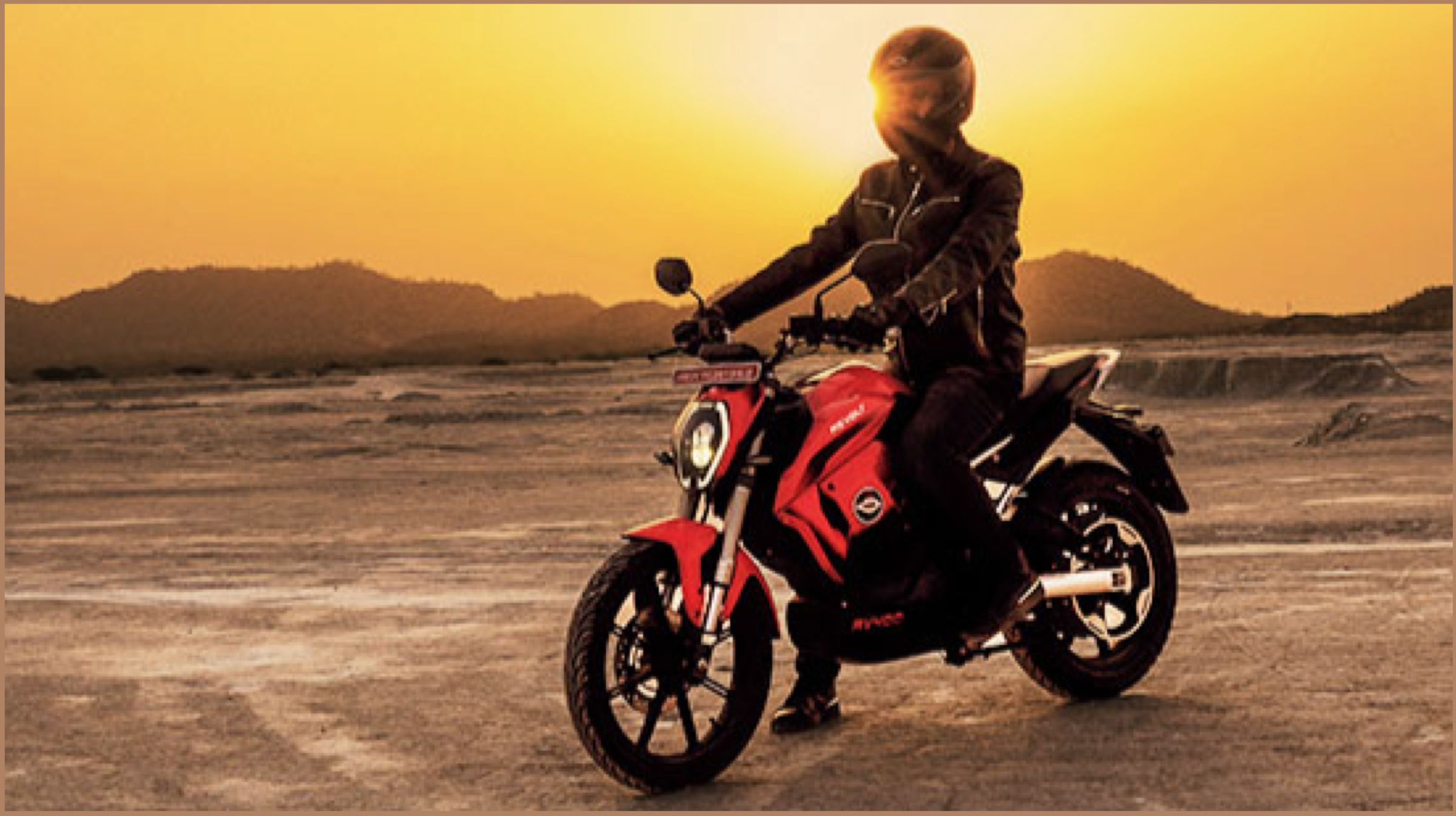
    The Revolt RV 400 has a familiar design owing to the fact that certain elements are inspired from popular motorcycles already available in the country including the Yamaha FZ and KTM Duke. The EV features 8 spoke wheels on both the front and rear. One notable feature of the EV is customisable artificial exhaust sound which is produced via a loudspeaker installed on the bike.

    The sitting position of the Revolt RV400 appears to be quite high which provides the bike with an aggressive stance. In terms of suspension, it features a USD (upside down) front fork and a monoshock at the rear. Some segment leading features of the electric motorcycle include all LED lightning, a fully digital instrument cluster and 4G connectivity.

    The Revolt RV400 is claimed to have a range of 150+ km with a top speed of 85 kmph which is purposely capped to boost range. The electric motorcycles user replaceable battery pack is located in the same spot where a conventional bike would harbour an internal combustion engine. The charging cable is equipped with a traditional 15 A plug which allows the battery to be directly charged via conventional sockets found in households.

    To help users transition into the new electric ecosystem, the company will provide an option to quickly replace drained batteries with charged ones at charging stations that the company has set up across the country. Even the charging stations are currently in limited numbers, they will be increased with rising demand. Furthermore, Revolt Motors even provides an option for its customers to order fully charged batteries which will be delivered right to their home.

    As the Revolt RV400 is based on a visionary approach, it supports AI or Artificial Intelligence which adapts the bike setting as per user’s driving pattern in order to churn out maximise range that the battery can offer. Another noteworthy feature about the EV is geofencing which allows the vehicle owner to create a virtual geographic boundary that it can be operated in.

    The Revolt RV400 will be manufactured in the company’s Manesar, Haryana plant which is capable of producing 1,20,000 units each year. Several key details including the BHP the electric motor produces, battery wattage and price are still a mystery which will be unveiled next month. 

    Also Read: India Asks WhatsApp To Digitally Fingerprint Every Message For Traceability

    The Revolt RV 400 will be available in two colours Rebel Red and Cosmic Black. Even though the official price is yet to be revealed, it is expected to be priced around Rs 85,000. 

  • Ferrari SF90 Stradale With A Hybrid Drivetrain Launched

    Ferrari SF90 Stradale With A Hybrid Drivetrain Launched

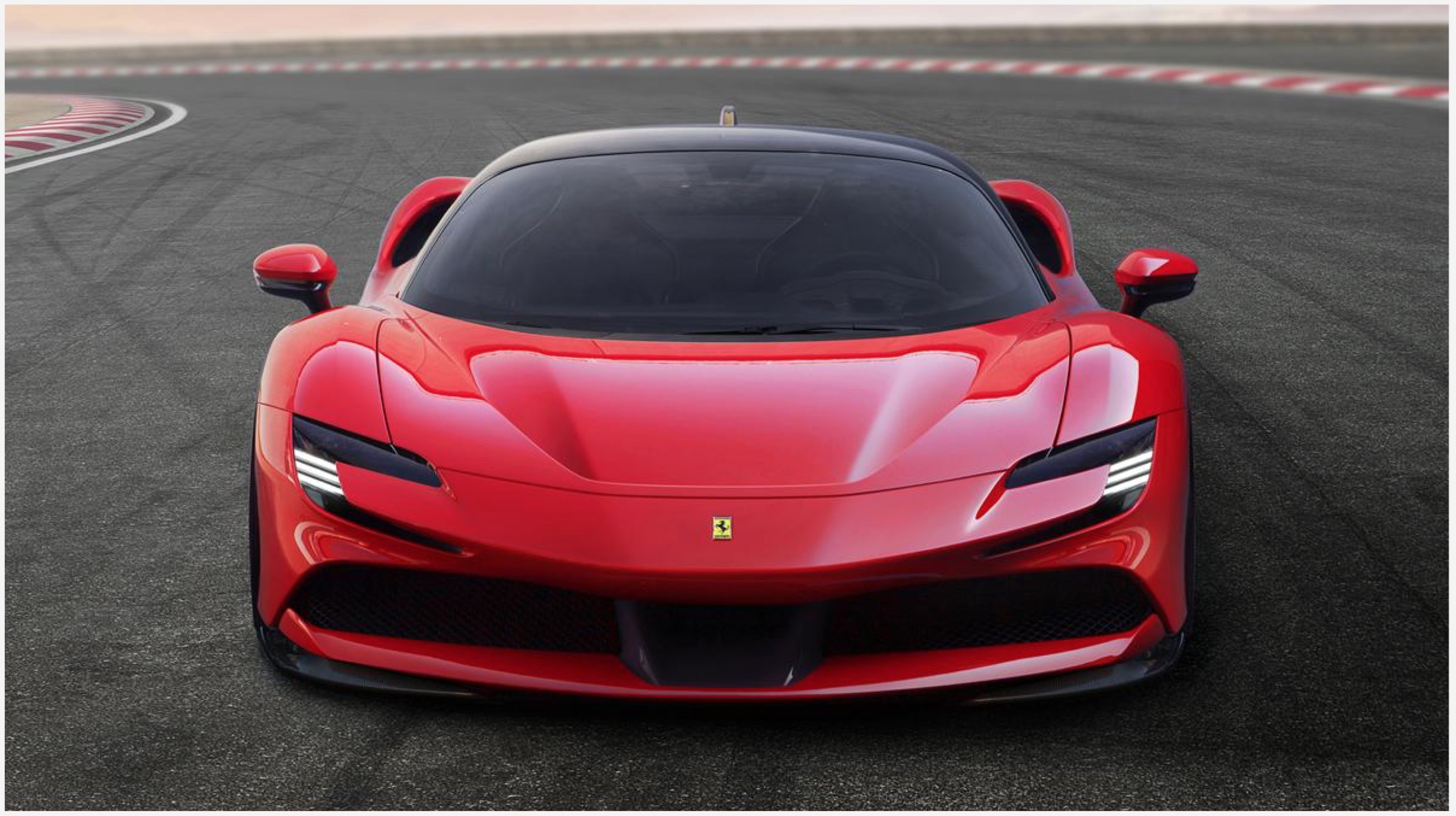
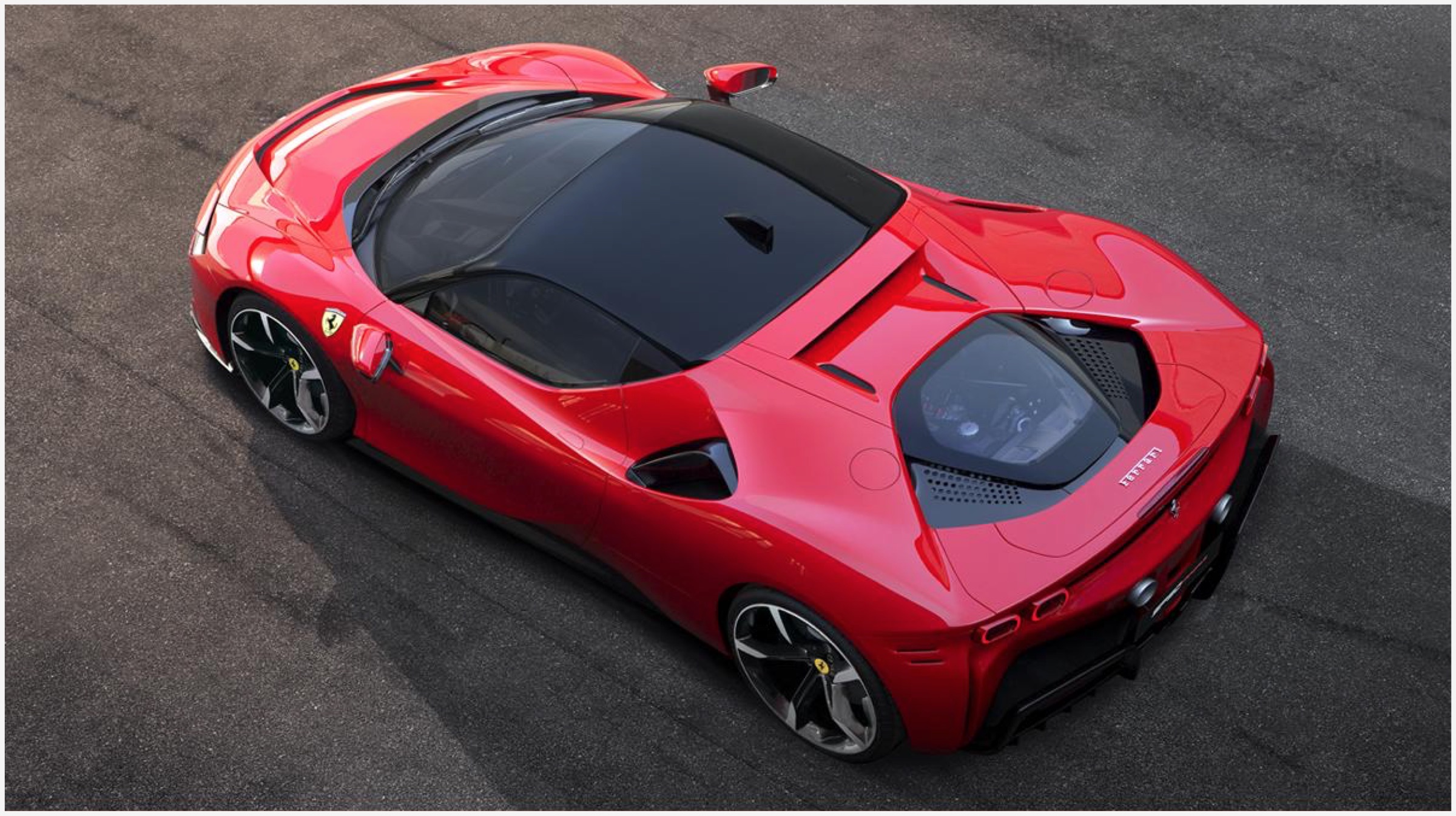
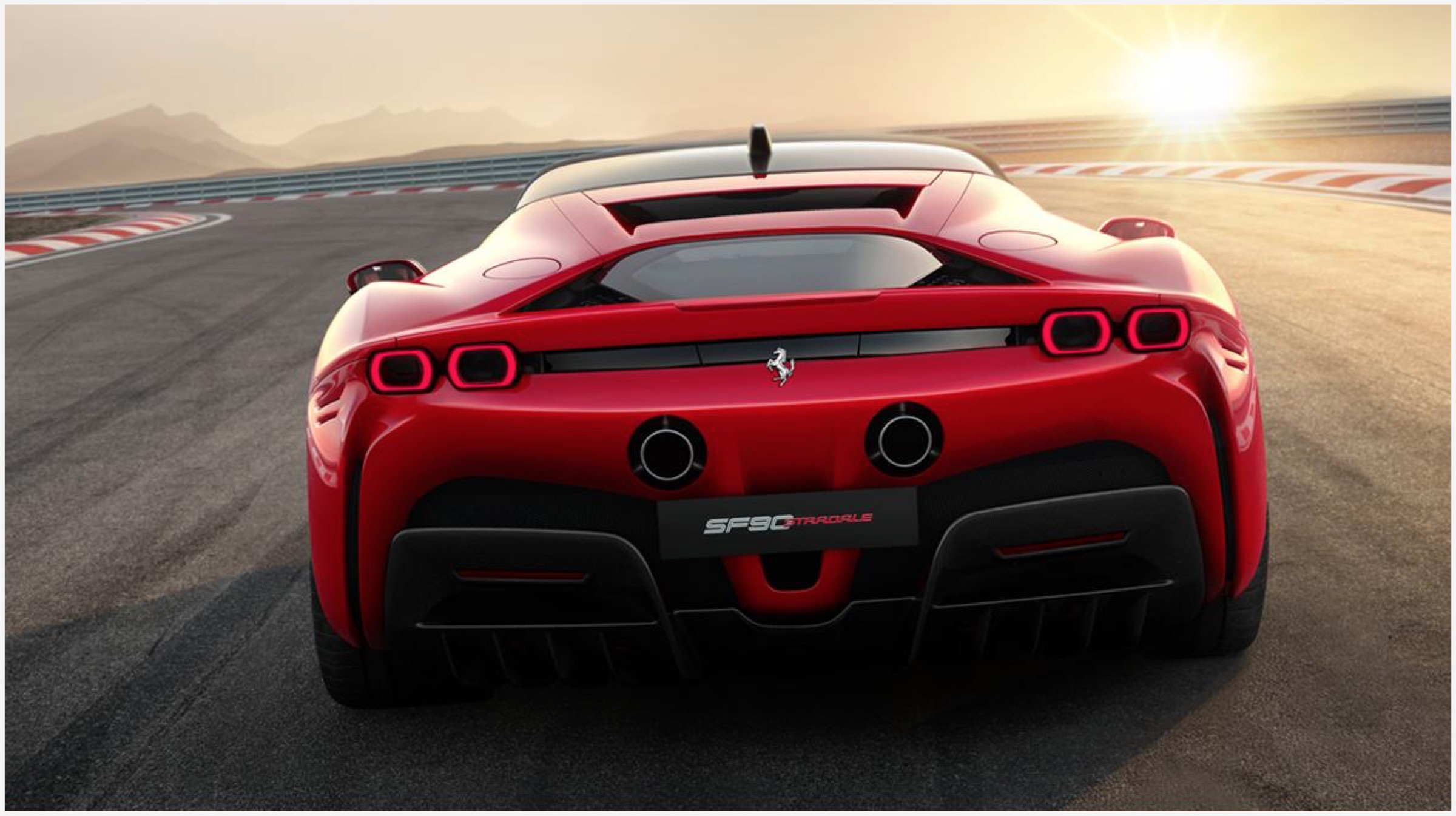
    As the awareness regarding environmental concerns increases, companies across the world are looking to adopt clean energy. Italian supercar manufacturer, Ferrari has adopted the best of both worlds in its latest supercar, which is the SF90 Stradale. The supercar is referred to as hybrid due to the fact it packs a 4-liter 769-horsepower Turbo V8 engine alongside three electric motors which have a combined output of  162 kW or 217 HP. The company claims while both the power sources function simultaneously, the SF90 can achieve a speed of 100 km/h in a mere 2.5 seconds.

    Ferrari SF90 SupercarThe supercar sports a torque-vectoring AWD (All Wheel Drive) system and an eight-gear dual-clutch transmission. Even though the SF90 is less powerful than the top of line LaFerrari on paper, the hybrid supercar can reach higher top speeds owing to the lower overall weight.
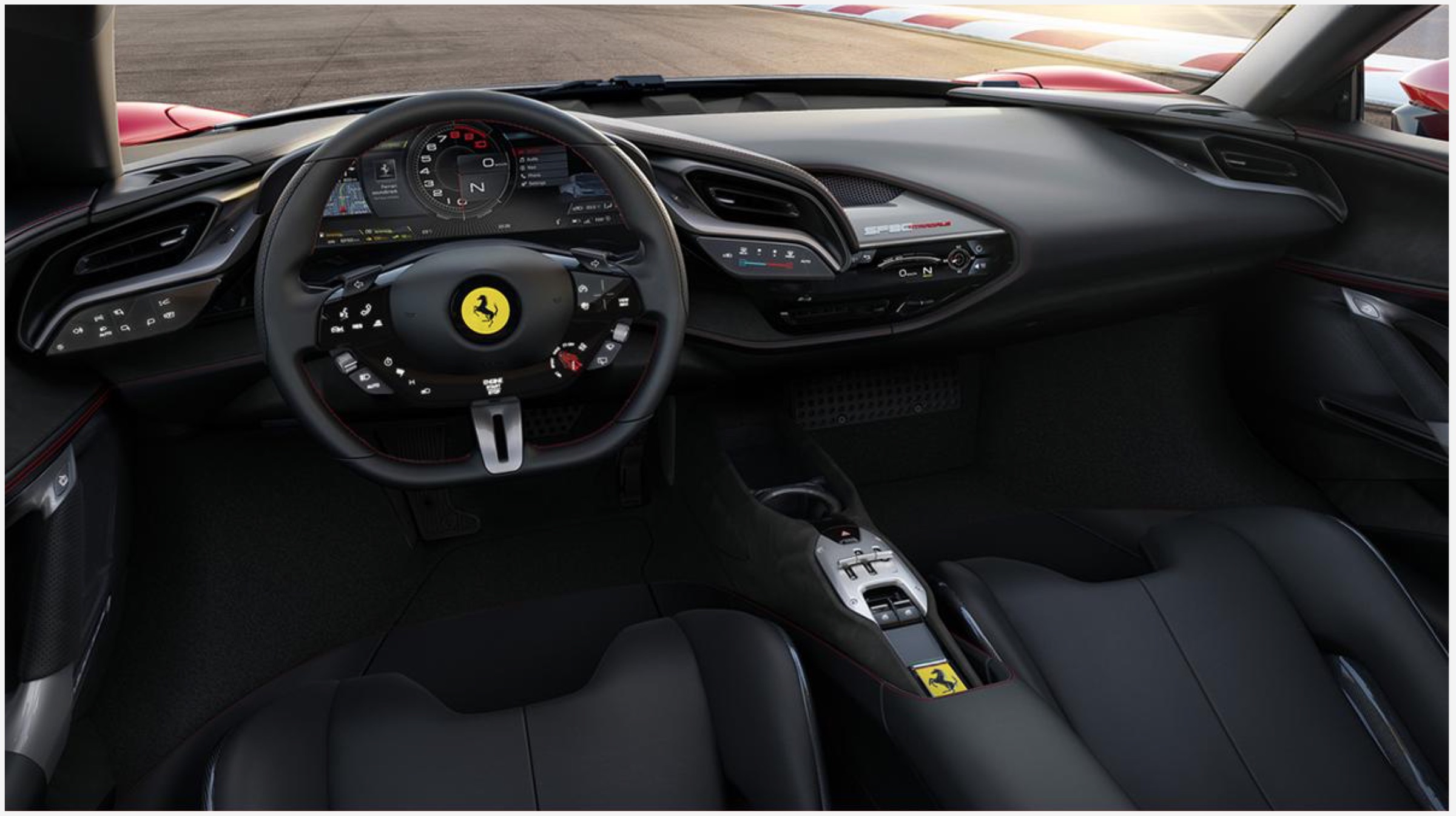
    Ferrari Sf90 Supercar

    Ferrari SF90 includes a modern cockpit design, with the Manettino-style steering wheel (where the adjustment controls are mounted on the steering wheel itself). Furthermore, the steering wheel has a touch interface which can be used to switch between various modes (including the hybrid mode). 

    Ferrari Sf90 Supercar

    Also Read: Screenshots Of Ark OS, The Android Replacement By Huawei Leaked

    The Italian company has confirmed that the Ferrari SF90 Stradale is not a limited edition vehicle. However, the supercar is expected to be highest-priced model in the already expensive lineup of Ferrari, which means that not a lot of people will be able to afford it. The company has not provided an official statement regarding the price of the supercar yet. As per other reports, Ferrari may also be working on an all-electric car. Even though the design may take its fair share of time to be brought to reality, it is quite evident that electric cars are the future, and with the SF90 Stradale, the Italian manufacturer is one step closer to achieving it. 

  • Xiaomi Himo T1 Urban Mobility Scooter With 120 KM Range Launched In China

    Xiaomi Himo T1 Urban Mobility Scooter With 120 KM Range Launched In China

    Chinese conglomerate, Xiaomi knows no boundaries in terms of the products they develop and offer. They are recognised globally for their smartphones that offer praiseworthy value. Additionally, it invests resources in other promising companies which results in bilateral benefits. To test the viability of new products, in an unconventional manner, Xiaomi offers them on crowdfunding platforms which when successfully accomplished are followed by deliveries. One significant product currently on offer from the company is the Himo T1, which is an electric urban mobility scooter. 

    Himo T1 Looks and Features

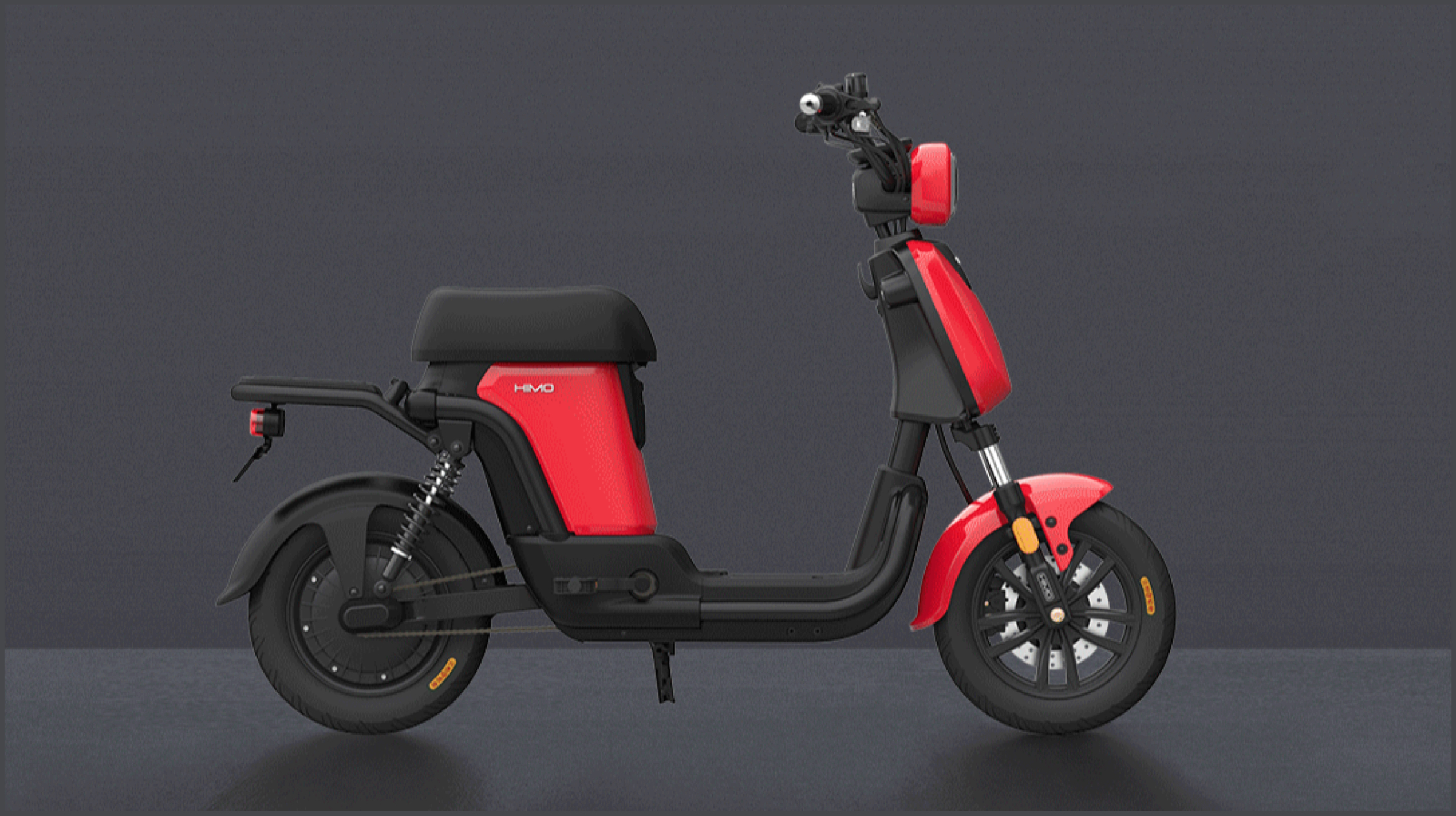
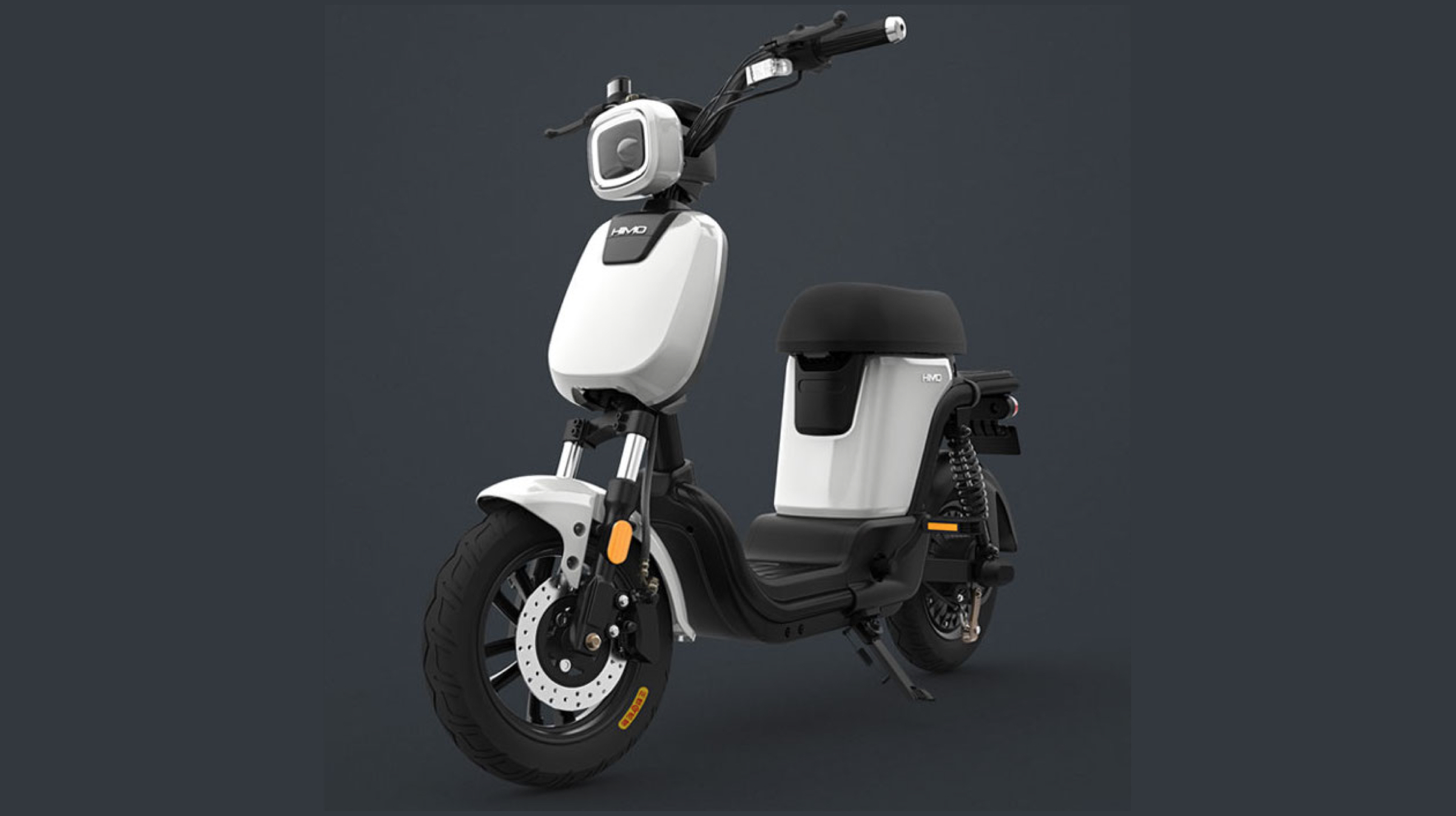
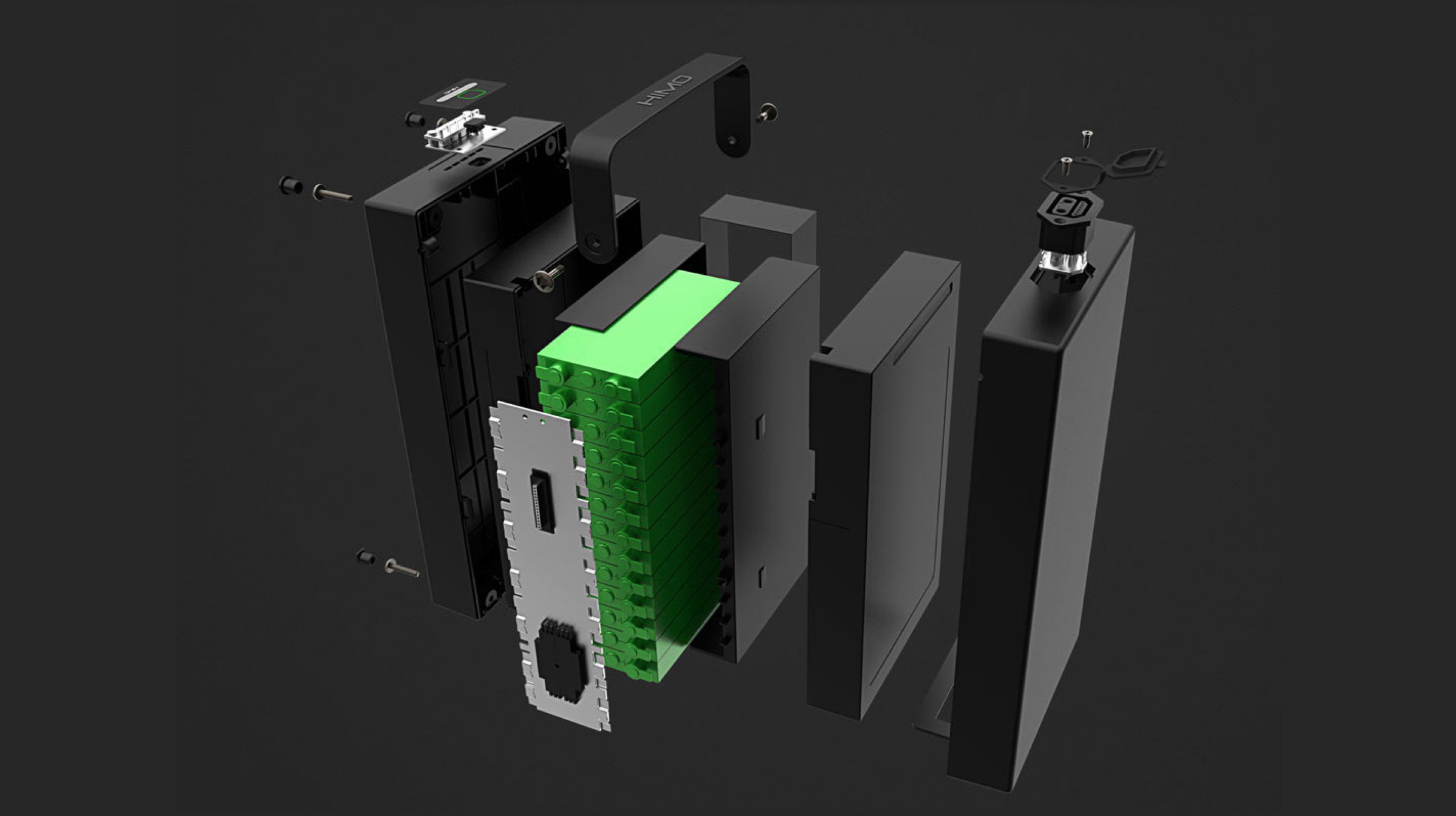
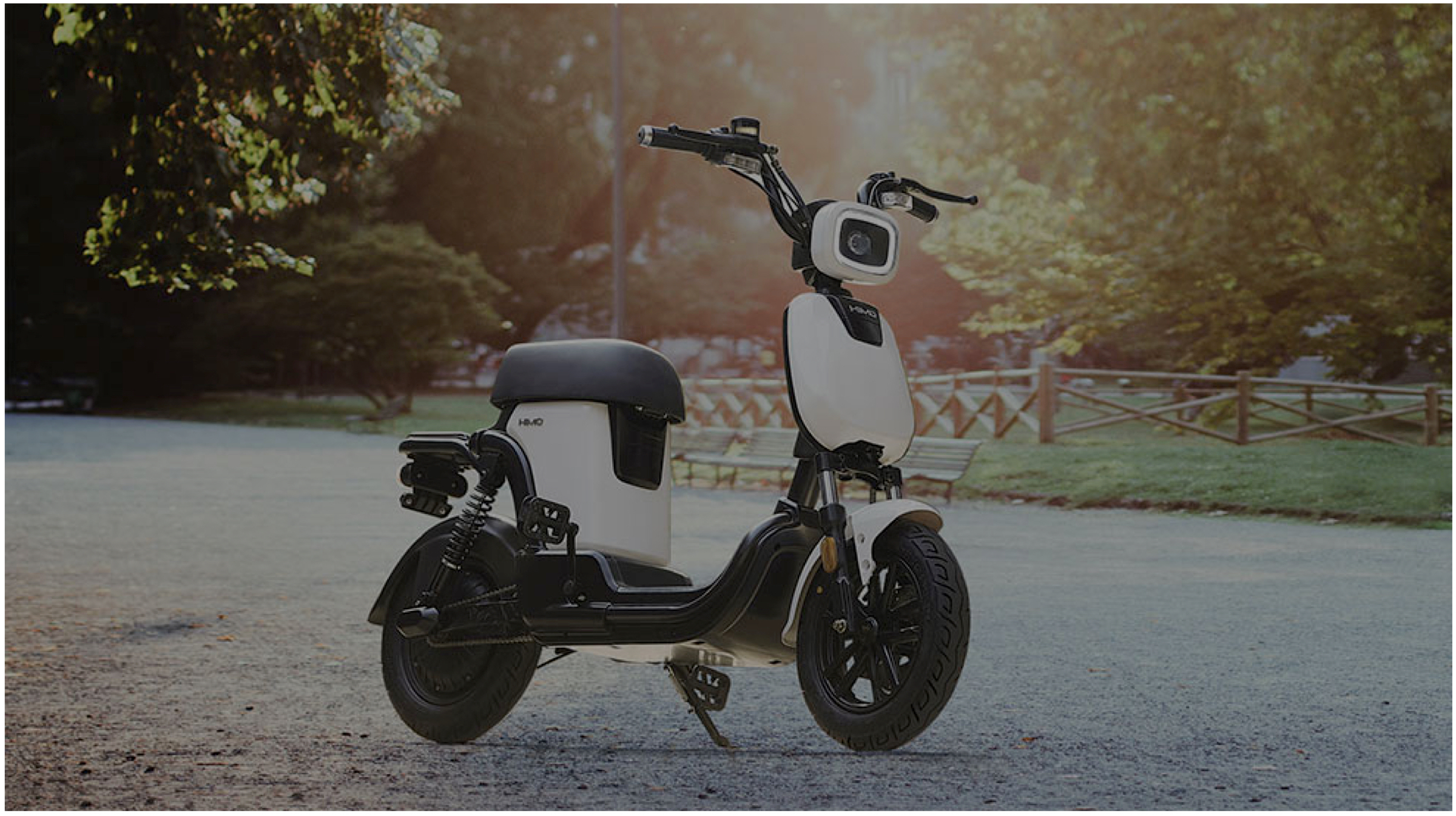
    The Himo T1 from Xiaomi has a unique look with an exposed metal tube frame and minimal body panels. It features an LED headlamp which is both bright and power efficient. The urban mobility scooter can only seat the rider with a dedicated carrying rack behind the seat. The Himo T1 has dual telescopic suspension on the front and dual spring-loaded suspension on the rear. The front of the mobility scooter also provides an option to mount a basket which can be used to carry a variety of items.

    The Himo T1 electric scooter from Xiaomi has a top speed of 25 km/h and the 14,000 mAh inbuilt battery offers a range of 60 km. However, a secondary 14,000 mAh battery can also be installed which is claimed to double its range to a maximum of 120 km. The electric motor in the scooter is a 350 w unit and it can reach 380 RPM (Rotations Per Minute) at full pace.

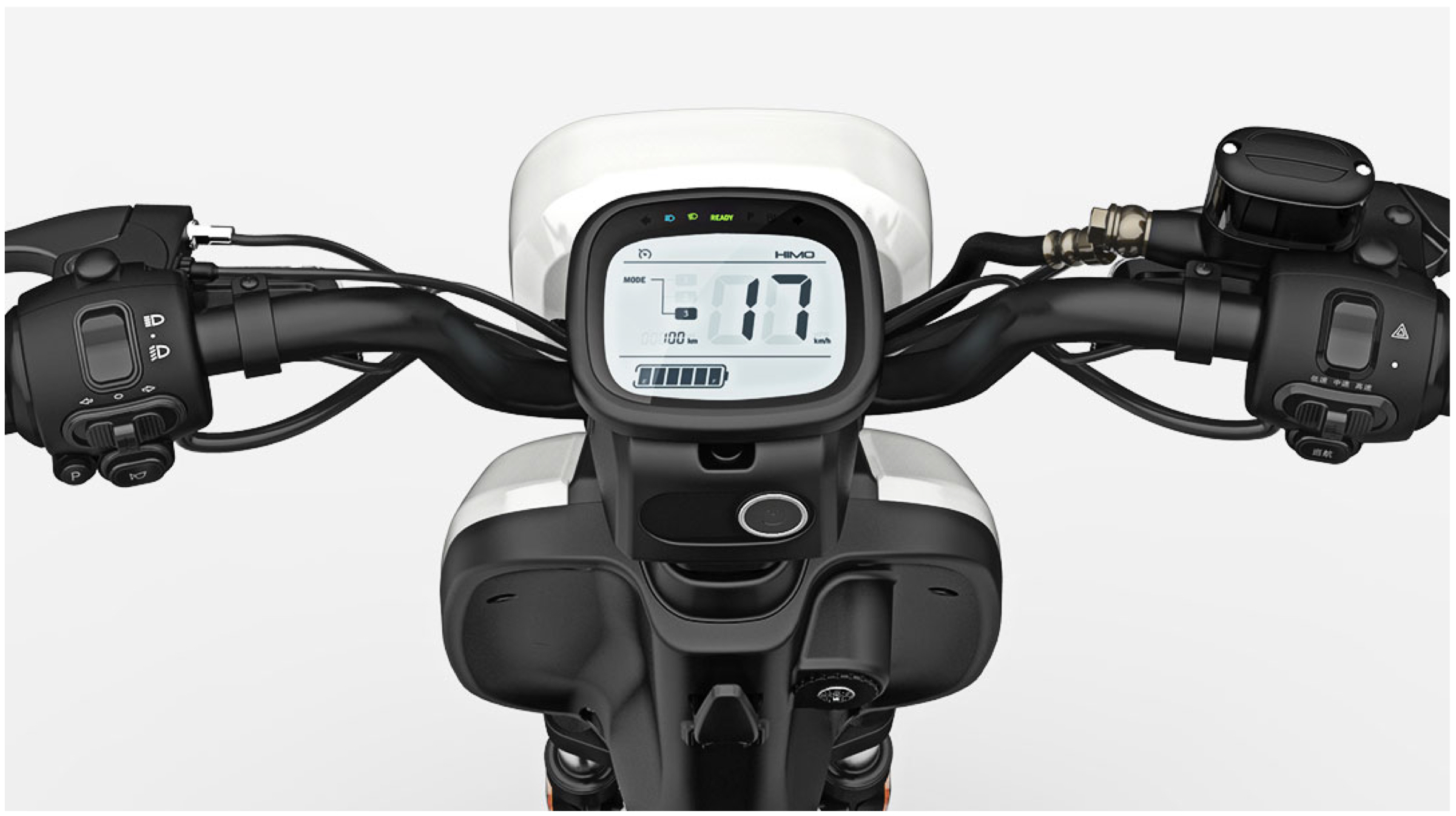
    In case the battery on the Himo T1 from Xiaomi runs out, the user also has the option to pedal it and continue the trip. It also has 5v 1a USB port which can be used to charge electronic devices like smartphones and tablet PCs. It has a handlebar mounted digital meter which can be used to display the amount of charge left and current speed. 

    Himo T1 Price and Colours

    Also Read: Here’s What Happens When You Search For Thanos On Google

    The Himo T1 urban mobility scooter is offered in three colours which include Grey, White and Red. As previously mentioned, it is currently available on Xiaomi’s crowdfunding website, Xiaomiyoupin at a price of ¥ 2999 (Rs 31,700). Currently, there is no information about its launch in India, though we would surely like Xiaomi to bring it to the country. 

  • Porsche Launches The New 911 Carrera S, 911 Carrera S Cabriolet In India

    Porsche Launches The New 911 Carrera S, 911 Carrera S Cabriolet In India

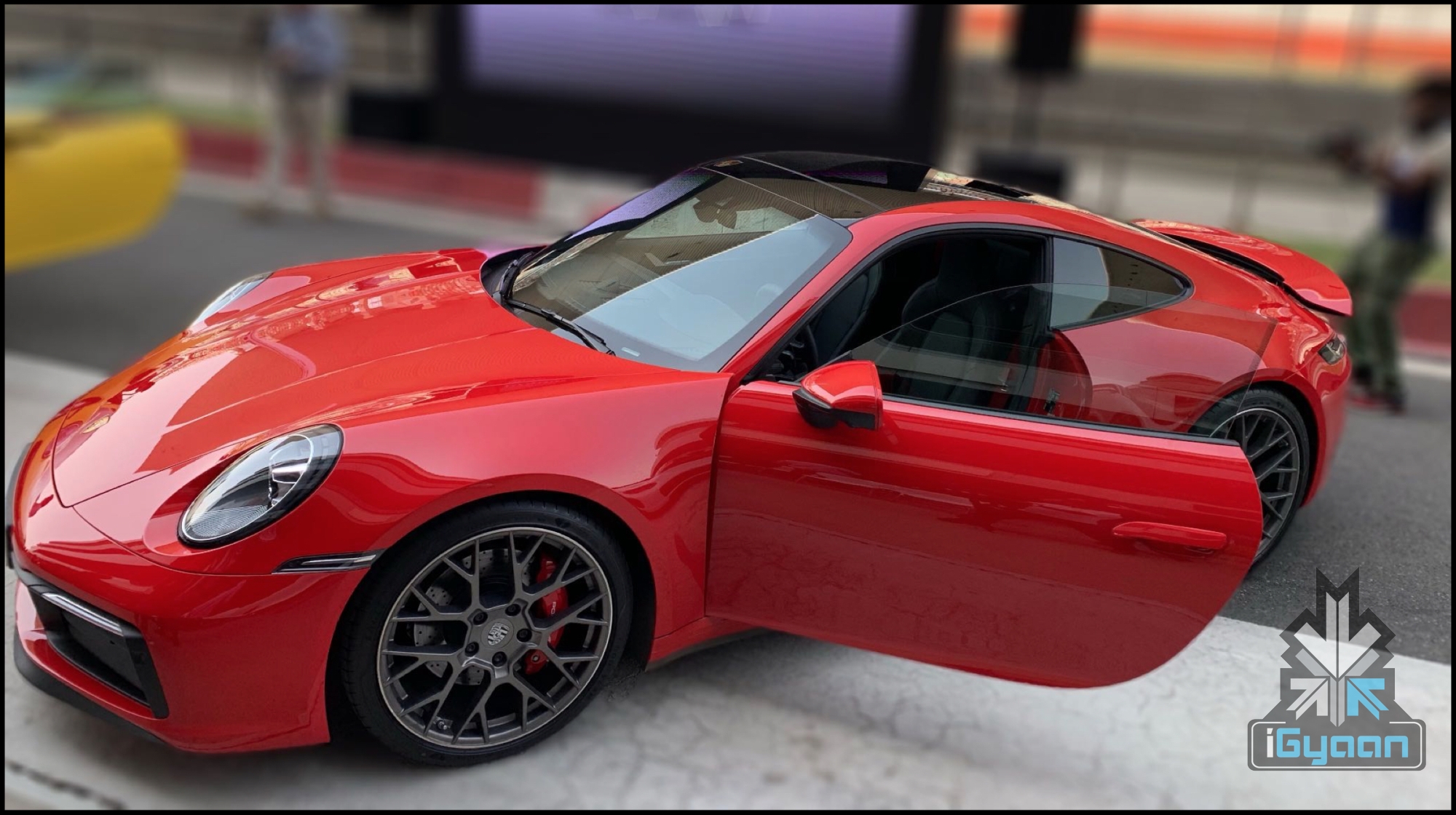
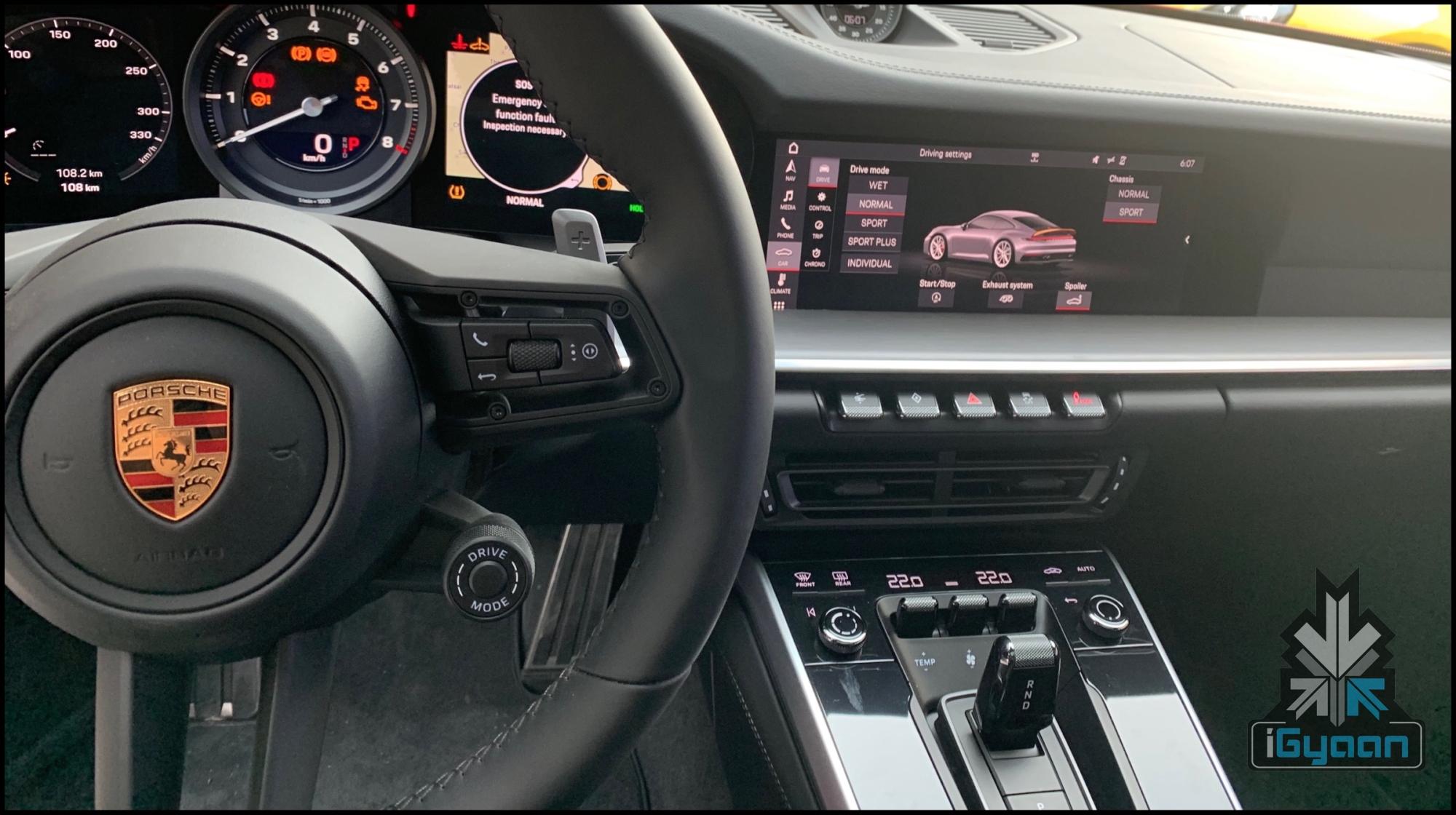
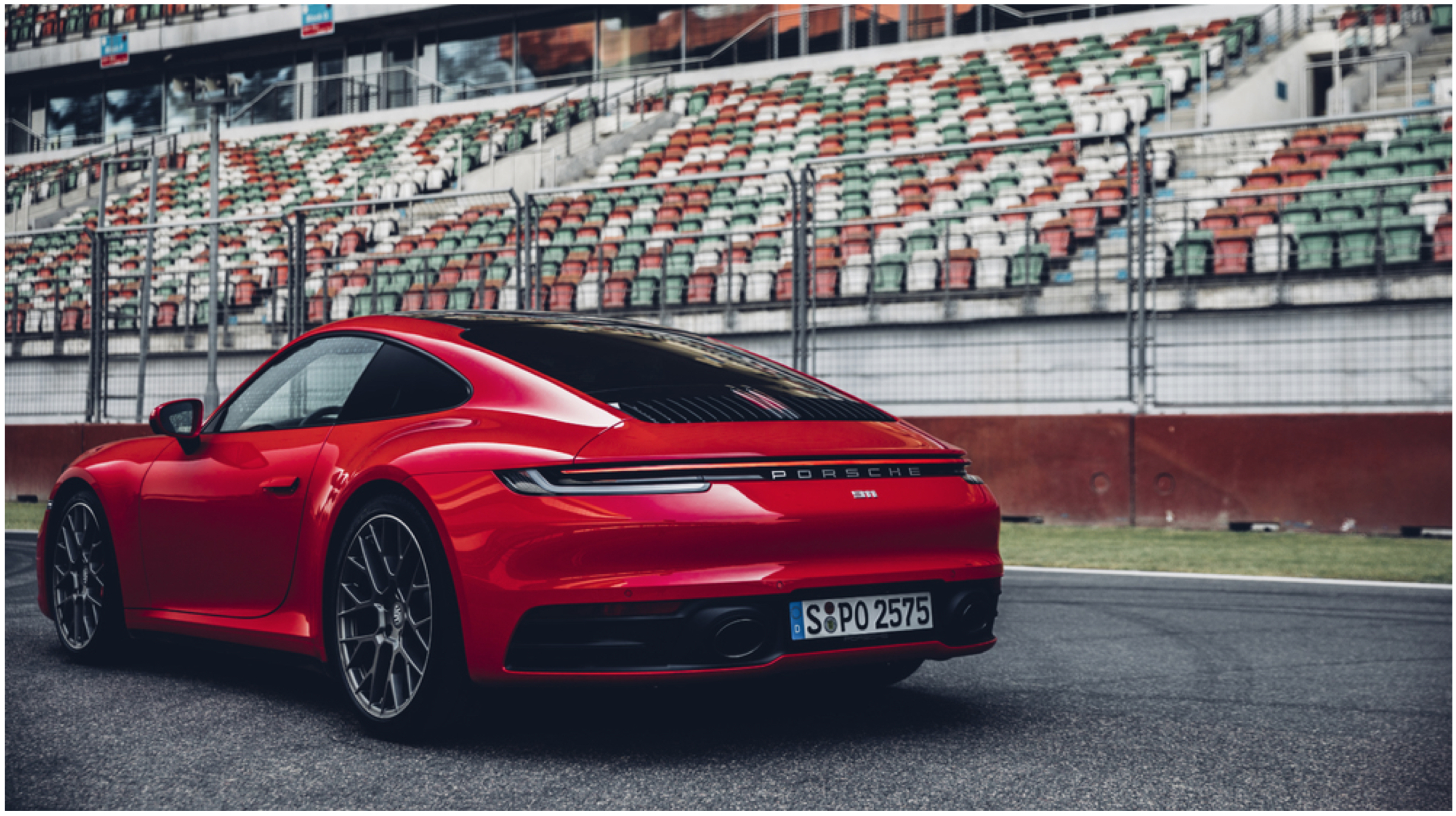
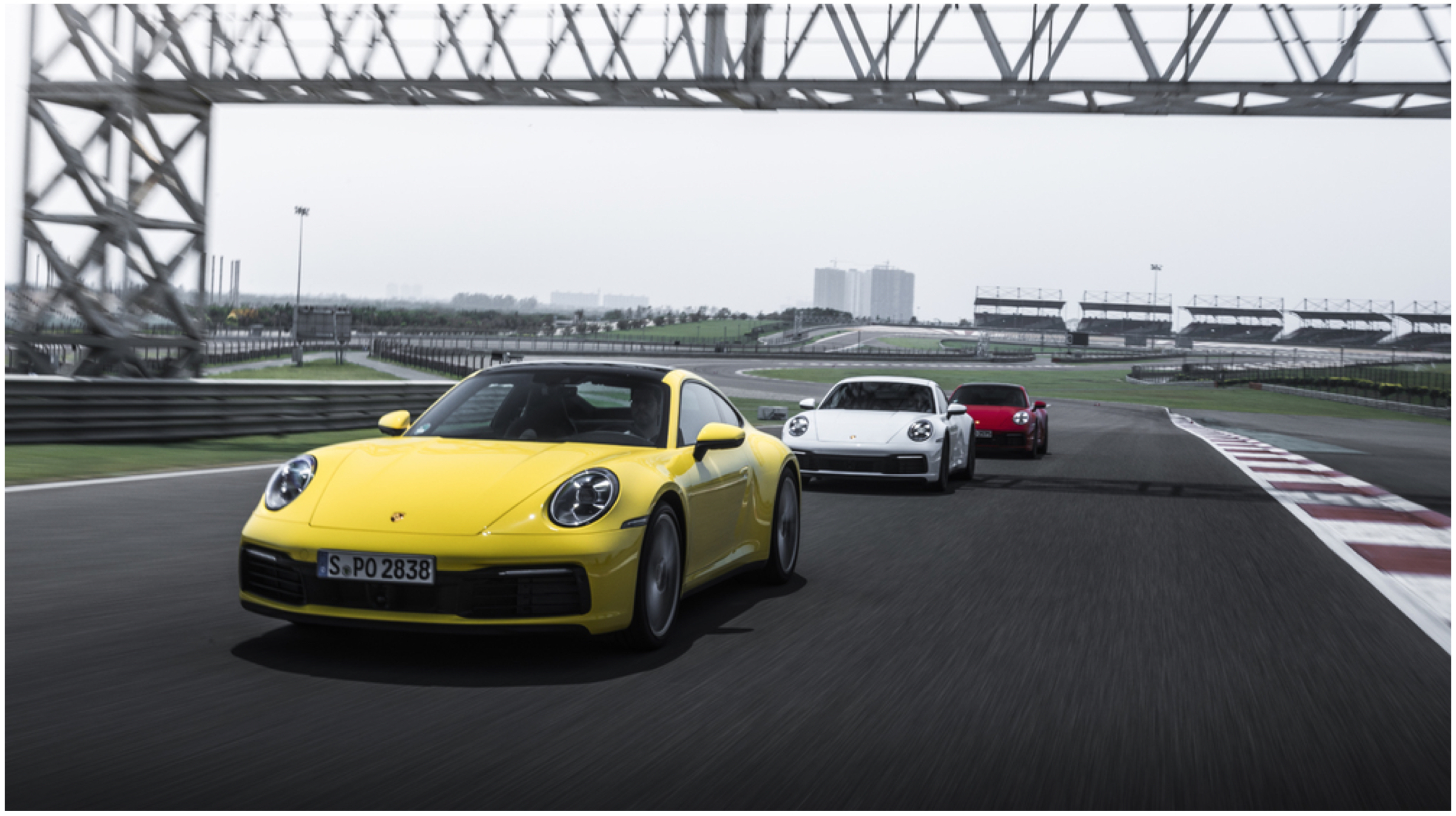
    German automobile maker Porsche, known for its sports cars, has launched the 911 Carrera S and the 911 Carrera S Cabriolet in India. The vehicles have a new, more powerful six-cylinder petrol engines which deliver significant upgrades over their predecessor. The cars are available for pre-booking in the country starting today.

    New Features

    The biggest change in the new Porsche 911 as mentioned above includes a new engine. The turbocharged flat-six engine of the Carrera S and Carrera S Cabriolet produce an astounding 450 horsepower. Notably, this is an increase of 30 hp when compared to their previous generations. The 911 Carrera S takes 3.7 seconds to reach from the speeds of 0-100km/hr while the Carrera S Cabriolet takes 3.9 seconds. This makes them around 0.4 seconds faster than their predecessors. In terms of top speeds, the Carrera S has been measured at 308km/h (306km/hr for the soft top version). 

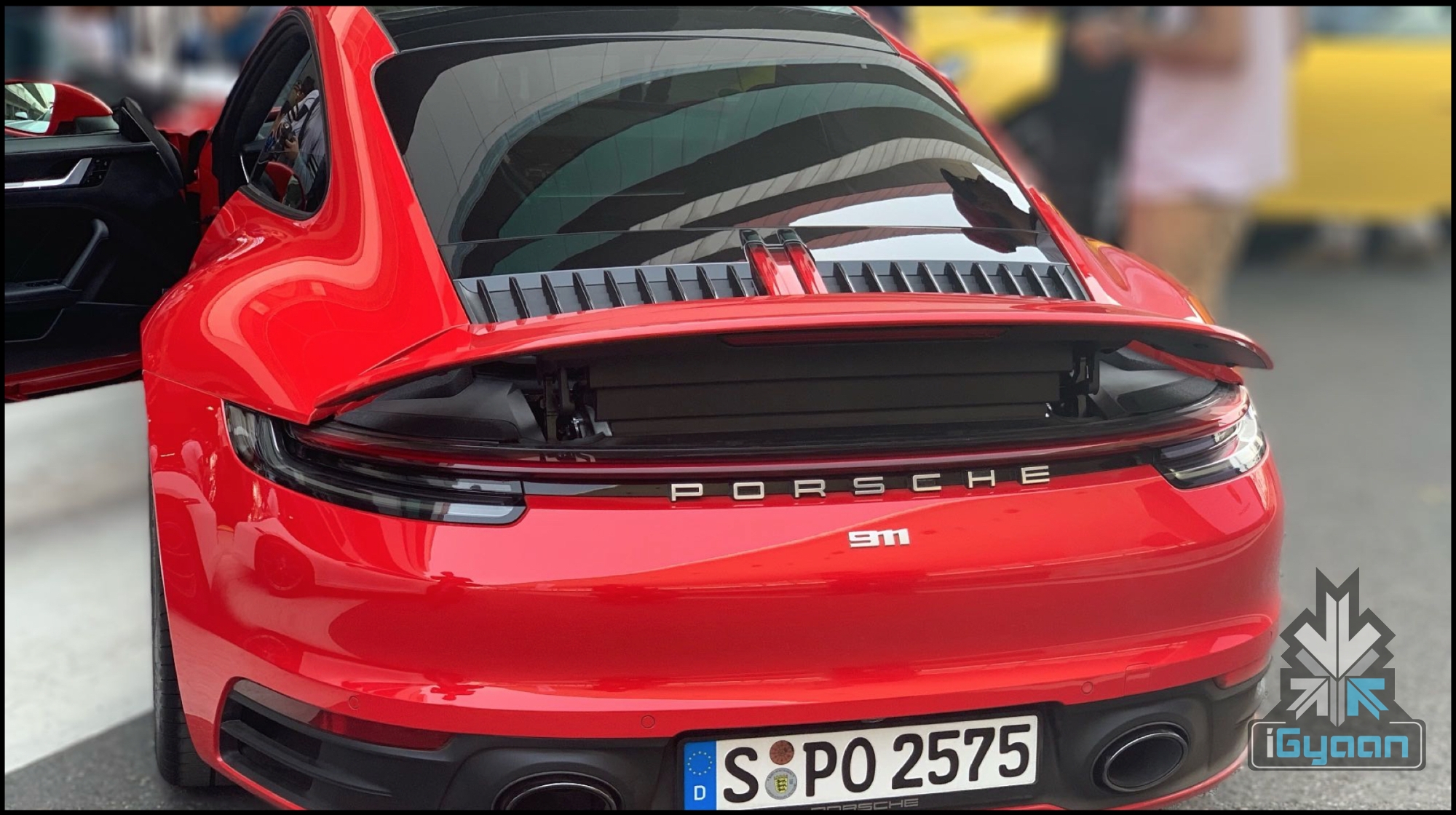
    In terms of design, the new Porsche 911 duo is reminiscent of their predecessors with a significantly wider wheel housing arch over the front and the rear wheels. Unlike the previous models, the rear end has a uniform width across the various models while the front side of the body has been made 45mm wider. Except for the front and rear sections, the entire outer shell of the vehicle is now made from aluminium. The interiors of the car have also been completely redesigned, with recessed instruments. Adjacent to the iconic central rev counter, two frameless displays provide information to the driver. The central screen measures 10.9-inch diagonally and allow for easy operation by the driver. The new seats reduce the weight of the Porsche 911 by 3 kg and offer better lateral support to the shoulders.

    Additional features of the new Porsche 911 include increased stability, traction and balance while driving the sports cars. The new chassis design is provided by the in house developed Porsche Active Suspension Management (PASM). The Cabriolet S has a new, lighter hydraulic roof drive which allows the convertible top to be opened and closed in 12 seconds respectively. The company claims it has developed the world’s first wet mode, which detects water on the road and warns the driver to set up the vehicle in the case by pushing a button or using the mode switch on the steering wheel. The vehicles can also be customised with an optional LED matrix headlights to increase the range and intensity of the light.

    Pricing & Availability

    The Porsche 911 Carrera S and Carrera S Cabriolet as mentioned above will be available to pre-order starting today. In terms of pricing, the former is priced at Rs. 1.82 Crores, while the latter costs Rs. 1.99 Crores in India.

  • Tesla Launches The Model Y Electric SUV

    Tesla Launches The Model Y Electric SUV

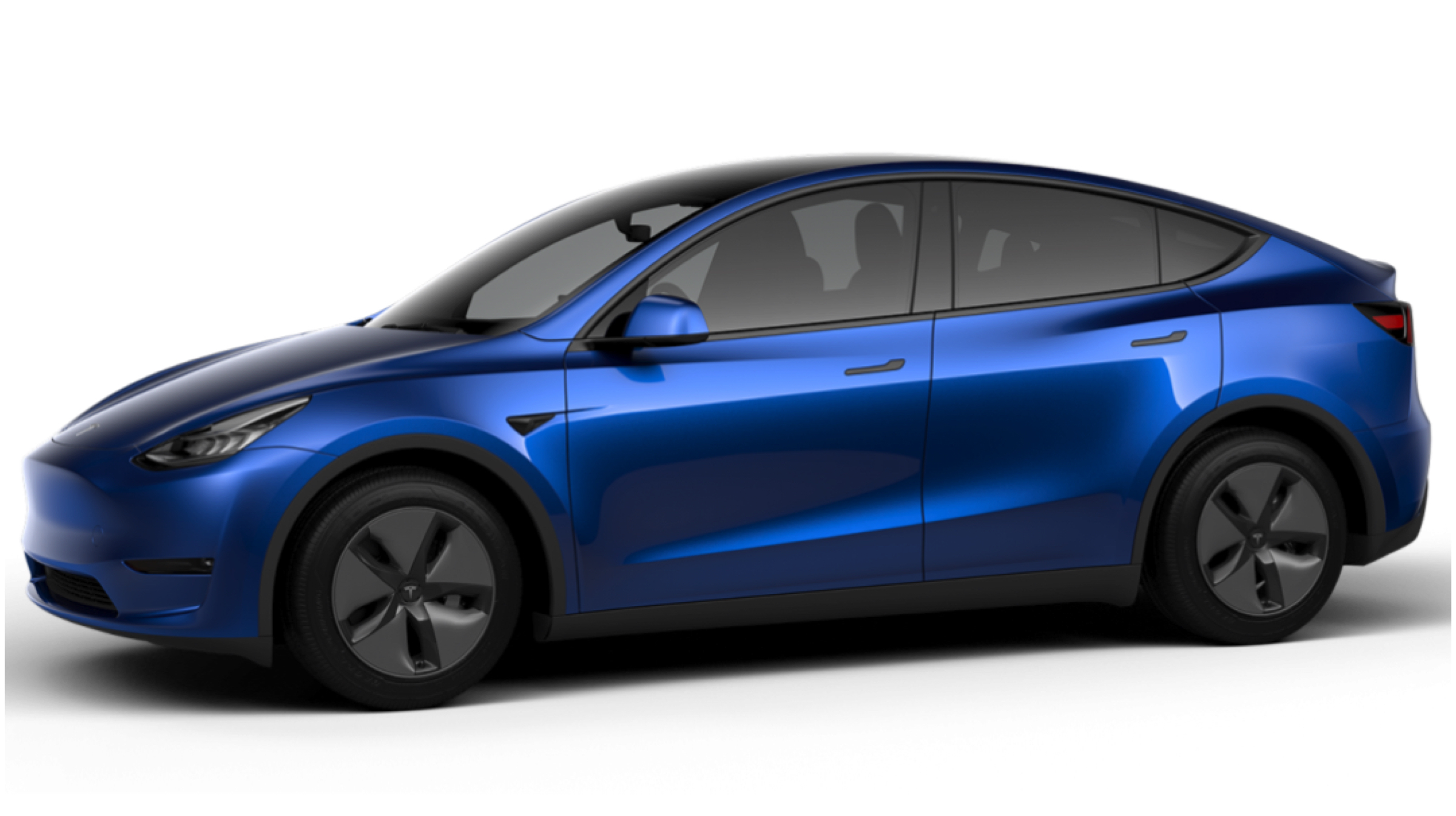
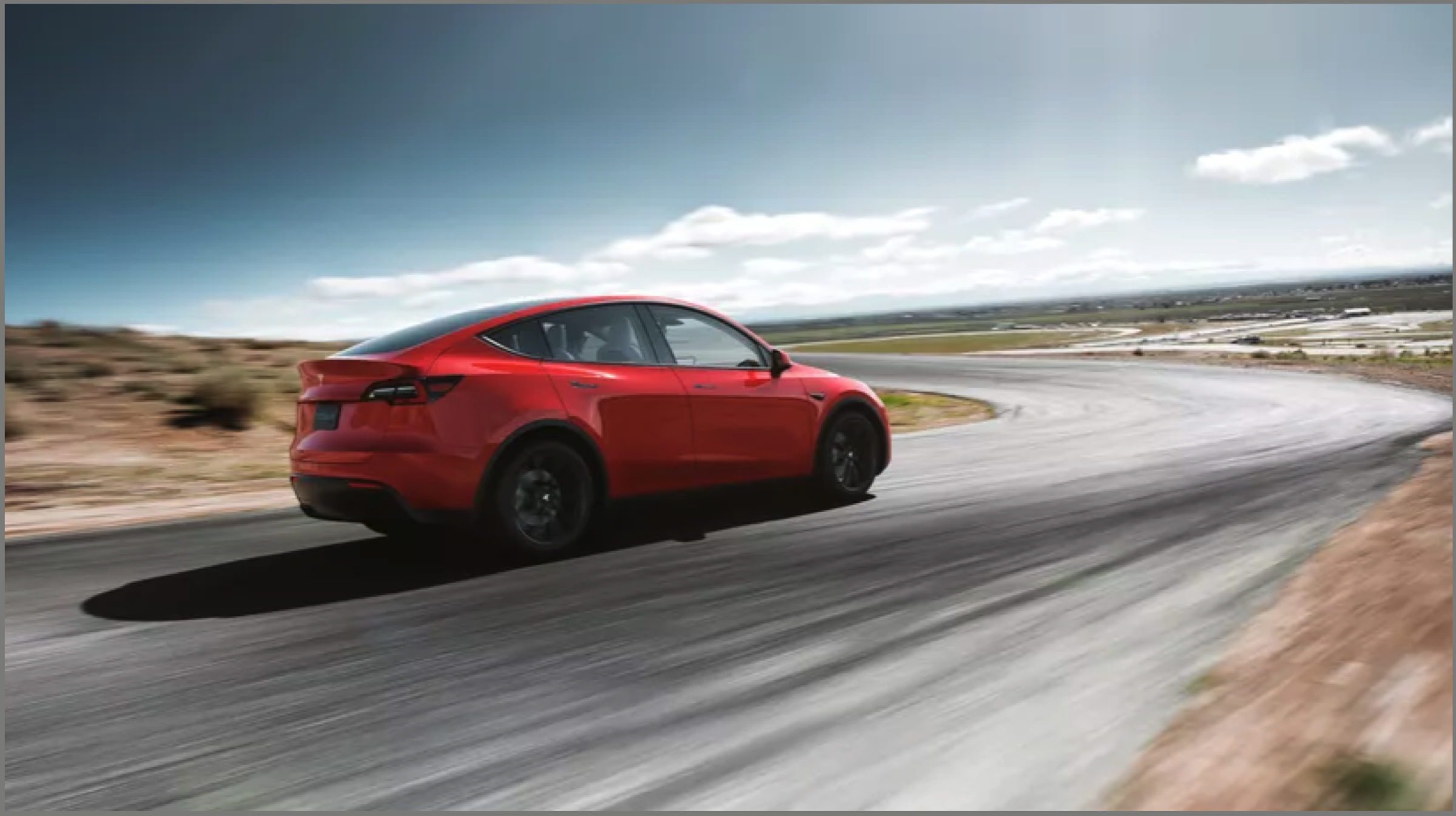
    After much hype and speculation, reputed electric carmaker Tesla has launched the Model Y, its newest electric Sports Utility Vehicle (SUV) on the 14th of March. It is the fifth car ever launched from the company and is only the second mass-market electric vehicle by the company since it was founded in the year 2003. The first one being the Tesla Model 3 which was introduced in the year 2017. Tesla Model Y was launched at the company’s design studio in Los Angeles, USA. 

    Tesla Model Y: Design & Safety

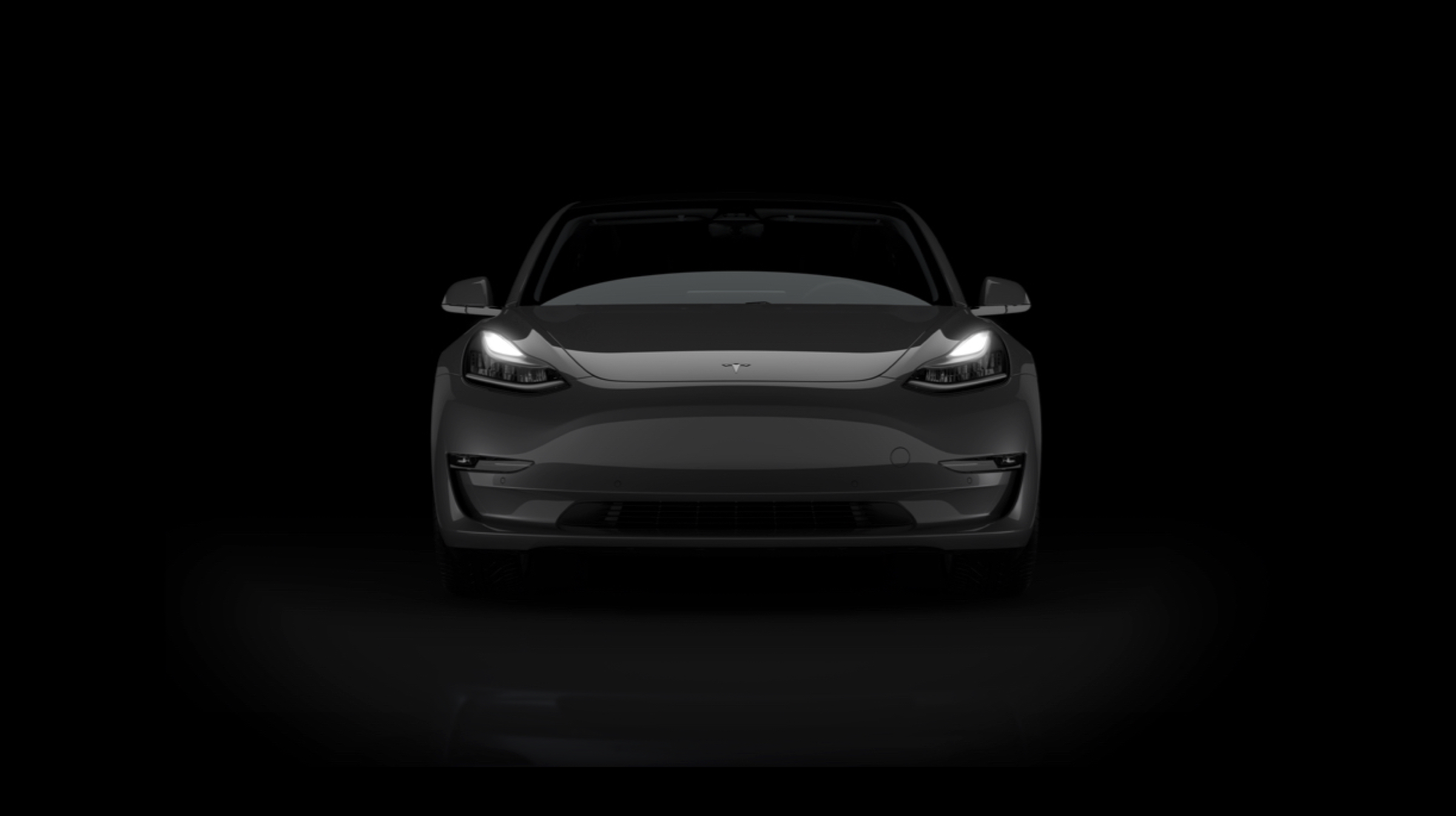
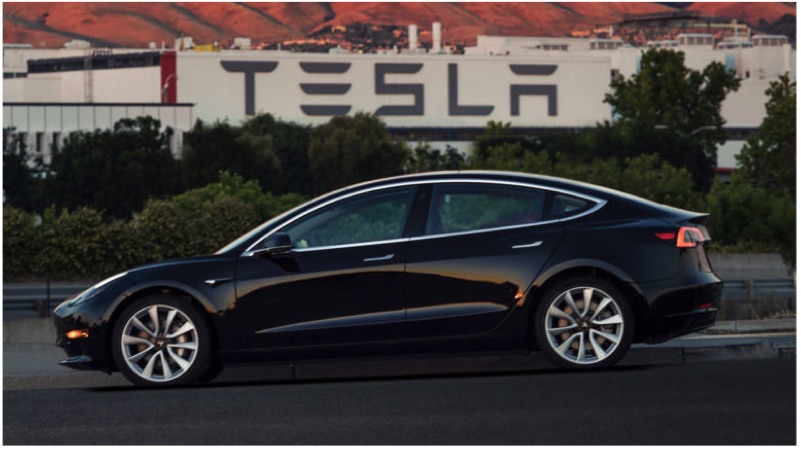
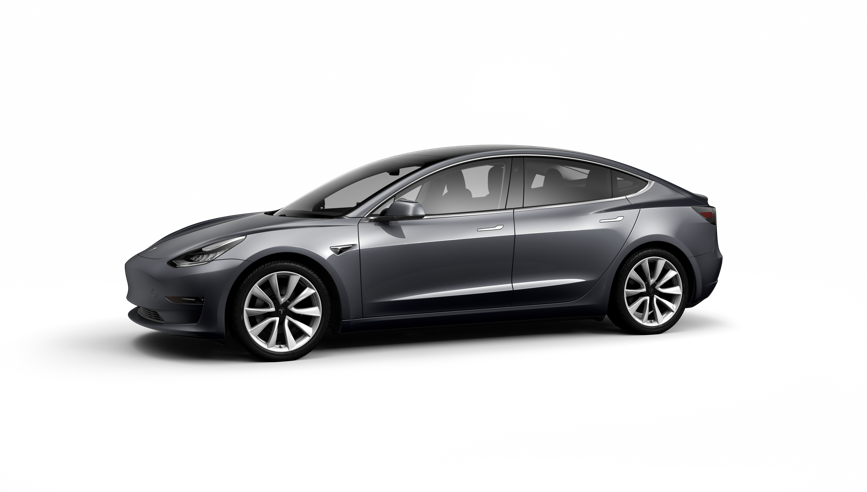
    The Tesla Model Y is the second SUV from the company, the first one, Tesla Model X was launched in the year 2015. The car shares many of its characteristics with the Model 3, which is the company’s most affordable car yet. Although the Tesla Model Y has the same design language as the Model 3, the cargo space has gone up from 15 cubic feet in the latter to a whopping 66 cubic feet in the latest SUV. The company promises a low centre of gravity, rigid body structure and large crumple zones which will protect the driver in case of accidents. Seating options have gone up from 5 in the Model 3 to 7 in the Model Y if the buyers choose to install a third seating row.

    Tesla Model Y: Performance & Driving

    While the two base models of the Tesla Model Y are rear wheel drive, there is an optional All-Wheel Drive (AWD) Dual motors in the more premium models. These motors provide the car with a digitally controlled torque to the front and rear wheels. Like other vehicles in the company’s portfolio, the Model Y has the Autopilot feature which allows for a partially autonomous driving experience. The car has a total of 12 ultrasonic sensors and cameras around the sides which, according to the company will detect nearby cars, prevent potential collisions and assist with parking. 

    Tesla Model Y: Interiors & Pricing

    Also read: Facebook Mobile Application Update Introduces Dedicated Gaming Section

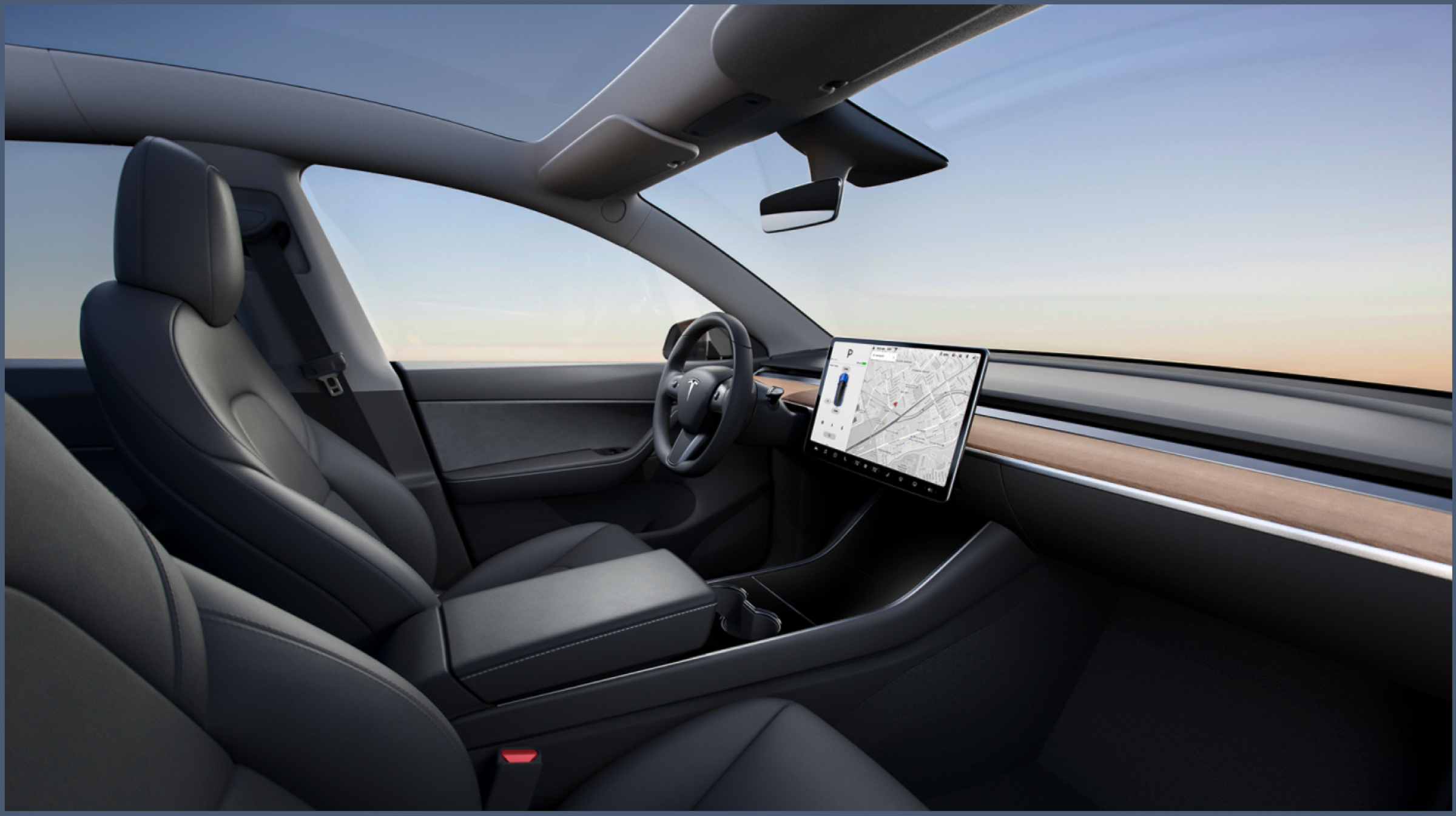
    The interiors of the Tesla Model Y resemble the one found in Model 3, with a minimalistic theme and an all-glass roof. There is a 15-inch touchscreen which doubles as the central console of the car. Over-The-Air (OTA) software updates for the car are also displayed and installed from the touchscreen console. Tesla will soon begin the production  of the Model Y and its deliveries will commence in the year 2020. The company has announced a total of four variants which along with their acceleration, top speed and price are mentioned below.

    Model Standard Range Long Range Dual Motor AWD Performance
    Range

    230 miles

    (370 km)

    300 miles

    (482 km)

    280 miles

    (450 km)

    280 miles

    (450 km)

    Top Speed

    120 mph

    (193 kmph)


    130 mph

    (209 kmph)

    130 mph

    (209 kmph)

    150 mph

    (241 kmph)

    0-60 mph

    (0-100 kmph)

    5.9 seconds 5.5 seconds 4.8 seconds 3.5 seconds
    Price

    US$ 39,000

    (Rs. 27,00,262)

    US$ 47,000

    (Rs. 32,54,162 )

    US$ 51,000

    (Rs. 35,31,112)

    US$ 60,000

    (Rs. 41,54,250)

    Deliveries Spring 2021 Fall 2020 Fall 2020 Fall 2020
  • Tesla Will Unveil The Model Y SUV On March 14

    Tesla Will Unveil The Model Y SUV On March 14

    Tesla CEO Elon Musk has announced on Twitter that the long-awaited electric Sports Utility Vehicle (SUV) from the company, the Model Y will be unveiled on March 14. The event will take place at the company’s design studio in Los Angeles, USA. Notably, the Model Y will be the fifth car the company will launch since it was founded in the year 2003.

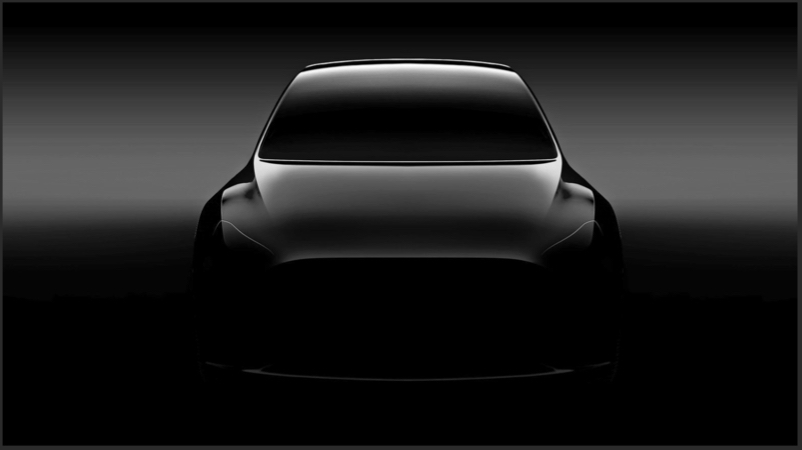
    Tesla Model Y

    The upcoming Tesla Model Y SUV will be the second one the company has ever made, the first one being the Model X which was unveiled in the year 2015. Model Y is expected to be an affordable vehicle by the company.  While many aspects about the SUV aren’t known yet, Musk on Twitter revealed some key details about the electric car. The vehicle will share most of its features with the Model 3, Tesla’s most affordable car currently. However, the Model Y being an SUV will be 10 percent larger than the Model 3 and will cost as much more. Therefore, the estimated price for the base model of the car is around USD 40,000 (around Rs 28,33,140).

    As far as the battery of the car is concerned, the Model Y will be offered with the same battery capacities as the Model 3. The three battery capacity options include the following:

    • Standard Range- 50kWh battery
    • Mid-Range -62kWh battery
    • Long-Range- 74kWh battery

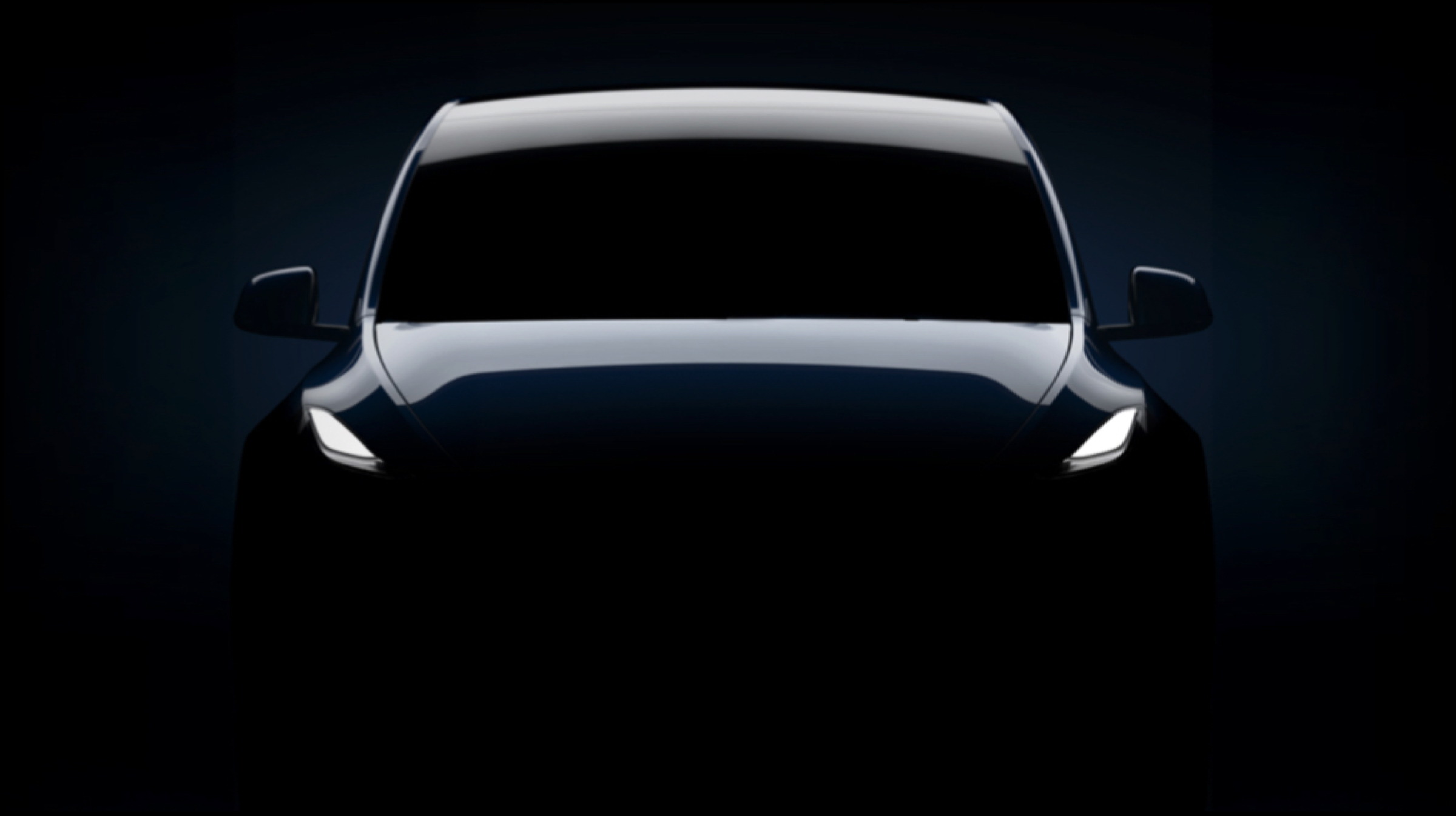
    Unfortunately, the Model Y being an SUV will have slightly less range than the Model 3. The latter claims either a 220 mi (354 km) range on Standard model; 264 mi (425 km) on the Mid Range model; and 325 mi (523 km) on the Long Range model. Until now, Tesla has only revealed the silhouette of the Model Y, so there is no official confirmation on how it will look like.

    Also read: Honor 20 With Triple Rear Cameras, In-Display Fingerprint Sensor Leaks

    The Model Y launch event will also see test rides offered, along with all the detailed specifications and pricing, according to the Tesla CEO. The company will manufacture the SUV at its Gigafactory in Reno, Nevada. The volume production of the car is expected to start in 2020, with an eventual plan on manufacturing it in the Tesla Gigafactory in Shanghai China. This suggests that the deliveries of the car are likely to start in late 2020 or 2021.


  • Tesla Model 3 Was The Best Selling Electric Vehicle Of 2018

    Tesla Model 3 Was The Best Selling Electric Vehicle Of 2018

    When Tesla introduced the Model 3 in 2016, it was touted to be the most economical car the company had ever made. In the beginning, the vehicle was said to start at the US $35,000 price tag, which hasn’t been achieved since. Regardless of the pricing, the car was still the lowest-costing Tesla available. Because of the company’s reputation and the recent production increase, the Tesla Model 3 was the world’s best selling Electric Vehicle (EV) in the year 2018.

    The Rising Demand For Electric Vehicles 

    Tesla Smartphone

    According to a data firm, Tesla sold about 138,000 Model 3’s last year. This is higher than the Nissan Leaf (85,000) and BAIC’s flagship SUV (92,000) or any other automaker in the year. The company has also recently started deliveries to the European markets recently, and just started deliveries in China. Interestingly, China is the largest market in the world for electric cars; so the continuation of Tesla’s success remains critical to how well it performs in the country.

    Reports estimate that with the increase in production and entering these two markets in the year 2019, Tesla may see an increase in the sales figures by almost 1,00,000. But there seems to be a problem, as the company has increased production, some analysts have claimed that the demand for the popular EV will see a continuous decline this year. This may be a problem in the US, but not in many markets otherwise. Another problem the carmaker may face will be the ever-increasing competition in the space. China has seen new players in the segments fare significantly well in the past few years. 

    Also read: Sony Partners With Light To Make Multi-Camera Modules For Smartphones

    Tesla is also expected to unveil its newest Electric SUV, the alleged Model Y sometime later this year. This is expected to compete with the Jaguar I-Pace, Mercedes EQC, and the Audi E-Tron SUV. The vehicles by Tesla are known for their cutting-edge technology and longer mile range on a single charge; so the SUV is expected to do well just like its other siblings. Also, the company is gearing up production to supply the early adopters of the electric supercar Roadster 2.0; which is scheduled for deliveries next year.

  • Elon Musk Promises Tesla Will Release Full Autonomous Driving Feature This Year

    Elon Musk Promises Tesla Will Release Full Autonomous Driving Feature This Year

    Electronic car maker Tesla has been a driving force in the growth of the sales of electric cars. The company has introduced several futuristic features in their vehicles which have been really popular among buyers. Its CEO Elon Musk promised a while ago that a fully self-driving Tesla will be released by the year 2020. In a surprising move, the senior executive confirmed that the company will indeed be releasing the promised feature by the end of the year 2019.

    Tesla & Self Driving Technology

    Tesla SmartphoneTesla cars are renowned for their Autopilot feature which makes use of several cameras and sensors present on the exterior of the vehicle. The feature, when used makes the car a partially autonomous vehicle. It still requires the driver to be attentive of their surroundings all the time, or the feature stops working. The feature is then disabled for the rest of the trip and won’t be accessible. It was touted as a revolutionary feature when it was introduced back in 2015 with the v7.0 update of the Tesla OS.

    According to Elon Musk though, the hardware in current Tesla cars is capable of fully autonomous driving since October 2016. It is expected that when the fully autonomous driving feature arrives in the form of a software update, it will automatically support the cars manufactured after late 2016. He states that the feature will be so capable that the driver will be able to sleep while the car drives itself. The vehicle will be able to pick the driver up, drive and drop the rider off their destination. This feature will fully roll-out by 2020 until then manual monitoring is required.
    Elon MuskAlso read: Samsung Launches Galaxy Buds, Galaxy Fit And Galaxy Watch Active

    Interestingly, Tesla always missed every deadline that Elon Musk has quoted earlier. So, the feature might take longer than expected to be fully ready. Reports suggest that the Tesla cars with full autonomous functionality are likely to be ready by sometime in 2020.

  • Cadillac Teases Photos Of Its First Electric Vehicle

    Cadillac Teases Photos Of Its First Electric Vehicle

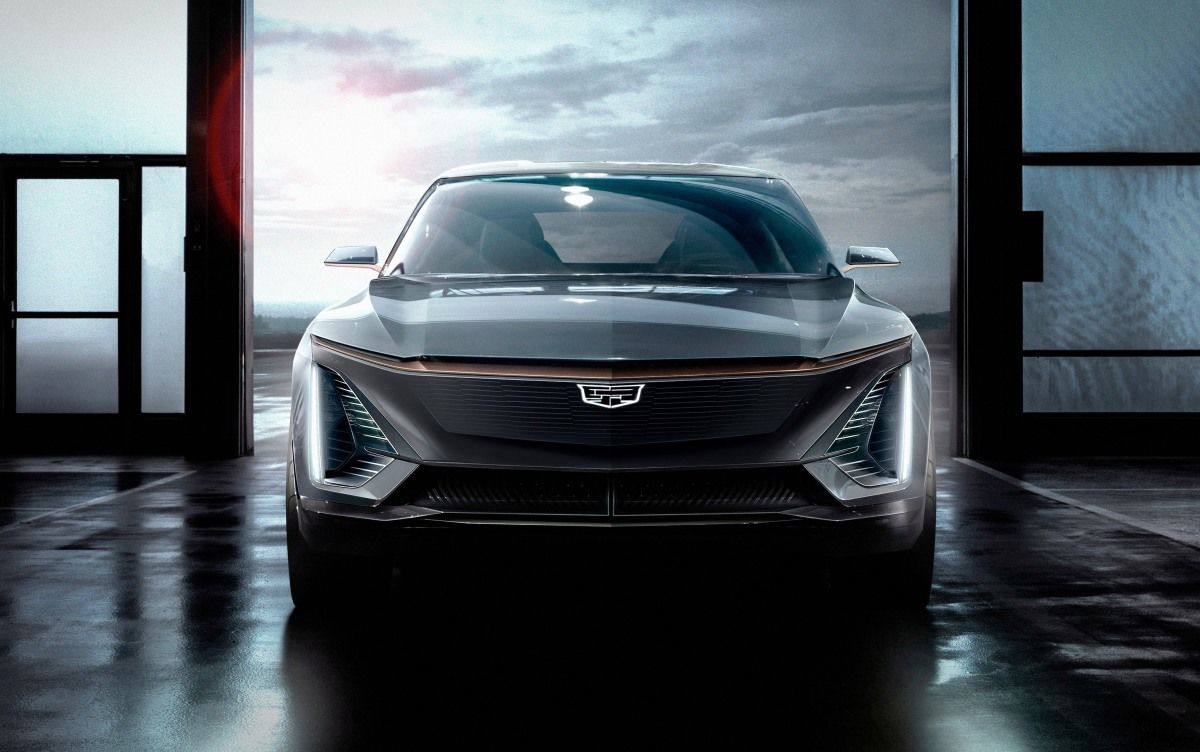
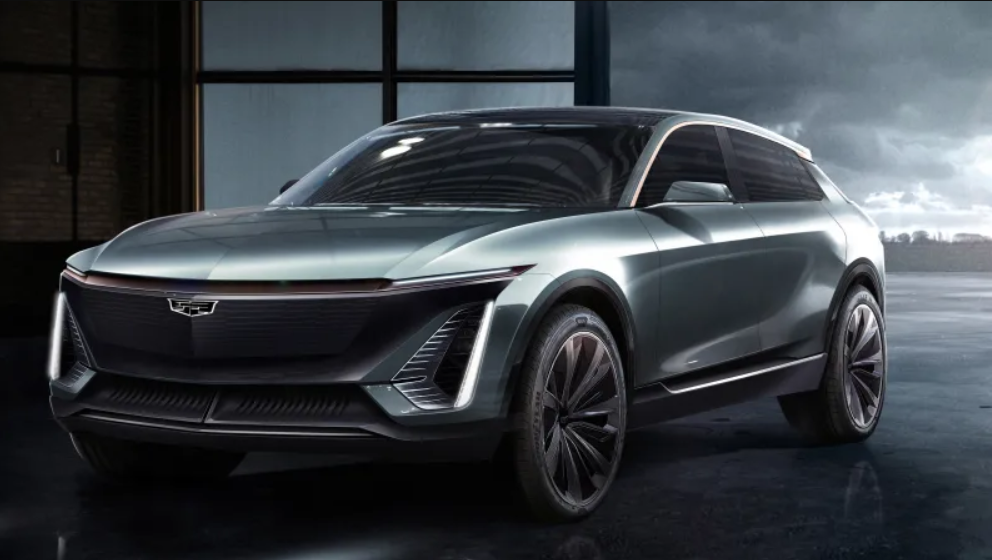
    Within a day of General Motor’s announcement stating Cadillac would become General Motors’ “lead electric vehicle brand,” Cadillac has teased images of its first electric vehicle. Almost every luxury car manufacturer is entering the electric vehicle market. The year 2019 will be a great year for both environmentalists as well as car lovers, except for Jeremy Clarkson we suppose! Porsche Taycan, BMW i3, Tesla Model 3, Mercedes EQC and more are cars to look forward to this year. Cadillac’s new car is another step in the right direction it seems. 

    The image is a render of what the car will look like and it looks extremely futuristic. A senior representative from the company was reported to have said that the architectural design will allow the battery packs to fit into the vehicle. They will fit like ice cubes in an ice cube tray.  The example given states that you can put in as much water as you want to make as many cubes as you need — the tray still takes up the same space in the freezer. He also said that the point of the design is flexibility. The car will have support for front-, rear- and all-wheel-drive configurations.

    Also Read: Car Technology That Will Wow You In 2019

    The design will allow any kind of vehicle which can have a unique design without reducing range. The drive units are also targeted for flexibility. Front-, rear- and all-wheel-drive configurations will be supported as well. According to Cadillac, the upcoming electric car will represent the height of luxury and innovation. This car will also be positioning Cadillac as the pinnacle of mobility, according to the company. The new car’s image was teased at a car show in Detroit. Very little detail other than the teaser poster is known so far. 

  • Car Technology That Will Wow You In 2019

    Car Technology That Will Wow You In 2019

    Technology and Automobiles have been inseparable partners since the inception of automotive technology. In 2019, these two will be further integrated to create some amazing and very useful features that will make the driving experience much smoother.

    On Steering Fingerprint Sensor

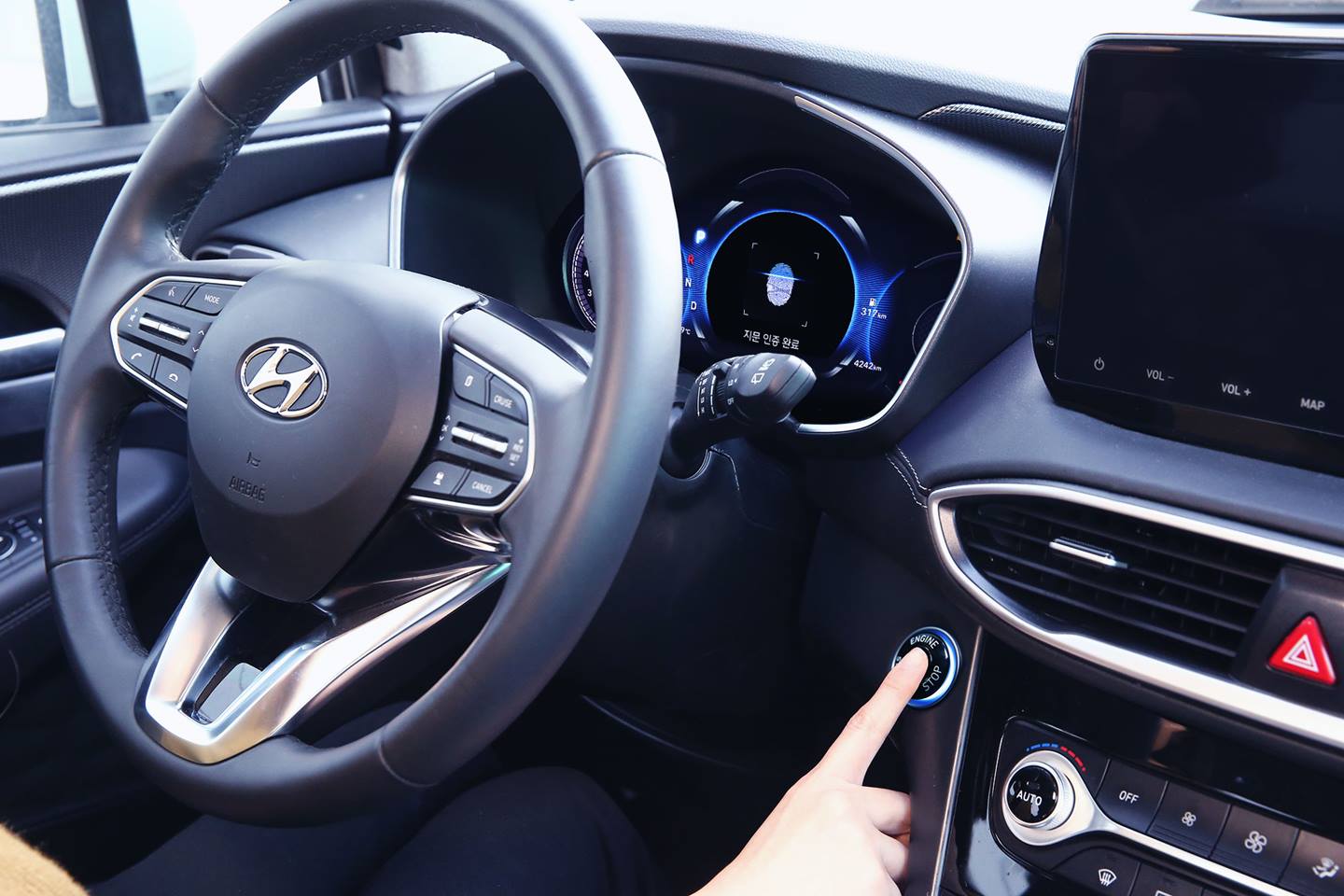
    Hyundai has announced that their SUV Santa Fe will receive a fingerprint sensor that will not only unlock their cars but also start them. There will be fingerprint scanners on the exterior door handle as well as the start button. There are immense possibilities of different use cases. A car that is driven by multiple people in a household can be configured according to the fingerprint. Everything from Air conditioner settings, music playlists to seat settings can be modified according to the user and saved in memory. It has possibilities of getting configured according to different fingerprints of different drivers. However, that is a faraway dream at the moment. Nevertheless, we would love to see some aspects of this car technology in 2019. 

    Smarter Parking Sensors

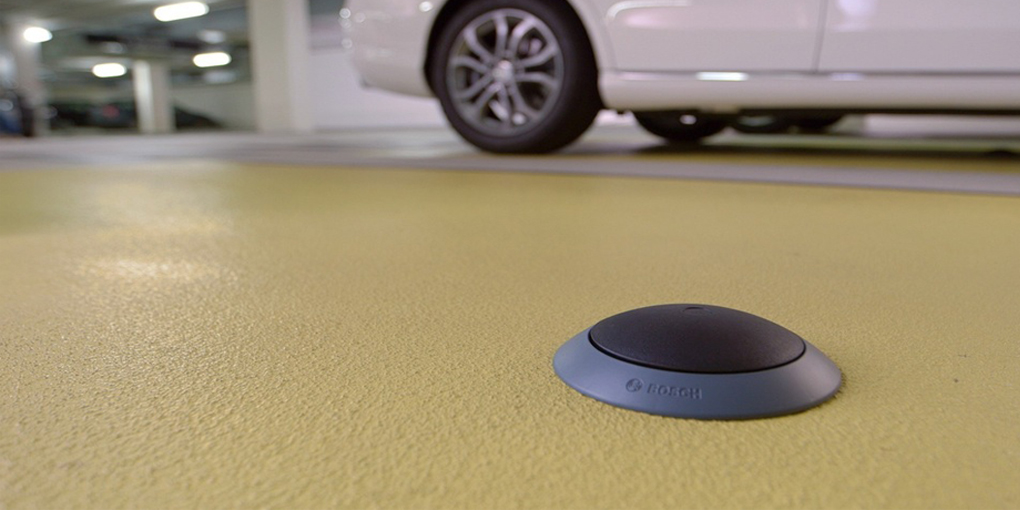
    One of the biggest problems of driving, specially in bigger and more populated cities, is parking your car. From finding a space that would fit your car to parallel parking without scratching others’ or your own car. Parking sensors will definitely become smarter in 2019. German parts supplier Bosch recently showcased a technology that let’s your car measure spaces between cars and finds your parking spot for you as you drive along. Showcased at CES, this technology is being currently tested in Germany and later this year in LA, Miami, Boston and more American cities. 

    Personal Assistants in car

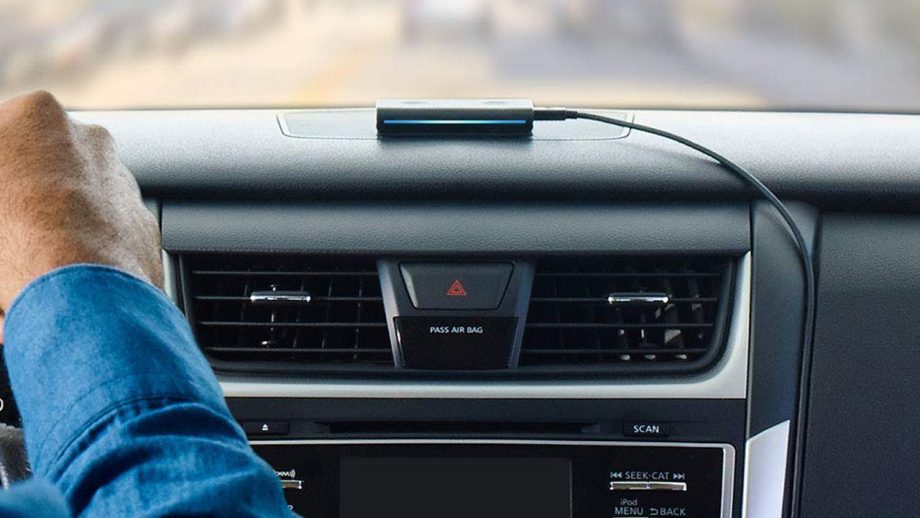
    In 2018, personal assistants invaded our houses and now most of us cannot live without them. Why not have the same for our cars? Amazon Alexa is said to be soon integrated into cars where you can ask Alexa about the weather, make a call on the speakerphone, change music and more. All of this while you keep an eye on the road. Toyota is the latest manufacturer to introduce Amazon’s Alexa cloud-based voice control to some of its vehicles while many others such as Ford, BMW, and Volkswagen have already announced partnerships. This car technology will be great in terms of driver safety and will also be a handful feature for passengers as well. 

    X-Ray Vision and Enhanced HUD’s for your car

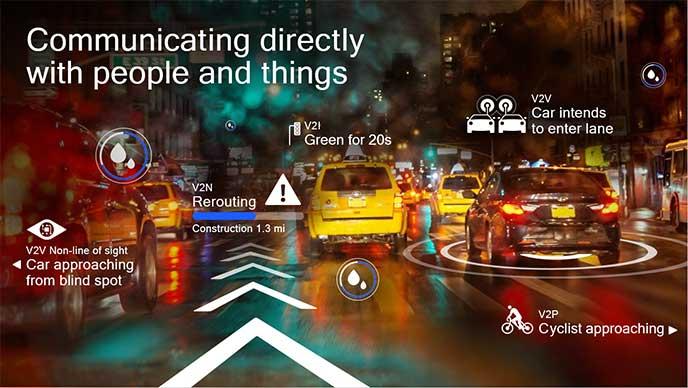
    Well, when we mean X-Ray vision, we don’t mean Batmobile-esque features that will let you see through cars. In-fact if you could see through cars you would crash more often. If anything, this feature helps you prevent crashes. Chip manufacturer Qualcomm recently revealed a concept called “Vehicle to Everything”. This will integrate a chip on every car allowing cars to communicate between one another and avoid crashes. The chip will also be able to communicate with infrastructures such as traffic lights or road signs up ahead warning the driver of incoming dangers or alert the driver in general. Trials of the tech will take place in San Diego and Detroit. 

    Smarter, faster electric cars

    Tesla fought the hard battle of bringing electric cars and trying to make it mainstream when the entire industry scoffed. Now the power of electric vehicles have become apparent and the technology has evolved substantially. This has led to many manufacturers including luxury car and sports car manufacturers such as Audi, Porsche, Mercedes and even BMW have joined the bandwagon. Cars such as BMW i3, Mercedes-Benz EQC, Audi e-tron and Porsche Taycan are all set to be launched in 2019. These cars and the more number of players in this category will make electric vehicles smarter, faster and better performing.

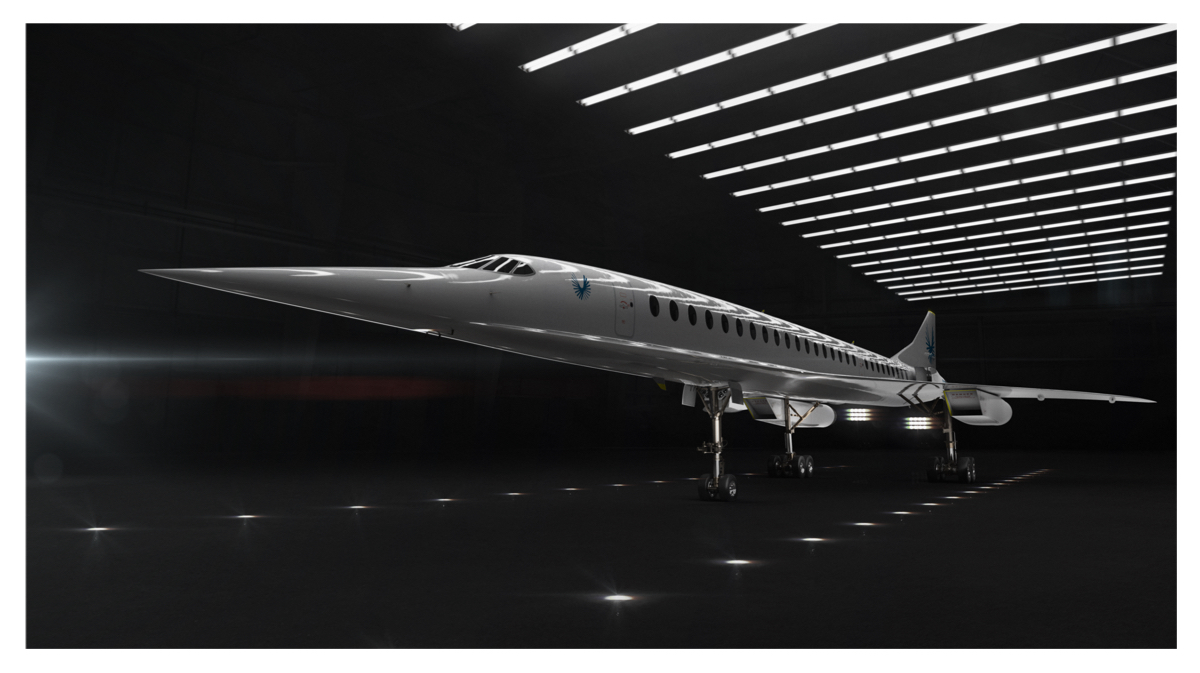
  • Supersonic Jet, Boom, Will be The First After Concorde Was Grounded in 2003

    Supersonic Jet, Boom, Will be The First After Concorde Was Grounded in 2003

    Technology as we know it always moves forward but in one single case, humankind moved back. We are of course talking about supersonic travel. After a 30 year run, the famous (or infamous) Concorde was retired in 2003 and with that the hopes and dreams of supersonic passenger air travel was parked indefinitely. 

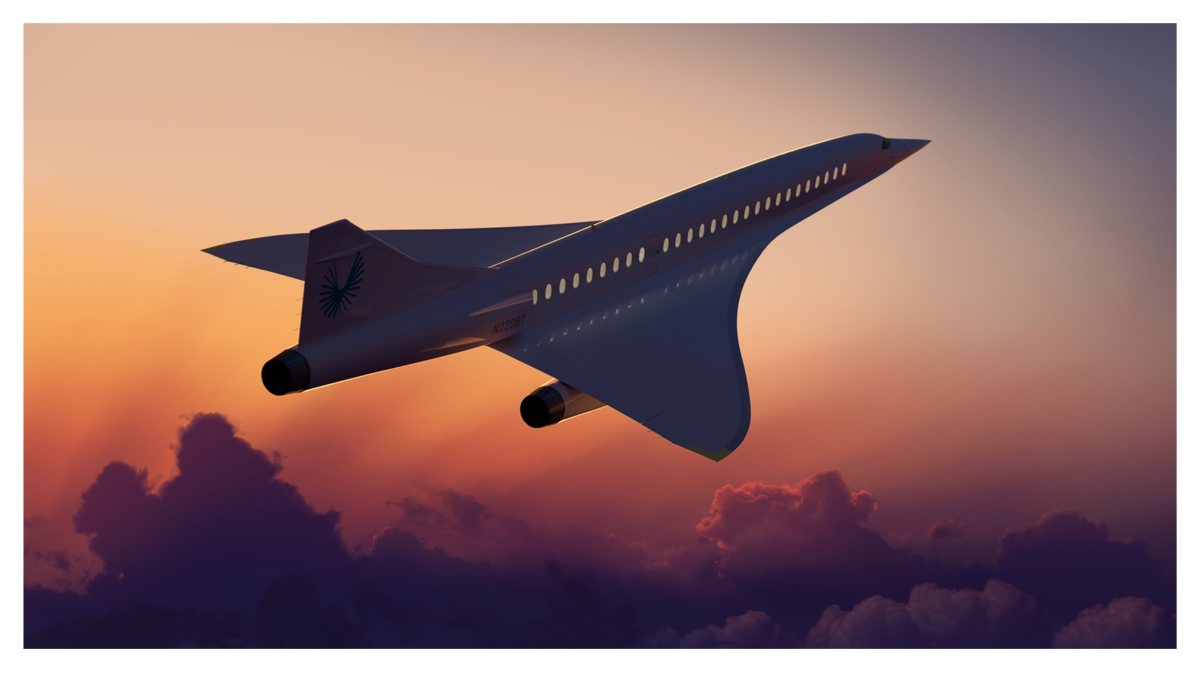
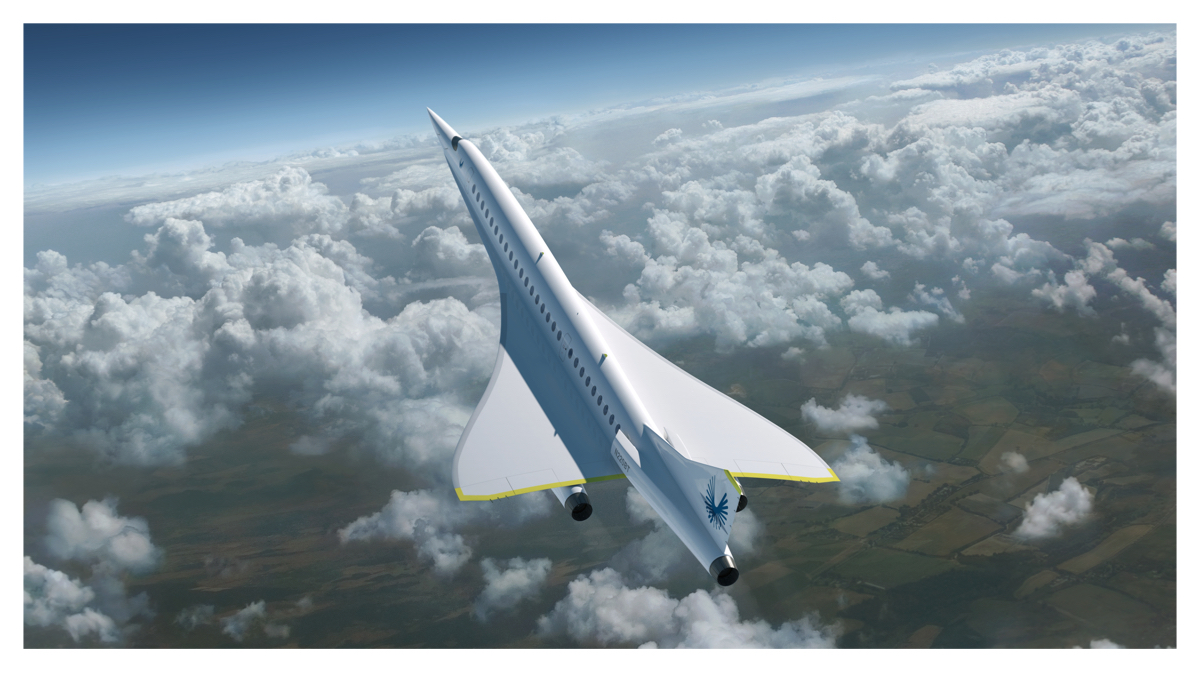
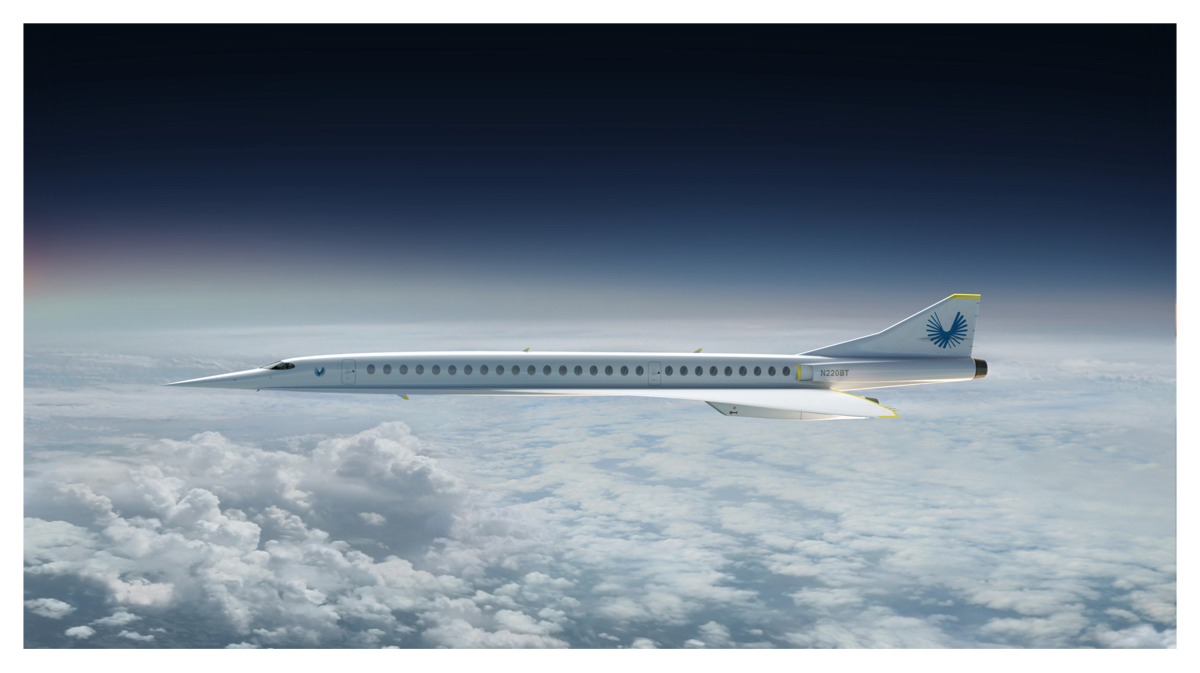
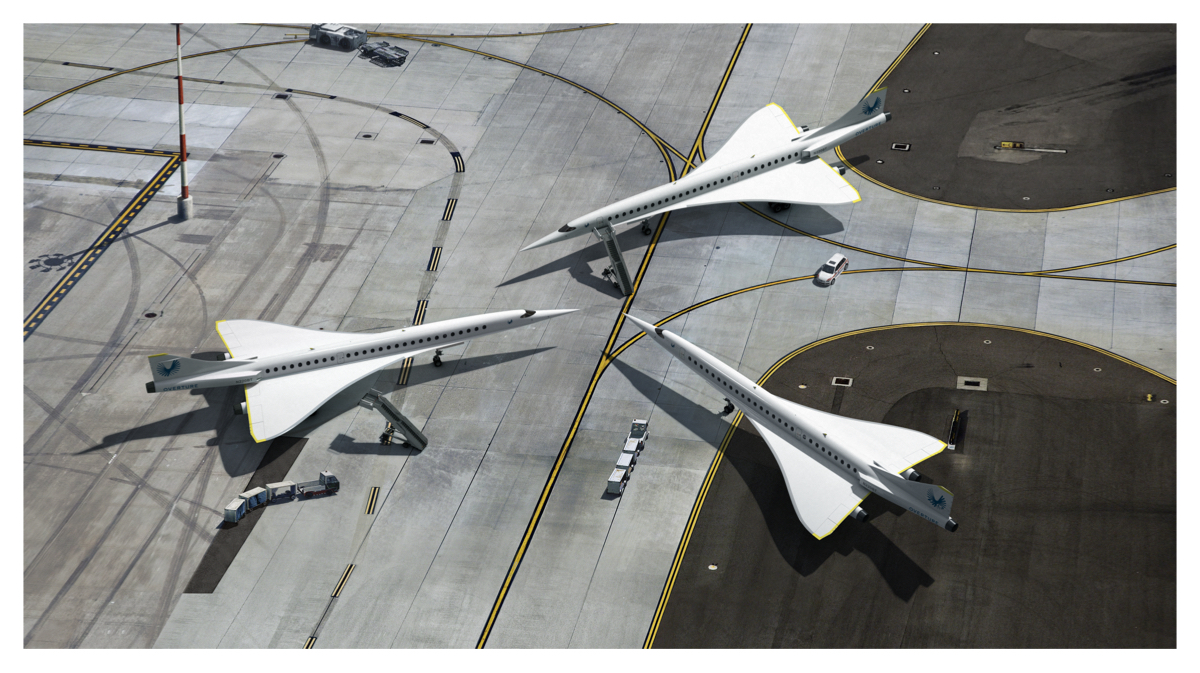
    But in the recent past, many companies have rekindled that dream and have started working on making supersonic jets that can ferry passengers at or above the speed of sound! While many companies have started to work on this, Boom Technology has shown the most promise in terms of creating a mainstream supersonic airliner, which is practical, reliable, and economic.

    The American startup had, with the backing of Richard Branson and Virgin, announced that they will turn the supersonic air travel into a reality again from just an engineering concept. The Boom Supersonic will fly at a speed of Mach 2.2 which is 1,300 kn or 2,300 km/h. To put things into perspective, a normal jet such as a Boeing 737 has a speed of approximately 938 km/h. 

    Why Concorde Failed 

    There were two broad reasons for Concorde’s failure, and ultimately demise. One of the main reason was the fact that supersonic travel was not economic and the second was a horrible plane crash that gave the concord a lot of bad press. There were reports of metal parts of the Concorde bending out of shape due to the high stress faced during flight, which had caused the crash.

    These aircraft were plying very frequently between routes connecting the busy cities such as London and New York.

    After the launch of Concorde, many aerospace journalists completely wrote off the Concorde as an expensive experiment. They reported that it was too small, too noisy and too expensive to operate. But there was a time when the demand was so high that British Airways hiked prices to match the higher price expectations of the passengers. Concorde was running at a profit!

    However, in April 2003, both Air France and British Airways simultaneously announced they would retire Concorde.

    So What Happened?

    Why was an Airplane which was running in profits suddenly face retirement?

    The Concorde planes which were built in the 1970’s, consumed huge amounts of fuel. These planes were becoming expensive to maintain and an overhaul was suggested. However, according to a British Airways executive, in 2003 the estimated bill was up to £40 million for an overhaul.

    The failing economy did not help either, thus having to reduce prices on business travel. It was becoming extremely hard to break even as passengers started to value their money more than time (that they save by supersonic travel). The sound of the supersonic jets were also another issue the companies couldn’t tackle. The extreme sonic boom that hurls the jet into supersonic speeds made the planes un-flyable in populated areas. 


    Boom has however said that it expects its supersonic boom to be “at least 30 times quieter than Concorde’s”. This has been made possible due to the advancement in technology over the years. The second major hurdle that Concorde faced which became the final nail in it’s coffin was a massive plane crash.

    The Plane Crash

    The 4590 Air France flight was an international charter flight from Paris to New York City on the Aérospatiale-BAC Concorde. The flight had 100 passengers. It crashed shortly after take-off as the plane ran over debris left by another aircraft on the runway, which blew a tyre which in turn punctured the fuel tank. The plane crashed into a nearby hotel killing all 100 passengers and nine crew along with 4 people in the hotel. This crash happened on 25 July 2000, just 3 years before the retirement of Concorde.

    After the crash, it was reported that the passenger count for supersonic travel reduced significantly. This was due to the fact that people started to consider supersonic travel unsafe. All Concordes were grounded, pending an investigation into the cause of the crash and possible remedies. Commercial service was resumed in November 2001. This came after a £17m safety improvement service but only survived for two more years after that. 

    Present And Future Of Supersonic Travel

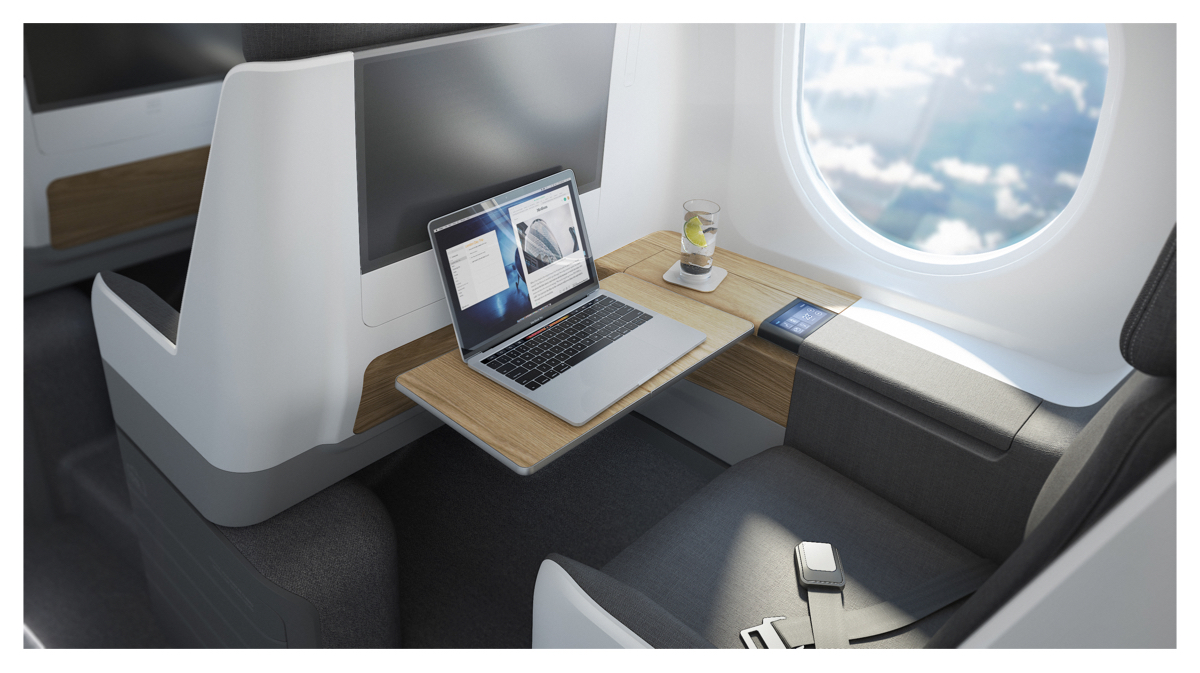
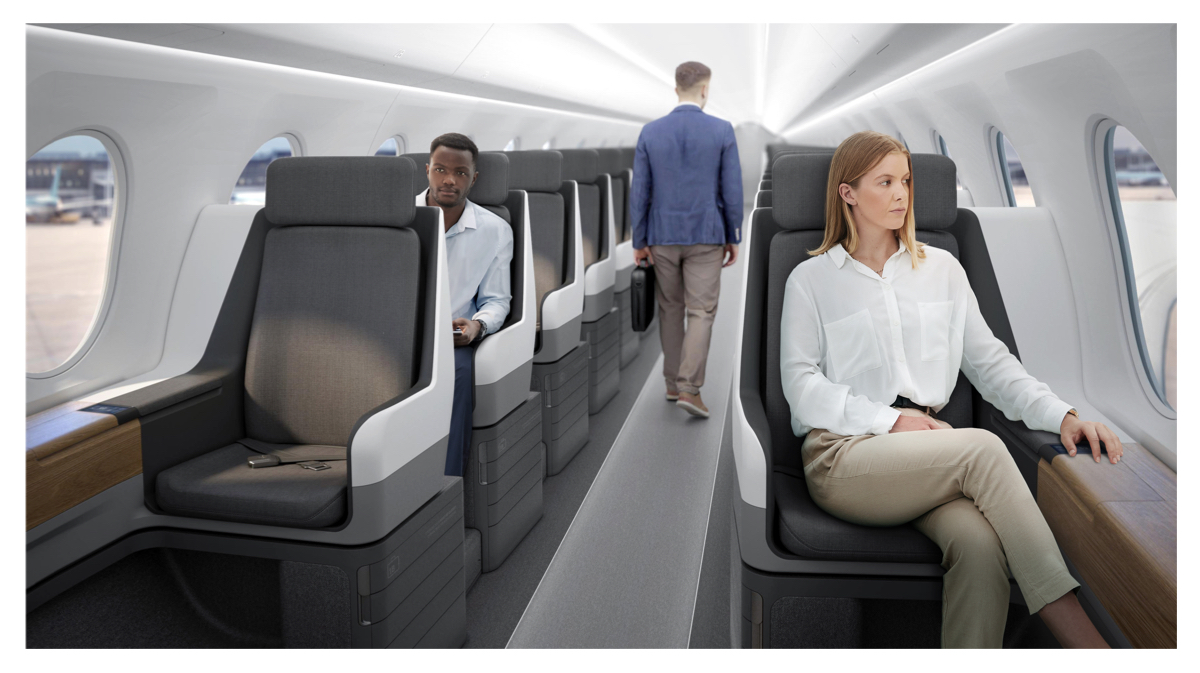
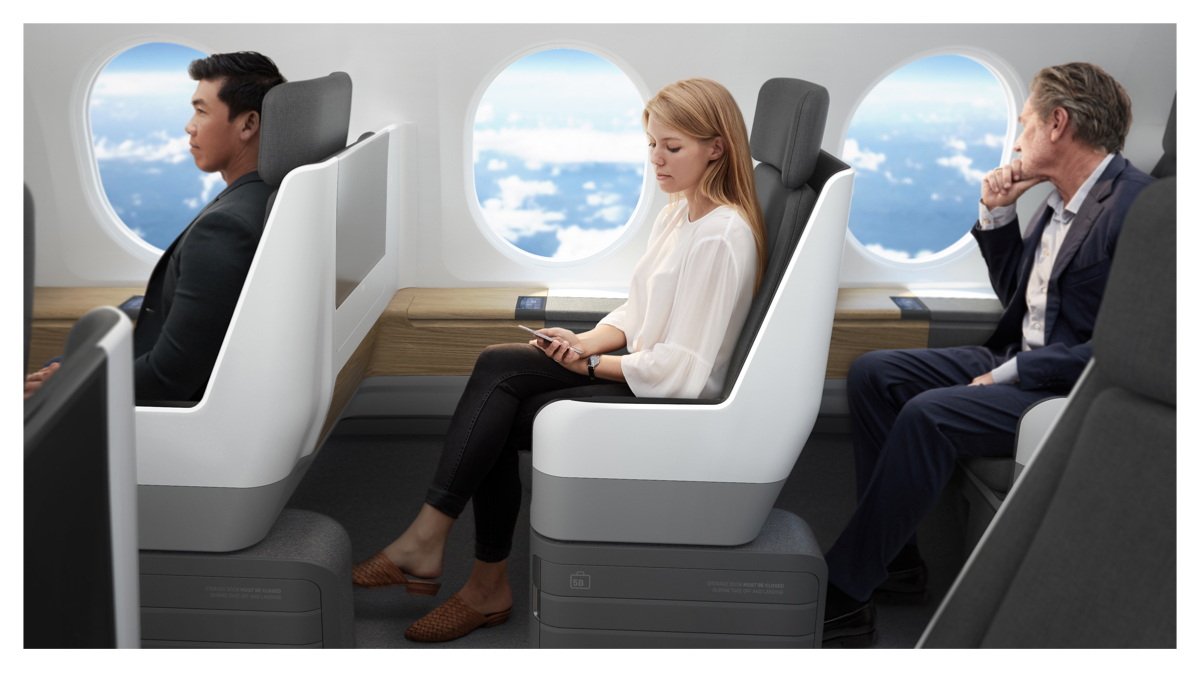
    Cut to present, the technology has improved drastically, flight travel is safer than ever and demands are high. With companies like Boom Technologies being backed by big names such as Virgin and Japan Airlines (JAL) commercially viable supersonic flights don’t look to be too far away. The full-size Boom, which would carry up to 55 passengers is targeted for tests in 2020. It will have an all-business-class configuration. 

    The company will first build the “Baby Boom”, a prototype of the full size Boom airplane that will eventually take passengers supersonic. 

  • New Electric Car Chargers Will Add 100 KM Range In 3 minutes of Charge

    New Electric Car Chargers Will Add 100 KM Range In 3 minutes of Charge

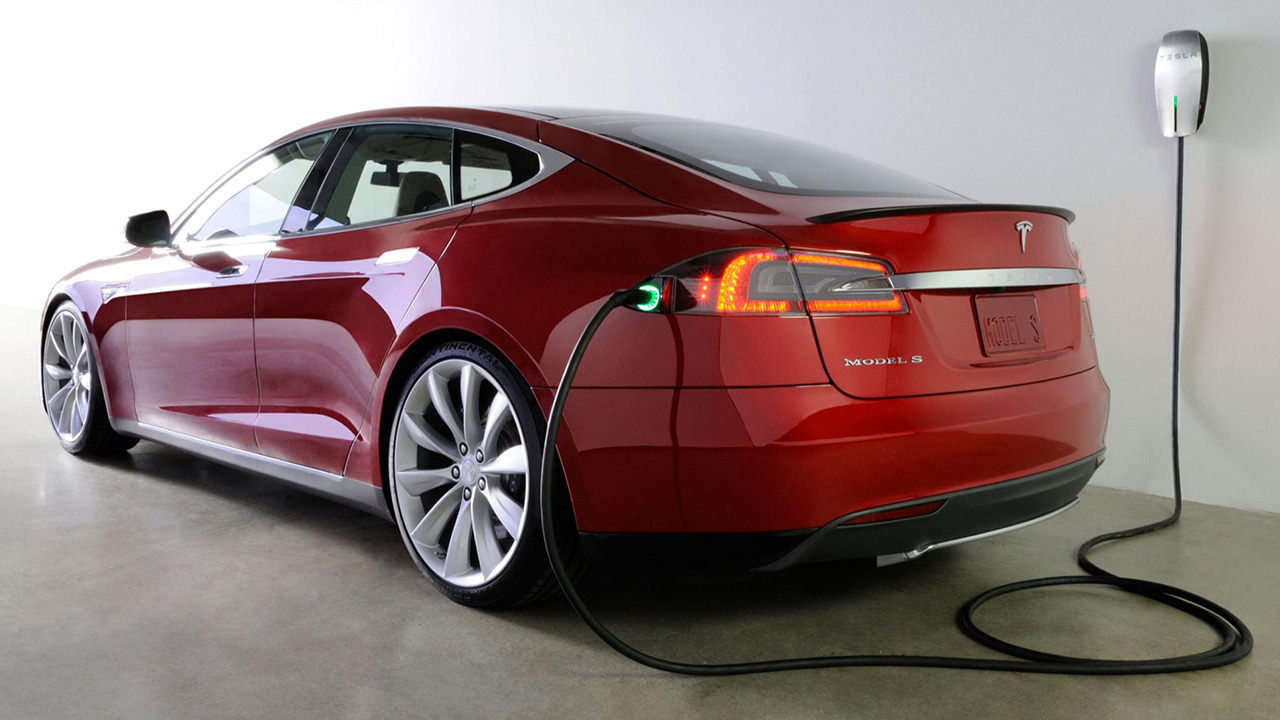
    It is apparent that EVs (Electric Vehicles) are the future means of transportation. Not only are electric cars better for the environment but they are also powerful enough to compete with an IC (Internal Combustion) engine powered vehicle. The only limiting factor in their adoption is their limited range and the time they take to charge. America based Tesla is a pioneer in the personal electric car industry but German automobile manufacturers are also catching up fast. BMW and Porsche as a part of their “FastCharge” consortium showcased a super fast EV charger.

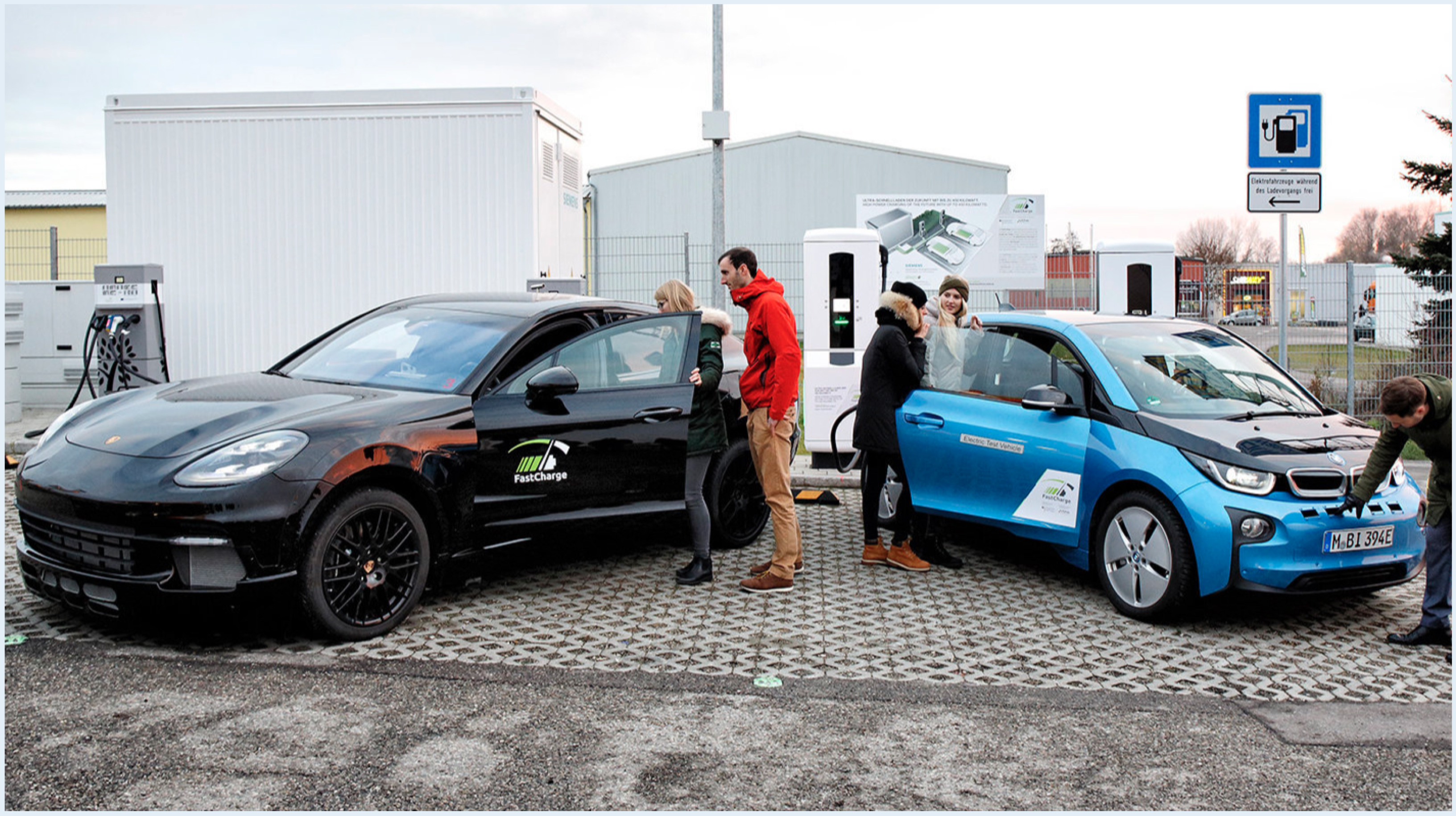
    How Fast: 450kW fast!

    The new charger that was showcased by the company is set up in Jettingen-Scheppach, Bavaria in Germany. It can pump out current at 900 volts and 500 amps which is equivalent to 450 kW. Most notably, this charger is compatible with Europe’s standard Combined Charging System (CCS) that Tesla has also agreed to support. BMW showcased a research i3 electric car which was able to charge with 350 kW of power. Porsche also demonstrated their Panamera based electric car which charged with a record 400 kW. In comparison to the current industry standard, the Tesla Supercharger can charge a car at 120 kW. However, Tesla had previously announced that their next generation Superchargers will be able to output double the charge as their current models. The next-gen Tesla Superchargers will start rolling out in 2019.

    Also Read: Samsung Files Patents For New Notch Designs

    The Porsche test vehicle was equipped with a 90 kWh battery pack and it also had a special cooling system. The 400kW charger was able to add a range of 100 Kms to the car in a mere three minutes. While the BMW i3 was able to charge from 10 percent to 80 percent in 15 minutes. These results are definitely surprising but are currently in their testing phase. Though Porsche’s upcoming Taycan will be able to support 350 kW of charge which will be up for grabs from the coming year.


  • Top 5 Upcoming Electric Super Cars

    Top 5 Upcoming Electric Super Cars

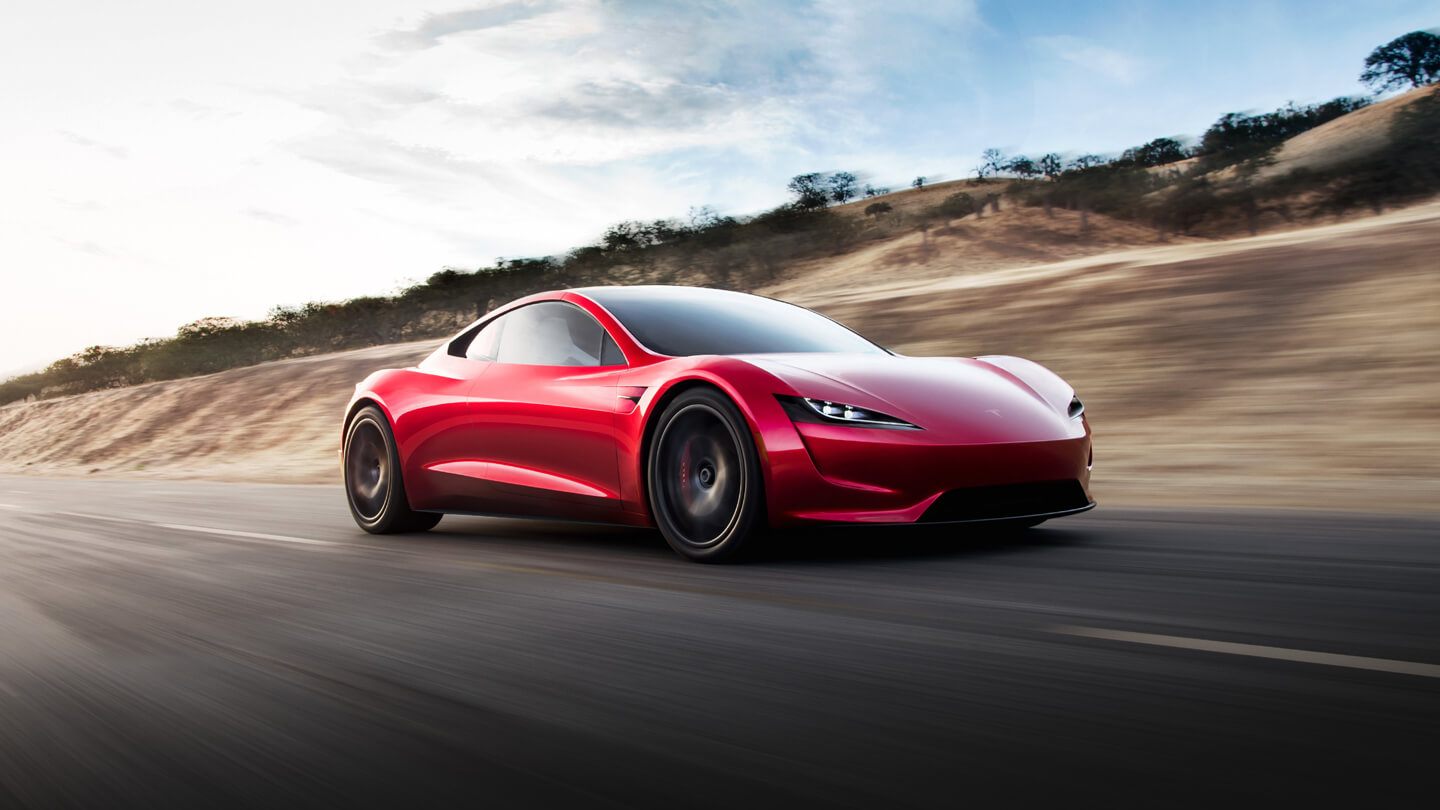
    The Tesla Roadster, as one of the first electric super cars shook the automobile industry when it set its 0-60 mark at 1.9 seconds. Here is a car which is extremely fast, stylish, and it is electric. Probably the first time those three words have been used in the same sentence. Apart from its mind boggling acceleration, the Tesla Roadster has a top speed of over 250 mph and a range of 620 miles.

    However, the arrival of the Tesla Roadster set a chain of events into motion. Each and every supercar maker is now in the race. Which out of these electric super cars will reach the finish line and that’s what counts! With Audi, BMW, Ferrari, Jaguar and Porsche in on it already, the stakes are already high! So here is our list of Top 5 upcoming electric cars which would be the dream of both an environmentalist and auto enthusiast.

    Also Read: Why A Tesla Smartphone Could Be Revolutionary

    Top Electric Super Cars:

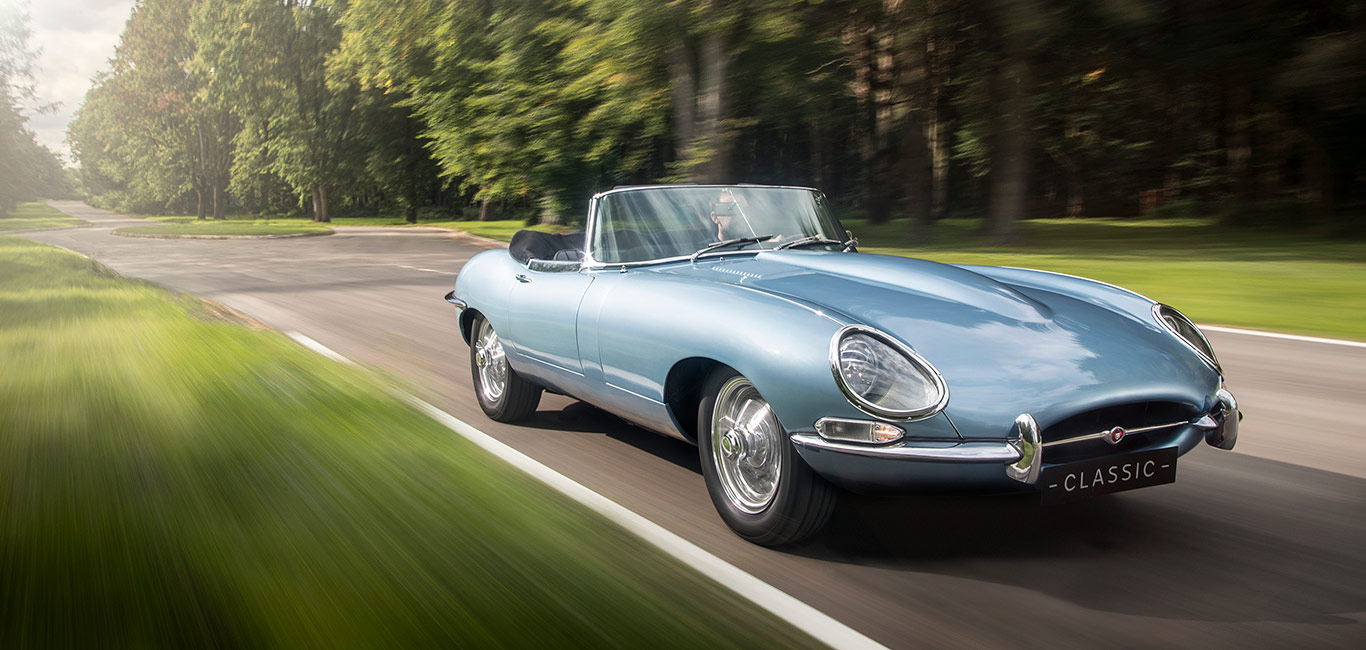
    1. Jaguar E-Type:

    Yes, you read that right. Jaguar announced that it will be making an all electric production version of the E-Type. It all started in September 2017, when jaguar installed an electric engine inside the timeless classic. This  was done  to demonstrate what Jaguar believes to be a glimpse into their electric future.  The E-Type Zero Concept then moved on to become a reality. According to Jaguar, they are “Future-proofing the enjoyment of Classic Cars”. With the shift to electric for the E-Type Jaguar aims to reach a range over a 170 miles and will be powered by a 40kWh battery. Jaguar plans to start delivery by early 2020 and will also offer the existing owners of the E-Type a switch to electric. Soon, we’ll have the world’s most beautiful car back on the roads again. Going electric will also make this the perfect car for a spy, stylish and stealthy.

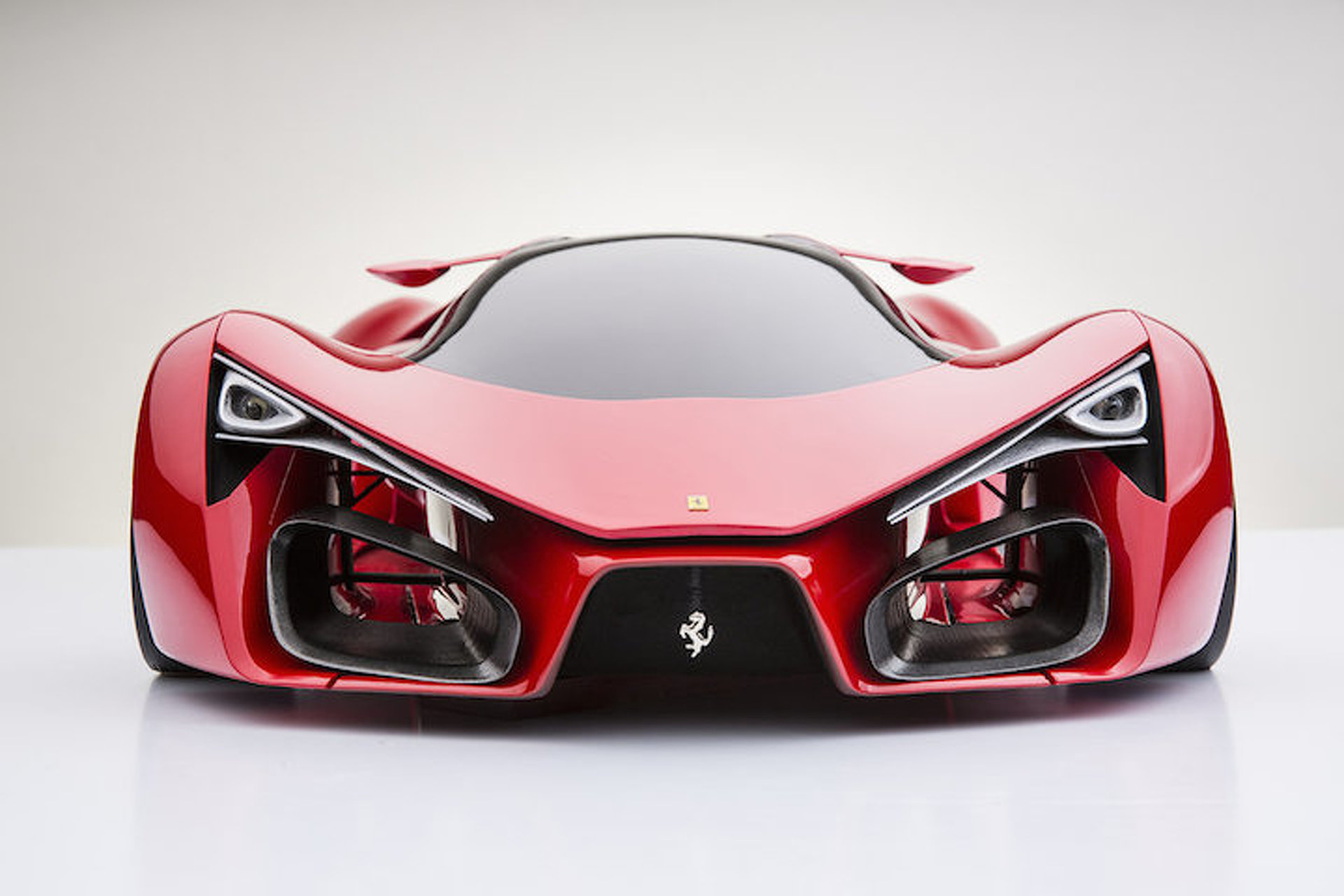
    2.  Ferrari Electric Supercar:

    Ferrari’s electric super cars are yet to be named, in fact nothing much is known about them. CEO Sergio Marchionne proclaimed that Ferrari would make sure their electric supercar hits the road before the Tesla Roadster in 2020. Speaking at the North American International Auto Show in Detroit, he said, “If there is an electric supercar to be built, then Ferrari will be the first.” Marchionne further went on to say that he is not trying to undermine what Elon Musk has done, he’s just trying to prove that everyone can do it. While his statements are exciting, they come with the certainty that Ferrari will produce  electric super cars . Its not too far in the future when we’ll see the iconic brand roll out its electric supercar .

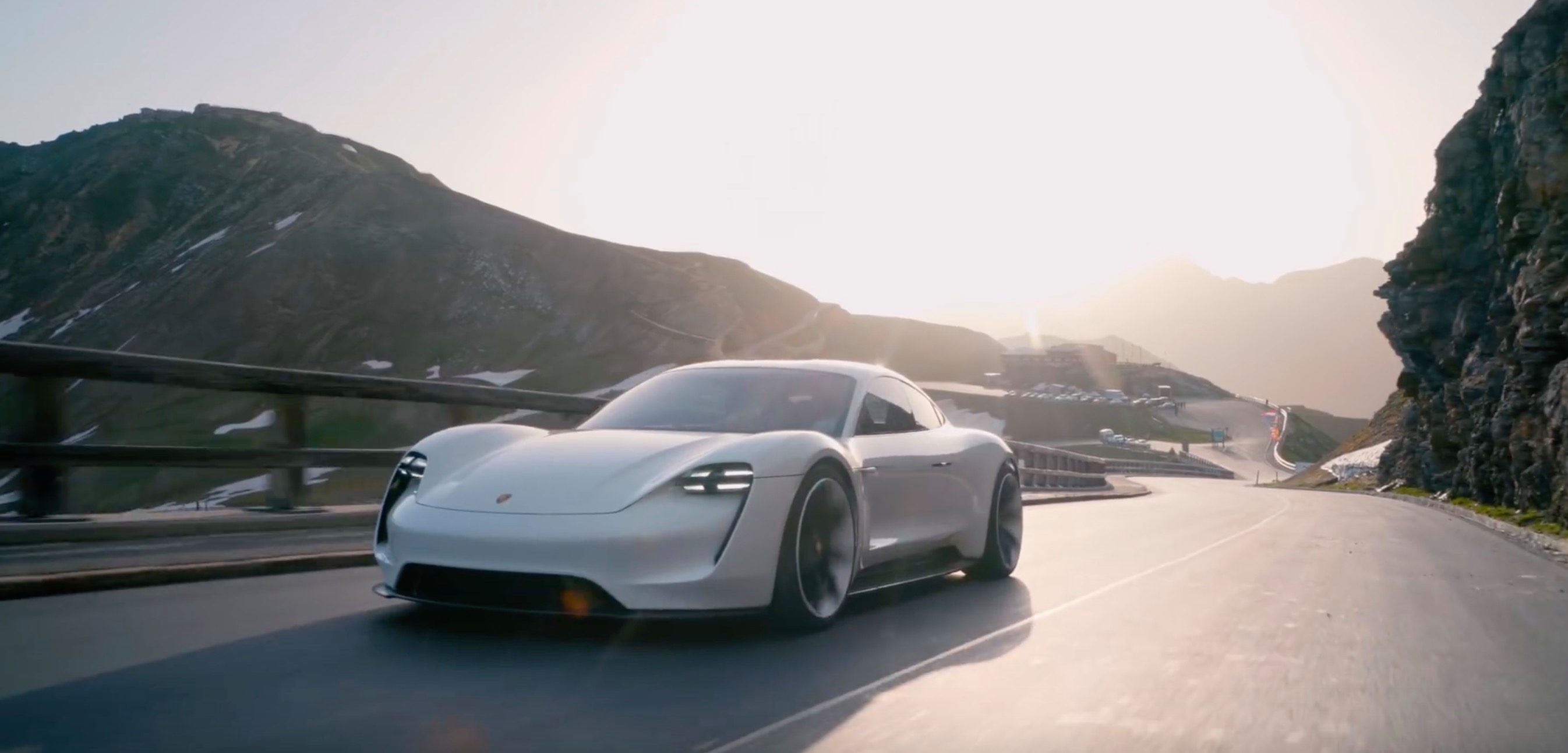
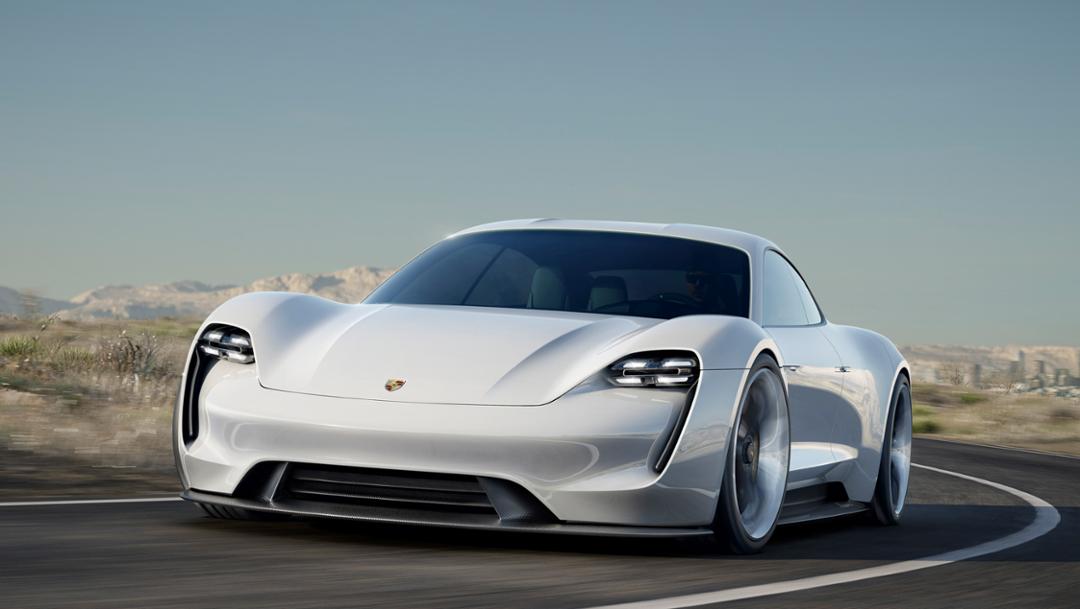
    3.  Porsche Mission E:

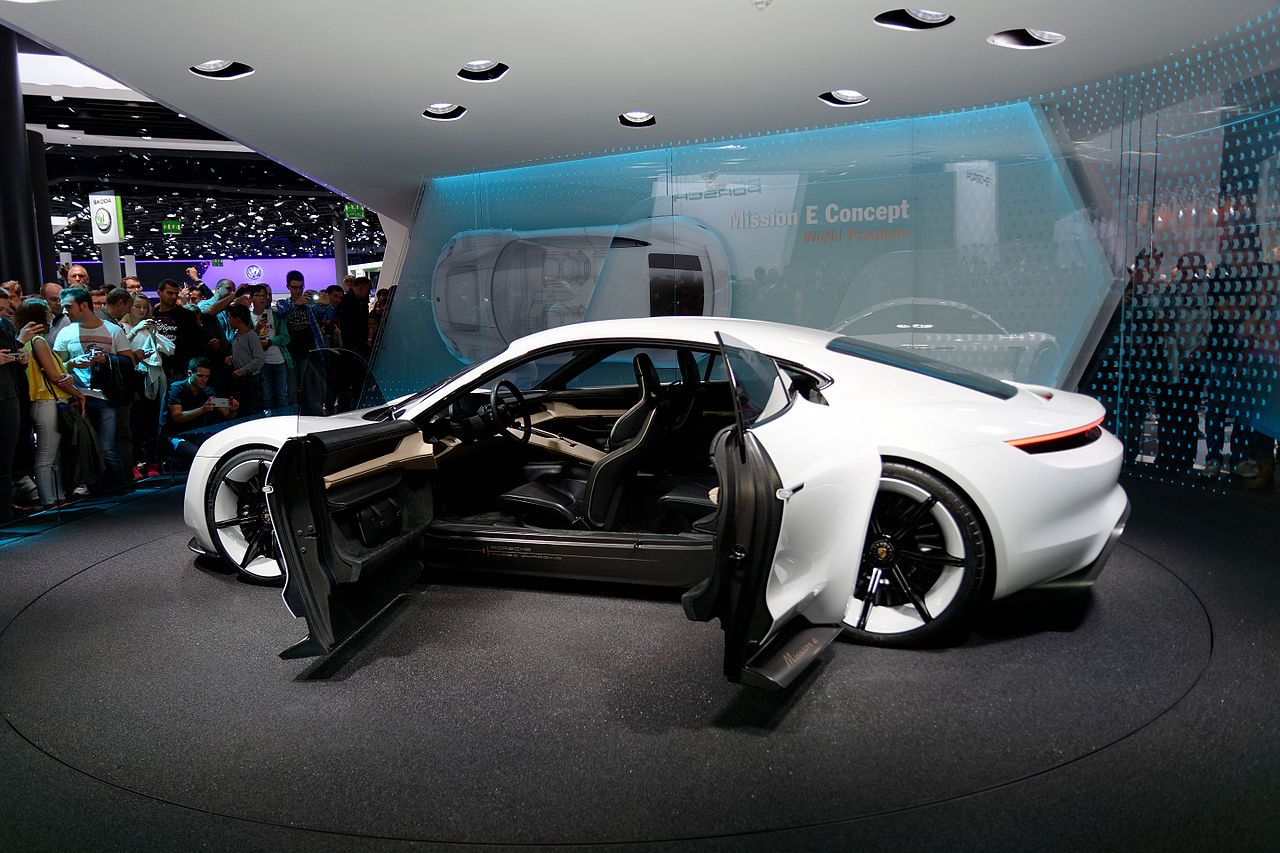
    “A sports car that covers over 300 miles with superb performance—but without a drop of gasoline? Welcome to the future: the Mission E electric concept car”. This is what the landing page of the Mission E’s website reads. Porsche’s ideology with this car is clear, electric, sustainable and powerful. The two motors in the Mission E produce a combined output of more than 600 hp (440 kW) and throw it from 0-60 in less than 3.5 seconds. Along with this, the battery only requires 15 minutes of charge to go another 250 miles. Porsche has made this remarkable achievement possible by doubling the standard charging voltage to 800.  The Mission E also sets a benchmark when it comes to cutting edge design futuristic looks.

    Combined with this is an entirely new and interactive cockpit for the driver.  Five OLED panels surround the driver and adjust themselves to the driver’s movements to avoid parallax error. Along with this the new eye tracking technology ensures that the Mission E knows which instrument the driver is looking at and with the push of a single button, that particular instrument will be activated.

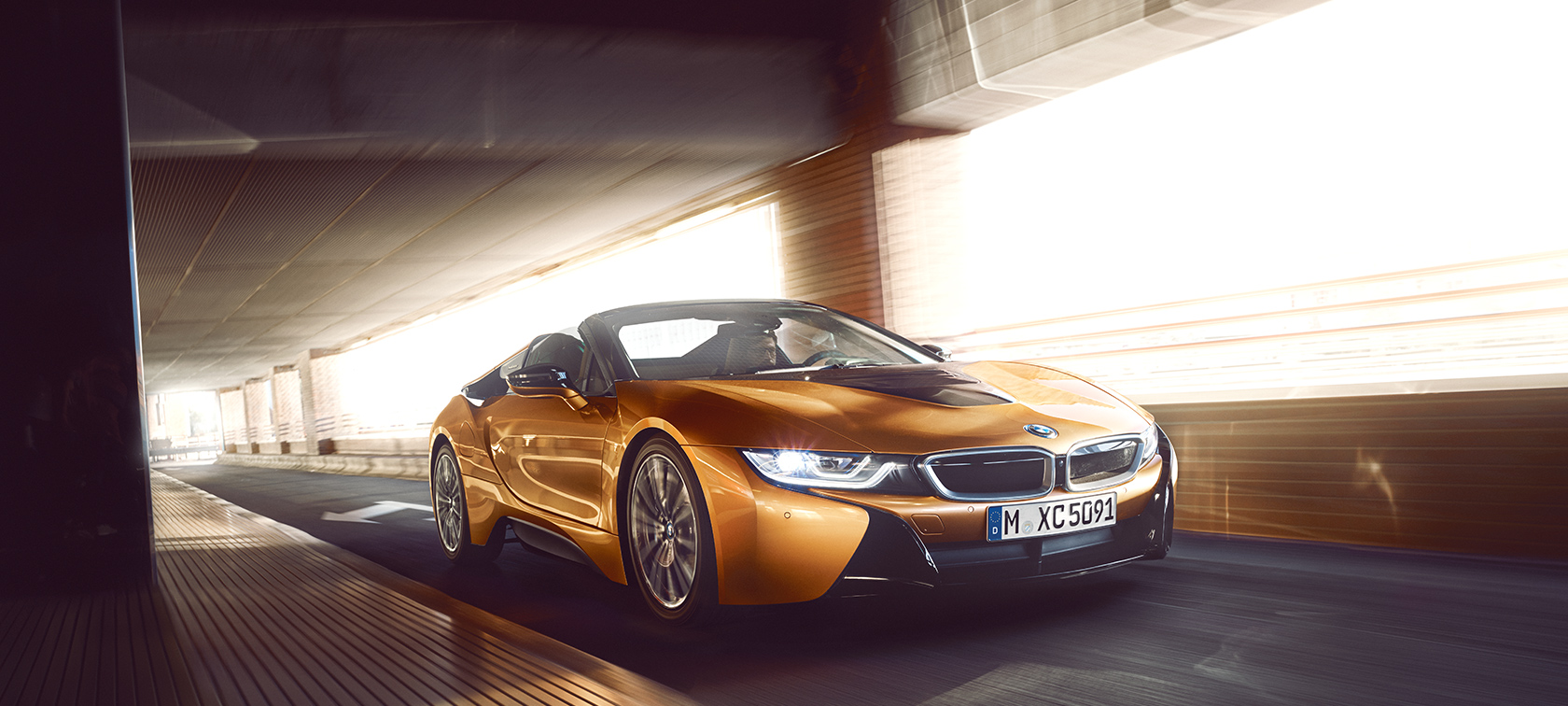
    4. BMW i8 Roadster Electric:

    The BMW i8 has been around for a long time. It went from a concept to production and then a roadster version of the hybrid car came up. Now, BMW is working on bringing a completely electric model of this Roadster variant of the iconic i8. As of now, the Roadster is powered by a Hybrid Synchronous Motor and a Three-Cylinder gasoline engine. BMW has already started working towards this as the new i8 roadster has an improved electric range. Slowly, they plan to make this so efficient that it becomes electric, through and through. even though a specific date hasn’t been fixed for it to come out, looks like it is not too far away.

    5. Audi PB18 e-tron:

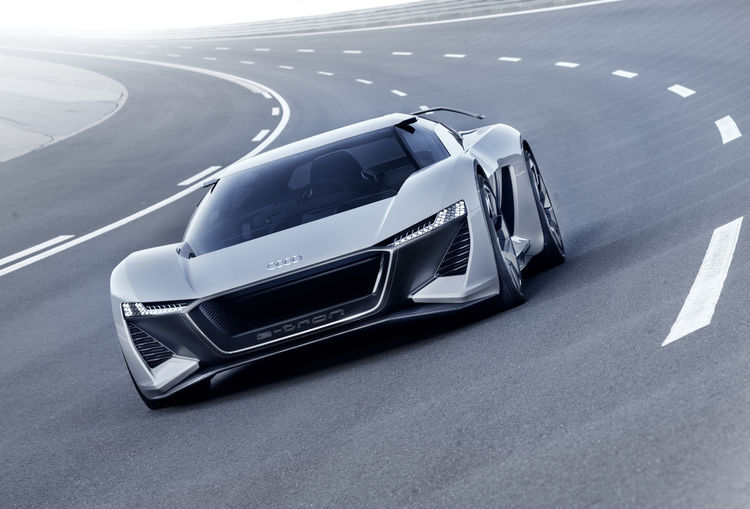
    The PB18 e-tron has just been unveiled to the world. While most other cars might aim to be driven daily as well, the e-tron has one objective- dominate the race track. This can be seen with the driver’s seating position dead-centre in the car. Despite this, Audi does claim that it can be used for everyday purposes and can even accommodate a passenger. The PB18 e-tron looks like something straight out of a sci-fi movie.

    While its got looks to kill for, what it’s packing under the hood is also worth a look.  Three motors, one in the front and two in the rear combine to give an output of more than 500 kW which can propel the car from 0-60 in just over 2 seconds. This impressive performance makes the e-tron a beast on the track. However, no one over at Audi would confirm as to when this car would go into production and join the league of electric super cars. Fortunately, they never denied it either, making sure the possibility still hangs around.

    Bonus:  Mercedes Benz EQ Silver Arrow


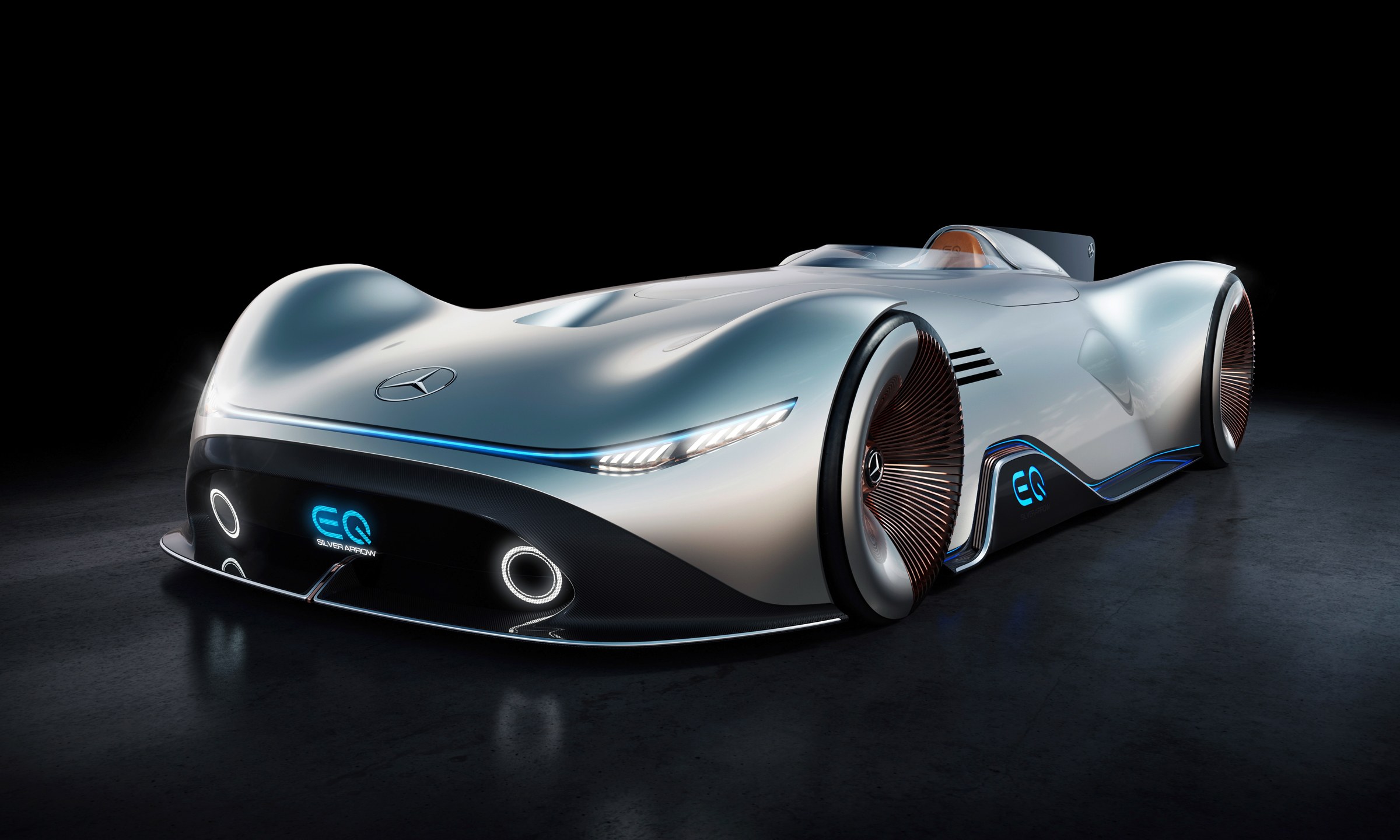
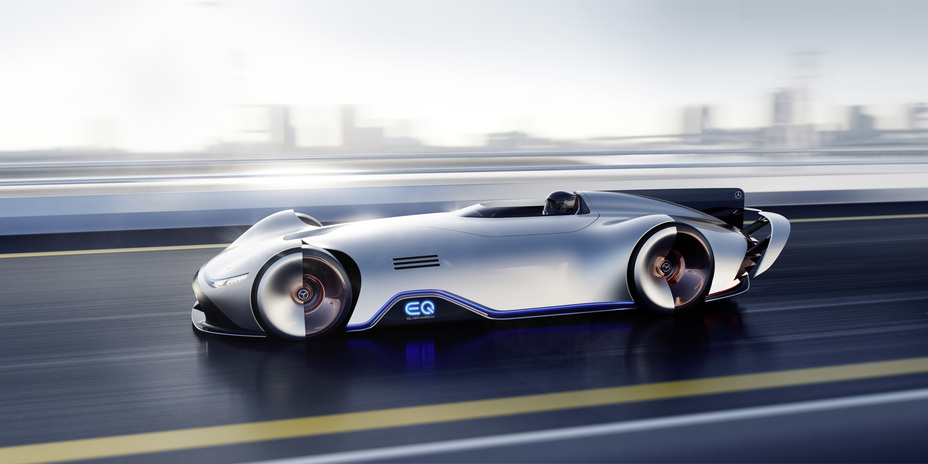
    Mercedes Benz unveiled its EQ Silver Arrow concept at the Monterey Car Week. The electric super car is a tribute to the record-breaking W 125 car from 1937. The Silver Arrow series of Mercedes Benz prides itself in using the best in design to deliver top speeds. Gorden Wagener, Chief Design Officer at Daimler AG, said ” Over 80 years ago, the historic Silver Arrows demonstrated that Mercedes-Benz was a pioneer when it came to speed thanks, among other things, to their streamlined shape.”

    The impressive machine packs a 80 kWh battery which gives it a range of 400 km. The powerful electric motors provide an output of 550 kW ( 750 hp). The Mercedes Benz EQ Silver Arrow is a visual extravaganza, with unique features such as a single seater cockpit which can be folded forwards. Bringing in design elements form the past and the best of technology, it can never cease to impress. Despite the fact that it is a concept car, we hope that Mercedes Benz might consider making a production variant of the same to compete with all the other electric super cars out there.

    The Future is here:

    While electric super cars are the way to the future and  sustainability, nothing excites us more than the fact that iconic companies are slowly pushing their efforts towards this. While most people might be excited about the electric part, lets not forget that each of these cars will come in strong and fast, trying to set new records, making our hearts race harder than before.


  • Ferrari’s Design Company Working On A $2M Electric Hypercar

    Ferrari’s Design Company Working On A $2M Electric Hypercar

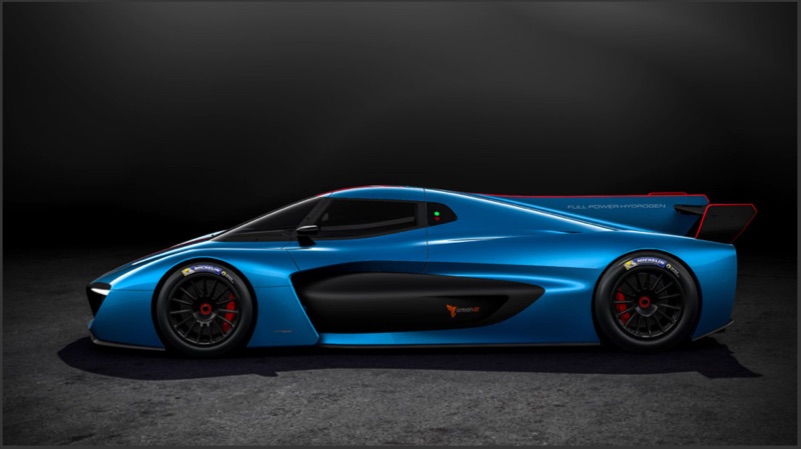
    The company which designed the Ferrari F40, Pininfarina, is planning to launch a $2 million electric hypercar according to reports. Pininfarina has designed Maserati cars as well. Now the company is planning to launch its own hypercar in hopes to set a benchmark in the history of car making. The company is calling this the PF0 or the PF Zero.

    Small History

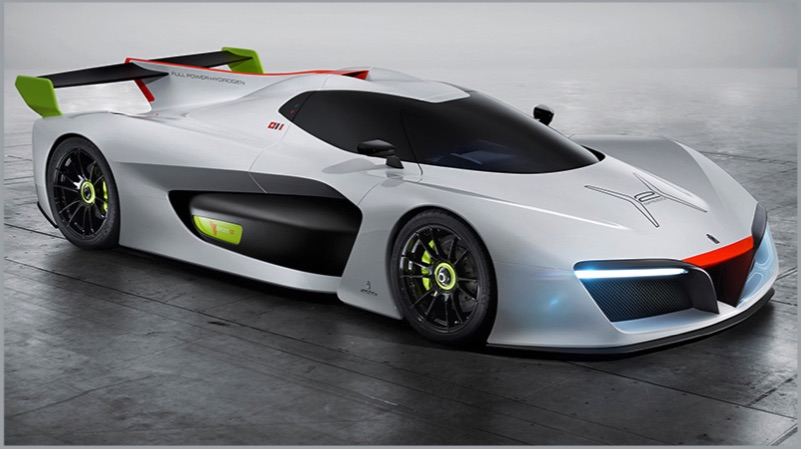
    Pininfarina was responsible for designing the classic Ferrari F40. The company showcased its capabilities in the 2016 Geneva Automobile Convention. With their H2 Speed 2018, the company introduced the world to its first hydrogen-powered hypercar. The car could go from 0 to 100km/h in just 3.4 seconds. The new PF0 plans to blow that record out of the water by supposedly going from 0 to 100 miles/hr in less than two seconds.

    Pininfarina
    Pininfarina H2 Speed via Pininfarina

    Press Release

    In the press release, Michael Perschke, the CEO of Automobili Pininfarina said:

    Automobili Pininfarina is a pioneering new business created to service the most discerning clients in the world. Our product portfolio will launch with an innovative, zero-emissions hypercar that represents the progression we aim to make at the pinnacle of the luxury and sports car market.

    With PF0 the company aims to deliver speed and luxury in a single package. The car could do well in Silicon Valley where the electric car is the new buzzwords.

    Must Read: Google Could Be Fined US$ 11 Billion In EU’s Antitrust Case

    Top Speed

    PF0 will feature a charging time from 0 to 80 percent in a mere 15 minutes. This puts Tesla’s Supercharging stations to shame which take up to 20 minutes for a 0 to 50 percent charge.

    Pininfarina Ferrari
    Pininfarina PF0 Design via Pininfarina NYC Press Release

    Final Verdict

    Pininfarina designed the Ferrari F40 to run on gasoline, with their PF0 the company wants to enter the electric hypercar market. To face the competition the company has to keep up with the market standards of an electric car. Whether or not Pininfarina can set itself apart from the competition will be seen when the concept is unveiled at the 2019 Geneva convention.


iGyaan Network
Privacy Overview

This website uses cookies so that we can provide you with the best user experience possible. Cookie information is stored in your browser and performs functions such as recognising you when you return to our website and helping our team to understand which sections of the website you find most interesting and useful.