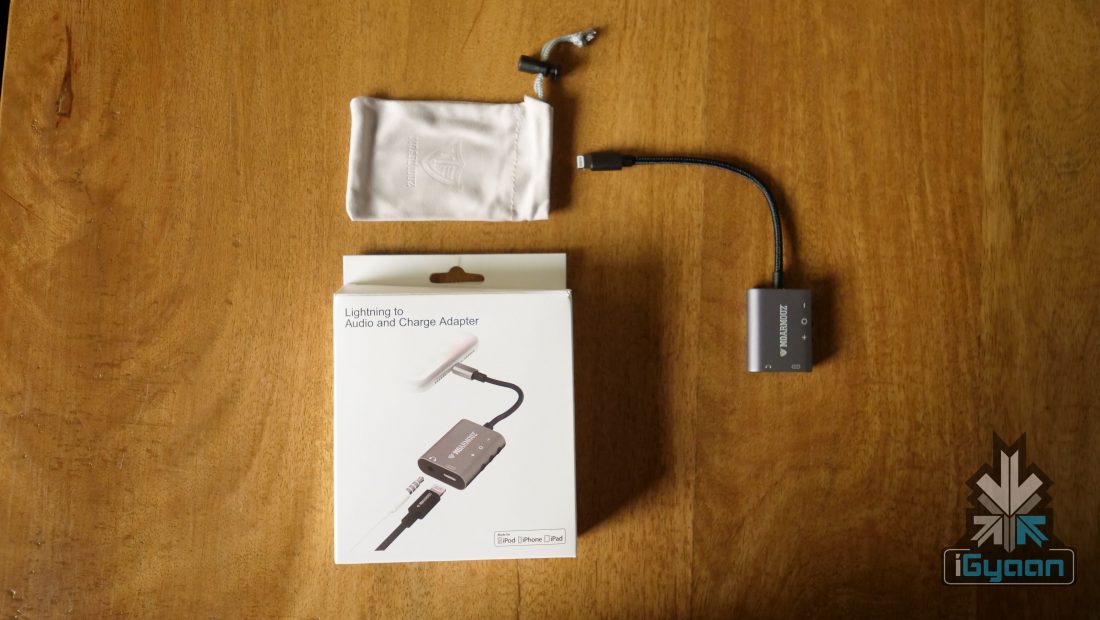
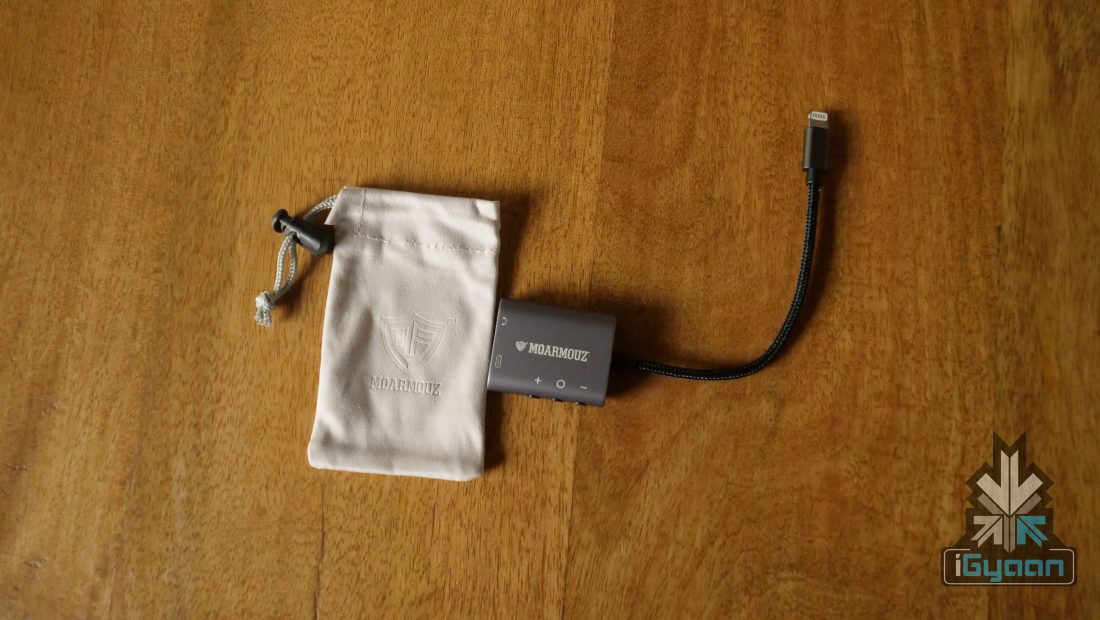
Ever since Apple decided to kill off the 3.5mm headphone jack in 2016, there has been a surge in accessories that let you use your wired headphones and charge the phone at the same time. The new dongle from MoArmouz also lets you do the same, and a bit more. The new MoArmouz dongle also gives you volume control and play/pause buttons for easy access.
After a few rocky months when the iPhone 7 was launched, there is a section of consumers who have moved on from wired headphones and embraced the wireless lifestyle. The purists on the other hand, still want to use their wired headphones since they produce better sound than bluetooth headphones. While there are good Type C headphones in the market now, same cannot be said about lightning headphones. Apart from the earpods that Apple provide in the box, there aren’t many lightning headphones in the market to convince a consumer to switch.
That’s where this accessory comes in handy. The dongle has a sturdy build and doesn’t add much weight to the iPhone making it portable and comfortable. It comes with a small carrying pouch so that you remember to put the dongle back in it and not forget it elsewhere.
It retails for Rs 7999 but, it is available Rs 4999 on Amazon right now.
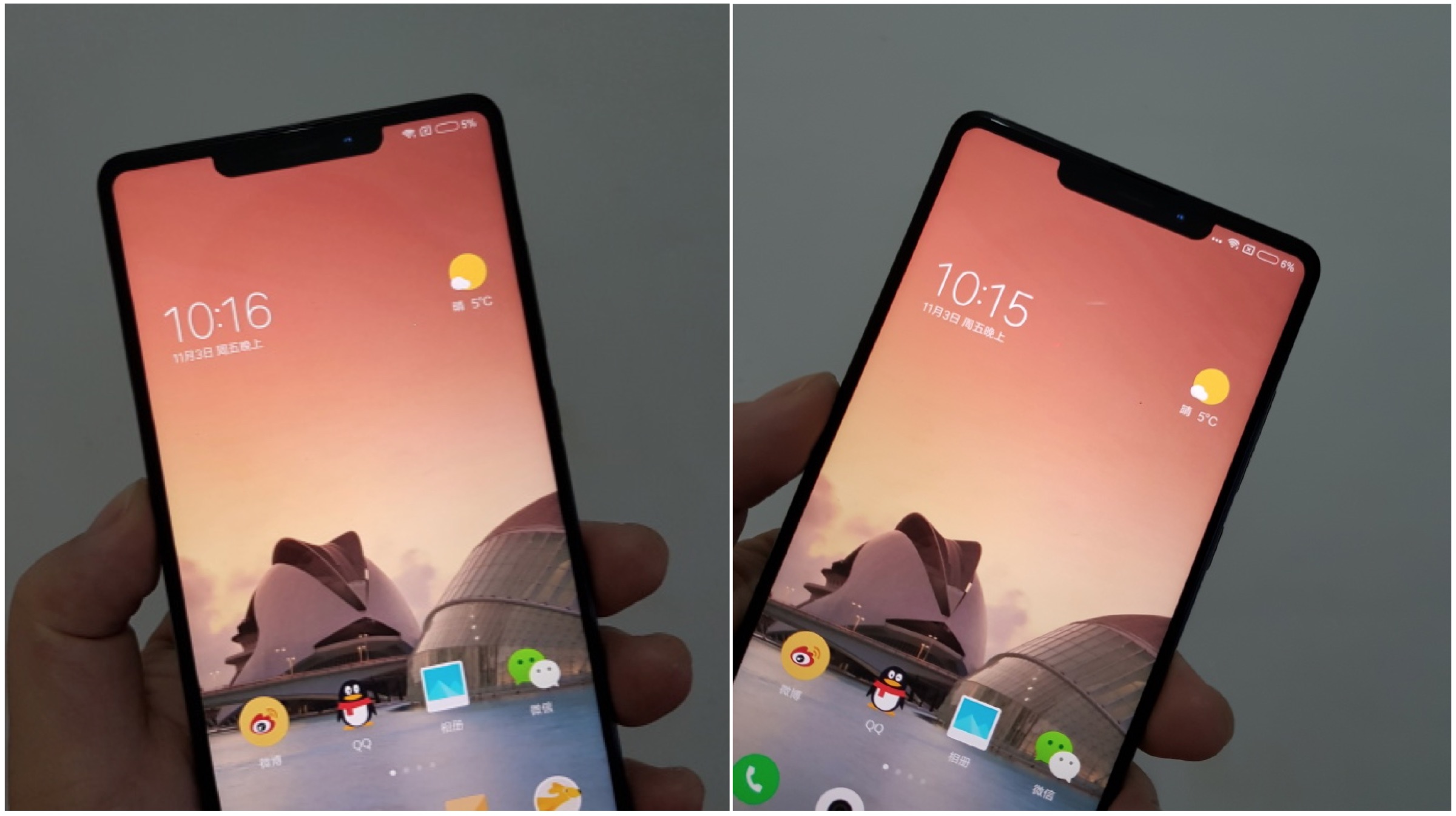
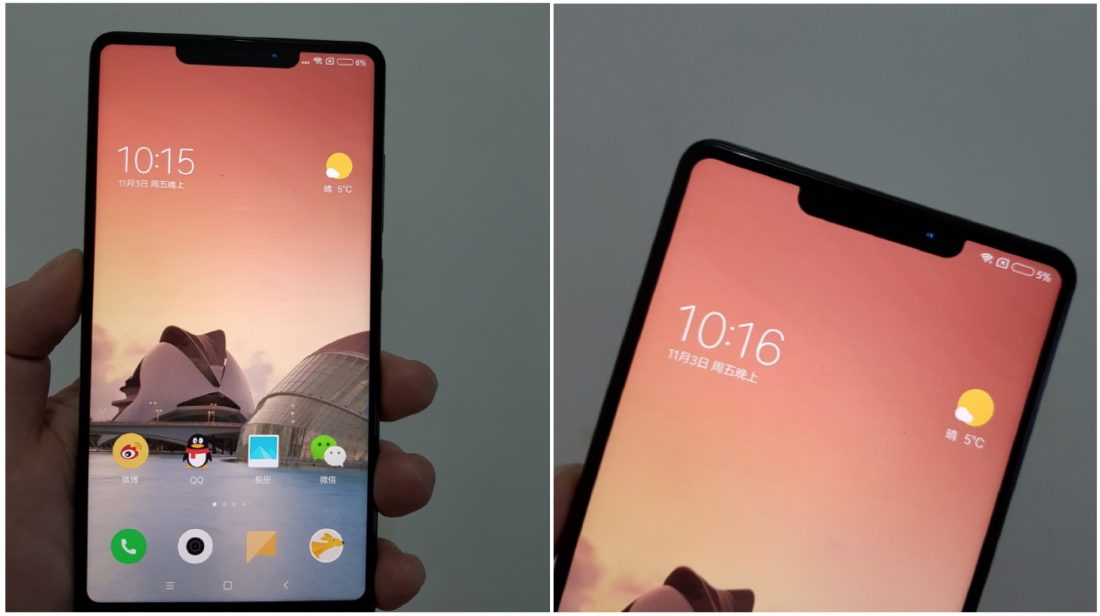
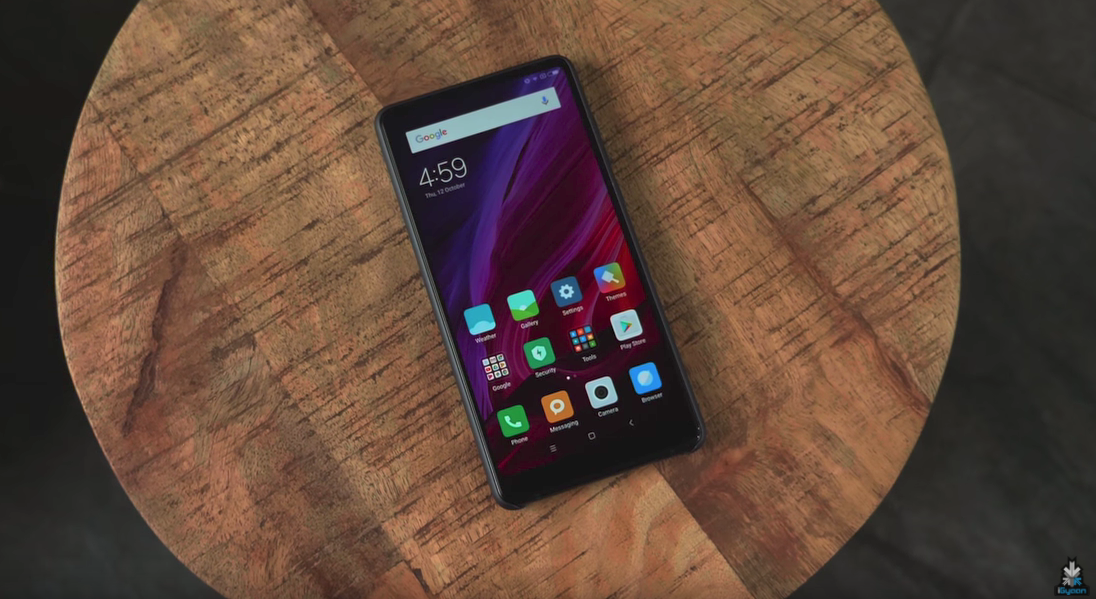
If these early images of the alleged Xiaomi Mi Mix 2s are anything to go by, then it looks like the iPhone X ‘notch’ is here to stay. The leaked images of the upcoming Mi Mix 2s show a very iPhone X-like top notch which appears to house the front camera and sensors.
If this does happen, and the Mi Mix 2s is launched with a notch so similar to the iPhone X, this phone will definitely grab the headlines. For design purposes, a notch will help the front camera move to a more natural position than in the bottom bezels, found on the Mi Mix and Mi Mix 2. Further, the notch can also help decrease the size of the bottom bezel which is not visible in the images.
Xiaomi Mi Mix 2
The notch on the Mi Mix 2s however, looks a bit forced, rather than natural as compared to the one found on the iPhone X. Looking at the inages, it is visible that the “horns” around the cutout are wider, leaving more room for icons in the status bar compared to the iPhone.
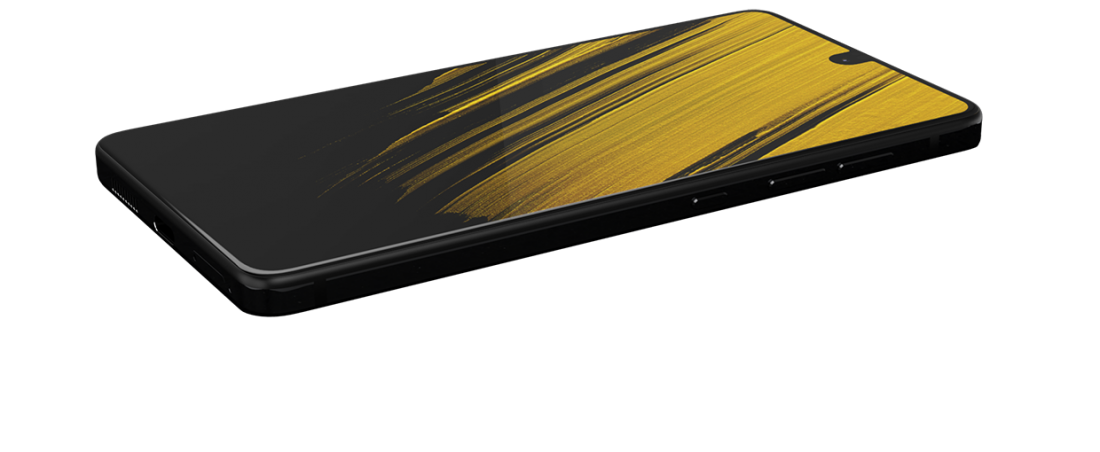
The Xiaomi Mi Mix 2s if launched, will not be the first Android device with a notch. The Essential Ph-1, which was released in August has a cyborg-like cutout for the front facing camera. Android apps, as found on the Essential Ph-1 do not deal well with a notch and developers need to actively update their apps to make use of the full 18:9 aspect ratio and also deal with a notch on the screen.
Essential Ph-1
The Xiaomi Mi Mix, launched in 2016 was the phone that prompted big smartphone makers to produce bezel-less devices. With the Mi Mix 2, Xiaomi entered a global market with its marquee device and with the Mi Mix 2s, it looks like the Chinese smartphone maker wants to take Apple head-on with another ‘top-notch’ device.
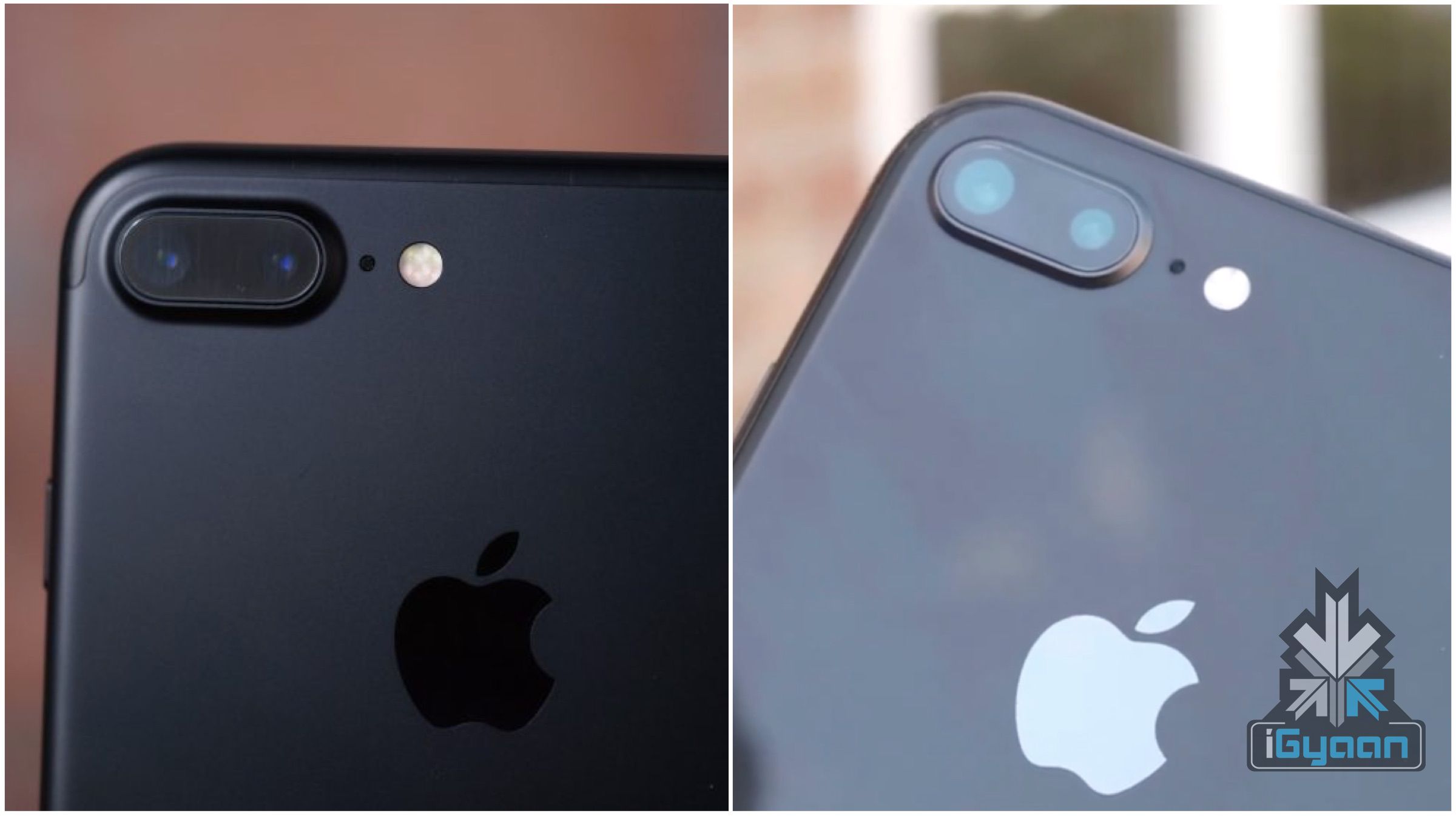
Israeli company Corephotonics has filed a lawsuit against Apple for patent infringement. It looks like Apple can’t catch a break, as this case has emerged right after it won a US $120 million case against Samsung. Corephotonics, a maker of dual lens camera technology, claims that the cameras featured in the iPhone 7 Plus and iPhone 8 Plus infringe on four of its patents.
Corephotonics was founded in 2012 by Dr. David Medlovic, a Tel Aviv University professor and former chief scientist in the Israeli government.
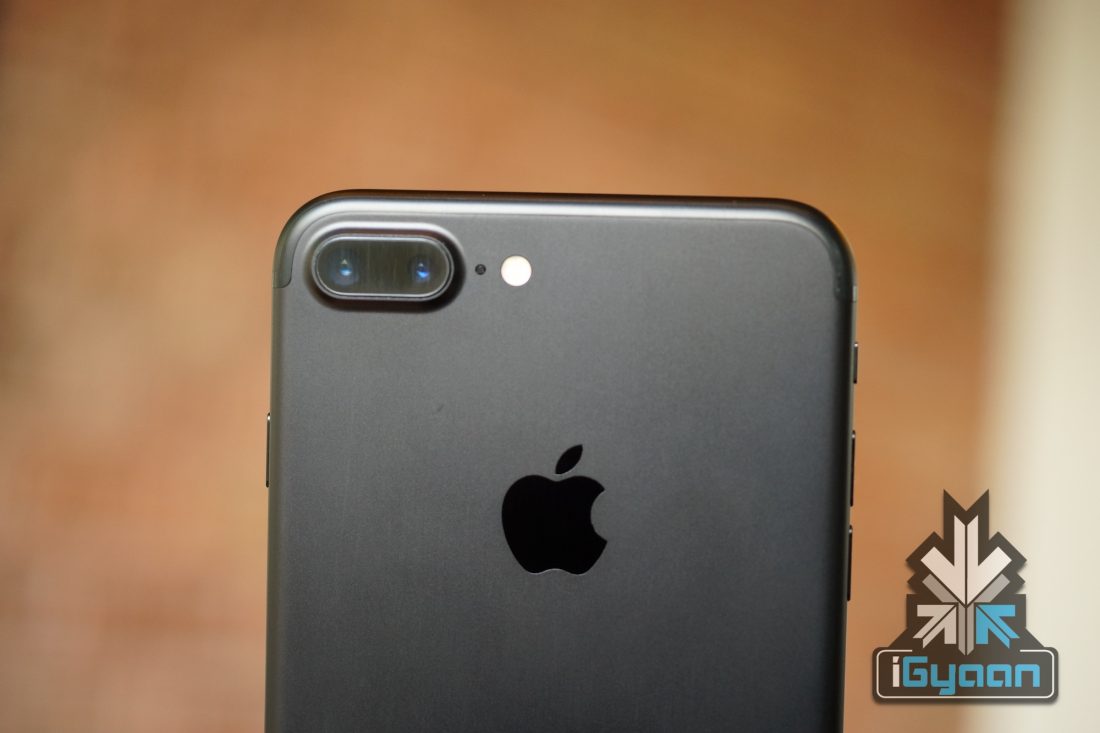
iPhone 7 Plus
Corephotonics claims in the lawsuit that it reached out to Apple “as one of its first acts as a company” to establish a strategic partnership. The exchanges with Apple continued for a some time but never resulted in a license agreement for Corephotonics’ dual lens technology. In the lawsuit, the company claims:
Apple’s lead negotiator expressed contempt for Corephotonics’ patents, telling Dr. Mendlovic and others that even if Apple infringed, it would take years and millions of dollars in litigation before Apple might have to pay something.
According to the lawsuit filed, Apple infinged four patents that Corephotonics filed between 2012 and 2015. Of the four, two patents were on mini telephoto lens assembly, one patent on dual aperture zoom digital cameras, and one on high resolution thin multi-aperture imaging systems, which is essentially an umbrella term that covers what dual lens cameras are.
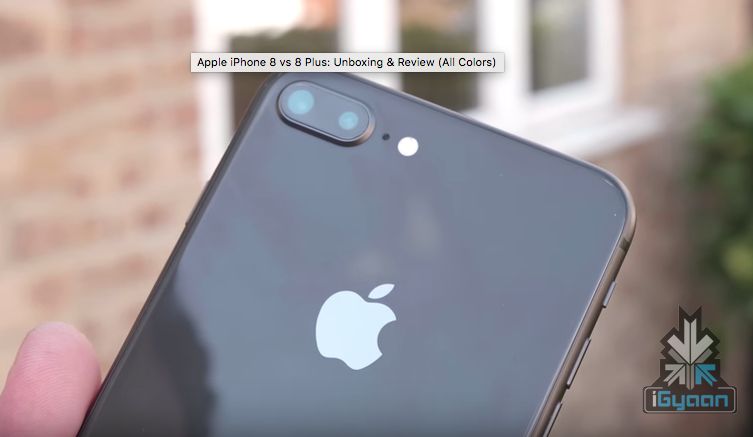
The company claims that its dual aperture camera technology has two fixed-focal length lenses, including a wide angle and a telephoto lens, which is what Apple uses in its iPhone 7 Plus and iPhone 8 Plus.
In a bizarre turn of events, the Israeli company has roped in the consumers as well in this lawsuit. Corephotonics says since Apple is selling the phones with “knowledge of or wilful blindness” of the patents it’s allegedly infringing, the lawsuit claims that consumers who buy the iPhone 7 Plus and the iPhone 8 Plus are infringing on the Corephotonics’ telephoto lens assembly patent as well.
The lawsuit demands monetary compensation for the lawyers that Corephotonics has had to hire along with additional damages. It is also demanding that Apple stop using dual-aperture cameras immediately.
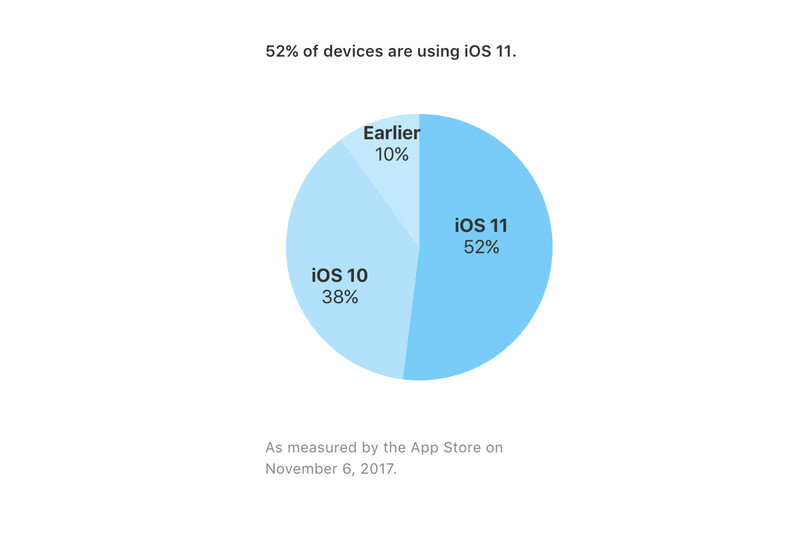
The latest version of Apple’s operating system for iPhones and iPads, iOS 11, has now been adopted by 52% users. The information was updated on Apple’s App Store support page for developers. The iOS 11 was released for all users on the 19th of September and has had its fair share of hiccups so far.
The adoption rate of iOS 11 at 52% is less than what it was for previous versions. Last year, Tim Cook, at the “Hello Again” Mac event on October 27th, 2016 announced that iOS 10 had reached 60% of devices, while iOS 9 had been adopted by 67% of devices by November 16th, 2015. This adoption rate is significantly higher than Google new OS version, Android 8.0 Oreo. Google’s developer portal estimates that about 0.2% of devices are running Android 8.0 Oreo as of 2nd of October.
iOS 11’s slow rate of popularity or acceptance can be due to the issues found in the new OS. There have been several bugs that have hampered the growth of iOS 11 and a lot of people have refrained from updating their devices to iOS 11. Users have complained that ever since they updated to iOS 11, they have had issues battery draining, UI jitteriness, and random force restart.
In a new bug reported, some users can’t type the letter “I.” Reddit user TheCravin documented the bug and said that Apple’s predictive keyboard feature suggests a random character like “A,” “#,” or “!” followed by the unicode symbol, and then automatically replaces the “I” unless the user takes corrective action.
The Google Pixel 2 was launched after the iPhone X but, thanks to it being available before the iPhone X the phone was put through its paces all over the internet. DXOmark is a portal that rates the camera of a smartphone on different parameters and the Google Pixel 2 came out to be the highest rated smartphone ever. The recently launched iPhone X was tested by DXOmark and was given an overall rating of 97, which is onepoint less than the Pixel 2.
In its summary, DXOmark said:
With a Photo score of 101, the Apple iPhone X achieves the best results so far for still images, edging out the Huawei Mate 10 Pro and the Samsung Galaxy Note 8, the previous joint leaders in the Photo ranking, by one point.
Its overall score of 97 puts the iPhone X into joint second place with the Huawei Mate 10 in the current DxOMark Mobile overall rankings, just behind the Google Pixel 2 with 98 points.
It is interesting to note here that despite clicking the best still images, the iPhone X falls short of the overall score of the Pixel 2 because of its video recording capabilities. The iPhone X is the only smartphone that records 3840 x 2160 px videos at 60fps.
For video, the X doesn’t quite rise to the same high-water mark, achieving a video sub-score of 89 points.
Photos are an extremely subjective aspect of smartphones, just like sound hence, scores by DXOmark can mean everything or absolutely nothing to a consumer. Still, having the second best smartphone camera in the world is no mean feat.
The iPhone X has dual 12-megapixel rear cameras, and it’s equipped with dual optical image stabilisation. The sensors are both larger and faster, according to Apple, and the main camera is equipped with a wide angle lens and has an f/1.8 aperture while the secondary telephoto lens has an f/2.4 aperture. In between the two cameras is a quad-LED True Tone flash. Both the front and back cameras have the portrait mode. The rear cameras have the portrait lighting feature, just like the iPhone 8 and iPhone 8 Plus.
Would you prefer the Google Pixel 2 over the iPhoneX on the sole basis of their DXOmark scores? Let us know in the comments below.
The highly anticipated Apple iPhone X is now available to the consumers and has received great early reviews. it may not have broken the Pixel 2’s record on DXOmark, but, its display appears to be doing great. According to a report by DisplayMate, the 5.8 inch OLED Super Retina display of the iPhone X is the “most colour accurate” display.
The report was presented by DisplayMate President, Dr. Raymond M. Soneira and claims that the iPhone X display has “close to textbook perfect calibration and performance” through a built-in automatic colour management system. The system switches to a relevant colour gamut on the basis of the image displayed within the Wide DCI-P3 Colour Space that has an ICC Profile. This process helps in rendering correct colours, neither over-saturated nor under-saturated, the report mentions.
The display of the iPhone X is reported to have the highest brightness for OLED smartphones at 634 nits. This is higher than the 560-nit brightness of the Samsung Galaxy Note8. Similarly, the iPhone X has a Super Dim Setting that can drop down the display brightness to as down as two nits. The image contrast of the iPhone X was found to be “slightly too high”.
However, the viewing-angle performance of its display is apparently better than any mobile display, monitor, TV or UHD TV that are available in the market right now. The OLED panel on the iPhone X displays 22% decrease in brightness, this is less than the 30% that traditional OLED panels display.
DisplayMate also mentions the highly discussed ‘notch’ at the top of the display. The notch, which houses the TrueDepth cameras for FaceID and ‘portrait mode’ selfies has a negligible presence on the front, taking up to 2% of the total screen area.
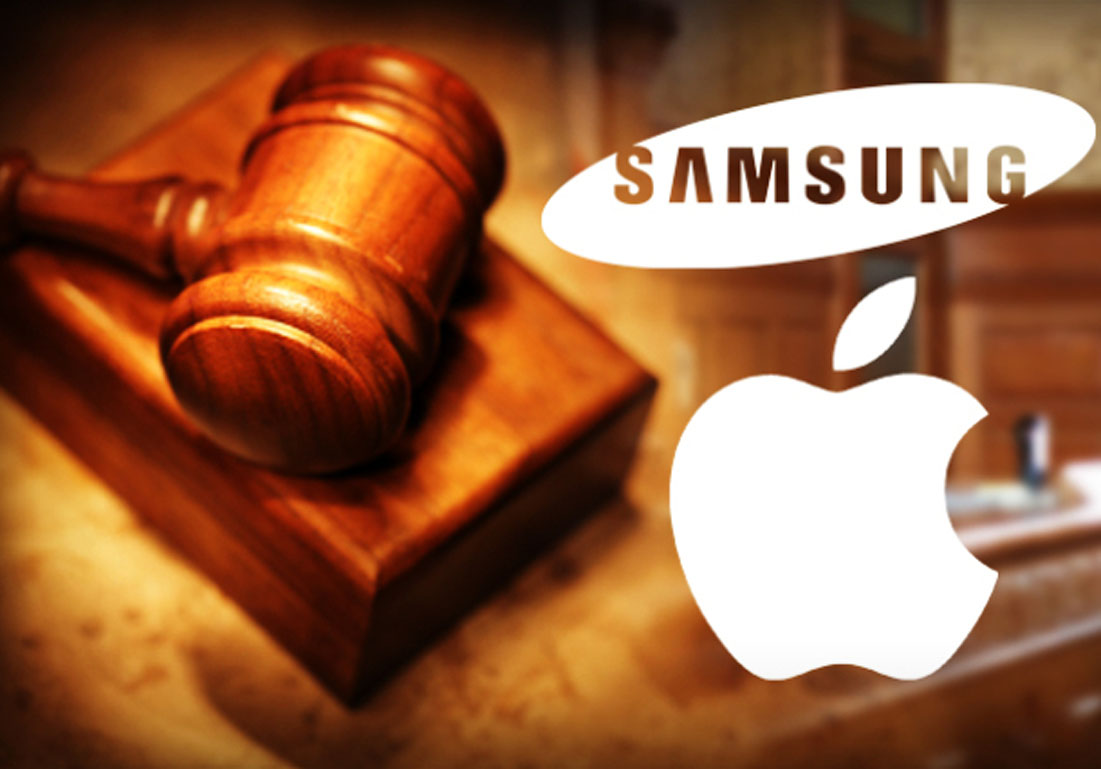
Samsung and Apple may be nearing the end of their legal battle woes. The US Supreme Court refused to hear Samsung’s appeal of a ruling that awarded Apple $120 million for a case that started back in 2014.
Back in 2014, a San Jose, California federal court ruled that Samsung infringed several Apple patents that allowed for a lot of popular iPhone features, such as slide-to-unlock, autocorrect, and the ability for information like addresses and phone numbers to automatically turn into links. As a result of that ruling, Samsung was asked to pay US $119.6 million to Apple. That verdict was then overturned by the Federal Circuit but, it was then reinstated in October 2016 by that same court.
After that ruling, Samsung appealed the decision to the US Supreme Court. In the appeal, Samsung stated that the Federal Circuit, which specifically deals with patents, made the decision without listening or reading the whole story. The company also implied that the patent court is biased toward patent holders. In a statement, Samsung express its disappointment on the ruling:
Our argument was supported by many who believed that the Court should hear the case to reinstate fair standards that promote innovation and prevent abuse of the patent system. One of Apple’s patents at issue in this case has been invalidated by courts around the world, and yet today’s decision allows Apple to unjustly profit from this patent, stunts innovation and places competition in the courtroom rather than the marketplace.
The good news for Samsung is that this does not change an earlier decision to dismiss a $399 million verdict against the company. In December 2016, the US Supreme Court sided with Samsung in a case against Apple over patent infringement. The case began in 2012 when Apple sued Samsung, claiming Samsung had violated its design and other patents for its iPhone on many of Samsung’s Galaxy smartphones. After years of back-and-forth and re-appeals, Samsung took the case to the US Supreme Court in 2016 where it ruled 8-0 that Samsung does not have to pay $399 million to Apple, overturning an earlier appeals court ruling in this case.
Samsung and Apple have been rivals ever since the Android platform rose to prominence and Samsung became one of the biggest smartphone makers in the world. Apart from the legal battles, both the companies are known to mock each other on social media and their respective ad campaigns. Recently, Samsung released an ad where it mocked the iPhone X and urged people to ‘upgrade to Galaxy’.
The Apple iPhone X, one of the most anticipated smartphones of 2017 went on sale on the 3rd of November across the globe. For the first time ever, Apple opted to use an OLED display panel on an iPhone and everyone loved it. However, OLED panels are notorious in facing screen burn-in issues is used for a long time.
To acknowledge this, Apple has published a support page to detail all the major visual changes of its OLED display. This includes some explanations about common OLED issues like burn-in and the colour shift at some viewing angles. Companies appear to be more diligent about its OLED panels since the Pixel 2 XL’s display debacle tarnished the phone’s overall great performance.
The support page highlights that Apple’s proprietary Super Retina technology overcomes the existing challenges of an OLED display by enabling high brightness and wide colour support alongside an enhanced colour accuracy.
With extended long-term use, OLED displays can also show slight visual changes. This is also expected behaviour and can include ‘image persistent’ or ‘burn-in,’ where the display shows a faint remnant of an image even after a new image appears on the screen.
To prevent the OLED display from acting up, Apple has given some instructions to all its consumers. Apple has recommended consumers to update their devices and use auto-brightness settings as frequently as they can. The display is also advised to be turned off when not in use, users are also advised to avoid displaying static images at maximum brightness for a long period of time.
The iPhone X has so far not shown any signs of screen burn-in issues and no complaint has surfaced online. Apple acknowledging the issues of an OLED panel proves that companies have learnt from the mistakes of Google and are willing to suggest precautions as well.
The newly launched Apple iPhone X is on the wish list of many people. Thank to a short supply and a huge demand for the new iPhone X, not everybody were able to get their hands on it. One man however, was caught at the Mumbai airport with 11 newly launched iPhone X phones, pointing to a likely racket. He was intercepted at the Mumbai Airport while arriving from Hong Kong.
A case has been registered against Bhavesh Virani, 28, who was found with 11 iPhones X packed pieces valued at Rs10.57 lakh. A senior AIU officer said:
We suspect many people would visit Hong Kong to purchase the phones and bring them to the country. Passengers can bring duty-free goods worth Rs50,000. The demand is high in India for the phones, but the supply is less, which paves the way for smuggling.
The AIU officer noted that it has become a growing trend of importing phones from countries where the price of an iPhone is considerably cheaper than that in India.
Gadget freaks are ready to pay extra to get the latest brand and model. We have kept a watch on certain international routes from where we suspect the phones will be brought to the country. We suspect Virani, who claims to own a shop in Andheri, to be a carrier.
The culprit will not be arrested since the seized products are worth less than Rs 20 Lacs but, a heavy fine will be levied since the phones are not prohibited goods. The AIU sources have said that the authorities will keep a close eye on international routes from where such phones can be smuggled into the country.
Samsung and Apple are the biggest smartphone makers in the world right now, and have been for a long time. While Apple has reached this stature by launching new iPhones at a premium price year after year, Samsung has amore diverse portfolio of Android phones ranging anything from US $150 to US $950. The two companies share a lot of business but, it is no secret that they never leave a stone unturned to mock the other one. Samsung, in a new advertisement has mocked the new iPhone X and how Apple is never a company to do something first.
The 1 minute long advertisement starts off in 2007 and chronicles the going craze for the iPhone. It then shows the things the iPhone has lacked over the years like water resistance (which was first introduced in the iPhone 7 and iPhone 7 Plus). The Galaxy phones are known for their big screens and until the iPhone 6 was launched, the screen size of an iPhone was either 3.5 inch or 4-inch which was relatively smaller than the Galaxy Note of that time.
Samsung continues to mock the screen size of the iPhone as well and then, exposing another pain point of an iPhone user, Samsung mocks the lack of storage expandability in the iPhone. A lot of companies has followed suit since Apple got rid of the headphone jack but, Samsung is one of the few companies who continues to keep the headphone jack in its phones. It looks like Samsung has no plans of dropping the headphone jack anytime soon as it mocks the iPhone for not having a headphone jack.
Brands are rather coy about calling out a rival brand in their ads but, Samsung has gone all out this time with this new ad campaign about ‘Upgrading to Galaxy’. A few years ago as well, Samsung mocked Apple iPhone 5’s ad and the two companies have gone back and forth, taking jibes at each other.
It will be interesting to see if Apple will respond to this ad via either social media or with an advertisement in the coming days.
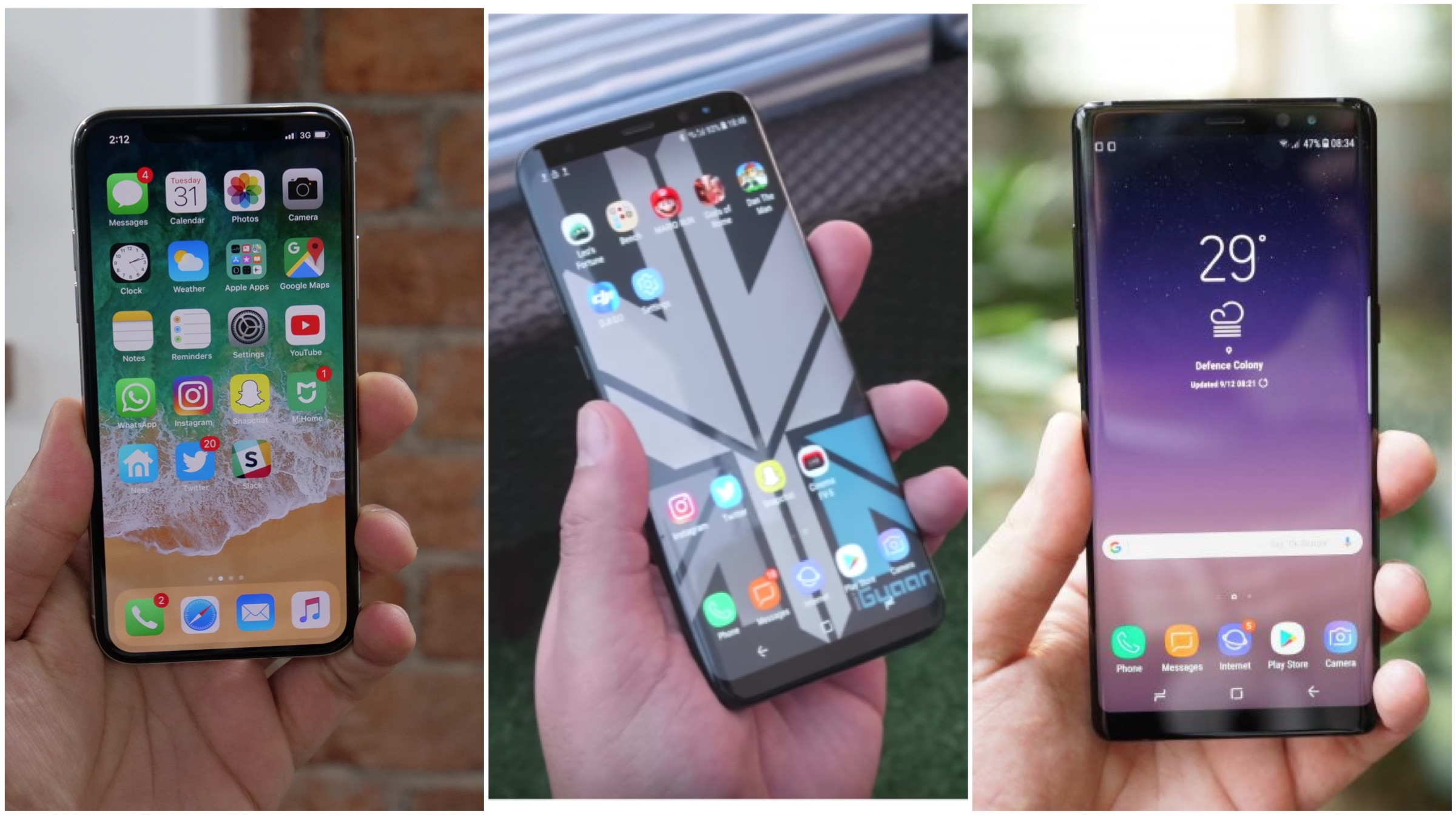
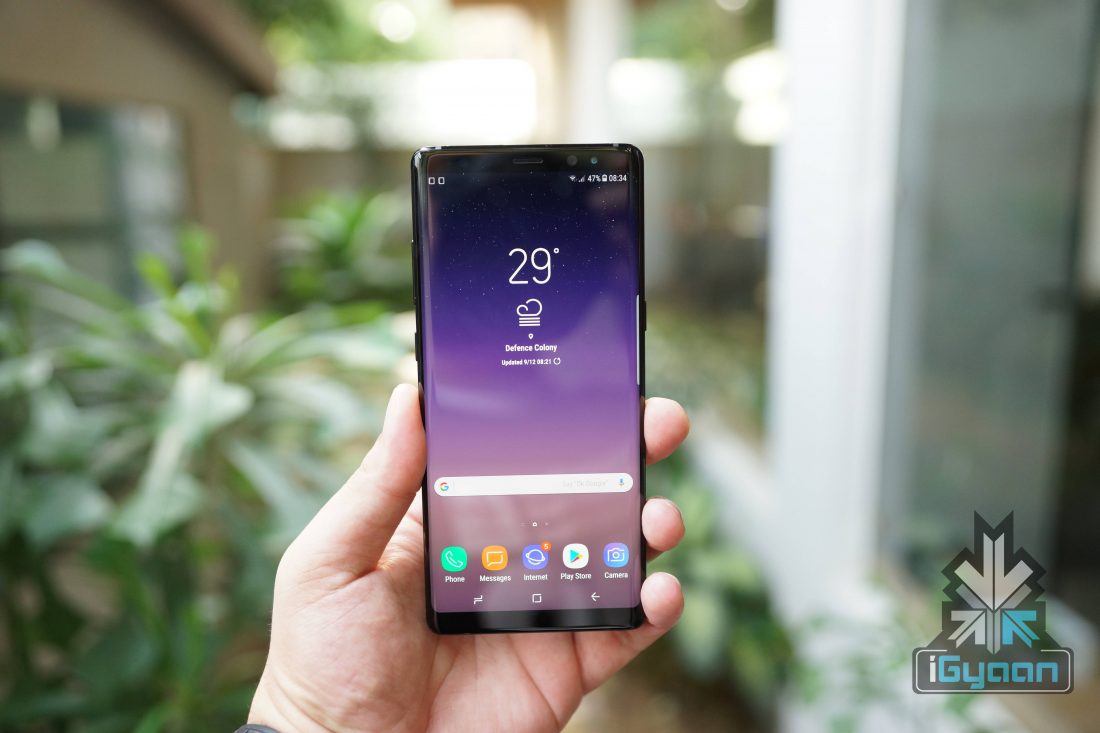
2017 saw the rise of ‘bezel-less” smartphones which was ignited by the 2016 Xiaomi Mi Mix. In March 2017, the Samsung Galaxy S8 with a zero side bezels and thin forehead and chin was launched. The trickle down effect was noticeable as more and more smartphones came out with thin bezels. The Samsung Galaxy Note8 was launched in August as the successor to the ill-fated Galaxy Note7 with a design similar to the Galaxy S8 albeit, a more square-ish build which is iconic to the ‘Note’ series. After months of speculations and leaks, Apple launched the highly anticipated iPhone X on the 12th of September.
Display
All the three smartphones have excellent displays with great clarity and viewing angles. All three phones have an OLED panel manufactured by Samsung and while the 5.8 inch inch display on the iPhone X has a resolution of 2436 x 1125 px, the Galaxy S8’s 5.8 inch and Galaxy Note8’s 6.3 inch display have a resolution of 2960 x 1440 px.
Performance
Every flagship smartphone in this day and age has to be fast. You can’t pay over Rs 60,000 for a phone and experience lags and jitteriness just a few days into using it. For a phone launched back in March, the Samsung Galaxy S8 holds up very well. Both the Galaxy S8 and the Galaxy Note8 have the Exynos 8895 chipset, and while the Galaxy S8 has 4GB of RAM, the Galaxy Note8 has 6GB of RAM. The Apple iPhone X on the other hand has the A11 Bionic chipset with a neural engine and 3GB of RAM. All three phones are fast and day-to-day usage as well as heavy gaming is a breeze.
Camera
The Apple iPhone X and the Samsung Galaxy Note8 have dual camera setup at the back while the Samsung Galaxy S8 has a single camera. Despite a single camera, the Galaxy S8 is still one of the best camera smartphones out there. However, the flexibility of a dual camera setup trumps the single one on the Galaxy S8 and with dual OIS, the iPhone X and the Galaxy Note8 perform better than the Galaxy S8. If you are a content creator then look no further than the iPhone X as it records 4K videos at 60 fps, something that no other smartphone does right now.
The legal battle between Qualcomm and Apple has been extended as Qualcomm has now sued Apple for allegedly sharing proprietary Qualcomm technologies with its market rival, Intel. In the lawsuit, filed on the 1st of November, Qualcomm is accusing the Apple of breaching a software license contract. To prove its claim, Qualcomm says it has email in which Apple requested confidential documentation. It has been reported that the email contained an Intel engineer in the distribution list.
Qualcomm goes on to claim that according to the contract between the two companies, Qualcomm has the permission to audit Apple’s handling of its software, however, Apple has refused any such requests. The details of the lawsuit do not clarify the amount of money Qualcomm has sued the tech giant for but, considering the recent legal battles between the two companies, Qualcomm might not settle for a meagre amount.
It was reported that Apple will drop Qualcomm components from its 2018 iOS devices, ending a long-term partnership with the American chip maker. This news came after a series of legal battles were dragged on between Apple and Qualcomm. Apple, along with Samsung is also suing Qualcomm for taking advantage of its monopoly.
Qualcomm has not had an ideal time in terms of its legal battles after it was fined a record US $773 million by Taiwan’s Fair Trade Commission. The Commission said that Qualcomm misused the monopoly in the smartphone business to squeeze higher licensing fees and better terms out of its customers.
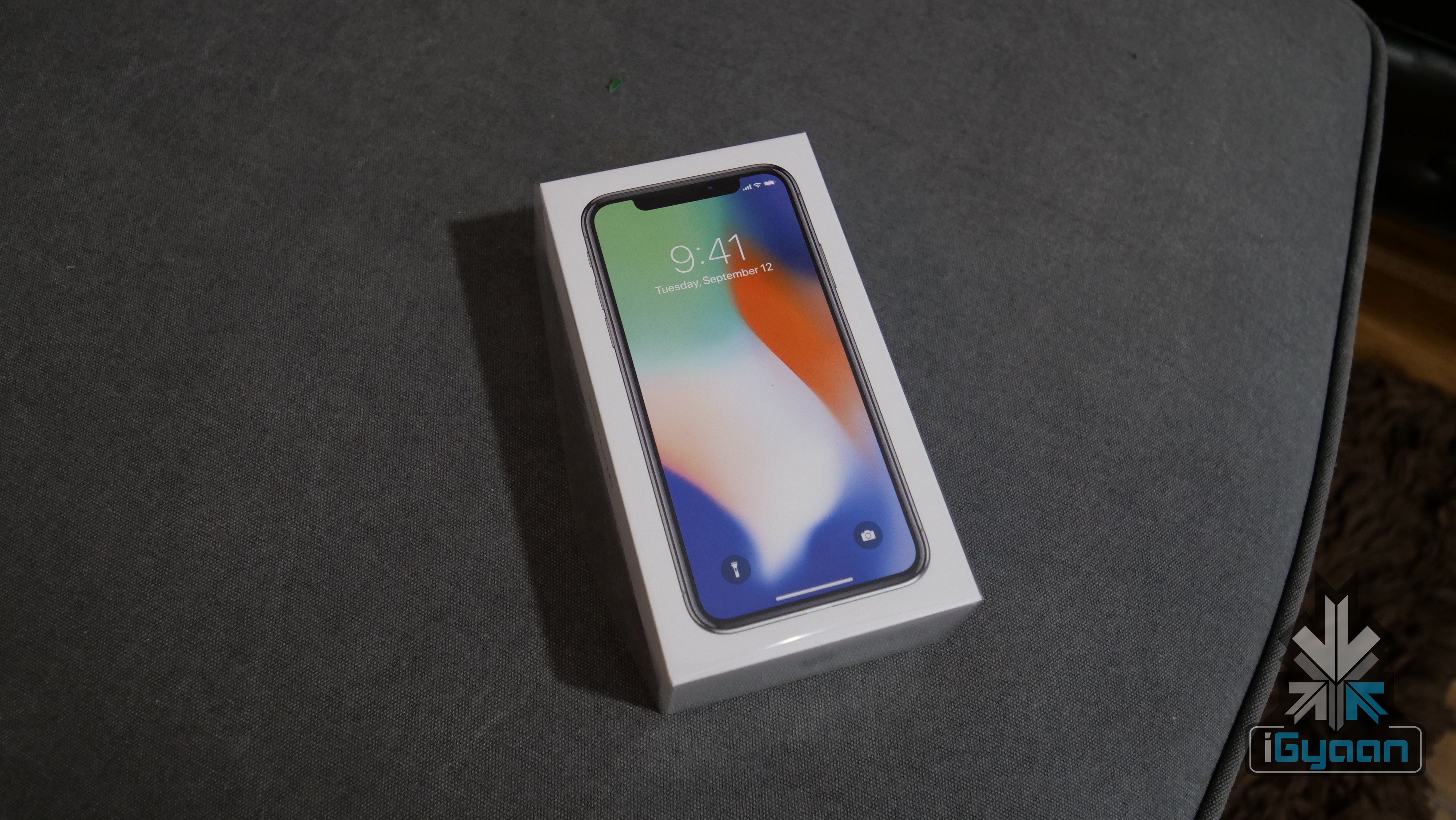
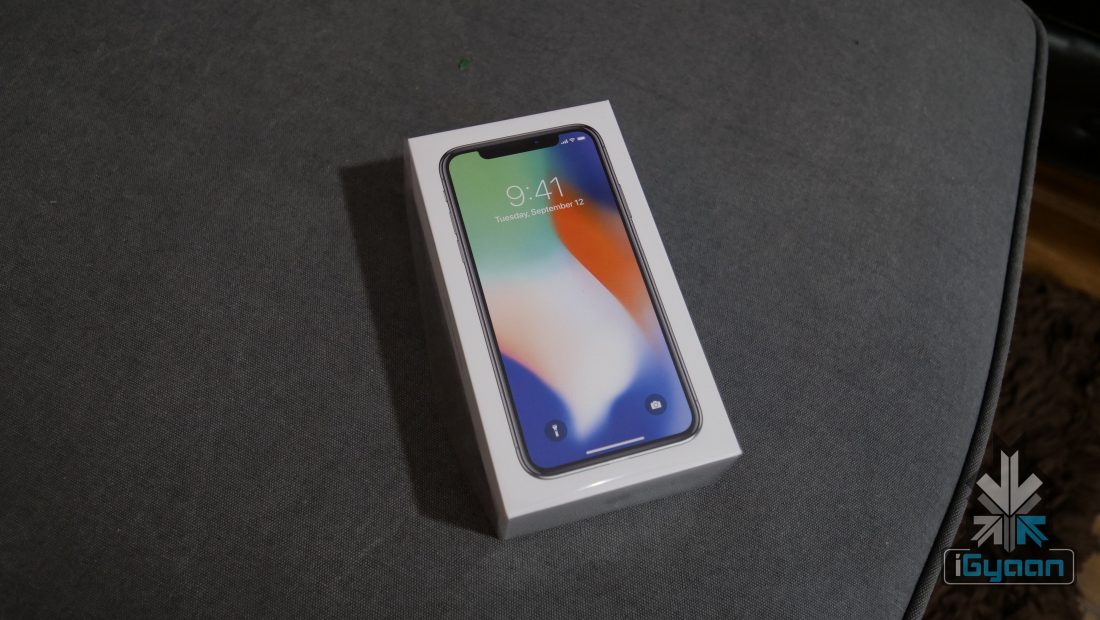
The Apple iPhone X goes on sale in India on the 3rd of November. Apple launched the iPhone X on the 12th of September along with the iPhone 8 and iPhone 8 Plus. Even though the Apple iPhone 8 and iPhone 8 Plus went on sale in the subsequent week, iPhone X fans were made to wait for over a month before they could pre-order it. In India, the pre-orders began on the 27th of October and both the 64GB and 256GB variants were sold out within minutes. Airtel announced that the iPhone X will be available to buy on its online store from 6pm, 3rd November.
Price
The Apple iPhone X is the most expensive iPhone ever launched in India. The 64Gb variant is priced at Rs 89000 in India while the 256GB variant is priced at Rs 102,000.
Launch Offers
As an introductory offer, Airtel is offering up to Rs 10000 cashback for people who pay using the Citibank credit card. This offer will be vail between 6pm 3rd November and 7am 4th November. Airtel Prepaid and non-Airtel customers can upgrade to Airtel postpaid to be eligible for the purchase and can choose from a plans that offer large bundles of high speed data and unlimited calling.
Citibank credit and debit card users who buy the iPhone X on the day of the launch will get up to Rs 10,000 cashback for pre-booking. Reliance Jio has a 70% buyback offer for the Apple iPhone X for people who buy the iPhone X from Amazon.
Specifications
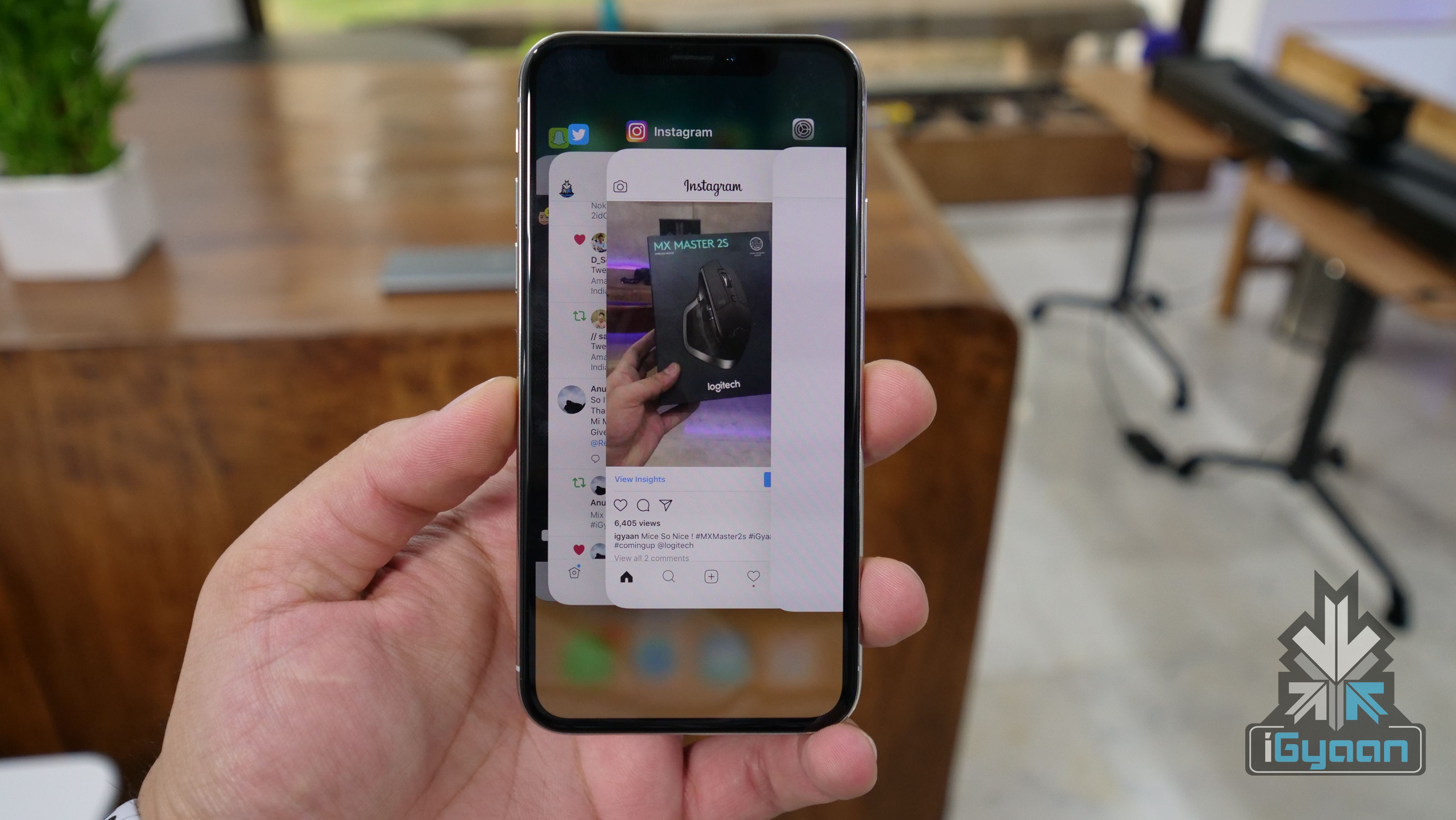
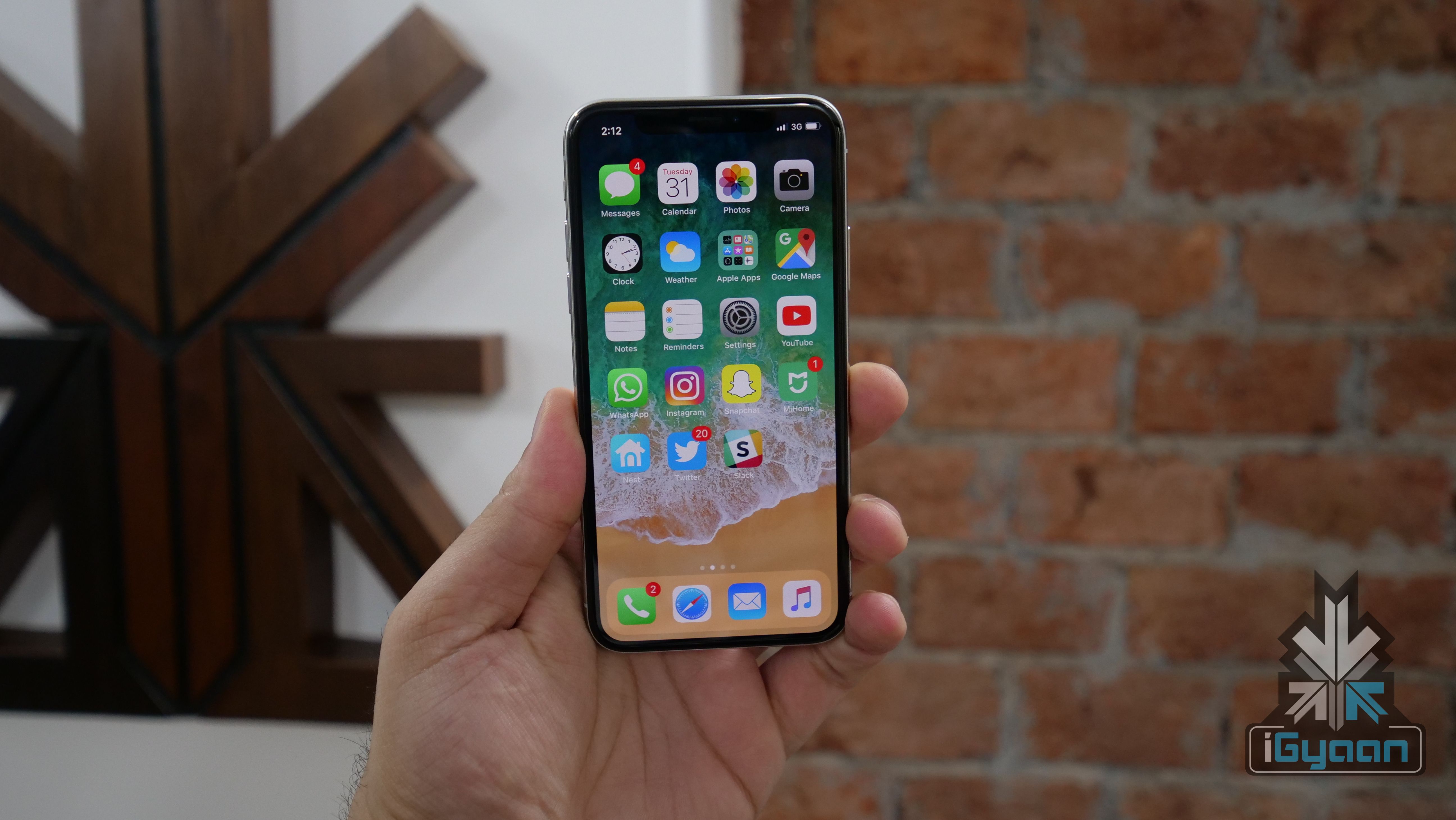
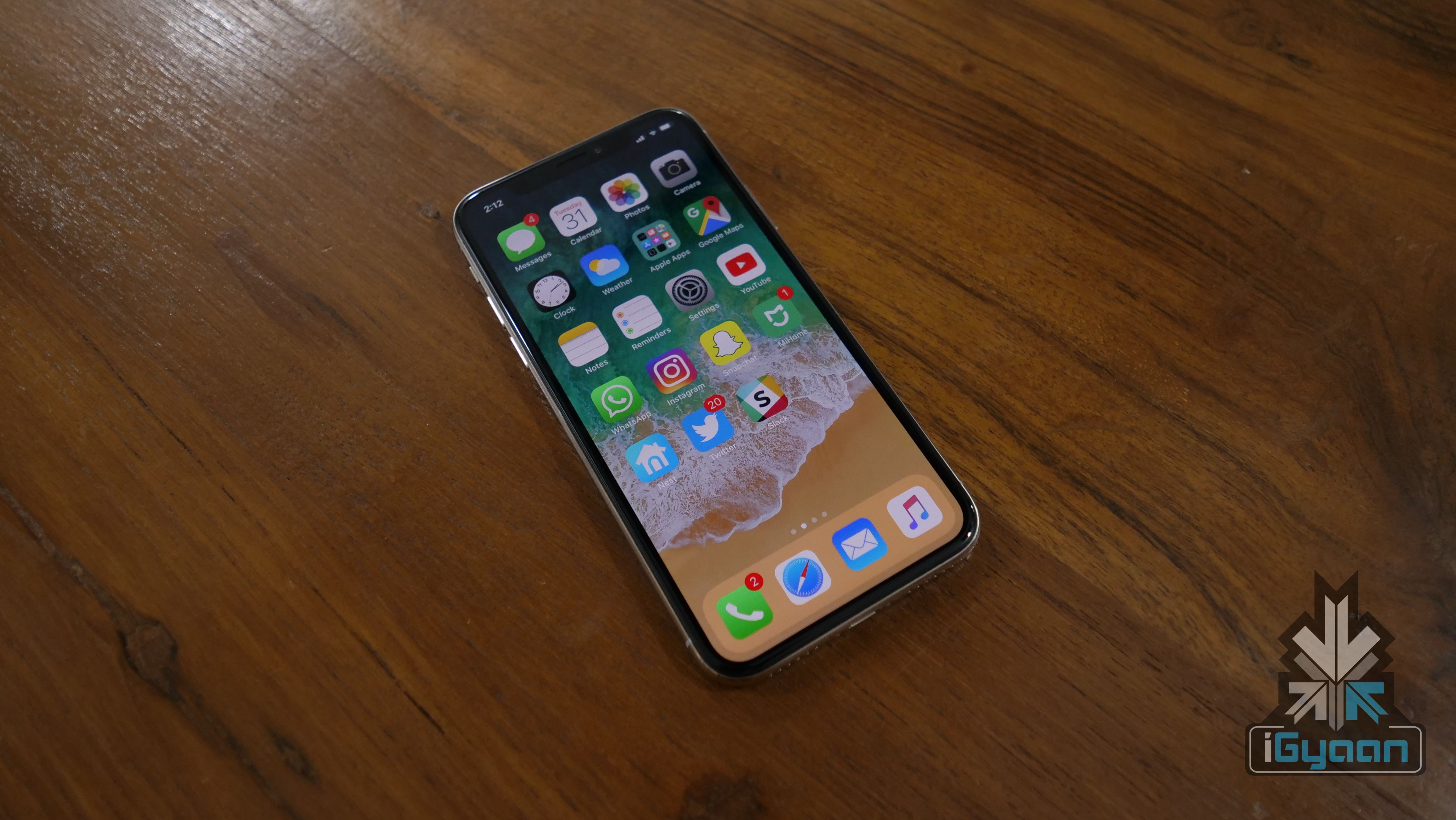
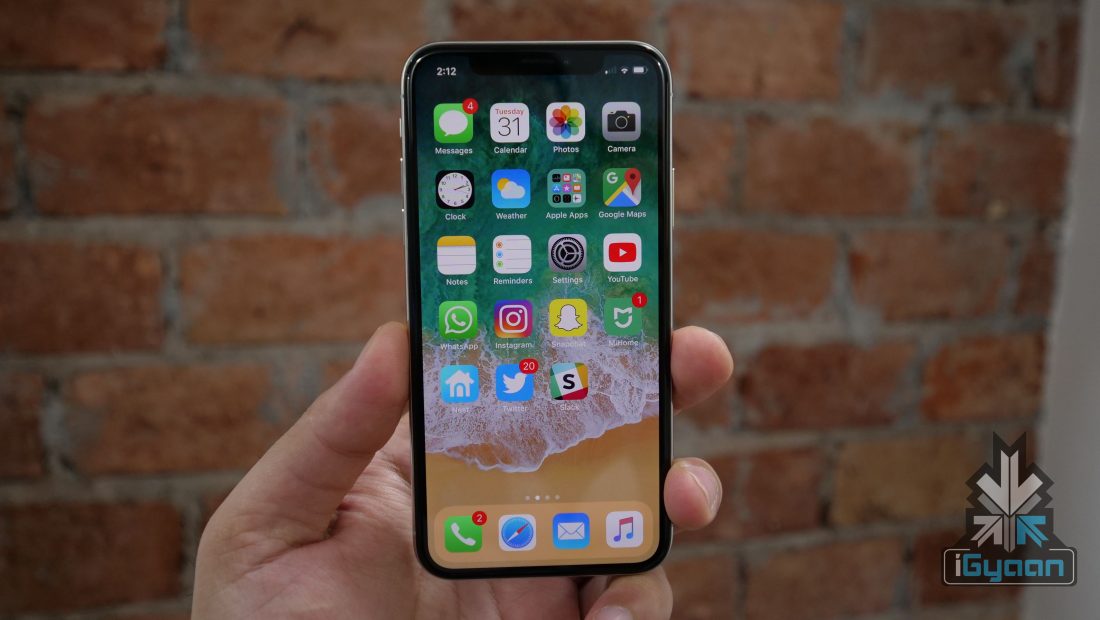
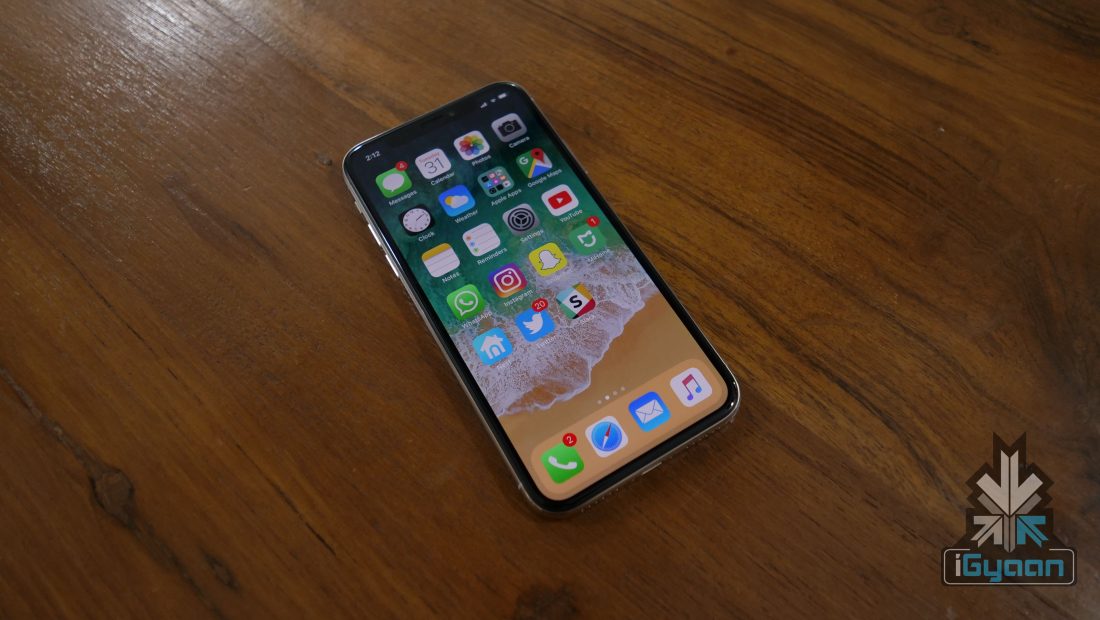
The iPhone X has a 5.8-inch 2436 x 1125 px OLED True Tone Super Retina display. The Apple iPhone X has a tall display thanks to its bezel-less design and has a notch at the top of the display.
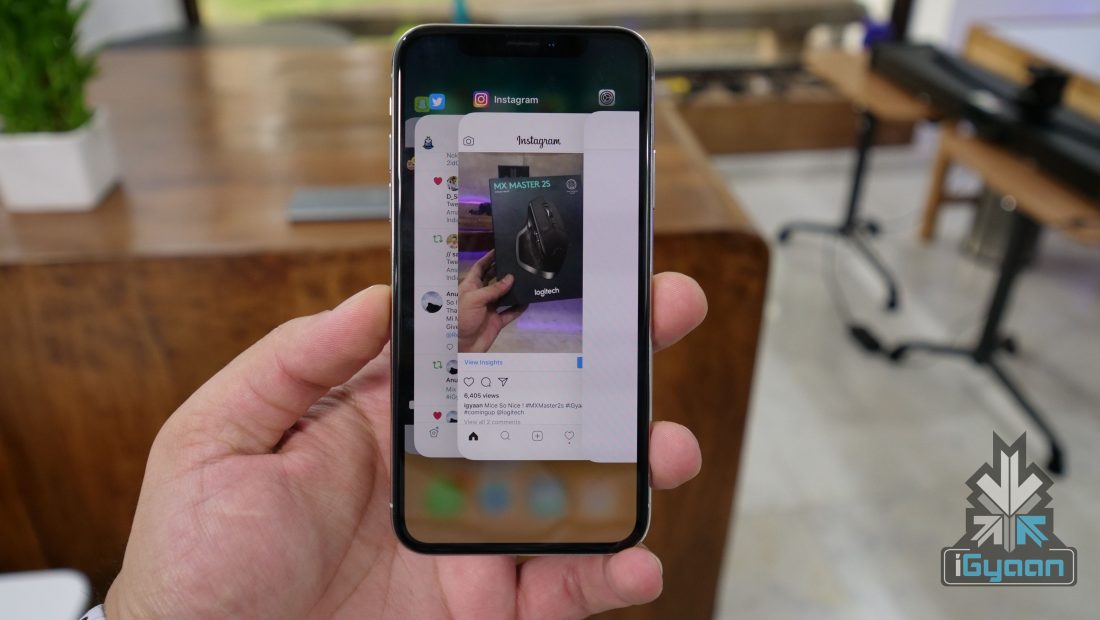
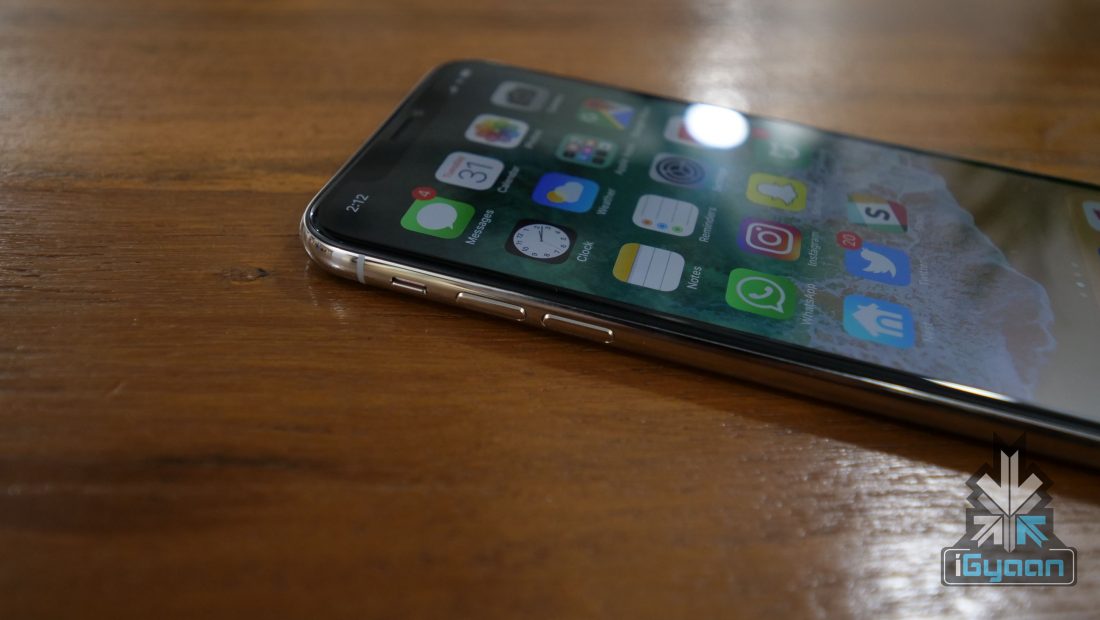
Under the hood, the smartphone has the Apple A11 Bionic chipset with a neural engine, a hexacore processor, 3GB of RAM and storage options of 64GB, and 256GB. The small bezels mean there is no physical home button, which is now replaced with gestures for navigation. Siri is activated by pressing the now larger lock/unlock button. The iPhone X is also IP67 certified for water and dust resistance, and wireless charging. The iPhone X is powered by a 3000 mAh battery and supports fast-charging however, the wall charger found inside the retail box is not a fast charger.
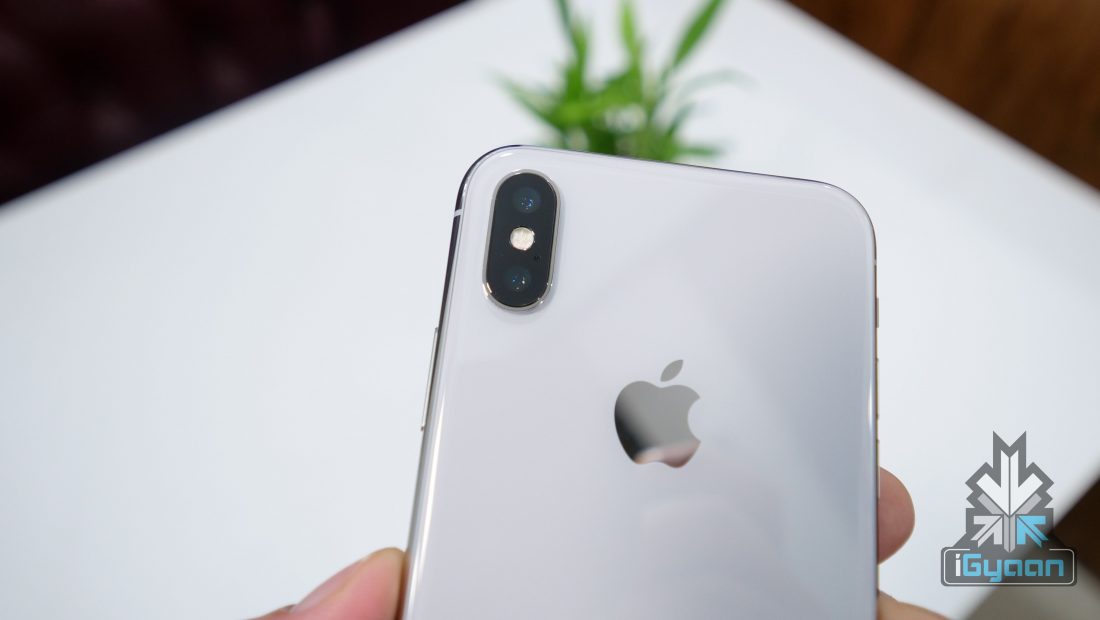
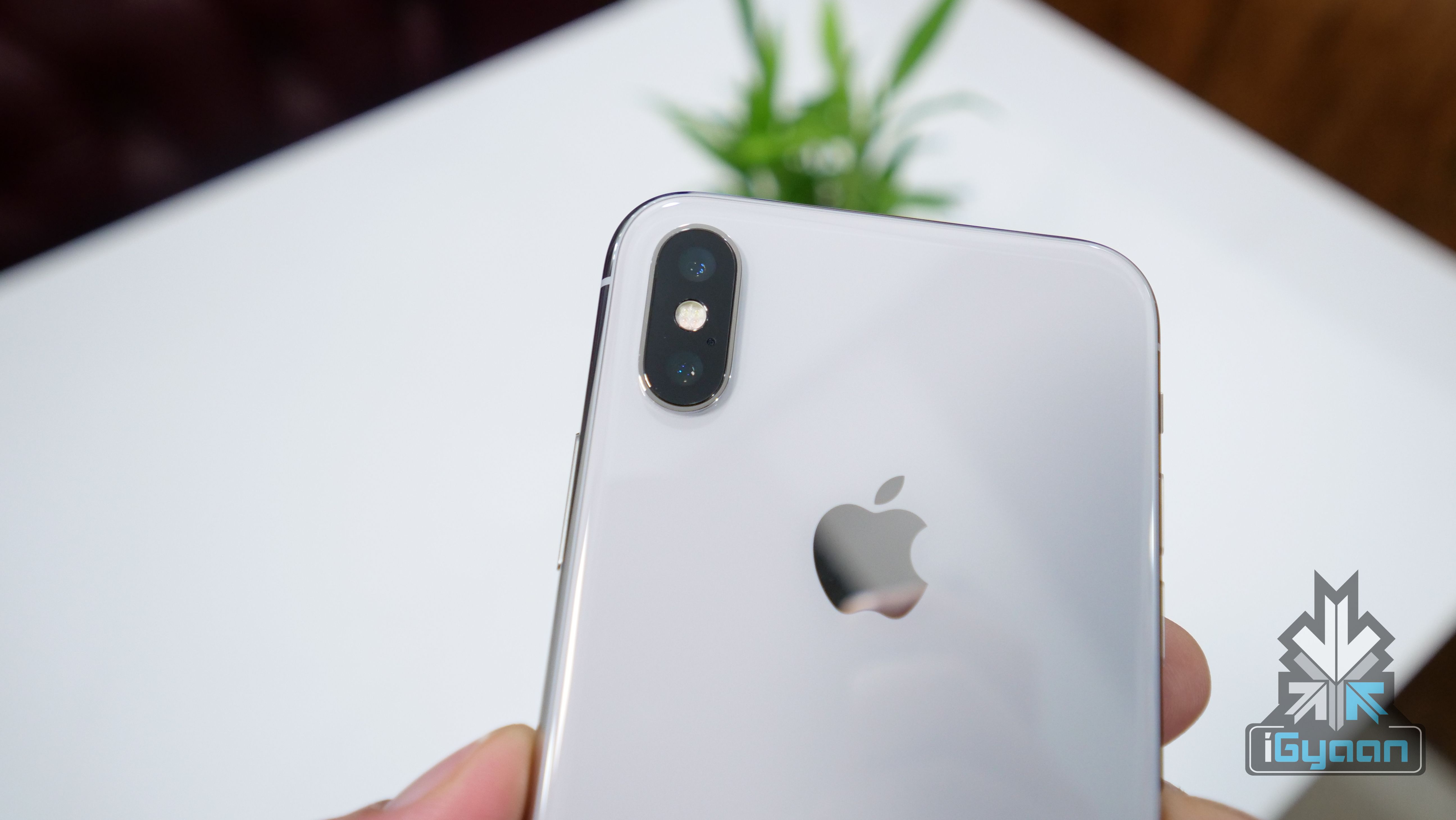
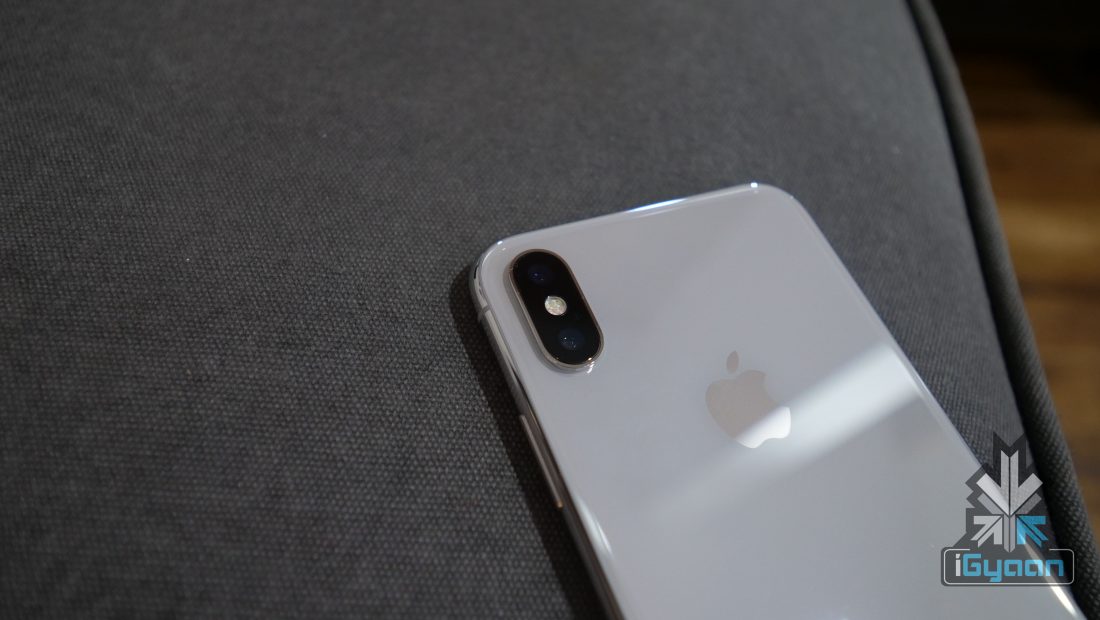
The iPhone X has dual 12-megapixel rear cameras, and it’s equipped with dual optical image stabilization. The sensors are both larger and faster, according to Apple, and the main camera is equipped with a wide angle lens and has an f/1.8 aperture while the secondary telephoto lens has an f/2.4 aperture. In between the two cameras is a quad-LED True Tone flash. Both the front and back cameras have the portrait mode. The rear cameras have the portrait lighting feature, just like the iPhone 8 and iPhone 8 Plus.
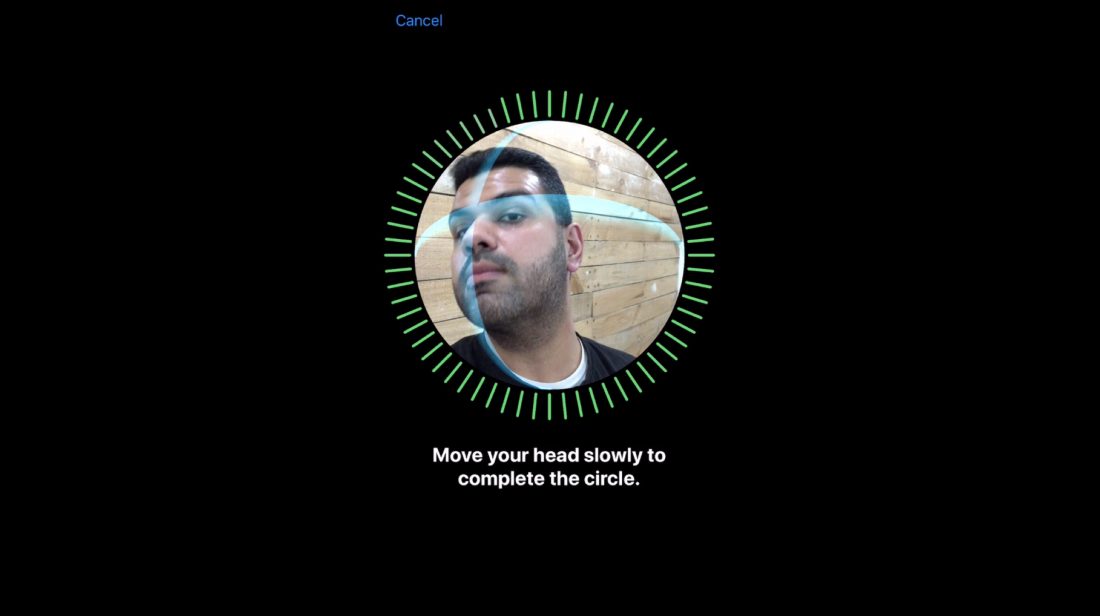
Apple has replaced Touch ID with Face ID in the new iPhone X. Thanks to the new cameras, Apple is bidding high on the iPhone X’s AR capabilities with features such as animojis.
The launch of the Apple iPhone Xhas seen a huge turn out at Apple stores across the world. When the iPhone X was launched along with iPhone 8 and iPhone 8 Plus, Apple announced that the iPhone 8 will go on sale first and the iPhone X will be available to buy from the 3rd of November across the globe. It was predicted that a lot of consumers will hold off and upgrade to the iPhone X rather than the iPhone 8 or iPhone 8 Plus.
The Apple iPhone X is billed as the true successor to the original iPhone which was launched in 2007. This is the first major design detour that Apple has taken in many years and so far, people appear to like the it. The Apple iPhone X also has wireless charging like the iPhone 8 and iPhone 8 Plus along with a steel frame. The iPhone X has a 5.8 inch OLED display with minimal bezels around it and a prominent ‘notch’ at the top which houses all the sensor and the true-depth camera.
The iPhone X has dual 12-megapixel rear cameras, and it’s equipped with dual optical image stabilization. The sensors are both larger and faster, according to Apple, and the main camera is equipped with a wide angle lens and has an f/1.8 aperture while the secondary telephoto lens has an f/2.4 aperture. In between the two cameras is a quad-LED True Tone flash. Both the front and back cameras have the portrait mode. The rear cameras have the portrait lighting feature, just like the iPhone 8 and iPhone 8 Plus.
The Apple iPhone X is also the most expensive iPhone ever. The 64GB variant in India is priced at Rs 89000 and if you want more storage, you will have to shell out a whopping Rs 102,000 for the 256GB variant.
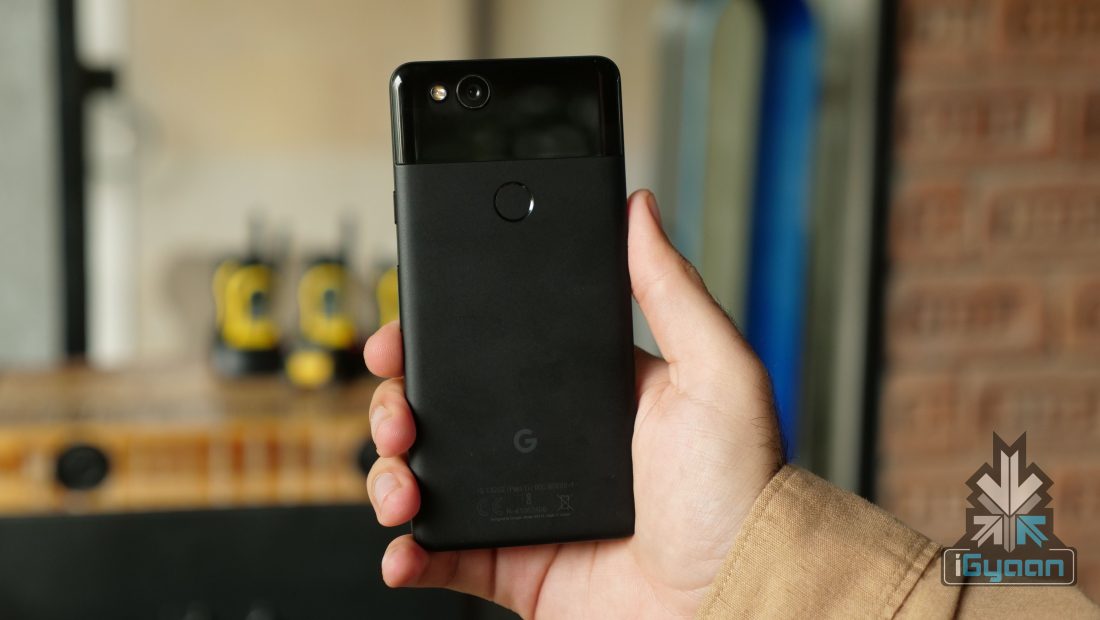
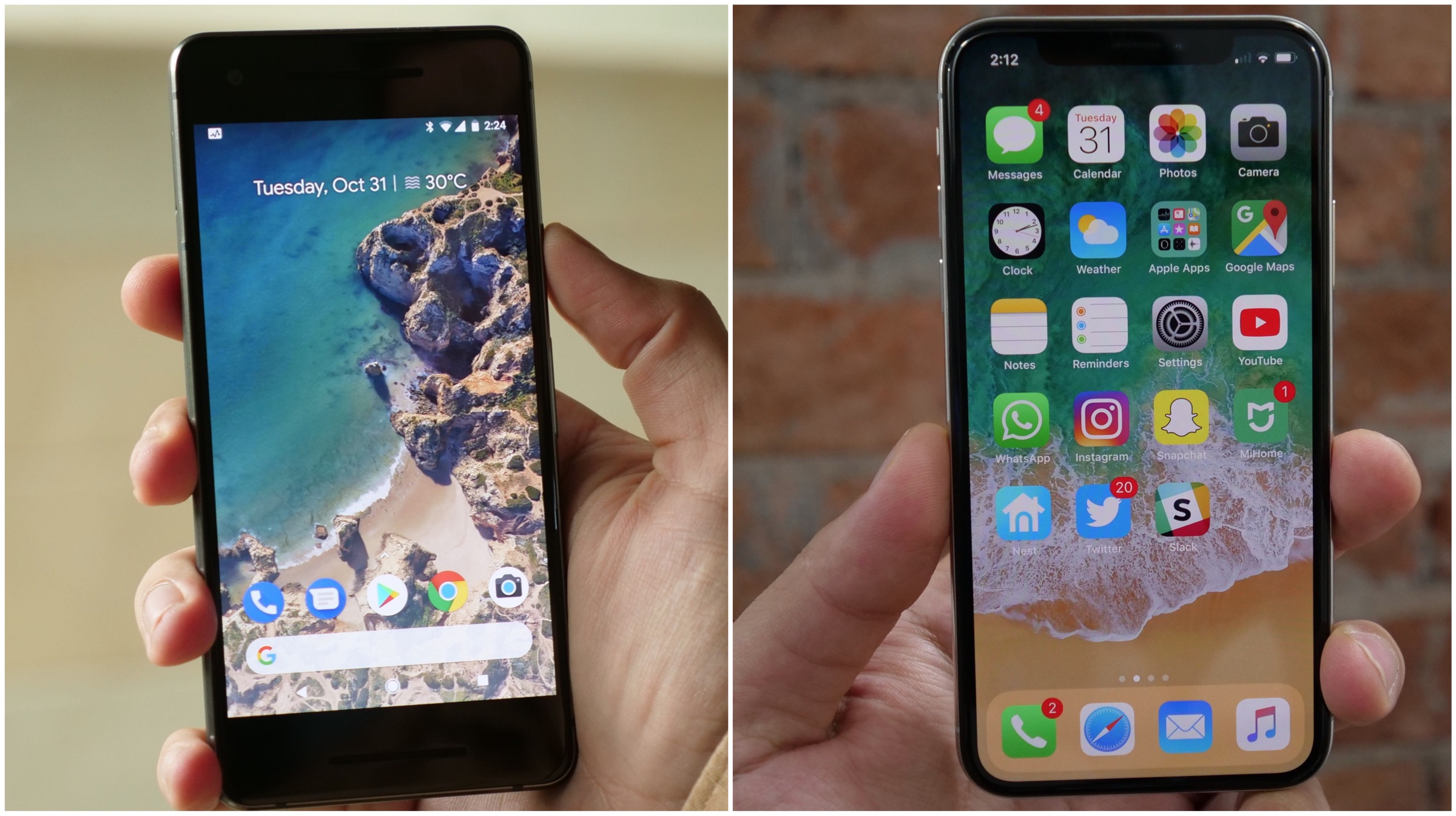
Apple and Google have been rivals in the world of tech for a long time now. For many years, Google was known for its software business but, it recently took control over its phones’ hardware as well with the rise of the Pixel lineup. In September, Apple launched the marquee iPhone X and Google launched the Pixel 2 and Pixel 2 XLa month later. While the iPhone X takes a huge detour in terms of design from its predecessor, you can still see shades of the original Pixel devices in the new Pixel 2 smartphones. Both, the iPhone X and Google Pixel 2 went up for pre-orders in India on the 27th of October. Let’s stack up the Google Pixel 2 against the iPhone X and see who comes out on top.
Price
If you care about your budget and are okay with either Android or iOS, then the Pixel 2 should be your choice. The Pixel 2 starts at a price of Rs 63000 for the 64GB variant while the iPhone X costs Rs 89000 for the 64GB variant. Even the Pixel 2 XL will be cheaper than the iPhone X and fit better in your budget.
Design
There isn’t a competition here in the design department. Even if it were the Pixel 2 XL against the iPhone X, the latter would win on any day under the Sun. The iPhone X has minimal bezels around a 5.8-inch OLED display while Pixel 2 , even though has the front-firing stereo speakers, still possesses those big 2015 bezels. The iPhone X has a glass back which enables the much-awaited wireless charging feature, while it eludes the Google Pixel 2 owing to an aluminium body. The “glass window” from the 2016 Pixel smartphone retains its place albeit a smaller size which, some people like and other people find hideous. The glass back on the iPhone X however means that it is a fingerprint magnet but, a skin or a cover can negate that. The design department goes hands down, to the Apple iPhone X.
Multimedia
With smartphones getting more expensive and people becoming more mobile, the media consumption has largely shifted from laptops and desktops to smartphones. When you buy thousand dollar, or a nearly thousand dollar smartphone, you better get excellent media consumption experience. Here’s where, again, the iPhone X trumps the Google Pixel 2. Despite the front-firing speakers on the Pixel 2, the speaker on the iPhone X is much louder and has a better sound stage than the Pixel 2. Pixel 2 is loud, no doubt, but when stacked up against the iPhone X, it falls short in quality and volume as well. The display on the iPhone X is an OLED panel with a 2436 x 1125 resolution in comparison to the 5 inch AMOLED 1920 x 1080 px on the Pixel 2. While watching videos, the notch on the iPhone X can be negated by pinching out of the video or, you can choose to embrace the notch. The viewing angles are much better on the iPhone X which translates to amazing video watching experience. Both the phones are missing the headphone jack so, if you are not willing to live the dongle-life, bluetooth headphones are the way to go. With a better display and speakers, the iPhone X beats the Google Pixel 2 in the multimedia department.
Software
Comparing iOS and Android is like comparing apples to oranges, you can do it, but, it doesn’t solve any purpose. The Google Pixel 2 runs pure Android 8.0 Oreo with some nifty features like ‘Now Playing’ and squeeze to launch the Google Assistant. On the iPhone X, you still have to long press the lock/unlock button to launch Siri. The iPhone X runs iOS 11 out of the box, and even though the latest version of iOS has run into some issues, it is a smooth experience over-all on the iPhone. With the riddance of the home button on the iPhone X, the navigation within the phone is replaced by gestures. Both the Google Pixel 2 and iPhone X will receive software updates for years to come, and in the end it is up to you to choose between Android and iOS.
Gaming Performance
If you are that person who swears by the benchmark scores, then the iPhone X scores a whopping 229507 on Antutu while the Pixel 2 scores 150957. Gaming on both the phones was a breeze and the Snapdragon 835 on the Pixel 2 and A11 Bionic chip on the iPhone X does not disappoint. Once you get used to the gestures on the iPhone X, you realise that multi-tasking and general usage is extremely smooth and same is the case with the Pixel 2. Android phones have been criticised for slowing down with time and it will be interesting to see how the two phones will perform in the coming months after extensive usage.
Camera
Both the iPhone X and Pixel 2 have great cameras. The 12.2MP camera on the Pixel 2 and the 12MP dual camera setup on the iPhone X perform great in low-light conditions and in brightly lit environments, there is barely anything to guess them apart. The difference comes in the video department, the iPhone X takes video recording a notch higher (no pun intended) with 4K videos at 60fps while the Pixel 2 still records 4K videos at 30fps.