Things are getting ugly between the FBI, and Apple. In latest developments in this ongoing saga, the Department of Justice has gotten itself involved and has filed a motion asking Apple to comply with the FBI order.
Over the last few days, the courts ordered Apple to create a special version of the iOS to access a work iPhone 5c of one of the suspected terrorists involved in the San Bernardino shooting. What ensued then was Apple bringing the debate to the public discourse when its CEO, Tim Cook, wrote a strongly worded open letter to its customers worldwide in which it insinuated that it will not comply with the court’s orders as it will be detrimental to the privacy of each and everyone using the iPhone 5c.
This motion filed against Apple shouldn’t come as a surprise after what the Obama government has already said on the issue. The government earlier revealed that it is in the favour of FBI’s argument, and considers rooting out terrorism a priority over the privacy of millions around the globe.
The Department of Justice filing which could have grave implications for all of us read,
“Apple left the government with no option other than to apply to this Court for the Order issued on February 16, 2016. The Order requires Apple to assist the FBI with respect to this single iPhone used by Farook by providing the FBI with the opportunity to determine the passcode. The Order does not, as Apple’s public statement alleges, require Apple to create or provide a ‘back door’ to every iPhone; it does not provide ‘hackers and criminals’ access to iPhones; it does not require Apple to ‘hack [its] own users’ or to ‘decrypt’ its own phones; it does not give the government ‘the power to reach into anyone’s device’ without a warrant or court authorization; and it does not compromise the security of personal information.”
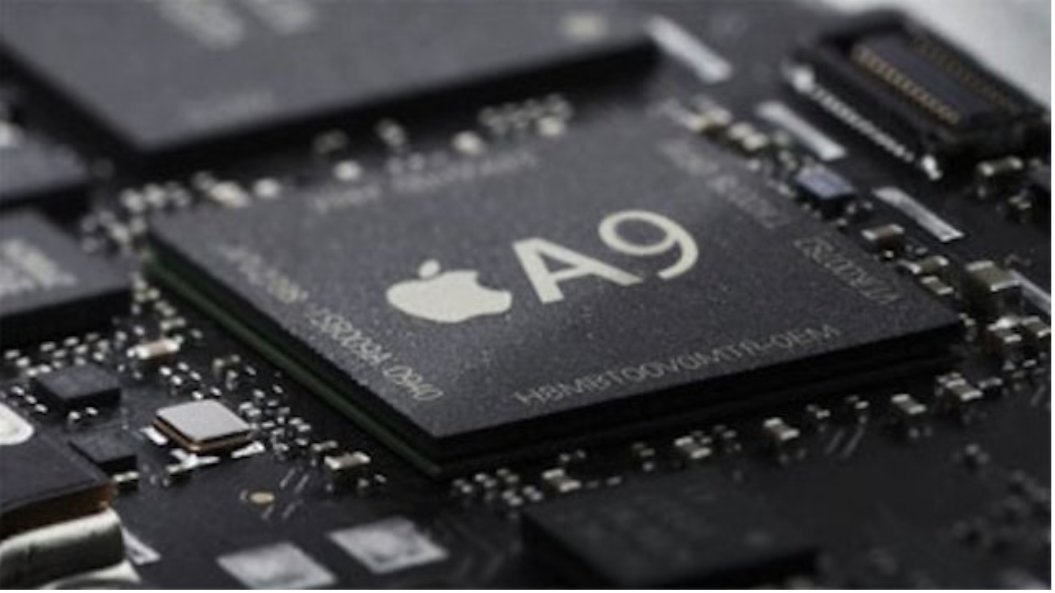
According to latest reports, the iPhone 5se will come equipped with an A9 processor, and the iPad Air 3 will be equipped with the A9X chip. These are the same chips found currently on the iPhone 6s, the iPad Pro.
Early iPhone 5se rumours pointed towards information on the processor regarding the processor. Multiple reports suggested it to come with the A9 while others pointing towards the previous-generation A8. But latest reports from reliable sources confirms what already was expected.
Latest reports also corroborates earlier reports about Apple planning to introduce the iPhone 5se and iPad Air 3 during an event in March. Previous rumors all point to this event taking place on Tuesday, March 15.
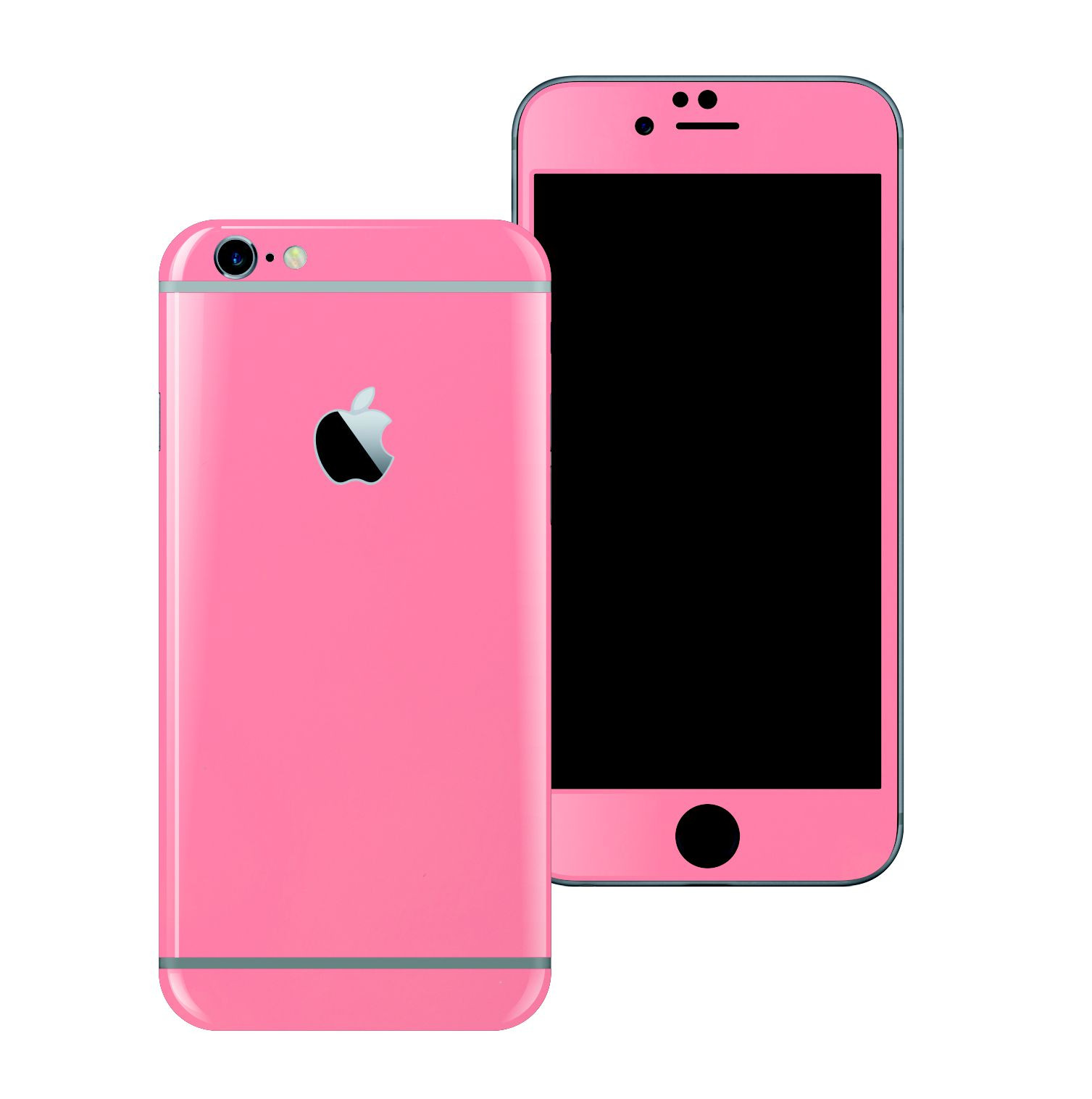
The still to be announced iPhone 5se is Apple’s 4-inch iPhone, which will be sold alongside its larger-screened flagship devices. iPhone 5se rumors suggest it will look like a cross between an iPhone 5s and an iPhone 6s, and will use the iPhone 5s body with the curved display glass of the newer device.
The iPad Air 3, will feature several design similarities with the iPad Pro. It is expected to include four speakers, two at the top and two at the bottom, along with a possible Smart Connector for accessories and a rear LED flash, the first to be implemented in an iPad.
The FBI got hold of the iPhone of dead San Bernardino terrorism suspect, Syed Rizwan Farook back in December, but sophisticated encryption technology present on the Apple made phone has prevented the authorities from accessing its contents.
Hardly two weeks back, the Federal Bureau of Investigation accepting defeat called Apple’s headquarters in Cupertino, California, asking the company to help them get into his iPhone. Apple politely refused.
Things quickly escalated on 16th February, when a federal judge in California on the request of the FBI ordered Apple to provide the investigative agency with the tools required to unlock Farooq’s phone which according to the FBI was used by the shooter in the San Bernardino attack.
And just last night, Apple CEO Tim Cook responded to this new development with a strong-worded open letter to its customers. Cook in his letter described the FBI’s actions as an “unprecedented step which threatens the security of all customers” hinting that the actions involved in this one case could have far-reaching repercussions beyond just this one isolated case. And, for once, Tim Cook has got things spot on.
The FBI’s request to violate the privacy rights of a dead suspected terrorist may not ring any alarm bells or the consequent order of the court asking Apple to cook up a custom version of its iOS specifically for this phone to help the authorities gain access to it does not sound malicious in isolation, but As Tim Cook points out this small step has the potential to undermine the security of each and every iPhone around the globe.
“The government suggests this tool could only be used once, on one phone,” Cook wrote. “But that’s simply not true. Once created, the technique could be used over and over again, on any number of devices.”
What essentially the FBI wants Apple to do is help it get around crucial privacy features meant for safeguarding the phone from criminals using brute force attack. If Apple complies, and puts its best minds to cook up a software to nullify the encryption chip on its phone, and bypass the AES 256 bit encryption system on it, this will not only set the precedent for further legal or illegal use of this new technique by the government for any iPhone in the world, but also leave the door wide open for criminals to get their hands on this tech, and compromise the privacy of everyone with an iPhone.
In today’s digital world, the “key” to an encrypted system is a piece of information that unlocks the data, and it is only as secure as the protections around it. Once the information is known, or a way to bypass the code is revealed, the encryption can be defeated by anyone with that knowledge.
In the physical world, it would be the equivalent of a master key, capable of opening hundreds of millions of locks — from restaurants and banks to stores and homes. No reasonable person would find that acceptable.
Google’s CEO, Sundar Pichai has in a list of tweets backed Tim Cook’s open letter giving strength to the argument that giving the authorities such overreaching powers could have serious repercussions. The FBI’s request, however innocent, and noble in intention should be rejected at every chance possible because it holds in itself the possibility of malice that if unleashed could undermine our privacy going forward.
Giving the government access to user data occasionally is wholly different than giving them the power to hack into our phones, and invade our privacy. If the FBI succeeds in this then it could indeed be a troubling precedent going ahead for users not just in the United States, but also here in India.
Last year saw some incredible smartphones that pushed the boundaries of design and specification, making it difficult to pick out just one favourite. This year promises to do the same. We take a look at some of the most anticipated smartphone launches expected in 2016 and what we know about them so far.
iPhone 7
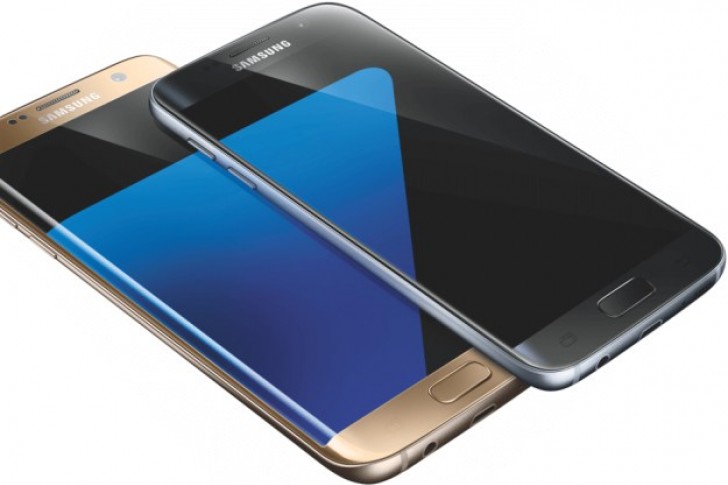
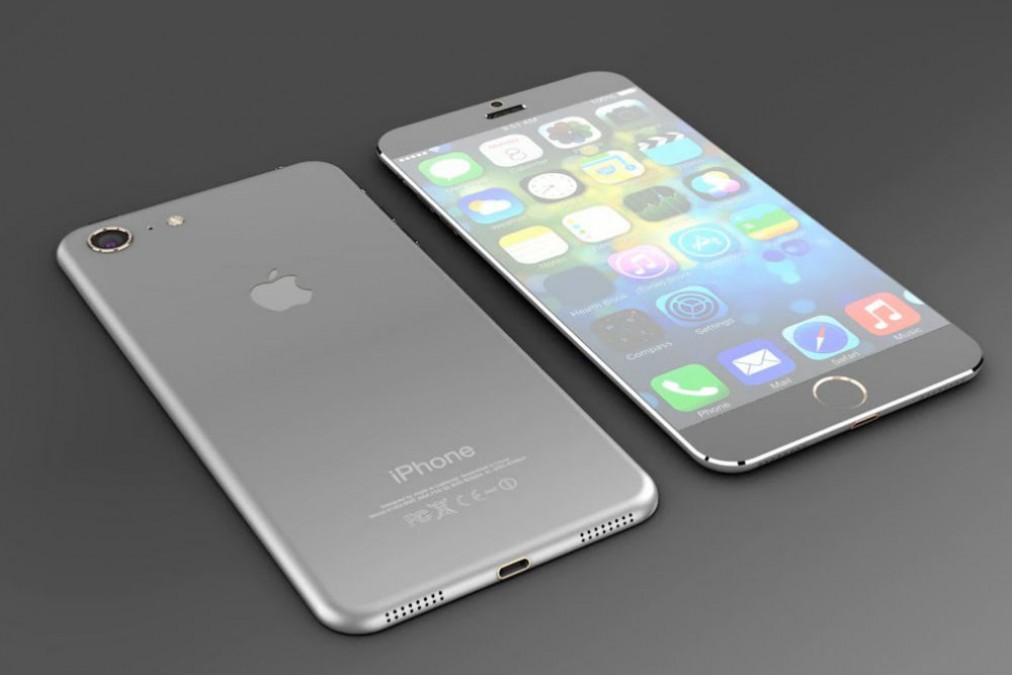
Apple’s iPhone 7 and Samsung’ Galaxy S7 are perhaps the most talked about flagship devices today. There’s just a lot of anticipation attached to the upcoming handsets and along with it a lot of rumours as well. The first round of rumours a few months ago suggested that the iPhone 7 will lose the home button and will sport an OLED display thereby giving up on LCD display that it has relied on so far. Apple followers will know that the Apple Watch is the only Apple device to sport an OLED display currently. Furthermore, the OLED display will either be supplied by LG or Samsung, or both.
Next up, the iPhone 7 is rumoured to be waterproof and will feature 3 GB of RAM. More recently, there have been talks related to Apple’s decision to ditch the headphone jack. This is part of Apple’s plan to improve the quality of music streaming. Furthermore, the loss of a headphone jack means more space for Apple to add a larger battery to the iPhone 7, as well as make the device thinner. We’ll just have to wait and see how this strategy plays out.
Samsung Galaxy S7 and S7 Edge
There have been a lot of rumours and a lot of questions regarding the launch and specs of Samsung’s upcoming flagship Galaxy S7 devices. What everyone is expecting is Samsung to pull out another stunning flagship that pushes the boundaries of design and power, like it did with the Galaxy S6 series.
It’s almost confirmed that the Galaxy S7 will arrive in two variants – one powered by the new Snapdragon 820 chipset and the other by Exynos 8890.
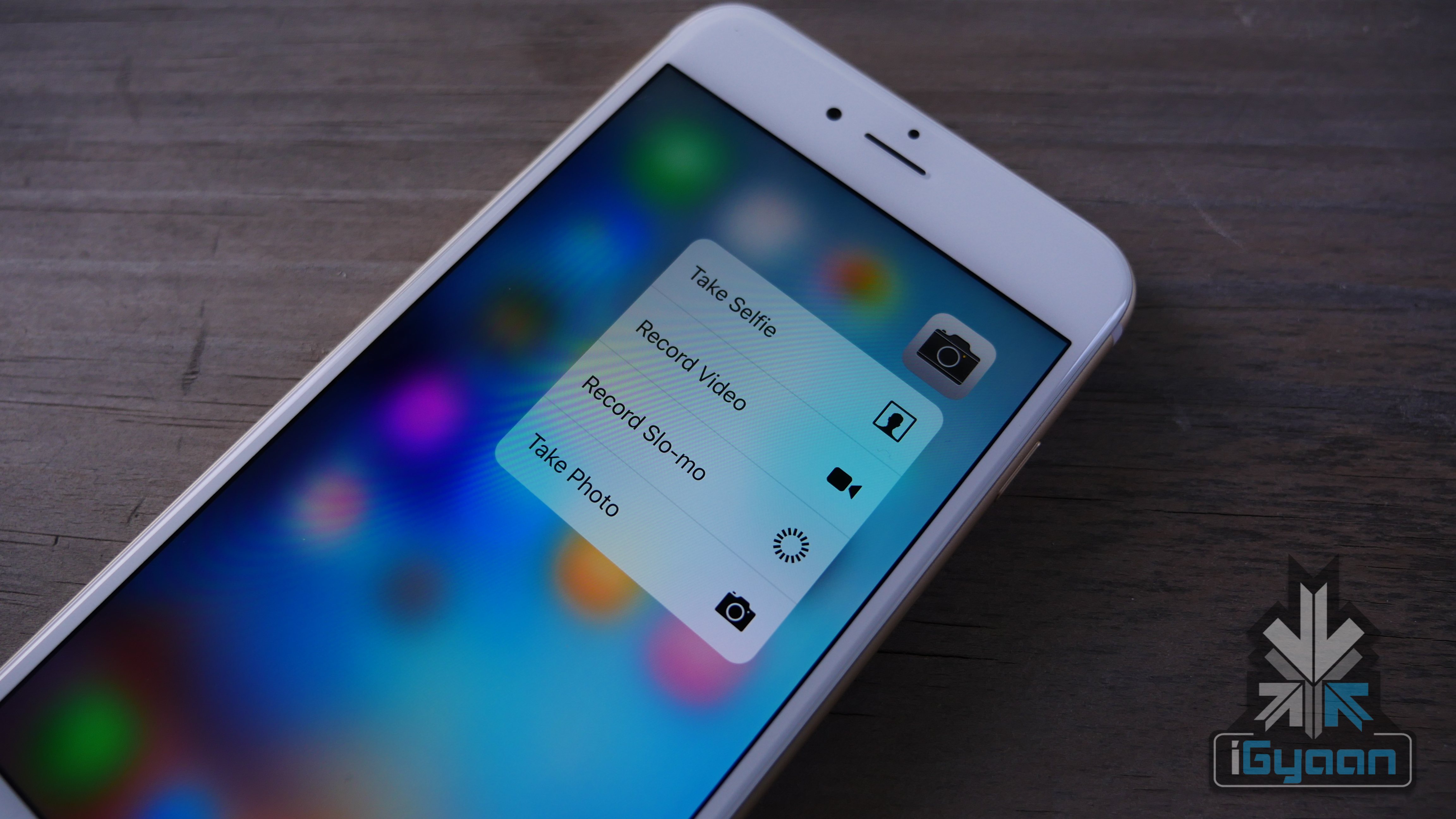
Among the many rumours that have been making the rounds, some that have caught our attention is that the S7 devices will feature Apple’s 3D Touch-like pressure sensitive display called ClearForce that’s being developed by Synaptics. Additionally, the Galaxy S7 will have a Type C USB Port which means the device will charge significantly faster.
The flat Galaxy S7 will likely sport a 5.2-inch Super AMOLED display while the ‘Edge’ variant will come with a 5.5-inch display of the same kind. In terms of design, Samsung is sticking to the S6 design language only upgrading the specs, which we’re not complaining about. The flagship devices are slated to be unveiled on February 21 at the MWC ‘Unpacked’ event.
HTC One M10
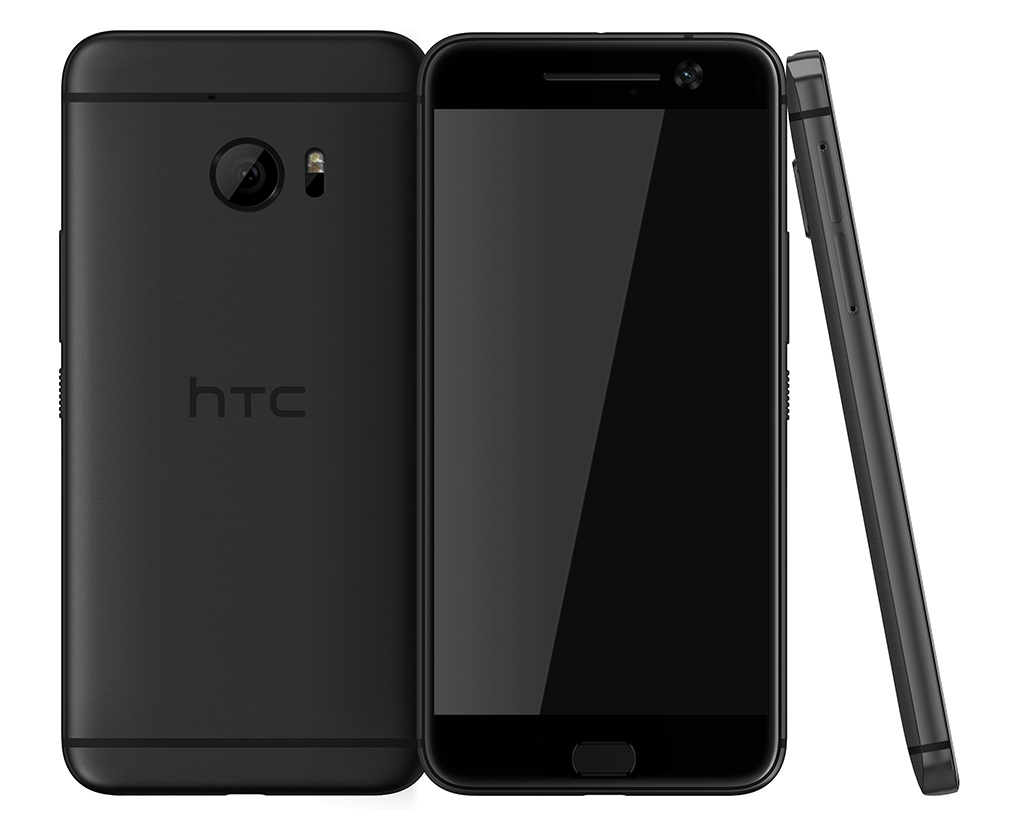
Being a successor to the One M9, the HTC One M10 will look to improve on specs wherever it can. The new iteration is said to come with a 5.5-inch QHD display. You can expect some bright, crisp colours under a Gorilla Glass 4 protection.
On the design front, the device will have the all-metal, unibody form associated with HTC flagships, along with curved edges and bezels to give it an attractive look. The One M10 will look a lot more like the One A9 than the One M9. From what recent renders tell us, HTC is ditching the BoomSound front speakers as well as the much-hated logo on the front that was found on the One M10. The HTC One M10 will sport a Snapdragon 820 chipset under the hood along with a powerful graphics card.
Other features include a Touch ID fingerprint scanner housed inside the home button, 4 GB of RAM with 16 GB and 32 GB internal storage variants, and a battery capacity of 3,500 mAh. The device is expected to come out sometime in March.
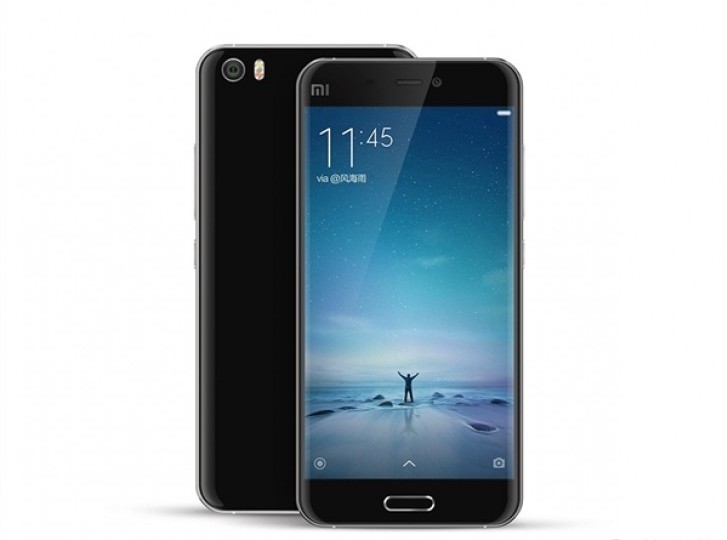
Xiaomi Mi 5
Xiaomi fans have been eagerly awaiting the Mi 5 flagship smartphone, which has been delayed due to the launch of the Snapdragon 820 chipset. Since Samsung has claimed exclusivity of the new chipset for the first quarter, the Mi 5 along with any other device sporting the new, powerful processor will all likely see a post-March release.
Recent rumours about the specs of the Mi 5 are contradictory with some claiming the Mi 5 will sport a 5.5-inch screen with quad HD (2560×1440) display and the others pointing to a 5.7-inch with Full HD display. What’s almost confirmed is a Snapdragon 820 chipset, 20MP primary camera and an 8MP front cameras. The device will also come with 3,800mAh battery and 4G LTE support. RAM is set at 4GB and the phone will offer 16GB/64GB/128GB storage options.
OnePlus 3
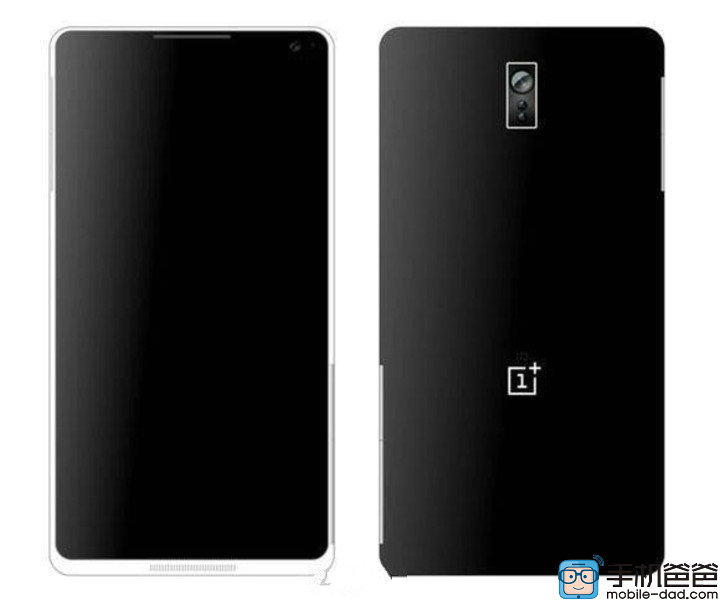
OnePlus 3 Render
OnePlus has done so much in so little time. The company, still in its infancy, has already released 3 spectacular devices -OnePlus One, OnePlus 2 and OnePlus X in the span of two years. This year, OnePlus will look to reclaim the title of the ‘flagship killer’ with the upcoming OnePlus 3 smartphone. Not much is known about the third flagship device, and only a couple of leaked renders have appeared giving rise to possible hardware specs.
The image above shows a brushed metal back instead of the usual sandstone panels. The new OnePlus might also feature a front speaker. The render shows that the handset could possibly come in two different colours.
From what we’ve heard so far, the new OnePlus device will sport a 5.5-inch UHD display with 5GB RAM. Sources also reveal a little about the hardware and display citing that the handset could arrive with the Snapdragon 820 chipset and a 1080p display resolution.
LG G5
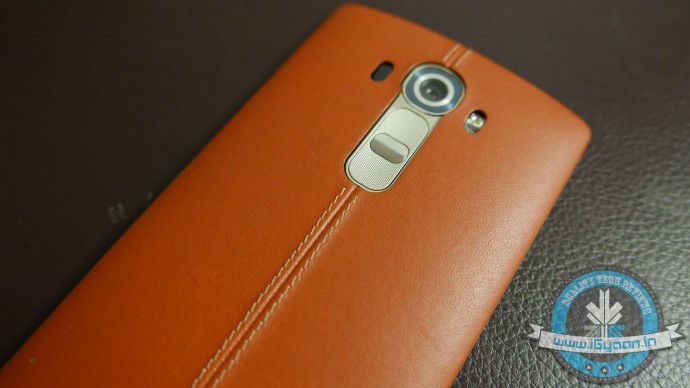
LG G4
A Redditor recently leaked some specs and images of the LG G5. The device will sport a 5.3-inch Quad HD display, powered by the new Snapdragon 820 SoC with 3 GB of RAM and an 8 MP front camera. Other specs include a full metal body, SIM and MicroSD slot, heart rate sensor that’s under the camera module, a fingerprint sensor embedded in the power button, a USB Type-C port, bottom firing speaker and an IR blaster on top.
Some recent rumours have suggested a modular design for the LG G5 where the bottom is detachable so as to easily remove the battery pack. This, however, is still a long shot and nothing has been confirmed on that front.
A leaked image also suggests that the LG G5 will sport a dual camera set-up at the back – 16 MP and 8 MP. LG will launch the G5 flagship smartphone at the MWC next week.
Sony Xperia Z6
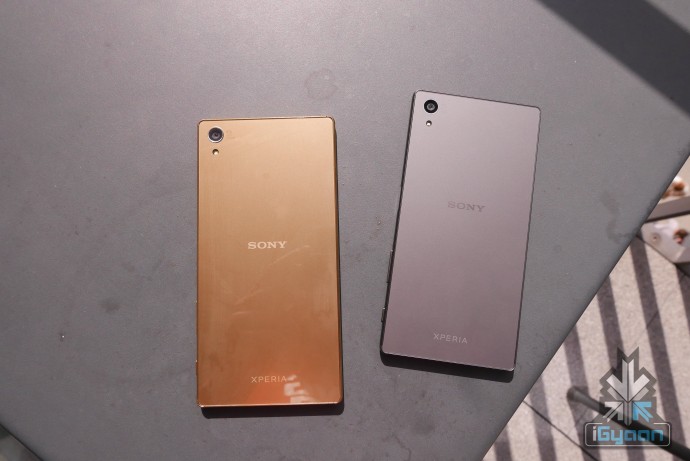
Sony Xperia Z5 Premium
It looks like Sony is planning to launch a slew of devices under the Z6 line. It is rumoured that a total of six Z6 devices will be launched this year: a 4-inch Xperia Z6 Mini, a 4.6-inch Xperia Z6 Compact, a 5.2-inch Xperia Z6, a 5.8-inch Xperia Z6 Plus, a 6.4-inch Xperia Z6 Ultra, and a 5-inch Z6 Lite. Now, Sony is yet to confirm the rumours, but you can expect some, if not all, to be true.
What you can expect from the Xperia Z6 is a build that’ll reflect the Z5 with a squarer, flatter design rather than the traditional rounded edges that Sony had previously stuck to with the older models. The Z6 will also come with a fingerprint scanner added to the power side button.
The burning question is whether Sony will go for a 2K display with the 5.2-inch Xperia Z6 or will it continue with a Full HD display as it has with the Z5. Doing the former would mean having to sacrifice battery life, which Sony isn’t all too fond of doing at the moment.
Nokia C1
Nokia C1 Render
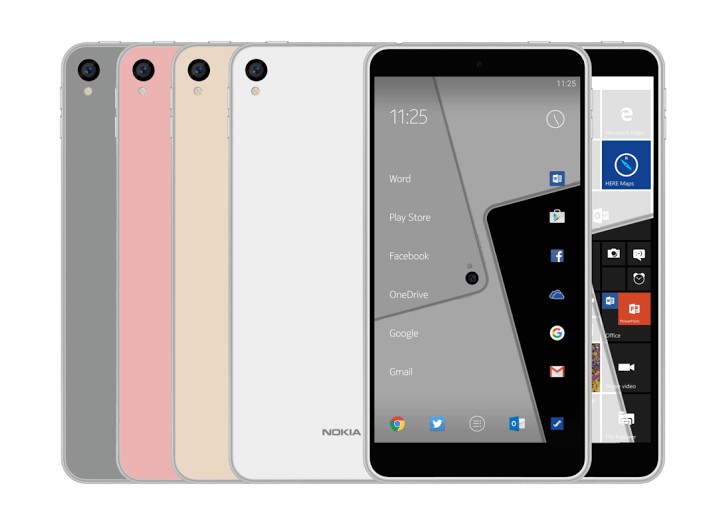
Nokia is all set to make a comeback with a new smartphone. This new device, allegedly called the C1, will be the first flagship device to bear the Nokia logo since the Finnish company was sold to Microsoft a few years ago.
There have been a number of leaked renders that claim the design of the C1, though each source has leaked different designs. One of the more recent renders show a very minimalist and sleek design, which actually looks pretty good, if confirmed as legit. The C1 is also depicted running both Android and well as Windows 10 OS.
Rumours suggest that the Nokia C1 will come in two variants. The first one will sport a 5.5-inch Full HD display and a 13 MP rear camera and 5 MP front camera. The device will also come with 3 GB of RAM and 64 GB of internal memory expandable via microSD card slot.
The second variant will have a 5-inch Full HD display and will sport an 8 MP rear camera and 5 MP front camera, 2 GB of RAM and 32 GB of memory.
According to new reports, a small start-up company named Energous has partnered with Apple to bring its WattUp technology to the iPhone. Reportedly, Apple will have the exclusive rights to the technology, which allows devices to be charged wirelessly from as far as 15 feet. The Energous chip that is added to the phone is so small that it won’t affect the size of the phone.
The chip works with a transmitter that can be placed anywhere in a room. If the WattUp chip is placed inside the iPhone 7, and you put a transmitter inside your office, your phone will Be able to charge through the day. If you put a transmitter in your bedroom, it will charge wirelessly all night.
Neither Apple not Energous have confirmed these rumours and it may be unlikely that the iPhone 7 may not feature this technology, but it doesn’t rule it out for the iPhone 7s or so.
In December, 2015, Calif, San Francisco, became victim of a cold-blooded shooting incident orchestrated by Syed Rizwan Farook and his wife, Tashfeen Malik. Fourteen civilians were shot dead before the couple was taken down by the police. It was later confirmed that Rizwan Farook’s phone, an iPhone 5c, was in custody with the authorities.
After two months of failed attempts of unlocking it, the court ordered Apple to provide an encryption code that would take down the security measures of the device. Judge Sheri Pym asked Apple to provide specialized software that would bring down the security, while also getting rid of the feature which erases all data from the phone after a couple of unsuccessful attempts to log in.
It was later confirmed that the auto-delete feature has been deactivated and that authorities are using brute force attack to unlock the code. According to Apple, a method of this kind would take decades to move past the security encryption of the phone. In fact, a supercomputer would take over five years to crack such a six-digit code.
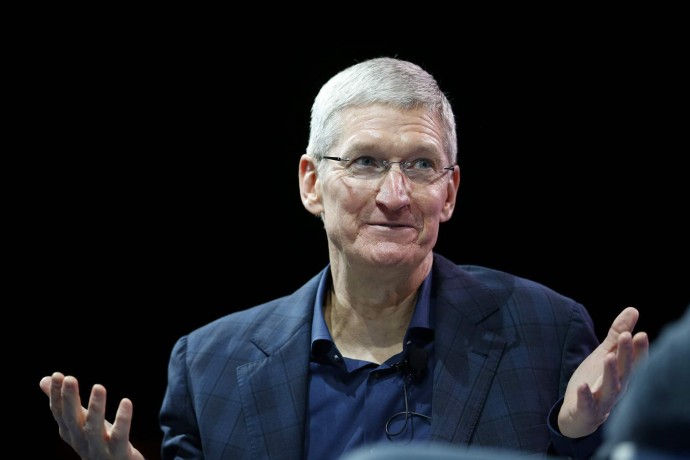
He may look it, but he’s not pleased.
Apple has accepted that it is pretty much impossible to break into an Apple device which is running on iOS 9. In the wake of these events, Apple was requested by FBI to provide a unique encryption that would allow them to retrieve security key to Rizwan Farook’s iPhone. Apple refused to offer a solution that would allow FBI to bypass the code for it believes this would be detrimental for the security of iPhone users all over the world.
“We have great respect for the professionals at the FBI, and we believe their intentions are good…The FBI may use different words to describe this tool, but make no mistake: Building a version of iOS that bypasses security in this way would undeniably create a backdoor. And while the government may argue that its use would be limited to this case, there is no way to guarantee such control,” Tim Cook wrote on the Apple website.
Apple has been very conscious of its users’ privacy from the start. Only a few days ago the company had declared it would never reveal personal details of iPhone users to the police. And now comes this very clearly stated message from the company. Tim Cook is definitely not overly pleased by FBI’s demands and has made his stance clear. Has he opted for the right plan of action by protecting users’ privacy all over, or should he just go ahead and provide the authorities with the encryption?
In a news that will excite Apple and non-Apple fans alike, the upcoming iPhone 7 will have the most powerful front camera by the Cupertino-based giant yet. The front camera will be able to capture high resolutions stills and 4K video recording as well.
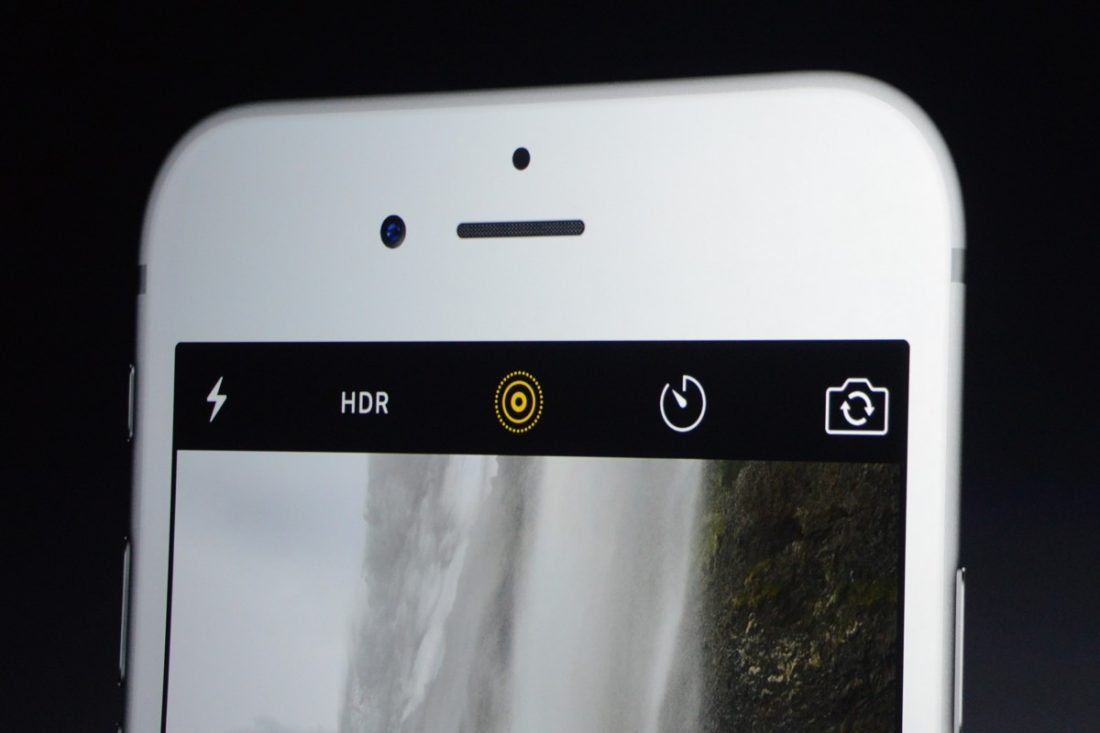
It looks like Apple’s focus on selfies remains high. The company has understood the trend of the hour and wants to deliver the best possible camera for that. With the iPhone 6s, Apple had introduced a whopping 5MP front camera ( a major bump from the 1.2MP of the iPhone 6) with Retina Flash as well as a GIF-like feature with Live Photos.
The Retina Flash feature intelligently lights the subject with a colored flash, calculated by first flashing a neutral white flash by amping up the display, then almost immediately re-flashing the screen with a selected color. The selected color is typically an amber hue as it delivers a more flattering flash than a pure white screen would.
With the iPhone 7, Apple will likely stick to a 5MP front and Retina Flash only the images will get a lot more color, sharpness, and detail with high-res capability, and with 4K recording, selfie videos are going to be the next big thing. We may just see the front camera being the new primary option for photography rather than the rear.
From wearables to 3D printed shoes and dresses at this year’s CES, technology and fashion are two forces whose paths have been crossing pretty frequently lately. It is only natural that this fusion gets a formal acknowledgement as Met Gala 2016 gears itself to bring technology and fashion together aptly naming its fashion event this year -“Manus x Machina: Fashion in an Age of Technology”.
When we say technology one of the first few names to pop up in our heads includes Apple. Consequently, it’s no big surprise the Cupertino based tech giant is partners with the Costume Institute for the this year’s Met Gala fashion event.
Andrew Bolton, who is the curator for the Institute describes the event as “unraveling the hand-machine conundrum”, which refers to the chasm between hand-made and machine-made fashion.
Issey Miyake’s “Flying Saucer” ,dress unveiled in 1994, was made entirely using machine sewing -indicating a clear presence of technology in fashion.
Therefore the event aims to bridge the gap between technology and fashion -no more seen as opposing forces. The two are brought together in a celebration of the successes of both fashion as well as the technology.
Pieces from Chanel and Christian Dior would be part of the collection.The line-up would draw inspiration from Fritz Lang’s sci-fi masterpiece Metropolis, and automobiles and electronics in its design and essence.
A new iPhone bug has emerged which is capable of rendering your device absolutely useless. Yes, you read it right -absolutely useless. The only way to fix it would be to take it to an Apple Store where in all likelihood they would have to replace it.
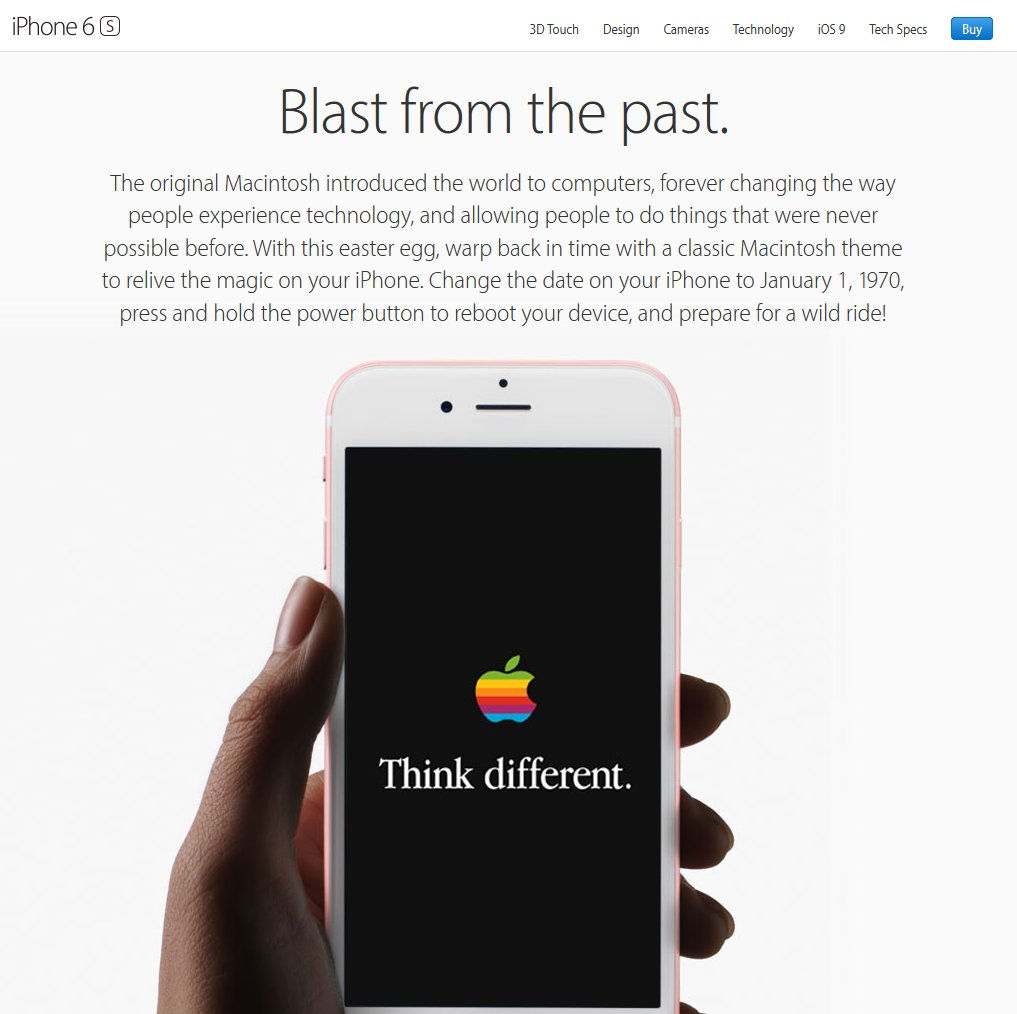
This bug supposedly emerged at 4Chan on Thursday and has also been spotted on Facebook and Reddit since. There is one simple way to protect yourself from the bug -to never set your iPhone date to 1st January 1970.
It is unclear at this point why the specific date is causing Apple devices to behave this way but one speculated reason involves time zones and the device’s internal clock. Additionally, this wouldn’t be the first time when Apple users have faced issues related to the clock. In the past, clocks on Apple gadgets have acted up to tell the wrong time and delay alarms.
Find below the troll which appeared online urging people to change the date on their device to the aforementioned January date. It promises an “easter egg” that would put a retro Apple logo on the display of your phone. But let us break it to you -there are no easter eggs in the evil world of the Internet.
Once the date has been entered, and the phone is rebooted, it would refuse to respond. Even connecting it to a computer or using iTunes would not help you reduce it to its non-brick state.
Making this troll even more interesting is the fact that Apple did not start as late as 1976. It should be noted, however, that only those Apple devices which are powered by the A7 processor and later -iPhone 5s and above, iPad Air, iPad Mini 2 and above are susceptible to it.
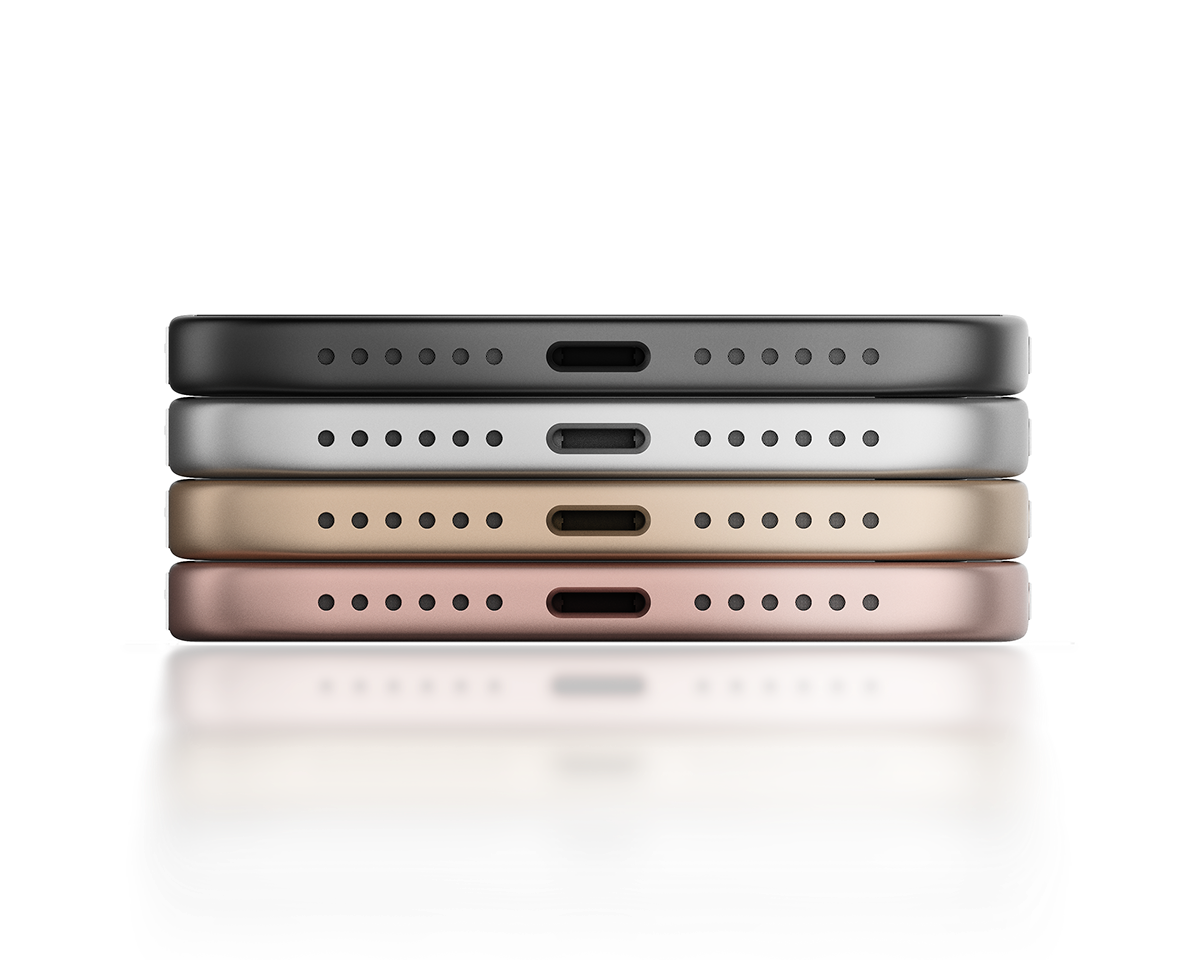
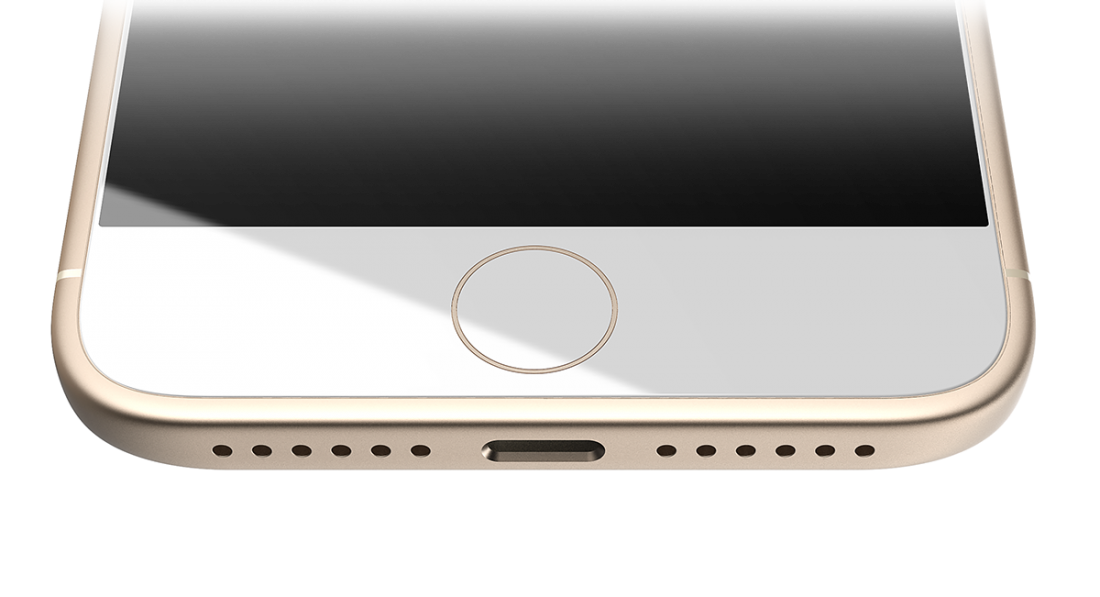
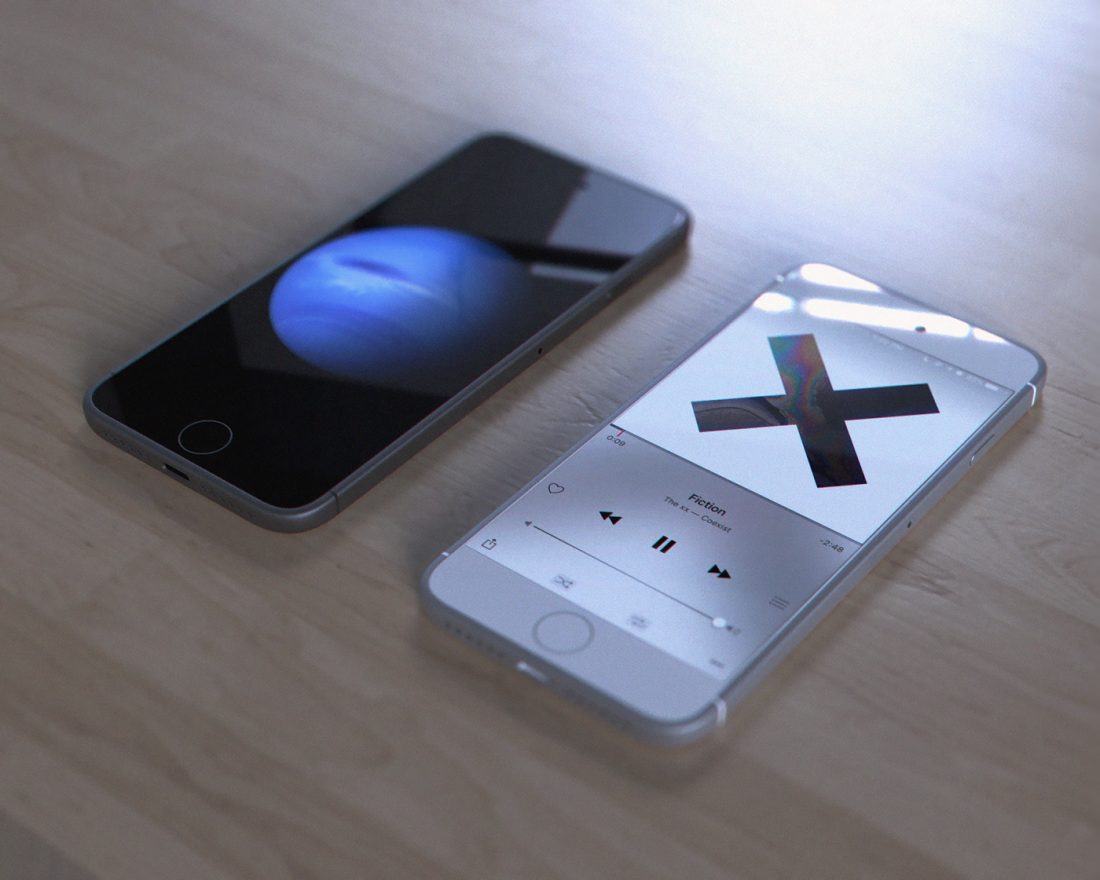
It’s perhaps inevitable now. We may just see a new era of technology where headphone jacks are a thing of the past. It has been rumoured, among other things, that Apple will ditch the 3.5mm headphone jack in its upcoming iPhone 7. Instead, we may just see Lightning connected headphones and wireless headphones. If you’ve been wondering how the new iPhone could look minus the headphone jack, some new renders have graciously hit the internet to tease your imagination.
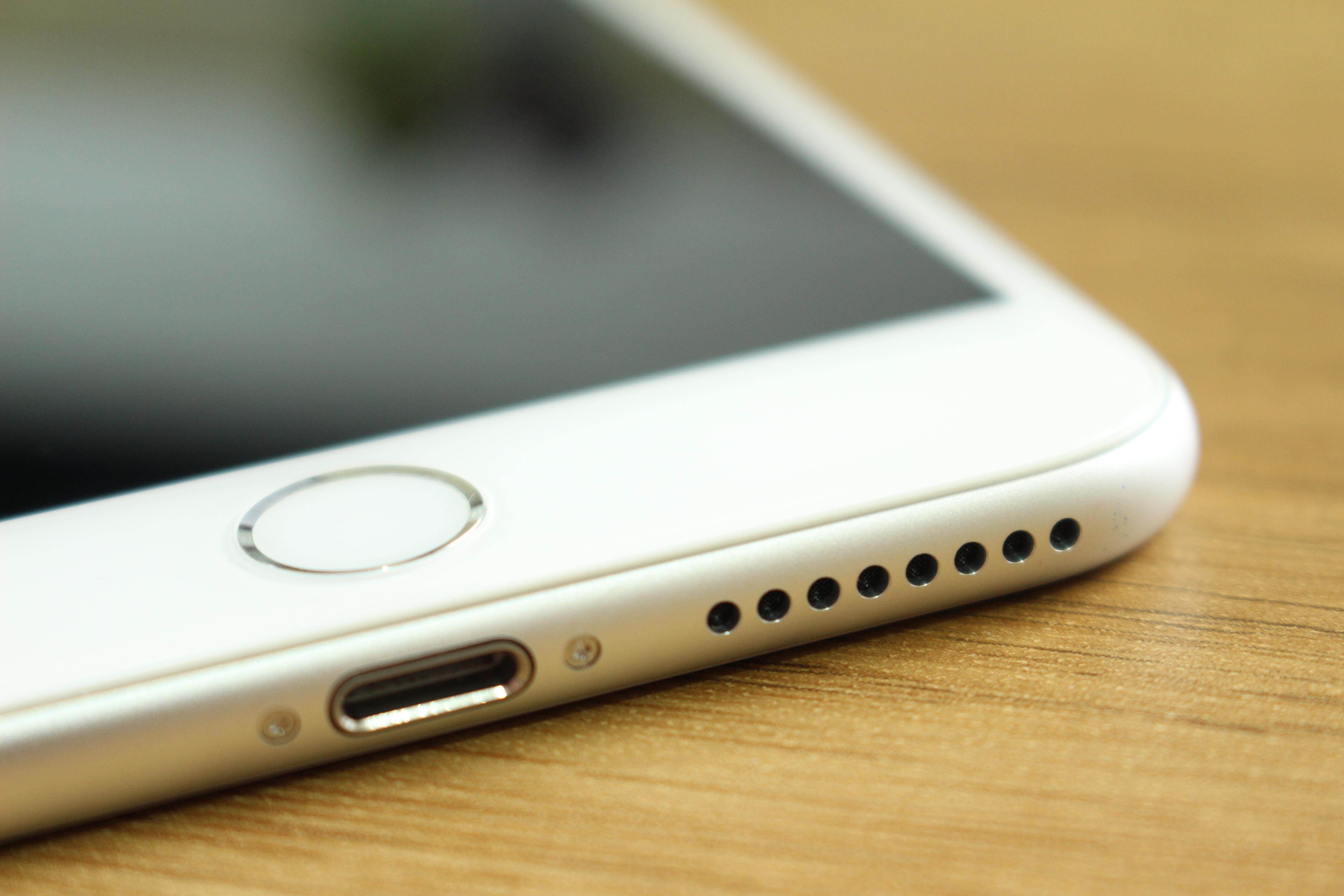
These renders are only meant to show an iPhone without the 3.5mm headphone jack and is no indication of the iPhone 7’s final look. indeed, it is still too early for that. The renders focus on the bottom edge of the phone that adds a second speaker grill instead of the headphone jack.
One of the possible reason behind ditching the headphone jack is Apple interest in improving quality of music streaming, since streaming is Apple’s game right now. Furthermore, the loss of a headphone jack means more space for Apple to add a larger battery to the iPhone 7, as well as make the device thinner. We’ll just have to wait and see how this strategy plays out.
After big names from the tech-industry like Google and Microsoft, Apple is all set to enter the Indian terrain, and how. The company is starting with a $25 million dollar investment along with about 4,500 potential job openings in Hyderabad. The centre is expected to open by June 2016.
The centre will span an area of 250,000 square feet in the real estate firm Tishman Speyer’s WaveRock facility. This project is expected to cost Apple a whopping Rs.150 crores.Though it will open as early as in June, executions of fully-fledged operations won’t start as late as the end of this year.
This move is a very significant one because Apple has kept its operations confined to mostly the United States so far. Commenting on the same, Jayesh Ranjan, Secretary to IT department in the state of Telangana says,
“It’s a very positive development as Apple has not looked at cities only in India, but across many places in Europe and other parts of the world. Their decision to have the facility in Hyderabad is a strong endorsement of the city as a major IT hub in the country.”
Though Apple has recently announced retail stores in India along with the filing of an official application for the same, this would be the first project where the company becomes an important IT presence in India, inevitably pulling India deeper into the international circuit. Apple had maintained a technology support centre in Bangalore once but it was shut down about a decade ago due to poor quality services. Let’s see what the future holds for this new Apple project in India.
Apple is going the Netflix way and is making an original TV series that will star popular rapper and Apple-owned Beats co-founder Dr. Dre. The show is called Vital Signs and is a dark drama which will have six 30-minute episodes showing Dr. Dre responding to different emotions. It is semi-autobiographical in nature and will also start Sam Rockwell and Mo McCrae.
This will be Apple’s debut venture in original content and, like Netflix, the episodes will release all at once for viewers to binge on. The series will debut on Apple Music, according to reports. It is still not clear when and how big the launch of the show will be. One of the reasons behind going with Dr. Dre for its first TV series is due to Dre’s ties with Apple on Beats.
Another reason could be Apple trying to get a piece of the success that followed Straight Outta Compton, which was a story about Dre’s life as a rapper during his time with the N.W.A. According to reports, Dre has already begun filming for the show.
Early in January, we had reported that Apple was working on a project called “Apple Video” and has partnered with ABC, CBS, and Fox. Apple has also worked out details with Sony Pictures, Universal and Disney and may be negotiation with some other studios.
Apple has been working on a video streaming service, according to the rumour mill, for the past six years. It seems 2016 will be the year of release. With the recent news of Netflix going global and launching in 190 countries worldwide, Apple may have to move fast if it wants to get on with the competition.
It’s only been a little over six months since Apple started operations at Apple Music, and in that short span of time, this promising service has outdone expectations, as well as the previous market leader, Spotify. Apple Music now has over 11 million subscribers, along with 782 million iCloud users.
The new 11 million figure was mentioned by Craig Federighi and Eddy Cue, Apple’s Senior Vice Presidents, on John Gruber’s podcast, The Talk Show, published today. It should be noted at this point that it took Spotify, its main rival, 6 long years to reach its first 10 million milestone.
This is an interesting piece of information because Apple’s streaming service had faced a lot of flak at its launch owing to its bug ridden, and clustered interface. It was only after iOS 9 came in that many of these issues were cleared.
However, Apple Music is not where it ends for the Cupertino tech-giant. “Apple Video” is something else the company has up its sleeve. It’s the next big Apple project with many partners involved, such as ABC, CBS, and Fox. Apple already has a large library of movies and video on its iTunes Store, which can currently be only bought or rented.
Streaming is slowly becoming the preferred form of consumption of music, and is growing rapidly as people give up on downloads. In the US, demand for streaming has increased more than 50 per cent, with 317 billion songs being streamed last year.
Apple despite all of this has a long way to go before it comes close to overtaking Spotify. Spotify last reported its number of subscribers in June, and it is expected to have grown substantially since then. Back then it had 20 million paid members, and in total it reported 75 million users.
There is no end to the rumours being churned out about the iPhone 7 and more and more new updates continue to pour in. Latest in the series of speculations and expectations is that the headphone jack on the iPhone 7 may be replaced by an extra speaker.
Analysts speculate that the 3.5 mm headphone jack will be removed and an extra speaker will be added in its stead to improve the sound quality of the new iPhone. Analysts Blayne Curtis and Christopher Hemmelgarn believe that the speaker would be provided by Cirrus Logic
The analysts also speculate that unlike many other phones in the market, iPhone 7 will not employ dynamic noise cancellation, Apple fans might have to wait for the next iPhone for this feature. The smartphone would instead use a basic digital codec.
There is a huge list of rumours that have been going around for the longest time, and we are unsure as to which ones would materialise and which ones won’t. Hold your breath until we have more to go on with.
A smaller, affordable iPhone is just around the corner and fans are eagerly waiting to see the 4-inch iPhone 5se. In today’s Apple related news, rumours suggest that the iPhone 5se and iPad Air 3 will go on sale starting March 18.
If what the rumours are true, the sale of the devices will fall in the same week as the unveiling event which is scheduled to take place on the 15th. Though there hasn’t been any official confirmation, it looks like there will not be any pre-order period for the two devices.
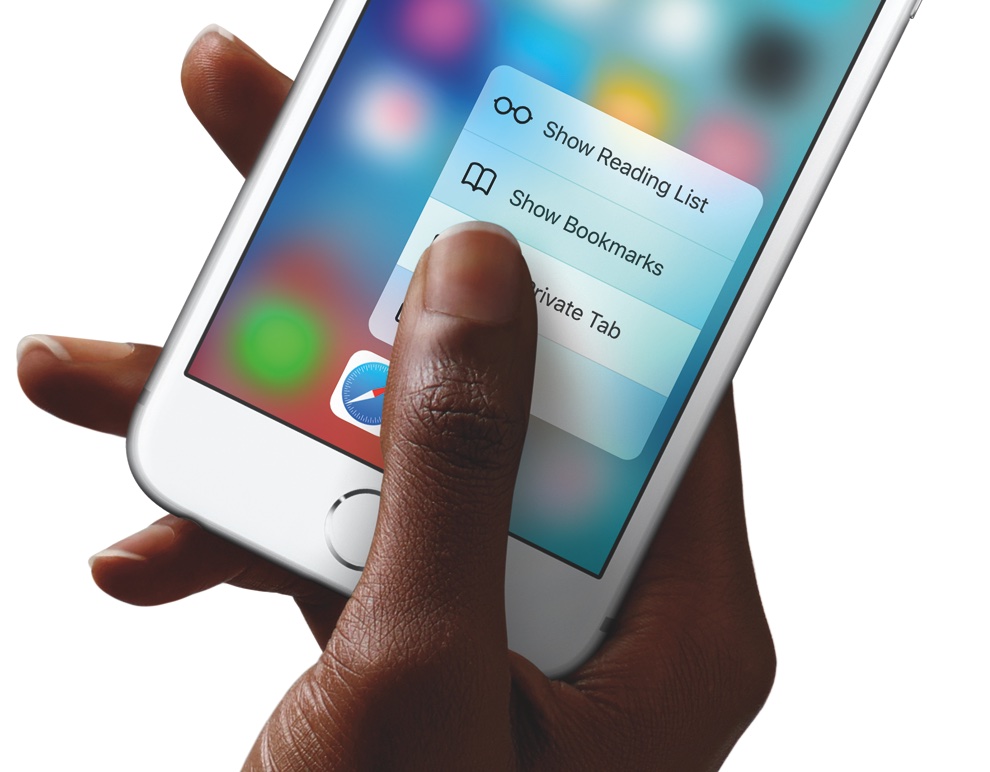
The iPhone 5se will borrow the design language of the iPhone 5s and is expected to be powered by the A9 chipset, and come equipped with an 8 MP or 12 MP rear-facing camera and Live Photos. The handset will miss out on the 3D Touch feature. The display would be the same as on the last 4-inch iPhone, the 5c.
The iPad Air 3, on the other hand, is expected to feature a lot of the same features as the iPad Pro such as the Smart Connector, Apple Pencil support, and four speakers. The rear camera is said to come with LED flash – a first for an Apple tablet.