Category: Google

  • Google Glass to Make a Comeback in 2015 With Intel Chips

    Google Glass to Make a Comeback in 2015 With Intel Chips

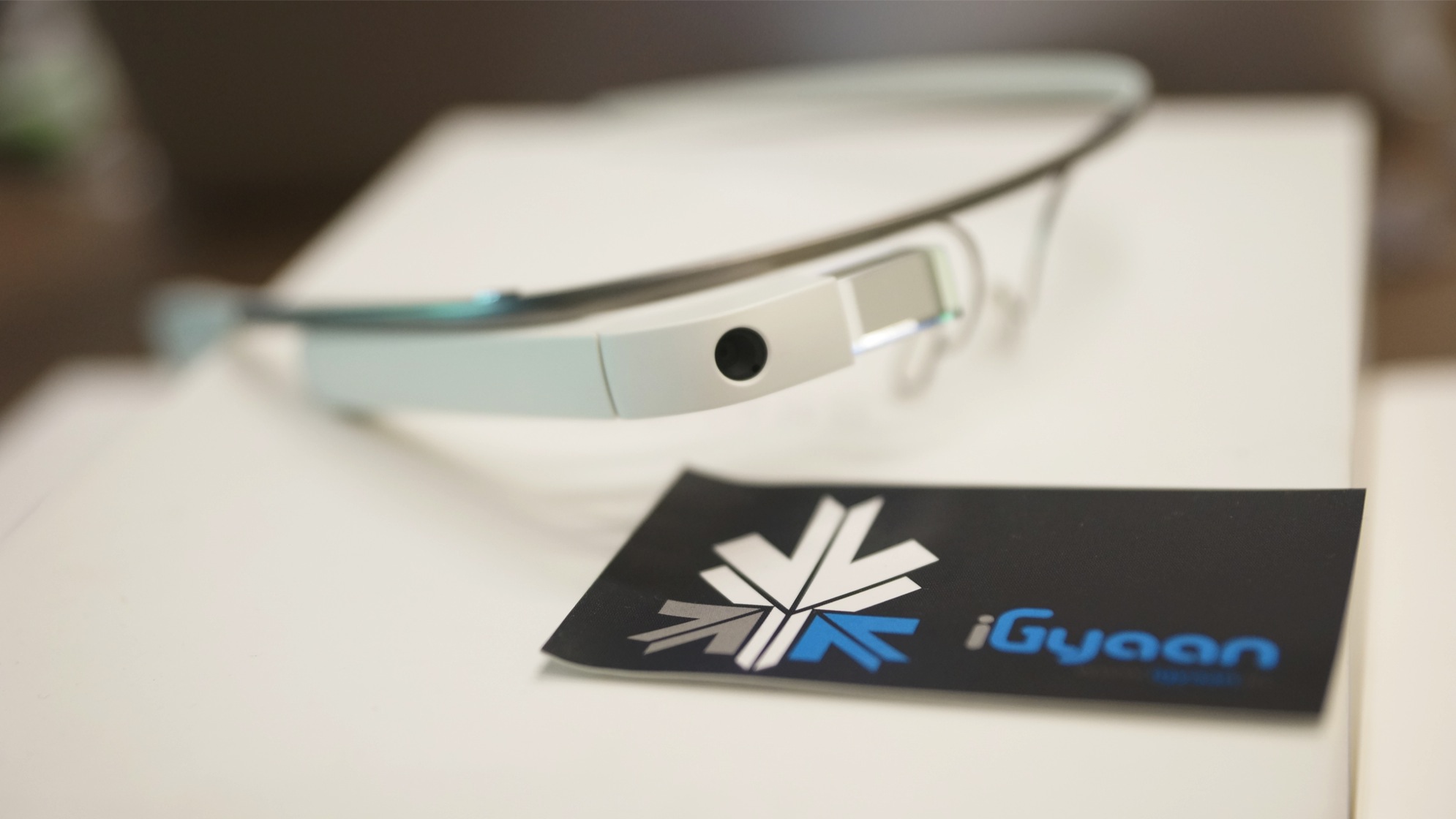
    A new report by The Wall Street Journal has revealed that 2015 will see the launch a new version Google Glass which will be powered by an Intel Chip and will offer longer battery life than the present Explorer Edition. Intel has joined hands with Google as a part of their strategy to push their market in the wearable segment.

    Google Glass has already gone through some minor changes since its launch, one to add compatibility with prescription lenses and another to double the RAM; however, entirely new chipset could mean some serious changes. The Intel chips will replace a processor from Texas Instruments Inc. included in the first version of the Google Glass.

    According to the WSJ, Intel plans to promote the Glass to hospital networks and manufacturers. Google launched the web-connected eyewear in 2012, but it carried a hefty price and was regarded as something that only nerds would wear. Limited battery life and an impractical four-figure price tag worked against the Glass’ widespread adoption up until now. With a more modern processor and a refreshed design, it might see consumer interest rekindled.

    google glass

    Intel chips are mostly used in personal computers and servers in data centres, but the company has targeted the tablet and wearable markets for new power-efficient versions of its x86-based processors. It competes with rivals such as ARM and Texas Instruments. At CES 2014, it showed off smart earbuds that can measure a runner’s heart rate. In March, Intel purchased the high-end health tracker maker Basis Science. The chip maker’s XMM6321 3G cellular radio was incorporated into MICA, a fashion bracelet that was unveiled in September.

    Google has been pushing Glass as a workplace-computing device. Recently, through a program called Glass at Work, Google is working with software developers including Augmedix and APX Labs to encourage use of Glass in industries such as health care, construction and manufacturing where employees work with their hands but need information.

  • European Parliament Overwhelmingly Supports Breaking Up Google

    European Parliament Overwhelmingly Supports Breaking Up Google

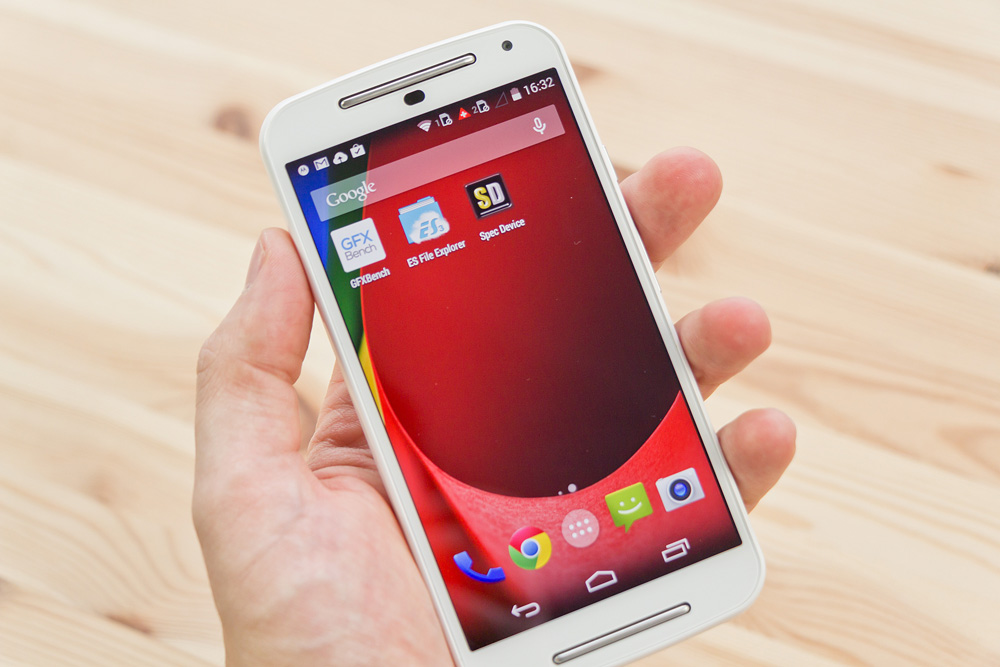
    It was reported earlier that the European Parliament was considering a draft proposal to break the search and other businesses of search engines. This proposal was put on vote, and it has received overwhelming support. It is important to know that the resolution is non-binding on any party, but it now puts pressure on the European Commission to introduce regulations on search engines.

    Although the resolution doesn’t name a specific search engine, but it’s easily assumable that the target is Google. The company enjoys a comfortable hold on the market with a 90% market share. It spooks the legislators that an American company forms such a monopoly in the continent. There are multiple business malpractice allegations against Google too. The allegations have led to anti-trust investigations against the company. One of the major reasons for this proactive crackdown of Google is the privacy concerns.

    The resolution received 384 votes in favour of the motion and 174 against it. Andreas Schwab, the German Conservative Lawmaker and co-sponsor of the bill said that this is a clear sign for the European Commission to prevent monopolies and create a level playing field for the companies.

    France and Germany have even called for review of the competition rules of the EU so as to enhance the accountability on global internet companies. They intend to make it easier for governments to target these companies.

    Google has yet not commented on the issue. The vote count is definitely going to get the balls rolling in Google’s defense team. The case matters because it is questioning one of the basic and most essential components of the internet, the search. They are seriously considering regulations for the internet. It won’t be an easy task as Google is now literally the gateway to the internet and most of its ‘intuitions’ comes from integrating search with its other service. It will be interesting to see where this path takes us and the information superhighway.

  • Indian Moto G (Gen 2) Users to Get Lollipop Update Soon

    Indian Moto G (Gen 2) Users to Get Lollipop Update Soon

    Motorola has proved that they are in for a serious business with their amazing service and continuous updates. The company has kept its promise and has informed that it will bring the Android Lollipop update to the handsets in India soon.

    In an email to the members of Motorola feedback subscribers, the company has invited the owners of the Moto G (2nd Gen) to participate in an early preview of ‘a new software release’ in the country.

    The email instructed users to click on the link where they can fill out a form providing their name, serial number and IMEI number. While the company didn’t specify that it is releasing the Android 5.0 update, it is quite obvious that the ‘new software release’ at this time couldn’t be anything else.

    29ff51cb9e796400c126bbfbec5ccb045fb5026e

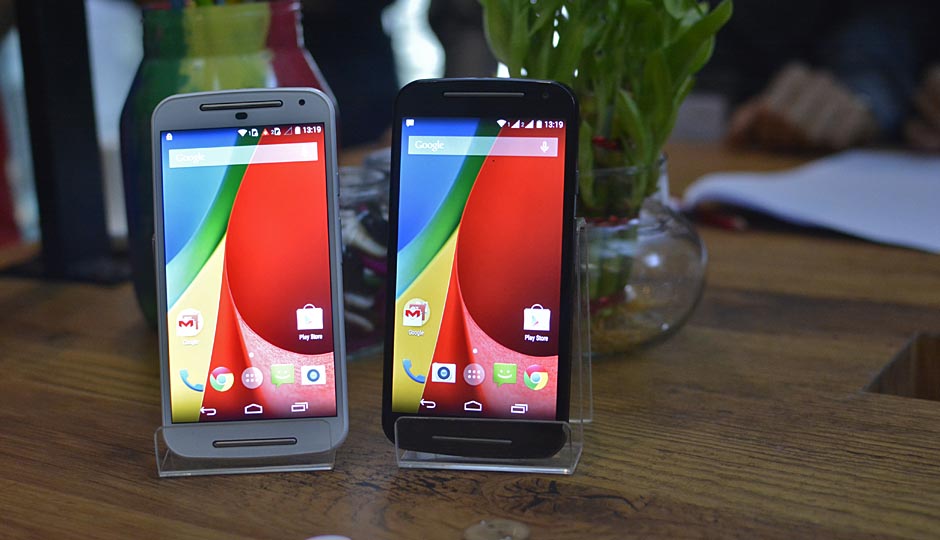
    Considering that the company has already rolled out the update for Moto X (Gen 2) and Moto G (Gen 2) in other markets, India is likely to get the update soon too. Meanwhile, it is also notable that the update will be coming to first gen Moto X and Moto G shortly followed by Moto E.

    Right now, the Nexus lineup is the only series to get Android update. LG has announced the rolled for LG G3 in Korea. Motorola, while launching the 2nd Gen Moto X and Moto G, promised the update for the non-Nexus devices and looks like the company is not going to disappoint us.

  • Bing and Yahoo Eyeing to Replace Google Search on Safari

    Bing and Yahoo Eyeing to Replace Google Search on Safari

    Of course, Google is the ultimate king of internet search engines and there is no doubt in it. With almost all popular browsers using Google Search as their default search engine, the American internet giant enjoys a monopoly in the social-networking arena. However, Yahoo is trying to revive its lost glory and has been taking major steps to challenge the supremacy of Google over internet search.

    Last week, Firefox announced that it will use Yahoo as its default search engine in the United States on mobile as well as on desktop. And now, according to a report from The Information, Google may also lose the privilege of being the default search provider in Apple’s Safari browser next year.

    According to the report, the latest extension of a deal that made Google Search the default search engine for iPhone owners since 2007 is set to expire in 2015, and the arch-rivals, Microsoft and Yahoo, are already pitching a case for change with Apple’s leadership. Each company has pitched Apple’s Senior Vice President Eddy Cue on the idea of replacing Google as the default iOS search provider; Microsoft wants Bing to be the default option out of the box, and Yahoo is also trying its hands.

    Bing is already in contract with Apple as a default search provider used by Siri. And on the desktop, OS X Yosemite and Apple’s Spotlight search also show Bing results — without any way for users to replace them with any other search provider.

    According to The Information, Apple has been trying to separate itself from Google’s services for several years now. One of the most noticeable change was the removal of YouTube as a pre-loaded app on iPhones and iPads. The rivalry has been going on for years, but Apple has always said that it puts users first. Hence, if you consider this, the American multinational giant might not risk losing such huge user base, however, nothing is official now.

  • Google Rethinking its Sales Strategy for Android One in India

    Google Rethinking its Sales Strategy for Android One in India

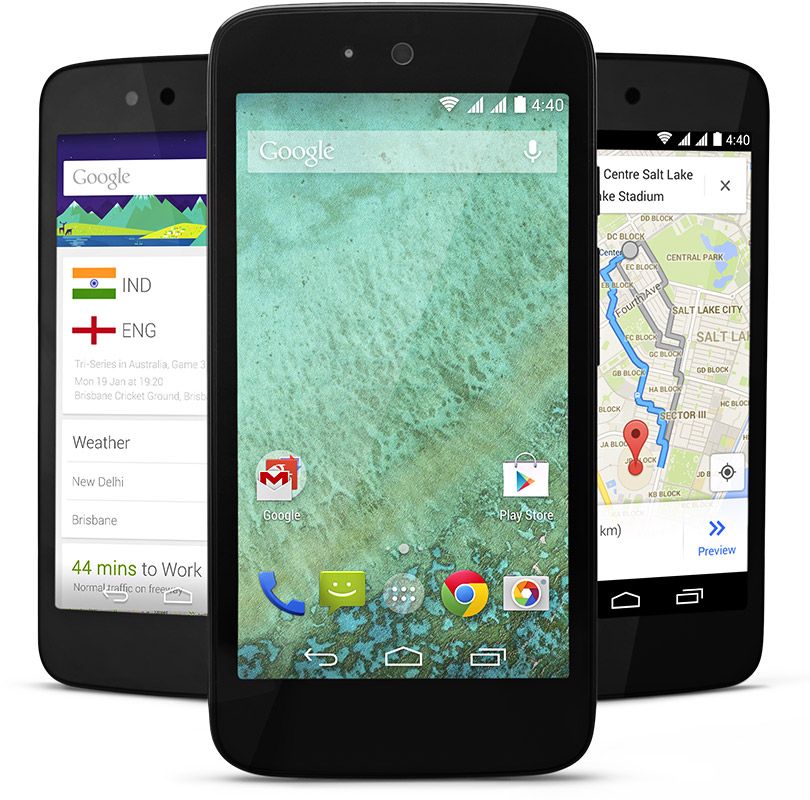
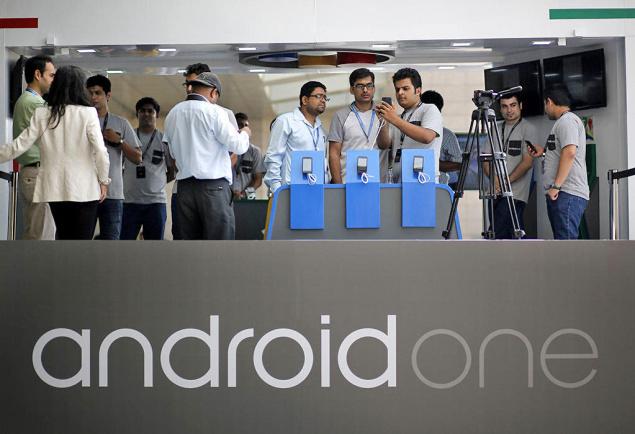
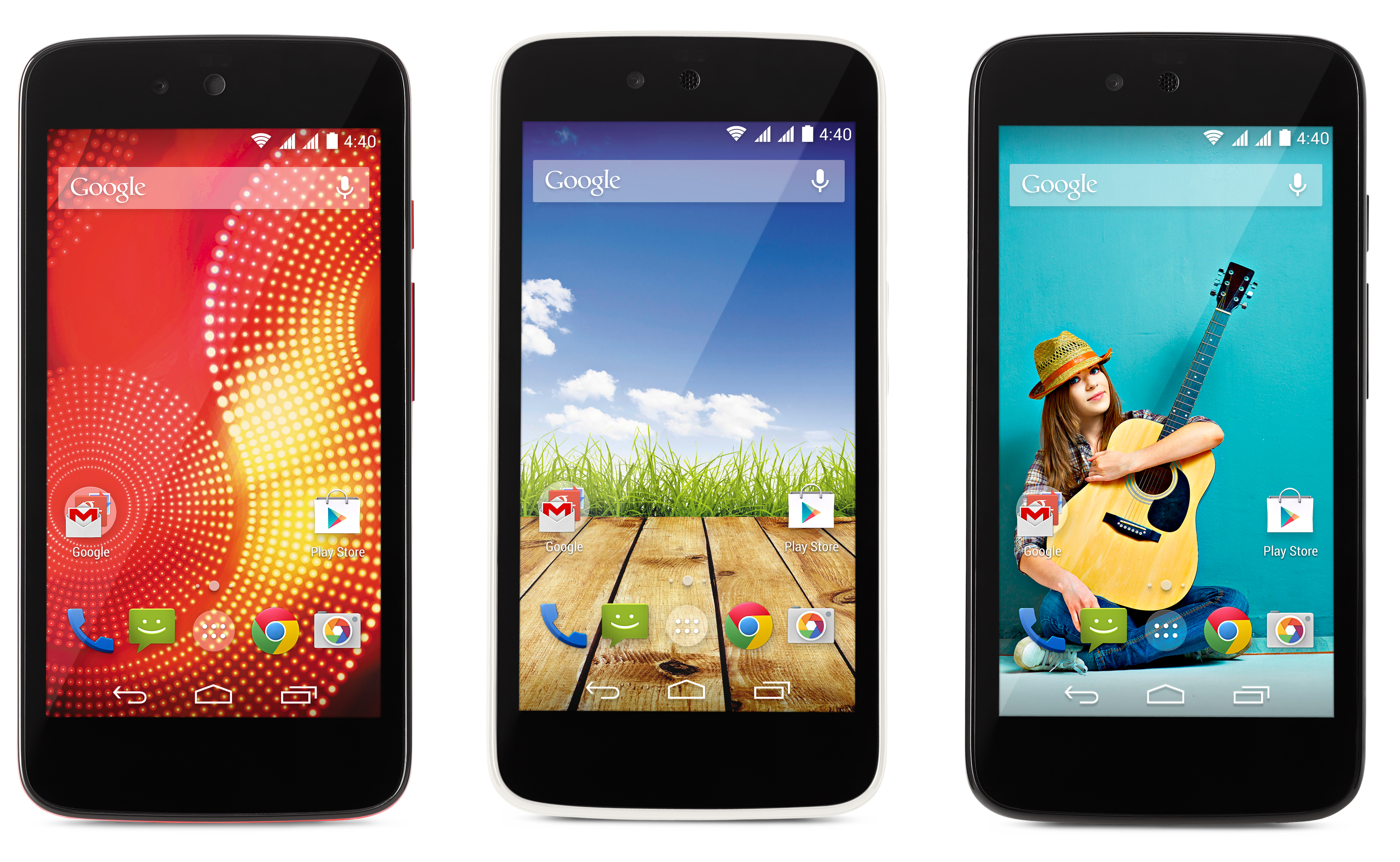
    Google’s Android One initiative has been struggling to get hold of the Indian market since its release. However, the budget segment is so crowded with some amazing smartphones like Moto E, Zenfone 5, Redmi 1S and more that there is simply no space for any other device with same specs.

    Android One’s first and foremost advantage was the Google’s direct involvement, which meant speedy software updates. However, that also seems to go down the drain as Android One devices still haven’t got the Lollipop update. The company launched the Android One in September, but it has faced some challenges in the market.

    image

    Offline retailers have been complaining about low margins for the device. Another big issue was related to its constrained supply. But despite these challenges, around 5 lakh Android One devices have been sold by Micromax, Karbonn and Spice by October-end, according to reports.

    Sandeep Menon, Director of Marketing at Google India, commented on the issue, “We continue to get strong consumer demand. We track things like average number of people walking into stores and asking for Android One devices. From that perspective we are extremely happy. Pricing and margins for retailers are in the hands of the OEM partners but we are constantly engaged with them. Our engineers are working with new suppliers in China to benefit OEM partners in terms of choice and availability.”

    Even though Menon seemed confident about the sales, the recent reports have shown that Android One devices have been struggling to break into the market and haven’t been able to reach sales goal that the company expected. In order to hook more offline consumers, Google is working on creating awareness about Android One’s features through 30,000 brand ambassadors deployed at various retail outlets.

    BL25_IT_ANDROIDONE_2219339f

    According to concerned officials, the demand for Android One has increased further after making the product available in the offline channel. Google is trying to make the device a successful initiative as the global rollout of Android One depends on how the device has performed in India.

    But that’s not a situation Google has to confront for now. “Our global rollout of Android One is as per the original schedule. There’s no change in that,” said Menon, promising that there would be new announcements on Android One over the next few months.

  • Google Adds New Security Feature to Track Devices Using Your Account

    Google Adds New Security Feature to Track Devices Using Your Account

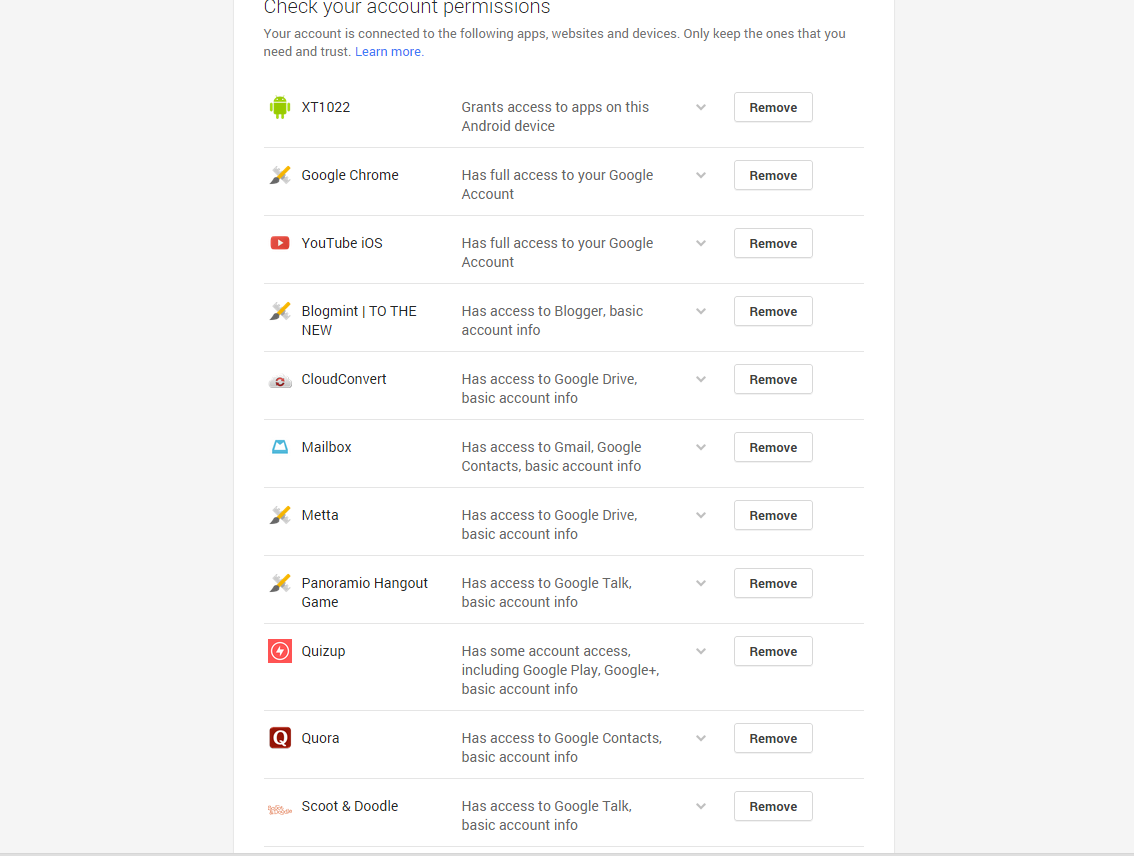
    Well, do you remember from how many devices you have accessed your Google account; obviously, no. With the growing number of devices, it is common to see people accessing their Google accounts from multiple devices and later forgetting them. Google’s new Security dashboard will help you keep a track of the devices that still have access, and also will let you cut down the list right from your browser.

    Screenshot 2014-11-25 11.33.33

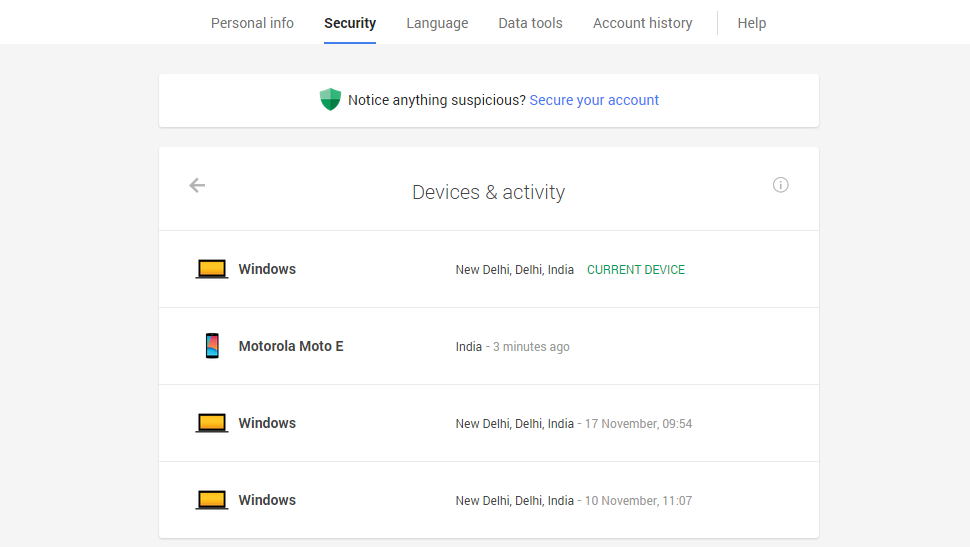
    Google has added this feature to improve the security measures in ‘Google for Work’, the company’s suite of enterprise business services. However, this feature is available for every account be it a personal one or the business one. The new feature called ‘Devices and Activity dashboard‘ can be seen within the Google Account’s Security settings and it gives you a full rundown of every single device that has had access to your Google Account for the last 28 days.

    Screenshot 2014-11-25 11.29.53

    From the dashboard, you can manually revoke access to any device or just leave it if everything looks fine to you. The details include the last time the account was accessed, location from where it was accessed, as well as the web browser that was used to open the account. Users are also given a single-click option to revoke a device’s access from their account.

    If you click on the device, it will show you a list of browsers, the device model, and the account access type. If there’s no Google Account activity in the past 28 days for a given device, Google recommends removing its account access. However, Google no longer displays certain information, like IP addresses and browser versions.

    Screenshot 2014-11-25 11.30.13

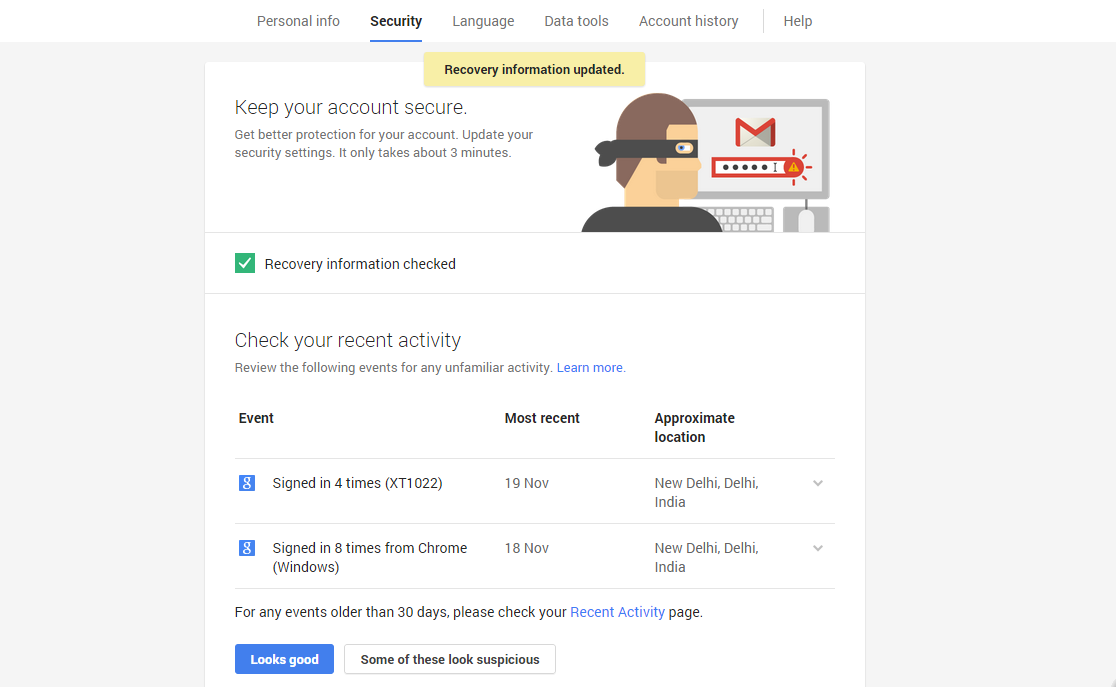
    Google has also added a new Security Wizard which guides Google users through steps they can take to turn on or adjust security features. These can range from providing contact info for account recovery (if the domain security policy allows it) to reviewing recent account activity and permissions. Google claims that running the wizard ‘only takes minutes’ and is meant as a way to encourage users to update their settings.

  • Google Maps 9.1 Update Adds Destination Info, Alternate Routes and More

    Google Maps 9.1 Update Adds Destination Info, Alternate Routes and More

    A month ago, Google Map received the Material Design makeover and revamped the in-app restaurant reservations for good measure (only in the US). Now, a new version is rolling out with much-needed new navigation tools.

    Earlier, the update to Google Play services was rolled out by the company. This update brought Play services to version 6.5 and added improvements to Google Maps, Google Wallet, Google Drive and Google Fit. The majority of the update was aimed at Maps, bringing additional features which allowed third-party apps to take advantage of a more seamless integration with Maps.

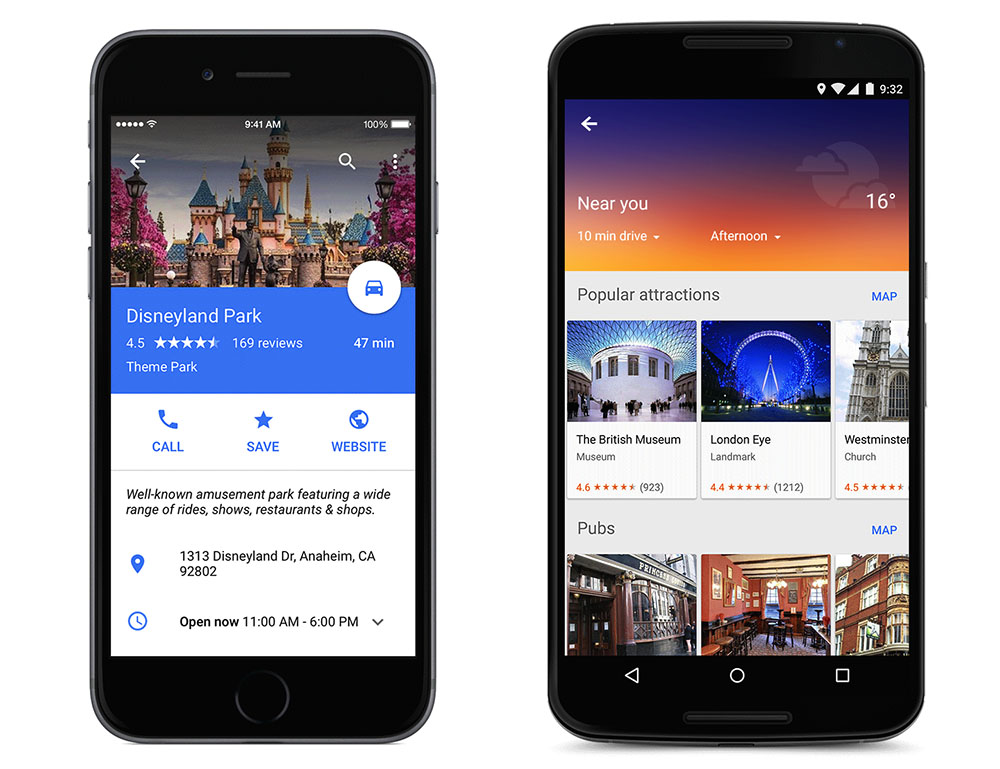
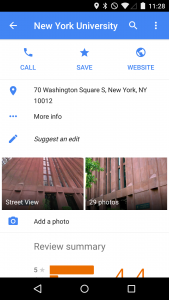
    Now, in addition to letting you know exactly how much time that alternate route will save, the app will display estimated time, weather and a smattering of facts about your destination. Google has also added the ability to show and hide traffic with a simple voice command. Of course, there are also some features hiding under the surface and to know that, you have to juggle with the app yourself.

    Google Maps 9.1 will also offer improved rerouting options, telling users how much time can be saved by rerouting, and offering ‘route-around’ alerts for closed roads. The application will also offer transit schedule changes for early or late arrivals.

    If Google Maps is your go-to app for checking out hotels, restaurants, or scanning other cool stuff, then these new features could save a couple of steps by putting them all in one app. Google is working to make Maps the all-in-one travel and destination tool so that you don’t have to check out competitors like Yelp for information.
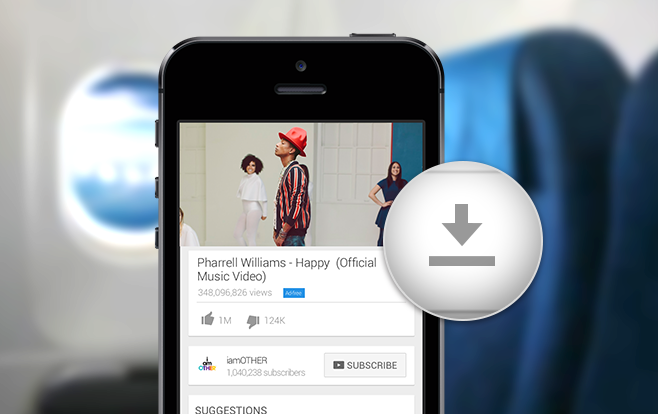
    The 9.1 version will be rolling out soon to your device, however, the apk for the new version is available here.

  • Google is Offering $240 Worth Cloud Data Free With Chromebooks

    Google is Offering $240 Worth Cloud Data Free With Chromebooks

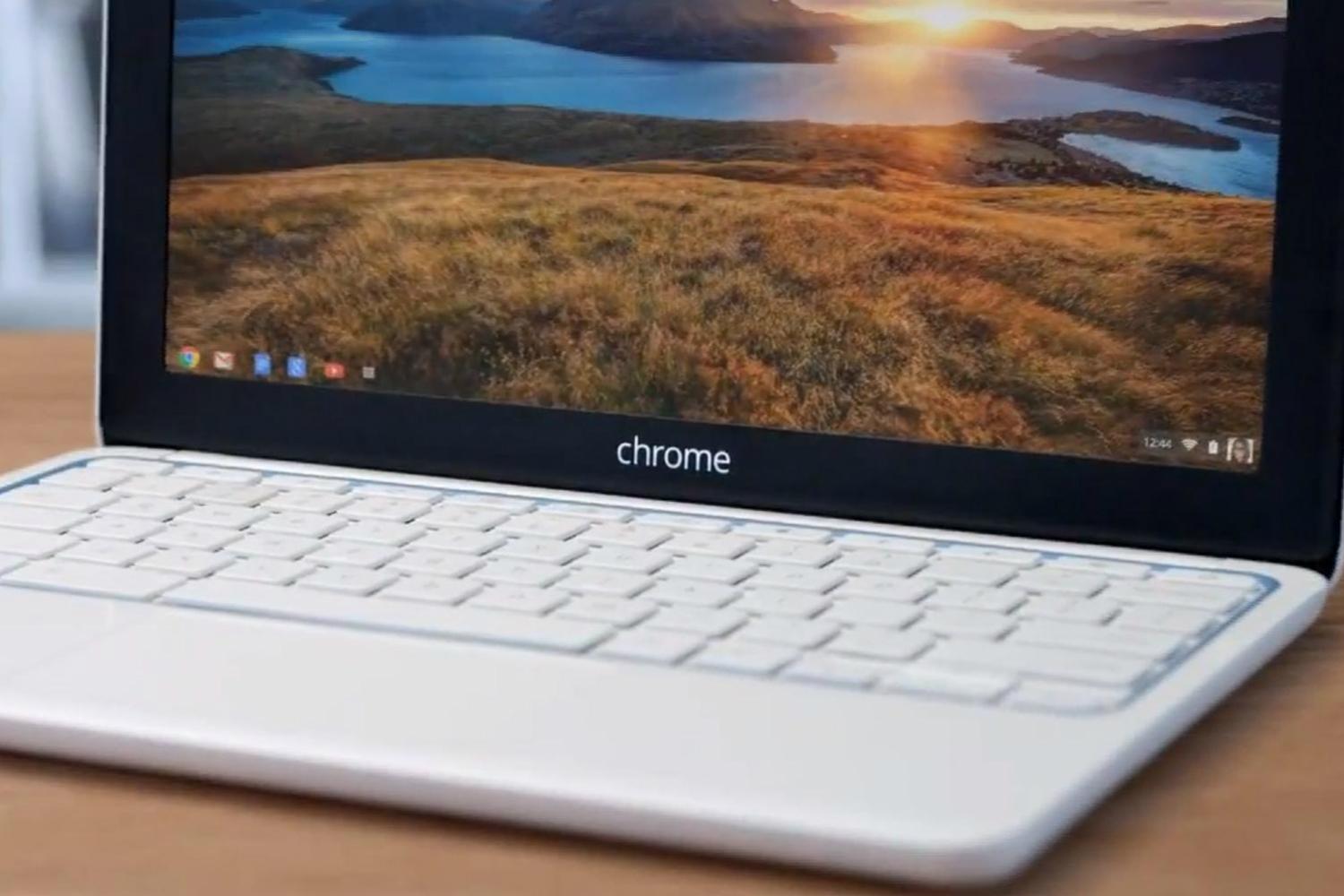
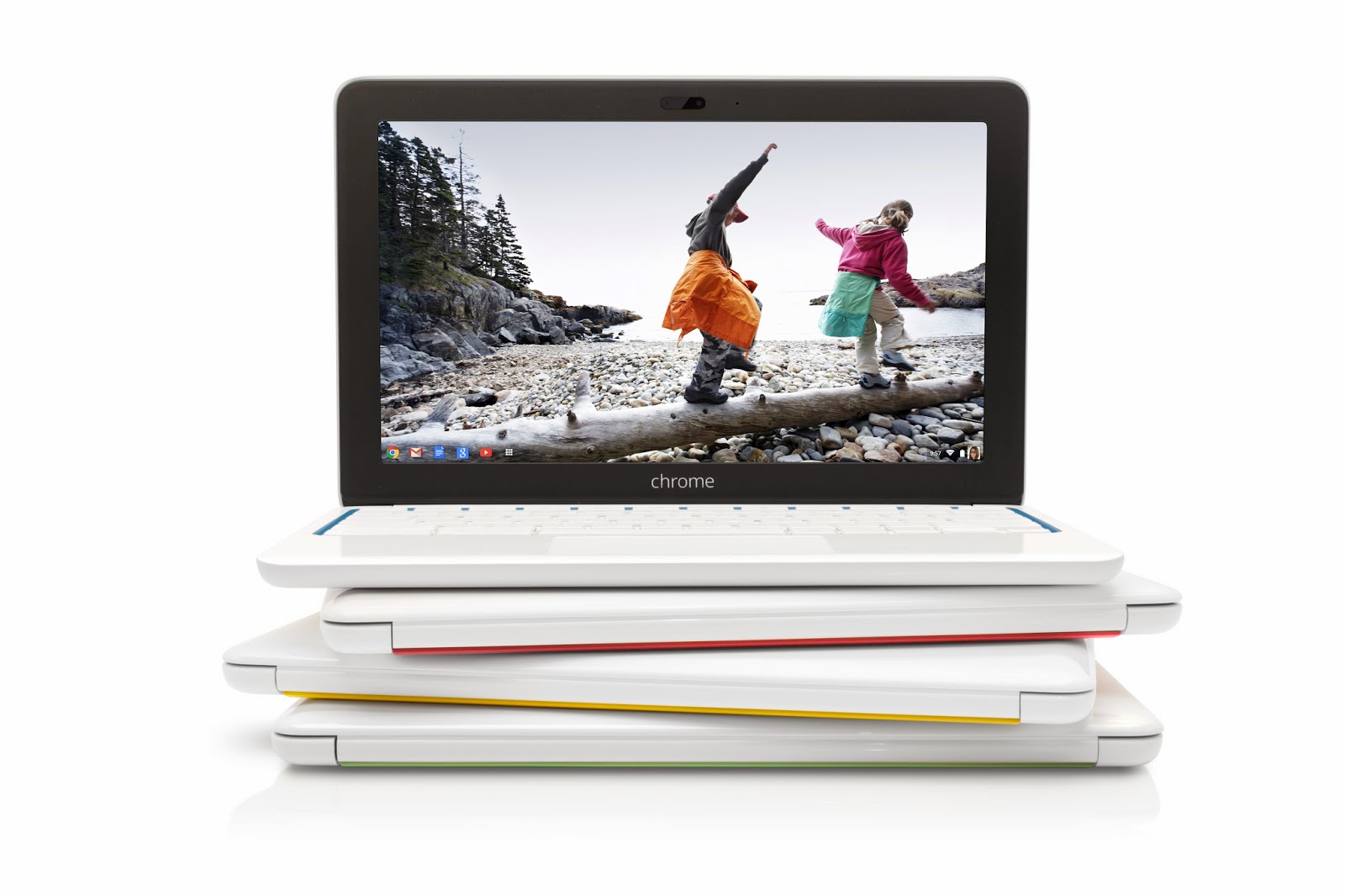
    Chromebooks are basically Cloud-driven netbooks, which according to most industry watchers is the future of computing in both consumer and enterprise ecosystem. Even though, we have seen a serious price cut on the Cloud data this year, there’s nothing better than free.

    Google, wooing customers this holiday season, is offering new Chromebook buyers 1 TB of Google Drive storage to go along with their purchase for two years. To take advantage of the deal, you just have to buy any new Chromebook between now and 1st January, 2015.

    Chromebooks run Chrome OS, an operating system based on the Chrome web browser. Everything you want to do on your Chromebook, you have to do on the web. So, instead of saving your Microsoft Word document on your desktop, you use Google Drive to store your docs, spreadsheets, slides etc. in the Cloud. And for that reason, the free data is a sweet deal. That amount of space would usually cost you almost $240.

    8_HP_Chromebook_11_Color_Stack

    Google said, “Chromebooks make day-to-day computing fast, simple and secure, whether you’re searching for a great pumpkin pie recipe or sharing a family photo from Google Drive. And now, as a bonus for the holiday season, new Chromebook buyers can get 1 TB of Google Drive storage for two years – a $240 value – absolutely free. That’s enough space to keep more than 100,000 awkward holiday sweater pics safe and shareable in Drive. With that much free storage, you can use your Chromebook for work, play and pretty much everything else you’ll do this holiday season.”

    Chromebooks like Acer’s C720 start at $199, though you’d do well to spend more money and get more than 2 GB of RAM. If the Cloud model doesn’t work for you, a new class of cheap Windows laptops like HP’s Stream have been creeping down into the $200 price category lately.

  • Google’s New Contributor Service Lets You Pay to Make Ads Disappear

    Google’s New Contributor Service Lets You Pay to Make Ads Disappear

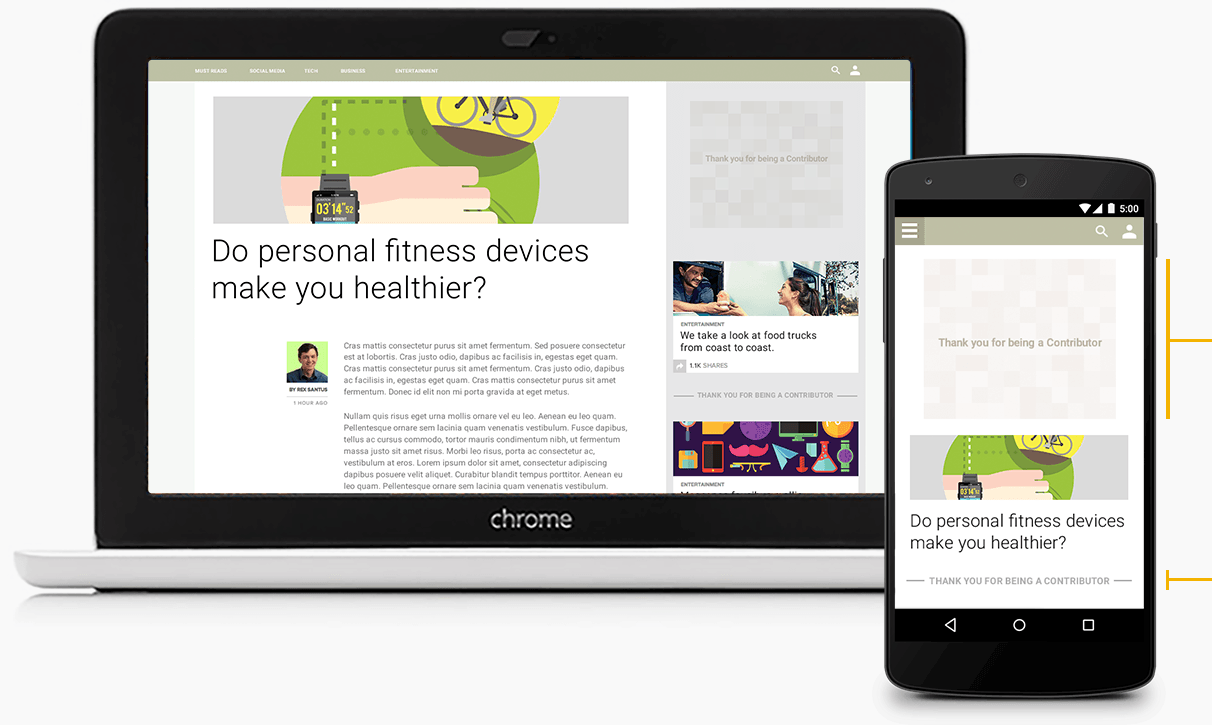
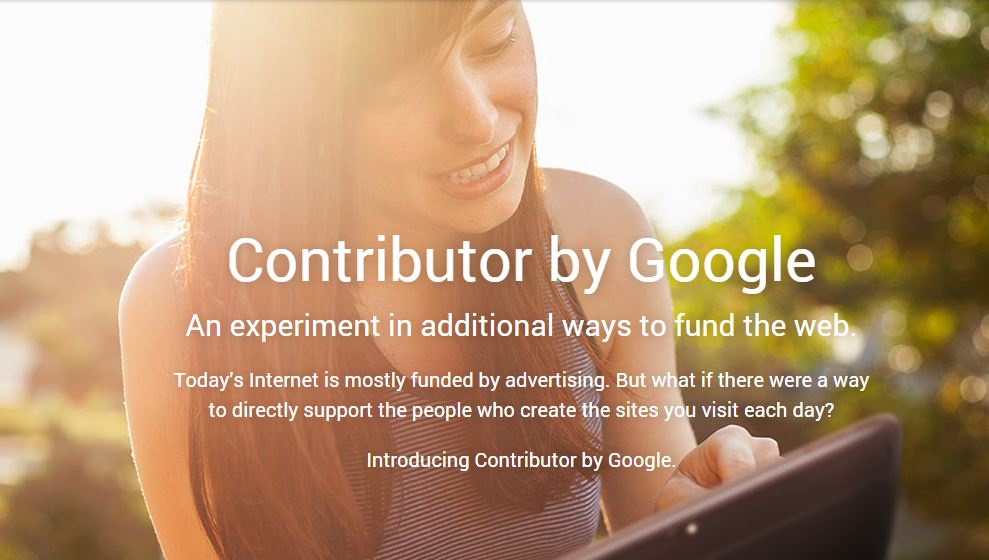
    Well, ads irritate each one of us when we browse through the internet. However, in exchange for free content, you have to view some ads that will compensate the cost of creating the content for you people. It’s a clash that has become a major pain point for news websites and other publishers. The rise of ad blockers, which let people surf the web without these annoying ads, is also blocking their revenue. Anyhow, Google has found a way out to this problem, Google Contributor.

    contriution

    The trial is in the US only, and like many of Google’s new undertakings, Contributor is invitation only for now. The contribution, which is handled through a user’s Google account using whatever payment method they have chosen for the service, doesn’t go to all of the participating websites, but is only triggered when that user visits a specific site. That way, as a Google spokesperson said, readers or users can support only the websites and publishers whose sites they visit frequently.

    Google has experimented with similar methods in recent months. In June, it announced Fan Funding for YouTube, which lets viewers make donations up to $US500 to the video channels they enjoy the most. Currently in beta, channels must enable the service first, and fans need a Google Wallet account in order to make a donation. Meanwhile, it’s only available for Australian, US, Mexican and Japanese residents.

  • Come January End, Android One Devices Will Get Their Lollipop

    Come January End, Android One Devices Will Get Their Lollipop

    The latest Android mobile OS Lollipop has already hit the devices such as Google’s Nexus 5 and Nexus 7 tablet. However, it was uncertain till now that when will Android One devices get the new update.

    According to recent reports, the Lollipop update for the Android One phones is ready and consumers may start seeing it on their phones as early as the middle of December. This means that starting next month, you can expect your Android One to get an update via OTA.

    Although Google has remained quiet about the update to Android One devices, Spice, the company which made Dream Uno phone for Android One programme, has stated that the Lollipop update to its users will be rolled out by the end of January. “We plan to provide Lollipop in our Android One devices around January 2015 and the update will be available for all Dream Uno users in India,” stated Prashant Bindal, CEO, Spice Mobility.

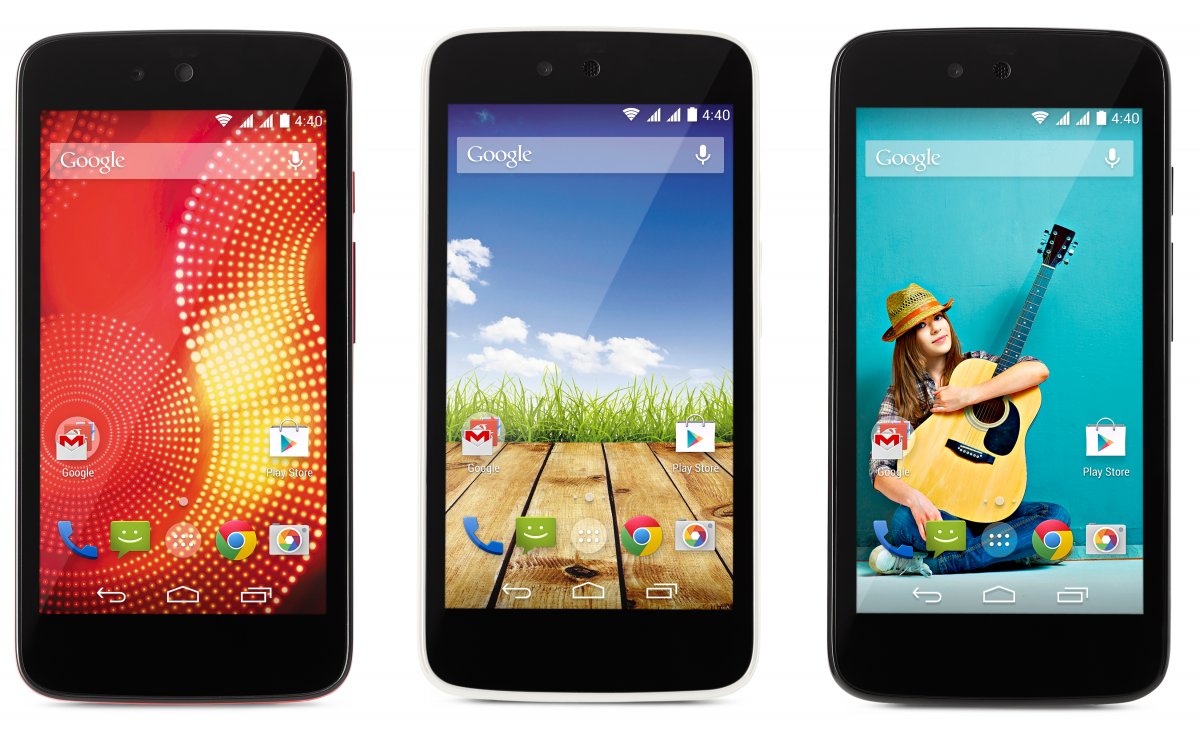
    The Android One initiative was taken by Google to boost the smartphone adoption rate in emerging markets. Google launched Android One handsets with great promises not just by the company, but also by the homegrown players that collaborated with the search giant and came out with inexpensive handsets. Though, the Android One smartphones, which are priced at Rs. 6,399 onwards, have been advertised more than any other handset launched by the three companies, they failed to get the desired response.

    India is the first country where the California-based firm’s Android One devices have been launched. Roll out across other markets like Indonesia, Philippines, Pakistan, Bangladesh, Nepal and Sri Lanka will follow in coming months.

  • Yahoo Steps Into the Shoes of Google as Default Search Engine on Firefox

    Yahoo Steps Into the Shoes of Google as Default Search Engine on Firefox

    Of course, Google is the ultimate king of internet search engines and there is no doubt in it. With almost all the popular browsers using Google Search as their default search engine, the American internet giant enjoys a monopoly in the social-networking arena.

    Well, Yahoo is trying to revive its lost glory and has taken a major step to challenge the supremacy of Google over internet search. Starting in December, Firefox will use Yahoo as its default search engine in the United States on mobile and desktop.

    “I’m thrilled to announce that we’ve entered into a five-year partnership with Mozilla to make Yahoo the default search experience on Firefox across mobile and desktop,” Yahoo Chief Executive Marissa Mayer wrote in a Wednesday blog post. “This is the most significant partnership for Yahoo in five years.”

    It is estimated that Google has been paying Mozilla around $100 million for the privilege of being the default search engine used in the Firefox browser. That deal, last renewed for a three-year period in 2011, has come to an end and will not be renewed as Yahoo has grabbed the contract for the next five years.

    “Our teams worked closely with Mozilla to build a clean, modern, and immersive search experience that will launch first to Firefox’s U.S. users in December and then to all Yahoo users in early 2015. The interactive and integrated experience also better leverages our world-class content and personalization technologies.” Mayer wrote. She further talked about the company’s vision saying, “At Yahoo, we believe deeply in search – it’s an area of investment and opportunity for us.”

    Market leader Google accounts for 67% of searches from US desktop computers. That compares to about 20% for Microsoft and 10% for Yahoo, according to research firm comScore. Let’s see how much popularity this American multinational giant gains with this deal.

  • Nexus 7 Experiencing Performance Issues Post Lollipop Upgrade

    Nexus 7 Experiencing Performance Issues Post Lollipop Upgrade

    Well, Android 5.0 Lollipop got all of us excited when we got hold of it. The new operating system (OS) update is described as a ‘quantum leap forward’ by Google and has got an overwhelming response from the critics, escalating the desire for the software exponentially.

    However, it’s just one side of the story. Many early adopters of the Android’s latest upgrade are complaining about the new OS. One of the most talked-about issues is that the update causes Google’s own Nexus 7 tablet to run slowly and crash repeatedly.

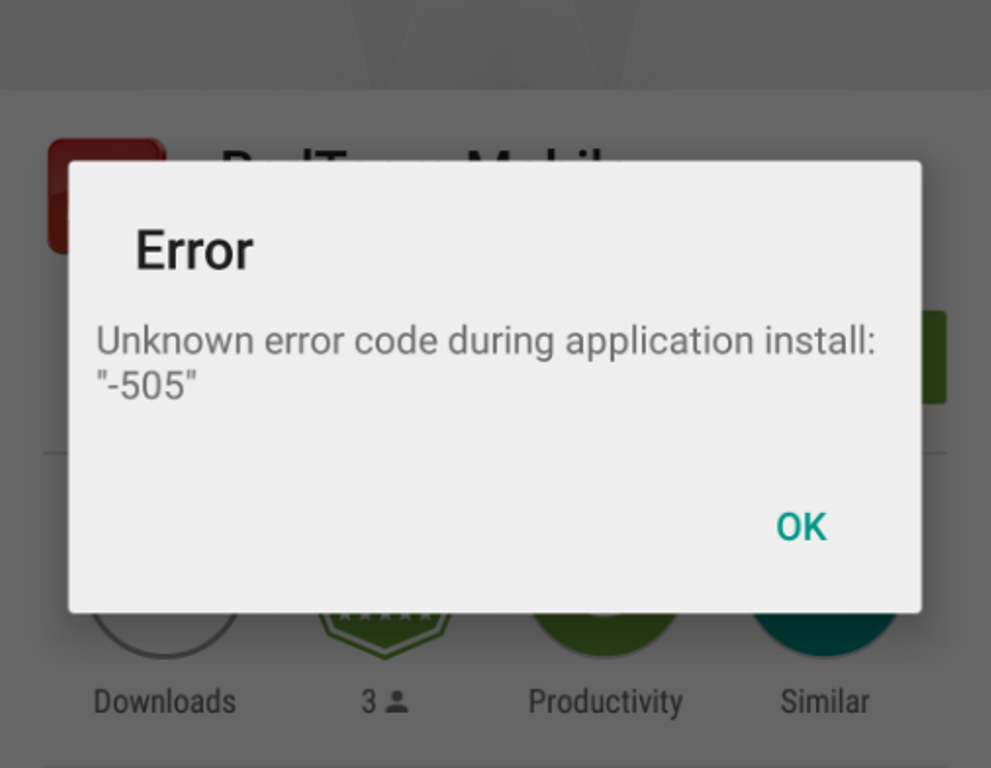
    The users have also complained on Adobe forums that installing Air apps would show a non-descriptive error message, “-505”. On this, Adobe said that it had not been aware of this ‘critical’ bug before Tuesday and had escalated it to Google. According to a post by Program Manager Chris Campbell, the issue has been ‘escalated to Google,’ seemingly pointing the finger at the search giant rather than in its own camp. Campbell said that the company had not been aware of what he described it as a ‘critical’ bug before November 18.

    error 505

    Although, the first wave of the update has already reached the users, many Android-based smartphone makers are withholding the OS till the device testing is complete. It is quite notable that most of the complaints appear to be related to Google’s own-branded smartphones and tablets.

    Nvidia, LG and Motorola have also released Android Lollipop update for some of their handsets and tablets. Dozens of complaints have been posted to Google’s forums stating that owners of the 2012 version of the Nexus 7, in particular, are experiencing performance issues. If nothing else, Google is likely working quickly to ensure these problems are fixed as more devices are expected to receive the update soon.

    It has been a weird year for both the mobile operating system giants. Even the new iOS launch was mired in complaints regarding decreased performance and Apple had to face some flak for that. The pressure of bring new product in the earliest possible time to leads to bugs like these. Updates are fast becoming the buzzword for judging an operating system so it is advisable to the companies to take time with their homework so that they can give a quality update. As the old saying goes slow and steady gives the best bug-free update, or something like that.

  • Google Summons Artificial Intelligence to Boost Image Search

    Google Summons Artificial Intelligence to Boost Image Search

    Google’s image search is one of the best offerings from the search giant. It has helped millions of students to easily finish their projects a night before submission. It has also helped folks get easy access to the database of images that they can use for free without crediting the source. It also comes handy when using shopping apps that let you look for products by just clicking an image. With a variety of options to search for the perfect image, this is the go-to address for anyone looking for images. Now Google is bringing in Artificial Intelligence (AI) to boost the performance of this valuable tool even further.

    The project is led in partnership with Stanford University. The AI system is said to have the most advanced image recognition skills in the world. It is able to recognise the contents of the image better than any other tool out there.
    The new system being an AI system is capable of learning from its actions. The researchers feed the system with images and captions. It then recognizes the relation between the caption and image and uses the information for the next search.

    The new system being an AI system is capable of learning from its actions. The researchers feed the system with images and captions. It then recognises the relation between the caption and image and uses the information for the next search.

    The team believes that there are multiple uses of technologies like this. They speculate that soon the teams will be ready to help the blind understand images and provide alternate text for images in parts of the world where mobile connections are slow. This, apart from the obvious use of helping folks, let’s find the right image on Google.

    Though the uses of this new system sound amazing, there are certain concerns. First of all, this technology can come really handy for surveillance. There are already concerns about the privacy rights of citizens in this CCTV camera-aided Big Boss state we live in now, where all our actions are captured wherever we go. It might also lead to a system like the one in the movie Eagle Eye. Tesla founder Elon Musk has recently stated that getting Artificial Intelligence online is like summoning the demon, and we won’t be able to control it. Google’s new system is more powerful than all other systems. But they should definitely create an off switch, just in case.

  • Flipkart Tempts Buyers with a Rs.10,000 Off on the New Nexus 6

    Flipkart Tempts Buyers with a Rs.10,000 Off on the New Nexus 6

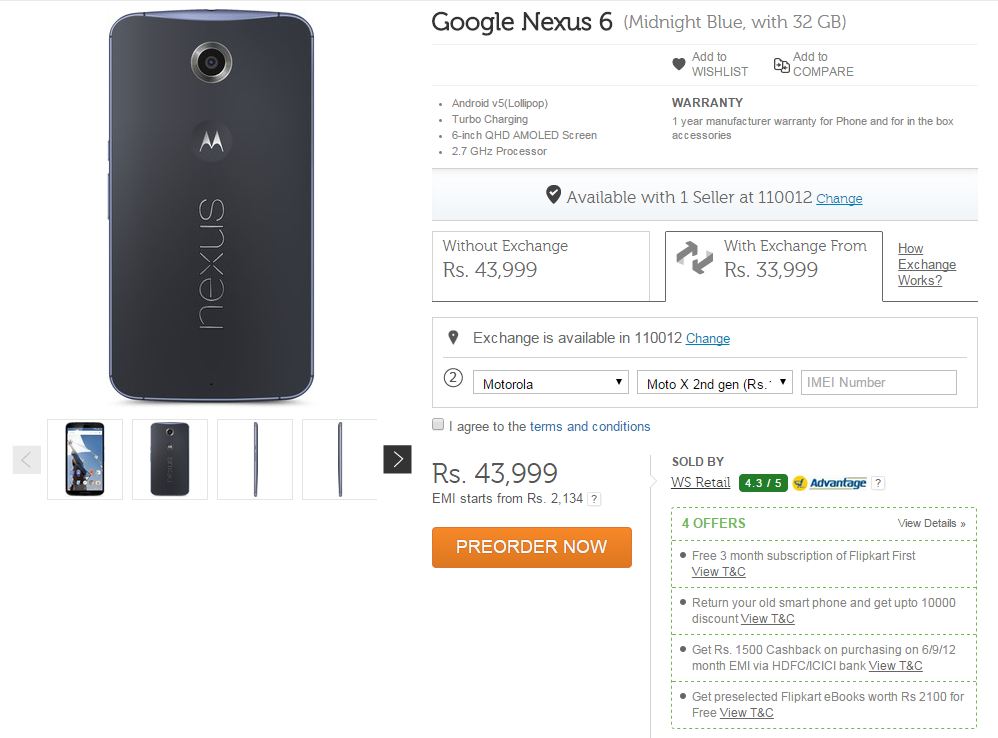
    We reported earlier today that the new Motorola-build Google Nexus 6 has gone up for pre-orders at the popular e-commerce website Flipkart, with an interesting proposition of Rs. 10,000 cashback if you replace it with the new iPhone 6 or 6 Plus. However, the device is still appearing with a ‘Coming Soon’ tag on the ‘Device’ section of the Google Play Store.

    Google had already confirmed the pricing of the Nexus 6 for India through the Google Play Store listing. According to the listing, Nexus 6 32GB version will retail for Rs. 44,000, while the 64 GB version is priced at Rs. 49,000. The phone will be released in two colour options in the country – midnight blue and cloud white. Last month, Google launched the new smartphone Nexus 6 in the country, along with Nexus 9 tablet, Nexus Player and Android 5.0.

    flipkart nexus 6

    Flipkart’s pricing for the 32 GB and 64 GB variants are the same as the official Google Play prices of the Nexus 6, at Rs. 44,000 and Rs. 49,000 respectively.

    The company has introduced an exchange offer under which customers will be given a cashback of Rs. 10,000 on both the versions of the Nexus 6 smartphone. Interestingly, Flipkart is offering Rs. 10,000 cash back if you exchange your iPhone 6 and iPhone 6 Plus with the new Nexus 6. If anyone is rethinking their recent purchase of Apple’s latest flagship, they can opt for this offer.

    Along with that, there are other offers as well like a free three-month subscription to Flipkart First, a cashback of Rs. 1,500 on the purchase of various monthly EMI’s via HDFC/ICICI bank and free pre-selected eBooks worth Rs. 2,100.

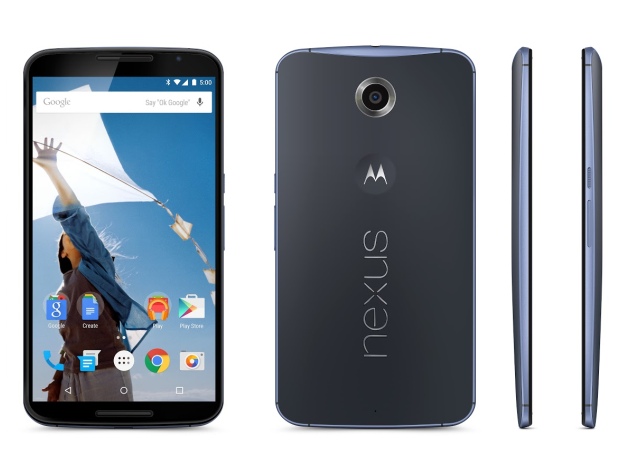
    The phone has the same metal structure as of the Moto X and also presumably will have the same strength. The button locations are the same, and thanks to the minimal bezel design, the Nexus 6 looks a lot less big.

    The smartphone features a 5.96-inch Quad-HD AMOLED display, 2.7 GHz quad-core Qualcomm Snapdragon 805 processor, 3 GB of RAM, 32/64 GB of internal storage and 3220 mAh battery with wireless charging support.

  • How YouTube’s New Music Key Service Can Revolutionise the Music Streaming Industry

    How YouTube’s New Music Key Service Can Revolutionise the Music Streaming Industry

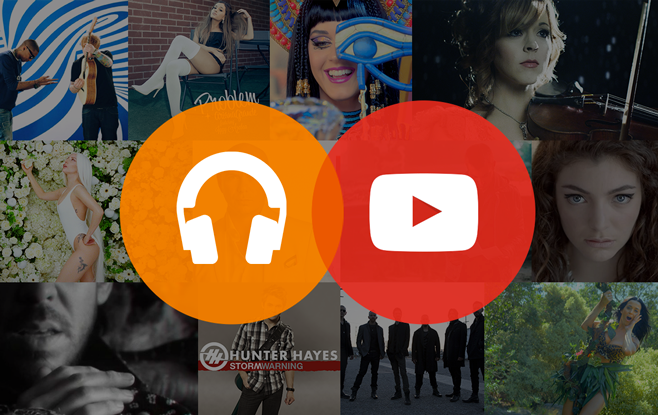
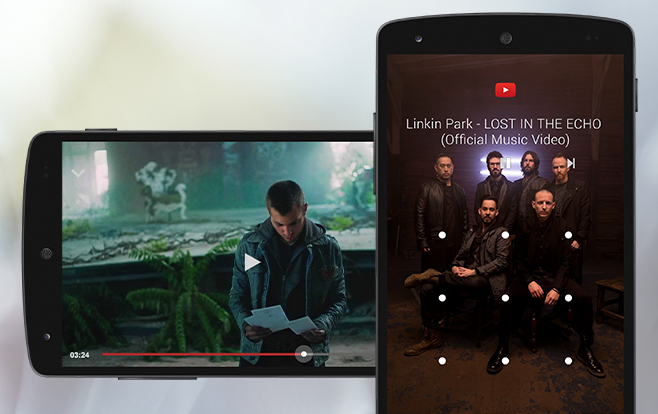
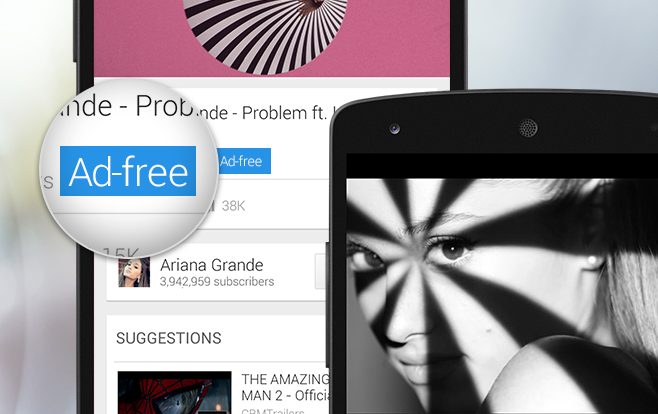
    YouTube has launched its long-awaited music subscription service called Music Key in beta version. The new service comes with a $7.99 price tag for an initial promotional period, with a standard rate of $9.99 per month. YouTube Music Key offers access to Google Play Music’s entire library, as well as providing ads-free music videos, background playback capabilities, and offline caching for viewing without a connection.

    To kick off the service, YouTube opens with a private invite-only beta, offered just to the heaviest music consumers on the site. However, if you are desperate to try the new service, you can sign up for Google’s other music series Google Play Music commit to $10 monthly, and you get to be a YouTube Music Key subscriber as well (and yes, you get 2 months free subscription for Music Key with it).

    youtubemusickeybeta-offline

    YouTube is the No. 1 place for folks to discover new music. Also, music videos don’t air on MTV anymore, but all of the latest pop acts release their videos on YouTube. Justin Bieber launched his career on YouTube, Harlem Shake became the song of the decade here. Top 40 doesn’t define the music scene anymore. This makes YouTube new subscription service a big deal. The video-sharing website has become a one-stop website for music videos, cover songs, lyric videos, reality shows, ‘Soldier coming home’ videos and pretty much everything. YouTube knows well that the lines between music and everything else are more blurred than before.

    The company is going to make most of it with this new service. “Overall, we rely on the information that we get from our partners, or from the video uploader,” explained the YouTube spokesperson Matt McLernon in an interview. “So there are very specific cases like members of the music community, say a label or a publisher, where it’s very clear that it’s music, but the thing that makes YouTube so unique in the music space is, not only is there the traditional music side that everyone knows and loves, but with 300 hours of music and video coming to YouTube every minute, and much of that being music, there’s this whole spectrum of what people call music, or consider music, or share as music.”

    youtubemusickeybeta-background

    The strategy YouTube has adopted is feedback-based, which is a good sign. The beta version is designed to help Google define music not just by its own standards, but by the standards of using the service for listening and watching. The aim of the beta version is to attract the most dedicated YouTube music fans, who will then offer up feedback including “why isn’t channel x included,” or “why is this here when it doesn’t seem like it should be?”

    “We want it to be from both sides – we rely on the information the uploader puts in their YouTube video, but we also want to be an active part in that,” McLernon stated. “This is the same concept of what we use to determine recommended or related videos. All the different signals that we’re aware of that would tell us people are playing these videos in the same way that they would play these types of music videos.”

    youtubemusickeybeta-adfree

    The company’s goal is to develop the service in the same way they developed their advertising partnership program, which started as something the company chose you out to participate in. It was complete with iterated agreements, and eventually opened its doors to all YouTube creators and uploaders to opt into.

    Music downloads on iTunes are not selling the way they used to, CDs have become almost non-existent in stores, and streaming music sales keep rising. Matt admits that based on how well the beta version is received by the early users, it’s definitely possible that we’ll see the model applied in one way or another to other categories within the streaming video site too. However, Google has a big task ahead to figure out how they want to proceed with the Music Key.

iGyaan Network
Privacy Overview

This website uses cookies so that we can provide you with the best user experience possible. Cookie information is stored in your browser and performs functions such as recognising you when you return to our website and helping our team to understand which sections of the website you find most interesting and useful.