Category: Google

  • Android TV : Could it Mean Third Time Lucky for Google?

    Android TV : Could it Mean Third Time Lucky for Google?

    Google has been trying very hard to get into our living rooms for long time now. Google TV was introduced way back in 2010 with the first Google TV’s being made by Sony and Logitech. In the second generation of devices, LG, Asus and others had also partnered on Google TV. But sadly, Google TV wasn’t a success. Nor was the Nexus Q which was a media-streaming entertainment device introduced in June 2012. Even Nexus Q wasn’t much of a success and later was replaced by Chromecast which was launched at last year’s Google I/O.
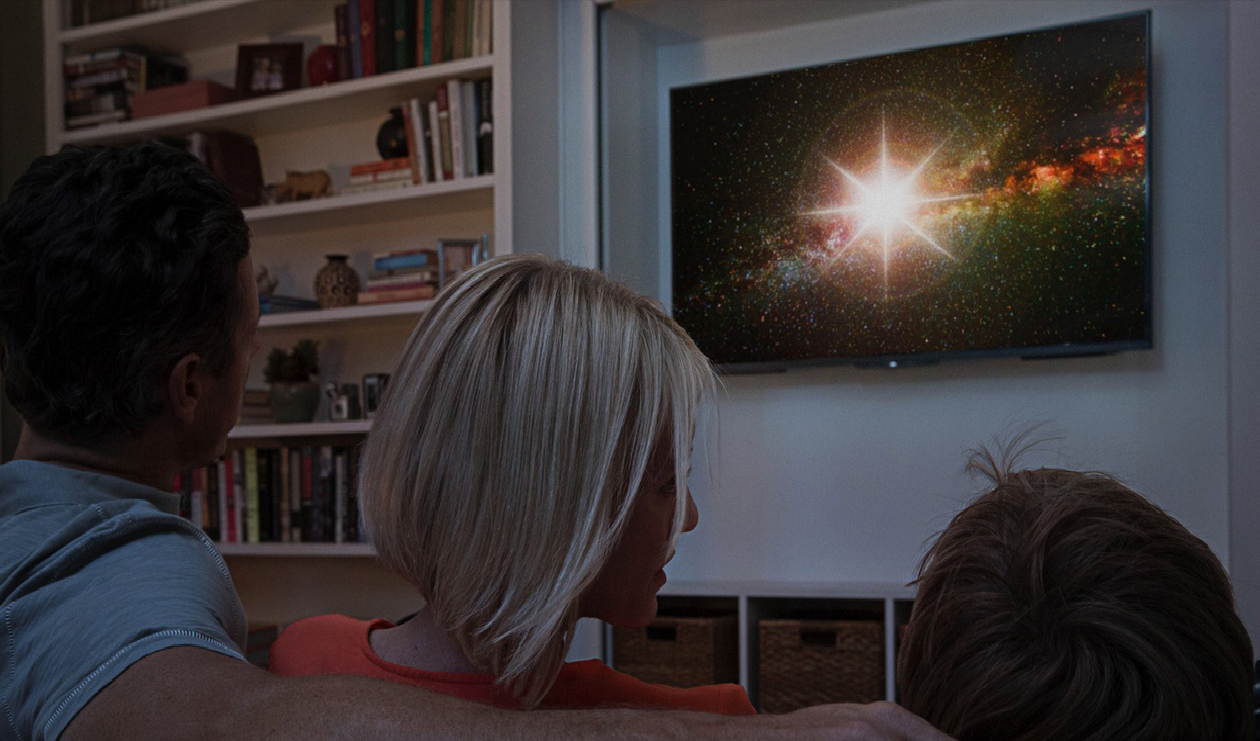
    android-tv

    Though, it seems like Google’s new Android TV may have a bright future ahead of it. Since Google has only showcased the developer-kit of the Android TV called ADT-1, you won’t be able to buy it for a while. But that won’t be an issue once manufacturers begin selling their consumer-facing devices later this fall. Android TV is still in pre-production, so a lot of things are likely to change between now and its final release.

    Unlike its previous effort in smart TV software mentioned above, Android TV will work with a number of different chipsets. It’s designed to enable Android developers to create apps using the same Android toolset that they use for mobile phones and tablets.
    android tv3

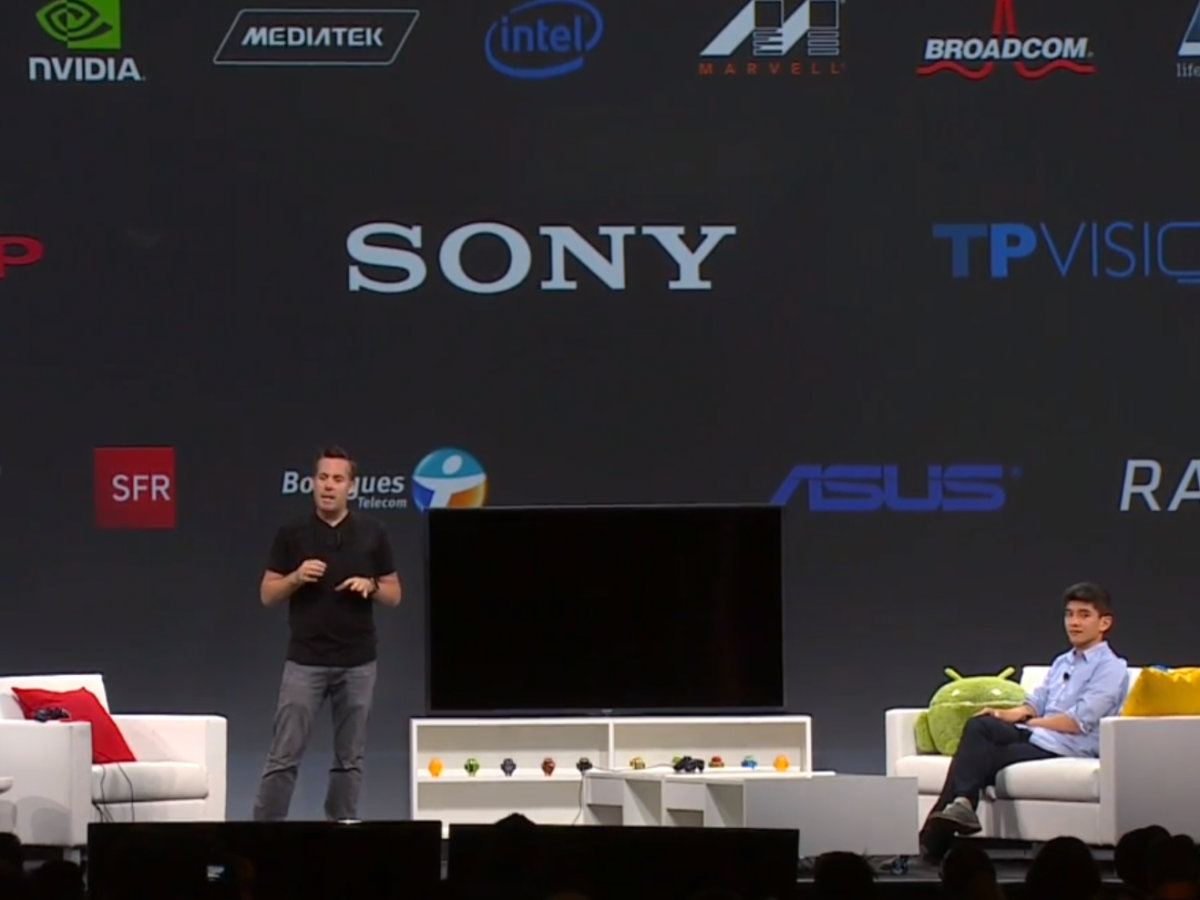
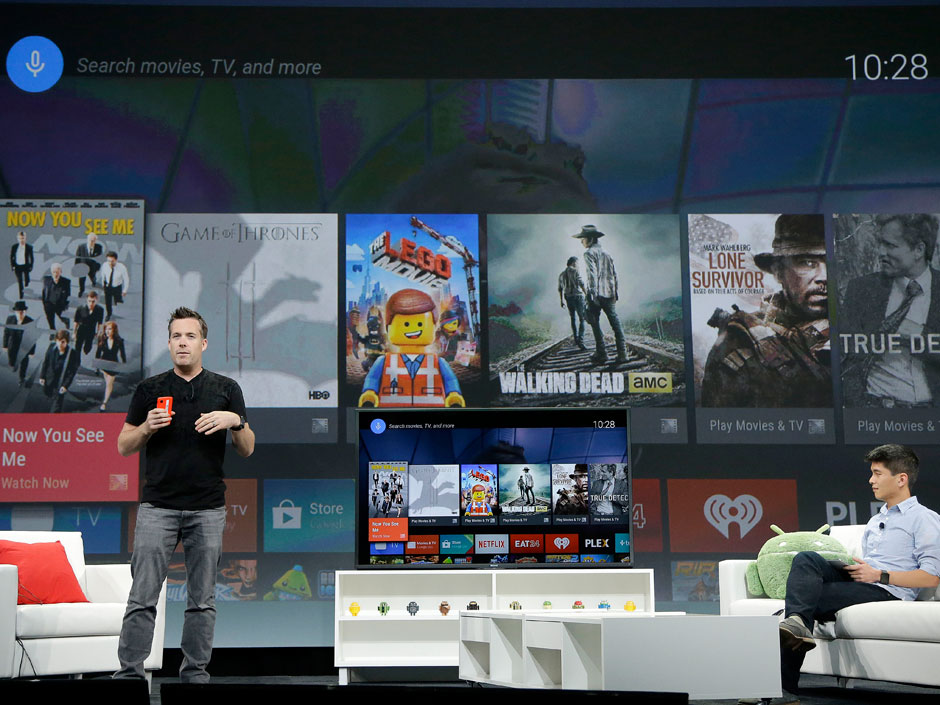
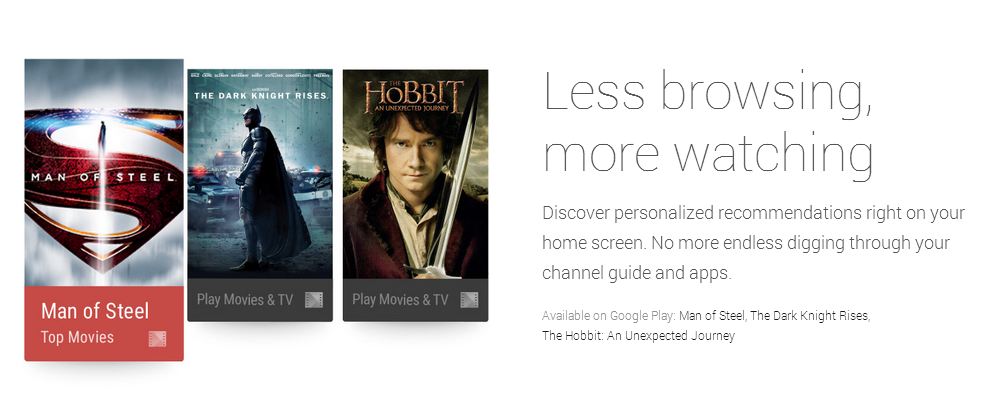
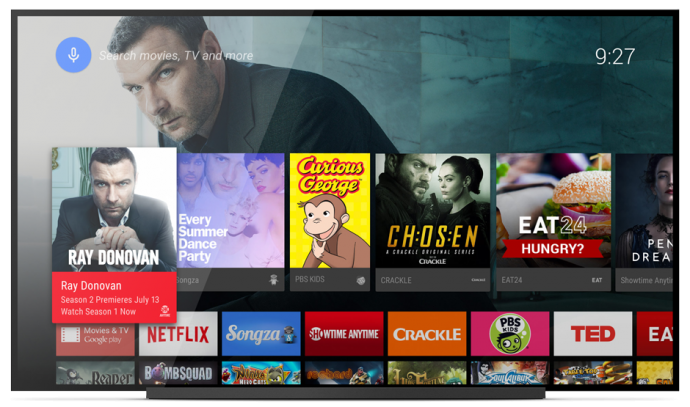
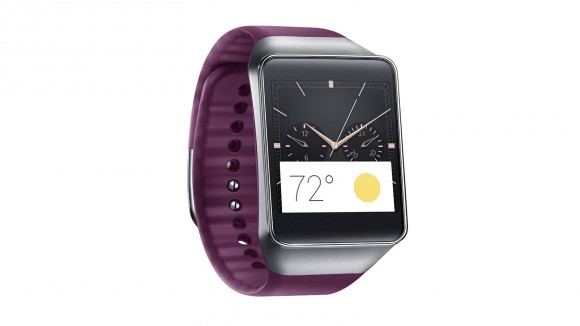
    Android TV will play movies and TV shows, and users will be able to control it via mobiles phones and tablets. Google Engineering Director Dave Burke showed off how the system works to enable search and navigation either via text or voice. He even showed off the ability to control the TV via an Android Gear Smartwatch.

    Chromecast will run on Android TV with full support, so users can beam content from their mobile devices straight to the TV. The new platform also enables users to launch an app store developed specifically for a 10/UI.
    android tv2

    According to Google, the OS will be available for smart TVs (Sony and Sharp have signed on to build televisions with the OS built in), media streamers, set-top boxes, cable boxes and micro consoles. This platform will be ideal for those manufacturers that are interested in getting into the smart TV businesses, but don’t have the resources to develop their own ecosystem. It’s a good opportunity for smaller companies and start-ups to help building the Android TV hardware.

    Google pointed out some technical requirements to ensure that Android TV doesn’t offer an inconsistent  user experience such as:

    • 2GB of RAM,
    • 8GB of flash storage,
    • WiFi and/or Ethernet,
    • Bluetooth 4,
    • Play-ready DRM,
    •  Widevine level

    Companies also suggested to incorporate mics for voice input, and standardized controller button mapping. These guidelines are cricial because the system needs to be powerful enough to handle graphic-intensive games, entertainment apps and connectivity between the TV and mobile devices via Google Cast which Google is focusing on with Android TV.

    No one can give a final verdict for Android TV as yet, company has a long way ahead as far as it is concerned. Of course, a lot will depend on the pricing of the new software which has to compete with the already settled Smart TV makers.
  • Moto 360 Finally Unveiled, While LG G Watch And Samsung Gear Live Are Now For Sale

    Moto 360 Finally Unveiled, While LG G Watch And Samsung Gear Live Are Now For Sale

    Exciting new Android Wear was finally showcased at the Google I/O 2014 with announcements of the launches of LG G Watch and Samsung Gear Live. The only one remaining is the Moto 360 smartwatch, which won’t be available to pre-order until later this summer.

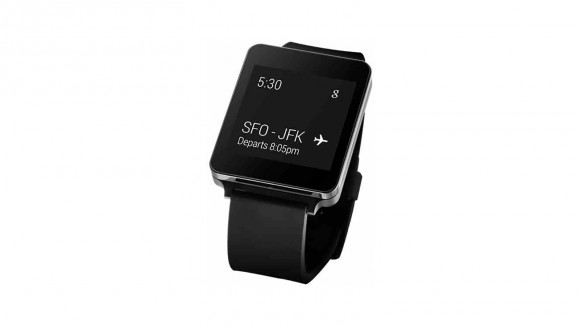
    Samsung’s Gear Live and LG’s G Watch, both powered by Android Wear are the first devices to adopt the new Google software specifically designed for wearables. The G Watch is equipped with Google’s voice recognition service and can perform the simplest of tasks including checking email, sending text messages and carrying out an online search at users’ voice command.

    Samsung 03-580-90
    The Samsung Gear Live

    Both of the devices cannot make phone calls by themselves but can be connected to many of the latest Android-based smartphones. A typical smartwatch allows users to make calls, receive texts and e-mails, take photos and access apps. The G Watch opened Thursday for online pre-order in 12 countries including the United States, France and Japan before it hits stores in 27 more including Brazil and Russia, which is touted for early July. Read our story about the Top 4 Awesome things Google Android Wear can do.

    lg watch
    The LG G Watch

    Gear Live was also available for online pre-order from Thursday. Samsung introduced its Android-based Galaxy Gear smartwatch last year but it was given a lukewarm reception by consumers.  Samsung’s arch rival Apple is believed to readying to launch its own smartwatch soon.

    Despite the Moto 360 still being one of the first watches to arrive running Android Wear OS, there is still some time before you can get your hands on the device. Google did, however, demonstrate many of the features that will be available to these devices, including voice commands for sending texts, getting directions, and music playback. With the smartwatch you’ll also be able to receive and dismiss notifications, accept or decline calls, and dictate notes and reminders.

    moto360lead
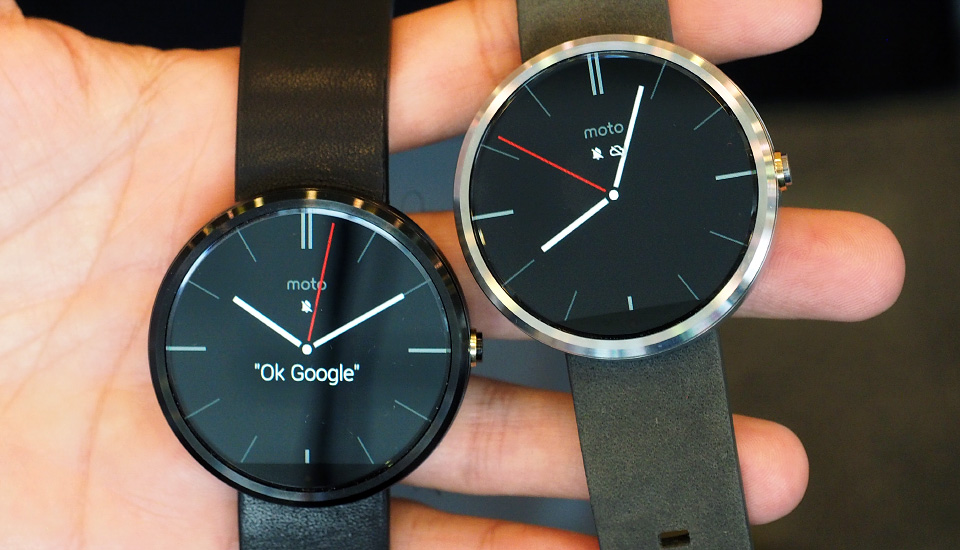
    The Moto 360

    The looks of the Motorola smartwatch is its best feature. According to the team, the round design is meant to appeal to both genders while ditching the sharp corners that can dig into your wrist. The shape is an improvement over the square designs that we normally see on smartwatches, which makes the Moto 360 look like a regular fashionable watch from a distance.

    The launch of Android Wear is fueling the empty smartwatch market. If Android Wear’s market takes of, our domestic lives will be soon be ruled by Android powered smart devices. Unless, Apple surprises us with its contender.

  • Top 4 Awesome Things Google Android Wear Can Do

    Top 4 Awesome Things Google Android Wear Can Do

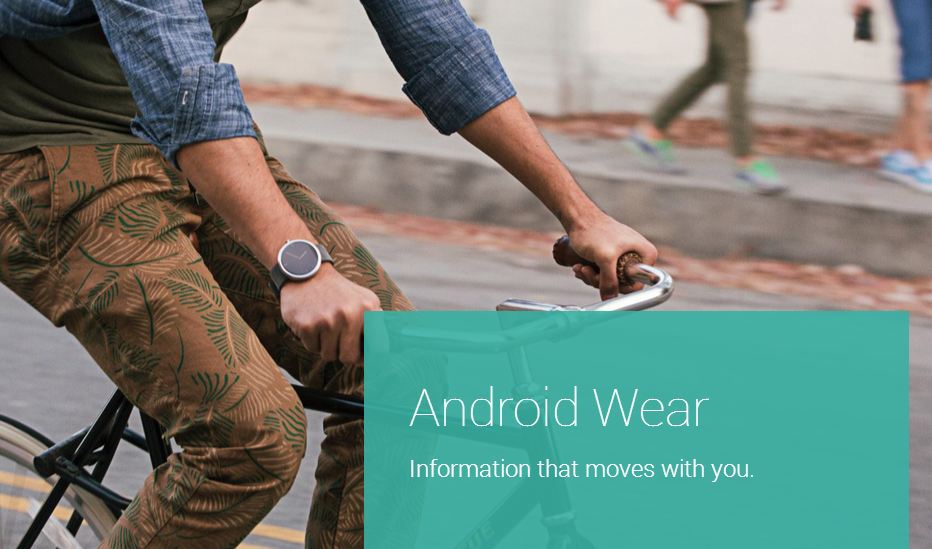
    If Google achieves its goal, Android will be not only on the phone in your pocket, but also wrapped around your wrist soon. As Google pointed out that we check our phones 125 time per day on an average, the new wearable gadget, aptly dubbed as Smartwatch, will take on much of that burden from the hand set. 

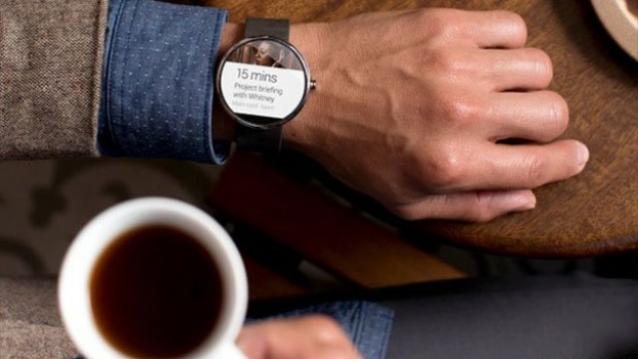
    During an I/O 2014 demo, it showed how smartwatches like LG’s G Watch paired with Android 4.3 or higher phones which will display the most important info to you at any given time. That includes flights, the weather, your commute, appointments, reminders,  notes and messages.  Here are the list of thing Android Wear can do: 

     1. Search

    awOne feature that comes handy with Android wear is ‘Google Now’. If you’ve used Google voice search or Google Now on an Android smartphone you’ll know what to expect here. Google Now is built into Google’s search app on both Android and iOS and serves as an answer to Apple’s Siri. A virtual digital assistant, just without the sarcasm and personality that the iPhone’s disembodied voice is known for. Google Now is all about answers—it can answer a wide range of questions, make recommendations and predict what information users need based on what they are doing or where they are at.
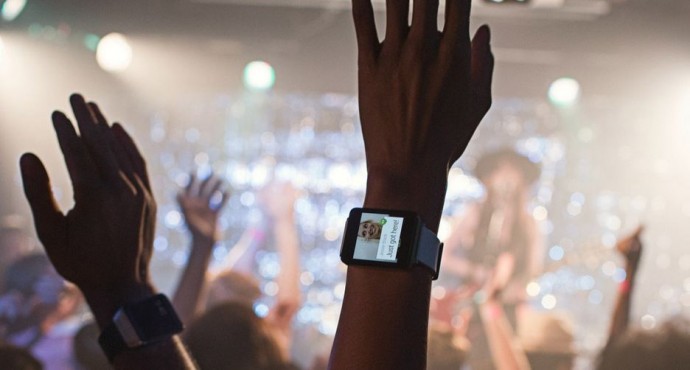
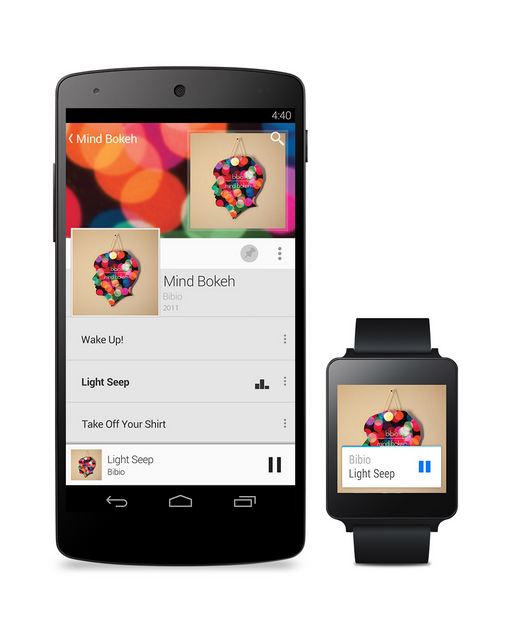
    You can ask Google Now, what song is playing, for nearby locations, for the latest sports score, and for the weather forecast. Even better Google Now shows search information before users even ask for it—such as flight information popping up when you have to catch the plane. All of this information is presented on white cards that slide up on the watch face and can be tapped or flicked for more info, or swiped away when no longer needed—this too is the familiar Google Now user interface and similar to what Google Glass does, which is also powered by Android.

     2. Voice

    a w1
    Google Now is dependent on two types of input; speech and text while we use it on the phone. With Android Wear nobody seems to be typing. Rather, all the input seems to be dependent on voice commands for both search and messaging. Though, it seems that using Android wear in noisy places like concerts or stadiums will be a tough task. But on the other hand, Google does have a reputation for best-in-class voice recognition. 

    3. Location

    Finding location is one of the key features of the Android Wear. Same as Google Now, Android Wear will aim on hands-free and voice navigation. Being a Google product will also send various notification based on the location like possibility of rain, good resturants around, warning about floods in the area etc.

    4. Fitnessa w

    One more important function is its fitness tracking. Right now, such functions are being handled by devices like the Jawbone’s Up, the Fitbit and the Nike+ FuelBand. With Android Wear, Google clearly wants the only thing on your wrist to be an Android powered watch. One example high at Google I/O is showing the number of steps taken for the day and week. Android Wear devices made with heart rate monitors will also be able to tap into that data for compatible apps.

    After showing-off Android Wear, Google announced a number of upcoming devices that will run its new platform. Chief among them was the new Samsung Gear Live, company’s first device to use Google’s wearable platform, along with LG G watch which are now available to preorder from the Google Play store. But those interested in the Moto 360 smartwatch will have to wait, as Google said it won’t be available to pre-order until later this summer.

  • Here Is What Happened At The Google I/O

    Here Is What Happened At The Google I/O

    The developer’s conference, Google I/O was kicked off with with a ton of interesting news. Google has taken the wraps off and unveiled several new products, including the Android TV, Android Auto and the Android L. The keynote for the Google I/O 2014 developer conference created  a lot of buzz for the tech community. Here is a list of some of the keynotes from the conference:

    Android Wear

    Google-Android-Wear

    We finally got to see smartwatches running on Google’s Android Wear OS, in the form of LG’s G Watch and the Samsung Gear Live.The watches connect with your smartphones to provide direct access to handset notifications, allowing you keep check on your mobile apps without using your phone. And yes, they are also equipped with sensors that can monitor things like how many steps you took and your heart rate.

    AndroidOne

    android-one

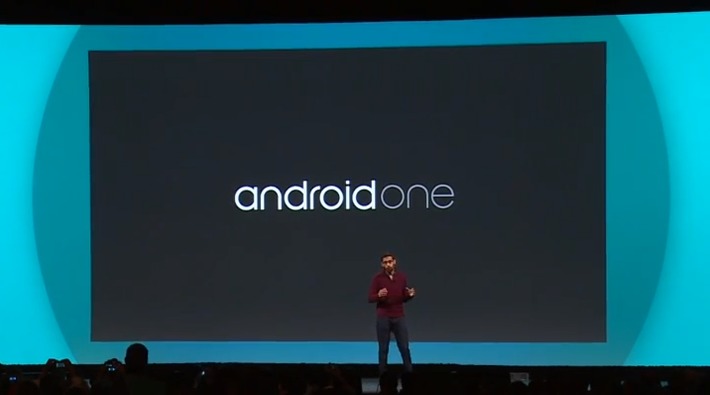
    Google also announced a new set of hardware reference platforms, called AndroidOne. This will provide opportunity for Google’s partners, such as Micromax. This also means that companies will now be able to develop devices quickly and cheaply.With AndroidOne, Google aims to bring a quality Android experience to the emerging markets, at affordable prices.

    Android ‘L’


    It may not have been announced officially just yet, but we did get a peek at what Google’s plans for it are. The next “L” version of Android is updated with a new software layer called Android Runtime (ART) that Google claims will double performance. It will also be bringing an entirely new interface with it. Google is calling the new look Material Design, and it focuses on the dynamic animations and creating depth through the use of virtual lighting and shadows. The design will also be consistent across all of Google’s apps on all devices associated with it.

    Chromebook

    sundar-pichai-google-io-chromebook-1

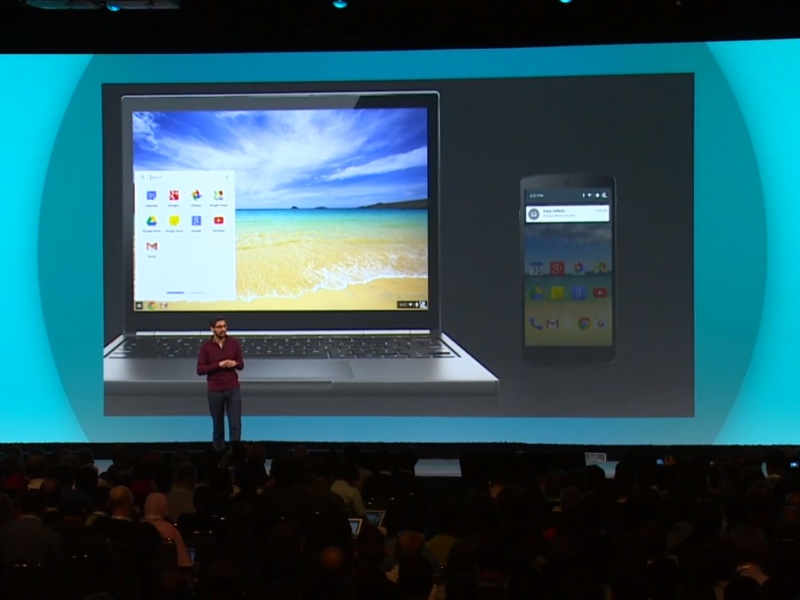
    Google Chromebooks are focused on avalabilty of the Internet at budget prices. And this year these Chromebooks have gotten several new tricks under their sleeves. You’ll soon be able to receive calls and notifications of your phone right from your Chromebook, and open Android apps on the device.

    Android TV

    google-io--android-tv

    Google’s Android TV is another initative all set to rule our domestic lives. With Android TV, smartphones, tablets, and even smartwatches, can now replace your old remote control. The entire platform is designed to give you a fresh Android experience on the biggest screen in your house.

    Android Auto

    google_io_2014_android_auto-630x367

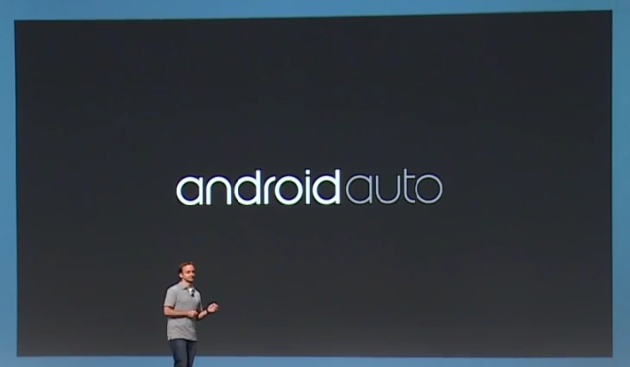
    Competing against Apple’s CarPlay, Google announced a new interface for cars that will create a whole new hands-free Android experience to your vehicle’s navigation system. Now, plugging your device into a compatible car will launch Android Auto, with Google Now-style info cards, navigation directions, and some awesome features like dictating text messages or letting you answer calls, without taking your eyes off the road.

    Chromecast

    Chromecast_dongle

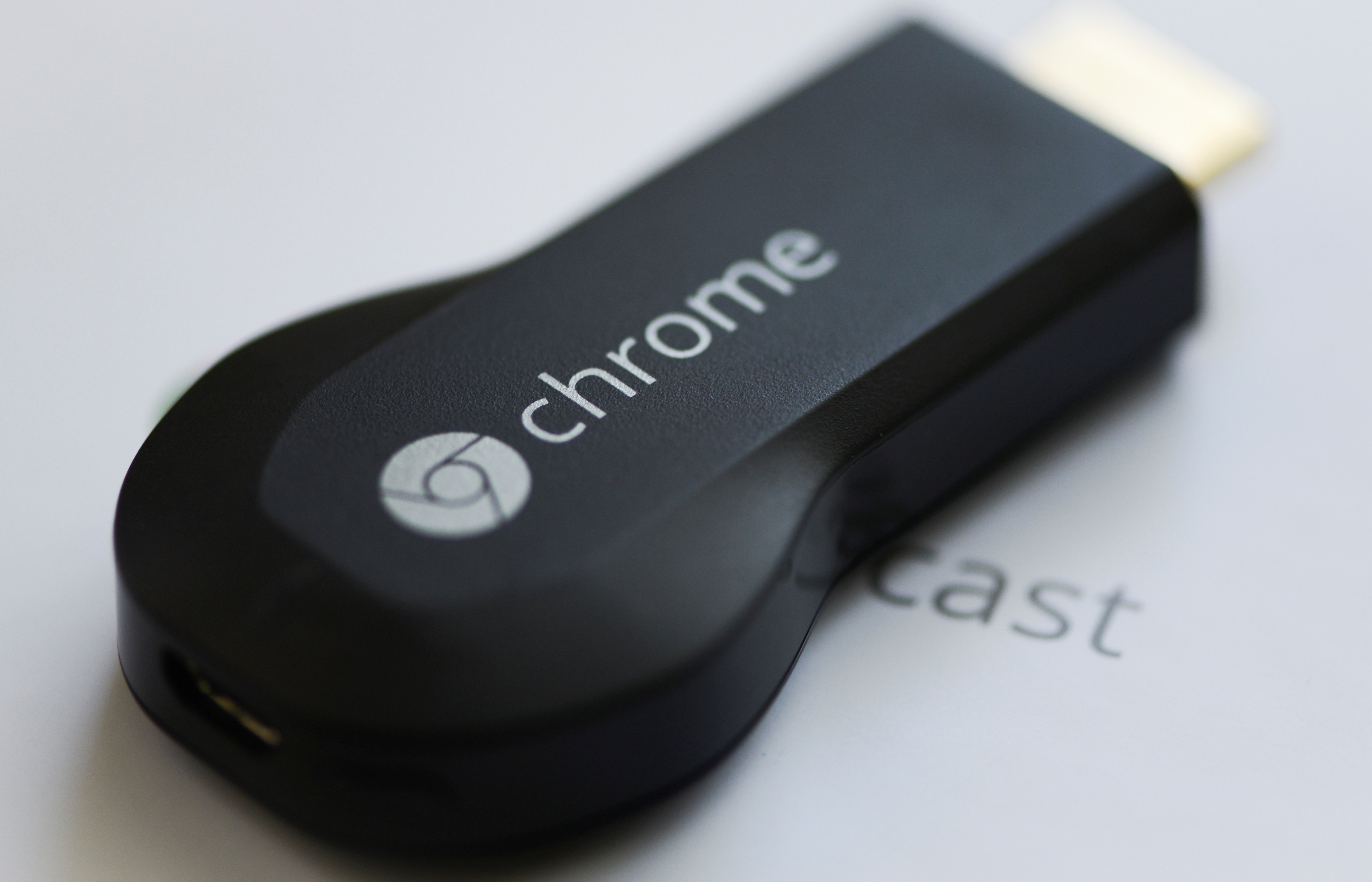
    Though there was no news about new Chromecast during the event, still Google hinted a few updates on the streaming media stick including its ability to mirror your entire Android device directly onto your television screen. The Chromecast’s biggest weakness is obviously the lack of supporting apps, and this new feature shall solve this problem.

  • Google Announces its Domain Registration Service

    Google Announces its Domain Registration Service

    Google has become an umbrella brand that touches our lives more than anything else we use daily. Adding to its long list of utility offerings, Google will soon launch its own web domain registration service.

    The company recently announced a beta service called Google Domains, which marks the beginning of its full-fledged domain registration business.

    Capture
    For now, the service is invite-only, but it looks like it will provide a bevy of features typically found on registrars such as GoDaddy, Namecheap and Hover. According to the company, the service will help users search, find, purchase and transfer domains – whether it’s .com, .biz, .org, or any other new domains that are released to the Web.

    Google Domains will provide free private registrations, 10 million resolutions per year on Google’s DNS servers, branded email that forwards to an existing mail account and domain forwarding. Google says it will support a variety of different gTLDs (generic top level domains), including offerings such as .photography and .guru that are said to be rolling out over the next few months.
    The move represents competition for GoDaddy, the world’s largest domain name registrar with over 57 million domains under its management. The registrar has privacy protection starting from US$7.99 per domain and email services from $4.99 a month.

    feature page

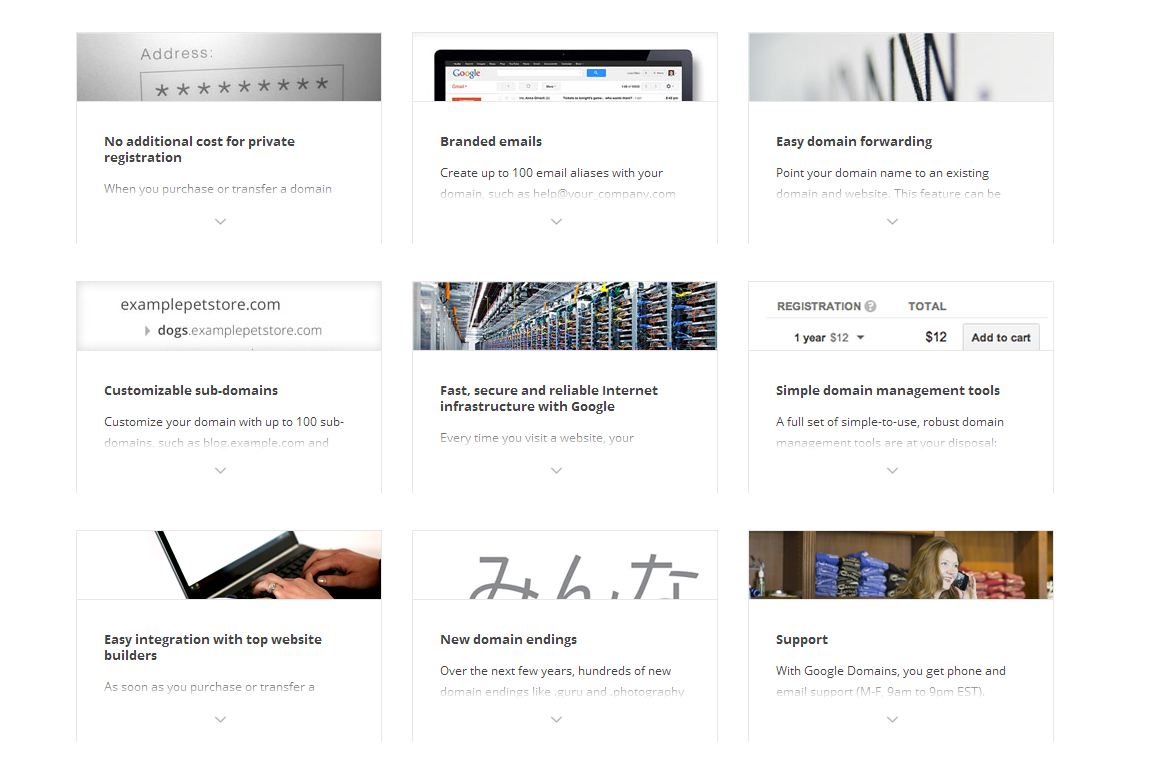
    Google’s plan for the service includes:

    • $12 domain registrations
    • No extra cost for private registrations
    • Email aliases
    • Customizable sub-domains
    • Domain management tools

    While the service will provide us with the ability to buy customized URLs, Google won’t provide the actual site hosting. Partners such as Wix, Weebly, Shopify, and Squarespace will provide hosting and website building services to registrants.

    It seems like the right move for a company that makes the majority of its money through search. This would help them get more businesses online. Considering the fact that Google also provides tools for analytics and cloud storage, it seems like a domain registration service will fit right in.

  • Google’s Revolutionary App Translates Sign Language into Speech

    Google’s Revolutionary App Translates Sign Language into Speech

    Google is building an app called Google Gesture which translates sign language into speech. It analyses the muscle activity and position of the hand and forearm using electromyography which then uses the smartphone application and translates it into speech in real time.

    Google is working with students of Berghs School of Communication in Stockholm, Sweden for the development of this app that will help dumb people to communicate. Google Gesture will be paired with bands worn in forearms that read muscle movement while the user converses using signs. The readings are then sent to the app which analyse these movements and turn it into speech.

    [quote]

    For some people, sign language is a must. While others don’t understand sign language, which means a lot of interesting conversations never takes place. How can we at Google help bridge the gap between those who use sign language and those who don’t?

    [/quote]

    The aim of this project is to fix the problem of communication for people who are unable to speak and depend on gestures to communicate daily. Google has been constantly working with people around the world, creating technology that will help people from all walks of lives.

    In the past, Google had developed a software that enables the deaf and hard of hearing to communicate via technology. For example, Android offers an option on its Google Translate App that turns speech into text.

  • PlayDrone Discovers a Serious Security Breach in Google Play

    PlayDrone Discovers a Serious Security Breach in Google Play

    By developing a new tool called PlayDrone, Jason Nieh, professor of computer science at Columbia Engineering, and PhD candidate Nicolas Viennot reported that they have discovered a crucial security problem in Google Play – the official Android app store where millions of Android users get their apps.

    PlayDrone uses hacking techniques to find a way around Google’s security to download Google Play apps, and then recover and analyse their sources. It scales down by simply adding more servers and in this way, it manages to compile over 880,000 of the 1.1 million free apps it downloads.

    columbiaengi
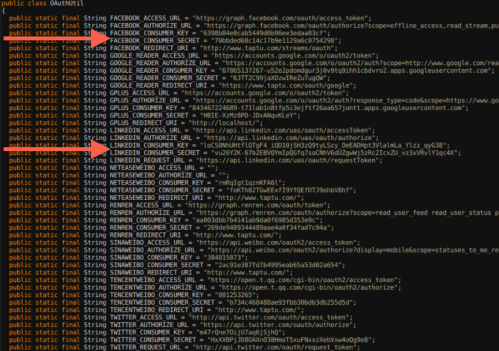
    An image of the secret keys discovered by PlayDrone

    While analyzing this, it was found that developers often store their secret keys of their app’s software similar to username and password data, which can be further used to steal user data or resources from entities such as Amazon and Facebook.

    Even the “Top Developers” promoted by Google Play have included these vulnerabilities in their apps. These vulnerabilities can affect users even if they are not actively running the Android apps.

    This tool, Playdrone, not only revealed this security loophole but also used it to provide insight into Android apps and improve the quality of Google Play. For example, the tool also found that roughly 25 percent of all free apps on Google Play are clones of other apps. This information could be used to help Google crack down on cloned content, which would be great news for developers who are creating original apps. Google Play has more than one million apps and over 50 billion app downloads.

    It also performed an analysis of the 10 best rated and 10 worst rated apps on the Google Play store, and found that even the worst-rated app has over a million downloads. Google is now using the techniques to scan all the apps for such problems to prevent this from happening again in the future.

  • Here is What to Expect from Google Android 5.0

    Here is What to Expect from Google Android 5.0

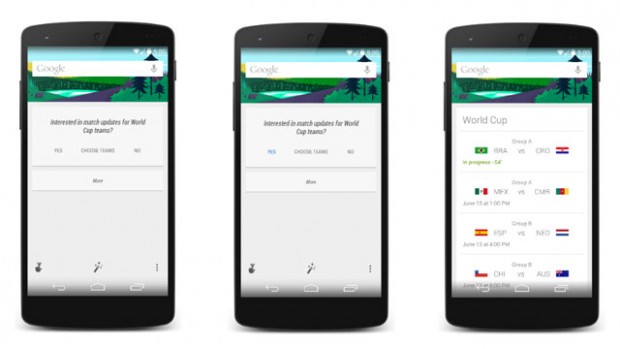
    Google teased anxious tech-heads with a hint of the existence of a new Android 5.0 through a picture they posted on their official Twitter page. They posted a photo of Google Now to introduce a new feature where users can view World Cup scores and schedules via the intelligent personal assistant. Each of the phones in the images had their time set to 5.0.

    Android-5-0-Lollipop-Google

    The developer conference will be held on June 25th and 26th and is one of the biggest Android and Google themed events. During the conference, we can anticipate new introductions; both on the software and hardware side of things. Here is exactly what we’re expecting from the new operating system:

    The Name

    There is no real sign of the dessert-based name that will follow its predecessor. Having astonished everybody with its choice to go for Android 4.4 KitKat, rumor suggests that Google will slip back to its general naming principle by calling the next installment Android Lollipop. That will be a major problem because people may not like it for obvious reasons. Some reports also suggested that the new Android’s name will start with either M or L. We are wildly guessing and hoping in vain that Google will come up with some Indian-sweet inspired name like Android 5.0 Ladoo or Android 5.0 Matka Kulfi.

    New Phones

    The first handset to run Android 5 will either be a Nexus phone or a tablet. Given the timing of the announcement we think it might be the latter. The Google Nexus 5 launched Android 4.4 at the tail end of last year, and we reckon the Nexus 10 (2014) will appear soon – meaning a tablet launch for the new OS. HTC looks like the front runner to bring this tablet to the market, so we’re thinking that this could happen mid-2014, which makes it likely that the productions would be starting soon. We’re also hearing a lot of rumblings about a Nexus 8, a slate which will supposedly launch with Android 4.5, so maybe that’s the device that Android Lollipop will make its debut on.

    Fitness First

    Also, recent idea is that Google’s next version of Android will have more fitness smarts built-in. Apple is set to go big in this area with the iWatch and iOS 8, and other brands, such as Samsung and LG, are making strides in this segment too. The idea is that future versions of Android will allow the software to harness “fitness data from sensors on your Android device.” These could be built into future Android phones and tablets, but it’s also likely that the API will play nicely with Android-based smartwatches and even Google Glass.

    Integrated Messaging

    We would love to have one integrated app that can squeeze Google Talk, Google Voice, SMS, Gmail, and the Google+ Messenger into one service that’s easily accessible on Android. Assuming that the new messaging service shows up at Google I/O or in a near future, we would expect Google to integrate the app or client into the new release of Android.

    Google Now

    Google Now is one of the more go-getting evolutions of Google’s search software. The idea is simple — it’ll predict what you want or need to know before you know you need or want it, and serve it up in an easy-to-read format. And the execution of this idea has been excellent. And now, Google has been working with brands and partners on Google Now cards that will touch our lives more than we know. It would be great if  Google Now would automatically remind me that my favorite show is coming on TV or remind me to water my plants because it knows that it hasn’t rained since two days.

    google oi

    Google Music Subscriptions

    According to some reports, Google has been in talks with several record labels in an attempt to come up with a Spotify-like music service that would integrate into Android. At present, Google Play Music offers users to upload their own music to Google’s servers and provide streaming options from different Android devices and Web browsers. It seems like Google will offer unlimited music access through Google Play and/or YouTube for a monthly fee. Google recently struck a deal with Warner Brothers and is said to be working with Universal Music Group, Sony Music Entertainment, and other labels too.

    Google Play News

    The Google Play experience may swell into newspaper subscriptions. We guess that is the same as their old magazine service where users are able to purchase single editions and/or subscribe to newspapers from around the world.

    Google Gaming Center

    This is the freshest rumor we have heard, Google is reportedly about to test its fish in the Android gaming waters. Earlier this month, Google hired a chief game designer; titled very aptly “Chief Game Designer at Android Play Studio.” Google may also publish its own games and create a gaming hub through which you can connect to your friends and other players which provide Leaderboards and achievements. Google+ seems to be the most rational way to tie users together.

    Google is said to announce big updates and hardware in this year Google I/O. If all the above rumors turn out true, then it is going to be bigger than this year’s Apple’s WWDC. Google and Apple are contesting hard to have an edge above each other; who will win only time will tell.

  • Google ‘Accidentally’ Leaks Their Next Android Phone

    Google ‘Accidentally’ Leaks Their Next Android Phone

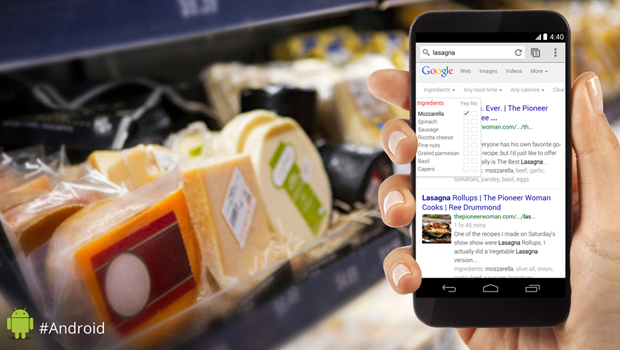
    Google Nexus 5 was one of the best phones in the market in 2013. Recently, there has been quite a few of rumors regarding Google’s plans of discarding the Nexus for a new Silver program. But a tweet by Android’s official account shows an unknown smartphone, which looks almost like the Nexus 5 with minute changes.

    This promotional tweet was intended to endorse a new feature in Google Now (the ability to see recipe checklists while shopping), exposed a new-looking phone. The photo shows that the alleged Nexus 6 doesn’t have the speaker grill or the camera on the front. The screen also appears to be larger and the bezels are slightly smaller.

    This is not the first time Google has “accidentally” leaked a photo of a yet impromptu device either. Back in November last year, Google posted a promotional photo of a new Nexus tablet and it created a lot of talk about the Nexus 8 tablet. More recently, a header on Google’s micro website revealed an unknown tablet, which subsequently sparked Nexus 8 rumors. Infact, the first look of the Nexus 5 was accidentally revealed when Google posted and subsequently deleted a video on YouTube.

    Seems like we have enough reasons to believe that this may be the Google’s next Android phone. We’re just not sure if this was an intentional move or just a goof-up.

  • Google Plans to Cover Earth in an Internet Blanket

    Google Plans to Cover Earth in an Internet Blanket

    Google is planning to launch 180 small satellites which will provide access to the two thirds of human population which still doesn’t have access to the internet.

    The project will be organized in collaboration with Dutch satellite start-up O3b Networks Ltd. Its founder Greg Wyler is at the helm of this project. The project cost is being estimated to be around a billion dollars.

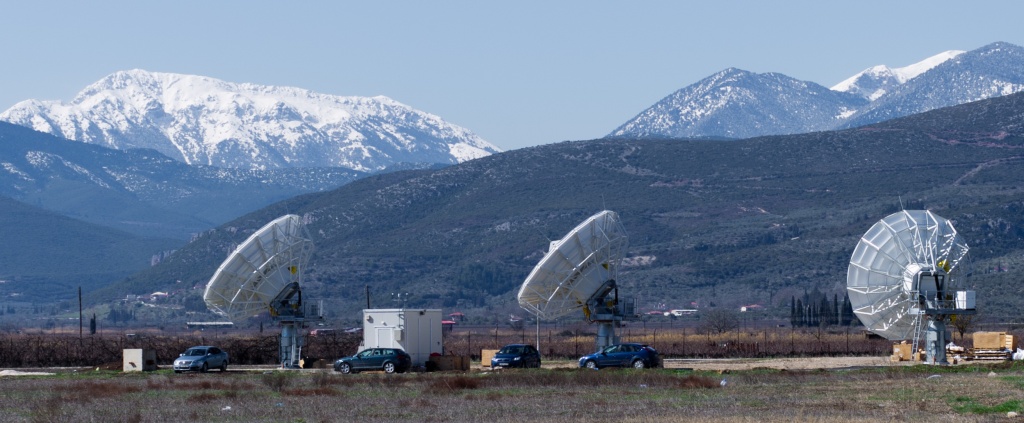
    O3b has already launched satellite orbiters, 4 satellites in 2013 and they’re going to launch 4 more this year. The intention is to bring High Speed Broadband connectivity to rural areas. It plans to create a constellation of satellites with Google’s assistance.

    O3b 1
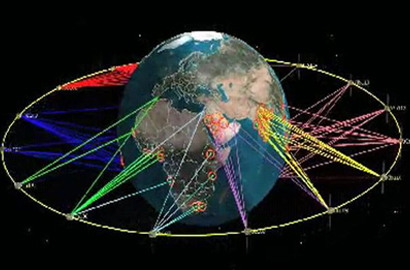
    Google will make a constellation of satellites for affordable internet for all

    These orbiters will be much more efficient as they orbit the planet at a lower altitude in comparison to the conventional satellite. Geostationary communications satellites fly at 36000kms from the surface whereas O3b satellites will fly at about 9000kms. As they have a low altitude, the data delay from one round-trip between the station and the satellite will also be decreases from an average of 638 milliseconds to less than 150 milliseconds.

    This will be an extension of Google’s ambitious Project Loon. The ingenious project has Solar powered ballons flying at the height of about 20 kms from the surface. They use stratospheric winds for navigation for both sides of the equator. Check out this video to see how it’s done:


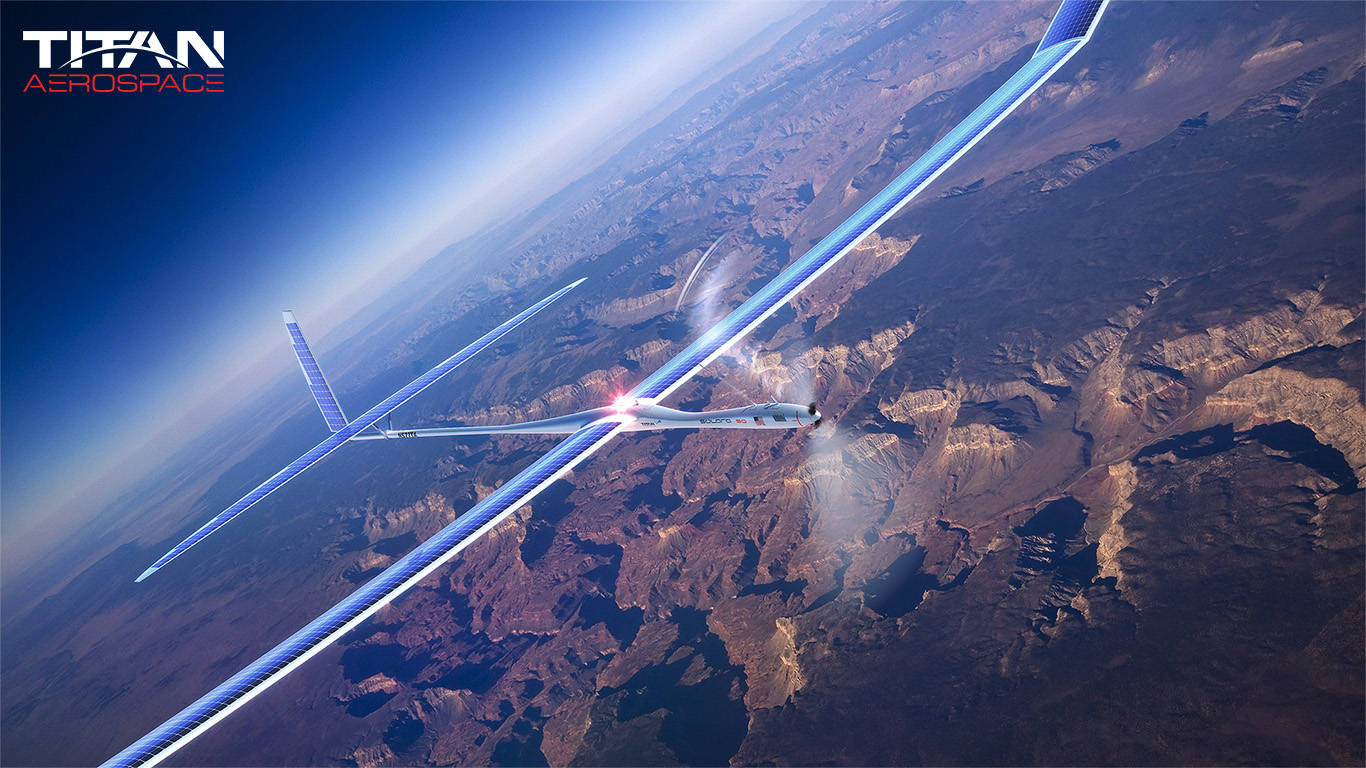
    Apart from this, there are high hopes from Google’s acquisition of Titan Aerospace. The company is the inventor of the Solora 50, a solar powered drone which can be used for bettering telecom services around the world. The drone is massive; it has a wingspan of 50 meters and is 15 meters in length and can cruise at speeds of 104 kilometers an hour.

    titan_aerospace_solara_50
    Google Acquired Titan Aerospace for the Drone technology

    It is not just Google that is investing heavily in the broadband access business. Facebook founder Mark Zuckerberg with his internet.org initiative wants to achieve something similar. According to him, the internet is a basic human right and we couldn’t agree more.

    But the intentions of these major corporations are seen by some as self-serving philanthropy. After all Google and Facebook’s entire business is based on how many people are connected to the internet. There are still 4 billion people who don’t access the internet. Think about the vast amounts of profits to be made.

    Even if they are self-interested ventures, these companies will be doing a lot of good for the people around the world. They internet has become an inseperable utility of our present culture. By connecting more people to this massive network would lead to more dialogue between the people of the world which will lead to better understanding.

  • One Step Ahead: 3D Imaging on New Google Tablet

    One Step Ahead: 3D Imaging on New Google Tablet

    “What if you could walk into a store and see exactly where that thing you need to buy is, or play hide-and-seek in your home with that character from your favorite game, or help the visually-impaired navigate that place they have never been able to to go on their own? We believe the possibilities are vast.” That’s been Google’s Project Tango‘s vision. And now, Google is reportedly working on a tablet version of this initiative, that incorporates multiple advanced imaging sensors into a portable device for real time 3D imaging and mapping.

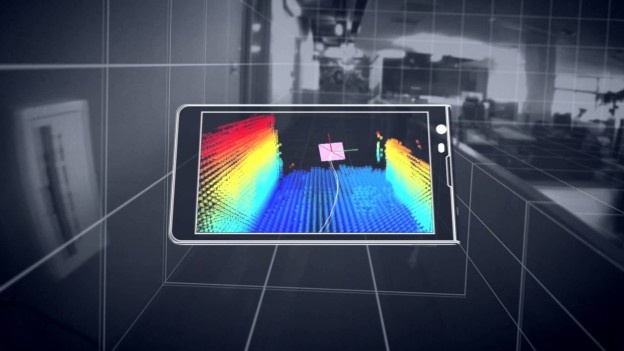
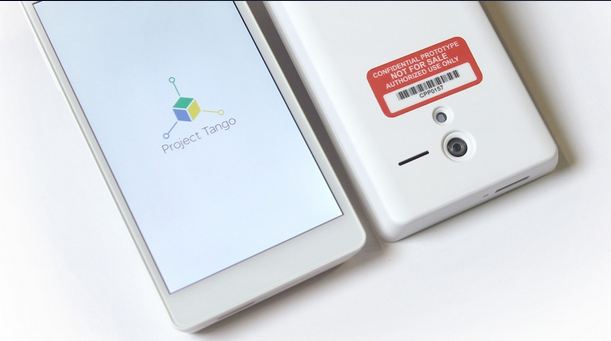
    tp1According to The Wall Street Journal, the Internet search giant is further exploring into computer vision technology with a 7-inch tablet which has two rear-facing cameras, infrared depth sensors and highly customized software. The small-format slate seems to be an oversized version of the existing prototype Project Tango smartphone released in February by Google’s Advanced Technology and Projects division.

    Google’s Project Tango webpage notes the sensor suite “allows the phone to make over a quarter million 3D measurements every second. Updating its position and orientation in real-time, and then further combining that data into a single 3D model of the space around you.”

    In February, Google had released a prototype smartphone out of that group, which also boasts sensors that could come up with a 3D map of your surroundings. The tablet appears to have the same or similar imaging hardware as the smartphone version, which features a regular camera mounted near the top of the handset, a motion-sensing camera placed opposite and incorporated depth sensors mounted between the two. It is unknown what type of CPU will power the tablet, but the phone boasts two “computer vision” processors and assorted positioning sensors for calculating movement in three-dimensions.

    The project’s recommended applications range from the ordinary, such as capturing the dimensions of a home before furniture shopping simply by waving the phone around a room, to the helpful, such as aiding the visually impaired inside unfamiliar buildings, to the playful, such as turning a foyer into a virtual-reality game space.

    ptFacebook is also exploring advanced computer vision technology with its planned $2 billion acquisition of Oculus VR, the maker of virtual reality headset Oculus Rift. The headset was originally intended for use with gaming devices, but Facebook has said it plans to extend its virtual reality capabilities beyond gaming into areas such as communications, media, entertainment, and education.

    Developers already have their hands on the phone and WSJ reports the company plans to release the tablet to select testers prior to Google I/O, which begins on June 25.

  • Peace at Last : Apple-Google War is Done for Good

    Peace at Last : Apple-Google War is Done for Good

    Seems like every techie journalists staple source of conflict beat is about to get over. On Friday, Google and Apple decided to call it quits on the incessant exercise of suing and counter suing each other. They have asked the courts to dismiss the remaining patent lawsuits and have decided to settle the matters outside the courts.

    The conflict between the two Silicon Valley giants started in 2010. Steve Jobs’ disdain for Google became evident when he commented on the fact that Google had ripped off the iPhone. In a strong statement, he swore he was going to spend his last dying breath trying to destroy Android since he believed it to be stolen. Words which didn’t suit his stature.

    The company has now made a sensible decision of discontinuing needless pursuit. After all Android is at the top of the charts with 52.5% of the smartphone operating system market. The Android and the iOS have evolved into completely different systems now.

    This gives no indication that the companies are going for a license sharing agreement. They will though use the money they were spending on expensive lawyers on real innovation in the market. A fact that satisfies everyone. The battle will now be on real free market capitalism principles. This advancement also doesn’t put an end to the Apple-Samsung wars which was widely viewed as the Apple’s proxy war on the Android system. Apple had won a compensation of $930 million against Samsung in 2012.

    Motorola Mobility was also waging a patent war with Apple. Google bought Motorola Mobility to access Motorola’s patent library thereby protecting other Android Vendors. With the acquisition Apple and Google directly came face to face. Google later sold the Smartphone businesses of Motorola to Lenovo while keeping a majority of the patents.

    There is also a happy ending to the story. Like in clichéd endings of movies about warring factions, the two super giants also agreed to work together in the field of patent reforms. This can be good for the overall market too. In an era where knowledge is increasingly getting privatized, an initiative by familiar names would help boost the conversation on the concept of patents in our economies.

  • Google’s next version of Glass in Works

    Google’s next version of Glass in Works

    A few days back Google opened up the Glass program for everyone in the US with a valid credit card. While there were also reports of the Google Glass actually costing US $ 150 to build (which were later scrapped), it appears that the next version of Glass is already doing rounds of the RnD department.

    Crystal Optech supplies Liquid Crystal on Silicon displays for the current version of Google Glass, Kong Wenjun of the company said that they were shipping newer displays for the next version of Glass.

    Google has also involved a middle company in the purchase process which would help the Mountain View based search giant keep all of this under wraps. The latest version and the one we have is referred to as Google Glass Explorer Edition 2, which came out in October of 2013 and ships with a Mono Earbud.

    While there are no specs or details or even a name available for the next version of Google Glass, it is also expected that Google will announce it at the upcoming I/O conference and this version may also be a public edition costing in the US $ 500 price bracket.

    Google Glassware Gallery ( application store) also added new apps for Foursquare, TripIt and OpenTable making it a boon for the everyday traveller and connoisseur.

  • Nexus 6 and Nexus 8 Show up in Chromium Code

    Nexus 6 and Nexus 8 Show up in Chromium Code

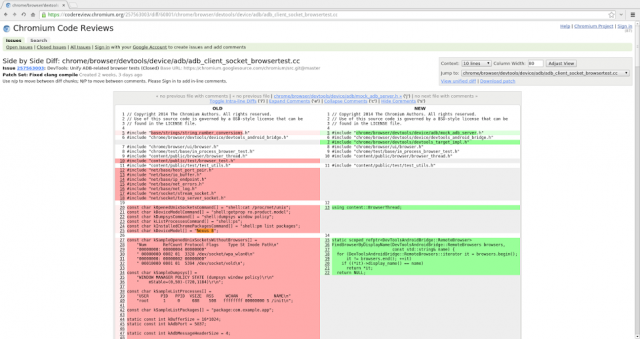
    Google’s next edition of Nexus devices have been spotted in the new Chromium code, hinting confirmation of the Nexus 6 and the 8.9 inch tablet Nexus 8.  While it’s not much to go on, references to the two devices have recently appeared in Chromium’s source code, as dug up by Florian Kiersch on Google+.

    nexus-8-6-chromium-code-640x339

    The reported changelog of Android 4.4.3 KitKat published on the Android Open Source Project (ASOP) has referred to HTC-made Flounder, and another product codename Molly. Where flounder is suggested to be the Nexus 8 which this time around could be an HTC built device. Molly on the other hand could be  Android TV, both of which are expected to be launched at Google I/O Conference on the 25 and 26 June in San Francisco

    Earlier, reports had claimed that the next-generation Nexus smartphone would come from LG, based on their new flagship device G3.The G3 could be a mix of the LG G Flex and the G2, So it may sport a 5.2-inch full HD curved LCD display. Everyone has their money down on the handset being powered by a 64-bit version of Qualcomm’s Snapdragon 800-series chipset with 3GB RAM and running on Android 4.5 Lollypop.

    The Nexus 8 on the other hand, if made by HTC, could mark the long awaited return of the taiwanese manufacturer in the tablet market. The push that a Nexus device could bring to HTC’s tablet line, may be as good as a push LG got.

    It is also rumored that the Nexus 6 will be the last Nexus from Google, ending the Nexus saga from the Android maker. It is also assumed that Google will be developing a new name for its series of devices going forward, naming them with a different moniker.

  • Decoded: Top 5 Cloud Storage Services

    Decoded: Top 5 Cloud Storage Services

    Juggling between smartphones, desktops, laptops and tablets makes it increasingly hard to keep track of all our files. For example, as easy it is to snap a picture, the harder its become to keep tabs of the every-growing bulk of images. We tend to keep scattered folders for our pictures on various storage devices and laptops. Cloud storage rescues us from these restraints, ensuring that the files we need are available where and when we want them. Clearly, it should now be a fundamental part of our modern, mobile lives.

    The ultimate advantage? You never have depend on your gadgets or fear losing any important data. We review the best cloud storage services and see what each of them have to offer:

    Dropbox

    9dfac0a1-f48a-128f-bbe2-c70fd89c9d80-mzl.fezmebazDropbox is the only online storage solutions to offer clients for Linux and Blackberry, along with the usual Windows, Mac OS X, Android and iOS standards – even though an official Windows Phone app still remains indefinable. This goes a long way to ensuring that your data can be with you, no matter what kind of technology you want to use. The basic free account provides a with a somewhat small – in contrast to competitor services – 2GB of storage. For documents, this amount works, however if you want to store any kind of media – photos, music, or video – it will fade away very fast. You have an option of investing and upgrading to the 100GB plan. Dropbox also offers 500MB of additional free storage for each friend you get to sign up to the service – with a limit of 16GB.
    Overall it is an excellent cross-platform service, a benchmark which is hard to compete. It may lack several services which others provide, but its user-friendly interface and multi-technology compatibility makes it one of the most popular choices.

    Google Drive

    google_drive_logo_39631 Google drive is a heart of various services Google currently offers. It offers 15 GB of free space on signup or when you link it with your old Google account. Drive works in the same fashion as most cloud storage solutions, with a local folder on your PC linked to a replica for cloud version. The interface across the apps is smart and simple to navigate, with a basic file tree showing where your data is kept. You can choose specific files to be available offline on the mobile versions, and these can be edited – if they were created in Google Docs – then synced when you return online.

    Google Drive is the most munificent of all the services in this category. If you live in the Google universe then it actually is an brilliant storage option, predominantly if you use Google Docs a lot.

    Streem

    streem

    Our Favourite find! The lesser known Streem is a cloud-based hard drive that offers unlimited storage space for your files. All files are securely stored in the cloud and streamed to you on-demand, saving you terabytes of space on your devices. Unlike other cloud storage services, you are not require to store your files on your hard drive and sync them to the cloud. All your files are securely stored on the servers and streamed to you on-demand.

    The edge about this storage service is that they give you free unlimited storage and that you don’t have to keep a copy on all of your computers in order to access them. As long as you have an internet connection, you’re set.

    Box

    BoxSometimes mistaken for the similarly named Dropbox, Box is the eldest of it’s competitors, having launched in 2005. It’s major focus is cloud computing for business side of the market and has impressive enterprise reputation.

    Box still offers solid personal storage options, however, with a generous 10GB of space for any new account. However Box limits the file size to 250MB, which is a major drawback. This is noticeably lower than the 10GB limits of both Google Drive and Dropbox, with OneDrive’s 2GB limit still plenty for most people. Of course 250MB is more than sufficient for most documents and spreadsheets, but if large media files – especially videos – are part of your plan then this could be a problem.

    OneDrive

    onedrive

    Much of the functionality of OneDrive (previously SkyDrive) is equivalent to Dropbox, with its apps available to Windows, Mac, Android, iOS, and of course, Windows Phone users. Microsoft to attract more users launched as offer whereby users gain 500MB of storage for every friend that signs up to an account through them.There’s also an added 3GB offered if you link OneDrive to your mobile phone’s camera roll, enabling it to routinely back up your photos online.

    The OneDrive interface is similar to Windows 8’s Modern UI design. You have a choice between the boxy style or a more traditional file tree. Folders and files can be created on the web, including Office and OneNote formats thanks to tight Office Online integration. They’ve also added a social element to the web version – a range of popular messaging services are accessible to be connected to your OneDrive account.


iGyaan Network
Privacy Overview

This website uses cookies so that we can provide you with the best user experience possible. Cookie information is stored in your browser and performs functions such as recognising you when you return to our website and helping our team to understand which sections of the website you find most interesting and useful.