Category: Intel

  • Intel Launches 8th Gen Core Processors with Radeon RX Vega M Graphics At CES 2018

    Intel Launches 8th Gen Core Processors with Radeon RX Vega M Graphics At CES 2018

    Intel has launched its 8th generation of Core processors integrated with Radeon Vega graphics. After months of speculations, Intel announced its partnership with AMD in late-December. Dell and HP will be the first in line to launch new laptops using these processors, but, specifics of such laptops will be available once the companies unveil their own laptops. Other OEMs are expected to announce new products using these processors in early-2018.

    Aimed at the ever-growing target audience of “gamers,” Intel has also launched a new line of its own compact NUC PCs featuring the new processors. Of the five new CPUs unveiled, two have 100W thermal ratings and are designed for desktop systems, while three have 65W ratings and are made for high-end laptops. Interestingly, all the five CPUs will have Radeon Vega graphics built on the same physical package, while the Intel HD 630 graphics will take over the reins when a less graphics intensive task will be in hands.
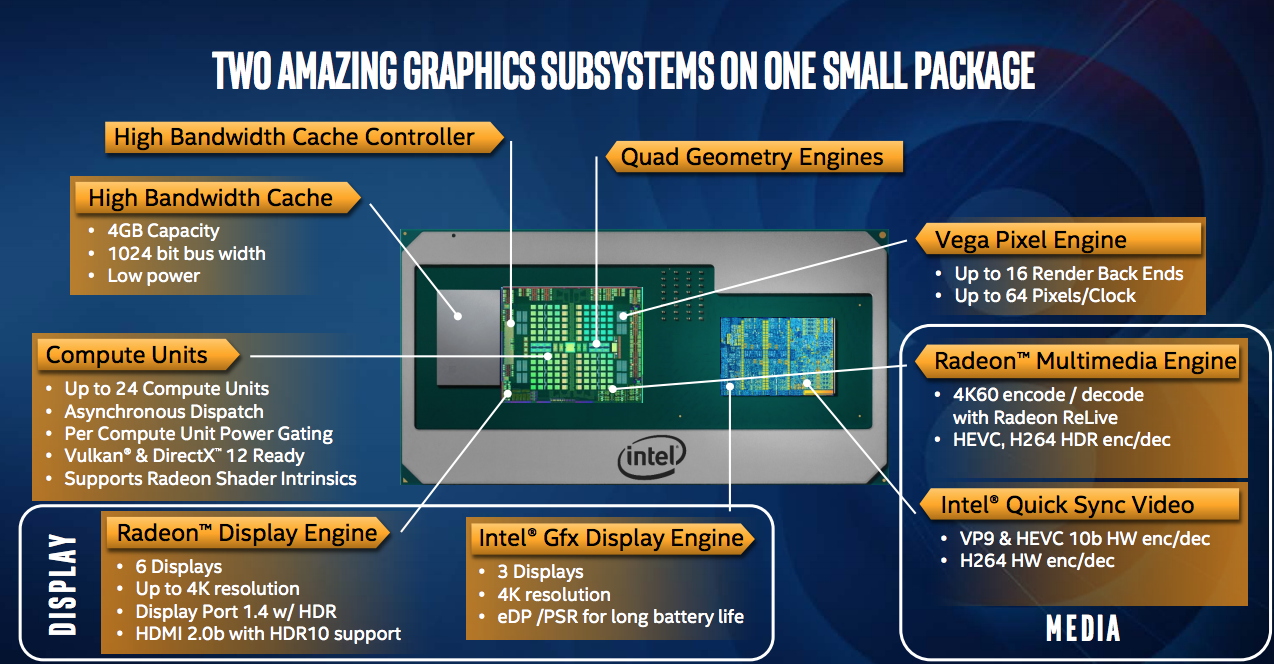
    The most advanced and powerful processor of the lot is the i7-8809G which was leaked before its official unveiling. It is worth noting that the i7-8809G is fully overclockable. It has a base and boost clocks of 3.1GHz and 4.2GHz respectively. Similar to this is the non-overclockable Core i7-8709G with the same base clock but a marginally lower 4.1GHz boost clock. Both have four CPU cores with Hyper-Threading, and 8MB of cache. Both also feature the Radeon RX Vega M GH GPU which has 24 compute units comprised of 1536 stream processors, running at between 1063MHz and 1190MHz.
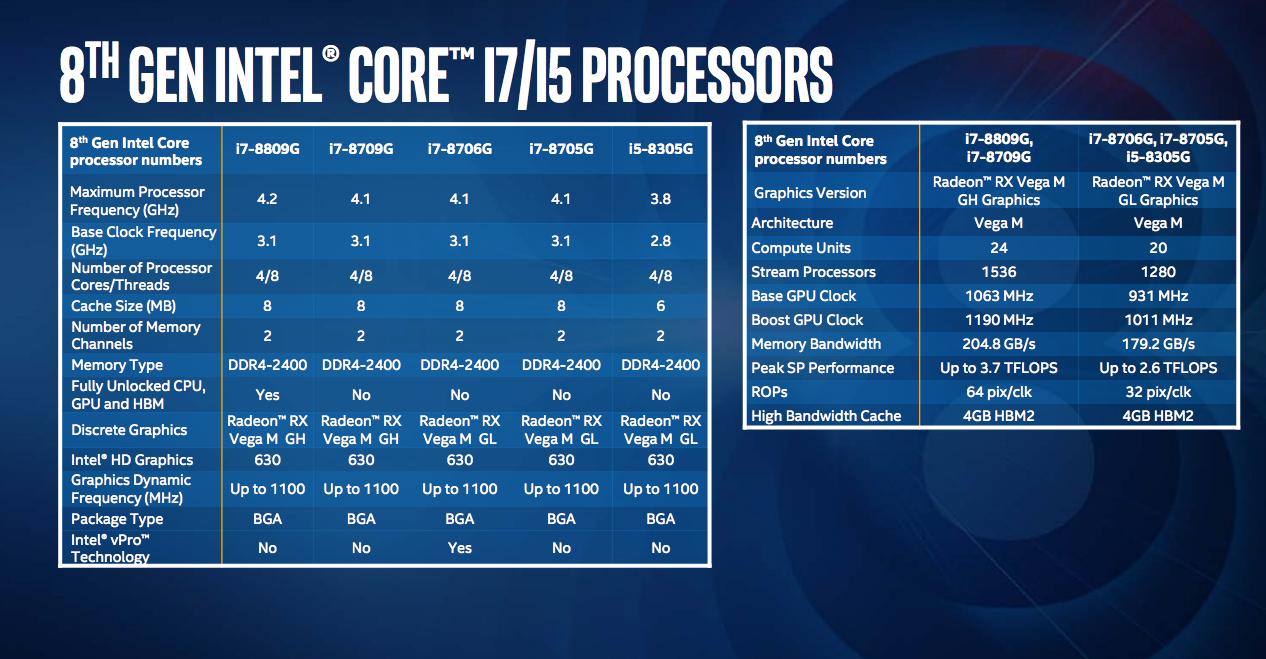
    Next up are the Intel i7-8705 and i7-8305G processors designed for laptops. While the 8705G has a base and boost clocks of 3.1GH and 4.1GHz with 8MB of cache, the 8305G has a base and boost clocks of 2.8GHz and 3.8GHz with 6MB of cache. Both feature the Radeon RX Vega M GL GPU on package, which has 1280 stream processors clubbed into 20 compute units, running at between 931MHz and 1011MHz.

    The last of the lot is the i7-8706G, which is identical to the 8705G but, is the only one out of the fice which supports Intel’s vPro technology for business-class remote management and security features.

    As far as the Radeon Vega graphics are concerned, both the variants have up to 4GB of high-speed HBM2 of memory connected via a 1024-bit bus. Both GPUs will be able to support six independent 4K displays through the Radeon GPU and three additional displays through the Intel GPU.

  • Intel Facing Multiple Lawsuits Over Chip Security Flaw

    Intel Facing Multiple Lawsuits Over Chip Security Flaw

    The last couple of days have been frantic for the tech community. Ever since Google released two documents detailing the security flaws in almost every CPU in the world right now, the consumers have patiently waited for a fix for their devices. Some, however, have decided to take matters into their own hands. Owners of Intel-based CPUs in Oregon, California and Indiana have sued Intel over the security flaws that have been highlighted in its chipset.

    They claim that the vulnerability in the chipset, which Intel learned about several months ago, make its chips inherently faulty. Intel has provided security patches ever since, but, the complaints raise concerns that these patches will hinder the performance of their computers and is not an adequate response to the serious issues raised against the company’s products.

    A couple of days ago, Google along with other security researchers released a couple of documents which chronicled the major security flaws in Intel, AMD, and ARM processors. The reason this flaw is much more complex than the usual software or hardware bugs is that it’s more than just a bug that can be fixed with an update. The flaw lies in the middle, at the level of the processors’ “architectures,” in the way all the millions of transistors and logic units work together to carry out tasks.

    Meltdown and Spectre exploit critical vulnerabilities in modern processors. These hardware bugs allow programs to steal data which is currently processed on the computer. While programs are typically not permitted to read data from other programs, a malicious program can exploit Meltdown and Spectre to get hold of secrets stored in the memory of other running programs. This might include passwords stored in a password manager or browser, personal photos, emails, instant messages and even business-critical documents.

    Google announced a fix for one Meltdown and Spectre vulnerability each and claimed that these fixes won’t result in system slowdowns which was feared by many.

  • Microsoft to Launch Surface Pro 4 in India Tomorrow

    Microsoft to Launch Surface Pro 4 in India Tomorrow

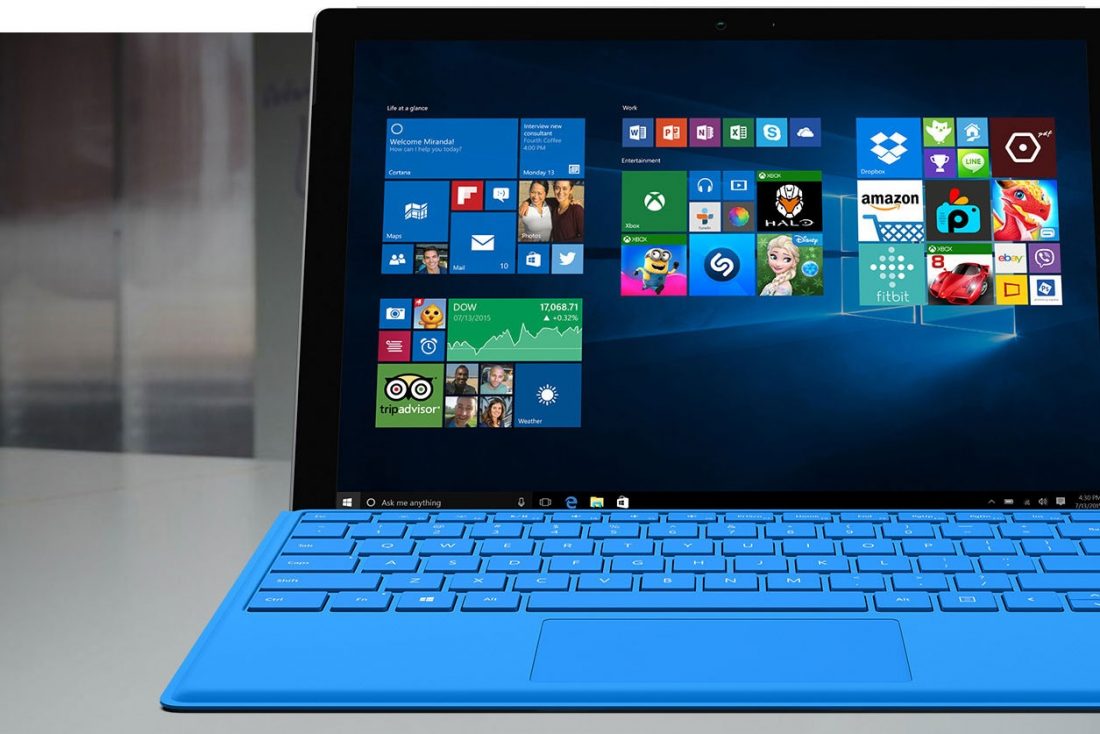
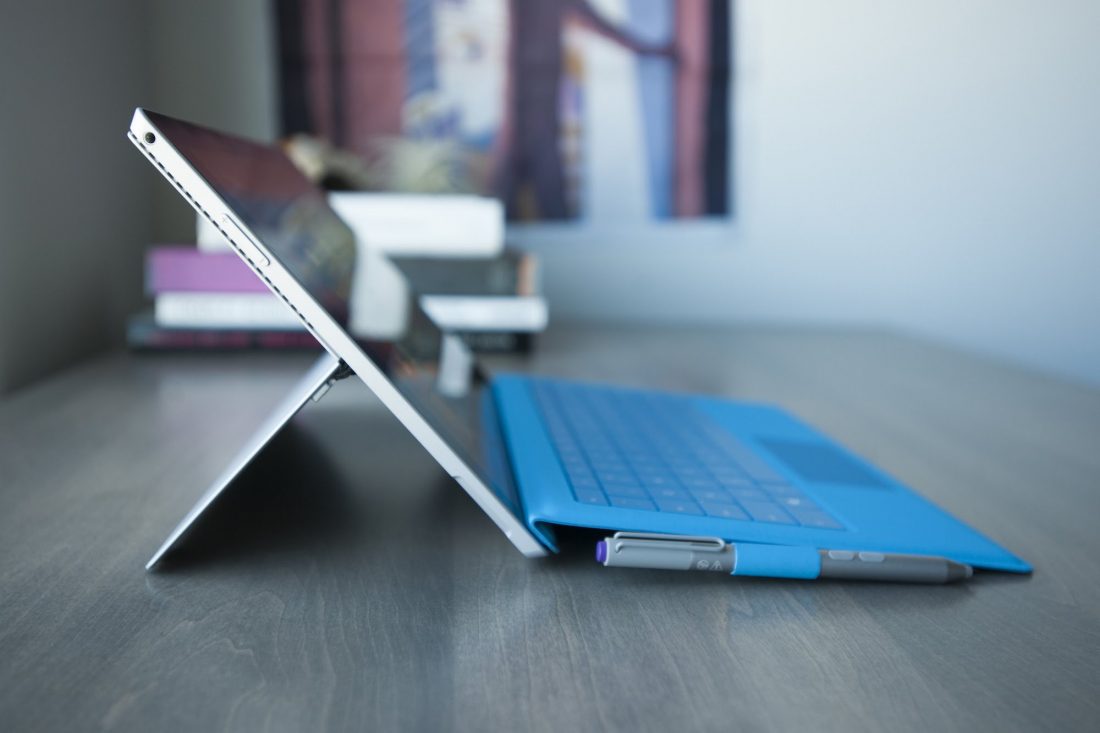
    Microsoft’s flagship 12 inch hybrid tablet that promises to put your laptop out of business for good is all set to take up Indian markets by storm in the coming days. Microsoft has started sending invites of the launch event for the Surface Pro in India on the 7th of January, 2016. Microsoft fearing a backlash because of the high price of the series had shied away from introducing the Surface Pro range in India for a long time, but its seems the company has decided to cast those apprehensions aside, and trust its loyal user base in the country.

    The Surface Pro 4 whose pricing has not been disclosed by the company yet, looks set to retail in India over the Rs. 60,000 mark. For the hard earned money you spend, Satya Nadela, and Co. present to you a gorgeous piece of consumer hardware that can easily take on all the productivity tasks that you throw at it. This hybrid tablet is a sure-shot upgrade from the Surface Pro 3, but still leaves you wanting more when it comes to battery life.

    maxresdefault

    The Surface Pro 4 features a 12.3-inch Pixel Sense display, that can output a maximum resolution of 2736 x 1824 (267 PPI). It will run on a 6th Gen Intel Core m3, i5, or i7 processor. The device will have 4GB,8GB,16GB RAM depending on the variant of choice, and will be available in storage options of 128GB, 256GB, 512GB, 1TB SSD drives. To add to this, the Surface Pro 4 will also come equipped with Intel HD Graphic chips, or an Intel Iris chip for the top of the line i7 variant.

    microsoft-surface-pro-4-news

    The hybrid tablet will be powered by Windows 10, and the cool thing about the the device is that it turns into a fully-powered laptop while running a desktop software. Battery life is promised at just over 9 hours on a single charge, and the device will weigh not over 786 grams. Not bad we say.

    The Surface Pro 4 on paper looks like a device which if priced right could easily make deep inroads into the Indian consumer market, and keeping in mind how carefully Microsoft has been looking at India in the past year or so, come 7th of January, 2016 Indian consumers could well expect this game changer from the tech giant to be priced reasonably, and make way into their homes.

  • Apple’s Next iPhone May Have Intel Inside

    Apple’s Next iPhone May Have Intel Inside

    Intel is looking to get a piece of Apple’s booming sales by taking a version of its cellular modem into Apple’s next iPhone, likely to be called iPhone 7, stated reports by VentureBeat. The partnership is yet to be official, though. As of now the two companies have exchanged words and work is already underway. So, you can expect Apple or Intel to come out with an official statement soon.

    Intel CEO
    Intel CEO Brian Krzanich

    Apparently, Intel has an ‘army’ already working on the project. Around 1000 people are working to supply Apple’s next iPhone with Intel’s next-gen 7360 LTE modem. VentureBeats also reported that Apple will be sending some of its own crew to work with Intel. Meanwhile, Intel looks to take out Qualcomm from the top position of modem suppliers for Apple.

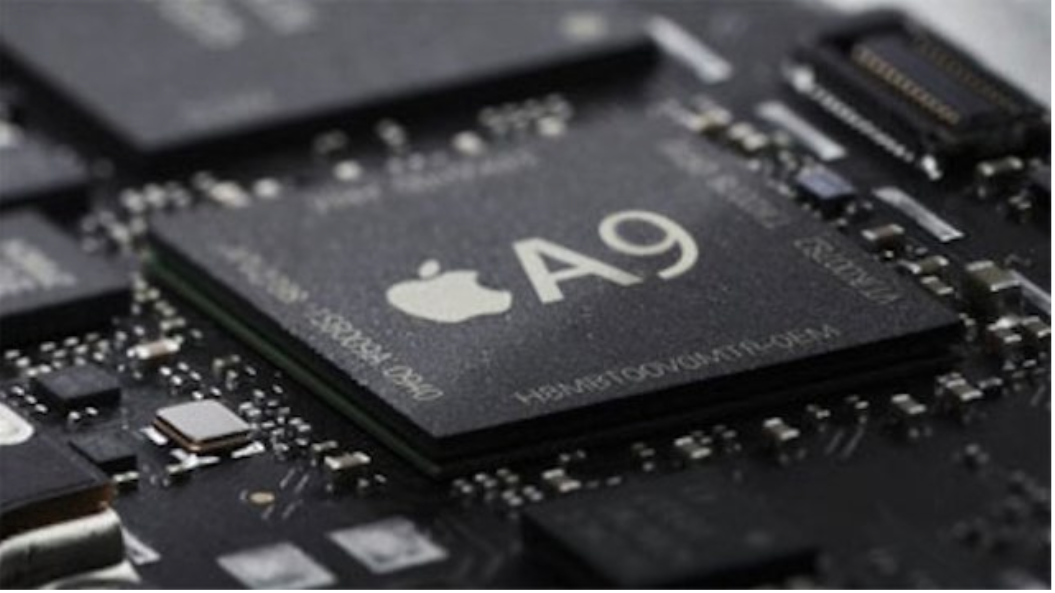
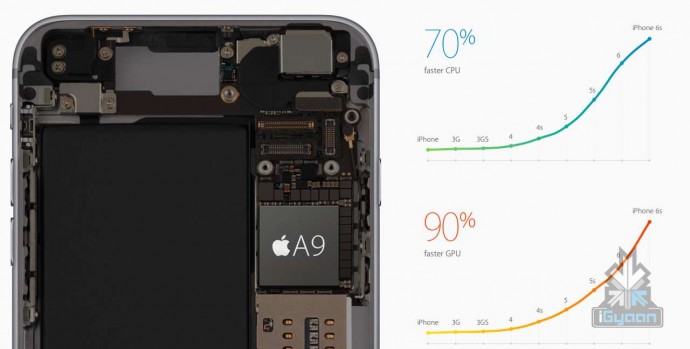
    Currently, Qualcomm’s 9X45 LTE chip has been the modem for Apple’s handset. A few years ago, Infineon used to supply the iPhone with 3G modems before Intel bought the German semiconductor company. Apple then moved to Qualcomm and made it its modem supplier. Like with its A9 chip, Apple may dual-source the LTE modems from both Intel and Qualcomm if Intel comes through. However, nothing has been officially stated on this matter.

    a iPhone 6s 3

    The current task ahead for Intel is to scale its 10-nanometer process so that it can work with Apple’s A9 chipset. This is one of the reasons that Apple has been attracted to Intel. Intel has both 14-nanometer and a new 10-nanometer process in the works. A 10-nanometer could yield faster and smaller processors. Apple is currently dual-sourcing its A9 chip from Samsung, which employs 14-nanometer process, and TSMC which uses 16-nanometer process.

    The end goal for Apple is to have an SoC that is capable of holding both the processor and LTE modem on a single, small, fast and power efficient component and the fabrication of this can fall into Intel’s hands if all goes well. This is a “must-win for Intel” as it has been struggling to keep pace with Qualcomm, a source told VentureBeat.

  • New MacBook is the First Apple Device to be Powered By Intel Core M Chipsets

    New MacBook is the First Apple Device to be Powered By Intel Core M Chipsets

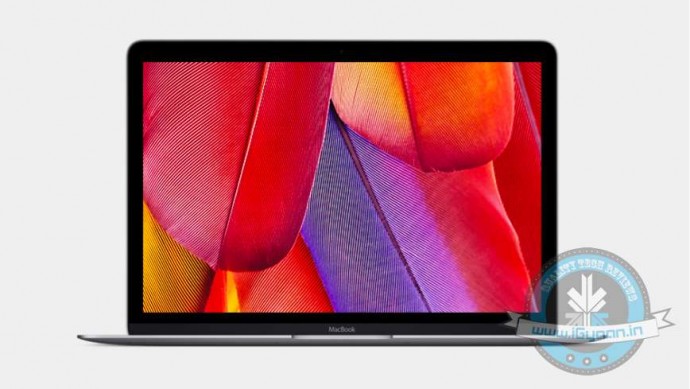
    Apple’s new product lineup unveiled at the recent ‘Spring Forward’ event. As expected, the event was mostly dedicated to Apple’s new product family, the Apple Watch. Apart from the Watch, Apple also brought out the new powerful yet slimmer MacBook, which is powered by Intel’s fifth-generation Core M processor.

    Intel Core M processor was previously called Broadwell-Y. It is a dual-core chip based on 14 Nm architecture. It has 1.3 billion transistors on its tiny surface. The Core M chipset was launched to reinvent the notebook and looks like Apple has taken a lead in that game with the new MacBook.

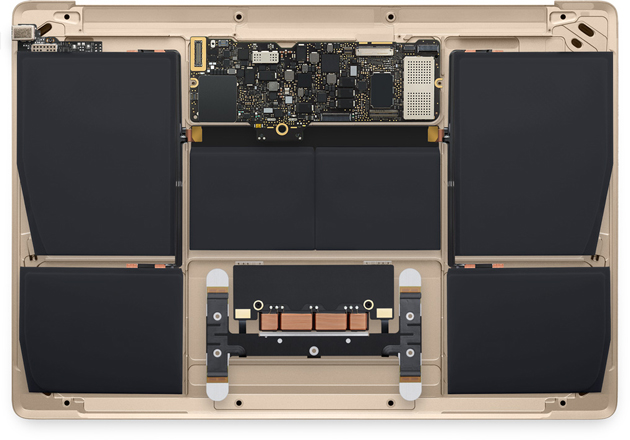
    Core M is claimed to be one of the most energy efficient processors in the market. It requires 5 watts of power to perform its tasks. On the MacBook, it comes along with Intel HD Graphics 5300. The processor also helped to create a fanless device that would that you won’t be troubled by the never-ending buzz of the notebook’s fan ever again. The logic board is seated on top of an anisotropic graphite sheet, which helps disperse any heat that is generated out to the sides, thus removing the need for the fan.

    Core M processor assis in creating miniaturized logic board and offer rest of the space to the battery.
    Core M processor helped in creating miniaturized logic board and offer rest of the space to the battery.

    This new processor also helped Apple to miniaturize the hardware components of the MacBook so that the maximum amount of space can be freed up for battery storage. The MacBook comes in two variants in India; one with a 1.1 GHz dual-core Intel Core M processor with Turbo Boost speeds up to 2.4 GHz while the other is offered with 1.2 GHz dual-core Intel Core M processor with Turbo Boost speeds up to 2.6GHz.

    With this launch, Apple has put in its contender in the Intel Core M powered device market. Brands like Lenovo, Dell, HP, Asus and others have already introduced their Core M offerings. Samsung had already gone ahead and launched their fanless notebook called Ativ Book 9 in the market. Now with the Apple MacBook coming into the arena, this space will see some intense competition.

  • The Future of Chipsets Showcased at ISSCC 2015

    The Future of Chipsets Showcased at ISSCC 2015

    Chipsets are at the heart of all the smart devices around us. The silicon revolution has led to a rapid change in the way people do work and lead their daily lives. Each year the most prominent names in technology along with the engineers congregate at the International Solid-State Circuits Conference (ISSCC) to delve into the future of chip technology. This year’s conference presented a lot of interesting presentations that might help to improve the performance of chipsets in the future.

    Here are a few of the innovations that might change the world of technology in the near future:

    Intel’s Move towards 10Nm and 7Nm

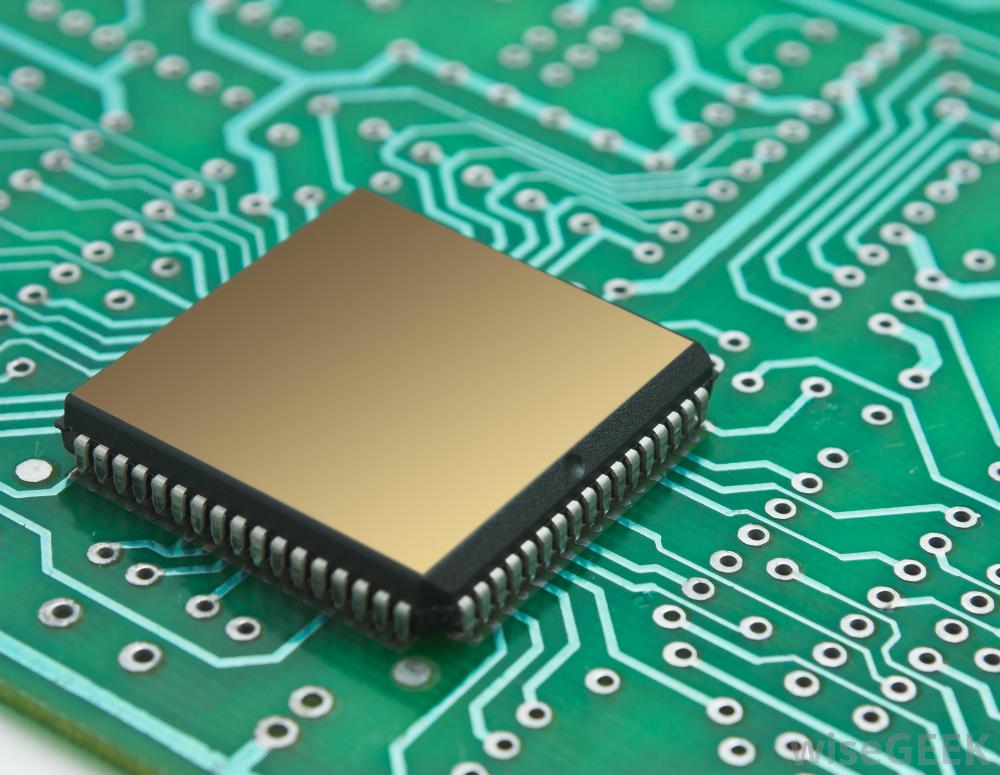
    14 nm processor

    Intel is one the foremost names that pop into your mind when you hear the term microprocessors. The company is making proactive efforts to introduce chipsets based on 14 Nm transistors. Intel wants to further challenge Moore’s law that states that the number of transistors to be incorporated on a chip will double every 24 months. In the coming future, the company plans to bring out 10 and 7 Nm chipsets. As Silicon is not stable at these tiny sizes, the company would need to look for a replacement. One of the materials it has cornered is the indium gallium arsenide (InGaAs) but more details are available yet. Intel has stated though that the first 10 Nm chipsets won’t be out before 2017.

    MIT’s Low Power Radio for the Internet of Things

    Low power sensors for IoT devices.
    Low power sensors for IoT devices from MIT.

    Internet of Things (IoT) is the next major technological arena where all the major brands are putting their focus in. One of the major hurdles in the process is to create a sensor that only comes active when its required to and hence leads to least current leakage. Most of the times, the sensors will just stay idle until they have been summoned. A system that almost shuts down the leakage will be more efficient, in the long run. MIT researchers have showcased a picowatt radio that significantly brings down the current drain. To achieve this, the team had to break down the radio system design so that most of the circuit can run at the lowest possible voltage.

    AMD unveils Carrizo Laptop Chips

    Intel Carrizo
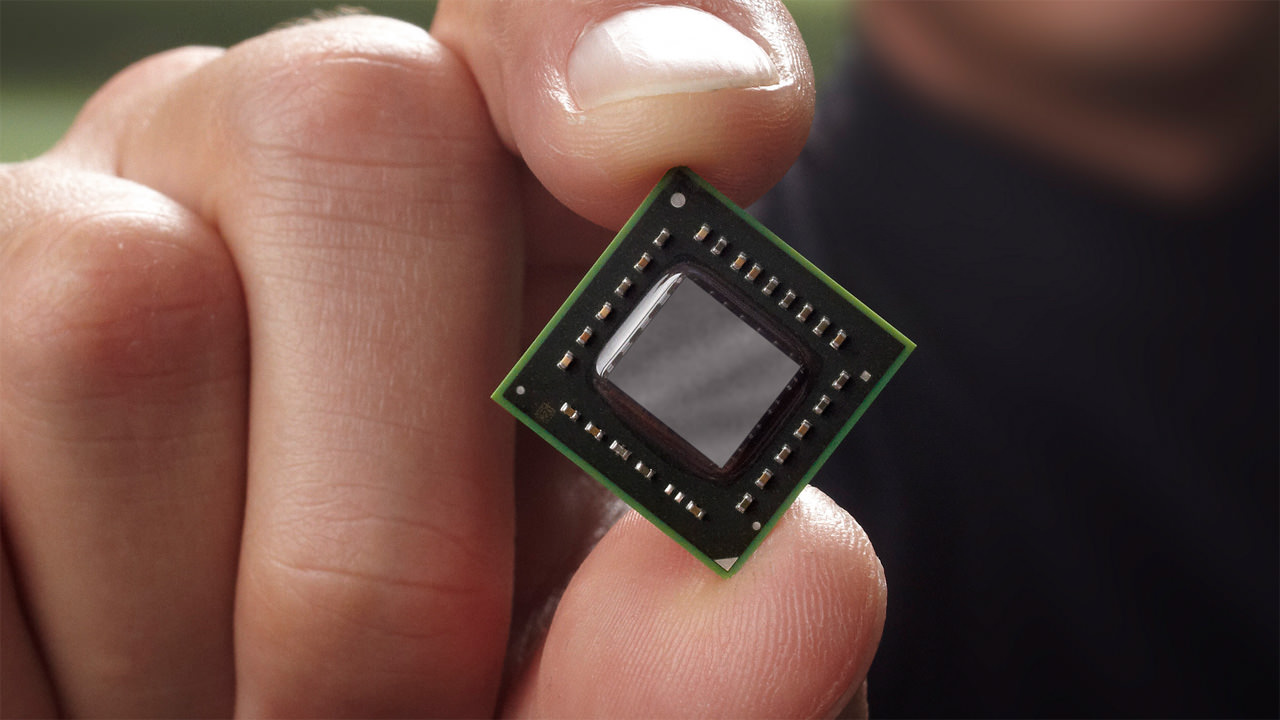
    AMD Carrizo

    US based Chipmaker, AMD have unveiled the new Carrizo chipsets. Based on 28 Nm processes, AMD claims this chip will lead to 40% efficiency and hence better performance over its predecessor, Kaveri. Carrizo also offers better power saving capabilities that is one of the most demanded features in consumer electronics. One more feature that will excite the takers will be its on-chip H.265 video decode capability. The devices running on Carrizo will be out in the second or third quarter of this year and will also be cheaper than their Intel counterparts.

  • Adobe, Intel, Google, and Apple Reach Settlement in Employee Poaching Lawsuit

    Adobe, Intel, Google, and Apple Reach Settlement in Employee Poaching Lawsuit

    Silicon Valley’s biggest names got together to a reach a settlement in an employee poaching lawsuit. The case was filed against Apple, Google, Intel and Adobe in 2011 by tech sector workers. It stated that these tech giants limited job mobility for workers and thus limited salary growth too. Now these companies have come together for an agreement to settle the case.

    Last year, U.S. District Judge Lucy Koh in San Jose, California, rejected the settlement amount of $324.5 million, calling it too low. The settlement was rejected after one of the complainant objected to the amount. That complainant has agreed to the new undisclosed settlement amount which was offered by the tech giants. Judge Lucy Koh has said that to match the earlier settlement, the amount must be at least $380 million to address the loss of potential wages to the employees.

    The case is mostly based on the emails between Apple Co-founder Steve Jobs and ex-Google CEO Eric Schmidt along with heads of other rival companies. The emails detailed their plans to resist from poaching each others’ top engineers. This would lead to limited opportunity for the engineers to grow in the market.

    The complainants (plaintiffs) will be filing a detailed explanation of the new deal “imminently”. The Judge will then have the option of accepting or rejecting the settlement. Guess the lesson from this case is to be good at your job, but not that good that your employer will try to keep you in forever.

  • CES 2015 : Intel’s Compute Stick is a Windows 8.1 PC on a Stick

    CES 2015 : Intel’s Compute Stick is a Windows 8.1 PC on a Stick

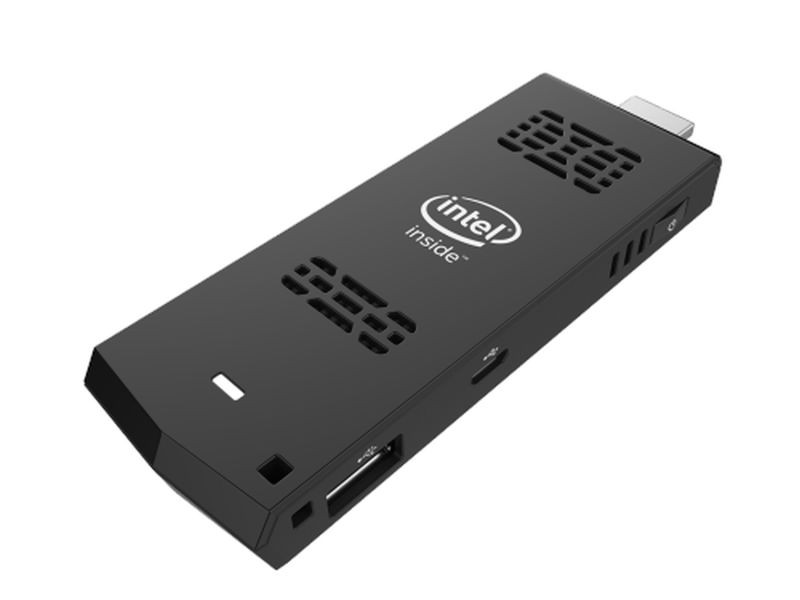
    In a time when mobile devices are gaining prominence over computer, its time for the good old computers to stand up and fight back. Intel seems to have a solution, and it’s an entire computer that fits in your hands. Meet Intel’s Compute Stick, a device that can turn your regular TV into a computer and costs just $150.

    There are at present many devices such as Google’s Chromecast and Amazon Fire Stick that provide streaming services, but the Compute Stick goes a little further. This device plugs into the HDMI port of your television and transforms it into a computer. It is available in Windows and Linux variants. The Linux variant comes at a price of $89.

    The Windows version of the Compute Stick comes with 2 GB RAM and 32 GB Flash storage. On the other hand, the Linux version comes with 1 GB RAM and 8GB storage. Both devices are powered by a quad-core Atom CPU.

    The stick sports a USB port, micro USB port, and supports Bluetooth 4.0, and 802.11b/g/n Wi-Fi. You can connect a Bluetooth keyboard and mouse and begin your task where ever you go. The company claims that this will help in bringing low-cost computing to schools, institutions and individuals too.

    The device will come to market in March and is a good option if you own an HDMI capable TV and are in need of a low-cost computer. You should, though, know that this is no-frills computing and don’t expect to play any high-quality games on it. Intel plans to bring an upgrade to the device that will feature a Core M processor to increase performance. In our view, what it should really provide is storage expansion through a micro SD card, as 32 GB is comparatively less for modern computing needs. Overall, this looks like a great effort by Intel.

  • CES 2015: Intel’s Button Sized Chipset lets Anyone Make Wearables

    CES 2015: Intel’s Button Sized Chipset lets Anyone Make Wearables

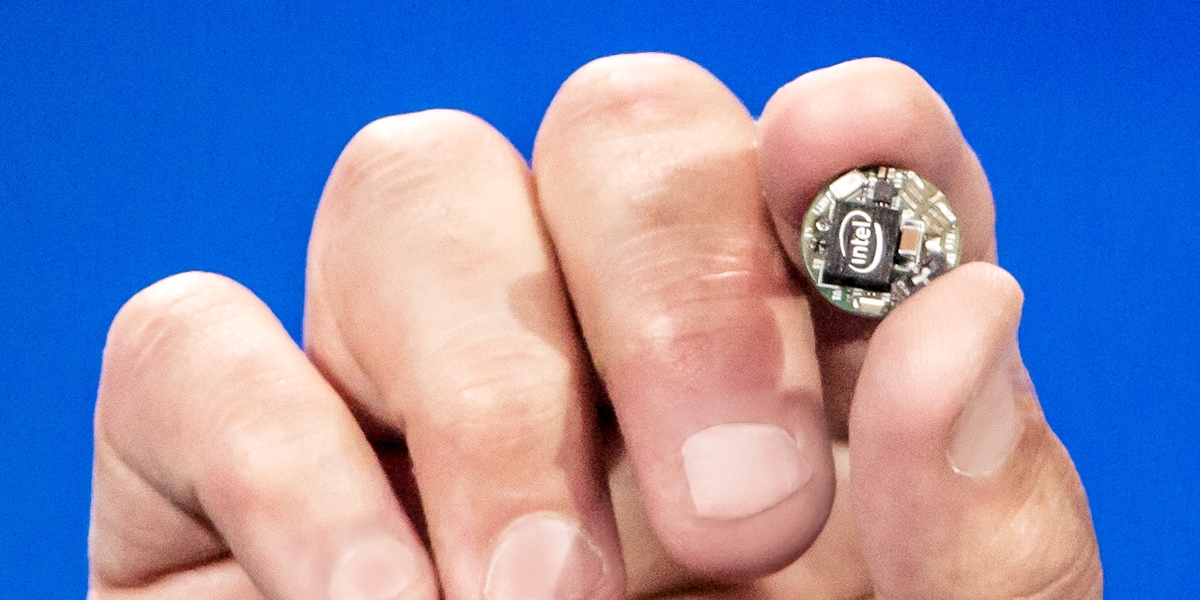
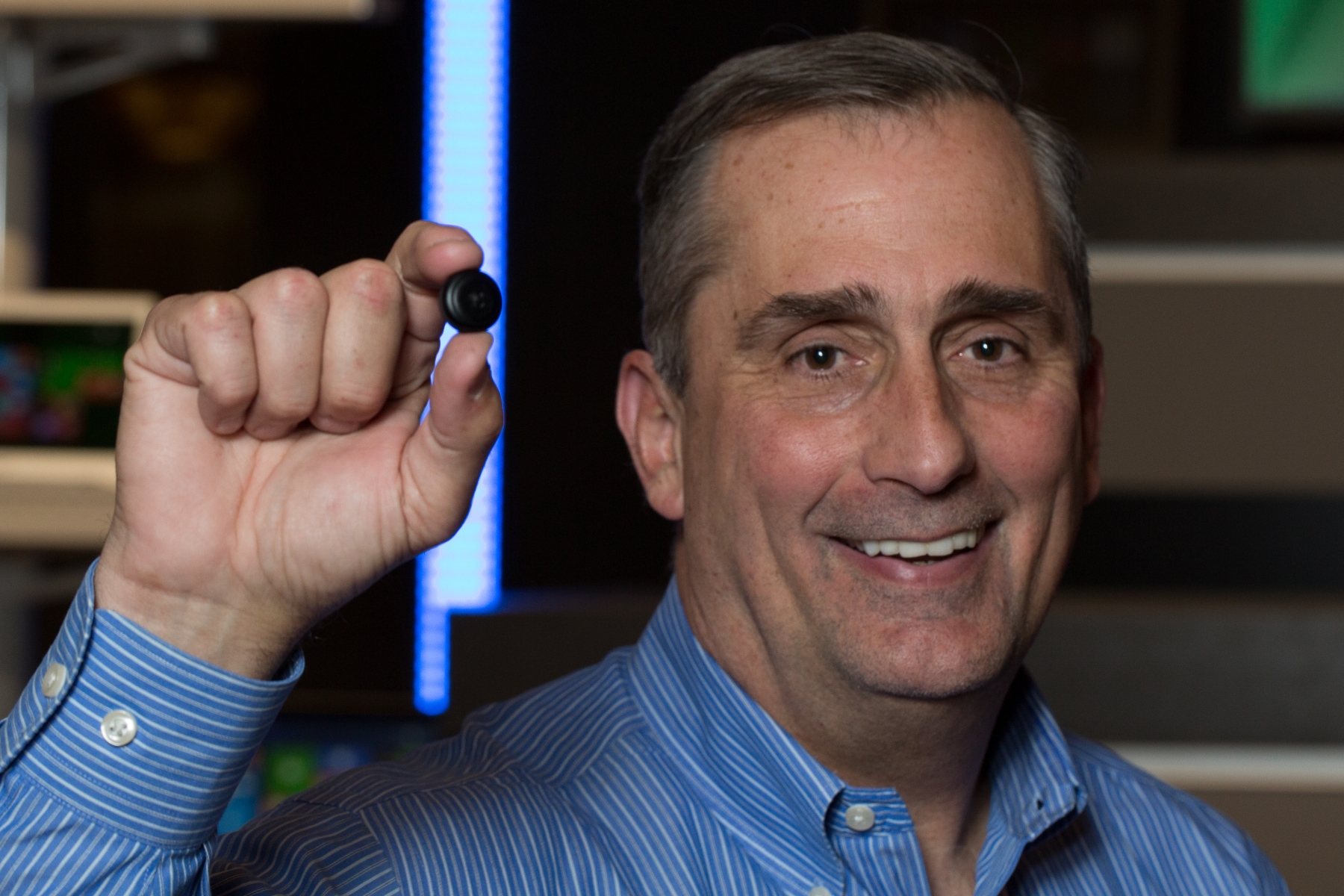
    Future looks quite promising for wearables as prominent manufacturers have shown a renewed interest in the wearable segment. Intel being the latest to jump onto the wearable bandwagon, as the company’s CEO Brian Krzanic announced a new tiny chipset for wearable devices which is the size of a coat button. It’s a low power 32 bit micro controller called the Quark SE which has 384kb of flash memory and 80kb SRAM. In addition, the chipset also features a plethora of sensors including accelerometer, gyroscope and Bluetooth LE support.

     CEO Brian Kraznic with the Intel Curie Prototype
    CEO Brian Kraznic with the Intel Curie Prototype

    Intel also announced a development module called Curie, that will allow companies to manufacture wearable devices out of anything. Krazinch claimed that with Curie and Quark, one could build a wearable device out of anything from rings to handbags, pendants and even glasses.

    Intel seems all geared up to speed up the development of Curie based devices. It is providing complete software and technical support needed to work with its reference wearable applications called Intel IQ Software Kit.  The company believes it will help customers across all demographics, including fashion, sports and lifestyle companies.

  • Intel Gives a Boost to Internet of Things with its Own Platform

    Intel Gives a Boost to Internet of Things with its Own Platform

    Internet of Things (IoT) will be the next big gift from the technology industry for consumer electronics. It will take interconnected devices to the next level and bring immense convenience to the consumers. Several big name brands are working towards making it a reality but Intel is working towards being a leader in the field by providing the backbone to the industry. The company will bring a line of chips, security features and softwares to boost the IoT ecosystem.

    With this approach, the company will be at the forefront of the IoT revolution. It will provide a base for the next generation consumer as well as enterprise devices. The company intends to make it easier to connect to its data centers so as to make it easier to analyze data from the sensors of the connected devices.

    The company is already at the top of consumer electronic chip market with the massive array of PCs which use its processors. The company has also made its foray into the smartphone and tablet market. However with IoT, the industry would need a massive number of chipsets. They can be used in sports shoes to huge industrial establishments.

    The possibilities in a future IoT market are endless, and we can easily expect some fierce competition coming our way. After smartphones, watches and other electronics, it’s time for your fridge, iron, water purifier and other electronics to go smart. And if you think you have the technical might to create products for IoT, then this is the right time to get into the game.

  • Google Glass to Make a Comeback in 2015 With Intel Chips

    Google Glass to Make a Comeback in 2015 With Intel Chips

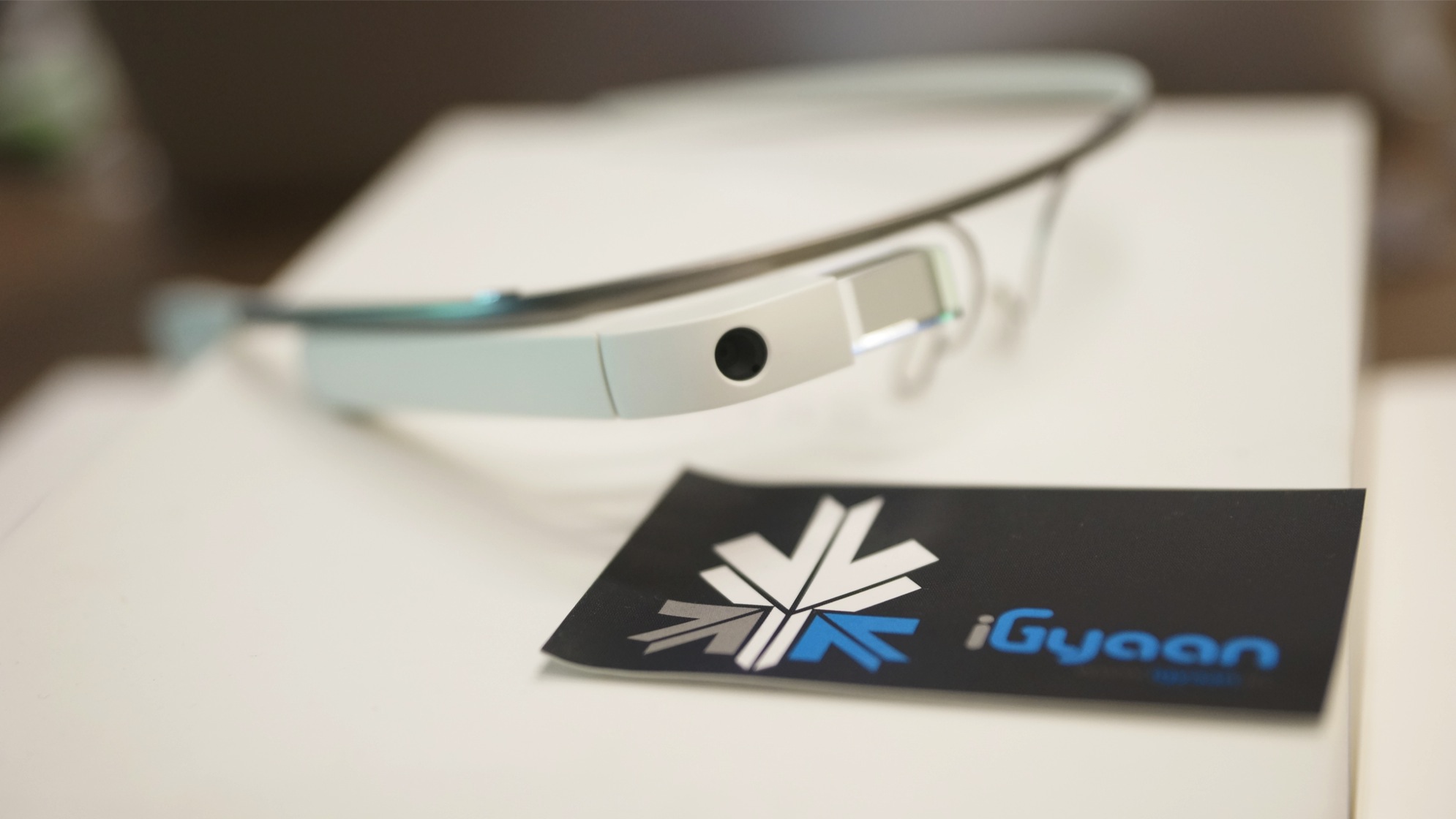
    A new report by The Wall Street Journal has revealed that 2015 will see the launch a new version Google Glass which will be powered by an Intel Chip and will offer longer battery life than the present Explorer Edition. Intel has joined hands with Google as a part of their strategy to push their market in the wearable segment.

    Google Glass has already gone through some minor changes since its launch, one to add compatibility with prescription lenses and another to double the RAM; however, entirely new chipset could mean some serious changes. The Intel chips will replace a processor from Texas Instruments Inc. included in the first version of the Google Glass.

    According to the WSJ, Intel plans to promote the Glass to hospital networks and manufacturers. Google launched the web-connected eyewear in 2012, but it carried a hefty price and was regarded as something that only nerds would wear. Limited battery life and an impractical four-figure price tag worked against the Glass’ widespread adoption up until now. With a more modern processor and a refreshed design, it might see consumer interest rekindled.

    google glass

    Intel chips are mostly used in personal computers and servers in data centres, but the company has targeted the tablet and wearable markets for new power-efficient versions of its x86-based processors. It competes with rivals such as ARM and Texas Instruments. At CES 2014, it showed off smart earbuds that can measure a runner’s heart rate. In March, Intel purchased the high-end health tracker maker Basis Science. The chip maker’s XMM6321 3G cellular radio was incorporated into MICA, a fashion bracelet that was unveiled in September.

    Google has been pushing Glass as a workplace-computing device. Recently, through a program called Glass at Work, Google is working with software developers including Augmedix and APX Labs to encourage use of Glass in industries such as health care, construction and manufacturing where employees work with their hands but need information.

  • Intel Launches First 8-Core Desktop Processor With X99 Chipset

    Intel Launches First 8-Core Desktop Processor With X99 Chipset

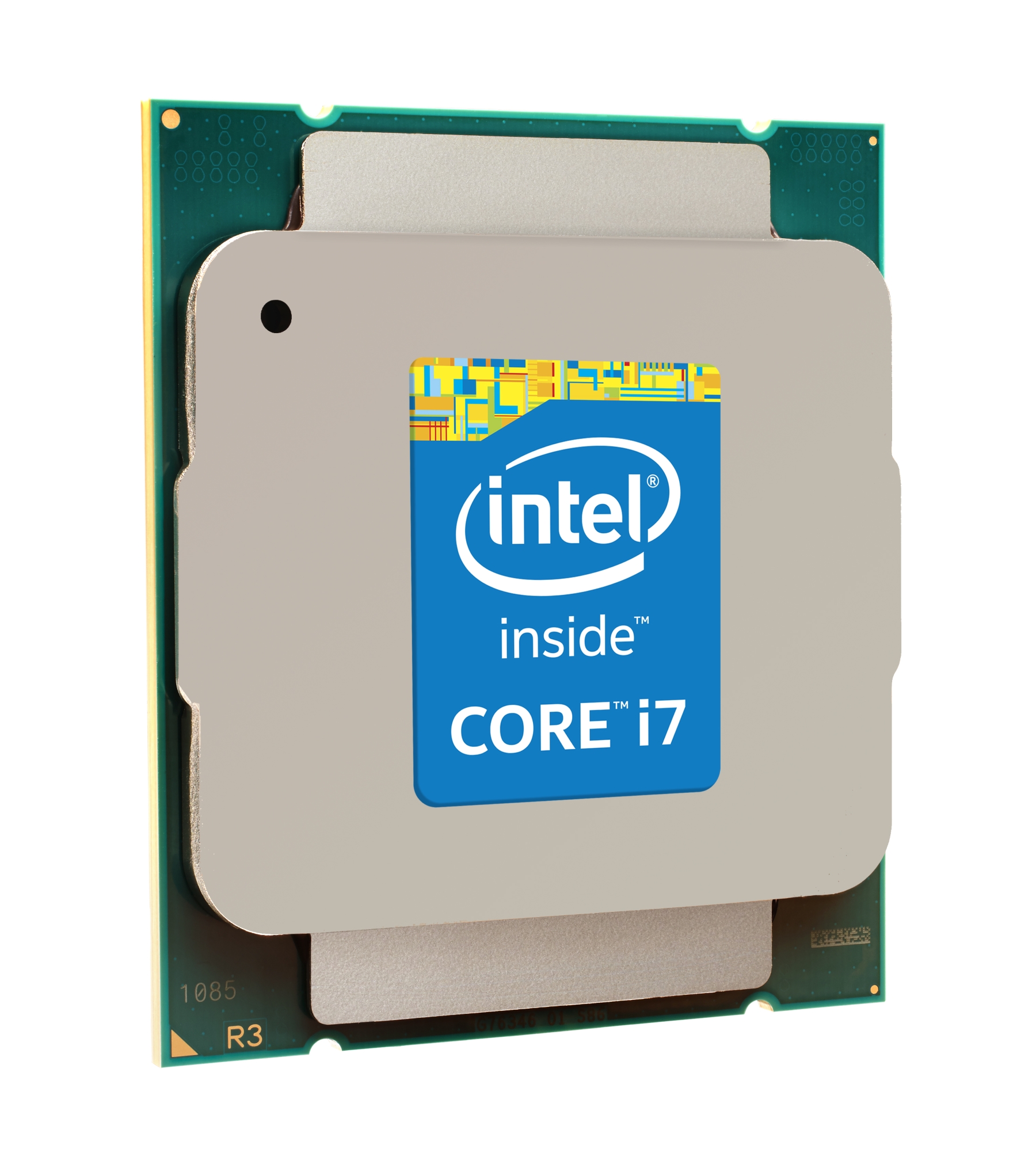
    Intel has just brought out a solution to all the worries of a Power PC user. The processor manufacturing giant unveiled its first 8-core processed which comes with 16 threads. The new processor is called the Intel® Core i7-5960X processor Extreme Edition and was previously known as Haswell-E.

    The Processor was previously called the Haswell-E
    The Processor was previously called the Haswell-E

    The processor has been specially developed for the folks who demand excruciating performance from their systems. Intel says the new processors offer the speed, cores, overclocking and platform capabilities that the users had been demanding from them. They say this is the beginning to the ‘reimagination of the desktop.’ These processors are expected to churn out faster speeds on cooler temperatures.”

    As you must have probably realized by now, the Core i7-5960X is not light on specs. It is combined with the new Intel® X99 Chipset and is the first Intel desktop platform to support DDR4 memory. It offers a massive 16-thread performance and quad-channel memory for content creation, gaming and multitasking. That is some serious machinery right there.

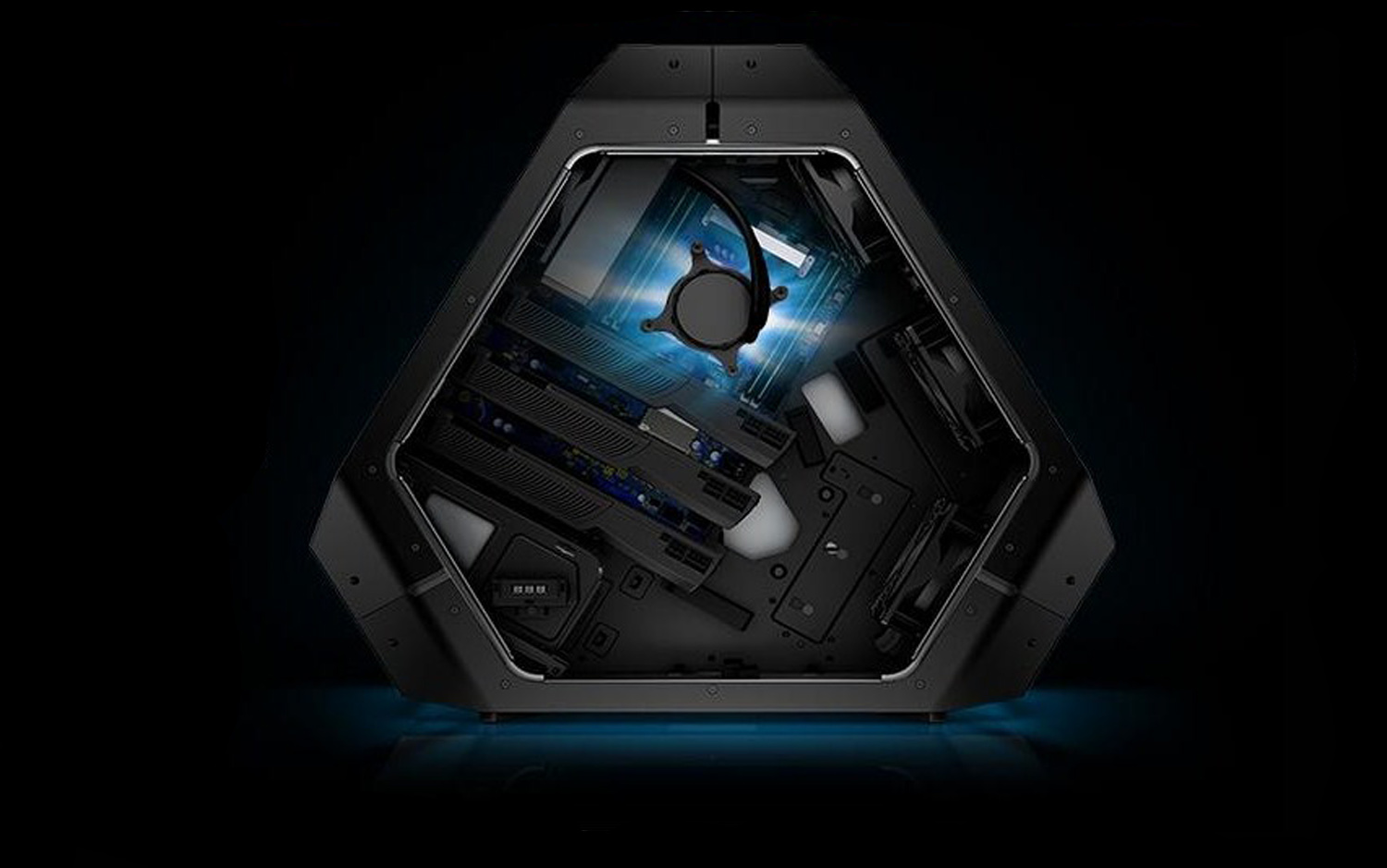
    One of the first systems going for this processor is the amazing and uniquely styled Alienware Area-51, which comes with some imposing exteriors that truly stands up to the Alienware brand. Alienware’s general manager Frank Azor said “It was an easy decision to work with Intel to bring its new eight-core extreme processor to our new flagship gaming desktop, the Alienware Area-51. Using new overclocking and monitoring features in Alienware Command Center 4.0, we’ve been able to really push the processors to the fullest extent and are seeing impressive overclocking headroom. This new Intel processor lineup is the perfect choice for gamers who demand the absolute best performance from their systems.”

    Intel has been working with industry partners to take advantage of this new platform. Key OEMs, memory vendors, motherboard vendors and graphics partners will help grow this enthusiast centric ecosystem. These Extreme Edition-based systems are the ultimate dream-come-true for any enthusiast looking for a high def, lagless performance.

    The X-99 chipset is expected is capable of some insane performance delivery
    The X-99 chipset is capable of some insane performance delivery

    Many of these new platforms based on the Intel X99 Chipset are also Thunderbolt Ready. When paired with a Thunderbolt 2 add-in card, a blazing-fast connection to your PC at 20 Gbps is enabled. Data intensive tasks such as 4K video editing, 3-D rendering and game development all strongly benefit from the performance of Thunderbolt 2.

    Intel will launch three new SKUs that will be available next week ranging from six to eight cores and will be priced from $389 to $999. The processors are priced on the higher end which is a given considering its massive performance and the convenience it provides in undertaking high-intensity projects with ease. Hope we get our hands on this soon and go for some insane gaming weekends.

  • Intel Will Cut 5000 Jobs In 2014

    Intel Will Cut 5000 Jobs In 2014

    Intel has said that it plans to reduce its global workforce by over 5,000 people over the year.

    During a conference call Thursday evening to discuss the company’s financial results, Chief Financial Officer Stacy Smith disclosed that Intel would be “bringing down employment” in 2014; the company went into greater detail Friday, confirming with Mercury News that it would be shedding about 5 percent of its global workforce of 107,000 employees, or about 5,350 workers.

    The cutback was decided following Intel’s projection of virtually no revenue growth this year, and will be accompanied by the company’s re-orientation toward mobile and other markets.

    A company spokesperson told news media that the move is “part of aligning our human resources to meet business needs.” Intel has not yet said where the cuts will be made, or how they might affect departments or product lines.

    Intel dominates the PC chip industry, but it has been slow to adapt its processors for smartphones and tablets, markets now dominated by rivals such as Qualcomm Inc and Samsung Electronics Co Ltd.

    Last month HP announced that it would be eliminating 5,000 jobs in 2014, bringing its multi-year restructuring plan up to a total of 34,000 layoffs.

  • Jaguar and Intel to Work on Next Generation Vehicle Technology

    Jaguar and Intel to Work on Next Generation Vehicle Technology

    Jaguar and Intel have collaborated to improve its research and product development on future vehicle infotainment technologies. Both companies will start this with the opening of a new Technology R&D center in Portland, Oregon.

    Elliot Garbus, vice-president and general manager, Automotive Solutions Division, Intel Corporation, said: “Consumers expect their in-vehicle experiences to be an integrated part of their digitally connected lifestyle; this requires enhanced levels of connectivity and intelligence in the car. As part of our work with Jaguar Land Rover, we are exploring innovative ways to inform, entertain and assist drivers and passengers in a safe way; speeding development of unique experiences from the car to the cloud. Our goal is to accelerate opportunities for new types of in-vehicle services and applications in the Internet of Things.”

    The new Open Software Technology Center in Portland, which is scheduled to open in 2014, will include the Jaguar team based at the company’s product creation facility in Gaydon, UK. It will further include a team of 30 infotainment specialists, including 16 highly experienced software engineers.

  • Google and Intel Announce New Haswell Chromebooks

    Google and Intel Announce New Haswell Chromebooks

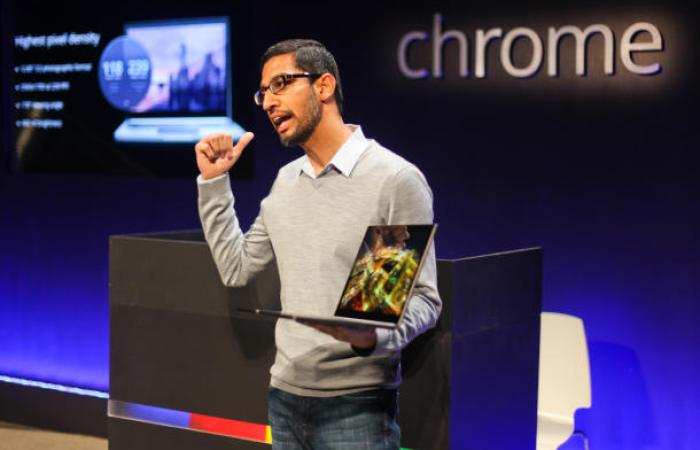
    Google and Intel introduced three new Chromebooks and a Chromebox, each of them running Intel’s Haswell processors. This was announced on Wednesday at Intel Developer Forum keynote in San Francisco, as Intel VP Doug Fisher and Sundar Pichai, the head of Google’s Android and Chrome divisions, showed off the new hardware.

    They revealed two new laptops from existing partners HP and Acer, a Chromebook from Toshiba and a Chromebox from Asus. These devices makes Asus and Toshiba’s first devices into Chrome OS hardware. Doug Fisher promised battery life improvements of up to 50 percent and performance jumps as high as 15 percent for Haswell Chrome devices over their previous generation chipsets.

    There are customers telling us they are interested in new operating systems and in particular Chromebooks,” said Ron Coughlin, senior vice president and general manager, Consumer PCs, Services and Solutions, HP. “We built the HP Chromebook to offer a great experience, choice and affordability, with a design that is truly unique.”

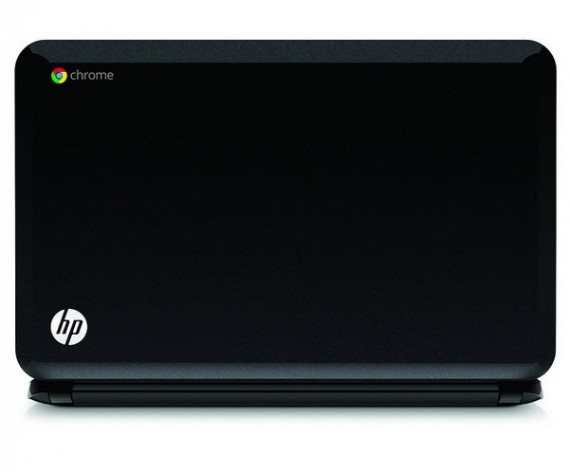
    The HP Chromebook 14 offers a fast and easy way for customers to connect to favorite websites in seconds. It also offers a gateway to the Google experience, including Google Chrome apps like Gmail, YouTube, Google Drive and Google+ Hangouts for users daily routine.

    HP-Pavilion-Chromebook-14-

    Some time back Chrome was just a browser and nothing else. But if Chrome OS is going to grow up and truly take on Microsoft and Apple, it will need both better applications and good hardware.

    The HP Chromebook14 is expected to be available in the US by end of the year, starting at $299.99.


iGyaan Network
Privacy Overview

This website uses cookies so that we can provide you with the best user experience possible. Cookie information is stored in your browser and performs functions such as recognising you when you return to our website and helping our team to understand which sections of the website you find most interesting and useful.