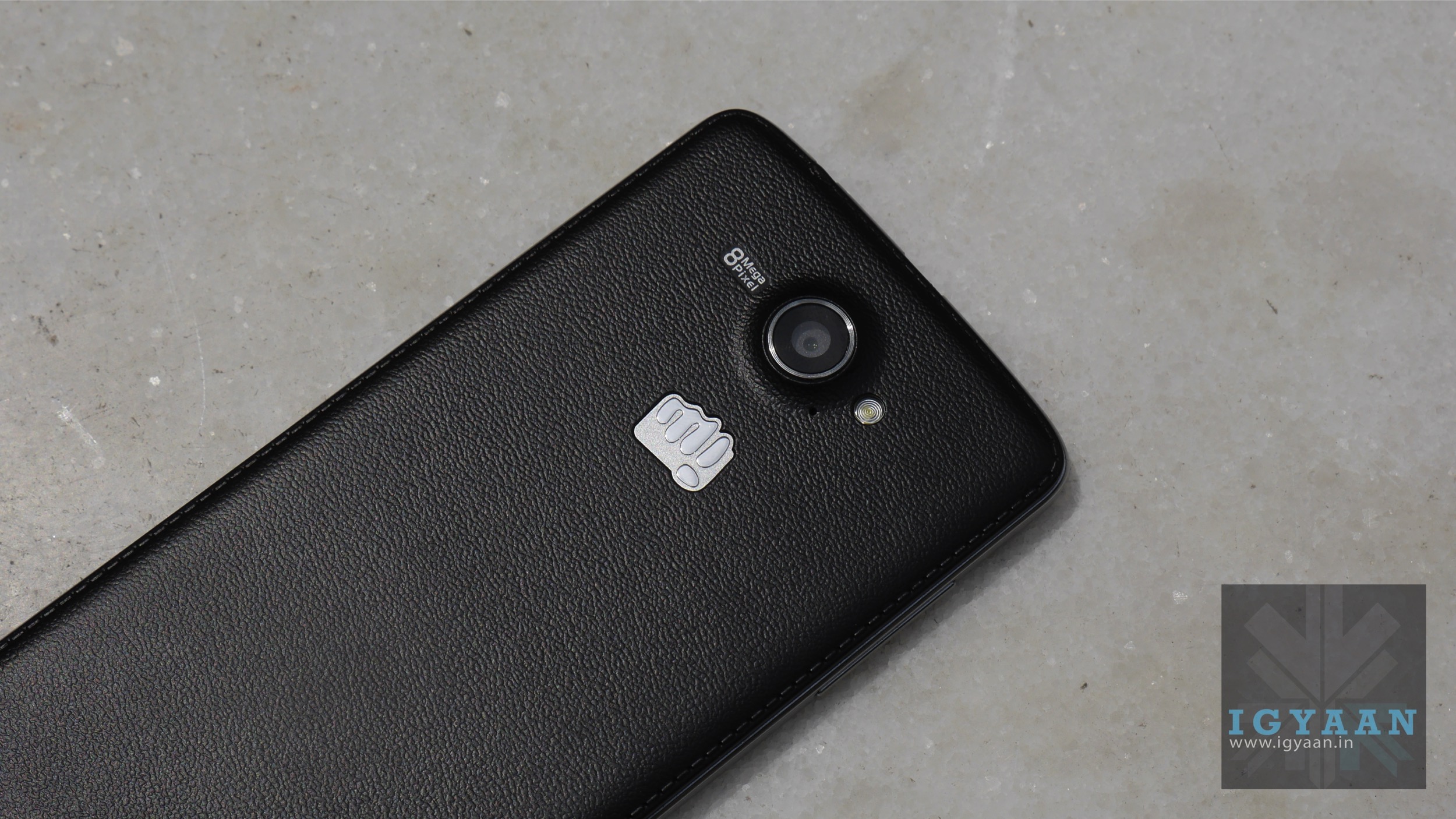
Micromax has had a good year. It has seen a comfortable rise in its market share as Samsung has steadily dropped down. In Q2 of this year, the company outsold Samsung according to market research consulting firm, CounterPoint Research. It has also partnered with CyanogenMod and will be bringing the custom ROM based device under the brand name ‘Yu’ in the Indian market soon. While everybody waits for the Yu phones to come out, Micromax has gone ahead and pulled a Motorola. The company will be launching its phone in the same price segment as the Moto E and that too exclusively on Flipkart.
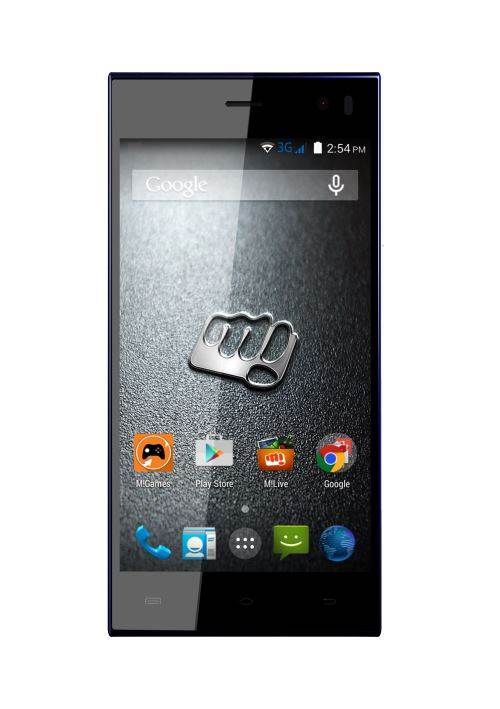
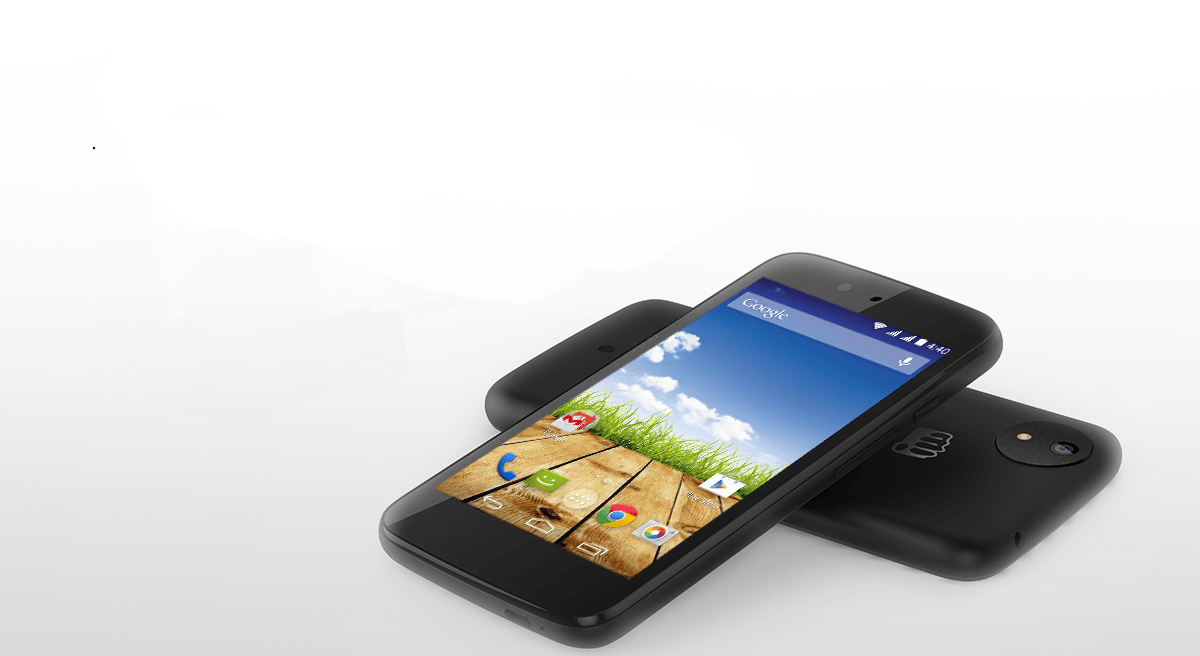
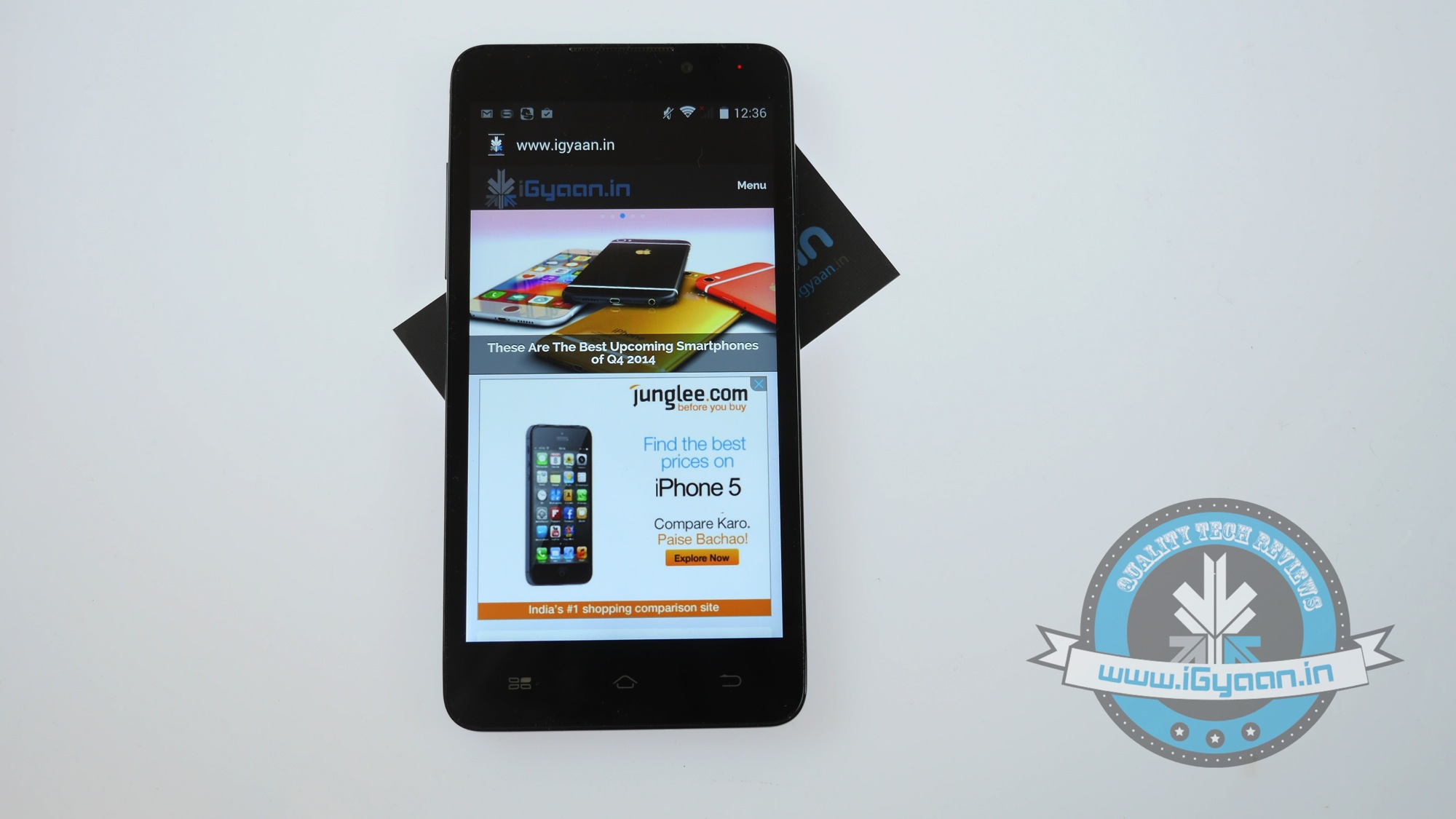
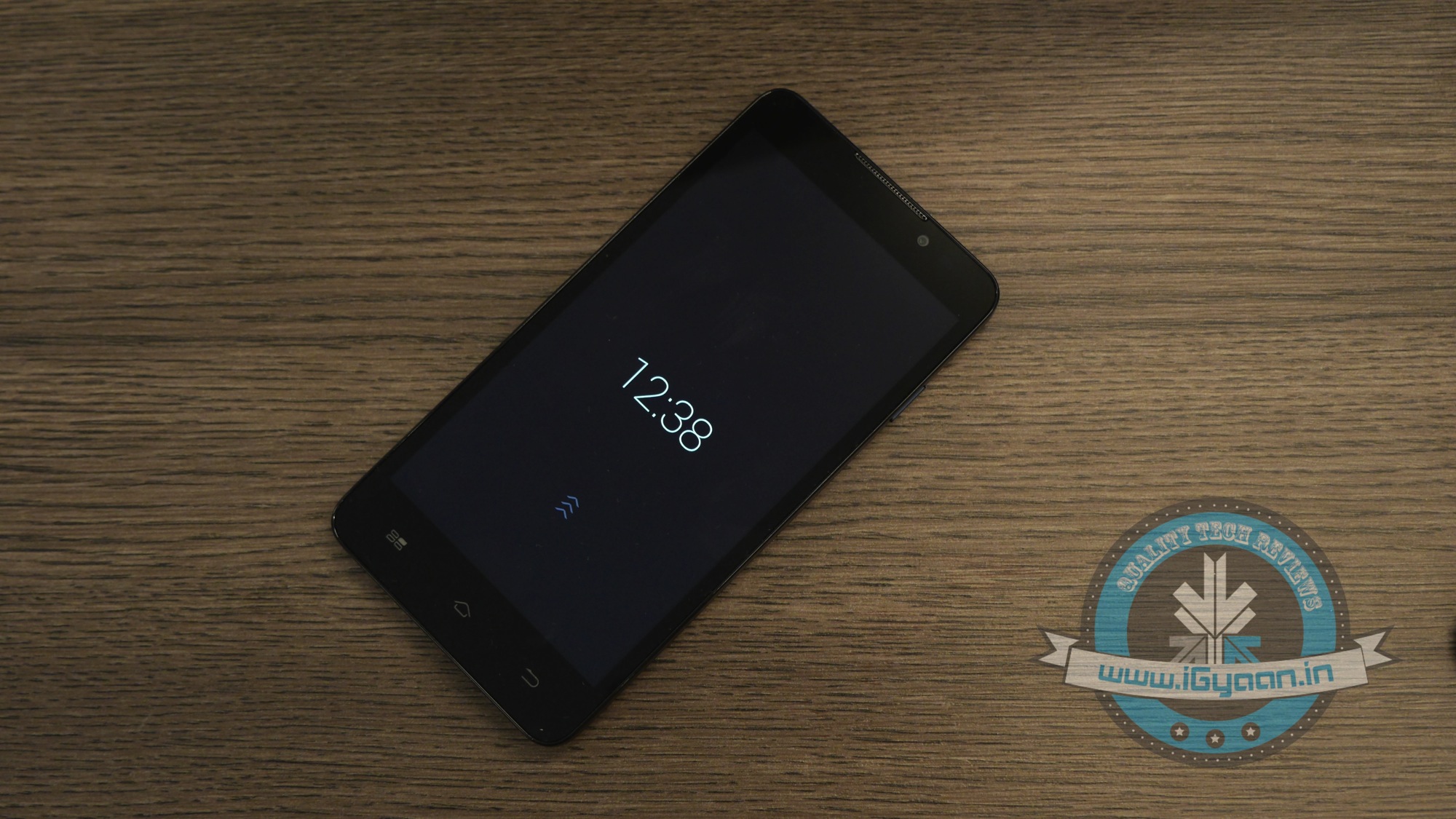
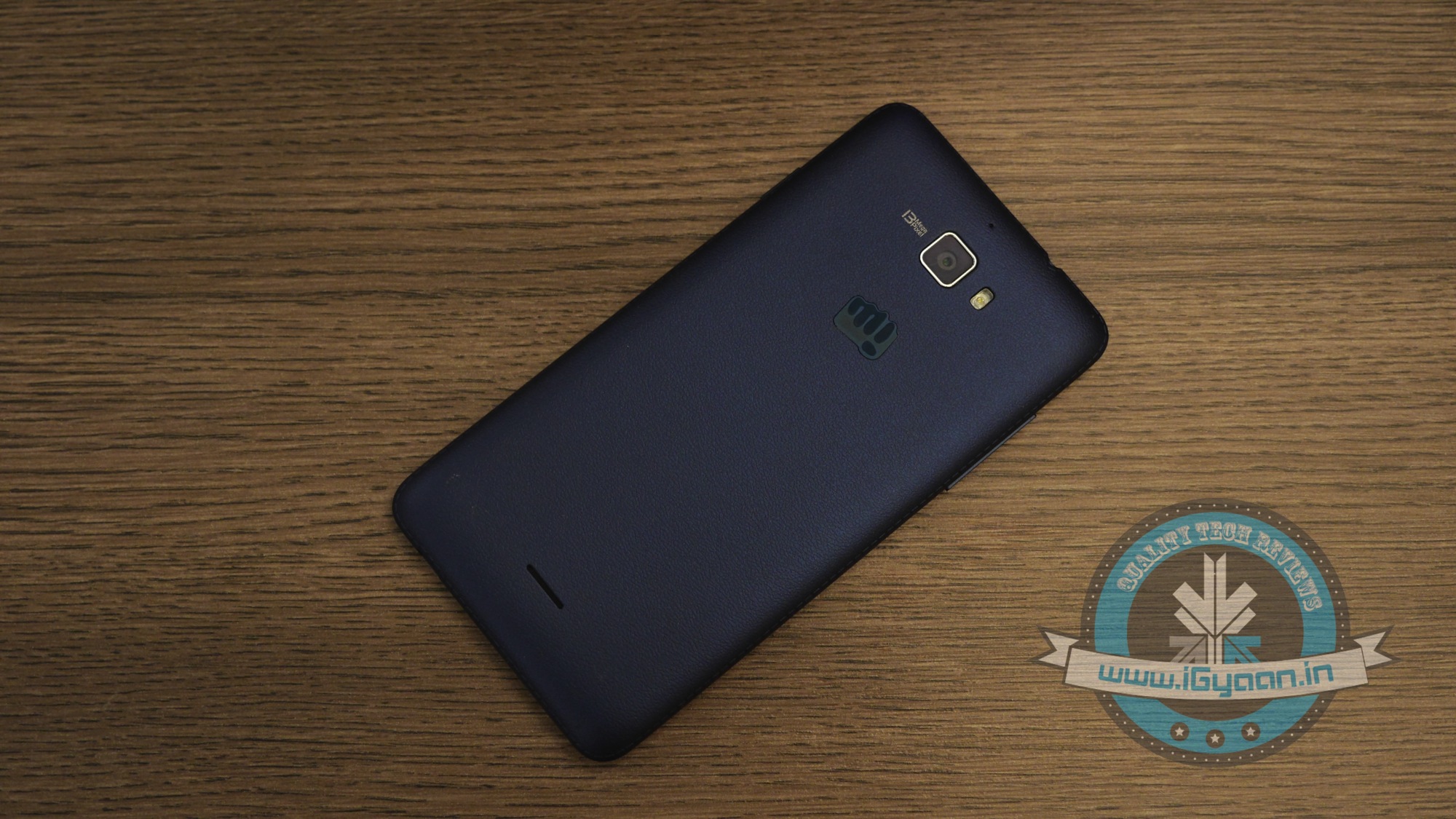
The company will be launching the new Canvas Xpress.. The device has a 4.5 inch FWVGA(854×480) display, which is bigger than Moto E, but falls behind the Moto E’s qHD (960×540) resolution. The device runs on Android 4.4.2 KitKat.
MIcromax Canvas Xpress
It is powered by 1.3 GHz quad core processor along with 1GB RAM. The storage on the device is expandable up to 32 GB. The main camera on the device is a 5 MP shooter, while on the front is a 0.3 MP camera. The device gets its juice from a 1950 mAh battery.
It offers features like HotKnot with which you can transfer data by just tapping the compatible phones together. It also offers Smart Wake using which users can open their favorite apps through customized gestures and access apps directly from the locked screen.
The device will be available exclusively on Flipkart from 8th December. It is priced at Rs. 6,999. The pricing irks a bit as Micromax’s own Android One powered devices come cheaper. They also have the benefit of being related with Google, so they might get one thing that Micromax has always lagged behind in i.e updates.
It is weird that Micromax has launched a device so close to the launch of the Yu brand of devices. Maybe it’s a way to assert the existence of the original Canvas line of devices before the launch of the Yu brand. It may be a good thing for Micromax not to have a plethora of devices with different names. Instead, it’s time it went into making its own devices and bringing new versions of it every year, especially if it wants to set its place permanently in the mobile markets podium. The features on the device sound good, but the specs could have been better. Come on Micromax, we are waiting for a flauntable Indian brand, impress us already.
Micromax has successfully reached an agreement with Cyanogen through which the company has exclusive rights to offer devices with the custom platform in India. Meanwhile, OnePlus went off-contract due to the exclusivity of the agreement, resulting in no official support or future updates for the ‘flagship killer’.
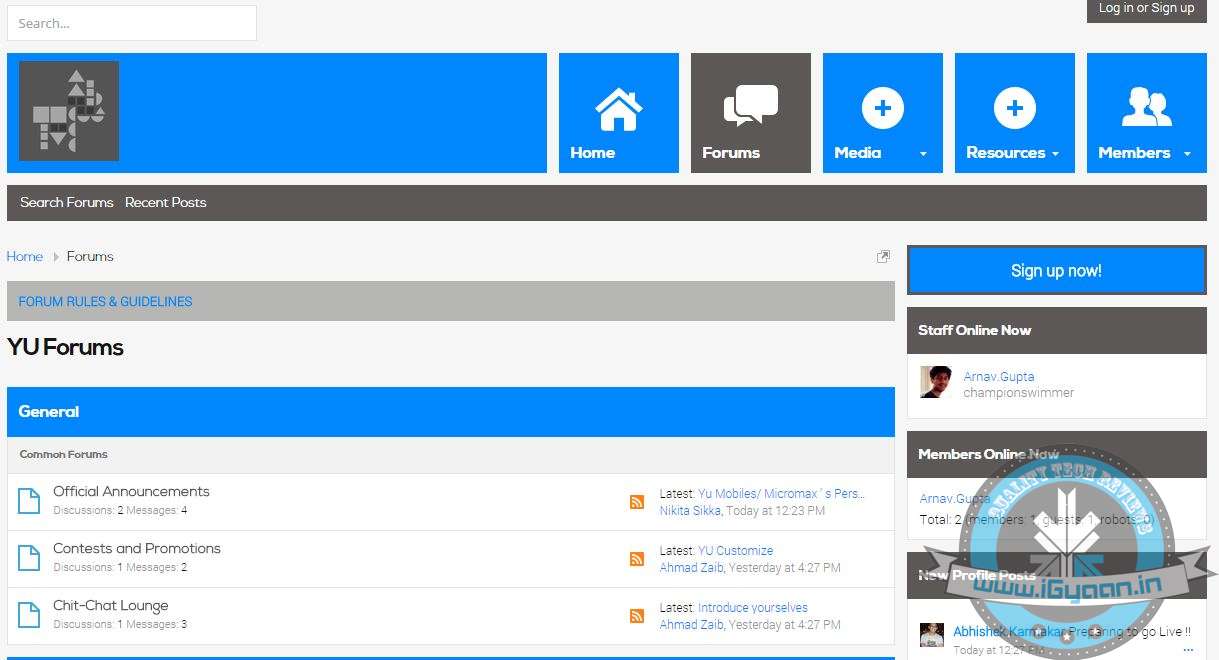
In line with the open source nature of Cyanogen, Yu is expected to set up a forum where users can contribute ideas and tweaks for the operating system. The suggestions from this forum might get incorporated in the fortnightly updates. For folks who complain about the unavailability of updates on Indian manufacturers, this should be a welcoming news.
Now, our exclusive sources have revealed that Micromax is all set to make its first big step in these lines. The company, according to our source, has already purchased the domain name http://www.yuplaygod.com/, which is under construction at present. The source added ‘Micromax is turning into a full fledged developer and community-friendly with its new line of YU mobiles.’
Also, the company has finished working on official forums at http://forums.yuplaygod.com/, however, it is not made public yet. Yu Televentures will be a wholly owned subsidiary of Micromax Informatics. It’s the offspring of a tie-up between Micromax and Cyanogen. Cyanogen is, of course, known world over for making one of the best custom ROMs for Android smartphones.
OnePlus has gained a lot of popularity globally by taking this path and Micromax is expecting to trace OnePlus’ path here in India. Our source added Micromax is all ready and will make the website and forum live in coming weeks. And you can also expect the first Yu handset to arrive in a couple of weeks.
Update : After running a Whois search, we found out that the domain is registered under the name of Divanshu Thakral. According to his Linkedin profile, he is the head of Consumer Engagement Products and Services at YU in Micromax India which confirms the information shared above.
A few months back, Samsung got its first jolt in rating when Xiaomi kicked it from the top of the podium to second spot in China. A few days later, Samsung was overtaken in the Indian market by the homeboy Micromax in Q2 2014. Samsung denied the news and said that it was still at the top. Well, seems like Samsung’s woes have not finished yet.
Market research firm IDC is reporting a drastic fall in Samsung’s market share. At the same time, Micromax is showing positive gains. While Samsung slipped from 29% market share to 24%, Micromax gained a healthy lead of 2 percent and went from 18% to 20%.
Samsung’s sales have been falling over the last couple of years. The culprit can easily be found. The electronic giant has not brought any exceptional device in a while, and even the innovative Note 4 is out of the reach of the average consumers. Samsung is also facing stiff competition from Chinese and Indian brands who are fast adopting high specs, low price formula.
Though Micromax too doesn’t have any exceptional device in its portfolio, its Indian brand appeal comes to its rescue. The company has been berated for its unsavory after sales service. Recently, the company has hinted at making products based on CyanogenMod that would take care of most of its headaches. The custom ROM is known globally for its stock android experience with amazing customisability features and regular updates. The CyanogenMod-based devices will be released under the brand name ‘Yu’ and are expected to be launched next month. If Micromax plays its cards right, it can literally go places with the Yu. The advice for Samsung has been around for a while, it is to go back to the drawing board and start from scratch, and finally the company is paying heed to it. We just have to wait another quarter to know the further fate of these companies.
Micromax, the second biggest smartphone company in India, has some great plans for the upcoming future. Now with the intention of providing a unique user experience, the company unveiled their new brand called Yu.
According to the company’s Yu Televentures, will be a wholly owned subsidiary of Micromax Informatics. It’s the offspring of a tie-up between Micromax and Cyanogen. Cyanogen is, of course, known world over for making one of the best custom ROM’s for Android smartphones. So this tie-up will surely mean good things for the Indian consumers.
Micromax co-founder Rahul Sharma said “This will be a game changer, not just in India, but globally too. Yu has been envisioned for building an ecosystem of connected devices and offer customized experience to users.”
Considering the use for a device with heavy customizability is for advanced users, the products of the brand Yu will be sold online. The company is currently in talks with e-commerce companies to pave a path for the roll out of these devices. The first device from this brand will be introduced next month.
In line with the open source nature of Cyanogen, Yu will be setting up a forum where the users can contribute with ideas and tweaks for the operating system. The suggestions from this forum might get incorporated in the fortnightly updates. For folks who complain about the unavailability of updates on Indian manufacturers, this should be welcoming news.
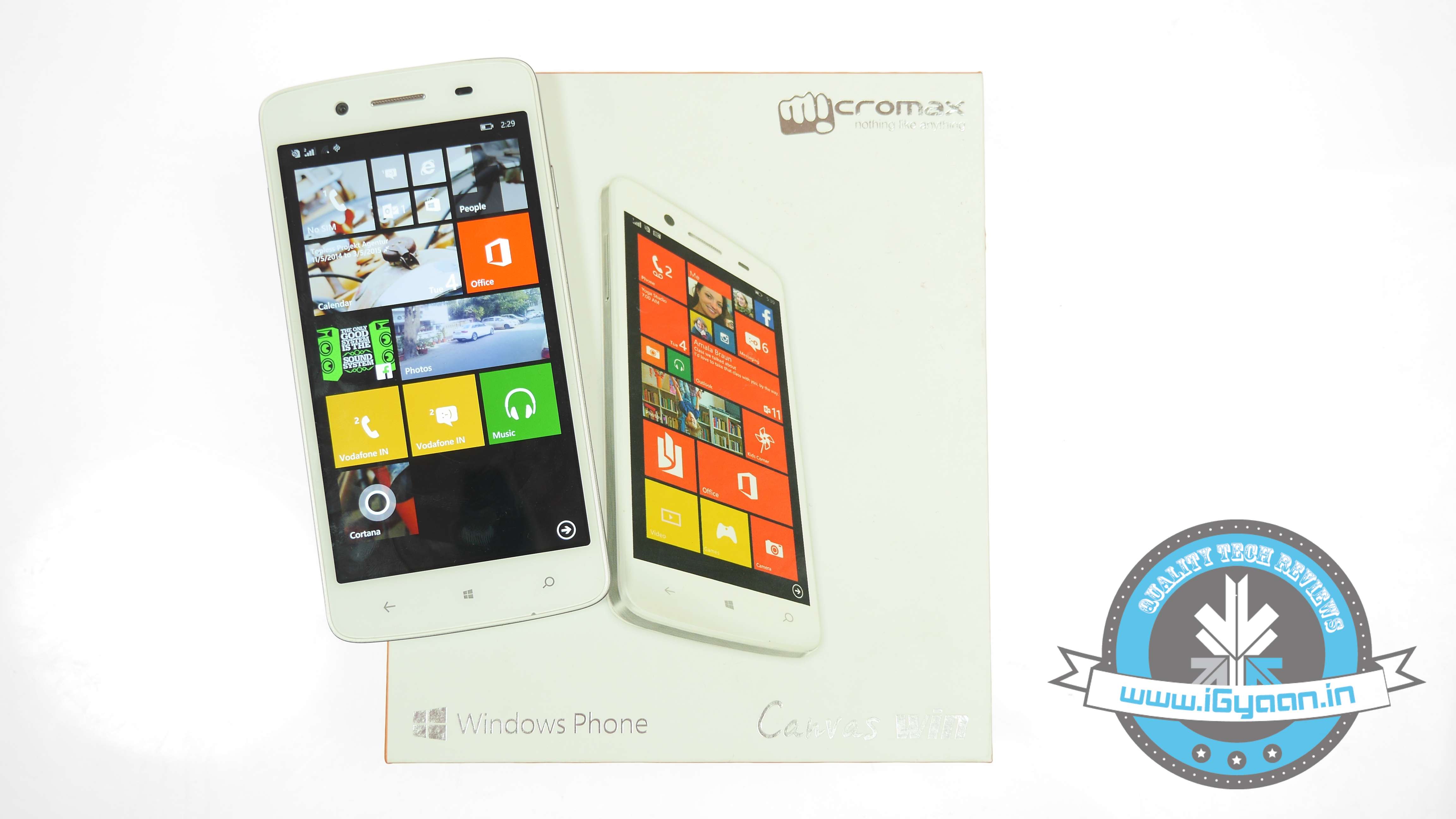
A few domestic manufacturers have launched handsets sporting the Microsoft’s Windows Phone OS, for instance, the likes of XOLO with the launch of their Windows Phone 8.1 OS smartphone, the XOLO Win Q900s. The Redmond-based giant, Microsoft, at its Build Conference in San Francisco announced a few hardware partners for the Windows Phone platform, and you guessed it right, Micromax was one of them.
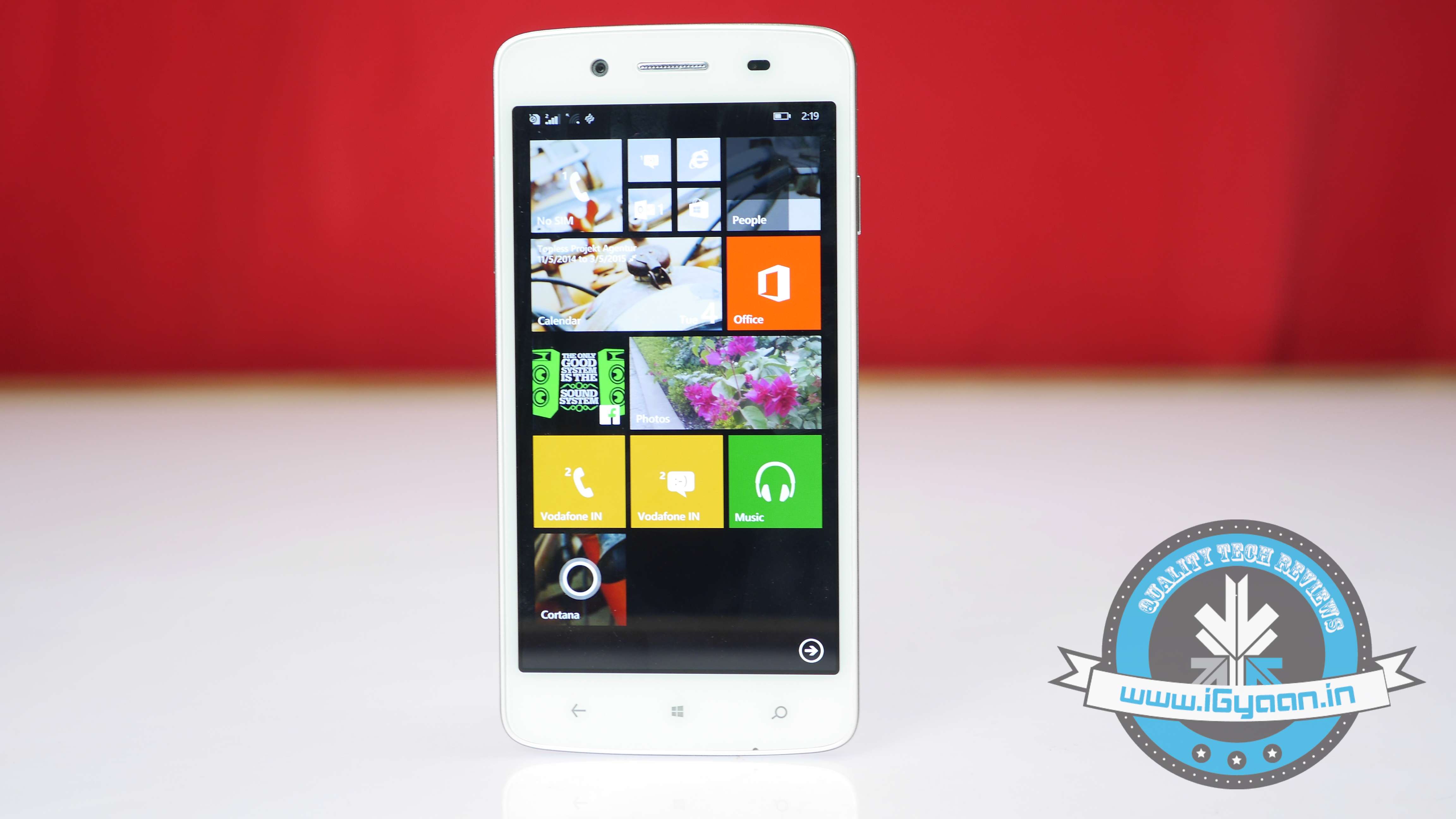
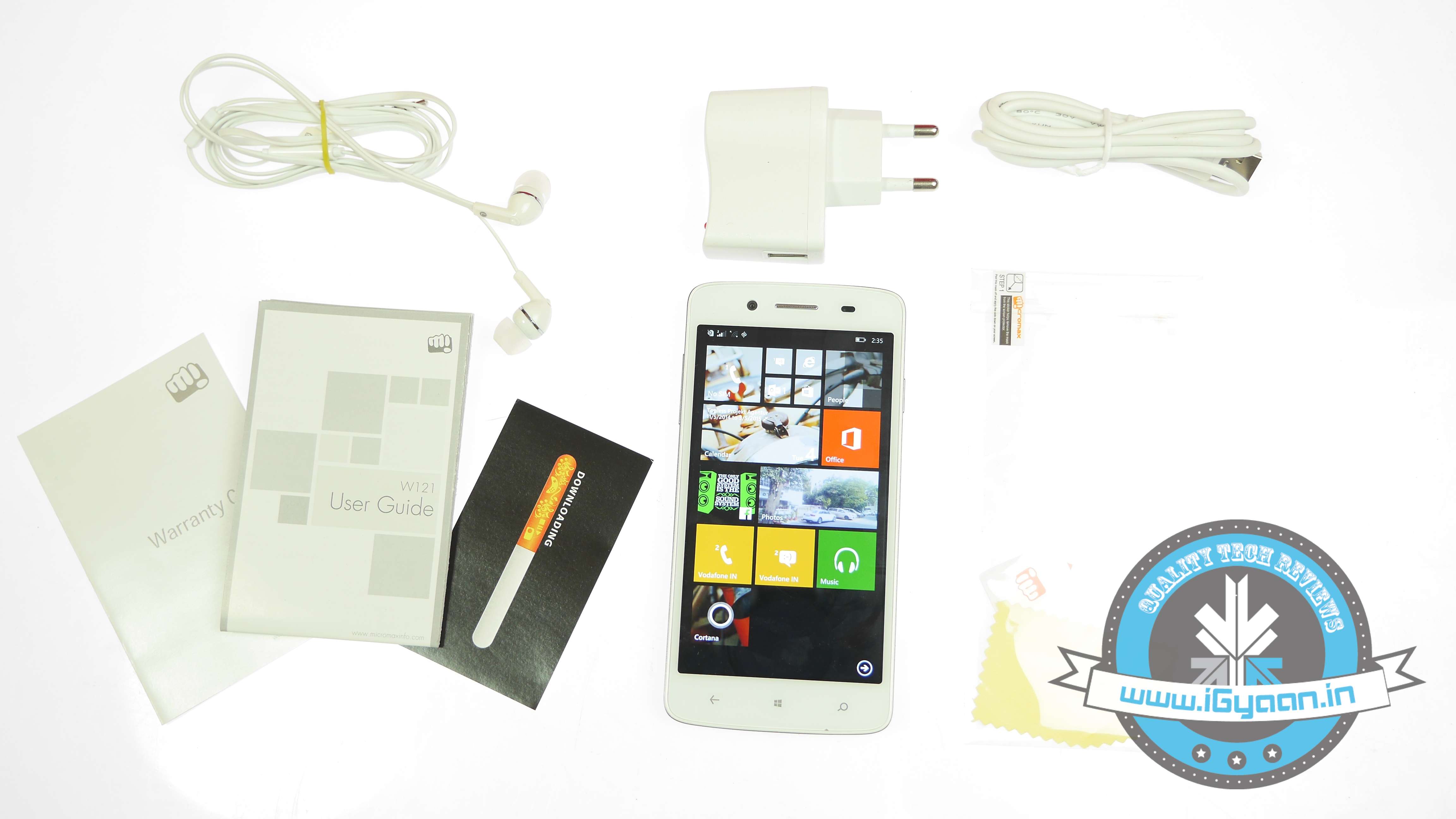
It’s just been two months since the announcement, and Micromax has already launched the Canvas Win W121 at a relatively economical price of Rs. 9,500.
OVERVIEW
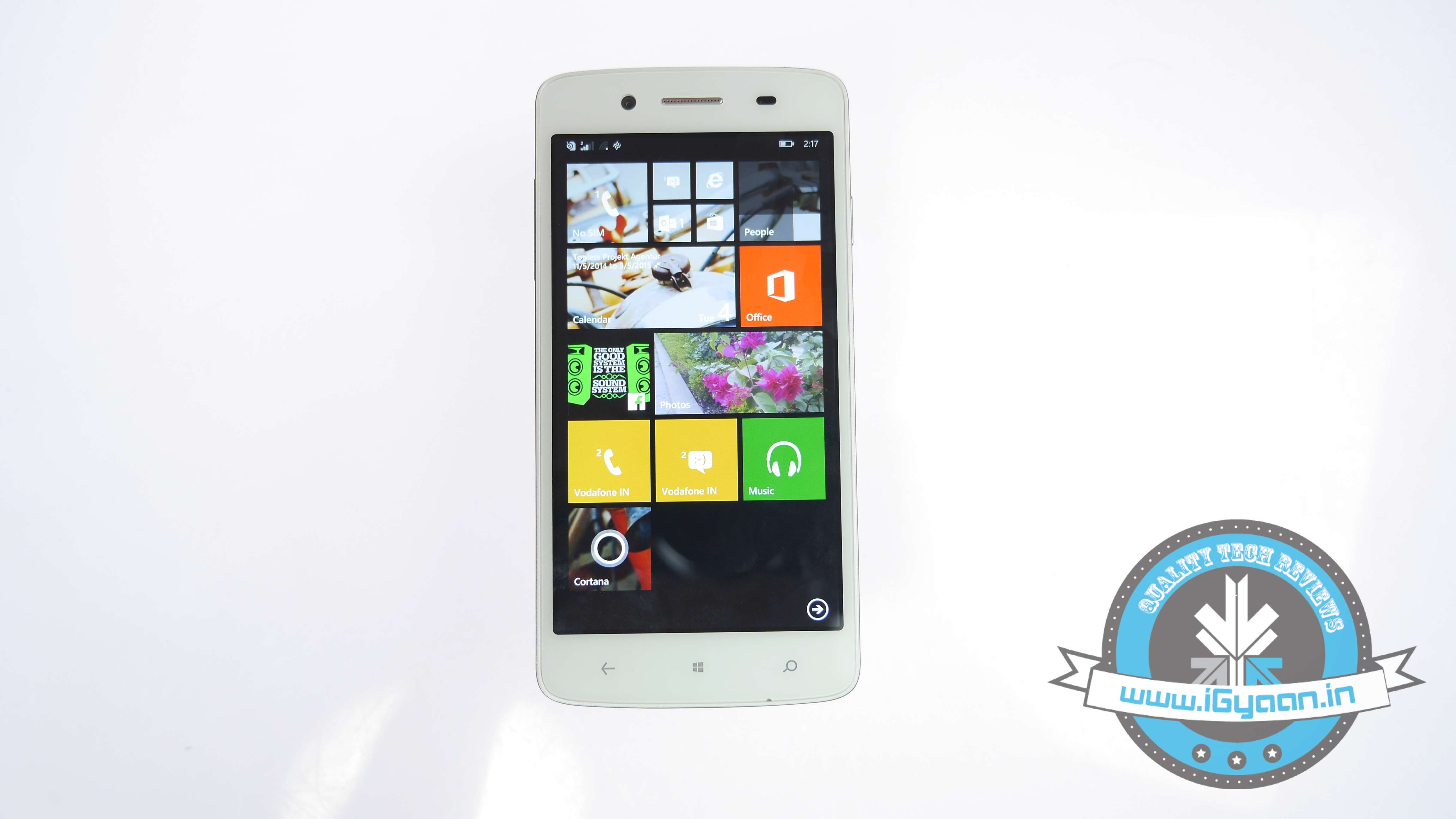
The Micromax Canvas Win W121 runs the latest Windows Phone 8.1 OS and is powered by the Qualcomm Snapdragon 200 quad-core CPU clocked at 1.2 GHz bundled with 1 GB of RAM. Priced at just under Rs. 10,000, it should have a lot of rivals in the over-crowded budget category of smartphones. Boasting a 5-inch HD IPS screen, it can be pitted against the likes of the XOLO Win Q900s, the Lumia 520 and 630 as its closest rivals.
HARDWARE
The Canvas Win W121 is powered by the Qualcomm Snapdragon 200 SoC with four cores clocked at 1.2 GHz, a chipset we are quite used to in this price segment. It has decent enough 1 GB of RAM with a 5-inch 720p HD IPS display, and a 2000mAh battery capacity. It has 8 GB internal memory expandable via microSD up to 32 GB. Connectivity options include GPRS, EDGE, 3G, Bluetooth and USB.
Optics includes a primary 8MP camera with AF, along with a 2MP secondary cam. Specs on the phone do look good but do they translate into real-time performance. Let’s find out.
Specifications
Canvas Win W121
Display
5-inch IPS LCD 1280x720p
Processor
1.2 GHz Qualcomm Snapdragon 200 quad-core
Storage
8 GB + microSD
RAM
1 GB RAM
Camera
8 MP primary camera, 2 MP front camera
Battery
2,000 mAh
Operating System
Windows Phone 8.1
DESIGN AND BUILD
The Canvas Win W121 does have that niche look to it, courtesy of a leather (read: p-leather) back panel, something we saw on the Galaxy Note 3. There’s a lot of plastic on the body, which might be a turn-off for some of us, but the Canvas Win W121 is a bit sleeker and more compact than any of the Canvas’s Android counterparts.
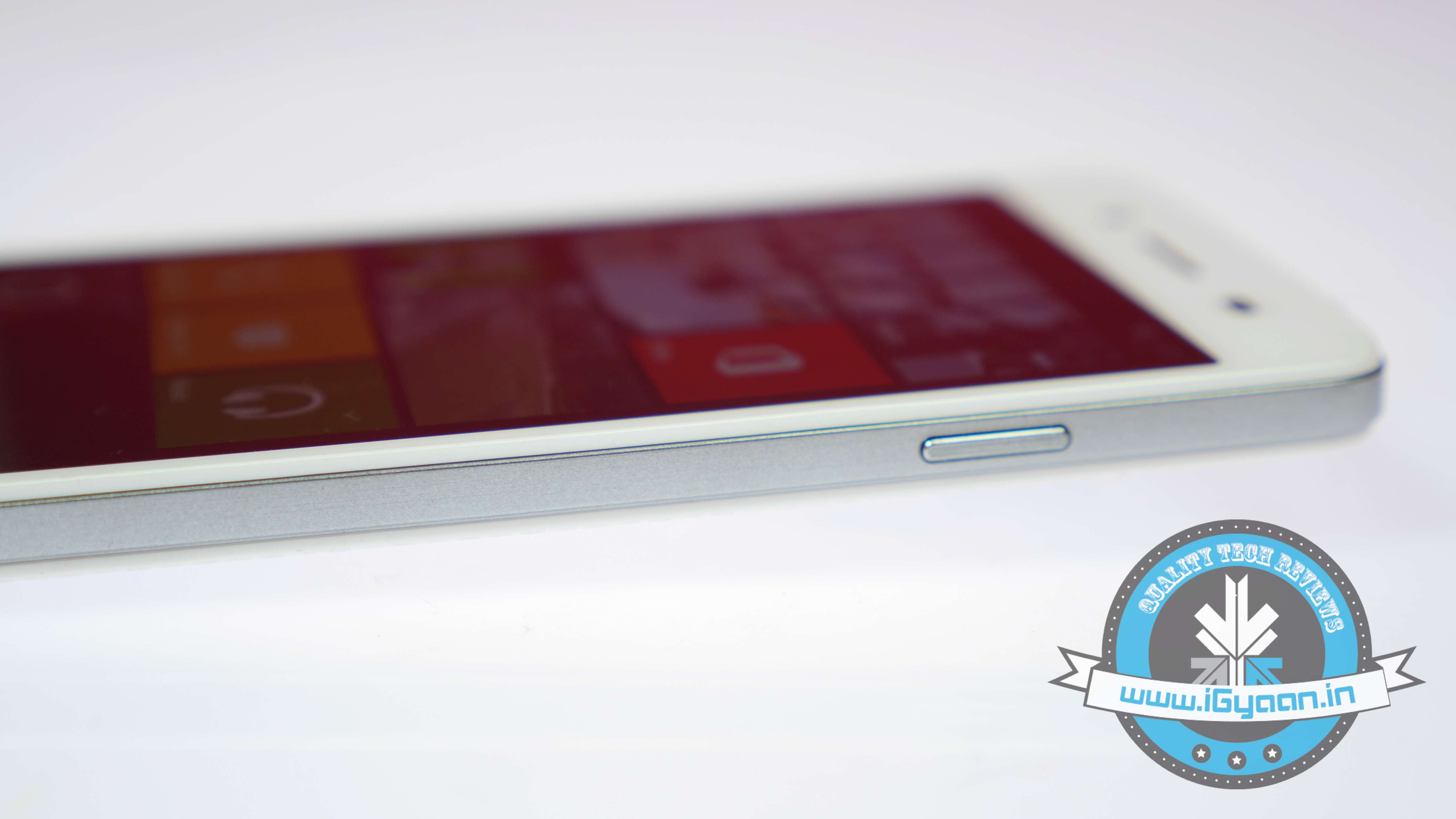
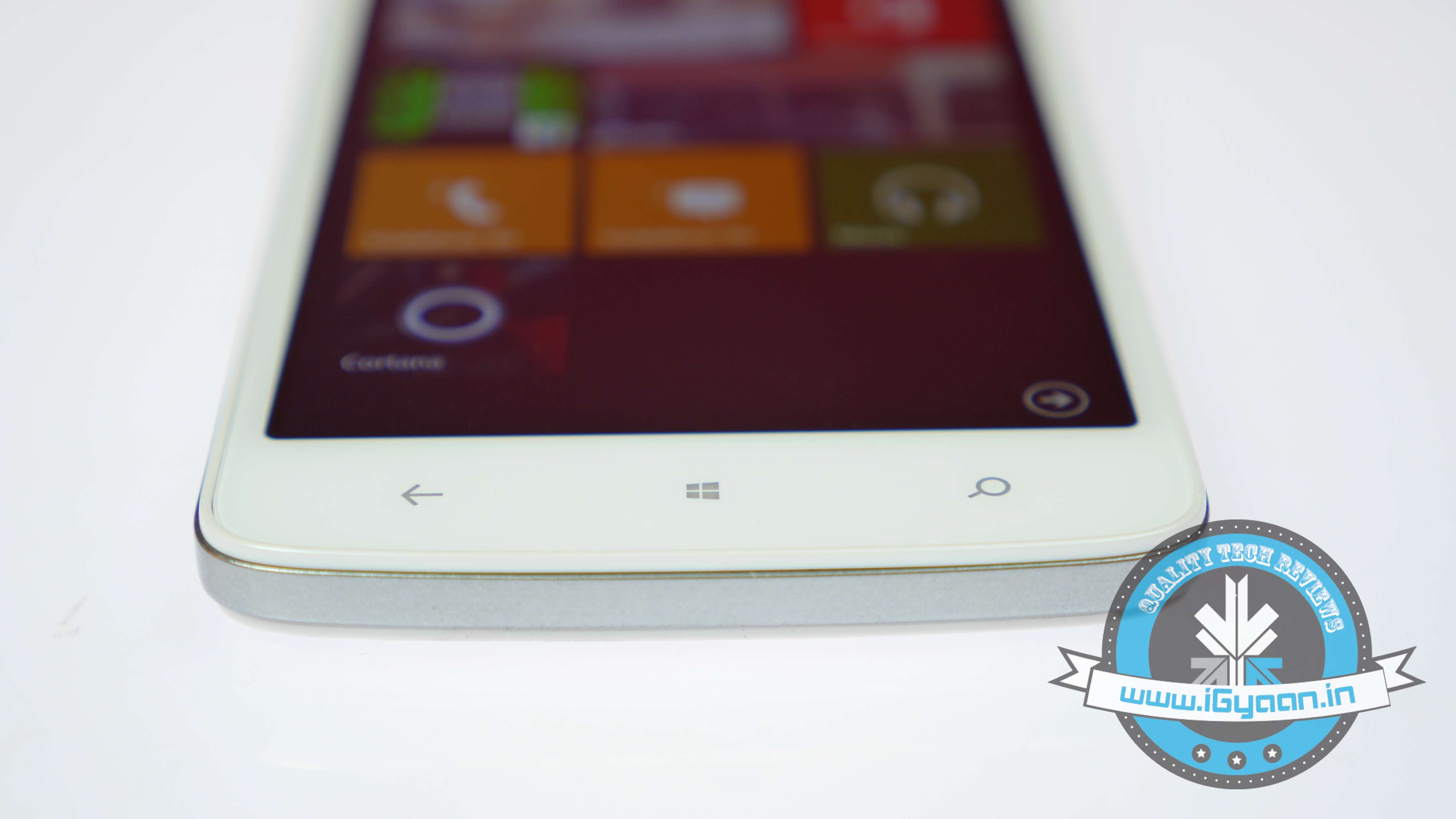
With a 5-inch screen, the device fits in the hand quite well; it is slim and makes for easy one-handed usage. The front houses three capacitive buttons with a Windows logo in the middle, which was absent in the XOLO Win Q900s. However, the capacitive buttons appear to be a tad untidy and seem like a rushed job. They don’t illuminate the way we have seen with other phones, and just lacks the finesse.
Coming to the sides, it has a metal rig that runs throughout the phone’s entire body, with volume rockers placed on the left and the power button on the right. The keys have a nice touch feel to it. Meanwhile, both the MicroUSB and headphone jacks are located on top.
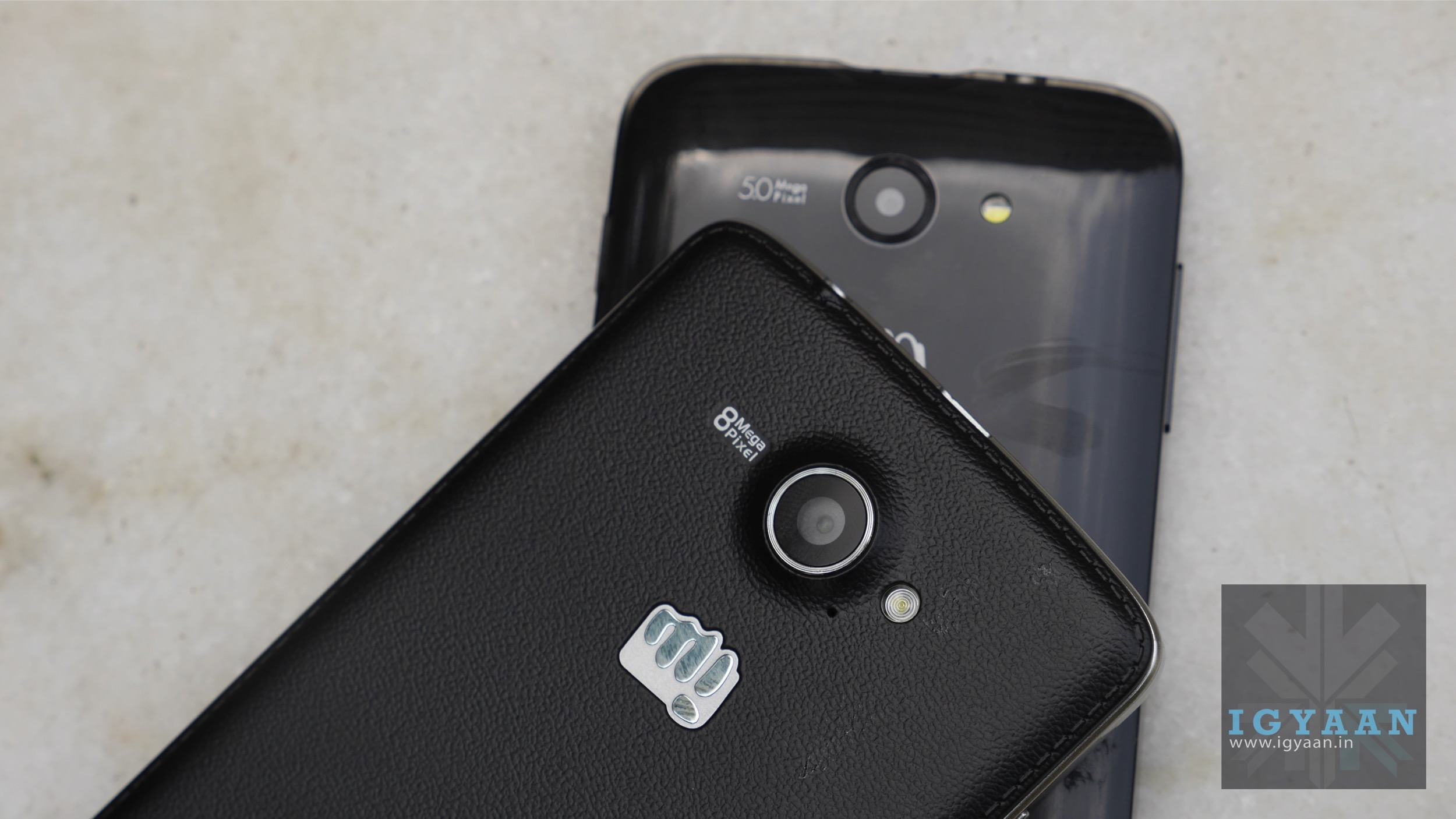
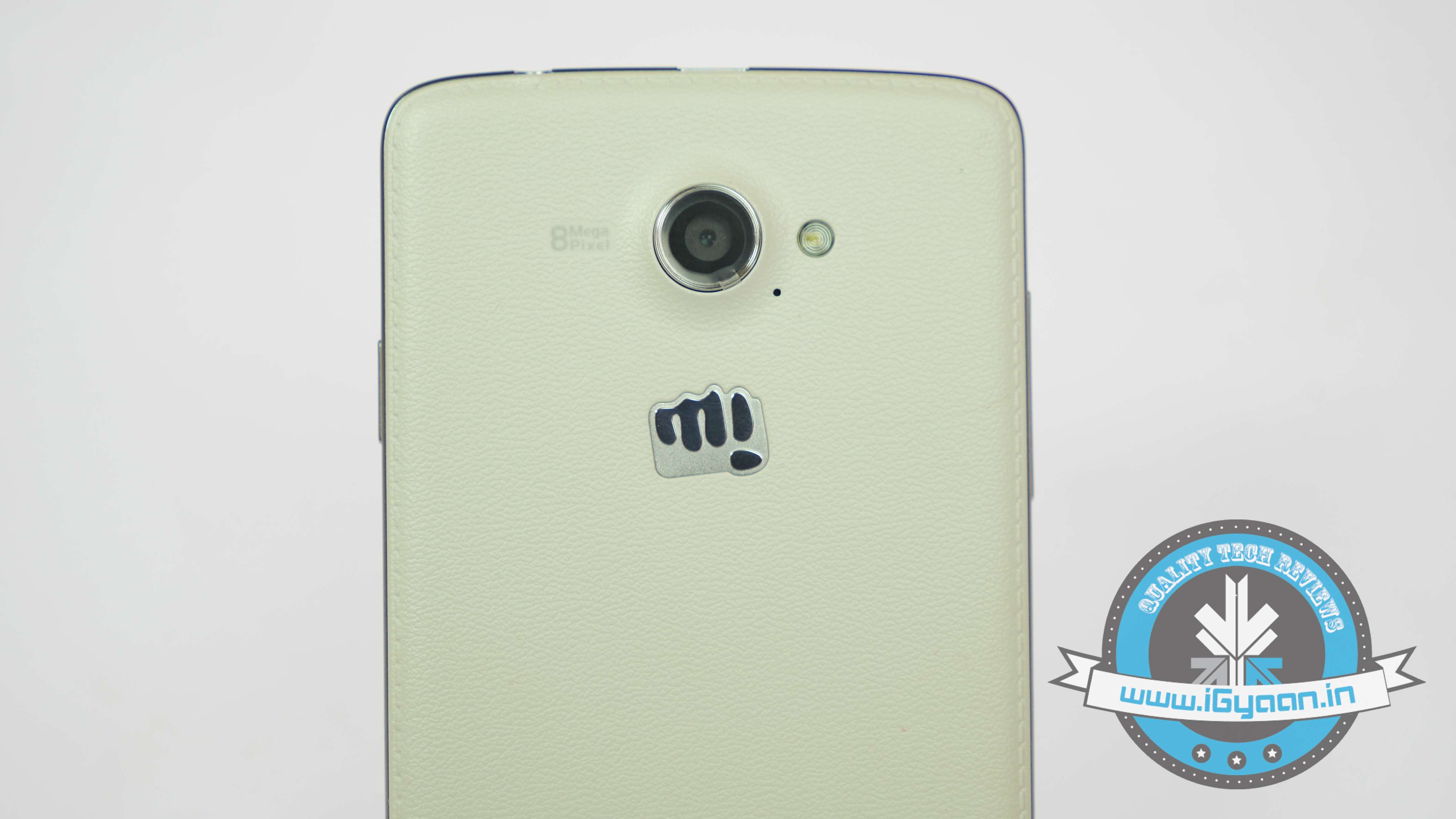
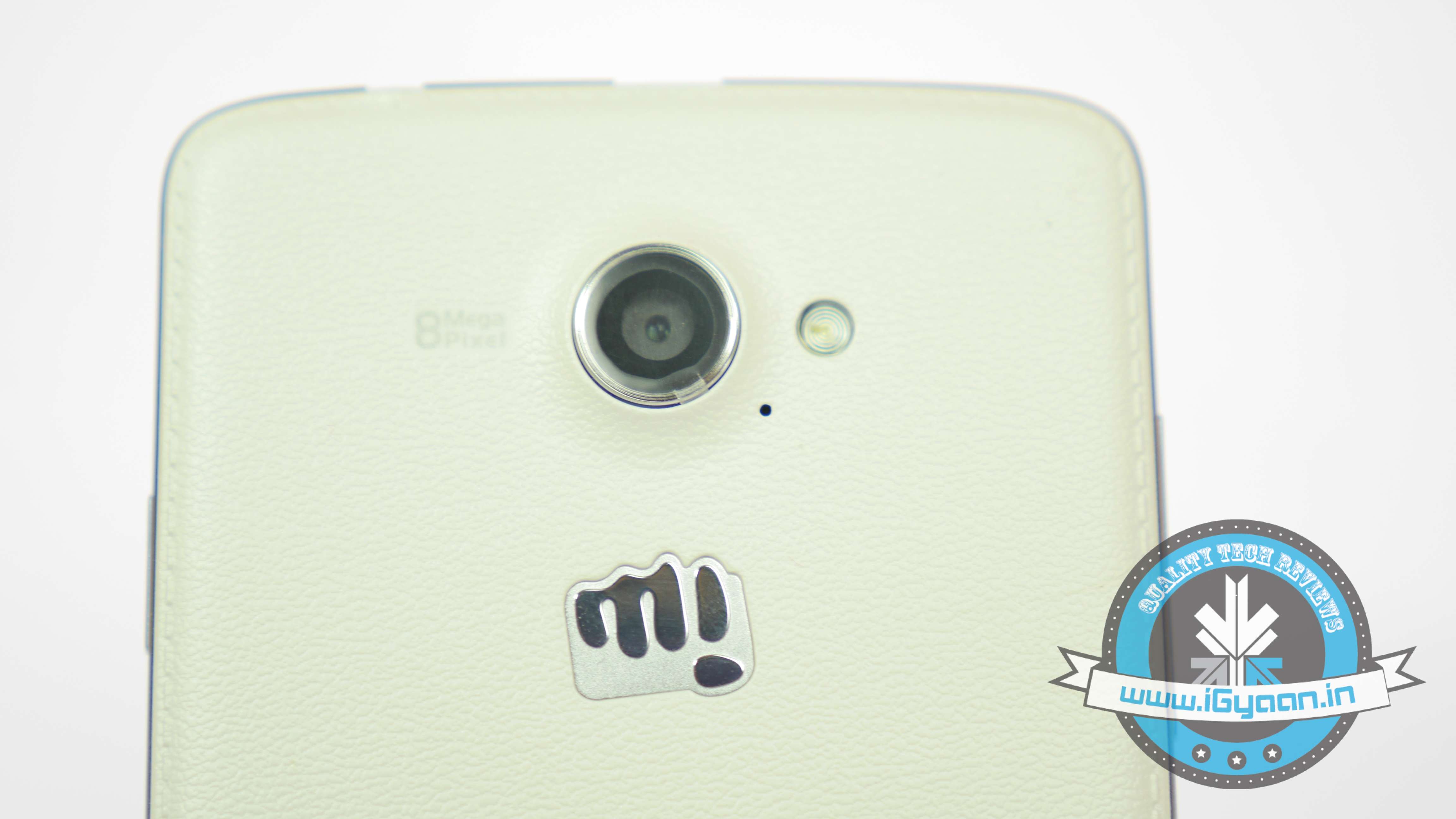
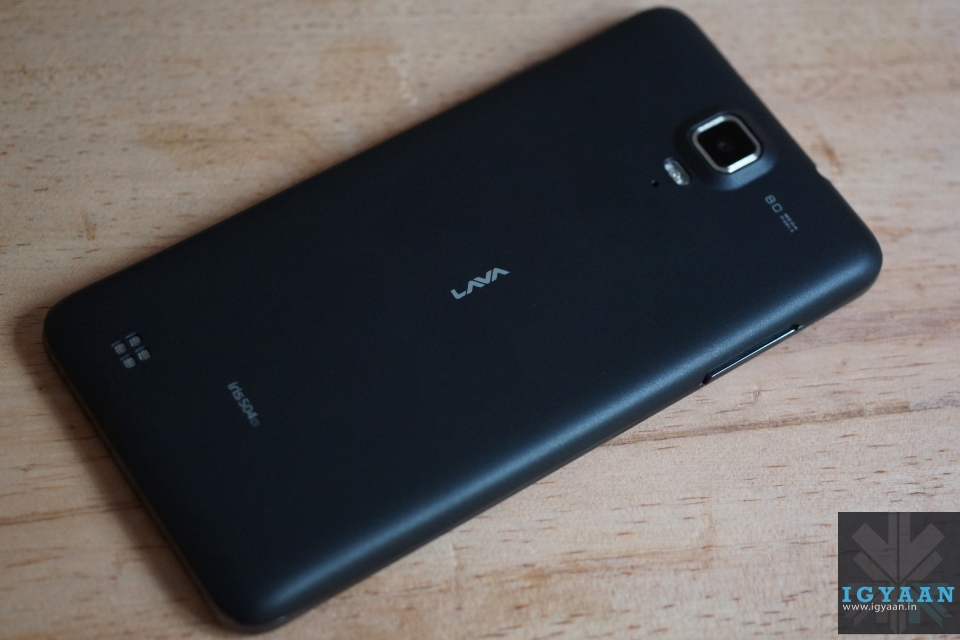
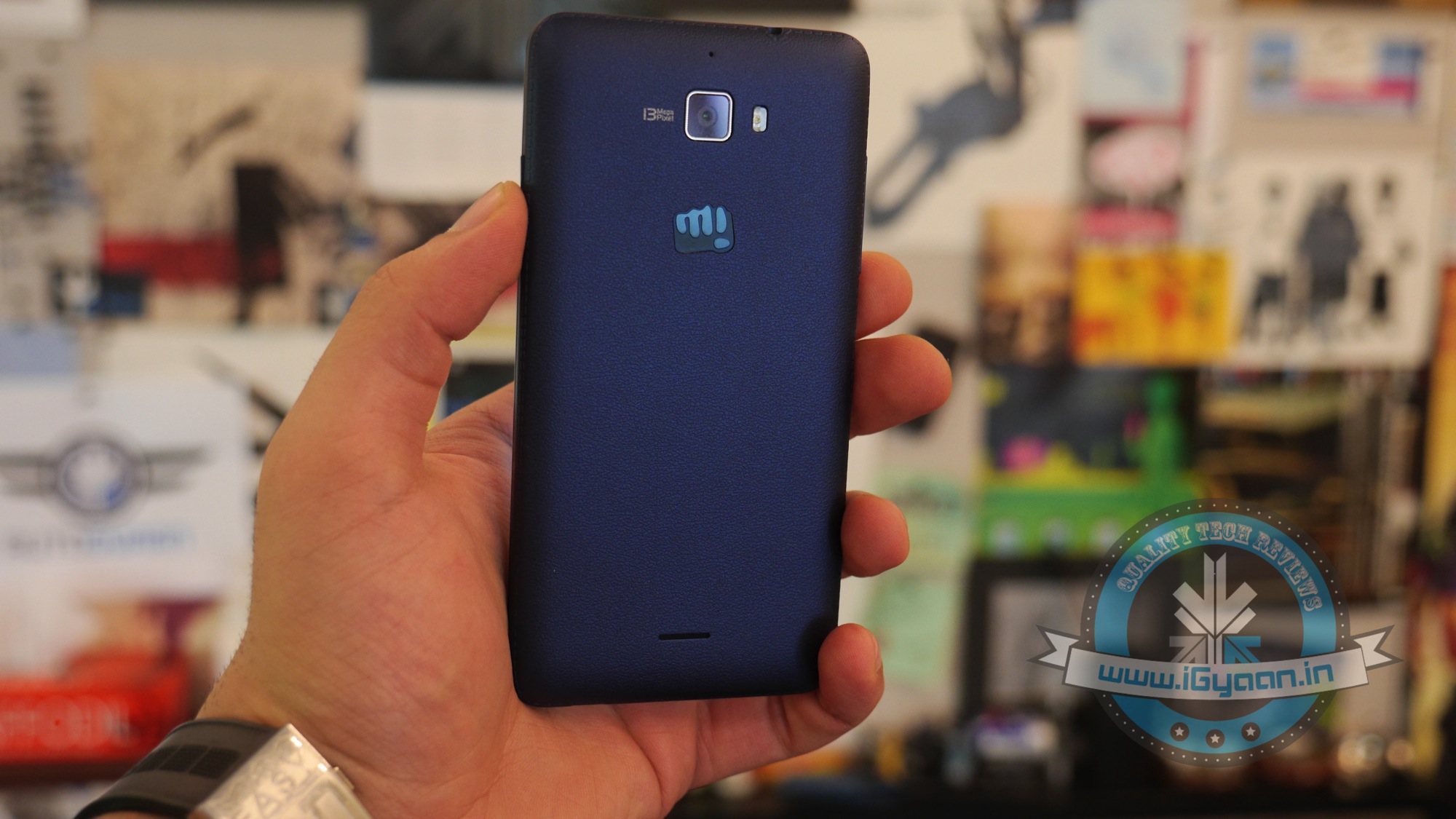
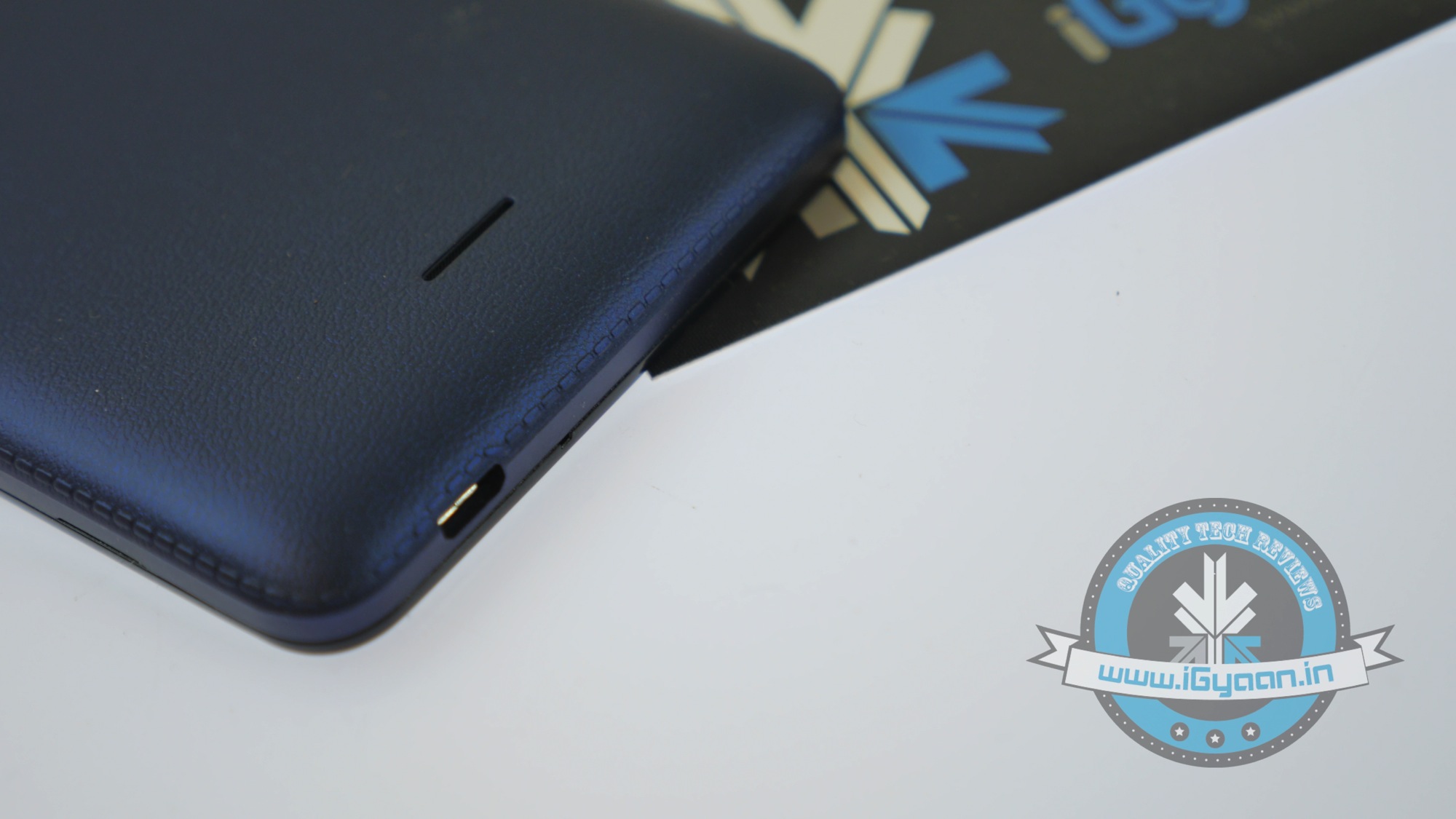
As already mentioned, the rear of the phone has a premium looking leather-esque back panel with stitches around the edges, giving it a more classy appeal. It’s a neat job done on the rear of the phone, with cuts for the camera, flash and external speakers done with absolute precision along with the Micromax logo. The back panel is removable that houses the two SIM card slots, battery and the microSD slot. The phone does impress us when it comes to build quality and design.
PERFORMANCE AND OS
With a Qualcomm Snapdragon 200 chipset clocked at 1.2 GHz bundled with a healthy enough 1GB of RAM, handling everyday usage is like a walk in the park for the Canvas Win W121. It handles multiple apps at ease without any noticeable lags. We did not see any problem using any app, they load up real quick and with Windows Phone 8.1, it allows users to run eight apps in the background. You can navigate and switch between emails, games and other apps like Facebook and WhatsApp in no time.
Moreover, WP 8.1 not being a very power-hungry OS combined with decent hardware results in no issues in launching apps, browsing through the internet or switching apps. In our AnTuTu benchmark test for Windows, the phone managed an impressive 11, 767 points, just edging past the Lumia 630 which managed 11, 760, also surpassing the XOLO Win Q900S which scored 10, 870 in our Antutu Benchmarks.
Model
Antutu Benchmark
XOLO Win Q900s
10,870
Canvas Win W121
11,767
Lumia 630
11,760
High-end games like Real Racing and Asphalt 8 do give the phone a real tough time as the phone starts heating up. That said, the overall performance is quite satisfactory on the Canvas Win W121. Apart from the heating issue, these games run quite well at the highest settings; there aren’t any noticeable hiccups during performance specific stressful instances and loading time is just fine. Considering the price of the phone, this shouldn’t be much of an issue, and arcade/basic games like Subway Surfers and Temple Run look and play quite well on the phone.
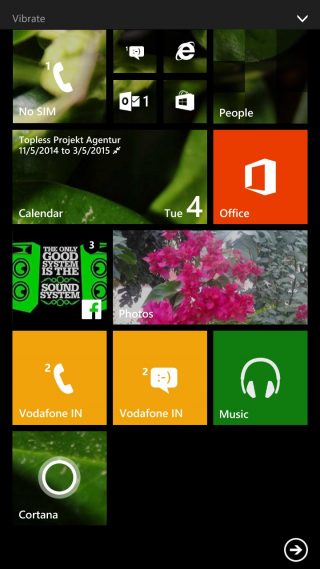
Coming to the OS, the Canvas Win W121 runs on the latest Windows Phone 8.1 OS. The OS has a neat refreshed feel to it, with those signature Live Tiles, and the new action centre that was missing with earlier version of the platform. The OS now looks much more functional and complete.
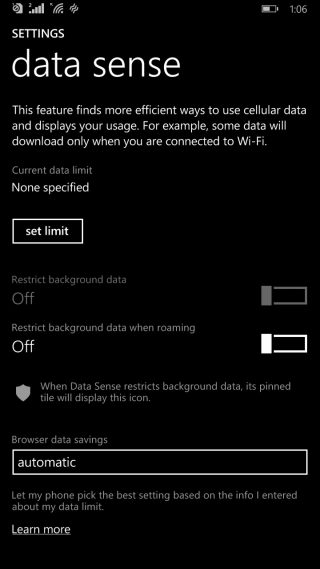
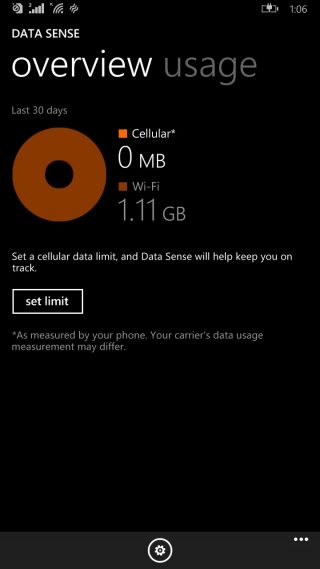
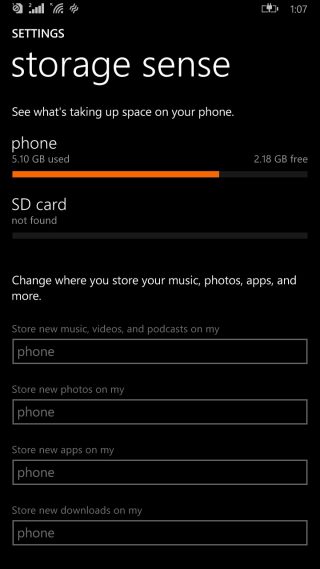
It looks really neat and brings along a slew of nifty features with a lot of customisation options. The new Swipe keyboard feels great, Data sense and Wi-Fi sense keep a tab and look after your data and Internet usage, meanwhile Storage sense offers easy ways to organise your data.
The phone offers dual-SIM support, and the OS offers an exclusive section to manage the SIMs along with setting the default SIM slot for calls and 3G.
Not to forget Cortana, a real life personal assistant, who has a quirky attitude and makes interaction with the device a lot more fun. She can gather info, manage your appointments, set alarms, dictate your messages and can do a lot more. She definitely adds to the whole OS experience. (NOTE: Cortana is not available in India as of now, though users can change the phone settings to US to make it functional).
As already mentioned, WP 8.1 as an OS does not demand a lot of the phone, so navigating and switching between apps is quite smooth. Compared to its previous iteration, WP 8.1 is a significant improvement with faster loading, a better keyboard, nice touch response and an interactive personal assistant is quite a ride.
However, the device does not have support for apps that we saw in the Lumia range. This smartphone is devoid of popular apps like Here Maps, Nokia Music and all the camera apps.
CAMERA
The Canvas Win W121 has an 8MP primary camera with flash, which in our opinion should have done better. The images captured lack texture and the colour reproduction is quite lame. They appear dull and washed out which takes away the overall feel of the photos.
Another issue is absence of the Nokia Camera app, users will have to rely on the default camera app. Meanwhile, the front has a 2MP snapper which just does its job. Its lens is not that wide either, which makes it quite a task to take wider selfies.
Low light isn’t great either as the lack of OIS is apparently clear and images appear a bit shaky. We also noticed that the AF of the camera takes a very long time to focus on a particular object, which can be quite annoying at times.
Macro
Daylight Shot
Close up Shot
Daylight Shot
Long Shot
Low Light Shot
Also, there’s no support for HD recording, videos are recorded at 480p, which is quite a bummer as the chipset can support 720p recording. Finally, it will be fair to say that the camera is perhaps one of the weaker links of the phone.
DISPLAY AND MULTIMEDIA
The phone features a 5-inch 720p HD IPS display, which is rather brilliant with sharper texts and offers great readability in all lighting conditions. Even in well-lit conditions, the readability is quite good. Moreover, you have options to adjust brightness as per requirements. The display renders sharp colours and great viewing angles. Being a 5-inch screen, it does add to the whole experience of watching a movie or playing a game.
Powered by a dual-core clocked at 1.2 GHz with 1 GB RAM, the multimedia performance of the phone is quite good. We tested Asphalt 8: Airborne and it ran absolutely well; not flawless, but there are no major lags and stutters that would take away the overall experience of the game. The phone can withstand those frame rates; though surprisingly, it could not run a 720p HD movie. The phone just could not withstand those frame rates and transitions while playing a 720p HD movie. Max resolution possible is 480p, which is a major let down.
However, the audio performance of the phone is awesome. The phone’s external speaker is bit loud and renders good sound quality while playing games, watching a movie or listening to music, it does pack a punch. Moreover, the earphone set provided as a part of the standard accessory is also high quality, something which other OEM’s should strive for.
PHONE, NETWORKS AND BATTERY
The call quality of the phone is really good whether incoming or outgoing, and the signal reception is excellent indoor as well as outdoor. Coming to network, the phone latches onto the networks around at ease, thanks to a lot of plastic which has significantly improved Wi-Fi connectivity across most Micromax devices, including this one.
In terms of battery backup, the Canvas Win W121 comes with a 2000mAh battery. We tested the battery on different parameters and overall, the battery performance is quite decent and could easily last a day of normal usage. It appears that the battery performance of Windows Phone is much better when compared to Android.
CONCLUSION
Priced around the Rs. 7,800 , the Canvas Win W121 is a decent choice if you are on a lookout for a smooth overall Windows experience without any compromise on screen size and build quality. It has some great features but completely misses out on other aspects. For instance, lack of support for HD Playback, lack of decent camera apps might make you consider other alternatives. Though, it has a solid 5-inch display and is great for everyday usage. It could have been a top-notch smartphone if some of these aspects were not missing.
The Canvas Win W121 can compete against the likes of the Lumia 630 and the XOLO Win Q900s. Though, there are much better Android options available at the same price point.
The emergence of Chinese companies into the Indian market has taken most of the sheen off the Indian phone makers. Even Motorola’s high specification, low priced devices have taken customers away from the Indian handset manufacturers. But with the combined strengths of feature phones and smartphones, the Indian brands have continued to grow. The companies have benefitted from the shift to smartphones in the lower segment, and their offerings are perceived as affordable. These factors have helped Lava reach the second spot on the podium amongst the Indian handset model.
The report was published by market research venture called Cybex Exim. The company took into consideration the following handset manufacturers: Micromax, Lava, Motorola, Karbonn, Gionee, Lenovo, Spice, Intex, XOLO, Panasonic, Zen, Maxx, Videocon, Xiaomi and Lemon.
To elaborate on their findings, Mr. Amit Gupta, Cybex Exim said, “To understand the market dynamics, we track the import shipments of various players on a daily basis. Domestic players have shown remarkable growth over the last two quarters; majorly credited to the success of Indian brands like Micromax, Lava and Karbonn. With local vendors reducing the price gap between the entry level smartphones and feature phones, usage for mid-price phones is expected to increase at a high rate. At the same time, the recent launch of Android One devices is expected to drive more volumes in the price sensitive market with many other local players geared up to introduce their devices in the coming quarter.”
Cybex Exim’s findings is as follows:
Volume data of Top 5 Indian players (in Mn) July – September’14 – Cybex Exim Solutions Pvt Ltd
Company
Feature Phones
Smart Phones
Total Volume
% Volume Share
MICROMAX
5,058,002
3,723,445
8,781,447
31.2%
LAVA
5,307,184
1,968,575
7,275,759
25.8%
KARBONN
4,591,947
1,803,583
6,395,530
22.7%
INTEX
2,542,483
965,627
3,508,110
12.5%
SPICE
1,764,181
426,992
2,191,173
7.8%
This has been a good year for Micromax. According to a study by Counterpoint Research, Micromax outsold Samsung in Q2 of 2014 to become India’s biggest smartphone supplier. Also, Micromax finished on the pole position of Cyber Exim’s report. The company is also taking some risks like introducing a Cyanogen-powered smartphone in the coming future.
Lava has said that the company will be investing about 500 crores in a phased manner to set up its own manufacturing unit in India over the next couple of years. This would be a positive step towards increasing tech-based manufacturing workforce in the country.
It’s great to see these Indian companies on a growth track. But looking at the competition they are facing against the Chinese companies, its time the companies up-ed their game. The phones need to get better in terms of specs and overall quality. The Indian companies may also want to take a leap into the flagship business and challenge the name brands.
Micromax has dropped a few handsets in the past months, that have made big news. The Canvas Nitro, Canvas Gold and the A1 Android One Phone, are a few examples of products that made headlines. The Canvas 4 Plus will make headlines of its own, however, it may be the iPhone 6 plus’ bendgate that influences this one.
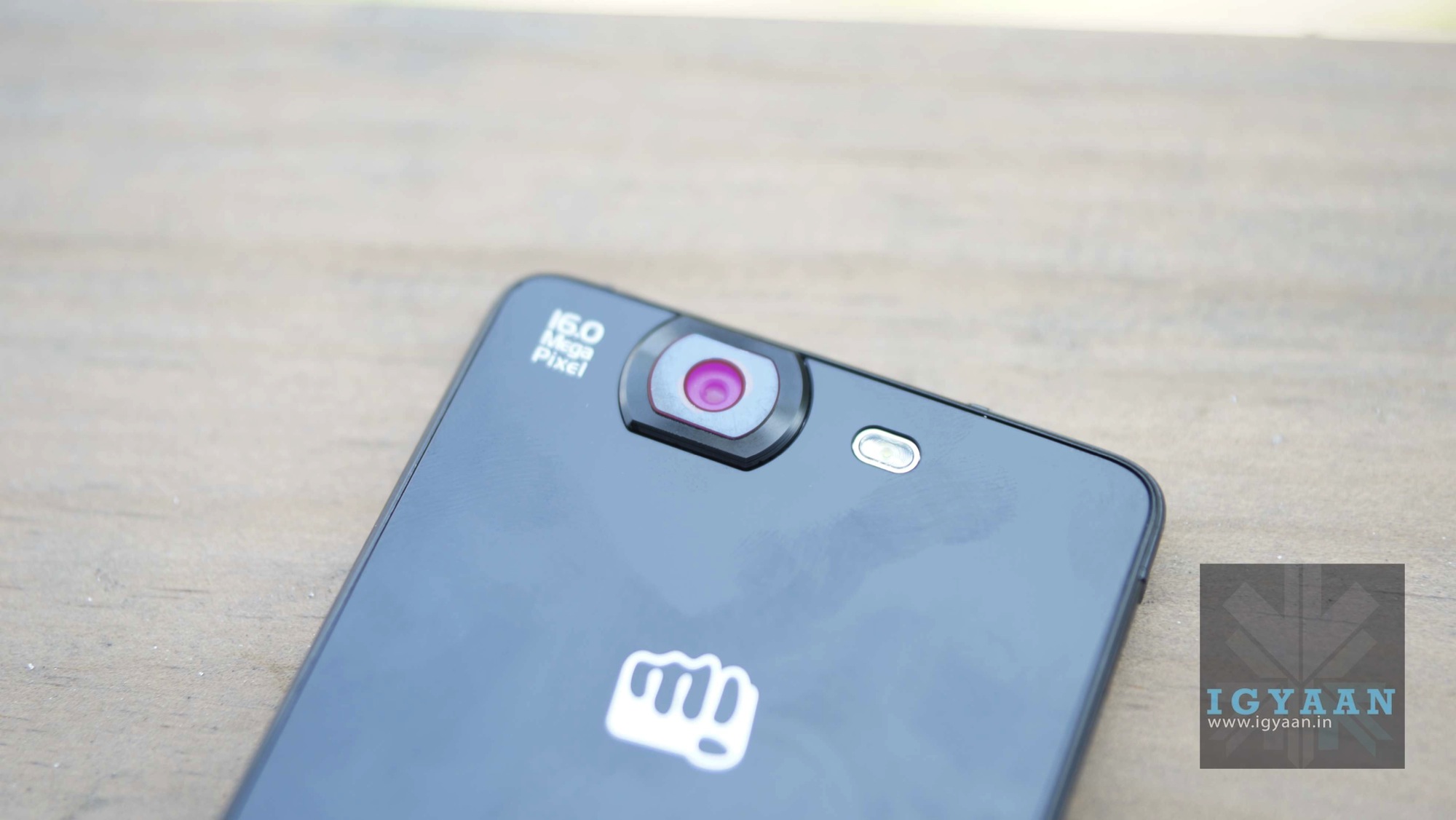
The Canvas 4 plus, is a new entrant and features a 5-inch 1280 x 720 p display along with an octa core Mediatek chipset, 1 GB of Ram and micro SD card expansion. The phone is might slim at just 7 mm thick and boy, does it bend easily.
In our unboxing of the phone, just because the phone looks so similar to an iPhone, we lightly attempted a bend test and it bent out of shape. We didn’t go all the way, as it would totally ruin the review of the phone. However, once the whole mumbo jumbo is over we might give it another go.
The phone also shows signs of warming up during basic usage and especially so during browsing the internet. The phone comes preloaded with a bunch of applications and the Quick Look blinkfeed-esque interface that takes away from the user experience and you will find yourself trying to remove them sooner than expected.
The phone other than the bending issues feels good in the hand and has metallic buttons, however the bending really makes you worry about the build and the plastic top and bottom parts come off easily at the back.
Specs
Micromax Canvas 4 plus
Gionee Elife S5.1
Gionee Elife S5.5
Huawei Ascend P6
Display
720×1280 pixels, 5.0 inches
720×1280 pixels, 4.9 inches
1080×1920 pixels, 5.0 inches
720×1280 pixels, 4.7 inches
Processor
MediaTek 1.7GHz octa-core
Qualcomm Snapdragon 400
Mediatek MT6592, Octa-core 1.7 GHz Cortex-A7
Huawei K3V2
Quad-core 1.5 GHz Cortex-A9
RAM
1 GB
1 GB
2 GB
2 GB
Storage
16 GB (expandable upto 32GB)
16 GB (non-expandable)
16 GB (non-expandable)
8 GB/16 GB
Camera
13 MP rear, 5 MP front
8 MP rear, 5 MP front
13 MP rear, 5 MP front
8 MP rear, 5 MP front
Battery
2000 mAh
2100 mAh
2300 mAh
2000 mAh
Operating system
Android 4.4.2
Android 4.3
Android OS, v4.2 (Jelly Bean), upgradable to v4.4.2 (KitKat)
Android OS, v4.2.2 (Jelly Bean), upgradable to v4.4.2 (KitKat)
We had reported a few weeks back of a possibility of a CyanogenMod powered device coming from Micromax’s stable. Now DroidGoblin is reporting that the device can be Micromax Canvas 5. The phone is expected to be launched at a price of about Rs. 22000.
The phone is expected to sport a 5-inch full HD display. It will get its processing might from the Octa-Core processor from MediaTek, which it has been using in its top-end phones. It will come with 2GB of RAM and might have 16GB internal storage with an option to expand it through a MicroSD card. All of this is expected to come in an aluminum outer shell.
According to the report the phone isn’t light in the camera department either. It is expected to offer an 18-megapixel rear camera and a 5-megapixel front-facing camera.
The CyanogenMod on the device will be based on Android Kitkat 4.4.4 which will probably make it the most updated Micromax device out there. CyanogenMod is definitely the most popular custom Android ROM and the news of the device from Micromax has met with wide appreciation. As of now, there are over 12 million active installs of CyanogenMod till June 2014.
On the spec-sheet, the device sounds great and will easily find a lot of takers here in India. This will be a great news for people looking for a device that offers regular updates. There are also tons of customizability features on the ROM, which will let you own a unique device designed by you. This seems like a great new step for the Indian company, and we can’t wait to check out the device.
According to CounterPoint Research, Micromax has raced fast to become the biggest mobile phone company in India by replacing Samsung. But the company still has a reputation of dismal after sales service. The company has also been slow in delivering software updates that are really important. Now it seems like the company has the found a partner who can take care of some of its woes.
Micromax will be partnering with CyanogenMod to bring a phone running on a custom OS in India. CyanogenMod is extremely popular, especially amongst advanced users. It is an open source operating system for smartphones and tablet computers, based on the Android mobile platform. It is also the default operating system on the flagship killer, OnePlus One.
OnePlus One Runs on Cyanogen and it’s a great user experience.
A feature that will be appreciated by most users is the regular updates on the system. Phones running CyanogenMod get regular updates, and they give amazing themes and customizability features. Also, it gives an almost stock experience and hence lets you get better performance out of your phones. It also provides cool button options like long-pressing the volume buttons to switch music tracks.
Micromax will not just get a good OS here, it will be an updated OS. The company seems to be adressing one of the major complaints it has been facing. It won’t really be wrong if it moves its entire line-up to Cyanogen. But that might not happen considering Micromax is in a serious business with Google through the Android One devices. Google had previously tried to buy CyanogenMod to improve the Android development team, but they turned Google’s option down.
This move by Micromax might be advantageous for the company. They plan to bring the device out by the end of the year. That’s when we’ll know if Micromax got this right.
Google yesterday finally unveiled its Android One line of phones. The phones are brought in cooperation with three Indian companies, Micromax, Karbonn and Spice.
We check out Micromax’s Android One variant called the Canvas A1. The phone comes with the latest Android Kitkat V4.4.4 which is a plus. The phones also get Airtel’s 6 month data pack through which users get automatic updates and free app download. The specs are good for the price and it is a great buy for people shifting from feature phones to smartphones.
So, we have waited long for the Android One devices. The phones were announced at the Google I/O this year, and they are finally here for the world to see. Today Google launched the three phones that it had announced previously.
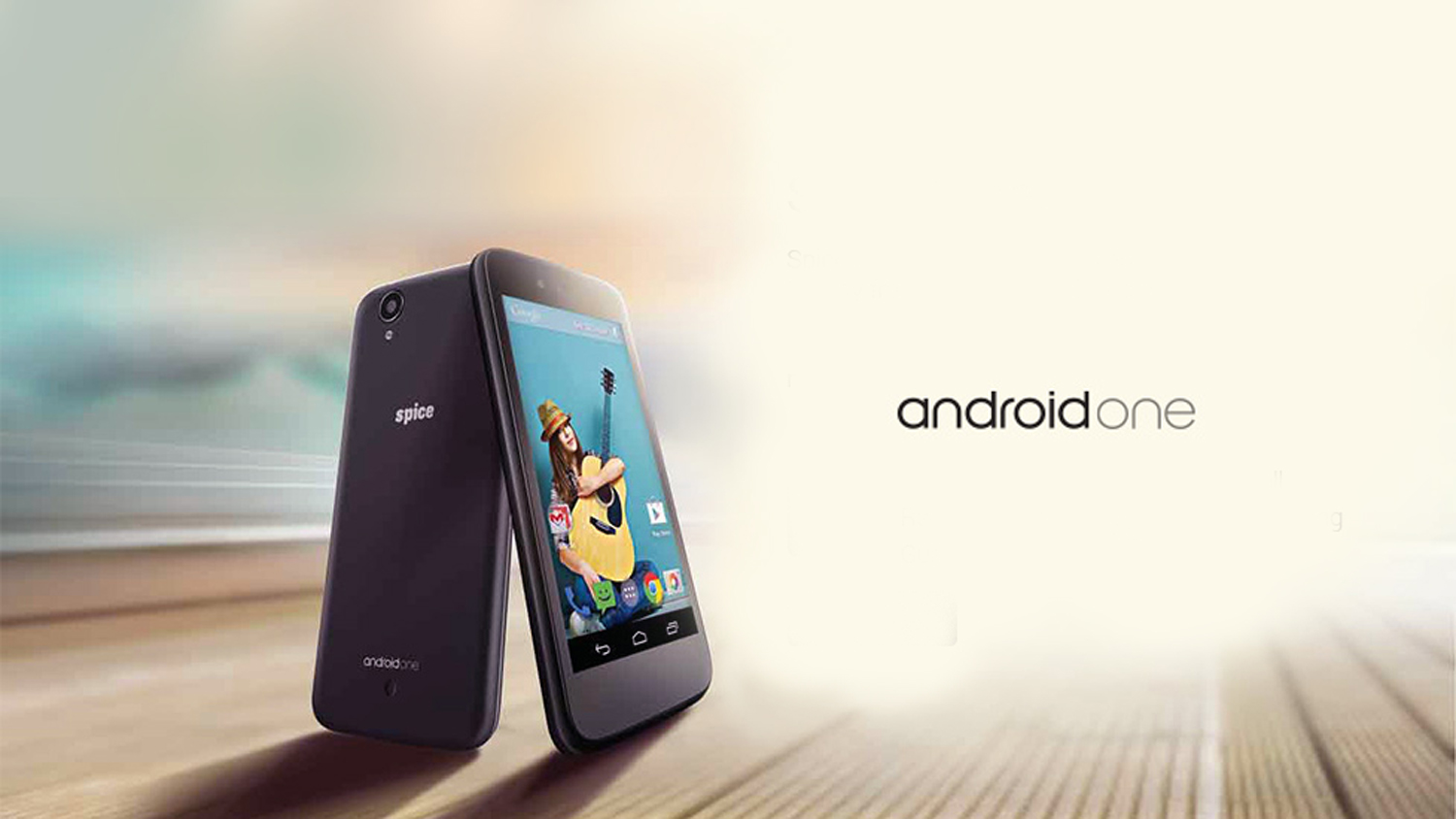
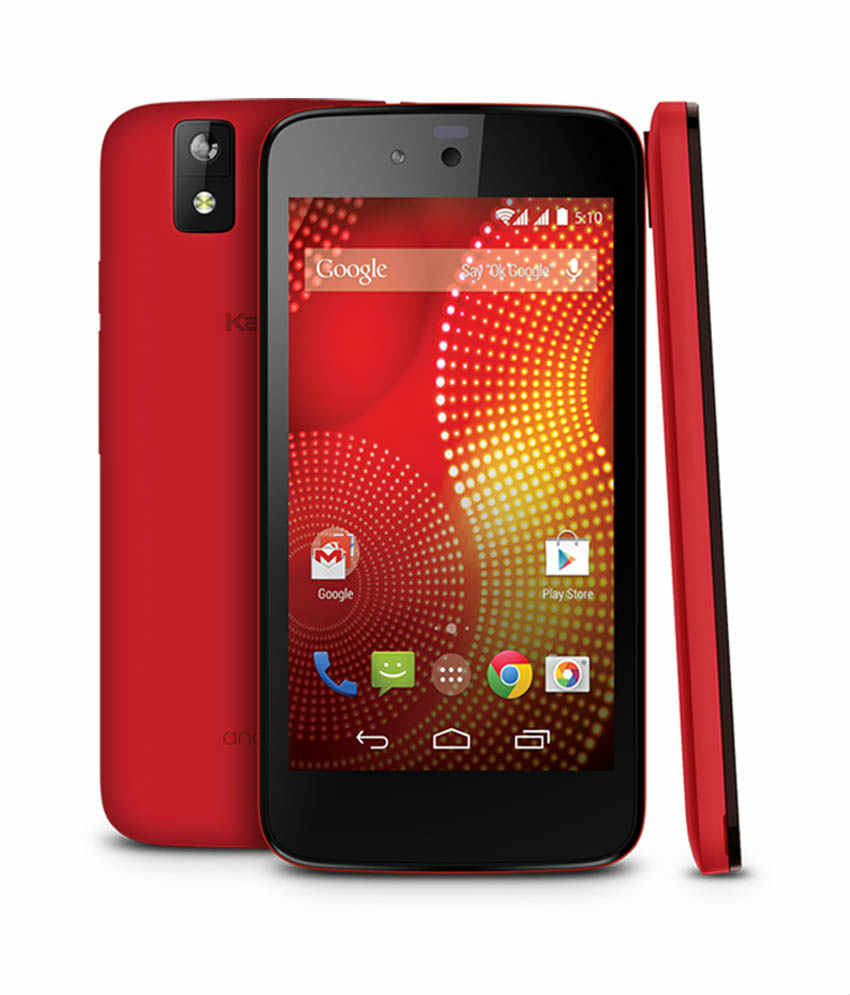
The Micromax Canvas A1, Karbonn Sparkle V And Spice Dream Uno is the trio that will begin the big Android One experiment. The phones are presently only available online and will be in stores from next month. They went on sale at 3.30PM today.
Canvas win has a recognizable camera design which is the best amongst competitors
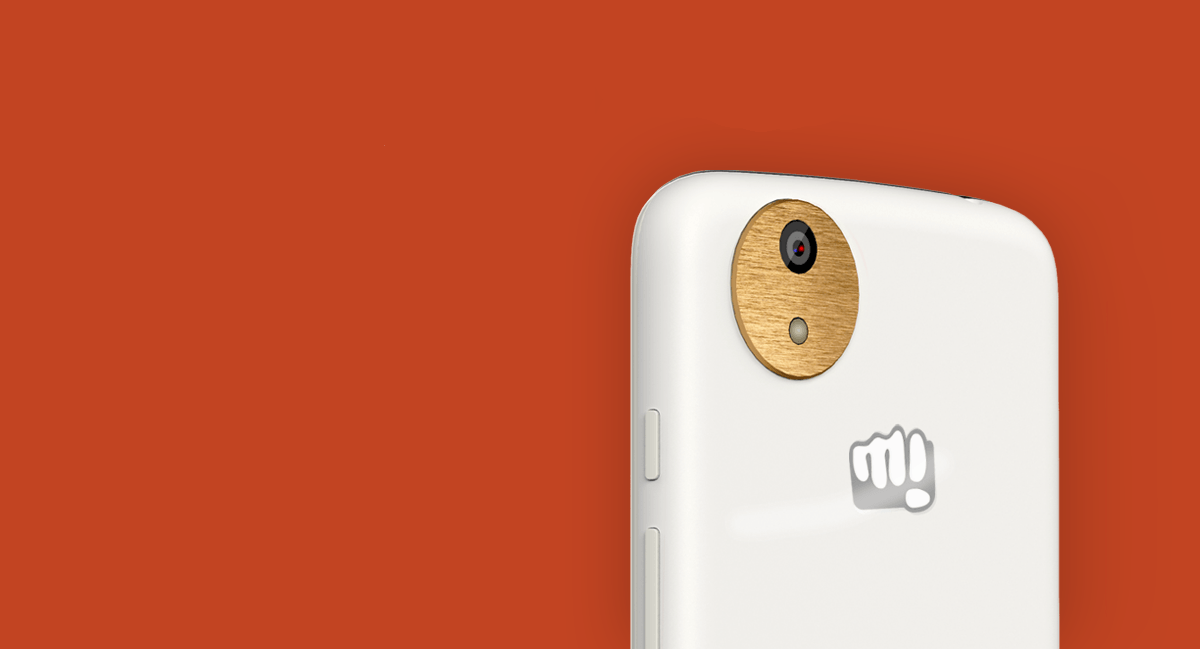
As mentioned earlier, Android One is Google providing standard specifications to OEM’s so that they can provide those features to low-cost devices directly. These devices come with the latest Android operating system, i.e., KitKat 4.4. They all have similar specs and are different only in the way they are designed. Out of these three devices, Micromax gets the pole position on the designing front. The Canvas A1 has a beautiful wooden-like platform for the main camera on the back of the device.
Karbonn Sparkle V comes in many color options.
All these devices have a 4.5 inch FWVGA (854 x 480 Pixels) displays and are powered by a 1700 mAh battery. The processor on the devices is a MediaTek SoC with a 1.3GHz quad-core processor and Mali 400 GPU paired with 1GB of RAM. On the back, the devices have a 5 MP camera with LED Flash. For selfie convenience, the phone provides a 2 MP camera.
It can be observed that the specifications on these devices seem limited in comparison to devices like the Moto E and the Redmi 1S. The advantage these devices have is automatic updates from Google, which keep them up-to-date. This can be a great device for people wanting a stock Android experience.
The companies have chosen different online retail partners for their devices. While Micromax chose Amazon as their exclusive Android One partner, Spice and Karbonn chose Flipkart and Snapdeal respectively. You can expect some competition amongst these e-tail giants too.
This is just the beginning for Android One. Google plans to involve new partners. It has announced that Acer, Alcatel, ASUS, HTC, Intex, Lava, Lenovo, Panasonic and Xolo will soon be launching smartphones under the Android One program.
These phones are pocket friendly and will encourage others to make similar devices
On the price front, the Karbonn Sparkle V is priced at Rs.6399. The Micromax Canvas gets a price tag of Rs. 6499, while the Spice Dream Uno is the cheapest with a tag of Rs. 6299.
As expected, the phones come with 6-month free update and app download package from Airtel. In a press statement, the Chief Product Officer of Bharti Airtel, Anand Chandrasekaran said, “Android One customers on Airtel will be able to stay updated on the latest Android version and update all their apps at no additional data charges. Customers can enjoy 100 MB of data per month for 6 months for software updates and 200 MB per month for 6 months for app downloads and updates on the first prepaid active Airtel SIM inserted in the Android One device.”
The phones come with 6 month data plans from Airtel
Overall, the Android One line of devices seem like Google’s direct link to the lower-end consumers. The biggest issue with Android platform is high levels of fragmentation, devices running older versions of the OS are still available for sale in the market. With the lessons learnt by this initiative, the Android team may be able to provide a better integration of its OS across devices.
It will be interesting to see how this experiment pans out in India as Google intends to expand the initiative to Indonesia, Philippines and other South Asian countries by the end of 2014. It also plans to take to more countries in 2015. It seems the end of woes of lower-end Android customers is close to being over.
Micromax has been reworking strategies for quite some time, and after their launch of the Canvas Gold, the company has kept it low key. Meanwhile, Motorola with their Moto G and Moto E along with Xiaomi with their Mi3 and Redmi 1s have really made a dent in the market.
The Micromax Canvas Nitro A310 is the company’s answer to all that, but does it really fulfil that goal? Lets find out!
Overview
The Canvas Nitro A310 is well built phone with good specs, in the right price bracket. However with the competition looming it may not match up in terms of hardware capabilities. The strategy to launch it with online partner Snapdeal is also similar to what we have seen in the past, Motos and the MIs and their launch with Flipkart.
Hardware
The Micromax Canvas Nitro A310 comes with a Mediatek Mt6592 Octa Core Chipset clocked at 1.7 GHz on all eight cores. The phone also has 2 GB of RAM and a Mali 450 MP2 GPU. The Nitro runs on a 2500mAh battery and has 8 GB of inbuilt storage, out of which roughly 5.2 GB is available to the user.
The front is laden with a vivid 5 inch IPS LCD display with a resolution of 1280 x 720 px, for optics on the rear the phone gets a 13 MP camera with auto focus and 1080p video capture, the front remains a fixed focus with a 5 MP resolution. Cameras are capable of HDR and low light photography, video has electronic stabilisation, and you can initiate the camera with a gesture “V” sign to click pictures from a far.
Unboxing Video
Build Quality and Design
Unlike its predecessors, the Canvas Nitro A310 is built on a plastic chassis, giving it a much lighter and less sturdy feel compared to the likes of the Canvas Gold. However the phone is still well built and feels like it can take a fall or two (not that we’d recommend it). The front has a tiny lip that nicely protects the front LCD of the phone, but on from a flat table placement or a flat drop. There is no mention of Gorilla Glass, although some generic “strengthened” glass has been used.
The back panel has a leather look (read: exactly like the Note 3) however it has a much better defined design, overall appeal and touch. The back panel is also very sturdy and not flimsy at all, which one would expect. We are not too sure about this blue colour, as it may not appeal to every one, it’s how one would say “different”.
Camera
Micromax focused a lot with the camera on the new Micromax Canvas Nitro A310, they have added several new camera features as standard. Things mostly which can be had with an app, but its is always much better to have features integrated with the OS and UI. An inbuilt camera specific widget lets you take shots by focusing on what you want to do, selecting from 5 different modes.
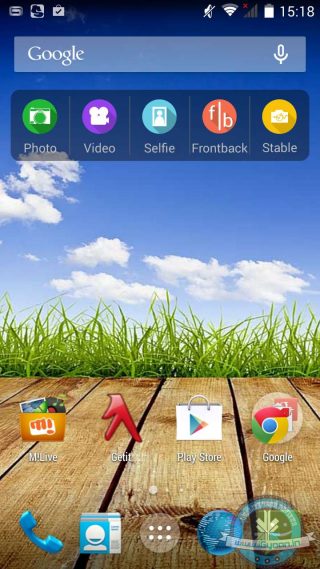
Front Back ; lets you take one picture from the front facing camera and one from the rear facing camera and combine it as a single image.
Stable ; just like the name says, waits till your hands are stable before taking a picture.
Selfie ; A selfie mode lets you click better selfies, however this works best with “V shot gesture” mode.
Refocus; lets you add blur to all areas except the area you select, more like a software version of HTC’s dual camera setup.
Coming to the hardware, the camera is based on a BSI Sony sensor with an f2.2 aperture and has excellent focus capabilities. Images captured indoors, as well as outdoors are accurate in colour reproduction and contrast. HDR was particularly good, and can really reproduce required details in the images.
With HDR
Without HDR
You get a good deal of details with the camera, especially up close to your subject.
Performance and Gaming
The Micromax Canvas Nitro handles day to day usage without any problem, and for once this phone does not heat up at all, mostly pertaining to the fact that the device is made entirely out of plastic. At any pint of time the total amount of free RAM is approximately 600+ MB, leaving you to wonder where the phone is utilising in excess of 1.3 GB of RAM. The included clean up app does open up about 120-140 MB of RAM, but that is still less considering that the device is running on KitKat.
Benchmarks and Gaming Video
We did see some hiccups in Gaming while gunning for high end games, and we also noticed quite a lot of frame loss, we plan to revisit gaming separately post the launch of the handset. Audio quality is excellent, however you might end up with your hand on the speaker ever so often, muffling up the sound.
Phone, Networks and Battery
Signal quality is excellent indoors as well as outdoors, audio is good on a call whether incoming or out going. As far as networks are concerned the plastic body definitely improves any WiFi connectivity issues faced by the previous generation of Canvas phones.
Battery life if good for one day’s use with the included 2500 mAh battery, which is removable and replaceable by the user. You will get an average talk time of 5-6 hours with both SIM cards placed in the phone.
If you are a light user you can easily run into the second day, however a charge a day would be recommended to keep you in a healthy battery position.
Multimedia And Android
The display is really good on the Micromax Canvas Nitro A310, it has excellent levels of black which are deep and blend in with the accurate blacks of the bezel. Video playback was good after the initial hiccups we faced (old version of Youtube App) and viewing angles are fantastic. The phone’s display works well indoors and outdoors and you will totally appreciate media consumption on the display, despite the fact that it is a 720p screen.
The OS is mostly stock Android 4.4.2, with minor customisations and mostly preloaded applications by the company, the UI also looks clean and is responsive. The set of apps including Quick Look (aka Blinkfeed for non HTC devices) and the new lock screen are excellent and work really well in providing notifications and quick update of news. Both of these can easily be turned off or replaced using custom launchers and lock screen replacements from the Play Store.
Screenshots
Conclusion
While most will argue the hardware powers of the Xiaomi Mi3, the Micromax Canvas Nitro is aimed to be more for those who want a less hectic approach to buying a phone. With an octa-core chipset and 2 GB of RAM, bundled with a 13 MP camera and expandable storage, the Micromax Canvas Nitro does have it positives. The biggest being the fact that the phone will be available to those who want to buy it, easily and how.
The Micromax Canvas Nitro is a step in the right direction for Indian manufacturers, especially considering they are taking huge flack from companies like Xiaomi and Motorola who are basically now playing in their space.
[tw-column width=”one-half”]
GOOD THINGS
Good Build
Good Specs
Great Pricing
Excellent 720p Display
Good Battery Life
[/tw-column]
[tw-column width=”one-half” position=”last”]
BAD THINGS
Recently, the Indian smartphone market has taken a toll with the arrival of the Chinese brand Xiaomi and well, the resurgence of Motorola. These companies have taken over the Indian budget-smartphone segment by giving us amazing specifications at aggressive prices.
Micromax, the homegrown smartphone maker, is trying to get back on the horse and get a hold of the lost ground it once ruled. Today, Micromax launched a new Canvas flagship model called the Nitro A310 which will be exclusively available on Snapdeal.
The device runs on 1.7 Ghz octa core MediaTek chipset with 2GB of RAM and 8GB of internal memory which is expandable upto 64GB. The Canvas Nitro A310 is powered by 2500mAh battery.
They’ve provided a 13MP Sony camera with f/2.2 aperture. The selfie camera has a 22mm wide angle lens with a f/2.4 aperture and ov5648 bsi sensor. On the home screen Micromax has provided 5 quick widgets – Photo, Video, Front, Back, and Stable shot. Another interesting feature they’ve provided are the in-built gestures which can be used to customise the screen and to activate apps (as demonstrated in the video). The device comes with Oleophobic coating, an anti-fingerprint layer and will come in two colour variants – white and blue. The back has a leather finish, inspired by Napa Leather.
The Micromax Canvas Nitro A310 is available on Snapdeal for Rs. 12,990. After losing a large number of prospective buyers to the Mi3 and Moto G, now Micromax attempts to fight back.
Indian smartphone manufacturer Micromax recently released a mini version of their Canvas Knight phone. The phone is to be known as the Canvas Knight Cameo A290. The phone will be scaled down version of its bigger sibling.
The 4.7 inch display on the Knight Cameo has a resolution of 720p. The phone is powered by a MediaTek MT6592M chipset, which sports a 1.4 GHz “true octa-core” CPU. The internal storage on the device is 8 GB which is expandable. The phone has 1 GB of RAM.
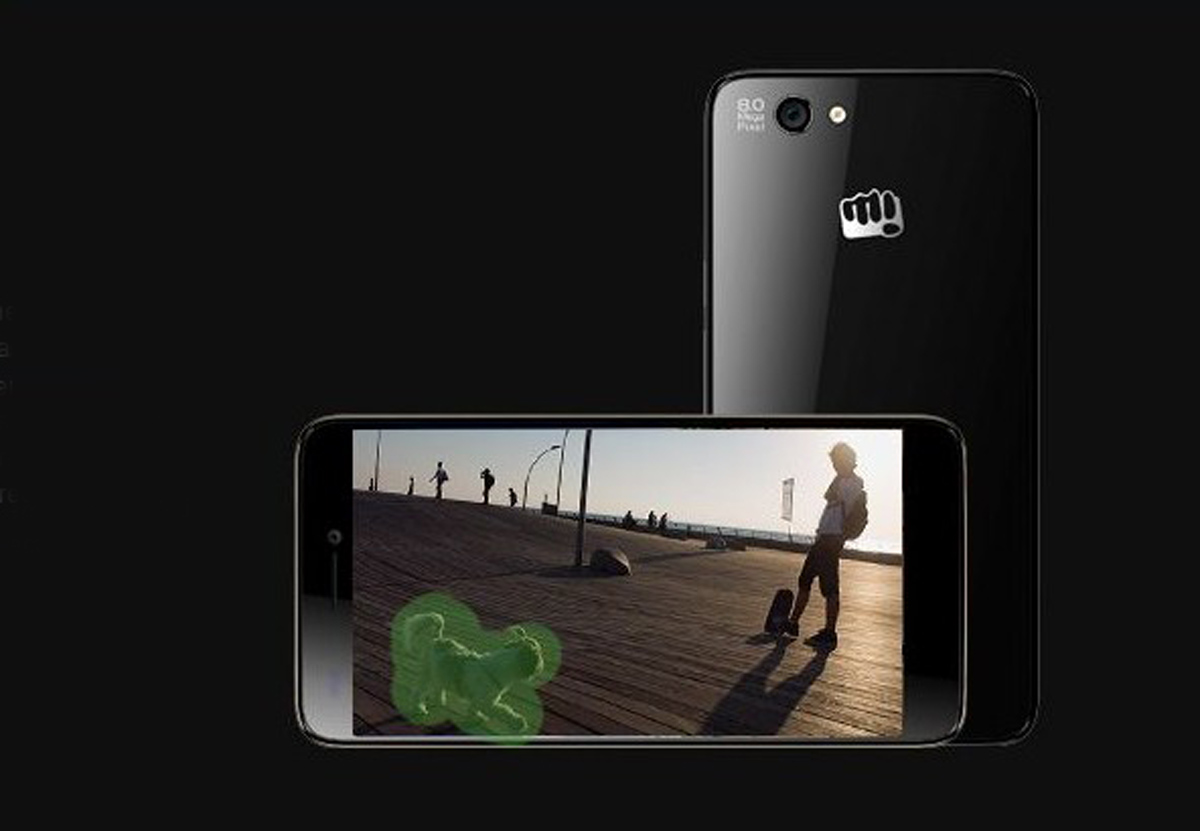
The main camera on the device is an 8-megapixel shooter whereas for selfies the front of the devices sports a 5 MP camera. The software comes with the options for object erasing and cinemagraphs. It is capable of full HD recording.
Cameo comes in classy color options
The Knight cameo runs Android Kitkat 4.4.2 and has a 2000 mAh battery. The phone comes in Pure Black, Black and Gold, and White and Gold color options, which gives them a premium feel.
The phone is already available on ebay.in at a price of Rs. 12,350. The phone is decently speced and it can make some good following around it. A bit stronger spec sheet in terms processor and RAM would have made it more attractive but we’re guessing they can take a risk.
Now this is surprising coming from Microsoft. The company will try to consolidate all the systems currently running on previous versions of Windows by offering an incredible deal. The next operating system release, Windows 9 might come as a free upgrade for Windows XP, Vista and 7 users.
The thought must have dawned on Windows executives when they saw the WWDC this year when Tim Cook incorrectly stated a low Windows 8 adoption rate (about 14% in comparison to Maverick’s 51%). It did get called out on the internet by Windows enthusiasts who found the figures to be wrong (Windows 8 to Mavericks ratio is about 5 to 1), but the Windows guys must have seen an opportunity here.
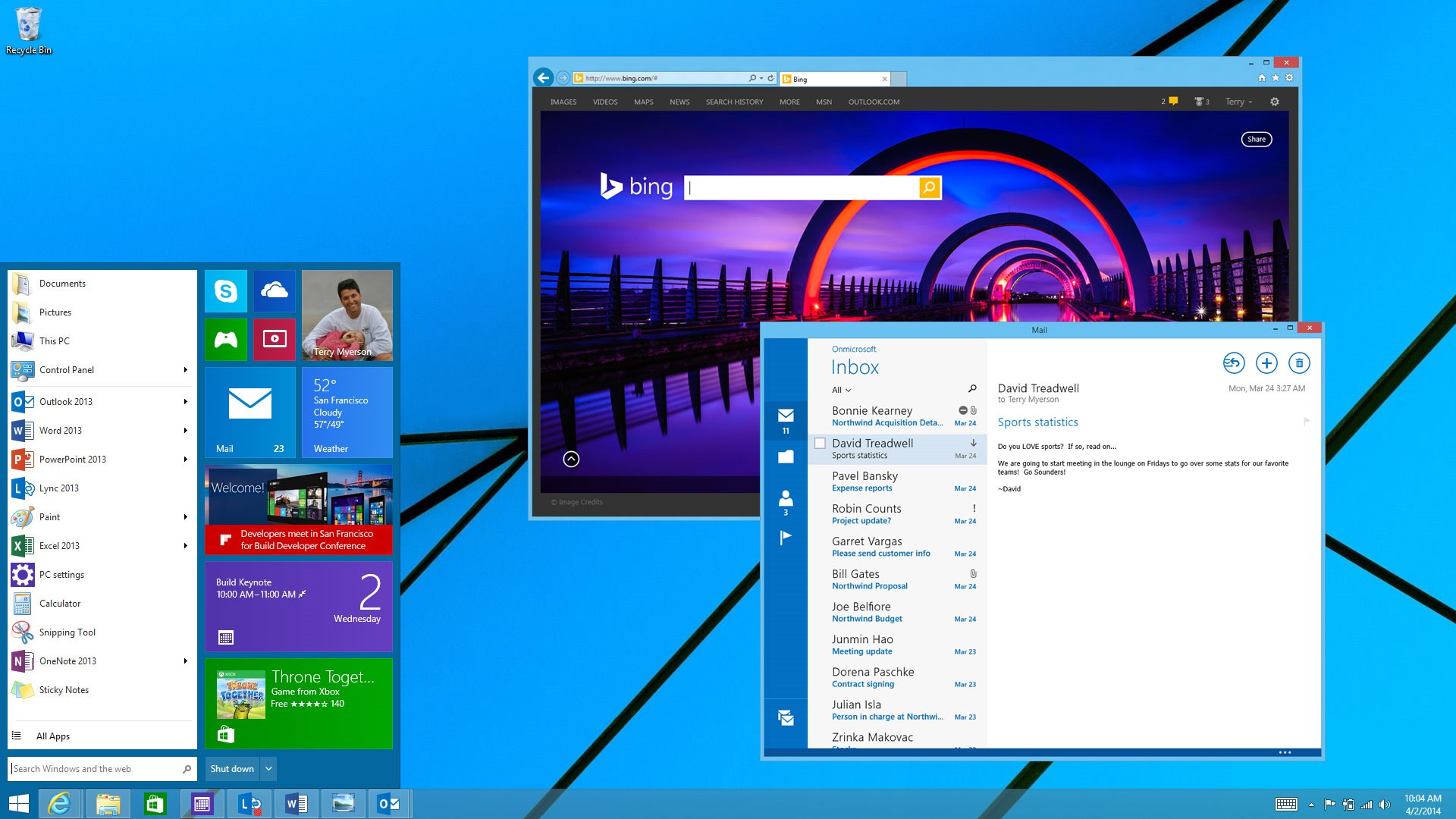
Windows 9 leaks present a refreshing new look while keeping the classic Windows appeal.
There is a huge number of corporates and personal systems users who still work on and prefer Windows XP, one of Microsoft’s most profitable products. The biggest hindrance in upgrading to a new Windows system has always been the cost of buying the softwares. But by offering their software as a free upgrade, apart from making it appealing, functional and hence upgrade worthy, Windows can easily win a lot of hearts. Also Windows 9 needs to be compatible with the previous generation machines.
A large number of people are used to the Windows ecosystem and are quite comfortable. Lately folks have started looking for alternatives such as Ubuntu and Google Chrome. By offering a free update, Microsoft might not only be able to keep the old faithful but might also win some folks over from the Google and Linux ecosystems.
Microsoft is releasing a small update for the present OS called the Windows 8.1 update 2 on the 12th of August. They have set the ball rolling for the next major release, currently codenamed Windows Threshold. The new Windows version might release around Spring next year. The new version has been rumored to have an updated start menu that, if the leaked versions are to be trusted, is quite functional.
It is joked that every alternative release of Windows is better than its predecessor. So people who were impressed by Windows 7 and disappointed by Windows 8 are keeping their hopes up for the next one. Come on Microsoft, show us what you got!