Category: Brands and Companies

All Brands and Company Names

  • Samsung Galaxy M2 Spotted On Geekbench

    Samsung Galaxy M2 Spotted On Geekbench

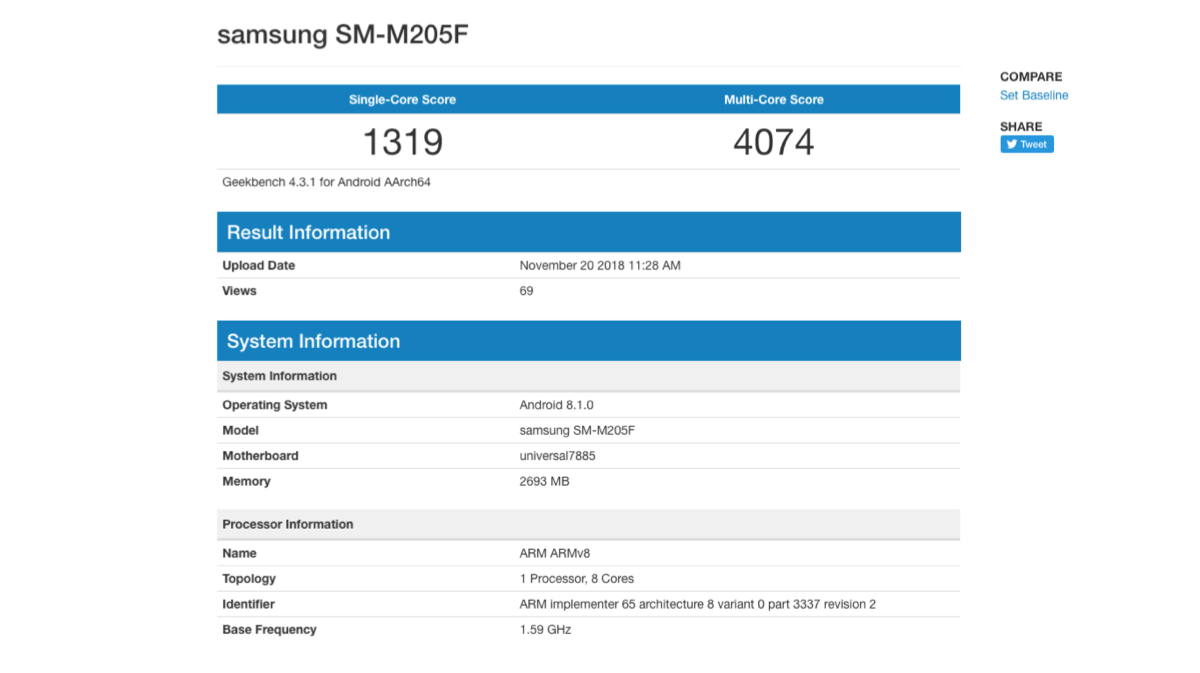
    Samsung is about to introduce a new range of smartphones under the M-series. Recently, a Samsung smartphone with the model number ‘SM-M205F’ had been spotted on Geekbench. This device will probably be named the Galaxy M2, going by the first two characters of its model number. In terms of price and features, the M series smartphones will be placed higher than the Galaxy On series of smartphones which were later renamed as Galaxy J series.

    Geekbench Revelations

    The Geekbench scores were first uploaded on November 20th. The listing reveals basic specifications like the processor and memory of the smartphone. The device runs on Android 8.1.0 and has 3 GB of LPDDR4x RAM.  The Galaxy M2 fetches a single-core score of 1319 points and a multi-core score of 4074 points. Therefore, the score puts it in the league of smartphone which features chipsets like the Helio P60 and the Snapdragon 660.

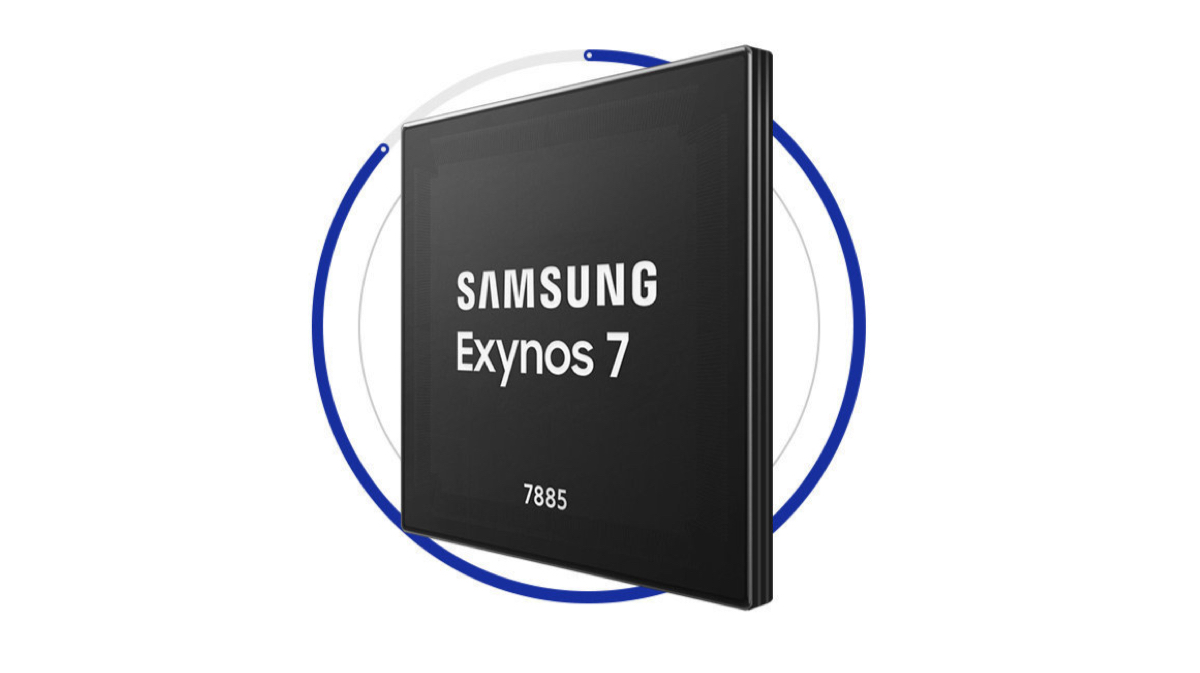
    Under the hood, the Galaxy M2 gets the Octa-Core Samsung Exynos 7885 SoC with a base frequency of 1.59 GHz. The chipset accommodates the Mali G71 GPU with two Cortex A73 cores and six Cortex A53 cores. While other specifications of the smartphone are currently unavailable, Samsung’s website does provide some insight about the chipset.

    Samsung Exynos 7885

    The Samsung Exynos 7885 is manufactured using 14nm FinFET Process and supports eMMC 5.1 and SD(Secure Digital) 3.0. The eMMC 5.1 is the latest standard in storage chips and has a maximum sequential read speed of up to 250 MB/s and a sequential write speed of up to 125 MB/s. Whereas SD 3.0 is the newest external SD card standard with maximum read and write speeds of up to 104 MB/s and 50 MB/s respectively. The chipset is capable of supporting 21.7 MP Front or Rear cameras. It also provides an option for dual 16 MP + 16 MP cameras which can be featured on either the front or back as the company wishes. In terms of connectivity, it offers support for LTE, 802.11ac Wi-Fi and Bluetooth 5.0.

    Also Read: Snapdragon 8150 Registers Highest AI Benchmark Score

    In conclusion, the Exynos 7885 is a capable chipset. It is dependent upon Samsung as to how well they utilise its potential on the upcoming M2 smartphone.

  • Samsung Is Developing A Fourth, 6.7 Inch Galaxy S10 Variant

    Samsung Is Developing A Fourth, 6.7 Inch Galaxy S10 Variant

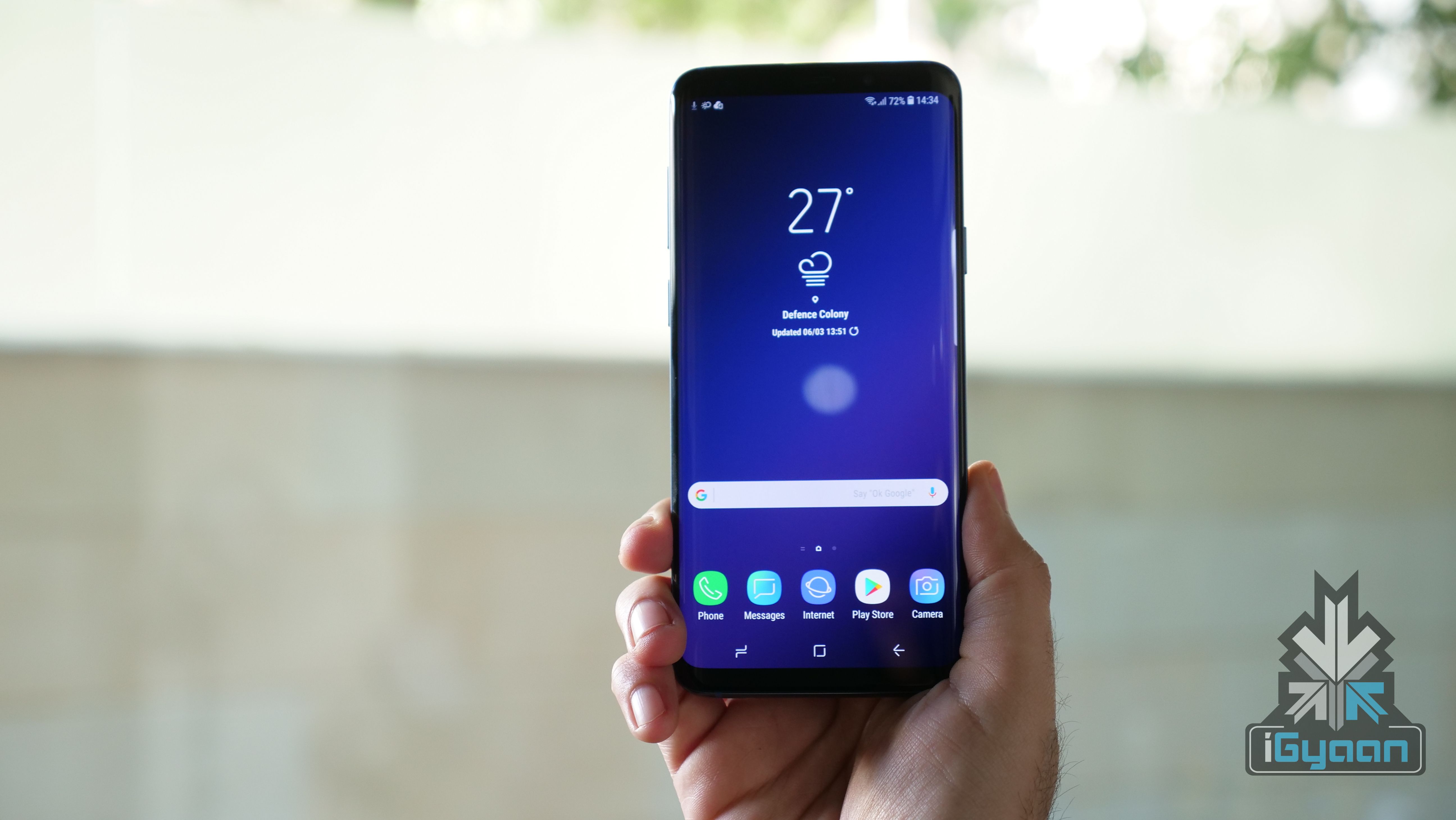
    The Samsung Galaxy S10 is the upcoming flagship from Samsung and is expected to be the star of the Galaxy lineup. The Galaxy S10 also marks the ten-year anniversary of the Galaxy S series, making it all the more special. Samsung is also hoping that the Galaxy S10 will be Samsung’s big ticket to get back to the top of the smartphone market once again. With so much riding on the next phone, it seems like Samsung is not holding back in terms of innovations. While we thought that we almost knew what all to expect from the phone, a report surfaced, claiming the existence of a fourth variant of the Galaxy S10.

    That’s  A Lot Of GalaxiesSamsung Galaxy S10

    Earlier, a flagship phone defined the standard set by a smartphone company. Obviously, your best would just be one. Now, that has evolved to at least two models, which vary in size, specifications and price. However, four variants to the same phone is a bit too much. Considering the alleged specifications of this device, Samsung might have been better off making it an entirely new phone. 

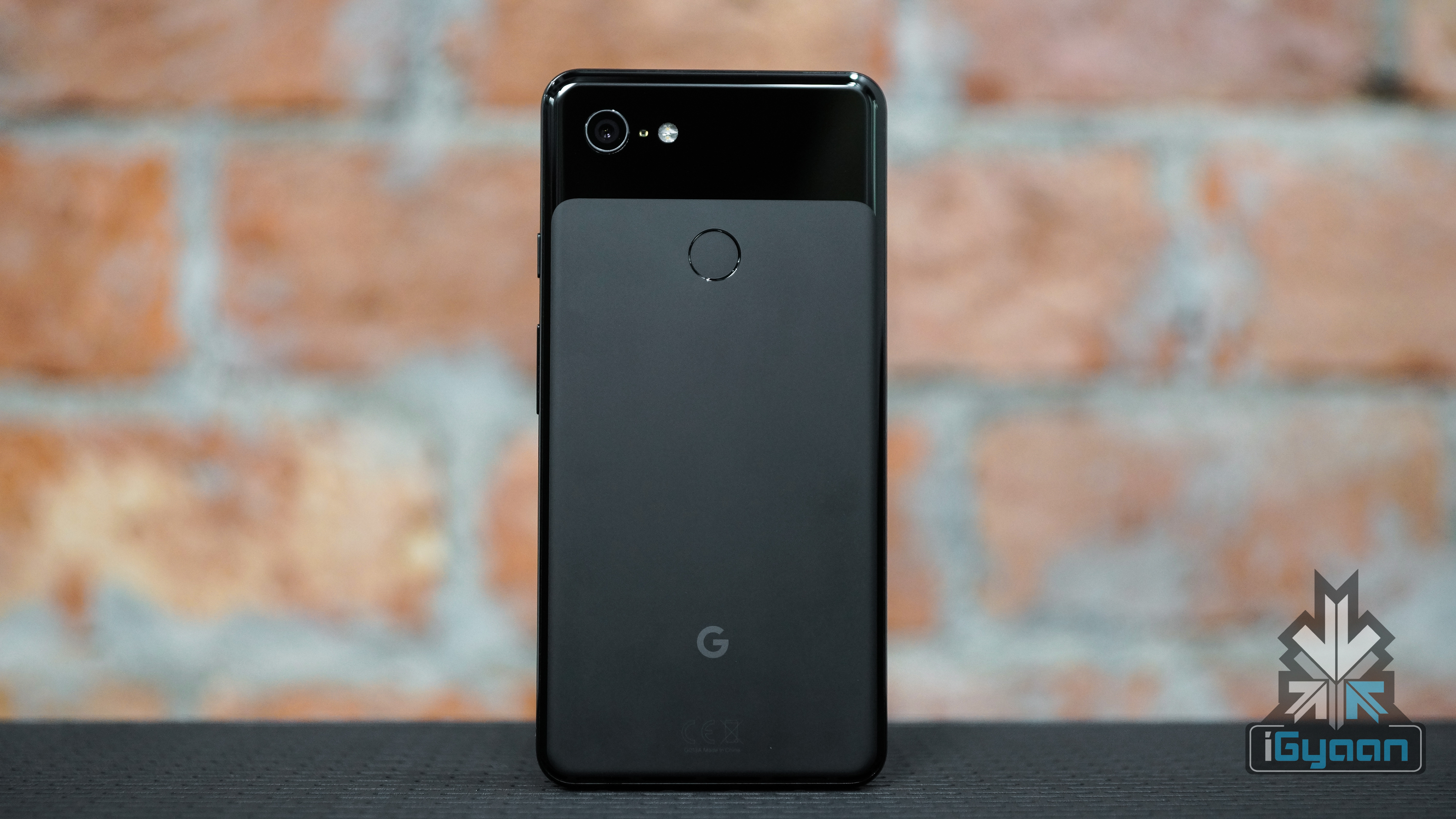
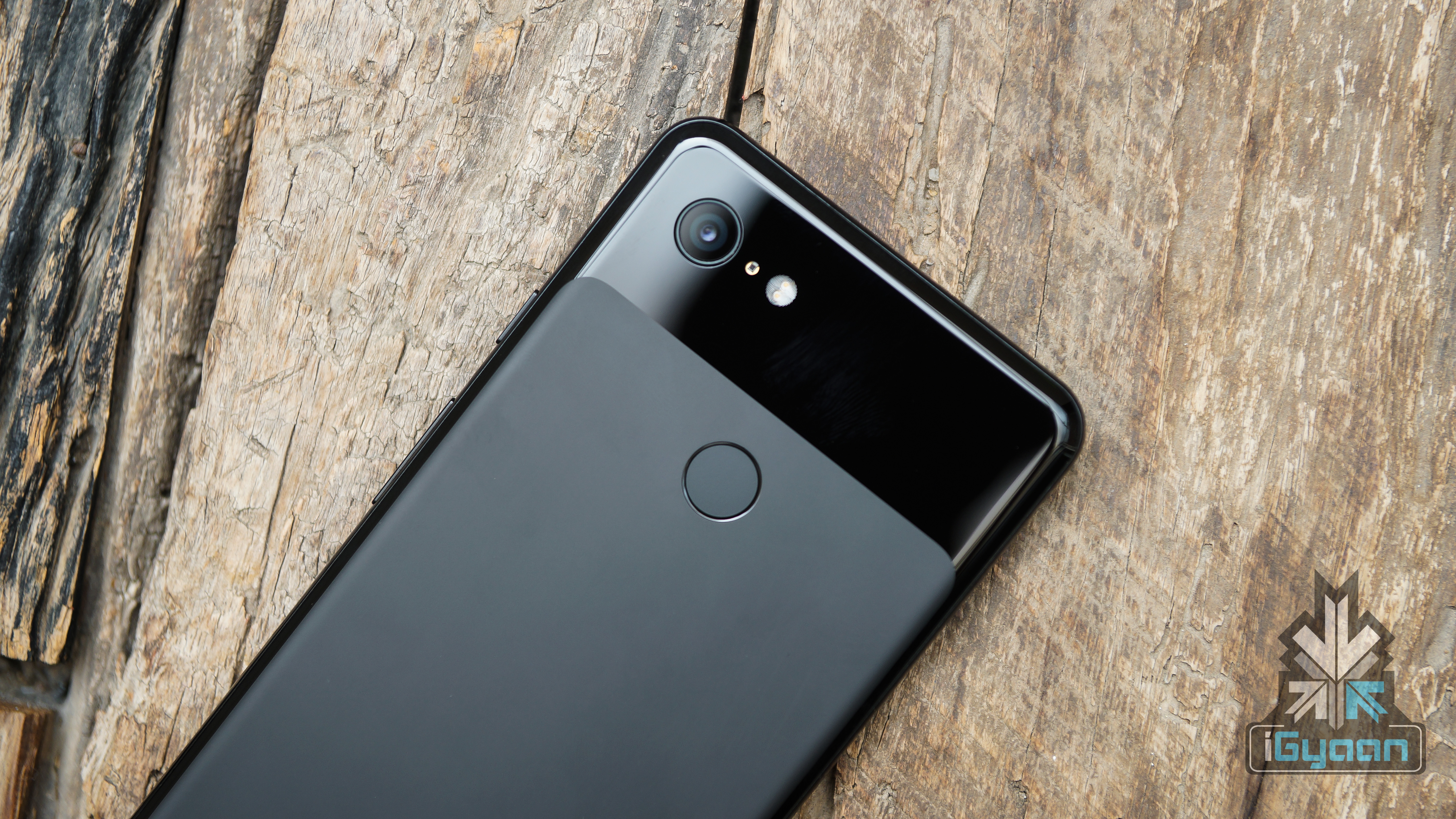
    The report details that a fourth Galaxy S10 variant will be available, featuring a massive, 6.7 inch display. This is other than the two 5.8 inch variants (one with a flat display) and one 6.4 inch variant (which was supposed to be the S10+). What’s even more amusing, is the addition of of four rear cameras and dual front-facing cameras. That makes for a total of six cameras on a smartphone. Whether the number of cameras will do the phone any good in terms of performance is still a major question. A prime example of this is the Google Pixel 3. The Pixel 3, despite having just a single lens, beats most of the smartphone cameras out there.

    Also Read : Realme U1 With Helio P70 To Launch On 28th November

    Apart from this, the report also suggests that Samsung is thinking about bringing the reverse wireless charging technology, which was recently seen on the Huawei Mate 20 pro, to the galaxy S10. Sources also say that the phone is known by the name “Beyond X” in the company circles. The 6.7 inch Beyond X will also have 5G support.

    Additionally, you can read all there is to know about the Samsung Galaxy S10 by clicking here.


  • Google Pixel 3 Lite Camera Samples Posted Before Official Launch

    Google Pixel 3 Lite Camera Samples Posted Before Official Launch

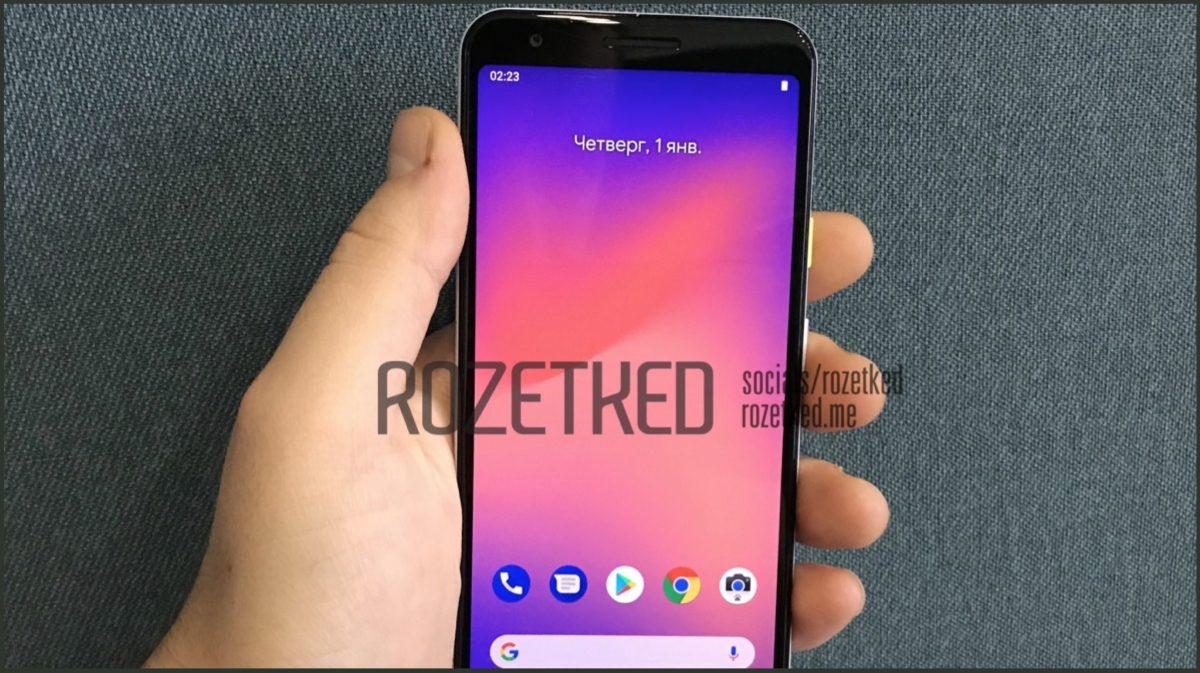
    The specification and pictures of the alleged Google Pixel 3 Lite were previously leaked on Twitter. The leaker goes by the name of Rozetked on Twitter. Now he has shared camera samples that are supposedly shot on the Pixel 3 Lite. The user has shared several samples that include both indoor and outdoor shots. The user reveals that the Pixel 3 Lite, like the elder Pixel 3 & Pixel 3 XL, also has a 12 MP rear camera with dual LED Flash.

    Camera Samples

    The first sample demonstrates the amount of background blur the device is able to capture in portrait mode. Though the chosen subject could have been better, the shot gives a pretty good idea as to what we can expect from the portrait mode on the device. 

    The second shot is taken on a public street. Like the other shots, it is crisp and well lit and the objects look defined and well saturated. Again, nothing much can be said about the quality  of the images, as the surroundings do not look very bright or have colours that really pop out.

    Another shot that was taken on the alleged Pixel 3 Lite produces similar results where the objects can be easily differentiated and the colours look natural. Although Rozetked has not revealed anything about Google’s night camera mode. It is very likely to be featured on the upcoming device as this phone will help attract a lot of potential buyers for the company.

    Pixel 3 Lite Specifications

    The Pixel 3 Lite has a 5.56-inch display with a resolution of 2220 x 1080 px and a pixel density of 444 ppi. Under the hood, the smartphone has the Octa-Core Snapdragon 670 CPU along with the Adreno 615 GPU. The smartphone has 4 GB of RAM and 32 GB of inbuilt storage. It is powered by a 2,915 mAh Li-Ion battery and runs on the latest Android 9.0 Pie operating system.

    Also Read: LG Launches XBOOM AI ThinQ Speaker

    According to rumors, the Pixel 3 Lite will be a mid-range smartphone and will be priced between 400-500 USD. However, Google is yet to comment on the existence or launch date of the smartphone. The smartphone was recently spotted in Android Pie’s source code. Hence, the chances of this being a reality are quite high.

  • Chromecast Now Syncs With Google Home Speakers For Multi-Room Playback

    Chromecast Now Syncs With Google Home Speakers For Multi-Room Playback

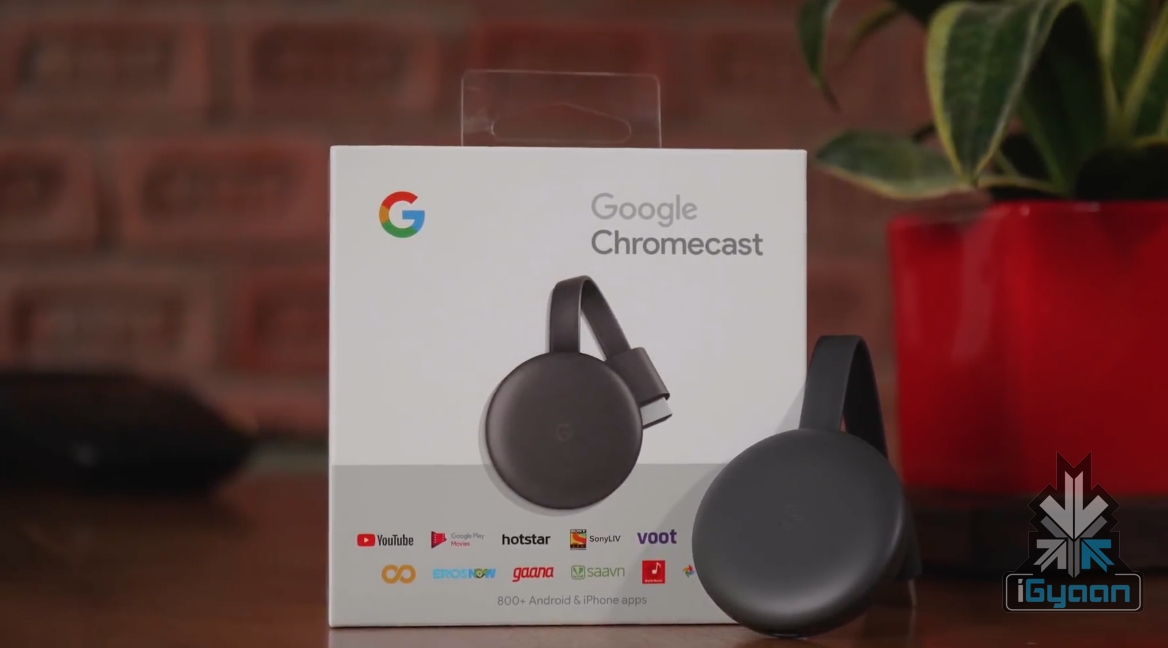
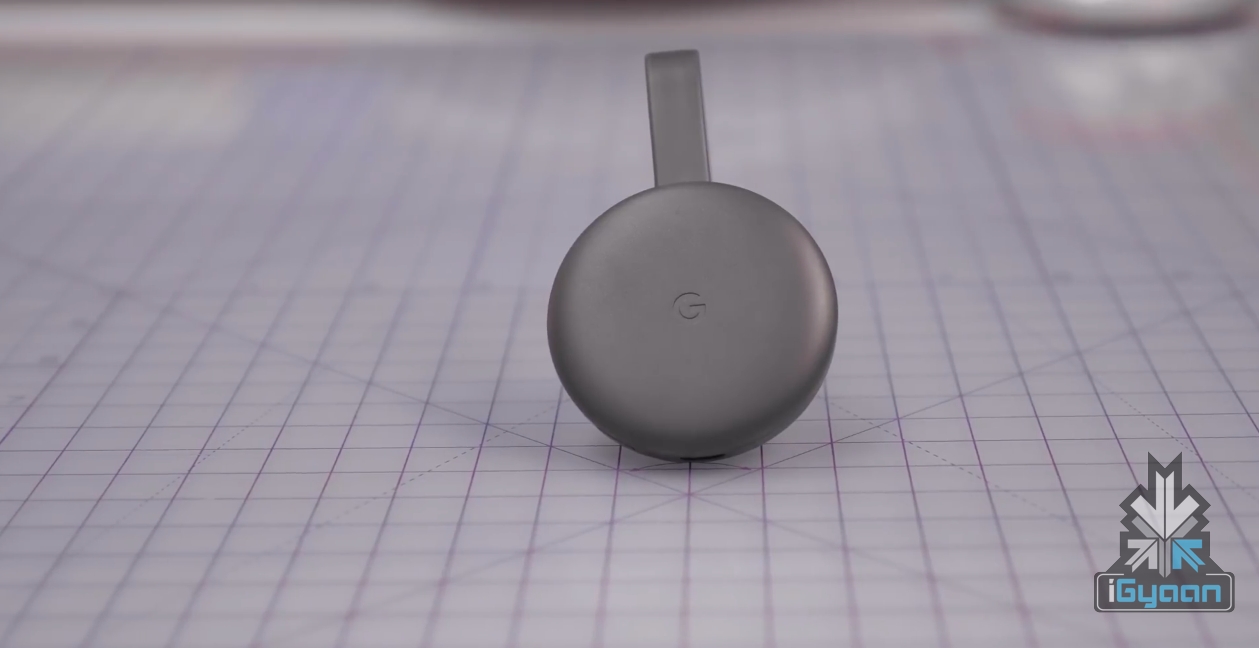
    With the latest update, which is already rolling out, Google has added multi-room playback support for the Chromecast, when it is paired with Google Home speakers. This will add the Chromecast to the Home ecosystem and allow you to play a song, a playlist, a podcast or even an audiobook. The Chromecast will then let you play it across all speakers and other Chromecast-connected devices in your house.

    Earlier, the Home ecosystem only allowed for speaker groups to be made with audio devices. Obviously, this did not include the Chromecast. The speaker support for Chromecast had been announced by Google way back in October. The feature is already available for users who are a part of google’s preview program. Working on all the generations of Chromecast, the update is expected to reach almost every device soon. Some users reported that there were not able to see the option even after the update. It was later found out that this issue will be resolved after rebooting the device. 

    The speaker group can be setup through the Google Home app. The speaker group also includes televisions, which can now be aded to the groups. For example, when a TV, which is connected to a Chromecast is synced to a speaker group, you can view the song information on the screen. This is displayed against a background of rotating images.

    Also Read : Motorola’s Next Flagship Will Have Snapdragon 8150 And 5G Moto Mod Support

    The new grouping also includes smart displays including the Google Home Hub and the recently launched LG Xboom WK9.  Along with this, Google had also added support to pair bluetooth speakers with the Home App. This was done earlier this year and enables users to add voice control to the sound system.

  • LG Launches XBOOM AI ThinQ Speaker

    LG Launches XBOOM AI ThinQ Speaker

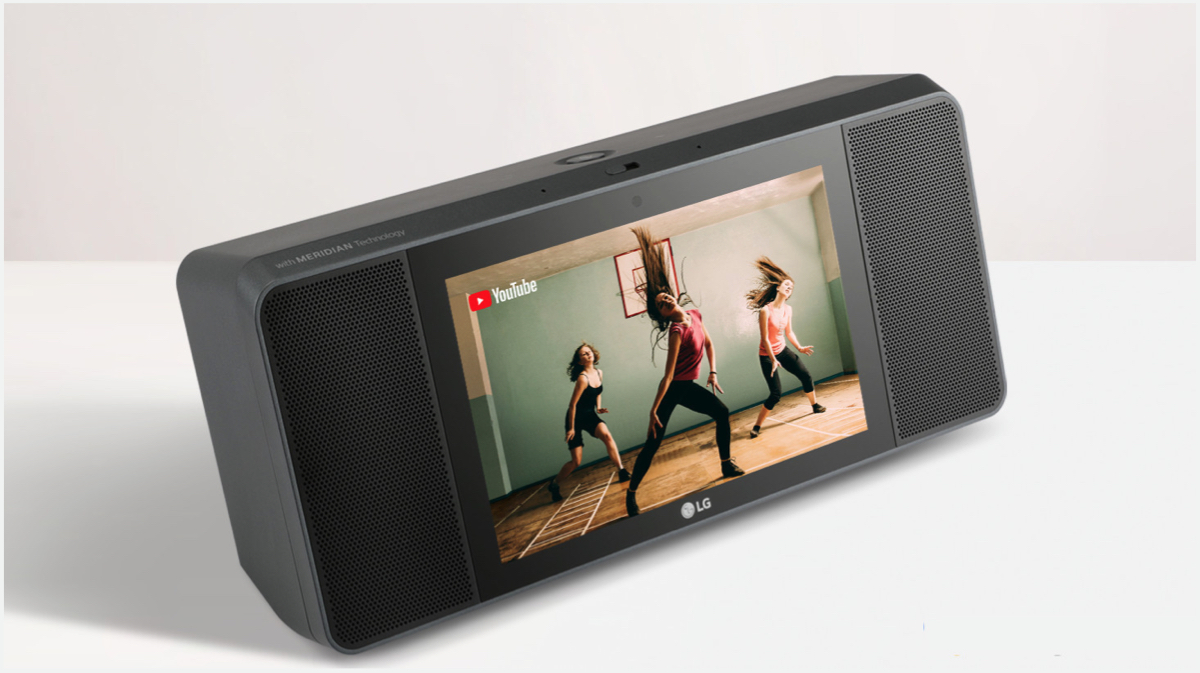
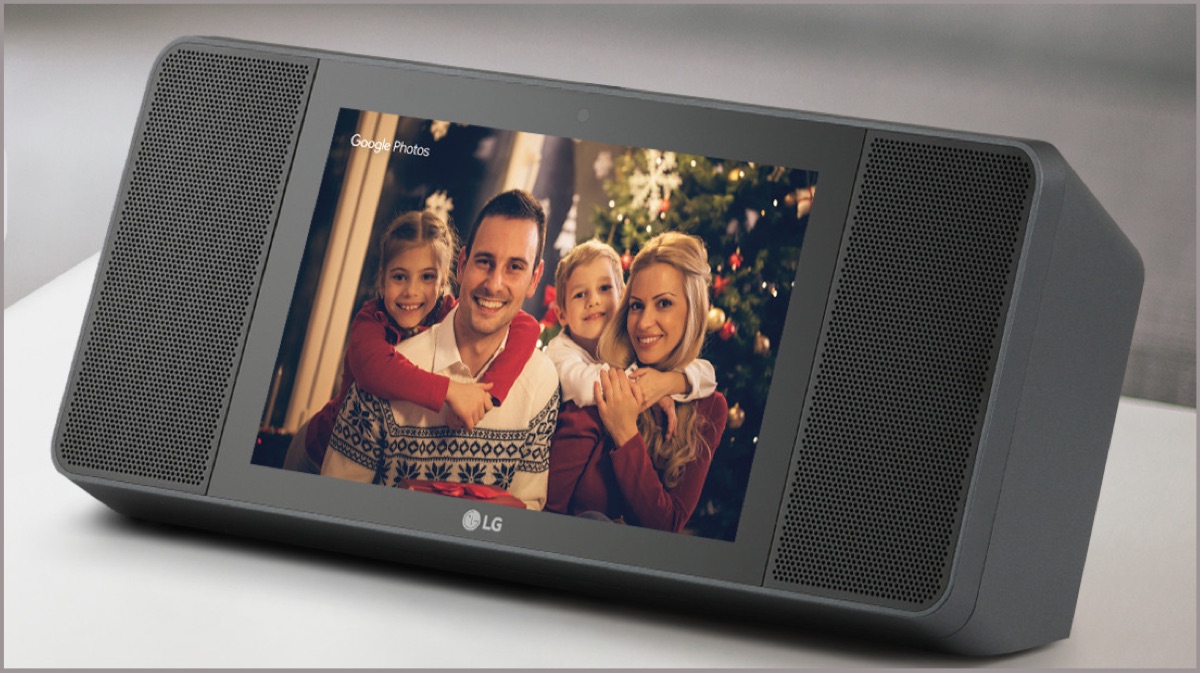
    The demand for smart home devices and AI-powered speakers is on the rise. In order to capitalise the upcoming sector, South-Korean electronics giant LG has launched a new Smart Display. The new device is the XBOOM AI ThinQ WK9 and is a hybrid between a smart display and speaker.

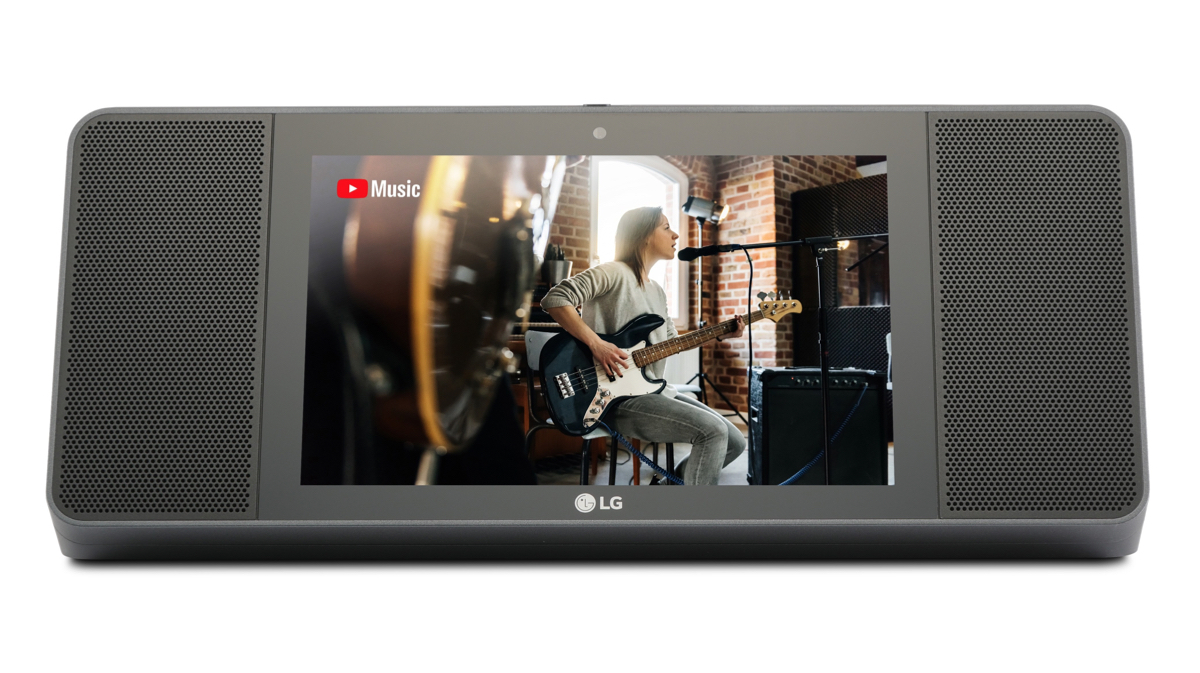
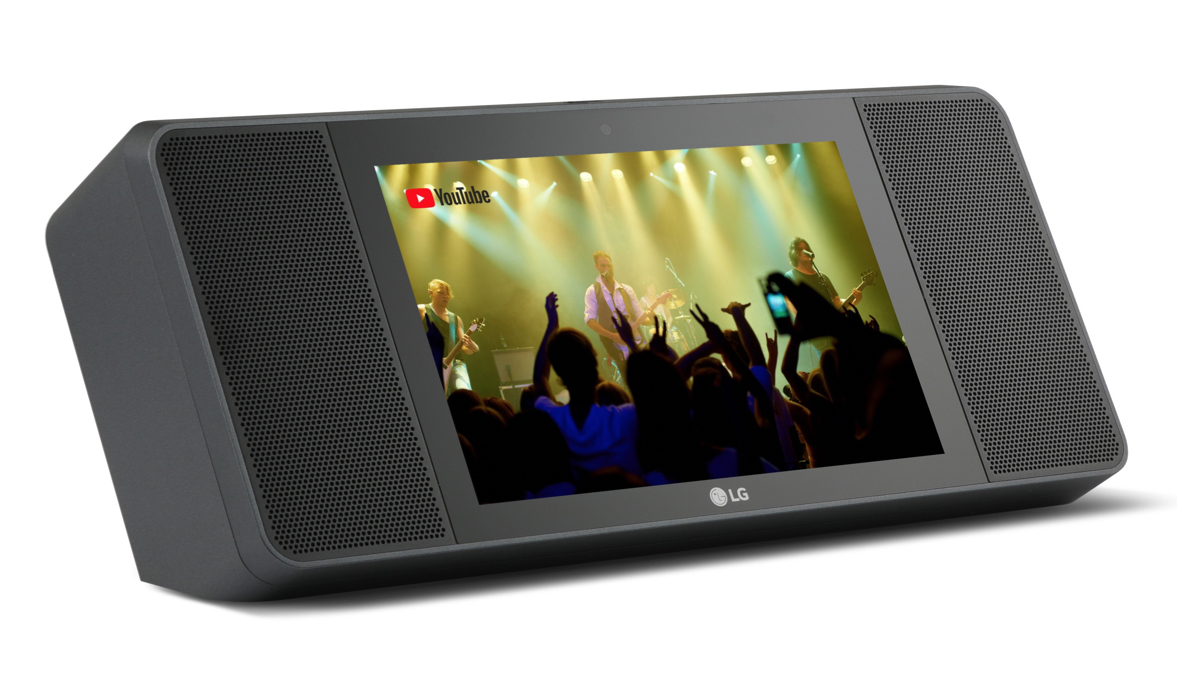
    Design & FeaturesThe XBOOM AI ThinQ has a pretty ‘unique’ design. It looks like a titled cuboid. The smart device measures 370 x 244 x 145 mm and weighs in at 1.51 kg. LG states that the smart speaker was made in partnership with Meridian Technology. Meridian Technology is an English manufacturer that is known for making high-performance audio and video components.  LG also collaborated with Google to bring Google Assistant to the smart speaker.

    The XBOOM AI ThinQ has an 8-inch touchscreen display which is flanked by 2 channel 20 w audio drivers on either side. It also has a 5 MP camera which is built into the top bezel that can be used for video conferencing. The Smart Display runs on Android Things operating system which is developed by Google. It also supports applications from Google’s ecosystem like YouTube, Google photos, Google maps and many more.

    The XBOOM AI ThinQ can also remotely control other appliances the company manufactures. Other smart devices from the company include smart TVs and connected air conditioners. Additionally, the smart speaker can be used to control more than 10,000 smart devices from over 1,000 brands that work with the Google Assistant. The Smart Display only consumes 5.6 watts of power and for connectivity, it has built-in Wi-Fi and Bluetooth technology.

    Price and Availablity

    Also Read: The Galaxy S10 Will Bring Back Flat Displays To Samsung Flagships

    The XBOOM AI ThinQ WK9 is currently available at 199 USD which includes a 100 USD introductory discount. The Smart Display can be directly ordered from LG’s North America website and is available in the black colour.

  • The Galaxy S10 Will Bring Back Flat Displays To Samsung Flagships

    The Galaxy S10 Will Bring Back Flat Displays To Samsung Flagships

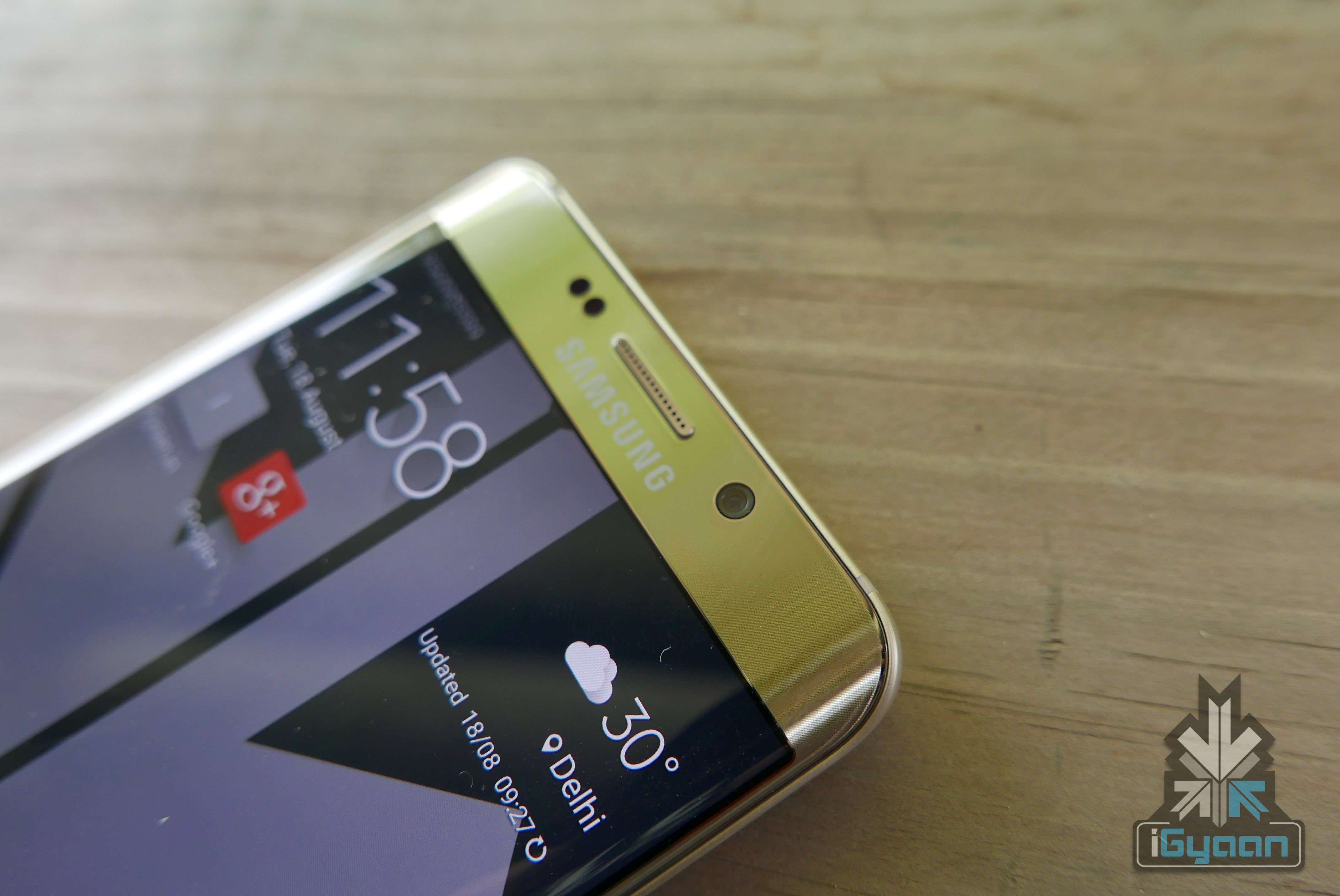
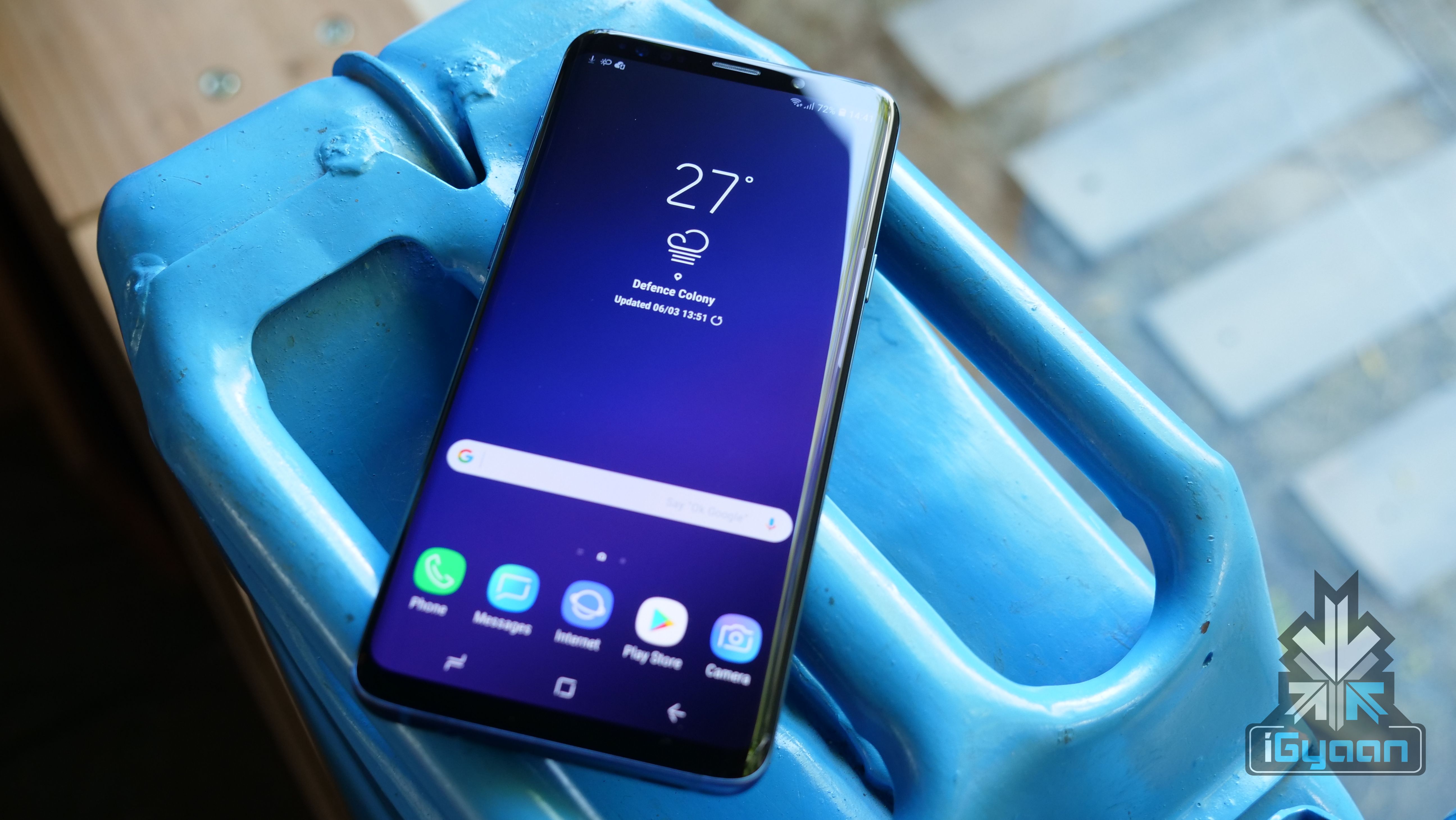
    There is no doubt about the fact that Samsung phones feature some of the best displays, whether they are flagship devices or even mid-range and budget phones. The bit about the mid-range and budget phones might change soon. But the flagships will continue to receive the best-in-class displays. Samsung had introduced the curved, Infinity display with its edge series way back with the Galaxy S6. Soon, the S8 and S9 were only available with curved displays and the flat display option was removed. According to the latest report, this option might be making a comeback with the latest Samsung Galaxy S10. 

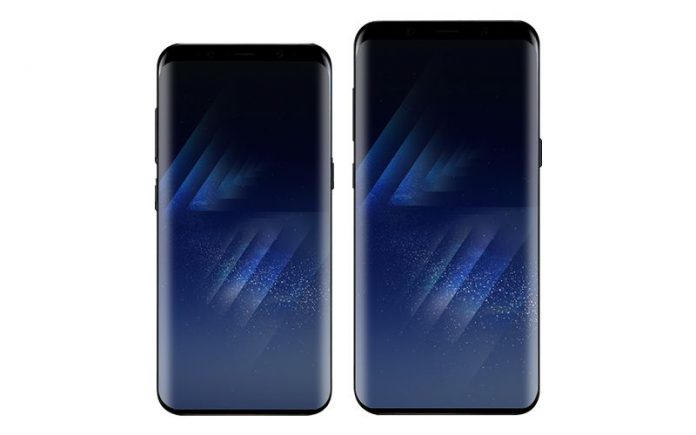
    It is well known by now that the Samsung Galaxy S10 will launch in three different variants. While the only difference between these variants up till now was the size difference and some other unconfirmed specifications, the new report also details the type of displays that they may use. The cheapest variant of the Galaxy S10, which will also be the smallest, is said to have a 5.8 inch flat display. The second model will have a 5.8 inch screen as well, but this one will be curved. The third, tipped to be the Galaxy S10+ will have a 6.2 inch curved display. 

    The details surface from, a report about the changes in chemical suppliers for the displays. The new suppliers now use organic chemicals for the Red, Green and Blue sub pixels. These will replace the M8 chemicals used in the S9 and Note 9 with M9 chemicals. The report also details that the phones will ‘appear’ in the first half of 2019 and the production for the panels is already underway.

    Galaxy S10Samsung Galaxy S10

    While most of us are familiar with the numerous leaks surrounding the Galaxy S10, here is a quick recap for those who aren’t. The Galaxy S10 is Samsung’s next flagship smartphone. The launch of the S10 will also mark the 10th anniversary of the Galaxy S devices, making the smartphone all the more special. Some reports also suggest that it is for this very reason that the company had held back on some of the innovations during the production of the galaxy S9, saving it for the S10.

    The Galaxy S10 is as mentioned before, expected to launch in three variants. This includes a cheaper version, dubbed as the Galaxy S10 Lite, the Galaxy S10 and the Galaxy S10+. Other interesting details about the phone include an in-display fingerprint sensor, a notch-less display (with a camera cut-out or an in-display front camera) and 5G connectivity on the Galaxy S10+. Additionally, this will also be the first phone from Samsung to run on the brand new One UI, out of the box. This will allow for a lot more customisations and a better user experience.

    Also Read : Samsung Galaxy A9 With 5 Cameras Launched In India

    For those with an extra bit of inquisitiveness, and a fair idea of Korean (or just access to Google Translate), you can read the full report here.


  • Samsung Galaxy A9 With 5 Cameras Launched In India

    Samsung Galaxy A9 With 5 Cameras Launched In India

    Samsung’s midrange smartphones have not been a hit in recent times. But, things might soon change due to the newly launched Samsung Galaxy A9 that has quad rear cameras and 128 GB of internal storage. The Samsung Galaxy A9 was launched last month in Malaysia and some European countries. Now the company has launched the smartphone in India as well.

    Design & Specifications

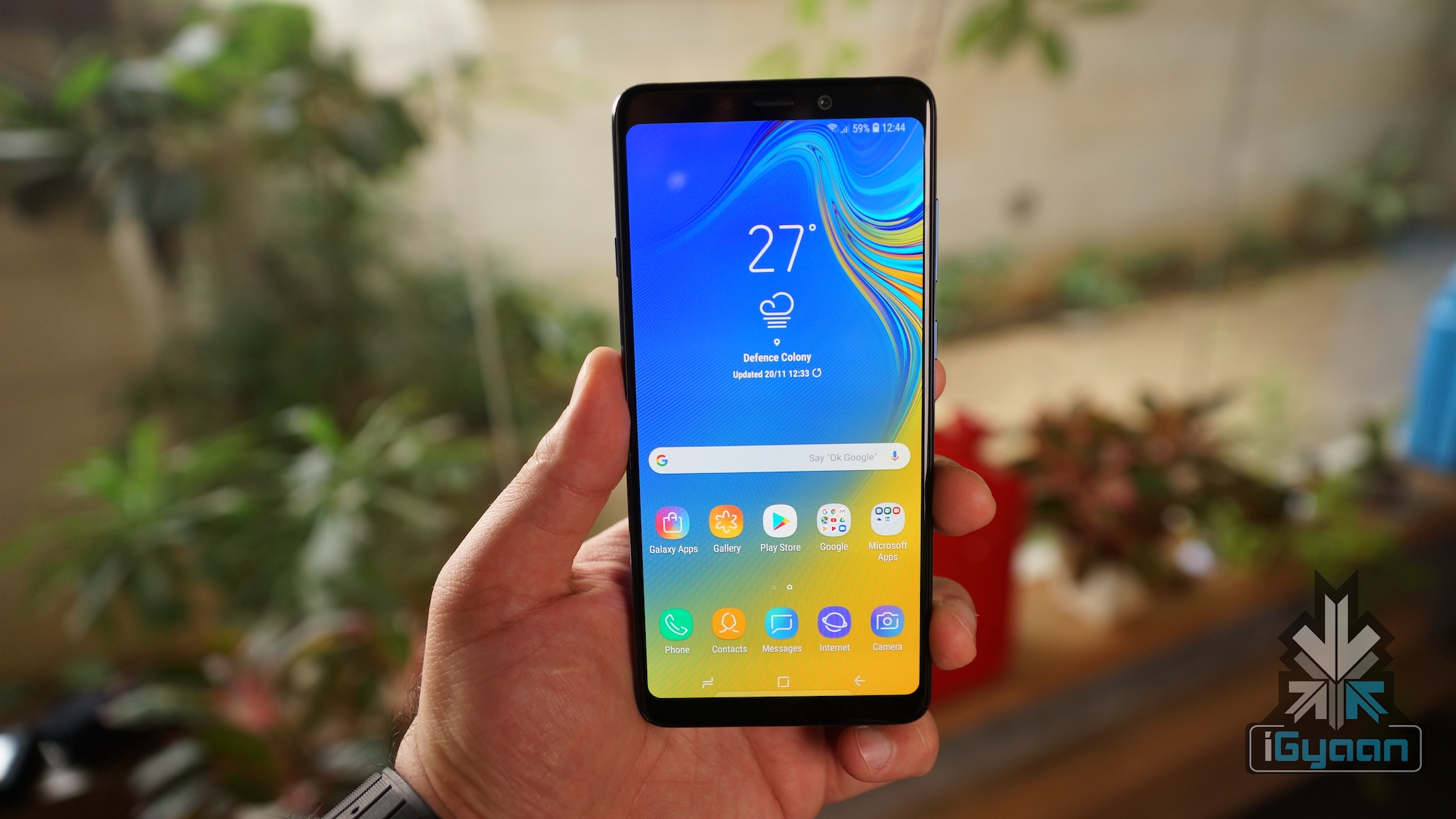
    The new Samsung Galaxy A9 has an all-glass front and rear build with an aluminum unibody frame. The front of the smartphone has a 6.3 inch Super AMOLED display with a resolution of 2220 x 1080 px and a pixel density of 392 ppi. The phone has thin bezels on the left and right side while the top and bottom bezels are quite prominent. It has a f/2.0 aperture equipped 24 MP front camera which along with the speakerphone and ambient light sensor is housed in the top front bezel. The front camera can also capture 1080p videos at 30 fps.

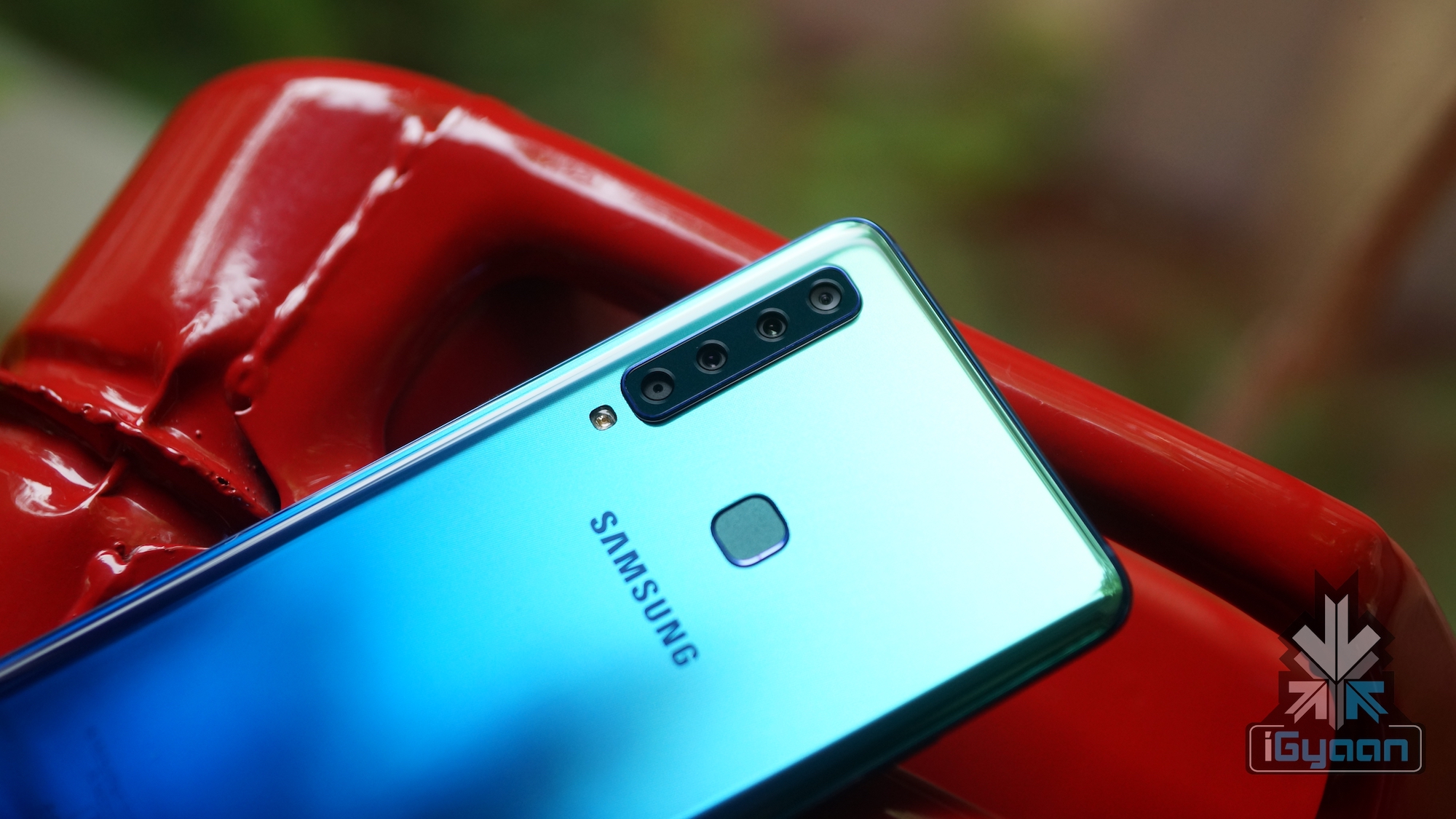
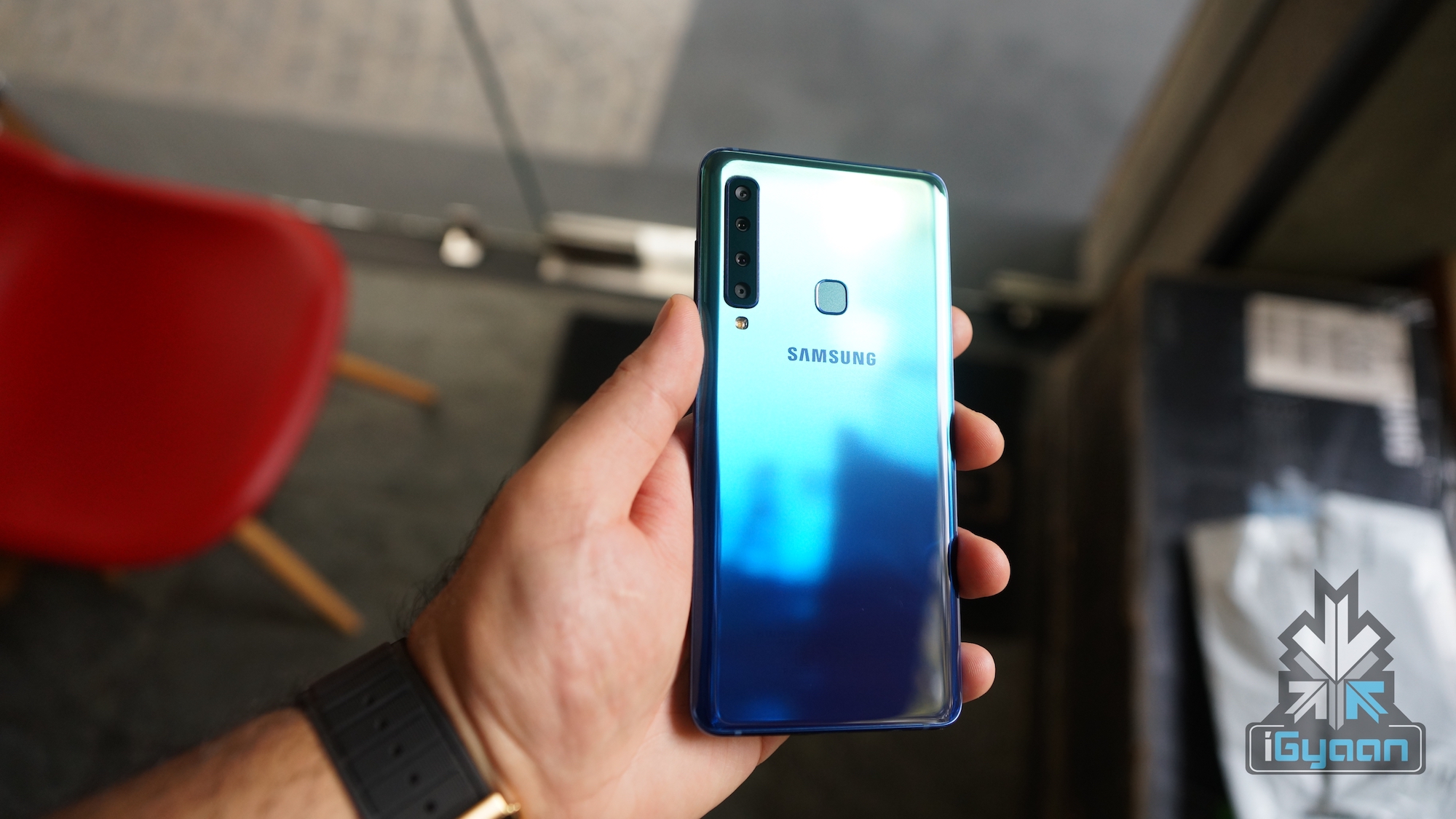
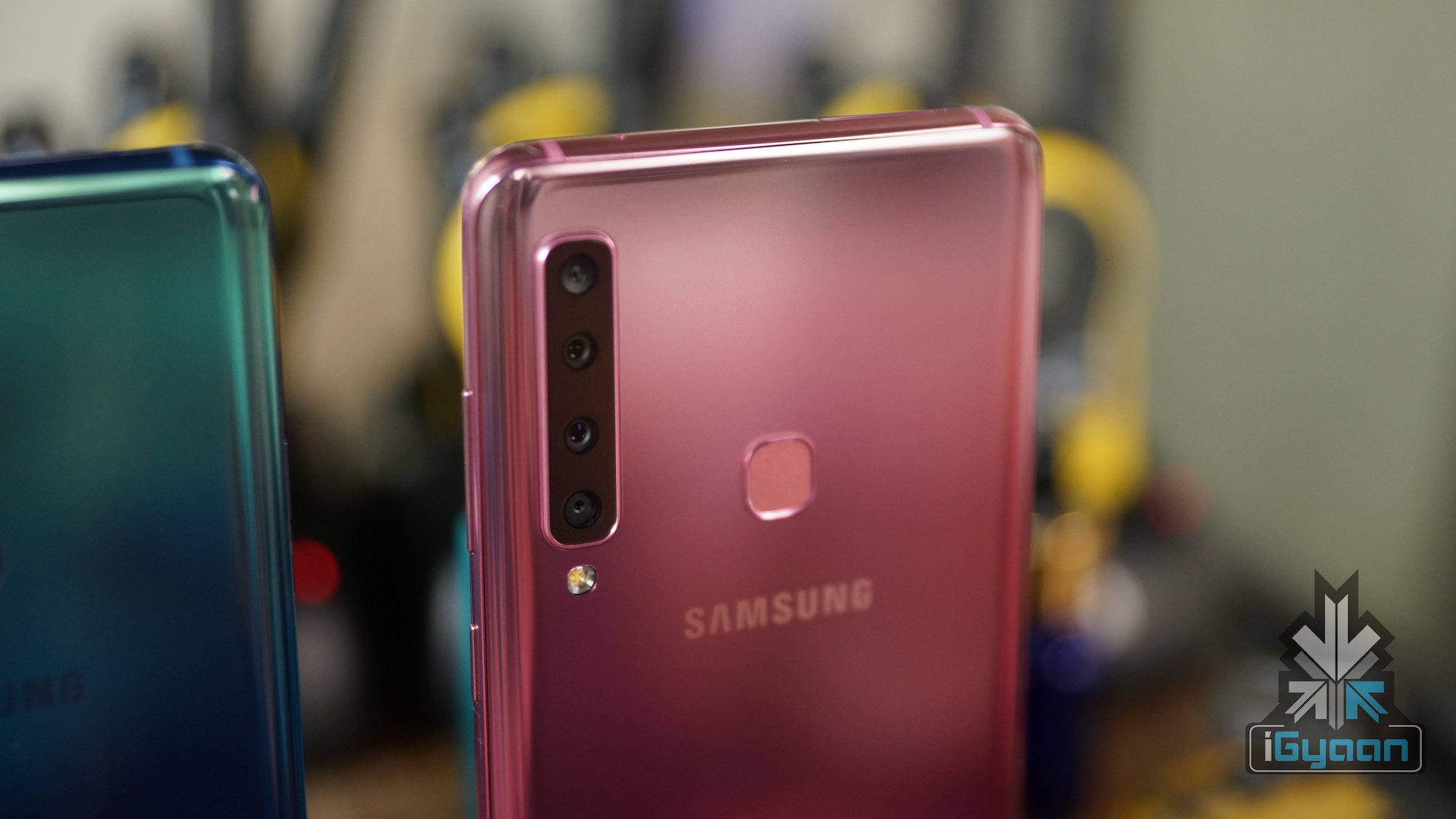
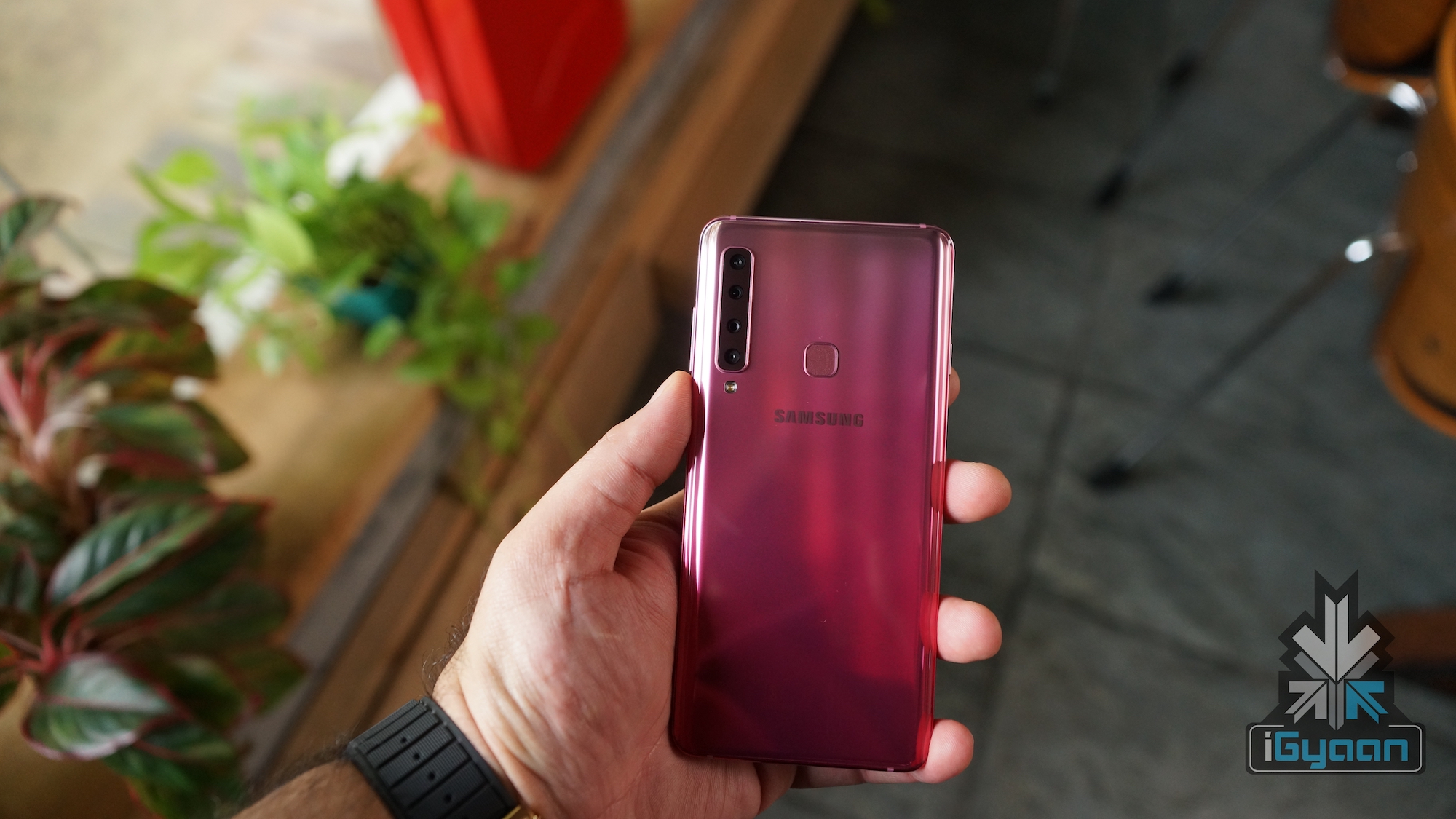
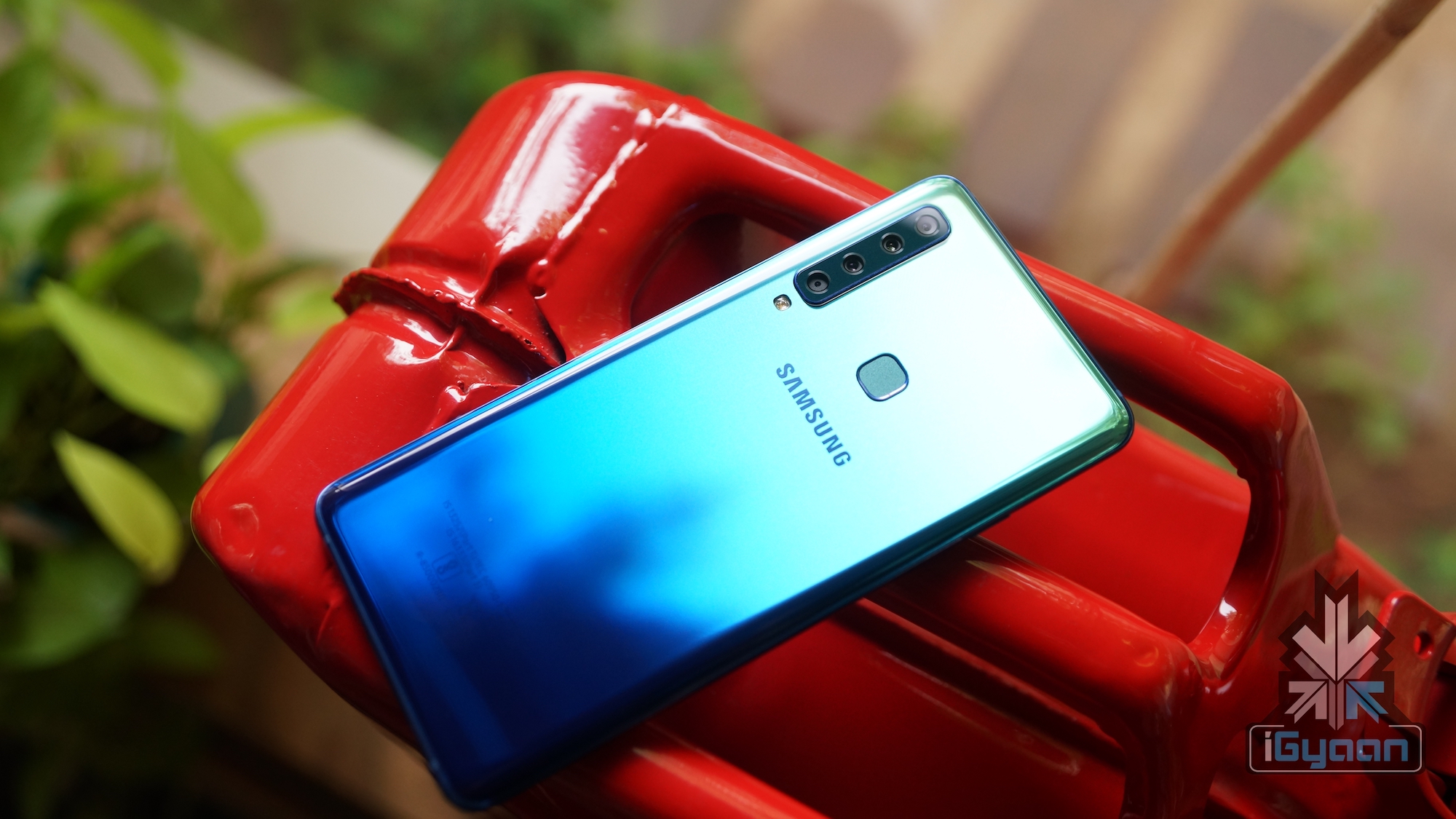
    The rear of the Galaxy A9 houses the key highlighting feature, the quad camera setup along with a LED flash. The company branding and the fingerprint sensor are also placed on the rear of the device. The left side of the smartphone is occupied by the dedicated bixby button while the volume controls and the power button are on the right. The dedicated microSD + dual sim slot is present on the top of the phone. 


    Under the hood, the smartphone has the Octa-core Snapdragon 660 CPU along with the Adreno 512 GPU. In terms of memory and storage the Galaxy A9 in available in 6 GB + 128 GB and 8 GB + 128 GB variants, which is expandable upto 512 GB via a microSD card. The smartphone runs on Smasung’s TouchWiz UI which is built on top of Android 8.0 Oreo. The device is powered by a 3,800 mAh Li-Ion battery that also supports fast charging.

    In terms of connectivity, the Samsung Galaxy A9 supports dual 4G VoLTE, 802.11ac Wi-Fi, NFC and a USB Type-C reversible port for charging and data transfer.

    Optics and Sensors

    The quad rear cameras on the Samsung Galaxy A9 are arranged in a vertical manner and the LED Flash is placed below this arrangement. Each of the four camera sensors on the smartphone has a dedicated function. It has an f/2.4 aperture 8 MP sensor which is an ultra-wide lens with a 120-degree viewing angle. Next, is the f/2.4 aperture 10 MP sensor that has a telephoto lens with 2x optical zoom capabilities. These are accompanied by an f/1.7 aperture 24 MP sensor and an f/2.2 aperture 5 MP depth sensor.

    Colors, Price & Availability

    Also Read : Realme U1 With Helio P70 To Launch On 28th November

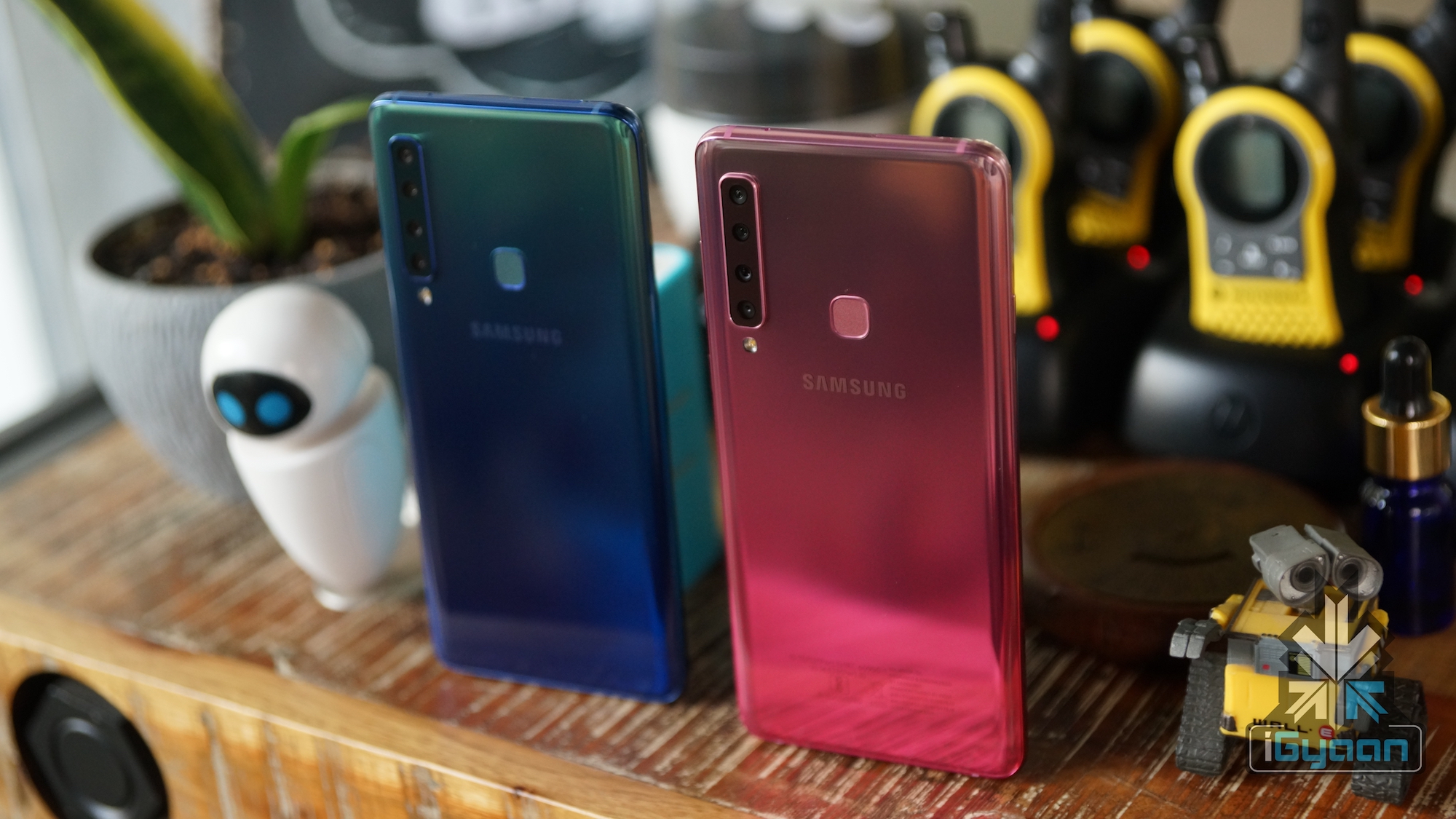
    The newly launched Samsung Galaxy A9 is available in three different gradient colors which are as follows:

    • Bubble Gum Pink
    • Lemonade Blue
    • Caviar Black

    The smartphone has a price tag of Rs 36,990 for its 6 GB + 128 GB variant and Rs 39,990 for its 8 GB + 128 GB variant. It will be available via both online and offline channels. Pre-bookings for the phone start today and it will be available from 28th November 2018.

  • Motorola’s Next Flagship Will Have Snapdragon 8150 And 5G Moto Mod Support

    Motorola’s Next Flagship Will Have Snapdragon 8150 And 5G Moto Mod Support

    Motorola hasn’t really had an ideal year in 2018. Lower sales and a diminishing fan base have put the Lenovo owned company in a tight spot and they are trying hard to get out of it. The company is looking to ‘mod-ify’ this with its next phone, quiet literally. According to a website, the company is working on a new flagship smartphone and has codenamed it the Moto Odin.

    The Mighty Odin And Snapdragon 8150

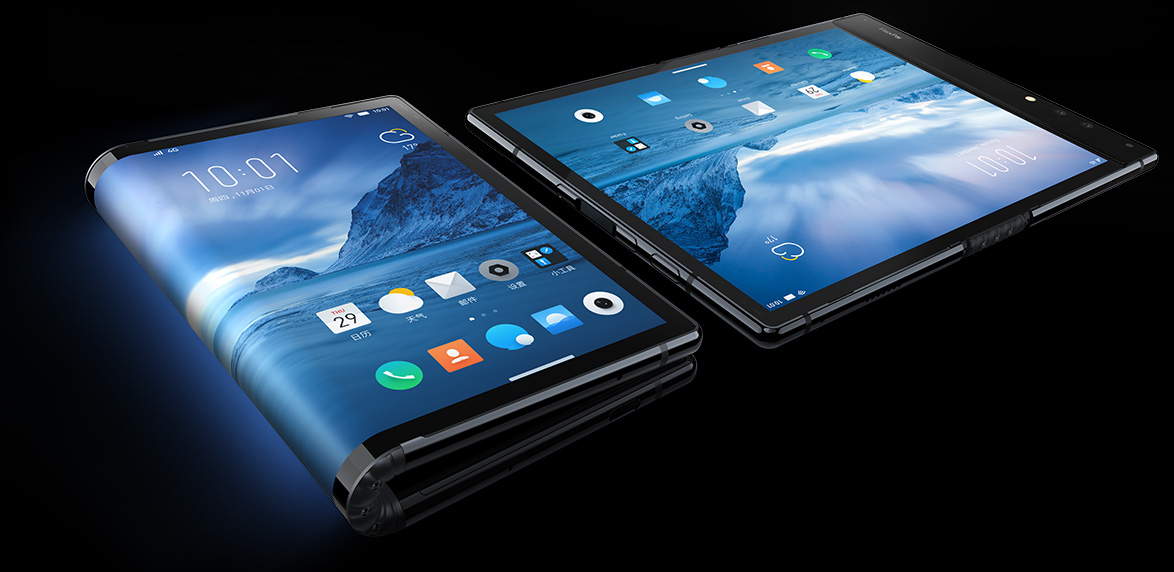
    The Odin smartphone is set to be the next flagship from Motorola, and it is shaping up to be a very exciting one, to say the least. It runs on the Qualcomm Snapdragon 8150 SoC, which is the latest processor from Qualcomm. Even though the chipset has not officially been unveiled by Qualcomm, a foldable phone running on the chipset has already been made public. Additionally, AnTuTu scores of an unknown device running the chipset have placed it above every other Android device till date. The report also tells us that the Odin has a 4 GB RAM and 32 GB storage configuration. But this might get a bump considering that these are just the initial stages of manufacturing.

    The Rouyu FlexPai Running On The Snapdragon 8150

    The Snapdragon 8150 is based on the 7 nm manufacturing process which is used by Apple’s A12 Bionic and Huawei’s Kirin 980. This manufacturing process allows for more transmitters to be fitted in a lesser space, making the chipset more powerful and battery efficient at the same time. Additionally, it is also said to feature a dedicated NPU which will make AI based problem solving faster.

    5G Moto Mod

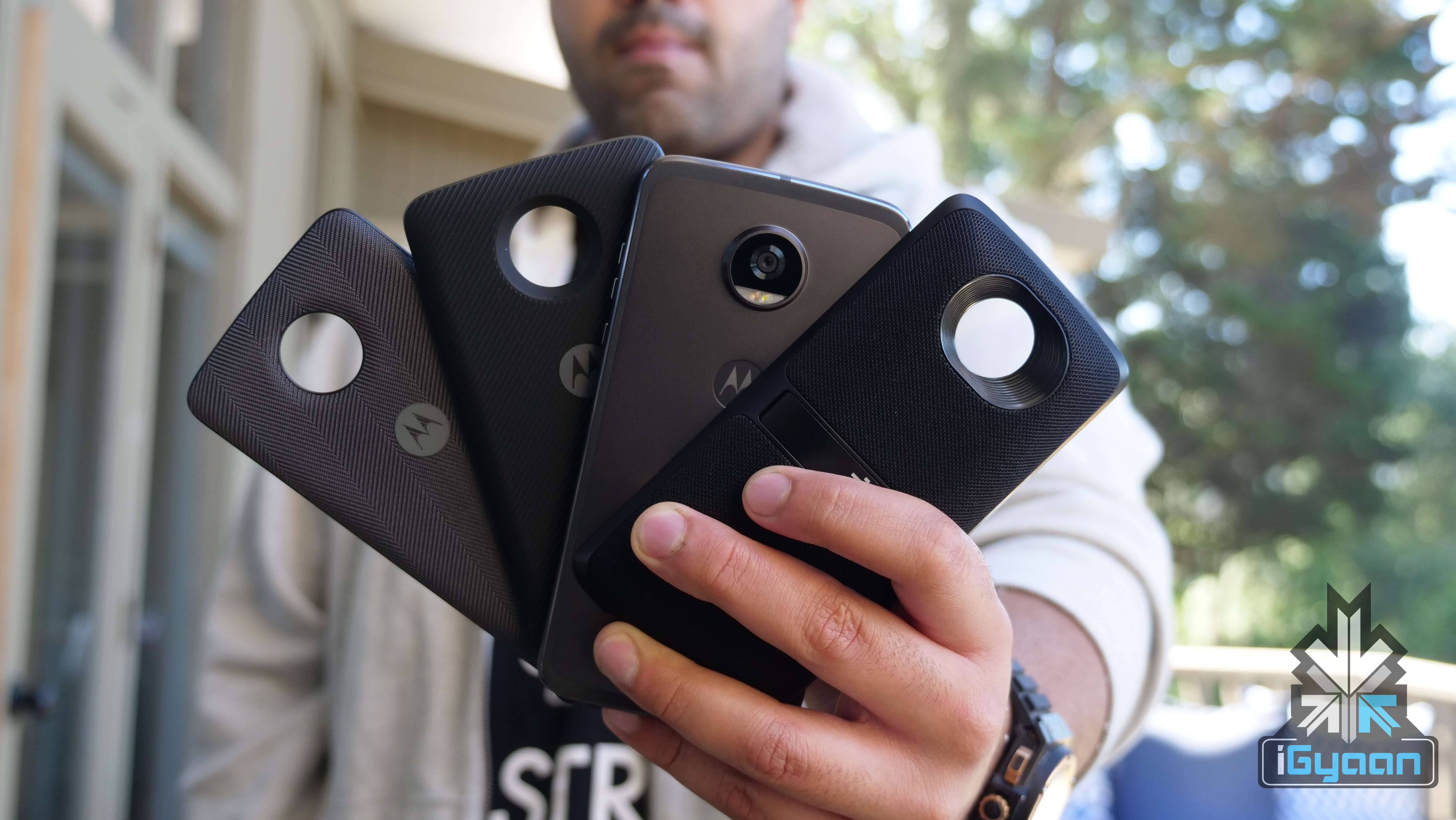
    The next big thing is the continued Moto Mod support, especially that of a 5G Mod. We still do not know if Motorola will offer support for the previously released Moto Mods. Or whether this will feature an entirely new lineup of Mods. However, it is said to have support for a 5G Mod. The 5G Mod was seen earlier this year when Verizon used the same for its first 5G data transmission. This was done with the Moto Z3, which was a Verizon exclusive. As of now, the Moto Odin is said to be a North-American exclusive. But we might see that change with the introduction of the phone in other markets. 

    Another interesting aspect is talks of an in-display fingerprint sensor. While it is too early to say whether Odin would have this, reports confirm that Motorola is working on this technology for sure. The company won’t use the technology on their mid-range phones. So, it is safe to assume that Odin, being the flagship will carry this feature. Most importantly because it is now a staple feature in most Android flagship these days.

    Also ReadNokia 9 PureView And Nokia 8.1 Cases Get Listed, Might Launch In December

    One thing is for sure, we will get to see the phone only sometime towards the middle of 2019. With the pace at which technology is growing, we’re wondering if these few features will be enough to make the Odin a great flagship by the time it is out. Also considering the fact that Motorola has named the device after the mighty Odin, expectations are quite high.

  • Redmi Note 6 Pro Vs Redmi Note 5 Pro: What’s Changed?

    Redmi Note 6 Pro Vs Redmi Note 5 Pro: What’s Changed?

    The Redmi Note 5 Pro was launched earlier this year. It was a big hit among Indian consumers due to its value for money pricing. Xiaomi is now all set to launch the Redmi Note 6 Pro in the country on 22nd November. The specifications of the Redmi Note 6 Pro are quite similar to its predecessor. But, even with similar specifications, Xiaomi claims that it is a major step forward from the previous smartphone.

    What’s The Same

    Before we start talking about what is different, here are the similarities. The Redmi Note 6 Pro has the same 4,000 mAh battery as its predecessor. Even though the company has tweaked the performance of the new device with MIUI 10, it still runs on the same Snapdragon 636 chipset from the previous generation. Having the same chipset means that both devices have the Adreno 509 GPU.

    The company might have bumped up the display size from 5.99-inch to 6.26-inch but the screen resolution and type still remains the same. The new phone still ships with a hybrid SIM tray while the competition like Realme 2 Pro has a dedicated slot for the second SIM. Even memory and storage options stay the same while other contenders in this price range offer up to 8 GB of RAM + 128 GB of ROM.

    Specifications
    Rear Camera 12 MP PDAF

    5 MP Depth Sensor

    Dual LED Flash

    Battery Capacity 4,000 mAh
    Chipset Snapdragon 636

    Octa-Core

    GPU Adreno 509
    Display Resolution 2160 x 1080 px
    Finger Print Sensor Rear-Mounted
    Display Type LCD
    SIM Slot Type Hybrid Dual SIM
    RAM & ROM 4 GB + 64 GB

    6 GB + 64 GB

    What’s Changed

    Improved Camera Optics

    As one cannot judge a book by its cover, the same is the case with camera performance on this smartphone. The Note 6 Pro has a similar camera setup with one 12 MP sensor and one 5 MP sensor. But, the company claims better real-world output from them. The sensor on the new phone features a larger f/1.9 aperture instead of the f/2.2 which was present on the previous model. The larger aperture we hope, allows it to absorb more light, therefore resulting in better lit pictures.

    Additionally, the camera of the new smartphone has a 1.4 micron size pixel that will help in capturing better detail. The device also has AI scene detection capabilities that enable it to automatically choose the best scene from 32 different available options.

    The Redmi Note 6 Pro has dual front-facing cameras with AI portrait mode and 12 scene detection modes. The front camera setup has a 20 MP primary sensor and a 2 MP secondary sensor for the depth effect. Xiaomi states that the 20 MP sensor is integrated with Super Pixel Technology which when combined with the 2 MP depth sensor produces results equivalent to a 1.8 micron size pixel sensor.

    New Design & Corrosion Resistant Ports

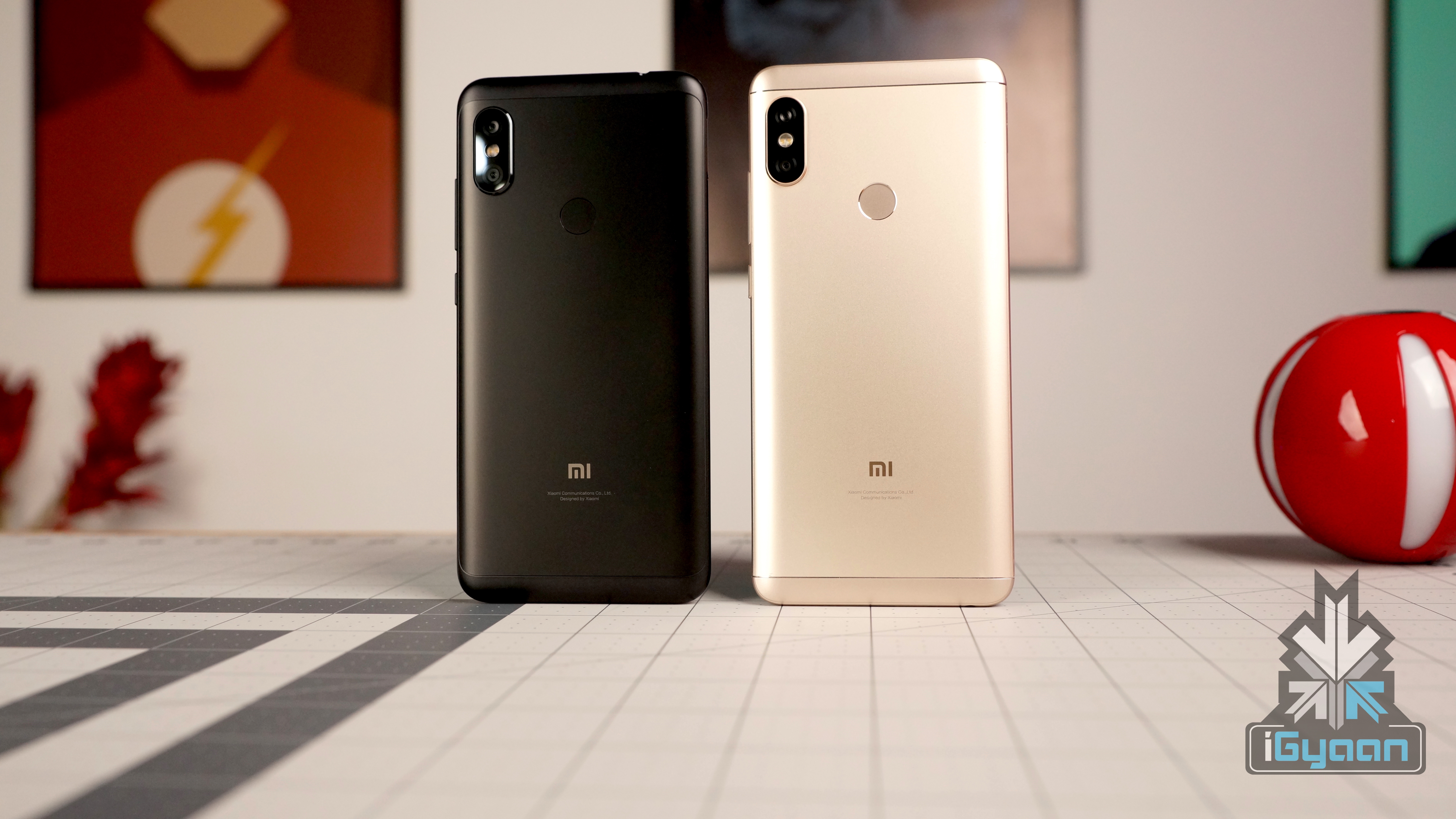
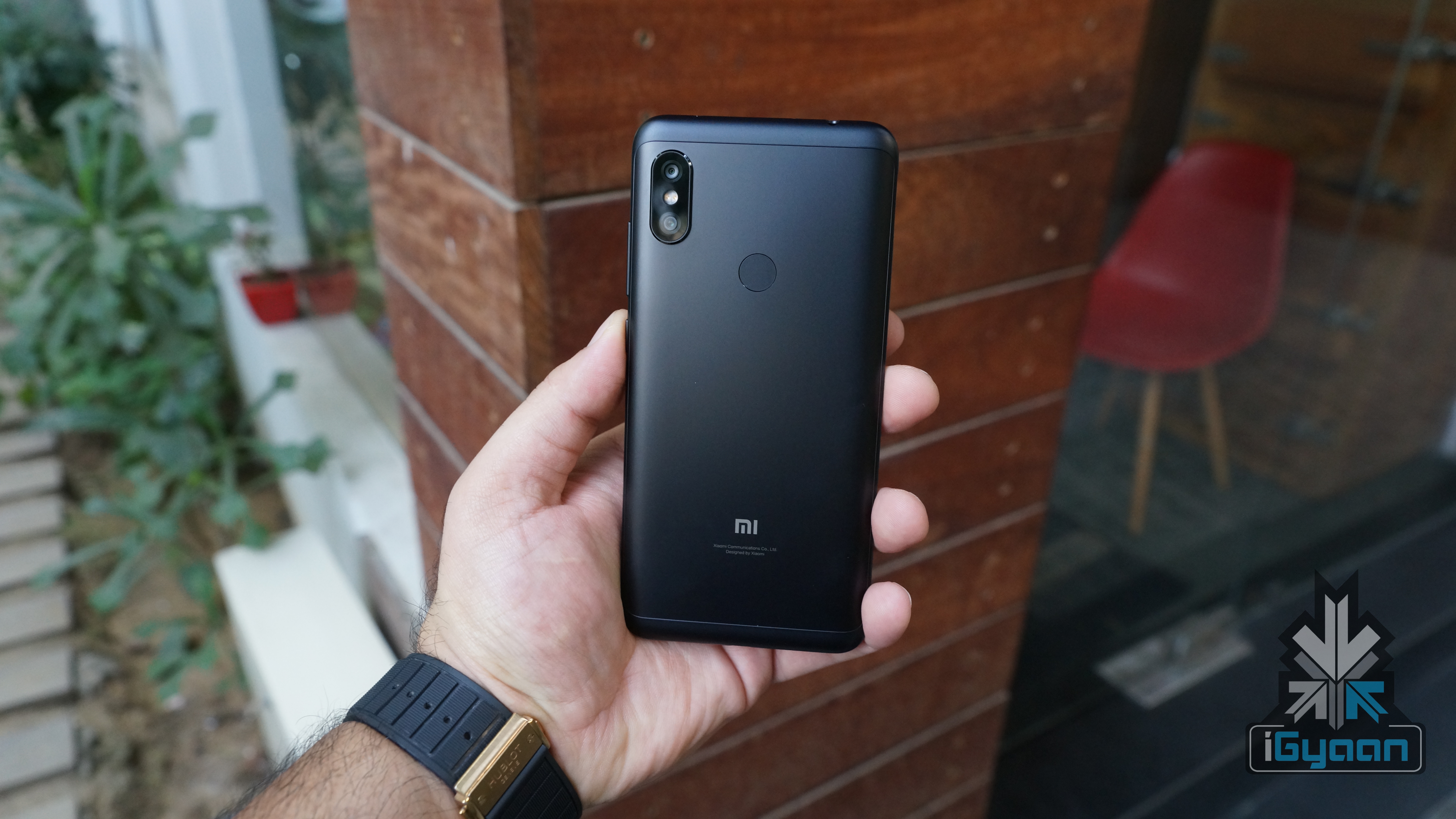
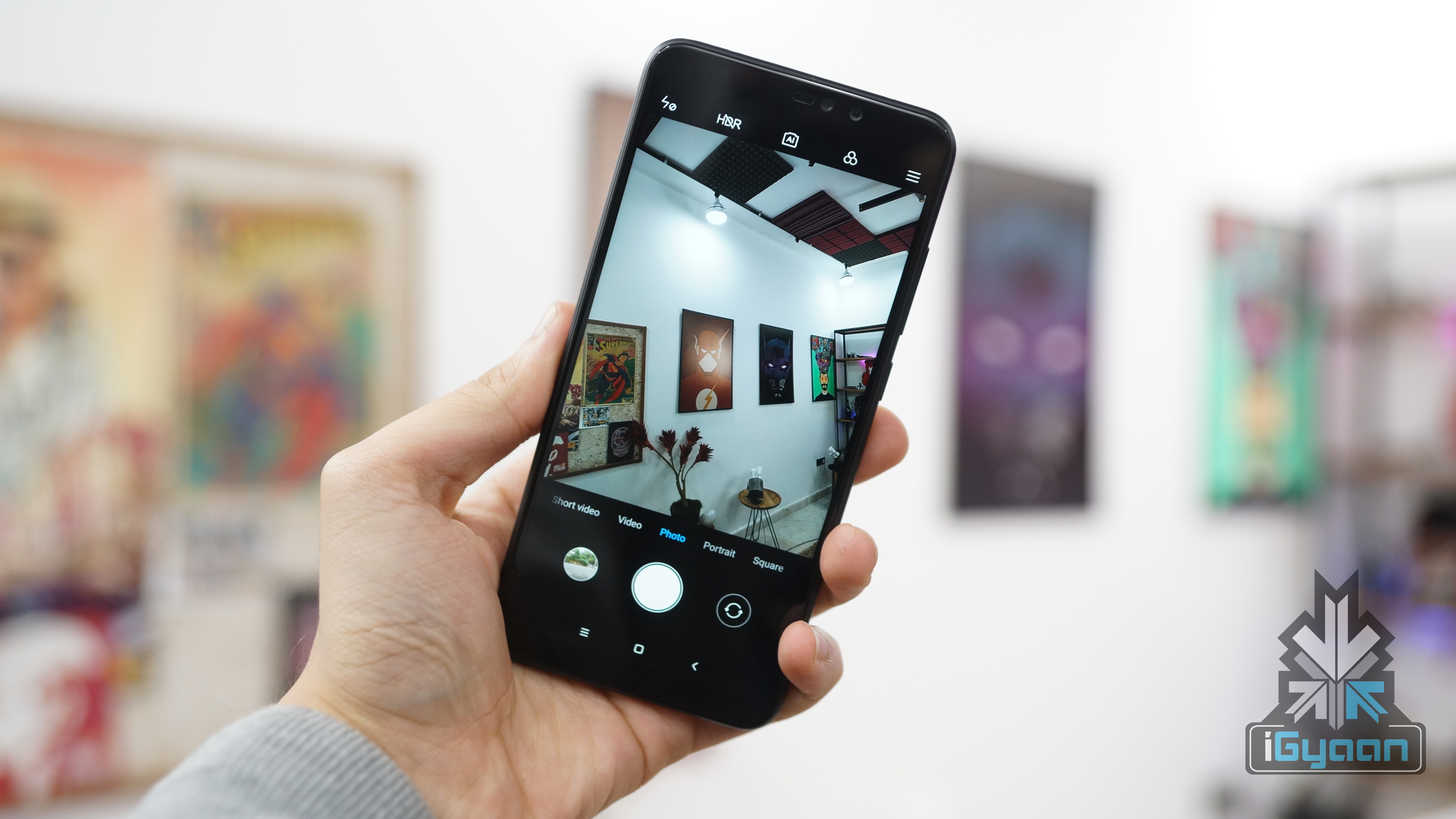
    The new Note 6 Pro now has a wide notch on the front. With an arc design on the back and a brushed metallic finish. The design not only looks good but, it also improves the grip of the device in the user’s hand.

    With the Note 5 Pro, some consumers in coastal regions were left disgruntled. The 3.5 mm jack and charging port on their phone would corrode easily. The company noticed that it was an issue that was mostly faced by people living in coastal regions. Upon investigation, the company found humidity along with salt to be the reason behind the issue. To overcome the problem, Xiaomi now uses a corrosion resistant metal alloy to manufacture the ports for their devices.

    P2i Coating

    Xiaomi coats the innards of its Note 6 Pro with a P2i hydrophobic nano coating which makes it resistant to light splashes of liquid. However, It does not make the smartphone waterproof. But, the coating will allow the handset to easily survive those accidental liquid spills.

    Bigger, Brighter Screen

    The Note 6 Pro packs in a larger 6.26-inch display compared to a 5.99-inch on its predecessor. Xiaomi has managed to pack a larger display into the phone while retaining the footprint of its predecessor. Furthermore, the display panel on the new phone can reach up to 500 nits  of peak brightness. These high brightness levels allow for easy screen viewability even in harsh sunlight.

    MIUI 10

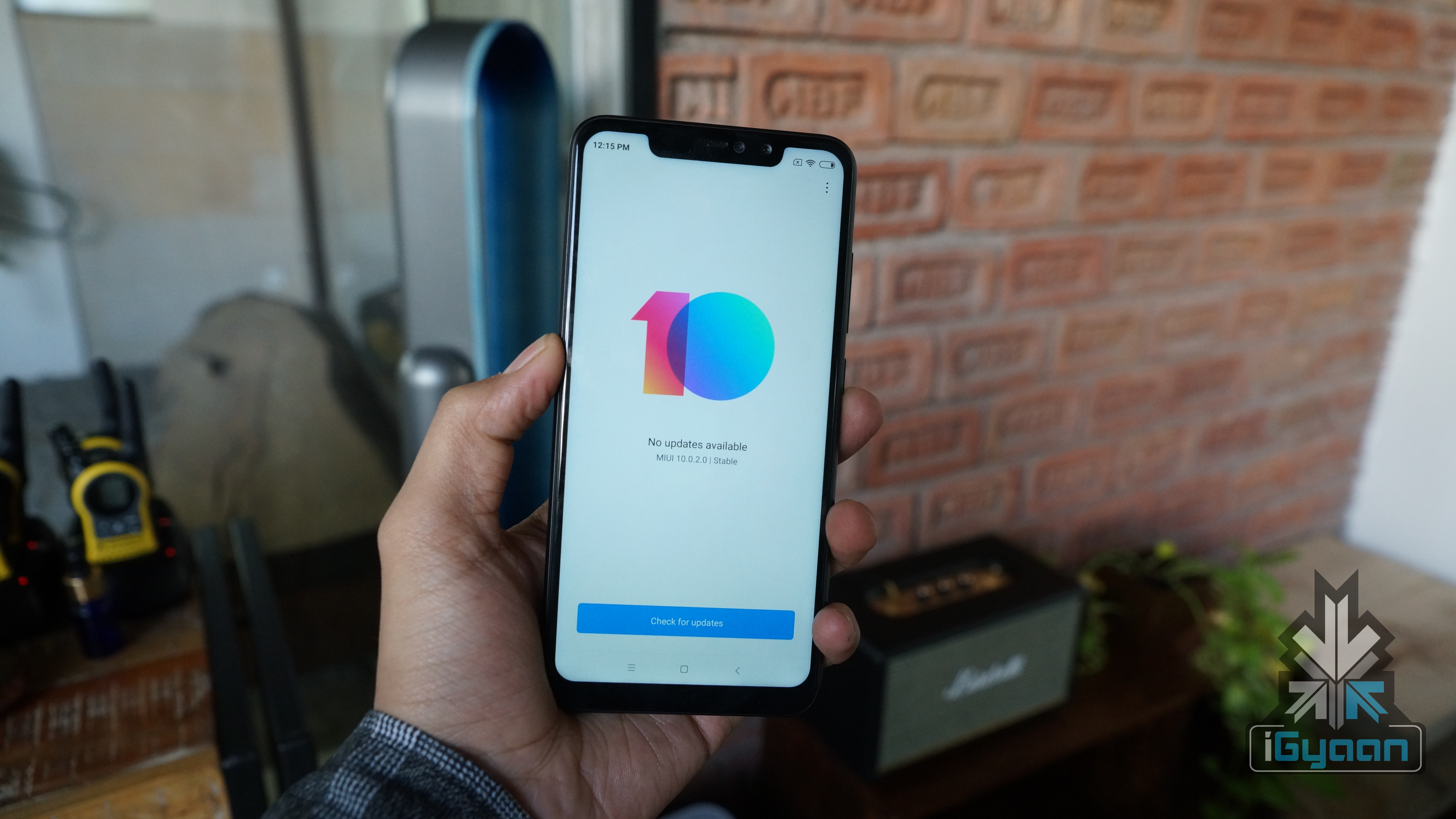
    The Note 6 Pro runs MIUI 10 out of the box which Xiaomi claims is highly optimised. According to the company, MIUI 10 significantly bumps up performance on the new device while still featuring the same Snapdragon 636 processor. The new MIUI 10 also has inbuilt support for gestures which makes navigation across the device’s menus a total breeze.

  • Nokia 9 PureView And Nokia 8.1 Cases Get Listed, Might Launch In December

    Nokia 9 PureView And Nokia 8.1 Cases Get Listed, Might Launch In December

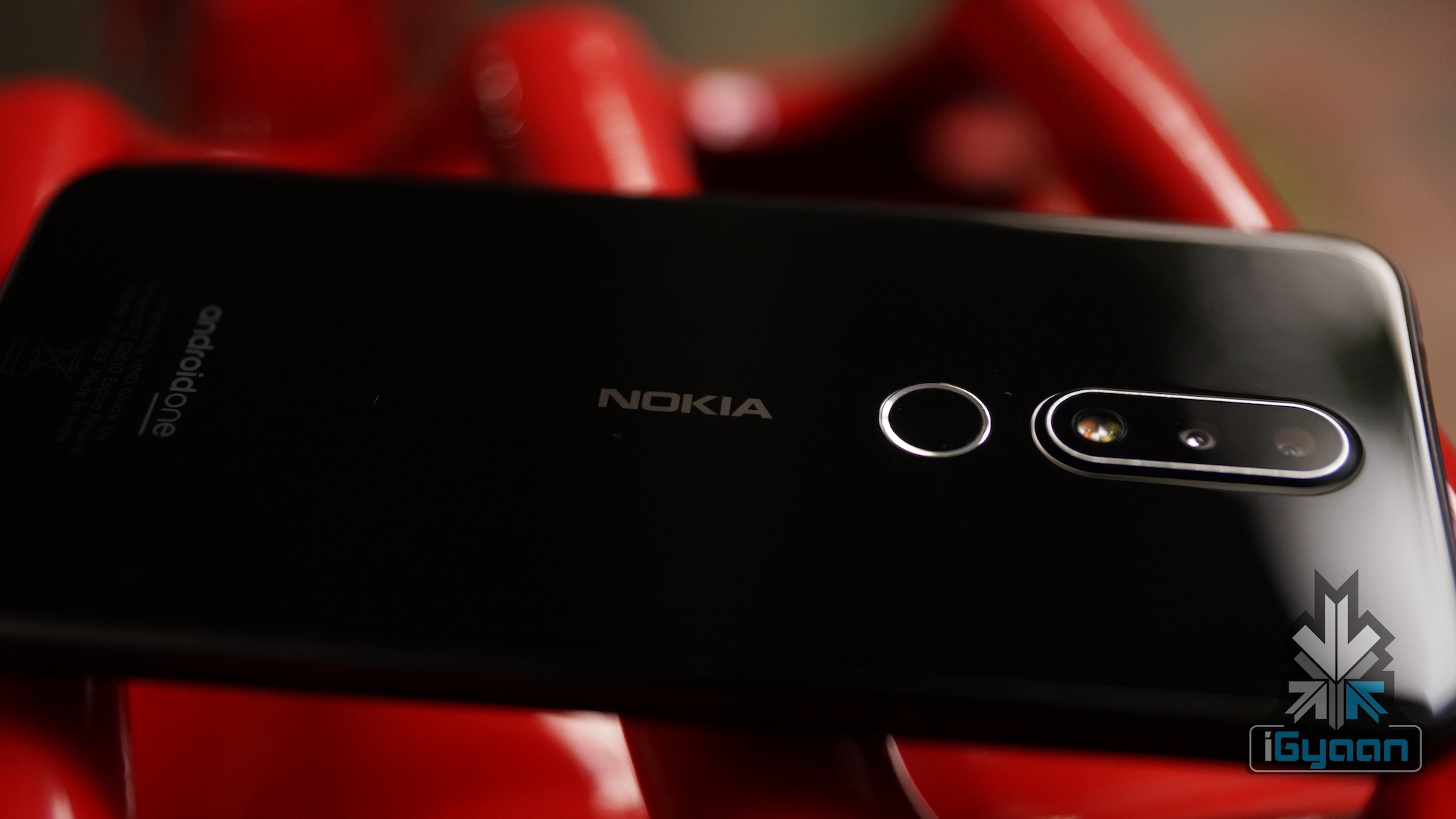
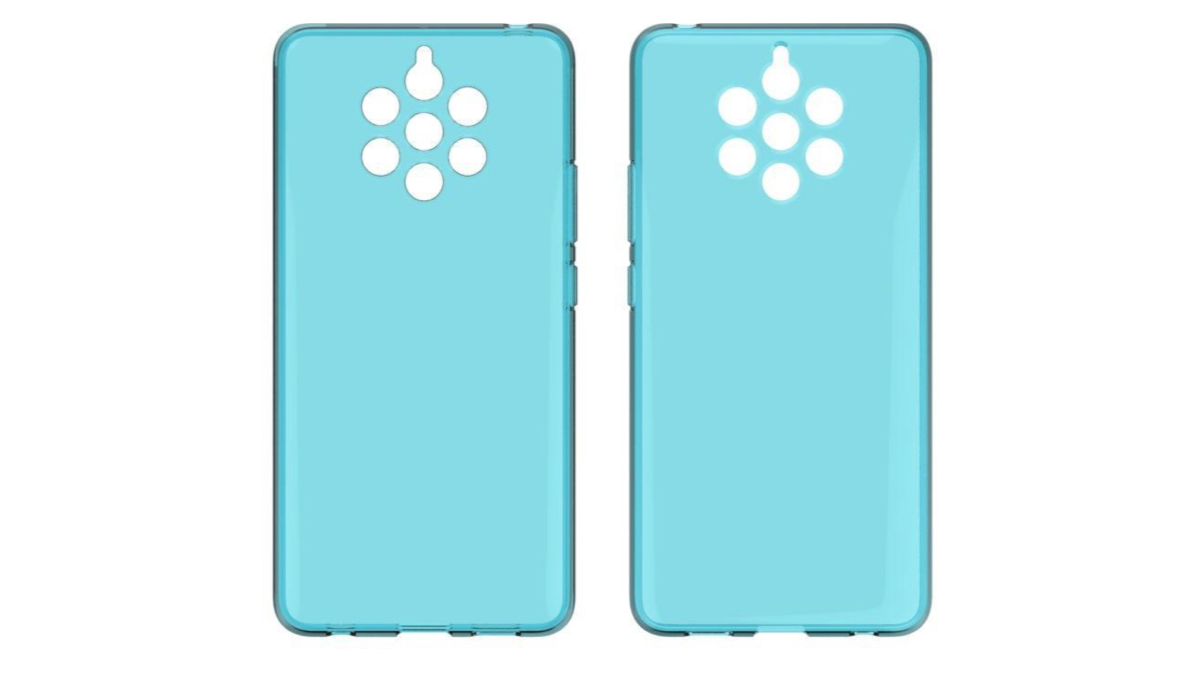
    HMD Global has teased the launch of three of its smartphones at its ‘Expect More’ event scheduled for December 5th. The event will most probably see the launch of the Nokia 2.1 Plus, the Nokia 8.1 and the Nokia 9 PureView. A recent leak has shown the covers for the Nokia 9 and the Nokia 8.1 listed online. This mostly confirms that we will see these two devices launching at the event.

    Nokia 9 PureView

    The Nokia 9 PureView is one of the most anticipated phones this year. This is so because of its unique penta camera setup and a host of flagship features. These features include an in-display fingerprint sensor, a large display and a huge battery. The icing on the cake is obviously the penta camera setup, which is a patented technology by Zeiss.

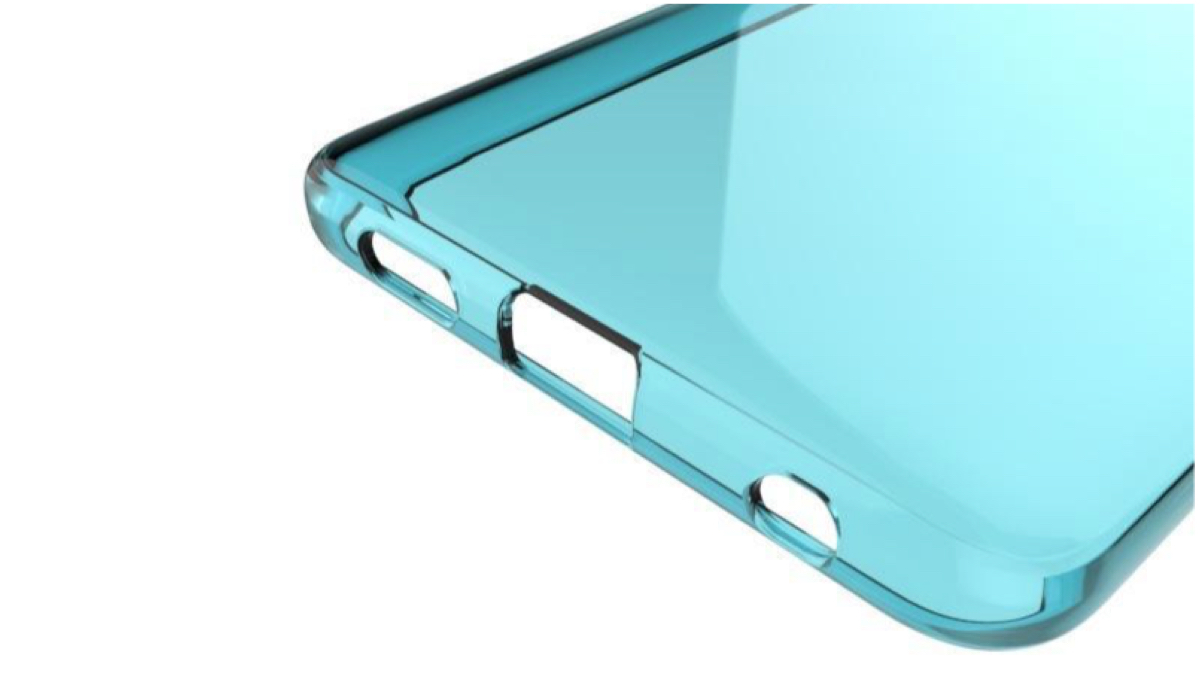
    The leaked case of the Nokia 9 shows slots for the penta camera setup on the back. The lack of a cutout for the fingerprint sensor on the back of the case makes it clear that the phone will indeed have an in-display fingerprint sensor. At the bottom of the case, we can see slots for what appear to be a USB Type-C port, speakers and a 3.5 mm headphone jack. The headphone jack is a pretty sensitive topic these days. The inclusion of one will surely win over some more fans fro HMD.

    Some more of the rumoured specs of the Nokia 9.1 include a 5.9 inch OLED display with a QHD resolution and 3D glass. The device is expected to run on the Qualcomm Snapdragon 845 SoC. You can read everything we know about the Nokia 9 here.

    Nokia 8.1  Specs & Price

    The Nokia 8.1 is said to be the global version of the Nokia X7 which was launched in China last month. The device is a mid-range phone and packs great features along with a solid design. Based on the specs of the Nokia X7, we can predict what the Nokia 8.1 will have. The Nokia 8.1 has a 6.18 inch FHD+ LCD display. It runs on the Qualcomm Snapdragon 710 SoC with the Adreno 616 GPU with 4 GB and 6 GB RAM variants. Along with this, it has 64 GB and 128 GB storage options, which can be expanded up tp 400 GB using a microSD card.

    Also ReadGoogle Pixel 3 Lite Pictures And Specifications Leaked

    The phone has a 12 MP + 12 MP dual rear camera and a 20 MP front camera. Under the hood, it packs a 3,500 mAh battery. According to earlier reports, the phone will be launched in India at a price of Rs 23,999.

  • Google Pixel 3 Lite Pictures And Specifications Leaked

    Google Pixel 3 Lite Pictures And Specifications Leaked

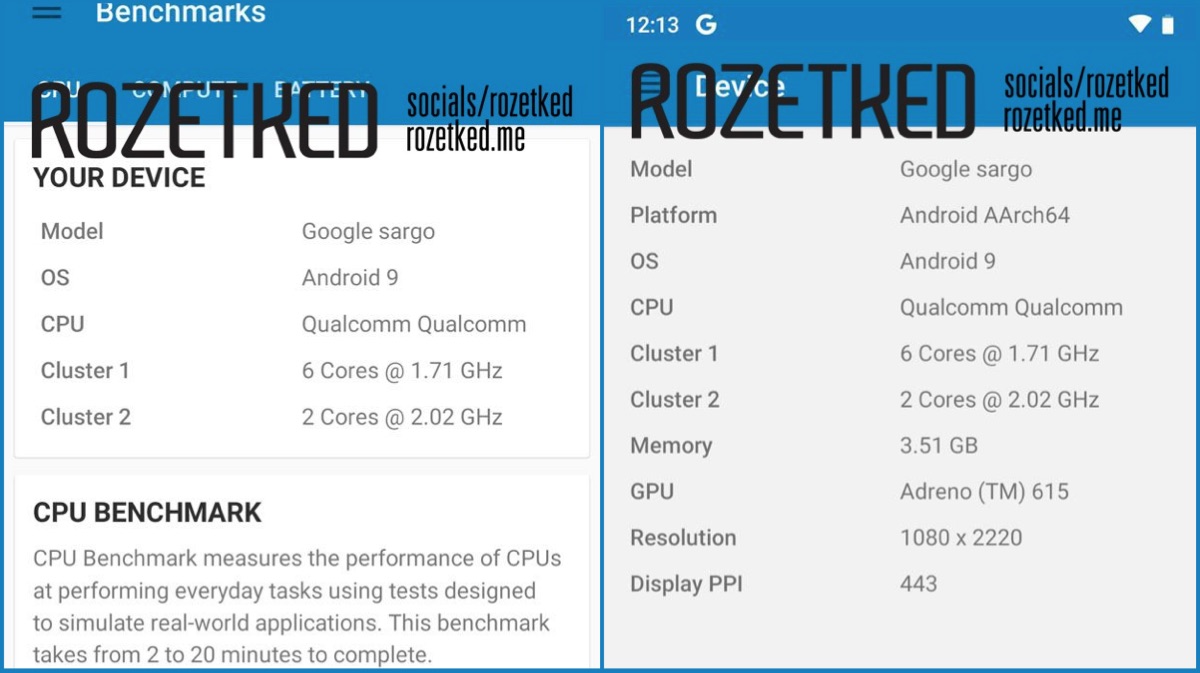
    Google launched the Pixel 3 and Pixel3 XL last month. Both the phones were leaked in full glory prior to their official launch. The devices were leaked by a leaker from Russia with username Rozetked on twitter. Now however, he has leaked yet another Pixel device. He claims that the device codenamed ‘Sargo’ is, in fact, the Pixel 3 Lite smartphone. Rumors have been surfacing over the internet that Google might launch a cheaper, low-end variant of their flagship Pixel devices. Hence the chances of this leak turning into reality are considerably high.

    Pixel 3 Lite

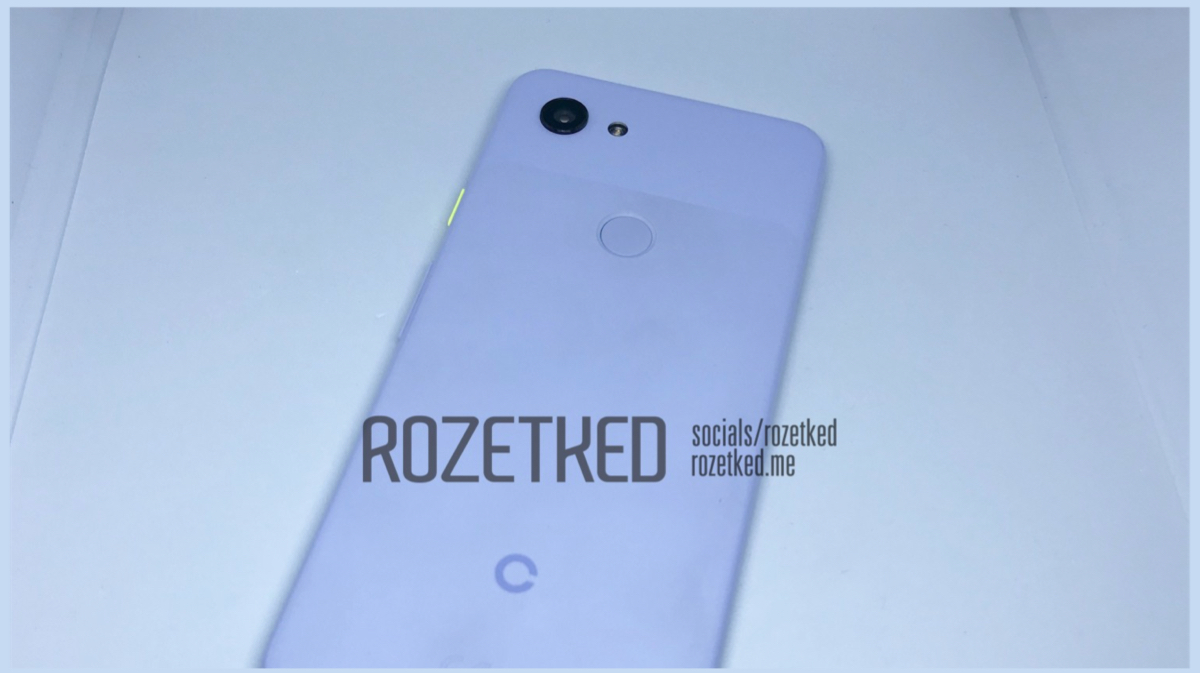
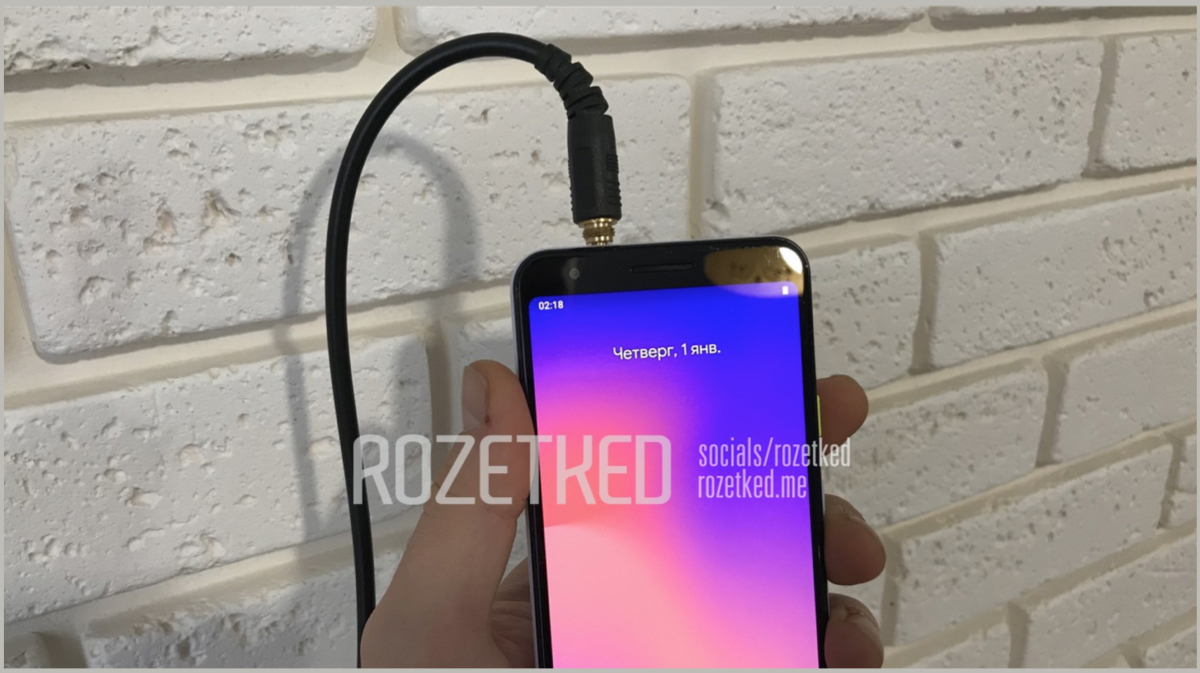
    In terms of looks, the alleged Pixel 3 Lite sure resembles the elder Pixel 3. It has a rounded edge display with thick bezels both on bottom and top. The device has a similarly designed back panel to the Pixel 3 devices with a center mounted fingerprint sensor and the single camera with an LED flash. Also, the color and placement of the power button and volume rockers match the Pixel 3.

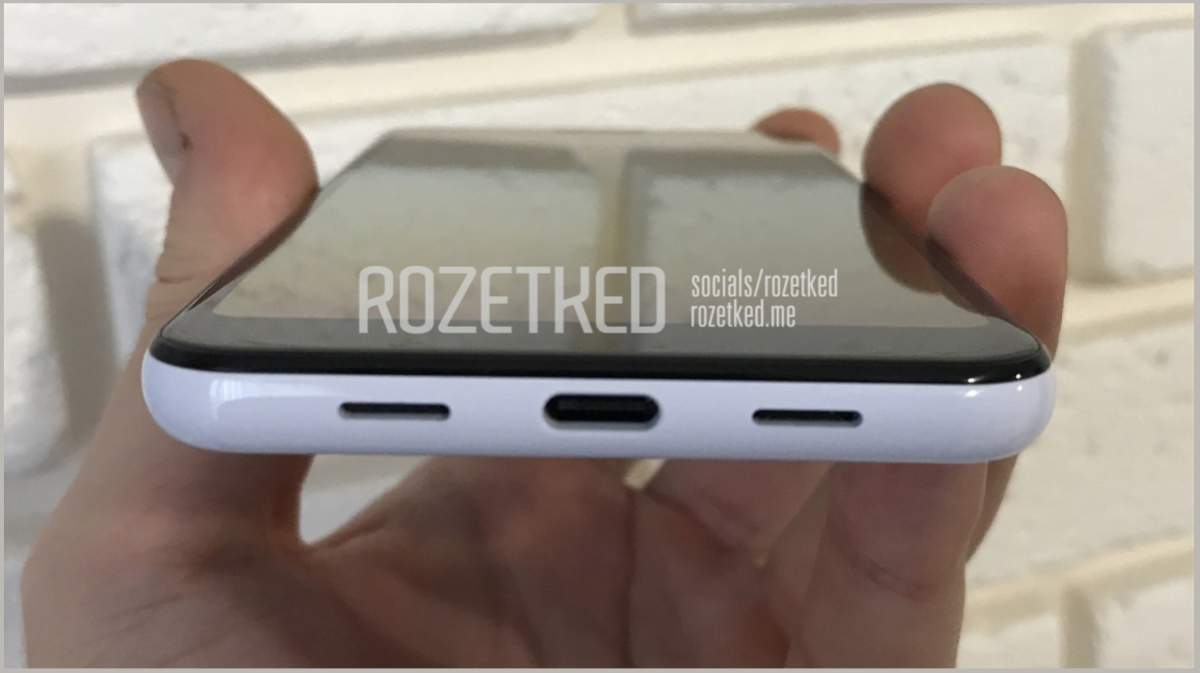
    The bottom of the Pixel 3 XL lite houses the USB Type-C charging port and has thin slits which are most probably the cutouts for the loudspeaker and microphone. The smartphone surprisingly has a 3.5 mm headphone jack at the top which its elder siblings lag.

    Pixel 3 Lite Specs

    Rozotked has also leaked the full spec sheet of the Pixel 3 XL Lite. According to the leak, it has a 5.56 display with a resolution of 2220 x 1080 px and a pixel density of 444 ppi. Under the hood, the device packs the Octa-Core Snapdragon 670 CPU along with the Adreno 615 GPU. In terms of memory and storage, the smartphone has 4 GB of RAM and 32 GB of internal storage. Like other Pixel devices, the smartphone does not support memory expandability. 

    The Pixel 3 Lite is powered by a 2,915 mAh battery. Any information regarding fast charging is currently unavailable but the chipset supports Quick Charge 4.o. Therefore, we will have to wait until the official announcement if the device makes it to the market. The leaker suggests that the phone will be a sub 500$ smartphone and a Pixel device at this price point will be an interesting option. 

    Also Read: Xiaomi Redmi Note 6 Pro Unboxing and First Look

    In short, the leak does seem real but Google is yet to make any comments about the authenticity or launch of the Pixel 3 Lite.

  • Xiaomi Redmi Note 6 Pro Unboxing And First Look

    Xiaomi Redmi Note 6 Pro Unboxing And First Look

    The Xiaomi Redmi Note 6 Pro is the long awaited successor  to the extremely popular Redmi Note 5 Pro. The Redmi Note 5 Pro was launched in February this year, and the company has already rolled out the next iteration of the device. Being from the Redmi Note series, it retains the same values as its predecessor. These include a large display, a big battery and great camera performance. While the device was launched in Thailand almost a month back, it did take some time to come to India. The official launch of the device will be held on 22nd November in an event in New Delhi, where the price and availability of the device will be announced.

    The Redmi Note 6 Pro: What’s New
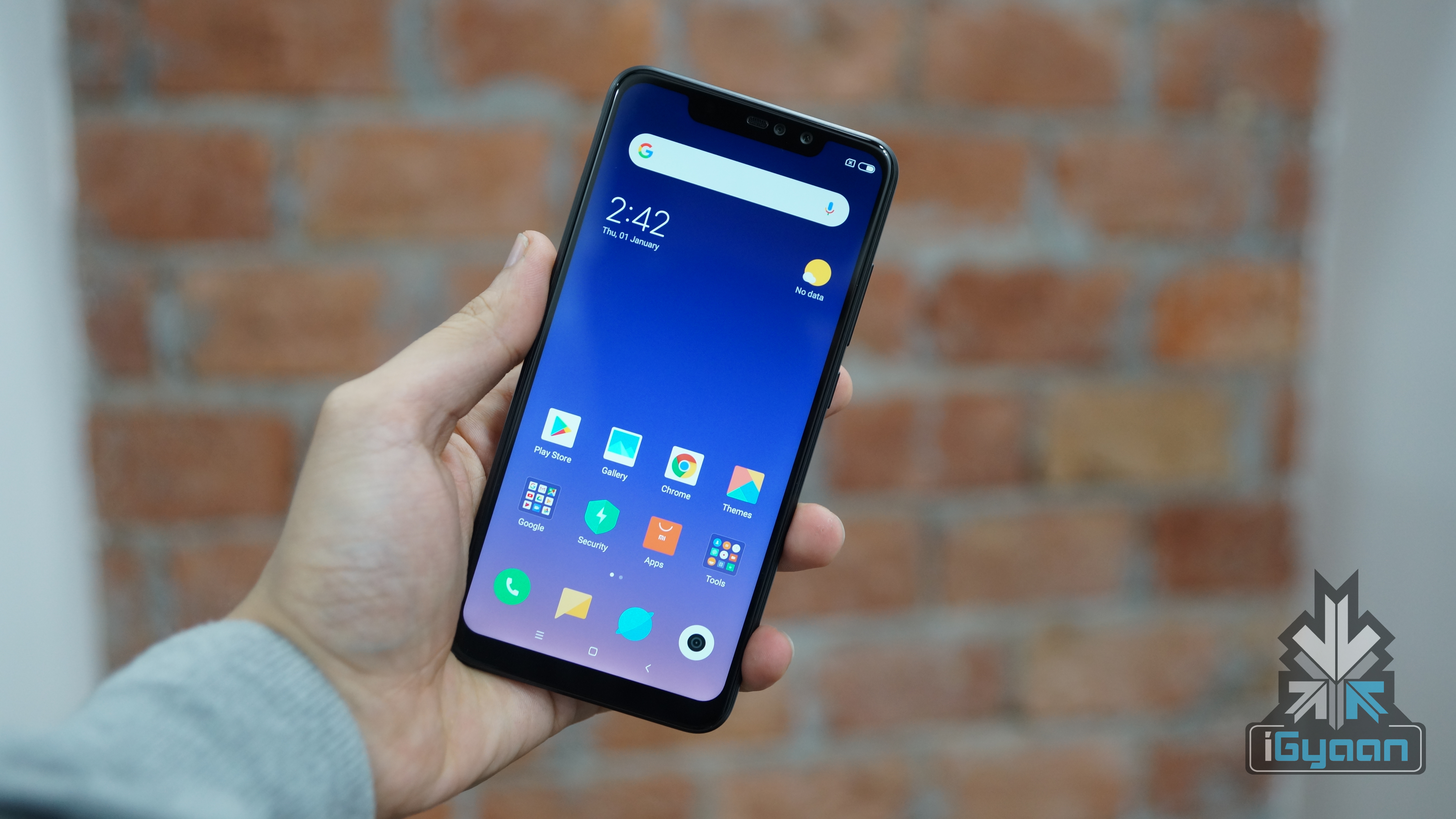
    In terms of looks, the Redmi Note 6 Pro does look a lot like its predecessor. It has a big notch on its display, and a dual camera setup on the back, with a fingerprint scanner. There are however, many differences when you look closer. In terms of ergonomics, it has more rounded edged all around its body, giving it a better grip and feel in your hand. The Note 6 Pro has a bigger, 6.26 inch display, as compared to the 5.99 inch display from the Note 5 Pro. The FHD+ display has a 2280 x 1080 px resolution and a brightness of 500 nit.
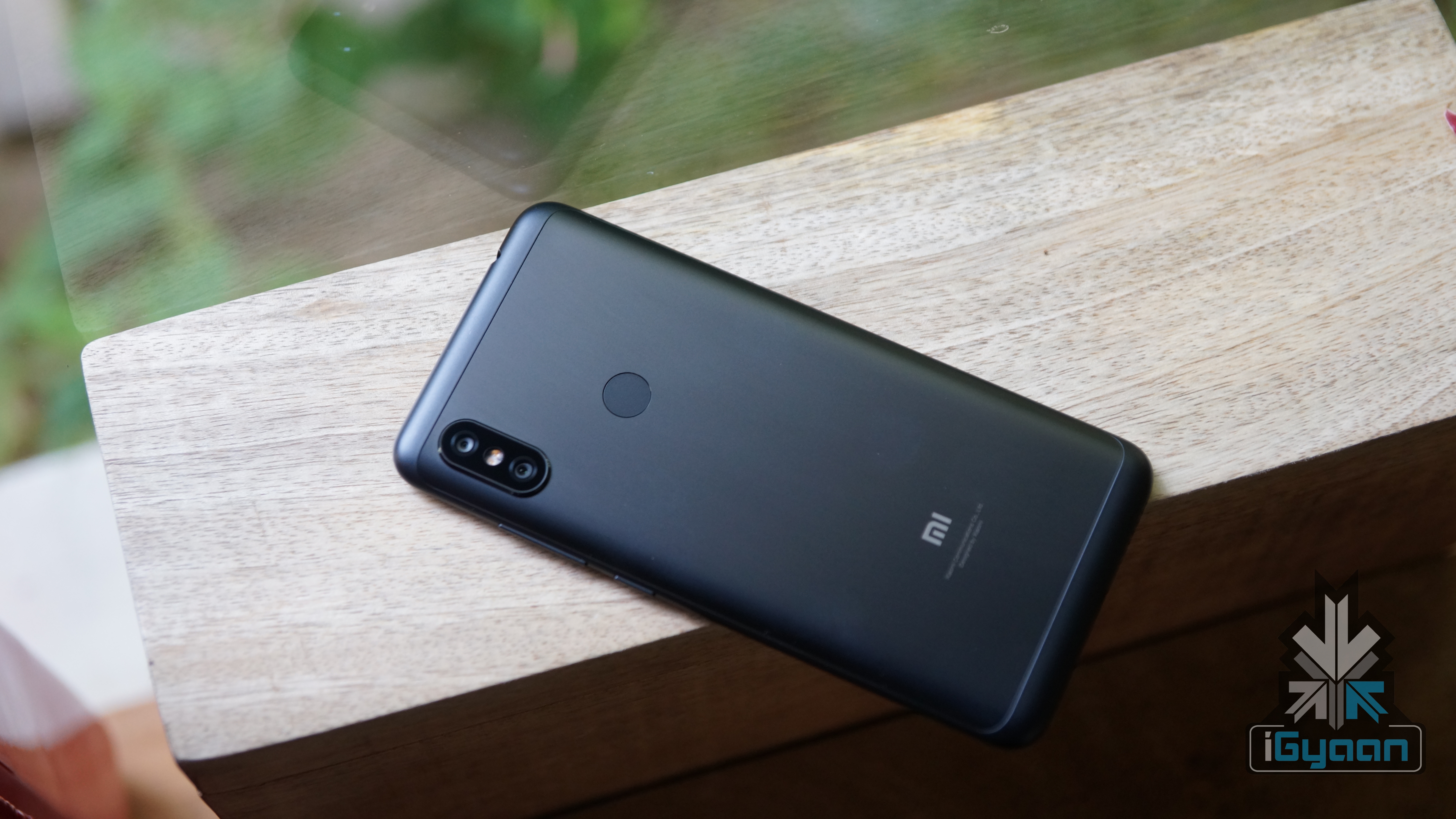
    The display also features Corning Gorilla Glass for protection, though the company has not specified the version. The notch on the Redmi Note 6 Pro is large when compared to other devices as it houses two cameras. But the bezels and the chin on the device are thinner than that on its predecessor.
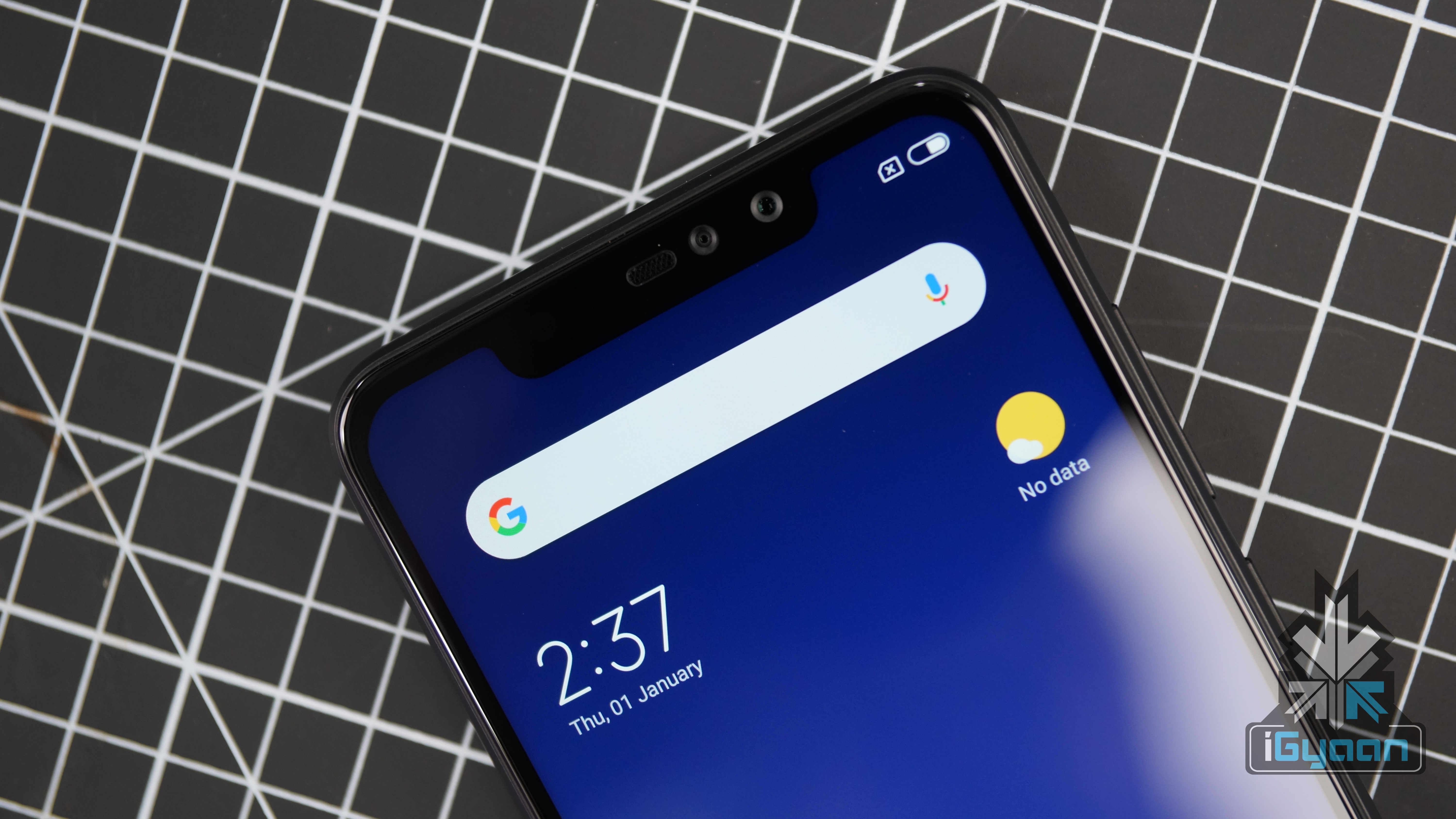
    Xiaomi has also made considerable improvements in terms of build quality. The ports now use a new alloy, which do not corrode that easily. This move came in after the company received a lot of issues with phones dying out early in coastal areas. Xiaomi later found out that the cause for this was the corrosion of the elements in the ports. Hopefully, this step will ensure a better longevity for the device. Another great addition is a P21 coating. This is basically a water repellant coating. This coating is present on the externals as well as the internals of the phone as well. However, this is not to be confused with water resistance and this is just meant to save your phone from minor, accidental spillage or water contact.

    What’s More

    Another big jump is in the camera department. While on paper, the specs for the camera remain the same, the Redmi Note 6 Pro brings along both hardware and software improvements. The 12 MP main sensor on the back now has a larger, 1.4 micron pixel size, resulting in better photo quality and improvements in low-light performance. It also features a wider, f/1.9 aperture. The secondary sensor is a 5 MP depth sensor. Additionally, the Note 6 Pro has an impressive portrait mode. The portrait mode now features studio lighting options and also a ‘light flare’ feature.
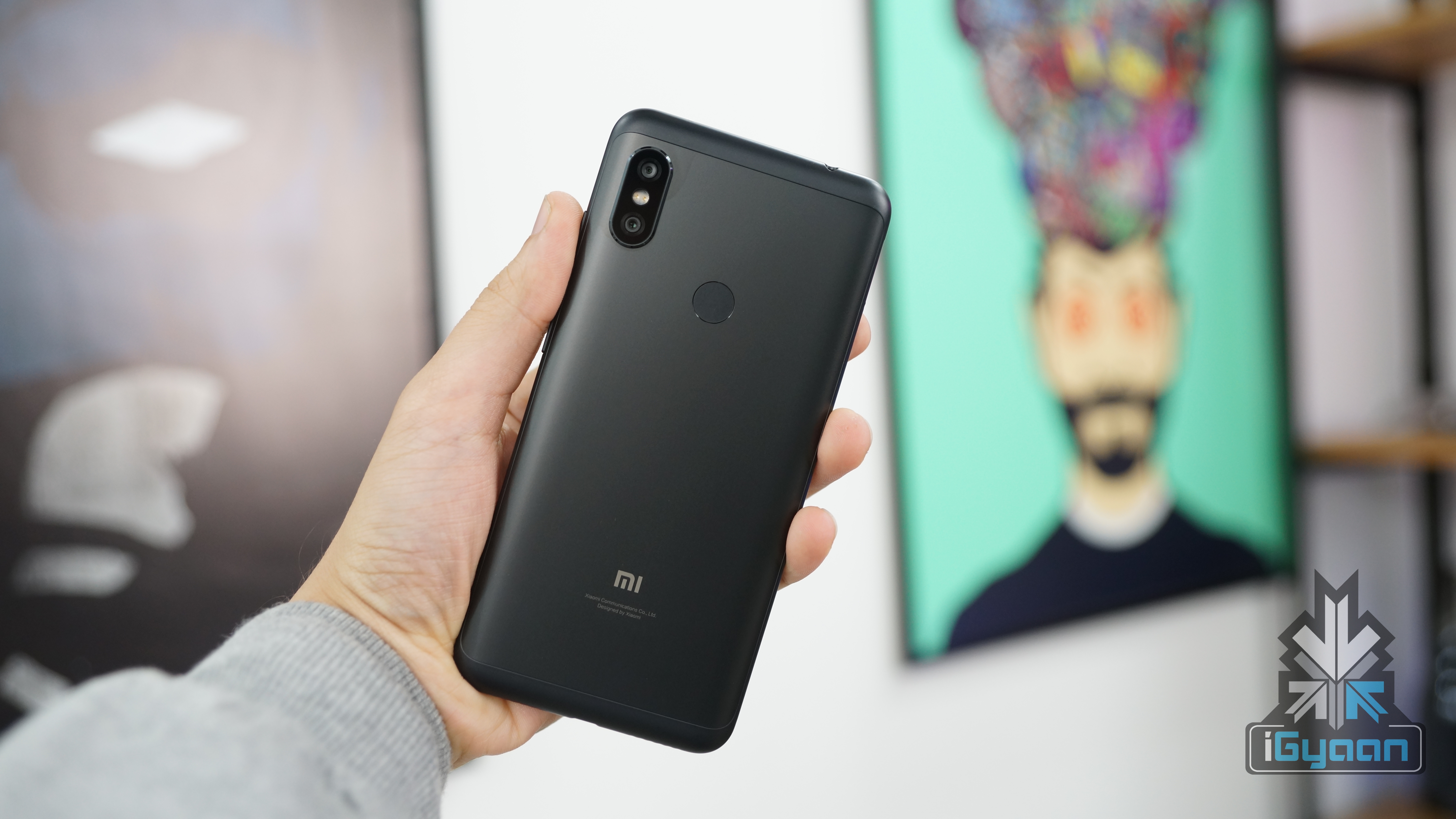
    It also has AI scene detection which detects 32 scenes, including scenes optimised for India such as weddings and motorbikes. The rear camera also features a new AI adjustable bokeh feature. This lets you choose the amount of blur you want in the background, even after you have clicked the picture. The front camera us a 20 MP + 2 MP set up. This features an AI portrait mode with AI scene detection of upto 12 scenes. The dual front cameras also help in the Face Unlock technology to unlock your phone.

    Inside The Phone
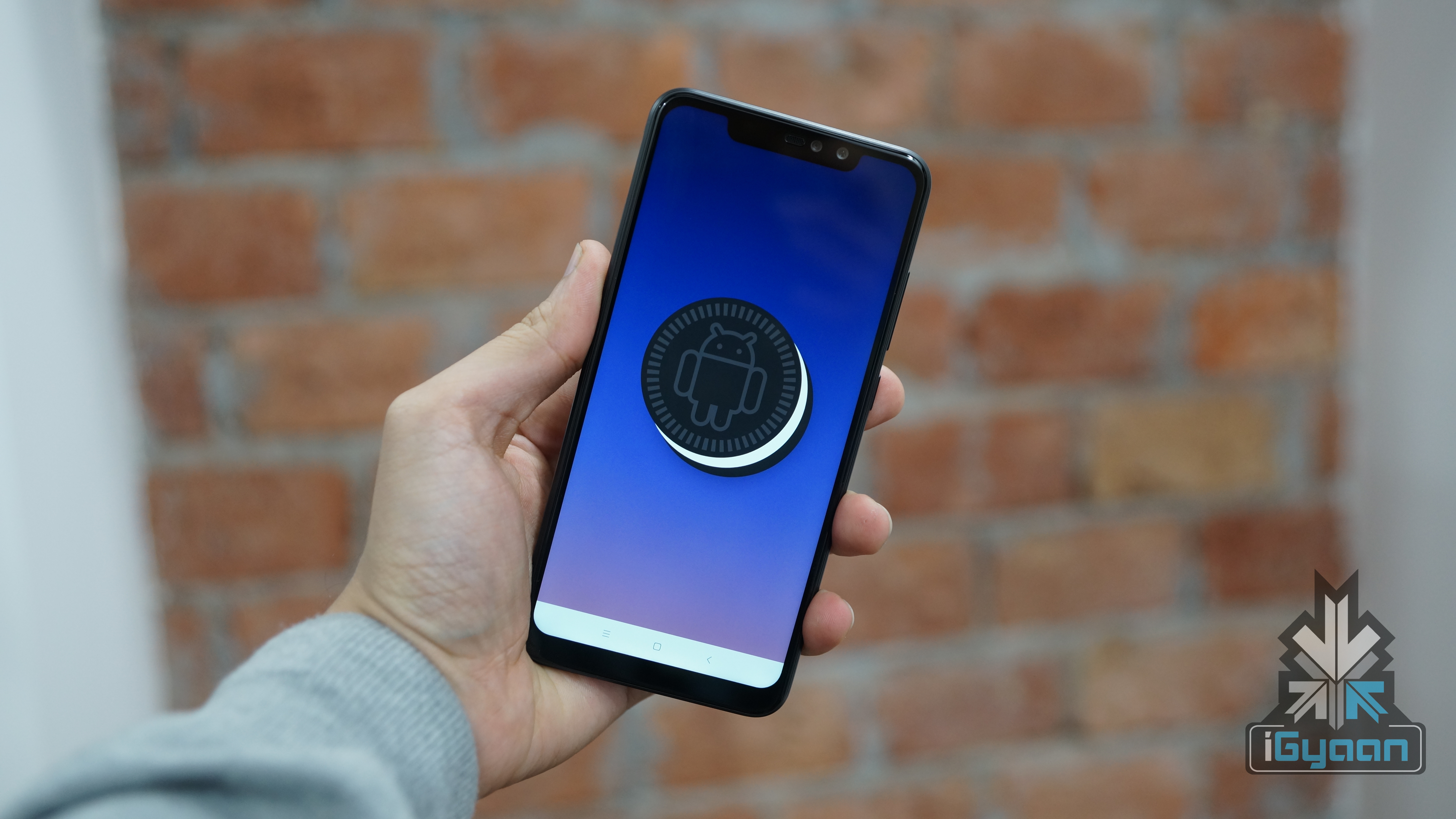
    The phone runs MIUI 10 out of the box, which brings in advanced gesture navigation. It packs a 4,000 mAh battery which supports Quick Charge 3.0. While the Note 6 Pro supports fast charging, the company does not provide a fast charger in the box, and it has to be purchased separately. It runs on the Qualcomm Snapdragon 636 SoC and has 4 GB and 6 GB RAM options. In terms of storage, it has one option with 64 GB of internal storage, which is expandable up to 256 GB via  a microSD card.
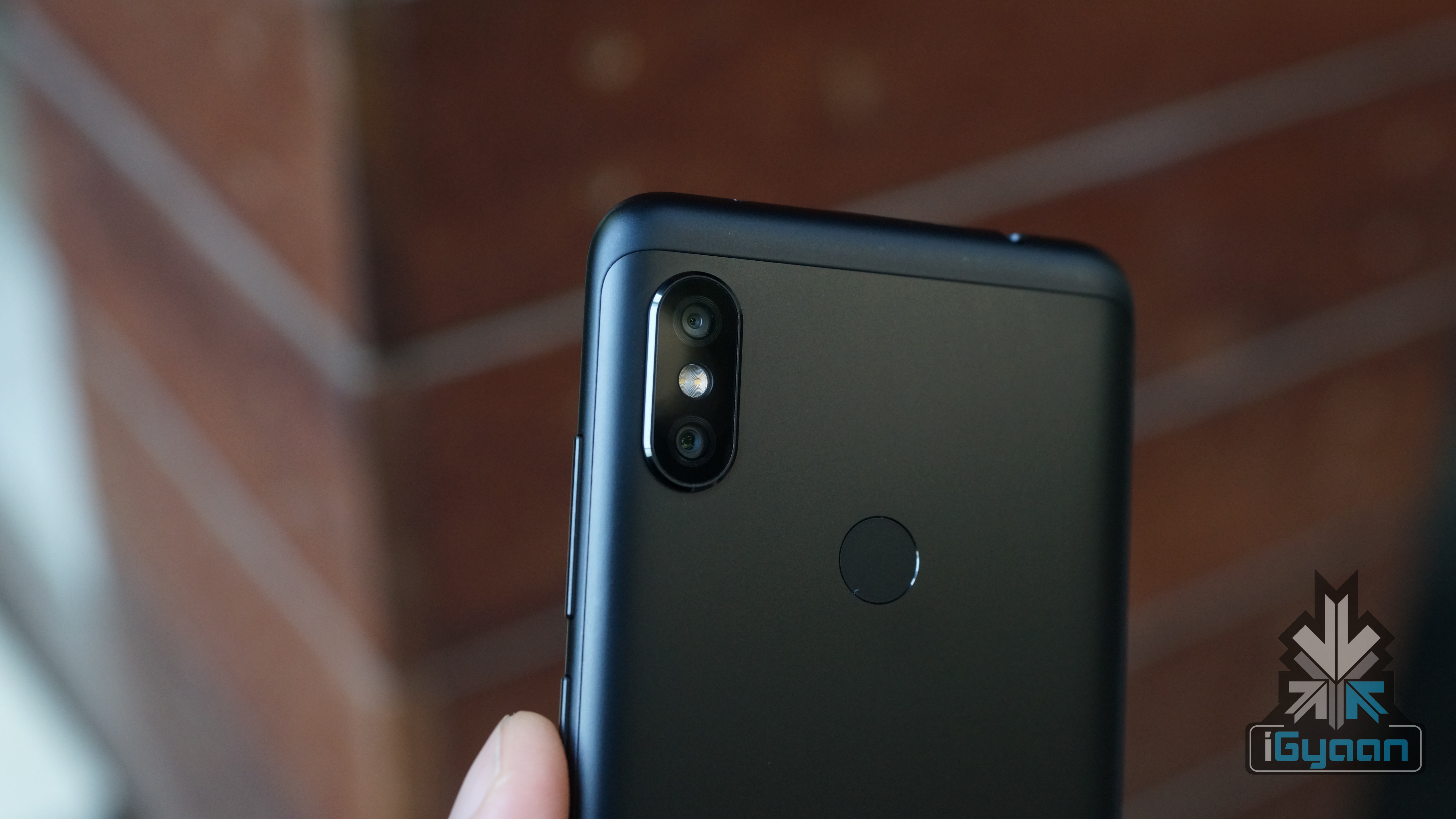
    The phone also features an auto data switch feature. When you are on a call, the phone switches your data from that SIM to your secondary SIM, so that neither of the operations are interrupted. The phone has dual VoLTE support but does not have a dedicated microSD card slot. It also has a new Wi-F- pass through feature. Using this feature, you can connect to a Wi-Fi network and use that Wi-Fi network to create a hotspot.
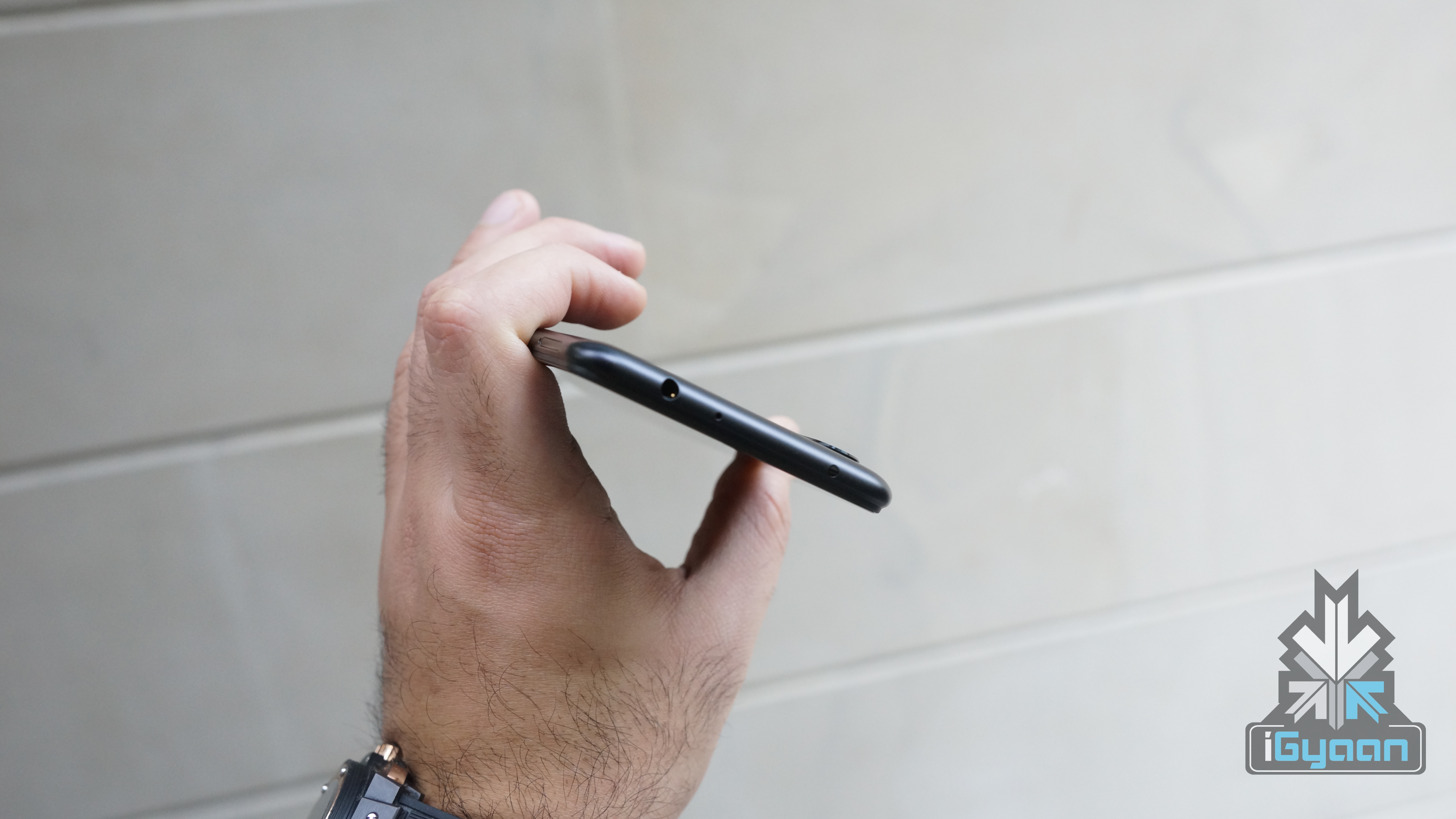
    At first look, the phone does seem like a big and thoughtful improvement. We are yet to check it out fully and see what it is capable of. As mentioned before, the price and availability of the phone will be revealed only after its launch on 22nd November.

    Don’t forget to check out our unboxing video:

    https://youtu.be/B0t4seoqHIQ


  • Xiaomi Price Drop Alert These Smartphones Are Rs. 1000 Cheaper

    Xiaomi Price Drop Alert These Smartphones Are Rs. 1000 Cheaper

    Xiaomi is a company that needs no introduction as they are the number one smartphone manufacturer in the nation. They are known for their value for money smartphones. Last week the company increased the price of their few products due to the depreciating value of Indian currency(Read here).  Now however, the company is cheering up the consumers by decreasing the price of some of their top selling smartphones. The company reports that the reduction in component costs has allowed them to take this move. The devices that are receiving a price cut are as follows:

    Redmi Note 5 Pro

    The Redmi Note 5 Pro was one of the first budget smartphones to offer dual rear cameras. The feature-rich smartphone was able to rake in a lot of sales for the company. It is available in two variants which are 4 GB RAM + 64 GB ROM  and 6 GB RAM + 64 GB ROM. Now the company has slashed the price of both variants by Rs. 1000. Post price reduction the variants will be available for Rs 13,999 and Rs 15,999 respectively.

    Click here to buy the Redmi Redmi Note 5 Pro

    Xiaomi Mi A2


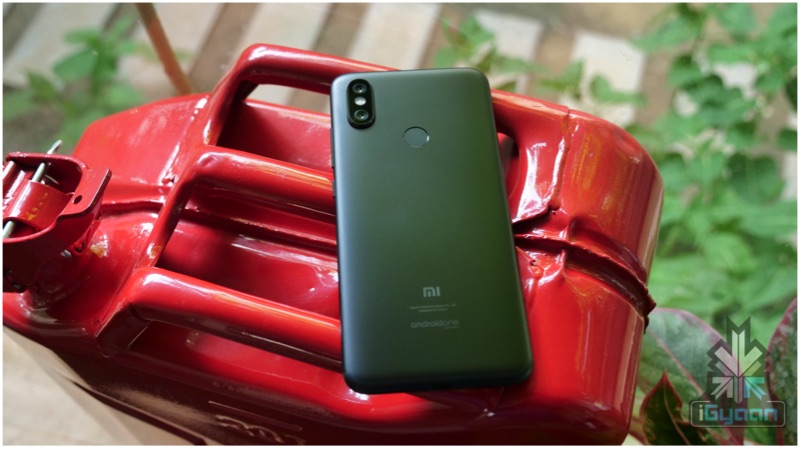
    The Mi A2 is a smartphone with a completely different approach. It is the second device from Xiaomi that runs on Android One. Being an Android One device enables it to receive the latest Android updates soon after they are launched by Google. It is available in two variants which are 4 GB RAM + 64 GB ROM  and 6 GB RAM + 128 GB ROM. Like the Redmi Note 5 Pro, the company has decreased the price of both its variants by 1000 Rs. After the price drop, the variants will be available for Rs 15,999 & Rs 18,999 respectively.

    Click here to buy the Xiomi Mi A2

    Redmi Y2


    Also Read: OnePlus 6T Thunder Purple Variant To Go On Sale Today

    The Redmi Y2 is a phone that has a focus on photography. It has a 16 MP AI-powered front-facing selfie camera and dual rear cameras. Like the elder A2 and Redmi Note 5 Pro, the Redmi Y2 also gets a price drop of Rs 1,000. The smartphone after the price drop will be available for Rs 11,999 for 4 GB RAM + 64 GB ROM variant.

    Click here to buy the Redmi Y2


  • All Android Pie 9.0 Devices Get Project Treble

    All Android Pie 9.0 Devices Get Project Treble

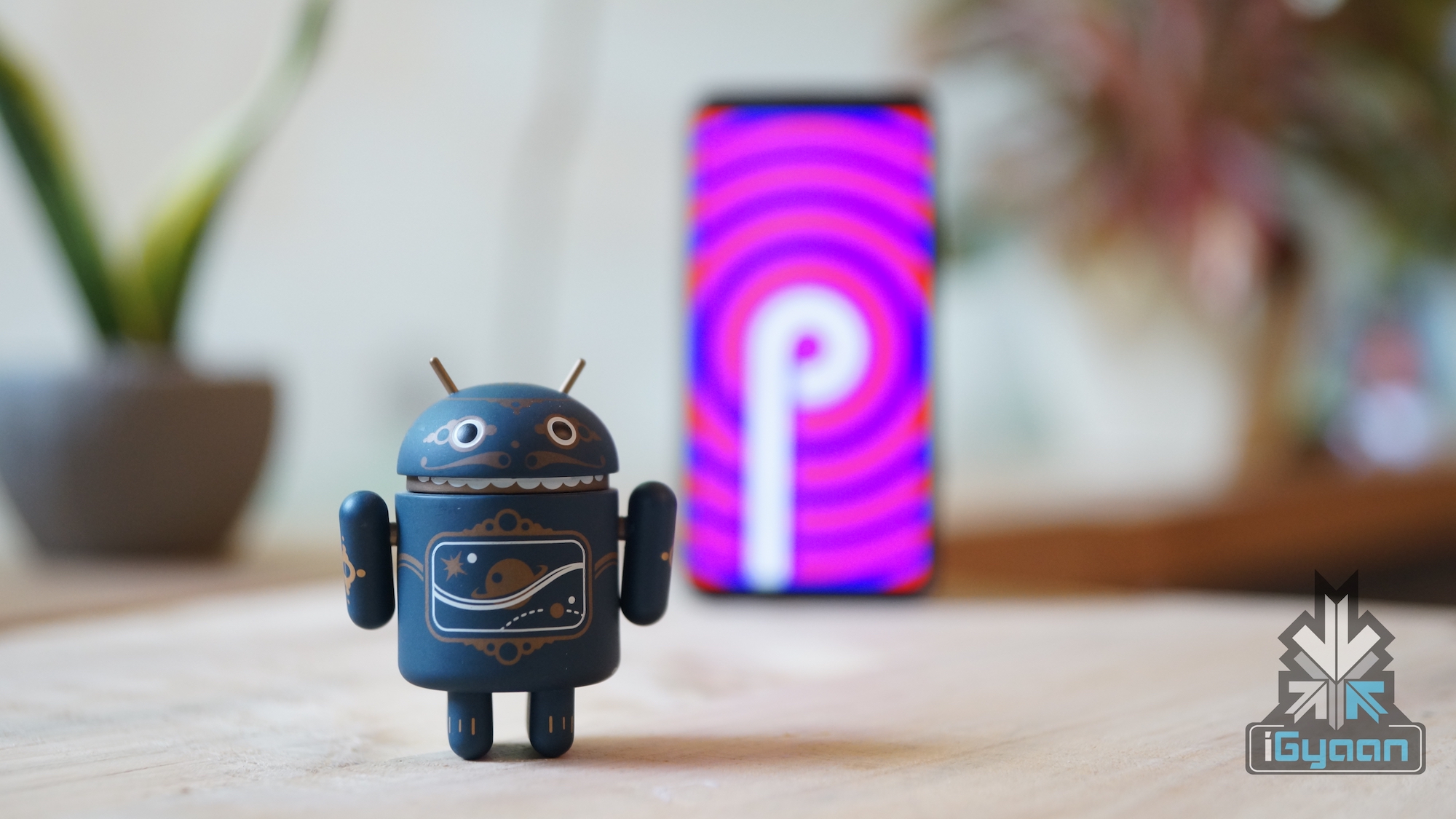
    Google held their Android Dev Summit last week in California. The company demonstrated multiple changes for current & future Android devices. One of them is a big announcement for a long pertaining issue.  For a long period of time, Android users have been complaining to OEM’s and Google for delayed updates on their devices. During the Dev Summit, Google developers showcased a solution to the problem in the shape of Project Treble. The company has declared that every upcoming Android 9.0 Pie devices will be Project Treble Compliant.

    What Is Project Treble?

    Project Treble was first introduced with Android 8.0 Oreo which has matured a lot since then. It is a mechanism that is concerned with pushing faster updates on an Android devices. Google developers demonstrated a common GSI (Generic System Image) running on devices from different manufacturers. Before this devices had a specific GSI engine per manufacturer, tweaked for compatibility with their devices. This uncommon GSI would increase the time for companies to modify the pure AOSP (Android Open Source Project) code that Google released. Now onwards Google will open GSI information for manufacturers so they directly modify pure AOSP code which was first sent to chip makers to enable their chipset compatibility.

    Android One Android Go Stock Android

    In the past, lastest updates used to go through multiple checkpoints in order to be capable of deploying onto an Android device. Previously when Google released an Android update it was first sent to chip makers like Qualcomm & Mediatek. The chip makers would optimise the code according to the architecture on their chipsets. The update was then forwarded to manufacturers who would tweak the same as per the need of their respective devices & also integrate their proprietary software bits. This  then leads to the OTA (Over The Air) update on their devices.

    What’s In It For The Users?

    Also Read: OnePlus 6T Thunder Purple Unboxing And First Look

    Post Project Treble compliance the users would be able to receive faster updates on their smart devices. It will enable them to make the most out of what the latest Android firmware has on offer. Google as Android has always been criticised when compared to its Apple iOS counterparts.


  • Motorola One Power Gets Android 9 Pie Update

    Motorola One Power Gets Android 9 Pie Update

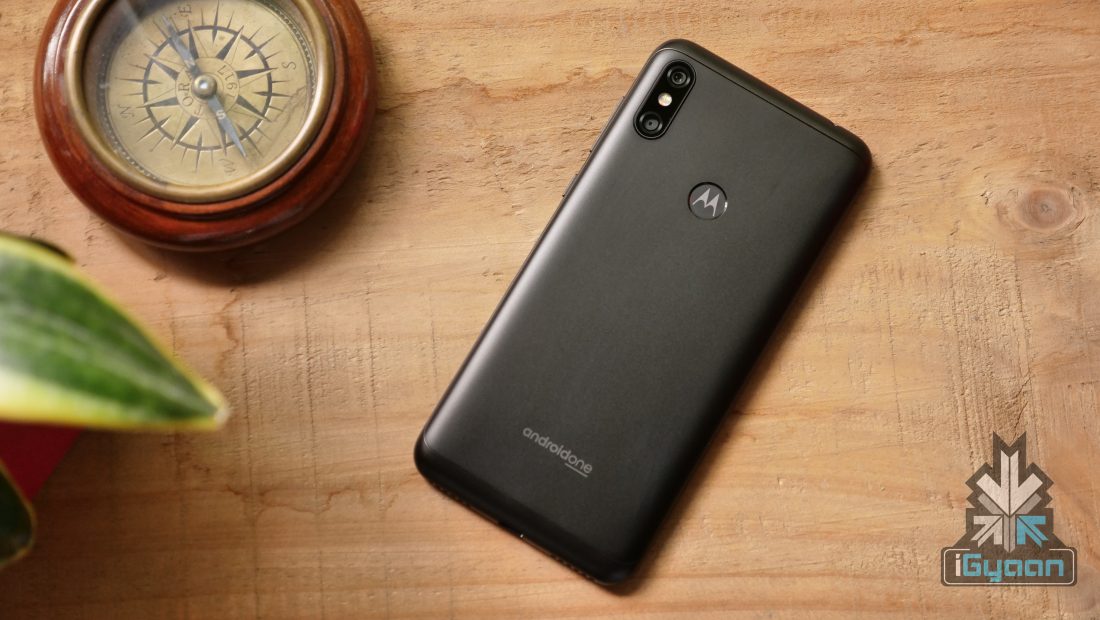
    The Motorola One Power was launched with Android one and promised quick updates to next iterations of Android OS. The company has kept its initial promise of updating the phone to Android 9.0 Pie before the end of 2018. The update starts rolling out today and is a staggered release so all may not see it immediately.

    Buy The Moto One Power

    Along with the new OS update, the Motorola One Power will also get a performance boost, and improvements to battery management according to Motorola. The One Power will also now support face unlock and swipe gestures, native to Android 9.0 Pie. Since the Motorola One Power is an Android One device, it is much easier for the brand to push out security patches and OS updates.

    Also Read : Xiaomi Mi 8 Spotted Running Android 9 Pie On Geekbench

    The Motorola One Power went on sale in October and is still available for a price of Rs. 15999. The One Power was Motorola’s response to the growing demand for an online only device. Because, Motorola is now operating in the offline market the prices for its devices have risen. The Motorola One Power was answer to the growing demand for a good all rounder device at the fifteen thousand price mark.

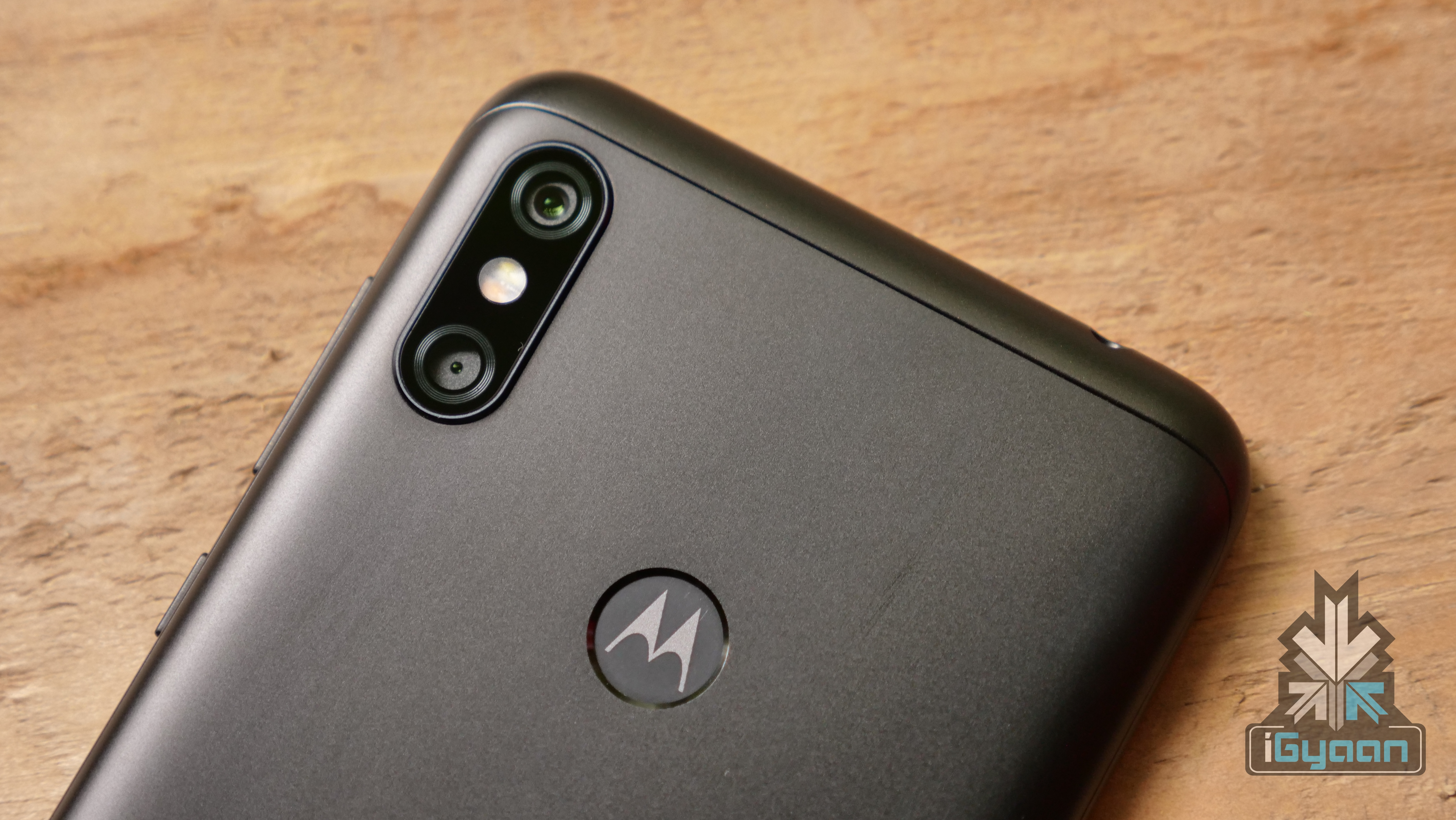
    The One Power has a HD+ screen with an 19:9 aspect ratio along with a storage capacity of 64 GB expandable up to 256GB  via a dedicated microsSD card slot. 4GB of RAM and a Qualcomm Snapdragon 636 Octa-core processor. The Motorola One Power has a 16 MP + 5 MP main camera setup with a 12 MP front camera.

    Buy The Moto One Power

iGyaan Network
Privacy Overview

This website uses cookies so that we can provide you with the best user experience possible. Cookie information is stored in your browser and performs functions such as recognising you when you return to our website and helping our team to understand which sections of the website you find most interesting and useful.