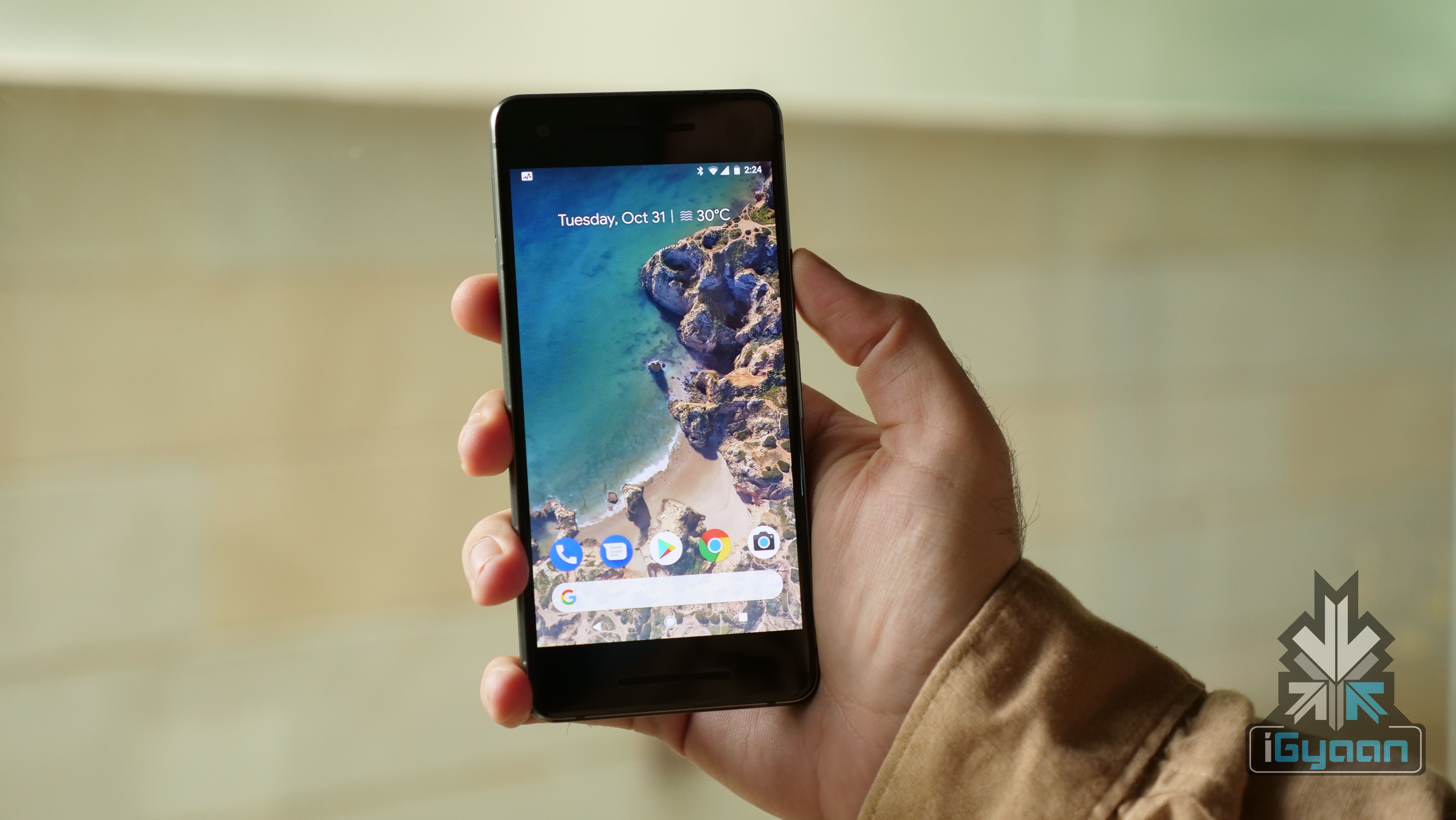
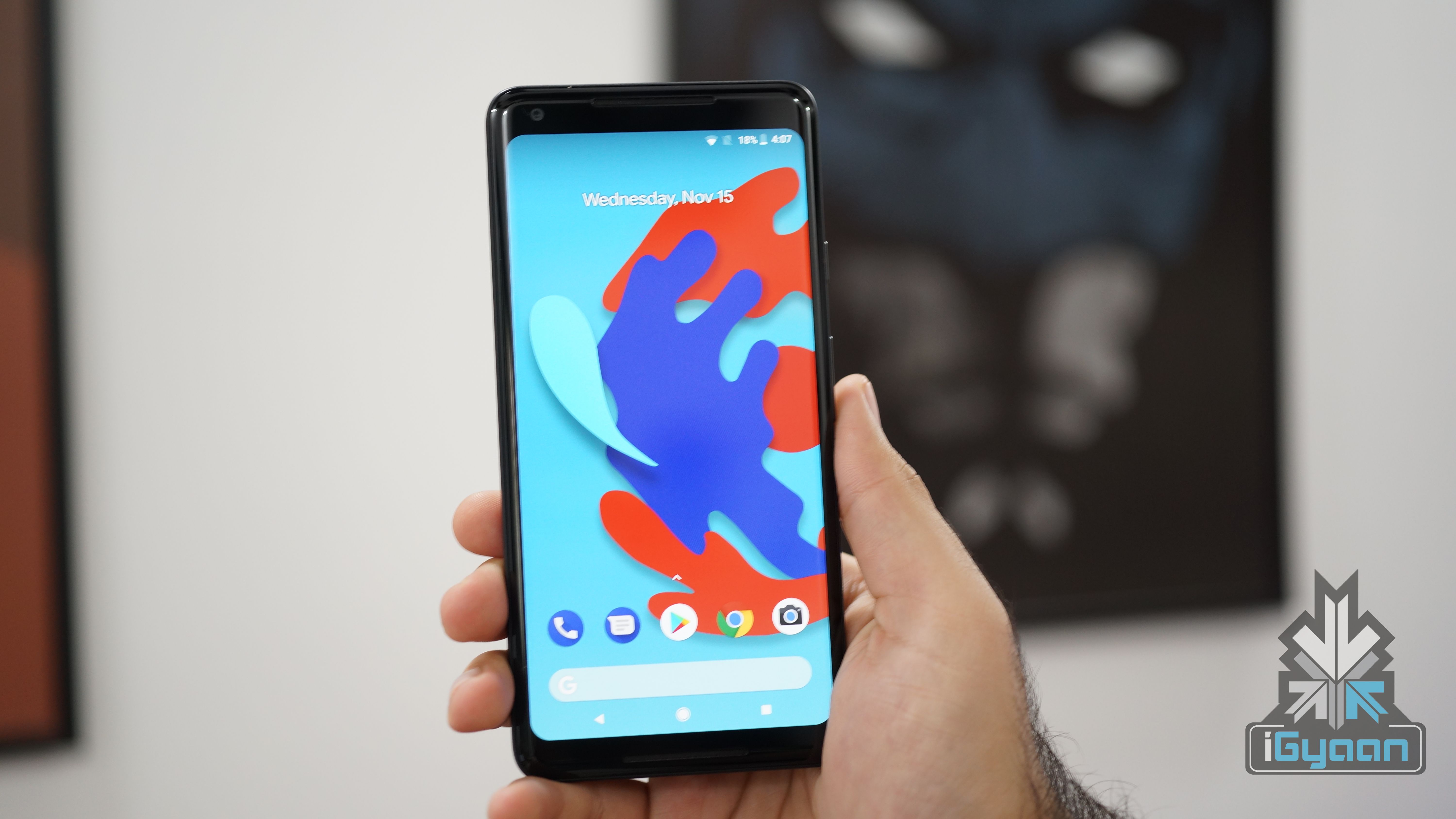
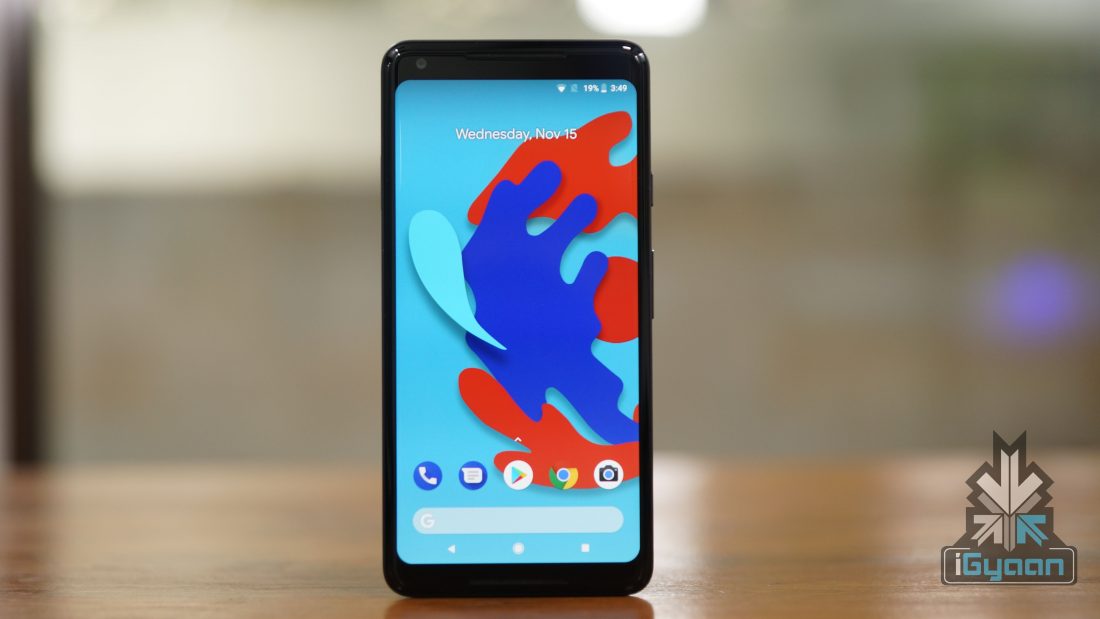
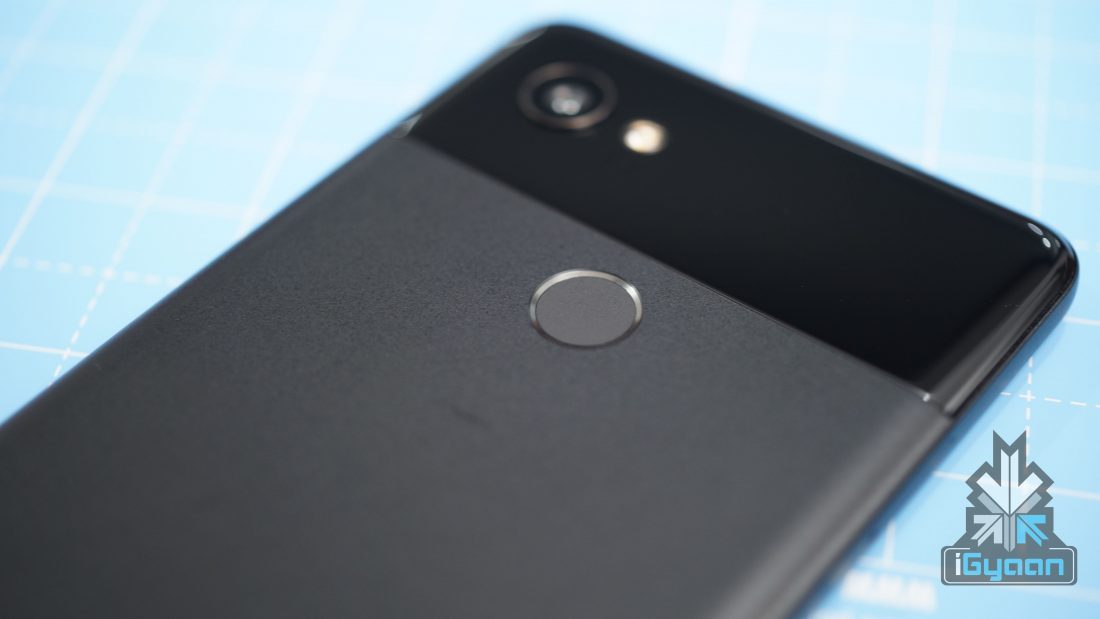
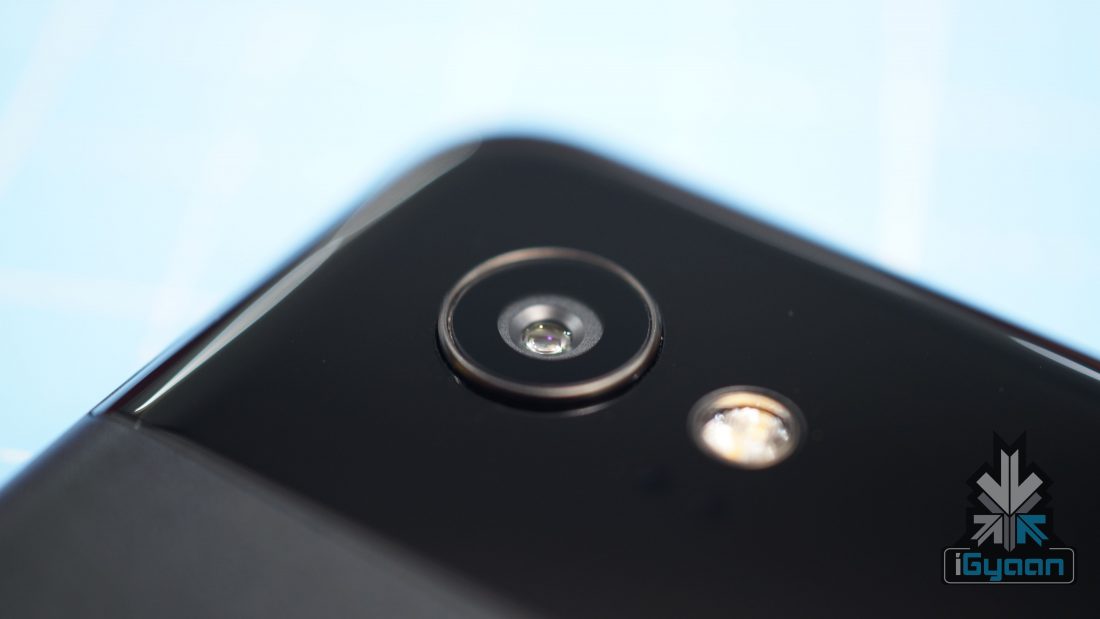
Ever since the Pixel 2 and Pixel 2 XL were launched back in October, the two Android flagship phones have been marred with some issue or the other. While the Pixel 2 XL has faced a lot of flak for its shoddy display and extremely apparent colour shifting, the Pixel 2 has also had some minor issues that have been reported extensively online. One of them is the buzzing noise a user can hear when they put the phone to their ear during a call. Google has announced that an upcoming software update will fix this issue.
Hey all,
We’re rolling out a software update in the coming weeks which eliminates a faint buzzing sound on some Pixel 2 devices when the phone is placed to your ear during a phone call.
Thanks.
It is worth noting that the buzzing noise is different from the “clicking” noise that some Pixel 2 and Pixel 2 XL users have experienced in the past. While an update fixed that issue, people found a way around that issue by switching off NFC.
Considering Google’s prowess in the software part of technology, it is surprising that most of the problems with the two Pixel 2 phones have been software related. On the flip side, it is a good sign that Google is taking note of every little issue reported by users and trying to actively fix them.
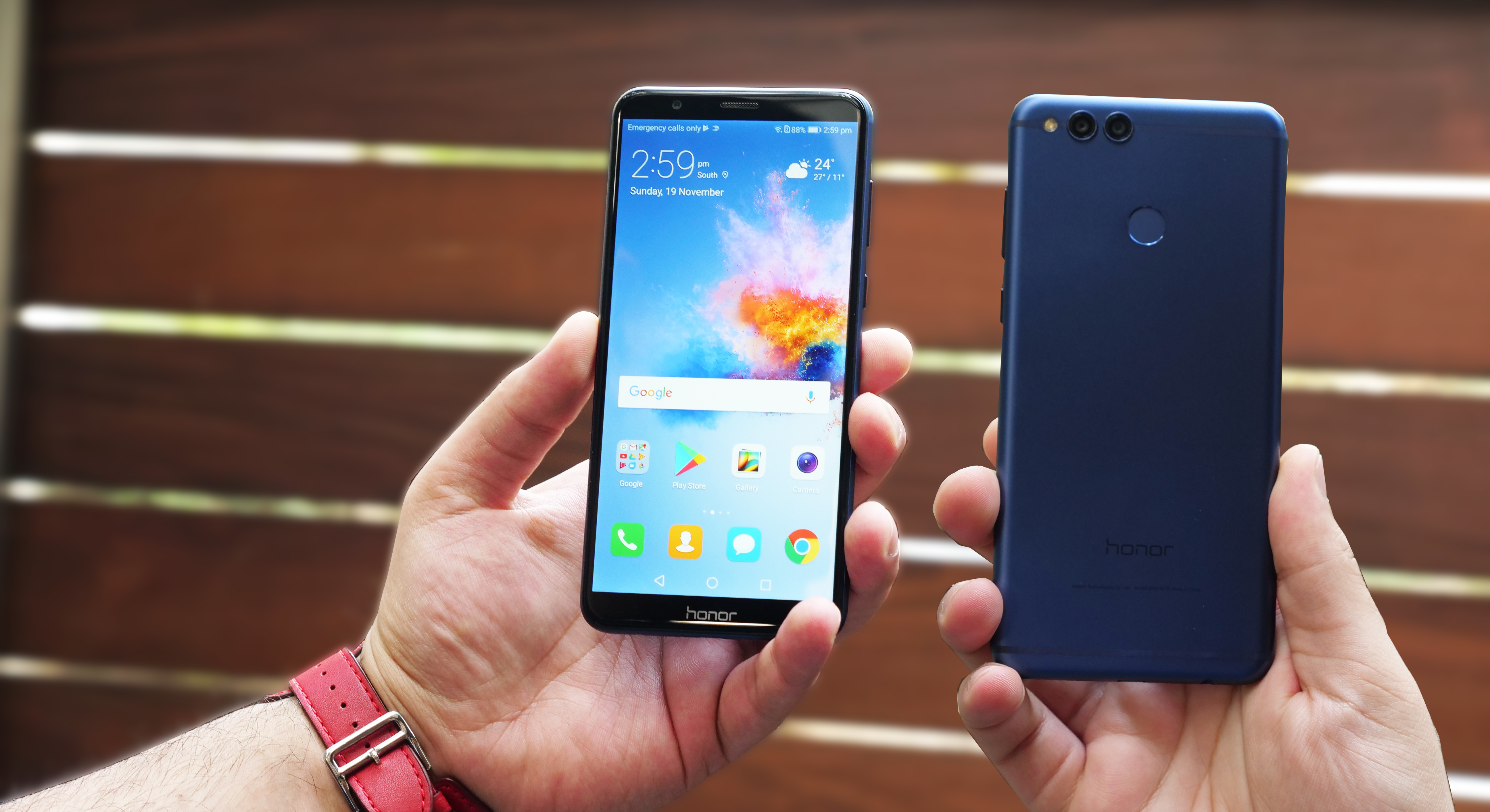
Huawei’s sub-brand Honor has launched the new Honor 7X launched in India. Let’s unbox the new device and see what we get inside:
Honor 7X
Documentation
Sim ejector tool
Wall charger
Micro USB cable
[section label=”First Impressions”]
First Impressions
The Honor 7X right from the moment you hold it in your hand gives a solid and sturdy feel. It has an aluminium unibody design with well-rounded edges for a nice snug fit in the hand.
[section label=”Specifications”]
Specifications
The Honor 7X has a 5.9 inch LTPS IPS LCD display with a 2160 x 1080 px display which translates into an 18:9 aspect ratio.
Under the hood, the Honor 7X has the HiSilicon Kirin 659 chipset, Mali-T830 MP2, 4GB of RAM and three storage options of 32GB, 64GB and 128GB. The onboard storage is expandable up to 256GB via microSD card. The device is powered by a 3340 mAh battery which charges via a micro USB slot. Since the device has thin bezels, the fingerprint sensor is placed at the back of the below the dual-camera setup.
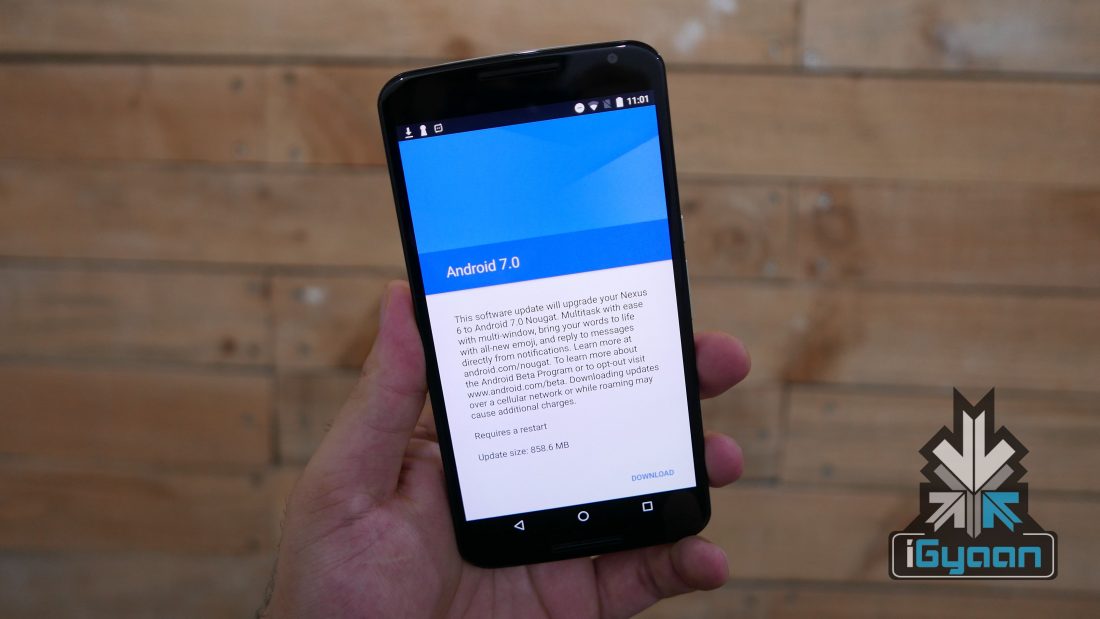
The Honor 7X runs Android 7.0 Nougat with EMUI 6.0 on top which gives a user more options for customising their phones.
The smartphone has a dual camera setup at the back. One of the cameras is equipped with a 16MP senor while the other one is a 2MP depth sensor. The camera setup at the back has PDAF and records 1080P videos at 30fps. On the front is an 8MP camera which also records 1080P videos.
Even though we’ve almost reached the end of 2017, there is a constant flux of high-end phones launching week in and week out. We recently saw three high profile Android phones launching in November itself, the Razer Phone, HTC U11+ (a mid range variant called the HTC U11 Life was launched as well) and the OnePlus 5T. Excluding the HTC U11+, the OnePlus 5T and the Razer Phone have the best specifications you can ask for in an Android phone. Snapdragon 835, up to 8GB of RAM and umpteen amount of storage.
But, these two phones have one thing in common which should not be acceptable in November of 2017. Both the devices run on an Android OS version which is more than a year old. Android 8.0 Oreo was launched back in August and it has been three months since it was made available for all these big smartphone companies to adopt and install in its new phones.
When the OnePlus 5T was launched, the Chinese smartphone maker said it is due to the intensive testing programme that it has not yet introduced Android 8.0 Oreo in the latest OnePlus 5T. Razer gave a similar reason and said it will push out an update soon enough. But, is soon enough good enough? You’re paying close US $700 for the Razer Phone and the higher end OnePlus 5T has a price tag of US $549, at this price, a consumer at least deserved whatever the latest software is in the market.
Yes, at the price these two phones have the best specifications in the market and the performance will be amazing enough to ignore what Android OS version these phones are running.
But, won’t the latest and greatest Android OS match better with the latest and greatest chipset? With Android 8.0 Oreo, Google introduced faster boot speeds, tighter security and those notification dots along with a lot of under the hood improvements. That should amount to something more than just, “it looks great, it will work great as well.” That is usually our defence for phones running older Android OS versions.
An average consumer barely even notices what OS version their phone is running. But, it matters, because the latest version of any operating system means that it performs better than the previous one and will be better for the longevity of your phone.
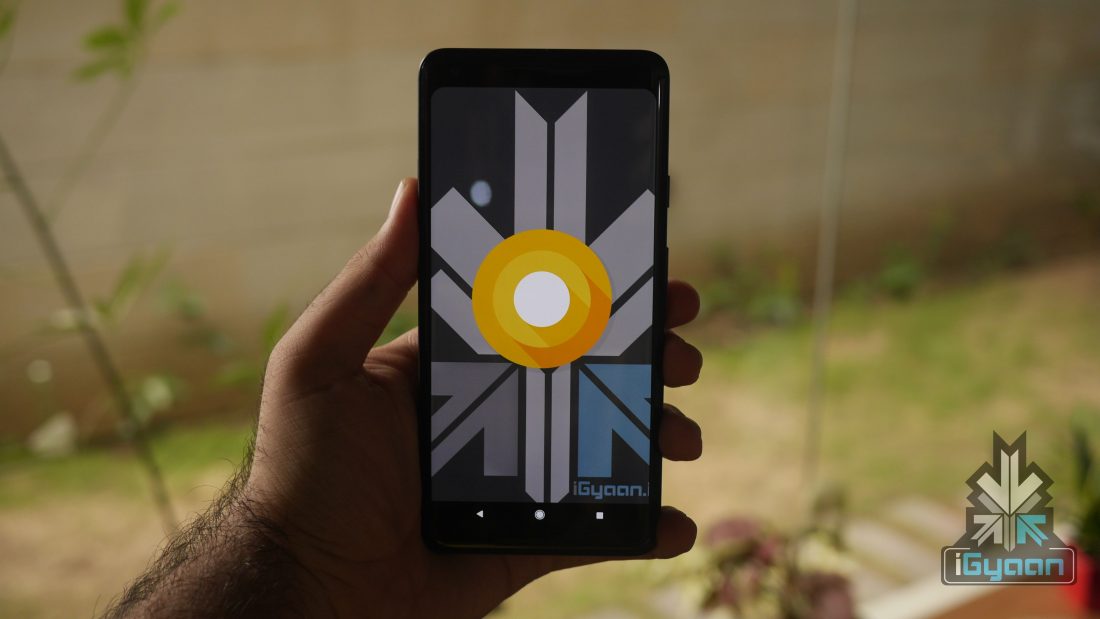
Android 8.0 Oreo On Pixel 2 XL
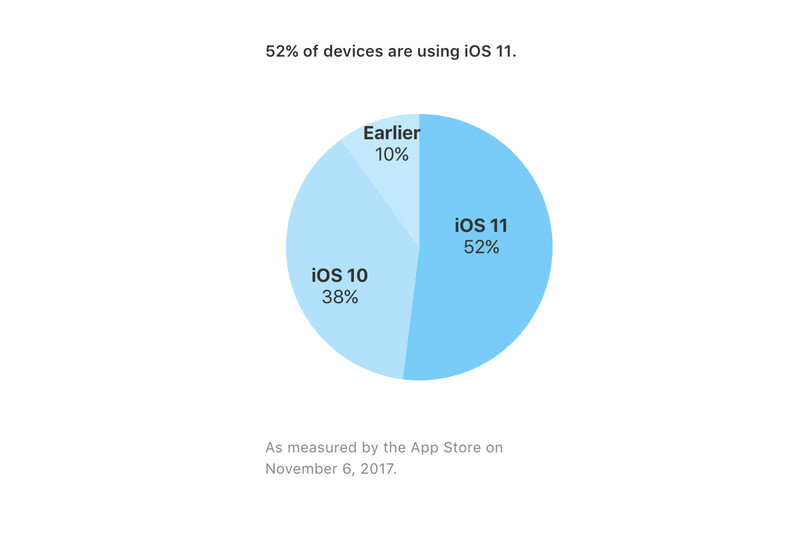
Android 8.0 Oreo is currently available in only 0.3% Android phones, while iOS 11, which was launched in September is present in over 50% of iOS devices. For further context, here is the Android OS and the percentage of Android phones running it:
Android KitKat (13.8%) – 2013,
Lollipop (27.2%) – 2014,
Marshmallow (30.9%) – 2015
Nougat (20.6%) – 2016
Android Lollipop, launched back in 2014 is more prevalent than Android Nougat that was launched in 2016. This tells you the story of Android’s adoption rate, especially when compared to iOS 11. Even iOS 10, which was launched in 2016 is available in 38% of the iOS devices currently out in the market.
It is hard to believe that companies like Razer and OnePlus would bring out their marquee phones with dated software because of lack of effort. It may be because the difference between Android Nougat and Android Oreo from the look of it, isn’t much. An average consumer would not make out the difference unless the consumer is coming from KitKat or Gingerbread. Fragmentation of Android devices is also a reason why so many smartphones currently never see a major software upgrade through their lifecycle.
Google’s Android One resurgence shows that the company wants more people to adopt to the latest OS and not wait for other OEMs to make a skin based on the latest Android OS and then push it out to consumers. Whether the Android One project will be a success is yet to be seen and how the adoption rate will change for Android 8.0 Oreo.
The holiday season is a time when companies try to push their marquee products into the market to take advantage of an average consumer’s spending spree. Apple Inc however, has decided to evade this season and wait till early next year to launch its much awaited foray into the smart speaker industry. HomePod, the Siri powered smart speaker which was unveiled back in June will start shipping to the US, UK and Australia in only early 2018.
The smart speaker industry has become more competitive this year and launching a first smart speaker at the end of 2017 was already a but late from Apple. Amazon’s Echo lineup and Alphabet Inc’s Google Home speakers have been dominating the market and with a price tag of US $349, the HomePod already have a stiff competition from its own price tag.
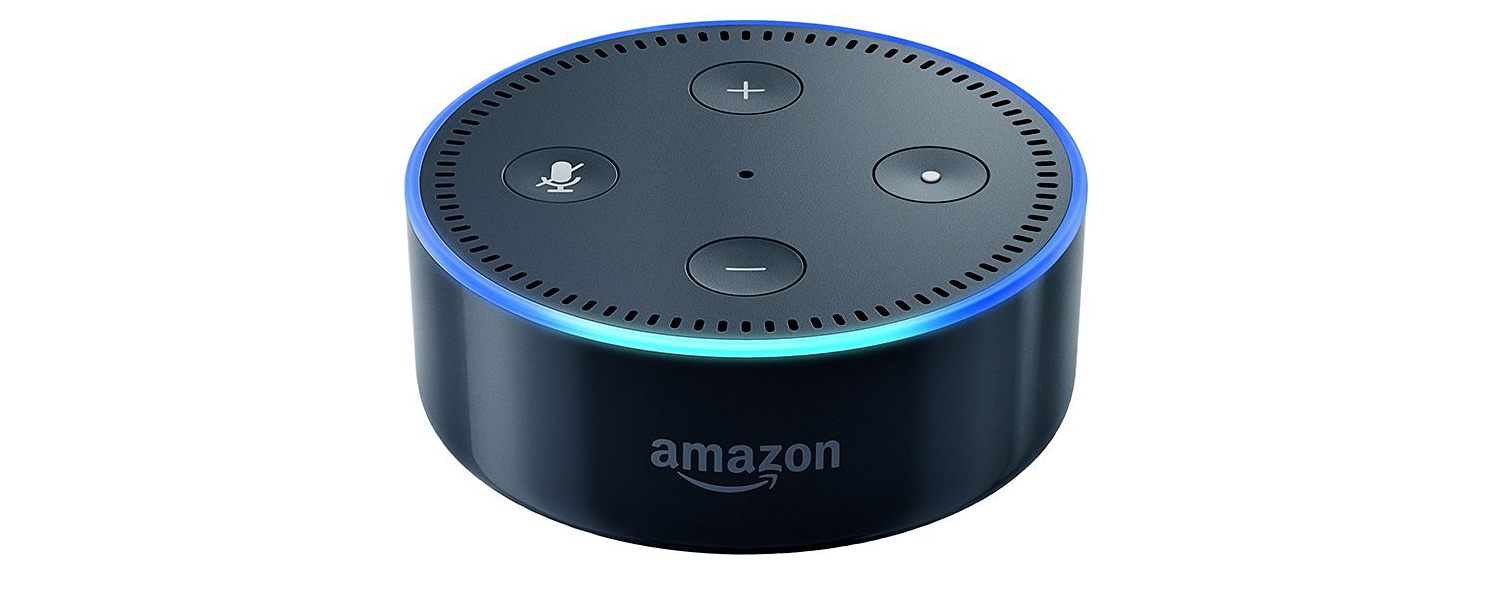
Amazon Echo Dot Retails For US $49
Bob O’Donnell, founder of Technalysis Research, said, “Apple has forecast between $84 billion and $87 billion in revenue for the holiday – mostly driven by sales of its $999 iPhone X – so it’s unlikely that missing a few weeks of sales of its $349 speaker will affect its financial results.”
AI Assistants are more used in smart speakers than phones. Even if the majority of Echo or Google Home users own an iPhone, it is highly likely that they’re talking to Alexa or Google Assistant more than Siri.
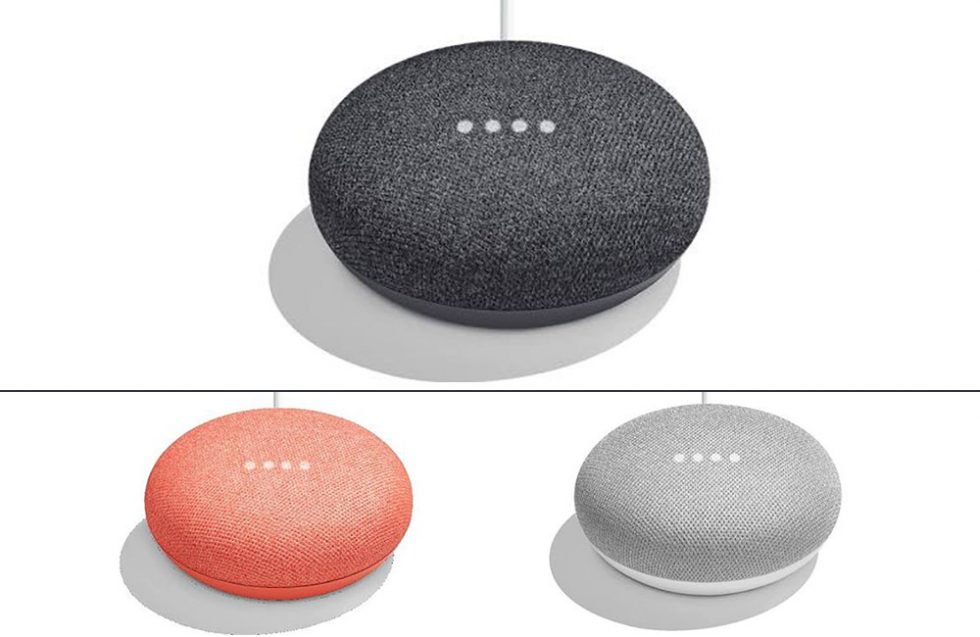
Google Home Mini retails for US $49 as well
Another big responsibilty on the shoulders of the HomePod is Apple Music. The rival smart speakers play music from Spotify, even though Google and Amazon have their own music streaming services. The HomePod however, will not have this option and will drive more people to subscribe to Apple Music and the rise of rival Spotify.
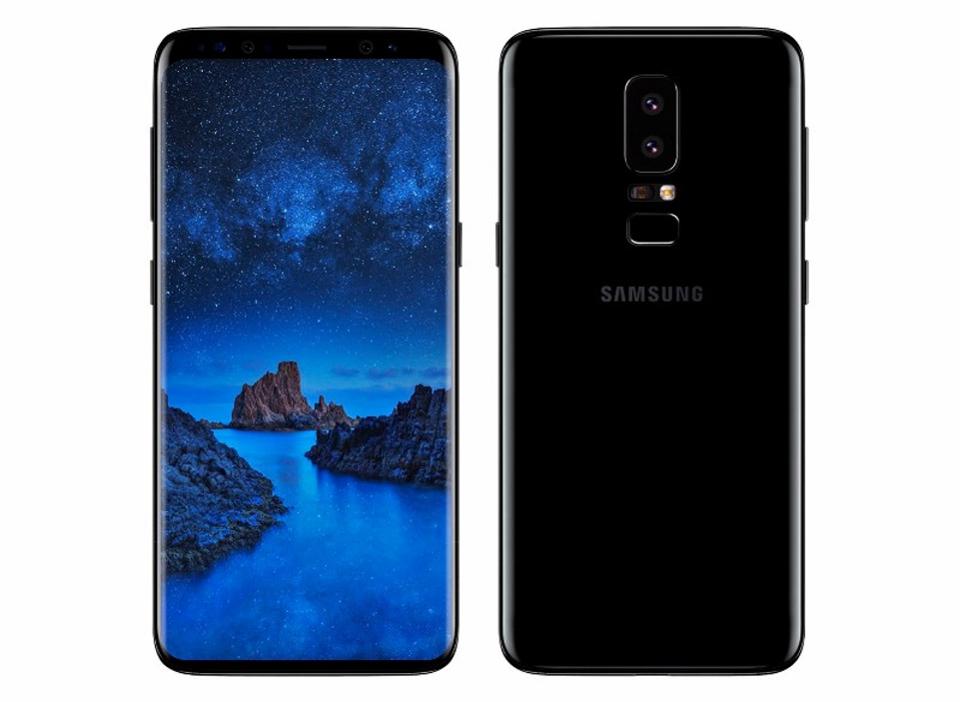
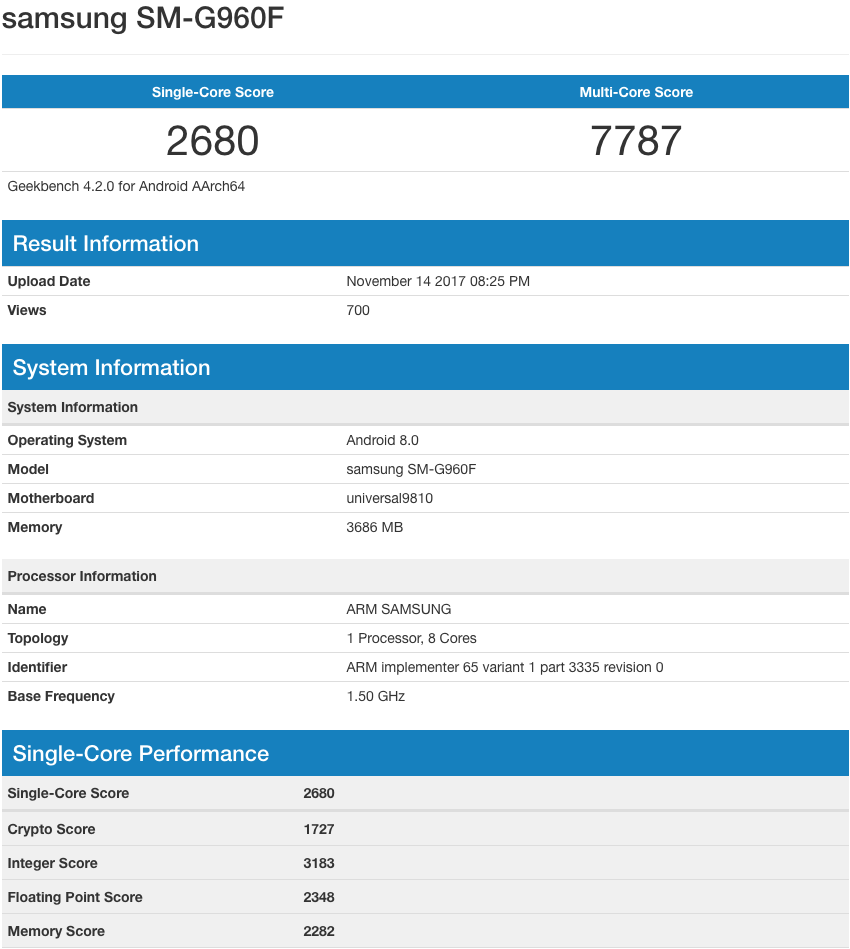
Samsung Galaxy S9 will be the first high profile smartphone of 2018 with its launch expected to take place in March. While there isn’t much known about the device other than a few obvious aspects, a new benchmark listing has provided some information regarding the device’s performance.
New benchmark results for a Samsung smartphone with the model number SM-G960F – widely expected to the global version of the Galaxy S9 – have appeared on the Geekbench website. The smartphone will most likely be powered by the new Exynos 9810 chipset, which was announced earlier in November. The phone scores 2680 on the single-core Geekbench 4 test and a 7787 on the multi-core test. While the scores are impressive, the smartphone doesn’t even come close to iPhone X‘s single-core score of 4197 and multi-core score of 10051.
The Galaxy S9 will have the same screen size as the Galaxy S8 and similarly the Galaxy S9+ will have the same screen size as the Galaxy S8+. What will be different is the size of the bezels. The top and bottom bezels will be thinner than the ones found on the 2017 flagship phones. There were rumours that the Galaxy S9 will have a screen-embedded fingerprint sensor but, a recent report claims that Samsung will introduce this technology only in the Galaxy Note9 in late 2018. This means that the fingerprint sensor on the Galaxy S9 will remain at the back of the phone but, might have a new position.
Samsung, in all likelihood, will also revive the ‘Mini’ lineup by launching a Samsung Galaxy S9 Mini with a screen size under the 5-inch mark and same specifications.
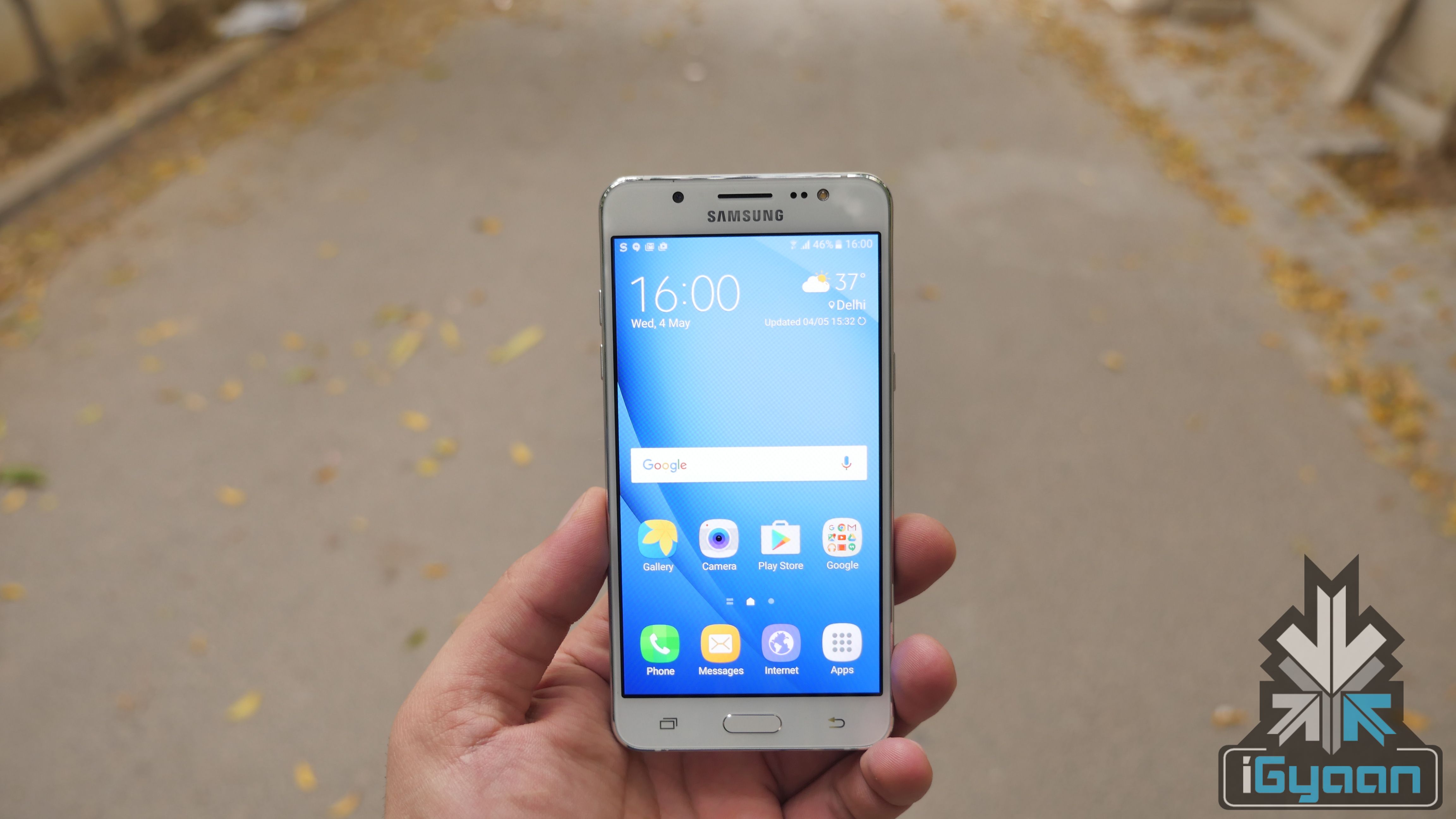
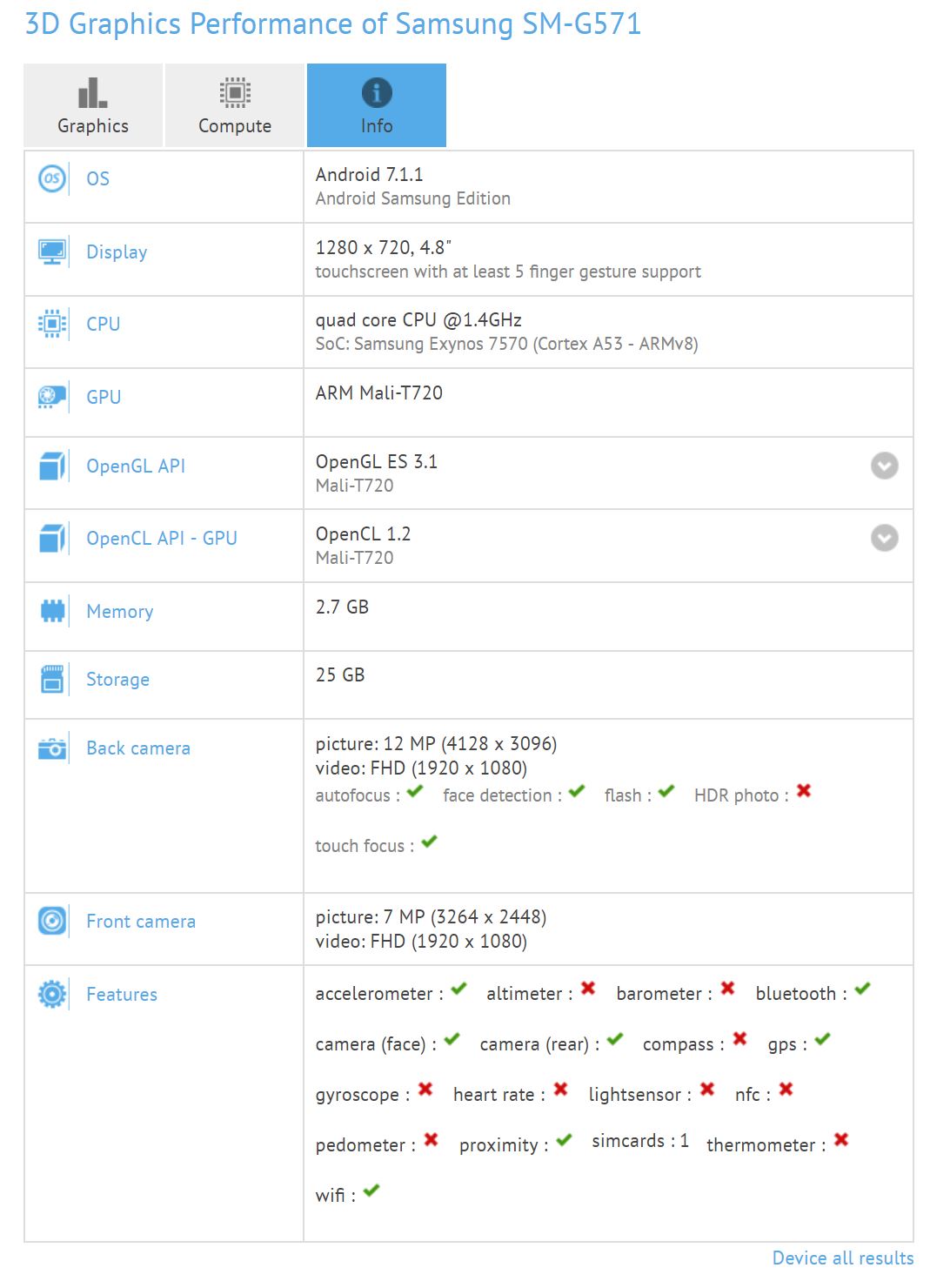
Samsung’s budget smartphone lineup has had a lot of competition over the years since the rise of the likes of Xiaomi and Lenovo’s budget lineup. The Galaxy J5 Prime has long been Samsung’s flag bearer in the sub 15K category and the next year’s J5 Prime 2018 will be an incremental upgrade over the J5 Prime 2016 edition. New benchmark listing sheds light on what we can expect from the upcoming J5 Prime 2018 variant.
According to the listing, the J5 Prime 2018 will have a 4.8-inch display with a 120 x 720 px resolution amounting to a widescreen aspect ratio of 16:9. While the flagship lineup and presumably the mid-rangers of 2018 will have display with an 18.5:9 aspect ratio, it appears that Samsung is not quite convinced to compete with the likes of the LG Q6 which has a taller display.
The SM-G571 was benchmarked as being powered by the Exynos 7570 SoC, the same Samsung-made chipset found inside its predecessor, Galaxy J3 (2017). The chipset is listed as running at a maximum operating frequency of 1.4GHz, which is in line with its previously commercialised configurations. The device will have 3GB of RAM, and 32GB of onboard storage which will be expandable via microSD card.
The device was also identified as having a 12MP primary camera capable of shooting 4K photos and 1920 x 1080 px videos along with an unspecified flash unit. The smartphone also appears to sport an 8MP camera with 1080p video support. The benchmark has listed it as a 7MP camera but, it is likely that the phone will have an 8MP sensor.
There are no firm availability details for the Samsung Galaxy J5 Prime 2018, with an early 2018 launch being the most plausible scenario.
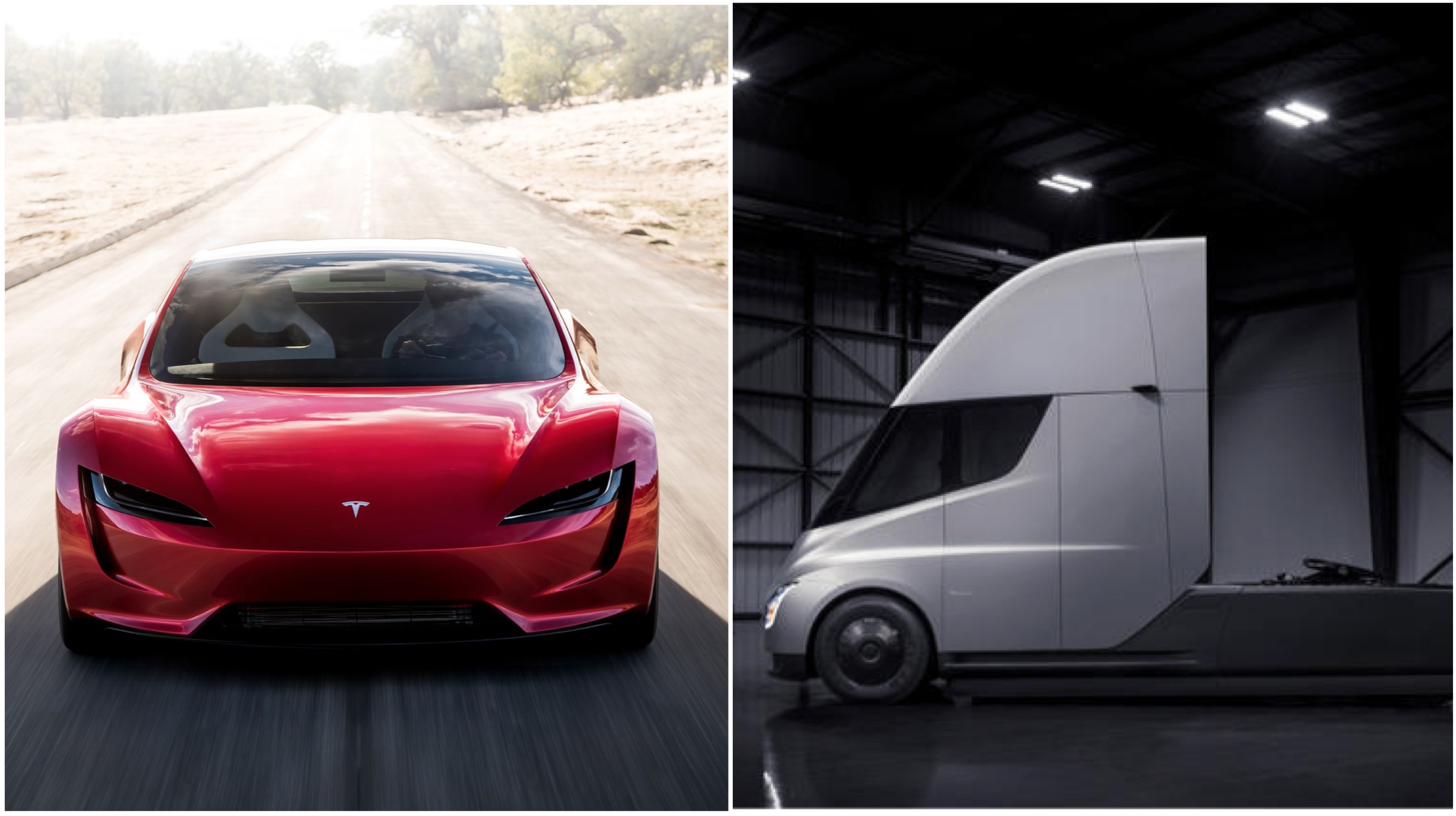
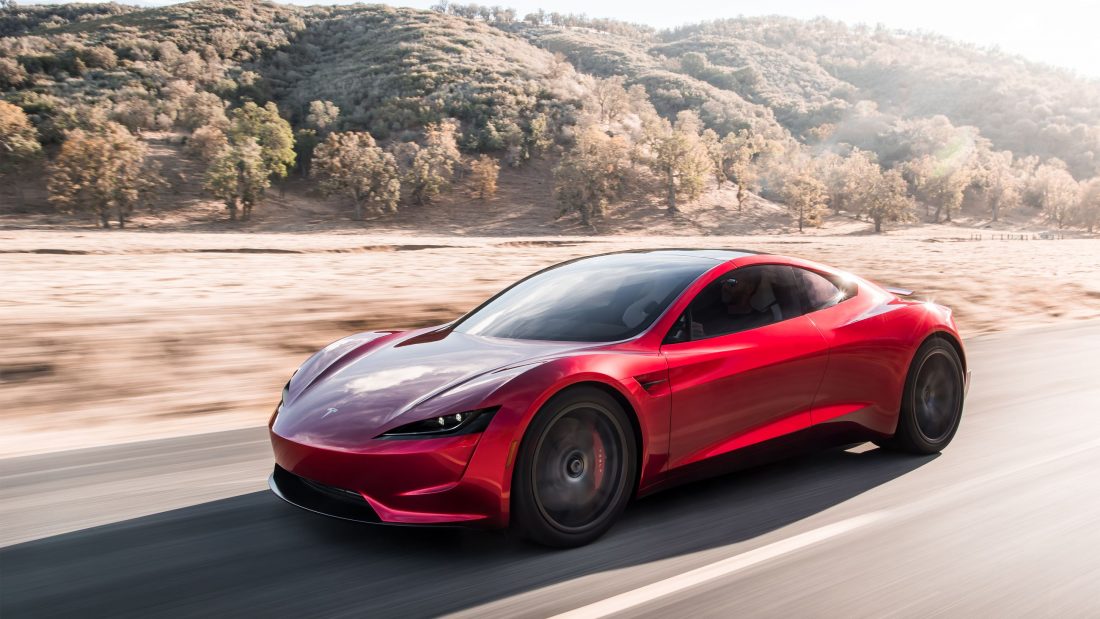
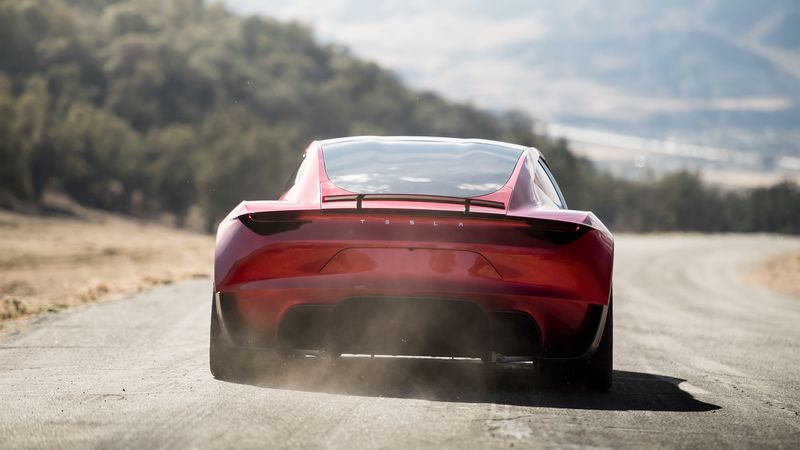
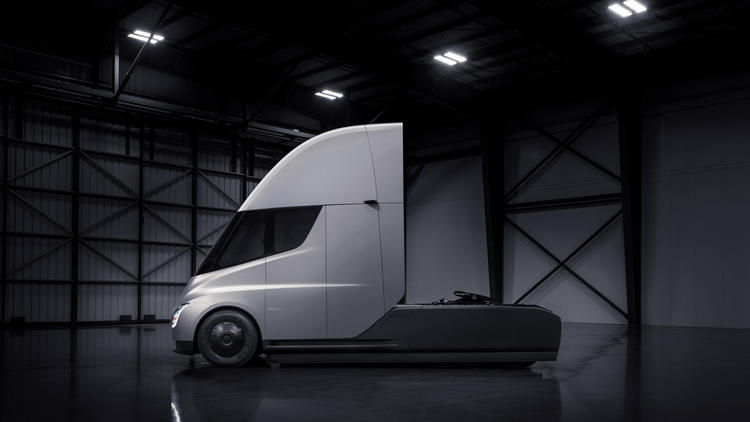
Tesla, the American automaker headed by Elon Musk, has unveiled two new electric vehicles at an event held in Hawthorne. The company revealed a new electric car, the Roadster and an electric truck, the Semi. Not a lot was revealed in terms of specifications about both the vehicles but, Elon Musk said that Roadster will go into production in 2020 while Semi, the e;ectric truck will go into production in 2019.
Tesla Roadster
Musk claims the car will rocket zero to 60 miles per hour in 1.9 seconds, the first production car to perform the feat in under 2 seconds, Musk said. Musk did not confirm the top speed of the Roadster but hinted that it will be over 250 mph. The new sports car is priced at US $200,000. “It’ll be faster than that jet over there,” Musk quipped, as an airplane soared over Tesla’s Hawthorne, California facility.
Musk said the Roadster had a 200 kwh battery pack and a 620-mile range per charge, or over 1,000 kilometres. Imagine driving to Los Angeles to San Francisco, and back, without recharging, Musk teased. The car has three motors, one in the front and two in the rear, all-wheel drive and torque steering.
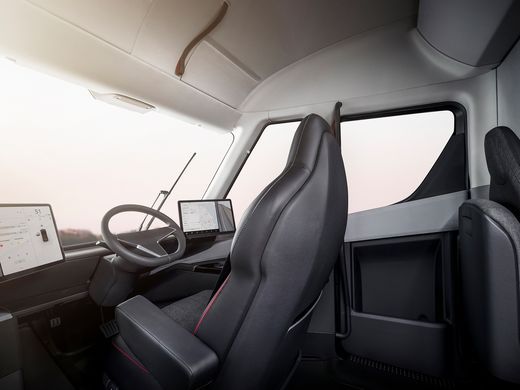
Tesla Semi Truck
Elon Musk had teased a “self driving electric truck” for a long time. He finally took the stage to unveil the product, the Tesla Semi Truck. The Truck is extremely smart, Musk claims. Surround cameras minimise blind spots, Tesla said.
The trucks will be equipped with enhanced autopilot and other self-drive and safety features such as automatic emergency braking, automatic lane keeping and lane departure warning. Musk claimed incredible levels of safety and reliability. There are onboard sensors which will look for signs of jackknifing. The Truck has four engines, so even if you break two, it will still keep motoring for a million miles.
The windshield is apparently thermonuclear explosion-proof. Musk has guaranteed a refund if the truck doesn’t survive a nuclear explosion.
Even though it is far from consumer ready as the company will start working on it in only 2019, Musk claims that it will be worth the wait. According to Musk, on a 100-mile route, a diesel truck would cost $1.51/mile, while this truck will cost just $1.26/mile. Musk claimed the Tesla Semi would go from 0 to 60 mph in 5 seconds compared with 15 seconds for a diesel truck. He also said it would climb a 5%-grade hill at 65 mph, compared with a diesel’s 45 mph.
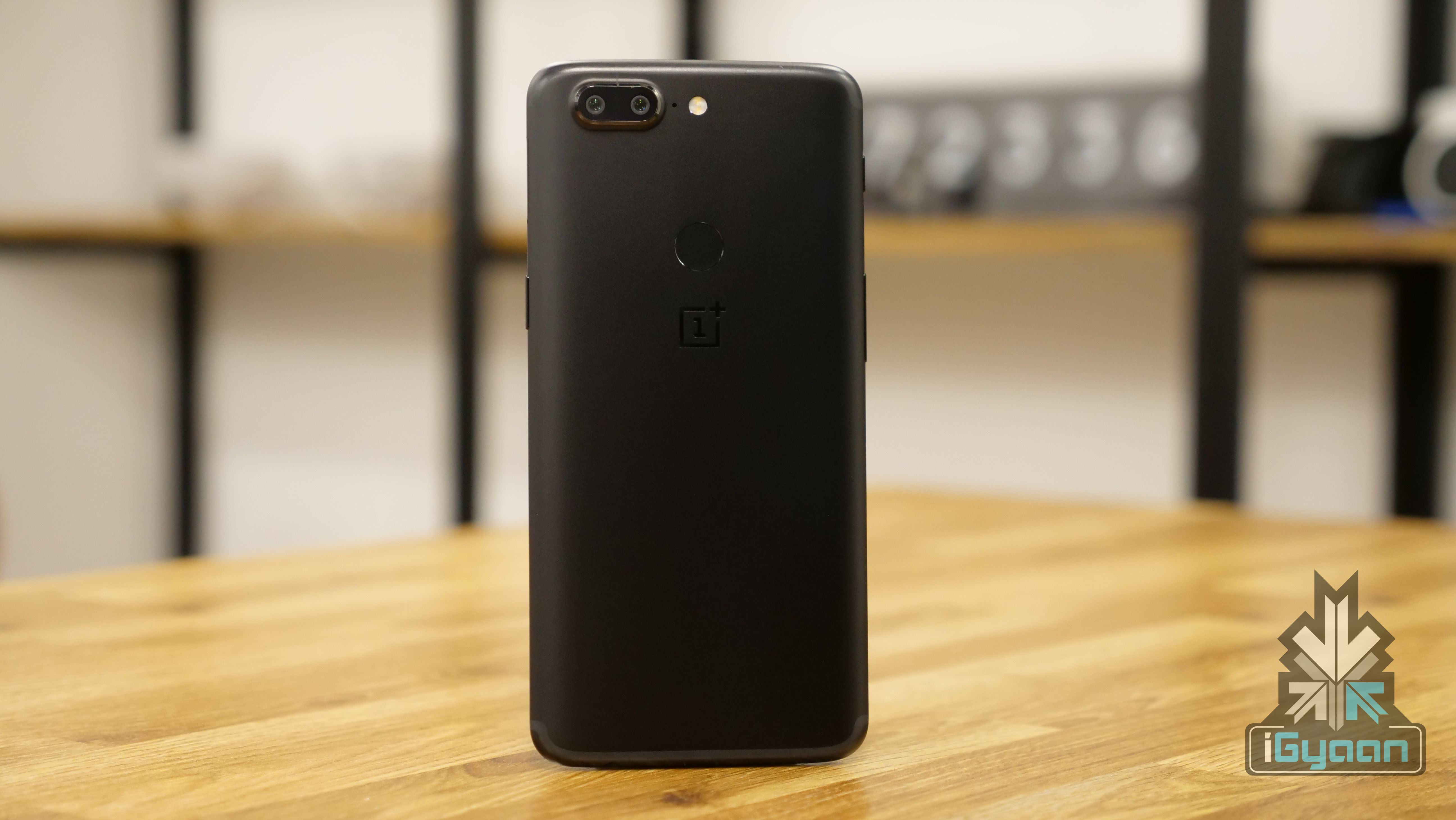
OnePlus has launched its second flagship smartphone in 2017, the OnePlus 5T at a price of US $499. The device will be available globally on and will go on sale in India on the 21st of November via a flash sale exclusively on Amazon.
The OnePlus 5T is an incremental upgrade over the OnePlus 5 which was launched in June 2017. The hardware is more or less the same as the OnePlus 5, with a new design and display size. The OnePlus 5T is more in line with 2017 flagship phones with thin bezels and a tall display which has become a norm in 2017 flagship phones like the Galaxy Note8 and the iPhone X.
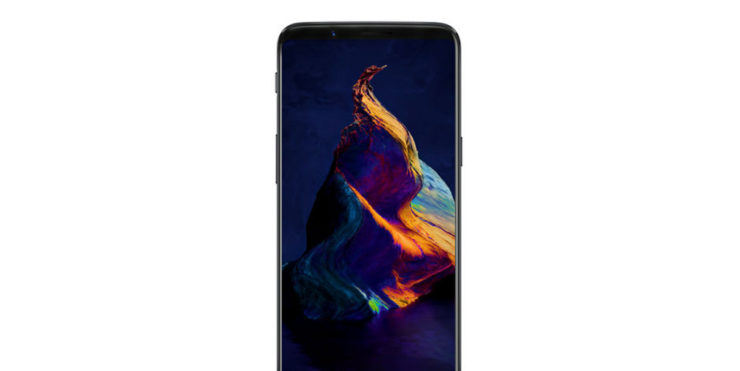
The OnePlus 5T has a 6-inch Full Optic AMOLED display with a 2160 x 1080 px resolution and an 80.5% screen to body ratio. This is a huge detour from the short history of OnePlus devices which have so far had a 5.5-inch display.
Under the hood, the OnePlus 5T has the Qualcomm Snapdragon 835 chipset, a 2.4GHz octa-core processor, 6GB or 8GB of RAM, 64GB or 128GB of onboard storage which cannot be expanded. Powering the device is a 3300 mAh battery which supports OnePlus’ DashCharge technology.
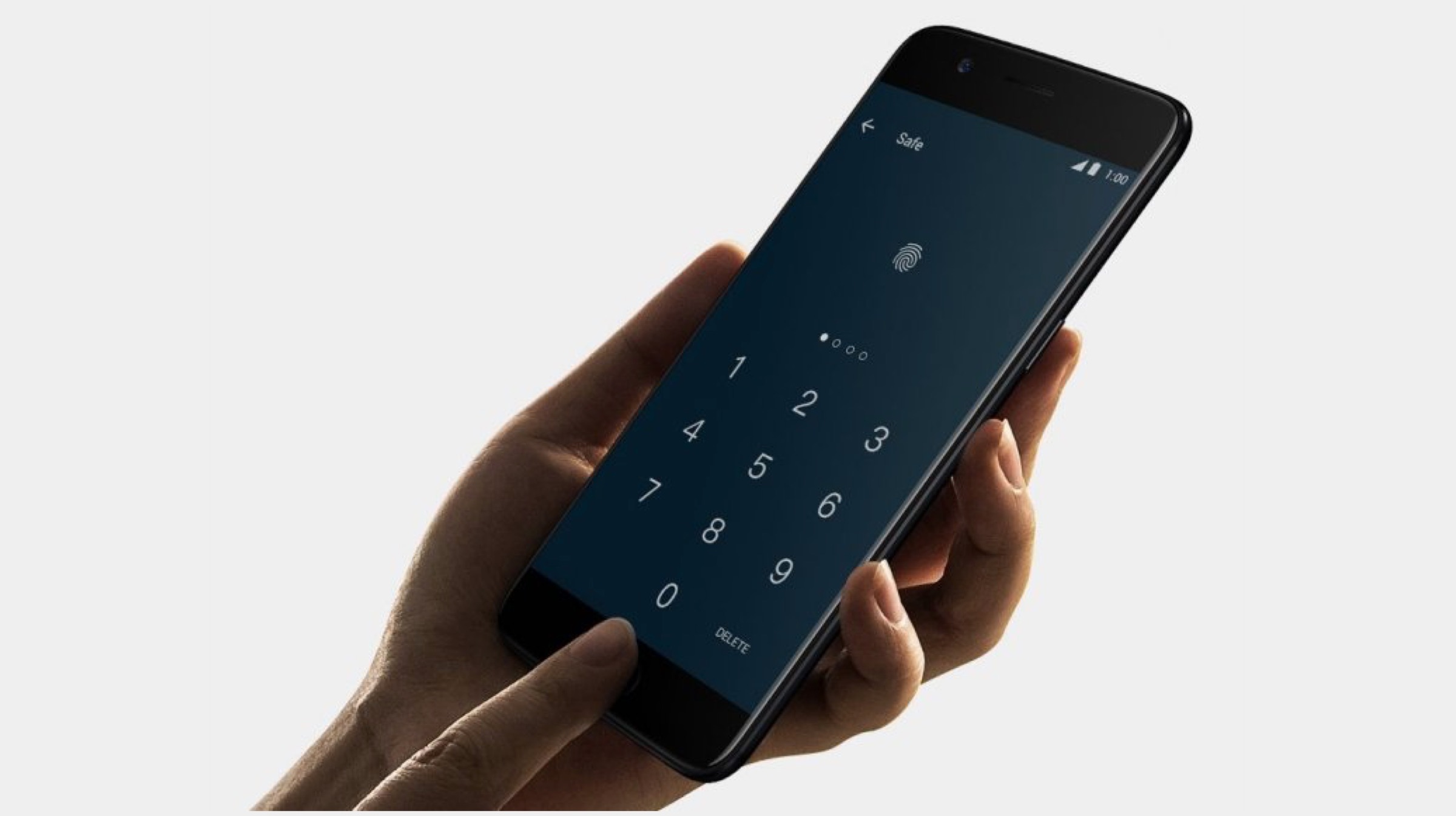
Due to thin bezels, there is no place for a home button and the fingerprint sensor has now been shifted to the back of the phone and is placed right above OnePlus logo. The OnePlus 5T also features facial recognition for unlocking the device. The alert slider retains its place at the top left side of the phone which can be used to switch between different modes of notification alerts.
The OnePlus 5T runs stock Android 7.1.1 Nougat with customisability options thanks to the Oxygen OS on top. OnePlus has promised an update to Android 8.0 Oreo by early 2018. The Android 8.0 Oreo beta update will be pushed out to OnePlus 5T in late December 2017.
One big change in the OnePlus 5T is in the camera department. Unlike the OnePlus 5, the OnePlus 5T no longer has a secondary telephoto lens at the back. Instead, OnePlus has decided to focus on the device’s low-light photography capabilities. The cameras do not have OIS and OnePlus has decided to go for EIS on the dual camera setup at the back. The device has a 16MP camera with an f/1.7 aperture coupled with a 20MP sensor with the same f/1.7 aperture and field of view, ie no optical zoom. On the front is a 16MP camera with an f/2.0 aperture.
Priced at Rs 32999 in India for the 64GB variant and Rs 37999 for the 128GB, the OnePlus 5T looks more equipped to be “flagship killer” that the OnePlus was touted to be and the first flash sale will show how many people have accepted the new design of the smartphone.
OnePlus cannot seem to catch a break. A few days after it was revealed that OnePlus left an application that allowed backdoor entry to OnePlus devices, a new application has been found recording sensitive data and storing it unencrypted inside the phone. This app is reportedly called OnePlusLogKit and, like its name suggests, logs an extensive amount of user data.
The same researcher who exposed the EngineerMode app a few days ago has made the new revelation as well. The researcher wrote in a post that all of the user data stored by this app is unencrypted, and also added that this data could also likely be sent to China. The researcher, who goes by the moniker of Elliot Anderson also said that he believes that the app may have been intentionally left on users’ devices by the Chinese smartphone maker.
He said that all one had to do to trigger the app into logging the data and accessing it was to dial *#800# on the smartphone’s dial pad. This action automatically opens up the app’s interface with which one can either switch the logging feature on or off.
<Thread> Hi @Oneplus ?! Remember me? Let's talk about another debug app you left in your device. OnePlusLogKit is a system application which allow you to do a multitude of things: get wifi logs, nfc logs, gps logs pic.twitter.com/HvnErm8rXg
These findings do not come at an ideal time for OnePlus. The Chinese smartphone maker is gearing up to launch the OnePlus 5T on the 16th of November. The device will be OnePlus’ sixth device in its short lifespan and take a design detour from previous OnePlus phones with thin bezels and tall display.
OnePlus was just recently accused of collecting sensitive data of users and the company has barely come out of the aftermath following such serious allegations. It won’t be surprising if OnePlus left the application inside the phones on purpose since it admitted to collecting data from its phones to improve the user experience.
Up until a few weeks ago, the OnePlus 5T seemed like a mythical entity created by someone with a Twitter handle. A series of hoaxes were followed by some believable leaks and then finally, OnePlus confirmed that the device is real. The OnePlus 5T, just the OnePlus 3T was to OnePlus 3, will be an incremental upgrade over the OnePlus 5. So, people who have recently bought the OnePlus 5 should not feel disappointed and for people waiting to upgrade to a new phone, the 5T makes more sense than the OnePlus 5.
Pete Lau blogged about what the pricing technique will be for the OnePlus 5T. He did not explicitly say that the OnePlus 5T will be more expensive than the OnePlus 5t but, mentioned the fact that components used to make a smartphone have become pricier and that OnePlus users will appreciate what’s coming. This means that there will be a shift in pricing again for the OnePlus 5T. It is worth noting that OnePlus received flak from consumers for significantly increasing the price of the OnePlus 5. In India, the OnePlus 5T’s base variant might be priced around the Rs 40,000 mark.
The OnePlus 5T will have a 6-inch AMOLED display with a 2160 x 1080 px resolution. This means that the OnePlus 5T will have tall display and thinner bezels compared to the OnePlus 5.
Under the hood, there will be no difference between the OnePlus 5T and its predecessor. The OnePlus 5T will have the Qualcomm Snapdragon 835 chipset, 2.4GHz octa-core processor, 6GB RAM/64GB storage, and 8GB RAM/128GB storage. Similar to the previous OnePlus phones, there will be no option of expanding the storage. The device is powered by a 3500 mAh battery which is slightly bigger than the one found on the OnePlus 5. As usual, the OnePlus 5T also has dash charge which OnePlus claims is better than wireless charging.
The OnePlus 5T will run Android 7.1.1 Nougat out of the box with Oxygen OS on top which is close to stock Android OS. OnePlus has announced that the OnePlus 5, 3T and 3 will get Android 8.0 Oreo update hence, the OnePlus 5T will also get that software update soon.
Another change from the OnePlus 5 will be in the camera department.The OnePlus 5T will drop the secondary telephoto lens and focus on low-light photography. The dual camera setup will consist of a 16MP sensor with an f/1.7 aperture and a 20MP sensor with the same f/1.7 aperture and field of view (ie no telephoto lens).
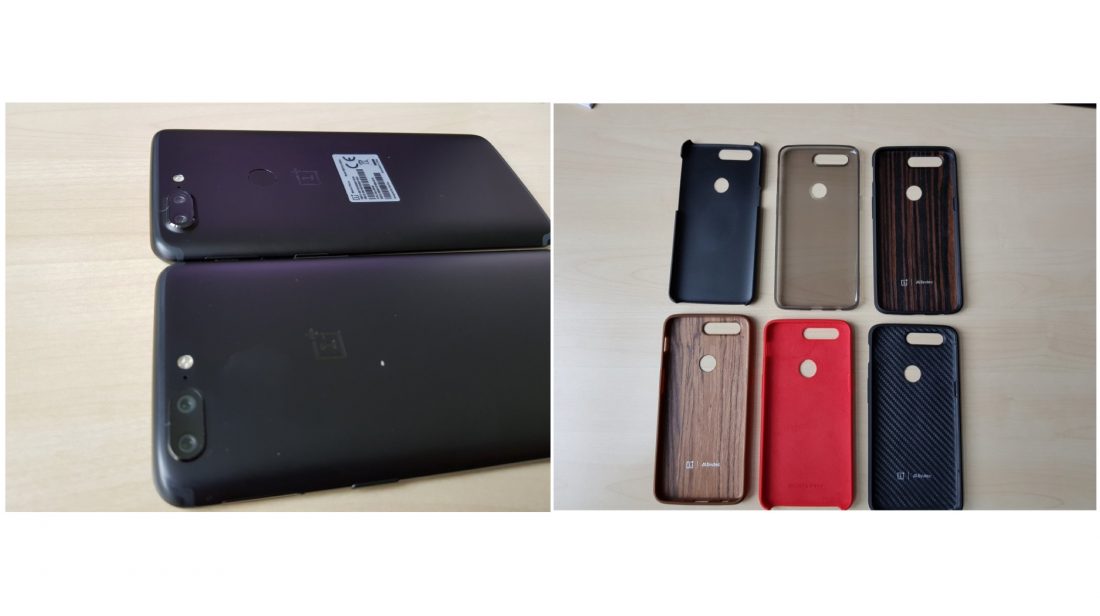
OnePlus 5 And The OnePlus 5T and OnePlus 5T cases.
The OnePlus 5T will be an Amazon exclusive in India and the first flash sale will be held on the 21st of November.
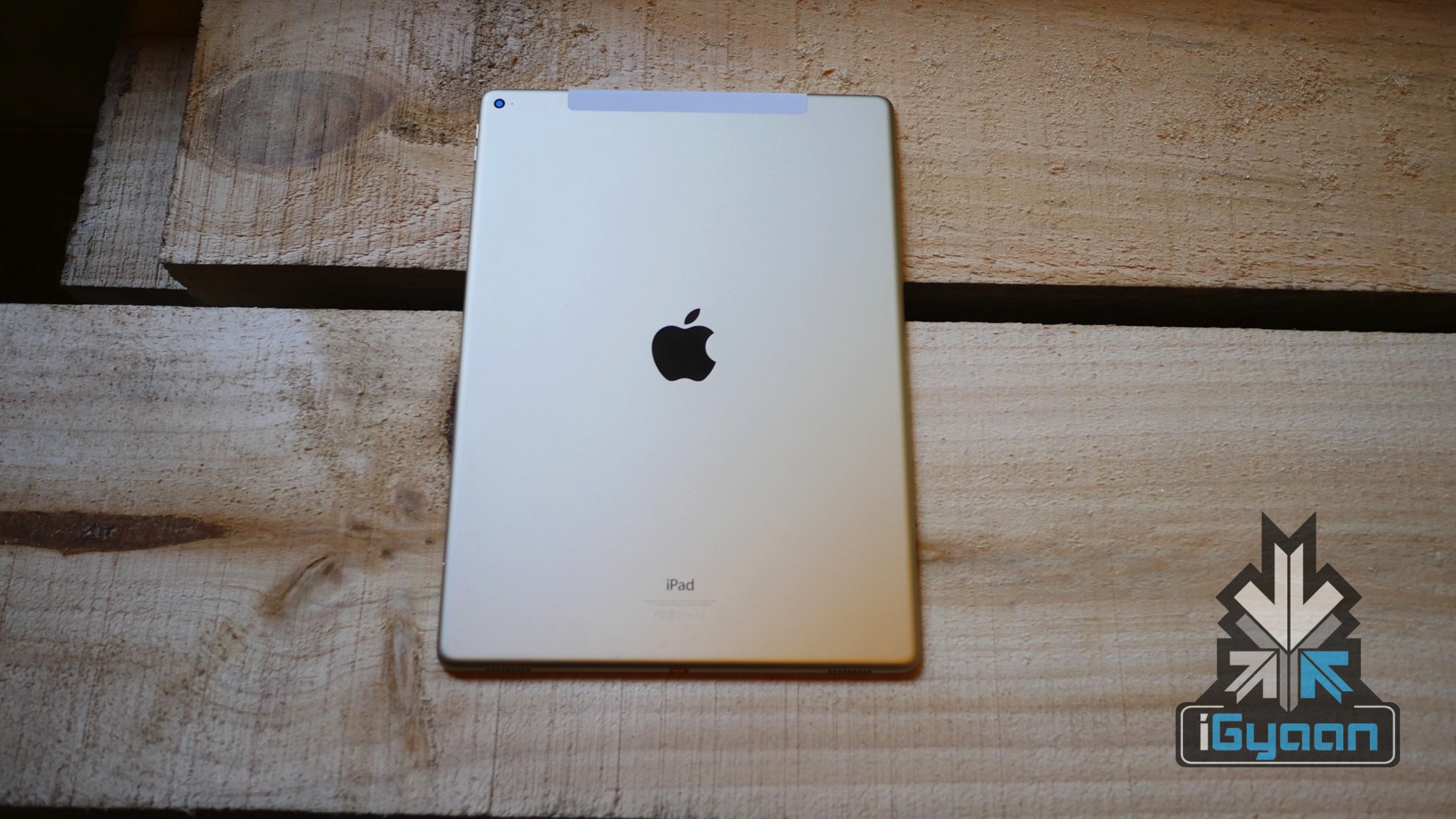
Apple is one of the few companies still aggressively making tablets. So much so, that in the tablet industry, it is either an iPad or no tablet. Samsung launches a few tablets as well but, nothing comes near the dominance of iPads. The iPad Pro lineup is another successful iteration of powerful tablets with high-end specifications and premium price tag from Apple. It appears that Apple will continue that in 2018 as the next iPad is expected to be powered by an upgraded version of the iPhone X processor.
Chinese website MyDrivers revealed that Apple’s upcoming iPad Pro models will feature octa-core processors that are actually based on Taiwanese company TSMC’s 7nm manufacturing process. Supply chain sources have indicated that the octa-core processor is tentatively named A11X Bionic chip.
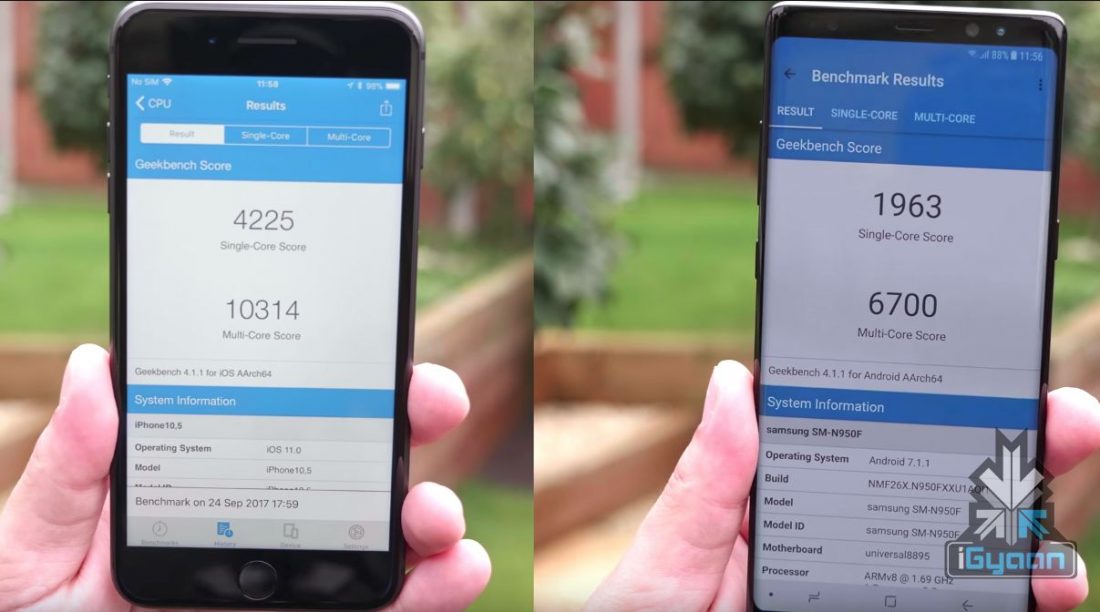
A11 bionic on iPhone 8 Plus Vs Snapdragon 835 on Galaxy Note8
The A11 Bionic chip has already surpassed every Snapdragon 835 running Android phone in benchmark and performance tests and that too with just six cores. With eight cores on the A11X bionic chip, it is safe to assume that the A11X might be the fastest chip on a mobile device in 2018. In the A11 Bionic chip, it was noted that the high-performance cores, called “Monsoon,” are 25 percent faster than the ones in last year’s A10 Fusion while the high-efficiency cores, called “Mistral,” are 70 percent faster than those of its predecessor.
According to a report, Apple has decided to make the A11 Bionic chip even more powerful by adding two more cores to it. Hence, the 2018 iPad Pro devices will come with three Monsoon cores and five Mistral cores. The A11X Bionic chip may come with a next-generation M11 coprocessor and neural engine. This would corroborate with previous reports suggesting that the iPad Pro in 2018 will also have Face ID just like the iPhone X.
The 2018 iPad Pros however, won’t have OLED screens like the iPhone X. This means that it is highly unlikely that the iPad Pro will have a design similar to the iPhone X with barely any bezels and a notch. The bezels might be thinner than the ones currently found on iPads but, for the ease of use, there will be some bezels.
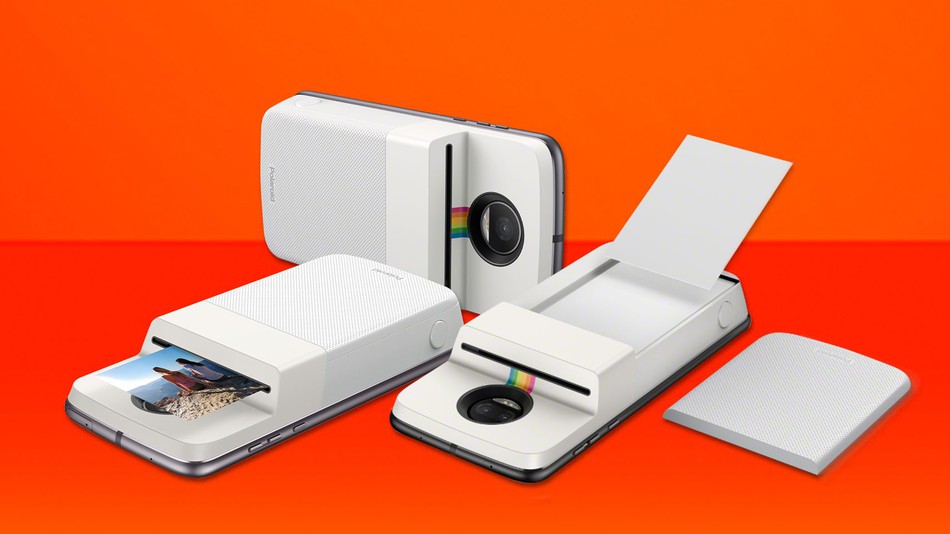
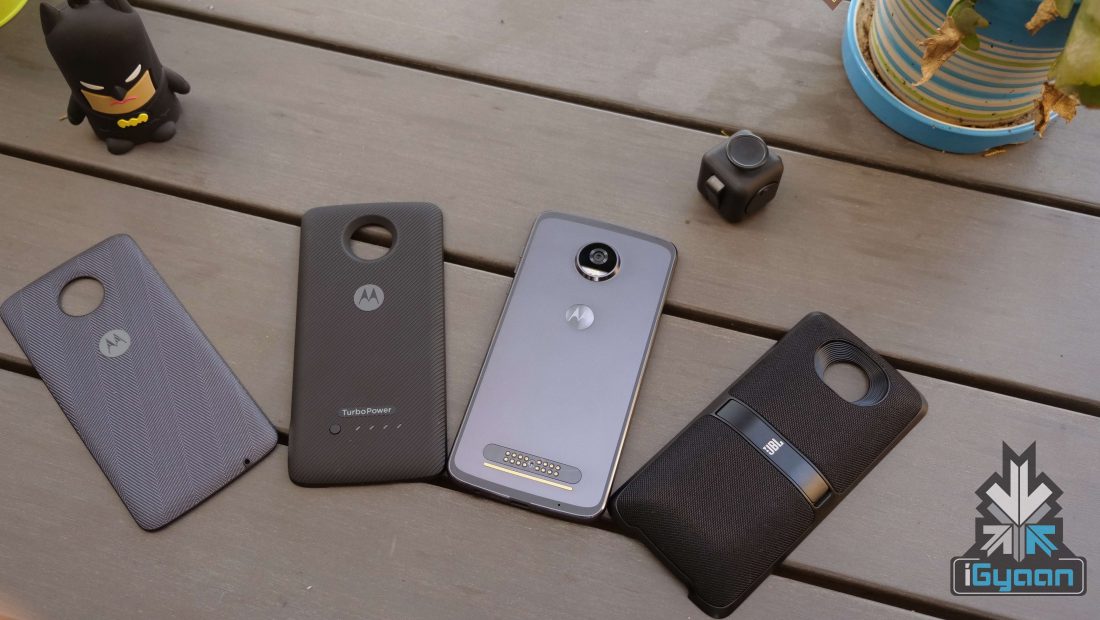
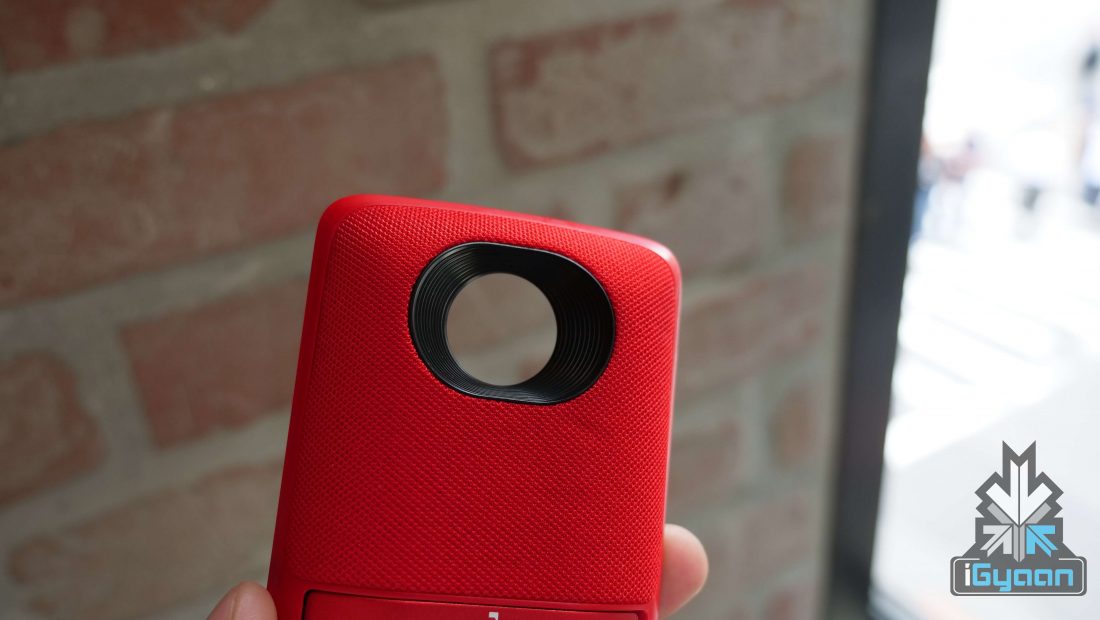
Motorola’s Moto Z series has been an ideal implementation of modular phones. Polaroid and Motorola have teamed up on a new Moto Mod for the company’s Z series of phones. The Polaroid Insta-Share Printer is an instant camera accessory that turns the Moto Z into a tiny photo printer.
Moto Z2 Play and Moto Mods
Just like any other mod, it clips on to the back of your phone and connects to the Moto Z’s camera to turn the phone into a tiny Polaroid camera. The mod even has a dedicated shutter button to make clicking photos relatively easier. You can also use the mod to print out photos you’ve already taken, and other pictures you have stored on your phone. You can even add text to photos before printing them.
Priced at US $199, this mod doesn’t come cheap for sure. There are cheaper polaroid cameras and even Polaroid’s own OneStep 2 camera will cost less than this accessory for your Moto Z phone. However, the accessory dos give you the luxury of editing and customising photos before your print them.
If you own a Moto Z phone, then buying an accessory over a new camera would make sense as it is one less thing to carry instead of a whole polaroid camera.
The Google Pixel 2 XL is now available to buy in India. The 64GB variant of the Pixel 2XL is price at Rs 73000 while the 128GB variant will cost you Rs 82000. The Google Pixel 2 XL has run into some issues since it launch but, Google has said that these issues can be fixed with a software update.
The smartphone has a 6 inch 2880 x 1440 px POLED display which translates into an 18:9 aspect ratio. Protecting the display is Corning Gorilla Glass 5.
Under the hood, the Pixel 2 XL has the Qualcomm Snapdragon 835 chipset, 2.4GHz octa core processor, Adreno 540, 4GB RAM and 64GB/128GB onboard storage. The fingerprint sensor sits at the back of the device but, this time around the “glass window” is smaller. Powering the device is a 3520 mAh battery which is larger than the one found in the Pixel 2.
Just like the Pixel 2, the device runs Android 8.0 Oreo out of the box and will receive the Android P update in 2018.
Google has decided to go for a single camera setup similar to last year’s Pixel phones. The rear-facing camera is a 12.2 MP sensor with an f/1.8 aperture and 1.4 micron pixel size. On the front is an 8MP camera with an f/2.4 aperture. The Pixel 2 XL uses both OIS and EIS simultaneously which should ideally result in better low-light photography and stable videos.
Google has introduced new features in the camera department like the addition of AR. Google says Pixel 2 XL has greater high dynamic range, optical image stabilisation, and a portrait mode that doesn’t use a second camera but dual-sensor image technology.
Samsung Galaxy S9 and Galaxy S9+ are expected to be launched in March 2018. New reports suggest that the two new flagship phones will be accompanied by a smaller sibling, the Galaxy S9 Mini.
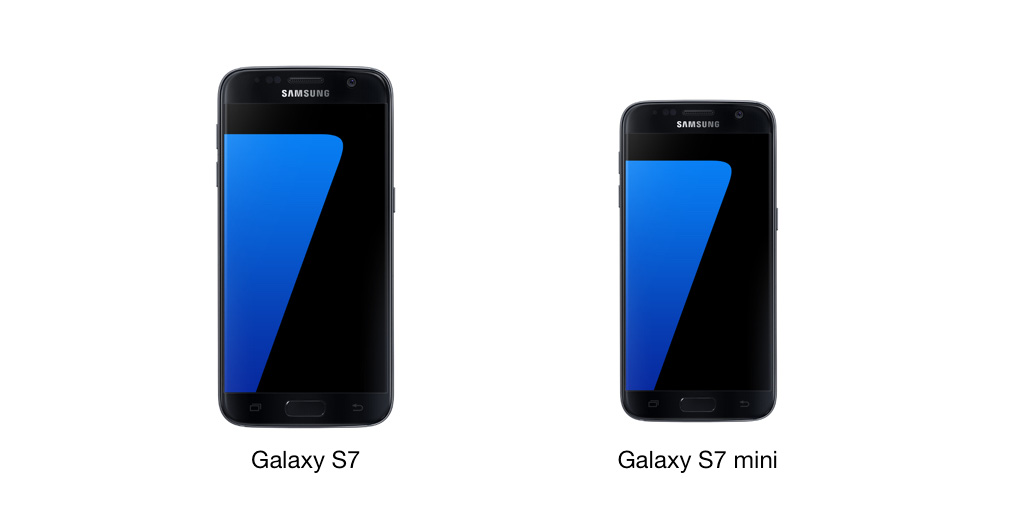
When the Galaxy S8 and S8+ were launched earlier this year, and ever since their launch there were rumours of the of the Galaxy S8 Mini. It was expected that Samsung will continue the ‘Mini’ series for its flagship phones, similar to what it did with the Galaxy S7 and Galaxy S7 Mini.
There are no other details of the Galaxy S9 Mini available right now other than the display size. It is rumoured that the device will have a screen under 5-inch in size, with curved edges.
If Samsung’s previous decisions for the ‘Mini’ variants is anything to go by, then the Galaxy S9 Mini will basically be the Galaxy S9 but, with a smaller screen size. The Galaxy S9 is expected to be the first smartphone to have the Qualcomm Snapdragon 845 chipset thanks to the company’s deal with Qualcomm. Hence, it is expected that the Galaxy S9 Mini will also have the Qualcomm Snapdragon 845 chipset.
The bigger siblings, Galaxy S9 and Galaxy S9+ are expected to be launched in March 2018 and Samsung may offer the Galaxy S9 Mini as well for people who prefer phones with a smaller form factor.
Ever since the iPhone X was launched, the most talked about feature has been Face ID. The near bezel-less design of the iPhone X meant that Apple had to get rid of the iconic home button and Touch ID. At the launch of the iPhone X and over the last few weeks, Apple has said that Face ID is much more secure than Touch ID and the possibility of bypassing it is you have an evil identical twin.
A new video has emerged of a ten-year old unlocking his mother’s iPhone X using Face ID. In the video, the mother explains that despite setting up Face ID for her face, her son is able to unlock the phone using his face.
Wired reports that after the mother reregistered her face under different lighting, her son was not able to unlock her phone. She then reregistered the third time in dimmer lighting to replicate her initial registration, and then, her son was able to unlock the phone again. The son was also able to unlock his father’s phone, but only in one instance.
It is possible that the kid’s age was a factor as Apple has said that the “undeveloped facial features” in those under the age of thirteen could cause issues with Face ID.
This questions Apple’s claims that Face ID is more secure than Touch ID since it is hard to believe that the son would be able to bypass Touch ID on his parents’ other iPhones under any given conditions.