Category: Brands and Companies

All Brands and Company Names

  • Israeli Company Sues Apple For Dual-Camera Patent Infringement

    Israeli Company Sues Apple For Dual-Camera Patent Infringement

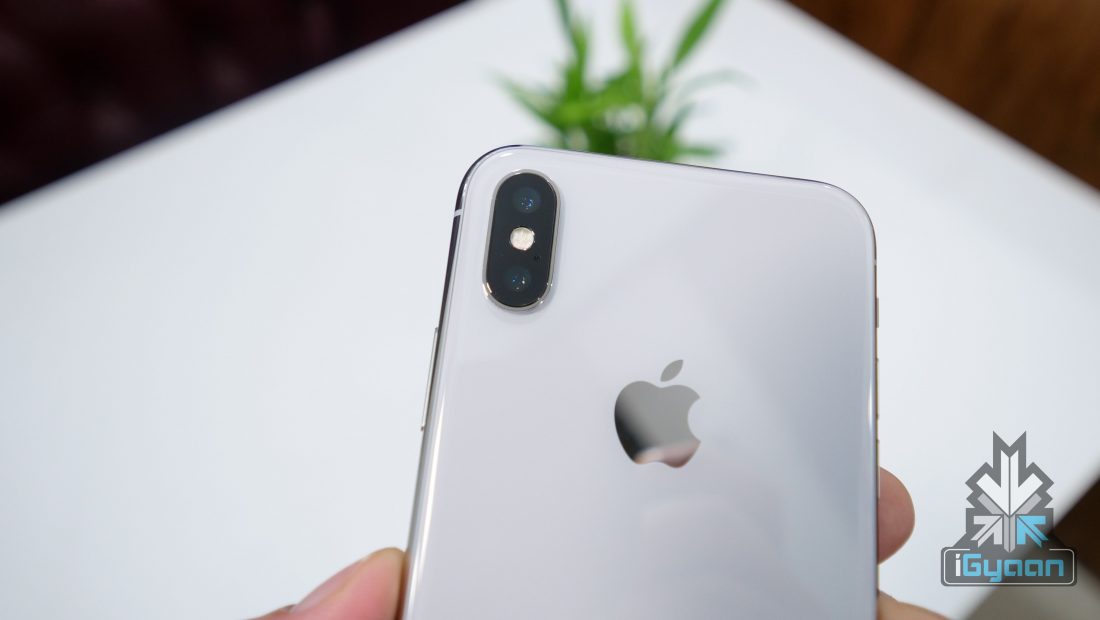
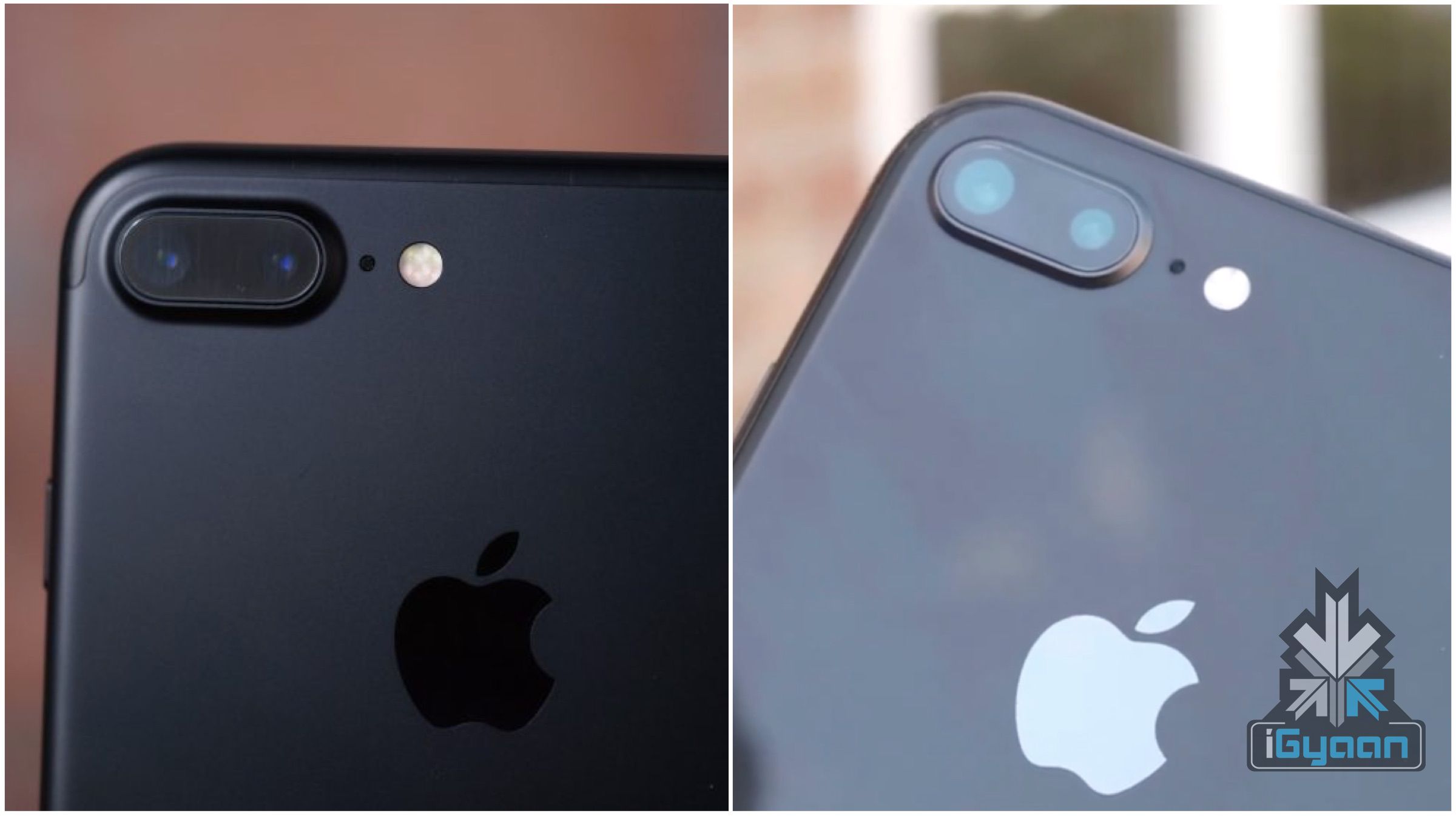
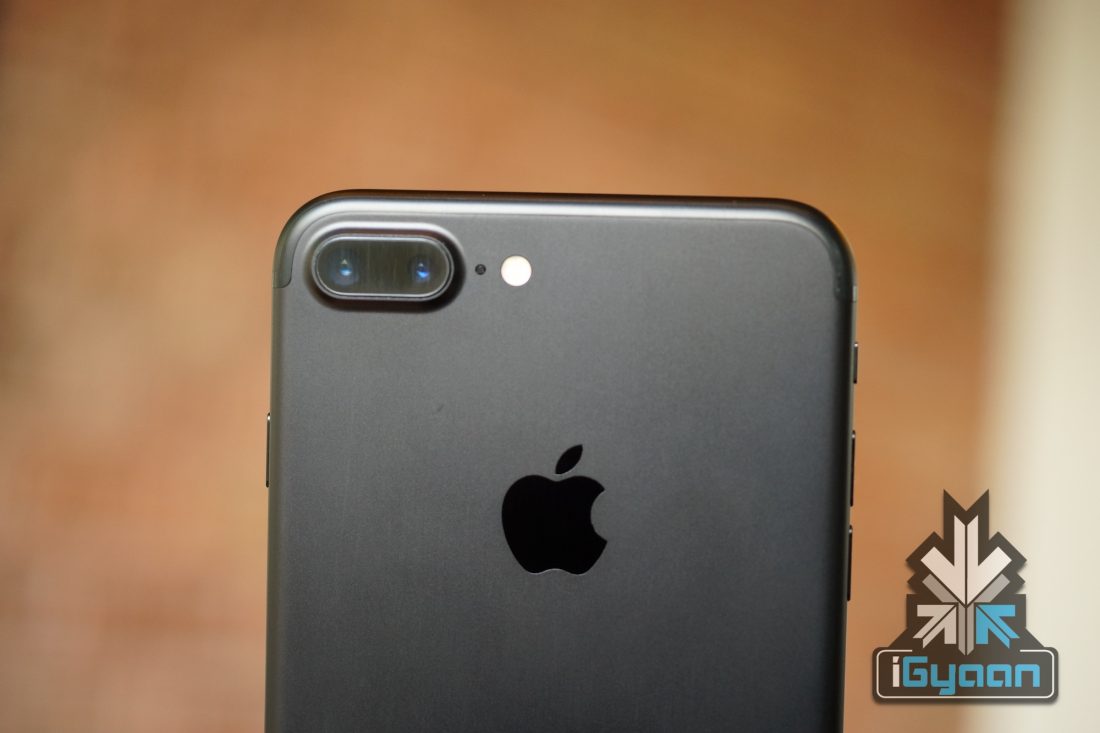
    Israeli company Corephotonics has filed a lawsuit against Apple for patent infringement. It looks like Apple can’t catch a break, as this case has emerged right after it won a US $120 million case against Samsung. Corephotonics, a maker of dual lens camera technology, claims that the cameras featured in the iPhone 7 Plus and iPhone 8 Plus infringe on four of its patents.

    Corephotonics was founded in 2012 by Dr. David Medlovic, a Tel Aviv University professor and former chief scientist in the Israeli government.
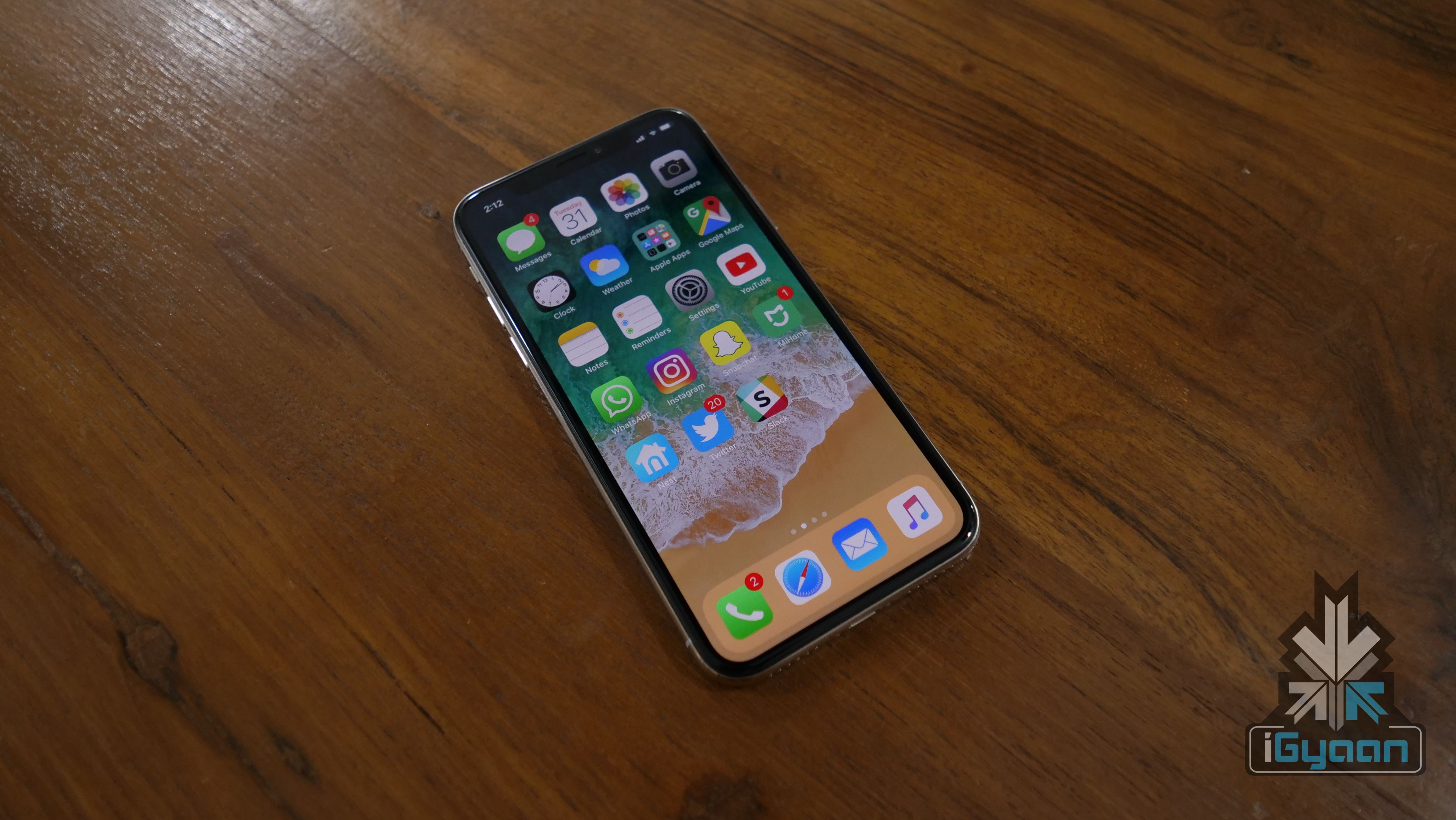
    iPhone 7 Plus

    Corephotonics claims in the lawsuit that it reached out to Apple “as one of its first acts as a company” to establish a strategic partnership. The exchanges with Apple continued for a some time but never resulted in a license agreement for Corephotonics’ dual lens technology. In the lawsuit, the company claims:

    Apple’s lead negotiator expressed contempt for Corephotonics’ patents, telling Dr. Mendlovic and others that even if Apple infringed, it would take years and millions of dollars in litigation before Apple might have to pay something.

    According to the lawsuit filed, Apple infinged four patents that Corephotonics filed between 2012 and 2015. Of the four, two patents were on mini telephoto lens assembly, one patent on dual aperture zoom digital cameras, and one on high resolution thin multi-aperture imaging systems, which is essentially an umbrella term that covers what dual lens cameras are.

    The company claims that its dual aperture camera technology has two fixed-focal length lenses, including a wide angle and a telephoto lens, which is what Apple uses in its iPhone 7 Plus and iPhone 8 Plus.
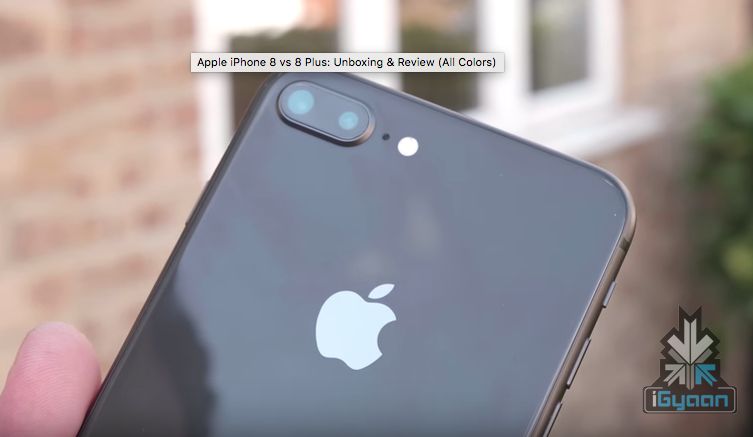
    In a bizarre turn of events, the Israeli company has roped in the consumers as well in this lawsuit. Corephotonics says since Apple is selling the phones with “knowledge of or wilful blindness” of the patents it’s allegedly infringing, the lawsuit claims that consumers who buy the iPhone 7 Plus and the iPhone 8 Plus are infringing on the Corephotonics’ telephoto lens assembly patent as well.

    The lawsuit demands monetary compensation for the lawyers that Corephotonics has had to hire along with additional damages. It is also demanding that Apple stop using dual-aperture cameras immediately.
     

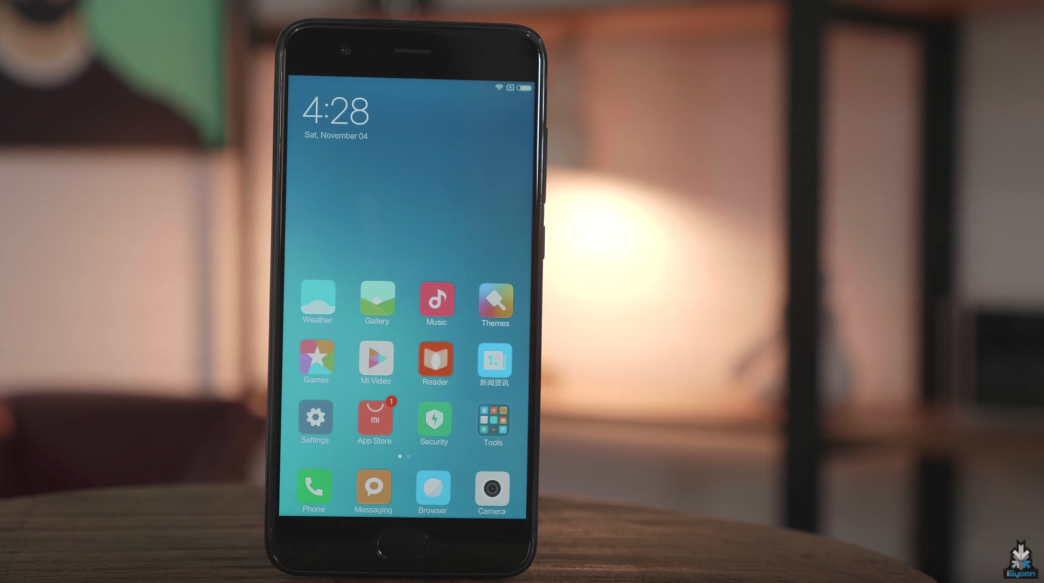
  • Xiaomi Redmi Y1/Redmi Y1 Lite

    Xiaomi Redmi Y1/Redmi Y1 Lite

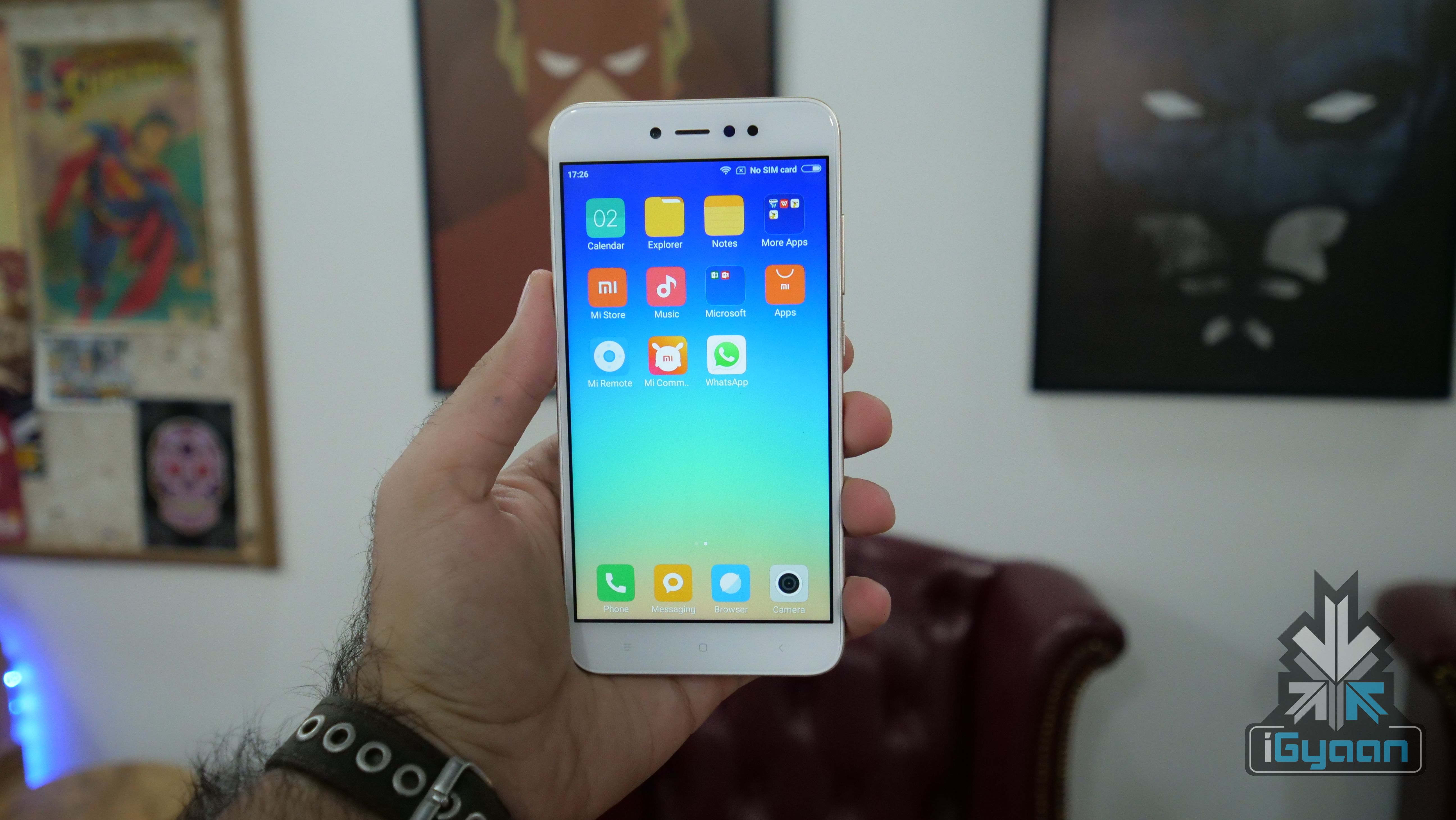
    Xiaomi has launched its first ever selfie focussed Android phone lineup in India. The Redmi Y1 and the Redmi Y1 Lite are the first part of a new lineup of smartphones in India which will focus on selfies. Along with the new phone, Xiaomi also introduced MIUI 9 in India. Launched back in August in China, the MIUI 9 brings new features like split-screen and CPU acceleration and new themes.

    [amazon_link asins=’B0756RCTKJ’ template=’ProductAd’ store=’igyaan-21′ marketplace=’IN’ link_id=’ecb2682f-f2ca-11e7-9e14-37e9fbd710f0′]

    [section label=”Videos “]

    Videos

    [section label=”Latest News “]

    Latest News For Xiami Redmi Y1/Redmi Y1 Lite

    [loop included_tags=”40043,40044″ loading=”paged” layout=”c” postsperpage=”6″ disable_ads=”true” disable_excerpt=”true”]


  • OnePlus 5T

    OnePlus 5T

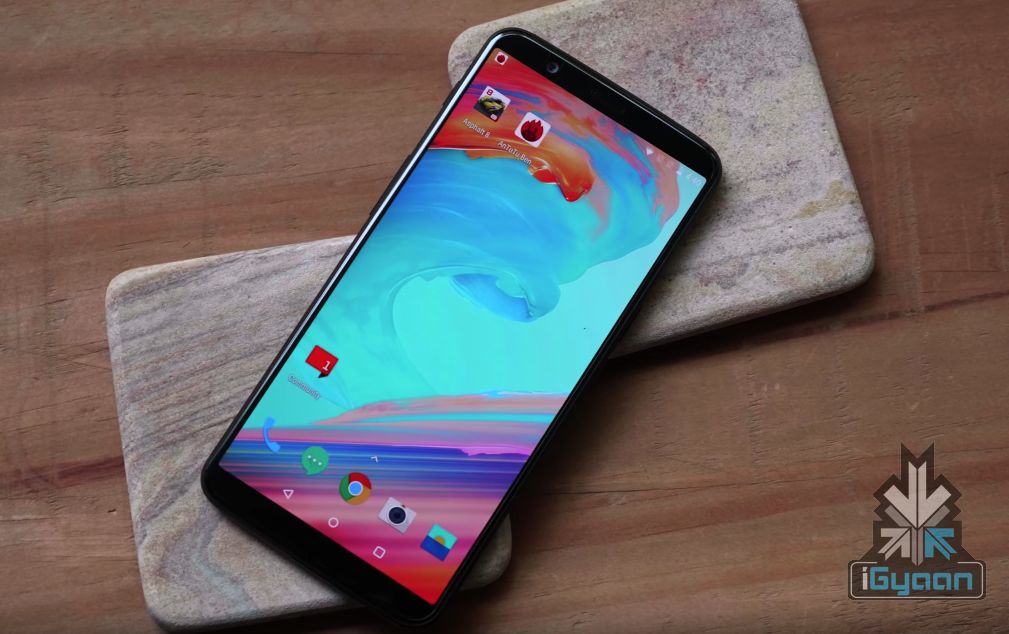
    OnePlus has launched its second flagship smartphone in 2017, the OnePlus 5T at a price of US $499. The device will be available globally on and will go on sale in India on the 21st of November via a flash sale exclusively on Amazon.

    The OnePlus 5T is an incremental upgrade over the OnePlus 5 which was launched in June 2017. The hardware is more or less the same as the OnePlus 5, with a new design and display size. The OnePlus 5T is more in line with 2017 flagship phones with thin bezels and a tall display which has become a norm in 2017 flagship phones like the Galaxy Note8 and the iPhone X.

    [section label=”Videos”]

    Videos

    [section label=”Latest News”]

    Latest News

    [loop included_tags=”39998″ loading=”paged” layout=”c” postsperpage=”6″ disable_ads=”true” disable_excerpt=”true”]

  • 52% iOS Devices Now Run iOS 11 While Only 0.2% Devices Run Android 8.0 Oreo

    52% iOS Devices Now Run iOS 11 While Only 0.2% Devices Run Android 8.0 Oreo

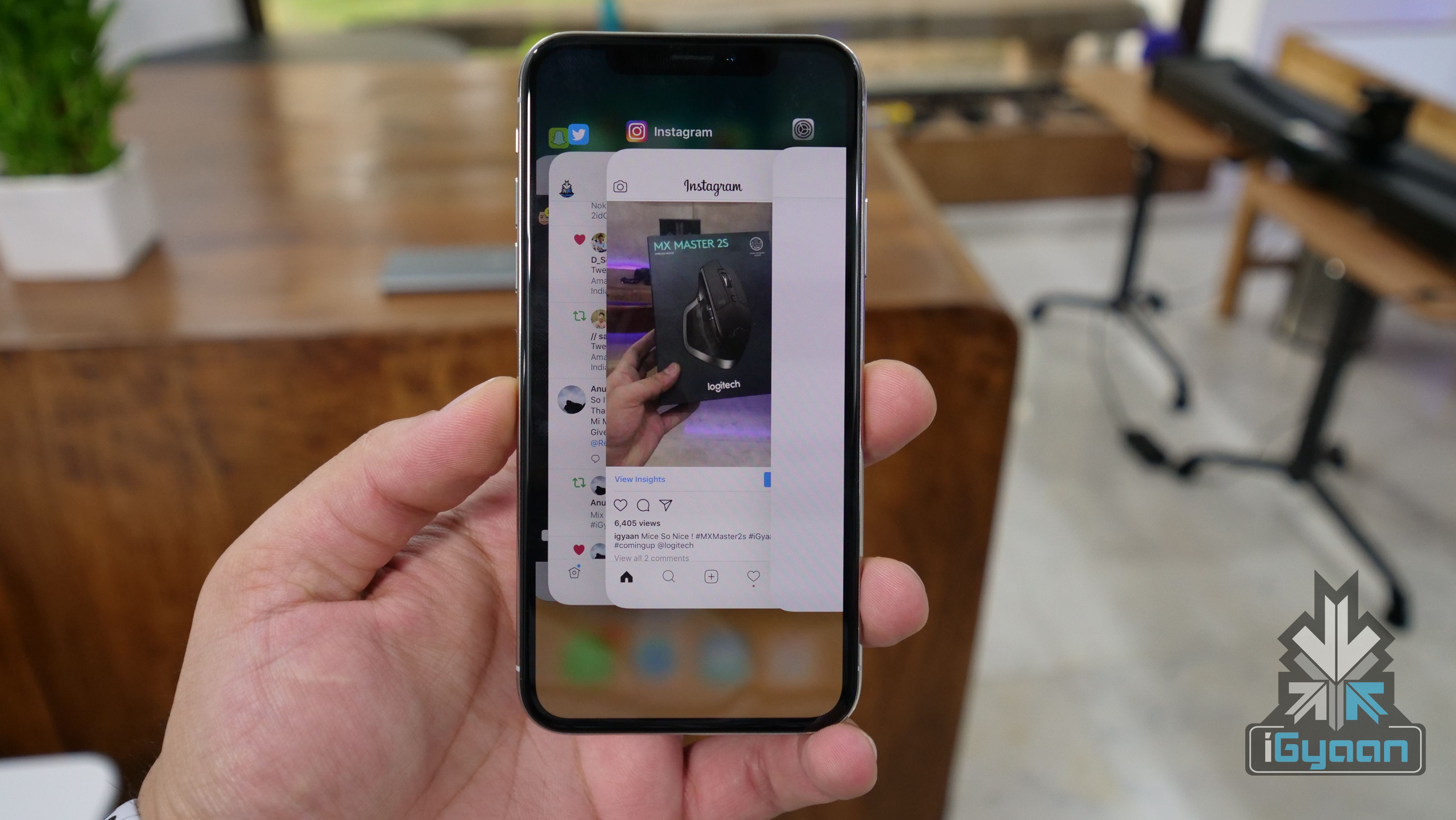
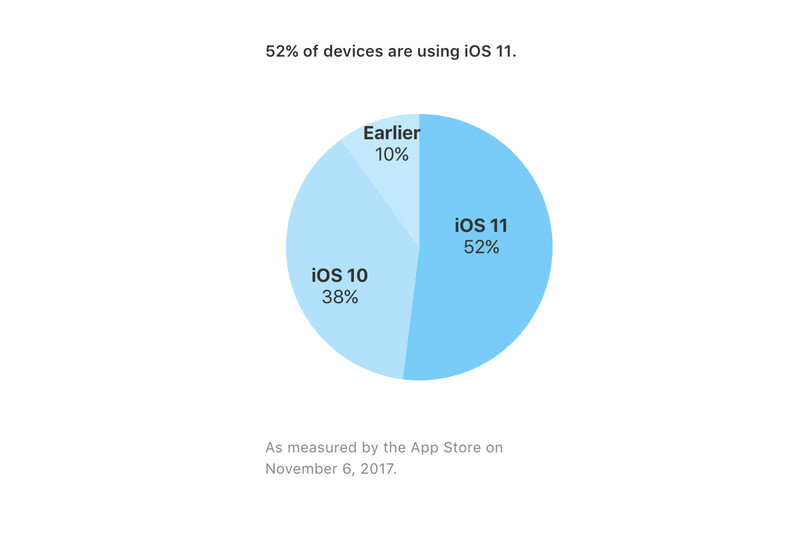
    The latest version of Apple’s operating system for iPhones and iPads, iOS 11, has now been adopted by 52% users. The information was updated on Apple’s App Store support page for developers. The iOS 11 was released for all users on the 19th of September and has had its fair share of hiccups so far.

    The adoption rate of iOS 11 at 52% is less than what it was for previous versions. Last year, Tim Cook, at the “Hello Again” Mac event on October 27th, 2016 announced that iOS 10 had reached 60% of devices, while iOS 9 had been adopted by 67% of devices by November 16th, 2015. This adoption rate is significantly higher than Google new OS version, Android 8.0 Oreo. Google’s developer portal estimates that about 0.2% of devices are running Android 8.0 Oreo as of 2nd of October.

    iOS 11’s slow rate of popularity or acceptance can be due to the issues found in the new OS. There have been several bugs that have hampered the growth of iOS 11 and a lot of people have refrained from updating their devices to iOS 11. Users have complained that ever since they updated to iOS 11, they have had issues battery draining, UI jitteriness, and random force restart.

    In a new bug reported, some users can’t type the letter “I.” Reddit user TheCravin documented the bug and said that Apple’s predictive keyboard feature suggests a random character like “A,” “#,” or “!” followed by the unicode symbol, and then automatically replaces the “I” unless the user takes corrective action.

  • Google Assistant Can Now Recognise Songs

    Google Assistant Can Now Recognise Songs

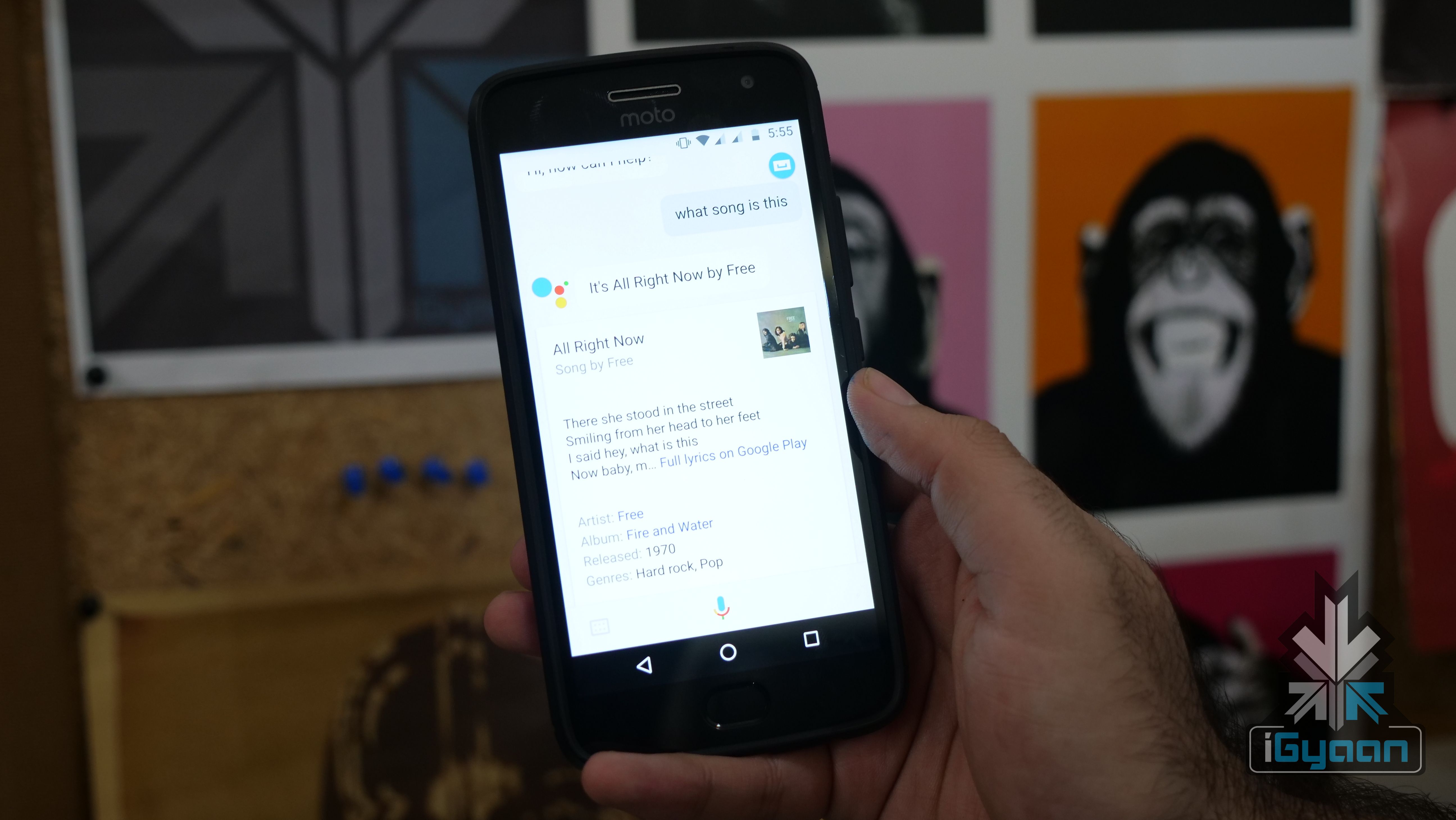
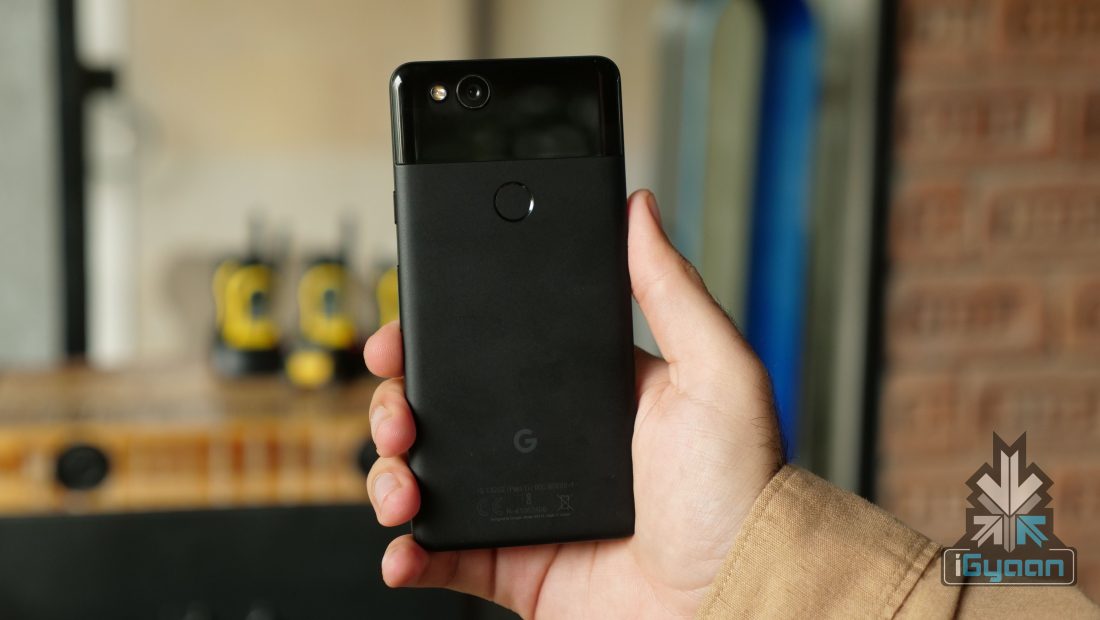
    Google has rolled out an update to the Google Assistant which enables the AI assistant to recognise songs. One of the more popular features introduced in the Pixel 2 phones is ‘Now Playing‘, wherein the Pixel2 can recognise songs playing and pull up links to buy or stream them. The catch here is that while Pixel 2 doesn’t use the internet to search for songs, the Google Assistant needs the internet to recognise the song and pull up results.

    This feature will come in handy more than you think. If you are always reaching into your pocket and struggling to open Shazam just in time for it to catch the song and show a result, this feature can be priceless.

    If you enter a cafe and want to know what song is playing, simply open up Google Assistant and ask ‘what song is this’. Depending on how fast your internet connection is, Assistant will pull up a card for you with the name of the song, the artist, lyrics, and YouTube, Google Play Music, and Spotify (not available in India) streaming links. If Google Assistant has voice set as the preferred input method and you’re in a loud environment, you will see a new “What’s this song?” chip as the first suggestion in the carousel.


  • DXOmark Says Google Pixel 2 Has A Better Camera Than The iPhone X

    DXOmark Says Google Pixel 2 Has A Better Camera Than The iPhone X

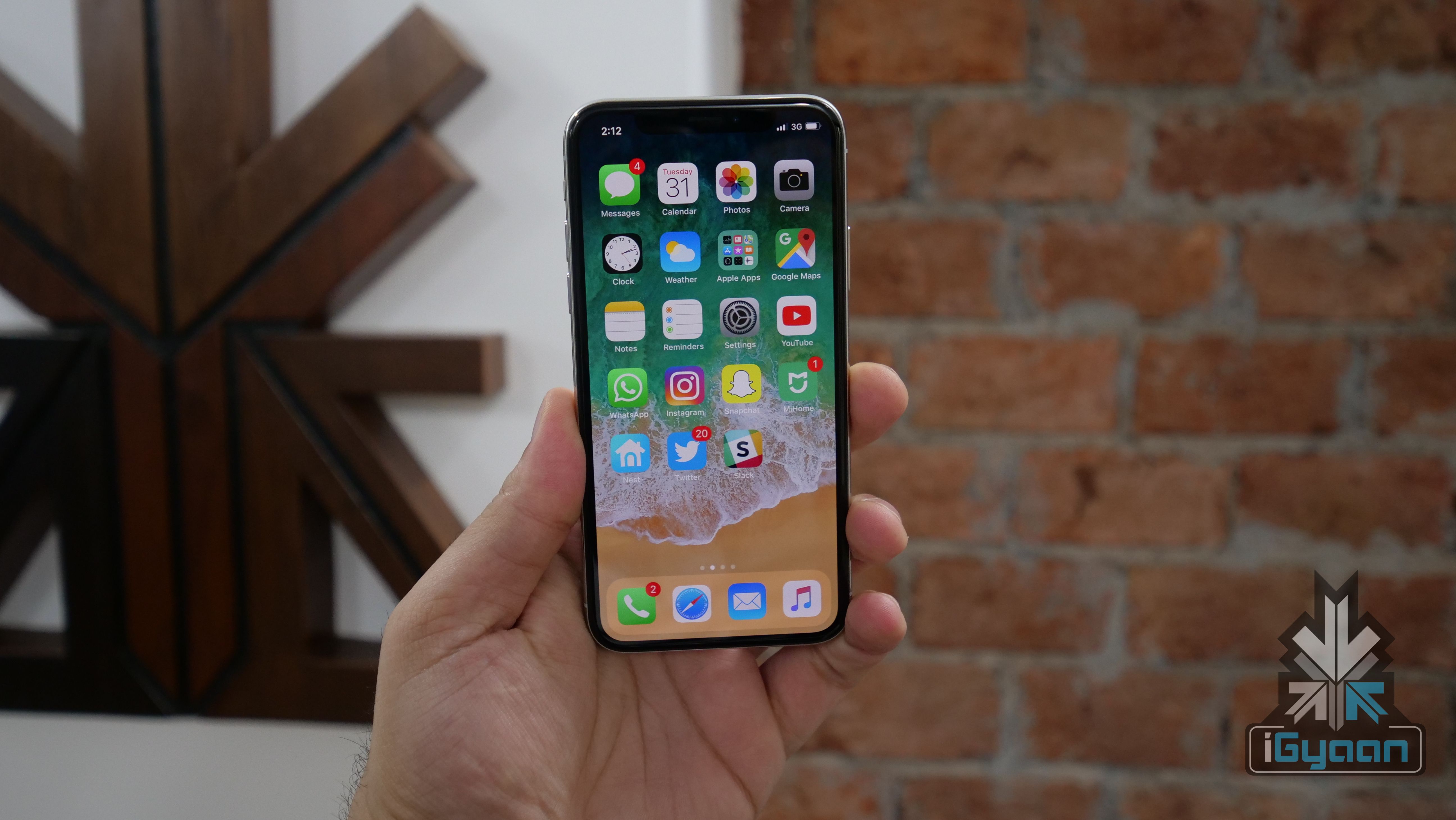
    The Google Pixel 2 was launched after the iPhone X but, thanks to it being available before the iPhone X the phone was put through its paces all over the internet. DXOmark is a portal that rates the camera of a smartphone on different parameters and the Google Pixel 2 came out to be the highest rated smartphone ever. The recently launched iPhone X was tested by DXOmark and was given an overall rating of 97, which is onepoint less than the Pixel 2.

    In its summary, DXOmark said:

    With a Photo score of 101, the Apple iPhone X achieves the best results so far for still images, edging out the Huawei Mate 10 Pro and the Samsung Galaxy Note 8, the previous joint leaders in the Photo ranking, by one point.

    Its overall score of 97 puts the iPhone X into joint second place with the Huawei Mate 10 in the current DxOMark Mobile overall rankings, just behind the Google Pixel 2 with 98 points.

    It is interesting to note here that despite clicking the best still images, the iPhone X falls short of the overall score of the Pixel 2 because of its video recording capabilities. The iPhone X is the only smartphone that records 3840 x 2160 px videos at 60fps.

    For video, the X doesn’t quite rise to the same high-water mark, achieving a video sub-score of 89 points.

    Photos are an extremely subjective aspect of smartphones, just like sound hence, scores by DXOmark can mean everything or absolutely nothing to a consumer. Still, having the second best smartphone camera in the world is no mean feat.

    The iPhone X has dual 12-megapixel rear cameras, and it’s equipped with dual optical image stabilisation. The sensors are both larger and faster, according to Apple, and the main camera is equipped with a wide angle lens and has an f/1.8 aperture while the secondary telephoto lens has an f/2.4 aperture. In between the two cameras is a quad-LED True Tone flash. Both the front and back cameras have the portrait mode. The rear cameras have the portrait lighting feature, just like the iPhone 8 and iPhone 8 Plus.

    Would you prefer the Google Pixel 2 over the iPhoneX on the sole basis of their DXOmark scores? Let us know in the comments below.

  • The iPhone X Has The Most Colour Accurate Display Ever – DisplayMate

    The iPhone X Has The Most Colour Accurate Display Ever – DisplayMate

    The highly anticipated Apple iPhone X is now available to the consumers and has received great early reviews. it may not have broken the Pixel 2’s record on DXOmark, but, its display appears to be doing great. According to a report by DisplayMate, the 5.8 inch OLED Super Retina display of the iPhone X is the “most colour accurate” display.

    The report was presented by DisplayMate President, Dr. Raymond M. Soneira and claims that the iPhone X display has “close to textbook perfect calibration and performance” through a built-in automatic colour management system. The system switches to a relevant colour gamut on the basis of the image displayed within the Wide DCI-P3 Colour Space that has an ICC Profile. This process helps in rendering correct colours, neither over-saturated nor under-saturated, the report mentions.

    You may also like – Apple Claims iPhone X May Suffer From Screen Burn-In Issues

    The display of the iPhone X is reported to have the highest brightness for OLED smartphones at 634 nits. This is higher than the 560-nit brightness of the Samsung Galaxy Note8. Similarly, the iPhone X has a Super Dim Setting that can drop down the display brightness to as down as two nits. The image contrast of the iPhone X was found to be “slightly too high”.

    However, the viewing-angle performance of its display is apparently better than any mobile display, monitor, TV or UHD TV that are available in the market right now. The OLED panel on the iPhone X displays 22% decrease in brightness, this is less than the 30% that traditional OLED panels display.

    You may also like – iPhone X Phones Worth Rs 10.57 Lacs Seized At Mumbai Airport

    DisplayMate also mentions the highly discussed ‘notch’ at the top of the display. The notch, which houses the TrueDepth cameras for FaceID and ‘portrait mode’ selfies has a negligible presence on the front, taking up to 2% of the total screen area.


  • Google Tries To Fix Pixel 2 XL Display With New Update

    Google Tries To Fix Pixel 2 XL Display With New Update

    Ever since its launch, the Google Pixel 2 XL has been in the news for all the wrong reasons. The integration of software, hardware and AI by Google in the Pixel 2 smartphones has been overshadowed by the growing complaints against the Pixel 2 XL’s OLED display. In a new software update, apart from the December security patch, Google has introduced new settings in the display menu, in a bid to improve the user experience.

    The software update also contains a security patch for the Wi-Fi “Krack” vulnerability.

    The update also contains a fix for the faint clicking noise heard in some Pixel 2s as well as changes to the Pixel 2 XL’s display behaviour to mitigate against potential screen burn-in. About the new update, a Google community manager writes:

    As we mentioned in our deeper dive, this update also brings planned UI changes which extend the life of the OLED display, including a fade out of the navigation buttons at the bottom of the screen and an update to maximum brightness. These features have been carefully designed so as not to detract from the user experience. Since all OLED displays experience some degree of decay over time, we’ll continue to make enhancements which maximise the life of your Pixel screen.

    With the new update, there will be a new set of three different options on both models: boosted, natural, and saturated under the Display settings option. Here is how Google described how the “saturated” setting would look:

    The saturated mode puts the display into an unmanaged configuration, similar to how the Pixel 1 operates. The colors will be more saturated and vibrant, but less accurate (similar to most other smartphones which display more vibrant colors): we give consumers the option to choose the colour saturation.

    Google’s definition of the saturated setting proves that even though this update has rolled out, the company still doesn’t want its users to use this setting. Google’s intentions are to keep the Pixel 2 XL looking accurate rather than eye-pleasing and unnatural.


  • Samsung Has To Pay US $120 Million To Apple

    Samsung Has To Pay US $120 Million To Apple

    Samsung and Apple may be nearing the end of their legal battle woes. The US Supreme Court refused to hear Samsung’s appeal of a ruling that awarded Apple $120 million for a case that started back in 2014

    Back in 2014, a San Jose, California federal court ruled that Samsung infringed several Apple patents that allowed for a lot of  popular iPhone features, such as slide-to-unlock, autocorrect, and the ability for information like addresses and phone numbers to automatically turn into links. As a result of that ruling, Samsung was asked to pay US $119.6 million to Apple. That verdict was then overturned by the Federal Circuit but, it was then reinstated in October 2016 by that same court.

    After that ruling, Samsung appealed the decision to the US Supreme Court. In the appeal, Samsung stated that the Federal Circuit, which specifically deals with patents, made the decision without listening or reading the whole story. The company also implied that the patent court is biased toward patent holders. In a statement, Samsung express its disappointment on the ruling:

    Our argument was supported by many who believed that the Court should hear the case to reinstate fair standards that promote innovation and prevent abuse of the patent system. One of Apple’s patents at issue in this case has been invalidated by courts around the world, and yet today’s decision allows Apple to unjustly profit from this patent, stunts innovation and places competition in the courtroom rather than the marketplace.

    The good news for Samsung is that this does not change an earlier decision to dismiss a $399 million verdict against the company. In December 2016, the US Supreme Court sided with Samsung in a case against Apple over patent infringement. The case began in 2012 when Apple sued Samsung, claiming Samsung had violated its design and other patents for its iPhone on many of Samsung’s Galaxy smartphones. After years of back-and-forth and re-appeals, Samsung took the case to the US Supreme Court in 2016 where it ruled 8-0 that Samsung does not have to pay $399 million to Apple, overturning an earlier appeals court ruling in this case.

    Samsung and Apple have been rivals ever since the Android platform rose to prominence and Samsung became one of the biggest smartphone makers in the world. Apart from the legal battles, both the companies are known to mock each other on social media and their respective ad campaigns. Recently, Samsung released an ad where it mocked the iPhone X and urged people to ‘upgrade to Galaxy’.

  • OnePlus 5T To Be Launched On 16th November

    OnePlus 5T To Be Launched On 16th November

    OnePlus has announced that the new OnePlus 5T will be launched on the 16th of November at an event in New York. Carl Pei, co-founder of OnePlus confirmed that the OnePlus 5T will be available in India from the 21st of November via a flash sale. After weeks of speculation and doubts around the existence of the OnePlus 5T, the much anticipated smartphone will be made official. In a blog post, Carl Pei said:

    For those eagerly considering the OnePlus 5T, let me share a key piece of info to help you decide. Sales for the OnePlus 5T in North America and Europe start on November 21. The OnePlus 5T will be available in China on December 1. Early birds in India will be able to get their device through a flash sale on November 21, while official sales start on November 28.

    The other co-founder of OnePlus, Pete Lau took to Weibo, the Chinese microblogging website to hint at what the OnePlus 5T might be priced at. It is worth noting that he did not announce the official price but, gave information about what the pricing strategy will be as compared to that of the OnePlus 5. Pete Lau mentions that the OnePlus 5T may be slightly expensive than the OnePlus 5, and could cost under CNY 4,000 (Rs 39000). He confirms that the OnePlus 5T may cost less than Rs 40,000 for the 6GB RAM variant. Similar to the OnePlus 5, the OnePlus 5T is expected to be launched in two variants, one with 6GB/64GB onboard storage, and the other with 8GB RAM/128GB onboard storage.

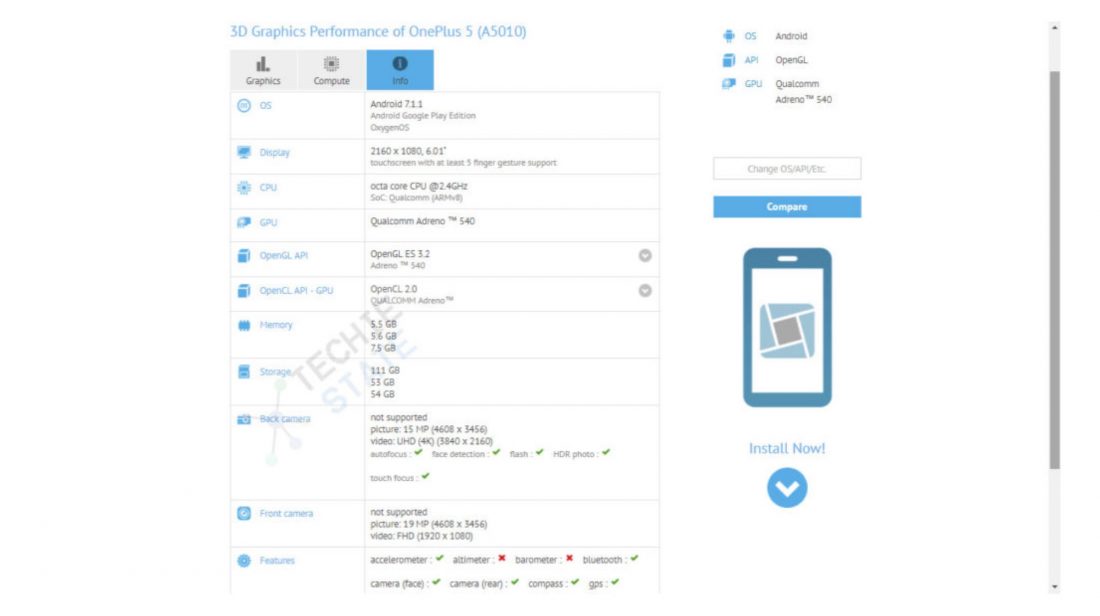
    As per a recent leak through a benchmarks website, the OnePlus 5T will have a 6-inch 2160 x 1080 px display with an 18:9 aspect ratio.

    The listing reveals that the smartphone will have the Qualcomm Snapdragon 835 chipset, an octa-core processor clocked at 2.4GHz and Adreno 540 GPU, 6GB or 8GB of RAM, and 64GB or 128GB of onboard storage. These specifications are the same as the OnePlus 5 and is expected to be this way as the Snapdragon 835 is the best chip available right now. The OnePlus 3T was an incremental upgrade over the OnePlus 3 because there was a faster chip available ion the market.

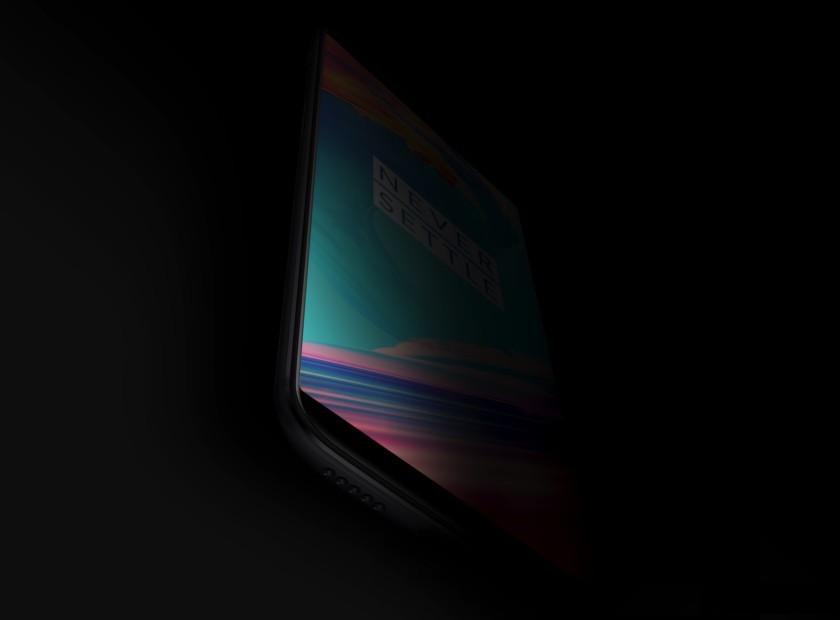
    OnePlus 5T Leaked Image

    The next piece of information is interesting. According to the listing, the OnePlus 5T is expected to have a 20MP front-facing camera as opposed to a 16MP camera found on the OnePlus 5. The back cameras are expected to be the same 16MP + 20MP (telephoto lens) as the OnePlus 5 with improved portrait mode capabilities.

    With the official launch just a few days away, there are possibilities of more leaks surfacing online and it won’t be a surprise if we all know what the phone will look like before it is officially launched.

  • Apple Claims iPhone X May Suffer From Screen Burn-In Issues

    Apple Claims iPhone X May Suffer From Screen Burn-In Issues

    The Apple iPhone X, one of the most anticipated smartphones of 2017 went on sale on the 3rd of November across the globe. For the first time ever, Apple opted to use an OLED display panel on an iPhone and everyone loved it. However, OLED panels are notorious in facing screen burn-in issues is used for a long time.

    To acknowledge this, Apple has published a support page to detail all the major visual changes of its OLED display. This includes some explanations about common OLED issues like burn-in and the colour shift at some viewing angles. Companies appear to be more diligent about its OLED panels since the Pixel 2 XL’s display debacle tarnished the phone’s overall great performance.

    The support page highlights that Apple’s proprietary Super Retina technology overcomes the existing challenges of an OLED display by enabling high brightness and wide colour support alongside an enhanced colour accuracy.

    With extended long-term use, OLED displays can also show slight visual changes. This is also expected behaviour and can include ‘image persistent’ or ‘burn-in,’ where the display shows a faint remnant of an image even after a new image appears on the screen.

    To prevent the OLED display from acting up, Apple has given some instructions to all its consumers. Apple has recommended consumers to update their devices and use auto-brightness settings as frequently as they can. The display is also advised to be turned off when not in use, users are also advised to avoid displaying static images at maximum brightness for a long period of time.

    The iPhone X has so far not shown any signs of screen burn-in issues and no complaint has surfaced online. Apple acknowledging the issues of an OLED panel proves that companies have learnt from the mistakes of Google and are willing to suggest precautions as well.

    Pre-Order iPhone X here

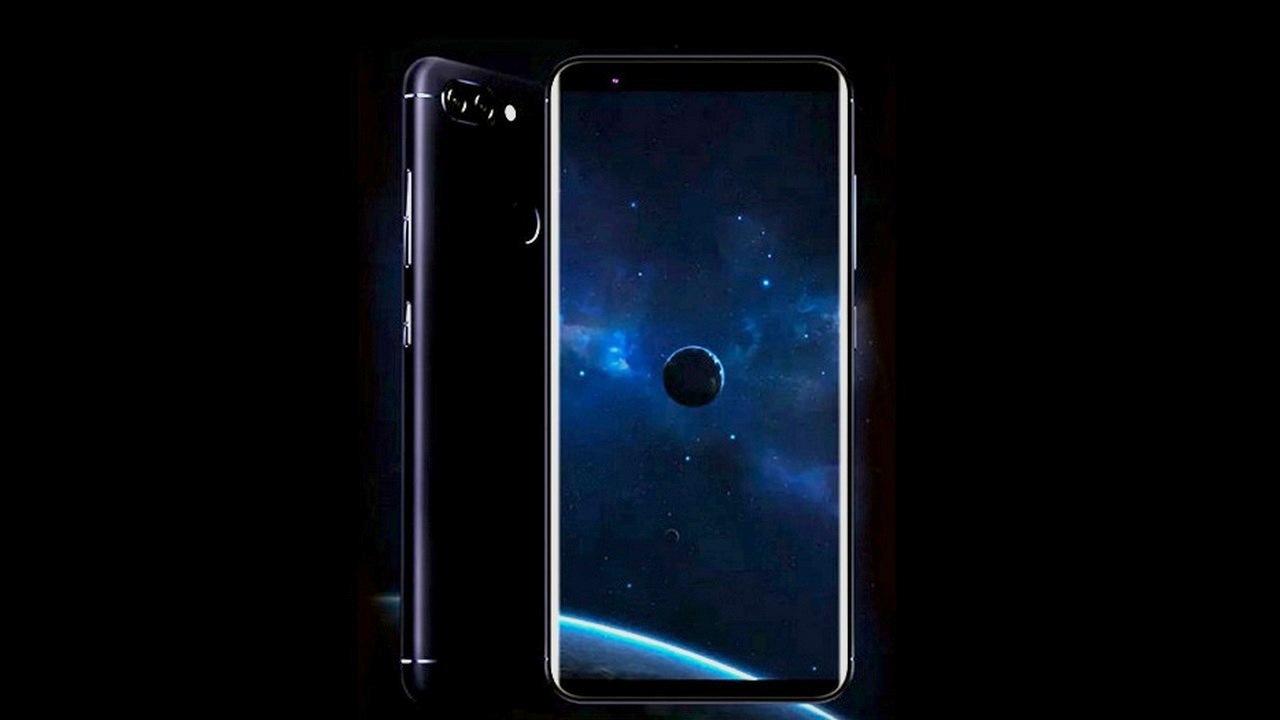
  • Asus Pegasus 4S With 18:9 Display Launched

    Asus Pegasus 4S With 18:9 Display Launched

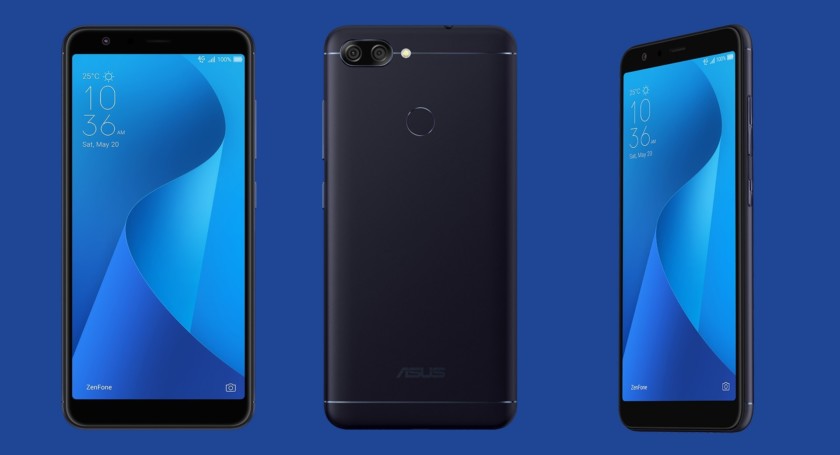
    Asus has launched the Pegasus 4S, the company’s first ever smartphone with an 18:9 aspect ratio. 2017 has been the year of tall displays and thin bezels on smartphones. Right from LG G6 to the iPhone X to the newly launched Asus Pegasus 4S, thin bezels and tall displays have slowly become the norm. Asus launched the Pegasus 4S in China on the 5th of November but, the pricing of the phone in China has not been revealed yet.

    The Asus Pegasus 4S has a 5.7 inch IPS LCD display with a 1440 x 720 px resolution. The display is sleek and tall and covers the front of the phone almost in its entirety.

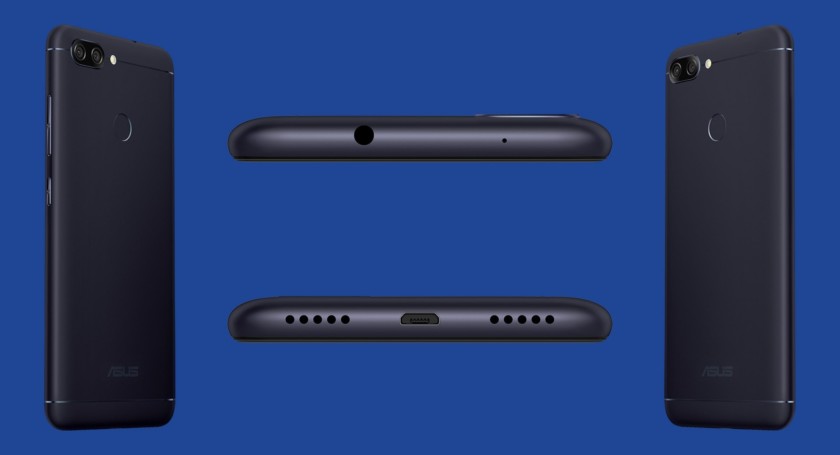
    The Pegasus 4S is not a flagship by any means, it has the MediaTek 6750T chipset with an octa-core processor and the most powerful cores clocked at 1.5 GHz. The smartphone has 3GB or 4GB of RAM with 32GB or 64GB onboard storage, respectively. The smartphone is powered by 4030 mAh battery which charges via a micro USB port.

    The Pegasus 4S has a dual-camera setup at the back. One of the cameras has a 16MP sensor while the other one is an 8MP camera. On the front is an 8MP camera.

    There is no word about the availability of the Pegasus 4S in markets other than China. If it does manage to enter other markets, it is possible that the phone will be rebranded as a ‘Zenphone’ smartphone.

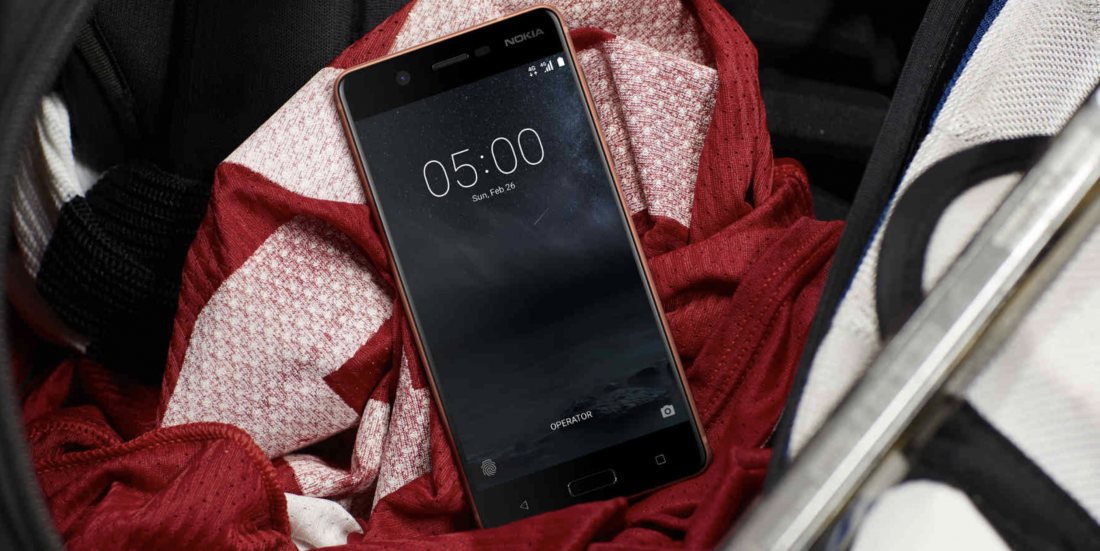
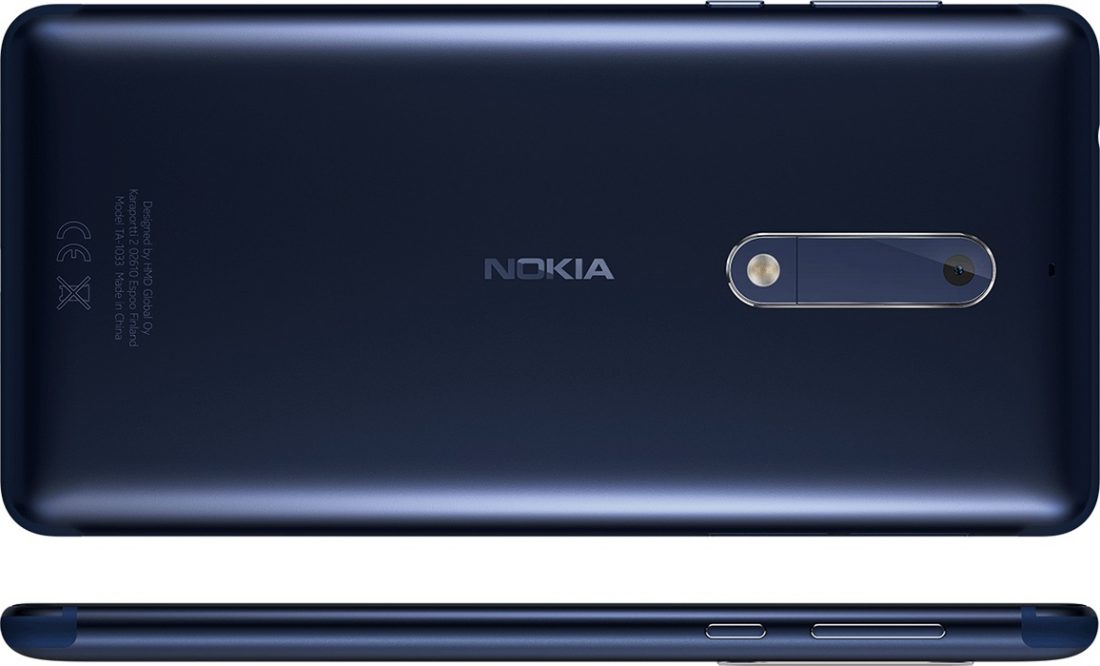
  • Nokia 5 With 3GB Of RAM Launched In India

    Nokia 5 With 3GB Of RAM Launched In India

    HMD Global has launched the 3GB RAM variant of the Nokia 5 in India for a price of Rs 13499. The smartphone will be available exclusively on Flipkart for one week starting from the 7th of November. After this online exclusivity period, on November 14, the Nokia 5 will become available to buy via select retail outlets across the country.

    The Nokia 5 will be available in Matte Black and Tempered Blue colour variants. The original Nokia 5 launched in August was available in Copper and Silver. Rest of the specifications are the same as the Nokia 5 which was launched in India in August.

    The Nokia 5 has a 5.5 inch IPS LCD display with a 1280 x 720 px resolution.

    The smartphone has the Snapdragon 430 chipset with a 1.4GHz octa-core processor, the Adreno 505 GPU, 3GB RAM and 16GB of onboard storage. The onboard storage is expandable via microSD card up to 128GB. The fingerprint sensor is housed inside the home button which sits under the screen and in between two back-lit capacitive touch navigation buttons. the Nokia 5 is powered by a 3000 mAh battery which charges via micro USB port hence, there is no fast charging.

    The Nokia 5 features a 13MP rear-facing camera with an f/2.0 aperture, 1.2-micron pixel size and a dual LED flash. The camera records 1920 x 1080 px videos at 30fps. On the front is an 8MP camera with an f/2.0 aperture and 1.2-micron pixel size.

    Flipkart is currently listing a Jio-Nokia Additional Data offer on the purchase of the 3GB variant of the Nokia 5, offering up to 5GB of extra 4G data on every recharge of Rs 309 or above, limited to 10 recharges till August 31, 2018.

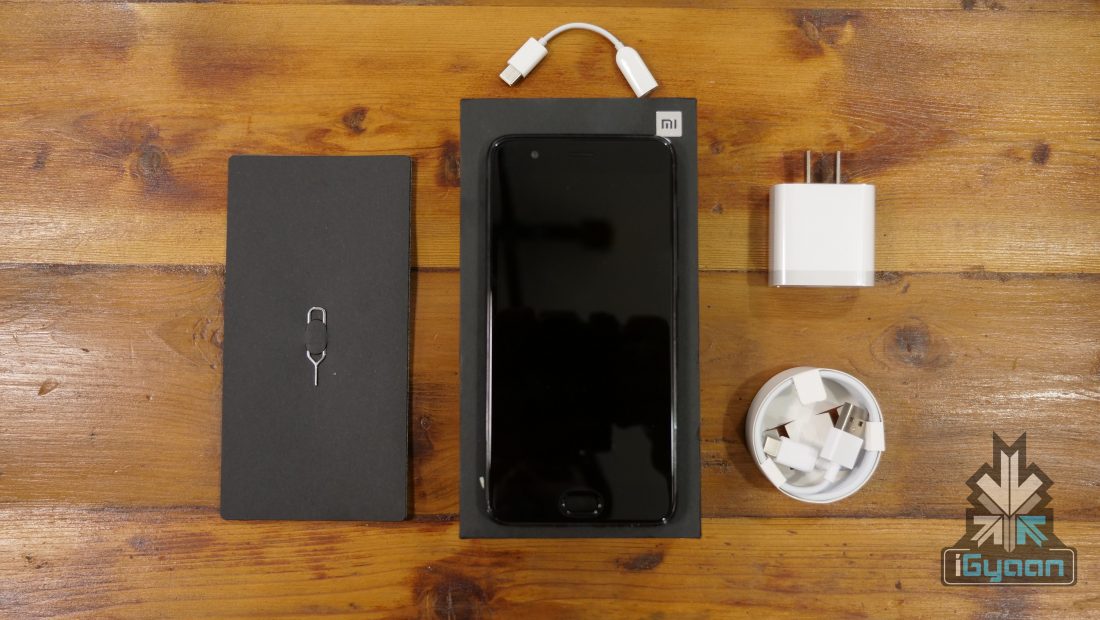
  • Unboxing The Xiaomi Mi Note 3

    Unboxing The Xiaomi Mi Note 3

    The Xiaomi Mi Note 3 was launched in China on the 11th of September at a starting price of CNY 2,899 (Rs. 28,300 approx.). The Mi Note 3 succeeds the Xiaomi Mi Note 2 which was launched in 2016 with a fair amount of upgrades. Let’s unbox the Mi Note 3 and see what we get inside:

    • Xiaomi Mi Note 3
    • Documentation
    • USB C cable
    • Wall charger
    • Sim ejector tool

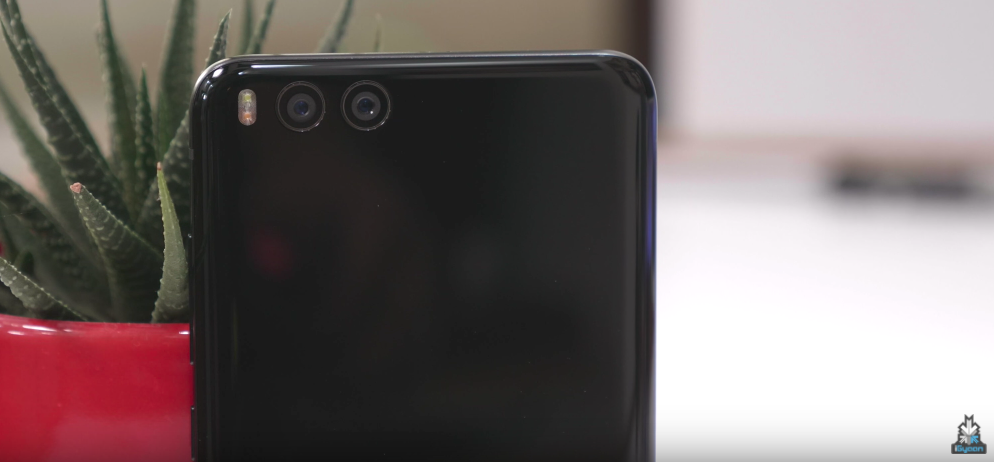
    The Xiaomi Mi Note 3 looks premium. It has a glossy finish to the curved back and the dual-cameras do not have a bump. The phone is very slippery and hence, we recommend that you use the soft cover that Xiaomi provides in the box.

    The Xiaomi Mi Note 3 has a 5.5 inch 1920 x 1080 px IPS LCD display with a pixel density of 403ppi and a 94.4 percent NTSC colour gamut.

    Under the hood, the Xiaomi Mi Note 3 has the Qualcomm Snapdragon 660 chipset, Adreno 512 GPU, 6GB RAM, and 64GB or 128GB onboard storage options. The onboard storage can not be expanded. The fingerprint sensor is placed under the glass at the front device, just below the display. The smartphone is powered by a 3,500 mAh battery with QuickCharge 3.0 through USB Type C port.

    Out of the box, the Xiaomi Mi Note 3 runs Android 7.1.1 Nougat with Xiaomi’s custom MIUI 8.5 on top. As soon as you boot up the device, you get a software update which brings MIUI 9 with all of its features to the Xiaomi Mi Note 3.

    Unlike the Mi Mix 2, the Mi Note 3 features a dual-camera setup at the back. The primary 12MP camera has a wide angle lens and an f/1.8 aperture and the secondary 12MP camera has a telephoto lens with an f/2.6 aperture. This setup is similar to a lot of dual-camera smartphones and offers 2X lossless zooming capabilities. It also has features such as Bokeh effect shots and a portrait mode very similar to the one on the iPhone 7 Plus. The front facing camera has a 16MP sensor with a 2-micron pixel size. Xiaomi has boasted about the phone’s ‘Adaptable AI Beautify’ feature, which the Chinese smartphone maker claims is a result of over half a year’s R&D. The feature uses AI-based algorithms to beautify selfies and has a different algorithm for men and women.

    Watch our unboxing here:

  • OnePlus 5T Specifications Leaked Before Imminent Launch

    OnePlus 5T Specifications Leaked Before Imminent Launch

    The OnePlus 5T will be launched some time in November and after teasing ‘something’ for weeks, OnePlus has finally opened up about its upcoming flagship phone. Before the launch, however, there are customary leaks to look at, and this one comes from a listing on GFXBench.

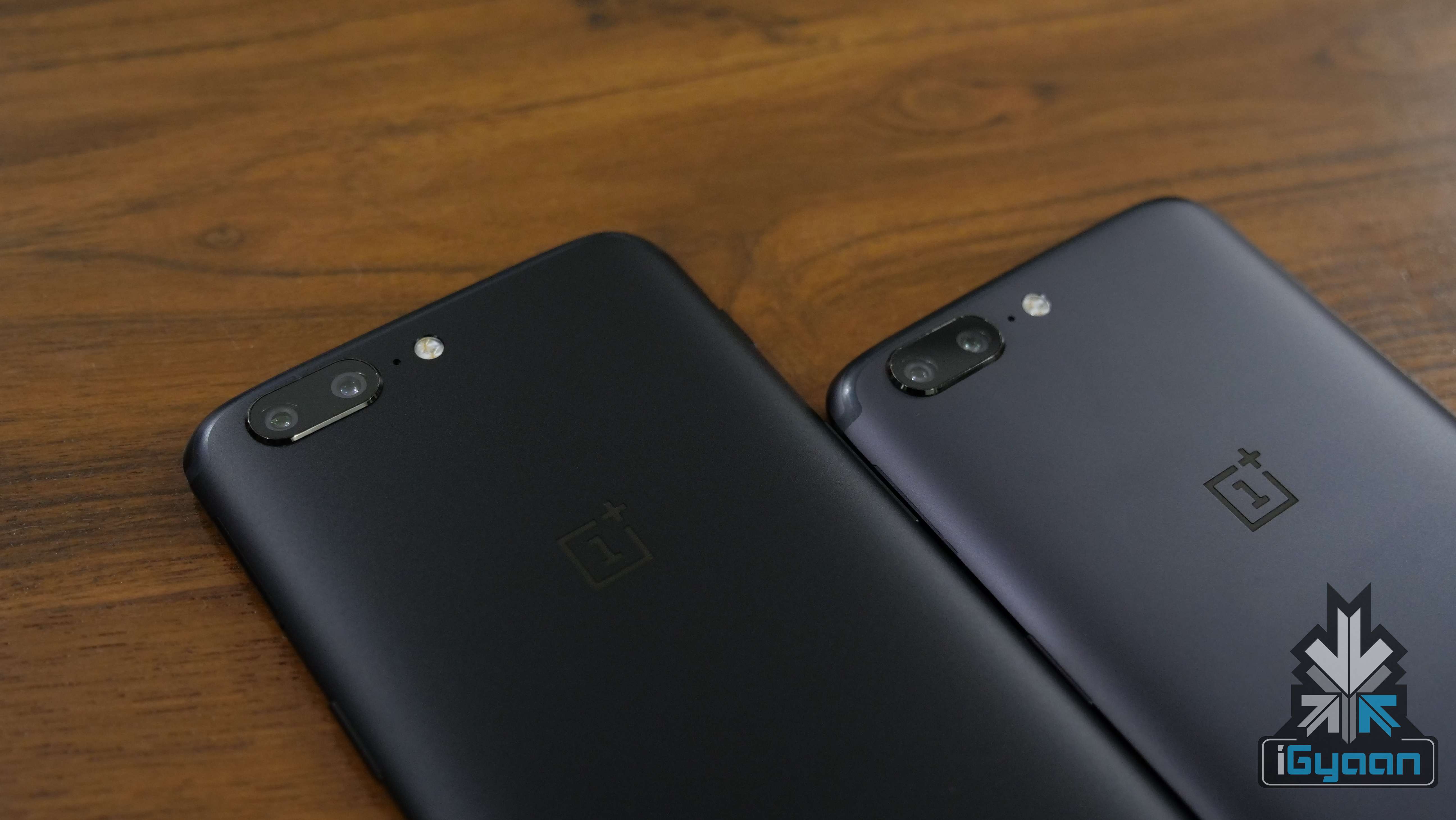
    Contrary to prior leaked listings, this one suggests that the OnePlus 5T will run Android 7.1.1 Nougat out of the box and Android 8.0 Oreo. As expected, the OnePlus 5T is expected to have a 6-inch AMOLED display with a 2160 x 1080 px resolution. This is a heavily speculated feature and the main upgrade over the OnePlus 5 which has 5.5 inch AMOLED display with a 1920 x 1080 px resolution. OnePlus, in a previous tweet showed off the similar footprint of the OnePlus 5 and OnePlus 5T while increasing the screens size of the OnePlus 5T by 0.5-inch.

    The listing reveals that the smartphone will have the Qualcomm Snapdragon 835 chipset, an octa-core processor clocked at 2.4GHz and Adreno 540 GPU, 6GB or 8GB of RAM, and 64GB or 128GB of onboard storage. These specifications are the same as the OnePlus 5 and is expected to be this way as the Snapdragon 835 is the best chip available right now. The OnePlus 3T was an incremental upgrade over the OnePlus 3 because there was a faster chip available ion the market.

    OnePlus 5T Leaked Image

    The next piece of information is interesting. According to the listing, the OnePlus 5T is expected to have a 20MP front-facing camera as opposed to a 16MP camera found on the OnePlus 5. The back cameras are expected to be the same 16MP + 20MP (telephoto lens) as the OnePlus 5 with improved portrait mode capabilities.

    https://twitter.com/getpeid/status/925042536124522496

    OnePlus has also teased the city in which the OnePlus 5T will be launched. The image tweeted shows the intersection of West 34th Street and Broadway, located in Manhattan, New York City. The date of the launch has not been revealed as of now but, considering the social media activity of the company, it might be revealed sooner rather than later.

iGyaan Network
Privacy Overview

This website uses cookies so that we can provide you with the best user experience possible. Cookie information is stored in your browser and performs functions such as recognising you when you return to our website and helping our team to understand which sections of the website you find most interesting and useful.