Category: Brands and Companies

All Brands and Company Names

  • Micromax Ties Up With BSNL To Launch A JioPhone Competitor Feature Phone

    Micromax Ties Up With BSNL To Launch A JioPhone Competitor Feature Phone

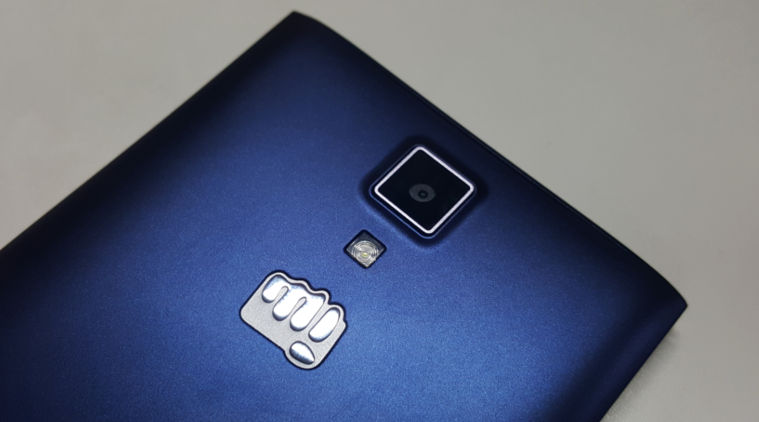
    Micromax is readying to launch a 4G feature phone which will compete with the new JioPhone. The feature phone will be called BharatOne and will be launched in the first week of October for a price of Rs 2000. BharatOne will be launched in collaboration with state-run telco Bharat Sanchar Nigam.

    The free voice and data offers will be provoded by BSNL and Micromax will take care of the manufacturing. The BharatOne is said to have a better camera, larger screen and more battery life than any other feature phone available in the market right now, including the JioPhone.

    The date of launch has been intelligently decided to take advantage of the festive season. There is enough proof that Indian consumers like to shop for mobile phones during this season. Recently, Xiaomi announced that it sold over 1 million handsets during the Amazon and Flipkart sales. To believe that people will be eyeing an even more affordable phone during the season is not far fetched.

    Reliance JioPhone took the industry by storm when it received over 6 million pre-orders within two days of being announced. So much so that Reliance had to close the pre-orders only a day and a half after it announced the JioPhone. The first phase of the delivery of pre-orders began on September 25th. The consumers can track their orders via the MyJio app but, as of now, the status shows ‘Created’. The tracking of delivery seems pointless right now but, the status should be clearer in the days to come.

    There were reports of Airtel also launching a Rs 2500 feature phone in collaboration with one of the homegrown smartphone manufacturers like Lava or Karbonn.

    The JioPhone’s popularity has forced other telcos to sit up and take notice of the vast potential in the feature phone market, especially after concentrating on the smartphone market for so long.


  • Apple Rolls Out iOS 11.0.1 Update

    Apple Rolls Out iOS 11.0.1 Update

    The official roll out of the much-awaited iOS 11 began on September 19th. Soon after the release, there were reports of iOS 11 battery drain being 50% faster than that on the iOS 10. With iOS 11.0.1, Apple will be hoping to fix the battery issue.

    The update is about 280mb in size and is compatible with all the devices that received the iOS 11 update a few days back. In order to check for the update, users need to go to Settings> General > Software Update to check for the update.

    According to a data collected by analytics company Mixpanel, iOS 11 is installed on 25.28% of iOS devices after its official release on September 19th. According to the same report iOS 10 is installed on 67.83% of devices, while 6.89% continues to run on an earlier version of iOS. Interestingly, the iOS 11 installation rates are much lower when compared to iOS 10. The iOS 10 was installed on 34% devices under a week of launch.

    You may also like – iOS 11: Top 5 Features, Eligible Phones And How To Upgrade

    The battery drain issue on the iOS 11 has overshadowed some of the best features introduced by Apple in the latest iteration of iOS. A redesigned control centre, cleaner look for the UI and an improved Notes app are some of the best new features on iOS 11 and with iOS 11.0.1 hopefully fixing the battery drain problem, more and more people will adopt the iOS 11.


  • Siri Will Now Search Google For Answers Instead Of Bing

    Siri Will Now Search Google For Answers Instead Of Bing

    Apple is dropping Microsoft’s Bing as the default search platform for Siri, Search inside iOS, and Spotlight on Macs in favour of Google search.

    According Apple. this move is to create a more “consistent web search experience” for its users, since Google is currently the default search engine on its Safari browser thanks to a reported $3 billion annual deal between the two companies. Bing, however, will continue to search for images for queries through Siri. A statement by Apple about the decision read:

    Switching to Google as the web search provider for Siri, Search within iOS and Spotlight on Mac will allow these services to have a consistent web search experience with the default in Safari. We have strong relationships with Google and Microsoft and remain committed to delivering the best user experience possible.

    Bing has been iOS’ default search engine since iOS 7 in 2013. Microsoft has since held on to this position but, it looks like the $3 billion deal between Apple and Google may have played a part in this decision swaying towards Google. However, this cannot be said for sure without knowing the terms of the deal. The new macOS High Sierra version has now rolled out for download and after the installation, Mac owners will observe that their Spotlight search will be powered by Google, and not Bing like it was before. iOS device owners should have the update, too.

    The fact that image search on Siri will still show Bing results is a little odd but it looks like this feature will also be phased out of iOS in time and Google will become the sole search engine for all iOS and macOS devices.

  • Xiaomi’s Sale Starts On 27th September With Deals On Redmi Note 4 And More

    Xiaomi’s Sale Starts On 27th September With Deals On Redmi Note 4 And More

    Xiaomi announced that during the recent Amazon and Flipkart sales, Xiaomi managed to sell over 1 million handsets. And now, in order to lure customers to the company’s own website mi.com, Xiaomi is hosting a three-day ‘Diwali With Mi’ sale from 27th September. Let’s take a look at the top deals for you to save some bank during the Diwali shopping:

    Xiaomi Mi A1

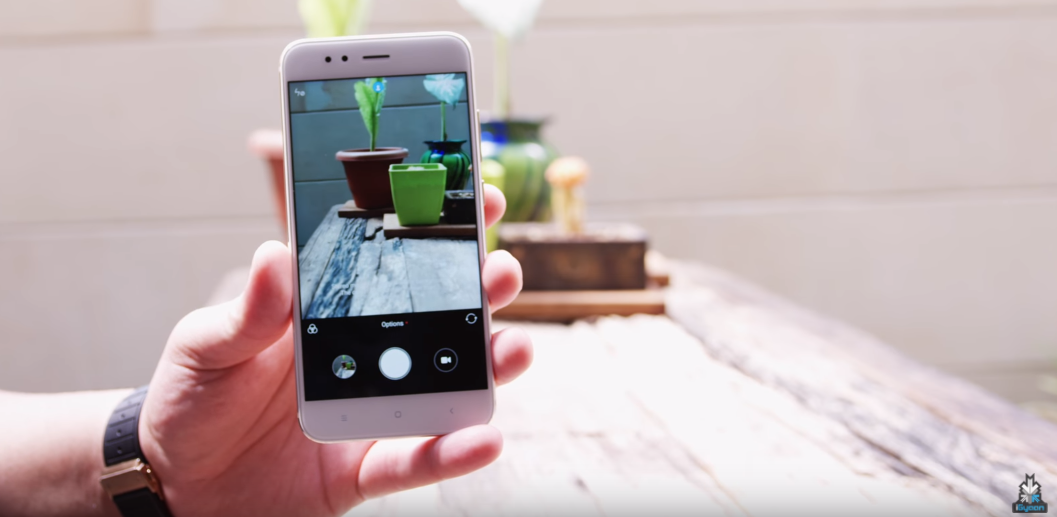
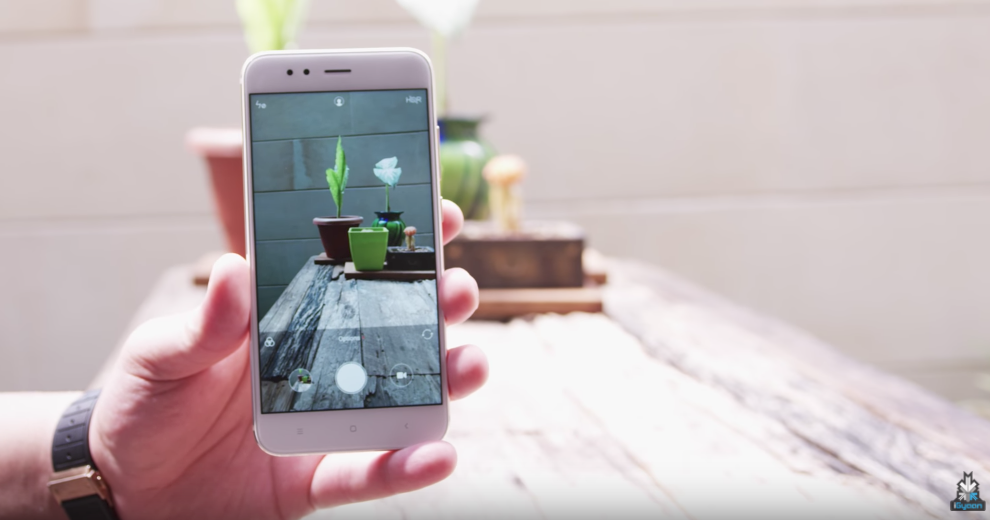
    The newly launched mid-ranger Mi A1 has dual-cameras and stock Android. The Xiaomi Mi A1 has a 5.5 inch 1920 x 1080 px LTPS display with Corning Gorilla Glass on top for protection and aluminum unibody build. Powering the device is a 3080 mAh battery and 2A charging through the Type C port. The Mi A1 runs pure Android 7.1.2 Nougat OS. The phone has the Qualcomm Snapdragon 625 chipset, 8x ARM Cortex A53 2.0GHz 64-bit processor, 4GB RAM and 64GB of onboard storage which is expandable via microSD card. In terms of optics, the smartphone features dual sensors – 12MP with an f/2.2 aperture (26mm) and 12MP with an f/2.6 aperture (50mm) setup with 1.25-micron pixel size. Out of the two cameras at the back, the primary one is equipped with a telephoto lens and the secondary camera has a wide-angle lens. The telephoto lens allows the user to take bokeh effect shots with blurred background and a 2X optical lossless zoom. For landscape shots, Xiaomi has introduced a wide angle lens while on the front is a 5MP camera.

    Redmi Note 4

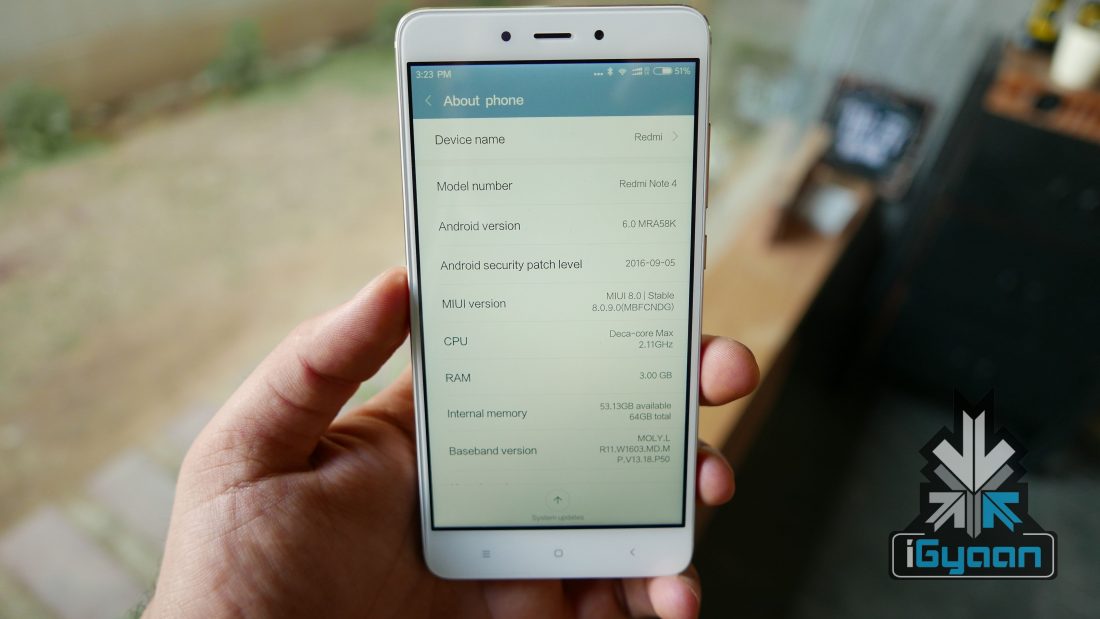
    The Redmi Note 4 was launched in early 2017 in India. It has a 5.5 inch 1920 x 1080 px IPS LCD display. The smartphone runs 6.0 Marshmallow with Xiaomi’s custom skin MIUI on top. Under the hood, the device is powered by the Qualcomm Snapdragon 625 chipset, 3GB RAM/32GB storage or 4GB RAM/64GB onboard storage, which is expandable up to 128GB via microSD card. Powering the device is a massive 4100 mAh battery and a fingerprint sensor sits at the back of the device just below the camera. On the camera front, it has a 13MP rear facing camera and a 5MP front facing camera. The 32GB storage variant costs Rs 10999 but, will be available for Rs 9999 during the sale. The 64GB storage variant costs 12999 and will retail for Rs 10999 during the sale.

    Xiaomi Redmi 4

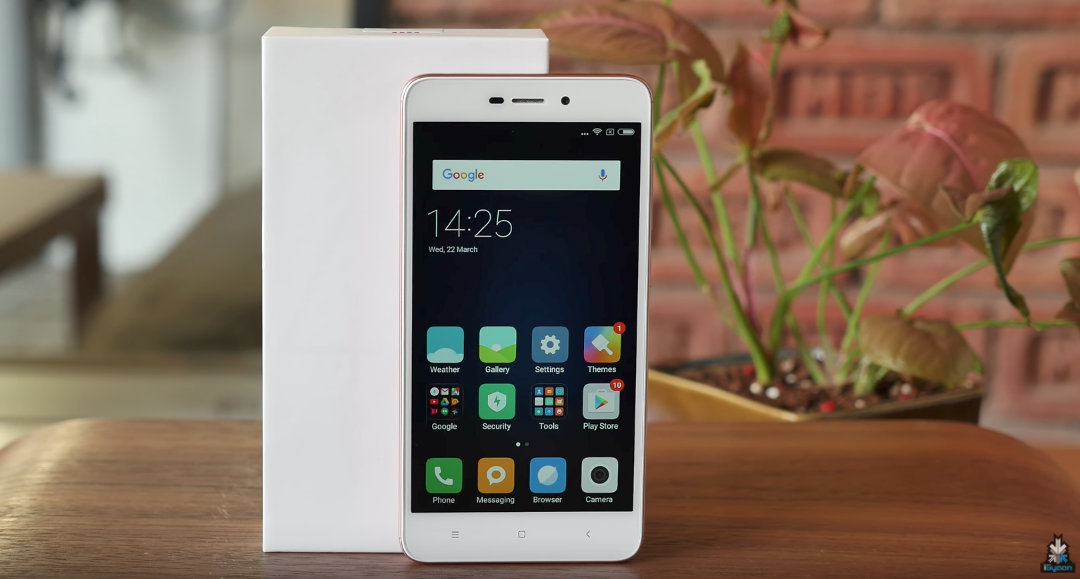
    The Xiaomi Redmi 4 has a 5-inch 1280 x 720 px LCD display and a 4100 mAh battery. Under the hood, the device has the Qualcomm Snapdragon 425 chipset, and 2GB RAM/16GB storage or 3GB RAM/32GB storage variants. On the optics front, the device has a rear facing 13-megapixel sensor with an f/2.0 aperture, PDAF, and LED flash. On the front is a 5MP camera with an f/2.2 aperture.

    Audio Accessories

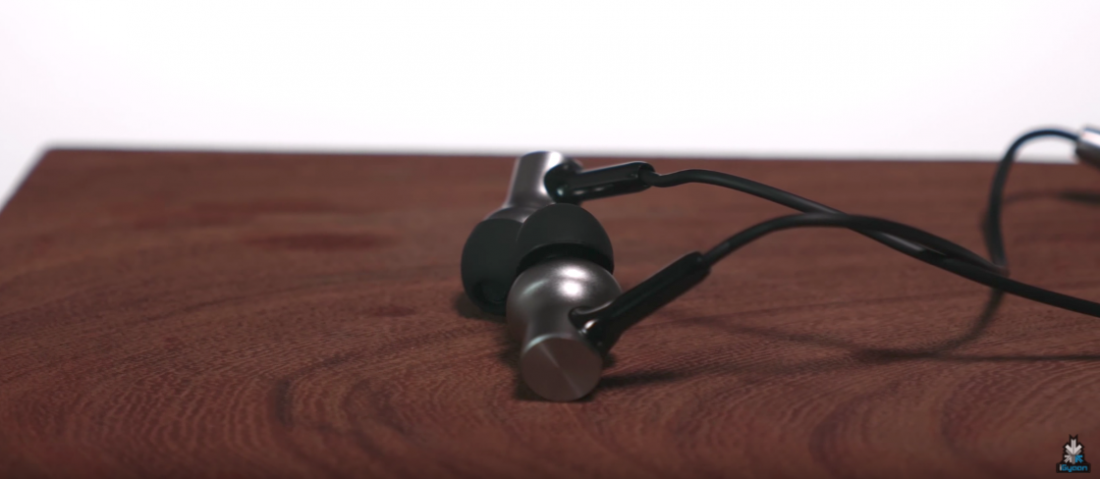
    Apart from smartphones, Xiaomi has a few deals in its audio department as well. The Xiaomi over-ear Mi Comfort Headphones will be avilable at a price of Rs 2699, they usually retail for Rs 2999. The Mi In-Ear Headphones will be available at Rs 499 instead of Rs 599. The Mi Bluetooth Speaker Basic 2 will also be available to buy during the sale.

    Xiaomi will be planning to sell more handsets when the sale starts and pile on the million sales it did during the Amazon and Flipkart sale.


  • OxygenOS v4.5.0 Update Rolling Out For OnePlus 3 And 3T

    OxygenOS v4.5.0 Update Rolling Out For OnePlus 3 And 3T

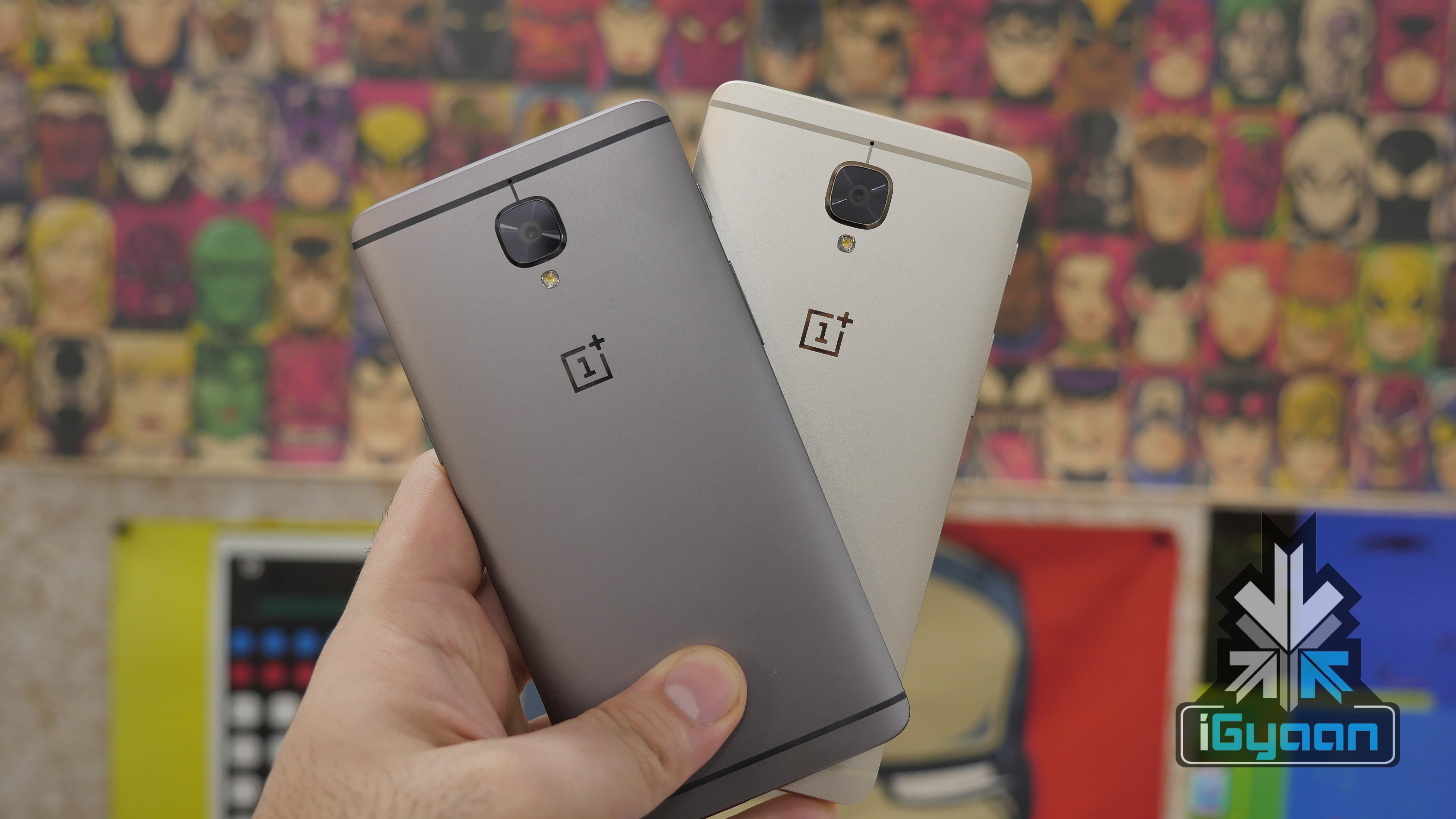
    OnePlus is known to drop support for its previous year flagships and concentrate solely on its new and shiny flagship of the year. The company did it with the OnePlus 2 when OnePlus 3 and 3t came to the fore. The support for the OnePlus 3 and 3T hasn’t died out yet, and a new update brings in a lot of features to the OnePlus 3/3T from the OnePlus 5.

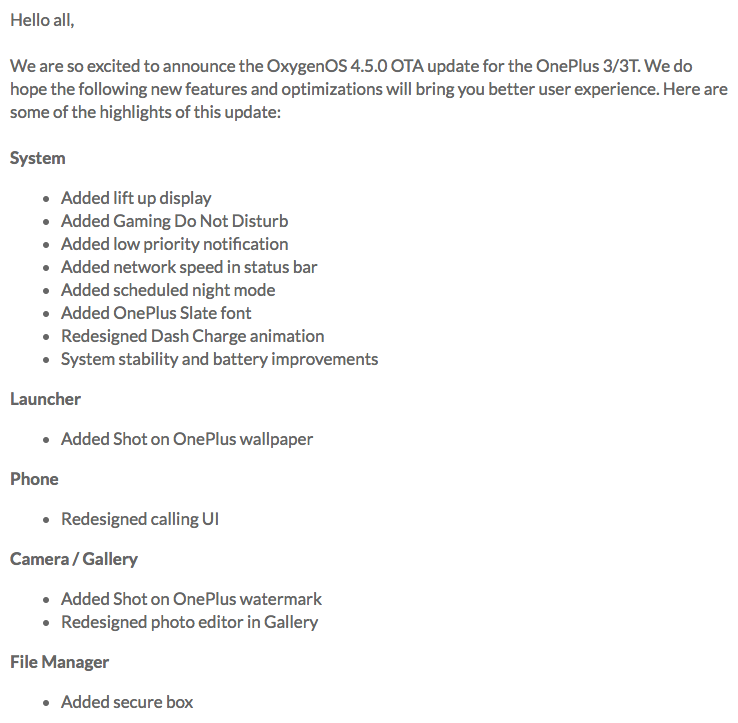
    The new update is 1.5GB in size and brings features like “lift up display,” Gaming Do Not Disturb, low priority notifications, and OnePlus’ Slate font. These features were restricted to the OnePlus 5 only but, have finally trickled down to the 2016 flagship devices. The most interesting features that the update brings, like the “lift up display” and gaming do not disturb mode can be activated from the settings app.

    The low priority notifications toggle is exactly what it sounds like. The low priority apps don’t trigger sounds, don’t peek, and don’t set the LED to start blinking. These notifications also won’t appear on the lock screen or the status bar. The ‘lift up display” allows you to glance at your phone’s lock screen by simply lifting it up, without double tapping the screen or pressing the lock/unlock button. Gaming Do Not Disturb mode can be turned on to mute all the notifications when you are gaming on your phone.

    The new Slate font introduced in the OnePlus 3 and 3T was first font is already available in OnePlus 5. The company has also brought the secure box to the File Manager app. There are some other minor UI redesigns like a redesigned calling UI in the Phone app, an improved photo editor in the Gallery, the ability to add a ‘Shot on OnePlus’ watermark, and the addition of ‘Shot on OnePlus’ wallpapers. However, the security patch level still remains at August.

    Post by OnePlus forum

    The new update will definitely keep the owners of OnePlus 3 and 3T happy especially after the social media backlash the company faced when it announced that the devices won’t receive a major software update after Android 8.0 Oreo.

  • HMD Global Launches The Nokia 8 In India At A Price Of Rs 36999

    HMD Global Launches The Nokia 8 In India At A Price Of Rs 36999

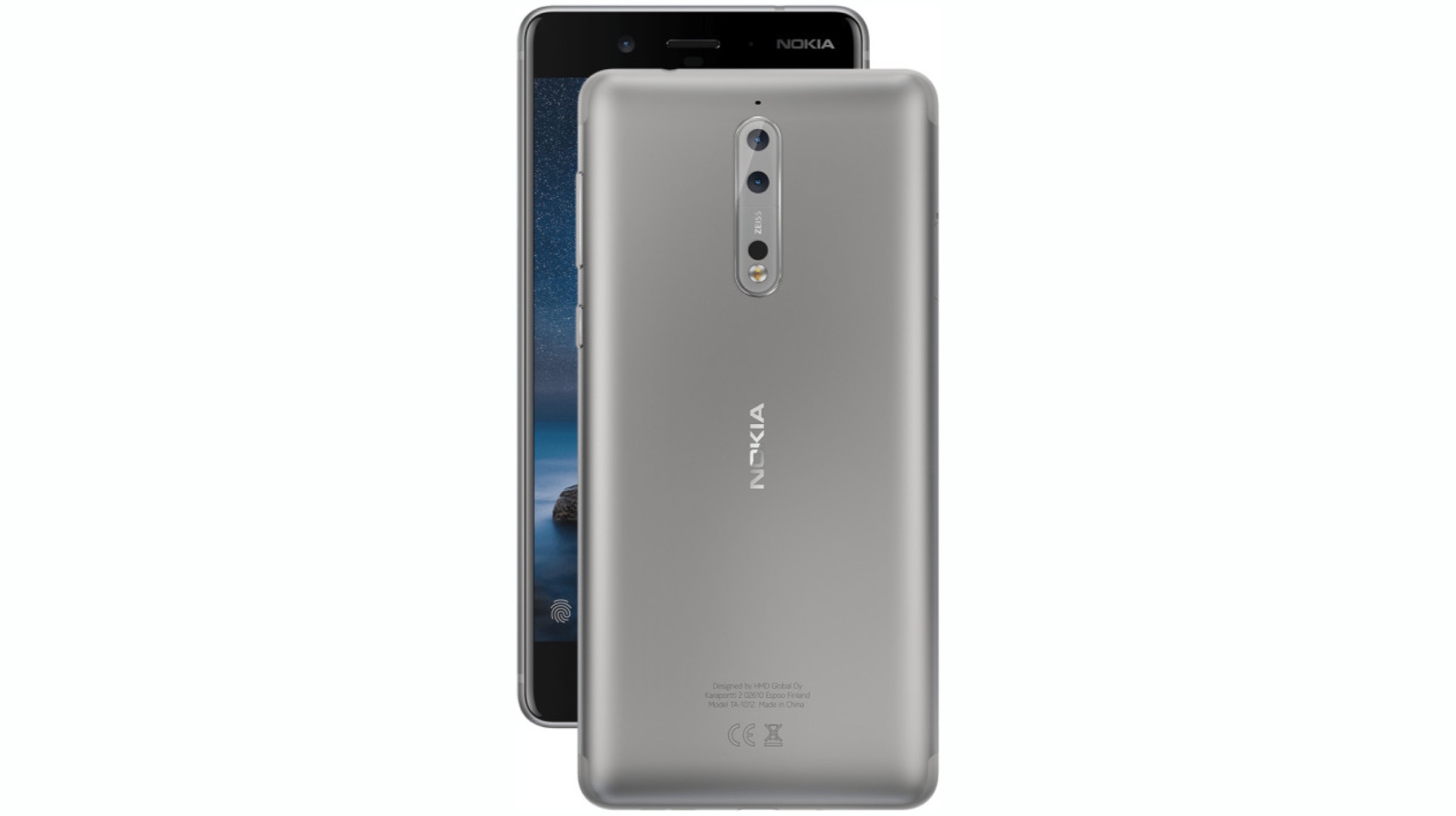
    HMD Global has launched the Nokia 8 in India at a price of Rs 36999. HMD global held a launch event in New Delhi on September 26th and unveiled the first-ever Android flagship with Nokia branding in India. The flagship will be up against the likes of LG G6, OnePlus 5 and the Honor 8 Pro as far as the price of the phone is concerned.

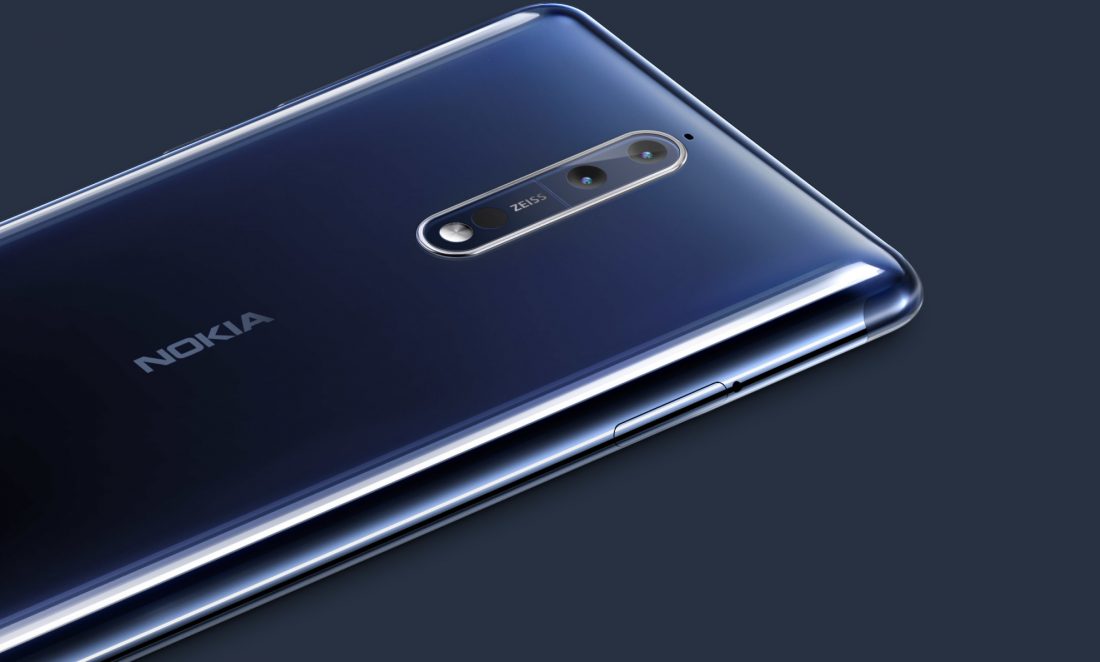
    The Nokia 8 has a 5.3 inch 2560 x 1440 px display and 2.5D Corning Gorilla Glass 5 for protection. The smartphone has an aluminum unibody design and an IP54 rating for splash resistance. The fingerprint sensor is housed inside a physical home button which sits between two navigation touch capacitive buttons below the screen. Powering the device is a 3090mAh battery with QuickCharge 3.0 support via USB Type-C port. The Nokia 8 runs stock Android 7.1.1 OS and the company has promised monthly security updates and yearly Android updates. Under the hood is the Qualcomm Snapdragon 835 chipset and a 2.45GHz octa-core processor, the Adreno 540 GPU, 4GB of RAM and 64GB of onboard storage which is expandable via microSD card. The smartphone will be available in Tempered Blue, Polished Blue, Steel colour variants at the time of the launch and the Copper Gold colour variant will be available after a few weeks.

    In terms of optics, the Nokia 8 is the first Nokia Android device to feature Carl Zeiss optics. In a very 2017 move, the Nokia 8 boasts a Zeiss powered dual camera setup at the rear – a primary 13MP RGB (colour) sensor with optical image stabilisation paired with a 13MP secondary monochrome (black and white) sensor and an f/2.0 aperture. The dual-camera setup is capable of recording videos in 4K at 30 FPS and has a portrait mode for bokeh effect. On the front is a 13MP camera with an f/2.0 aperture which can also record 4K videos at 30FPS.

    One feature that HMD Global has concentrated on in the Nokia 8 is Bothie. The company claims that the Nokia 8 is the first smartphone in the world which allows ‘Dual-Sight’ video to be live streamed natively and in real-time to social feeds such as YouTube and Facebook. Dual-Sight allows you to use the front and rear camera at the same time in a split screen view. Another feature that the smartphone boasts is called OZO Audio in which the smartphone’s three microphones and Nokia’s acoustic algorithms allow you to capture 360-degree spatial surround sound. You can also share 4K videos with OZO audio with anyone – binaural codecs ensure high fidelity playback even on devices without OZO Audio.

    The Nokia 8 will go on sale in India on October 14th and will be available online on Amazon exclusively and offline retail stores. Nokia also announced that in top 50 cities in the country, there will be a concierge service, wherein a company representative will come to the consumer’s house and pick up the phone for any repairs.

  • Levi’s Announces Smart Jacket In Association With Google Jacquard

    Levi’s Announces Smart Jacket In Association With Google Jacquard

    Levi’s has announced the Commuter Trucker Jacket with Jacquard technology that turns this denim jacket into a wearable device. Google says that at the heart of it, the Trucker Jacket is a normal jacket that can be washed and worn any time you want. It just gives you an added functionality of starting or stopping music, getting directions or reading incoming text messages—by simply swiping or tapping the jacket sleeve.

    Wearable devices have mostly been confined to the wrists, with smartwatches and fitness trackers. Google Glass came on to the scene but, fizzled out as well. The Snapchat glasses are a trend nowadays but difficult to buy and if you don’t like Snapchat, then  those glasses don’t make sense. But, almost everyone wears a jacket, don’t they? This collaboration between Google and Levi’s suggests that the wearable devices market is more than just the smartwatches and fitness bands.

    In its blog, Google talks about the Jacquard technology

    Google ATAP (Google’s Advanced Technology and Projects group) developed Jacquard—a connected apparel platform that allows fashion designers and apparel manufacturers to integrate connectivity and interactivity into clothes. And the first product that incorporates Jacquard—the Levi’s Commuter Trucker Jacket—will go on sale Wednesday.

    The gesture-sensing Jacquard Threads are woven into the cuff and wirelessly connected to your mobile phone using tiny electronics embedded inside the sleeve and a flexible snap tag. The snap tag also notifies you about incoming phone calls or text messages¹ with light and haptic feedback. The gestures on the jacket cuff are fully re-configurable, using the Jacquard app you can assign gestures to invoke different digital “abilities” :

    • Play or pause your music, skip to the next track, or ask what song is playing.
    • Get the next direction, ETA, or the current time.
    • Receive updates on incoming call or texts with an LED light and a vibration on your sleeve, and have the text message read to you.

    The smart jacket goes on sale in the United States on 27th September in select Levi’s stores and within a week, it will be available online at www.levi.com.


  • Microsoft Will Build Quantum Computing Systems

    Microsoft Will Build Quantum Computing Systems

    During the 2017 Microsoft Ignite, CEO of Microsoft Satya Nadela announced that the IT giant is pushing  to build a quantum computing ecosystem, a new “revolutionary technology” which would allow scientists to do computations in a fraction of time.

    Satya Nadela, during his keynote address said:

    A quantum computer enables you to encode information, not just as one or zero but as one and zero simultaneously. That means it unlocks amazing parallelism. You could take a quantum computer and solve some of these unsolvable problems because they approach it with that amazing parallelism where they’ll take every path in the corn maze simultaneously. That’s the intuition behind the power of quantum.

    But, building a quantum computer takes more than just intuition, he admitted. Talking about what all it took to turn this idea into reality, he said:

    We have had to assemble a world-class team. In fact, we’ve had to take a very novel approach of bringing together breakthroughs in math, fundamental physics, and computer science together, and put a system or get started on a journey to put a system that’s going to be a truly scalable general purpose quantum computer.

    Micheael Freedman, a renowned math genius joined the Microsoft’s theoretical research team about twenty years ago. He was known for his fundamental research in a field of math called topology. Freedman said that Microsoft’s qubit will be based on a new form of matter called topological matter that also has this property that as the information stored in the matter is stored globally, one can’t find the information in any particular place.

    During the Microsoft Ignite, the American tech giant showcased the progress it has made toward the development of the topological qubit. Along with that that, it also showed the progress in the development of hardware and software that will later on allow a lot of developers to take advantage of quantum computing’s power. Talking about the computing system, Freedman said:

    What Microsoft has done that’s really unique in its approach to quantum computing, which is to first of all recognise that each one of these steps is actually very hard. In fact, it may seem like making the chip with the Majoranas is the hard part, or thinking of the idea is the hard part. But actually they’re all hard. And everything from the software that we’ll hear about in a second to the cryogenic engineering is extremely difficult.

    Indeed, what seems like a gigantic step in the right direction seems extremely difficult and is a result of years of research and development. More insight into the new computing system came from computer scientist Krysta Svore who said that Microsoft is building a comprehensive full stack solution so that they can actually run applications on this new revolutionary device. This device is unlike any classical computer that Microsoft has today. It has to operate at 4 kelvin which is around minus 452 degrees Fahrenheit.


  • Unboxing The Apple Watch Series 3

    Unboxing The Apple Watch Series 3

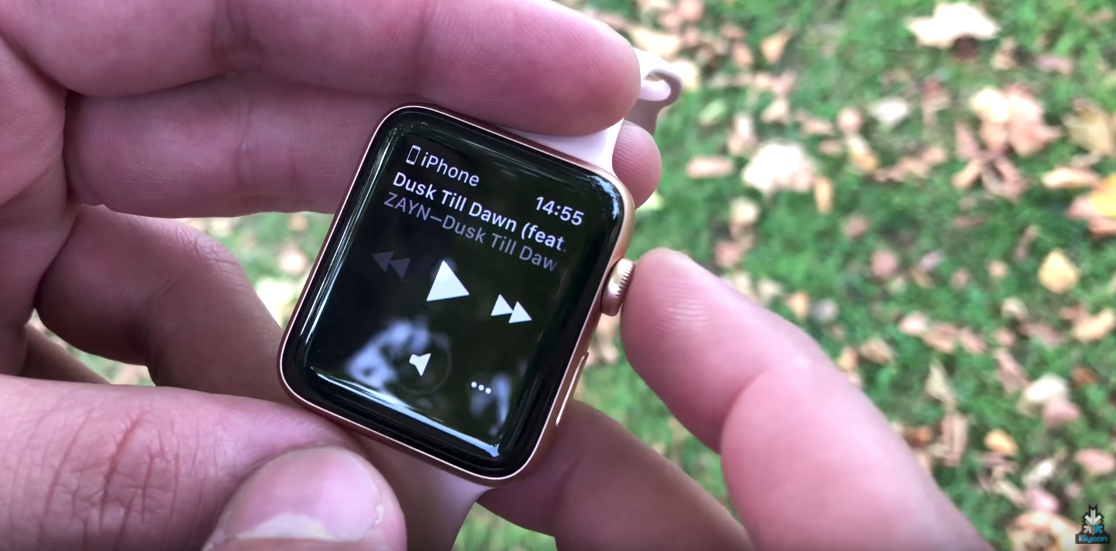
    On September 12th, where all the attention was on the new bezel-less iPhone X, a new product grabbed a lot of eyeballs as well. The Apple Watch Series 3 was unveiled by Tim Cook at the Steve Jobs Theatre and its celular connectivity makes it an interesting option for iPhone users. It essentially means that you can use the Apple Watch even if you forget your iPhone at home thanks to the SIM card inside the watch. Let’s quickly unbox the Apple Watch Series 3 and see what we get inside:

    • Apple Watch
    • Extra pair of straps
    • Documentation
    • Charging brick
    • Magnetic charging cable

    The new Apple Watch Series 3 has an improved heart rate sensor and a SIM card slot. This has resulted in a 0.2mm thickness increment which is commendable. The watch seems a little hefty but feels comfortable on the wrist. The Apple Watch we have has a gold colour accent.

    The new and advanced heart rate sensor wherein the watch will notify an increased heart rate if you’re not active. In the new Apple Watch, the number will remain the same as your iPhone and you can perform tasks such as iMessage directly from your watch without having your smartphone connected to it. The Apple Watch Series 3 will also stream 40 million songs from the iTunes and the Music App. The Siri on the smartwatch will also be voice enabled for communication with the watch without looking at the screen. The display of the watch will act as an antenna and an electronic SIM card which is smaller than a nano SIM card. The smartwatch has a dual-core processor to carry out all the tasks. The smartwatch will run Apple Watch OS 4 out of the box and has a battery life of up to 18 hours, Apple claims. The new W2 chip inside delivers 85 percent faster Wi-Fi while also being 50 percent more power efficient, which will be crucial because of the cellular connectivity feature using up more battery than usual.

    The Apple Watch Series 3 in India will be available in the GPS only variant and start at a price of Rs 29900.

    Pre-Order here:

  • Unboxing The iPhone 8 And iPhone 8 Plus

    Unboxing The iPhone 8 And iPhone 8 Plus

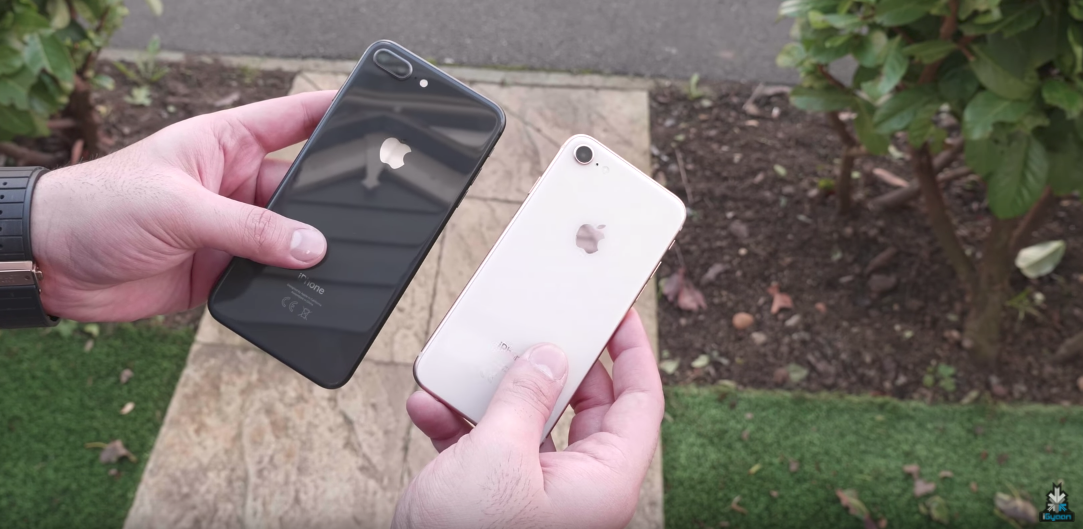
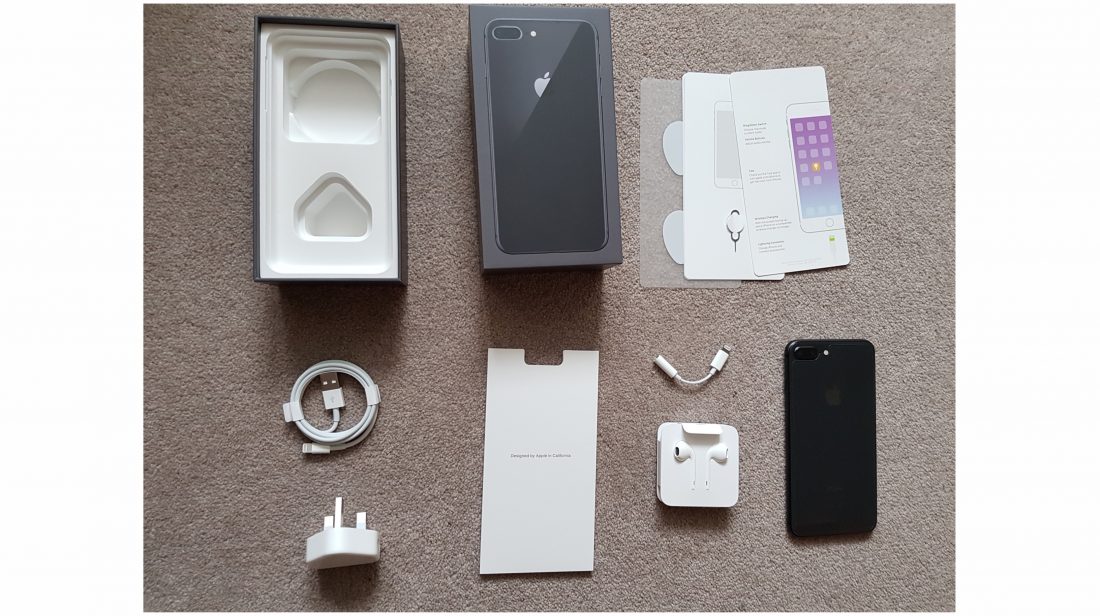
    When Time Cook took to stage to announce the iPhone 8 and iPhone 8 Plus, there was an air of familiarity of what the two phones would be like. The names, however, were yet to be confirmed and the first image on the big screen confirmed that Apple would be skipping a whole ‘S’ generation and jump straight into the iPhone 8 era. The iPhone 8 and iPhone 8 Plus were revealed with a design so familiar that its hard to make out the difference between the previous generation iPhones and the 2017 iPhones by just looking at them. Let’s unbox the iPhone 8 and iPhone 8 Plus to see what we get inside the box:

    • iPhone 8
    • Documentation
    • Lightning earphones
    • Lightning to 3.5mm jack
    • Sim ejector tool
    • USB wall charging brick
    • USB to lightning port cable

    Initial impressions of the iPhone 8 and iPhone 8 Plus are very similar to the ones of the iPhone 7 and 7 Plus. This time around, there is a glass back which definitely makes the new iPhones a lot more grippy than the previous gen iPhones. Another noticeable difference is the True Tone display. True Tone display first featured on the iPad wherein the phone adapts to the ambient display and changes the white balance to maintain the vibrance and accuracy of colours.

    The iPhone 8 and 8 Plus will be available in Space Gray, Silver and a new Blush Gold colour. The devices retain their previous generations’ screen size ans resolution of 4.7 inch 1334 x 750 px and 5.5 inch 1920 x 1080 px display, with the addition of True Tone. . Under the hood, both the phones have Apple’s A11 Bionic chip which so far, has blown the Qualcomm Snapdragon 835 chipset out of the waters, in benchmark tests at least. The iPhone 8 and iPhone 8 Plus have a 3GB RAM and 64GB pr 256GB onboard storage variants. The 1821 mAh battery in the iPhone 8 is smaller than the iPhone 7’s 1960 mAh battery while the iPhone 8 Plus has a 2675 mAh battery as compared to the 2900 mAh battery on the iPhone 7 Plus. Apple however, claims that the new iPhones will have identical battery life to their predecessors. There is also wireless charging this time around, thanks to the glass back on both the iPhones. The TouchID is still there right below the display and might as well be the deciding factor in some consumer’s purchase decisions over the iPhone X.

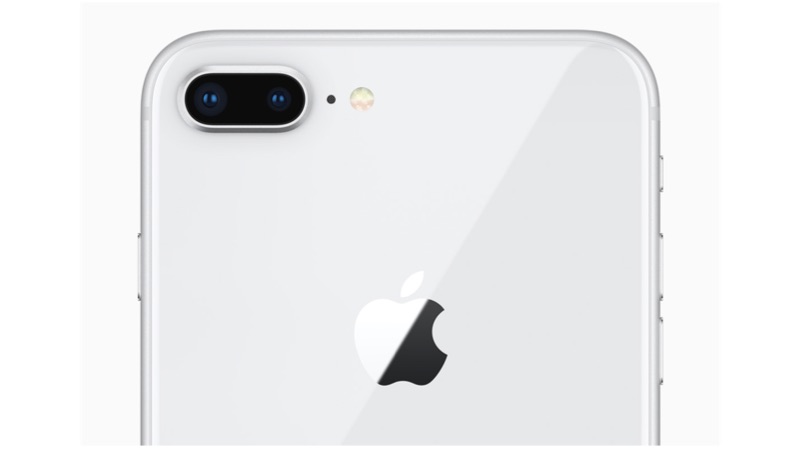
    The cameras department is where Apple claims the biggest change is. The iPhone 8 has the same 12MP sensor with an f/1.8 aperture with a few software upgrades and OIS. Apple claims the new camera is larger and faster than the previous generation. On the front is a 7MP camera with an f/2.2 aperture which records 1920 x 1080 px videos at 30fps. The iPhone 8 Plus features a 12MP dual-camera setup. The primary wide angle lens has an f/1.7 aperture and the secondary telephoto lens has an f/2.8 aperture. The new “Portrait Lighting” feature allows users to adjust the lighting for portrait shots. On the front is a 7MP camera with an f/2.2 aperture which records 1920 x 1080 px videos at 30fps. The dual-cameras at the back record 4K videos at 60fps.

  • Jio Phone Deliveries Begin On September 25

    Jio Phone Deliveries Begin On September 25

    Reliance will begin the delivery of the 6 million Jio phones booked during the month of August on September 25. According to a report by PTI, people in rural areas will receive the phone before their urban counterparts. The deliveries will begin in a phased manner and will be completed within 15 days. Official Twitter handle of Jio states that everyone who has pre-booked the Jio phone will receive their order before Diwali this year, which falls on October 19th.

    According to CyberMedia Research, a total of 61.8 million mobiles were shipped in the second quarter of 2017. With 6 million units of sale, JioPhone is estimated to account for around 10 percent of India’s total mobile phone market in a quarter.

    The consumers can track their orders via the MyJio app but, as of now, the status shows ‘Created’. The tracking of delivery seems pointless right now but, the status should be clearer in the days to come.

    Earlier in the month of September, JioPhone crossed 6 million pre-orders and the company had to close the pre-orders just a day and a half after it was opened. The JioPhone, as Mukesh Ambani announced, will be effectively for free with one time refundable deposit of Rs 1500 on return of the handset. To rival with the “India ka smart phone”, other telecom companies like, Bharti Airtel and Vodafone are also reported to be in talks with phone makers to introduce their own 4G smartphones in the Indian market.

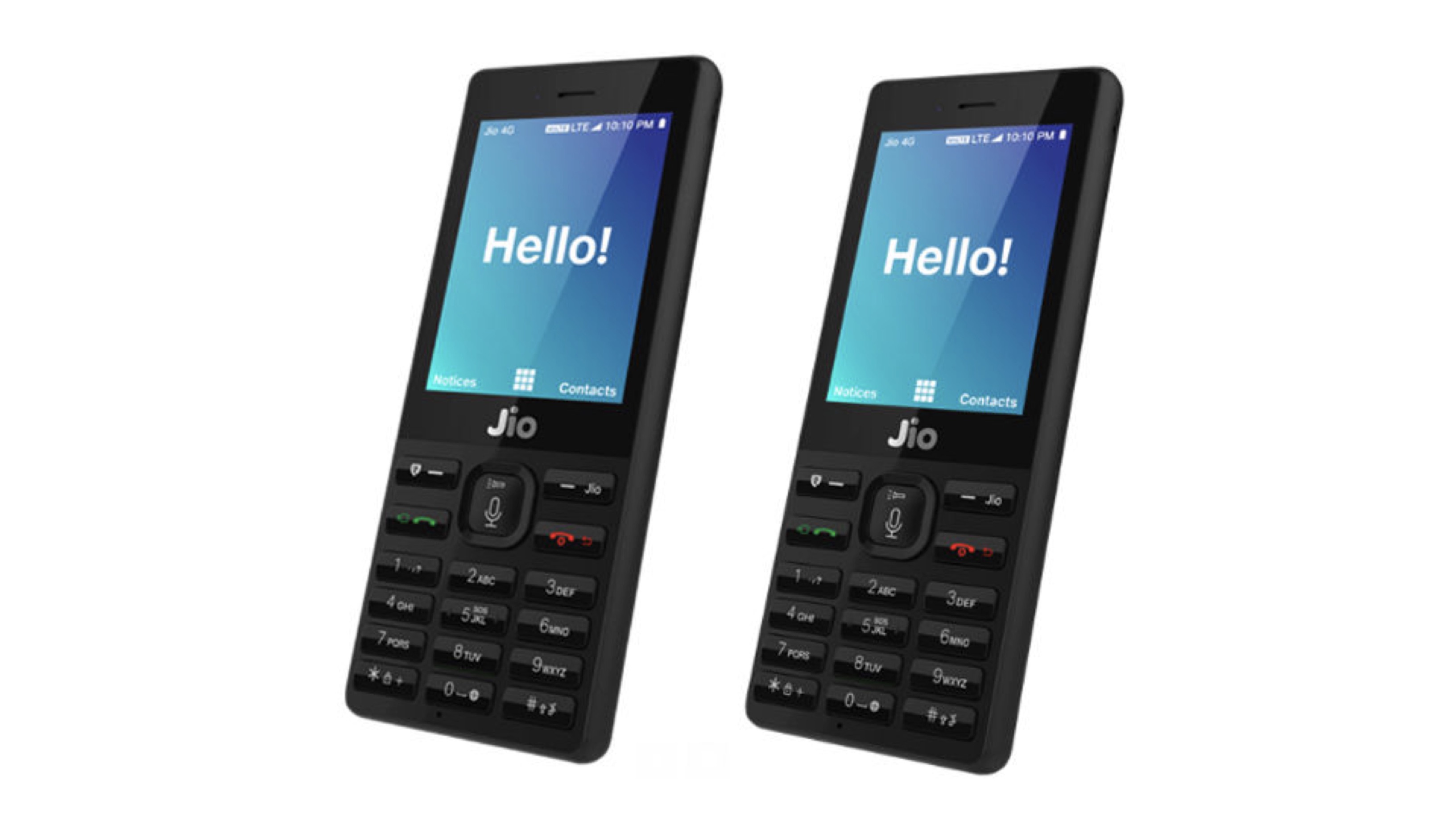
    Here’s an overview of the JioPhone:

    • 2.4-inch display
    • Supports digital payment via NFC
    • SD card slot for extended memory
    • Torch light
    • Supports 4G VoLTE for calls and data
    • New set of data plans, starting at Rs 153 for the device
    • Comes with preloaded Jio apps like Jio Cinema, Jio Music etc.

    Major Attractions of JioPhone:

    • Unlimited 4G data for Rs 153 a month
    • JioPhone will be effectively free of cost
    • One time security deposit, refundable at the time of return after 3 years
    • Available for advance booking from 24 August
    • Long press number 5 on the JioPhone and a distress message will be sent to all registered contacts.
    • PM Modi’s podcast Mann Ki Baat on the Jio feature phone will be available.
    • Most likely, NaMo app will come pre-loaded on the device.

    Do you think other telecom companies will be able to rival the precedence that the JioPhone is creating for itself? Let us know in the comments below.

  • Sony Launches Xperia XZ1 In India For Rs. 44990

    Sony Launches Xperia XZ1 In India For Rs. 44990

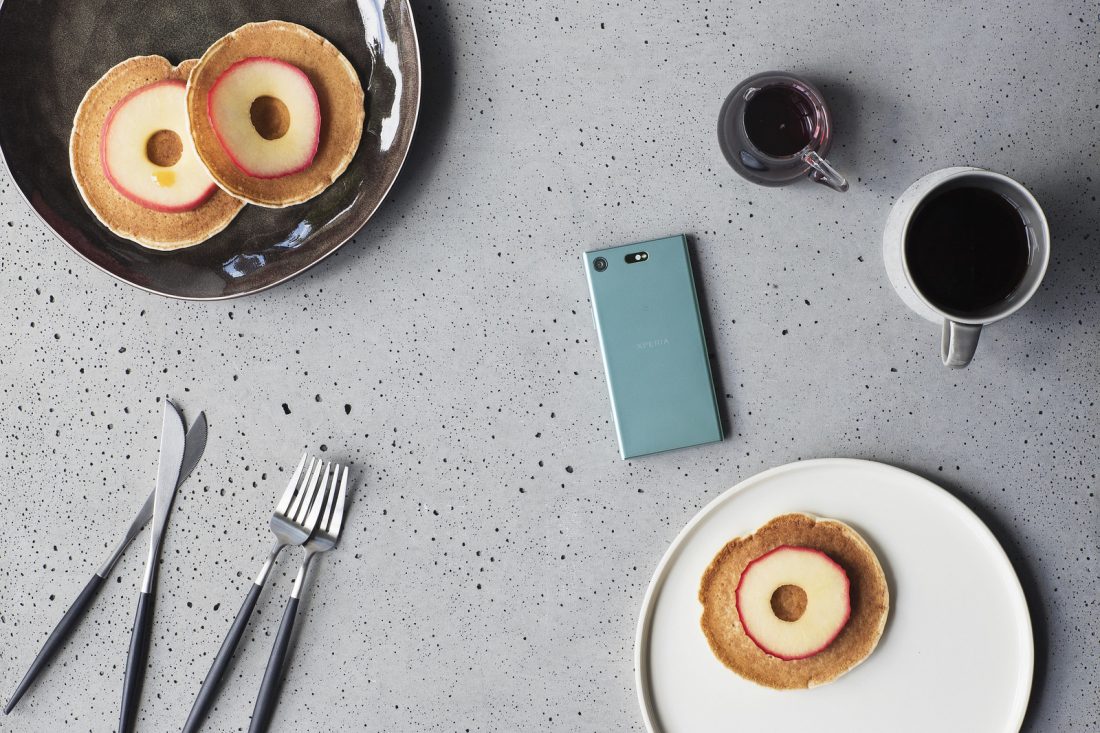
    After unveiling the Sony Xperia XZ1 at IFA 2017 in Berlin, the Japanese tech giant has launched the new phone in India. The highlights of the launch was that the phone will run Android 8.0 Oreo out of the box and the 3D scanning camera. A noticeable omission is that of the Xperia XZ1 Compact which was launched globally along with the XZ1. Sony also recently launched the Xperia XA1 Plus in India at a price of Rs. 24990.

    The Sony Xperia XZ1 has a 5.2 inch 1920 x 1080 px display with Corning Gorilla Glass 5 on top for protection. The design of the phone is reminiscent of a lot of previous Sony flagships, dating back to 2013’s Xperia Z. The device runs Android 8.0 Oreo out of the box and is powered by a 2700 mAh battery, which is considerably smaller than a lot of smartphones in the market. Under the hood, the device has the Qualcomm Snapdragon 835 chipset, similar to the one found in XZ Premium, 4GB RAM, and 64GB onboard storage which is expandable up to 256GB via microSD card.

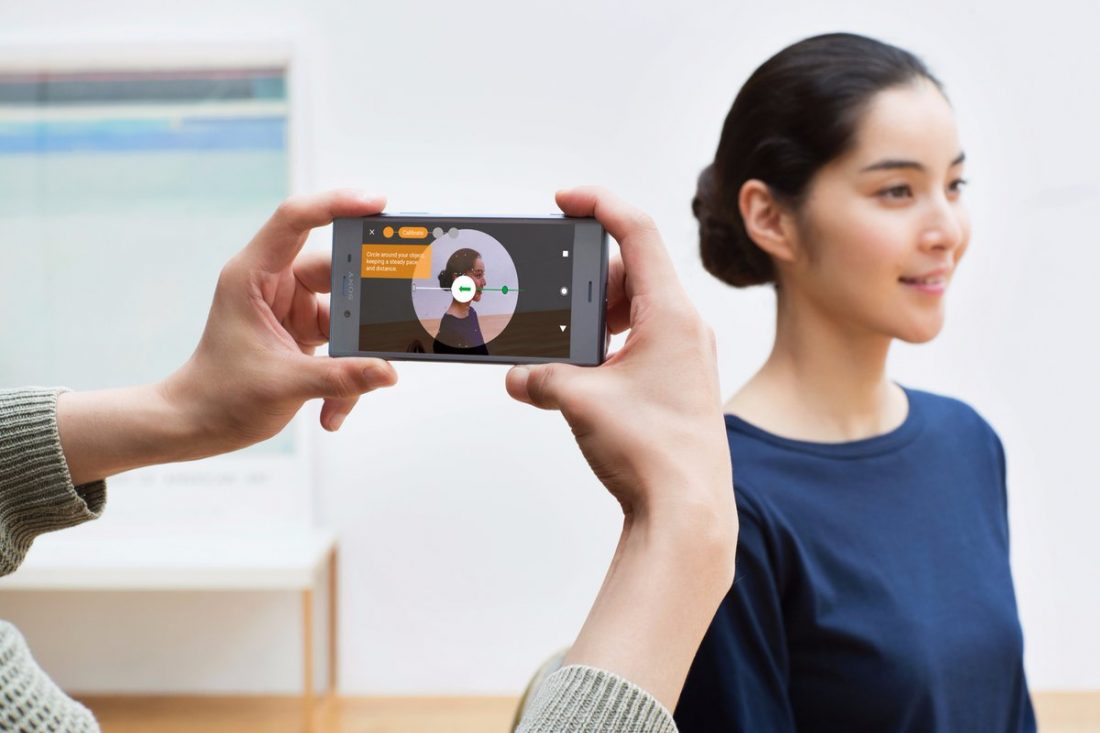
    Sony has used its “Motion Eye” camera system in the XZ1. According to Sony, “Motion Eye” system uses a 1GB memory-stacked camera which has five times faster image processing than other smartphones. Ditching the trend of the dual camera setup, Sony went with a single camera at the back with a 19MP 1/2.3? Sony IMX400 camera lens with an f/2.0 aperture. Sony has pointed out that the phone’s 3D scanning capability is one of its highlights. The camera app includes features like Predictive Capture which will click the picture seconds before you actually hit the shutter button. Sony has used SteadyShot electronic stabilization for video instead of optical image stabilization for images. The primary camera can also record super slow motion 720p video at 960fps in addition to recording 4K videos at 30fps. On the front, the XZ1 has a 13MP camera with an f/2.0 aperture and 22mm wide-angle lens.

    Sony has claimed that the Xperia XZ1 is the first smartphone featuring real time 3D capture:

    High quality 3D scans of objects can be rendered in just a minute using four scan modes; head scan, face scan, food scan and freeform scan. Scanned objects can then be shared on messenger apps using 3D stickers or uploaded to 3D communities such as Sketchfab. The 3D Creator app also sports a ‘Find More’ option that provides access to a growing 3D ecosystem via Google Play.

    The Xperia XZ1 is priced at Rs. 44990 and will go on sale September 25 through both offline and online channels. The smartphone will be available only in the Black colour variant unlike its global variant which is available in Snow Silver, Horizon Blue, and Twilight Pink as well. For the launch offers, Sony is bundling a Quick Charge 3.0 charger in the box for a limited time while the buyers can purchase the Sony Style Stand Cover for Rs 2,490 which costs Rs 3490 originally along with the device. HDFC credit/debit card holders and ICICI credit card holders can also avail a 5 per cent cash back on purchase.

  • Samsung’s Foldable Android Device Gets Certified In South Korea, May Launch In 2018

    Samsung’s Foldable Android Device Gets Certified In South Korea, May Launch In 2018

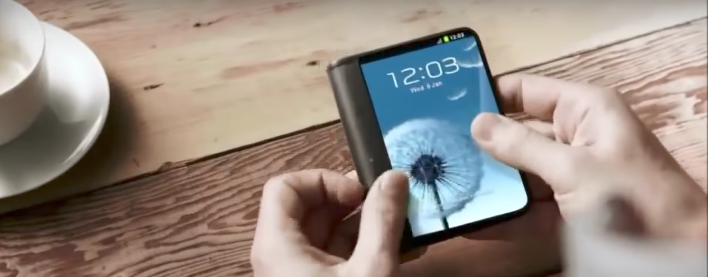
    Innovation in the smartphone industry has seen a dip in the past few years, with near bezel-less displays being one of the few new “big changes” happening. We have seen smartphone manufacturers tinker with displays so far, with Samsung’s flagship devices sporting a curved display, LG’s V series featuring a secondary display and the likes of Vivo sticking a secondary display at the back of the phone. Keeping up with its tradition of innovating in the display department, Samsung showcased a foldable display smartphone back in 2013 and announced its desire to make the phone a commercial product. Now, the smartphone with a foldable display has been certified in Samsung’s home market, South Korea.

    The phone is expected to launch in 2018 as the Galaxy X which now sounds like a rip-off of the iPhone X, which means that Samsung will definitely choose a different name for their marquee device.

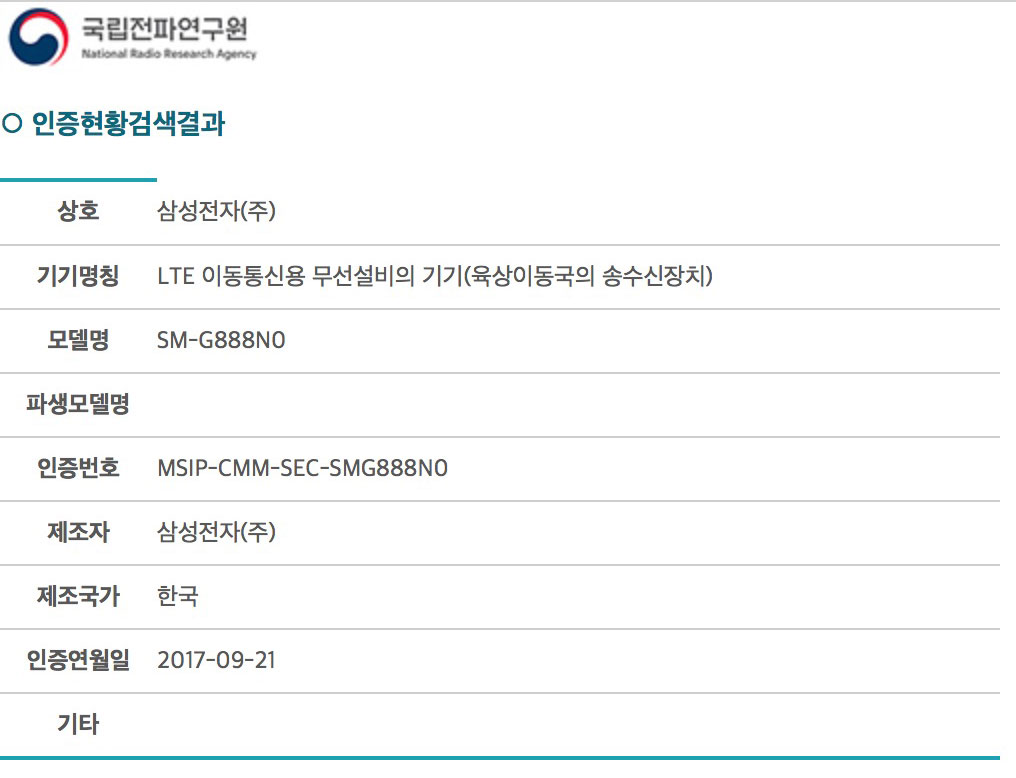
    According to Let’sGoDigital, the phone has appeared in a filing from the Korean National Radio Research Agency (NRRA), with a model number SM-G888N0. Moreover in the filing, the device is listed out as a “radio equipment for global LTE communication,” while it was spotted as a “smartphone” at the Wi-Fi Alliance. The filing however, does not reveal any other details about the smartphone.

    After the big reveal in 2013, the hopes of seeing a foldable Android smartphone on the shelves of mobile stores seemed to have died a slow death. After IFA 2017 in Berlin, Dongjin Koh, President of mobile business at Samsung told some reporters at a news conference in South Korea that a foldable smartphone is in the works and the company is aiming for a 2018 release. The phone will be a part of Samsung’s ‘Note’ lineup, according to Dongjin Koh. He also said that there are still hurdles to overcome and a possible release would be pushed back if the issues are not resolved in time.

    When we can overcome some problems for sure, we will launch the product. We are digging thoroughly into several issues we must overcome, as we don’t want to just make a few, sell a few and be done. We want to hear that Samsung made a very good product. We have a plan to adopt a foldable display in our roadmap.

    A number of patents as well as Samsung’s own concept video from CES 2013 tell us what to expect from the Galaxy X. Samsung is most likely to start small, with a smartphone that folds halfway like a wallet. Another design, in line with Samsung’s prototype unveiling, could see the phone unfold into a full-size tablet.

  • iPhone 8 and iPhone 8 Plus Have The Best Cameras Claims DXOmark

    iPhone 8 and iPhone 8 Plus Have The Best Cameras Claims DXOmark

    The Apple iPhone 8 and iPhone 8 Plus were launched on September 12th along with the highly anticipated iPhone X. In India, the iPhone 8 and 8 Plus became available for pre-orders on September 22nd for a starting price of Rs 64000 for the iPhone 8 64GB storage variant. During their launch, Apple claimed that the camera performance of the iPhone 8 and iPhone 8 Plus is much better than the previous gen iPhones and DXOmark has backed that claim. According to DXOmark, the cameras on the iPhone 8 and iPhone 8 Plus are the best smartphone cameras in the market right now.

    The Apple iPhone 8 Plus is the best-performing mobile device camera we have ever tested. Its overall DxOMark Mobile score of 94 sets a new record, beating out the 90 points for both the Google Pixel and the HTC U11, as well as the 92 that its sibling iPhone 8 just scored.

    In terms of build quality and appearance, both the phones do not deviate too much from the design language of the iPhone 7 and iPhone 7 Plus which were launched back in 2016. The most noticeable difference here is the glass back which enables wireless charging in the iPhone 8 and iPhone 8 Plus. Under the hood, the two new iPhones have the A11 Bionic chipset which, so far has beaten the Qualcomm Snapdragon 835 chipset in benchmark results. The next big difference is the cameras.

    In terms of optics, the new iPhone 8 has the same 12MP sensor with an f/1.8 aperture with a few software upgrades and OIS. On the front is a 7MP camera with an f/2.2 aperture which records 1920 x 1080 px videos at 30fps. The iPhone 8 Plus features a 12MP dual-camera setup. The primary wide-angle lens has an f/1.7 aperture and the secondary telephoto lens has an f/2.8 aperture. The new “Portrait Lighting” feature allows users to adjust the lighting for portrait shots. On the front is a 7MP camera with an f/2.2 aperture which records 1920 x 1080 px videos at 30fps. The dual-cameras at the back record 4K videos at 60fps.

    According to DXOmark, the iPhone 8 Plus also has one of the best video-taking capabilities.

    For Video, its score of 89 is among our highest, but tied with the HTC U11 and slightly below the Pixel’s 91. Of course, the Pixel is nearly a year old now, so it makes sense that Apple’s new flagship is breaking new ground.

    The iPhone 8 and iPhone 8 Plus have definitely suffered because of the attention that the iPhone X has received. This report from DXOmark should spark some interest in the two iPhones and consumers might consider buying either of the phones instead of waiting for the thousand-dollar iPhone X releasing later this year.

  • Xiaomi Sold Over 1 Million Smartphones During Amazon And Flipkart Sales

    Xiaomi Sold Over 1 Million Smartphones During Amazon And Flipkart Sales

    Xiaomi had a festive couple of days during the Amazon and Flipkart sales. The Chinese tech giant said that it managed to sell over 1 million smartphones in India. Amazon’s Great Indian Festival Sale and Flipkart’s Big Billion Days Sale saw heavy discounts on smartphones and already mid-ranged phones became even more affordable.

    Xiaomi managed to sell about 300 smartphones on an average every minute for two days. The company said it saw a significant increase in sales this festive season, compared to last year, where it took them about 18 days to sell one million smartphones.

    Xiaomi said that the Redmi 4 was the highest selling smartphone on Flipkart during the sale and Xiaomi was the best-selling brand for both Amazon and Flipkart in the mobile category. Eight of the nine best-selling smartphones in the sale for both Amazon and Flipkart was again, Xiaomi products.

    This achievement marks an industry first, and is a key milestone for Xiaomi India. Our careful planning has also ensured that high selling smartphones such as Redmi 4 and Redmi Note 4 are in stock throughout the festive sale. We are extremely thankful to all our Mi Fans for their amazing support, and will continue to work hard to constantly outdo ourselves as we have done on many occasions in the past

    Xiaomi has been a dominant force in the budget smartphone category in the Indian market and selling 1 million smartphones albeit, heavy discounts is no mean feat. Xiaomi would want to translate the budget smartphone category success into flagship success as well. The Mi 6 was the last flagship smartphone Xiaomi released in India and the chances of Mi Mix 2 reaching the Indian shores look bleak. Recent reports of the Mi 7 featuring wireless charging have surfaced and its launch in India with Xiaomi’s typical aggressive pricing might make it a success in India.

iGyaan Network
Privacy Overview

This website uses cookies so that we can provide you with the best user experience possible. Cookie information is stored in your browser and performs functions such as recognising you when you return to our website and helping our team to understand which sections of the website you find most interesting and useful.