After launching its flagship device of the year – the Moto Z2 Force, Motorola is all geared up for unveiling another upgraded version of the Moto G5 Plus. Both, Moto X4 and the Moto G5S Plus were expected to be announced on July 25, but instead Motorola chose to launch just the Moto Z2 Force.
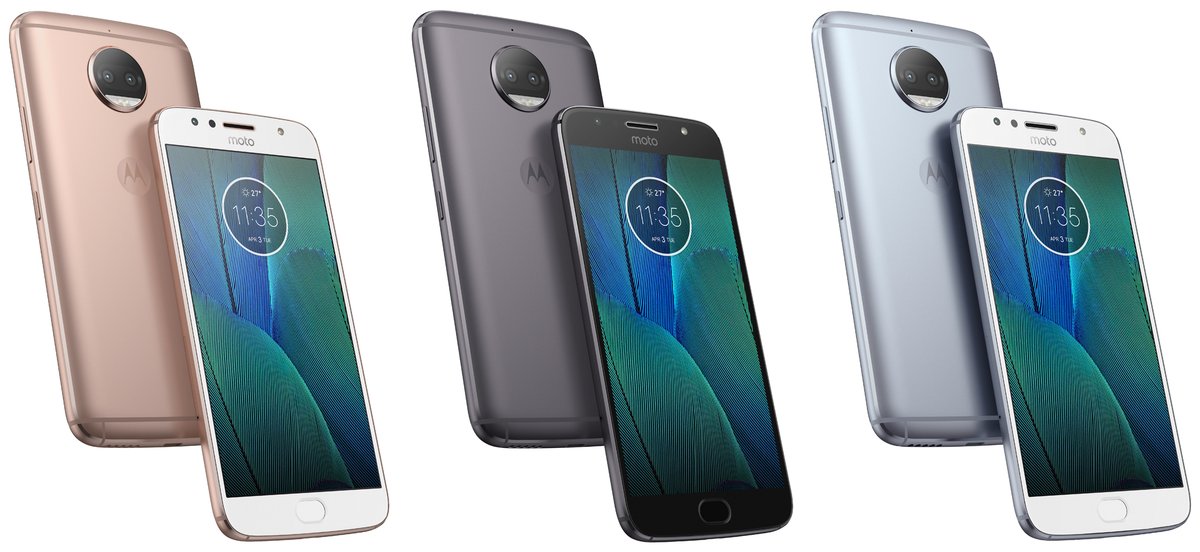
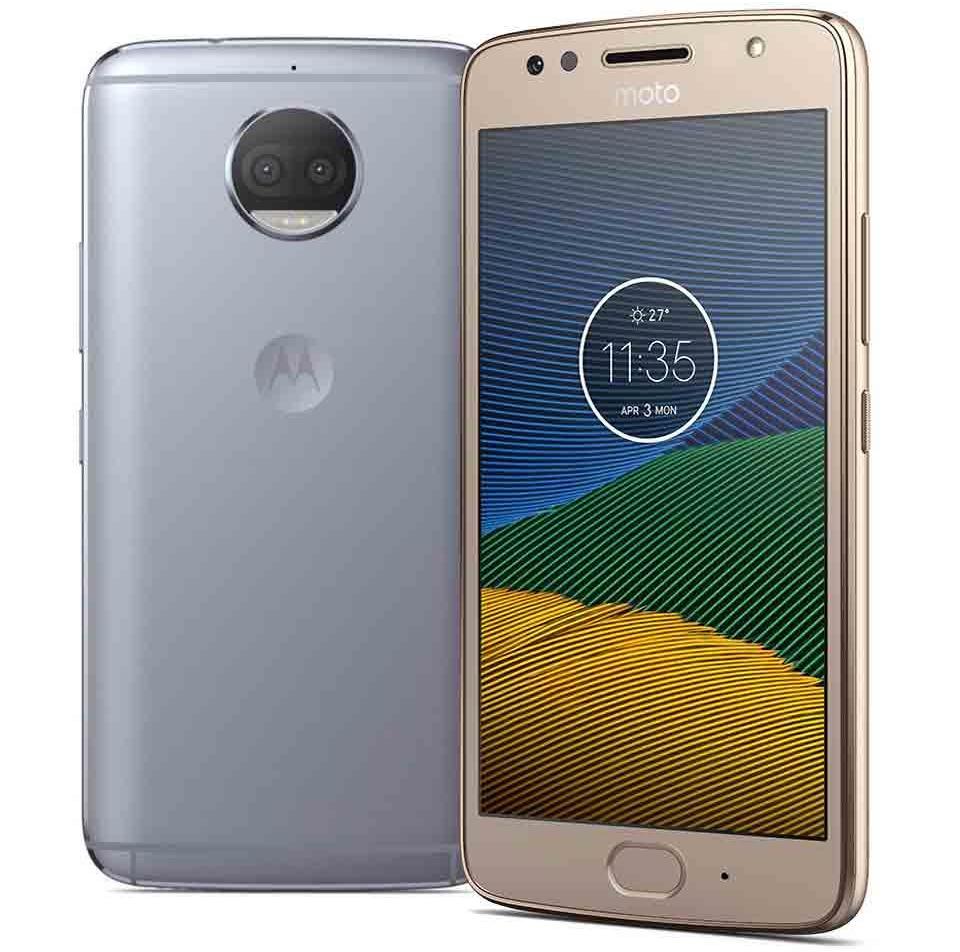
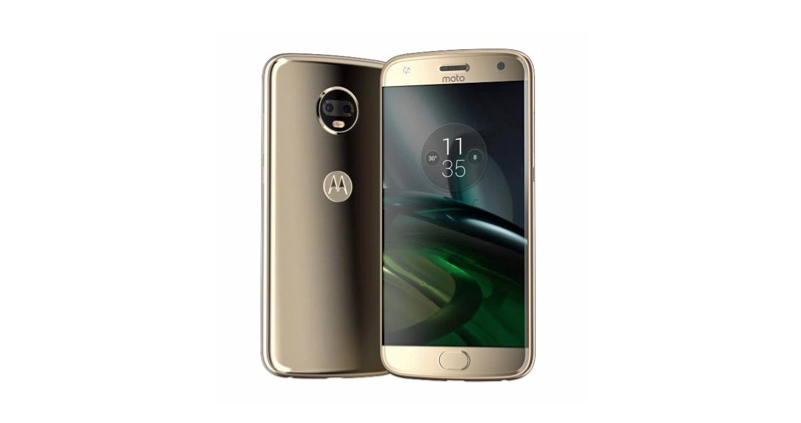
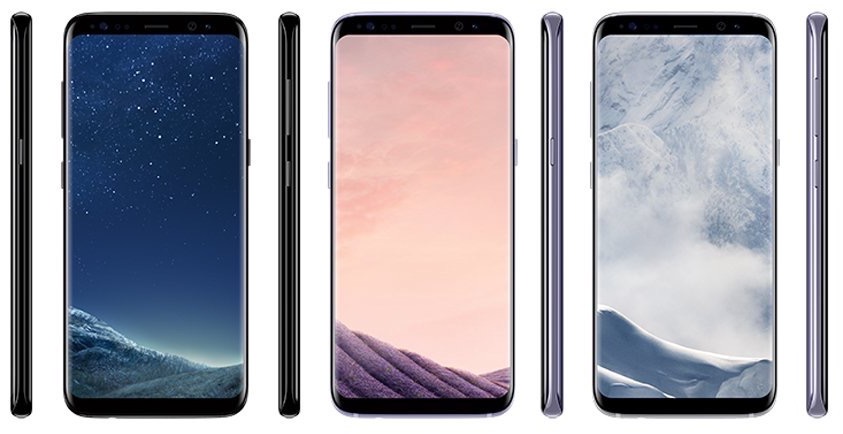
The rumors about the yet to be launched Moto G5S Plus don’t seem to end. An image revealing the Moto G5S Plus’ design and colour options have been leaked:
According to the recent update, the upcoming Moto G5S Plus will be available in three colours – Pink, Grey and Silver. The smartphone is said to sport a dual rear camera setup, featuring two 13 MP sensors — one RGB and one monochrome. The dual rear cameras will be loaded with features like DSLR bokeh, background replacement and selective black and white filtering. The front camera is expected to be an 8 MP sensor with an LED flash, an upgrade to the usual 5 MP front shooter in most of Motorola’s devices.
Recollecting all the rumors, the Moto G5S Plus is reported to have an aluminium shell and will be powered by the Snapdragon 625 processor. The G5S Plus is likely to feature a 5.5 inch full HD display with 4GB of RAM and 64 GB of onboard storage. The smartphone is set to run Android 7.1.1 Nougat out of the box and is expected to feature a fingerprint scanner, selfie camera with LED flash and Dolby Atmos Audio support.
The Moto G5S Plus is expected to carry a price tag of 330 Euros, approximately Rs. 25,000, however, may launch in India at a much lower price. Motorola is keeping mum regarding the release date of the Moto G5s Plus. Hopefully, it won’t be long before we go hands on.
In the tech industry, running a startup is no easy job. Considering the pace at which the balance shifts and the industry moves forward, it becomes a hellish job at times to keep it all together and work for the common goal of the startup.
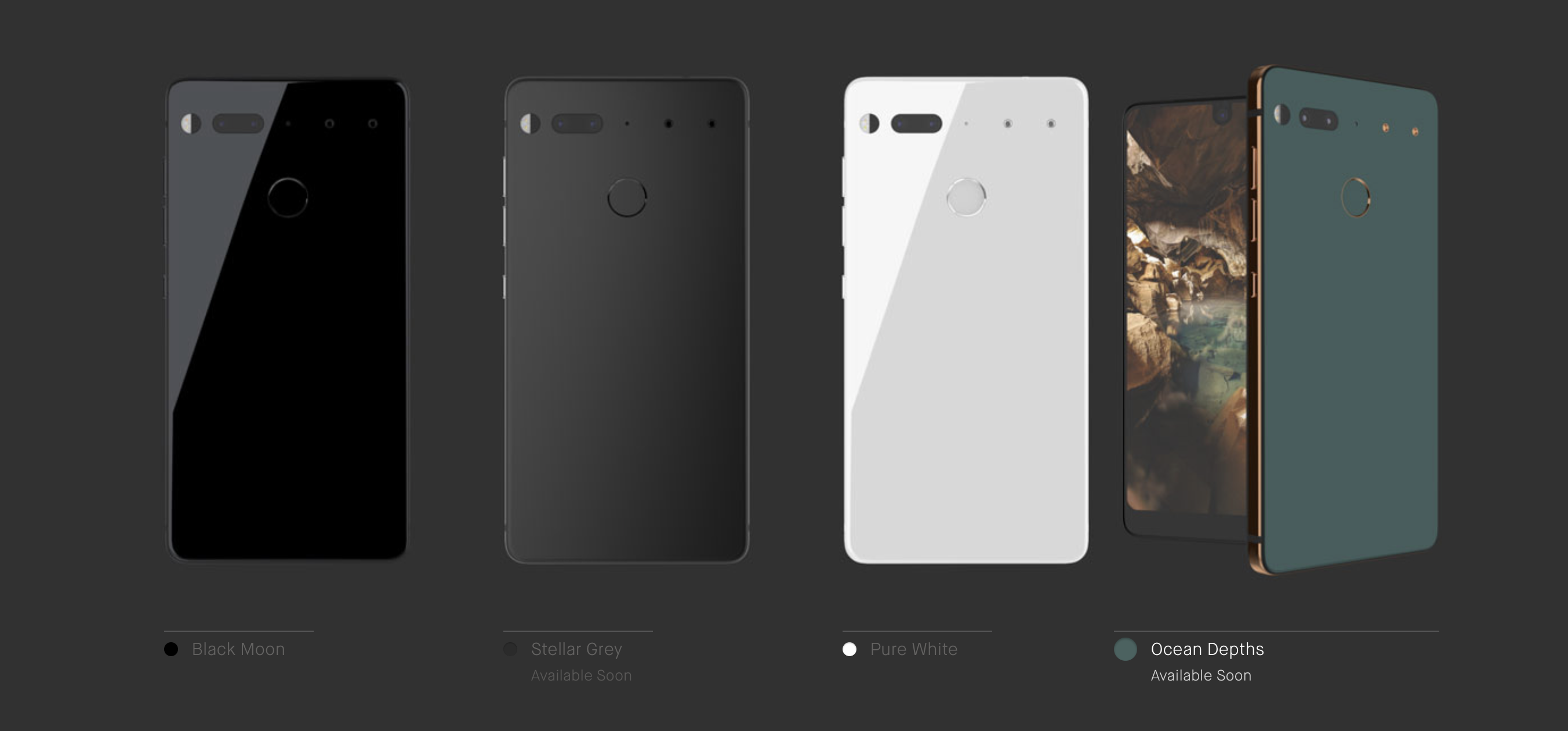
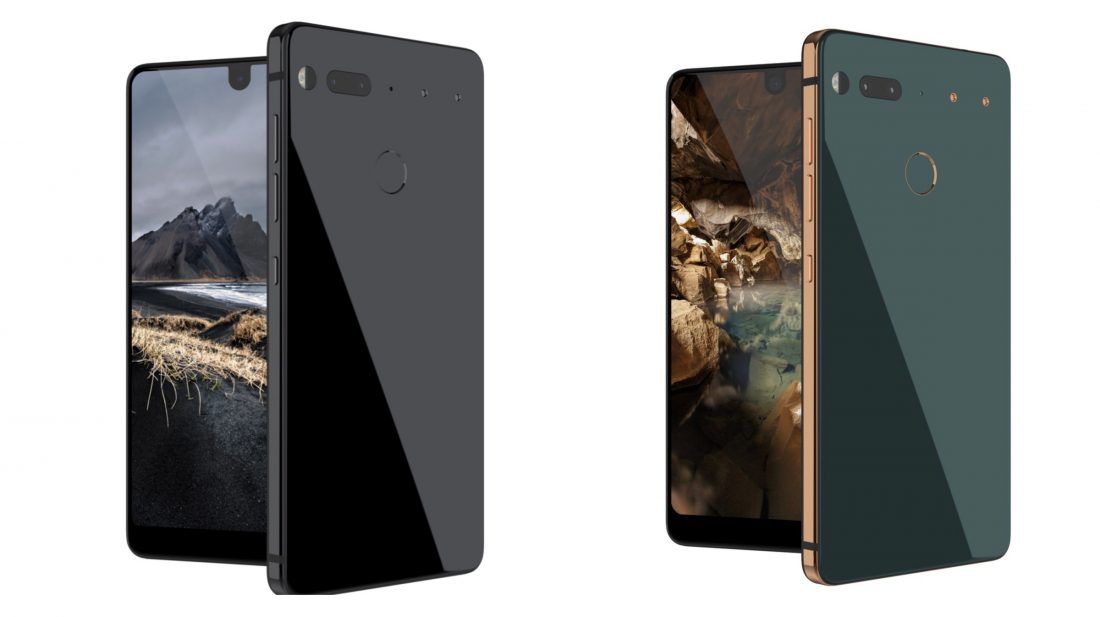
When the father of Android, Andy Rubin announced that the Essential phone will release in May, it felt like an ambitious deadline to set and evidently, the timeline set was not achieved. In fact, only late last month did the phone get certification from FCC (Federal Communications Commission).
Andy Rubin has since announced that the Essential phone will go sale in August and it is to be seen whether the startup will hold true to its words this time around. It was reported in the beginning of July that Essential had reportedly lost two of its highest ranking officers- VP of Marketing Brian Wallace and Head of Communications Andy Fouché. Both Wallace and Fouché are industry veterans having held senior positions in Samsung and Microsoft respectively. Wallace even worked on Samsung’s famous “Next Big Thing” campaign.
It is now being reported that Essential has lost its Head of UX Liron Damir to Google Inc. Reports also suggest that Damir has joined Google Inc. as the head of UX for Google Home. Interestingly that is not an upgrade on the position he held at Essential.
Andy Rubin’s dream project seems to be going through a rough patch after much-discussed launch delays and now losing three of the best talents in a matter of one month. Whatever may be happening at Essential, we hope to get our hands on the Essential phone as soon as possible.
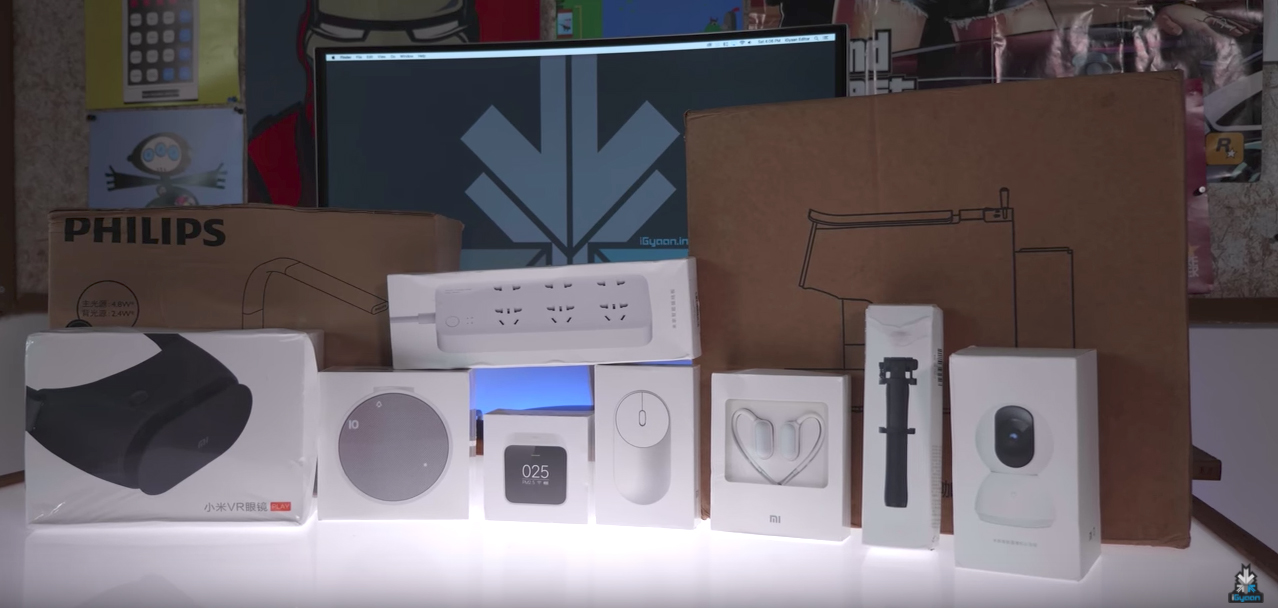
Xiaomi Inc. has fast become a brand that has more than just smartphones in its arsenal. With a host of home products and accessories available in India, it has built up quite a fanbase here in India. But as with a lot of Xiaomi smartphones, there is a host of other Xiaomi products that aren’t available outside the Chinese market. so, let’s take a look at Top10 Xiaomi products that are only available in China.
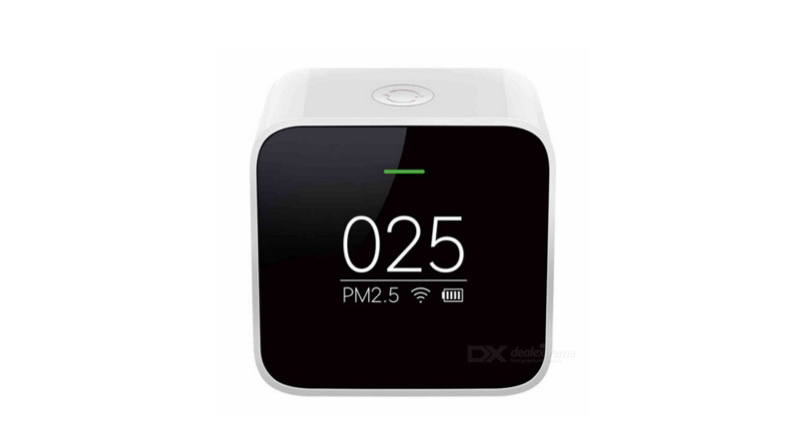
1. Xiaomi Smart Air Quality Monitor PM2.5 Detector
The rise and rise of pollution in this world has left us all huffing and puffing for fresh air. The Smart Air Quality Monitor is your reality check at every step, telling you the quality of the air you’re breathing at that very moment. It links up with the Xiaomi Air Purifier, and with its small form-factor, it’s a must-have Xiaomi product especially if you live in a metropolitan city with tons of cars emitting harmful toxins right in your face!
2. Xiaomi Wireless Bluetooth 4.1 Music Sport Earbuds
In an era of wireless earbuds, the Xiaomi Wireless Bluetooth 4.1 Music Sport Earbuds is exactly what you need. They’re portable, comfortable and have an IPX4 rating, which means that you can sweat it out in the gym while listening to your favourite jam and not worry about ruining these earbuds!
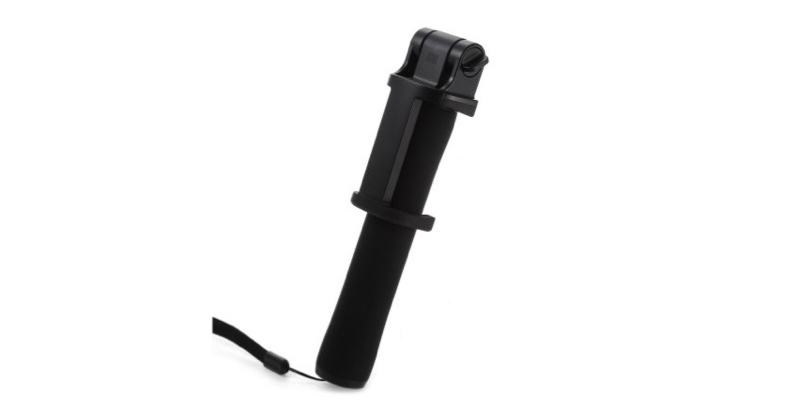
Let’s admit it, we all buy the fancy phones nowadays in pursuit of that perfect club selfie with your friends. The pleasure of getting that group selfie with all your friends in it just makes the day a little better, doesn’t it? The Xiaomi Selfie Stick is the perfect companion when it comes to taking those tedious group selfies ensuring all your friends are in the frame!
This is a power strip you would need at your home. It’s the new-age power strip that does more than just charging your appliances. It connects to an app which enables you to timely switch it off to avoid over-charging and electricity consumption. It also lets you measure the electricity it has consumed. Genius, isn’t it?
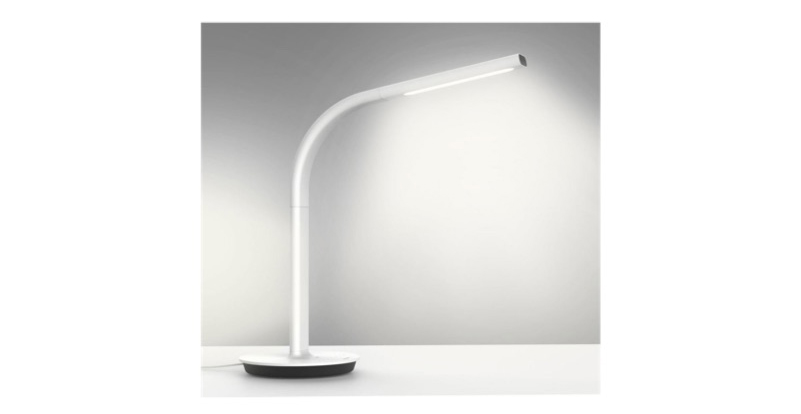
The strain caused to your eyes while working in a setting where the lighting is either too bright or too dim is something we’ve all experienced. In this era of smart lighting, Xiaomi has come up with a smart lamp in collaboration with Philips and it’s an instant winner. Take good care of your eyes and don’t let this lamp go out of stock!
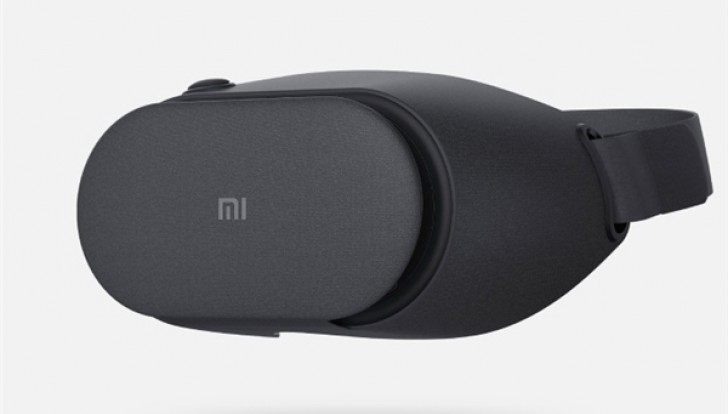
A modern-day smartphone needs to be VR compatible to gain any kind of traction, such is the sudden emergence of Virtual Reality in our lives. The Xiaomi VR headset is a budget offering which has a full set of functionalities and it won’t disappoint!
This smart wireless camera will help you get some much deserved sound sleep. Install this surveillance camera and get night-vision footage of up to 9 meters away. The rotatable design of the IP camera makes it capable of monitoring wider range in the horizontal and vertical direction.
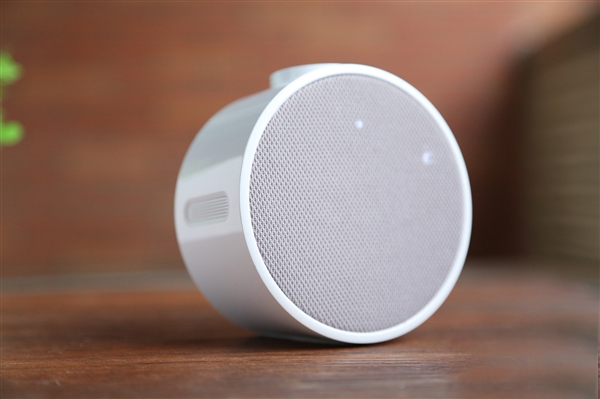
This can be a potential gift during parties because it looks cool and the function is even better! It wakes you up to soothing music and even helps you sleep at night! The smart alarm clock speaker has a simple one-key use so it is super simple to use!
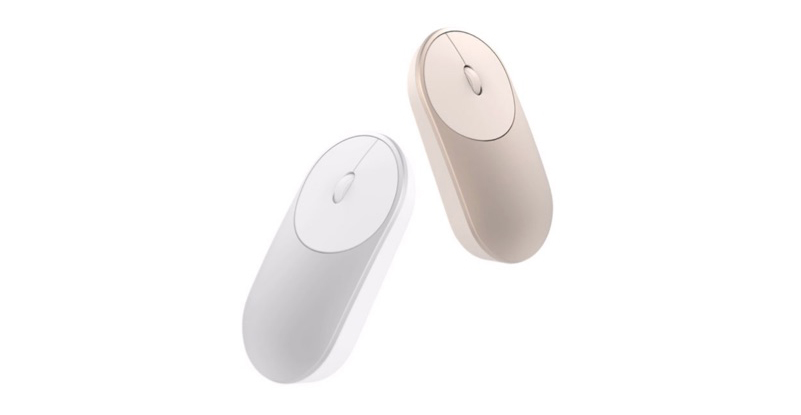
This little mouse is your perfect travel companion. If you hate using your laptop’s trackpad and carrying a chunky wired mouse is even more annoying, then Xiaomi Portable Mouse is tailor-made for you. It requires 2 AAA batteries to run and compatibility won’t be an issue.
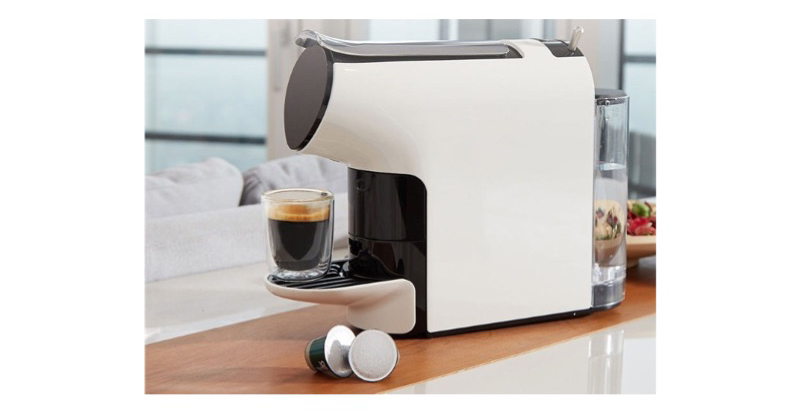
Who doesn’t love a good cup of coffee in the morning? The next offering by Xiaomi is for all you coffee lovers out there. Brew your favourite cup of coffee right at home with this easy-to-use espresso coffee machine and you’ll never have to stand in those annoying lines at coffee shops!
Apple seems to be in a mood for catching a break from the “Smartphone Patent Wars”. After battling the patent violation lawsuit with Samsung, Apple seems to have decided on settling the patent infringement dispute with Nokia back in May. Apple seemed eager to avoid the legal battle like the one with Samsung and both the companies agreed on moving from adverseries to business partners.
The details of settlement were initialy announced without disclosing the terms and the value of the settlement. According to the recent reports, Nokia announced that it has received a US $2 billion upfront cash payment from Apple (€1.7 billion) to settle the case. The terms of the new licensing deal are yet to be disclosed, including, whether Nokia would receive a US $2 billion quarterly payment or whether this was non-recurring catch-up settlement. Though the possibility of Apple paying US $2 billion quarterly to Nokia seems highly unlikely.
The original lawsuit began in December with Nokia accusing Apple of patent infringement in multiple countries. Apple was also accused of infringing patents from Nokia subsideries – NSN and Alcatel-Lucent.
At the center of the dispute were 32 patents involving the iPhone 3GS and subsequently launched iPhones (along with other Apple products) which Apple claimed Nokia intentionally left out of a 2011 licensing agreement. The lawsuit allegedly covered many elements of smartphone handset design and functionality, with Nokia’s patent portfolio spanning display technology, antennas, chipset, user interface and more.
Apple responded to the lawsuit with its own and removed Withings’ products (a division of Nokia) from its online store and worldwide Apple stores. Both companies, soon after resolved the issues as Apple started restocking Withings products, with new licensing terms and agreeing to a joint effort to explore “future collaboration in digital health initiatives.”
After the settlement, Apple and Nokia decided to take the usual patent licensing deal a step further by collaborating on technology along with research and development. The collaboration indicates that Apple might be paying Nokia to help explore the technologies related to digital health, optical network and IP routing.
No information has been received about how Nokia plans to invest the upfront cash payment received from Apple. Whereas for Apple, it may not be a major financial setback, as according to reports, the company has more than a 750 billion dollars in cash and investments.
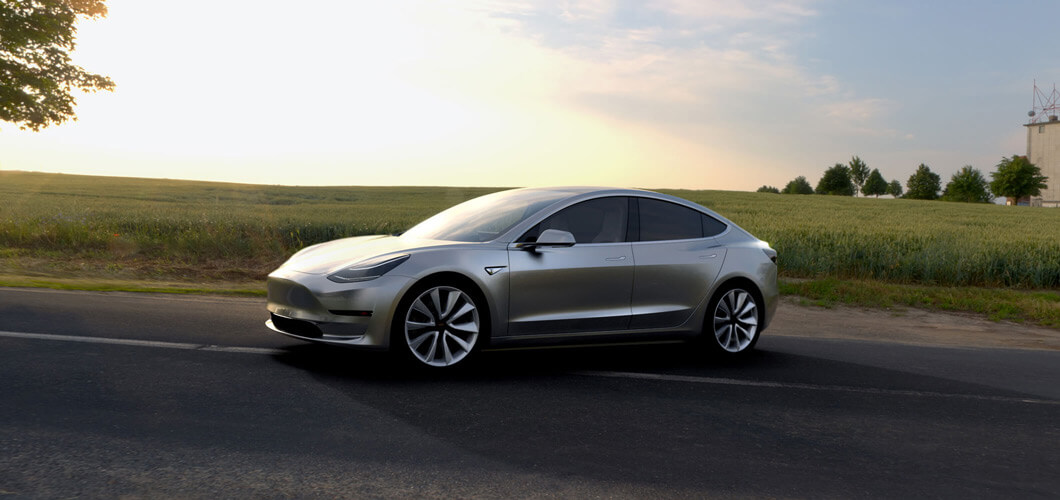
“Our aim was to make affordable electric cars that everyone could buy. We never wanted to just make expensive cars that no one would buy”, said the CEO of Tesla Inc. Elon Musk at the Model 3 event in Fremont, San Fransisco. Tesla revealed the fruit of its biggest ambition yet, the Tesla Model 3, bringing a top-of-the-line electric car to the masses.
Elon Musk, in his characteristically resolute tone, said: “In Tesla Model 3, we have managed to build the best car you can buy for $35,000.” The Model 3 has an acceleration of 0 to 60 mph in 5.6 seconds, a mileage of 220 miles and will cost $35,000 while the long range version with a mileage of 310 miles will be sold at a price of $44,000. Elon Musk, one of the most famous innovators in the world had said 14 years ago that he would build an electric with top-notch specs at an affordable price, and with Tesla Model 3 he seems to have delivered on that promise.
For now, there will only be two versions of the Model 3. This is to supposedly keep things simple on the production front. There is a single motor driving the back-two wheels and an all-wheel drive version will follow in the coming months.
Here are the specifications of the Tesla Model 3-
Standard Battery
Starting at $35,000
Range of 220 miles
0 to 60 mph acceleration in 5.6 seconds
Top speed of 130 mph
Long-range Battery
Starting at $44,000
Range of 310 miles
0 to 60 mph acceleration in 5.1 seconds
Top speed of 140 mph
Interiors
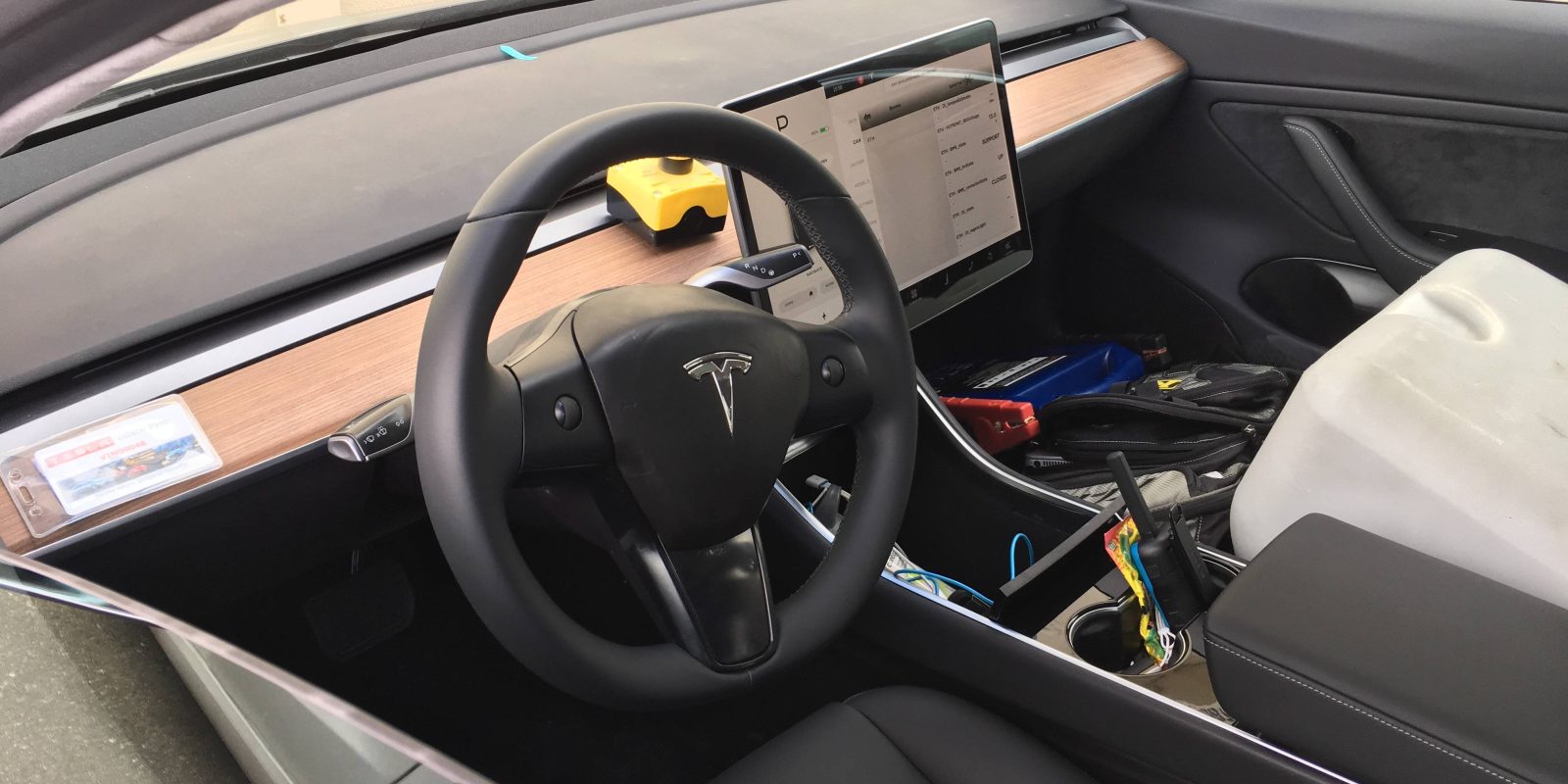
15” touchscreen display
Dual zone climate control system
FM/Internet streaming radio
Textile seating
Front Center console with open storage and two USB ports
Convenience
Onboard maps and navigation
Wi-Fi and LTE internet connectivity
Keyless entry and remote climate control using the Tesla app
Voice activated controls
Bluetooth hands-free calling and media streaming
60/40 split folding rear seat to maximize cargo options
Backup camera
Auto dimming rear-view mirror
One-touch power windows throughout
Power-adjustable side mirrors
12-volt power outlet
Safety
Full LED exterior lighting
Seven cameras, forward radar and twelve ultrasonic sensors enabling active safety technologies including collision avoidance and automatic emergency braking
Six front row and two side curtain airbags
Three-point safety belts with belt-reminders for driver and four passengers
Two LATCH (Lower Anchors and Tethers for Children) attachments in the second row
Electronic stability and traction control
Four-wheel antilock disc brakes with electronic parking brake
Floods, fires, tornadoes, ships sink if anything interrupts supply chains, that will interrupt the production. But we have simplified the manufacturing process dramatically. In the same amount of space to build 50,000 cars, we can build 250,000 Model 3s.
Tesla Model 3 will reportedly be released to the public later this year. How it holds up in the real world is yet to be seen.
Lenovo-owned Motorola’s much-anticipated fourth generation Moto X device will reportedly cost around EUR 350 (approx INR 26,500). Moto X4 was expected to launch with Moto Z2 Force but that was not the case, unfortunately .
Interestingly, the reported price is in the same region as the previous devices in the X line-up. The price leaked is for the 32 GB storage variant suggesting the Moto X4 may only launch with one storage capacity. The Moto X Style which was launched back in 2015 at a similar price of INR 27,000.
Moto X devices have been well received in the past and the Moto X4 was widely expected to be launched along with the Moto Z2 Force. There have been leaks aplenty about the Moto X4 just like the rest of the smartphones on the face of this planet. Rumours suggest a 5-inch full HD display. The Moto X4 will also run Android 7.1.1 out of the box and house a respectable 3,800 mAh battery.
In addition, it is rumoured to be powered by a Snapdragon 630 SoC, and launch in 3GB RAM/32Gb storage and 4GB RAM/32Gb storage variants. The camera is rumoured to be a dual-lens setup, with a 12-megapixel primary and an 8-megapixel secondary camera at the back along with a 16 megapixel selfie shooter at the front of the device. Rumoured to have an IP68 rating makes the Moto X4 an interesting entrant to the sub-30k category where it competes with the mighty Honor 8 Pro. QuickCharge 3.0, NFC and hopefully all the important sensors are expected to make it into the smartphone setup on the Moto X4.
The sub-30k category once dominated by Oneplus and Xiaomi has opened up since Oneplus 5 was released with a 32,999 price tag for its 6Gb RAM/64GB storage variant and Xiaomi’s last true flagship launch was the Mi5 last year. Moto X4 will compete with Honor 8 Pro’s flagship specs but a heavily skinned EMUI with its stock-ish Android experience and mid-range specs. Do you think the Moto X4 will be able to make a mark in the Indian market?
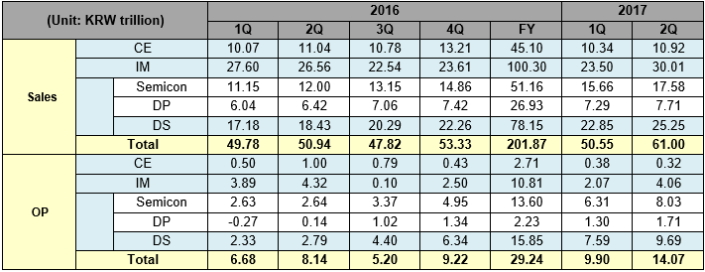
The South Korean electronics giant, Samsung, has posted a record quarterly profit despite being plagued by scandals in the recent past.
The recall of their 2016 flagship, the Galaxy Note 7, and the prosecution of de facto leader Jay Y. Lee on bribery charges, didn’t stop Samsung from raking in a record US $54.8 billion in quarterly revenue and an operating profit of US $12.5 billion. Revenue figure rose by 20 per cent year-on-year but net-profit rose by a staggering 89 per cent in the last quarter! A lot of the credit has to go the strong sales of their Galaxy S8 and S8+ devices and their component businesses.
Note- These figures are in KRW
Back in 2016, Samsung blew us away with their best smart phone till yet, the Galaxy Note 7. Widely regarded as the smartphone to beat, it garnered rave reviews and restored the Note series as a premium smartphone line-up. However, the fame was short-lived as reports of the Galaxy Note 7 batteries failing and catching fire started surfacing and it soon became a worldwide top news. Samsung guaranteed replacements for people who reported this incident in the beginning. But come October 2016, Samsung announced that they’re discontinuing the Galaxy Note 7 and recalling all the devices in the market. A report estimated that the recall of the Galaxy Note 7 cost the company upwards of US $17 billion.
Early 2017, Samsung’s Vice Chairman Jay Y. Lee was arrested on corruption charges. He was accused of bribing an advisor of Hong Kong’s then President Park Geun-hye in exchange for political favours. It was reported that he had paid close Us $36 million to the advisor in order to win government support for a merger between two Samsung subsidiaries. Jay Y. Lee, son of current chairman Kun-Hee Lee is considered to be the heir to the Samsung empire was also prosecuted back in January. However, his arrest was rejected by a court a few days later.
In 2016, Samsung acquired Harman for a record $8 billion, their most expensive acquisition yet. Samsung then posted that Harman garnered a sales revenue of $1.9 billion with an operating profit of $200 million. However, factoring the cost of acquisition, the profit comes down $5 million and Samsung has said that the acquisition will likely affect Harman’s business for the next few quarters.
Samsung has, however, warned that the rising price of components has eaten into its profit. Factoring the marketing cost for their soon-to-launch Note 8 will have an effect on the profit. And now that the Galaxy S8 and its bigger sibling the Galaxy S8+ are out of the rosy “post-launch period”, the sales will consequentially decrease.
Lenovo India has unveiled its next ‘killer’ smartphone, the Lenovo K8 Note. After recently showing up on a Geeksbench, Lenovo India has confirmed that the K8 Note will be the latest offering in the K Note series and will launch on August 9th.
The Geekbench stats show that the new K8 Note will run on Android Nougat 7.1.1 out of the box. Powering the device will be a deca-core MediaTekek Helio X20 processor and 4 GB of RAM. Other rumoured specs are a 5.5-inch display and 32 GB internal storage.
The Lenovo Note series has been a budget offering of super fast devices and the K8 Note looks all set to continue the trend with the rumoured MediaTek Helio X20 chipset under the hood. Lenovo India itself has gone all out this time, teasing its followers that the new-age fast device will kill the ordinary speed. Lenovo India’s social media has been hard at work trending the #MyNeedForSpeed, encouraging people to choose their device for its lightning fast speed.
Lenovo K6 Note was released back in December 2016 powered by a Qualcomm Snapdragon 430 chipset with 4GB of RAM and 32 GB of internal storage. The K6 Note was well-received for its pricing and performance. It was widely reported that the K7 Note will succeed the K6 Note but Lenovo seems to have dropped the idea because of the potential ‘Note 7’ reference. The K8 Note will be K6 Note’s India-exclusive successor and the rumoured specs surely back that up. It is also reported that the K8 Note will be manufactured at Lenovo’s Chennai-based plant.
The Lenovo K8 Note seems to be the ideal successor of the snappy K6 Note if you go by the specs at least. We will hold our judgment and wait to get our hands on the device that will launch on August 9th in India. What are your thoughts on the new K8 Note? Let us know in the comments below.
UPDATE – Lenovo has sent out press invites for the launch of the ‘killer’ K8 Note on 9th August at 11:30 am with the #KillerNote.
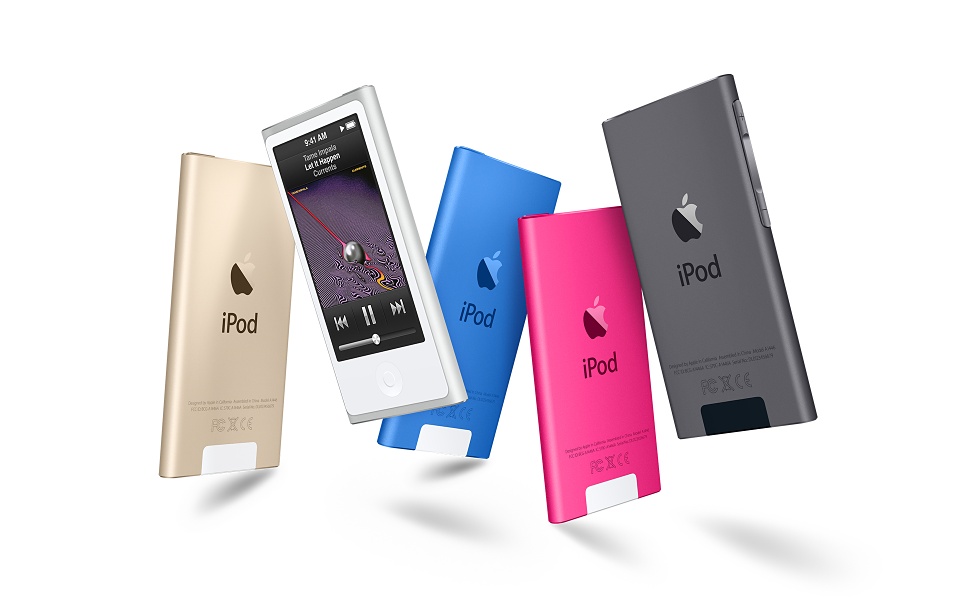
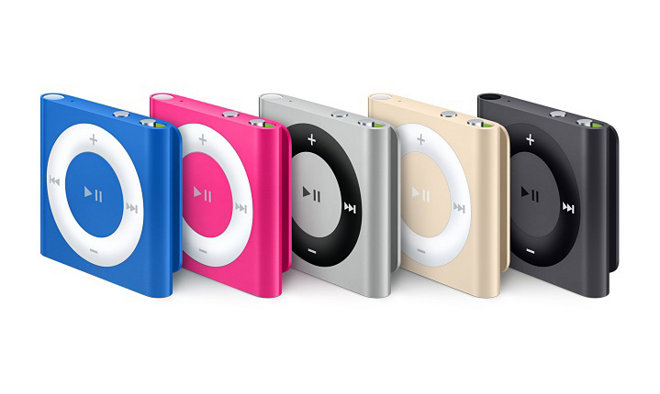
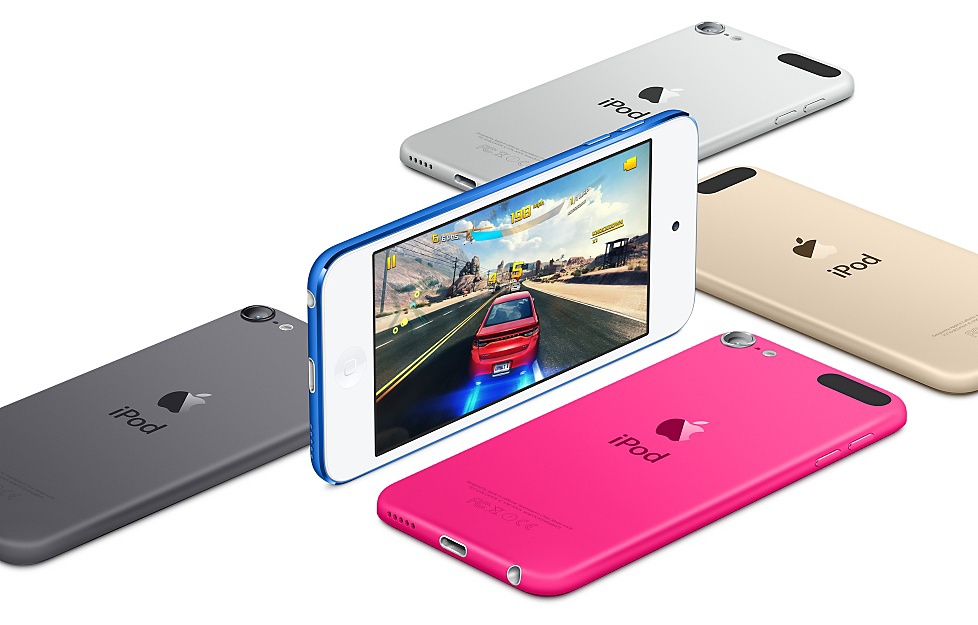
Earlier today, Apple announced with an official statement, that the company will discontinue the iPod Nano and iPod shuffle. The company spokesperson made the following statement in an e-mail, “Today, we are simplifying our iPod lineup with two models of iPod touch now with double the capacity starting at just $199 and we are discontinuing the iPod shuffle and iPod nano.”
The news of Apple pulling the plug on its traditional music players was somewhat expected. It has been three years since Apple discontinued the iPod Classic. Apart from the iPod Classic, iPod Nano and iPod shuffle were the only iPods which didn’t run an iOS. Apple already expected that its iPhone, iPad and iPod touch will take over the traditional music players. As none of them support Apple Music, Apple’s online streaming service for audio and video. It had already been predicted at the time of the launch of the first iPhone, that the iPhone, which included an “iPod” app for playing music would lead to iPod’s fall.
The last standing iPod, the iPod Touch (which is essentially an iPhone without the cellphone service) has also been “simplified” with two new models, killing the earlier 16GB and 64GB models. The new iPod touch lineup includes a 32GB variant priced at $199 and a 128GB model priced at $299.
The iPod Nano was last updated in 2012 with bluetooth support for wireless headphones and speakers. Apart from updating the colour options in 2015, no significant update has been available since past 5 years. The iPod Shuffle which was launched in 2005, saw its last upgrade in 2010 along with the updated colour options. The fact that no major upgrades were made available for both the traditional iPods was an indicator enough.
For those who plan on visiting Apple’s Website for hoarding the classics before they disappear, Apple has taken down the pages from the website. Nonetheless, the last of the traditional iPods might still be available online, till the stocks run out.
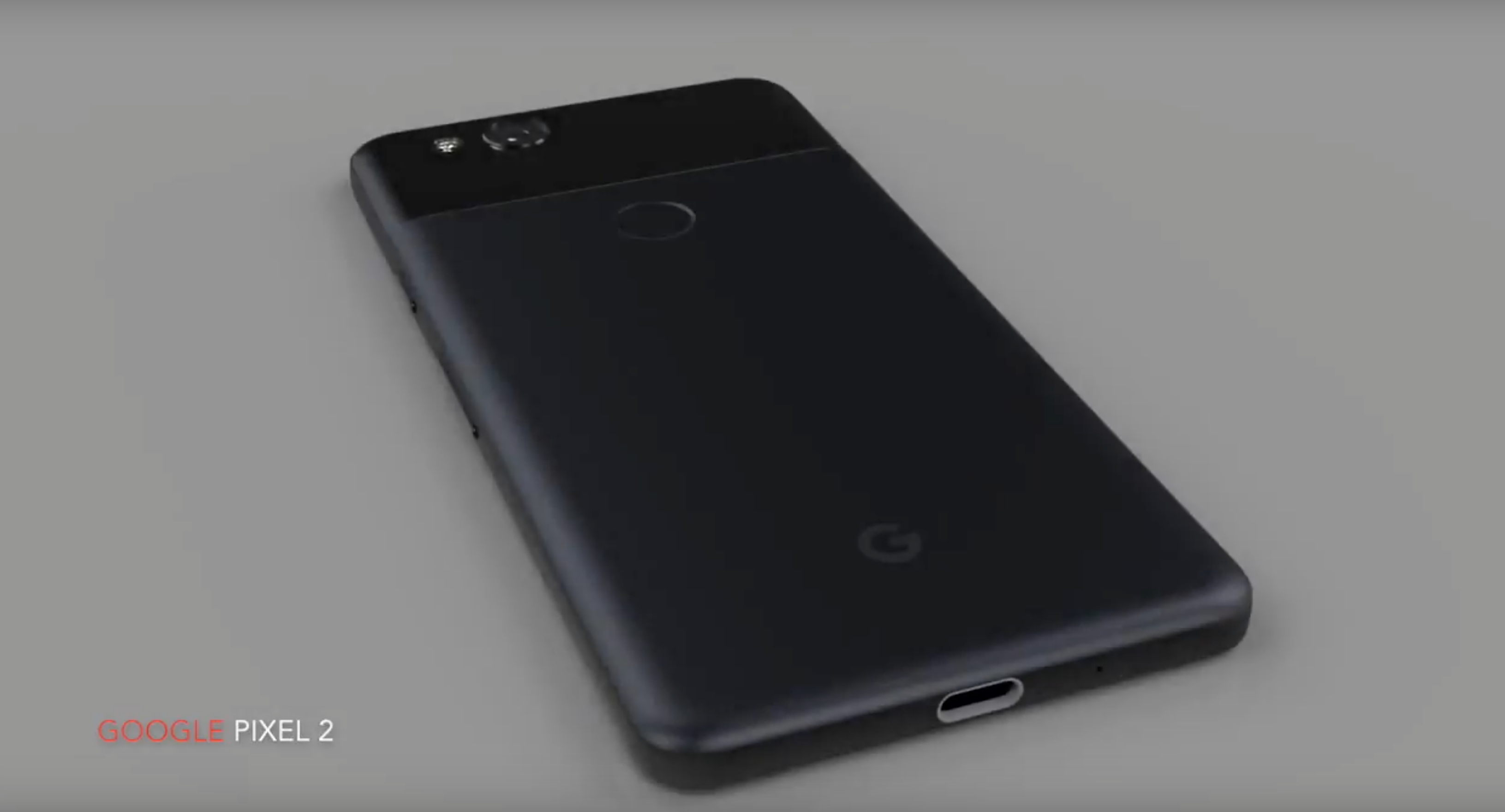
Every smartphone is preceded by numerous leaks and renders that keep the potential owners guessing. More often than not the leaks turn out to be a thing of passing. New rendered images of the 2nd gen Google Pixel suggest that the smartphone might ditch the 3.5mm headphone jack for a single USB-C port.
It’s no joke that every phone that launches with a headphone jack these days is met with extra adulation since the Apple iPhone 7 and 7 plus ditched it for a “jack-less, wireless future.” To see reports of Google Pixel 2 ditching the headphone jack is quite surprising considering their famous jab at Apple when the Pixel and Pixel XL were launched with the adored headphone jack.
It is worth mentioning that these are rendered images and nothing is set in stone. Pixel and Pixel 2 have been under the radar for a while especially since the Samsung Galaxy S8 and S8+ stormed on to the scene and grabbed all the attention. With the dust now settling in after the S8 and S8+’s launch, the attention is back on Google’s 2nd gen smartphones and its fair to say that this won’t be the last leak for the phones.
The Google Pixel 2 and Pixel Xl 2 are expected to run on the Qualcomm Snapdragon 835 chipset, with 6 GB of RAM and 128 GB of storage. Google will launch the phone with Android O and improved cameras and bigger battery life.
MIUI has long been one of the most polarising custom Android skins. It has garnered quite a fan base across the board but also has its fair share of cynics, and you can’t disregard either. For long, MIUI has been a highly customisable but also slow and unstable skin that a lot of people love to hate. Even Xiaomi’s latest flagship Mi 6 with all the high end specs was found to be a little slow in certain areas. To deal with all that, Xiaomi has launched MIUI 9 with new features. It is worth noting that MIUI 9 will for the time being just be available in China, and the release date for other markets has not yet been announced.
Faster App Launching Speed
One of the main criticisms of MIUI has been its sluggish nature and the slow speed of general usage even in the flagship devices. Keeping that in mind, Xiaomi has promised much faster app launching speeds and navigation between multiple apps will be snappier as well. Performance enhancements are always welcome and this looks to be a step in the right direction for the Chinese giant.
Under The Hood Updates
Xiaomi has also introduced MIUI 9 with a few features that run in the background for example application prioritisation. This basically means that apps in the foreground will use up more power, but that has been on Android for a while. It also has better cache management, a new file system and a bunch of other tweaks to make the user experience crisper and snappier.
The ‘Smart’ Features
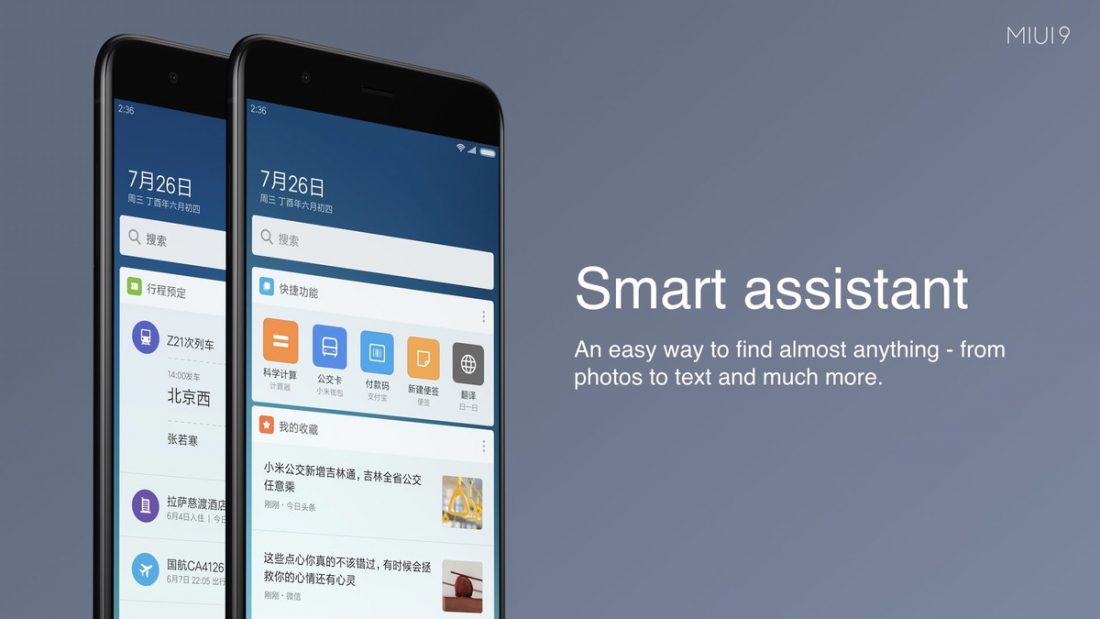
Xiaomi has also launched its Smart Assistant to compete with the likes of Google Assistant, Siri, Alexa and even Bixby. The voice assistant will be available in China only for the time being as localisation of the software may take time. Image search allows you to search your image talliers by image context keywords, so if you a looking for pictures with dogs that you have clicked you will be able to do that. The Smart App Launcher is a feature that makes a lot of sense as well. It basically means that you can open up a relevant app on the basis of the content on your current app. For example, if a friend sends you a restaurant’s name, you can open up Zomato to look up the restaurant.
Split-screen Is here, Finally.
The split-screen feature was one of the major upgrades in Android Nougat and a plethora of phones from mid-rangers to flagships have embraced this handy little feature. Xiaomi, on the other hand, has launched it just now with MIUI 9 and it’s a welcome update.
Xiaomi will begin to roll out the MIUI developer beta 9 from August 11 to the Xiaomi Mi6, with more phones will follow suit in the coming months. There is no clarity as to when Xiaomi will launch MIUI 9 in the global market.
Flipkart is reportedly closing in on taking over e-commerce rivals Snapdeal. A report claims that the Snapdeal board has accepted Flipkart’s offer in the region of $900-$950 million last week. The future of Snapdeal has been a topic of discussion for the longest time and looks like the speculations will finally end now as the deal reaches a completion.
Snapdeal has raised over $1.5 billion over the years including, from investors such Alibaba and Softbank. Snapdeal was valued at $6.5 billion as recently as 2015 and is now set to be taken over by Flipkart for under $1 billion. It has also been reported that other assets such as FreeCharge, which Snapdal acquired two years ago will be sold off to Axis Bank.
Flipkart’s new CEO Kalyan Krishnamurthy, who took up the position in January of this year seems to be on the track of resurging the e-commerce giants. Under his leadership, Flipkart looks to be preparing to go head-on against global e-commerce leader Amazon. Flipkart also recently raised funding of $1.4 billion from eBay, Microsoft and Tencent at a valuation of $11.4 billion. All in the while acquiring eBay.in under its portfolio.
eBay recently sold its India business, eBay India Private Limited, to Flipkart.
With Snapdeal’s acquisition, Flipkart and Amazon will be the only players in the e-commerce space and this duopoly is a bad news for any other up-and-coming e-commerce player. Flipkart seems to be making up the ground it lost to Amazon in the recent past and this aggressive Snapdeal acquisition is just another step towards gaining back that power position.
Amazon’s heavy investments in their Indian businesses, as much as $5 billion, since it launched India operations in late-2012 indicate that Amazon is serious about turning this duopoly into a monopoly. The e-commerce war is in full swing and it’ll be interesting to see how this pans out in the coming years.
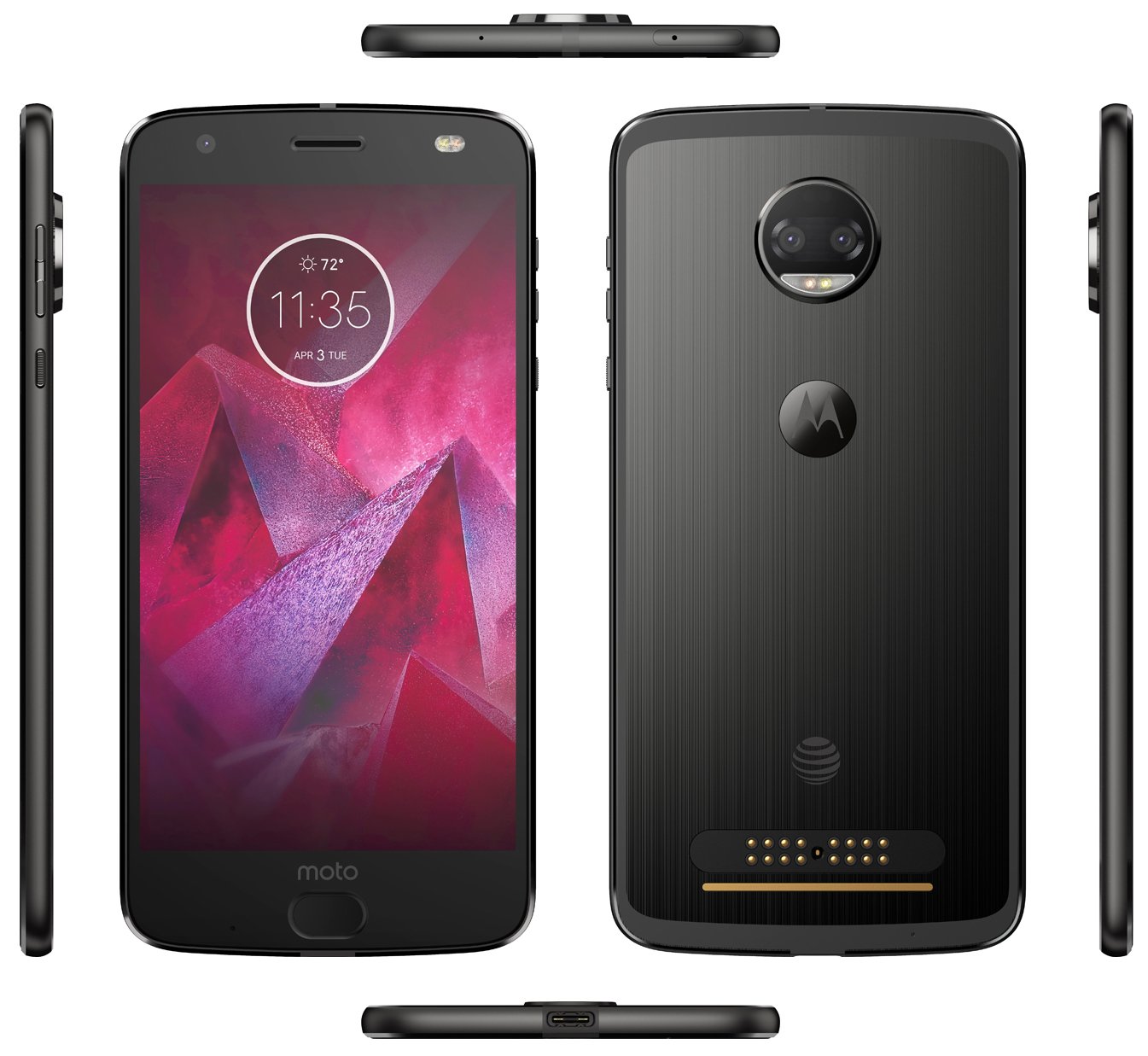
Lenovo-owned Motorola has launched its flagship for the year, the Moto Z2 Force with a shatterproof display technology. With a lot of high-end specifications, the 2nd-gen Moto Z phone will be the flag-bearer for Moto this year. It goes on sale in the USA on August 10th and is already available for pre-orders.
Moto Z2 Force has got the hardware to compete with any flagship device this year with 4 GB of RAM, 64 GB of storage and a Qualcomm Snapdragon 835 chipset. It has Android Nougat out-of-the-box with a promised update to Android. Let’s just say, pretty standard stuff for an expensive 2017 flagship device. The USP of Moto Z2 Force is three-fold. It has a shatterproof display that won’t crumble after a few regular drops thanks to a shatter-resistant coating on the display. Next up are the Moto Mods, which is why the design and the feel of the phone have been retained, except that it’s much thinner now thanks to a 2,730 mAh battery. The previous gen Moto Z had a 3,500 mAh battery, so to ship a new phone with that big a slump in battery size, just to make it thinner seems like a tricky decision. What’s also missing is our beloved 3.5mm headphone jack, so if you’re still living in the good ol’ days of wired headphones then you need to either make a shift to the wireless universe or live the dongle life, a USB C dongle is included in the box. Another significant change is the camera setup. It now has a dual-lens camera setup with dual 12MP sensors with an f/2.0 aperture. One camera shoots in monochrome, and the other shoots in colour, similar to what we saw on Huawei devices and recent Nubia M2. The Z2 Force also has laser AF, phase detection but no mention of optical image stabilisation. Similar to Apple’s portrait mode, the dual-lends setup has allowed Moto to implement a depth-of-field effect on the Moto Z2 Force.
The Moto Z2 Force doesn’t have the edge-to-edge display from the Galaxy S8 or a huge / relatively large battery one would expect, but with a price tag of $720 (roughly INR47,000), it competes with the big boys of the current flagship market aka the Samsung Galaxy s8 and its bigger sibling the S8+, Apple’s iPhone 7 and 7 plus. The release date in India has not been specified and it is likely that the phone may not launch in India at all as the company stayed away from the Force variant last year.
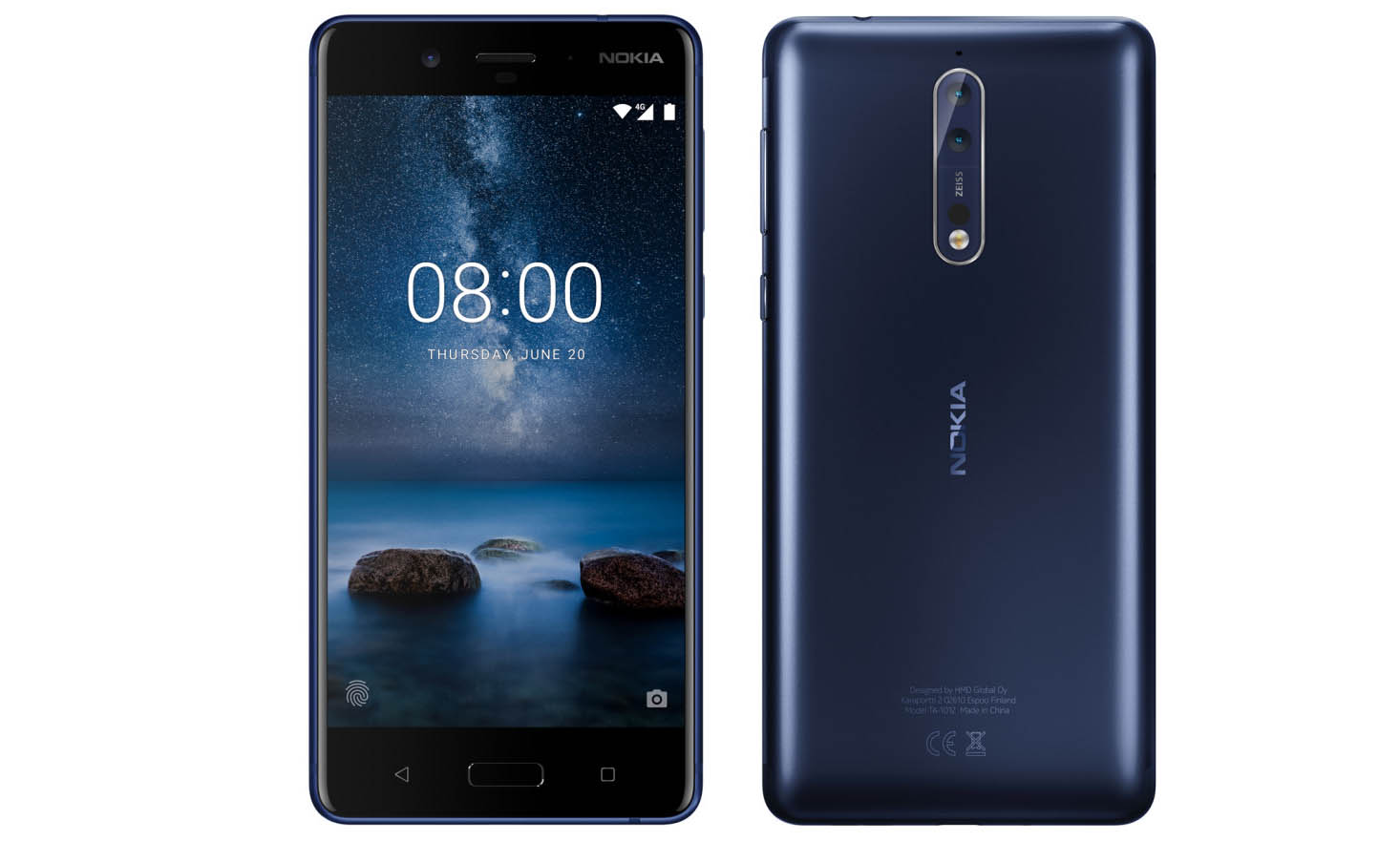
HMD Global is gunning to unveil Nokia’s first android flagship- the Nokia 8 on August 16th. The phone maker has started sending out media invites to an event in London on August 16th. What’s interesting is that this invite comes just days after the Nokia 8 was leaked. Prepare for a pleasant throwback because Nokia 8 is set to become the first smartphone with Nokia’s branding to ship with the Carl Zeiss optics. Expect a spec’d out smartphone with the prospect of owning a premium Nokia branded phone in the longest time!
The Nokia 8 is rumoured to have a dual-camera setup which has become a standard now on flagship devices. Expect dual 13-megapixel cameras with Carl Zeiss Optics. The Nokia 8 is rumoured to be sporting a 5.3-inch display (2560 x 1440), Qualcomm Snapdragon 835 processor, 4 or 6 GB of RAM and 64 GB internal storage and dual-SIM options.
Expect a snappy fingerprint scanner and an iris scanner on Nokia’s latest phone. The Nokia 8 is expected to ship with a large 3,800 mAh battery with quick charge. While the price is nowhere near certain, it is rumoured to be priced much like a premium flagship, carrying a hefty price tag of $675 (INR 44,000 approximately). They phone may be launched in several colours including Blue, Steel and Gold-Copper colours.
The date is set and in just a little more time, we will have the first ever Nokia branded premium Android smartphone! Who’s ready for the throwback ride?!
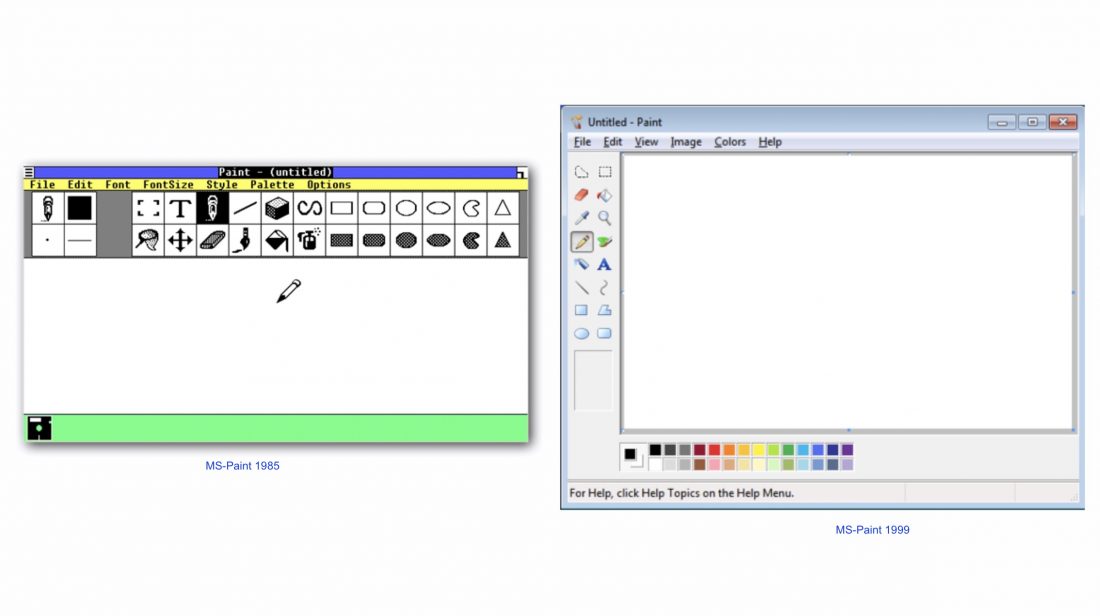
The good ol’ MS Paint, the tool that inspired the lot of us to become artistes is getting ‘deprecated’, according to Microsoft. In a recent announcement by Windows, it listed out the features and software that will be in the Windows 10 Fall Creators Update. The iconic MS Paint was first introduced by Microsoft back in 1985 ie 32 years ago! MS Paint will be missed, not for its functionality but for just being, well Paint. It’s like that old t-shirt which doesn’t fit you anymore but you can’t give it away either because it was cool a several year ago. MS Paint getting the axe doesn’t come as much of a surprise though, as Microsoft is now pushing Paint 3D as the next big thing in their repertoire.
As per the announcement, don’t expect MS Paint to vanish off the face of the earth just yet, as it states that MS Paint will ‘deprecated’ rather than ‘removed effective immediately.’ What this essentially means is that the software is not in active development and can be removed in the future updates. MS Paint will be available through the App Store with its functionality integrated with paint 3D. If you’re wondering what this Paint 3D is, then here’s a small introduction: It is nothing like our ‘masterpiece creator MS Paint.’As the name suggests, it is designed to make in 3D. Paint 3D will let users turn parts of photos, artwork into full-fledged 3D objects. It was announced back in April 2017 with the Creator’s Update. It also lets users work on a 2D image and convert it into 3D artwork.
MS Paint is here to stay, it will just have a new home soon, in the Windows Store where it will be available for free.
The final word on when MS paint will be removed in its entirety is not out there, yet. The Windows 10 Creators’ Autumn update will start rolling out soon, although a definitive date has not been announced, expect the gradual removal MS Paint as soon as the update starts rolling.