A new beta version of OS X El Capitan has revealed a new line of Apple products. According to a report, the beta version references for future products include a 21.5-inch 4K Retina display and a Bluetooth remote control.
Source: 9To5Mac.com
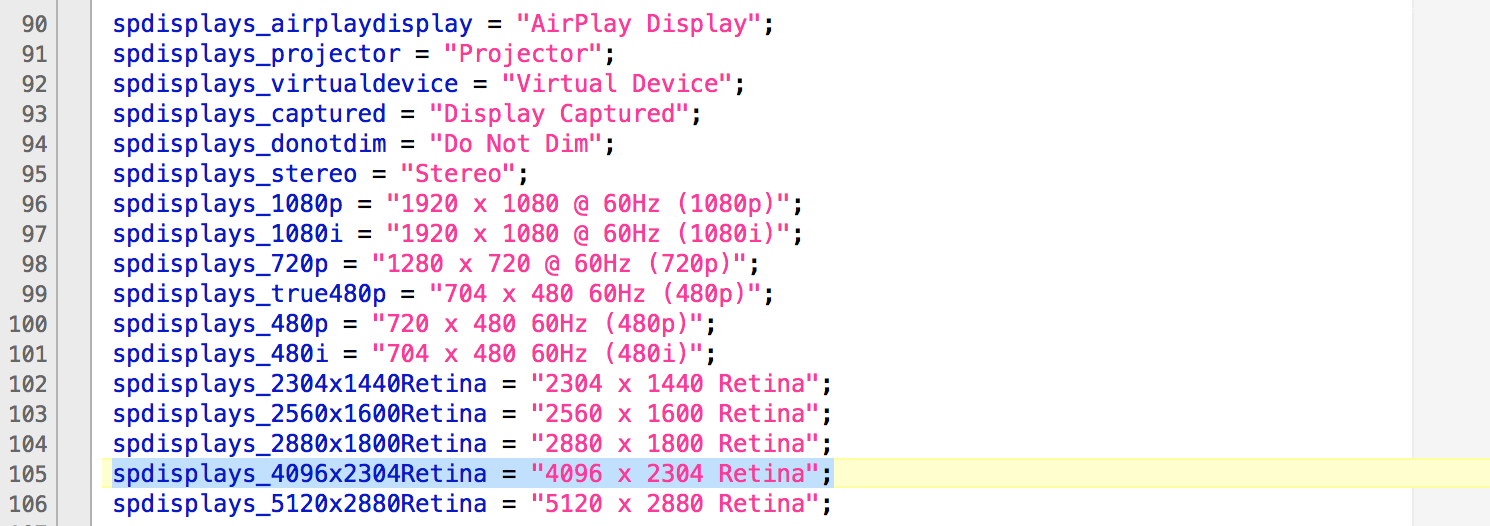
Apple introduced the 27-inch iMac with 5K Retina display last year. It is only logical that if Apple wants to introduce a smaller version of Retina display with 4K resolution, it would upgrade the 21.5 inch Mac for it. The new beta version references Mac support for Apple-made display panel with a 4096 x 2304 resolution.
A new Intel graphics chipset, Iris Pro 600 was referenced in the El Capitan beta version. Along with that, four new AMD Radeon processors – M380, M390, M395 and M395X – were mentioned. It is possible that these chipsets would power the 4K iMac and the new models.
Source: 9To5Mac
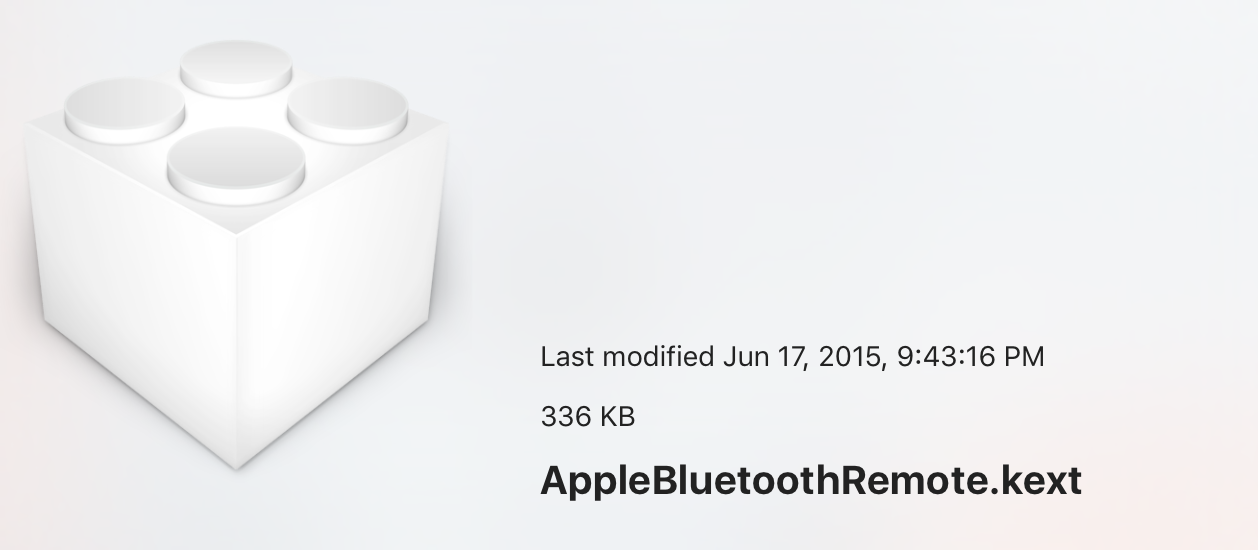
A new file inside El Capitan has revealed the possibility of a Bluetooth Remote Control being developed at Apple. The report says that ” this new piece of hardware integrates a dedicated Bluetooth wireless chip, can connect with devices via an infrared sensor, and includes a Multi-Touch trackpad with inertial scrolling support”. The device also seems to support audio, which means it could be integrated with Siri.
The report suggests that the new remote could be a part of an upcoming revamped Apple TV. However, there is no mention of Apple TV and the file doesn’t exist in public versions of OS X and OS X Yosemite Beta release.
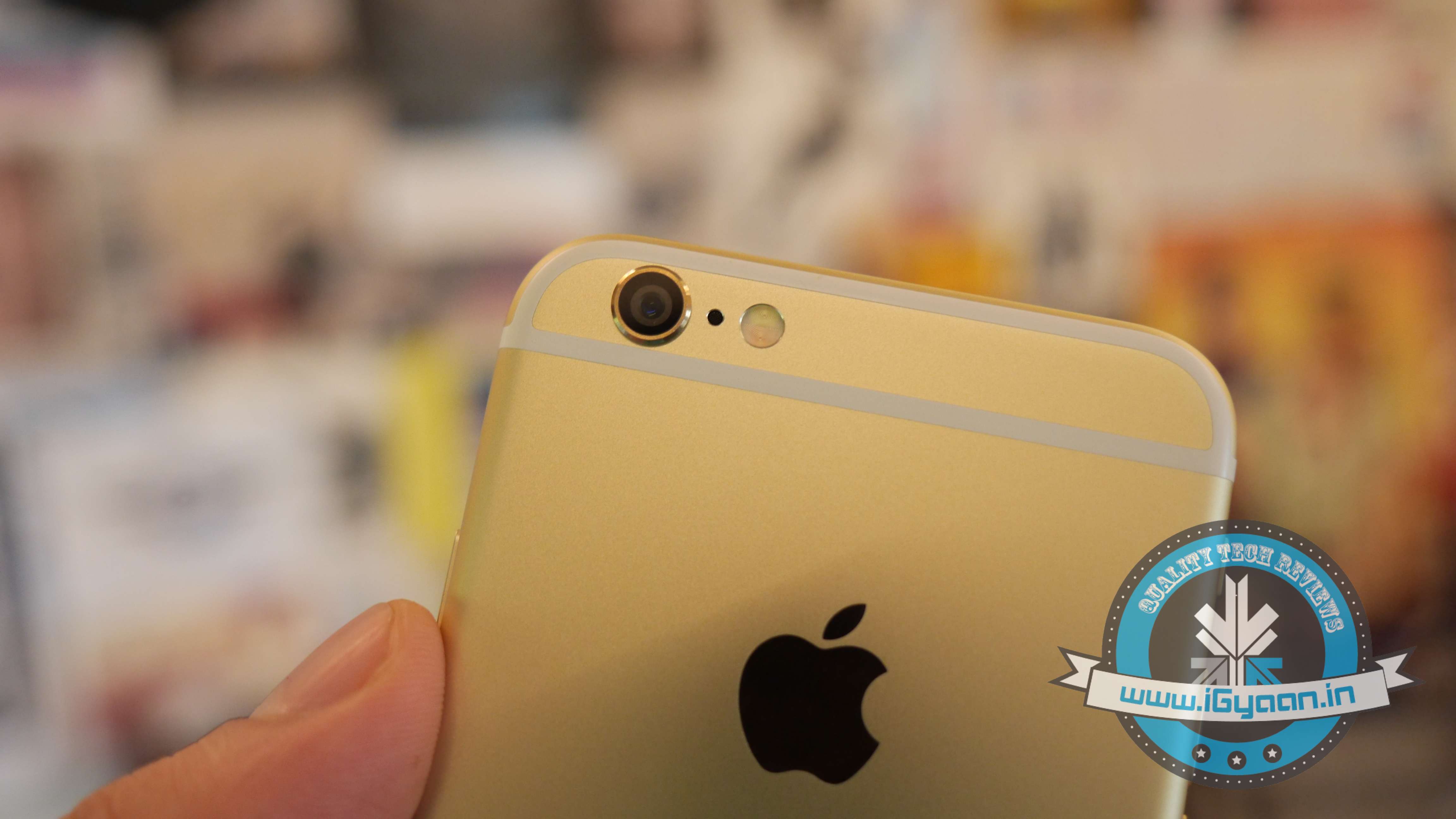
Apple is famously known for the strict quality measures it employs in all of its products, thanks to the company’s late co-founder Steve Jobs’ desire for top-notch products. Despite all the fun Samsung may make of Apple, one thing it cannot make fun of is the camera quality of the iPhone. The camera is recognized for capturing professional-like photographs and has even been employed as the main camera in some films.
So, how do you improve a cell phone camera famous for being close to a professional camera? By adding another lens. Recently, a report has emerged from Taiwan which claims that Apple is planning to include a dual-lens front camera in the iPhone 7. No, we’re not talking about the iPhone 6s, which is expected to be out in September. The iPhone 7 will be revealed next year, in 2016.
Apple reportedly faced problems, such as blurred images and other performance issues, while testing the dual-lens camera system. It seems the company has found solution with the help of LinX Imaging, an Israeli company specialising in camera-technology, which was bought by Apple in April this year.
The report also mentions that Apple faced manufacturing problems regarding dual-lens camera, which have been solved in a deal with Largan, one of the major suppliers of camera lens modules for smartphones and tablets. Apple has recently placed more orders for the same lens with Largan. It seems that Largan may manufacture the lens required for the iPhone 7.
HTC was the first company to introduce the dual-lens system in the One M8, which received mixed reception from the users. If the report is true, then iPhone 7 may turn out to be a game-changer by setting the standard higher for cameras in smartphones.
It seems Samsung will never be tired of poking fun at Apple, whether it is live streaming, bigger displays, or suggesting iPhone users are gradually become “wall-huggers”. In a latest ad to promote the new Galaxy S6, Samsung understands the frustrations a user goes through when the charger has to be untangled to charge a phone.
The ad makes note of the lengths people will go through to connect their phones to a white cable. And as seen in one frame, a bundle of white wires. Samsung points out that they are the source of head-banging, back-ache and anger issues. Then, it shows its wireless charger, which makes the ordinary task of charging a phone, well, ordinary.
So how does Apple figure in this ad? The white cables represent the white charger that comes with every Apple product. To make the point more clear, one frame shows a woman frustratingly trying to connect her phone to a deck.
Samsung’s Galaxy S6 and S6 Edge have buit-in wireless charging. Samsung may have made fun of Apple users, but S6 users will also have to take their charger everywhere they go.
After watching the ad, Taylor Swift will probably write an open letter, asking Apple to include wireless charging in the next iPhone.
Last year’s success story, OnePlus, took the world by surprise. It is a common practice for businesses to first establish a base at home before growing in international territories. OnePlus decided to do it the other way round. Yes, India has become one of the largest markets for OnePlus, within months of its launch here.
OnePlus differs from other phone makers because it focuses on selling phones with small margins, monetizing, instead, on software, services and applications.
In an interview with Forbes, Carl Pei, the 26-year-old Co-Founder and Global Head of OnePlus, spoke in detail about what the Indian consumer and the Indian market means for the company. He revealed that even before OnePlus arrived in India, they had already amassed a huge following.
Here’s what he had to say:
We entered India because in our backend, we saw many of our users are actually in India, despite the fact that we didn’t sell any phones in India. We had 5,000 to 7,000 activations in India when we decided, “Hey, let’s go check it out.” After we launched, it quickly grew to become one of our biggest markets.
Unlike companies like Apple, Samsung and LG, India is a top priority market for OnePlus. We have seen in the past, excitement does surge up whenever the Chinese company releases a teaser of a new device. OnePlus acknowledges the enthusiasm of the Indian market, and honours and understands it.
He also added a bit about what OnePlus has understood about India:
What’s different in India is that the smartphone is going to be the centerpiece of a new tech revolution because in India, people are skipping buying a computer or a laptop or a tablet to just buy a smartphone. So the smartphone has super high importance for consumers in India, and it’s going to drive a lot of innovation in the future. So India is definitely going to be one of our high priority markets
OnePlus had early tied up solely with Amazon India to sell its products here. To reach a greater scale, the company expanded into other channels, and added Flipkart as its seller. The Bengaluru-based India team is currently less than 10 people, which will grow to around 30 by the end of the year. Pei wants to hire a “more global team” here, adding that there are plans to base research and development in India in the future.
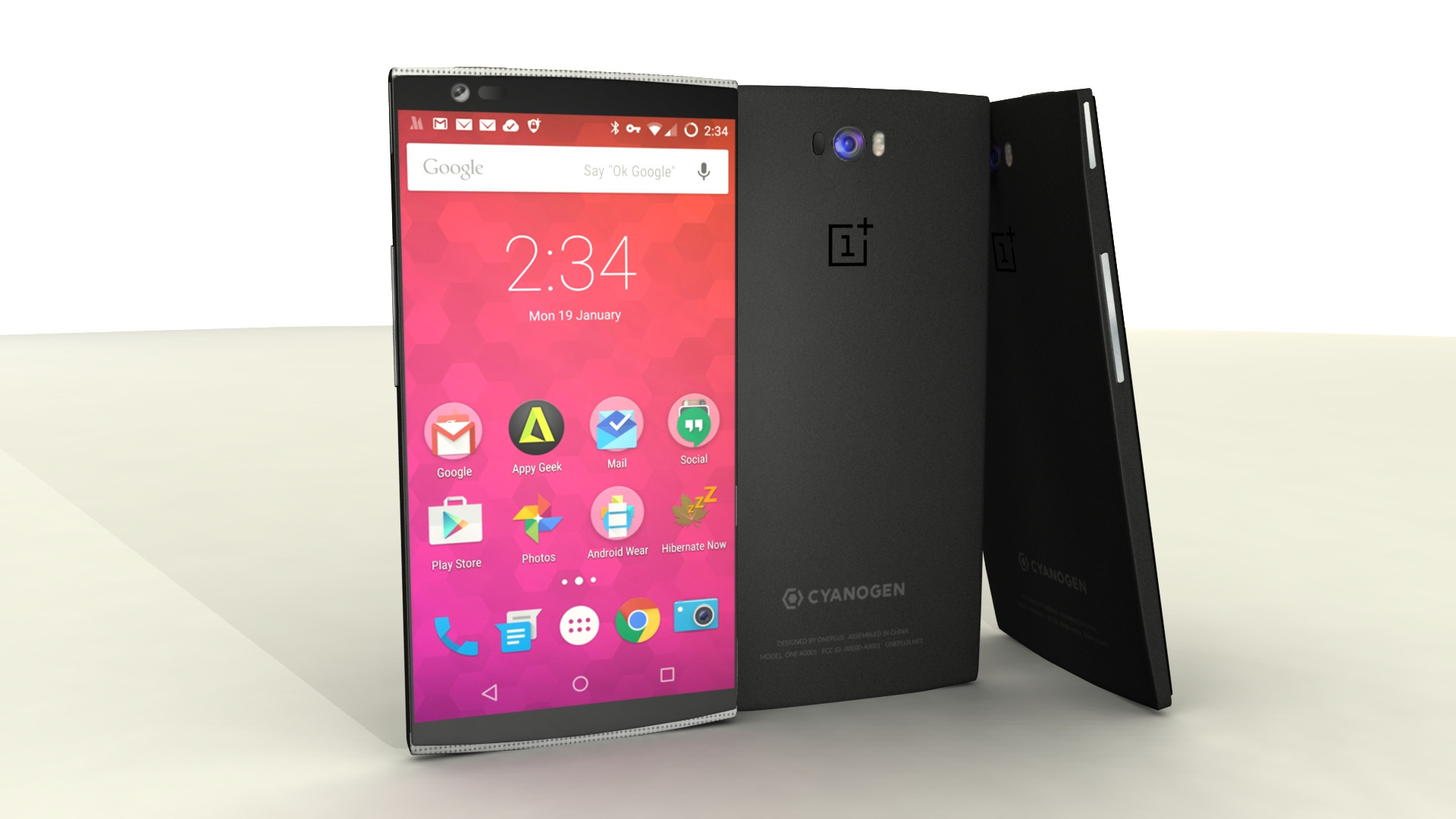
Last year, Chinese company, OnePlus, made headlines in the world of tech after they released the affordable One. At that point, the smartphone was dubbed as the ‘Flagship Killer of 2014’ from critics and users. OnePlus, today, has finally announced the OnePlus 2’s launch date, almost after a year of rumours and leaked information about the handset. The company said the follow-up of the One smartphone will be revealed officially on July 27th, which was earlier speculated to be 17th April.
But, OnePlus decided to launch the handset in a different way. Their live streaming of the event will take place in Virtual Reality, starting at 7 pm PDT. For this occasion, OnePlus has engineered their own ‘cardboard’ VR headgears that allow you to slip in your mobile handset inside the little box. It will start selling for free, but it seems consumers will have to pay for shipping. Pei added:
A VR launch lets you stand right next to our team and our fans as we unveil our new flagship. you’ll be able to look around as you check out the phone in a new way and maybe even find a few hidden Easter eggs. It’s a new way of thinking about a product launch. We aren’t talking at you; we are talking with you.
Most of the spec details will be revealed at the launch event. But till then, as per the revelation by the company CEO Liu Zuohu, OnePlus Two will run on Snapdragon 810 chipset along with 4GB RAM. A 5.5-inch 2K display will improve the viewing experience of the user. The OnePlus Two will also have a USB C-Type, the first in a flagship device by a major manufacturer,
The company has already announced that the price of the OnePlus 2 will be above $322 (Approx. Rs .20,485). With the launch next month, there is an enormous possibility that users will, again, be required to have an invite to purchase the phone. But this time, the company says it is prepared to meet the demands.
Watch the video below where co-founder Carl Pei demonstrated how he is charging his MacBook with the phone’s USB Type-C charging cable.
This is good news for Apple fans everywhere. If rumours are to be believed, the upcoming iPhone 6s will be available in stores from 25th September this year, according to MobileNews. In an amusing chain of events, Vodafone began sending out “Save the Date” e-mails to its staff and accidentally leaked the release date of Apple’s next flagship.
Surprisingly, there was no name mentioned about the next iPhone; it was simply being referred to as the ‘new iPhone’. According to the source, pre-orders will start from 18th September and it will go live physically on 25th September.
Even before this was leaked, we were somewhat optimistic that the iPhone 6s would be released in September. We’re guessing Apple decided to stick to its long standing tradition, as the last three flagships were released in September, in their respective years.
It is highly unlikely that Apple will be going for a significant design change for the new upcoming iPhone, since it went through a major make-over in its last release. Recently, it was also revealed that the next iPhone will include Force Touch and a new casing – making the iPhone 6s wider, taller and stronger.
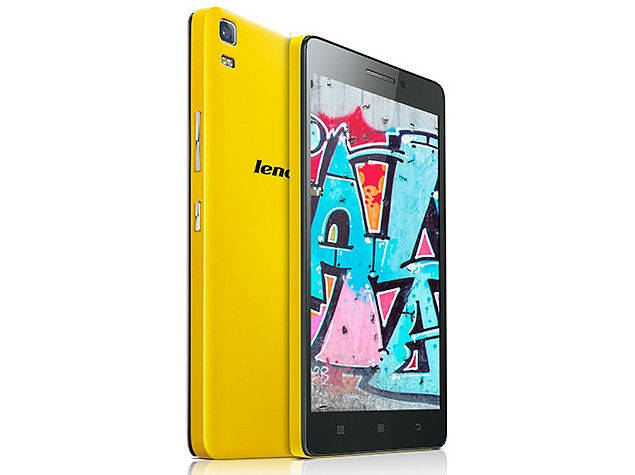
Today, Lenovo launched its highly anticipated phablet, the K3 Note, at a launch event held in New Delhi. The company had teased ‘Note the Date’ clearly indicating that they had plans on releasing the K3 Note that was launched in China earlier this year.
In the previous post, we mentioned that the Note could go against the likes of Redmi Note 4G and the Yu Yureka. Let us see now, how the K3 Note fares against these well-established handsets:
Specs
Lenovo K3 Note
Redmi Note 4G
Yu Yureka
Display
5.5 inch IPS capacitive touchscreen (1080×1920 pixels)
5.5 inch IPS LCD capacitive touchscreen (720×1280 pixels)
5.5 inch IPS LCD capacitive touchscreen (720×1280 pixels)
Processor
1.7GHz MediaTek MT6752 octa-core 64-bit processor
1.6 GHz Qualcomm MSM8928 Snapdragon 400
1.5 GHz Octa-core Qualcomm MSM8939 Snapdragon 615
RAM
2 GB
2 GB
2 GB
Storage
16 GB
8 GB
16 GB
Expandable Upto
32 GB
64 GB
32 GB
Main Camera
13 MP
13 MP
13 MP
Front Camera
5 MP
5 MP
5 MP
Battery
3,000 mAh
3100 mAh
2500mAh
Operating System
Android Lollipop 5.0 with Lenovo Vibe 2.5 UI
Android 4.2 upgradable to v4.4.2 (KitKat)
Cyanogen OS 11
Price
Rs.9,999
Rs.9,999
Rs.8999
As we can see above, Yu Yureka is leading out of the three, with its pricing. Almost every spec of the Yu Yureka is as same as the Redmi Note and the K3 Note, yet easier on the pocket. However, Lenovo’s new offering comes with a better display. Before making any bold statements we would like to get our hands on the K3 Note to see what this device is capable of.
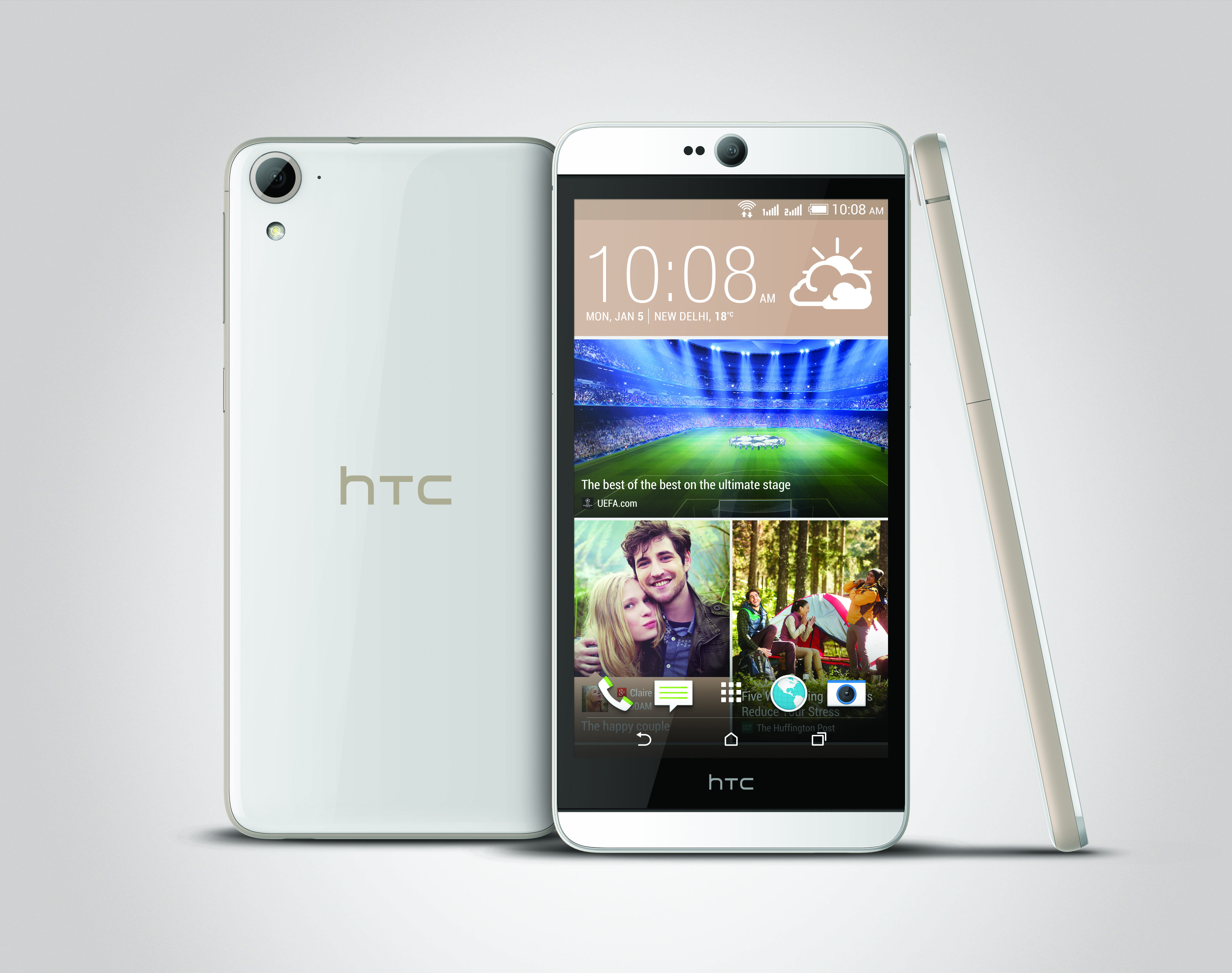
Today, HTC launched Desire 826 in India. This is the 20th addition to the HTC Desire series, which was first launched in 2010. The Desire 826 runs on Qualcomm Snapdragon 615 octa-core 1.7GHz 64-bit processor and uses Android Lollipop with HTC Sense. The phone comes with 2 GB of RAM and has a storage capacity of 16 GB, which can expand upto an additional 128 GB.
A dual SIM phone, it supports 2G, 3G, CDMA and 4G LTE, which will lure the Indian users towards it. The battery capacity is 2600 mAh, which seems a little less since the phone is supporting four different types of network.
HTC claims that the 5.5-inch display with 1080p resolution will bring “cinematic quality to your mobile world”. To enhance the audio, HTC has used HTC BoomSound with Dolby Audio, just like in the One ME phone, which was launched yesterday.
The Desire 826 sports a 13 MP rear camera and an UltraPixel front camera, both capable of recording video in 1080p resolution.
The phone is available in a variety of colors such as White Birch, Blue Lagoon and Purple Fire. The phone can also be customised with HTC Dot View Case.
HTC Desire 826 will be made available in India by the end of June 2015 and is priced at Rs. 26,900.
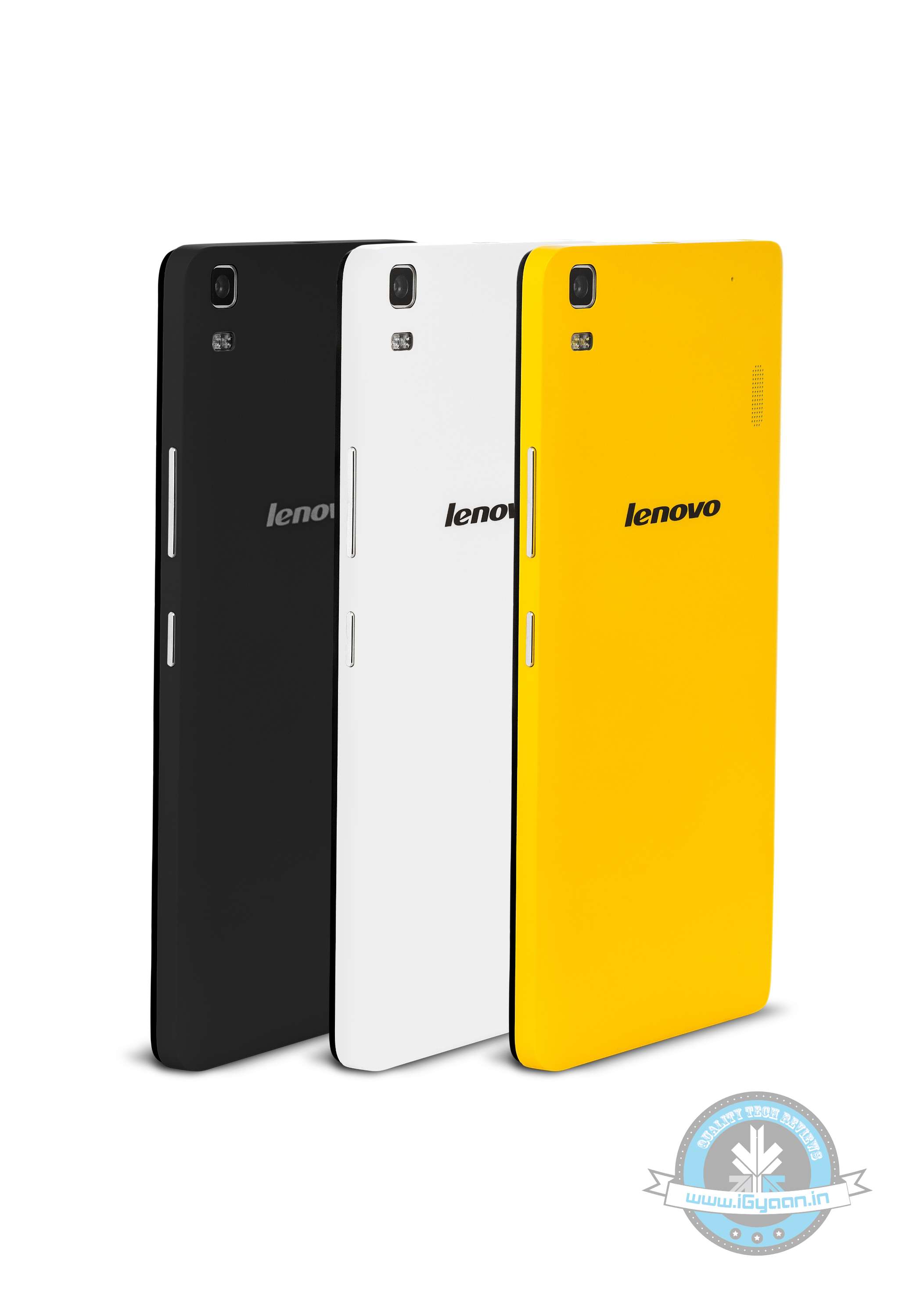
The wait is over. Today, Lenovo has finally launched the long awaited K3 Note Phablet in India. Priced at Rs. 9,999, the K3 Note competes against the likes of budget contenders – Yu Yuphoria and Xiaomi Redmi Note. This smartphone will be sold exclusively on Flipkart; registrations for the first sale begin today at 2 p.m.
K3 Note joins a long list of affordable 4G handsets provided by Lenovo, such as A6000, A7000 Plus and S60.
“We are truly overwhelmed with the positive response from consumers for our 4G portfolio. The K3 Note is certainly a disruptive offering with its future-proof features, superior multi-media experience and extraordinary performance,” said Sudhin Mathur, Director, Smartphones, Lenovo India.
The specifications for the phone are reminiscent of the Xiaomi Mi4i, which is currently in demand and has a dedicated fan base. Like Mi4i, the K3 Note boasts a 5.5-inch full HD display. In addition to that, the K3 Note costs less than the Mi4i.
The K3 Note runs on 1.7GHz MediaTek MT6752 octa-core 64-bit processor with 2GB of RAM. The phone has an internal storage capacity of 16GB which can be expanded upto 32 GB through MicroSD card. The device runs on Android 5.0 Lollipop which has been combined with Lenovo’s Vibe UI.
As far as connectivity is concerned, the phone has Dual SIM card slots and supports both LTE bands in India. The phone sports a 3,000 mAh battery, which is replaceable. The K3 Note sports a 13 MP rear camera with Dual LED flash and a 5 MP front camera.
Here’s a quick look at its specification:
Specs
Lenovo K3 Note
Display
5.5 inches IPS capacitive touchscreen (1080 x 1920 pixels)
Processor
1.7GHz MediaTek MT6752 octa-core 64-bit processor
RAM
2 GB
Storage
16 GB
Expandable Upto
32 GB
Main Camera
13 MP
Front Camera
5 MP
Battery
3,000 mAh
Operating System
Android Lollipop 5.0 out-of-the-box, wrapped under Lenovo Vibe 2.5 UI
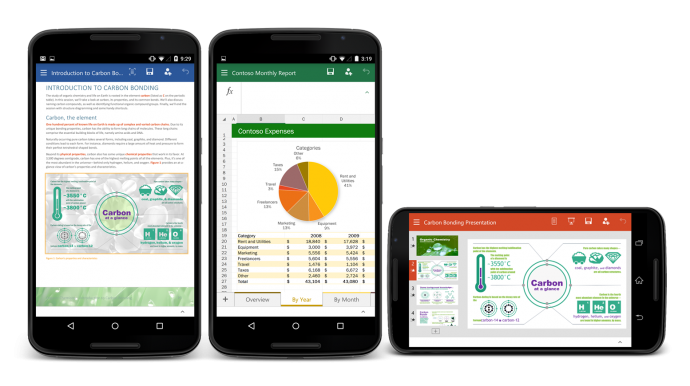
From today, Android users can create and edit documents on-the-go using the Microsoft Office on their smartphones. Microsoft has released Office for Android smartphones and it is available for free on the Play store. Last year, Microsoft released a version of its popular productive suite for iOS platform and in January, it released a version of Android tablets.
Like the tablet version, Ofiice for Android will only support KitKat and above.The app’s interface is similar to its iOS counterpart, due to the cross-platform approach adopted by Microsoft. Users can make simple edits to documents, spreadsheets and presentations. Unlike Office 365, which requires subscription, Office for Android hasn’t been designed to handle full workload. Microsoft has also introduced full Dropbox and One Drive support for the Android version.
In April this year, CEO Satya Nadella revealed that Microsoft Office for iOS and Android was downloaded approximately more than 100 million times. For the past few months, Microsoft has been ensuring that its products are available across all platforms. Microsoft is trying to retain the MS Office customers by offering them a free version of its popular software on Android, iOS and Windows phone platforms. The move is seen as a counter against the various free productivity suites available on iOS and Android.
HTC had added a new one to its One series – the One ME, a dual SIM phone which the company describes as “a stunning device which reinterprets the HTC way that people can relate to.”
Weighing at 155 grams, the body is a lightweight polycarbonate with metallic effects on the front and mirror-polished sides to match the black matte panel. The stain-resistant body has integrated multi-directional fingerprint reader that allows the user swift and secure access to the phone. It comes in two colours – Classic Rose Gold and Meteor Grey.
The phone runs on MediaTek Helio X-10 Octa-core processor and uses Android Lollipop with HTC Sense on top. The One ME has 3 GB of RAM and has a storage capacity of 32 GB, expandable upto 2TB, which is more than the One E9+. Also, the battery capacity is 2840 mAh, which is slightly more than E9+.
Like the previous One series phone E9, the One ME boasts a 5.2 inch display with 2K resolution. As far as audio is concerned, the One ME uses HTC BoomSound with Dolby Audio to deliver the Dolby 5.1 surround sound effect.
The One ME will include HTC Connect, which will allow the user to switch music and movies on the phone to the home system seamlessly. HTC Connect lets the user wirelessly stream content on the phone to a compatible TV or stereo with a simple three finger swipe.
The One ME comes with the 20 MP rear camera with LED flash while the front boasts a 4 Ultra Pixel camera. HTC claims that this will allow the user to take photos even in low-light situations.
HTC One ME will be available with select partners from the end of June 2015 and is priced at Rs. 40,500.
At this year’s WWDC, Apple made a string of announcements about its future. Especially Apple iOS 9 was seen to be a major overhaul. The company showed off the software’s multitasking feature, low power mode and Siri’s Proactive mode. However, Apple didn’t disclose many fresh apps and exciting features, which make its OS all the more seamless.
According to a new report, iOS 9 can delete apps temporarily to accommodate software updates. If the operating system is short of storage, it will prompt the user to temporarily delete the apps before installing the updates. After updates have been installed, iOS 9 will automatically re-install those apps.
The feature was discovered by developers who installed the new beta version of iOS 9, as per a report by 9to5Mac. According to the report, the data will remain intact.
One of the main criticisms of iOS 8 was the amount of exorbitant space it took for installing updates. To make up for it, Apple announced at 2015 WWDC that the new iOS would only require only 1.35 GB of space, a huge improvement from iOS 8, which used 5.5 GB. The announcement was a relief to the iPhone users who use the 16 GB variant.
With iOS 9, Apple is making efforts to utilize the storage space. At WWDC, Apple mentioned that developers will be able to “thin” their apps, freeing up more storage for media and other content.
Lenovo‘s offerings have been doing fairly well in the smartphone sector of the Indian market. The company recently claimed that it has sold more than 1 million 4G enabled smartphones in 2015 via Flipkart. Now, it is planning to launch their newest phablet in India later this month. Lenovo India has started sending out press releases for the launch of a new device on 25th June and it is highly possible that the device might turn out to be the 4G-capable Lenovo K3 Note, which was launched in China earlier this year.
The Lenovo K3 Note flaunts a 5.5-inch full HD (1920×1080) IPS display and is powered by a 1.7GHz MediaTek MT6752 octa-core 64-bit processor paired with 2GB of RAM. It offers 16GB internal memory, which can be expanded up to 32GB using a microSD card. The phablet also stars a 13MP snapper at the back with a LED flash, 5MP front camera and a 3,000mAh battery, which the company claims is good enough for 36 hours of talk time on 3G, and up to 750 hours in standby mode.
Connectivity options include dual-SIM card slots, 4G support on both SIMs, Wi-Fi, Bluetooth, and GPS. The phablet runs on Android Lollipop 5.0 out-of-the-box, wrapped under Lenovo Vibe 2.5 UI.
The device was launched in China earlier this year for a price tag of Rs 9,000 approximately. Hence, it is safe to say that the device will come well within the Rs 10,000 range. The K3 Note will go against the likes of Xiaomi Redmi Note 4G and the Yu Yureka. The device may also come in a variety of colour options.
Check out the spec table below:
Specs
Lenovo K3 Note
Display
5.5 inches IPS capacitive touchscreen (1080 x 1920 pixels)
Processor
1.7GHz MediaTek MT6752 octa-core 64-bit processor
RAM
2 GB
Storage
16 GB
Expandable Upto
32 GB
Main Camera
13 MP
Front Camera
5 MP
Battery
3,000 mAh
Operating System
Android Lollipop 5.0 out-of-the-box, wrapped under Lenovo Vibe 2.5 UI
Rumour has it that Google X is currently working on an interesting wearable project. Google’s semi-secret workshop is one of the most innovation oriented institutions in the world. The research facility takes on some of the most fundamental questions on transportation, communication and others. Then, it takes an alternative bottom-up effort to understand them. The facility worked on concepts like Teleportation, Space elevators, and it is also the birthplace of projects like Google Glass, Driverless car and the upcoming Project Loon.
It is now developing a medical-grade wristband which will track health vitals such as heart-rate, pulse and skin-temperature on a “minute-by-minute” basis. The wristband will also measure external conditions such as room temperature and noise levels. The surprising thing is that Google won’t sell the device to general consumers, unlike Fitbit, which focuses on consumer wearables.
“Our intended use is for this to become a medical device that’s prescribed to patients or used for clinical trials,” said Andy Conrad, head of the life sciences team at Google, in an interview to Bloomberg. The device will allow doctors and medical researchers to keep track of a patient’s vitals outside the laboratory. Google wants the device to record accurate data, a function which can’t be expected from consumer-grade fitness wearables. The wristwatch can also make the research process more efficient, since the data collected from the patients can be easily organised and analysed.
Google X, the secret research wing of Google, is developing the wristwatch. The company will invite researchers and drug companies to test the device’s accuracy. The trial will start over summer, the company’s spokeswoman said.
Gmail has just rolled out, perhaps, the most useful update. Yes, we’re talking about the ‘Undo Send’ feature. Google had been working on this feature for the past six years, and the work is now an official setting in the Gmail interface. As the name suggests, Undo Send pauses posting your email for a few seconds after you click Send, so you can take it back if you, for example, spell someone’s name wrong. When it started in 2009, Undo Send would pause sending your emails for five seconds, but now, it lets users choose if they want to retain their mail for 5, 10, 20 or 30 seconds.
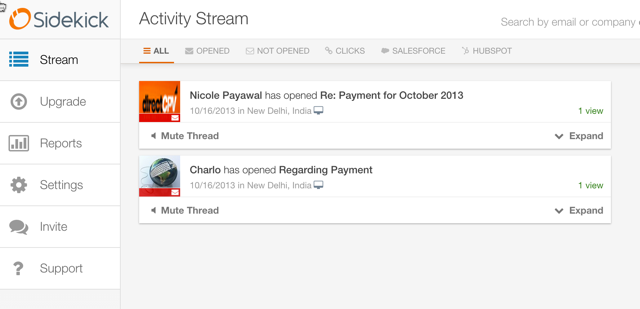
But, when you send an urgent email to someone, how do you know whether they have opened the mail or not? For example, when you are applying for a job, sending an email to a valued company, knowing when it is opened is necessary information. If you want to really control your email, Sidekick is what you should check out.
Sidekick is developed by HubSpot, a software company formed by Brian Halligan and Dharmesh Shah from Massachusetts Institute of Technology in 2006. This app is installed as a Chrome extension and can be accessed using your Gmail account. But don’t worry; Sidekick can also be accessed by Outlook desktop, Apple Mail and Outlook.com.
But, you should also know that Sidekick could be used against you. The next time you say, “I didn’t see that email,” when you actually have opened it, the sender may have proof that your statement just isn’t true.
Here’s everything this nifty addition can do:
To get started with Sidekick, you need to create a free account here. You can also login using your Google account, which is a convenient sign-up process. After that, you can install Sidekick Chrome extension from here.
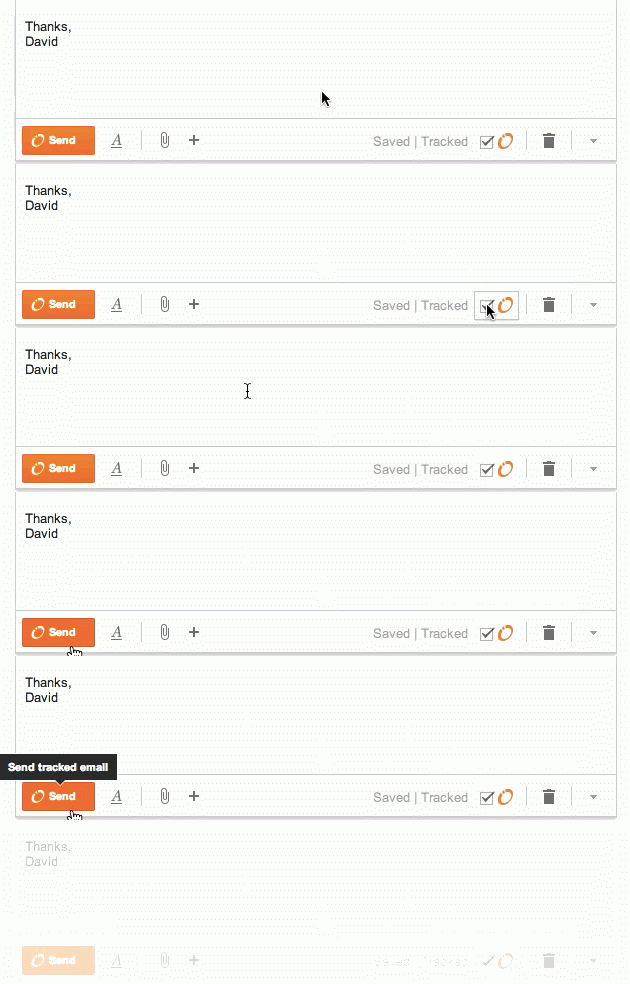
Once everything is configured, Sidekick will take up the responsibility to track down which of your emails have been opened and which remain unopened. To make things more amazing, Sidekick also keeps track whether links inside the mail have been clicked on or not. You also have the option to ‘untrack’ any email too.
Sidekick can also show you the information of people to whom you are sending a mail. When you receive an email, the Sidekick sidebar will show you your email history, links to their social media accounts and information about their company if the email was sent from a business account.
But, the newest feature of this app is the Scheduling option. This is a gift especially for people who live in different time zones. After you have composed a mail, you will see an option to schedule the mail to whatever time fits you. Awesome, right?
Sidekick also has free iOS and Android apps, which let you track everything from your smartphone. Although the scheduling feature is yet to come out with the mobile version.
Sidekick is free for unlimited tracking the first month you register. After that, you get 200 free tracks per month. If you find that you want unrestricted tracks, you can pay a monthly fee of $10.
It is great that slowly, many mail apps are coming up that give users the power to monitor and control emails as per their convenience.
Watch the video below to get a better idea about how Sidekick is helpful.