Early morning on June 2nd 2019 Google engineers struggled with a four hour Google cloud services outage. This took out critical Google services down, including Google Drive, Gmail, Youtube, and also affected sever other companies including Vimeo and Snapchat who use Google Cloud Services to host their platforms globally.
This comes soon after an announcement from Google stating that the company will remove Huawei as an authorized Android supported OEM and that the company will not officially get Android updates, or future security updates. Google’s services are crucial for any Android smartphone maker and allow for markets outside of China to fully utilize the devices.
This “ban” originated at the US governments blacklisting of Huawei. which banned US companies from using Huawei hardware or doing any kind of business with Huawei. And while a 90 day grace period was granted to the state funded Chinese Electronics and telecom giant, the future looks bleak for the company, and revenue estimates along with market value of the brand has dropped drastically.
China is not happy about this and has suggested a rare minerals export ban, which could intern affect US manufacturers.
“What is interesting is the timing of the outage,” claims our source ( An Ex Huawei Employee ) “this is the company fighting back”, Suggesting that Huawei or those close to Huawei are responsible for the outage.
While Google has not explained what caused the outage publicly and managed to restore services back in four hours, with no impact to infrastructure or data. A large scale attack on Google’s crucial servers could be a possible reason. Google services were detected down in 249 locations in 170 cities around the world something that could have had long term implications on business and productivity. And if this was a third party attack, it could be considered a warning.
Starting between 12-12:15pm PT ThousandEyes detected a global outage in @GCPcloud that is currently ongoing. At this time we can simply confirm the large scale nature of the outage. #gcpdown pic.twitter.com/8Y2jsQNQi7
— Cisco ThousandEyes (@thousandeyes) June 2, 2019
While we are not sure if anyone was responsible or if there was an attack, we will have to wait for an official statement from Google.
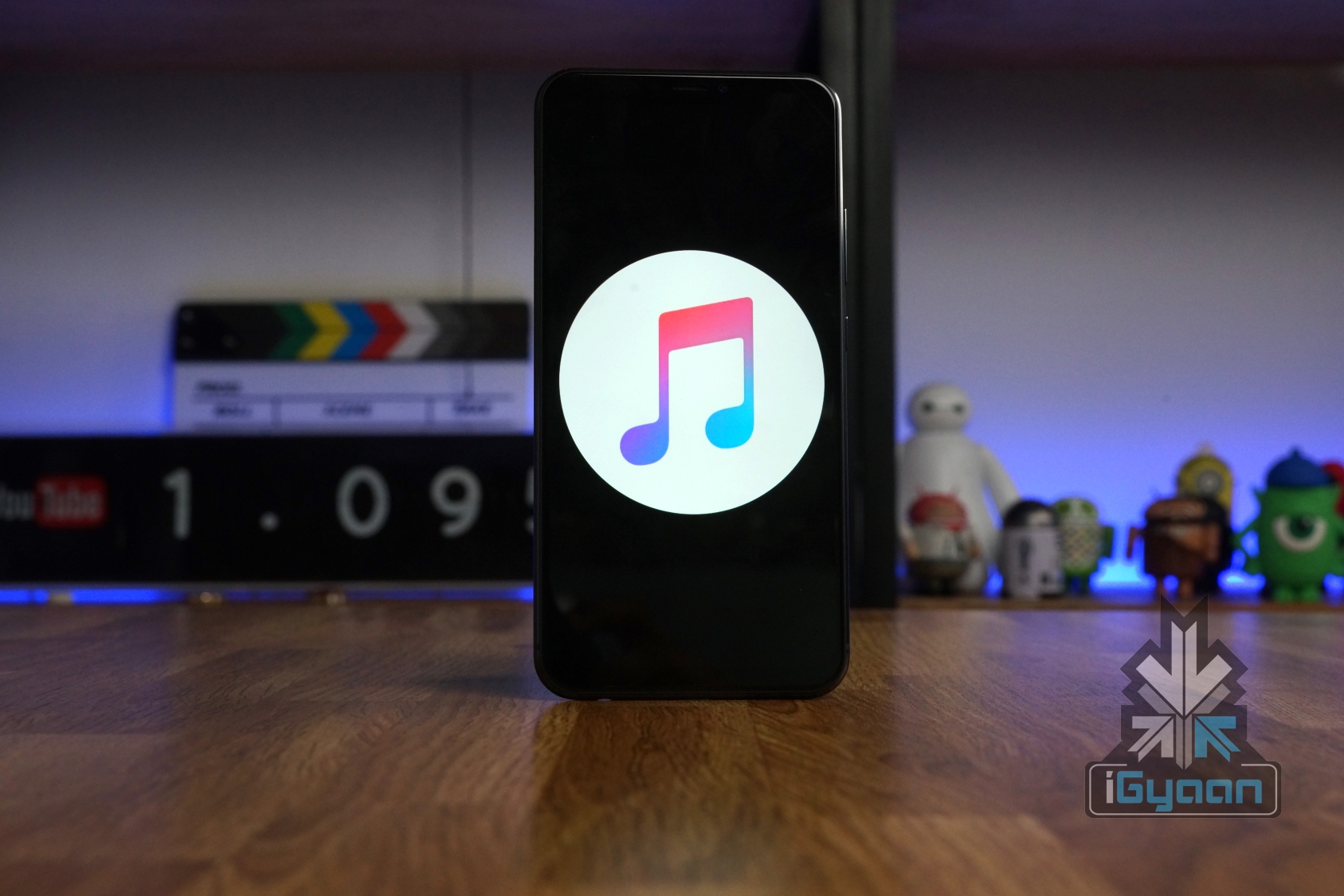
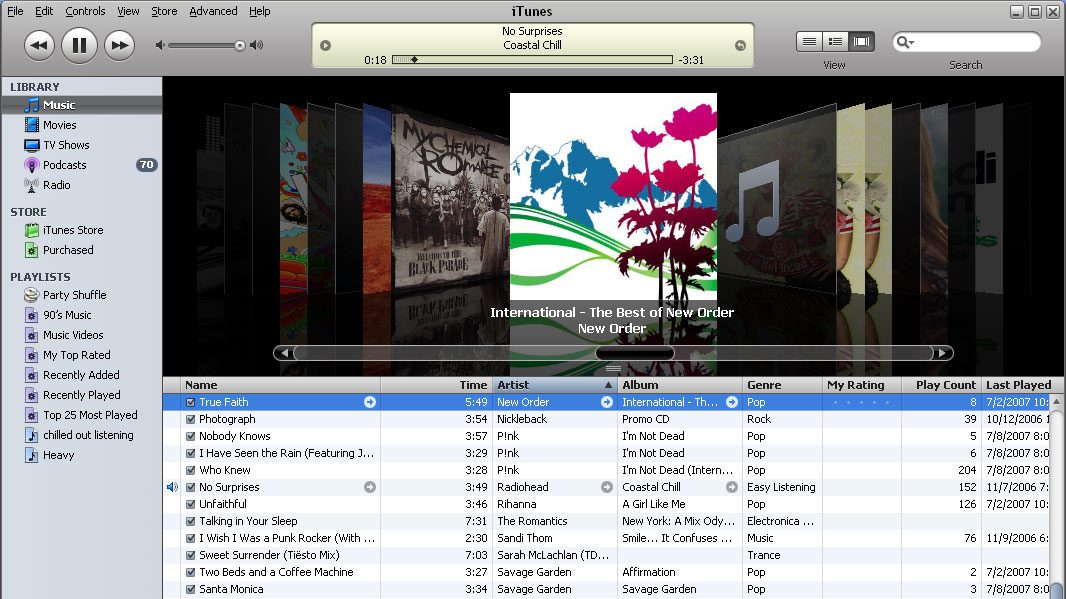 Formally launched on 9th January 2001, iTunes was introduced at a time where music was hugely downloaded via pirated websites and file-sharing platforms. The application had a fairly simple user interface, which made it easy for users to get accustomed to it. It had a simple billing procedure and a detailed yet vast catalogue of music and albums for users to pick from. In a nutshell, the iTunes application provided one of the best user experience at its time.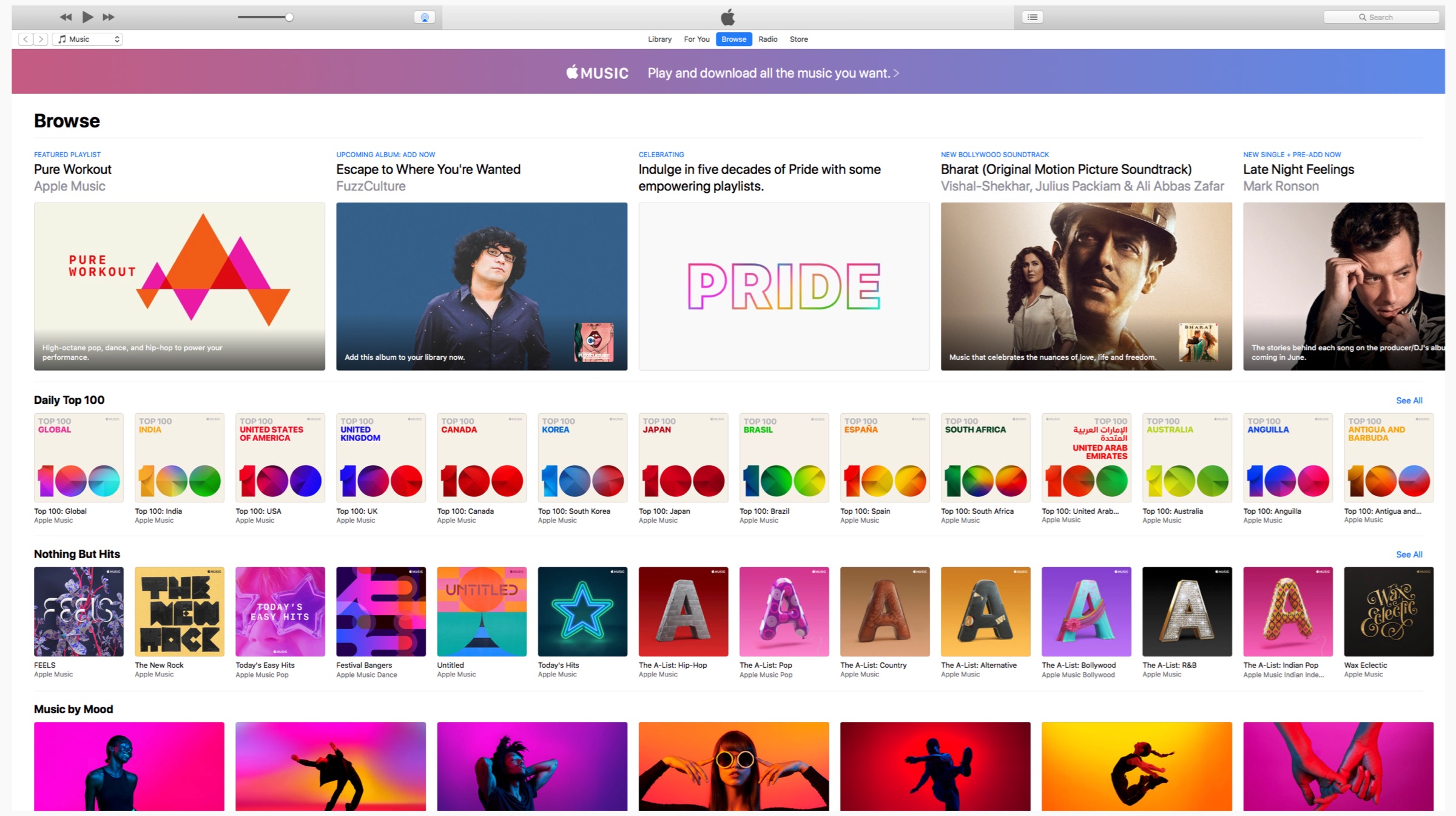
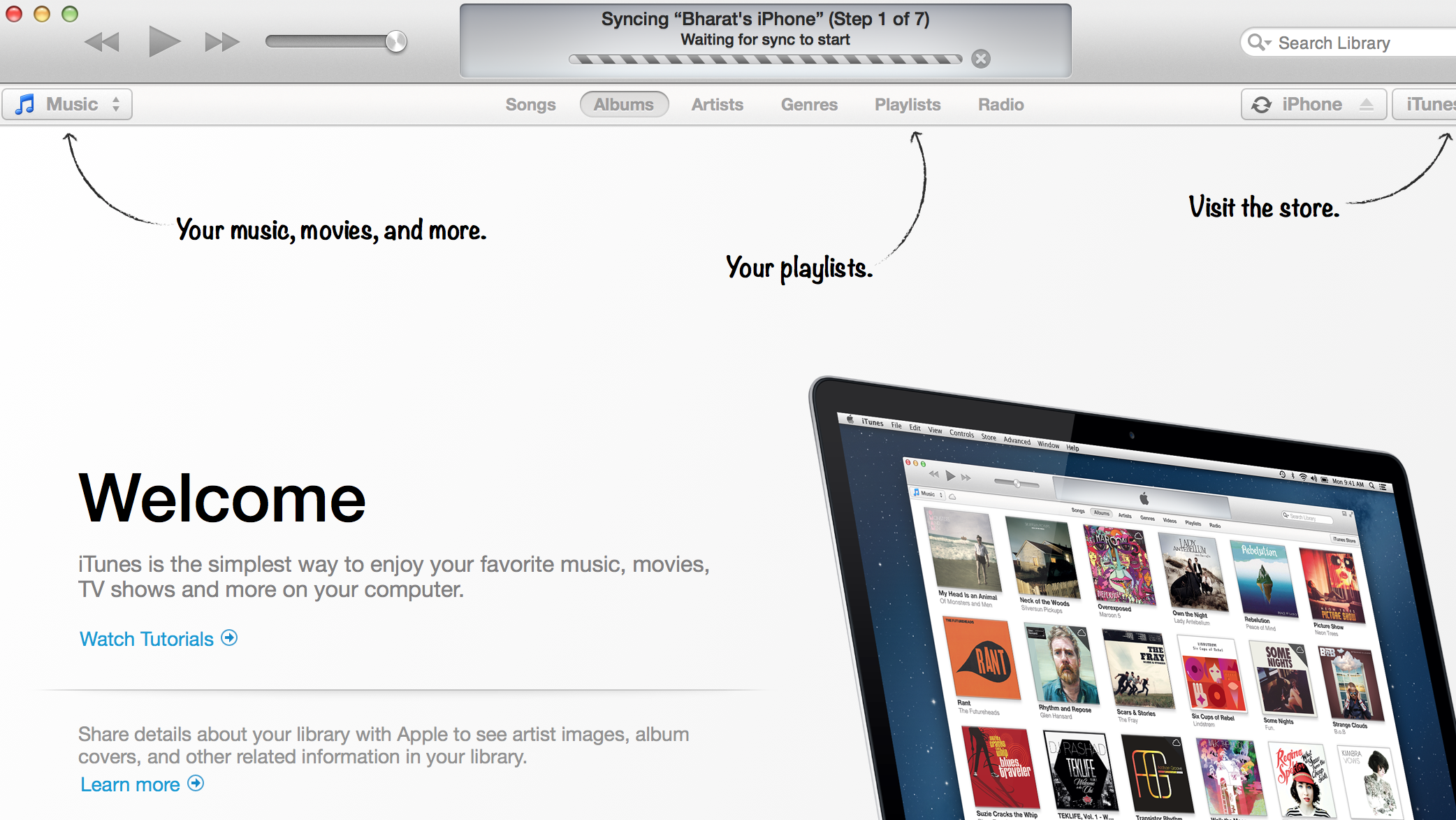 Almost two years later, iTunes started offering TV shows for purchase. This marked one of the most defining eras for iTunes, where music was sold alongside videos, making iTunes the perfect go-to entertainment platform. If that wasn’t enough, Apple also introduced movies on iTunes in the year 2006. Apple was tasting a lot of success with its entertainment platform, so it decided to launch the ‘Genius’ feature within iTunes, which recommended new music to users based on previous listening patterns.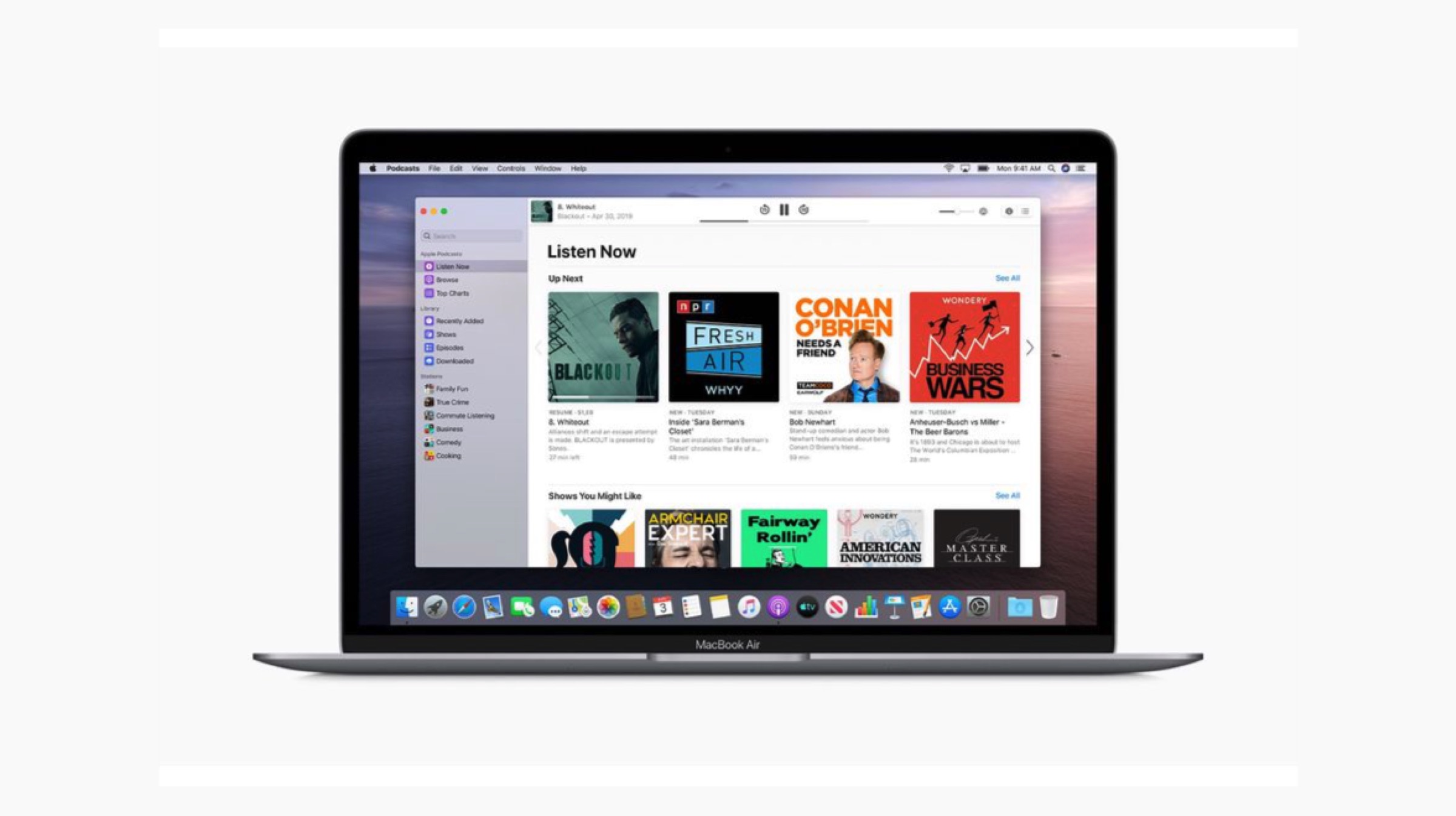


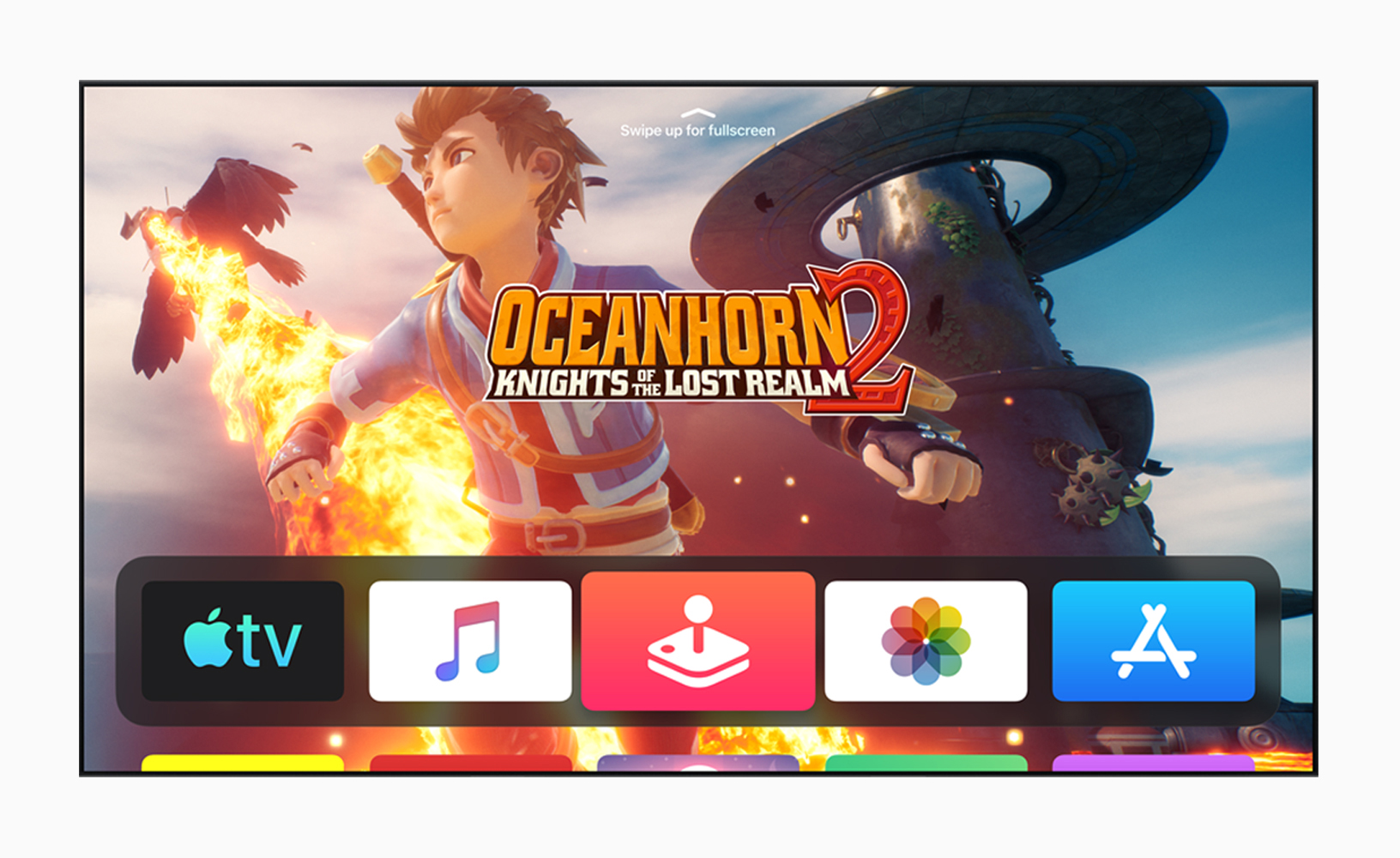
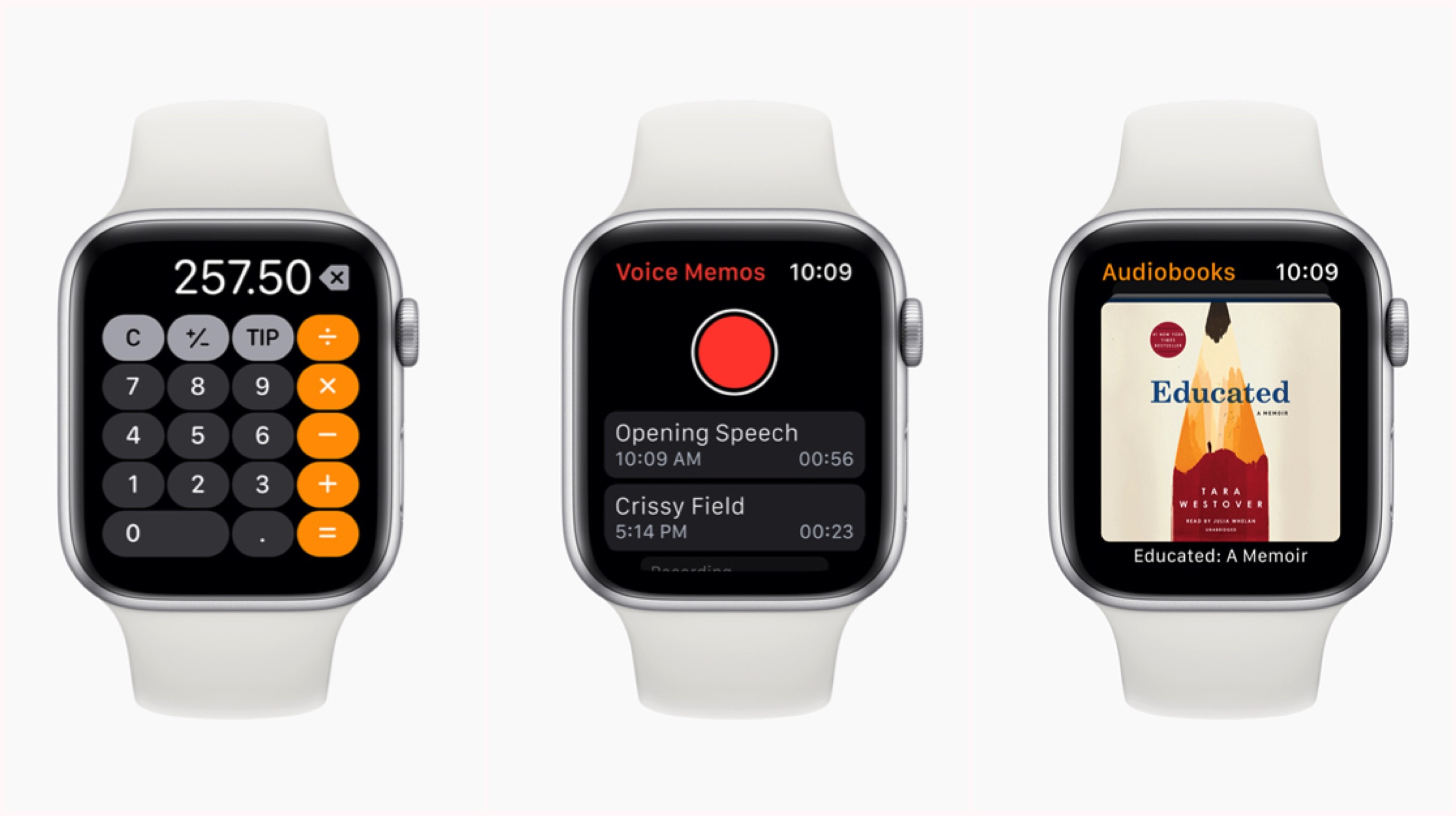
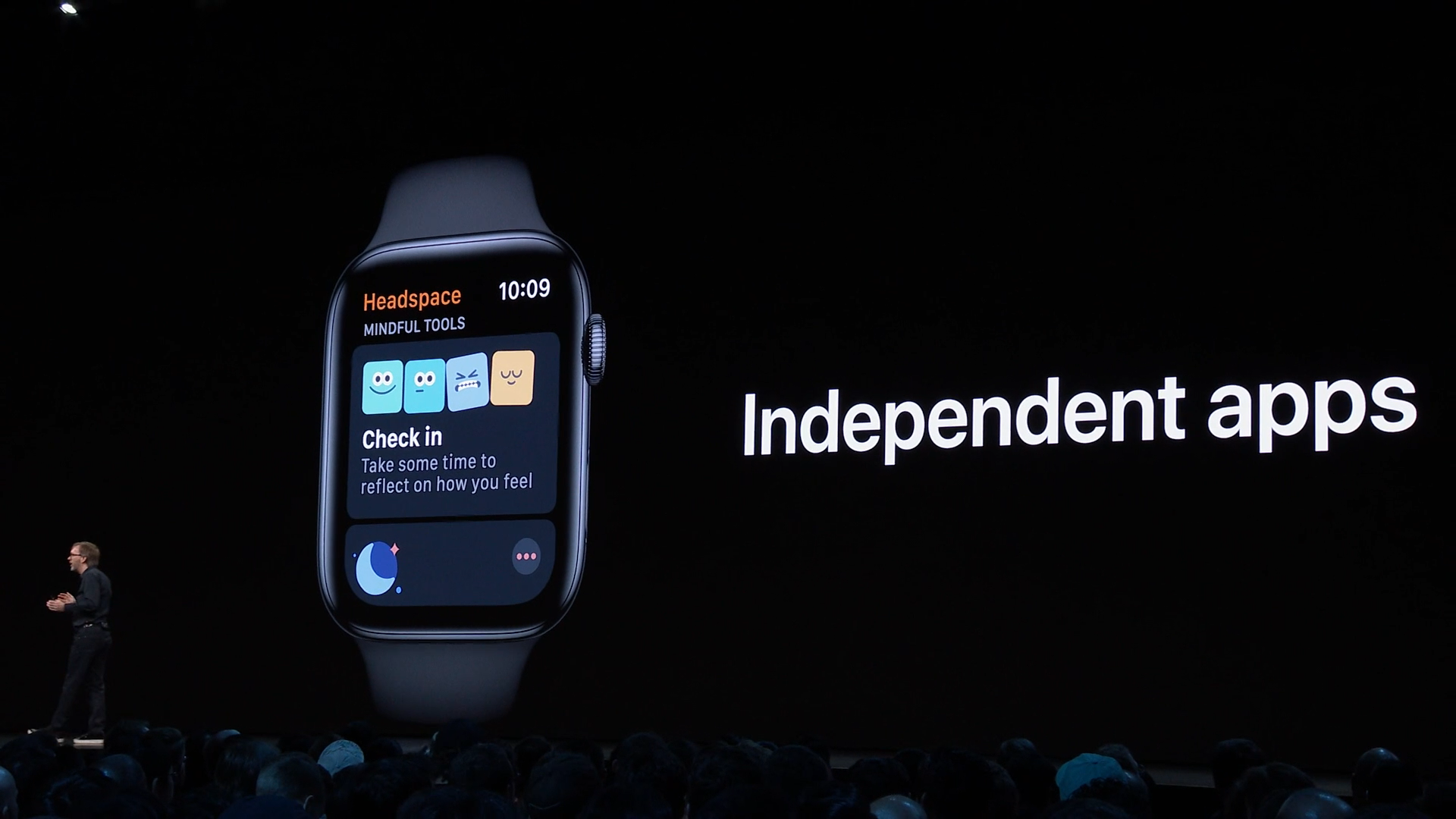
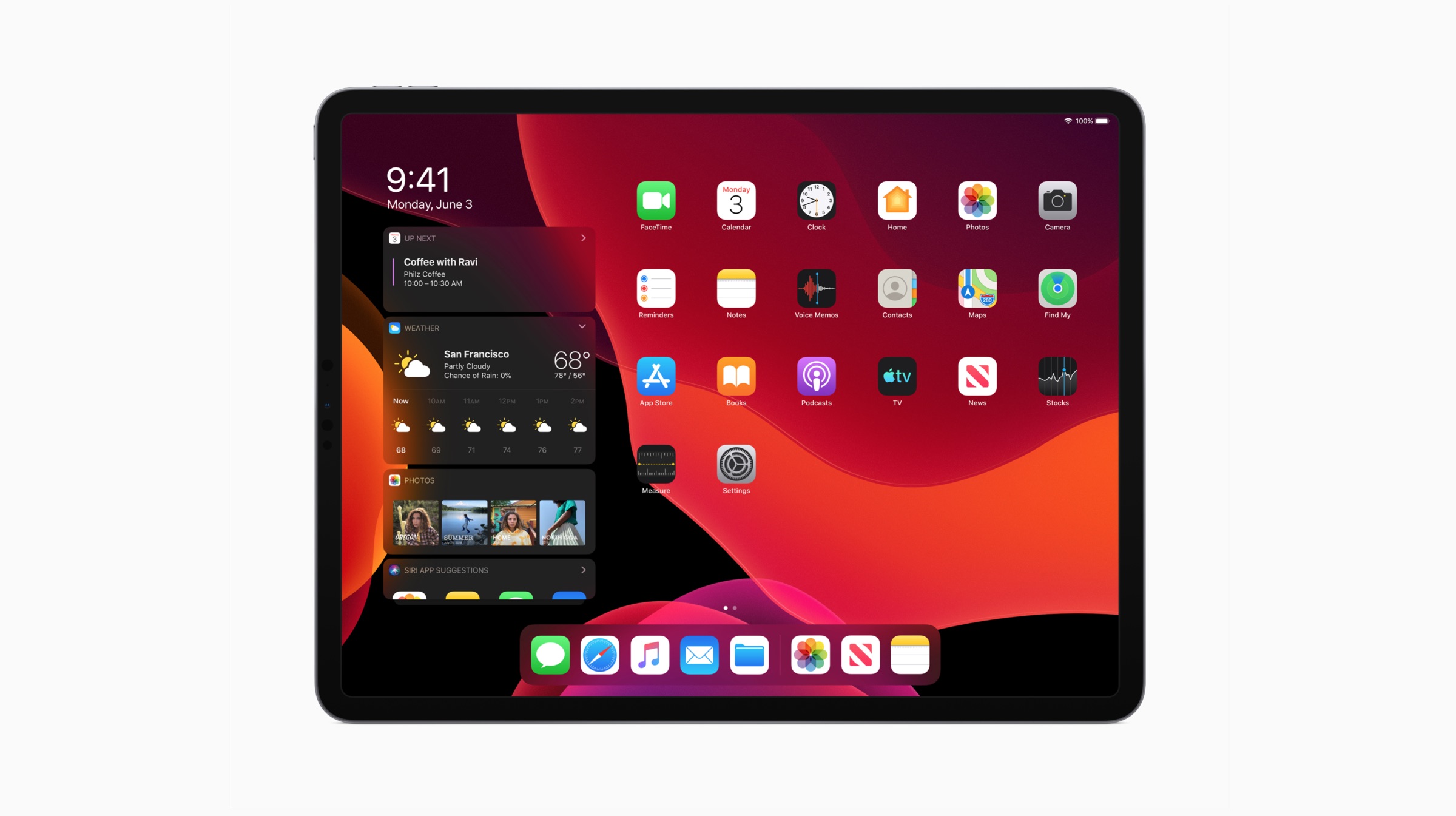
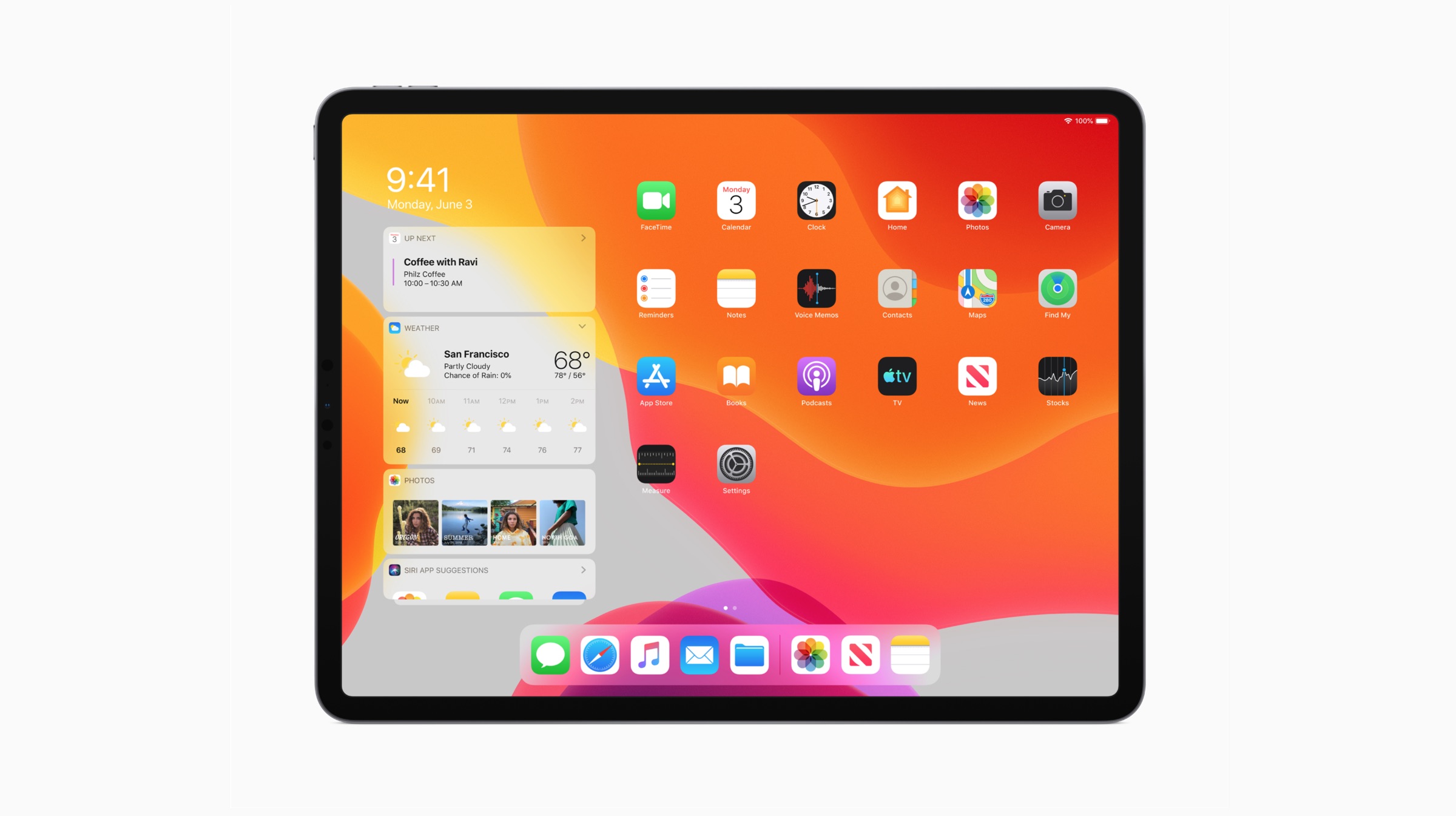 The all new iPadOS has a refreshed home screen with widgets support. Users can expand the widgets on one side of the screen, while the application icons take up the rest of the display. A host of multitasking gestures has also been introduced in the new operating system, so that users can simply ‘glide’ through their task list. For instance, users can drag the applications they intend to use and drop them alongside other applications. This will increase the ease with which users perform multiple tasks over different applications.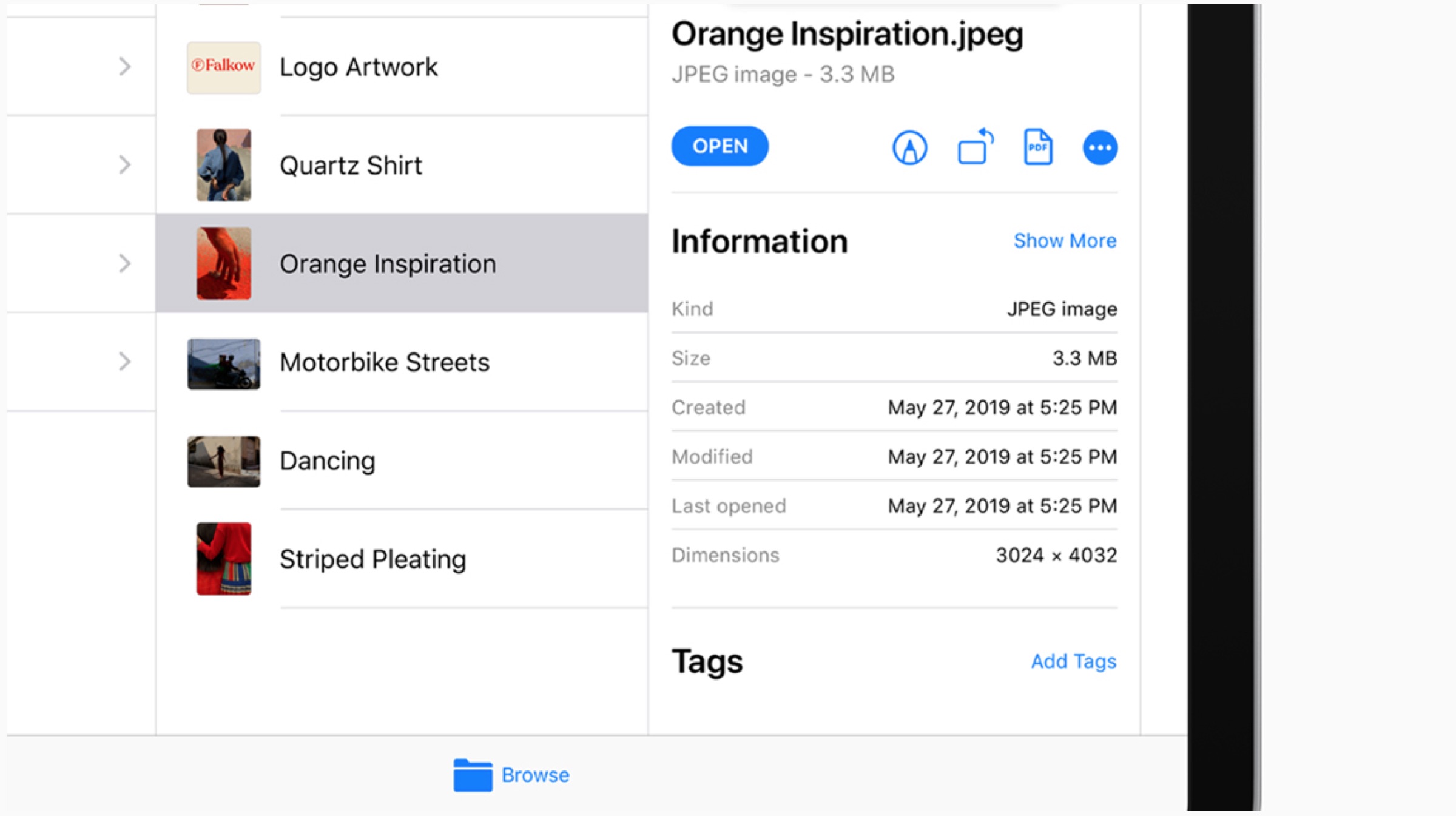
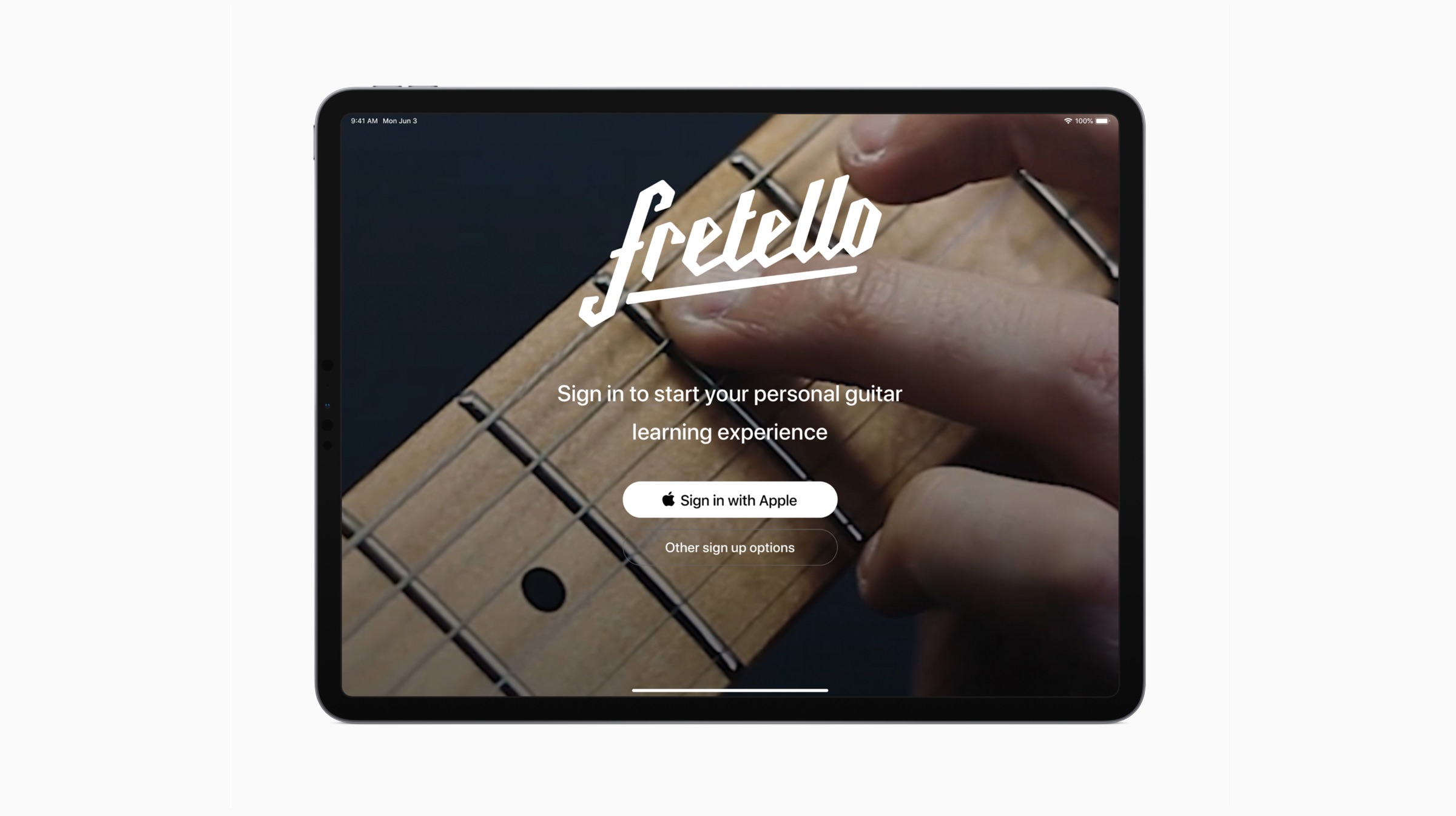
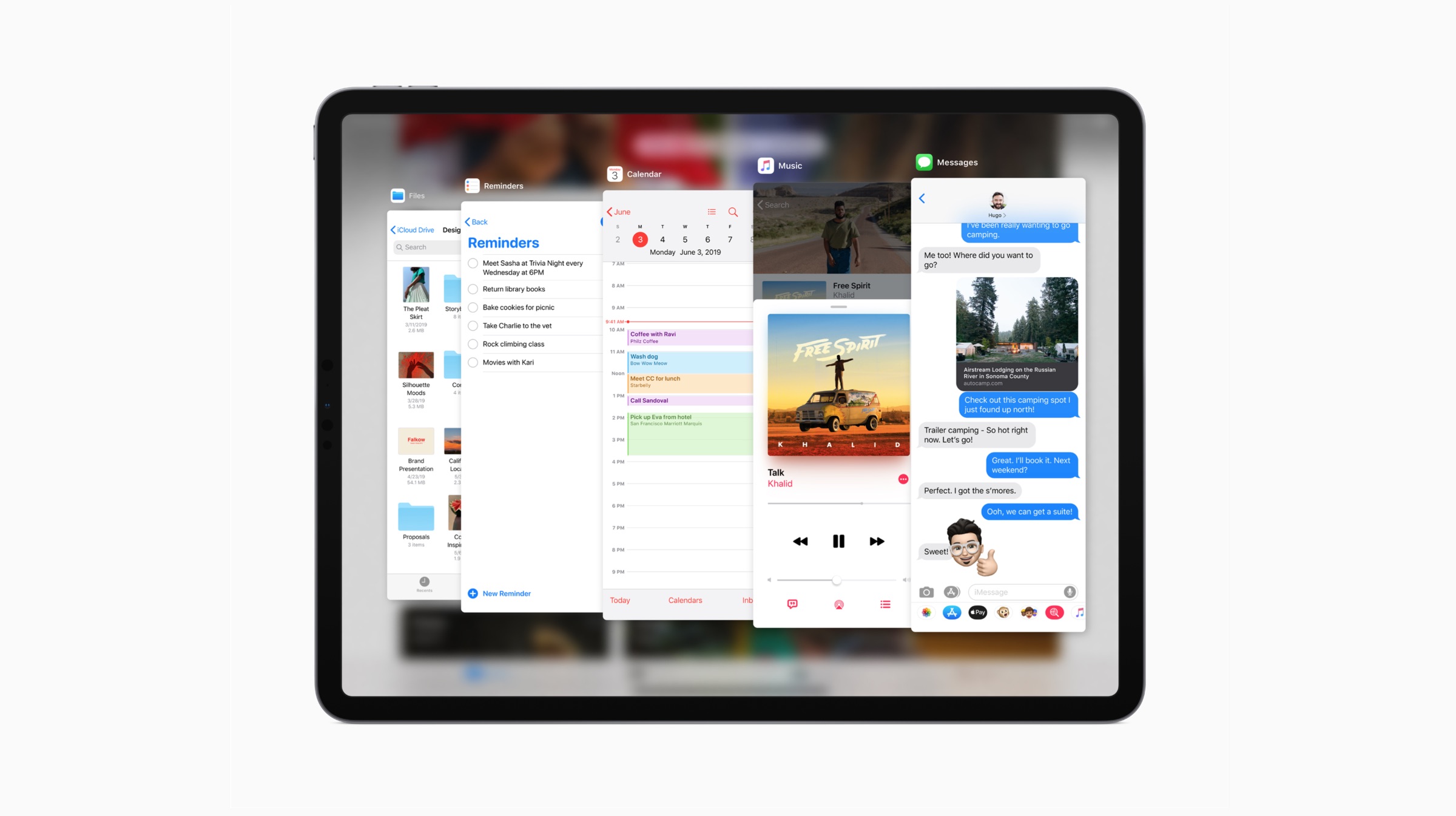
 Alongside the aforementioned features, Apple also introduced system-wide Dark Mode to the iPadOS that is applied across all applications. Users can install third party custom fonts which can be used while creating documents. Moreover, Apple’s iPad keyboard can now shrink down to a floating keyboard that can be moved across the screen. Pinching the regular keyboard will instantly convert it to the said floating mode. Performance boosts will ensure that users can launch their applications faster, unlock the iPad faster and reduce download sizes by up to 50 percent.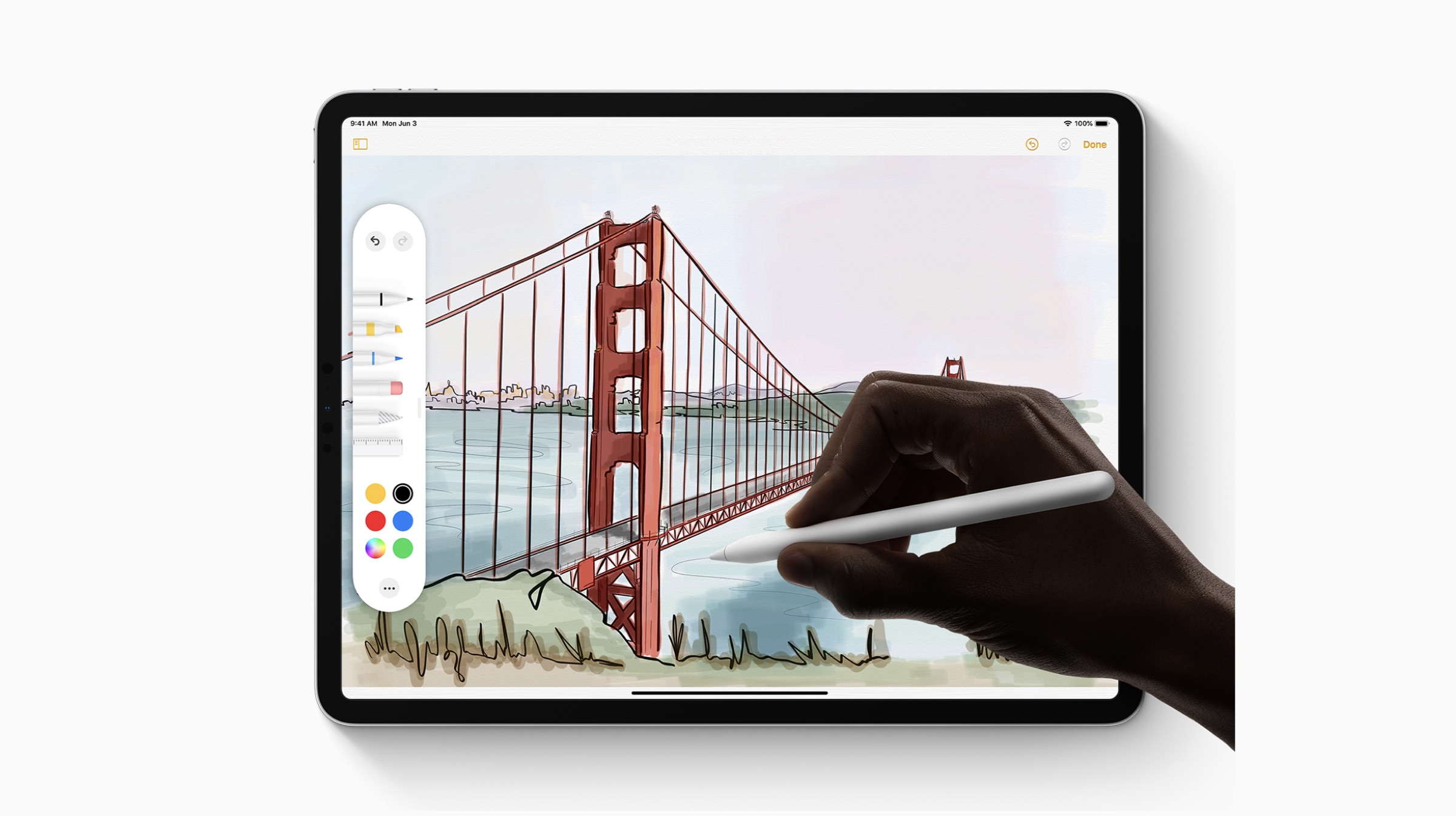
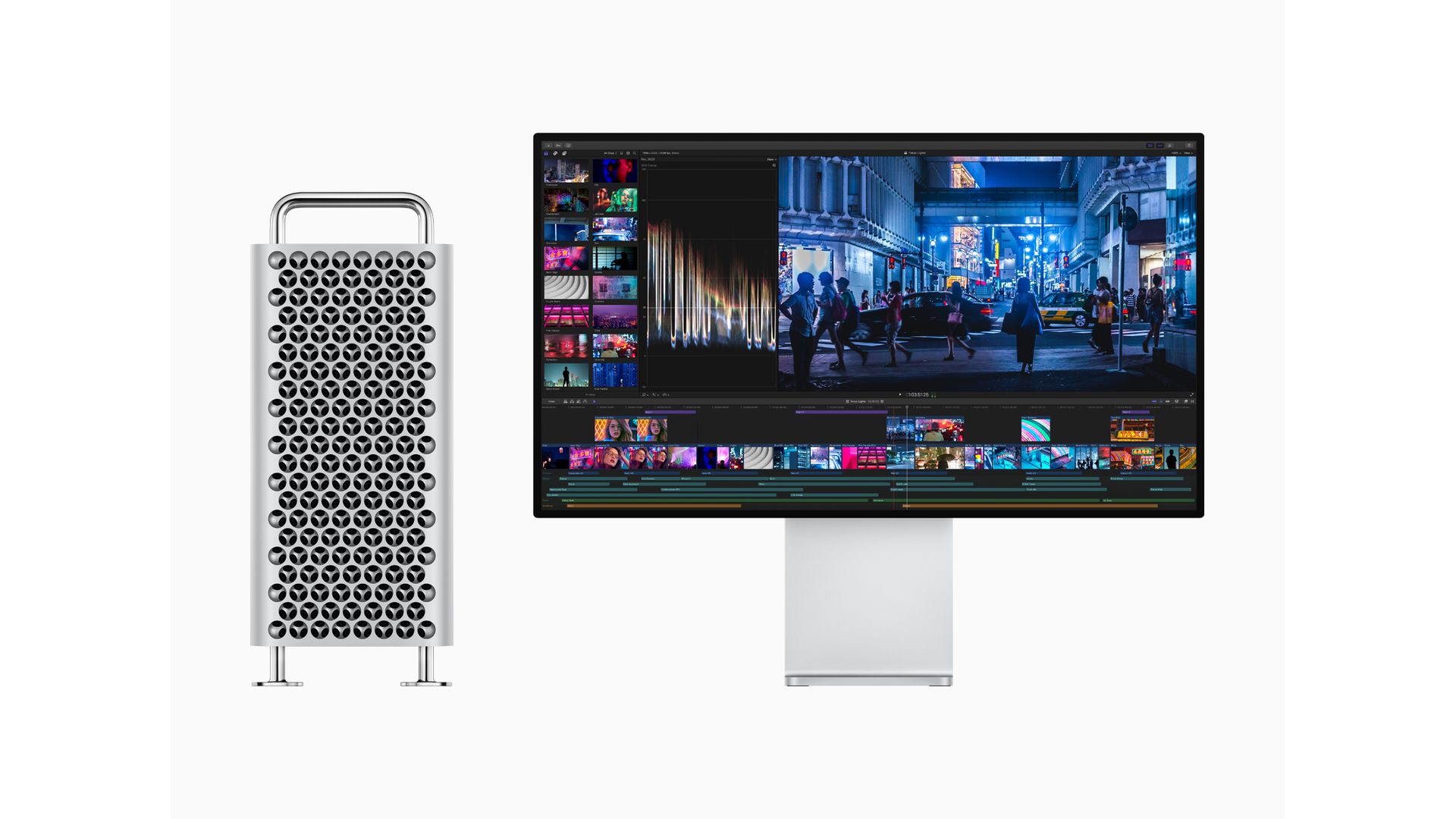
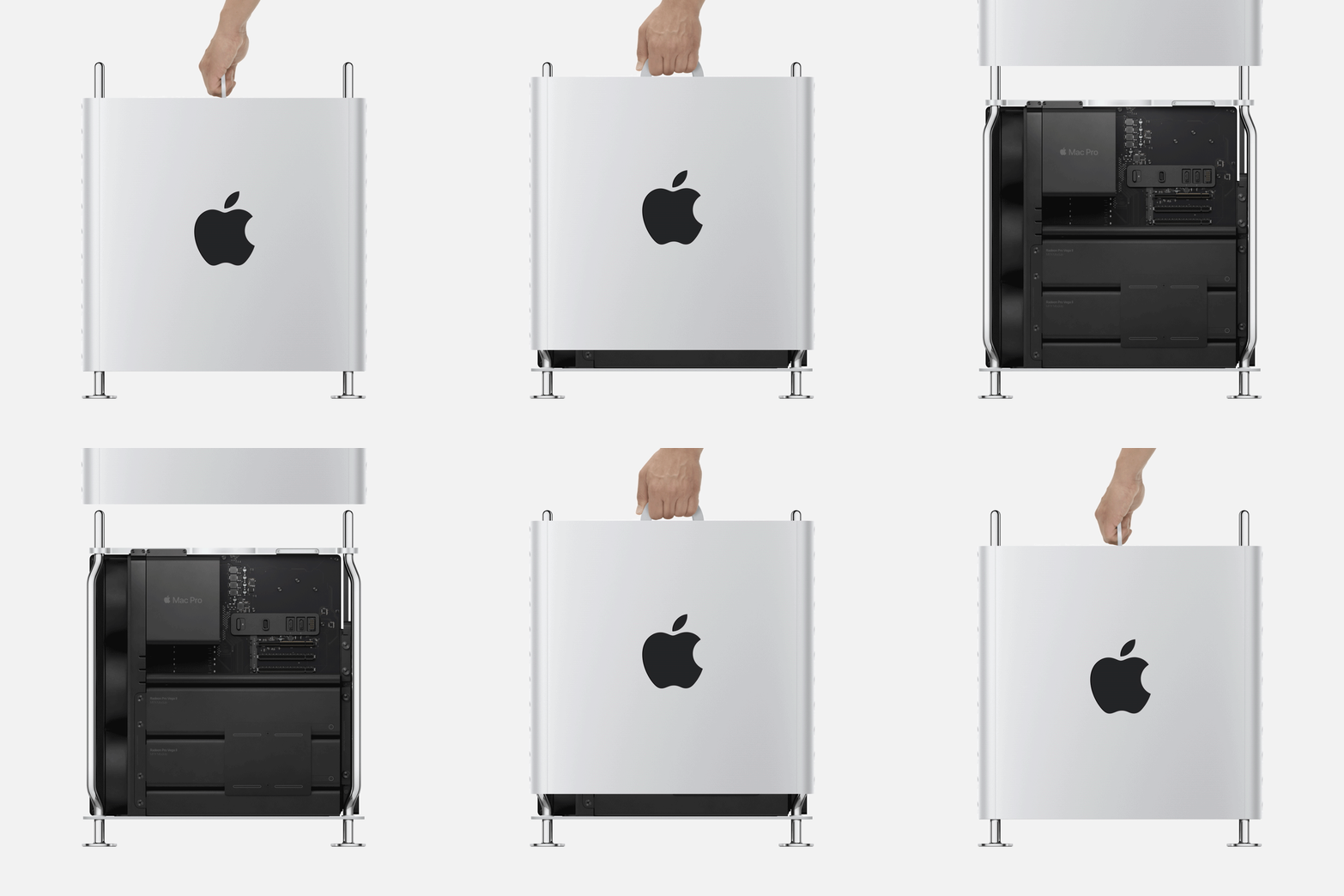
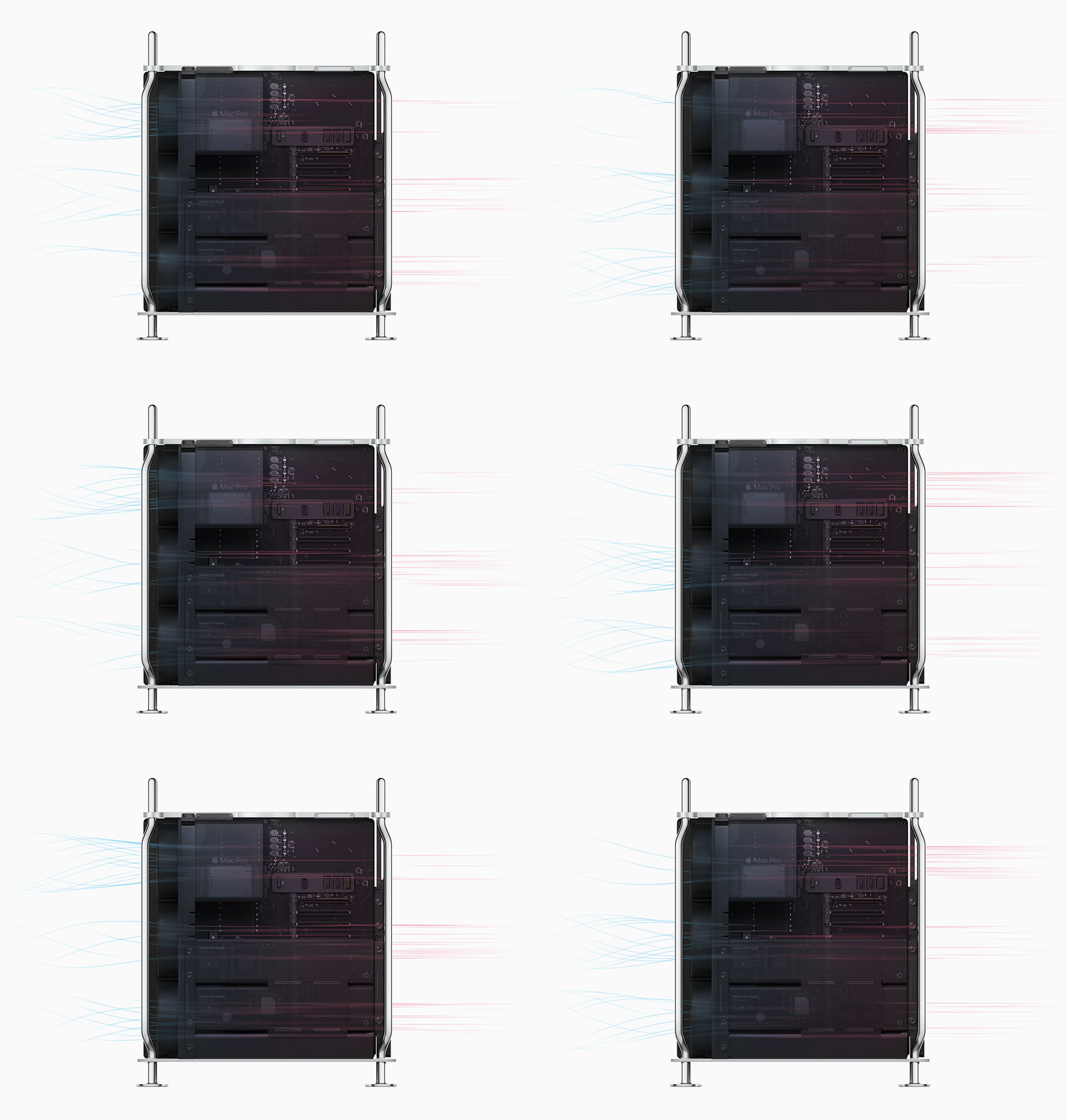
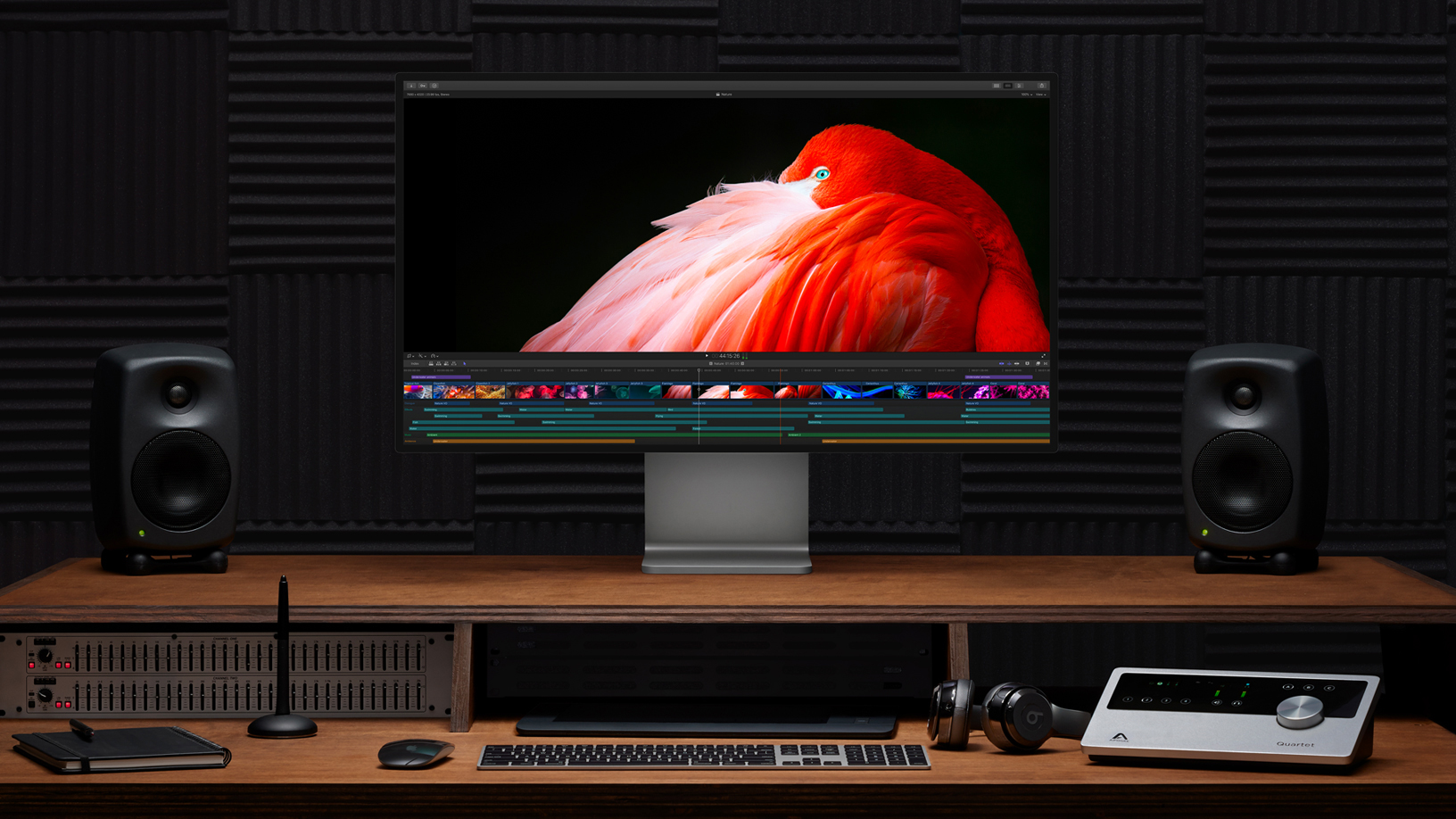
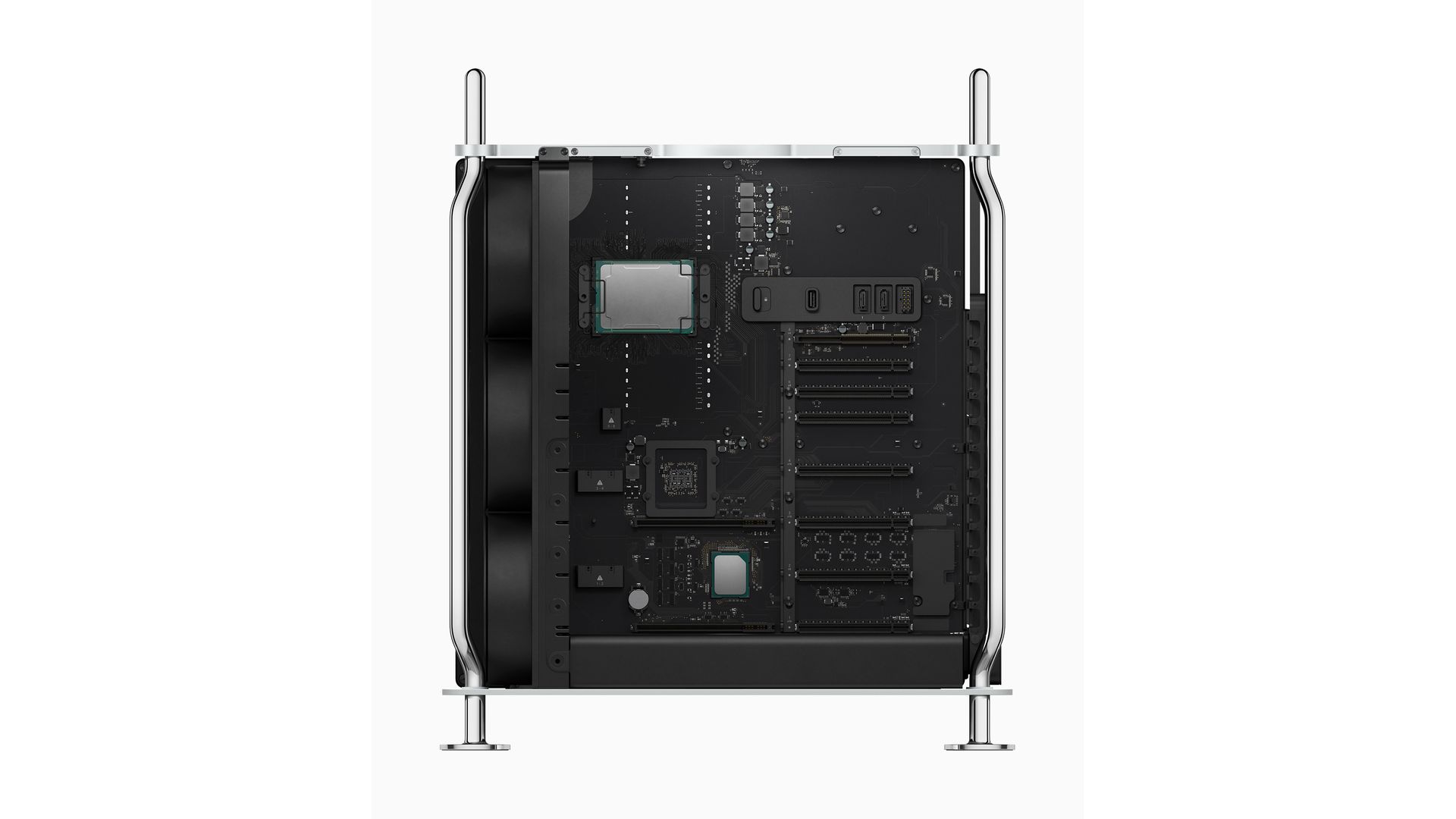 Another highlighting feature of the machine is the presence of eight PCI Express slots. Four out of those eight slots are double-wide, implying that they can house larger expansion cards. Regarding connectivity, the Mac Pro sports 2 USB-C/Thunderbolt 3 ports and two USB-A ports that are present on the front of the case.
 Additionally, Apple also launched the MPX module, which is a custom expansion module. In order to provide the components with more power and connectivity speeds, the MPX utilizes the dedicated Thunderbolt 3 module embedded in the motherboard. It can accommodate two graphics cards and sports a custom Thunderbolt connector to plug into the backbone of the motherboard. It also has its own dedicated heat sink for effective heat management.
 In terms of graphics, the MPX module can be kitted with AMD’s Radeon Pro Vega 2 or Radeon Pro Vega 2 Duo cards. This will consequently add a total of 4 GPU chips to the Mac Pro, summing up to around 128GB of High Bandwidth Memory graphics. Alongside the MBX module, Apple will also sell an I/O module that will equip the Mac Pro with two more Thunderbolt 3 ports and two USB-A ports, in addition to the 3.5mm headphone jack. A special feature of the I/O module is the “Afterburner”, which is a dedicated video card for graphics and editing. It uses the FPGA (
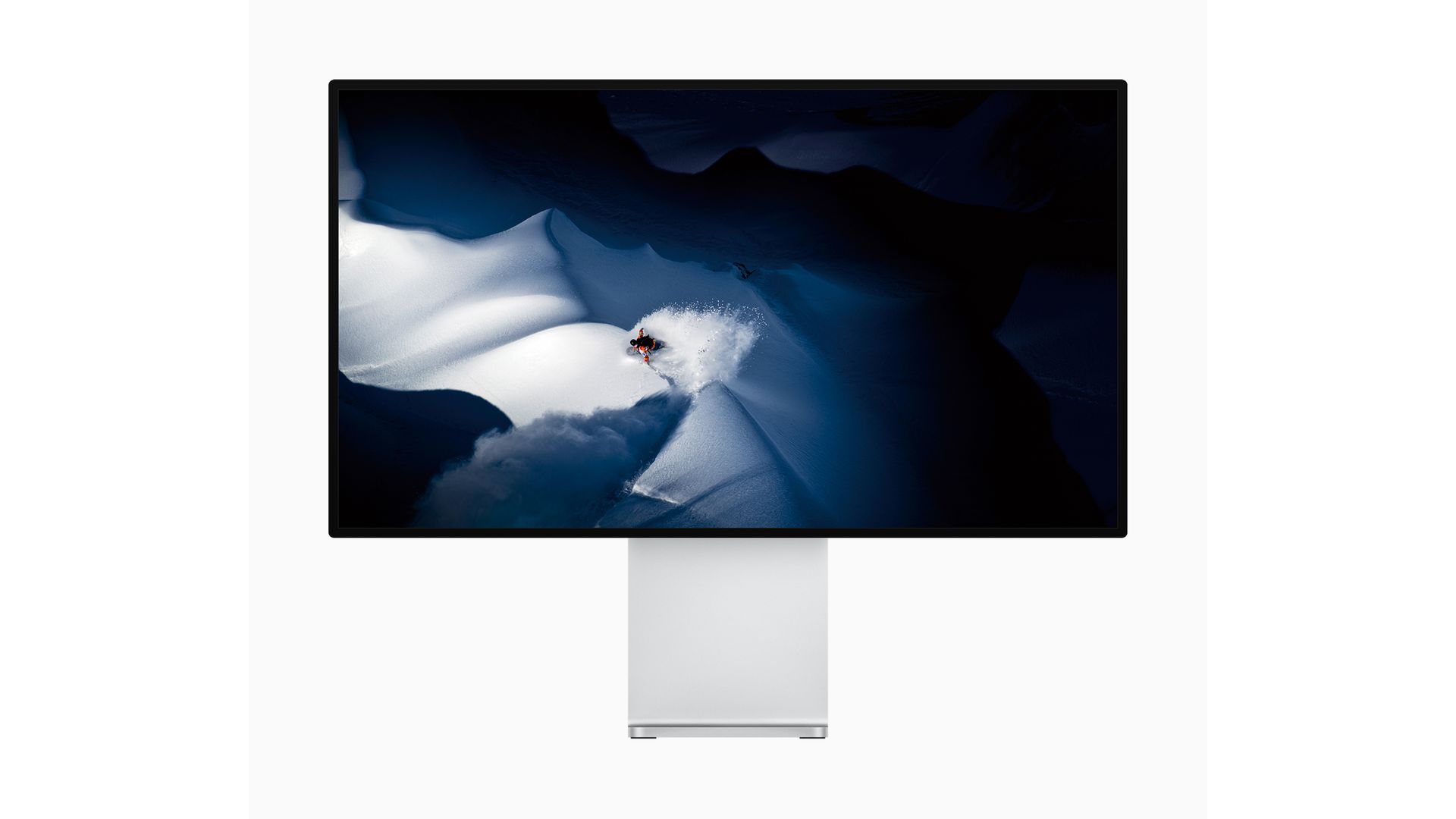
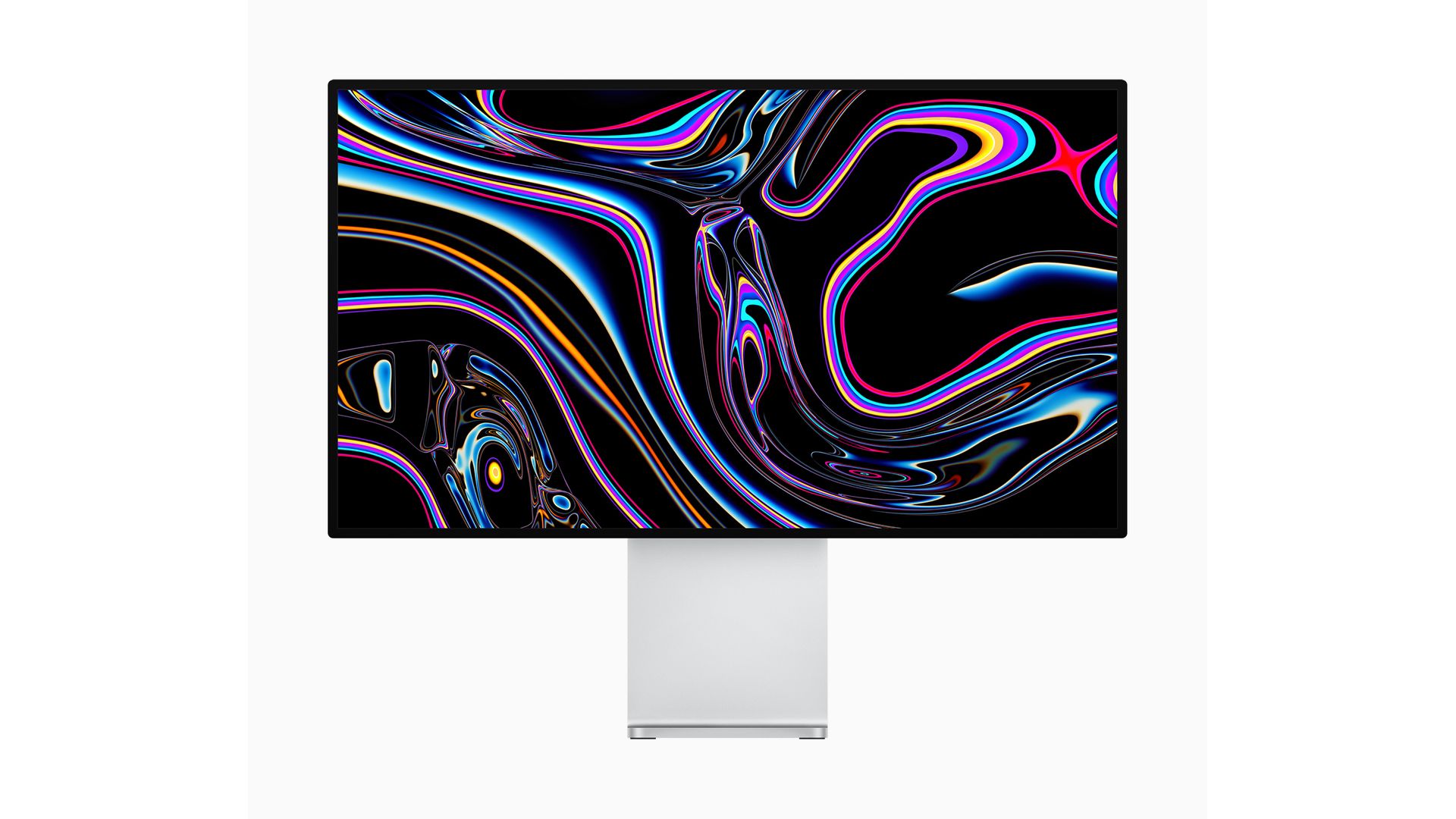 The company also unveiled a 6K monitor at the WWDC, which is named the Pro Display XDR. The 32-inch LCD display has a 6016 x 3384 px Retina HD screen. The monitor has ultra narrow 9mm bezels. The XDR stands for Extreme Dynamic Range. The display supports Apple’s True Tone automatic colour adjustment for ambient lighting.
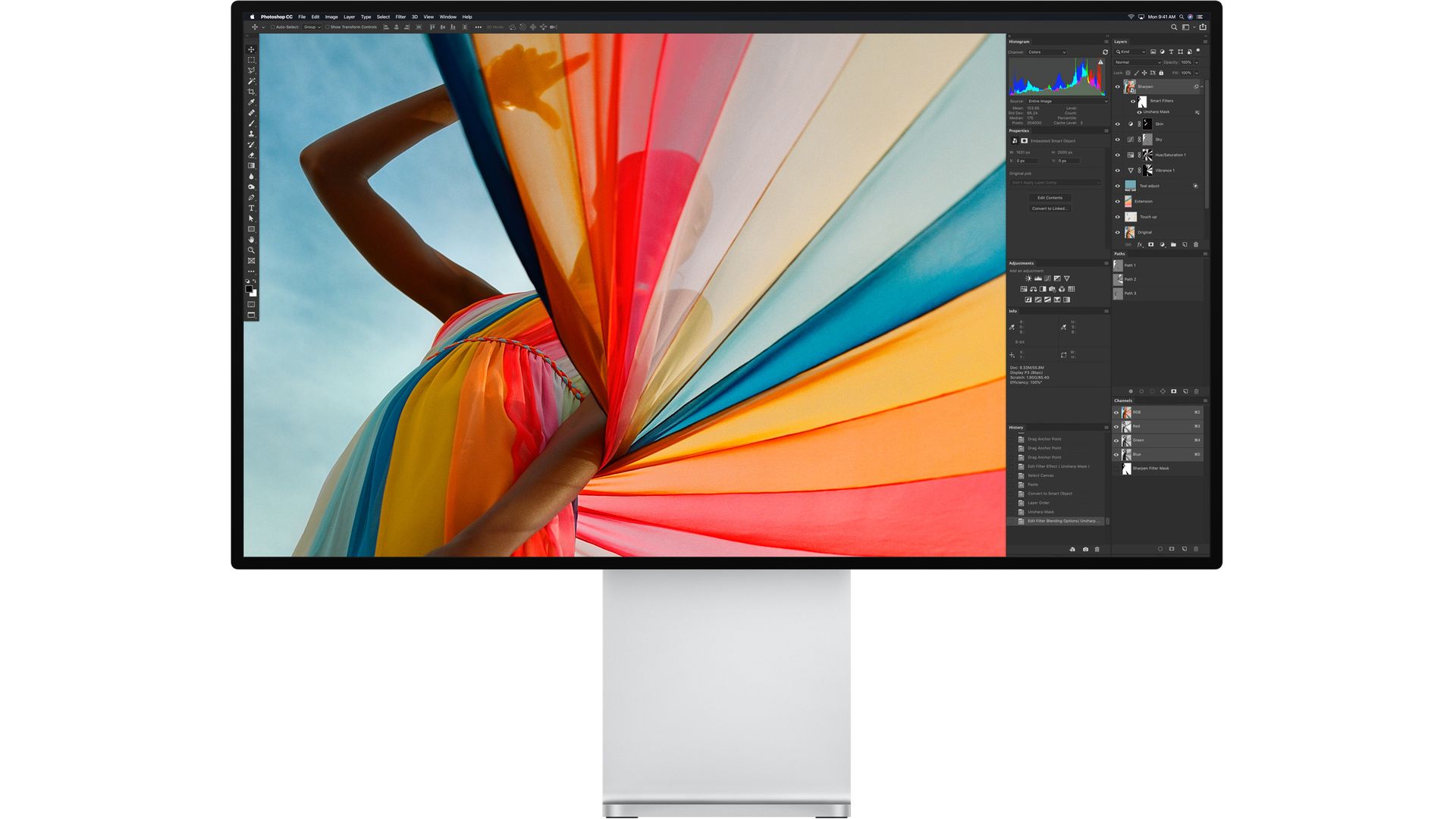 The display is 40 percent larger than the 5K display present in the iMac. It has a matte variant called Nanotexture and features an anti-reflective coating. The back of the monitor has a similar design to the Mac Pro, which acts as a heatsink. Apple claims that the screen can hit brightness levels of 1600 nits which will assist during the editing of HDR content. It connects to the Mac Pro via a Thunderbolt 3 cable. Moreover, the Pro Stand included with the monitor is extremely modular and functional. The display can be rotated into vertical mode using the Pro Stand.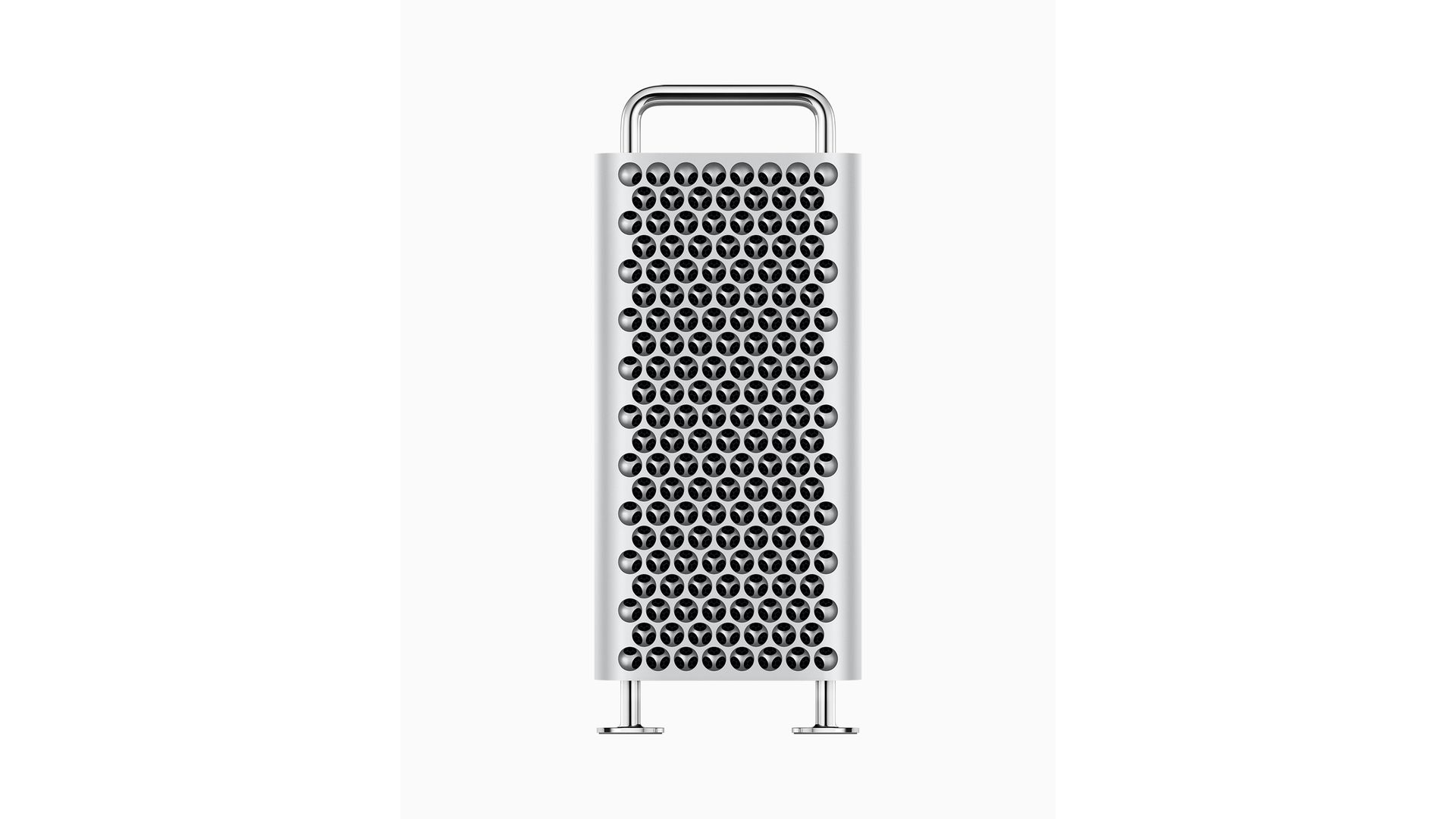
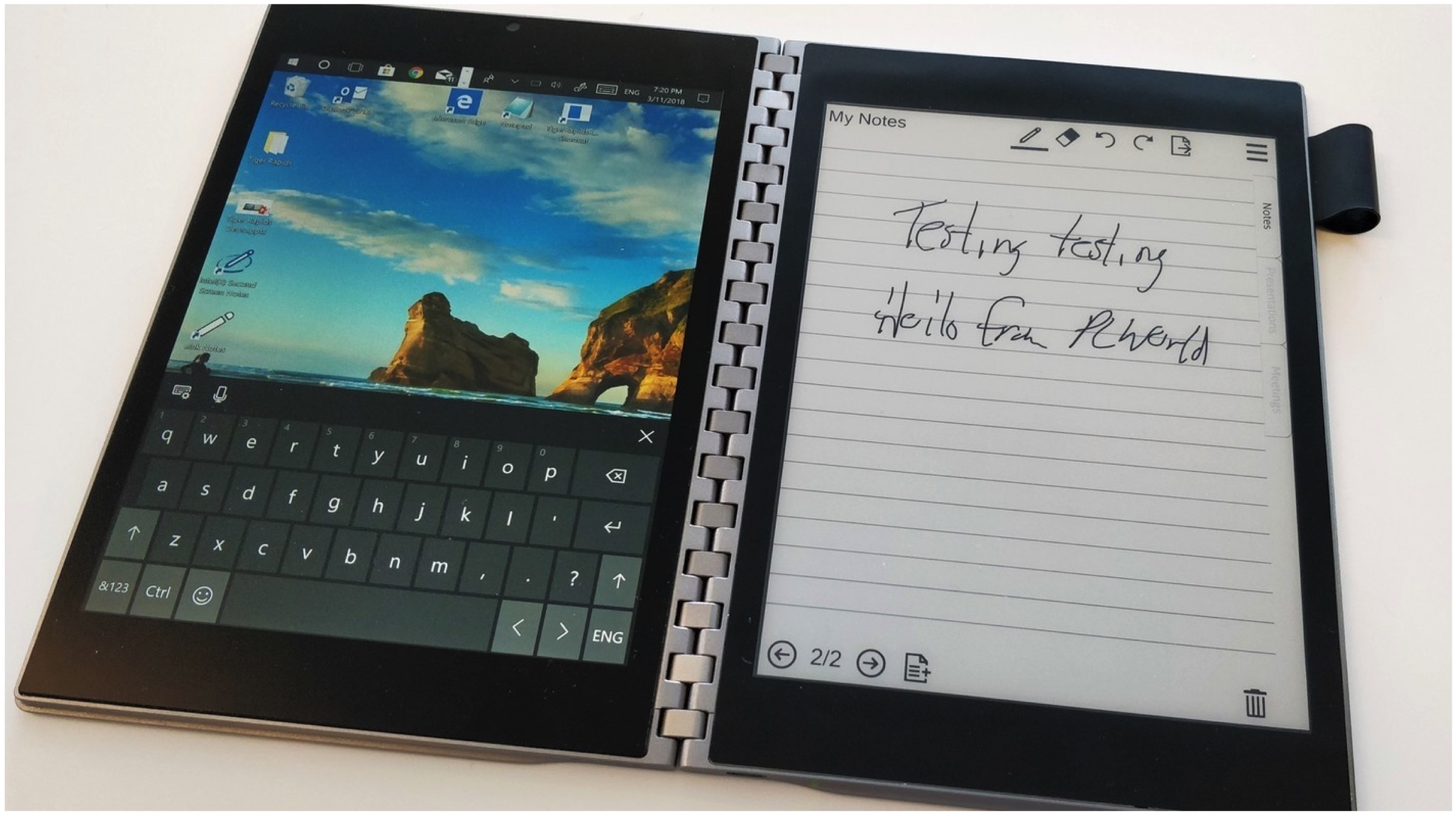
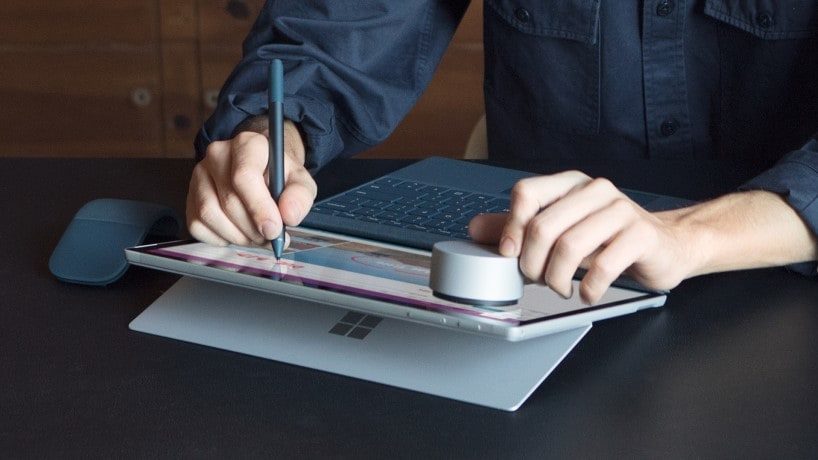
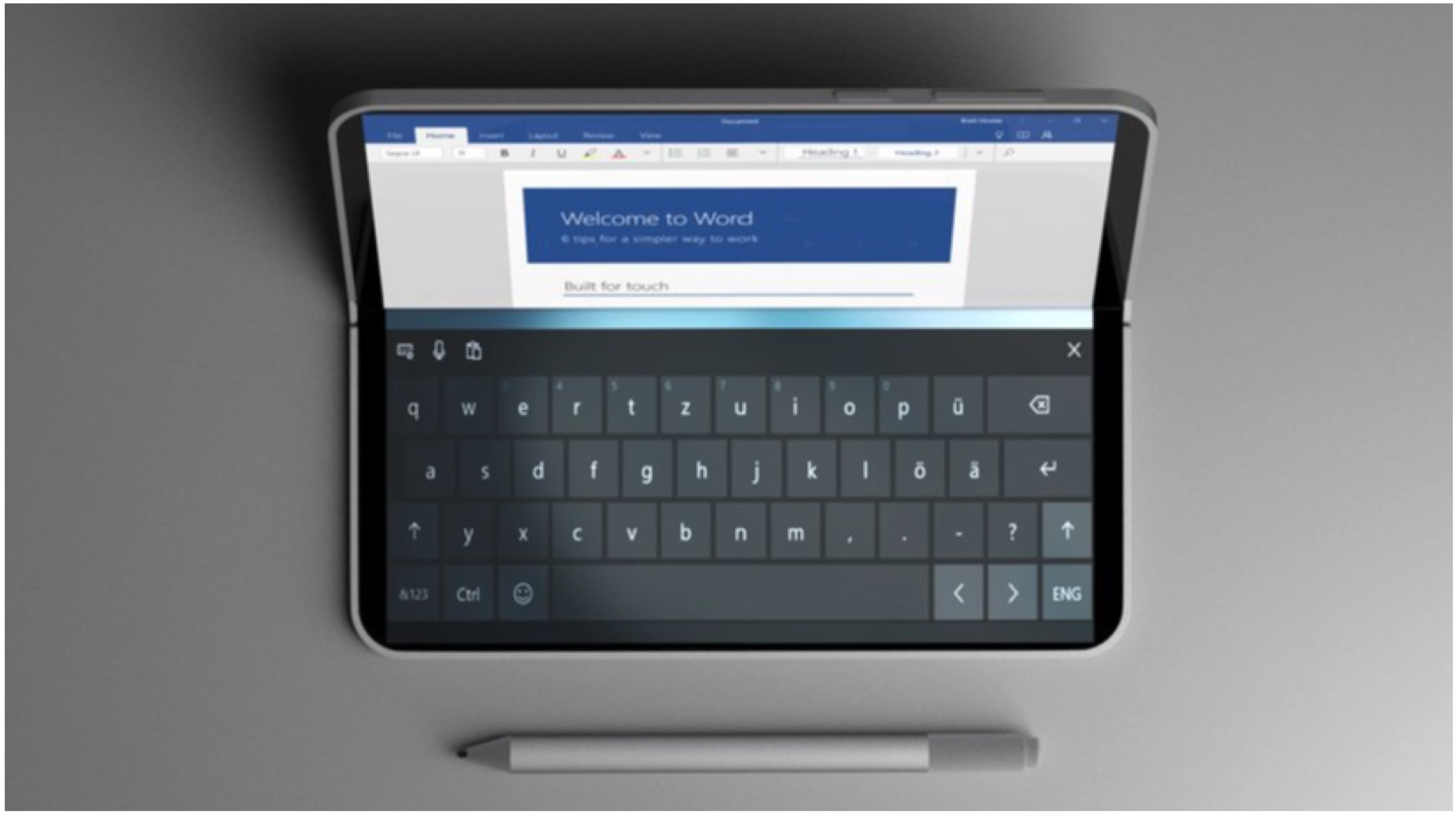
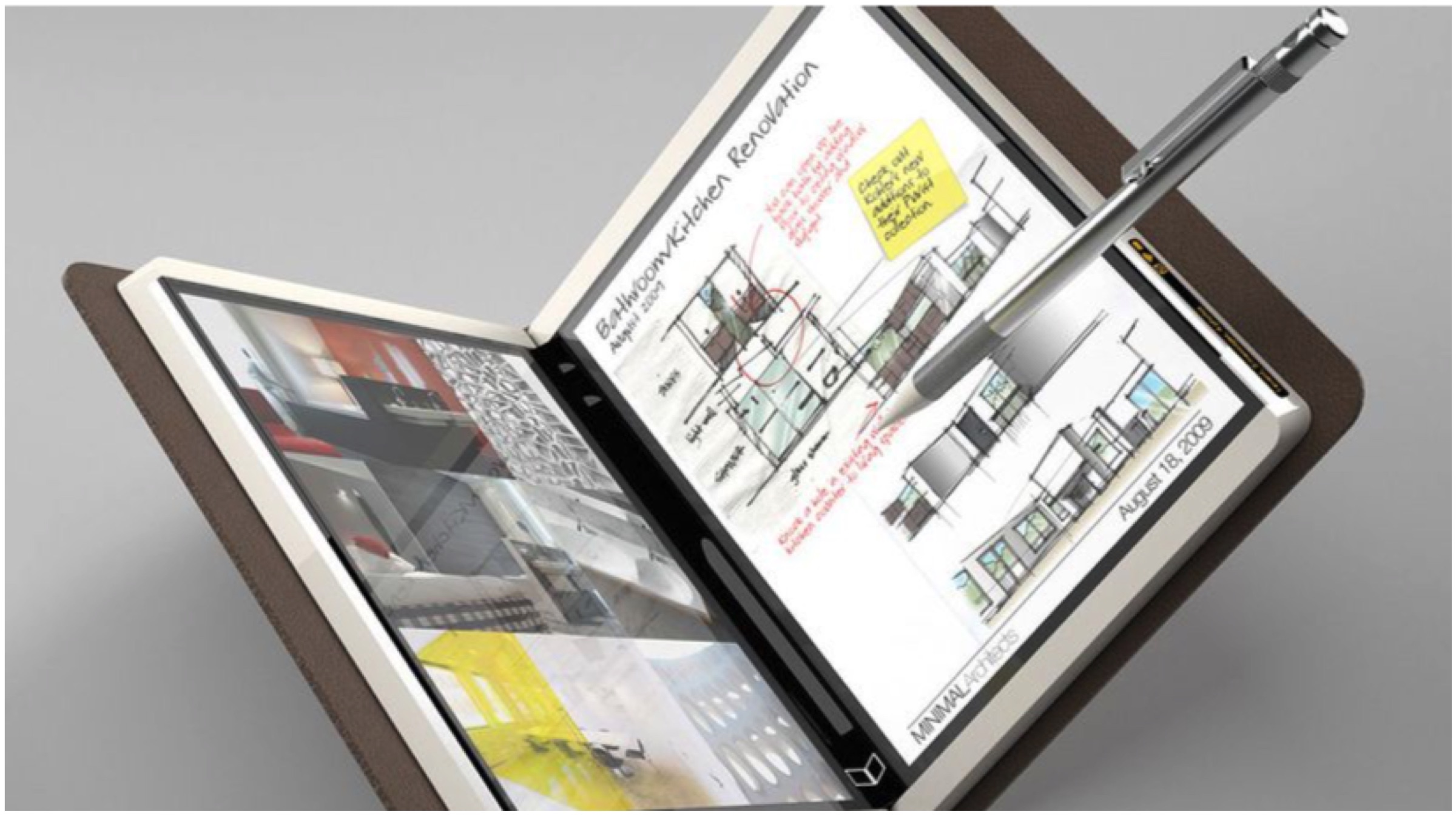 Microsoft’s Centaurus (latest version of Surface) will also be receiving the Microsoft Windows Lite version, making it one of the first devices to run on the Operating System. Windows Lite is a new slimmed down version of Windows for dual-screen devices and Chromebook competitors.