Category: Brands and Companies

All Brands and Company Names

  • Nokia 4.2 Review: The Best Budget Smartphone?

    Nokia 4.2 Review: The Best Budget Smartphone?

    HMD Global has launched the Nokia 4.2, its latest budget smartphone in the Indian market on the 7th of May. At a price of Rs. 10,990, it goes head to head against the proven champion of the segment, the Redmi Note 7. With a legendary name behind it and a clean build of Android, is it the budget smartphone to buy in 2019?

    We find out in our Nokia 4.2 Review

    What’s In The Box?

    • Nokia 4.2
    • Power Adapter
    • MicroUSB Cable
    • Earphones
    • SIM Card Ejector
    • Quick Start Guide
    • Warranty Card

    Build Quality & Design

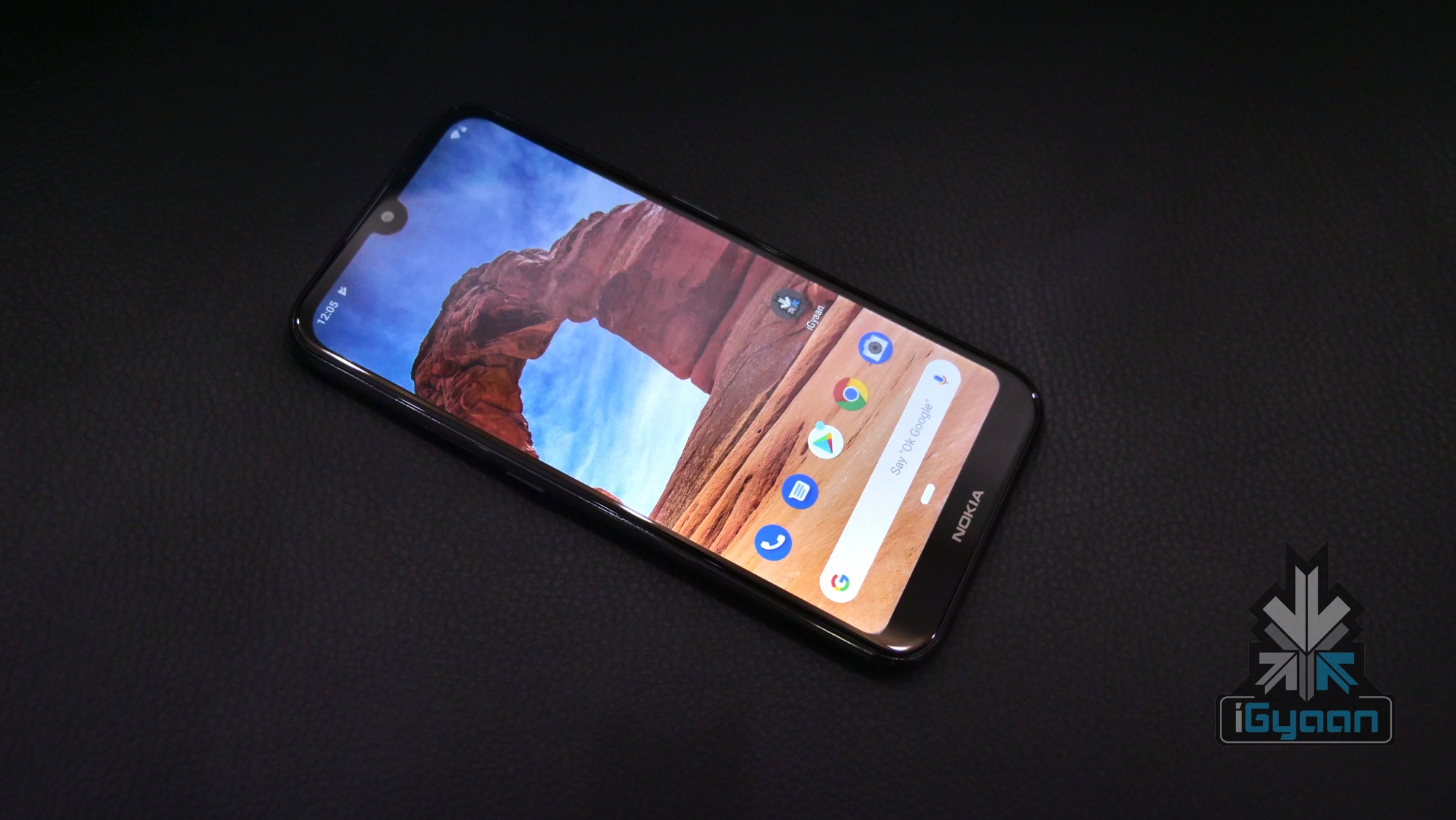
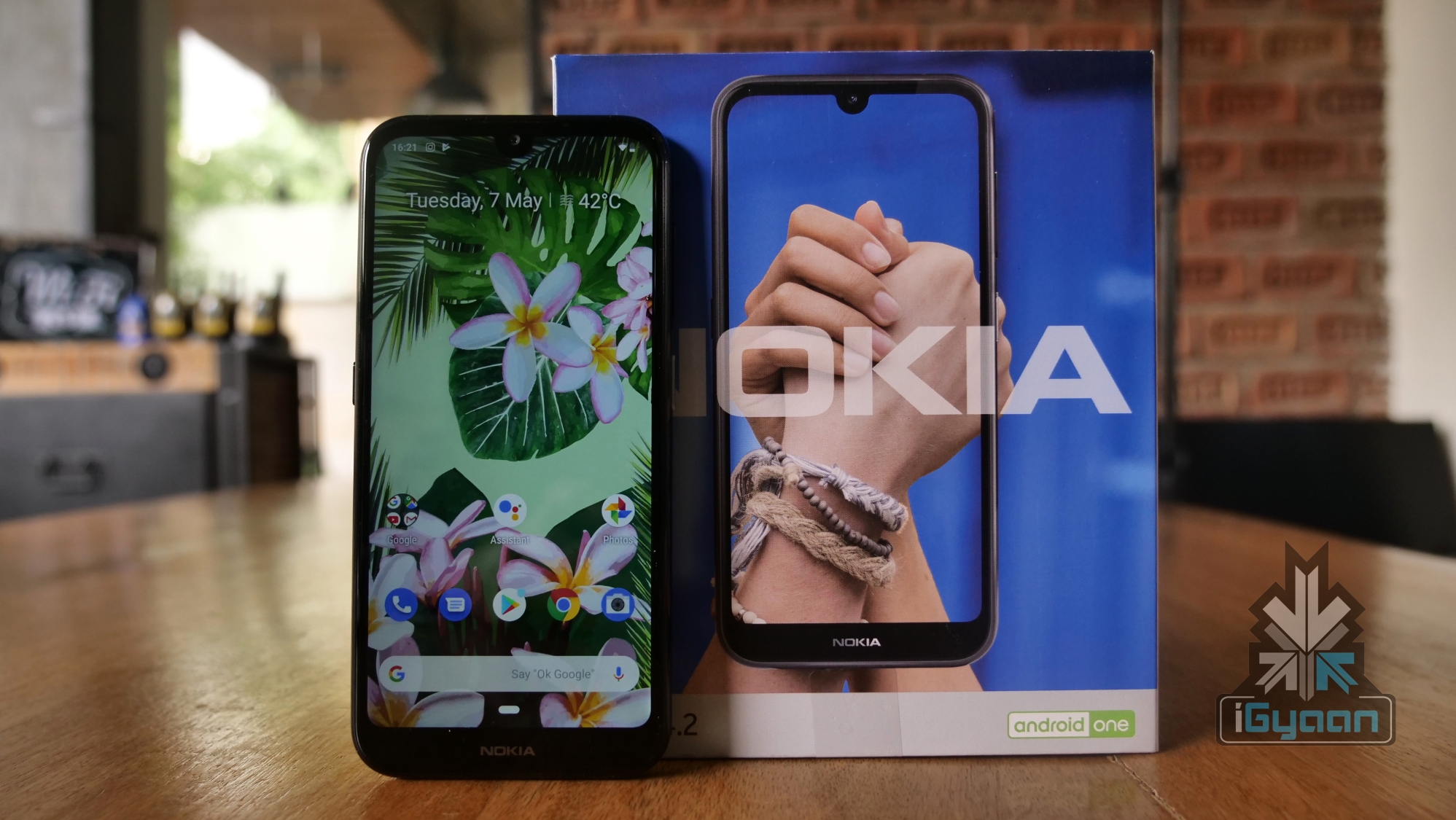
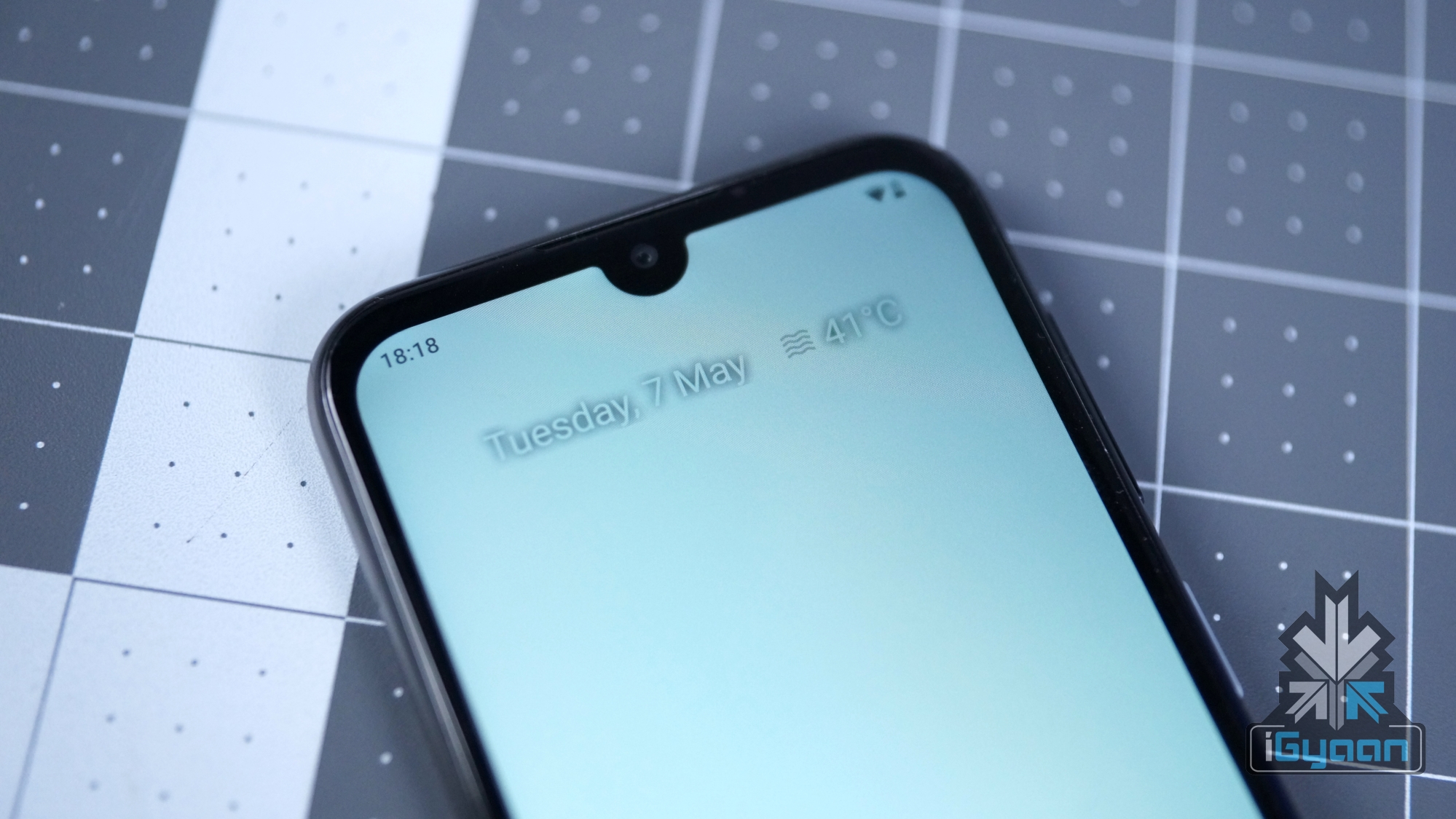
    As far as the build quality and design is concerned, Nokia has not strayed far in taking inspiration for the Nokia 4.2. It features glass on both sides with a polycarbonate frame for reinforcement. The design makes it look a lot like the Nokia 6.1 Plus which was launched last year. The front of the smartphone is dominated by a 5.7-inch display with a waterdrop notch on top of it.
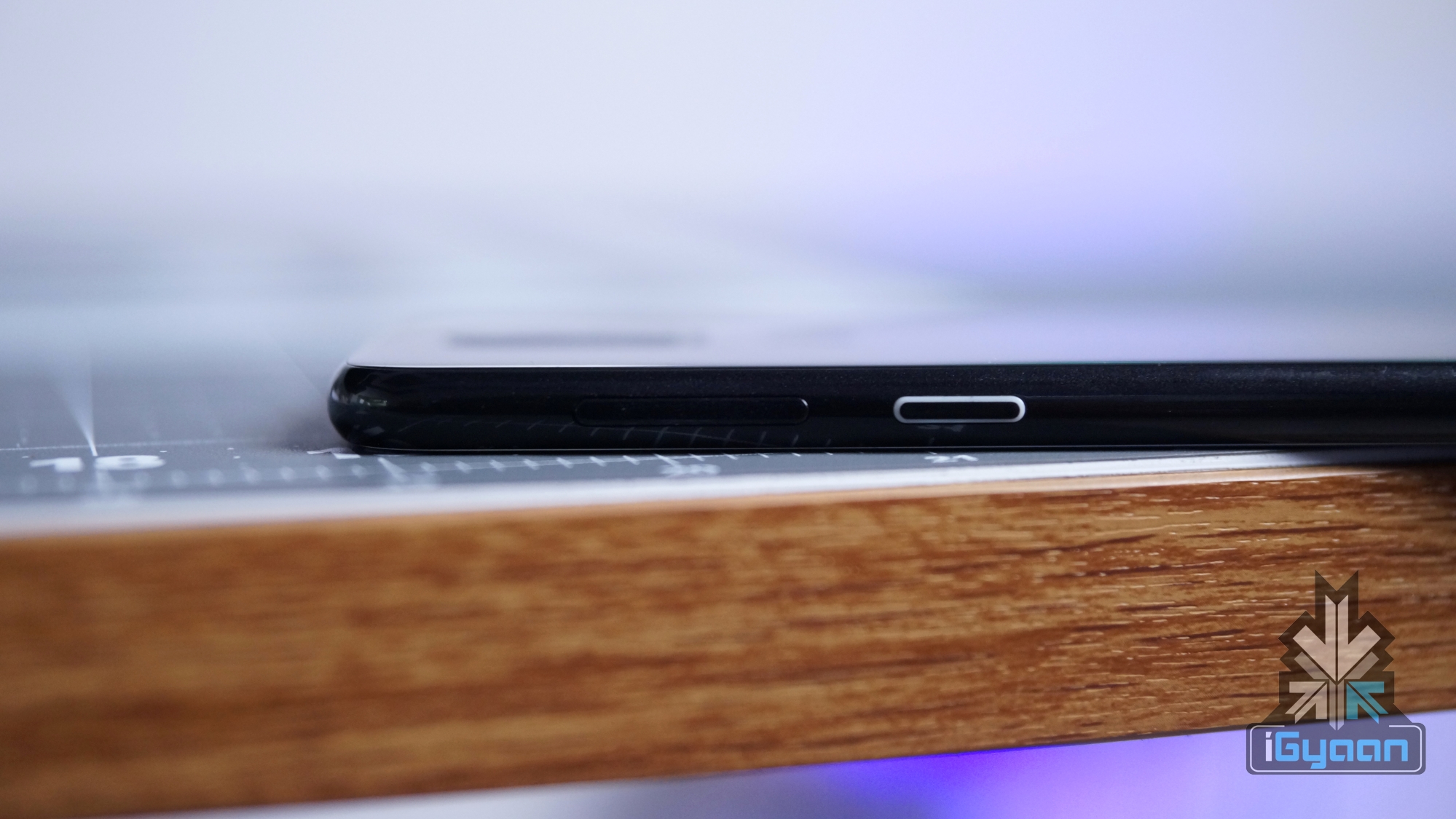
    The right side of the Nokia 4.2 houses the volume rockers and the power button. Interestingly, the power button also features the notification LED, which as the name suggests lights up whenever the device receives a new notification. Unconventionally, the left side of the smartphone has a dedicated Google Assistant button which can be used to summon the voice assistant. This side houses the Hybrid SIM card tray which can either accept two nano SIM cards or one SIM card and a memory card up to 400 GB. While the top of the handset accommodates the secondary noise cancellation microphone and the 3.5mm headphone jack, the bottom has the microphone, micro USB port and the speaker grille lined up together.
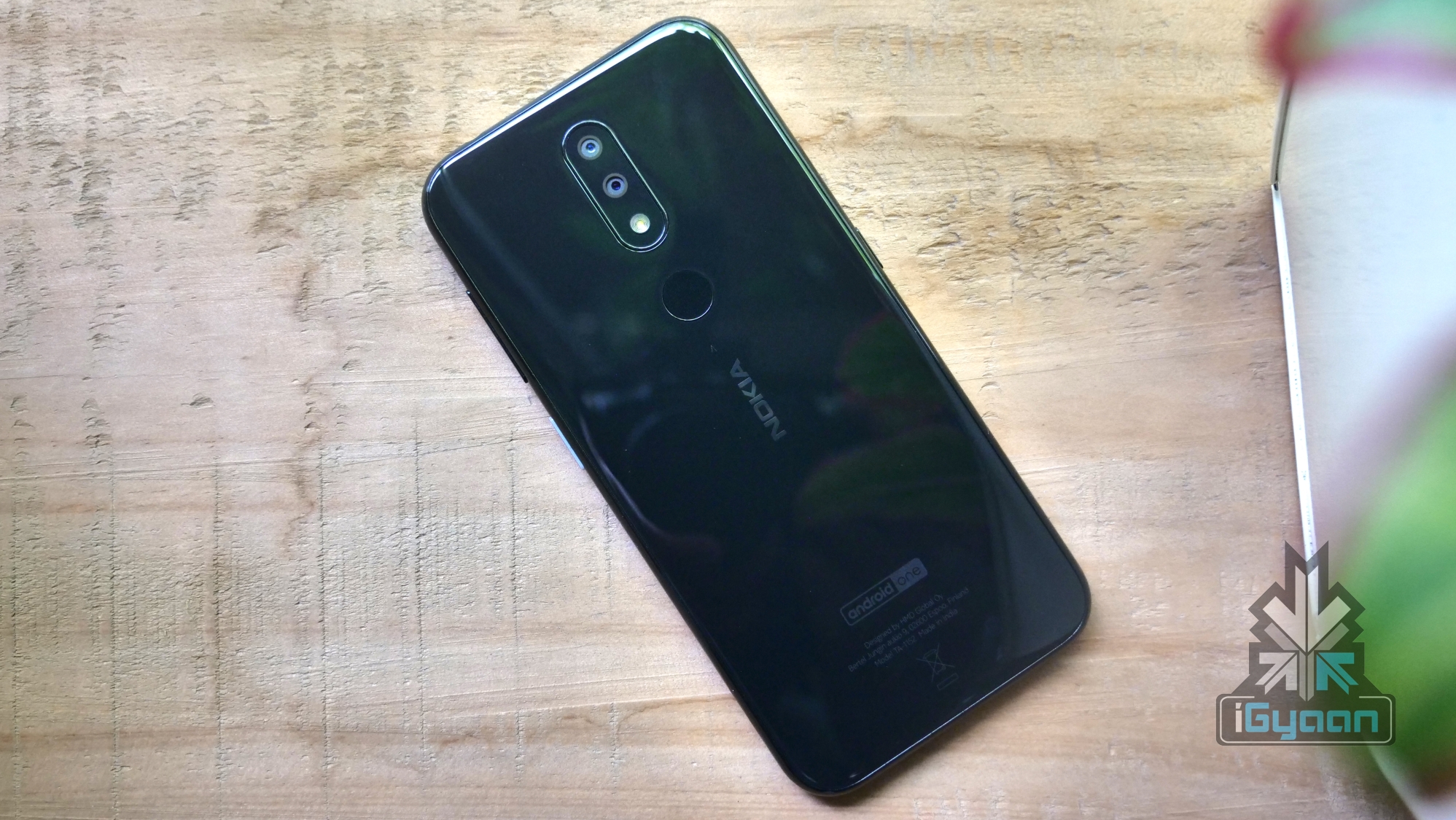
    We reviewed the Black coloured variant of the Nokia 4.2 which looks subtle and premium. The back of the smartphone houses the vertical dual camera setup with the flash. The fingerprint scanner and the Nokia logo is also present on the rear of the device. Overall, the Nokia 4.2 features a solid build quality known to the company’s devices and the smartphone feels robust in the hand. The small and compact form factor of the smartphone ensures it is easy to use with one hand. However, we recommend using a case as it can easily slip out of your palm owing to the glass back. Also, the case will prevent the fingerprints which the device easily attracts. 

    Display
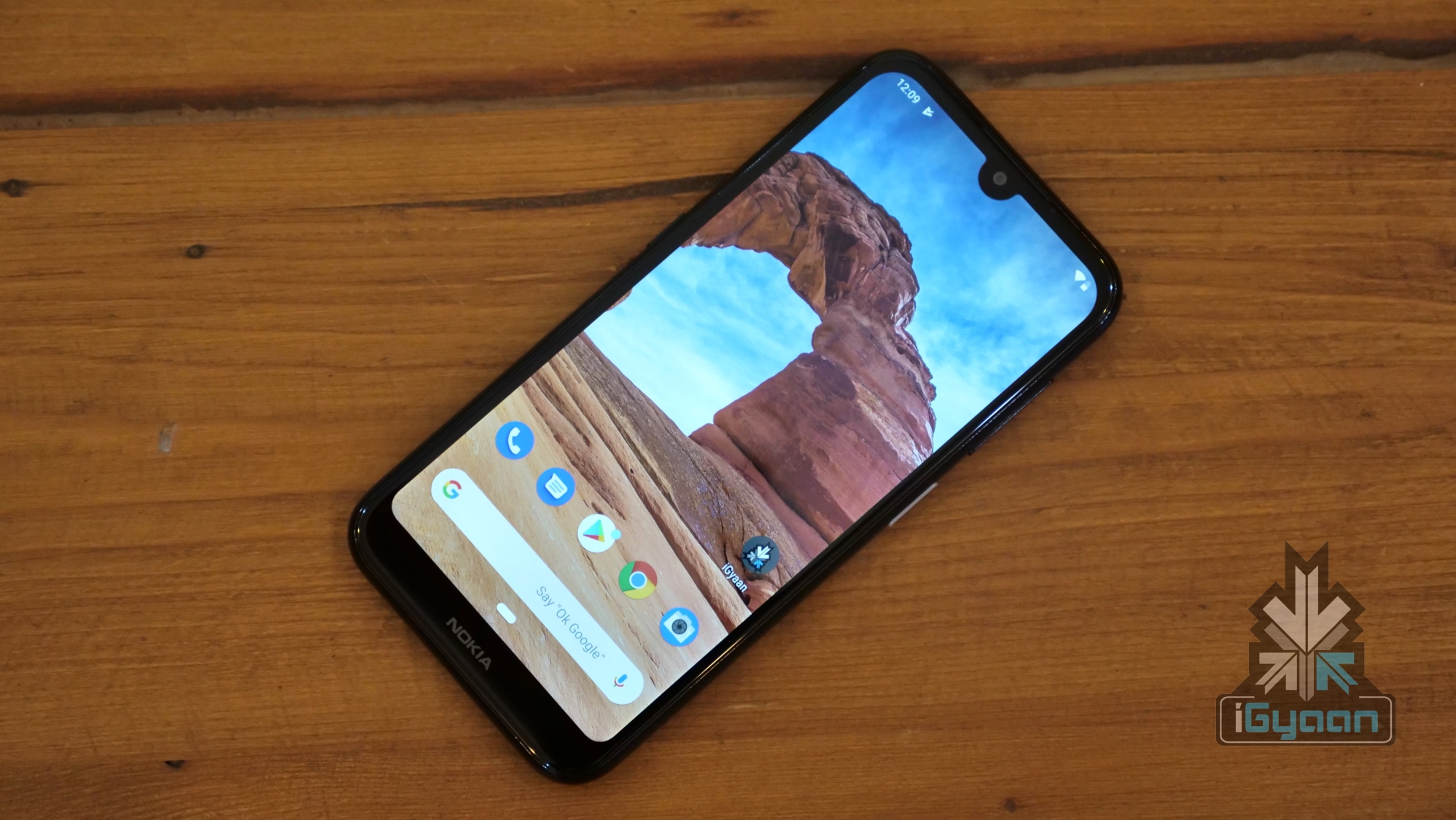
    The Nokia 4.2 has a 5.7-inch display with a resolution of 1520 x 720 px. The sides of the device have thin bezels while there is a significant chin at the bottom. To maximise the screen real estate, the company has implemented a waterdrop style notch on the smartphone, which is becoming increasingly common in the segment.
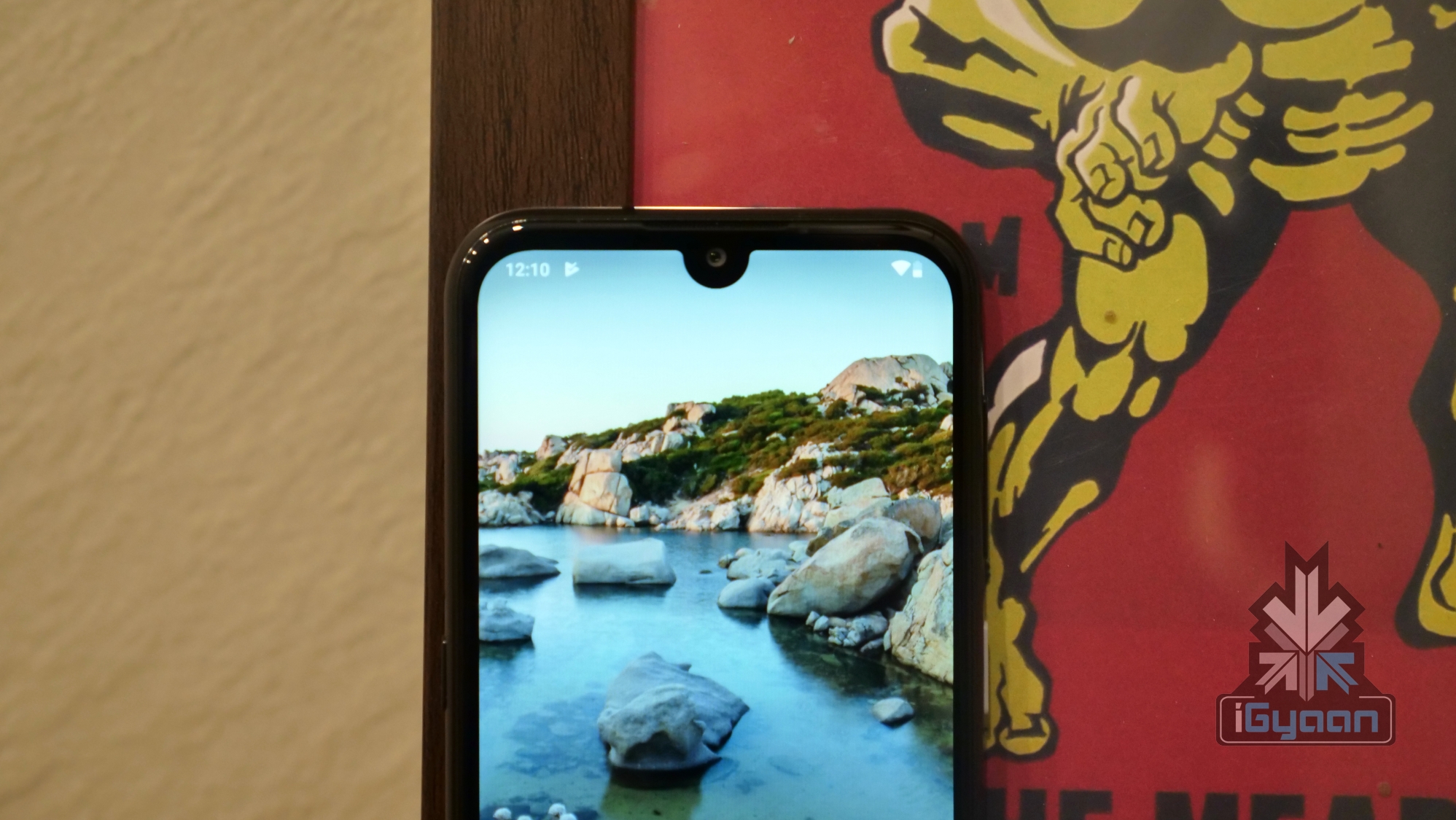
    In terms of quality, the TFT display of the Nokia 4.2 offers good colour reproduction and average contrast levels. Being a TFT display, you will not get deep blacks or saturation like seen in the Galaxy A20 which incorporates an AMOLED panel. However, the display should be fine for daily use and media consumption, even though we would have preferred a panel with higher brightness levels that facilitate outdoor usage. Given the smartphone competes with the likes of the Redmi Note 7 which has a FullHD display, the display is not the strong suit of the Nokia 4.2.

    Hardware & Performance
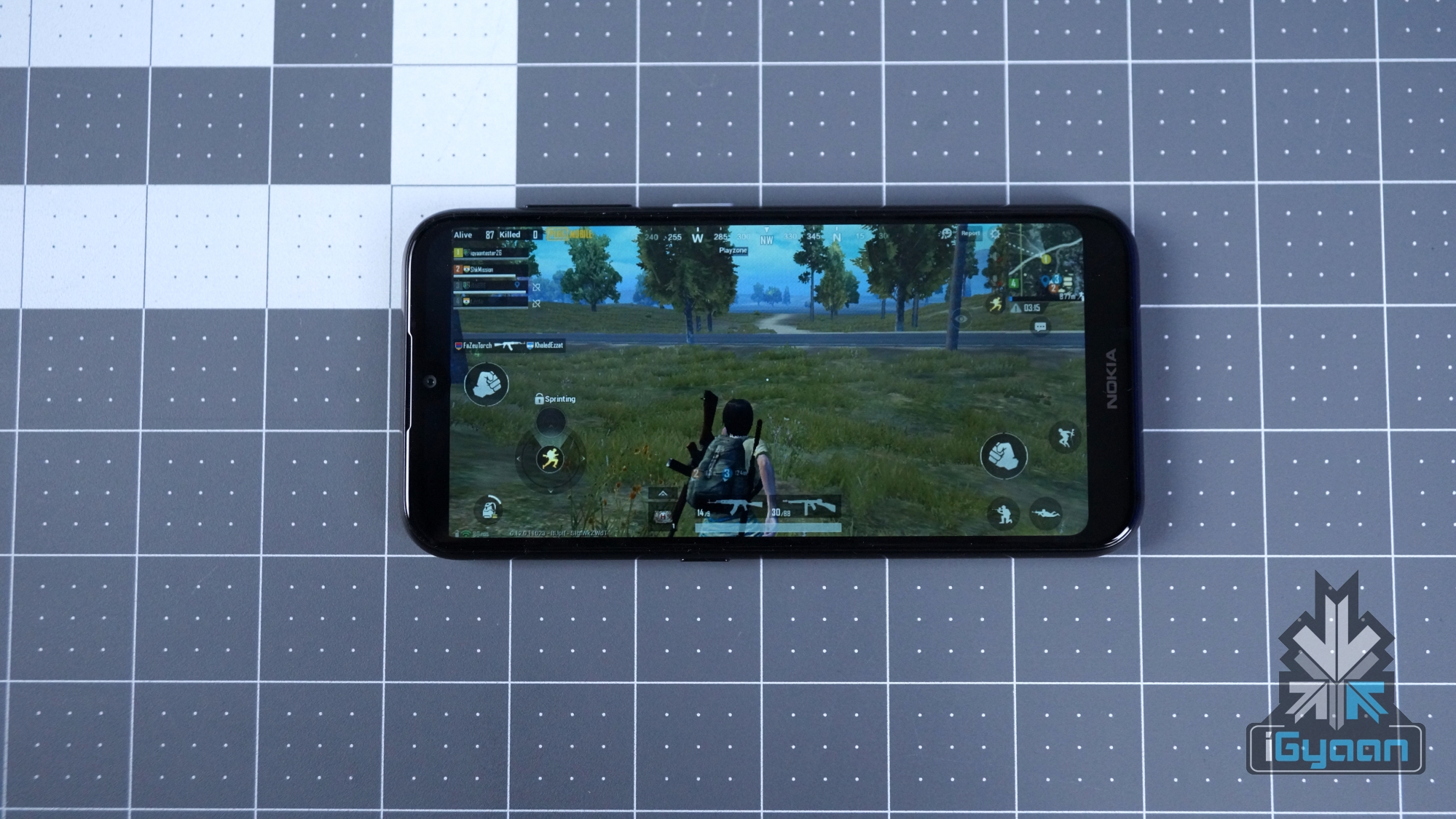
    The Nokia 4.2 features the Snapdragon 439 SoC coupled with 3GB of RAM and 32GB of Internal Storage. In terms of day to day usage, the smartphone performed well and we faced zero lags while switching between applications with several apps running in the background. The humble amount of RAM is enough for keeping light applications in memory.
    While the general performance was fine, gaming on the Nokia 4.2 is another territory altogether. While playing PUBG Mobile, the game chose low settings by default and medium frame rates when opened for the first time. The gameplay was average, with minor frame drops and stutters. The next game we tried was Asphalt 9 Legends racing game, which selected the lowest graphics setting by default. Its gameplay was smooth, with playable frame rates and zero stutters. Overall, the performance on the Nokia 4.2 is below average, but gaming on the smartphone is an underwhelming experience.
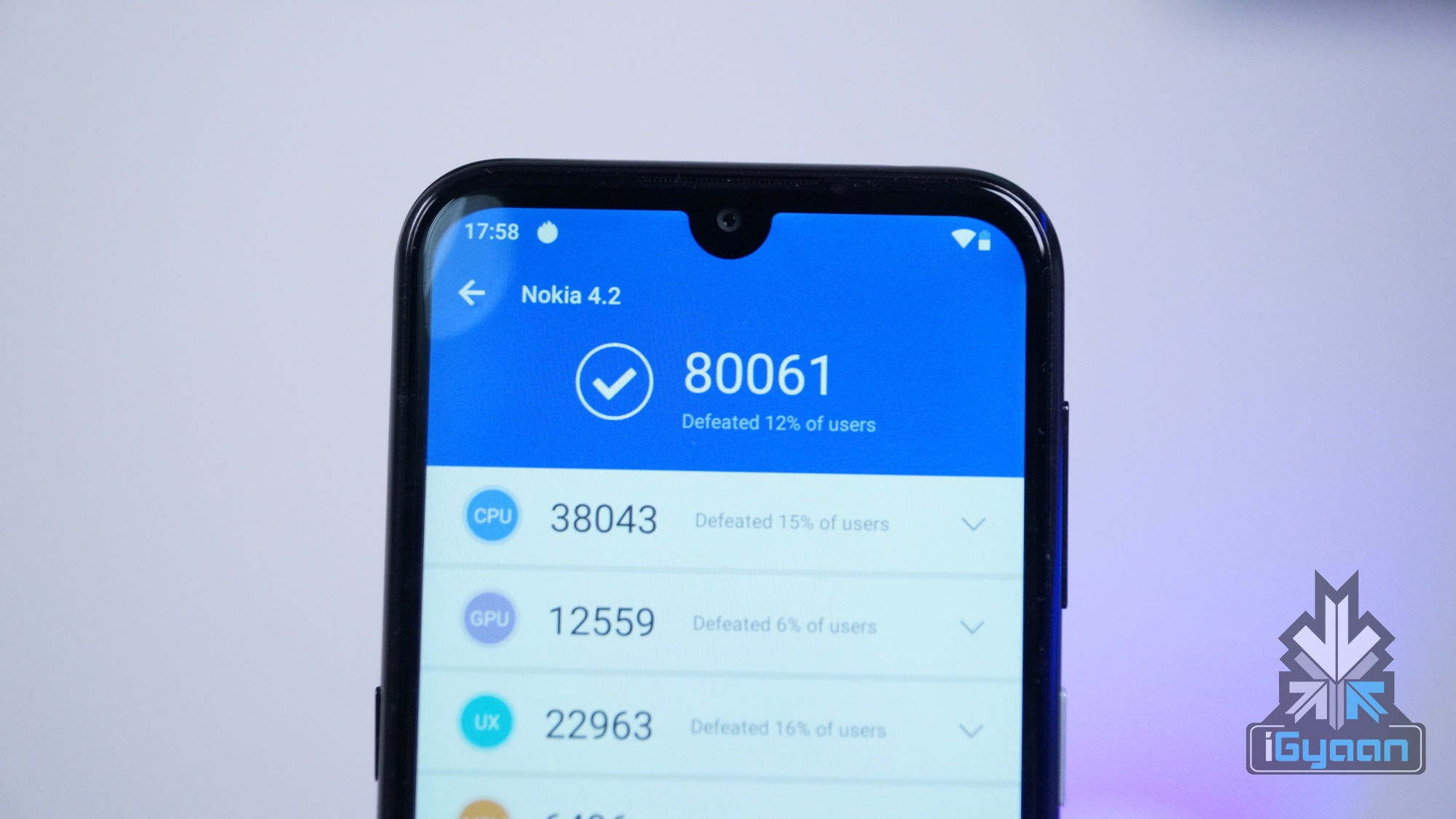
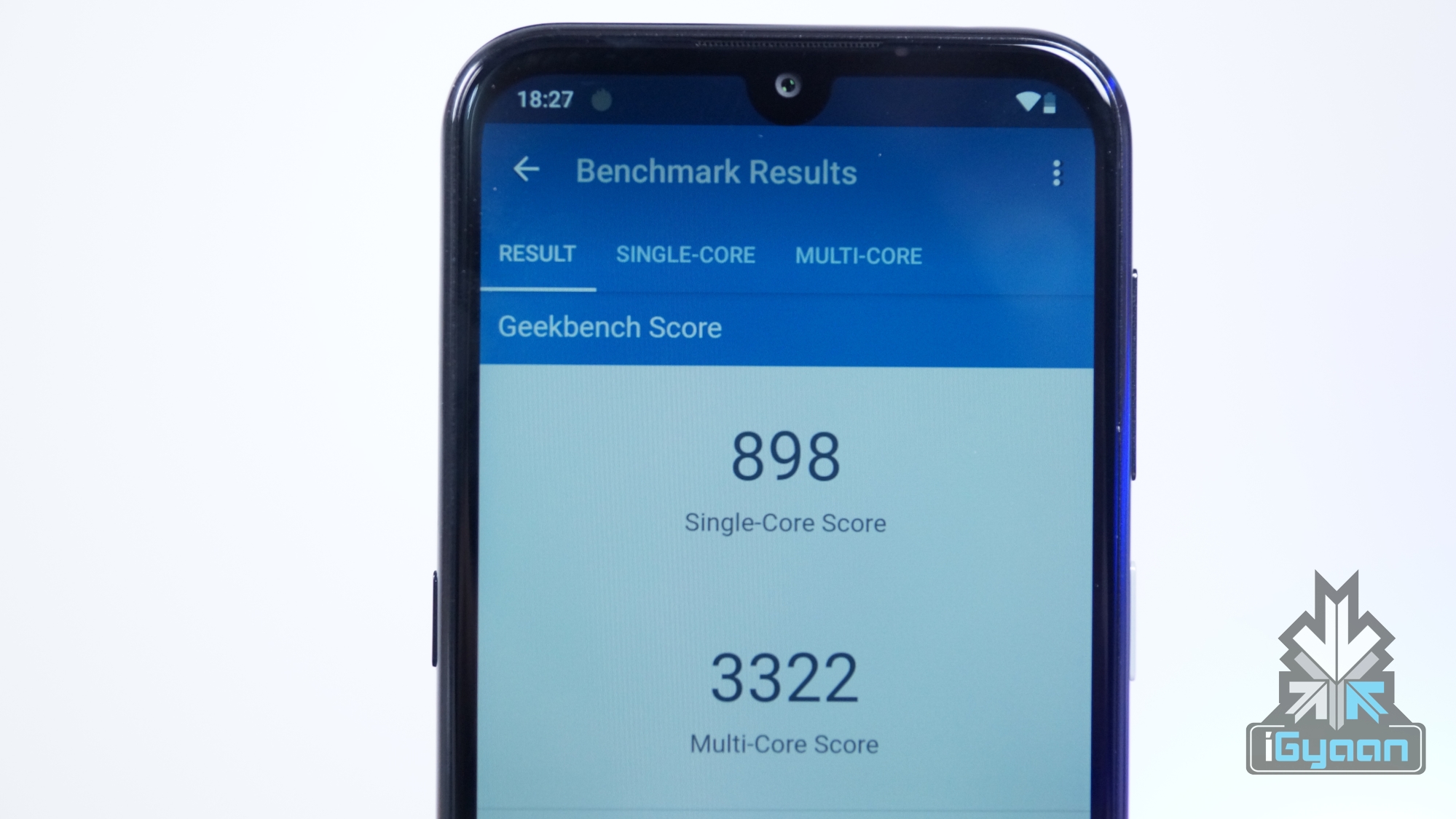
    Using benchmarking applications like Antutu and Geekbench on the Nokia 4.2 does not tell a different story either. While testing the Antutu benchmark, we got a score of 80,061 which is significantly lower than the competition including the Galaxy A20 or the Redmi Note 7. In Geekbench, the device registered a single core score of 898 points and a multi-core score of 3322 points. As is evident from the numbers, the handset should be fine for day to day usage but is not made for performance enthusiasts.

    Software, UI & Multimedia
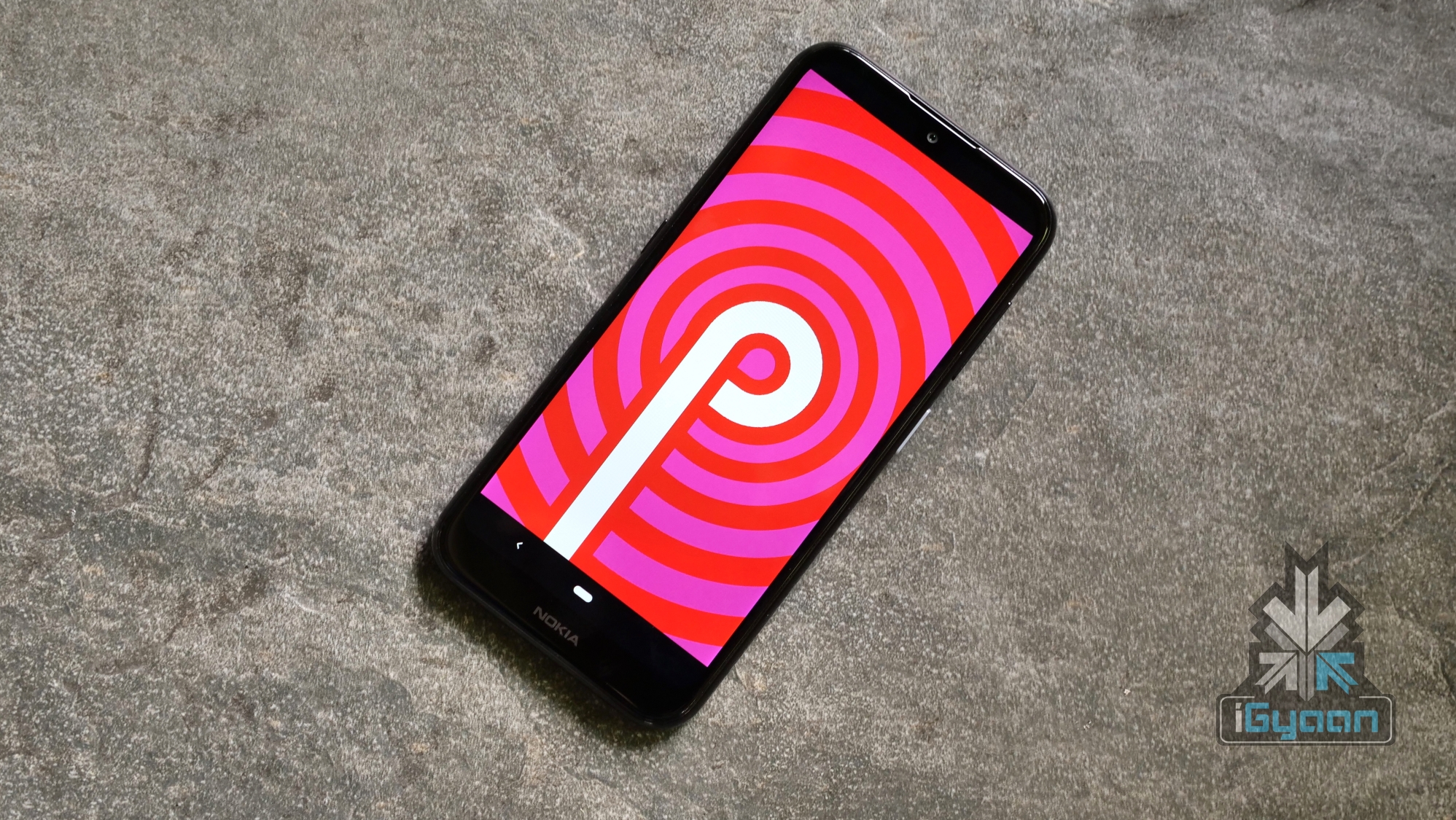
    The Nokia 4.2 runs a stock build of Android 9 Pie with Android One Certification. This essentially implies the smartphone will get guaranteed updates to major Android versions for at least two years and security updates for three years. As this is a stock build of the OS, there is no bloatware or customisation from Nokia, which is appreciated. 
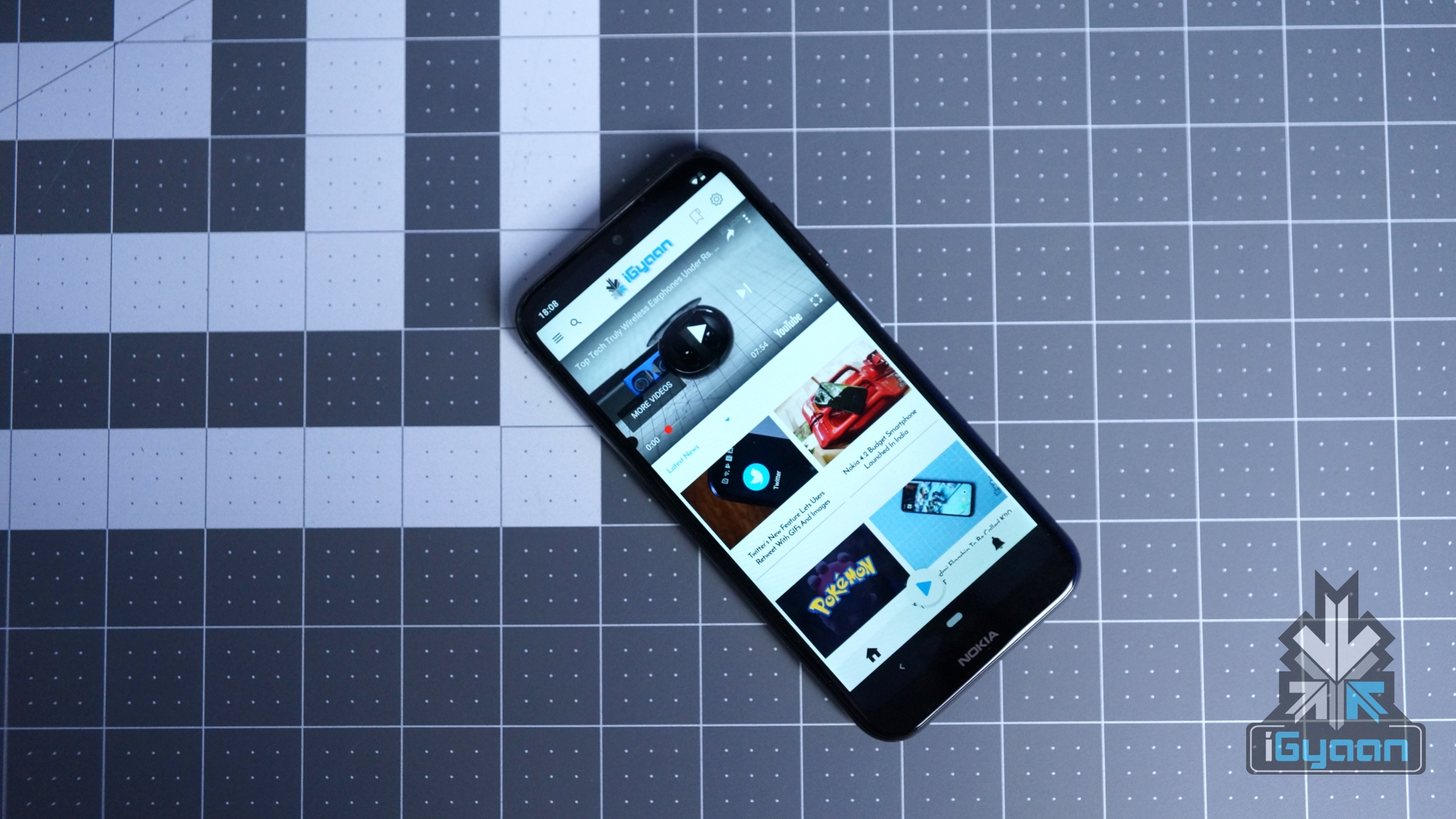
    The Nokia 4.2 supports the basic Android navigation gestures which are bundled with Android 9 Pie. These let users go back with the dedicated back button on the left, a single tap on the centre pill takes you home and a swipe up on it brings out the multitasking menu. Dragging the pill to the right lets users scroll across various applications open in the background.

    In terms of sound quality, the Nokia 4.2 has a single bottom firing speaker which has decent sound output. One downside of the setup is how easy it is to block the speaker grille while holding the device in landscape mode. Audio output via the Bluetooth is above average which provides for a good listening experience.

    Camera
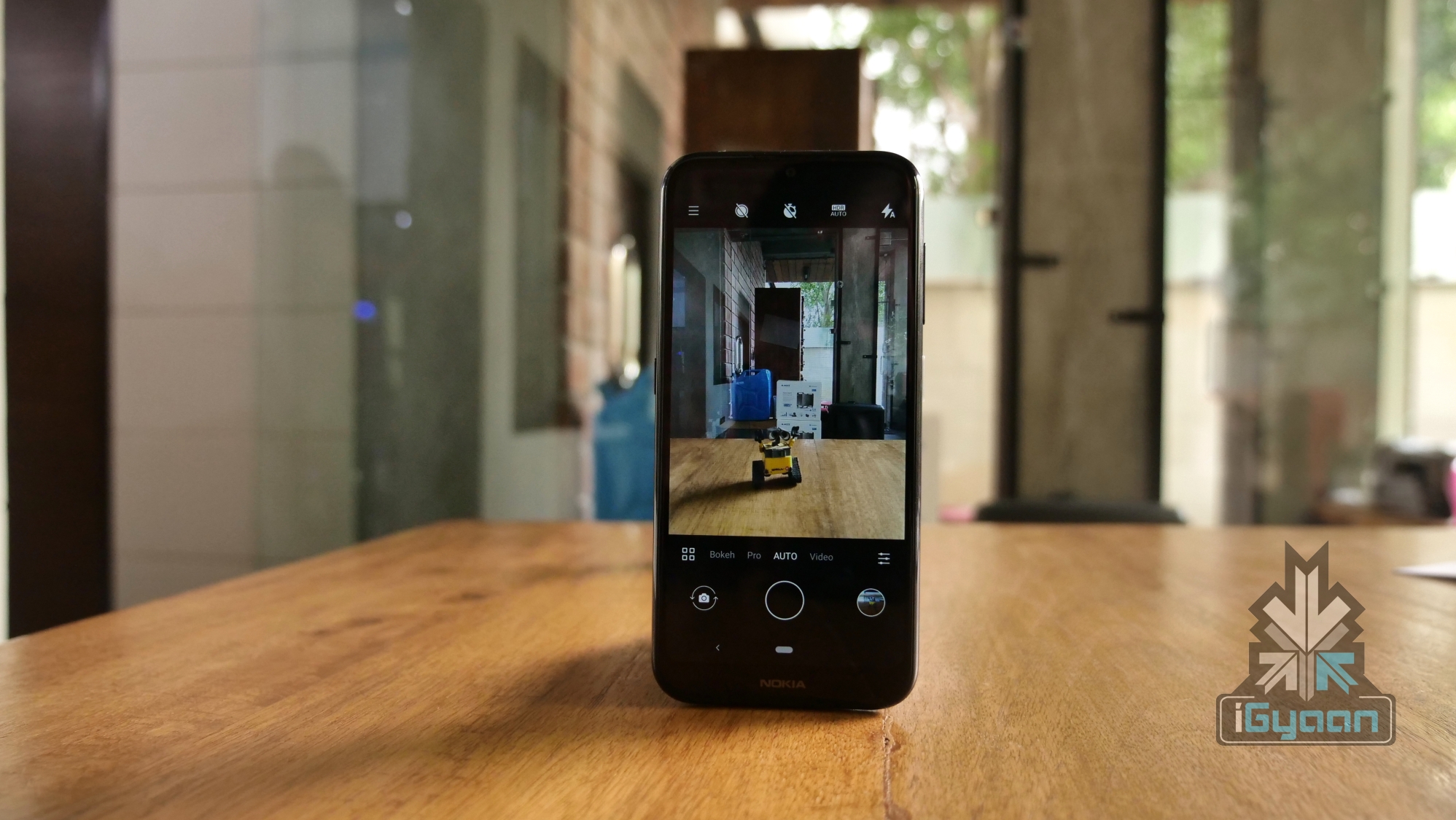
    While the Nokia 4.2 ships without any customisations out of the box, the company has bundled its homegrown camera app. The application is similar to ones found in other Nokia devices. All the major controls are laid out thoughtfully which provide for easy with one hand. There is also a Pro mode, which can be accessed by swiping up on the shutter button. This mode lets users select image properties like shutter speed and ISO manually.

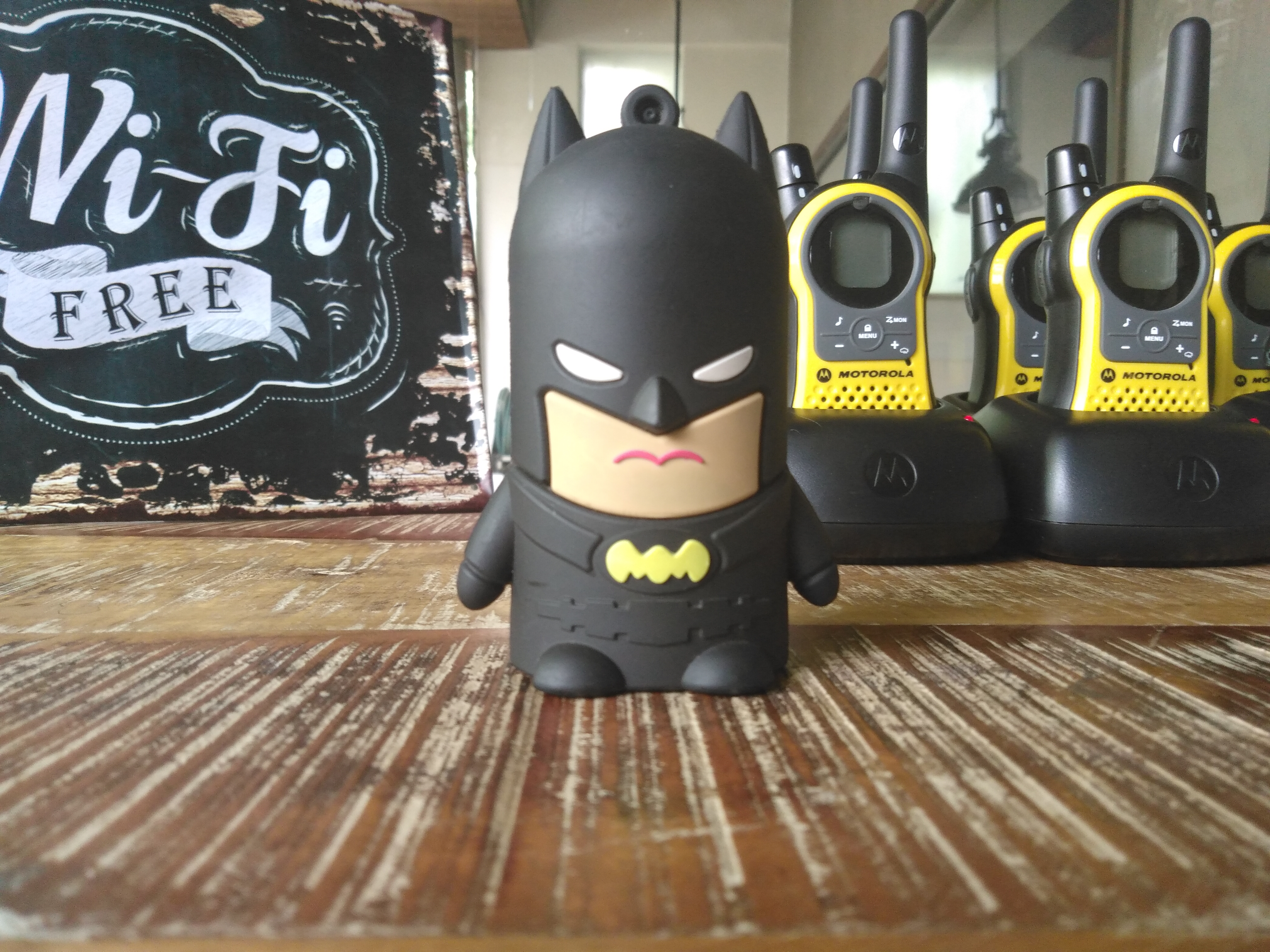
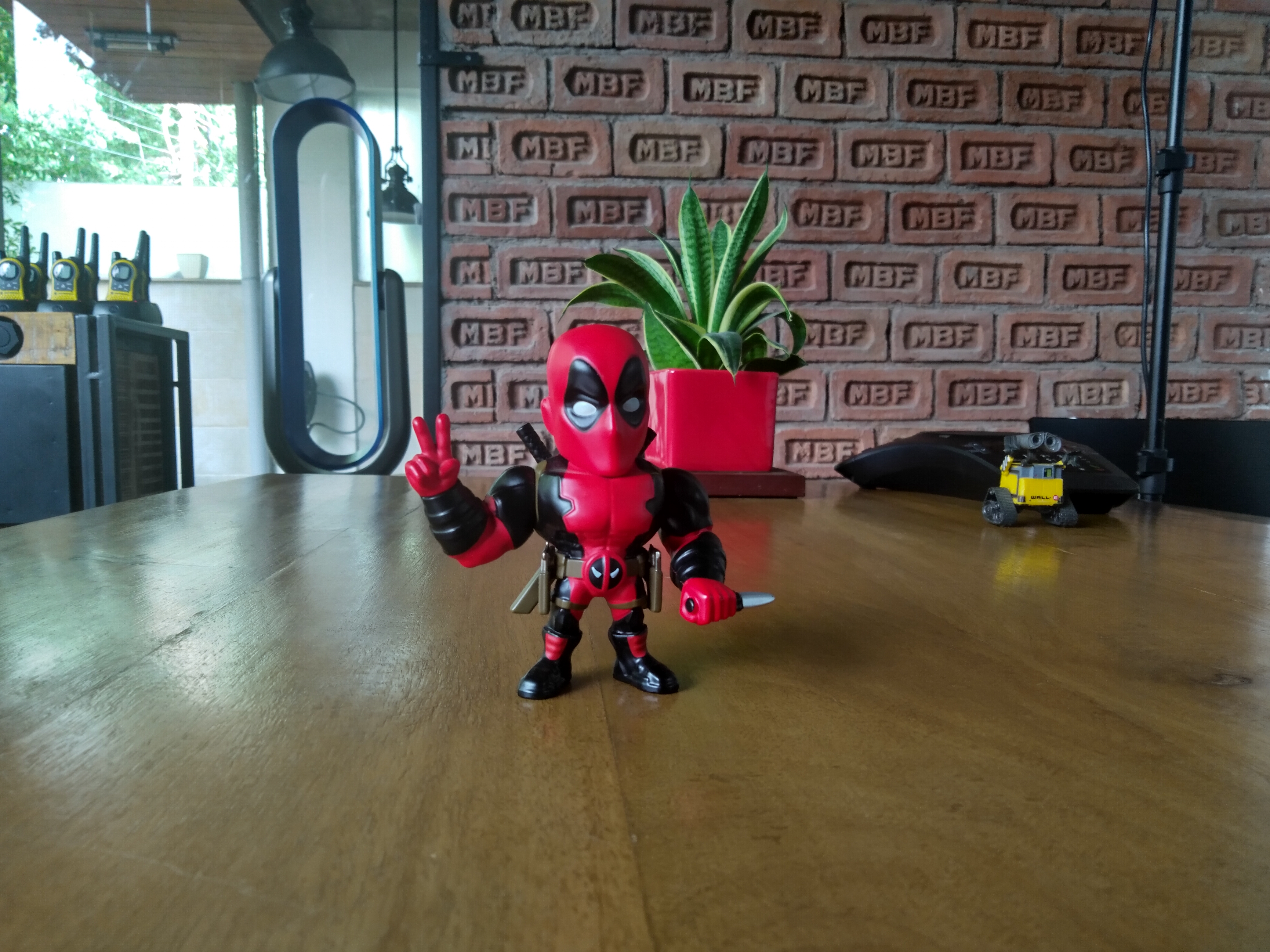
    The Nokia 4.2 has a dual rear camera setup consisting of an f/2.2 aperture equipped 13MP sensor paired with an f/2.2 aperture equipped 2MP depth sensor. Images captured in daylight from the smartphone are above average, with decent contrast and natural colours. One gripe we have about the camera is that it can be a little slow to process the images. Images captured in low light are below average, with softer colours and a visible loss of detail.


    Like most modern smartphones, there is a Bokeh mode which is dicey on the Nokia 4.2. While the subject separation is good and the device does a decent job of recognising depth, the colours in the result look very artificial. This effect is most prevalent in the day and with good lighting. 

    For selfies, the Nokia 4.2 has an f/2.0 aperture equipped 8MP sensor housed in the notch on top of the display. Images from the front camera are generally great, with accurate colours and good detail. There is a live bokeh mode which also works well. The results are far from what the best can churn out but are worthy enough to be shared on social media.

    Battery and Connectivity
    The Nokia 4.2 is powered by a 3000mAh battery which can be charged using the bottom mounted micro USB port. Frankly, we would’ve prefered a USB Type C port and faster charging than the provided 5 W charger can offer. The battery life of the device is also average, with us getting a screen on time of about four to five hours on medium usage. The low-resolution screen, combined with stock Android provides the smartphone with acceptable battery life.
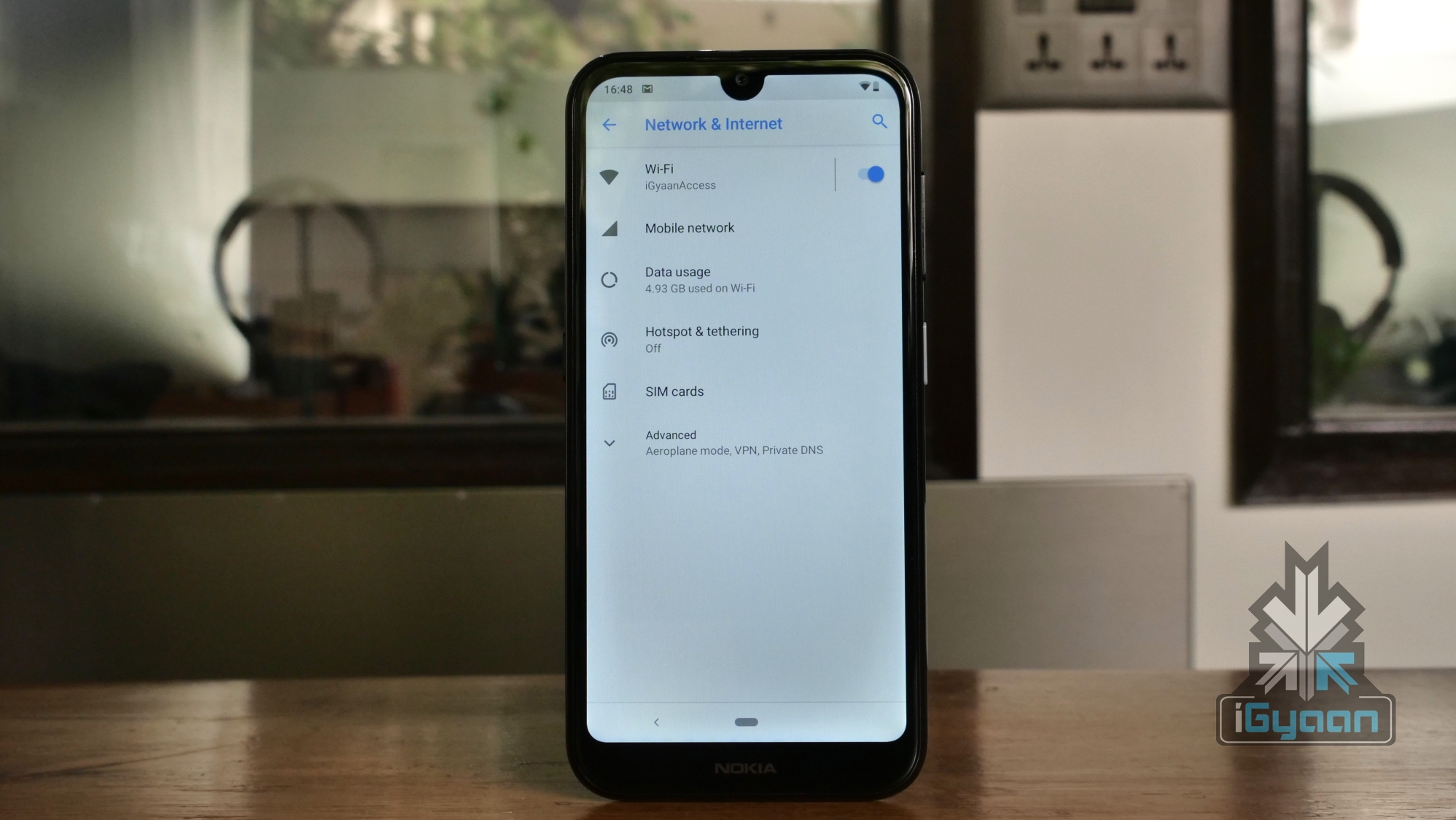
    In terms of connectivity, the Nokia 4.2 has WiFi 802.11 b/g/n, Bluetooth 4.2 and also supports 4G VoLTE. The smartphone faced no problems in latching on to Wi-Fi networks and performed as expected. Call quality on the device was excellent, with the earpiece producing loud, crisp audio. The handset was able to perform equivalent to its rivals when it is about network and connectivity. Notably, the SAR value of the Nokia 4.2 is 0.79 W/Kg which is well in the safe limit set according to the Indian standards.

    Other Features
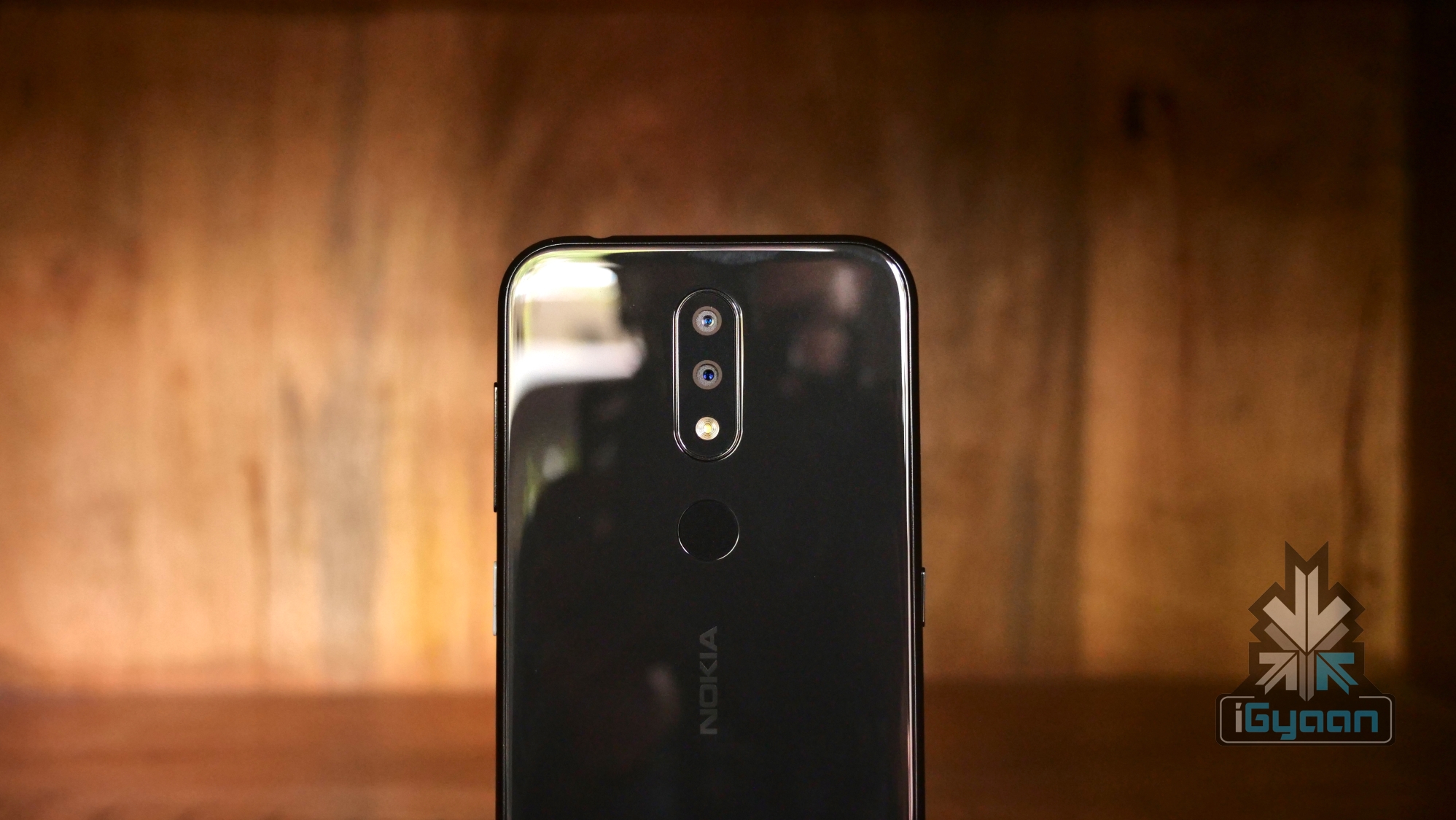
    The Nokia 4.2 has a rear-mounted fingerprint scanner and supports the ever popular face unlock technology. In our usage, we found the fingerprint scanner to be a little slow in unlocking the smartphone. As the biometric sensor is placed on the rear, it is inaccessible when placed on a flat surface. For those occasions, the face unlock is a handy feature. Interestingly, there are two ways to set up facial recognition on the Nokia 4.2. The first one takes a while to unlock the smartphone but is a lot safer. The second option, which can be turned on in settings, unlocks the handset much faster but the security aspect of it takes a backseat.
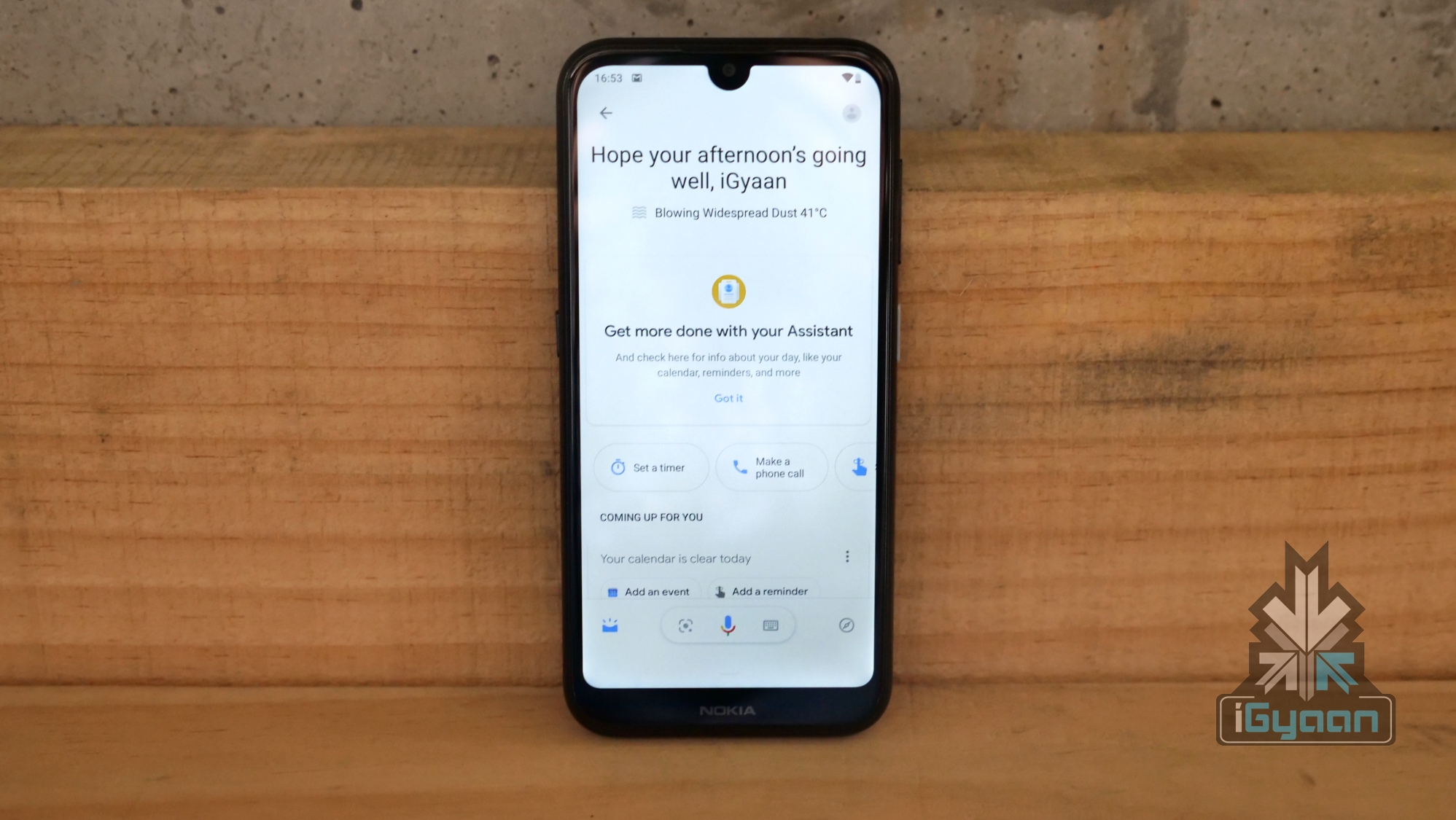
    The dedicated Google Assistant button is one of the key highlights of the Nokia 4.2. Like mentioned above, the button can be pressed to summon the digital voice assistant. With the smartphone, three individual functions have been mapped to the button. Pressing it once will bring up the Google Assistant which can be used to input commands. Clicking the button twice brings up the Assistant dashboard to glance through updates, while a long press on the button turns on the microphone until the key is pressed. This function works like a walkie talkie and is a good addition for quick or longer commands.

    Verdict
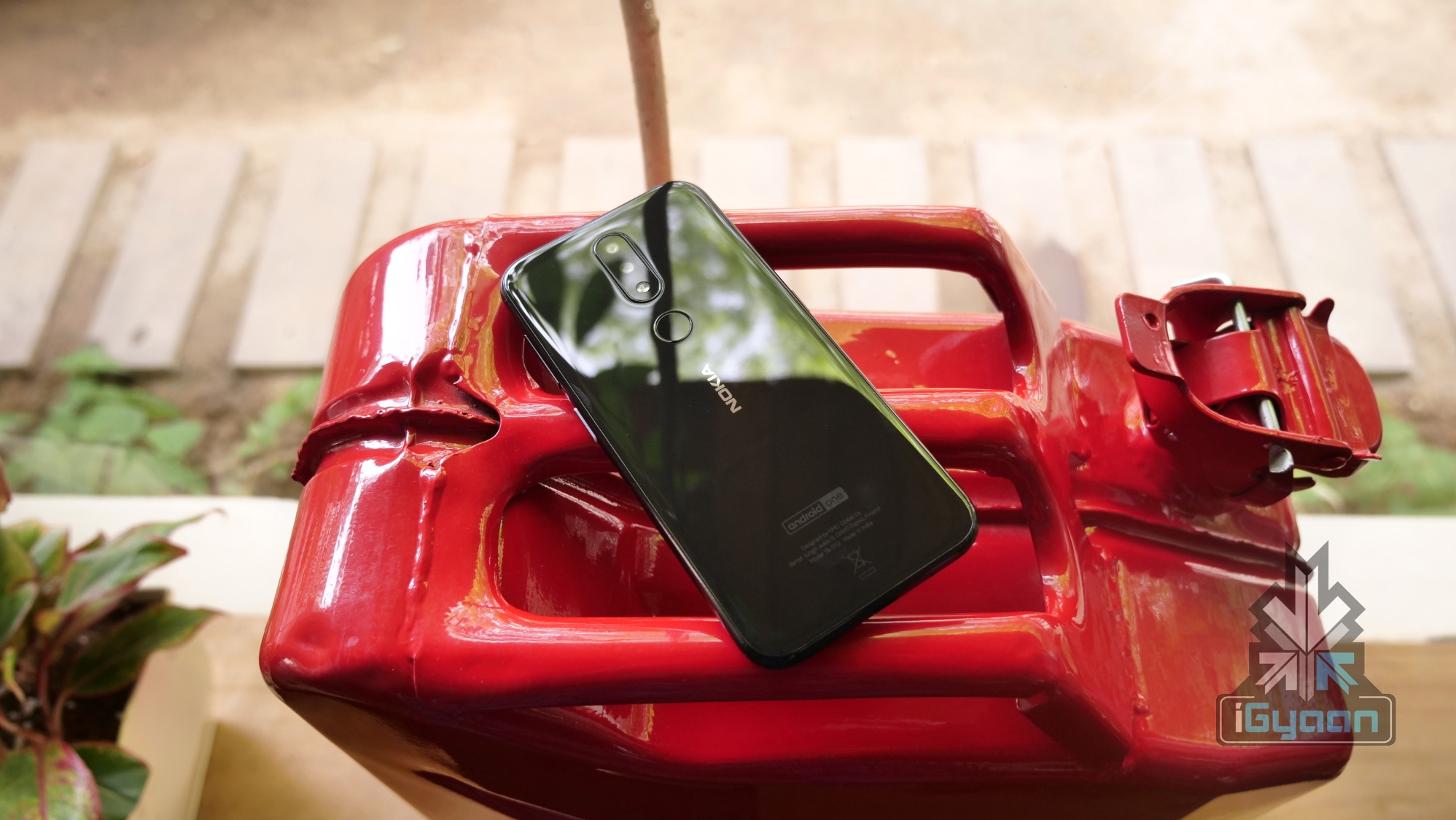
    The Nokia 4.2 is a smartphone in a completely new lineup for the company. While it offers a solid build, premium design, stock Android with Android One and the Google Assistant button, its performance and cameras leave a lot to be desired. In a segment where versatile cameras like in the Galaxy A20 and great performance like seen in the Redmi Note 7 is a thing; the Nokia 4.2 doesn’t have a lot of features to justify its asking price. 
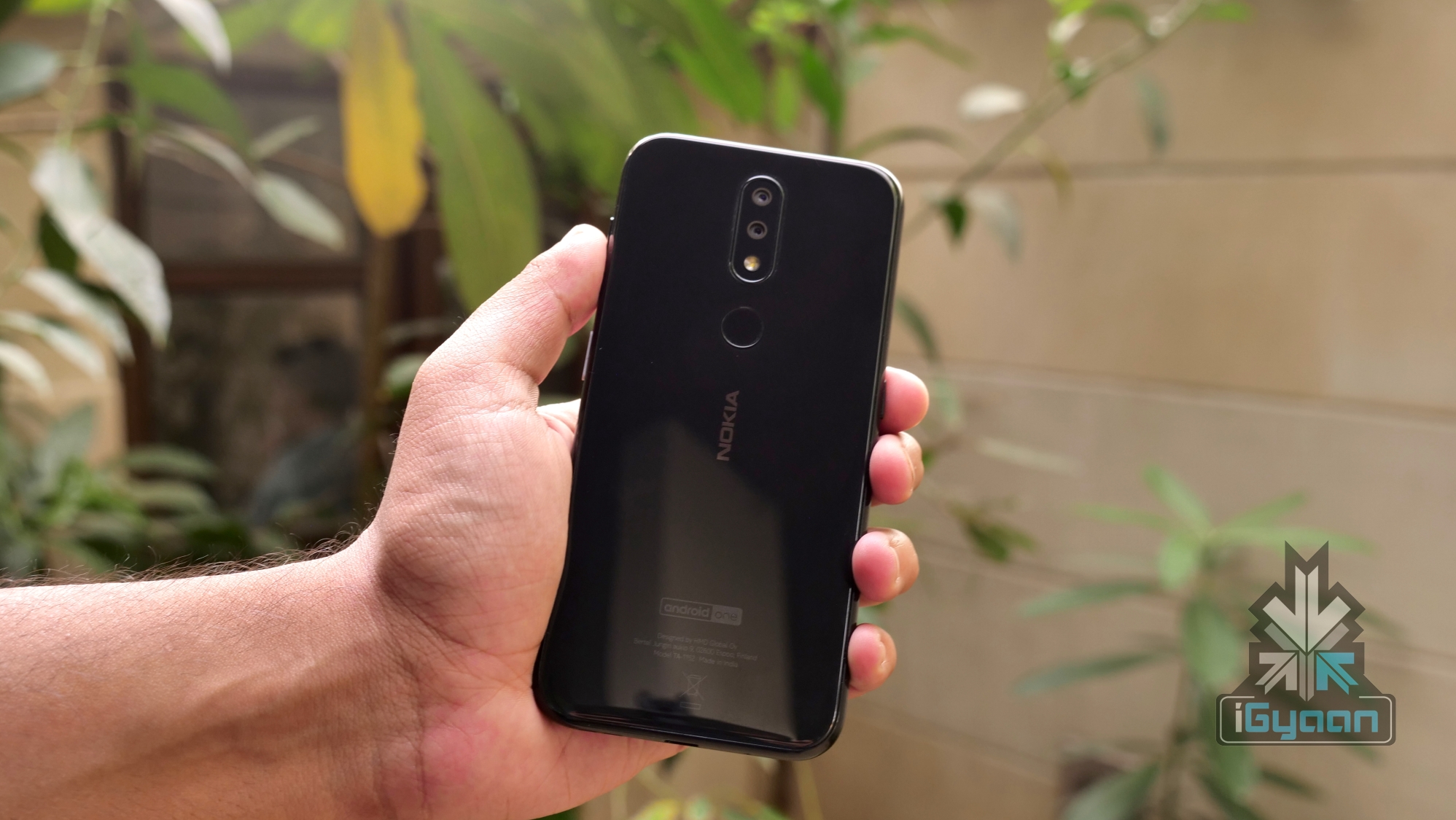
    Nevertheless, if you want a smartphone from a brand offering a good after-sales service and software experience, the Nokia 4.2 might just work out for you. However, the Redmi Note 7 has proven itself as a complete package and is an excellent value for money device. We found the Nokia 4.2 to be an underwhelming offering from the company; and recommend you also check out smartphones like Samsung’s Galaxy M20, the Galaxy A20, the Redmi Note 7 or the company’s own Nokia 5.1 Plus if you’re looking for a great budget device.

    Check out the Galaxy A20 on Flipkart

    Check out the Redmi Note 7 On Flipkart
  • Samsung Still Cannot Provide A Release Date For The Galaxy Fold

    Samsung Still Cannot Provide A Release Date For The Galaxy Fold

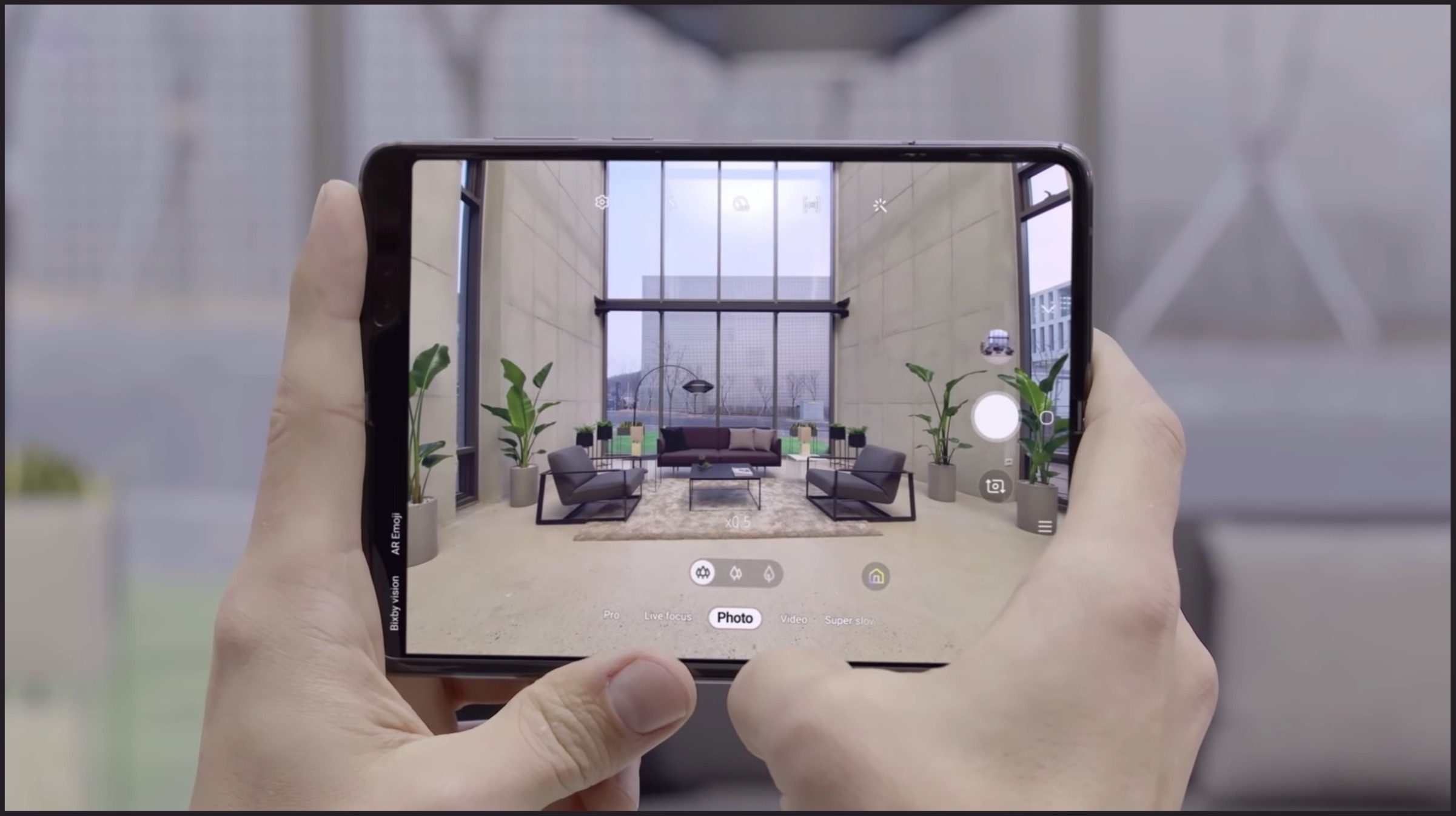
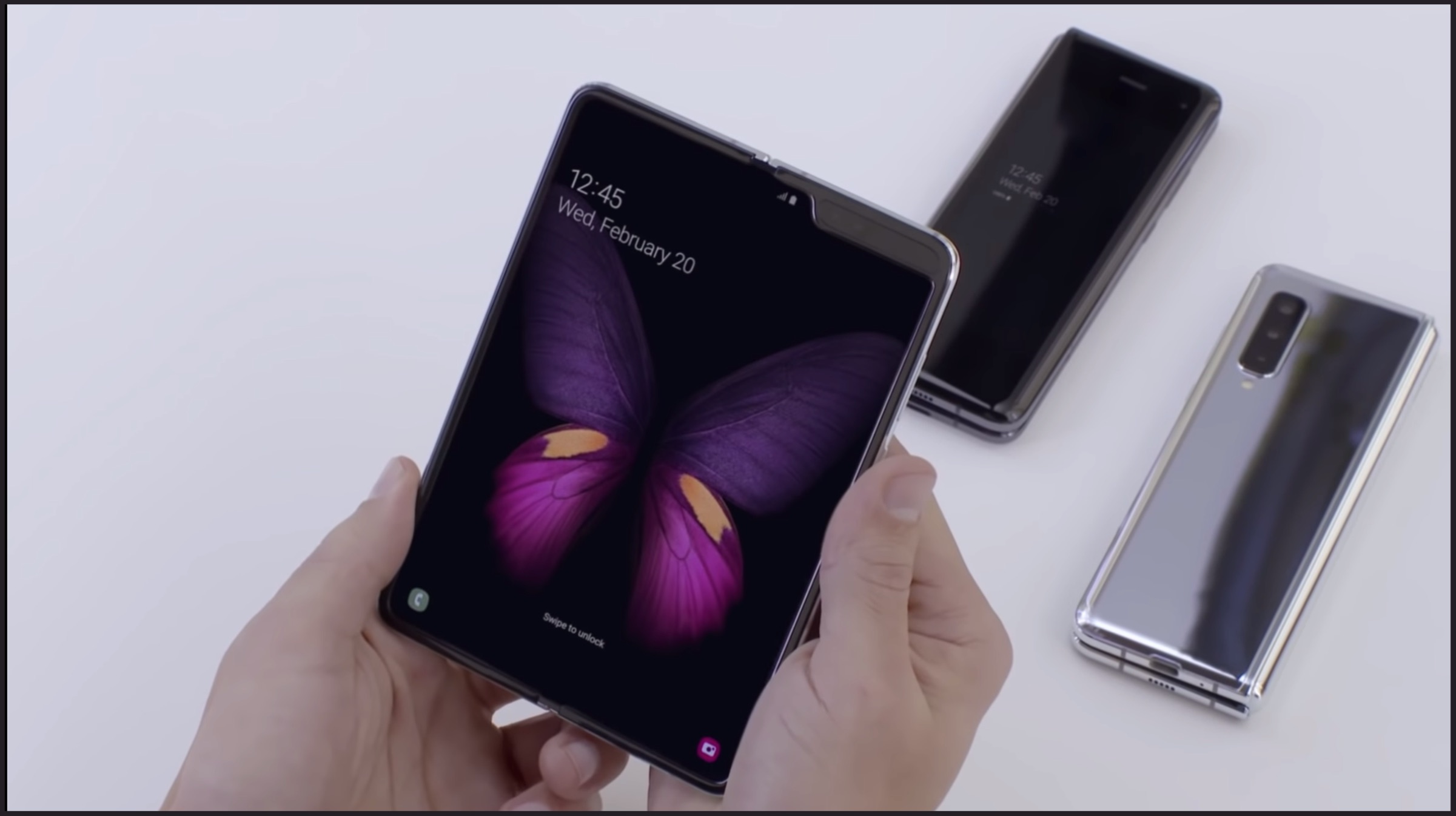
    Samsung unveiled the company’s first foldable smartphone, the Galaxy Fold at the Galaxy Unpacked event on February 20, 2019. The device features two screens and is the first phone in the world to manage such a feat. The global rollout of the Galaxy Fold was scheduled on April 26 2019, but shortly before the same, some reviewers started experiencing issues with the hinge of the smartphone, which became a cause of worry for those who had pre-ordered the device. While users are were still eager for the news of any further developments from the company, Samsung has sent out emails to select customers who pre-ordered the Galaxy Fold. 

    The aforementioned emails affirm that a new Galaxy Fold release date cannot be provided by the company immediately. Instead, the customers who pre-ordered a unit of the smartphone will get their complete payments refunded. As per reports, the South Korean technology giant states that it’s experiencing success in the process of enhancing the design of the foldable smartphone. Samsung further added that it wants the updated Galaxy Fold to meet the high standards that customers expect from it. 

    Also Read: Twitter’s New Feature Lets Users Retweet With GIFs And Images

    Noteworthy, Samsung says that it will have more specific shipping information to share in upcoming days, which is quite vague. Nonetheless, the company says that it is making solid progress with the Galaxy Fold’s schematics, which may be worth it for the customers who are eagerly waiting for the new date of availability. As per reports, the company will update their customers regarding the developments by May 31 2019. The customers who are interested to retain their spot even after the date mentioned above can notify Samsung regarding their decision to do so. Moreover, the customers can cancel their pre-orders anytime, but note that they won’t be able to get back on the list once they withdraw from the same. 

  • Nokia 4.2 Budget Smartphone Launched In India

    Nokia 4.2 Budget Smartphone Launched In India

    Nokia, at an event in New Delhi on the 7th of May, has launched the Nokia 4.2. It is the latest smartphone in the company’s budget lineup and was first announced at the Mobile World Congress (MWC) 2019 in Barcelona Spain back in the month of February. The Nokia 4.2 features a modern design, with competitive specifications at a lucrative price.

    Nokia 4.2

    Nokia 4.2 is a budget offering by Nokia which features in a completely new lineup. The smartphone features an all-glass design on the front and back with a polycarbonate frame for reinforcement. It has a 5.71 inch TFT LCD display with a resolution of 1520 x 720 px. The display has a pixel density of 270ppi and features a waterdrop notch on top to maximise the screen real estate. For biometric security and rapidly unlocking the handset, there is a rear-mounted fingerprint scanner with support for face unlock technology.

    Under the hood, the Nokia 4.2 runs on a Snapdragon 439 SoC which is manufactured using the 12nm fabrication process. It has an Octa-core CPU and Adreno 505 GPU. In terms of optics, the handset has a dual rear camera setup. This consists of an f/2.2 aperture equipped 13MP f/2.2 sensor paired with an f/2.2 aperture equipped 2MP f/2.2 depth sensor. For selfies, the device has an f/2.0 aperture equipped 8MP sensor housed in the notch on top of the display. For memory and storage, it features 3GB of RAM and 32GB of onboard storage. 

    Nokia 4.2 is powered by a 3000mAh battery which can be charged using the MicroUSB port on the bottom of the smartphone. The highlight of the device is the dedicated Google Assistant button which is present on the left side of the device. It can be used to summon Google Assistant, Android’s digital voice assistant. The handset runs on Android 9 Pie and is also Android One certified; which suggests that it will receive Android updates for two years and monthly security updates for three years.

    Pricing & Availability

    Also read: Microsoft Working On An Xbox Controller For Visually Impaired Gamers

    The Nokia 4.2 has been priced at Rs. 10,990 in India and will be available exclusively starting today from Nokia’s official website for a 7-day period. The smartphone will also be available at select retail outlets including Croma and Reliance starting 14th May across the country. The initial buyers of the Nokia 4.2 will get a one-time screen replacement for six months and a discount of Rs. 500 till the 10th of June. 

  • Redmi Flagship To Be Called K20 Pro Reveals Leaked Protective Sticker

    Redmi Flagship To Be Called K20 Pro Reveals Leaked Protective Sticker

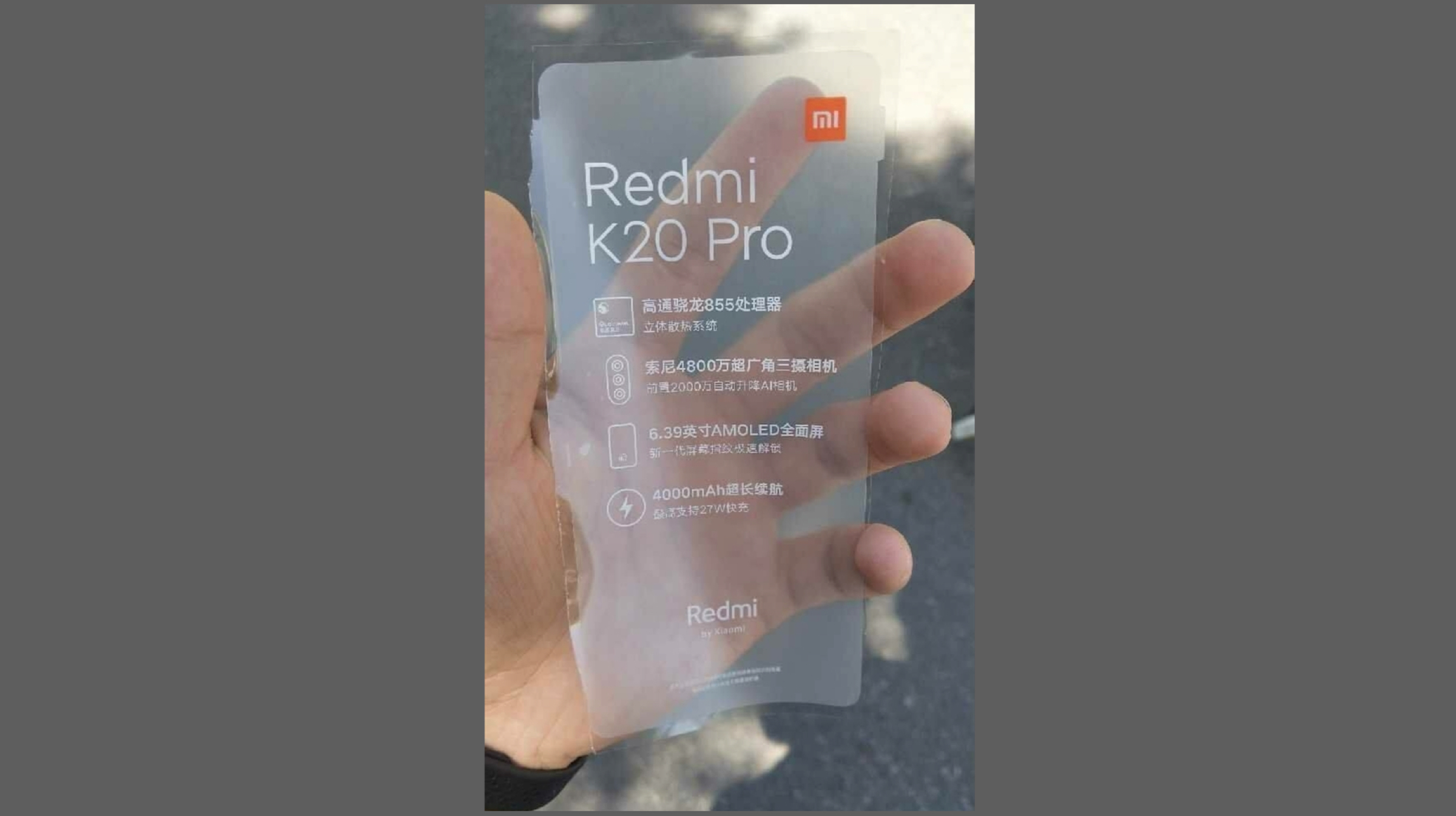
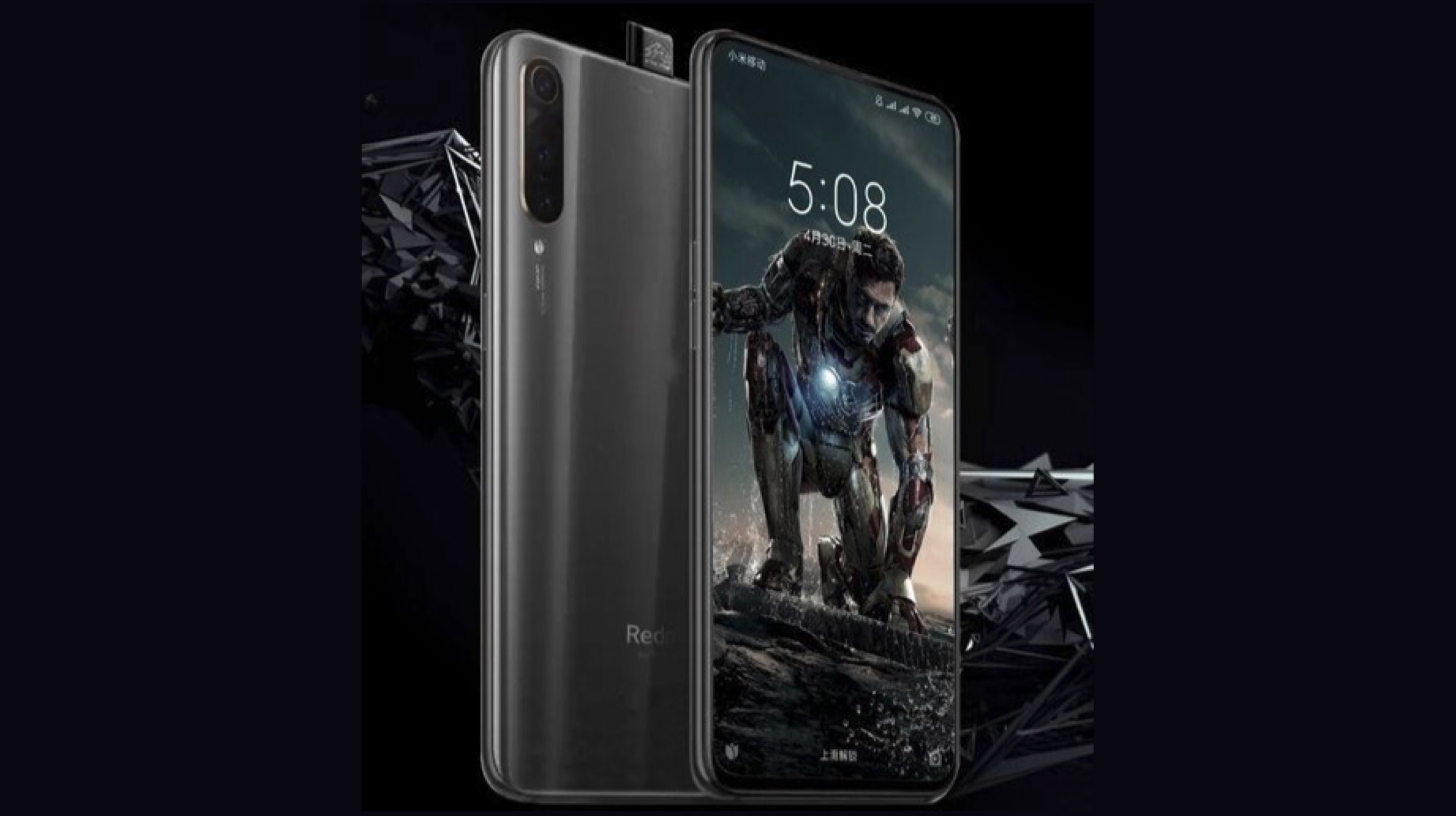
    Xiaomi’s sub-brand Redmi has been long awaited to launch a high-end smartphone that will pack flagship grade features. Past leaks claimed the handset would be called Redmi X. But, a fresh leak suggests that the previous leaks were offbeat and it might actually be called the “Redmi K20 Pro”. The protective sticker for the display of the device has been exposed which exhibits its key specifications that correspond to a flagship smartphone. 

    Redmi K20 Pro Features

    The legitimacy of the leak cannot be verified, as the image was not shared by a renowned leakster. However, the quality of the leaked document states that it is indeed authentic. Subsequently, the Redmi K20 Pro runs on the Snapdragon 855 SoC which is also present devices like the Lenovo Z6 Pro, Xiaomi Black Shark 2 and Galaxy S10 (US variant). For photography, it sports a triple camera module which is comprised of a 48 MP sensor, a 20 MP sensor. While the details of the third sensor are unknown, it is likely to be a depth sensor or a TOF (Time Of Flight) sensor similar to one found on the Honor V20.

    Leaked Redmi X

    Talking about the display, the Redmi K20 Pro sports a 6.39 inch AMOLED display which is destined to have Full HD+ resolution. The leaked document reveals that the device is powered by a large 4,000 mAh battery. Noteworthy, it also supports 27 W fast charging which can speedily charge the device from zero to full. Other details including the price, resolution of front-facing selfie camera and storage variants will be publicised once it officially launches. 

    Also Read: Latest OnePlus 7 Pro Renders Show Off Almond Colour Variant

    Xiaomi is yet to announce the official launch date of the Redmi K20 Pro, but the number of leaks suggests it will launch soon. 

  • Latest OnePlus 7 Pro Renders Show Off Almond Colour Variant

    Latest OnePlus 7 Pro Renders Show Off Almond Colour Variant

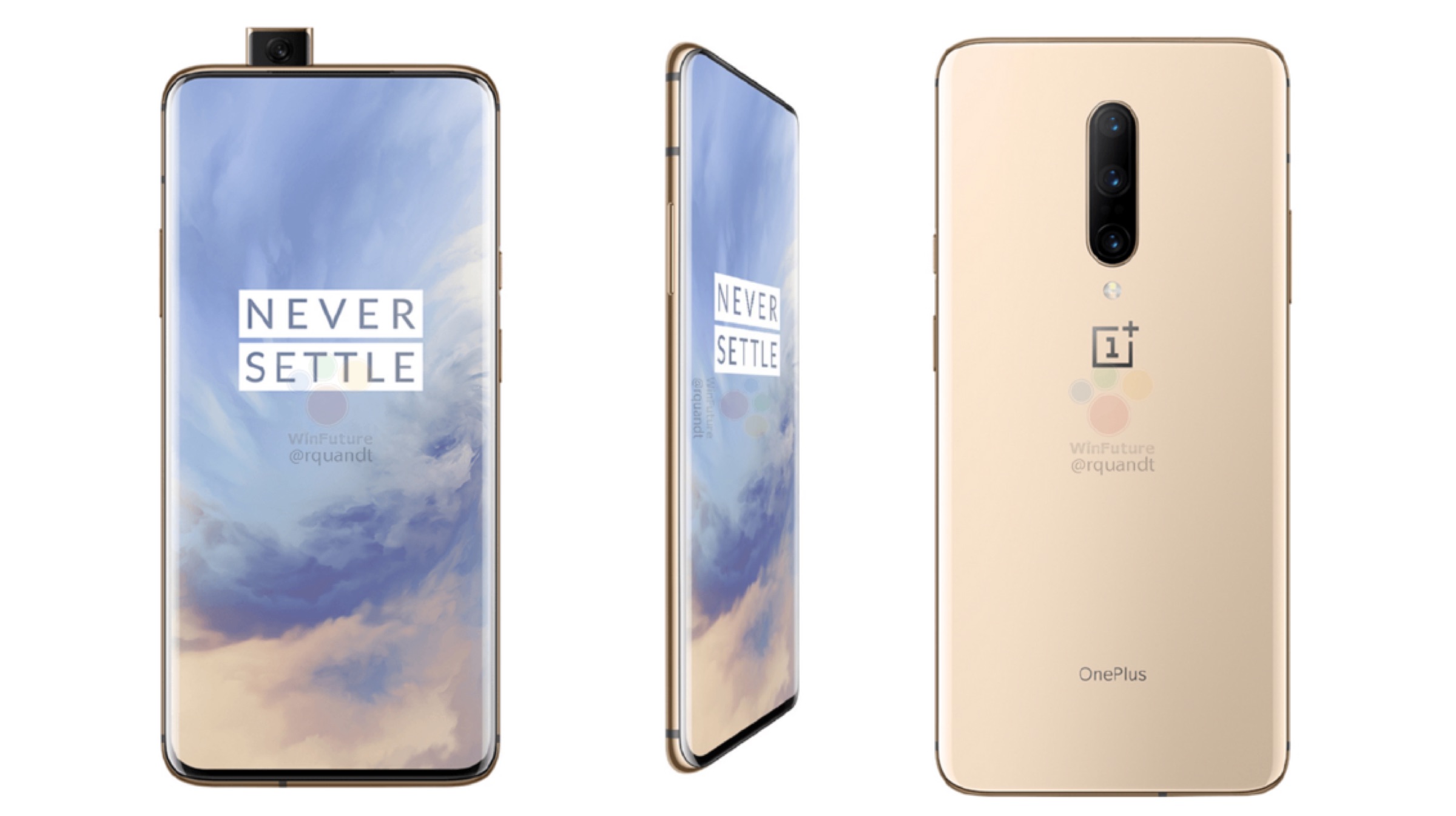
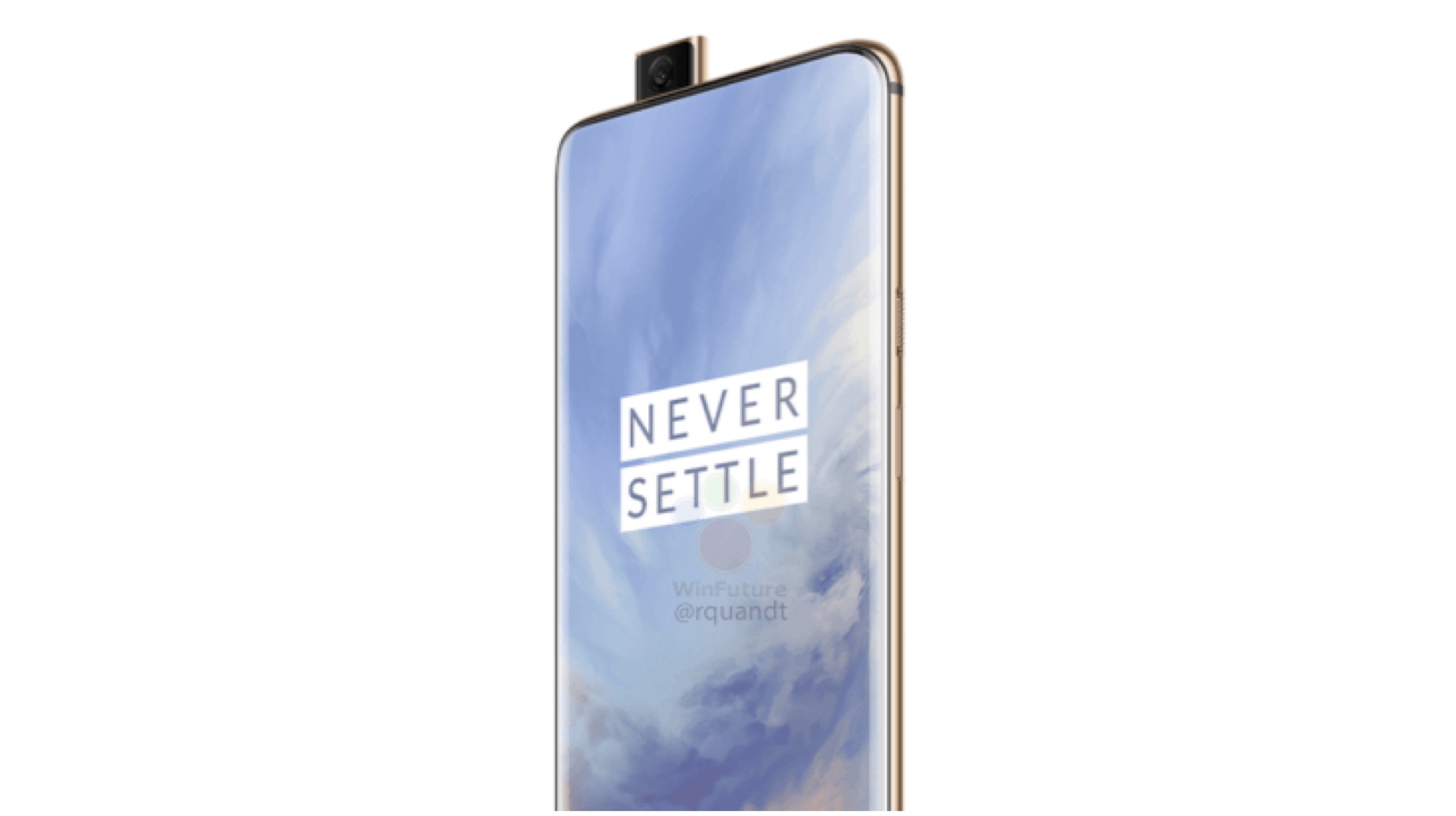
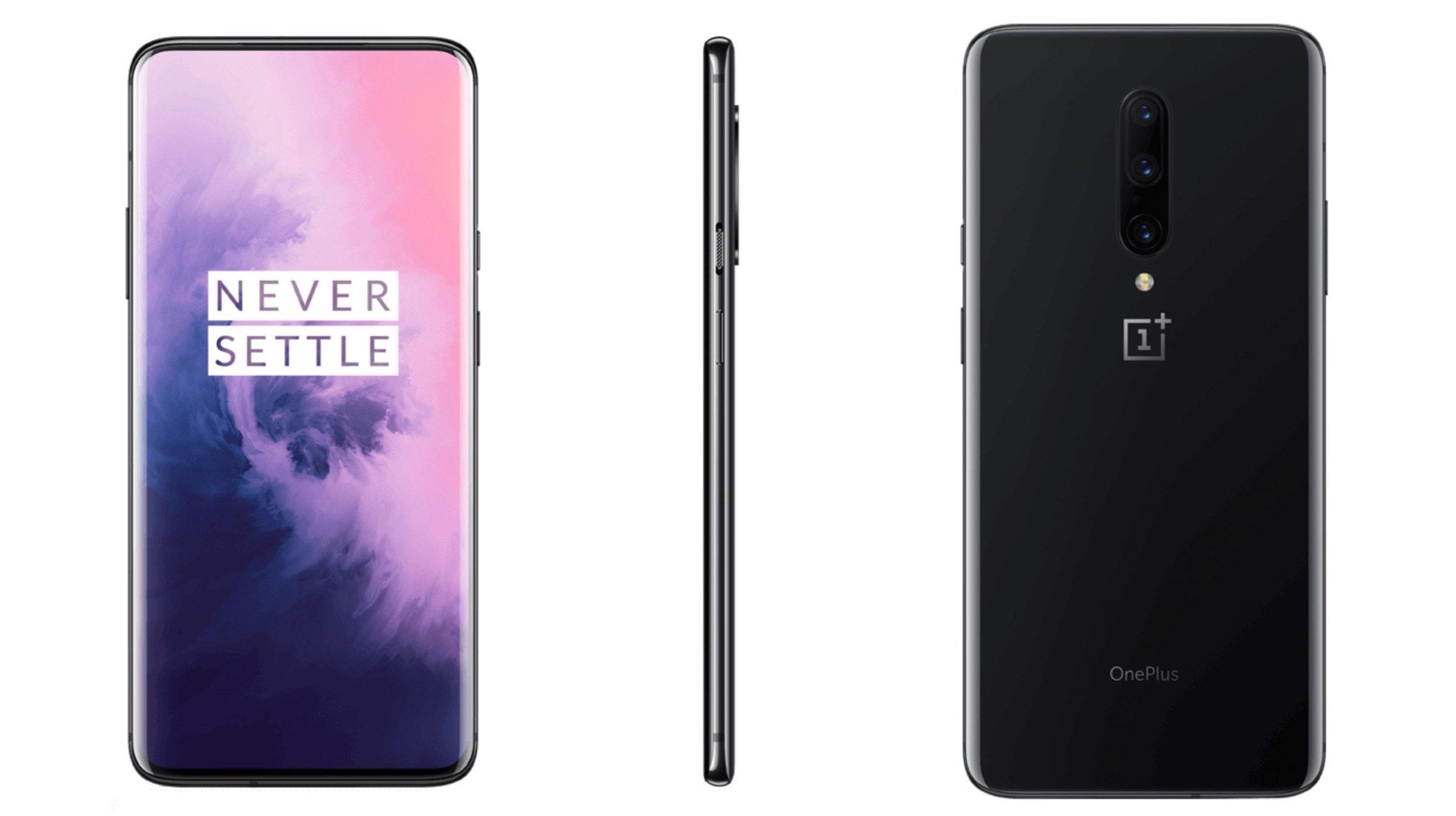
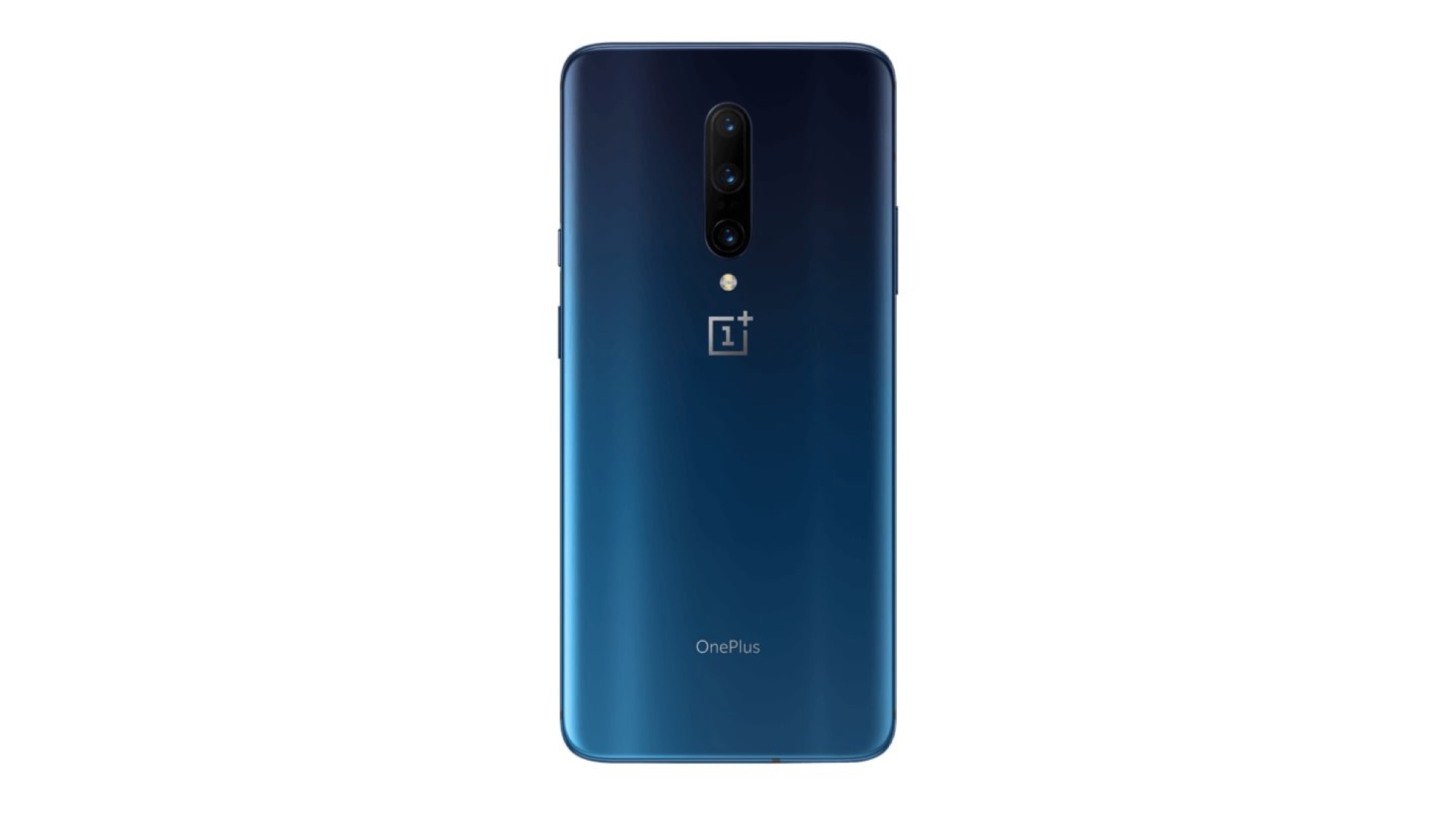
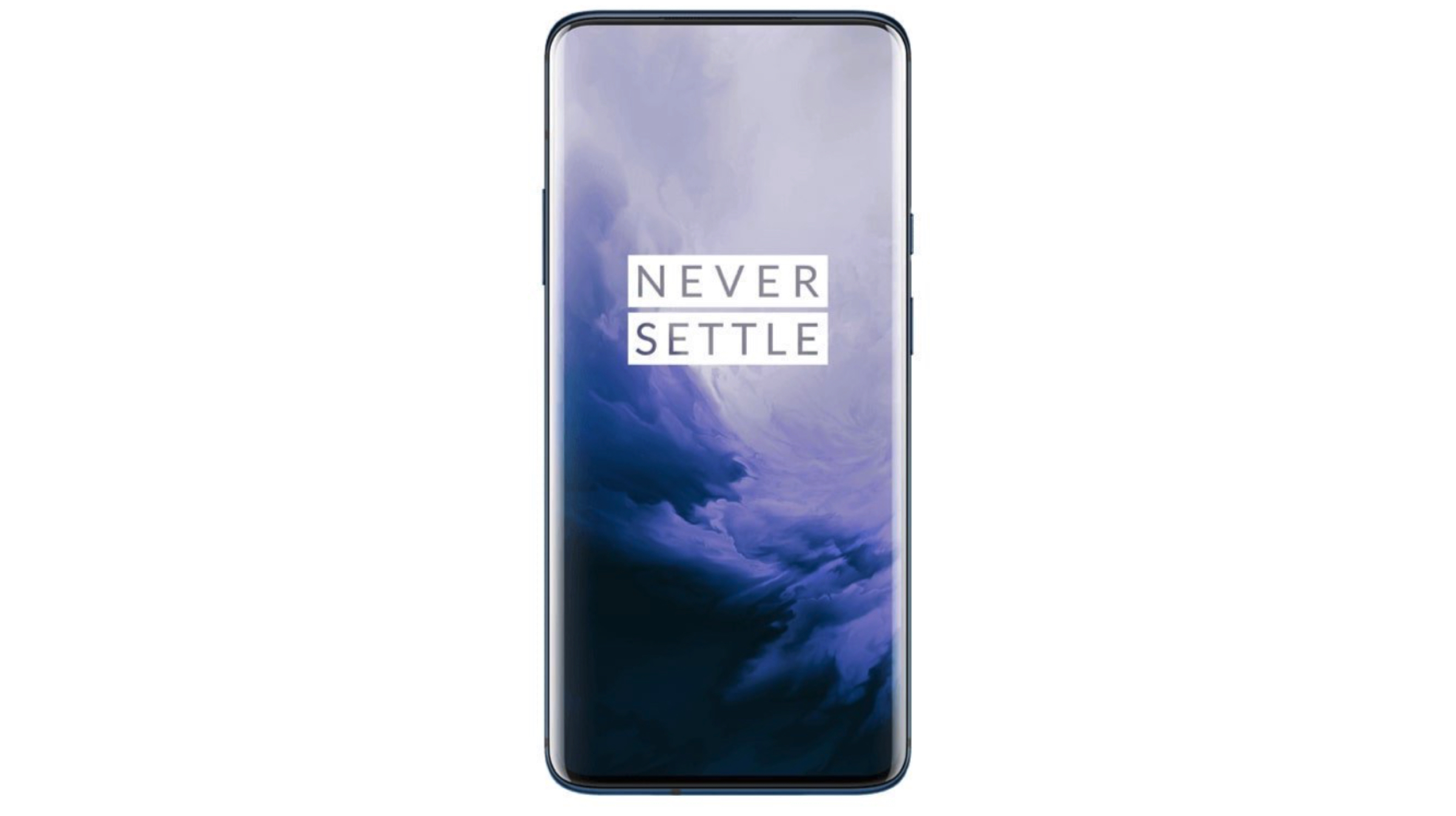
    The highly anticipated OnePlus 7 lineup is all set to debut on May 14 2019. Amidst leaks and rumours, the devices have been speculated to have flagship-level specifications at competitive price points. On May 3 2019, two colour variants of the OnePlus 7 Pro were leaked, which were Mirror Grey and Nebula Blue. Allegedly, the smartphone was rumoured to have one more colour variant, known as Almond. In latest news, the aforementioned colour variant has been leaked in all its glory. 

    OnePlus 7 Pro: Specifications, Features & Availability

    The Almond-coloured OnePlus 7 Pro resembles a “gold” shade and features similarly coloured accents on the edges of the smartphone. It will sport an all glass design on the front and back. Former leaks suggest that the smartphone will have a 6.7-inch Optic AMOLED display with 3120 x 1440 px resolution and a 90Hz refresh rate. Eliminating the “notch”, the smartphone will use a pop-up camera mechanism to house the selfie camera. For security detail, it will feature an in-display fingerprint scanner along with face unlock technology. 


    On the inside, the OnePlus 7 Pro will pack the 7nm Qualcomm Snapdragon 855 SoC, which is featured on other flagship devices like LG G8 ThinQ and Samsung Galaxy S10+ (US). It will have a triple rear camera module, consisting of a 48 MP (f/1.7) sensor, 16 MP (f/2.2) ultra wide sensor and a third 8 MP (f/ 2.4) sensor. For selfies, the device will boast of an f/2.0 aperture equipped 16 MP camera housed in the elevating pop-up mechanism. Noteworthy, the device will have Ultra Fast Storage (UFS) 3.0 standard and a USB Type-C port.

    Also Read: Huawei Y9 Prime 2019 With Triple Rear Cameras, Pop Up Selfie Camera Leaked

    The OnePlus 7 Pro will pack a 4000 mAh battery with support for 30W Warp charging. Rumours suggest that that the device may be launched alongside a 5G variant, which will mark the next generation of connectivity standard for the smartphone. As mentioned previously, the device will make its way into markets on May 14, 2019. The device will be available in three RAM and storage variants.  Prices for the same were leaked beforehand, which are given below:

    • 6GB/128GB: INR 49,999 ($723)
    • 8GB/256GB: INR 52,999 ($766)
    • 12GB/256GB:INR 57,999 ($838)


  • Xiaomi Black Shark 2 Clears Mandatory BIS Certification, Launch In India Imminent

    Xiaomi Black Shark 2 Clears Mandatory BIS Certification, Launch In India Imminent

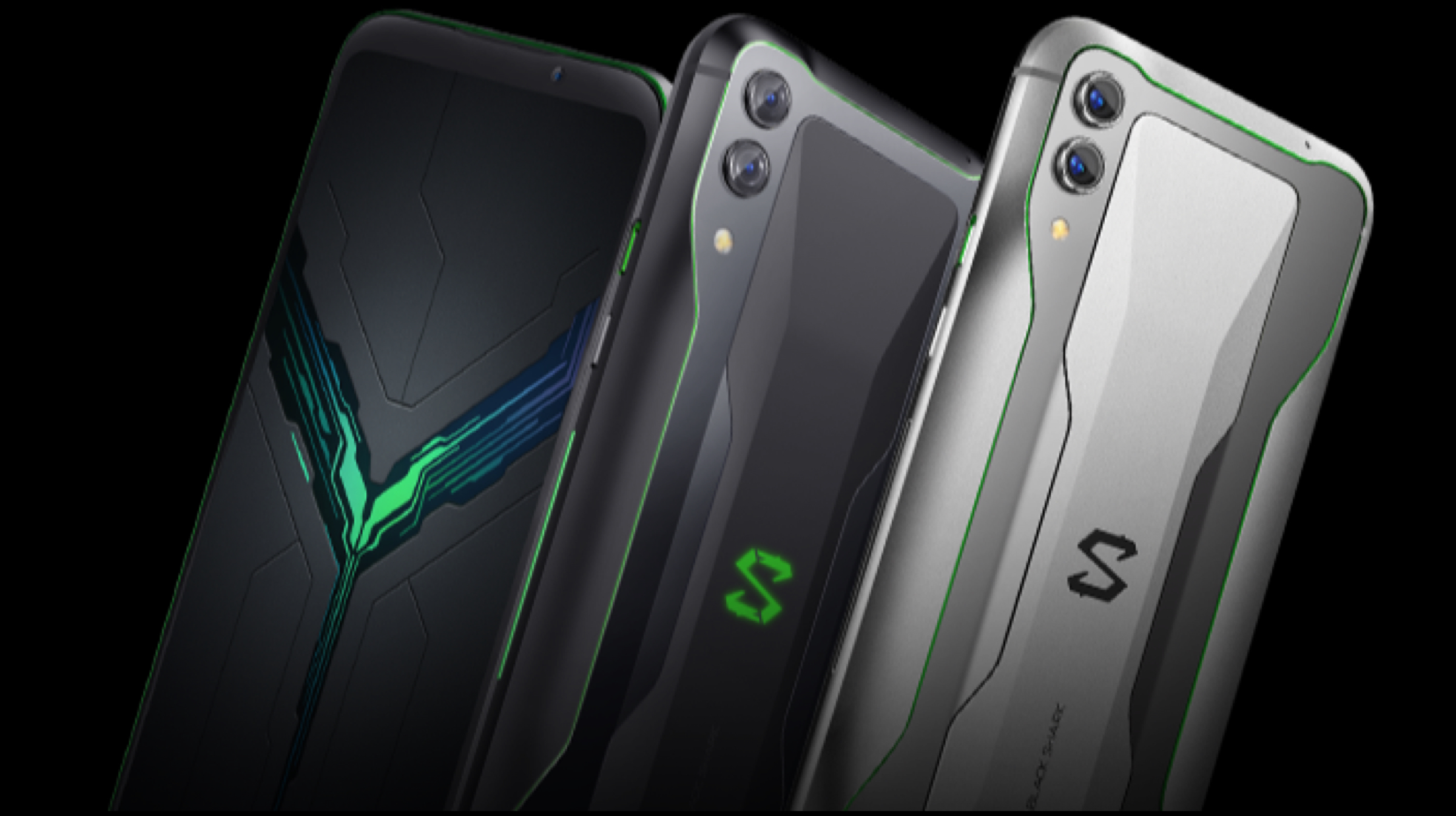
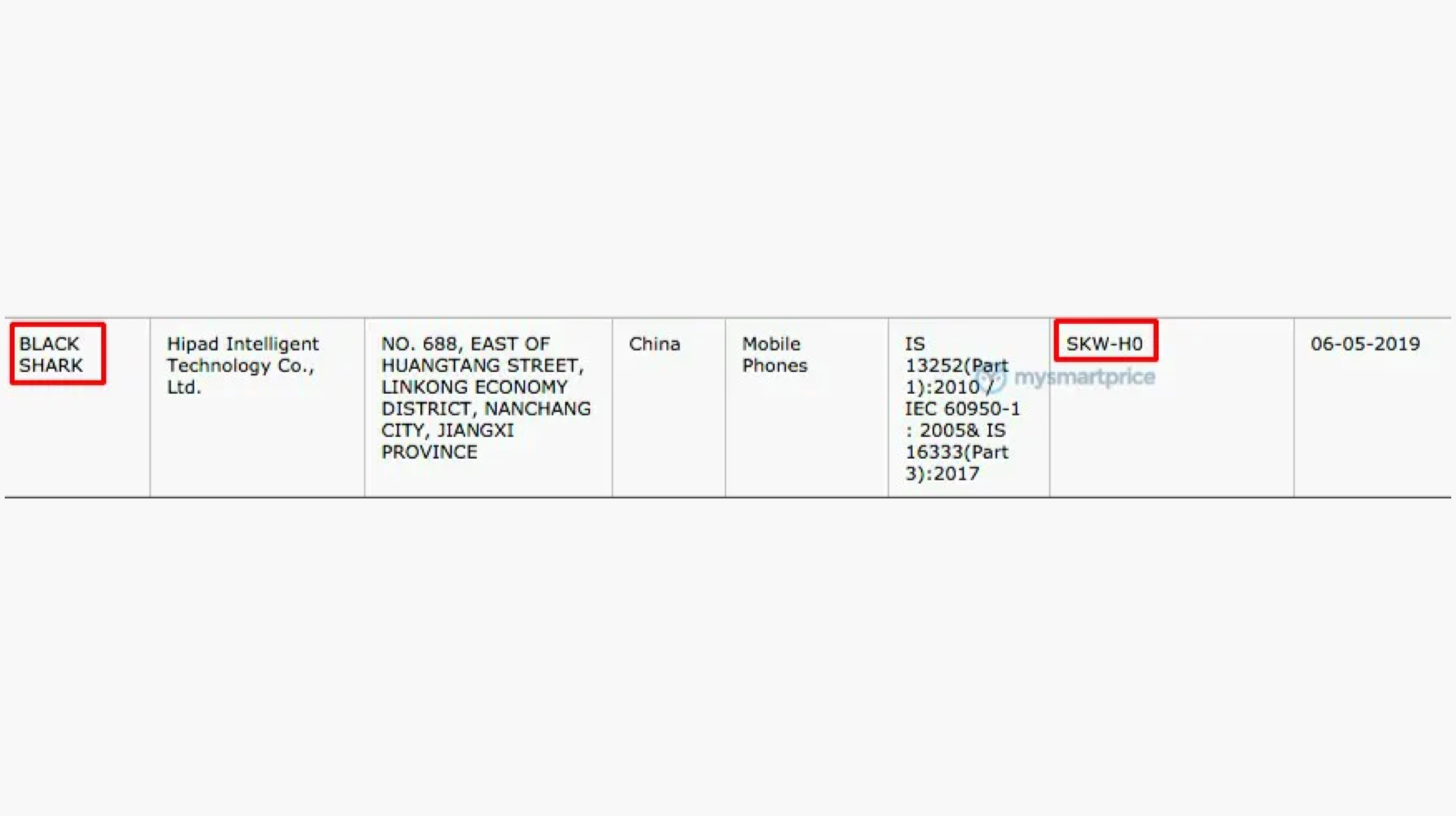
    Xiaomi launched the Black Shark 2 gaming smartphone at an event in China on the 18th of March. The device succeeds the Black Shark Helo launched last year as the top end handset from the company made for mobile gaming. Now, fresh leaks claim it is launching the device in the Indian market soon. The smartphone has passed the mandatory BIS certification in the country which suggests it may be announced later this month.

    About the BIS Certification

    The Bureau of India Standards (BIS) has certified the Xiaomi Black Shark 2 with the model number SKW-HO. BIS is a national standard body of India which is responsible for providing certification to certain products. It is often seen as a means for providing a third-party guarantee of quality and reliability of the products. While the BIS certification is voluntary in nature, the government of India has made it mandatory for certain products citing public health hazards.

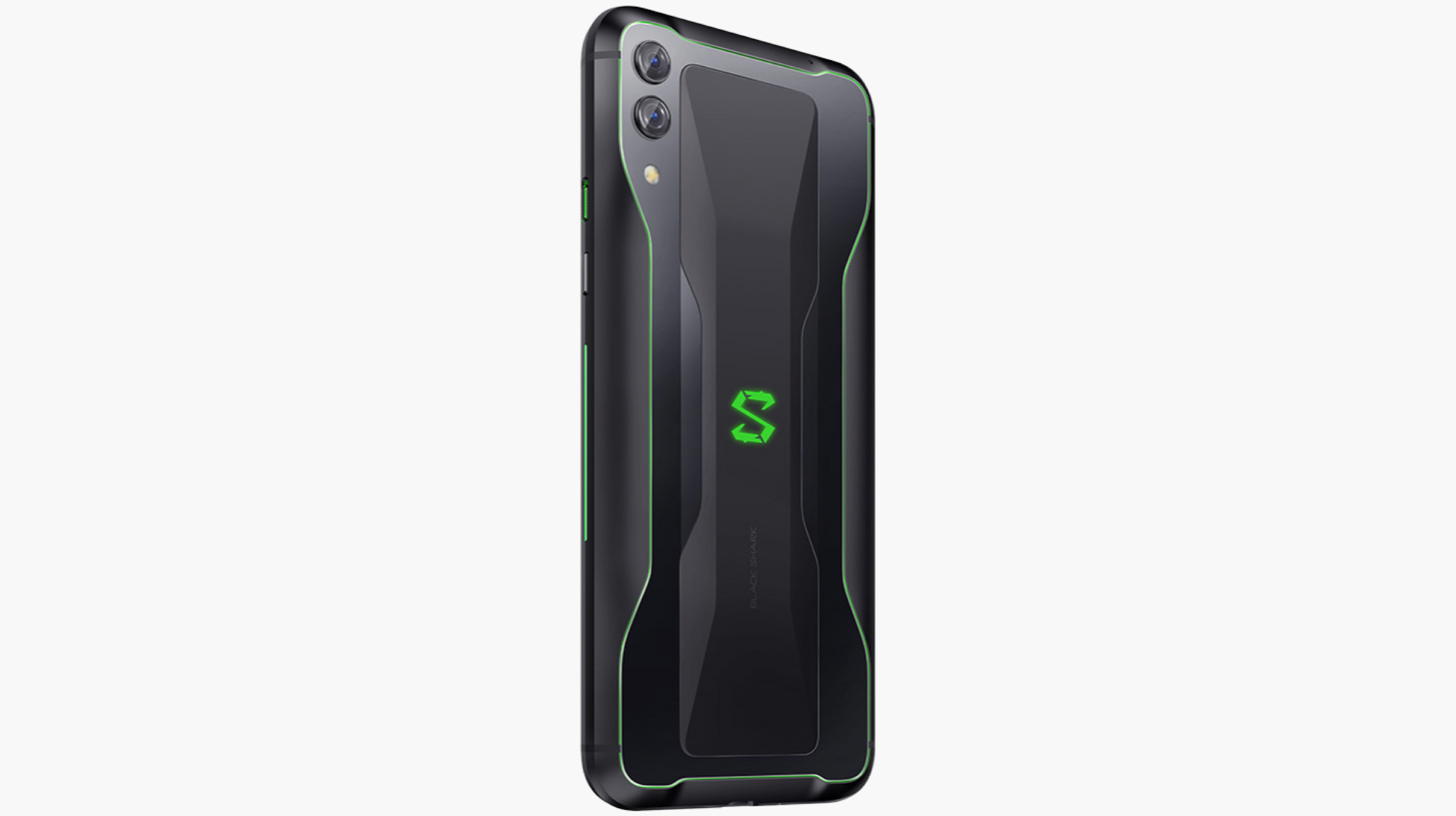
    Xiaomi Black Shark 2 
    Xiaomi Black Shark 2

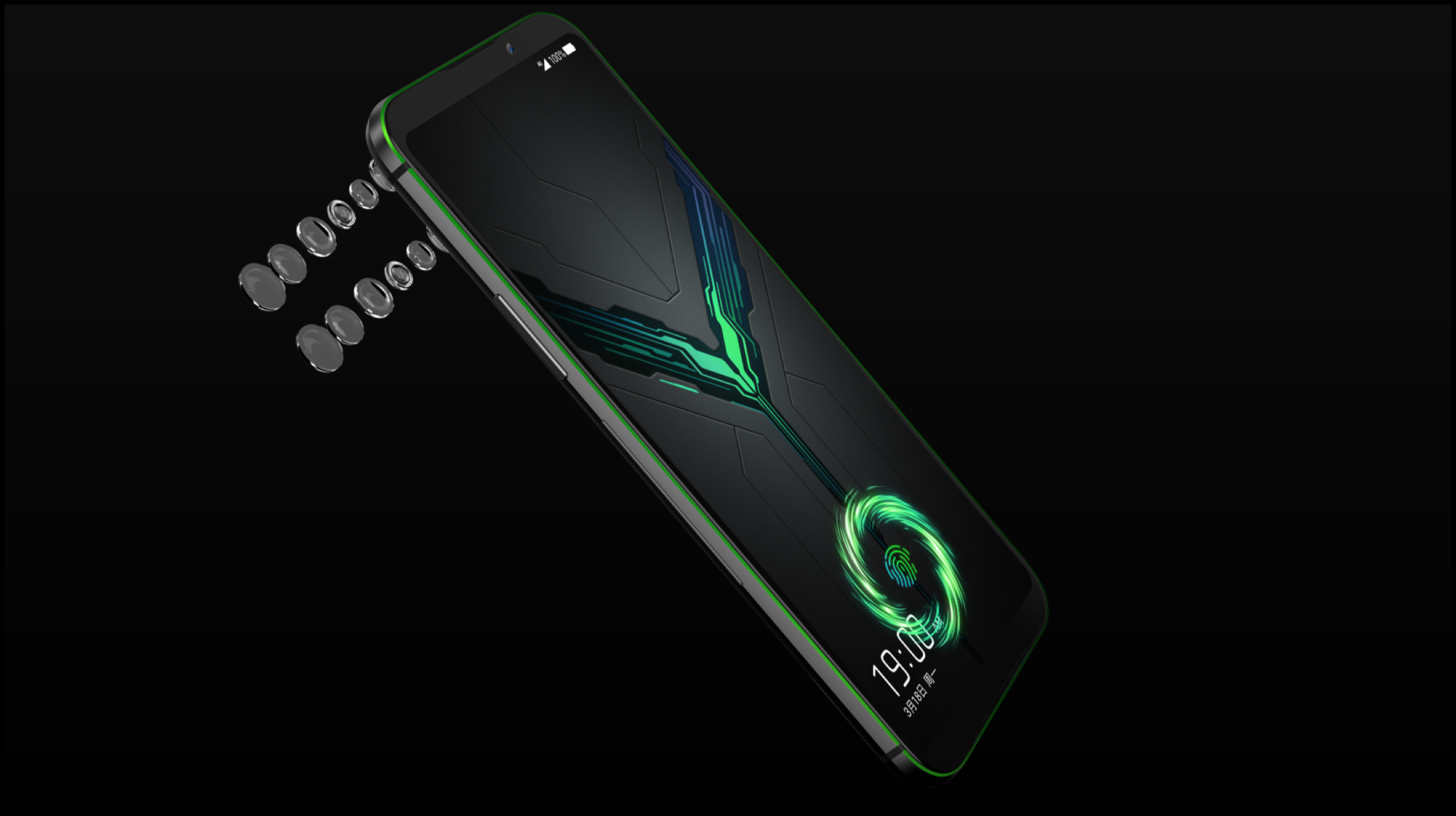
    The Xiaomi Black Shark 2, like its predecessors, has an unconventional design language with a distinctive pattern on the rear and a large screen display on the front. It measures 163.61 x 75.01 x 8.77 mm from all sides and weighs in at a hefty 205 grams. It sports a 6.39 inch AMOLED display which is surrounded by minimal bezels on all sides. The smartphone’s display has a resolution of 2340 x 1080 px and a pixel density of 403 ppi. The display panel can reach brightness levels of up to 430 nits and has an aspect ratio of 19.5:9. Noteworthy, the AMOLED display also supports pressure sensitive controls which means the amount of pressure applied to the screen while playing games would affect the on-screen controls. For securely and swiftly unlocking the device, it features an in display fingerprint sensor. Xiaomi Black Shark 2

    Under the hood, the Xiaomi Black Shark 2 is kitted with the Snapdragon 855 SoC which is comprised of an Octa-Core CPU and the Adreno 640 GPU. In terms of optics, the smartphone has a dual rear camera setup which consists of a 48 MP sensor combined with a 12 MP sensor and an LED Flash which can capture 2160p videos at 30 fps. It also has a 20 MP front-facing selfie camera which is placed in the bezel above the display. The front camera can capture 1080p videos at 30 fps. For memory and storage, the device is expected to be available in the following variants.

    • 6 GB RAM + 128 GB ROM
    • 8 GB RAM + 128 GB ROM
    • 12 GB RAM + 256 GB ROM
    Xiaomi Black Shark 2

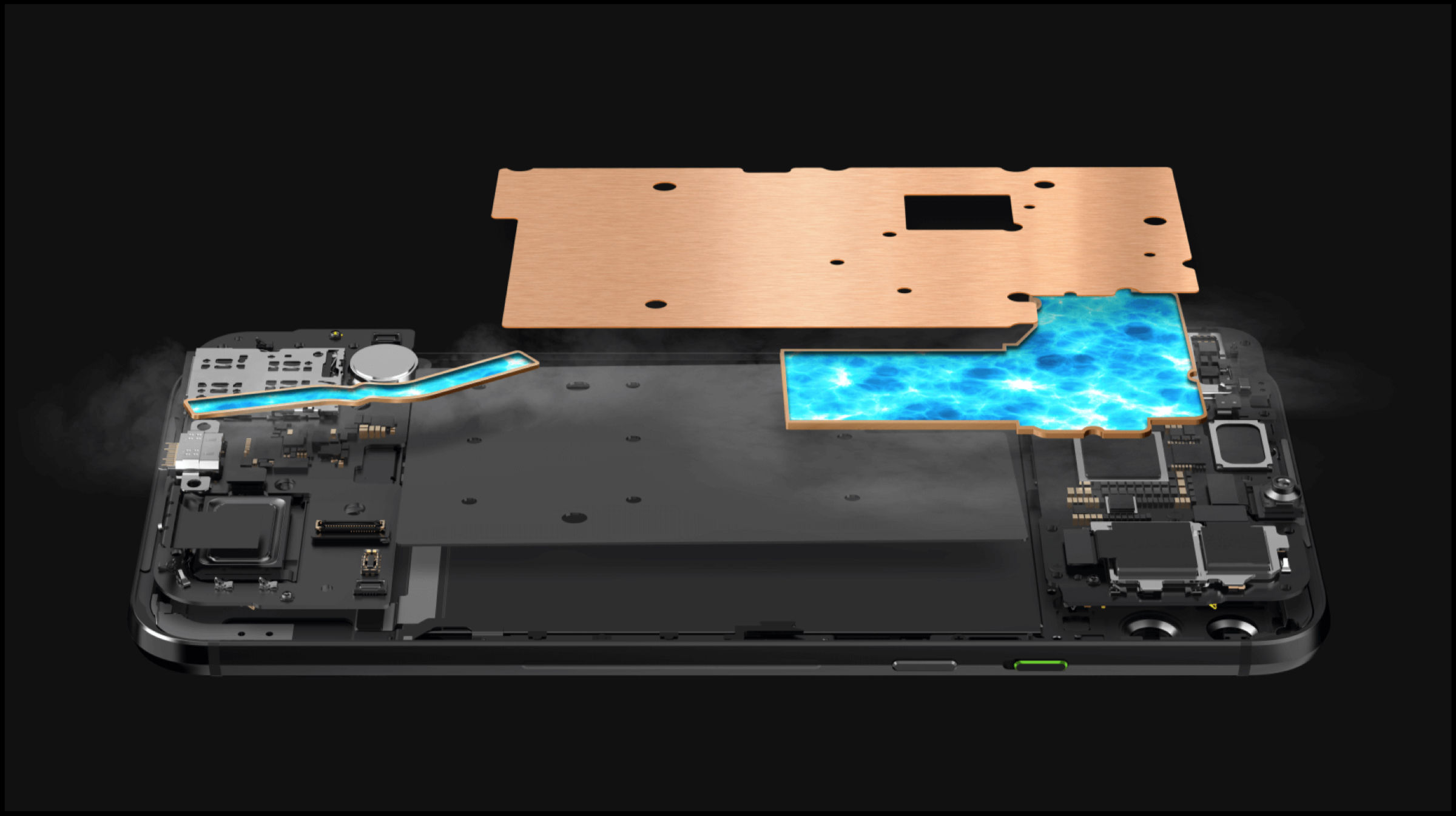
    The Xiaomi Black Shark 2 is powered by a 4,000 mAh battery which supports up to 27 W wired fast charging. Connectivity options on the handset include 802.11 ac Wi-Fi, Bluetooth 5.0, Dual 4G VoLTE and GPS. To keep the temperature of the device under check while running heavy games, it also has a vapour cooling chamber.

    Pricing & Availability
    Xiaomi Black Shark 2

    Also Read: Google I/O 2019: What To Expect From The Event?

    Since the Xiaomi Black Shark 2 has passed the mandatory BIS certification, the Indian launch of the smartphone seems imminent. Furthermore, the company started its operations in the country a while ago; which may be another indication of the approaching announcement. Unfortunately, details about its pricing are not known yet, but taking the price of the Chinese variant into consideration, it is expected to start at Rs. 33,000.

  • Google I/O 2019: What To Expect From The Event?

    Google I/O 2019: What To Expect From The Event?

    Google will host the Google I/O 2019 event from May 7-9 at the Shoreline Amphitheatre, Mountain View in California, USA. It is the company’s annual developers event where it showcases its software prowess to the world. While the schedule for the three-day event has been released, it is anyone’s guess what Google has in store for us. Here is what to expect from Google I/O 2019.

    Android Q

    One of the highlights of the Google I/O 2019 is expected to be the next generation of Android, the Android Q. As two beta versions of the mobile operating systems have already been released, Google may announce the third beta on the first day of the event. Like it did last year, smartphones from more companies than before may be added to the list. While what devices will be added is not known yet, it is reported that handsets from Samsung, LG, Motorola and Huawei may be the lucky ones to get Android Q Beta 3.

    Android Q is alleged to be a major change over its predecessor, Android Pie. The first two beta builds of the software insinuate it will bring over many highly anticipated features like dark mode, new navigation gestures and a new update delivery system. However, no major design overhaul is expected from the upcoming version of Android. It is also reported that Google will launch the final, stable build of the software for compatible smartphones starting the month of August later this year. Maybe then we will finally know which desert starts from the letter Q; Android Quiche maybe?

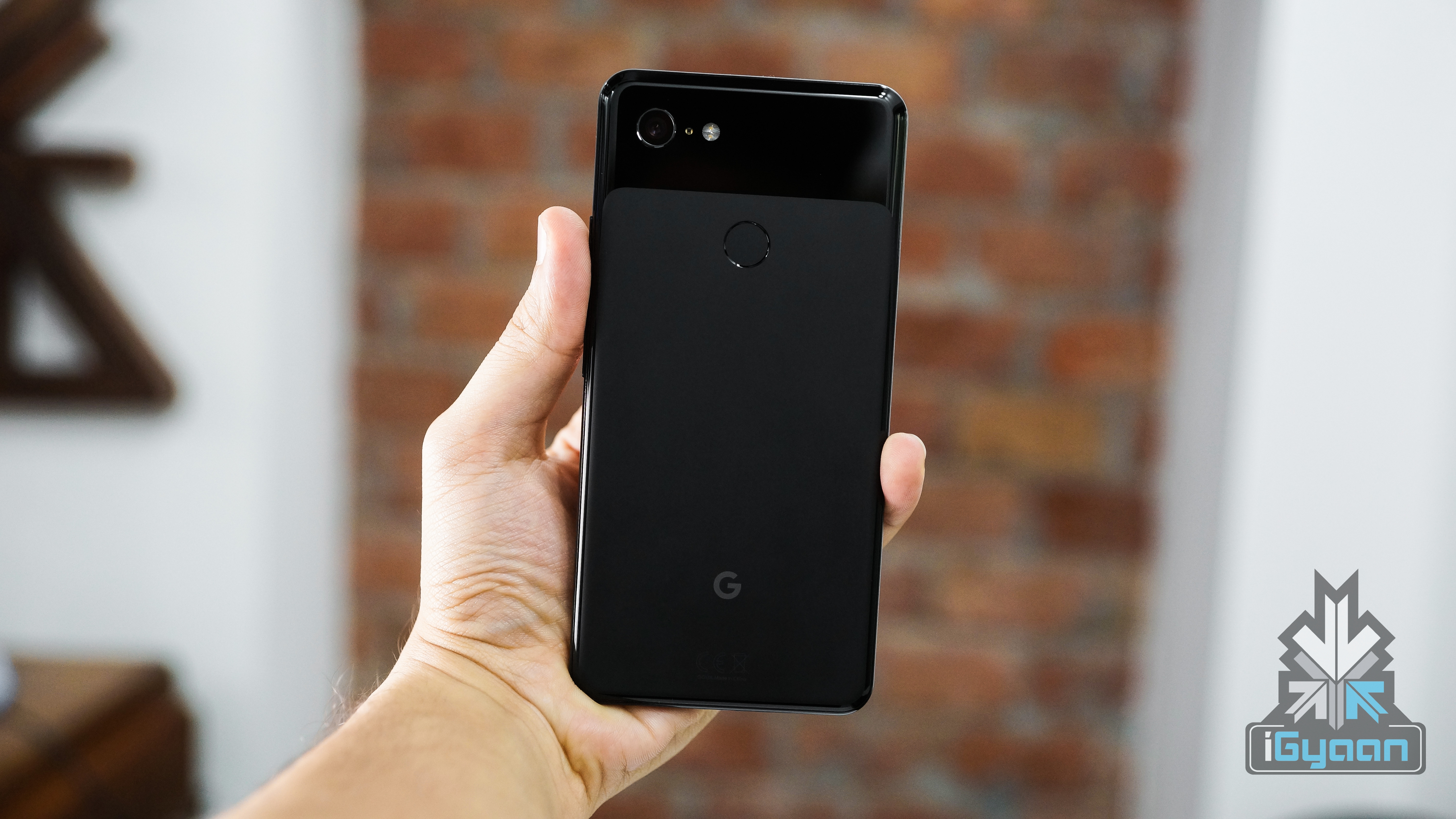
    Pixel 3a, 3a XL

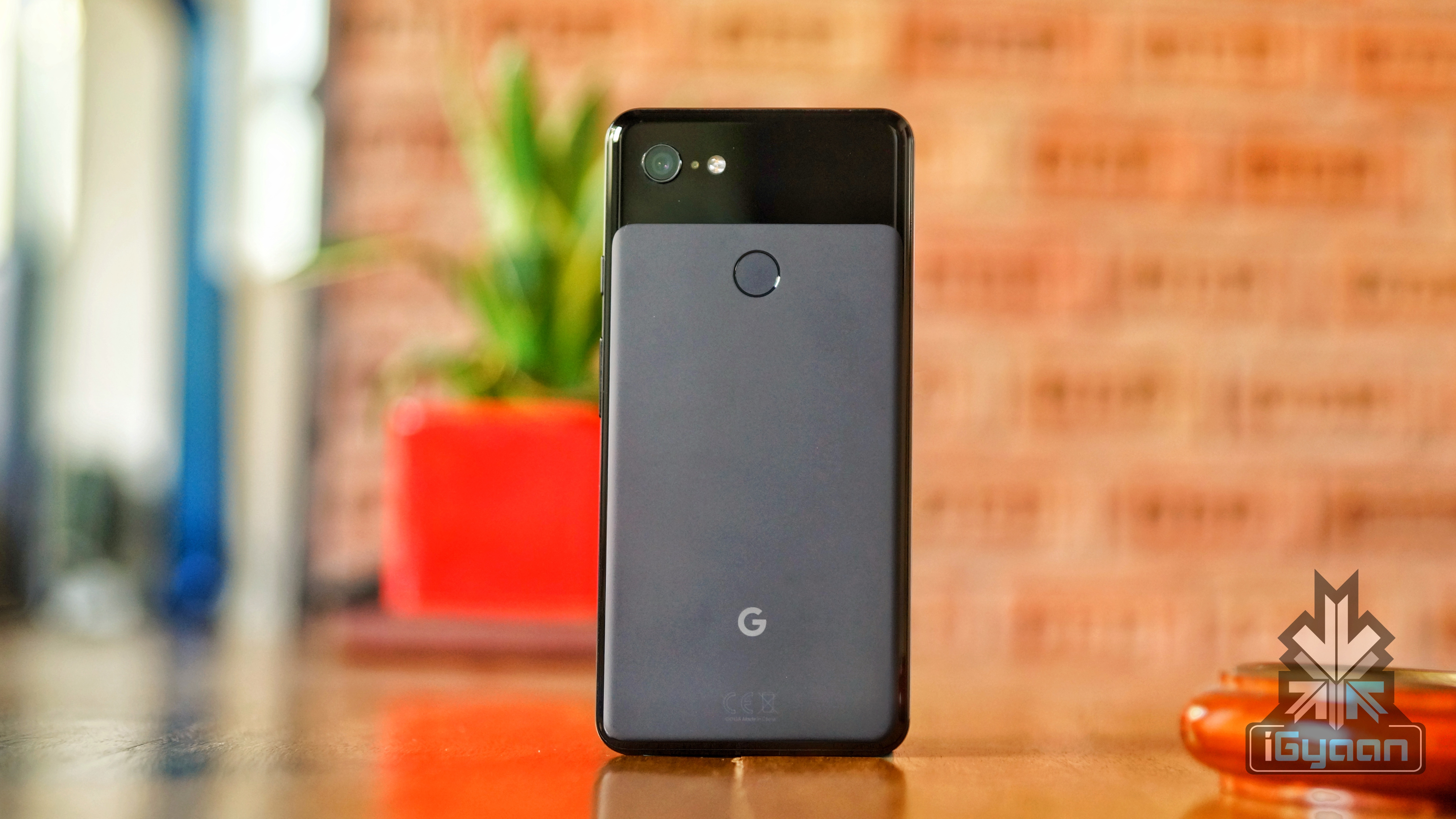
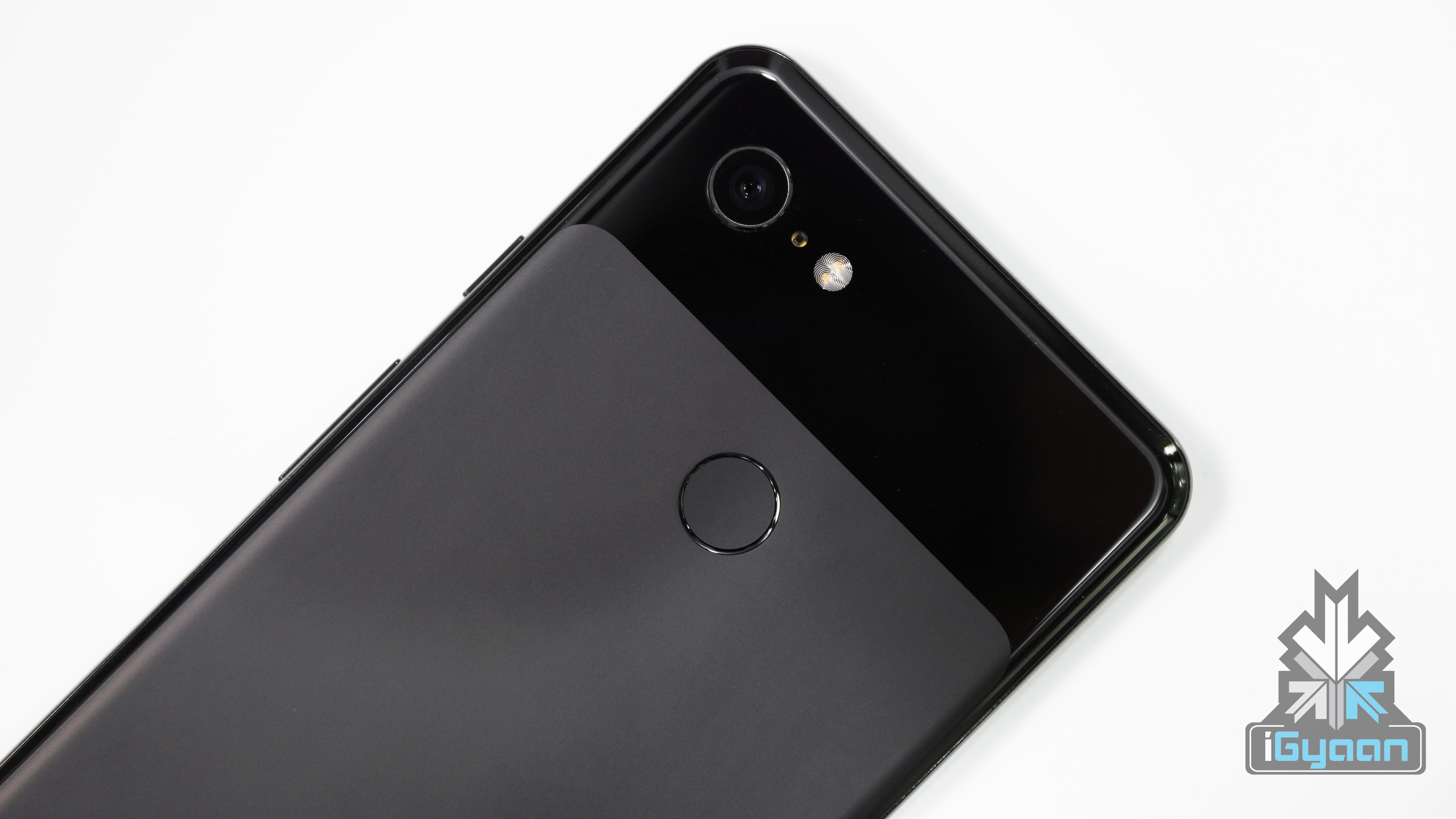
    Google Pixel 3 XL

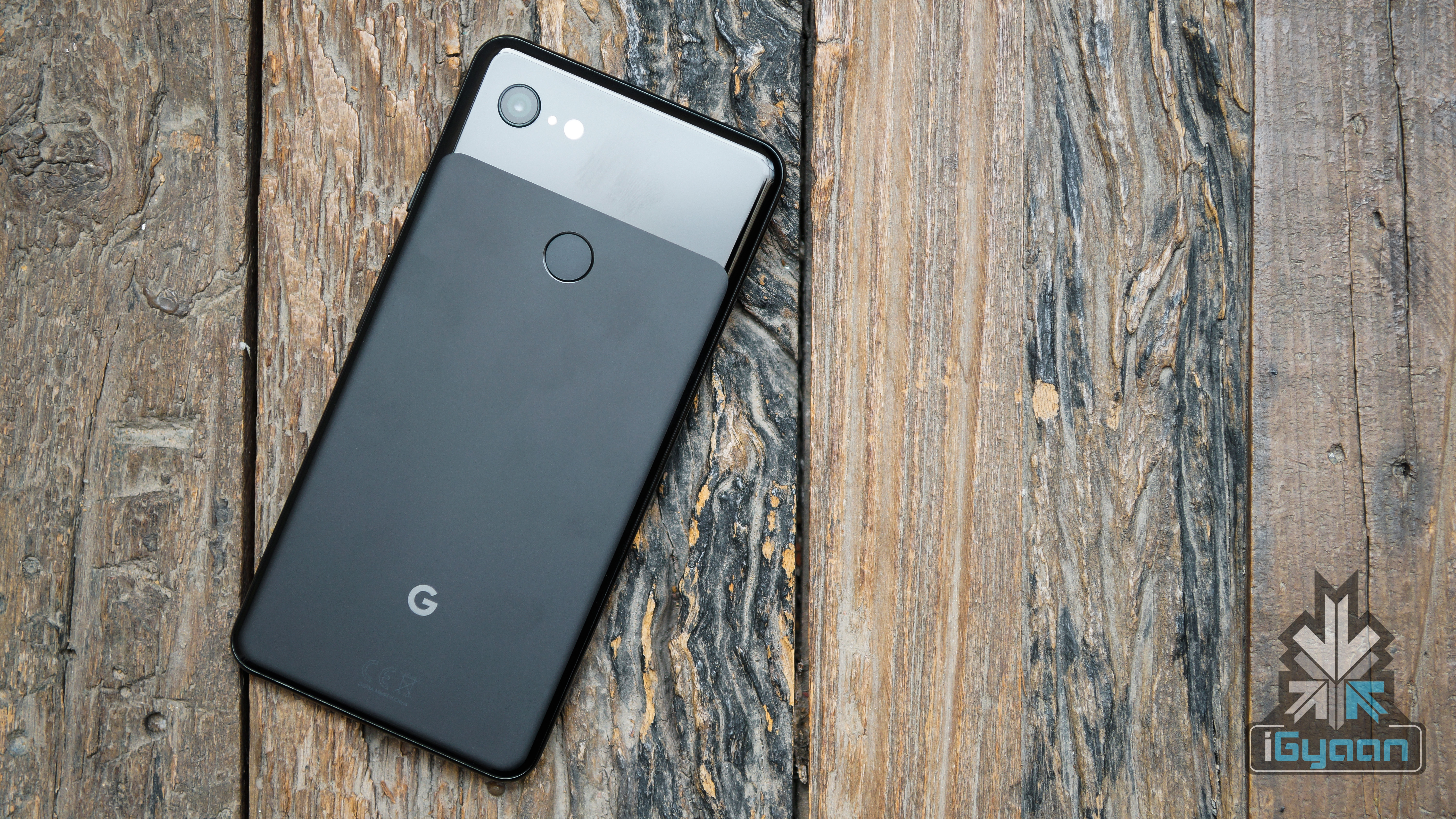
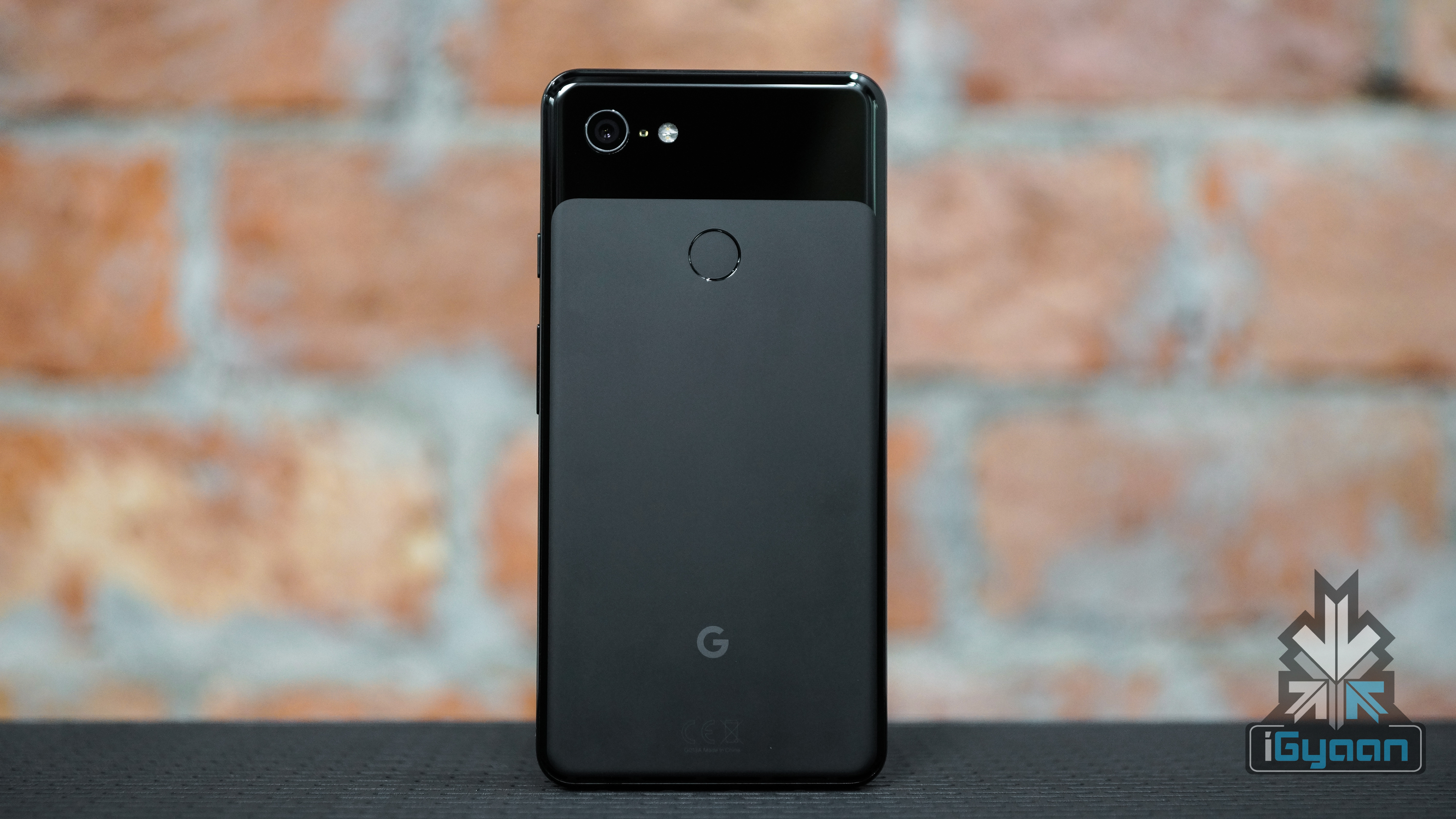
    While Google is not known to launch any hardware at the Google I/O event, it is almost confirmed the company is all set to change the unwritten rule. Two new mid-range Google smartphones, allegedly called the Pixel 3a and Pixel 3a XL are expected to be announced on the first day of the event. These devices will be the watered down variants of the flagship Pixel 3 and Pixel 3 XL handsets respectively. The upcoming smartphones will be significantly affordable than their siblings which may make them more desirable.

    Google Pixel 3XL

    Leaked details about the Pixel 3a, 3a XL direct towards a polycarbonate body instead of a glass and metal construction as seen in their siblings. Like the Pixel 3 XL, none of the smartphones will feature a notch in their displays. Surprisingly, the devices may also bring back the 3.5mm headphone jack, which was removed starting the Pixel 2 lineup. Other leaked specifications of the handsets include the Snapdragon 670 SoC, 4 GB RAM, 64GB Internal Storage and clean, a stock build of Android with guaranteed software updates for three years. 

    Google Nest Hub
    Google Home
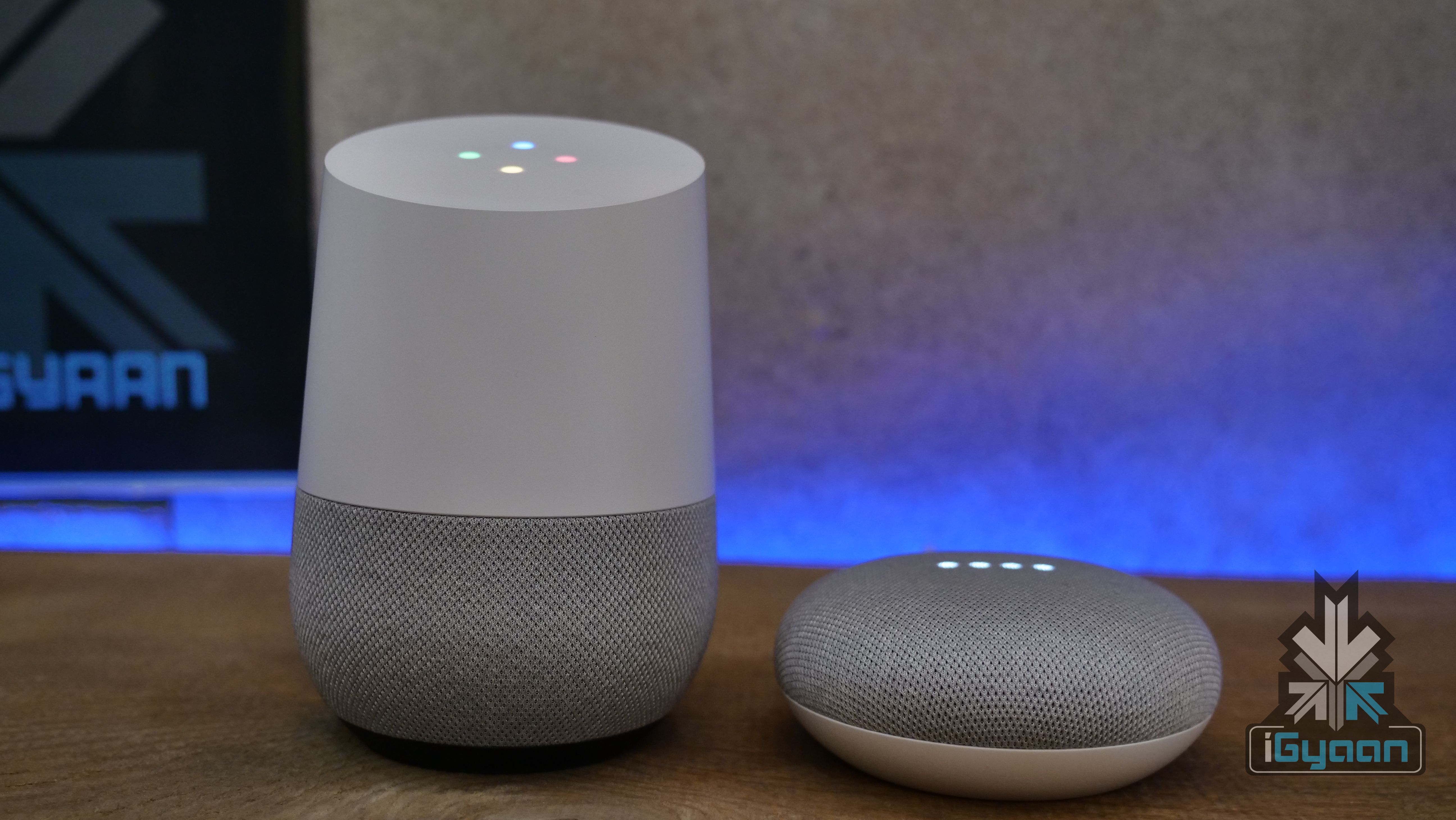
    Google Home, Home Mini

    Google acquired the smart home company Nest in the year 2014. And since last year, it has started branding itself in the company’s products lineup. It is expected that with the Pixel 3a series, a new smart speaker with a display may also be announced. This device is allegedly called the Google Nest Hub and it will an upgrade to the Home Hub smart speaker announced last year. It may have an 8 inch or bigger display which will support touch input and will feature the Google Assistant. Unlike the Home Hub, the Nest Hub is expected to have a front facing camera which will help in video calls and facial recognition features.

    Google Stadia

    Google Stadia

    Google bowled everyone over when it showcased Stadia, a cloud gaming service for every smart device available on the market. While the concept of the service was innovative and never seen before, no details were provided at the previous event. It is thus expected that the technology giant will finally elaborate on its take on the future of gaming. Google Stadia was announced to be ready by the end of this year, so the company might finally have some answers to the plethora of questions that the sceptical audiences have about the service.

    Google Assistant & AI 

    Google Assistant

    Also read: Top Tech: Truly Wireless Earphones Under Rs 2,500 Available In India, May 2019

    Each year, senior Google executives get on stage and discuss the things the company has improved with the Google Assistant. The digital voice assistant from the company saw the addition of the Duplex feature last year. It let the smartphone make dinner reservations or book an appointment for the user with an eerie, human-like voice. The concept worked great in the demos and was later rolled out to selected users in the US and Canada. It is thus expected that the company will either announce the expansion of the service to more countries around the globe; or blow everyone’s mind once again with a similarly innovative offering.

  • iOS 13 To Add Dark Mode Support And Overhaul Several System Applications

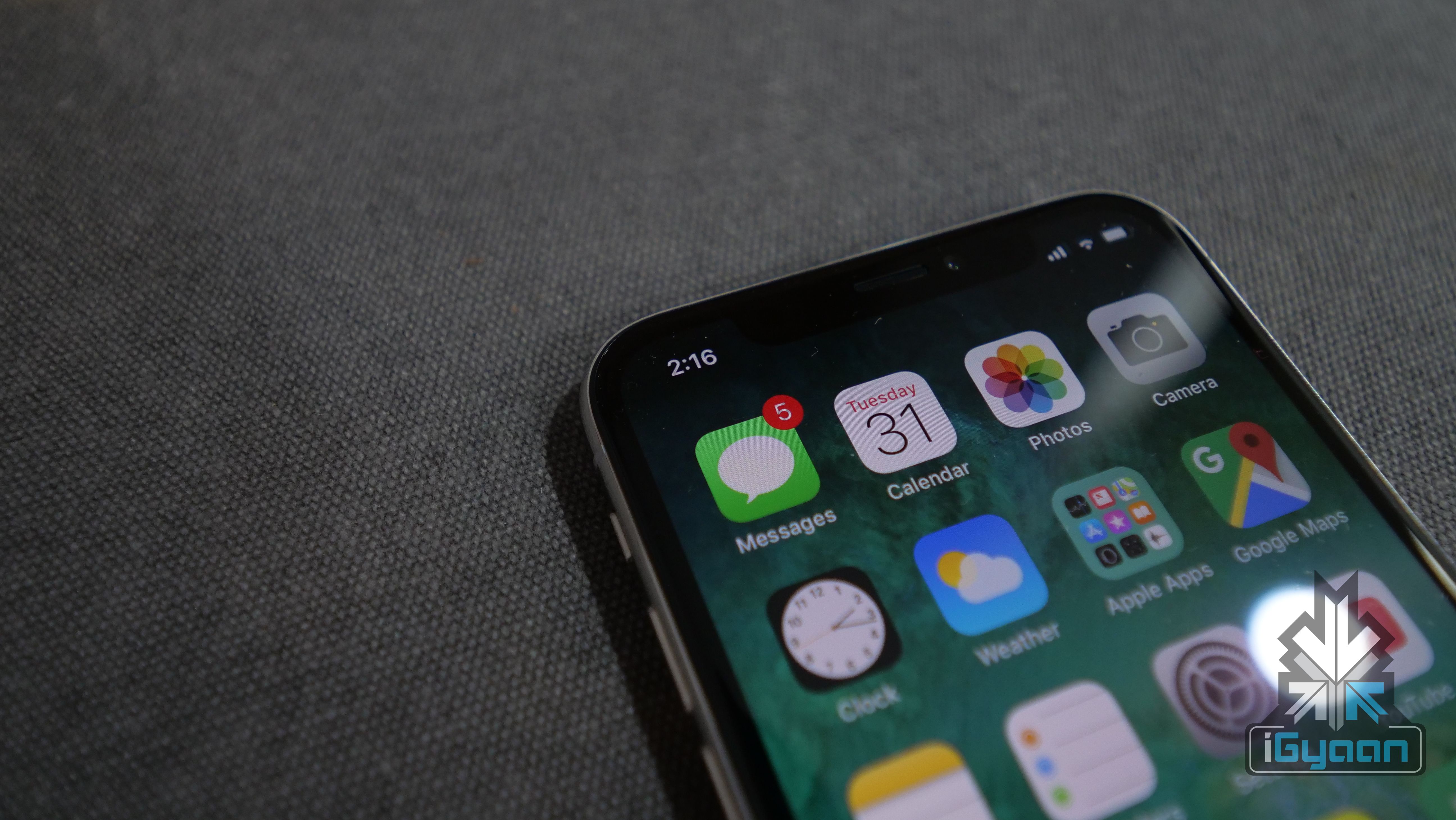
    iOS 13 To Add Dark Mode Support And Overhaul Several System Applications

    Apple is set to kickstart its developer’s conference, called WWDC on the 3rd of June this year. Like previous years, the company will announce the latest version of iOS, the operating system used in the iPhones and iPads. Likely to be called iOS 13, it is supposed to bring about a ton of changes to the software. A freshly shared report by Bloomberg, details what alterations and additions to expect from the new OS. 

    iOS 13: Expectations?

    The upcoming iOS 13 as previously mentioned, will include a variety of changes in the operating system. One predominant change that the update will introduce is support for dark mode. However, this mode will be called ‘Black and Grey’ and the control for toggling the mode will reside in the control center. Other notable changes are expected to be as follows:

    • Updated Health App- With the upcoming iOS 13, the Health app will get a new screen that displays the daily health of the user. In addition, the application will also track new metrics including the loudness of the music the users listens and bring extensive support for menstrual cycling tracking.
    • Updated Reminders App- A simple addition yet an important one. The updated app will be redesigned to add a grid layout with sections which will reflect tasks for the day, flagged tasks and scheduled tasks.
    • iMessage Update- Even though Whatsapp, owned by Facebook is one of the largest internet messaging (IM) platform, the iMessage exclusive to Apple maintains its dominance. With iOS 13 update, the application will allow users to set a profile picture to their account which is unavailable as of now.

    Other notable features include sticker versions of Animojis and Memojis,  block incoming email from certain contacts in the Mail app, option for frequently visited locations in Maps. 

    The report also highlights that the company will launch a new sleep mode that will automatically darken the lock screen as the night falls. The clock alarm will get the new option for bedtime alarm which as the name suggests will work as a sleep reminder. 

    Apple Home app will have better integration with security cameras and allows users to view the past recording. Limited to the iPad, the iOS update may redesign the multitasking screen and multi-window support on the tablet. Noteworthy, iPhone’s inbuilt browser, Safari will get support for a dedicated download manager. 

    WatchOS 6 Changes

    Also Read: Google Pixel 3a XL Specs And Indian Pricing Leak
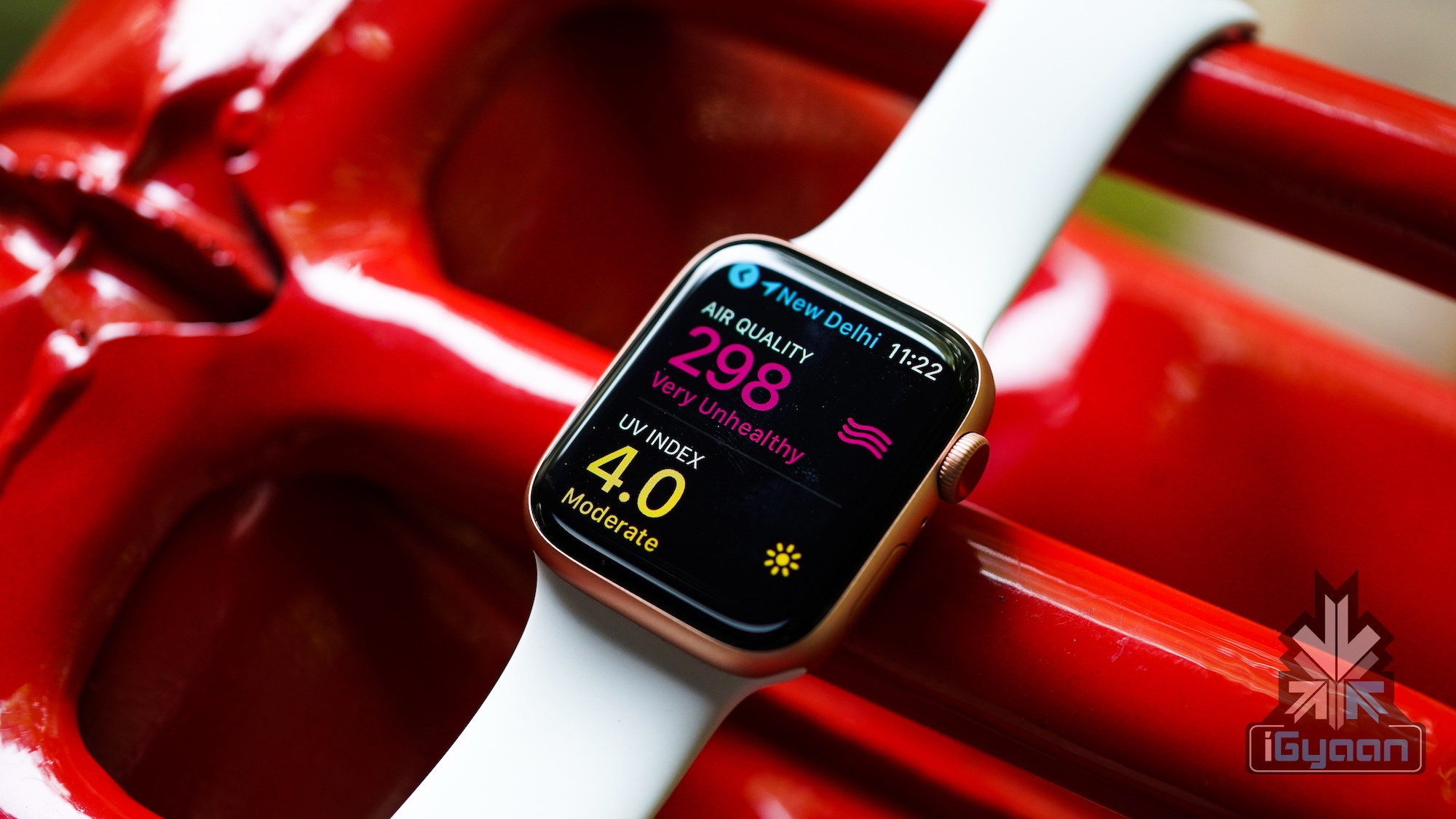
    WatchOS is the operating system that runs on the Apple watch, which is one of the most popular smartwatches in the world. The WatchOS 6 is also reported to bring a multitude of changes to the smart wearable. It will gain a dedicated App Store which will make it even more independent of the iPhone. The company will be proving a wide number of new apps the Apple Watch including Apple Books, Calculator, Voice Memos, and health apps ‘Dose’ and ‘Cycles’ for tracking medication.

  • Google Pixel 3a XL Specs And Indian Pricing Leak

    Google Pixel 3a XL Specs And Indian Pricing Leak

    Search engine giant, Google has been long rumoured to launch affordable smartphones in its Pixel 3 lineup. The existence of the anticipated devices soon came after the launch of the standard Pixel 3 and the Pixel 3 XL back in 2018. And the interim may finally come to an end with the upcoming Google I/O which will kick of on the 7th of May. A combination of leaks (1,2)and reports suggest that the company will launch two devices at the upcoming event which will carry the Google Pixel 3a and Google Pixel 3a XL moniker. A day before the event initiate, details about the Pixel 3a XL have surfaced. The teaser posted on the source website reveals both the price and key specifications for the upcoming handset

    Google Pixel 3a XL Features

    According to the source, the Google Pixel 3a XL sports a 6.0 inch display that has Full HD+ resolution. Under the hood, the upcoming smartphone packs the Qualcomm 710 SoC which consists of an Octa-Core CPU and Adreno 616 GPU. Noteworthy, previous leaks suggest that the device will be kitted with the Snapdragon 670. Therefore, the validity of this feature is yet to be confirmed. 

    Moving forward, the leak claims that the Google Pixel 3a XL will have a USB Type C port and it will support 18 W fast charging. One key highlighting feature of the Pixel smartphones have always been their camera performance and the upcoming devices will be no exception. The upcoming smartphone is reported to feature a single 12.2 MP rear camera and an 8 MP front-facing selfie camera. In terms of memory and storage, the Pixel 3a XL is claimed to have 6 GB of RAM and 64 GB storage which should be taken a pinch of salt. As even the flagship grade, Pixel 3 XL is not offered with this high capacity of RAM and it maxes out at 4 GB.

    Pixel 3a XL Price

    Also Read: Top Tech: Truly Wireless Earphones Under Rs 2,500 Available In India, May 2019
    The source claims that the Google Pixel 3a XL will have an MRP of Rs 44,999 but the actual sale price is expected to be lower than that. All in all, the exact specifications and price of the Pixel 3a XL and Pixel 3a duo will be unveiled at the Google I/O event which is scheduled for tomorrow. Therefore, we won’t have to wait for long. 

  • Microsoft Working On An Xbox Controller For Visually Impaired Gamers

    Microsoft Working On An Xbox Controller For Visually Impaired Gamers

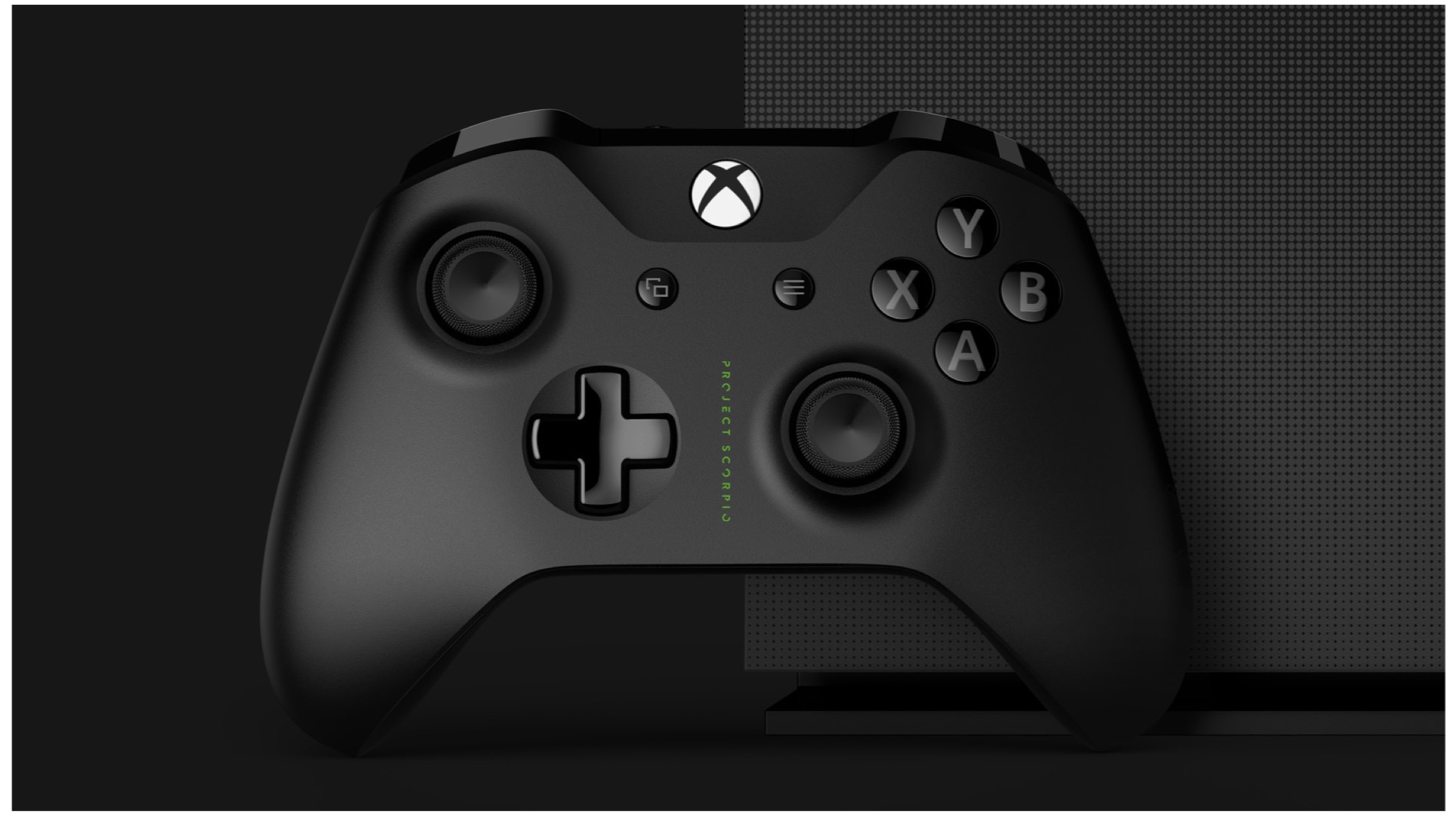
    Microsoft’s Xbox gaming console is a renowned device for gaming enthusiasts. To ensure users with limited mobility can enjoy the games of their choice, the company launched the Adaptive controller for the Xbox One console last year. According to a fresh patent that Microsoft has been granted, it is revealed the company is working on another type of controller which is specifically designed for visually impaired gamers. 

    Xbox Braille Controller

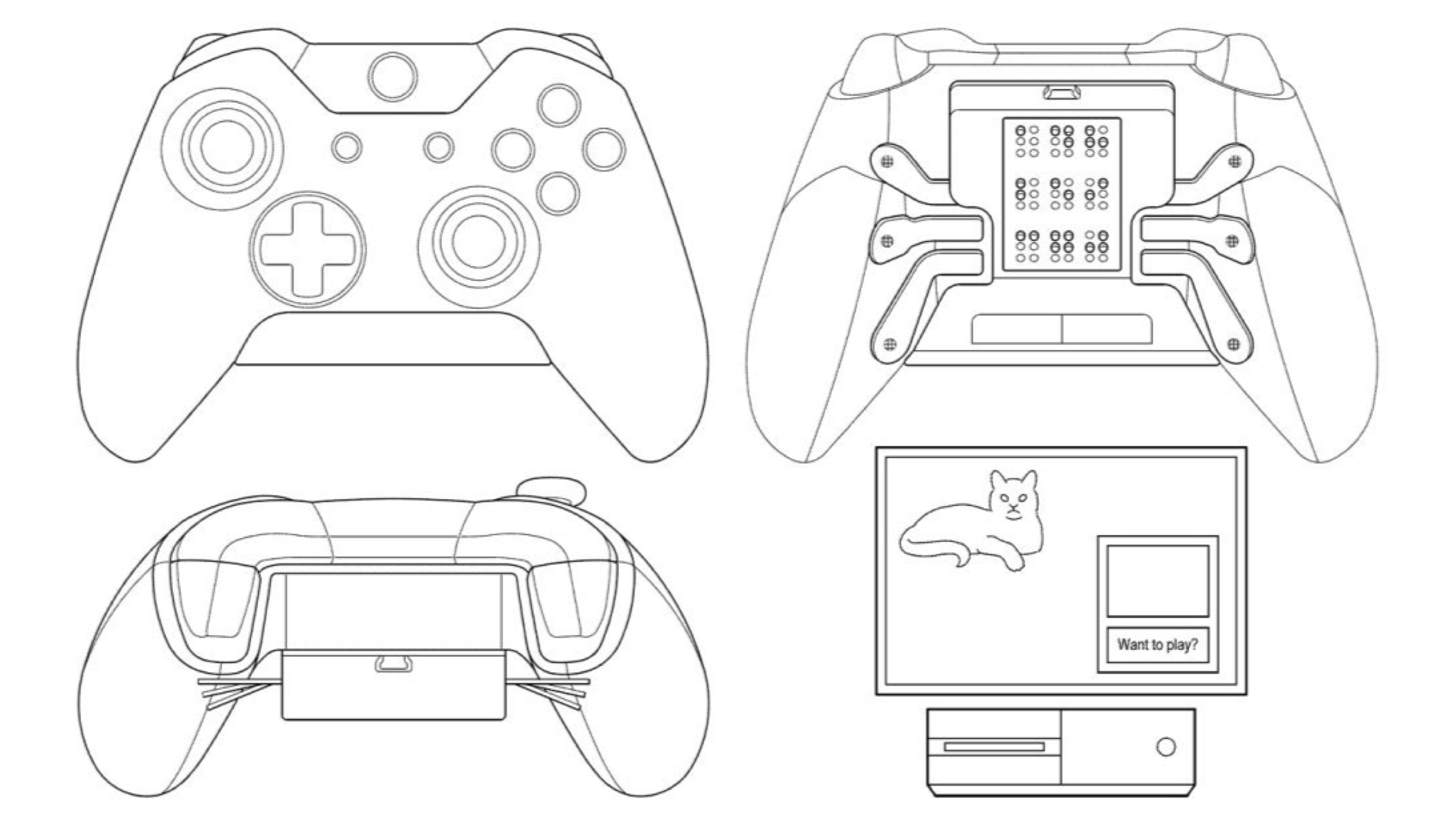
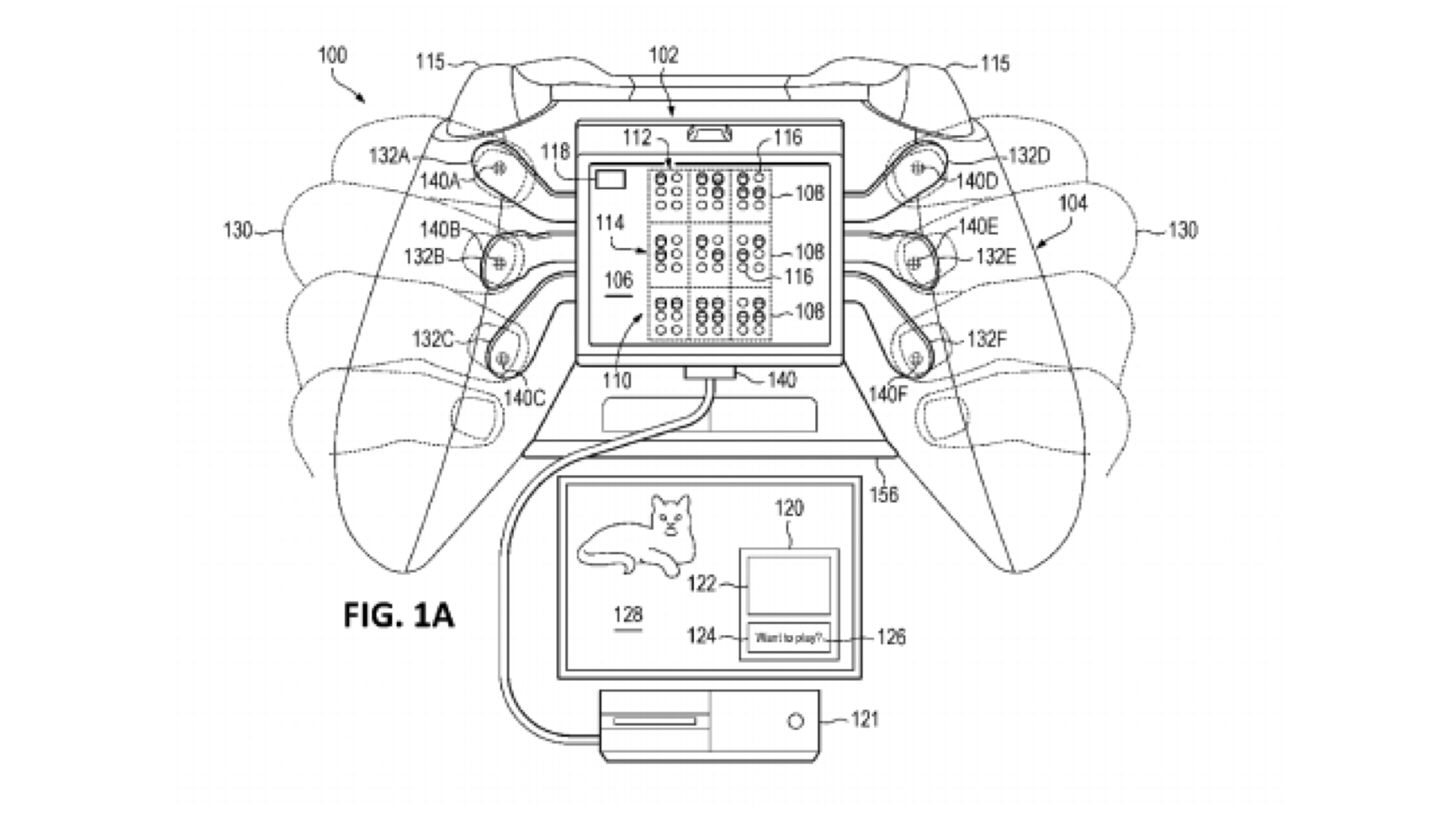
    Microsoft filed for a patent at the World Intellectual Property Office (WIPO) for a “Haptic Braille Output for a game controller”. The patent was published on the 2nd of May and showcases an Xbox controller with support for braille input that supports haptic feedback. Images in the patent present a special braille accessory which can be mounted on the rear of existing Xbox controllers which make it possible to input braille characters. The said accessory is comprised of six paddles and a display, which can show texts or audio in braille. So, for example, a visually impaired gamer can still participate in a chat session with other gamers. For those unaware, Braille is a tactile reading and writing language developed by Louis Braille, a French educator. The language is widely accepted as the standard for the visually impaired.

    Also read: Specifications Of Xiaomi Hercules Smartphone Leaked Online, Could Be The Mi MIX 4

    The patented Xbox game controller from Microsoft is also showcased to recognise speech commands and converting them into a text input. Furthermore, the braille controller may also be capable of giving vibration feedback which can be adjusted per game. As previously mentioned, it can be attached to the back of the controller and the functions can be mapped by the convenience of the gamer using the console, smartphone or PC. While the patent for a braille Xbox controller has been granted to Microsoft, when the company actually releases it is anyone’s guess. 

    For those interested, you can check out Microsoft’s patent here.

  • Xiaomi Redmi Note 7 Still Works After Being Sent To Space

    Xiaomi Redmi Note 7 Still Works After Being Sent To Space

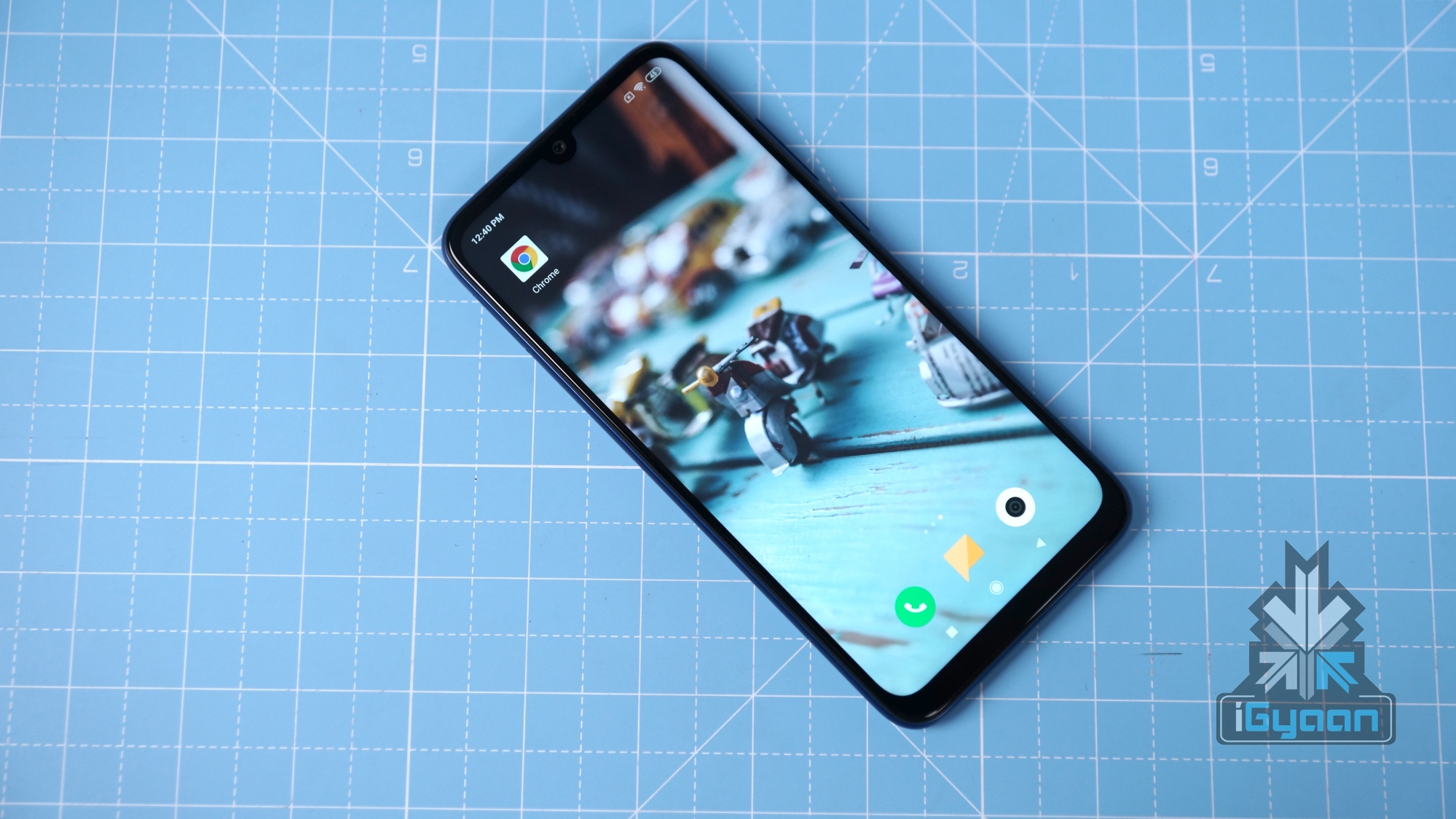
    In the month of January, Xiaomi turned its Redmi lineup of smartphones into an independent brand. The newly separated company launched its first device in the form of Redmi Note 7 which due to its value for money made seismic waves in the budget smartphone segment. Apart from the not so strong plastic chassis, it scores well in all areas including looks and performance. 

    A senior Xiaomi executive, Donovan Sung has shared a Tweet which boasts of the reliability and build quality of the Redmi Note 7. The Mi team launched a couple of units of the aforementioned smartphone into space which surprisingly made it’s way back to Earth in an unharmed condition. The whole stunt was performed with the help of a helium balloon which was attached to a contraption holding multiple units of the Redmi Note 7.

    The Tweet highlights, the smartphones made their way into space with a recorded elevation of 35,000 metres above sea level. Noteworthy, the temperature the Redmi Note 7 units had to encounter at the height was -56 ° C which is far lower than most units would ever be exposed to. The whole act was performed in order to reflect the durability of the handset which it surely excelled at. 

    Redmi Note 7 Specifications

    Also Read: Specifications Of Xiaomi Hercules Smartphone Leaked Online, Could Be The Mi MIX 4
    For reference, the Redmi Note 7 sports a 6.3 inch LCD display that has full HD resolution of 2340 x 1080 px and is protected with Corning Gorilla Glass 5. Under the hood, it features the Snapdragon 660 SoC that is comprised of an octa core CPU and Adreno 512 GPU. In term of optics, it has a dual rear camera setup which consists of 48 MP + 5 MP sensors (global variant) and a 13 MP selfie camera. It is powered by a large 4,000 mAh battery and runs on latest Android 9 Pie. For biometric security, the smartphone features a rear mounted fingerprint sensor.

  • Specifications Of Xiaomi Hercules Smartphone Leaked Online, Could Be The Mi MIX 4

    Specifications Of Xiaomi Hercules Smartphone Leaked Online, Could Be The Mi MIX 4

    Xiaomi launched the original Mi MIX in the year 2016 which is widely believed to have kickstarted the trend for bezel-less displays in smartphones. The series has since seen various design changes in its successors, the Mi MIX 2, Mi MIX 2S and the current Mi MIX 3. All the smartphones have adopted a unique technology to maximise the screen to body ratio. Now, key details of another flagship Xiaomi smartphone have leaked on Twitter. The device has been codenamed ‘Hercules’ and features top tier specifications. Reportedly, it will be the latest entrant in the Mi MIX lineup, purportedly called the Mi MIX 4.

    Mi MIX 4

    As mentioned above, the upcoming Mi MIX 4 will be the next flagship offering from the company. The leaks claim it will be kitted with the current flagship SoC from Qualcomm, the Snapdragon 855 which is comprised of an Octa-core GPU and the Adreno 640 GPU. It has been a constant in most flagship smartphones in 2019 such as the LG G8 ThinQ and Xiaomi’s own Mi 9. In terms of optics, the tipster claims the Mi MIX 4 will have a triple rear camera setup and a single front-facing camera. Unfortunately, more details including resolution and aperture size of the camera sensors are unknown at the moment. For biometric security and rapidly unlocking the handset, it is expected to sport an in display fingerprint scanner as seen on its predecessor.

    Mi Mix 2S

    Also read: 2019 iPhone And iPad Pro Models To Have Enhanced Antennas For Better Indoor Reception

    The leak further claims the upcoming Mi MIX 4 flagship smartphone will have support for Near Field Communication (NFC) for data transfers and mobile payments. Like the Xiaomi Mi 9, it will also support wireless charging technology. Although not certain, it can have a hole punch display or a pop up selfie camera to maximise the screen real estate. It may also have the option for a ceramic back for select variants. Like all of its predecessors, Xiaomi is expected to launch the Mi MIX 4 in the Q4 of this year.

  • OnePlus 7 Series Will Be The First Phone With UFS 3.0 storage

    OnePlus 7 Series Will Be The First Phone With UFS 3.0 storage

    Chineses smartphone maker, OnePlus will soon launch its latest flagship smartphones which carry the OnePlus 7 and the OnePlus 7 Pro moniker. As the name suggests, the latter will be a specced up variant of the former. Over the last few weeks, the company has been dropping hints about notable features of the upcoming devices. A fresh Tweet shared by senior company executive reveals that the upcoming devices will have UFS 3.0 storage which is a novelty in the highly crowded smartphone industry. Noteworthy, the Samsung Galaxy Fold is the first handset to incorporate this feature. However, due to technical issues, the commercial launch of the handset has been moved indefinitely.

    What Is UFS 3.0 and It’s Benefits

    UFS 3.0, short for Universal Flash Storage 3.0 is a memory standard which aims to bring higher data transfer speed and increased reliability to consumer electronic devices like smartphones and digital cameras. Clearly, the higher data transfer speeds of the memory translate into faster data and application load times of devices incorporating it. Talking about the real world performance, UFS 3.0 storage supports bandwidth up to 1450 MB/S per lane. Accrediting to two separate lanes, it can provide a whopping speed of 2900 MB/s. As previously mentioned, UFS 3.0 provides considerably higher read and write speeds, the upcoming OnePlus 7 and OnePlus 7 Pro will be significantly faster than its competitors. 

    OnePlus 7 Pro Features And Launch Date

    Talking about the features, the upcoming OnePlus 7 Pro is confirmed to have a 90 Hz display which supports HDR 10+ content, a pop up selfie camera, triple rear cameras, and dust/water resistance. Whereas the list of unconfirmed features includes the Snapdragon 855 SoC, 4,000 mAh battery, 30 W warp charge and a stereo speakers. 

    Also Read: 2019 iPhone And iPad Pro Models To Have Enhanced Antennas For Better Indoor Reception
    All in all, the detailed specifications and price of the OnePlus 7 and the OnePlus 7 Pro will be unveiled at the official launch event which is scheduled for the 14th of May. 


  • 2019 iPhone And iPad Pro Models To Have Enhanced Antennas For Better Indoor Reception

    2019 iPhone And iPad Pro Models To Have Enhanced Antennas For Better Indoor Reception

    American electronics giant Apple is expected to launch three new iPhones and updated variants of the iPad Pro tablets later this year. The latest research note from renowned analyst Ming-Chi Kuo, he predicts both the smartphones and tablets will make use of new antenna technology. According to Kuo, who has been notably accurate with his leaks in the past, the iPhones and iPads will shift from using the Liquid Crystal Polymer (LCP) design to the Modified-PI material antennas when they launch later in 2019. The shift to the new antenna technology is expected to make mobile networks indoors more reliable.

    LCP vs. MPI Antennas

    Apple iPad Pro

    As mentioned above, Apple will shift the antenna design in its upcoming devices from LCP to MPI material. LCP or Liquid Crystal Polymer design of the antenna is a low cost organic flexible layer that has some unique electrical properties making it suitable for antennae. It also behaves consistently across the entire radio frequency range, has a very low signal loss, making it useful for the application of 5G, the next generation of mobile connectivity. The LCP material is vastly seen in the application in products like Radio Frequency Identification (RFID) tags and mobile phones. 

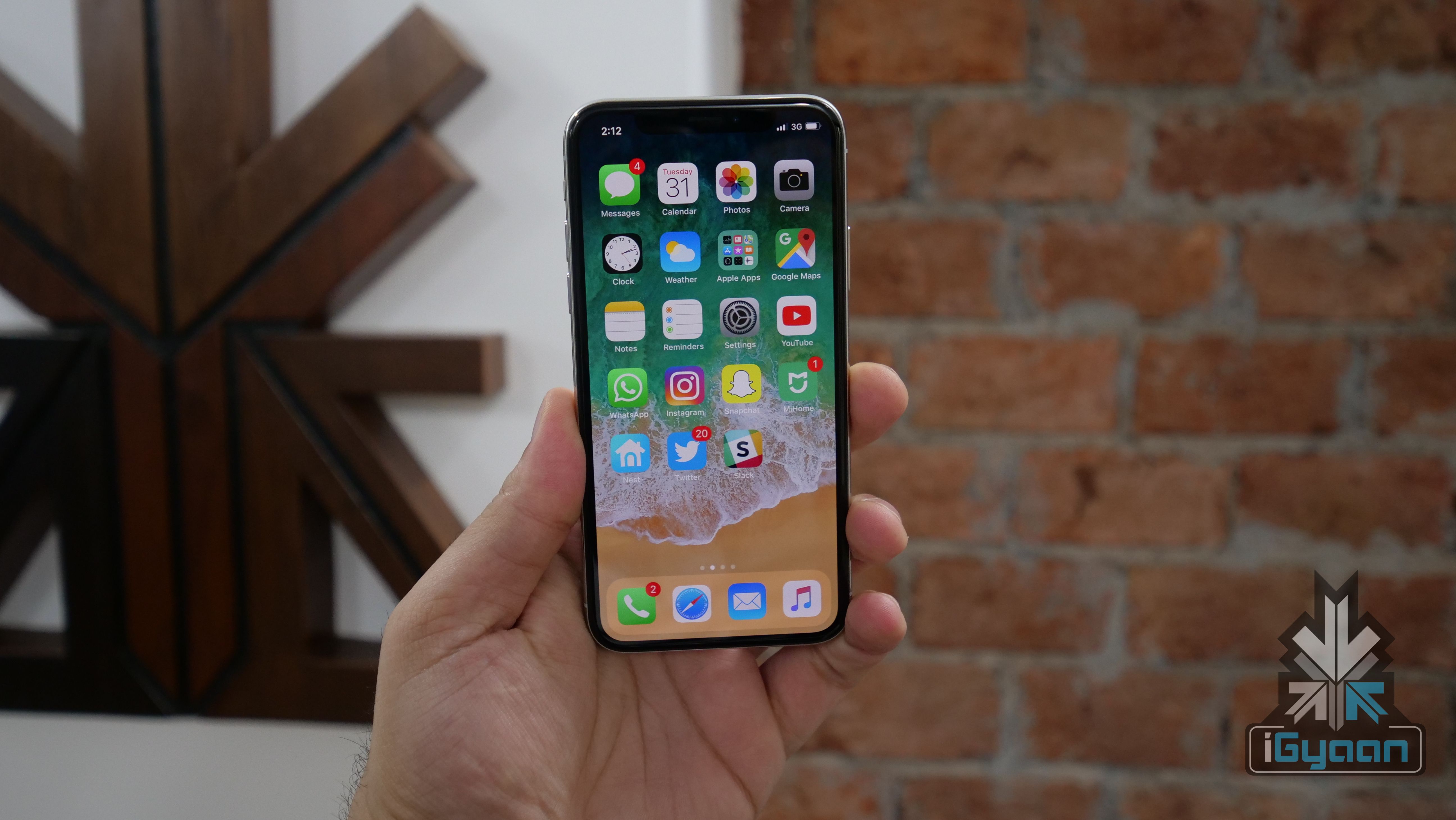
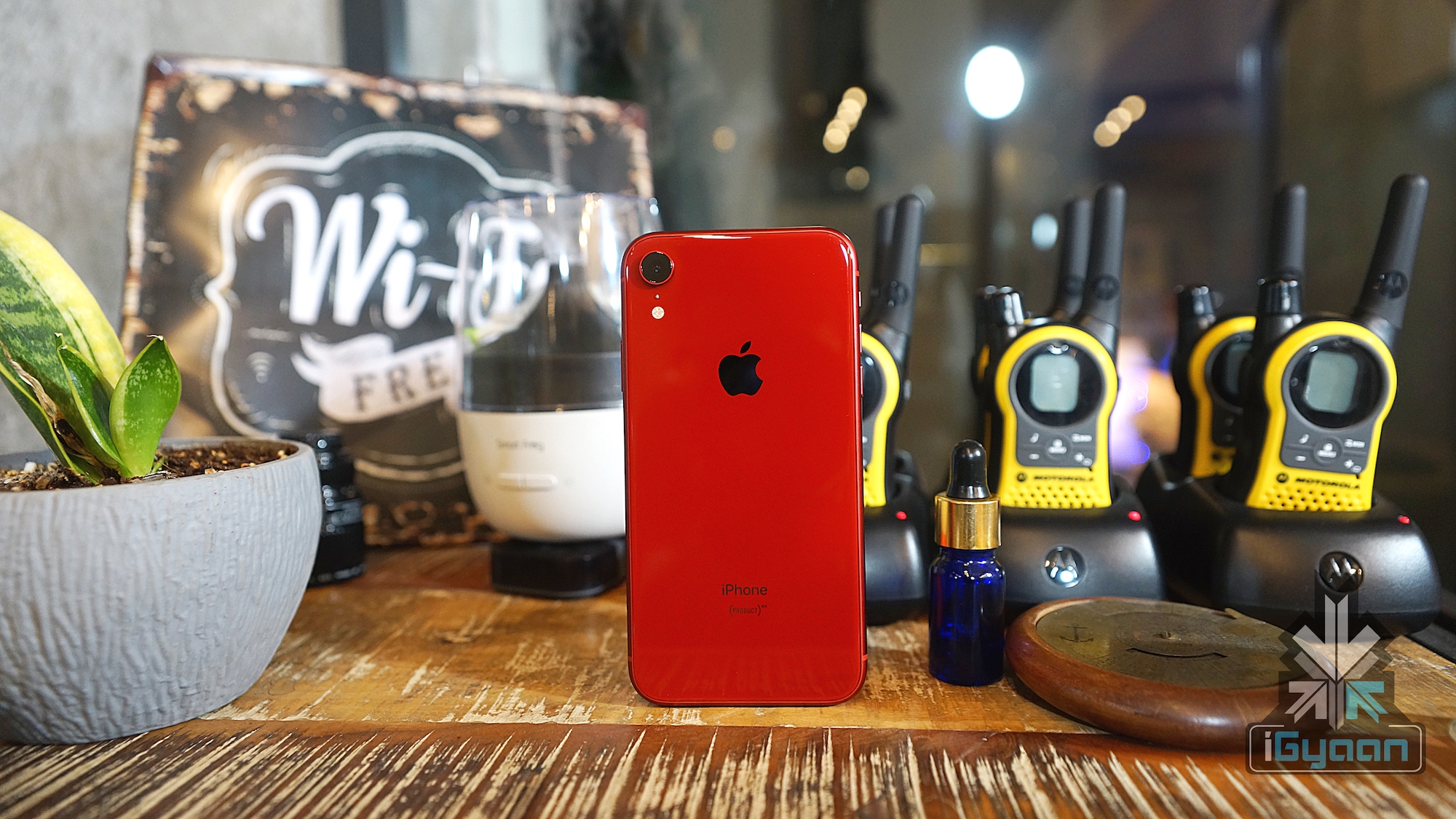
    Apple iPhone XR

    Also read: OnePlus 7 Pro Pricing In India Leaked Ahead Of Official Launch

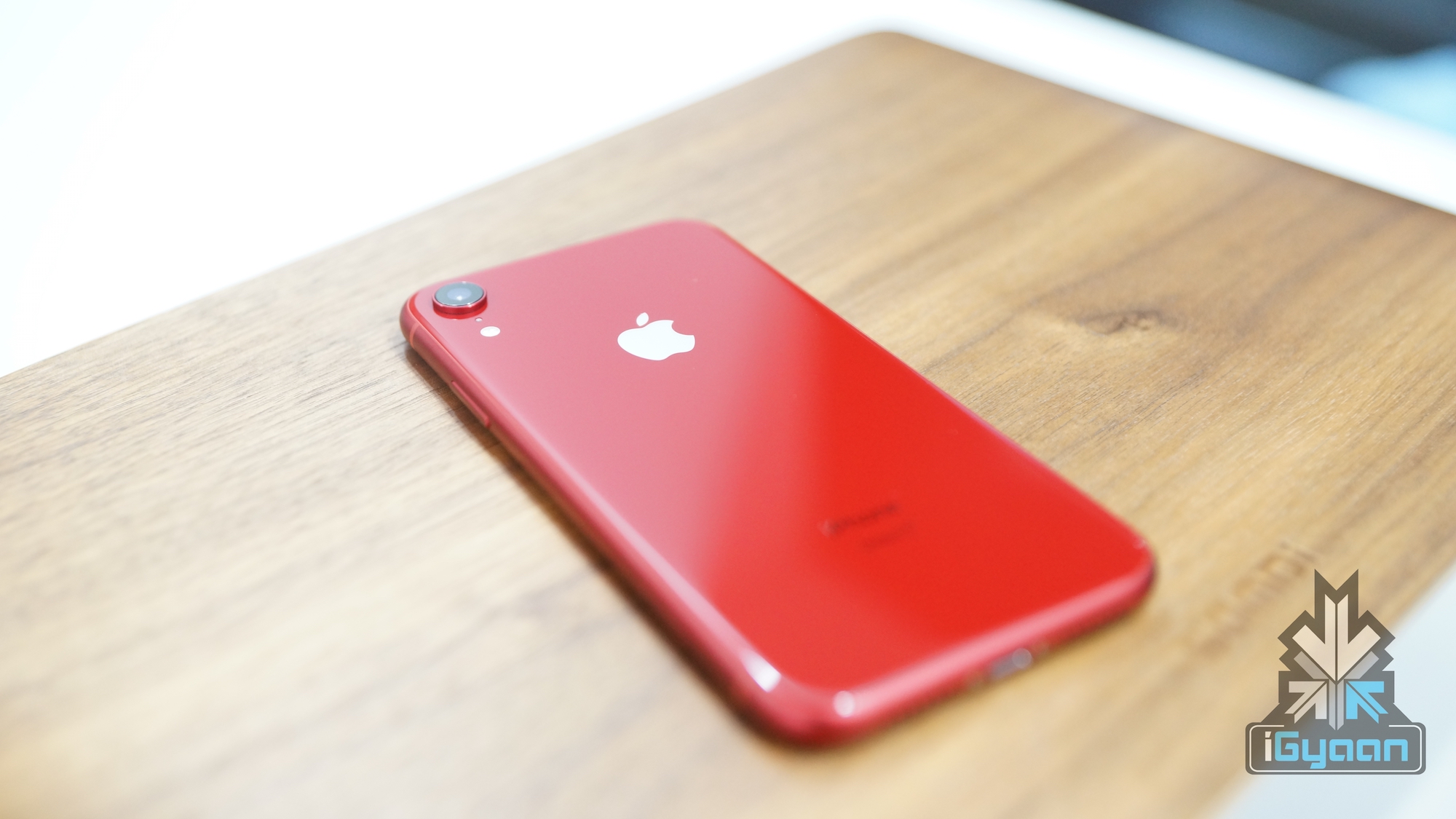
    Modified-PI material for antennae, on the other hand, offers the same performance but are significantly more affordable. Interestingly, Apple uses six LCP antennas in its current generation of iPhones, namely the iPhone XS, iPhone XS Max and the iPhone XR. These six antennas will be replaced by two MPI and four LCP antennas in the upcoming iPhones and iPads. However, the analyst claims Apple will make use of the LCP antennas primary in the year 2020. This is because of the advantage of the technology for use in 5G devices, which the company is expected to introduce starting next year. Apple is expected to launch the new iPhones in the month of September later this year, while the iPad Pro is expected to be unveiled at the end of this year or early next year. 

  • OnePlus 7 Pro Pricing In India Leaked Ahead Of Official Launch

    OnePlus 7 Pro Pricing In India Leaked Ahead Of Official Launch

    Chinese manufacturer OnePlus is gearing up for the launch of the OnePlus 7 lineup on May 14, 2019, and rumours surrounding the pricing of the smartphone are in full swing. The device will be unveiled at simultaneously occurring events in the United States, United Kingdom and India. A major chunk of all specifications have already been leaked for the same, and as per latest reports, the Indian pricing for the same has been leaked on Twitter. 

    Sources reveal that the OnePlus 7 Pro will be available in three different variants, and the prices of the same are listed below:

    • 6GB/128GB: INR 49,999 ($723)
    • 8GB/256GB: INR 52,999 ($766)
    • 12GB/256GB: INR 57,999 ($838)
    OnePlus 7 Pro: Features And Specifications

    The OnePlus 7 Pro will be the specced up variant of the regular OnePlus 7, sporting an all glass design on the front and back with a metal chassis to provide reinforcement. Previous leaks suggest that the smartphone will have a 6.7-inch Optic AMOLED display with a resolution 3120 x 1440 px and a 90Hz refresh rate. The OnePlus 7 Pro will use a pop-up camera mechanism which will house the front camera. Regarding biometrics, it will feature an in-display fingerprint scanner along with the support for face unlock technology for additional security. 

    The OnePlus 7 Pro will run on the 7nm Qualcomm Snapdragon 855 SoC. It will have a triple rear camera module, comprised of an f/1.7 aperture equipped 48 MP sensor, an f/2.2 aperture equipped 16 MP ultra wide sensor and an f/ 2.4 aperture equipped 8 MP sensor. For selfies, the device will boast of a f/2.0 aperture equipped 16 MP camera housed in the aforementioned pop-up mechanism. Reportedly, the device will have Ultra Fast Storage (UFS) 3.0 standard and a USB Type-C port.

    Also Read: Huawei Y9 Prime 2019 With Triple Rear Cameras, Pop Up Selfie Camera Leaked
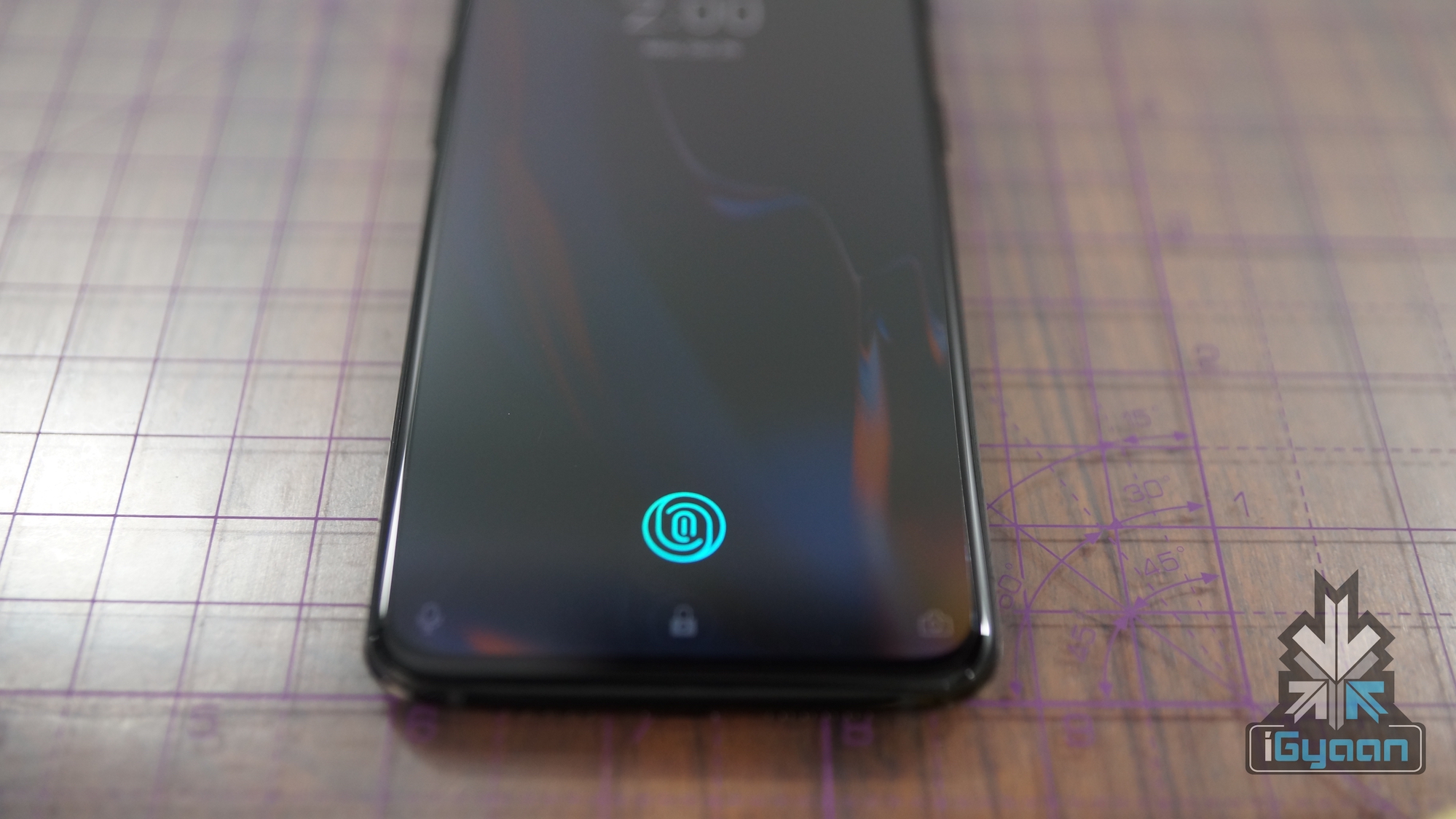
    The OnePlus 7 Pro will pack a 4000 mAh battery with support for 30W Warp charging. It is also speculated that the device may be launched alongside a 5G variant, which will mark the next generation of connectivity standard for the smartphone. Additionally, on May 3, 2019, the company held a OnePlus 7 Pro pre-booking event for interested customers on popular e-commerce website, Amazon. 

iGyaan Network
Privacy Overview

This website uses cookies so that we can provide you with the best user experience possible. Cookie information is stored in your browser and performs functions such as recognising you when you return to our website and helping our team to understand which sections of the website you find most interesting and useful.