Category: Brands and Companies

All Brands and Company Names

  • Poco F1 Gets Widevine L1 Support For HD Streaming

    Poco F1 Gets Widevine L1 Support For HD Streaming

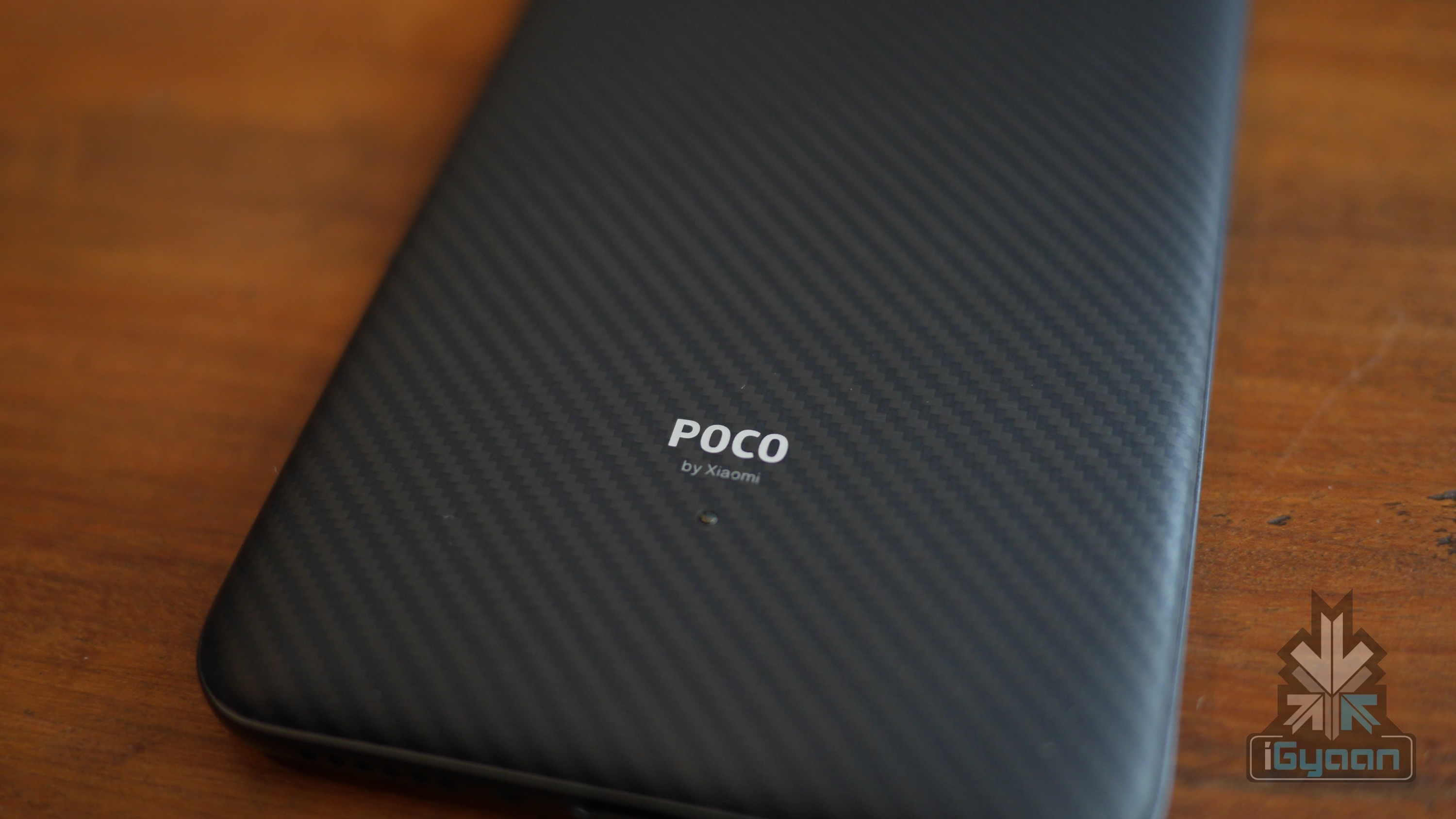
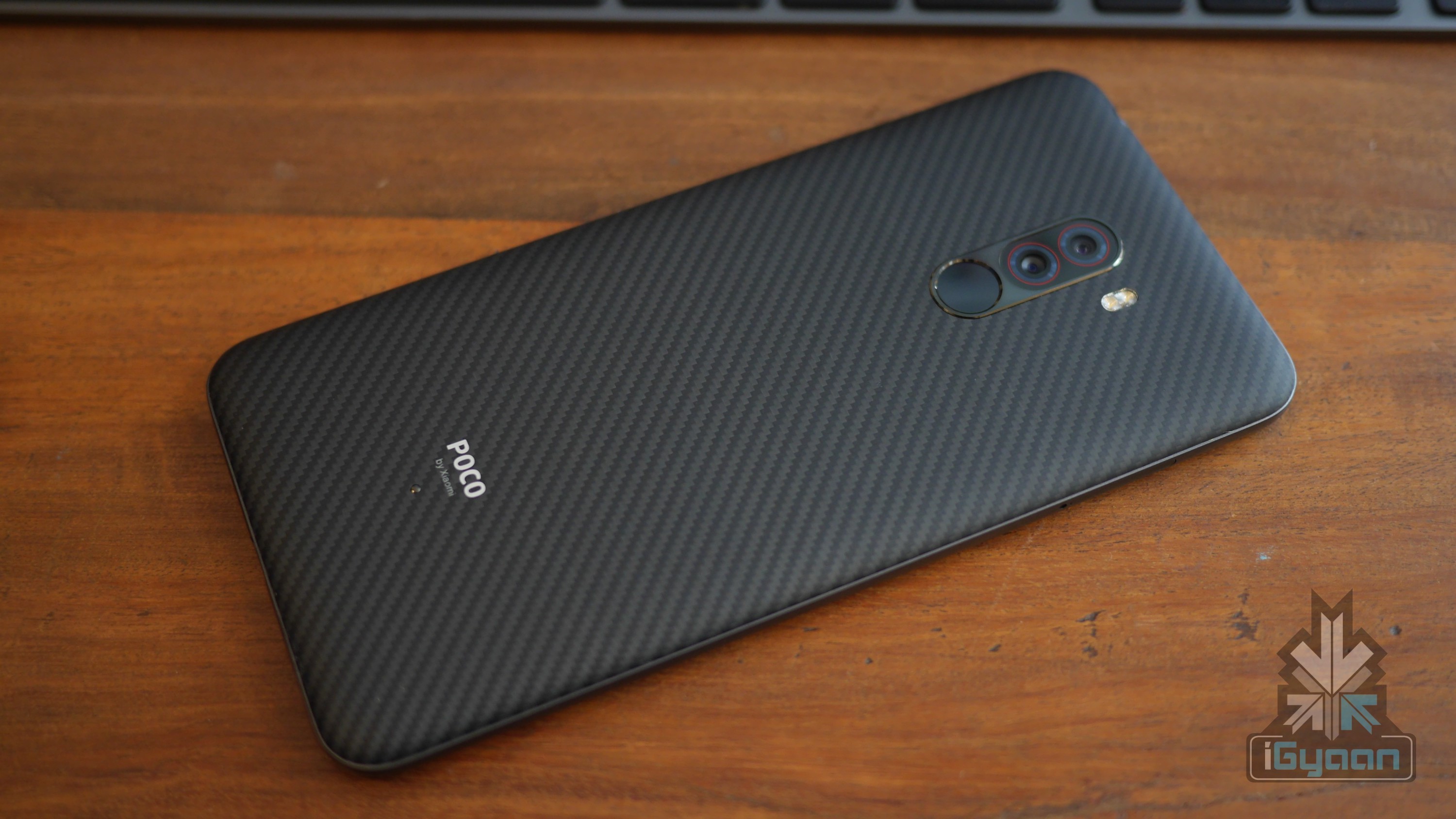
    Xiaomi launched the Poco F1 in India back in the month of August last year. The smartphone with a budget price and flagship specifications witnessed rave reviews globally. But soon after the launch, the controversy arose that the device lacked the support for Widevine L1 certificate; which is necessary to stream HD digital content on services like Netflix and Amazon Prime Video.  According to a senior Xiaomi India executive, the Poco F1 has been granted Widevine L1 certification. The executive also states that an OTA update with the L1 certification is being rolled out for beta users. Besides, the upcoming general public MIUI update for the device will incorporate this certificate. Therefore, the users will soon be able to stream HD content on their devices after updating the latest update. 

    Poco F1: Widevine L1 Support

    The Widevine L1 certification is granted by Widevine Technologies, which is owned by Google. It is an encryption system to distribute video content from streaming services to consumer devices. When it was discovered that the Poco F1 lacked the Widevine L1 certification; it became identified that the device was incapable of streaming video content higher than 540p resolution. Similarly, OnePlus’s yesteryear flagship, the OnePlus 5T was also plagued by the same problem which was sorrowfully never eradicated. 

    The Poco F1 has started receiving the update supporting the Widevine L1 certificate in the latest MIUI 10 9.2.25 Beta. It was earlier speculated that the devices lacking certain hardware components cannot be Widevine L1 certified. However, Xiaomi has demonstrated that the aforementioned problem can indeed be fixed via software modifications. In addition to the L1 certification, streaming services also need to whitelist devices to allow them to stream HD content. Streaming services including Amazon Prime Video and Hotstar have already updated their respective applications to allow Poco F1 to be able to stream HD content. However, Netflix is yet to roll an update that allows updated Poco F1 units to stream HD content on its platform. 
    Also read: 1TB MicroSD Cards Are A Reality At MWC 2019

    The update on the Xiaomi Poco F1 should arrive as a sigh of relief to existing users of the device. Unfortunately, the company has not provided any information on the stable release of the update; but it is expected to roll out as soon as the current software is out of Beta and has the bugs ironed out.

  • Samsung Galaxy A50

    Samsung Galaxy A50

    Samsung Galaxy A50 is the latest addition to the mid-range A-series by the South Korean electronics giant Samsung. The smartphone has some modern specs and a unique design. It features an in-display fingerprint sensor, making it the only device from Samsung other than the Galaxy S10 and the Galaxy S10+ to have this feature.

    [loop included_tags=”58516″ loading=”paged” layout=”f” postsperpage=”4″]

  • Samsung Galaxy A30

    Samsung Galaxy A30

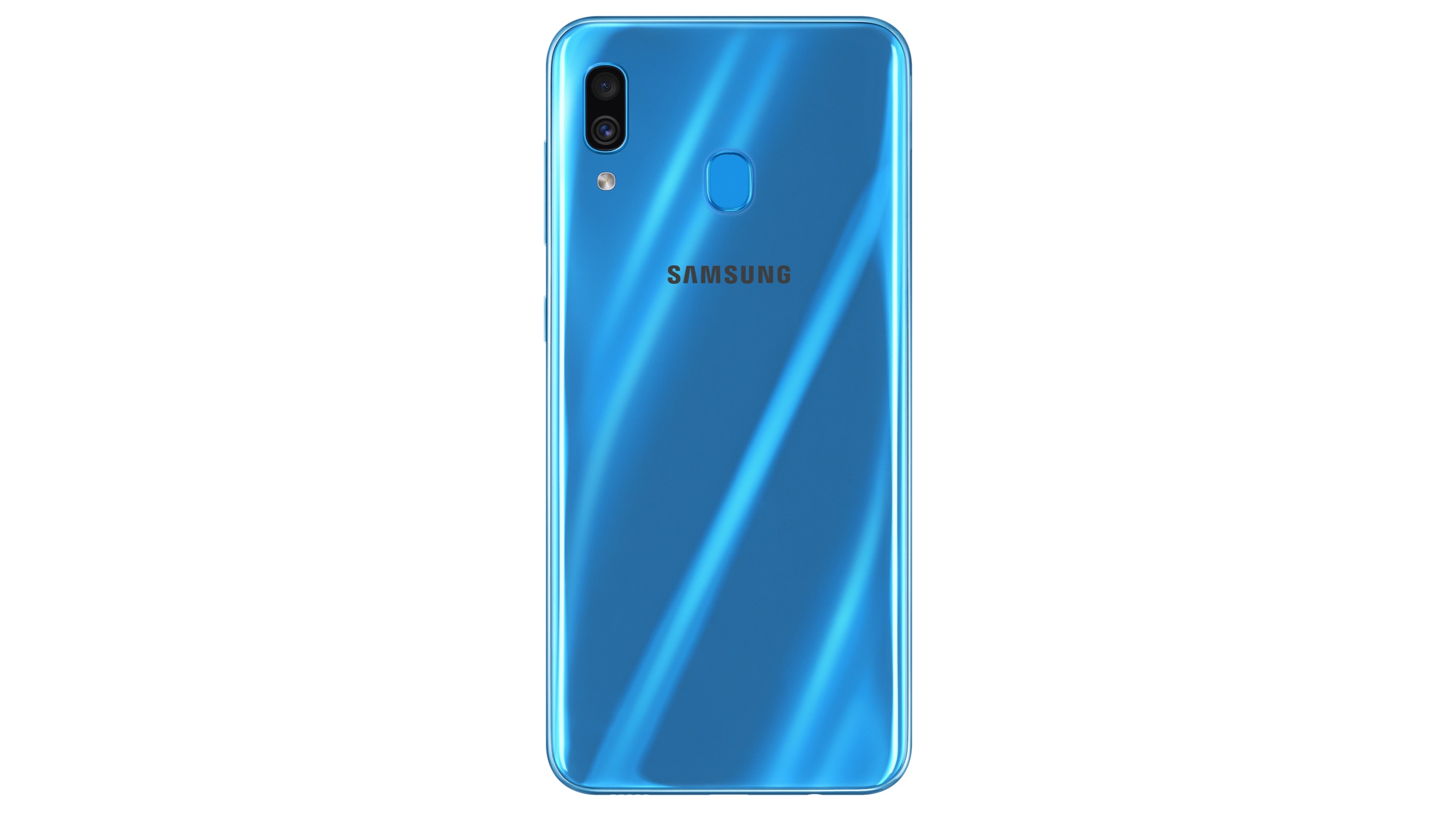
    Samsung Galaxy A30 is the latest addition to the A series lineup. The device has an Infinity-U display with a rear-mounted fingerprint scanner. The device sports a dual rear camera setup and a single 16 MP front camera housed in the notch. The device features an Exynos 7885 chipset with an octa core processor.

    [loop included_tags=”60793″ loading=”paged” layout=”f” postsperpage=”4″]

  • Upcoming Update Will Augment Messaging App & Google Assistant Integration

    Upcoming Update Will Augment Messaging App & Google Assistant Integration

    With an upcoming update, Google assistant will show relevant suggestions about the subject of the message while it is being typed. The assistant will look for keywords in the message which with the help of AI algorithms will be used to populate the suggestions. One such example of this feature could be suggesting reviews of a particular place or destination that is being talked about in the message. Not just this, Google will also introduce 7 new Indic languages to its Google Assistant. Doing so will enable support for Bengali, Gujarati, Kannada, Malayalam, Tamil, and Urdu. Also, the AI model of the Assistant will be more suited to a higher number of users.

    About The Update

    The Android Messages application is preinstalled on nearly all Android smartphones, so integration with such an application would be fairly easier. Smart texting has been around for a while now. Links inserted in text messages automatically show web previews whenever an internet connection is available. Google posted that this feature can be used with any device that uses Android (even Go editions), iOS and KaiOS.

    Google Assistant Integration

    The Google Assistant integration is also seen in other Google apps like Maps, where drivers can get hands-free instructions regarding which directions to follow, making calls and read out texts. Similarly, the Android Messages app will rely on AI to provide suggestions that can make texting easier. It displays the information as a ‘suggestion chip’, and the user can click on it and just add that piece of info to the message. 

    Platform Support

    Google has also brought Voice Typing on KaiOS, which can help translate speech to text conveniently. As mentioned before, the multilingual support will help the Assistant to improve support for multiple dialects and accents. Apart from Indic languages, Google Assistant also adds support for bilingual talkback, with language support choices from Korean, Hindi, Swedish, Norwegian, Danish and Dutch.
    Also Read: Nubia Alpha Foldable Smartwatch Launched At MWC 2019

    Users can soon install the update rolling out to their devices. Let us know what you think about these features in the comments below.

  • Redmi Note 7, Note 7 Pro Key Specs Leaked; India Launch On February 28

    Redmi Note 7, Note 7 Pro Key Specs Leaked; India Launch On February 28

    Xiaomi has been teasing what could be one of the most anticipated budget devices in India, the Redmi Note 7 and the Redmi Note 7 Pro. The Redmi Note 7 was the first device by the brand after it separated to become an independent brand. Xiaomi has since then, released teasers and has confirmed that the smartphone will be launched in India on February 28. Fresh reports suggest that the elder sibling, the Redmi Note 7 Pro will also make an appearance at the event. 

    Redmi Note 7 

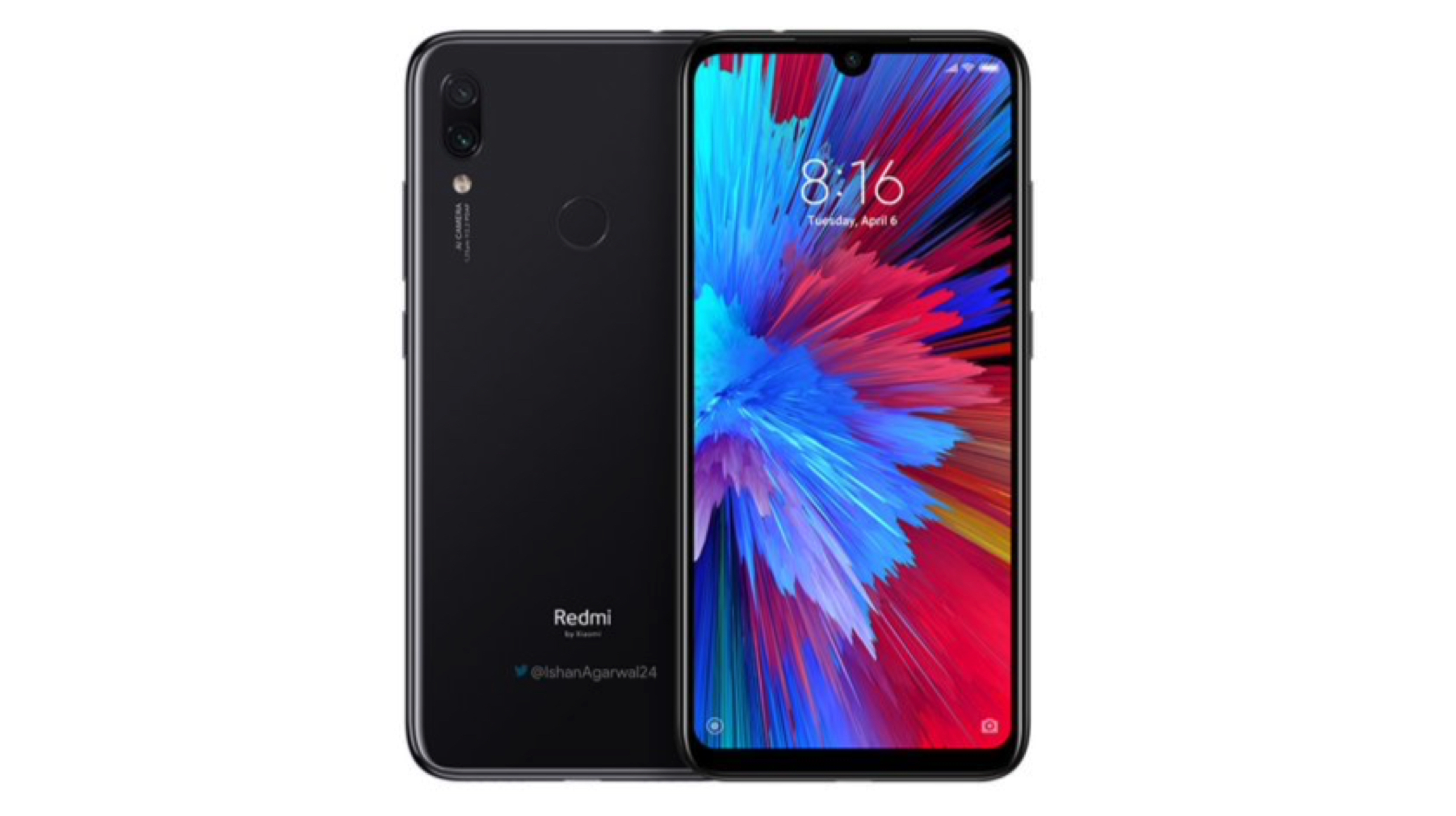
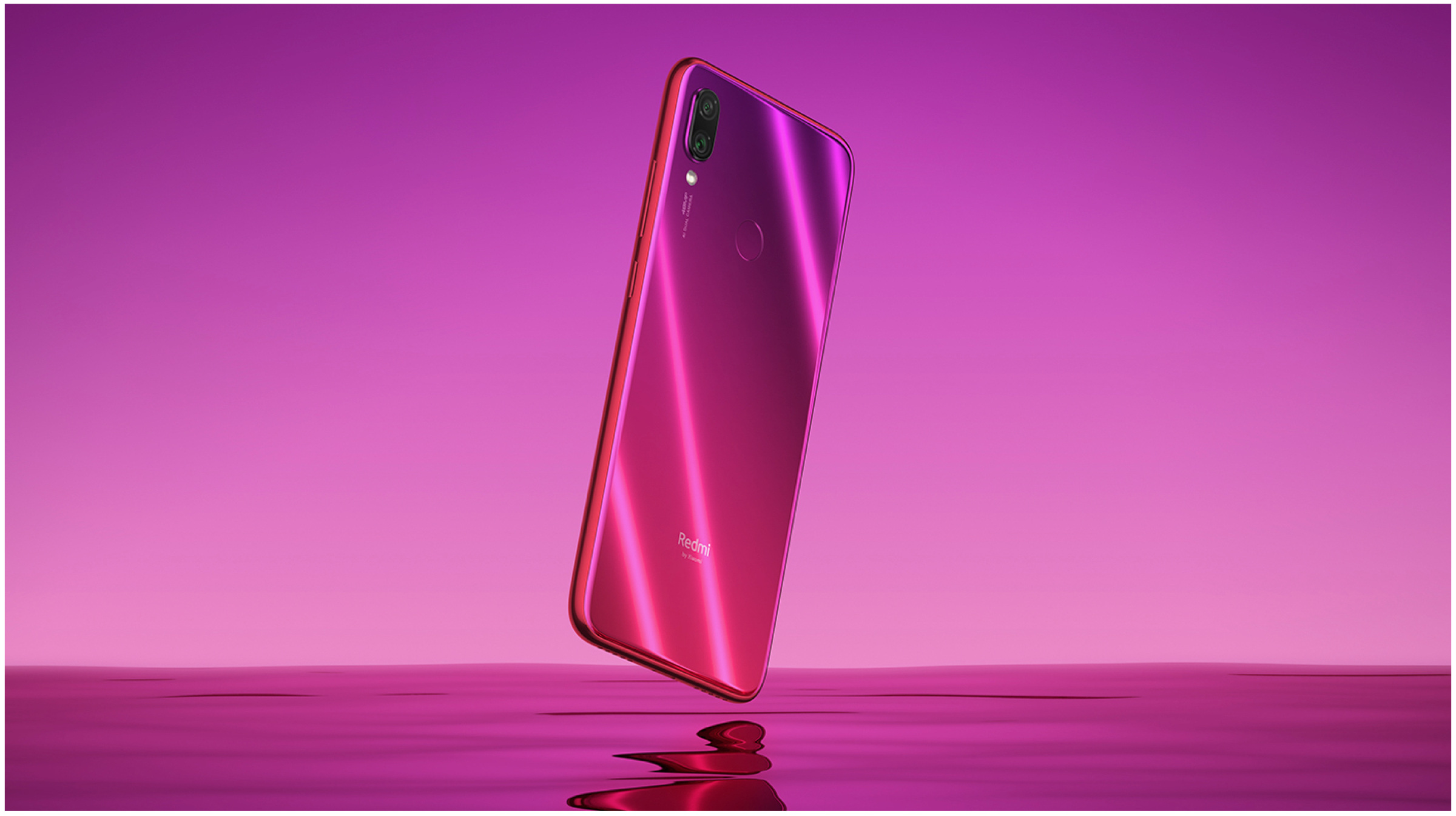
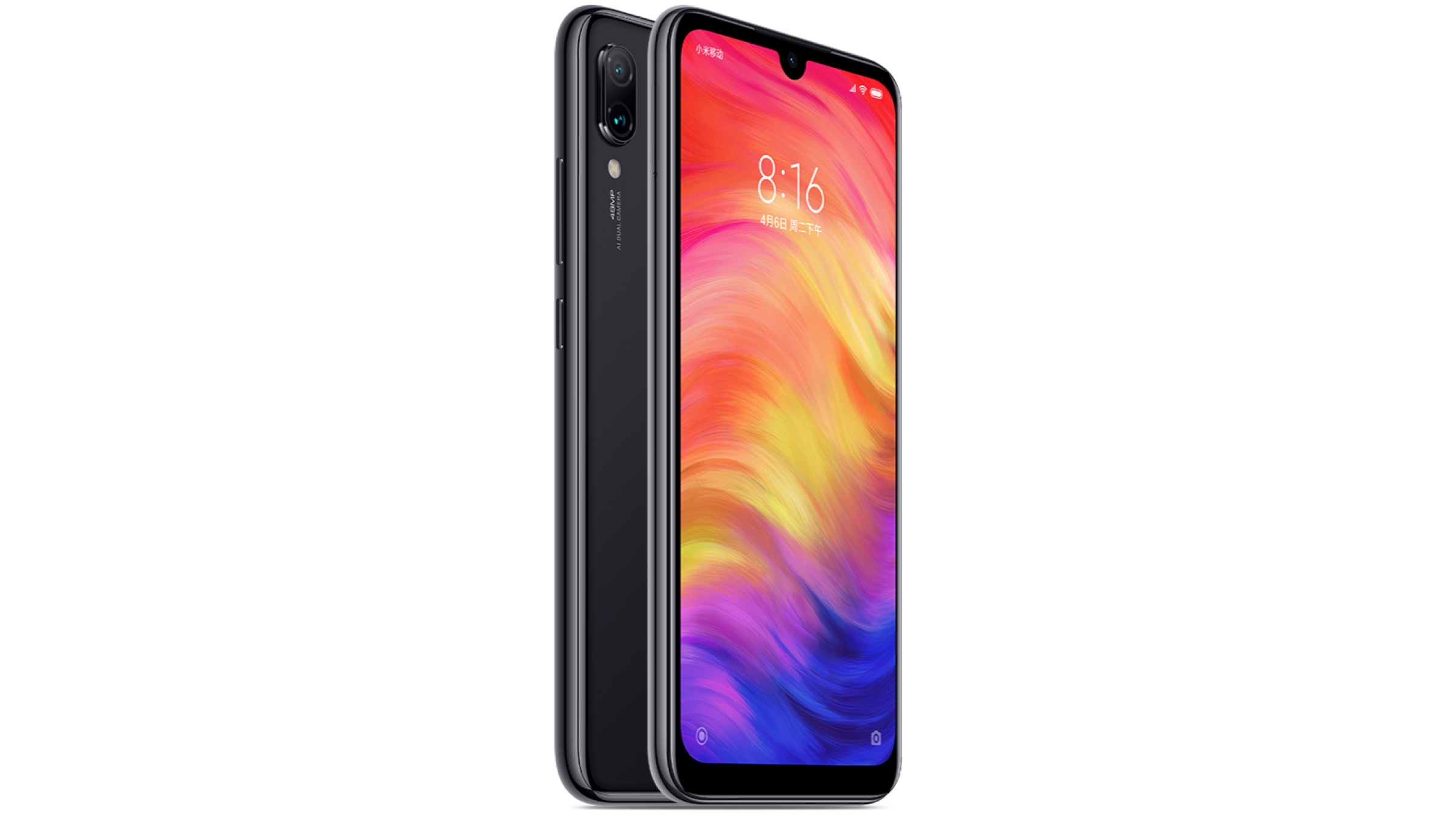
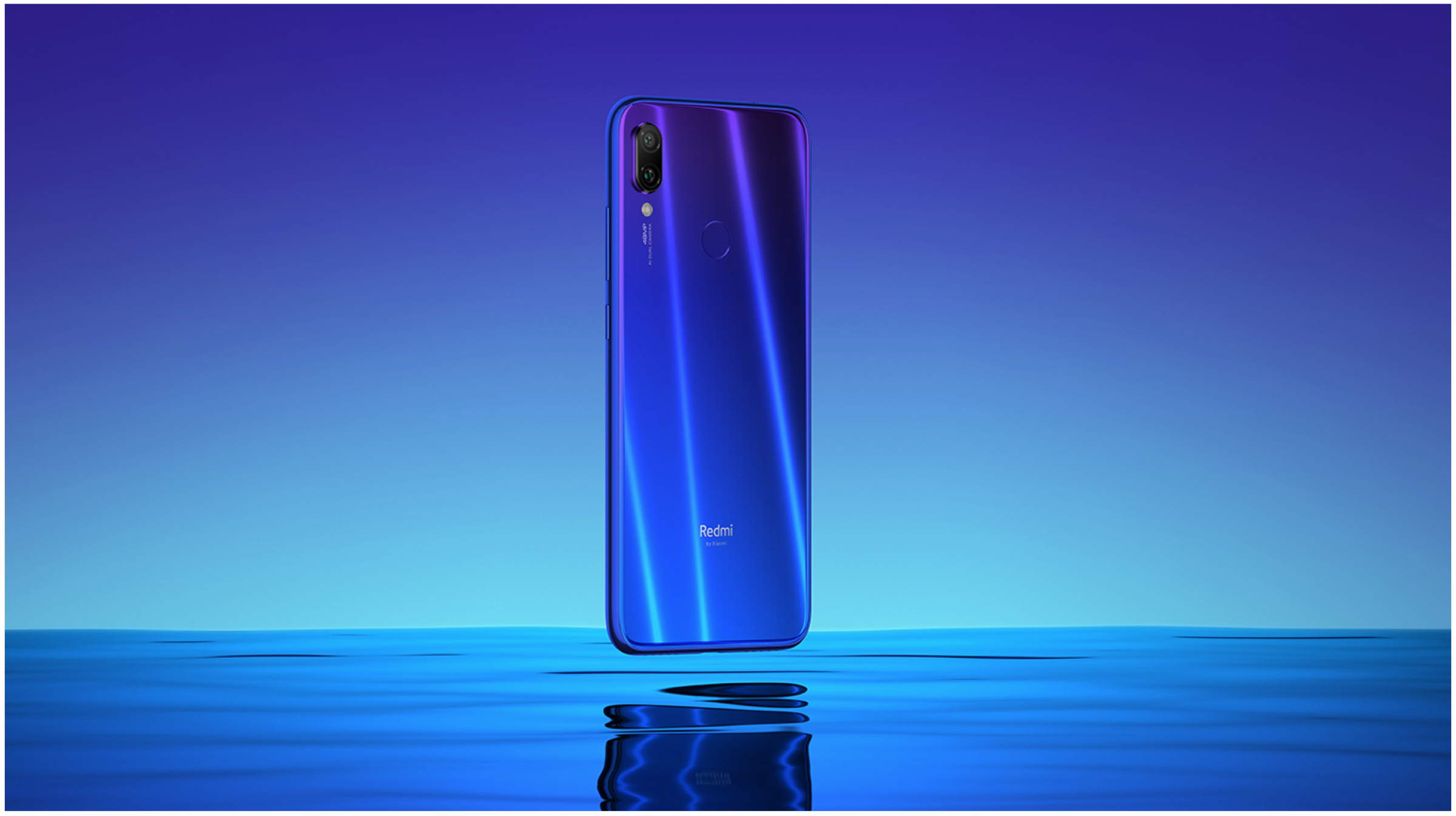
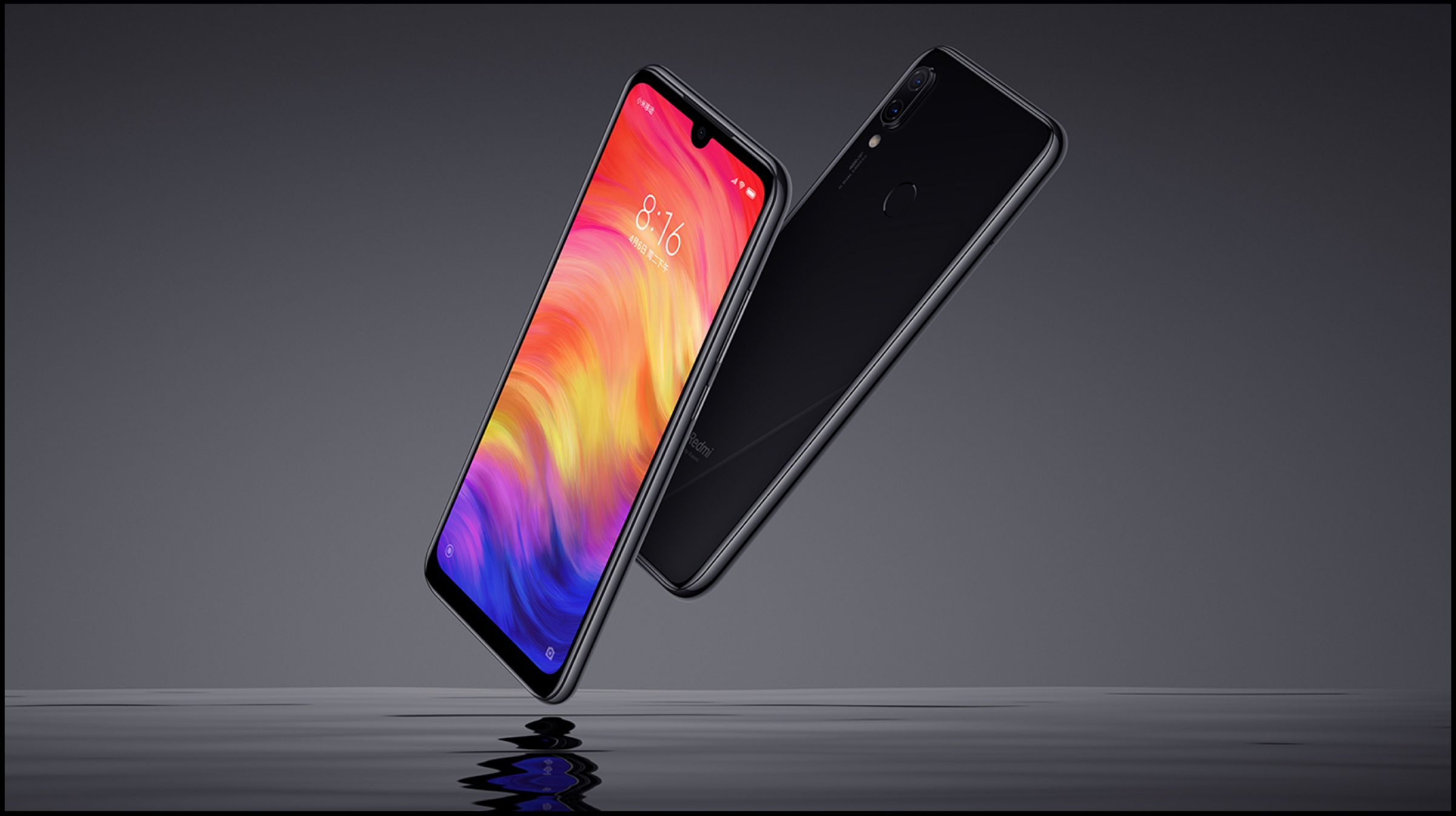
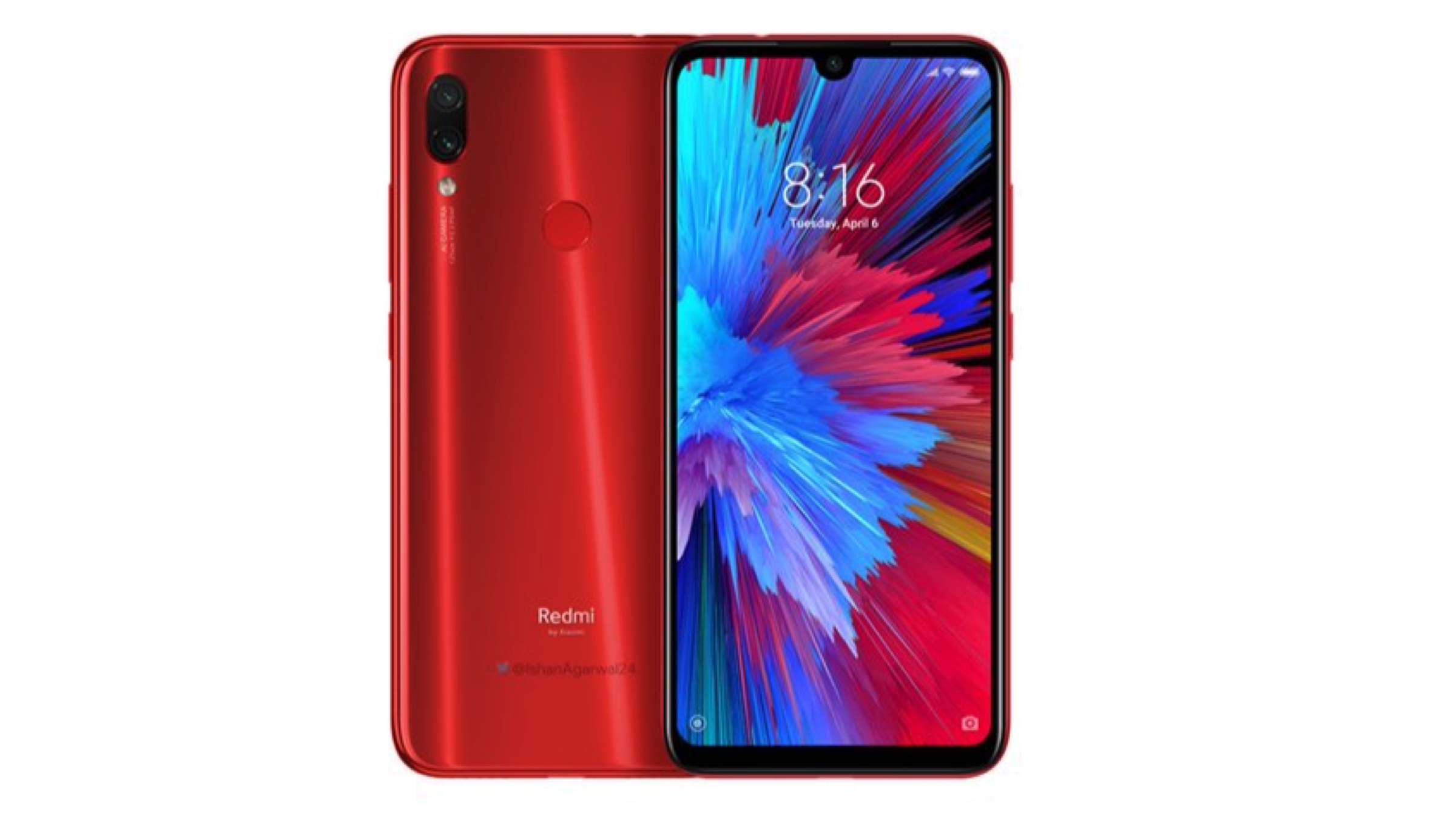
    Redmi Note 7 will be the new budget offering by the Chinese manufacturer. The device is expected to have an identical design to its namesake launched in China in January. It will have a glass sandwich design with a polycarbonate frame. The smartphone will feature a 6.4 inch IPS LCD display with a resolution of 2340 x 1080 px. With an edge to edge display, it will have minimal bezels and a waterdrop notch up top. There is also a fingerprint sensor and an attractive gradient colour scheme on the back of the device.

    The Redmi Note 7, unlike the one released in China, will reportedly run on the Snapdragon 636 SoC which is manufactured using a 14nm fabrication process. The chipset has an Octa-core CPU and an Adreno 509 GPU. Interestingly, this processor has been present in the last year’s Redmi Note 5 Pro and the Redmi Note 6 Pro. The device will also differ in the optics department from its Chinese counterpart. The dual rear camera setup consists of a 12MP f/2.2 sensor and a 5MP f/2.4 depth sensor for portrait mode. For selfies, the smartphone will have a 13MP camera placed in the notch on the top of the display.

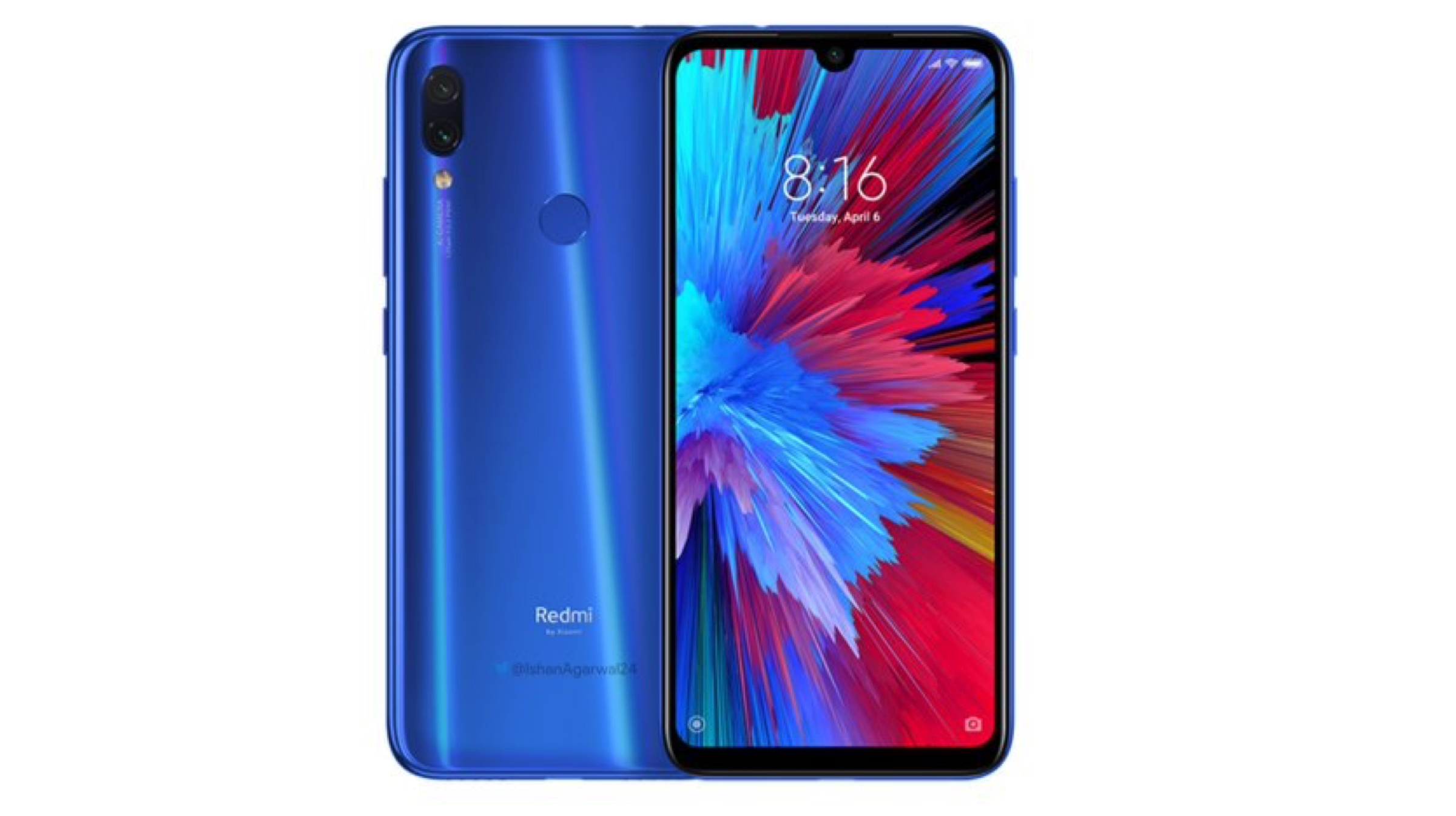
    The Redmi Note 7 will be powered by a 4000mAh battery with support for fast charging. It will be available in Black, Blue and Red colour options in India. In terms of memory and storage, it will be available in two variants which are as follows:

    • 3GB RAM and 32GB ROM
    • 4GB RAM and 64GB ROM
    Redmi Note 7 Pro

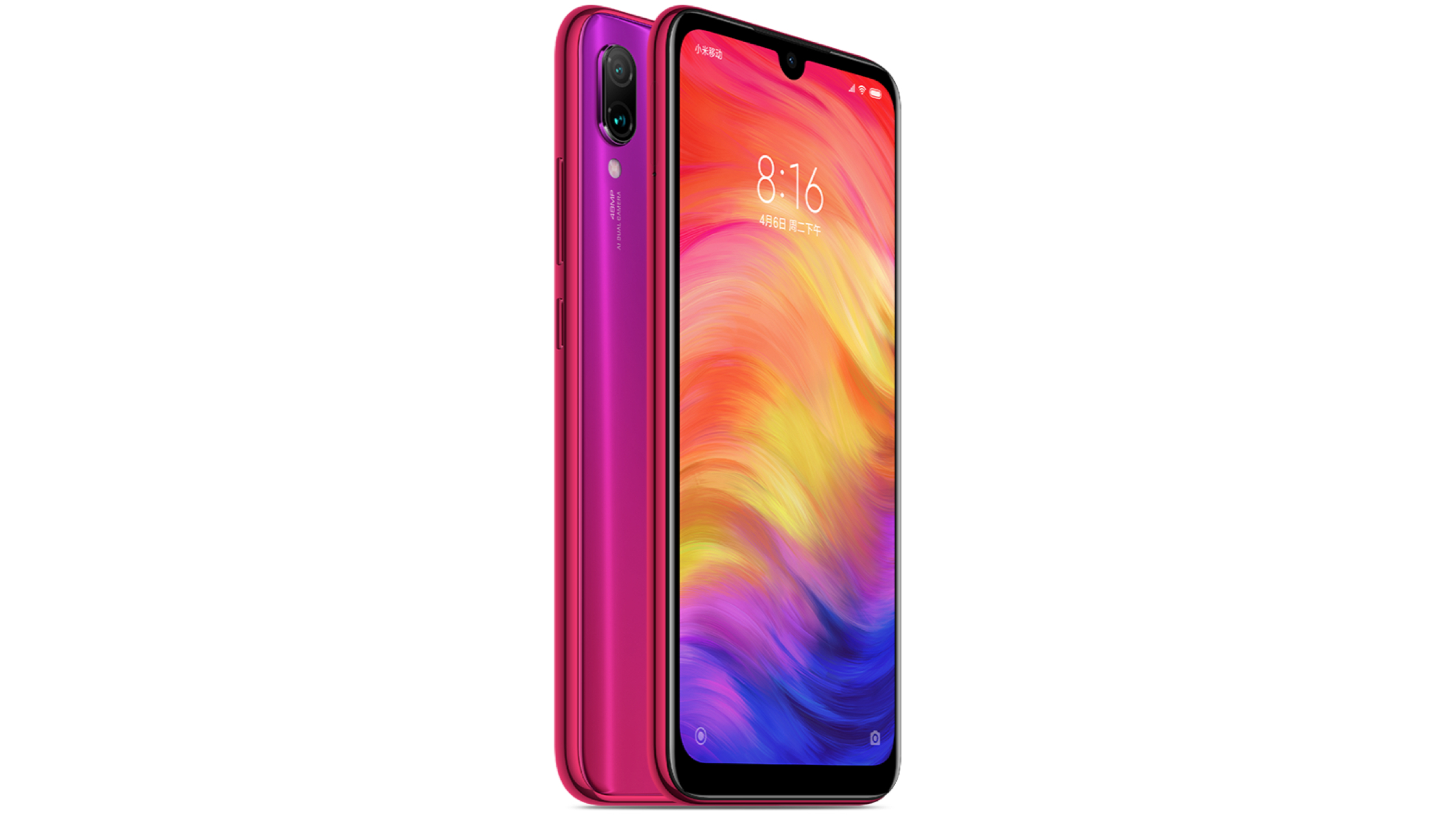
    As the name suggests, the Redmi Note 7 Pro will be an upgraded version of the Redmi Note 7, with significant improvements in the performance and optics department. Notably, this device will be the rebranded version of the Chinese Redmi Note 7. It will feature the same design as the device, complete with glass on the front and the back and a gradient pattern on the rear panel. It will have a 6.3 inch IPS LCD display with a resolution of 2340 x 1080 px. The device will also feature a waterdrop notch on the front. 

    Like the Redmi Note 7 in China, the Indian version of the Note 7 Pro will run on the Snapdragon 660 SoC which is manufactured using a 14nm fabrication process. The chipset has an Octa-core CPU and an Adreno 512 GPU. In terms of the optics, the smartphone will feature a dual rear camera setup consisting of a 48MP f/1.8 Samsung ISOCELL GM-1 sensor combined with a 5MP f/2.4 depth sensor for portrait mode shots. Like the Indian version of the Redmi Note 7, the elder sibling will also have a 13MP selfie camera housed in the notch on the top of the display.

    The Redmi Note 7 Pro, like the regular variant, will be powered by a 4000mAh battery with support for fast charging via the bottom mounted USB Type-C port. It will be available in Black, Gradient Blue and Gradient Red colour options in India. For memory and storage, the smartphone will be available in two variants:

    • 4GB RAM and 64GB ROM
    • 6GB RAM and 128GB ROM
    Pricing & Availability

    Also read: Samsung Announces The Galaxy A30 And A50 At MWC 2019

    The Redmi Note 7 and the Redmi Note 7 Pro will be launched in India on February 28 and are expected to go on sale soon afterwards. The reported prices of both devices are mentioned below:

      Redmi Note 7 Redmi Note 7 Pro
    3GB + 32GB   Rs. 9,999  –
    4GB + 64GB  Rs. 11,999  Rs. 13,999
    6GB + 128GB  –  Rs. 16,999
  • Samsung Announces The Galaxy A30 And A50 At MWC 2019

    Samsung Announces The Galaxy A30 And A50 At MWC 2019

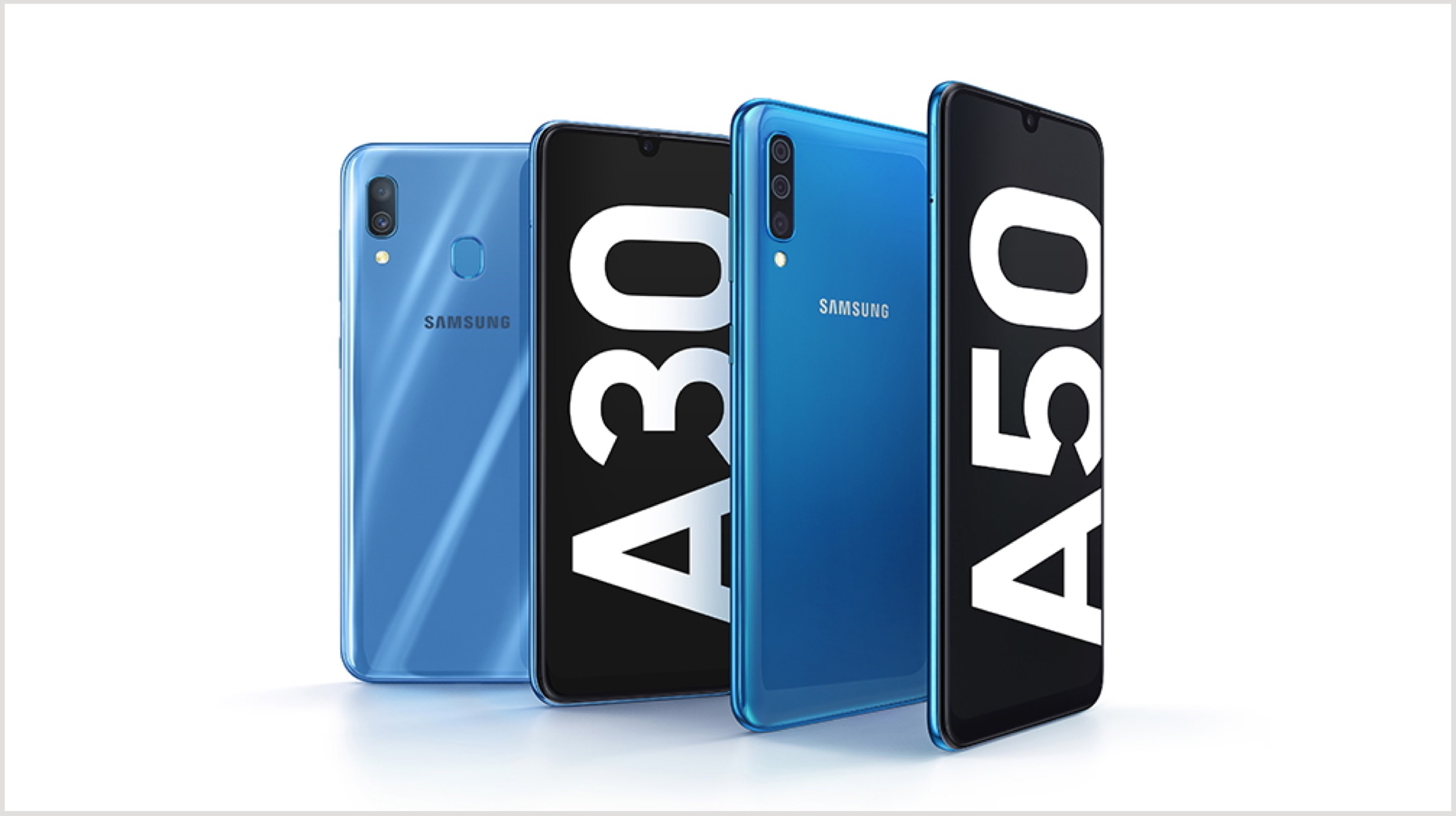
    Samsung fans had their eyes on the Galaxy S10 lineup from the very start of the MWC.  But the Korean electronics company had more to offer at the event, which they did by unveiling two new devices from the Galaxy A series, the Galaxy A30 and A50. While these phones offer a step-down from the S10 series, they are packed with some neat features to impress Samsung users out there.

    Samsung Galaxy A30

    The Samsung Galaxy A30 has a 6.4 inch Super AMOLED Infinity-U display with an 85.1% screen-to-body-ratio. The screen has a resolution of 2340 x 1080 px with a 19.5:9 aspect ratio and a pixel density of 403 ppi. The device combines rounded edges with a front glass panel and a plastic back. The Galaxy A30 retains the 3.5 mm headphone jack. The smartphone runs on the 14nm Exynos 7885 chipset consisting of an octa-core CPU and a Mali-G71 GPU. It is available in 3GB and 4GB RAM variants with 32GB and 64GB of storage options respectively. Internal memory is further expandable via a dedicated microSD slot (up to 512GB). The Galaxy A30 runs on Android 9.0 (Pie)

    The handset has a dual camera setup on the back, which comprises of a 16MP (f/1.7) sensor and a 5MP (f/2.2) sensor. The 16MP (f/2.0) front camera is housed in the notch and is positioned below the earpiece. The Galaxy A30 has a 4,000 mAh battery, which can be charged via the USB Type-C connector located at the bottom of the handset, right next to the loudspeaker grille and audio jack. The smartphone is also IP68 certified which makes it dust and water resistant. Furthermore, the device sports a rear mounted fingerprint scanner and is available in 3 colour options, Black, White and Blue.
    Samsung Galaxy A50

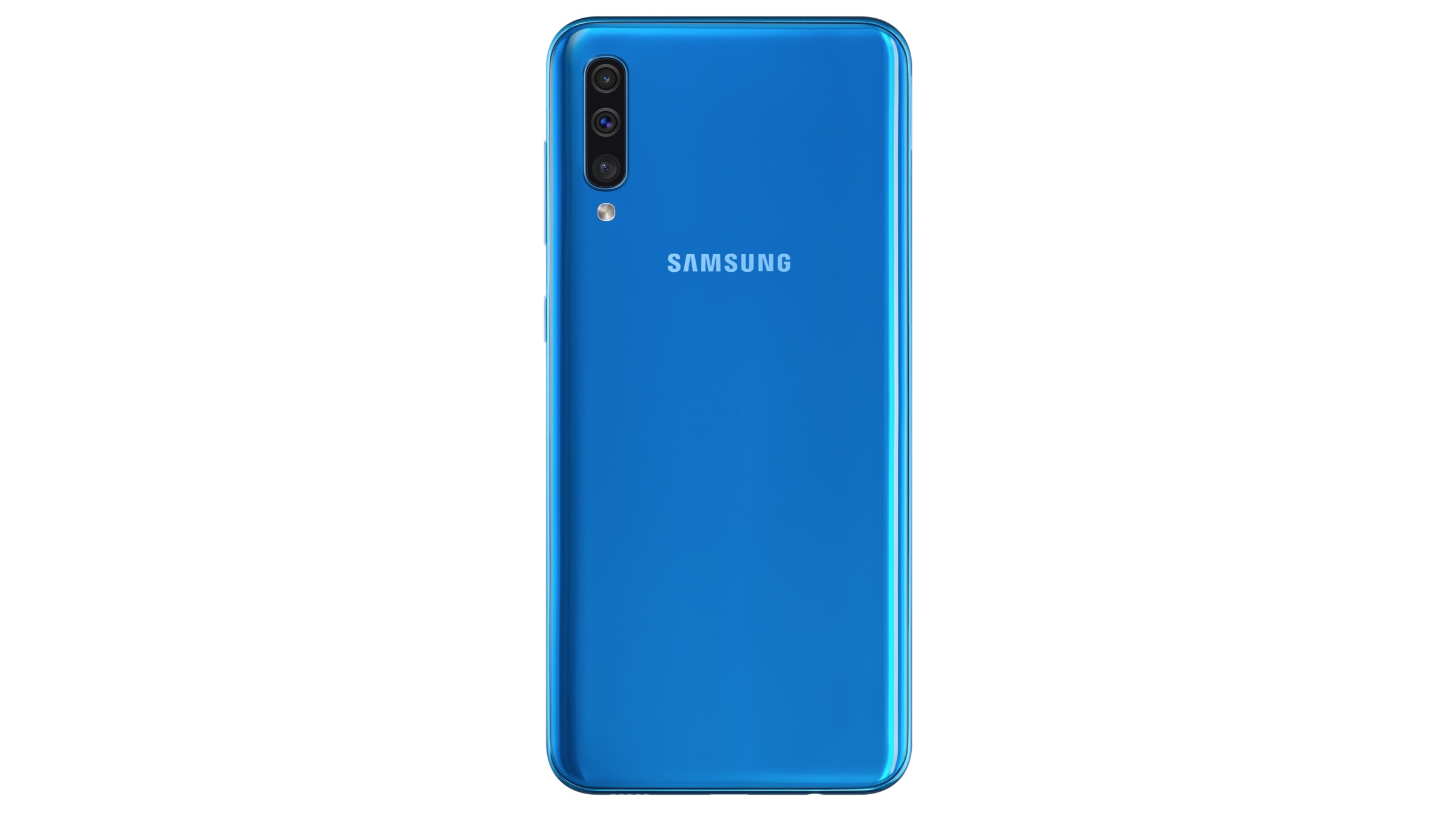
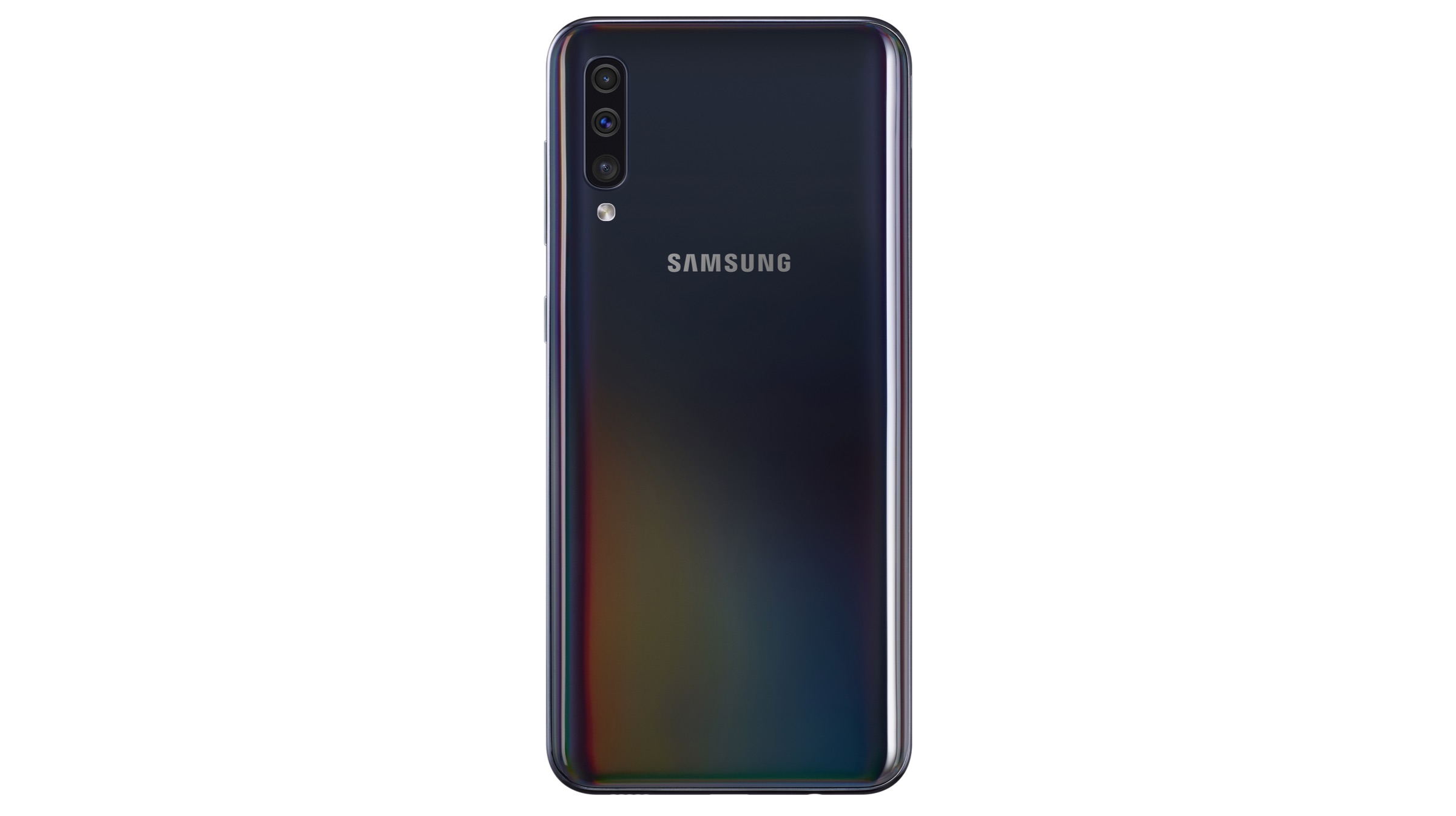
    The Samsung Galaxy A50 is the elder sibling of the A30. It sports a similar 6.4 inch Super AMOLED Infinity-U display with an 84.9% screen-to-body-ratio. With a resolution of 2340 x 1080 px and a 19.5:9 aspect ratio, the display panel has a pixel density of 403 ppi. Samsung claims that the back of the device has a “3D glasstic” design, which is a ‘combination’ of glass and plastic. Like the Galaxy A30, it also has IP68 dust and water resistance. The smartphone runs on the 10nm Exynos 9610 chipset consisting of an octa-core CPU and a Mali-G72 MP3 GPU. It is available in 4GB and 6GB RAM variants with 64GB and 128GB of storage options respectively. Internal memory is expandable via a dedicated microSD slot (up to 512GB). The Galaxy A50 runs on the lates Android 9.0 Pie which is skinned with Samsung’s UI.

    The handset has a triple camera setup on the back, which consists of a 25MP (f/1.7) sensor, an 8MP (f/2.2) ultrawide sensor and a third 5MP (f/2.2) depth sensor.  The 25MP (f/2.0) front camera is housed in the notch and is set below the earpiece. The Galaxy A50 is powered by a large 4,000 mAh battery, which can be charged via the USB Type-C connector located at the bottom of the handset, right next to the loudspeaker grille and a 3.5 mm audio jack. Noteworthy, the device features an in-display fingerprint scanner, unlike the Galaxy A30. It is available in four colour options which include Black, White, Blue and Coral.
    Also Read: Sony Unveils Xperia 10 Plus & Xperia 10 With 21:9 Display At MWC 2019

    Samsung will launch the Galaxy A50 in Netherlands for a price of EUR 349 (roughly Rs. 28,100) in March. The price for the A30 is not out in the open yet, but the devices can be expected to roll-out soon.

  • Huawei Launches MateBook 14, Upgraded MateBook X Pro At MWC 2019

    Huawei Launches MateBook 14, Upgraded MateBook X Pro At MWC 2019

    Huawei’s popularity at the MWC was not just limited to its foldable smartphone, the MateX (which gathered a lot of attention) because the Chinese Brand also unveiled their latest MateBook 14 notebook, along with a revamped version of their MateBook X Pro. The MateBook 14 is a new standalone launch from the company, whereas the MateBook X Pro is just an upgraded version from its previous model.

    MateBook 14

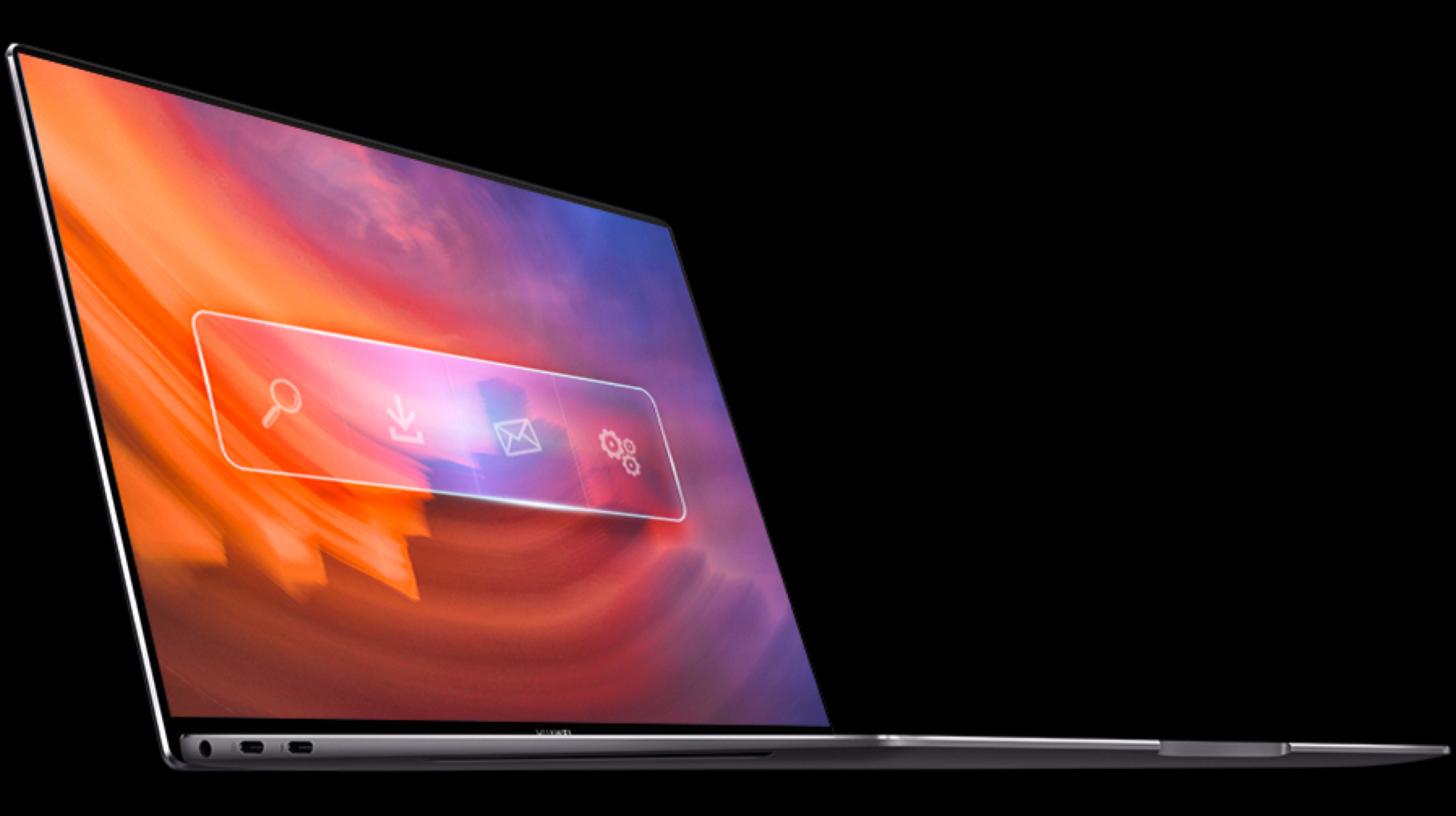
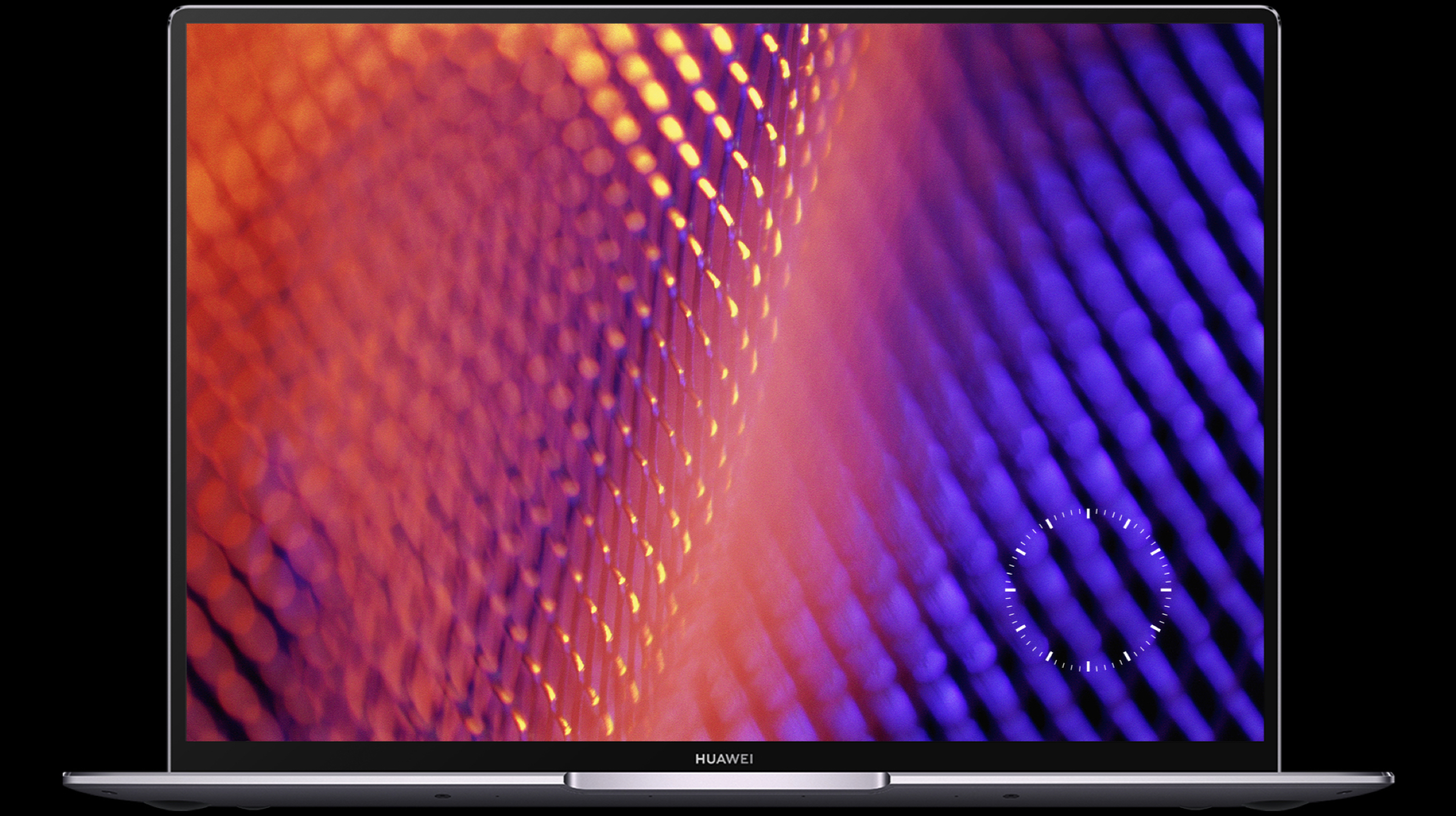
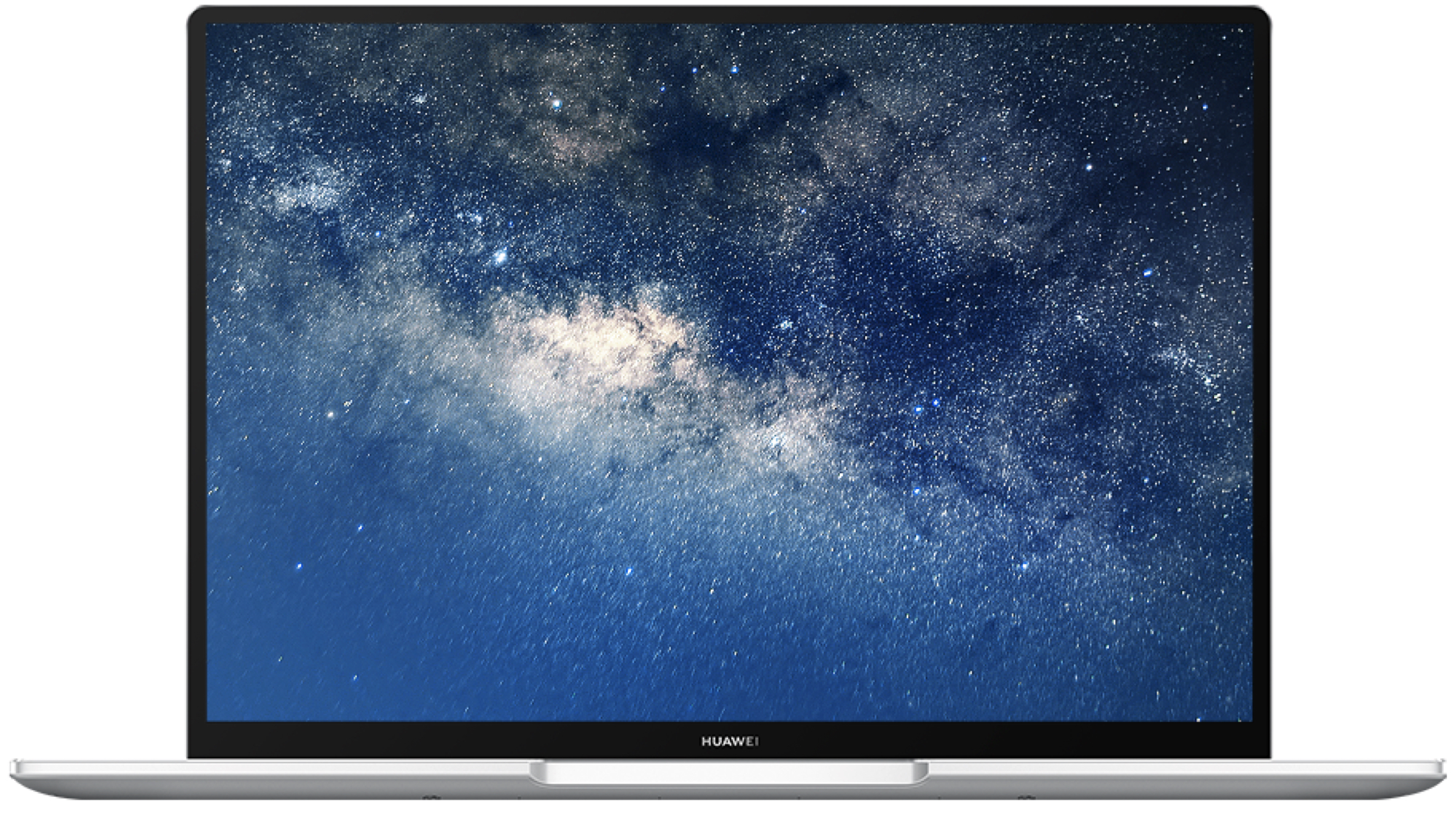
    The Huawei MateBook 14 has a touchscreen IPS display with a resolution of 2160 x 1440 px and thin bezels at 4.9 mm. The company claims that the notebook has a 90% percent screen-to-body ratio with a 3:2 aspect ratio. The screen has features like a ‘three-finger screenshot gesture’ and ‘Eye Comfort’. The MateBook 14 weighs at 1.49 kg and is 15.9 mm thick. To keep the bezels as minimal as possible, Huawei has placed the webcam in the ‘function key’ row of the keyboard. The camera just pops up when a user needs to use it, and also feels robust from a security viewpoint for those people who usually tape up their webcams.

    Under the hood, the MateBook 14 packs an 8th Gen Intel Core processor, which is available in two variants – an i5 variant clocked at 1.6 GHz and an i7 variant with 1.8 GHz. The CPU is paired with NVIDIA Geforce MX250 graphics. Both the variants have up to 512GB PCIe NVMe SSD and 16GB of RAM. The company claims that the Shark Fin 2.0 design in the MateBook 14 allows for 18% better cool air intake. Besides this, the notebook also includes a fingerprint scanner, Bluetooth 5.0 support and Dolby Atmos loudspeakers. The MateBook 14 has a USB Type C port and an HDMI port, which can be found right next to the 3.5 mm headphone jack. The Huawei MateBook 14 is available in three colours, Space Gray, Pink Gold, and Mystic Silver options. The base i5 variant is priced at €1,199 (around Rs. 96,700), while the i7 variant (with touch screen) costs €1,499 (around Rs. 1,20,800)

    MateBook X Pro

    The upgraded laptop retains the same design from the original MateBook X Pro, but the specifications have been revamped to make the notebook faster than the previous version. The new MateBook X Pro runs on Intel’s latest core i7-8565U and core i5-8265U processors, which offer increased efficiency and clock speeds. The processor is paired with bumped-up Geforce MX 250 graphics with 2GB of GDDR5 VRAM. The notebook is available in 8GB+512GB and 16GB+1TB provided by a PCIe NVMe SSD.

    The MateBook X Pro features a 13.9 inch IPS touchscreen display with a 3000 x 2000 resolution. The touch panel is surrounded by extremely thin bezels, which give the notebook a premium look. It has the same webcam placement as the MateBook 14, with the pop-camera camera placed amongst the function keys. The laptop has a single USB-C Thunderbolt port 3, 2 standard USB-C ports and 1 regular USB-A 3.0 port.

    Also Read: Lenovo Unveils The Tab V7 With a 6.9 inch display, 5180mAh Battery

    The new MateBook X Pro is available in two colour options, Space Gray and Mystic Silver. The Core i5 variant with 8 GB of RAM and 512 GB storage is purchasable for €1,599 (around Rs. 1,29,000), whereas the more powerful Core i7 version with 16 GB of RAM and 1 TB of storage is available for €1,999 (around Rs. 1,61,000)

  • Sony Xperia 1

    Sony Xperia 1

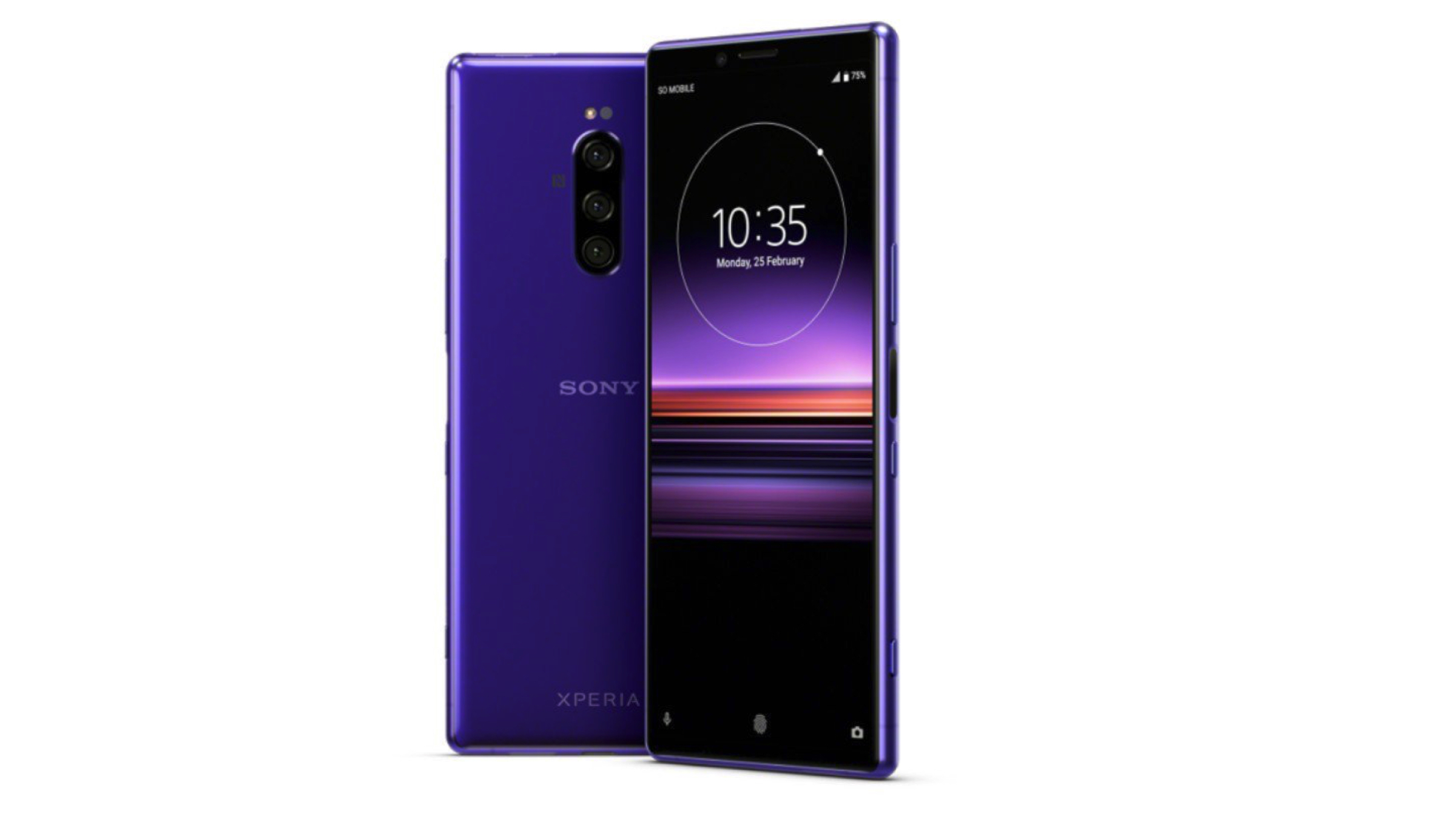
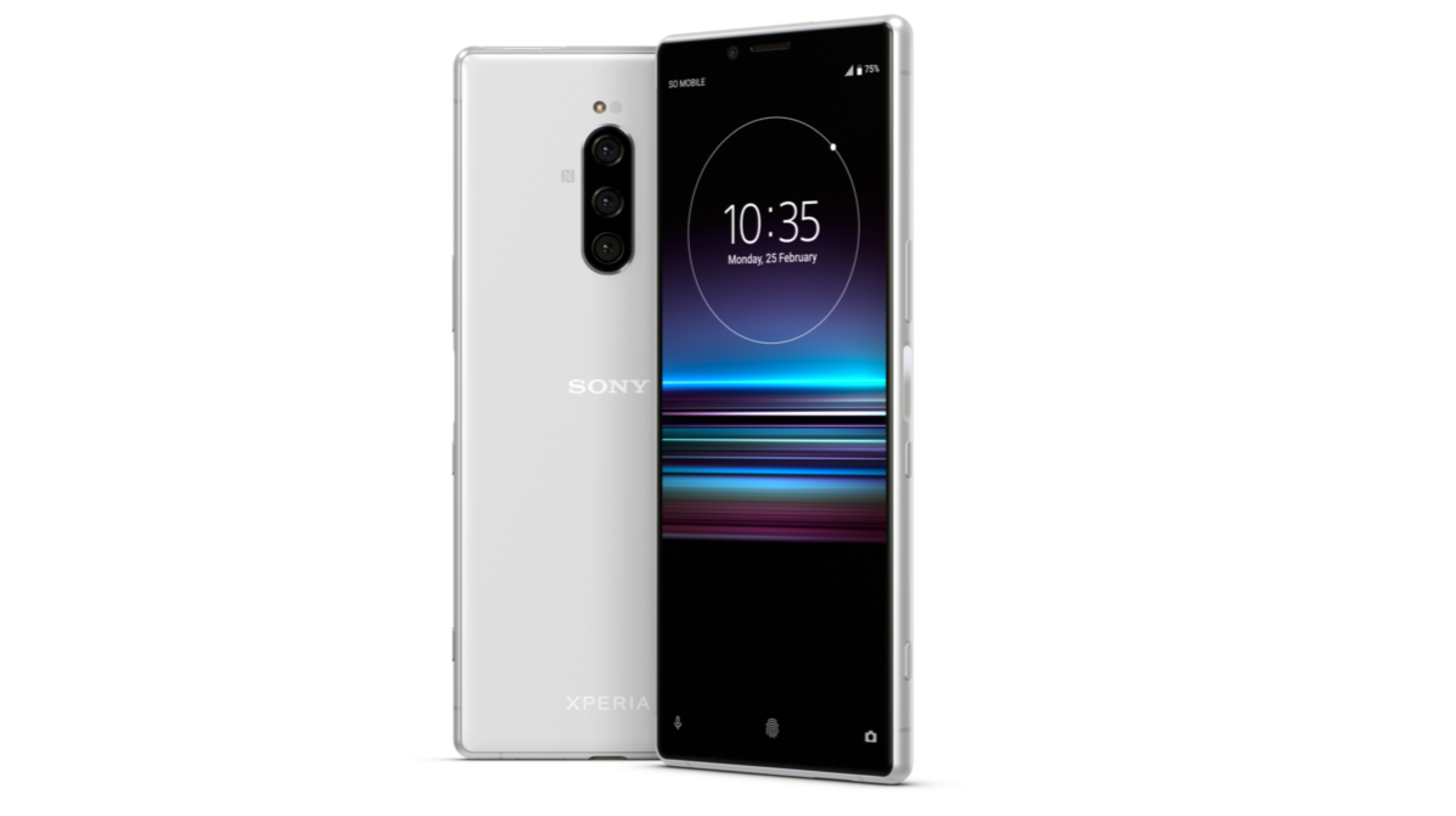
    Sony Xperia 1 is the latest flagship from the Japanese electronics giant. The smartphone is the world’s first device to feature a display with a 21:9 aspect ratio which the company calls ‘CinemaWide’ display. It has a massive 6.5-inch display with a 4k OLED panel. Xperia 1 is also the first device by Sony to sport a triple rear-camera setup.

    [loop included_tags=”62131,60389″ loading=”paged” layout=”f”]

  • Lenovo Unveils  The Tab V7 With a 6.9 inch display, 5180mAh Battery

    Lenovo Unveils The Tab V7 With a 6.9 inch display, 5180mAh Battery

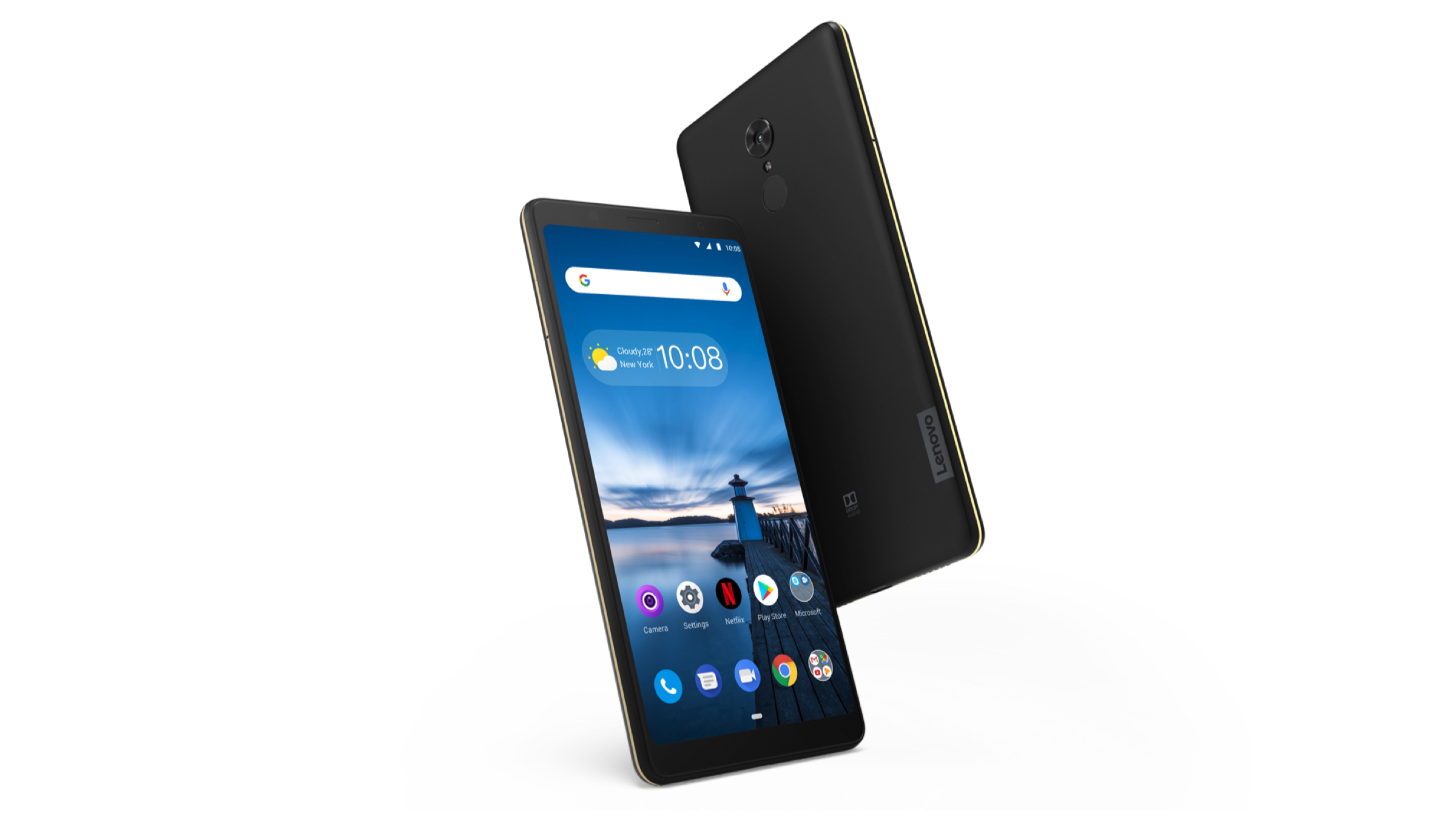
    While major smartphone manufacturers are moving towards foldable smartphones, Lenovo has launched the Tab V7, a smartphone and tablet hybrid. It was launched at the Mobile World Congress (MWC) 2019 in Barcelona. The device, as the name suggests, has a larger than usual display and a massive battery. 

    Lenovo Tab V7

    The Lenovo Tab V7 fits into an entirely new lineup of smartphone-tablet hybrid by the company. The device measures 177.9 x 86.5 x 7.89mm and weighs 195g. It has a 6.9 inch IPS display with a resolution of 2160 x 1080 px and an aspect ratio of 18:9. The screen to body ratio of the hybrid is 81% which suggests thin bezels around the display. The device has a polycarbonate construction surrounded by metal rims. The device has dual front-facing speakers with Dolby Audio.

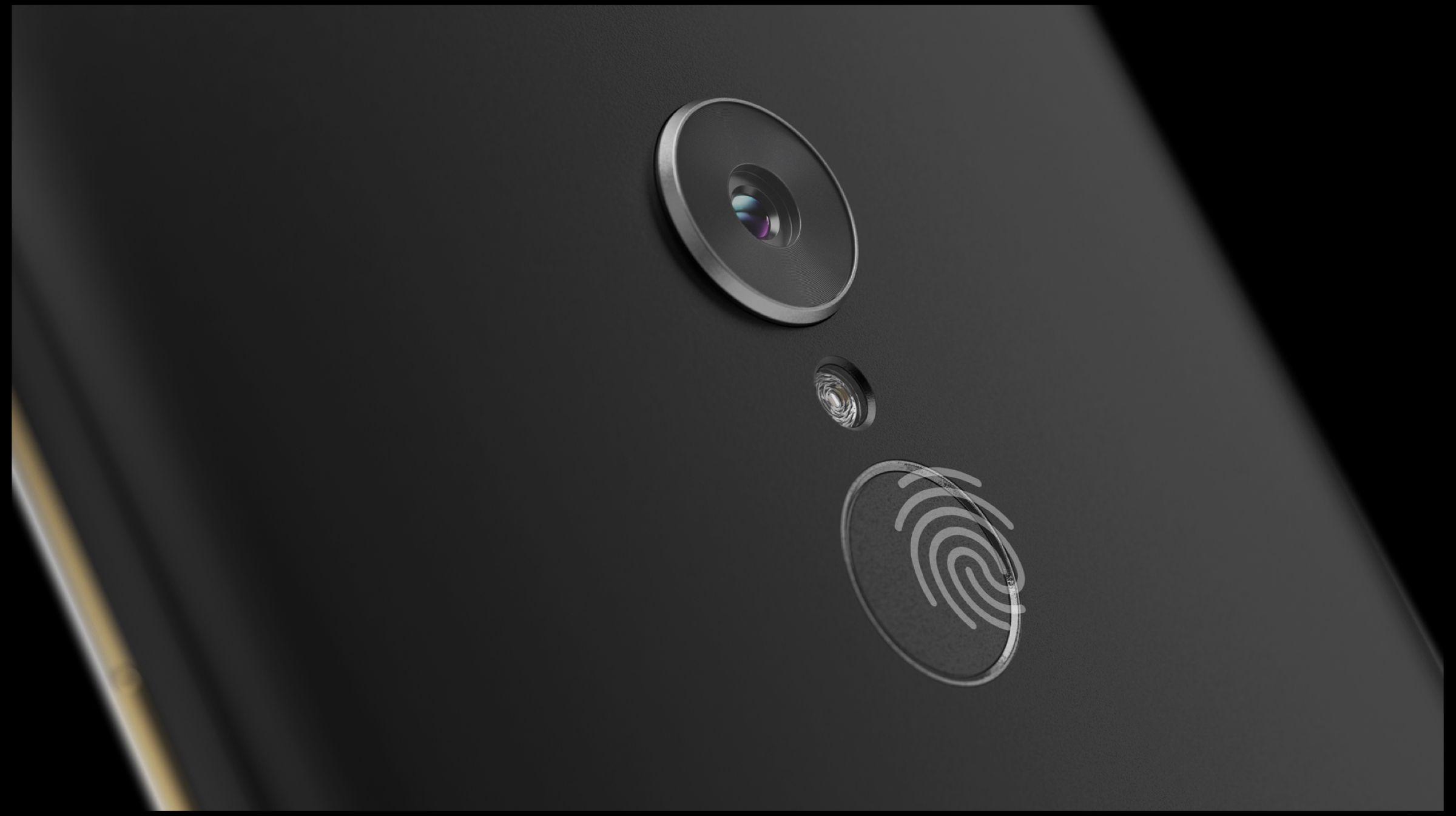
    Under the hood, the Lenovo Tab V7 runs on the dated Snapdragon 450 which is manufactured using 14nm fabrication process. The chipset has an Octa-core CPU and Adreno 506 GPU. For optics, the device is equipped with a single 13MP rear camera and a 5MP front camera for selfies. It also has a rear-mounted fingerprint scanner and supports face unlock via the front camera. In terms of storage and memory, the Tab V7 will be available in two storage variants which are as follows:

    • 3GB RAM + 32GB ROM
    • 4GB RAM + 64GB ROM

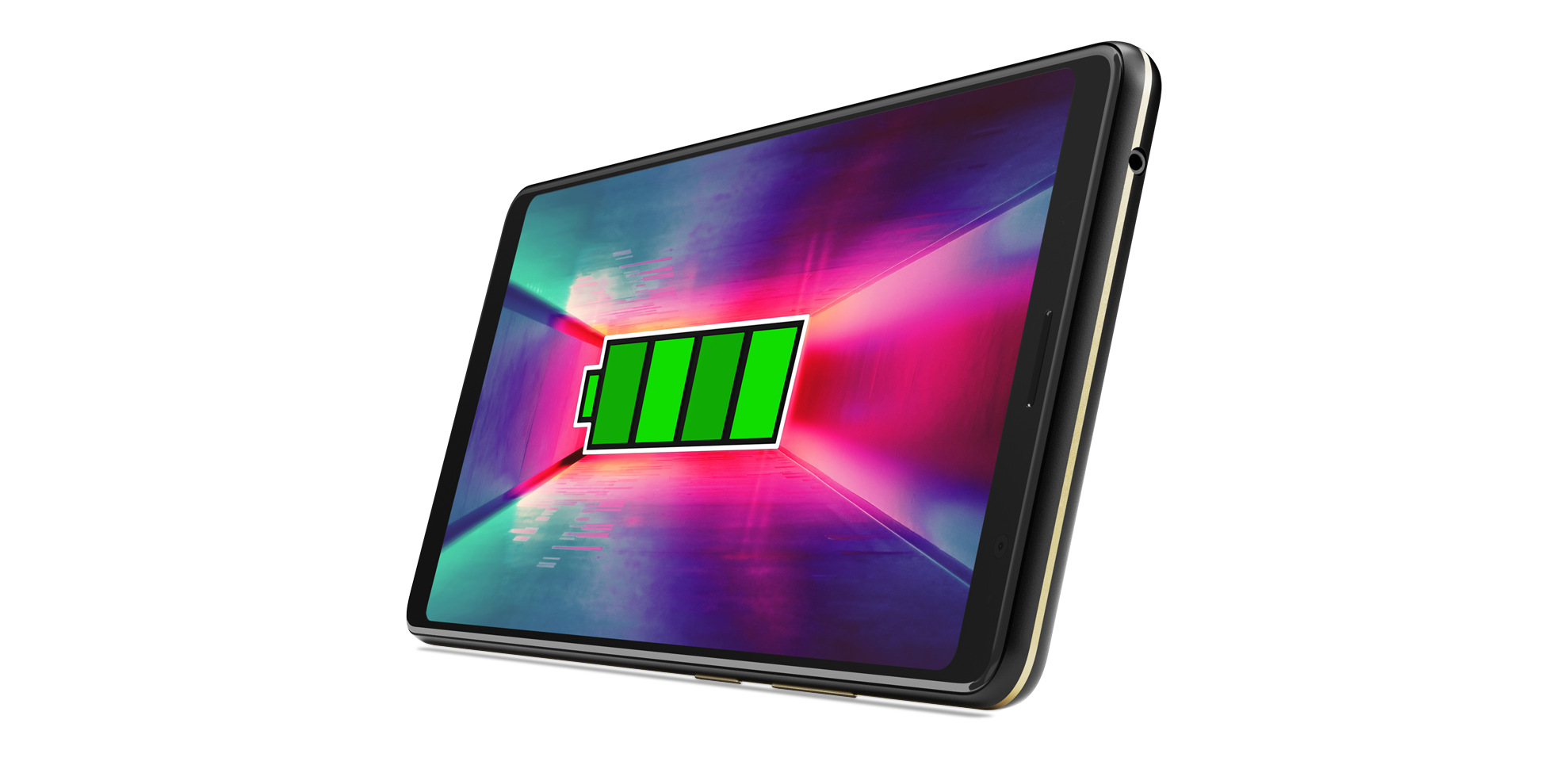
    The Lenovo Tab V7 is powered by massive 5180mAh battery with fast charging support. The device runs on the latest Android 9 Pie and has a near-stock interface. For connectivity, there is support for dual 4G VoLTE, Bluetooth 4.2 and bottom mounted USB Type-C port. The Tab V7 also supports MicroSD memory expansion up to 128GB.

    Lenovo Tab V7: Price & Availability

    Also read: Sony Launches The Xperia 1 With 21:9 CinemaWide Display

    The Lenovo Tab V7 will be available in Europe from the month of April for the starting price of €249 (around Rs. 20,000) for the base model. Unfortunately, the company hasn’t disclosed the Indian availability and price of the smartphone yet.

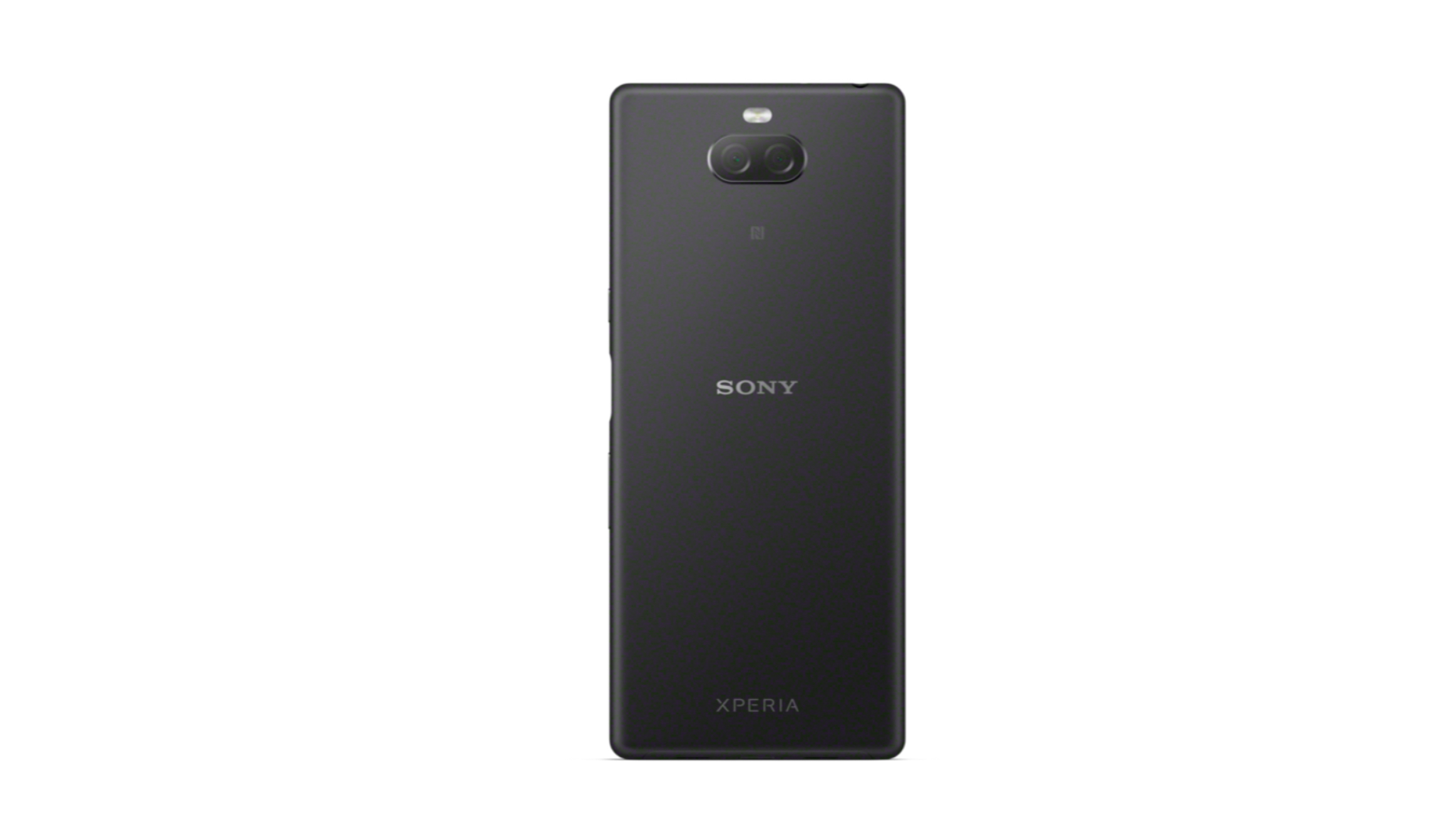
  • Sony Unveils Xperia 10 Plus & Xperia 10 With 21:9 Display At MWC 2019

    Sony Unveils Xperia 10 Plus & Xperia 10 With 21:9 Display At MWC 2019

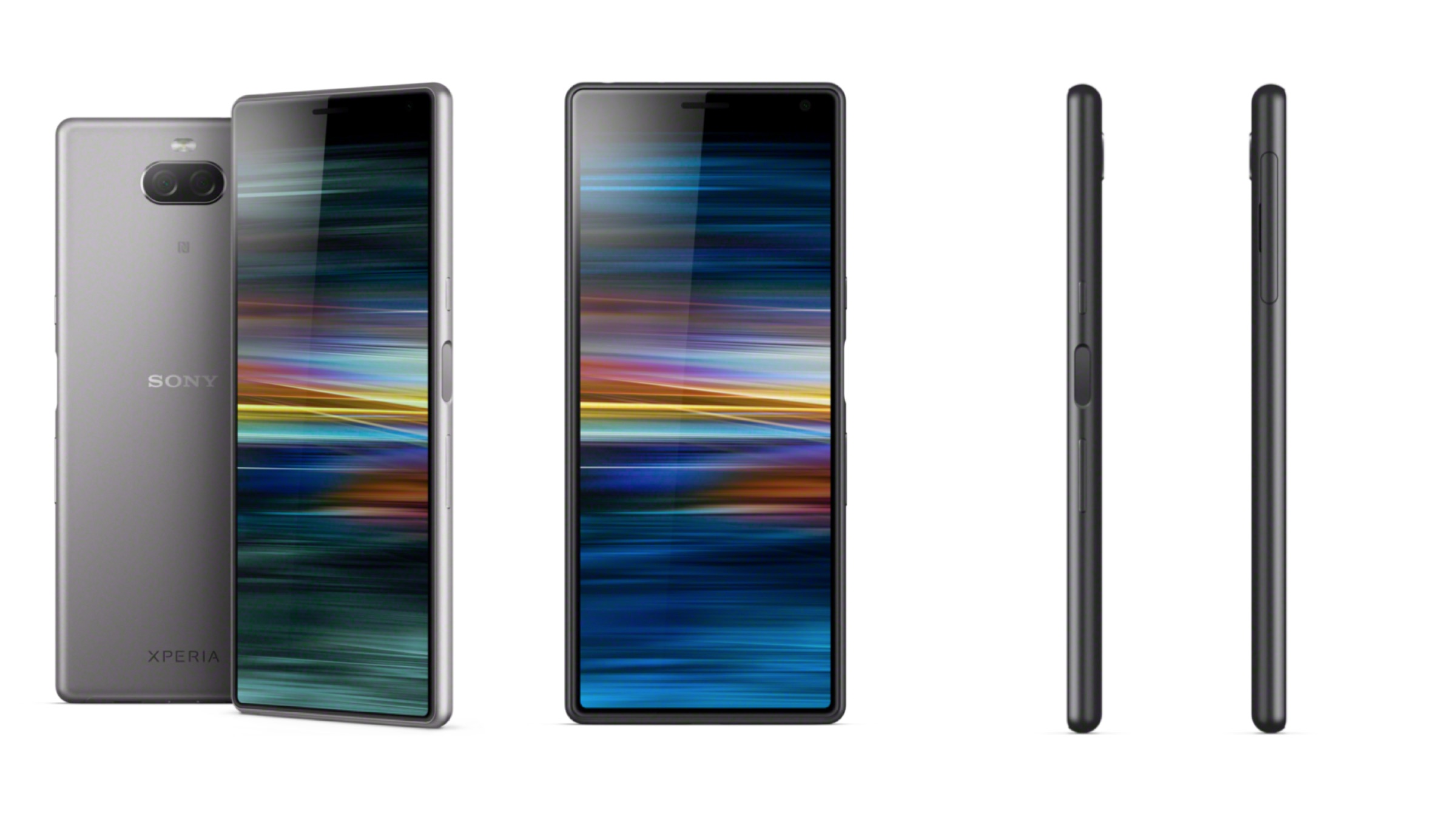
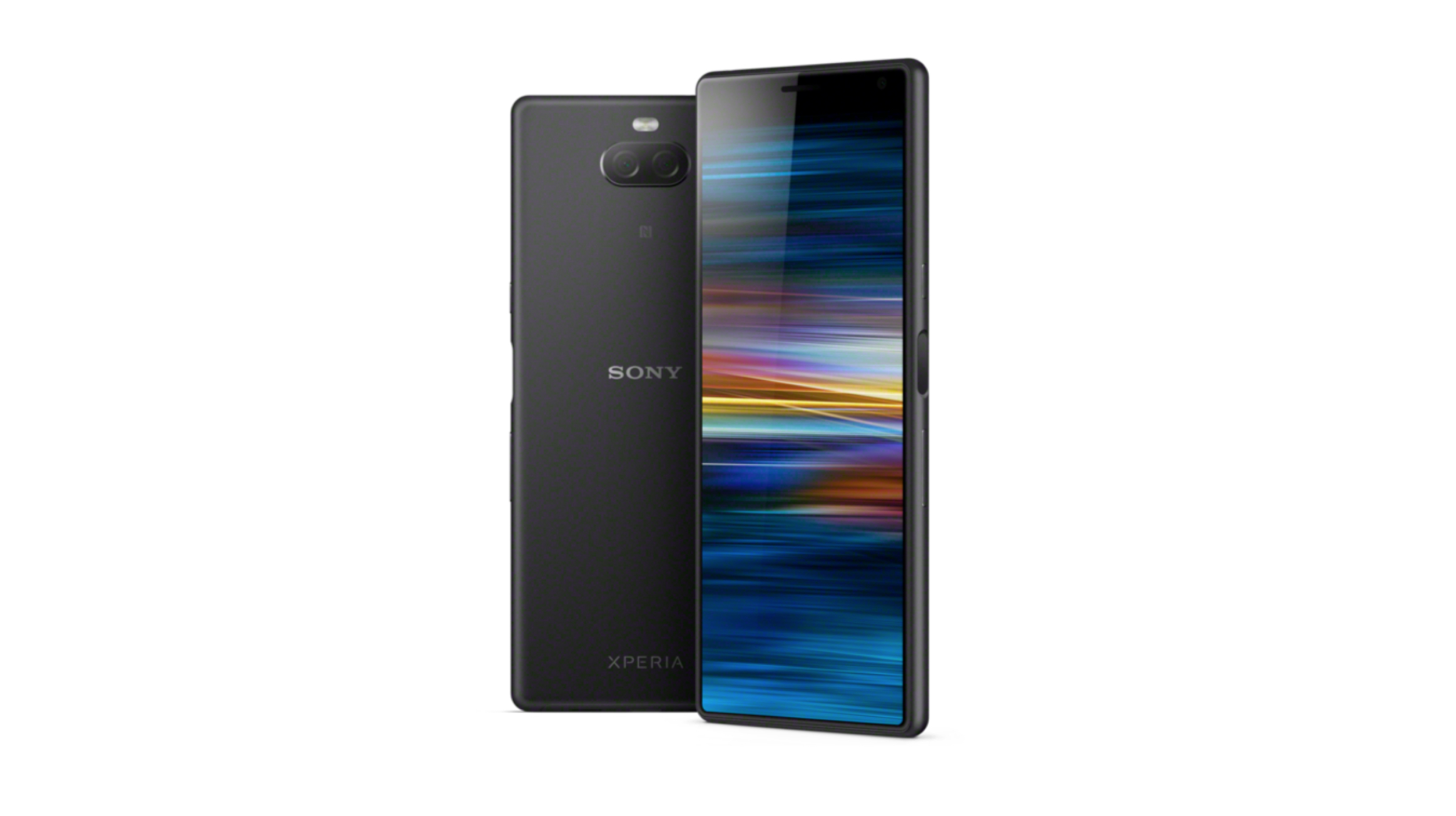
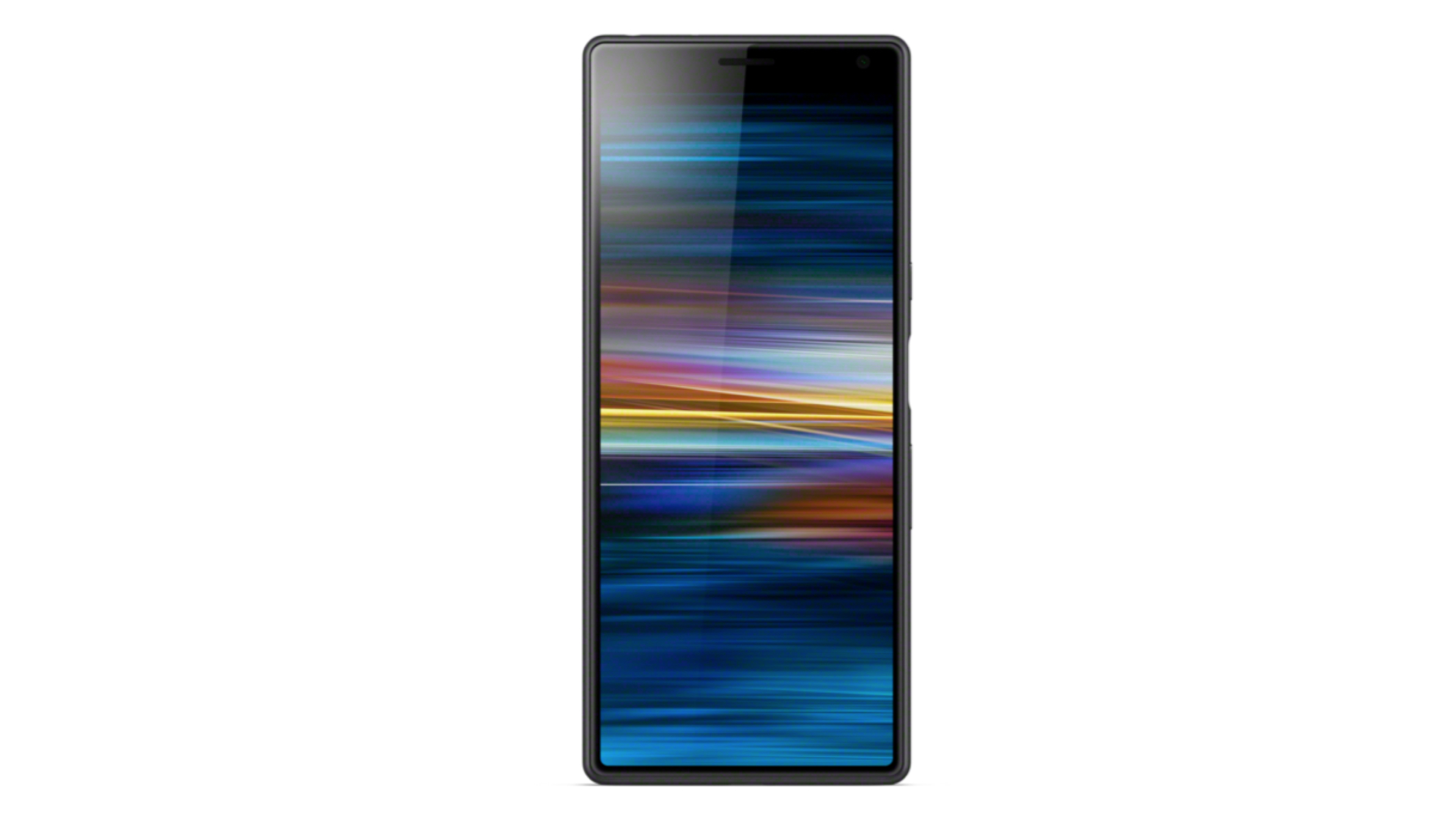
    Unconventionally tall displays were never a trend in the smartphone arena, but it seems that Sony is challenging the same niche with their latest devices, which were showcased at the MWC 2019. The Xperia 10 and 10 Plus are the latest additions to the Xperia family, and both the devices sport a tall 21:9 display. Noteworthy, the devices may have a 21:9 aspect ratio, but they don’t feature the CinemaWide display which is present in the Xperia 1.

    Design & Display

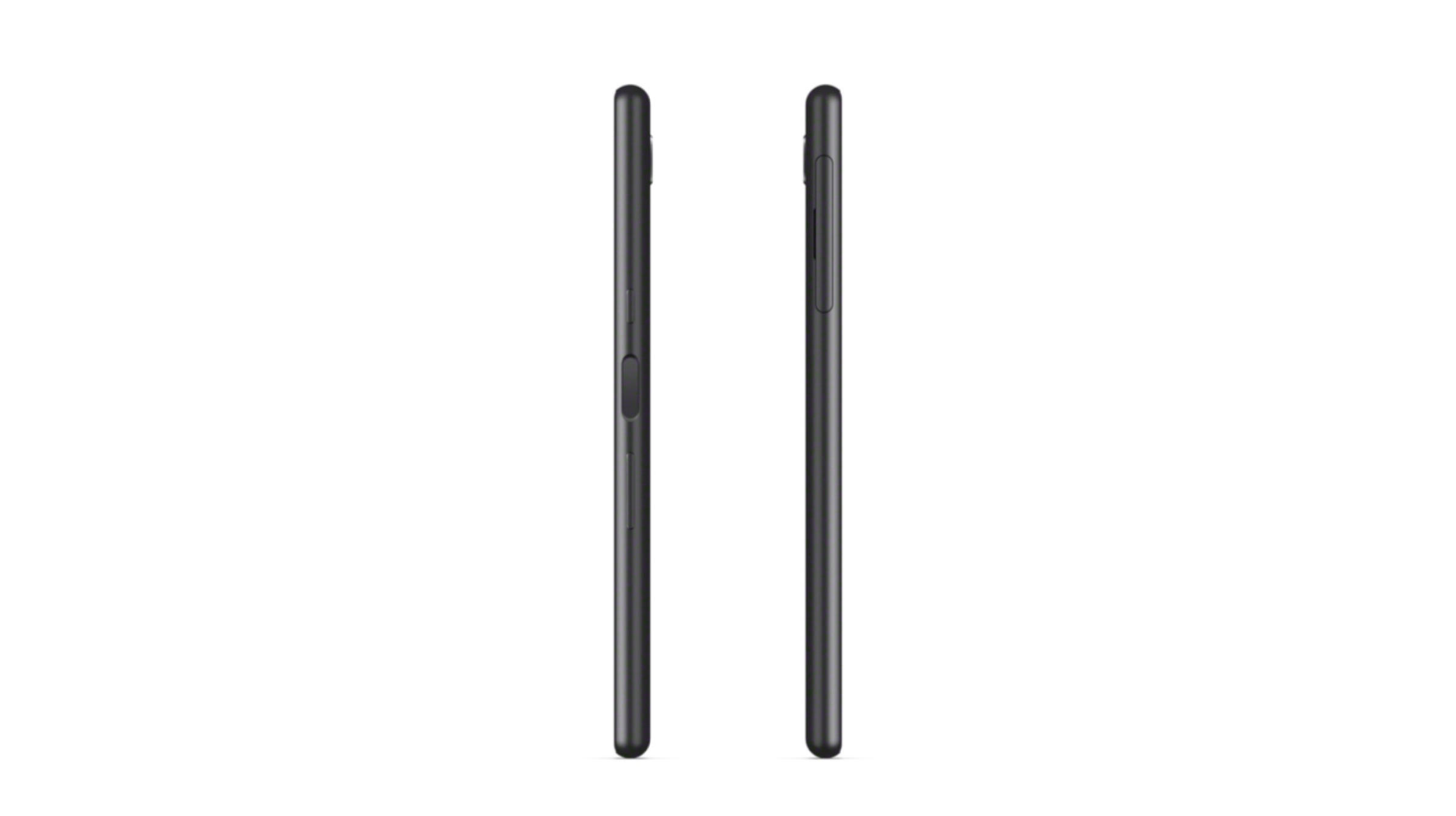
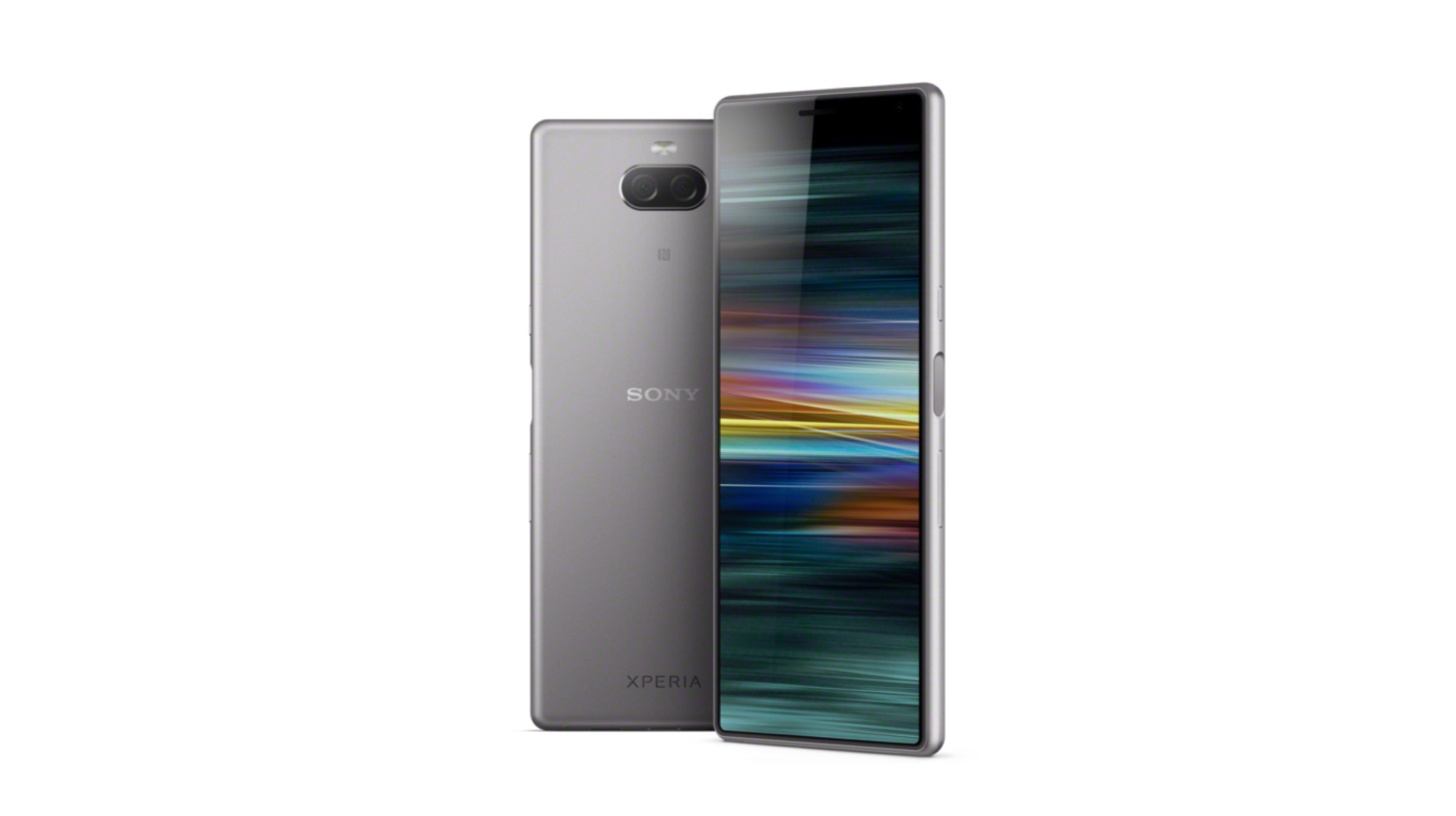
    Both the Xperia 10 and 10 Plus look identical, except for the fact that Xperia 10 Plus is a bit larger than its counterpart. The Xperia 10 has a 6 inch full HD+ display with a distinct 21:9 aspect ratio, whereas the 10 Plus features a larger 6.5 inch display with the same aspect ratio. The device has a visibly large ‘forehead’ which holds the front camera, earpiece and an ambient light sensor. The rear camera setup is horizontally aligned. The volume rockers, the power button and (this time) a separate fingerprint sensor are present on the right edge of the smartphone, whereas the left edge houses the SIM card tray. The 3.5mm headphone jack can be found on the top edge of the device, while the USB Type-C port is located at the bottom of the device.

    Specifications

    The Xperia 10 runs on the 14nm Snapdragon 630 SoC, which consists of the 64 bit 8x ARM Cortex A53 CPU clocked at 2.2 GHz. It is paired with the Qualcomm Adreno 508 GPU. The device has 3 GB of RAM and 64 GB of internal storage, which is expandable via the microSD slot (up to 512 GB).  The elder sibling of the Xperia 10, the 10 Plus is equipped with the Snapdragon 636 chipset, which comprises of the Kryo 260 octa-core CPU, with four cores clocked at 1.8 GHz and the rest of the cores clocked at 1.6 GHz. The SoC also packs the Adreno 509 GPU. In terms of memory, the smartphone is available with 4 GB RAM and 64 GB of storage, which is expandable upto 512 GB.

    Camera

    The Sony Xperia 10 has a dual camera setup, with one 13 MP (f/2.0) wide-angle sensor and a second 5 MP (f/2.4) sensor, whereas the Xperia 10 Plus has a combination of a 12 MP (f/1.75) primary sensor and a secondary 8 MP (f/2.4) sensor. Both the devices have the identical 8 MP (f/2.0) front camera equipped with an LED flash. Camera features include hybrid autofocus, bokeh effect, HDR, 5X digital zoom and 4K video recording.
    Features

    The Sony Xperia 10 is powered by a 2,870 mAh battery, whereas its larger variant packs a 3,000 mAh battery. Both the devices have fast charging support, in addition to features like 4G VoLTE, NFC, USB Type-C etc. In terms of audio, it supports high-resolution audio, LDAC, Smart Amplifier and Qualcomm aptX HD audio. The Xperia 10 weighs in at 162 g, while the Xperia 10 Plus weighs 180g.

    Availability

    Also Read: Sony Launches The Xperia 1 With 21:9 CinemaWide Display

    The Xperia 10 has a price tag of US$ 349.99 (around Rs. 24,800) and will be available in Black and Silver colour options. On the other hand, the Xperia 10 Plus has a price tag of US$ 429.99 (around Rs. 30,500) and will have the same colour options as the Xperia 10. Both the smartphones will go live on sale on March 18 in the US. Indian pricing and availability are not confirmed as of now.


  • Sony Xperia L3 Launched, Helio P22 SoC & 3 GB RAM in Tow

    Sony Xperia L3 Launched, Helio P22 SoC & 3 GB RAM in Tow

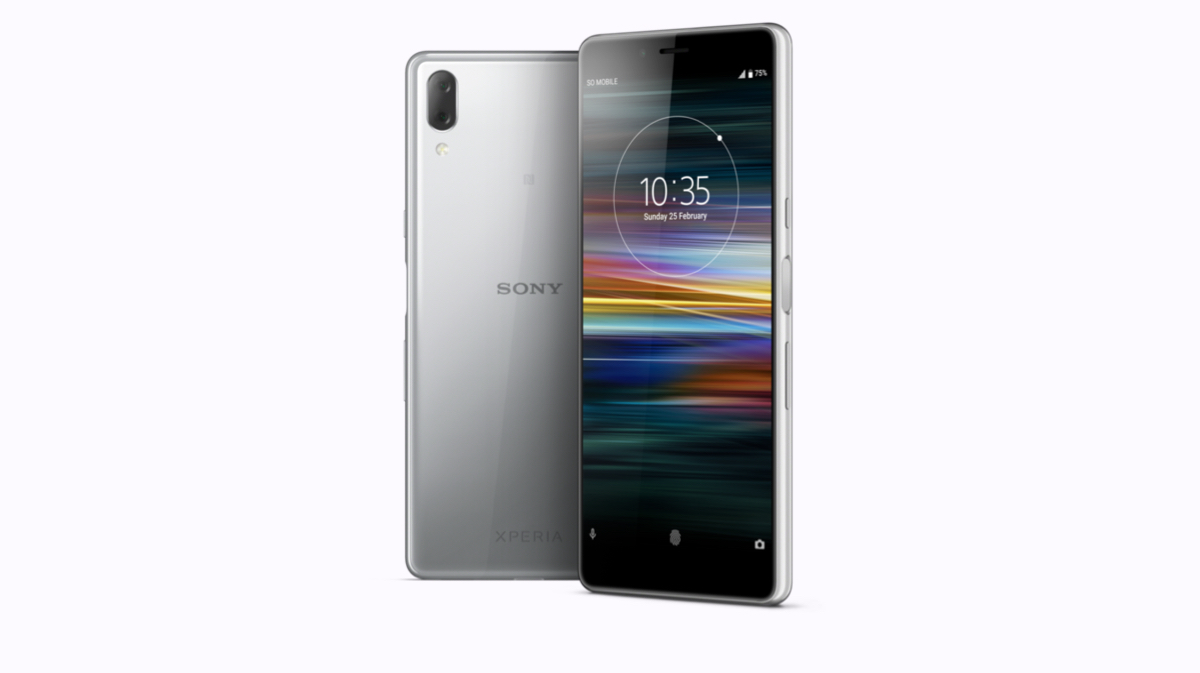
    The year’s biggest technology convention, MWC (Mobile World Congress) has begun. Companies from around the globe are showcasing their latest smartphone innovations. Japanese electronics giant, Sony has unveiled several smartphones which include the high end Xperia 1, mid tier Xperia 10/10+ and the budget oriented Xperia L3. Except for the L3, the other three smartphones have an unconventional 21:9 aspect ratio display while the former has a traditional 18:9 aspect ratio display.

    Sony Xperia L3 Looks and Specifications

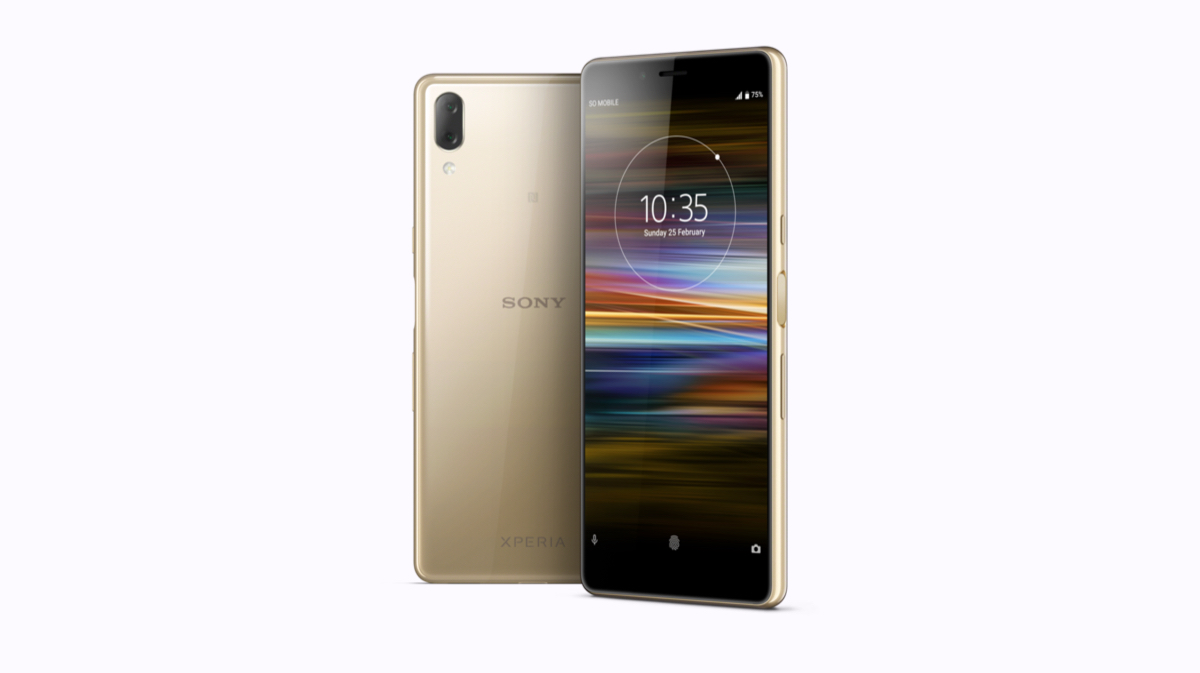
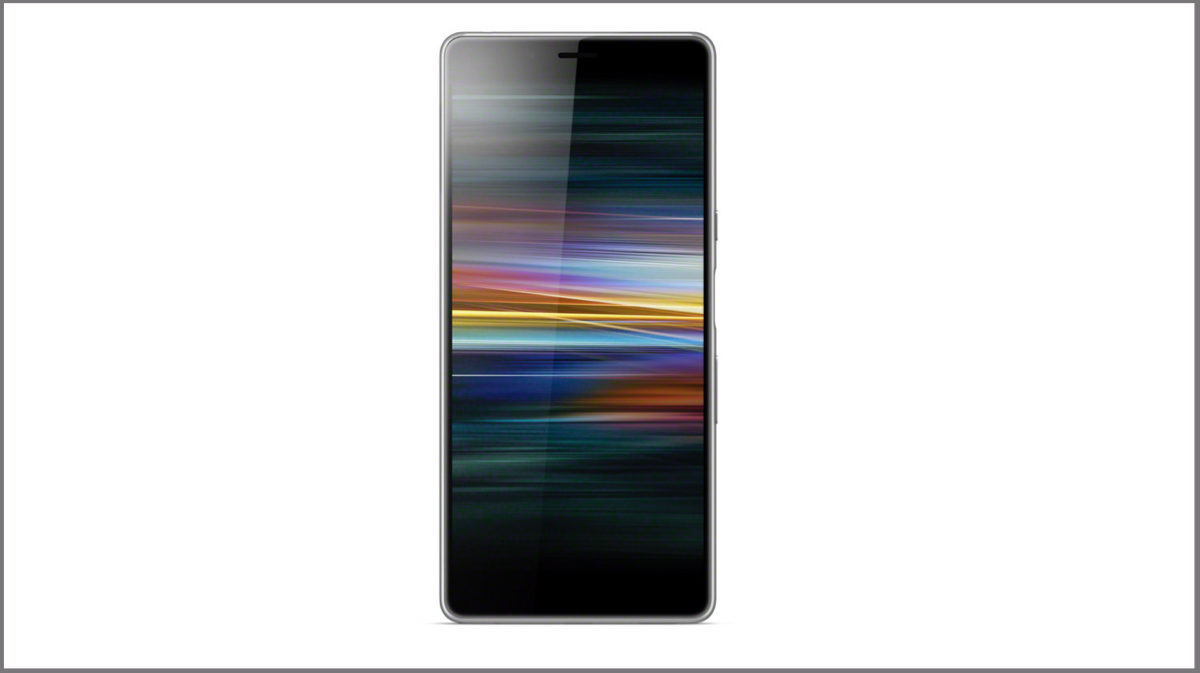
    The Sony Xperia L3 measures 154 x 72 x 8.9mm and weighs 156 grams. The front of the smartphone accommodates a 5.7 inch display which is protected with Corning Gorilla Glass 5. The display panel has an aspect ratio of 18:9 and resolution of 1520 x 720 px. The device has thin left and right bezels while the top and bottom bezels are comparatively thicker. The top bezel on the front of the smartphone houses the earpiece grille and an f/2.0 aperture equipped 8 MP selfie camera.

    The right side of the Sony Xperia L3 is occupied by the volume rockers, fingerprint sensor and a separate power button while the left side is occupied by the hybrid dual SIM + SD card slot. The microphone hole, loudspeaker slit and the USB Type C port is housed on the bottom of the device. The smartphone also has a 3.5 mm audio jack which is present on the top of the handset. The smartphone is kitted with the Helio P22 SoC which is also present on devices like Xiaomi Redmi 6 and Nokia 3.1 Plus. The chipset consists of an Octa-Core CPU and PowerVR GE8320 GPU.

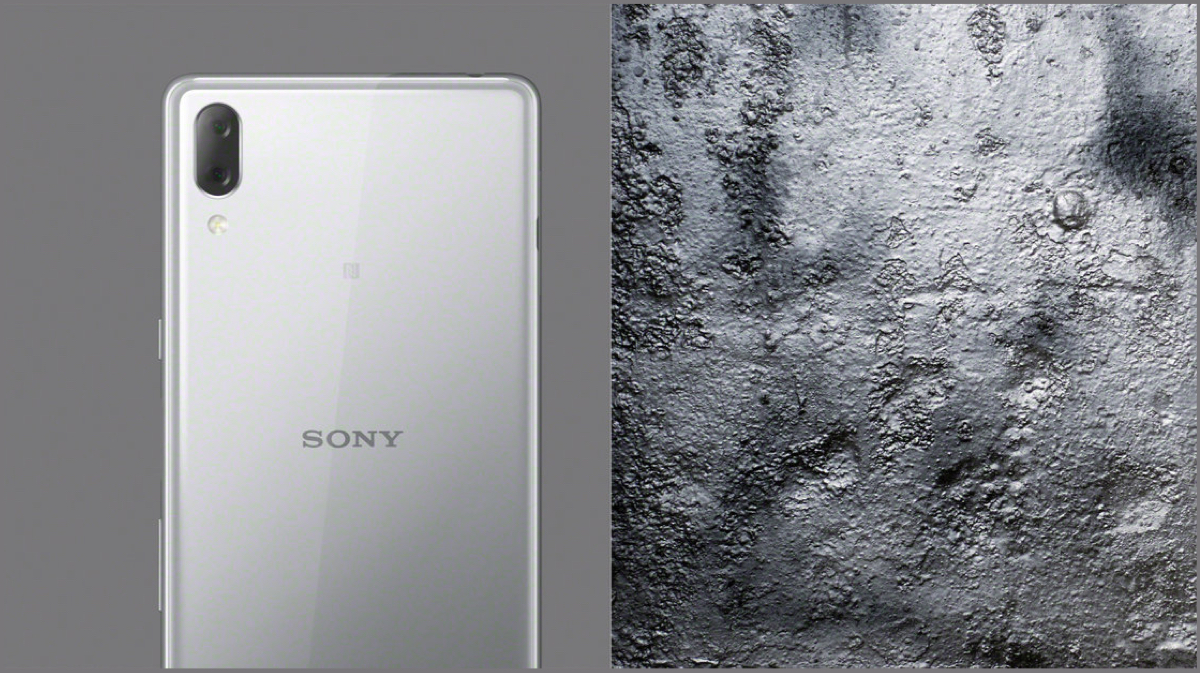
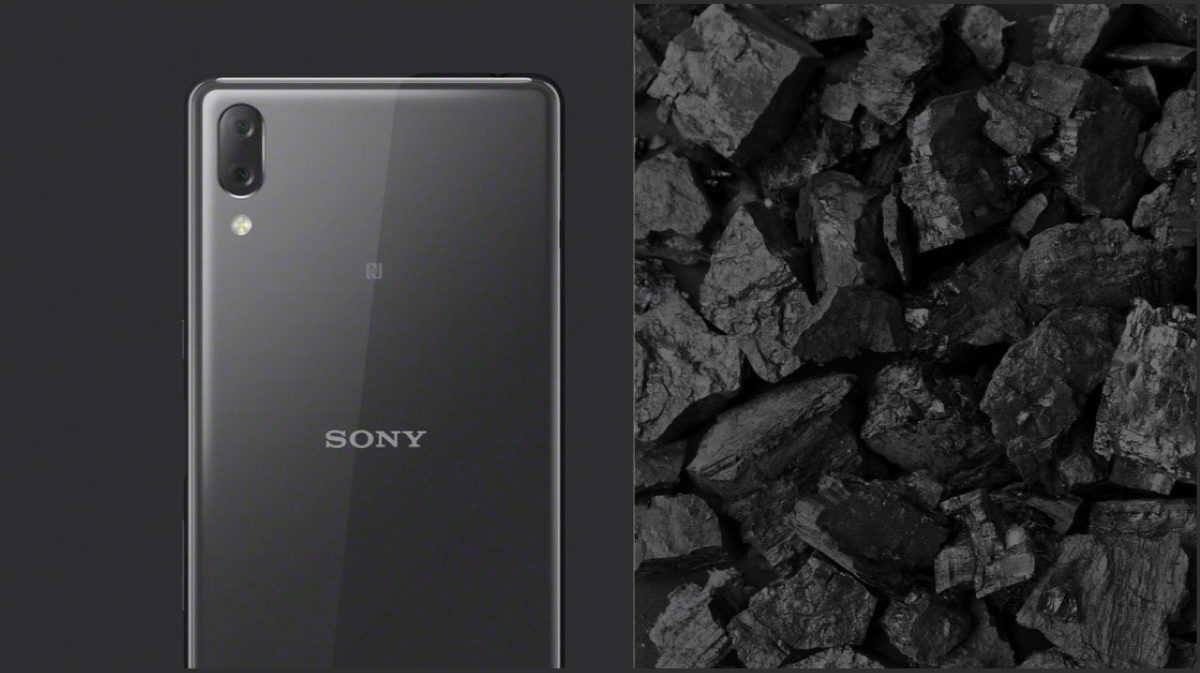
    The rear panel of the Xperia L3 houses the Sony branding, NFC logo and dual camera setup. The rear camera setup consists of an F/2.2 aperture equipped 13 MP sensor and an f/2.4 aperture equipped 2 MP sensor. The smartphone is powered by a 3300 mAh battery which also supports Sony’s proprietary Xperia adaptive charging. Connectivity options on the smartphone include dual 4G VoLTE, WiFi 802.11 b/g/n, Bluetooth 5.0, GPS+ GLONASS, and NFC. It runs on the Android 8.0 Oreo operating system which is skinned with Sony custom skin.

    Xperia L3 Colour, Storage and Price

    Also Read: Sony Launches The Xperia 1 With 21:9 CinemaWide Display

    The Sony Xperia L3 is available in three colour options which include Silver, Black and Gold. It is available in a single 3 GB RAM + 32 GB ROM storage variant which is further expandable upto 500 GB via a microSD slot. Although Sony has not revealed the price of the device yet, going by its specifications it will be a sub 15k smartphone. 

  • Sony Launches The Xperia 1 With 21:9 CinemaWide Display

    Sony Launches The Xperia 1 With 21:9 CinemaWide Display

    Sony has been striving hard to find its foothold in the smartphone business lately. Once a really popular brand among technology enthusiasts, the past few years have seen the company release some forgettable products. In a bid to change that, Sony has launched its newest flagship Xperia 1 at the Mobile World Congress (MWC) in Barcelona. The smartphone has been launched alongside Sony’s mid-range offerings, namely the Xperia 10, Xperia 10 Plus and the Xperia L3.

    Sony Xperia 1: Build & Features

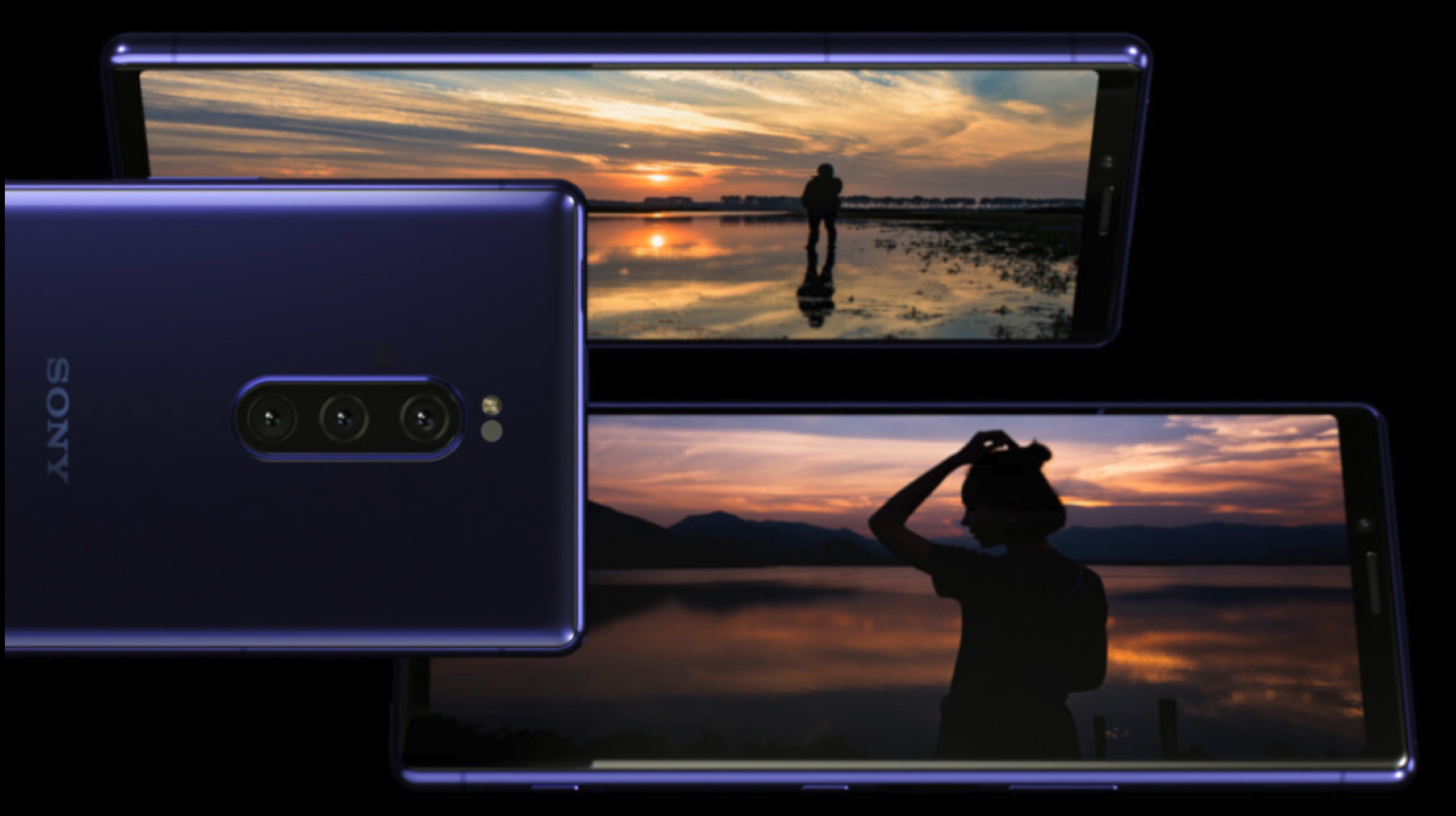
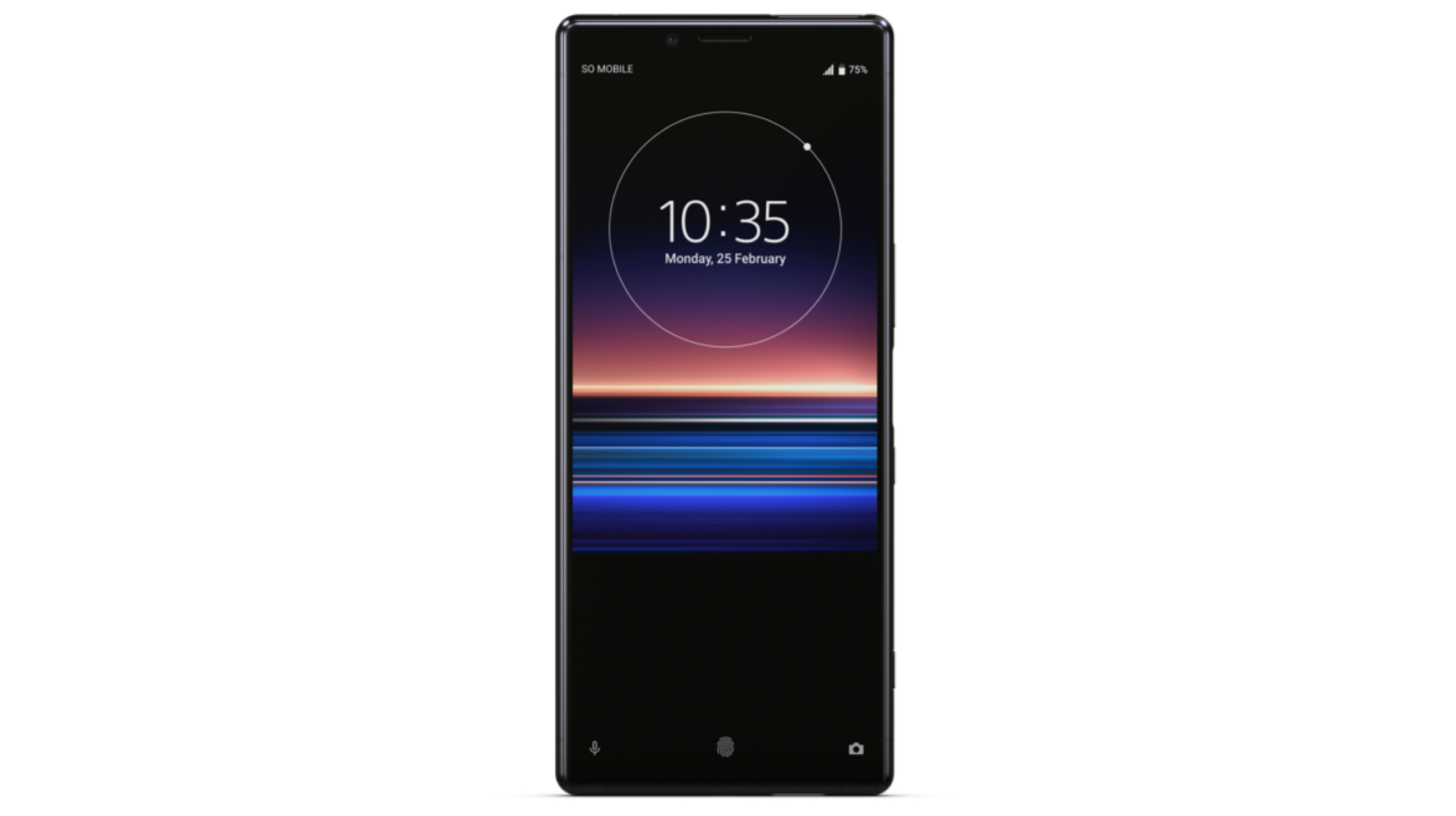
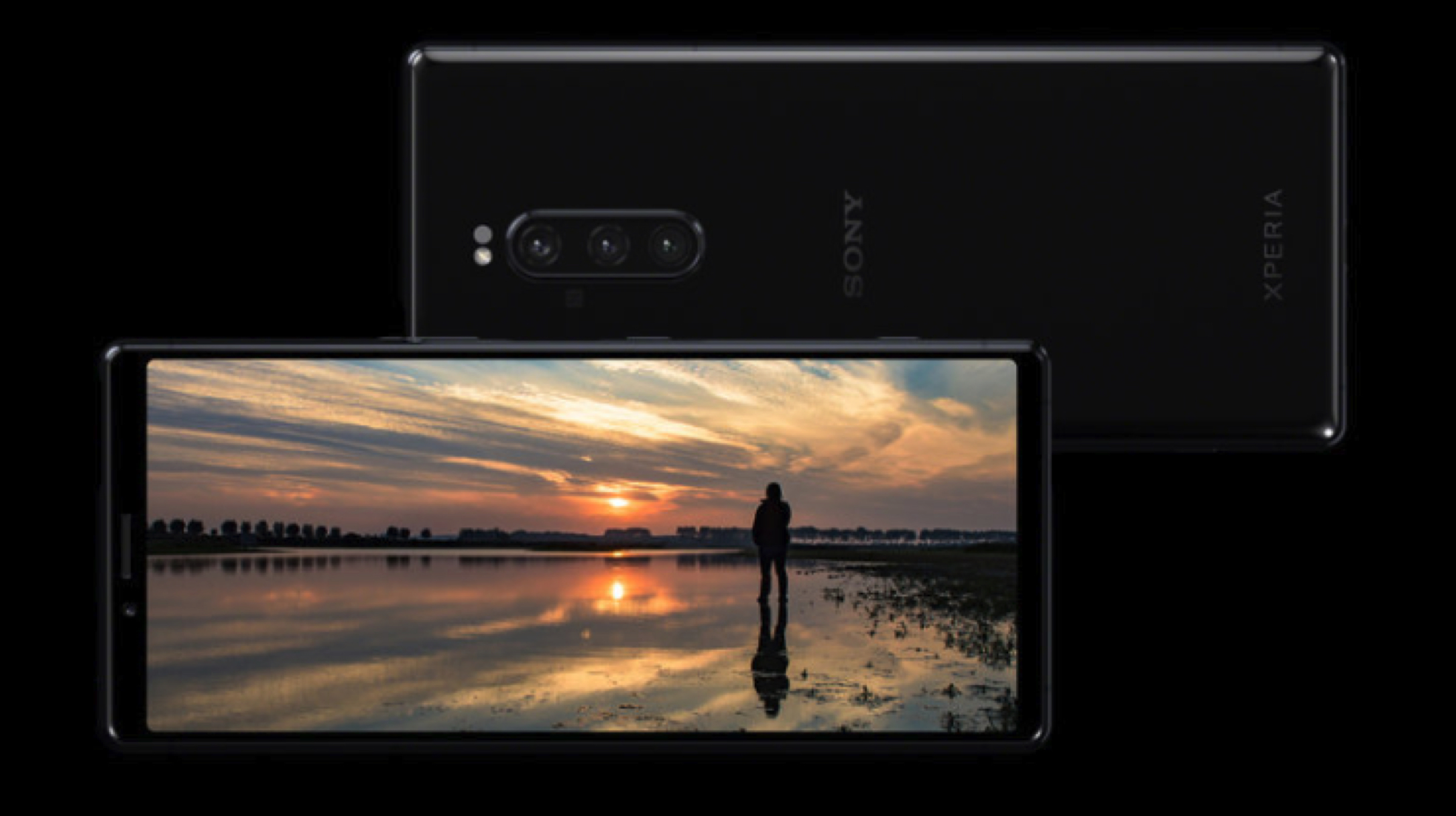
    The Sony Xperia 1 is the latest flagship from the Japanese electronics brand and will succeed the Xperia XZ3. The device measures 167 x 72 x 8.2mm and weighs 180g. It has a glass sandwich design with minimal bezels on the front. The right side of the device has a power button, a separate fingerprint sensor, volume rockers and the camera shortcut button. The top side of the smartphone houses the SIM card + MicroSD card tray while the bottom of the device is occupied by the USB Type-C port and a loudspeaker grille. It has a 6.5 inch OLED display with a resolution of 3840 x 1644 px. It has a tall aspect ratio of 21:9 which the company calls a ‘CinemaWide’ display. 

    In terms of optics, the rear of the Xperia 1 houses the triple rear camera setup consisting of a 12MP f/1.6 sensor; combined with a  12MP f/2.4 ultra-wide sensor; and a 12MP f/2.4 telephoto sensor. For selfies, it has an 8MP f/2.0 camera on the front. Under the hood, the device runs on the Qualcomm Snapdragon 855 SoC which is manufactured using 7nm fabrication process. The chipset has an Octa-core CPU and Adreno 640 GPU. For memory and storage, the smartphone has 6GB of RAM and 128GB of internal storage. The handset is IP68 certified for water and dust resistance, features stereo speakers and has Dolby Atmos for better audio output.

    The Sony Xperia 1 is powered by a 3330mAh battery with support for USB Power Delivery (PD) fast charging. It has the company’s proprietary Battery Care technology which charges the device slowly overnight to avoid battery deterioration in the future. The smartphone will run on the latest Android 9 Pie and will be available in the following four colours:

    • Black
    • Purple
    • Grey 
    • White 
    Sony Xperia 1: Price & Availability

    Also read: LG Announces The G8 ThinQ At The MWC 2019

    The Sony Xperia 1 is expected to be available starting in the month of May. Unfortunately, the company has not disclosed the price of the smartphone, but it is expected to retail at US $1099 (around Rs 78,000).

  • Oppo Shows Off Its Foldable Device On The Internet

    Oppo Shows Off Its Foldable Device On The Internet

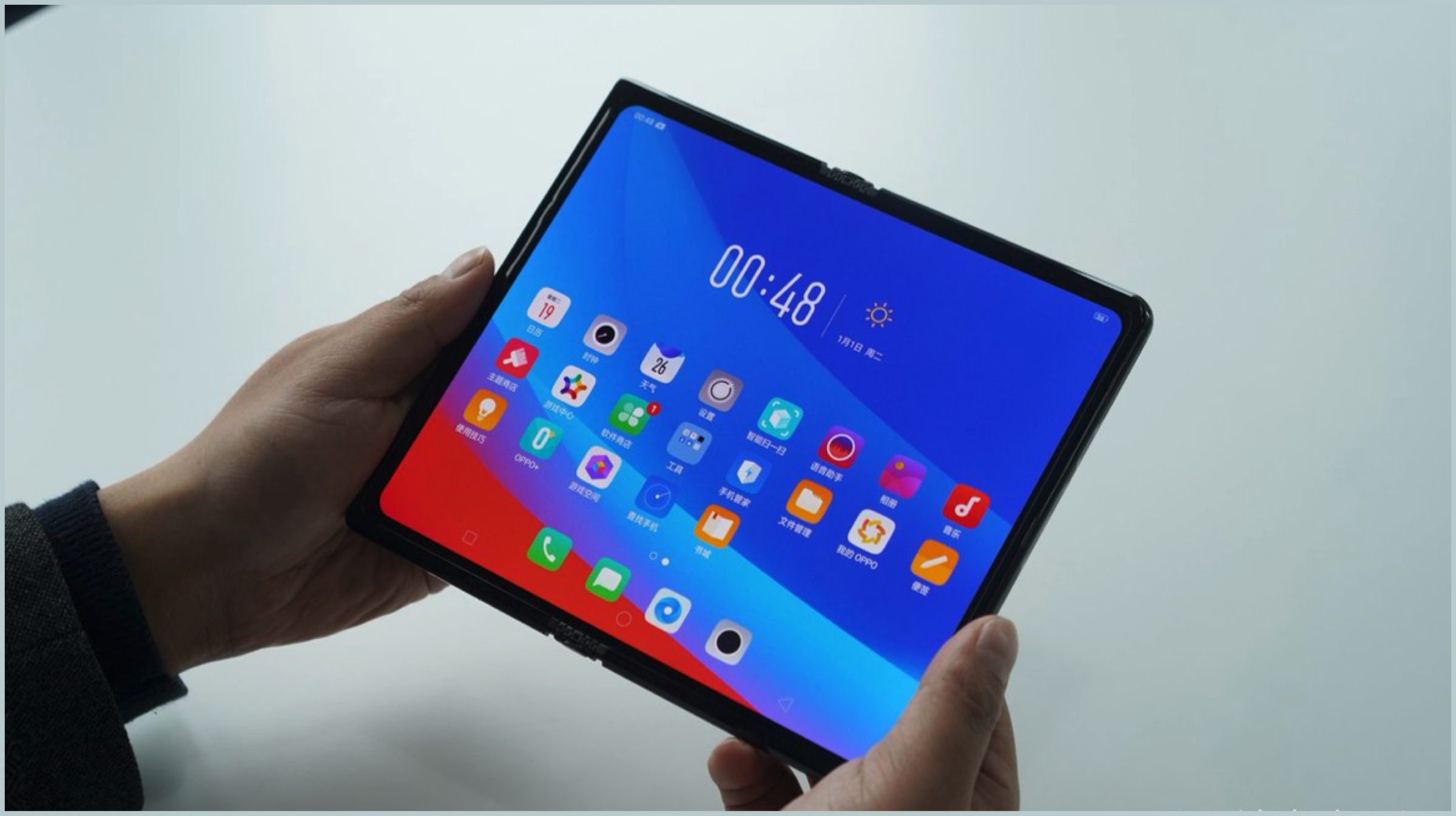
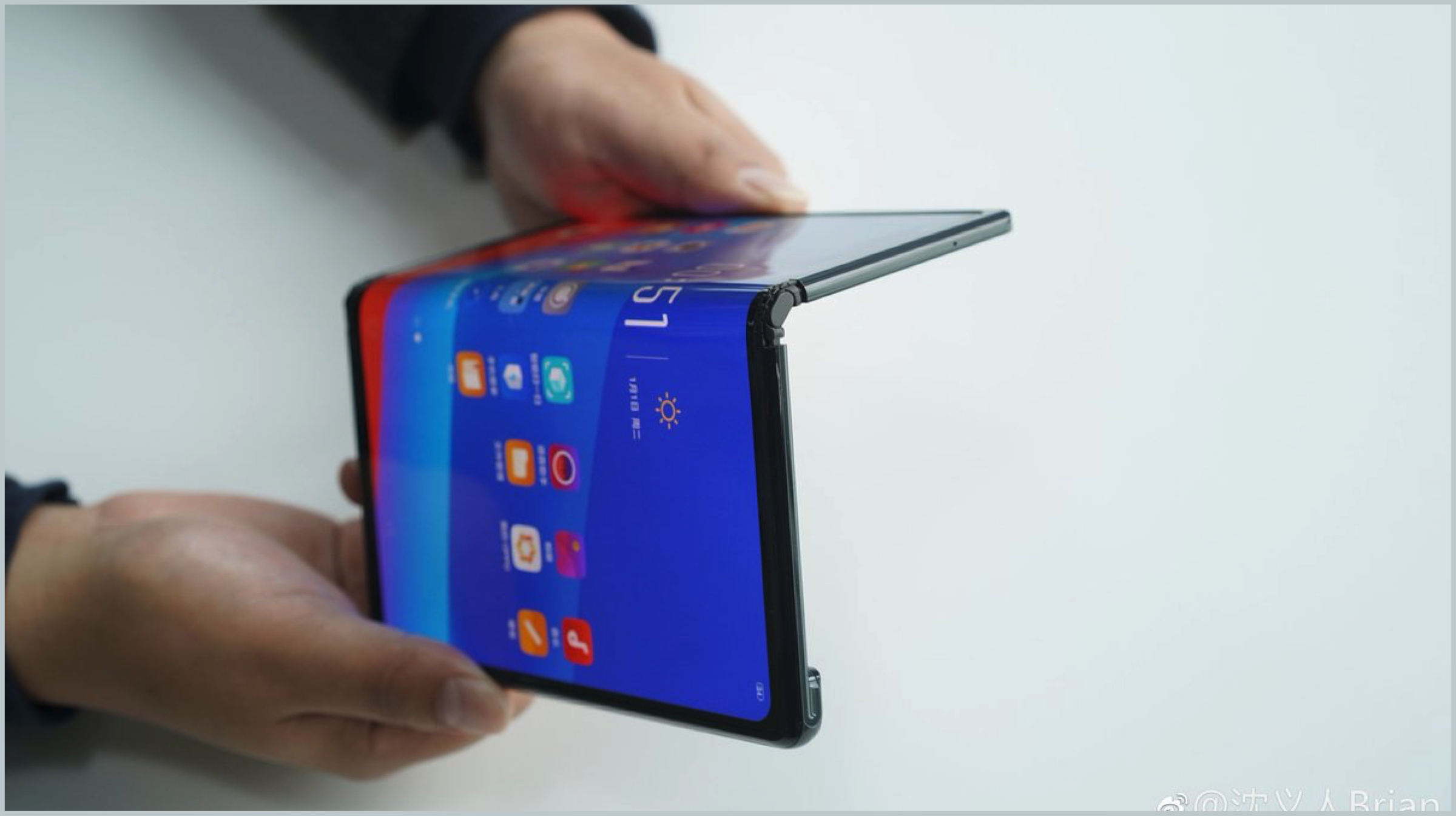
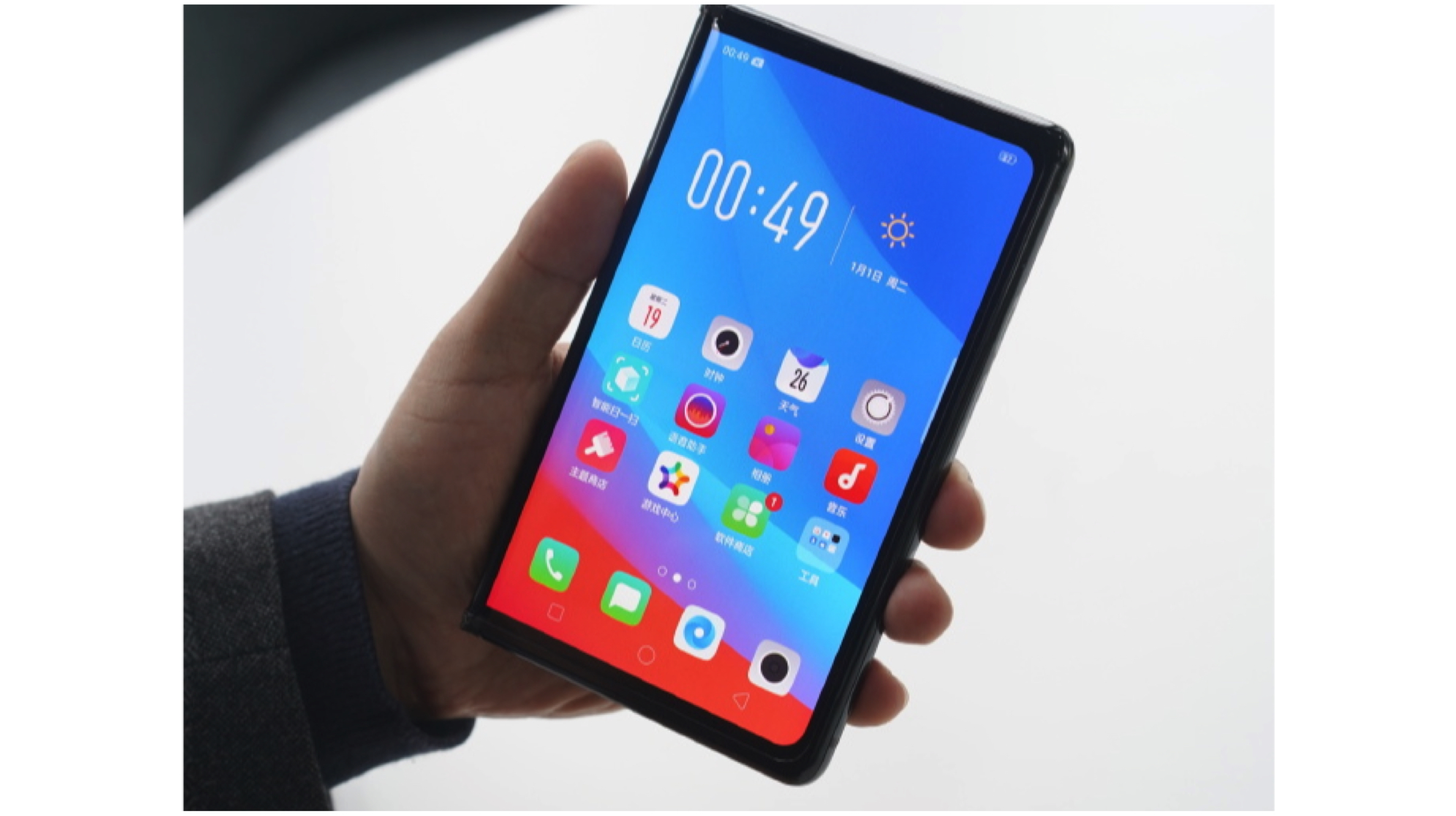
    Probably encouraged by Samsung and Huawei after they showcased their foldable smartphones the Galaxy Fold and Mate X respectively, Oppo has teased what a foldable device from the company may look like. The images of the handset were shared by a senior Oppo executive of on Chinese social networking website Weibo.

    Oppo’s Foldable Smartphone

    The foldable smartphone from Oppo was unveiled in a set of images which reveal the device in its full glory. Unfortunately, the company didn’t provide any specifications, launch date or the price of the foldable device. The Oppo smartphone due to its outward folding display is reminiscent of Huawei Mate X. It features a futuristic design with a glass front and a metal back. The large OLED display on the front can be folded outwards to create two individual displays. Like the Mate X, the device also has a display housing on the left side of the device. The rear metal halves are consolidated with the help of a flexible rubber like material that provides the device with its foldable characteristic. 

    While the specifications of Oppo’s foldable smartphone are unknown as of now, it is expected to run on the latest Snapdragon 855 SoC which is manufactured using 7nm fabrication process. The chipset is comprised of an Octa-core CPU and Adreno 640 GPU. The image also suggests that the device will feature a dual camera setup. It is also expected to have screen mirroring feature which will allow the user to utilise the rear display as a viewfinder. The UI of the device affirms that it runs on Oppo’s ColorOS, which is likely to be built on top of the latest Android 9 Pie. 

    Also read: LG Announces The V50 ThinQ 5G At MWC 2019

    The executive also cited in his post that the foldable smartphone from Oppo will only be mass produced if the company sees a lot of demand for the product. This may be the reason for sharing the images in the first place. Therefore, it is not certain if the device will ever see the light of the day.

  • LG Announces The G8 ThinQ At The MWC 2019

    LG Announces The G8 ThinQ At The MWC 2019

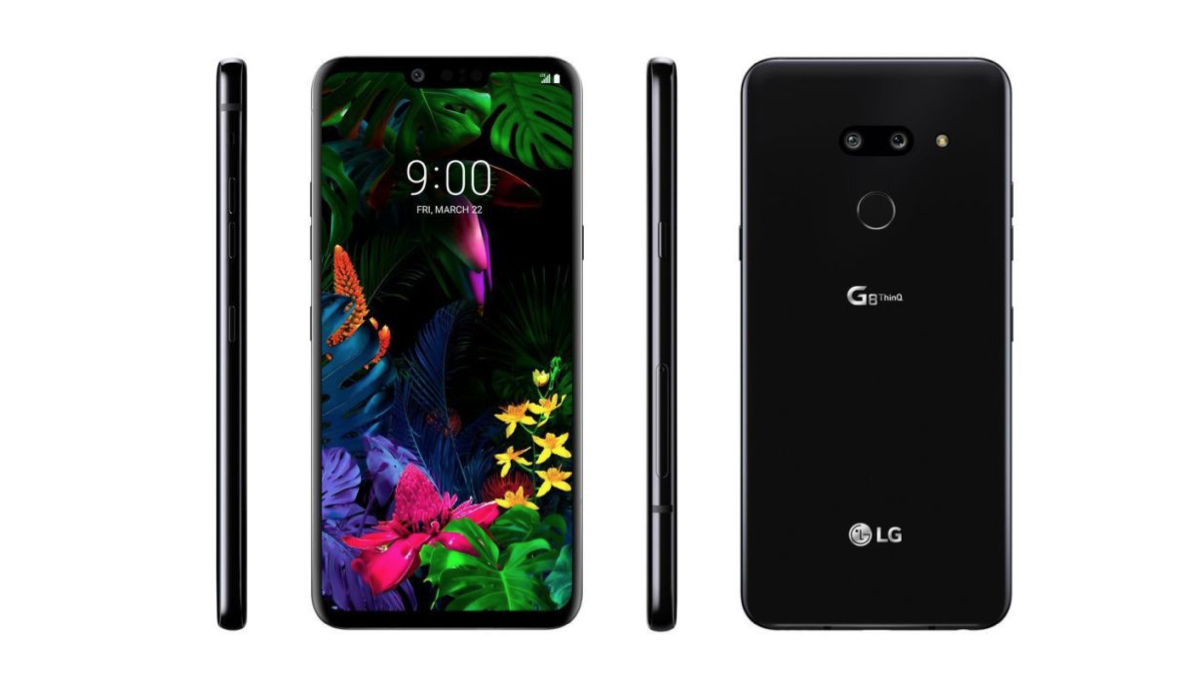
    LG announced its premium smartphones for this season, which are the LG V50 ThinQ 5G and the LG G8 ThinQ. The highly-anticipated devices are finally released and their first impressions are very promising. Both the smartphones run on Snapdragon 855 SoCs and are targeted towards the premium smartphone segment. The LG G8 ThinQ is the successor to last year’s G7 ThinQ, and the device brings some really nice features to the table.

    Design And Display

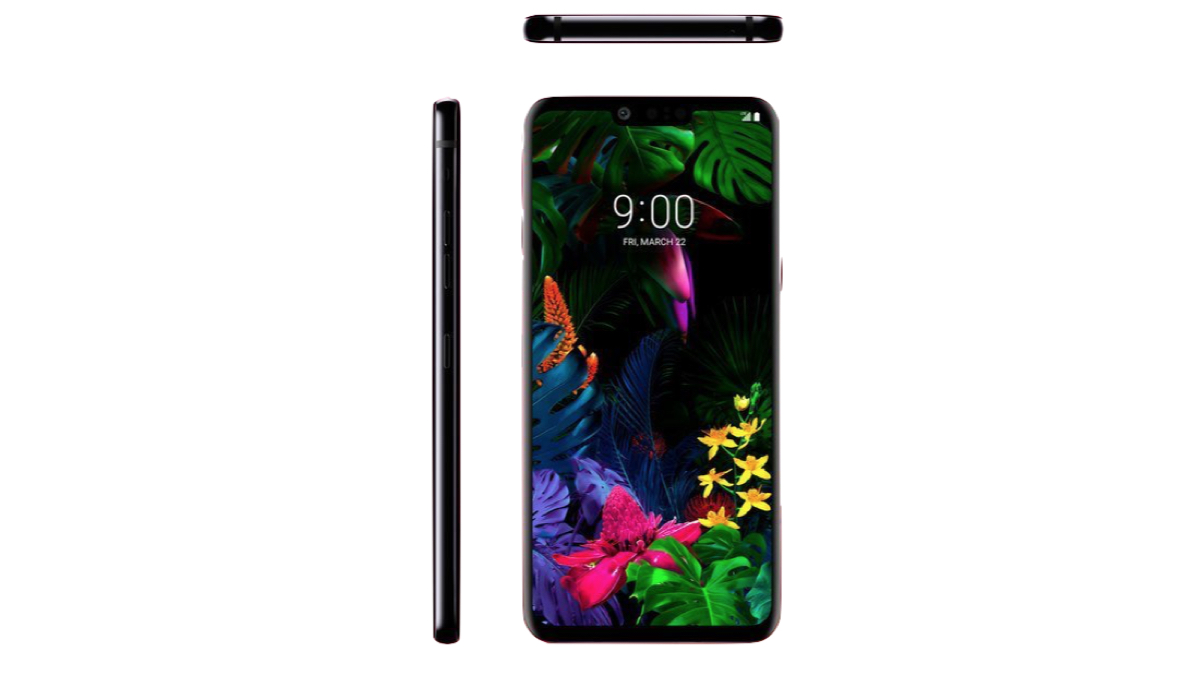
    The G8 ThinQ stands out owing to its glass-sandwich design built around a metal frame. Glass panels adorn both the front and the back of the device, which are protected by Gorilla Glass on both the sides. Interestingly, the rear of the device has Gorilla Glass 6, while the display is covered by Gorilla Glass 5. The bezels are thin, but not thin enough, giving the G8 an 83.5 percent screen-to-body ratio. 
    It has a 6.1 inch QHD+ FullVision OLED display, which has a resolution of 3120 x 1440 px. The screen has a 19.5:9 aspect ratio with a pixel density of 537 ppi and HDR 10 support. The device has a similar notch to the newly announced LG V50 ThinQ, which looks a tad bit like the iPhone X. The reason behind the conservative notch is the 3D ToF sensor, which is housed in the notch with the front camera.

    Specifications And Memory

    The G8 ThinQ runs on a 7nm Snapdragon 855 chipset, which comprises of an octa-core processor (1×2.84 GHz Kryo 485, 3×2.42 GHz Kryo 485 and 4×8 GHz Kryo 485) and the Adreno 640 GPU. In terms of memory, the smartphone packs 6 GB of RAM and 128 GB internal storage, which can be further expanded using the microSD slot with support for up to 2TB microSD cards. It will run Android 9 Pie out-of-the-box.
    Camera

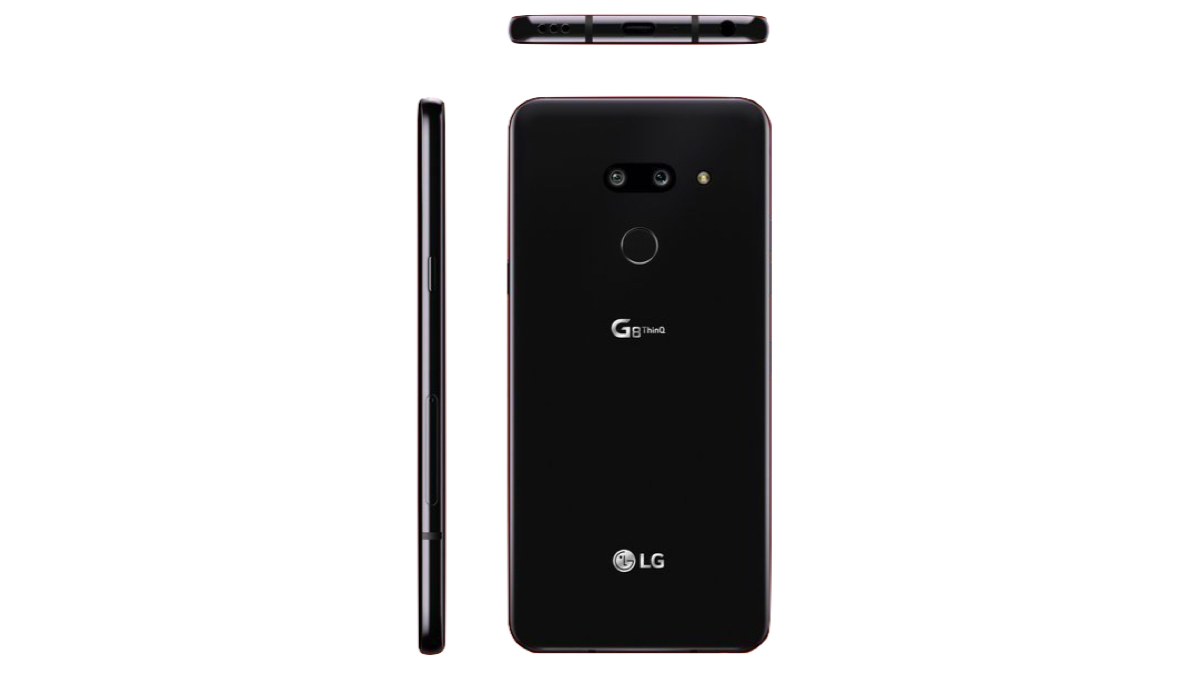
    The triple camera module on the back panel of the LG G8 ThinQ is almost identical to the setup on the V50 ThinQ. The module is housed under the Gorilla Glass panel, implying that it doesn’t protrude from the surface at all. It comprises of a 12MP (f/1.5) camera sensor, a 12MP (f/2.4) telephoto sensor and a 16MP ultra-wide-angle camera. It is speculated that the device may be sold in another ‘market dependant’ variant with only a dual camera setup. In terms of the front camera, the device has a single 8 MP (f/1.7) sensor, but the highlight is the 3D Time of flight sensor placed right next to the front camera. The sensor has some really interesting capabilities, which will be discussed later. 
    Hardware And Features

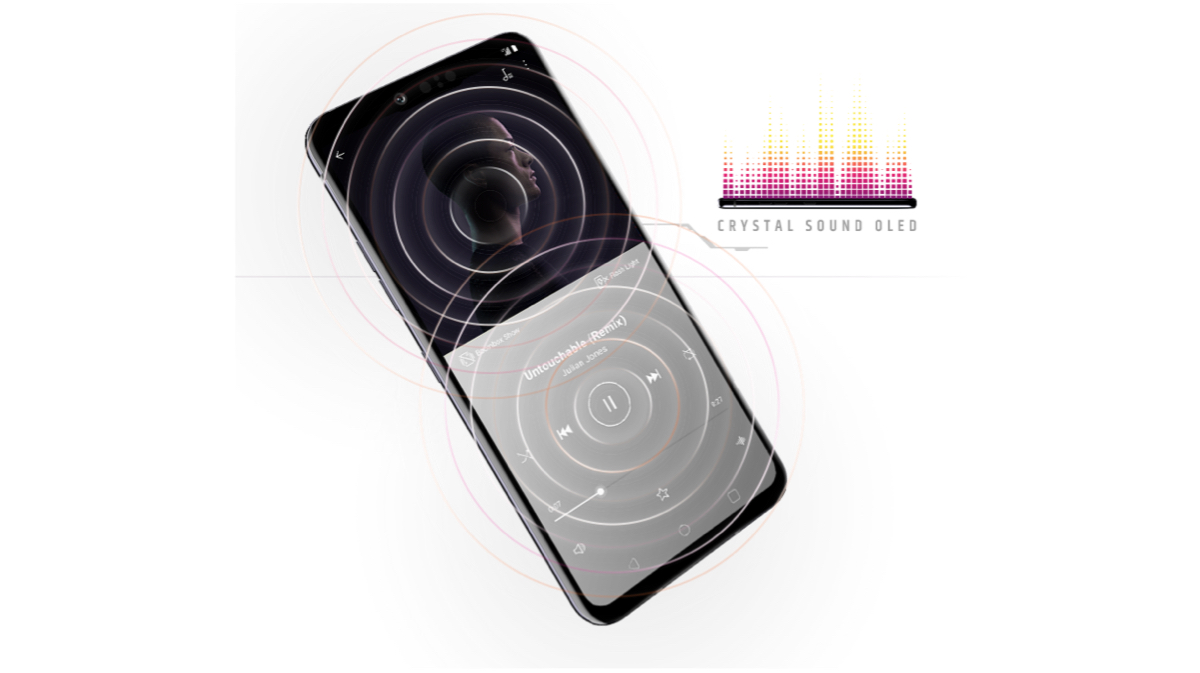
    The device has a 3.5 mm headphone jack, which lies next to the USB Type C port and a ‘grille’ at the bottom of the device. One of the highlighting aspects of the LG G8 ThinQ is the resonating panel that can produce sound. Known as the CSO (Crystal Sound OLED), LG claims that the panel act as stereo speakers and adds an acoustic touch to the sound quality. Moreover, the CSO also acts as an earpiece for receiving phone calls, so users can literally listen to any part of the screen while conversing. The beforementioned ‘grille’ may be a part of the resonating chamber beneath the screen which is used to redirect audio. 32-bit Hi-Fi Quad DAC is integrated with in addition to DTS:X 3D Surround Sound for headphones. The device packs a 3,500 mAh battery which supports Quick Charge 3.0. It is also IP68 dust and water resistant and meets 14 MIL-STD 810G standards, which means that it can survive drops of over 8 feet without taking any damage.
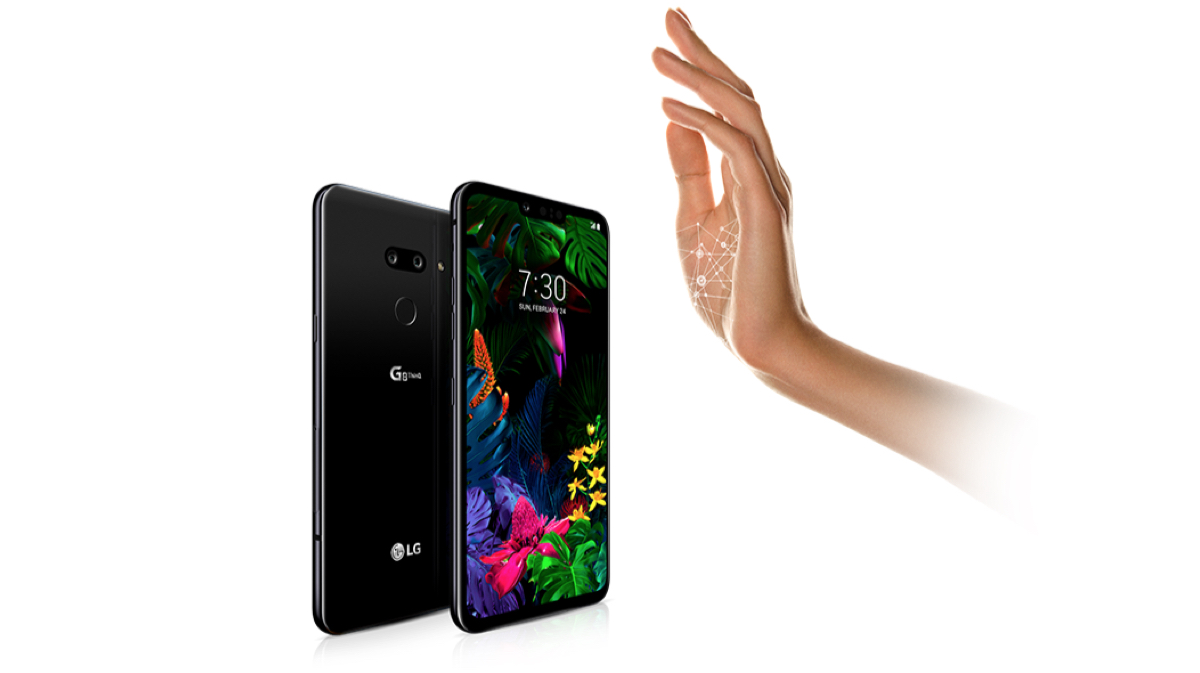
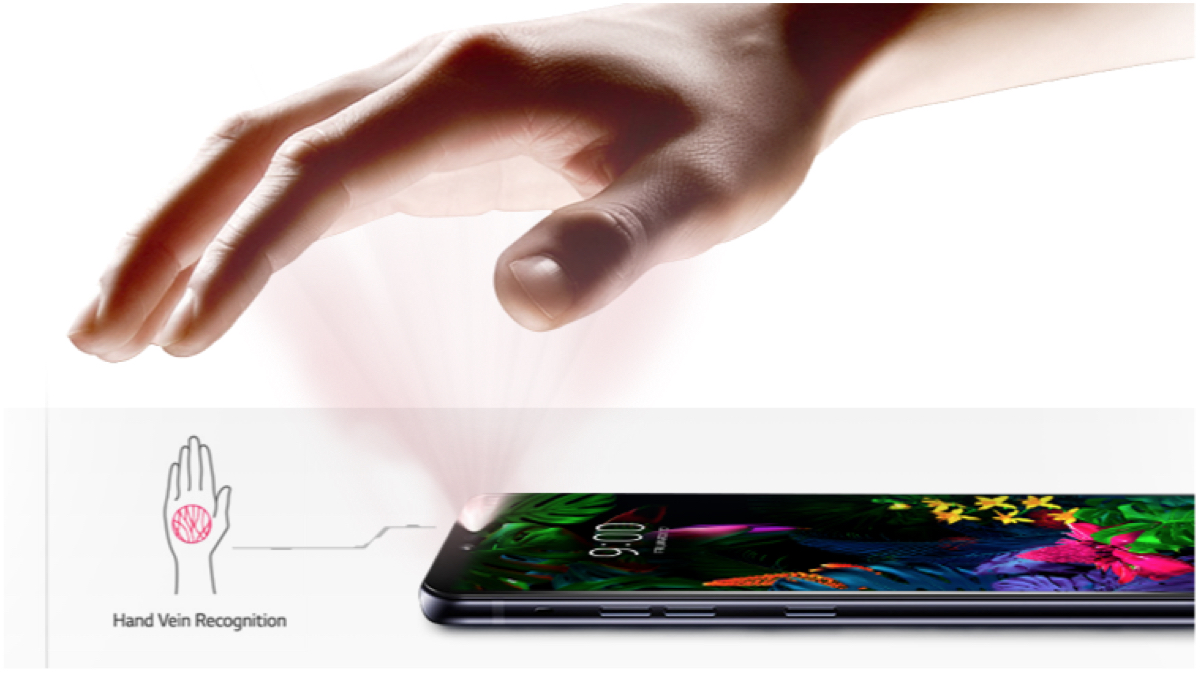
    The LG G8 ThinQ has support for Portrait Video Recording in the front camera. It is really intriguing to see how the device will record videos with the bokeh effect. Also, as mentioned previously, the handset has a front facing 3D ToF sensor. Positioning it at the front ensures more functionality from the sensor. Also called the ‘Z Camera’, it claims to be more precise than a dot projector and faster than Apple’s current ‘Face ID’ technology. Also, the ToF sensor can capture an accurate image of a user’s palm – complete with wrinkles and the blood flowing through the veins. Since every person has unique wrinkles and veins, placing the hand in front of the sensor will instantly unlock the smartphone. It can also be used for hand gestures to control various apps in the device. It is still unclear how practical can this be, but sure, it’s an example of ‘useful innovation’ by LG.
    Also Read: Budget Oriented Nokia 1 Plus With Android Go Launched

    The South Korean company has not made an official statement regarding the release date and price of the G8 ThinQ. However, the device can be expected to hit the market soon.


  • LG Announces The V50 ThinQ 5G At MWC 2019

    LG Announces The V50 ThinQ 5G At MWC 2019

    Amidst the plethora of smartphones being showcased at the MWC 2019 in Barcelona, LG announced its flagship smartphones for this season, which are the LG V50 ThinQ 5G and the LG G8 ThinQ. The much-anticipated devices are out in the open and their first impressions are very promising. Both the smartphones pack Snapdragon 855 chipsets with multiple rear cameras and are aiming towards targeting the premium smartphone segment. The V50 ThinQ is LG’s next big leap after the V40 ThinQ. The smartphone gathered a lot of attention at the event.

    Design And Display

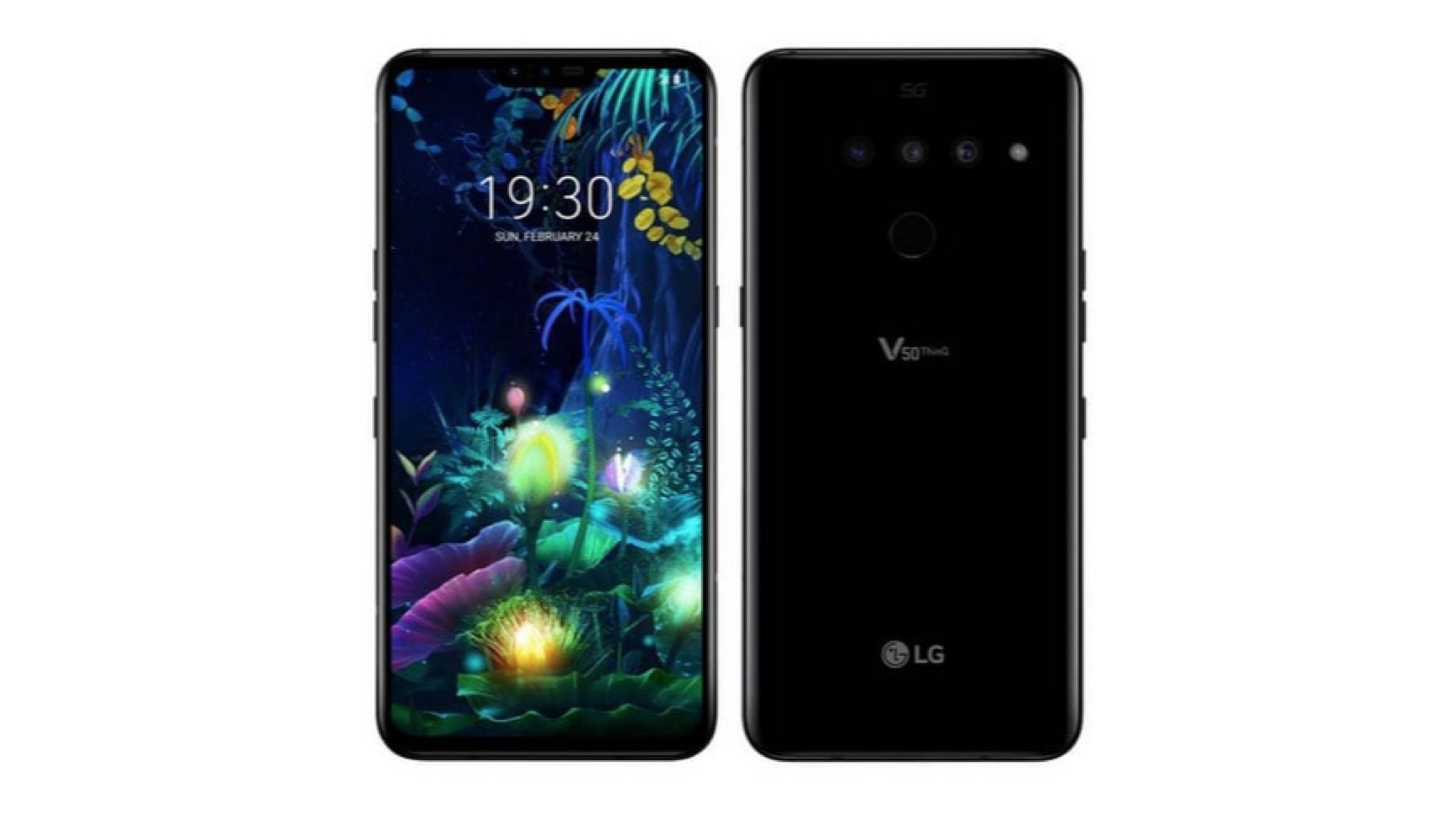
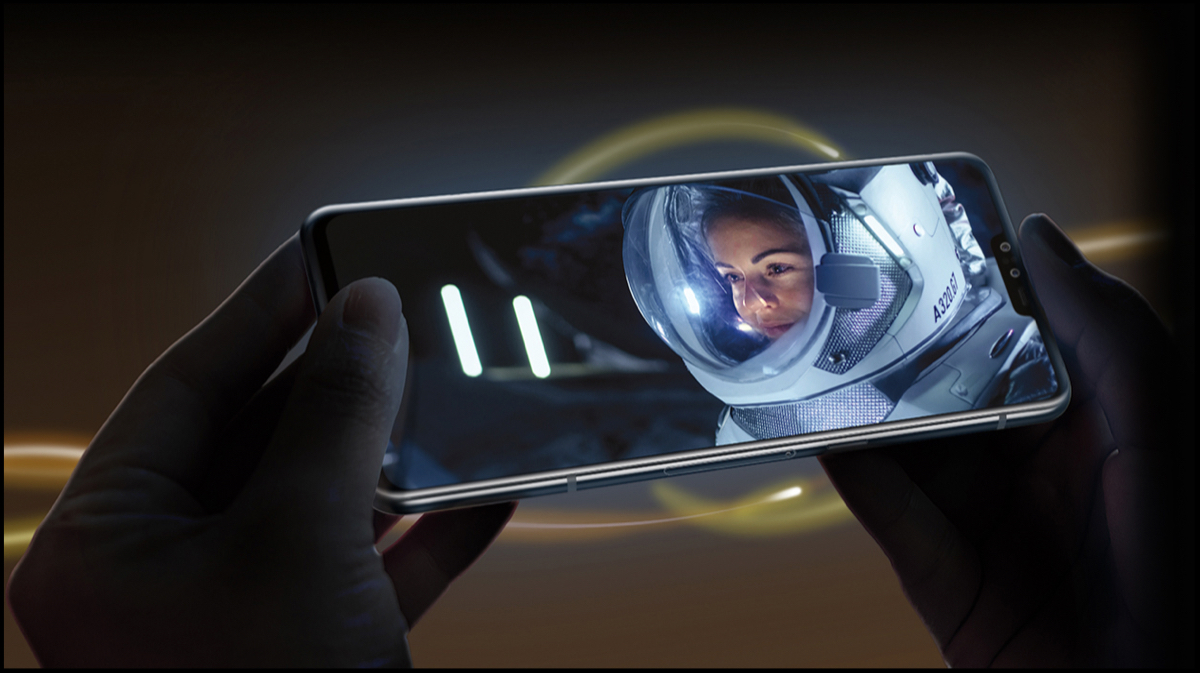
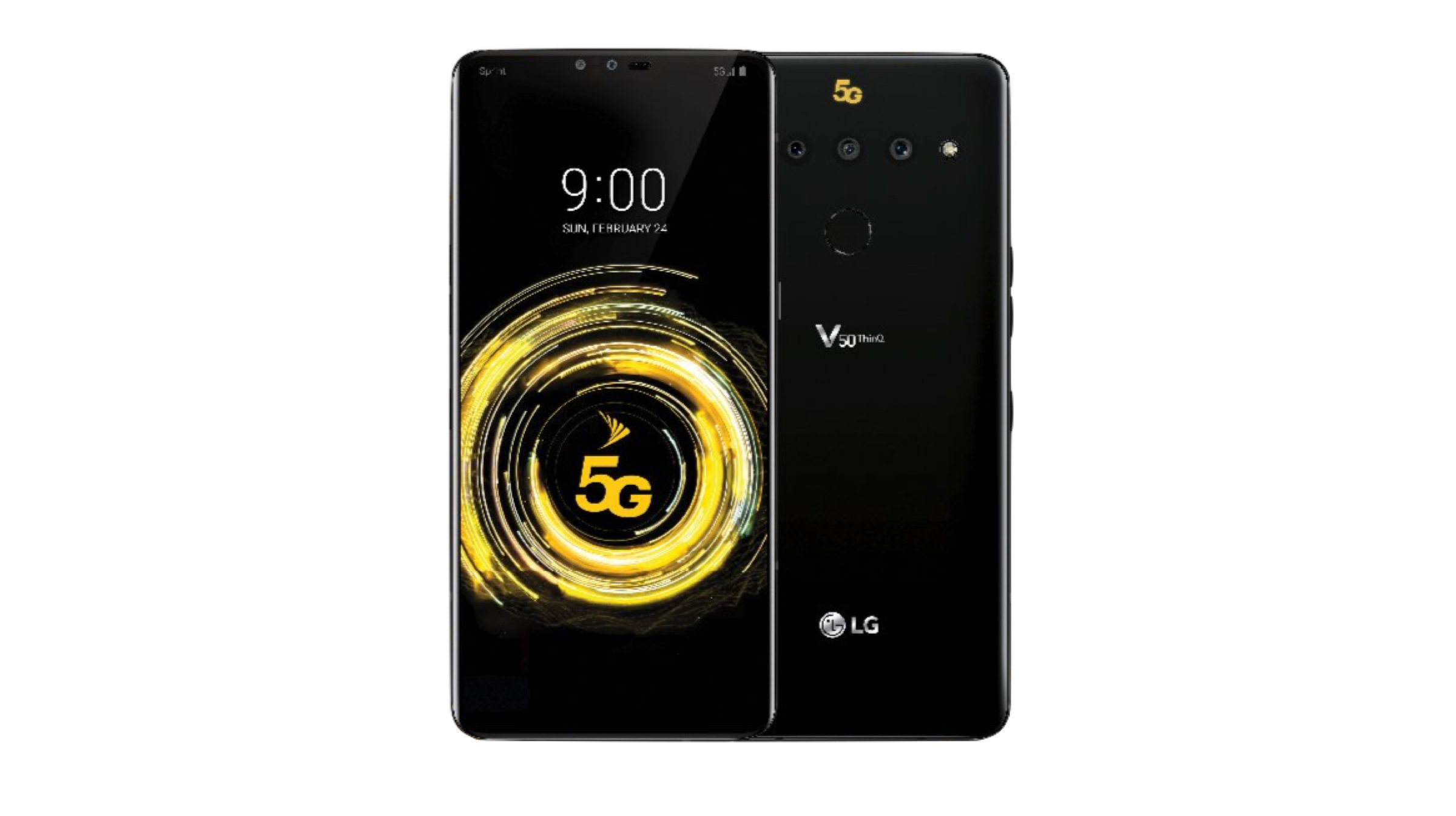
    The V50 ThinQ is a dual glass smartphone with a glass-sandwich design, which gives the smartphone an elegant look. The device sports a 6.4 inch OLED screen with a resolution of 3120 x 1440 px and an aspect ratio of 19.5:9. The display panel has a pixel density of 537 ppi, and supports HDR 10. It has a similar notch to the iPhone X and very narrow bezels that allow the display to seamlessly blend into the aluminium frame of the device. The device has a 3.5 mm headphone jack, a regular USB-C port, and a stereo-speakers setup.
    Specifications And Memory

    The LG V50 ThinQ runs on the 7nm Snapdragon 855 chipset, which consists of an octa-core processor (1×2.84 GHz Kryo 485, 3×2.42 GHz Kryo 485 and 4×8 GHz Kryo 485) and the Adreno 640 GPU. The device also features Qualcomm’s 5G modem. In addition, the V50 has an advanced cooling system to keep the temperature of the device under check. It runs on Android 9 Pie out of the box, with a layer of LG UX on top. The device has 6GB of RAM and 128GB of internal storage, which can be further expanded via the microSD slot. 
    Camera

    The V50 ThinQ features a triple rear camera setup, which comprises of a 12MP (f/1.5) camera sensor, a 12MP (f/2.4) telephoto sensor and a 16MP ultra-wide-angle snapper. The camera also supports Optical Image Stabilization (OIS) for taking high quality blur free images. In addition, the smartphone sports a dual front camera module which is housed in the notch along with the earpiece. The selfie camera setup consists of an 8MP (f/1.9) standard sensor and a 5MP (f/2.2) wide-angle camera.
    Additional Features

    Unlike its premium contenders, the LG V50 ThinQ does not support an in-display fingerprint sensor. Instead, it has a rear mounted fingerprint sensor and face unlock for security purposes. The device is IP68 dust and water resistant and meets 14 MIL-STD 810G standards, which means that it can survive drops of over 8 feet without taking any damage.

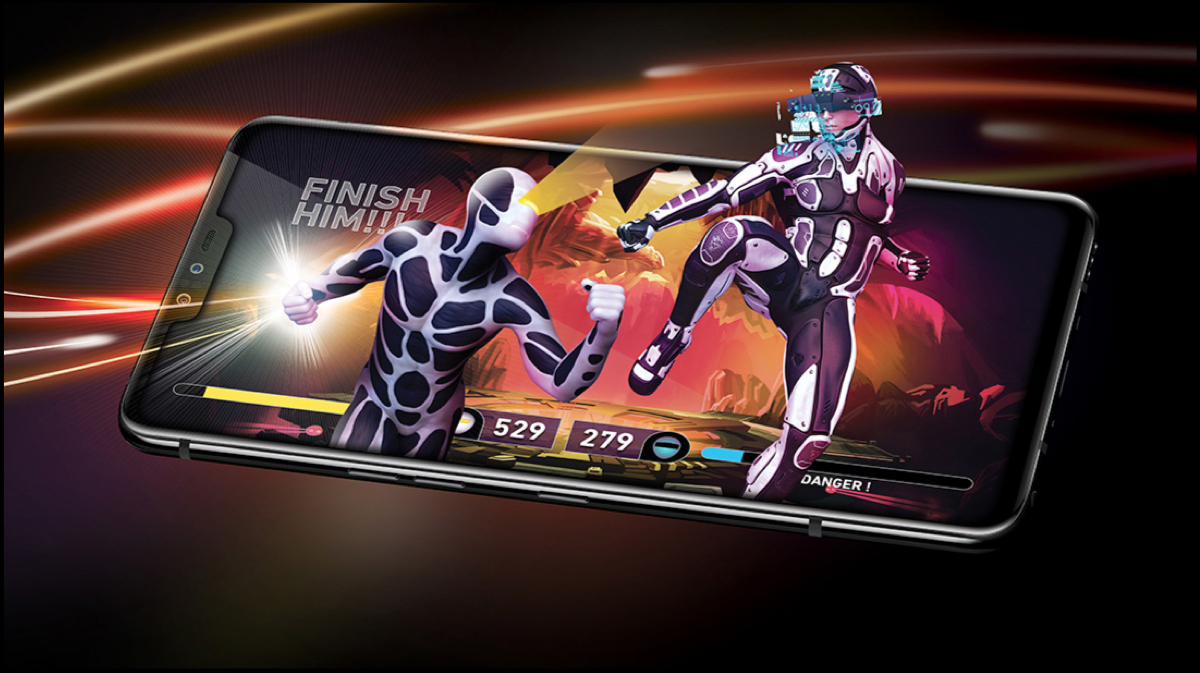
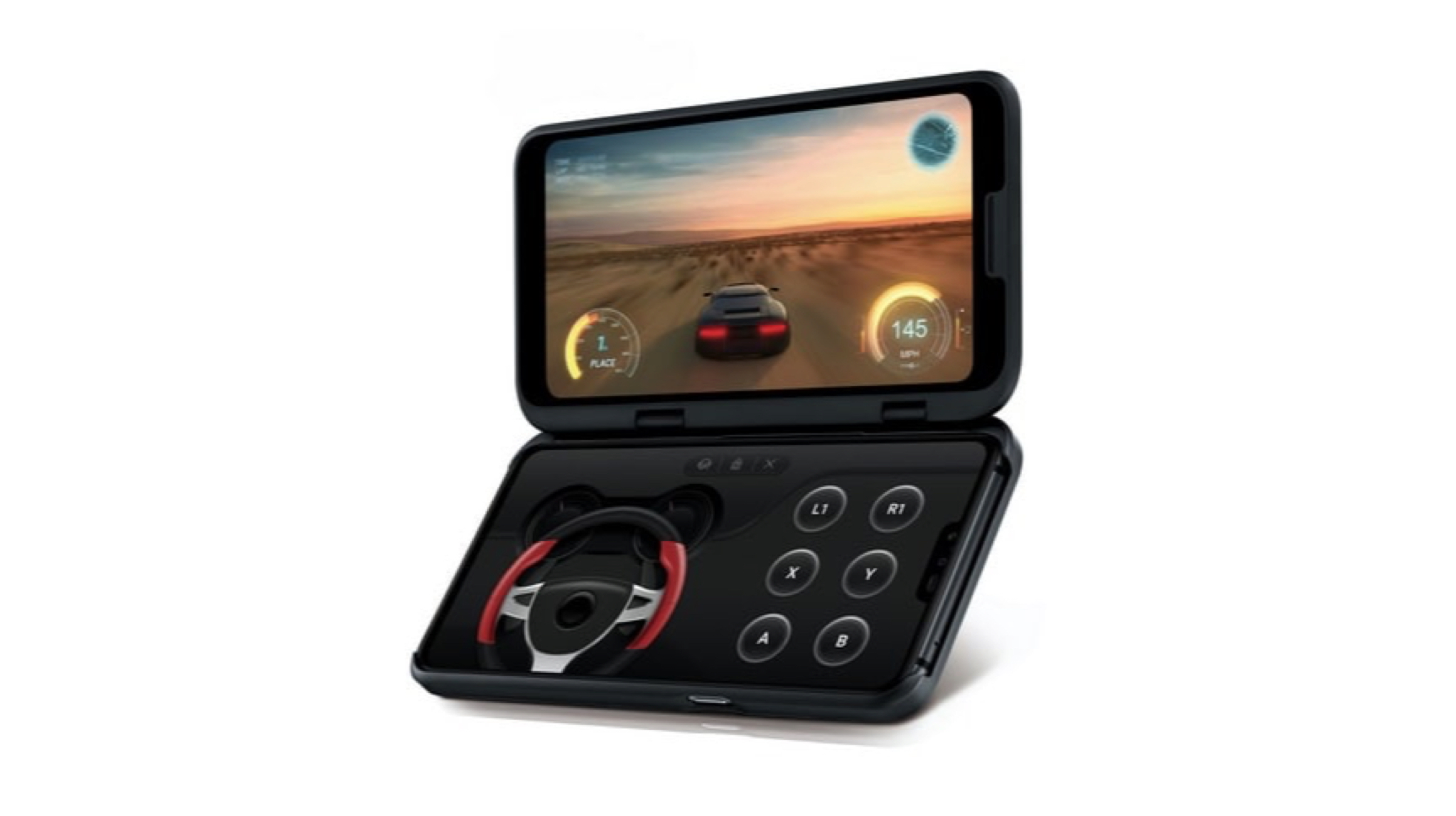
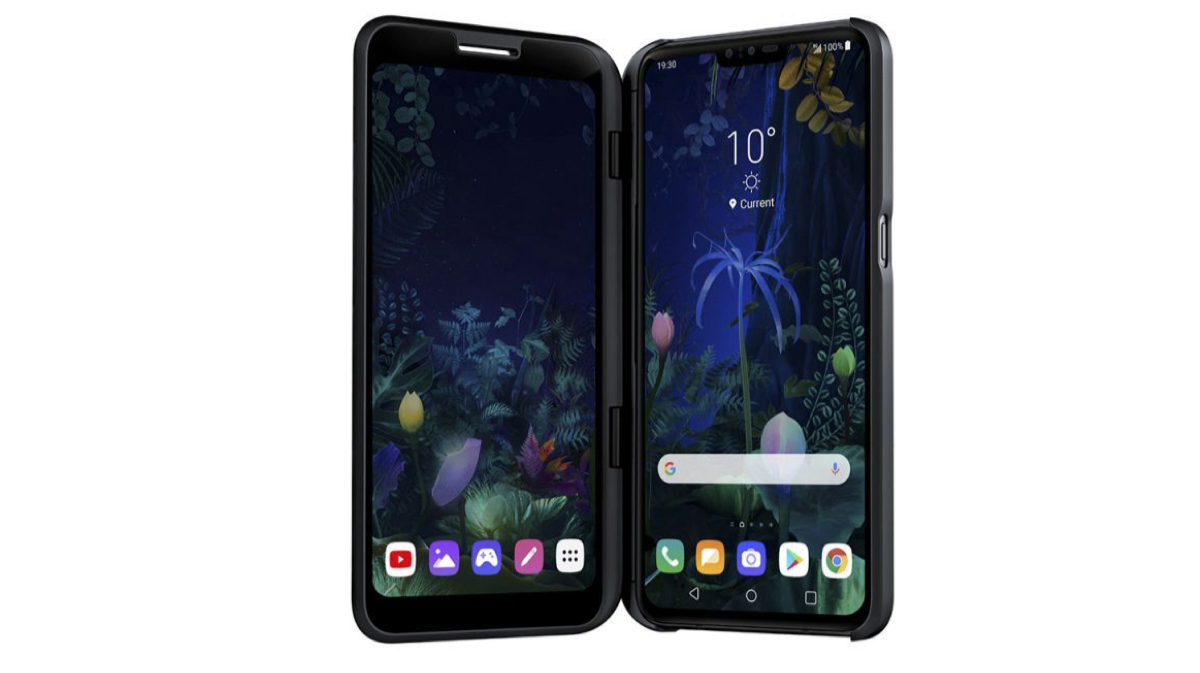
    The smartphone packs a large 4,000 mAh battery, which is surprising considering the fact that the V50 ThinQ is just 8mm thin. Furthermore, the device promises to deliver high quality audio using 2-bit Hi-Fi Quad DAC, DTS and Surround sound. LG has also introduced a dual screen accessory with the smartphone, which enables the LG V50 ThinQ to essentially act as a foldable device. It is actually a case with a 6.2 inch 2160 x 1080 px display that can be attached to the V50 ThinQ via the pogo pins present on the rear end of the device. Although the case adds an extra 131 g of weight to the device, it can enhance multitasking experience and act as a gaming controller – of sorts.

    Also Read: Samsung Galaxy S10+ Unboxing And Hands On Video

    LG has not provided an official statement regarding the availability date/price of the device, but the device may be purchasable soon.

iGyaan Network
Privacy Overview

This website uses cookies so that we can provide you with the best user experience possible. Cookie information is stored in your browser and performs functions such as recognising you when you return to our website and helping our team to understand which sections of the website you find most interesting and useful.