Category: Samsung

  • Samsung Galaxy S9+ Benchmark Scores Leaked

    Samsung Galaxy S9+ Benchmark Scores Leaked

    The Samsung Galaxy S9 and Galaxy S9+ are expected to be launched at MWC 2018 or at a special event in March. While there have been plenty of rumours of about the fingerprint sensor placement or what the camera setup will be like on both the devices, it is certain that the Galaxy S9 and S9+ will have the Qualcomm Snapdragon 845 chipset. A new leak has revealed that benchmark scores of the Samsung Galaxy S9+ and they look impressive.
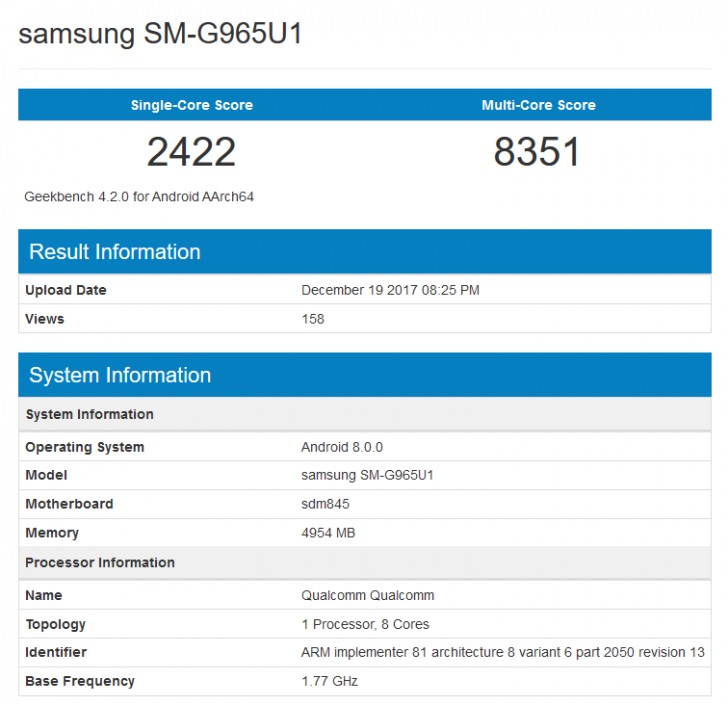
    The model number in the Benchmark results is SM-G965U1, which corresponds to the larger S9 model just as the Galaxy S8+ and Galaxy S7 edge both had model numbers that ended in “5”. The single-core score gets a commendable 27% bump over the Snapdragon 835’ while the multicore score gets is 31% higher than that of the Snapdragon 835. While the numbers are impressive when compared to Snapdragon 835, the A11 bionic chip is way ahead of the competition.

    As is visible, the device in question here has the Snapdragon 845 chipset and similar to what happened in early-2017, Samsung will have exclusive access to the early batch of the flagship chipset thanks to its agreement with Qualcomm. This means that the LG G7, like its predecessor, will be powered by a year old chip, the Snapdragon 835.

    The RAM shown in the spec sheet is 5GB which means that the device in question here has 6GB of RAM as benchmark websites get the specifications wrong a number of occasions. Another interesting aspect here is the operating system. According to leak, the Galaxy S9+ will run Android 8.0 Oreo which is a positive, considering the company announced the Galaxy A8 and A8+ with Android 7.1.1 Nougat even though the devices will be launched in January.
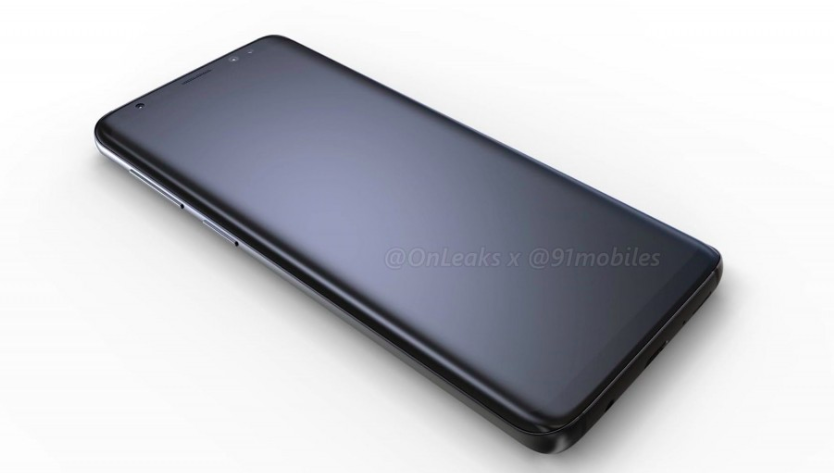
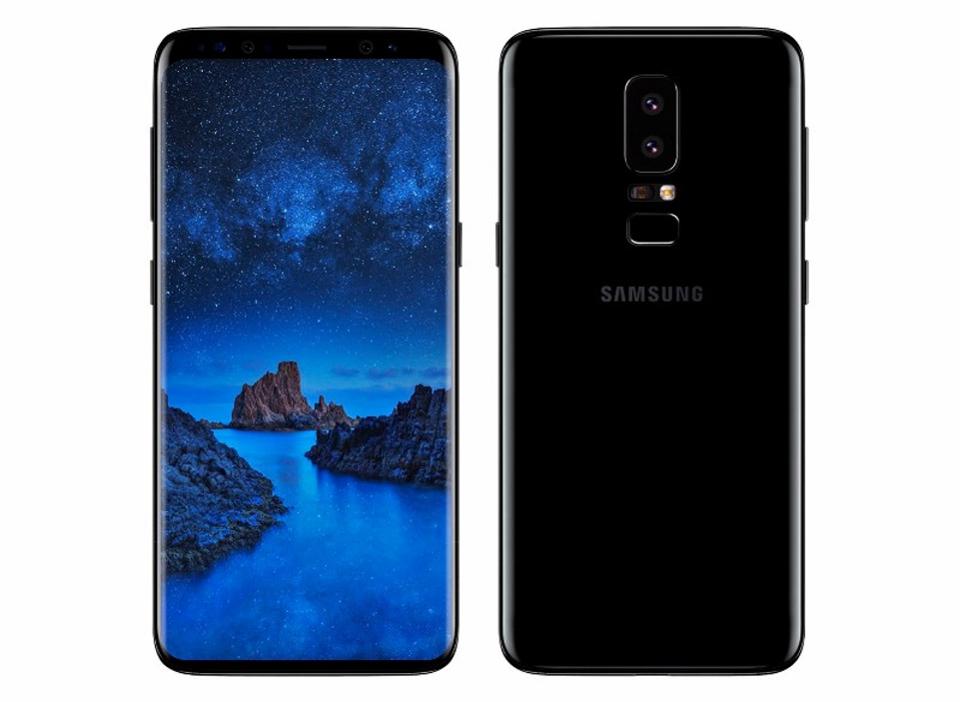
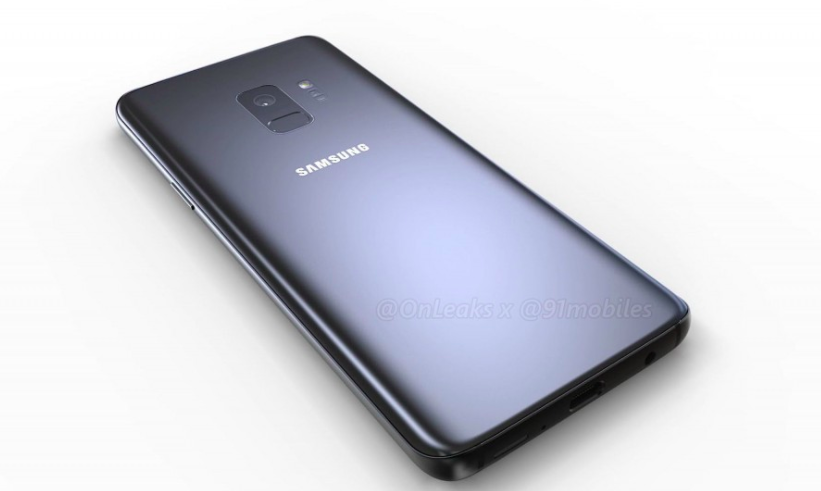
    Galaxy S9+ Renders

    If Samsung goes the Google Treble route, then the Galaxy phones might get faster updates compared to the umpteen amount of time that Samsung takes to update even its flagship phones. To put things into perspective, Android 8.0 Oreo was officially launched back in August, and the Galaxy Note8 along with the Galaxy S8 and S8+ are still running Android 7 Nougat.

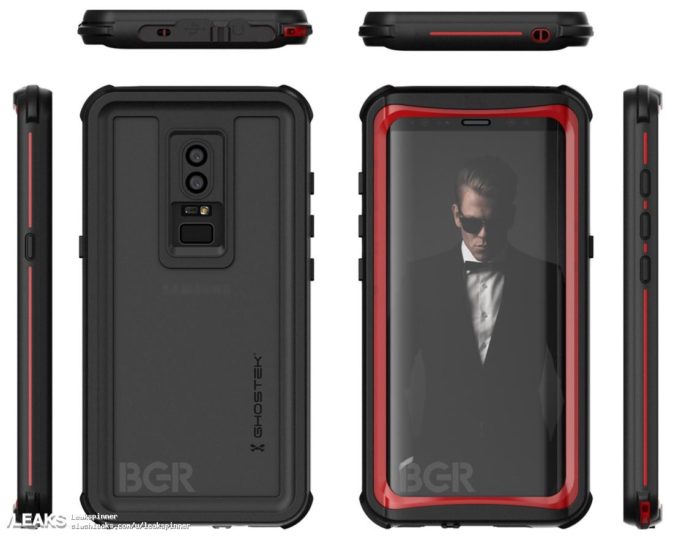
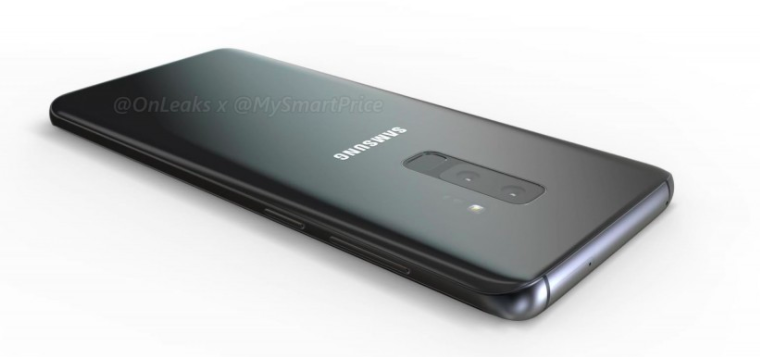
    The Samsung Galaxy S9 and S9+ are expected to look very similar to their predecessors with slightly thinner bezels and a repositioned fingerprint sensor. Unlike last year when there was barely anything to differentiate between the Galaxy S8 and its bigger sibling, Samsung will introduce a few changes in the lineup to justify a bigger price tag of the ‘+’ model. The Samsung Galaxy S9 is expected to sport a single camera at the back while the Galaxy S9+ will have a dual-camera setup at the back.
  • Samsung Galaxy S9 Leaked In Live Images

    Samsung Galaxy S9 Leaked In Live Images

    Samsung is planning to launch the Galaxy S9 and Galaxy S9+ at MWC in late-February. While smartphone makers try hard to keep their upcoming phones under wraps, it’s become harder to do that with every person now having a camera phone with them. Recently, the renders of the Galaxy S9 and Galaxy S9+ were released which show very little design change from 2017’s Galaxy S8 and Galaxy S8+.

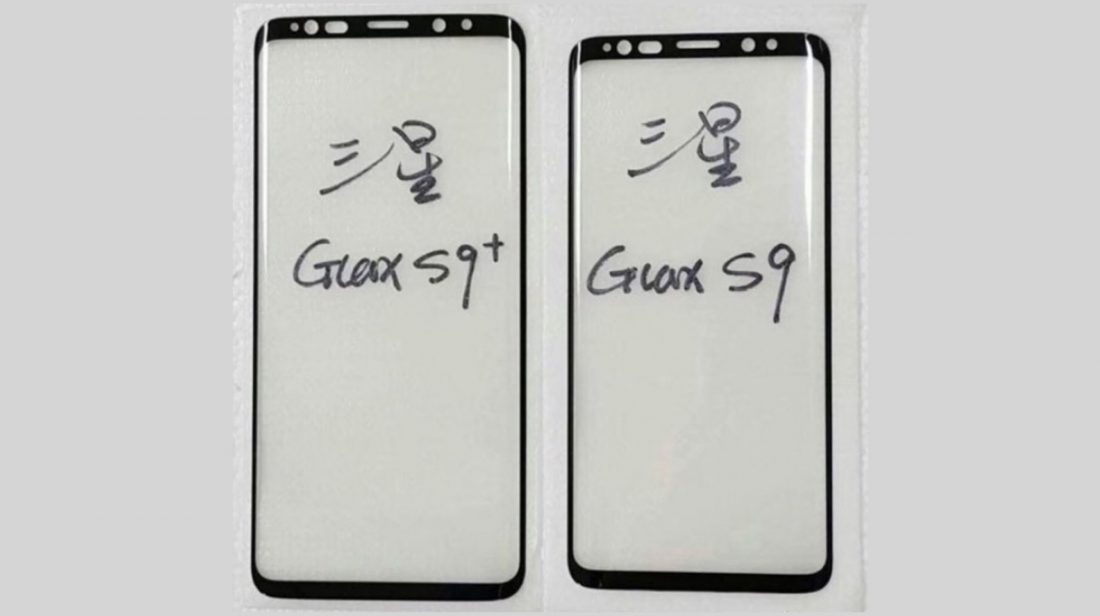
    Now, two new leaked images reveal the front and back of the Galaxy S9 and the S9+. The images of the front glass reveal the size of the bezels and the camera and sensor cutouts. While people expected a nearly bezel-less design, these images reveal that the bezels will be ever so slightly shrunken in the 2018 iteration of the Galaxy S lineup.

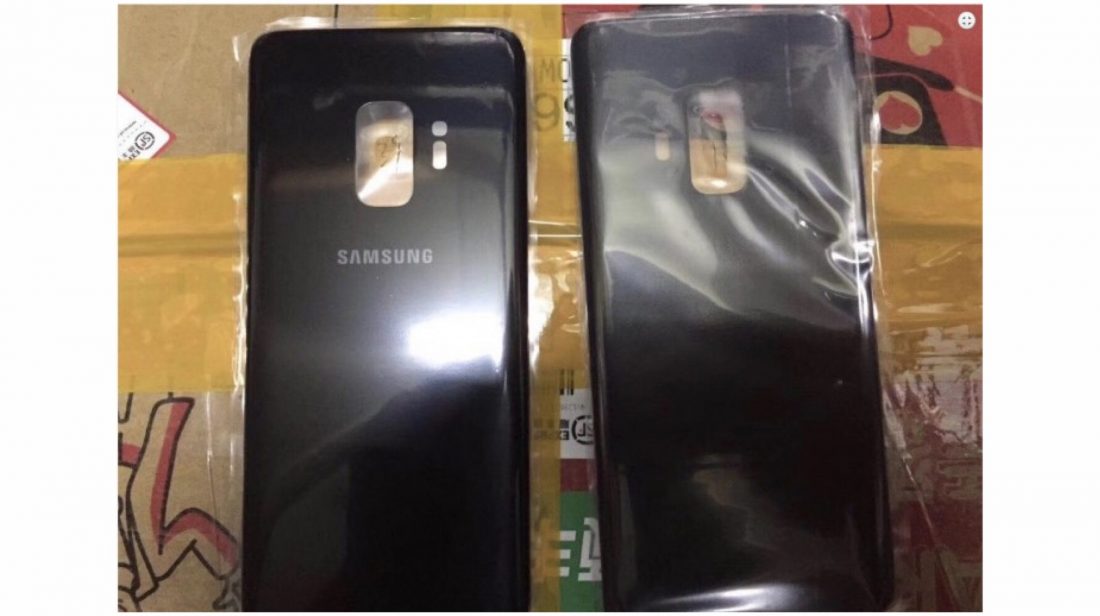
    The other image is of the back panel of the Galaxy S9. The image falls in line with previous reports that the Galaxy S9 will continue to sport a single camera setup at the back and have a repositioned fingerprint sensor which will now be placed under the camera lens. The Galaxy S9+ is expected to have a dual-camera setup which will justify the steeper price tag of the bigger sibling.

    While the Galaxy S9 and S9+ are expected to be launched at MWC 2018, it will be interesting to see if India will be one of the first few countries to see the launch of the new flagship phones considering the Galaxy S8 and S8+’s popularity in the country. Both the devices are expected to be launched at the same price as the Galaxy S8 and S8+ were launched back in early-2017.

  • Samsung Announces Galaxy A8 And Galaxy A8+ With Infinity Display

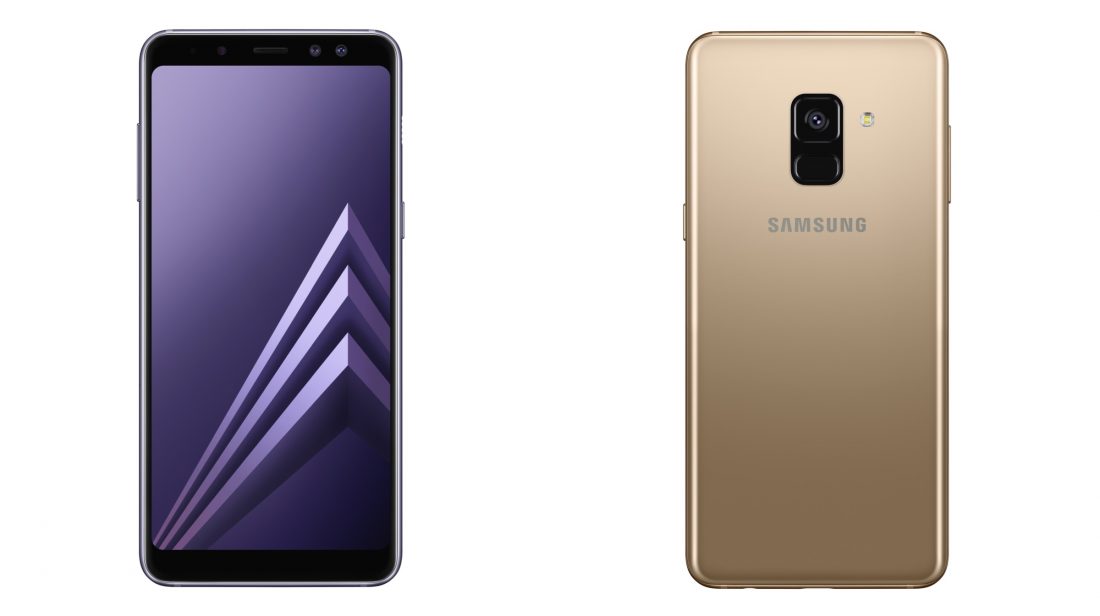
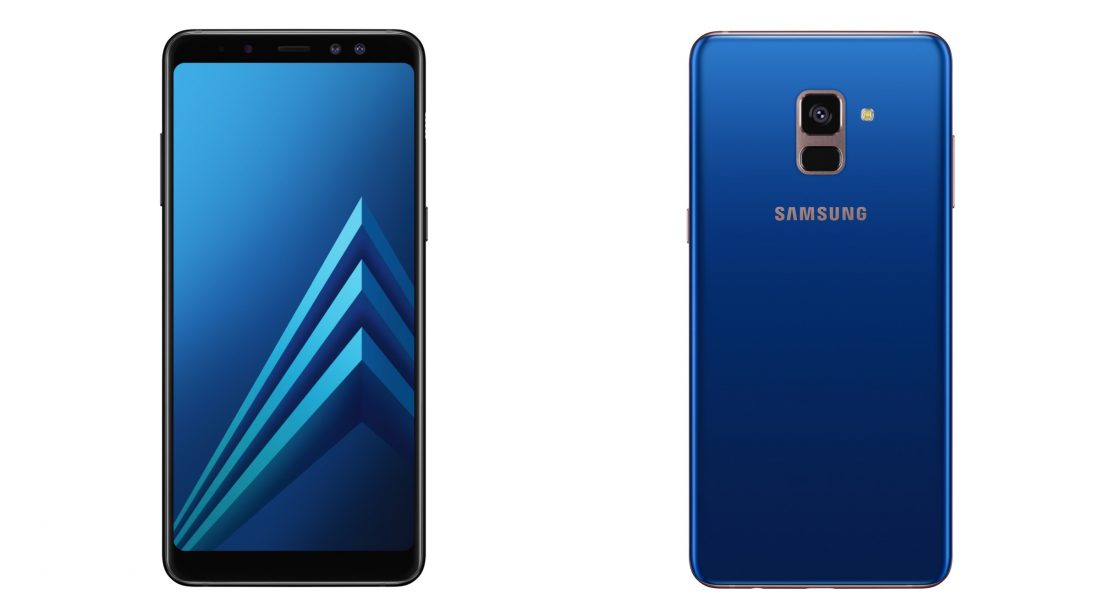
    Samsung Announces Galaxy A8 And Galaxy A8+ With Infinity Display

    After weeks of speculations and leaks, Samsung has announced the Galaxy A8 and Galaxy A8+ at an event in South Korea. What the nomenclature doesn’t tell is that these two phones are the follow up to the Galaxy A5 (2107) and Galaxy A7 (2017). There is no word on the pricing and their availability in countries like India. However, more in-depth information about the two phones will be revealed at CES 2018.

    The Galaxy A8 and A8+ are the first budget-oriented Samsung phones to feature the infinity display. The Galaxy A8 has a 5.6-inch display while the bigger sibling, the Galaxy A8+ has a 6-inch display. Both the phones have a Super AMOLED display panel with a 2220 x 1080 px resolution which translates to an 18.5:9 aspect ratio.

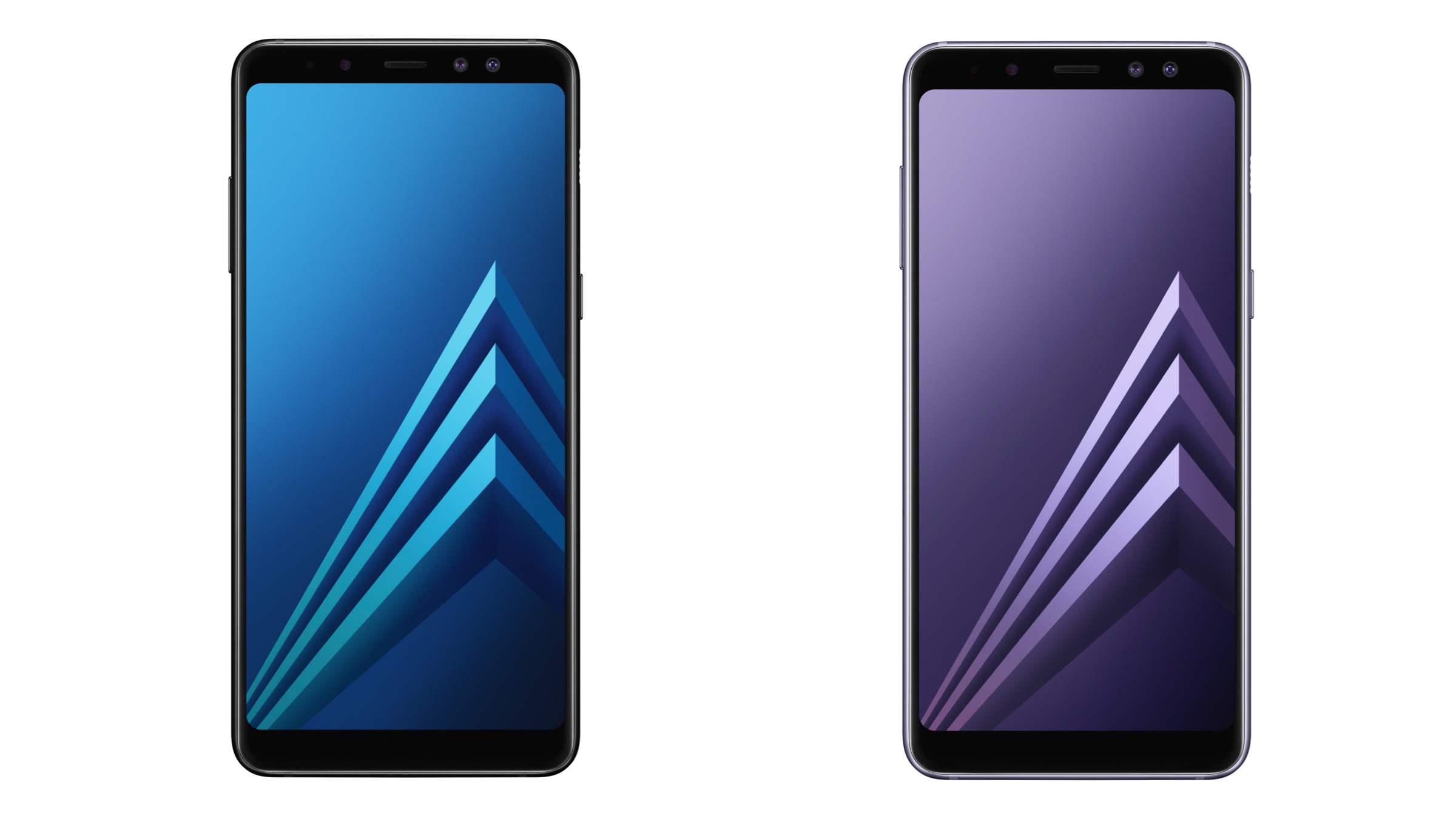
    Galaxy A8

    Under the hood, both the devices have an octa-core (2.2GHz Dual + 1.6GHz Hexa) processor while the chipset is still unspecified, it could be the Exynos 7885 SoC as found in the leaked video. The Galaxy A8 has 4GB of RAM with two storage options of either 32GB or 64GB while the Galaxy A8+ has two variants, one with 4GB RAM and 32GB storage and the other with 6GB RAM and 64GB storage. Just like every other smartphone from Samsung, the onboard storage can be expanded up to 256GB via microSD card. Both the smartphones are IP68 rated for water and dust resistance and support Samsung Pay for contactless mobile payment.

    Powering the Galaxy A8 is a 3000 mAh battery while the Galaxy A8+ has a 3500 mAh battery. Both the devices are charged via USB Type-C port.

    One thing that might come as a surprise, especially for phones launching in 2018 is the OS. Both the phones will run Android 7.1.1 Nougat out of the box with Samsung’s own custom skin on top.

    Galaxy A8+

    The Galaxy A8 and Galaxy A8+ are also the first of Samsung phones to have a dual-camera setup on the front. Both the phones have a 16MP + 8MP camera setup with an f/1.9 aperture. The Live Focus feature lets users chose whether the background should be in focus or blurred to a soft bokeh. The phone will switch between the two front cameras to get the effect the user needs. To the back of the phone is a 16MP camera with an f/1.7 aperture and digital stabilisation.

  • Google Pixel 2 For Rs. 39999 And Other Top Smartphone Deals During The Flipkart New Pinch Days Sale

    Google Pixel 2 For Rs. 39999 And Other Top Smartphone Deals During The Flipkart New Pinch Days Sale

    As we approach the end of 2017 and holidays begin, Flipkart is back with a new sale where you can save quite a lot money on the best of smartphones from 2017. Let’s take a look:

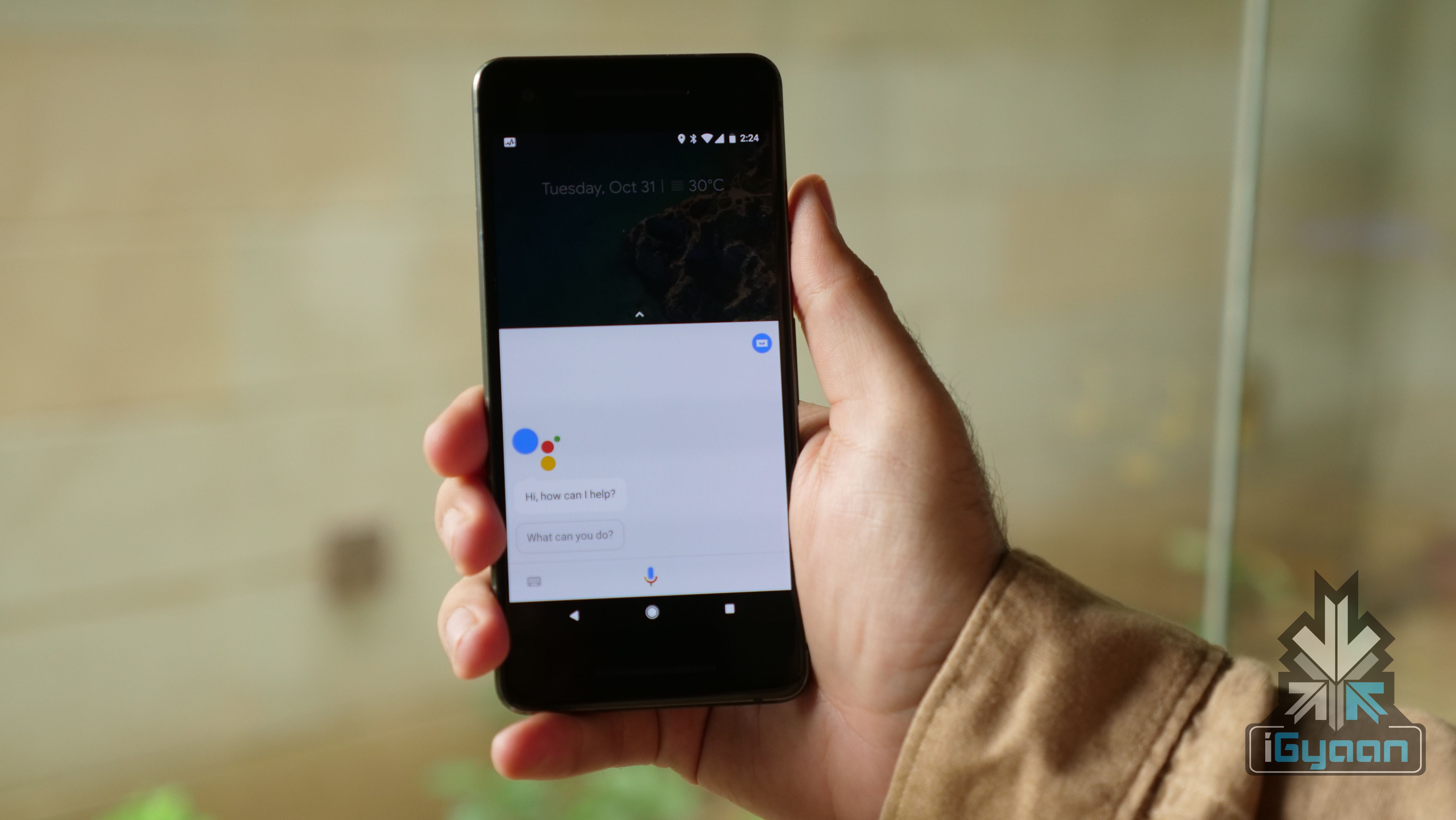
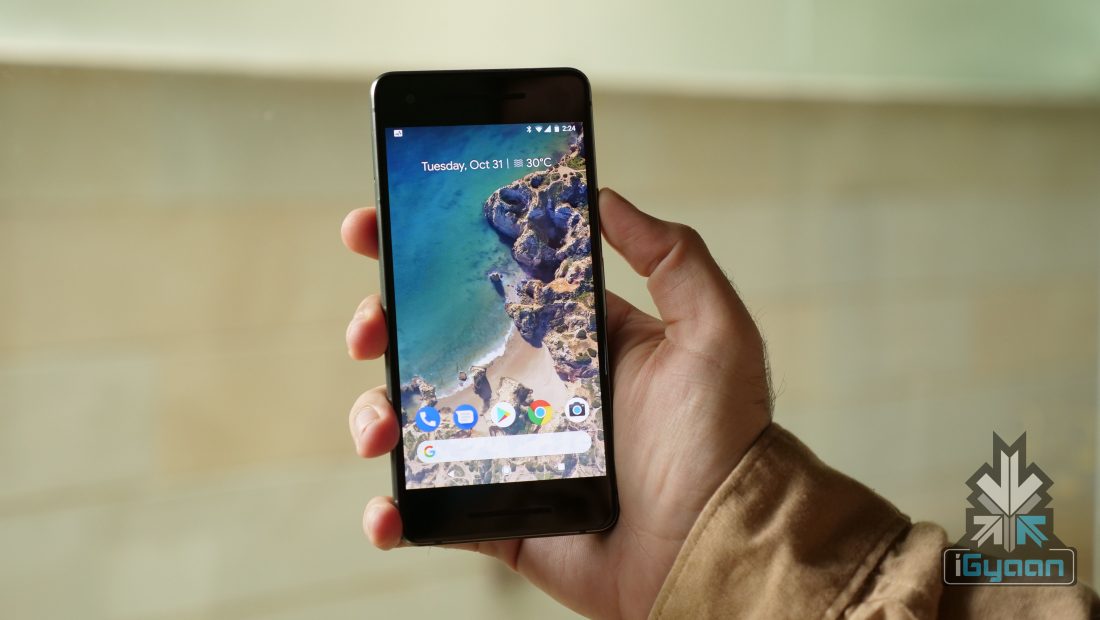
    Google Pixel 2

    Arguably one of the best Android phones of 2017, the Google Pixel 2 might be a better choice than its bigger sibling, the Pixel 2 XL for a lot of people. It shares the same hardware with the Pixel 2 XL albeit, a smaller display and an old design.

    It has all the flagship phone specifications like the Snapdragon 835 chipset, 4GB of RAM and 64GB of onboard storage. It has a superior primary camera and a front-facing camera.

    Flipkart is offering a flat Rs. 11000 discount and an extra Rs. 10000 cashback which will essentially bring the price down to a whopping Rs. 39999.

    Read our full story here.

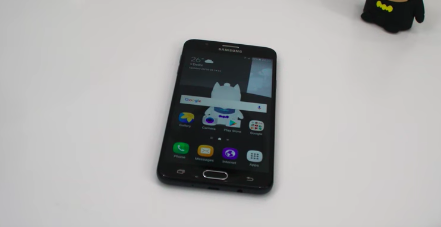
    Samsung Galaxy On Nxt

    Another budget-friendly offering from Samsung, this one is powered by the Exynos 7870 processor coupled with 3GB of RAM and 64GB of internal storage. Samsung Galaxy On Nxt 64 comes with a beautiful 5.5-inch 1080p display and a 3,300 mAh to give you a day’s battery life with ease. Grab it on Flipkart at a flat Rs. 6000 discount for Rs. 11,900.

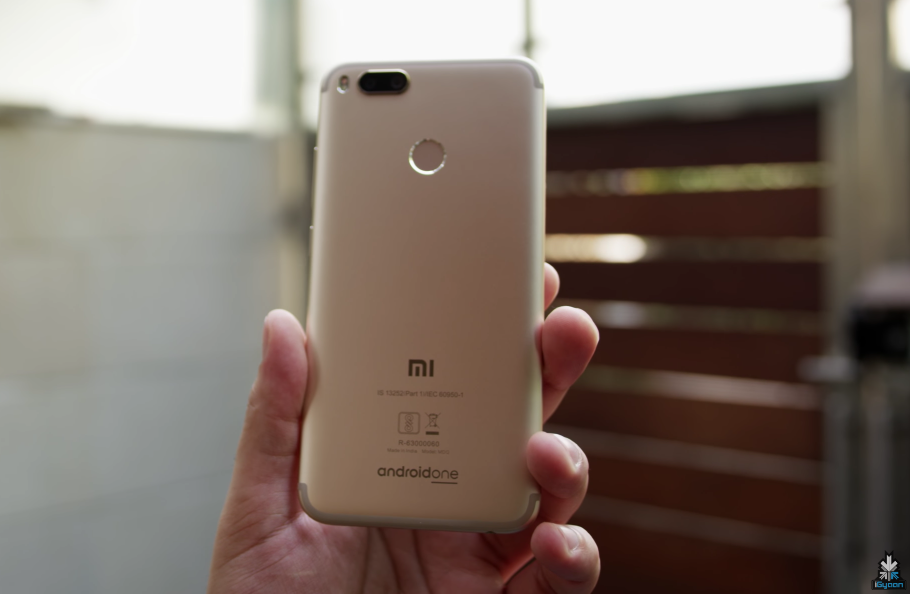
    Xiaomi Mi A1

    One of the best budget smartphones of 2017, any deal on the Xiaomi Mi A1 will be a great deal. A few days ago, Xiaomi announced that the Mi A1 had received a permanent price cut of Rs. 1000 which got its price down to Rs. 13999. The new deal on Flipkart brings the price down to Rs. 12999.

    The Xiaomi Mi A1 is the first smartphone from Xiaomi to run stock Android OS. It also has a dual-camera setup at the back which is one of the best in the category.

    Read the full story here.

    [widgets]

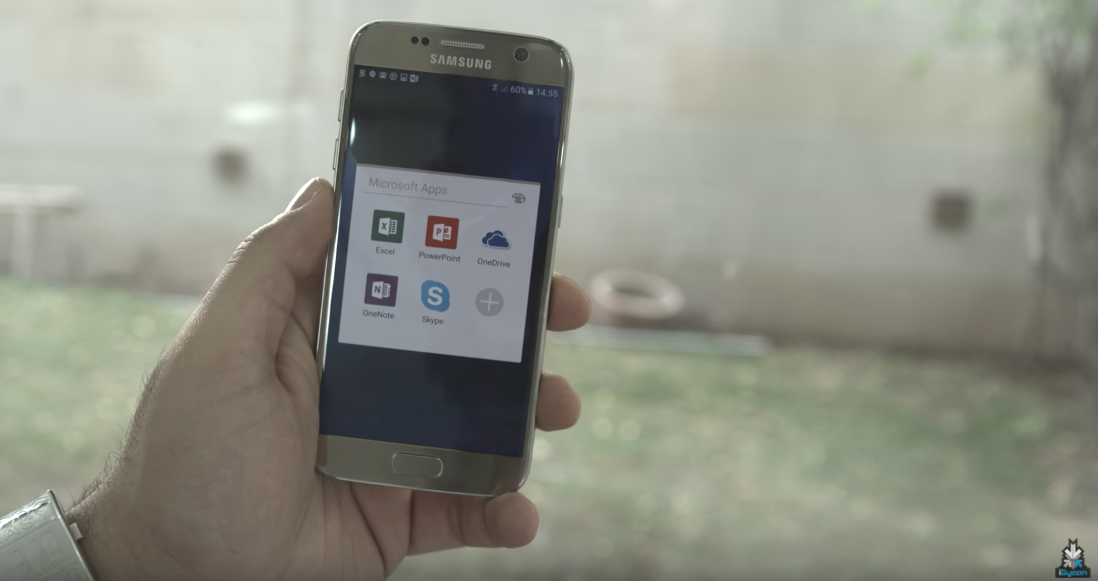
    Samsung Galaxy S7

    2016 and 2017 were great years for Samsung, barring the Galaxy Note 7 debacle. 2016 saw the launch of the Galaxy S7 and S7 Edge which still hold up for well for mid-range smartphones in late-2017.

    The Galaxy S7 is available at a price of Rs. 29990 during the Flipkart sale. The Galaxy S7 still has a great 5.1-inch Quad HD AMOLED display and a great camera.

    Under the hood, it runs a slightly dated Exynos 8890 chipset but, it is still a flagship chipset and will handle all sorts of gaming and day-to-day tasks with ease.

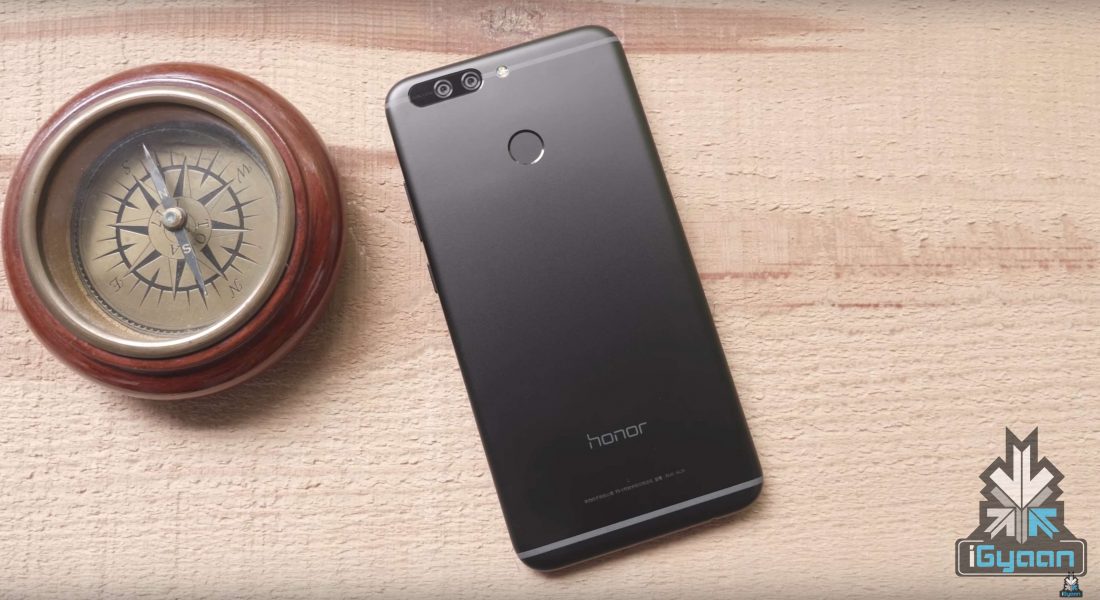
    Honor 8 Pro

    Flagship specifications under Rs. 30000 was the USP of the Honor 8 Pro at the time of its launch, similar to the OnePlus 3T. The Honor 8 Pro has a Quad HD display and the Kirin 960 chipset, and a 4000 mAH battery.

    The Honor 8 Pro is available at a price of Rs. 25999 after a Rs. 4000 discount.

    Read the full story here.

  • Samsung Might Launch A HomePod Competitor In 2018

    Samsung Might Launch A HomePod Competitor In 2018

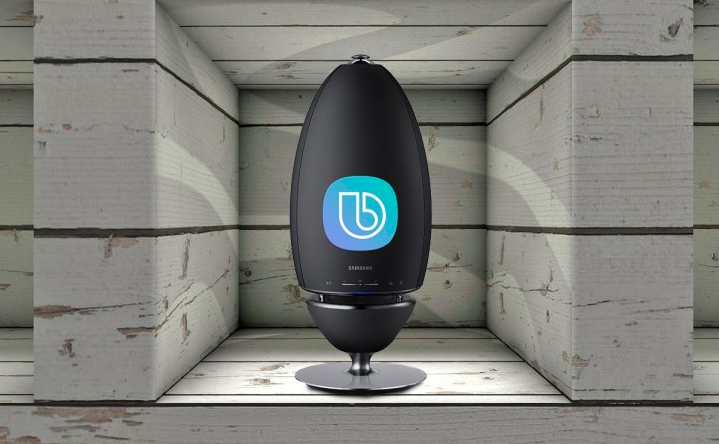
    Smart home tech is the new thing and tech giants like Google and Amazon already have a vast variety of products to offer in this segment. Apple unveiled its HomePod back in June and it was slated to be launched in December 2017 but, its release has now been pushed to early-2018. To compete with the HomePod and possibly the Google Home Max, Samsung will be launching it Bixby-powered smart speaker in early-2018 as well.

    Apple HomePod Powered By Siri

    Sources briefed on the plans tell Bloomberg that Samsung’s smart speaker “will have a strong focus on audio quality and the management of connected home appliances such as lights and locks.”

    Like a lot of smart speakers, beyond just playing music and syncing up with your phone, the Samsung speaker will also join the SmartThings ecosystem. The report did not include any further details, but theoretically, you will be able to talk to your Samsung speaker to turn on lights, set the temperature in your home and more.

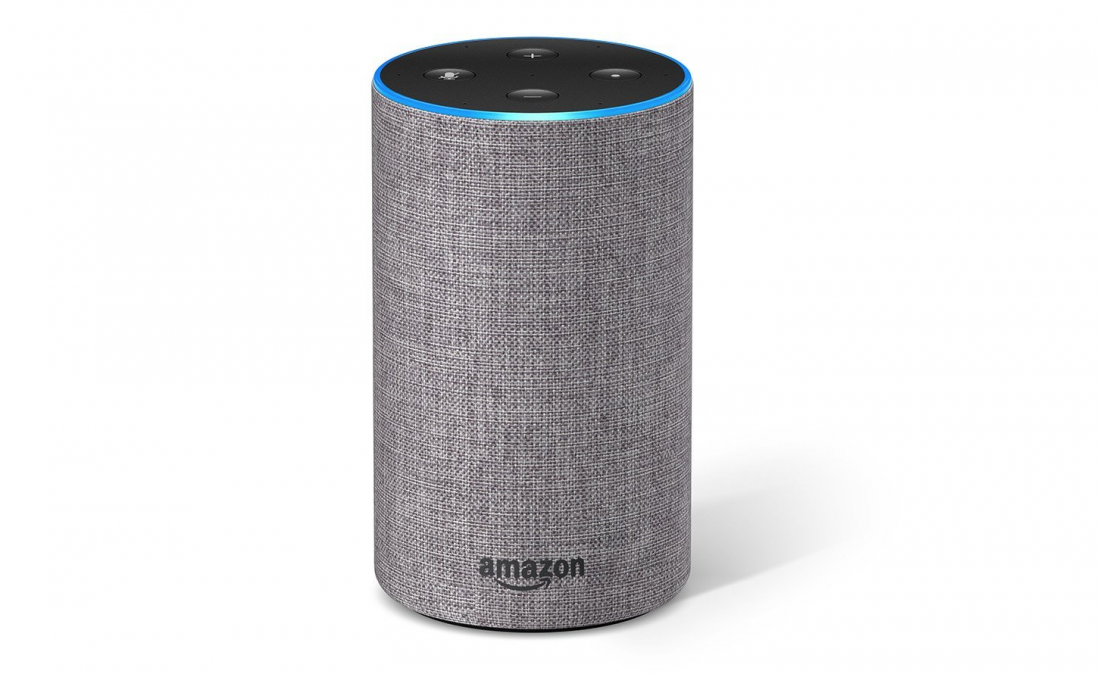
    Amazon Echo Powered By Alexa

    Although the pricing and availability of the speaker are still not confirmed,  Samsung is said to be targeting somewhere around US $200 for the price point of the smart speaker. That would place it in between of the US $100 Amazon Echo and the $349 HomePod that Apple will release early next year.

  • New Galaxy S9 Renders Might Be The Closest Thing To Reality So Far

    New Galaxy S9 Renders Might Be The Closest Thing To Reality So Far

    The Samsung Galaxy S9 will be the most talked about smartphone of early-2018. It will be a revision of the Samsung Galaxy S8 and there are conflicting reports as to how the Galaxy S9 might turn out to be. While there are leaks that suggest that it will be an incremental upgrade over the Galaxy S8 and the bigger sibling, the Galaxy S9+ will be the one packing all the new features, some suggest that there will be barely any design differences between the S9 and S9+.

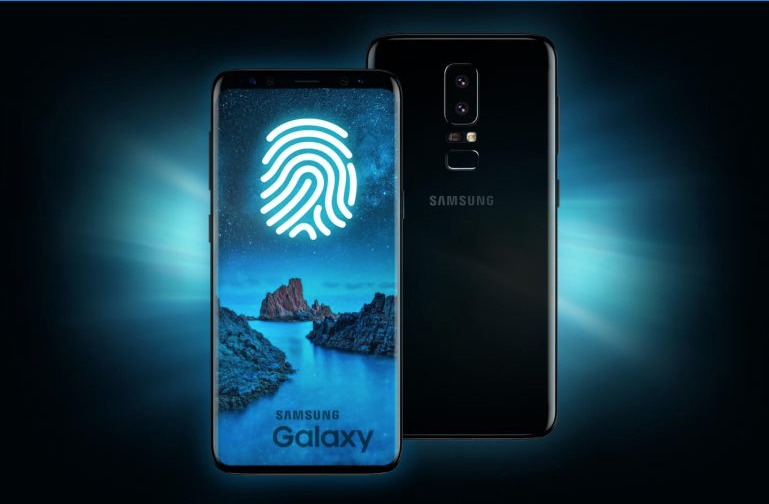
    A new render from a reputed online leaker suggests that the Galaxy S9 at least, won’t be that different from the Galaxy S8. The renders reveal shrunken top and bottom bezels, and a new placement for the fingerprint sensor. This will be a welcome change for all the Galaxy S9 aspirants as the Galaxy S8 and S8+ had an awkwardly placed fingerprint sensor. No matter how advanced the iris scanner will be on the Galaxy S9, a majority of users will choose to unlock their phone using the fingerprint sensor instead. However, Synaptics recently announced that it had started the mass manufacturing of its in-display fingerprint sensor with one of the top 5 OEMs. A lot of people have speculated that it could be Samsung and if this render is true, then the Galaxy S9+ could be the device which comes with this feature.

    Apart from that, there is a single camera at the back which, just like the Galaxy S8, might be an incremental upgrade over its predecessor. This detail falls into place with a previous report that suggested that the Galaxy S9 will have a single camera while the Galaxy S9+ will have a dual-camera setup at the back.
    The Galaxy S9 is expected to have the Qualcomm Snapdragon 845 chipset (for the US and South Korean market) and Exynos 9810 (for the rest of world) under the hood. The Galaxy S9 could be launched at a price similar to the Galaxy S8+ and the Galaxy S9+ could break the thousand dollar barrier and be priced similarly to the iPhone X.

  • Samsung Notebook 9 Pen With S Pen Launched

    Samsung Notebook 9 Pen With S Pen Launched

    Samsung has launched its new ultrabook, the Samsung Notebook 9 Pen and three upgraded variants of the Notebook 9. The pricing all the variants and the new Notebook 9 Pen will be announced closer to the release date which is late-December. All the ultrabooks will run Windows 10 out of the box.

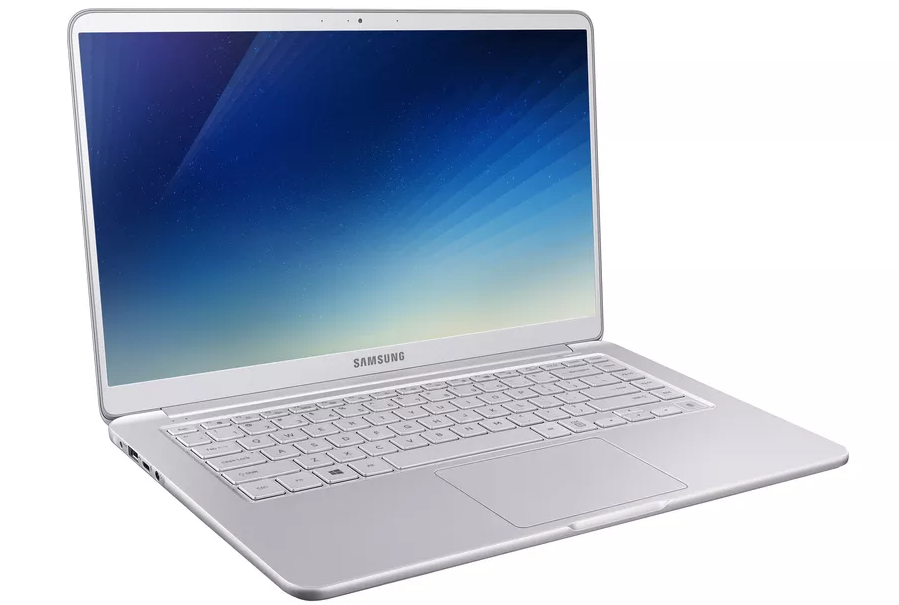
    The Notebook 9 (2018) is an upgrade over the Samsung Notebook 9 with three variants ranging from 13.3-inch to 15-inch screen size. The Notebook 9 (2018), with a weight of up to 1.29 kg and a thickness of 15.4mm, is also one of the lightest and thinnest notebooks in its category.

    The 2018 variants of the Samsung Notebook 9 have a 13.3-inch (900X3T & 900X3U) and 15-inch (900X5T, 900X5U, and Discreet Graphics 900X5T) Full HD RealViewTouch display with a resolution of 1920 x 1080 px. It will be available in two colour variants, Titan Silver and Crush White.

    Under the hood, the Notebooks have the 8th generation Intel Core i7 processor, up to 16GB DDR4 RAM, up to 1TB NVMe PCIe SSD, and Intel HD graphics. The 15-inch variant offers an option of upgrading to a 2GB GDDR5 Nvidia GeForce MX150 graphics card. The Notebook 9 (2018) has a fingerprint sensor, backlit keyboard, and a precision touchpad.

    Samsung claims that the 75Wh hexacell battery on the Notebook 9 (2018) is its “largest and most powerful battery placed inside a notebook.” It also supports fast charging for the company’s claimed “always on” capabilities.

    In terms of connectivity, it includes two USB 3.0 ports, an HDMI port, microSD storage, and a single USB Type-C port.

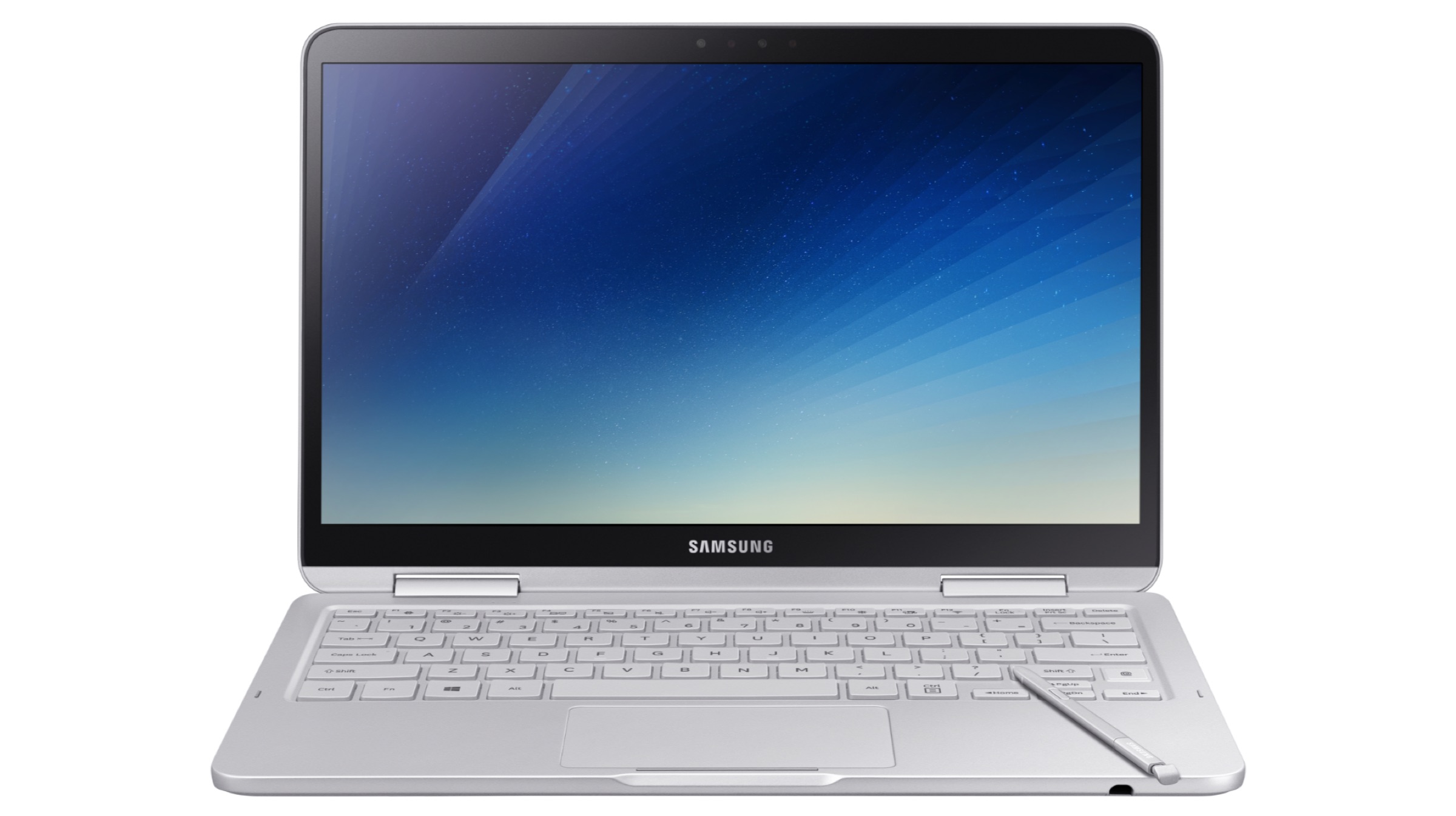
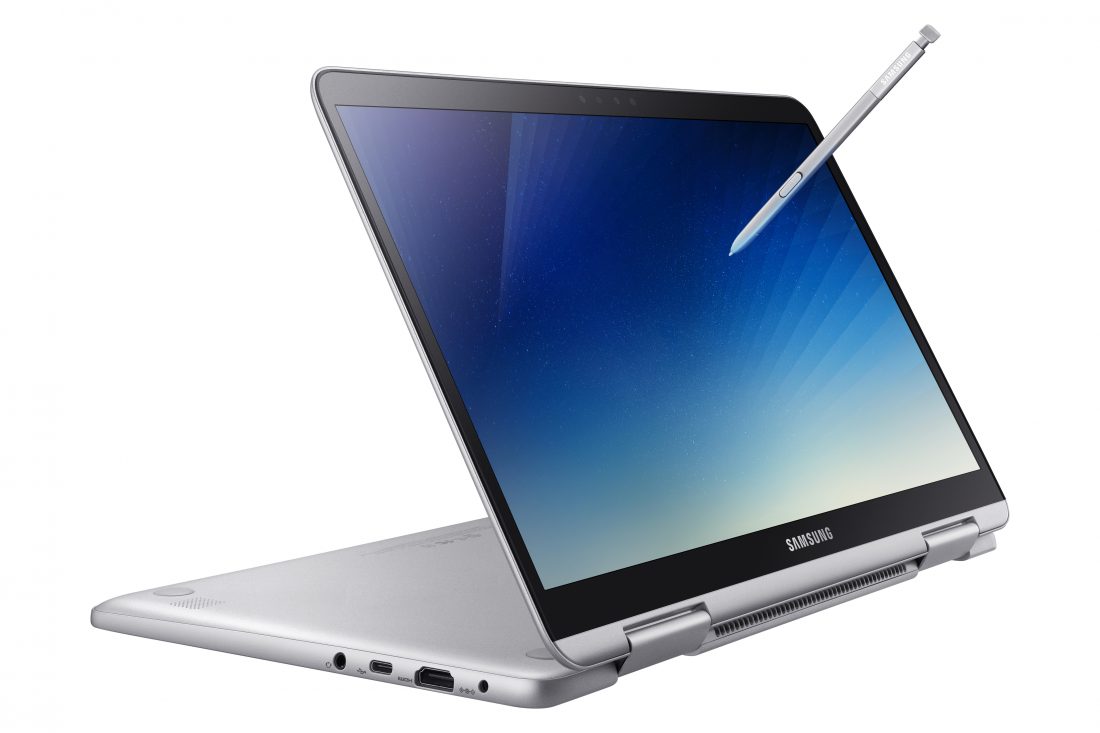
    The Samsung Notebook 9 Pen has a 13-inch (930QAA) RealViewTouch display with a resolution of 1920 x 1080 px resolution. The Notebook 9 Pen will only be available in Titan Light colour variant.

    The 2-in-1 ultrabook has the 8th generation Intel Core i7 processor, up to 16GB DDR4 RAM, up to 512GB NVMe PCIe SSD, and Intel HD graphics. The Notebook 9 Pen has a bundled Integrated S Pen, along with a fingerprint sensor, backlit keyboard, and precision touchpad. It also has an IR 720P camera.

    The new S Pen is battery-free and built into the device for immediate use. Samsung claims it can recognise 4,096 levels of pressure with a fine 0.7mm tip and convenient tilt detection to allow a more natural writing and drawing experience.

    For connectivity, it has an HDMI port, a USB Type C port, a USB 3.0 port and a microSD card slot.

    Samsung has primarily focused on smartphones and tablets in the past few years. The N otebook 9 marks the return of Samsung’s notebook business, pricing will be key, stay tuned for updates on launches in India.

  • The LG V30+ Vs The Competition

    The LG V30+ Vs The Competition

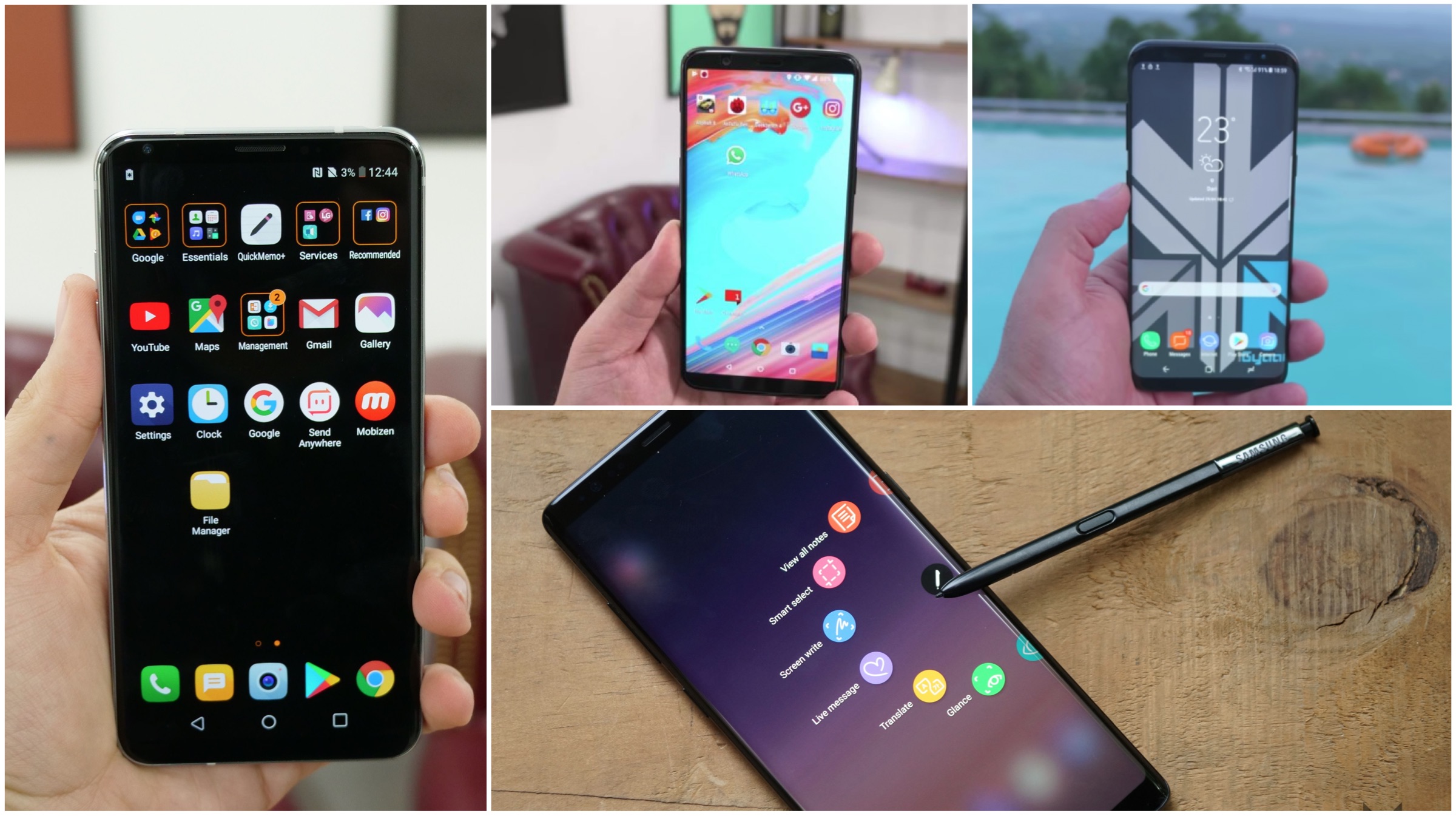
    LG finally launched the LG V30+ in India after globally unveiling it back in August. To many’s surprise, LG competitively priced the LG V30+ at Rs. 44990 and it will go on sale in India via Amazon on the 18th of December. But, as we move closer to the launch of the Samsung Galaxy S9 which will, in all probability feature the new Snapdragon 845, has LG missed a trick and launched the V30+ a little too late?

    let’s peg the LG V30+ against its competition and see which phone comes out on point:

    Specifications LG V30+ OnePlus 5T Samsung Galaxy S8 Samsung Galaxy Note8
    Price Rs. 44990 Rs. 32999 (6GB RAM)
    Rs. 37999 (8GB RAM)
    Rs. 53900 (4GB RAM) Rs. 67900
    Display 6 inch

    POLED display

    6-inch

    AMOLED

    5.8 inch

    Super AMOLED

    6.3inch

    Super AMOLED

    Design Glass front and back
    Metal frame
     Aluminium unibody Glass front and back
    Metal frame
    Glass front and back
    Metal frame
    Resolution 2880 x 1440 px
    537 ppi
    2160 x 1080 px
    401 ppi
    2960×1440 px
    570ppi
    2960×1440 px
    521ppi
    Chipset Qualcomm Snapdragon 835 Qualcomm Snapdragon 835 Exynos 8895 Exynos 8895
    RAM 4GB 6GB/8GB 4GB 6GB
    Storage 128GB, Expandable up to 2TB 64GB/128GB non-expandable 64GB, expandable up to 256GB 64GB, expandable up to 256GB
    Battery 3300 mAh 3300 mAh 3000 mAh 3300 mAh
    Primary Camera 16MP f/1.6 Primary + 13MP f/1.9 wide-angle 16MP f/1.7 + 20MP f/1.7 Dual Pixel 12MP f/1.7 aperture 12MP wide angle lens with an f/1.7 aperture
    12MP telephoto lens with an f/2.4 aperture
    Secondary Camera 5MP f/2.2 aperture 16MP f/2.0 8MP f/1.7 8MP f/1.7
    Other Features HiFi Quad DAC
    Fingerprint Sensor
    Facial and Voice Recognition
    Wireless charging
    Face Unlock
    Fingerprint Sensor
    Fingerprint Sensor
    Iris Scanner
    Wireless Charging
    S Pen
    Iris Scanner
    Wireless Charging

    In terms of specifications, there is very little separating the three phones, with the OnePlus 5T the clear winner if you’re looking for more RAM. The LG V30+ and Galaxy S8 provide the option of expandable storage while the OnePlus 5T runs close to pure Android OS. If you are an audiophile, then the LG V30+ should be your choice considering the presence of the HiFi Quad DAC. The OnePlus 5T loses out in the display department and thanks to a higher ppi count, the Galaxy S8 should have the most vivid display out of the three with the LG V30+ not far behind. If you are a creator and believe that the S Pen can genuinely contribute to the productivity of your day, then the extra cash for the Samsung Galaxy Note8 is justified.

    At the end of the day, it boils down to what features you prefer over the other. If price is your main criteria, then the OnePlus 5T wins by a long shot but, if you can’t compromise on your wide-angle shots, then the Galaxy Note8 and LG V30+ should be the two phones you should consider.

    Watch Our LG V30+ unboxing-

    Watch our full review of the OnePlus 5T

    Watch our Galaxy Note8 Unboxing-

    Watch our full review of the Samsung Galaxy Note8


  • Samsung Galaxy S9 Will Be The First Phone Ever To Have An In-Display Fingerprint Sensor

    Samsung Galaxy S9 Will Be The First Phone Ever To Have An In-Display Fingerprint Sensor

    The Samsung Galaxy S9, the next iteration in Samsung’s flagship ‘S’ lineup is expected to be launched in late February at MWC or at a special event in March. While there have been multiple rumours and renders suggesting that the Galaxy S9 will have a rear-mounted fingerprint sensor, this new announcement puts everything else to rest. Fingerprint sensor manufacturer Synaptics just announced that it has begun mass production with a top-five original equipment manufacturer (OEM) to produce its new Clear ID FS9500 in-display fingerprint sensor.

    While the announcement did not specify the specific OEM, it could be Samsung since it is preparing to launch the Galaxy S9 and Galaxy S9+ early next year. Considering that the company mentioned top 5 OEMs, it could be Samsung, Apple and Chinese smartphone makers like Huawei, Xiaomi and OPPO. There are high chances that it isn’t Apple since it is working hard on making Face ID the next big thing and is preparing to make it better on the iPhone X and other upcoming iPhones. Introducing Touch ID under the display will make Face ID almost redundant.

    Rear-mounted fingerprint sensor on the Galaxy S8

    Samsung and Synaptics have a history of working together dating back to 2005 with the Samsung B310. Synaptics is a known Samsung manufacturing partner, and when it announced the FS9100 optical fingerprint sensor, there were rumours that it could come to the Galaxy S8 however, that did not happen.

    Another giveaway is the mention of “infinity display” in the announcement statements. In the Synaptics press release, it mentions that the Clear ID fingerprint scanner was designed for phones with “infinity displays,” mentioning that term three times. Samsung uses the term “infinity display” to describe its bezel-less edge-to-edge display on the Galaxy S8, S8+ and Galaxy Note8.

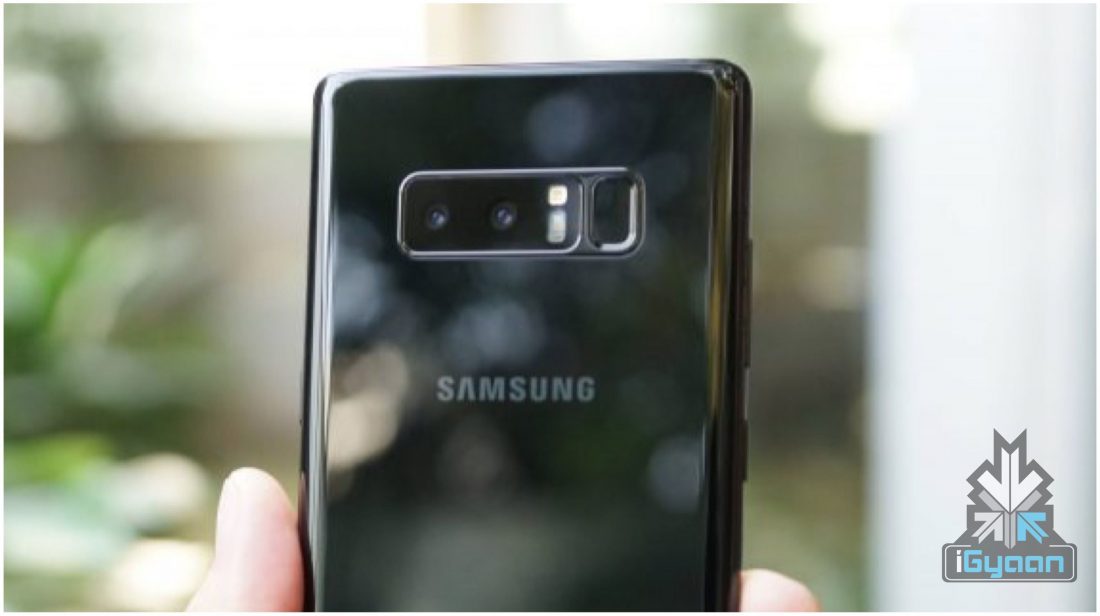
    Rear-mounted fingerprint sensor on the Galaxy Note8

    After so many rumours, it appears that Samsung will finally be able to embed the fingerprint sensor in the display and beat the existing industry leaders to it.

  • Samsung Galaxy S9 Iris Scanner Will Work In The Dark

    Samsung Galaxy S9 Iris Scanner Will Work In The Dark

    The Samsung Galaxy S9 is expected to be a revision to the Popular Samsung Galaxy S8 which was launched in early 2017. We have seen several leaks so far, including one which mentions a record-breaking screen-to-body ratio. Samsung Galaxy S9 may be an incremental upgrade as far as design is concerned but, there might be a few monumental upgrades as far as hardware and software are concerned. A new report claims that Samsung will upgrade the iris scanner on Galaxy S9 to 3MP from the 2Mp scanner found on the Galaxy S8 and Galaxy Note8.

    An industry source familiar with the matter told the publication that the iris scanner in the Galaxy S9 will have an improved camera lens and functions to help it better recognise users’ eyes. This move, as much as it is an upgrade, can be attributed to the rise in popularity of Apple’s Face ID and Huawei’s unveiling of its own facial recognition technology.

    The source said:

    The iris lens will be improved to 3-megapixels from 2-megapixels of Galaxy S8 and Galaxy Note 8 to capture clearer images. The scanner will better recognize users’ irises even when they wear eyeglasses, move their eyeballs or are in a too dark or too light environment.

    Samsung is expected to introduce the iris scanning feature in its upcoming mid-range phones as well, such as the Galaxy A8+. A leak revealed that the Galaxy S8+ will have an infinity display, which was exclusive to Samsung’s flagship phones so far. Introduction of iris scanner in the Galaxy A series might not be far-fetched.

    Samsung Galaxy S8+

    “Iris scanner is the safest biometric authentication (among iris, fingerprint and face recognition) and we will continue to improve the system for upcoming smartphones for safer banking transactions,” a Samsung spokesperson told the publication, without making any reference to the Galaxy S9.

    The Samsung Galaxy S9 and Galaxy S9+ are expected to be launched at either MWC in February or at a separate event in March (similar to the Galaxy S8 and S8+).

  • Samsung Galaxy A8+ Specs Leaked

    Samsung Galaxy A8+ Specs Leaked

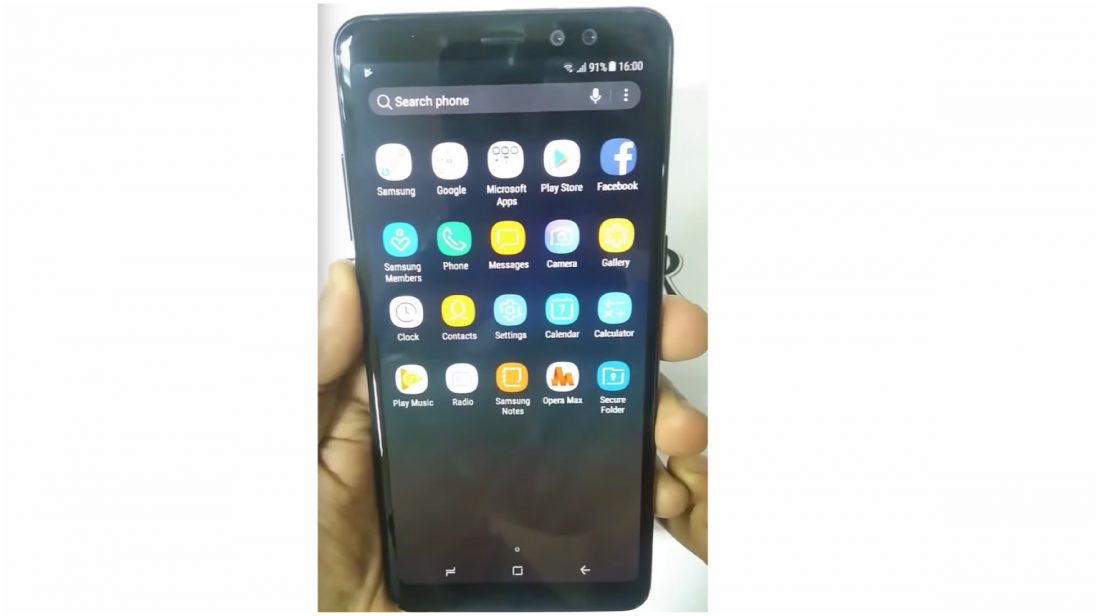
    Samsung introduced the first infinity display in 2017 with the Samsung Galaxy S8 and S8+ and also used it with the Galaxy Note8. In 2018, it is expected that the infinity display feature will trickle down to Samsung’s mid-range smartphones as well, and the upcoming Samsung Galaxy A8+ appears to be one of them. A new video reveals what the Galaxy A8+ will look like and the user in the video also goes through the specifications of the phone.

    In the video, the user goes through the camera app and clicks a sample photo. There is a dual-camera setup at the front of the phone, which is a first for a Samsung device. At the front is a 16MP+8MP camera setup, the 8MP camera will allow for live focus portrait shots similar to the Galaxy Note8.

    According to the video, the Galaxy A8+ will have a 6-inch 2220 x 1080 px display. We can expect it to be a Super AMOLED display similar to the previous generation Galaxy A phones.

    Under the hood, the device will have the Exynos 7885 SoC, an octa-core processor with two 2.2GHz high-performance cores and six 1.6GHz low power cores, 6GB of RAM and 64GB of onboard storage which will be expandable via microSD card, presumably up top 256GB. The Galaxy A8+ will also have an IP68 rating for water and dust resistance.

    Powering the device will be a 3500 mAh battery which will charge via USB Type C which suggests that it will support fast charging.

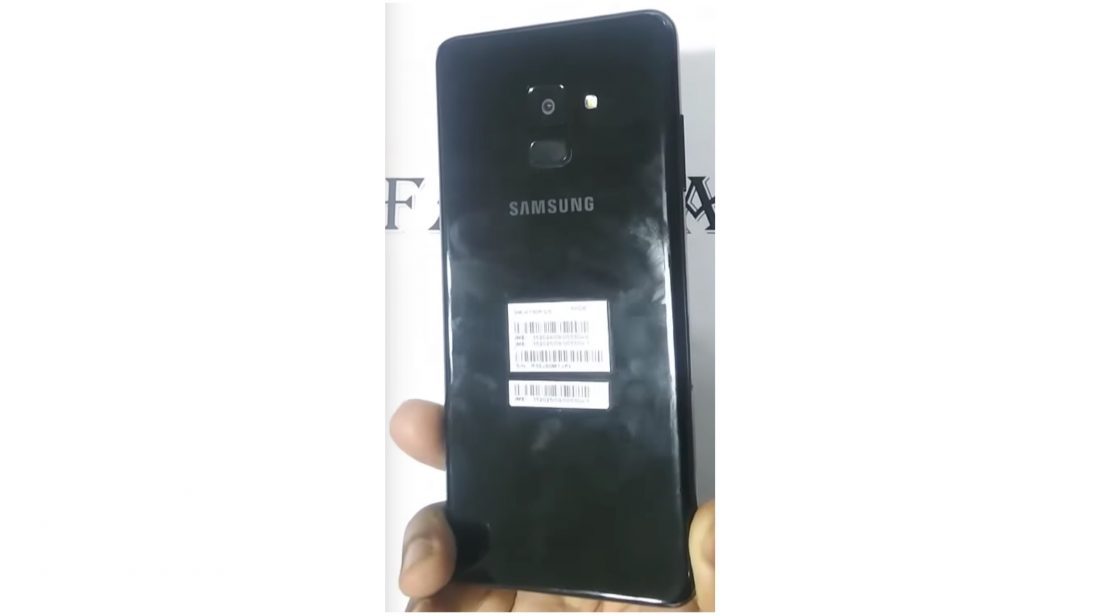
    Another major change in the design will be the fingerprint sensor placement. Unlike the Samsung Galaxy S8 and Galaxy Note8, the fingerprint sensor on Galaxy A8+ is placed below the rear-mounted camera and it might hint at a major design change for the upcoming flagship ‘S’ and ‘Note’ lineup as well.

    The back of the phone also houses a 16MP camera. Detailed specifications of the camera were not listed in the video.

    The Samsung Galaxy A8+ is expected to be launched in January 2018 with the prices ranging from US $300 – US $350 (Rs. 21000 – Rs. 26000 in India)

    You can watch the entire video here.

  • Samsung Galaxy S9 To Launch With The Same Display As The S8 In A Smaller Size Shell

    Samsung Galaxy S9 To Launch With The Same Display As The S8 In A Smaller Size Shell

    The Samsung Galaxy S8 is the most successful smartphone of 2017. Rumours and leaks pertaining to the upcoming Samsung Galaxy S9 and its bigger sibling, the Galaxy S9+ have just started to pick up their pace. A new report from a Dutch outlet has revealed that the Samsung Galaxy S9 phones will have the same screen size as its predecessors but, in a smaller body.

    This report corroborates a previous leak that suggested that the upcoming Galaxy S9 devices will have a whopping 90% screen-to-body ratio. However, there have been rumours that the devices will sport a 21:9 aspect ratio display which, this new report quashes. It claims that the S9 and S9+ will have the same 18.5:9 aspect ratio with a smaller footprint.

    This claim seems legitimate as the two new devices are expected to be an incremental upgrade over its predecessors rather than drastic new phones with a host of new things to offer. The Samsung Galaxy S9 and Galaxy S9+ are expected to have a 5.8-inch and 6.2-inch Super AMOLED displays, respectively.

    It has been reported earlier that the upcoming flagship phones from Samsung might be unveiled at CES 2018. However, Samsung came out and said that it is ‘unlikely‘ to happen, which means that the S9 and S9+ may be unveiled either at MWC in February or at a separate event in March, just like the Samsung Galaxy S8 and S8+.


  • New Samsung Patent Reveals A Different Foldable Phone Design

    New Samsung Patent Reveals A Different Foldable Phone Design

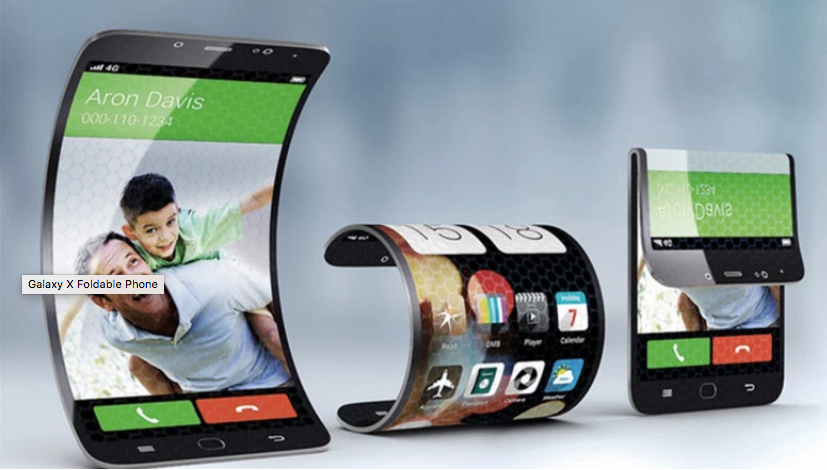
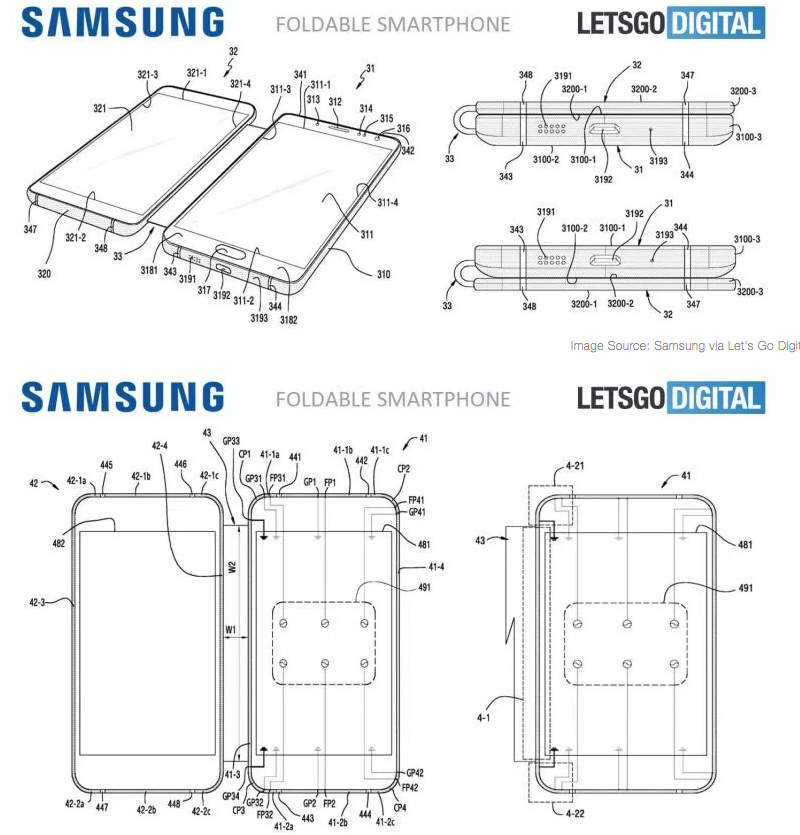
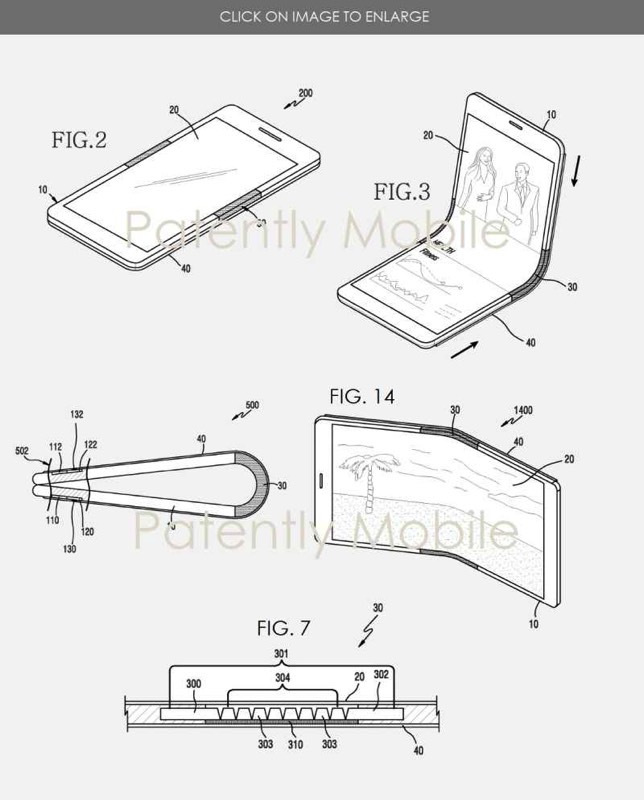
    As the smartphone industry moves toward a bezel-less era of phones, the fears of a stalemate in terms of design are slowly creeping up. Samsung, however, will soon launch a phone which might be the next big thing in the smartphone industry. The foldable Samsung Galaxy X is expected to be launched early in 2018. While there have been concepts and patent leaks which reveal a futuristic design for the Galaxy X, this new patent of a foldable phone from Samsung might not be an ideal design.

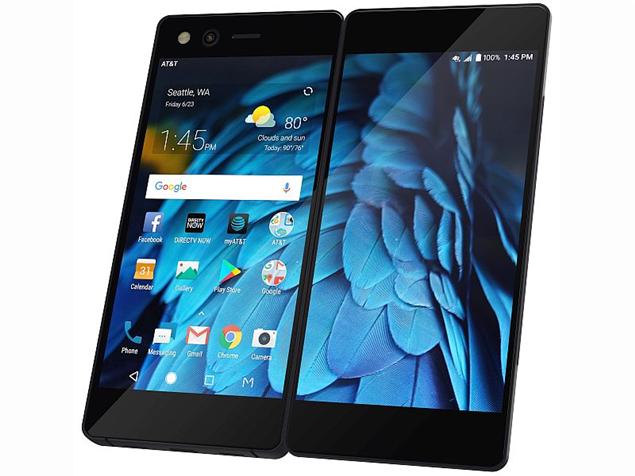
    According to the patent, when in an open position, the device looks like someone placed two similarly sized phones next to each other. The frame joining the two displays is made of metal, so it’s not part of the screen. The design is nowhere near the futuristic design that we expect from the Samsung Galaxy X and somewhat resembles the recently launched ZTE Axon M.

    ZTE Axon M

    While this patent is new, there have been previous leaks that reveal a more impressive design of the Samsung Galaxy X.

    A report from the South Korea Herald suggested that the production of the Galaxy X would be on 100,000 orders, making it an extremely limited edition device. If this happens, the Galaxy X would be the most difficult Galaxy phone to get your hands on.

    The foldable smartphone is being touted as the “next big innovation” in the smartphone industry, which has been stagnant for a while in terms of exciting innovations.

    Samsung is most likely to start small, with a smartphone that folds halfway like a wallet. Another design, in line with Samsung’s prototype unveiling, could see the phone unfold into a full-size tablet.

    Samsung is expected to launch the Samsung Galaxy X either with the Galaxy S9 phones or before them at CES 2018 in January.

  • New Leak Reveals The Fingerprint Sensor On Galaxy S9 Will Have A Better Placement

    New Leak Reveals The Fingerprint Sensor On Galaxy S9 Will Have A Better Placement

    While Samsung has had a financially successful year thanks to its hugely popular Galaxy S8, S8+ and Note8, the company has had to deal with a very consistent criticism. All the three flagship phones launched by Samsung in 2017 had an awkwardly placed fingerprint sensor which baffled critics and consumers alike. However, a new leak reveals that Samsung will change the position of the fingerprint sensor on the Samsung Galaxy S9, at least.

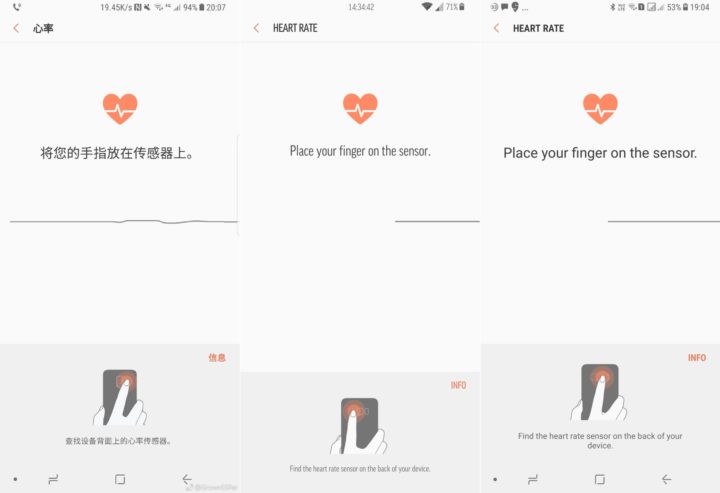
    The image was leaked on the Chinese social media website, Weibo. It is a screenshot of the demonstration of the heart rate sensor in S Health app. The screenshot also reveals a single camera setup on the supposed Galaxy S9. While a few publications believe it could be the Galaxy S9 Mini, previous reports have suggested that Galaxy S9 will have a single lens camera while the Galaxy S9+ will have a dual-camera setup at the back.
    From L to R – S Health app on Galaxy S9, Galaxy S8 and Galaxy Note8 

    The positive sign here is that Samsung has listened to the multiple consumer complaints and tried to rectify it. While the authenticity of the leak can be questioned, with the launch of the Galaxy S9 just over two months away, it might as well be the Galaxy S9 which means the company will have one less criticism to face, if it nails the placement of the fingerprint sensor.

    This leak also corroborates with a previous report that suggested that the fingerprint sensor will be moved below the camera. Although that leak showed a dual-camera setup, it is sensible to believe that Samsung will change the position of the fingerprint sensor on both its new devices.

    The Samsung Galaxy S9 will be a revision to the popular Galaxy S8, with the new Snapdragon 845 chipset (in the US and South Korea) or the Exynos 9810 (rest of the world). While the screen size is expected to be the same on the Galaxy S9 and its bigger sibling, the Galaxy S9+, the bezels will be smaller which means the footprint of the phone will decrease while maintaining the same screen real estate.

    A report claims that the Galaxy S9 and Galaxy S9+ will have a record-breaking 90% screen-to-body ratio!

  • Samsung Galaxy S9 Will Not Launch At CES 2018

    Samsung Galaxy S9 Will Not Launch At CES 2018

    Samsung Galaxy S9 and S9+ have long been rumoured to be unveiled at CES 2018 in late-January of 2018. All these rumours might amount to nothing as Samsung has said that unveiling the new flagship phones at CES seems ‘unlikely’. This also means that instead of the Galaxy S9 and S9+, the South Korean tech giant might unveil its foldable Galaxy X at CES.

    That leaves two separate occasions for the Galaxy S9 and S9+ might be unveiled. It could either be in February during the Mobile World Congress (like the Galaxy S5, S6, and S7) or at a dedicated event in March, like the Galaxy S8 and S8+.

    There have been multiple reports chronicling the specifications and new features of the Galaxy S9 and Galaxy S9 Plus.

    The display size of both the phones will be identical to their 2017 counterparts with the Galaxy S9 sporting a 5.8-inch Super AMOLED display while the Galaxy S9+ will have a 6.2-inch display. The bezels will be thinner than the previous generation devices with the infamous curved edges and “Infinity Display.” It is also reported that the Galaxy S9 series will have a 90% screen-to-body ratio.

    Unlike 2017, where there were barely any differentiating factors between the Galaxy S8 and Galaxy S8+, Samsung is planning something different for 2018. It appears that the Galaxy S9 will have a single camera at the back while the Galaxy S9+ will have a dual camera setup at the back.
    Samsung is developing a new software to make facial recognition on the Galaxy S9 faster than the Galaxy S8. However, Samsung is planning to introduce a host of software tweaks to reduce the delay in recognising the face and scanning the iris of users. Contrary to popular belief and some reports, the Galaxy S9 and S9+ will not have a screen-embedded fingerprint sensor.

    Recently, the Snapdragon 845 chipset was unveiled and the Galaxy S9 series will be the first of the many smartphones which will be powered by the new flagship chipset.

    As far as pricing is concerned, it won’t be a surprise if the Galaxy S9+ surpasses the Galaxy Note8 price and touch the thousand dollar mark, similar to the iPhone X. The Samsung Galaxy S9 is expected to be priced similarly to the Galaxy S8+.

iGyaan Network
Privacy Overview

This website uses cookies so that we can provide you with the best user experience possible. Cookie information is stored in your browser and performs functions such as recognising you when you return to our website and helping our team to understand which sections of the website you find most interesting and useful.