Category: Samsung

  • Samsung Galaxy S9 And Galaxy S9+ Could Debut At CES 2018

    Samsung Galaxy S9 And Galaxy S9+ Could Debut At CES 2018

    If you like tech and follow the news consistently, you must have a read a few Galaxy S9 leaks here and there. Most of them point towards a CES launch for the Galaxy S9 and its bigger sibling. A new report has also claimed that the Galaxy S9 and Galaxy S9+ will be unveiled during CES in February 2018 which will be held in Barcelona, Spain.

    It further claims that even though the two flagship phones will make their debut at CES, 2018, there will be a launch event in March where the two phones will be officially launched and all the details of the two phones will be made official. Big tech companies like Samsung, LG and more, use CES to showcase its new products and innovative technologies that companies are currently working on, however, the marquee showcases are usually of the next big flagship phone of the year since CES is held fairly early on in the year.

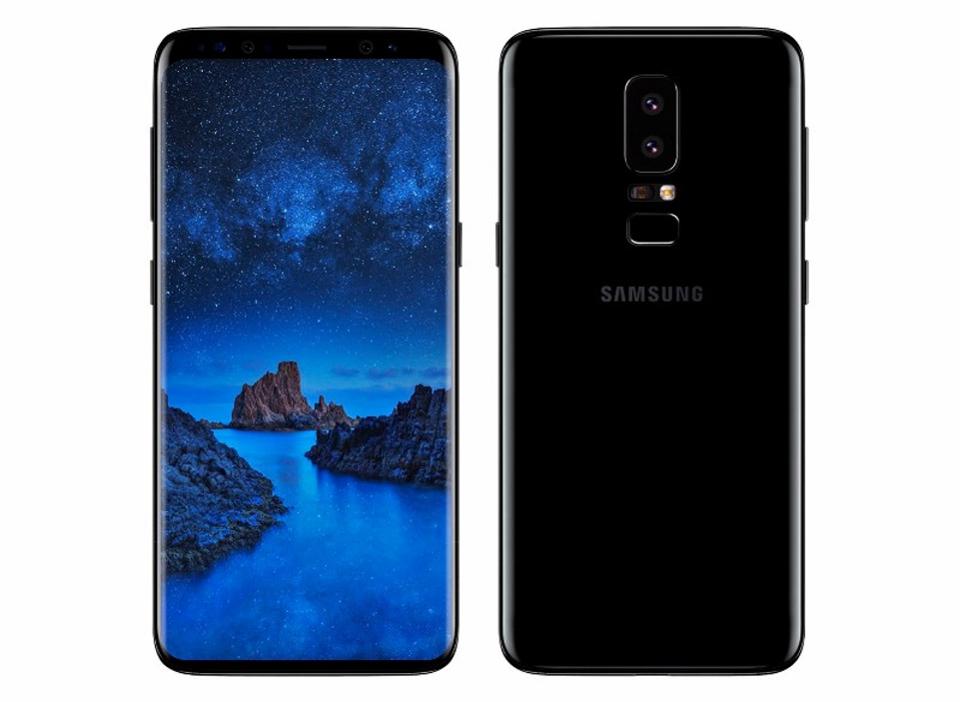
    The Galaxy S9 and S9+ To Have Similar All-Glass Design

    The Galaxy S9 series will be nearly identical to their predecessors and will only include some hardware upgrades. The Galaxy S9 is reportedly codenamed Star 1 and will bear the model number SM-G960, while the Galaxy S9+ will be codenamed Star 2 and will have the model number SM-G965.

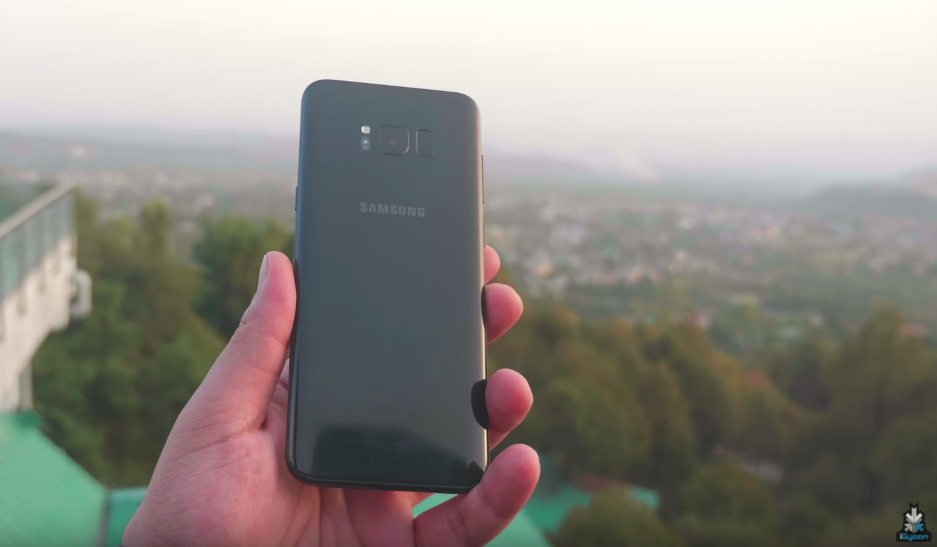
    The display size of both the phones will be identical to their 2017 counterparts with the Galaxy S9 sporting a 5.8-inch Super AMOLED display while the Galaxy S9+ will have a 6.2-inch display. The bezels will be thinner than the previous generation devices with the infamous curved edges and “Infinity Display.”

    Galaxy S8’s infinity Display

    Under the hood, both the devices are expected to have the Qualcomm Snapdragon 845 chipset for the US variant and Exynos 9810 for the rest of countries. While the Galaxy S9 will have 4GB of RAM, the bigger variant will have 6GB of RAM. The 2018 flagship phones will also have AKG stereo speakers and will come bundled with AKG earphones as well, similar to the Galaxy S8/S8+.

    You may also like –  Samsung Galaxy S9 To Take On iPhone X’s Face ID

    Unlike 2017, where there were barely any differentiating factors between the Galaxy S8 and Galaxy S8+, Samsung is planning something different for 2018. It appears that the Galaxy S9 will have a single camera at the back while the Galaxy S9+ will have a dual camera setup at the back. This will give consumers extra incentive to spend more money on the Galaxy S9+.

    In terms of pricing, it won’t be a surprise if the Galaxy S9+ surpasses the Galaxy Note8 price and touch the thousand dollar mark, similar to the iPhone X.

  • Samsung Galaxy A5 And Its Infinity Display Leaked

    Samsung Galaxy A5 And Its Infinity Display Leaked

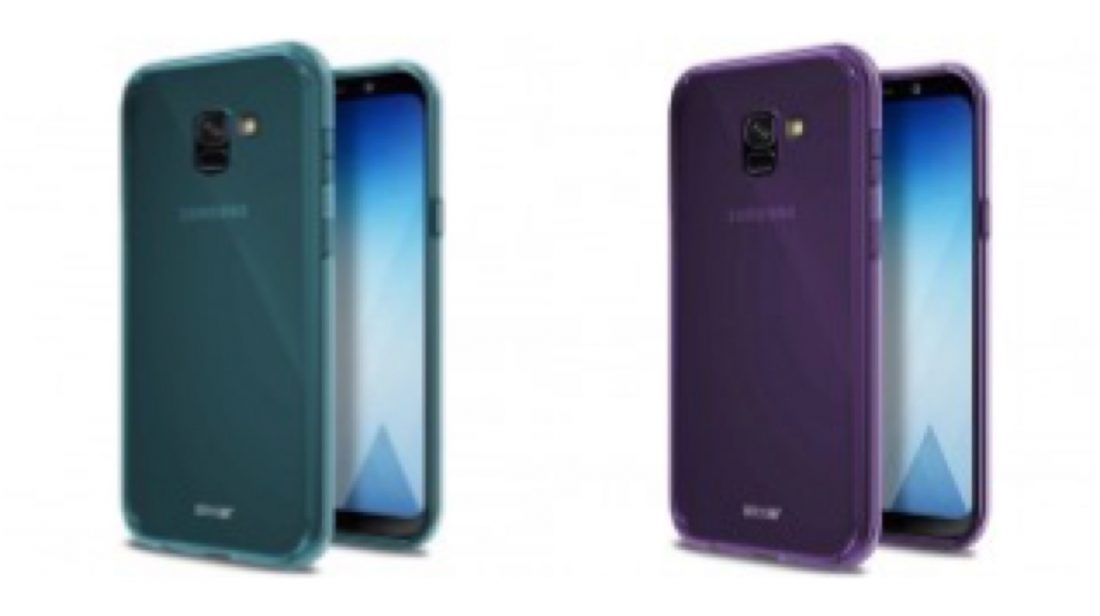
    There have been multiple reports that Samsung’s flagship feature, the Infinity Display will trickle down to its mid-range devices in 2018. The Galaxy A series is Samsung’s mid-range lineup which has always boasted of some good specifications and camera performances. The Galaxy A5 (2018) will apparently sport a bezel-less display as well and new leaked images reveal just that.

    One of the main concerns for future Galaxy A5 suitors has to be the fingerprint sensor. Not the quality of it, but, the placement. From the leaked images, it appears that Samsung seems to have fixed that issue. On the Galaxy A5 2018, the fingerprint sensor will be placed below the single camera lens.

    Another interesting thing to note in the images is that isolated button on the left side of the phone just below the volume rockers. It seems like the infamous Bixby button will also trickle down to the mid-rangers. Upon its release, the AI assistant from Samsung received a lot of flak for being a less useful version of Google Assistant and a hardware button on the Galaxy S8 and Galaxy Note8 dedicated to Bixby was a clear push by the company. A few days after the launch of the Galaxy S8 and S8+, Samsung even stopped the remapping of the button.

    The Galaxy A5 (2018) will probably officially launch in January, along with the Galaxy A7 (2018). It should sport the Exynos 7885 SoC or the Snapdragon 660 (depending on market). The device could have either 4GB or 6GB of RAM along with expandable storage. While Android 8.0 Oreowas officially released back in August, don’t be surprised if the two phones launching in 2018 will still run Android 7.1.1 Nougat.

  • Technical Glitch Confirms Samsung Is Making The Galaxy X

    Technical Glitch Confirms Samsung Is Making The Galaxy X

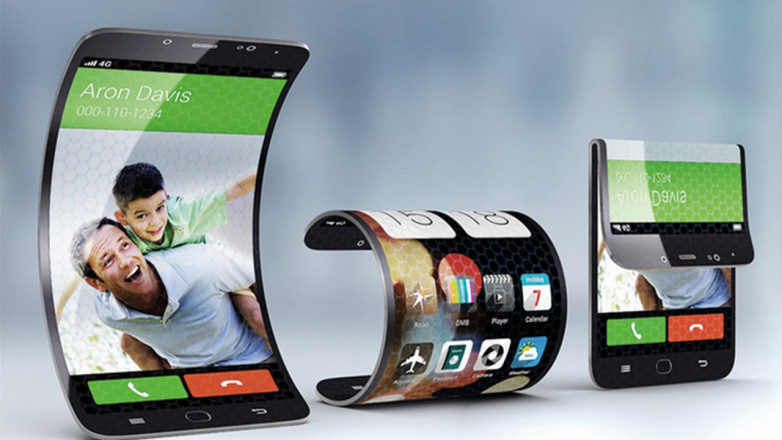
    The Samsung Galaxy X, a foldable smartphone that goes into your pocket as a mid-sized smartphone and when its time to watch a video, it becomes a tablet. The Galaxy X is real and Samsung may have accidentally confirmed that the phone is close to its launch date.

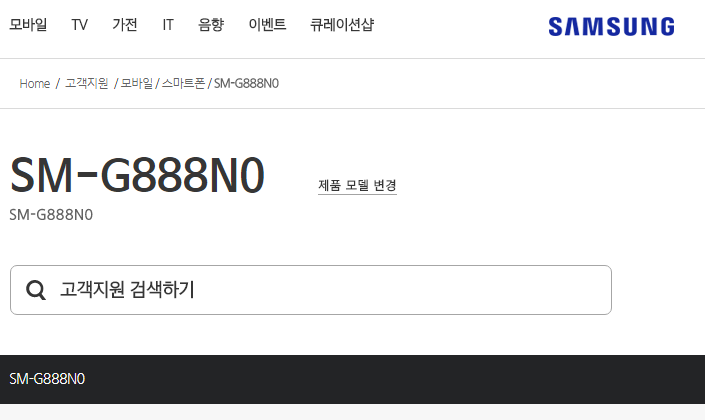
    A support page went up on Samsung’s website for an SM-G888N0 handset, which was spotted by Dutch-language site MobielKopen. Samsung’s support document did not offer any insight into what the SM-G888 device is supposed to be, but that model number has been linked with the Galaxy X a few times in the past. According to same website that spotted the page, the SM-G888 already received various certifications from regulators, including the Bluetooth SIG, the Wi-Fi Alliance, and South Korea’s National Radio Research Agency.

    As a modern-day smartphone, it is hard to keep any phone under the wraps till its launch and in a little while, it appears that the Galaxy X will also start getting its fair share of leaks. The Samsung Galaxy X is expected to be unveiled during CES in early 2018.

    However, not everyone should be too excited about the Galaxy X as it might see a very limited release. A report from the South Korea Herald suggested that the production of the Galaxy X would be on 100,000 orders, making it an extremely limited edition device. If this happens, the Galaxy X would be the most difficult Galaxy phone to get your hands on.

    The foldable smartphone is being touted as the “next big innovation” in the smartphone industry, which has been stagnant for a while in terms of exciting innovations.

    A number of patents as well as Samsung’s own concept video from CES 2013 tell us what to expect from the Galaxy X. Samsung is most likely to start small, with a smartphone that folds halfway like a wallet. Another design, in line with Samsung’s prototype unveiling, could see the phone unfold into a full-size tablet.

  • Samsung Galaxy S9 To Take On iPhone X’s Face ID

    Samsung Galaxy S9 To Take On iPhone X’s Face ID

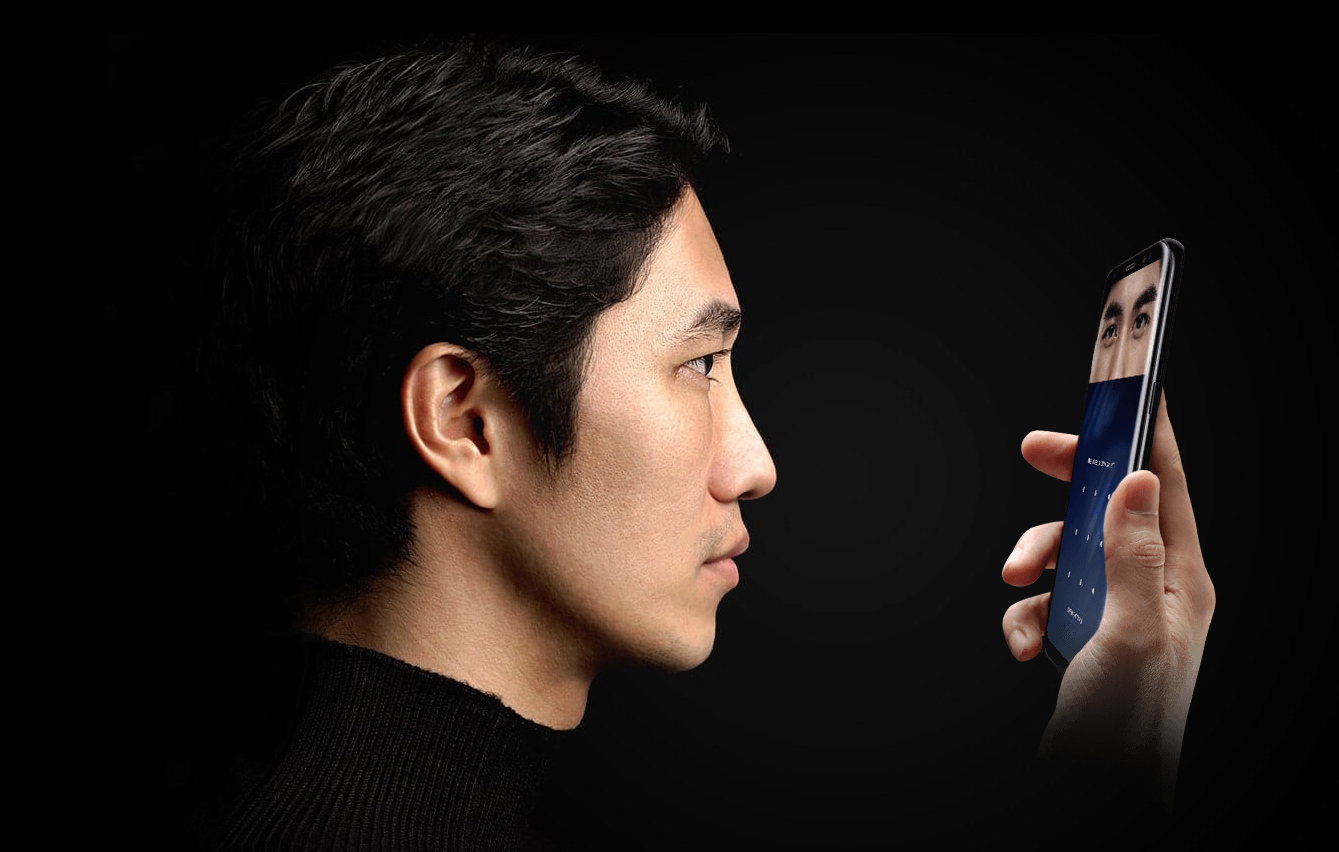
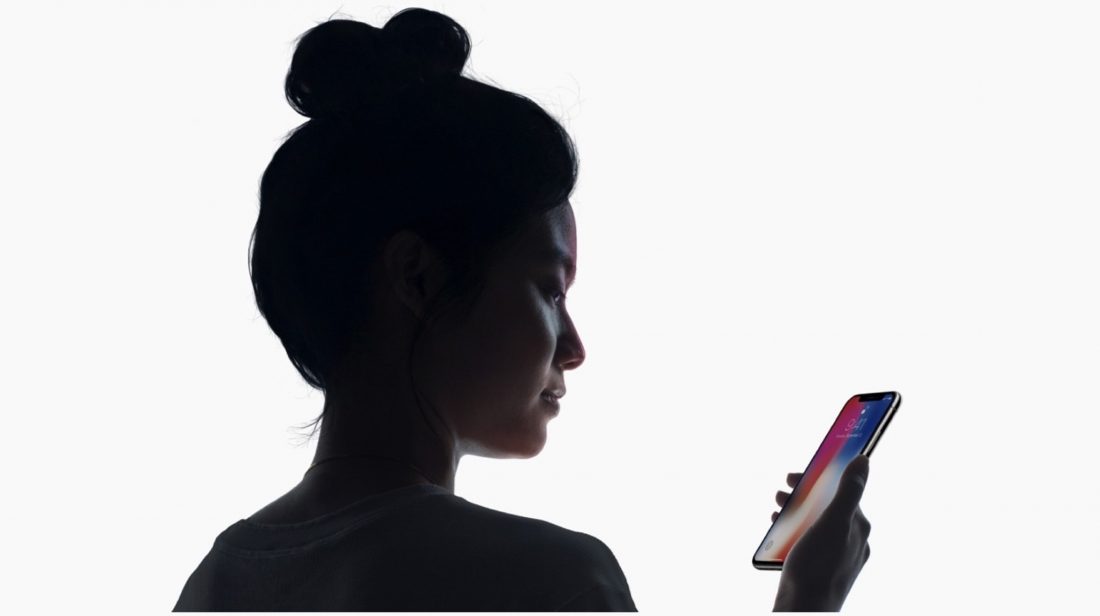
    As 2017 comes to an end barely any exciting smartphone launches left to look forward to, the Galaxy S9 is the next phone everyone wants to talk about. It appears that Samsung has plans of taking on Apple in more than just advertisements. A new report suggests that the Galaxy S9 will have a new and improved iris scanner to compete with the iPhone X’s Face ID feature.

    Samsung is developing a new software to make facial recognition on the Galaxy S9 faster than the Galaxy S8. It appears that Samsung is not favouring any hardware upgrade, and the Galaxy S9 will basically be an incremental upgrade as far as specifications are concerned. However, Samsung is planning to introduce a host of software tweaks to reduce the delay in recognising the face and scanning the iris of users.

    This means that Samsung will avoid going for a “notch” at the top of the phone since it will rely mostly on the software to do its job rather than stuffing a host of sensors along with the front facing camera.

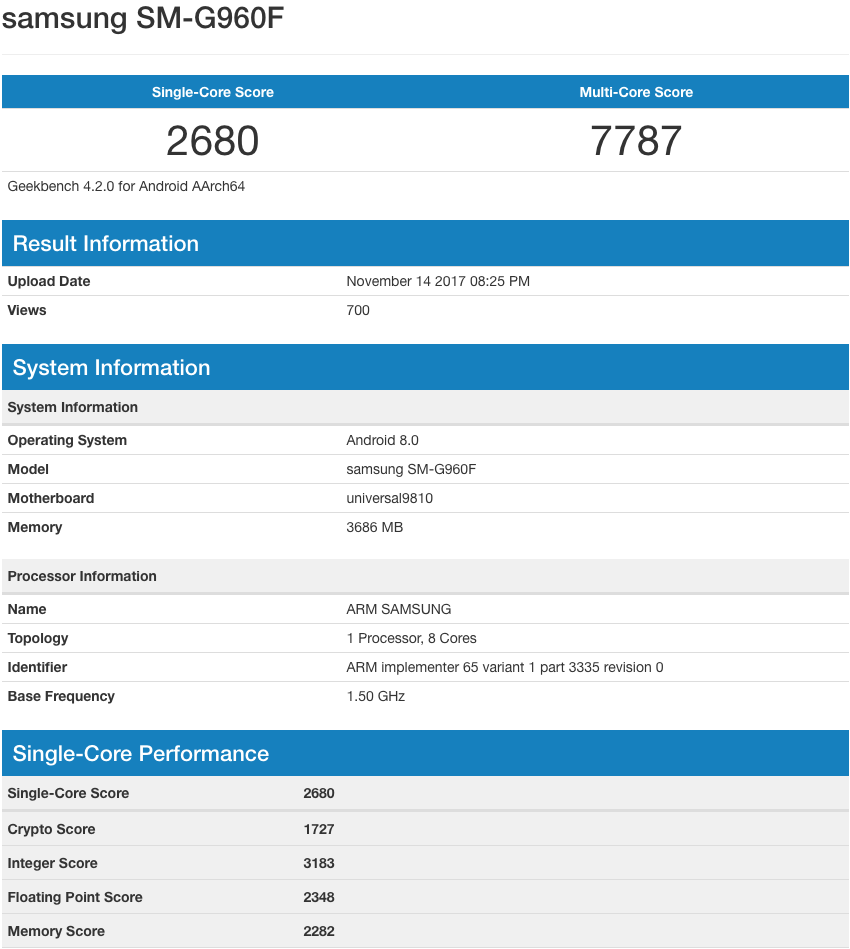
    The rumours of what the Samsung Galaxy S9 will look like and what it will offer have increased ever since the iPhone X was launched. A recent benchmark listing reveals that the upcoming flagship phone will most likely be powered by the new Exynos 9810 chipset, which was announced earlier in November. The phone scores 2680 on the single-core Geekbench 4 test and a 7787 on the multi-core test. While the scores are impressive, the smartphone doesn’t even come close to iPhone X‘s single-core score of 4197 and multi-core score of 10051.

    The Galaxy S9 will have the same screen size as the Galaxy S8 and similarly the Galaxy S9+ will have the same screen size as the Galaxy S8+. What will be different is the size of the bezels. The top and bottom bezels will be thinner than the ones found on the 2017 flagship phones.

    There were rumours that the Galaxy S9 will have a screen-embedded fingerprint sensor but, a recent report claims that Samsung will introduce this technology only in the Galaxy Note9 in late 2018. This means that the fingerprint sensor on the Galaxy S9 will remain at the back of the phone but, might have a new position.


  • Samsung Galaxy S9 Specifications Leaked In Benchmark Listings

    Samsung Galaxy S9 Specifications Leaked In Benchmark Listings

    Samsung Galaxy S9 will be the first high profile smartphone of 2018 with its launch expected to take place in March. While there isn’t much known about the device other than a few obvious aspects, a new benchmark listing has provided some information regarding the device’s performance.

    New benchmark results for a Samsung smartphone with the model number SM-G960F – widely expected to the global version of the Galaxy S9 – have appeared on the Geekbench website. The smartphone will most likely be powered by the new Exynos 9810 chipset, which was announced earlier in November. The phone scores 2680 on the single-core Geekbench 4 test and a 7787 on the multi-core test. While the scores are impressive, the smartphone doesn’t even come close to iPhone X‘s single-core score of 4197 and multi-core score of 10051.

    The Galaxy S9 will have the same screen size as the Galaxy S8 and similarly the Galaxy S9+ will have the same screen size as the Galaxy S8+. What will be different is the size of the bezels. The top and bottom bezels will be thinner than the ones found on the 2017 flagship phones. There were rumours that the Galaxy S9 will have a screen-embedded fingerprint sensor but, a recent report claims that Samsung will introduce this technology only in the Galaxy Note9 in late 2018. This means that the fingerprint sensor on the Galaxy S9 will remain at the back of the phone but, might have a new position.

    Samsung, in all likelihood, will also revive the ‘Mini’ lineup by launching a Samsung Galaxy S9 Mini with a screen size under the 5-inch mark and same specifications.


  • Samsung Galaxy J5 Prime 2018 Specifications Leaked in Benchmark Listing

    Samsung Galaxy J5 Prime 2018 Specifications Leaked in Benchmark Listing

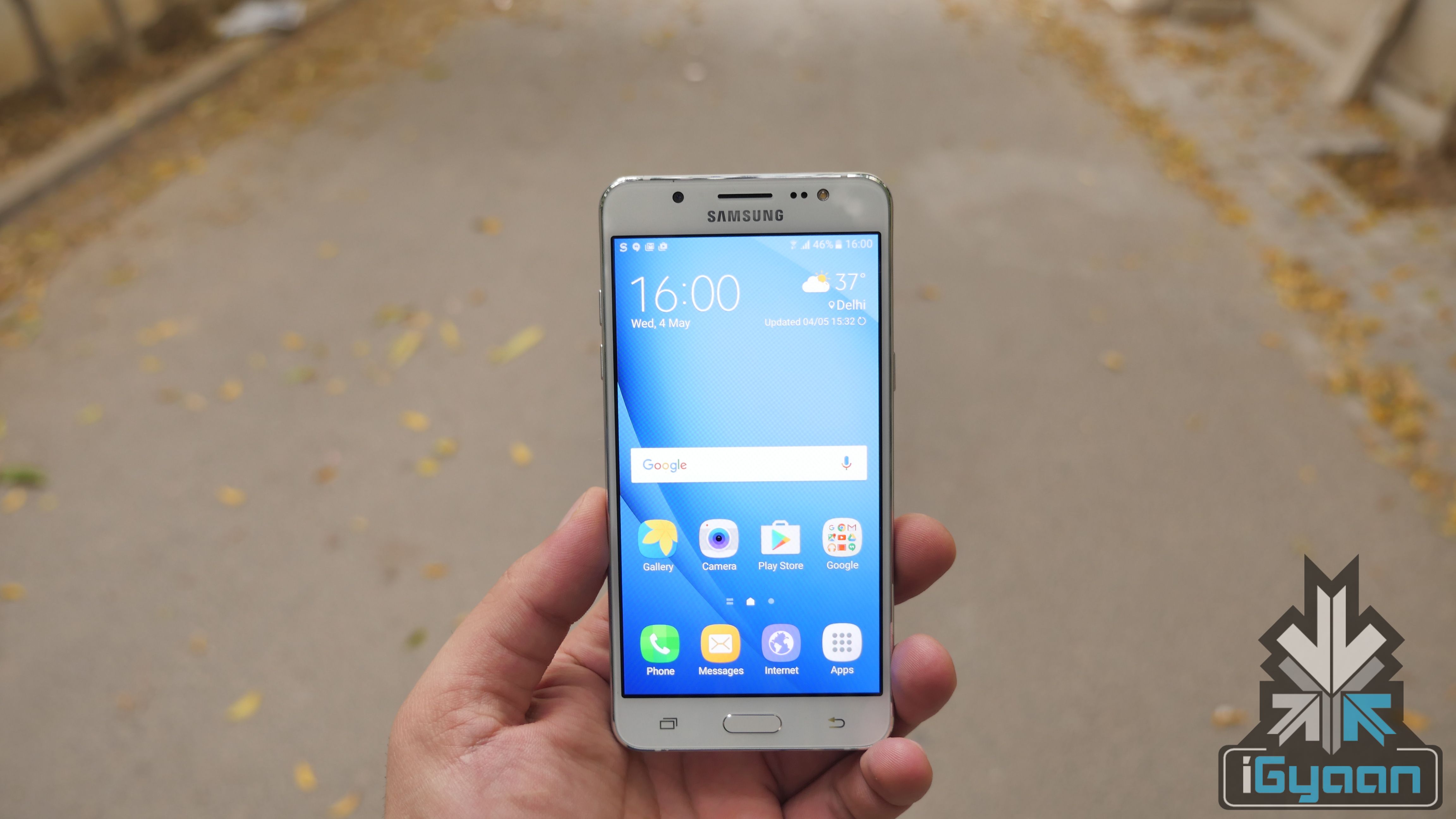
    Samsung’s budget smartphone lineup has had a lot of competition over the years since the rise of the likes of Xiaomi and Lenovo’s budget lineup. The Galaxy J5 Prime has long been Samsung’s flag bearer in the sub 15K category and the next year’s J5 Prime 2018 will be an incremental upgrade over the J5 Prime 2016 edition. New benchmark listing sheds light on what we can expect from the upcoming J5 Prime 2018 variant.

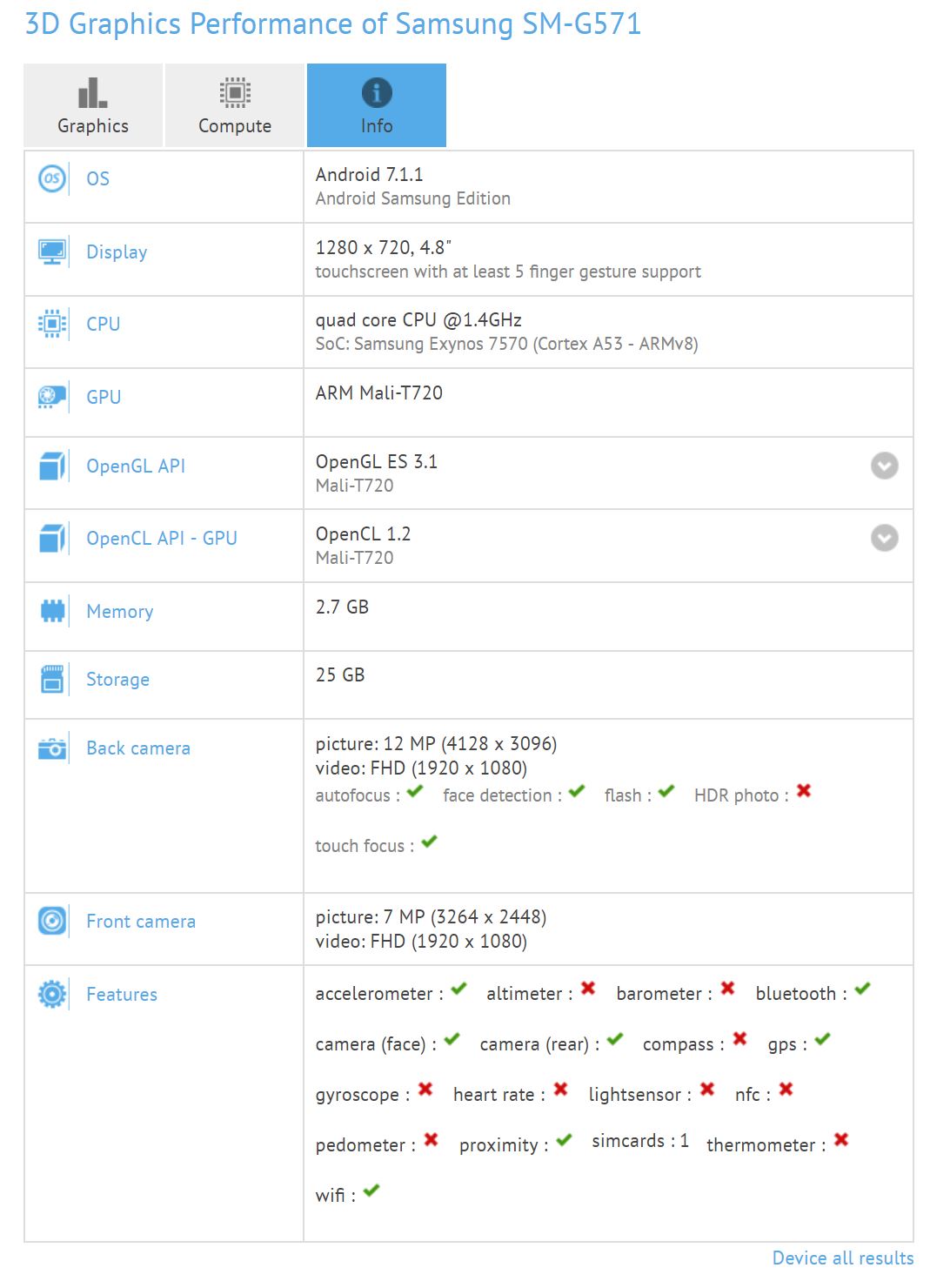
    According to the listing, the J5 Prime 2018 will have a 4.8-inch display with a 120 x 720 px resolution amounting to a widescreen aspect ratio of 16:9. While the flagship lineup and presumably the mid-rangers of 2018 will have display with an 18.5:9 aspect ratio, it appears that Samsung is not quite convinced to compete with the likes of the LG Q6 which has a taller display.

    The SM-G571 was benchmarked as being powered by the Exynos 7570 SoC, the same Samsung-made chipset found inside its predecessor, Galaxy J3 (2017). The chipset is listed as running at a maximum operating frequency of 1.4GHz, which is in line with its previously commercialised configurations. The device will have 3GB of RAM, and 32GB of onboard storage which will be expandable via microSD card.

    The device was also identified as having a 12MP primary camera capable of shooting 4K photos and 1920 x 1080 px videos along with an unspecified flash unit. The smartphone also appears to sport an 8MP camera with 1080p video support. The benchmark has listed it as a 7MP camera but, it is likely that the phone will have an 8MP sensor.

    There are no firm availability details for the Samsung Galaxy J5 Prime 2018, with an early 2018 launch being the most plausible scenario.

  • Samsung Galaxy S9 Mini To Launch Alongside The Galaxy S9

    Samsung Galaxy S9 Mini To Launch Alongside The Galaxy S9

    Samsung Galaxy S9 and Galaxy S9+ are expected to be launched in March 2018. New reports suggest that the two new flagship phones will be accompanied by a smaller sibling, the Galaxy S9 Mini.

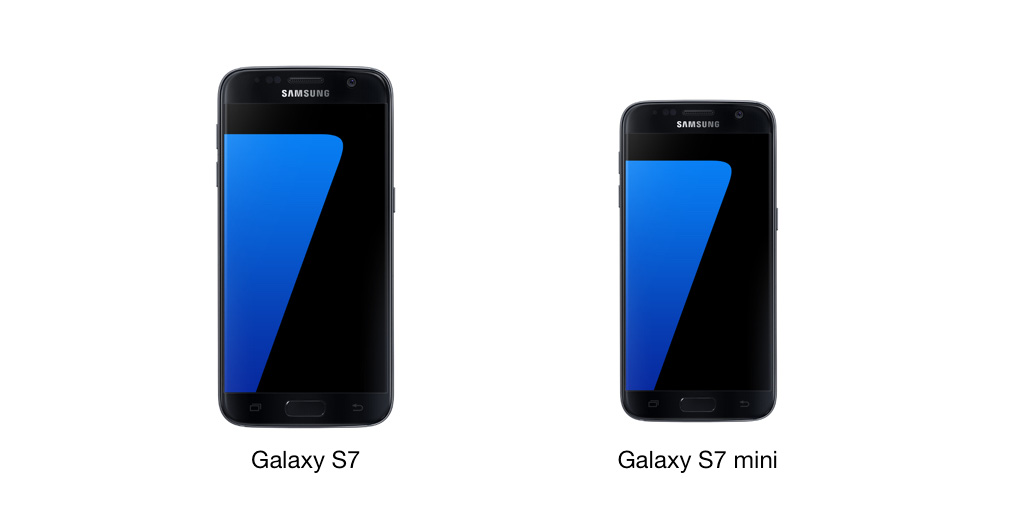
    When the Galaxy S8 and S8+ were launched earlier this year, and ever since their launch there were rumours of the of  the Galaxy S8 Mini. It was expected that Samsung will continue the ‘Mini’ series for its flagship phones, similar to what it did with the Galaxy S7 and Galaxy S7 Mini.

    There are no other details of the Galaxy S9 Mini available right now other than the display size. It is rumoured that the device will have a screen under 5-inch in size, with curved edges.

    If Samsung’s previous decisions for the ‘Mini’ variants is anything to go by, then the Galaxy S9 Mini will basically be the Galaxy S9 but, with a smaller screen size. The Galaxy S9 is expected to be the first smartphone to have the Qualcomm Snapdragon 845 chipset thanks to the company’s deal with Qualcomm. Hence, it is expected that the Galaxy S9 Mini will also have the Qualcomm Snapdragon 845 chipset.

    The bigger siblings, Galaxy S9 and Galaxy S9+ are expected to be launched in March 2018 and Samsung may offer the Galaxy S9 Mini as well for people who prefer phones with a smaller form factor.

  • Moto X4 Vs The Competition

    Moto X4 Vs The Competition

    Motorola recently launched the Moto X4 in India at a price of Rs 20999 for the base variant. At this price, there aren’t many phones that offer IP68 water and dust resistance, and a dual-camera setup at the back. So, how does the Moto X4 stack up against other phones with a similar price? Let’s find out:

    Specifications Moto X4 Samsung Galaxy A9 Pro Samsung Galaxy C7 Pro
    Price Rs 20999 (3GB RAM)

    22999 (4GB RAM)

    <a href=”http://fkrt.it/1ILGO!NNNN”>Click here for latest pricing</a>

    Rs 24990

    <a href=”http://fkrt.it/GF~2bTuuuN”>Click here for latest pricing</a>

    Rs 24900

    <a href=”http://fkrt.it/GFnSzTuuuN”>Click here for latest pricing</a>

    Display 5.2 inch LTPS IPS LCD 6 inch sAMOLED 5.7-inch sAMOLED
    Resolution 1920 x 1080 px 1920 x 1080 px  1920 x 1080 px
    Chipset Qualcomm Snapdragon 630 Qualcomm Snapdragon 652 Qualcomm Snapdragon 626
    RAM 3GB/4GB 4GB 4GB
    Storage 64GB, expandable up to 2TB 32GB, expandable up to 256GB 64GB, expandable up to 256GB
    Battery 3000 mAh, TurboCharge 5000 mAh 3400 mAh
    Operating System Android 7.1 Nougat, Android 8.0 Oreo Update awaited Android 6 Marshmallow Android 6 Marshmallow
    Primary Camera 12MP f/2.0 aperture +
    8MP f/2.2 aperture
    16MP f/1.9 aperture 16MP f/1.9 aperture
    Primary Camera video 4K @ 30fps

    1080P @ 60fps

    1080P @ 30fps 1080P @ 30fps
    Front Camera  16MP f/2.0 aperture 8MP f/1.9 aperture 16MP f/1.9 aperture
    IP Rating IP68 None None
    Additional features Connect 4 bluetooth devices at once,

    Fingerprint sensor

    Amazon Alexa support

    Fingerprint sensor Fingerprint sensor

    The Moto X4 is ahead of its competition in terms of primary, software and price to performance ratio. With the added advantage of IP68 rating, the Moto X4 looks like a clear choice over the Samsung Galaxy A9 Pro and Galaxy C7 Pro. However, if you are a fan of big displays and a big battery as well, then the Samsung Galaxy A9 Pro has that albeit, higher price than the Moto X4.


  • Top Water Resistant Phones In India Right Now

    Top Water Resistant Phones In India Right Now

    A lot of smartphones nowadays boast of an ‘IP’ rating which indicates the phone’s ability to fight off water and dust damage. Here’s what an ‘IP’ rating mean-

    IP- This stands for the International Protection marking, a standard drawn up by the International Electrotechnical Commission (IEC).

    Dust

    6- The first digit stands for its resistance to dust, but also general dirt and sand. For example, the Moto X4 earned a ‘6’ rating for “No ingress of dust; complete protection against contact (dust tight).”

    Water

    The second digit stands for the phone’s resistance to water

    •    0 – No protection.
    •    1 – Dripping water shall have no harmful effect.
    •    2 – Vertically dripping water shall have no harmful effect with enclosure is tilted at 15°.
    •    3 – Water falling as a spray at any angle up to 60° from the vertical.
    •    4 – Water splashing against the enclosure from any direction.
    •    5 – Water projected by a nozzle (6.3mm) against enclosure from any direction.
    •    6 – Water projected in powerful jets (12.5mm nozzle) from any direction.
    •    6K – Powerful water jets with increased pressure.
    •    7 – Immersion, up to 1m depth for up to 30 minutes.
    •    8 – Immersion, 1m or more depth (exact details vary).
    •    9K – Powerful high temperature water jets.

    This feature has become ever so important nowadays as phones are getting more expensive and every user wants the best features for the price he/she pays. Also, phones are the principal mode of photography for a majority of consumer market and having a phone with an IP68 rating always helps. So, let’s take a look at the top phones with an IP68 rating available in India right now:
    Moto X4

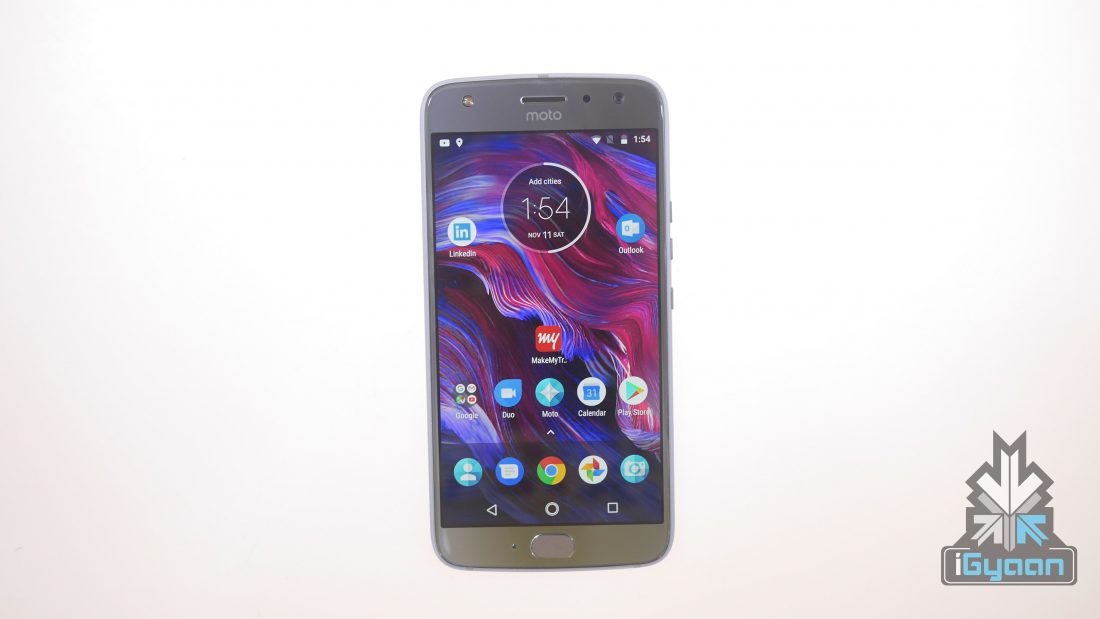
    The cheapest phone on the list, the Moto X4 starts at a price of Rs 20999 and is the only phone in this price bracket which has an IP68 rating for water and dust resistance.

    The Moto X4 has a 5.2 inch 1920 x 1080 px LTPS IPS LCD display with Corning Gorilla Glass 3 on top for protection.

    The Moto X4 has the Qualcomm Snapdragon 630, 2.2 GHz octa-core processor and Adreno 508 GPU, along with 3GB or 4GB of RAM and 32GB or 64GB of onboard storage which can be expanded up to 2TB via microSD card. The fingerprint sensor is housed inside the home button which also doubles up as a single navigation button. The Moto X4 is powered by a 3000 mAh battery with TurboCharge capabilities.

    The Moto X4 has a dual-camera setup at the back. The main camera is a 12MP sensor with an f/2.0 aperture, and the 8MP secondary camera with an f/2.2 aperture is equipped with a wide-angle lens. The dual-cameras allow users to have depth effect shots, bokeh effect shots, ultra-wide angle shots, and selective focus shots. On the front of the device is a 16MP camera with an f/2.0 aperture and an LED flash. The cameras record 4K videos at 30 FPS.

    Sony Xperia XZ Premium
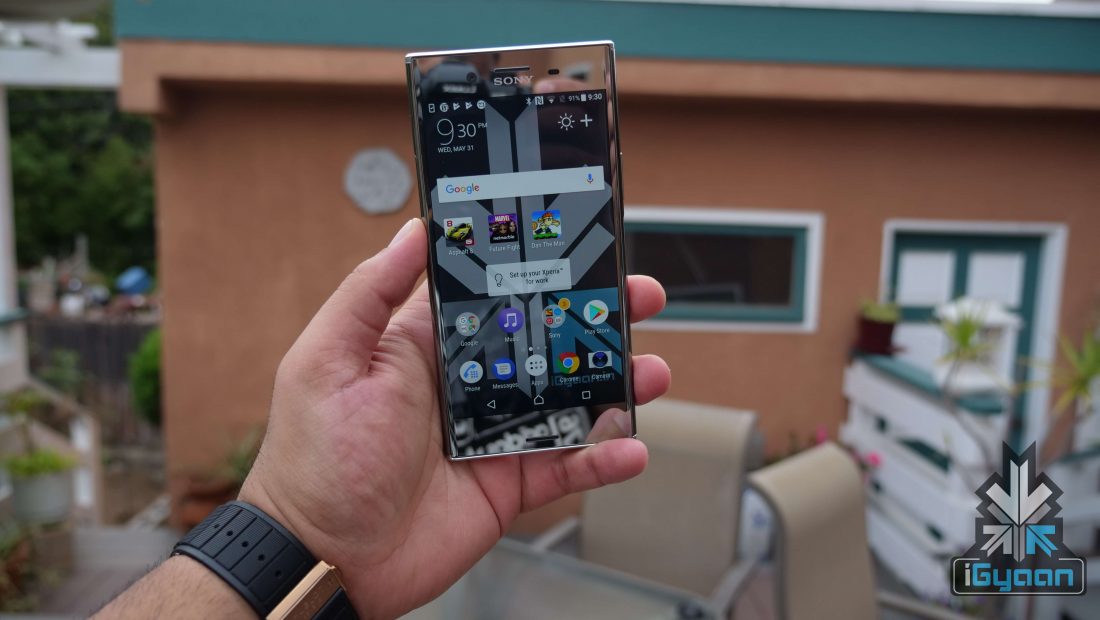
    Priced at Rs 54945, the Sony Xperia XZ Premium became the first phone with a 4K HDR display. The device is also IP68 water and dust resistant.

    The Sony Xperia XZ Premium has a 5.5 inch 4K HDR Display with TRILUMINOS Display for mobile and X-Reality for mobile picture engine. The 4K display comes into play whenever high res content is available like a 4k video or movie.

    Inside is a Qualcomm Snapdragon 835 chipset along with 4 GB of RAM and 64 GB of Storage with microSD support for 256 GB. Running all the hardware is a 3230 mAh battery with Qnovo Adaptive charging and Quick Charge 3.0.

    Sony Xperia XZ Premium has a 19MP Motion Eye camera which has a 1/ 2.3”  Exmor RS for mobile memory stacked sensor with a pixel size of 1.22m and Predictive Hybrid Autofocus.
    The XZ Premium also offers 960 fps Super slow motion video and the camera is equipped with a 25 mm wide G Lens with a F2.0 Aperture.
    The Sony Xperia XZ Premium has SteadyShot 5-axis image stabilization and does 4K recording at 30fps. The front camera is a 13MP 1/ 3.06”  Exmor RS for mobile image sensor with a 22mm Wide-angle lens with an F2.0 aperture. The front too has SteadyShot with 5-axis stabilization.

    LG G6
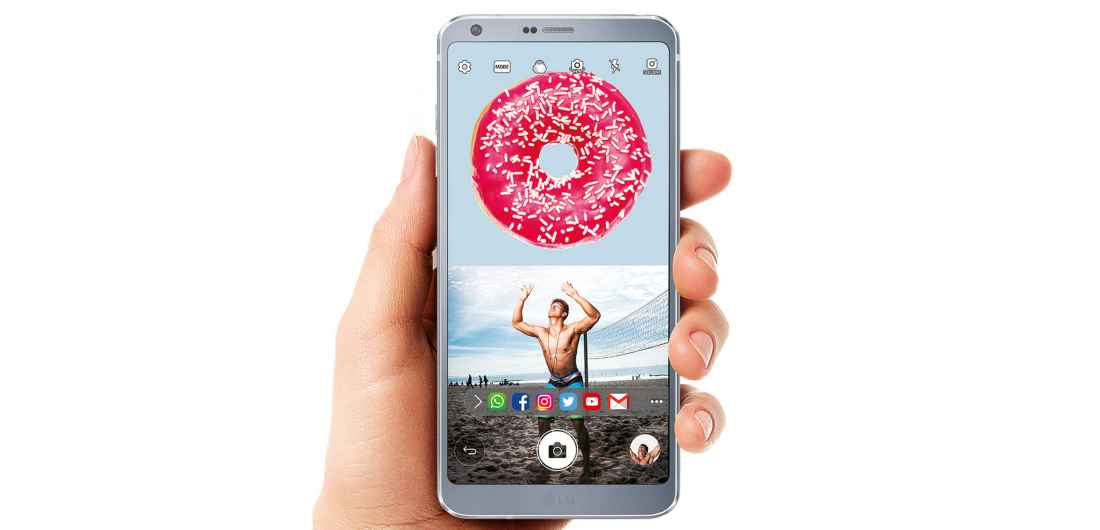
    The LG G6 runs on the Qualcomm Snapdragon 821 chipset with quad-core processor and Adreno 530 GPU along with Android 7.0 Nougat. The phone has a 5.7 inch QHD+ FullVision display with a 2880 x 1440 px resolution and an awkward 18:9 aspect ratio. The LG G6 is available in two variants – one with 4 GB RAM, 32 GB internal storage and the other with 4 GB RAM, 64 GB internal storage. Both the variants have an expandable storage of up to 2 TB, when those card become available.

    The LG G6 has a dual rear camera setup with two 13 MP sensors. One of the sensors supports wide-angle shots and has a 125 degree lens. The other sensor is for regular shots, with OIS 2.0 and 71 degree lens. The front camera is a 5 MP wide angle lens with a 100 degree field of view.

    The LG G6 has a non-removable 3300 mAh Li-ion battery, which supports QuickCharge 3.0, and will work for more than a day according to LG.
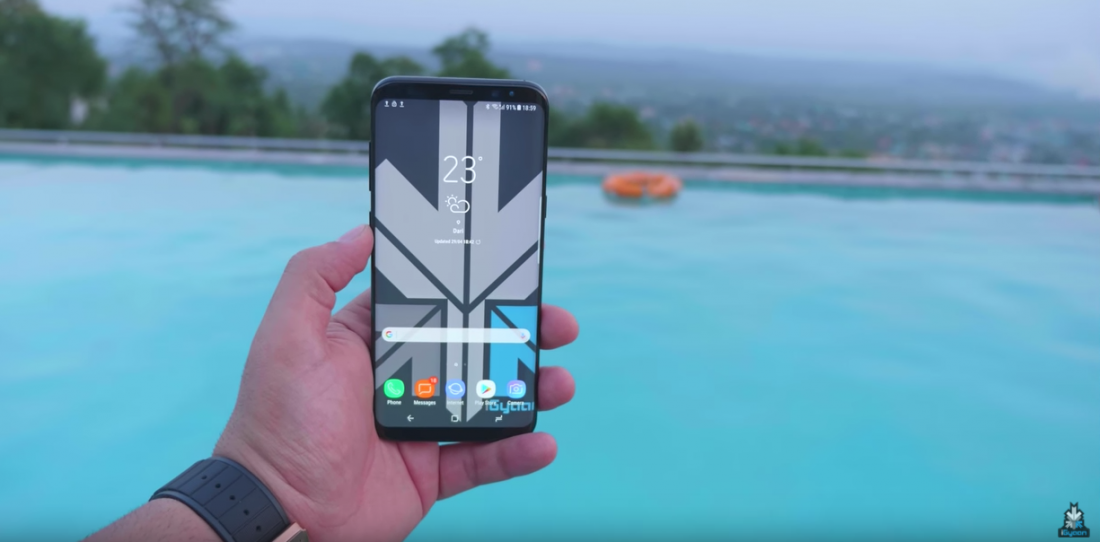
    Samsung Galaxy S8/S8+

    The 2017 flagship phones from Samsung have an IP68 rating as well for water and dust resistance.

    Samsung launched the Galaxy S8 and its bigger sibling, the Galaxy S8+ in April 2017. Apart from the LG G6, there was hardly any mainstream global phone with thin bezels and premium features. Qualcomm made a deal with Samsung and gave the company an exclusive early access to the Snapdragon 835 chipset. This made it possible for Samsung to launch the Galaxy S8 with a 2017 flagship chipset way before any other OEM got their hands on it.

    The display is edge-to-edge with minimal upper and bottom bezels. Both the phones run a new 10 nm chipset, The S8 has an Octa core (2.3GHz Quad + 1.7GHz Quad), 64 bit chipset while the S8+ will have an Octa core (2.35GHz Quad + 1.9GHz Quad), 64 bit chipset.

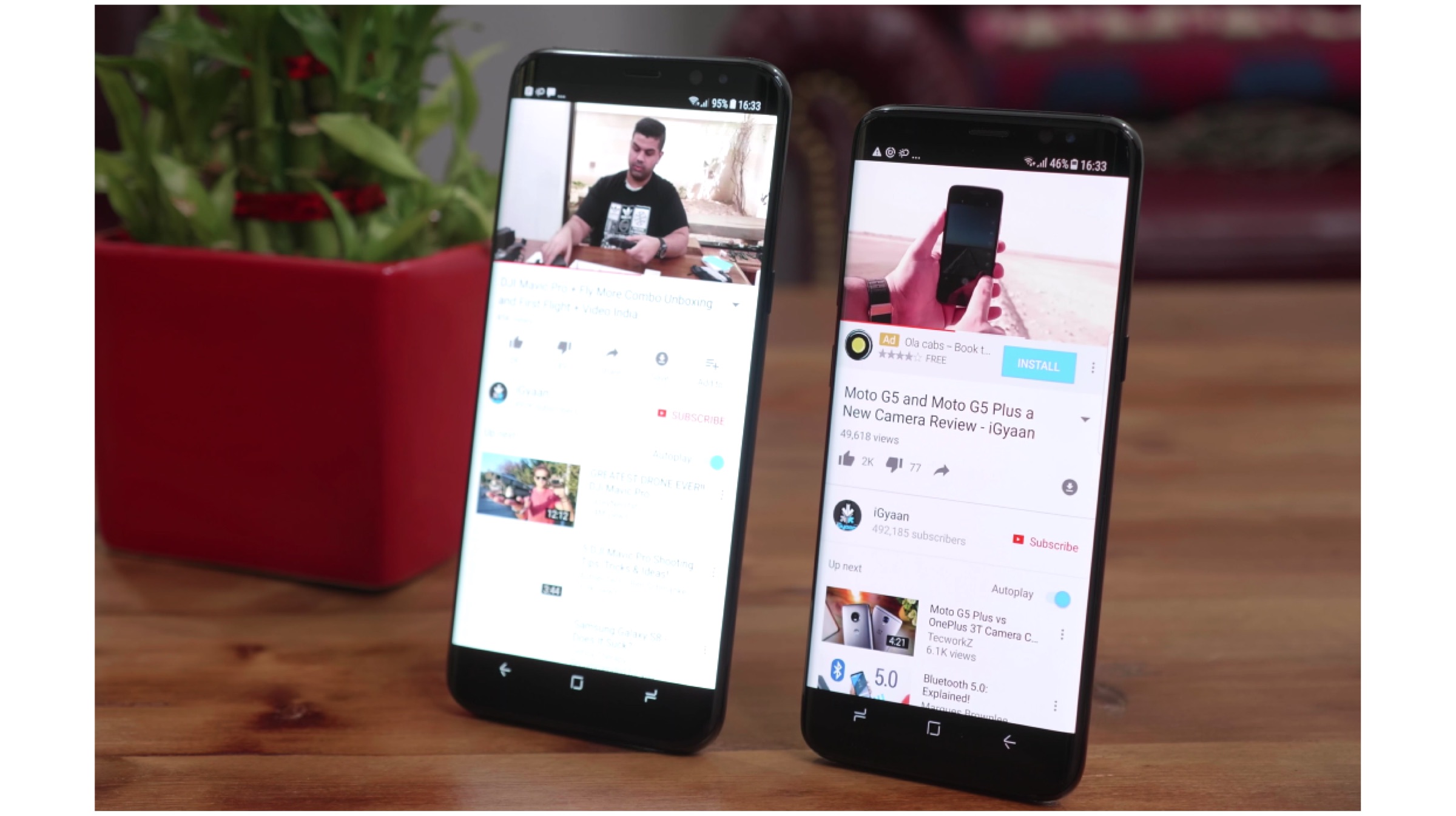
    Both the Galaxy S8 and Galaxy S8+ have a 4GB RAM (LPDDR4), 64GB (UFS 2.1) storage, the Galaxy S8 has a 5.8” (146.5mm) Quad HD+ 2960×1440 px display with a 570ppi while the S8+ has a 6.2” (158.1mm) Quad HD+ 2960×1440 px display  with a 529ppi density. Both have Samsung’s own super-AMOLED display. For cameras both phones get a main Dual Pixel 12MP OIS (F1.7), Front: 8MP AF (F1.7). While the battery on the Galaxy S8 is 3000 man, the S8plus has a 3500 mAh battery. Both support fast charging and wireless charging as well.

    Samsung Galaxy S8 and Galaxy S8+ does most of the things right. If you have the budget, there aren’t many phones that look as good and perform as well as these two flagship phones from Samsung.

    Buy it here
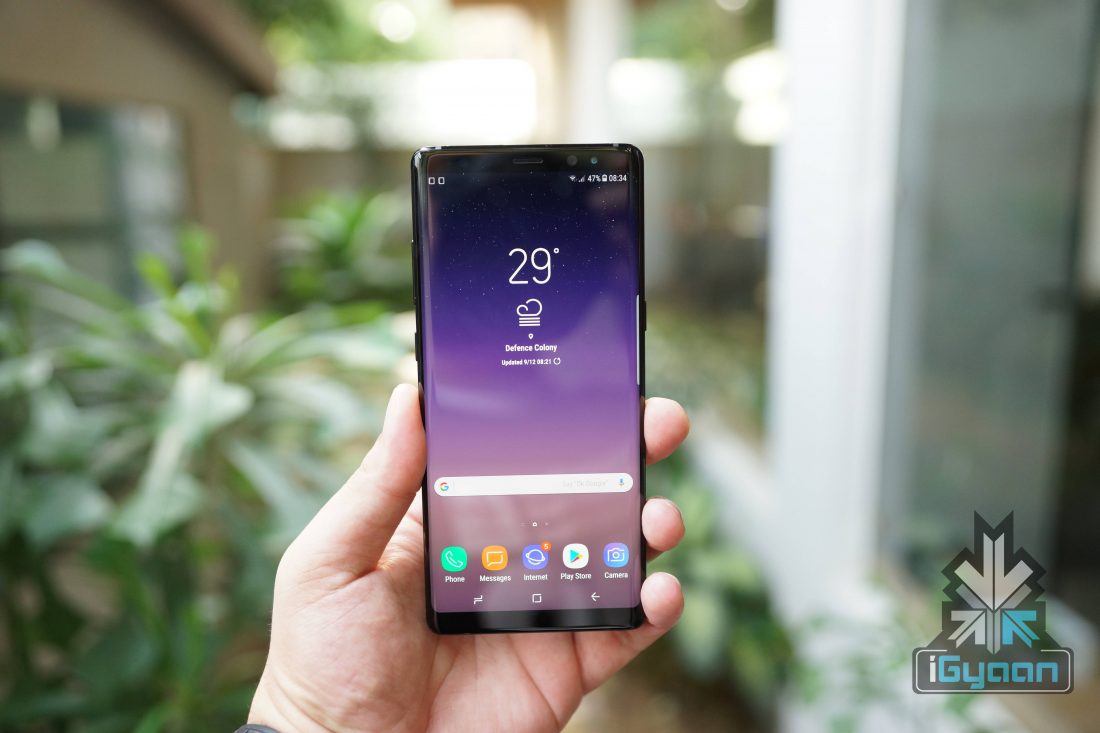
    Samsung Galaxy Note8

    Both the Galaxy Note8 and the S Pen are IP68 rated for water and dust resistance.

    The Samsung Galaxy Note has a 6.3 inch 2960 x 1440 px 18.5:9 aspect ratio Super AMOLED display with an 83.1% screen-to-body ratio and Corning Gorilla Glass 5 on the front and back of the device.The Galaxy Note 8 runs Android 7.1.2 Nougat and Samsung has promised an update to 8.0 Oreo in the near future. The phone is powered by a non-removable 3,300 mAh battery with QuickCharge 2.0 through the USB Type C port and because of the glass at the back, the phone also supports wireless charging as well.

    Just like the Samsung Galaxy S8 and S8 Plus, the fingerprint sensor sits at the back of the device right next to the dual-cameras.  As is with all Samsung flagship devices, the Galaxy Note8 ships with two different chipsets, the Qualcomm Snapdragon 835, 2.45 GHz octa-core processor with Adreno 540 GPU for USA and China, and the Exynos 8895, 2.3GHz Quad-Core (Custom CPU) + 1.7GHz Quad-Core (Cortex-A53) with Mali-G71 MP20 for the remaining markets.

    The Galaxy Note 8 is the first phone from Samsung to feature dual-cameras with a 12MP dual-camera setup, the primary camera has a wide-angle 12MP lens with an f/1.7 aperture and the secondary camera has a 12MP telephoto lens with an f/2.4 aperture. The telephoto lens enables a 2X lossless optical zoom and has features such as the Bokeh effect, much like the iPhone 7 Plus. The dual-cameras are capable of capturing 4K videos at 30 FPS On the front is an 8MP camera with an f/1.7 aperture and captures 4K videos at 30 FPS.

    The Galaxy Note8 is much more than just a “slightly larger Galaxy S8+.” It surely does what Galaxy S8+ does best, and then does a lot more. The integration of the S Pen in Samsung’s UI and the dual-cameras are worth an upgrade to the Galaxy Note8 and the premium price tag.

    Buy it here
    Apple iPhone X

    Although onky IP67 rated, the iPhone X deserves a mention for its superior hardware and software performance.

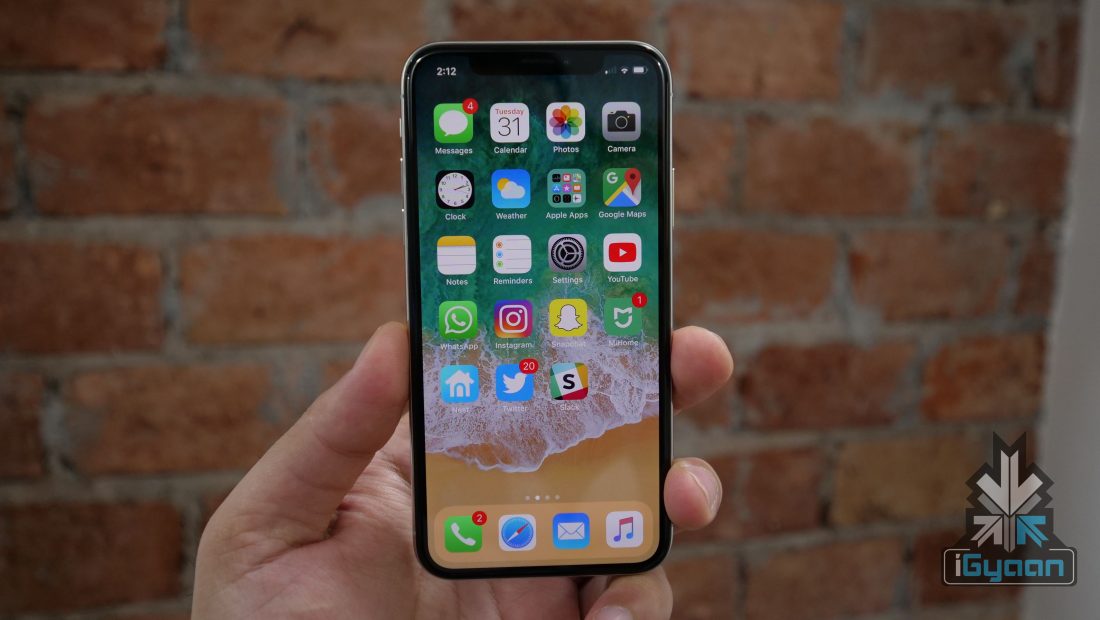
    The iPhone X has a 5.8-inch 2436 x 1125 px OLED True Tone Super Retina display with minimal bezels around it. The phone runs iOS 11 and is powered by a 3,000 mAh battery which charges through the Apple signature lightning port placed at the bottom of the phone. Under the hood, the smartphone has the Apple A11 Bionic chipset with a neural engine, a hexacore processor, 3GB of RAM and storage options of 64GB, and 256GB. As is with every iPhone, the onboard storage can not be expanded via a microSD card. The small bezels mean there is no physical home button, which is now replaced with gestures for navigation. Siri is activated by pressing the now larger lock/unlock button. The iPhone X is also IP67 certified for water and dust resistance.

    The iPhone X has dual 12-megapixel rear cameras, and it’s equipped with dual optical image stabilization. The sensors are both larger and faster, according to Apple, and the main camera is equipped with a wide angle lens and has an f/1.8 aperture while the secondary telephoto lens has an f/2.4 aperture. In between the two cameras is a quad-LED True Tone flash. Both the front and back cameras have the portrait mode. The rear cameras have the portrait lighting feature, just like the iPhone 8 and iPhone 8 Plus.

    The bottom line is, the iPhone X has all the ingredients of being the best iPhone yet. The design, the new cameras and the AR integration makes the iPhone X even more future-proof than it predecessors. However, the price tag of the iPhone X can make you question how much you love the iPhone and whether its enough to shell out over a thousand dollars on it.

    Buy it here
  • Samsung Announces Exynos 9810 Chipset Which Will Power The Galaxy S9

    Samsung Announces Exynos 9810 Chipset Which Will Power The Galaxy S9

    Samsung has announced its new flagship chipset, the Exynos 9810 SoC (System on Chip) in a press release. The chipset will power the upcoming the flagship smartphones, the Samsung Galaxy S9 and Galaxy S9+ and even the Galaxy Note9 which is expected to be launched in the third quarter of 2018.

    Unlike the Qualcomm Snapdragon 845, which is manufactured on the 7nm process, the Exynos 9810 chipset has been manufactured on the 10nm process. This is the same as the Exynos 8895 chipset which powered the 2017 Samsung flagship smartphone lineup.

    Samsung Galaxy S9 Render

    Samsung says that the Exynos 9810 processor has “3rd-generation custom CPU cores, upgraded GPU, and gigabit LTE modem with industry-first 6CA support.” Earlier this year, Samsung had introduced the 6CA modem and had promised that the 6CA modem would be included into its next generation mobile processing unit. Hence, as it promised the Exynos 9810 features the new and improved 6CA modem.

    At the time of unveiling of the 6CA modem, Samsung had said:

    Mobile processor adopting the new Cat.18 6CA-supported LTE modem technology is expected to be in mass production by the end of this year.

    The announcement of the Exynos 9810 chipset falls perfectly inline with the above statement.

  • Samsung Patent Reveals Functionality Of Foldable Smartphone

    Samsung Patent Reveals Functionality Of Foldable Smartphone

    The Samsung Galaxy X will be the first foldable smartphone from Samsung. A new patent application by Samsung reveals how the company envisions its foldable smartphone to function.

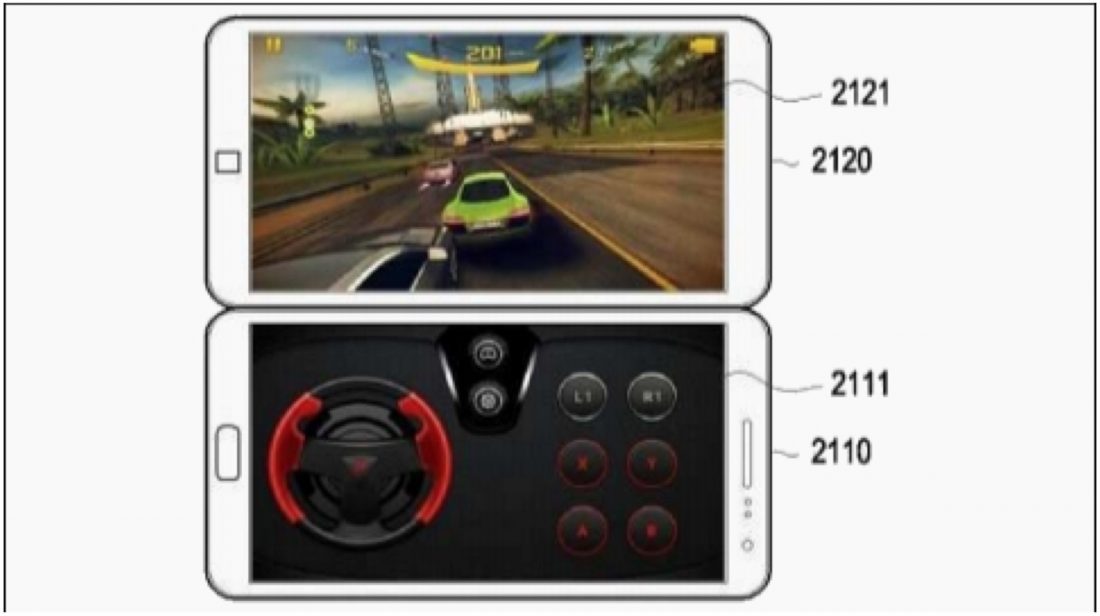
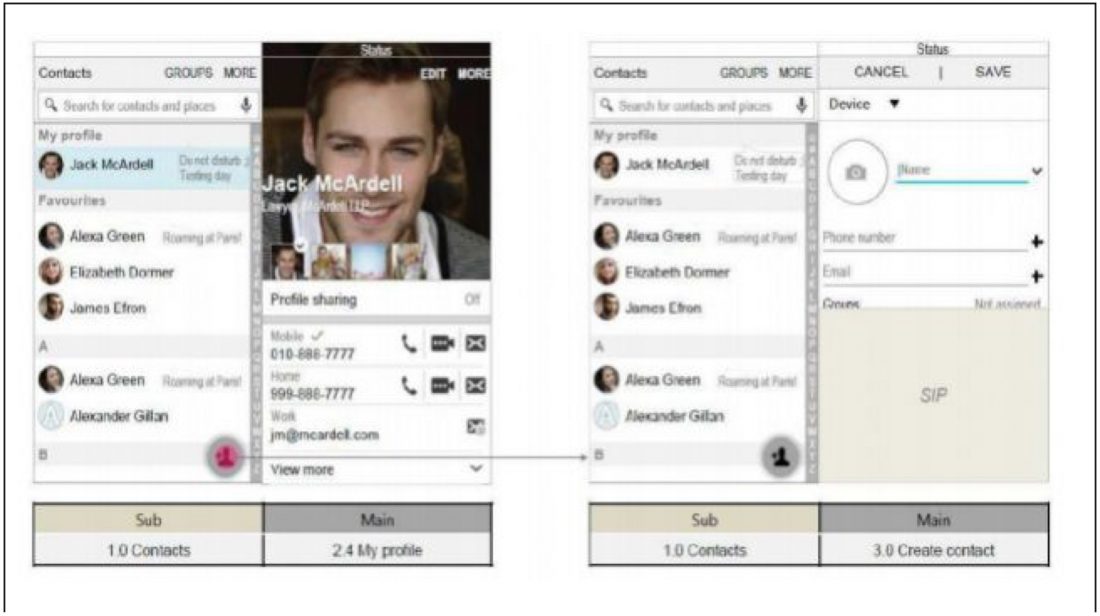
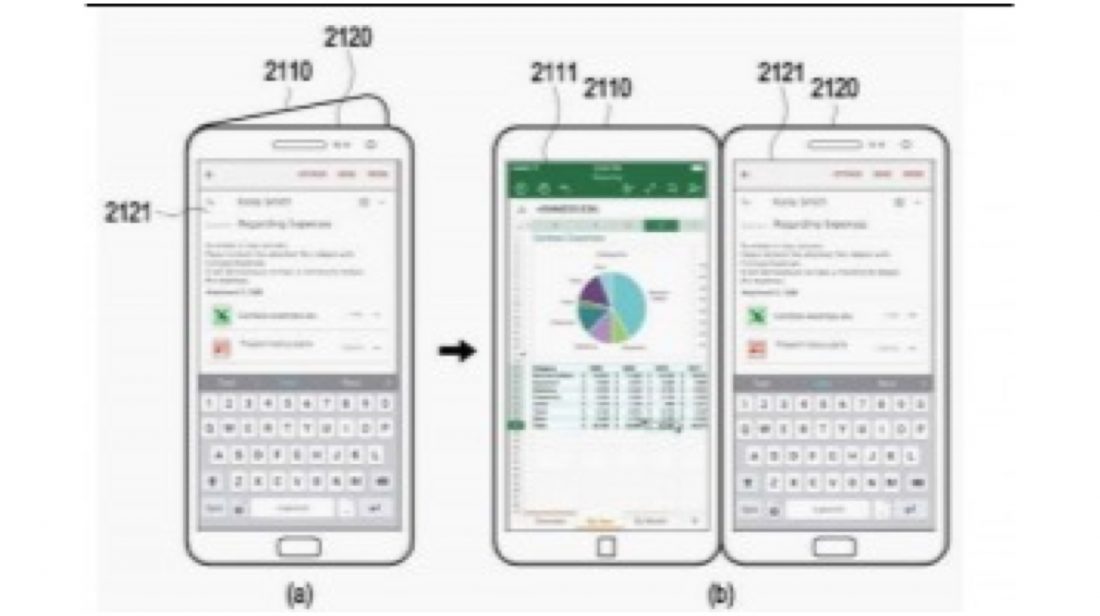
    The two screens will function like a physical split screen wherein each will be running its own app with its own app switcher. This will work in both the portrait and landscape modes.

    There is another mode in the patent which chronicles a functionality of the foldable phone similar to the Nintendo 3DS. In certain apps and games, both the displays will be showing different aspects of the interface of that particular app.

    Samsung has expressed the difficulties of the shifting a foldable phone from a ‘concept’ to a ‘mass products’.

    Dongjin Koh, President of mobile business at Samsung told some reporters at a news conference in South Korea that there are still hurdles to overcome and a possible release would be pushed back if the issues are not resolved in time.

    When we can overcome some problems for sure, we will launch the product. We are digging thoroughly into several issues we must overcome, as we don’t want to just make a few, sell a few and be done. We want to hear that Samsung made a very good product. We have a plan to adopt a foldable display in our roadmap.

    The foldable smartphone has long been touted as the Galaxy X, which now sounds like a rip-off of the iPhone X which means Samsung will definitely not go with this name. A number of patents as well as Samsung’s own concept video from CES 2013 tell us what to expect from the Galaxy X. Samsung is most likely to start small, with a smartphone that folds halfway like a wallet. Another design, in line with Samsung’s prototype unveiling, could see the phone unfold into a full-size tablet.

  • Samsung Galaxy A5 2018 To Feature Infinity Display

    Samsung Galaxy A5 2018 To Feature Infinity Display

    Samsung’s upcoming mid-range smartphones in 2018 will be inspired by its 2017 flagship phone lineup. According to a listing, the Samsung Galaxy A5 2018 will have a display with an 18.5:9 aspect ratio, something which was found on the Galaxy S8, S8+ and the Galaxy Note8.

    Samsung Galaxy S8+

    It appears that even though the Galaxy A5 2018 will have an infinity display, the edges of the phone will not be curved. This means that the phone will look similar to the Galaxy S8 Active. The listing reveals that the Galaxy A5 2018 is being tested with Android 7.1.1 Nougat. That’s in line with previous reports that the Galaxy A (2018) series will come with Nougat out of the box and not Oreo. This is particularly starnge since Android 8.0 Oreo is already 3 months old and by the time the smartphone is released, it will be even older.

    It is worth noting here that early listings can show wrong specifications and Samsung might introduce Android 8.0 Oreo with Galaxy A5 2018. The resolution of the display in the listing is said to be 846 x 412 px, which is clearly inaccurate. What this does confirm though, is the 18.5:9 aspect ratio.

    Galaxy Note8

    With 2017 being the year for bezel-less flagship phones, it is expected that 2018 will see more mid-range phones with thin bezels and no home button.

  • Samsung Galaxy S9 Might Not Have A Screen Embedded Fingerprint Sensor

    Samsung Galaxy S9 Might Not Have A Screen Embedded Fingerprint Sensor

    A report from South Korea claims that the upcoming Samsung Galaxy S9 and Galaxy S9+ will not have a screen-embedded fingerprint sensor. The Samsung Galaxy S9 and Galaxy S9+ are expected to be launched by April 2018 and ever since the Galaxy Note8 was launched back in August, it was expected that Samsung will introduce the new fingerprint sensor technology in its ‘S’ smartphone lineup.

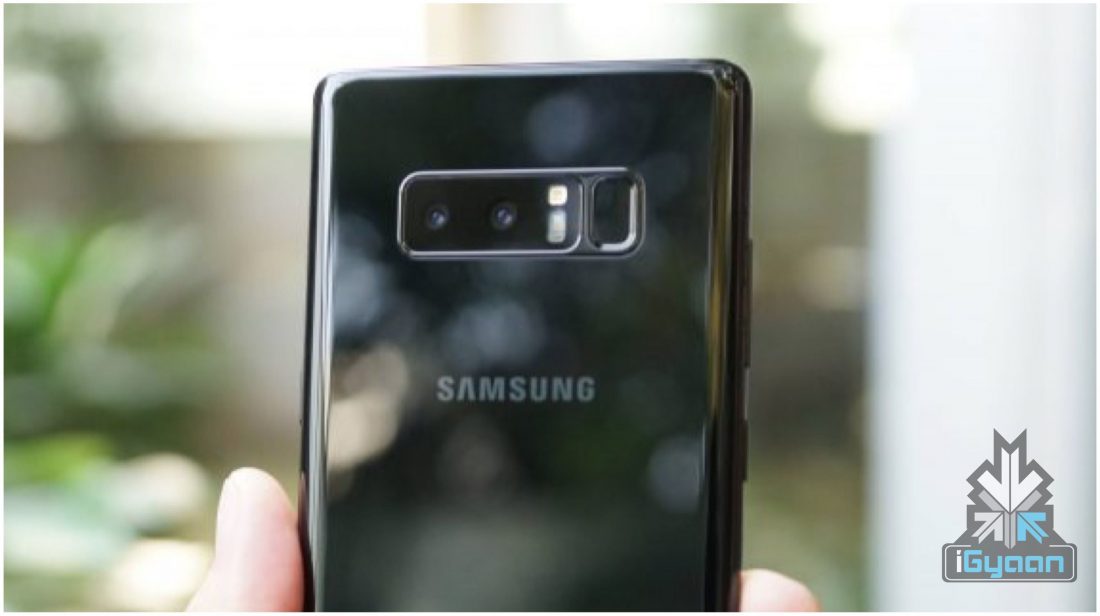
    Fingerprint sensor on the Galaxy Note8

    Launched in April 2017, the Samsung Galaxy S8 and S8+ received rave reviews from critics and consumers alike. iGyaan reviewed the two phones as well and barely found a con in either of the phones. The one blemish to otherwise top notch phones was the placement of the fingerprint sensor. Samsung reduced the bezels around the display considerably, and chose design over practicality when it came to repositioning the fingerprint sensor.

    Instead of placing it in the centre of the phone like the LG G6 or the Google Pixel, Samsung placed it right next to the camera making it hard for people to reach the sensor without a little shimmy of the hand. When the screen embedded fingerprint sensor technology was showcased early in 2017, there were rumours that the iPhone X and the Galaxy Note8 will incorporate this technology since both the phones were expected to have minimal bezels.

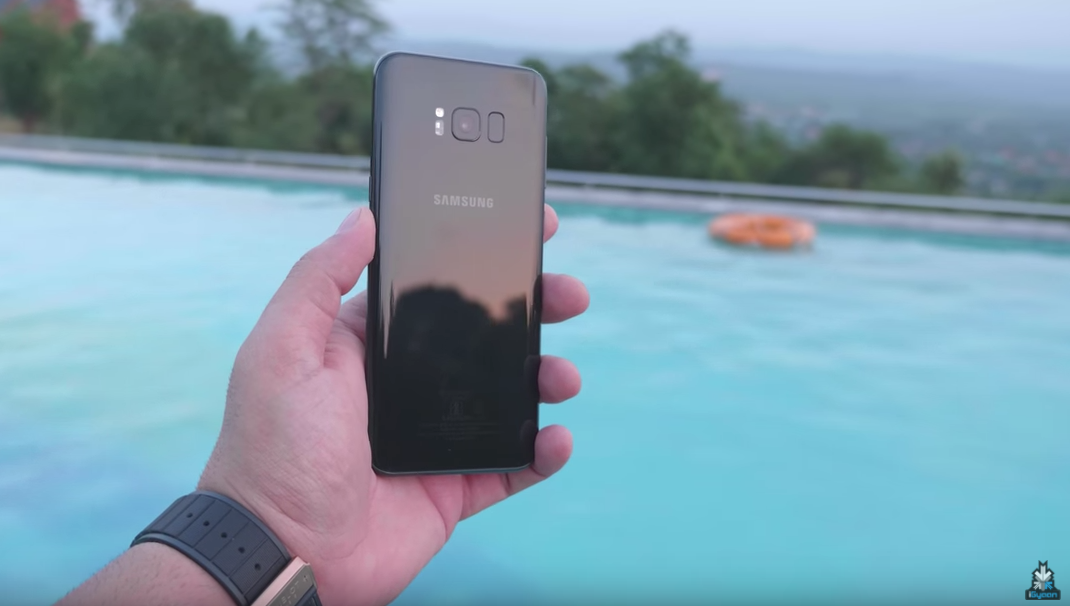
    Fingerprint sensor on the Galaxy S8/S8+

    The report however, does say that even though the fingerprint sensor on the Galaxy S9 and Galaxy S9+ will be placed at the back, the position could be changed.

    It’s not yet clear whether it will continue to sit awkwardly and inconveniently right next to the camera lens.

    It appears that an early report of the Galaxy Note9 being the first Samsung phone with a screen embedded fingerprint sensor will turn out to be true.

  • Samsung Has To Pay US $120 Million To Apple

    Samsung Has To Pay US $120 Million To Apple

    Samsung and Apple may be nearing the end of their legal battle woes. The US Supreme Court refused to hear Samsung’s appeal of a ruling that awarded Apple $120 million for a case that started back in 2014

    Back in 2014, a San Jose, California federal court ruled that Samsung infringed several Apple patents that allowed for a lot of  popular iPhone features, such as slide-to-unlock, autocorrect, and the ability for information like addresses and phone numbers to automatically turn into links. As a result of that ruling, Samsung was asked to pay US $119.6 million to Apple. That verdict was then overturned by the Federal Circuit but, it was then reinstated in October 2016 by that same court.

    After that ruling, Samsung appealed the decision to the US Supreme Court. In the appeal, Samsung stated that the Federal Circuit, which specifically deals with patents, made the decision without listening or reading the whole story. The company also implied that the patent court is biased toward patent holders. In a statement, Samsung express its disappointment on the ruling:

    Our argument was supported by many who believed that the Court should hear the case to reinstate fair standards that promote innovation and prevent abuse of the patent system. One of Apple’s patents at issue in this case has been invalidated by courts around the world, and yet today’s decision allows Apple to unjustly profit from this patent, stunts innovation and places competition in the courtroom rather than the marketplace.

    The good news for Samsung is that this does not change an earlier decision to dismiss a $399 million verdict against the company. In December 2016, the US Supreme Court sided with Samsung in a case against Apple over patent infringement. The case began in 2012 when Apple sued Samsung, claiming Samsung had violated its design and other patents for its iPhone on many of Samsung’s Galaxy smartphones. After years of back-and-forth and re-appeals, Samsung took the case to the US Supreme Court in 2016 where it ruled 8-0 that Samsung does not have to pay $399 million to Apple, overturning an earlier appeals court ruling in this case.

    Samsung and Apple have been rivals ever since the Android platform rose to prominence and Samsung became one of the biggest smartphone makers in the world. Apart from the legal battles, both the companies are known to mock each other on social media and their respective ad campaigns. Recently, Samsung released an ad where it mocked the iPhone X and urged people to ‘upgrade to Galaxy’.

  • Samsung Mocks The iPhone X Notch And Other iPhone Things In New Advertisement

    Samsung Mocks The iPhone X Notch And Other iPhone Things In New Advertisement

    Samsung and Apple are the biggest smartphone makers in the world right now, and have been for a long time. While Apple has reached this stature by launching new iPhones at a premium price year after year, Samsung has amore diverse portfolio of Android phones ranging anything from US $150 to US $950. The two companies share a lot of business but, it is no secret that they never leave a stone unturned to mock the other one. Samsung, in a new advertisement has mocked the new iPhone X and how Apple is never a company to do something first.

    The 1 minute long advertisement starts off in 2007 and chronicles the going craze for the iPhone. It then shows the things the iPhone has lacked over the years like water resistance (which was first introduced in the iPhone 7 and iPhone 7 Plus). The Galaxy phones are known for their big screens and until the iPhone 6 was launched, the screen size of an iPhone was either 3.5 inch or 4-inch which was relatively smaller than the Galaxy Note of that time.

    Samsung continues to mock the screen size of the iPhone as well and then, exposing another pain point of an iPhone user, Samsung mocks the lack of storage expandability in the iPhone. A lot of companies has followed suit since Apple got rid of the headphone jack but, Samsung is one of the few companies who continues to keep the headphone jack in its phones. It looks like Samsung has no plans of dropping the headphone jack anytime soon as it mocks the iPhone for not having a headphone jack.

    Brands are rather coy about calling out a rival brand in their ads but, Samsung has gone all out this time with this new ad campaign about ‘Upgrading to Galaxy’. A few years ago as well, Samsung mocked Apple iPhone 5’s ad and the two companies have gone back and forth, taking jibes at each other.

    It will be interesting to see if Apple will respond to this ad via either social media or with an advertisement in the coming days.

    https://youtu.be/R59TevgzN3k

iGyaan Network
Privacy Overview

This website uses cookies so that we can provide you with the best user experience possible. Cookie information is stored in your browser and performs functions such as recognising you when you return to our website and helping our team to understand which sections of the website you find most interesting and useful.