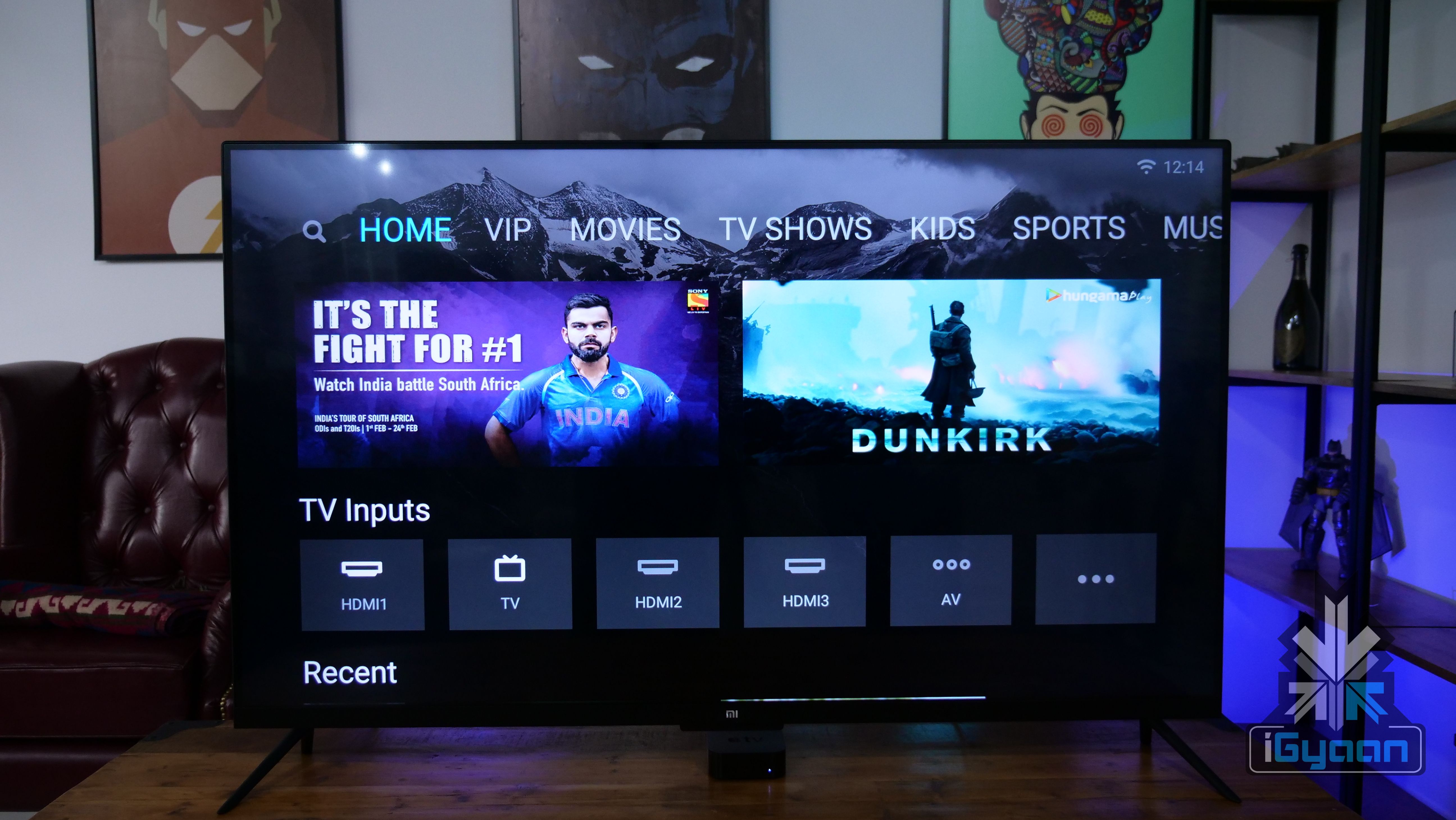
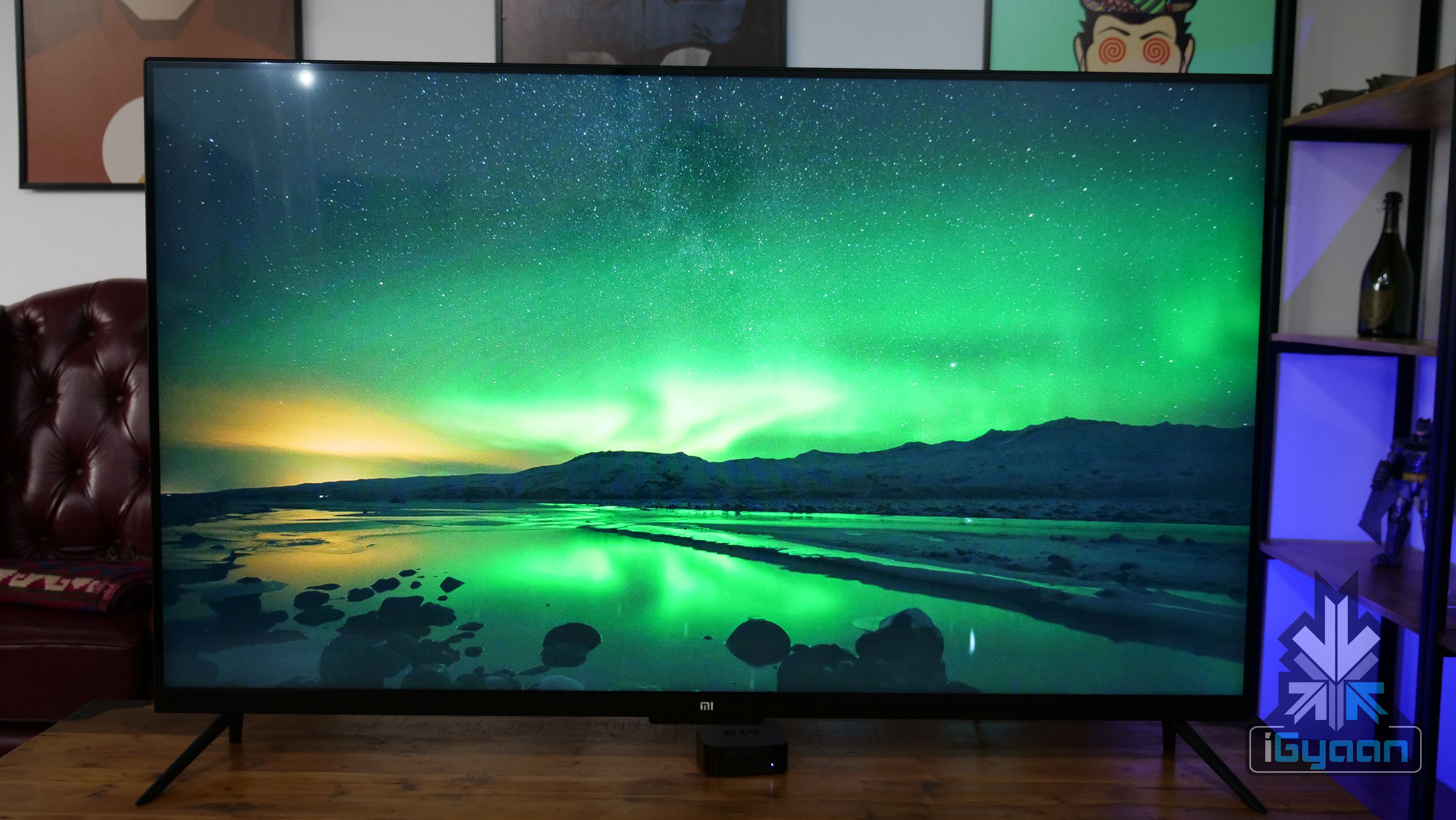
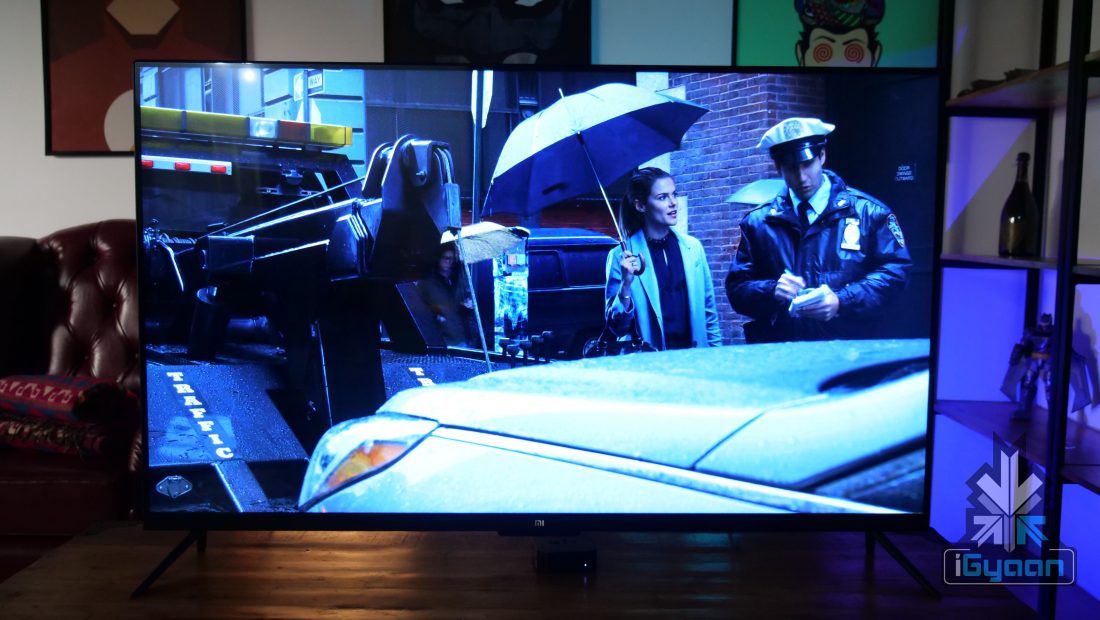
Xiaomi’s Mi TV 4 is one of the best smart TV that one can get for the budget of Rs 40,000. However, the 55-inch size with 4K resolution is not everyone’s cup of tea. In fact, the 55 inch TV from Xiaomi is too much for an average Indian house. To bridge this gap, the company might launch a new TV with 42 inch screen size with 1o80p resolution. Similarly, the TV is likely to be called as Xiaomi Mi TV 4 Lite.
The Xiaomi Mi TV 4 Lite will have all the features of the Original model with a smaller footprint. The TV will have a 1080p panel, which will be similar most of the TVs. Not only that, it will have all the smart TV functionalities as well.
In terms of pricing, the Xiaomi Mi TV 4 Lite is expected to be priced around Rs 20,000 price mark. If they can launch a smart TV the price tag similar to the speculated one, then this will be a blockbuster.
Samsung started the OLED trend in the early smartphone days. Now, most of the premium smartphone makers including Apple and LG have shifter to OLED screens.
OLED screens are known to produce better colours, better contrast ratio and consume low energy. Similarly, they are also known for the premature burn-in issues as well. According to a leak, Xiaomi might be the next smartphone maker to make LCD to OLED technology shift on its upcoming smartphones.
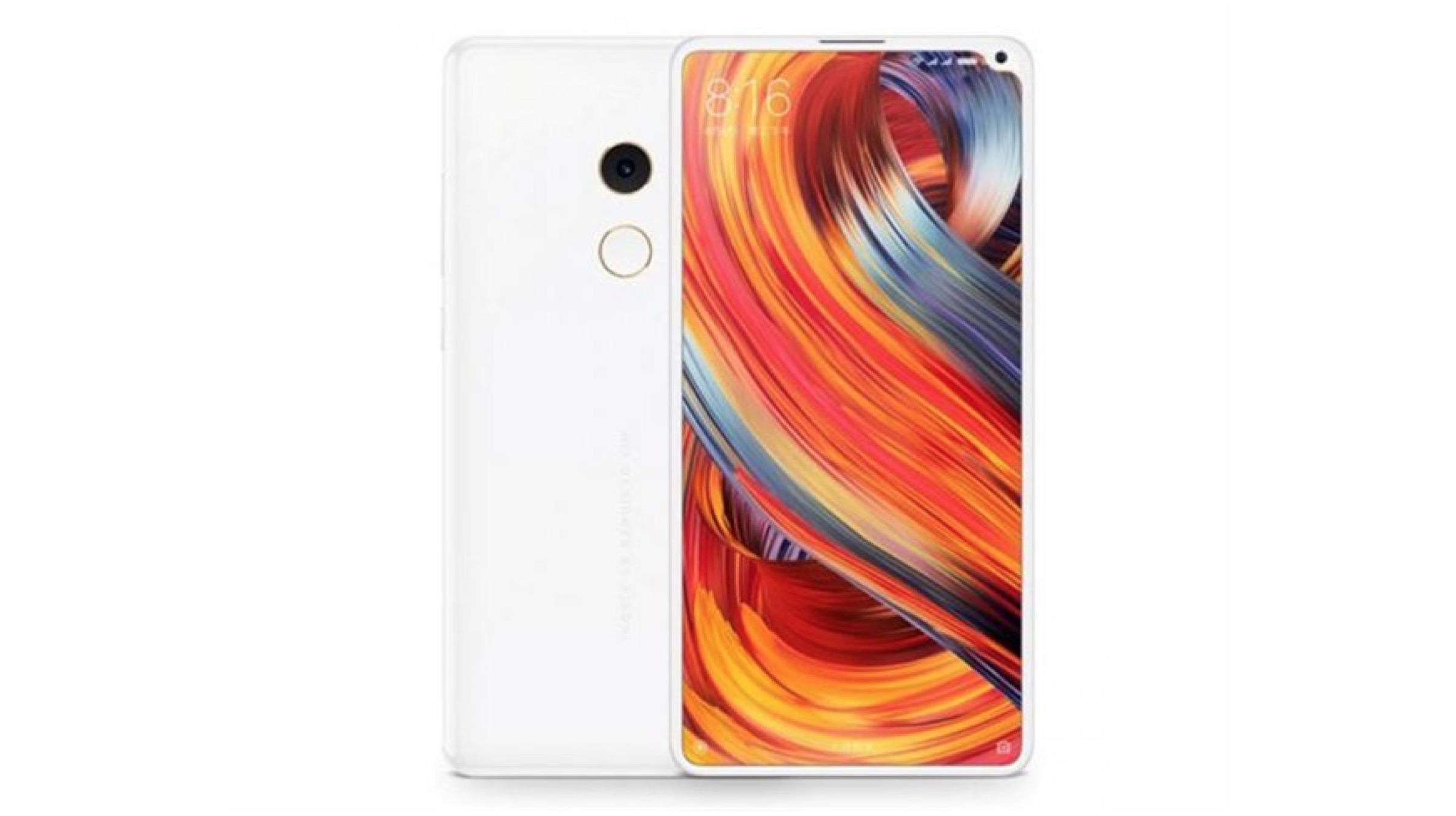
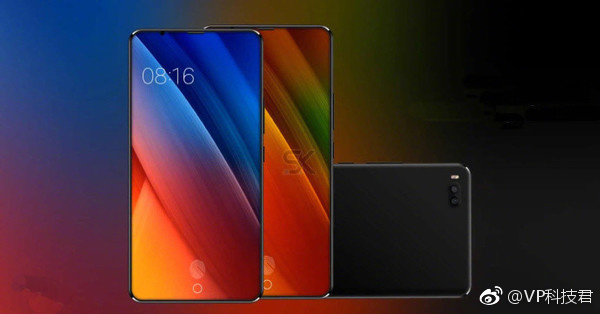
A Recent report suggests that Xiaomi ordered 1.1 million 6.01 inch OLED displays in December and 2.2 million in the second month from Samsung. This means the upcoming Xiaomi Mi MIX 2S and the Xiaomi Mi 7 might feature 6.01 inch OLED displays.
Expected features of Xiaomi Mi 7
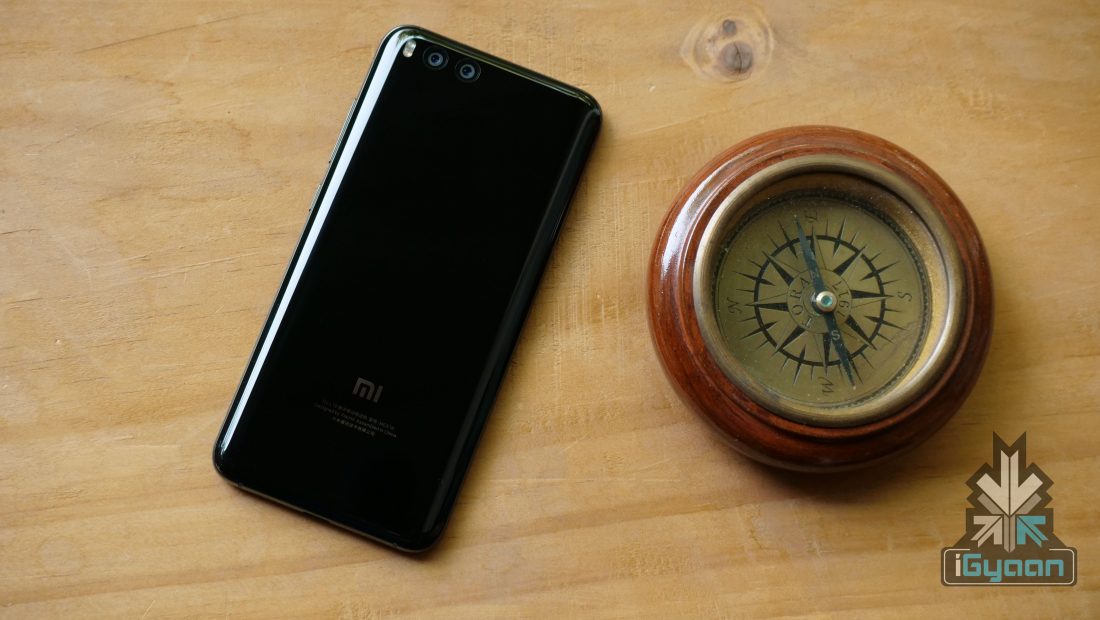
The Xiaomi Mi 7 will be the successor of the Xiaomi Mi 6, which is expected to go official in the Q2 of 2018. Considering the fact that, the smartphone features an OLED display, the smartphone might also feature an In-display fingerprint sensor like the Vivo APEX.
The Xiaomi Mi 7 will be powered by Qualcomm Snapdragon 845 chipset with at least 4GB RAM and 64GB Storage. We might also see models with higher RAM and storage as well. The recent partnership with the Xiaomi and Wireless Power Consortium (WPC) indicates that the smartphone might support Qi-based wireless charging.
Expected features of Xiaomi Mi MIX 2S
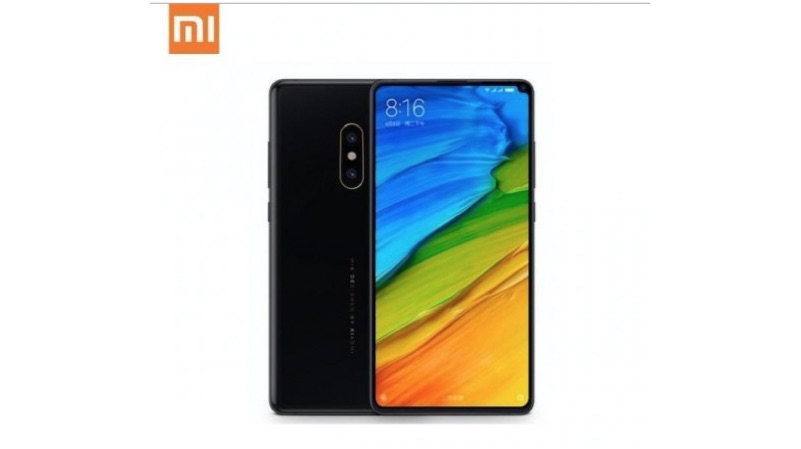
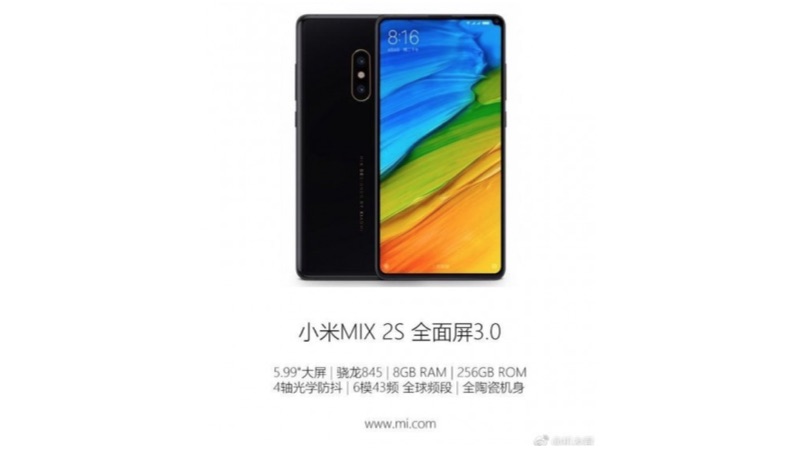
Most of the specifications of the Xiaomi Mi MIX 2S are already known. In fact, the company announced that the Mi MIX 2S will be powered by Qualcomm Snapdragon 845. The smartphone will be launched in China on 27th March. Similarly, the smartphone will have a notch on the right corner, which houses the front-facing camera.
As this is a premium smartphone, we are anticipating 8GB RAM and 256GB storage. This time around, the Mi MIX 2S is expected to offer superior camera performance compared to the Mi MIX.
Unlike the Xiaomi Mi 7, the MIX 2S has a rear-facing fingerprint sensor. The device will have a massive 4400 mAH Li-ion battery with fast charging. However, we are unsure about the wireless charging, as the last two Mi MIX models featured ceramic panel, which doesn’t support wireless charging.
Xiaomi has recently confirmed that its first device to run on Snapdragon 845 will be the Mi Mix 2S. However, it is fair to assume that the launch of the Mi 7 is not too far away. Many expected the Mi 7 to be launched at MWC 2018 but, the company has decided to keep its flagship smartphone under the wraps for a few more months.
However, that has not stopped more rumours to surface about the Mi 7. The Mi 7 could be launched with one of the most anticipated features of 2018 devices, an in-display fingerprint sensor. Vivo launched the first-ever smartphone with an in-display fingerprint sensor at CES 2018 and one-upped its own feat with the Vivo Apex. Apart from a futuristic “pop out camera,” the Apex has an in-display fingerprint sensor spread across half of the device’s display.
Vivo X20 Plus UD
The Xiaomi Mi 7, on the other hand, might have an implementation similar to the Vivo X20 Plus UD. If this turns out to be true, the Mi 7 might see an increase in price. The Vivo X20 Plus UD, for its specifications, is very pricey, mainly due to the technology it possesses.
Another interesting feature the company might debut in the Mi 7 is wireless charging. This was also rumoured back in September 2017 when Xiaomi joined the Wireless Power Consortium. Wireless Power Consortium was formed back in 2008. It’s sole purpose is to promote wide market adoption of the Qi wireless charging technology.
This means that the Mi 7 will have a glass build, similar to the likes of the Galaxy S9 and iPhone X. Again, the price of the Mi 7 could be defining factor in the success or failure of the device.
Conclusion
The buzz around the launch of the Mi Mix 2S won’t die out soon. However, the Mi 7 is expected to have a few features that will be a first for Xiaomi. The pricing and launch date will be interesting, considering devices like the OnePlus 6 and Asus Zenfone 5Z will be on the market as well.
Asus has launched its new flagship smartphone, the Asus Zenfone 5Z at MWC 2018. While at first glance it might look like an iPhone X knockoff, it has a lot more going on for it. In fact, the smartphone was launched along with three other Zenfone devices. The most interesting aspect of the Asus Zenfone 5Z is that it runs on the Snapdragon 845 and is priced at EUR 479 (Rs. 38,000 approx.).
Before MWC 2018 began, many expected Samsung to rule the Snapdragon 845 roost with its Galaxy S9 and S9+. However, smartphone makers like Sony and now Asus, have launched devices powered by the Snapdragon 845 chipset as well. The Asus Zenfone 5Z is the latest one before Xiaomi launches the Mi Mix 2S in late-March.
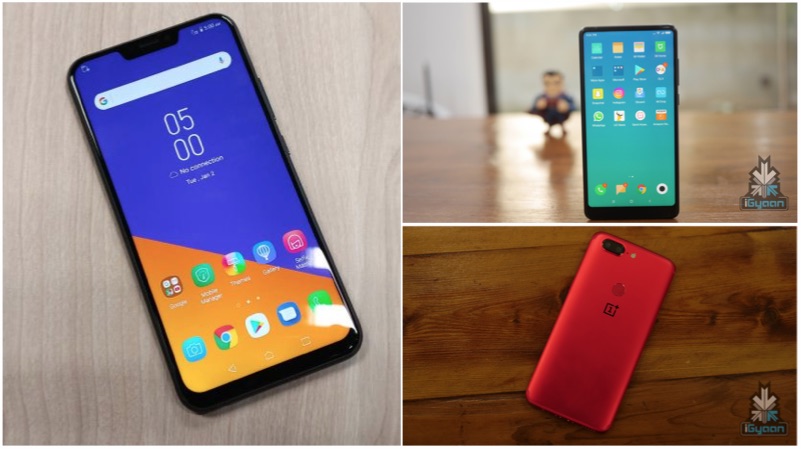
At this price point, the Zenfoone 5Z is much more affordable than the likes of the Galaxy S9 and Xperia XZ2. However, it will be interesting to see if and when Asus decides to launch the device in India, what the pricing will be like. If the company manages to keep the pricing under Rs. 40,000 the Zenfone 5Z will directly compete with the OnePlus 5T and Xiaomi Mi Mix 2. However, both of these smartphones run on the now older Snapdragon 835 chipset.
While the design of the Asus Zenfone 5Z and its UI might not be everyone’s cup of tea, there is no denying the potential of its chipset. The Galaxy S9, however, will be powered by the Exynos 9810 in India, will launch at a price of Rs. 62500. So, how does the Asus Zenfone 5Z hold up against the likes of the OnePlus 5T and Mi Mix 2? Let’s find out.
Comparison
Specifications
Asus Zenfone 5Z
OnePlus 5T
Xiaomi Mi Mix 2
Price
Starting at EUR 479 (Rs. 38,000 approx.)
Starting at Rs. 32999
Rs. 32999
Display
6.2 inch IPS LCD
6 inch Optic AMOLED
5.99 inch IPS LCD
Resolution
2246 x 1080 px
18.5:9
402 ppi
2160 x 1080 px
18:9
401 ppi
2160 x 1080 px
18:9
403 ppi
Chipset
Snapdragon 845
Snapdragon 835
Snapdragon 835
RAM
4GB
6GB
8GB
6GB
8GB
6GB
Storage
64GB
128GB
Expandable up to 400GB
64GB
128GB
Non-Expandable
128GB
Non-Expandable
Battery
3300 mAh
QuickCharge 4.0
3300 mAh
DashCharge
3400 mAh
QuickCharge
Primary Camera
12MP Sony IMX363 sensorf/1.8 aperture
Unspecified MP 120° wide-angle camera with 6p lens
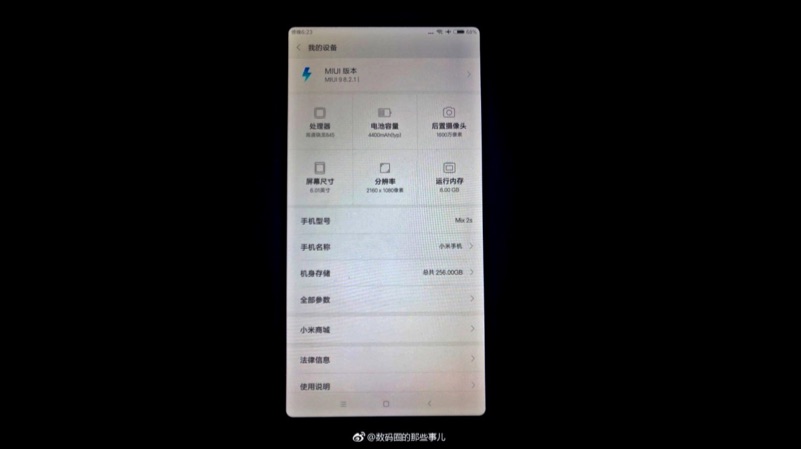
Xiaomi has officially confirmed that the Xiaomi Mi Mix 2s will be unveiled in China on the 27th of March. A new live image of the smartphone has surfaced online, which sheds some light on the specifications of the Xiaomi Mi Mix 2s. In fact, the leaked image doesn’t say anything new, but it re-assures the already available information.
The Xiaomi Mi Mix 2s might be the third smartphone after the Galaxy S9 and Xperia Xz2 to launch with the Qualcomm Snapdragon 845 chipset. The specifications of the device are in-line with the other flagship smartphones of 2018.
Specifications:
The Xiaomi Mi Mix 2s has a 6.01-inch 2160 x 1080px IPS LCD display with a corner notch. The main difference between the original Xiaomi Mi Mix 2 and the Xiaomi Mi Mix 2s is the placement of the front-facing camera. The Xiaomi Mi Mix 2 didn’t have a notch. However, the front-facing camera was placed on an unusual bottom right corner. Similarly, the Xiaomi Mi Mix 2s’s camera is on the top right corner, which is an ideal place.
Under the hood, the smartphone is powered by Qualcomm Snapdragon 845 processor with 8GB RAM and 256GB storage. Like the original version, we might not see a dedicated micro SD card slot or a 3.5 mm headphone jack. The device has a dual camera setup with a 16 MP primary sensor. However, there isn’t much information on the secondary sensor.
The smartphone will run on Android 8 Oreo OS with custom MIUI skin on the top. The Xiaomi Mi Mix 2s has a massive 4400 mAh battery with possible support for Quick charge 4.0.
Conclusion:
One thing remains unclear about the smartphone despite the leaked image. The live image misses out on the tiny notch, that we have seen on the previously leaked press renders. Considering the specifications, the Mi Mix 2s looks like a great prospect especially with Xiaomi’s pricing strategy in mind.
Up until a few minutes ago, the prospect of the Mi Mix 2S launch was uncertain. The renders of the smartphone, although interesting, seemed too different to be real. However, just before the launch of the Samsung Galaxy S9 and S9+, Xiaomi has blatantly confirmed the launch of the Mi Mix 2S on Twitter.
A lot of smartphone makers like posting teasers before the official launch. However, Xiaomi has gone ahead and spilt the beans on its MWC 2018 plans. The company will be launching the Mi Mix 2S with the Snapdragon 845 on March 27th in China. The timing of the move is interesting since we are just a few hours away from the launch of the Galaxy S9 and S9+, which will be the first ever smartphones to run on the Snapdragon 845 chipset.
Mi Mix 2S Expectations
The back of the Mi Mix 2S is expected to be the same as the Mi Mix 2. It will be made of ceramic which means it’ll be a fingerprint magnet. However, that is a price you have to pay for a device that looks as premium as the Mi Mix 2S. The significant change will be in the camera department. This time around, the Mi Mix 2S will have a dual-camera setup, which could be similar to the one found on the Mi A1, albeit of better quality.
On the front is where Xiaomi will look to one-up the much-famed Samsung Galaxy S9 and S9+. The leaked image confirms that the smartphone will have a different take on the notch. The bezels all around the display will be uniform but, the top right corner will protrude a bit.
It will be powered by the Qualcomm Snapdragon 845 chipset coupled with 8GB of RAM and 256GB onboard storage.
Xiaomi recently launched the Redmi Note 5 Pro in India for Rs 13,999. While the smartphone is a great product for its price and was in fact, sold out within minutes. Xiaomi has a missed a few marks on this smartphone. As a smartphone of 2018, it is surprising that it still runs Android 7.1 Nougat out of the box.
However, Xiaomi may have a fix for this as well. A new report claims that the smartphone may soon receive Android 8.1 Oreo with support for project Treble, which enables faster Android updates on a smartphone with a custom skin. However, as per the developer, the company is testing the Oreo build internally and no actual time frame is specified. This means that the Redmi Note 5 Pro could be the first Xiaomi smartphone to support Project Treble.
What is Project Treble?
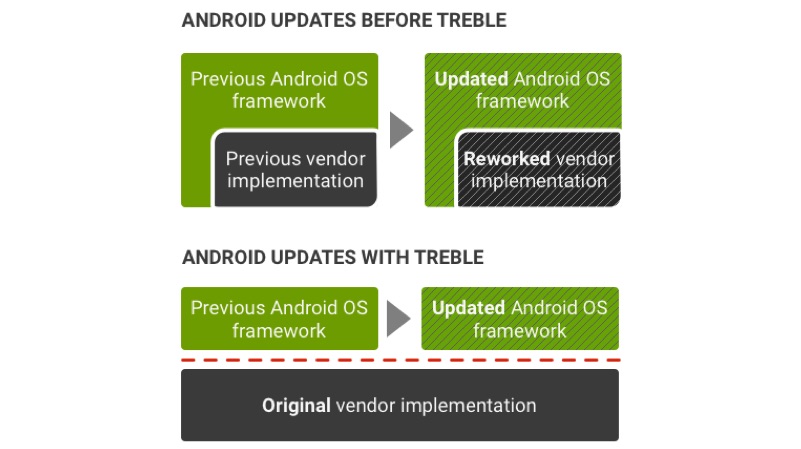
Project Treble is a feature that is included as a part of Android 8 Oreo OS. This enables OEMs to make software updates faster and easier. A few months ago Android gained a “Vendor Interface” (VI), largely due to a new development effort from Google. The VI’s aim is to separate the “Vendor Implementation” (that is, “the device-specific, lower-level software written in large part by the silicon manufacturers”), from the Android OS framework.
The new VI is supposed to sit between the Android OS framework and Vendor Implementation. And the new VI will be validated by a Vendor Test Suite (VTS), which is analogous to the Compatibility Test Suite (CTS) that Google has been using for API testing of apps. The VTS ensures forward-compatibility of the VI.
Credits: Android Authority
What project Treble brings to the table is quite evident from the two images above. Before, the VI needed to be reworked after every single Android OS framework update, while with Project Treble, that won’t be the case anymore.
Specifications:
The Xiaomi Redmi Note 5 Pro has a 5.99-inch 2160 x 1080p IPS LCD display with Gorilla Glass protection. Under the hood, the smartphone is powered by Qualcomm Snapdragon 636 Octa-core chipset with either 4GB or 6GB RAM and 64GB storage.
The smartphone has a dual primary camera setup with a 12 MP primary camera and secondary 5 MP depth sensing sensor. For the first time, the company has used a 20 MP front-facing camera with soft selfie-light.
In terms of operating system, the smartphone runs on Android 7 Nougat with custom MIUI skin on the top. Finally, the smartphone features a 4000 mAh battery with Qualcomm Quick charge 2.0 capability.
Xiaomi recently launched the Redmi Note 5 Pro in India. It is priced at Rs. 13999 and went on sale on the 22nd of February. The company claims that the device was sold within minutes. At the time of the launch, the company claimed that the Redmi Note 5 Pro will soon get the Face Unlock feature via a software update. It looks like the company was waiting for the smartphone to go on sale as the update has already started rolling out.
The company has released a new software update which enables the Face Unlock feature. Not only that, with the latest software update there will be additional software optimisations with significant camera improvement. In fact, this is the first Xiaomi smartphone in India to receive the Face Unlock feature.
The Face Unlock on the Redmi Note 5 Pro uses a face detection algorithm in less than 500ms using high accuracy matching mechanism. The company claims that the face-unlock can unlock your smartphone faster than the fingerprint scanner.
If you bought a Redmi Note 5 Pro today, you'll see an update to v9.2.4 available out of the box – Brings significant camera improvements, stability optimizations, and Face Unlock! ? pic.twitter.com/3ORMHhTFs3
So, those who bought the smartphone in the first flash sale on 22nd February can install MIUI 9.2.4 to get face unlock and improved camera capabilities. However, do note that the smartphone still doesn’t support 4K video recording even though the chipset supports native 4K recording.
Specifications:
The Xioami Redmi Note 5 Pro has a 5.99-inch 2160 x 1080p IPS LCD screen with Corning Gorilla Glass Protection. This is the first global smartphone to use Qualcomm Snapdragon 636 Octa-core processor with 4GB or 6GB RAM and 64GB storage.
In terms of camera capability, the smartphone comes with dual primary camera setup with a 12 MP primary camera and secondary 5 MP depth sensing sensor. There is a 20 MP front-facing camera with 1080p video recording capability.
In terms of operating system, the smartphone runs on Android 7 Nougat with custom MIUI skin on the top. Finally, the smartphone features a 4000 mAh battery with Qualcomm Quick charge 2.0 capability.
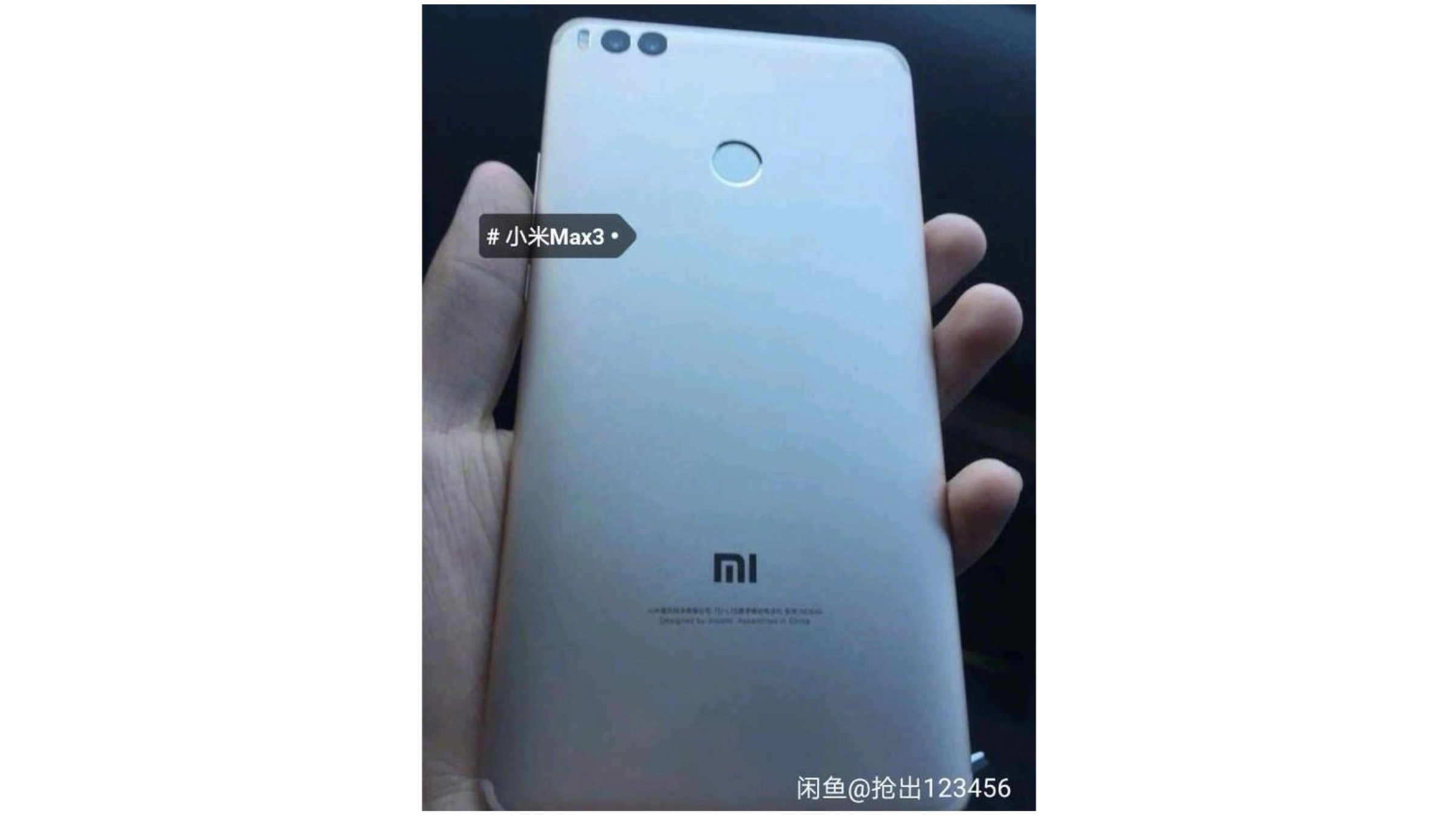
So far, a lot of the attention has been focussed on one Xiaomi device, the Mi Mix 2S. While the Mi Mix 2S is expected to be unveiled at MWC 2018, the Mi Max 3 will be launched in mid-2018. So far, there have been a few leaks regarding the Mi Max 3 but, some interesting information has been revealed about the device.
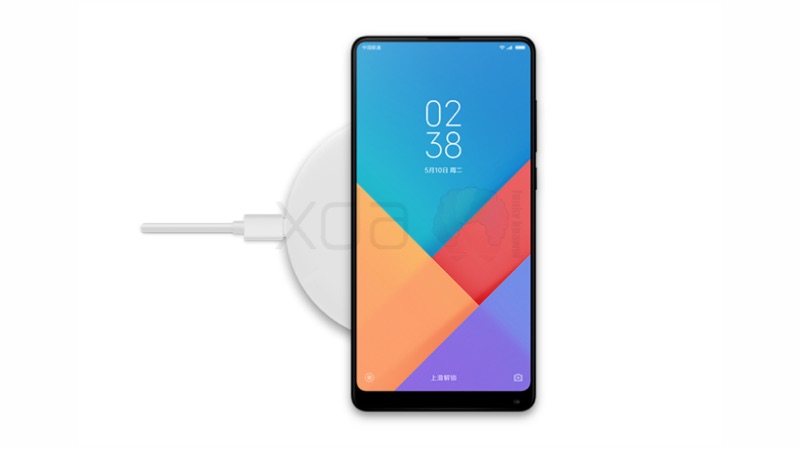
XDA Developers came across a firmware that has a revealed a few features of the upcoming device. According to the leaks, the Mi Max 3 will be powered by the Snapdragon 660 chipset. The firmware also reveals that the device will support wireless charging which means it will have a more premium build.
Xiaomi Mi Max 3 Early Leaks
Other than that, it revealed that the smartphone will have an 18:9 aspect ratio. Powering the phablet will be a massive 5500 mAh battery that will probably support fast charging as well. The Mi Max 3 will run Android 8 Oreo out of the box with MIUI 9 on top. The Mi Max 3 will have either Sony’s IMX363 camera sensor, or, Samsung’s S5K217 + S5K5E8 sensors on the back. On the front, there will be a single Samsung S5K4H7 sensor.
Xiaomi Mi Max 3 Specifications
The Mi Max 3will succeed the Mi Max 2 from 2017. It is exoected to move on from the 16:9 aspect ratio and thick bezels. It will have a 6.99 inch IPS LCD display with a 2160 x 1080 px resolution. The smartphone will have a glass back since it is expected to support wireless charging. This could be a game changer since the Mi Max series has always been priced under Rs. 20,000 in India.
Graphical Representation Of Wireless Charging On A Xiaomi Smartphone
Under the hood, the device will either have the Qualcomm Snapdragon 660 or the 630 chipset. That is expected to be coupled with up to 6GB of RAM and expandable storage options. The Mi Max 3 will be powered by a massive 5500 mAh battery and run Android 8 Oreo out of the box.
Conclusion
While the leaked details look impressive, nothing is for certain right now. The launch of the Mi Max 3 is a bit far away and it seems too early for such comprehensive leaks. Also, wireless charging for a smartphone under Rs. 20,000 could be unprecedented if true.
Xiaomi launched the Redmi Note 5 Pro in India starting at Rs. 13,999. The phone will go on sale via Flipkart and Mi.com from the 22nd of February. The company claims that this is the fastest Redmi Note ever, thanks to the presence of the Snapdragon 636 chipset. While the Xiaomi Redmi Note 5 Pro has a great price, there are ways to buy it at an even more affordable price. Here’s how!
Offer
This offer is applicable for Jio Prime users
A user has to make a recharge of either Rs. 198 or Rs.299
These plans will credit double data + 100 percent cashback via Jio vouchers
The company will credit 44 cashback vouchers of value Rs. 50
These vouchers can be redeemed via recharging on My Jio app
One can also recharge for Rs. 9,999, that offers 4.5 TB data instead of 2.5 TB data for 360 days instead of 750 GB
The offer is applicable up to 3 consecutive recharges on a single number
The plans are applicable on all variants of Xiaomi Redmi Note 5 and Xiaomi Redmi Note 5 Pro
The Xiaomi Redmi Note 5 Pro has a 5.99-inch display with a pixel resolution of 2160 x 1080p. Under the hood, the smartphone has a Qualcomm Snapdragon 636 chipset and an Adreno 309 GPU. The device will be available in either 4GB RAM and 64GB storage or 6GB RAM and 64GB storage.
The fingerprint scanner is placed on the back of the phone and it has an aluminium unibody build. The smartphone runs on Android 7 Nougat with custom MIUI 9 skin on the top. The infamous face unlock feature is not available out of the box. However, a software update in March is expected to include the feature.
To the back of the smartphone is a vertically place dual-camera setup. It is a 12MP colour sensor f/2.2 and 5MP f/2.0 colour sensor setup. The smartphone clicks portrait mode photos from the front and rear cameras. The phone has a 20 MP IMX376 front-facing camera, with Beautify 4.0 software to enhance portrait mode photos. Finally, Xiaomi Redmi Note 5 Pro offers a massive 4000 mAh battery with Qualcomm Quick charge 2.0 capability.
Conclusion:
The Redmi Note 5 Pro, at this price, is a great device. In our recent camera comparison with the Honor 7X and Mi A1, it came out on top with a better overall score. With the Jio offer, the Redmi Note 5 Pro becomes an even better proposition and could sway a lot of people away from the Redmi Note 5.
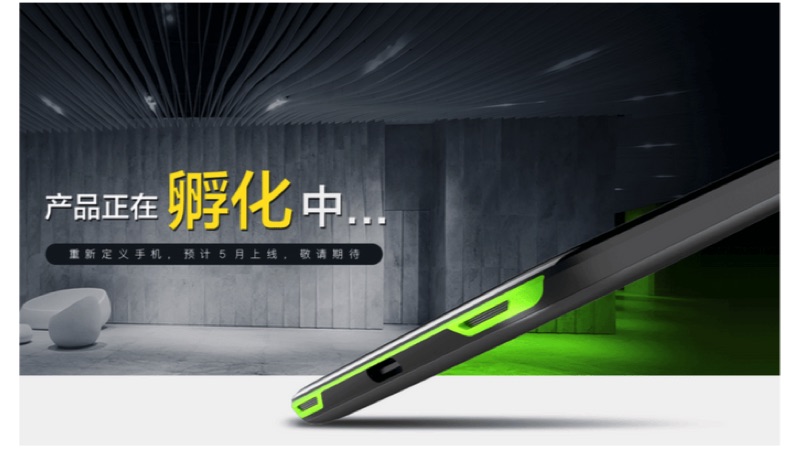
A lot of smartphone makers are working on gaming-centric smartphones. A few months ago, he Razer Phone was launched, and there are rumours of Asus working on one as well. The latest entrant into the gaming-centric smartphones segment appears to Xiaomi. As per a leak, the company might launch a gaming-centric smartphone called BlackShark.
Xiaomi is known for budget and affordable flagship smartphones. However, it will be interesting to see if the company will retain the pricing strategy for this device as well.
The teaser image from the website doesn’t say much, but, it indicates the dual stereo speakers at the bottom with a USB type C port. In fact, the design of the phone does not look anything similar to any of the Xiaomi smartphones. The company might have gone for a complete redesign of its new device.
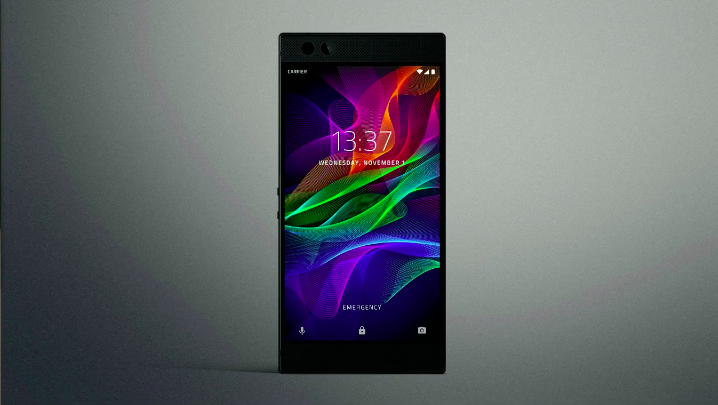
Razer Phone
The features of Xiaomi BlackShark are expected to match with the features of the Razer Phone, which offered top of the line specifications with gaming-centric features like the dual stereo speaker, 120Hz refresh rate, and the Snapdragon 835.
Specifications of Xiaomi BlackShark:
The Xiaomi BlackShark is expected to have a 6 inch display with 2160 x 1080p resolution. Under the hood, the smartphone will be powered by Snapdragon 845 chipset with 8 GB RAM and 32 GB storage. However, the company is expected to Xiaomi BlackShark with either 64GB or 128GB storage.
The BlackShark might offer a full metal unibody design with dual stereo speakers at the bottom. Out of the box, the smartphone will run on Android 8.0 Oreo. However, it might feature either MIUI or stock Android. As this is a gaming smartphone, it comes with one of a kind aviation class cooling system with additional tweaks. The smartphone scores an impressive 270680 points on Antutu, in fact, it is more than that of the Galaxy S9’s 265267 points.
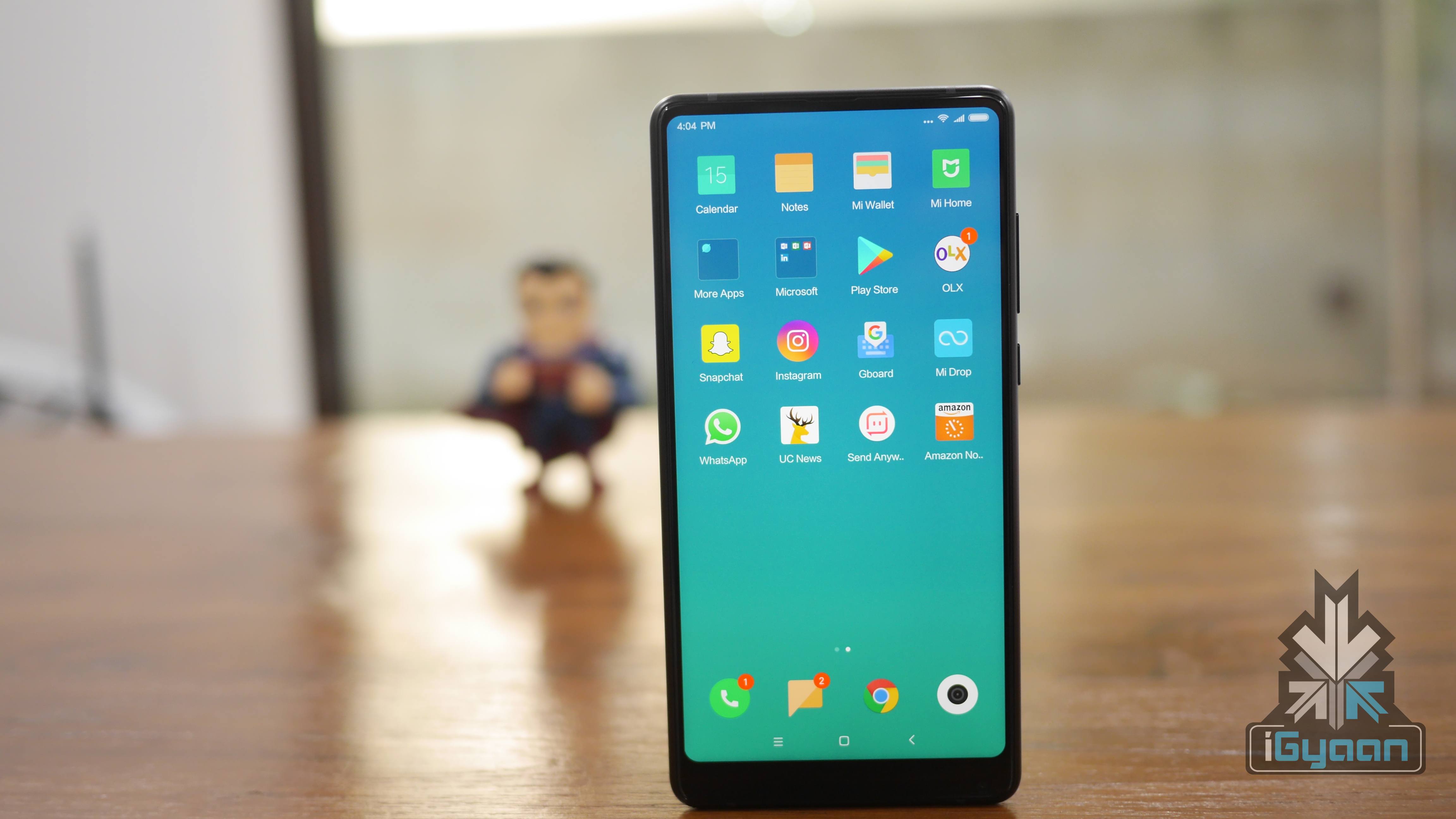
Mi Mix 2
Conclusion:
Going by the company’s pricing strategy, the Xiaomi BlackShark should be priced competitively. However, the company might not launch this smartphone at MWC 2018, instead, it might have a separate launch event in China sometime later in 2018. Therefore, if true, the Mi BlackShark will surely give the Razer Phone and Razer Phone 2 a run for its money.
On the 26th of February in Barcelona, Spain, MWC 2018 will kick off. Companies from around the globe are expected to announce and showcase all kinds of smartphones. One of the most anticipated launches is that of Samsung devices. The Galaxy S9 and S9+ will be launched a day before MWC 2018 commences. However, companies like LG are expected to not host a marquee event. This is mainly because of the presence of the Galaxy S9 devices and the media frenzy that surrounds them.
Xiaomi is also expected to make an important announcement pertaining to the Mi Mix 2S. HTC, which appeared to give MWC 2018 a miss, might launch a couple of important smartphones as well. However, the most exciting lineup, after Samsung, appears to be of Nokia. HMD Global is expected to launch at least three devices at MWC 2018.
So, here is a list of the top smartphones launching at MWC 2018!
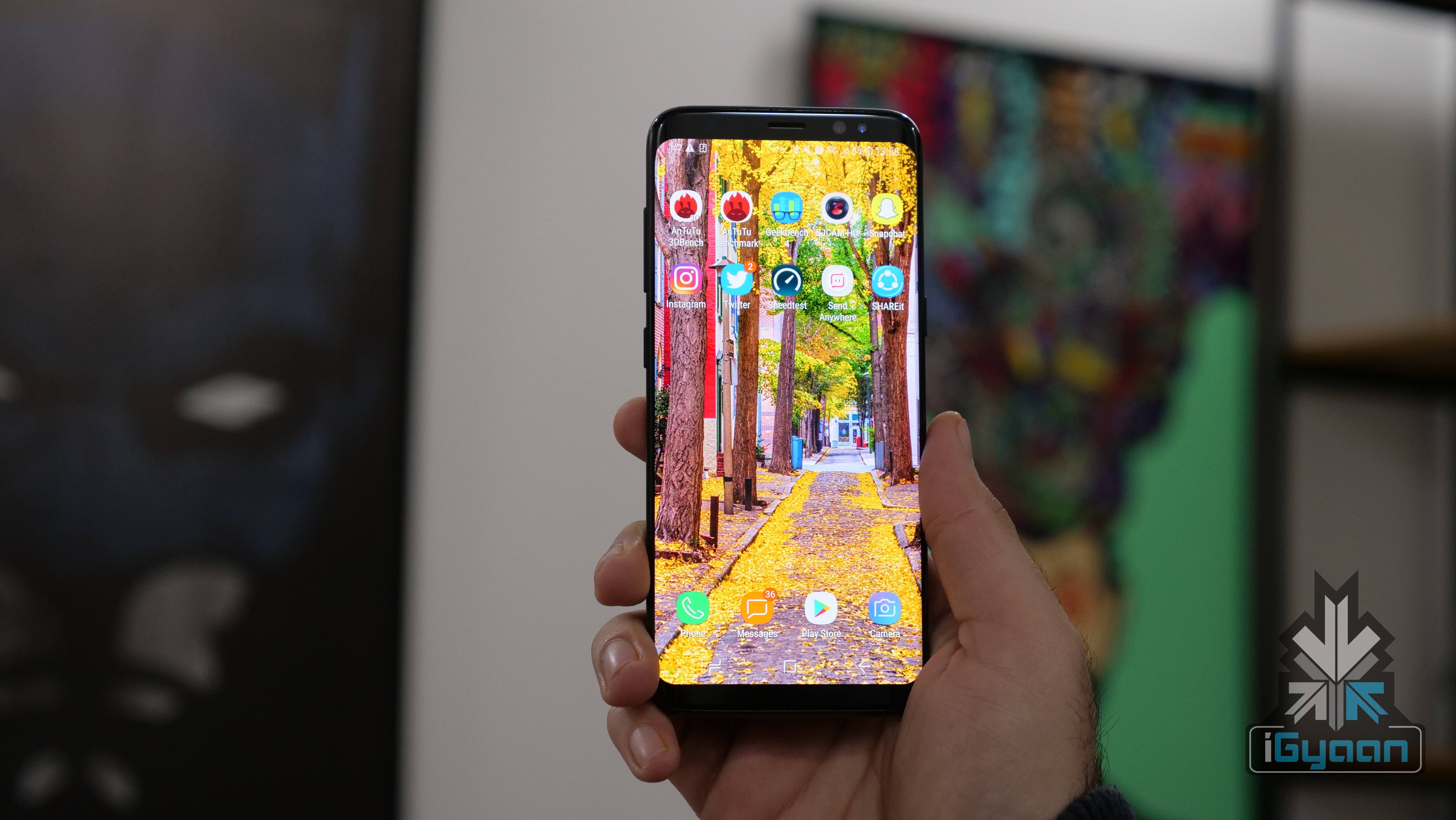
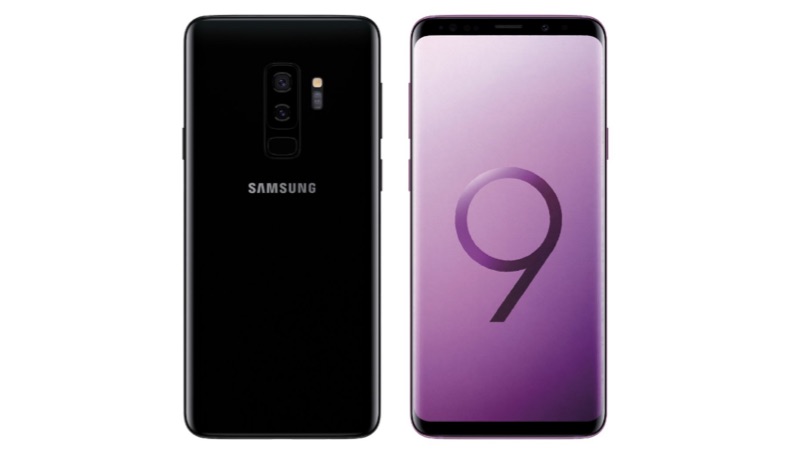
The Galaxy S9 and S9+ will be the marquee launches at MWC 2018. As always, Samsung’s flagship devices are always hyped and same has happened in 2018 as well. There have been numerous leaks of the two devices over the past two weeks. However, Samsung might have a couple of surprises planned even though we know almost everything about the devices.
The Galaxy S9 and S9+ are expected to retain the display sizes of their predecessors. The design of the Galaxy S8 devices was highly appreciated and it looks like the company won’t tinker with it too much. The bezels will be slightly smaller but, nothing too major.
Under the hood, the smartphones will either run on the Snapdragon 845 chipset or Exynos 9810. The storage variants of the Galaxy S9 and S9+ have leaked a while ago and a recent image corroborated that. Fortunately, Samsung has worked on the fingerprint sensor and this time around, it will be placed in a more ergonomic position.
The Galaxy S9 will have a single camera while the S9+ will have a dual-camera setup. This is different from the previous generation where the only differences between the regular and ‘Plus’ devices were battery and display sizes. This time around, Samsung will pack extra features in the S9+ to justify the steeper price tag.
Xiaomi Mi Mix 2S
Unlike the Galaxy S9 and S9+, this launch isn’t that obvious, yet. There are a few days to go for MWC 2018 which means Xiaomi has time to confirm a launch event. Up until a few weeks ago, the Mi Mix 2S looked like a result of someone’s wild imagination. That weird notch on the top right corner did not seem real and there were rumours of the Mi 7 flying around.
However, the Mi Mix 2S rumours have picked up since then and it looks more likely to be launched. There are reports that the company will launch the Mi 7 later. The Mi Mix 2S will have thinner bezels and the Mi Mix 2 along with a notch on the top right corner. That small notch will house the front camera.
Xiaomi has already used radical methods to tackle with the front camera. It placed the front camera on the bottom bezel in the Mi Mix and Mi Mix 2. Under the hood, it is expected to run on the Qualcomm Snapdragon 845 chipset along with 8GB of RAM and 256GB of storage. The Mi Mix 2S will also have a dual-camera setup on the back. Also, it might feature Clear ID technology as well. Although, that seems highly unlikely right now.
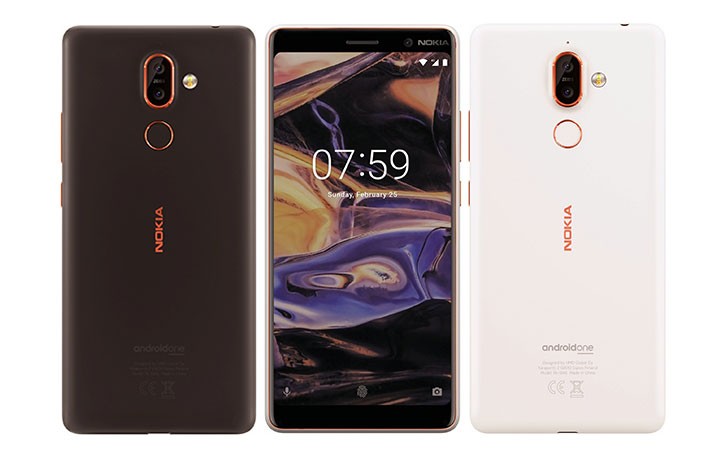
Nokia 7 Plus
Nokia 7 Plus Renders Courtesy: @evleaks
A continuation of the Nokia 7, the Nokia 7 Plus might be the international variant of its predecessor. The Nokia 7 did really well in China and HMD Global might launch the Nokia 7 Plus internationally. It is expected to have a new design with an 19:9 aspect ratio and thin bezels. The Nokia 7 Plus, according to the renders, appears to have a stunning design and will impress a lot of people.
The fingerprint sensor along with the dual Zeiss branded cameras are located on the back, with a hint of an orange accent around the camera ring. According to the renders, it could sport an all-glass design, similar to the Moto X4 and Nokia 7.
It is worth noting that the Nokia 7 Plus will run on the Qualcomm Snapdragon 660 SoC, coupled with 6GB RAM and 64GB storage. The “Android One” branding on the back of the phone guarantees that the device will launch with Android 8 Oreo out of the box. Hence, you can expect regular software updates for the next two years.
Renders suggest that the company has decided to retain 3.5 mm headphone jack and a USB type C port charging and data syncing. At least on paper, the Nokia 7 Plus looks like a well-balanced smartphone, with a smart set of specifications.
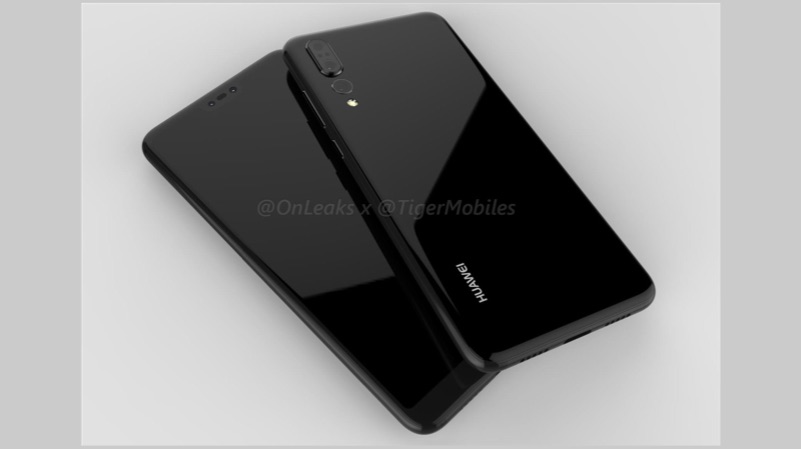
There is still a lot of confusion regarding the name of this device. But, what is for certain is that Huawei will launch a new smartphone at MWC 2018.The Huawei P11/P20 Lite was recently leaked in 3D renders which revealed a very interesting design. The Huawei P11 Lite, along with the P11 and P11 Plus, is expected to have an iPhone X-like notch.
Not just that, even the dual camera setup on the back is placed vertically, resembling the iPhone X. The Huawei P11 Lite is expected to be launched globally.
With bezels getting thinner, the standard size of a smartphone has increased from 5.5 inches to 6 inches. The Huawei P11 Lite is expected to have a 6 inch display with a 2880 x 1440 px resolution. Just like the Mate 10, Huawei could use an OLED panel as well. As seen in the renders, the corners are curved which means an OLED panel is expected on the Huawei P11 Lite as well.
Under the hood, it will have the HiSilicon Kirin 970 chipset along with 6GB or 8GB of RAM. The dual-camera setup might be similar to previous Huawei phones with an RGB+Monochrome combination.
Conclusion
MWC 2018 will play host to a lot of great smartphones. iGyaan will keep you posted on all the exciting launches! What are you most excited about?
With several television brands in the country trying to cash in on the big screen market, Xiaomi has finally launched their Mi TV 4 in India. The LED panel is Xiaomi’s first entrant into the market of television displays in the country but not the last. The television goes on sale on the 22nd of February at an aggressive price of Rs. 39999. This price point allows Xiaomi to capture a market that traditionally chose smaller displays for a better feature set. But, is the Xiaomi TV worth the money? Let’s find out!
Design and Build
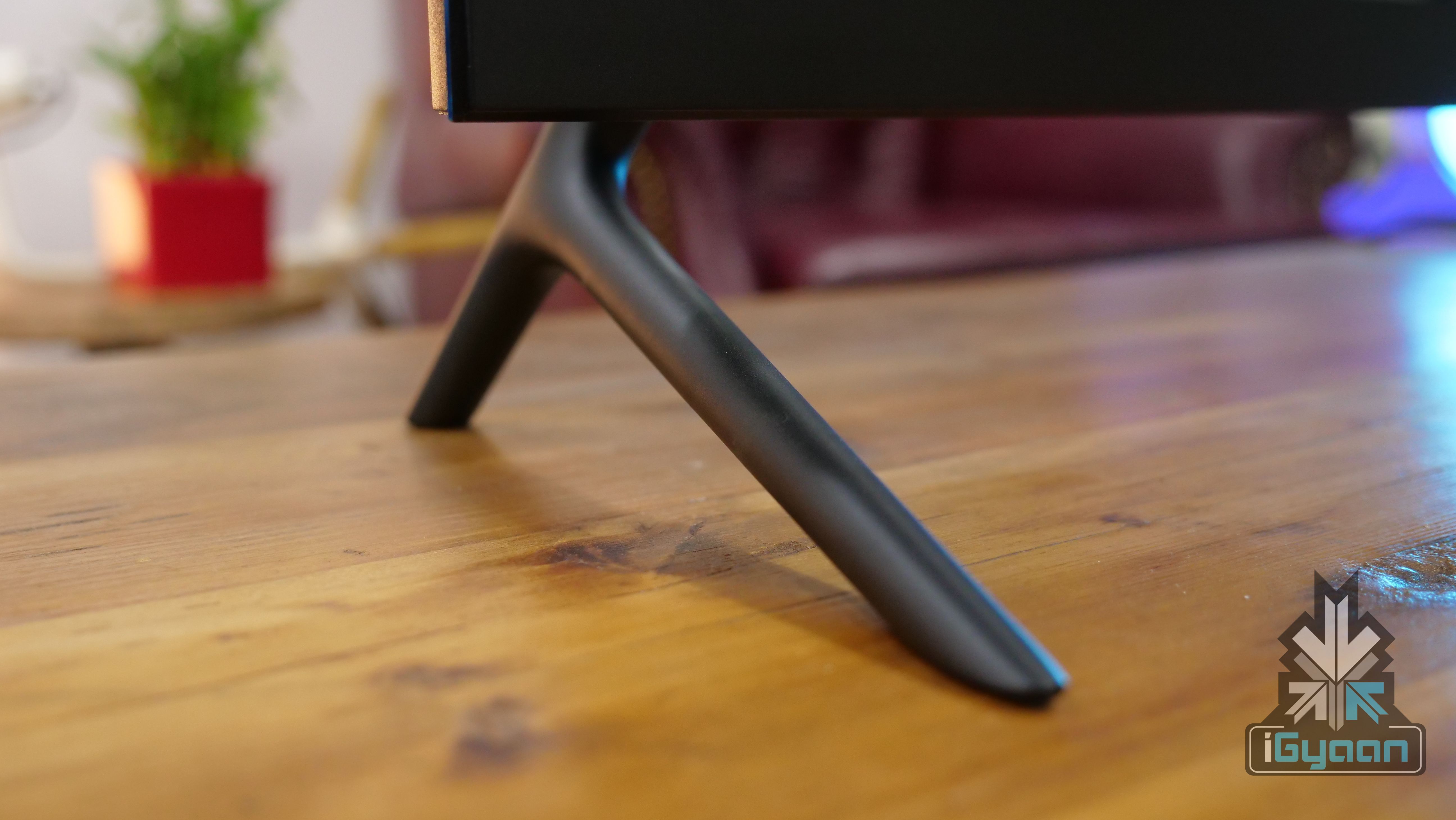
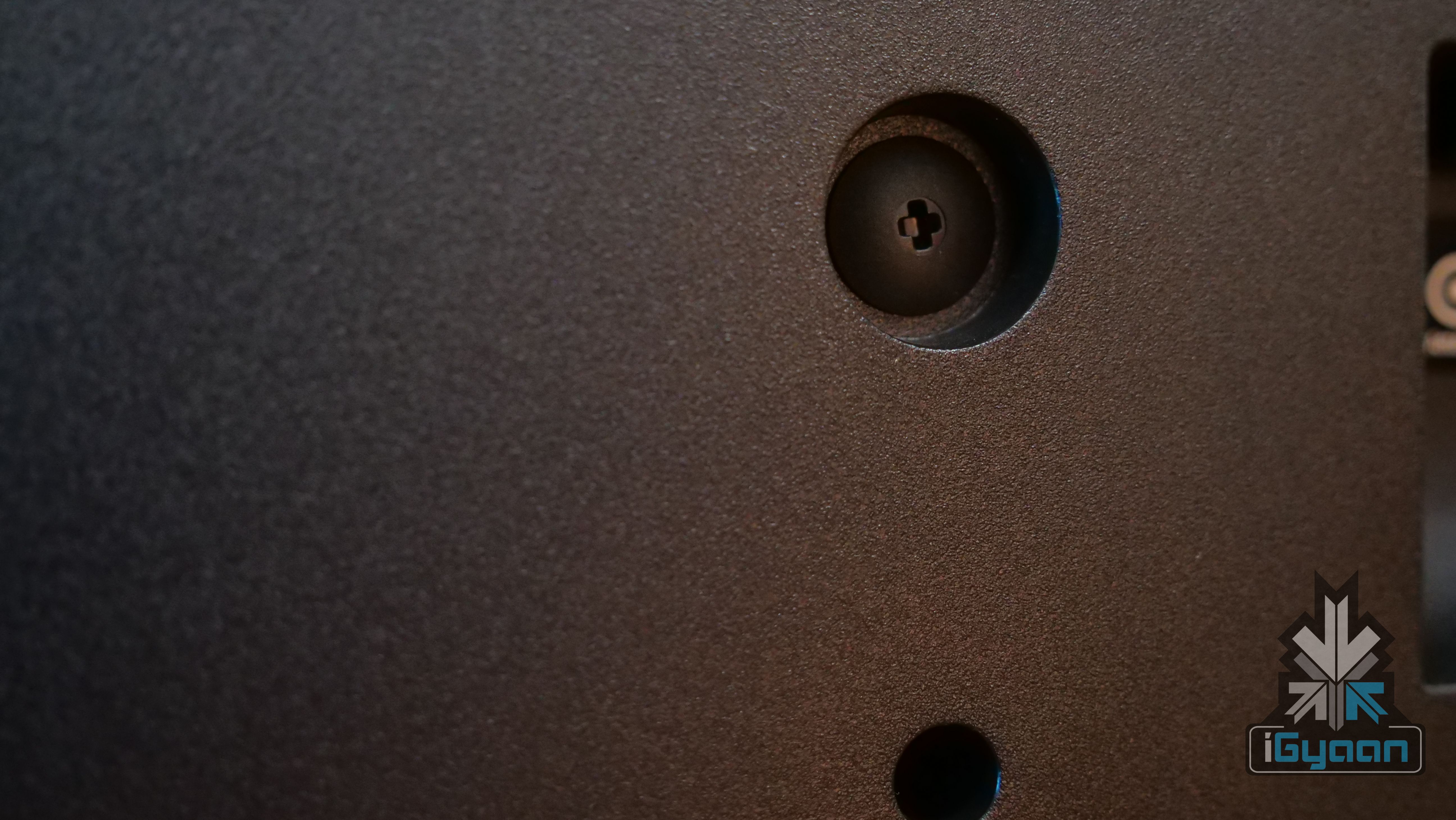
The Mi TV 4 has a brilliant design with minimal use of materials. The panel is left mostly bare and is strengthened by a single sheet of brushed steel backing to Add support to the otherwise flimsy screen. At the thinnest point, the television is only 4.9mm thin. While the television does widen out at the bottom where most of the electronics are housed. The stand is also made out of solid metal and is extremely sturdy, with it the television weighs in at 17.8 Kilogram. Without the stand at a comfortable 17.2 KG, the television is easily wall mountable using the 400 x 200 mm bracket at the back. The wall mount is not included.
Stand
Wall Mounting screws
Design wise the television has a pleasing look. The TV is mostly black in colour with no real flashy materials and a subtle Mi logo at the bottom front. This allows the TV to fit into the best of living spaces. There is no doubt that most wouldn’t mind installing this TV in their homes.
The MI TV Supports HDR10
The Panel
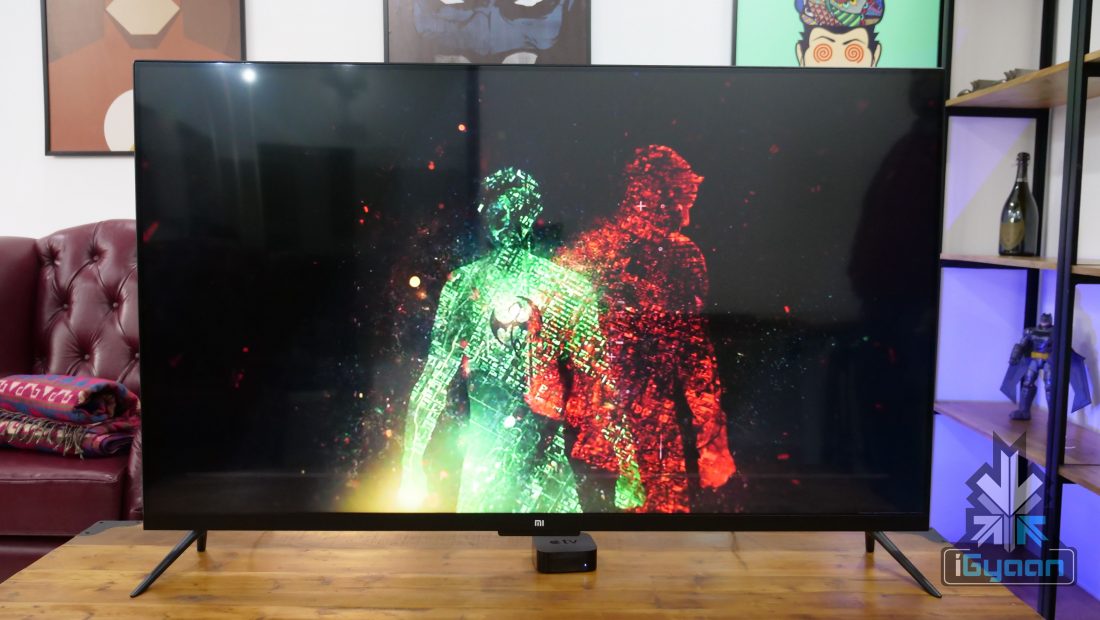
The Mi Tv 4 uses a premium range 54.6 inch Samsung VA panel. It has a static contrast ratio of 6000:1 and a viewing angle of 178º (vertical and horizontal). The Panel boasts a 85% NTSC colour gamut which is more than its sRGB sibling, however not as wide as the P3 colour gamut now becoming popular. With a 3820 x 2160 px resolution, the panel boasts a solid pixel density of 80 ppi considering its 54.6 inch display size. The screen offers a 60Hz refresh rate (vertical frequency) and does also support HDR. This makes the Mi TV 4 a unique proposition at the price point it sells at.
The Smart TV
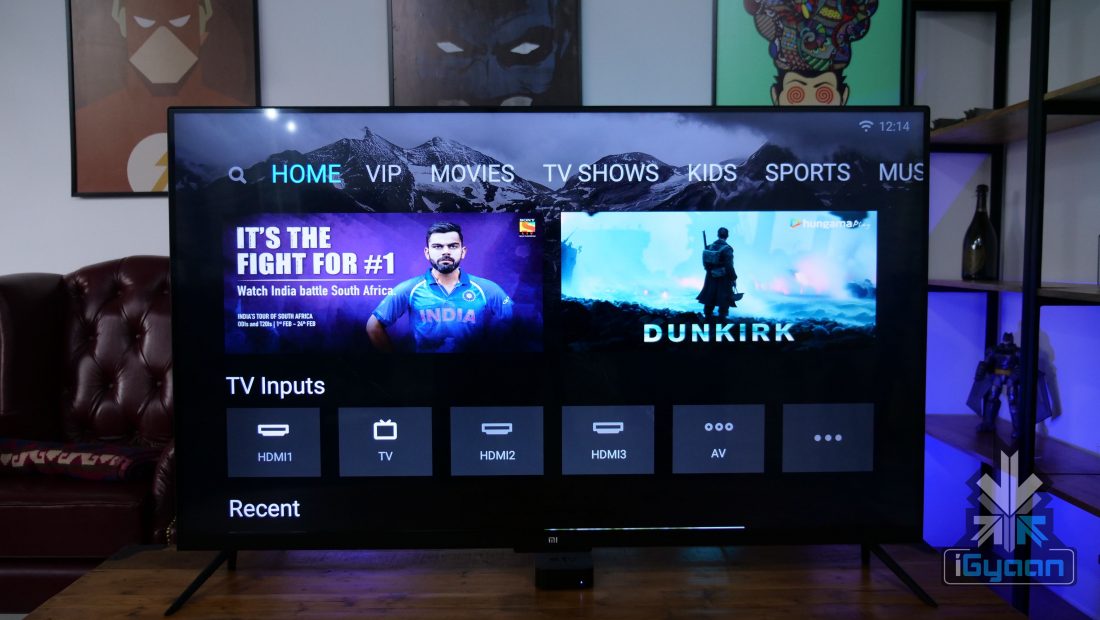
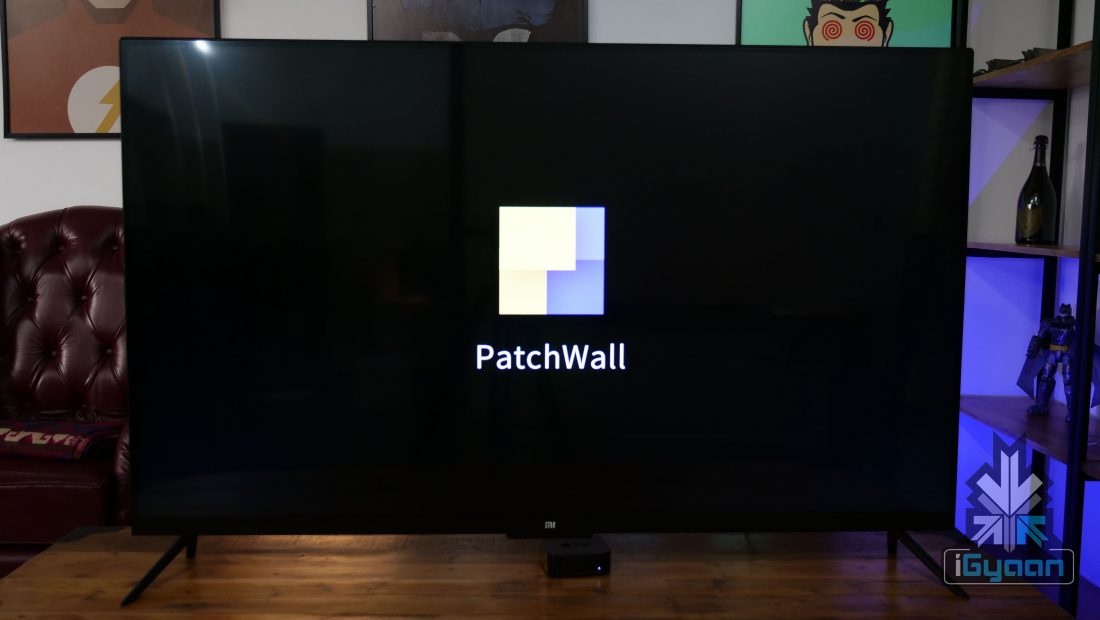
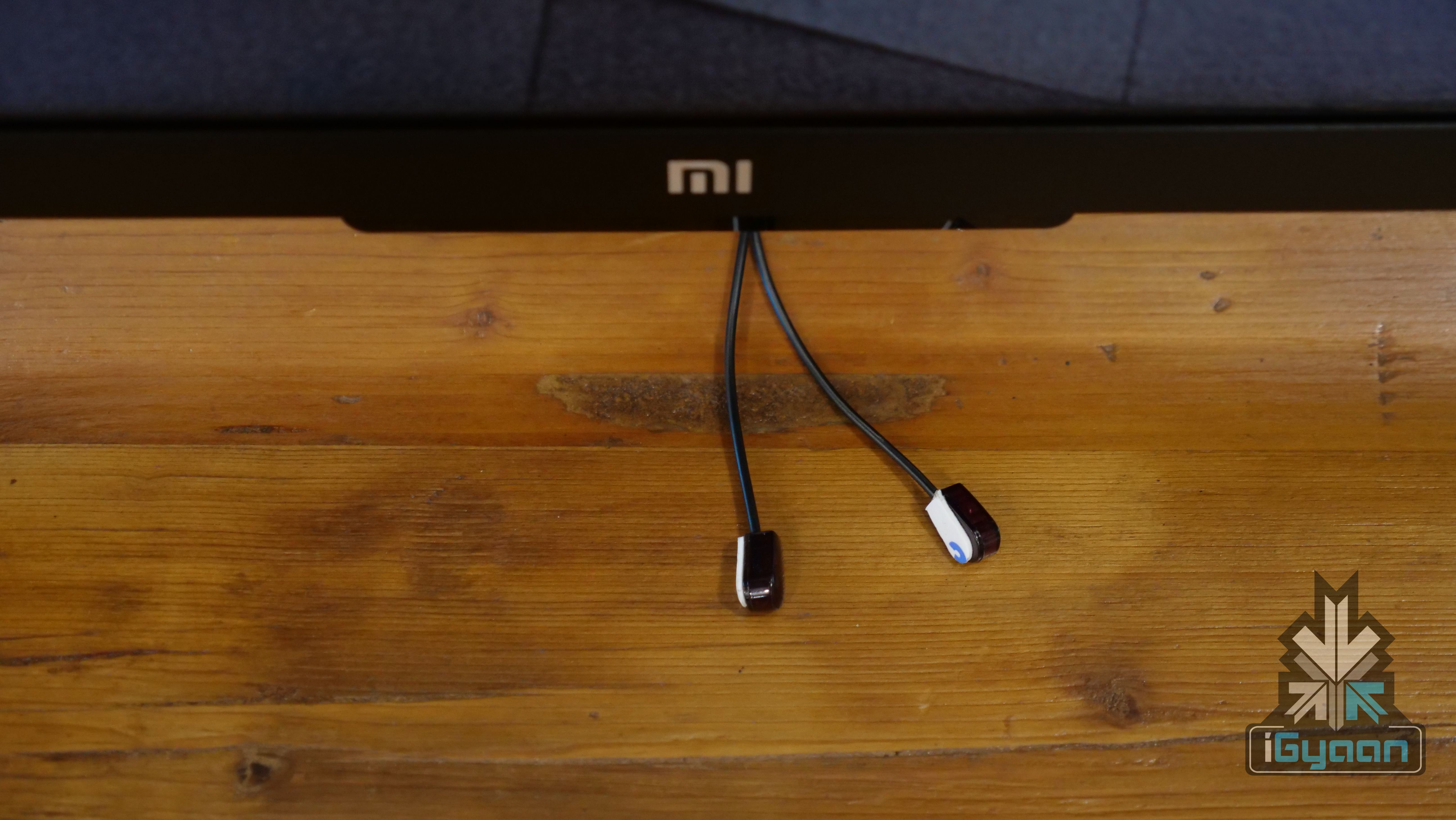
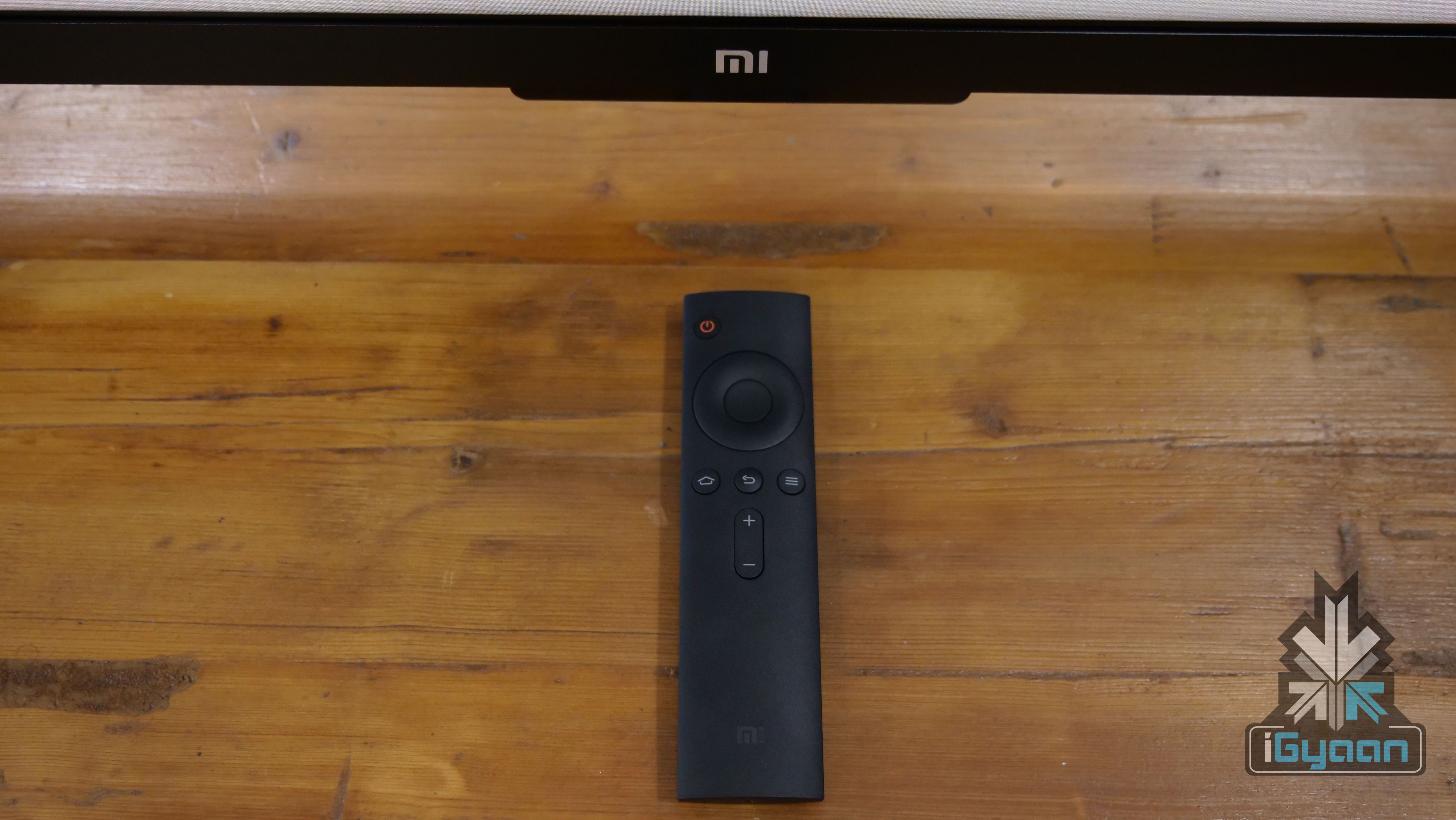
The Mi TV 4 runs Android TV with a MIUI TV skin and a Patchwall interface. This allows for Xiaomi to display content for viewers in a unique way. The included IR controller allows the TV to also natively control your Set Top boxes. Interestingly, almost all Set-Top box providers of the country are already supported.
Patchwall AI Allows For Better Content Curation
The Patchwall interface uses AI (according to Xiaomi) to display your content in easy to view boxes on the Home screen. What is also great is that the Mi TV 4 can display content not only from the streaming services but from your Set Top Box as well. So , if there is a show that you may want to watch, it will display the current run duration of the show and also the reaming time, so that you can decide whether you want to catch it now or wait for the Re-run.
Content-wise at the moment the MI TV 4 only supports content from Hungama Play, and does not presently support streaming apps like Spuul, Netflix or Prime Video. Because it is a Android TV based television we were able to Side-load the play store and Netflix on the TV, both of which did not run properly on the television.
IR Transmitter for Set Top Box
The Remote
Xiaomi is said to be working with providers like Netflix and Prime Video to get those apps fully available on the Mi TV 4 and that may happen soon.
Display Performance and Gaming Capability
The display despite being an EDGE LED lit panel has really good local dimming, and control over black levels. The colour reproduction is vivid and accurate, being based on the NTSC color gamut the TV supports a wide 85% range. You will truly enjoy the HDR experience on the TV if you can manage to get your hands on a device which will allow you to score some HDR content on this display. We used an Apple TV 4th Gen with 4k HDR and it works flawlessly. The television also supports Amazon’s Fire stick with 4K and HDR along with PS4 pro with HDR. Users can also easily connect and use traditional PS4 consoles or regular 1080p streaming or casting devices like Chromecast.
The Panel supports HDR10 and plays back Dolby Vision content. However, does not support the full range of Dolby vision. According to Xiaomi, if there is enough content and demand the company will enable Dolby-Vision on the panel, and it should co-incide with the enabling of apps like Netflix which stream Dolby Vision content. The display performance especially in HDR, with how much it enhances the viewing experience is truly impressive. The Mi TV 4 also has 3 HDMI 2.0 ports which means that you are future ready to plug in HDR capable devices into the unit.
Due to the 60hz refresh rate and an 8ms response time, it also makes for a good Gaming TV. But, definitely not something seasoned gamers will enjoy. There is an input lag of 38ms according to our testing.
However, for simply plugging in your PlayStation (especially Pro with HDR outputs) or connecting it to a gaming rig, the TV can add a giant screen experience to an otherwise dull gaming environment.
Conclusion
The Mi TV 4 is exactly what India needs to bring down the crazy prices of the TV market. The Mi TV 4 shows that quality panels can be manufactured at really user affordable prices and that they can perform equally well. Expect this TV to sell out quickly, and aggressively in every flash sale that the company holds. Once enough televisions are out there, streaming services like Netflix and Prime Video will have no option but to get on board.
With such a demand for this TV, also come a lot of questions.
FAQ
Does the Mi TV 4 run on Android?
Yes, the Mi LED Smart TV 4 runs on MIUI TV with a Patchwall AI interface which is based on Android TV. Patchwall is different from a standard Android TV UI and is definitely much more intuitive. It has features such as endless scroll and single page content display.
What is the Refresh Rate of the TV?
The refresh rate of the Mi LED Smart TV 4 is 60Hz.
What Streaming Services does the Television support?
Right now, the TV supports Hungama Play and YouTube (though a browser). Xiaomi has confirmed that it is working on bringing more content providers on board.
Does the Television support downloaded Apps?
No, you do not need to download any apps. Xiaomi has said that it will push out consistent updates and that users don’t have to manually update the TV. The TV will automatically get updated as long as it is connected to the internet. If and when Xiaomi adds Netflix, a new update will automatically add it to the list and you can simply just log in.
How thin is the Mi LED TV 4?
At its thinnest, the Mi LED TV 4 is only 4.9mm thick (or thin).
Does the Television work with Bluetooth Headphones?
The Mi TV 4 has Bluetooth 4.2, hence, it works with Bluetooth headphones and Bluetooth speakers. However, there is no headphone jack on the TV. It also works with Bluetooth receivers.
Does the Mi TV 4 come with a Soundbar?
The Mi TV 4 in China and certain other markets was launched with a sound bar. However, the Soundbar will be sold separately at a later date in India.
What is the Input Lag of the Mi TV 4?
The input lag of the TV is 38ms while the response time is 8ms.
Does the Mi LED TV 4 Support Sideloaded apps?
You can sideload apps, however, they are not working right now. Maybe the support will come in a future update. We tried installing Netflix and Google Play store, which did install, but, did not work.
Warning: Sideloading apps like Google Play services at this moment breaks the functionality of the TV.
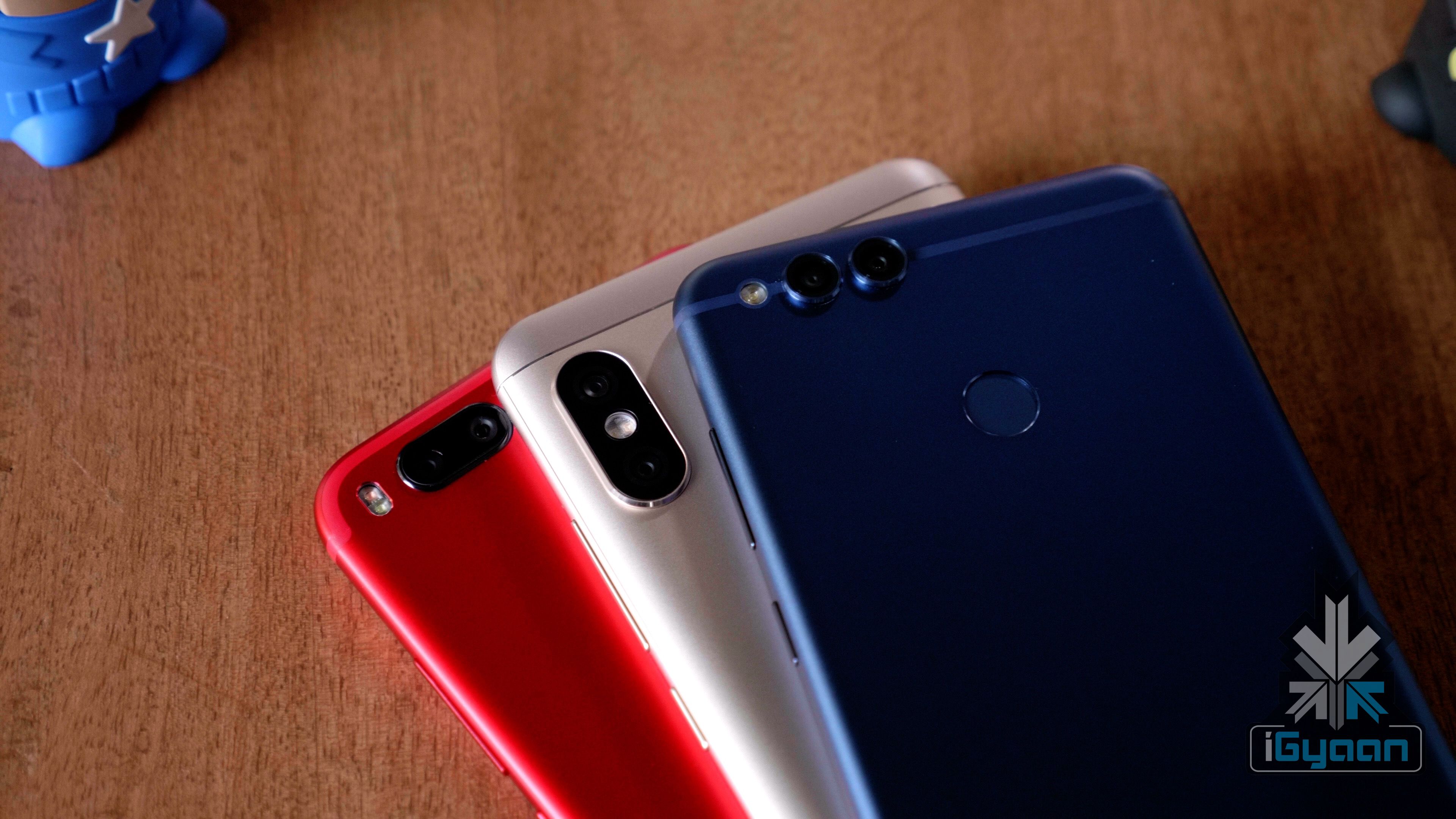
Xiaomi recently launched the Redmi Note 5 Pro in India at a starting price of Rs. 13999. Keeping up with the industry trends, the Redmi Note 5 Pro has an 18:9 aspect ratio and a dual-camera on the back. Unlike a lot of other smartphones with a dual camera setup, the Redmi Note 5 Pro has two RGB sensors.
Dual-Camera Redmi Note 5 Pro
At this price tag, the Note 5 Pro directly competes with the likes of the Honor 7X and Xiaomi’s own Mi A1. The Honor 7X and Mi A1 also have the best cameras in this price segment. Despite the 18:9 aspect ratio, the Redmi Note 5 Pro has thicker bezels than the Honor 7X which are even more prominent in the Gold colour variant. The Mi A1 has a 16:9 aspect ratio and definitely looks archaic when put next to the Note 5 Pro and Honor 7X.
Where the Mi A1 one-ups the other two devices is the software. It runs stock Android OS and is part of the Android One program. Hence, it will get the latest software update for the next two years at least. However, the same cannot be said about the Honor 7X and Redmi Note 5 Pro since they run custom UI on top of Android. In fact, the Honor 7X and Note 5 Pro still run Android 7 Nougat, while the Mi A1 has been updated to Android 8 Oreo.
With the three devices priced similarly, we decided to put them through their paces. Let’s see which one came out on top:
With MWC 2018 just a few days away, the anticipation around potential launches is increasing. One of the most anticipated devices after the Galaxy S9 is the Mi Mix 2S. Xiaomi is expected to launch its 2018 flagship device at MWC 2018 which will be one of the first few devices to run on Snapdragon 845. Leaks also suggest that it will have a nearly bezel-less design.
A new video has surfaced only which apparently shows off the bottom part of the Mi Mix 2S. In the video, someone is seen handling the Mi Mix 2S with support for gestures. Now, this doesn’t come as a surprise as Xiaomi recently introduced gestures in a Beta build of MIUI 9. Apparently, the Mi Mix 2S will come with gesture support out of the box.
The video, unfortunately, doesn’t reveal the top half of the device. Hence, it is not possible to confirm whether the Mi Mix 2S will indeed come with a notch on top. However, this also means that we can’t confirm whether the device in question is the Mi Mix 2S. The bottom bezels of the phone are unlike any other Xiaomi phone and definitely resemble the renders of the Mi Mix 2S.
However, this could well be the Mi Mix 2 upside down. The company has already introduced gesture support for the device and once rotated, the smartphone’s UI also rotates. So, we would suggest that you take this leak with a pinch of scepticism.
Mi Mix 2S Expectations
The back of the Mi Mix 2S is expected to be the same as the Mi Mix 2. It will be made of ceramic which means it’ll be a fingerprint magnet. However, that is a price you have to pay for a device that looks as premium as the Mi Mix 2S. The significant change will be in the camera department. This time around, the Mi Mix 2S will have a dual-camera setup, which could be similar to the one found on the Mi A1, albeit of better quality.
On the front is where Xiaomi will look to one-up the much-famed Samsung Galaxy S9 and S9+. The leaked image confirms that the smartphone will have a different take on the notch. The bezels all around the display will be uniform but, the top right corner will protrude a bit and that will house the front-facing camera.
It will be powered by the Qualcomm Snapdragon 845 chipset coupled with 8GB of RAM and 256GB onboard storage.
Mi Mix 2s Renders
Conclusion
The Xiaomi Mi Mix 2s will be launching a day or two after the Galaxy S9 and S9+. The alleged design of the phone, along with these new gestures will surely grab a few headlines. After the iPhone X, Android smartphone makers like OnePlus and Xiaomi have dug deep into the possibilities surrounding gestures for navigation. While the shift for iPhone users to gestures was more organic, it could be a bit tough for Android users since the OS has used only buttons so far. iOS, on the other hand, had gestures inside the UI before the iPhone X came along.