Category: Business

  • Samsung May Not Feel All that Bad If The iPhone X Is A Success

    Samsung May Not Feel All that Bad If The iPhone X Is A Success

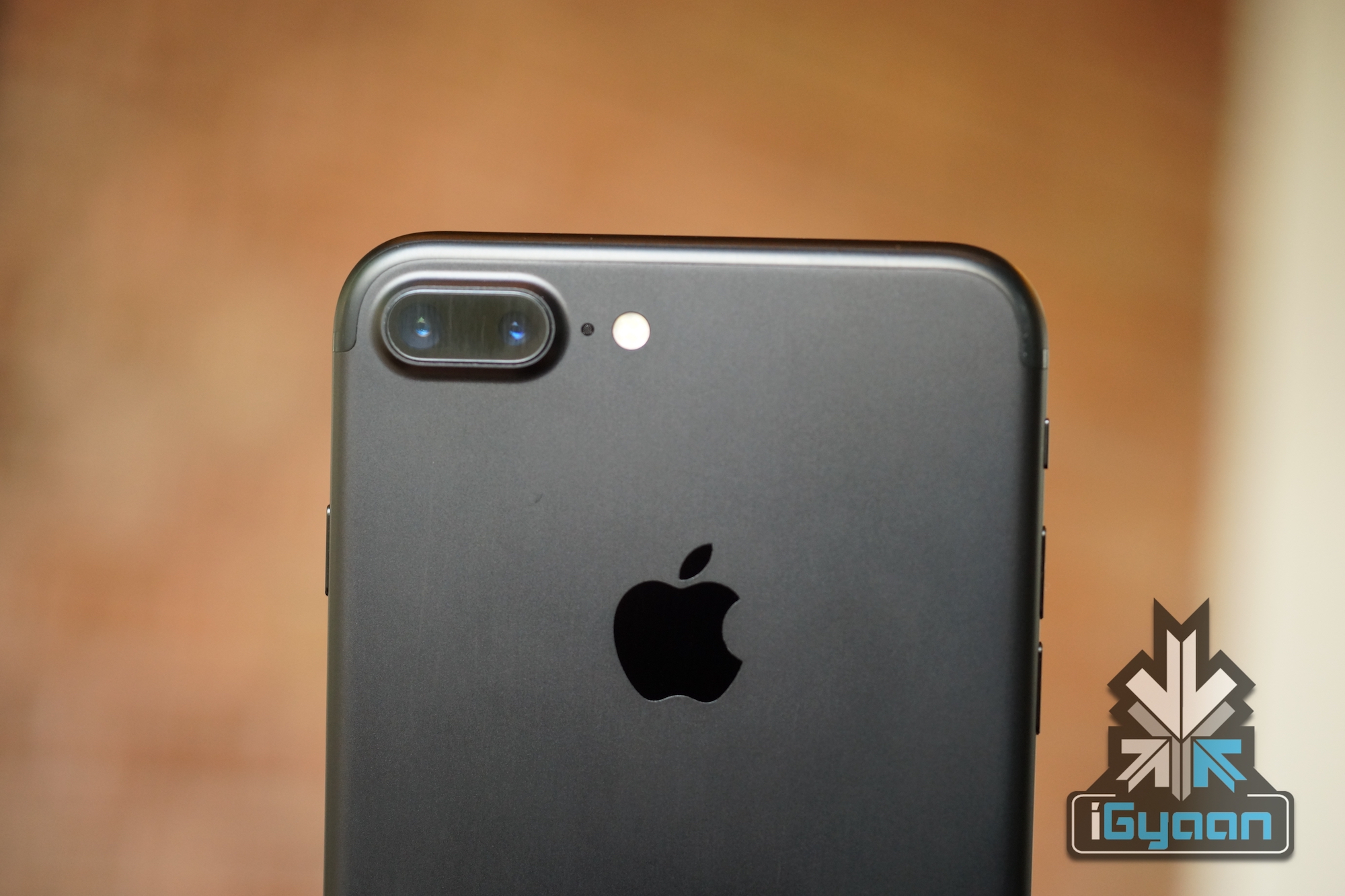
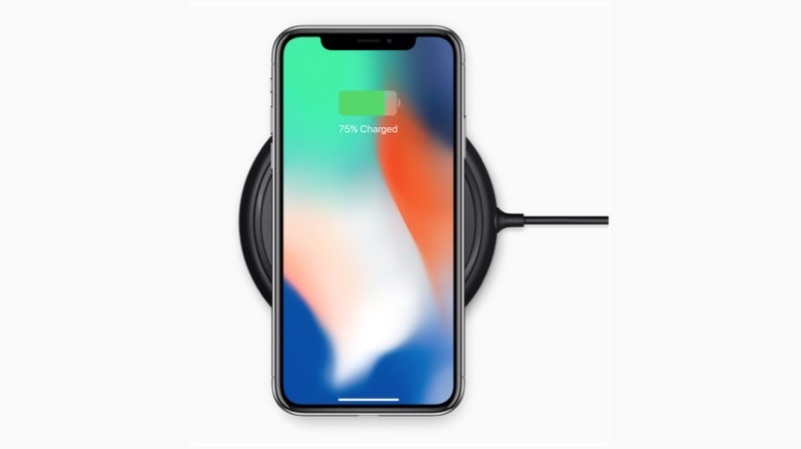
    Samsung and Apple may be rivals in the smartphone domain but, Samsung has always manufactures key components of the iPhone including the displays. And it looks like with the iPhone X, Samsung is poised to make a lot of money. Studying the costs of the components Samsung has made for the iPhone X, it reveals that the South Korean tech giant will earn about US$110 for every iPhone X sold.

    A market research study conducted for the Wall Street Journal says that Samsung also makes batteries and capacitors for the flagship iPhone X. The highest-profile Samsung component in the iPhone X is also the most expensive, the new OLED screen. This is a custom-made display built to Apple’s specifications. The analysis reports states:

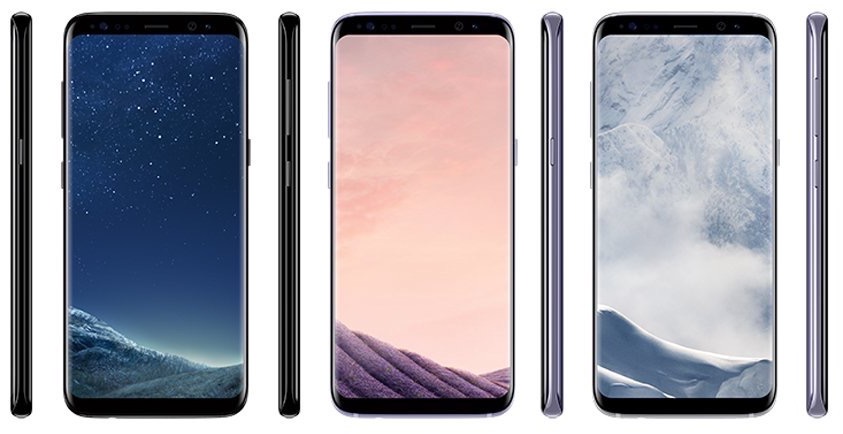
    Samsung is likely to earn about $4 billion more in revenue making parts for the iPhone X than from the parts it makes for its own flagship Galaxy S8 handset. Counterpoint expects Apple will sell 130 million iPhone X units, earning Samsung $110 on each through the summer of 2019, while Galaxy S8’s global sales are expected to be 50 million, earning Samsung $202 each from components such as displays and chips in its first 20 months of sales.

    You may also like : iPhone X Vs The Competition

    The analysis, even though notes the irony is not a fair comparison. The research notes the profit Samsung’s component division makes for the Galaxy S8 but, not the mobile division makes for Galaxy S8 sold. Samsung obviously makes more money by selling its own smartphone because it makes more components for it but, since the iPhone X is expected to sell in far higher volumes, the total value of component sales will be higher for the iPhone. A report by investment bank CLSA estimated that Apple’s component orders make up more than a third of Samsung’s revenue. Oh, the irony.

  • Xiaomi Sold Over 1 Million Smartphones During Amazon And Flipkart Sales

    Xiaomi Sold Over 1 Million Smartphones During Amazon And Flipkart Sales

    Xiaomi had a festive couple of days during the Amazon and Flipkart sales. The Chinese tech giant said that it managed to sell over 1 million smartphones in India. Amazon’s Great Indian Festival Sale and Flipkart’s Big Billion Days Sale saw heavy discounts on smartphones and already mid-ranged phones became even more affordable.

    Xiaomi managed to sell about 300 smartphones on an average every minute for two days. The company said it saw a significant increase in sales this festive season, compared to last year, where it took them about 18 days to sell one million smartphones.

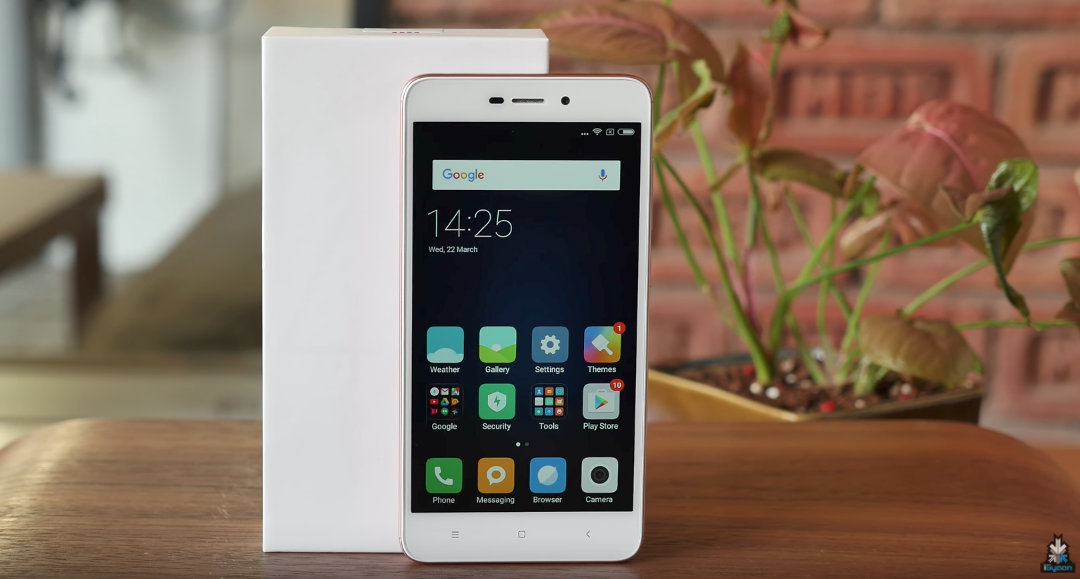
    Xiaomi said that the Redmi 4 was the highest selling smartphone on Flipkart during the sale and Xiaomi was the best-selling brand for both Amazon and Flipkart in the mobile category. Eight of the nine best-selling smartphones in the sale for both Amazon and Flipkart was again, Xiaomi products.

    This achievement marks an industry first, and is a key milestone for Xiaomi India. Our careful planning has also ensured that high selling smartphones such as Redmi 4 and Redmi Note 4 are in stock throughout the festive sale. We are extremely thankful to all our Mi Fans for their amazing support, and will continue to work hard to constantly outdo ourselves as we have done on many occasions in the past

    Xiaomi has been a dominant force in the budget smartphone category in the Indian market and selling 1 million smartphones albeit, heavy discounts is no mean feat. Xiaomi would want to translate the budget smartphone category success into flagship success as well. The Mi 6 was the last flagship smartphone Xiaomi released in India and the chances of Mi Mix 2 reaching the Indian shores look bleak. Recent reports of the Mi 7 featuring wireless charging have surfaced and its launch in India with Xiaomi’s typical aggressive pricing might make it a success in India.

  • Despite The Billion-Dollar Deal With Google, There Will Be Another HTC Flagship Device

    Despite The Billion-Dollar Deal With Google, There Will Be Another HTC Flagship Device

    Google and HTC announced a Cooperative Agreement worth US$1.1 billion wherein HTC’s smartphone engineers will work for Google once the transaction is completed. While more details about the deal will be disclosed in the days to come, the press release promptly answered one question everybody had on their minds – Will there be more HTC Android phones? The answer is, yes there will be.

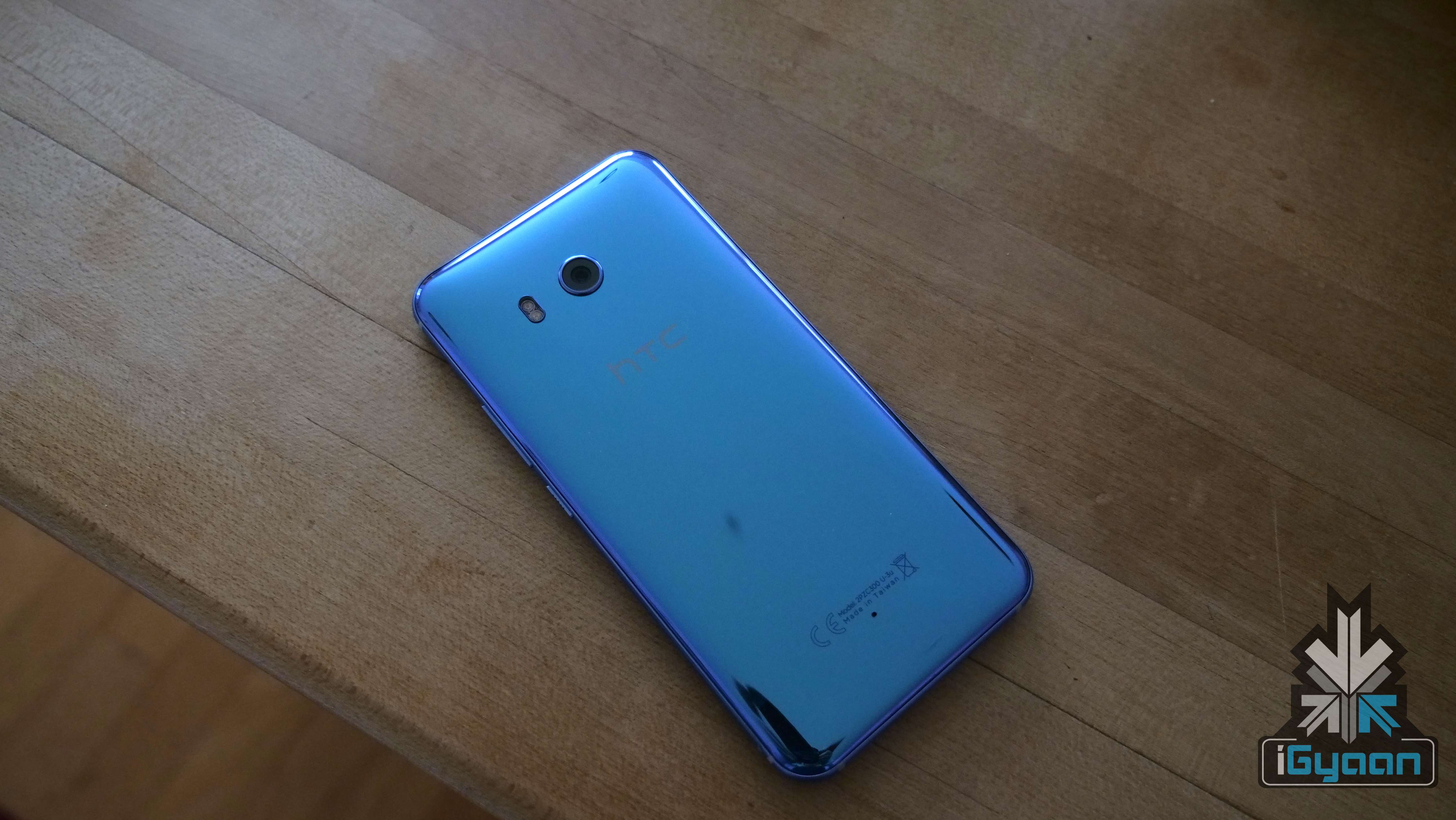
    This agreement also supports HTC’s continued branded smartphone strategy, enabling a more streamlined product portfolio, greater operational efficiency and financial flexibility. HTC will continue to have best-in-class engineering talent, which is currently working on the next flagship phone, following the successful launch of the HTC U11 earlier this year.

    What the statement means is that HTC will now focus on its most profitable product, which is the flagship smartphones. The HTC U11, though, not the most successful flagship of 2017, still received great reviews and HTC will benefit a lot if it manages to improve on the U11 and come up with a better flagship in 2018. Greater financial operational efficiency and financial flexibility refer to the deal. HTC has been incurring losses for a long time now and with most of its smartphone department personnel now moving to Google’s payroll and the US$1.1 billion from the deal, the company will definitely have more financial resources now to work with.

    Considering HTC’s flailing sales numbers and decreasing popularity in the smartphone market, a full-fledged takeover of its smartphone division by Google might be on the periphery. And giving up on the smartphone market and concentrating all its energies on making the Vive VR platform a global success might be the best way forward for the Taiwan-based tech company, HTC. With Google now taking control over the hardware for its upcoming smartphones and companies like Samsung and Apple miles ahead in the smartphone game, the 2018 flagship device by HTC might as well be their last one.

  • Google and HTC Announce US$1.1 Billion Cooperation Agreement

    Google and HTC Announce US$1.1 Billion Cooperation Agreement

    After several reports that Google will take over HTC’s mobile division, Google has just announced a deal with HTC. In a statement released by the search engine giant, Google, the majority of the personnel working in HTC mobile division will now work for Google in a deal worth US$1.1 billion. Moreover, Google will, “receive a non-exclusive license for HTC intellectual property (IP).”

    In a statement, Google has said

    Google and HTC Corporation today announced a definitive agreement under which certain HTC employees – many of whom are already working with Google to develop Pixel smartphones – will join Google. HTC will receive US$1.1 billion in cash from Google as part of the transaction.

    This deal doesn’t mean that HTC will shut shop in its smartphone department. HTC CEO Cher Wang said that this agreement will “ensure continued innovation within our HTC smartphone and Vive virtual reality business.” Google concedes that this deal is a testament “to the decade-long strategic relationship between HTC and Google around the development of premium smartphones.”

    The transaction is expected to close by early 2018, subject to regulatory approvals.

    This is not the first time that Google has taken charge of the hardware for its smartphone lineup. Six years ago, Google announced a US$12.5 billion buyout of Motorola Mobility. However, after opening a manufacturing plant in the United States, Google decided to sell Motorola Mobility to Lenovo for a fraction of the price it bought Moto for. The takeover made Motorola into an amazing smartphone manufacturer and has continued to thrive in the smartphone industry since then.

    HTC’s flailing smartphone share and tumbling sales in the past few years made people talk about a possible takeover by Google of its smartphone department while HTC continues its work in the VR industry. In late August, reports emerged that a deal between Google and HTC will be announced by the end of 2017.

    Rick Osterloh (Google) and Cher Wang (HTC)

    This move by Google to buy off smartphone personnel from HTC could bring Google closer to achieving the hardware/software synergy that has worked so well for Apple and the iPhone. Although HTC and other Android smartphone makers still use off-the-shelf processors and other components in their handsets, Google snatched one of Apple’s chip architects earlier this year. This could be an attempt to evolve beyond that and design its own chip.

    Meanwhile, Google’s two new flagship devices, the Pixel 2 and Pixel 2 XL are scheduled to be launched on October 4th. The Pixel 2 is made by HTC while the Pixel 2 XL with thin bezels and a tall display is made by LG.


  • Google Is On the Verge Of Taking Over HTC’s Mobile Division

    Google Is On the Verge Of Taking Over HTC’s Mobile Division

    HTC has reported a consolidated revenue of USD 99.69 million for the month of August, the Taiwanese giants’ lowest monthly figures in 13 years. The revenue for the month of August represents a 51.5% decline from the previous month and 54.4% from a year earlier. Also, HTC’s total sales in the first 8 months of 2017 were NT$39.86 billion, representing a 14.4% decline from last year. According to latest reports by The Commercial Times, Google is in the final stages of taking over HTC’s mobile division. This would either result in a complete takeover for HTC’s Mobile division or a partial investment from Google into HTC’s dimming business. According to the report, the deal could be announced by the end of the year.

    The fact that HTC is producing the Pixel 2, launching this year on October 5 has further fueled these rumours that Google will outright buy the mobile division of HTC. The Pixel XL 2 is being made by LG this year, unlike last year when HTC made both the Pixel and Pixel XL.

    This acquisition will help Google compete with the likes of Samsung and Apple in the smartphone market. The last year’s Pixel devices were well received but never challenged the dominance of the iPhone or Samsung’s flagship S series phones. Acquiring a smartphone company would make it possible for Google to invest in hardware research and come up with competitive smartphones at a consistent rate.

    This is not the first time that Google will be acquiring a smartphone company. In 2012, it took over Motorola Mobility for USD 12.5 billion, only to sell it to Lenovo for USD 2.9 billion a couple of years later. Google then retained all the patents owned bay Motorola, to help defend the company from potential patent disputes from the likes of Apple and Samsung. HTC has a vast library of patents, if Google acquires HTC’s Mobility division, the company will own a large chunk of modern smartphone patents which can then help it design and sell technologies in the future. Google may also end up reselling HTC to a different buyer, like last time, however, the company seems keen on retaining a mobility division. Expertise from HTC  will help Google in growing its own Pixel brand.

    There were reports in late August that HTC was holding talks with companies like Google to potentially buy its virtual reality division or even the entire company. With the latest revenue reports representing plummeting sales of its devices, the deal looks more than certain to go through.


  • Huawei Beats Apple To Become The Second Largest Smartphone Company

    Huawei Beats Apple To Become The Second Largest Smartphone Company

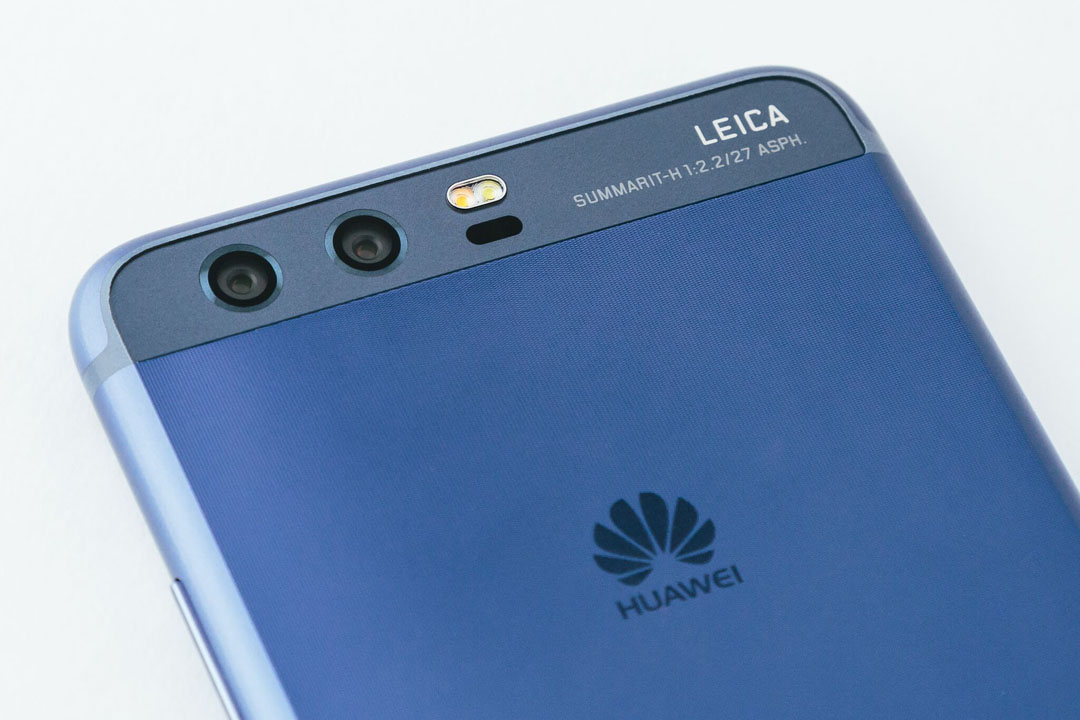
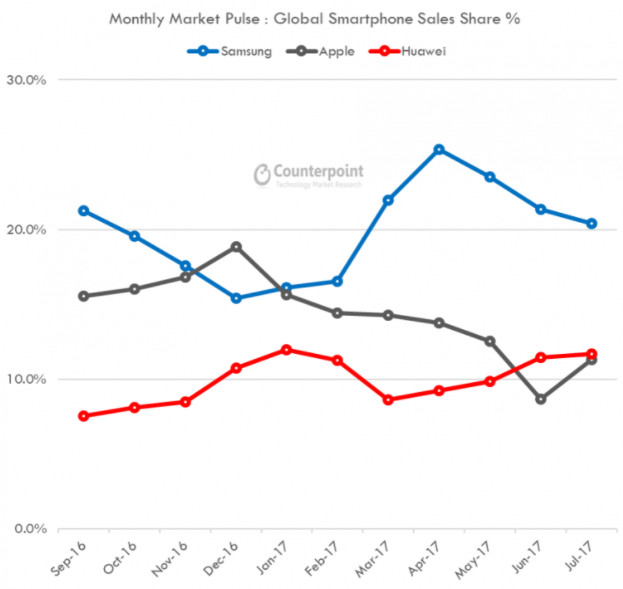
    Over the past few years, there has been a disrupt in the smartphone industry which has always threatened the stronghold of Samsung and Apple in the industry. Huawei, now, has over taken Apple for the first time to become the second largest smartphone company in the world. Samsung however, remains a distant first as of now. The latest report from market analysis firm Counterpoint Research reveals that Huawei has beaten Apple and is now the world’s second largest smartphone company (by the number of units shipped) as of the Q2 of 2017.

    Counterpoint has pointed out that Huawei has been able to do so because of its consistent investment in innovation and aggressive marketing, something that Apple has been known to do as well. The sales from Q2 of 2017 may suggest that Huawei has taken over Apple in terms of sales but it’s worth noting that Apple is about to launch its most anticipated smartphone, the iPhone 8 on September 12 and the Q4 of 2017 may tell a different tale. The report also reveals that Huawei has a limited presence in key markets across South Asia, and North America. This is going to pose limitations to the company’s potential in Q3 to sustain its second position.

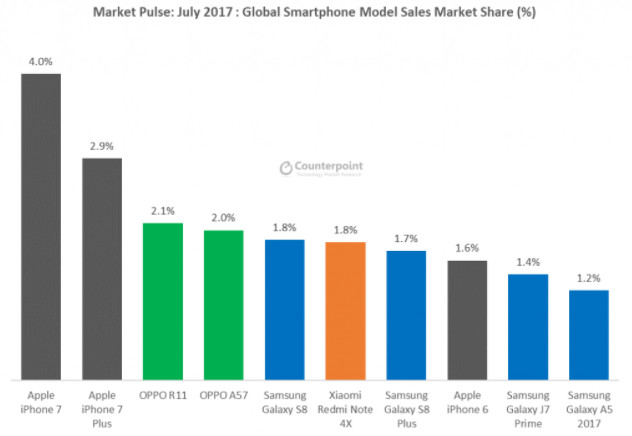
    The report also points out that the iPhone 7 and iPhone 7 Plus are still the best selling smartphones in the world. Also, since the iPhone 7 and 7 Plus have a higher profit margin means that Apple ends up making more profit even if it is selling fewer phones than others. None of Huawei’s devices make the top 10 list of best-selling smartphones in the world. What Huawei has going for itself is the market share, and much like Samsung, has reaped its benefit. While Apple has a specific demographic, Huawei offers smartphones in a lot of price categories, hence, exposing itself to more people than Apple.

  • Samsung Vice Chairman Lee Jae-yong Sentenced To 5 Year Prison Term For Corruption

    Samsung Vice Chairman Lee Jae-yong Sentenced To 5 Year Prison Term For Corruption

    Lee Jae-yong, the son of Samsung’s ailing chairman and vice chairman of Samsung Electronics has been found guilty of perjury, embezzlement, and bribery in South Korea.  The presumed heir to the Samsung empire was sentenced to five years in prison on Friday, which was shorter than the 12-year prison sentence prosecutors had sought for.

    Lee was arrested in February and was found guilty by a three-judge panel of Seoul Central District Court. Along with the Lee, four other Samsung executives were accused of offering bribes to former South Korean president Park Geun-hye. Prosecutors alleged that Lee and the other executives gave 43.3 billion won (approximately $38 million) in bribes to Park in exchange for government support for a merger that helped him tighten control over Samsung. The court also found Lee guilty of perjury for falsely testifying at a parliamentary hearing on the scandal, concealing criminal profits, embezzlement and hiding assets overseas. Contrary to which, Lee Jae-yong denied any wrongdoing, and his lawyers are expected to appeal the verdict. Regardless, the court stated that there was sufficient evidence to prove prosecutors’ charges.

    Judge Kim Jin-dong said “The essence of this case is the unethical bond between politics and money,” and  “I hope that power will be used to serve all people and that big businesses will act with social responsibility, through legal economic activities.”

    Although, the Samsung chief was found guilty in today’s verdict, it doesn’t necessarily scuttle his chances for succeeding his father. But, due to the Chinese tradition of “filial piety”, the role of chairman may not pass down to Lee Jae-yong until his 75-year-old incapacitated father passes away.

    Samsung has recently bounced back from what was a slow year in 2016 due to recalls involving its Galaxy Note 7 smartphone, and had success with the Samsung Galaxy S8 and S8+ and the newly launched Galaxy Note 8, but the criminal conviction of Samsung’s chief is a blow for the company and is bound to impact the smartphone maker’s credibility and reputation on the business side of things, if not consumer.

  • Google To Pay Apple US $3 Billion to Remain Default Search Engine on iOS

    Google To Pay Apple US $3 Billion to Remain Default Search Engine on iOS

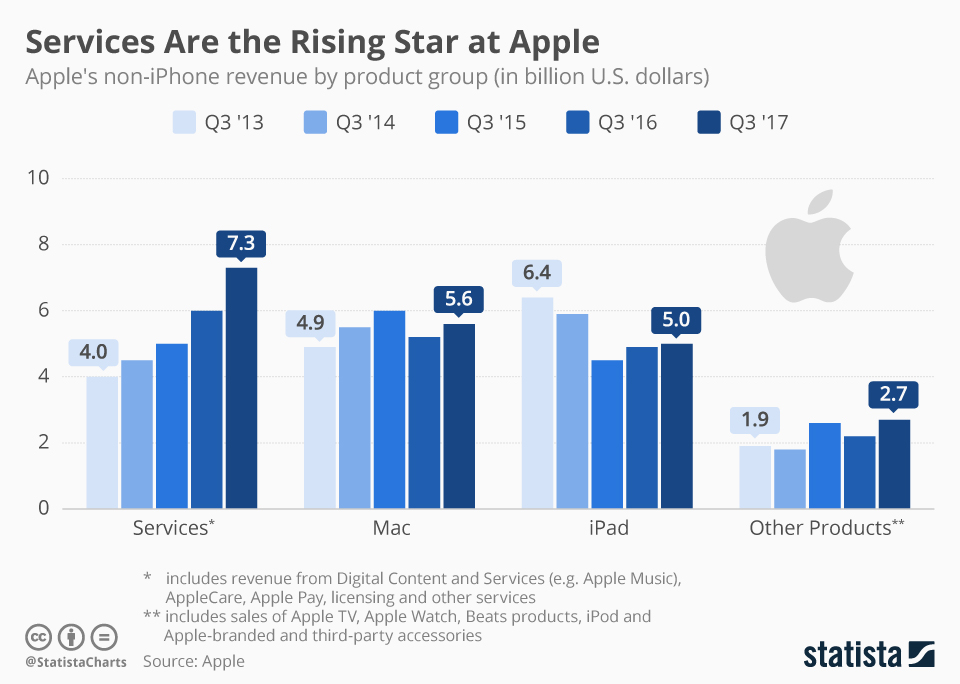
    A US-based research and brokerage firm, Bernstein has said that Google will pay Apple USD 3 billion to remain the default search engine on iOS devices. According to a note to investors, Google has increased the payment from $1 billion three years ago to $3 billion for 2017. Google’s licensing fee makes up a large bulk of Apple’s service business. In fact, this license fee from Google comprises about 5% of Apple’s total operations profit.

    Apple has stated that its services business is growing at a fast pace and that the profit from the services sector will help the company get listed in the Fortune 500 companies. An analyst from Bernstein also says that iOS devices also contribute 50% profit to Google’s mobile search revenues. This shows that Google will pay any amount to get unfettered access to all iOS devices. Thus, both the companies are dependent on each other for revenue. Since Google is earning a lot of profit from this arrangement, it has decided to increase the payment from $1 billion to $3 billion this year so that the license is not cancelled.

    Revenue of Services sector

    Apple has identified the services sector as an important source of profit, which a lot of investors believe is because of Apple Music and iTunes. But, a look at the revenue model shows that this licensing fee will become the largest revenue source in this sector. Mobile Ad revenue is central to Google’s revenue model and the growing importance of the mobile internet has now shifted the ad revenue focus from desktop to mobile devices. In fact, Google is expected to generate nearly $50 billion in revenue from mobile ads in CY 2017.

    Although lucrative, the mutually beneficial deal between Apple and Google may be numbered. According to some estimates, if Google can retain 80% of their iOS search volume, then it would be financially more viable for them to break off this deal with Apple.


  • Snapdeal – Flipkart Deal Is A No Go , Snapdeal To Focus On Snapdeal 2.0

    Snapdeal – Flipkart Deal Is A No Go , Snapdeal To Focus On Snapdeal 2.0

    Snapdeal looked certain to be Flipkart’s next big acquisition and usher in a duopoly era in the e-commerce sector with Flipkart and Amazon the only two remaining big players. But, on Monday Snapdeal said it was terminating the talks of selling off its stakes to Flipkart, to pursue a new path.

    A Snapdeal spokesperson in a statement said, “As we have been exploring strategic options over the months, we have decided to pursue an independent path and terminate all strategic discussions” interestingly without naming Flipkart. The negotiations between Flipkart and Snapdeal for a possible acquisition were said to be mediated by Snapdeal’s principal investor, SoftBank.

    Flipkart offered to buy out Snapdeal for a revised amount, valued in the range of $900 million to $950 million last month, but the deal has seemingly fallen through as Snapdeal prepares for Snapdeal 2.0. Flipkart’s offer was discussed with Snapdeal’s investors Ratan Tata and Aseem Premji as well. Kunal Bahl, co-founder and CEO of Snapdeal has insisted to focus on the road ahead of rebuilding the company and focussing on the growth of its business.

    We have a compelling direction (Snapdeal 2.0) to create life-changing experiences for millions of buyers and sellers across the country. With the sale of certain non-core assets, we expect to be financially self-sustainable. We look forward to the support of our community, including employees, sellers, buyers and other stakeholders in helping us create a designed-for-India commerce platform.

    Flipkart recently sold Freecharge, which it bought for Rs 2,500 crore to Axis bank for Rs 385 crore. Snapdeal 2.0 is turning out to be a difficult chapter for staff and investors alike. Snapdeal has let go of 600 employees in the last month without any notice and only one month’s severance package.

    Kunal Bahl, co-founder of Snapdeal elaborated on their new plan, Snapdeal 2.0 and said that it would make possible for anyone to setup an online and focus on providing a wide range of products at a great price. He also stated that they have made progress on this path and are in line to make a profit of Rs 150 crore in the next 12 months.

    Last July, Snapdeal boasted a work-force of 9,000 employees. According to a report, Snapdeal is planning to let go off 1,000 of its 1,200 current employees and carry forward with the Snapdeal 2.0 mission with the remaining people. The decision of not taking the deal put forth by Flipkart seems to have taken industry experts by surprise. But, Kunal Bahl has explained that the deal was too complicated to execute.

    What Snapdeal 2.0 does for the company is to be seen in the coming months, but the resurgence of Flipkart and the domination of Amazon sure pose a stiff competition for Snapdeal in the Indian e-commerce market.

  • Niantic Sued By Attendees Over Pokémon Go Fest Fiasco

    Niantic Sued By Attendees Over Pokémon Go Fest Fiasco

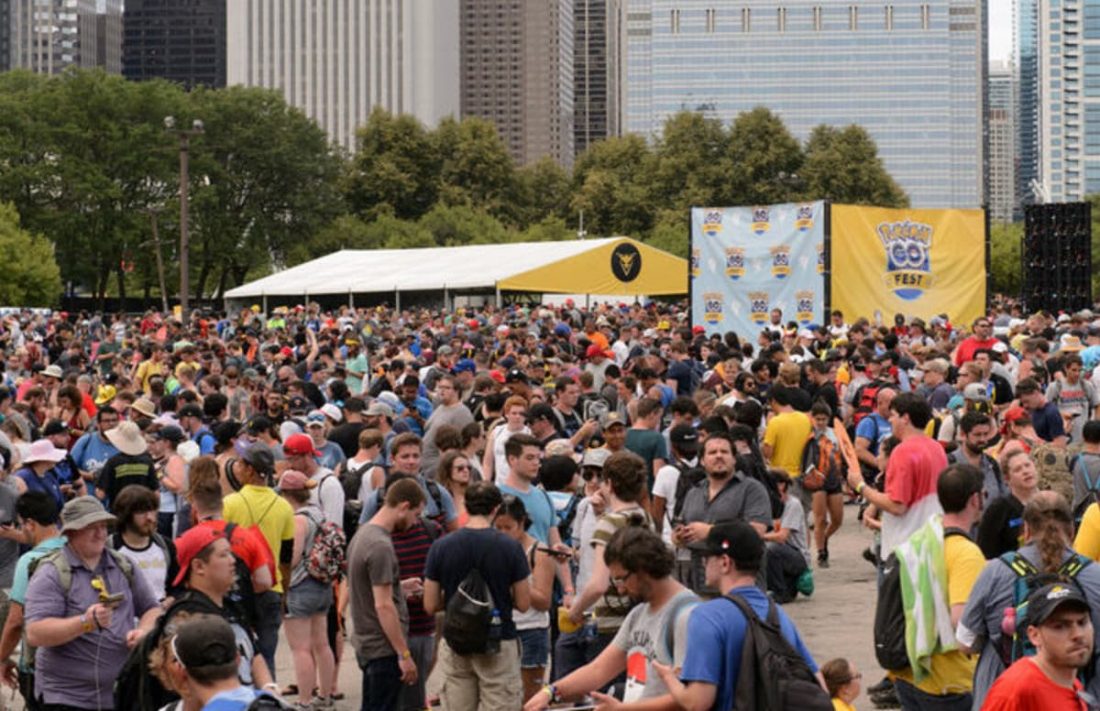
    The Pokémon Go Fest, which marked the game’s first anniversary turned out to be an absolute disaster. The fest was supposed to be a huge celebration. Players were promised rare Pokémons, rewards, training tips but were served with nothing but disappointment.

    The event seemed to be a magnet for screw-ups. The attendees waited for hours to play, only to be told that the games are not working. The game servers quit working (due to the congested network) and the company had no backup plan. Maybe Niantic wasn’t prepared for neither the server load nor the network congestion.

    The fest fiasco obviously didn’t go down well with the event attendees. Few of the visitors decided to file a class action lawsuit against the company. According to reports, the attendees want to be reimbursed for the travel and other expenses as Niantic failed to deliver on its promises of an unmatched gaming experience.

    Soon after the disaster, Niantic issued an apology to mitigate the situation and offered to reimburse the event tickets of all gamers present. The CEO also stated that all visitors will further receive $100 of in-game credit, along with the promised legendary Pokémon Lugia for free.

    But the reimbursement and the $100 of in-game credit weren’t enough to pacify the case. Some angry visitors threw water bottles onto the stage, chanting, “We want refunds!”. Though the company’s apology was acknowledged but it wasn’t enough for the people who travelled from far and incurred huge expenses just to attend the event.

    Jonathan Norton, a California local who flew to Chicago for the Pokémon Go Fest, has filed a lawsuit against Niantic for false advertisement. According to his lawyer, Thomas Zimmerman, 20 to 30 others have joined the suit. and that they will be asking for monetary compensations for their travel expenses:

     [My client] paid to fly out for the festival, and had to wait for several hours in line, just like most everybody else in order to get in… We’re not seeking any relief with respect to the failure to get legendary Pokémon, because Niantic is offering that. But Niantic is not offering to refund people’s travel expenses for coming to Chicago. Most of the people came from out of state, many people from other countries — I talked to someone who flew in from Japan. – Zimmerman

    Though Niantic has made several attempts to compensate the fest attendees, nothing seems to be working in company’s favour. Along with facing the embarrassing fest fiasco, Nianco will now be facing angry gamers and a lawsuit.

  • All May Not Be Well At Andy Rubin’s Essential Smartphone Project

    All May Not Be Well At Andy Rubin’s Essential Smartphone Project

    In the tech industry, running a startup is no easy job. Considering the pace at which the balance shifts and the industry moves forward, it becomes a hellish job at times to keep it all together and work for the common goal of the startup.

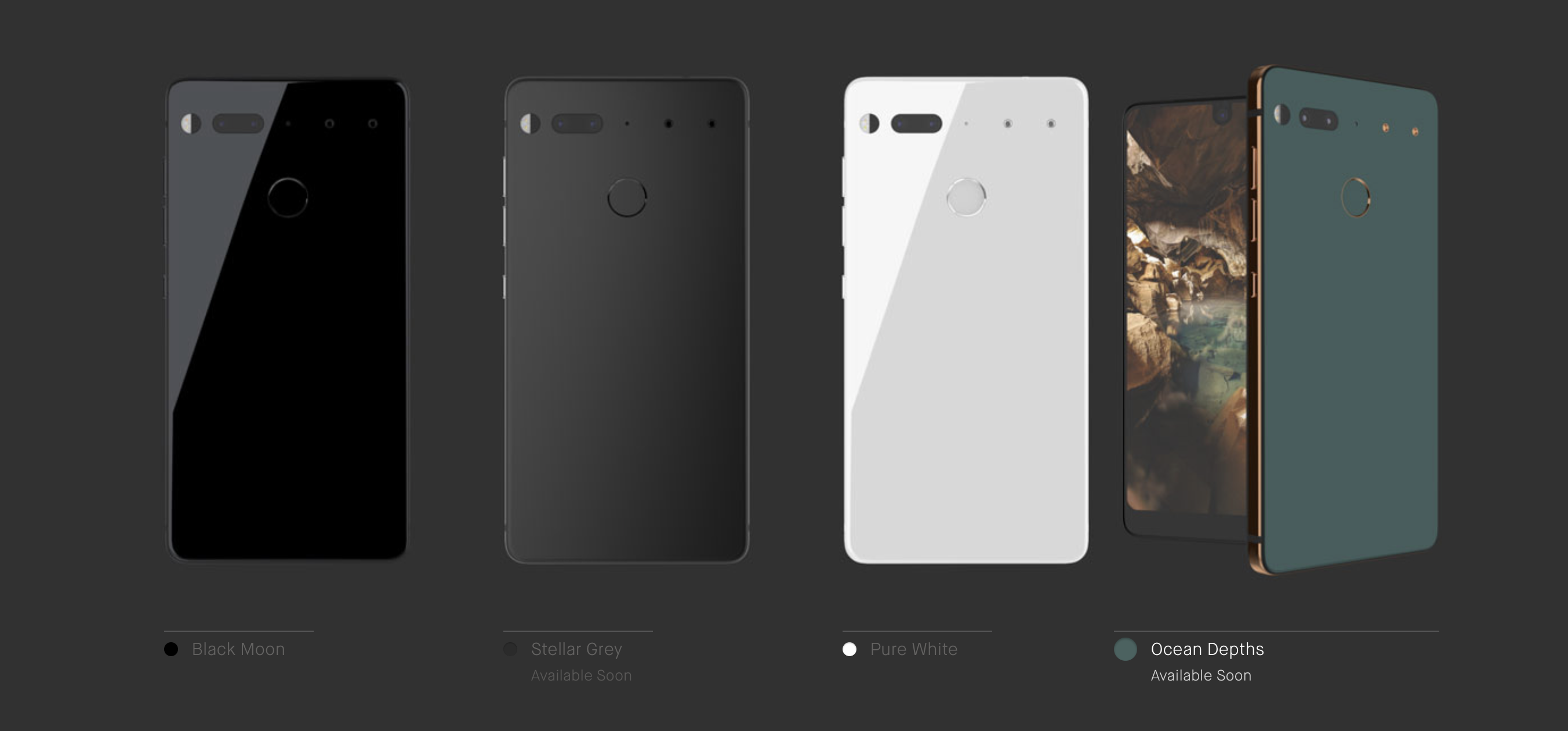
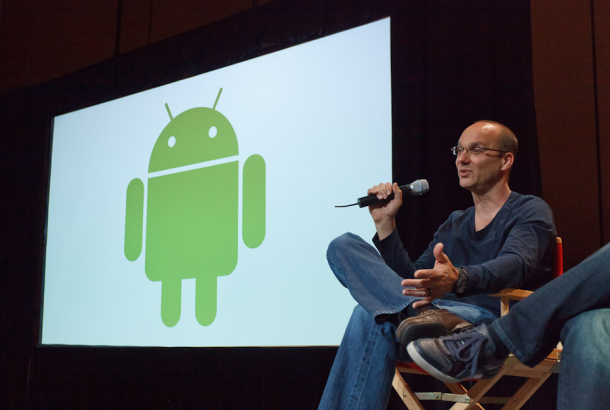
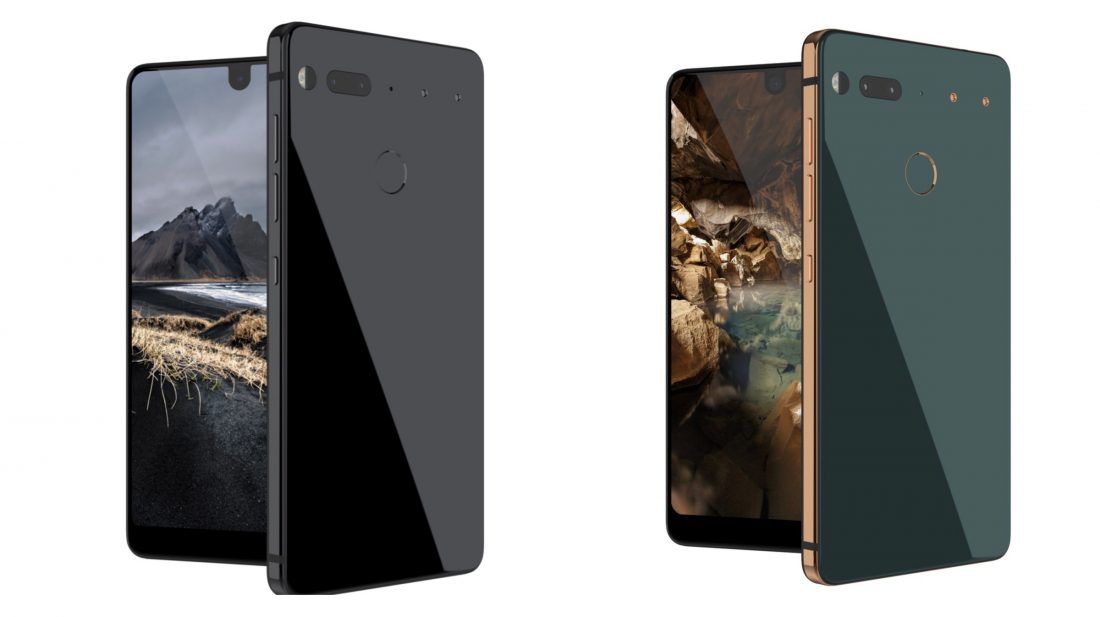
    When the father of Android, Andy Rubin announced that the Essential phone will release in May, it felt like an ambitious deadline to set and evidently, the timeline set was not achieved. In fact, only late last month did the phone get certification from FCC (Federal Communications Commission).

    Andy Rubin has since announced that the Essential phone will go sale in August and it is to be seen whether the startup will hold true to its words this time around. It was reported in the beginning of July that Essential had reportedly lost two of its highest ranking officers- VP of Marketing Brian Wallace and Head of Communications Andy Fouché. Both Wallace and Fouché are industry veterans having held senior positions in Samsung and Microsoft respectively. Wallace even worked on Samsung’s famous “Next Big Thing” campaign.

    It is now being reported that Essential has lost its Head of UX Liron Damir to Google Inc. Reports also suggest that Damir has joined Google Inc. as the head of UX for Google Home. Interestingly that is not an upgrade on the position he held at Essential.

    Andy Rubin’s dream project seems to be going through a rough patch after much-discussed launch delays and now losing three of the best talents in a matter of one month. Whatever may be happening at Essential, we hope to get our hands on the Essential phone as soon as possible.

  • Apple Settles Patent Lawsuit With Nokia For A Whopping US $2 Billion

    Apple Settles Patent Lawsuit With Nokia For A Whopping US $2 Billion

    Apple seems to be in a mood for catching a break from the “Smartphone Patent Wars”. After battling the patent violation lawsuit with Samsung, Apple seems to have decided on settling the patent infringement dispute with Nokia back in May. Apple seemed eager to avoid the legal battle like the one with Samsung and both the companies agreed on moving from adverseries to business partners.

    The details of settlement were initialy announced without disclosing the terms and the value of the settlement. According to the recent reports, Nokia announced that it has received a US $2 billion upfront cash payment from Apple (€1.7 billion) to settle the case. The terms of the new licensing deal are yet to be disclosed, including, whether Nokia would receive a US $2 billion quarterly payment or whether this was non-recurring catch-up settlement. Though the possibility of Apple paying US $2 billion quarterly to Nokia seems highly unlikely.

    The original lawsuit began in December with Nokia accusing Apple of patent infringement in multiple countries. Apple was also accused of infringing patents from Nokia subsideries – NSN and Alcatel-Lucent.

    At the center of the dispute were 32 patents involving the iPhone 3GS and subsequently launched iPhones (along with other Apple products) which Apple claimed Nokia intentionally left out of a 2011 licensing agreement. The lawsuit allegedly covered many elements of smartphone handset design and functionality, with Nokia’s patent portfolio spanning display technology, antennas, chipset, user interface and more.

    Apple responded to the lawsuit with its own and removed Withings’ products (a division of Nokia) from its online store and worldwide Apple stores. Both companies, soon after resolved the issues as Apple started restocking Withings products, with new licensing terms and agreeing to a joint effort to explore “future collaboration in digital health initiatives.”

    After the settlement, Apple and Nokia decided to take the usual patent licensing deal a step further by collaborating on technology along with research and development. The collaboration indicates that Apple might be paying Nokia to help explore the technologies related to digital health, optical network and IP routing.

    No information has been received about how Nokia plans to invest the upfront cash payment received from Apple. Whereas for Apple, it may not be a major financial setback, as according to reports, the company has more than a 750 billion dollars in cash and investments.

  • Despite The Note 7 Recall, Samsung Posts Massive $12.5 Billion Profit

    Despite The Note 7 Recall, Samsung Posts Massive $12.5 Billion Profit

    The South Korean electronics giant, Samsung, has posted a record quarterly profit despite being plagued by scandals in the recent past.

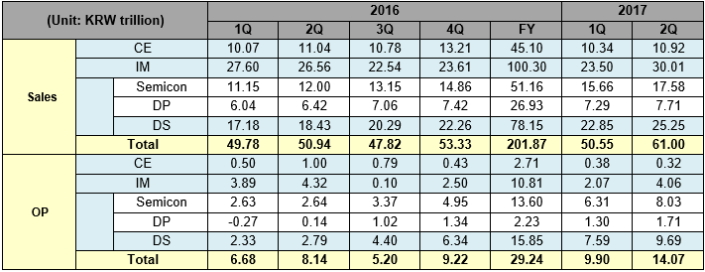
    The recall of their 2016 flagship, the Galaxy Note 7, and the prosecution of de facto leader Jay Y. Lee on bribery charges, didn’t stop Samsung from raking in a record US $54.8 billion in quarterly revenue and an operating profit of US $12.5 billion. Revenue figure rose by 20 per cent year-on-year but net-profit rose by a staggering 89 per cent in the last quarter! A lot of the credit has to go the strong sales of their Galaxy S8 and S8+ devices and their component businesses.

    Note- These figures are in KRW

    Back in 2016, Samsung blew us away with their best smart phone till yet, the Galaxy Note 7. Widely regarded as the smartphone to beat, it garnered rave reviews and restored the Note series as a premium smartphone line-up. However, the fame was short-lived as reports of the Galaxy Note 7 batteries failing and catching fire started surfacing and it soon became a worldwide top news. Samsung guaranteed replacements for people who reported this incident in the beginning. But come October 2016, Samsung announced that they’re discontinuing the Galaxy Note 7 and recalling all the devices in the market. A report estimated that the recall of the Galaxy Note 7 cost the company upwards of US $17 billion.

    Early 2017, Samsung’s Vice Chairman Jay Y. Lee was arrested on corruption charges. He was accused of bribing an advisor of Hong Kong’s then President Park Geun-hye in exchange for political favours. It was reported that he had paid close Us $36 million to the advisor in order to win government support for a merger between two Samsung subsidiaries. Jay Y. Lee, son of current chairman Kun-Hee Lee is considered to be the heir to the Samsung empire was also prosecuted back in January. However, his arrest was rejected by a court a few days later.

    In 2016, Samsung acquired Harman for a record $8 billion, their most expensive acquisition yet. Samsung then posted that Harman garnered a sales revenue of $1.9 billion with an operating profit of $200 million. However, factoring the cost of acquisition, the profit comes down $5 million and Samsung has said that the acquisition will likely affect Harman’s business for the next few quarters.

    Samsung has, however, warned that the rising price of components has eaten into its profit. Factoring the marketing cost for their soon-to-launch Note 8 will have an effect on the profit. And now that the Galaxy S8 and its bigger sibling the Galaxy S8+ are out of the rosy “post-launch period”, the sales will consequentially decrease.


  • WhatsApp Hits 1 Billion Active Users Per Day

    WhatsApp Hits 1 Billion Active Users Per Day

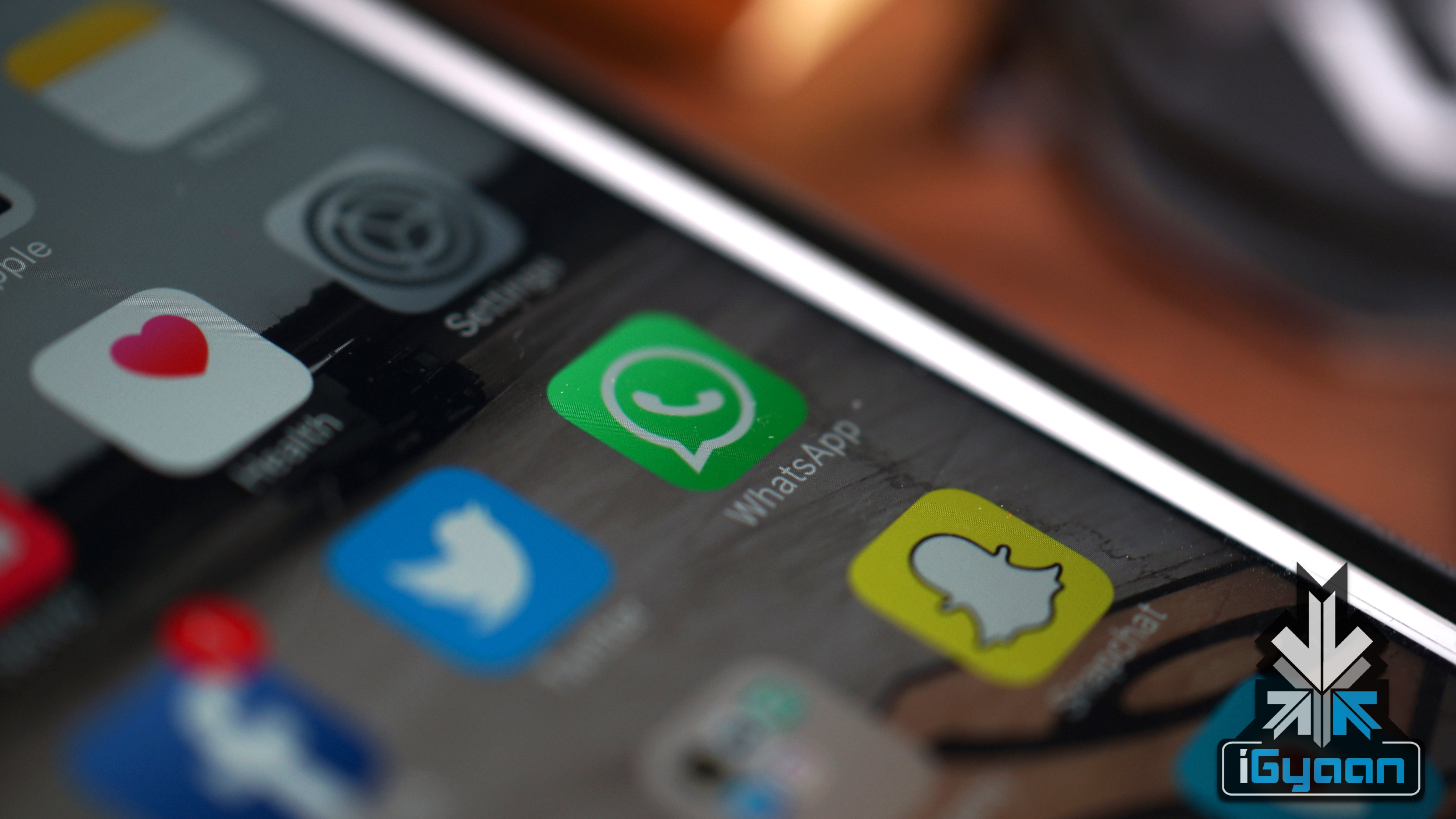
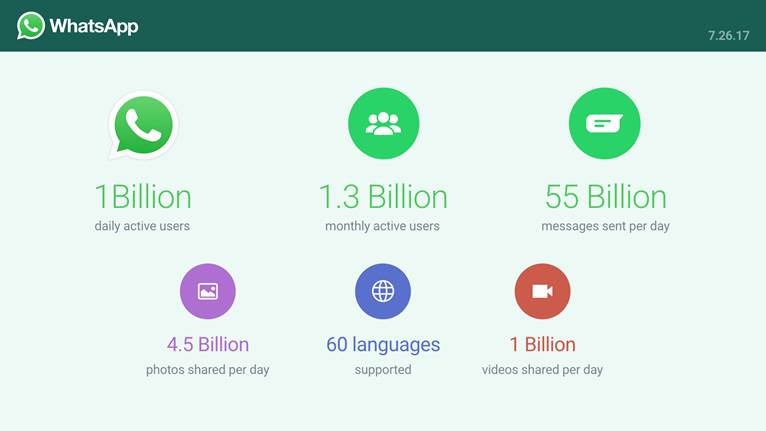
    The most popular messaging application in the world just hit a mammoth milestone. WhatsApp announced that it has hit the daily 1 billion active users mark and the growth is incredible! Compared to the numbers from last year where WhatsApp had 1 billion active users every month, this jump is massive and quite astonishing. To add to that, WhatsApp’s rendition of Snapchat stories has hit the 250 million daily active users mark as well. Interestingly, this is much more than what Snapchat itself enjoys currently.

    The Facebook-owned company shared this news in a blog post, stating that active users per month have reached 1.3 billion. Moreover, about 55 billion messages are shared every day in 60 supported languages. 1 billion videos and 4.5 billion images are shared every day on the messaging platform that has steamrolled every other messaging app in the market right now.

    WhatsApp has come a long way in the last few years. In 2014, it had monthly 450 million active users when Facebook acquired it for $19 billion. Since then, it has managed to almost triple its daily active users from 350 million to now 1 billion.

    A noteworthy development is the rise of WhatsApp status feature which launched in early-2017. It has hit a staggering daily 250 million active users. To put this stat into context, Snapchat as whole experiences about 166 million daily active users. And WhatsApp status feature was set out to be a ‘Snapchat Stories’ clone. Instagram stories, another Snapchat clone hit the 250 million daily active users as well.

    India is WhatsApp’s largest market with 200 million active users. In fact, back in February WhatsApp co-founder Brian Acton visited India in order to gather insights from people on how WhatsApp can contribute to the country in a more prominent way. WhatsApp is even looking to foray into the digital payment space in India.

  • Flipkart All Set To Takeover Rival Snapdeal

    Flipkart All Set To Takeover Rival Snapdeal

    Flipkart is reportedly closing in on taking over e-commerce rivals Snapdeal. A report claims that the Snapdeal board has accepted Flipkart’s offer in the region of $900-$950 million last week. The future of Snapdeal has been a topic of discussion for the longest time and looks like the speculations will finally end now as the deal reaches a completion.

    Snapdeal has raised over $1.5 billion over the years including, from investors such Alibaba and Softbank. Snapdeal was valued at $6.5 billion as recently as 2015 and is now set to be taken over by Flipkart for under $1 billion. It has also been reported that other assets such as FreeCharge, which Snapdal acquired two years ago will be sold off to Axis Bank.

    Flipkart’s new CEO Kalyan Krishnamurthy, who took up the position in January of this year seems to be on the track of resurging the e-commerce giants. Under his leadership, Flipkart looks to be preparing to go head-on against global e-commerce leader Amazon. Flipkart also recently raised funding of $1.4 billion from eBay, Microsoft and Tencent at a valuation of $11.4 billion. All in the while acquiring eBay.in under its portfolio.

    eBay recently sold its India business, eBay India Private Limited, to Flipkart.

    With Snapdeal’s acquisition, Flipkart and Amazon will be the only players in the e-commerce space and this duopoly is a bad news for any other up-and-coming e-commerce player. Flipkart seems to be making up the ground it lost to Amazon in the recent past and this aggressive Snapdeal acquisition is just another step towards gaining back that power position.

    Amazon’s heavy investments in their Indian businesses, as much as $5 billion, since it launched India operations in late-2012 indicate that Amazon is serious about turning this duopoly into a monopoly. The e-commerce war is in full swing and it’ll be interesting to see how this pans out in the coming years.

iGyaan Network
Privacy Overview

This website uses cookies so that we can provide you with the best user experience possible. Cookie information is stored in your browser and performs functions such as recognising you when you return to our website and helping our team to understand which sections of the website you find most interesting and useful.