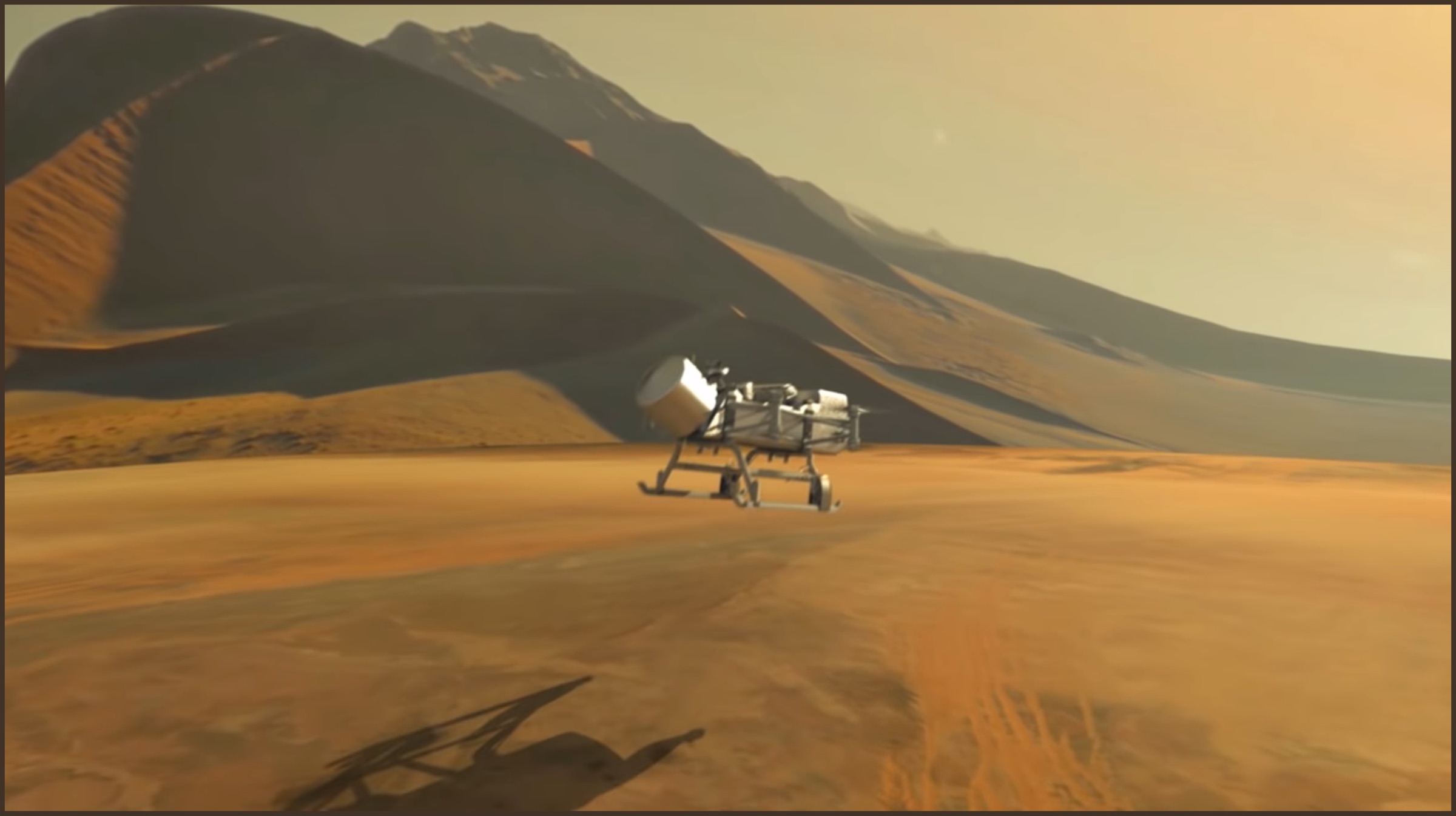
The National Aeronautics and Space Association (NASA) of the United States has announced a new mission called Dragonfly. This mission will send multiple sorties or drone-like aircraft to the Titan, one of Saturn’s natural satellites. The icy celestial body is the largest moon of Saturn and the second largest natural satellite in the solar system. It is also the only moon to have a dense atmosphere, which is why the Dragonfly mission is being sent to study clues of life.
NASA’s Dragonfly Mission
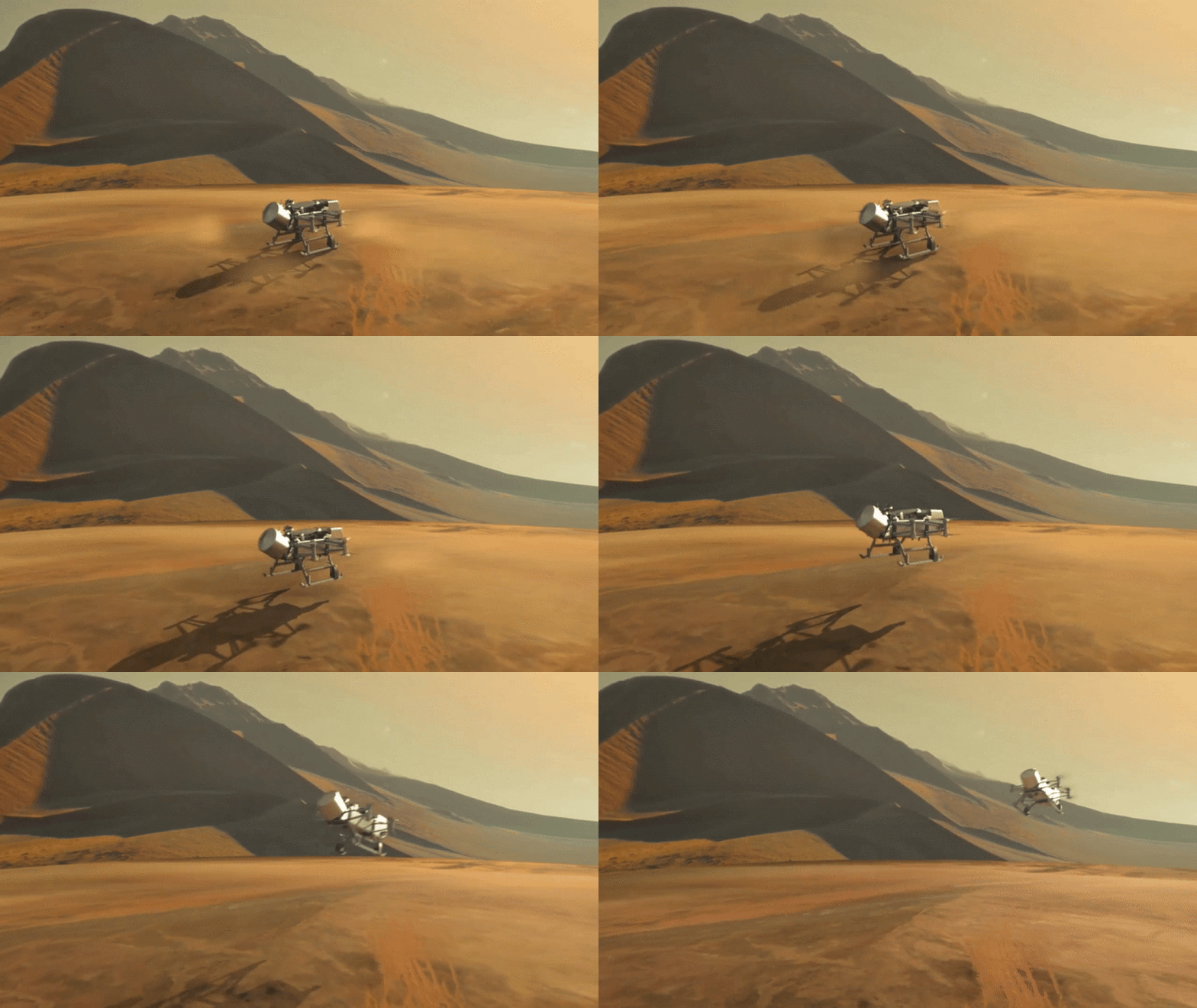
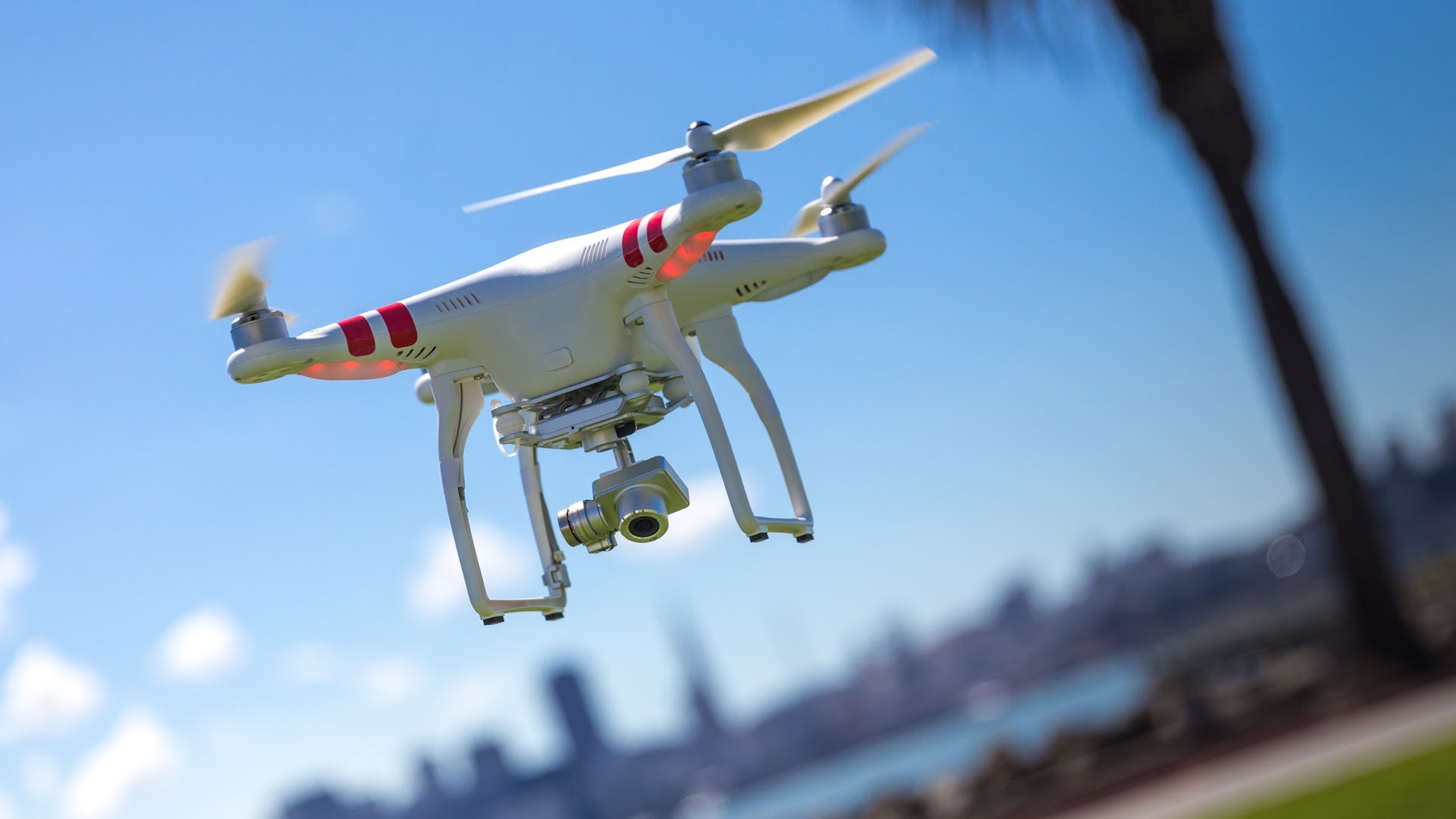
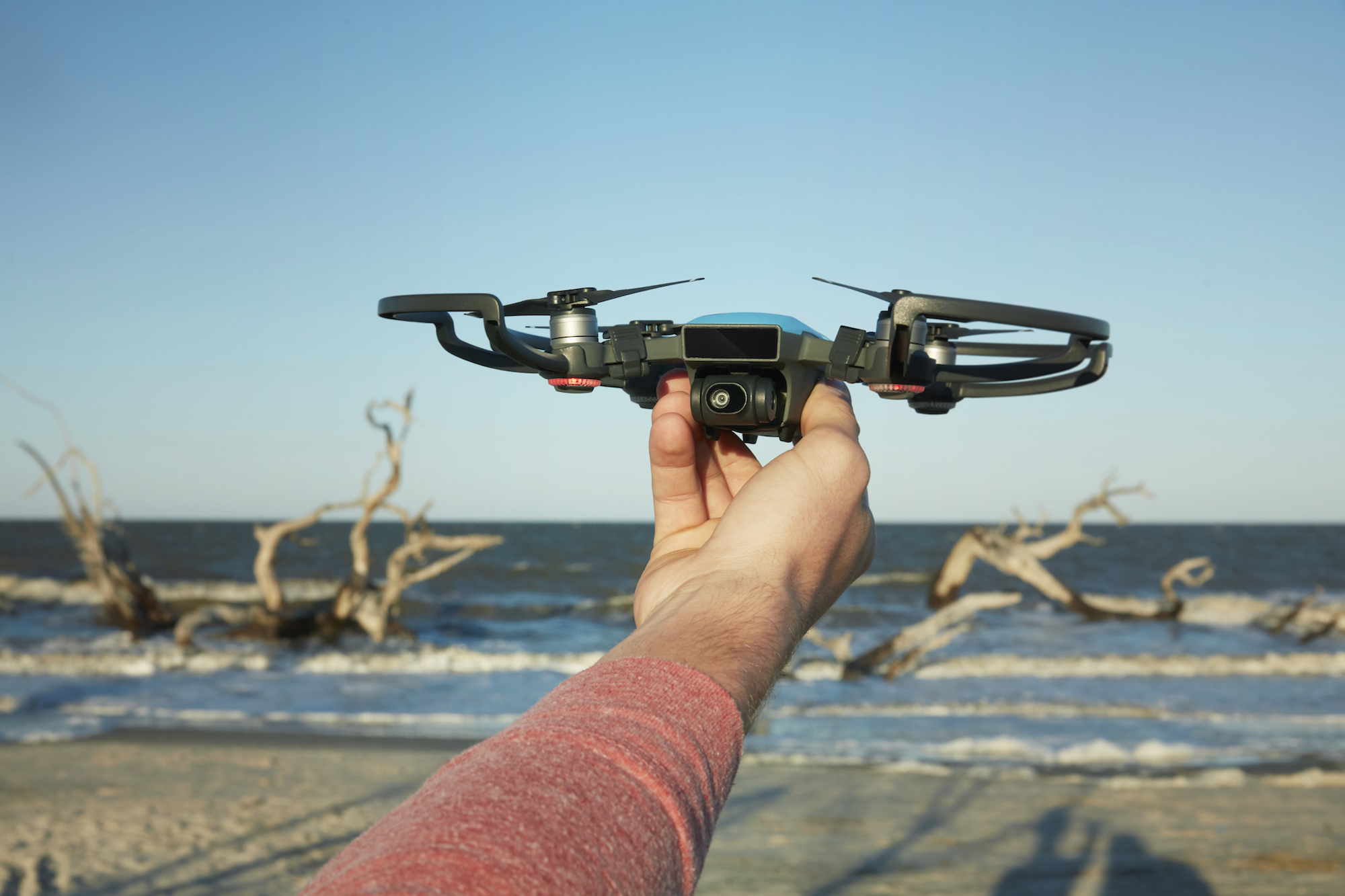
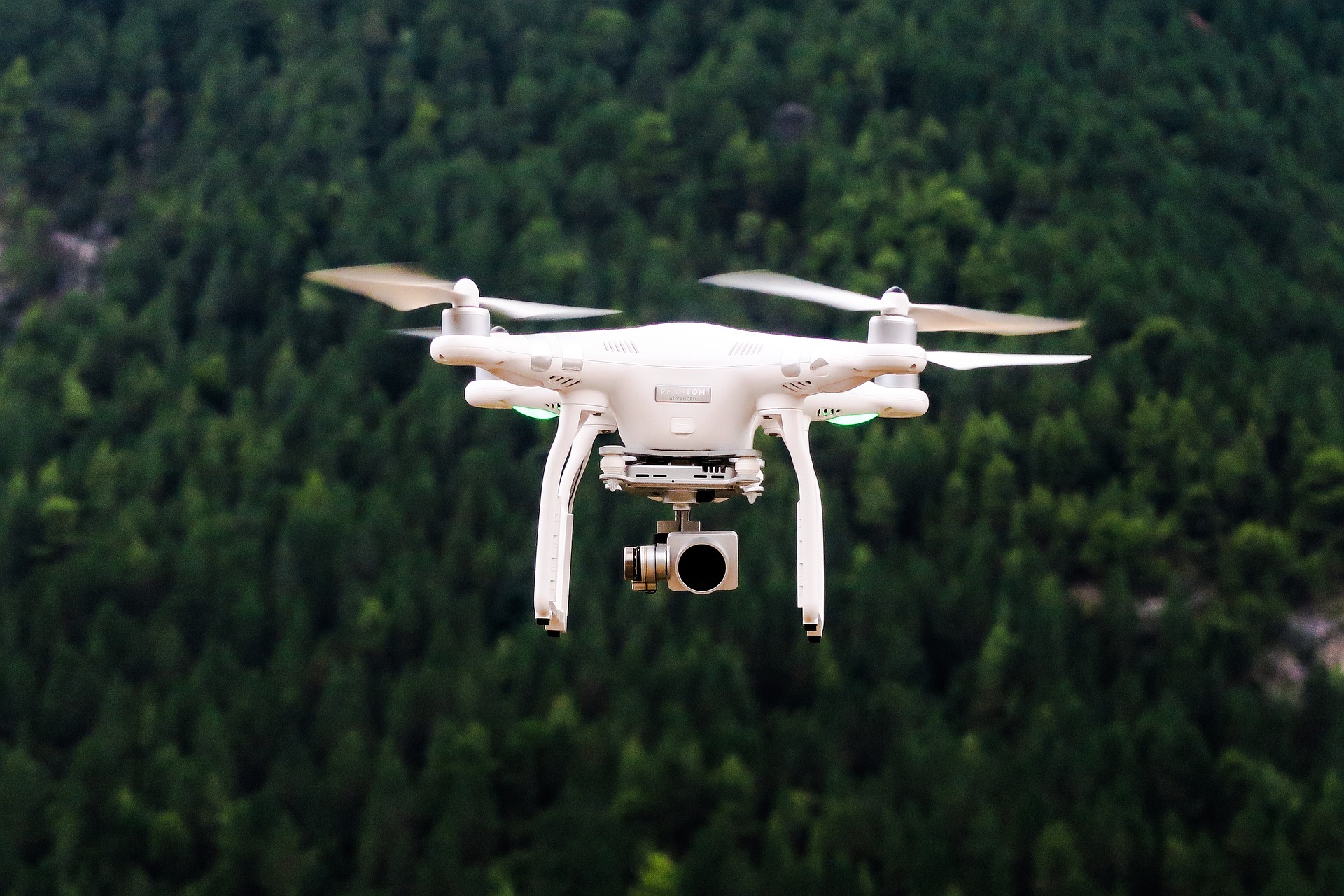
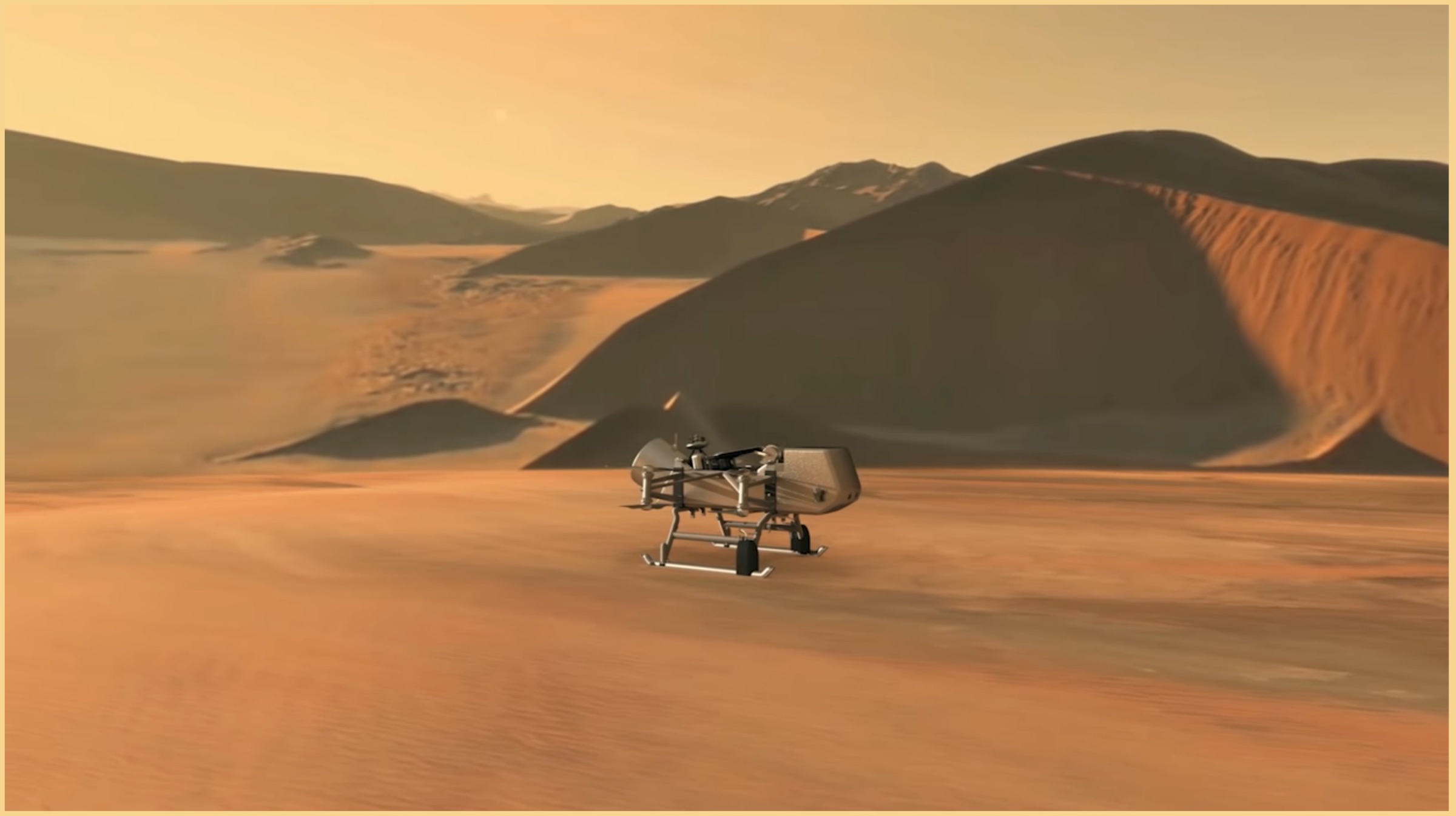
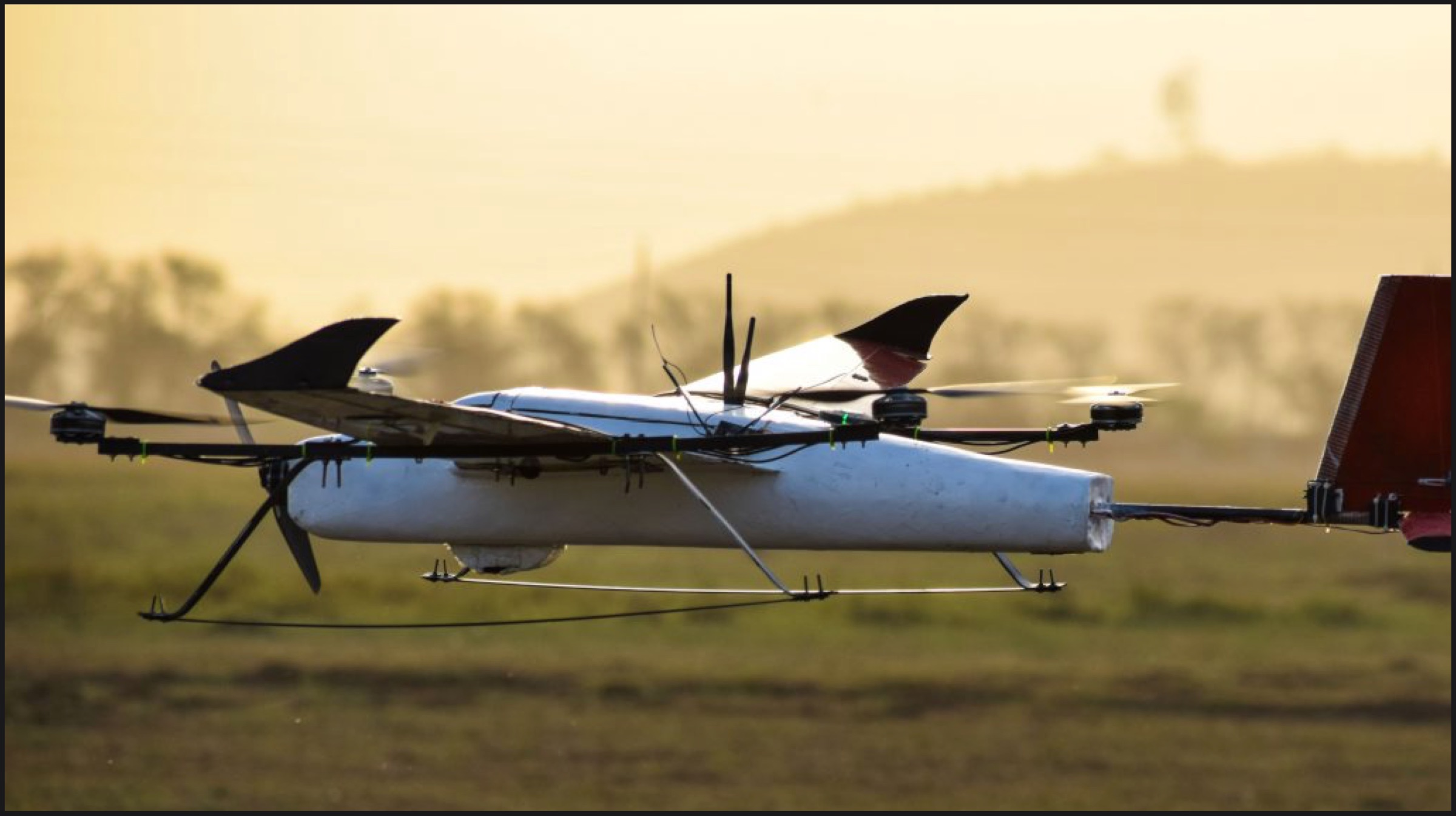
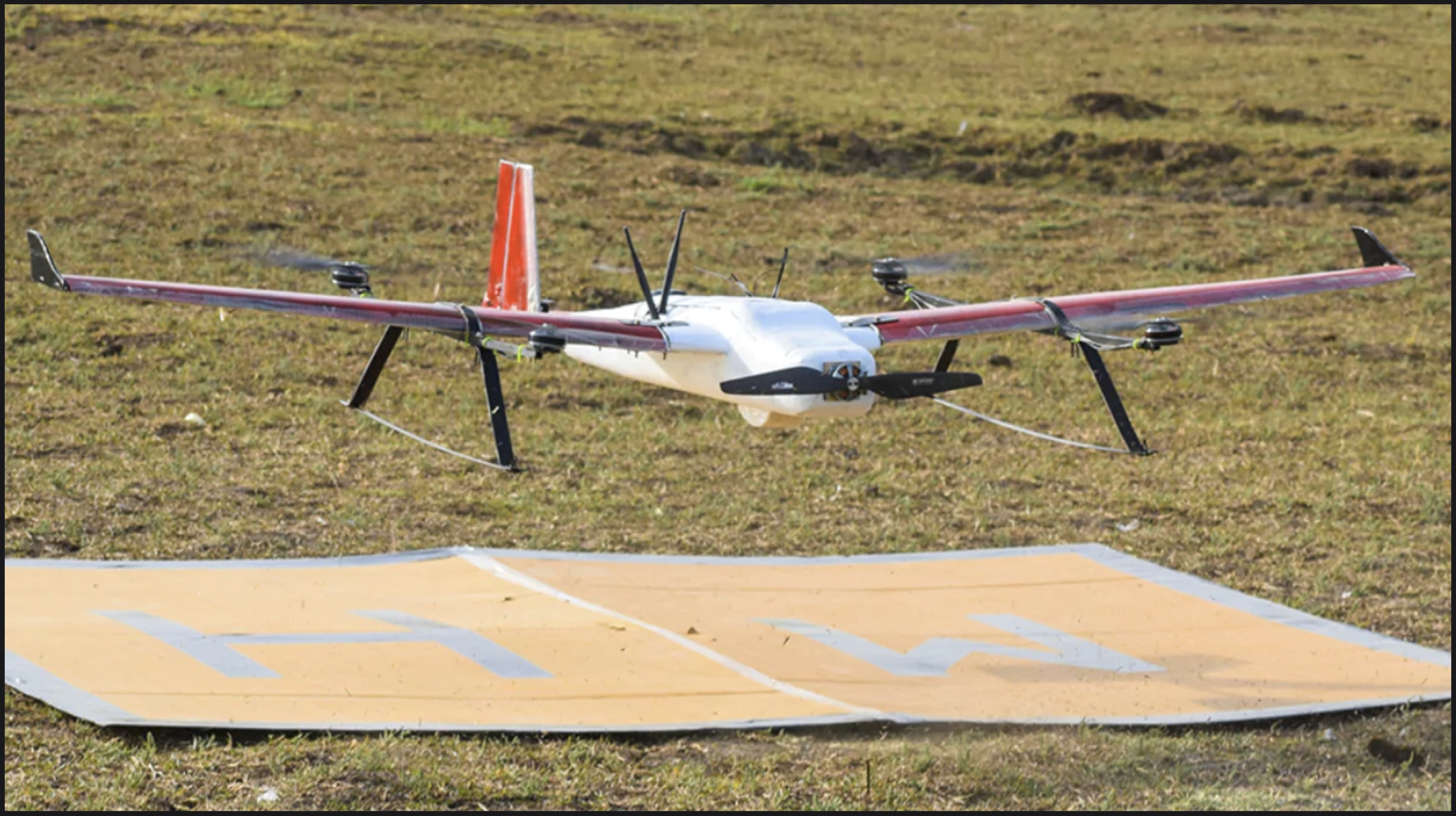
The Dragonfly Mission by NASA is scheduled to launch in the year 2026 and will take eight years to reach Titan in 2034. The rotorcrafts or drones will fly to dozens of locations on the satellite to look for prebiotic chemical processes, which are a link between Titan and Earth. It will mark the first time the organization will fly a multi-rotor vehicle on another celestial body. This device is claimed to have eight rotors and will fly like a normal drone or UAV (Unmanned Aerial Vehicle). The moon is credited to have four times the dense atmosphere than of Earth; which will be taken advantage of by Dragonfly in flying its science equipment payload to new places for repeatable access to materials on the surface.
Also read: Apple Increases iPhone Production After Huawei US Ban
The icy moon of Saturn is claimed to be the analogic representation of prehistoric Earth. During the 2.7 years long Mission Dragonfly, it will explore different environment factors; to search for the possibility of life. It is said that that the key to life once existed on Titan tens of thousands of years ago. So while the mission may or may not find the existence and sustenance of life there, it is said to give us the chemical evidence of the past or extant life on the moon.



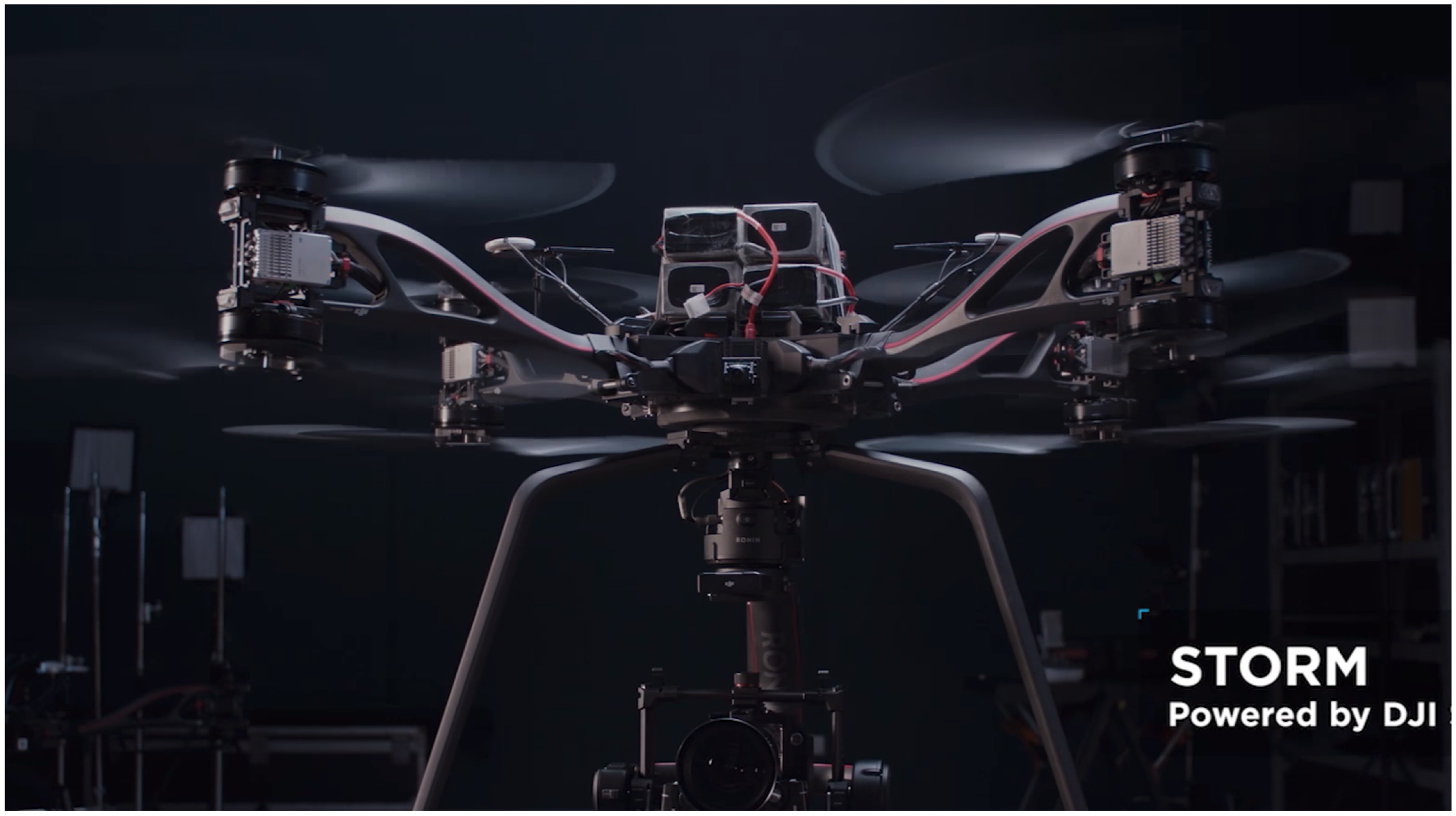
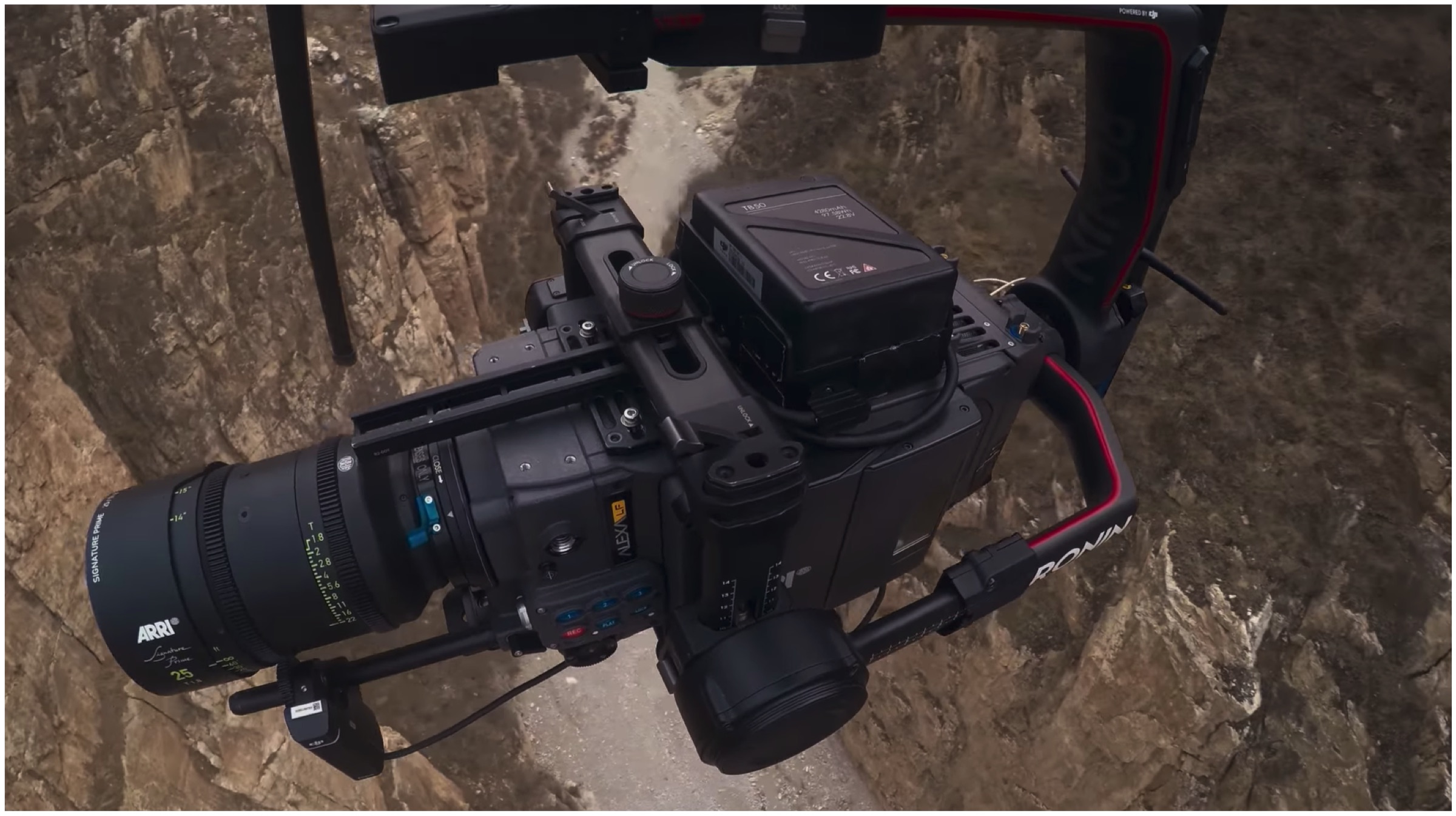
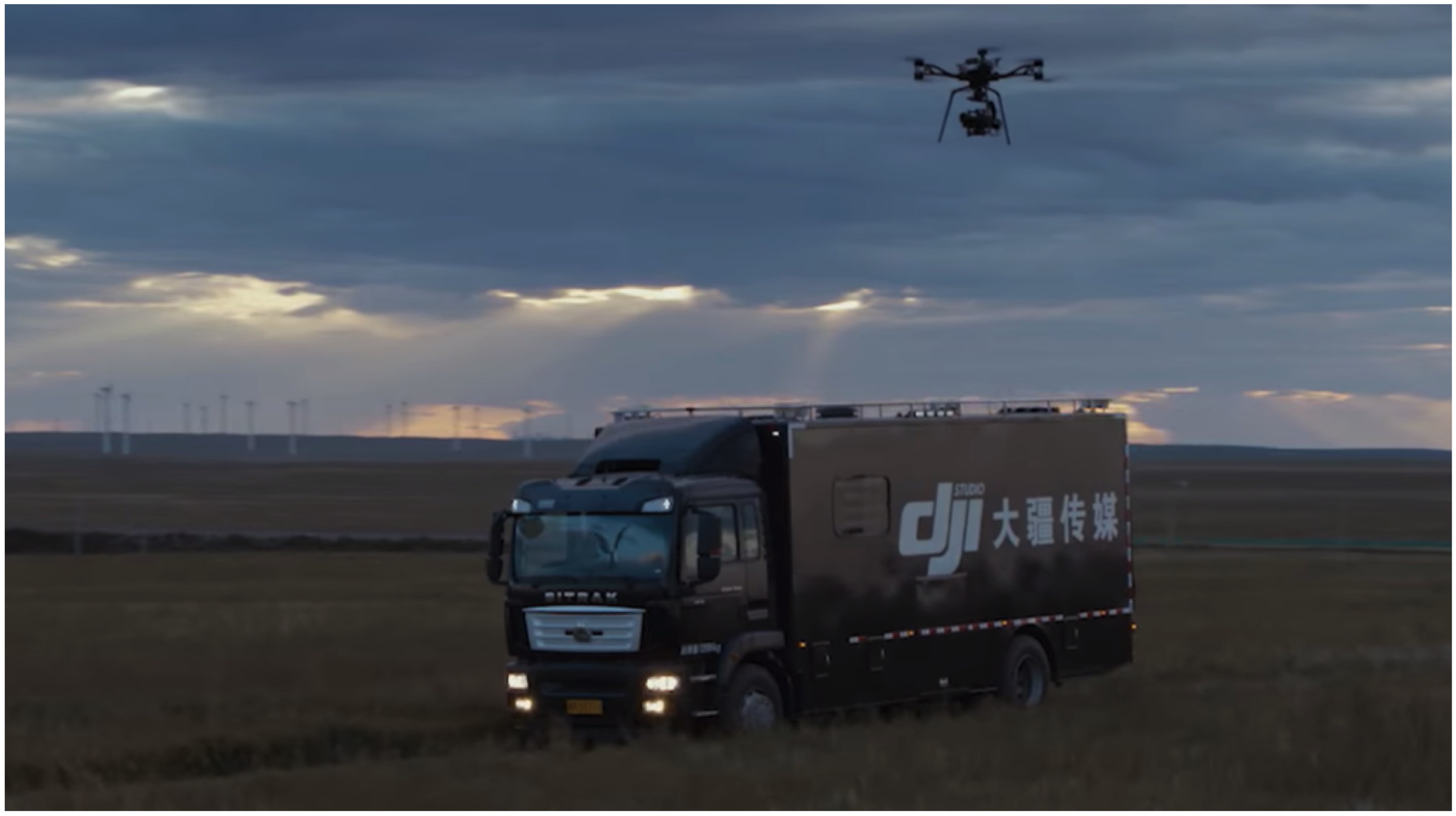
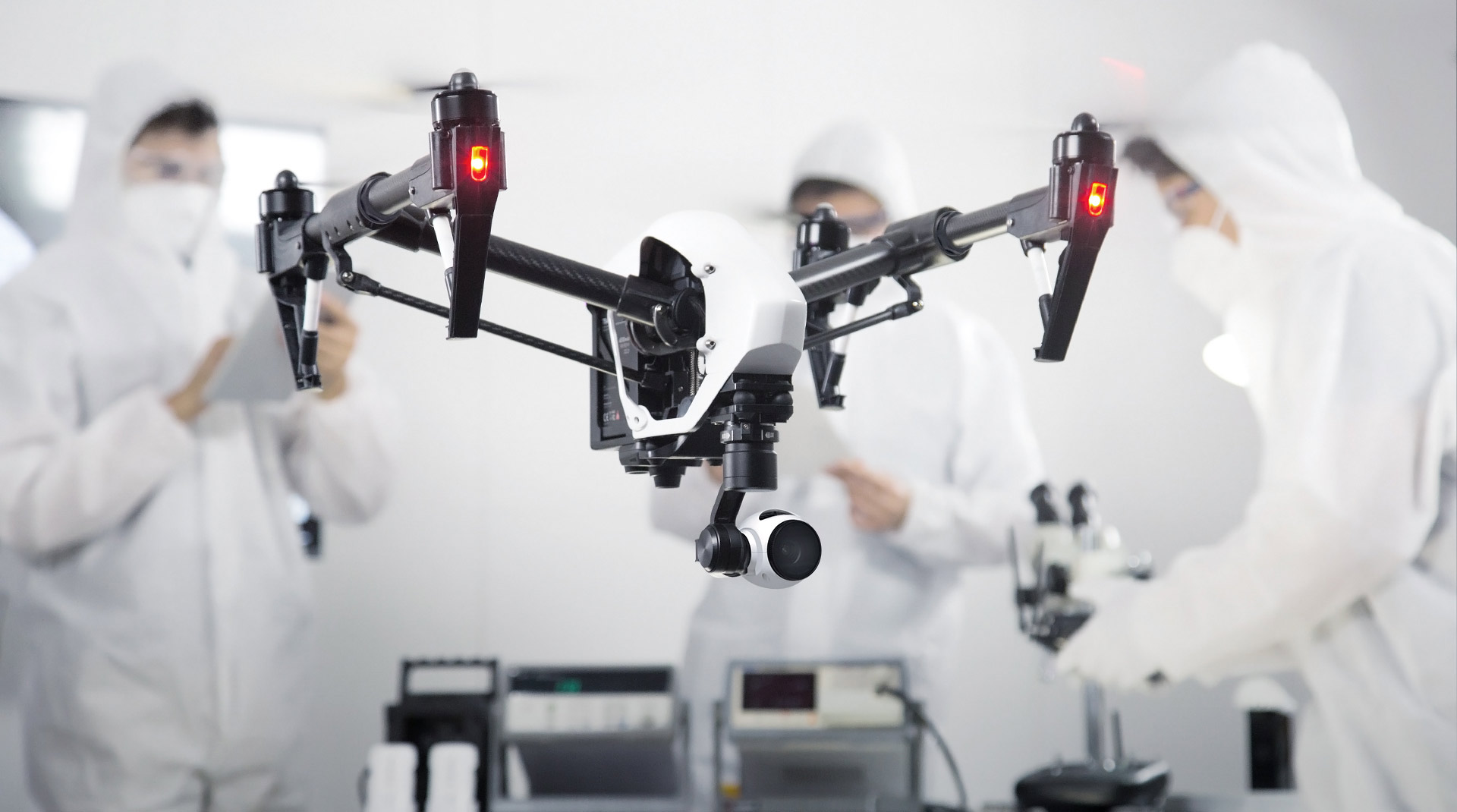
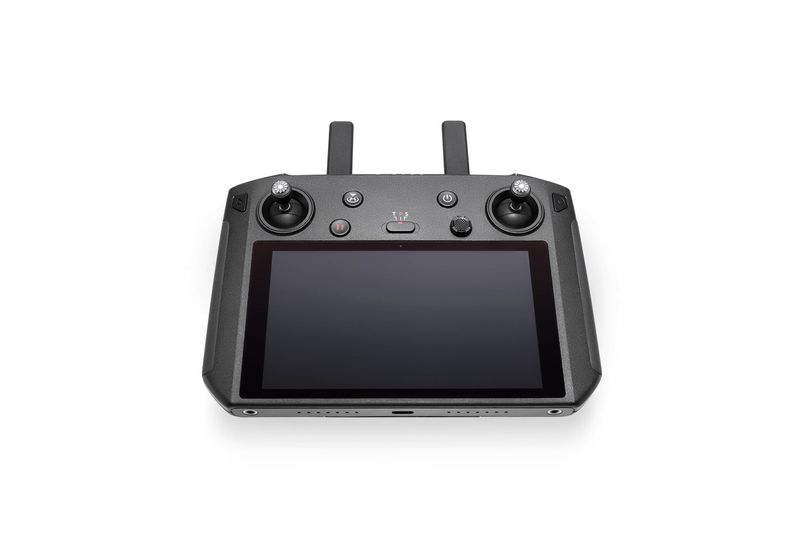
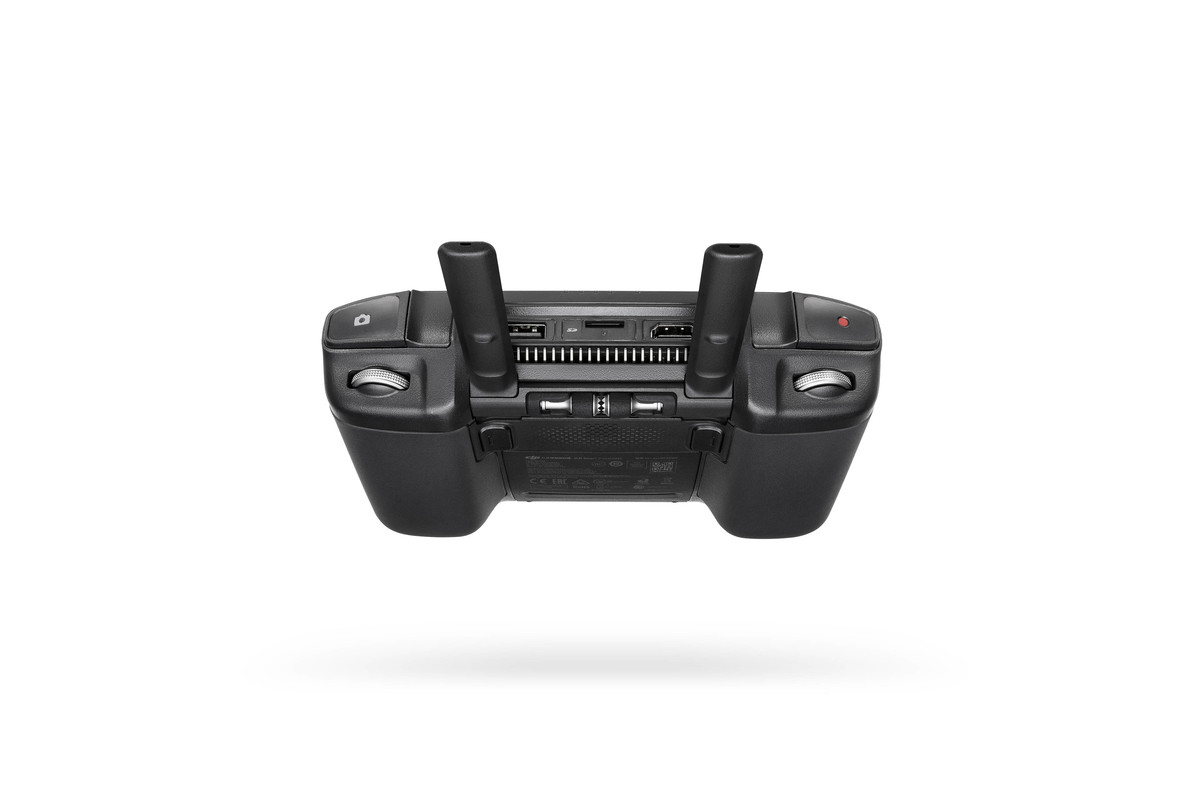
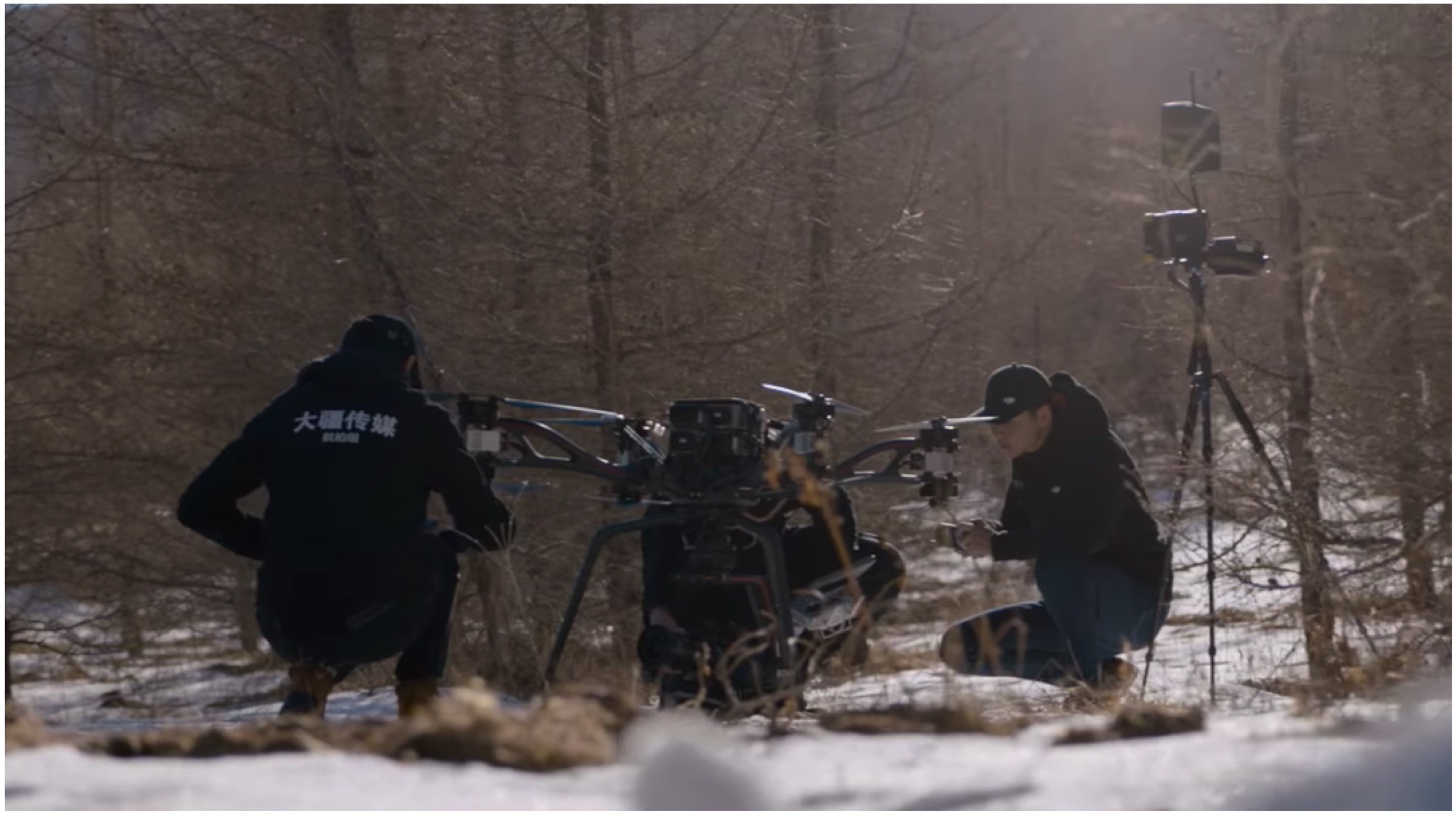 However, the company seems to be reserving the equipment for its DJI Studio Custom Aerial Cinematography Service, which is seen in the video with the special van, professionally trained crew, and many of the DJI’s top gears like Master Wheels and Force Pro remote control systems. These systems allow the cinematographers to move the drone’s camera as they would do in person.
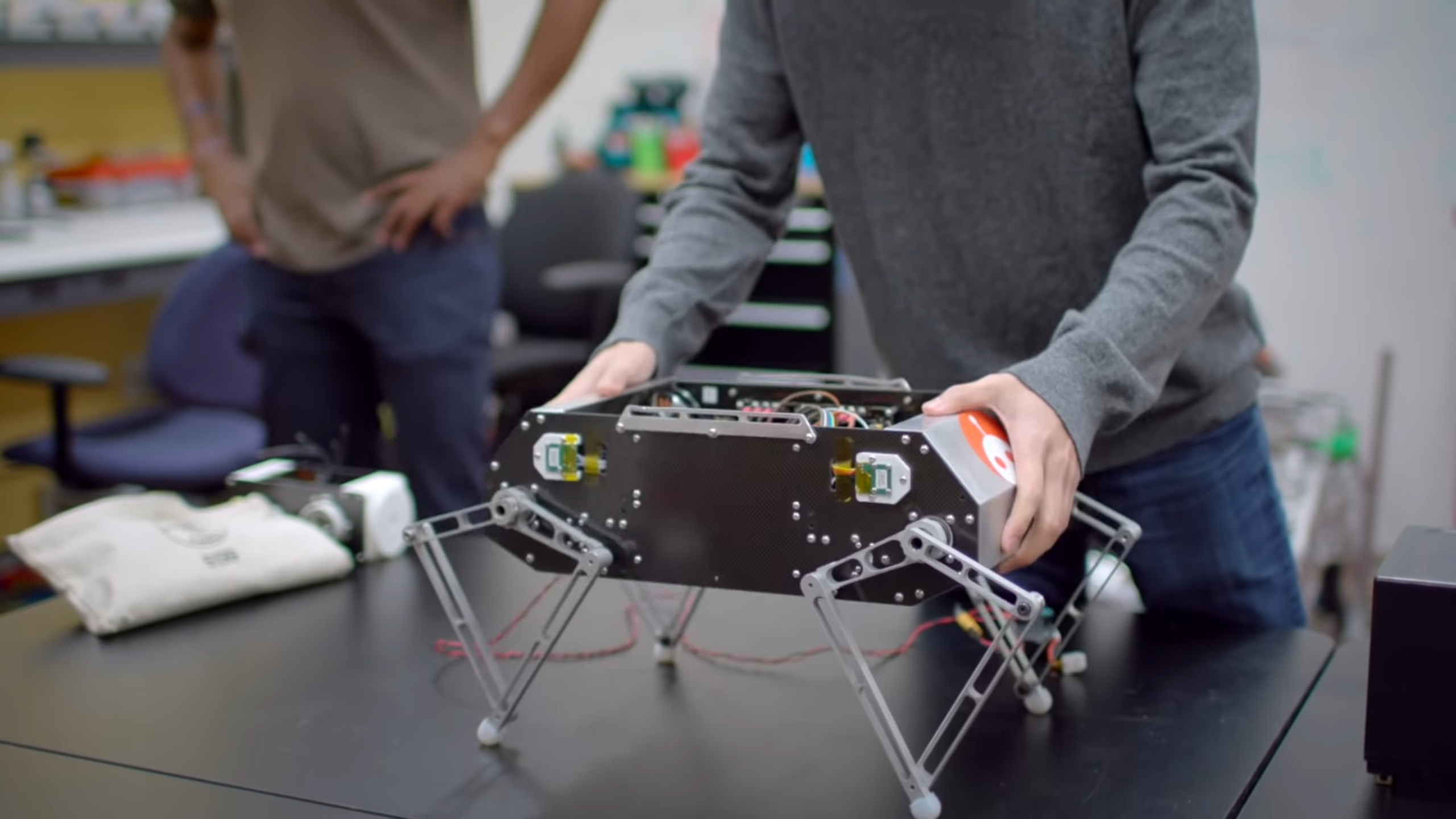
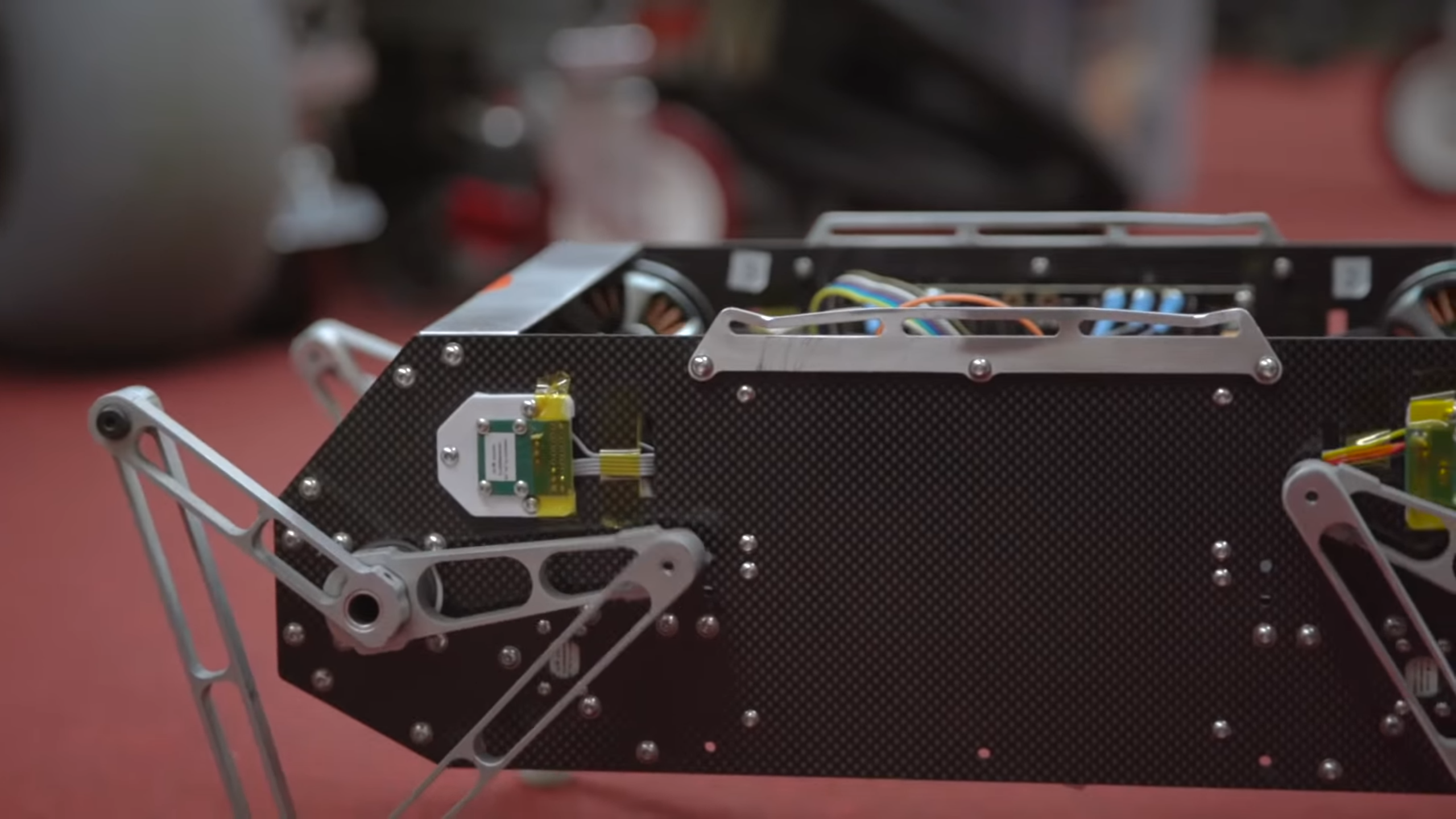
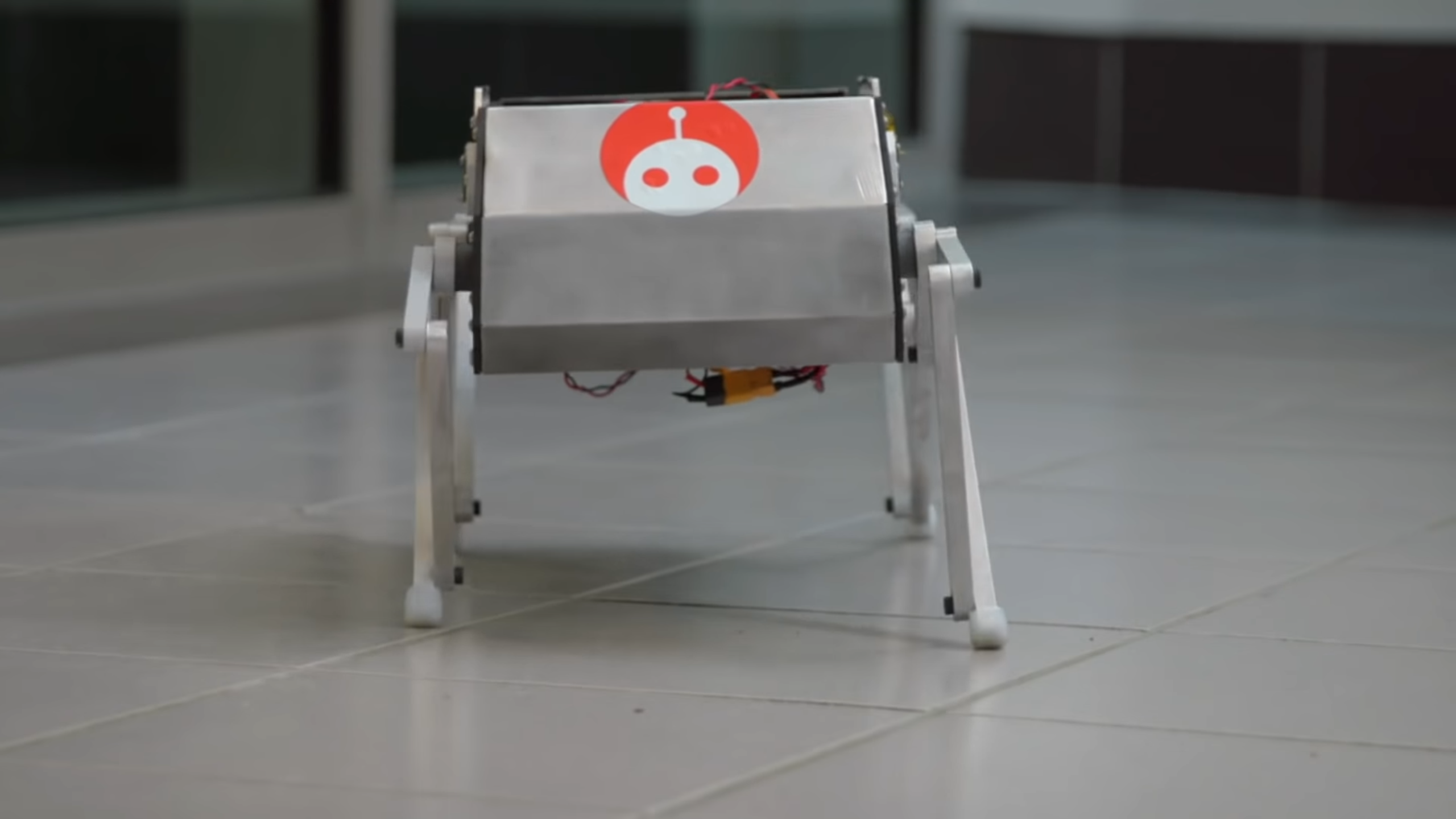 As per the Stanford Student Robotics Club’s Extreme Mobility Team, the cost of developing conventional robots can range anywhere between tens to hundreds of thousands of dollars. On the other hand, the Stanford Doggo can be manufactured under US$ 3000, and this includes manufacturing and shipping costs. Almost all the components required for manufacturing the Doggo can be purchased online. The students expect that this will enable researchers and robotics enthusiasts to develop innovative projects the way they want.
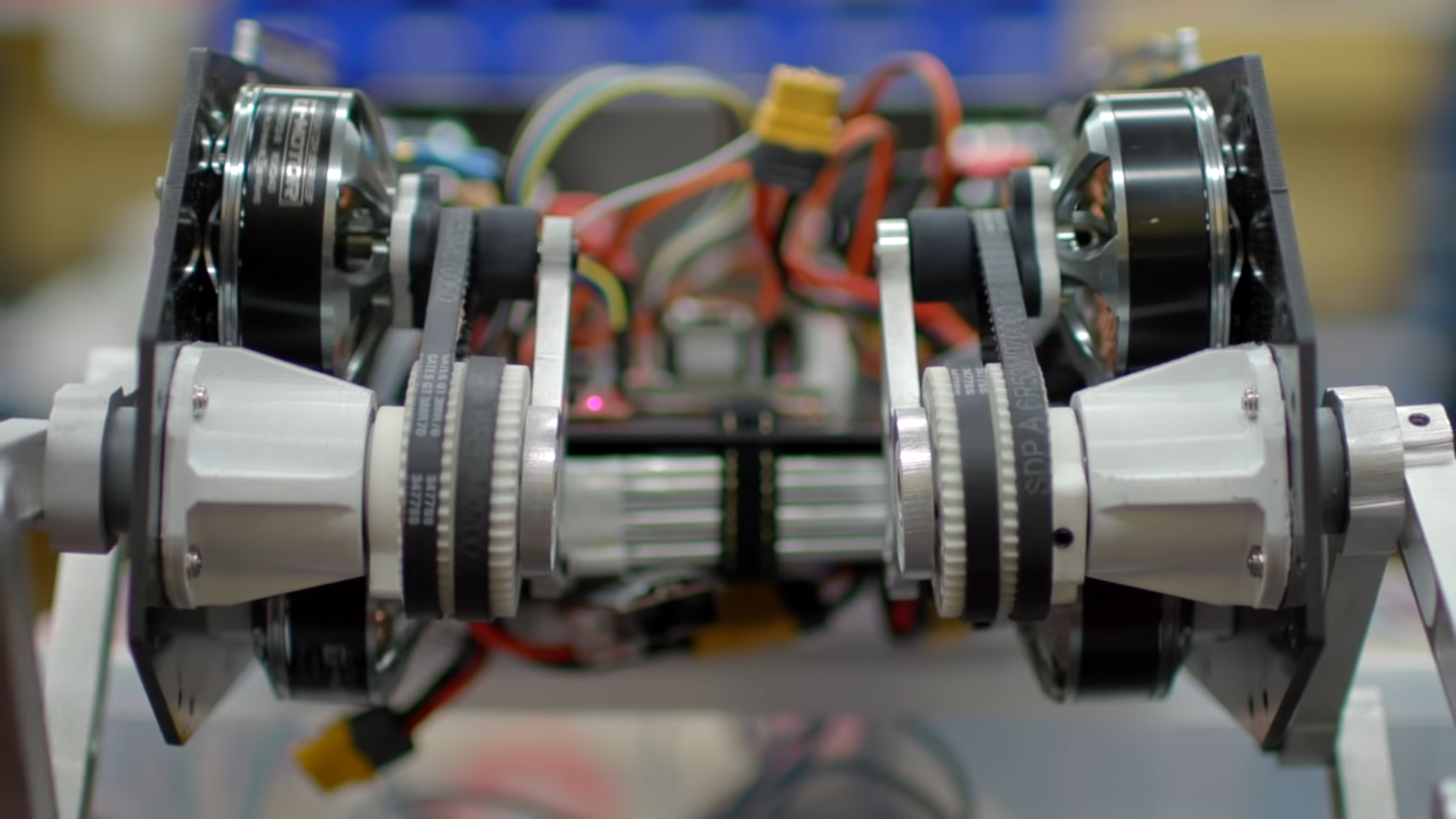 The Stanford Doggo is similar to a regular-sized Beagle in terms of size, and it can walk, trot and dance with ease. More complex actions include jumping, hopping and performing backflips. Since the students built up the robotic dog from scratch, a lot of time had to be devoted in order to test each part of the Doggo. Moreover, the students did not rely on any form of simulations during the development of the robot, making it even more difficult to predict results.
  Also Read: