Category: Editorial

  • We are at WAR !

    We are at WAR !

    In June of 2010, a small personal website began with technology updates and tips and tricks on how to do things on your mobile phones and laptops. iGyaan was never started with an intention of supremacy or competition. It was barely a year into inception and Google, a large search engine company and the basic backbone of the modern Internet, approached us. They claimed that “iGyaan and you (Bharat Nagpal) as a content creator have the power to reach out to a massive audience and to be heard.”

    It has been an incredible journey growing up as an independent technology website, not funded by an outside entity and not backed by large corporates. The fight to exist in this industry is far more lethal than a regular book smart individual could understand.

    We began to create content at a time where the internet was beginning to reach out as a medium to many in our country. A country which follows modern and western policy but holds onto traditional values in hope of not losing what has already been lost.

    [pullquote_left]You Won’t Last, India is not an Internet Country[/pullquote_left]

    Stuck in an industry, just like modern Indian politics, full of “experienced” journalists and industry consultants, show hosts and television anchors, who ruled with a dominance only to resemble that of Nazi Germany. “iGyaan, is it a blog ?” they would ask looking down upon the existence and creation of such an entity. “You won’t last, India is not an Internet country,” they added.

    We faced many other hurdles growing up, which were not necessarily limited to the industry. Infrastructure has been very poor in our country. Sure, we have freedom of speech, but that is pushed down by the lack of education of governance bodies. Walking into public places (even places like the Lodhi Garden in New Delhi) with a camera has often led to problems with the police, who asked us to furnish press identities. We were pushed out of malls and coffee shops, whose managers and staff said “No video sir!”.

    We have fought with poor internet connectivity for years, 512 kbps uploads, 8 Mbps downloads (limited to 150 GB) were simply not enough to run a media company. Leased line internet was the only way to go. However, it remained out of reach, pertaining to budget constraints of large expenditure on equipment and large human resource overheads.

    Just like any other big industry that needs a big shake to come into realization, the technology industry has had many such reforms. No mobile phone brand would let us review their devices, and we never depended on them. We had sources, mostly buying everything that we reviewed, or tying up with vendors to ensure that we could bring out a basic, simplified review of what technology meant to a layman.

    In April of 2011, Samsung held its annual Forum at a hotel in New Delhi, launching the Samsung Galaxy S2. At the gates, a lady, equating closely with the “Gestapo” refuses entry to any online entity, asking us to furnish press documents, at an event mainly open to the public.

    We were not the first online review website, but we were the first online video review website in the country. We fought with each and every press handler, each and every PR team and each and every corp comm manager, to get the online community some importance.

    Micromax was a young company in 2011, a new digital and media press manager of the company, a young fellow in his 20s said that he had seen some of our work. He invited us to the launch of what would be Micromax’s foray into the Android domain, a handset called the “Micromax A60.” A closed room briefing session where Rahul Shama, Co-Founder Micromax, introduced us to a bunch of handsets including the A60 and the A70.

    About four years in, a lot has changed for the industry and India as a country. One can simply not ignore the online space, many blogs, and online reviewers have emerged, the war for existence still continues. We haven’t been happier for the tech industry, where many of our readers feel that many more will catch up to where we are. Such is the nature of this industry, and there will always be a younger, dynamic mind taking the place of a pre-existing entity.

    Today, iGyaan is an industry name, and we proudly say that most technology brands know and talk about us. We are registered press, a process that is an impossible task for any private online company, but we managed. We are recognized and realized in international communities and global tech companies have come to know of our existence. We can also proudly say that we began or at least put into motion what tomorrow will be the technology medium of India. The online space has evolved and a lot of others have come into the picture, aspiring and evolving into known mediums of communication.

    By the end of 2011, things had begun to change, we were awarded “The Best Technology Website of the Year”, the best “Online Reviewer of the Year”. Awards, a sense of achievement, these were few of the many that were to come.

    We have never claimed that we are “number one” or “the best” or “better than others.” We have never looked at any other company, website, blog, or medium as a competition and never will. That is the nature of iGyaan. It was founded on one principle, we will speak of what we like and won’t of what we don’t. We will point out what we dislike and applaud whatever is worthy. There are many who claim otherwise, push out fraudulent numbers, buy visitors to their website or likes to their Facebook pages, spend money on websites that allow you to buy subscriptions, unaware of existence of tools to look past all that.

    Our war, however, is still ongoing, and it has only gotten worse. But our fight, is not with the others in the online domain, our fight is with another kind of enemy.

    We are at War, with the traditional media, a kind that boils down to purely paid news creation. Samsung spent millions of dollars for the Launch of the S6, including in India. The Korean company paid over 500 people just to attend the launch in China. It was a similar scenario in India, one of many television channels that was paid in lakhs to give coverage to the launch of their handset and were only allowed to speak good about the product.

    Samsung set up a custom production booth at the launch in India where many were allowed to shoot and talk about the phone in a controlled environment. When we refused to shoot in their settings, we were pushed back and not allowed to shoot the handset at all. Seeder handsets (pre-launch handsets) were given only to those who would get their stories approved by Samsung’s digital PR before publishing. Online review handsets were refused in India, where as most media, including Television and Print are now testing the devices.

    Sure, Samsung invited many bloggers and online media, but many of them were just happy to be able to create videos, losing out on what the essence of technology reporting is. Samsung India has pretended to care, and many incidents in the industry have taught them to care. However, every time the company structure gets shuffled, new guys come in, and the organization reaches back to its old media roots.

    Companies like Micromax, which are now more mature as brands (read: cash rich) have gone back to traditional media, advertising heavily in the television space and print media. They rarely hand over review handsets or information of their upcoming products, to online communities anymore. They formed a new brand with the name “YU,” and they reached out to many for reviews. However it was short lived and the connect with the online media was limited to basic interaction, and just like any company, behaved poorly to bad reviews.

    New brands: OnePlus, Xiaomi and even Gionee, who claimed that online media is stronger than tradition forms of media. OnePlus and Xiaomi made purely by online sales, in India, get all starry eyed in front of traditional media. Gionee claimed that “online is the future.” Holds large media briefings and launches ensuring the best of times for traditional media and TV anchors, sure the online media is invited and taken on this journey, only to be sidelined and pushed around.

    We are at war, with those lacking a basic sense of how this industry works, many who say we are paid by companies to write good reviews. Mostly those dimwits that think Apple invests in us because our name is “i-Gyaan”. We are an independent online company, and we do sponsored stories, yes, but they are clearly marked as “sponsored”. We have no problem in telling the world that we need to make money. And”unfortunately” we are not a charitable organization, and even if we were, we don’t expect any charity from the community.

    [pullquote_left]Pathetic Overpriced Crap[/pullquote_left]

    We are at war, yes we are, with the lack of proper education and with the lack of proper content creation. With the lack of proper support and with the lack of basic understanding of the technology industry in our country. We are at war with those who think this is an easy way to make money, and those who think they can use fraud, and our name to get devices for free. We are at war with tech giants, the likes of Apple, and mostly Samsung who think they can rule the market by selling pathetic overpriced crap and paying people to say good about it. We are war with new companies who have lied to us and to the consumers promised something and delivered something else. We are at war with companies who will lie their way into their customer’s pocket and then not be held accountable because our government is crippled. Based on a system that is crippled so that these companies can exist without fear.

    We are at WAR, with companies like Airtel, proud communication companies, monopolistic giants, that break norms like “net neutrality” and add things like “Fair usage Policy”, when they had power enough. Modern day drug dealers that change prices as per convince and add VAS costs to user accounts and bills without recourse.

    We are at war, with a system of governance founded on the backbone of the internet, but has neglected to create a basic infrastructure for its users. We still do not have 4G/LTE networks while the world talks 5G and future technologies. Heck, we still do not have workable 3G, countless emails complaining about the lack of network and customer support are sent to us daily, by our readers. We wish we could help and we will continue to try to help.

    We are war, and our war has only just begun.

    Want to be a Partof it ? : Or Better yet Tweet to the following with #WeAreAtWar Samsung Mobile India : Airtel India : Micromax India : Your Own :
  • Apple Might Screw Up the India Launch of the iPhone 6 and iPhone 6 Plus, Again!

    Apple Might Screw Up the India Launch of the iPhone 6 and iPhone 6 Plus, Again!

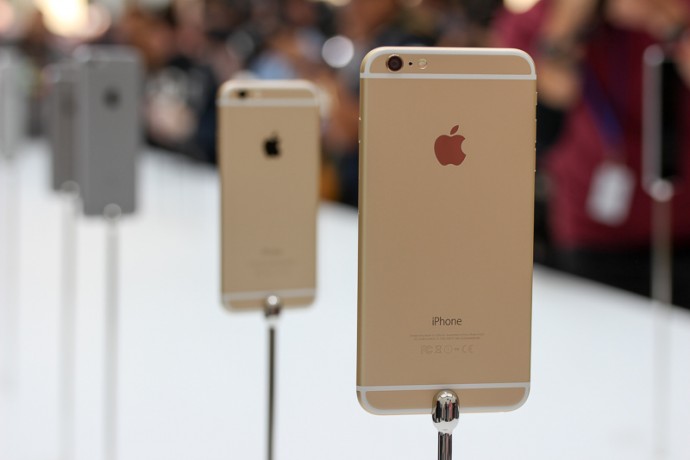
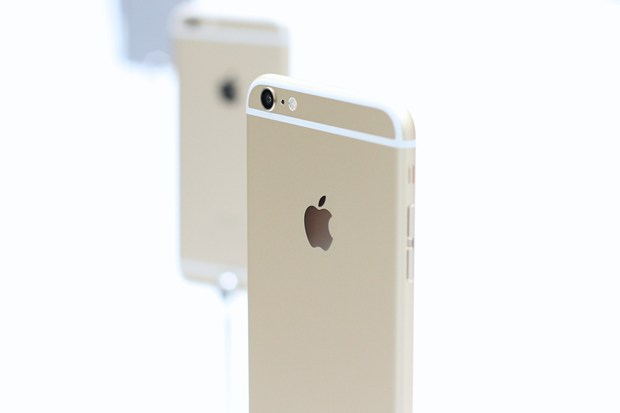
    The new iPhone 6 and 6 Plus are expected to do well in India, especially considering the launch date which falls just shy of major festivals of our country. Oct 17th (the official launch of both big iPhones in India) is also just 4 days prior to the mega festival of “Dhanteras” which celebrates gold and anything that represents gold. A few days post that is the biggest festival of India, Diwali/Deepavali, which again brings about the act of gifting, shopping and spending money like there is no tomorrow. And finally “Bhai Duj” which again ensures that people are buying gifts for their respective brothers and sisters.

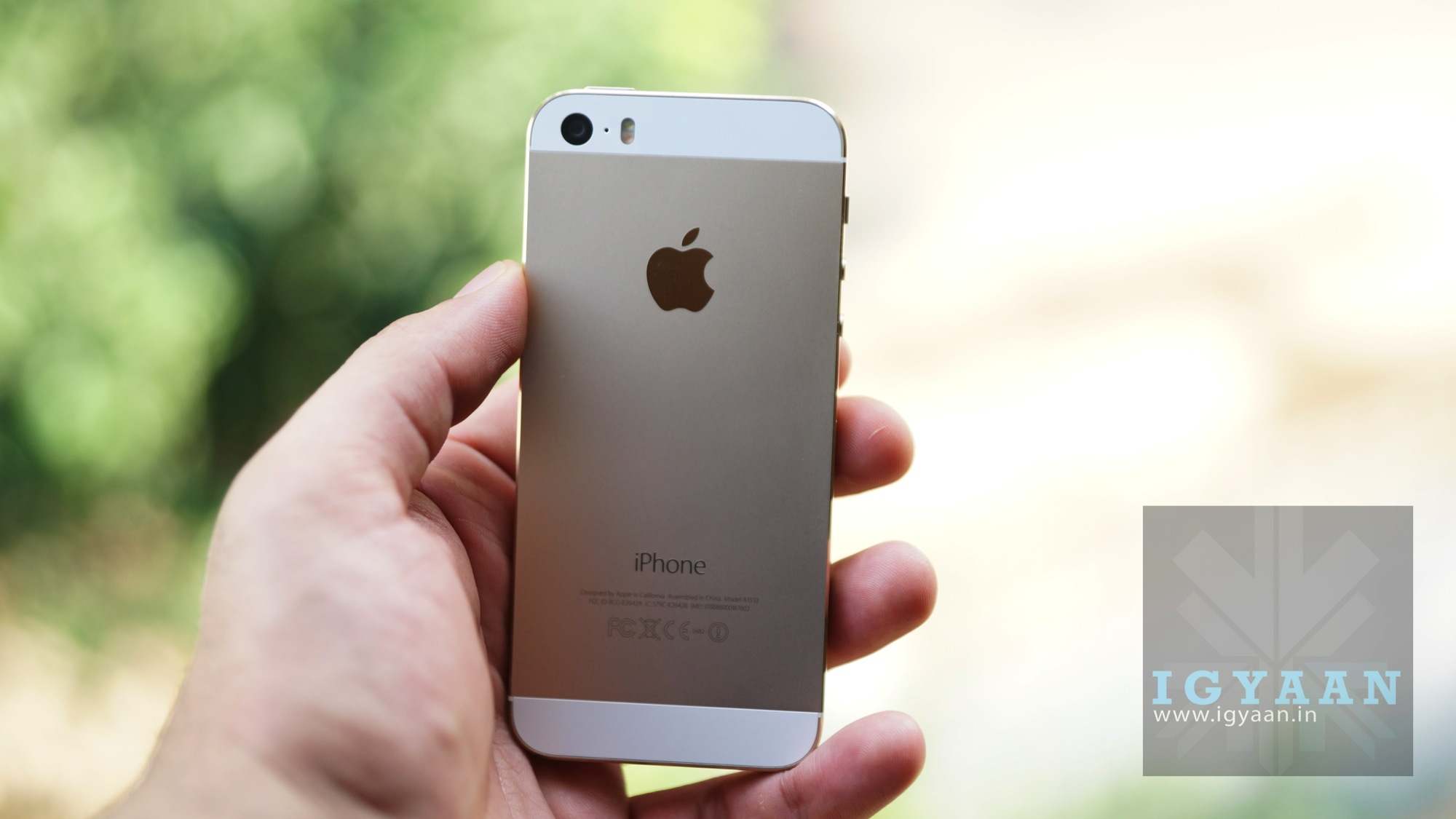
    In 2013, Apple launched the gold color iPhone 5s, which was sold out within hours and remained out of stock for many a days. It is assumed that there  was a high demand of the gold color due to the excitement around the time of the above stated festivals. However, the way the iPhone was launched in India was the complete opposite of how Apple does things globally.

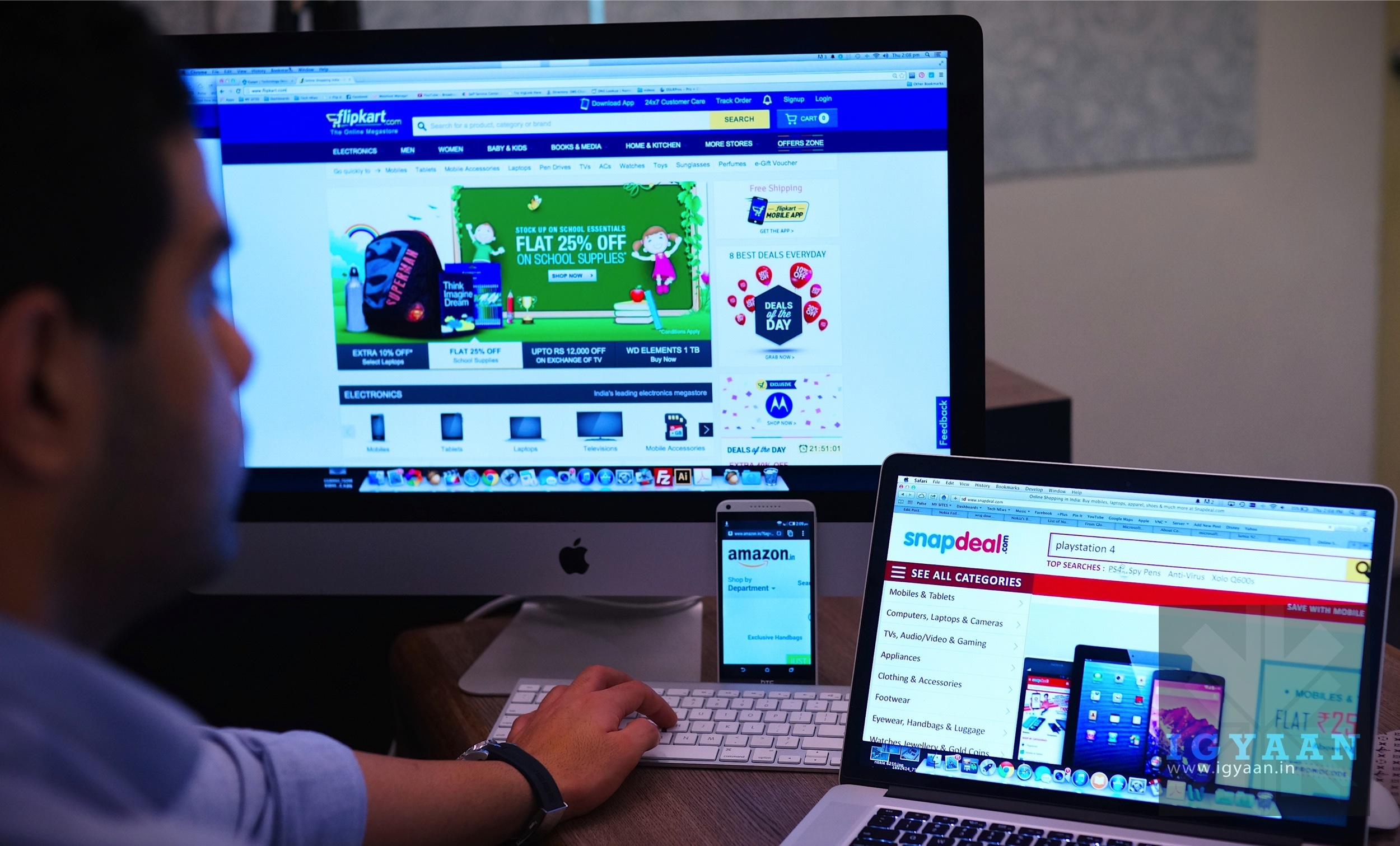
    Apple in India, unfortunately does not have any of its own stores, no online store, no flagship stores and well nothing close to a “5th Ave” store. The company has its distribution tied up with Indian distributers “Ingram” and “Reddington”, who make a spectacle of the launch, by making available “limited” number of phone in limited cities. This redundant process has left people who actually want to buy an iPhone with a horrible taste.

    apple india iphone 5 launch
    Poorly Orchestrated iPhone 5s Launch

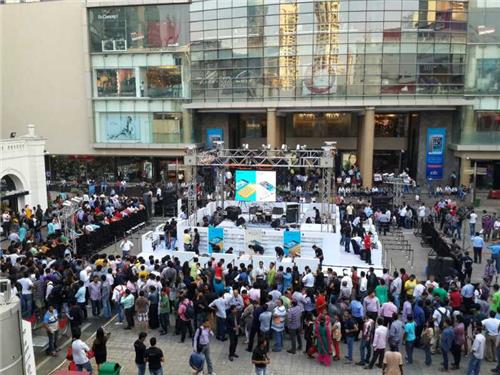
    The launch is nothing close to what happens, for example, at a US store (or any other Apple store). There is this strange coupon system that lets you stand in line to buy an iPhone. Then there is a “special” coupon that lets you skip the line and jump ahead to a “special” area for VIP guests of big distributers i.e. Ingram, Reddington and networks like Airtel.

    The standard line is essentially made up of store owners and employees of store owners, who want to essentially get stock that they can then sell from their respective stores to their respective “best clients”. There is a huge inflation of price of the iPhone as well. The same day as the launch of the gold iPhone 5s for (Rs. 54,500 for the 16GB variant), the phone was available at most dealers and brick mortar stores for as high as Rs. 70,000. An inflated price you had to pay for not standing in line.
    There are a few who actually brave it and stand in line, but their numbers are limited and their wait times are catastrophically high. The event itself is loud and disorganized, usually outdoors and in the open (except a few), leading to long wait times and a chaotic atmosphere. The company also tries to build in live music and unnecessary shows with loud emcees making it look like a typical Indian fair (mela).

    Despite claiming that the gold color had reached “out of stock” status, Apple India warehouses were full of them, and Apple chose not to sell anymore gold colored iPhone 5s, because it was affecting the sales of the other colors.

    iphone6 1

    Why does it have to be so difficult, and complicated for a user to buy a phone that they want to pay money for. Apple needs to bring their user experience to India, considering India is an important market for them. Apple is planning to officially be in India by next year, that means that the company will finally set up shop which may end all these theatrics. However if there are limited number of handsets to sell, a simple pre-order system should suffice, or a registration system which lets actual buyers who want to own these phones buy them. Apple asks for identification and credit cards at the time of purchase in the US and also limits the sale to a maximum of two handsets.

    However in India, most purchases are made by cash and why should the company care about identification as long as phones are getting sold? To make matters worse, the people who are supposedly selling you the phones have not been trained as you would expect at a “genius bar”, they have been debriefed a few hours prior to the launch and know basic things like “turning on the iPhone” and “inserting a sim card”. They usually freeze up if you ask them questions around “iCloud” or some new elements like “handoff”.

    The one good thing out of all of this is the fact that Apple has made the phones available in India early, unlike the iPhone 4s which was launched a good 9-10 months later, the iPhone 6 will launch a month after the US launch. However, this year expect the problems to be big, or well “bigger than bigger”. #BigFailSale anyone?

    [poll id=”21″]

  • Is Samsung Really in Trouble?

    Is Samsung Really in Trouble?

    Samsung has more or less dominated the smartphone market in the past couple of years. After a short, yet fruitful reign of the Cupertino based Apple Inc. and their iPhone, Samsung took the pole position and has not wanted to let go ever since then.

    With the power of 100% component control, in-house manufacturing and software R&D, Samsung led the rat race thanks to all its strengths. But, just like every other leader in the past, Samsung took the threat of competition lightly. So sure of their position and their loyalties, the Korean manufacturer failed to realise the need of the modern day man.

    2014 may have seen less of it, but up until last year it was impossible to go ten days without an announcement from Samsung and that too just the mobile division. With their consumer electronics and home appliances doing their bit separately. Samsung wanted to be present, and today it is present in each and every price segment.

    So here is a big question; why has Samsung started to dwindle, why are the consumers against the company they loved so much and what has really happened?

    The answer lies in Samsung’s own flawed approach. Even though the company made sure it could tighten its ends and function like a well-oiled single operational unit, too much goodwill from within the organization led to almost zero critical feedback. Everyone in-house was busy appreciating how wonderful they are,  no one telling them where they are wrong.

    The Korean giant also failed to answer people’s unanimous need of better-built phones that not only performed well but were also made with the use of premium materials. Samsung failed the consumer’s demand and hope within a brand that people had only just begun to trust. Samsung never changed their design philosophy, making handset after handset to feed the familiarity of the brand.

    Note 3 4

    A premium phone to create excitement in the flagship market; and then a mid-segment with similar looks and software capabilities to excite and create aspiration for those who could not afford the premium segment. Then there was the down segment shift of the same design to the lowest price point.

    Not to say that this strategy didn’t work for Samsung, 2012 and 2013 alone saw an estimated 150+ launches for Samsung Mobile division, that is four times their next closest competitor and 75 times that of Apple Smartphone announcements, being the iPhone 5s and 5c.

    2014 was also supposed to be a year of Samsung; many launches and many price segments and many new-magical innovations. But, things like multi-window and air gesture were not going to get attention. Hopes were pegged on a metal built handset with a 2k display, which was supposed to woo the crowd and earn the Korean company millions and millions of dollars with the Samsung Galaxy S5. But, ironically the complete opposite started to happen, the Korean giant started to lose market share and how. The company is worried, to the extent that they have reshuffled policies and opened up board rooms for strategy building. Resources are being spent, and ideas are being made within the company to rebuild the position that Samsung seems to be losing fast.

    Samsung knows very well that they failed with the Samsung Galaxy S5, especially in markets like India, where they offered a sub standard and sub performance flagship, which not only quickly dropped in price but also in fan fare.

    Samsung lost their prime spot in major markets like China, being overtaken by Xiaomi, and in India thanks to the notorious Micromax Mobile.

    What happened?

    Lee-Kun-Hee
    Lee Kun-hee

    Samsung has never been a humble company; employees seem to be trained always to be arrogant and adamant about their policies, and about the position of the company. The beginning of the company itself is said to be tainted by a tale of controversy. Originally started as a trucking business in 1938, by the name of Samsung Trading Co, the company had corrupt ties with war governments trying to give an industrial strength to the country and survived through the war to become what is now a mega company.

    The company’s chairman of 25 years, Lee Kun-hee resigned from Samsung in 2008 after being indicted and found guilty of embezzlement and tax evasion in Samsung’s infamous slush funds scandal. It is estimated that the company had over US $200 million in budgets for bribing prosecutors and politicians in favour of Samsung policies and making them blind towards the company’s misconduct.

    But how does that play in today’s scenario? and how does that affect us in any manner?

    It is speculated that Samsung has kept a stiff upper lip in India since its inception in the early days. The company is said to have deep ties with the Indian government and deeper pockets for the not so honest few in control. Samsung has often managed to bend rules in favour of their products and managing to change laws to better help the company’s growth.

    However, while the Korean company was busy playing its deep rooted tactics, a new enemy was lurking in the shadows. Samsung essentially dethroned by local competition in markets they wouldn’t have imagined possible.

    Micromax has always been playing catch up with Samsung, playing on the weaknesses of the company and essentially delivering a value for money prospect for the consumer who was sick of the boring design and hardware mix of Samsung. Micromax even brought unibody aluminium phones  to mid and low segment markets while Samsung’s flagships continued to be made out of plastic. (we meant “Polycarbonate painted – er – plastic”)

    In China on the other hand, Samsung never considered Xiaomi a threat, assuming that the company would never reach production requirements of the market. Most investment specialists and market reach firms estimated that Xiaomi would fizzle out in less than a year from inception. But just like Nokia back in the day, these people were wrong, very wrong; Xiaomi dethroned Samsung to gain not only the current position but as the leader in the Chinese market. The company has secured millions of pre-orders of their upcoming phones, the Redmi and the Mi4, ensuring them success and a tight position on the top of the chain for a few months if not years.

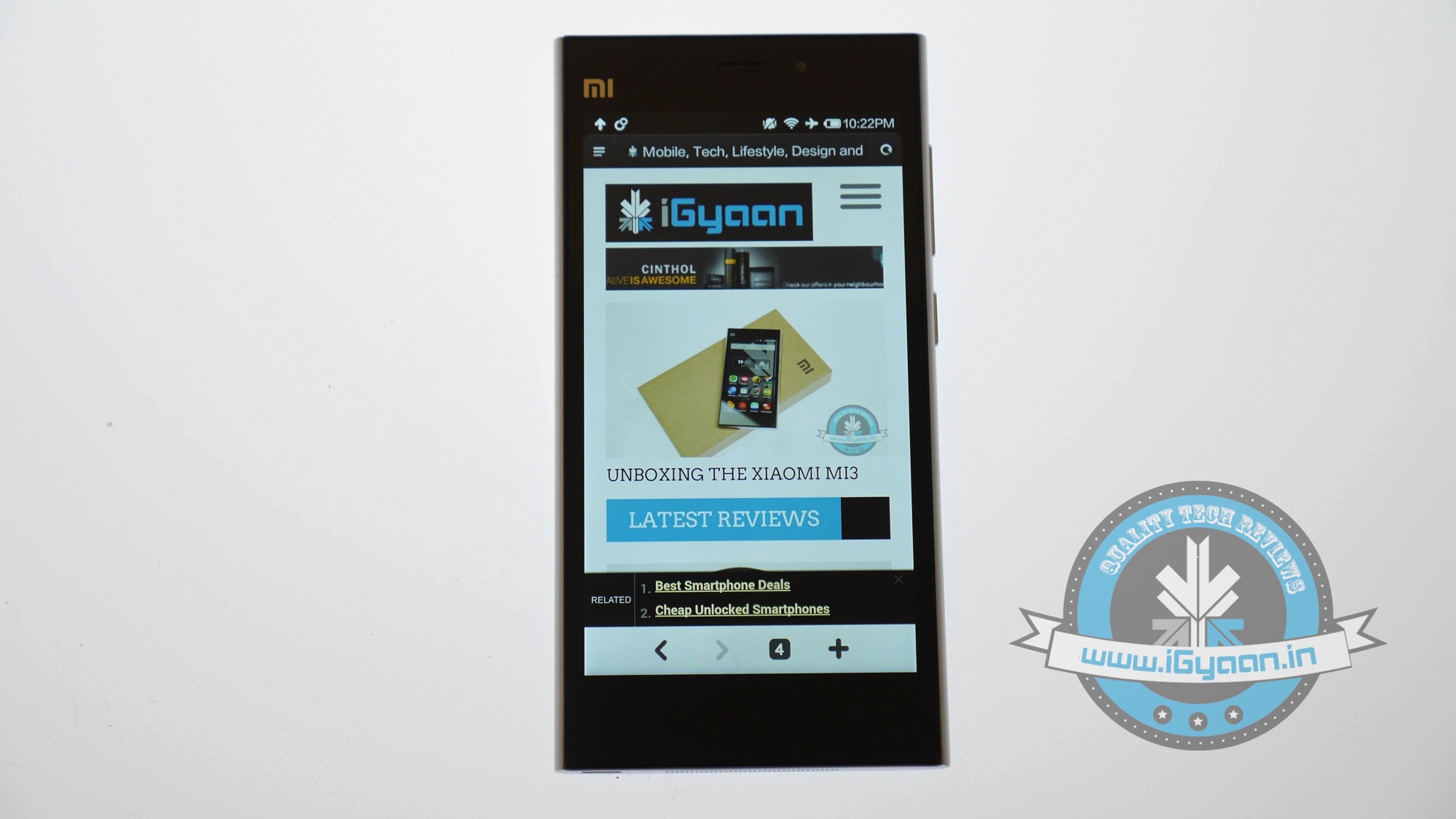
    Xiaomi mi3 Review 0

    Xiaomi has also seen success in markets like India where they have managed to gather interest of the consumer, although largely lacking supply. The Indian market may not be that forgiving to the company if their current policy of sale of phones continues. However, this has set rolling the notion for a perfect budget phone, making companies like Samsung with red-rock strategies of selling dated products for newer markets obsolete.

    The reign of Samsung is far from over, in-fact the company may as well be in a great place to play its strengths and recover market share with ease. The lack of great phones hasn’t helped the Korean manufacturer, and with their flagship of 2014 fizzling out in the market, Samsung will need new products and cut throat pricing strategy to regain their stronghold in markets like India. With players like Motorola, Xiaomi and Gionee playing catch-up in India, Samsung may have their work cut out for them.

    Their previous relationships with their distribution and end retail chain are also in the swamp, and the company is having a real hard time coping with the situation. With all eyes perched on the new Note 4, Samsung may have more on the line than ever before. If the Korean smartphone maker fails to deliver in their monopolised category, they might have a tough time recovering. Samsung India plans to play a lot more in the online space, which initially was being ignored by the Korean company, and if previous examples have taught us anything, we know India is more than ready for e-commerce.

  • How Do They Do It : Chinese Phone Pricing Explained

    How Do They Do It : Chinese Phone Pricing Explained

    Many of you have inquired as to how the Chinese smartphone manufacturers are capable of bringing high speced devices that are priced so low. Here we attempt to explain how the likes of Xiaomi and others go about their business of creating havoc in the mobile markets everywhere.

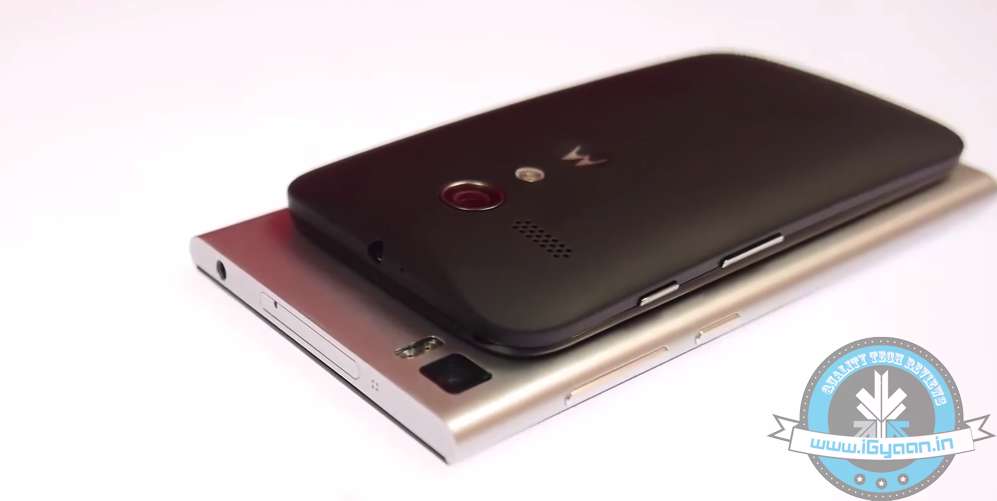
    Both Motorola and Xiaomi have kept prices low by using the e-tailing route
    Both Motorola and Xiaomi have kept prices low by using the e-tailing route

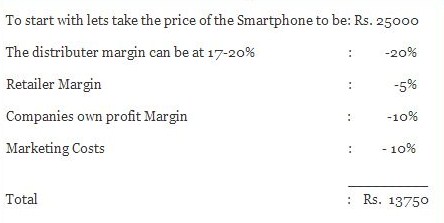
    It is estimated that companies like Xiaomi are selling their phones at a loss of Rs. 1000 so that they can create a market buzz around their products. Xiaomi is bringing in just about a 1,00,000 units of their phones to India and have been selling them out in periodic flash sales. By bringing in a limited number of device the company start a stampede and this causes other competitors to reduce their prices, something we saw Motorola do when they slashed Moto G’s price by Rs. 2000. By using this strategy, Xiaomi, with its limited marketing budget has made its name shine out in the market.

    However there is a downside to this marketing technique. The flash sales are now confusing and sometimes irritating the potential consumers who want the phone but cannot buy them. It has started to create a negative perception amongst such consumers. They are now seeking alternatives to the phone.

    chinese calNow here is where the internet marketing convenience adds in. Basically, by just using an online sales channel, a strategy devised by companies like Motorola, the companies get to save massive amounts in distribution, marketing, dealership and other costs. And hence these high speced products reach the consumers in what can be called shockingly low prices, well its shocking for big brands at least.

    It is also speculated that another Chinese smartphone manufacturer, One Plus, intends to try its luck in the Indian market. Their phone, the One Plus One is a high speced powerhouse which comes at mid segment prices. They too have limited stocks and might take the Xiaomi approach. But if these companies plan to stay in the Indian market for the long run, they need to come with stocks in accordance with the demand in the market. Or else they will just act as an inspiration to companies with already big reach to bring similar products and in turn, take away these companies potential customers.

  • Tesla Opens All Patents and Elon Musk is Officially The Best Human Being Ever

    Tesla Opens All Patents and Elon Musk is Officially The Best Human Being Ever

    There have been men who conquered massive lands. There are men who broke the facade of ignorance and opened the world to a new understanding of the world. There have been men who have brought massive socio-economic-political changes for the masses. Almost every generation past has had the opportunity to get an encounter with greatness, men like Buddha, Newton, Darwin, Faraday, Gandhi and many more have had the ability to think of the greater good. Just when we thought the ages of the greats are gone, our generation got its hero and he is Elon Musk, the owner of the electric car company Tesla Motors.

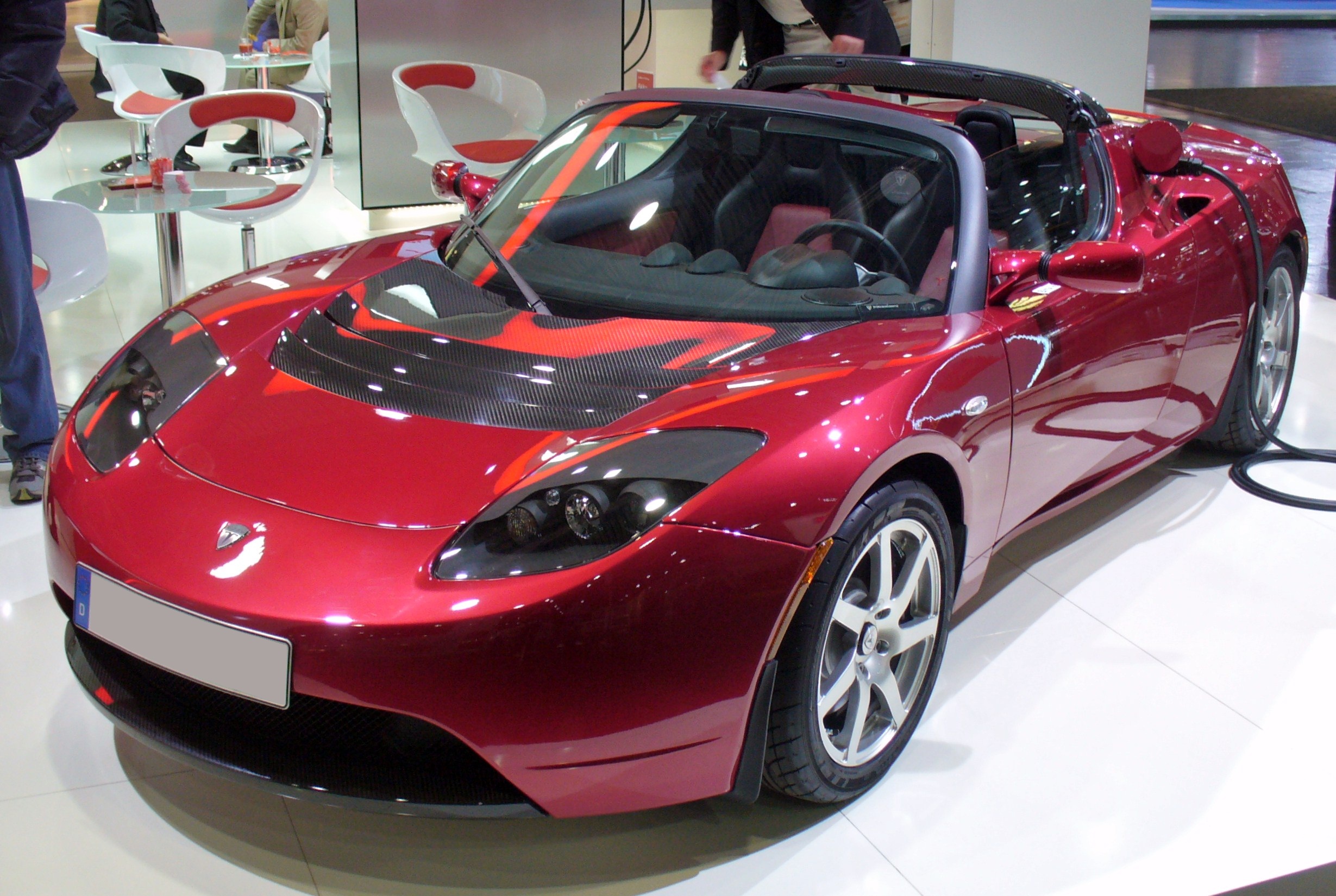
    The Roadster is the best looking and performing EV in the world
    The Roadster is the best looking and performing EV in the world

    Tesla motors is a pioneering institution. It has breathed in a new life into the Electric Vehicle (EV) technology and thereby creating a true alternative to the obnoxious gas emitting, fossil fuel vehicles we use presently. The company’s first car, the Tesla Roadster was the first EV to have a range of 320 KM in a single charge; with a top speed of 201 Km/h (yes you read that right). The company released a Sedan called the Model S which is one of the best looking sedans out there. There is also the sexy  Model X which is a SUV-Sedan hybrid.

    Yesterday, Tesla became the first car manufacturer to open all its patents for anyone to use, for free. The technology Elon and his team strived so hard to achieve, almost reaching a point of bankruptcy and affecting his personal life.

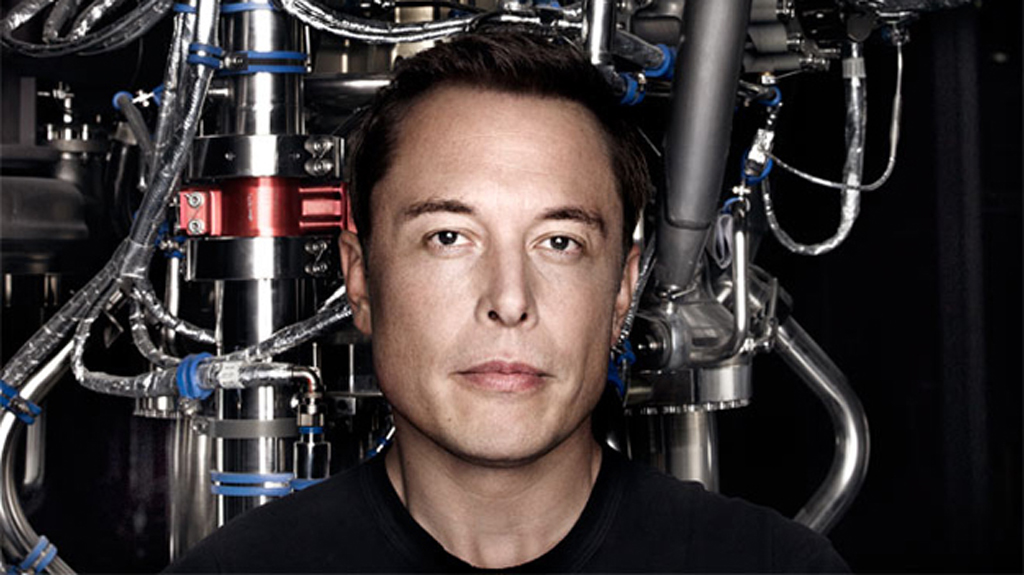
    Elon Musk Astronaut capable Dragon V2
    Elon Musk inside the Astronaut capable Dragon V2

    Elon wrote in his blog titled All Our Patent Are Belong To You that “we feel compelled to create patents out of concern that the big car companies would copy our technology and then use their massive manufacturing, sales and marketing power to overwhelm Tesla. We couldn’t have been more wrong.” This is rather true even 6 years after the release of the Tesla Roadster, no big company is making any major strides or even showing interest in the EV technology. Just about 1% of the Cars on the roads are electric.

    He also stated that Tesla’s competition isn’t the small handful EV manufacturers, but the mega car companies who still insist on manufacturing dirty cars. These fossil fueled cars are the case of environmental changes like the recent increase in obnoxious gases in Delhi.

    The most significant aspect of this story is that it directly questions the validity of patents. Patents were a great way of giving recognition to people who have created something out of the ordinary; innovators. But slowly the system has degraded into a means to enrich intellectual property lawyers and corporations. In this kind of situation smaller players can’t innovate because the bigger companies hold patents on miniscule features. The system that was supposed to encourage innovation is now the biggest hindrance in the development of our technology.

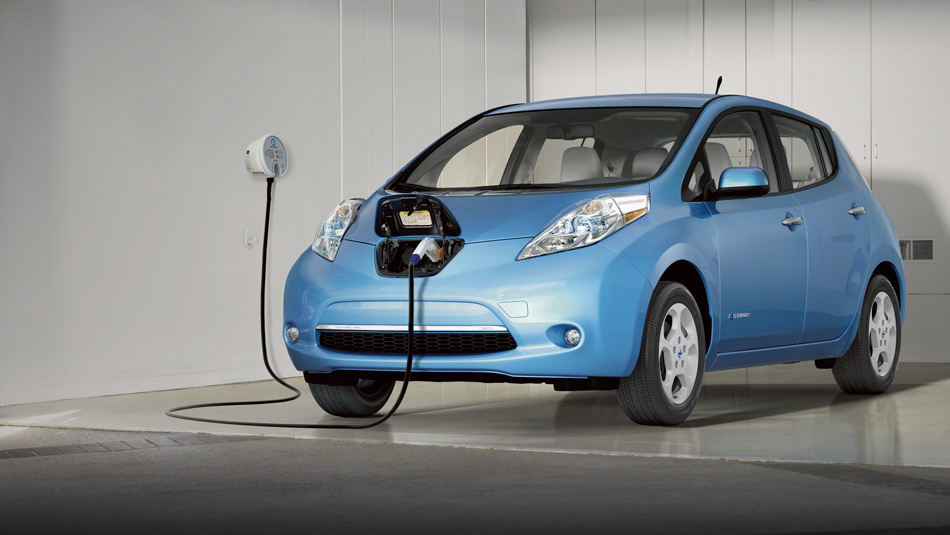
    EV's like the Nissan Leaf are still not efficient enough like their gas powered competitors
    EV’s like the Nissan Leaf are still not efficient enough like their gas powered competitors

    While major companies are working on how to make hybrid cars, something that makes the environmental types and the petroleum giants happy, Tesla has decided to take them all on. With these patents you can design your own electric motor with Tesla efficiency. The best part, as the motor is tiny, once you retrofit your car, you can have an extra boot space where that huge combustion engine used to be. Tesla has also successfully beaten some of the best cars in overall performance.

    We now know for a fact that global warming is the single greatest threat to our existence. We also know the reason for it is us and our expenditure of non-renewable fossil fuels. Elon has also put massive investment into the Solar City project which provides energy services to homeowners, businesses, and government/non-profit organizations. In just one hour the sun gives more energy than is needed by the entire humanity in an entire year. Solar should definitely be the highest priority of every business and government.

    Luckily for India the present government is planning to ferociously expand solar power in India with a target of reaching 400,000,000 people by 2019. It has also promised to give every home at least ‘one light bulb’s worth of electrification’ via solar, as well as deploy solar-powered agriculture pumps.

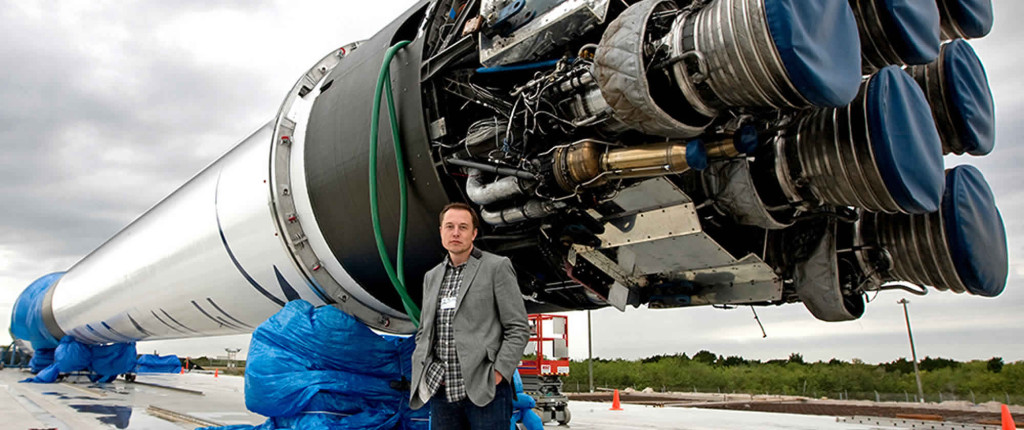
    Elon's Space X is the most successful private space enterprise.
    Elon’s Space X is the most successful private space enterprise.

    Elon is also the founder of private space company Space X which has now got a NASA contract to service the International  Space Station. The company recently showcased the Dragon V2 spaceship which is capable of carrying astronauts. He also wants to have a Mars mission to give humanity a second planetary home as a plan B.

    Tesla Motors is a phenomenal company and it truly upholds the name of the greatest inventor of the 19th Century, Nikola Tesla. Most of us don’t even know his name but he has greatly affected our lives in many ways. We can ramble on and on about his greatness, but  we’d rather you watch this awesome video.


    More and more manufacturers need to use Tesla’s ingredients in their cars and switch to EV technology as soon as possible. It will take at least 20-30 years from now to a majority electric vehicle economy. For this, first and foremost tough regulation have to be placed on gas giants and EV manufacturing should be subsidized by the governments across the world.

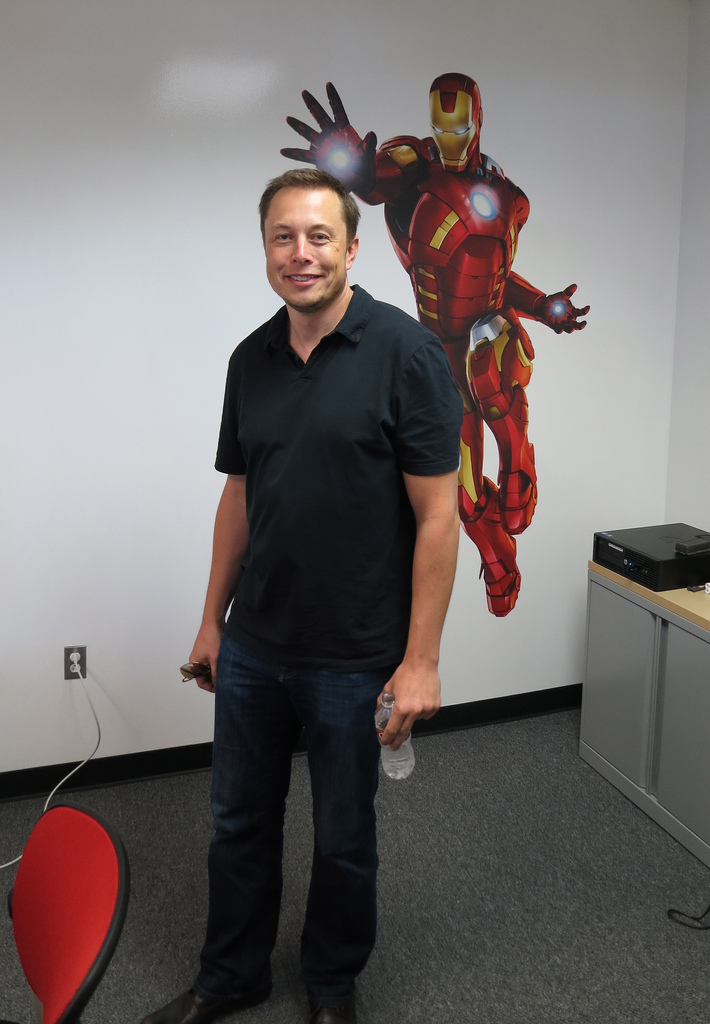
    Elon was the inspiration behind Robert Downey's Iron Man
    Elon was the inspiration behind Robert Downey’s Iron Man

     Elon’s superpower is that his endeavors are inspiring for the people of the world and that makes him a real superhero, no wonder he is the real life inspiration behind Robert Downey Jr.’s Tony Stark from Iron Man. He also did a cameo in Iron Man 2.

    Only time will tell how this massive open innovation will affect our future.

  • Ethanol: From Corn to Your Car

    Ethanol: From Corn to Your Car

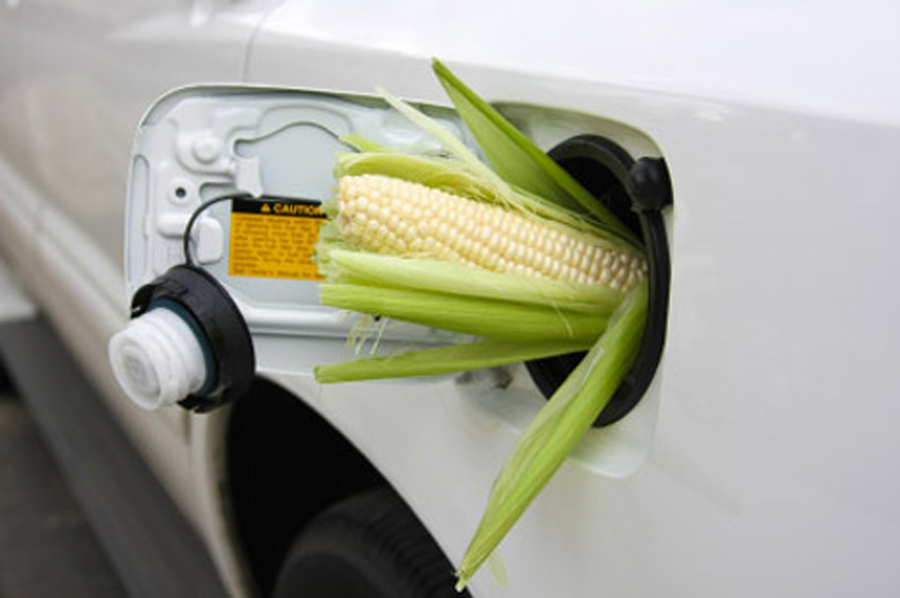
    Alternative fuel is the talk of the town. With the environment degrading with each passing day and more and more people joining the sane club of those who accept the climate change reality. The race to find the next best fuel is intense. Ethanol seems to be the immediate answer to the issue.

    Now is the time for Alternative fuels
    Now is the time for Alternative fuels

    There are many contenders for the title of the best alternative fuel. There is everyone’s favorite; Solar energy. This is in fact the cleanest and the best fuel for our civilization. There have been massive investments around the world to substitute solar power as an alternative to coal based power.

    There are Wind and Geothermal energy options which are also seen as good long term solutions for the global energy crisis. These options are great for electricity solutions but we still have major issue of pollution from automobiles around the world. These gas based monsters will take forever to replace to electric car systems which are still in developmental phase. The alternatives are not yet efficient enough as their internal combustion engine counterparts.

    So how do we take on the menace of fossil fuel powered, greenhouse gas emitting vehicles which have become so essential for our lives that it’s hard to imagine a life without them. As India imports around 70% of its petroleum needs, the need to find alternatives is extremely important. The immediate solution can be found in Ethanol.

    petstats copy
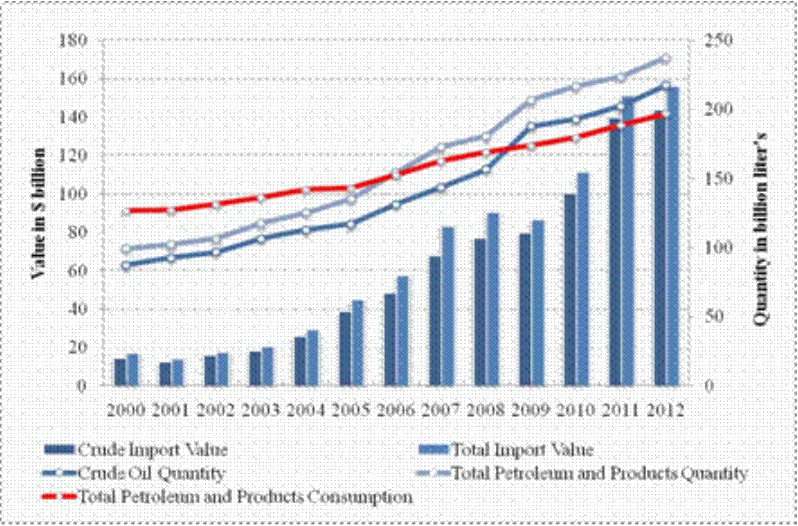
    Source: Petroleum Planning and Analysis Cell, Government of India (GOI)

    As seen by the official Government of India figures, India’s fuel bill has been rising yearly. The sector that consumes the most fuel is transportation. Urgent steps need to be taken to reduce the massive expenditure on fuel or else we would have shortage of funds for developmental initiatives for education, healthcare and social improvements.

    Ethanol is an organic compound that can be made with corn starch, sugar cane, sugar beet,  grain,  barley, hemp, potatoes, sweet potatoes, cassava, sunflower, fruit, grain, wheat, straw, cotton, other biomass and many more. It can also be made from the by-products of sugar processing plants. Considering the amount of sugar that is in our food today, it seems there is a lot of sugar waste (molasses) out there. Currently most of it goes into the production of alcohol (Hail Old Monk).

    Ethanol can be blended in with the petrol to make it more environmental friendly. Not just that, it can help to battle the meteoric rise in fuel prices. It needs an extra step in the distillation process and for this sugar plants can be retrofitted for an Ethanol treatment facility.

    There are many blending options. There is e10 with 10% blend to e85 which is an 85% blend of Ethanol to petrol. The e10 can work in any vehical that was made after 1980 and e85 works with flexible fuel cars. Ethanol has about 35% oxygen which helps burn up completely thereby emitting less toxic gases.

    Indian Transport and Shipping minister wants to encourage Ethanol blending
    Indian Transport and Shipping minister wants to encourage Ethanol blending

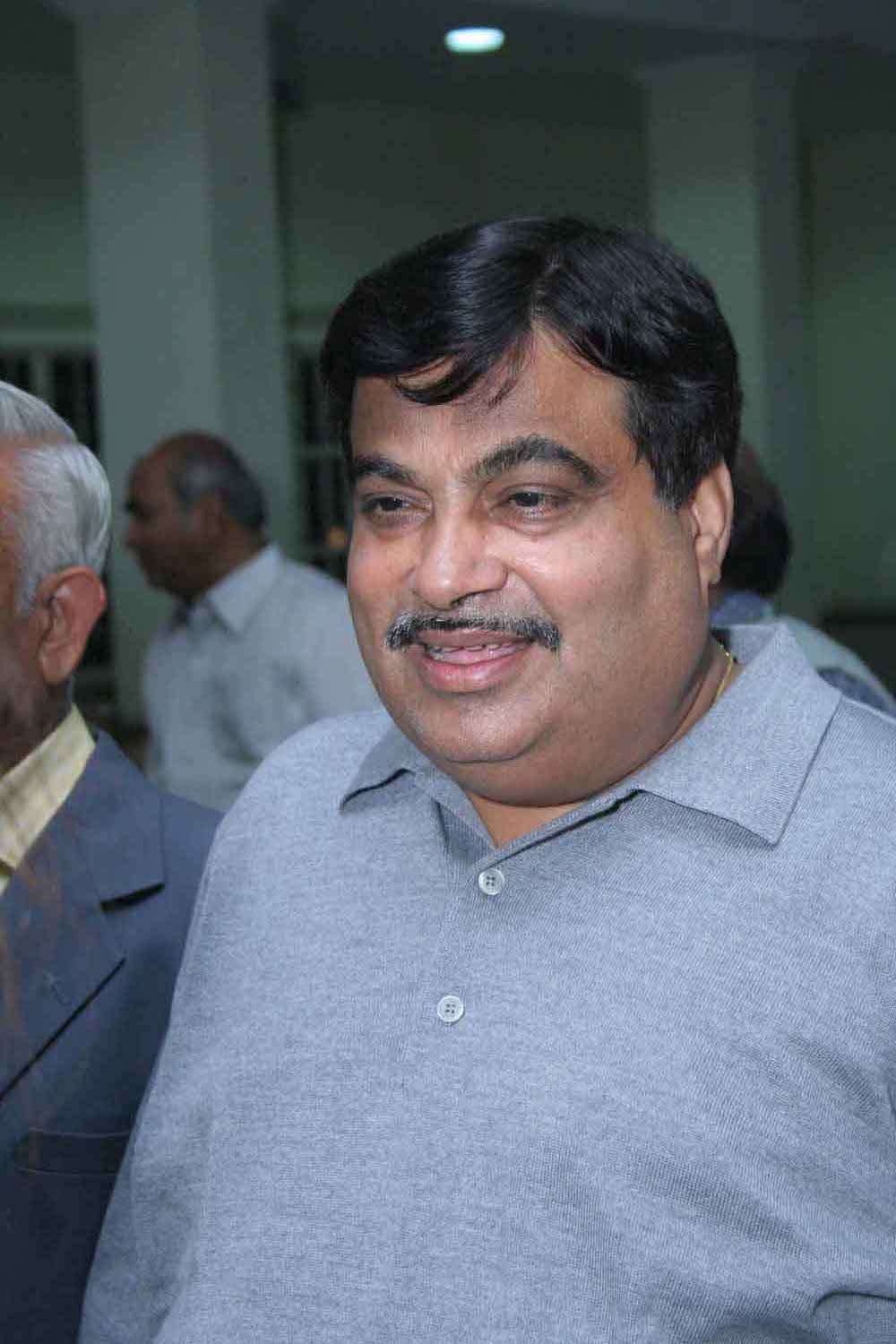
    Recently the new Transport Minister of India, Nitin Gadkari declared an initiative to blend ethanol to save foreign exchange. Indian oil companies have expressed a desire to buy ethanol but they can’t find enough supply here. One of the prime reasons for this is that alcohol companies give higher prices for molasses than Ethanol producers.

    According to Nitin Gadkari’s company Purti group; which is a producer of Ethanol, if 140 crore litre of ethanol can be procured in an year, it can save about Rs. 63000 Crores of precious foreign exchange on petrol.

    This action, while commended for being an economically directed initiative is also being berated for its short sightedness. India has been facing the wrath of food inflation for a while. If there is a shift in the agricultural sector from food crops to fuel crops it can severely increase food prices. Also as there is an acute shortage of talented agricultural scientists, educating the farmers on increasing the efficiency will be an issue.

    Currently in the world market US and Brazil are the top manufacturers of ethanol. They produce around 90% of the world’s ethanol. While US’s production is more grain based, Brazil opts for Sugarcane. As India is the second highest producer of the sugarcane, it can easily exploit that statistic in its favor. India has a biofuel policy but what is really required is long term commitments from the top brass. Investment in education of farmers to manage sustainability between food and fuel crops should also be a parallel priority.

    There is also a major issue with Ethanol, if a sustainable plan isn’t worked out, farmers will dedicate a lot of land and may even clear forests for its production. This will negate whatever benefit is gained from blending it with petrol. In fact, cutting down forests adds more greenhouse gases than any other source.

    Recently a group of Stanford University scientists have discovered a process by which Ethanol can be harvested without using plant agricultural resources. The process involves passing Carbon monoxide through an “oxide-derived” copper electrode. The team is now looking into making the process more efficient so that land resources can remain just for food instead of being pressurized into fueling stomachs as well as fuel tanks. This kind of developmental research and innovation should be encouraged by the governments everywhere.

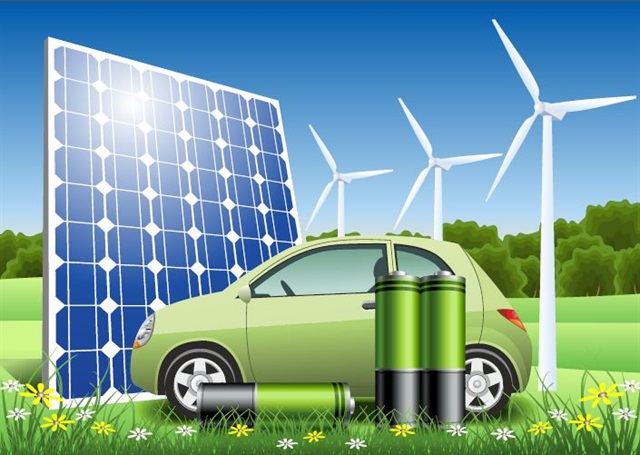
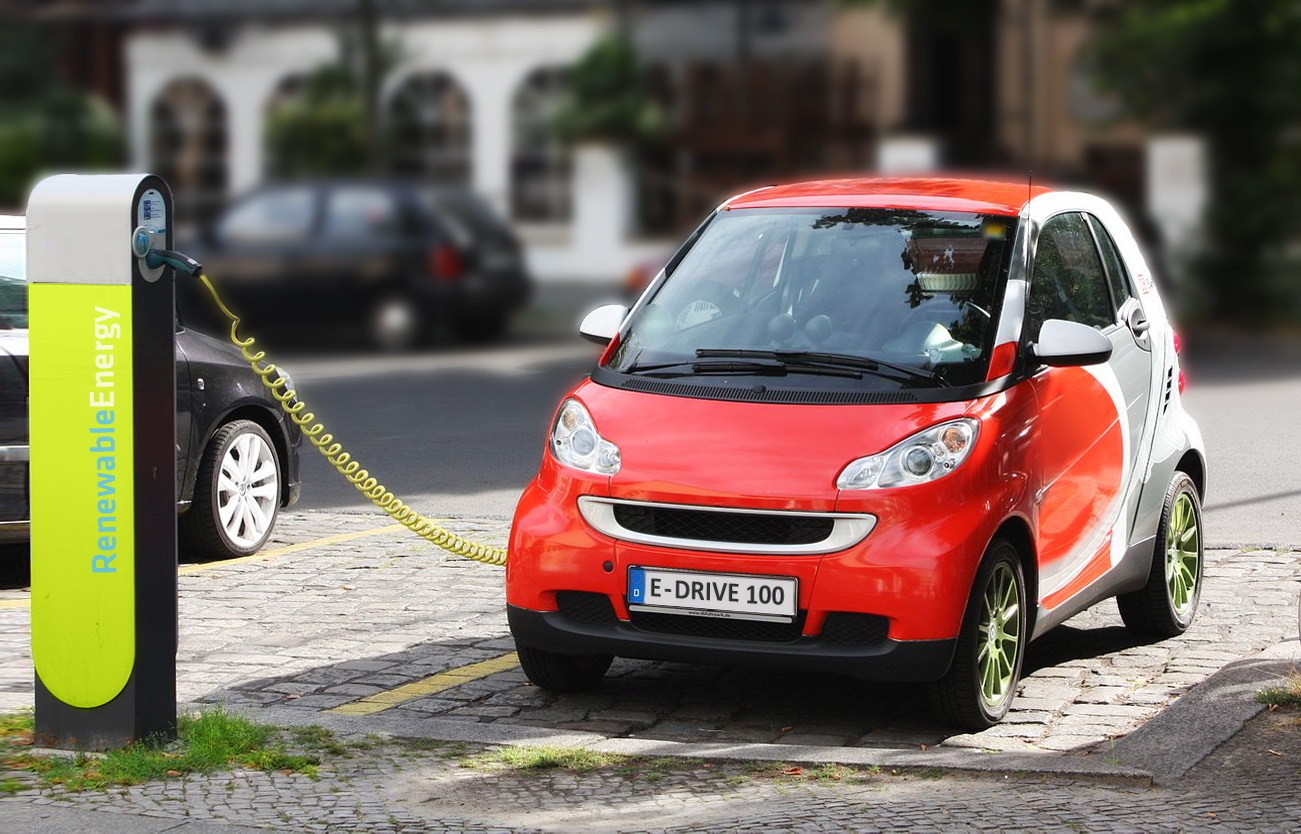
    Solar Powered Electric Cars are our best bet for a sustainable future
    Solar Powered Electric Cars are our best bet for a sustainable future

    Overall the major issue with Ethanol still is that it is a short term action plan and we have to focus on long term solutions. One sure shot solution that comes to mind is Electric Vehicles. EV’s technology unknown to many is about a 100 years old. They were abandoned because of malicious campaigns against it and the cheap availability of fossil fuels in that era.

    We are now close to exhausting accessible fossil fuels reserves. Exploring new places to extract oil from earth comes at a cost like the incident with BP’s Deep Water Horizon. The need for alternative transportation investment is extremely crucial right now. The time for inaction is long past gone.

    If only farts could power vehicles, we Indians would have had free energy for life.

  • Nokia Failed, Microsoft Won :  Here Is How

    Nokia Failed, Microsoft Won : Here Is How

    It was the year 2001, and Nokia had just rolled out its best phones yet, the 8250 was a super success right after the launch of the 8210 which was one of the best selling “high end” cellular phones available at the time. But, the year also marked the end of monochrome displays, as Nokia the only big name in mobile telephony would transition to color displays for their next generation of phones.

    nokia 8250
    Nokia 8250 Print Ad Title : Walk on the Blue Side!


    The Nokia 9210 communicator became the phone of choice of many professionals, the first color screen clamshell to revolutionize the Mobile industry. Nokia had everything working for them, they had the right markets, the right products and they were rich, rich enough to explore the future.

    It was also the year when Nokia secretly developed 2 world changing products, a Color Screen touch phone set above one single hardware button, and a ten-inch tablet computer both of which had features like video playback, internet access and navigation capabilities. These two world changing devices could also securely order products online and create online accounts and keep data safe within the internet (Now known as Cloud Storage).

    Nokia was innovating and how, but these products never came out, the consumers never saw them and the corporate marketing heads shut down the research claiming that the ideas were far fetched. Ironically, Nokia had never been so wrong in the many years of leading the wireless revolution and becoming stronger than ever in the 1990’s.

    Apple iPhone
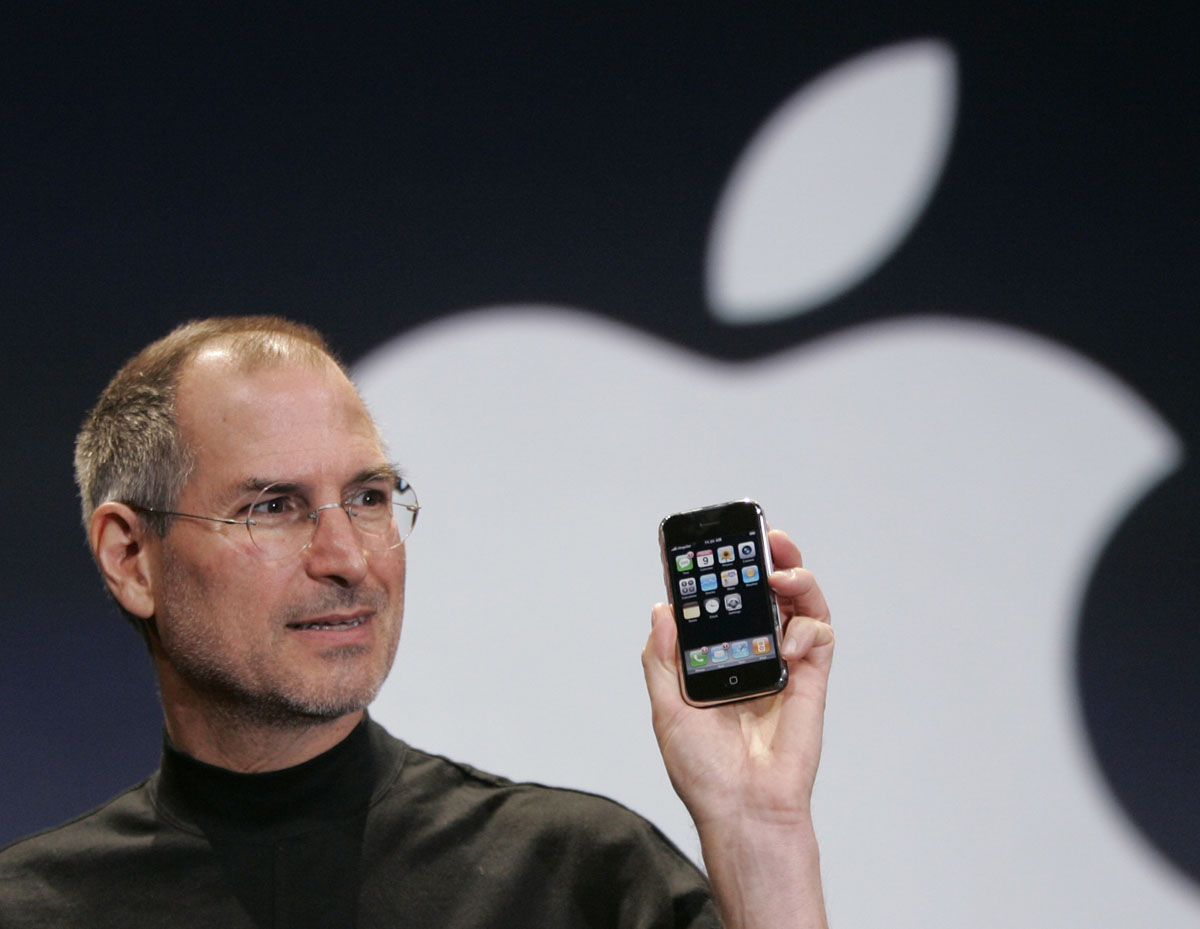
    Steve Jobs Announces the First Apple iPhone in 2007

    Seven years later, Steve Jobs got on stage and announced the first Apple iPhone, and all hell broke loose in the world. Nokia execs were scrambling left right and center to now re energize their seven year old product research. But the world had matured beyond Nokia’s internal understanding, while people now wanted Capacitive Touch Phones, because they were easy to use and type on, Nokia still confident of its seven year old tech wanted to hold on to their N series and E series which they continued to develop for quite a while.

    In 2012, Apple had already announced the iPhone 4 and had taken a major chunk of the Smartphone sales under its banner, a new enemy loomed for Nokia: Android. This Google made OS, was revolutionizing the Smartphone and bringing it to the masses. This year Android Powered handsets were available for as low as 200 $ and Nokia ended its 14 year streak as the world’s largest mobile phone manufacturer. Nokia’s Stock crashed and thousands of employees lost their jobs.

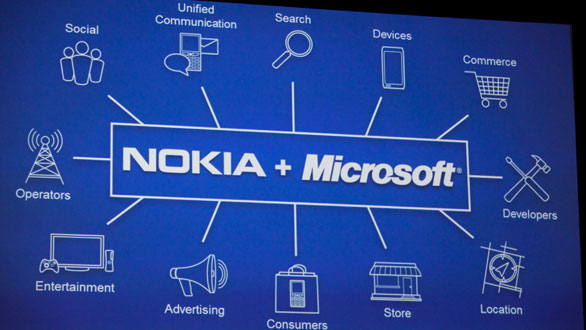
    nokia microsoft

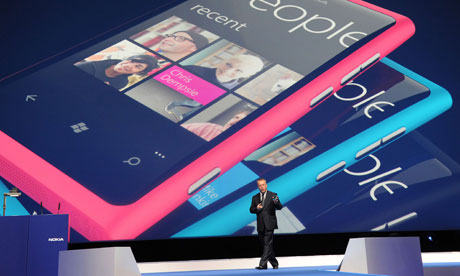
    Nokia had another big opportunity lost around the time when they started a cold war with Google and decided never to make Android Phones, and shift focus completely towards making Windows Phones, bringing gradual cancerous death Meego and Symbian in the process.

    But there was a name  that is mostly believed to be the root cause of the above decisions. In September of 2010, ex-Microsoft Exec Stephen Elop was the first non-Finn to be named CEO of Nokia. During the 3 years Elop was Nokia CEO, Nokia revenues fell 40%, Nokia profits fell 95%, Nokia market share collapsed in smartphones from 34% to 3.4%. 

    In one of my meetings with a Product Design manager at Nokia during IFA 2012, it became apparent that Nokia was still the same, shutting down ideas and killing innovation. In fact, most of those who worked at the Finnish HQ already assumed that Nokia would collapse under Elop and Windows Phone.

    Stephen Elop launches
    Stephen Elop at a Launch

    A company that was easily valued for upwards of $150 billion 14 years ago, when they secretly developed the first “iPhone” and “iPad” (Smartphone and Tablet) was sold in 2013 to Microsoft for a mere $ 7 Billion. For context, that’s less than half of what Facebook paid for Whatsapp.  Stephen Elop who would then join back Microsoft as Executive Vice President, later to be made head of XBOX, Games and Hardware division. Conspiracy theorists have called Elop the Trojan Horse who led Nokia to its demise simply because Microsoft eyed a takeover.


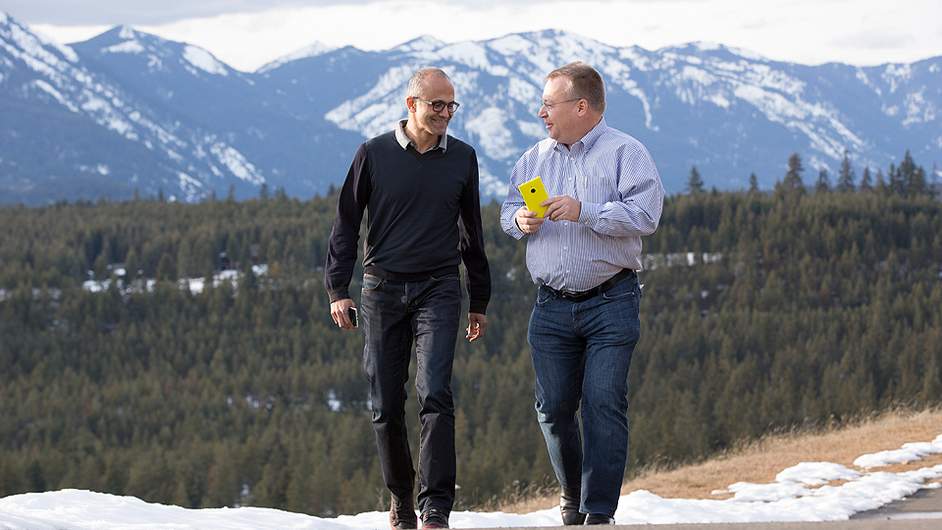
    Elop and Nadella
    Elop and Nadella

    Microsoft has confirmed that they will kill the “Nokia” branding and start building a new line of smartphones internally called “Microsoft Mobile Oy”. The final name may simply be Microsoft Mobile or Microsoft Surface Phone even Microsoft Lumia.  This may not be the smartest move on Microsofts part, A long legacy of Nokia also would have brought among the loyalty of Nokia users. But, as Elop mentioned, “Nokia is not a Brand placement” that Microsoft would like for their lineup of Smartphones, especially if one was to consider the bad press we have seen lately. “Nokia” as a name is now considered “old school” and maybe a new name might just do wonders.

    After the announcement of the acquisition Nokia shares jumped 35% on the news, whereas Microsoft’s fell more than 5%, either way the only company to benefit is Microsoft, and Nokia truly lost, thanks to a corporate culture that lavished funds on research but squandered opportunities to bring innovations.

    Nokia’s line of Lumia Phones have seen some success in the recent past, only to measure their success in non percentages compared to the world. Nokia is finally dead, and most of the world will and should shy away from investing in the brand. At least up until the Microsoft version comes out.

    [poll id=”4″]


  • More Jobs Thanks To The Battle Of E-Commerce

    More Jobs Thanks To The Battle Of E-Commerce

    Flipkart, India’s largest online retail portal, took a great leap this year when it bought Myntra for $330 Million. It was the largest acquisition in the Indian E-commerce sector since last two years. Flipkart is now in battle with Amazon.in and they are locked in competition for the throne of the biggest e-commerce website in India. The invasion of giants like Ebay and Amazon is forcing Indian online retailers to get critical masses to compete.

    E-commerce-money-1

    Founded by two ex-employees of Amazon, Flipkart is expanding day by day and is introducing new categories to their site. They also grabbed an exclusive deal with Motorola Mobility for the sales of Moto X, Moto G and Moto E which has been a phenomenal success. The company immediately rand out of pieces after the release of Moto G and E, even though they had prepared and kept a massive stock.

    Flipkart’s merger with Myntra created an entity with annual sales of $1.5 billion, which is over half of the country’s emerging online shopping market. Venture capitalists have been bucketing money into the sector, scenting potential.

    So far, $497 million worth of deals have been struck already this year, in comparison to the $592 million for all of last year. Most are small in value but significant stepping stones as retailers put together critical mass.

    This battle of the e-throne is also giving a boost to the number of jobs in the sector. The new websites are going live and old ones are expanding. As foreign and domestic e-retail giants are swelling up their businesses antagonistically against each other, hiring activities are expected to grow by over 30 per cent in the sector and may help create up to 50,000 jobs in the coming years.

    Since 2012, considering the growth vista of the E-commerce sector in India, major venture capital firms such as Accel Partners have invested significantly. In one of the principal fund raising, Flipkart.com, in August 2012, raised about INR 822 crore (US$140 million). Entertainment ticketing website BookMyShow.com raised INR 100 crore (US$17 million) asset by Accel Partners. On July 10, 2013, Flipkart announced it had received $200 million from existing investors Tiger Global, Naspers, Accel Partners, and ICONIQ Capital. New investors who are making up the additional $160 million include Dragoneer Investment Group, Morgan Stanley Wealth Management, Sofina, Vulcan Inc. and more from Tiger Global.

    blog_ecommerceHiring has been rather slow in the e-commerce space over last couple of years, but recruitments are expected to rapidly grow by 33 per cent, over the previous year as various retail brands are also bringing in their business online.

    According to Amazon, the industry is growing at a fast rate and there is still a huge potential for growth. They have grown exponentially over the last 11 months and chances are they will continue to see growth.

    To match the rise and pace of the sector, there will be an explosion of new jobs and recruitment’s soon. The scenario of the sector can  be compared with the BPO explosion in early 2000’s which employs approximately 1 Million professionals at present. Nevertheless, BPO offered jobs to people from all walks of life, from housewives to high school graduates, while E-commerce sector need skilled employs which restrict their hiring process.

    Driving sales growth is India’s fast-growing number of Internet connections which was triggered by exploding sales of affordable smartphones and data plans. Internet users, total of 175 million, expected to grow to 429 million by 2019. Up to 30 per cent of e-shopping now is done using mobile devices. About three-quarters of online shoppers are aged 15-to-34. This broad consumer market and the fact that e-commerce websites in India are constantly trying to up their game is creating a huge potential for an jobs in the industry.

    Important Update: Last night Reuters reported that the Indian Government is planning to ease the restrictions on foreign e-commerce sites like Amazon. Another good development since this will allow them to sell their own products in the Indian market.

  • Online Business Startups: Tips from the Pros

    Online Business Startups: Tips from the Pros

    Facebook was once deemed a startup, along with Twitter, Pinterest and Instagram. Clearly, the internet has helped boost and encourage innovations. If you’ve spent any time researching social media then you may be familiar with the term “startup”. This generally describes a new business launched in a particular market.

    10-tech-startups-change-life2

    For many “born-on-the-internet” companies, slow growth isn’t an option. These are companies that started on the web with a global marketplace in mind. Many are finding that you’d either scale or be considered irrelevant. They work hard to achieve market leadership, to realize economies of scale and economies of scope, and to be recognized as the brand leader. These types of business startups often start fast and never stay up; leaving the company financially drained. To maintain advantage, they need to have the proper building blocks in place and go full speed ahead with the best chances for success.


    images

    Standing out in the crowd is key since thousands of start ups go online every day. Mostly, these entrepreneurial dreams get crushed in the flood of new start ups and lose their audience. Today at iGyaan, our editor Bharat Nagpal and Harsh Agarwal, founder of The Asylum-  A refuge for authors, tell us how to stay on top: 

    From the Editor’s Desk

    Bharat Nagpal 

    Founder and Chief Editor of iGyaan. Bharat likes to keep on top of technology and loves to help people around him get through the day to day trouble they face with technology. So that, they can love technology as much as he does.

    [quote text_size=”small”]

    I have learnt a lot of things while running my own company the past few years, but the most crucial lesson that I have learnt is to never underestimate the power of an idea! In the most simplest form; everything begins with an idea, and while we grow from one stage to another in our lives, our mind and our experiences throw ideas at us. In our day to day process, we often tend to ignore our “far fetched ideas” and soon forget them. The lifespan of the idea is only as long as you chose to build on it. While iGyaan was not the first idea that ever struck me, and not every idea is perfect, I did experiment with a lot of ideas prior to that, and failure only led me to be that much more adamant in believing in the power of my ideas. With each failure, I was that much closer to achieving what I wanted from each idea.  Running a business is tough, particularly in India. Most of the things we take for granted are usually the most difficult things that we need done. Finding help for your business is the toughest part, and if you are afraid to go hands on with the dirtiest bits of the job, don’t expect someone else to do them for you. Whatever is beneath you is the most essential piece of the puzzle you forget to pick up, and hence the easiest way to break a structure.  So if you have an idea, run with it, but run harder than you imagined. Pick up pieces as you go if you don’t have a plan, and don’t be afraid to be at the bottom, especially if you wish to reach the top.

    [/quote]

    Chat with the Pro

    Harsh Agarwal:

    An artist by soul, entrepreneur by profession and engineering student by education, Harsh has three books in his credit. Apart from that, he has himself worked as an editor, freelance editor, mentor and speaker at the same time.

    iGyaan: What inspired you to start an initiative like Asylum?

    HA: I wanted to start with something I am passionate about and Asylum is the outcome of the same passion. Asylum means a refuge and that was the basic reason to start Asylum; creating a refuge for debutante authors. It wasn’t an impulsive decision. It’s hard to come up with an idea, but it’s harder to execute the same. 

    iGyaan: Tell us about some challenges that you face as young entrepreneur.

    HA:  One of the challenge – people fail to take me seriously and put their ego before everything. However that’s not always true; other than that, one of the major challenge is to survive, being from a middle class family and having parents who see a secured job as the definition of success. Choosing the road not taken is not a cake walk.

    iGyaan: What is your take on internet being a tool for business?

    HA: Internet is a saviour, I didn’t have good internet for first two years in college and I just wonder how much I would have progressed if I had it. Internet has a solution for every possible thing. There are all sorts of people, all sorts of services and products available on the internet. Being a budding entrepreneur, you need to do a hell lot of stuff yourself, which includes stuff that you don’t even have a clue about but now, there is nothing that can’t be learnt! There is nothing that can’t be found online. You just need to know how to look for it and the internet teaches you that as well.

    iGyaan: And Finally, specifically for Asylum,what major steps you took to make it what it is?

    HA: First of all, I checked what resources I have and what I don’t, that included both monetary and non monetary resources. Since I was from an engineering college, I got a friend to design the website for free and hired students to work for me. Facebook helped as a platform to hire more writers. More than money, interest mattered for people who were working for me and I had to make sure that the work they were doing was not monotonous for them; I had to give them a good variety. Thankfully, I built myself an amazing team. All in all, I had to know my team, clients and their expectations; and then to stabilize the demand and supply.


  • Net Neutrality vote: Our Internet is in Trouble

    Net Neutrality vote: Our Internet is in Trouble

    “Net Neutrality” – you might have heard this term in a passing reference on the internet or some news show. You may not know this yet, but this term directly has an effect on your life. We attempt to give you all the facts and tell you why you should care about net neutrality.

    Tim Wu Columbia Law Professor
    Tim Wu
    Columbia Law Professor

    The term, coined by Columbia media law professor Tim Wu in 2003, has been one of the major codes of conduct for the internet since its inception. It is the idea that internet service providers are not to discriminate between any content on the internet. The data packets which bring our services should all get equal access speed.

    This basic principle has allowed the internet to be an environment which encourages open competition and has encouraged some phenomenal innovation. It has helped even the smallest business models to grow to become international conglomerates, the most prominent examples of this a Google and Facebook.

    Open internet
    The Open Internet, Equal Access speed for all

    The fact that general public doesn’t realize is that internet is not just a service anymore, it has now become a necessary utility. It is literally impossible to live without a decent internet connection especially in urban areas where it is used for bill payments, shopping, and admissions in universities; in fact internet has intertwined itself with all facets of our daily life.

    The Federal Communication Commission (FCC) had codified the Net Neutrality principles into law in the 2010 Open Internet order. This order was unfortunately squashed by a federal court recently and can spell doom for the internet as we know it. This ruling can help create a precedent for internet companies to create a fast lanes for the highest bidder. This means wensites who agree to pay more will get a faster access while everyone else will end up getting sub par connectivity.

    Neutrality
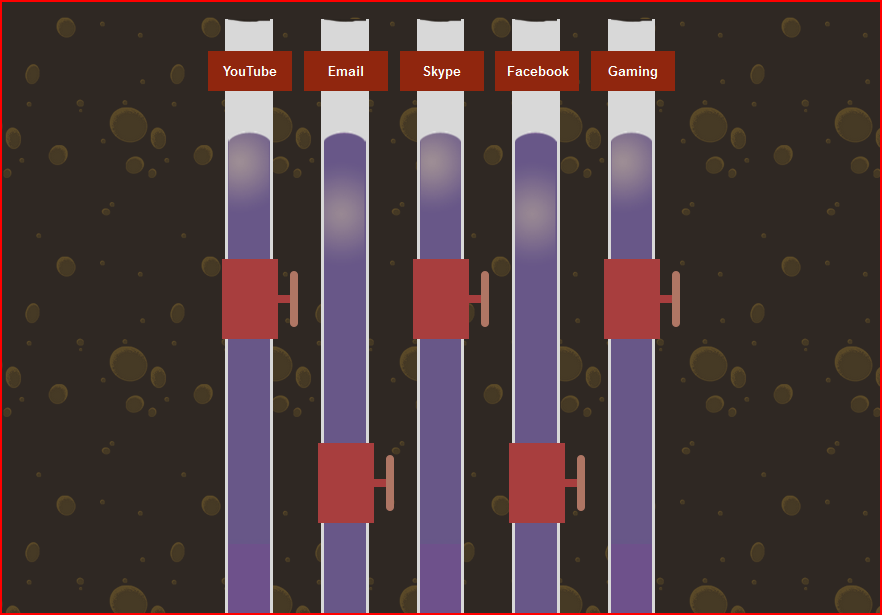
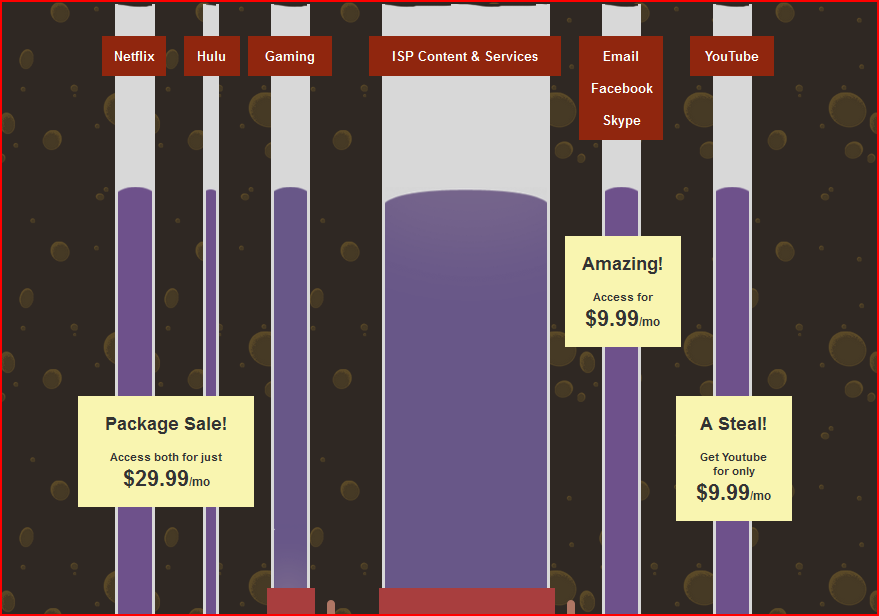
    Without Net Neutrality ISP’s can charge for individual websites.

    Imagine an internet where you have to pay to access individual websites. Like a Cable subscription where you have to pay more for bandwidth intensive websites such as YouTube or Vimeo. Most importantly it would kill smaller start-ups who  aspire to someday become the next Google.

    Mark Zuckerberg could only succeed because of an open internet
    Mark Zuckerberg could only succeed because of an open internet

    The free and fair internet till now has given a level playing field for competition for all. So even a college freshman could create the Forbes listed, world’s biggest social medium called Facebook. It was also because of free internet that even iGyaan could reach its readers. But in a non net neutrality world, these guys will face the same obstacles which are faced by the real world business of finding resources.

    The opponents of net neutrality make a point that currently websites with higher bandwidth consumption pay the same price to reach the consumers like any other website. But when road traffic started getting congested, the government created wider roads and not special roads for rich people. They should consider the same. The Internet Service Providers (ISPs) which are opposing net neutrality earn billions in profits each year. Instead of disrupting a unique ecosystem that is still evolving, it is ISP’s prerogative to invest in making the services more innovative and sustainable for them as well as the internet. The companies will make more money by providing quality services to its consumers instead of trying to squeeze the last penny off them.

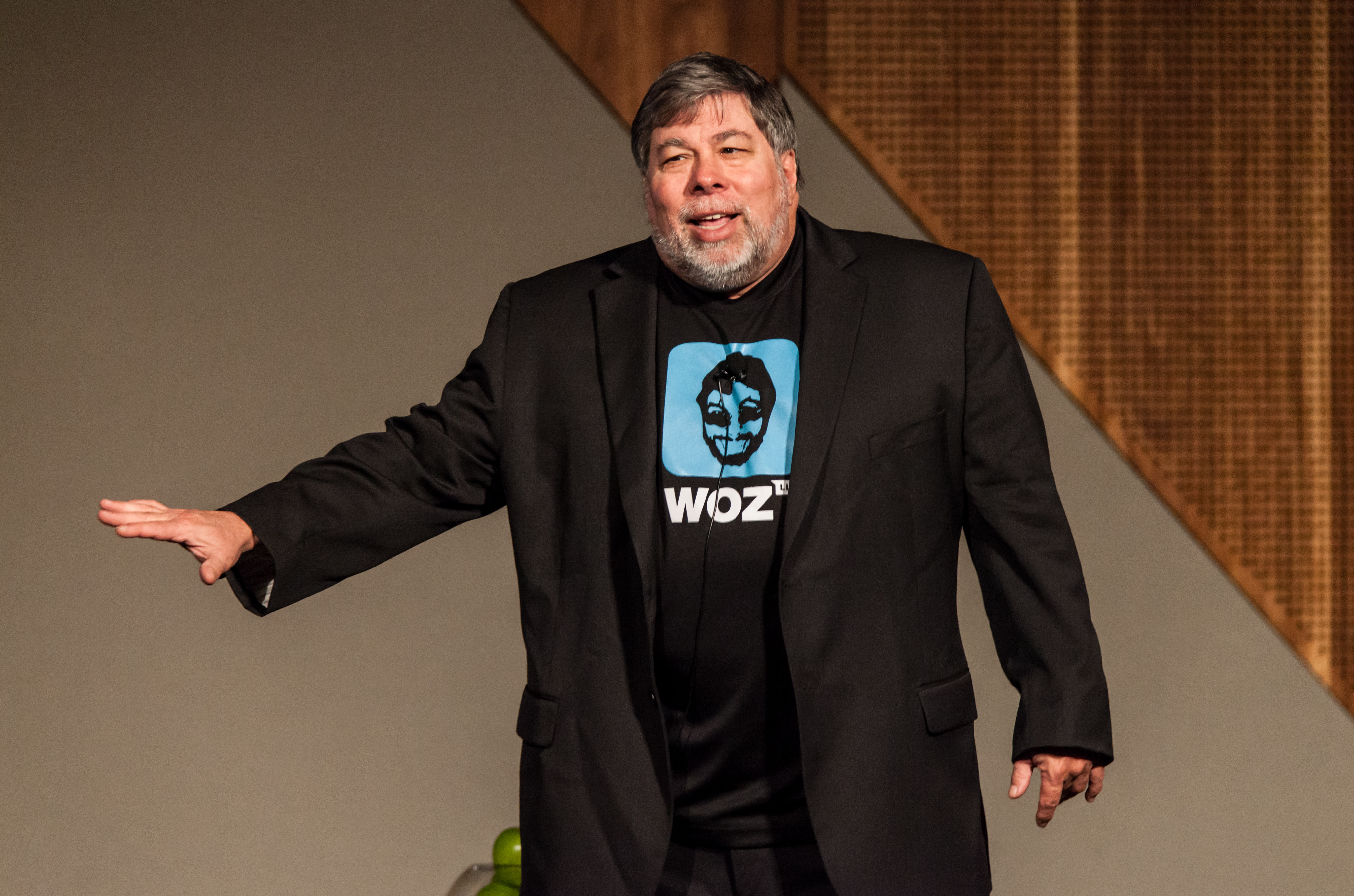
    Steve Wozniak is one of the major proponents of Net Neutrality
    Steve Wozniak is one of the major proponents of Net Neutrality. (Photo: Nichollas Harrison.)

    The great Steve Wozniak makes an excellent analogy when he says that nobody charges you for your per kilometer travel, then why charge for telecom routes. When the roads require maintenance, the government comes to do their part and this must be the responsibility of the ISPs itself.

    newguidelines
    TRAI needs to formulate regulations now

    In India though there are no specific laws safeguarding net neutrality. TRAI in its guidelines mentions non-discrimination, but it is not really enforced.  The high cost of spectrum licensing in India and the ever growing burden of massive mobile devices market  may lead companies to go for charging a premium on some websites. India’s BRICS companion Brazil recently enacted a brilliant piece of net neutrality legislation and we should ask our lawmakers for the same. All we as consumers can do is be vigilant and raise our voices when we see that happen.

    There is going to be a vote at FCC on Thursday the 15th which will decide the future of our internet. This vote can go both ways, the commission can create a precedent where companies can charge websites for priority access. Or the commission can create a legally safe law in which internet will be treated as a telecom service thereby giving FCC complete authority to regulate it. The great news right now is that most of the commissioners are siding with the open internet platform but what happens on Thursday still remain to be seen.

    There have been many times when  governments try to bring laws which discourage the free exchange of ideas. SOPA, PIPA were some of the laws targeted towards decreasing the efficacy of the internet dialogue. But some good sense prevailed and saved our internet. Net neutrality advocates from around the world are wishing for the same and hope to keep the future of a free and open internet secure.

  • Identity Theft : How Safe is Your Personal Information Online?

    Identity Theft : How Safe is Your Personal Information Online?

    Clicking on the ‘Buy Now’ tab on Amazon or Flipkart surely gives you that good feeling of owning the very product you wanted to have for long time. But have you ever thought of the possibility of you compromising your personal information in internet Eco-system; that may be used against you or for stealing your money. We’re sure you are aware of these crimes but you think they won’t happen to you. Well you are wrong, and statistics say otherwise.

    photo-4

    According to ‘Internet Security Threat’ report that was recently released by Norton (Symantec), India has 42 million cyber crimes affecting 42 million cyber crime victims every year on a pan-India basis. During the last year, 52 per cent of such victims had suffered attacks such as malware, viruses, hacking, scams, fraud and theft. The report adds eighty people are vicitimised under various cyber crimes, every minute across India. The study reports seven out of 10 adults have been victims of different modes of cyber crime in their life time.

    Anonymous_emblem.svg_
    Anonymous Group Embelem

    With the Internet becoming available at the touch of a button and wannabe computer whiz kids dabbling in hacking for sport, cyber crime has seen an unprecedented upsurge. What makes it infinitely more dangerous than any other crime is the comparative lack of awareness and identification. How could you be expected to know that behind the innocent looking website lurks a compulsive hacker, or worse, consummate identity thief?

    History of hacking and identity theft can be traced back to 2004 with the rise of collective called ‘Anonymous‘ who targeted government organisations and corporate. Wikileaks is another major example of hacking and recent one’s like Heartbleed bug posed a major threat to many international organisations. Think if these hacker can bring down biggest names in the global business, where we stand in this mayhem of cyber-crime and identity theft.

    Identity theft is a crime whereby criminals impersonate individuals, usually for financial gain. In today’s society, you often need to reveal personal bits of information about yourself, such as your social security number, signature, name, address, phone number, cell number or even banking and credit card information. If a thief is able to access this personal information, he or she can use it to commit fraud in your name.

    Armed with your personal information, a malicious person could do any number of things, like apply for loans or new credit card accounts. This individual could request a billing address change and run up your existing credit card without your knowledge. A thief could use counterfeit checks and debit cards or authorize electronic transfers in your name and wipe out funds in a bank account.

    Supposedly, Identity theft is one of the biggest practiced crime of our generation and you need to secure your self with these thefts. Almost every worldwide government agency responsible for identity theft issues will tell you the same thing: The first step to fighting identity theft is to minimize the risk.

    To do this they urge consumers to protect their personal information. Start by asking companies how they use your information, and for online transaction, take a moment to review a website’s privacy policy.  For Internet transactions, be sure the Web site offers secure data encryption and other services to protect your personal information.

    cc-ID_Theft

    In offline transactions don’t provide credit card numbers, financial account numbers, and personal identifying information over the phone unless you know the communication line is secure. Ideally, you should initiate the phone conversation.

    Lastly, there are recommended everyday practices, such as keeping an eye on postal mail to ensure your bills are arriving when they should be, and taking the time to properly dispose of paper documents that may contain credit card numbers and other identifying personal information.

    Remember: The more private and secure you keep your personal identifying information, the less susceptible to identify theft you are.

  • Everything You Need to Know About the Nokia-Microsoft Deal

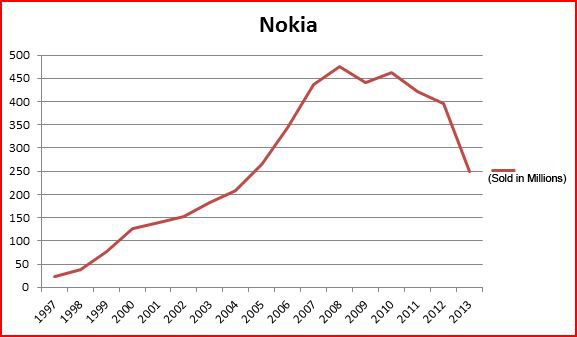
    They were once the Titans of the industry. They made more cell phones than all the other companies combined and even now, having shipped around 250 million phones in 2013, they’re the second biggest manufacturer of mobile phones . From 1998 to 2011 this company was the undefeated champion. Nokia was a brand name trusted by all. This Finnish giant now sold its legendary (now struggling) mobile phones unit to the Microsoft Corporation in a $7.2 billion takeover.

    microsoft-nokia-deaAs of 25th April 2014, Microsoft’s acquisition of Nokia has been approved by Nokia shareholders and by governmental regulatory agencies around the world. Under the Nokia-Microsoft deal, Microsoft will take possession of the Lumia smartphone brand, along with the company’s lower-end Asha phone line and the new Android-based Nokia X phones. With this, they will also inherited 25,000 new employees.

    Windows Phone is the fastest-growing ecosystem in the smartphone market, and its portfolio of award-winning devices continues to expand. In the fourth quarter of 2013, according to IDC, Windows Phone reinforced its position as a top three smartphone operating system and was the fastest-growing platform among the leading operating systems with 91 percent year-over-year gain. Furthermore, Microsoft intends to target the affordable mobile devices market, a $50 billion annual opportunity.

    This deal marks the death of a brand which had become synonymous with mobile phones in India. Even in the smallest villages, people took pride in owning a Nokia. To us, it sounds rather counter intuitive to get rid of a brand with such a strong identity. Now, everybody will have an eye set on how the Microsoft CEO, Mr. Nadella, and Vice President Mr Elop decide to take it forward.

    The tech world is abuzz with all kinds of speculations about the proceedings of this deal. One of the most common assumptions is of a Machiavellian takeover by Microsoft, after the talks of Windows OS for Nokia broke down in 2009. Nokia intended to improve the functionality of the Symbian and were also working on the MeeGo OS. Nokia had made its disinterest in the Windows OS clear and that’s when Stephen Elop, a former Microsoft employee, went on to become the CEO of Nokia. Many critics, especially in Finland, started to speculate that Elop could be a Trojan horse, whose mission was to prepare Nokia for a future acquisition by Microsoft.

    Nokia copy
    As seen from the graph above the company was on an incline throughout the last decade. Stephen Elop took the Chair of CEO Nokia on September 2010.  The 3 years Elop was Nokia CEO, its revenues fell 40%, its profits fell 95%, its market share collapsed in smartphones from 34% to 3.4%, Nokia’s credit rating went from A to junk, it’s share price dropped 60% in value and Nokia’s market capitalization lost 13 billion dollars in value. For this exemplary work he was featured in the Worst CEO list. Not just that, towards the end Nokia was so strapped for cash that they had to sell their HQ in Finland and lease the premises. It seems like Elop came with a mission and accomplished it too.

    It has also been observed by many that the Microsoft strategy of acquisition was almost similar to the 1.2 billion US dollars HP–Palm deal. Palm were smartphone manufacturers who were the creators of the cutting-edge webOS. The webOS was a mobile operating system which  HP abandoned merely months after acquisition and a couple months after launching the WebOS based Mobile devices including Touchpad and Pre 3. LG later bought the OS in 2013 and is now inducting it into its Smart+ TV’s. This was a clear example of how multibillion takeovers are not always done for the best of reasons.

    25762 copyThe most disappointing aspect of the demise of Nokia and several other major brands such as Motorola is the effective centralization of majority of innovation in the hands of a few large multinational corporations that lock knowledge in a safe. Competition is necessary for innovation. Accumulation of progressive ideas in the hands of the few would lead to monopolization and will be a major hindrance to development.

    In terms of India, this deal is not good news for the employees of the Nokia facility in Chennai. This facility couldn’t be transferred because of the tax liens on Nokia property. According to the Nokia India Employees union, there are around 8,000 direct and over 20,000 indirect employees working for the manufacturing facility. The facility will work on contract basis for a limited period, without specifying any time frame, under present deal. Many of the higher level employees have decided to jump ships, while around 730 trainees have accepted the VRS scheme provided by Nokia. The VRS is opposed by the Union.

    As Nokia loyalists, you wouldn’t have a lot to worry about. As a part of the transaction, Microsoft will honor all existing Nokia customer warranties for existing devices, beginning April 25, 2014. As the plans for the new brand are still in progress, we do hope that Microsoft builds upon the massive Nokia stable and give the users the same sturdy and trustworthy experience.

    Hopefully, the second fiddle brands such as Micromax, Gionee and others will take charge of bringing quality innovation in the hands of the next billion before the hording multinationals get to it.

  • 5 Things You Should But Don’t Know About Buying a New Phone

    5 Things You Should But Don’t Know About Buying a New Phone

    Buying a new phone is always cumbersome, and unless you spent the past few months researching up on what the tech world is all about, you probably have a few misconceptions in your head. Here is a list of the most common confusions and beliefs that we think need to be set right.

    1. Which Phone can I buy, that will be future proof?

    Answer : No technology is future proof, no matter what the manufacturer says. In fact its bound to get dated even so more if the manufacturer says that its future proof. The reason why technology advances is because there will be someone buying whatever is new. Because there will always be demand for new things, more resources are put into creating a better technology, all so that something can be sold and a profit can be made.

    ara 2Projects like the Motorola Ara provide hope for a future proof phone, but once we think about it, it essentially  ends up being the same thing. The Motorola Ara is comprised of the phone’s exoskeleton and various modules that “can be anything” according to Motorola. The modules could include anything from a new processor or display to a pulse oximeter or an extra-large battery. But every module will need to be bought and there is a high chance that the owners will get bored of the design or looks of the concept. In that situation a newer phone would make more sense vs buying newer modules.

    2. Does Buying an Expensive Phone Mean I will not have any problems?

    expensive phoneAnswer : Not everything expensive is perfect. At the end of the day every phone consists of hardware, which can fail due to a number of reasons. Buying a more expensive phone may reduce the chance of issues, but may not remove it completely. Companies like Apple, Samsung etc have various quality standards that they enforce on their products. While some lower level companies who sell “cheaper” phones (read : import and sell Chinese handsets) many not have any standards of their own what so ever. Most of these “cheap” phone sellers rely on standards set by the manufacturers they buy their products from. 

    Buying an expensive handset from a well known manufacturer mostly ensures good after sales support and maybe relatively less problems.

    3. Should I buy my phone now or wait for the next version/ next big thing?

    Answer: There are two ways to look at this and two possible answers. The first answer is Yes, Buying a newly launched phone means that you get the latest in technology, the newest features and the “coolest”, newest phone on the block. 

    iphone-6

    However, the Second answer is No, every time you buy a new phone, there will be something newer that will be launched. Unfortunately thats how it works!

    So if you want to buy a new phone, the time is when you have the money and the intent.

    4. I have a budget of x, If I extend this will i get a better phone?

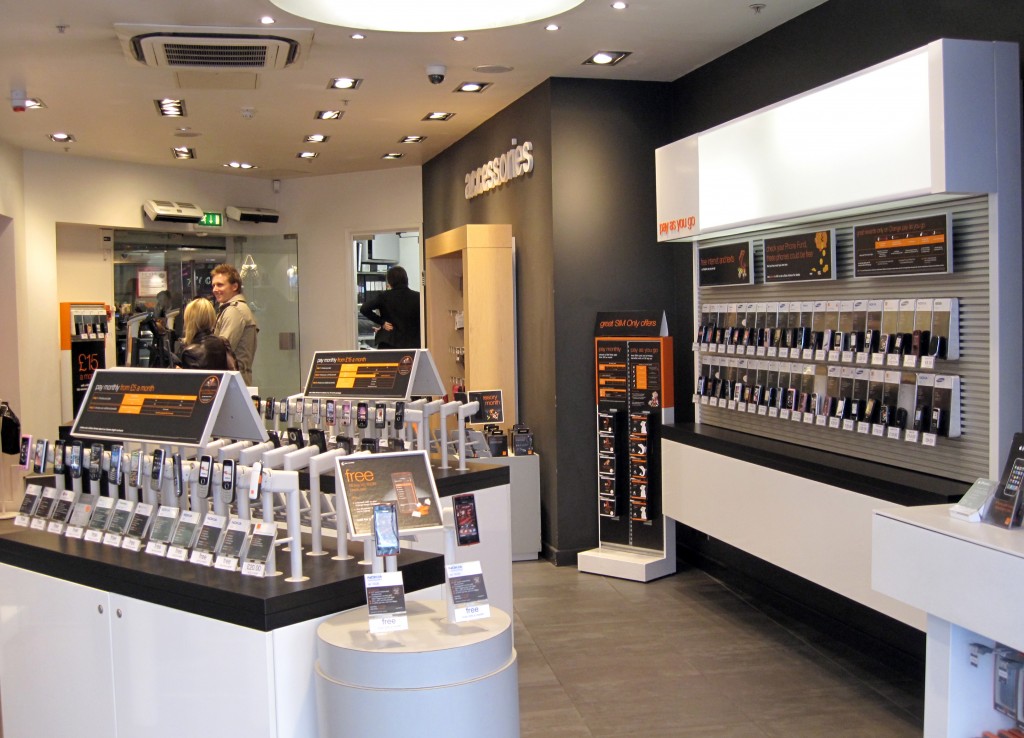
    Answer : Again the answer is Yes and No. This truly depends on what your initial budget is and how much you are willing to extend it. For example if you extend your budget from a Galaxy Grand to a Galaxy Note 3 then yes you will get a better phone. But unless you are willing to drastically extend your budget, any other device around your original price bracket, even if its slightly more expensive may be no better than the other.phone store


    Q. My Son / Daughter wants to buy an iPhone, Is it a good investment?

    (iPhone is purely for reference, it could be any other phone)

    iphone 5s gold white 16

    Answer : If your Son/ Daughter wants to buy a particular phone they have their reasons for it, so the best possible thing to do is to let them buy it. It will be the easiest decision to make without any repercussions and hey, If they don’t like the phone at a later stage, they can’t blame you. 

    Whatever their reason for selecting the phone; be it the way it looks or a special feature it has, is probably a good reason. Yes your job is to guide them and yes there may be a better phone or a better investment to be made, but it won’t be their choice and they won’t be happy.

    So, If your budget permits buy them the damn phone.

    Bonus Question : Can my new phone FaceTime ? Will i Be charged for it?

    facetime

    Answer : FaceTime is an Apple only VOIP service, that works between iPhones, iPads, iPods and Macs. So if your new phone is going to be an iPhone, Yes you will be able to FaceTime. That being said you can always use other services like Tango, Skype and possibly upcoming WhatsApp on any new phone that has a front facing camera and supports the said service. 

    Most of these services rely purely on the device being connected to a data network like 3G or Wifi, so all you will be charged for is your data connection or whatever you already pay for your Wifi.

    In other words ; No, you will not be charged for the service.


    There are several other questions or myths people have about new technology, do you have any myths to bust, or suggestions for more myth busters. Drop them in the comments below. 

  • Has Apple Ended it for Paid Operating Systems with OS X Mavericks

    Has Apple Ended it for Paid Operating Systems with OS X Mavericks

    Apple yesterday announced a flurry of new products from the new iPad Air to the iPad Mini with Retina Display, brand new Mac Pro and a revamped Macbook Pro with retina display. Possibly the most subtle and less talked about are the software launches. Apple launched the new Mac OS X 10.9 Mavericks and 7 new applications including a revamp of popular iMovie, iPhoto and Garage Band which made the iLife suite and work based Pages, Numbers and Keynote which made the iWork suite. The best part being the fact that all of the above comes free to Mac owners. 

    Logically all these Apps and Operating System updates are meant for consumption on Apple products, and by making these crucial applications and a major Operating System update free, Apple may have stirred the industry and the likes of Microsoft who basically survive by selling their operating systems and apps.

    Highlights
    Highlights

    Prices of Apple’s Mac OS X have dropped in cost considerably over the years. Apple charged users US $129 for four main OS updates, then Apple dropped the operating system’s upgrade price to $29 with 2009’s OS X 10.6 Snow Leopard, and then to $19 with last year’s OS X 10.8 Mountain Lion. 

    Microsoft was forced to lower the price of its expensive Windows 8 to a mere US $ 29 to compete with Apple last year, where the Redmond company offered its previous OS owners a cheaper upgrade to the new Operating System. However post a golden period the price was returned to a whopping US $ 199 which the company charges for their PRO variant of Windows 8. Microsoft this year however offered Windows 8.1 as a free upgrade to Windows 8 owners, and while many may call it an incremental upgrade, Microsoft continues to claim that Windows 8.1 is a major software overhaul which is “worthy of a price tag”.

    Back in the 80’s software was a part of commuters as a vertically integrated product. Apple with OS X Mavericks has suddenly sprung that era into present day. Since Apple is the only company that manufactures hardware for their software or vice versa, it makes sense for the company to gain profit from hardware sales and make the software free. In essence the user sees it as a freebie especially since it had a price tag prior to it being free. 

    Apple has also ensured that anyone with a Mac computer upto 4 years ago can update to the new Mac OS X Mavericks, which will make old owners of Apple computers happy, since they won’t need to spend money for new operating systems each year. 

    What’s more, Apple has also enabled users to get Apple own apps like the iLIfe suite and iWork suite free of cost, making it a boon for students and daily users. Apple used to drive huge profits from selling applications and operating system upgrades. Most people don’t upgrade their Operating Systems till they buy a new computer, Apple however has sort of changed that, or has tried to change it. Just like software updates on the iPhone that drove more than 80% iPhone owners to upgrade to iOS 7, it is expected that a whole chunk of Mac owners have probably already upgraded to Mac OS X 10.9 Mavericks, or plan to over the weekend. 

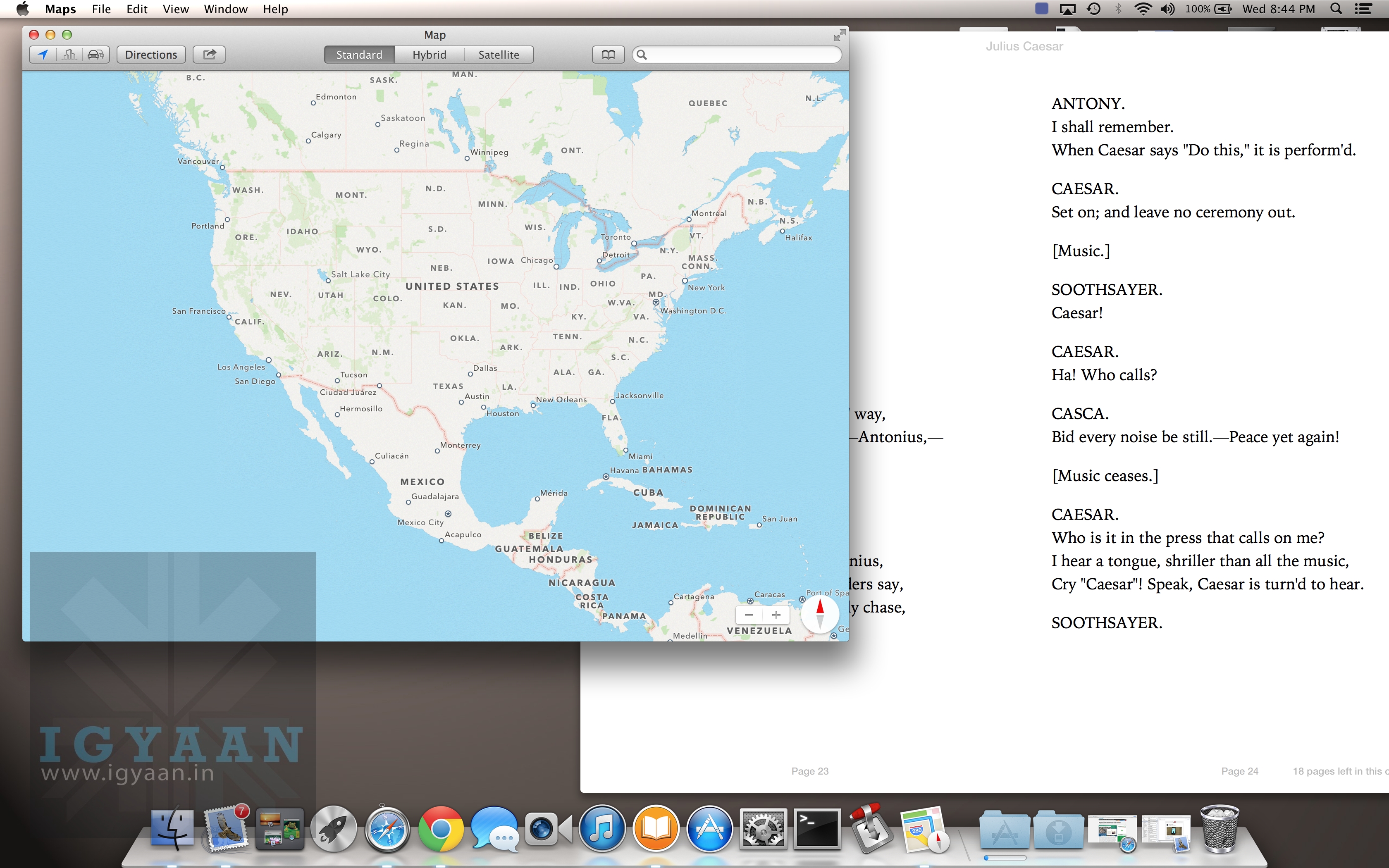
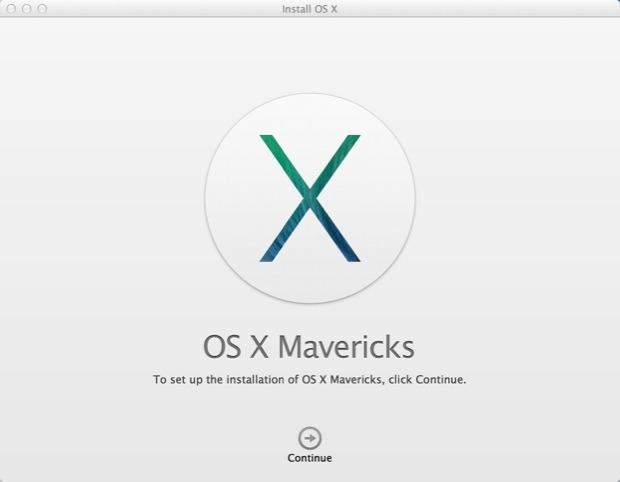
    Installer
    Installer

    The upgrade process is simple, hit the Mac App Store download the Mavericks installer, run the installer and about 20 minutes later you are upgraded. As Steve Jobs would say “It just Works!”,  exactly how upgrading a modern operating system should feel like. It gets done with the minimal of fuss and fanfare, and then the operating system steps aside and lets the user get back to work. 

    For Apple owners this may not seem as a big deal, however the folks over at Microsoft are probably festering out new plans as we speak to keep their investors happy. Do you think OS should be free? Let us know below!

  • Edit: The Best of the 2013 Goodwood Festival of Speed

    Edit: The Best of the 2013 Goodwood Festival of Speed

    For the uninitiated among you, The Goodwood Festival of Speed (FoS) is an annual hill climb featuring historic motor racing vehicles, held in the grounds of Goodwood House, West Sussex, England, every June/July. Visitors can expect to see lots of cars and motorbikes from over 100 years of worldwide motor racing history as well as newer models take a shot at the hill run. An immensely popular event, 1,50,000 people regularly attend the FoS. Here are some of the newer cars which were seen at the 2013 FoS, which was held over the last weekend.


    Peugeot RCZ R

    Goodwood

    Dubbed the RCZ R, this striking coupe is the most powerful production Peugeot in history and was unveiled at the 2013 Goodwood FoS. The RCZ R uses an updated version of the 1.6-liter, turbocharged four-cylinder engine found in the standard RCZ, which produces an impressive 270 hp and 243 lb-ft of torque. It can hit 100 kmph in 5.9 seconds and sports a beefier twin-scroll turbocharger, as well as a racing-derived steel exhaust manifold. Lots of mechanical upgrades have been done to the pistons, connecting rods, dampers and anti-roll bars making it a very capable little car. The Peugeot RCZ R will get its auto show reveal at the 2013 Frankfurt Motor Show in September before hitting European showrooms in early 2014.


    McLaren P1

    Goodwood

    McLaren’s latest offering and part of the new breed of hyper cars, the McLaren P1 is the spiritual successor to the legend which was the McLaren F1. Unveiled at the 2012 Paris Motor Show, the P1 packs some serious performance under the extremely aerodynamic carbon-fibre body. With a 903 hp hybrid powerplant which will slingshot the P1 from a standstill to 100 kmph in under 3 seconds, and to 300 kmph in 17 seconds, the P1 is a member of a very small and elite group capable of crunching numbers like those. If you haven’t noticed yet, the body is styled with the McLaren logo making multiple appearances all over the car’s sleek construction. McLaren really wants you to recognise this car when you see it fly past on the expressway. And if you want another number to feed on, the base model retails for a cool US $1,150,000.


    Citroën DS3 Cabrio Racing Goodwood

    We at iGyaan love hot hatchbacks. Brimming with character and ambition, they really epitomise everything that’s wonderful about car culture. The Citroën DS3 Cabrio Racing is one such sporty little car, and was shown for the first time to the world at the FoS. A roll-top version of the DS3 Racing that was introduced three years ago at the Geneva Motor Show, it keeps the same 1.6-liter four-cylinder with 202 horsepower and 19-inch wheels. The entire package is coated in a stunning textured Moondark matte grey with black chrome, Carmin Red and DS-pattern accents. In fact, according to a few reputed sources, this isn’t just a concept anymore and is expected to go on sale in the UK next year. Unfortunately, it seems like we’ll have to wait a couple years more for the hot hatchback segment to really hit Indian markets.


    Porsche 918 SpyderGoodwood

    Another member of the new group of hyper cars, the Porsche 918 Spyder is truly an engineering marvel. The 918 is testament to Porsche’s belief that hybrid supercars will not only successfully exist, but they will dominate the automotive industry. By far the most complex vehicle ever to come out of the Stuttgart-based automaker’s labs, the 918 Spyder is propelled by a hybrid gasoline-electric unit making use of a race-spec 4.6-liter V8 engine producing 795 hp, supplemented by two electric motors drawing power from a liquid-cooled lithium-ion battery pack. It starts up with the hum of a small electric fan, gently floats about without any combustion, and then takes off like a fighter jet when you put the pedal to the metal, onto a top speed in excess of 320 kmph. The base price is US $845,000 and considering the top-mounted exhaust pipes like the flare launchers on the 1966 Batmobile, we think its worth every penny.


    Ferrari F12 Berlinetta

    Goodwood

    The successor to the Ferrari 599, the F12berlinetta F12 Berlinetta is one of the fastest production Ferraris ever built. The 6.3-litre V12 produces an unadulterated 740 hp and 509 lb-ft of torque propelling the big grand tourer from nought to 100 kmph in just 3.1 seconds. But the true measure of any Prancing Horse is the lap time around the Ferrari-owned Fiorano circuit near Ferrari’s hometown, Maranello. Ferrari claims that the F12 can go around the test track in 1:23. To put things into perspective, the previous record-holder was the 599 GTO at 1:24, while the Enzo clocked in at a ‘slow’ 1:25. A 0.299 Cd and 76 percent more downforce allows a top speed of over 337 kmph.


    Ferrari SP12 EC
    Goodwood

    The only one of its kind in the world, the SP12 EC was specially built by Ferrari for legendary guitarist, Eric Clapton, who was happy to let them use his initials in the name. Based on the chassis of the 458 and the bodywork of the 512 BB, the SP12 EC was designed by Centro Stile in Maranello, in collaboration with Pininfarina, the famous Italian car design firm. Mechanically, it utilises the important bits of the 458 Italia, including a 4.5-litre V8 engine and seven-speed dual-clutch transmission, but not many people know what the technical specifications of the one-off supercar really are. It reportedly set Mr. Clapton back by US $4.7 million.

    Rolls Royce WraithGoodwood

    On to the maker of the ‘best car in the world’, the Rolls Royce Wraith made its dynamic debut at the Goodwood FoS. The most powerful Rolls ever, the Wraith was unveiled at the Geneva Motor Show. Although we’re wildly guessing that most people who end up buying the Wraith won’t be plowing it down racetracks too often, they very well could if they wished to. The 6.6-litre twin turbo V12 engine under the long hood of the luxury coupe produces 625 PS of power and a massive 800 Nm of torque. This along with Rolls Royce’s unique Satellite Aided Transmission technology fitted eight-speed ZF gearbox means that you go from nothing to 100 kmph in 4.4 seconds. Keep in mind that this is a 5.3m long car weighing 2.36 tons and those figures become a whole lot more impressive. The interiors are typical Rolls Royce, providing the ultimate in luxury making use of all the features of the Ghost while also flaunting ‘premium’ creature comforts like the “Starlight Headliner” cabin ceiling southern French wood panelling featured in the superior Phantom models.


    Mercedes Benz A45 AMG

    Goodwood

    The Mercedes Benz A-Class was recently launched in India, and its AMG variant may soon be on its way as well. The striking A45 AMG hatchback had an impressive showing at the FoS as well, and unsurprisingly so. The potent little Benz only has a 2.0-litre engine under the hood but turbocharging helps it attain the highest specific output among production car engines, an astonishing 355 bhp. The hot hatch features a four-wheel-drive system for greater traction which helps it get from a standstill to 100 kmph in 4.6 seconds onto a top speed of 250 kmph. Those are some serious numbers for a hatchback. The car is expected to be priced upwards of Rs. 50 lakh if it finds its way to India.


    The coveted spot on the lawn of the Goodwood House was given to Porsche this year, where a sculpture is erected annually to serve as a backdrop to the FoS. This year, Porsche  has put up three 911s, new and old, in celebration of 50 years of the iconic car’s existence.

    Other eye-catching cars at the Goodwood Festival of Speed included the stunning Jaguar Project 7 Concept, which is based on the new F-Type as well as the Bentley Continental GT3 race car. The FoS also saw the record-breaking auction of a Fangio-driven Mercedes Benz W196R Silver Arrows F1 car, at an unbelievable price of US$ 29.65 million. The 285 hp sub-700 kg Mexican Vuhl 05 as well as the eyecatching Alfa Romeo 4C were on display, as was the new Caterham 620, which may look like a small buggy to those who aren’t aware of it, but has a 0-100 kmph time of 2.8 seconds, making it one of the most fastest cars in the world in terms of acceleration. The Pikes Peak record smashing Peugeot 208 T16 also got a run around the much less challenging Goodwood hill and the Volkswagen XL1, known as the world’s most fuel-efficient car (at a truly staggering 132 kmpl) was on show as well.

iGyaan Network
Privacy Overview

This website uses cookies so that we can provide you with the best user experience possible. Cookie information is stored in your browser and performs functions such as recognising you when you return to our website and helping our team to understand which sections of the website you find most interesting and useful.