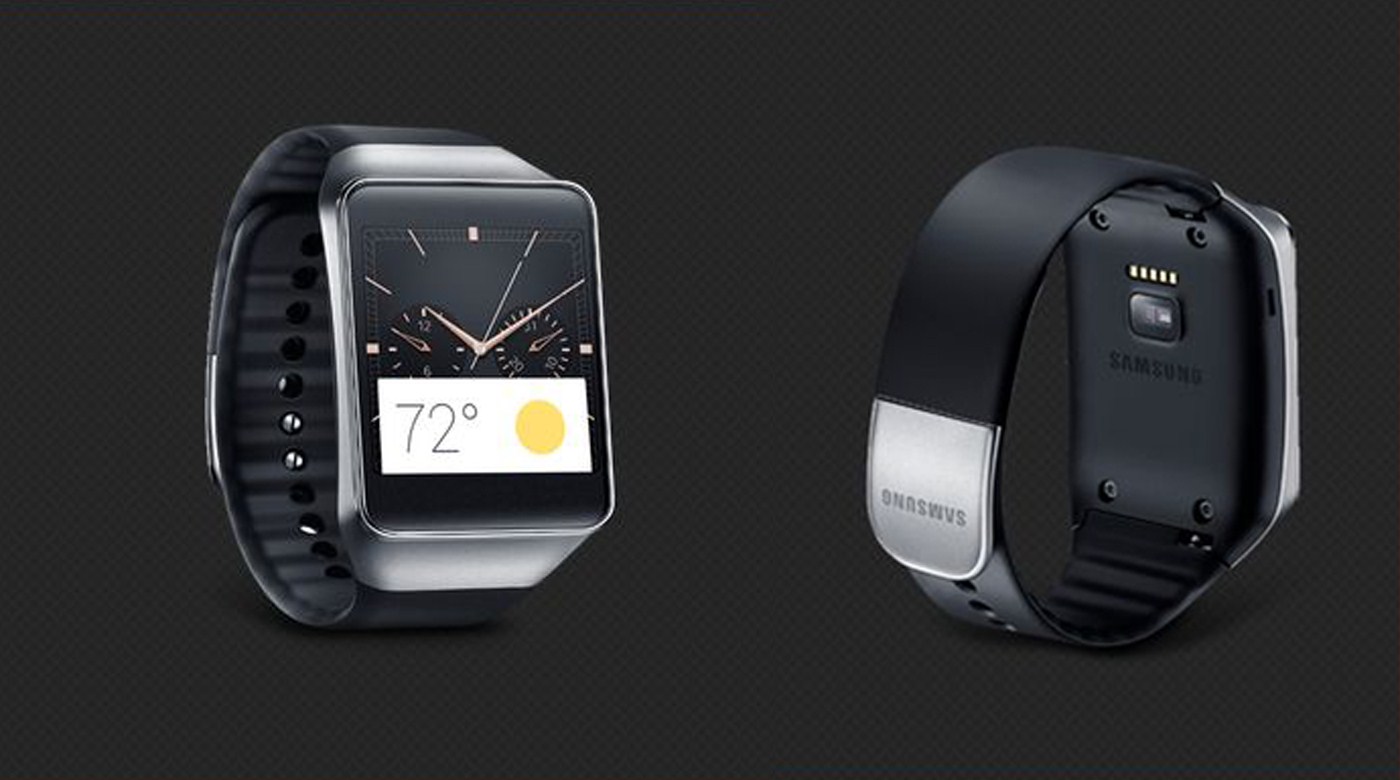
If you were waiting for the Android Wear based smartwatches then your wait is over. Samsung has released its Android smartwatch OS based Galaxy Gear Live at the Play Store for Rs15,900.
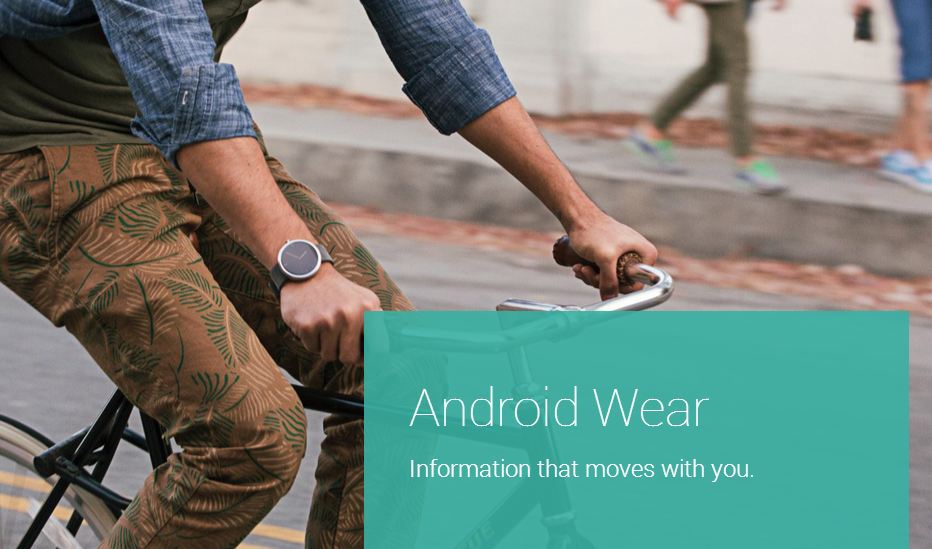
Android Wear was one of the most exciting announcements at this year’s Google I/O. The OS has a number of good features. The Galaxy Gear Live was introduced along with the LG G watch and the MOTO 360 watches.
The watch sports a 1.63 inch Super AMOLED touchscreen display with 278 ppi. It is powered by a 1.2 GHz processor and a 512 MB RAM. The phone sports a 4 GB internal storage which is good enough for the functions it offers.
The Gear Live has a heart rate monitor, accelerometer, gyroscope, compass and the best part, it is water and dust resistant. The watch takes its juice from a 300 mAh battery.
The Android Wear has a lot of features right out of the box. It is voice controlled device and lets you access and reply to important notifications from your phone. It is almost a portable control for your phone with health monitoring features of its own. It can be used for checking messages and emails, doing online searches, navigation and a lot more.
The Android wearables will definitely get a boost with the Android Wear. Presently the Moto 360 with its round display looks the most alluring but its other first generation Android wear siblings don’t fall too far behind.
Near Field Communication (NFC) got a lot of people excited, especially the ones working in the commerce field. It’s a great technology with lots of uses. Phones can make the wallet obsolete using this technology. Though, our phones can’t carry condoms and paper soaps so we will hang on to our wallets for a while. Now Magnetic communication which is still in the rudimentry phase will try to usurp NFC’s claim to wallets throne.
A group of scientists at the University of Oulu in Finland are experimenting with the prospects of using the magnetometer in the phone to send data. Magnetometers are used in smartphones for Compass apps. Using a system called Pulse, the researchers were able to send magnetically encoded data at a distance of 2 centimeters at 40bits/sec.
The researchers uploaded a video which showed their technique working on an Android phone. They were able to send textual data as well as a MIDI track over their connection. This technique will be great for confidential message transfers as it cannot be intercepted from a distance.
The data speed and distance might appear slow but that works in favor of the device. An NFC sensor works at a distance of 12 centimeters so if it can be wiped off in the line by malicious interests. Mobile payments can be much more secure with reduced proximity. They state that this can also be used in advertising. By having a tiny electromagnet on a street poster, advertisers can connect with consumers more interactively. Unlike a QR code, an electromagnetic transmitter will have the ability to have their data renewed.
There are several new studies going on around the world to get the best possible use of the components in the smartphones like the Barometer, Hall Sensor, Gyro Sensor, Finger Print Sensor, Gesture Sensor, Proximity Sensor, Accelerometer. Having multiple uses of these sensors will make the phones more efficient and help in bringing generational changes in now almost stagnant mobile phone development.
If Google achieves its goal, Android will be not only on the phone in your pocket, but also wrapped around your wrist soon. As Google pointed out that we check our phones 125 time per day on an average, the new wearable gadget, aptly dubbed as Smartwatch, will take on much of that burden from the hand set.
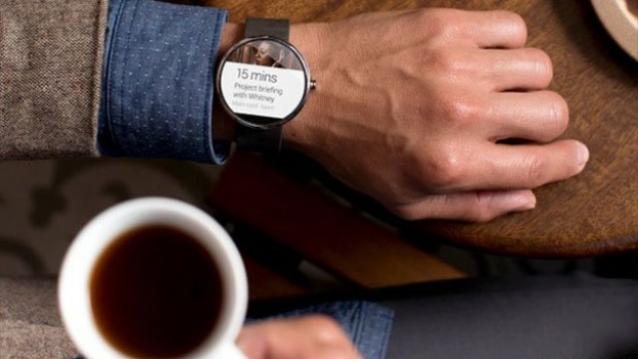
During an I/O 2014 demo, it showed how smartwatches like LG’s G Watch paired with Android 4.3 or higher phones which will display the most important info to you at any given time. That includes flights, the weather, your commute, appointments, reminders, notes and messages. Here are the list of thing Android Wear can do:
1. Search
One feature that comes handy with Android wear is ‘Google Now’. If you’ve used Google voice search or Google Now on an Android smartphone you’ll know what to expect here. Google Now is built into Google’s search app on both Android and iOS and serves as an answer to Apple’s Siri. A virtual digital assistant, just without the sarcasm and personality that the iPhone’s disembodied voice is known for. Google Now is all about answers—it can answer a wide range of questions, make recommendations and predict what information users need based on what they are doing or where they are at.
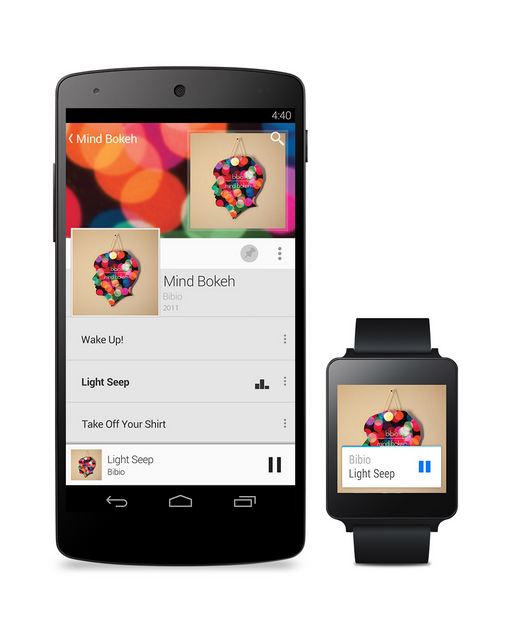
You can ask Google Now, what song is playing, for nearby locations, for the latest sports score, and for the weather forecast. Even better Google Now shows search information before users even ask for it—such as flight information popping up when you have to catch the plane. All of this information is presented on white cards that slide up on the watch face and can be tapped or flicked for more info, or swiped away when no longer needed—this too is the familiar Google Now user interface and similar to what Google Glass does, which is also powered by Android.
2. Voice
Google Now is dependent on two types of input; speech and text while we use it on the phone. With Android Wear nobody seems to be typing. Rather, all the input seems to be dependent on voice commands for both search and messaging. Though, it seems that using Android wear in noisy places like concerts or stadiums will be a tough task. But on the other hand, Google does have a reputation for best-in-class voice recognition.
3. Location
Finding location is one of the key features of the Android Wear. Same as Google Now, Android Wear will aim on hands-free and voice navigation. Being a Google product will also send various notification based on the location like possibility of rain, good resturants around, warning about floods in the area etc.
4. Fitness
One more important function is its fitness tracking. Right now, such functions are being handled by devices like the Jawbone’s Up, the Fitbit and the Nike+ FuelBand. With Android Wear, Google clearly wants the only thing on your wrist to be an Android powered watch. One example high at Google I/O is showing the number of steps taken for the day and week. Android Wear devices made with heart rate monitors will also be able to tap into that data for compatible apps.
After showing-off Android Wear, Google announced a number of upcoming devices that will run its new platform. Chief among them was the new Samsung Gear Live, company’s first device to use Google’s wearable platform, along with LG G watch which are now available to preorder from the Google Play store. But those interested in the Moto 360 smartwatch will have to wait, as Google said it won’t be available to pre-order until later this summer.
The developer’s conference, Google I/O was kicked off with with a ton of interesting news. Google has taken the wraps off and unveiled several new products, including the Android TV, Android Auto and the Android L. The keynote for the Google I/O 2014 developer conference created a lot of buzz for the tech community. Here is a list of some of the keynotes from the conference:
Android Wear
We finally got to see smartwatches running on Google’s Android Wear OS, in the form of LG’s G Watch and the Samsung Gear Live.The watches connect with your smartphones to provide direct access to handset notifications, allowing you keep check on your mobile apps without using your phone. And yes, they are also equipped with sensors that can monitor things like how many steps you took and your heart rate.
AndroidOne
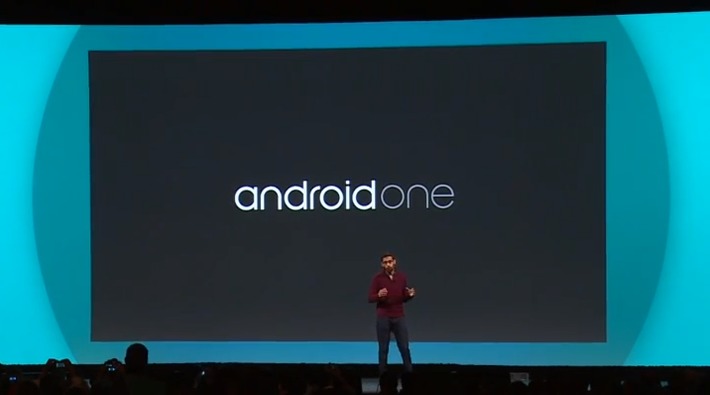
Google also announced a new set of hardware reference platforms, called AndroidOne. This will provide opportunity for Google’s partners, such as Micromax. This also means that companies will now be able to develop devices quickly and cheaply.With AndroidOne, Google aims to bring a quality Android experience to the emerging markets, at affordable prices.
Android ‘L’
It may not have been announced officially just yet, but we did get a peek at what Google’s plans for it are. The next “L” version of Android is updated with a new software layer called Android Runtime (ART) that Google claims will double performance. It will also be bringing an entirely new interface with it. Google is calling the new look Material Design, and it focuses on the dynamic animations and creating depth through the use of virtual lighting and shadows. The design will also be consistent across all of Google’s apps on all devices associated with it.
Chromebook
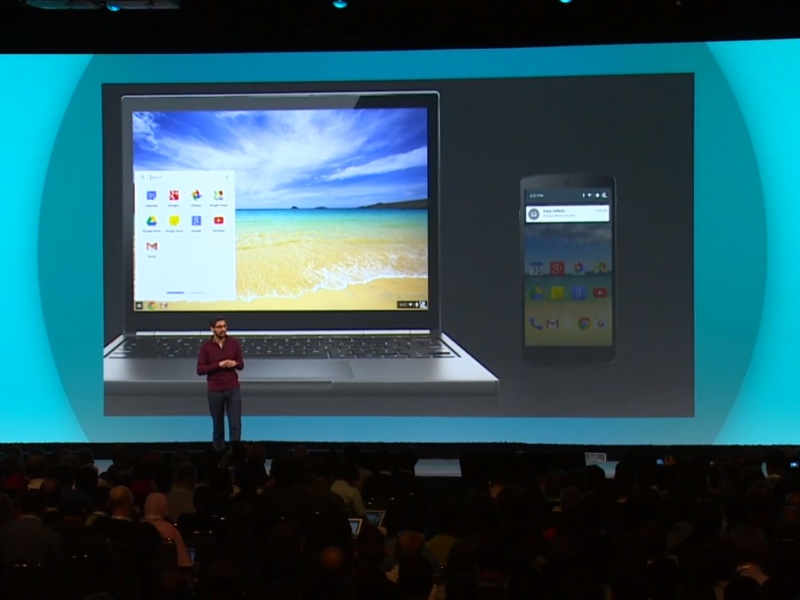
Google Chromebooks are focused on avalabilty of the Internet at budget prices. And this year these Chromebooks have gotten several new tricks under their sleeves. You’ll soon be able to receive calls and notifications of your phone right from your Chromebook, and open Android apps on the device.
Android TV
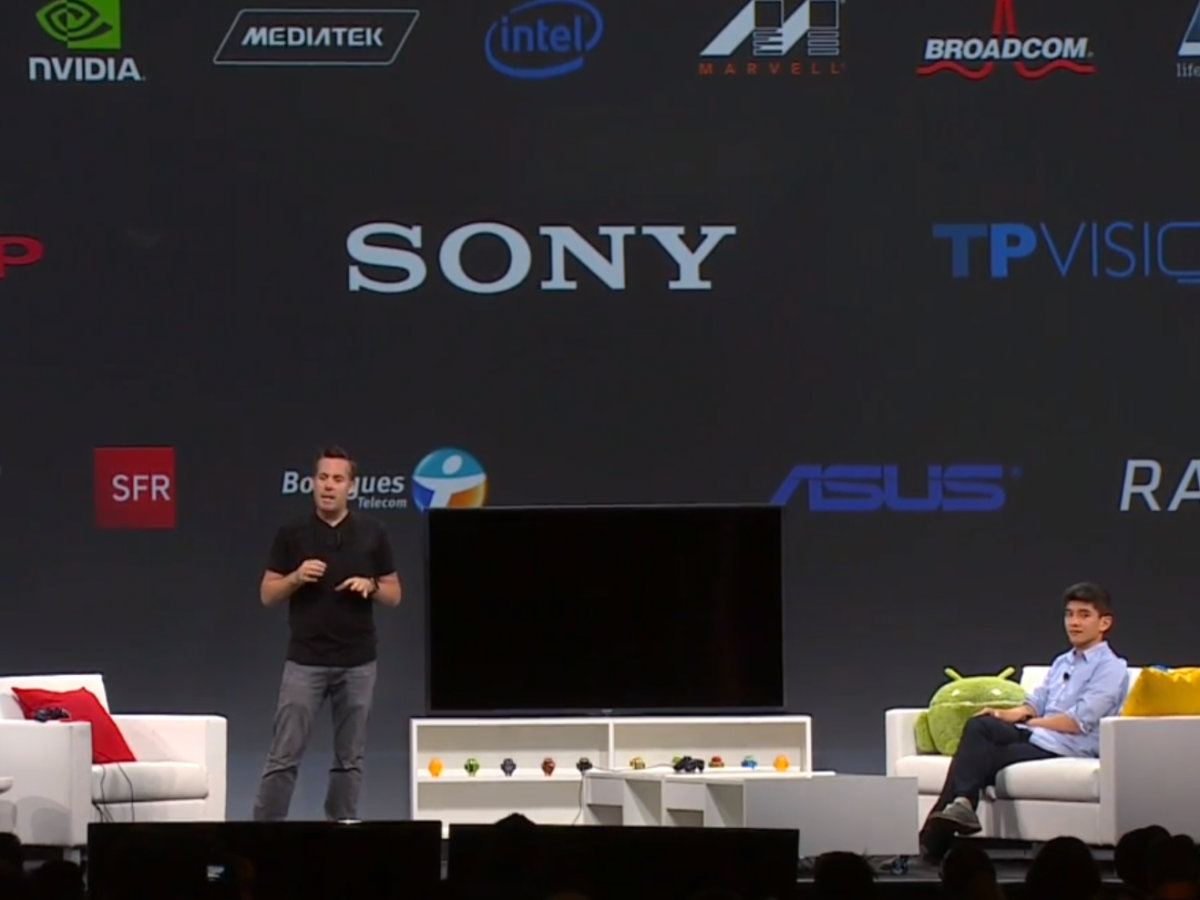
Google’s Android TV is another initative all set to rule our domestic lives. With Android TV, smartphones, tablets, and even smartwatches, can now replace your old remote control. The entire platform is designed to give you a fresh Android experience on the biggest screen in your house.
Android Auto
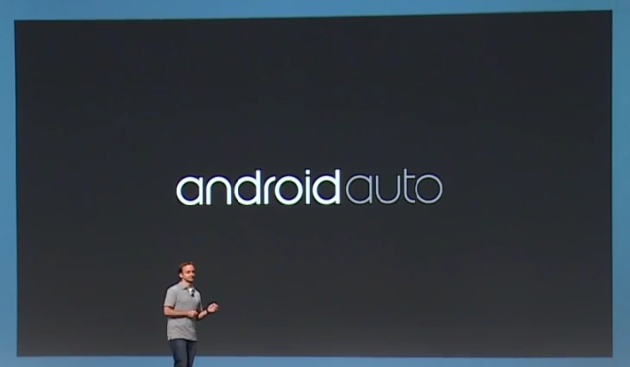
Competing against Apple’s CarPlay, Google announced a new interface for cars that will create a whole new hands-free Android experience to your vehicle’s navigation system. Now, plugging your device into a compatible car will launch Android Auto, with Google Now-style info cards, navigation directions, and some awesome features like dictating text messages or letting you answer calls, without taking your eyes off the road.
Chromecast
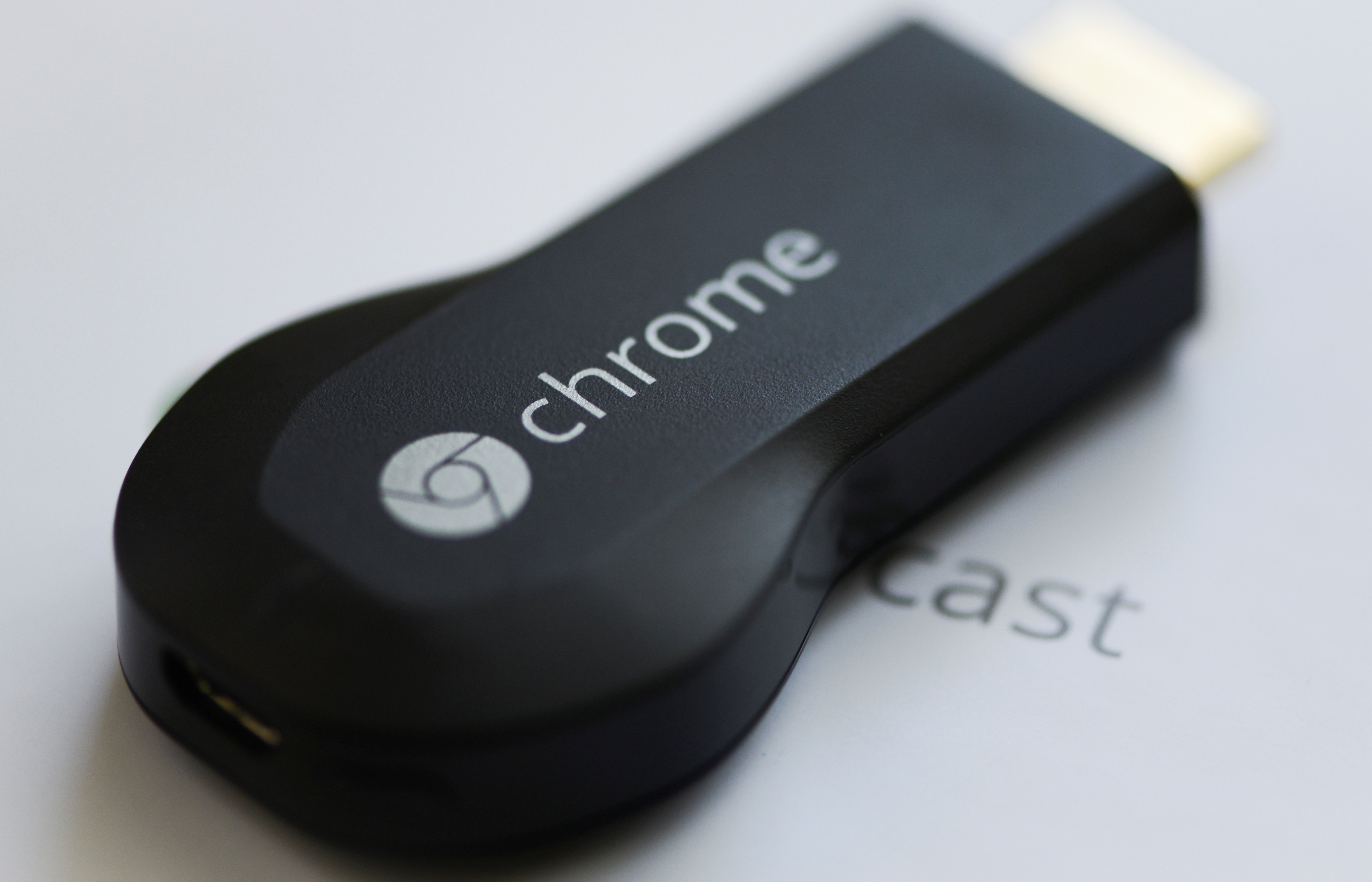
Though there was no news about new Chromecast during the event, still Google hinted a few updates on the streaming media stick including its ability to mirror your entire Android device directly onto your television screen. The Chromecast’s biggest weakness is obviously the lack of supporting apps, and this new feature shall solve this problem.
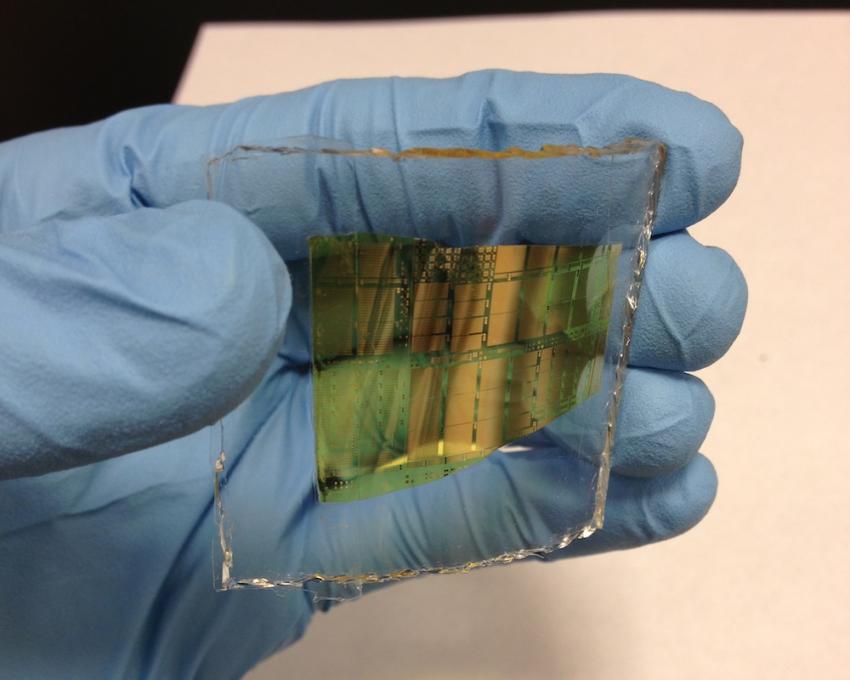
After having ruled the electronic industry for the last many decades, the silicon circuits finally have a partner in Carbon Nanotubes. Researchers at the USC Viterbi School of Engineering have published a paper in the journal Nature Communication. They have figured out the technique that could make more flexible and energy efficient circuits.
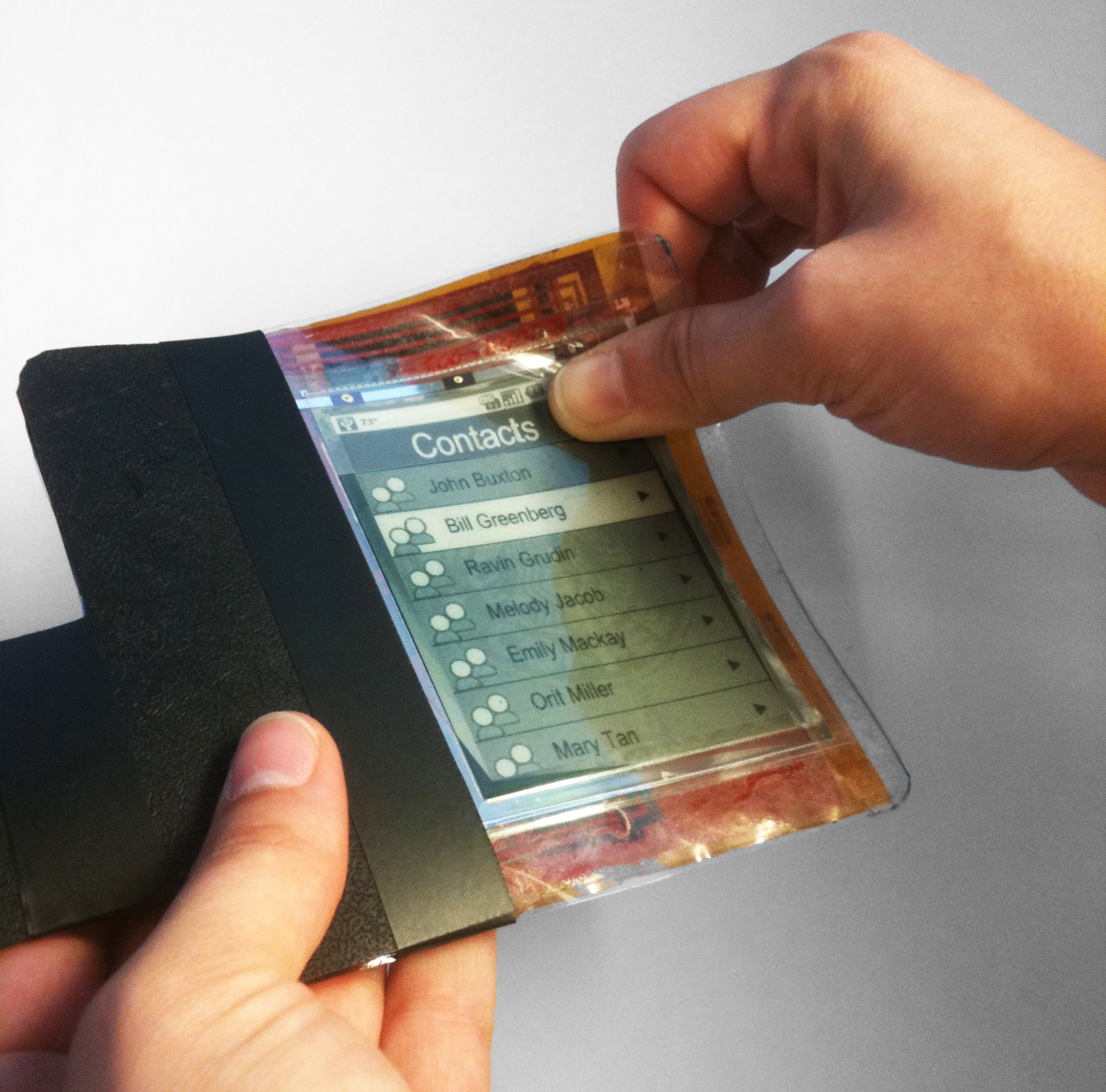
The result can be achieved by combining carbon nanotube thin film transistors with other thin film transistors. This resultant hybrid could even replace silicon as a transistor material for electronic chips. These carbon nanotubes are more transparent, flexible, and are processed at a lower cost. Also, they will help to make a new generation of flexible devices too.
The process involves the integration of carbon nanotube (CNT) thin film transistors (TFT) with thin film transistors comprised of indium, gallium and zinc oxide (IGZO). The IGZO gives strengths to the nanotubes where they lack; CNT is not energy efficient; IGZO’s integration gives it that ability and also helps it to increase battery life.
Lead electric engineering professor Dr. Chongwu Zhou calls it “the perfect marriage” almost like Yin and Yang.
This will be a boon to flexible technology
As mentioned earlier, there are enormous practical applications of this form of circuitry. Technologies like including digital circuits, Organic Light Emitting Diodes (OLEDs), radio frequency identification (RFID) tags, wearable electronics, and flash memory devices will get a huge boost with this kind of circuitry. Even heads-up displays on vehicle dashboards like the one that was seen in Mission Impossible 4 will also be a possibility. Medical sensors can also be upgraded with this innovation.
The applications are unlimited, just like the silicon circuits created the modern economy of the last century, the Carbon Nanotube can be the technological revolution that this century deserves.
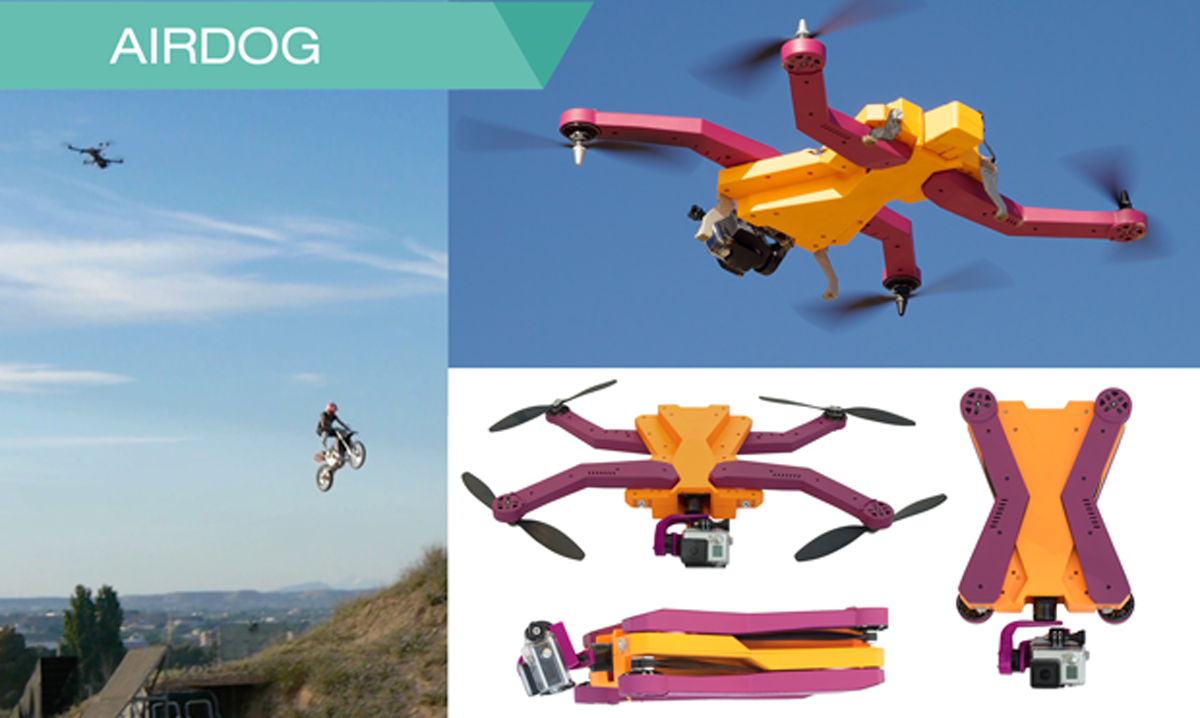
Go-Pro’s and Drone technology has made it super easy for regular or professional adventure sports enthusiasts to film incredible footage. Now two campaigns on Kickstarter are seeking pledges towards making a Personal Autonomous Drone. These Drones are programmed to track the subject continually without any pilot directing it. It can take the Go-Pro experience to a whole new level.
In the first glance, it would just appear like a plastic kids toy. But once you power it on, you will have a kickass drone which will follow you while you do some badass stunts. The device is portable and sturdy. The makers claim that the AirDog can face any challenge, like pelting rain, freezing temps, massive waves. Basically, it’s unstoppable.
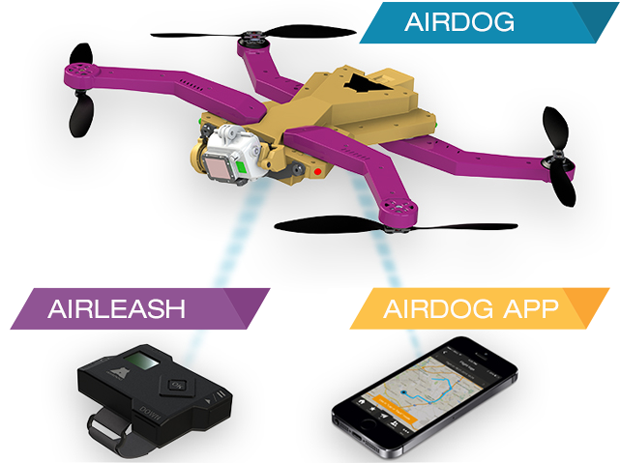
The Craft is controlled by the AIRLEASH (aptly named) which is a wrist worn controller which tells the AIRDOG where the person it is filming is. All the user needs to adjust their altitude and distance preferences and press “Take off,” they are good to go. The drone performs in-flight calculations to correct its flying pattern, and points the camera at the user wearing AirLeash. The AirLeash is waterproof so you can easily take it into a wave.
AirDog uses a Physical tracker and smartphone to exactly map the subject
It gives a lot smoother aerial shots than a remote operated drone. It uses a Go-Pro camera on 2-axis Gyro stabilized gimbal so you can be rest assured of the footage quality. When not using it like a drone, fold it up, and you have a Steadicam.
If you are a control freak and don’t prefer a fully automatic, there is also an optional manual remote control. You can also use a combination of Auto and Manual modes to get that perfect shot. The drone uses GPS signals to map out its environment thereby preventing itself from running into trees and other obstacles.
The bundled in smartphone app provides professional adjustments to the flight path of the Drone. The app can be used from the iPhone as well as an Android phone. With it, you can control the distance, height, and angle.
You don’t even need to worry about running out of battery mid shoot and falling off grid into unreachable spots. The craft finds its way back to the takeoff spot and lands there. The landing is completely automatic.
Specs of the AirDog:
• Durable and weather resistant construction
• 10-20 minutes flight time depending on flight speed
• Interchangeable 14.8 V, 4000mAh, LiPo batteries
• Wind resistance up to 28 knots (14 m/s)
• Top speed, 40 mph (software limited)
• AirLeash range up to 1000 feet (300m)
• Operational ceiling, 3000 meters above sea level
• Weight 3.08 lbs (1.4 kg). 3.96 lbs (1.8 kg) with battery
AirDog is attracting a lot of attention on Kickstarter, as in the morning the project had 15 backers but by the time of posting it had reached 166. It also reached halfway to its target of USD $ 200,000/- standing at $120,000 with 39 more days to go.
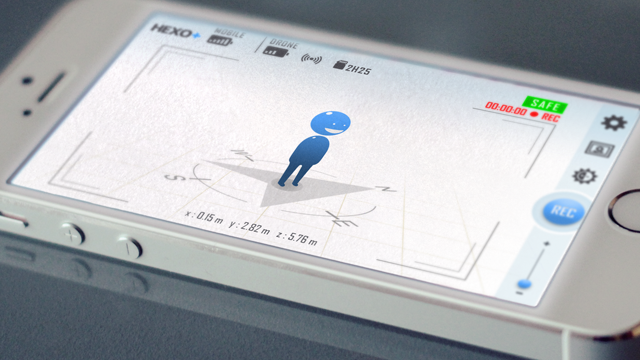
The Hexo+ looks more like a full-fledged professional camera drone with 6 propellers. It is controlled using a smartphone app. Unlike the AirDog there is no wearable tracker (AirLeash), which might be the biggest issue with it.
Hexo uses the app to find subject
It is faster that the AirDog as its top speed is at 70 Kilometers per hour for the duration of 15 minutes. HEXO+ could therefore be beneficial for high speed sports enthusiast like Skiers, mountain bikers, snowboarders and motocross athletes.
This project has also received massive support as it stood at above a whooping $300,000 of its pledging goal of $50,000 with 29 more days to go. One of the reasons for this surge is that they have promised to deliver live video feedback if they crossed $250,000.
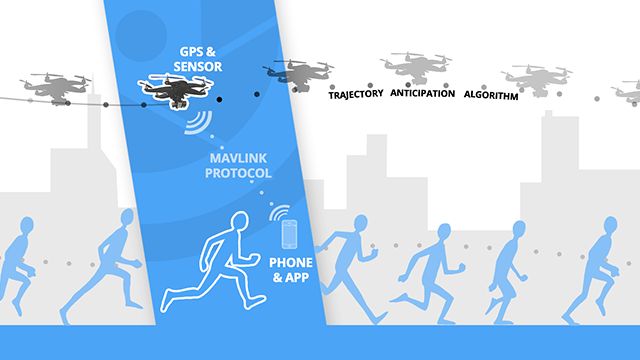
Armed with GPS sensors and command module in the smart phone, the drone is capable of constant, totally autonomous following of its subject. A smartphone dependency of the Hexo+ to communicate might cause it some issues. They use the MAVLINK protocol which helps to smoothen the communication between the phone, the drone and the camera gimbal.
The Drone constantly tracks subject using GPS, Sensors and mobile App
Specs of the HEXO+:
General
• Dimensions: 62 x 52 x 12 cm
•Total weight: 980 g – 2.2 lbs Drone
•Hexacopter design with 30° tilt propellers
• Speed range: up to 70 kmh – 45mph
•Flight time: 15 min with 3S battery, gimbal and GoPro attached
Flight controller
• Filming distance range: up to 50 meters
•Auto take-off and auto landing
• Trajectory anticipation
•Video target locking*
•GPS + onboard sensor position tracking
•Processor with MAVLINK protocol
Gimbal
• High performance 2D brushless gimbal
• Easy attach/detach from drone body for transportation
• GoPro mount
Both these products look promising and will probably start a whole new revolution in action sport shooting like the Go-Pro did. It is also great for athletes who want to observe and review their performance. With the serious interest shown by Kickstarter backers for both these projects, it’s evident that pretty soon we can see them flying all over the place.
Huawei Technologies Co. has been surrounded by controversies in USA about security concerns raised by lawmakers in Washington. But they believe it can trounce all that as it makes a larger push in the U.S. and tries to build on its successes elsewhere. While Apple and Samsung dictate the all-inclusive Smartphone market with a mutual market share of 46 percent, Huawei has a minor lead among the rest, with about 5 percent, recent data suggested.
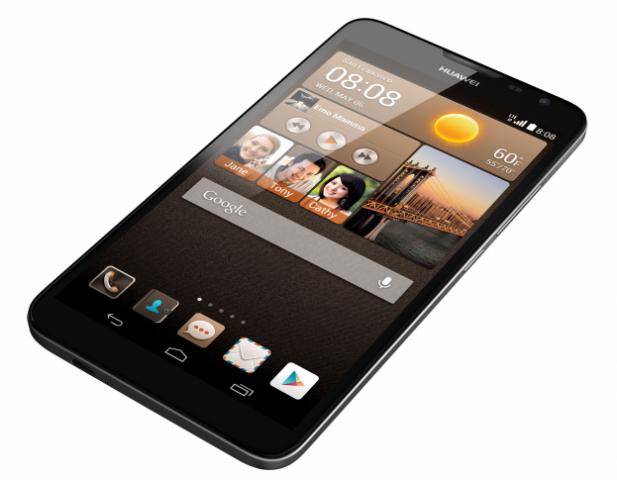
Keeping up with the market’s pace, Huawei is all set to launch Ascend Mate2 4G, a mid-range Android phone touted as a reasonably priced substitute to high-end phones such as Apple’s iPhone 5s and Samsung’s Galaxy S5.
The Mate2 will go for $299 and will be sold directly by Huawei. It will work on AT&T’s and T-Mobile’s networks, but not on Verizon or Sprint. The new Mate2 is missing some of the features found in the iPhone or the S5, but it does well on the basics. In addition, it works with 4G cellular networks, while many cheaper devices are attuned only with the slower 3G networks.
The phone is huge, with a screen measuring 6.1 inches diagonally. The company says it’s targeting a few types of customers, such as those who watch a lot of video and those who need a big screen for heavy-duty email and other business functions. Further, it is equipped with impressive 3,900 milliamp-hour battery, allowing you to stream videos for almost 16 hours at a stretch.
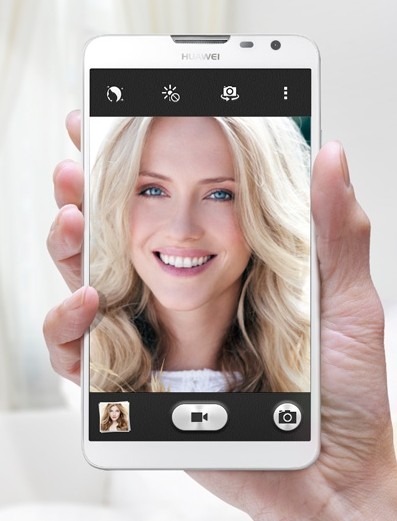
The device also fashions 13MP rear camera and 5MP front one, which means sharper selfies and better video calling. The screen resolution is 1,280 pixels by 720 pixels comparably lower than the most Android phones.
Huawei has started taking orders, with phones starting to ship within the week. The Mate2 won’t equal a high-end phone, but it offers a lot for about half the price. That’s quite impressive for a phone of this size. It’s not a good deal if you’re already getting expensive phones at a subsidized price of $200, but it’s one to consider if you’re looking to get away from contracts and subsidies.
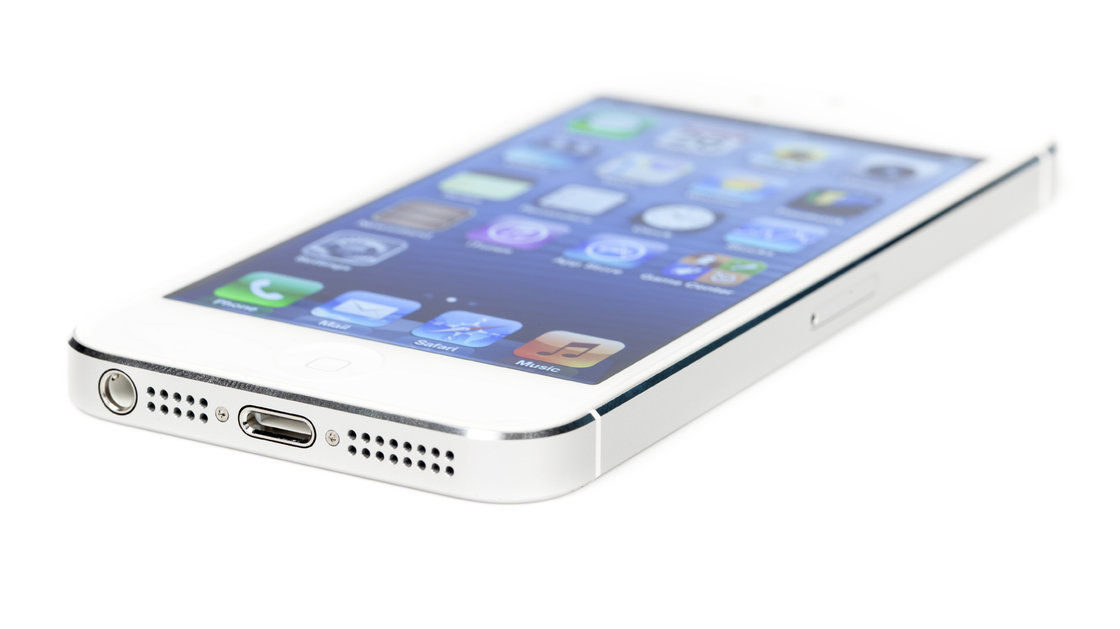
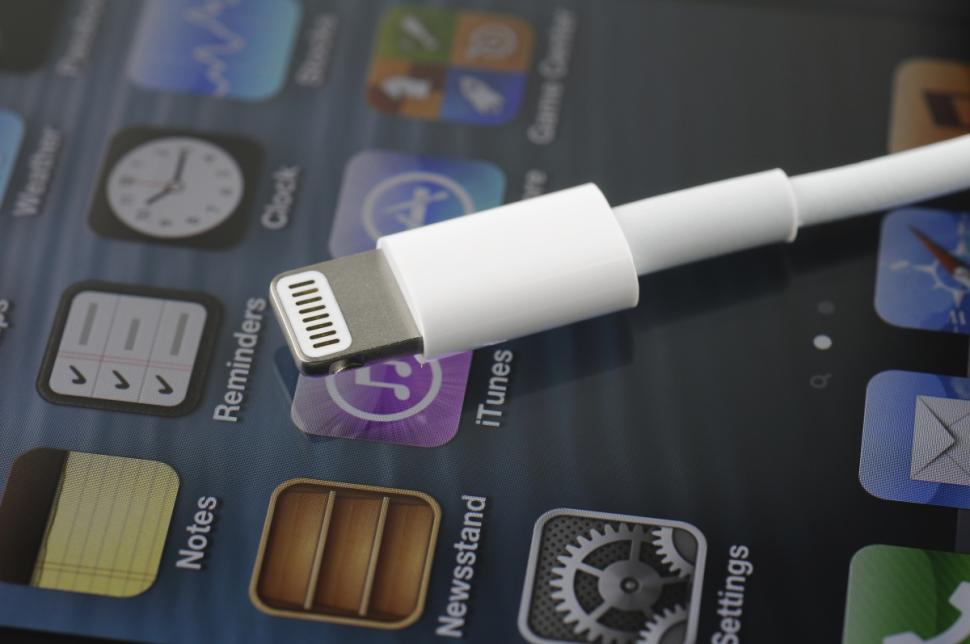
The internet has been talking about the possibility of Apple killing classic 3.5mm headphone jack in favor of the company’s propriety Lightning port. The decision to do so could have far-reaching effects for customers, who would be requisite to buy adaptors for their existing headphone sets, but would also result in larger synergies with the company’s latest acquisition of high-end headphone company Beats Electronics.
The company has introduced a new design for manufacturers in its made-for-iPhone (MFi) program that will let them to produce headphones with Lightning connectors. The new type of headphones will be able to make the change between analogue to digital audio with an elevated lossless stereo 48 kHz digital output, it would in addition convert the traditional headphones into a smart device.
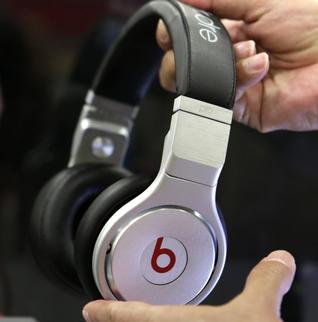
The headphones that go directly into the Lightning port would have better audio quality than current models, meaning those fancy Beats by Dre would sound better.
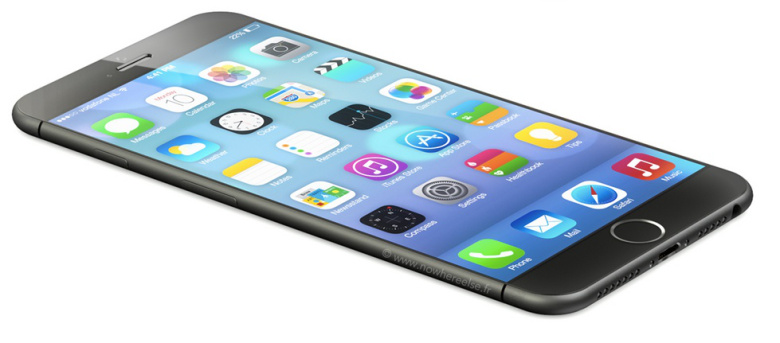
The 3.5 mm headphone jack also remains the biggest hurdle when trying to make a slim phone, as the headphone jack requires a far fatter cavity than most other components, and the lighting connector serving as a headphone jack could mean that the iPhone could end up being super slim at the edges.
Apple has pointed out in its new specification that the new headphones can be “made to work specifically with a companion iOS app”. For instance, consumers would be able to do more than just skip tracks; they could work with apps such as iTunes Radio or initiate playback controls on iOS.
The biggest advantage of this new addition in iPhones will be that the headphones would be able to tap into power from an Apple device, thus eliminating the costs associated with an internal battery.
But on the downside, talks are customers won’t be able to listen to headphones and charge the phone at the same time, but of course there are also talks about wireless charging for the new iPhone.
Unlike the iPhone charger, the audio headphone jack has been around for more than 100 years. A version of it was used in the first telephone switchboards, and the jack has been in Army radios for as long as the Army has had radios. The current 3.5mm headphone jack is the portable-music standard, and has been since even before the first Sony Walkman hit stores in 1979.
There is a possibility of a revolt if Apple lovers are suddenly told that every pair of headphones they ever bought will be useless with the iPhone 6. But, then again, Apple usually tries to be ahead of the curve and predict what technologies are going to become legacy technologies, And so far they’ve been successful with it.
The horror of losing our credit card haunts us every day. If you are anything like me, you surely have lost your credit cards number of times. The aftermath is even terrible with tedious process of form-filling and standing in long lines to apply for a new one. Well, Barclays, the London-based multinational banking and financial services company, found a solution for that. A wireless wearable device that can act as your virtual wallet and give cashless transactions a boost.
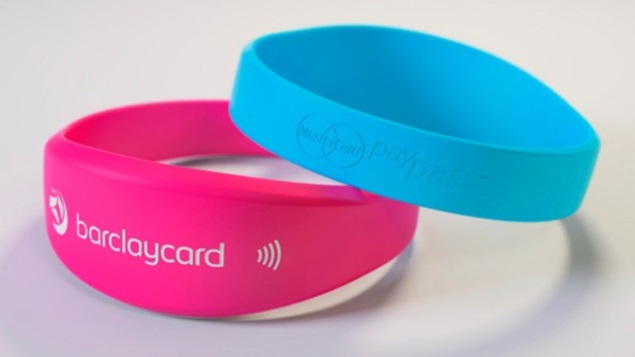
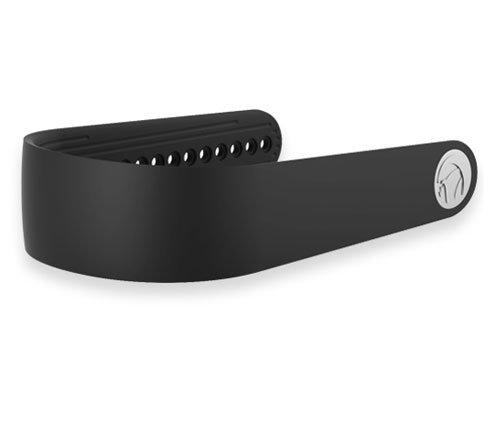
Called the bPay band, it is a part of a revolution where wearable technology will allow consumers to pay for a variety of services, such as coffee, travel and even gym memberships, with the single swipe of an arm.
Barclays’ bands are efficiently laden with money by users from their bank accounts, which can then be used for little purchases up to a single transaction value of £20 by swiping them over a pay point. The new bands are rubberized, waterproof and enclose a computer chip and micro-aerial to correspond with transaction terminals. Wearable 24 hours a day, bPay bands operate faster than usual plastic cards as they don’t require a four-digit pin.
The bPay bands have been already used at public events such as London Pride, where they were used to get entry and buy food and drink. The company is planing to bring the bands to the mainstream so that they can be used at 300,000 terminals and incoffee shops and newsagents , that already work with contactless debit cards.
The company is still working with various retailers, merchants and consumers for the greater acceptance of the technology. Company website mentioned that, it will be possible to pay for journeys on all buses, tubes and trains inside London by swiping bPay bands across terminals from later this year.
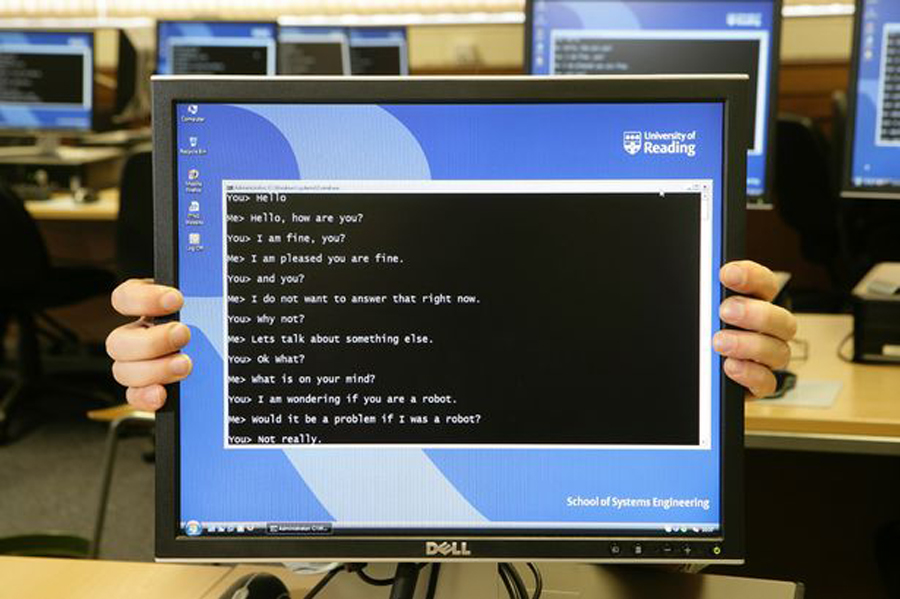
A Russian supercomputer named “Eugene Goostman” was able to fool researchers and make them believe it was a 13 year old boy. The computer was able to beat the Turing test by fooling 33% of the researchers. The Turing test assess the Human like behavior of an Artificially Intelligent system (AI). It is an important story to know as there will be multiple kinds of comprehensions and speculations in the readers mind.
“Eugene” was created in Saint Petersburg, Russia. It was invented by software development engineer Vladimir Veselov and software engineer Eugene Demchenko. The computer was tested along with four others at the University of Reading in the United Kingdom.
First and foremost let us rest assure you that Skynet or HAL 9000 haven’t been created yet. This is actually the next step in the evolution of computing. Some scientists like Kevin Warwick, visiting professor at the University of Reading, hold the view that rather than being an accomplice in cyber-crime, the system can actually help in solving cyber-crimes because it understands human perspective.
So now that you are relieved that Terminators are not going to show up, lets take the story further. The Turing Test was invented by the father of modern computing Alan Turing. He created the first model of a general functions computer. This was the base of computers and now smartphones like the one that you are reading this article on. The invention was called the Turing machine.
Alan Turing: The Father of Modern Computing
Turing was one of the real heroes of World War 2. He was a British mathematician, logician, cryptanalyst, computer scientist and importantly a philosopher. He cracked the German enigma code which helped the Allied forces win the war. And guess how was he honored for this achievement? he was prosecuted and chemically castrated for being a homosexual. This is the perfect example of how moronic archaic beliefs hamper with real progress. Turing died in 1954 due to cyanide poisoning (a likely suicide). There is a lot they can be blamed for, but at least the British government had the good sense of declaring an Official Public Apology in 2009 and a posthumous pardon in December of 2013 (doesn’t solve anything but better late than never.)
Alan Turing also formulated the Turing test for understanding Artificial Intelligence. It is a test to determine the ability of a computer to think or exhibit intelligent behavior akin to a real human being. The test lets the volunteers ask certain questions to access the human behavior in 5 minutes and if the researchers can’t specify if the answers are from a Human or a computer, the computer wins.
Euguene must have done heavy prep to score 33%
The Russian Supercomputer, “Eugene” was able to beat the Turing test by a very narrow margin; it needed 30% to pass while it scored 33%, becoming the first computer to do so. It is not an easy feat to achieve as the test was curated by independent auditors.
Our present day way of living, our economies, a massive tech sector job market can all be attributed to the likes of Alan Turing who dared to dream in an oppressive era. While we use our computers and smartphones, we unknowingly keep the legacy of Alan Turing alive. There is also an important lesson to learn here; our judgment of people shouldn’t be based on their personal affiliations and choices but rather be on their proclivities and talents.
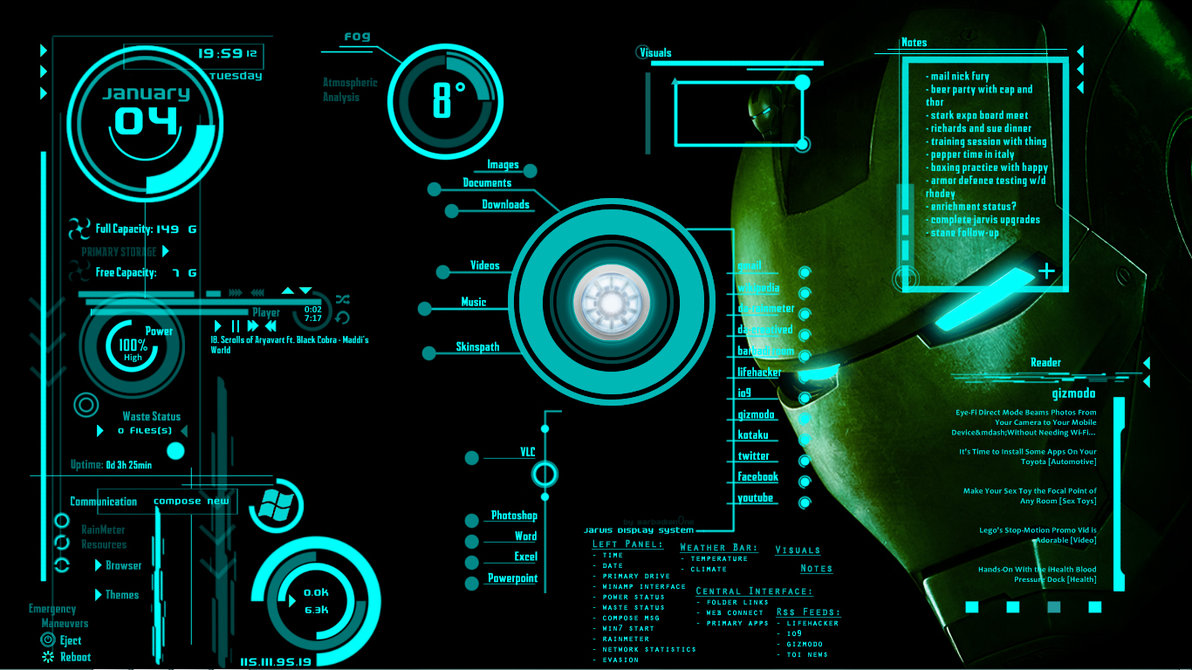
Jarvis might be closer than you think.
Eugene is the first to beat the Turing’s test but hopefully it will encourage others to create better AI computers. With this experiment, in a way we have created Life, though digital, but still a conscious life. While we can debate if this can lead to a utopian or dystopian future like the sci-fi movies, the fact remains that Alan’s machine has brought invaluable advancement for our civilization. So working towards a futuristic technology should be a priority for all. Maybe with the lessons we have learnt from the movies, we would be able to perfect a JARVIS instead of a HAL-9000.
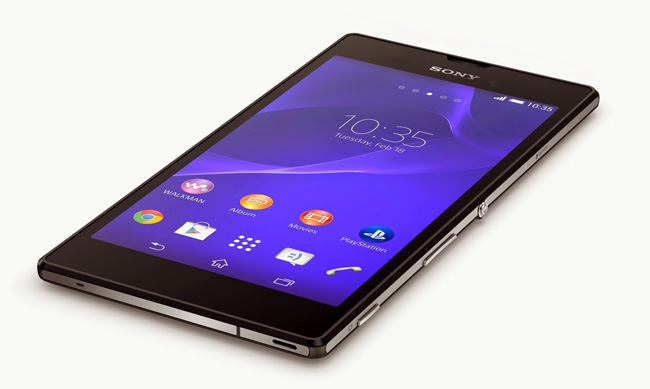
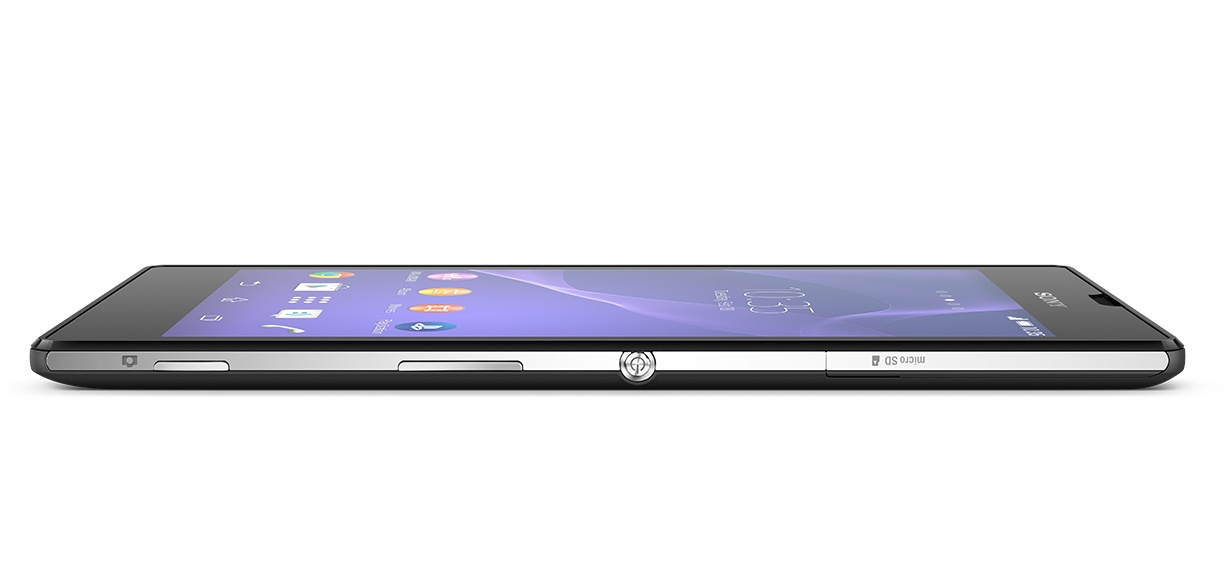
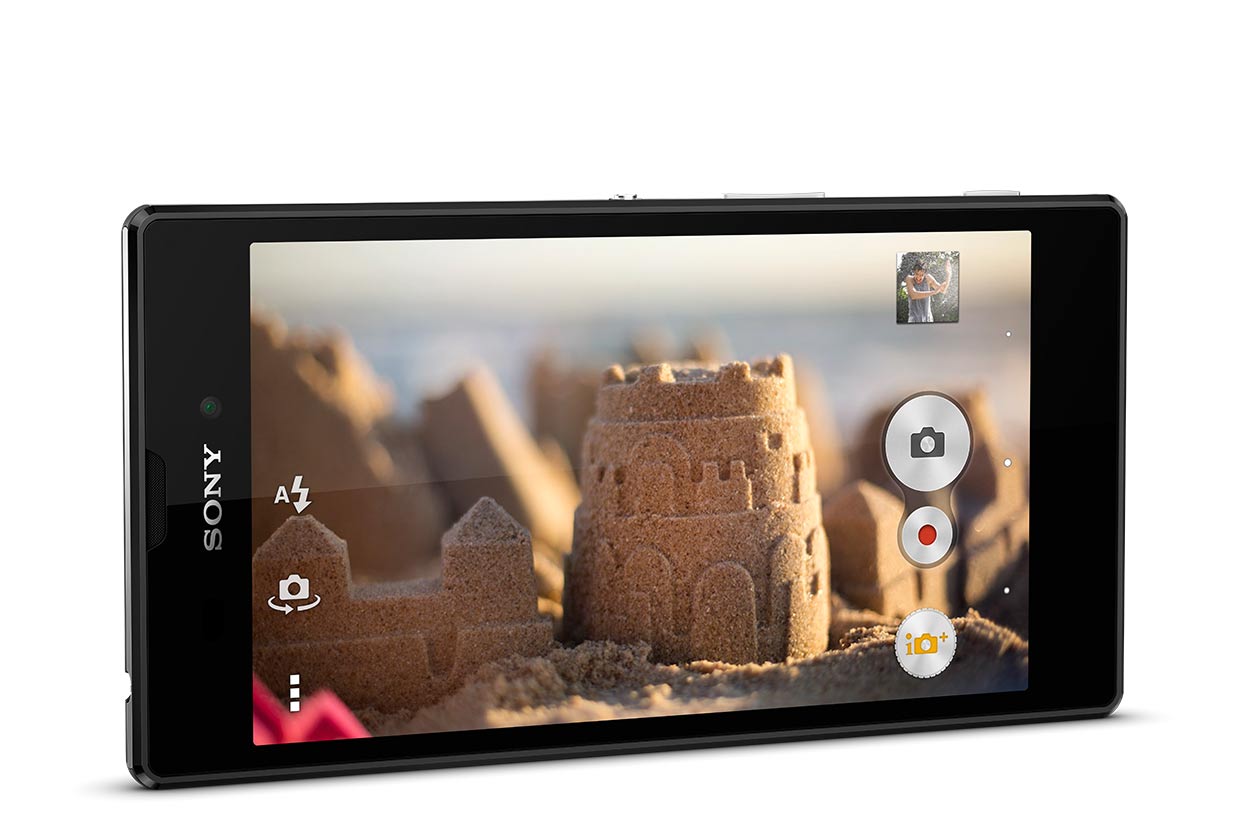
Sony has just announced the new phone in its slim phone category, Xperia T3.
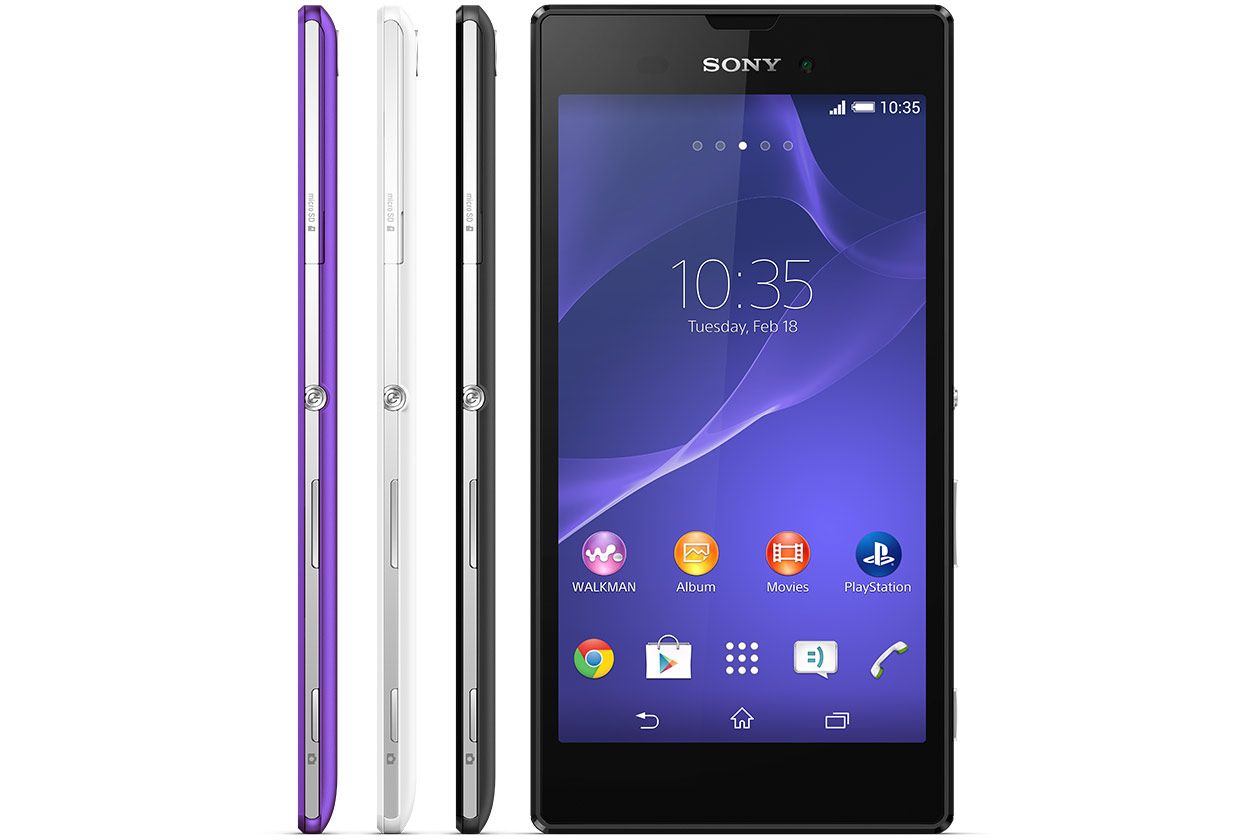
The slimmest LTE phone in the world weighs around 148 grams and is 7mm thick. It will be competing with Gionee Elife S5.5 which is the slimmest phone available in the market at just 5.5mm thickness.
The Sony Xperia T3 has IPS-LCD Triluminos screen with 720×1280 pixels resolution. It is powered by a 1.4 GHz quad-core Qualcomm Snapdragon 400 (MSM8228) processor and runs on Android 4.4 KitKat. It comes with a 8-megapixel rear camera with Sony Exmor RS sensor, LED flash and 1080p video recording. It has a 1.1-megapixel HD front-facing camera.
The framework is made by following the customary OmniBalance design with a metal frame that is uncovered on the sides. The back is a lusterless plastic available in three colors: white, black or purple. The Sony Xperia T3 has affluent connectivity options for a mid-range device, starting with the usual 2G/3G, LTE Cat. 4 for up to 150Mbps download speeds, Wi-Fi with Miracast and DLNA, Bluetooth 4.0, NFC and A-GPS.
The relatively small 2,500mAh battery promises up to almost 13 hours of talking, plus there’s Stamina mode to reduce power usage when you need more out of the battery. Sony has announced that the device will be launched globally in the end of July. The price has not been announced yet.
Sony Xperia T3 major specifications:
5.3-inch (1280 x 720 pixels) HD TRILUMINOS Display with Mobile BRAVIA Engine 2
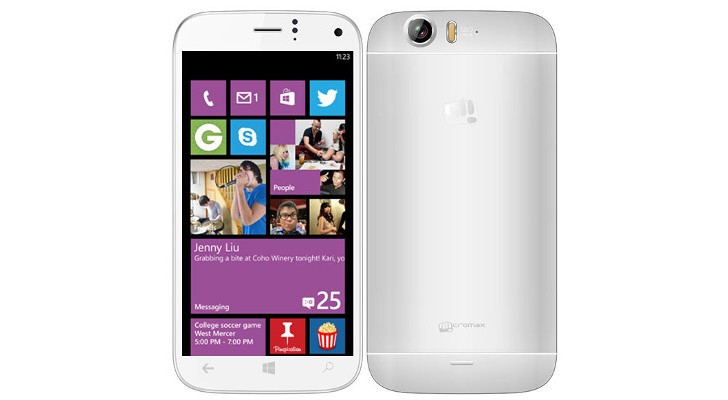
The biggest Indian mobile company is having quite a good year. According to several leads, Micromax has just decided to cross the Rs. 20K point and enter into the premium segment with a Windows phone. Microsoft identified Micromax as one of its hardware partners at its build conference.
The phone is reported to be have a 5-inch full HD 1080p screen. The battery stands at 2600 MaH. It is expected to be priced around 23,000-25,000 INR.
In a first for Micromax, the Smartphone will be powered by Snapdragon 800 chipset with 2GB RAM. It will run Windows 8.1 operating system.
The main camera is a 13 megapixel shooter with LED flash. The selfie shooter is a 5 megapixel camera. The phone will have 16 GB of internal memory expandable to 64 GB which is a welcome step.
The specs look pretty impressive for a Micromax Windows phone. We hope to bring you a hands on review, as soon as we can, to tell you if it’s worth the glitter.
[poll id=”2″]
P.S: We would like to Thank AmitAgarwal2 for bring the update on the leak on this Story. The source on twitter Leakster Inc has stated that the Snapdragon device and the Windows phone are two different devices. As this is still a leak story we won’t confirm anything yet but we appreciate AmitAgarwal2 for being an awesome IGyaani .
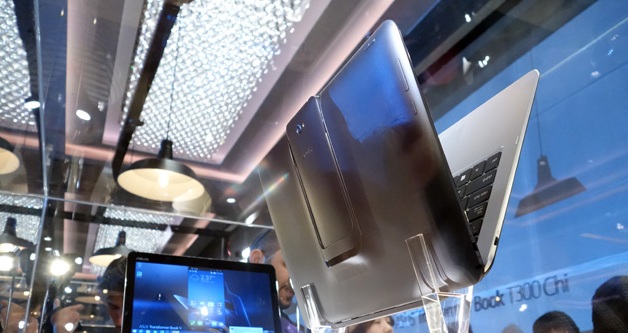
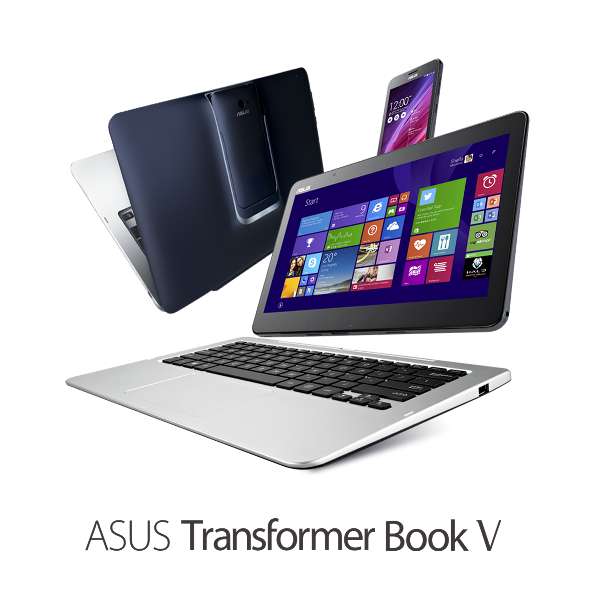
New technology and innovations are flooding in everyday. With the ever growing laptop and smartphone market, companies are trying to woe buyer by introducing crazy ideas and innovation in their products. Asus Transformer Book V is an outcome of this rat-race. Asus announced that they are working on this new piece of hardware which can be used as a tablet, laptop and a phone.
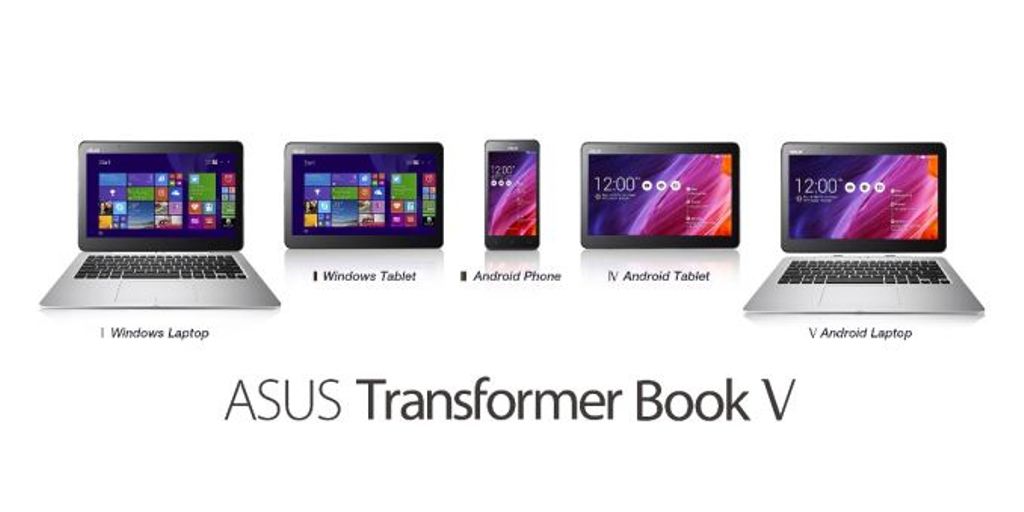
The 3-in-1 device with dual operating system support means it offers five different modes. These include an Android smartphone, an Android tablet, a Windows tablet, a laptop running Android and a Windows 8.1 laptop.
A 12.5 inch laptop/ tablet screen run on Windows 8.1 is powered by Intel Broadwell Chip. The tablet can be used independently as an Android device, when combined with a keyboard dock it turns into an Android laptop and with a mere switch of a key it will turn into a powerful Windows laptop.
With a tap on the screen,the user can switch between Windows 8.1 tablet and an Android 4.4 Kitkat tablet, but only when the phone is docked. The tablet alone has built-in storage of up to 128GB. The un-docked phone of the Asus Transformer Book V runs Android 4.4 Kitkat, and Asus claims it is the world’s first 5in LTE smartphone powered by a quad-core Intel Atom processor. The phone is also powered by a impressive 2,500mAh battery that provides up to 10 hours of web browsing time.
Asus is known for its amalgamation of several form-factors in the same device. Earlier they have promoted this hybrid structure through their FonePad, PadFone and Transformer Book. We may not see this amazing hardware soon. Unless it is powered by an Intel Broadwell chip and launches at the same time as the processor, they it may hit the market this autumn. Asus did not give any pricing or availability details for the Transformer Book.
The company is attempting to create the perfect device for multi-taskers. The Transformer Book V is aimed to bring in greater flexibility for users so that they can easily switch between work and entertainment.
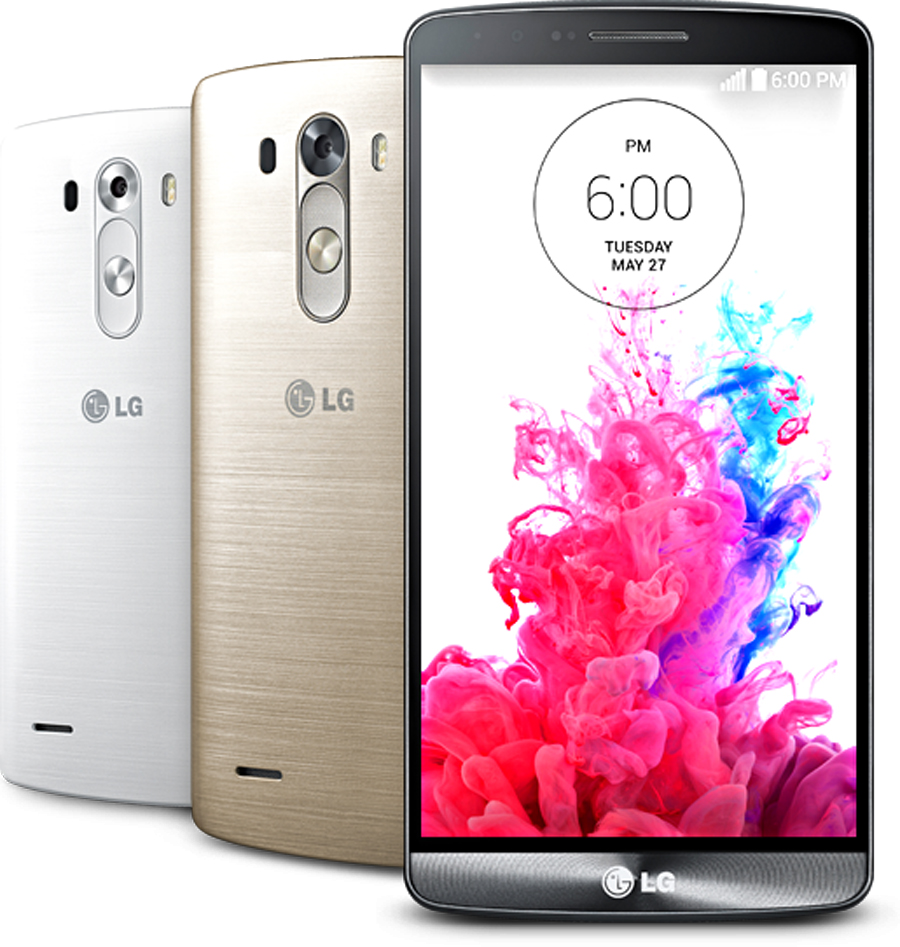
The Flagships are engaged in some real battles now. LG G3 dropped in and made it a lot more interesting. Packed in with a quad-core Qualcomm Snapdragon 801 processor clocked at 2.46 GHz, expandable memory upto 128 GB and a laser focus support for the camera, the phone sure has some unique features to look forward to.
The G3 brings the First 2K Display
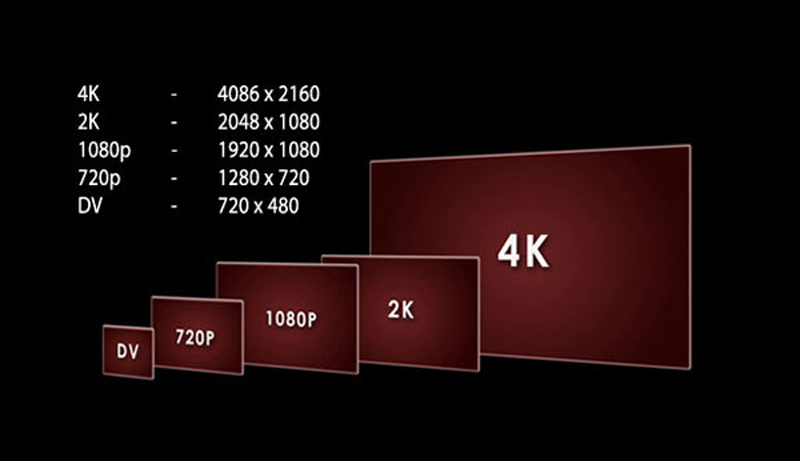
The phone’s display is its champion. The G3 has a best in class 5.5 inch Quad HD display with 538 pixel density that gives a resolution of 2560 x 1440 px(2K). With this release LG brought in the first 2K phone in the market.
Quad HD displays have been promised to the market by several manufacturers. Oppo’s Find 7 and Lenovo’s Vibe Z2 are some of the example. But why haven’t the rest of the manufacturers jumped on board with a 2K display market, we try to see the issues with running a Quad HD screen.
The screen on the LG G3 is substantially better than most of the screens this article is being read on. It is been said that the human eye cannot distinguish pixel density after 300ppi which Apple terms as its Retina display at 326 ppi in the iPhone 5S. But the images are just so mesmerizing on a Quad HD screen that you loose the reasons for the debate in the first place.
One of the major reasons why manufacturers are not encouraged to adopt a Quad HD display is because of the massive power required to run the display. It especially puts a heavy strain on the processor. But on a processor like the one G3 has, this might not be a major issue. A massive battery like the 3000 MaH on the G3 will take care of the excessive resource drain.
There isn’t enough content for the 2K and 4K displays.
There also aren’t a lot of apps that are ready for the 2K display. There is a serious shortage of content at the moment, as it is resource intensive to create the content in the first place. As the technology is still young, the content producers will wait for a while before investing in a heavy process like creating videos or games for such screens. They will wait for the device market to get populated with more products with such high definition displays.
Since HD is now the norm across many platforms, it is rather easy to create content for it. To create HD content you just need a computer system with decent specifications. The investment for making an HD content is comparatively lower than that for 2K or 4K productions.
So the question we really need to ask is that, are Quad HD phones worth buying at the moment or maybe we should just shut up, wait for the content to show up and enjoy the insane crispness of a handheld 2K screen.
Love him, hate him, but you can’t ignore the grooves of the King of Pop. Michael Jackson continues to get our foot tapping from the other side of the consciousness wall. His latest posthumous album, Xscape, brings back the the classic MJ, the one we 90’s kids were in love with while growing up. It took half a years worth of effort but we saw MJ’s resurrection at this year’s Billboard Music Awards, showing off his signature moves and making us all slaves to his Rhythm.
His latest feat at billboard awards was made possible due to the awesome powers of Holography. No, holography is not limited to the “Holodeck” on Star Trek alone. It’s here, it’s real and it’s getting us a lot more nostalgic. This incredible technology helped us witness the man with the golden feet after almost a decade. The experience was nothing short of breathtaking.
In 2012, Tupac was resurrected at Coachella and recently Indian Prime Minister elect Narendra Modi used the technology to address multiple rallies at the same time. Celine Dion also performed with a 1968 version of Elvis at the American Idol. All these were made possible through the technique called Pepper’s Ghost.
Holography is a technique which enables three-dimensional images (holograms) to be made. It involves the use of a laser and light measurement for recording visual data. The image changes as the position and orientation of the viewing system changes in exactly the same way as if the object were still present, thus making the image appear three-dimensional. The Holographic principles also states that our own lives must be just projections at a grand scale.
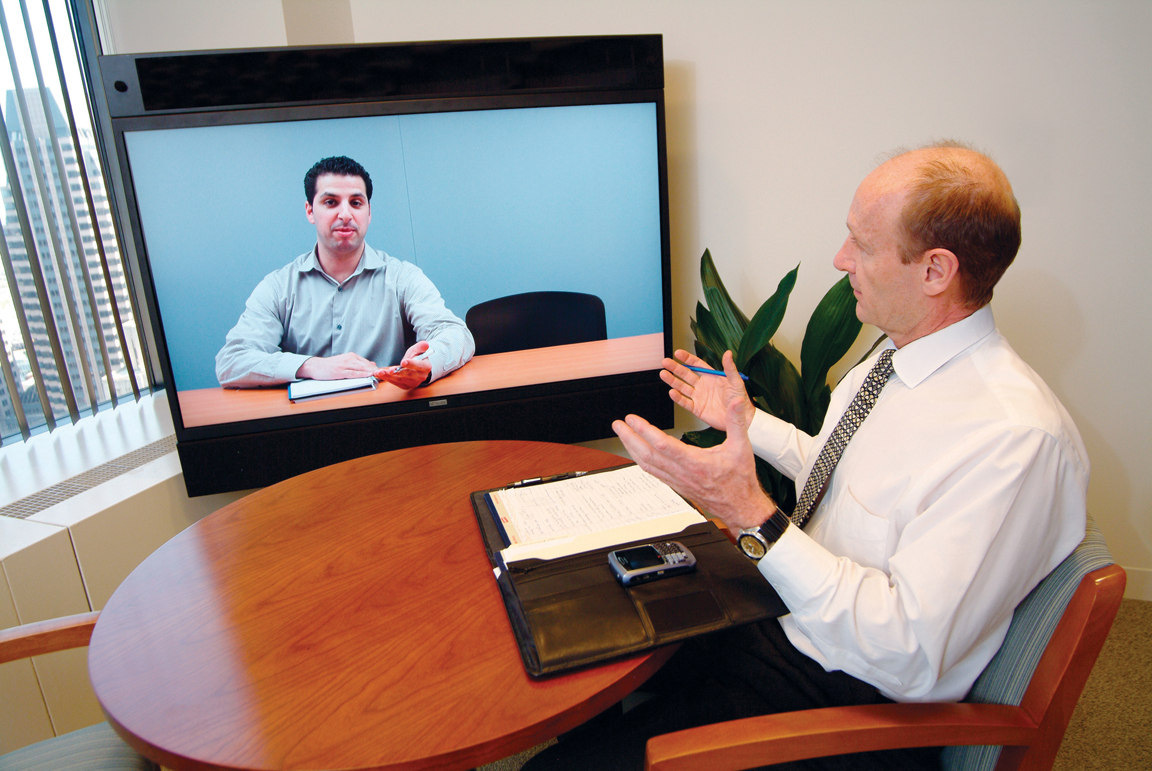
The technology though is not just restricted to these performances. We can pretty soon have holographic communication capabilities. The research is in progress to allow you and your friends to have a conversations in simulated environments. It will be like video conferencing but you don’t have the distraction of a screen. This is the closest we can come to real life interactions with people thousands of miles away.
A Teliris telepresence videoconferencing system in 2007.
Tele-Immersion seem to be the future of communication. It gives you a fully simulated environment where you can have complete immersive interactions. The users will feel as if they are looking, talking, and meeting with each other face-to-face in the same room.
To achieve this, the computers recognize the presence and movements of individuals and objects. Two or more cameras are used to capture the objects or people. They track those individuals and images and reconstruct them onto one stereo-immersive surface.
Two or more cameras take rapid sequential shots of the same object, continuously performing distance calculations, and projecting them into the computer-simulated environment, as to replicate real-time movement. Tele-immersion presents the greatest technological challenge for Internet2 (The Research Network).
We are still far away from projections like the one that got Leia’s message to Luke and Obi wan through R2D2. There is though an option for fog projection, in which the fog will act as a three dimensional screen where images can be projected. But that would not be immersive enough for true 3D involvement.
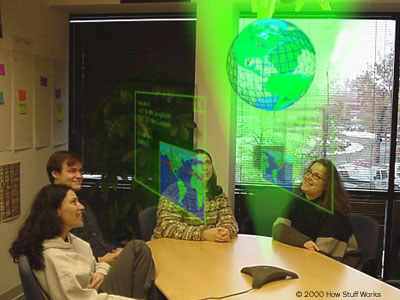
Holographic Slideshows are so much cooler than present day projectors
Holographic technology will also help in 3D slide shows. It will be the end of staring at the boring 2D projections on a wall. Imagine interacting with the virtual world with your fingers while presenting a slide show; surely the best way to engage a bored audience. It will be reminiscent of the slide show at rebel ships where they studied the plans of the Death Star. It can also be seen in Big Bang Theory’s episode “The Holographic Excitation”.
Holographic Theory is a great area of study and we should all be taking interest in its evolution. Maybe if we have more innovative brains working on it, we’ll be closer to a Star War style communication apparatus.

 One feature that comes handy with Android wear is ‘Google Now’. If you’ve used Google voice search or Google Now on an Android smartphone you’ll know what to expect here. Google Now is built into Google’s search app on both Android and iOS and serves as an answer to Apple’s Siri. A virtual digital assistant, just without the sarcasm and personality that the iPhone’s disembodied voice is known for. Google Now is all about answers—it can answer a wide range of questions, make recommendations and predict what information users need based on what they are doing or where they are at.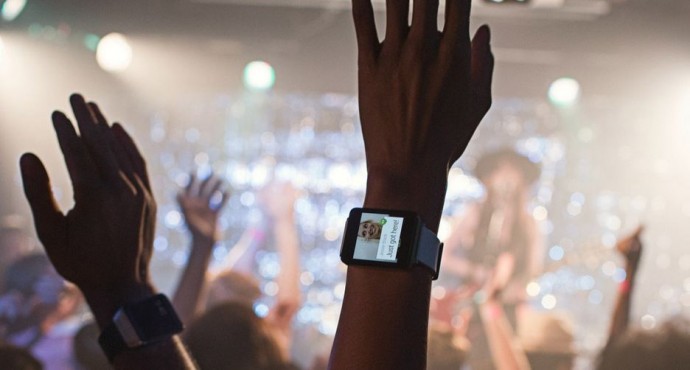


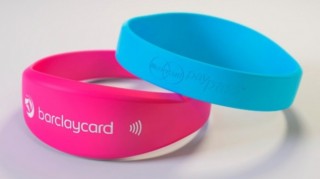 The bPay bands have been already used at public events such as London Pride, where they were used to get entry and buy food and drink. The company is planing to bring the bands to the mainstream so that they can be used at 300,000 terminals and incoffee shops and newsagents , that already work with contactless debit cards.