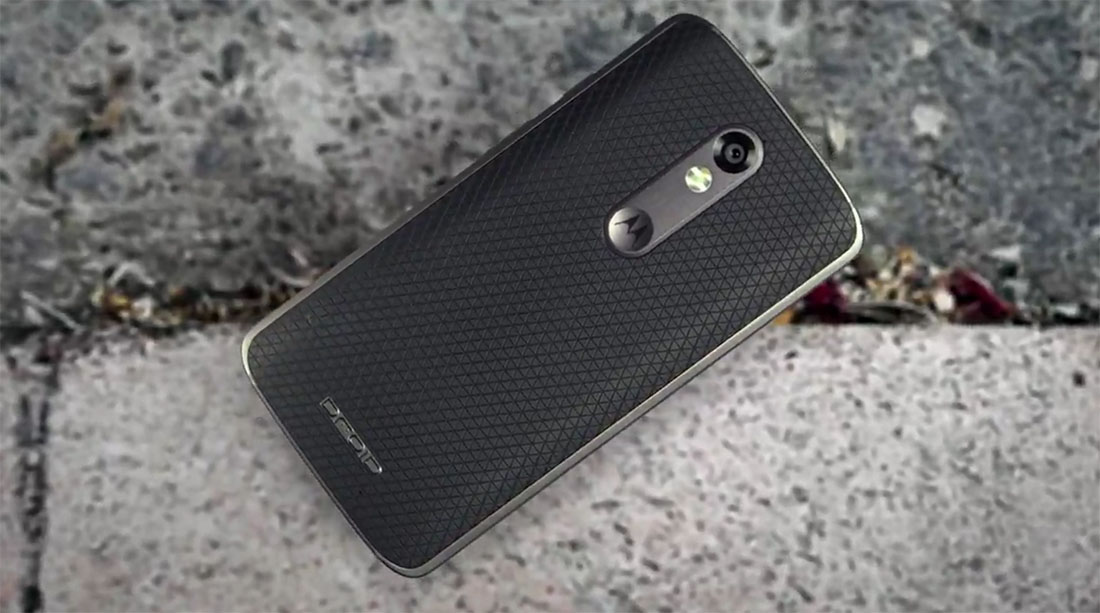
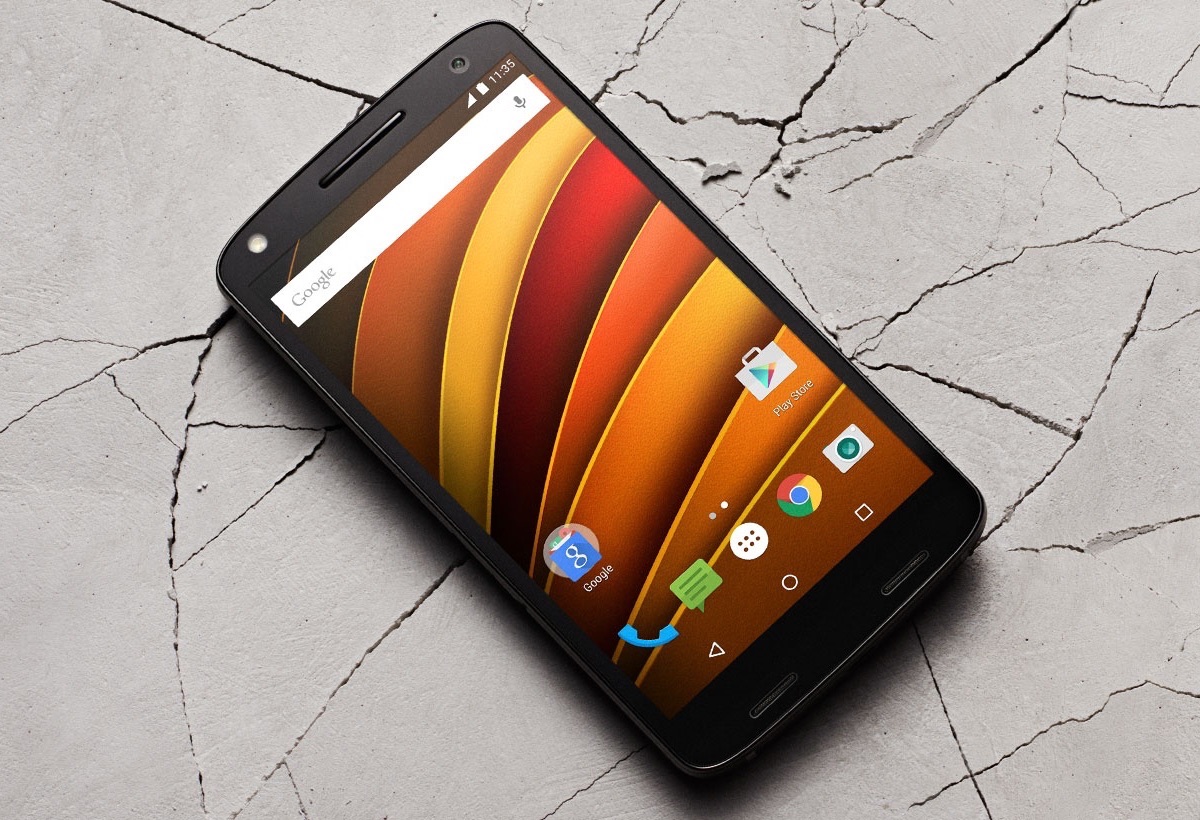
Motorola India yesterday launched a teaser for its upcoming Moto X Force smartphone. The device’s major highlight is its shatter-proof display which is gloriously demoed in this teaser while taking a jibe at some other well-known smartphones out there including the iPhone.
Today it has taken the fight directly to Cupertino-based tech giant, Apple. In a new video shared through Motorola India’s YouTube channel, the company takes a jibe at the iPhone mocking it for the infamous “bend-gate” situation that iPhone 6 users had to face. It further shows an iPhone 6s being dropped from an unspecified height (we’re guessing 10 feet) and switching to the next shot to reveal that the iPhone’s display has succumbed to a gruesome end.
Moto in the video starts by saying” First they bend, then they, break”, and ends it by saying ” and then they choose” followed by the Moto X logo with the words “coming soon” beneath it showing up on screen. Well, if this is what they did to the iPhone, we can only imagine what the marketing team at Motorola has in store for the other big dog in the market, Samsung.
Motorola India has just launched a teaser for its upcoming Moto X Force smartphone. The device’s major highlight is its shatter-proof display which is gloriously demoed in this teaser while taking a jibe at some other well known smartphones out there including the iPhone.
The teaser shows people dropping iPhones, Samsung devices and other devices in slow motion, capturing the many different ways in which the displays can shatter. At the end comes the Moto X Force which is dropped and comes out clean, without a single scratch to the display or dent on the sides.
Motorola claims to have integrated a ‘Moto Shattershield’ technology in the display of Moto Force which, it says, is the first shatterproof screen in a phone ever. The company feels confident enough to affirm the screen would stay intact for up to four years, owing to the multiple layers of different materials used in making it capable of absorbing shock and providing protection against cracking. The phone also boasts of two touchscreen layers, which make sure that the smartphone can be used even if one of the layers is cracked.
On the specs front, Moto X Force packs a 5.4 inch Quad HD display with a resolution of 2560×1440 pixels. It is powered by Qualcomm Snapdragon 810 octa-core chipset along with 3 GB of RAM. The two internal storage options of 32 GB and 64 GB are expandable up to 2 TB with the help of a microSD card.
The Moto X Force is set to launch in India by the end of January. Follow this space for more.
iPad Pro Price in India Announced:Apple’s iPad Pro is finally official in India. The massive iPad is available at a starting price of Rs. 67,900. Meanwhile, the Apple Pencil will cost Rs. 8,600 in India while the Apple Smart Keyboard has a price tag of Rs. 14,900
Huge Cut in iPhone 6s Price: The iPhone 6s price has fallen down by Rs.11,000. iPhone 6s and 6s Plus, launched with a starting price of Rs. 62,000, was much costlier than the same product in the American and European markets. The prices have now come down significantly.
YU Yutopia Launched at Rs. 24,999: Yutopia is company’s first flagship and is manufactured entirely in India. The phone has a super-slim 7.2 mm body, comes with a 5.2 inch Quad HD display 21 MP camera and runs on Qualcomm Snapdragon 810.
Samsung Galaxy S7 to Have Force Touch Display: Expected to make its debut during the Mobile World Congress in February 2016, Samsung Galaxy S7 is likely to arrive with a pressure sensitive display. Looks like Samsung is all set follow in the footsteps of Apple which cannot stop talking about the 3-D Touch of the iPhone 6s and 6s Plus.
Supreme Court Bans Registration of Diesel Vehicles: To combat toxic smog in the city, the Supreme Court has ordered a temporary ban on the registration of large diesel cars in New Delhi. The order for the ban was passed on Wednesday in which the registration of SUVs and other high-end vehicles with an engine capacity of 2,000 cc or more will not be allowed until March 31.
If you have any tech related questions, leave them in the comments below or put them up on Twitter with the hashtag #WYWO .
Micromax spinoff , Yu televentures, launched the YUtopia today, this also marks Micromax/Yu’s first entry into the high end flagship scene for a price of Rs. 24999 .The handset ties in a lot of firsts for the company and also a good overall hardware package.
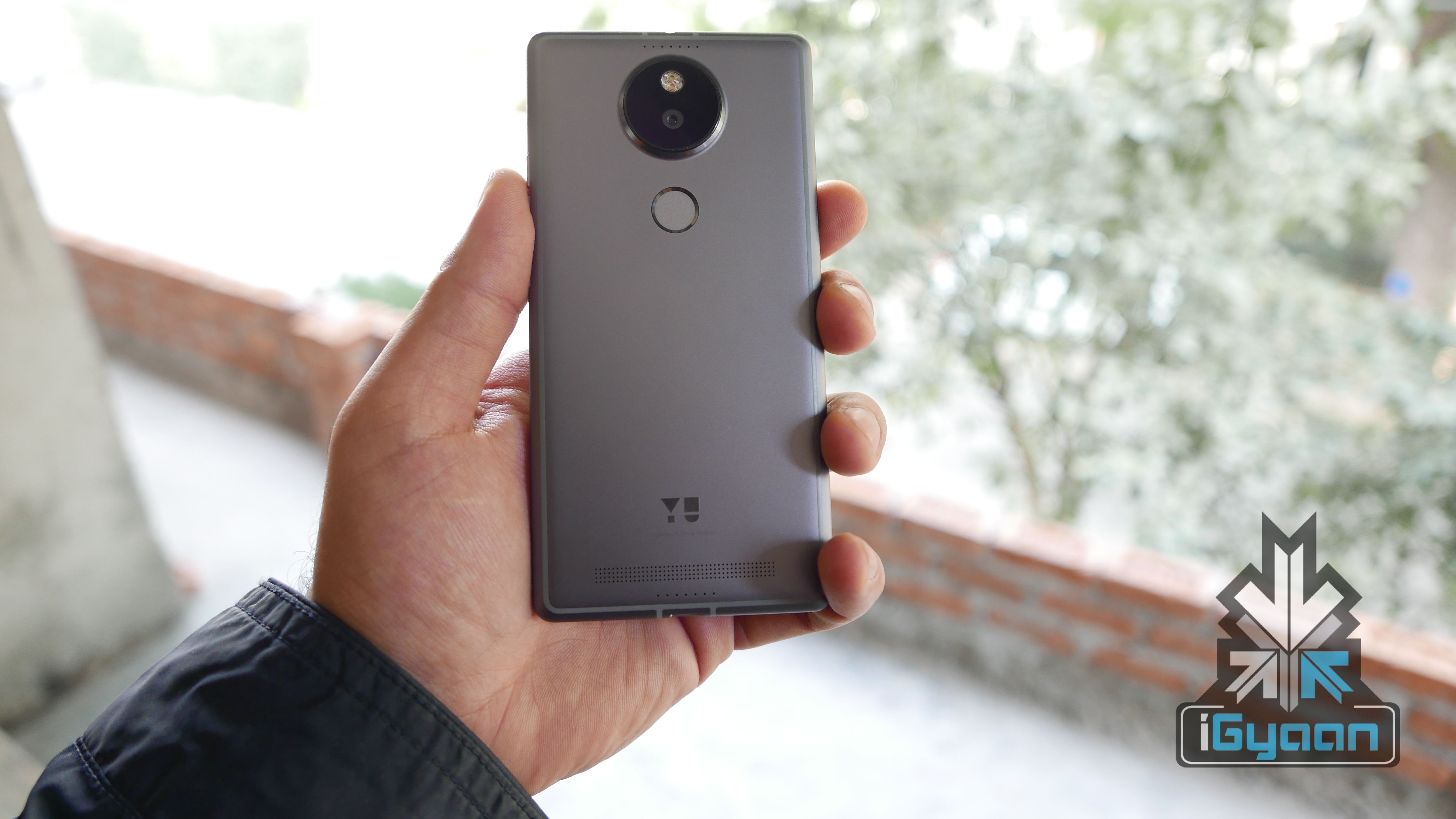
The Yutopia comes with an all metal construction from a single shell of alloy. Manufactured completely in India, the handset resembles and appears to be a premium version of the Yuphoria.
The phone is just 7.2 mm in thickness and around 155 grams in weight. It is well balanced and has a very lumia like camera protruding from the back.
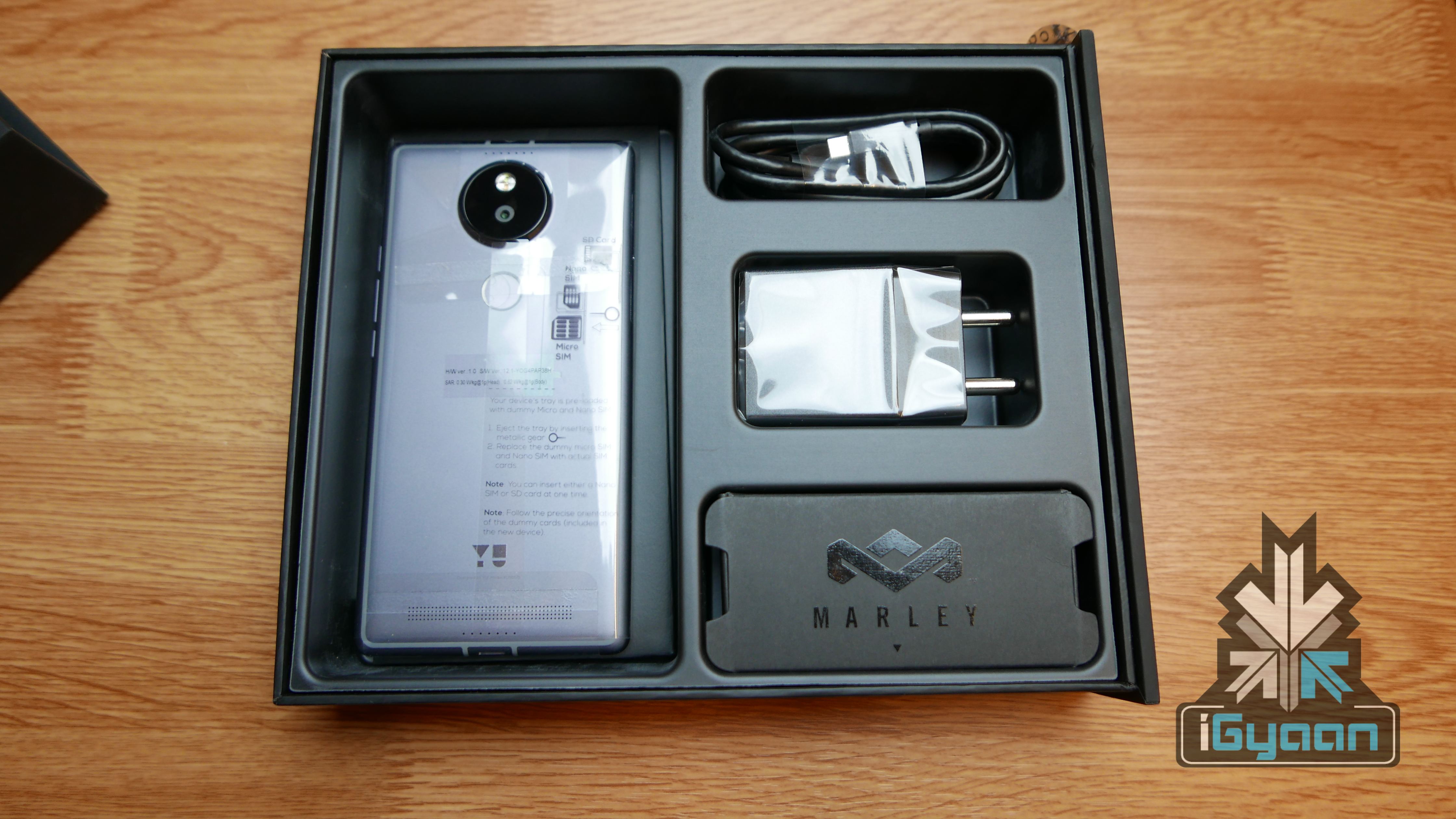
The phone comes with good in-box accessories, including a screen protector, and house of Marley earphones The final box is expected to ship with an included back case.
YU Yutopia Box
The company has launched the phone on preorders on the website Amazon.in, and is expected to go on sale in late December.
While the Qualcomm snapdragon 810 chipset is surrounded by woes of heating, it seems adequate steps have been taken to ensure that heat is dissipated from the device and vents are seen around the back of the phone, disguised as microphone grills. The chipset runs on 2.0GHz octal core CPUs ensuring good in-hand feel especially when tied in with Cyanogen.
The 5.2 inch QHD display is also a first from the company and may be a first in the segment this year, with Oneplus leaving it out on the OnePlus 2. Leaving out the traditional Corning Gorilla Glass, the phone comes with CORNING CONCORE GLASS which is already fused with the display made by Sharp and considered the same as Gorilla Glass 3.
The 21 MP camera made by Sony seems promising, and is capable of capturing 4K video. The camera is fast and responsive and captures a lot of detail.
Check out our full Unboxing and hands on Video below.
Micromax has just launched a new 4G-enabled smartphone in India. The Canvas Pulse 4G is the newest budget device from the company and is priced at Rs. 9,999. The device goes on sale on Flipkart starting today. The Canvas Pulse 4G is the company’s third launch following Canvas Mega and Canvas Sega 4G priced at Rs. 7,999 and Rs. 10,999, respectively.
Commenting on the launch, Mr. Vineet Taneja, CEO, Micromax Informatics Ltd said, “India is currently at the cusp of 4G evolution, and Micromax is fully prepared to lead this march with a range of 4G devices from value to premium segments, which deliver best-in-class performance and design across price points for the diverse Indian consumers. Our latest launch, Canvas Pulse 4G is our premium yet powerful product with Flipkart offering 3GB RAM and Octacore at a never before price reiterating our commitment to democratizing technology for the new age digital natives who want to be connected all the time.
In terms of specs, the Canvas Pulse 4G sports a 5-inch HD IPS screen and is powered by a 1.3 GHz octal-core processor with MediaTek (MT 6753) chipset, with 3 GB of RAM and 16 GB internal storage expandable up to 32 GB via Micro SD card slot.
On the camera front the device features a 13MP rear with f/2.2 aperture and a 5MP front with f/2.4 aperture. The phone is fitted with a 2100mAh battery and comes with the usual set of connectivity features that includes 3G, GPRS/ EDGE, Wi-Fi 802.11 b/g/n, Micro-USB, and Bluetooth options. The Canvas Pulse 4G runs on Android 5.1 Lollipop.
We did a quick unboxing and hands-on of the device. The handset feels light in your hand and the size is just right for one-handed tasks. The back plastic panel is smooth and feels great in your hand, though a lack of a firm grip may dissuade some buyers. The metallic sides and rectangular frame adds to the overall aesthetics of device and gives a premium feel to it, which is not a common sight for a device in the price bracket.
Inside the box:
USB wall charger
Earphones
Screen Protector
User Manual
The 5MP front camera also comes with LED flash as well a Gesture Shot which clicks a picture by simply creating a ‘V’ on the screen with your hand.
The UI is pretty fluid and snappy as one would expect from a budget device these days. The app tray leaves the main screen clear, though the device does come with a bunch of bloatware, which you can uninstall. The device runs on Android 5.1 Lollipop and there is no word yet on whether it will get a Marshmallow update.
A 2,100mAh battery isn’t much to brag about here but but basic usage with the device will get you through the day.
Check out the spec table of the Canvas Pulse 4G below.
Specification
Canvas Pulse 4G
Display
5-inch HD IPS screen
Resolution
720×1080 pixels
Chipset
MediaTek (MT 6753)
CPU
1.3 GHz octa-core processor
RAM
3 GB
Front Camera
5 MP f/2.4
Rear Camera
13 MP f/2.2
Storage
16 GB
Expandability
Up to 32 GB via MicoSD
Battery
2,100 mAh battery
Connectivity
Wi-Fi 802.11 b/g/n / Bluetooth 4.0 GPS/AGP / 4G LTE
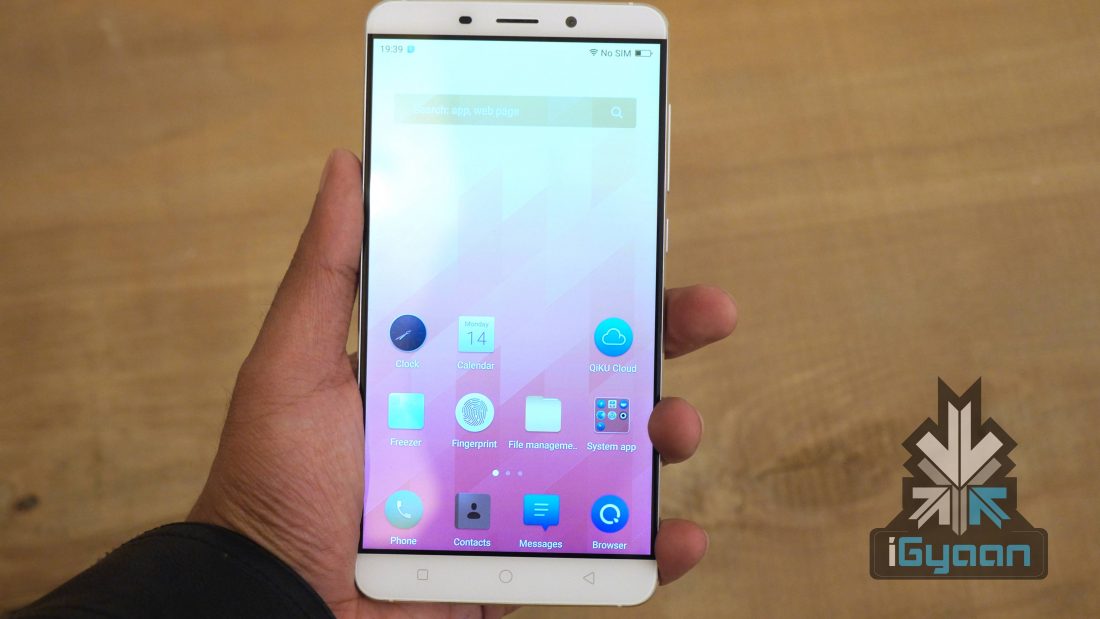
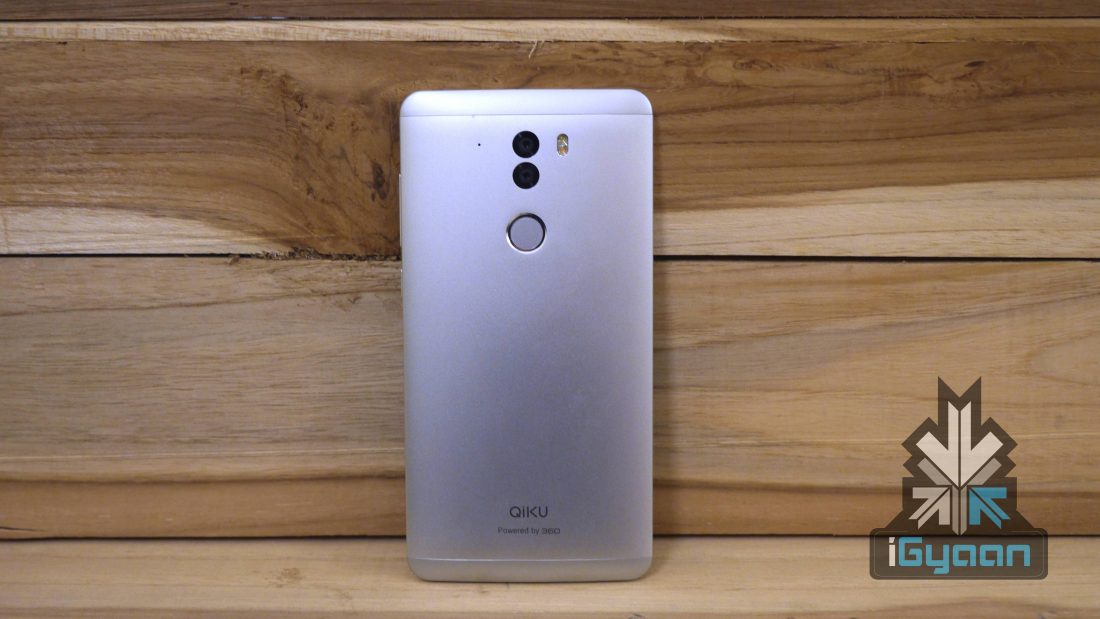
There is something unique about the Chinese smartphone companies. They just keep on coming with phone after phone that look pretty great. Qiku is the latest entrant in the smartphone game. The joint venture Qiku Network Technologies Co Ltd launched its first phone, the Q Terra, around two weeks ago priced at Rs. 19,999 (with invite) and Rs. 21,999 (without invite).
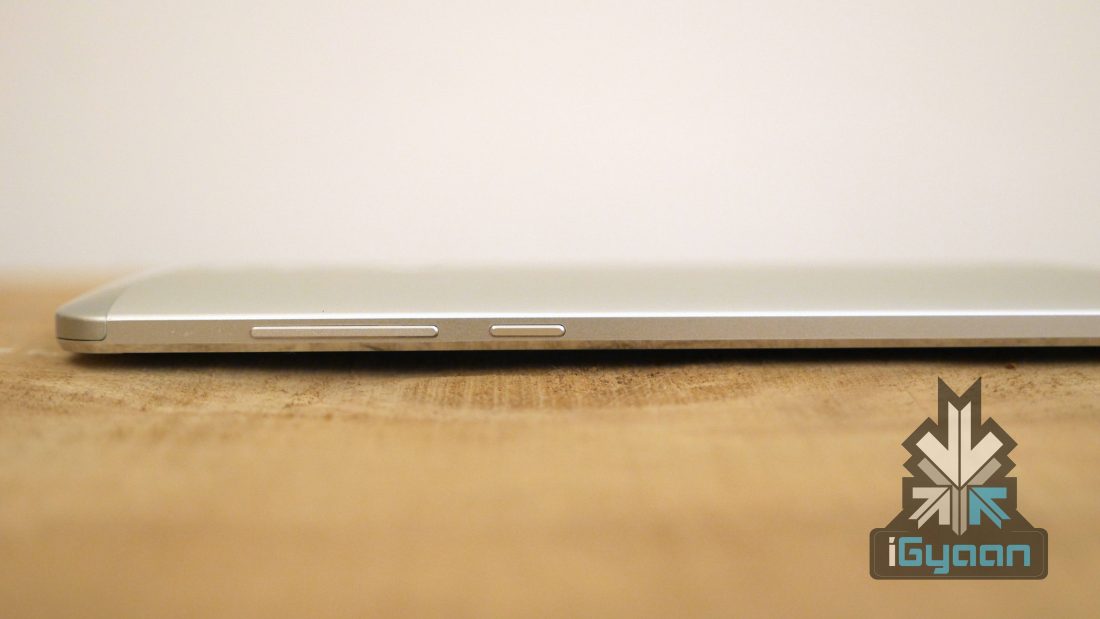
The Qiku (pronounced cheeku) Q Terra is a massive phone. The 6.0-inch screen does indeed look big especially when the display covers the sides end-to-end. The phone is on the bulky side, however the smooth metallic finish with a curved design makes it great to hold.
The Qiku Q Terra is powered by the Qualcomm Snapdragon 808 64-bit processor and comes with a 3GB RAM. Along with this it also has a 16GB of internal storage capacity that is expandable up to 128GB. It has a 6 inch FHD display with 1080 X 1920 pixel resolution.
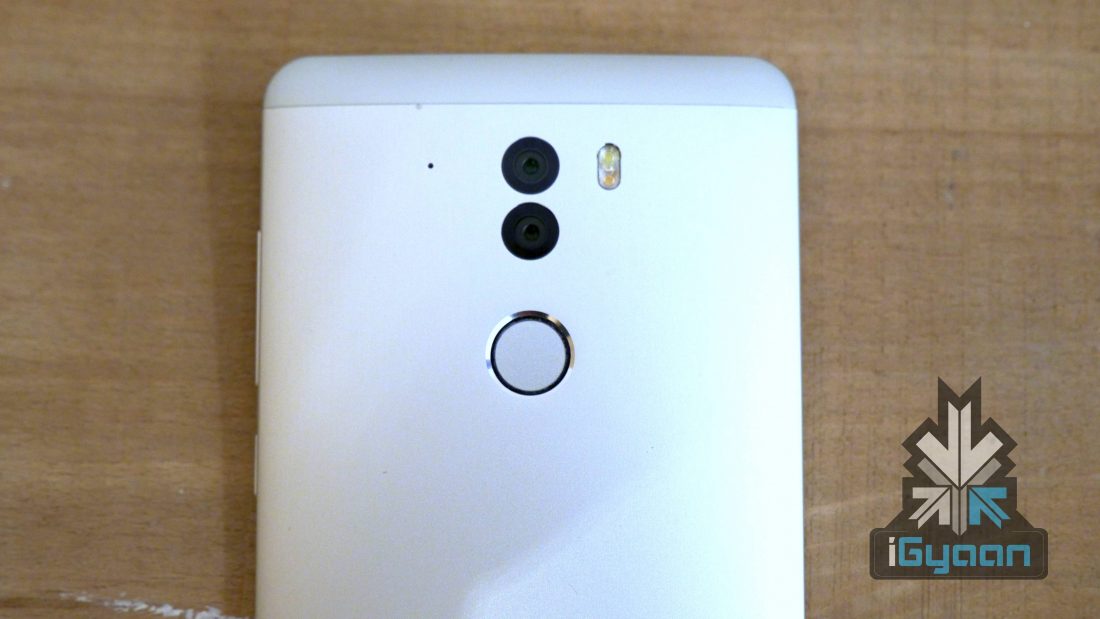
The exterior incorporates a magnalium alloy unibody, made from aluminum alloy.On the camera front the Q terra uses a DuoScopic Camera System that integrates two 13MP Sony back cameras – a IMX278 color sensor along with a B/W IMX214 sensor. Adding to this, the phone also offers an 8MP front camera with f/2.4 aperture.
Android 5.1.1 Lollipop-based 360 OS, which is a custom ROM built by Qihoo 360. You won’t find an app drawer here but the overall UI is snappy and fluid. The display of the Qiku Q Terra is quite clear, and bright, and does equally well both indoors and outdoors.
The Qiku Q Terra comes with a dual camera set-up with 13-megapixel on the rear with autofocus and dual-LED flash. There’s also an 8-megapixel camera on the front.
The 3,700mAh battery is big and will provide you with enough and more juice to last you through the day. Whether or not the company’s decision to have an invite system is right or not is up for debate. The device itself is pretty solid in this price bracket. Let us know what you think of the Qiku Q Terra in the comments below.
Specification
Qiku Q Terra
Display
6-inch full HD display, Corning Gorilla Glass 3
Resolution
1920×1080 pixels, 386 ppi
Dimensions
157.60 x 79.80 x 8.60 mm
Weight
207g
Chipset
Qualcomm Snapdragon 808
CPU
2.3 GHz Quad-core processor
GPU
Adreno 430
RAM
3 GB
Front Camera
8 MP f/2.4
Rear Camera
13 MP f/2.2
Storage
16 GB
Expandability
Up to 128 GB via MicoSD
Battery
3,700 mAh battery
Connectivity
Wi-Fi 2.4 GHz b/g/n WCN3680 / Bluetooth 4.0/ 4G LTE
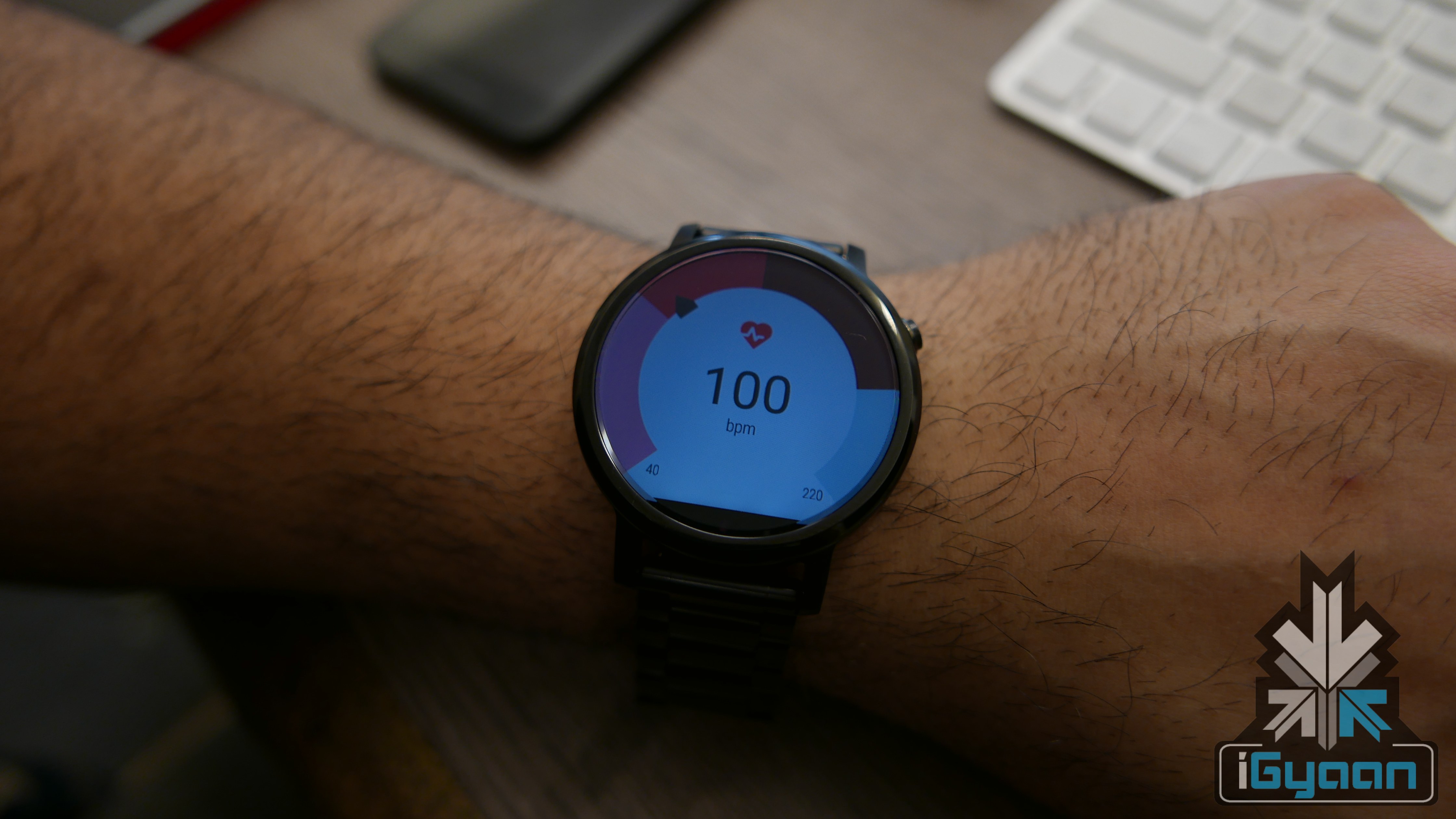
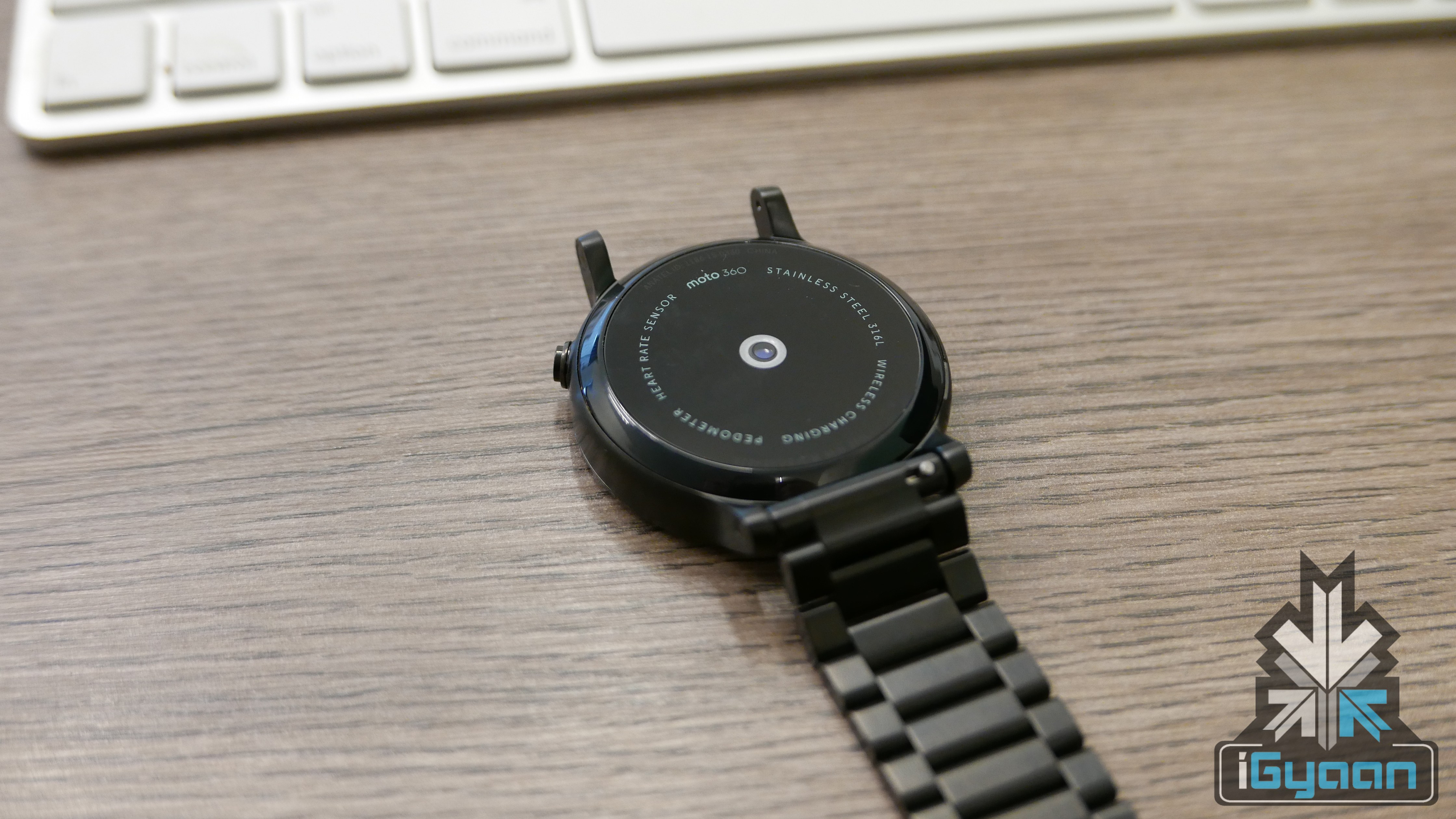
4. Moto 360 2nd Gen Arrives in India: The smartwatch arrived in India on the 1st of this month is available in 2 size variants and 5 style variants.
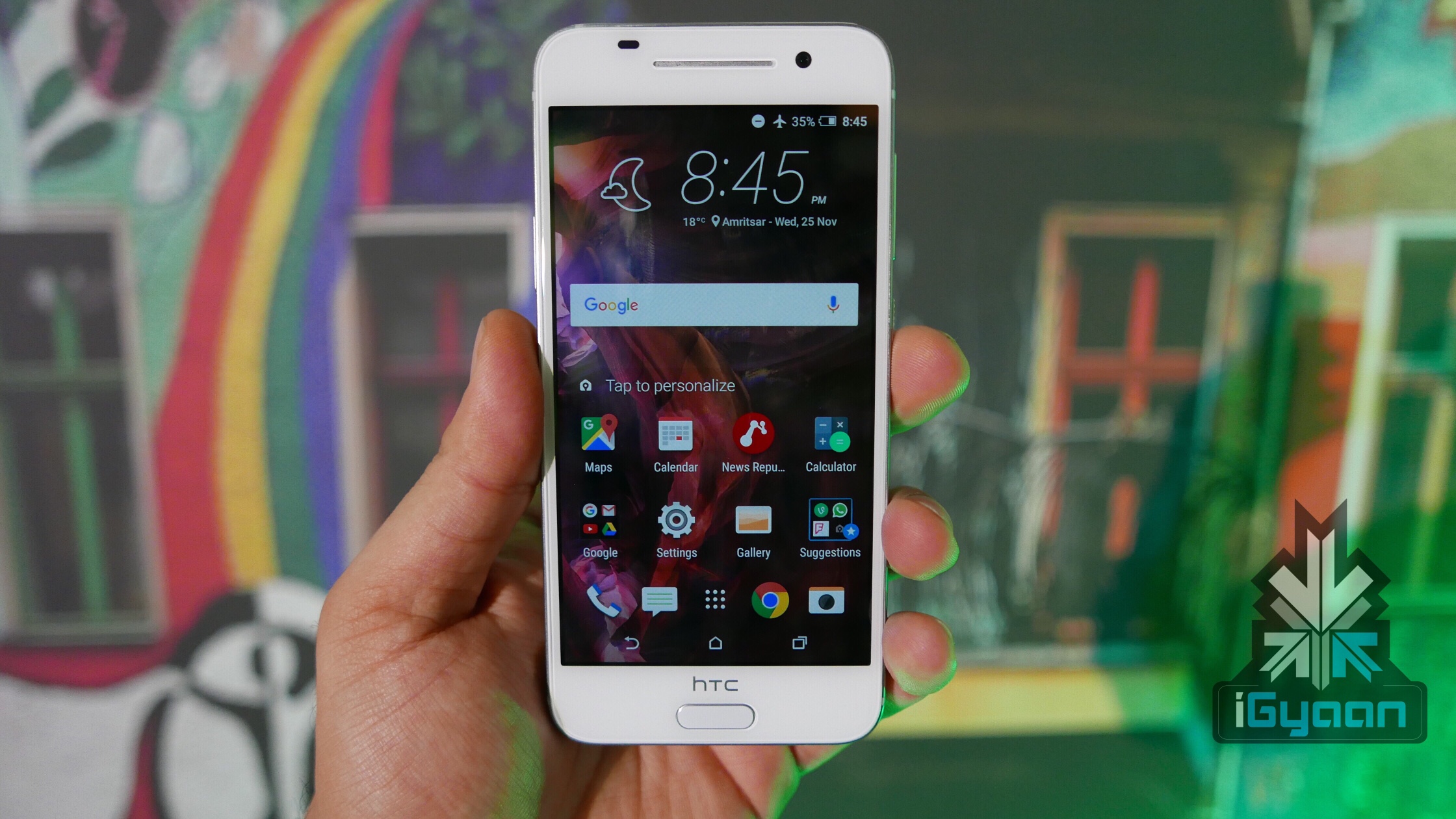
5. HTC One A9 Will be in India This Month: Launched in India on the 25th of November, the new HTC smartphone would go up for sale this month. The phone has been a topic of great discussion because of its iPhone “inspired” design.
If you have any tech related questions, leave them in the comments below or put them up on Twitter with the hashtag #WYWO .
Motorola Launched the new Moto 360 In India today. While the previous gen eventually dropped out of stock at a price of Rs. 13,999. The top of the line 46 mm Black with Steel Strap of the Gen 2 Variant has an MRP of 23,999 on the box.
The watch adds a bunch of features over the previous gen, also different case sizes and easily changeable straps.
Check out our unboxing Video Below.
Moto 360 Gen 2
Display?
Corning® Gorilla® Glass 3
Backlit LCD
Mens 42mm and Womens: 1.37” (35mm), 263ppi (360 X 325)
Mens 46mm: 1.56” (40mm), 233ppi (360 X 330)
Watch case dimensions
Mens:
46mm diameter by 11.4mm high
42mm diameter by 11.4mm high
Womens:
42mm diameter by 11.4mm high
Processor
Qualcomm® Snapdragon™ 400 with 1.2 GHz quad-core CPU (APQ 8026)
Adreno 305 with 450MHz GPU
Mens 42mm and Womens: 300mAh – Up to 1.5 days of mixed use with Ambient off. Up to a full day of mixed use with Ambient on.
Mens 46mm: 400mAh – Up to 2 days of mixed use with Ambient off. Up to a full day of mixed use with Ambient on.
Wireless charging with charging dock included
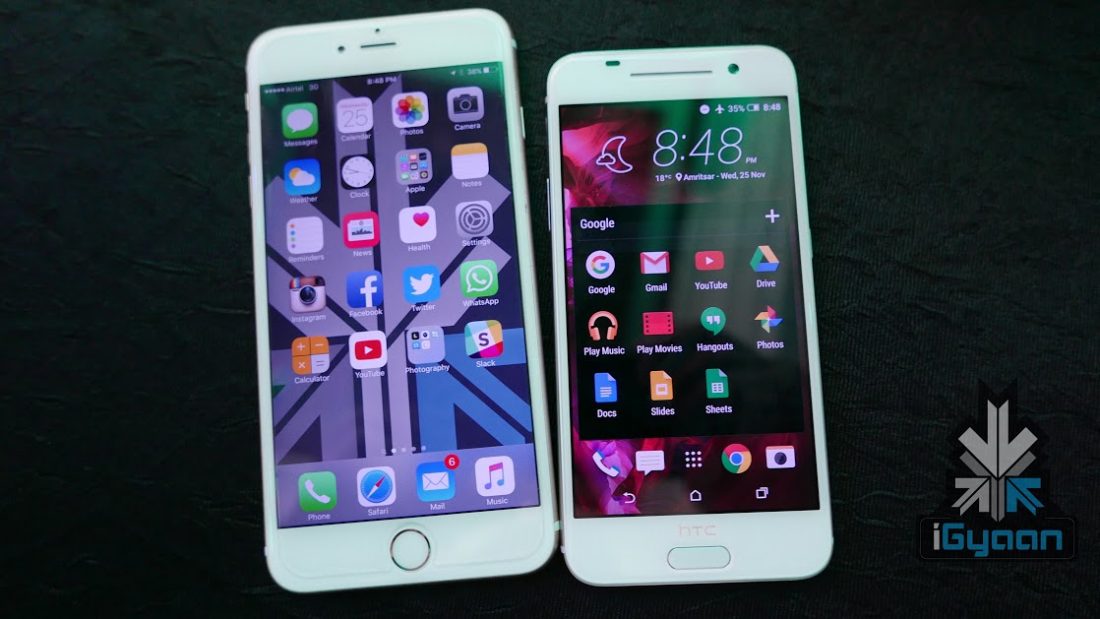
HTC India launched the One A9 today. The phone famously criticised for its iPhone-like design will soon be available across the country.
The HTC One A9 sports a 5-inch full HD (1080p) display with Corning Gorilla Glass 4 protection. Under the hood, the phone is powered by Snapdragon 617 64-bit octa-core SoC paired with 3GB of RAM, 32 GB built-in storage, and a microSD card slot.
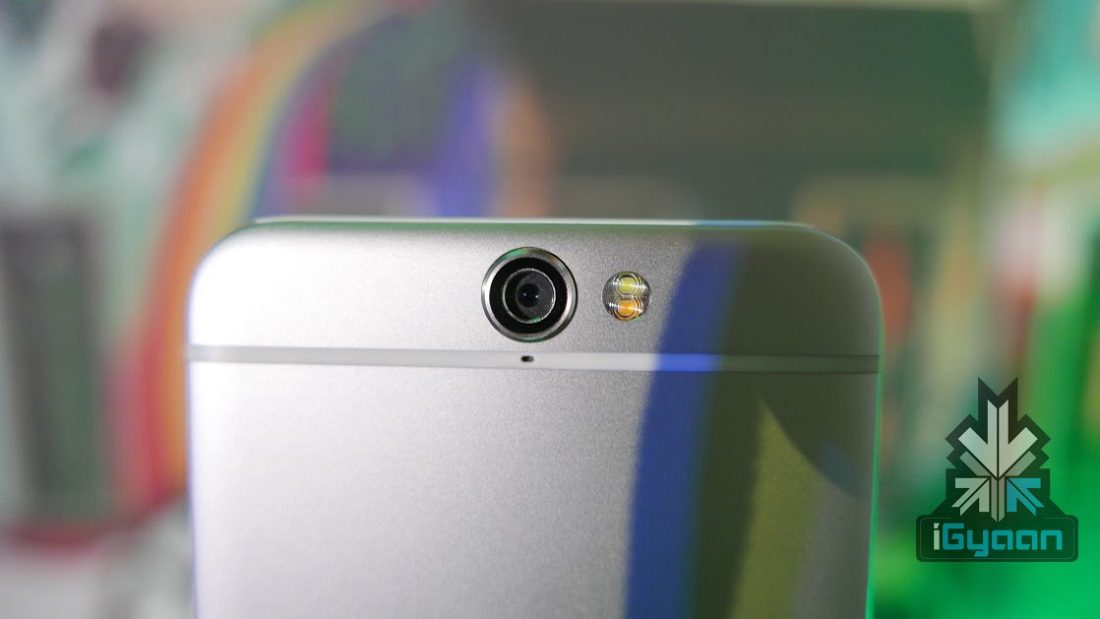
On the camera front, the One A9 features a 13-megapixel primary camera with OIS and a 4-Ultrapixel front camera. Other features include a 2,150 mAh battery with support for Quick Charge 2.0. Connectivity options include 4G support, Wi-Fi 802.11n, Bluetooth and GPS.
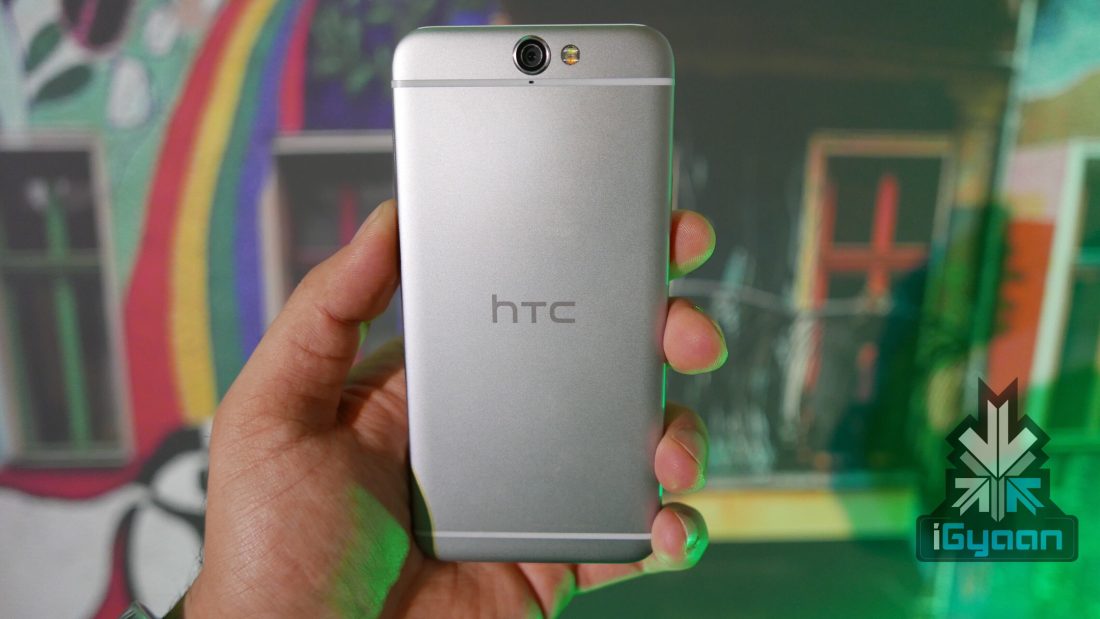
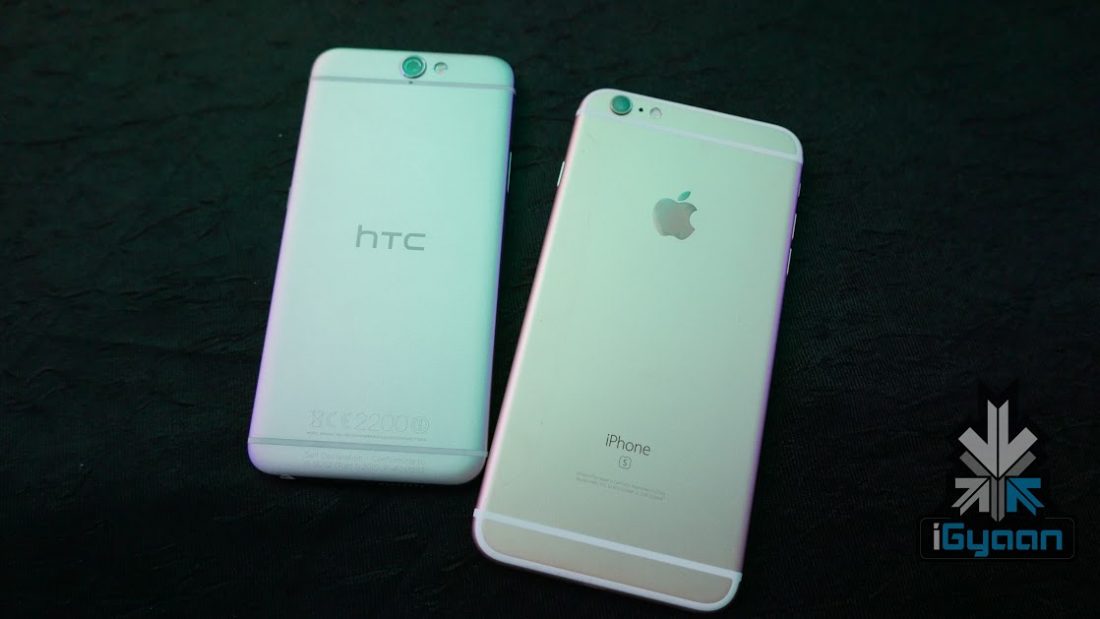
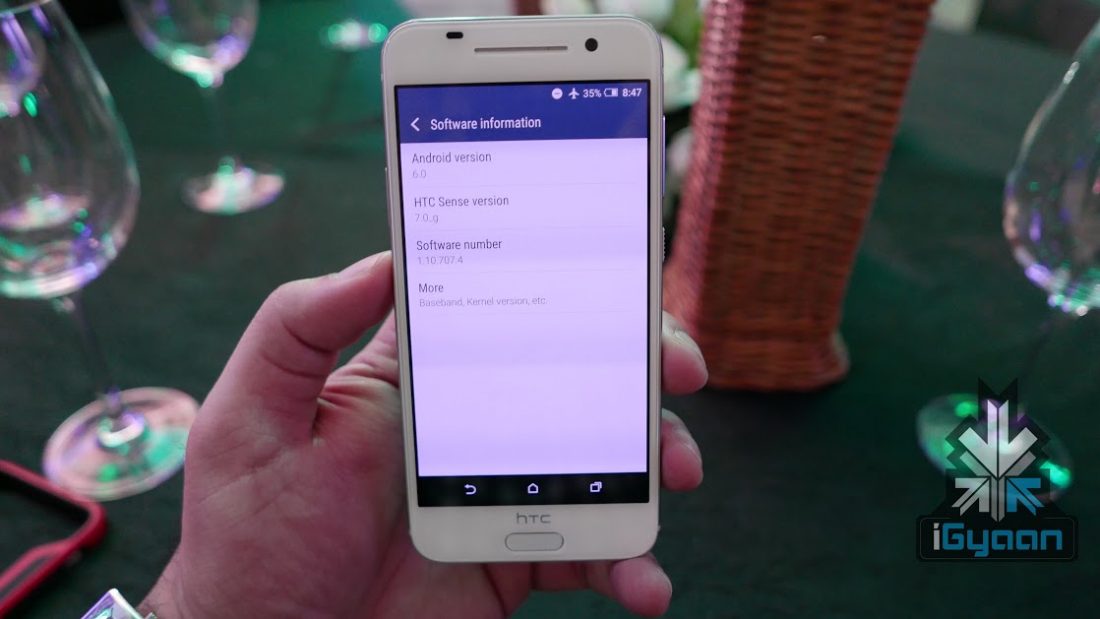
The first thing that comes to ones mind when holding the One A9 is that the device looks and feels exactly like the iPhone 6. The phone is light and the fingerprint sensor is highly sensitive. There is no denying the fact that HTC has explicitly ripped off the iPhone, and perhaps that’s not such a bad thing. For the one thing Apple does succeed in is create beautifully crafted devices, and HTC wants to bank on some of that magic to attract customers, albeit unabashedly.
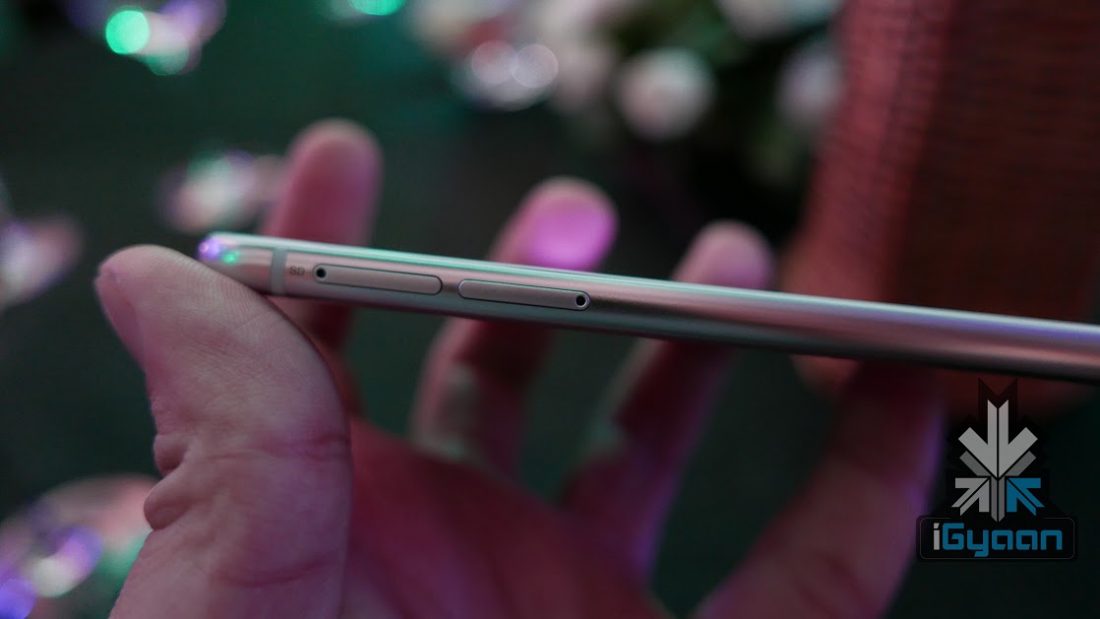
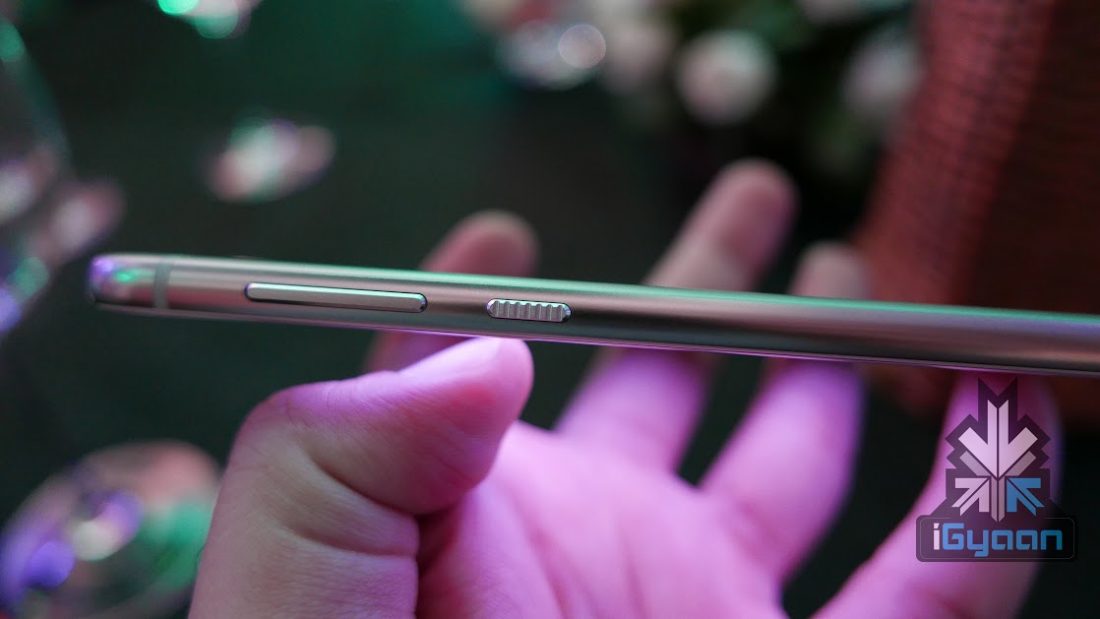
The HTC One A9 is a good device, and yes, we’re including the design aspect as well. But it doesn’t come quite close to a flagship killer. You can’t hate on the looks here, the metal unibody frame is a winner no matter which brand sports it. The curved edges and curved glass screen gives the device a premium look. The team behind the design of the One A9 have stated that great amount of time and attention has gone into its design, which does feel true. The power button on the side is thoughtfully textured so that its easily distinguishable from the volume control.
Moving from design to functionality, the Qualcomm Snapdragon 617 processor won’t beat the flagship phones with faster 808 or 810 chips or even compare to the latter when it comes to 3D gaming, but it’s powerful enough for normal smartphone usage.
The 3GB RAM variant handles tons of apps well and the overall feel is quite smooth. The device comes with Android Marshmallow pre-loaded, which makes it one of the first phones outside the Nexus devices to do so. With the Marshmallow OS you get features like Now on Tap and Doze, among other things. The device also allows for storage expandability up to 2TB even though the capacity isn’t something easy to find in your local store.
Moving over to the camera department, the HTC One A9 along with the Desire 828 have been launched with the tag line ‘the ultra selfie phones’. Indeed, the camera of the One A9 is quite good and manages to take decent images in low light as well.
Although today’s event saw the launch of the One A9, the company is yet to announce the Indian pricing or availability of said device. Approximate pricing of the device is touted to be about Rs. 26,499. Follow this space for more on the launch of the HTC One A9.
Apple is ready to launch itself in the country later this year, with news of Apple launching official stores and finally breaking free of the 5 year minimum entry tie up clause with its partners including Reliance. Apple will launch as an independent company with flagship stores all around the country.
Sources inside of Apple tell iGyaan that the Apple iPhone 6s and 6s Plus that launched with huge price disparities between the US and Indian markets , will see some price moderation and capping. Apple will follow global pricing standards and soon, try to match up to US prices to make consumers buy locally in India.
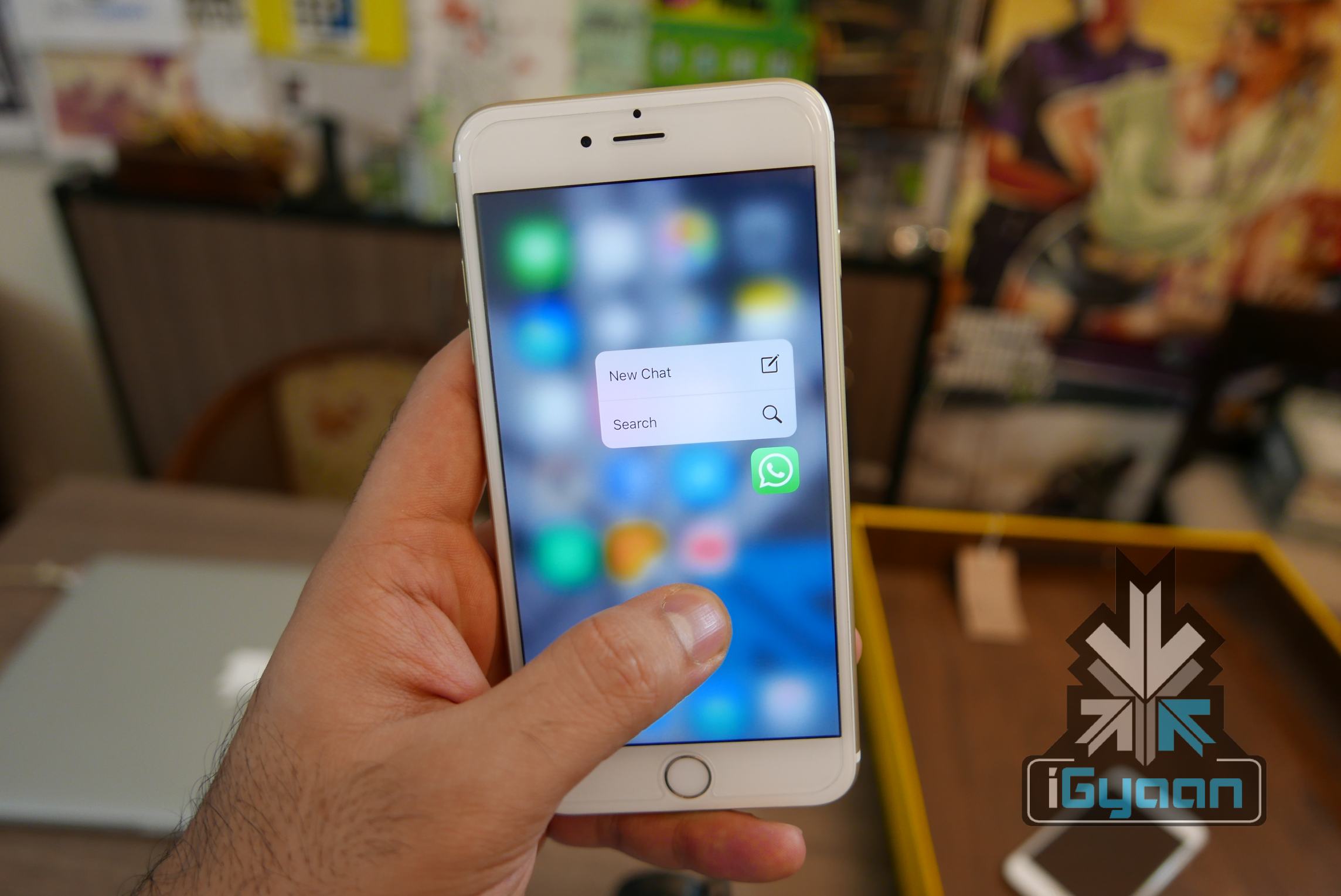
The Apple iPhone 6s and 6s Plus, that feature new 3D touch and 4k Video recording among many hardware improvements, launched in India with a starting price of Rs. 62,000 and Rs. 72,000, respectively for the 16 GB version.
Apple follows a global warranty policy with all it’s products. The iPhone which has been left out of the Global warranty, here in India, due to tie ups with Indian distributors, will also come within Apple’s warranty standards. Meaning, people buying iPhones anywhere else in the world will enjoy warranty in India.
It would only make sense for Apple to offer products at a nearly matched price to reduce imports of their products from global destinations, including Thailand and UAE.
The iPhone 6s and 6s Plus are expected to drop in price by Rs. 10,000 making them slightly more pocket friendly. You may want to hold of your purchases for a month, incase this turns out to be true. Here are the current prices.
Nexus devices are traditionally examples of what Google wants from companies in the year to come. They are devices designed to run on the latest versions of Android keeping the performance at its best, being a design and performance benchmark of sorts that run pure Android. However this year google seems to have changed its philosophy and has launched two new Nexus devices. So is the cheaper Nexus 5X actually up to standards with what Google usually puts out, or is it Google’s shadow attempt at keeping the mid-tier market happy?
Build Quality and Design
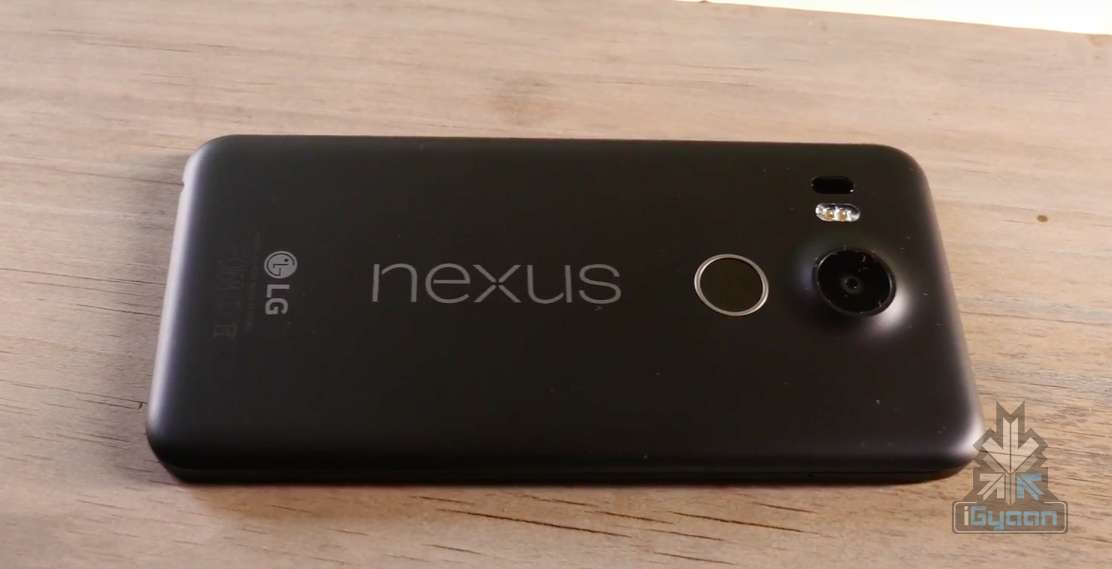
The Nexus 5X made by LG for Google appears to have a little too much plastic, and is extremely light -so much so that it does not feel premium at all. Made entirely of plastic, barring the display, the device is rather flimsy looking. However, it does not feel like it will break easily, the plastic is rigid, but in no way feels anything close to the feel on the Nexus 6 or the Nexus 5 for that matter. No mention of IP ratings and you get an outdated Gorilla Glass 3 with a simple Oleophobic coating.
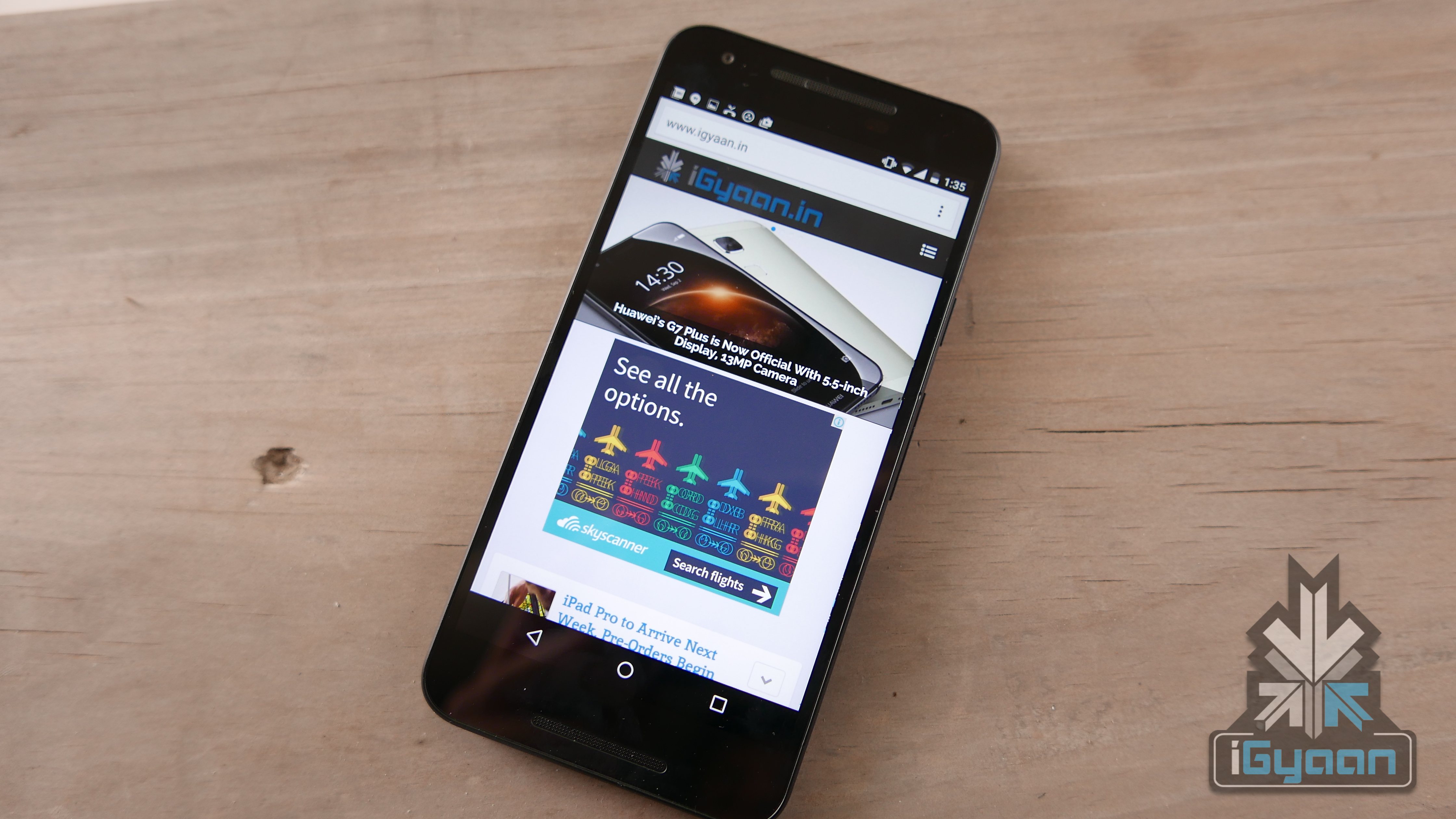
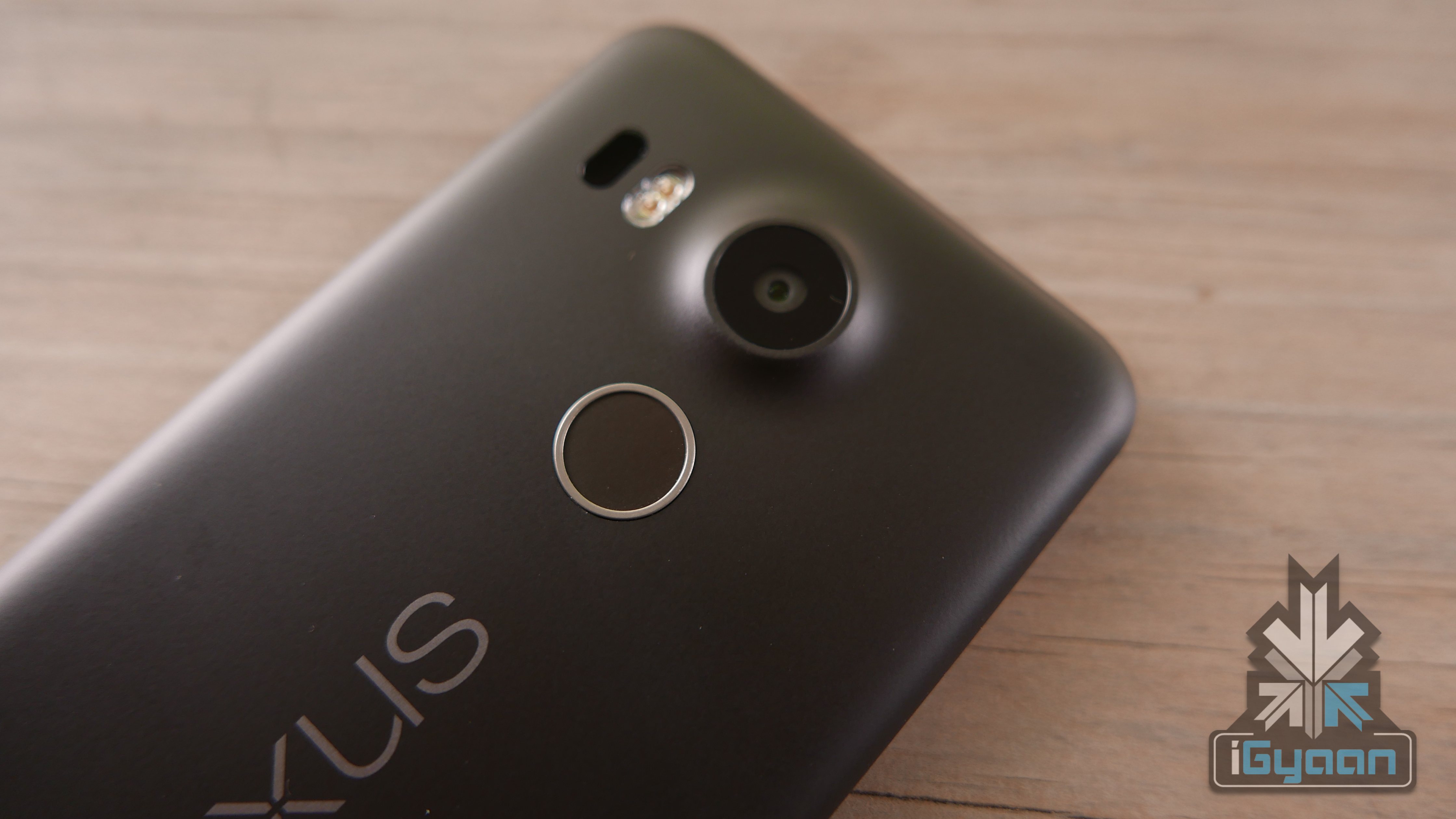
The design is not winning any points for now, the black Nexus 5X is fairly boring with a bump on the back for the camera. The back panel is extremely fingerprint and smudge-friendly and gets stained easily. Laying on a table the Nexus 5X is nothing out of the ordinary, and the complete use of plastic kills not only the aesthetic but a lot of the premium feel at the price bracket. Devices like the Moto X and Samsung A8 offer a lot more design and visual appeal. Push a little further in your budget and you get the Samsung Galaxy S6, one of the “prettiest” phones of 2015.
The great thing about the Nexus 5X is that, unlike the Nexus 6, it is very lightweight at only 136g grams and can easily used with one average sized hand.
Hardware
The hardware on the Nexus 5X seems to be a compromise, with Google sticking to Snapdragon 808 and 2 GB of RAM, the only major improvements are the cameras which now stand at 12.3 MP and 5 MP.
Wi-Fi 802.11 a, b, g, n, ac / Bluetooth 4.2 / NFC / Type-C USB
Operating System
Android OS, v6.0 (Marshmallow)
Price
Rs. 31,990/ Rs. 35,990
Camera
The new Nexus 5X and 6P have similar cameras, and they have to be the best Nexus cameras yet. While low light performance is questionable, the cameras do exceedingly well in good lighting. Good accurate colours, ample amounts of contrast and dynamic range are some the highlights of the cameras.
The main camera captures images just under the full resolution of 12.3 MP at 12.2 MP and UHD video. The front camera comes up with 5 MP pictures and 1920 x 1080p video. While the images are crisp and great to look at, the camera app does slow down once in a while and does not give the experience that is expected from Nexus devices. The rear camera gets laser assisted (IR sensor) auto focus, mostly seen on LG flagship phones, and works pretty efficiently in capturing focus points.
Video quality is great at 4k, but due to the lack of IS, the video tends to be shaky when shot by shaky hands. Sample below.
Android Marshmallow and Experience
The new Nexus 5X, just as each Nexus before it, comes with the latest version of Android, which in this case is Android 6.0 Marshmallow. With this new update you get improved UI features like an App search bar, a new Clock and lock screen messages.
You also get performance upgrades, a brand new RAM manager, standard support for fingerprint scanners and USB type C ports, and hence the new Nexus phones have those both.
Software updates like ‘Now on Tap’ allow you to look at Google Now throughout the UI. Apart from the usual “Ok Google” command, a long-press on the Home button makes the Google Now assistant scan whatever’s on the screen to find extra info online that might be helpful.
Privacy is now been updated and apps can no longer bypass this. A new security feature asks for passwords during boot, and not after booting to prevent unintentional battery drain if a non-owner tries to start the phone.
The new Doze feature is incredible at recognising when the phone is idle to put it in a rested state. This considerably improves battery performance on the Nexus 5X.
Performance and Battery
The Google Nexus 5X is losing out on one big thing and that is performance. Each year Nexus phones stand out as leaders defining performance standards for companies, however, this year the case is different. The higher of the two Nexus devices launched this year, the Nexus 6P, is more of a performance benchmark. The 5X is mostly being sold to cater to those who basically don’t like the idea of an expensive Nexus phone, as was seen last year with the Nexus 6.
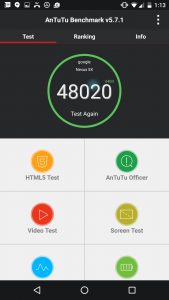
The Nexus 5X runs dated and weak Snapdragon 808 chipset because, most manufacturers have preferred the 808 over the 810 pertaining its heat issues. The 808 scores considerably less on benchmarks achieving 48020 on Antutu which falls roughly below last year’s Note 4 by Samsung. So the Nexus 5X is not a flagship benchmark.
Battery life is assisted by the Doze feature and gives you extended use, especially if you have a long screen-off time.
The Nexus 5X will easily last a day for the average user going into the second day before requiring a charge. With a talk time of around 6 hours, we are not complaining.
Usage
LG Nexus 5X
Talk Time
5.5 – 6 hours
Internet on LTE
4 hours
Internet on Wi-Fi
5 hours
Gaming and Video
5 hours
Standby
6- 7 days
Conclusion
The Nexus 5X is available in India for a price of Rs 29,990 (at the time of review) for the 16 GB variant which is about Rs. 4,000 more than the US$ 379 price. At this price it lacks the essence of a Nexus phone. Its built in plastic lacks a QHD display and comes with 2 GB of RAM, the best advantage of the Nexus remains the quick updates. For a better hardware experience the Moto X Style offer better value for money, at the same price and has a QHD display 3 GB of RAM and better cameras, fast turbo charging and dual sim capabilities. More over you get expandability up to 128 GB. The Moto X style offers a near-Nexus Android experience and will soon get marshmallow.
You should consider one of the many other options instead of the Nexus 5X this year. For LG and Google the intent is wonderful and the phone brings back the brilliance of the Nexus 5, however the Nexus 6P is more Nexus than the Nexus 5X.
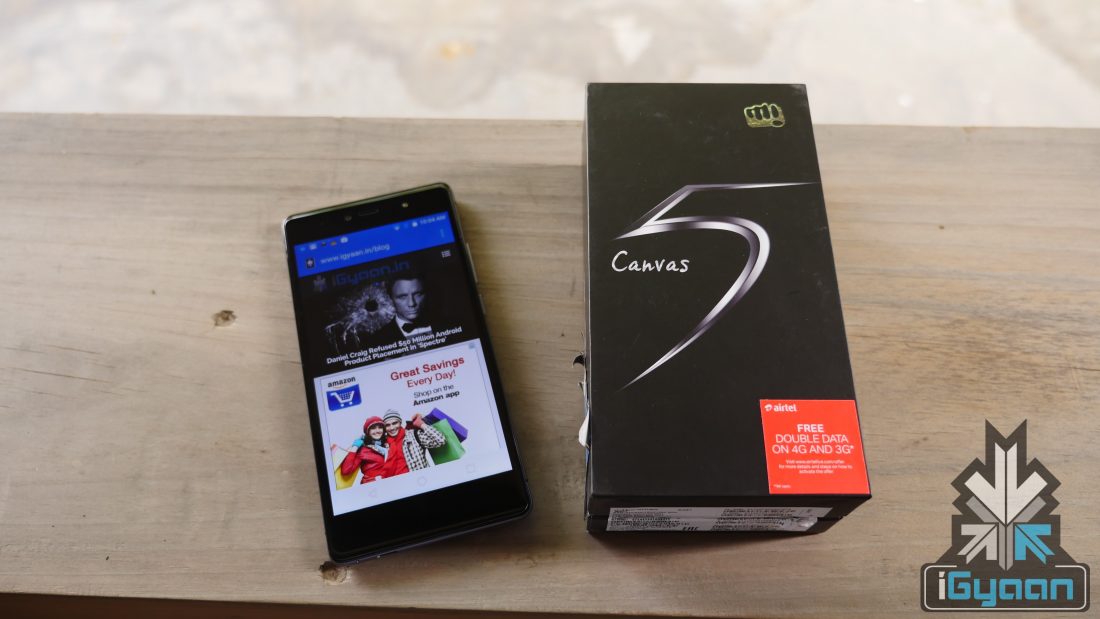
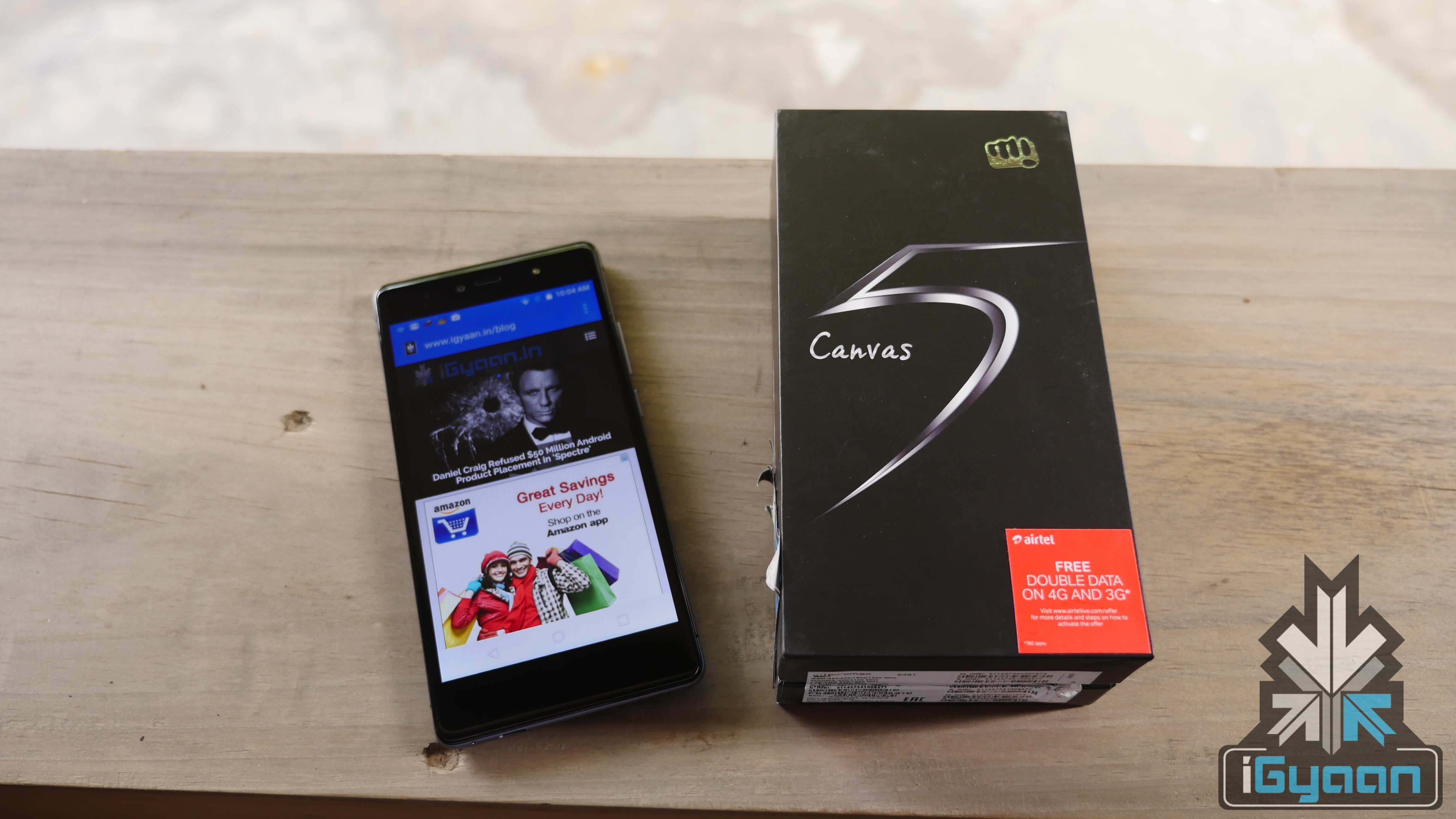
Micromax unveiled the Canvas 5 yesterday and we’ve provided all the technical details as well as a hands-on with the device. But if you’re still a little uncertain about whether you should buy Micromax’s latest flagship then have no worries. We’ve made a list of everything that is going for the Micromax Canvas 5, and if you find your needs mentioned then we suggest you have your wallets ready.
Design
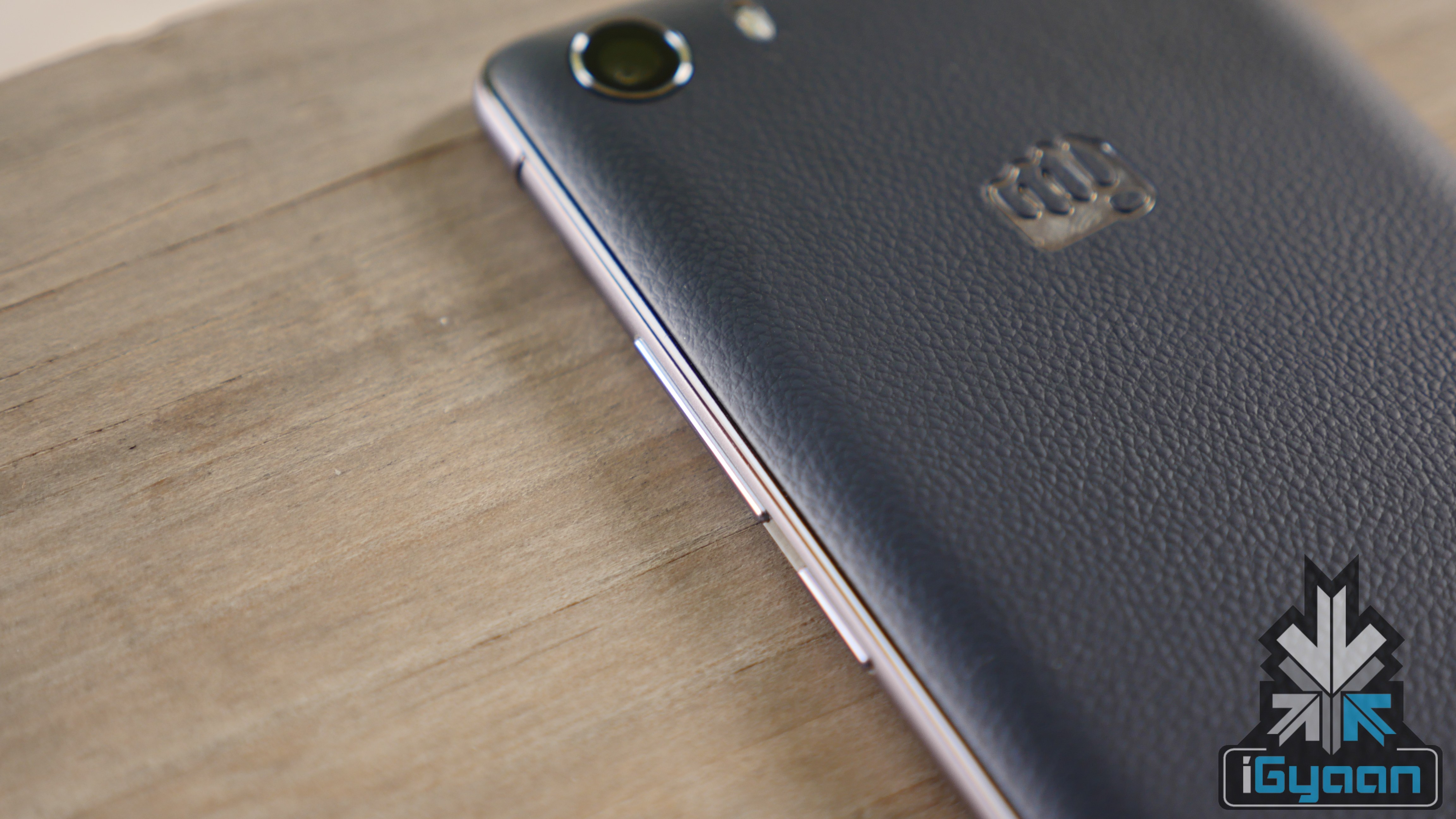
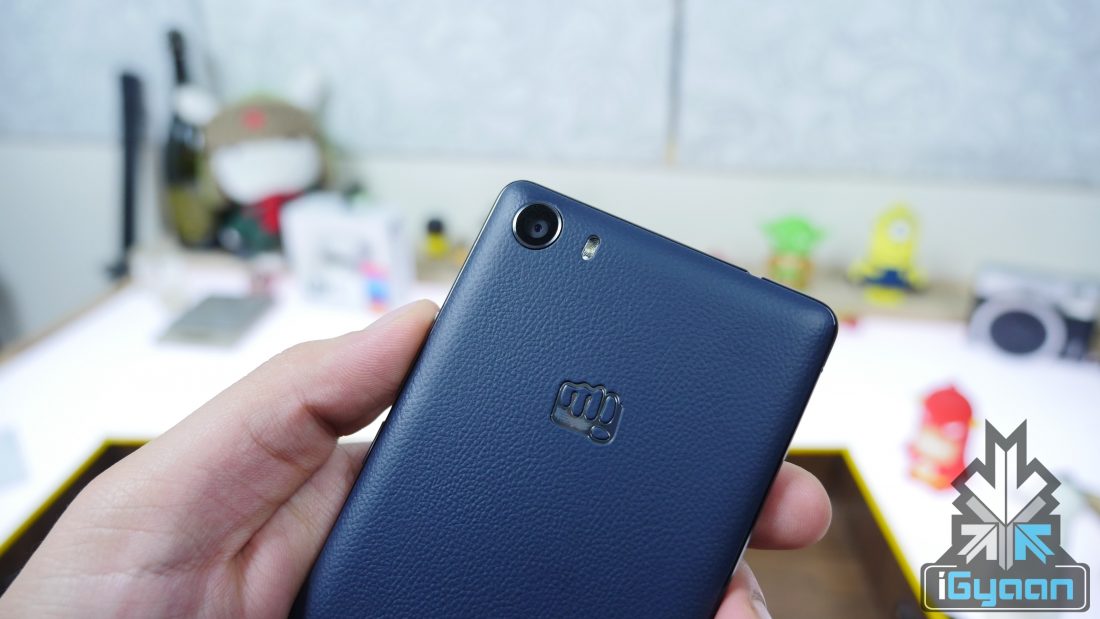
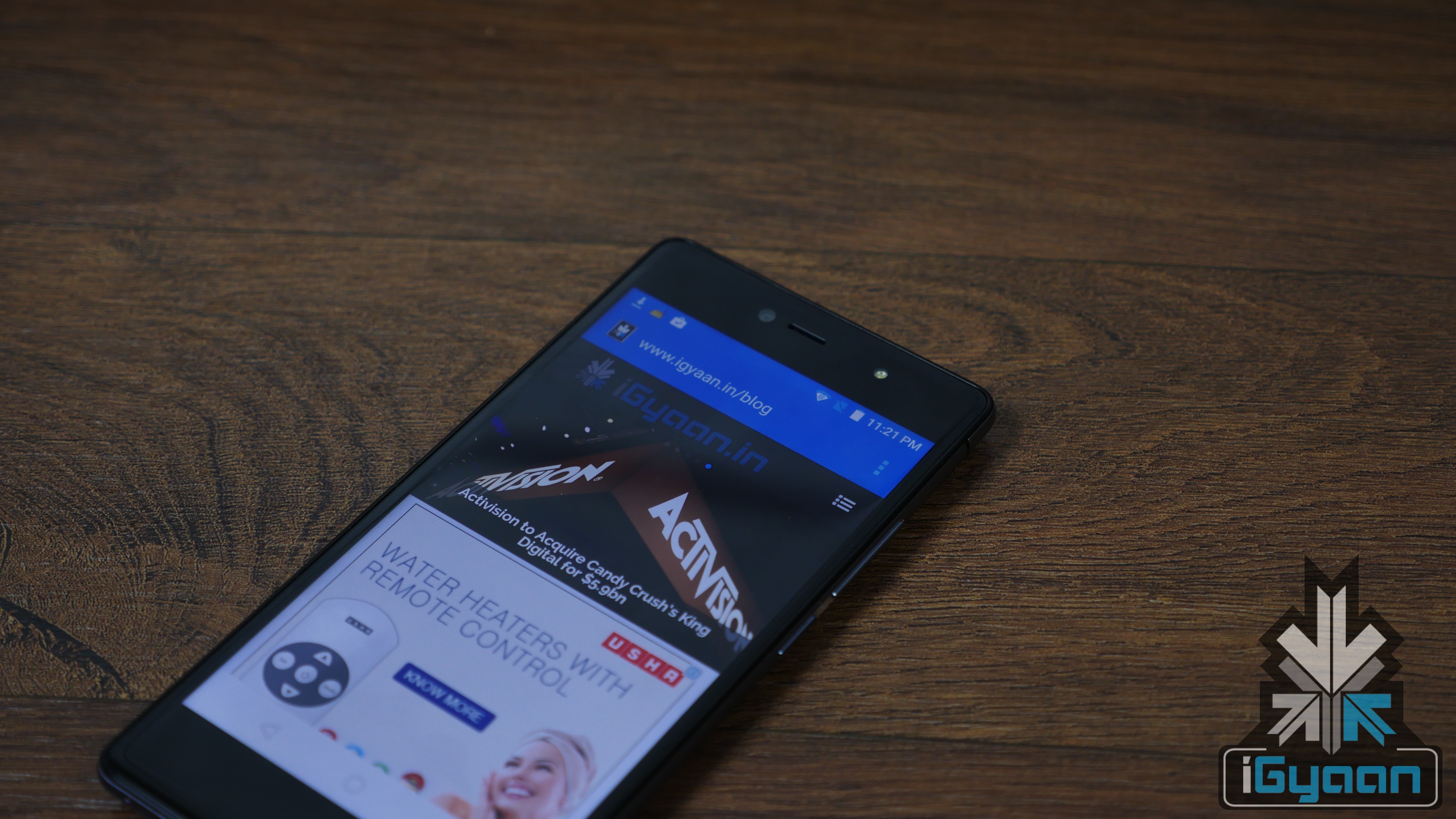
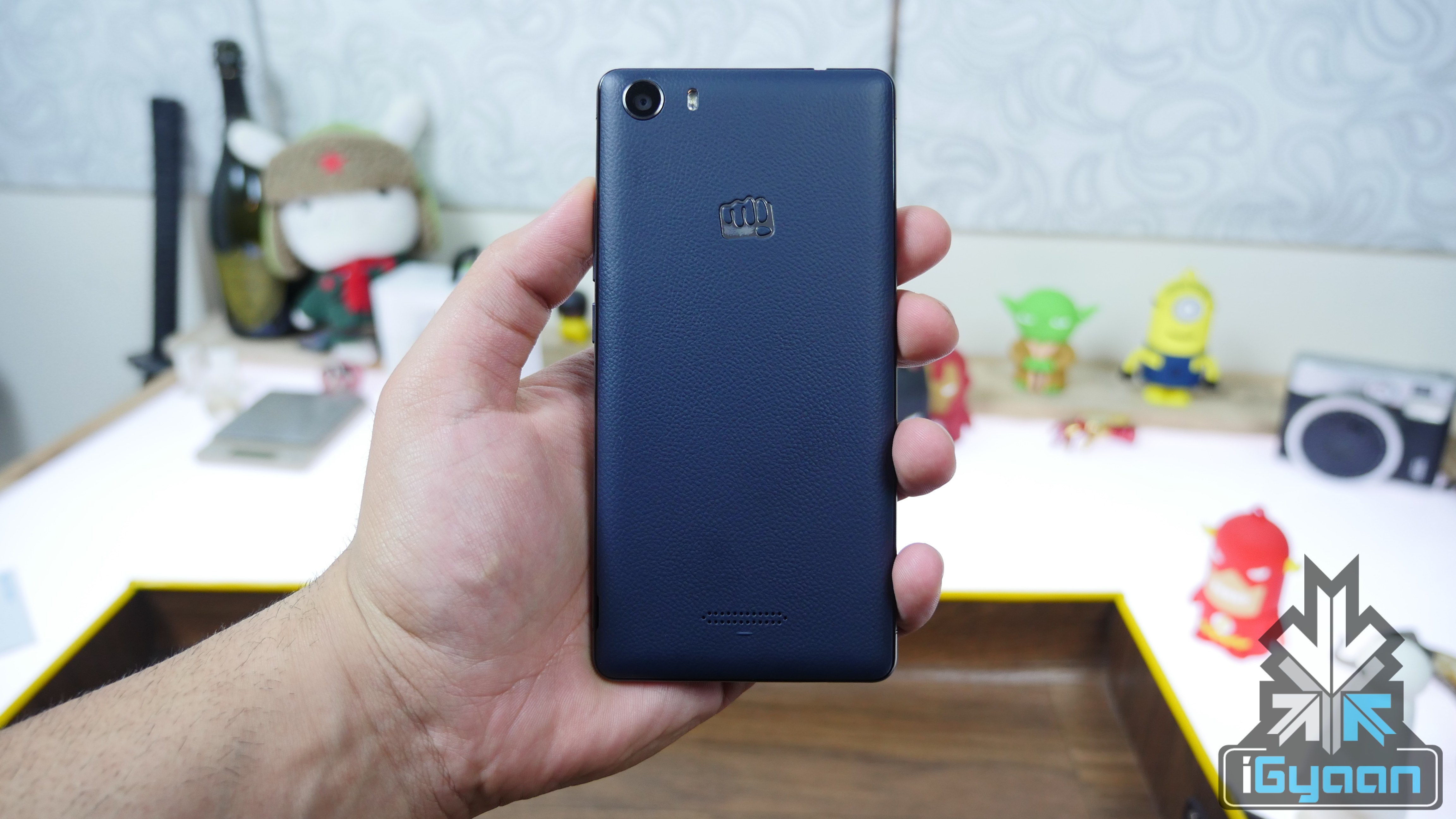
Right off the bat then, the Canvas 5 looks amazing. It has improved a lot since the Canvas 4 in terms of looks. The moment you see the Canvas 5 after unboxing, you’ll notice a shiny and attractive Gorilla Glass 3 on the front that has a 2.5D Curve Touch panel. The glass doesn’t leave smudges and stays pretty clear. This along with a metal side and rounded edge gives the device an iPhone-like feel. In the back you have a removable plastic panel that has a faux leather texture to it. Because it’s extremely flexible, it’s not likely to break any time soon. So if you want a phone that looks and feels great in your hand, you should definitely look to the Canvas 5.
Display
On switching on the device, we found that the 5.2-inch 1920×1080 Full HD display is crisp, clear and bright. The colours are attractive and makes you want to switch on the device even if you have nothing in particular to do. A graphic-intensive game like Asphalt 8 looks great on the device and works pretty smoothly. The details of the game look crisp and also give decent sound clarity.
Performance and UI
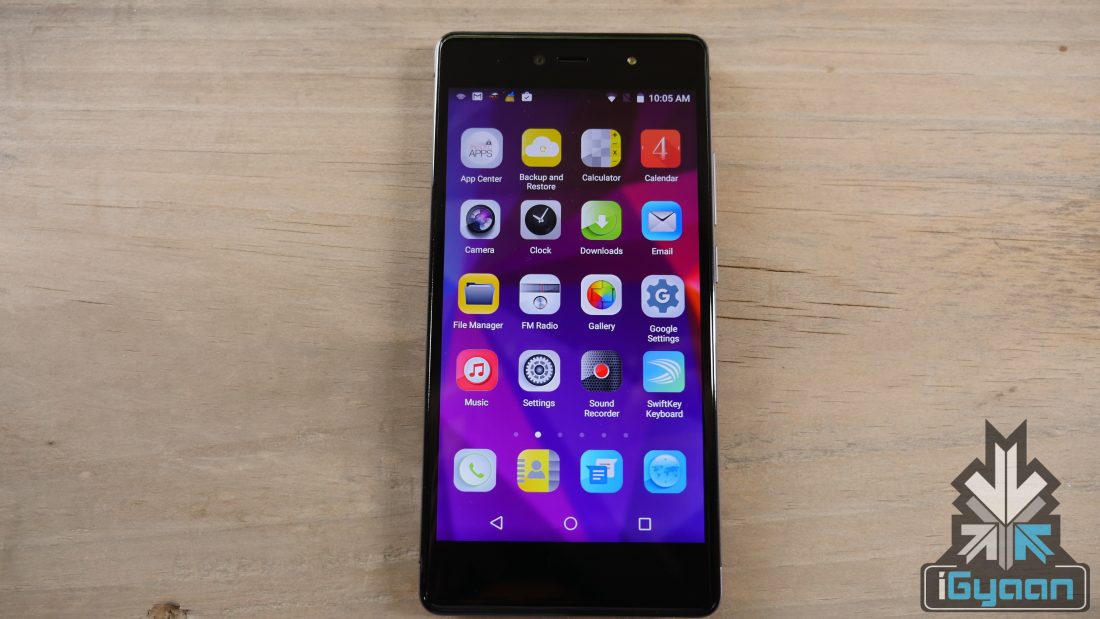
First use of the device right after unboxing will generally give a fast performance. So, it is a little early in the day to know exactly how the device will run. But our initial response to the Canvas 5 is that it gives a solid performance for a phone that is priced at Rs. 11,999. The phone will respond quickly to all your basic day-to-day needs and with no app drawer, you can access your apps a lot faster, as is the case with the iPhone. Though, those who prefer an app drawer may find the screen cluttered with bloatware.
Sliding through the phone quick and fluid and you will love the ease of it all within 5 minutes of usage. A 3 GB RAM for a device under 12K bracket is a rare sight and the Canvas 5 comes with just that. This allows you to multi-task with greater ease and also improves gaming performance. In terms of competition, the Canvas 5 wins over the Moto G (3rd Gen) and the Xiaomi Mi 4i for sure.
Camera
The Canvas 5 actually has a great camera app with loads of modes and pro features like those found on flagship Samsung Galaxy phones. You also get an app that lets you retouch images and give the desired makeup that it needs.
The device features a 13MP primary camera and a 5MP front with flash. The images taken by the primary camera are fairly decent and is quick at capturing images. The added professional modes like ISO, exposure compensations and white balance help you take that perfect shot. So, for a mid-range device, the Canvas 5 gives you a lot to play around with.
Price
Pricing is always key for a successful smartphone (unless it’s an iPhone). The Canvas 5 with all the above mentioned pros would be worth it if it is reasonably priced. And luckily it is. At Rs. 11,999, the Canvas 5 is a terrific phone that gives Motorola and Xiaomi a run for their money. The performance, display and design are premium material. The Canvas 5 along with the OnePlus X show us that it is possible to make a great looking device for a mid-level market. Should you go for it? Well, your interests are ticked in the list above then you definitely should buy the Canvas 5.
Micromax Canvas is a name that popularised Micromax with the new market of India. The latest Canvas from the company is the Canvas 5 and comes at a time where Micromax needs it the most.
The device is a big improvement from the build quality standards of the company and has a lot to offer for a consumer at a price of Rs. 11999. The phone goes on sale today online and offline.
The handset has decent specifications, however only to be burrowed by the likes of its own YU Yureka Plus. The new Canvas has a fantastic 2.5 D curved glass that not only looks good and feels great to use, the aesthetic makes the device look a lot more premium.
The handset also features Gorilla Glass 3 on the front glass and a front facing flash. Running everything is a MT6753 chip with eight cores at 1.3 GHz. Owners will get 3 GB of RAM which comes in real handy especially if you do a lot of gaming. The phone has an fast and fluid UI and runs Android 5.1 with sober customizations from Micromax not affecting usability a lot.
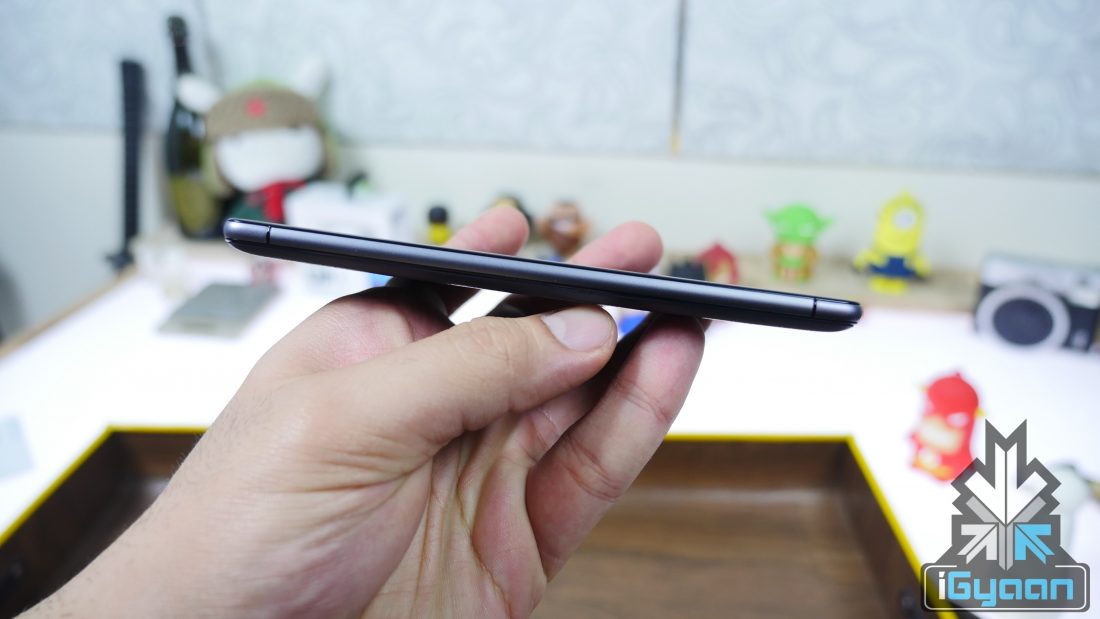
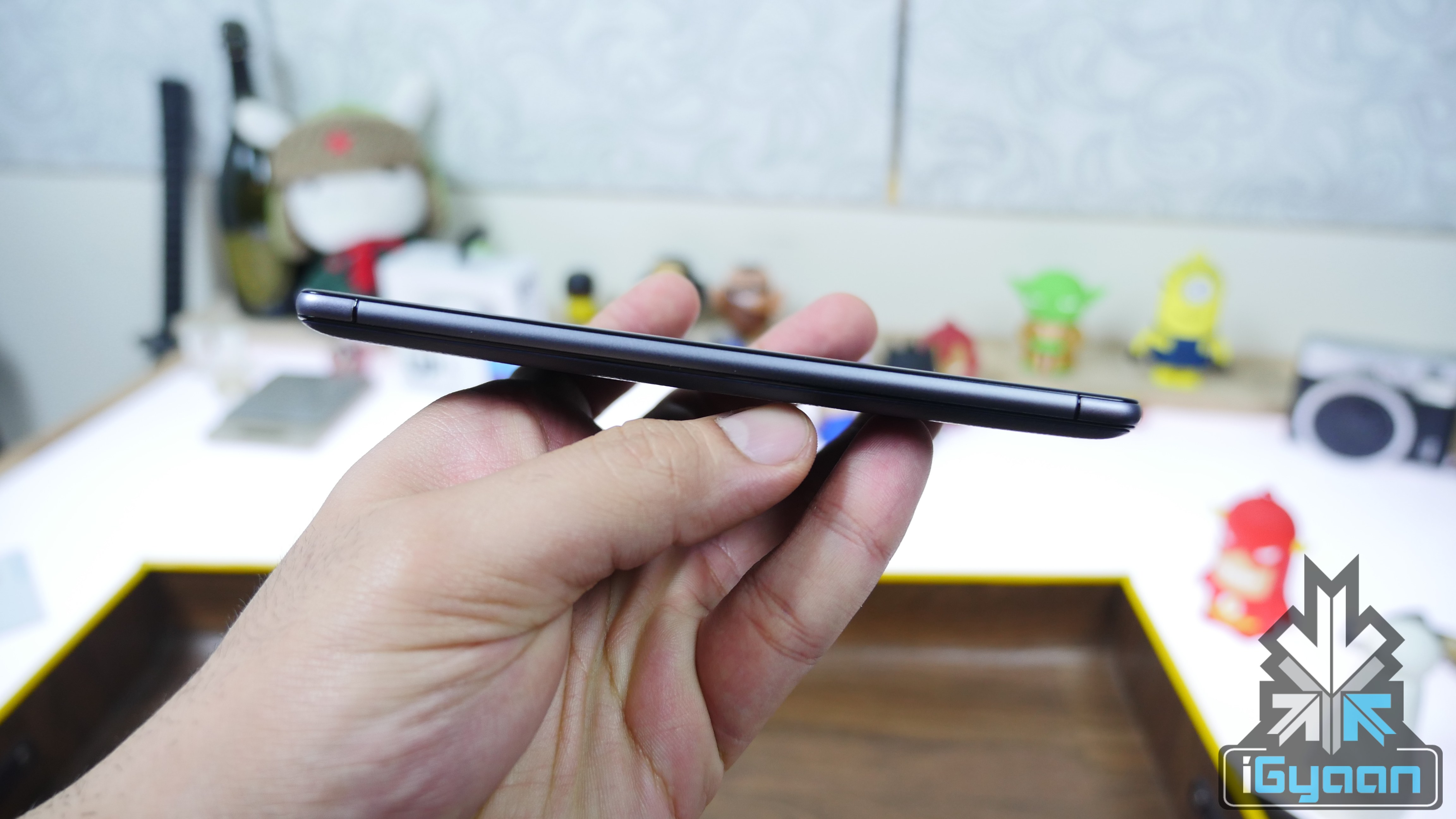
The handset has a metal frame that adds rigidity and polish along with rounded edges and a matte finish that feels excellent. The back panel is plastic and has a faux leather finish that is soft to touch and easy to grip onto.
The camera app is appreciated with lots of modes and pro features like those found on flagship Samsung Galaxy phones. You also get apps to re touch images and mostly do makeup etc.
The phone scored over 32000 on benchmarks and has been found to be 95% better than devices in the range. Gaming experience on the handset is good and feels like the 3 GB of RAM helps in leveraging that. We managed to play his end games on the handset with graphs turned to max without issues.


















 The Google Nexus 5X is losing out on one big thing and that is performance. Each year Nexus phones stand out as leaders defining performance standards for companies, however, this year the case is different. The higher of the two Nexus devices launched this year, the Nexus 6P, is more of a performance benchmark. The 5X is mostly being sold to cater to those who basically don’t like the idea of an expensive Nexus phone, as was seen last year with the Nexus 6.
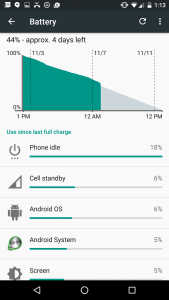 Battery life is assisted by the Doze feature and gives you extended use, especially if you have a long screen-off time.