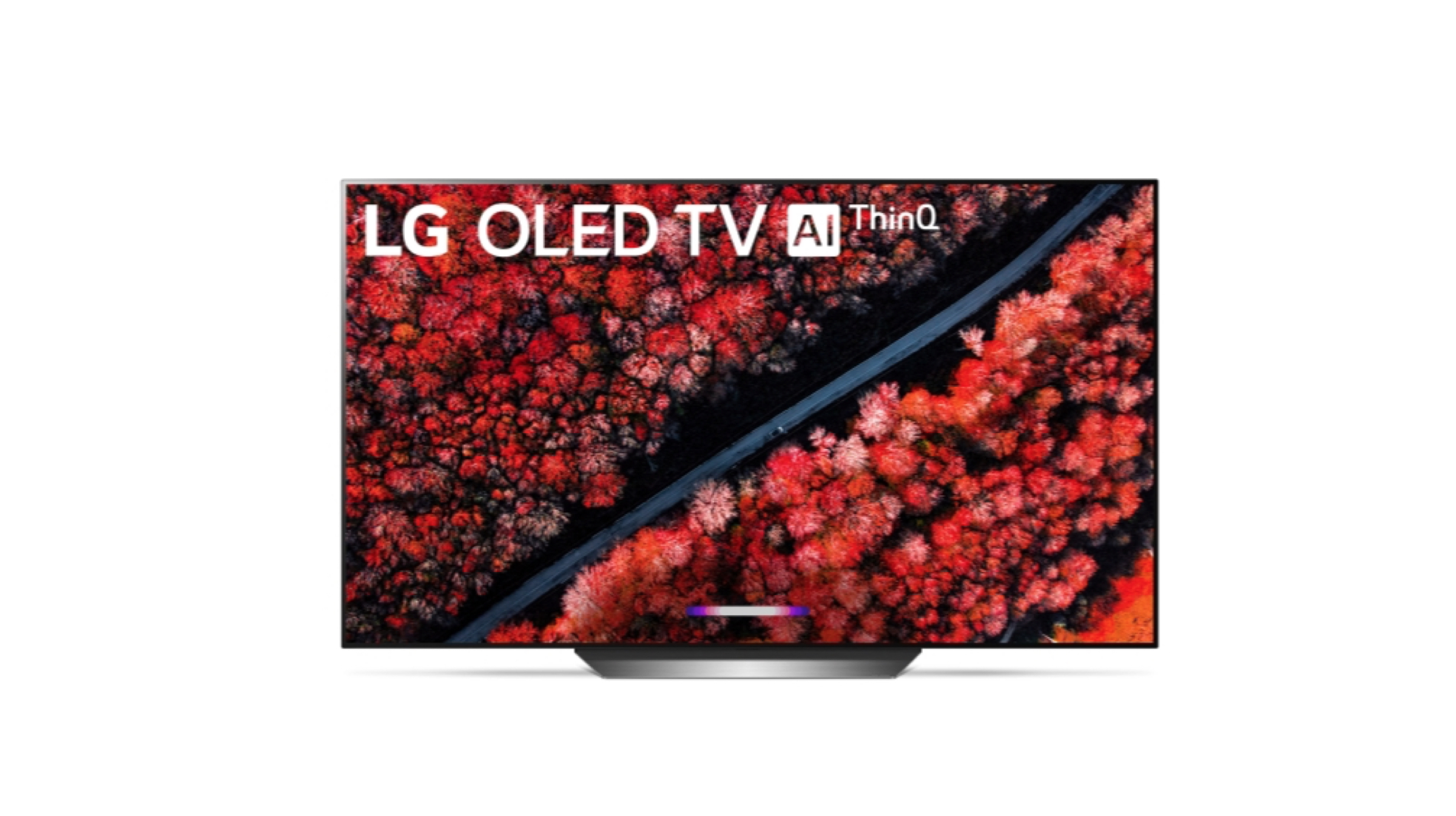
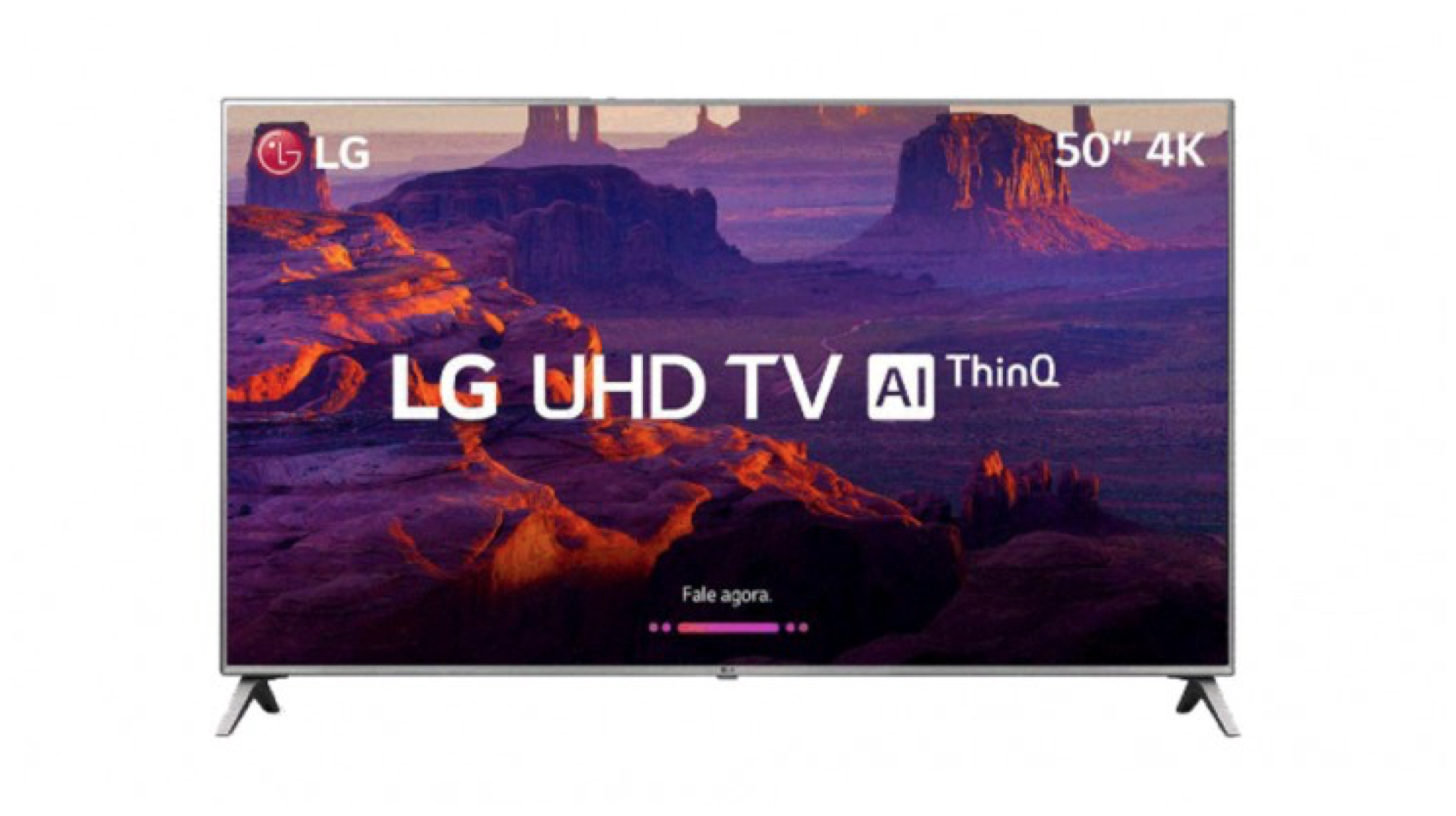
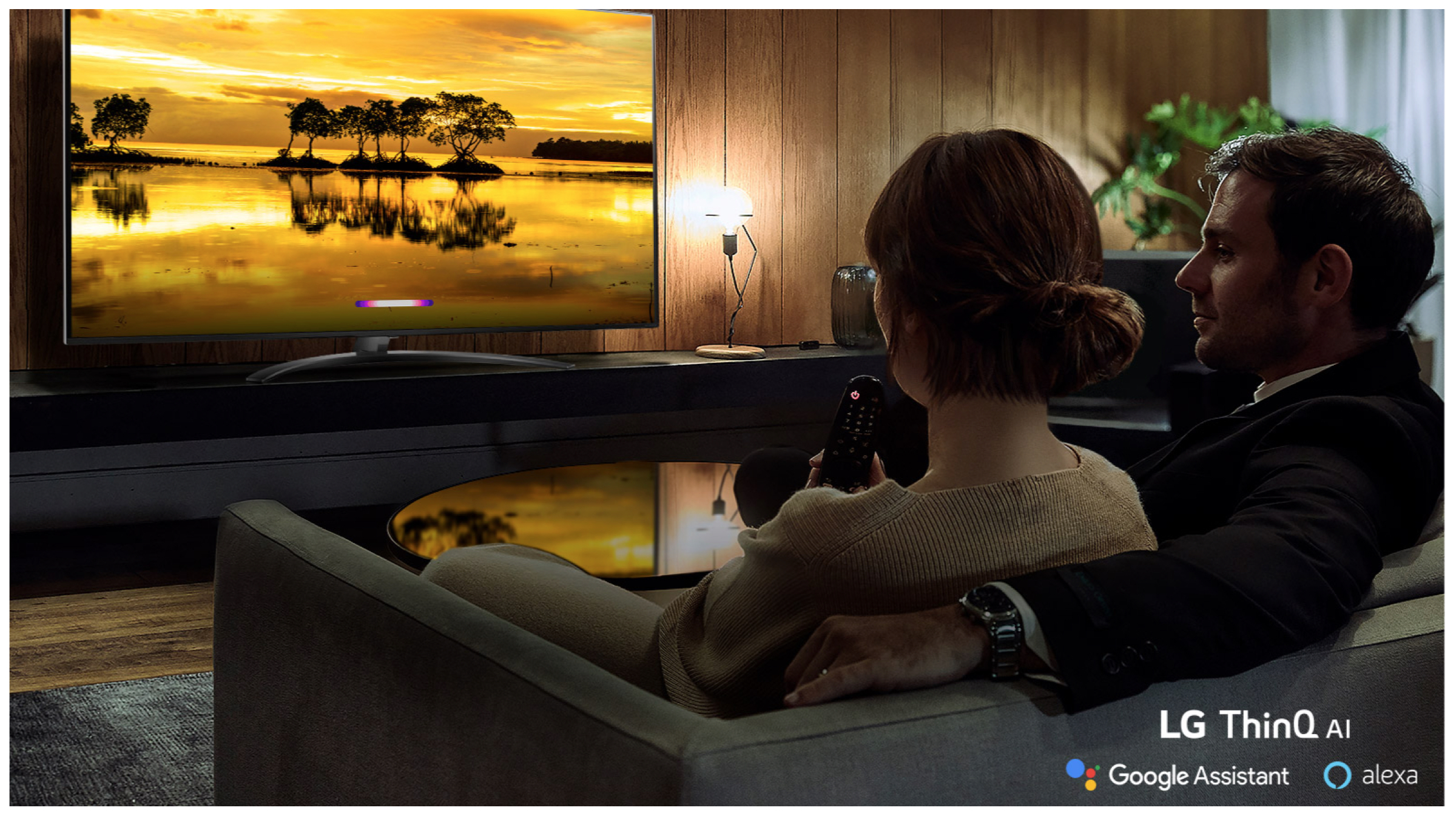
LG has been one of the most prevalent TV brands in India. To meet the rising demands of smart televisions, the company has launched the AI ThinQ TVs lineup in the country which starts from Rs 24,990 and goes all the way upto Rs 10,99,990. Distinguishingly, all the smart TVs in the lineup have built-in Alexa and Google Assistant support.
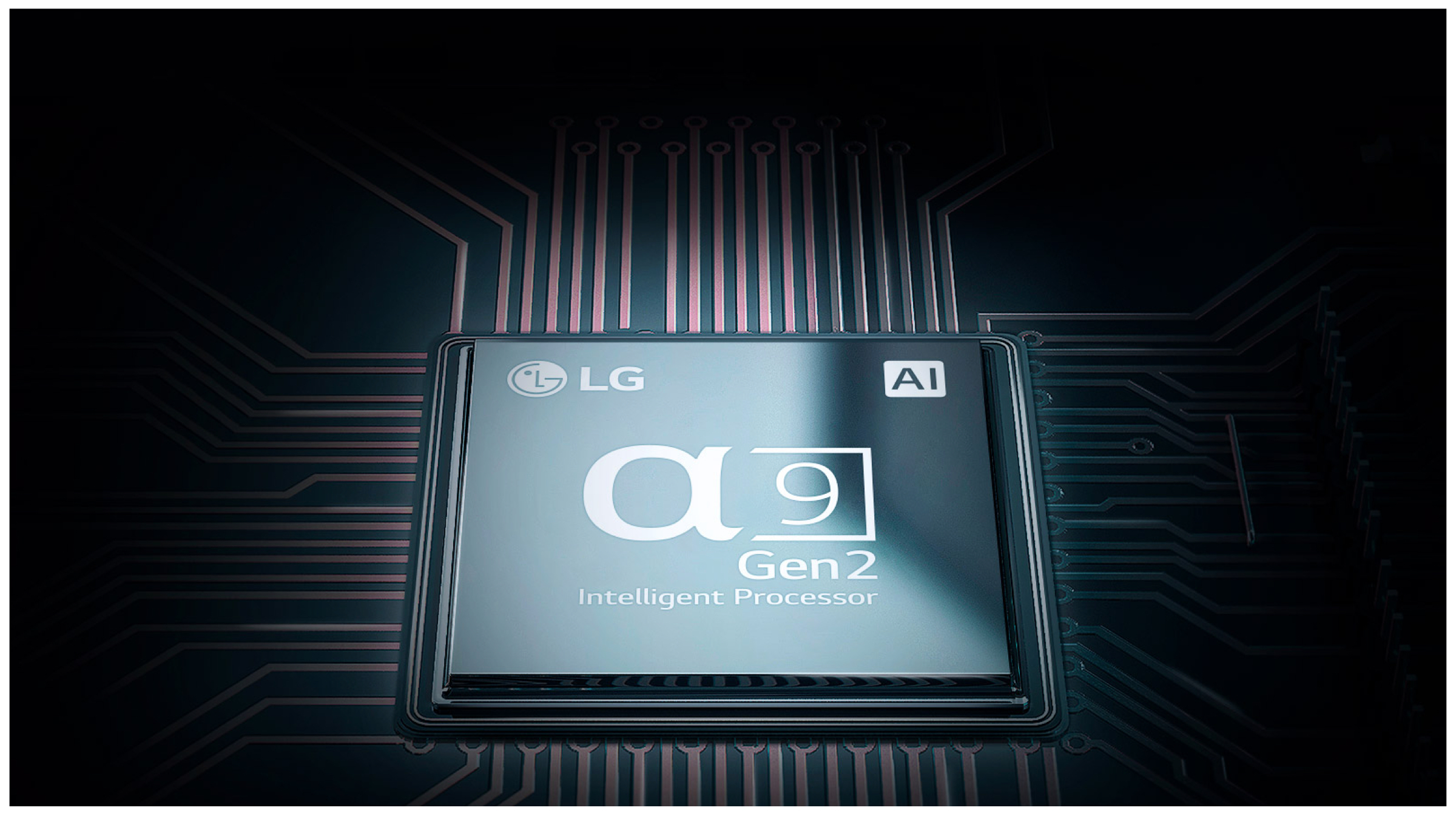
The newly launched AI ThinQ TVs from LG are fitted with second-generation Alpha 9 processors. The processors combined with deep learning and AI (Artificial Intelligence) can automatically calibrate the TVs for optimised audio and video output. The TVs in the lineup are available from screen sizes of 32-inch to 77-inch. Moreover, they also have support for Dolby Vision, HDR10 Pro, HLG Pro HDR and Dolby Atmos.
Due to the presence of Amazon Alexa and Google voice assistant, users can wirelessly interact with their TV sets and control its different functionalities. Furthermore, the voice assistants built into the TVs can even be used to control other smart devices like lights and fans.
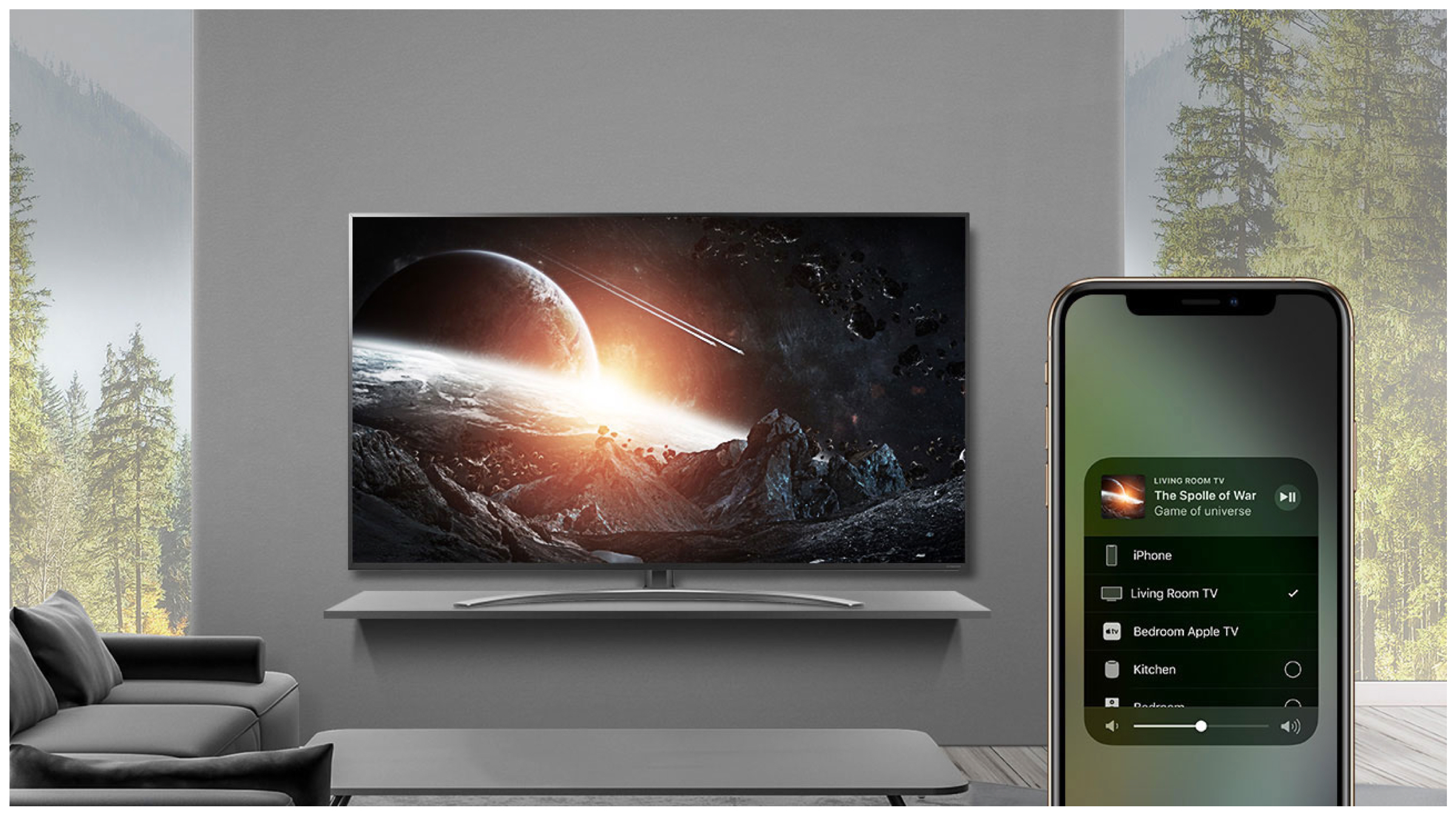
The NanoCell TVs in the AI ThinQ lineup also supports direct wireless streaming from Apple devices via AirPlay 2. Other features of TVs in this range include Nano Color Full Array Dimming and HomeKit. The latter enables the ability to control the television through Siri or Apple Home app.
Besides, all TVs in the AI ThinQ lineup have a wide variety of media streaming apps which include Amazon Prime Video, Netflix, Hotstar, YouTube, Eros Now, Zee5, AltBalaji, Hungama Play, Sun NXT and Yupp TV. The TVs also have a 2-way Bluetooth feature that allows users to wirelessly stream music from their smartphone, tablet or any other Bluetooth compatible device.
Surprisingly, TVs in AI ThinQ lineup have a unique feature called “Mobile Connection Overlay” that allows users to view both the mobile and television screens simultaneously.
All in all, LG has populated the new AI ThinQ TV lineup with well thought out features which will make them stand out of the crowd. Especially, the wireless voice assistant functionality will be a crowd favourite.
Water cooling or liquid cooling has become a unique selling proposition for phones these days. And at times it turns out to be nothing more than a marketing gimmick. Liquid cooling has been around for a long time for personal computers which are gaming oriented. This kind of cooling was introduced because gaming PCs get heated up due to their high performance requirements. It is one thing to have water or liquid cooling on PCs which have a lot of space to work around, but on a phone space is a huge constraint.
Why Use Liquid
Air cooling, which had been the choice of many, isn’t as efficient as Liquid cooling when it comes to computers and mobile phones. Air cooling requires a lot of fans. And fans take up space. A typical gaming PC with air cooling will have case fans, graphics card fans, and a CPU fan. Same goes for phones. The phones have several holes to dissipate heat. These try to keep the insides of the CPU cool, but on the other hand, liquid cooling requires coolant-filled tubes, a radiator, water blocks which are the equivalent of heat sinks and a few other small components. On normal phones without liquid cooling, the processor is generally under-clocked so that it generates less heat. The generated heat is dissipated through the body of the phone which makes the body of the phone hot while playing games etc.
What Liquids Are Used
Water, deionised water, glycol/water solutions, and dielectric fluids such as fluorocarbons and PAO are the heat transfer fluids that are most commonly used. Most phones use water. The amount of water used is so less, it is essentially always in vapour form, which is why these systems are also called vapour cooled systems.
Do Phones Need Liquid Cooling
Smartphones running just fine even two or three years back on normal air cooling/ heat dissipation coupled with under-clocked CPUs. But with smartphones becoming thinner and users demanding more and more performance from their smartphones, heating suddenly became a major issue. NEC Medias X 06E was the world’s first water- cooled phone. But around 2015/2016, Nokia introduced the Lumia 950XL and Samsung introduced the Galaxy S7; both water- cooled phones. Phone cooling has changed and improved a lot since then. Phones can perform much faster and the CPU can even be over-clocked if liquid cooling is used. The ASUS ROG phone, which has an overclocked cpu uses this form of cooling.
How Does It Work
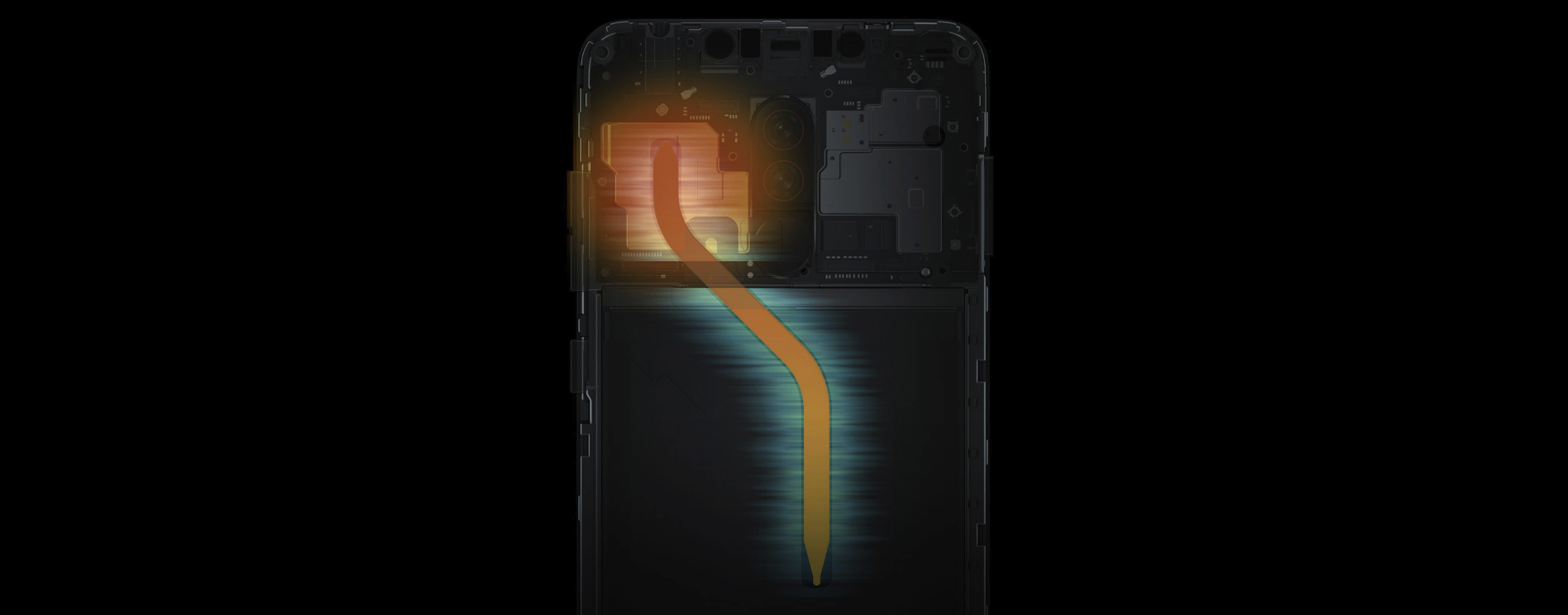
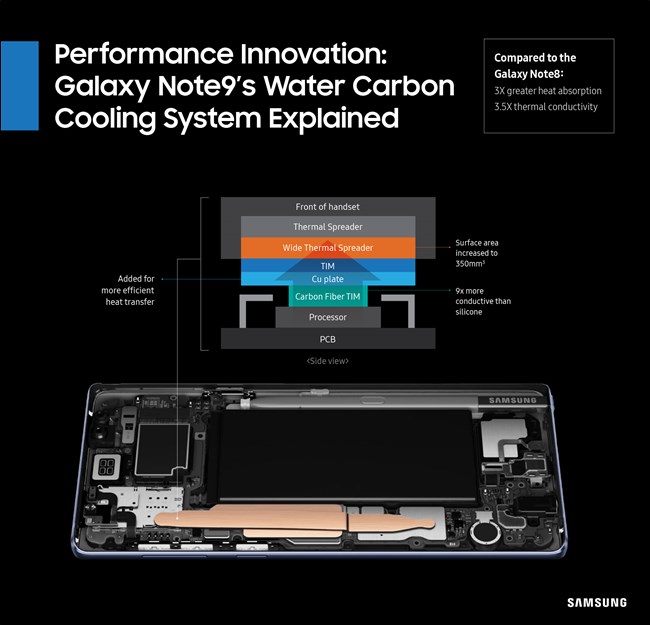
Phones use a copper thermal heat pipe to distribute the heat and move it away from the CPU. This kicks into play when the phone is performing high intensity tasks. These may include tasks like gaming or even media playback. The copper tube has a very minuscule amount of liquid. The liquid is not even enough to see if the tube is cut open. The cooling happens through condensation. Condensation is the process of vapour turning to liquid when cooled.
As the processor heats up, the liquid heats up and turns into vapour, thus absorbing the heat from the CPU. This vapour then moves to the opposite end of the heat pipe. This end is further away from the CPU and is considerably cooler. The vapour dissipates the heat thus turning back into liquid form. This process is continuous and works well to dissipate and disperse heat from a concentrated area to a much larger area thus cooling the entire system faster and more efficiently.
We get a lot of questions from our readers regarding eSIM cards. Are they physical SIM cards? Do they require changes in hardware or software? If they are just software changes then why aren’t they introduced to phones that have already been released and so on. In this article, we will discuss this relatively new technology and try to clear the air regarding eSIMs. We will also try and answer some of these questions.
What Is An eSIM?
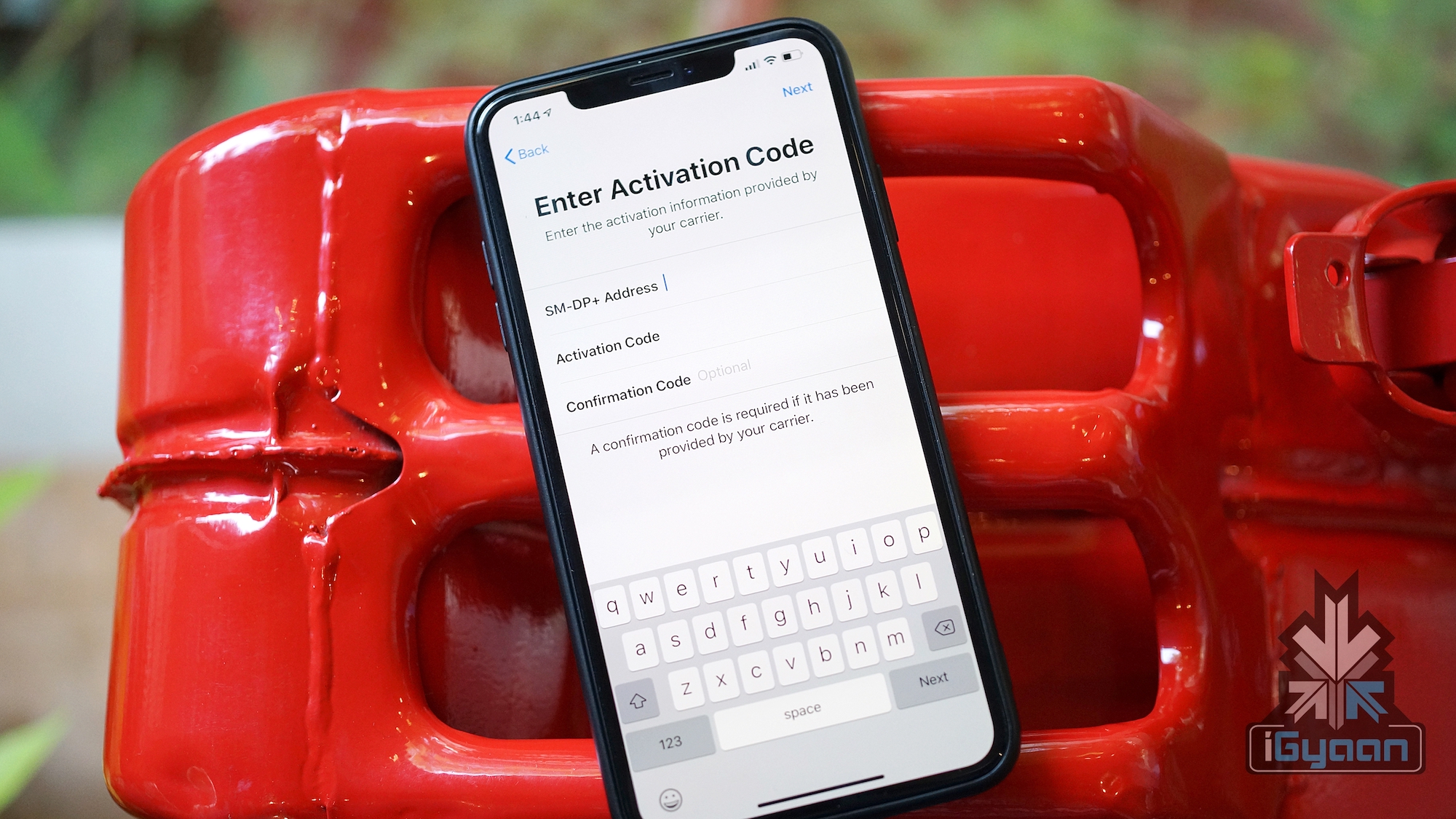
As the name suggests, eSIM is an electronic SIM card. An eSIM replaces the need for a physical SIM card that has been a part of our phones for ages. There are several reasons for the SIM cards to face the axe but we will talk about those later. The eSIM was introduced out of need, more than out of want. Samsung was working on a smartwatch that would allow a person to remotely connect to cellphone carriers without the need for a phone. Samsung’s Gear S2 smartwatch was the first device to use the eSIM. With the launch of Apple XS and XR, eSIM has now become a widely known technology.
Is It Hardware Or Software?
This has been a huge question for the uninitiated as everyone wants to know if the eSIM feature has any hardware complications or does it just happen via software. Well, it involves both. The eSIM is a very small SIM card that is attached to the phone. It is much smaller than a Nano SIM card. The eSIM card is 6mm x 5mm in size. Comparing it to a Nano SIM card which stands at a much larger 12.3mm x 8.8mm, the eSIM provides the manufacturers an opportunity to get rid of the bulky SIM card tray and use that space to include something else.
Since the entire eSIM technology involves hardware, it will not be possible to inculcate this technology into smartphones that do not have this tech. So your Oneplus 6 or 6T or even your Samsung Galaxy S9 won’t be able to make use of this feature. The eSIM is non removable and it is safely tucked inside the phone. The most important thing about the eSIM feature is that one does not need to change SIM cards when changing their network operator. They can simply do so using software.
If you are using an eSIM on your watch, it can have the same number as your phone. This helps you to make and receive call from your watch even if you do not have your phone with you. eSIM cards will also negate the hassle that one has to face when changing phones. Some phones use a Nano SIM, some use a Micro SIM and so on.
Future Of eSIM
GSMA, the organisation that represents the interests of mobile operators, has announced a standard for this new kind of SIM. The use of smartwatches have also increased in the recent times and this means more and more use of eSIM card. This is good news as the future is definitely moving towards eSIM cards. AT&T, Deutsche Telekom, Etisalat, Hutchison Whampoa (owner of Three and soon O2), Orange, Telefónica (the current O2 owner) and Vodafone have all shown their support for this technology and we can definitely expect more and more phones to use this feature in the future.
The latest in our top 10 tech segment are tech accessories under INR 1000. We scoured the web for best accessories to buy when them rainy days strike and for those who are looking for a perfect gift to give to your geeky friend, this is the place to be.
1. Clip-On Lens Kit
It’s time to get up close and personal with photography. The clip on lens kit consists of 3 in 1 detachable lenses for your smartphone. Available in three variants, fish-eye, macro and wide angle, this lens kit will add an extra element to your basic smartphone pictures. The fisheye lens offers a wide hemispherical image whereas the macro lens is used for clicking extreme close-up pictures of a far away object. The wide-angle lens projects a substantially larger image circle than would be typical for a standard design lens of the same focal length. Put those photography lessons to use and mount these lenses to any smartphone’s existing camera lens at just INR 899.00
2. Gaming Mouse Pad
We know how the mouse pad is never long enough to accommodate your mouse, keyboard and gaming gadgets. This gaming accessory is a perfect fit for all your gaming needs and is priced at INR 890. The HAVIT HV-MP830 Professional Gaming mouse pad is long enough to comfortably place all your stuff and its anti-skid base keeps it from sliding off the table. Made from high-quality fine mesh cloth, the gaming mouse pad is durable and ensures smooth working of the mouse.
3. Five-in-One Car Charger
This car accessory is one of a kind. Owing to its unique design, this Tantra 5 USB port smart car chargers capable of charging 5 devices at once. The charger consists two parts, one with 2 ports (4.8A) for the front seaters and the other 3 ports (6A) for the people in back. It also features rapid charging with intelligent recognition IC which detects your device’s current charge requirement to deliver fastest possible charging speed upto 2.4A per port.
4. Self Stirring Mug
Today I don’t feel like doing anything…
This self stirring mug is self explanatory and perfect for those lazy days. This battery powered mug has a dedicated button for stirring at the bottom, a double 304 stainless steel design along with a top storage unit for cookies, biscuits, crackers and even protein powder for those fitness junkies. At a price of INR 850, keep them frothy cappuccinos coming.
5. Programmable Timer Switch
The Walnut Innovations Programmable Timer switch is an energy-saving electronic timer with a load capacity of 1000 WATTS. Priced at INR 773, this smart timer can also serve as a security device by programming to turn on the house lights at a specific time in case you plan a trip and don’t want your house to appear vacant. This timer can also be used to charge your phone and save it from over charging the device.
6. AmazonBasics Nano BT Speaker
Perfect for the bathroom singers, this portable nano speaker is water resistant and available in different colours. For the price of INR 999, this bluetooth speaker can last upto 6 hours on a single charge and takes upto 2 hours to get fully charged. The speaker also has a built-in mic for making phone calls and power and volume-control buttons.
7. Mini Foldable Handy Tripod
This mini tripod can hold a camera of approximately 3kgs and is foldable, light weight and sturdy. It also doubles up as a camera stabiliser and opens up to height of approx 12-13 cm. This mini table top tripod can mount DSLR, digital camera and smartphones and is priced at INR 599.
8. Dragon War Gaming Mouse
This customizable gaming mouse from Aries is available in two colors – red and white. You can change the DPI from 800 to 3200. With six control buttons and eight programmable keys, the INR 990 gaming mouse can be programed with the included software. It also offers a braided cable and gold plated USB connector.
9. Sensy Smart Remote
Though this smart remote is originally priced at INR 1199, but for the first time, we have managed to bring the price down to under INR 1000. All you have to do is use Coupon Code: ZMBDHRMM on Amazon. The Sensy Smart Remote allows you to control your set-top box and TV from your smartphone using voice commands. You can also search and discover information regarding TV shows, switch between channels, set reminders and is compatible with Android & iOS.
10. Gel Wrist Rest
The name says it all. This gaming accessory is a must for every gamer. Simply keep the wrist rest under your wrist while typing or gaming for extra comfort. Filled with gel the wrist rest conforms to the shape of you wrist and provide proper cushioning. The Belkin -Wave gel filled wrist rest is available at INR 963.
From Fidget Rollers to VR, here’s a list of top 10 Geek accessories to add to your collection. And before you crib about the price,
Drumrolls please! it’s all under Rs 250!
Domo VR
Designed to hold any smartphone which has up to 6″ LCD screen, Domo VR features adjustable head-strap with tension locks, a magnet input button, a phone aligner, phone holder and phone access slots. After 90% discount, it is priced at INR 199. For a price of INR 199, this VR is a catch.
5 Way Jack Adaptor
This is the accessory we all have been waiting for. The 5 Way Jack Adaptor features 3.5 mm stereo headset hub splitter which connects up to five headphones in one go. Can’t stop, won’t stop grooving as this 5 way splitter costs just INR 229.
Car Visor Organizer
Ladies, here’s an accessory for you to shop for. From your smartphones to your lipsticks, this car visor can hold almost anything. crafted from a rubberized woven elastic, it makes for a perfect gadget or makeup organizer.
Hand Pressing FlashLight
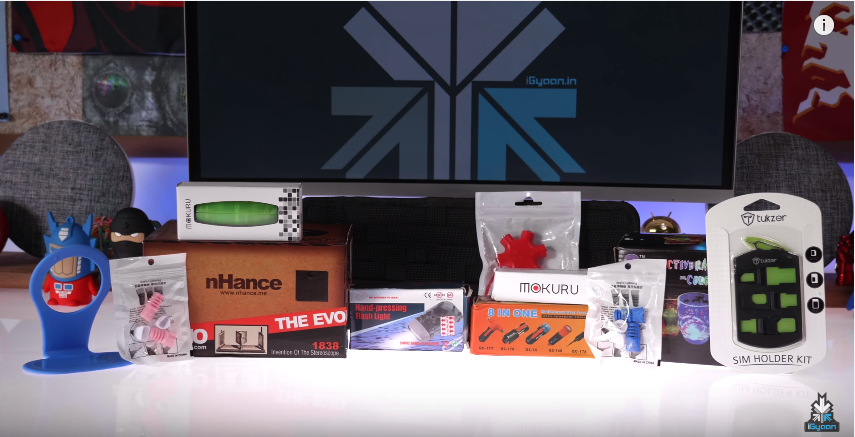
The darkest hour is here or maybe not! This hand pressing flashlight is compact, cool and doubles up as a grip strengthening accessory. This portable flashlight is devoid of any battery which makes for environmental friendly pick.
8 In 1 Multi Screwdriver
The 8 in 1 Multi Screwdriver Tool is installed with two precision screwdrivers along with a built in flashlight. This ultimate accessory is available for INR 201.
Fidget Roller with LED
Check out the all new Fidget Roller which is a lot more fun and interactive. Available with and without LED, the fidget roller is available at INR 200.
SIM Card Adapter Kit
This Sim Card Kit offers an ideal solution for storing and protecting your sim cards and memory cards. It’s compact and lightweight design allows it to fit in your wallet. It also comes with multiple adapters for all SIM sizes.
LED Mug
The mug that’s lit! This LED mug is installed with LED lights at the base of the mug. The LEDs glow when liquid hits the bottom. Set it glowing with a drink for the price of INR 249.
Wall Charger Stand
Hang in there! The Wall Charger Stand allows you to place your phone while it charges instead of letting it hang. This easy and efficient product tops our list of most needed accessory.
Cable Protectors
Can’t have enough of them! Cable protectors prevent the cable from bending at its weakest point and reduces the risk of fraying and breaking. Get a two pairs at INR 249.
A couple of the more popular words for the young, tech-loving, connected generation today are “Gorilla Glass”. But what is the story behind Corning Gorilla Glass?
Situated in the city of Corning in the state of New York are the headquarters and research facilities of the world famous glass-maker, where Corning engineers are immersed in the future of glass. And while for most of us Gorilla Glass in itself is a magical creation, the team at Corning has a lot more up their sleeves.
Visiting the Corning lab and test centers is no joke. As one would expect, the high-security areas hold years of research worth billions of dollars and countless man hours.
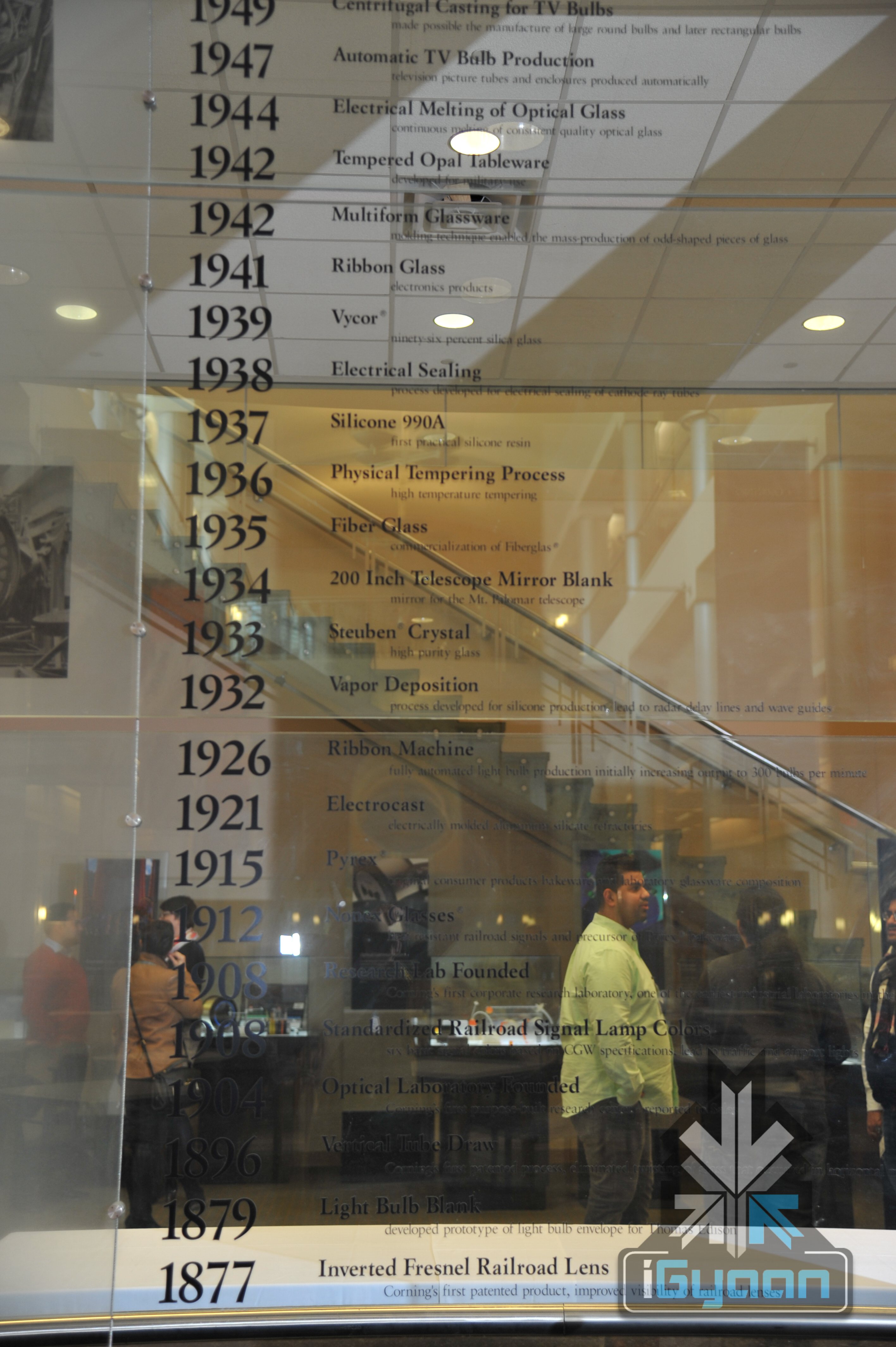
Corning’s journey in the glass industry spans much more than a century. In the year 1879, Corning worked with Edison to make the bulb-shaped glass for the incandescent light bulb. Fast forward to 2016 and you will find Corning Gorilla Glass specifically in many modern portable devices..
Gorilla Glass is made from a fusion draw process which was developed by Corning for the automotive industry. However, at that time, the glass technology designed by Corning and the fusion draw process turned out to be too expensive for an industry looking for a cheap solution, putting fusion draw on hold.
Corning decided to revisit fusion draw technology when a big manufacturer wanted to launch a smartphone in 2007 and needed a glass solution for a capacitive screen display. The fusion draw process was utilized along with an ion exchange process, which added compressive strength to the glass, helping it become resilient and resistant to breaks.
Corning develops various forms of glass even today, and Gorilla Glass is specifically meant for portable electronics. But it does not really stop there, as many applications for a light-yet-tough glass solution exist in our modern developed world. The technology is being used by architects for interior design, can be used by appliance manufactures and is even being designed into automobiles as part of interior touch panels, and windshields.
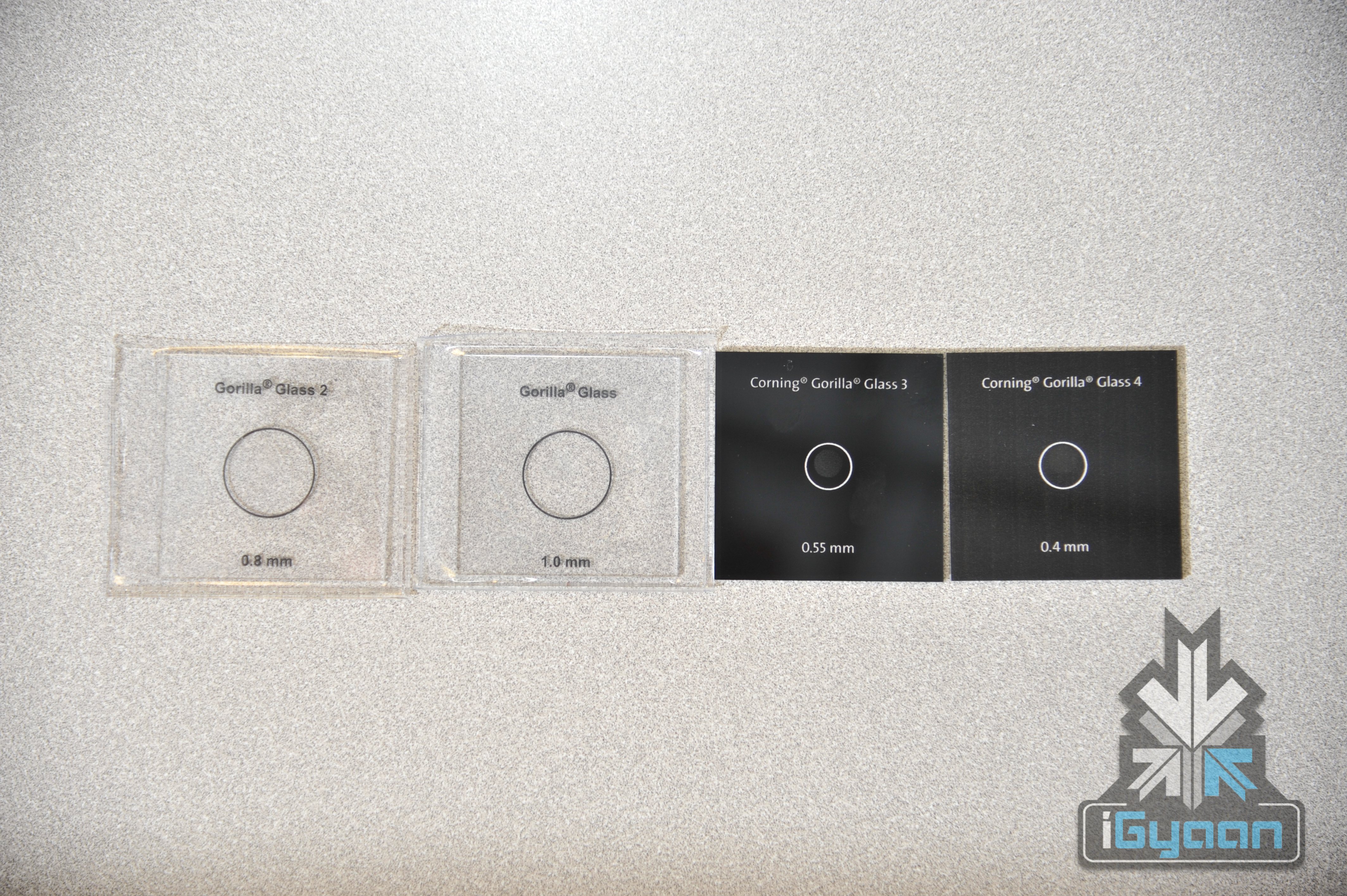
Corning also has improved the composition with each generation of Gorilla Glass. As the number increases, Corning is focusing on a specific customer need. Gorilla Glass 3 was designed to be more scratch resistant along with usual impact resistance and Gorilla Glass 4 was designed more to resist impacts from drops on rough surfaces.
Why Glass Breaks
One of the main reasons for glass breaking is the introduction of flaws on the surface of the glass. A tough single sheet of glass becomes vulnerable to cracking and breaking with the introduction of a single scratch.
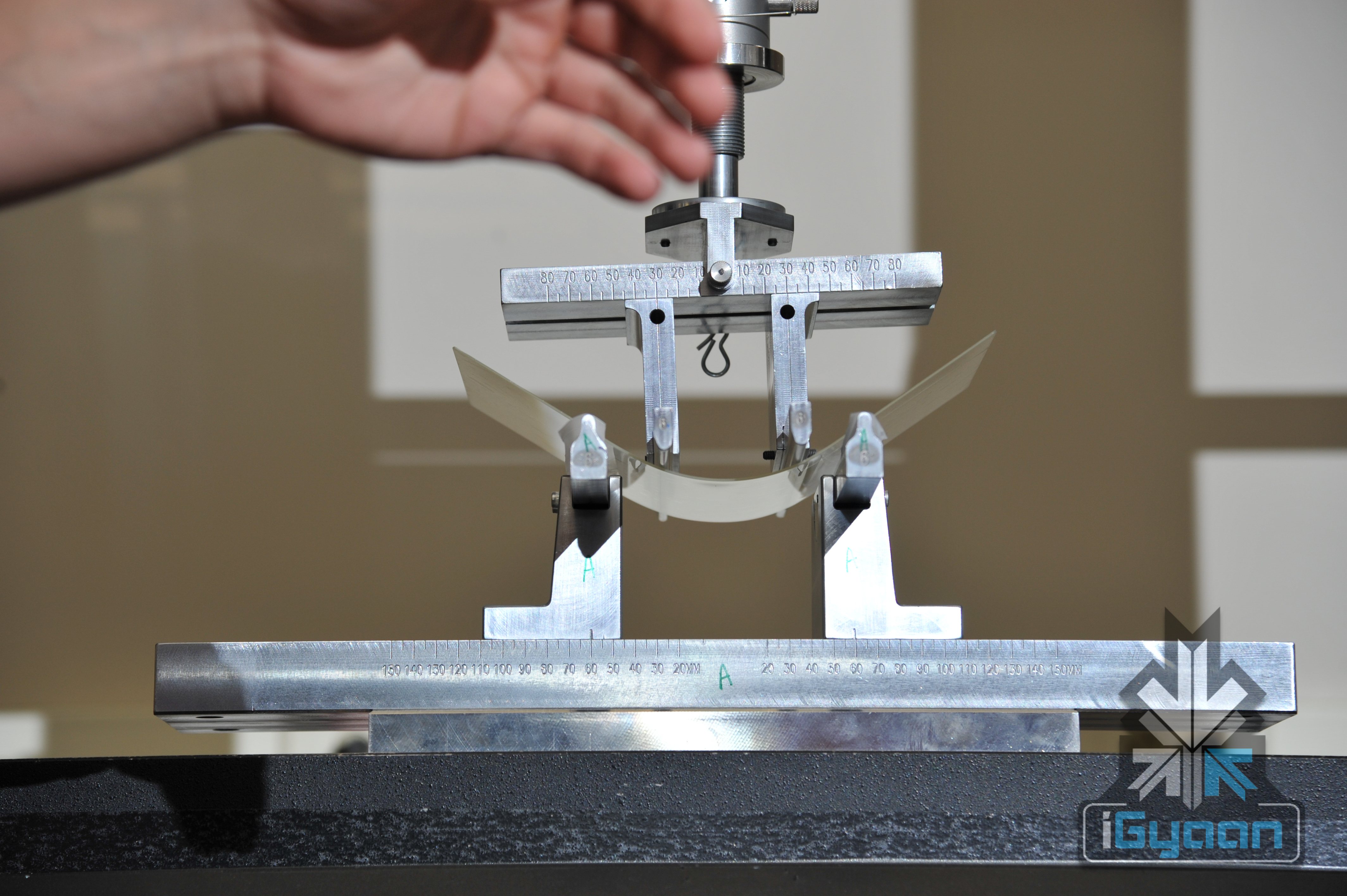
Bend Test Gorilla Glass 4
Corning conducts tests on a daily basis to understand scenarios that could introduce flaws on the surface of the glass. Tests include tumble tests, scratch and bend tests along with concentrated tests like a steel ball drop test or a simple scratch test.
Today the smartphone industry is fighting to create slimmer phones, and the glass-maker is constantly under pressure to make its glass slimmer and slimmer. Reaching a 0.4mm thickness already with Gorilla Glass 4, Corning is expecting the market to be even more aggressive in demanding a thinner front glass solution.
While most of the components on the spec list of the best new smartphone tend to be from one manufacturer or another, it seems that the real innovation may lie more with component manufacturers like Corning rather than smartphone manufacturers who seem to just be putting it all together.
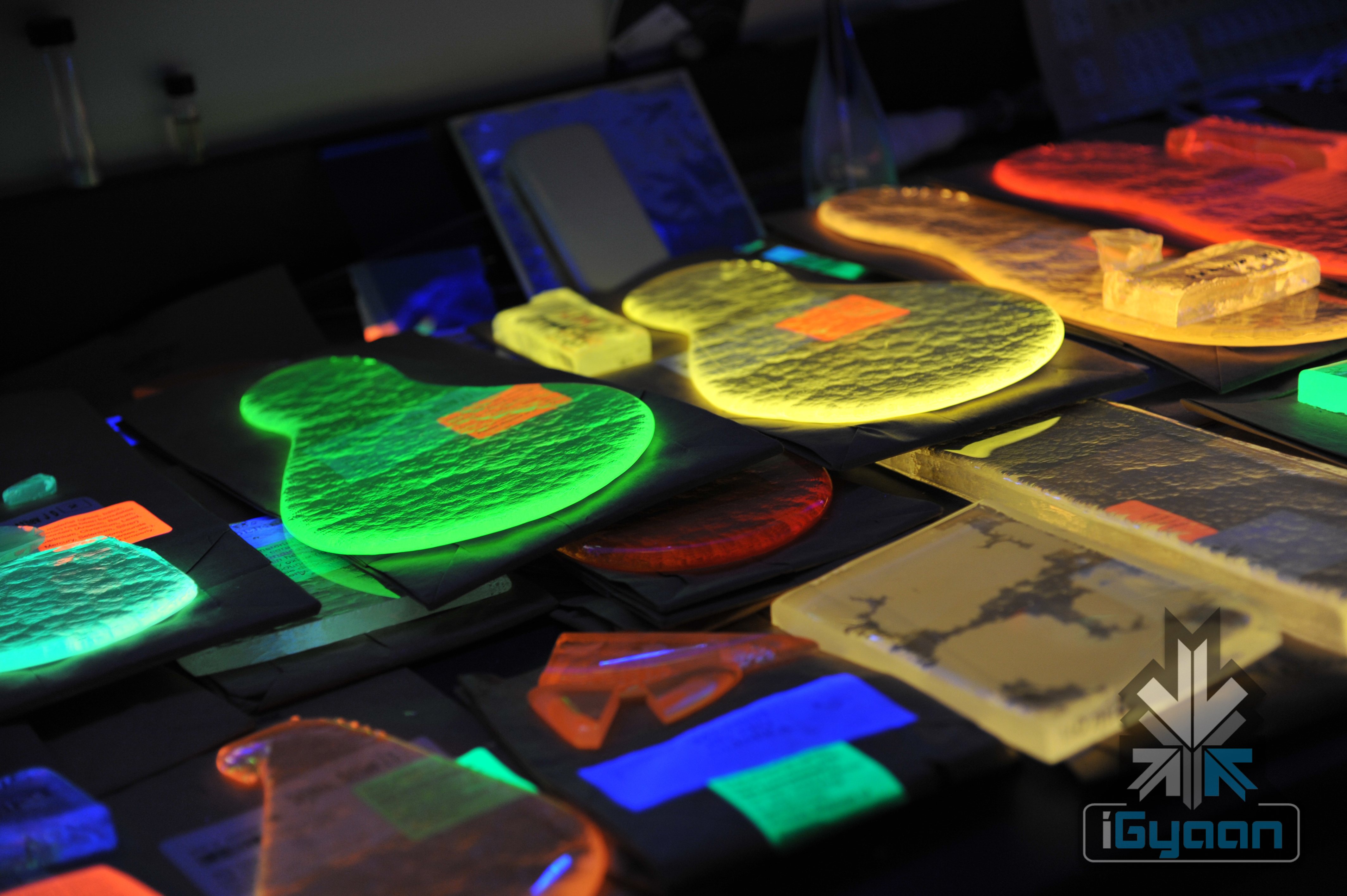
Under the UV light
While we are not sure how long it will take for a form of glass which will “never break” to be made, it is very interesting to see car companies take an interest in Gorilla Glass for their windshields. The technology has not only come full circle and achieved its original purpose, but it has found a better implementation in our daily lives. The Gorilla Glass name has become well-known in the glass industry and with smartphone and tablet owners globally
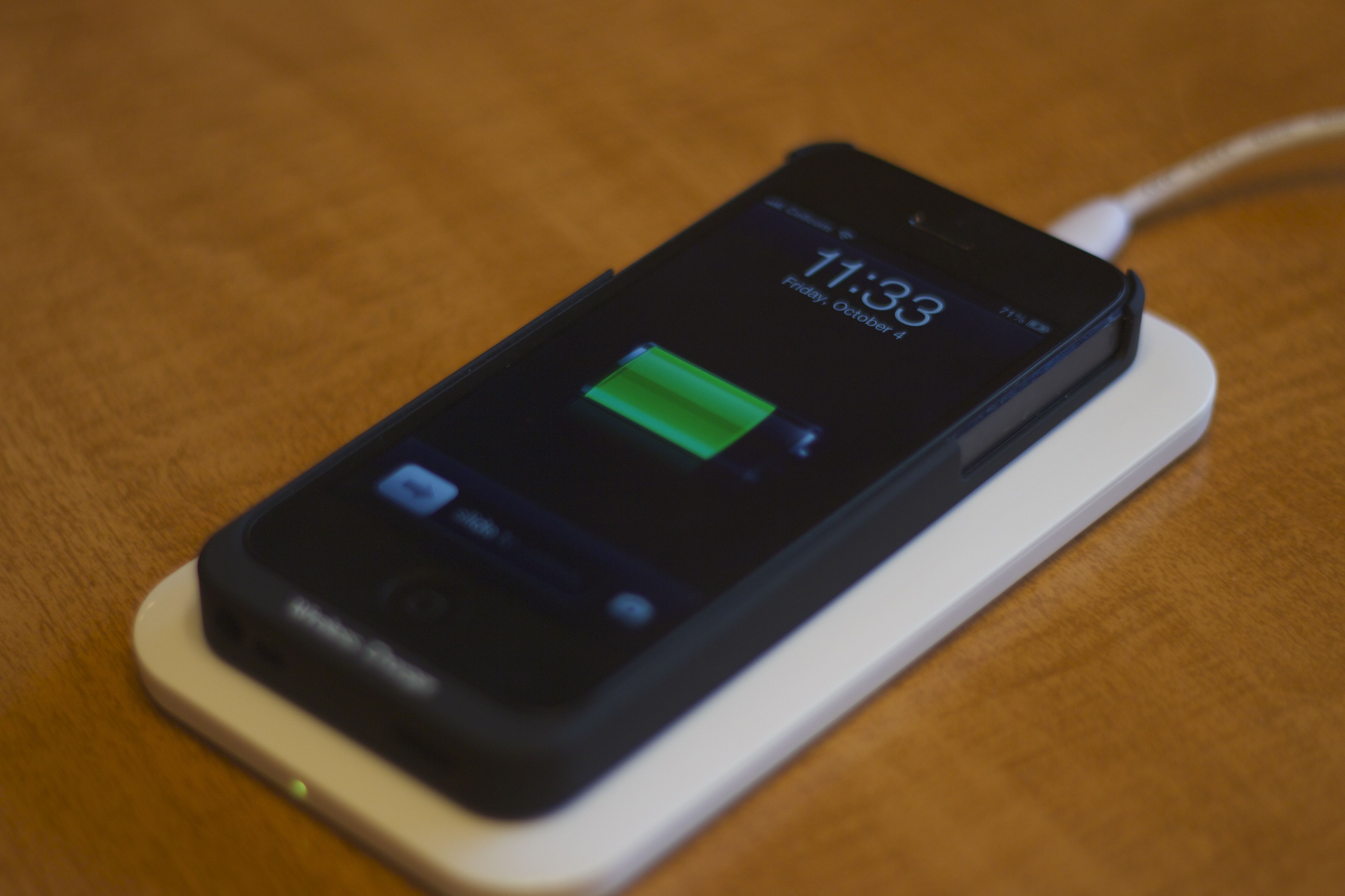
This year, at the Mobile World Congress held in Barcelona, we saw that Wirless Charging was one of the most talked about subjects. Many big companies such as Samsung, Microsoft and Motorola have been investing heavily in this technology.
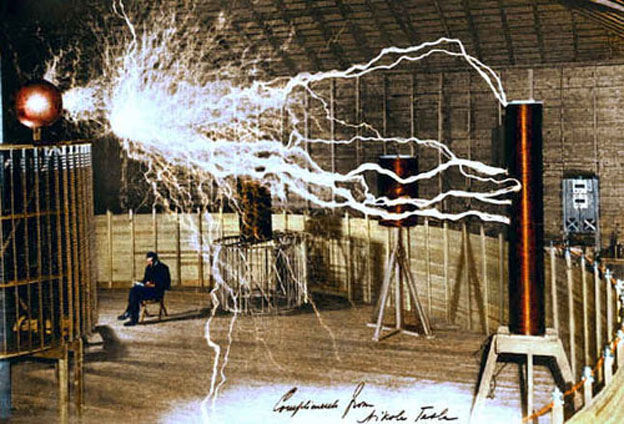
So, what is Wireless Charging? As the name suggests, it is the method of charging a device sans a physical wire. This concept is not new. Nikolas Tesla, whose work in the field of electricity and electromagnetism has defined our modern lifestyle, spectacularly demonstrated the possibility of wireless power transfer in 1891, as visualized by the principle of electromagnetism by Michael Faraday 60 years before. The experiment was quite successful, but long distance wireless charging is still not a practical idea. However, Tesla’s research on short distance wireless power transfer became a reality.
It took nearly a century for the technology to find its way in the mainstream industry, but now, this technology has finally emerged into the consumer electronics market.
In 2008, the newly formed Wireless Power Consortium began outlining plans to design the world without wires, of devices that could juice up upon being dropped on charging pads. But, the journey ahead to seek and work out such technology was difficult. Hence, the work began on achieving this.
How does it work?
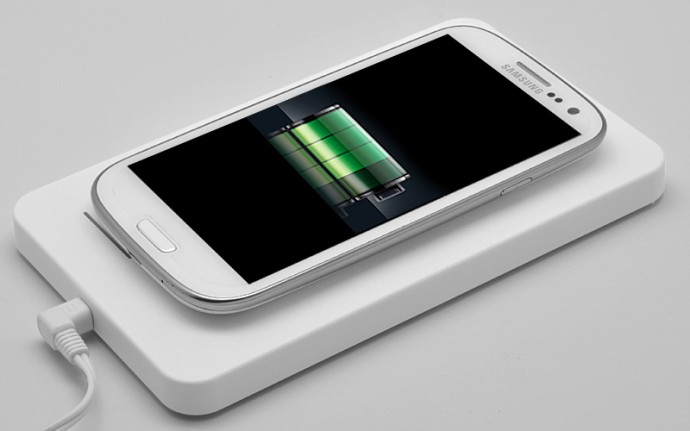
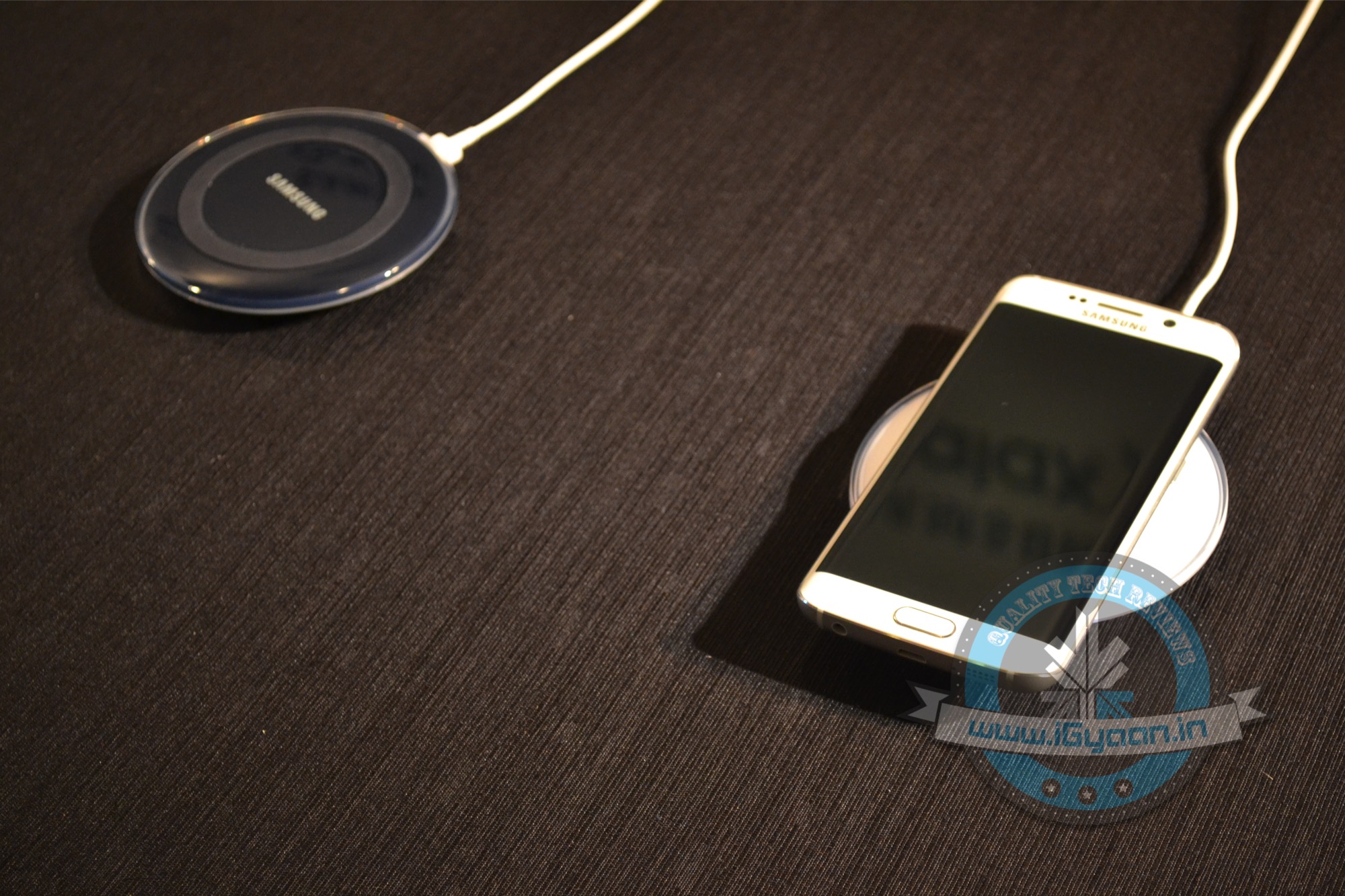
Wireless charging, also known as ‘Inductive Charging’ is based on the principle of magnetic resonance or Inductive Power Transfer- the process where electricity is transferred between two objects through coils. This process uses an induction coil to create an alternating electromagnetic field from within a charging base station. The second induction coil inside the portable device (namely, smartphones) receives the power from the electromagnetic field and converts it into electricity to charge the battery. The two induction coils are in close range to form an electrical transformer.
This interface was developed by the Wireless Power Consortium for inductive electrical power transfer over 4cm. You just have to place the device on to the power transmission pad, and it charges using resonant inductive coupling. Just plug in the charging dock and place your device on the charging pad. Then, watch your device juice up. It’s that simple. For now, Qi, pronounced as ‘Chee’ is leading in the wireless charging technology.
Asus, HTC, LG, Motorola, Samsung and Huawei are among the few mobile device manufacturers that are working towards the required standard of Qi.
To this end, the industry has set up three groups that are working to standardise wireless charging technologies: the Wireless Power Consortium (WPC) and its Qi standard, the Power Matters Alliance (PMA) and the Alliance for Wireless Power (A4WP).
Advantages
No requirement of a power cord: The first and foremost reason wireless charging is being worked upon is to eliminate the use of wires and cables. Elimination of cables also means less e-wastage.
Portability: It is small. Hence, you can carry it anywhere along with you. It can be used in your car, house or garden.
Ease of access: Wireless charging points are slowly being accepted in different outlets and food joints. For example, a type of wireless charger is being used in some McDonald’s outlets in UK. This device allows multiple devices to charge at the same time.
Environmentally friendly: The growing use of wireless charging technologies reduces CO2 emissions by hundreds of tons each year by eliminating disposable batteries and cords. Your use of a wireless charging device will be contributing to a more sustainable environment by helping to reduce world waste.
Safety: Wireless charging eliminates sparks and debris related to wired contacts.
For now, there are two very important factors that may play foul against wireless power charging:
A risk of radio interference: Emissions from the wireless charger may cause radios and other devices using energy in the same frequency range to malfunction. This is due to the radiation and the signals which cut each other if they are in the same frequency.
Energy consumption: Wireless chargers will always waste more power than their wired versions, and the more flexible adaptive resonance devices will be most at risk of that.
Standardisation would allow the ecosystem for wireless charging to develop and evolve fast. But, it is hard to say about the future of this technology. This technology has just started out and is still in its developing process. But, if it works out successfully on a large scale, people would be able to charge all of their devices wirelessly in restaurants, airports, public spaces, cars and living spaces, freeing them from the burden of carrying their power cords.
In this fast-paced world, wouldn’t it be great if someone explained complex technology in the time your instant noodles cooked? We took it upon ourselves to bring the best of the information in one easy sized bite.
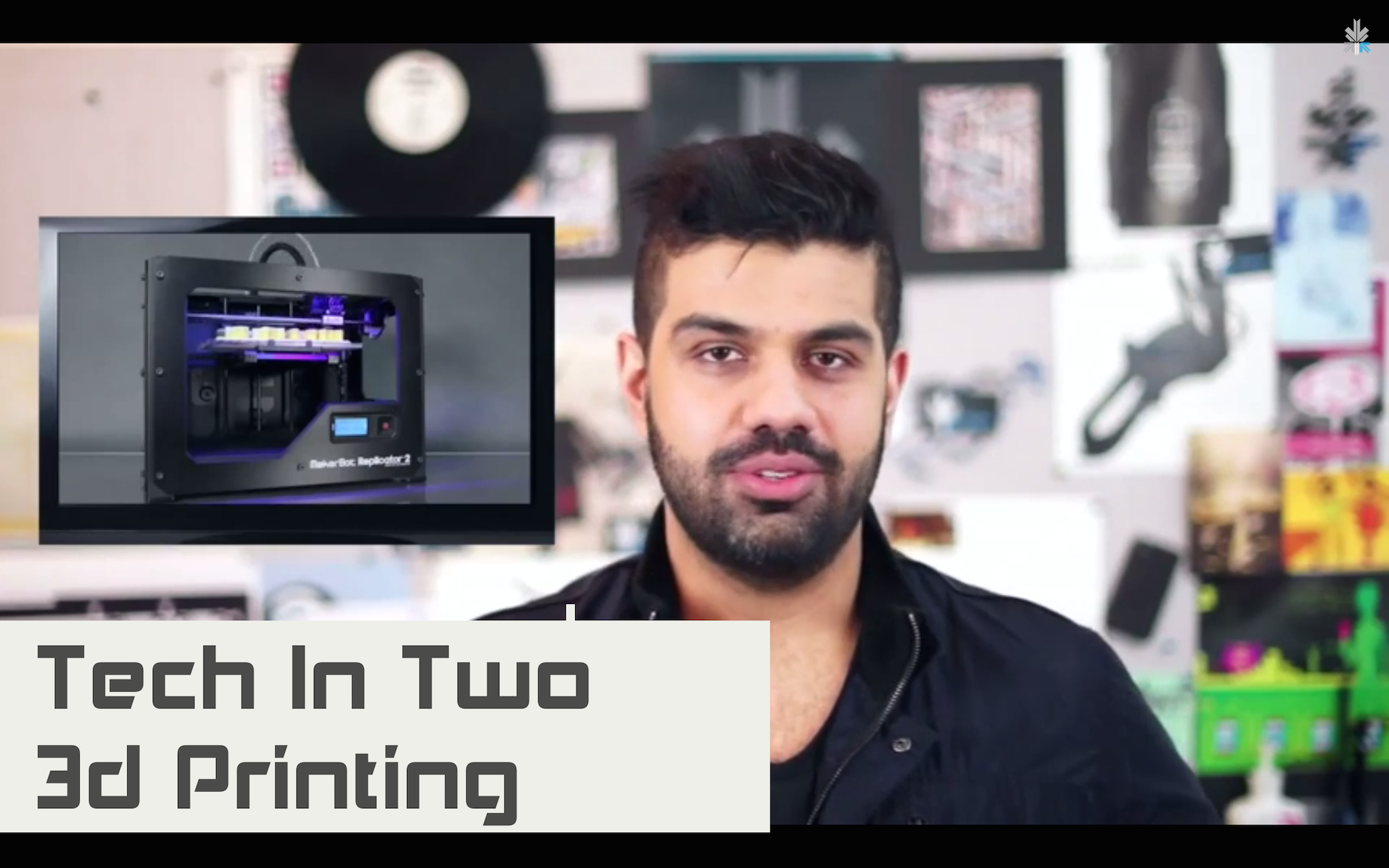
Welcome to ‘Tech In 2’, iGyaan’s latest show. Here you get everything you want to know about any gizmo or technology you desire. If you want to know about anything in the world of technology, leave a comment below, and we’ll bring out an episode for you.
To begin, we bring you this episode on 3D printing or additive manufacturing(AM). It is a revolutionary technology that will completely revolutionize the way we buy things. We explain how you can create almost anything from a small tool to an entire house using the technology. Feel free to share the video with someone you think needs the info.
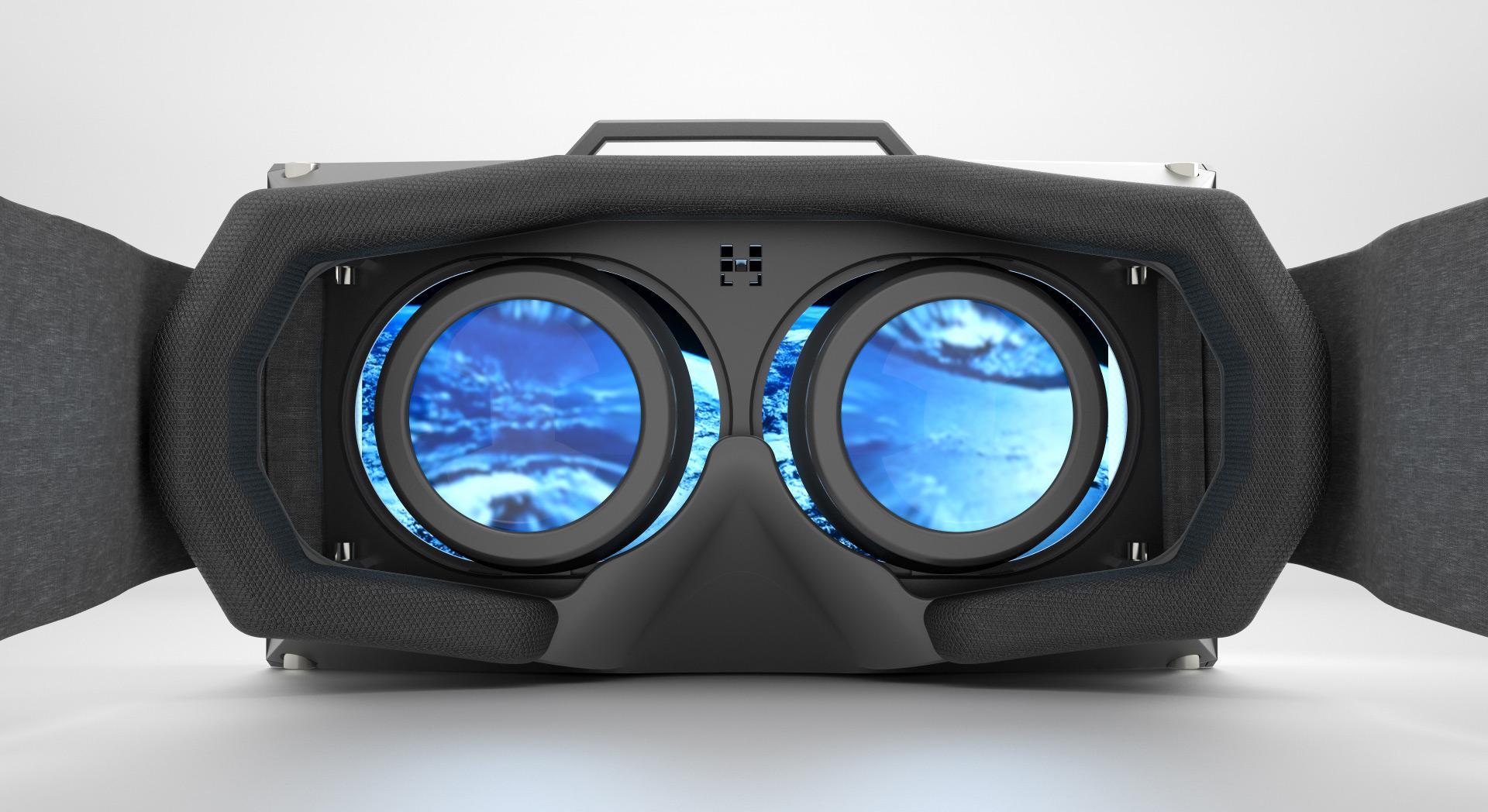
In the year 2014 Virtual Reality(VR) took a giant leap. From the hands of a limited few, the technology has now seeped into the consumer market. Oculus can be credited for bringing the technology to the mainstream. Taking cues from Oculus, several new devices have arrived in the market. Sony got its Project Morpheus and Samsung got the Gear VR headsets. There were also some independent attempts into making VR headsets including Google’s Cardboard project. The question remains – is this just a mere fad or is this technology here to stay? We delve into the past, present and future of VR Headsets today.
What is Virtual Reality?
According to a popular online encyclopedia, virtual reality is a computer simulated environment that can simulate physical presence in places in the real world or imagined worlds. It, in essence, creates a world that creates the perception of being in a whole new place. Using various other techniques, VR can create sensory perceptions of touch, smell, sounds and even taste.
The Journey to Now…
It’s not really a recent phenomenon in any sense of the word. There have been efforts to create an artificial environment for manipulating the senses since the 1800s. In 1860’s there were art installations that used a 360-degree panoramic mural to create an artificial reality. One of the most prominent examples of this is Sala delle Prospettive by Baldassare Peruzzi.
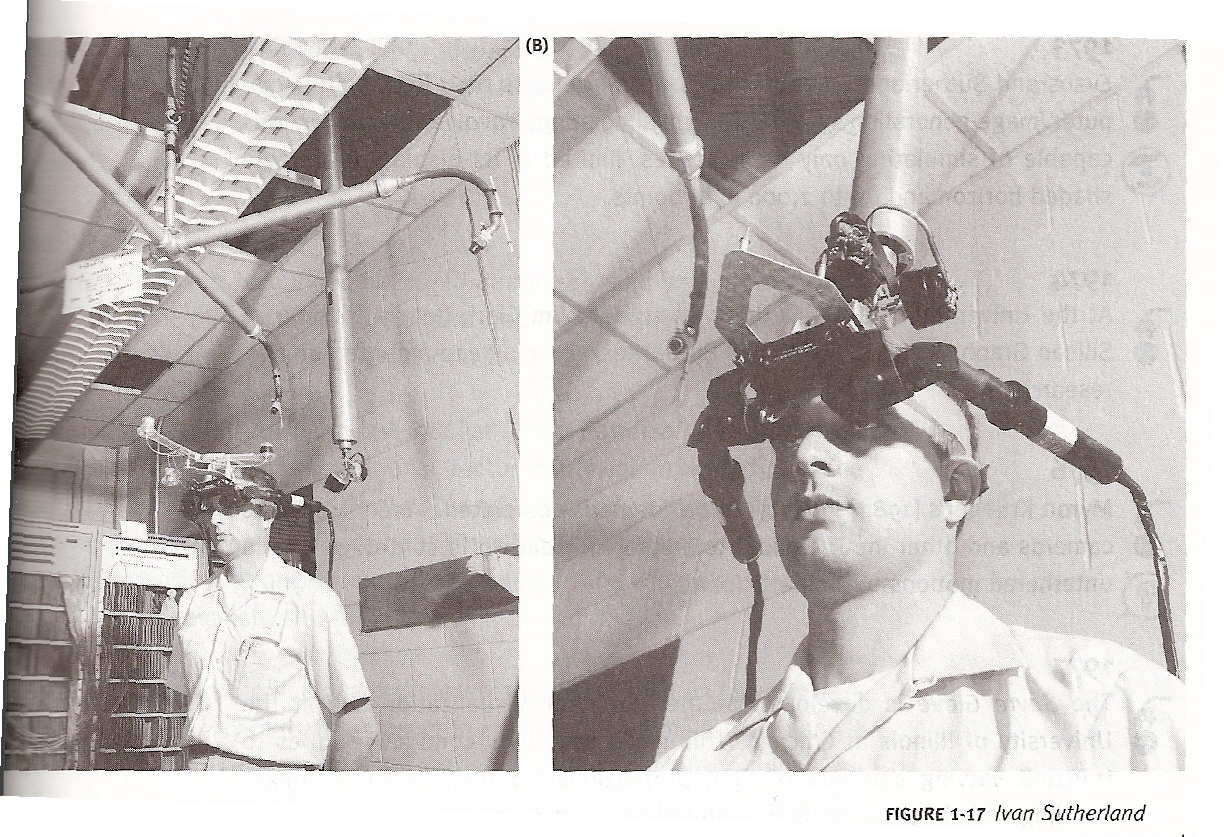
Since then, there have been multiple efforts to artistically take the audience into a perceived reality. But in 1968 the first computer artificial reality headsets came to become a reality. Dubbed the Sword of Damocles that was created by computer scientists Ivan Sutherland. It was archaic in every sense of the word. It only displayed wire-frame models and was so heavy that it needed to be suspended from the ceiling, thus getting its name.
Sword of Damocles was the first computer aided VR headset.
In 1991, Sega arrived with the first VR headsets for the consumers. Though it got a tepid response from the press, and there were fears that they could spoil the eyesight of children, this prevented it from getting to the shelves.
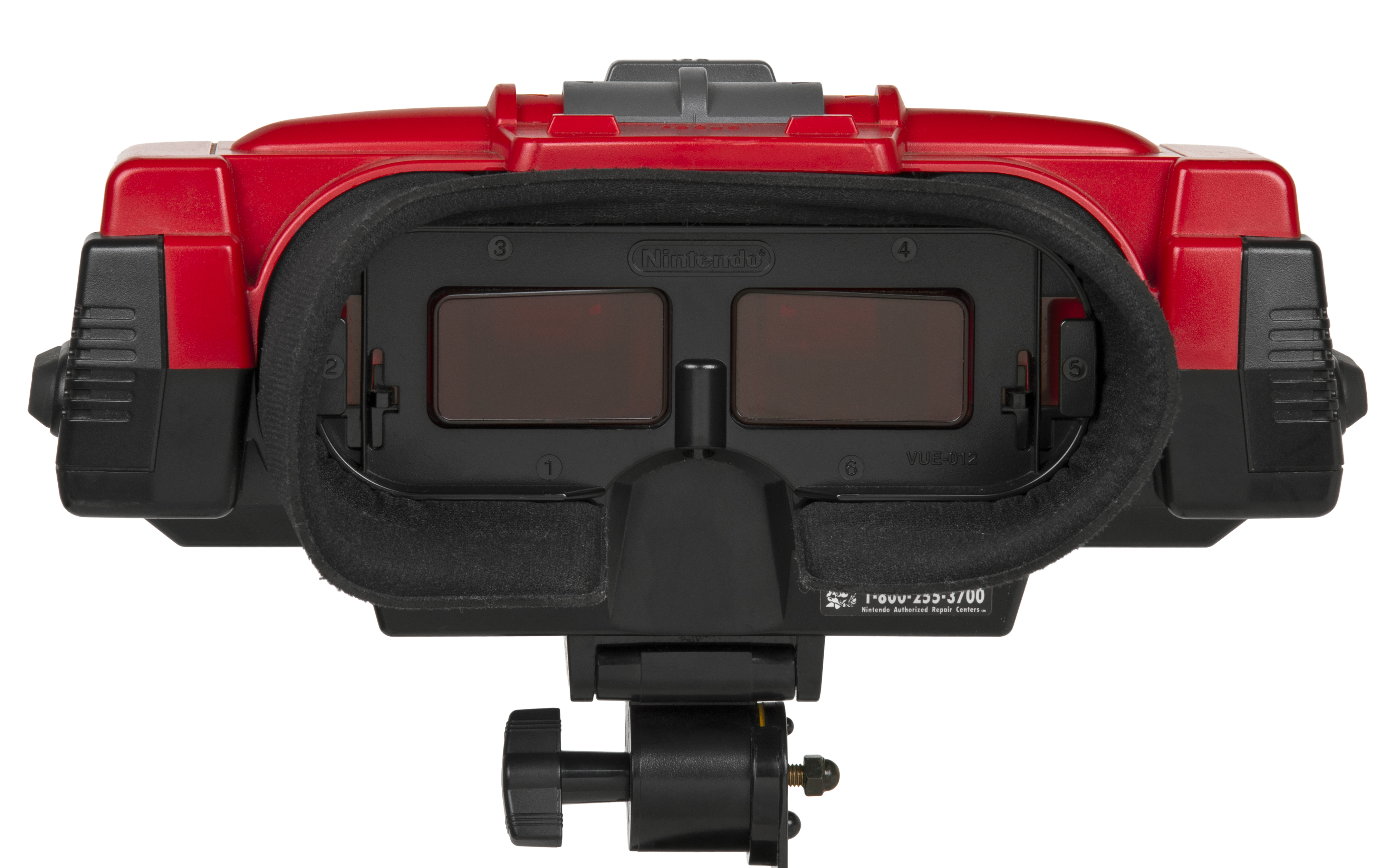
Nintendo tried its hand at VR headsets when it came out with the Virtual Boy in 1995. This device too was a commercial failure, and the users faced discomforts like dizziness, nausea, and headaches after extended use. The device was also lamented for the lack of a head tracking feature and color graphics.
Virtual Boy by Nintendo released in 1995
Fast forward to 2014, and we see a return with a vengeance of the VR technology. Aided by high processing power of modern day devices and the phenomenal breakthroughs in the mobile technology, it seems like VR has finally found its moment in time. The race was intensified with the purchase of Oculus VR by Facebook. Sony and Samsung soon followed with their own designs. Google tried to bring the technology in the grasps of everyone with the cardboard project, a DIY project through which you can create a stereoscopic VR headsets using cheap ingredients which costs just about $20.
How do VR Headsets work?
VR headsets pretty much use the concept of 3D glasses. On the displays, there are two images, one for each eye. These images, when viewed through a stereoscopic lens system, gives a perception of depth in the images. The brain brings together the two images as one and that creates the depth that immerses the user into the artificial world. Advanced VR systems like the Oculus have motion tracking system that responds to the user’s movement. Using hardware like the Omni treadmill, you feel like you are really moving around in the virtual environment.
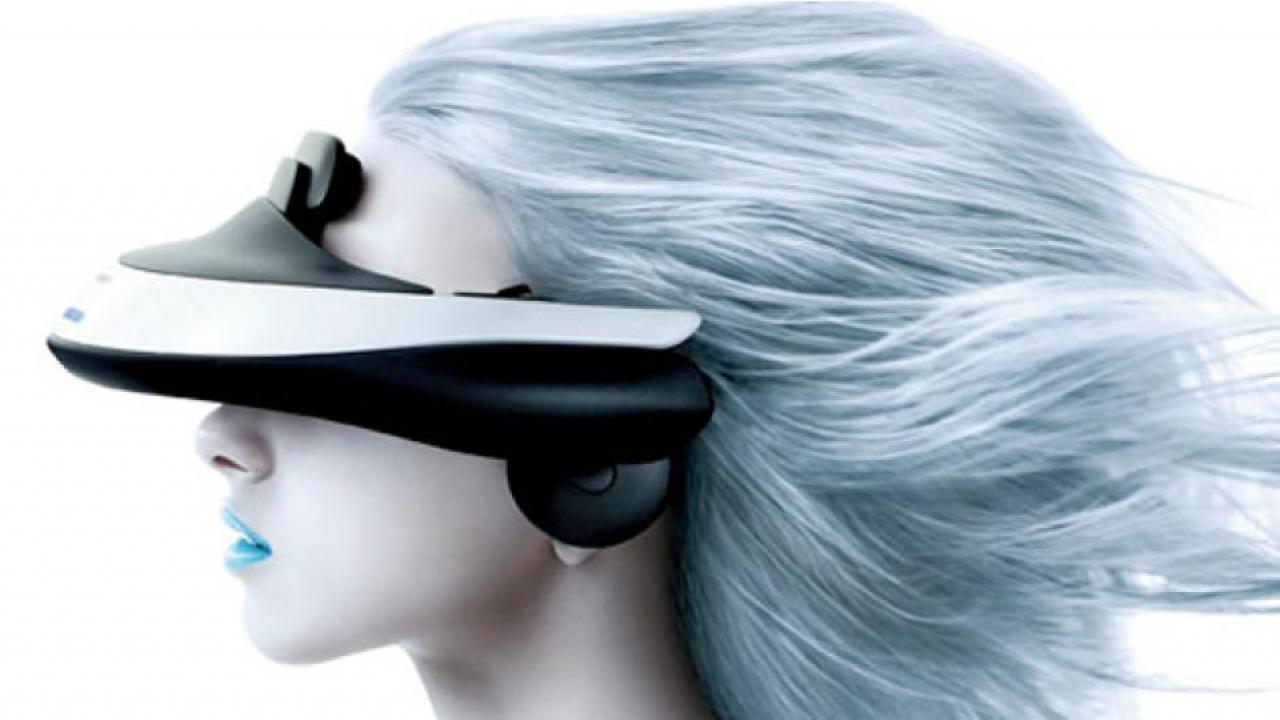
The emergence of mobile-based portable headsets has made it a lot easier to access the technology. Devices like the Gear VR, Google cardboard, and ANTVR make it a lot easier to use. These even allow you to look at your movies with a perception of watching them on a big screen. This could possibly mean the end of movie theaters and the expensive popcorn that comes with it.
The other potential uses of the technology
There are a wide range of uses of VR technology.
Virtual Reality is not just limited to providing quality entertainment and gaming, it has many real world applications too. It can come in handy in multiple fields such as:
Virtual field Trips
The best way to learn about a new place is to go there and travel around. It can often be educational to travel. But if you cannot afford the trip, you have virtual reality to your rescue. The virtual tour can show you around the place and using complementary technologies like haptic mediums; you can get to touch and smell your new environment too. It can be a complete immersive experience that you wouldn’t want to come out of.
Education
Learning by doing is the best way to acquire knowledge. Using the tools provided by gaming advancements in VR, students can learn to interact with their future workplace. For example, an architect can learn to create buildings and manipulate it in real time, almost like Ariadne in Inception. It can even come handy to school children to bring lessons to them in a more interactive immersive fashion.
Training
Several military professionals are trained on VR surfaces. It is a lot more economical than creating real world environments and also decreases the chance of injury while training. It gives the chance to practice their lessons as many times as needed. Pilots are also trained on simulators that actively recreate the flying environment. VR can come handy to train drivers who work in specialized environments such as high terrains or ice roads.
Medicine
The technology can be used to train doctors.
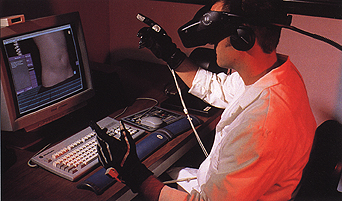
Doctors can benefit from some virtual simulations too. Specialized surgeries that require immense precision require constant practice. In an artificially created environment, the surgeon can constantly train on the simulated body to perfect his/her skills that could someday come handy to save real lives.
Challenges with VR Devices
VR though has been in development for quite a while, but there are some limitations to the technology to make it more palatable to a mass audience. The confines of graphics and the tracking systems even in the best headsets results in various discomfort for the users. The industry needs to really work on the VR tracking systems.
The audio too is an important element of an immersive experience. The disconnect between the audio and visuals or low quality audio can also lead to motion sickness and other discomforts. The audio industry is being encouraged to fix the gap to create a more natural environment for the users.
There are also some issues with the content that can be created for consumption in the virtual world. Some psychologists say that the VR can create a generation of sociopaths who have gotten so used to first person violence that they are desensitized to it. To counter this, there is a need for regulation and codification of content meant for VR headsets. There should also be instruction and education on how to use the technology right so that it benefits all.
Virtual Reality has come a long way, but there still is long way ahead for the technology to grow.
A Long journey begins now.
With the processing power up to the mark and graphical interfaces replicating reality better than ever, this is the right time for VR to come out of its cocoon. The smartphone revolution has brought the VR technology in the grasps of everyone. Google’s cardboard project literally makes this technology universal. There is a long way to go with the potential applications of the technology, but its mainstream visibility will speed up its adoption in various fields. There is a lot the technology can offer us, and it’s just the beginning of the access to the virtual world. The immense potential of the technology is still up for unlocking. We’re excited about the prospects of VR, are you?
The winter season is almost here. If you are living in places of higher elevation, you might have already started experiencing the chills. Now winters are the best season to step outside if you live in the tropical side of the planet, but the drippy nose sure spoils the fun. Well, in the age of technology, there is a lot of stuff you can get that can keep you warm while letting you hit that picnic that you’ve been waiting for through the grueling summer months.
We decided to present some tech fixes to battle the chill and make the best of this season.
1. USB Heated Blanket
You are in an office where the most protection you get from the winter is the layers of clothes you put on yourself. Well, there is a savior for you to get warm and cozy while others shiver around you. The blanket comes with a heating pad which can be removed for washing, you know because all that heat is bound to induce some sweat off you.
2. USB heated Gloves
With the body taken care of, its time to address the issue of the parts of the body that are mostly exposed, the hands. Here a USB heated gloves will come in handy. The best part of this “device” is that even when it stops working, it would still be a working pair of gloves.
3. USB heated Mouse pad
If you are not into gloves then, there is a convenient option for you. The mouse pad comes with a heating plate that heats it up to a comfortable temperature. This might literally be the first thing you’ll dip your hands into. And looking at the funky design options that are offered, you’d want to have these babies everywhere.
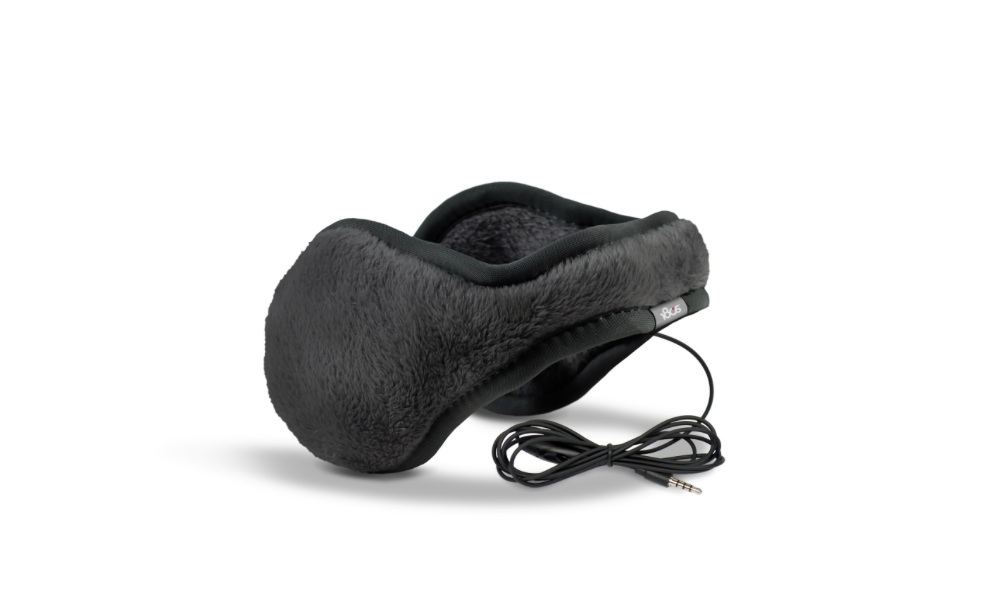
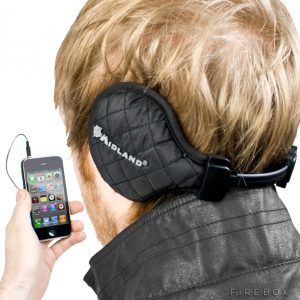
4. Earmuff’s with inbuilt headphones
You might be asking right about now, we get that, USB’s are a great source of preserving body heat, but what about the commute to office? Well technology has even got you back here. Headphones are a must for the commute but what if they keep those exposed ears covered while you take the arduous journey to your workspace.
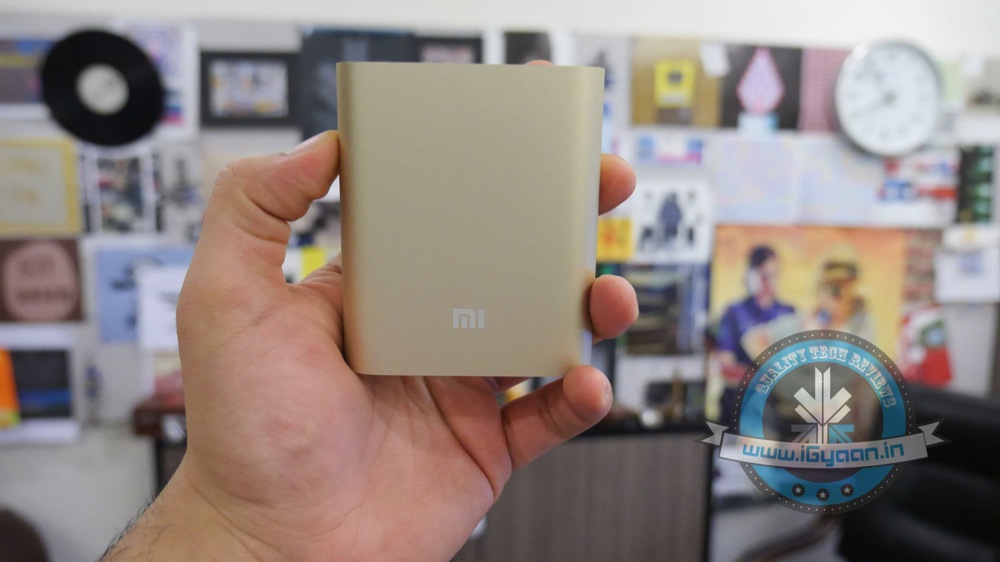
5. Xiaomi 10400mAh Mi Power Bank
Now that we have listed all the cool stuff that you can use to feel warm and cozy, the power source comes into question. Not everyone has an office job so how do you get the juice to your warmer devices when you are away from your computer. The answer lies in power banks. With massive backup and a cheap price tag, Xiaomi’s power bank is ideal for long trips and is a great energy source on the move.
These are some great gadgets to help you beat the chill. If you have some suggestions for some cool gadgets that help you heat up, please feel free to share it with us.
With the release of the new Lumia branded phones by Microsoft, Nokia died as a mobile phone brand. For most, it’s not just a phone brand; it was a revolutionary change maker. It created, nurtured and took the mobile business to its maturity. We have now reached a point of tremendous concentration in the mobile market and the company who started it all has bid farewell. Nokia is like a grandparent; it did its part and then departed, leaving behind a lasting legacy of a communication infrastructure that has brought gigantic leaps in the growth of human civilization.
Journey To The Mobile Business
Nokia’s paper mill on the banks of River Nokianvirta in 1868.
Nokia began as a paper mill back in 1865 with its second mill going up in the town of Nokia in Finland. The name ‘Nokia’ is derived from the river Nokianvirta, on the banks of which the company was established.
The company expanded to working with rubber, electricity, and cables. Nokia rubber boots become a bona fide design classic, still on sale to this day by the name Nokian, albeit under new owners.
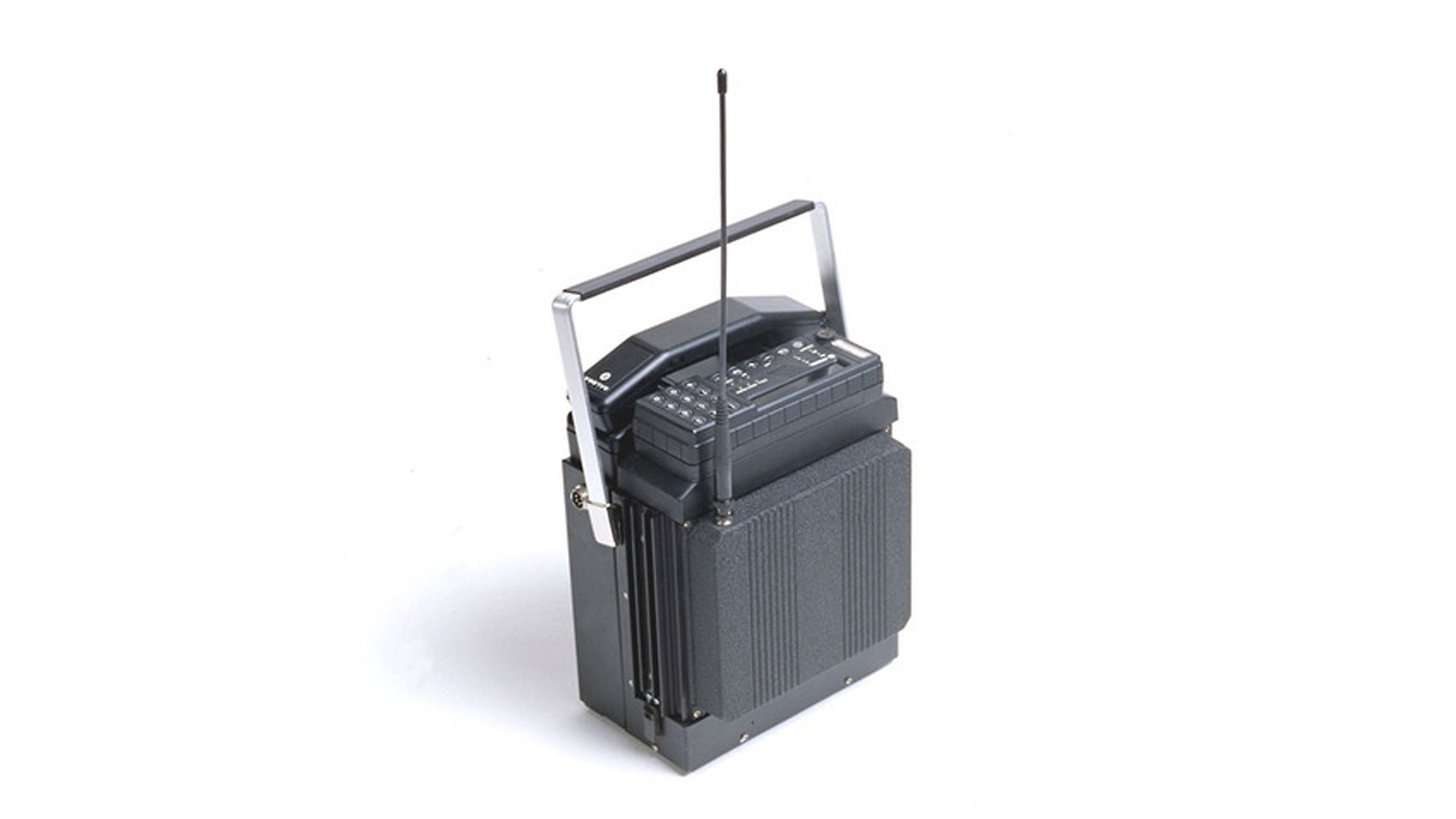
Let’s fast forward to ’60s when the company made its foray into electronics. Nokia developed a host of electronic devices including radio telephones for the army. In 1979 Nokia took its first steps into telephony by creating Mobira Oy in a JV with Finnish TV maker Salora, and they created the Nordic Mobile Telephone (NMT) service. This was the world’s first international cellular network and in the 80s, Nokia launched its first car phone called the Mobira Senator.
The Mobira Senator was the companies first car phone.
In the 1970s and 1980s, Nokia developed the Sanomalaitejärjestelmä (“Message device system”), a digital, portable and encrypted text-based communications device for the Finnish Defence Forces.
In 1987, Nokia launched the Mobira Cityman, the first mobile phone that would run on the company’s NMT network. At 800 grams and priced at $6,308, it may be heavy and pricey by today’s standards, but the device soon hit cult status when Mikhail Gorbachev was photographed using the device.
Nokia also tried its hands at personal computing.
In the 1980s, Nokia’s computer division Nokia Data produced a series of personal computers called MikroMikko, which it later sold to Fujitsu. It briefly tried its luck again in the personal computer market in August 2009 with the introduction of the Nokia Booklet 3G mini laptop. It was not commercially successful but was appreciated for its integrated 3G modem, high-resolution screen, exceptional battery life and its fan-free design.
World’s first commercial GSM call was made in 1991 in Helsinki over a Nokia-supplied network, by Prime Minister of Finland Harri Holkeri. Also, the first device to be used to make a satellite call in 1994 was a Nokia device. Nokia truly started the mobile revolution.
The Devices
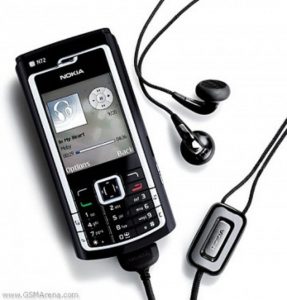
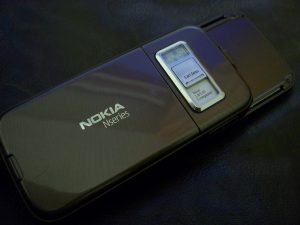
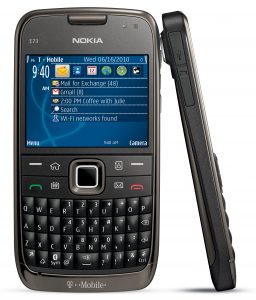
Nokia E Series
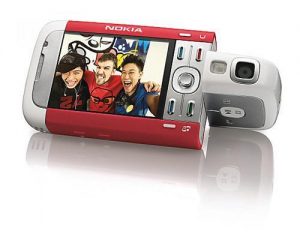
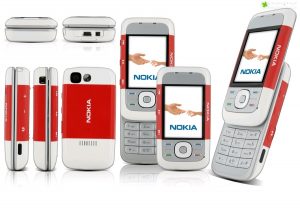
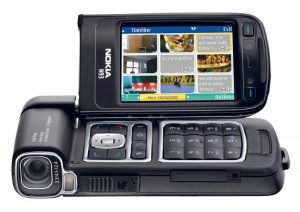
Nokia 5300 Xpressmusic
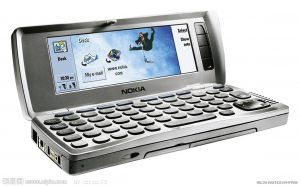
Communicator
Nokia 1011 was the first mass-produced device from Nokia. The design of the device was quickly copied into making pencil boxes for kids. The memory could hold 99 numbers and had a price tag of $1600.
Nokia 3310 announced on 1st September 2000, has now become a cult classic. There are unlimited internet memes based on the “Hulk-ness” of the device. Touted in humor as the only Man-Made thing that can incapacitate the Hulk. Nokia sold over 126 million pieces of the 3310 which had a 96×48 pixel display. You could take off the front and back panel and replace it with the color of your choice. It was the first phone to allow 459 character SMS messaging.
Nokia 2110 was the first phone to come with the Nokia tune. It is estimated that the Nokia Tune is heard worldwide an estimated 1.8 billion times per day, approximately 20,000 times per second. It has been the icon of Finnish corporation Nokia since the 1990s.
Introduced in 2002, the Nokia 3510 was the first color phone from the company. It was also the first mass market GPRS device.
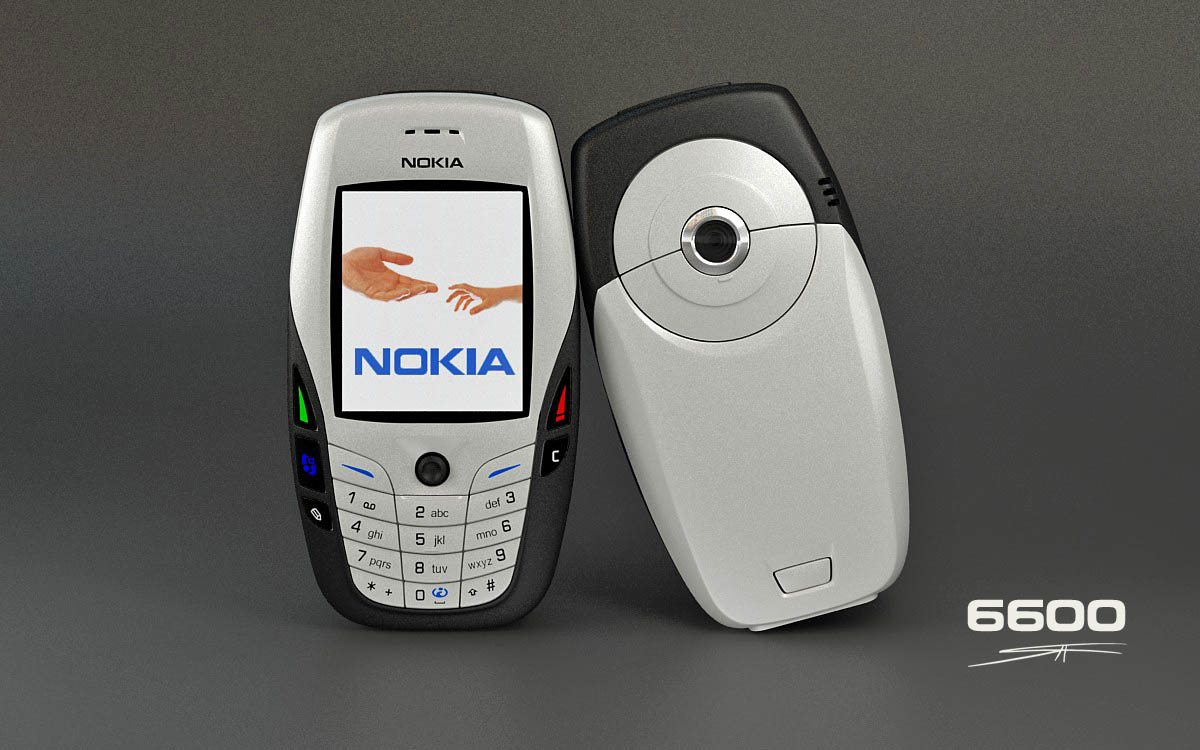
The 6600 was one of the most popular devices and was almost the star of the movie, Cellular.
The Nokia 6600 was a prolific device that was launched in 2003. The owners of the phone flaunted its VGA camera, Bluetooth and expandable memory. It was the first Nokia and Symbian device to sell over a million.
The devices from Nokia were also known for its superior camera performance. Thanks to its popularity amongst the users worldwide, at one point Nokia was the biggest digital camera manufacturer in the world. It surpassed all other conventional camera makers.
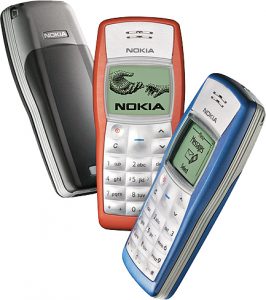
The company has set records after records during its stint at the top of the food chain. In fact, the Nokia 1100 is the bestselling phone yet, selling over 250 million devices. At its peak the company sold 475 Million devices back in 2008, a feat that is still unchallenged.
So What Remains of Nokia
Following the departure of the mobile and services division of the company, the company is now has three business groups: Mobile Solutions, HERE, and Technologies. The company is currently headed by India-born Rajeev Suri.
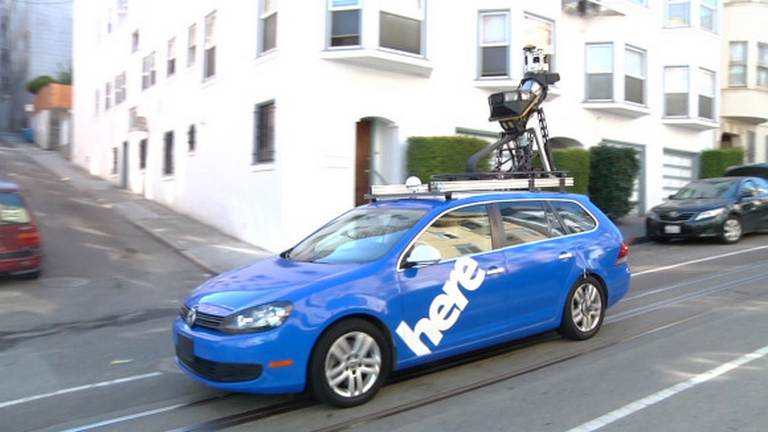
Nokia’s Mapping service Here is one of its remaining businesses.
In 2007 Nokia acquired Chicago-based company NAVTEQ, which was the largest maker of automotive. This set the path to Nokia’s Here Maps. The mapping system is one of the few business retained by Nokia following its acquisition by Microsoft. Nokia will be now selling the mapping data to navigation providers like Garmin, BMW, Oracle and Amazon.com. It will now be available as a service across multiple platforms like Android and iOS.
India born Rajeev Suri will be heading Nokia in its new era.
Nokia Networks, which is a wholly owned subsidiary of Nokia will also stay back with the company. It is a multinational data networking and telecommunications equipment company. They provide business services like Customer care support, fixed-mobile convergence, Hosting, IPTV, Mobile TV, WCDMA frequency reforming. It also provides connectivity solutions to governments, railways and airways.
Nokia had developed a new operating system called MeeGo. When it shifted to Windows phone, the MeeGo team left Nokia to form an independent phone company called Jolla. The phones recently arrived in India.
Another brand that is the offspring of Nokia is the luxury smartphone maker, Vertu. It was established by Nokia as a wholly owned subsidiary in 1998. For long the company used Symbian OS before shifting to Android recently. The phones are known for their stratospheric price and handcrafted luxury devices.
The journey of Nokia was long, arduous and for the most part rewarding. The company deserves credit and respect for spearheading the mobile revolution across the world. For the folks who saw the transition of the mobile world in the past two decades, the name Nokia brings a lot of memories of personal communications through what are now archaic devices. The mobile world has come a long way, but the fingerprints of Nokia will be visible everywhere. We don’t know what the future holds for Nokia, but we sure hope that it pulls a ” Motorola” and has a chance to rise from its ashes. RIP you Tech Giant.
Timeline
1982: Nokia created the world’s first car phone, the Mobira Senator. It was paired with the Nordic Mobile Telephone analog standard and weighed around 22 pounds.
1987: the portable Cityman was Nokia’s first handheld mobile phone. It weighed a little over 1.7 pounds and cost about $5,456.
1994: Nokia launched the 2100 with the now iconic Nokia ringtone.
1997: Launches Snake, one of the most widely recognized mobile games of all time.
1996: The Communicator 9000 of was the first all-in-one phone of Nokia’s kind. It had email, web browsing, fax, word processing and spreadsheet capabilities came for $800.
2000: Nokia 3310, the hulk of the mobile world is launched, and it sells 126 million units sold worldwide. Later becomes a popular internet meme.
2002: Nokia 7650 for around €600 was Nokia’s first Camera phone.
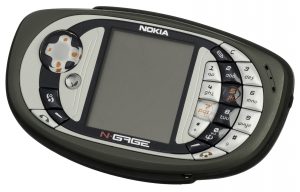
2003: N-Gage, World’s first gaming phone.
2008: 5800 Xpress Music release was Nokia’s first all-touch smartphone, but Apple was out with its iPhone and Android was coming up around this time.
2011, Nokia debuted its first Windows Phone, the Lumia 800.
2014, Microsoft acquires Nokia’s Mobile and Services business and puts an end to Nokia’s existence as a mobile brand.
The year 2014 has been action packed for the tech world, especially the smartphones market. We saw big-ticket brands like Samsung, LG and HTC bringing out their flagships. Then there were the showstoppers like the Xiaomi Mi3, OnePlus One who took on those flagships head-on and created a lot of waves amongst budget shoppers by giving them flagship smartphone performance in an affordable price.
Now there are only four months left in this year, and it still has a lot of action left in it, especially in the month of September. So we decided to give you a handy checklist that you can use to keep track of the arrival of most awaited phones. Bookmark this page and we’ll keep updating it as we get to know the dates of some of the devices.
Apple:
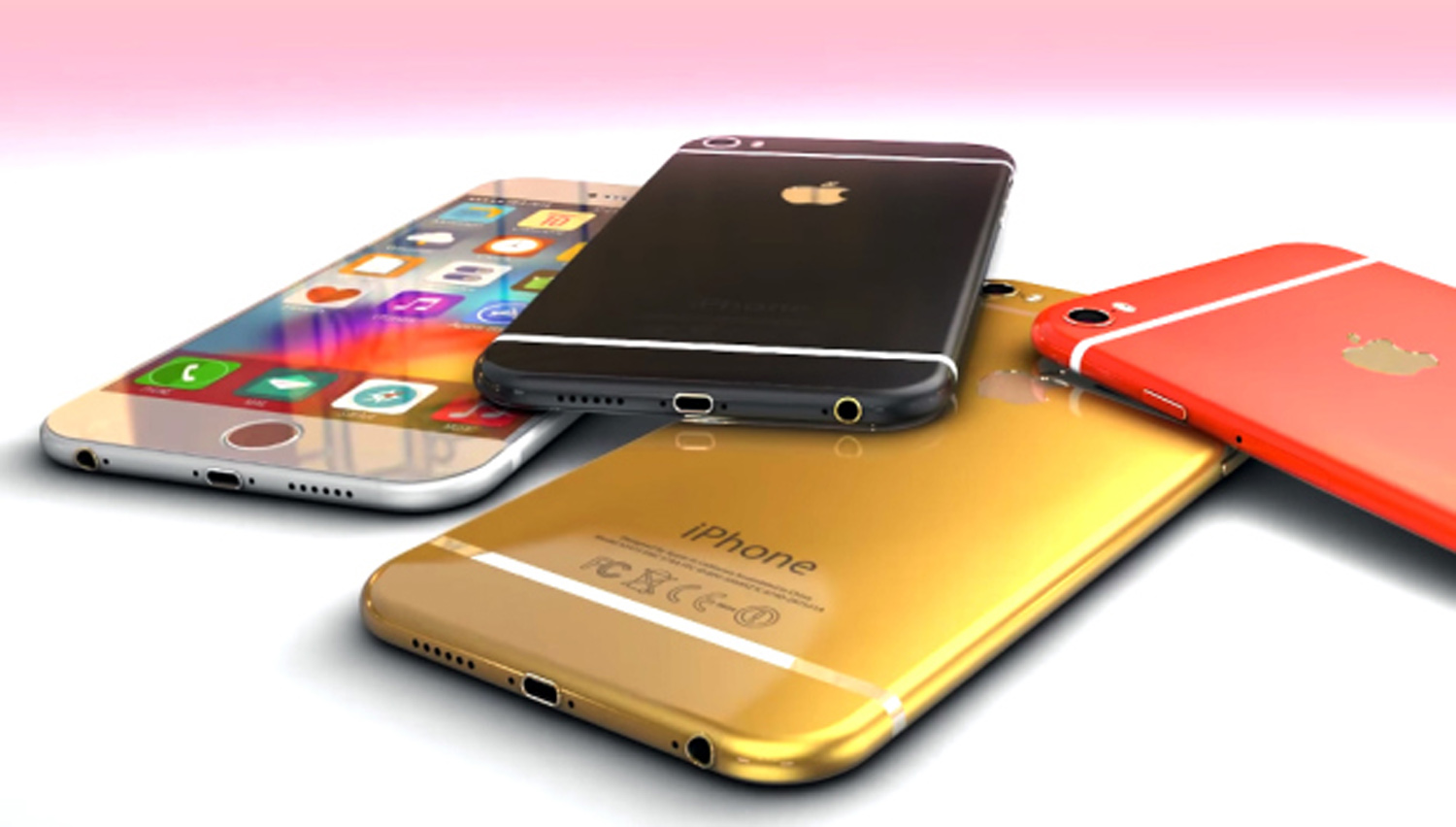
1. iPhone 6
Expected Date: September 9
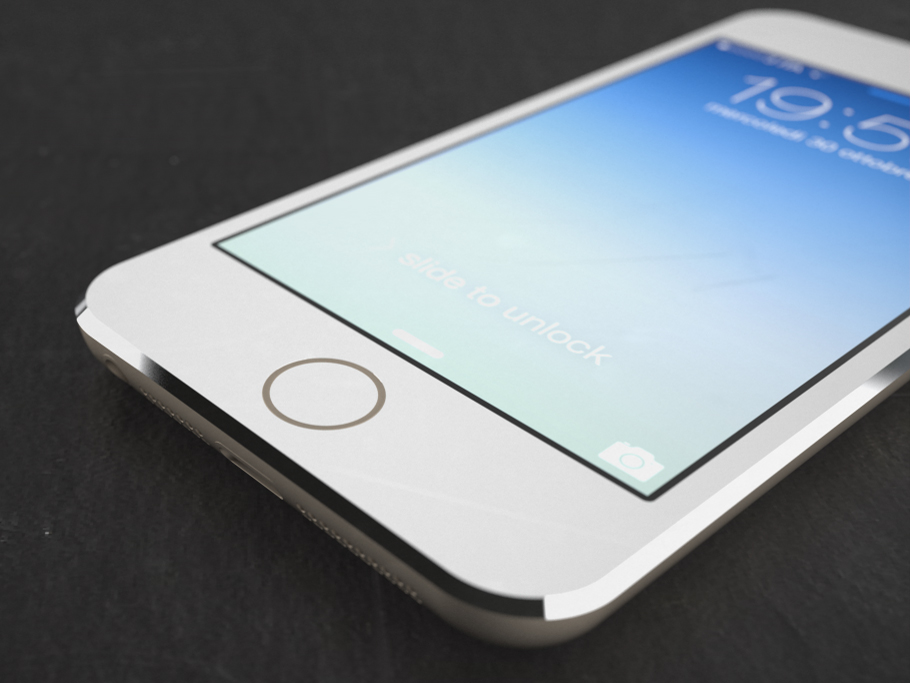
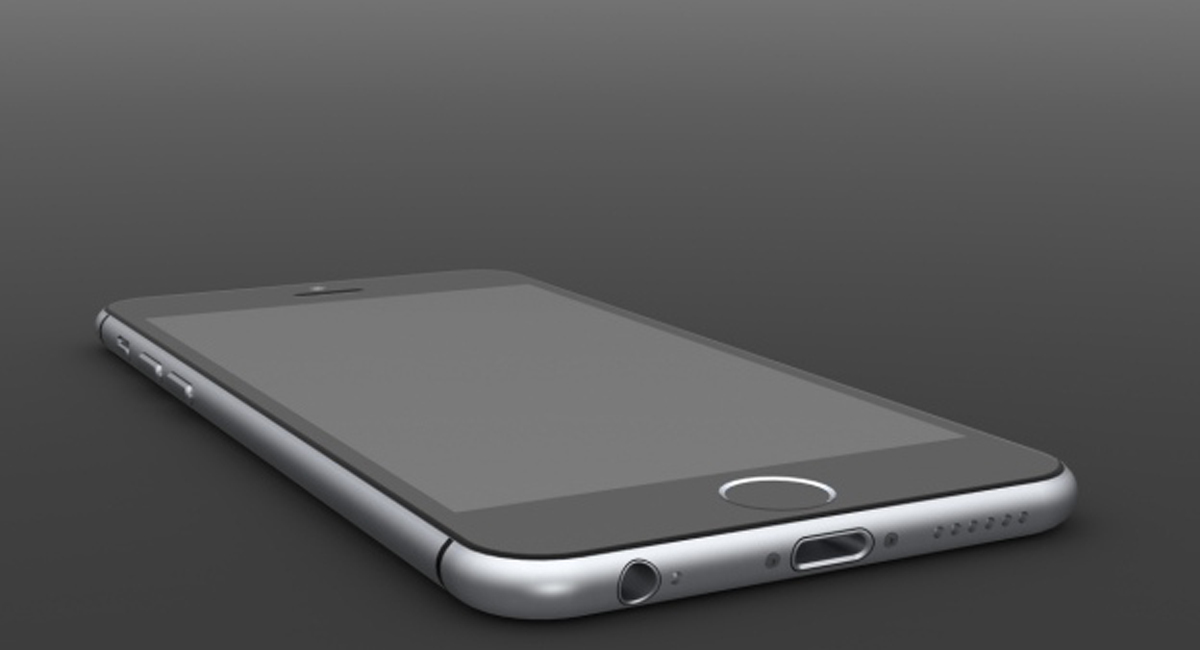
The Big daddy of smartphones will see its 6th edition releasing this year, and Apple is going for something big. The iPhone 6 will come with a bigger 4.7 inch display which was the need of the hour as a 4 inch screen was just not cutting it anymore. The phone has a redesigned charger which will help to charge the device faster, and it also has a bigger battery, thanks to the size increase. It is also expected to get a faster processor from Apple and a faster 4g radio.
2. iPhone 6L
Expected Date: December
This is the first of its kind from Apple. The iPhone 6L will come with a huge 5.5 inch screen. This will be loved by multimedia enthusiasts and Apple fans who wanted pocket size device that gives an exception entertainment experience. Its release date is not known yet as Apple has been facing some production issues with the phone.
The iPhones are supposedly going to get a tough Sapphire glass; we just need to wait till September 9 to know which phones will feature the unbreakable screen. The entry level devices will have internal storage of 32 GB, which is welcome.
Samsung:
1. Galaxy Note 4
Expected Date: September 3rd
The Note 4 has been the Samsung phone that people have been waiting for this year. This phone will take a departure from plastic materials and will showcase new design features. This will be the first globally released phone with QHD display. Samsung had brought the QHD screen on the S5 LTE but with this, Samsung is ready to take on its compatriot LG. The phone will release in a pre-IFA event in Germany. Lots to look forward in this one.
Motorola:
1. Moto X+1
Expected date: September 4th
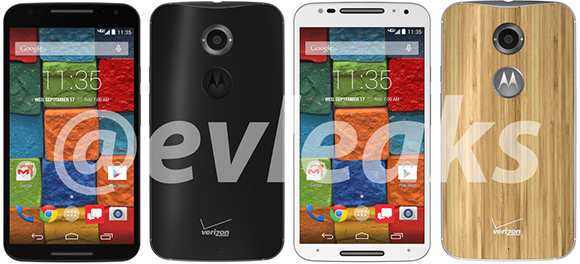
Motorola’s comeback has been exceptional. Not only did it reinvent itself it did it in style, and the Moto X was one of the most innovative devices from the brand. However, its now time for the next generation of the device to come into the world. According to the leaks, this new phone is expected to get a 5.2 inch screen with 1920 x 1080 resolutions. It will run on Android 4.4.3 and powered by a Snapdragon 800 CPU with 2GB of RAM and 32GB of onboard storage. The camera is expected to be 12MP shooter, and there might be a built-in pedometer.
2. Moto G2
Expected Date: September 4th
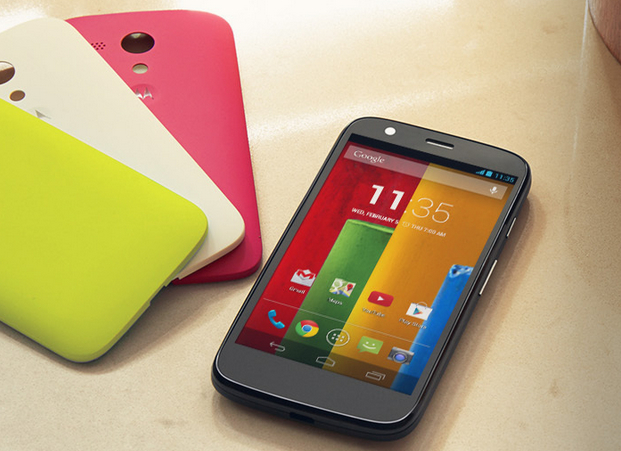
The Moto G was one remarkable phone when it released last year. The Moto G2 is expected to take that legacy forward. The G2 is expected to get a 5 inch IPS LCD display with the Corning Gorilla Glass 3. It will still come with 1 GB RAM and 8 and 16 GB variants. This time though, some leaks speculate the inclusion of an expandable memory slot, which will only help increase its fan base.
3. Nexus 6
Expected Date: October
Features: Google has chosen Motorola for this year’s Nexus Smartphone, and it seems like Motorola is in no mood to disappoint us. The Nexus 6 aka Nexus X is expected to get a stunning 5.2 inch QHD(2560x1440p) display. It will run on the Snapdragon 805 and will have 3 GB of RAM. The phone is expected to come in 32 and 64 GB variants.
Xiaomi:
1. Mi 4
Expected Date: Post October
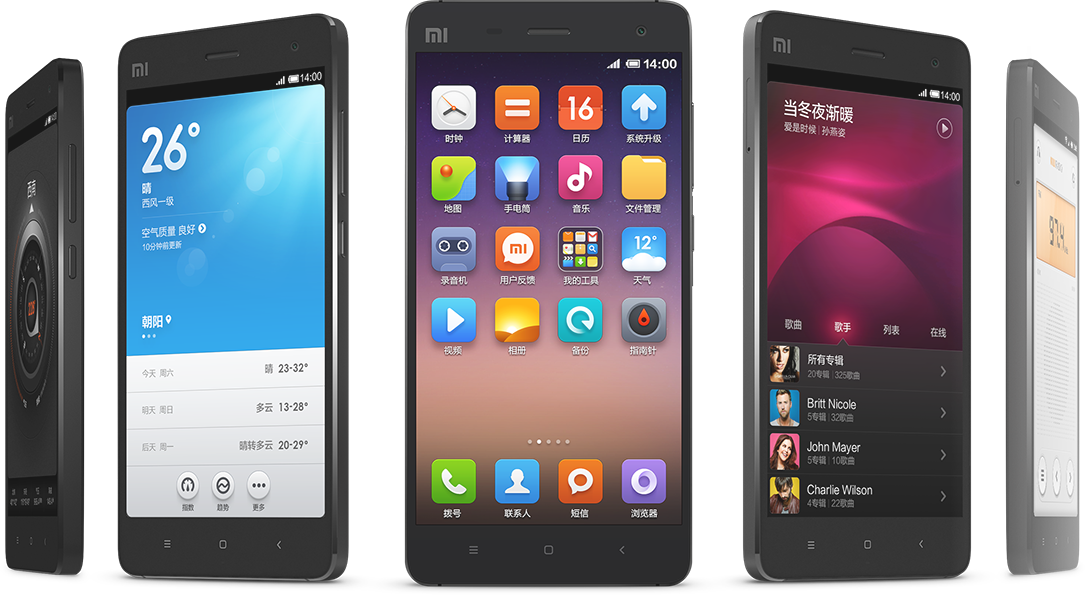
Xiaomi’s Flagship Killer, the Mi 3 has seen an unconventional success in an overcrowded market. The feature-laden phones flew off the shelves as soon as they were launched. Now the next generation of the phone is out, and it will try to outdo the last one. The Mi 4 comes with a 2.5 GHz, Snapdragon 801 processor with 3GB RAM. This is one selfie friendly phone as it comes with an 8 MP front shooter.
LG:
1. LG G3 Stylus
Expected Date: October
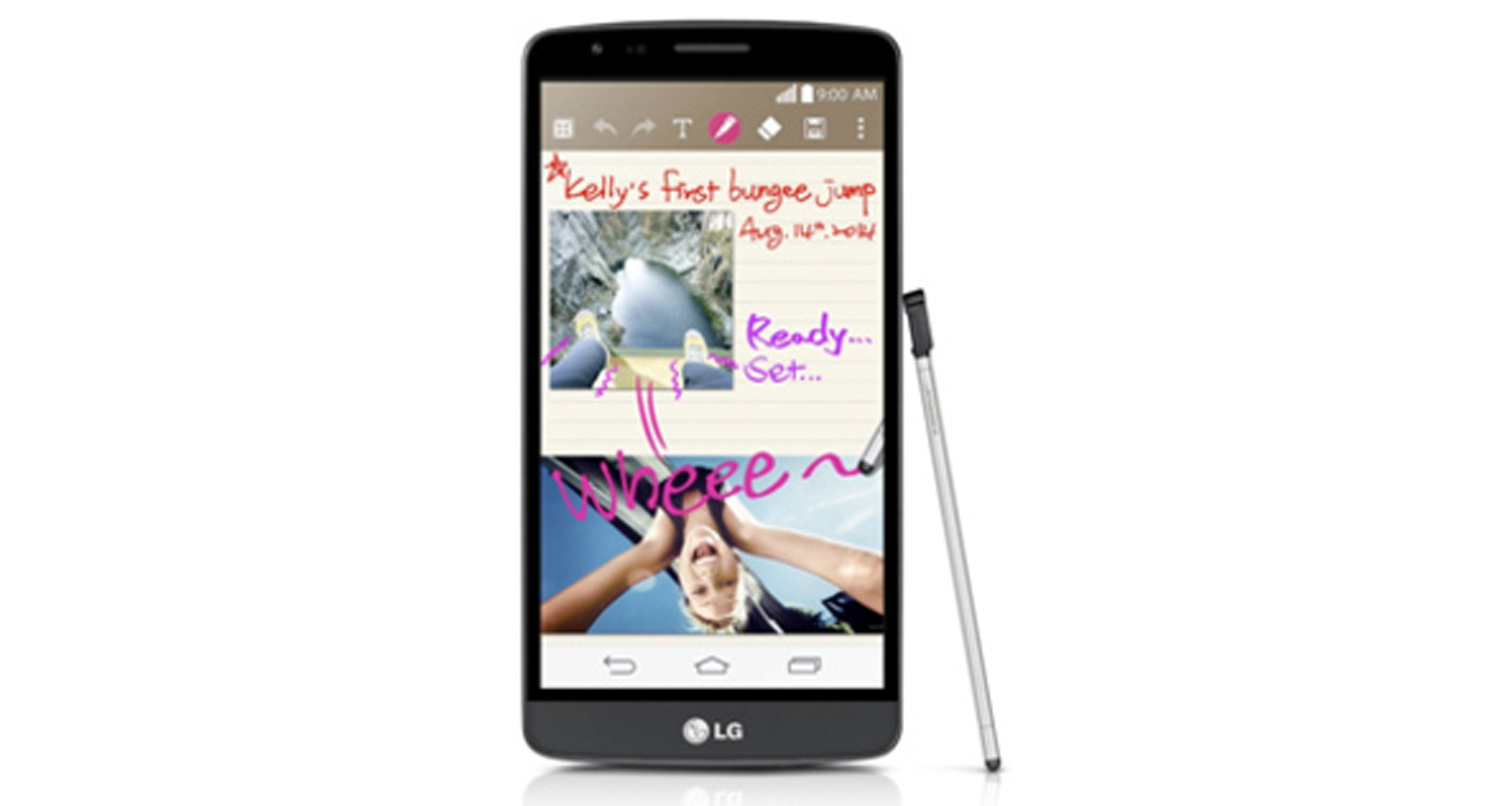
LG tries to take on Samsung with this one. The LG G3 caused a lot of furor because of its superior build and a brilliant 2K display. Now its sibling, the G3 Stylus will try to keep the limelight brought on by the G3. The device, unfortunately, loses the USP of the product, the 2K display. The G3 stylus comes with a 5.5 inch display. It is powered by a 1.3 GHz processor and comes with 1GB RAM. This phone will of course have a cheaper price tag than the G3, but it will be interesting to see how folks react to it.
Buying a new phone is always cumbersome, and unless you spent the past few months researching up on what the tech world is all about, you probably have a few misconceptions in your head. Here is a list of the most common confusions and beliefs that we think need to be set right.
1. Which Phone can I buy, that will be future proof?
Answer : No technology is future proof, no matter what the manufacturer says. In fact its bound to get dated even so more if the manufacturer says that its future proof. The reason why technology advances is because there will be someone buying whatever is new. Because there will always be demand for new things, more resources are put into creating a better technology, all so that something can be sold and a profit can be made.
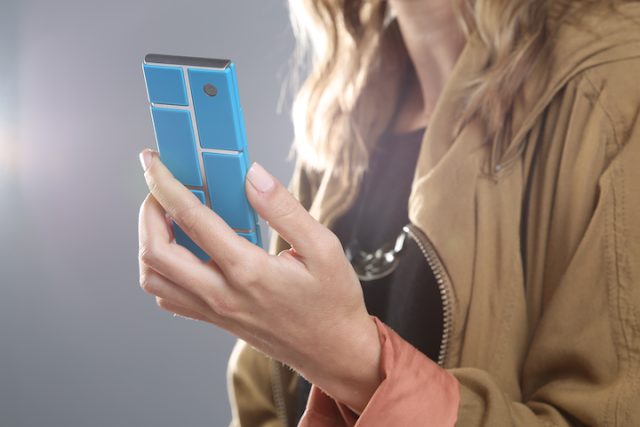
Projects like the Motorola Ara provide hope for a future proof phone, but once we think about it, it essentially ends up being the same thing. The Motorola Ara is comprised of the phone’s exoskeleton and various modules that “can be anything” according to Motorola. The modules could include anything from a new processor or display to a pulse oximeter or an extra-large battery. But every module will need to be bought and there is a high chance that the owners will get bored of the design or looks of the concept. In that situation a newer phone would make more sense vs buying newer modules.
2. Does Buying an Expensive Phone Mean I will not have any problems?
Answer : Not everything expensive is perfect. At the end of the day every phone consists of hardware, which can fail due to a number of reasons. Buying a more expensive phone may reduce the chance of issues, but may not remove it completely. Companies like Apple, Samsung etc have various quality standards that they enforce on their products. While some lower level companies who sell “cheaper” phones (read : import and sell Chinese handsets) many not have any standards of their own what so ever. Most of these “cheap” phone sellers rely on standards set by the manufacturers they buy their products from.
Buying an expensive handset from a well known manufacturer mostly ensures good after sales support and maybe relatively less problems.
3. Should I buy my phone now or wait for the next version/ next big thing?
Answer: There are two ways to look at this and two possible answers. The first answer is Yes, Buying a newly launched phone means that you get the latest in technology, the newest features and the “coolest”, newest phone on the block.
However, the Second answer is No, every time you buy a new phone, there will be something newer that will be launched. Unfortunately thats how it works!
So if you want to buy a new phone, the time is when you have the money and the intent.
4. I have a budget of x, If I extend this will i get a better phone?
Answer : Again the answer is Yes and No. This truly depends on what your initial budget is and how much you are willing to extend it. For example if you extend your budget from a Galaxy Grand to a Galaxy Note 3 then yes you will get a better phone. But unless you are willing to drastically extend your budget, any other device around your original price bracket, even if its slightly more expensive may be no better than the other.
Q. My Son / Daughter wants to buy an iPhone, Is it a good investment?
(iPhone is purely for reference, it could be any other phone)
Answer : If your Son/ Daughter wants to buy a particular phone they have their reasons for it, so the best possible thing to do is to let them buy it. It will be the easiest decision to make without any repercussions and hey, If they don’t like the phone at a later stage, they can’t blame you.
Whatever their reason for selecting the phone; be it the way it looks or a special feature it has, is probably a good reason. Yes your job is to guide them and yes there may be a better phone or a better investment to be made, but it won’t be their choice and they won’t be happy.
So, If your budget permits buy them the damn phone.
Bonus Question : Can my new phone FaceTime ? Will i Be charged for it?
Answer : FaceTime is an Apple only VOIP service, that works between iPhones, iPads, iPods and Macs. So if your new phone is going to be an iPhone, Yes you will be able to FaceTime. That being said you can always use other services like Tango, Skype and possibly upcoming WhatsApp on any new phone that has a front facing camera and supports the said service.
Most of these services rely purely on the device being connected to a data network like 3G or Wifi, so all you will be charged for is your data connection or whatever you already pay for your Wifi.
In other words ; No, you will not be charged for the service.
There are several other questions or myths people have about new technology, do you have any myths to bust, or suggestions for more myth busters. Drop them in the comments below.
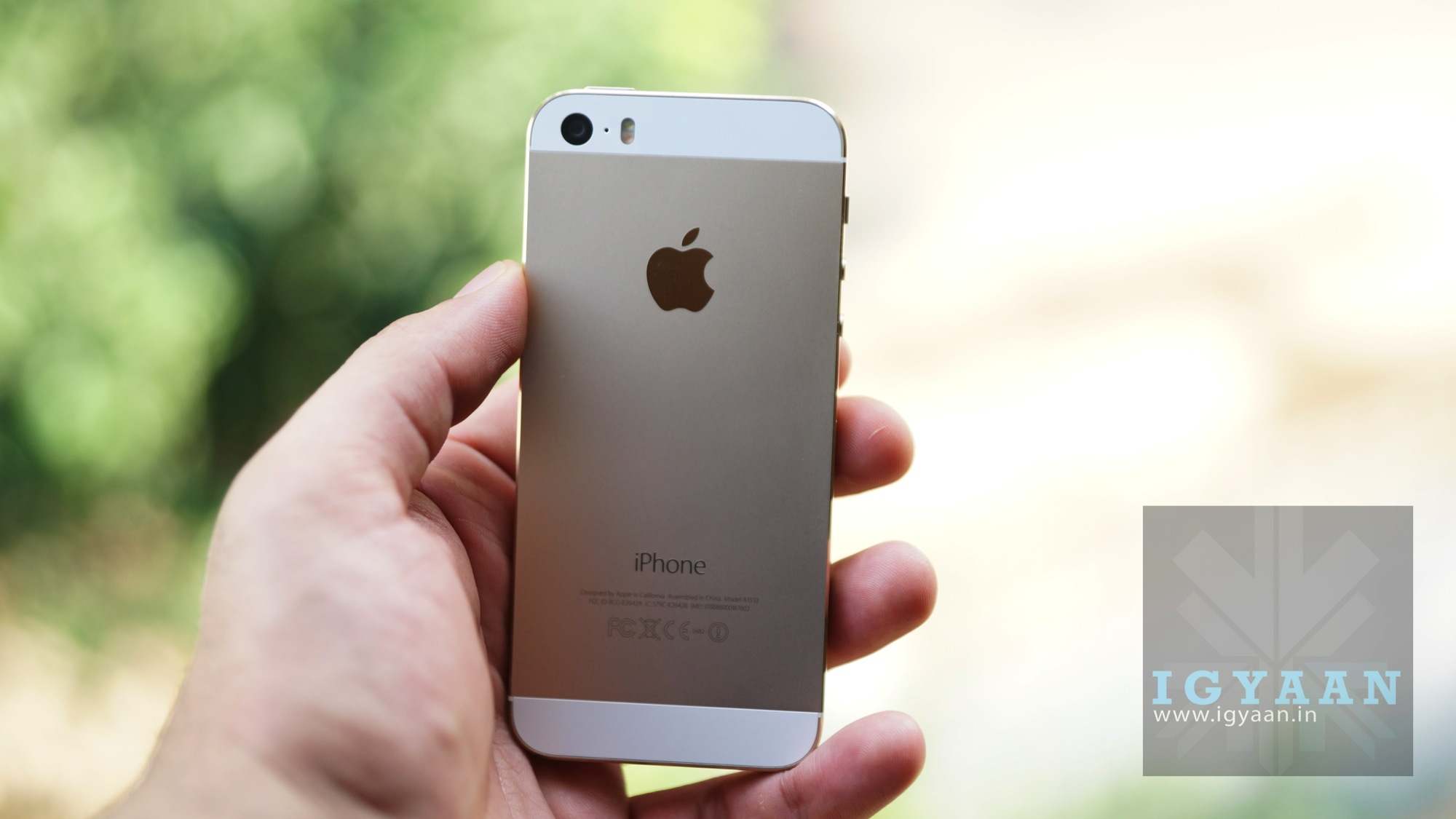
The iPhone 5s is a beefed up on steroids version of the iPhone 5, with a new A7 SOC and new hardware on the inside the iPhone 5s is twice as fast and has 56 times as fast graphics. A new camera system with a 5 element system and a new f2.2 lens along with a new flash technology refine its already leading optics. But possibiy the biggest change on the iPhone 5s is the industry first fingerprint sensor dubbed “TouchID”.
A capacitive touch glass pasted on top of the home button makes for a new technology (touchID): 170 microns in thickness with 500 ppi resolution, it reads the fingerprint of the owner to unlock the phone.
But thats not where it stops : The high resolution image of the fingerprint is “encrypted and stored securely in the Secure Enclave inside the A7 chip” after which is can be used to authorize several things.
Examples include a singe finger swipe to buy apps or authorize buying apps, in-app purchase authorizations and even purchases within apps like Amazon or eBay would make for a much better payment system. The sensor uses a laser cut sapphire crystal cover; it retains a tactile input for those wary of the sensor wearing down after lengthy use.
Apple has dubbed the iPhone 5s as the most secure smartphone yet thanks to “touchID”, with a great play for marketing, making it a boon to the enterprise industry.
How useful do you think a fingerprint sensor will be ? And what do you think it should be really used for , let us know below.
The first “modern” battery consisted of an apparatus made with metal plates and brine soaked cardboard and was invented by an Italian physicist named Count Alessandro Volta in 1799. Since then, the materials used have changed tremendously, but the basic principle has remained the same. When a device is connected to a battery, a reaction takes place that generates electricity. This is called an electrochemical reaction.
Mankind’s appetite for electricity has grown exponentially since the 1800s. Today, batteries are found in a vast variety of devices from wristwatches and alarm clocks to smartphones and laptops. Lets look at a few of the most common batteries that we find around us everyday.
If you look at any battery today, be it a pencil cell or a car battery, the first thing you’ll notice is that it has two terminals marked + and – . On pencil cells and flashlight batteries like AA, AAA, C or a D cell battery, the terminals are at opposite ends of the battery. On higher capacity batteries like a 9V or a car battery the terminals are located together on top of the battery. If a wire is connected to both terminals, electricity will flow from the -‘ve terminal to the +’ve terminal as fast as possible. This will drain the battery very quickly and is dangerous when applied to larger batteries.
A battery consists of five main components. There is a cathode, which connects to the +’ve terminal, an anode, which connects to the -‘ve terminal, a seperator, which prevents the anode and cathode from touching each other, an electrolyte, which allows the charge to flow from the anode to the cathode and lastly a collector, which conducts the electricity out of the battery.
When you put a battery in a device, it completes the load circuit. What happens next differs from battery to battery but the idea remains the same. The anode goes through an oxidation reaction in which two or more ions from the electrolyte react with the anode material and creates a new compound and two or more electrons. At the same time, the cathode goes through a reduction reaction in which the cathode material, ions and free electrons combine to form other compounds. While this sounds very complicated, its actually very easy. The anode reacts with the electrolyte to create electrons and the cathode reacts with the electrolyte to absorb electrons. The end result is electricity. A battery will last as long as it has materials to continue the reaction at both electrodes.
A few commonly found batteries include:
Zinc Carbon Battery: This type of battery chemistry is commonly found in many cheap AA, AAA, C and D cell batteries. The anode is Zinc, the cathode is Manganese Dioxide and the electrolyte is Ammonium Chloride or Zinc Chloride.
Alkaline Battery: This is also another commonly found battery chemistry. The cathode is composed of a manganese dioxide mixture, while the anode is a zinc powder. It gets its name from the potassium hydroxide electrolyte, which is an alkaline substance.
Lithium Ion: Lithium ion batteries are used in high performance devices that require frequent charging. These include phones, laptops, tablets and even electric cars. While the exact components of Lithium Ion batteries vary, the most common practice is to have a lithium cobalt oxide cathode and a carbon anode.
Lead Acid: This is the typical car battery. It consists of lead dioxide and metallic lead electrodes that are suspended in a Sulfuric Acid solution.
The two main categories of batteries are Primary (one time use) batteries and Secondary (rechargeable) batteries. The only difference between the two is that when an external current is applied to a secondary battery, the electrochemical reaction happens in reverse, which restores the charge of the battery. There are three main types of rechargeable batteries, Lithium Ion (LiOn), Nickle Metal Hydride (NiMH) and Nickle Cadmium (NiCd). NiCd batteries were the first widely available rechargeable batteries but they suffered from a problem known as the memory effect. These batteries, if not fully discharged during every use, would quickly start to loose power.
NiCd batteries were largely replaced by NiMH batteries which boasted a much larger capacity as well as a reduced memory effect. The only problem with NiMH batteries was their relatively short shelf life. Like NiMH batteries, LiOn batteries have a long life, but they hold a charge better, operate at higher voltages, and come in a much smaller and lighter package.
An offshoot of the LiOn technology is the Lithium Polymer (LiPo) battery. While LiOn batteries are the norm for most laptops, LiPo batteries offer significant advantages in space as well as weight savings. These types of batteries consist of an anode and cathode material that has been laminated onto a microperforated plastic sheet which, as the name implies, allows the passage of ions but seperates the anode from the cathode. This allows LiPo batteries to created in almost any shape from round to square and anywhere in the middle. Most mobile phones and tablets have these batteries as they boast the highest charge density of any battery available in the market today.
Looking to the future, many people believe that the days of the battery are numbered and that they will soon be replaced by fuel cells. While we look forward to the day we have to start popping H2 cartridges into our phones once a month, it is still a while away.