All the Latest, News, Reviews, Updates, How To, Mobile Phone news, Global and International News, From Cameras to Automobiles, from TV To PC and a lot more! Constantly updating!
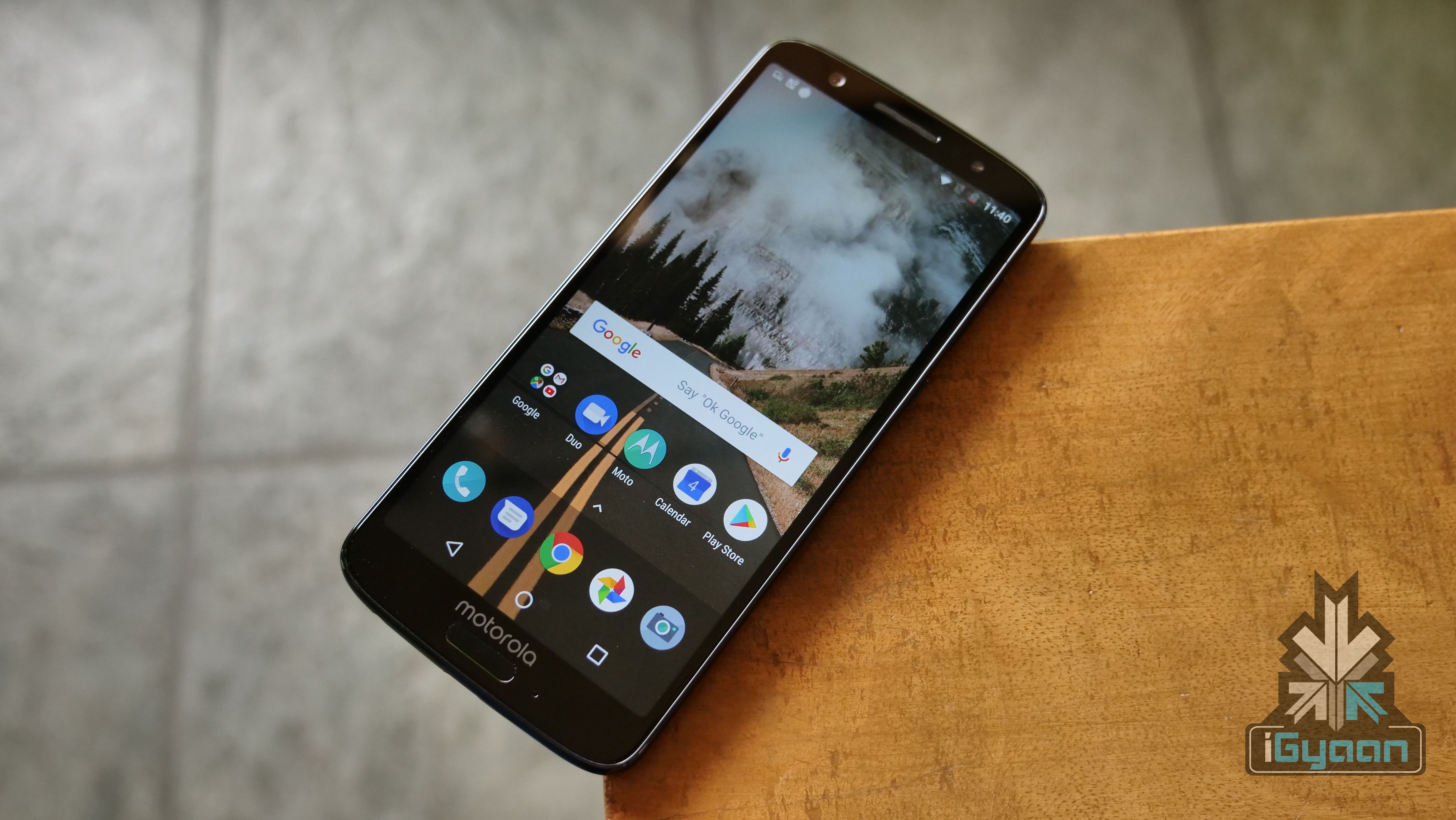
Motorola is about to refresh their current lineup of Moto G smartphones. Recently, a member of the upcoming Moto G series smartphones has been spotted on FCC’s website. The device is called the Moto G7 Play and it will be the successor to the previously launched Moto G6 Play. The FCC listing provides detailed information about the smartphone.
FCC Listing
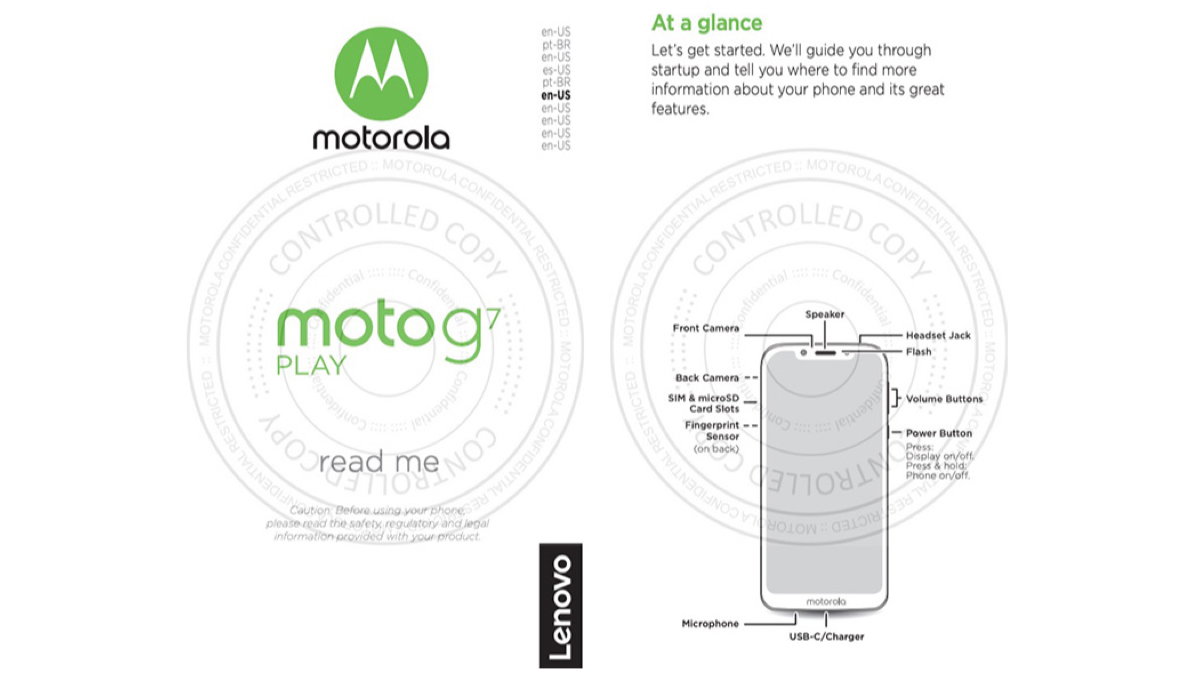
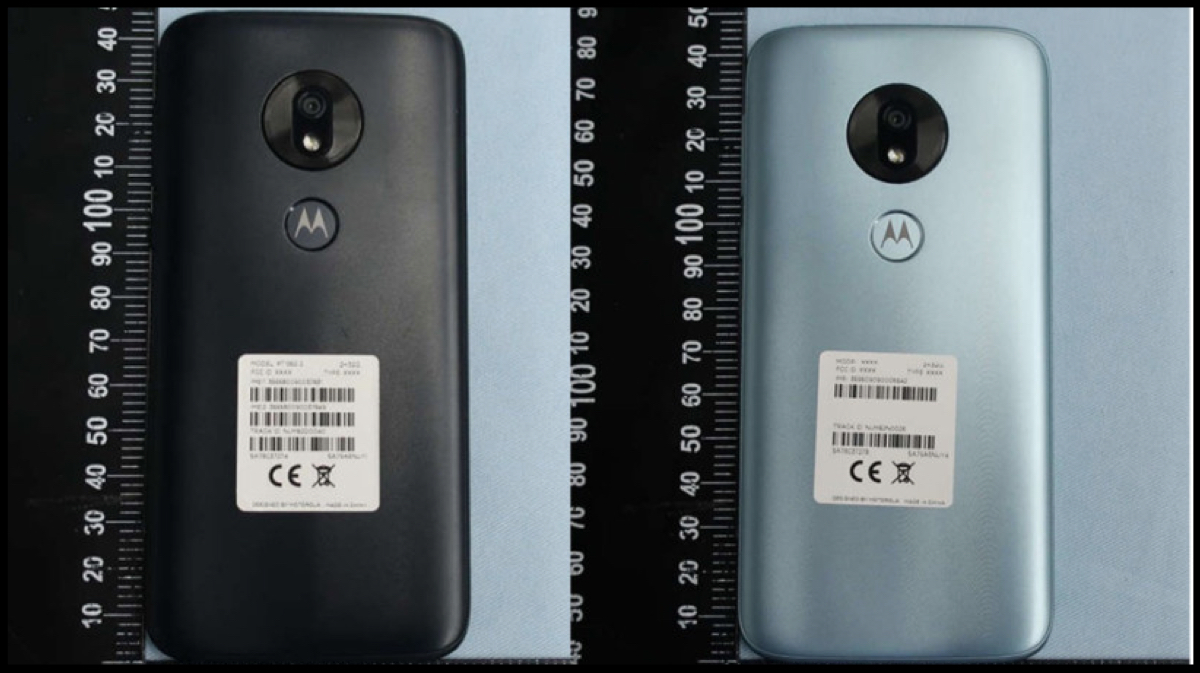
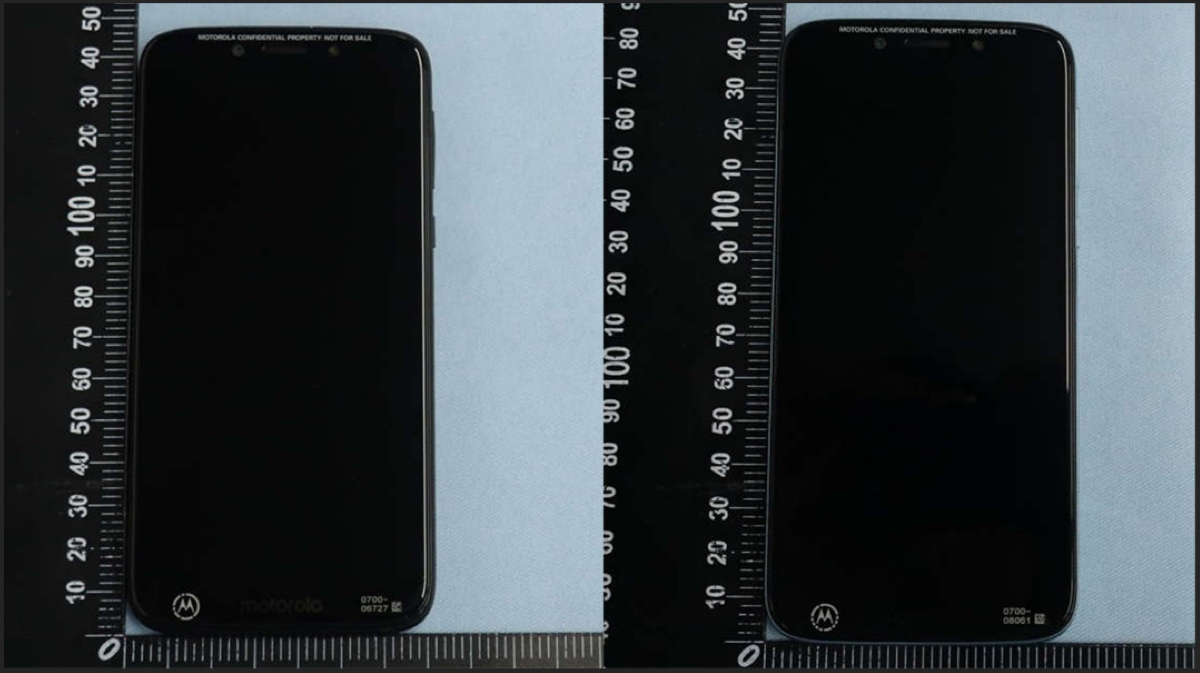
Every smartphone in the US market must pass an FCC certification prior to its launch and the same is true for the upcoming Moto G7 Play. The listing reveals a lot of specifications and the design of the smartphone. On the front, the Moto G7 Play has a notch display with a thick bottom lip which carries the Motorola branding. The notch houses the speakerphone and the front camera along with an LED Flash. The right side of the device is occupied by the volume rockers and the power button. While the left side houses the dual sim + memory card slot.
The Moto G7 Play features the Octa-Core Snapdragon 632 CPU and Adreno 506 GPU. The new chipset is a considerable step up from the Snapdragon 430 which was present on the previous generation smartphone. Sadly, it only gets a small 2,820 mAh battery. However, the new phone retains the 3.5 mm jack, dedicated microSD slot, and the USB Type-C port. Like the Moto One Power, it also has a rear-mounted fingerprint sensor for securely unlocking it. Furthermore, the rear of the smartphone carries the single rear camera along with an LED flash of which the resolution is currently not known.
The launch date of the Moto G7 Play has not been announced yet but the FCC listing indicates that the launch of the device is imminent. Also, the pricing of the smartphone is unavailable and will be revealed at the time of its launch. But, it is expected to be similarly priced like its predecessor, the Moto G6 Play which costs Rs 12,999.
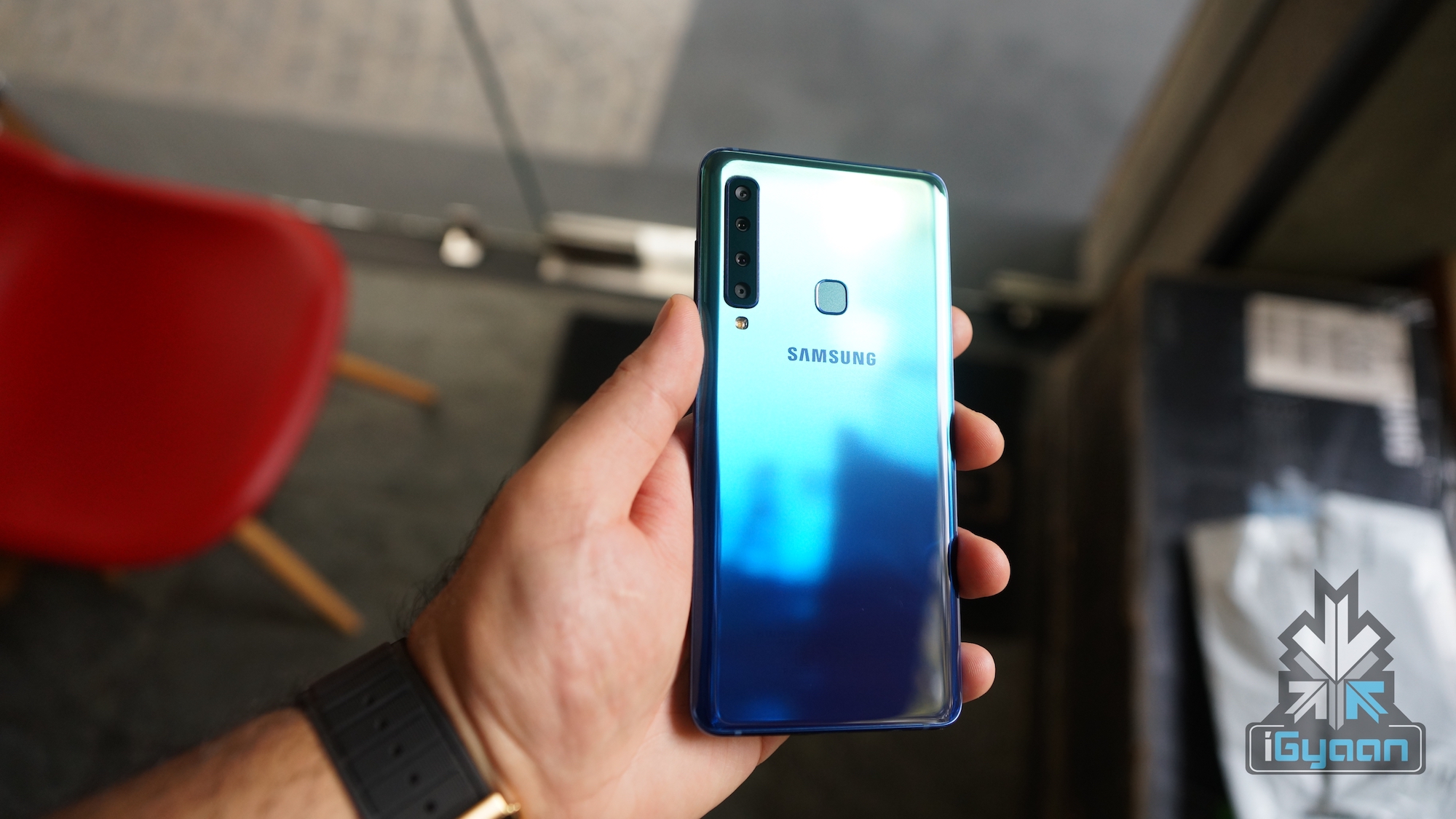
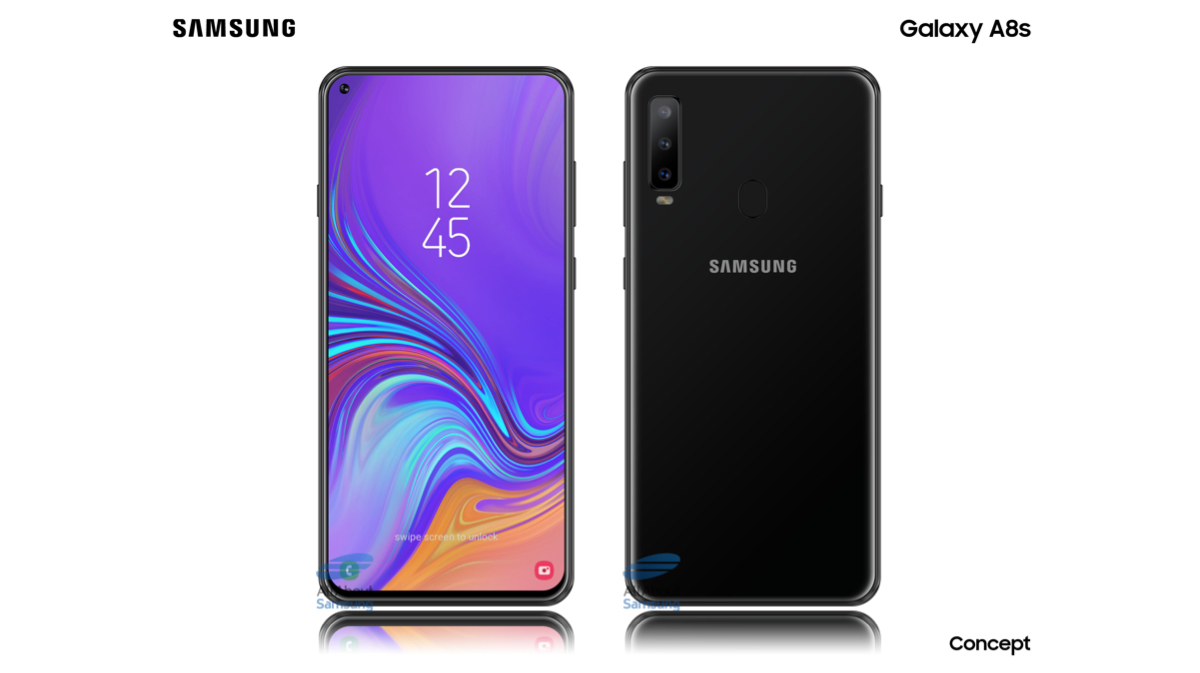
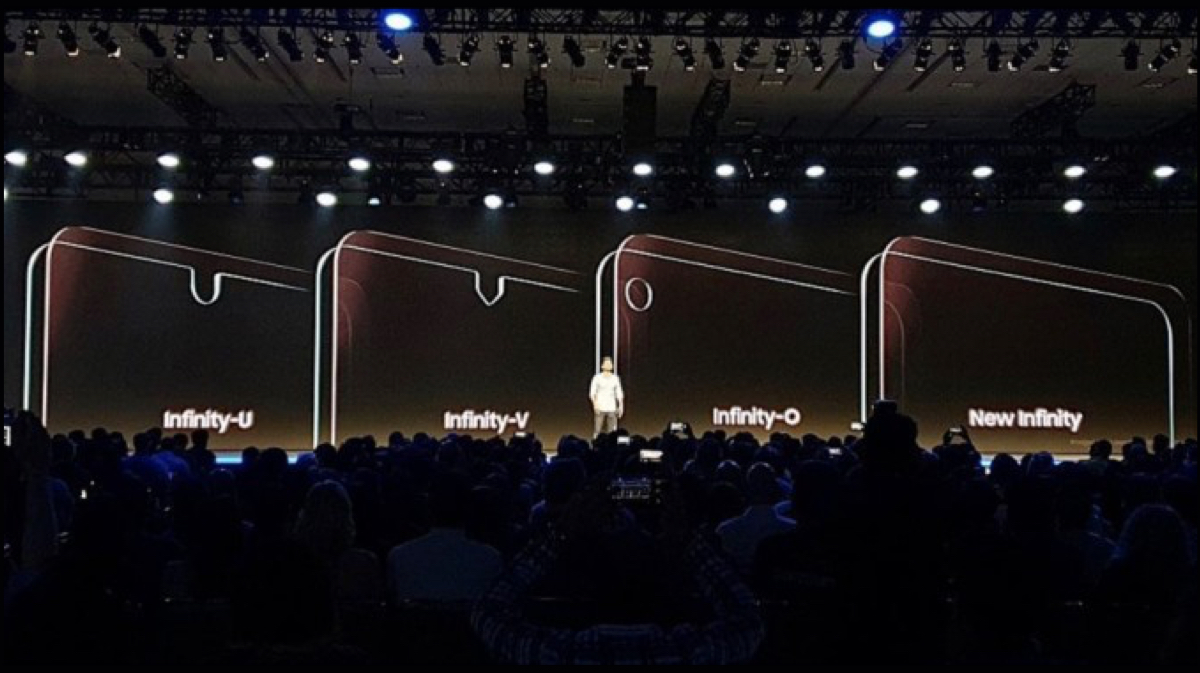
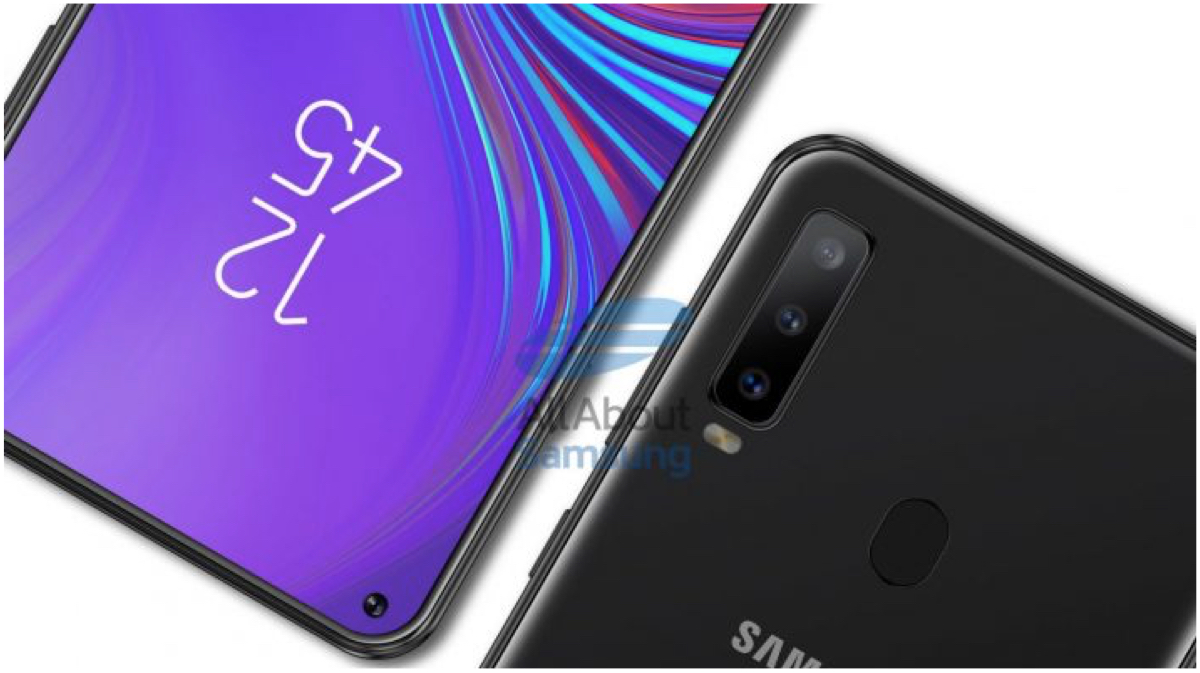
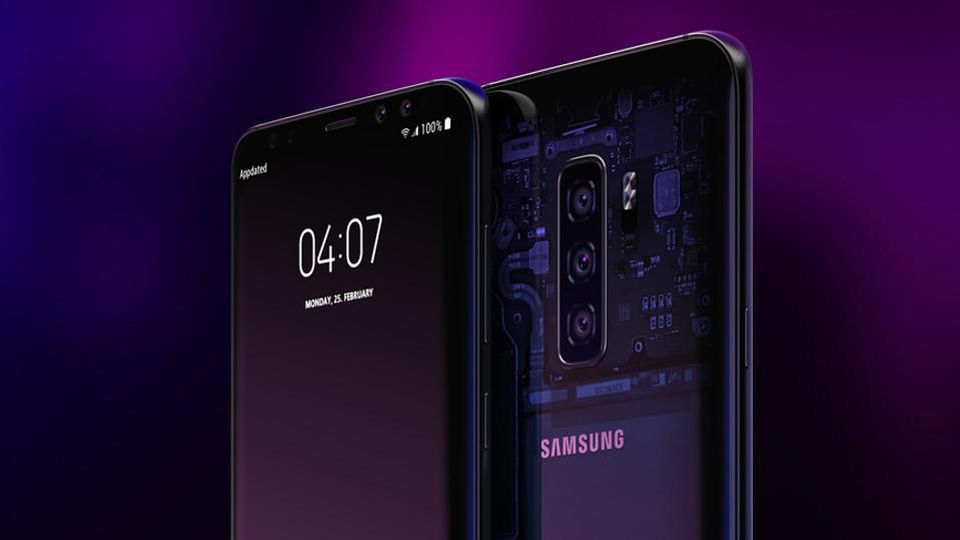
Earlier this month, Samsung held a developer conference where they showcased a variety of display notches for future smartphones. The name of the notch simply denotes the shape of the cutout it has. The different notches include an infinity-U, infinity-V, and infinity-O style. In fact, the company has already teased the Galaxy A8s smartphone which will feature the infinity-O notch. The renders of the upcoming smartphone reveal it has triple cameras and a fingerprint sensor mounted on the back. Recently a German website, allaboutsamsunghas leaked the alleged spec sheet and other relevant details of the Galaxy A8s.
Specifications & Design
The upcoming Samsung Galaxy A8s measures 159.11 x 74.88 x 7.38mm. On the front sits a 6.39-inch infinity-O display with Full HD+ resolution. Under the hood, the smartphone features the Octa-Core Snapdragon 710 CPU along with the Adreno 616 GPU. It packs a 3,400 mAh battery which also supports fast charging. In terms of memory and storage, it gets 6 GB LPDDR4 RAM and 128 GB of internal storage. It also supports memory expandability up to 512 GB via a microSD card.
For photography, the Galaxy A8s gets triple rear camera sensors with a resolution of 24 MP, 5 MP and 10 MP respectively. Connectivity information regarding the device is currently unavailable. But, it is expected to have 802.11ac Wi-Fi, Bluetooth 5.0, and GPS as these are the industry standards for smartphones of this segment.
The Samsung Galaxy A8s is expected to launch in Q1 of 2019. However, price details of the smartphone are currently unavailable and will only be revealed when the device is officially launched.
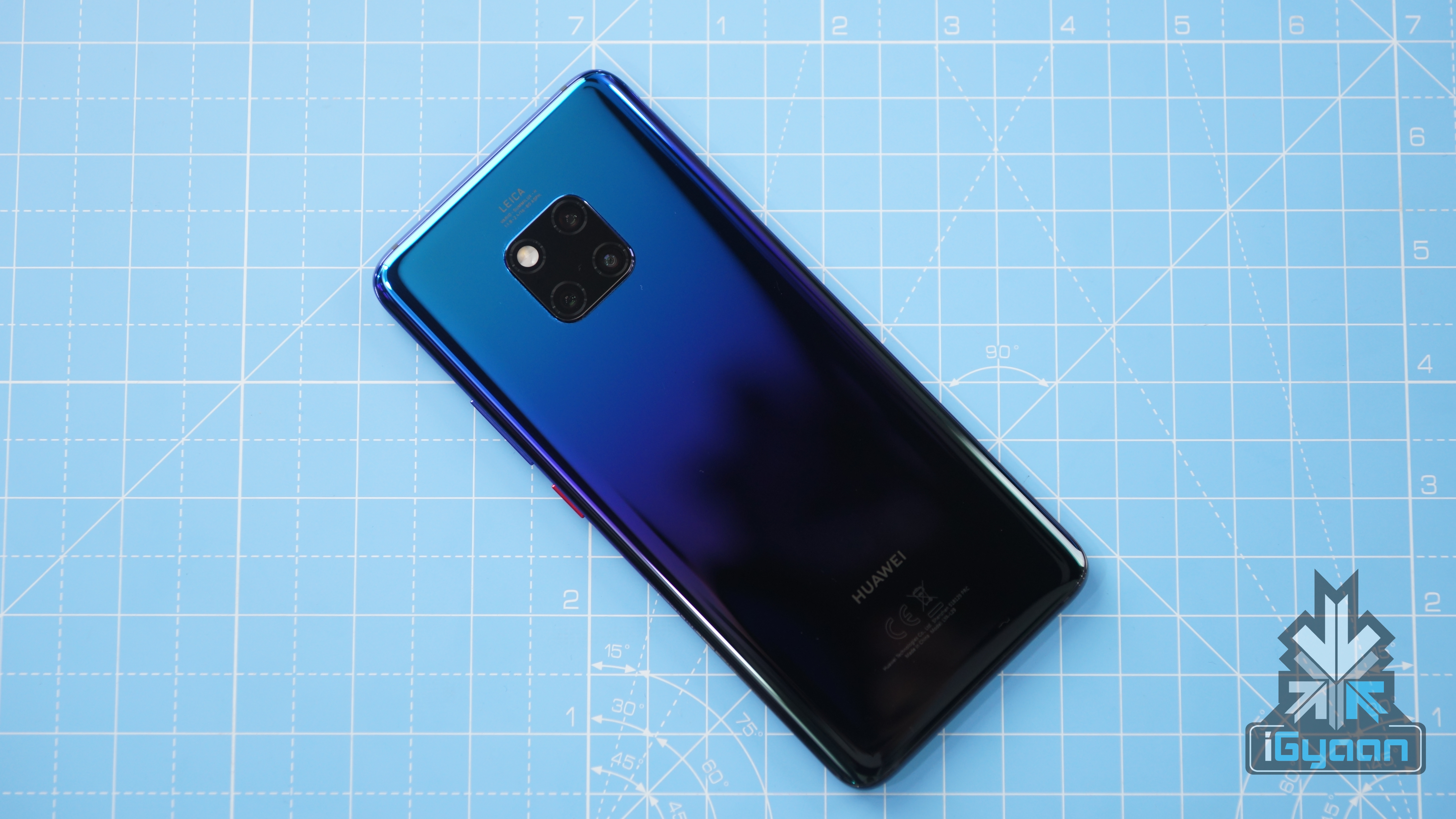
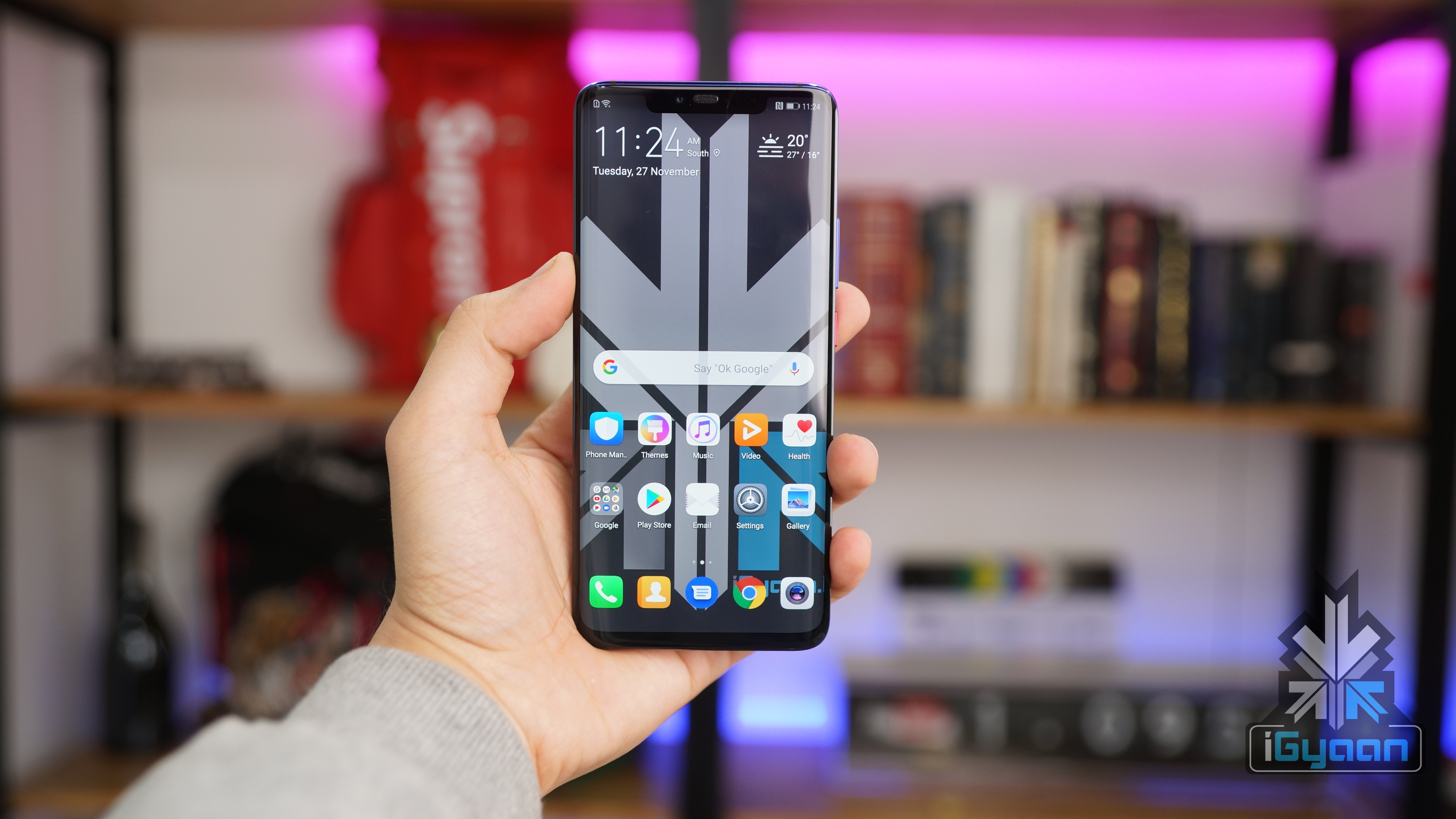
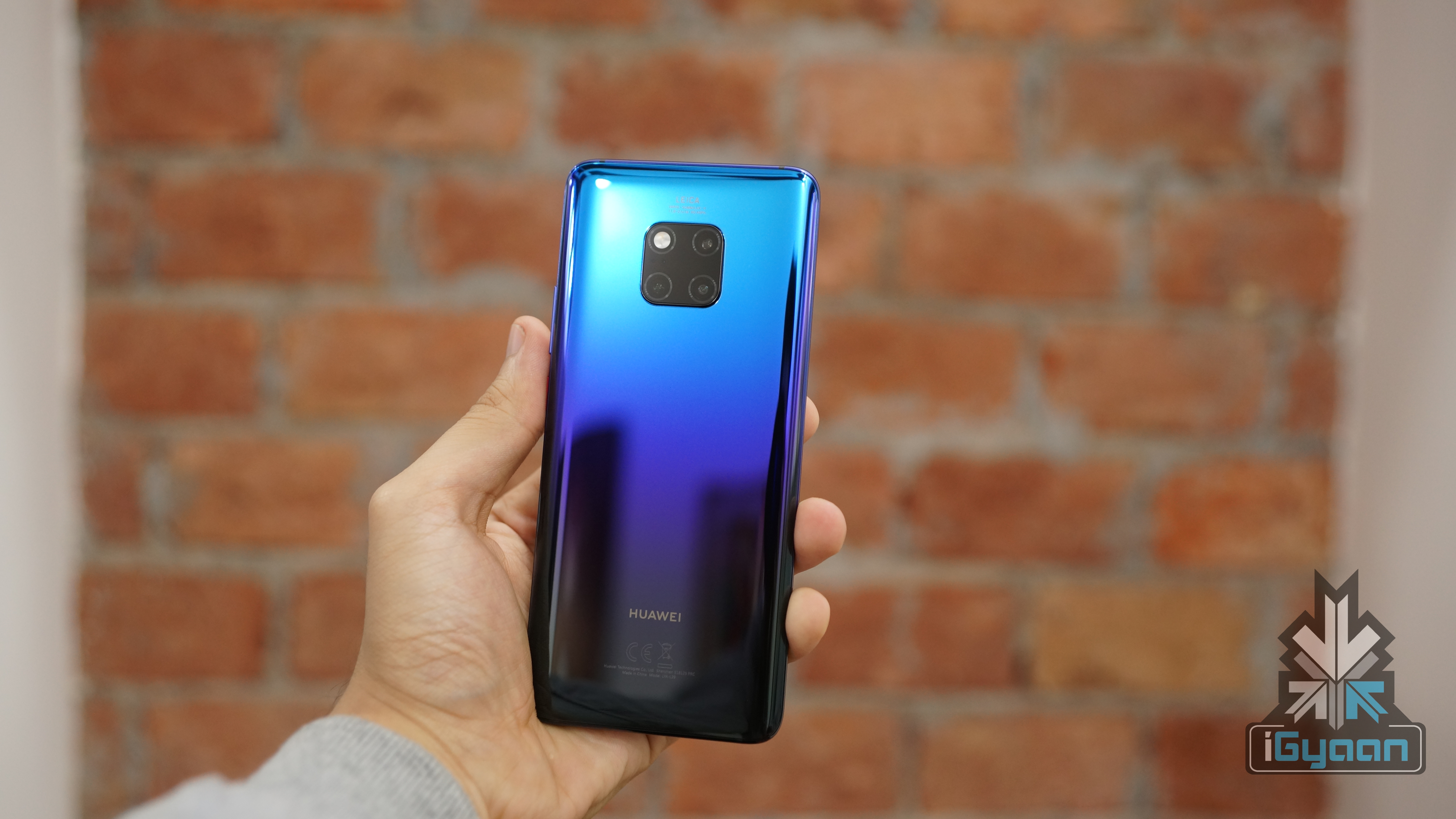
Huawei announced their flagship Mate 20 Pro in October with top of the line specifications and it is finally released in India. The Huawei Mate 20 is set to fight it out with other top end smartphones such as Apple XR and Google’s Pixel 3 which are in a similar price range. The front and back glass as well as the aluminium frame feel extremely premium. The device starts at a price of Rs 69,990 and will be available exclusively on Amazon.
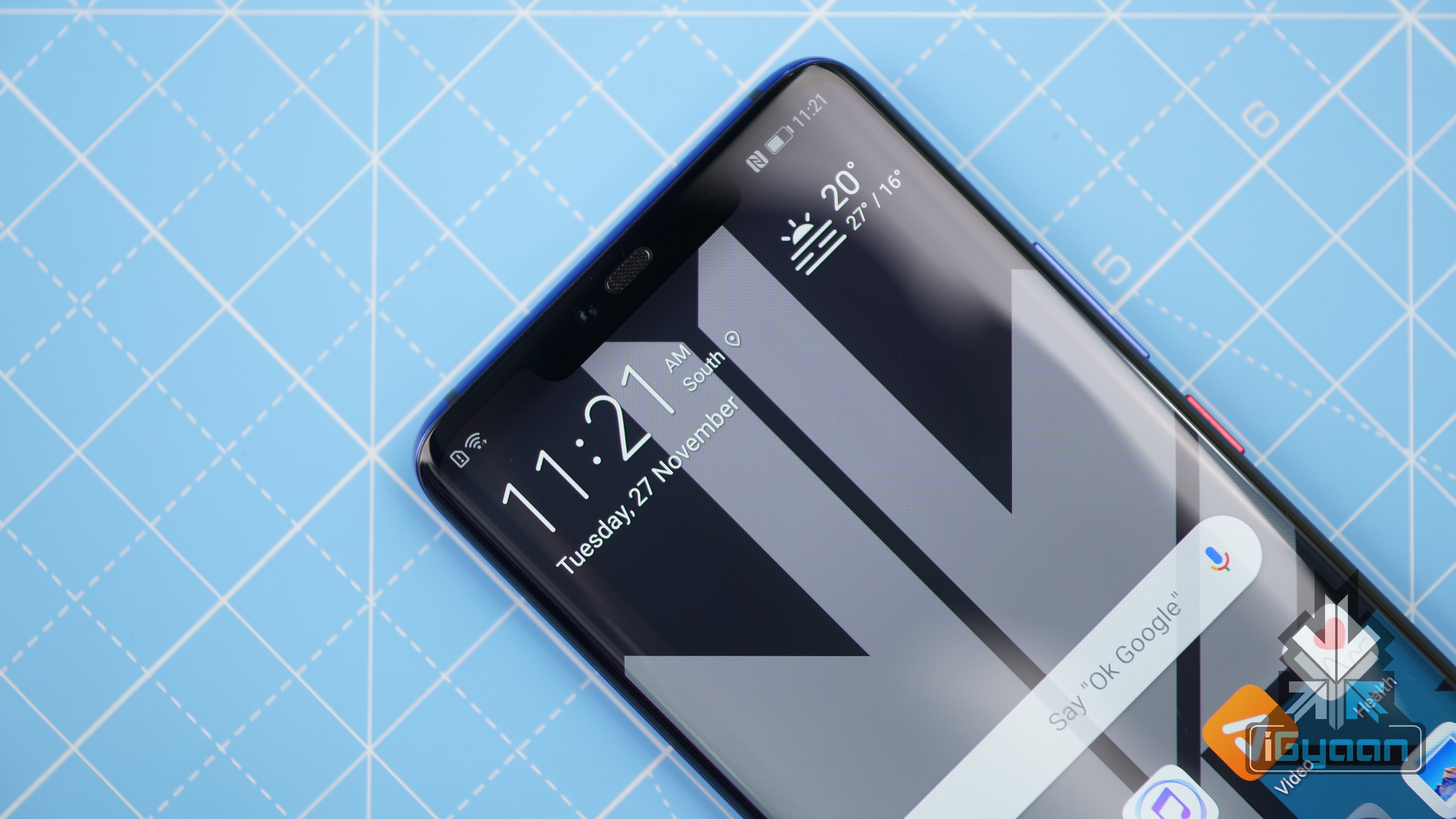
The phone has certain distinct features that immediately draw attention. The screen and the three camera setup are the two design elements that one instantly notices. The phone features a 6.39 inch, AMOLED capacitive touchscreen with a resolution of 1440 x 3120 pixels. The screen has a 19.5:9 ratio and is made of Corning Gorilla Glass. The phone has an IP68 rating making it dust and water resistant. The Huawei Mate 20 Pro is thin and light with a dimension of 157.8 x 72.3 x 8.6 mm and a weight of 189 grams. It has a 87.9% screen to body ratio and features a notch.
Camera
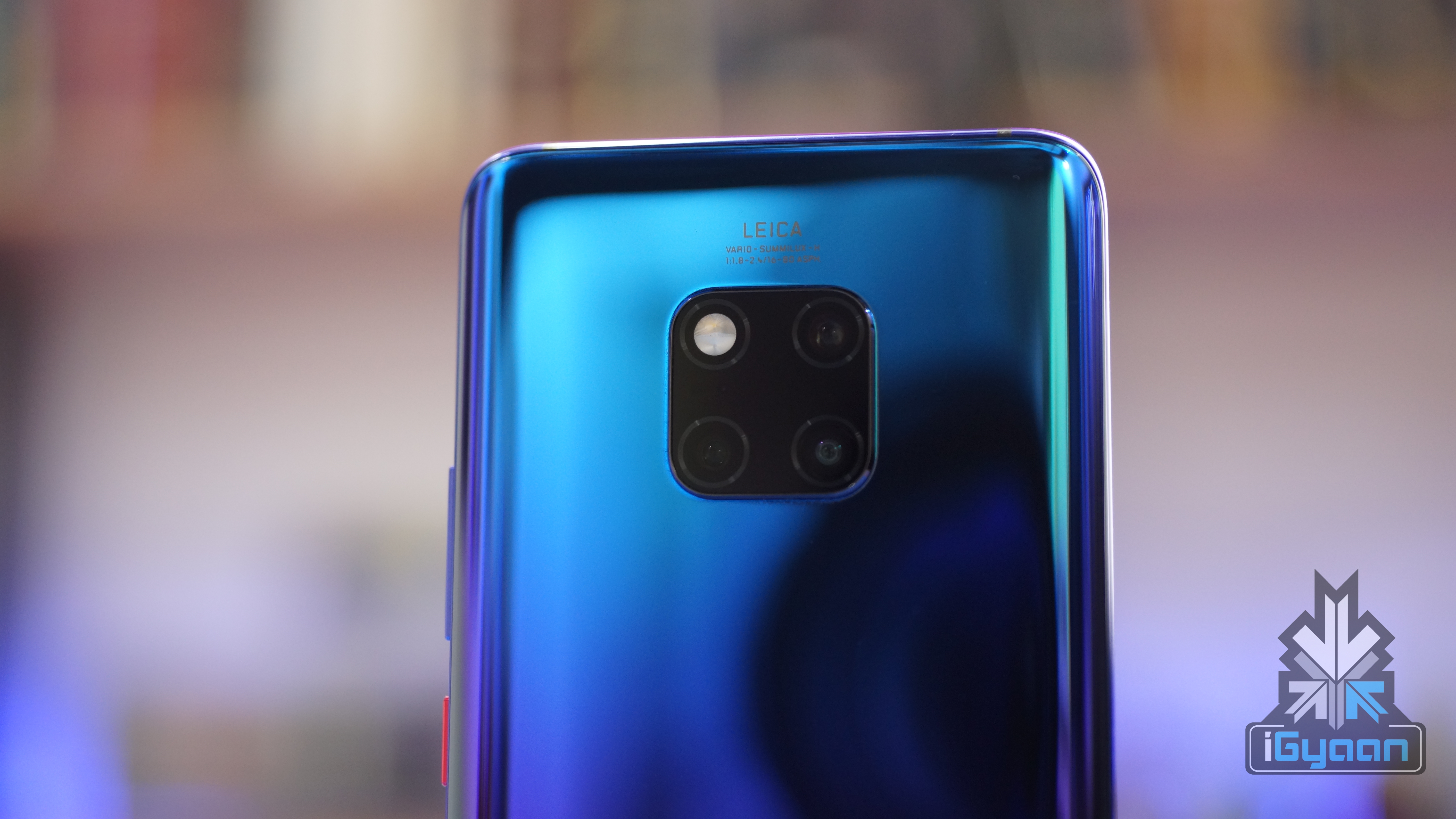
The main attraction of the phone is it’s camera setup. The Mate 20 Pro has three cameras arranged in a square. It has a 40 MP, f/1.8 with a 20 MP, f/2.2 and 8 MP, f/2.4 camera setup and also has a dual-LED dual-tone flash. The lenses are made by Leica optics, panorama and HDR mode. In terms of video it shoots 2160p@30fps, 1080p@60fps, 1080p@30fps (gyro-EIS) and 720p@960fps. The front camera has a 24 MP sensor with a minimum aperture of f/2.0 and shoots 1080p video at 30fps.
Other specifications
Being a flagship phone, the phone features Android 9.0 out of the box. It also sports the HiSilicon Kirin 980 processor which is the world’s first 7nm process mobile phone SoC chipset. The Octa-core CPU phone has a Mali-G76 MP10 graphics and uses Single SIM (Nano-SIM) or Hybrid Dual SIM (Nano-SIM, dual stand-by).
Price And Availability
The Huawei Mate 20 Pro has been launched in India starting at Rs 69,990 for its 6 GB + 128 GB variant. The phone will go on sale starting December 3rd, fro Amazon prime customers and will be available exclusively on Amazon. It is also available bundled with a pair of the Senheiser PXC550 wireless headphones at Rs 71,990.
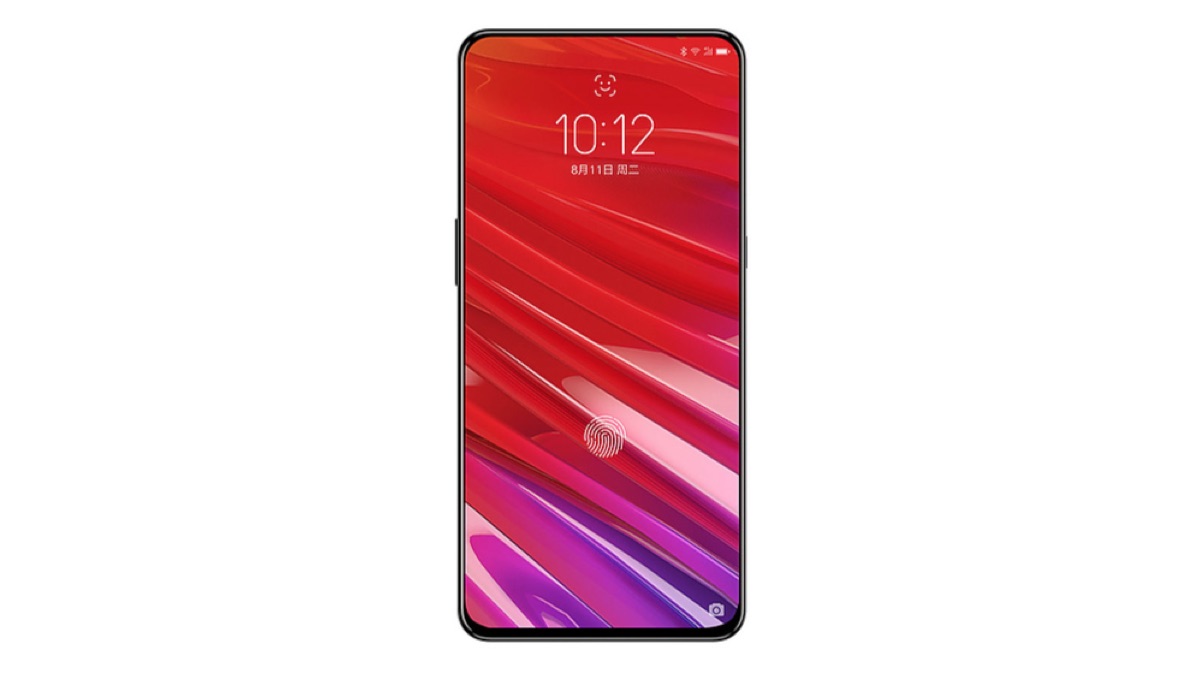
Beijing based Lenovo launched a smartphone last month with a 95% screen-to-body ratio called the Lenovo Z5 Pro. The smartphone features a sliding screen and the Snapdragon 710 SoC. The less powerful chipset allowed the company to price it very aggressively compared to its competitors. The Xiaomi Mi Mix 3 & Honor Magic 2 are its direct competitors due to the similar sliding display feature. Recently, an alleged high-end variant of the Lenovo Z5, called the Lenovo Z5s has been spotted on TENAA.
Lenovo Z5s
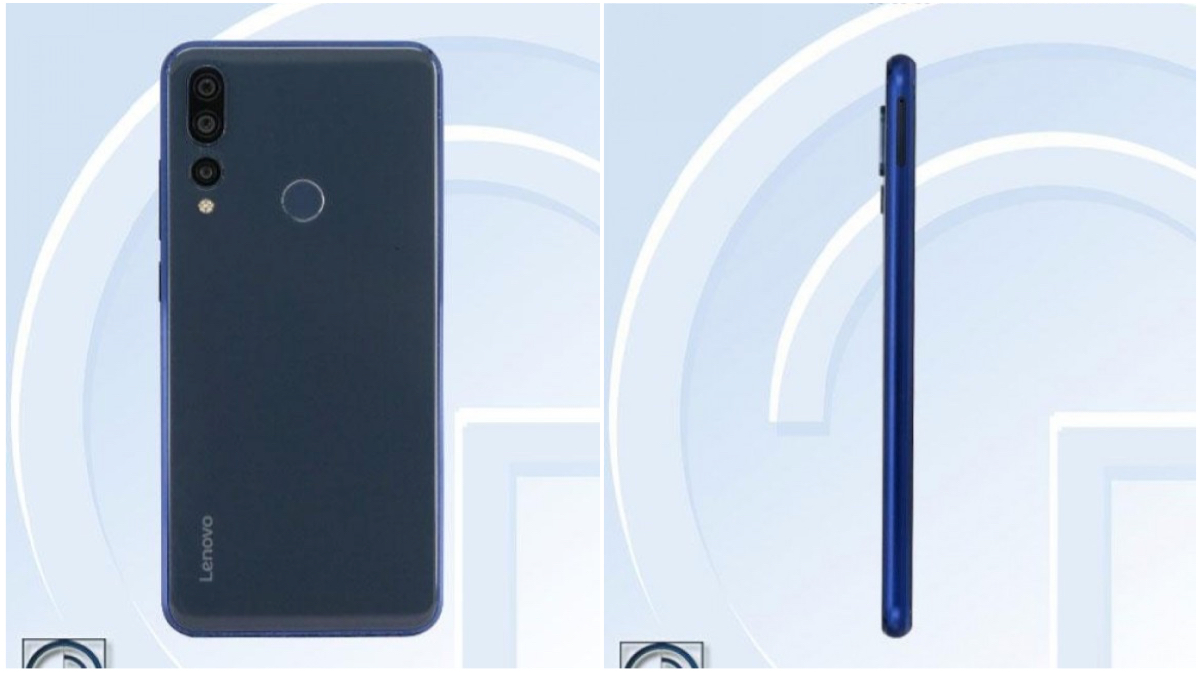
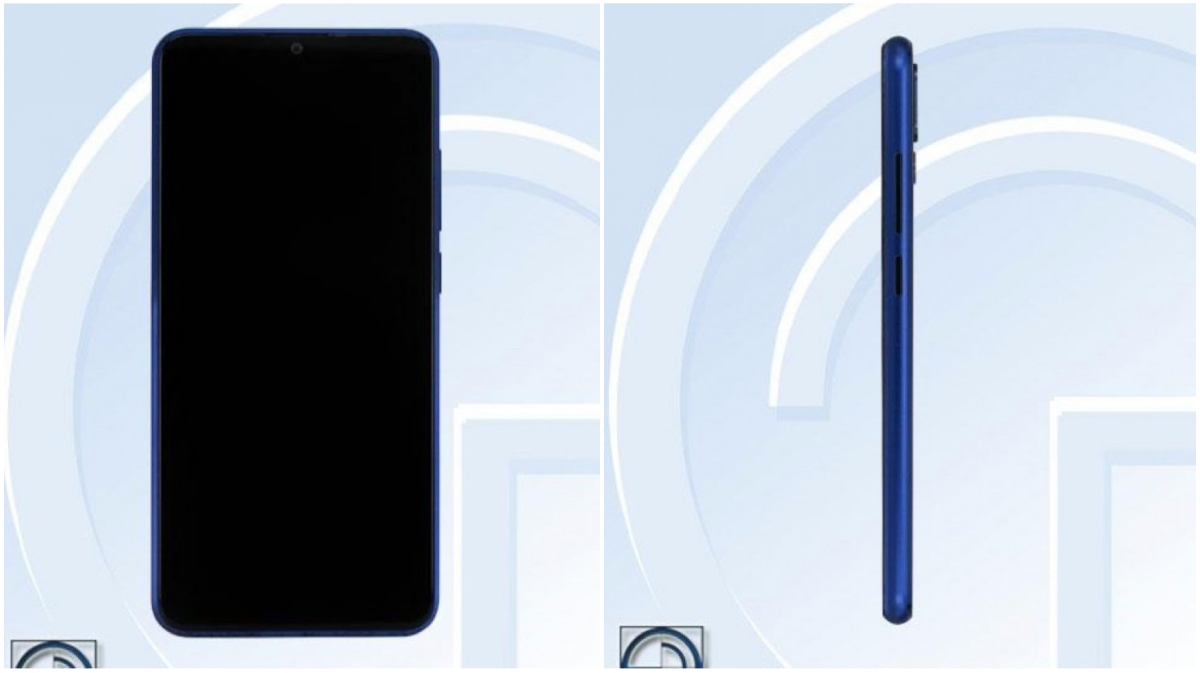
The alleged Lenovo Z5s is listed as model number L78071 on TENNA. According to the images posted on TENAA, the smartphone has a water drop notch display and triple rear cameras along with an LED flash. The triple rear cameras are divided into two separate modules. The top two cameras are placed in a vertical capsule shape while the third camera sensor is placed below it.
For added security, the Lenovo Z5s has a rear-mounted fingerprint sensor. The listing reveals that the smartphone measures 156.7×74.5×7.8 mm. It has a 6.3 inch display and is powered by a 3,210 mAh battery. Other details like the chipset information of the smartphone are unavailable, but reports claim that it might be the first phone to feature the Snapdragon 8150 chipset.
The Snapdragon 8150 chipset is set to launch on December 4th. It will be the successor to the Snapdragon 845 that is featured on the Pixel 3 and OnePlus 6T. It will be manufactured using the 7 nm FinFET technology unlike the 10 nm used by its predecessor. Previously leaked benchmarks of the chipset reveal it gets the highest AI score for any chipset till date. However, it was tested on a developer board and not a real-world smartphone.
To summarise, the upcoming Lenovo Z5s looks like a promising device. Sadly, its launch date is currently unavailable and we will have to wait for the company to announce the same.
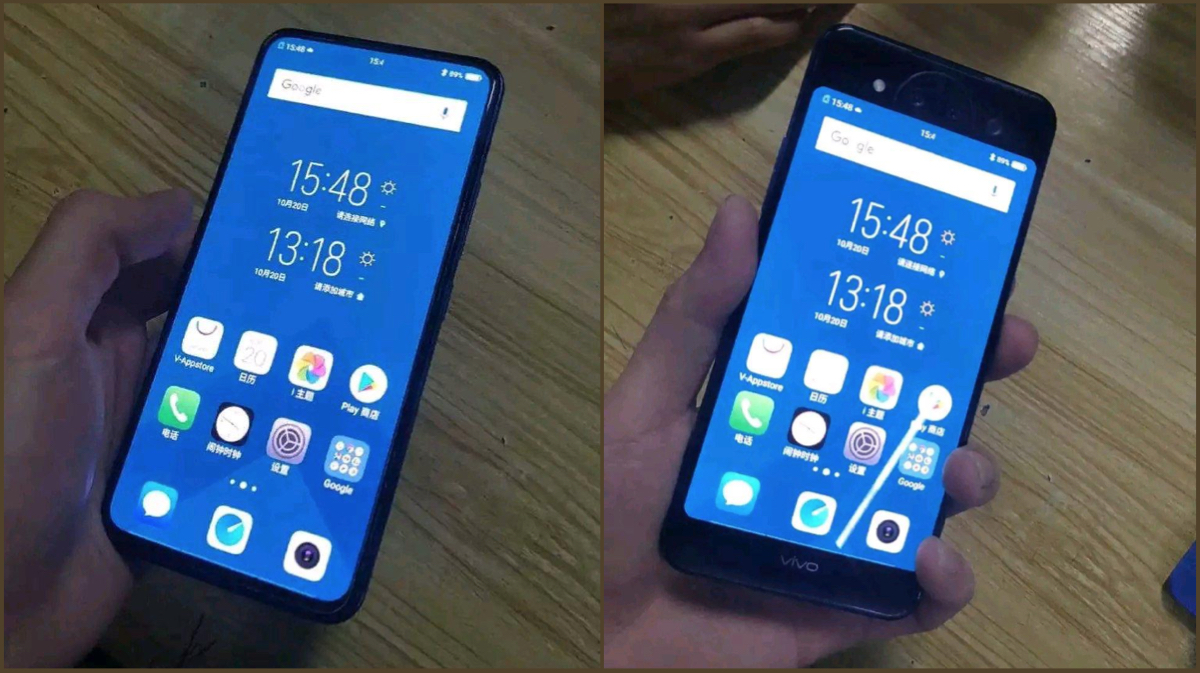
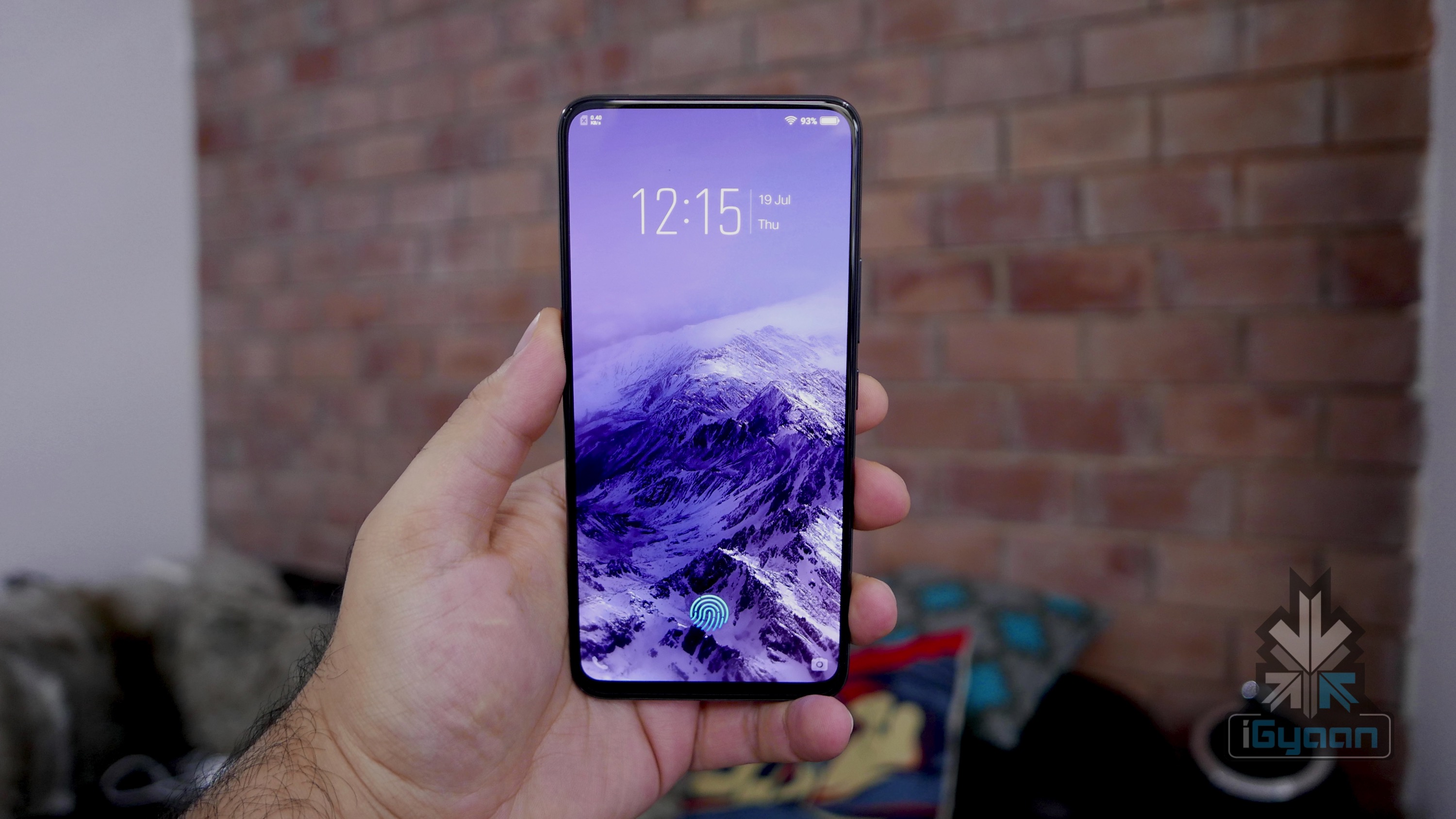
Chinese smartphone manufacturer Vivo launched the Nex S earlier this year with an edge-to-edge display and a fingerprint sensor. Furthermore, it was the first smartphone to have an electronically operated pop out front-facing camera. The combination of all these breakthrough technologies allowed the smartphone to turn a lot of heads. A recent leak suggests that Vivo is readying its successor called the Nex 2 with an even more intriguing feature. The upcoming smartphone will allegedly have dual displays. Another Chinese smartphone manufacturer, Nubia launched a similar smartphone with dual displays. The Nubia smartphone is called the Nubia X.
Dual-Display
Two images of the alleged Vivo Nex 2 were spotted online with two screens, one on the front and one on the rear. The first image reveals that the upcoming smartphone has very thin bezels on all four sides. Furthermore, like its predecessor, it also has no cutouts for the front-facing selfie camera. The rear of the device has an additional, smaller screen, dual cameras along with an LED flash and a mysterious circular cutout for an unknown sensor. It is possible that the device skips on the front camera altogether. As the dual rear cameras can act as both the main rear camera and selfie camera.
Vivo Nex
The smartphone is running on Funtouch OS which is built on top of Android. However, the version of Android is unknown but the company might launch it with Android 9.0 Pie. Other essential technical details like processor and storage options are unavailable but it is expected to have better specifications than its predecessor.
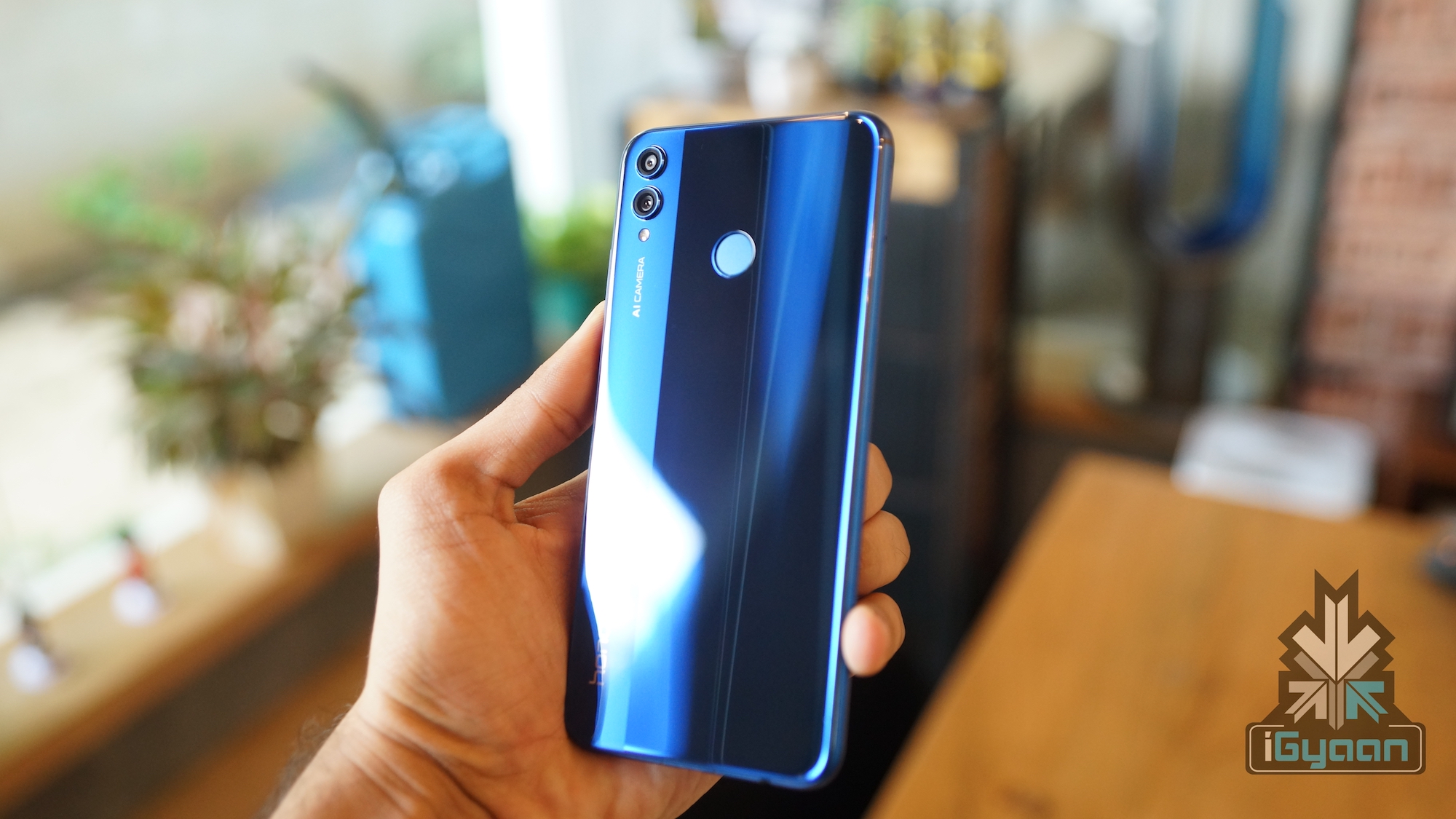
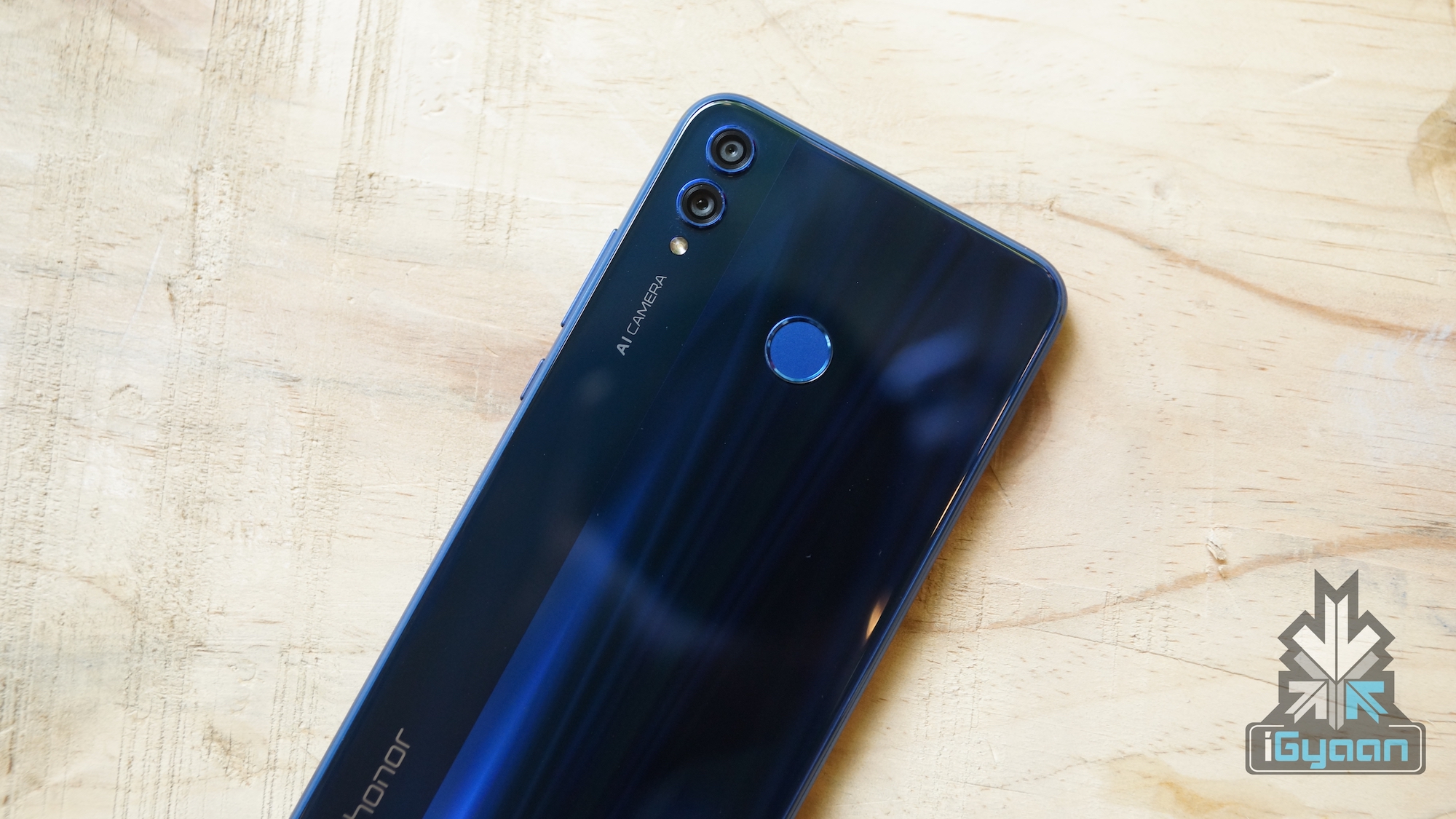
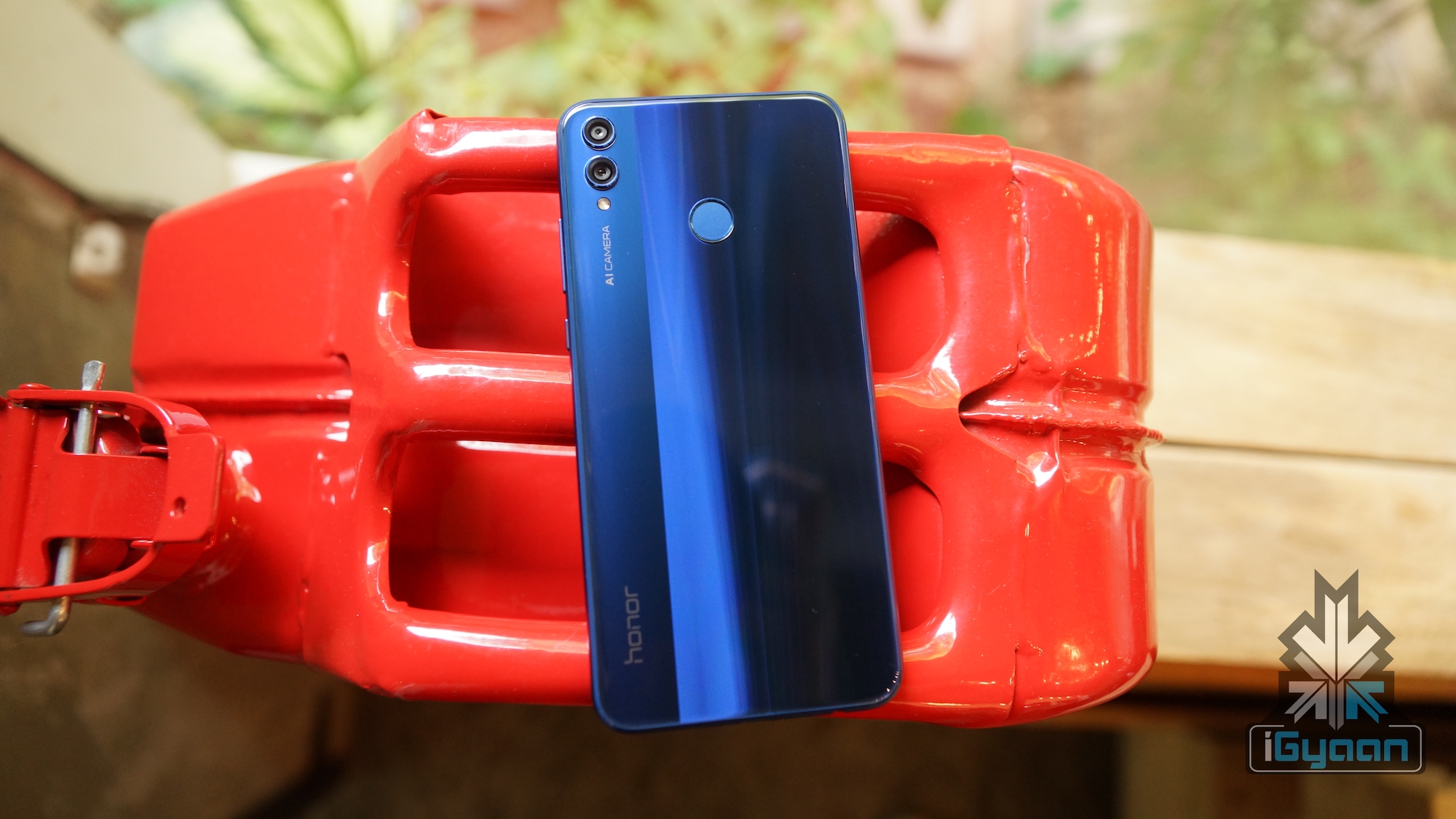
The Honor 8X saw it’s launch in India on October 16th after its launch in China in September. The device runs Android Oreo out of the box. Now it is reported to soon receive a beta update for Android 9 Pie. Honor 8X, which competes with phones such as the Redmi Note 6 Pro, Realme 2 and Nokia 6.1 Plus. The Honor 8X features it’s own user interface known as EMUI. The skin takes time to update as phone companies such as Samsung and Honor take time to put the new skin on the stock android.
According to the company, the beta will be launched in China next week and will be based on Android 9.0 Pie. The new update is supposed to bring performance boosts, bug fixes and offer simplicity and speed. According to reports, the new update will improve the gaming performance of the phone. The update will reportedly have some India specific features such as enhanced language support. While the announcement for the update was made for the 8X, no news has been shared for the larger Honor 8X Max as of now. But the phone will definitely receive an update later on. The beta program will enable users to send feedback. This will enable the company to fix any bugs and other issues that arise in the beta.
Honor 8X features a 6.5 inch IPS LCD capacitive touchscreen display with Corning Gorilla Glass 3. The phone has a dual camera setup with a 20 MP, f/1.8 + 2 MP sensor. It has a 16 MP, f/2.0 selfie camera and is powered by the Kirin 710 processor. The phone costs Rs 14,999 for the 4GB RAM+64GB, Rs 16,999 for 6GB RAM+64GB variant, and Rs 18,999 for the 6GB RAM+128GB storage variant. The phone is giving tough competition to Xiaomi’s Redmi Note 6 Pro in the Indian market.
It seems like Samsung is going all out with its upcoming flagship, the Galaxy S10. Various leaks up till now have told us about some of the details of the phone. And they are every bit interesting. But a latest leak claims something even more interesting.
Massive Memory
A report by GF Securities in Honk Kong has detailed new facts. It says that Samsung is likely to launch a smartphone with 12 GB of RAM along with a massive 1 TB of internal storage. Some reports back in October had also shown alleged images of a listing of a Samsung phone with 12 GB of RAM. Considering the fact that Samsung is not holding back on innovations anymore. Also, the Galaxy S10 is Samsung’s shot at retaining the top position world-wide, 12 GB of RAM looks like a real possibility.
Apart from the crazy memory specifications, the phone is said to launch in four different variants. And these variants will differ not only in price but also a lot of specifications. For starters, they will all have different display sizes, and one of the them, even a different display type altogether. This includes a cheaper Galaxy S10 Lite and a higher end Galaxy S10+. The Galaxy S10 Lite is said to have a flat display. Something that hasn’t been seen in flagship Galaxy phones for a while. The Galaxy S10+ is said to have a massive display, along with 5G connectivity.
Apart from this, the Samsung Galaxy S10 is said to have a triple or even possible quad rear camera setup. It is expected to have an in-display fingerprint sensor, which will use the ultrasonic technology and not the optical fingerprint sensor seen in most devices these days. It is also tipped to be the first phone with a truly bezel-less display, having no notches, cut-outs or sliding cameras.
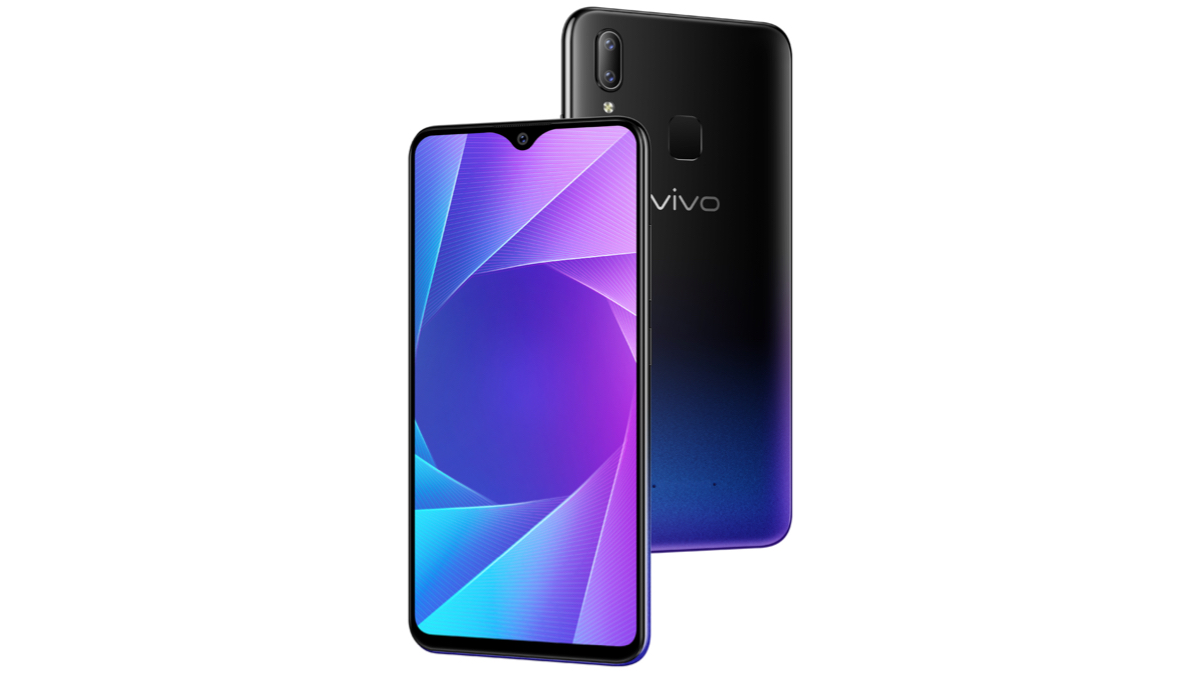
Earlier this month, Vivo launched the Y95 smartphone in the Philippines and now the company has officially launched the device in India as well. Like other Vivo phones, this too has a focus on photography with AI features.
Design & Features
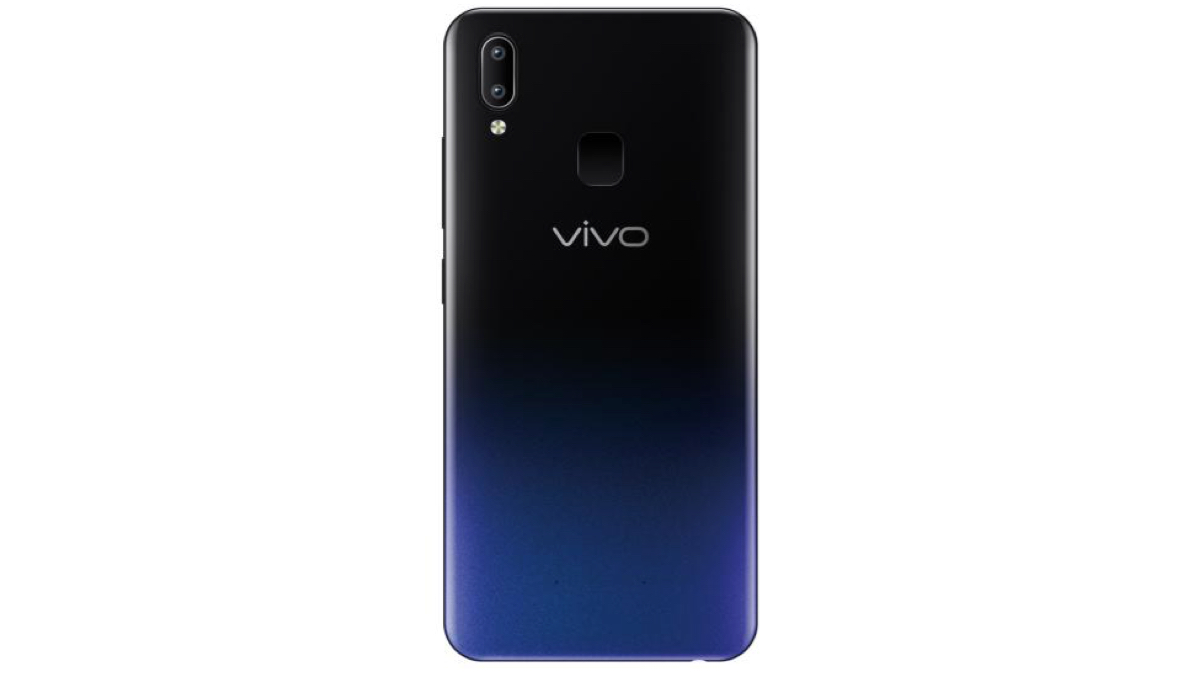
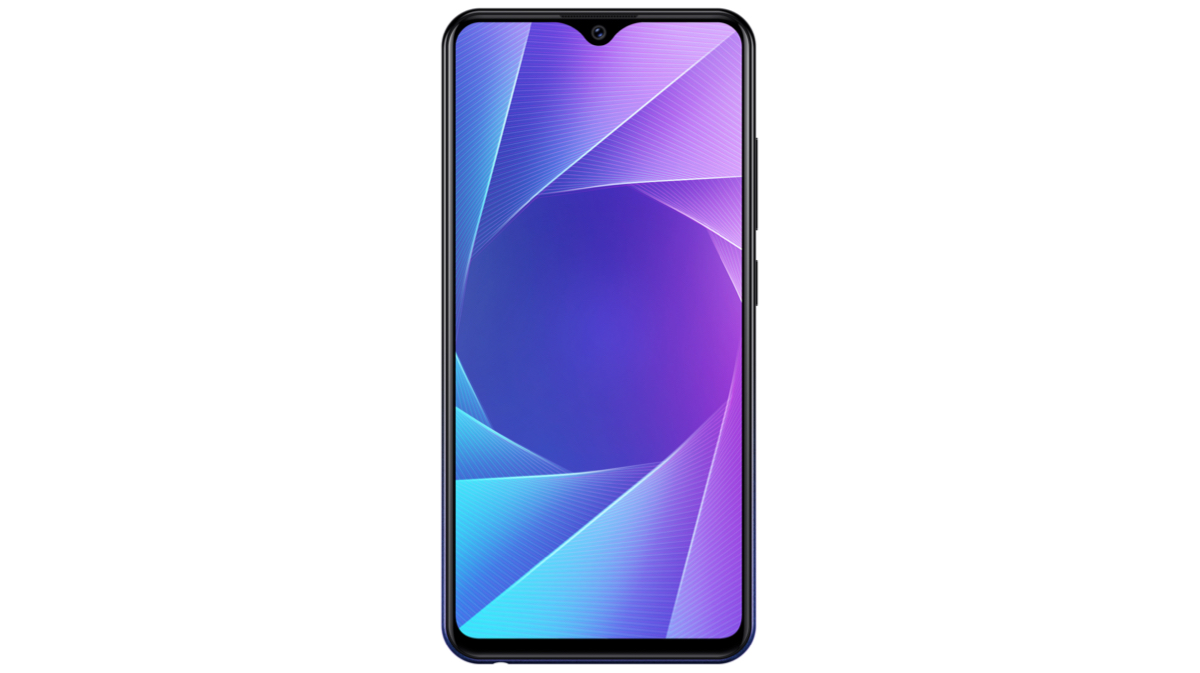
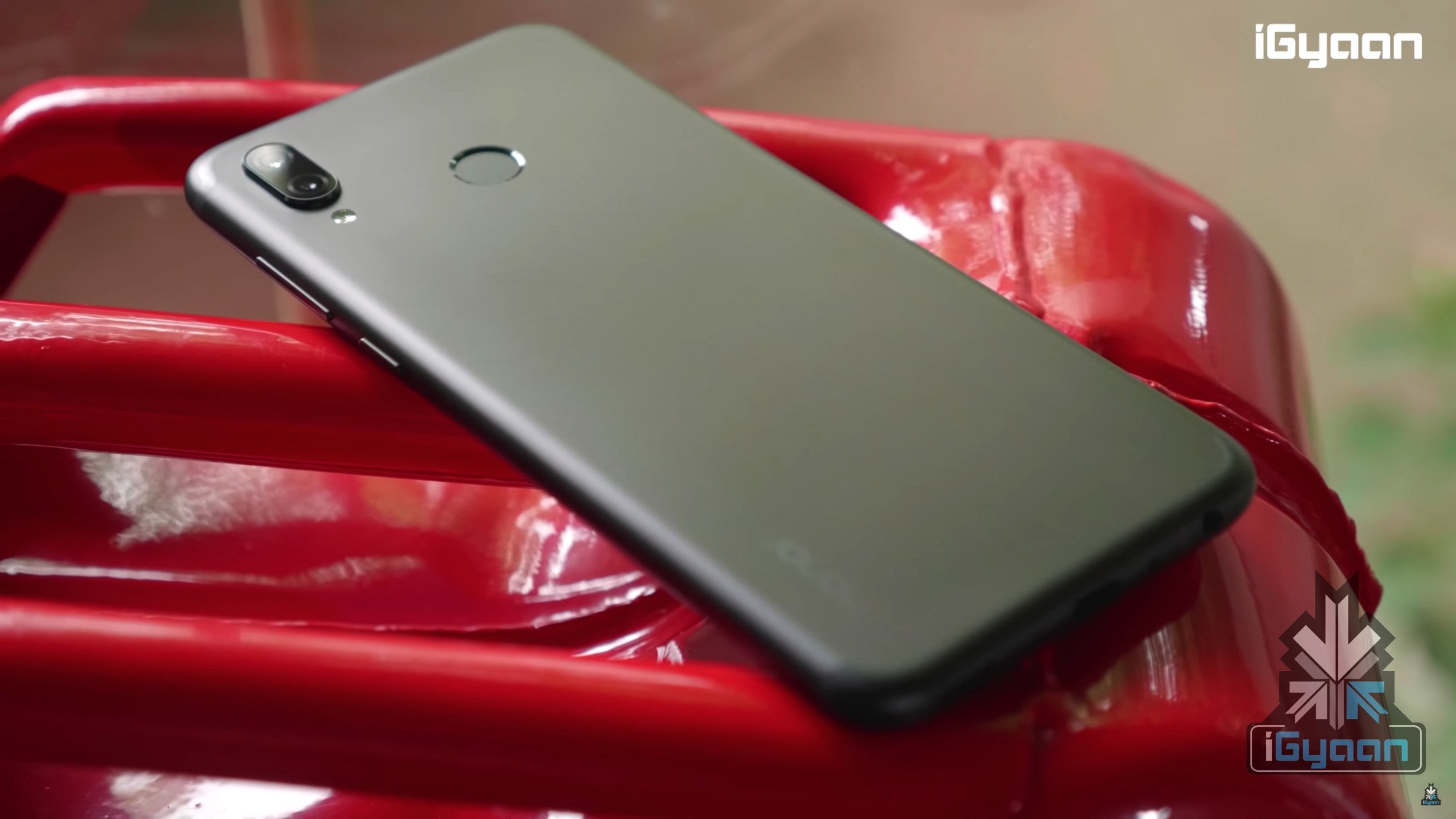
The Vivo Y95 has a 6.22-inch display with a 19:9 aspect ratio and a screen-to-body-ratio of 82.9%. The display has a notch up top which houses the 20 MP front camera. Vivo is referring to the notch display as Halo Display and it has a 1520 x 720 px resolution. The right side of the device is occupied by the dual-sim card slot while the power button and volume rockers are placed on the right. The device has a gradient color back panel which houses the fingerprint sensor and the dual camera set up along with an LED Flash.
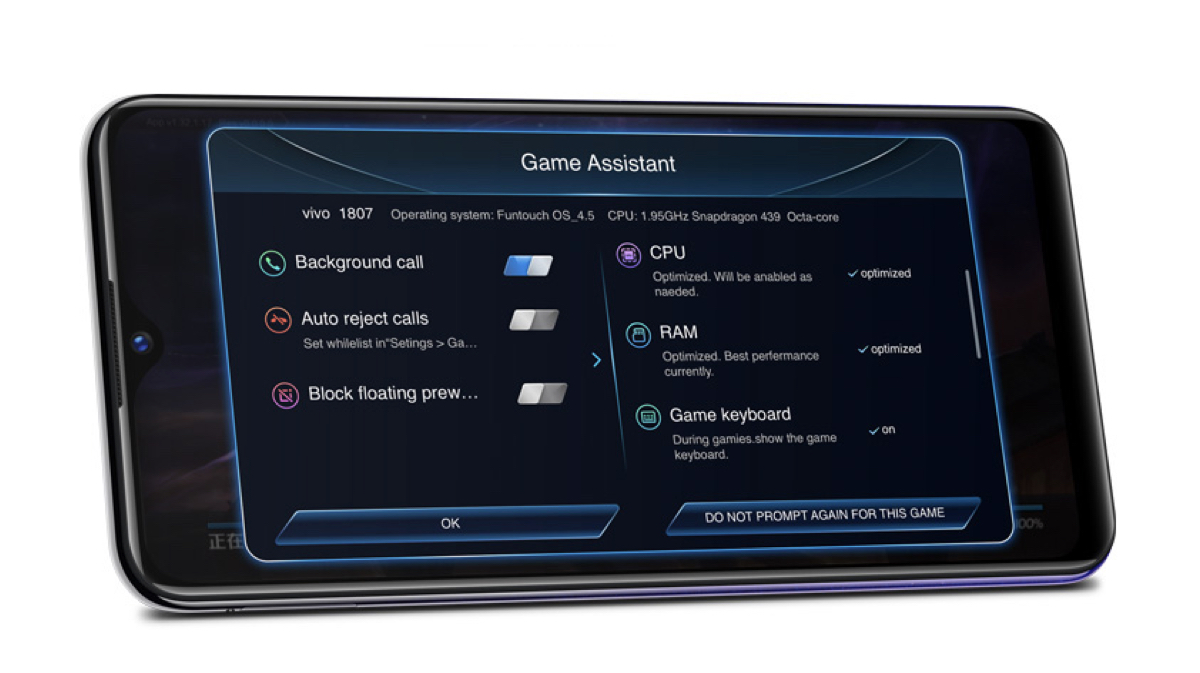
The rear camera setup comprises of an f/2.2 aperture equipped PDAF(Phase Detection Auto Focus) sensor and a 2 MP depth sensor. The Vivo Y95 can capture 1080p Full-HD videos at 30fps with both the front and rear cameras. The camera has multiple AI features like AR stickers, Auto-beauty and scene detection. It also has a dedicated AI Game mode which optimises the system for maximum performance. The AI game mode also has customisable of options like Auto reject calls and blocking app notifications.
Under the hood, the Vivo Y95 packs the Octa-Core Snapdragon 439 CPU along with the Adreno 505 GPU. In terms of connectivity, the smartphone gets 802.11 Wi-Fi, Bluetooth 4.2, GPS and a Micro-USB 2.o port for charging and data syncing. The device is powered by a massive 4,030 mAh battery and runs on Funtouch OS 4.5 which is built on top of Android 8.1 Oreo.
The Vivo Y95 is available in two color options which are Nebula Purple and Starry Night. The device is available in a single memory storage variant for which the price is as follows:
American technology giant Google has been quietly working on an operating system called Fuchsia OS. The secret project first went live on GitHub as an open-source project back in 2016. Most noticeably, the Fuchsia OS, unlike Android and Chrome OS, does not use Linux Kernel. In fact, it uses the Zircon kernel that is derived from “Little Kernel”. Little Kernel is an operating system that was intended for embedded systems. Recently an update in the GitHub project repository reveals that a Huawei engineer was successfully able to boot Fuchsia OS on the Honor Play which features the Kirin 970 SoC.
Honor & Fuchsia OS
The latest patch adds support for the HiSilicon Kirin 970 SoC to the Zircon kernel. The device chosen to run the Fuchsia OS was the Honor Play. Apart from the Honor Play, the Kirin 970 S0C is also present on the Huawei P20 lineup, Huawei Mate 10 lineup, Honor 10, and Honor View 10. However, the latest development is of less importance to the end user for now. But this proves that Huawei is actively participating in the latest developments in the tech world. As they are also the first company to launch an Android smartphone with a 7 nm processor. Their Kirin 980 is a 7 nm processor which is present on the remarkable Huawei Mate 20 Pro.
Not much detail about Fucshia OS is currently available, but it surely will be a cross-device OS. It means that it will run on a wide variety of devices ranging from smartphones to tablets or even laptops. Previously, Google has showcased a Pixelbook with the Fucshia OS. The initial impressions reveal that the OS is heavily inspired by material design. In conclusion, Google is planning something huge with the mystery OS and we expect Google to share at least some details about it soon.
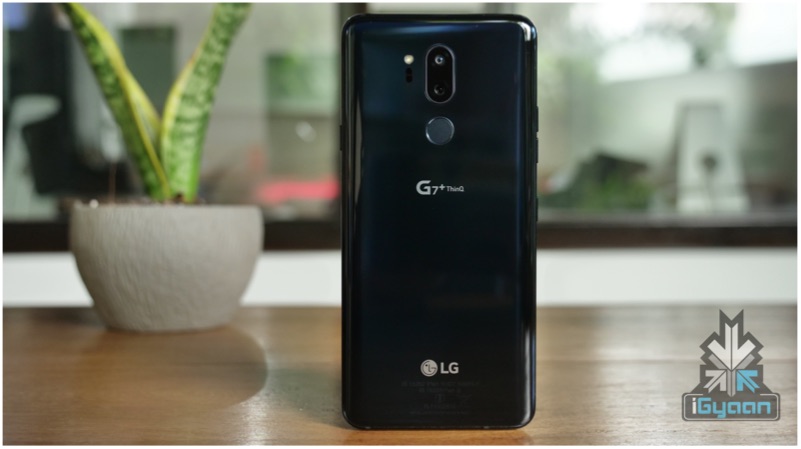
In the past couple of years, dual cameras have become a norm. In fact, it is one of the identifying factors of a modern smartphone. Some companies have taken this a step forward by introducing a triple camera setup, and now Samsung has introduced a quad camera phone. Nokia is ready to one-up all of these with their penta camera Nokia 9 PureView. But nothing could have prepared us for this latest patent by LG. A smartphone with 16 camera lenses!
16 Camera Phone
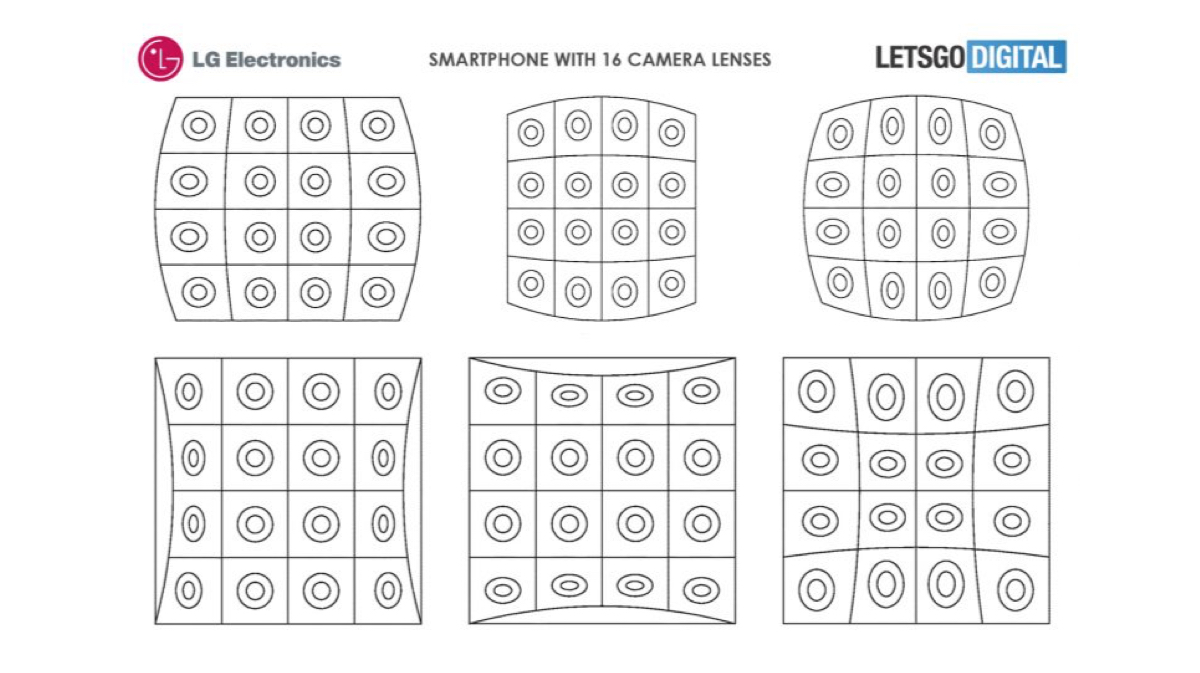
The new ‘hexadecimal’ camera setup looks as weird as it sounds. The images in the patent look like something out of a board game. The patent is with the USPTO (United States Patent and Trademark Office). It explains the design for a mobile terminal and control method for the mobile terminal. Describing a smartphone with 16 lenses in a matrix setup, it also tells us about its functionality.
The lenses are set in a curve, allowing for more features. This allows you to take images from different angles, and use any of them as you please. For example, you can either use all the lenses at once to take the image, and then choose the best out of those. Conversely, you can just choose any one lens as well, depending on the situation you are using it in.
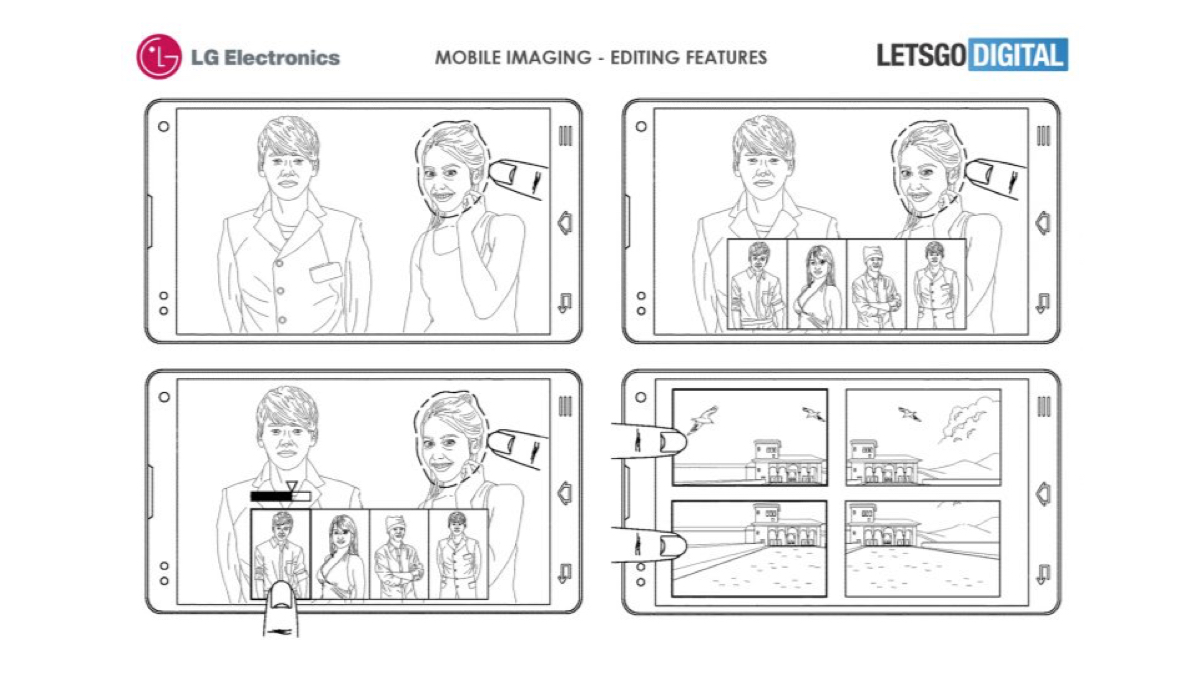
Another very interesting feature detailed by the patent is the possibility to combine multiple images into one. You can cut out a part of the image, and replace it with an image taken by a different lens, which gives you another angle. The smartphone also allows you to combine several parts of different photos to make an image. You can also select the head of a person or an object, and even turn it around or replace it with a head from another image.
What’s More
Another interesting aspect is the mirror on the back of the phone. According to the patent, you can use the mirror to take a self-portrait using the main camera. This will result in higher quality selfies. But the patent also explains that the phone will still maintain a front camera, as the image from the main camera will be large in terms of size and can sometimes be difficult to share. It will also aid in making video calls.
There is also a possibility of the smartphone integrating a touchpad/ display at the rear. The back of the phone also has a speaker, giving the user a stereo sound effect. Additionally, the patent also details that the this can be used in a foldable phone and a flip phone as well.
American chipmaker Qualcomm, will launch their highly anticipated Snapdragon 8150 SoC on December 4th. It will be the successor to the Snapdragon 845, which is present on devices like the OnePlus 6T & the Google Pixel 3. It will be manufactured using the 7 nm FinFET technology which theoretically will result in a better battery backup and improved performance. Other companies including Apple and Huawei are already offering 7 nm processors on their current smartphones. The Apple iPhone XS and iPhone XS Max feature the 7 nm A12 SoC while the Huawei Mate 20 Pro features the 7 nm Kirin 980 Soc. Till now, the details about the innards of the processor were unavailable. But recently a famous twitter leaker Ice Universe has shared some key details about it.
The tweet was posted by Ice Universe who is a trustable source as his past leaks have mostly turned out true. The post also reveals that the Snapdragon 8150 comprises four Kryo Gold cores and four Kryo Silver cores. Three out of the four Kryo Gold core’s have 256 KB of L2 cache and a maximum frequency of 2.419 GHz. While the fourth core has 512 KB of L2 cache and a turbo clock speed of up to 2.842 GHz.
In comparison, each of the four Kryo Gold cores of the Snapdragon 845 has 256 KB of L2 Cache. This additional 256 KB on the fourth Kryo Gold core of the upcoming processor will result in faster processing power. The remaining four cores of the 8150 SoC are comprised of Kryo Silver. Each Kryo Silver core has 128 KB of L2 cache memory and a max clock frequency of 1.786 GHz.
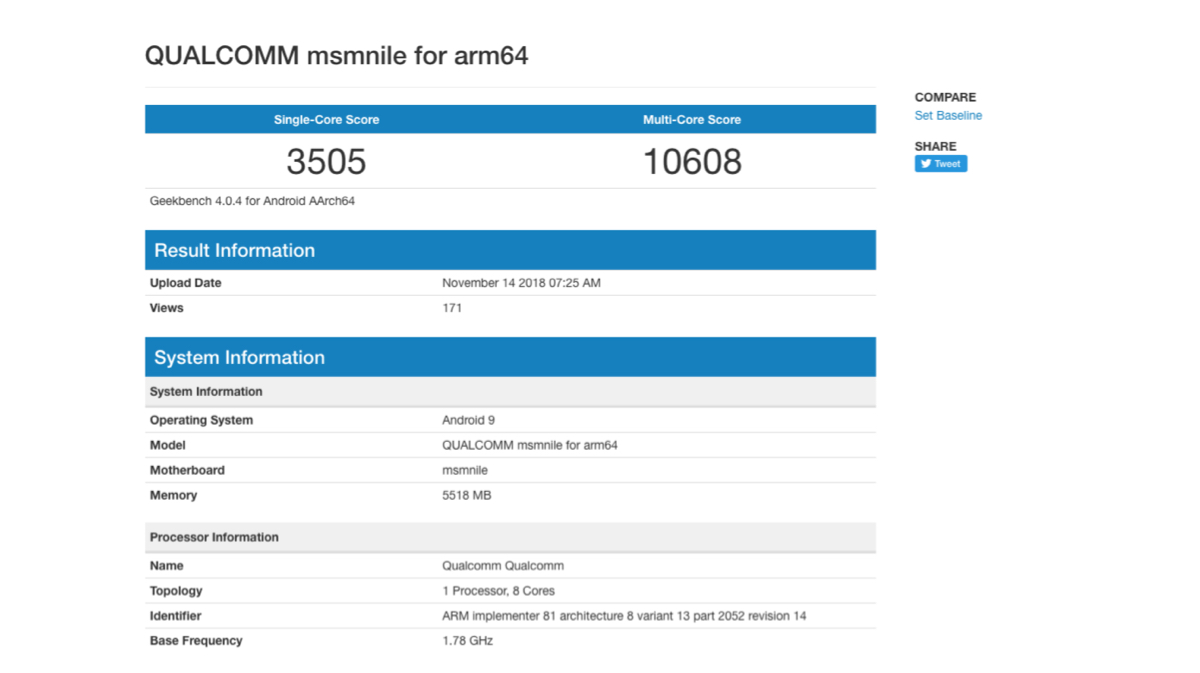
The Snapdragon 815o has already been spotted on Geekbench. It gets a single core score of 3505 points and multi-core score of 10608. This makes it the fastest Android chipset, even faster than the Huawei Mate 20 Pro. The Kirin 980 on the Mate 20 Pro gets a single-core score of 3390 and multi-core score of 10318. All in all, the upcoming SoC will be an absolute beast.
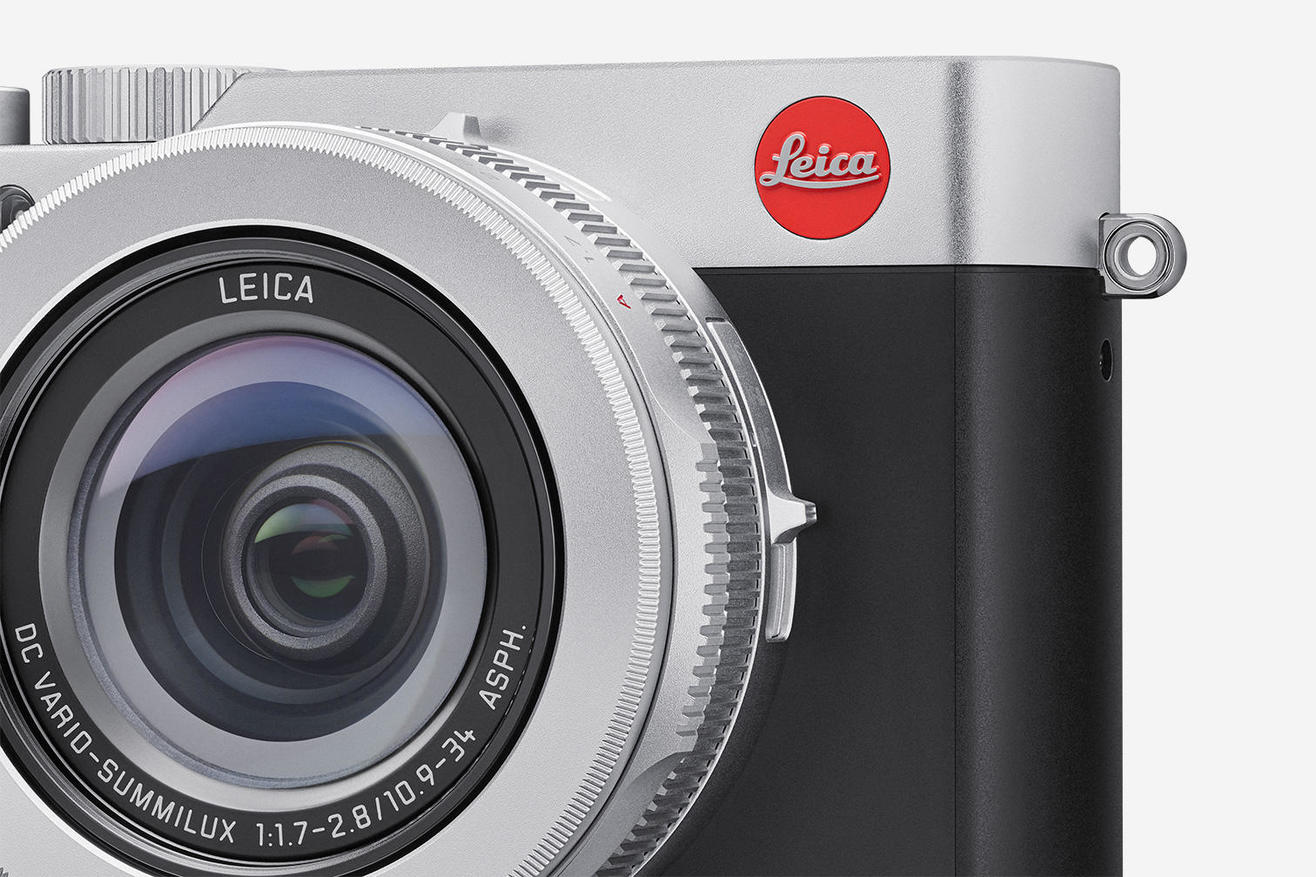
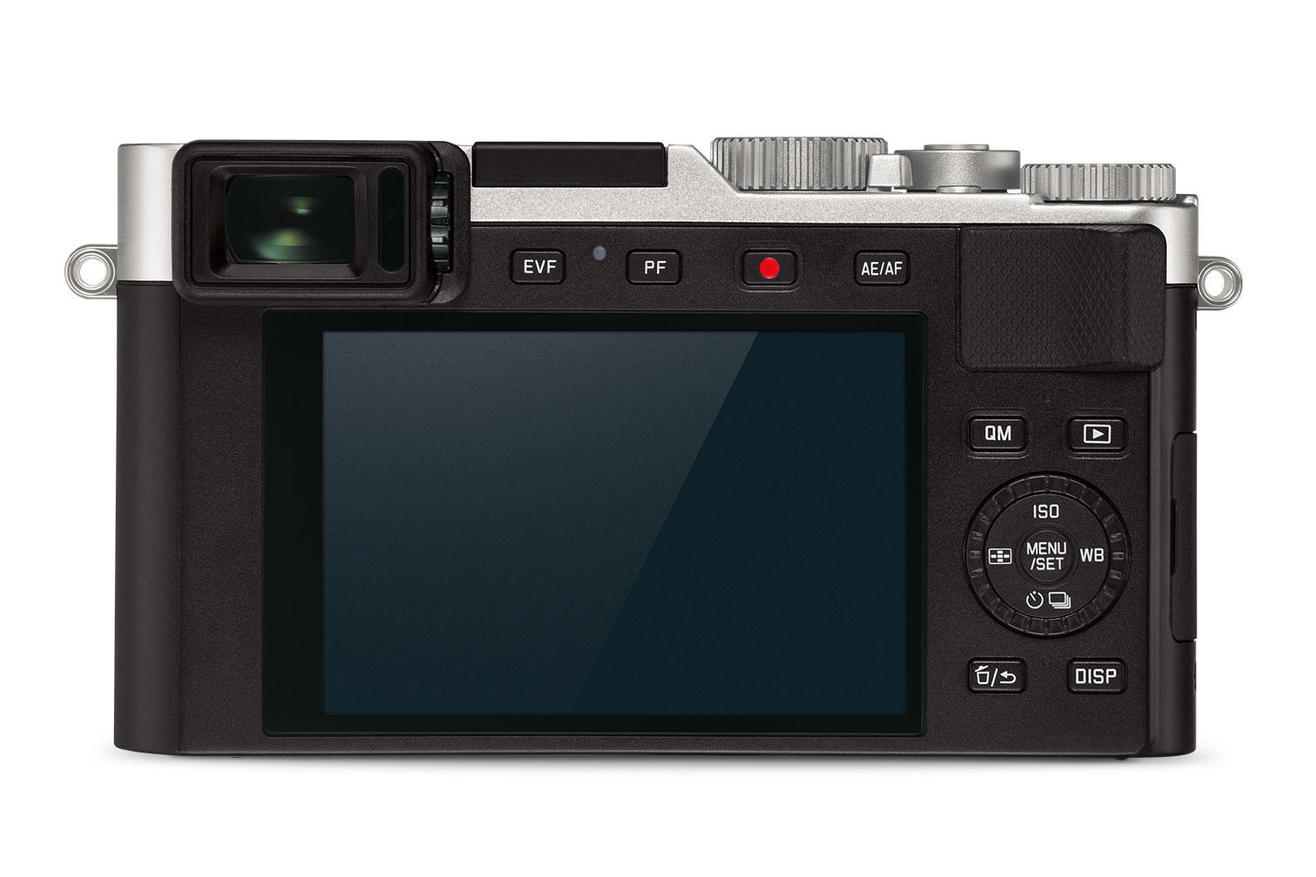
Leica has recently set their sights on the Indian market and being a price sensitive market, luxury camera buyers are few. Leica recently announced a new smaller camera, the D- Lux 7, that focusses on low light photography and costs around just 1 Lakh!
Features And Specifications
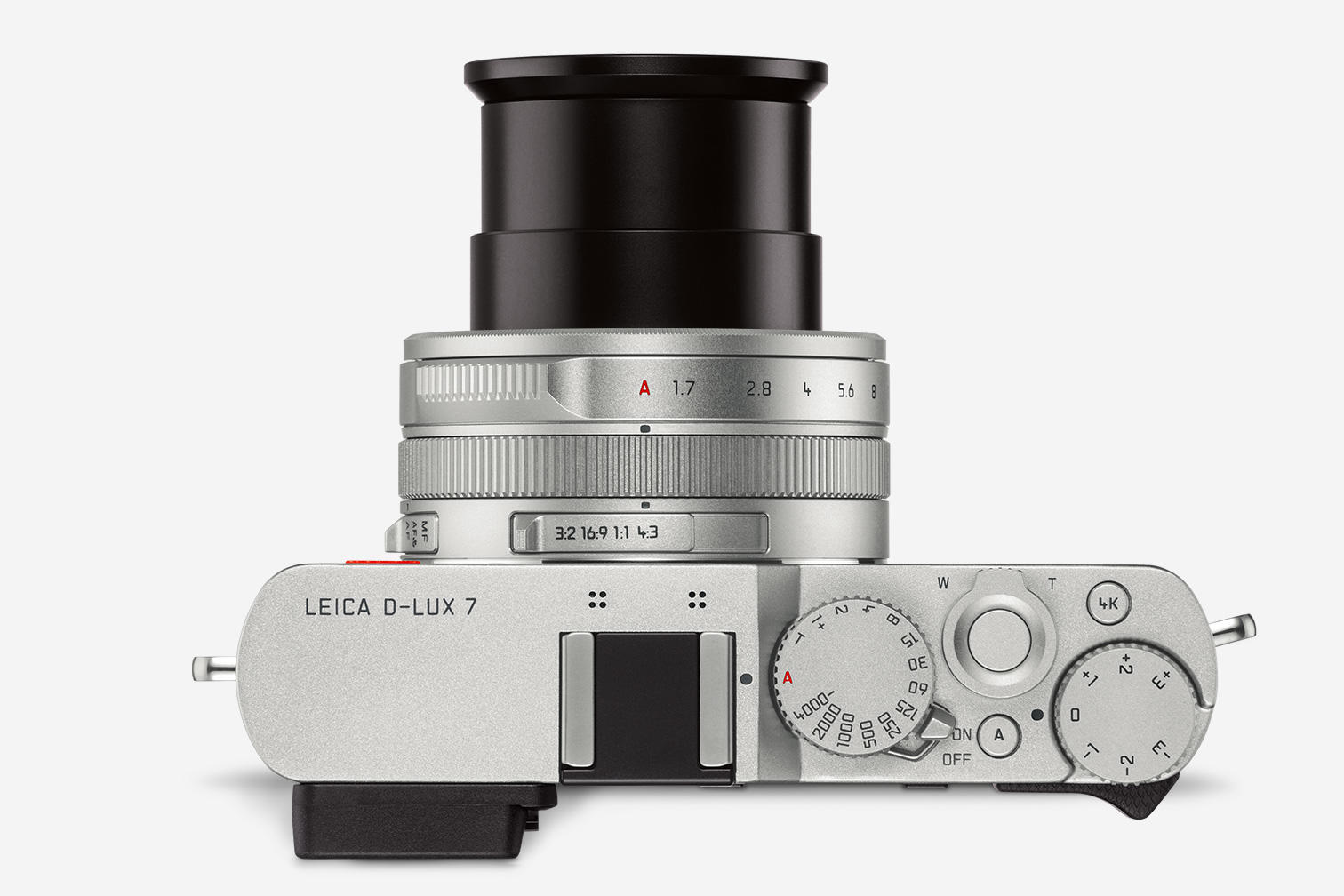
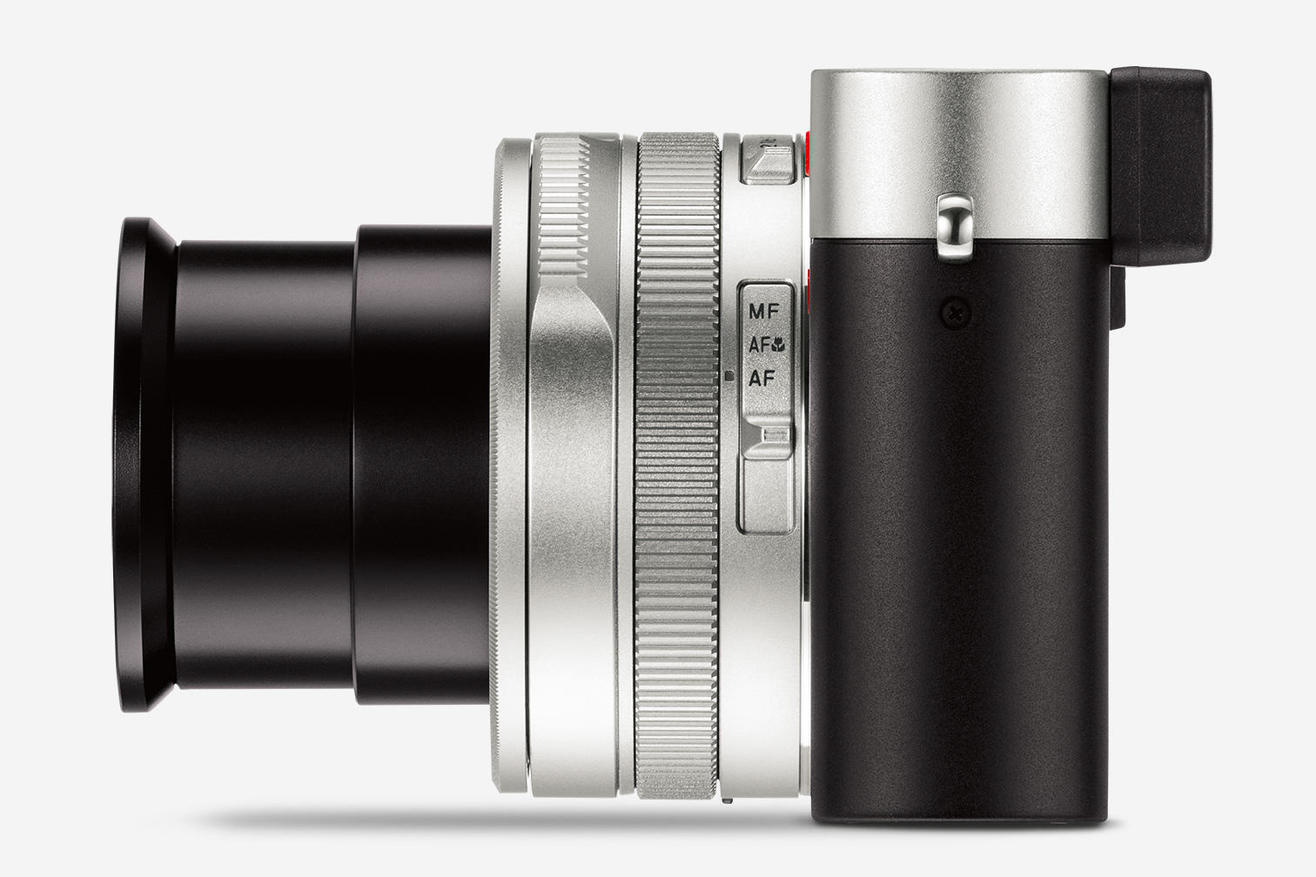
The D- Lux 7 features a 17-megapixel sensor and automatic exposure mode. The camera also has manual setting options and a 4/3rd sensor. It comes with a Leica DC Vario-Summilux 10.9-34mm f/1.7-2.8 ASPH whose 35mm equivalent is 24 – 75mm. This camera will be the first in the D-Lux lineup that will support the Leica FOTOS App. The app can be used to transfer photos and videos instantly to iOS and Android devices.
Delivering full resolution images, independent of the selected aspect ratio (3:2, 4:3, 16:9), the camera features a burst mode of up to 11 frames per second. It shoots both RAW and JPEG images. The company claims that it is great for beginners as they can use the automatic exposure mode to their advantage. Street photographers can use this camera quite comfortably given its compact size. It weights just 403 grams and can be easily carried in a small bag.
The 3-inch touchscreen with a resolution of 1.24 million pixels is a great addition. Especially at a time when Leica is removing screens from cameras that support the Leica FOTOS app. The D- Lux 7 shoots 4K resolution videos at 30 frames per second in both MP4 and AVCHD-format. With a maximum ISO sensitivity of 25600, the low light performance is supposed to be great. Leica also claims that the 4/3rd sensor means larger pixels that are able to collect more light which reportedly reduces image noise.
Connectivity features of the D- Lux 7 include Wi-Fi compliant WPA / WPA2 and Bluetooth 4.2. It also has AUTO/Red-Eye Reduction and can shoot in Program, Aperture-priority, Shutter-priority and Manual modes.
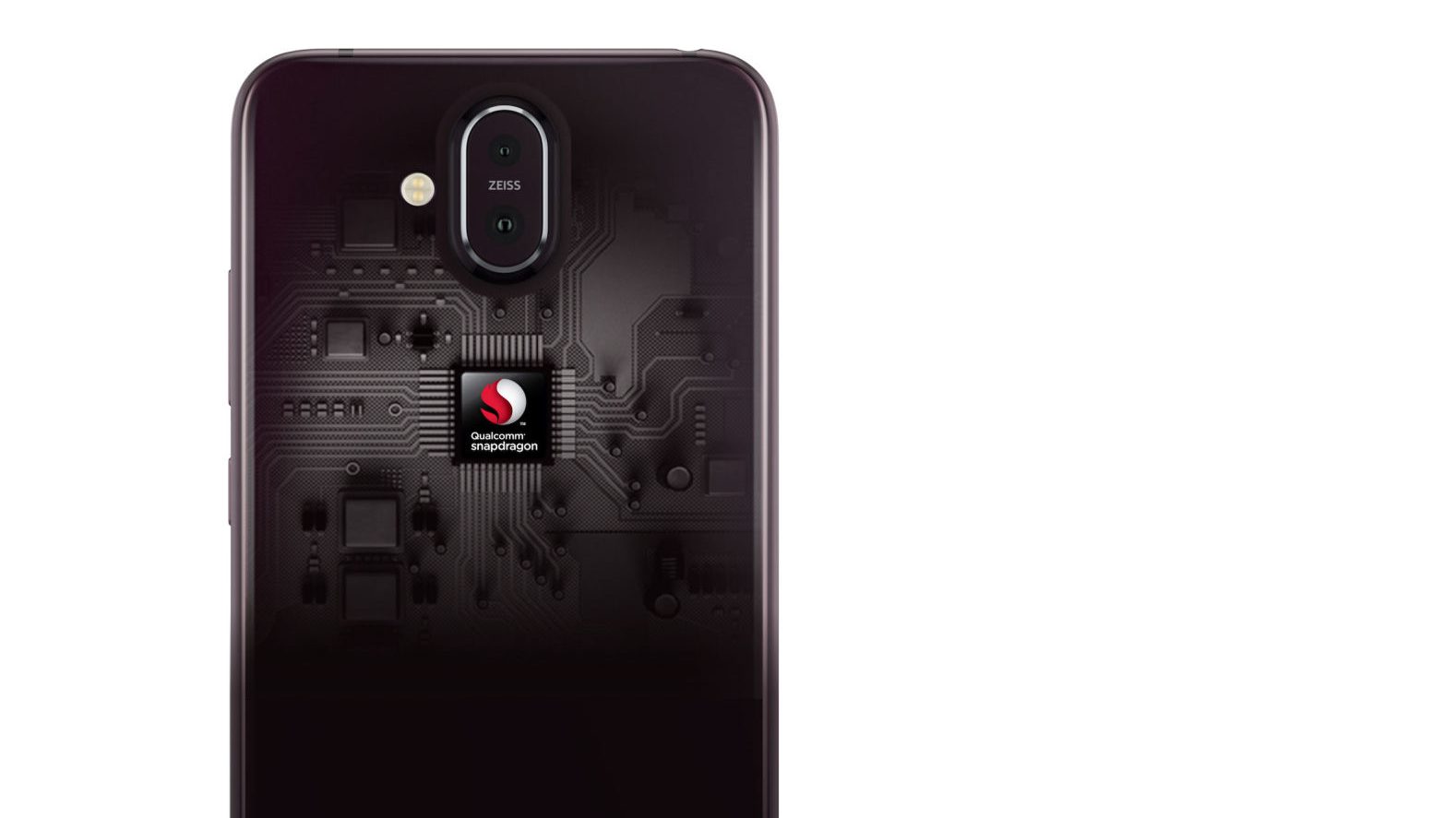
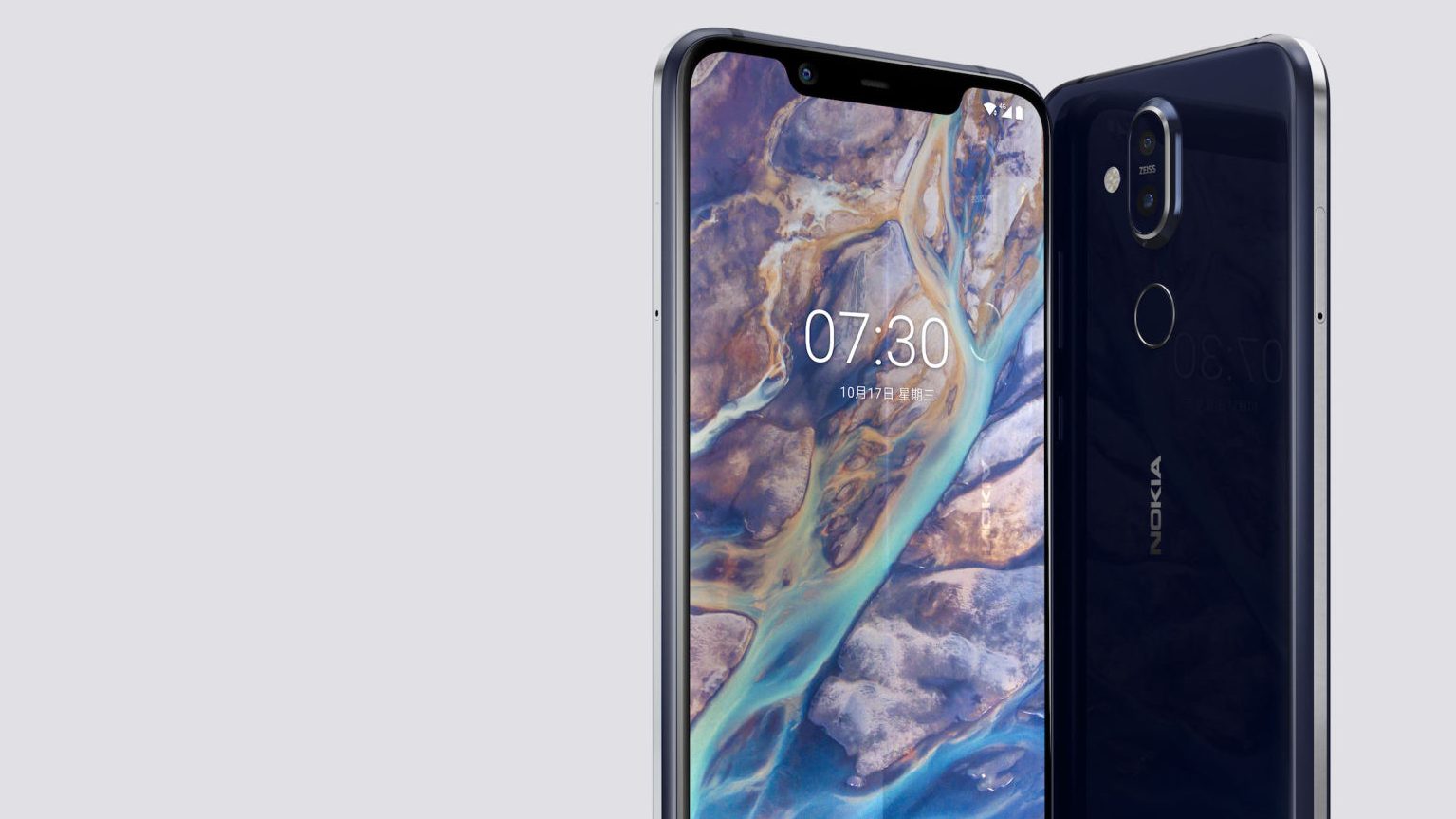
It has been two years since Nokia started manufacturing smartphones with the Android OS. Nokia ships their smartphones with Android One, which allows the company to rapidly push out latest updates. A good build, competitive pricing, and fast updates have allowed Nokia to slowly gain traction in the smartphone market. The company launched their Nokia X7 aka Nokia 8.1 in China last month and now a twitter post suggests the former will soon launch in India as well.
The Nokia X7 measures 154.8 x 75.76 x 7.97 mm and weighs in at 178 grams. The smartphone has a Full HD 6.18-inch LCD display with a notch up top which house the speakerphone and front-facing camera. The display has a resolution of 2280 x 1080 px and a pixel density of 408 ppi. Under the hood, the smartphone features the Qualcomm Snapdragon 710 SoC. The Snapdragon 710 SoC comprises of an Octa-Core CPU and an Adreno 616 GPU. Out of the eight cores, the two Kryo 360 Gold’s are clocked at 2.2 GHz while the six Kryo 360 Silver’s are clocked at 1.7 GHz.
For photography, the Nokia X7 aka Nokia 8.1 gets dual 12 MP + 13 MP sensors which can also capture 2160p 4K videos at 30 fps. The front camera has a 20 MP sensor which can also capture 1080p videos at 30 fps. The smartphone is powered by a 3,500 mAh battery which supports fast charging and runs on Android 8.1 Oreo. For secure and quick biometric verification, it also has a rear-mounted fingerprint sensor.
Talking about the sensors, the Nokia 8.1 gets an electronic compass, accelerometer, gyroscope, ambient light sensor, and a proximity sensor.
Price & Colors
The Nokia 8.1 is available in 4 different colors which are Night Black, Night Red, Magic Night Silver, and Dark Blue. The Indian pricing of the smartphone will only be revealed after its launch but is expected to similarly priced as its Chinese variant. It is available in storage variants for which the price is as follows:
Nokia X7 4 GB RAM / 64 GB ROM price- CNY 1,699 (around Rs. 18,000)
Nokia X7 6 GB RAM / 64 GB ROM price- CNY 1,999 (around Rs. 21,200)
Nokia X7 6 GB RAM / 128 GB ROM price- CNY 2,499 (around Rs. 26,500)
Chinese phone manufacturing company Huawei, recently teased a new smartphone on a Chinese networking website. It is believed to be the Nova 3S, but the poster reveals very little. The Nova 2S saw it’s release in December last year and a followup of it is due soon. The poster reveals the phone’s outline with a bright light on the top left of the screen. This may indicate a camera cut-out, one that Samsung has also teased recently. Samsung’s design is known as the Infinity O. It has a round shaped camera hole on one side of the screen and features an infinity display.
Teased Features
The teaser poster also has a line of text written on it. Roughly translated, it reads “Selfie portrait full screen”. The mysterious phone has a bright light from one corner and the date for it’s release has been set for the 12th of December. If the Huawei Nova 3S does have an in display camera, this might be the first smartphone with such a technology. The Samsung Galaxy A8s is reported to be released in January 2019, a month after the Huawei phone’s launch.
The Huawei Nova 2S which released in December last year featured Android 8.0 out of the box with a HiSilicon Kirin 960 (16 nm) chipset and an Octa-Core CPU. It featured a Mali-G71 MP8 GPU and a 16 MP, f/1.8+ 20 MP, f/1.8 dual camera set up. The Nova 3 launched around six months back and sported a notch. This may be missing from this newly teased phone. The Nova 3 sports a 6.3 inch IPS LCD display with a Hisilicon Kirin 970 chipset and Octa-Core CPU. We can expect a camera with more megapixels than the 16 MP and 24 MP that previously was featured on the Nova 3.
Huawei is also focusing on the Indian market a lot and time will tell if the Huawei Nova 3s releases in India or not. Huawei is also launching the Mate 20 Pro in India on 27th November.
Every month we bring to you the best and the coolest gadgets from around the web. So here’s this month’s pick for the top tech gadgets and accessories and DIY tools for under Rs 200.
Foldable Keyboard
This foldable keyboard is a great accessory for all those who work on the go. Being a bluetooth keyboard, it can connect to your smartphone easily and at any point of time. The keyboard also comes with a stand, on which you can mount your phone. The keys are well spaced-out, but its not the best typing experience. However, considering its size, it offers great travel. It also has a micro USB charging port. It even has dedicated keys for Windows, iOS and more. Another interesting feature is the dedicated shutter button which lets you take selfies on your phone from the keyboard. Surely a top tech.
Smart Plug
This is a smart plug which connects to your Wi-Fi to function. You can then use an app through your smartphone to control the smart plug and turn it on and off. The smart plug also has two USB ports which are turned on always, regardless of whether you turn on the plug or not. You can also set up schedules and timers as to when you want the plug to be turned on. You can also control it via Alexa and Google Assistant.
Bumper Laptop Sleeve
This Bumper Laptop Sleeve is as functional as good looking. It has a very sleek, non intrusive design and goes well in all kinds of environments. The laptop sleeve is built for 13.3 inch laptops. It has a rigid, rubber bumper on the outside, which will protect it from shocks and impact. It has a soft fabric lining on the inside, which also protects your laptop. The exterior bumper also has a very attractive design. The case opens from one side. The opening is magnetic and snaps back into place once you take your laptop out or place it in.
Wireless Air Mouse
This is a rechargeable wireless Air Mouse cum keyboard. This wireless mouse can connect to any TV or laptop and can be helpful in many ways. The wireless mouse lets you control your device easily, without the hassles of buttons. This is also useful in laptops in scenarios where you would have to get up again and again to access the controls. The mouse also has a keyboard on the back, which is useful for typing, both on TVs and on laptops. A very useful top tech.
Cordless Screwdriver
This is a great product for all those who love DIY projects and also for generally anybody who uses screws and screwdrivers regularly. The screwdriver has a great build quality and it also grips very well in your hand. On the front, it has an LED torch light, which helps you see the area ahead of it, to help you in dark conditions. It is rechargeable and has many different magnetic bits for each type of screw head. It has a 200 cycles per minute speed. The screwdriver also has three different speed modes.
USB Fingerprint Scanner
This is a portable, USB fingerprint scanner. This can be used on laptops and PCs and gives you security and convenience at the same time. The device is fairly easy to setup and can be used whenever you are on the go. It has Windows Hello support, making it trustworthy and secure. You just need to setup your fingerprint once, after which the sensor will help you unlock your system. Th fingerprint sensor is very fast and responsive and ensures a better user experience.
Tyre Pressure Gauge
The Michelin tyre pressure gauge is one of the most accurate tyre pressure gauges both in and around its price segment. The gauge comes with a keyring, which we felt is very convenient. The accuracy of the gauge is pretty high and gives you a clear idea about the air pressure levels in your tyres. It also has an inbuilt flashlight and a backlit display for use in darkness. You can measure the tyre pressure in PSI, BAR, KPA or Kg/cm. This range of options surely makes it very convenient.
Gas Leak Detector
This gas leak detector is a great gadget for in terms of both, functionality and safety. The detector gives out a loud alarm in case it detects a gas leak or incase the temperature outside rises a beyond limit. This includes Butane, CNG and more. It is really helpful and convenient and is a must have for almost everyone. A helpful top tech.
Gods Rudra Backpack
The Gods Rudra backpack is a water repellant laptop back. It is not only useful, but it looks great as well. The bag has a lot of storage and dedicated slots for many items or accessories you might use on a daily basis. It also has a reflective pair of ‘eyes’ on the back which reflect any light thrown at them. The eyes resemble Ironman and not only look really cool, they are handy for drivers to spot you if you are walking down the road or even riding a bike.
USB Type-C To HDMI Adapter
This USB Type-C to HDMI adapter is a great accessory for all those who have a USB Type-C port on their smartphones. The adapter can be used for connecting your phone or any other device for that matter, to an external display. It supports 4K at 60 Hz. You can also use it with laptops or tablets with a USB Type- port. The adapter is made from good quality aluminium and is a great accessory to have.
 Also Read: Lenovo Z5s To Launch Soon With Triple Rear Cameras