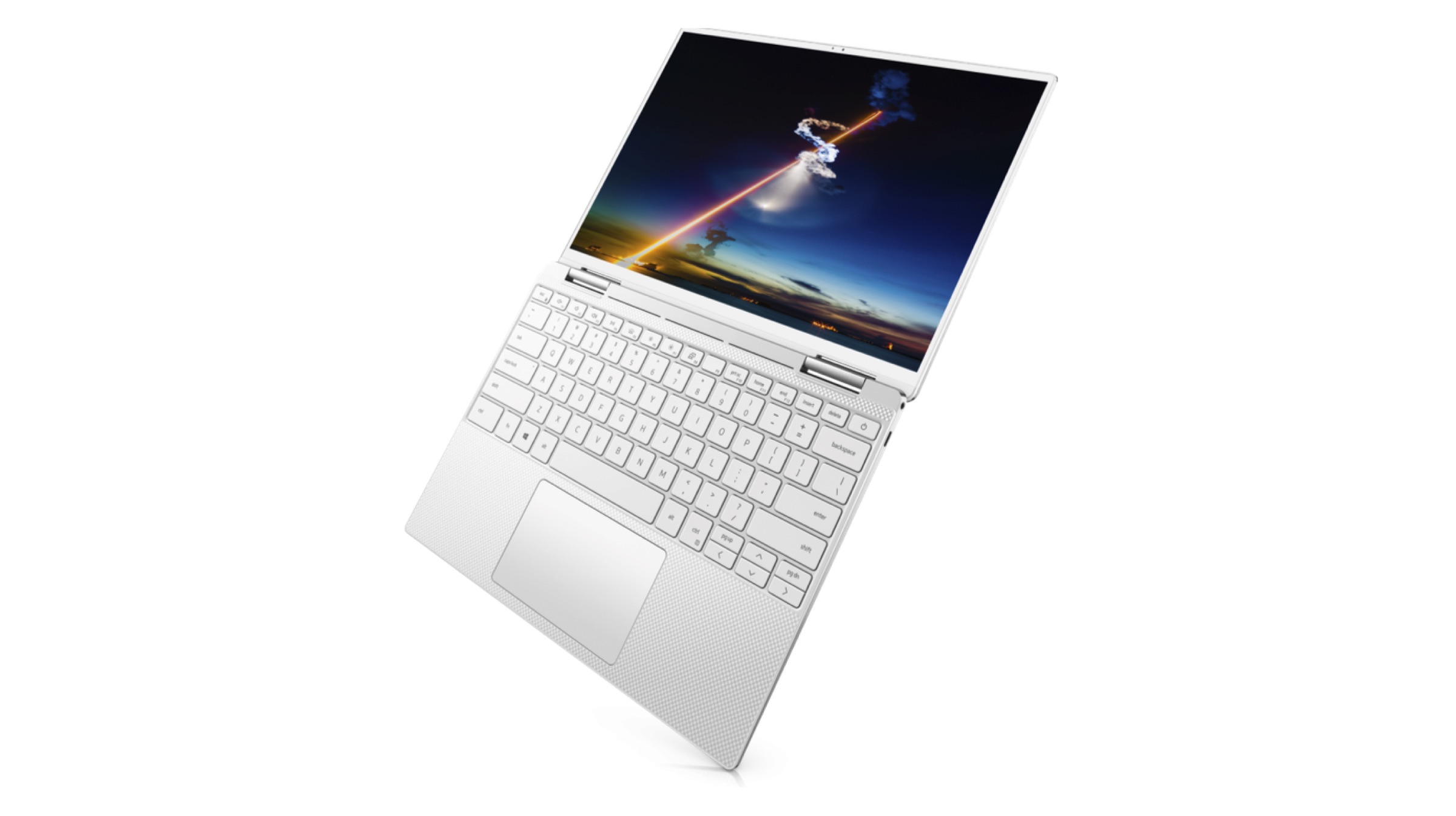
Category: Computing

All the Computer and Laptop news, bundled with all add ons including Printers and Peripherals.

  • Dell Refreshes The XPS 13 With Intel’s Latest 10th Gen CPU Processors

    Dell Refreshes The XPS 13 With Intel’s Latest 10th Gen CPU Processors

    Computex 2019 has seen its fair share of updates and overhauls in the specifications and design of laptops. However, none so far have crossed the generation in the processor unit. The Dell XPS 13 2-in-1 laptop previously received a minor update regarding the placement of the webcam back in CES in the month of January. The long-awaited Intel 10th Gen Ice Lake processor also makes a debut with the XPS 13.
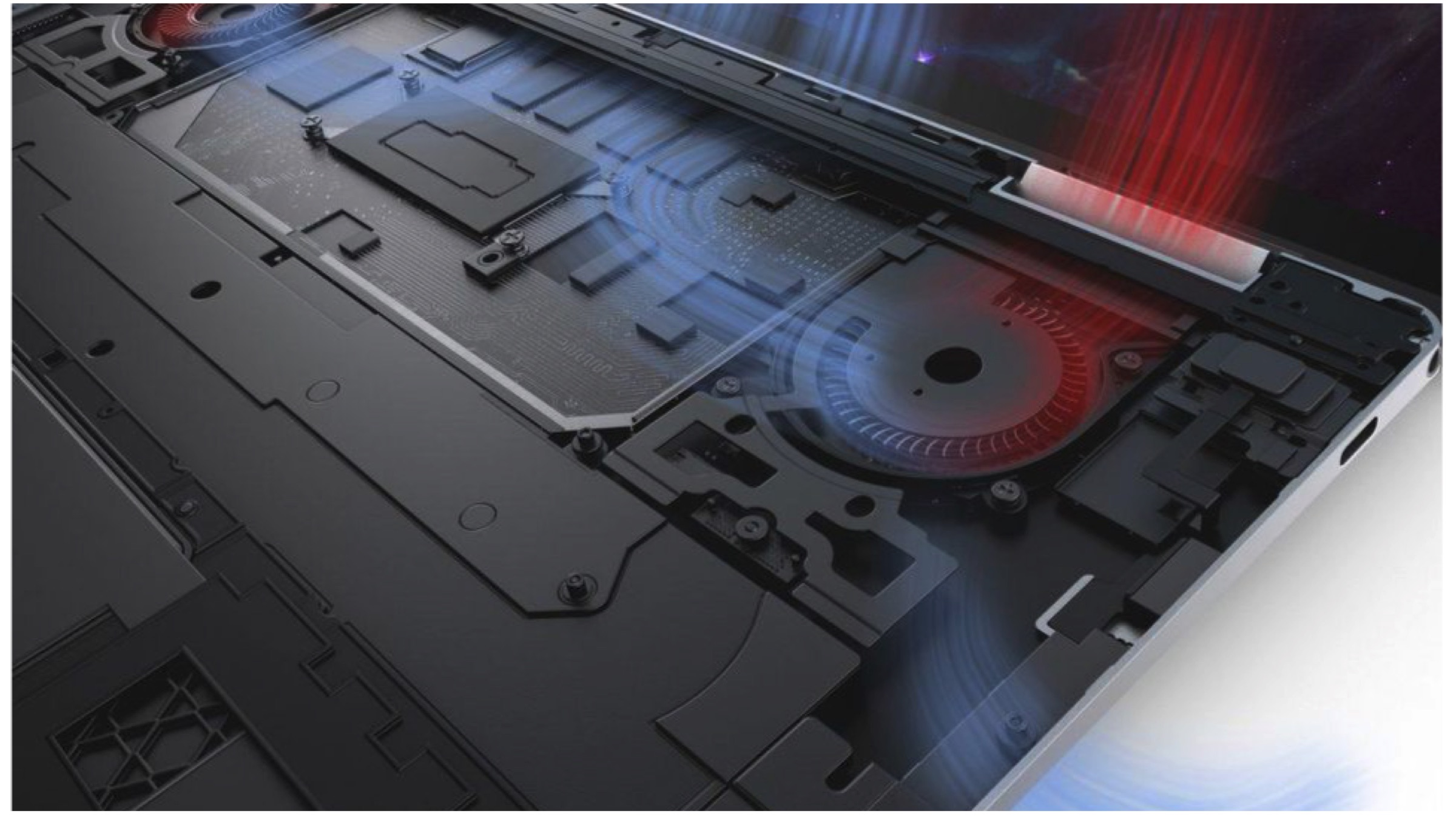
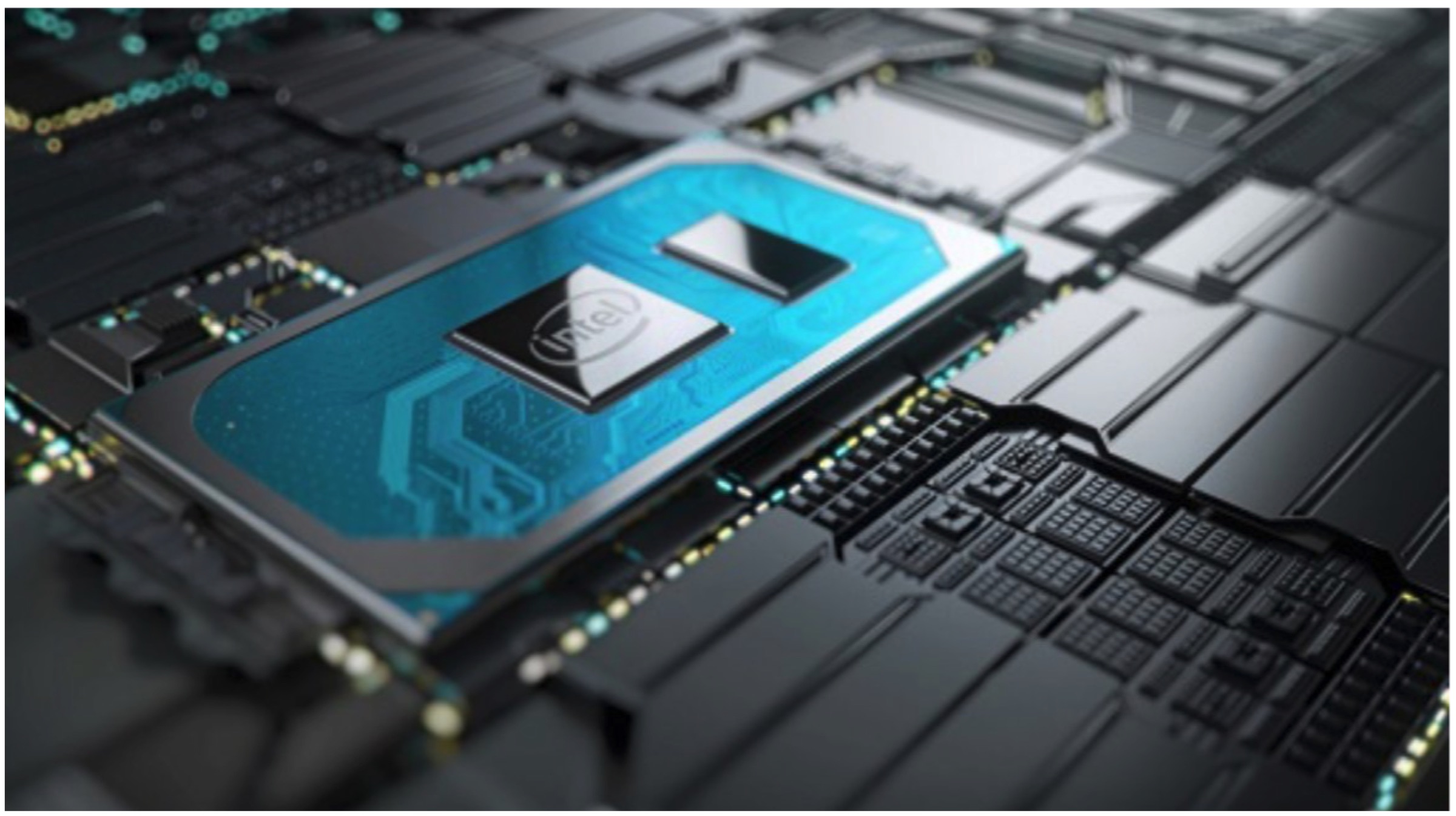
    Along with a new display and keyboard, the key change made is the upgrade to Intel’s latest generation of CPUs. Intel’s new 10nm Ice Lake chips in the Dell XPS 13 are based on the U-Series lineup of the 10th generation. The company had to add fans to the XPS 13 to utilize the more powerful processor over the Y-Series lineup which was made specifically for fanless laptops and is a worthwhile trade for better performance. Dell, for assurance, is going as far as to claim two and a half times more processing strength than the last iteration of the notebook with the addition of the latest chipset.

    Dell has also bumped up the screen size to 13.4 inches, changing the aspect ratio of the display to 16:10. This made the screen slightly taller than its previous versions. The latest version has a bigger keyboard and touchpad, which is a significant improvement over its predecessor. In a similar fashion to its variants from the past, the display options on the notebook are still FHD+ or 4K.
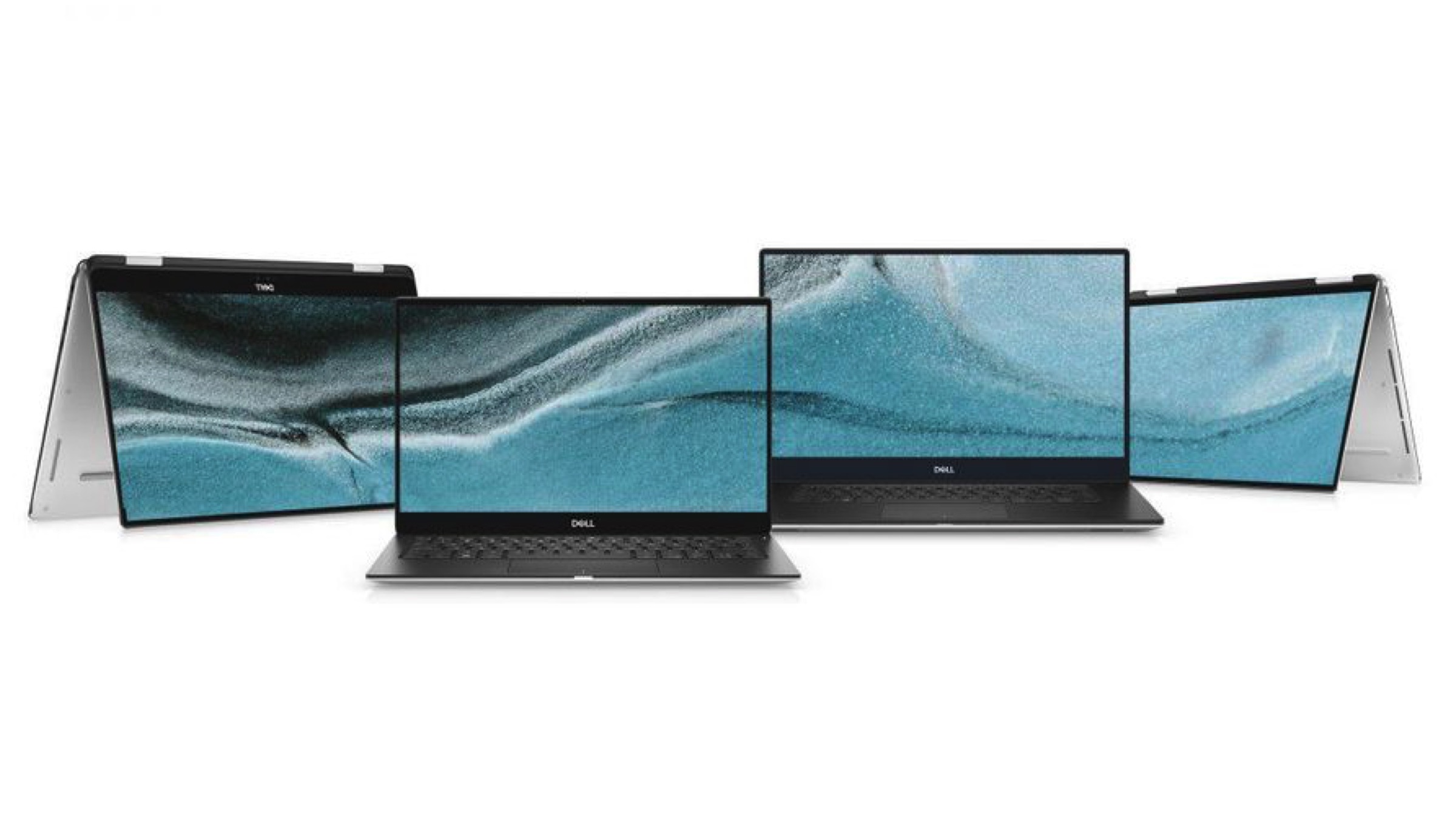
    The Maglev (Magnetic Levitation) keys make an appearance in the XPS 13 2-in-1 laptop, borrowed from the XPS 15 from 2018. However, it is not the exact same keyboard and slight touches are evident due to the presence of more metal than the XPS 15. For biometric security, a fingerprint sensor is placed comfortably alongside the keyboard.

    Also ReadIntel’s Project Athena Pushes Higher Industry Standards For Ultrabooks

    Additional variants of the XPS 13 are available with the latest iterations as well. Dell now gives the option of the 9th Generation Intel Core processors (i5, i7, and i9) along with the new GTX 1650 from NVIDIA and RAM upto 64GB. A new 4K OLED display is optional too. Dell has yet to announce the release of XPS 13 and XPS 15 in the global market, but the pricing of the regular XPS 15 sits at $999.99 (~ Rs. 70,000), and $1899.99 (Rs. 1,32,000) for the OLED variant.


  • Intel’s Project Athena Pushes  Higher Industry Standards For Ultrabooks

    Intel’s Project Athena Pushes Higher Industry Standards For Ultrabooks

    Intel was the first to coin the term ‘Ultrabook’ for high-end subnotebook computers. Spending millions of dollars into a marketing strategy aimed for the industry’s latest most powerful laptops that were less bulky without compromising on battery life overall. Project Athena as announced by Intel seeks to revisit this old definition and make true on certain promises left undelivered.

    The Ultrabook laptops had unintentionally brought with them an industry standard demanding lightweight, thinner dimensions, effective performance and battery life. The Industry had, on the contrary, thrived with these new set of restrictive parameters that gave birth to a new breed of ultra-thin laptops capable of rivalling some of their desktop counterparts.

    Gone were the days of plastics. These new machines now sported a more premium metallic form factor and were installed with new hardware that made the lag that had always accompanied laptops a less frequent occurrence. Powerful laptops like HP Spectre x360 and XPS 13 by Dell pulled ahead in the competition.

    Intel has dedicated itself to challenge the norm again by taking laptops even further with Project Athena. However, unlike last time, Intel did not showcase a tag or name like ‘Ultrabook’ to market to the world. Project Athena’s focus is not on an inexpensive marketing gimmick but to hunt for the big industry-wide lies that have pervaded the market since its inception. Battery life sits at the forefront of such a lie. 

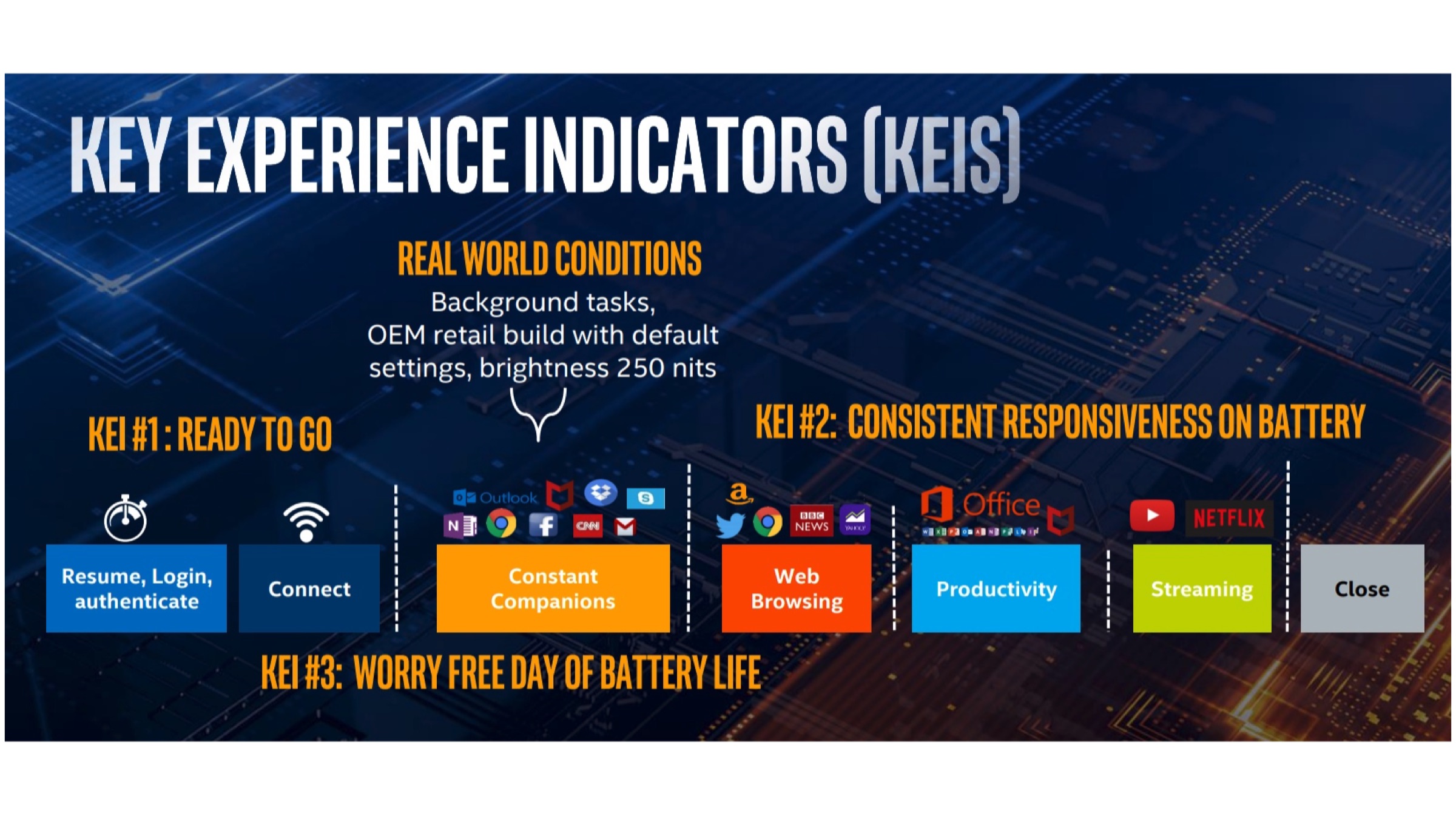
    Project Athena sets the minimal benchmark for laptops to deliver 9 hours of real-world battery life while browsing over the internet on Wi-Fi, at a brightness of 250 nits. Laptops have woefully failed to deliver on the longer battery life that had been promised before and thinner laptops have a stronger tendency to skimp out on the said feature. Manufacturers that advertise their products with 24 hours of battery life, with video playback that barely puts any strain on the CPU while Wi-FI is turned off and brightness at its lowest, do not portray an accurate real-life scenario of daily use.

    Battery life is just the start. Project Athena will require a laptop to also boot from sleep within a second and be ready for web browsing in 2 seconds flat while having the same performance output regardless of whether the laptop is plugged in or running on battery. Intel set the basic hardware requirements with touchscreen displays, accurate trackpads, ample amount of RAM (8GB) and an NVMe SSD (256GB) equipped within the laptop.

    Intel, taking it upon itself to enforce the standards set by them to actually satisfy the consumers’ needs. The company promises to discourage practices that have manufacturers cheap out on essential parts of a system. ‘Cheating’ as Intel put it will not be tolerated and the ‘Ultrabook’ brand will have its standards set high. Project Athena is not an advertisement or marketing scheme that the users shall ever encounter, dedicating themselves not to be in the face of every consumer but guaranteeing a good experience that they will feel. 

    There is just one glaringly obvious problem. OEMs and manufacturers have no real incentive or reason to actually adhere to these standards that may lead to the rise of the industry standards. Unlike what Project Athena is made to be, an industry standard for every laptop device to follow, the aforementioned OEMs will simply submit those laptops which are bound to pass the tests. The same laptops which are top of the line and cost just high.

    Also ReadAlienware m15 And m17 Series Gaming Laptops Launched At Computex 2019

    Project Athena is at its infant stage and Intel may in the future decide to incorporate some marketing strategy and brand name for the campaign to follow it. This comes along with Intel’s announcement of its 10th Gen Intel Core Processors that will power the latest generation of Ultrabooks. 


  • Alienware m15 And m17 Series Gaming Laptops Launched At Computex 2019

    Alienware m15 And m17 Series Gaming Laptops Launched At Computex 2019

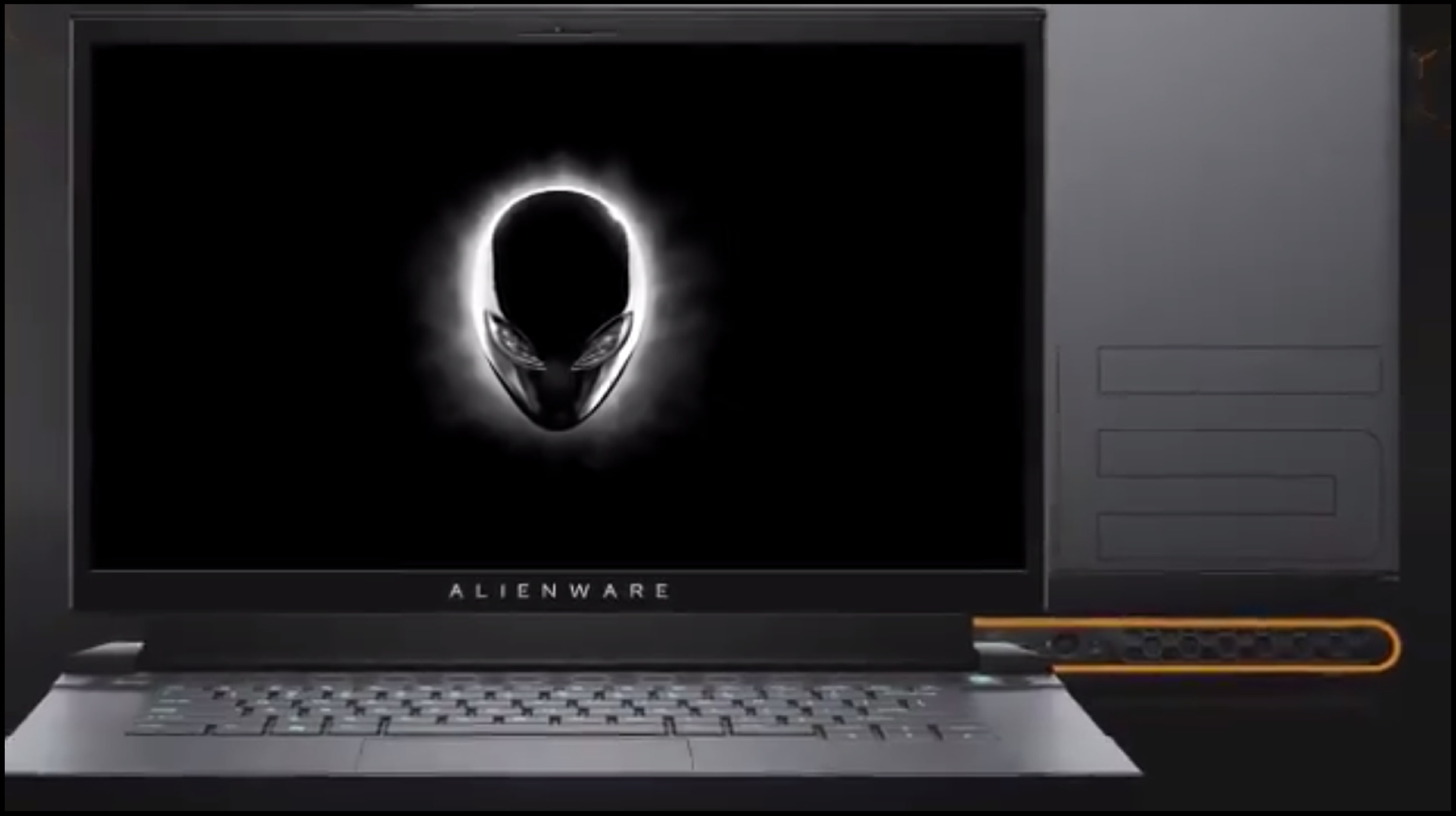
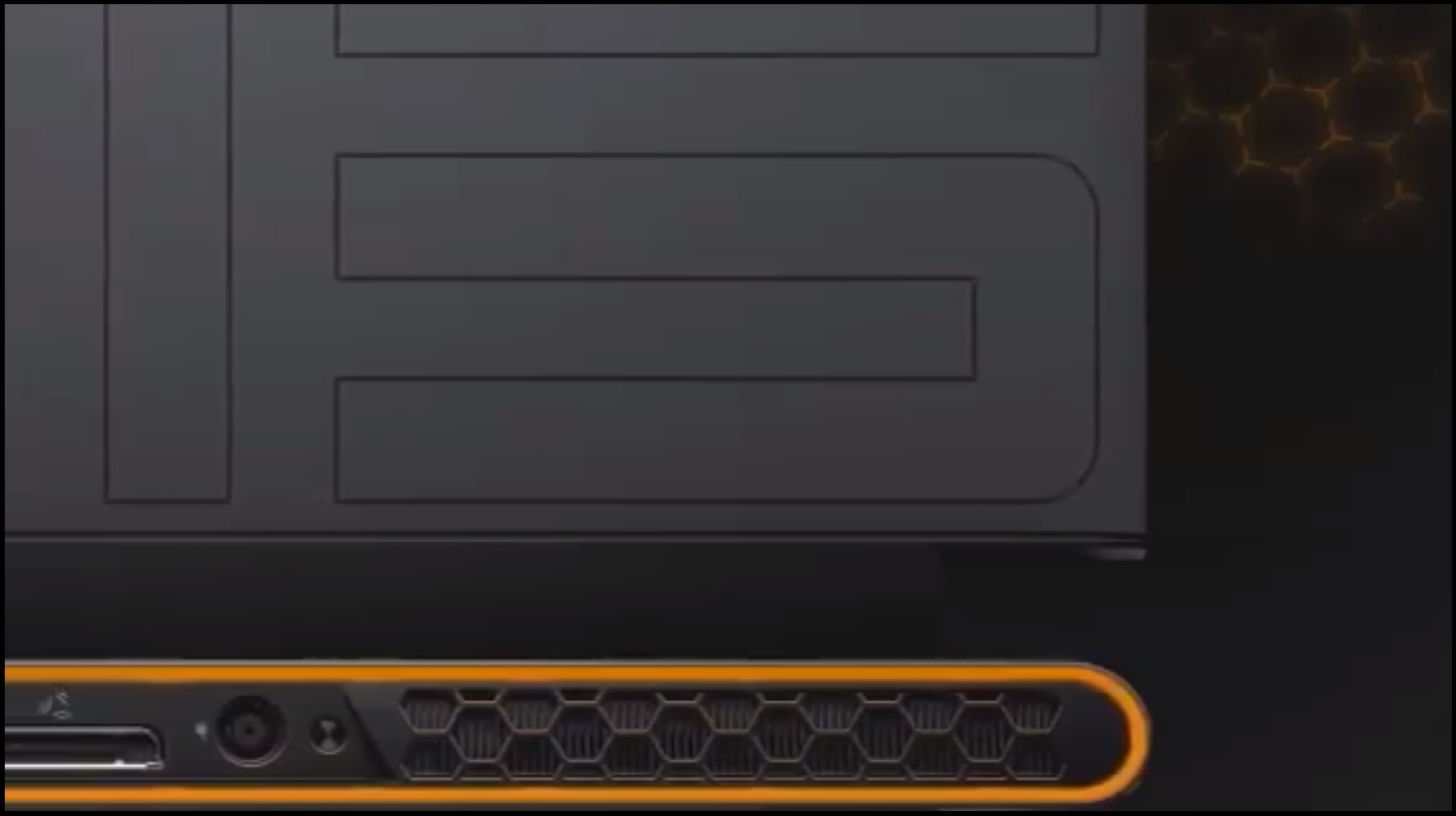
    Alienware, the premium gaming brand by Dell had earlier this year announced the Area-51m model laptop. The gaming laptop brought modular functionality along with it, something that was unheard of at the time for laptops in general. In Computex 2019, Alienware announced the same design incorporated in their new iterations of the m15 and m17 gaming laptops.

    Alienware

    The m15 and m17 series laptop adopt a lot of the designs from the company’s flagship (Area-51m), essentially making the laptops identical to each other to a certain degree. These laptops are reportedly slimmer however and do not support Area-51m’s modular capabilities. 

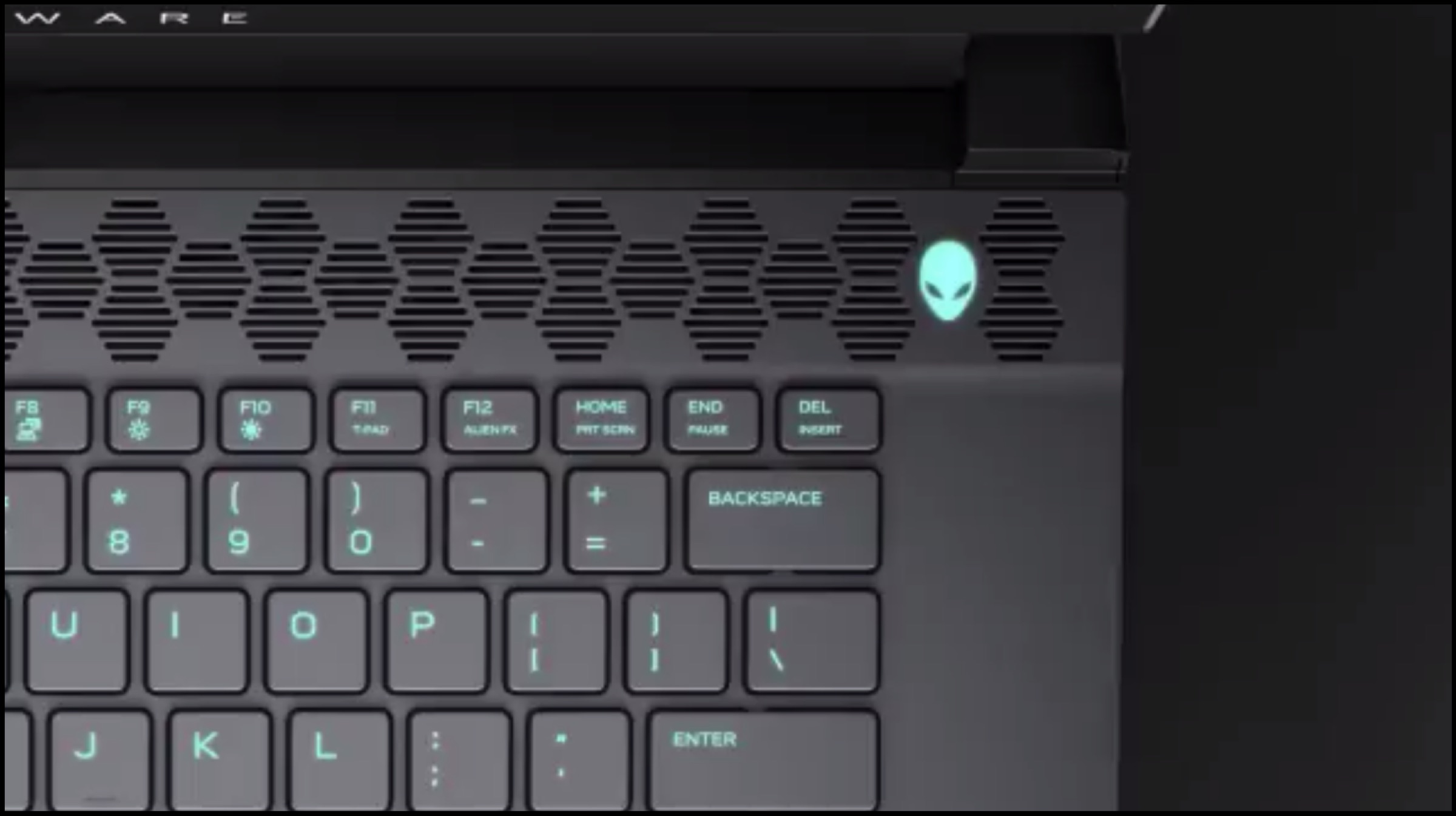
    The m15 had received a major overhaul last year while the m17 was refreshed at CES, this is the second time the series went under a major physical overhaul. Changes are not strictly aesthetical in nature with the Alienware gaming laptops receiving a new keyboard with deeper key travel, and a new glass finish trackpad alongside the latest 9th-Gen Intel CPU processors and NVIDIA’s latest GTX and RTX graphics card.

    Alienware

    Apart from the screen size of 15 and 17 inch respectively, not much differs between the two Alienware laptops. Display options although vary between the two devices. The 15-inch model offers more options with 60Hz, 144Hz, or even 240Hz refresh rate on the 1080p display panel or 4K at just 60Hz, the last two options that are equipped with Tobii eye-tracking. The 17-inch model only offers 60hz or 144hz on its 1080p panel where only the 144Hz variant has the eye tracker.

    Also Read: Xiaomi Launches RedmiBook 14 Laptop With Intel i7 Processor

    The modular function that allows users to replace parts for a laptop, achieved by the Alienware Area-51m, is a feature that will be sorely missed. The m15 and m17 models are set to be launched on June 11th with prices starting at $1,499

  • Xiaomi Launches RedmiBook 14 Laptop With Intel i7 Processor

    Xiaomi Launches RedmiBook 14 Laptop With Intel i7 Processor

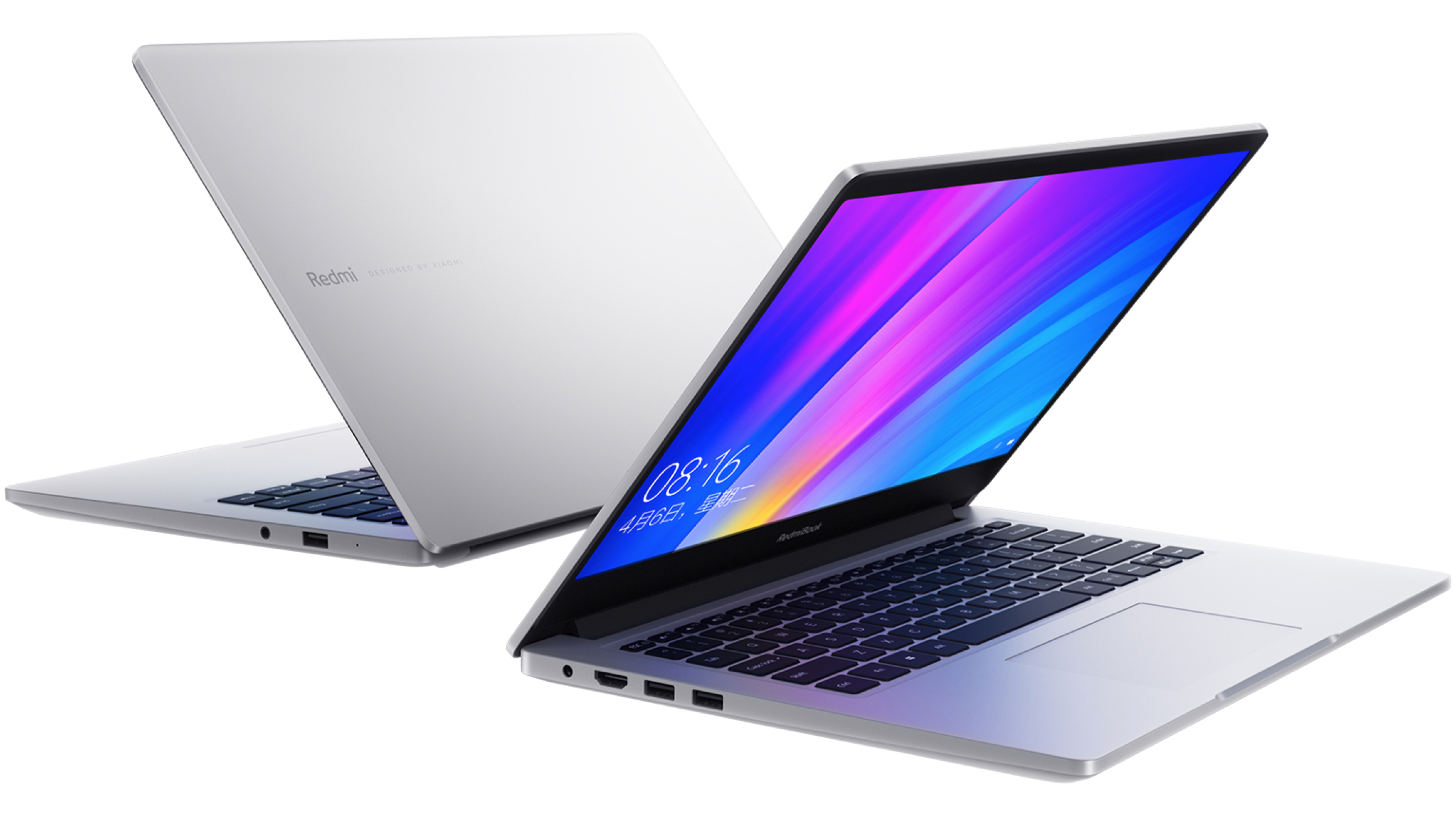
    At an event held in China on May 28, Xiaomi’s subsidiary Redmi launched the RedmiBook 14 laptop alongside the K20 and K20 Pro smartphones. It is the company’s first laptop as an individual subsidiary, and it includes a good set of specifications and carries an aggressive price tag. Going by the looks of the device, it is clear that some inspiration has been derived from Apple’s MacBook lineup. 

    RedmiBook 14 Specifications And Features

    RedmiBook 14

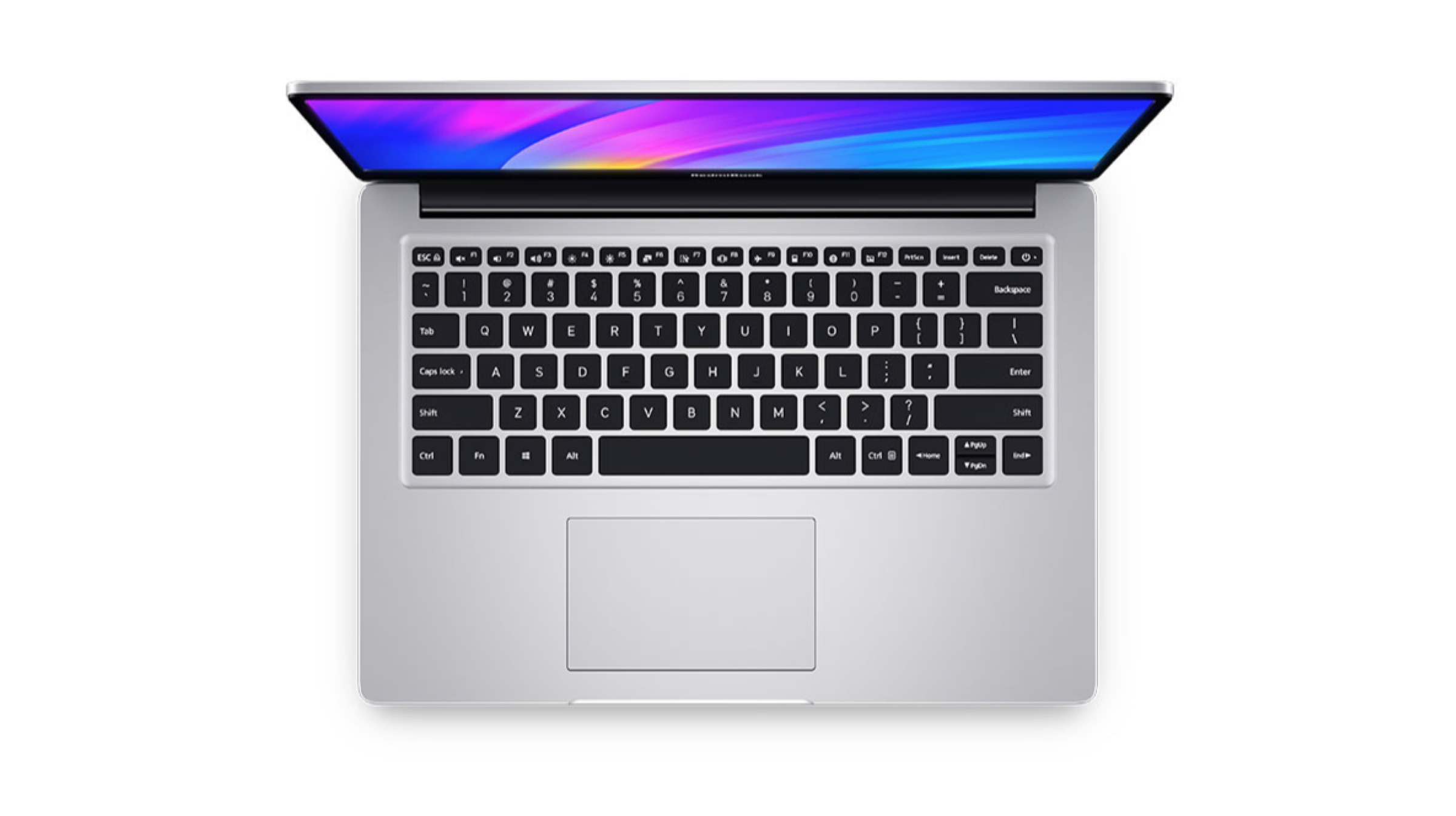
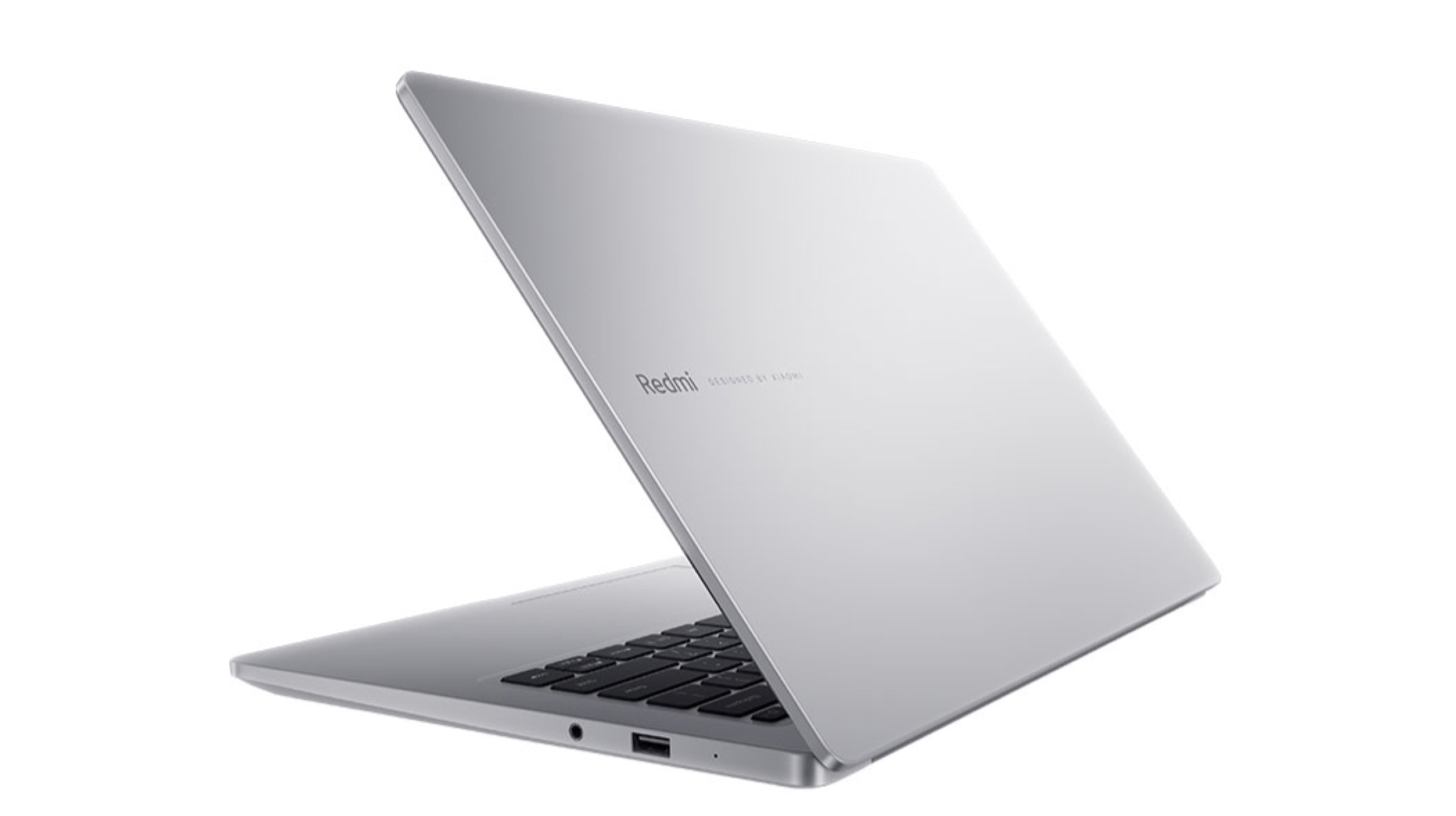
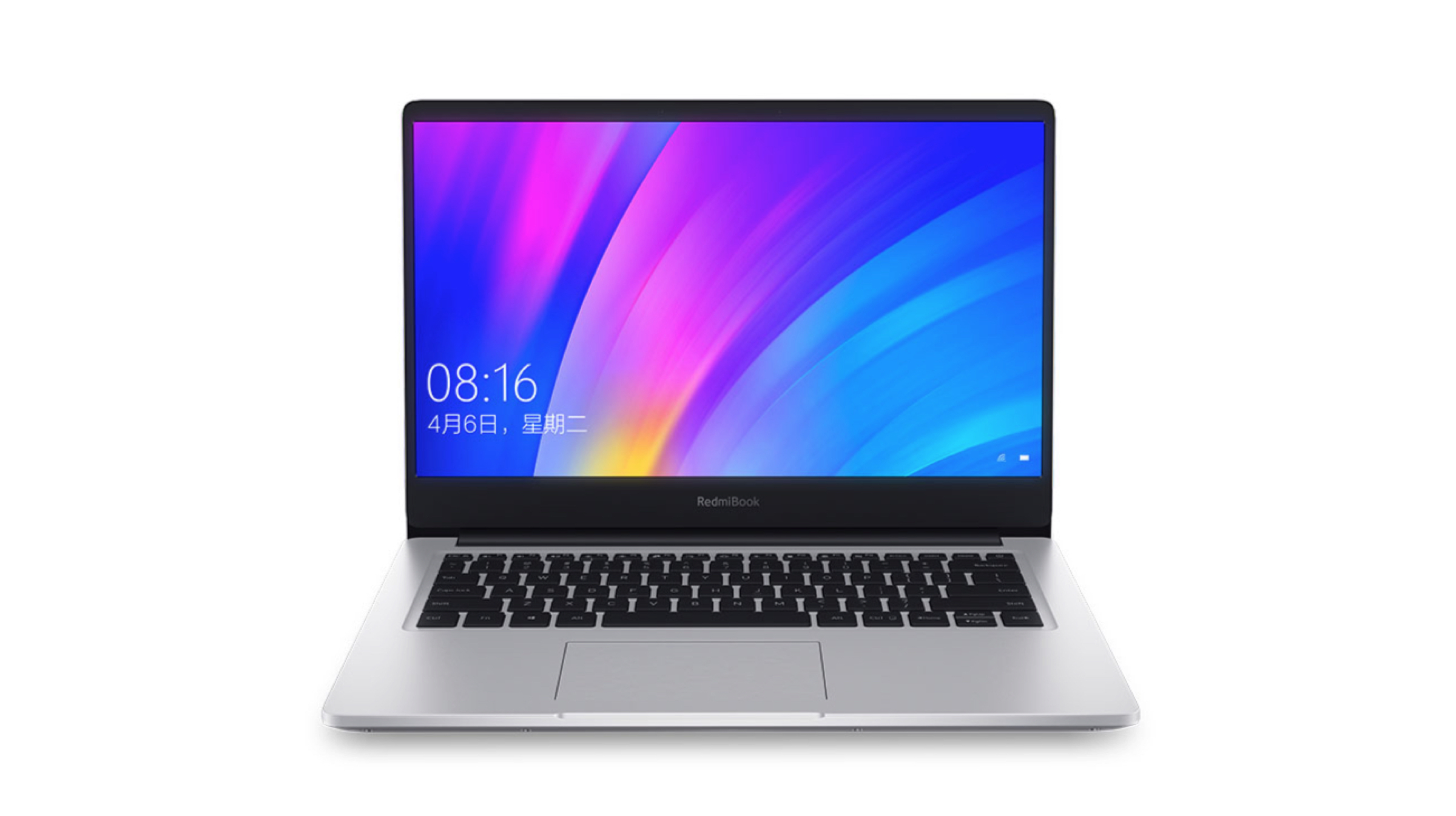
    The RedmiBook 14 has a metallic finish which gives it an elegant look. The laptop is branded with the Redmi Logo and features a 14 inch display. The laptop has an 81.2% screen-to-body ratio. It has a similar keyboard design to Apple’s MacBooks i.e island style keys. The left side of the laptop accommodates two USB 3.0 ports, an HDMI port and the power input socket, whereas the right side houses one USB 2.0 port and a 3.5mm headphone jack.

    Under the hood, the top variant of the RedmiBook 14 features the 8th generation Intel Core i7 processor. On the other hand, the specced-down variant of the same incorporates the 8th generation Intel Core i5 processor. The CPU is paired with the NVIDIA GeForce MX250 graphics chip, which has a TDP (Thermal Design Power) of 25W. In terms of memory, the RedmiBook 14 is kitted with 8GB of RAM across all variants. Storage options vary from 256GB of SSD to 512GB. 


    The laptop weighs at 1.5kg, which is quite light and is 17.95mm thick. As exhibited by the company, the RedmiBook 14 has air vents at the bottom and they cover an area of 2530mm2, allowing for improved airflow. The laptop features a Modern Standby mode, which reduces battery consumption on standby. It boasts of DTS audio technology which claims to provide bass-rich sound. In terms of battery, the laptop can last for 10 hours on a single charge. 
    RedmiBook 14 Availability And Price

    RedmiBook 14

    Also Read: Xiaomi Launches The Flagship Grade K20 and K20 Pro, Pricing Of The Redmi 7A Also Announced

    The RedmiBook 14 will be available for purchase June 1 onwards. The pricing of the different variants is listed below:

    • 8GB+512GB (Core i7): CNY 4,999 (~INR 50,400)
    • 8GB+512GB (Core i5): CNY 4,299 (~INR 43,300)
    • 8GB+256GB (Core i5): CNY 3,999 (~INR 40,300)
  • Asus Launches A Couple Of Laptops And Gaming Accessories At Computex 2019

    Asus Launches A Couple Of Laptops And Gaming Accessories At Computex 2019

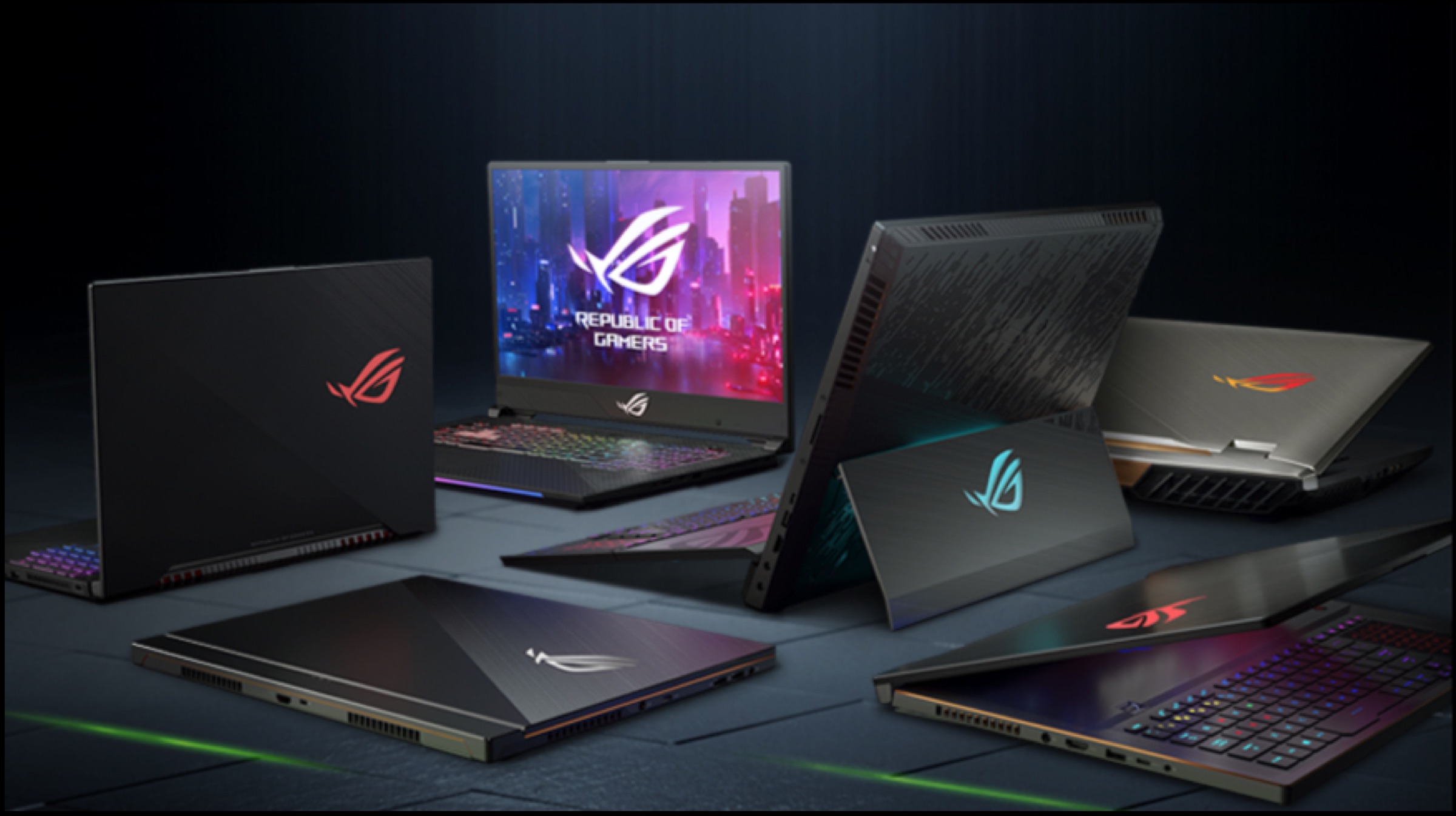
    Computex 2019 is at its full swing and Taiwanese electronics manufacturer, Asus has unveiled a wide variety of products at the event which includes laptops and gaming accessories. One notable device that Asus has unveiled is the Asus ZenBook Pro Duo laptop which features dual displays. Other products launched by the company are as follows:

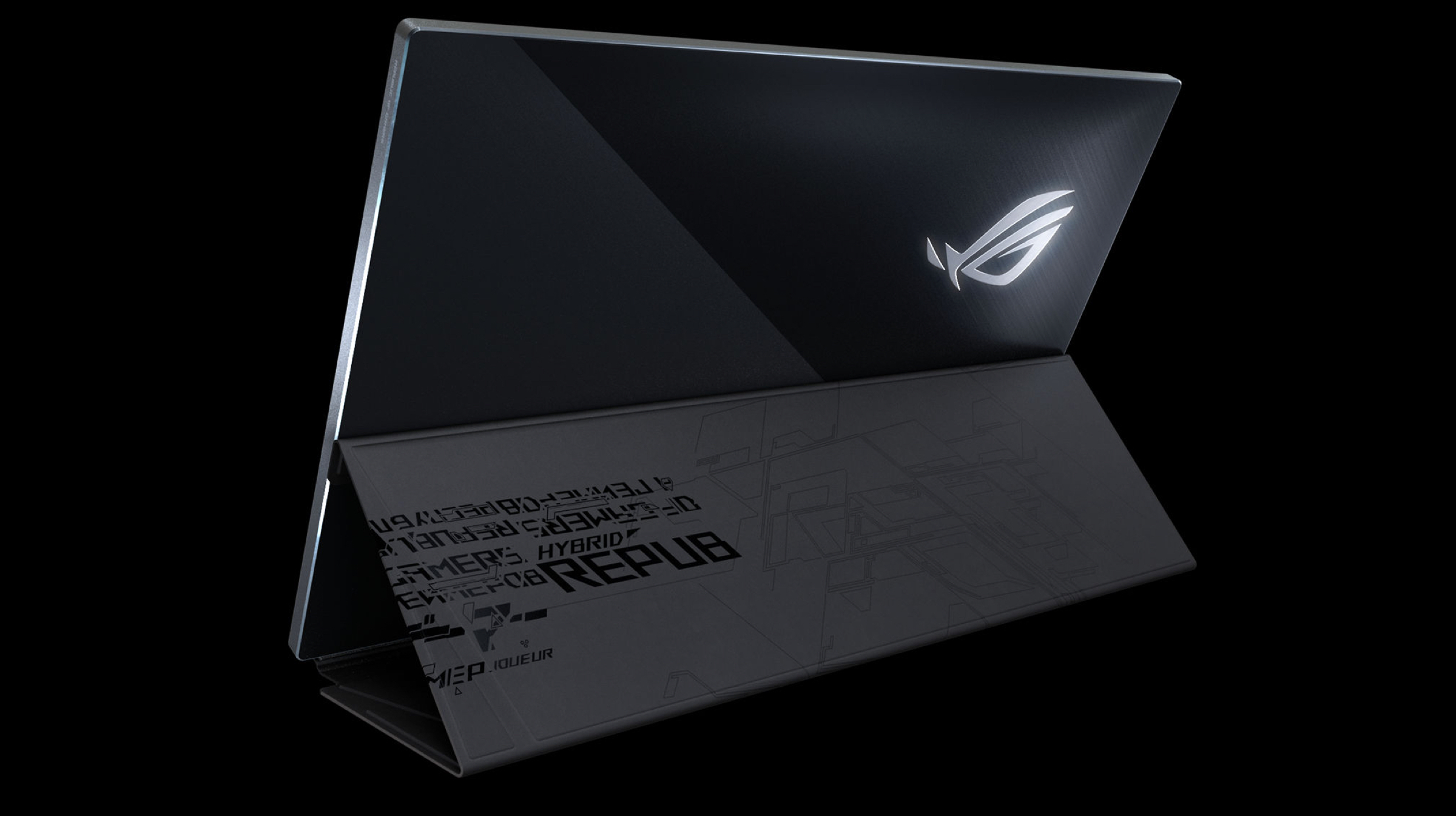
    ROG Strix XG17 Portable Gaming Monitor

    As the name suggests, the ROG Strix XG17 is a portable gaming monitor with an inbuilt battery. The device features a 17.3 inch display with Full HD resolution. Noteworthy the display panel has a refresh rate of 240 Hz which provides for an ultra smooth gaming experience. The Asus ROG Strix XG17 supports Adaptive sync technology which eliminates choppy frame rates and screen tearing.  It supports video input via the built in Micro HDMI port and the USB Type C port. The display can be used for playing games from mobiles, computers and consoles like Nintendo Switch. The aforementioned inbuilt battery is claimed to provide a battery backup of three hours. To keep the display of the Asus ROG Strix XG17 secure against scratches, it features a flip style cover which also doubles up as a stand.

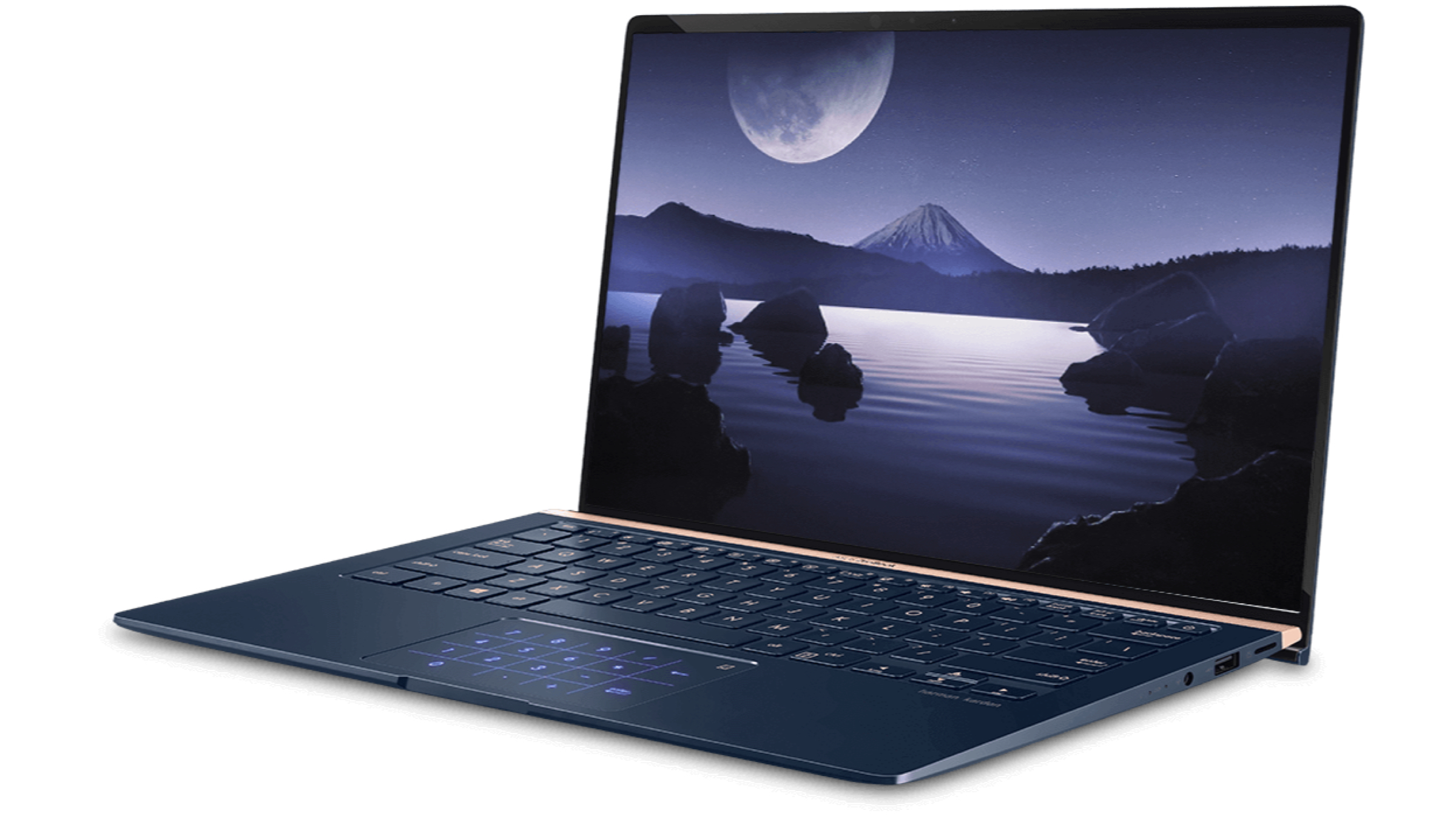
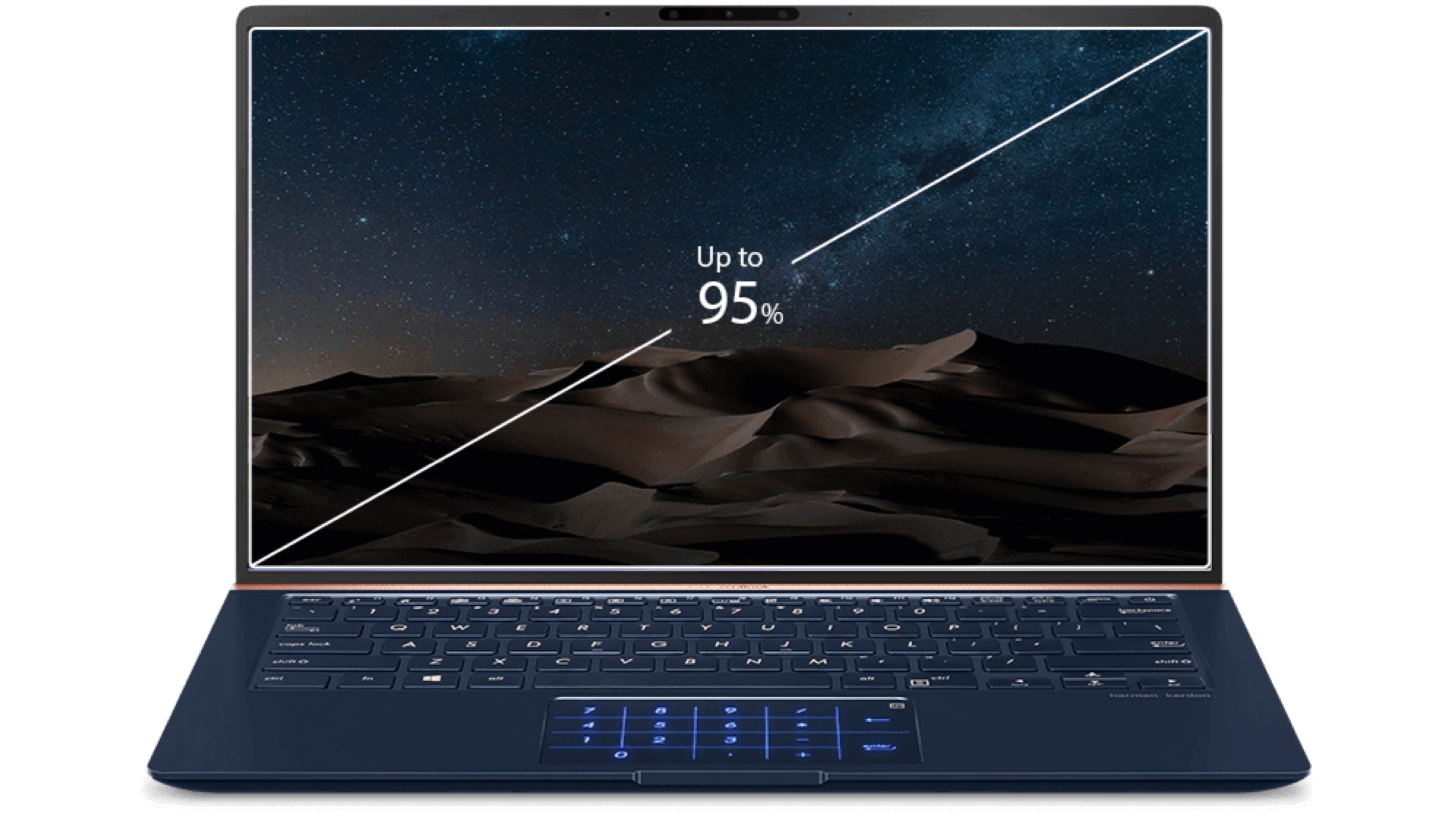
    Asus ZenBook 13/14/15

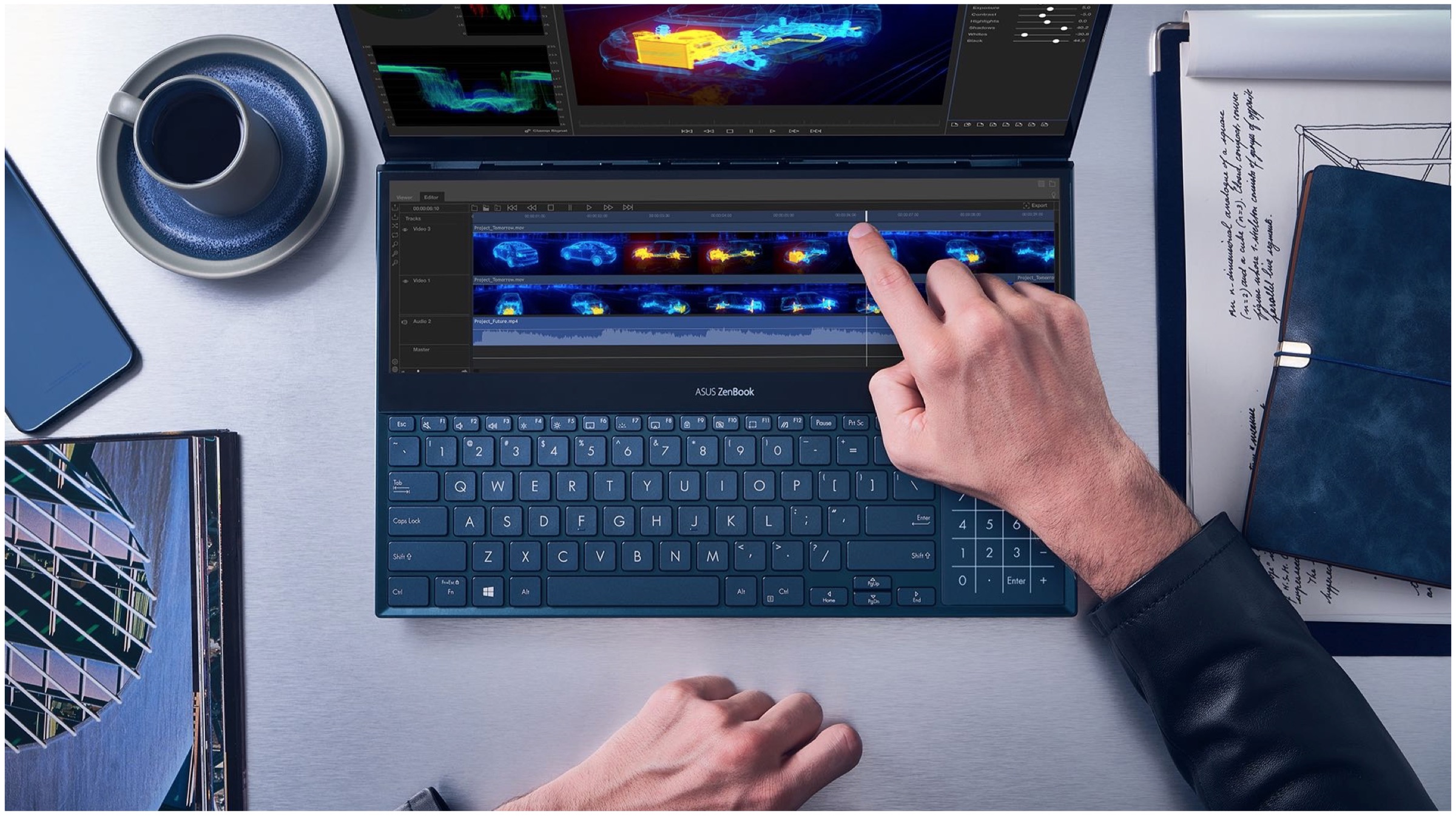
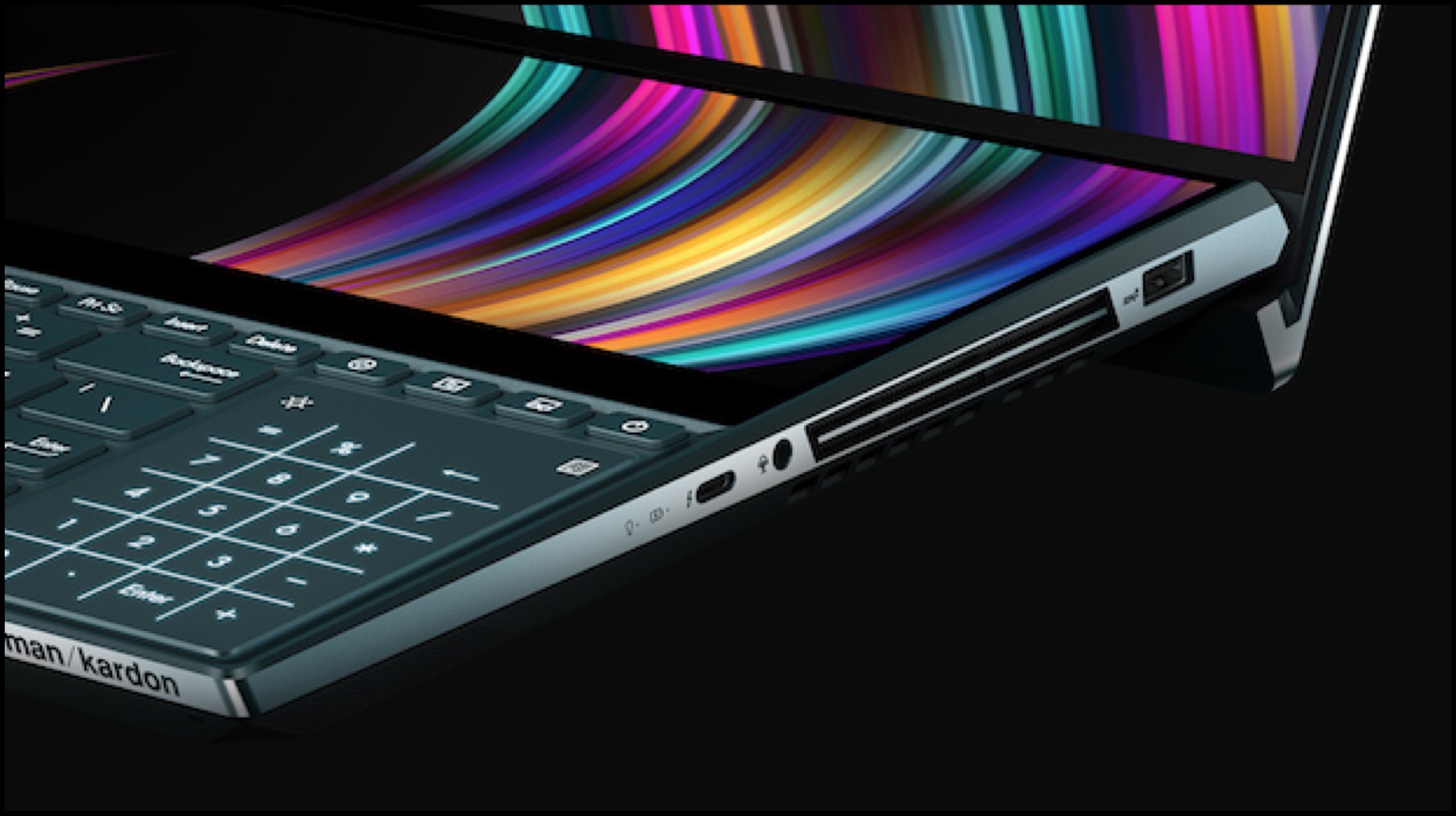
    Asus has updated the ZenBook lineup of laptops for the year 2019 with latest innards while retaining the established name. The screen size of the three laptop models corroborates with the suffix in their name. The device is available in three different screen size options which include 13 inch, 14 inch and 15 inch. One key highlighting features of the ZenBook trio is the trackpad which doubles up as a secondary 5.65 inch display. The said display which is similar to one present on modern smartphones can be enabled or disabled by pressing the F6 key. The notable features this display can be used for include playing music, watching videos or play games like candy crush.

    Talking about the specifications, the Asus ZenBook trio can be configured with Intel Core i7 CPUs along with Nvidia GTX 1650 Max Q GPU. In terms of memory and storage, the laptops support upto 1 TB of SSD storage and 8 GB of RAM. Input/Output ports on the three laptops are as follows:


    • 1 x USB 3.1 Gen 2 Type-C (up to 10Gbps)
    • 1 x USB 3.1 Gen 2 Type-A (up to 10Gbps)
    • 1 x USB 2.0
    • 1 x Standard HDMI
    • 1 x MicroSD card reader
    • 1 x Audio combo jack
    • 1 x DC-in
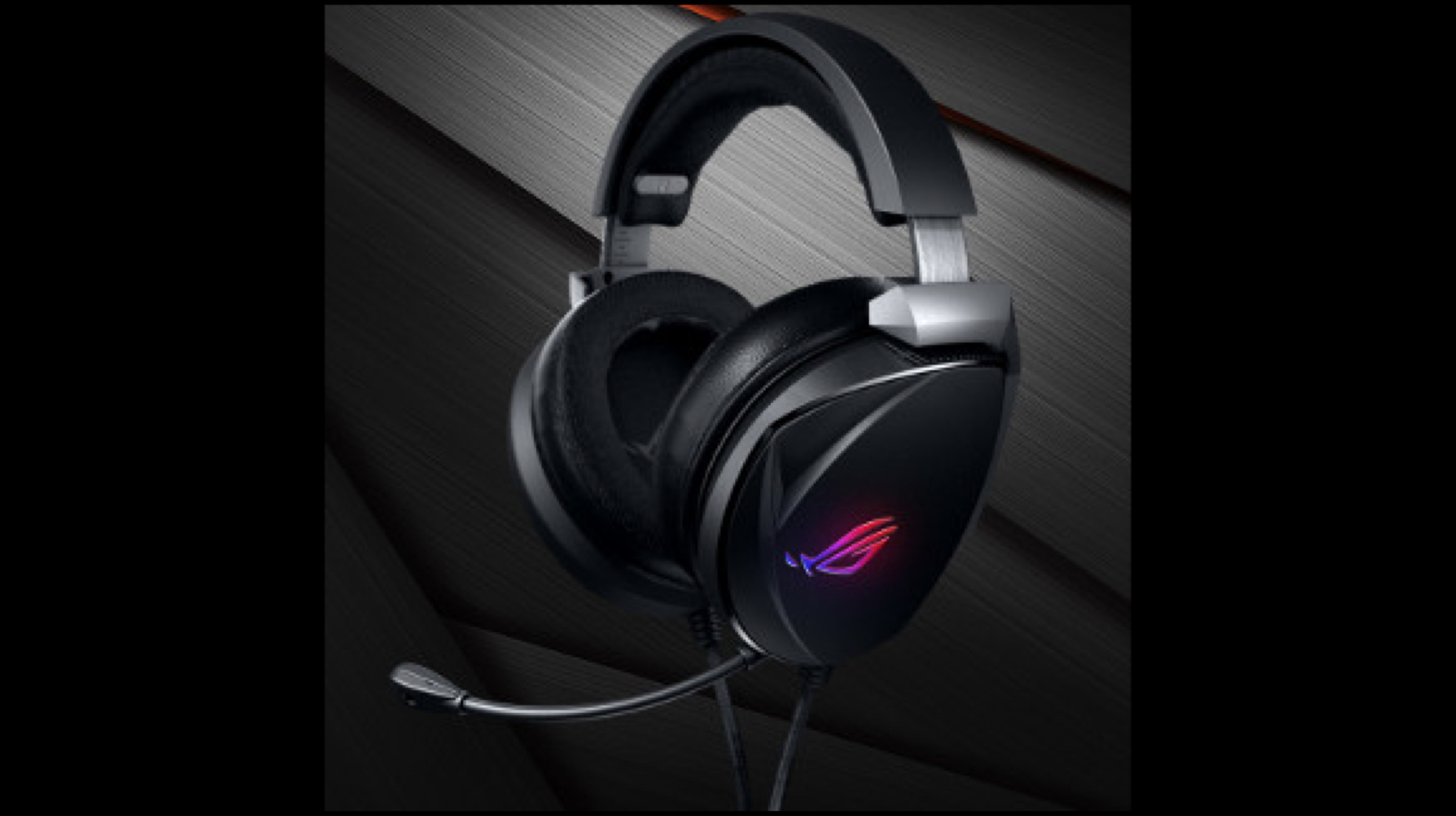
    Asus ROG Theta Gaming Headsets

    The company has unveiled two new pairs of flagship gaming headphones under the Theta sub brand which include the ROG Theta and ROG Theta Electret. The former has 8 Essence drivers with the largest being 30 mm in size. The headphone produces 7.1 surround sound output and supports AI powered noise cancelling microphones. On the other hand, the ROG Theta Electret is a pair of Analogue headphones with an impedance of 32 ohms and silver plated copper cables. 

    Asus VivoBooks

    In addition to the ZenBook Pro Duo laptops and ZenBook laptops, Asus also unveiled updated VivoBooks. Like the ZenBooks, the new VivoBooks also have a ScreenPad 2.0 secondary display. Notably, the VivoBooks are economical than the ZenBooks, however, they still pack worthy features. They can be kitted with upto Intel Core i7 processors and Nvidia MX 250 GPU. The laptops feature Harman Kardon speakers that are claimed to have impressive sound output. They also have an ErgoLift hinge which raises the laptop from the surface for better airflow resulting in cooler temperatures while running heavy tasks.

    Also Read: OnePlus 7 Pro Nebula Blue Edition To Go On Sale For The First Time In India

    Pricing and availability of the newly launched products are yet to be announced which will be made available in the near future. 


  • The Laptop With World’s Six Most Dangerous Malware Sold For US$ 1.3 Million

    The Laptop With World’s Six Most Dangerous Malware Sold For US$ 1.3 Million

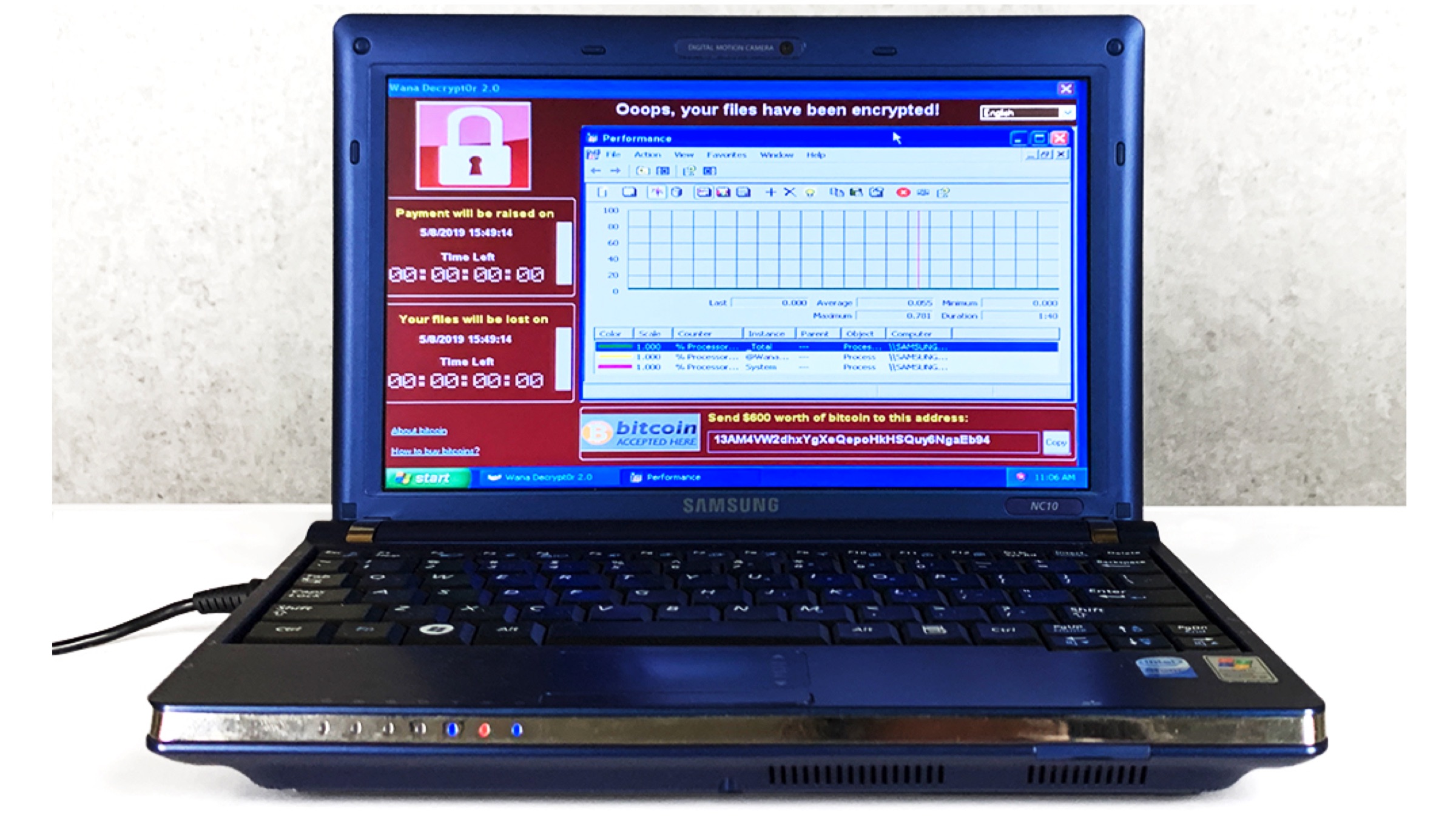
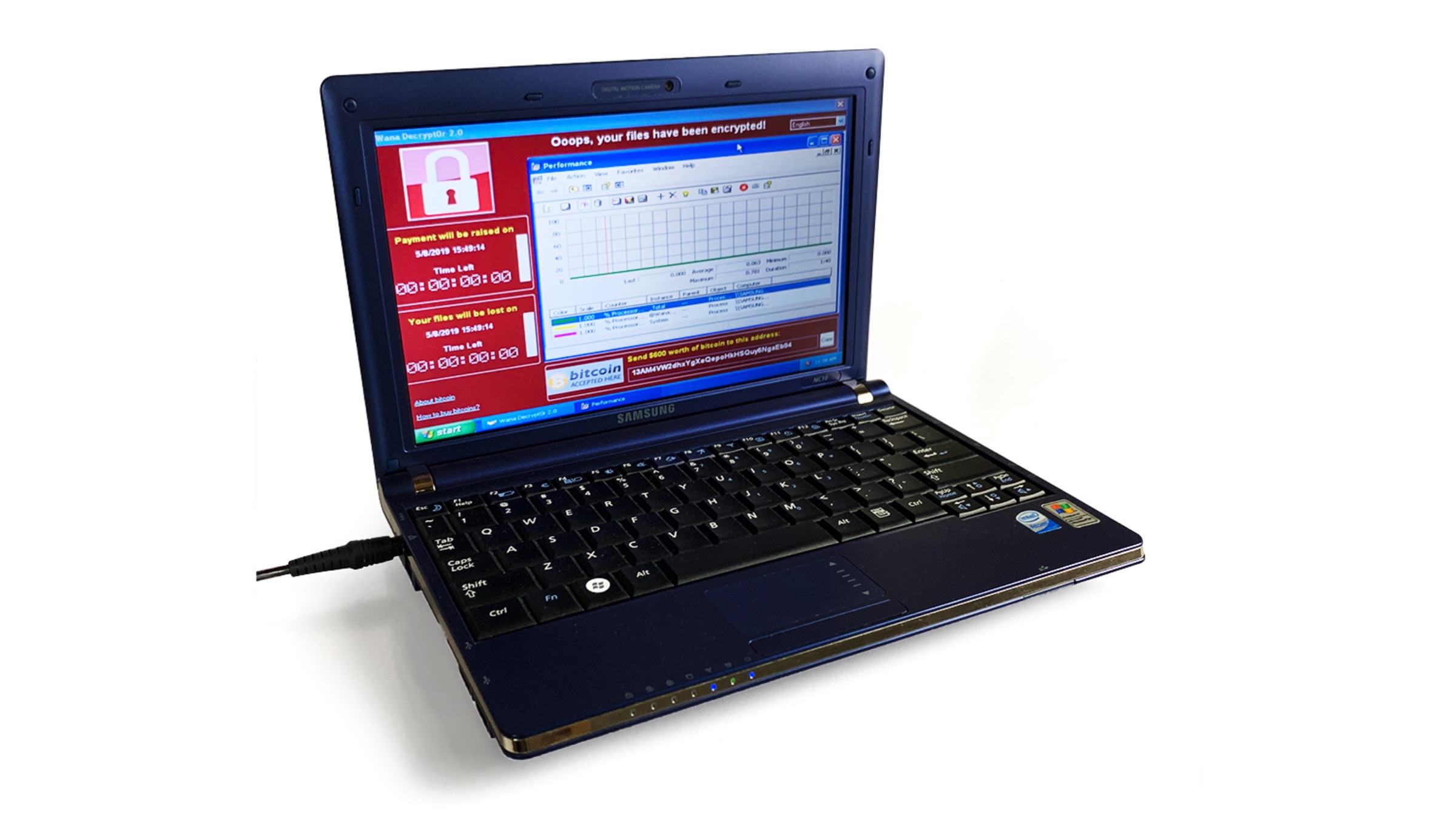
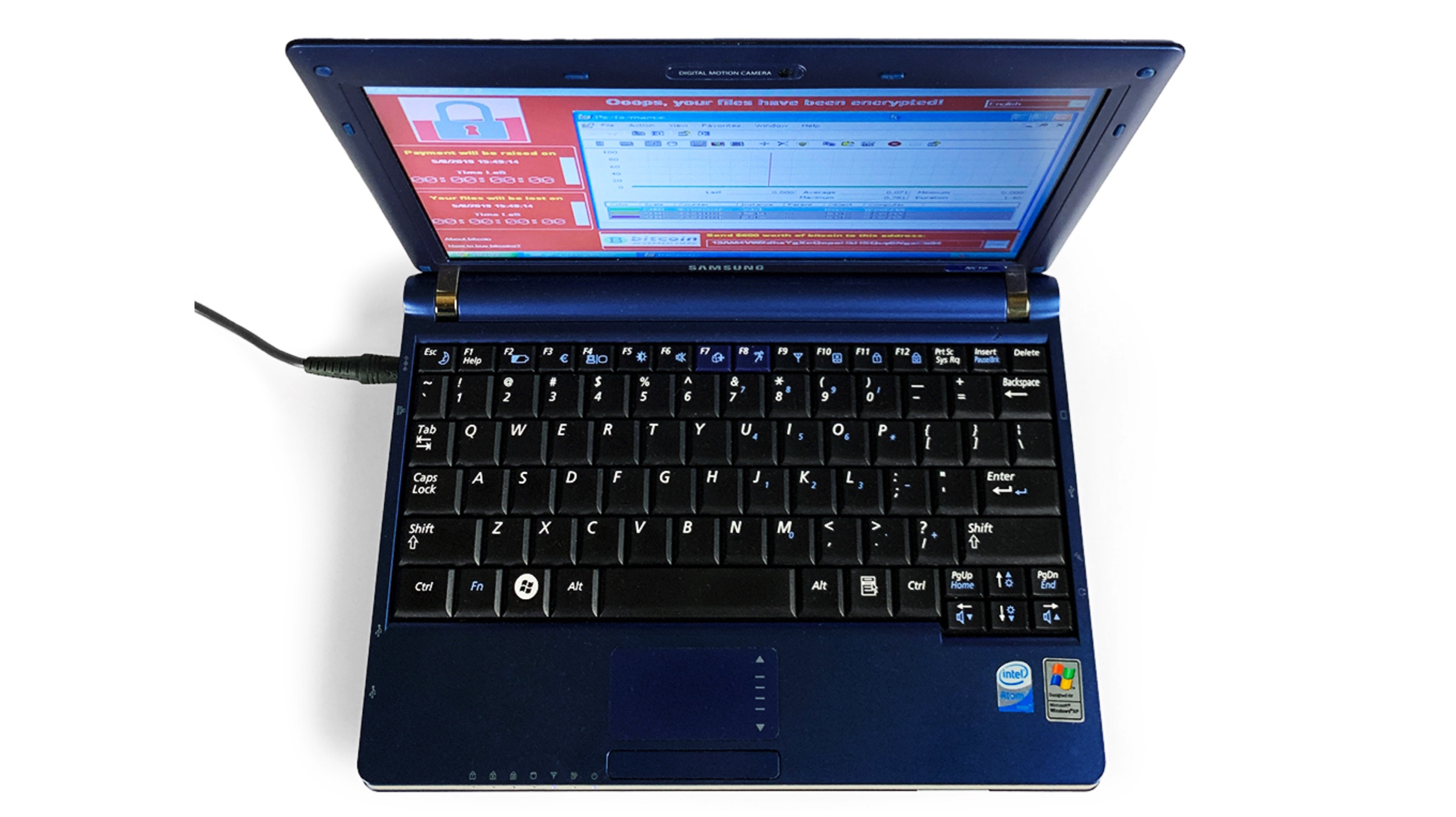
    What would you want to pay for a laptop that is a decade old and runs Windows XP? Oh, and add the fact that it has six of the world’s most dangerous malware installed in it. If you are having trouble answering the question, let us do the work for you. The laptop in question, framed as an artwork called Persistence of Chaos by Guo O Dong has been sold at an online auction for a whopping price of US$ 1,345,000 (INR 93,694,852).

    About The Laptop

    Malware


    The laptop in question here is a Samsung NC10-14GB 10.2-Inch Blue Netbook which was introduced back in the year 2008. It was created by internet artist named Guo O Dong and was commissioned to do so by a cybersecurity firm known as Deep Instinct. The device as mentioned above runs 6 pieces of malware that are considered most dangerous in the world. All the malware installed in the laptop has been reported to have caused financial damages totalling US$ 95 Billion. The artwork has been kept isolated and is airgapped, which refers to it as it is kept away from the internet to prevent the spread of the malware.

    Malware Infected Samsung laptop

    Also read: OnePlus 7 Pro Nebula Blue Edition To Go On Sale For The First Time In India

    The artist claims the intention behind the laptop was to make physical the abstract threat the digital world poses. The malware(s) inside the device are the ILOVEYOU virus, which was distributed via email and caused US$15 Billion in damages; the MyDoom, spread by Russian spammers and causing US$ 38 Billion in damages. The third is the SoBig worm, which was reported to have caused US$ 37 Billion in damages. Other malware includes the WannaCry, DarkTequila and BlackEnergy viruses, which also have been notorious in causing financial damage to consumers. For those curious, you can visit this link to watch the live stream of the laptop kept in its enclosure because apparently, that is a thing now.

  • Asus ZenBook Pro Duo With A Secondary ScreenPad Takes MacBook’s Touch Bar A Step Further

    Asus ZenBook Pro Duo With A Secondary ScreenPad Takes MacBook’s Touch Bar A Step Further

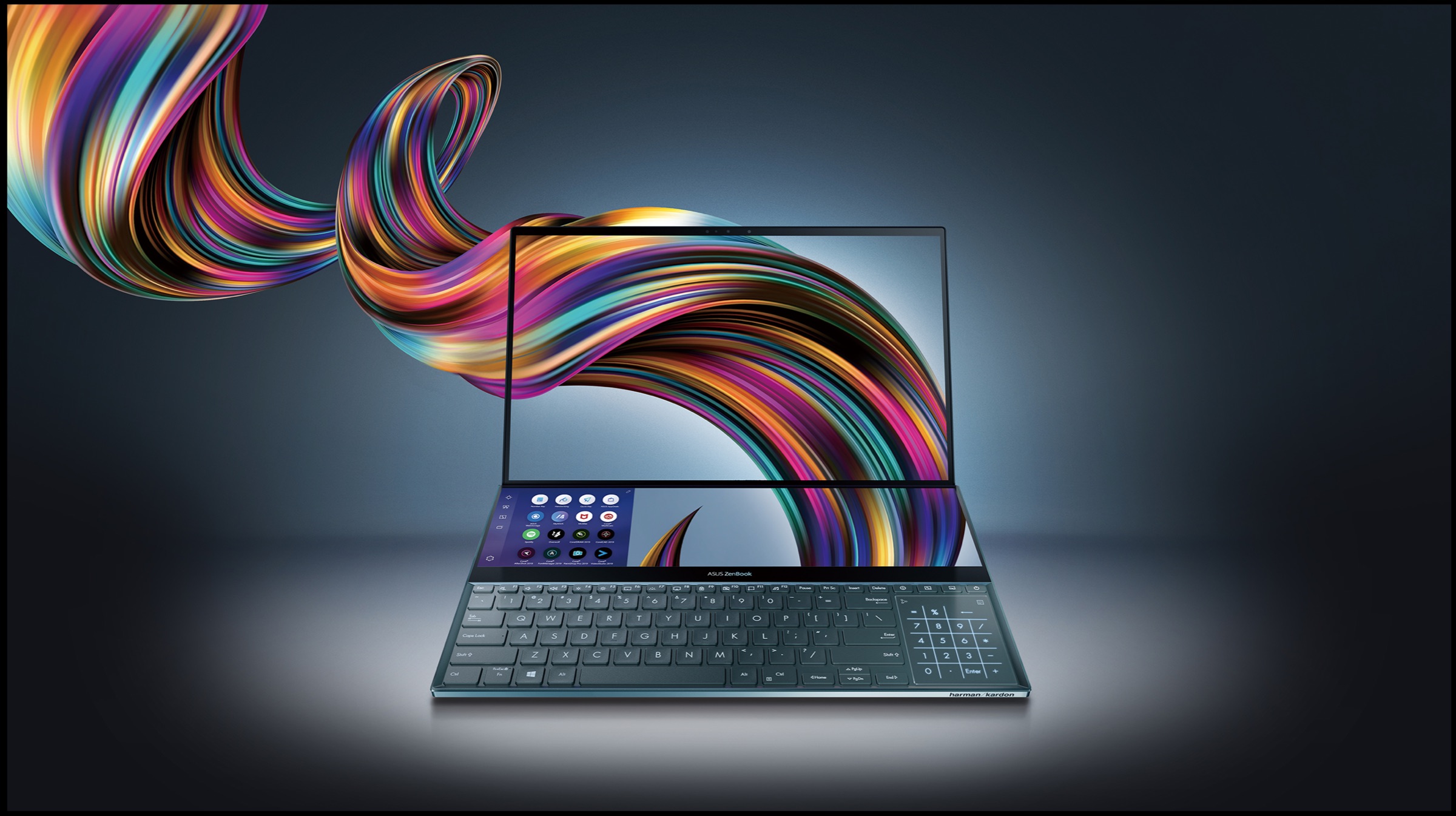
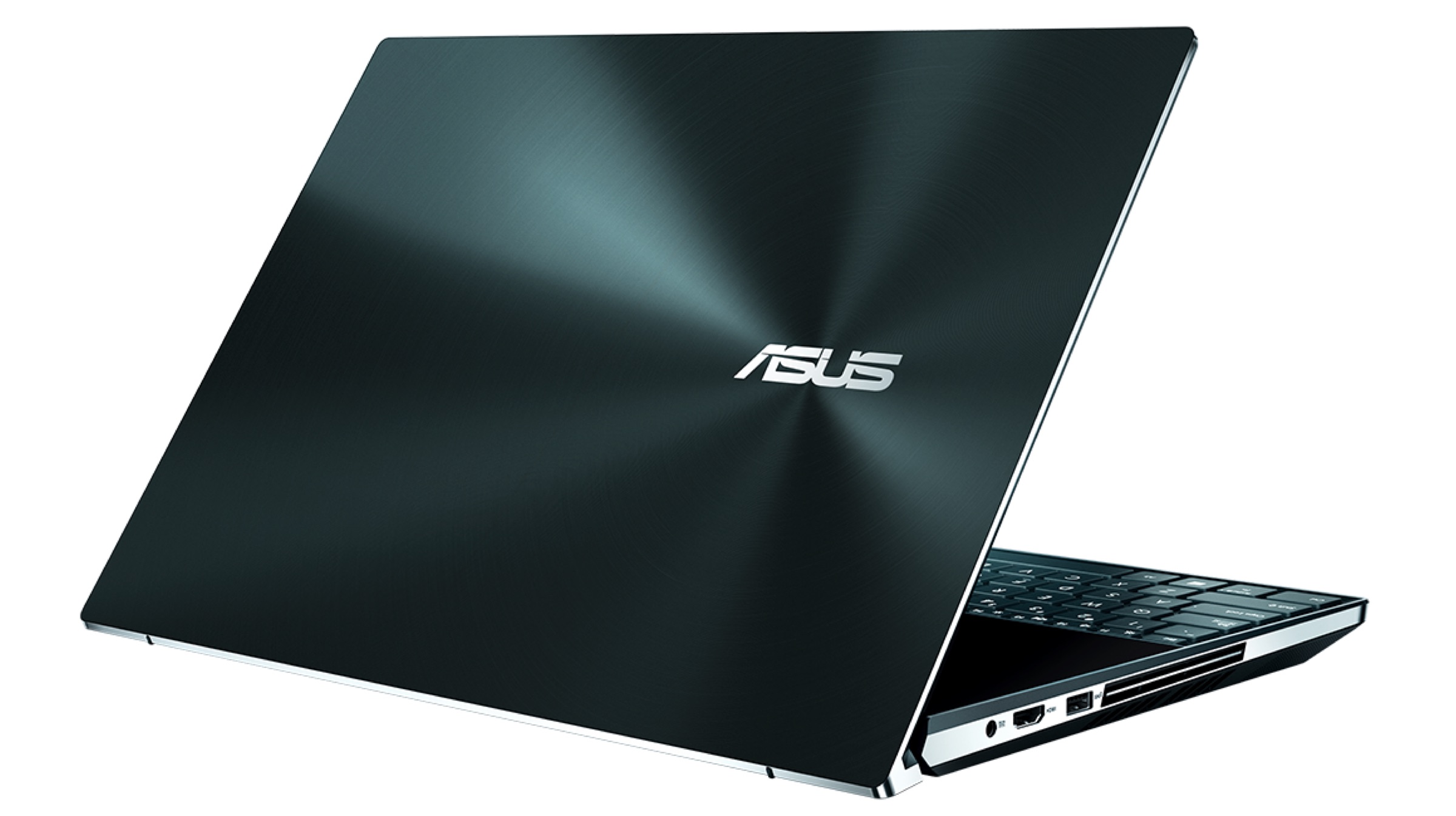
    Taiwan based electronics manufacturer, Asus has unveiled yet another innovative lineup of laptops at the Computex 2019. The said event is held in Taipei, Taiwan and it is one of the world’s biggest PC convention. Taking the Touch Bar from Apple’s MacBooks a step further, Asus unveiled the ZenBook Pro Duo which features dual displays.

    Asus ZenBook Pro Duo Specs & Design

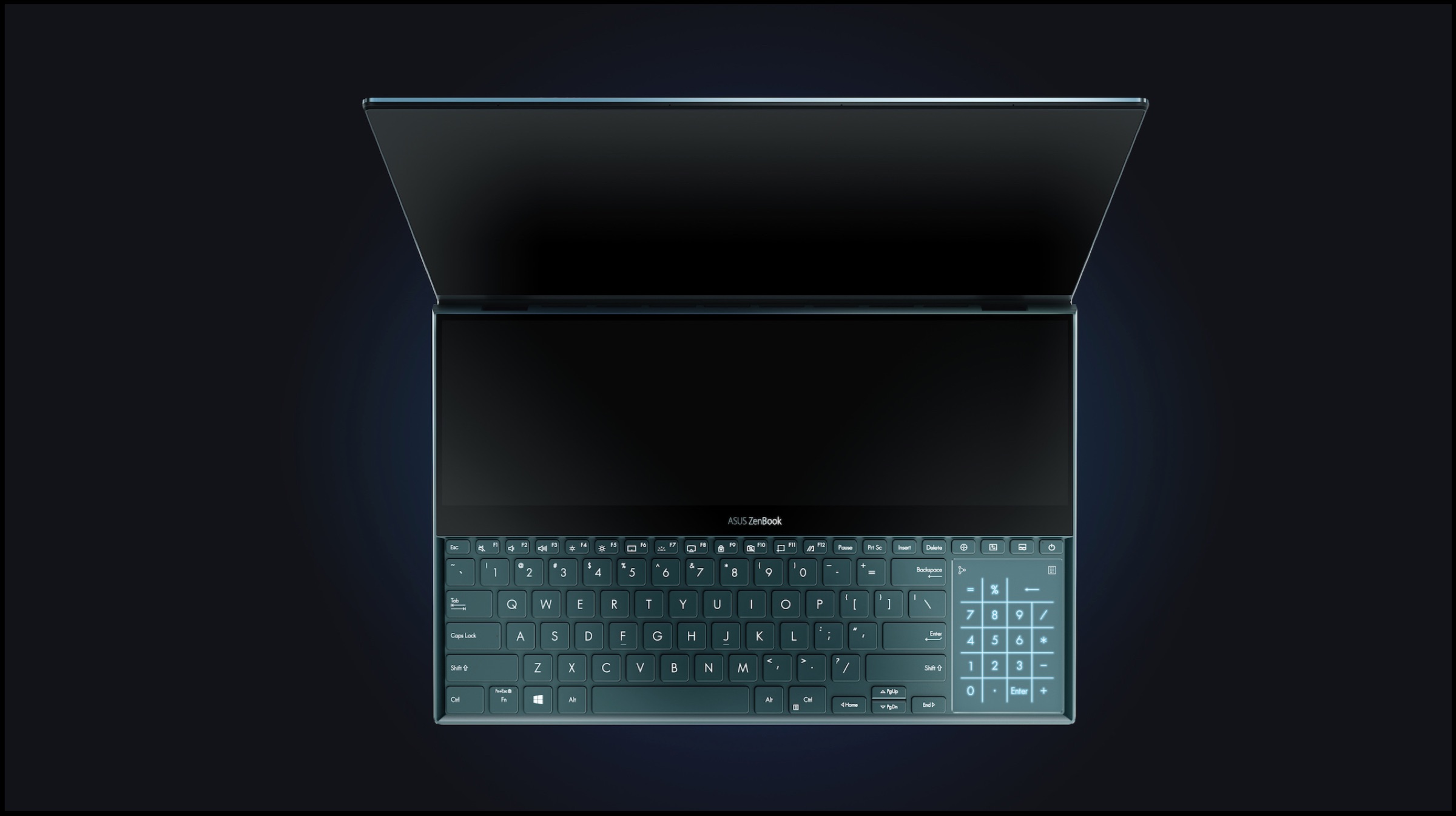
    As previously mentioned the Asus ZenBook Pro Duo has a distinctive design accrediting to two display. Out of the two displays, one is the primary screen while the second display is placed above the keyboard. The company has unveiled two models of the laptop which carry the following model numbers:

    • UX581
    • UX481

    The key differences between the two models are disparate CPU, GPU and screen size. The Asus ZenBook Pro Duo UX581 features a 15.6 inch touch screen main display along with the 14 inch ScreenPad Plus (secondary display). On the other hand, the more affordable Asus ZenBook Pro Duo UX481 has a 14 inch main display along with 12.6 inch ScreenPad Plus display. Notably, the beefed up UX581 features 4K display while the UX481 has a display with FHD resolution.

    In terms of processor, the Asus ZenBook UX581 is offered with two options a) i9-9980HK and b) i7-9750H. While the UX481 is offered only with the i7 option. The former features the Nvidia RTX 2060 GPU 6 GB of DDR6 RAM while the latter features Nvidia MX250 with 2 GB of RAM. The UX581 can be kitted with upto 32 GB of DD4 2666 MHz RAM while the former supports 2133 MHz DDR3 RAM upto 16GB.

    Both the Asus ZenBook Pro Duo laptops can be configured with similar storage options which include 1 TB PCIE x4 SSD or 512GB / 256GB PCIe x2 SSD. The primary difference between the two storage options is dissimilar read and write speeds. The x4 SSD are upto twice as fast as the x2 variant. Features including connectivity, webcam and I/O port are identical on two variants of the Asus ZenBook. They support Wi-Fi 6 and Bluetooth 5 along with an IR webcam with Windows Hello Support. I/O ports on the two laptops are as follows:

    • 1 x Thunderbolt
    • 3x USB-C
    • 2 x USB 3.1 Gen 2 Type-A
    • 1 x Standard HDMI
    • 1 x Audio combo jack
    • 1 x DC-in

    Notably, the economical Asus ZenBook Pro Duo UX481 also has a Micro SD card slot. The former is powered by a 70 Wh battery while the UX581 is powered by a 71 Wh battery. 

    Talking about the ScreenPad it is mainly targetted towards content creators who can use the secondary display to control or monitor additional controls in certain apps. One example of the ScreenPad would controlling additional features in video editing programs.  

    Also Read: Lenovo’s Project Limitless Features a 5G Laptop Running On Snapdragon 8cx CPU Processor

    All in all, the newly launched Asus ZenBook Pro Duo ultrabooks laptop seem highly innovative. However, the price of the two devices is yet to be unveiled which can be expected in the near future. 

  • Lenovo’s Project Limitless Features a 5G Laptop Running On Snapdragon 8cx CPU Processor

    Lenovo’s Project Limitless Features a 5G Laptop Running On Snapdragon 8cx CPU Processor

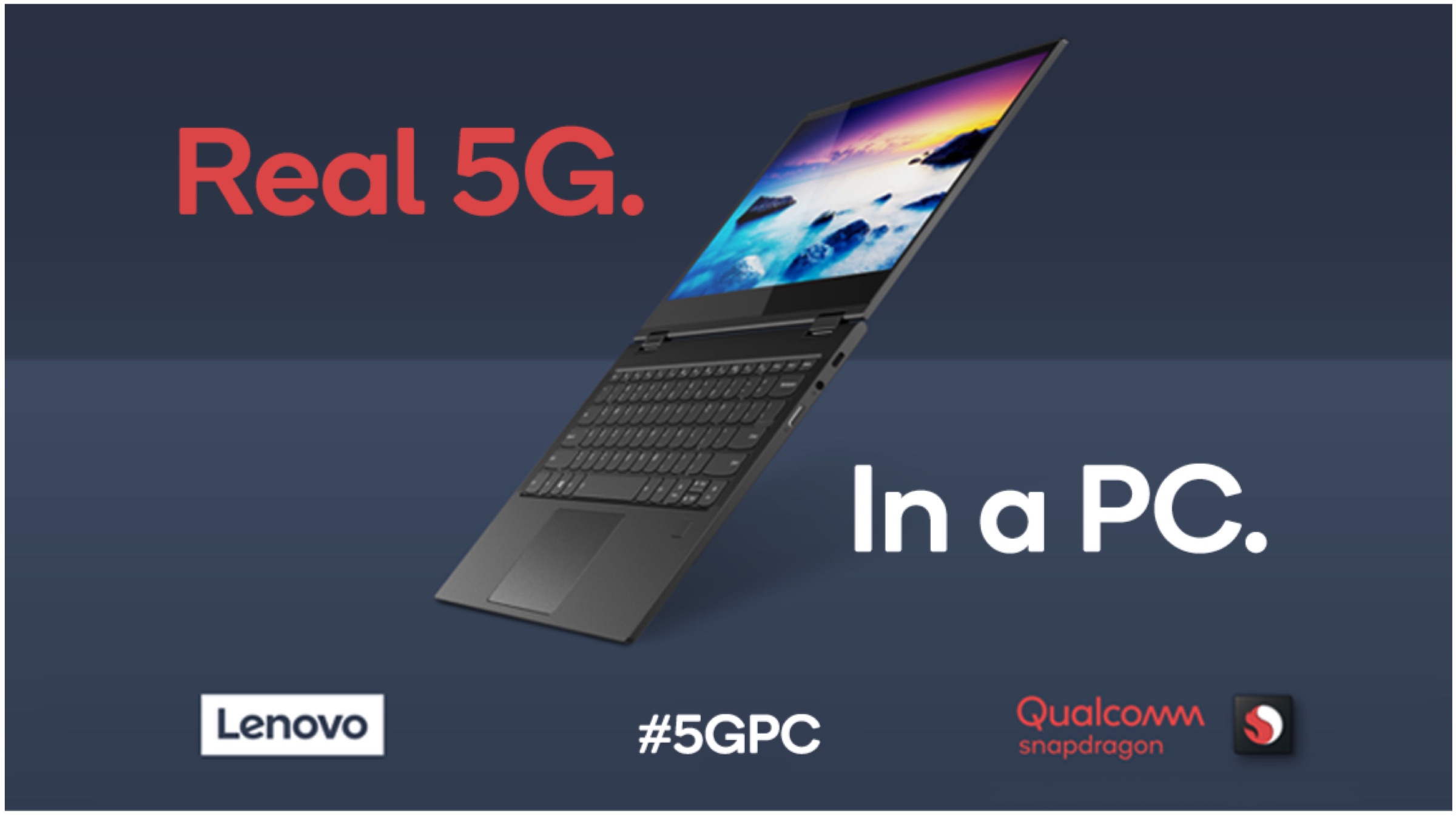
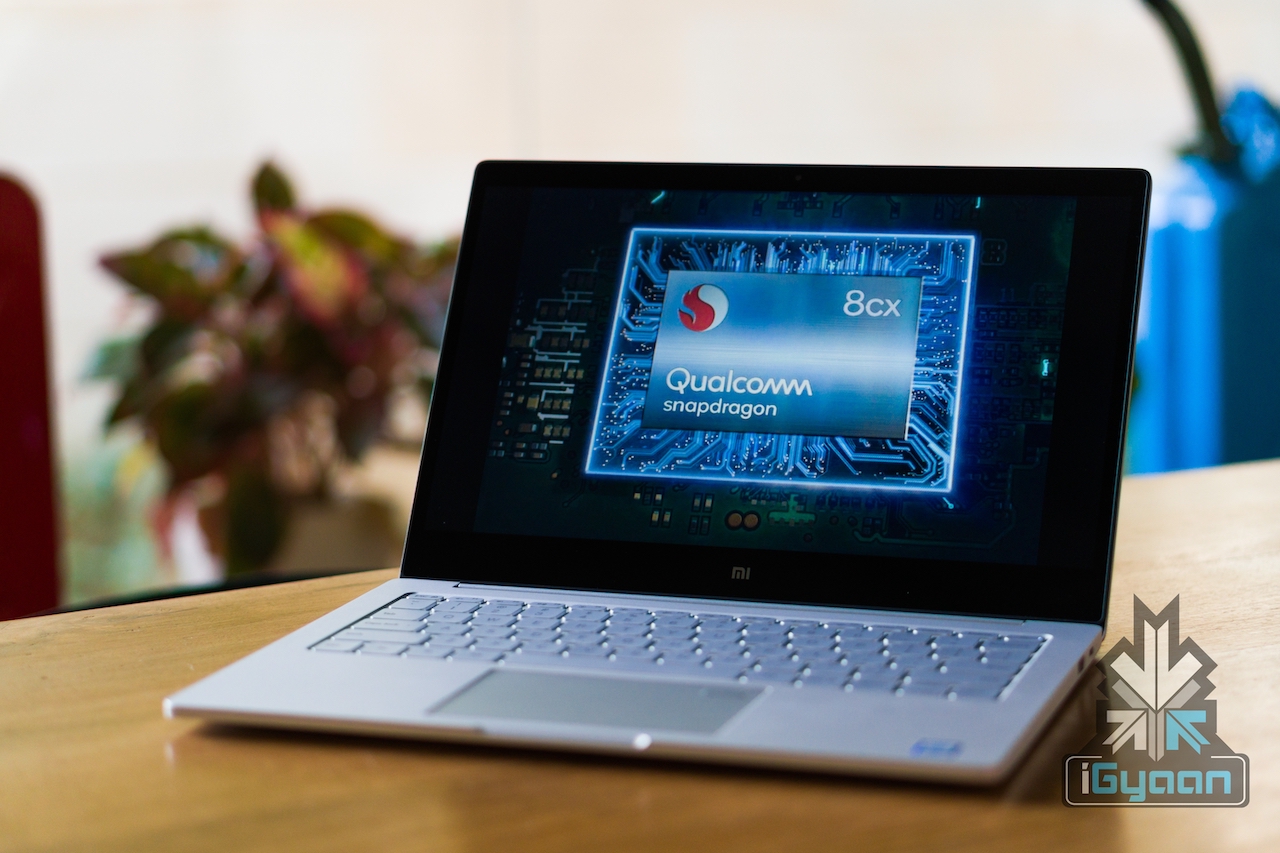
    Lenovo along with other tech giants has made great strides in technological development that has been showcased at Computex 2019. Lenovo and Qualcomm have yet to divulge finer details regarding their Project Limitless other than the fact that the driving technology leading to this innovation is Qualcomm’s very own Snapdragon 8cx chipset that supports 5G connectivity.

    Unveiled last December, the Snapdragon 8cx claims great performance with amazing battery life for Windows on ARM devices. Designed specifically to tackle issues and concerns surrounding Snapdragon’s previous iterations on PCs. The octa-core Kyro 495 CPU on the chipset features an increased 10MB cache, improving on Chromes performance than its previous versions. Built on a 7nm architecture the Snapdragon 8cx in the Lenovo laptop is reportedly a ‘lot more’ power efficient than the Snapdragon 855. A ‘lot more’ not in terms of hours but days.Lenovo 

    The Units that were made available to the attendees of Computex were, however, demos, so no real benchmark on network speeds are available. According to the demo devices system settings, the Snapdragon 8cx CPU was reported to have been running at 2.8GHz clock speed along with 16GB of RAM, all in all, specs comfortable enough for multitasking processes. 

    Qualcomm, for comparison purposes, showcased its products capabilities by pitting it against its targetted rival, i.e Intel’s Core i5-8250U. Using the new PCMark 10 Application benchmark on systems of similar specs had the Qualcomm’s 8cx beat the Intel’s i5 on apps like Microsoft Edge and Word. Intel’s processor won on other apps like Excel and PowerPoint. 

    Also ReadRazer Adds Quadro RTX 5000 GPU To Blade Ultrabook Laptops

    This may cement Qualcomm in the laptop grade CPU market and have their Snapdragon brand expand to laptops alongside Lenovo. The inclusion of 5G networking on sub-6GHz connection is a great plus point as well that goes along with the ‘Limitless’ nomenclature.


  • ARM Announces New Design For Upcoming CPU And GPU

    ARM Announces New Design For Upcoming CPU And GPU

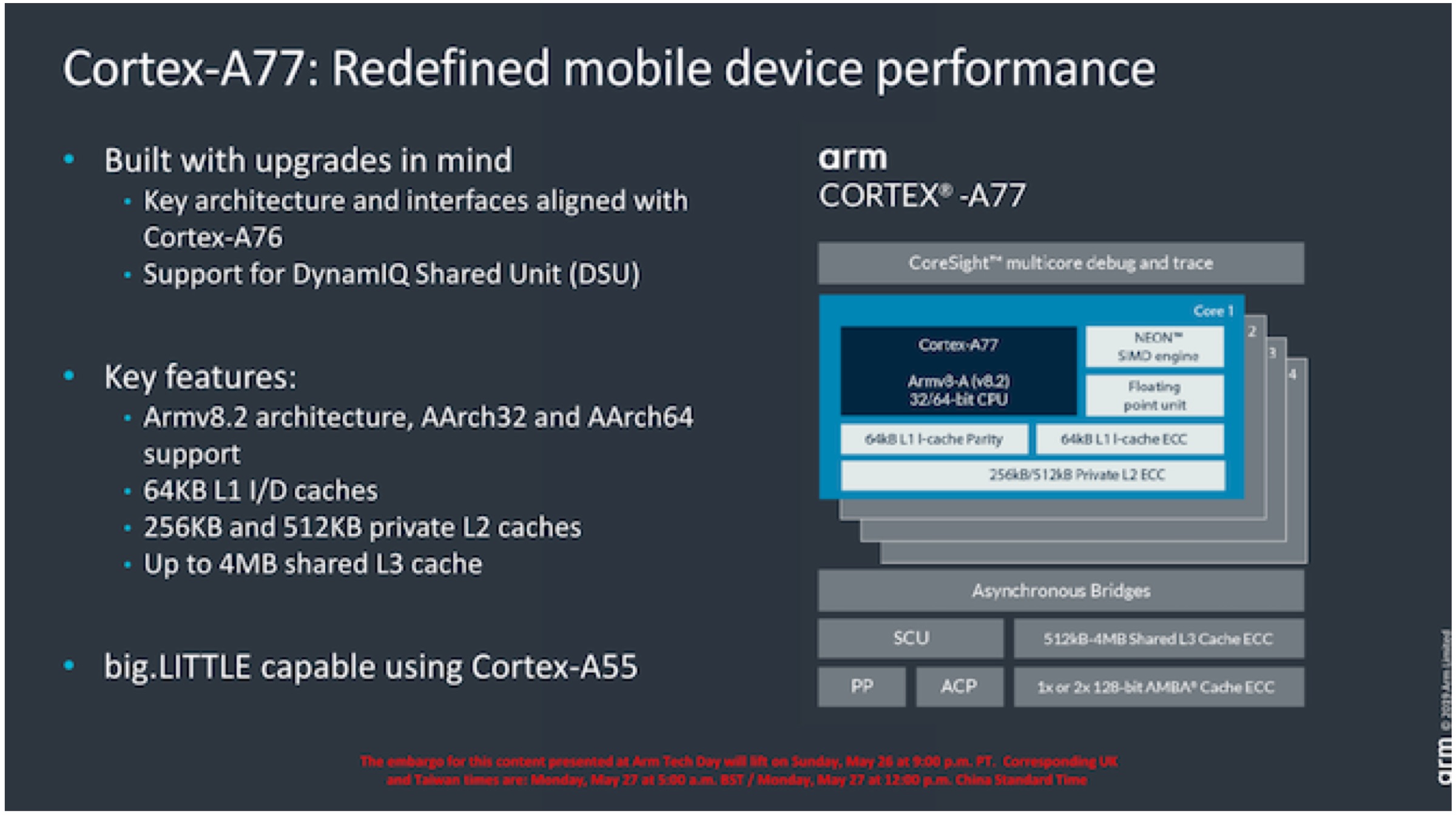
    ARM has announced new designs for its premium CPU and GPU chipsets. The company that has its basic architecture utilized by most smartphones in the world. The new chipset design architecture will not be seen in smartphones anytime soon. It can be noted that the first actual chips may be seen by the year end, going by past references. Cortex-A77 CPU with Mali-G77 as reported by the company is said to be a more energy efficient and powerful in machine learning processes.

    It is obvious with its newer iterations that the new Cortex-A77 will feature an overall bump in performance, but ARM has promised a notable 20% IPC performance improvements over its last generation. The new Cortex-A77 claims to have a significantly better machine learning performance made possible by the company’s hardware and software optimizations.

    ARM in their announcement pointed out the fact that most smartphones do not use a dedicated neural processing unit (NPU) for machine learning processes. However, the company also argues that 85%  of smartphones today run machine learning through either only a CPU or a CPU+GPU combination and that even the CPU hands over to the accelerator when it is available, even if there is a GPU or a dedicated machine learning chip.

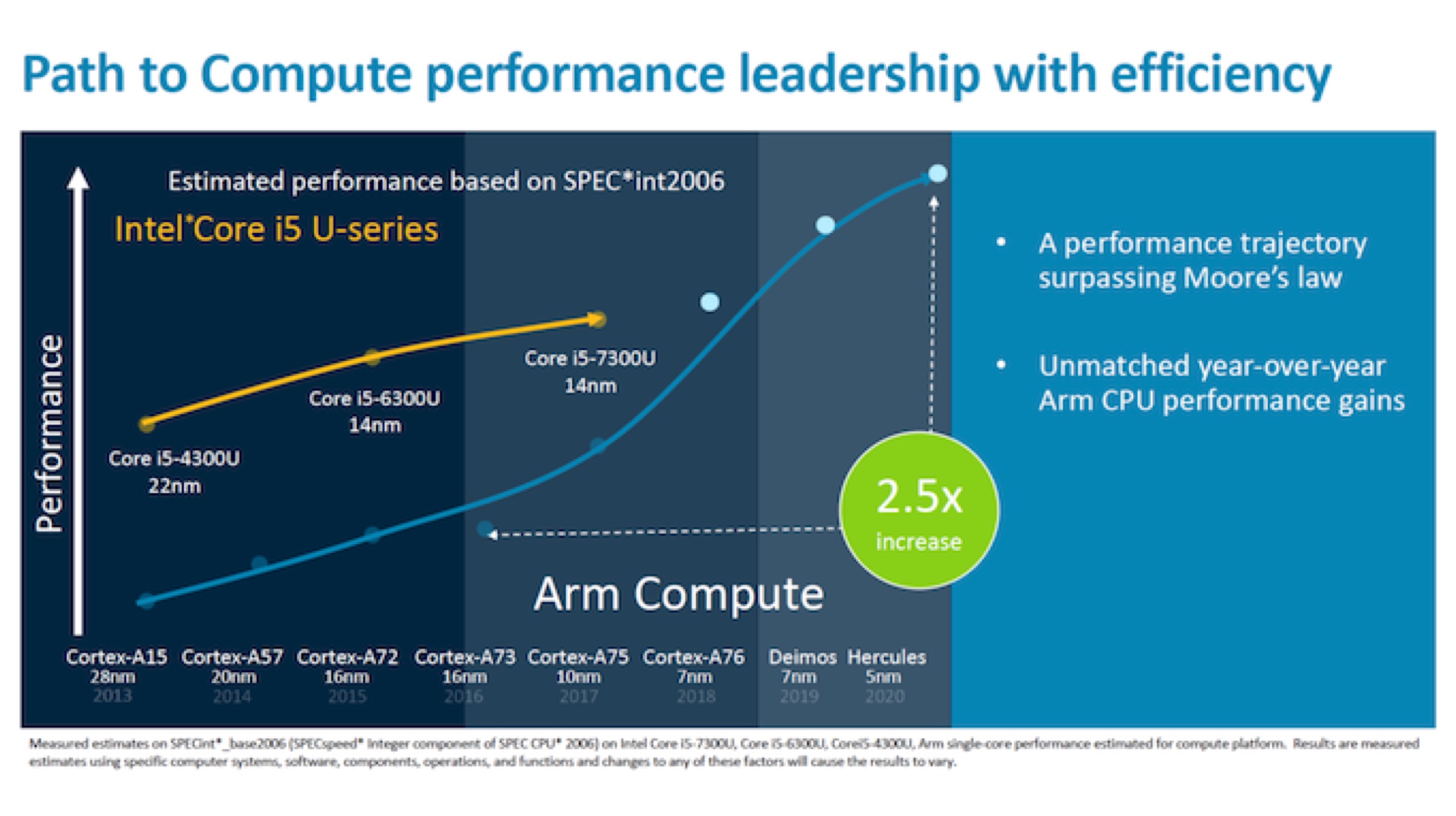
    ARM promises with its new CPUs, promise more power efficiency along with better raw processing performance. Arm claims to have quadrupled performance since 2013. Another area ARM has chosen to focus on is mobile gaming and with it mobile VR and augmented reality experiences.

    The new Mali-G77 GPU architecture is the first chipset to be based on the company’s proprietary Valhall GPU design that supposedly bumps the performance by 1.4 times, an improvement over the older G76. It is also claimed to be about 30% per cent more energy efficient and 60% faster at running neural net workloads and machine learning.

    Also ReadAMD Reveals 3rd Gen Ryzen CPUs And 7nm Radeon RX5000 GPU

    ARM offers its very own Project Trillium for the machine learning processor, the machine learning computing platform that works in conjunction with the company’s CPUs. Since the announcement of the project in 2018, the company has doubled its energy efficiency and raised the performance up to 8 cores and 32 TOP/s.

    This announcement will set up other companies that utilize the ARM to promptly make optimizations and work around the new designs. 

  • AMD Reveals 3rd Gen  Ryzen CPUs And 7nm Radeon RX5000 GPU

    AMD Reveals 3rd Gen Ryzen CPUs And 7nm Radeon RX5000 GPU

    Rumours had been trickling by on the new lineup of 3rd generation Ryzen and Radeon NAVI GPUs of AMD. Computex 2019 launched with its very first keynote by AMD’s CEO, Dr. Lisa Su. AMD has various announcements to make on their lineups and their new data centre offerings, AMD Epyc.

    AMD NAVI

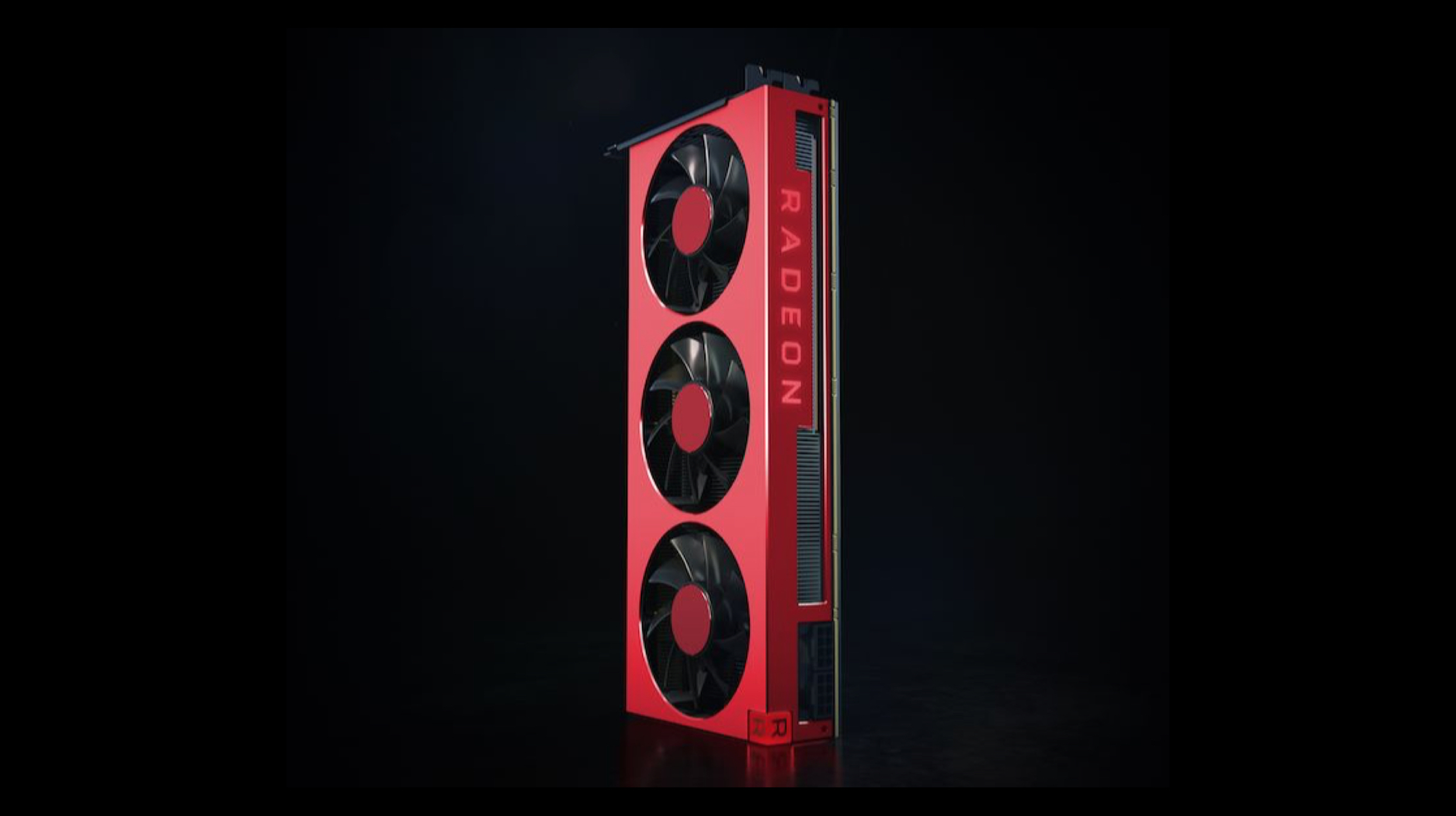
    A major announcement in AMD’s keynote was it’s much awaited new 7nm GPUs which will be a part of their Radeon NAVI, i.e AMD Radeon RX 5000 lineup of graphics cards. The nomenclature is influenced by the company’s 50th anniversary.

    The new microarchitecture, called RDNA, is set to replace the GCN architecture that has powered AMD’s Radeon GPU. The notable improvements thus far have been the new compute design engine, multi-level cache hierarchy and a streamlined graphics pipeline. Essentially providing higher clock speeds for the graphics card at a lower power. The new GPUs are also the first to adopt the PCIe Gen 4.

    A quick benchmark on the Strange Brigade has AMD’s Radeon RX 5700 take a marginal 10% lead on NVidia’s RTX 2070 graphics card. AMD is expected to start shipping by July 2019, although the details are reported to be revealed on June 10. 

    AMD RYZEN 3RD GEN

    The new and highly anticipated CPU lineups from AMD were finally unveiled. Being built on a 7nm process node, the AMD Ryzen 7 3700X is an 8 core/16 threads processor which is also compatible with the AM4 socket but will need the latest X570 platform to bring out its full potential. This does not mean using older motherboards such as the X370 or X470 is pointless. A significant lead in terms of performance was showcased by AMD’s new CPU over Intel’s Core i7-9700K in comparison. The 3700X scoring 4806 points in Cinebench while 9700K only managed 3276 points. This, however, was not the top SKU in the mainstream lineup. The 3800X followed after 3700X and had a base clock of 3.9 GHz and a boost clock of 4.5GHz. The 3800X has 105W TDP in comparison to 3700X with 65W TDP. 3800X had a mean lead of 11% that went upto 34% when in comparison to its older generation Ryzen 7 2700Z when performance was testes in gaming.

    AMD has also announced the Ryzen 9 top of the line SKUs, with the most powerful being Ryzen 9 3900X, a 12-core/ 24 threads processor with a 105W TDP draw. Its base clock sits at 3.8Ghz while the boost clock reaches 4.6GHz that utilizes two chiplets to achieve the high core count. Blender benchmark was used to pit the Ryzen 9 3900X against Intel’s Core i9-9920X processor that has a 165W TDP, in which the new Ryzen processor outclassed in both single and multi-core performance.

    AMD EPYC


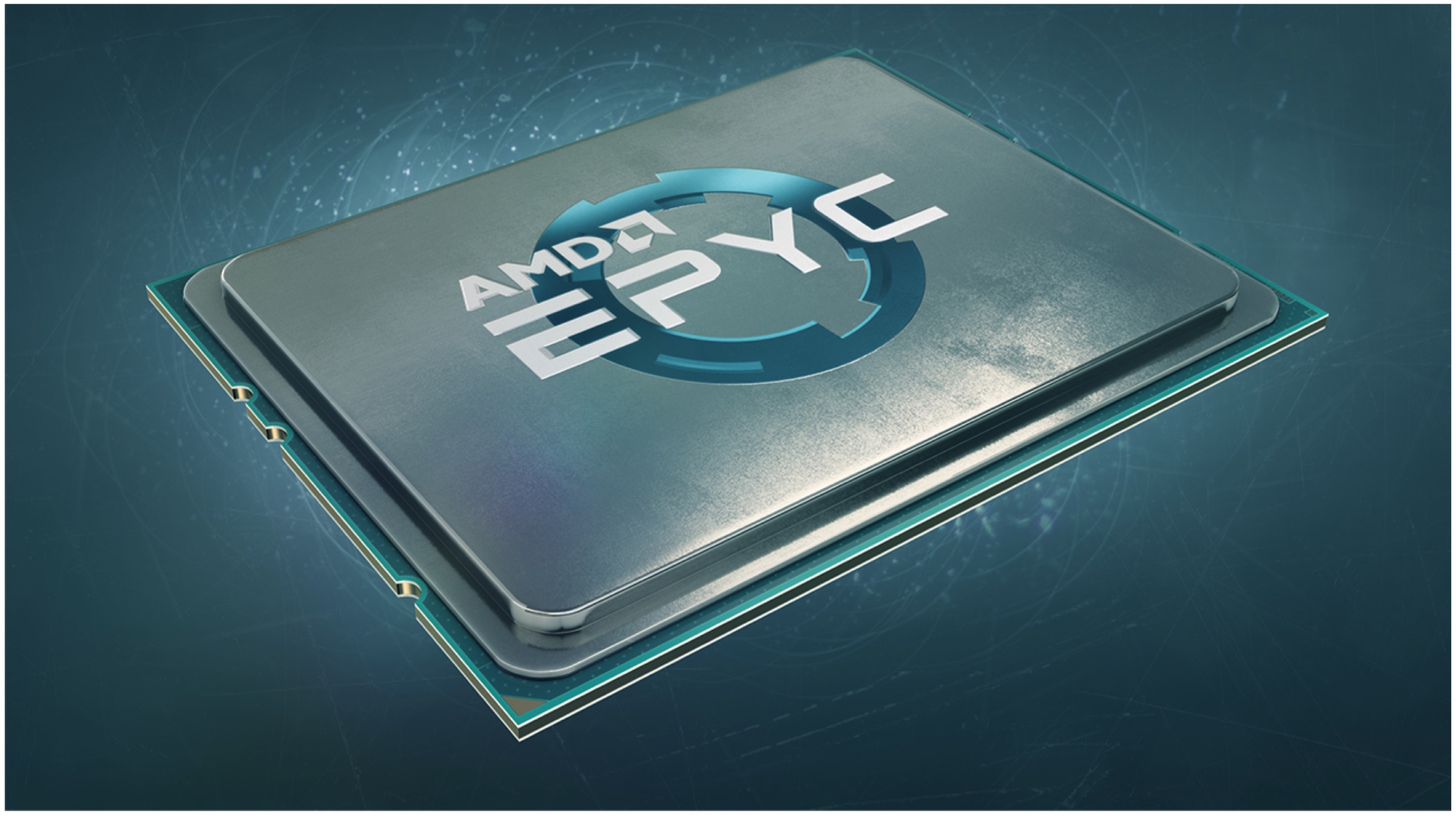
    Dr Lisa Su, the CEO of AMD, announced the new data centre offerings, AMD EPYC. EPYC has grown over the last 3 years to have more than 60 solutions on more than 50 cloud installations. This was followed by AMD’s crown jewel, the Frontier Supercomputer at Oak Ridge, National Laboratory that is capable of more than 1.5 exaFLOPS and is reportedly said to receive the world’s fastest supercomputer once it goes live.

    Similarly to Sony’s announcements of collaborating with Microsoft for their cloud computing solutions, AMD unveiled that it has also incorporated AMD EPYC with Microsoft’s Azure.

    Also ReadIntel Announces Octa Core i9-9900KS CPU With All Cores Clocked At 5.0 GHz

    Codenamed ‘Rome’ the 2nd Gen EPYC processors by AMD give upto 64 cores per socket and are claimed to be able to push out four times more floating point workload per socket when compared to its previous generation. A demonstration showcased the 2nd Gen AMD EPYC 2-socket solution going up against an Intel Cascade Lake 8280 28 core/ socket 2-socket solution. The EPYC solution crunched out 19.60 ns/Day compared to the Intel solution. The launch is set to be in Q3 2019.

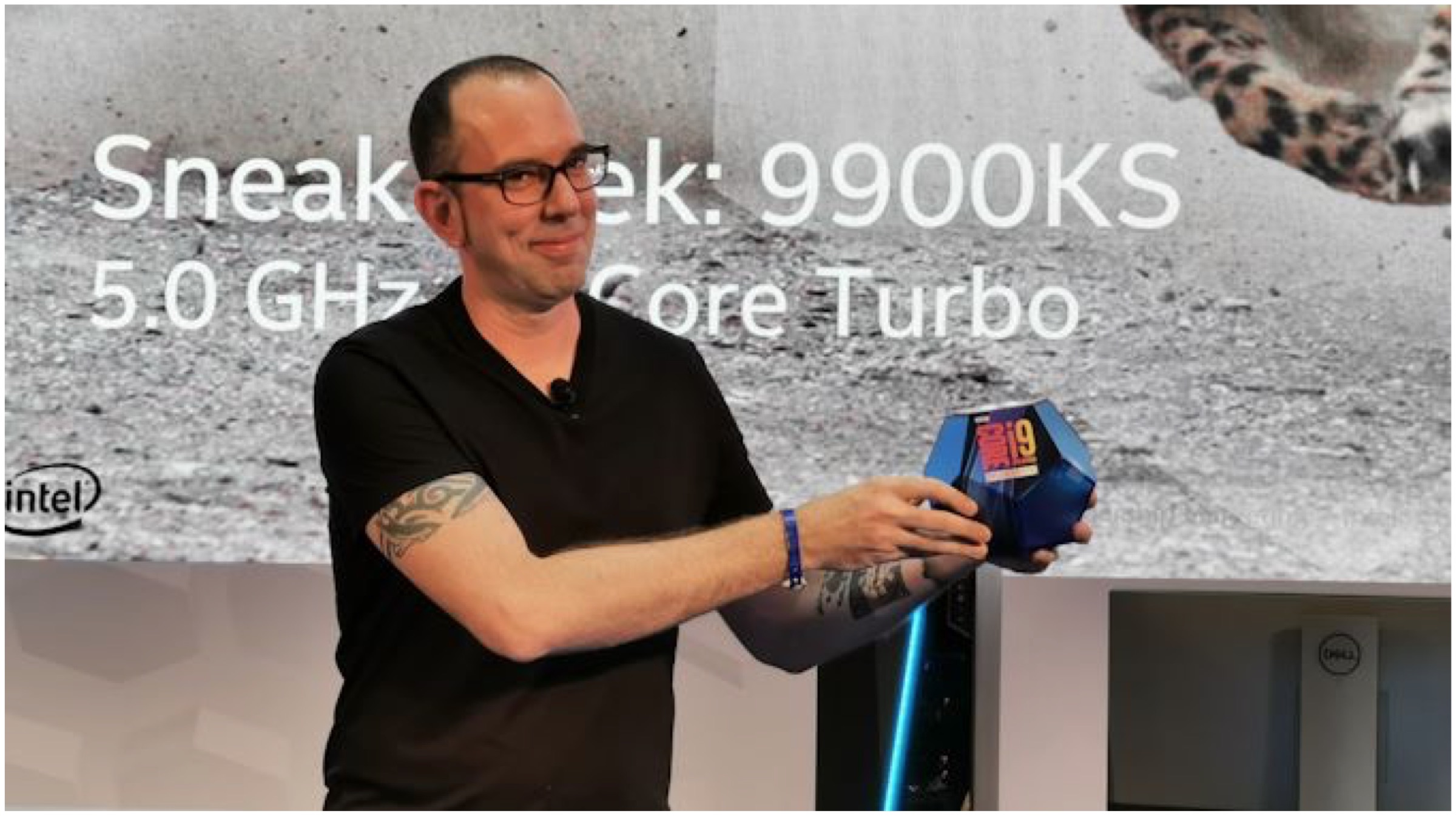
  • Intel Announces Octa Core i9-9900KS CPU With All Cores Clocked At 5.0 GHz

    Intel Announces Octa Core i9-9900KS CPU With All Cores Clocked At 5.0 GHz

    Intel is looking to strengthen its position in the CPU market. The company unveiled its 5GHz laptop processors in the month of April 2019, which have already been incorporated by brands like ASUS, Dell, HP and Razer. In 2018, the American chip manufacturer showcased a CPU which had all its cores clocked at 5.0 GHz. The aforementioned processor, which is the Core i9-9900KS, is all set for release in the upcoming weeks and will be the first of its kind. 

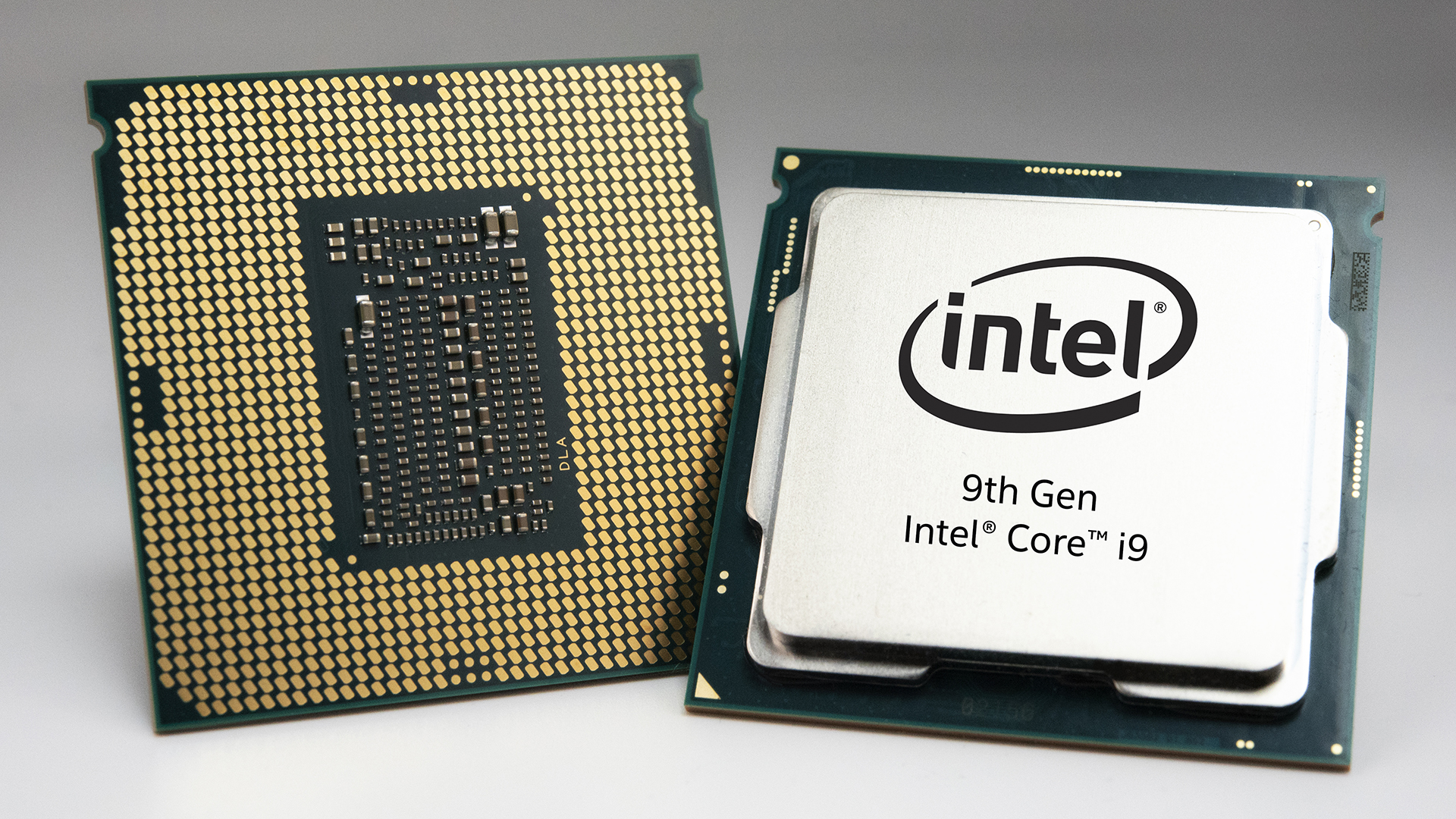
    The new Intel Core i9-9900KS features a total of 8 cores, all of which will run at a clock speed of 5.0 GHz during single-core workloads as well as multi-core workloads. As per reports, the company showcased a demo of a 28-core Intel Xeon CPU in the year 2018, but the clock speed of the same was way lower than the 9900KS. Noteworthy, the core i9-9900KS is selectively binned so that each core utilizes the maximum clock speed i.e. 5.0 GHz.
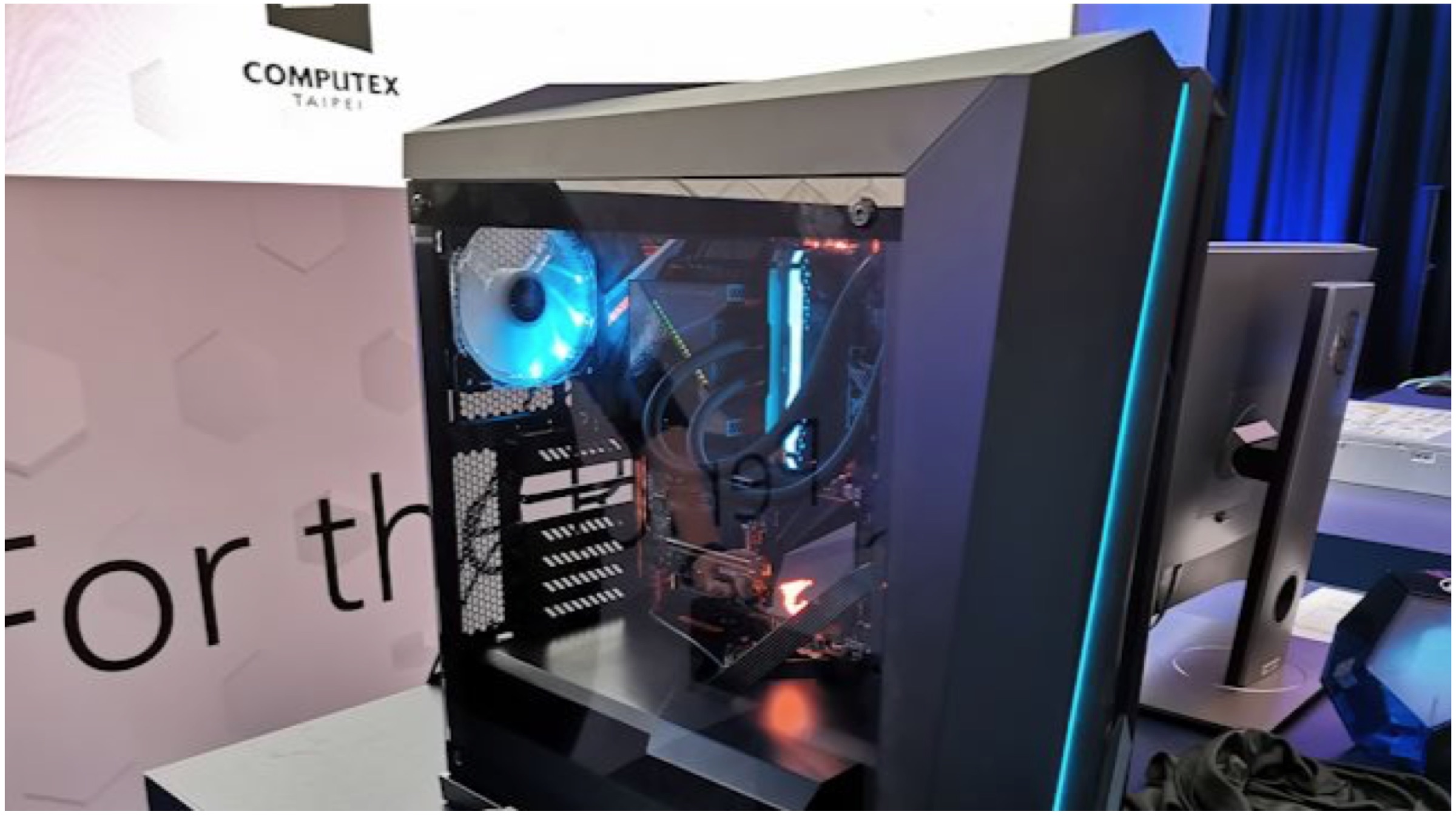
    Reports further state that the current motherboards supporting Intel’s core i9-9900K processors will be able to accommodate the newly launched i9-9900KS as well. However, a minor firmware update will be pushed out to the motherboards by their respective manufacturers so as to enable support for the core i9-9900KS. Furthermore, it was also stated that the new CPU will feature a similar integrated GPU chip to the i9-9900K processor.  

    Intel i9-9900KSAlso Read: Microsoft And Sony Join Hands For Cloud Gaming Service

    The TDP (Thermal Design Power) of the CPU is unknown as of now, alongside the unrevealed details regarding the pricing and the launch date. However, as per sources, Intel may have stepped up the TDP of the i9-9900KS a notch, since the base frequency of the processor exhibits a 10 percent increase over the i9-9900K CPU. More details regarding the same are expected to be unveiled in the upcoming Computex Event, which kicks off on May 28 in Taiwan. 

  • Microsoft Surface Pro 7 Leaks In Patent

    Microsoft Surface Pro 7 Leaks In Patent

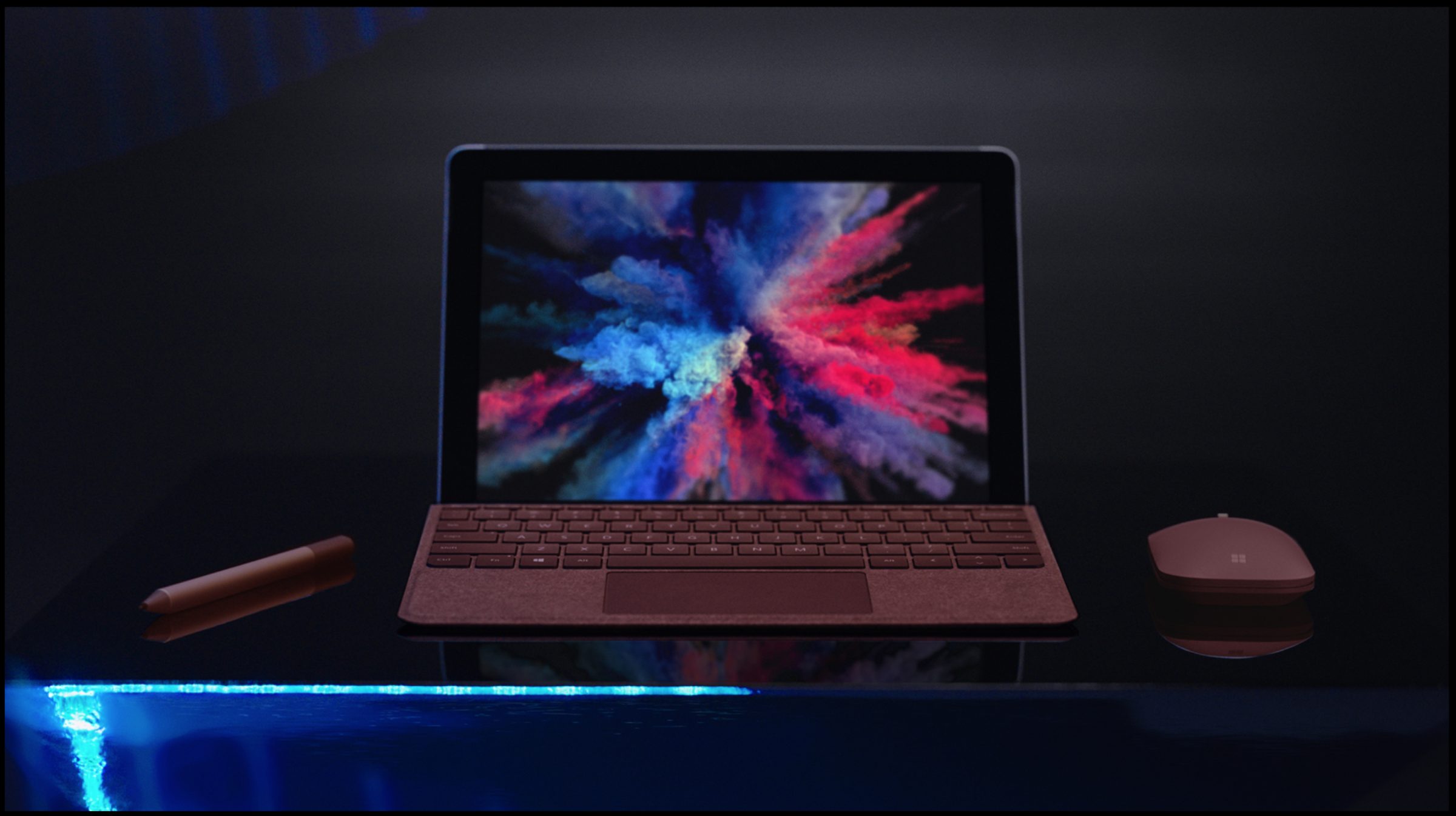
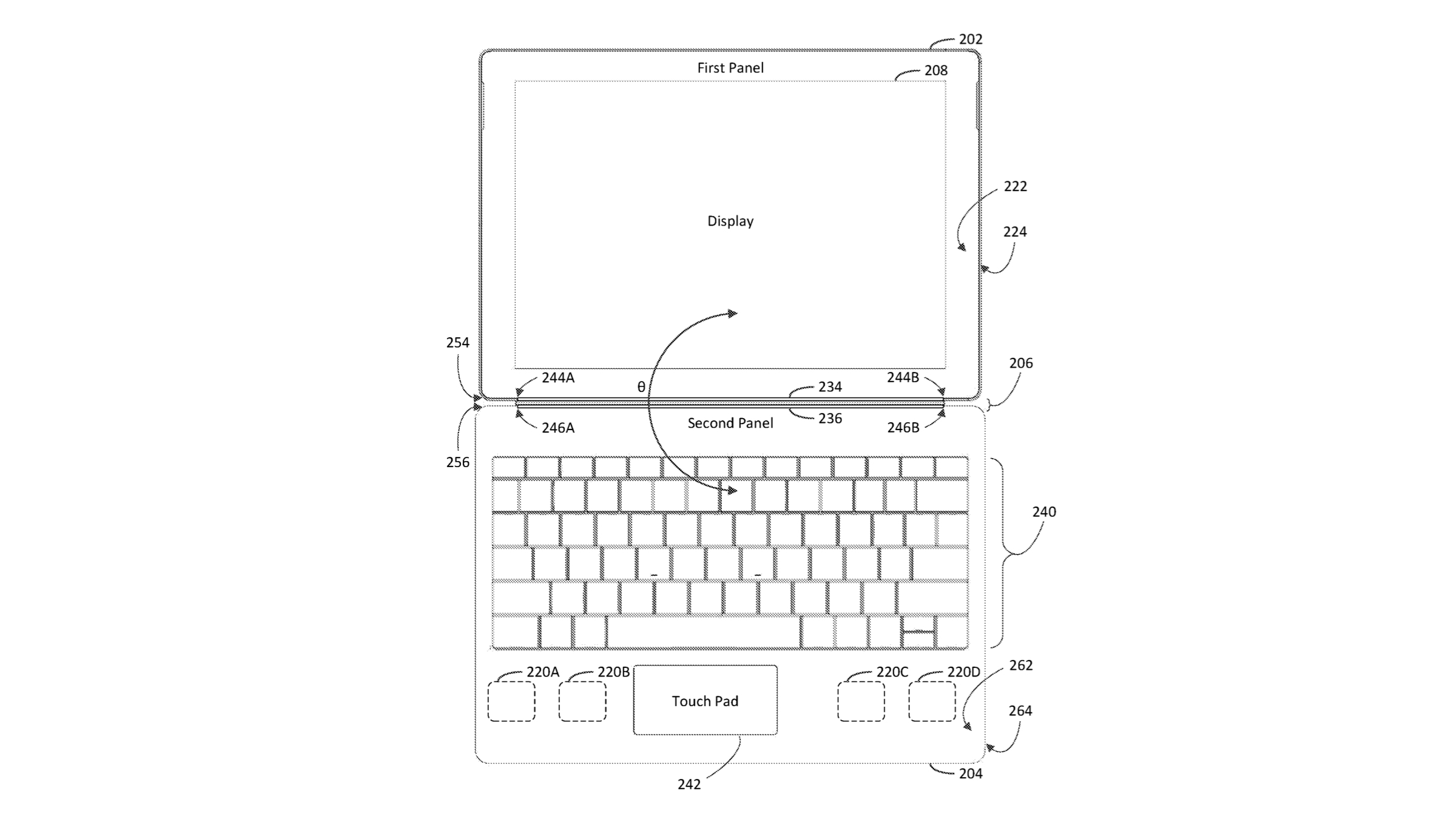
    Microsoft originally launched the Surface lineup of personal computers in the year 2012 which have been highly appreciated by the consumers. A freshly granted patent to Microsoft hints that the company is working on a new design for its latest Surface Pro which is expected to debut later this year.

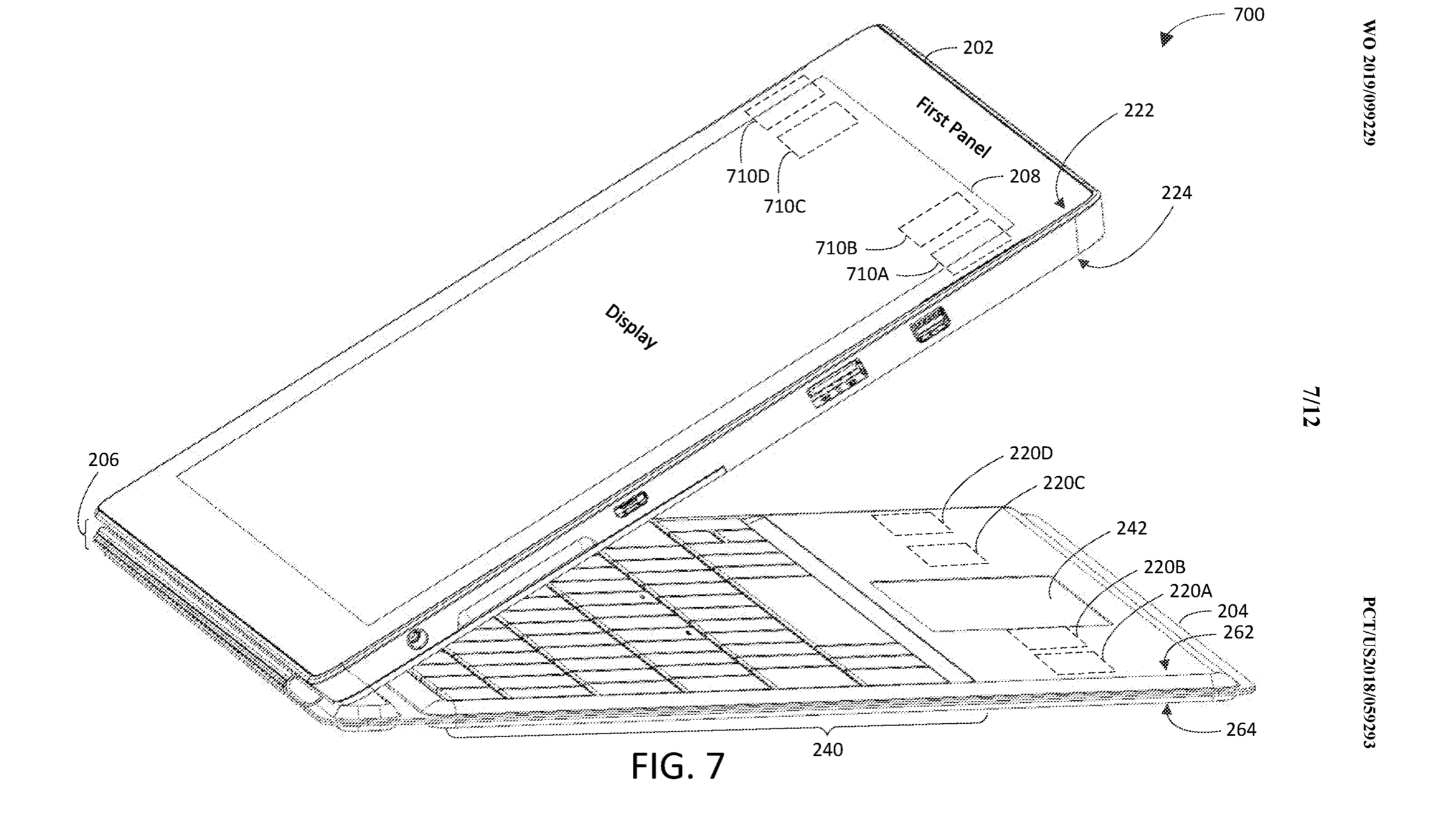
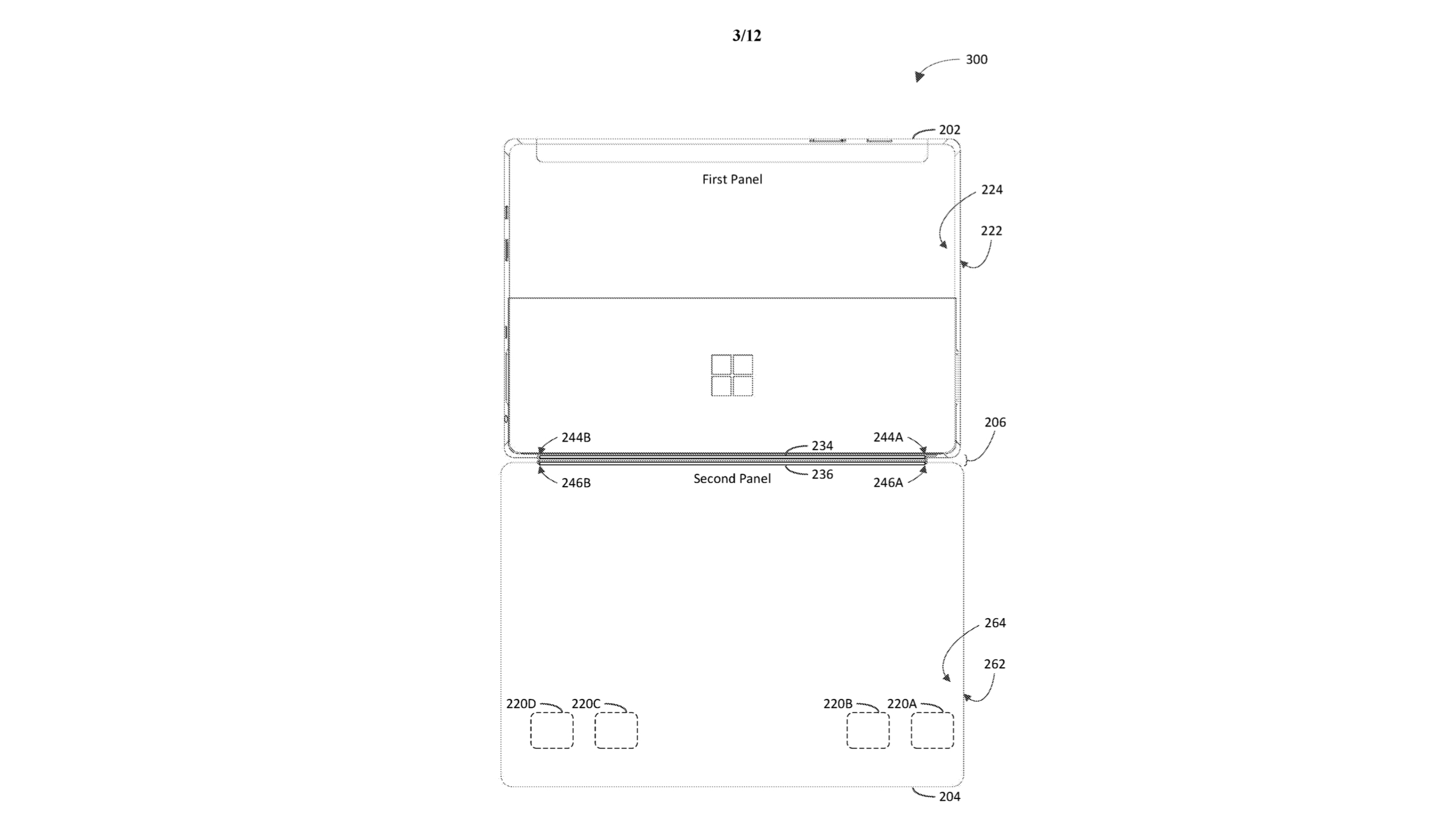
    The design of the touchscreen PC from Microsoft has largely remained the same since the Surface Pro 4 from the year 2015. The latest patent suggests that the upcoming device will have a significantly different design in comparison to the current generation. The alleged Microsoft Surface Pro 7 from the patent has considerably thin bezels around the display. Also, the detachable type cover on the future device will have four magnets which will prevent it from flapping around when in a closed position.

    The patent also suggests that Microsoft may be altering the port selection on the Surface Pro 7. Except for the traditional USB A and MiniDisplay port, the upcoming device will introduce a USB C port which is slowly becoming a global standard. Closely inspecting the patent reveals that with the new device, the company has decided to move the 3.5 mm audio jack to the bottom.

    Intriguingly, the patents of the Surface Pro state that the company will do away with the conventional Surface Connect Port on this device. Instead, the touchscreen PC will be charged via the aforementioned USB Type C port. However, a past patent hints that Microsoft will retain some sort of magnetic port which will be compatible with USB Type C. The connector in the said patent was originally designed to transfer data at USB 2.0 speeds. Though it is likely that Microsoft has managed to implement USB 3 speeds on the connector. 

    Also Read: Top 5 Netflix Shows To Stream This Weekend

    More details about the upcoming Surface Pro are expected to be revealed in the coming future which will shed more light on the device and its features. 

  • MSI Launches Three New Laptops With Core i9 CPU Ahead Of Computex 2019

    MSI Launches Three New Laptops With Core i9 CPU Ahead Of Computex 2019

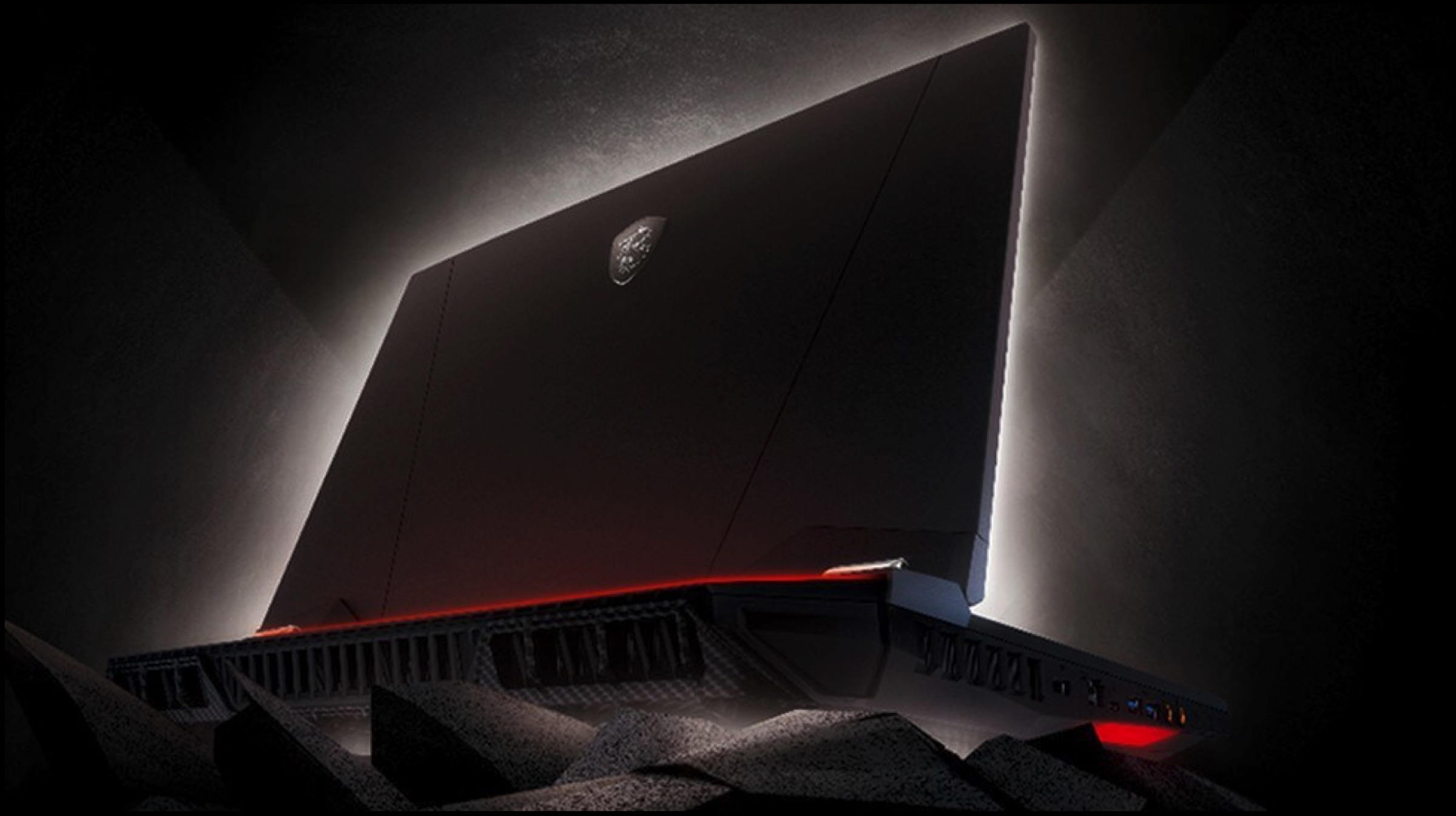
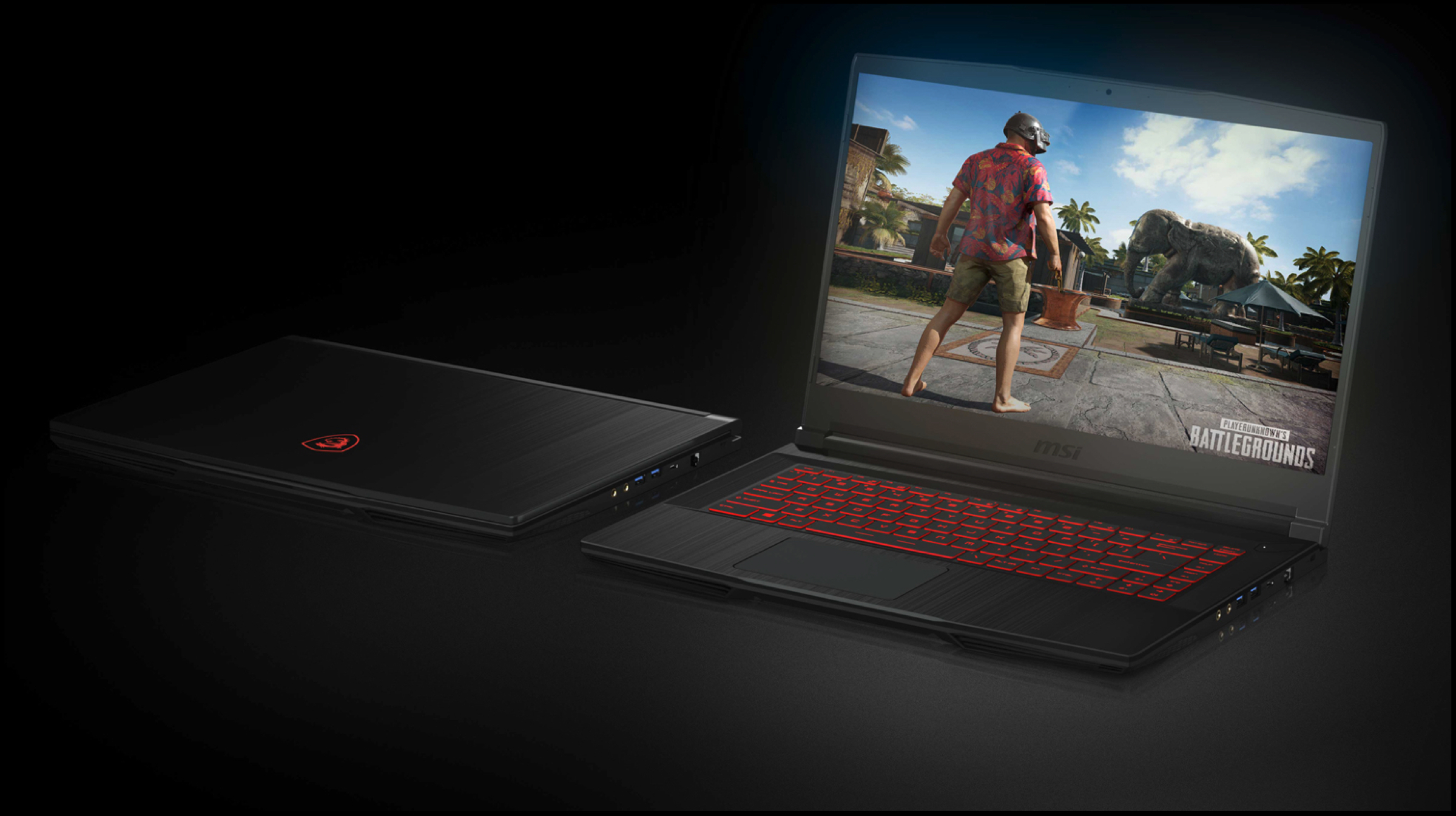
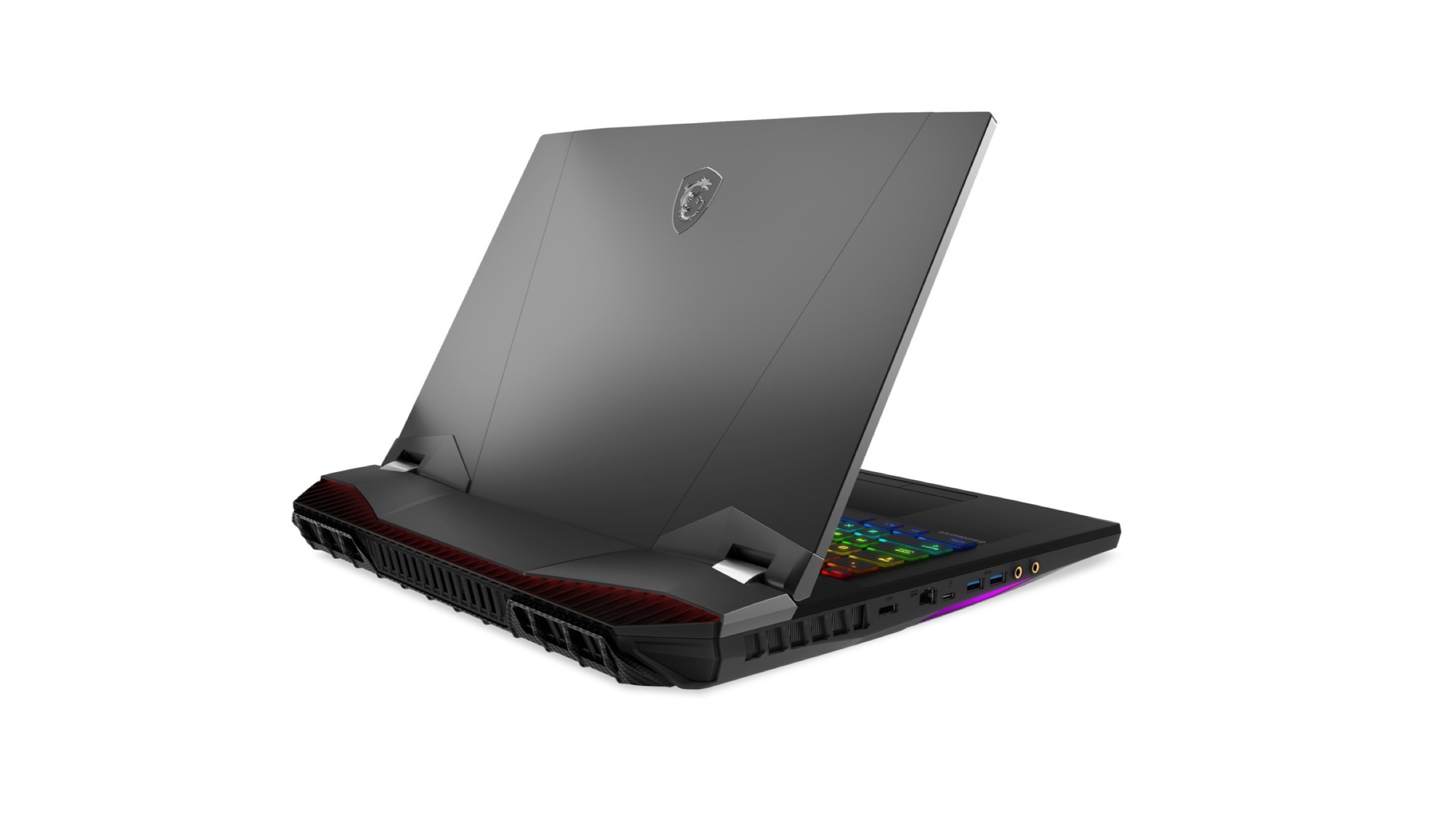
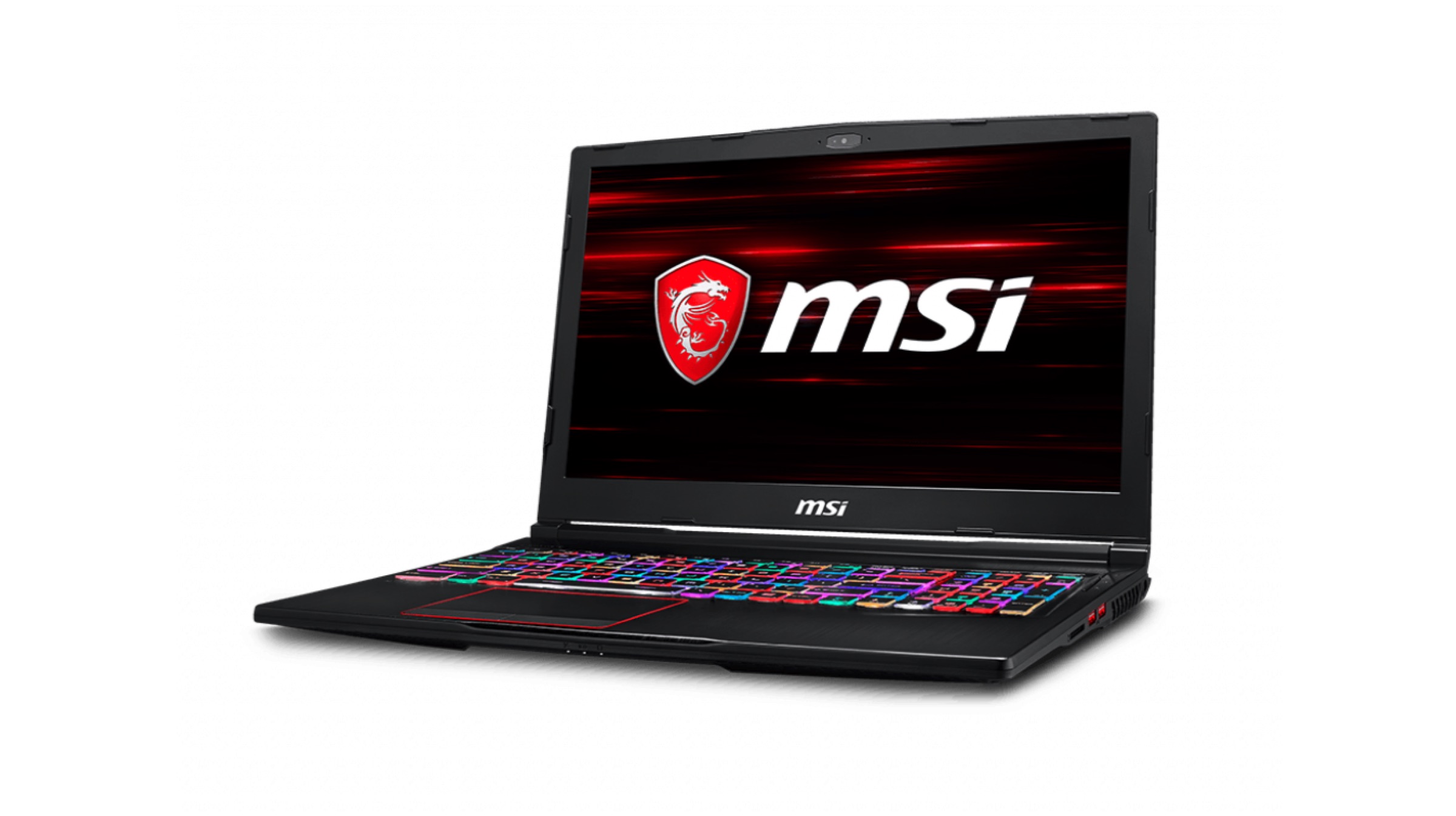
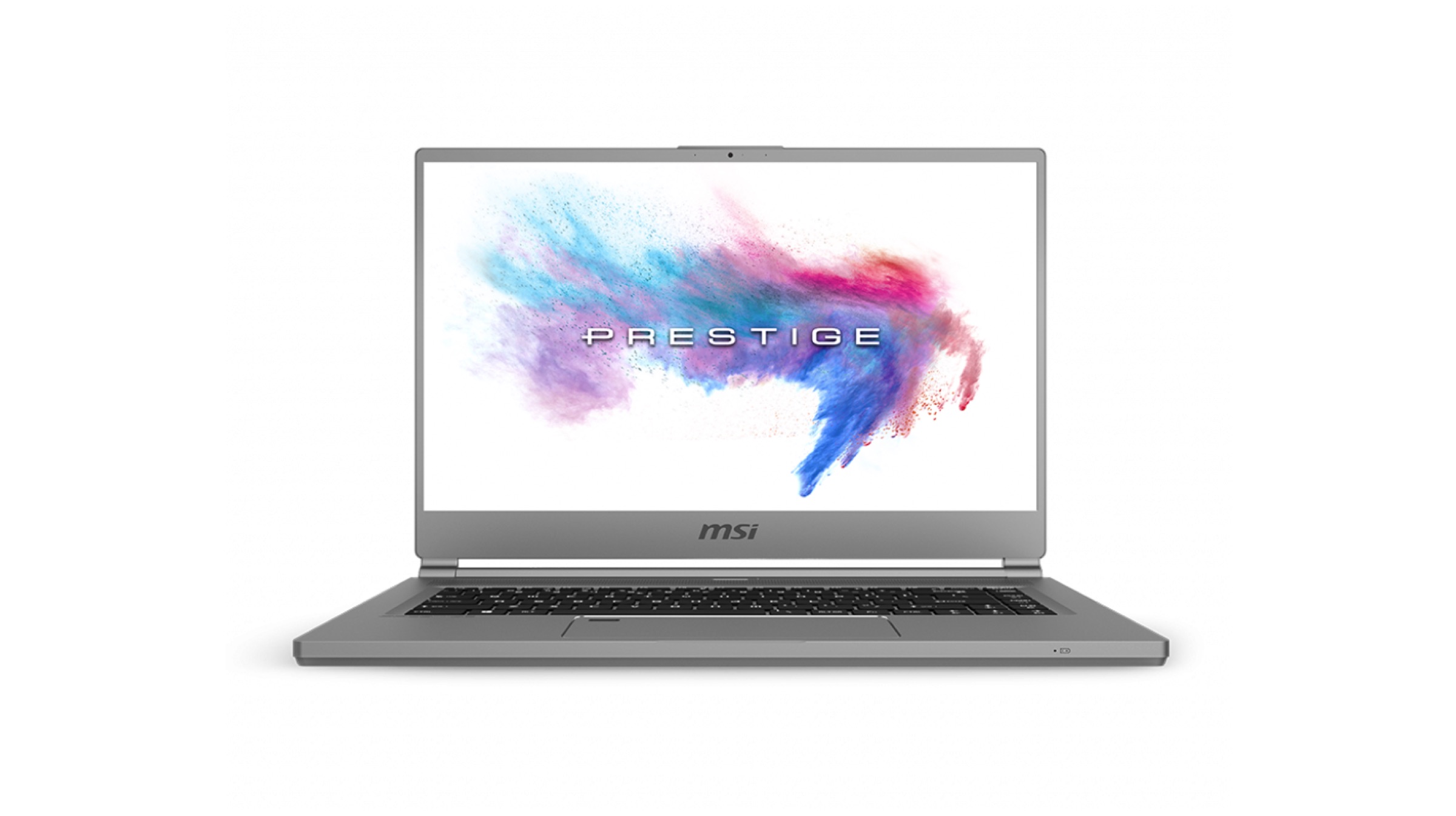
    MSI brings out three new laptops right before Computex 2019, adding in two gaming laptops for their GT Titan and Raider series along with a refresh of the Creator Laptop. MSI GT76 Titan and GE65 Raider being the top of the line gaming laptops and the P65 Creator laptop that improves on the CPU chipset for a minor refresh of the series.

    MSI

    With its robust features, the GT76 sits at the top of the gaming laptop lineup by MSI. Being one of the only few to pack such a powerful desktop grade i9 9th Gen Intel octa-core processor inside a laptop. Finer details such as Ram and Storage capacity option have not yet been revealed alongside the SKU, but the GT76 have been confirmed to run on the GeForce RTX 2080 GPU.

    The biggest improvements by far made by the new laptop is the Cooler Boost Titan thermal architecture with 4 fans and 11 heat pipes that MSI claims would be twice as efficient in the cooling than its predecessors. The keyboard features the per-key RGB lighting and a base under-glow, while the overall aesthetics of the laptop follow that of a sports car with an aluminium chassis and carbon fibre themed vents. Computex Best Golden Award has already been presented to the laptop which will be showcased at MSI’s booth in Computex 2019, to be held in Taiwan.MSI GE65

    MSI will announce the features for its GE65 Raider laptop at Computex 2019, although confirmed reports from the company show that the gaming laptop will be powered by an i9 9th Gen Intel Processor (similar to GT76) and RTX series Nvidia’s graphics card. The Key selling point of the laptop is its display with an impressive 240Hz refresh rate and Wifi-6 connectivity support.

    Lastly, MSI updated the Creator series lineup with P65 with the aforementioned, i9 9th Gen CPU processor with RTX series GPU. Additionally, the laptop sports a 15.6 inch 4K UHD display powered by a 4-cell 82Whr battery. MSI is all set to take on its competition Computex with the graphics card, monitors, gaming gear and much more.

  • NVIDIA Teases A ‘Super’ Upgrade In Graphics Ahead Of Computex 2019

    NVIDIA Teases A ‘Super’ Upgrade In Graphics Ahead Of Computex 2019

    Computex 2019 is just around the corner, and brands are gearing up to showcase some of the best products and developments in computing. It is apparent that the PC market is unlikely to dwindle anytime soon which a few reports from the past claimed. Popular brands are innovating with newer products and techniques that bump up performance levels of machines while curbing the prices at the same time. Amidst all this, American chip manufacturer NVIDIA has posted a teaser on its YouTube channel, which hints at something “Super” making its way to the Computex 2019 event being held in Taiwan from 28 May to 1 June. 

    NVIDIA At Computex 2019: What To Expect?

    As per reports, the company is already planning a press conference at the said event. There is a chance that the “Super” announcement is AI/Software related since NVIDIA RTX and 16-series cards are still fairly new to the market. However, the company can unveil a significant upgrade to one of its older cards to bring them at par with the competition looming up ahead. And talking of competition, AMD’s Navi GPUs are also set to make a debut in the not-so-distant future, which might shift NVIDIA in its seat a little. 

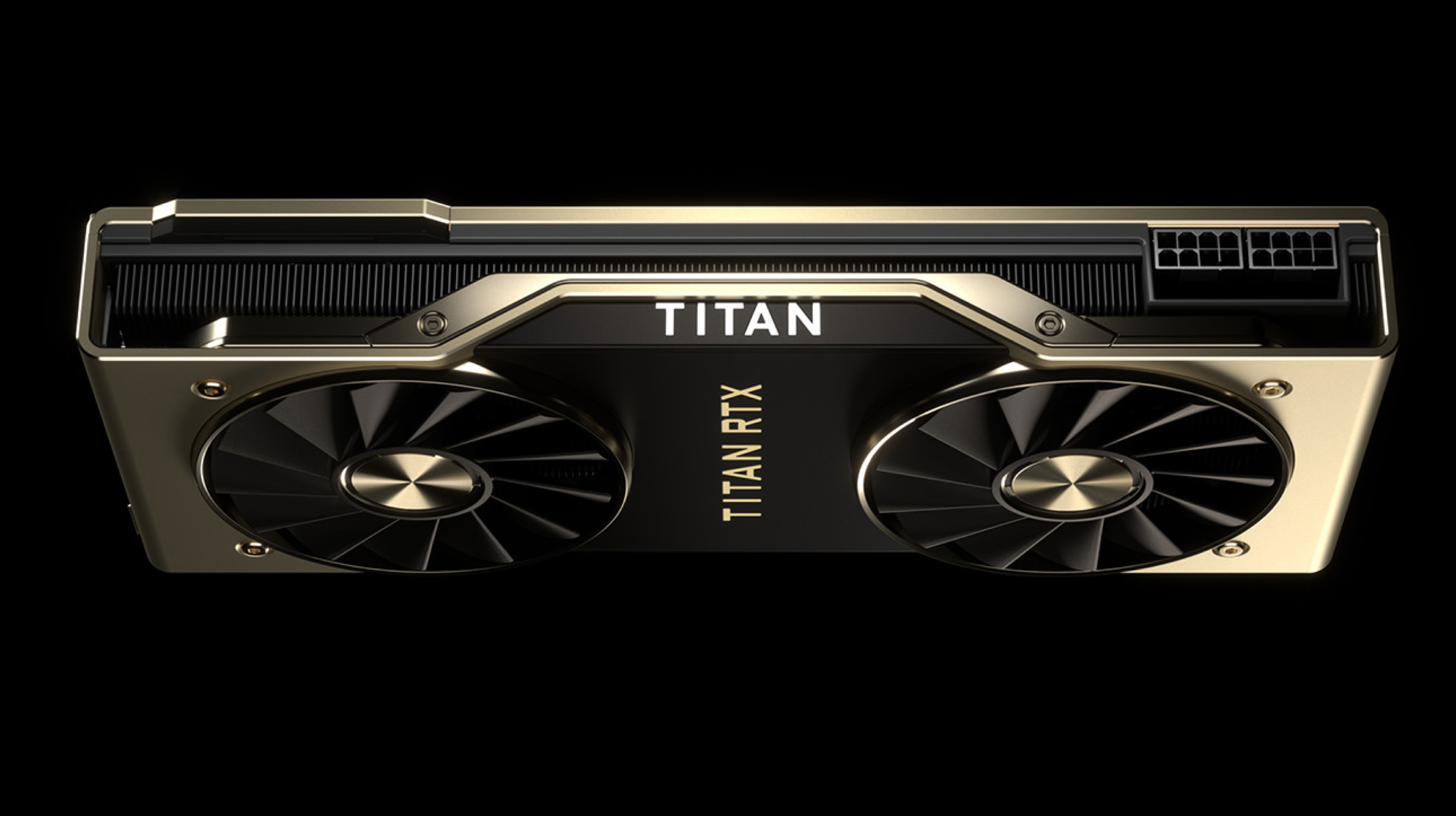
    NVIDIA TITAN RTX GPU

    As per sources, NVIDIA is planning to incorporate a faster 16Gbps memory standard in its existing RTX series of GPUs. This will be a significant boost from the previous 14Gbps memory in the GPUs. A 2Gbps memory improvement is expected to provide almost 14 percent of performance boost if and when it is implemented. However, the question of price still takes the podium. Will NVIDIA charge a hefty price for such an upgrade in the future? 

    NVIDIA Graphics Card
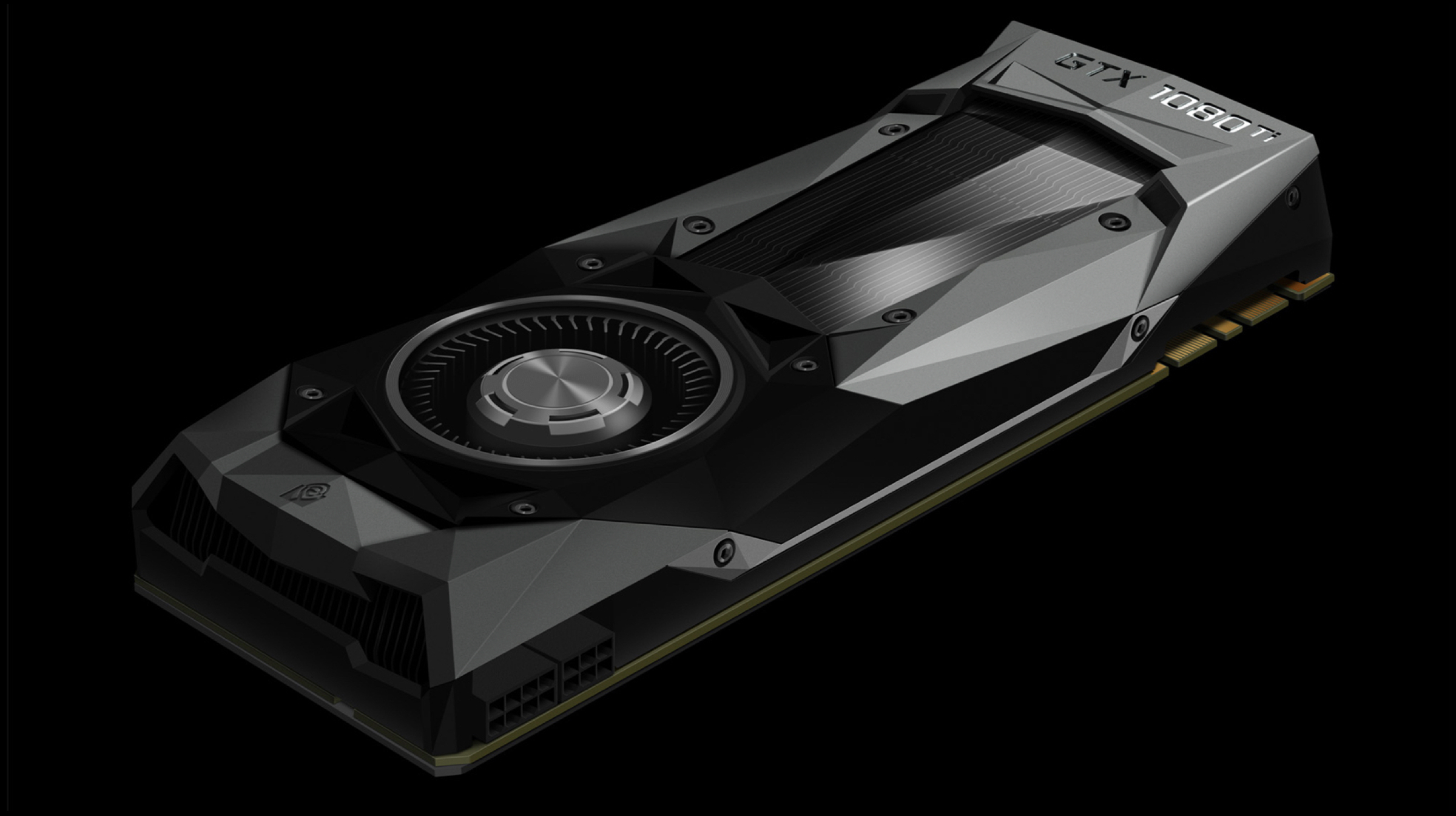
    NVIDIA GTX 1080 Ti

    Also Read: Google Is Reimbursing Pixel 1 Owners In The US, But What About India?

    Since the teaser shows nothing except the embossed metal super logo (from a variety of angles), fans are only left with the option of taking wild guesses and waiting for the press conference at the event itself. As mentioned before, AMD’s price point for the upcoming Navi-based graphics chips may (severely) affect NVIDIA’s flagship lineup. But since the company has emerged unscathed time and again, we can expect NVIDIA to have a neat trick up its sleeve for Computex 2019.    

  • Apple Updates MacBook Pro With Eight Core Processors

    Apple Updates MacBook Pro With Eight Core Processors

    American Technology company, Apple has added yet another set of updates to its lineup of the MacBook Pro. The new upgrades are aimed towards a significant boost in performance that MacBooks already offer. The company has revamped the MacBook Pro with the 8th- and 9th-generation Intel Core processors and introduced Octa-core processors for the first time. Additionally, a host of other features have also been added.

    Apple MacBook Pro: Features And Specifications

    Apple MacBook Pro The company claims that the new MacBooks deliver 40 percent more performance than the last generation hexa-core MacBooks and almost twice the performance of quad-core CPU equipped MacBooks. The 6-core and 8-core Intel Processors present in the 15-inch MacBook Pro can provide speeds of up to 5.0 GHz. On the other hand, the smaller 13-inch version with a quad-core CPU supports Turbo Boost upto 4.7 GHz. Content creators, researchers and music producers can experience huge productivity boost accrediting to the aforementioned CPU upgrades, the company says.
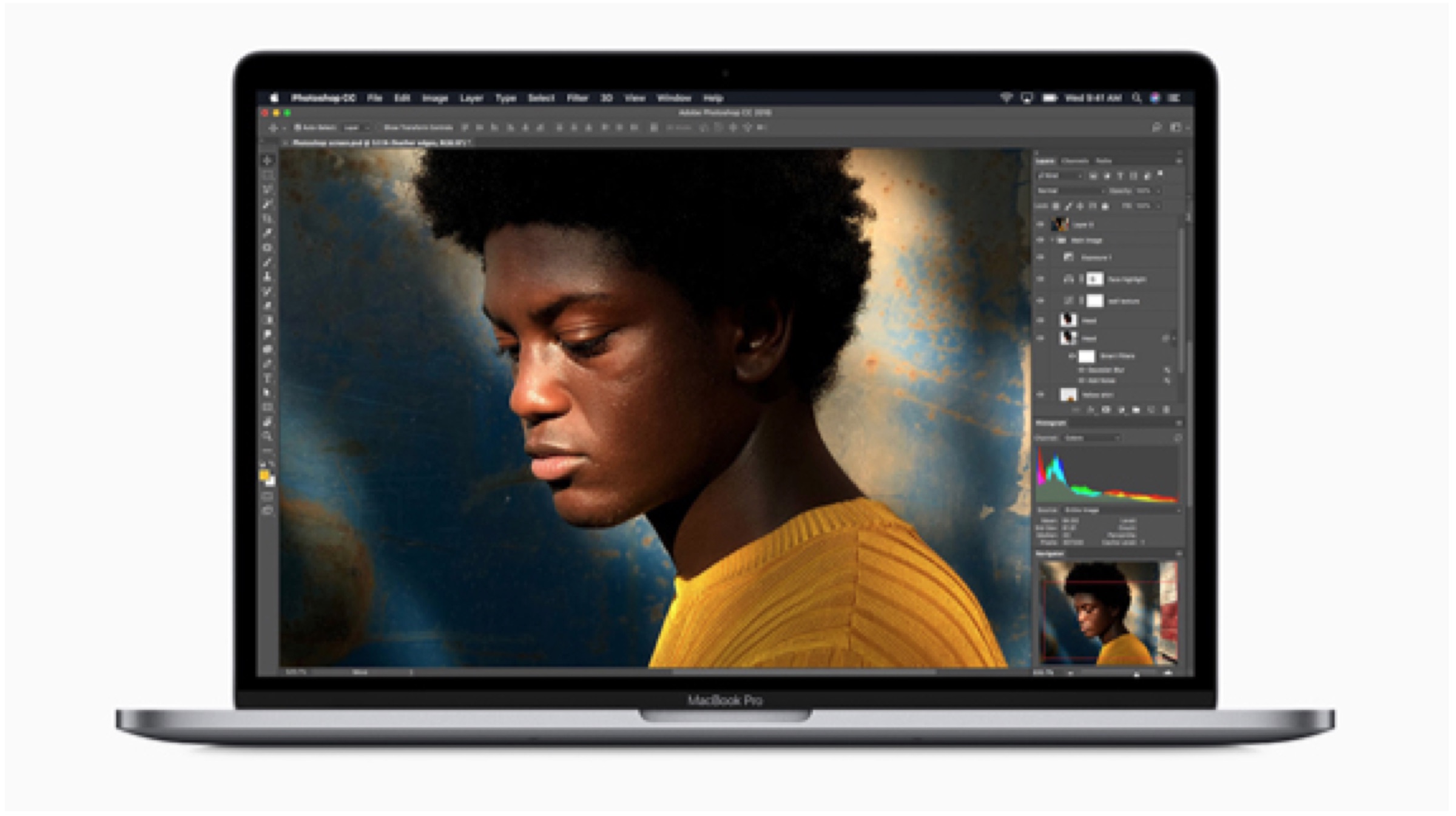
    Apple MacBook ProIn terms of display, the new Apple notebooks have an upgraded Retina display with 500 nits of brightness. They also have support for the P3 wide colour gamut and True Tone technology. Regarding audio, the MacBook Pro has stereo speakers with wide-stereo sound. Other features include Touch ID, the TouchBar and a large Force Touch Trackpad.
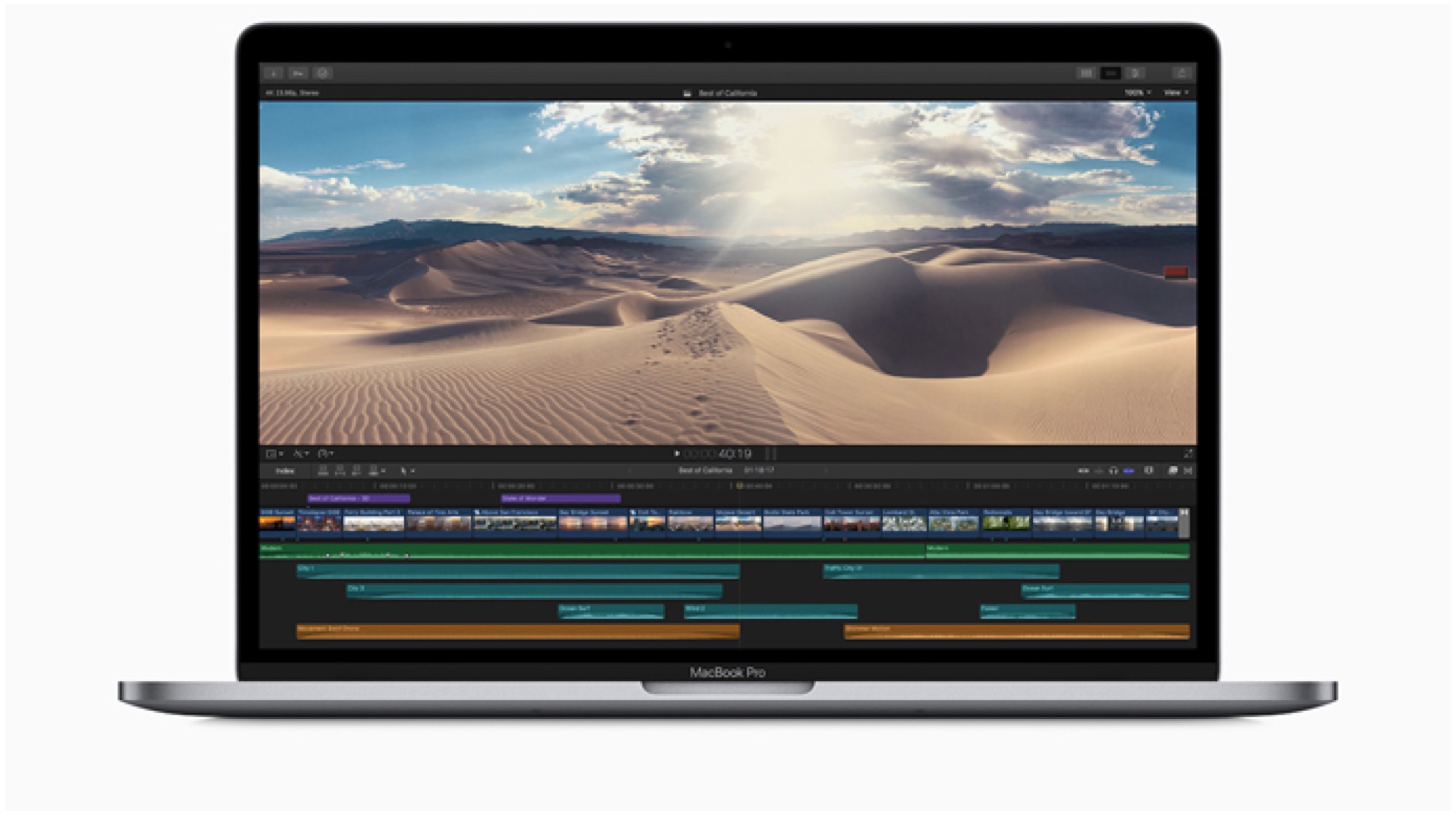
    Apple MacBook Pro The MacBook Pro packs the Apple T2 security chip and a total number of 3 Thunderbolt 3 ports that can be used for fast data transfer, plugging in 4 external GPUs and connecting two 5K resolution displays. The T2 security chip is an encrypted safehouse that stores sensitive user data like TouchID information. In terms of the operating system, the updated MacBooks run on the latest version of macOS Mojave, which now features Dark Mode and a variety of upgrades to optimize usage.
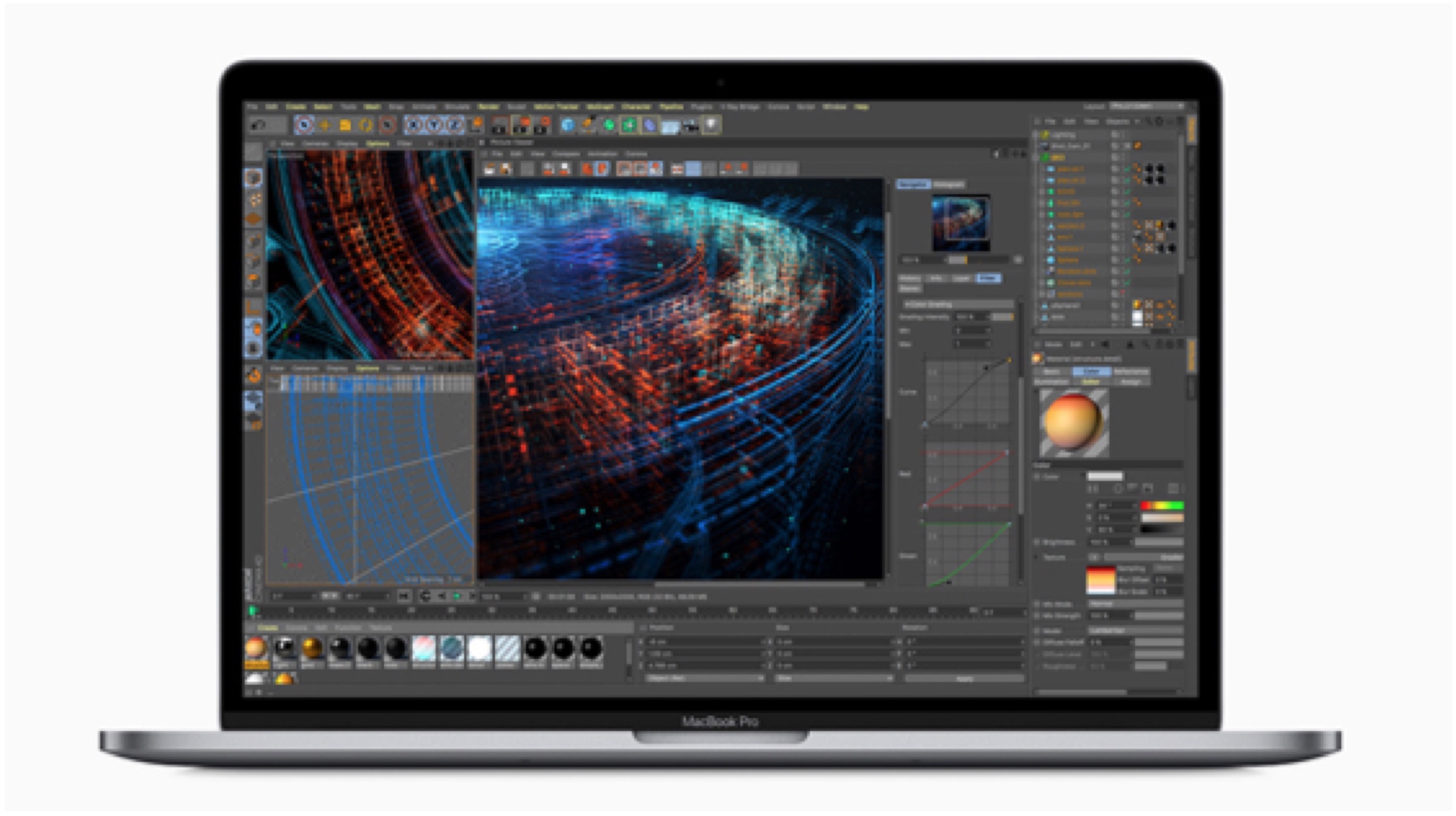
    Price And Availability

    Also Read: Honor 20 & Honor 20 Pro With Punch Hole Display Launched

    The new MacBook Pro 13-inch and 15-inch variants with the touchbar start at a price of INR 159,900 and INR 199,900 respectively. They will be purchasable via Apple Authorised Resellers across the country. 

iGyaan Network
Privacy Overview

This website uses cookies so that we can provide you with the best user experience possible. Cookie information is stored in your browser and performs functions such as recognising you when you return to our website and helping our team to understand which sections of the website you find most interesting and useful.