All Gadget News on iGyaan, latest gadgets, top new gadgets, cheapest gadgets and expensive gadgets all the latest gadget news , reviews and featured stories
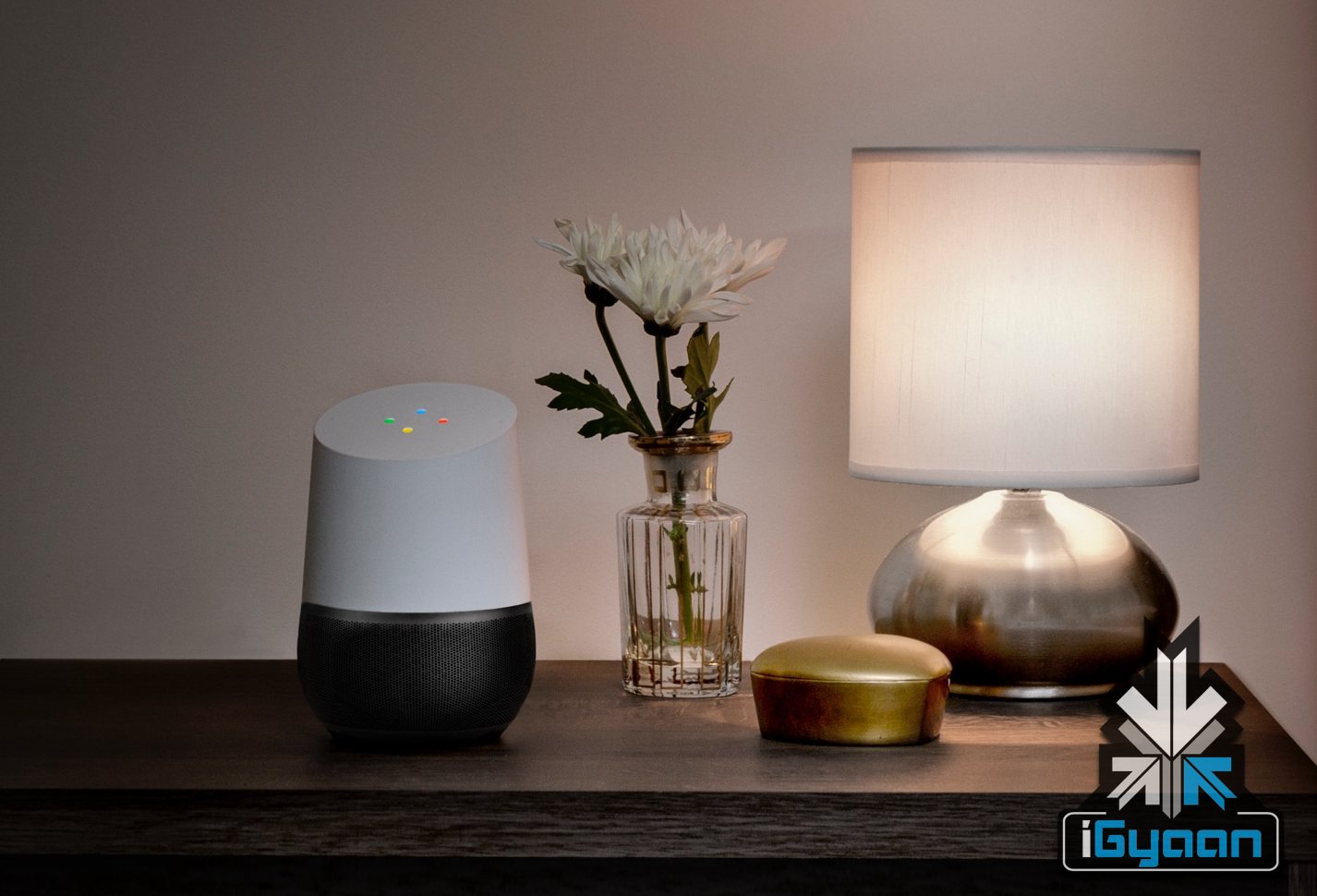
Google has sent out an invite to a new product launch on the 10th Of April in New Delhi. The official press invites says ‘join us as we bring you a sweet little something that’s bound to keep you talking for a long, long while.’ The company will launch the Google Home and Home Mini.
The Google Home and Home Mini are the first set of smart speakers from Google, powered by the Google Assistant. These smart speakers need to be connected to a Wi-Fi network, where they can be used to control different smart home accessories like a smart bulb. Additionally, these speakers can also be used to schedule a task, set an alarm, ask for trivia or the latest news.
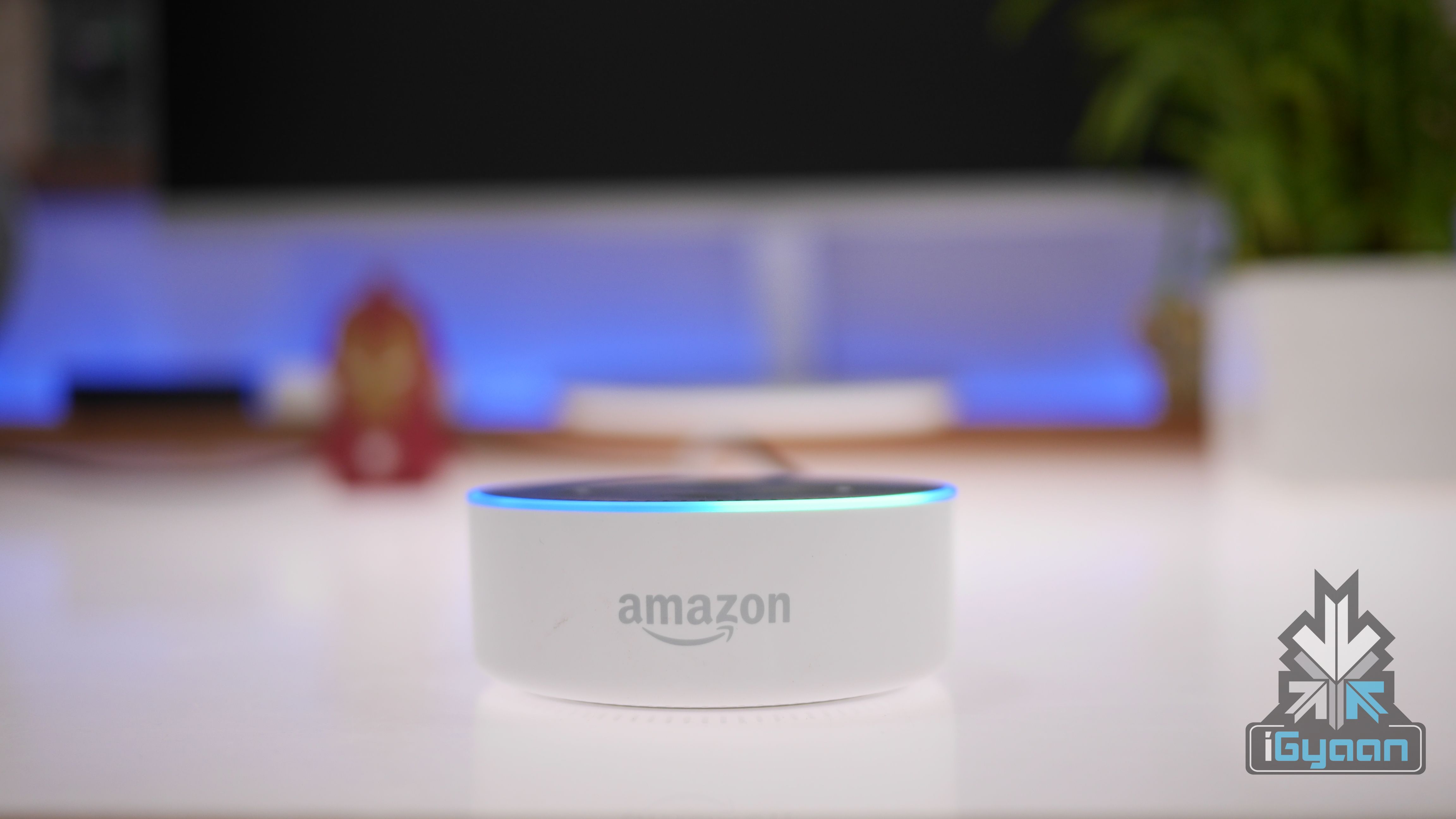
As of now, the only competition the Google Home has is the Amazon Echo series of smart speakers. Amazon had launched the Echo Plus, Echo, and Echo Dot in India for a price of Rs 14,990, 9,999, and 4,499 respectively. Considering these prices, the Home and Home Mini are likely to be priced at Rs 9,999 and Rs 4,499 respectively.
Google Home Specs
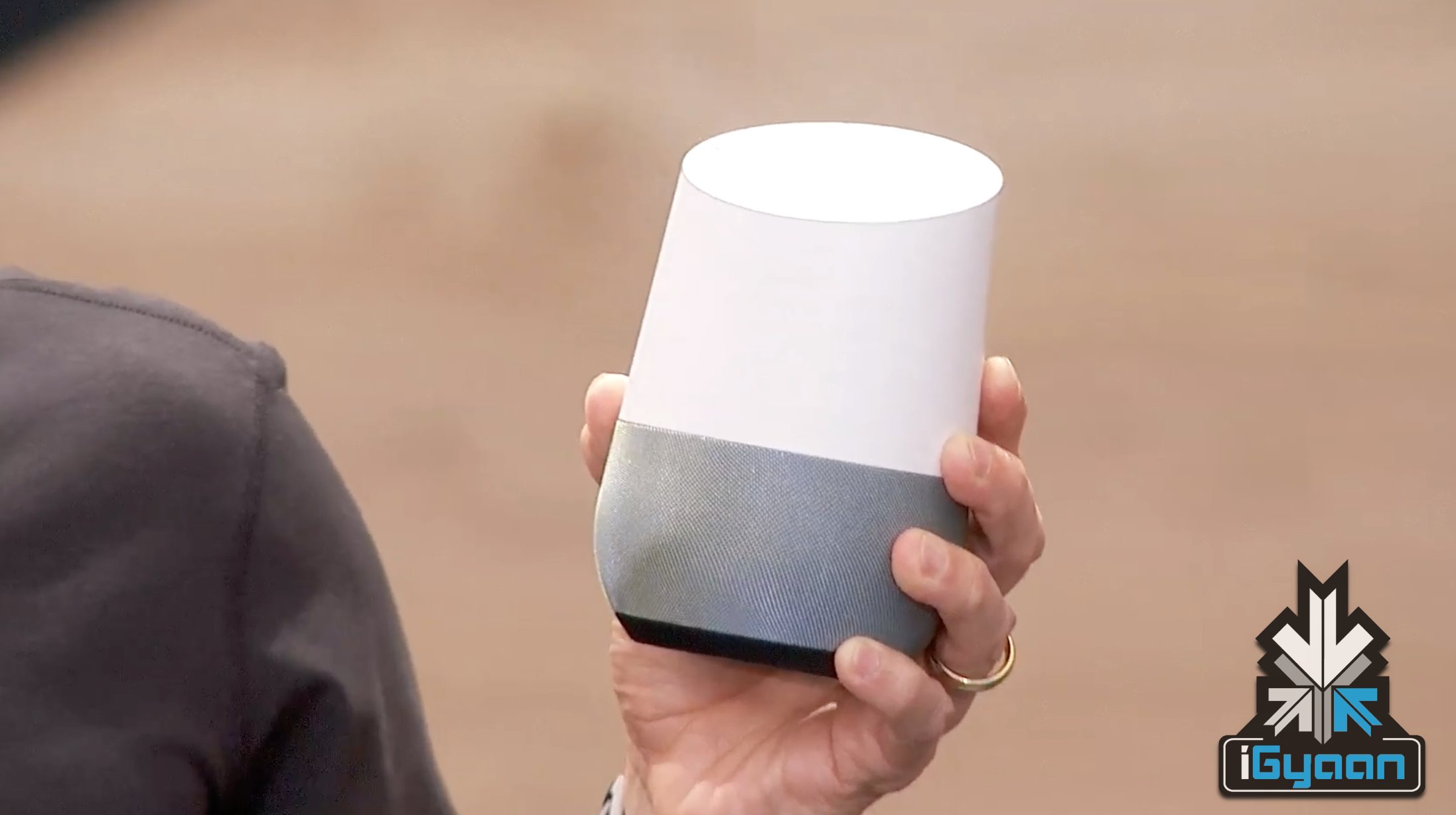
The Google Home comes in White and Slate fabric finish. The smart speaker has a 2 inch driver with dual 2 inch passive radiators. The speaker requires 16.5 Volts and 2A current, which is needed to be connected to a power source all the time. One can connect to these speakers using an iOS or Android smartphone. The speaker supports both 2.4 GHz and 5 GHz Wi-Fi Bands for high-performance streaming. Additionally, these speakers can be connected to the same device to have group playback.
Google Home Mini Specs
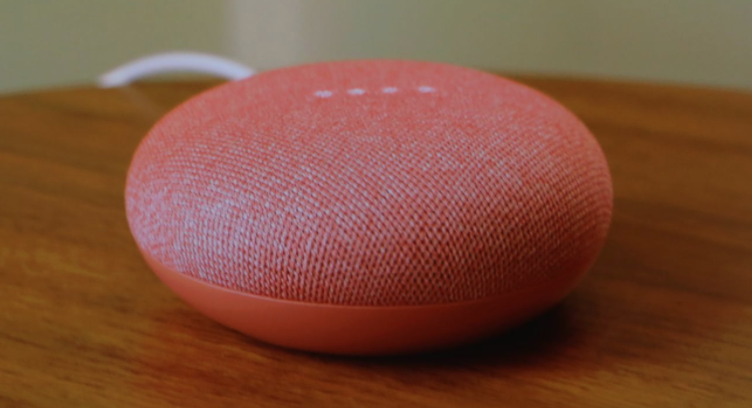
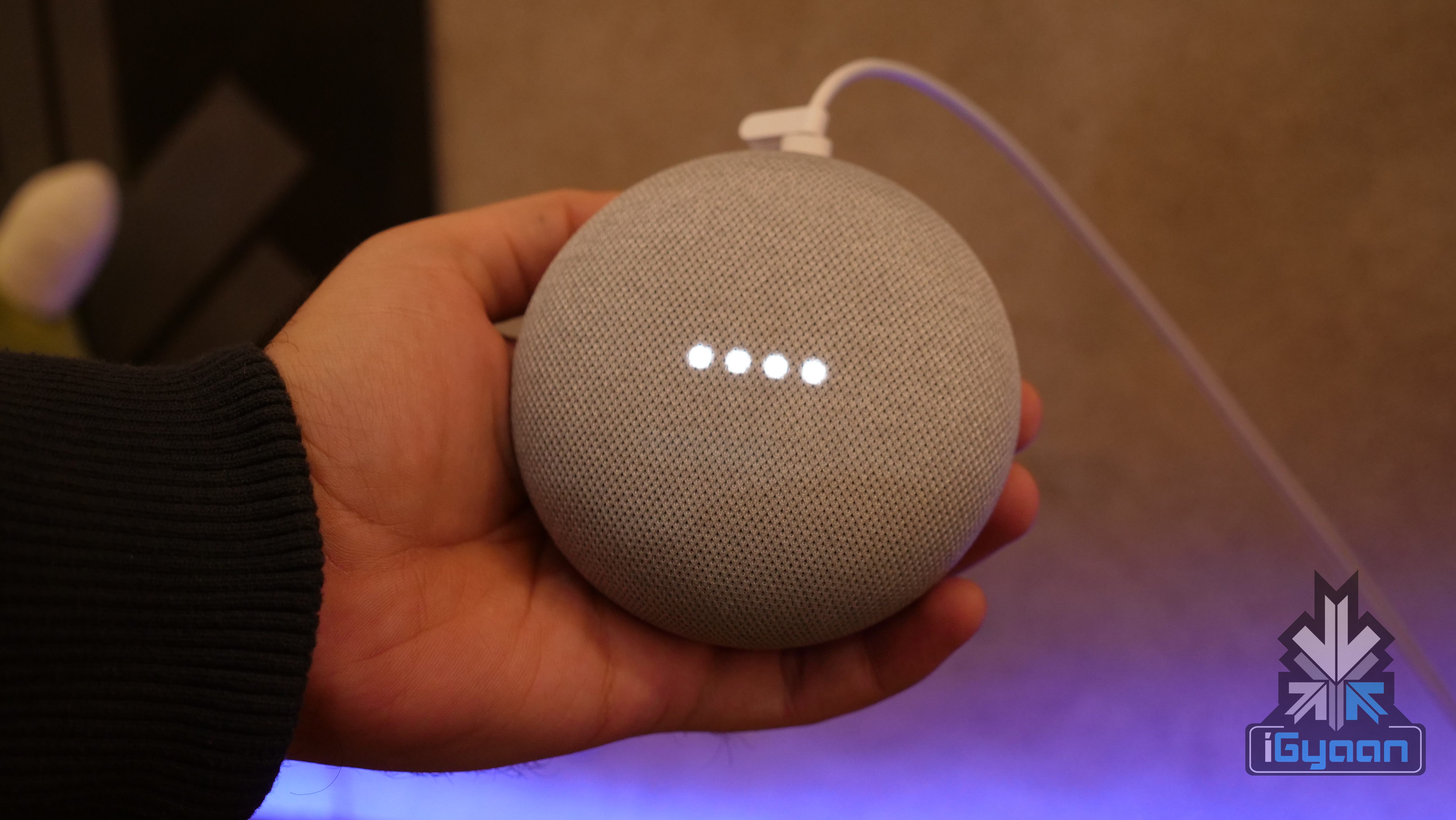
The Google Home Mini has a similar functionality in a compact form factor. The speaker comes in three different finish, which includes Chalk, Charcoal, and Coral. Due to smaller form factor, it requires 5 Volts and 1.8 Amps power. However, it packs in a smaller speaker, which might not be able to fill out even a small room.
The smart speakers industry has been thriving globally for a couple of years now. The Apple HomePod has recently joined the Amazon’s Echo lineup and Google’s Home speakers. In India, however, the only notable smart speakers available are the Amazon Echo speakers and the recently launched Eufy Genie. That is about to change, as Google will launch its Home smart speakers in India some time in April.
A new report claims that Reddington India has apparently communicated with its retailers about the scheduled launch. Right now, Google has three smart speakers in its Home lineup.], the Google Home Mini, Home and Home Max. In India, however, the company will to launch just the Home Mini and Home.
The Google Home Mini, launched as a competitor to the Amazon Echo Dot will launched at under Rs 5000. The smart home craze is still at a very nascent stage in India so, it will be interesting to see the battle between Google and Amazon here.
Of course, the Google Assistant powers the Home speakers. The smart speakers will be able to play songs, set reminders and call people with just a voice command. If users have smart products installed, the speakers will be able to control those as well. The Google Home smart speakers are expected to be optimised with local Indian languages, just like its AI assistant is.
The pricing here will play a huge part in consumers choosing the Google Home speakers over the Amazon Echo lineup. More details will follow.
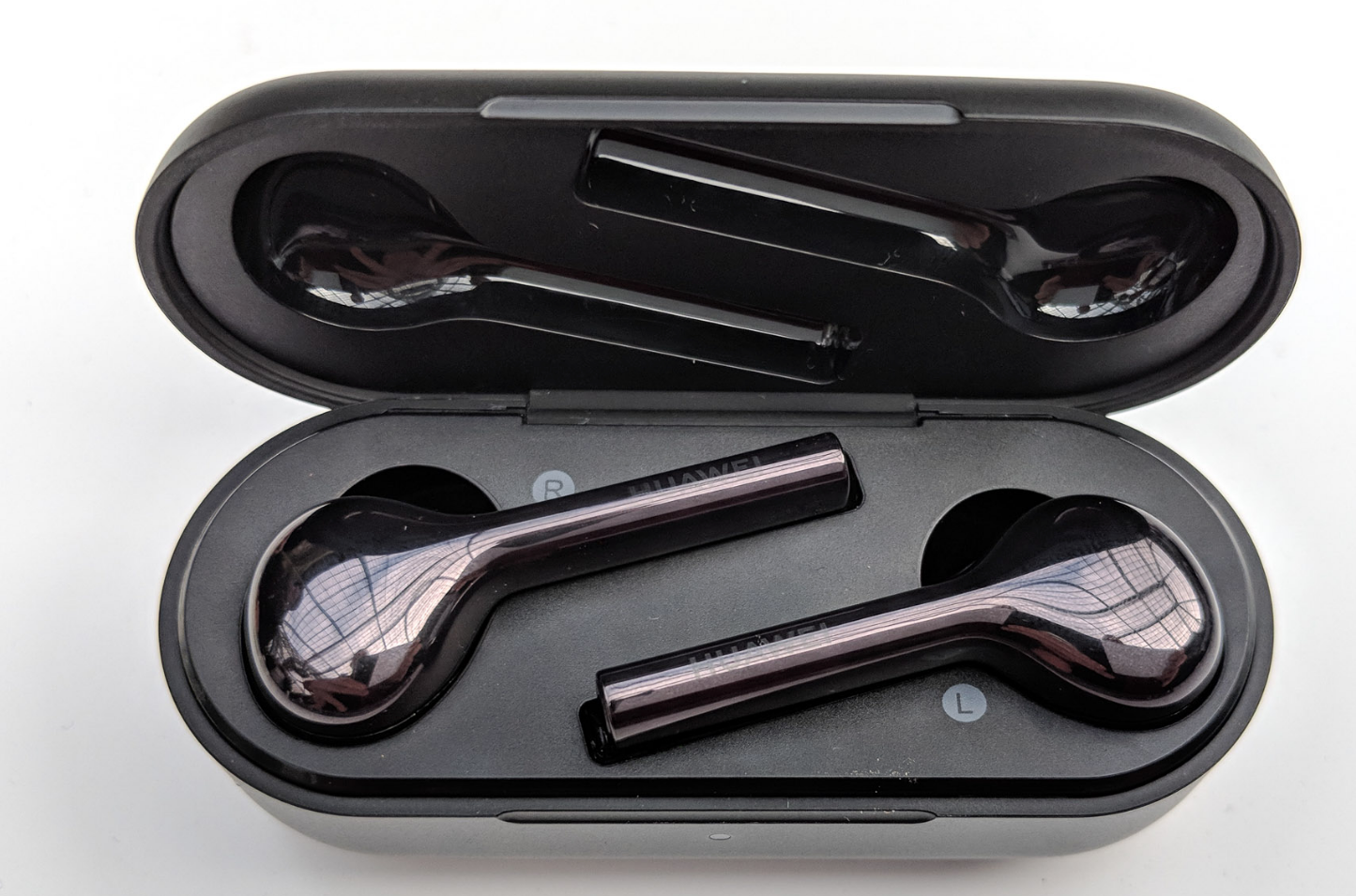
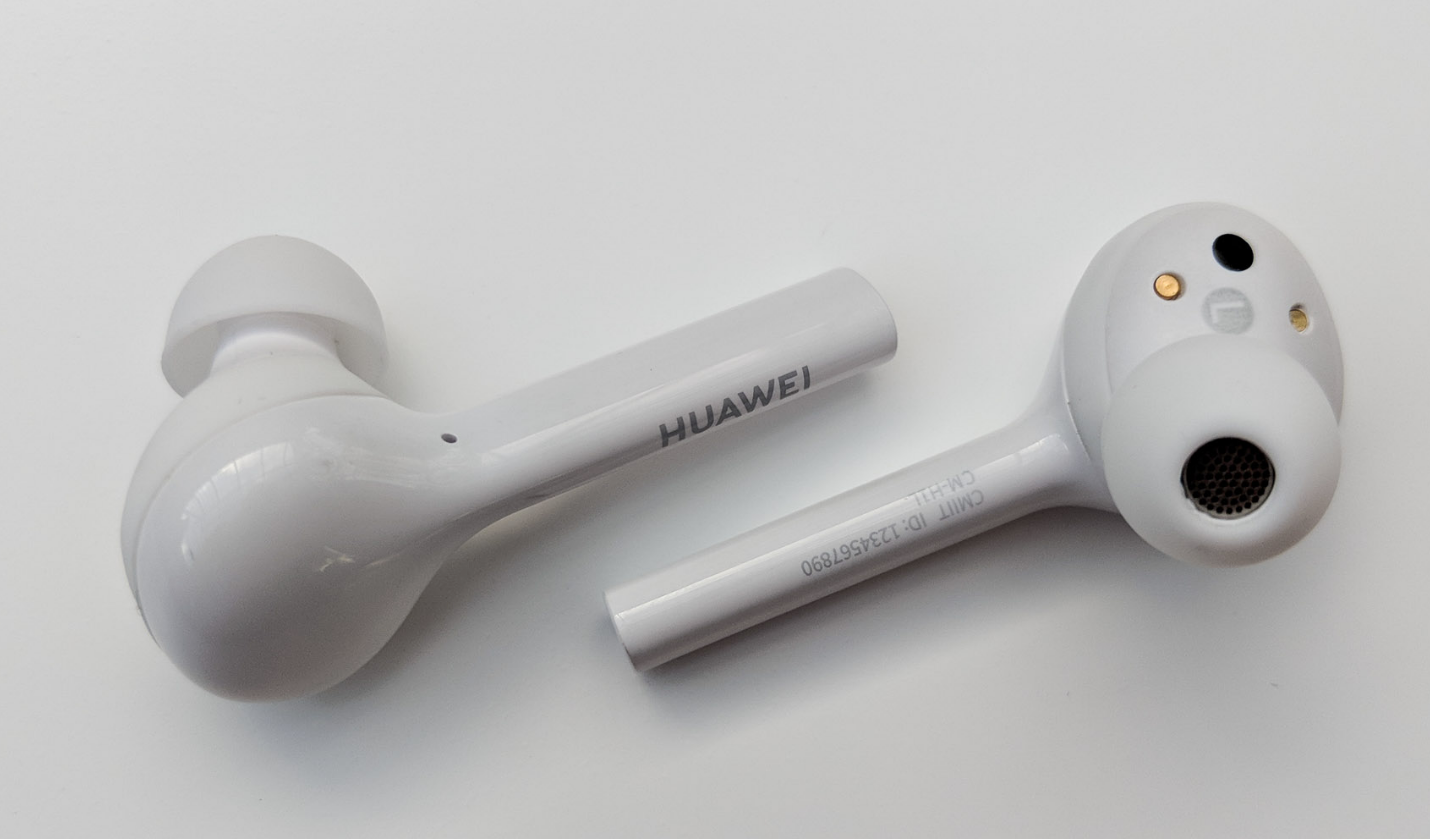
On the 27th of March, Huawei launched the P20 Pro, P20 and the Mate RS Porsche Design. While the P20 Pro and Mate RS sport a triple-camera setup, the P20 has impressive specs as well. But, the company also announced a new accessory that looks curiously similar to an Apple product. Huawei has launched the Freebuds, a pair of wireless Bluetooth earbuds at a price of EUR 159.
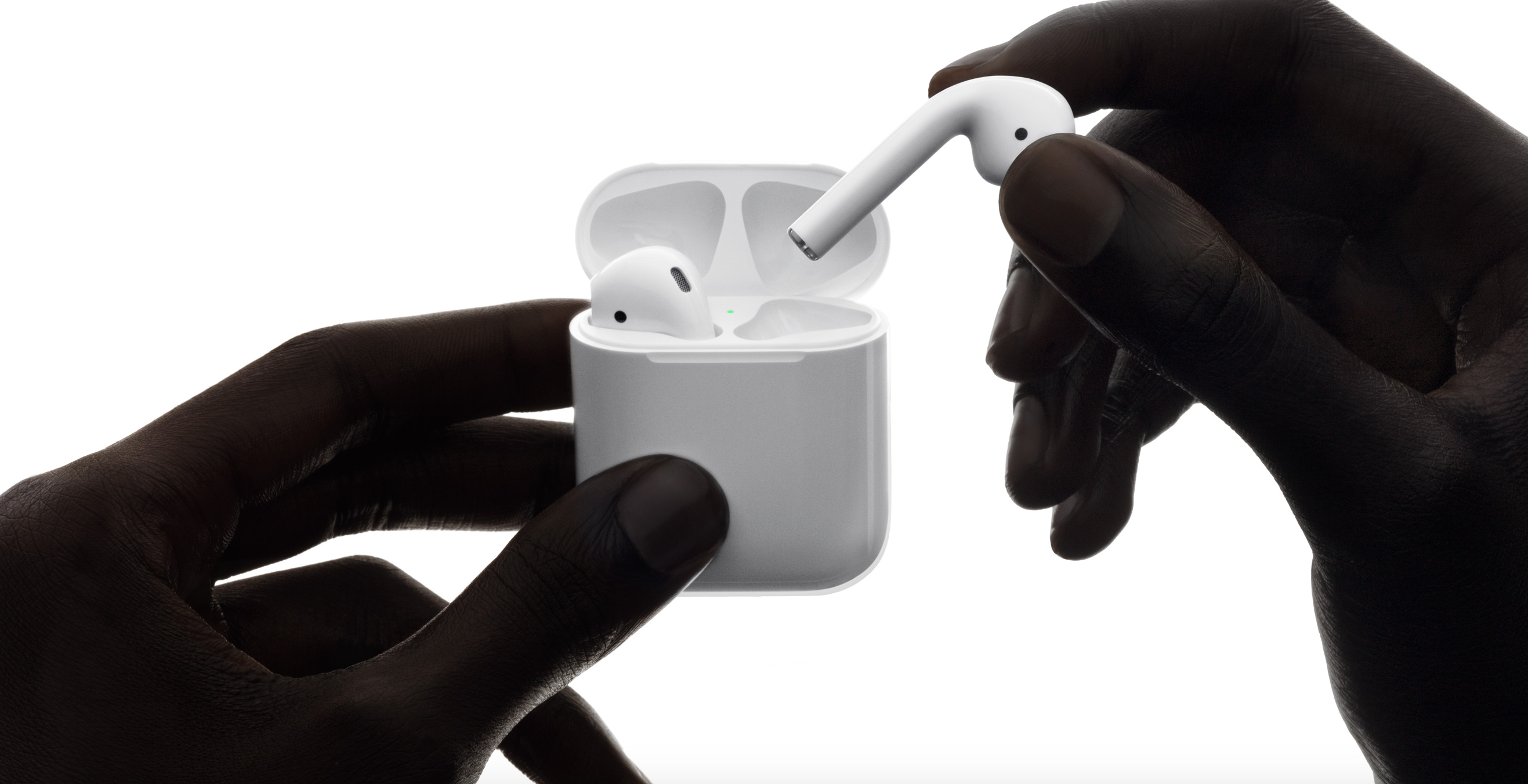
Interestingly, the new Freebuds look very similar to the Apple AirPods that retail for US$ 159 in the US. Similar to the AirPods, the Freebuds also retail with a carrying/charging case. However, the Freebuds are available in Black and White colour options. However, the company has deviated from Apple when it comes to the implementation of the carrying case. Unlike the vertical orientation of the AirPods, the Freebuds lay horizontally in the tiny charging case.
The Freebuds one-up the AirPods in the battery department. Huawei claims the earbuds have a battery life of up to 10 hours, while the AirPods only last 5 hours on a single charge. The Freebuds will work nicely with the Huawei P20 series, however, it’ll be interesting to see the ease of usability of the earbuds when compared with the AirPods.
The AirPods have the W1 chip, which means they can be instantly paired with an Apple device by just flipping open the charging case. Unlike regular Bluetooth earbuds, there isn’t painstakingly long pairing process. Whether the Freebuds will have features, only time and testing will tell.
Huawei has launchd an updated pair of Active Noise Canceling Earphones 3. The third sound accessory is a new DAC Headphone Amplifier.
Facebook was going to unveil its smart speaker at its biggest developer conference in May this year. However, after the recent public outrage, the company has decided not to reveal any product right now. The report claims that Facebook will carefully examine the speakers and make sure it doesn’t violate any data privacy rules.
Recently, Facebook got pulled into a data leak scandal along with a British analytics firm for unlawfully sharing personal user data. Which in turn could have played a huge role in the US Presidential Elections. The controversy has sparked off a huge debate about social media and Facebook is at the helm of it. It makes sense for Facebook to not unveil a new product line at the point, as it may not be met with a lot of open minds and will be heavily scrutinised, irrespective of how secure it might be.
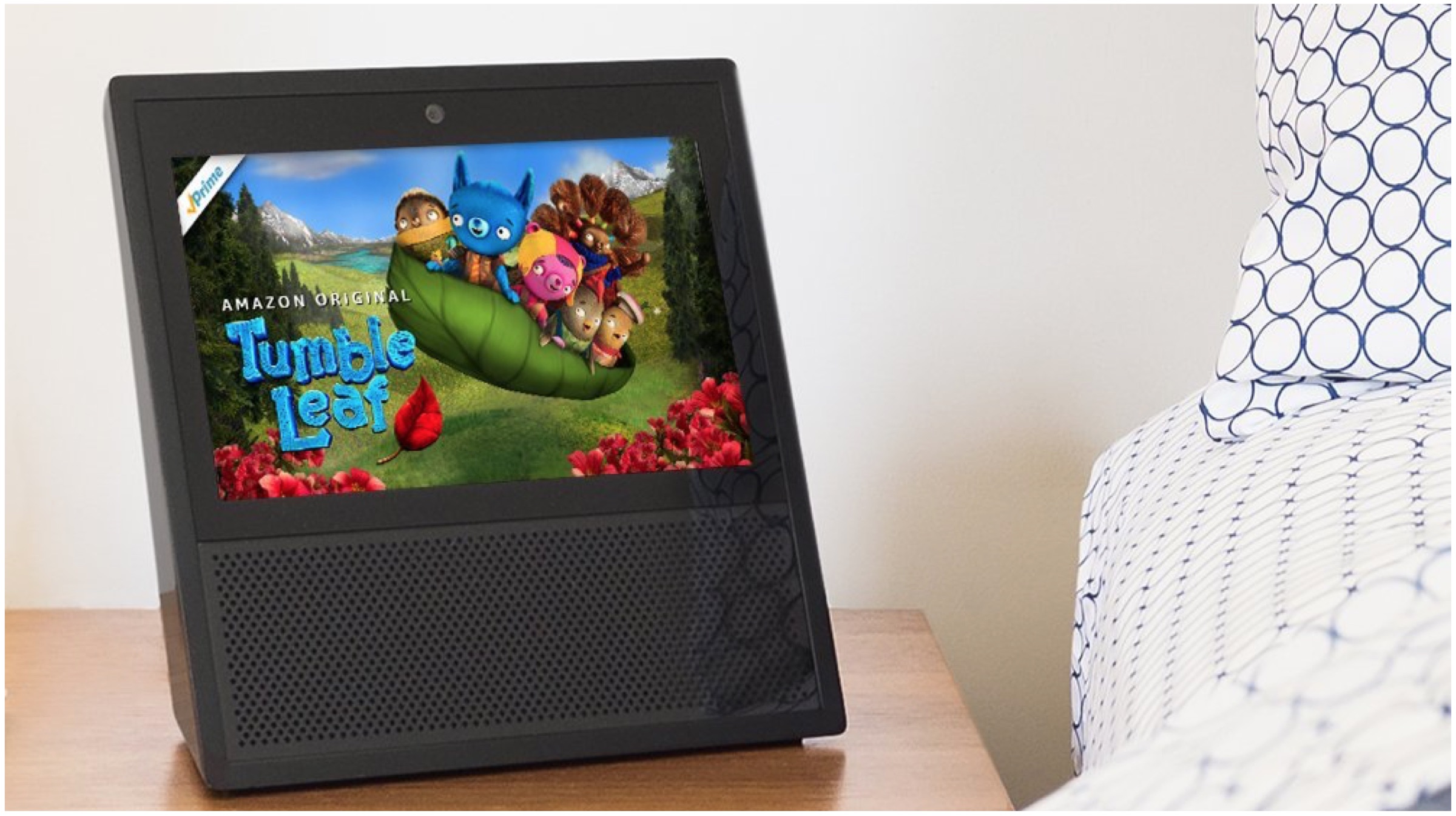
Amazon Echo Show
The report says:
Facebook’s hardware products are undergoing a deeper review to ensure that they make the right trade-offs regarding user data.
Even though the smart speaker was not going to be available for purchase before fall, it was planning to unveil the speaker in May. However, the company has now decided to lay off from any announcement until the public outrage cools off.
It is already a bit late in the smart speaker game, and delaying it further will not help its case. However, looking at the current situation and the kind of situation it is in, the decision might be essential, if not correct. Ever since the controversy, Facebook has lost over US$ 60 billion in market cap and many people have decided to delete their Facebook accounts. However, considering Facebook has an active monthly user base of 2.2 billion people, losing a few here and there won’t have a huge impact.
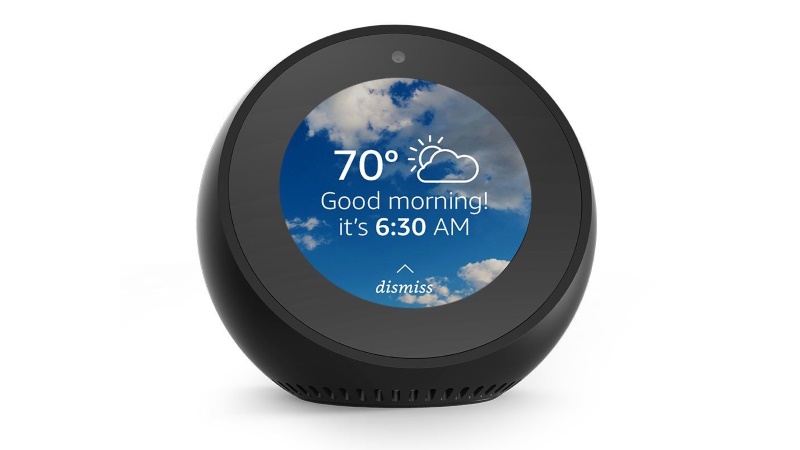
Amazon Echo Spot
The smart speaker will go by the moniker of Portal. A previous report claims that it would have a 13 to 15 inch display. The speaker will respond to voice commands and use facial recognition technology. This is something the company has been taking very seriously off-late. WIth voice and facial recognition, it can provide a personalized experience to different people in the house.
The Portal could also be a part of Facebook’s plan to become the largest video streaming service. With a huge display and the ease of voice commands, the Portal could become a primary source of video consumption. That, along with its own video streaming service could be a good combination. You could read everything about its new streaming service, Watch here.
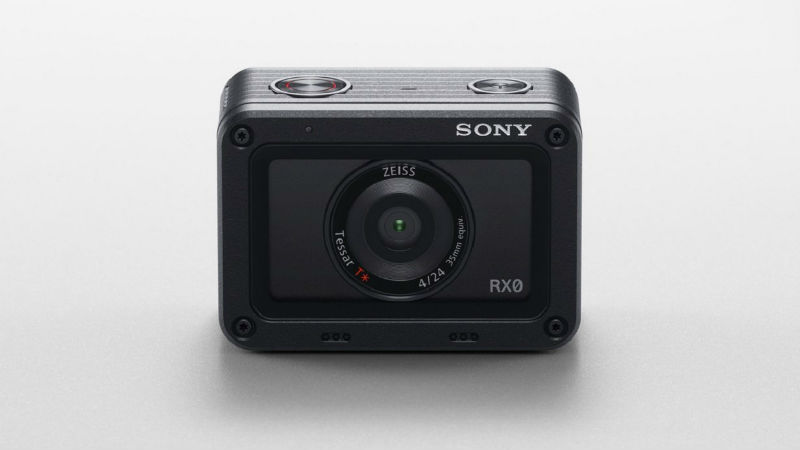
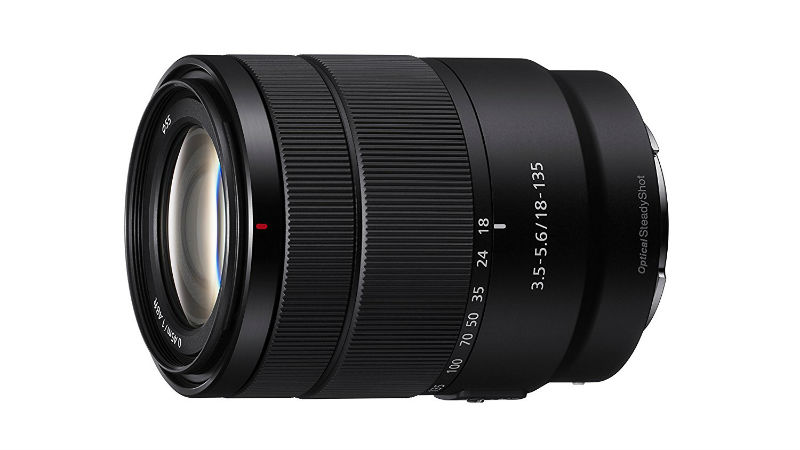
Sony has officially launched its latest premium Sony RXO Action camera in India for Rs 64,990. Along with the camera, the company also announced the SEL18135 Wide-Zoom lens for Rs 49,990. The camera will be available via Sony Center, Alpha Flagship stores, and Sony authorised dealers from 22nd Feb.
Additional accessories like VCT-CGR1 cage, MPK-HSR1 casing, CPT-R1 cable protector, VF-SPR1 Spare lens protector, VFA-305R1 Filter Adaptor Kit, NP-BJ1 Rechargeable Battery Pack, and ACC-TRDCJ are also available at the additional cost.
Design and features:
The Sony RXO Action Camera offers rugged construction with IPX8 certification, which can operate under 10-meter deep water up to 60 minutes.
Combination of this camera with the MPK-HSR1 can extend the function up to 100-meter deep water. In fact, the camera can all alone withstand up to 2 meters fall and can breeze through harsh shooting conditions like rain, sand, dust, and snow.
Specifications:
The Sony RXO has a 1 inch Exmor RS CMOS image sensor with up to ISO 12800 light sensitivity, powered by BIONZ X processor and a DRM chip for fast large volume output.
The camera comes with a fixed Zeiss Tessar T 24 mm wide angle lens with an f/4 aperture. The Sony RXO Action camera does offer anti-distortion shutter as fast as 1/320000 per second. In fact, the camera is optically stabilised, which helps in getting stable video footages.
The 16fps frame rate is one of the faster burst-mode for the camera of this calibre. There is even Super slow motion feature, which offers a staggering frame rate of 960/1000 frames per second. However, one has to use high write and read memory card to capture slow motion videos.
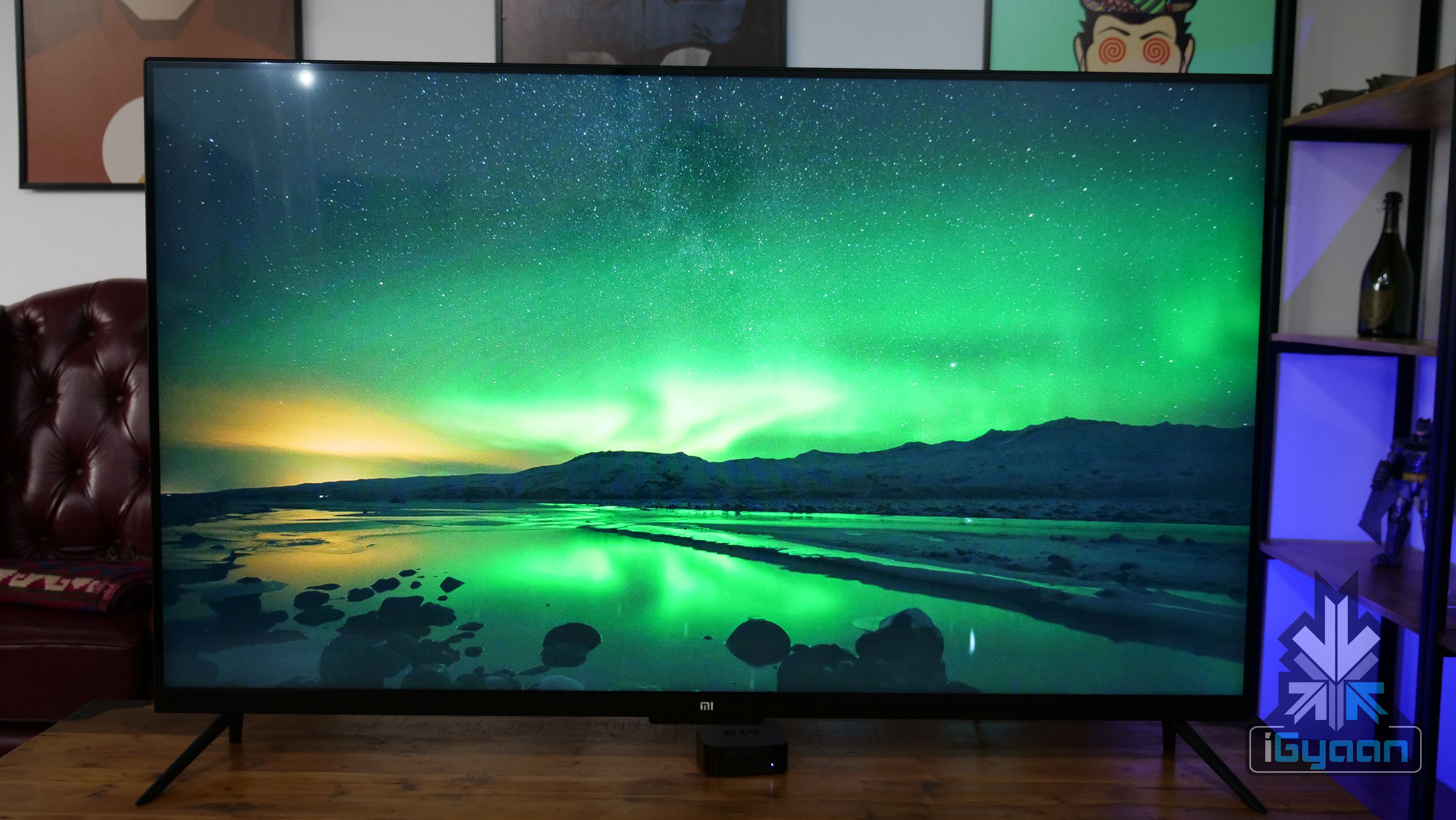
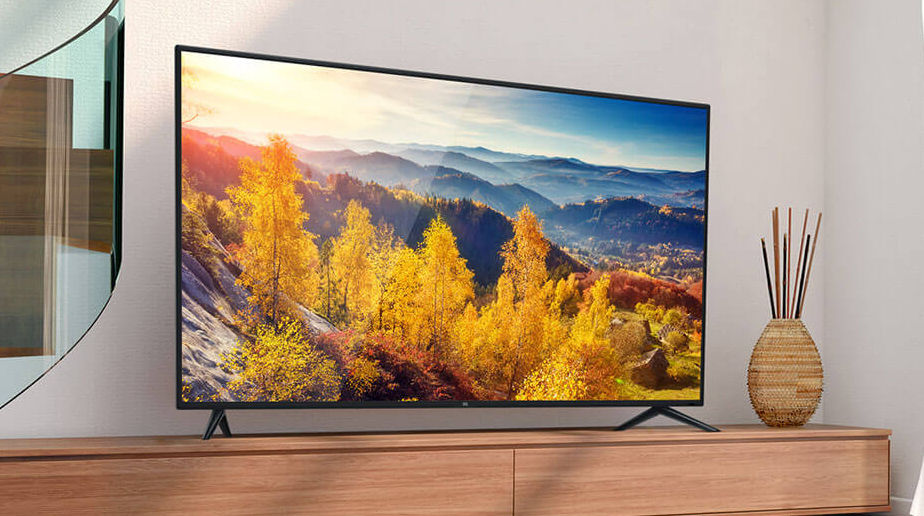
With several television brands in the country trying to cash in on the big screen market, Xiaomi has finally launched their Mi TV 4 in India. The LED panel is Xiaomi’s first entrant into the market of television displays in the country but not the last. The television goes on sale on the 22nd of February at an aggressive price of Rs. 39999. This price point allows Xiaomi to capture a market that traditionally chose smaller displays for a better feature set. But, is the Xiaomi TV worth the money? Let’s find out!
Design and Build
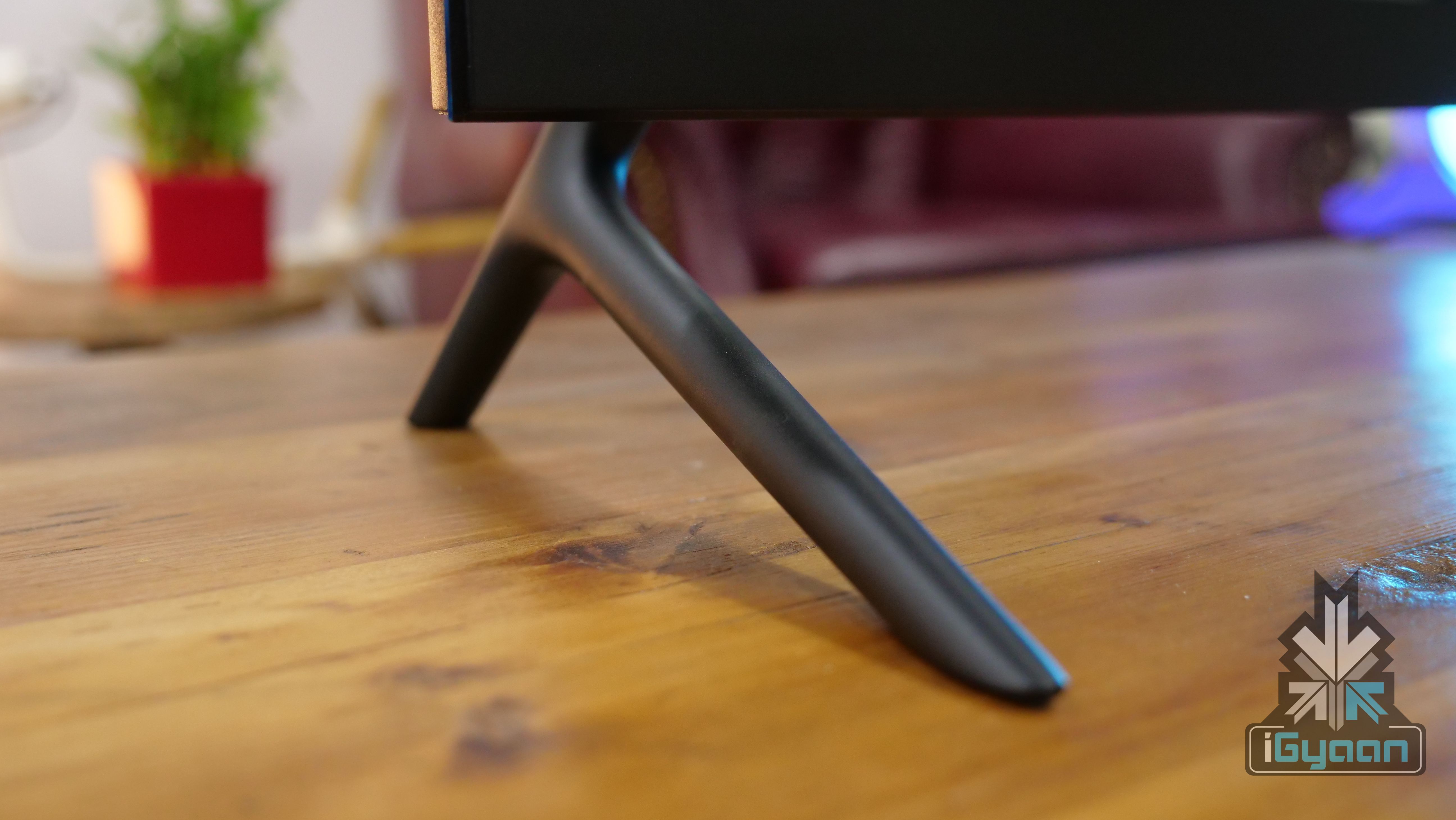
The Mi TV 4 has a brilliant design with minimal use of materials. The panel is left mostly bare and is strengthened by a single sheet of brushed steel backing to Add support to the otherwise flimsy screen. At the thinnest point, the television is only 4.9mm thin. While the television does widen out at the bottom where most of the electronics are housed. The stand is also made out of solid metal and is extremely sturdy, with it the television weighs in at 17.8 Kilogram. Without the stand at a comfortable 17.2 KG, the television is easily wall mountable using the 400 x 200 mm bracket at the back. The wall mount is not included.
Stand
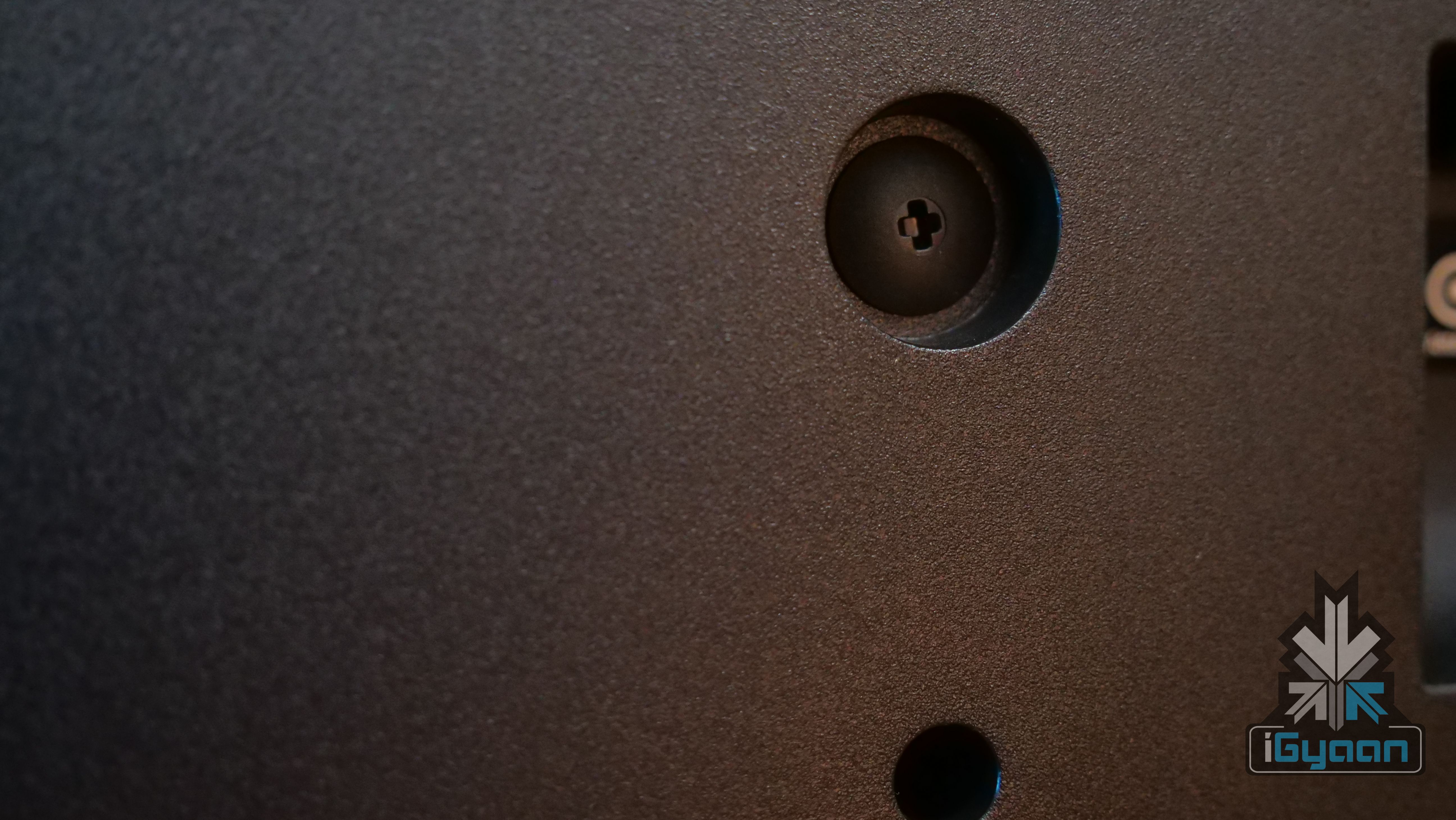
Wall Mounting screws
Design wise the television has a pleasing look. The TV is mostly black in colour with no real flashy materials and a subtle Mi logo at the bottom front. This allows the TV to fit into the best of living spaces. There is no doubt that most wouldn’t mind installing this TV in their homes.
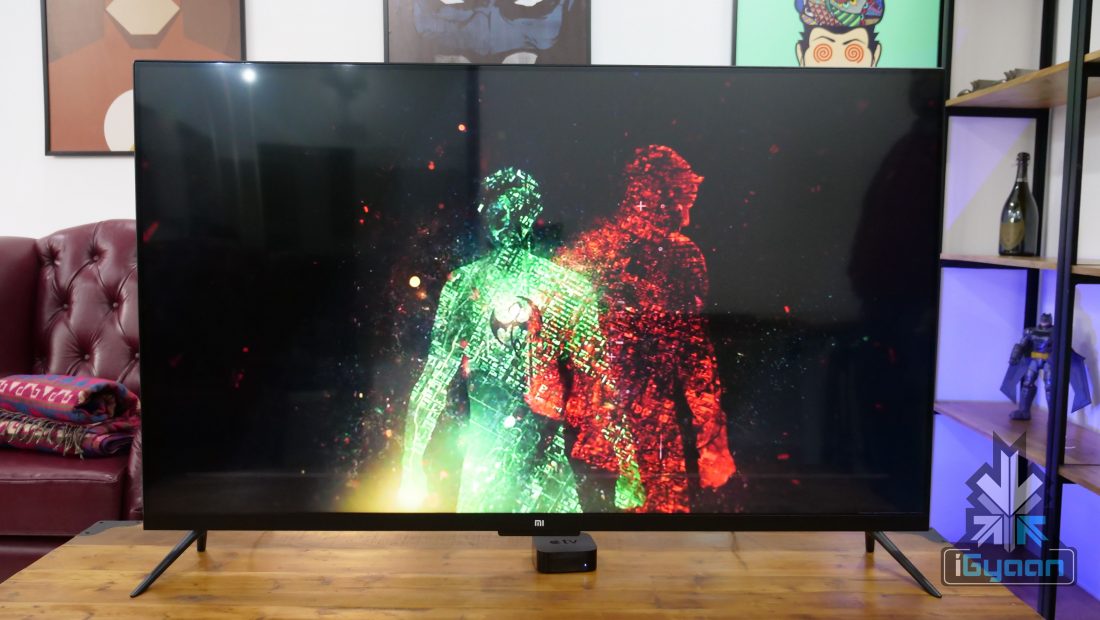
The MI TV Supports HDR10
The Panel
The Mi Tv 4 uses a premium range 54.6 inch Samsung VA panel. It has a static contrast ratio of 6000:1 and a viewing angle of 178º (vertical and horizontal). The Panel boasts a 85% NTSC colour gamut which is more than its sRGB sibling, however not as wide as the P3 colour gamut now becoming popular. With a 3820 x 2160 px resolution, the panel boasts a solid pixel density of 80 ppi considering its 54.6 inch display size. The screen offers a 60Hz refresh rate (vertical frequency) and does also support HDR. This makes the Mi TV 4 a unique proposition at the price point it sells at.
The Smart TV
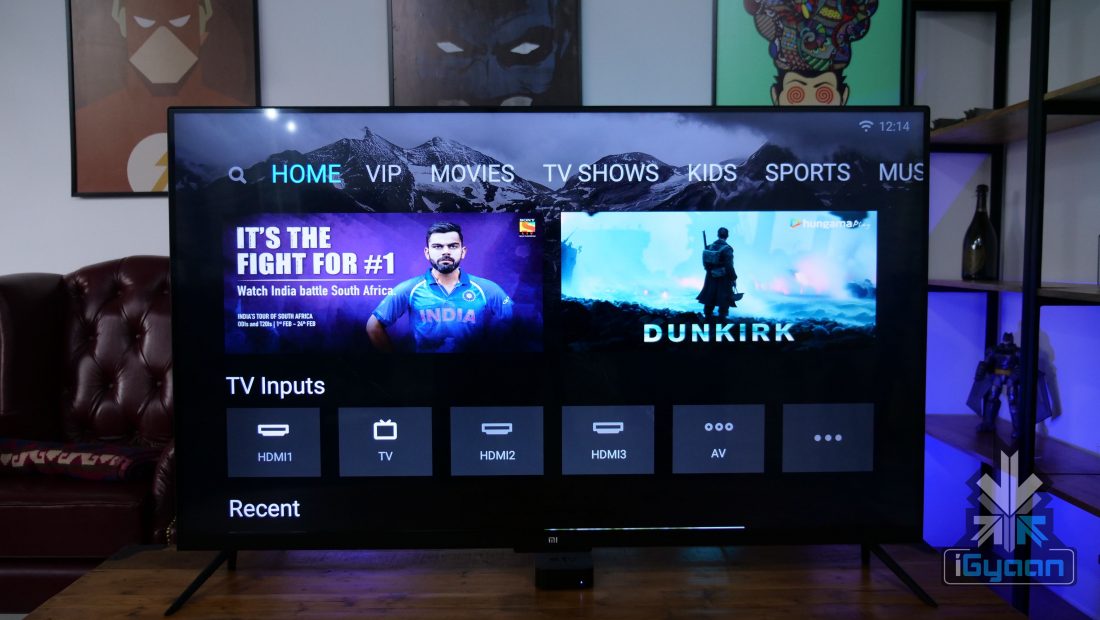
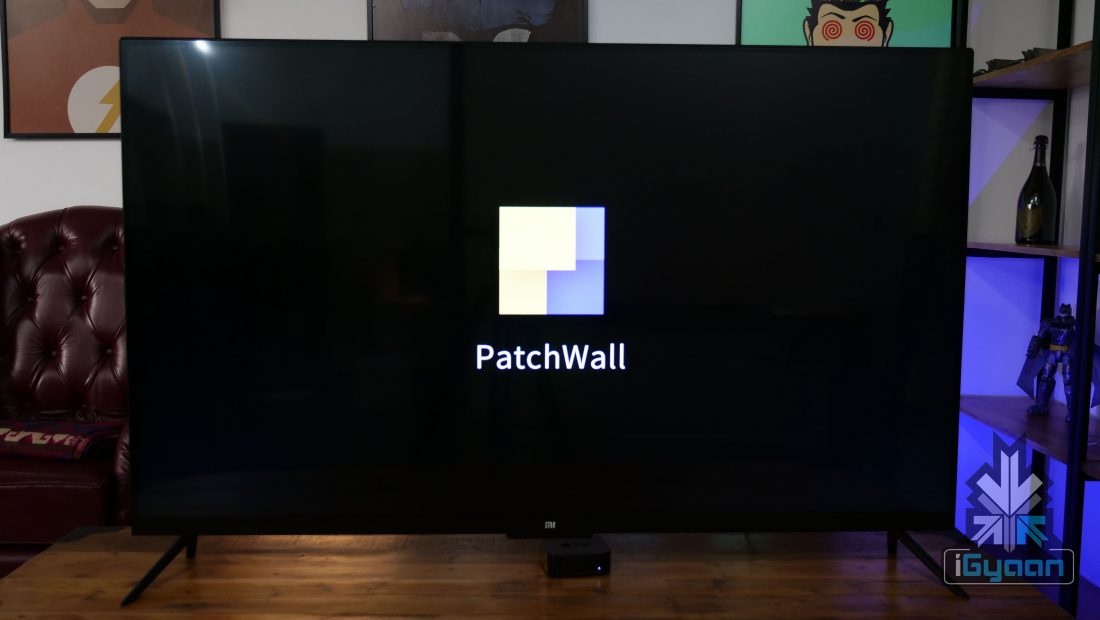
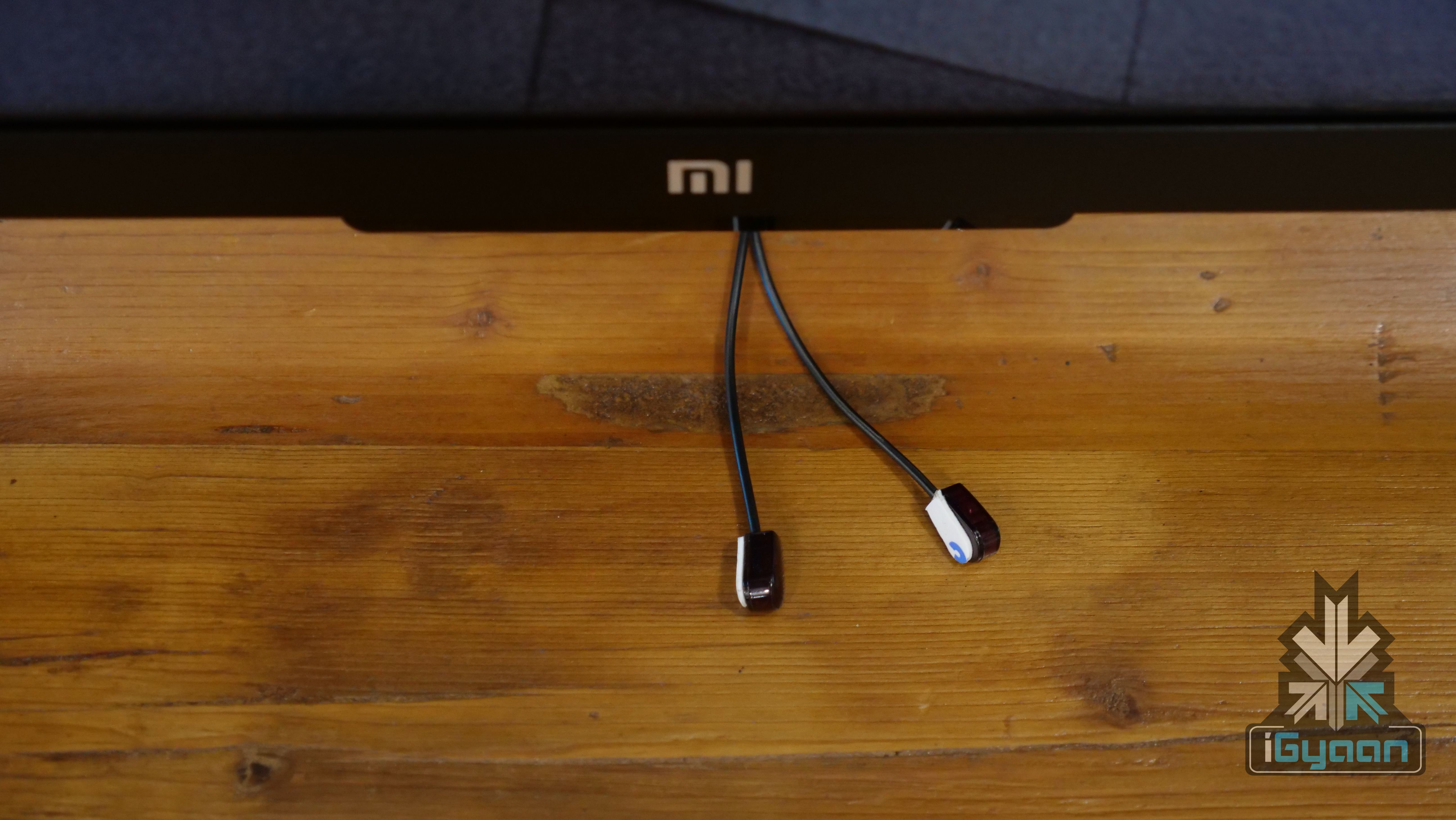
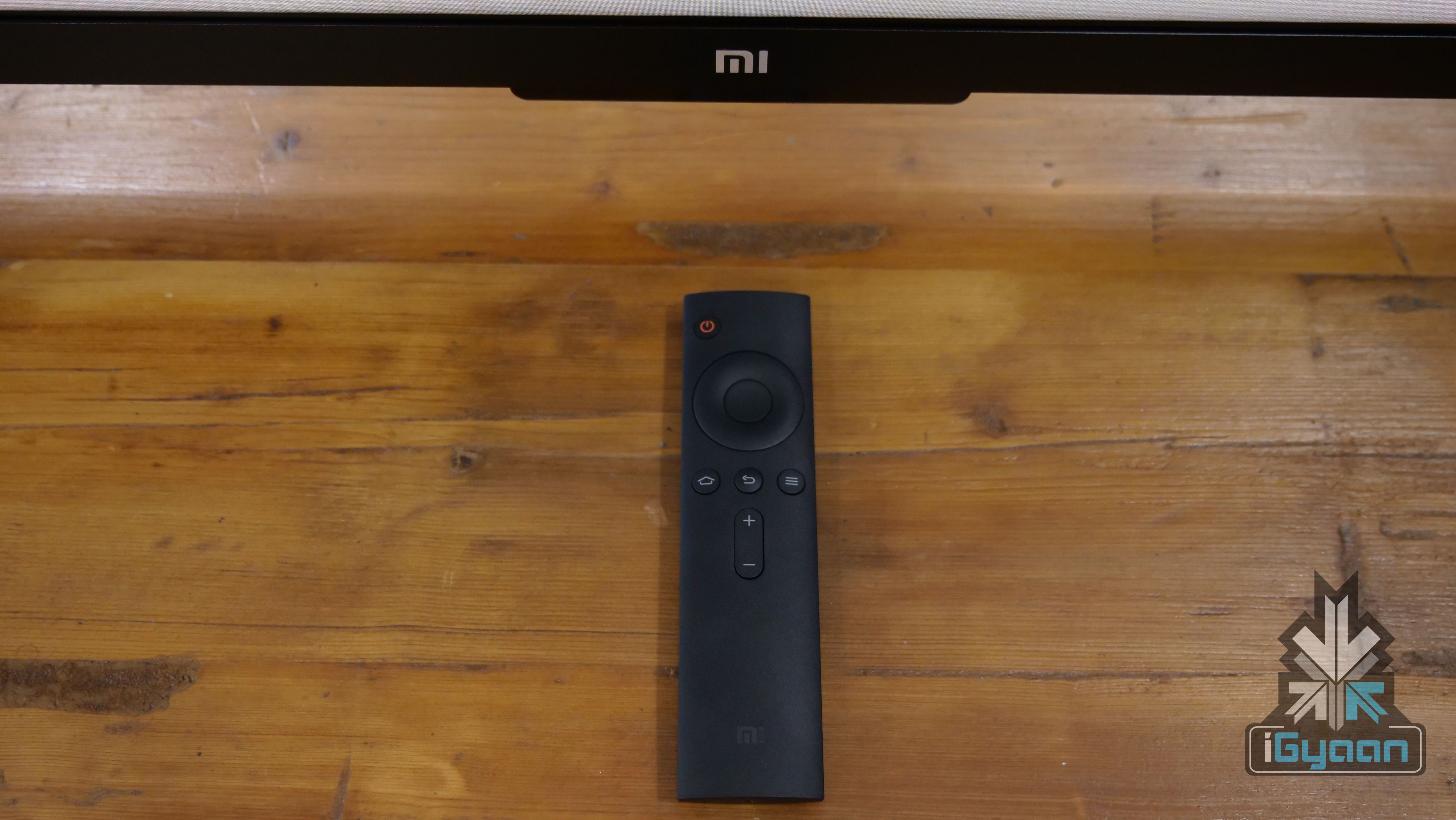
The Mi TV 4 runs Android TV with a MIUI TV skin and a Patchwall interface. This allows for Xiaomi to display content for viewers in a unique way. The included IR controller allows the TV to also natively control your Set Top boxes. Interestingly, almost all Set-Top box providers of the country are already supported.
Patchwall AI Allows For Better Content Curation
The Patchwall interface uses AI (according to Xiaomi) to display your content in easy to view boxes on the Home screen. What is also great is that the Mi TV 4 can display content not only from the streaming services but from your Set Top Box as well. So , if there is a show that you may want to watch, it will display the current run duration of the show and also the reaming time, so that you can decide whether you want to catch it now or wait for the Re-run.
Content-wise at the moment the MI TV 4 only supports content from Hungama Play, and does not presently support streaming apps like Spuul, Netflix or Prime Video. Because it is a Android TV based television we were able to Side-load the play store and Netflix on the TV, both of which did not run properly on the television.
IR Transmitter for Set Top Box
The Remote
Xiaomi is said to be working with providers like Netflix and Prime Video to get those apps fully available on the Mi TV 4 and that may happen soon.
Display Performance and Gaming Capability
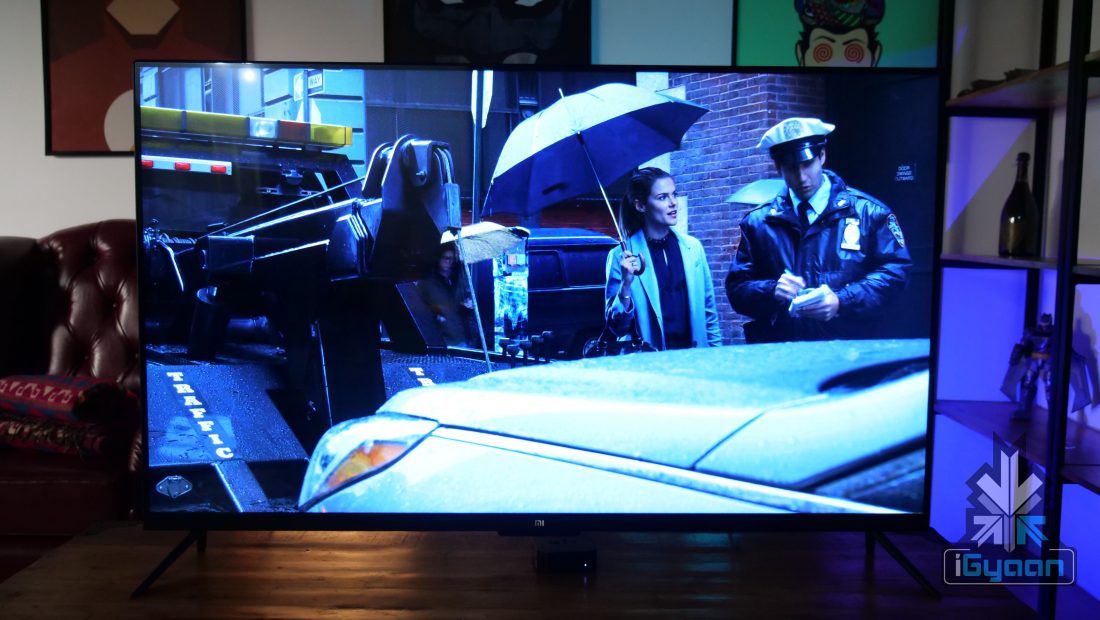
The display despite being an EDGE LED lit panel has really good local dimming, and control over black levels. The colour reproduction is vivid and accurate, being based on the NTSC color gamut the TV supports a wide 85% range. You will truly enjoy the HDR experience on the TV if you can manage to get your hands on a device which will allow you to score some HDR content on this display. We used an Apple TV 4th Gen with 4k HDR and it works flawlessly. The television also supports Amazon’s Fire stick with 4K and HDR along with PS4 pro with HDR. Users can also easily connect and use traditional PS4 consoles or regular 1080p streaming or casting devices like Chromecast.
The Panel supports HDR10 and plays back Dolby Vision content. However, does not support the full range of Dolby vision. According to Xiaomi, if there is enough content and demand the company will enable Dolby-Vision on the panel, and it should co-incide with the enabling of apps like Netflix which stream Dolby Vision content. The display performance especially in HDR, with how much it enhances the viewing experience is truly impressive. The Mi TV 4 also has 3 HDMI 2.0 ports which means that you are future ready to plug in HDR capable devices into the unit.
Due to the 60hz refresh rate and an 8ms response time, it also makes for a good Gaming TV. But, definitely not something seasoned gamers will enjoy. There is an input lag of 38ms according to our testing.
However, for simply plugging in your PlayStation (especially Pro with HDR outputs) or connecting it to a gaming rig, the TV can add a giant screen experience to an otherwise dull gaming environment.
Conclusion
The Mi TV 4 is exactly what India needs to bring down the crazy prices of the TV market. The Mi TV 4 shows that quality panels can be manufactured at really user affordable prices and that they can perform equally well. Expect this TV to sell out quickly, and aggressively in every flash sale that the company holds. Once enough televisions are out there, streaming services like Netflix and Prime Video will have no option but to get on board.
With such a demand for this TV, also come a lot of questions.
FAQ
Does the Mi TV 4 run on Android?
Yes, the Mi LED Smart TV 4 runs on MIUI TV with a Patchwall AI interface which is based on Android TV. Patchwall is different from a standard Android TV UI and is definitely much more intuitive. It has features such as endless scroll and single page content display.
What is the Refresh Rate of the TV?
The refresh rate of the Mi LED Smart TV 4 is 60Hz.
What Streaming Services does the Television support?
Right now, the TV supports Hungama Play and YouTube (though a browser). Xiaomi has confirmed that it is working on bringing more content providers on board.
Does the Television support downloaded Apps?
No, you do not need to download any apps. Xiaomi has said that it will push out consistent updates and that users don’t have to manually update the TV. The TV will automatically get updated as long as it is connected to the internet. If and when Xiaomi adds Netflix, a new update will automatically add it to the list and you can simply just log in.
How thin is the Mi LED TV 4?
At its thinnest, the Mi LED TV 4 is only 4.9mm thick (or thin).
Does the Television work with Bluetooth Headphones?
The Mi TV 4 has Bluetooth 4.2, hence, it works with Bluetooth headphones and Bluetooth speakers. However, there is no headphone jack on the TV. It also works with Bluetooth receivers.
Does the Mi TV 4 come with a Soundbar?
The Mi TV 4 in China and certain other markets was launched with a sound bar. However, the Soundbar will be sold separately at a later date in India.
What is the Input Lag of the Mi TV 4?
The input lag of the TV is 38ms while the response time is 8ms.
Does the Mi LED TV 4 Support Sideloaded apps?
You can sideload apps, however, they are not working right now. Maybe the support will come in a future update. We tried installing Netflix and Google Play store, which did install, but, did not work.
Warning: Sideloading apps like Google Play services at this moment breaks the functionality of the TV.
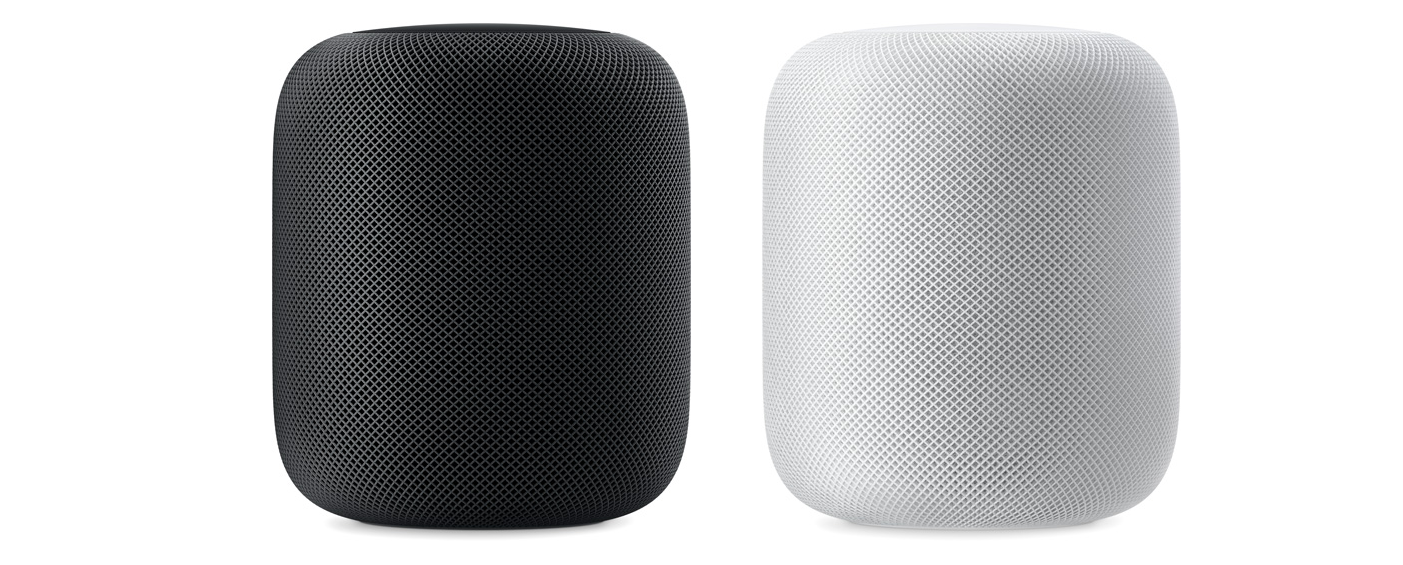
Apple announced its Siri-powered smart speaker HomePod at its developer conference in June 2017. At the time, the company said it would go on sale in December 2017. However, due to some reasons, Apple pushed the release and it is now finally available in the US, UK and Australia at a price of US$ 349. The HomePod will hit the stores on February 9th and that is the shipping date of the pre-ordered units as well. It will be available in two colour variants, white and space grey.
While the fanfare around an Apple product launch is enough for it to be sold out within minutes, the HomePod is still available for pre-orders. Even though it is a new kind of product from Apple, the company still makes about two-thirds of its sales from its smartphones.
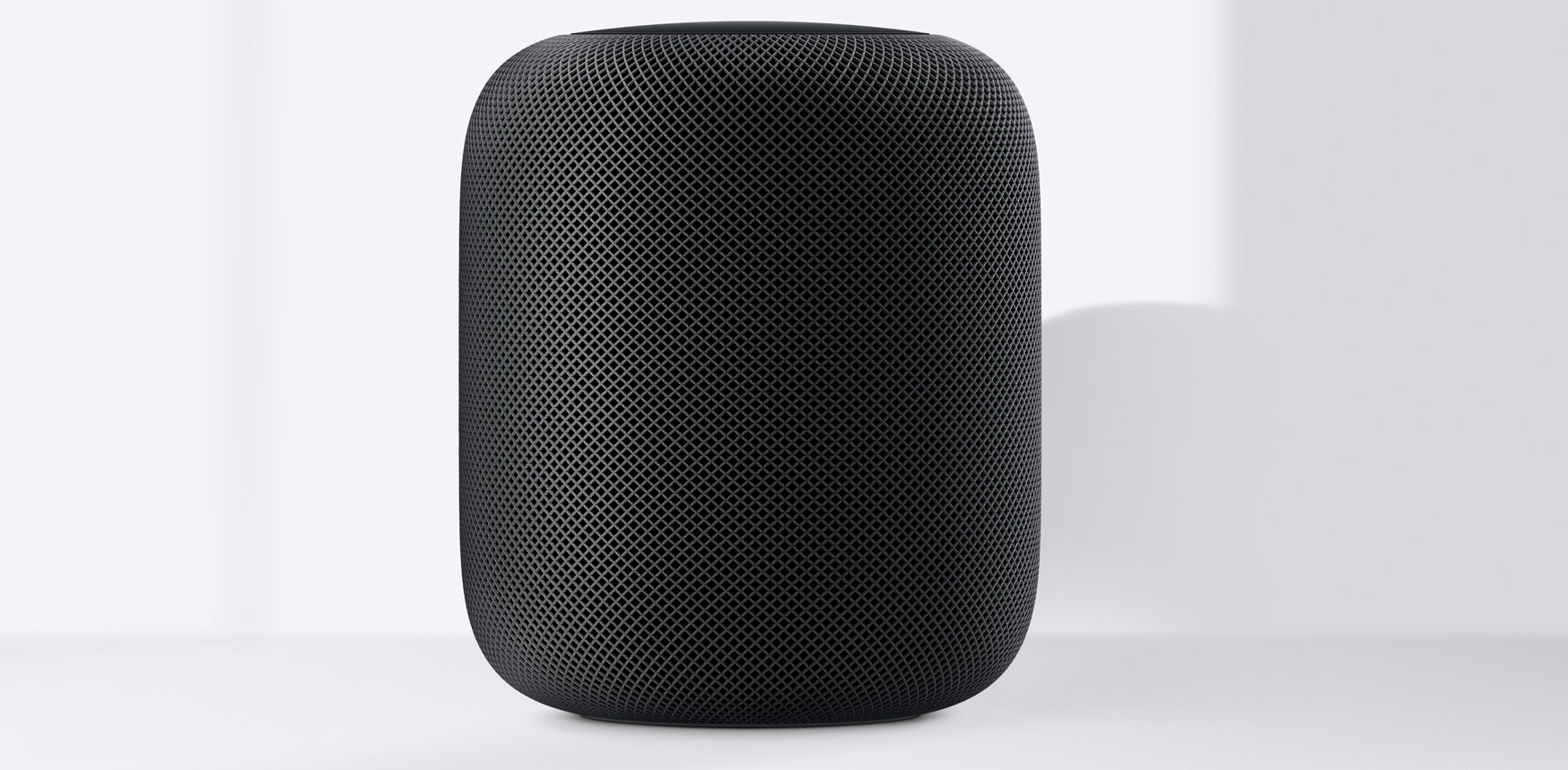
The HomePod is powered by Apple’s A8 chip, which also powered the iPhone 6. It has built-in Siri, six microphones and HomeKit support to control compatible smart home devices. An interesting feature is the ability to automatically optimise sound for a given room. The Google Home Max also has a similar feature where it automatically optimises the sound based on where it is kept in a room. It also has seven tweeters and a high excursion woofer.
Despite the late launch, the HomePod will ship without features like AirPlay 2, which allows pairing and multiroom audio. Apple has said that those features will be added via a software update.
The Competition
Amazon and Google are its two biggest competitors in this industry. For its size, the Apple HomePod is the priciest offering in the market. The Google Home Max is much larger and is priced at US$ 399. The Google Home is priced at US$129 while the Amazon Echo costs US$ 99. Both Google and Amazon offer an ultra-affordable variant of their smart speakers, the Google Home Mini and Amazon Echo Dot. Both are priced at US$ 49.
A lot of smart speakers in the market also support Spotify playback, the most successful music streaming service now. The HomePod, however, will only support Apple Music.
There is no word on the HomePod’s availability in the Indian market as of now. With Google also not bringing its smart speakers in the Indian market, it’ll be interesting to see both the company’s strategy for India.
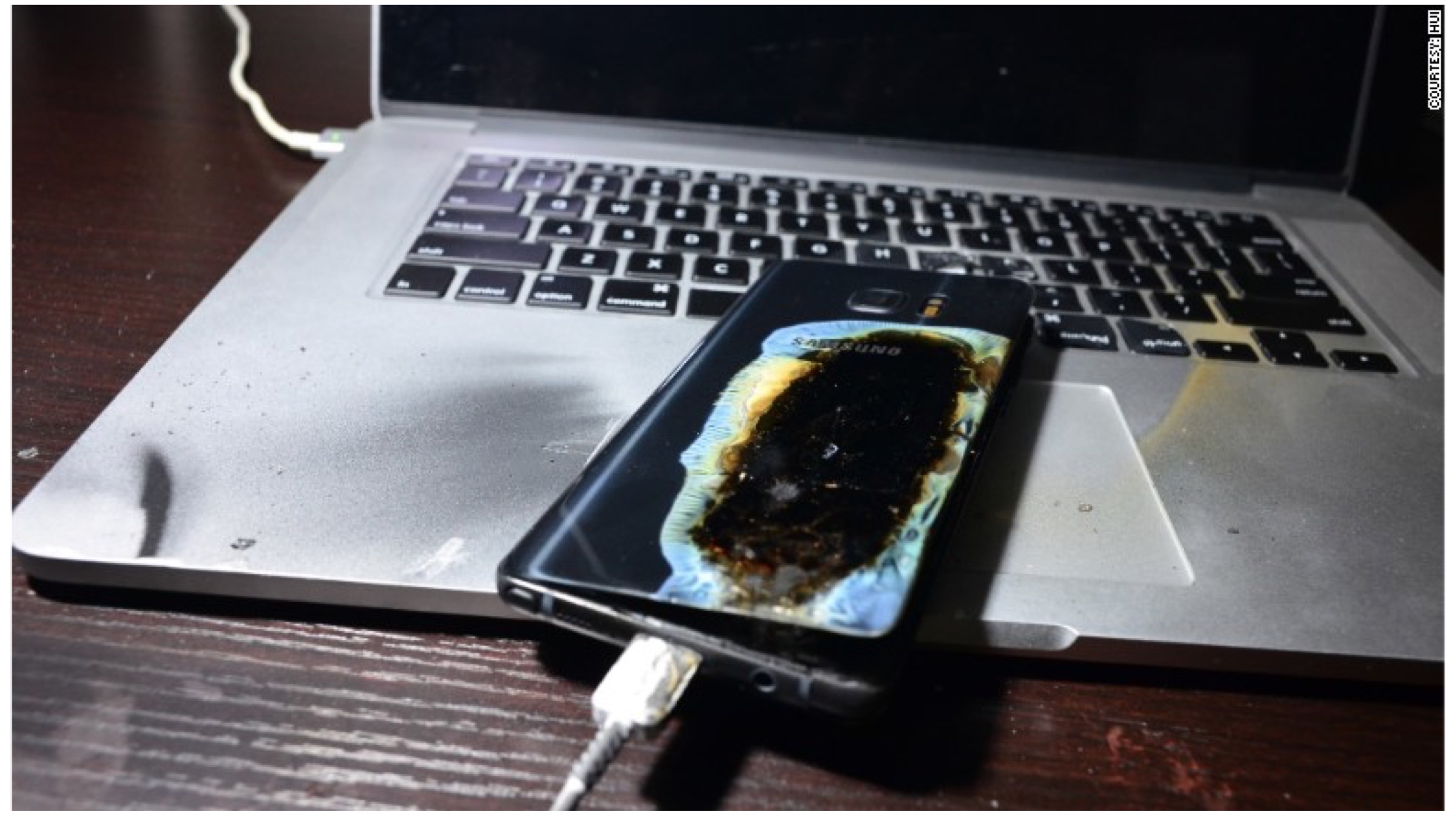
Tech can be confusing at times. Moreover, people can let their preconceived notions about technology get the better of their decision-making skills. This isn’t a secret that a smartphone battery can explode. Samsung and Galaxy Note7users, unfortunately, learned that the hard way. It appears that people still don’t understand how smartphone batteries work.
Image: CNNMoney
What’s The Story?
A video coming out of a Chinese gadget store reveals the incident of a man biting into a smartphone battery. Before getting the new battery installed, he decided to check the authenticity of it by biting into it. We still don’t know what he was expecting from that bite. Despite the incident occurring very close to his and another person’s face, nobody was said to have been harmed in the incident.
While it is true that fake lithium-ion batteries can explode or overheat, this method was counter-productive. It is a known fact that lithium-ion batteries can explode if punctured. Lithium-ion batteries are made up of layers, with positive and negative electrodes are wrapped around each other. These positive and negative electrodes are insulated from each other.
This is done because explosions can occur if the positive and negative leads on a battery touch each other. So, the biting would not have made a difference as he won’t know whether the battery exploded because it’s fake or because he damaged it with his teeth.
Biting into a battery can essentially trigger an explosion because lithium-ion batteries are prone to explosions if punctured.
The On 7 Pro is Samsung’s budget offering in the sub-10K category. It packs a 5.5-inch 1080 x 720 px display along with the Qualcomm Snapdragon 410 chipset. On the camera front, the device features a 12MP rear-facing camera with an f/2.1 aperture and a front-facing 5MP camera with an f/2.2 aperture. It usually retails for Rs 9490 but is available for Rs 7490 right now.
The JBL GO Bluetooth Speaker is a great budget Bluetooth speaker. It is available in 8 colours for you to choose from. At 132 g, it is extremely light and portable. It has a 3.5mm jack to connect your device via an AUX cable and charges through a micro-USB port. It has a built-in microphone to receive calls as well. The JBL GO speaker usually retails for Rs 2699 but is available for a price of Rs 1375 right now.
As smartphones get thinner, battery performance, unfortunately, takes a hit. In such times, a good power bank helps. There are plenty of power banks available in the market and a 10,000 mAh capacity is a standard for good power banks. The Intex 11,000 mAh power bank usually retails for about Rs. 1899 but, during the Great Indian Sale, it is available for Rs. 649 which is a steal!
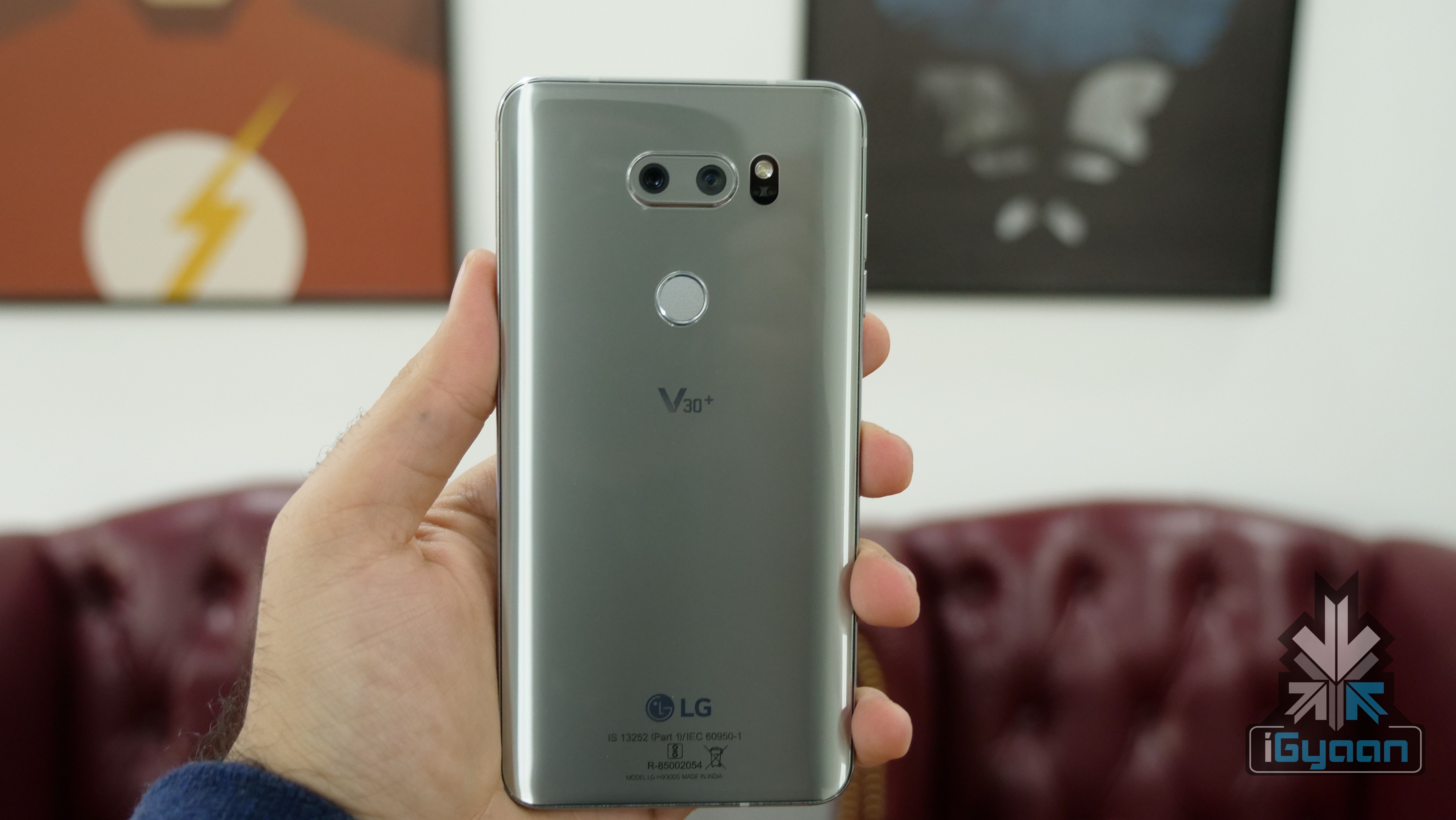
One of the most underrated smartphones of 2017, the LG V30+ has all the specifications and design of a modern-day flagship. It has the very capable Snapdragon 835 chipset, 4GB of RAM and 128GB of storage. Unlike a lot of dual-camera setups found on smartphones these days, the LG V30+ has a normal lens and a wide-angle lens on the back. It has thin bezels around the display, and in the era of companies getting rid of the headphone jack, the LG V30+ has a HiFi Quad DAC for superior sound quality.
Competitively priced, great performance, big battery, and a dual-camera setup, the Honor 8 Pro was launched as a competitor of the OnePlus 5. The Honor 8 Pro has 5.7 inch 2560 x 1440 px display which is ideal for media consumption via VR. The Honor 8 Pro has 128 GB of storage along with 6GB of RAM. The phone also has a large 4000 mAh battery and fast charge capabilities, with long battery modes built into Honor’s user interface.
The Xiaomi Mi Max 2 has a 6.4 inch 1920 x 1080 px display with Corning Gorilla Glass 3 on top for added protection. The smartphone is powered by a massive 5300 mAh with QuickCharge 3.0 and runs Android 6.0 Marshmallow with Xiaomi’s custom skin MIUI 8 on top. The phablet has a one-hand usage mode as well. Under the hood, the phablet has the Qualcomm Snapdragon 625, Cortex-A53 octa-core processor, 4GB of RAM and 32GB/64GB onboard storage options. The fingerprint sensor is placed at the back of the device and sits just below the cameras. The Mi Max 2 switches to dual-audio speakers when in landscape mode. On the optics front, the Mi Max 2 has a 12-megapixel camera with an f/2.2 aperture, equipped with the Sony IMX386 sensor with PDAF and dual-LED flash. On the front, the phablet has a 5MP camera with an f/2.0 aperture.
One of the top budget earphones, the JBL C100SI Headphones have a great fit and a very good build quality. It has a 9mm driver and a 1.2-meter cable. The cable size is ideal for earphones as it allows you to rest your smartphone in the pocket without compromising on the comfort.
As smartphones get thinner, battery performance, unfortunately, takes a hit. In such times, a good power bank helps. There are plenty of power banks available in the market and a 10,000 mAh capacity is a standard for good power banks. The Ambrane 10,000 mAh power bank usually retails for about Rs. 1799 but, during the Great Indian Sale, it is available for Rs. 599 which is a steal!
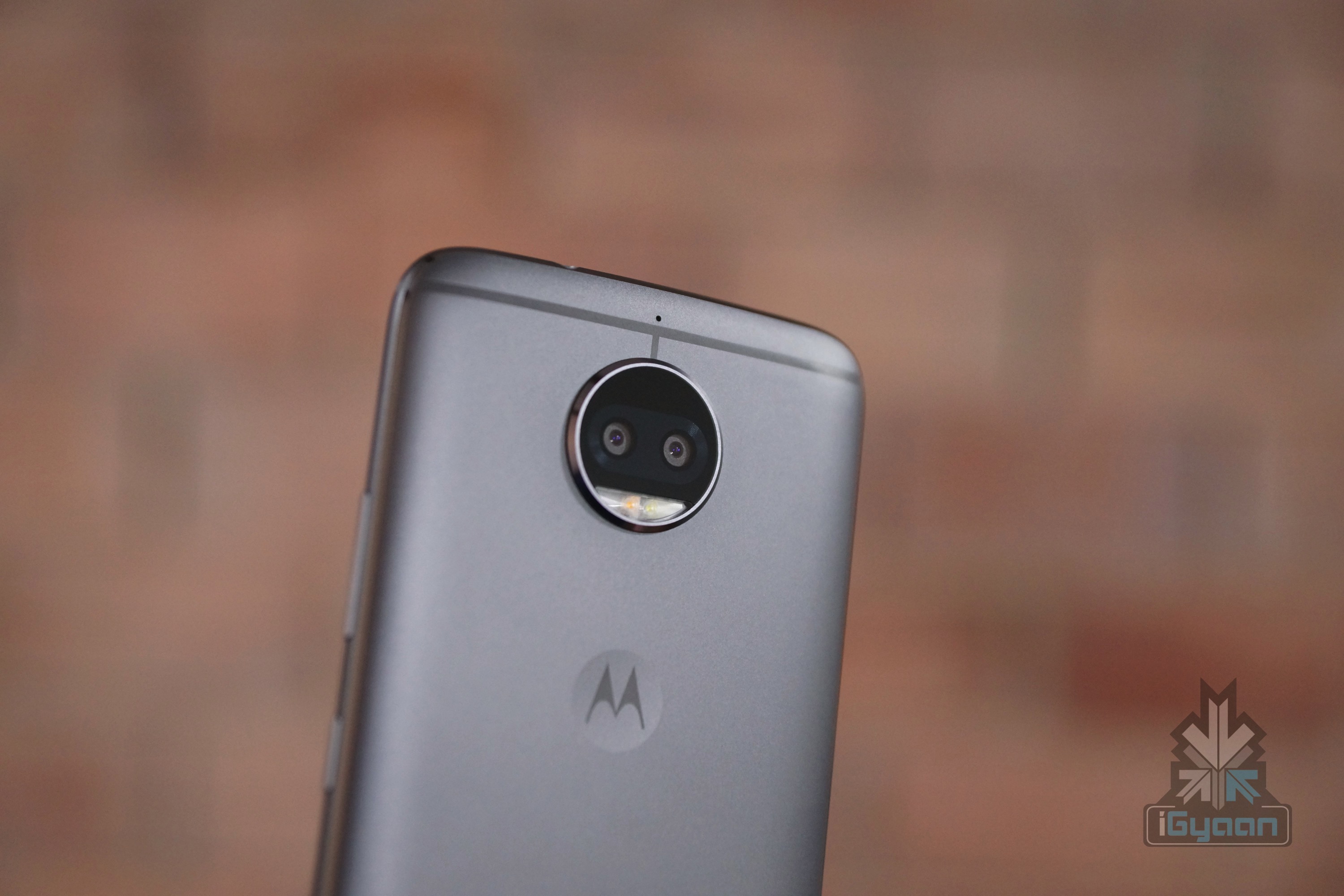
The G5S Plus has a 5.5 inch 1920 x 1080 px display. The fingerprint sensor sits below the display and can double up as a single-navigation button as well and the screen is protected by Corning Gorilla Glass 3. The highlight of the device is the 13MP dual-camera setup with an f/2.0 aperture. The dual camera captures Bokeh, and selective focus shots, along with other capabilities of background replacement and exposure management. Under the hood, the device has the Qualcomm Snapdragon 625 processor with 2.0 GHz octa-core CPU and 650 MHz Adreno 506 GPU, 3GB RAM and 32GB onboard storage which is expandable via microSD card.
Huawei’s sub-brand Honor’s budget offering, the Honor 6X is a budget-friendly smartphone in the sub-15K category and offers a dual-camera set up as well. It features a 5.5-inch 1920 x 1080 px display along with the Kirin 655 chipset and an octa-core processor. It sports a 12Mp + 2MP dual camera setup at the back and an 8MP front-facing camera.
A lot of consumers globally know Xiaomi as a smartphone maker but, the company’s smartphone lineup barely represents its prowess. One look at Xiaomi’s Mainland China website is enough for someone to realise that Xiaomi makes much more than just smartphones. It has smart home products, crazy electronic scooters and televisions as well.
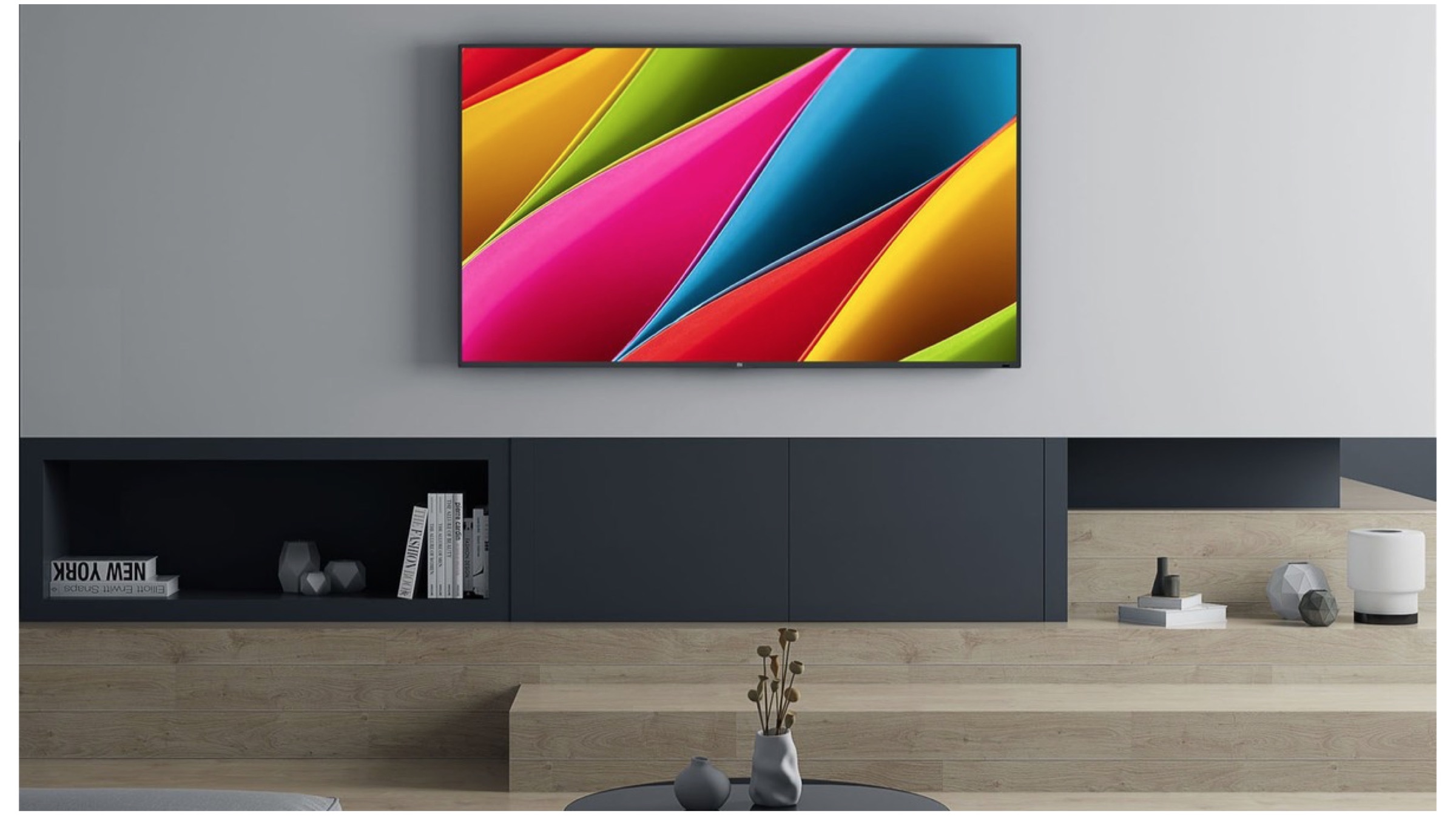
The latest addition to Xiaomi’s list of products other than smartphones is the new Mi TV 4A. The Mi TV 4A offers a 4K display and is priced at US $375 (Rs. 23000 approx.).
The 50 inch Xiaomi Mi TV 4A comes with a 4K UHD display with a 3840 x 2160 resolution and a 178-degree viewing angle. The TV has a refresh rate of 60Hz and it also offers support for HDR10+ HLG. The device has a “frameless design” and incorporates Mi TV Bar with 10 speakers, 2 wireless rear satellite speakers, and a subwoofer. It also comes with Dolby Atmos audio technology.
Interestingly, the trend of AI and machine learning is bleeding into the television industry as well, it seems. The Xiaomi Mi TV 4A comes with AI support and can make recommendations. It has a UI called PatchWall and is based on Android OS which allows for content curation based on recommendations. The TV also has speech recognition and voice control, but, since it is only available in China as of now, it doesn’t work with the English language.
Under the hood, the TV is powered by a 64-bit Amlogic L962 chipset with four 1.5GHz Cortex-A53 cores along with 2GB of RAM and 8GB of onboard storage. As for connectivity, the Xiaomi Mi TV 4A has Wi-Fi ac, Bluetooth 4.2, three HDMI ports, two USB ports, AV in, Ethernet port, and S/PDIF audio output. There is also the new Xiaomi remote for controlling the TV which has infrared as well Bluetooth connectivity options.
At a price of just over Rs. 23000, the Xiaomi Mi TV 4A appears to be an excellent product. Sadly, as is a lot of other great Xiaomi products, this will remain a China-exclusive
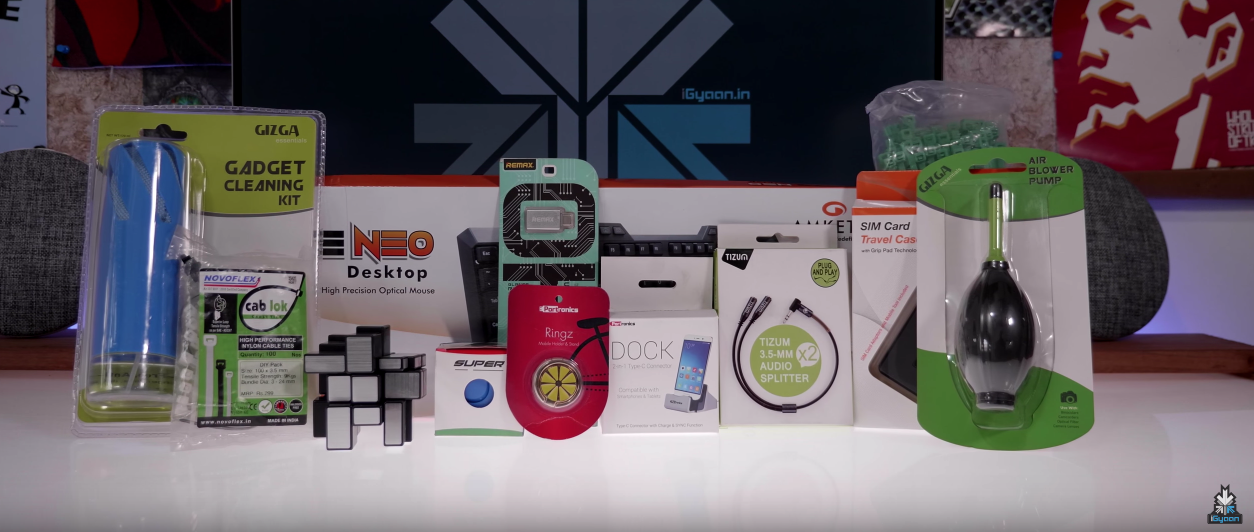
After a holiday spending spree, maybe it’s time to look at some useful tech and accessories that won’t break the bank. iGyaan is back with its Top Tech series and this month, we’re checking out some of the best tech accessories under Rs. 500.
Deepcool N19 Laptop Cooler
At a price of Rs. 470, this laptop cooler does the job and it looks good while doing it. It has a blue LED light which glows when turned on and looks better than your average laptop coolers. It doesn’t lift up the laptop a lot, which means that it won’t hinder the comfort level of your laptop and connects via a standard USB port.
Amkette Xcite Neo Keyboard and Mouse Combo
An affordable combo of a USB keyboard and mouse, it is ideal for gamers who are just starting out. It would fit in perfectly with a budget gaming setup. The keys have a nice travel and ideal for gaming.
USB-C Dock
This can be a nice little desk accessory for people who own a smartphone that charges via a USB C port. It can fit almost every USB C smartphone and it keeps the device upright for easy access to lock screen notifications.
Remax USB-C OTG
USB C is the future of smartphones and keeping up with that prospect, this USB-C OTG is ideal for travellers. Store all your media on a USB and connect to your phone via this USB-C OTG to preserve storage on your phone whilst keeping movies and songs with you on the go.
Gigza Clean Kit
A cleaning kit is a must-have accessory for any techie, or rather anyone who knows a gadget. This cleaning kit combo works perfectly to clean any tech accessory or gadget around you and it is very inexpensive as well.
Tizum Headphone Splitter
The Tizum headphone splitter is a great accessory for people who like sharing media with their friends or colleagues or anyone for that matter. It is well built and does the job for the price tag it has.
Smartphone Grip Ring
While pop sockets were all the rage in 2017, this smartphone grip ring is a more sturdy and well-built alternative. People with small hands and big phones would really appreciate this nifty gadget that can help them handle their phone in a more secure manner.
SIM Case
Priced at Rs. 499 it might invaluable for people who travel with a lot of SIM cards and microSD cards. It has a sticky surface that stores all the cards and even has the option to write the owner’s details at the back in case they misplace it and someone finds it. It is well-built and definitely worth the money it asks for.
Cable Ties
With lots of wires in the house, comes the responsibility of wire management. These reusable cable ties will help you keep a clean look of your desk by managing all the cables at the back. It is also helpful for storing all the cables you might not be using at that particular time and keeps the storage neat and tidy as well.
Shengshou Cube and Spinner
Moving on from the fidget spinner craze of 2017, these two gadgets can be extremely entertaining and keep you away from technology which can be good for you. They’re inexpensive and a great substitute to smartphone games to kill time on your commute to work or back home.
Facebook is more than just a social networking service and has been constantly expanding its business. From buying Instagram to acquiring WhatsApp, the most popular instant messaging service, the company is widening its reach every acquisition. One thing that Facebook has so far failed impress in, is its hardware capabilities. Back in 2013, Facebook launched an HTC-made smartphone that revolved around its social networking services. The smartphone failed to impress the consumers and disappeared in a few months.
For a few months, there have been rumours of Facebook working on a smart speaker with a display, much like the Amazon Echo Show, which will have Facebook and its other social networking services at its heart. The device will reportedly be called Portal and is expected to be priced at US $499, which is more than double of what an Alexa-powered Amazon Echo Show costs.
Facebook is planning to unveil the device in May 2018 at its developer’s conference and start shipping it by the end of the year. It will be interesting to see how Facebook Portal will compete with other smart speakers with a display as Google also announced a slew of companies that will be manufacturing Assistant-powered speakers with a display.
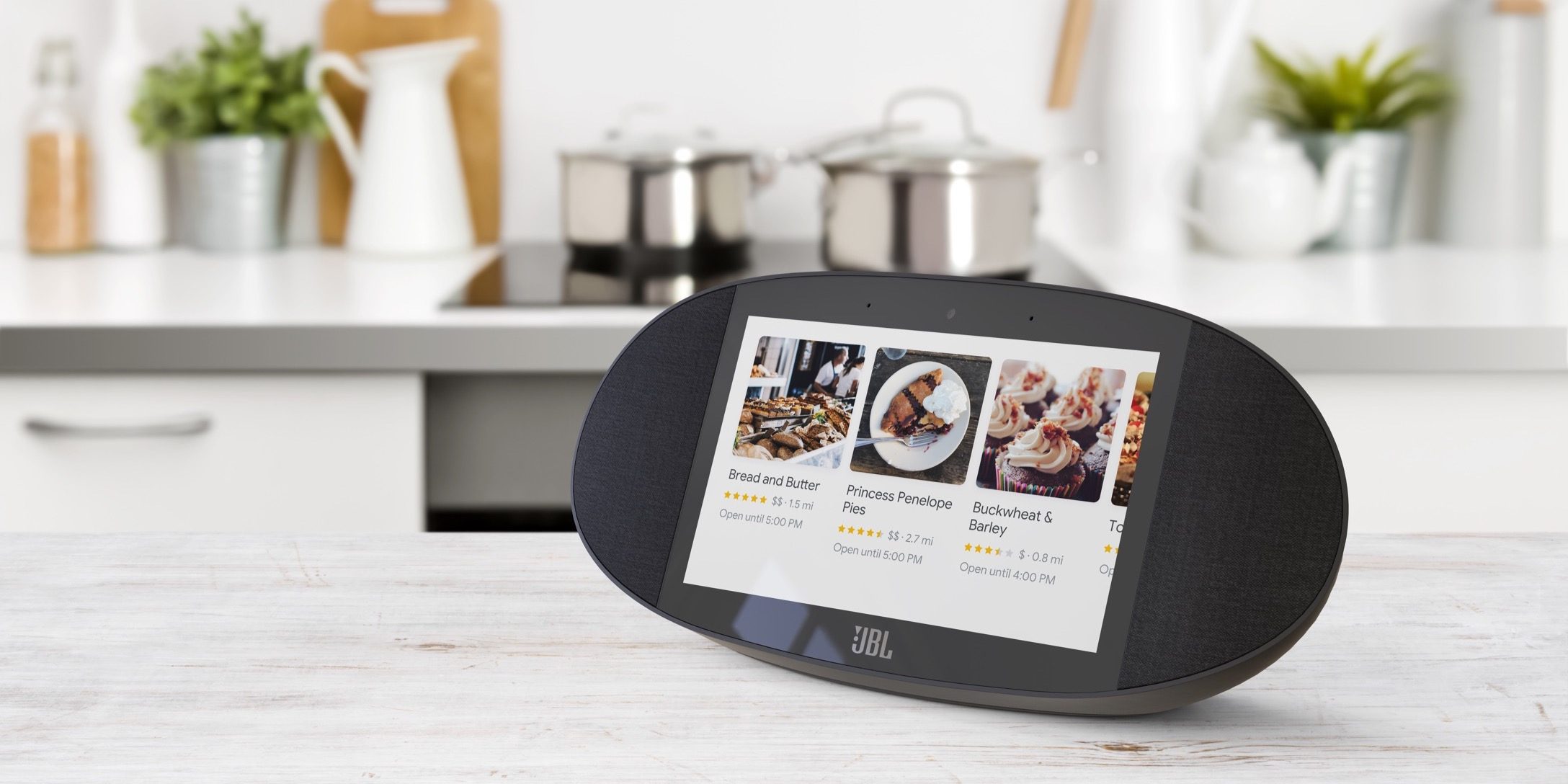
JBL Link View Powered By Google Assistant
A previous report claims that it would have a display of between 13 to 15 inches, almost double of what is found on the Echo Show. The tablet-like device will respond to voice commands and use facial recognition technology, something Facebook has been taking very seriously off-late will provide a personalised experience to different people in the house.
The Facebook Portal could also be a part of Facebook’s plan to become the largest video streaming service in the world. With a huge display and the ease of voice commands, the Portal could become a primary source of video consumption for people active on social media and the company could launch its streaming service with the new smart speaker. You could read everything about Facebook’s new streaming service, Watch here.
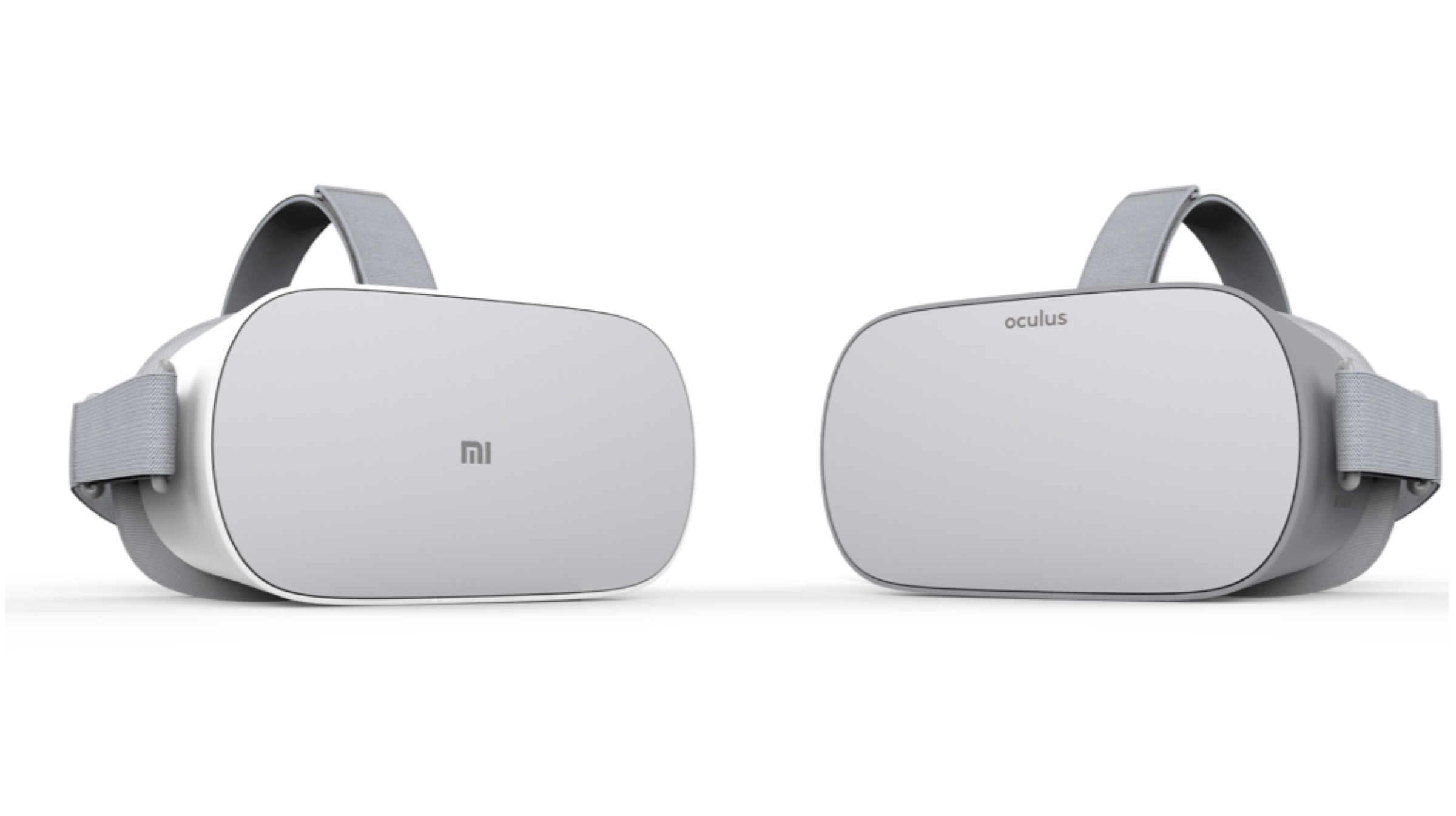
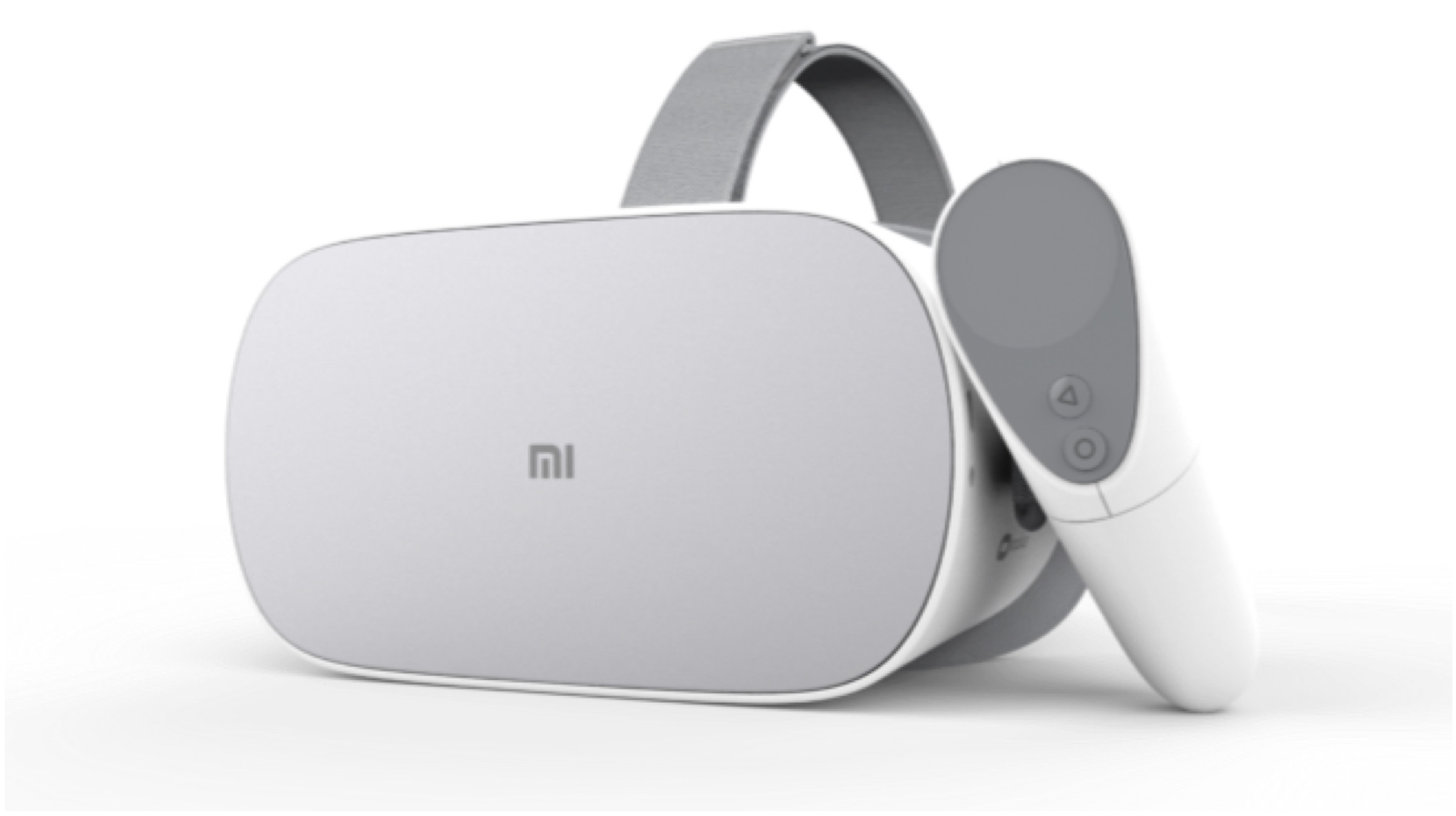
Xiaomi and Oculus have launched two new standalone VR headsets at CES 2018 taking place in Las Vegas, USA. A lot of brands take to stage during CES and unveil new and exciting products. Xiaomi, along with Oculus has decided to unveil the Oculus and Xiaomi Mi VR Standalone. The Oculus Go will be manufactured by Xiaomi and sold in the western market where Xiaomi is trying to set a foothold in. While the Xiaomi VR Standalone is a rebranded Oculus Go meant for the Chinese market. This makes sense since Xiaomi has much stronger brand value in China than Oculus does.
The Oculus GO was announced back in October 2017 at the Oculus Connect 4 developer conference. The Oculus GO is priced at US $199 and powered by the Snapdragon 821 chipset and sports an LCD display with a resolution of 2,560 x 1,440 pixels. It also features integrated speakers and has a 3.5 mm headphone jack on board. As it’s a standalone headset, it will also work without a PC or a smartphone.
Immersive visual experience provided by standalone VR headsets seem to be the future of VR and AR. As more apps become VR and AR friendly, the VR content is expected to increase. Headsets like the Oculus Go provide a relatively inexpensive as at a price of US $199, a user doesn’t need a high-end smartphone to experience VR. To put things into perspective, the Samsung VR headset is priced at US $139 and is rendered useless without a high-end Samsung Galaxy device like Galaxy S8 or Note8.
There are no details about the VR headsets launching in the Asian markets like India as of yet. But, Xiomi is known to launch a few of its China-exclusive products in India and the Xiaomi Mi VR Standalone might be launched in India.
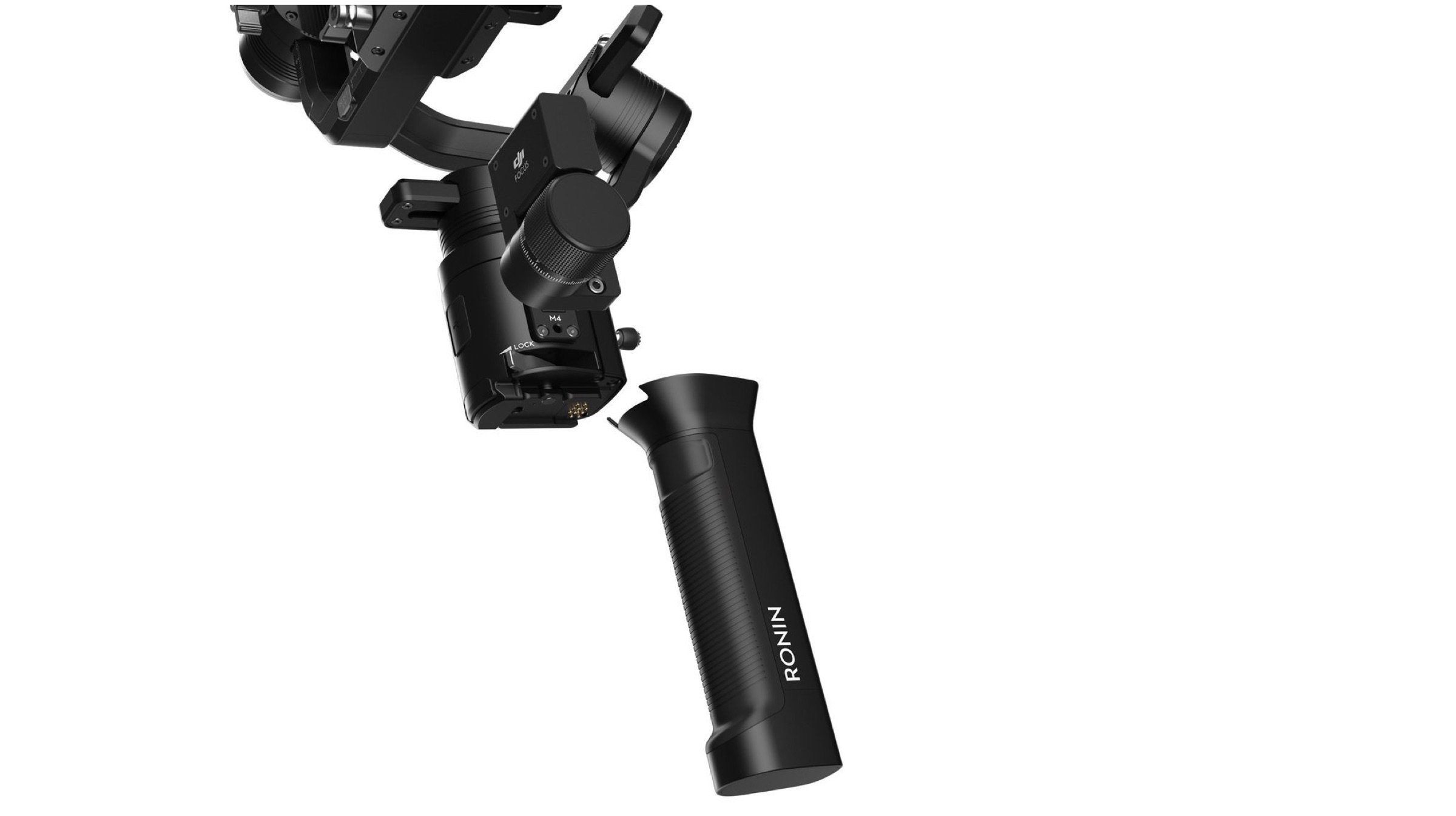
The International Consumer Electronics Show, famously known as CES kicks off in the US on January 8th. Brands use CES as a global platform to launch or unveil its latest and greatest pieces of technology and DJI has done something similar this year. DJI has unveiled its new gimbal, called the DJI Ronin-S.
The Ronis-S is compatible with DSLRs and mirror-less cameras. According to DJI:
The Ronin-S combinesadvanced stabilization, precision control, and manual focus control capabilities in a compact, single-handed form factor.
Ideal for vloggers and content creators in general, a gimbal helps take smooth footage while in motion and adds an extra layer of stabilisation to the already stabilised footage from a high-end camera. Not just stabilisation, a gimbal, like the Ronin-S helps videographers take better shots since it increases handleability of a camera.
The Ronin-S’s framework elevates camera payload above the Roll Axis, which makes the camera’s built-in display in the line of the shooter’s sight and obstruction free. To give the user even more control over the smoothness of the gimbal, the Ronin-S has two customisable parameter groups to store your favourite settings. While recording, the user can switch between those two settings with a single click.
The Ronin-S will be available in the second quarter of 2018 from dji.com, DJI Flagship Stores, DJI Authorized Retail Stores, and DJI Resellers worldwide. Pricing will be announced prior to availability.