Category: Mobile

Smartphone News and Reviews, Latest Cellphones, Accessories, New Launches, Specifications, Details with Image and Video from Apple, Samsung, Lenovo, Moto, HTC, Xiaomi, Oneplus, Meizu, Sony, Lava, Micromax Yu Mobile and More.

  • OnePlus Explains Why OnePlus 6 Doesn’t Have Wireless Technology

    OnePlus Explains Why OnePlus 6 Doesn’t Have Wireless Technology

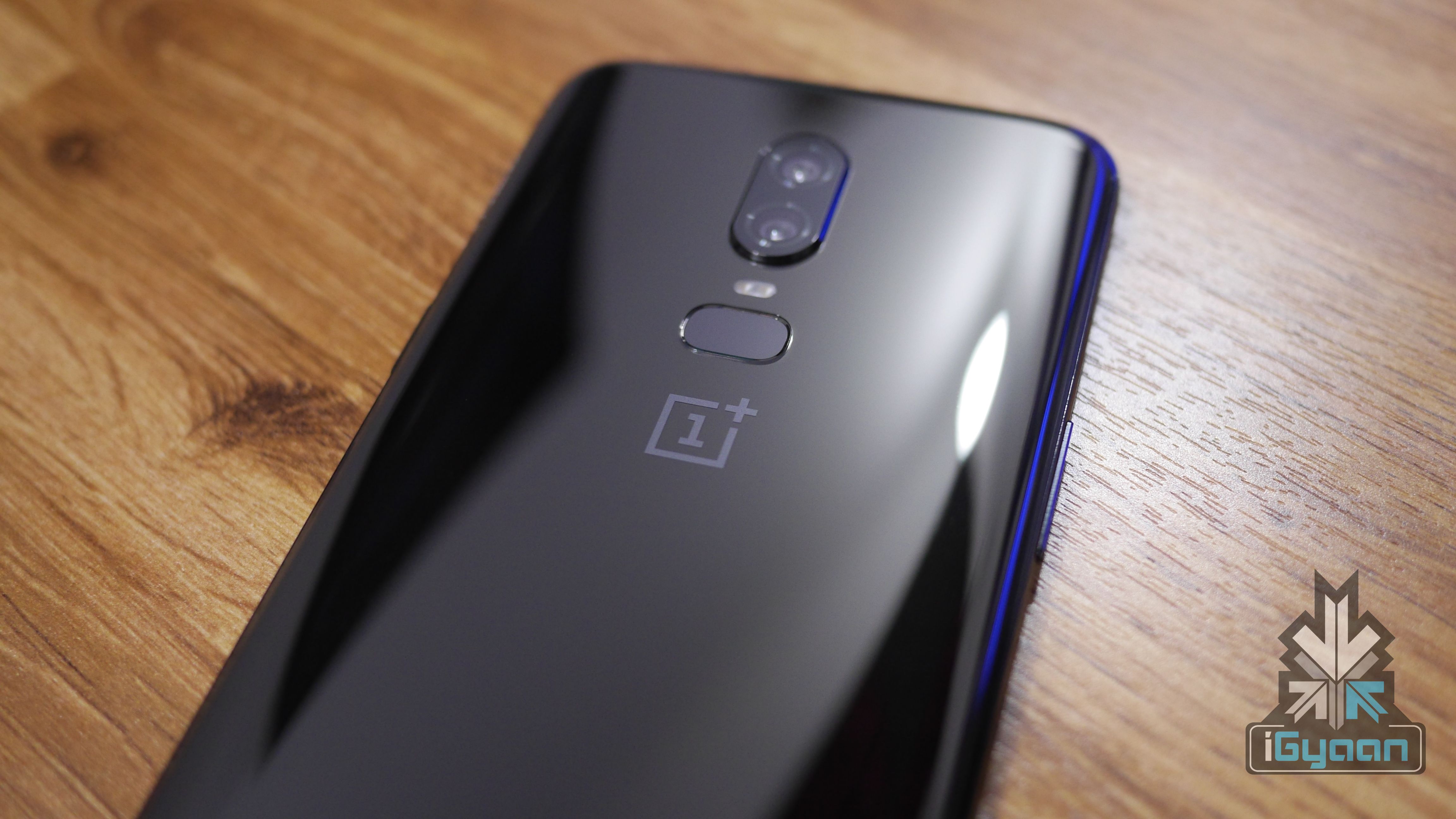
    Way before its official launch, the OnePlus 6 was confirmed to have an all-glass design. This announcement by OnePlus gave rise to speculations about the OnePlus 6 having wireless charging. At the launch event, the company did not mention wireless charging and said that wireless charging right now, is not as good as dash charging. Dash CHarging is OnePlus’ proprietary form of wires charging which has been impressive over the years.

    As much as dash charging is good, there are many users who still like wireless charging. OnePlus has cleared the air around the decision taken about omitting wireless charging from the OnePlus 6. When asked about it, a OnePlus representative said:

    We don’t really feel the need to add wireless charging. We’re not going to add a feature just for the sake of it.
    [amazon_link asins=’B0756VRJ25′ template=’ProductAd’ store=’igyaan-21′ marketplace=’IN’ link_id=’b775ff37-5d8f-11e8-9674-f53b8349c9bb’]

    Back in November 2017, before the launch of the OnePlus 5T, the company confirmed that it won’t have wireless charging. Pete Lau, co-founder of OnePlus shared two reasons why the company decided to not include a popular feature in the OnePlus 5T:

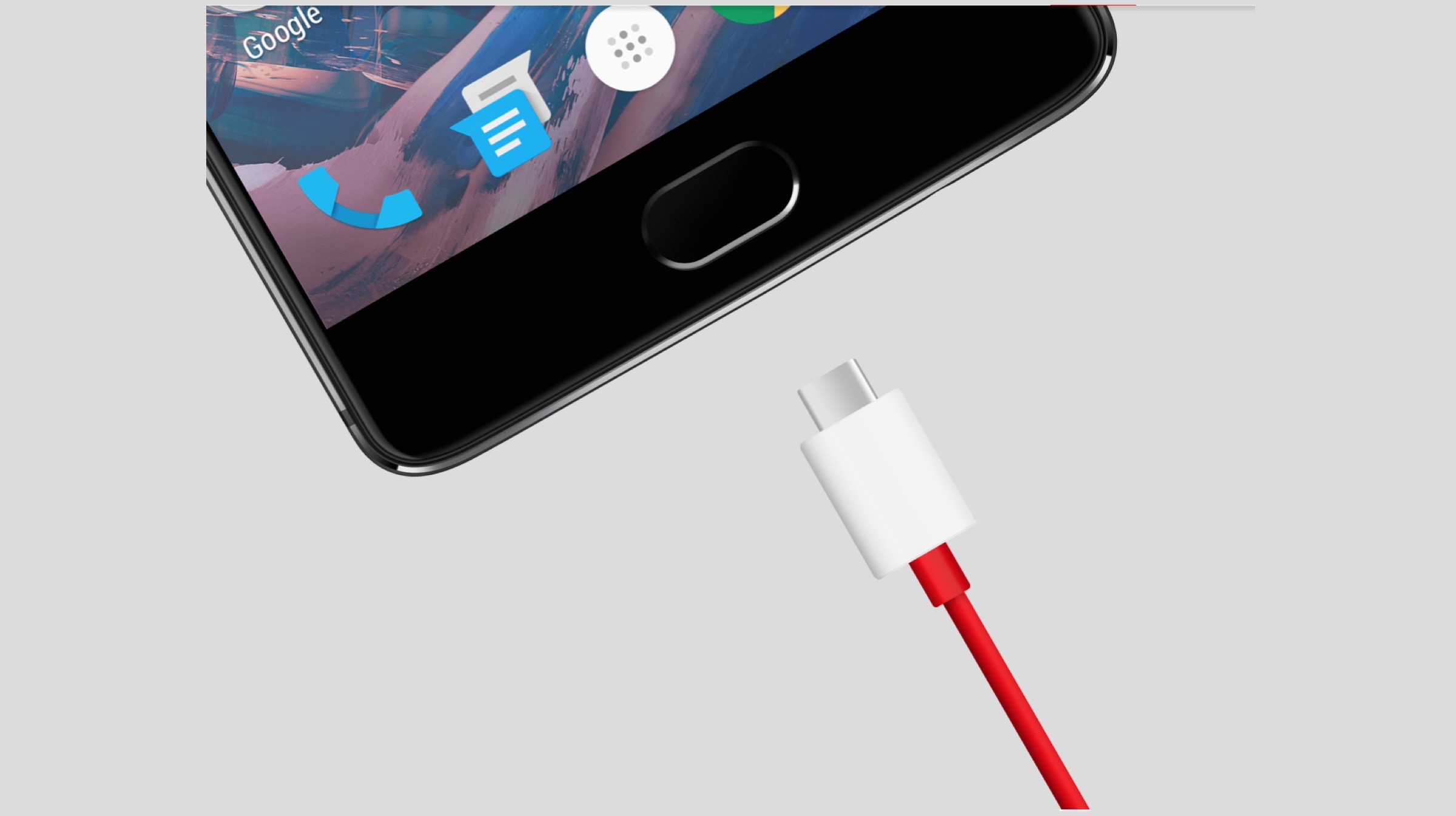
    Reason 1: Wired quick charging solutions like ours clearly outshine wireless on quantitative measures. Just plug your device in, and Dash Charge produces 20 watts of power, reliably giving a day’s power in half an hour.

    Reason 2: Dash Charge gives you enough power for the day with just one charging session. All you need is the Dash Charge cable and adaptor to consistently power your device at superior rate. It doesn’t matter whether you’re gaming or streaming video. Dash Charge stays cool and power efficient.

    It appears that the company still believes the two reasons are enough to not include wireless charging, even after moving on to a glass back. There is no doubt that Dash Charging is faster than wireless charging. The company believes that the cons of adding wireless charging outweigh the pros. Adding extra hardware for wireless charging would drive up the price of the smartphone as well.

    There will be a percentage of users who would want wireless charging and still buy the OnePlus 6 because of the price and features it has. However, if more people complain about the absence of wireless charging, it won’t be surprising to see the feature debut in the OnePlus 6T, later this year.
  • Xiaomi Mi Max 3 To Launch In July 2018

    Xiaomi Mi Max 3 To Launch In July 2018

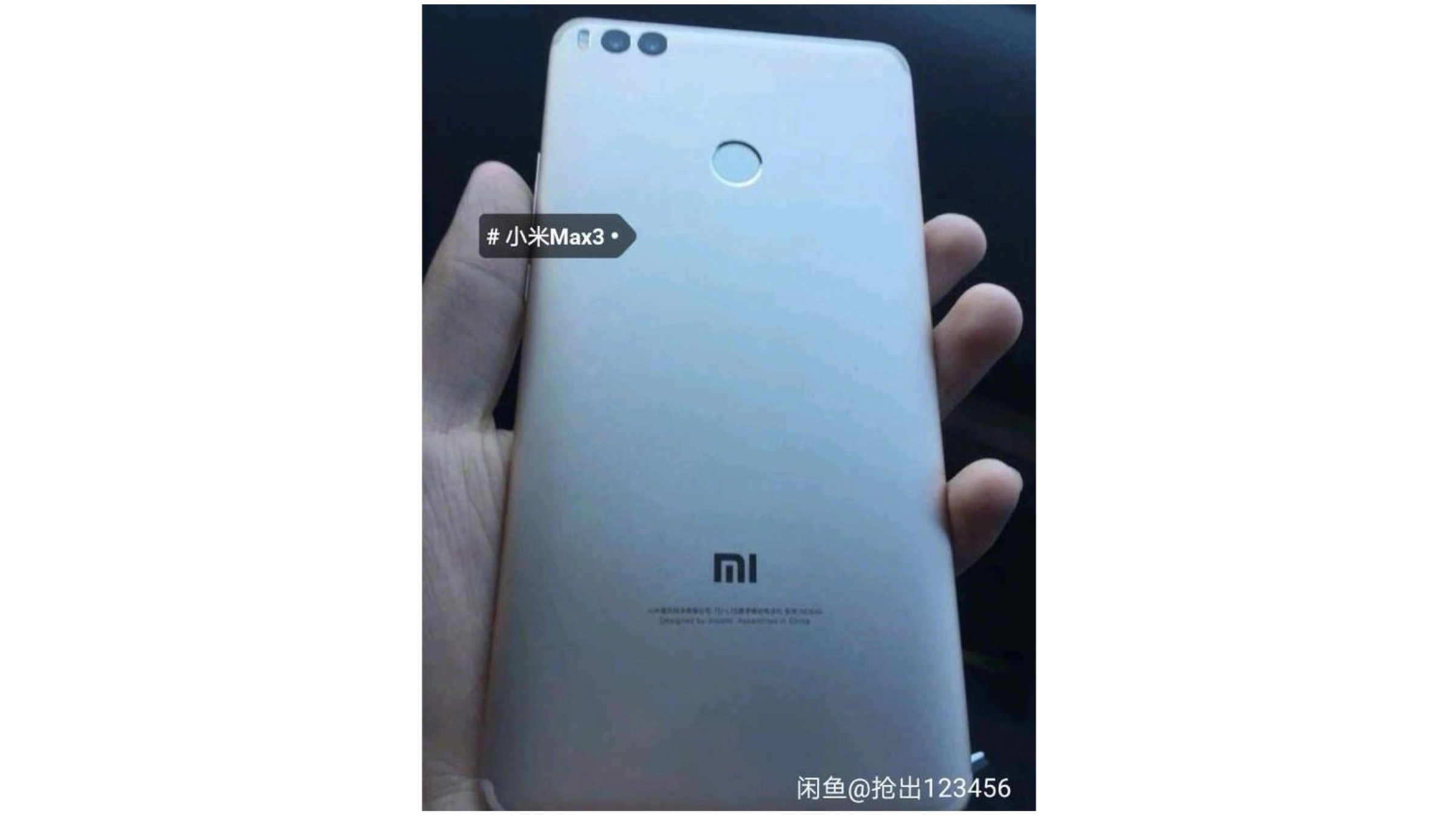
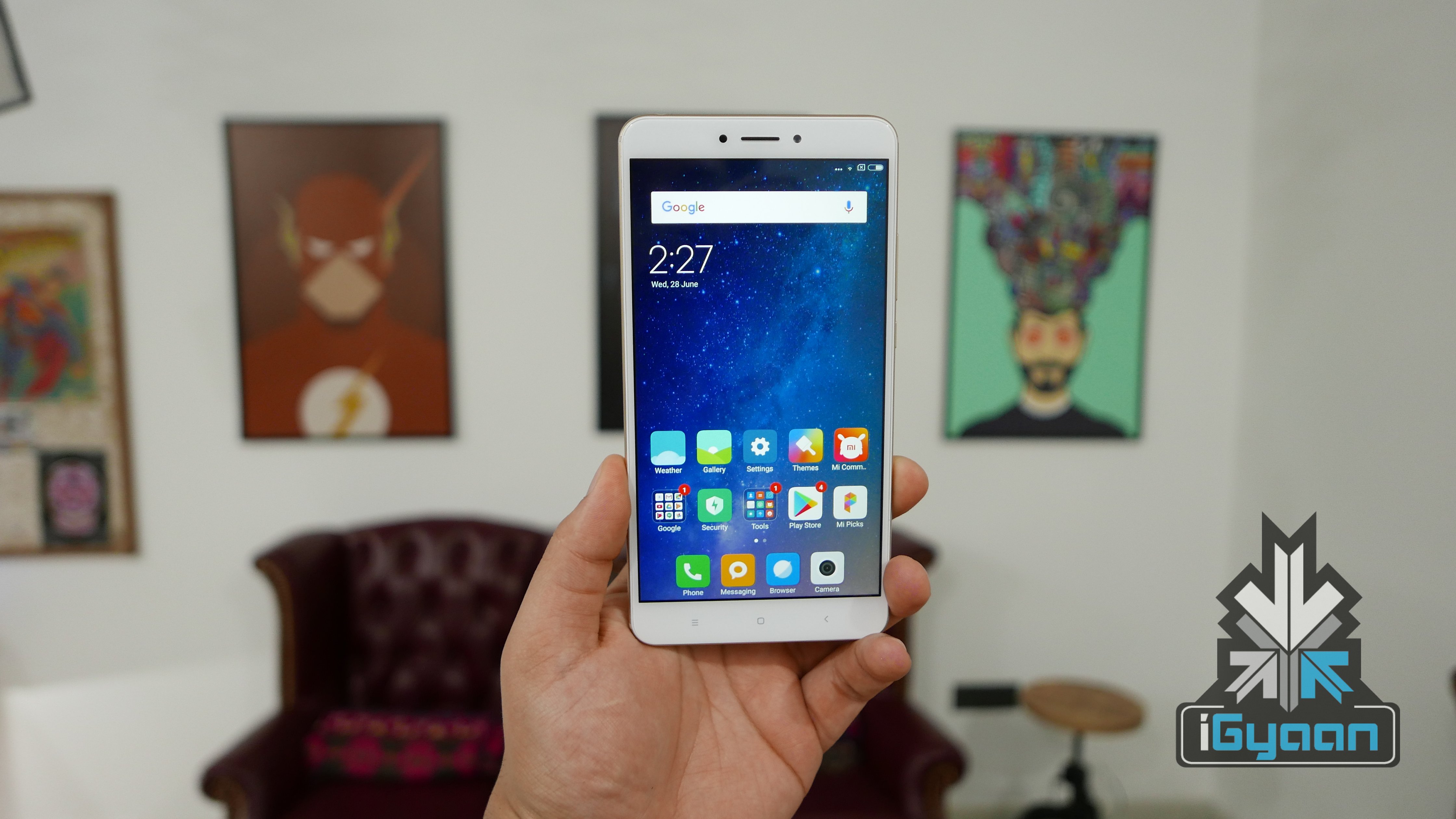
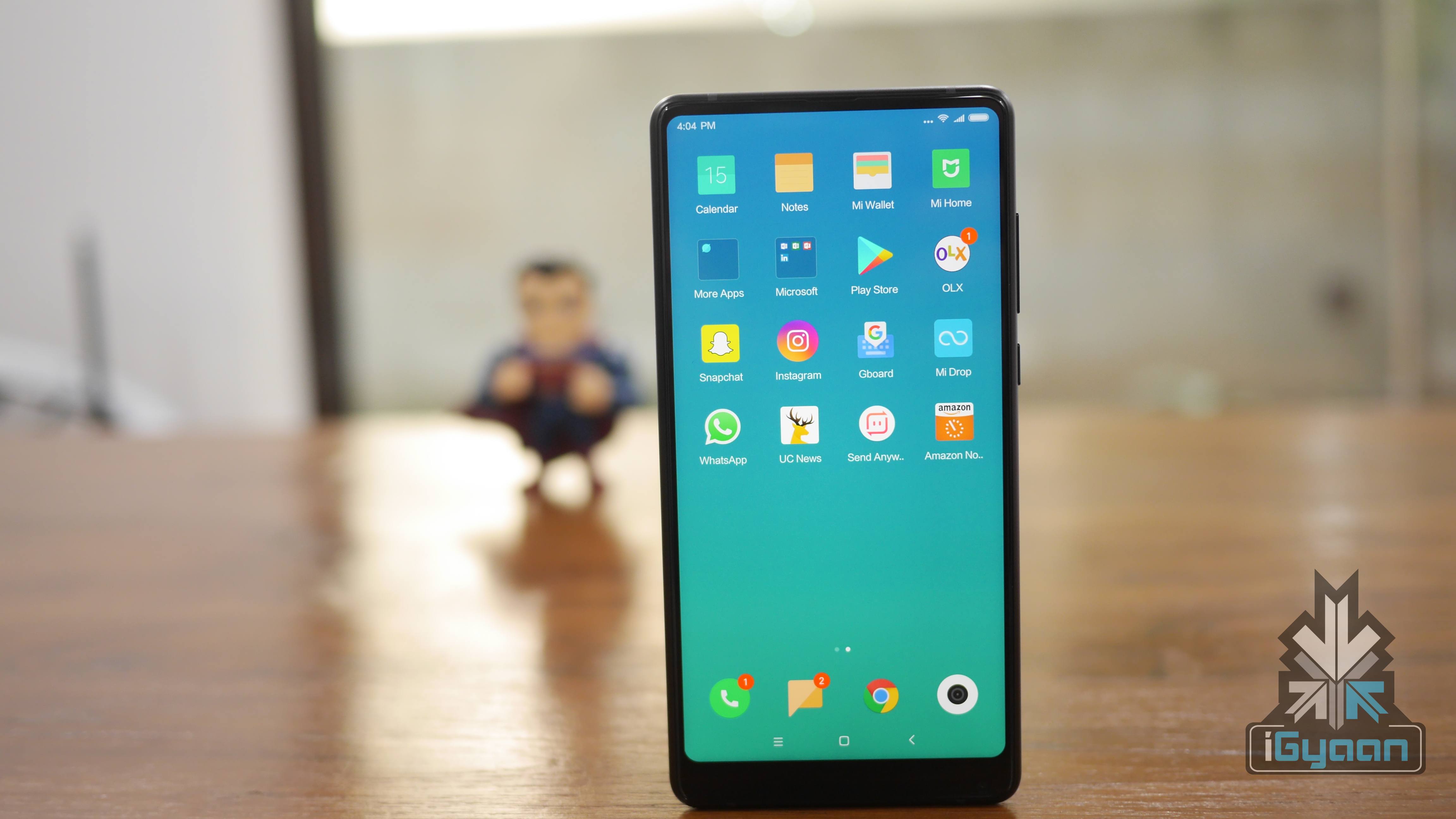
    Xiaomi still believes that there is a market for phablets in today’s world. The companies ‘Mi Max’ series has been hugely popular thanks to the display size and price point of the devices. The Mi Max 2 was launched on July 27th, 2017 and there have been a lot of rumours about the Mi Max 3. Xiaomi’s CEO Lei Jun has confirmed that the Mi Max 3 will follow the same pattern and launch in July this year.
    Mi Max 3
    Xiaomi Mi Max 3 Early Leaks

    We are almost halfway into 2018 and with every smartphone launch, it is becoming harder to differentiate between a smartphone and a phablet. Till a couple of years ago, the average screen size of smartphones used to hover between 5 to 5.5 inch. That, however, has changed ever since companies started adopting the 18:9 aspect ratio and shrunk the bezels. Most of the budget smartphones launched these days have a 6 inch display, bridging the gap between a phablet and a smartphone.

    Lei Jun took to Weibo to announce that the company’s Shenzhen event will take place in May-end. He was then asked by many users about the Mi Max 3’s launch date. He responded to the queries by writing that the Mi Max 3 is, “estimated to be released in July and is not ready yet.” This timeline makes sense as well since the Mi Max and Mi Max 2 were released in the month of July as well. The company would want to maintain a launch pattern for some of its devices, especially with the Mi 8 launching later than expected.

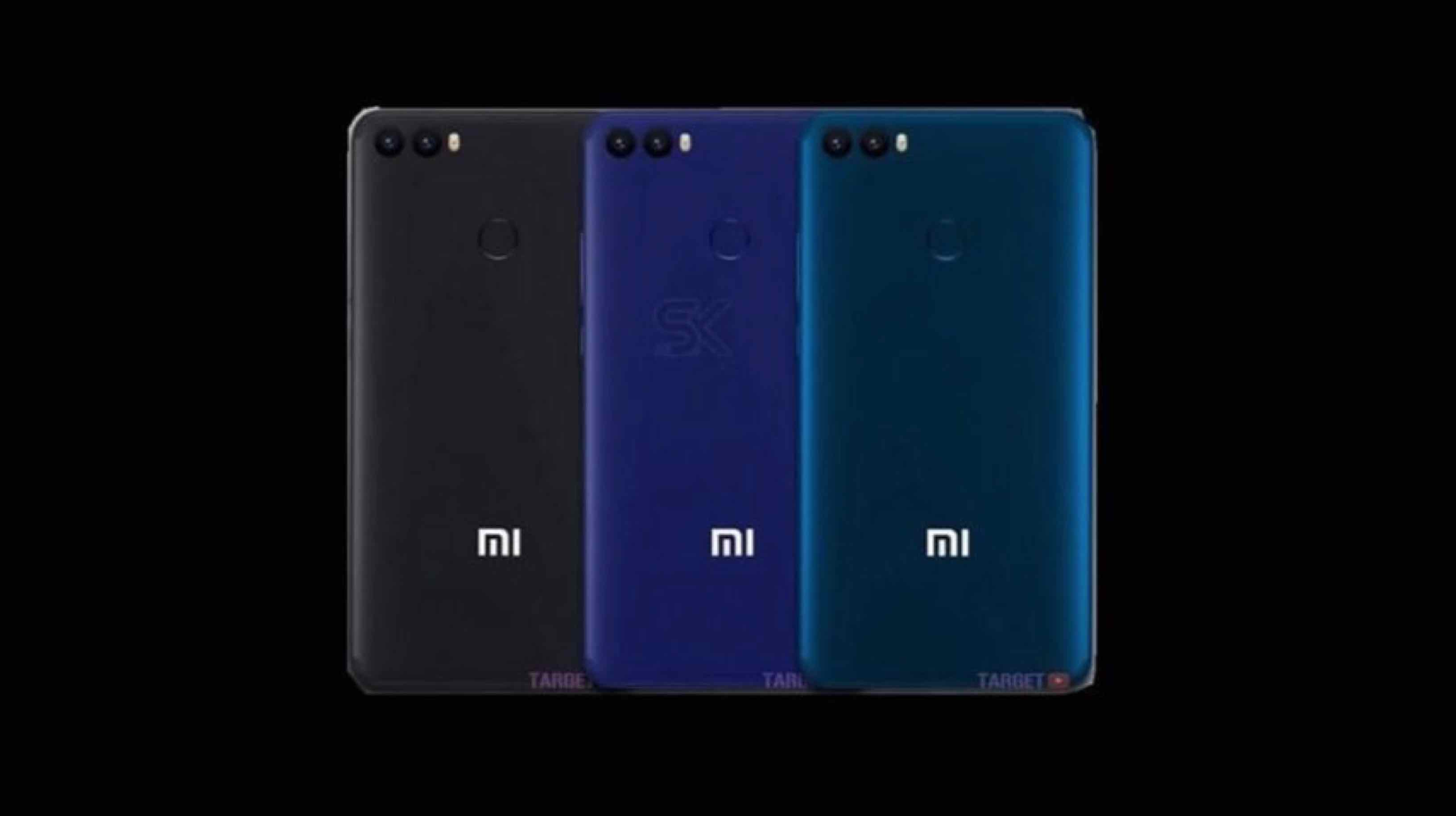
    Mi Max 3 Renders

    The Xiaomi Mi Max 3 is expected to run on either Snapdragon 660 or Snapdragon 636. The smartphone will have a 7 inch IPS LCD display with a 2160 x 1080 px resolution and an 18:9 aspect ratio. The phablet will certainly have a big screen but, it will no longer be a massive screen real estate upgrade over other budget smartphones. The Redmi Note 5 Pro, for example, has a 6 inch display with a 2160 x 1080 px resolution.

  • Xiaomi Mi 8 With A Notch Spotted In The Wild

    Xiaomi Mi 8 With A Notch Spotted In The Wild

    The Xiaomi Mi 8, or formerly known as the Mi 7 has been a part of multiple leaks of late. It is rumoured that Xiaomi is planning to launch the Mi 8 to celebrate the company’s eighth anniversary, hence will skip the Mi 7 moniker. This strategy is very similar to Apple’s, which launched the iPhone X to celebrate 10 years of iPhones, instead of launching an iPhone 9. It appears that this won’t be the only thing in common between the Mi 8 and iPhone X.

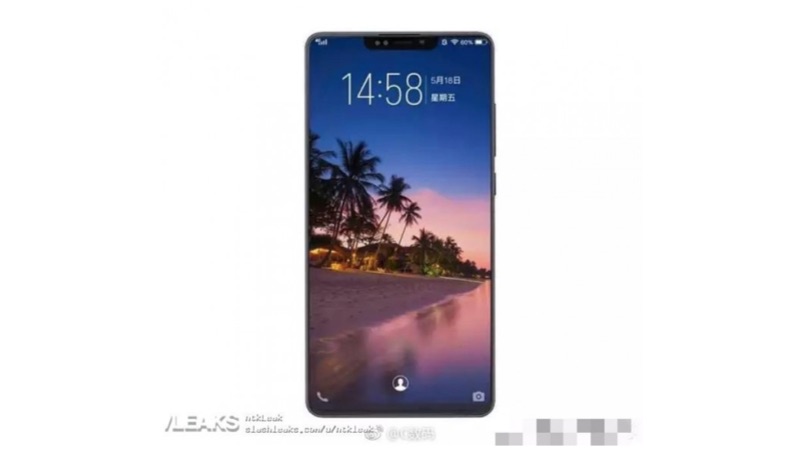
    A new image posted on the Chinese social media website, Weibo reveals an alleged prototype of the Xiaomi Mi 8. The image shows a smartphone in line with many rumours and renders, with an iPhone X style notch thin bezels around the other three sides. However, there is still a chin larger than the iPhone X’s and similar to the OnePlus 6. The notch is very prominent and different from the ones found on recent Android smartphones.

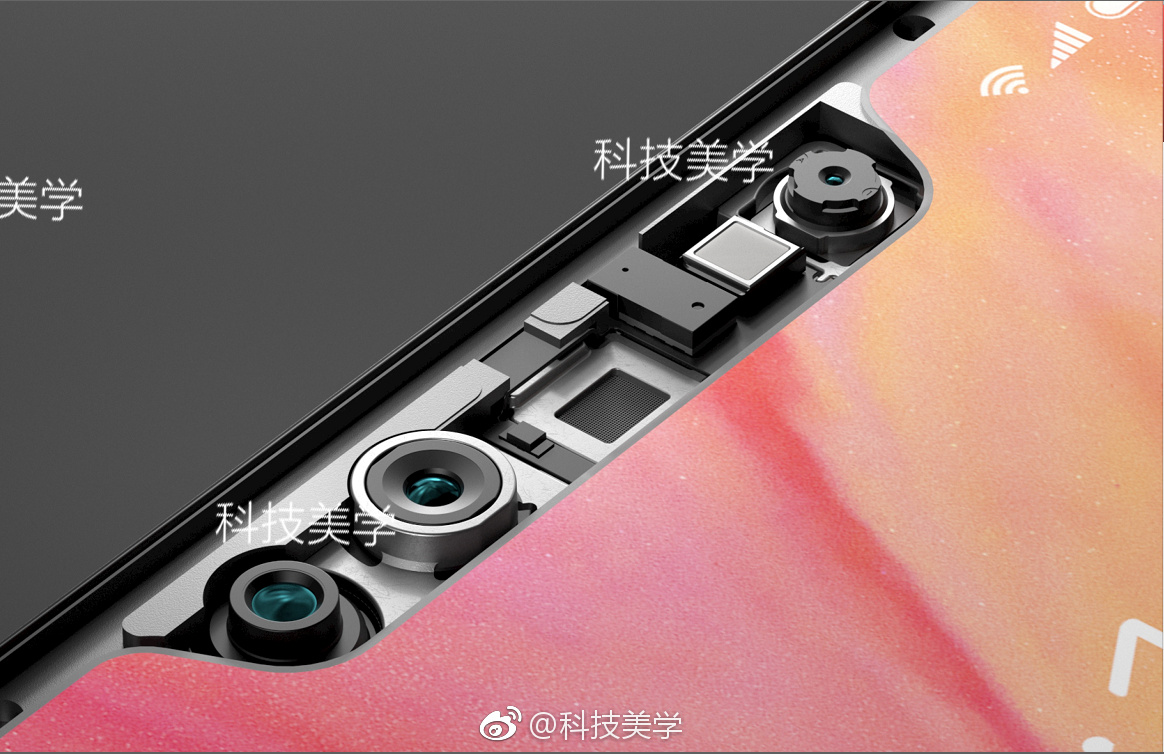
    The notch resembles the iPhone X’s notch a lot. That is mainly because it is rumoured to have a 3D facial recognition technology, similar to the iPhone X’s Face ID. The module is designed by Xiaomi itself and will include an Infrared (IR) sensor, a dot projector, front-facing camera, earpiece, ambient light sensor, and a proximity sensor. For context, the iPhone X notch houses an Infrared camera, flood illuminator, a dot projector, and a front-facing camera along with necessary sensors.

    Must Read: Xiaomi Mi 7 In-Display Fingerprint Sensor Revealed In Leaked Video

    Mi 8 Animojis

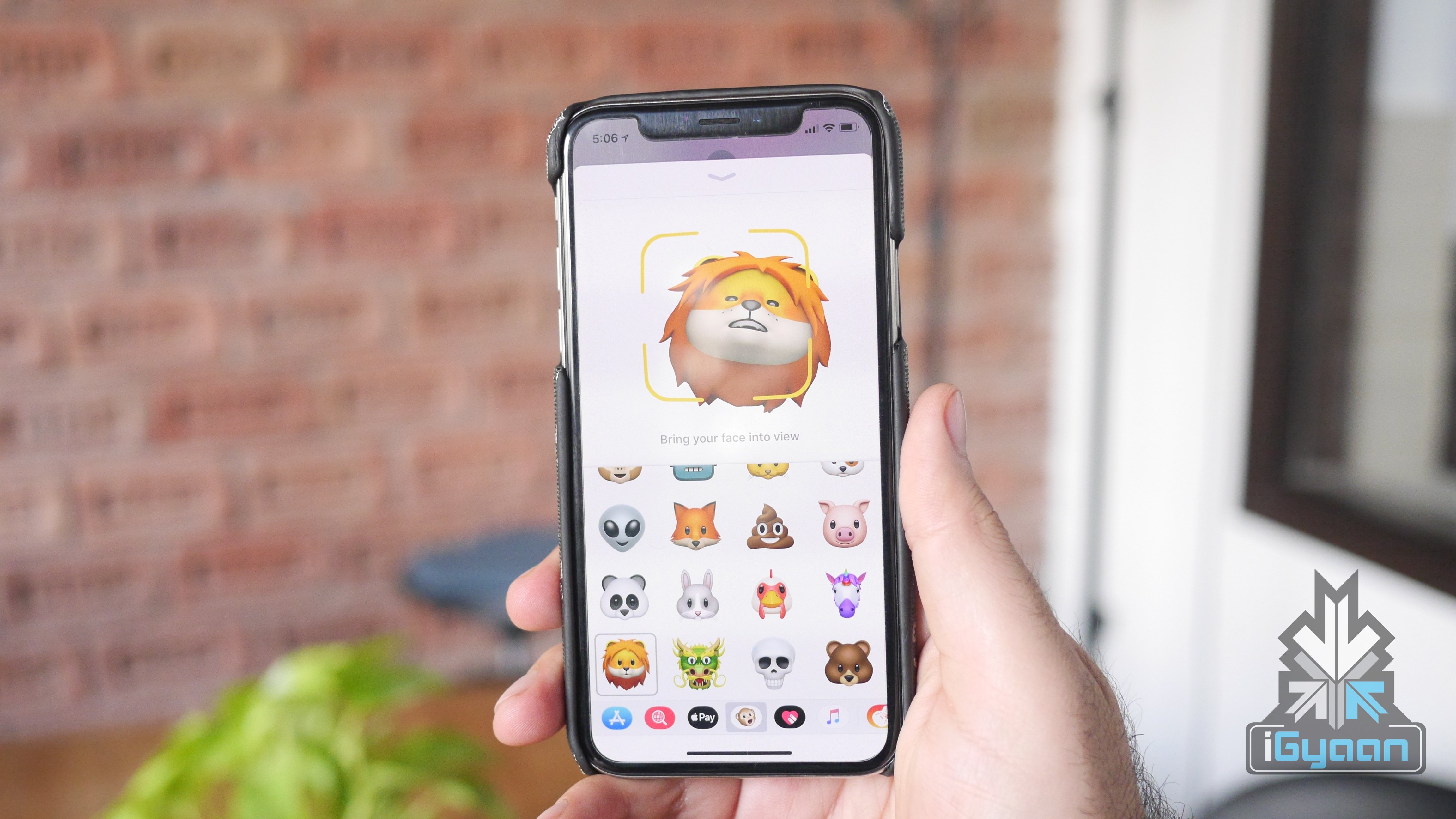
    Another interesting aspect of the leaked image is a possibility of Xiaomi’s own version of Animojis. In the image, the user is texting someone and an animoji-like panda emoji is in the predictive text bar. Animojis as a feature has been well received and Xiaomi would want to take full advantage of its 3D facial recognition technology. Samsung’s 3D emojis failed to impress due to the lack of a depth-sensing camera but, that won’t be the case with the Mi 8.

    iPhone X Animojis

    The chin on the Mi 8, although prominent, is nowhere near the size of the one found on Huawei P20 Pro. The Mi 8 will have an OLED display which means Xiaomi would have been able to bend the display from the bottom toi reduce the size of the chin. The OLED display also means that there is a possibility of an in-display fingerprint sensor, although, it doesn’t make sense for Xiaomi to incorporate two expensive technologies in one smartphone.

    Must Read: OPPO Realme 1 Launched In India Starting Rs 8990

    There are no concrete details about the launch yet, however, these leaked images mean the unveiling isn’t too far away. Stay tuned for more updates!

  • Samsung Galaxy J6, Galaxy J8 Launched In India Starting Rs 13990

    Samsung Galaxy J6, Galaxy J8 Launched In India Starting Rs 13990

    Samsung launched four new budget smartphones in India on May 21st. The pricier of the four are the Galaxy A6 and A6+ while the Galaxy J6 and J8 are the company’s sub-20K smartphones. Samsung has had a successful start to 2018 with its flagship smartphones, the Galaxy S9 and S9+. Samsung has launched two great smartphones in 2018 so far, the Galaxy S9 and S9+. The company’s budget offerings, on the other hand, have been underwhelming, to say the least. Brands like Xiaomi, Asus and now Realme, have far more superior budget devices than what Samsung has launched in India so far.

    The Samsung Galaxy J6 will retail in India at a starting price of Rs 13990 for the 32GB storage variant, while the 64GB variant will cost Rs 16490. The priciest of the two will be the Galaxy J8, which is priced at Rs 18990 for the Indian market. The Galaxy J6 and J8 will go on sale in India on May 22nd and June 20th, respectively, via Flipkart, Paytm Mall, Samsung India E-Store, and Samsung retail stores offline.

    Samsung Galaxy J6

    The Galaxy J6, priced at Rs 13990, has a 5.6 inch Super AMOLED display with a 1480 x 720 px resolution. The company’s “Infinity Display” has trickled down to the Galaxy A series as well as the device has an 18.5:9 aspect ratio.

    Under the hood, it runs on the Exynos 7870 chipset coupled with 3GB RAM/32GB storage or 4GB RAM/64GB storage. The storage will be expandable up to 256GB storage via microSD card. The fingerprint sensor is placed on the back of the device right below the camera module. Powering the smartphone is a 3000 mAh battery.

    The Galaxy A6 has a 13MP rear camera with an f/1.9 aperture, while the front of the device houses an 8MP sensor with an f/1.9 aperture.

    Samsung Galaxy J8
    Galaxy A6+

    The Galaxy J8 has a 6 inch Super AMOLED display with a 2220 x 1080 px resolution. This also translates into an 18.5:9 aspect ratio.

    Under the hood, the smartphone runs on the Qualcomm Snapdragon 450 chipset coupled with 4GB of RAM and 64GB of onboard storage. The storage can be expanded up to 256GB storage via microSD card. The fingerprint sensor is placed on the back of the device right below the camera module. Powering the smartphone is a 3500 mAh battery.

    The camera setup gets an upgrade here, too. The Galaxy J8 has a 16MP primary sensor with an f/1.7 aperture along with a 5MP secondary sensor with an f/1.9 aperture. To the front is a 16MP sensor with an f/1.9 aperture.

    The Galaxy J6 and Galaxy J8 are much more affordable than the Galaxy A6 and A6+ without missing out on too many features. However, it’ll be interesting to see how the two smartphones do in the price category with the likes of Redmi Note 5 Pro, Zenfone Max Pro and others.

  • Samsung Galaxy A6, Galaxy A6+ Launched In India Starting Rs 21990

    Samsung Galaxy A6, Galaxy A6+ Launched In India Starting Rs 21990

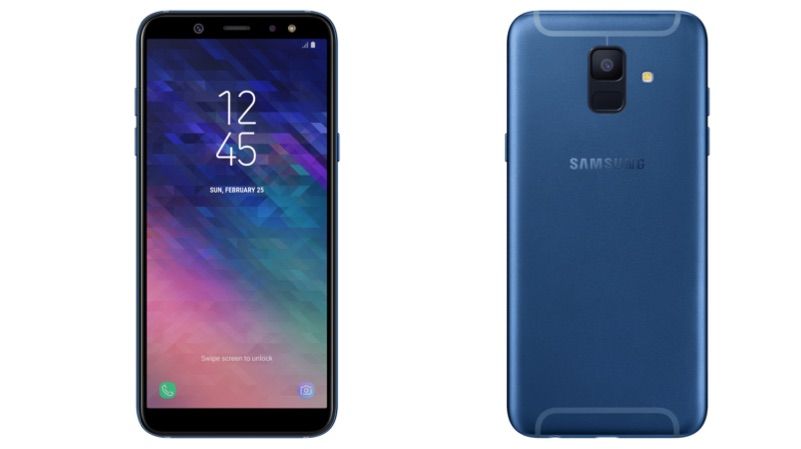
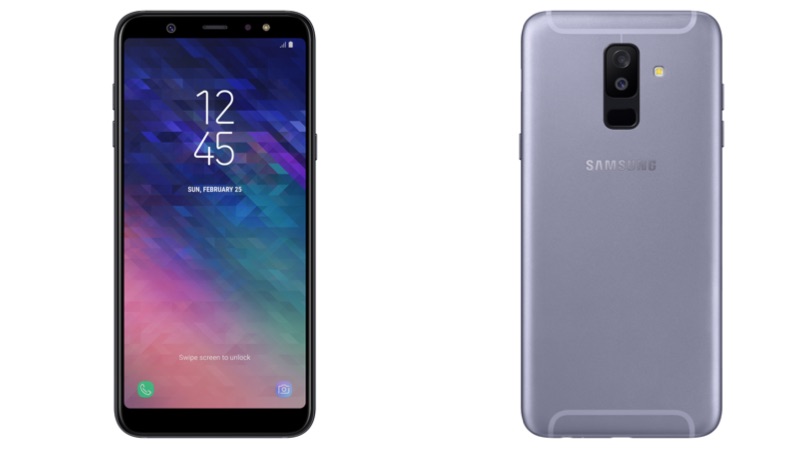
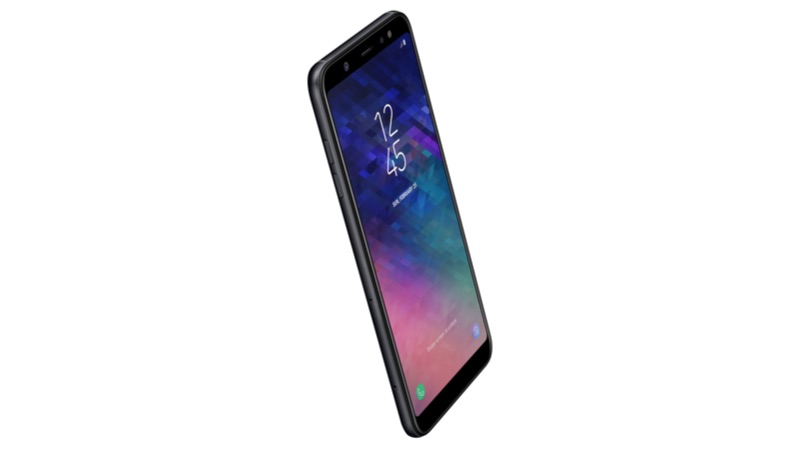
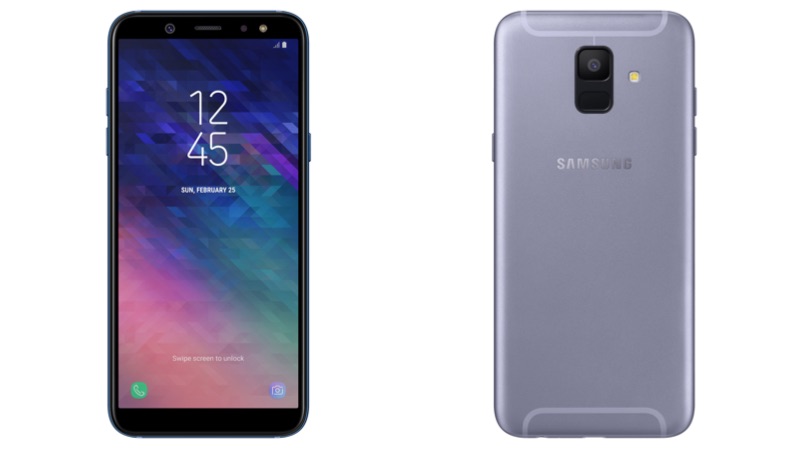
    Samsung has launched two great smartphones in 2018 so far, the Galaxy S9 and S9+. The company’s budget offerings, on the other hand, have been underwhelming, to say the least. Brands like Xiaomi, Asus and now Realme, have far more superior budget devices than what Samsung has launched in India so far. In a bid to take control of the budget smartphone market again, Samsung has launched the Galaxy A6, A6+ in India on May 21st.

    The Samsung Galaxy A6 will retail in India at a starting price of Rs 21,990 for the 32GB storage variant, while the 64GB variant will cost Rs 22990. The priciest of the two will be the Galaxy A6+, which is priced at Rs 25990 for the Indian market. The Galaxy A6 and A6+ will go on sale in India on May 22nd via Amazon, Paytm Mall, Samsung India E-Store, and Samsung retail stores offline.

    Samsung Galaxy A6

    The Galaxy A6, priced at Rs 21990, has a 5.6 inch Super AMOLED display with a 1480 x 720 px resolution. The company’s “Infinity Display” has trickled down to the Galaxy A series as well as the device has an 18.5:9 aspect ratio.

    Under the hood, it runs on the Exynos 7 series chipset coupled with 3GB RAM/32GB storage or 4GB RAM/64GB storage. The storage will be expandable up to 256GB storage via microSD card. The fingerprint sensor is placed on the back of the device right below the camera module. Powering the smartphone is a 3000 mAh battery.

    The Galaxy A6 has a 16MP rear camera with an f/1.7 aperture, while the front of the device houses a 16MP sensor with an f/1.9 aperture.

    Samsung Galaxy A6+

    Justifying its ‘Plus’ moniker, the Galaxy A6+ has a 6 inch Super AMOLED display with a 2220 x 1080 px resolution. This also translates into an 18.5:9 aspect ratio.

    Under the hood, the smartphone runs on the Qualcomm Snapdragon 450 chipset coupled with 4GB of RAM and 64GB of onboard storage. The storage can be expanded up to 256GB storage via microSD card. The fingerprint sensor is placed on the back of the device right below the camera module. Powering the smartphone is a 3500 mAh battery.

    The camera setup gets an upgrade here, too. The Galaxy A6+ has a 16MP primary sensor with an f/1.7 aperture along with a 5MP secondary sensor with an f/1.9 aperture. To the front is a 24MP sensor with an f/1.9 aperture.

    At a price of Rs 21990, the Galaxy A6 only has an HD+ display, while devices like the Moto X4 have a 1080P display along with a premium all-glass build. Even the Galaxy A6+ only has the Snapdragon 450 chipset at a price of Rs 25990 while the Nokia 7 Plus runs on the Snapdragon 660 SoC. The smartphones go on sale on May 22nd, although, it’s hard to judge who the targeted audience is for these smartphones.

  • Moto G6 To Launch In India On June 4th

    Moto G6 To Launch In India On June 4th

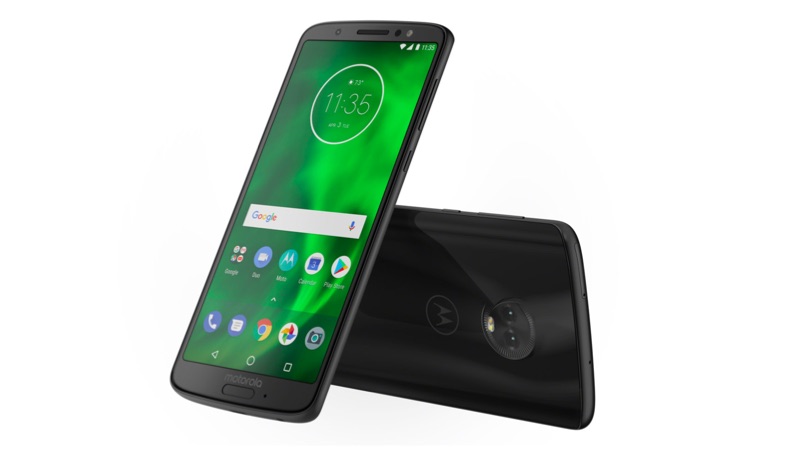
    Motorola recently launched the new iteration of its highly successful G series, the Moto G6 and Moto G6 Play. Even before the launch, it was imminent that the Moto G6 series of smartphones will launch in India before a lot of other markets thanks to the success of previous gen Moto G devices like the Moto G, G4 Plus, G5 Plus and more. It now appears that the date has been set for the launch of the Moto G6 in India.

    An Amazon listing reveals that the Moto G6 launch has been scheduled for June 4th in India. The pricing and launch offers will only be revealed on the day of the launch. However, considering the popularity of Moto G series of smartphones in India, we expect the pricing to be leaked ahead of its launch.

    The G6 has a 5.7 inch LCD display with a 2160×1080 resolution. This translates into an 18:9 aspect ratio, a first for the Moto G series.

    Under the hood, the Moto G6 runs on the Qualcomm Snapdragon 450 which has eight 1.8GHz Cortex A53 Cores (14nm) and is basically the Snapdragon 625 rebranded. The Adreno 506 GPU adds the graphic prowess with either 3GB or 4GB RAM option bundled with a 32GB or 64GB storage option.

    The Moto G6 does get the USB C charging capabilities along with a 15w charger, but that is bundled with a smaller 3000mAh battery.

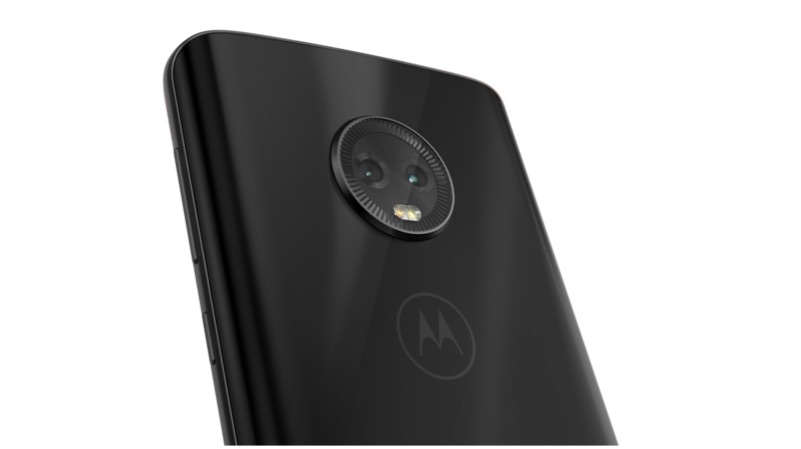
    At the back is the dual camera setup, which has a pair camera one a 12MP camera while a 5MP secondary camera for depth effects. Much like previous phones from the company, you can apply a depth-of-field effect to a photo after it is shot, thanks to saved depth information. You will also get effects like a selective black-and-white mode, a time-lapse feature, face filters, motion photos and visual search for objects and landmarks. The camera will also do OCR (optical character recognition) for text.

    The launch is just a couple of weeks away and the Moto G6 can be a promising device if priced correctly. Going by the Lenovo-owned brand’s track record, we can expect the Moto G6 to be priced competitively for the Indian market!

  • Apple iPhone SE 2 Case Leaks Reveal iPhone X Like Face ID

    Apple iPhone SE 2 Case Leaks Reveal iPhone X Like Face ID

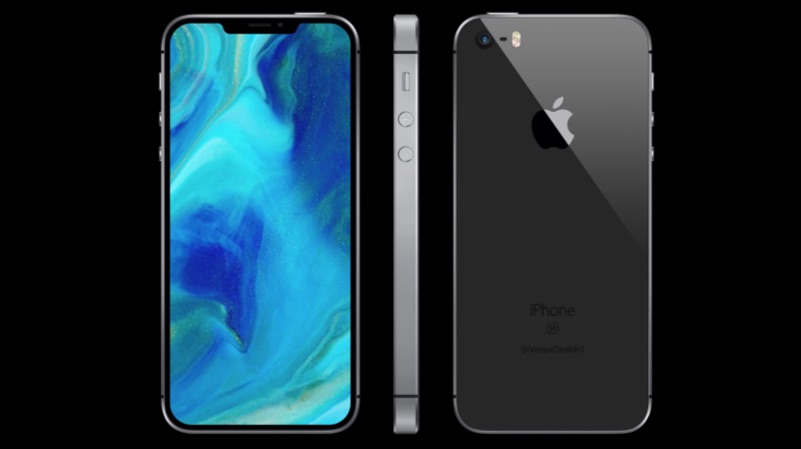
    With every passing day, we inch closer to this year’s World Wide Developer’s Conference. It is widely anticipated that the Apple iPhone SE 2 will launch before the WWDC 2018 and only a few days in May are left for Apple to hold an event. If the launch doesn’t happen in May, it is entirely possible that Apple will launch 4 iPhones in September. Especially considering the fact that more renders are revealing a design similar to the iPhone X. If true, the SE 2 will look a part of the 2018 lineup and not stick out like a sore thumb with giant bezels and Touch ID.

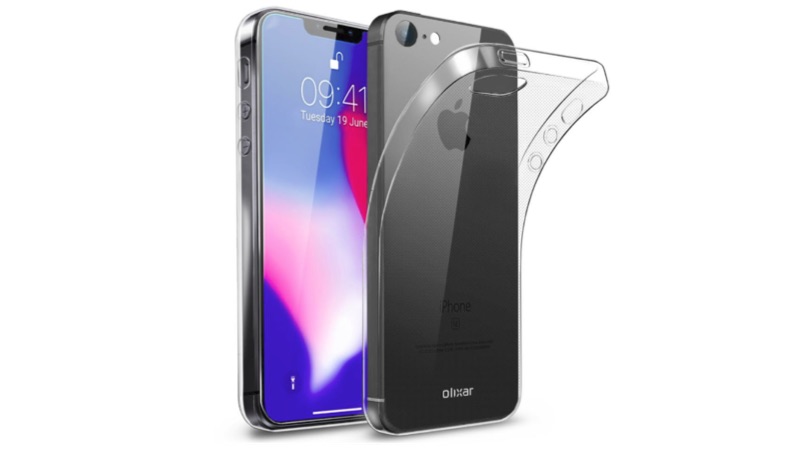
    The new images of iPhone SE 2 cases by Olixar reveal a design we have become familiar with over the past few weeks. The back of the SE 2 is almost iPhone 4-like with a uniform colour instead of the dual-tone colour found on the original iPhone SE. There is still a single camera on the back which we have known for months now. The front of the smartphone is where Apple will take a radical decision, at least according to these cases.

    The front of the iPhone SE 2 will sport an iPhone X like notch and a bezel-less design. Apple will incorporate Face ID as well since it won’t just put a notch without solving a purpose. The cases reveal that the chin on the SE 2 will be just like the iPhone X, which means Apple will have to use an OLED panel instead of LCD in order to curve it from the bottom. This is where this design sort of falls apart, since using an OLED panel will significantly increase the price of the smartphone and become a better alternative to the LCD 2018 iPhone.

    Must Read: OnePlus 6 To Launch In India On May 17th

    There is still time to go in May and the WWDC 2018 is a couple of weeks away. India will be one of the first few countries where the Apple iPhone SE 2 will go on sale. It will be manufactured at the Bengaluru plant where the current iPhone SE and iPhone 6s Plus are manufactured.

  • OPPO Realme 1 Vs Xiaomi Redmi Note 5 Pro Vs Asus Zenfone Max Pro

    OPPO Realme 1 Vs Xiaomi Redmi Note 5 Pro Vs Asus Zenfone Max Pro

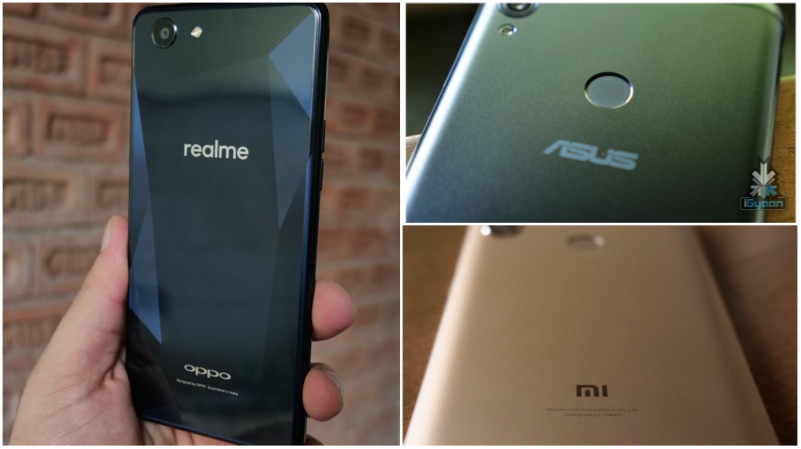
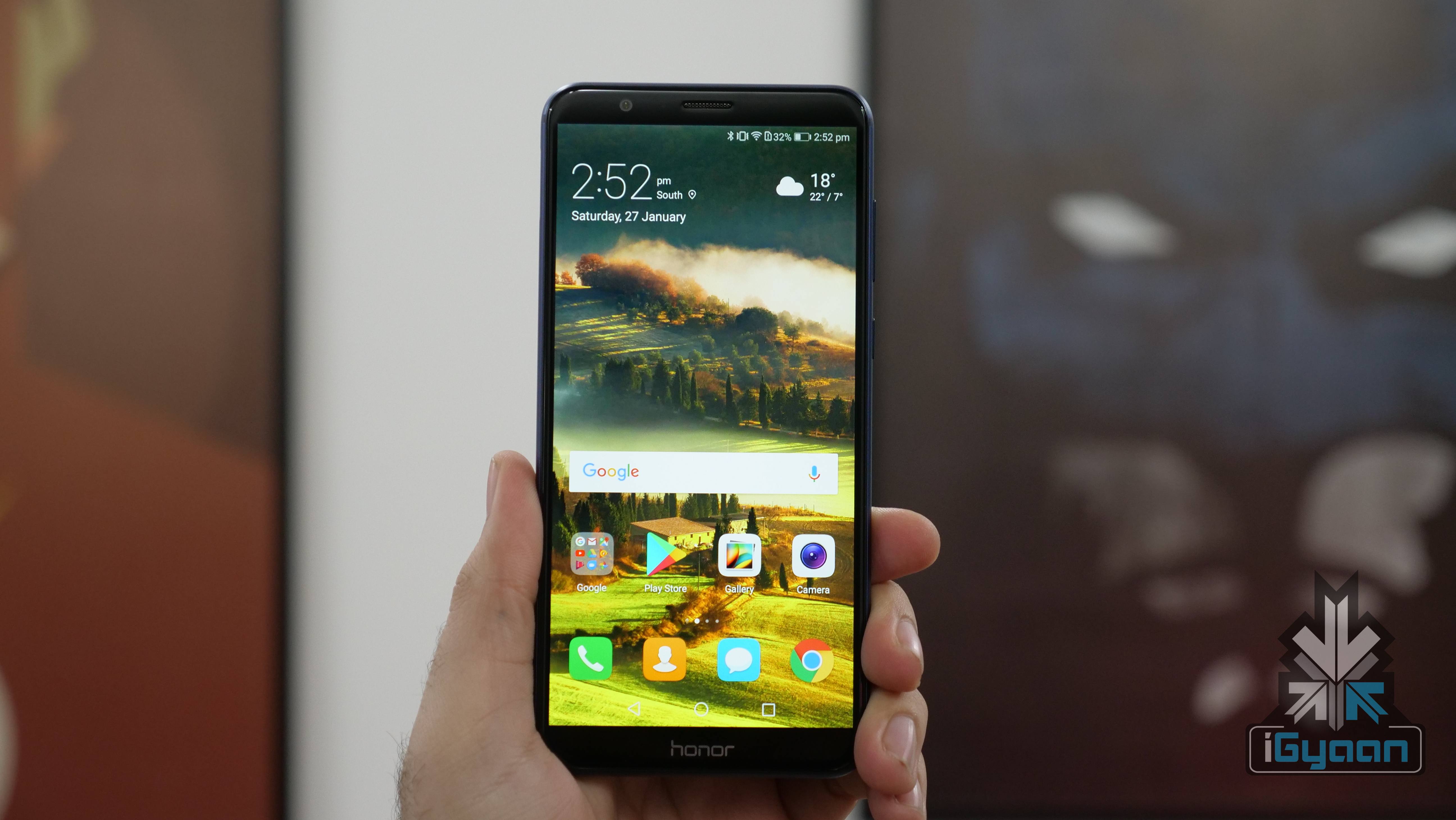
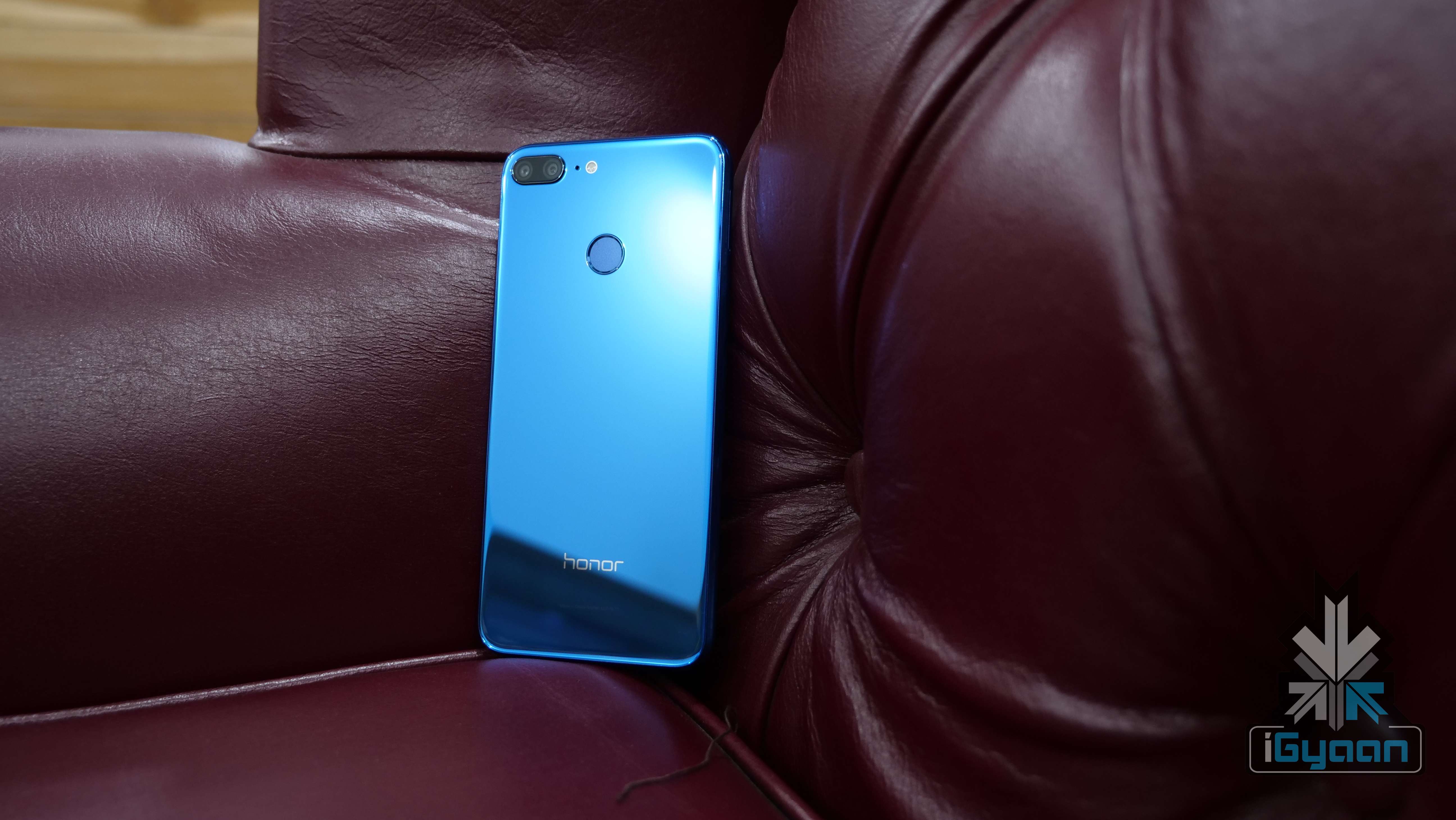
    The budget smartphone category in the Indian market is seldom short of great offerings. In 2017, devices like the Mi A1, Moto G5 Plus and the Honor 7X were the popular budget smartphones. Honor kicked off 2018 with the Honor 9 Lite which has a great build quality and a dual-camera setup on the front and back. Xiaomi launched the Redmi Note 5 Pro, the first-ever smartphone with the Qualcomm Snapdragon 636 chipset. Asus launched the Zenfone Max Pro with the same chipset at a more affordable price. Recently, OPPO launched its sub-brand Realme and unveiled the Helio P60-running Realme 1 in India.

    The Xiaomi Redmi Note 5 Pro retails for a starting price of Rs 14999, while the base model of Asus Zenfone Max Pro is priced at Rs 10999. The Realme 1 retails for a starting price of Rs 8999 which is very competitive for the specifications it has. One caveat for all the three smartphones is flash sales. The Zenfone Max Pro and Redmi Note 5 Pro have had multiple sales while Realme 1 will have its first sale on May 25th.

    Redmi Note 5 Pro

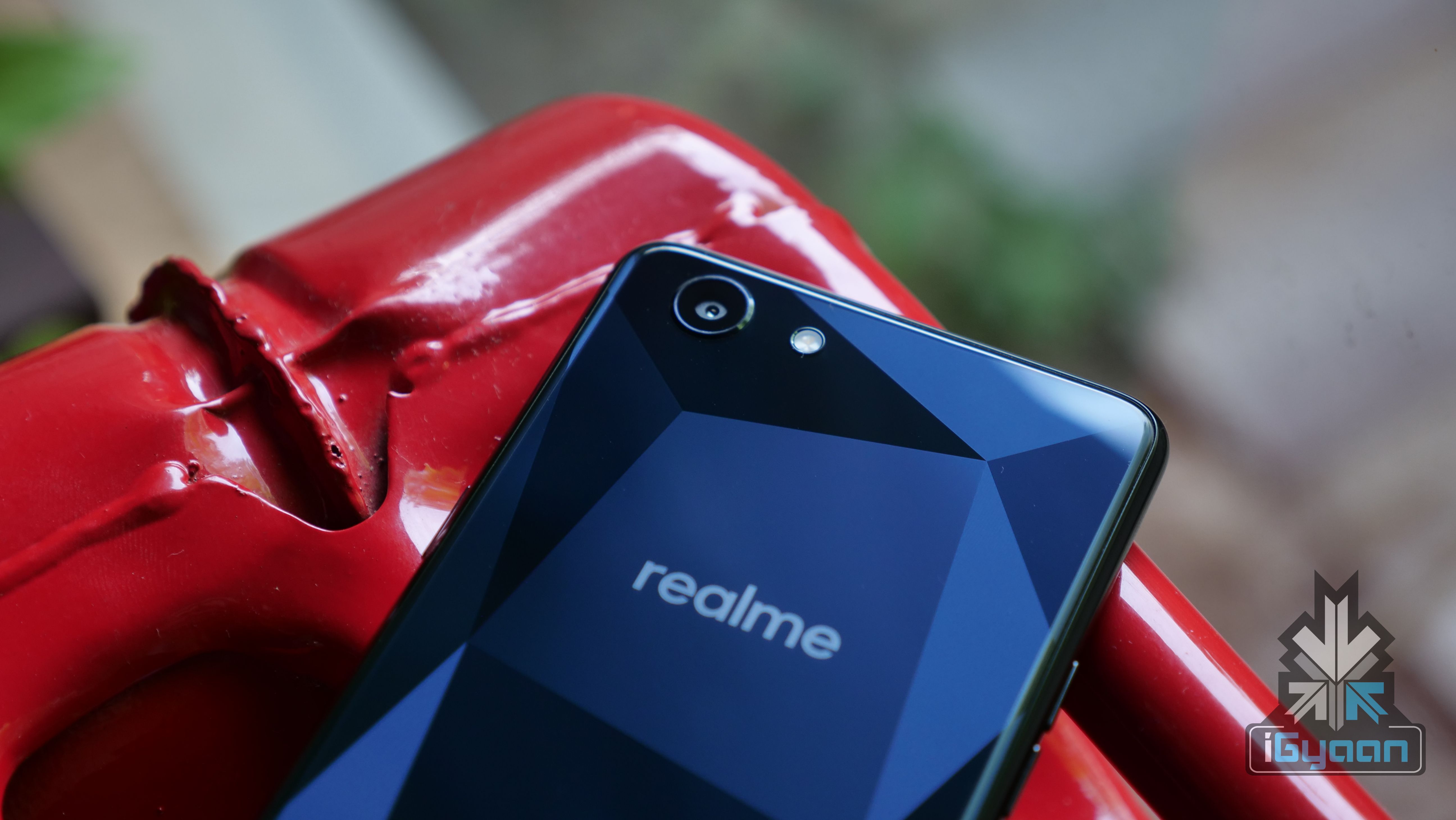
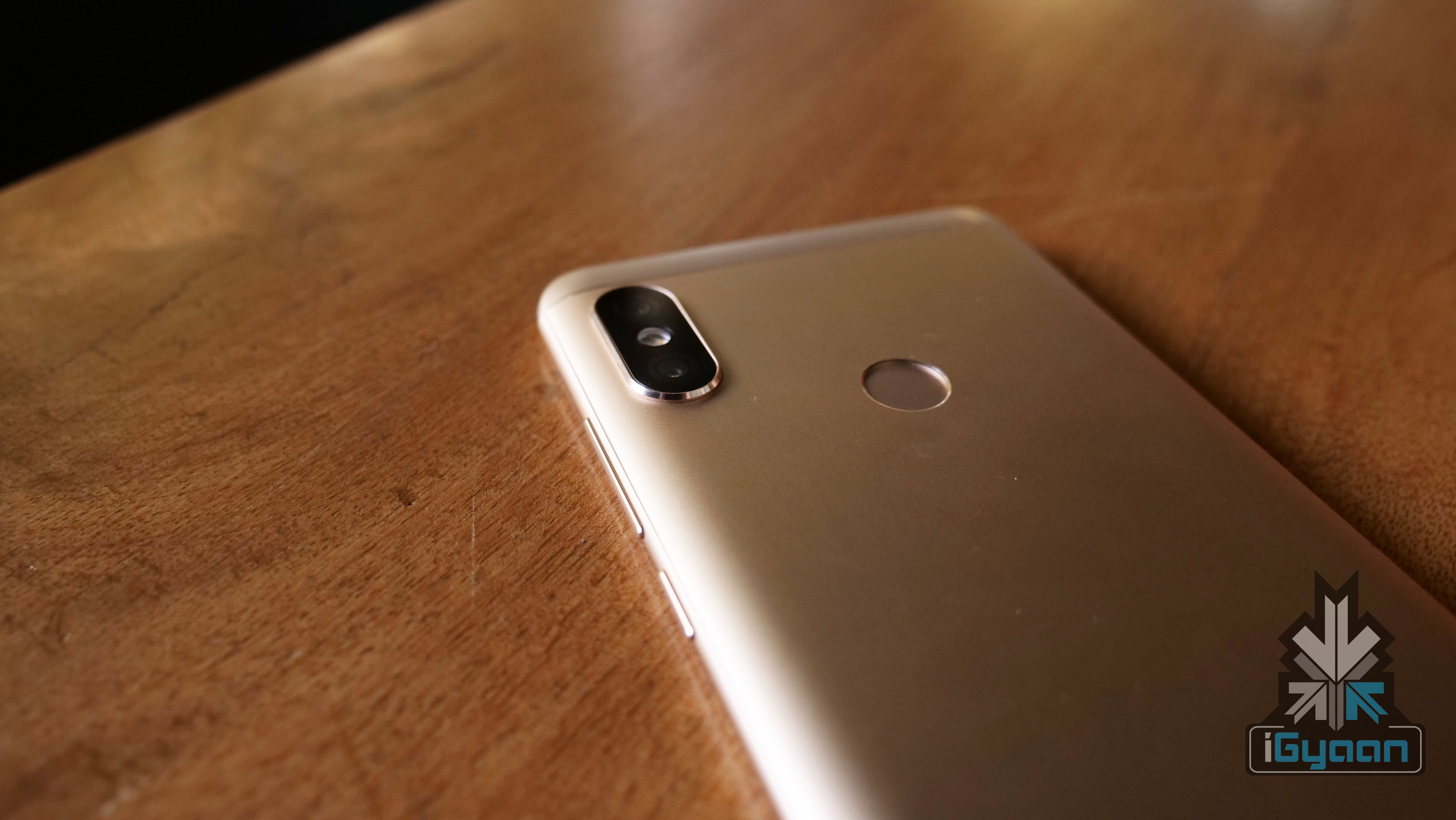
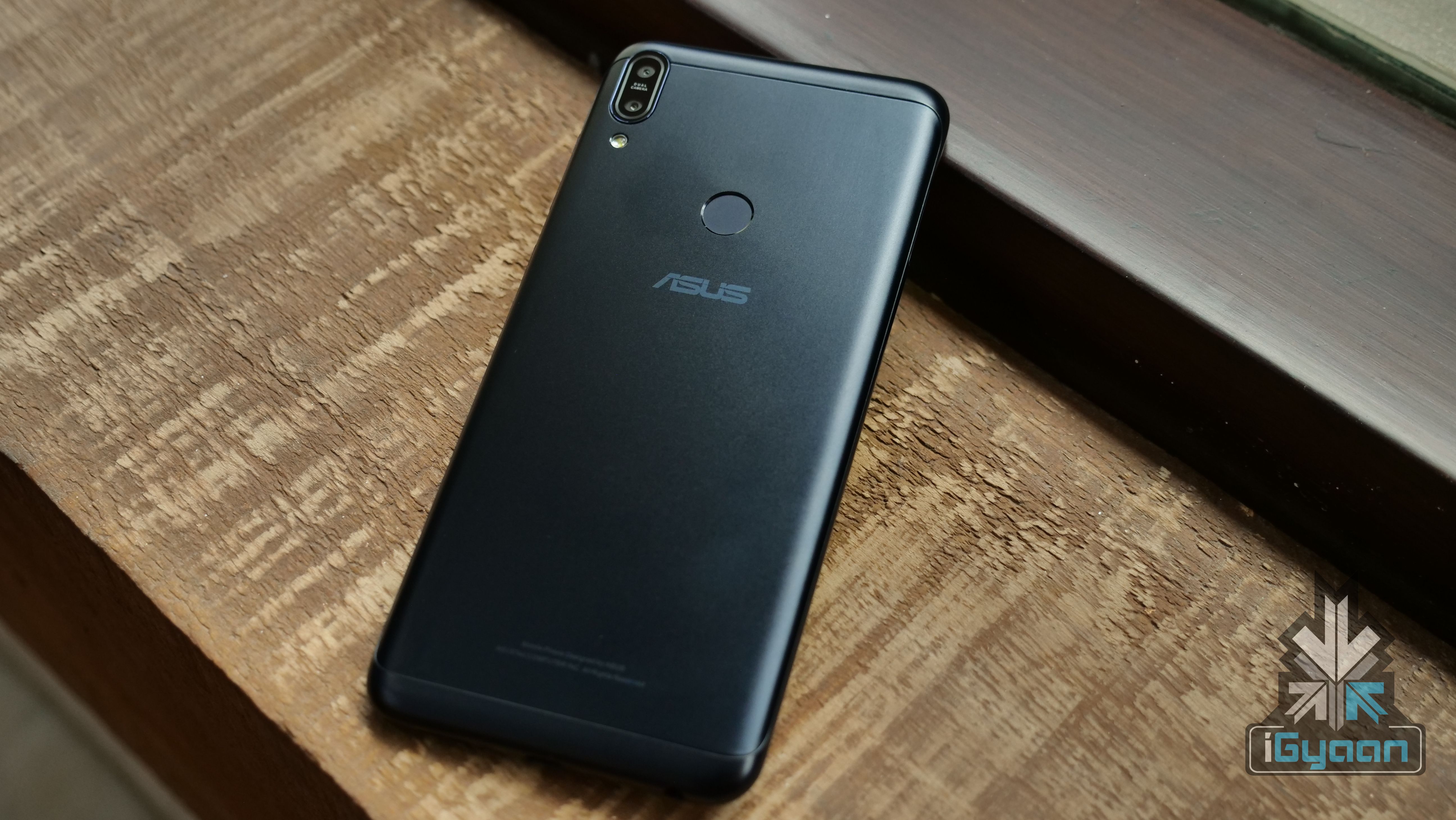
    The Realme 1, hands down, looks the best out of the three smartphones with its diamond design. The Redmi Note 5 Pro and Zenfone Max Pro have a very similar metal unibody design with a vertically placed dual-camera setup. The fingerprint sensor on the two phones is placed on the back in a central position. This is where the Realme 1 falls behind as it doesn’t have a fingerprint sensor, one of the most common features in modern-day smartphones. It does, however, have Face Unlock, which the Redmi Note 5 Pro and Zenfone Max Pro do as well.

    The Realme 1 runs on the MediaTek MT6771 Helio P60 chipset coupled with 3GB/4GB/6GB RAM and 32GB/64GB/128GB storage. The onboard storage is expandable via a microSD card in case you run out of the onboard storage provided. Powering the smartphone is 3410 mAh battery which charges via a micro USB slot.

    Asus Zenfone Max Pro

    The Redmi Note 5 Pro runs on the Qualcomm Snapdragon 636 chipset along with an Adreno 509 GPU to handle the graphics. The Redmi Note 5 Pro is available in two variants,  4GB RAM/64GB storage and 6GB RAM/64GB storage. The Zenfone Max Pro as well runs on the Qualcomm Snapdragon 636 chipset coupled with 3GB/4GB/6GB RAM along with 32GB/64GB/128GB storage.

    Specifications
    Specifications OPPO Realme 1 Xiaomi Redmi Note 5 Pro Asus Zenfone Max Pro
    Price Starting Rs 8990 Starting Rs 14999 Starting Rs 10999
    Display 6 inch
    IPS LCD
    5.99 inch
    IPS LCD
    5.99 inch
    IPS LCD
    Resolution 2160 x 1080 px
    18:9
    403 ppi
    2160 x 1080 px
    18:9
    403 ppi
    2160 x 1080 px
    18:9
    403  ppi
    Chipset MediaTek MT6771 Helio P60

    Octa-core
    4 x ARM Cortex-A73 up 2.0 GHz
    4 x  ARM Cortex-A53 up to 2.0GHz

    Qualcomm Snapdragon 636
    1.8GHz
    Octa-core
    Qualcomm Snapdragon 636
    1.8GHz
    Octa-core
    RAM 3GB
    4GB
    6GB
    4GB
    6GB
    3GB
    4GB
    6GB
    Storage 32GB
    64GB
    128GB
    64GB 32GB
    64GB
    128GB
    Battery 3410 mAh 4000 mAh 5000 mAh
    Primary Camera 13MP 12MP f/2.2
    5MP f/2.0
    1.25-micron
    13MP
    f/2.2
    5MP Depth Sensor
    Primary Camera Video 1920 x 1080 px @ 30fps 1920 x 1080 px @ 30fps 4K @ 30fps
    Secondary Camera 8MP
    Portrait Mode
    20MP Sony IMX376
    Beautify 4.0
    LED flash
    8MP
    f/2.0
    LED Flash
    Bokeh Effect
    Add-Ons Face Unlock Fingerprint Sensor
    Face Unlock
    Fingerprint Sensor
    Face Unlock
  • Honor Play 7 With 18:9 Aspect Ratio Launched

    Honor Play 7 With 18:9 Aspect Ratio Launched

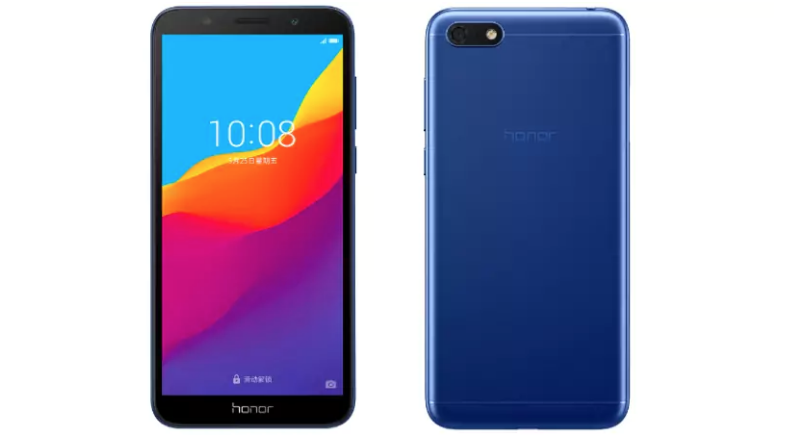
    Huawei’s sub-brand Honor has had a good start to 2018. The Honor 9 Lite is still one of the best budget smartphones in India and the recently launched Honor 10 looks impressive as well. The company has continuously launched several budget smartphones in the Chinese market that follow the Honor 7X design language. The new Honor Play 7 is another budget device from the company which looks a lot like the Honor 7X.

    The Honor 7 Play is only available in one variant and is priced at CNY 599 (Rs 6400 approx.). There are no details about the smartphone’s availability in India. The Honor 7A and 7C, on the other hand, will be unveiled next week and will be sold exclusively via Flipkart. Unlike a lot of Honor smartphones, the Honor Play 7 runs on a MediaTek chipset rather than a budget Kirin chip.

    Honor 7X

    It has a 5.45-inch IPS LCD display with a 1440 x 720 px resolution. This translates into an 18:9 aspect ratio and the device has thin bezels around the display, very similar to the Honor 7X or the Honor 9 Lite.

    Under the hood, the Honor Play 7 runs on the MediaTek MT6739 chipset coupled with 2GB of RAM and 16GB of onboard storage. The onboard storage can be expanded up to 256GB via microSD card. The fingerprint sensor is missing on the Honor Play 7, which is disappointing since a lot of budget smartphones these days always feature a fingerprint sensor.

    Powering the smartphone is a 3020 mAh battery which charges via a micro USB port. For a Full HD+ display resolution, this battery, in theory at least, should suffice for a day. To the front of the smartphone is a 24MP camera with an f/2.0 aperture and a soft LED flash. The back of the Honor Play 7 features a 13MP CMOS sensor with a dual-tone LED flash and 4X digital zoom.

    Honor 9 Lite

    The budget smartphone looks like it’ll remain a China-exclusive for now. The Honor 7A and Honor 7C will launch in India soon as the company plans to expand its budget smartphone portfolio.

  • Samsung Galaxy Note9 Leaked Specifications Reveal A Disappointing Upgrade Over Note8

    Samsung Galaxy Note9 Leaked Specifications Reveal A Disappointing Upgrade Over Note8

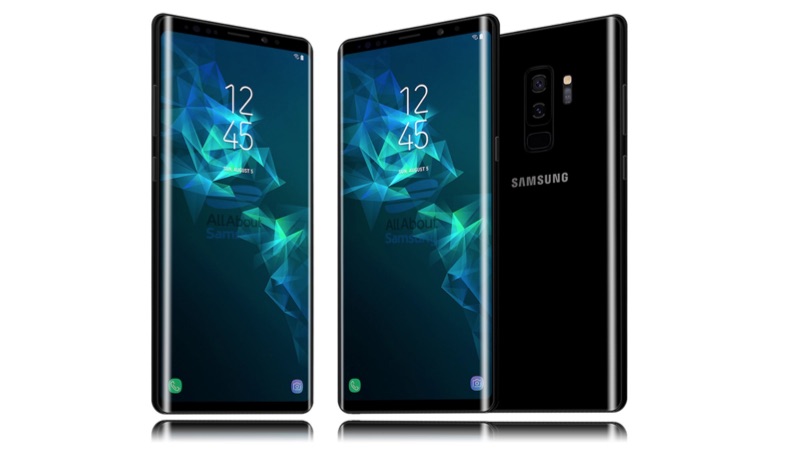
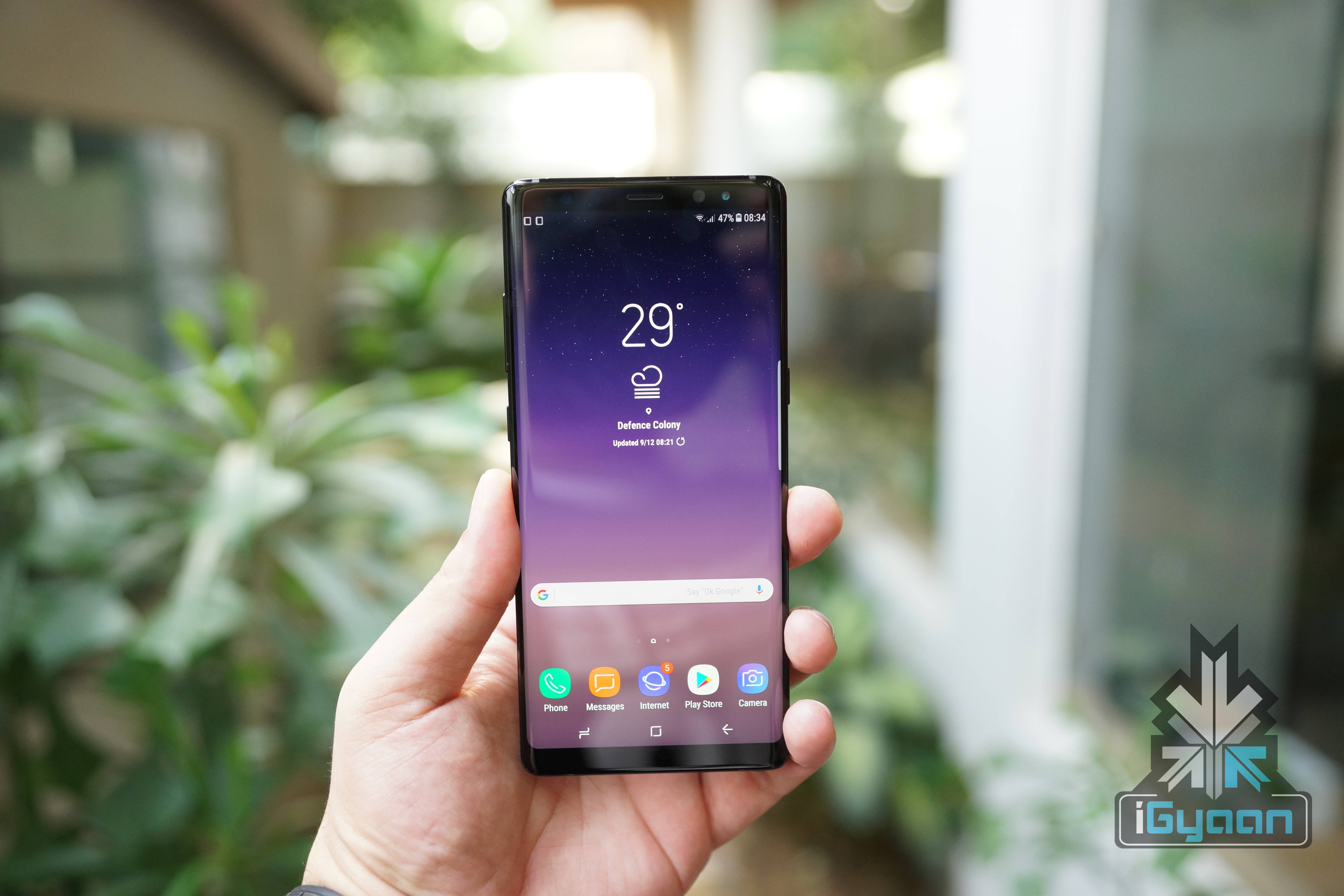
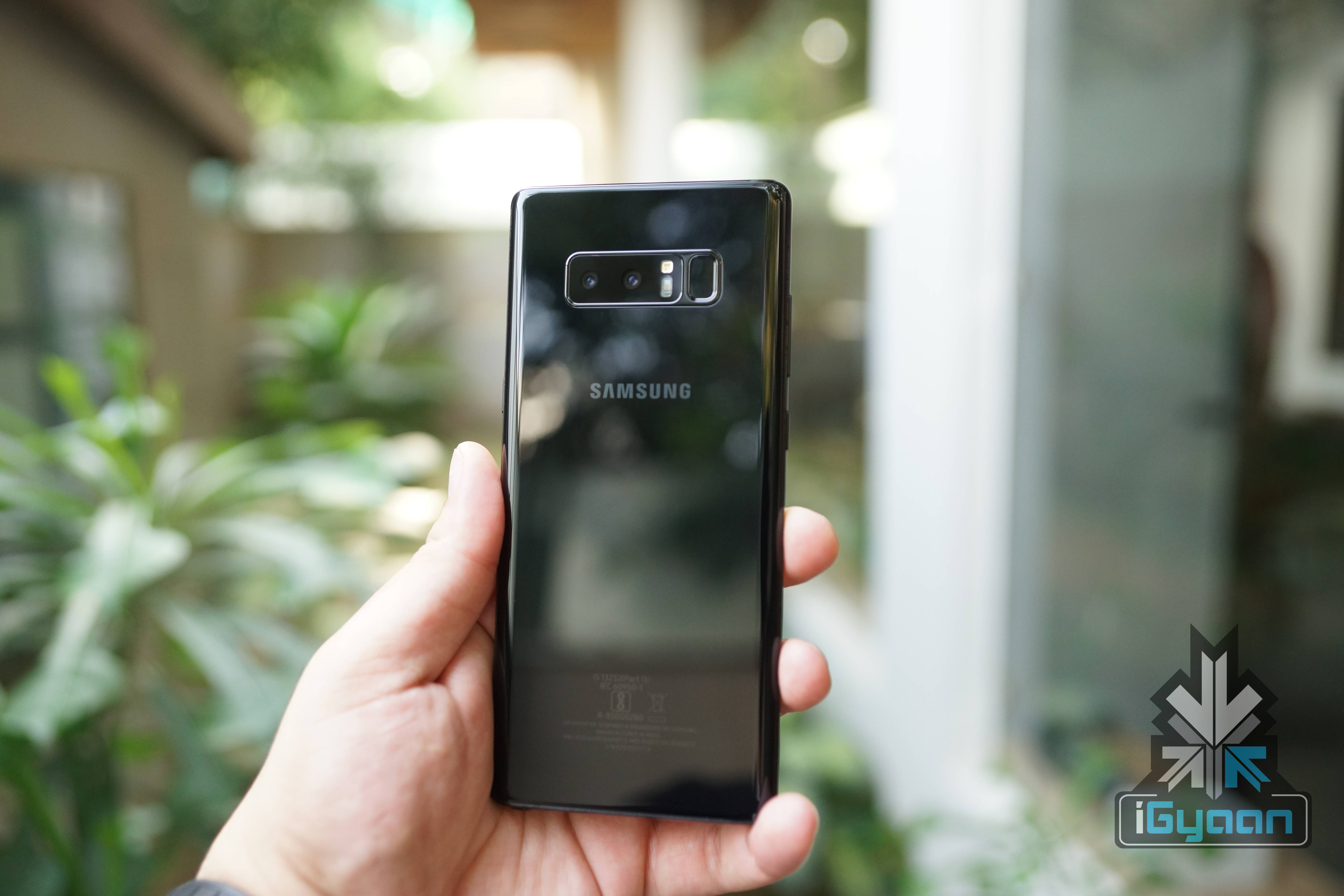
    The Samsung Galaxy Note8 was launched in August 2017 at a very competitive price in India. Before its launch, there doubts that the Note8 would just be a Galaxy S8+ with S-Pen but, it turned out to be a great offering at the price. Ever since the Galaxy Note8 was launched, there were rumours that the Galaxy Note9 would feature an in-display fingerprint sensor. However, that appears to be false and Samsung could push the technology till the Galaxy S10 launch.

    A new report claims to have acquired the unofficially accurate specifications of the Samsung Galaxy Note9. By unofficially accurate it means that Samsung’s not said so, but based on leaks and precedent. The leaked specifications, at the least, are a bare minimum upgrade from one generation to another. For loyal Samsung-users, it could be a disappointing buy but, users still using a Galaxy Note5 could be in for a substantial upgrade.

    Galaxy Note8

    The display would remain the same as the previous gen. It would have a 6.3 inch Super AMOLED display with 2960 x 1440 px resolution. This translates into an 18.5:9 aspect ratio.

    Under the hood, the smartphone will run on the Qualcomm Snapdragon 845 chipset for the US and South Korea markets. For the rest of the markets, the smartphone will run on the Exynos 9810 chipset which is a Samsung SoC. The respective chipset will be coupled with 6GB of RAM along with either 64GB/128GB/256GB storage which will be expandable via microSD card.

    Powering the smartphone will be a 3300 mAh battery with QuickCharge 4.0 support. Out of the box, the device will run Android 8.1 Oreo with Samsung’s Experience 9.0 on top.

    The Galaxy Note8 was the first Samsung smartphone to be sport a dual-camera setup. This time around as well, the Galaxy Note9 will have a 12MP wide-angle camera along with a 12MP telephoto lens which will record 4K videos at 60fps. The Galaxy Note9 will also record 720P videos at 960 fps, just like the Galaxy S9 devices.

    Samsung Galaxy Note8

    The specifications look eerily similar to the Galaxy Note8’s. You need to squint hard to make out the differences and if they turn out to be true, it may not have as many suitors as the Galaxy Note8 did.

  • Xiaomi Mi 7 In-Display Fingerprint Sensor Revealed In Leaked Video

    Xiaomi Mi 7 In-Display Fingerprint Sensor Revealed In Leaked Video

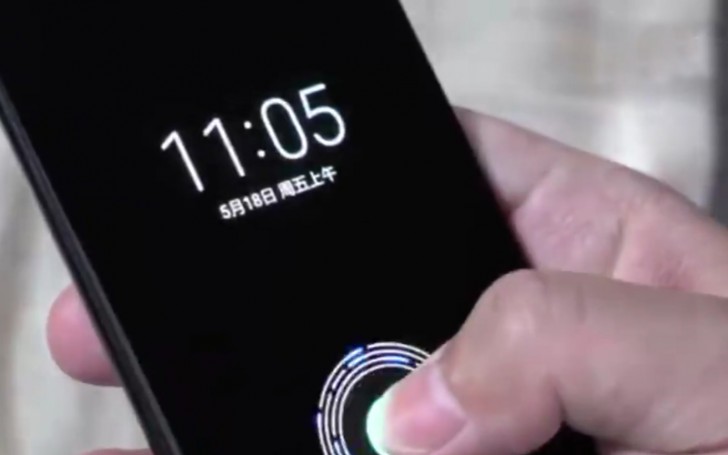
    For weeks, it has been rumoured that the Xiaomi Mi 7 will have 3D facial recognition technology. Just a few days ago, an official-looking image detailing all the sensors present in the display notch was leaked. It is also seeming more and more likely that the Xiaomi will launch the Mi 7 as the Xiaomi Mi 8, to commemorate the company’s 8th anniversary. A few days before the rumoured launch of the Mi 8, a short clip showing the in-display fingerprint sensor of the Mi 8 has leaked.

    The short three-second clip shows a user unlocking the Xiaomi Mi 8 using an in-display fingerprint sensor. The video shows only the centre part of the device, not giving anything else about the look of the phone in the video. A lot of videos like these are leaked before a major launch, and the Mi 7 or the Mi 8 has gathered a lot of spotlight because of all the rumoured features. It is worth noting that fingerprint sensor in the clip seems faster than the one found on the Vivo X21 Plus UD, the first smartphone with Clear ID.

    The Mi 8 is also expected to sport a Face ID like facial recognition system. An image posted on Weibo gave us a glimpse of what technology Xiaomi will use to attain the accuracy that Face ID has.

    The image was uploaded by a prominent Chinese tipster who claims that this is an official image revealing all the sensors that will be housed inside the Mi 7 notch. Coincidently, the image looks very similar to Apple’s promotional images of the notch. The module is designed by Xiaomi itself and will include an Infrared (IR) sensor, a dot projector, front-facing camera, earpiece, ambient light sensor, and a proximity sensor. For context, the iPhone X notch houses an Infrared camera, flood illuminator, a dot projector, and a front-facing camera along with necessary sensors.

    Must Read: Lenovo’s Next Flagship Smartphone Will Be Tailor-Made For Notch Haters

    It’s hard to fathom that Xiaomi would use two very expensive technologies on one smartphone. The use of facial recognition is any way to make it easier for users to unlock their devices if the fingerprint sensor is placed on the back. With an in-0display fingerprint sensor, the use of facial recognition does not make sense since not many would end up using it.

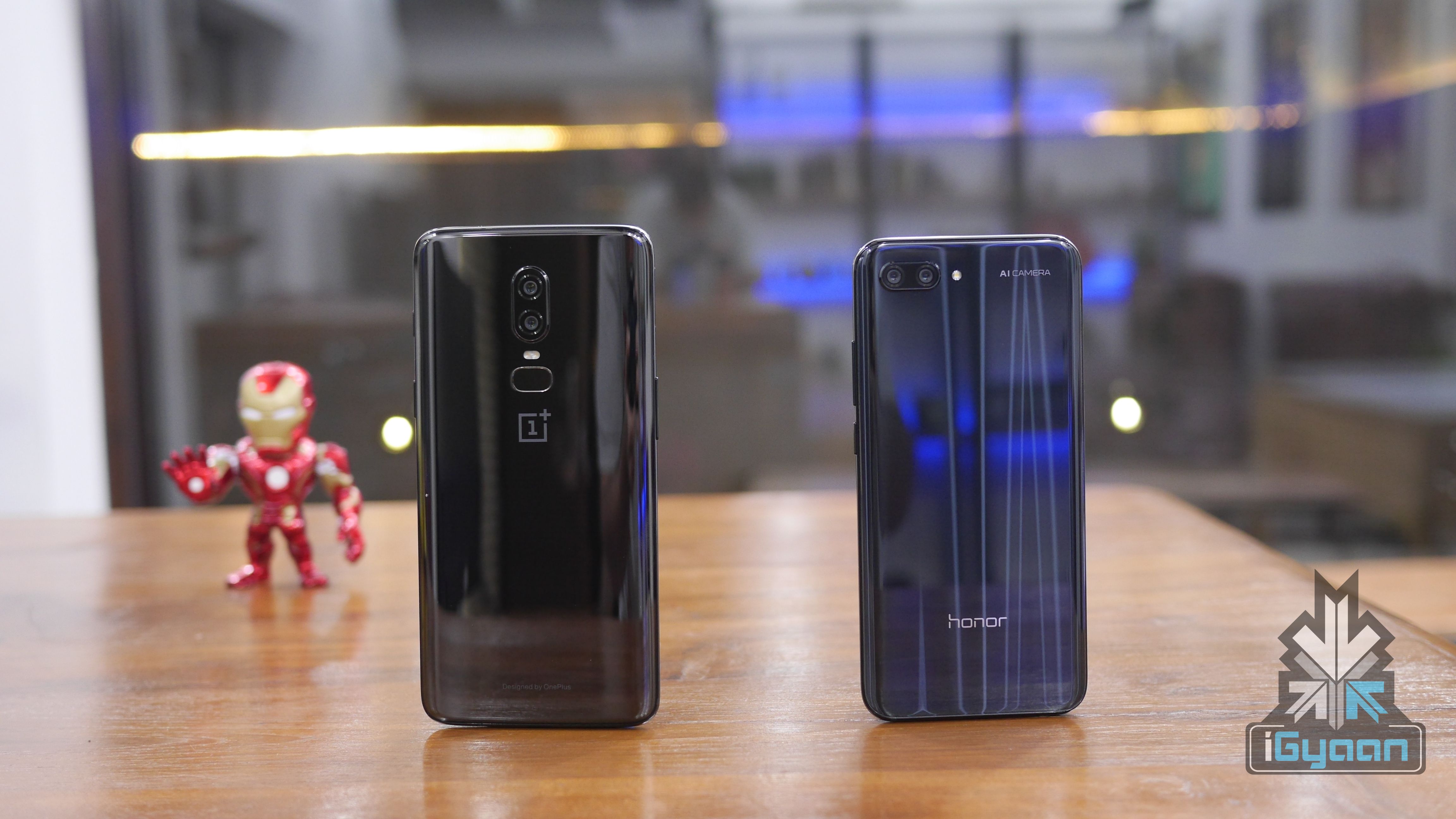
  • OnePlus 6 Vs Honor 10

    OnePlus 6 Vs Honor 10

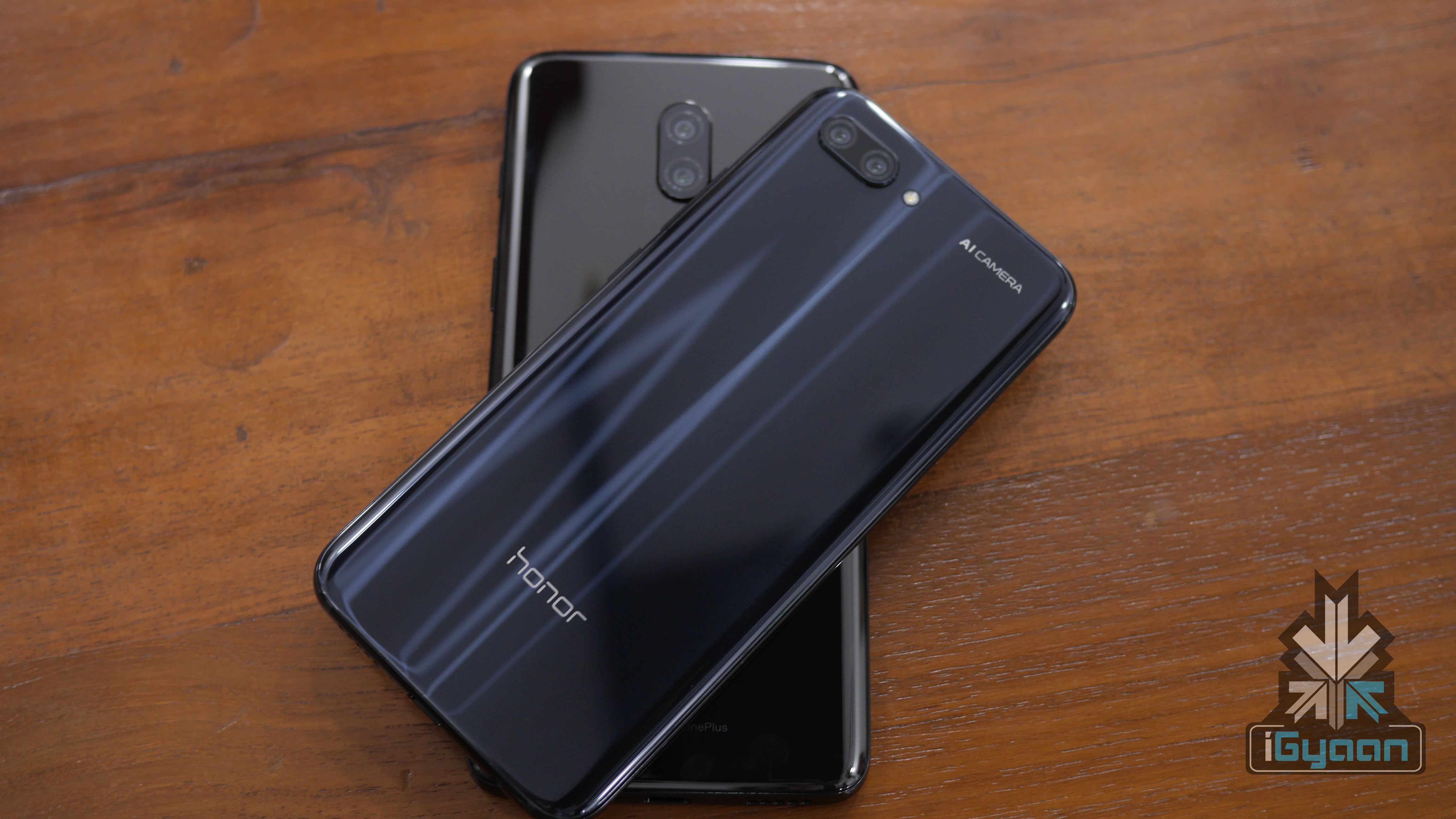
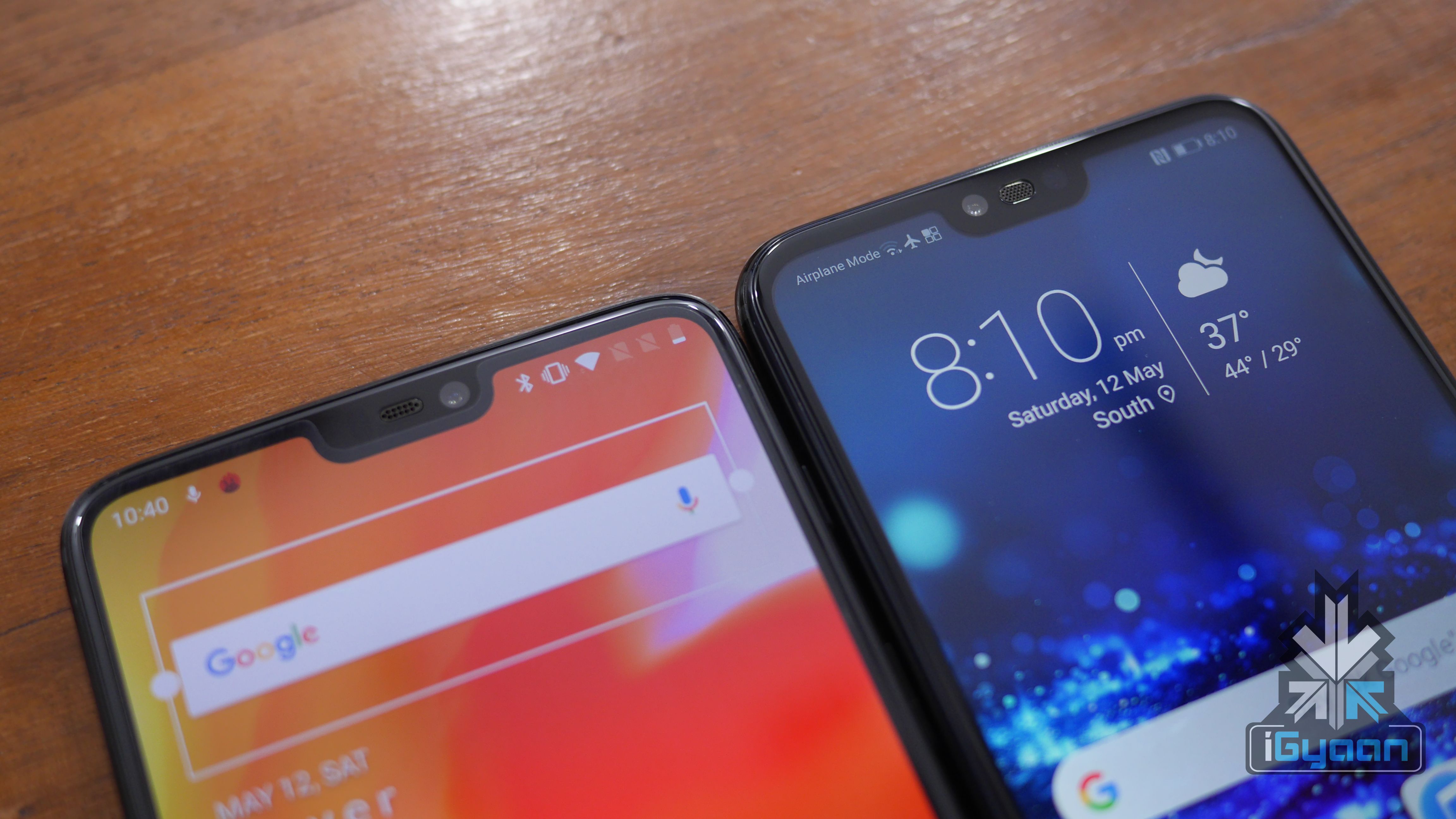
    OnePlus launched the OnePlus 6 in India at a starting price of Rs 34999. The base model has 6GB of RAM and 64GB of onboard storage. One day before the OnePlus 6 launch, Huawei’s sub-brand Honor launched the Honor 10 at a price of Rs 32999. Both the smartphones have flagship specifications and interesting design language. Both the devices also have a notch, however, the OnePlus 6 has a thinner chin while the Honor 10 has a thick chin but, also features a front-facing ultrasonic fingerprint sensor.

    The OnePlus 6 has a bigger display and a smaller notch along with an all-glass design. Both the front and back of the smartphone is covered with Corning Gorilla Glass 5 giving it a solid build quality. The Honor 10 also has an all-glass design with an aluminium frame. The glass design on both the smartphones gives them a very premium look.

    Both the smartphones are powered by different flagship chipsets. The OnePlus 6 runs on the Snapdragon 845 chipset while the Honor 10 runs on the HiSilicon Kirin 970. The Honor 10 will be available in only one variant with 6GB of RAM and 128GB storage. The OnePlus 6 will be available in two variants, in the beginning, one with 6GB of RAM and 64GB storage while the other one will have 8GB RAM and 128GB storage. The 8GB RAM and 256GB storage variant will be available in the Silk White colour variant later on in the year.
    Specifications
    Specifications OnePlus 6 Honor 10
    Price Starting at Rs 34999 Rs 32999
    Display 6.28 inch
    Optic AMOLED
    5.84 inch
    IPS LCD
    Resolution 2280 x 1080 px
    19:9 aspect ratio
    sRBG, DCI-P3 Colour Gamit
    2280 x 1080 px
    19:9
    432 ppi
    Battery 3300 mAh
    Dash Charge
    3400 mAh
    SuperCharge
    Chipset Qualcomm Snapdragon 845
    Octa-Core
    4×2.8 GHz Kryo 385 Gold
    4×1.7 GHz Kryo 385 Silver
    HiSilicon Kirin 970
    Octa-Core
    4 x 2.36GHz
    4 x 1.8GHz
    RAM 6GB, 8GB 6GB
    Storage 64GB, 128GB, 256GB 128GB
    Primary Camera 16MP
    Sony IMX 519
    f/1.7
    1.22-micron
    20MP
    Sony IMX 376K
    f/1.7
    1.0-micron
    16MP RGB
    f/1.8
    24MP Monochrome
    Primary Camera Video 4K @ 60fps
    1080P @ 240fps
    720P @ 480fps
    4K @ 30fps
    Secondary Camera 16MP
    Sony IMX 371
    f/2.0
    EIS
    24MP
    f/2.0
    AI Beauty Mode
    Portrait Mode
    Add-Ons Fingerprint Sensor
    Face Unlock
    Ultra-sonic fingerprint sensor
    Face Unlock
  • Xiaomi Mi MIX 2s Launch Likely After Mi MIX 2 Receives Another Price Cut

    Xiaomi Mi MIX 2s Launch Likely After Mi MIX 2 Receives Another Price Cut

    Xiaomi launched the Mi MIX 2s at an event in China, after skipping any major launches at MWC 2018 in Barcelona. Since its launch, the Mi MIX 2s has received a lot of praise for its top of the line specifications and design. However, it has remained a China-exclusive so far with no communication from the company about its possible global launch yet. However, a recent activity regarding the price of the Mi MIX 2 in India suggests otherwise.

    Mi MIX 2

    The Mi MIX 2 received another price cut which means that it now retails for Rs 29999 in India. The price has been changed on all retailing platforms like Flipkart and Xiaomi’s India website. This suggests that it is a permanent price cut and not a temporary offer. In January 2018, the device received the first price cut which brought its price down to Rs 32999. At a price of Rs 29999, the Mi MIX 2 could be a great buy for users who prefer Snapdragon chipsets over Honor’s Kirin series.
    A price cut usually indicates the launch of a newer generation which, in this case, is the Mi MIX 2s. So far, we have not heard anything from Xiaomi about a possible launch. In fact, the company is set to launch the Redmi S2 as Redmi Y2 in India next month. However, it is entirely possible that this price cut is the first step towards a possible Mi MIX 2s launch.

    Must Read: Xiaomi Redmi S2 With 18:9 Aspect Ratio, 16MP Front Camera Launched

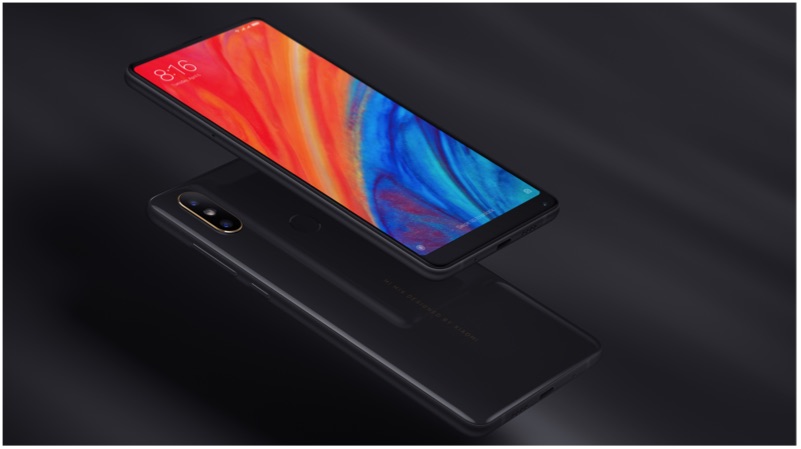
    The Xiaomi Mi MIX 2s looks great with its new design and the ceramic body. Interestingly, the Mi MIX 2s also has wireless charging, a feature the OnePlus 6 misses out on. The vertically placed dual-camera setup resembles the iPhone X and it is also worth noting that the Mi MIX 2s doesn’t have a notch. The OnePlus 6 goes on sale in India on May 21st at a starting price of Rs 34999. If Xiaomi keeps the price competitive, the Mi MIX 2s could be a great competitor for the OnePlus 6 in India.

  • Lenovo Z5 Will Have A World-First 4TB Of Onboard Storage

    Lenovo Z5 Will Have A World-First 4TB Of Onboard Storage

    Lenovo is really going all out with the new flagship smartphone. The company has already teased that the Lenovo Z5 could be the first smartphone to offer a 95% screen-to-body ratio. For context, the iPhone X as an 81.1% screen-to-body ratio. Lenovo VP Chang Cheng has been active on his Weibo account recently, teasing different aspects of the soon to be launched Android smartphone.

    In his latest post, Chang claims that the Lenovo Z5 will have a massive 4TB onboard storage. This is an extremely bold claim and we will wait before we jump the gun here. This could very well be a vague reference to cloud storage that Lenovo will provide with the Z5. In his post, he claims that this was possible thanks to “particle technology” and this amount of storage can hold 2000 HD movies, 150,000 lossless music files, and 1 million photos.

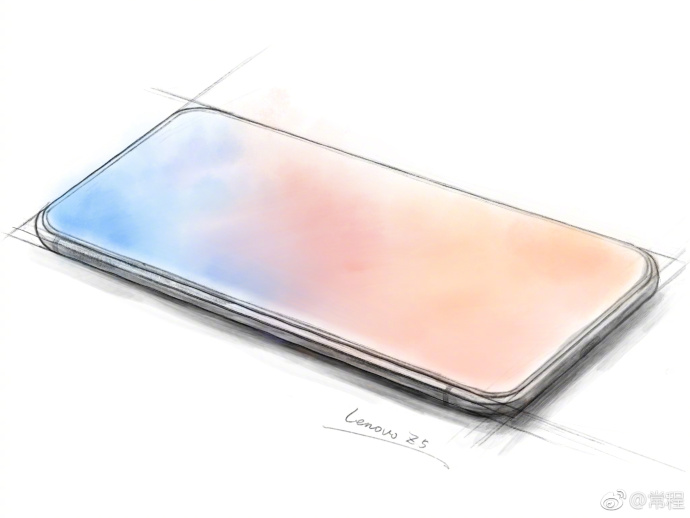
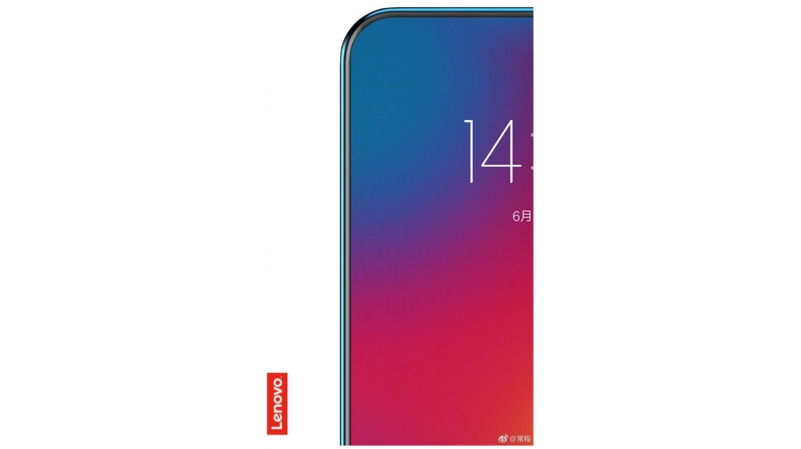
    A few days ago, Lenovo’s Vice President Chang Cheng shared a teaser image of the company’s upcoming flagship device on his Weibo page. The image revealed the top-left side of the smartphone which hinted at the fact that the device won’t have a notch. The bezels were also extremely thin. He then posted a sketch of the smartphone which revealed extremely thin uniform bezels around the display. Cheng has again posted a teaser of the Lenovo Z5, revealing the bottom half of the smartphone.

    There are rumours that the smartphone will have a flip-up front camera, something we saw at MWC 2018. The fingerprint sensor could have easily been placed at the back but, rumours claim the smartphone will have an in-display fingerprint sensor. However, considering how expensive that tech still is, we expect a rear-mounted fingerprint reader on the Lenovo Z5. The sketch also revealed the USB C port located at the bottom while the headphone jack is missing. It is possible that the company could place it on the top but, considering the industry-wide trend, we could see headphone jack-less Lenovo Z5.

    Bit by bit, the Lenovo Z5 is being introduced to the world, and so far, the details look promising. The launch is set for June 14th and it’ll be interesting to see if this device will ever make its way outside China.


  • HTC U12+ Official Specifications And Renders Leaked

    HTC U12+ Official Specifications And Renders Leaked

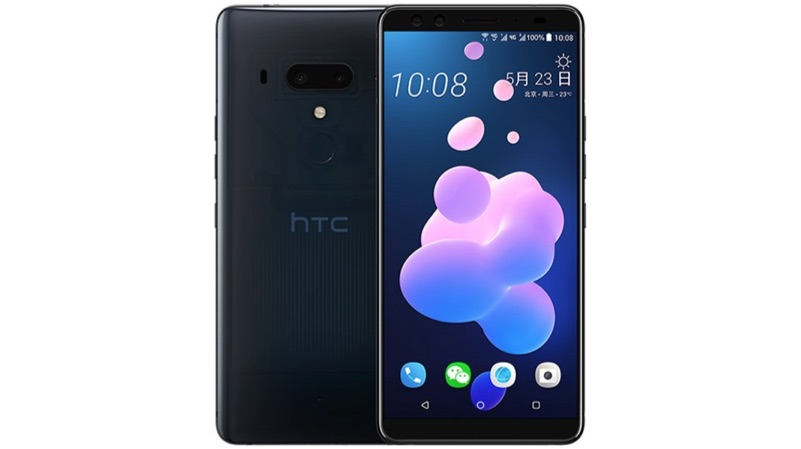
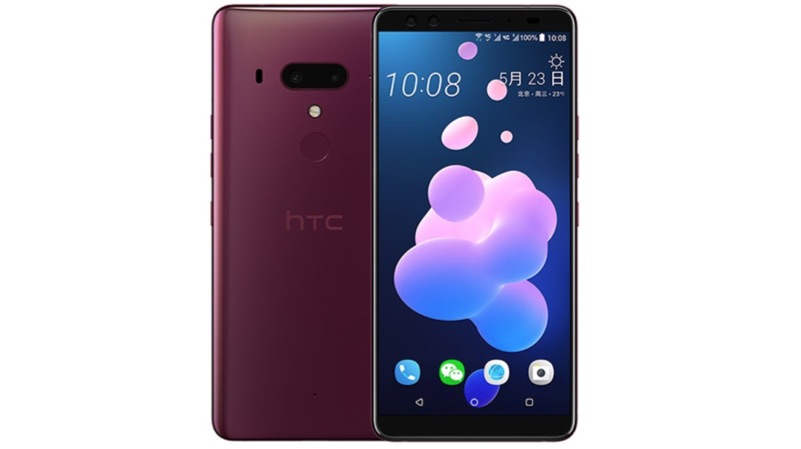
    Ever since Google acquired HTC’s smartphone division, HTC has launched a few impressive devices. The HTC U11+ had an 18:9 aspect ratio and that beautiful clear design at the back. Earlier in 2018, HTC has launched the Desire 12 and Desire 12+, two budget smartphones. The company has already announced that its new flagship smartphone will be unveiled on May 23rd. Official renders and a specifications sheet of the HTC U12+ has leaked ahead of the launch, leaving nothing to one’s imagination.

    Evan Blass, the ever-reliant leaker posted two images on his Twitter account. The first image was an official render of the HTC U12+ revealing the design and colour variants of the soon to be launched flagship device. He then posted an image of what looks like the official specifications sheet of the smartphone, revealing all the details there are to be known.

    The HTC U12+ will be the first flagship smartphone from HTC to sport a dual-camera setup. It will feature the same Liquid Glass design that we have seen on devices like the HTC U11 and U11+. The Edge Sense feature retains its place wherein users can squeeze the frame of the smartphone and launch a particular app or action.

    HTC has decided to stick to an LCD panel for the HTC U12+. The smartphone will have a 6 inch Super LCD6 display with a 2880 x 1440 px resolution.

    It will run on the Snapdragon 845 chipset coupled with 6GB of RAM and 128GB of storage. The onboard storage will be expandable up to 2TB via microSD card. Powering the smartphone will be a 3500 mAh battery which will charge via a USB C port. Sadly, that is the only port on the device as the headphone jack is missing. Out of the box, the HTC U12+ will run Android 8 Oreo with HTC’s SenseUI on top.

    The dual-camera on the back consists of a 12MP wide-angle lens with an f/1.75 aperture while the secondary 16MP camera is equipped with a telephoto lens and an f/2.6 aperture. Like the iPhone X, Galaxy S9, and the OnePlus 6, the HTC U12+ will also record 4K videos at 60fps. This is a great feature, especially for content creators who like shooting with their smartphones. To the front is an 8MP camera with an f/2.0 aperture.

    The HTC U12+ has flagship-grade specifications and a few interesting features. The official launch is set for May 23rd, although, don’t expect it to hit the Indian shores anytime soon.

iGyaan Network
Privacy Overview

This website uses cookies so that we can provide you with the best user experience possible. Cookie information is stored in your browser and performs functions such as recognising you when you return to our website and helping our team to understand which sections of the website you find most interesting and useful.