Category: Mobile

Smartphone News and Reviews, Latest Cellphones, Accessories, New Launches, Specifications, Details with Image and Video from Apple, Samsung, Lenovo, Moto, HTC, Xiaomi, Oneplus, Meizu, Sony, Lava, Micromax Yu Mobile and More.

  • ZTE Nubia Prague S Unveiled

    ZTE Nubia Prague S Unveiled

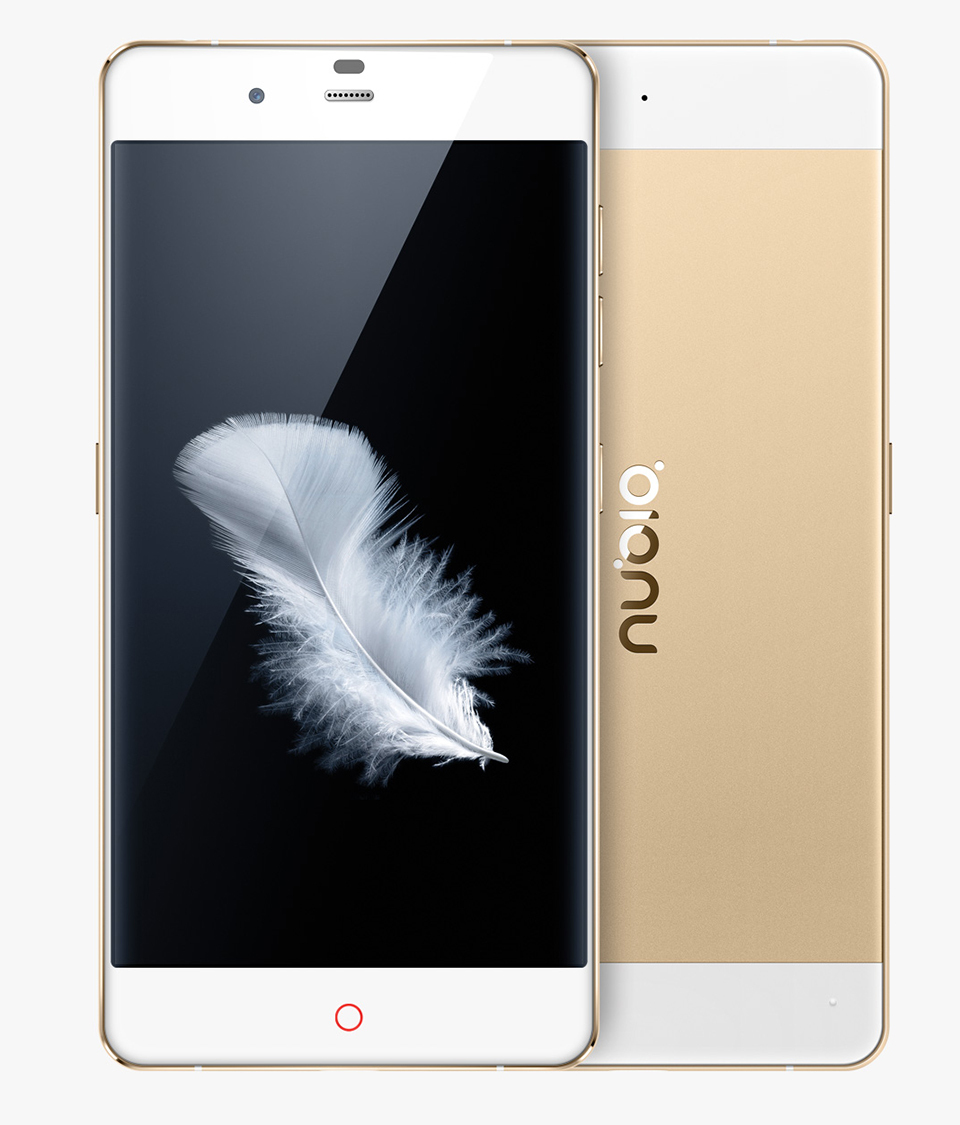
    The chinese smartphone company, ZTE, today launched the Prague S, under the branding of its premiuim Nubia range. The chinese smartphone maker revealed that this new handset from the company will be available for pre-order in China starting from 23rd January priced at $380( Approx Rs 25,000). The smartphone will come in Silver and Rose Gold colour options.

    The ZTE Nubia Prague S features a 5.2-inch Super AMOLED display with 1920×1080 pixels resolution. The display is  scratch resistant with a coating of Corning Gorilla Glass 3 on top. The device is powered by an octa-core Qualcomm Snapdragon 615 processor, paired with 3GB of RAM. The internal storage of the smartphone is 64GB which can be expanded up to 128GB using a microSD card.
    Original-ZTE-Nubia-My-Prague-4G-Cell-Phone-Android-5-1-Snapdragon-615-MSM8939-Quad-Core

    The ZTE Nubia Prague S comes equipped with a 13.0-megapxiel rear camera with LED flash and an 8.0-megapxiel front facing camera. On the connectivity front the smartphone includes 4G, LTE, 3G, WiFi, Bluetooth, GPS chips and all of this juiced by a rather meek 2200 mAh battery.

    On the outside the smartphone flaunts an aluminium frame body and it also houses an Eyeprint ID scanner. It also comes equipped with Dolby audio and Dolby decoder for a rich audio experience.
  • Samsung Galaxy Note 5 Dual-SIM Variant Launches in India

    Samsung Galaxy Note 5 Dual-SIM Variant Launches in India

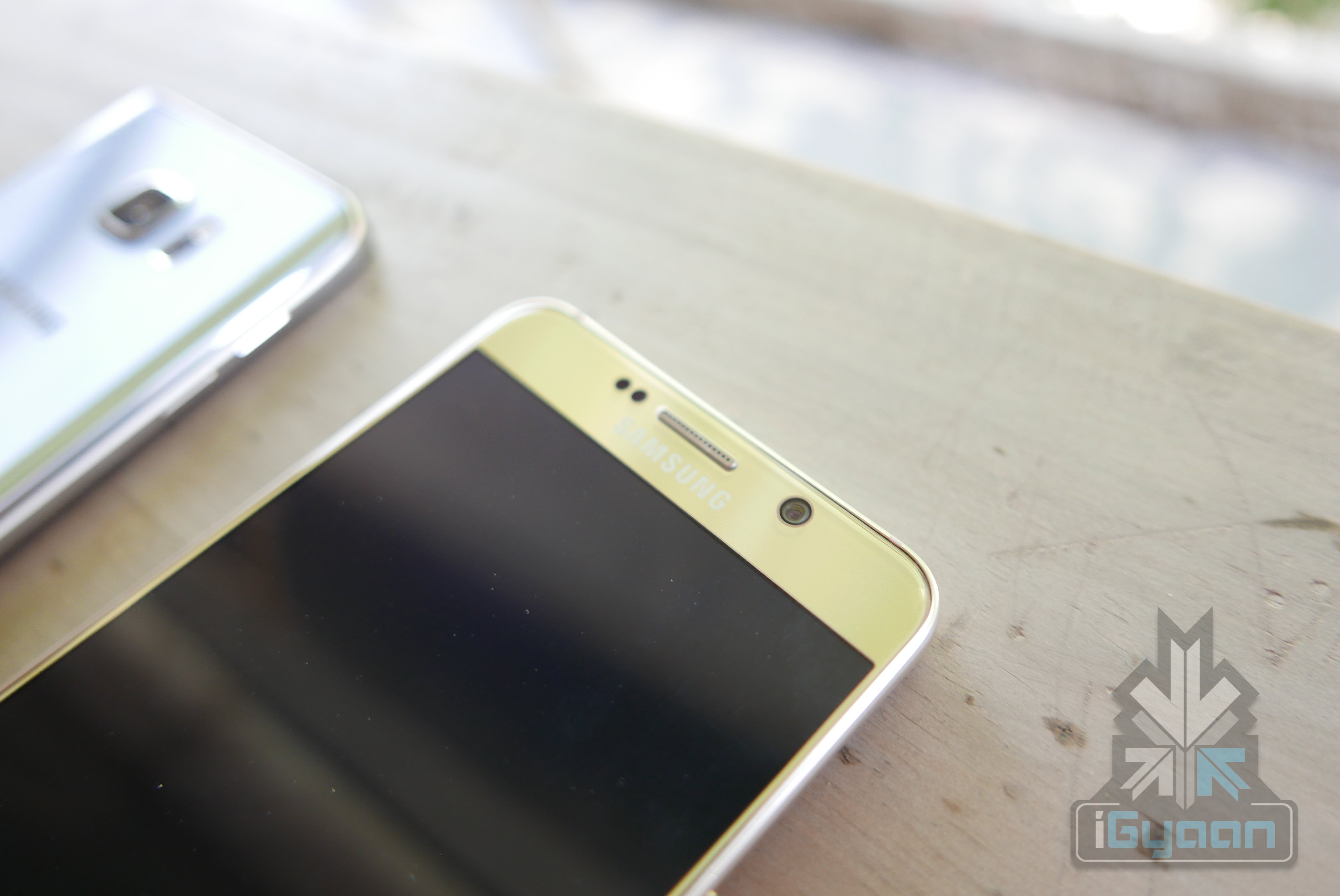
    The dual-SIM variant of the Samsung Galaxy Note 5 has arrived in India today. The phone is priced at Rs. 51,400 and is available on the official Samsung India’s e-store.

    Additionally, the previous single-SIM versions have undergone a price-cut. Though the devices were originally priced at Rs. 53,900 for the 32 GB variant and Rs. 59,990 for the 64 GB variant, they are now priced at Rs. 47,900 and Rs. 53,900 respectively. For a better look at Note 5, check out our hands-on video below.

    The Note 5 runs on the Android OS, v5.1.1 (Lollipop) with an Exynos 7420 chipset, a Quad-core 1.5 GHz Cortex-A53 & Quad-core 2.1 GHz Cortex-A57 CPU and a Mali-T760MP8 GPU. As far as storage capacity is concerned, this handset comes in two variants – 32 and 64 GB along with 4GB of RAM. However, it does not have an expandable microSD card slot.

    Find below the complete specs of the device.

    Specification Samsung Galaxy Note 5
    Display 5.7 inches, Gorilla Glass 4 Super Amoled
    Resolution 1440 x 2560 pixels , 518 ppi
    Chipset Samsung Exynos 7420
    Processor Octa core (2.1GHz Quad + 1.5GHz Quad), 64 bit, 14 nm process
    GPU Mali-T760MP8
    RAM 4 GB LPDDR4 RAM
    Storage 32/64 GB
    Expandability N/A
    Rear Camera 16 MP, 5312 x 2988 pixels, optical image stabilization, autofocus
    Rear Camera Video 2160p@30fps, 1080p@60fps,
    Front Camera 5 MP
    Front Camera Video 1080p at 30fps
    Battery Non-removable Li-Po 3000 mAh battery
    Operating System Android OS, v5.1.1 (Lollipop)
    Connectivity SIM: Nano-SIM, Wi-Fi 802.11 a/b/g/n/ac, dual-band, Wi-Fi Direct, hotspot
    Bluetooth v4.2, A2DP, EDR, LE, GPS with A-GPS, GLONASS, Beidou, NFC
    Type-C reversible connector
    Miscellaneous Fingerprint sensor, S- PEN stylus, Dual-SIM
    Price Rs.47,900 for the 32GB variant; Rs 53,900 for the 64GB variant, Rs. 51,400 for the 32GB dual-SIM variant
  • Motorola India Teases the Moto X Force with Shatter-Proof Display

    Motorola India Teases the Moto X Force with Shatter-Proof Display

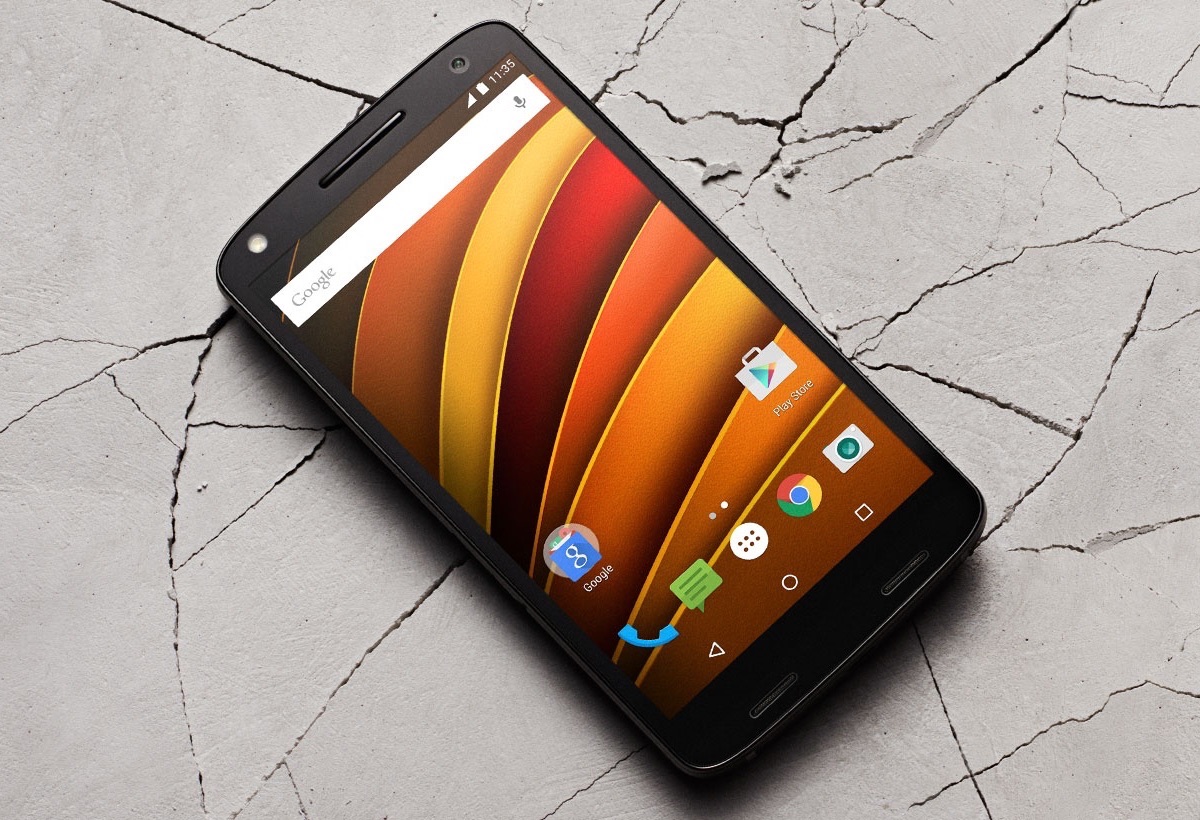
    Motorola India has just launched a teaser for its upcoming Moto X Force smartphone. The device’s major highlight is its shatter-proof display which is gloriously demoed in this teaser while taking a jibe at some other well known smartphones out there including the iPhone.

    The teaser shows people dropping iPhones, Samsung devices and other devices in slow motion, capturing the many different ways in which the displays can shatter. At the end comes the Moto X Force which is dropped and comes out clean, without a single scratch to the display or dent on the sides.

    Motorola claims to have integrated a ‘Moto Shattershield’ technology in the display of Moto Force which, it says, is the first shatterproof screen in a phone ever. The company feels confident enough to affirm the screen would stay intact for up to four years, owing to the multiple layers of different materials used in making it capable of absorbing shock and providing protection against cracking. The phone also boasts of two touchscreen layers, which make sure that the smartphone can be used even if one of the layers is cracked.

    On the specs front, Moto X Force packs a 5.4 inch Quad HD display with a resolution of 2560×1440 pixels. It is powered by Qualcomm Snapdragon 810 octa-core chipset along with 3 GB of RAM. The two internal storage options of 32 GB and 64 GB are expandable up to 2 TB with the help of a microSD card.

    The Moto X Force is set to launch in India by the end of January. Follow this space for more.

  • Microsoft Lumia 650 Likely to be the Only Lumia Phone this Year

    Microsoft Lumia 650 Likely to be the Only Lumia Phone this Year

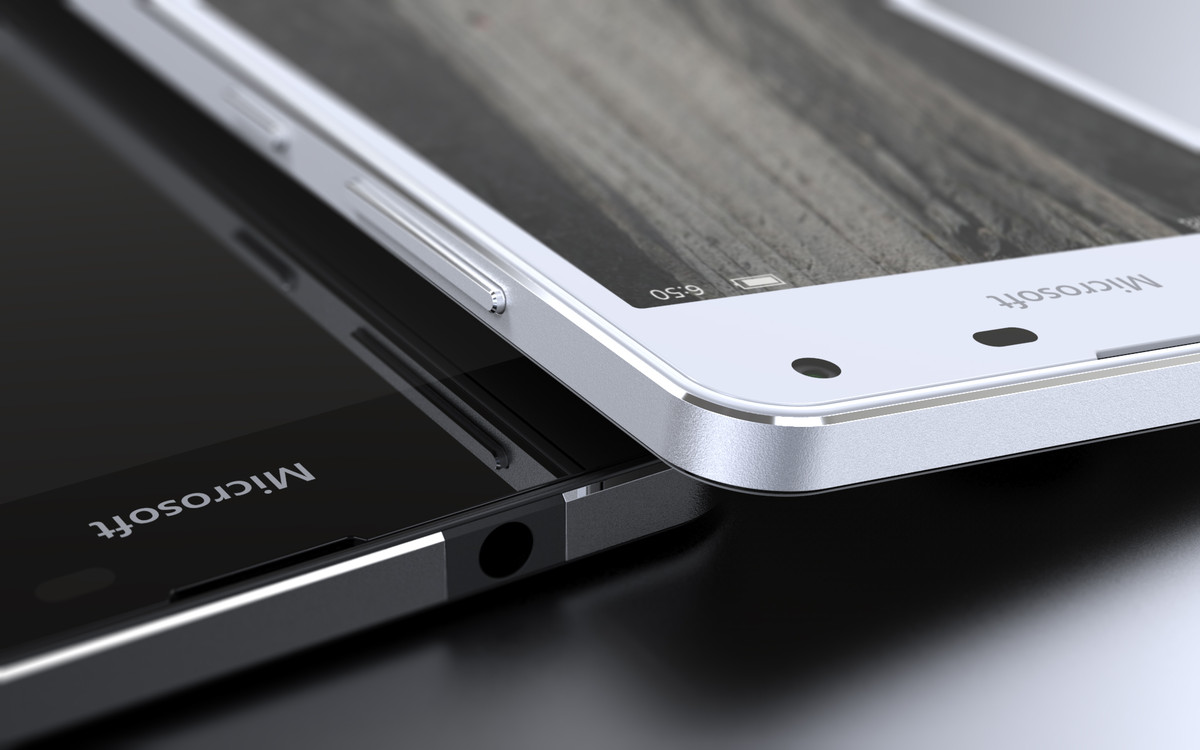
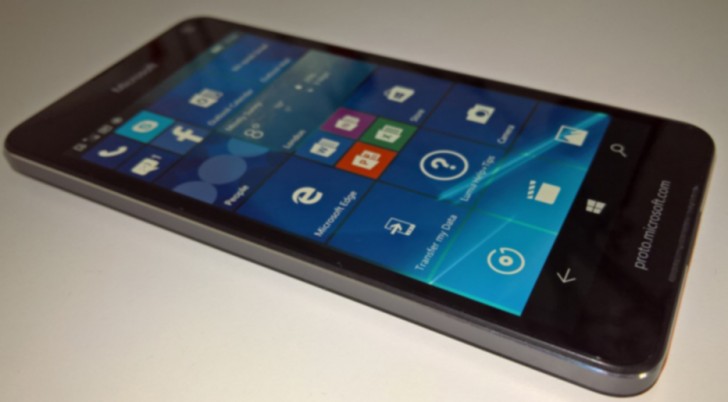
    The official announcement of the Lumia 650 budget smartphone is just around the corner. Reports suggest that Microsoft is planning to unveil the device on the 1st of February. But that’s not all the rumours are suggesting. Word is that the Lumia 650 might be the only Lumia device from Microsoft this year.

    This news contradicts earlier reports that Microsoft will also launch the Lumia 750 and 850. While some believe that the two devices are still on the cards, there are many who believe that the launch has been cancelled citing the reason that Microsoft wants to focus more on its Surface phone. Microsoft is planning to launch a Surface phone that will sport Qualcomm’s Snapdragon 820 chipset later this year.

    Lumia 650

    The 5-inch 720p display Lumia 650 is likely to come bearing the Snapdragon 210 chipset clocking at 1.1GHz. A 2,000mAh battery pack in the 650 is small, especially when compared to the Lumia 640 (2,500mAh) and the Lumia 550 (2,100mAh).

    Furthermore, it is the single-SIM variant that has been cleared by FCC with the model number RM-1152 suggesting the device will first launch in the United States. Microsoft will also offer a dual-SIM variant for the device.

    From what the unconfirmed specs tell us, the Lumia 650 lacks both juice and power but does well with the exterior design, and a pricing of under Rs. 10,000 (similar to the Lumia 550) will be needed for this device to tempt the masses.

  • Indian’s Can’t Stay Away From Smartphones Even on Vacation, says Study

    Indian’s Can’t Stay Away From Smartphones Even on Vacation, says Study

    There’s no fighting the argument that we Indians are a race of proactive beings, always on the move, forever busy with work. There’s also no denying the fact that we live in an age where smartphones and gadgets do more than just the needful and ensure we never lose connectivity with work. Sadly, these two working together doesn’t get us any accolades.

    The Egencia/Expedia Mobile Behaviour Mobile Index, a global study of mobile-device-related behaviour and preferences among travellers conducted across multiple countries and continents, found that India (by 80 per cent) leads in checking in with work at least once a day.

    “In India, constant connectivity is a priority when mobile devices are carried in hand from work to home and now on vacation too. When we’re more efficient and productive using mobile devices and apps that provide a seamless experience, the quality of our vacation improves and the work-life balance can be prioritized,”- says Egencia India country director, Amit Arora

    o-SMARTPHONE-GAME-facebook-680×365

    The sample size for the study consisted of 9,642 adults from 19 countries aged 18 and above owning a mobile device by Northstar, a globally integrated strategic insights consulting firm.

    The detailed study found that almost 30% Indians spend over 30 minutes checking e-mails, texts or voice mails daily, while 13% of us (highest in the world) make sure to spend over an hour on such work, and productivity related activities.

    To hammer the point further home, Egencia revealed that Indians carry their work around with themselves even on vacations. According to the findings, 74% of Indians find Wi-Fi hotspots while on holiday to stay in touch with work.

    The findings also reveal how dependent Indian travellers have become on smart-phones for their multimedia, and work related needs.

    “The dependency on smartphone and gadgets have increased over a span of time and it is very well reflected in traveller behaviour. About 56 per cent Indian travellers are addicted to their mobile devices, while 36 per cent Indians carry a rechargeable pack or case or portable charger or spare battery to use as a backup when travelling,” Expedia India Marketing Head Manmeet Ahluwalia said.

  • TRAI Received Only 21 Counter-Comments On Net Neutrality

    TRAI Received Only 21 Counter-Comments On Net Neutrality

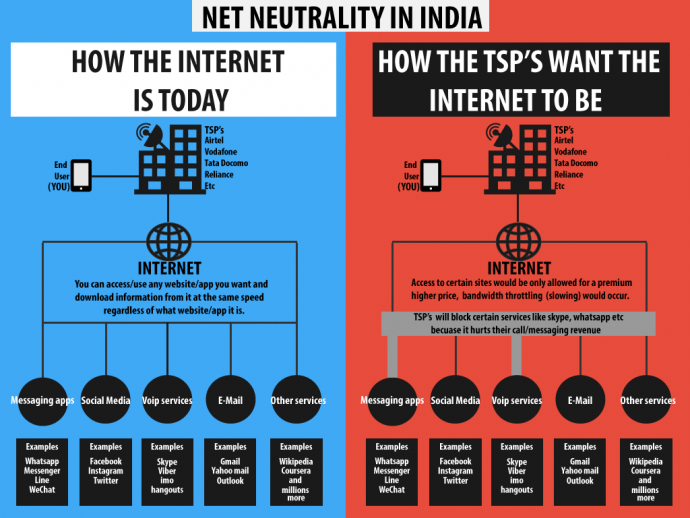
    Last year, the Telecom Regulatory Authority of India (TRAI) raised the issue of net neutrality and, needless to say, it sparked off a major debate. This eventually led TRAI to invite public comments on the differential pricing of net services and the last date to submit counter-comments was 14th January.Net Neutrality

    Of the total 24 million applications submitted over TRAI’s paper on the differential pricing of data, a significant aspect of net neutrality, there were only 21 counter-comments submitted by individuals or organisations.

    List of telecom operators that countered the proposal of keeping net services neutral of discriminatory pricing include Airtel, Vodafone, Idea Cellular and Reliance Communications, through industry bodies, Cellular Operators Association of India (COAI) and Association of Unified Telecom Service of India (AUSPI). COAI and AUSPI said in their joint counter-comment,

    “Price differentiation will allow TSPs to cater to specific consumer requirements, including facilitation of access to those segments that are currently unconnected or poorly connected. Price differentiation is a widely adopted business practice used in many industries.”

    While talking about the net-neutrality debate in India, how can we not talk about Facebook and its Free Basics? While openly opposing differential pricing of internet services, Facebook continued to defend Free Basics and claimed one more time that it’s not a threat to net neutrality.The company defended itself in an official statement,

    “This is not true and evidence refutes it. In addition, this need not be a material concern since the programme is open to all operators on the same terms in a non-exclusive manner.”

    While the future of net neutrality still seems uncertain, we can only hope to wait and watch the events unfold. In the meantime, find more information here Facebook’s Free Basics.

  • Huawei P9 Leaks Reveal Impressive Specifications and a Revamped Design

    Huawei P9 Leaks Reveal Impressive Specifications and a Revamped Design

    CES saw a lot of big companies show off their new phones, and upcoming projects, but Huawei, the thirld largest phone maker in the world in terms of sales volumes, revealed nothing, leaving its fans guessing what the company has in works for them. But worry no more, new leaks suggest that all the suspense, and the wait was worth it.

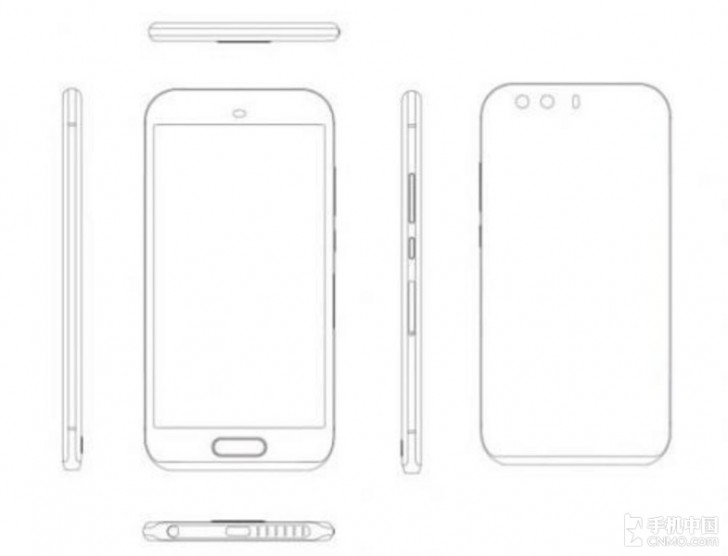
    Reports, and leaked design schematics reveal that Huawei is delivering final touches to what is going to be its next offering, the P9, which can be expected to be unveiled by the company in the coming weeks.

    Huawei p9

    The schematics reveal major changes to the design of the phone from last year’s P8. The new phone will come with a physical home button which according to reports will also house a finger print scanner. The phone will also sport dual-cameras along with dual-led setup at the back. There’s also a speaker at the bottom, with a headset jack nearby.

    On the specs front the phone is rumoured to come with a 5.2 inch Full HD Display, 3000 mAh battery, and 4 GB of RAM, but most interesting is the news of the P9 coming with a Kirin 950 SoC. That means that the phone will have an octa-core CPU and the Mali-T880 MP4 GPU.

    Want to know what that translates to in real life? Well, something very impressive according to benchmarks reports posted on GeekBench. The website today listed an anonymous Huawei device with the Kirin SoC on board clocking up a serious Multi-Core score of 7313. That score is more than the previous best clocked by the X20 Helio Deca-Core processor.

    If these leaks are indeed true, and the benchmark results anything to go by, it looks like Huawei has in works a powerhouse waiting to be unleashed. Can’t say we’re not excited.

  • Asus Zenfone Max with 5000mAh Battery Goes on Sale

    Asus Zenfone Max with 5000mAh Battery Goes on Sale

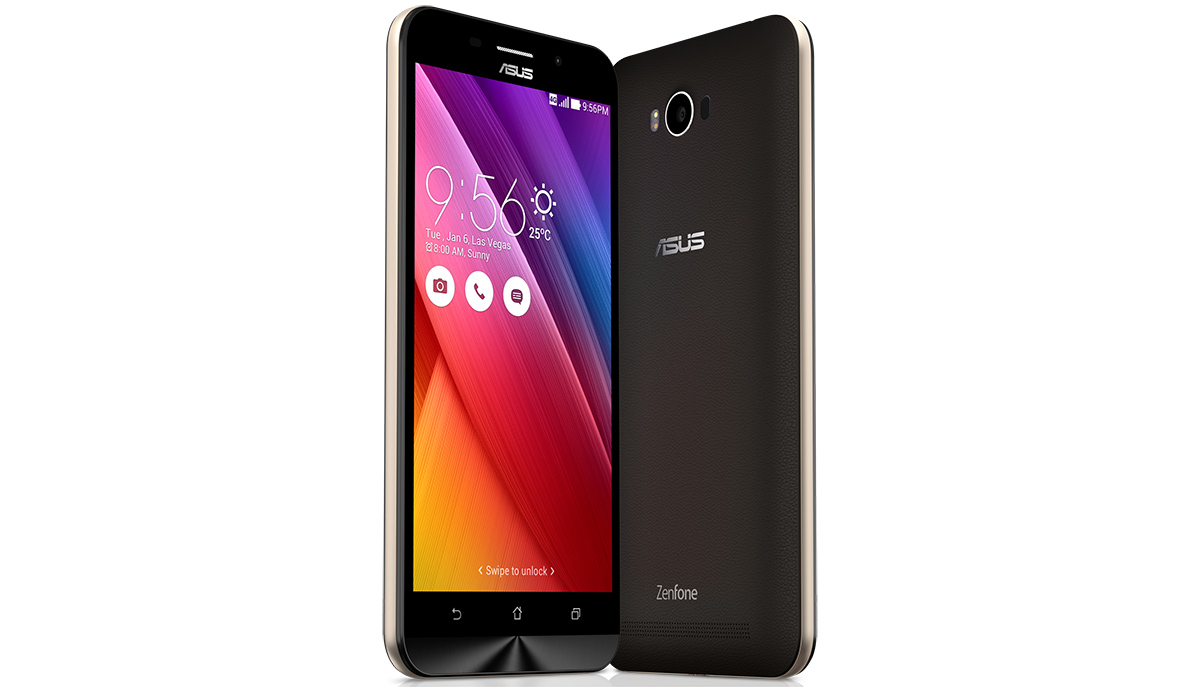
    Asus India’s latest enterant to the already crowded market is a phone that sets itsellf apart from the crowd. The new Zenfone handset promises what its buddies couldn’t offer, a long battery life. The Selfie, and Lazer range phones albeit good, still did lack in stamina, and that is where this phone excels.

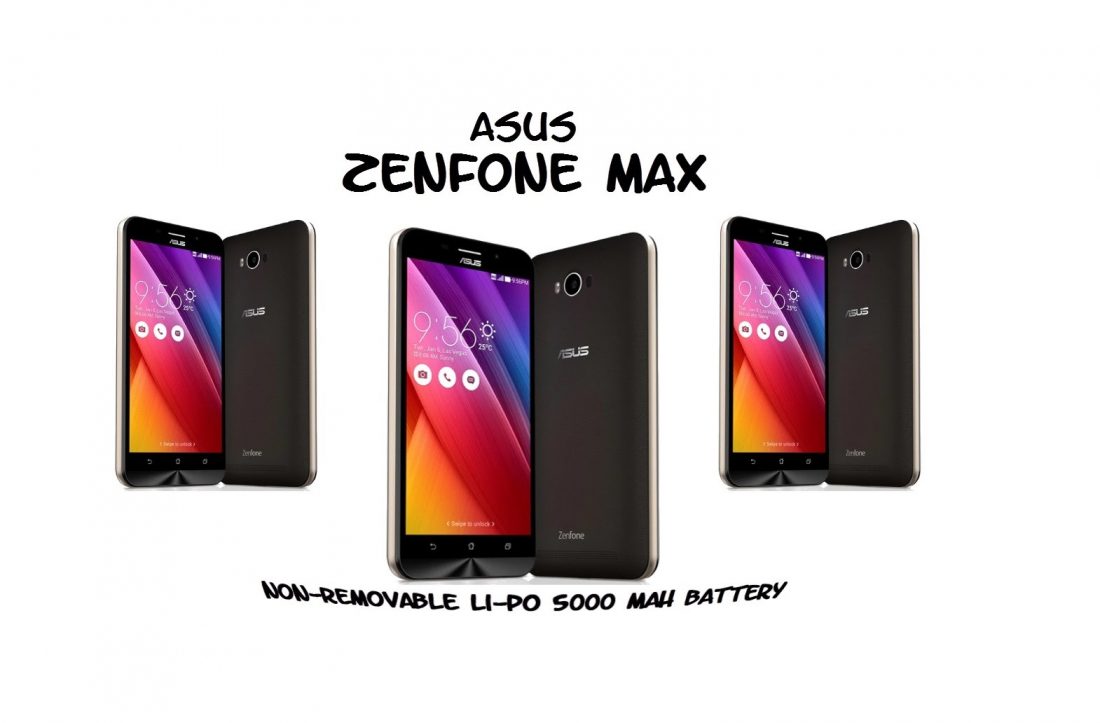
    The Max, with it’s enormous 5000mAh battery, not only offers a phone that won’t die on you mid way through the day, but surprise surprise, it can also double up as a portable charger for other power hungry devices that might need some assistance. Well, that my friends, is an offer that even Don Corleone can’t refuse.

    Zenfone Max

    On the specifications front, the phone holds out its own in the crowded budget phone segment. ZenFone Max features a 5.5-inch HD (720×1280 pixels) IPS display which has 10 finger touch support and comes with anti-fingerprint coating. The phone is powered by a Qualcomm Snapdragon 410 quad-core processor which is paired with 2GB RAM, Android 5.0 Lollipop operating system and Adreno 306 graphics processor.

    On the photography front, the phone integrates a 13-MegaPixel rear and 5-MegaPixel front PixelMaster camera with an f/2.0 aperture lens and laser auto-focus. It also comes along with a low-light mode that claims to capture up to 400 percent brighter photos at night or low light condition without utilizing the flash.

    The Asus Zenfone Maxx has started retailing for Rs 9,999 , which to be honest is decent pricing for a phone with nice specs, and outstanding battery life, as such making it highly recommended.

  • Samsung Galaxy S7 to Have Apple’s ‘Live Photos’-Like Feature

    Samsung Galaxy S7 to Have Apple’s ‘Live Photos’-Like Feature

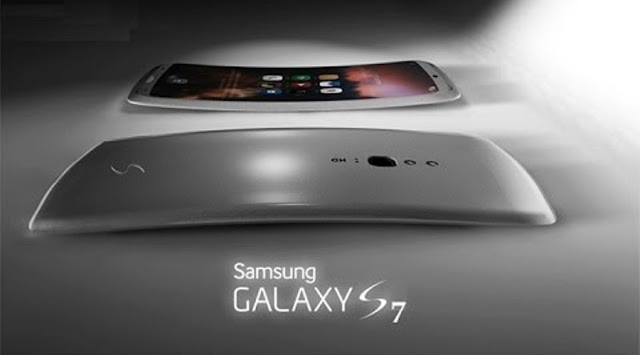
    One of the coolest, and most loved things about the iPhone 6s and 6s Plus when it launched was the inclusion of Live Photos. A really fun feature to use, it helps you click photos with short video clips just, and after the photo so that you can immerse yourself in the emotion of the photograph whenever you look at it.

    Samsung-Galaxy-S7

    It’s a fun feature, but not something ground-breaking that we expected Android to bring to their devices, but such is the lack of ingenuity in the smartphone market these days that we have Samsung’s already porting the idea on to their next flagship.

    Galaxy-s7

    According to reports, Samsung is planning to bring a Live Photos-like feature to the Galaxy S7 under the name of Vivid Photos. But, Samsung’s version will be a bit different than Apple’s offering. Vivid Photos will not capture sound, but only the image. These images will be saved as GIFs, and will be particularly of interest to users who’ve struggled to upload Live Photos on Facebook.  Let’s see if Vivid Photos works as well for Samsung as Live Photos did for Apple.


  • Samsung to be Apple’s Primary OLED Display Supplier

    Samsung to be Apple’s Primary OLED Display Supplier

    Rumors of Apple finally shifting to OLED displays for its iPhones aren’t going away. It looks like Samsung is set to be the primary OLED supplier for the new iPhones as the Korean giant gets ready to invest up to $7.27 billion depending on order levels.

    Now, while the shift to OLED panels is imminent, the move will only happen in 2018, which means that the upcoming iPhone 7 will continue to sport LCD displays. Currently, the Apple Watch is the only device by the Cupertino giant that sports an OLED display.

    Earlier, it was rumored that both Samsung and LG will be the suppliers for the OLED panels, but it looks like Apple’s love-hate relationship with Samsung trumps all. Though this doesn’t completely rule out LG as a supplier.

    iphone 7

    No official statement has been released by either companies yet, but insiders have claimed that the contract has been signed. Furthermore, it is rumored that Samsung is planning to invest up to $7.47 billion in its display business. This would go towards equipment, plant improvements and staff to increase production loads.

    The investment will be broken down to into an initial $2.49 billion to $3.32 billion this year, so that the company can begin production of 30 000 to 45 000 OLED sheets per month. Another set of recent rumors also suggest that Apple has a secret lab in Taiwan where where former Qualcomm and AUO employees are working on developing micro-LED screen tech for thinner, lighter, and brighter displays for the iPhone, though we’ll know how much of the latter is true once the next set of iPhones come out.

  • Oukitel K4000 Pro with 4,600mAh Battery Can Power Your Phone for 6 Days

    Oukitel K4000 Pro with 4,600mAh Battery Can Power Your Phone for 6 Days

    Back in December, we heard that a Chinese company by the name Oukitel was setting out to launch a smartphone with a 10,000mAh battery that could power the device for unto 10 days. The device, named K10000 Pro will start shipping from January 21st.

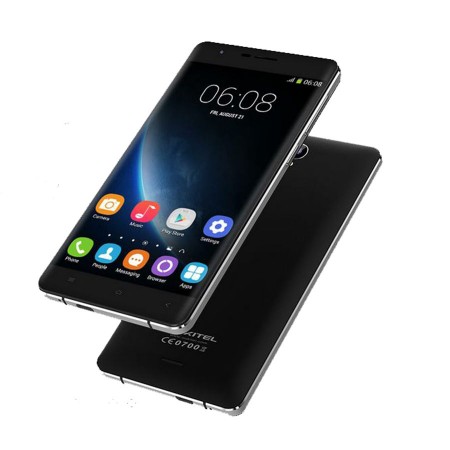
    But that’s not the only device Oukitel is pushing out. Word is that the company also has a smaller K4000 Pro, which, as the name suggests, comes with a 4600mAh battery that promises to give you enough juice for up to 6 days of “normal use” (according to the manufacturer’s standards), and up to 80.5 hours of talk time.

    While the main attraction of the device is the massive battery pack, the device also comes with decent specs for a low-priced phone. The K4000 Pro sports a 5-inch, 720p-resolution LCD screen. It is powered by a MediaTek 6735P chipset with a quad-core CPU running at 1GHz. Other features include 2GB of RAM and 16GB of expandable storage memory, which isn’t going to do well under graphic intense games, but that’s also one of the reasons behind the long-lasting battery.

    Oukitel-K4000-image

    In terms of looks, the K4000 Pro comes with a machined metal frame whose four angles are reinforced to improve its endurance under drops. A 0.4-inch thick tempered glass gives the display device an added protection and durability, so much so that the device substitutes for a hammer, according to the company’s video.

    The device will run on Android 5.1 Lollipop and Ouktitel says that it will be upgradable to Android 6.0 Marshmallow later on. The handset supports dual-SIM and comes with basic connectivity features like Wi-Fi, Bluetooth, GPS, and USB OTG.

    Oukitel is having a pre-sale event between January 19 to February 1, where it will sell the device for $120. Furthermore, a limited batch of the K4000 Pro will be up for grabs for $90 on Tuesdays.

  • iPhone 6s Plus Tops AnTuTu’s Smartphone Performance Chart for 2015

    iPhone 6s Plus Tops AnTuTu’s Smartphone Performance Chart for 2015

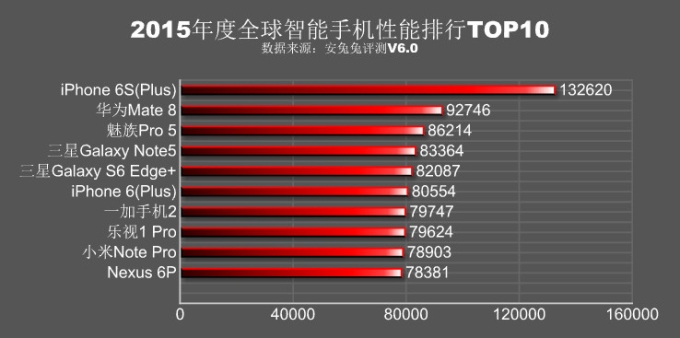
    The iPhones may not have specifications as highly marked as its counterparts from other companies but when it comes to performance, looks like nothing matches up to Apple’s user interface. Proving this right is AnTuTu’s list of smartphones from 2015 rated in terms of their performance.AnTuTu Benchmark Chart Apple iPhone 6s PlusTalking strictly in terms of raw processors, iPhone 6s Plus has won hands down, beating competition from devices by Samsung and Huawei. The test ranks these smartphones in terms of their average benchmark scores.
    iPhone 6s Plus has acquired the top spot on the chart by a big margin, with no contender in sight capable of dethroning it. For more specs, details and a hands on of the device, click here. Surprisingly enough, iPhone 6, which was launched in 2014 also made it to the top 10 based solely on its performance.

    With companies working around the clock on improving their tech with every passing day, let’s see if they manage to dethrone Apple from its top position in 2016. What do you think of  Apple devices, are they truly as worthy as this list makes them sound? Let us know in the comments below.

  • New iPhone 7 Concepts Emerge Online

    New iPhone 7 Concepts Emerge Online

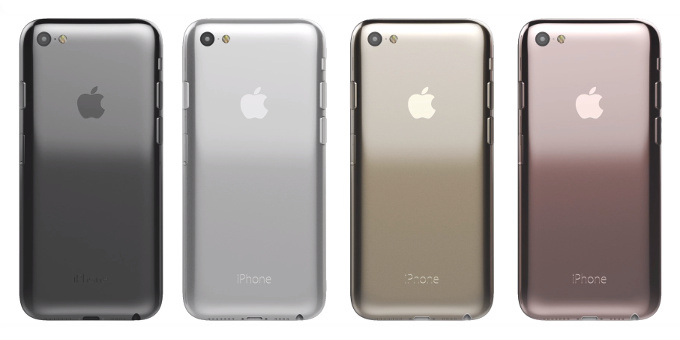
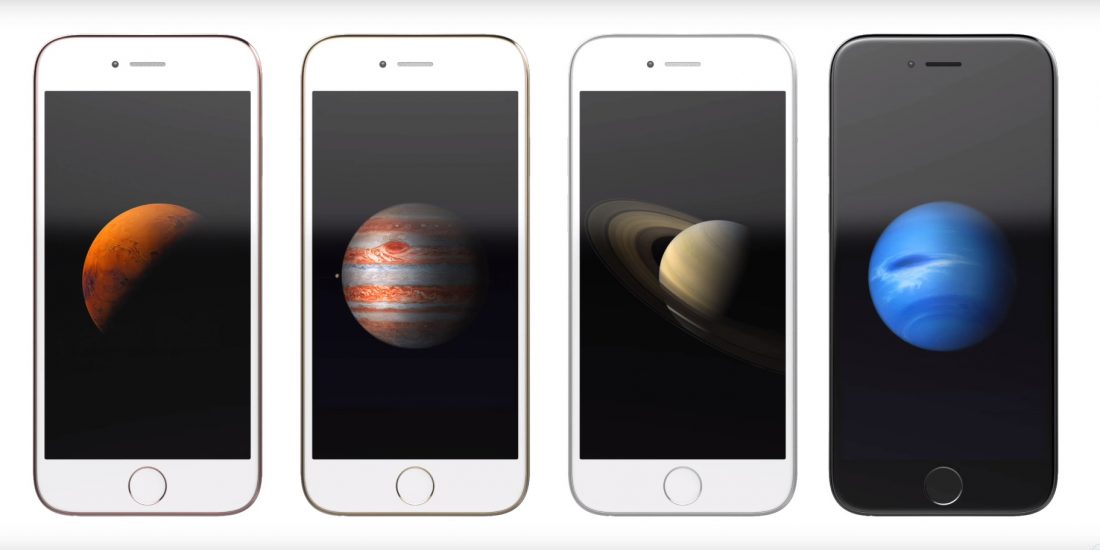
    Here’s a little visual treat for all Apple fan-boys and girls. New iPhone 7 concepts have emerged online, and who are we kidding? Speculating about one of the most significant events of the tech world just became so much funner.  Yes, Apple is going to come out with another fancy device, all set to burn a major whole in our pockets. But that’s not going to stop us from talking about these new concepts.iPhone 7 Concept 1

    Arthur Reis is the artist of the concepts and he borrows from the designs of both the old and the new Apple devices to give us a glimpse of these new babies. The front of the renders reminds us a lot of iPhone 6/6s while the back is definitely reminiscent of  iPhone 3G and 3GS.iPhone 7 Concept

    Speculations do suggest that Apple may go back to one of its older devices for inspiration with the iPhone 7 but nothing seems confirmed at this point. While rumours about a waterproof iPhone which may be sans a headphone jack are all over the place, Apple has dropped not even the slightest of hints of what the device could possibly lbe like. We’ll have to wait patiently for the September event of the company, because that’s when we expect the iPhone 7 to arrive. Until then, there are only rumours and speculations to go on with.

  • Mid-Range Asus Live is Now Official in Three Colour Variants

    Mid-Range Asus Live is Now Official in Three Colour Variants

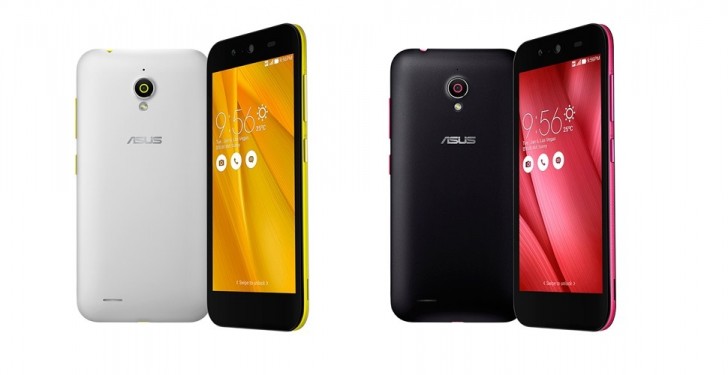
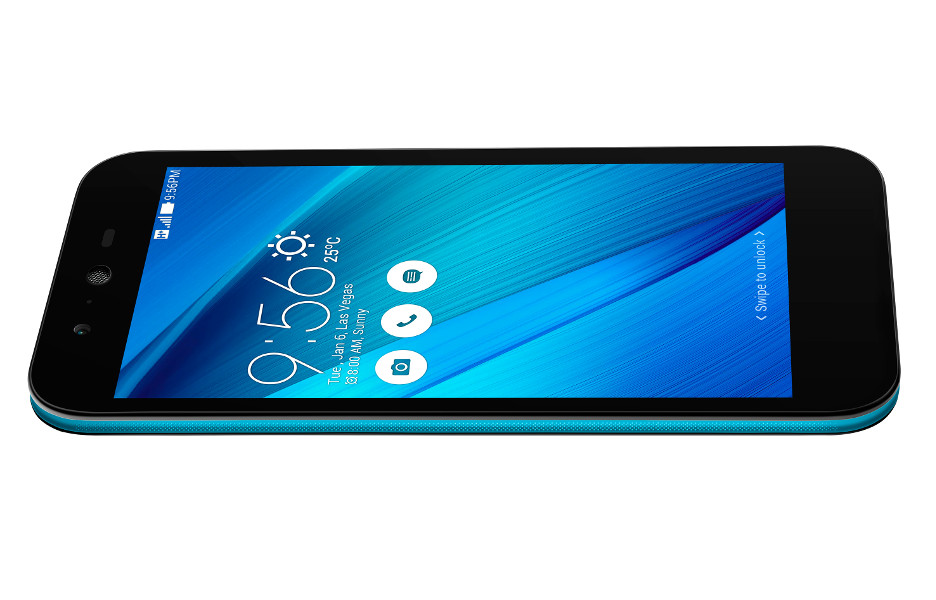
    Asus has come out with a new mid-ranger, Asus Live. It has been launched in Brazil with its specs reminding us a lot of the Zenfone Go.Asus Live

    In terms of hardware, Live is modeled heavily on the same lines as its predecessor. It comes with a 5 inch display with 720p. It has 2 GB of RAM and 16 GB of internal storage, and is powered by the MediaTek MT6589 SoC. On the camera front, the phone has an 8 MP main camera with f/2.0 aperture and a 2 MP selfie camera. Live is further equipped with Dual SIM support and a 2,070 mAh battery. However, the phone doesn’t offer LTE support.

    The dimensions of the device once again remind us of Go. Live measures 144.5 x 71 x 9.98 mm and weighs 140 grams, just a little bit heavier than Go. The new Asus device however has a different colour variants to offer at the time of its launch; they are – Blue, Pink and Yellow. Asus Live is priced at 849 BRL (close to about Rs. 14,000). Let’s see when do we get to see the device in India.


  • Xiaomi Redmi Note 3 with Snapdragon SoC Confirmed for India Launch

    Xiaomi Redmi Note 3 with Snapdragon SoC Confirmed for India Launch

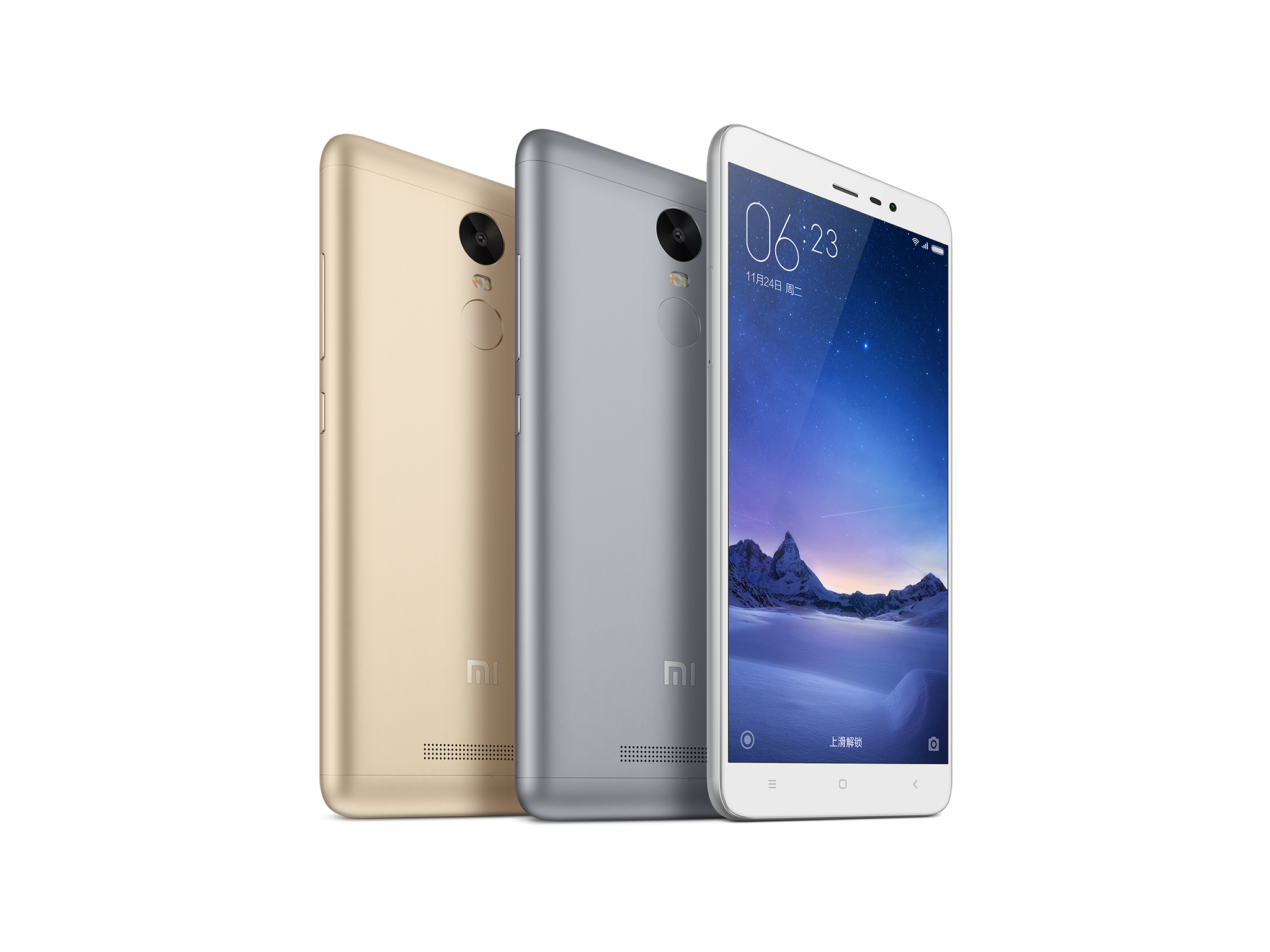
    Xiaomi yesterday through its social media handles teased its loyal fanbase in India with vague communication of an “exciting announcement” for today, and we are glad to say it’s lived up to the said promise. Xiaomi has announced a Redmi Note 3 Explorer contest for 100 lucky winners from the country, effectively confirming that the Redmi Note 3 will make its way to Indian markets soon.

    The Redmi Note 3 was launched in China last year with a MediaTek chipset, but Xiaomi is now bringing a new variant to India that is powered by a Snapdragon 650 SoC. No pricing details have been announced, but the 16GB variant will retail in China for RMB 999( approx Rs 10,000). Another 32 GB variant will also be available in the future.

    Xiaomi redmi note 3

    The Redmi Note 3 announced today varies in two ways from the version announced back in November. Firstly, it replaces the Helio X10 chipset with the new Qualcomm Snapdragon 650 64-bit 1.8GHz hexa-core CPU, Adreno 510 GPU, integrated X8 LTE with Cat 7 speeds and support for VoLTE.

    Secondly, this refreshed model will feature a 16-MP shooter with f2.0 aperture, and phase detection autofocus. The earlier model only came in with a 13-MP camera on board.

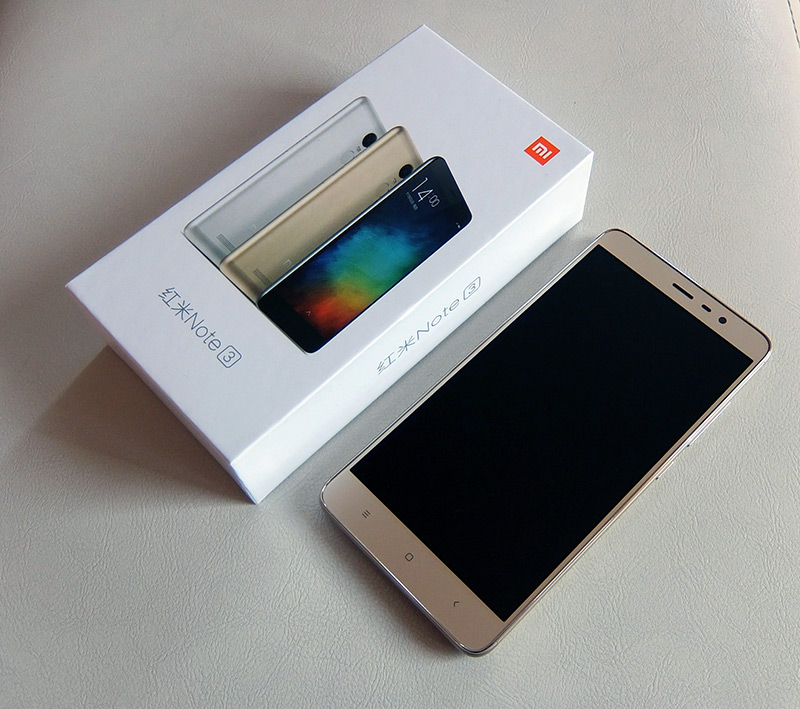
    Xiaomi Note 3 that makes it way to India will showcase impressive specs. It will boast of a 5.5-inch 403ppi Full HD display, and come equipped with a dedicated Reading mode. Xiaomi is expected to launch two variants as it has done in China, 16GB storage variant with 2GB of RAM, and 32GB storage variant with 3GB of RAM.

    The phone also has a 5 MP front facing camera. It will get the juice it needs from a beefy 4,050 mAh battery, and will feature connectivity options like dual-SIM card slots, 4G LTE support, Bluetooth, Wi-Fi 802.11ac and GPS.

iGyaan Network
Privacy Overview

This website uses cookies so that we can provide you with the best user experience possible. Cookie information is stored in your browser and performs functions such as recognising you when you return to our website and helping our team to understand which sections of the website you find most interesting and useful.