Smartphone News and Reviews, Latest Cellphones, Accessories, New Launches, Specifications, Details with Image and Video from Apple, Samsung, Lenovo, Moto, HTC, Xiaomi, Oneplus, Meizu, Sony, Lava, Micromax Yu Mobile and More.
It is quite evident that smartphones have become extensively useful and capable day-by-day. We have achieved so much as a society in terms of communication. However, there is still a section in our society which is not familiar with the revolution of communication in the form of smartphones, and that is physically disabled people.
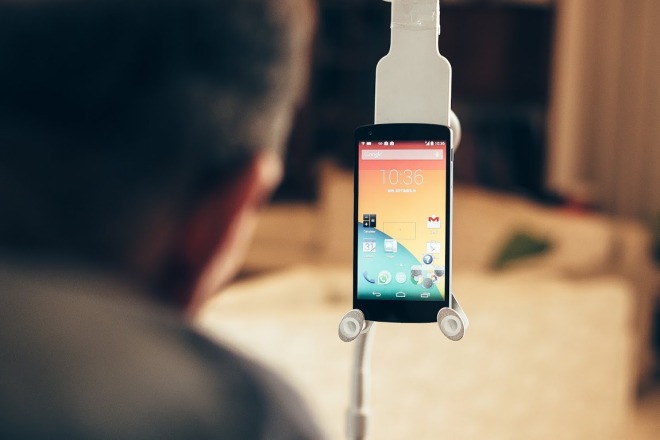
Oded Ben Dov and Giora Livne, founders of Sesame Enable, want to change that. Sesame Enable is an Israel-based startup that has spent past two years developing the Sesame Phone. This phone can be controlled through voice or just with head movements.
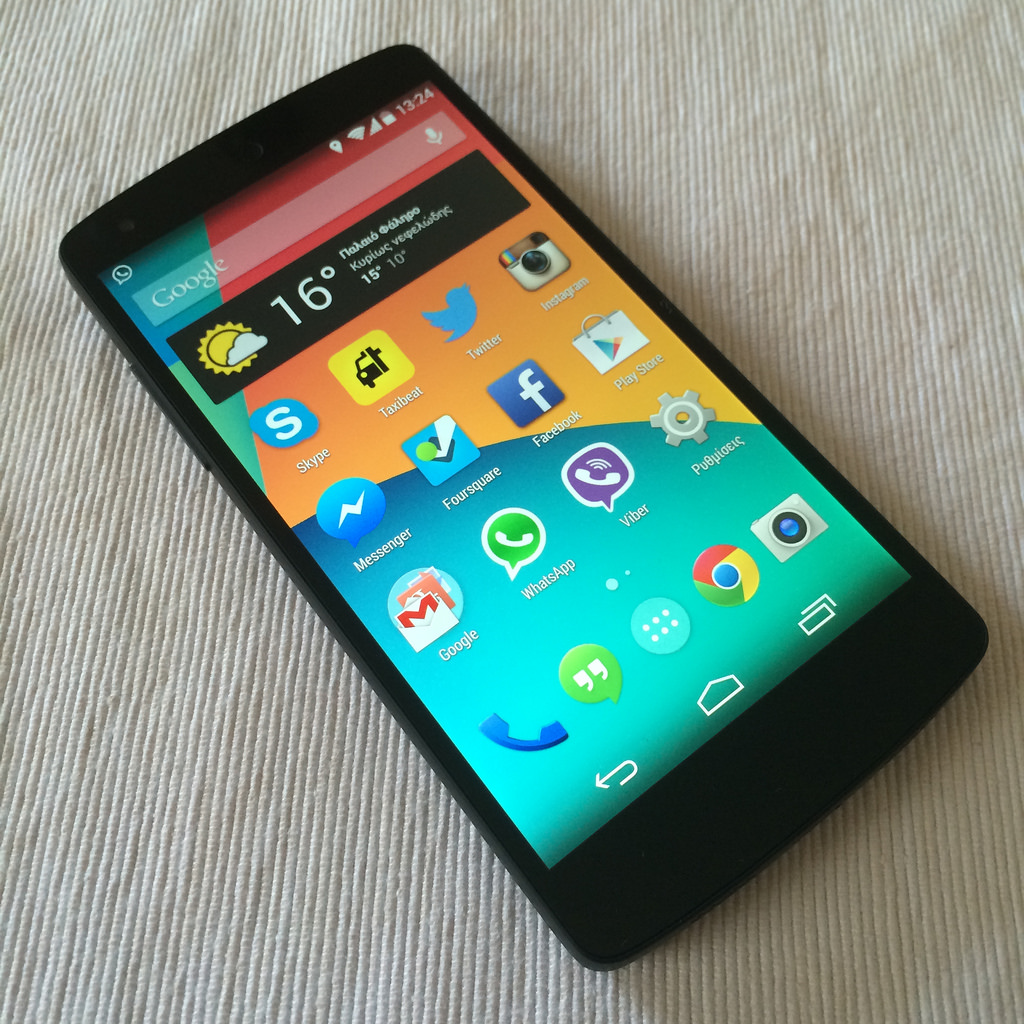
Dov and Livne, using a Google Nexus 5 for hardware, crafted Sesame Phone with complex software that allows disabled users to use the phone with simple movements and commands. “Smartphones bring the world to us. But for people with disabilities, current smartphone technology falls short,” Sesame wrote on its Indiegogo crowdfunding page. “Sesame is the first smartphone designed for people with limited or no use of their hands. Offering touch-free accessibility in a small, mobile, and elegant form factor.”
This software works only with the Nexus 5 for now, but the duo is already working to bring it to other smartphones in the future. The software essentially uses a combination of facial recognition, gesture recognition and voice recognition to give users complete control over the phone. A cursor floats on the screen of the smartphone, follows user’s head movements which are tracked by the front camera of the phone.
Users can click and open apps with the help of simple pre-defined head gestures. Also, voice commands can be used to carry out the task, suiting the need of every user. The company has recently launched an Indiegogo campaign to raise an amount of $30,000, needed to continue developing the phone.
With the smartphone market getting concentrated, the companies are now being judged on the speed of update deliveries. Companies have also recognized this, and they are now working proactively to bring the updates to its consumers. With the Android 5.0 Lollipop out in the world, the race is on to be the first company to bring the update as fast as possible. Seems like Motorola, which had previously been the front runner in the KitKat race is taking the lead in the Lollipop side of things too.
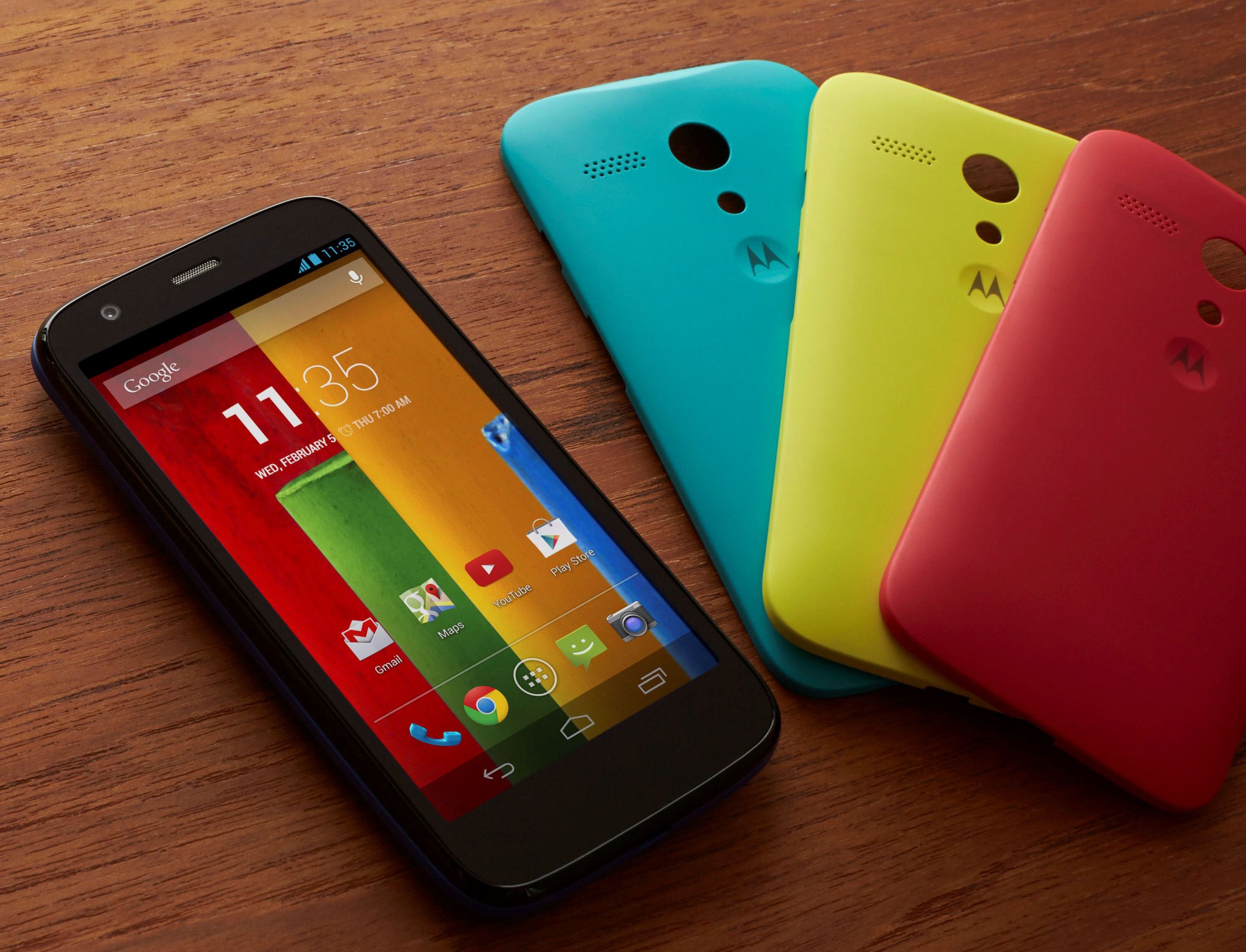
Motorola has begun the process of officially rolling out the new operating system update for Moto X Pure Edition and second generation Moto G. At present the rollout is meant for unlocked GSM phones sold in the US. But soon enough the update will start showing up for users in other markets.
Motorola had previously released an update for testers and clearly the process is all done for the final rollout. This is a commendable feat as even the older Google Nexus devices haven’t received the update yet. LG is also expected to bring out the Android 5.0 update for the G3 by sometime this week.
Android 5.0 Lollipop is the best Android OS, and it’s a really good news that companies are focusing on bringing this update to its users. Lollipop comes with a refreshing new look along with several other features including increased battery life. To know more about what’s in store with the Android 5.0 update, click here.
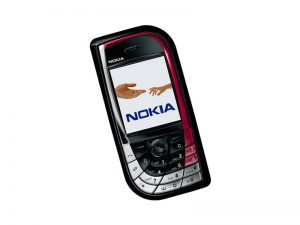
With the release of the new Lumia branded phones by Microsoft, Nokia died as a mobile phone brand. For most, it’s not just a phone brand; it was a revolutionary change maker. It created, nurtured and took the mobile business to its maturity. We have now reached a point of tremendous concentration in the mobile market and the company who started it all has bid farewell. Nokia is like a grandparent; it did its part and then departed, leaving behind a lasting legacy of a communication infrastructure that has brought gigantic leaps in the growth of human civilization.
Journey To The Mobile Business
Nokia’s paper mill on the banks of River Nokianvirta in 1868.
Nokia began as a paper mill back in 1865 with its second mill going up in the town of Nokia in Finland. The name ‘Nokia’ is derived from the river Nokianvirta, on the banks of which the company was established.
The company expanded to working with rubber, electricity, and cables. Nokia rubber boots become a bona fide design classic, still on sale to this day by the name Nokian, albeit under new owners.
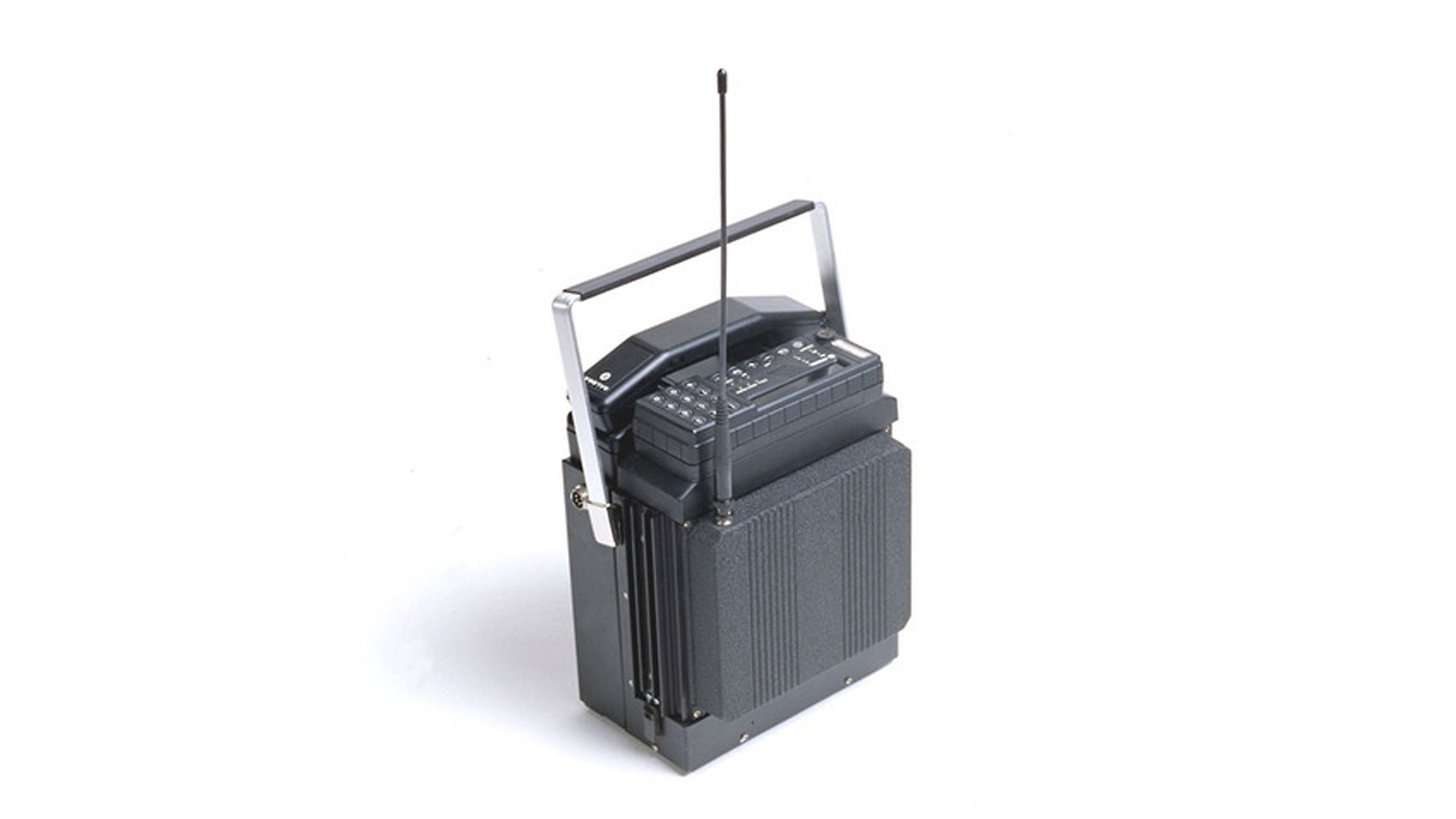
Let’s fast forward to ’60s when the company made its foray into electronics. Nokia developed a host of electronic devices including radio telephones for the army. In 1979 Nokia took its first steps into telephony by creating Mobira Oy in a JV with Finnish TV maker Salora, and they created the Nordic Mobile Telephone (NMT) service. This was the world’s first international cellular network and in the 80s, Nokia launched its first car phone called the Mobira Senator.
The Mobira Senator was the companies first car phone.
In the 1970s and 1980s, Nokia developed the Sanomalaitejärjestelmä (“Message device system”), a digital, portable and encrypted text-based communications device for the Finnish Defence Forces.
In 1987, Nokia launched the Mobira Cityman, the first mobile phone that would run on the company’s NMT network. At 800 grams and priced at $6,308, it may be heavy and pricey by today’s standards, but the device soon hit cult status when Mikhail Gorbachev was photographed using the device.
Nokia also tried its hands at personal computing.
In the 1980s, Nokia’s computer division Nokia Data produced a series of personal computers called MikroMikko, which it later sold to Fujitsu. It briefly tried its luck again in the personal computer market in August 2009 with the introduction of the Nokia Booklet 3G mini laptop. It was not commercially successful but was appreciated for its integrated 3G modem, high-resolution screen, exceptional battery life and its fan-free design.
World’s first commercial GSM call was made in 1991 in Helsinki over a Nokia-supplied network, by Prime Minister of Finland Harri Holkeri. Also, the first device to be used to make a satellite call in 1994 was a Nokia device. Nokia truly started the mobile revolution.
The Devices
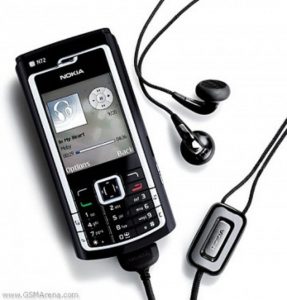
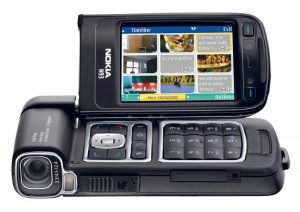
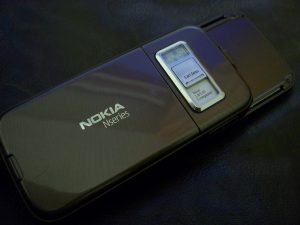
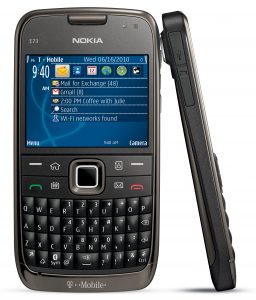
Nokia E Series
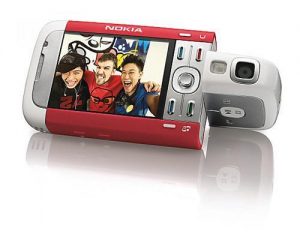
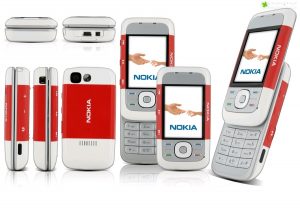
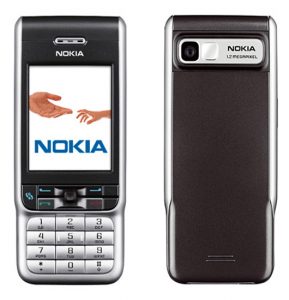
Nokia 5300 Xpressmusic
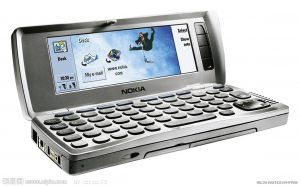
Communicator
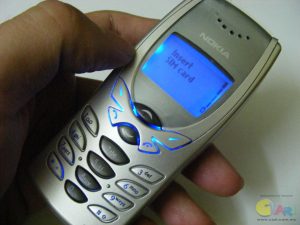
Nokia 1011 was the first mass-produced device from Nokia. The design of the device was quickly copied into making pencil boxes for kids. The memory could hold 99 numbers and had a price tag of $1600.
Nokia 3310 announced on 1st September 2000, has now become a cult classic. There are unlimited internet memes based on the “Hulk-ness” of the device. Touted in humor as the only Man-Made thing that can incapacitate the Hulk. Nokia sold over 126 million pieces of the 3310 which had a 96×48 pixel display. You could take off the front and back panel and replace it with the color of your choice. It was the first phone to allow 459 character SMS messaging.
Nokia 2110 was the first phone to come with the Nokia tune. It is estimated that the Nokia Tune is heard worldwide an estimated 1.8 billion times per day, approximately 20,000 times per second. It has been the icon of Finnish corporation Nokia since the 1990s.
Introduced in 2002, the Nokia 3510 was the first color phone from the company. It was also the first mass market GPRS device.
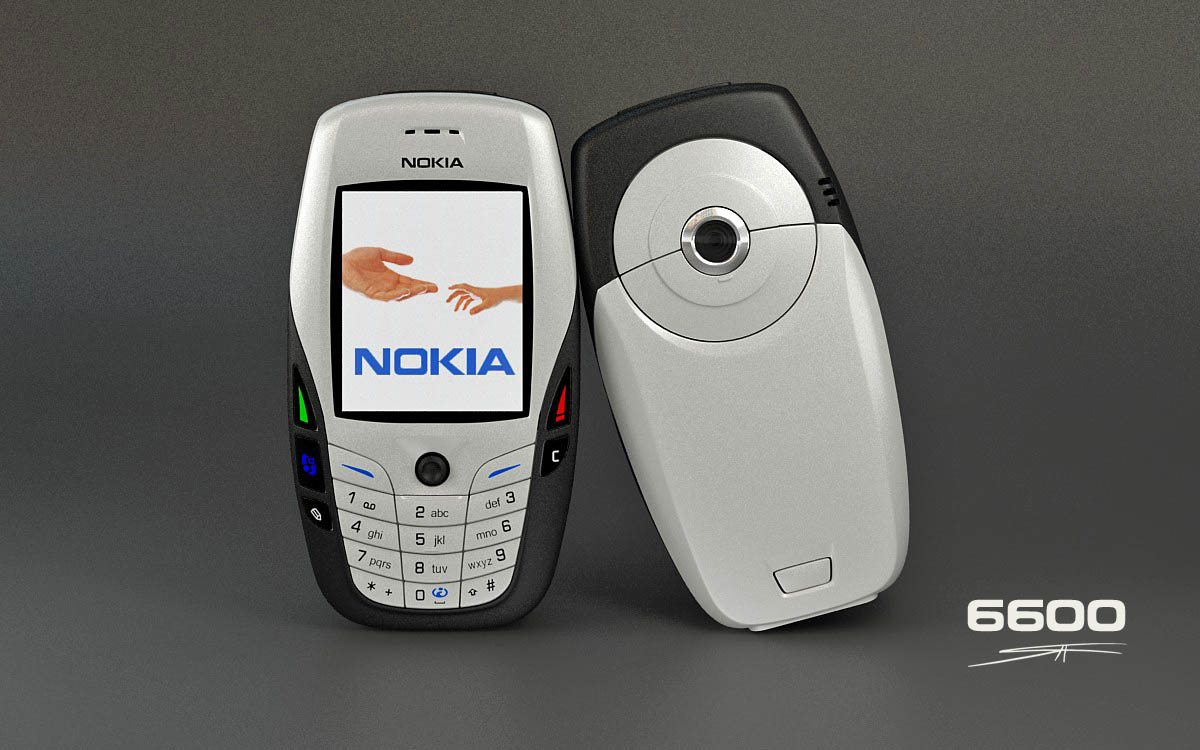
The 6600 was one of the most popular devices and was almost the star of the movie, Cellular.
The Nokia 6600 was a prolific device that was launched in 2003. The owners of the phone flaunted its VGA camera, Bluetooth and expandable memory. It was the first Nokia and Symbian device to sell over a million.
The devices from Nokia were also known for its superior camera performance. Thanks to its popularity amongst the users worldwide, at one point Nokia was the biggest digital camera manufacturer in the world. It surpassed all other conventional camera makers.
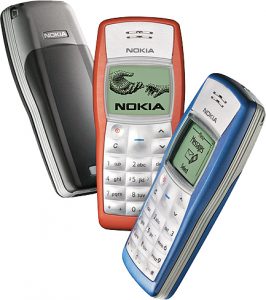
The company has set records after records during its stint at the top of the food chain. In fact, the Nokia 1100 is the bestselling phone yet, selling over 250 million devices. At its peak the company sold 475 Million devices back in 2008, a feat that is still unchallenged.
So What Remains of Nokia
Following the departure of the mobile and services division of the company, the company is now has three business groups: Mobile Solutions, HERE, and Technologies. The company is currently headed by India-born Rajeev Suri.
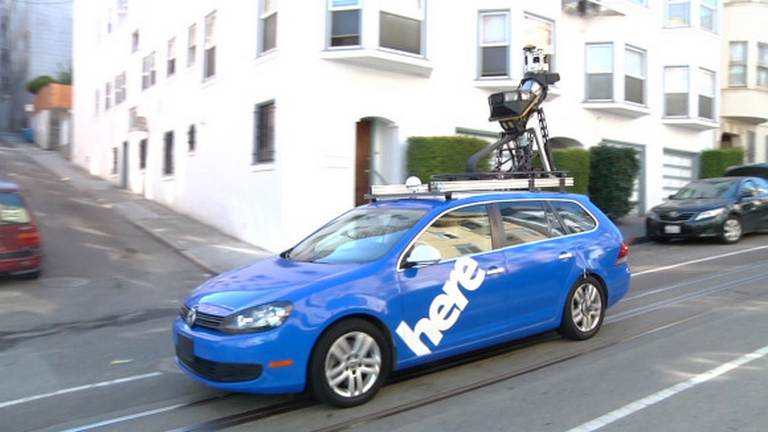
Nokia’s Mapping service Here is one of its remaining businesses.
In 2007 Nokia acquired Chicago-based company NAVTEQ, which was the largest maker of automotive. This set the path to Nokia’s Here Maps. The mapping system is one of the few business retained by Nokia following its acquisition by Microsoft. Nokia will be now selling the mapping data to navigation providers like Garmin, BMW, Oracle and Amazon.com. It will now be available as a service across multiple platforms like Android and iOS.
India born Rajeev Suri will be heading Nokia in its new era.
Nokia Networks, which is a wholly owned subsidiary of Nokia will also stay back with the company. It is a multinational data networking and telecommunications equipment company. They provide business services like Customer care support, fixed-mobile convergence, Hosting, IPTV, Mobile TV, WCDMA frequency reforming. It also provides connectivity solutions to governments, railways and airways.
Nokia had developed a new operating system called MeeGo. When it shifted to Windows phone, the MeeGo team left Nokia to form an independent phone company called Jolla. The phones recently arrived in India.
Another brand that is the offspring of Nokia is the luxury smartphone maker, Vertu. It was established by Nokia as a wholly owned subsidiary in 1998. For long the company used Symbian OS before shifting to Android recently. The phones are known for their stratospheric price and handcrafted luxury devices.
The journey of Nokia was long, arduous and for the most part rewarding. The company deserves credit and respect for spearheading the mobile revolution across the world. For the folks who saw the transition of the mobile world in the past two decades, the name Nokia brings a lot of memories of personal communications through what are now archaic devices. The mobile world has come a long way, but the fingerprints of Nokia will be visible everywhere. We don’t know what the future holds for Nokia, but we sure hope that it pulls a ” Motorola” and has a chance to rise from its ashes. RIP you Tech Giant.
Timeline
1982: Nokia created the world’s first car phone, the Mobira Senator. It was paired with the Nordic Mobile Telephone analog standard and weighed around 22 pounds.
1987: the portable Cityman was Nokia’s first handheld mobile phone. It weighed a little over 1.7 pounds and cost about $5,456.
1994: Nokia launched the 2100 with the now iconic Nokia ringtone.
1997: Launches Snake, one of the most widely recognized mobile games of all time.
1996: The Communicator 9000 of was the first all-in-one phone of Nokia’s kind. It had email, web browsing, fax, word processing and spreadsheet capabilities came for $800.
2000: Nokia 3310, the hulk of the mobile world is launched, and it sells 126 million units sold worldwide. Later becomes a popular internet meme.
2002: Nokia 7650 for around €600 was Nokia’s first Camera phone.
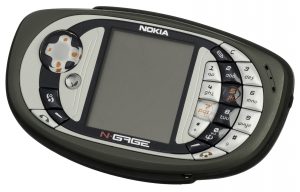
2003: N-Gage, World’s first gaming phone.
2008: 5800 Xpress Music release was Nokia’s first all-touch smartphone, but Apple was out with its iPhone and Android was coming up around this time.
2011, Nokia debuted its first Windows Phone, the Lumia 800.
2014, Microsoft acquires Nokia’s Mobile and Services business and puts an end to Nokia’s existence as a mobile brand.
Despite the reports claiming that the device will not be launched in India, the company seems ready to roll out the Galaxy Note Edge in India, Europe and some other countries, though in limited numbers. Back at the launch, Samsung made it clear that the Galaxy Note Edge would be a ‘limited edition concept device’.
SamMobile has revealed a list of countries where the device would be made available. As it’s a limited edition smartphone, it will be available in limited numbers and will most likely be priced at a premium price segment. Currently, the Note Edge is up for sale in US for $946 off-contract, which translates around Rs. 59,000.
Apart from India, the Galaxy Note Edge will be launched in Australia, Singapore, Nepal with the model number SM-N915G. The Galaxy Note Edge SM-N915FY model will sell in Germany, The Netherlands, United Kingdom, Luxembourg, Spain, Italy, Switzerland, Poland, France, Nordic countries, Austria and Portugal, while the SM-N915F model will sell in Russia and Kazakhstan.
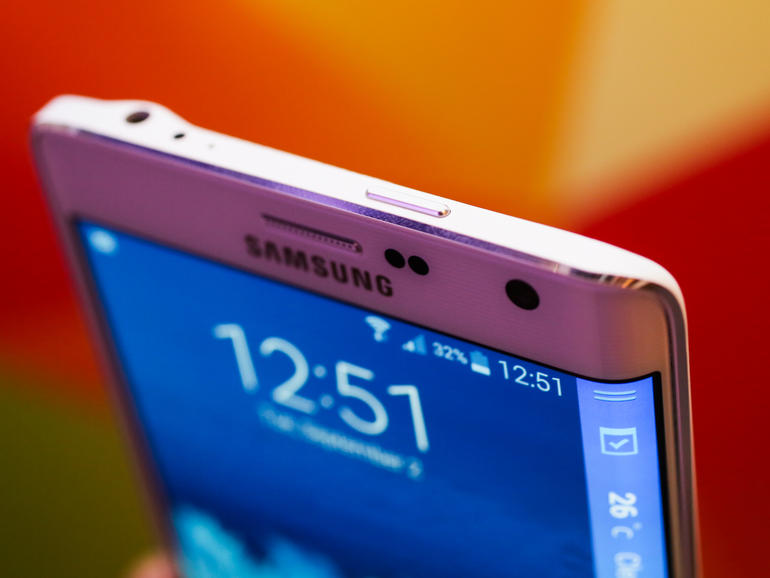
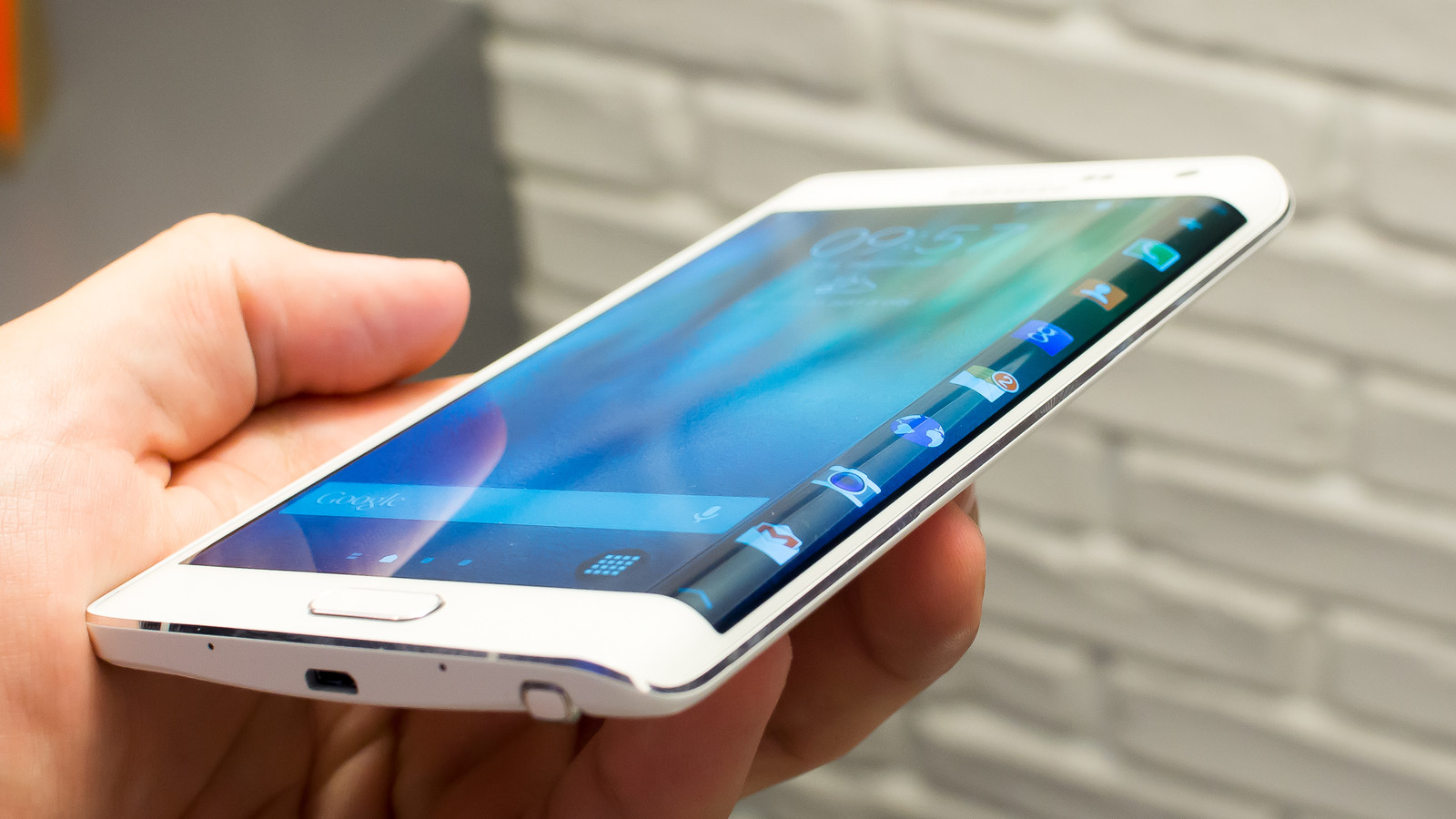
The unique feature of the Galaxy Note Edge is its flexible display panel at the right-hand side, which is a completely separate display panel alongside the primary display panel. Apart from the curved display, the phablet is more or less identical to the Galaxy Note 4 when it comes to features and peripherals.
Specs-wise, the smartphone has a 5.6-inch Quad HD 2560×1440 display and is powered by a 3000 mAh battery. It comes with Snapdragon 805 or Exynos 5433 chipset, Android 4.4 KitKat, 16 MP OIS camera and S Pen stylus. With this launch, Samsung proved that it still has an eye for innovation.
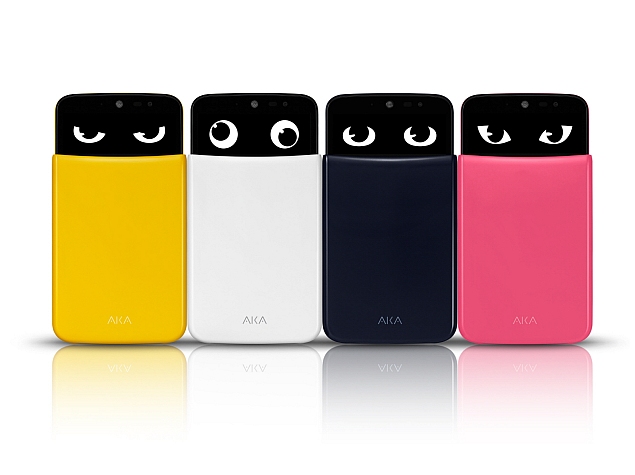
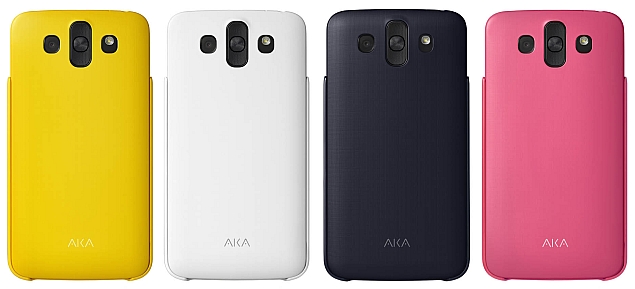
LG has announced a brand new Android smartphone called AKA. Launched in the company’s home market South Korea, the AKA is targeted at young customers, and comes with four unique cases that transform it into different characters: Eggy (yellow case), Wookie (white case), Soul (blue case) and YoYo (pink case).
The front of the phone, when covered with theses interesting cases, shows animated eyes of the four characters. The eyes are more than simple animations as they can provide info including notifications and battery status.
On the hardware front, the LG AKA offers a 5-inch IPS display with 720×1280 pixel resolution, LTE, 8 MP rear camera with laser auto focus, 2 MP front-facing camera, quad-core 1.2 GHz processor (unknown maker), 1.5 GB of RAM, and 16 GB of expandable memory. The handset comes with a 2610 mAh battery and weighs 135.5 grams without the front cover.
LG AKA’s connectivity options include 4G LTE, Bluetooth 4.0, Wi-Fi 802.11 a/b/g/n/ac, NFC, GPS, AGPS, and USB 2.0. and measures 138.7×71.9×9.9 mm. According to the official blog post, LG AKA is available starting today in South Korea via all three carriers running Android 4.4 KitKat out of the box. However, there’s no word on how much the smartphone costs. It seems unlikely that the new AKA will be launched in any other market apart from South Korea.
The South Korean electronic giant on Monday started rolling out its KizON wristband in Europe, which was launched in July. LG KizON is a wearable device exclusively designed to help parents track their pre-school and primary school children.
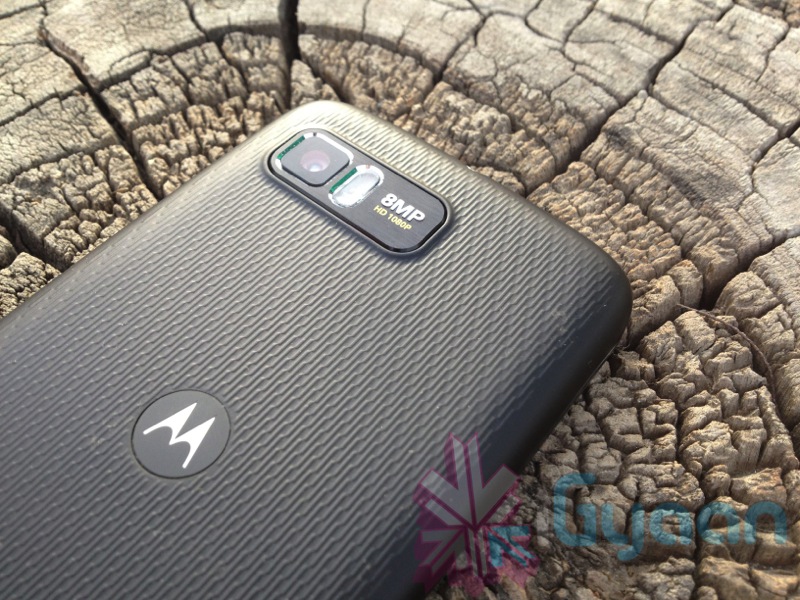
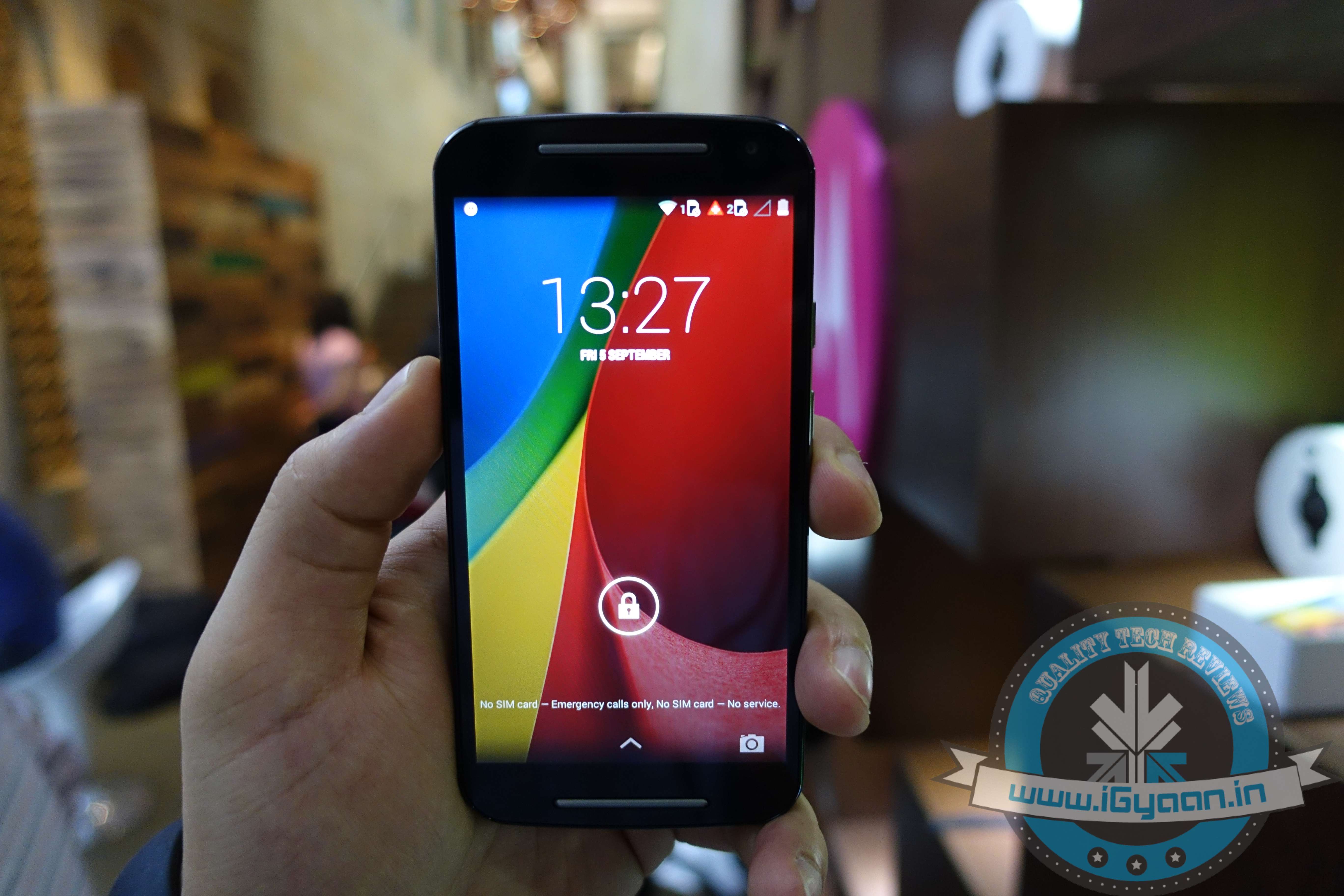
Since the announcement of the Gen 2 Moto X and Moto G, we have been expecting that the Lenovo subsidiary, Motorola Mobility, might launch an updated Moto G with 4G support. Well, the news might come true as a handset codenamed ‘Motorola TBD’ has made an appearance at Geekbench Browser revealing similar specifications.
According to the Geekbench 3 listing, the unnamed phone packs a quad-core Qualcomm Snapdragon (MSM8916) 410 chipset clocked at 1.19 GHz. Notably, the Snapdragon 410 is both 32-bit and 64-bit capable. It comes with 1 GB of RAM. The device has scored a 434 and 1148 points under single and multi-core benchmarks.
It is a pretty decent score for a budget smartphone, but there are some confusions about what device it refers to. Many tech blogs say it might be the second generation Moto E (aka Moto E2), while others suggest that this may be the advanced version of the recently released Moto G (Gen 2.). The former one is highly unlikely to receive the update, considering the price bracket Moto E belongs to.
Moreover, if past Motorola device launch history is any indication, we strongly believe the mystery device is the 4G-LTE variant of the second generation Moto G, unless the company is working on whole new other budget handsets. Also, the use of Snapdragon 410 series chipset makes sense over 400 series 3G based Moto G (Gen 2), if Motorola wants to get hold of the developed markets like USA and Europe.
Motorola earlier launched the Moto G (Gen 1) 4G-LTE in European and American markets, almost three months after the 3G model made its debut. As for now, there is no official word on any such device, hence, the report should be treated as pure speculation.
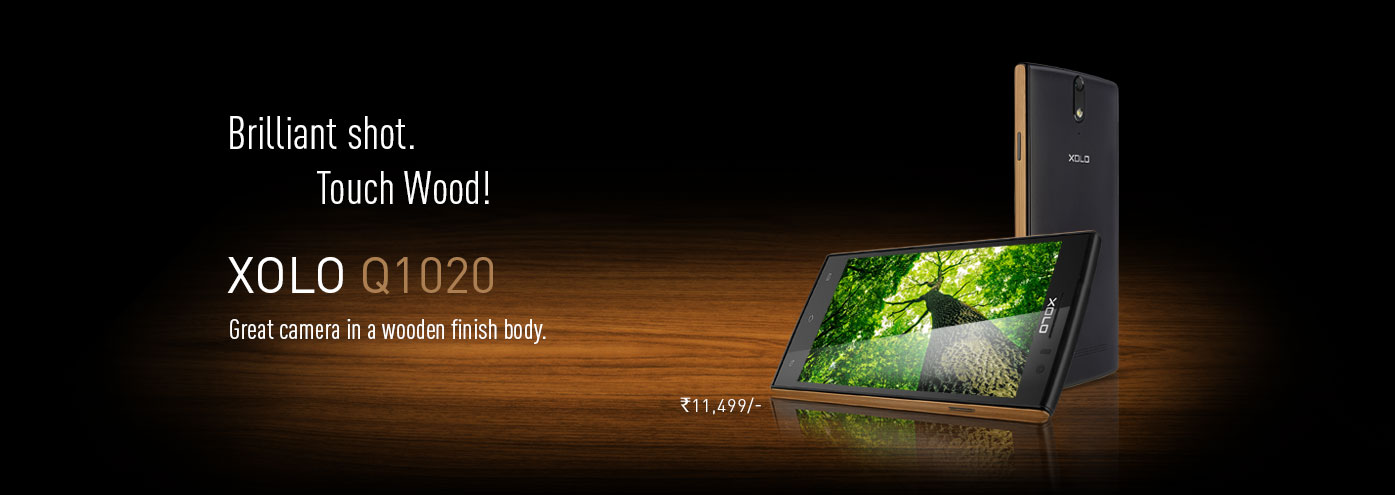
XOLO has added a new smartphone to its Q series lineup, the XOLO Q1020. The device was launched via a Facebook post for Rs. 11,499. Listed on the company’s website, there is no word regarding its availability.
The new XOLO Q1020 features a 5-inch HD IPS display with a 1280×720 pixel resolution and comes with scratch resistant Corning Gorilla Glass 3 protection. Under the hood, it is powered by a 1.3GHz quad-core MediaTek MT6582 processor coupled with a Mali 450 GPU and 1 GB of RAM. It runs the Android KitKat OS with dual-SIM capabilities.
In terms of memory, the Q1020 comes with 8 GB of in-built storage expandable up to 32 GB via a memory card. Optics includes a 13MP rear shooter with Exmor RS sensor, LED flash along with a 2MP selfie cam. The camera app comes with features like scene detection, Panorama, geo-tagging, best shot, smile shot, and HDR options.
Connectivity options include 3G, Wi-Fi 802.11 b/g/n, Micro-USB, A-GPS, 3.5 mm audio jack and FM radio. The phone has a 2100mAh battery which is claimed to deliver up to 13 hours of talk time on 3G, and up to 454 hours of standby time on 2G. The phone will be available in black and white colour variants.
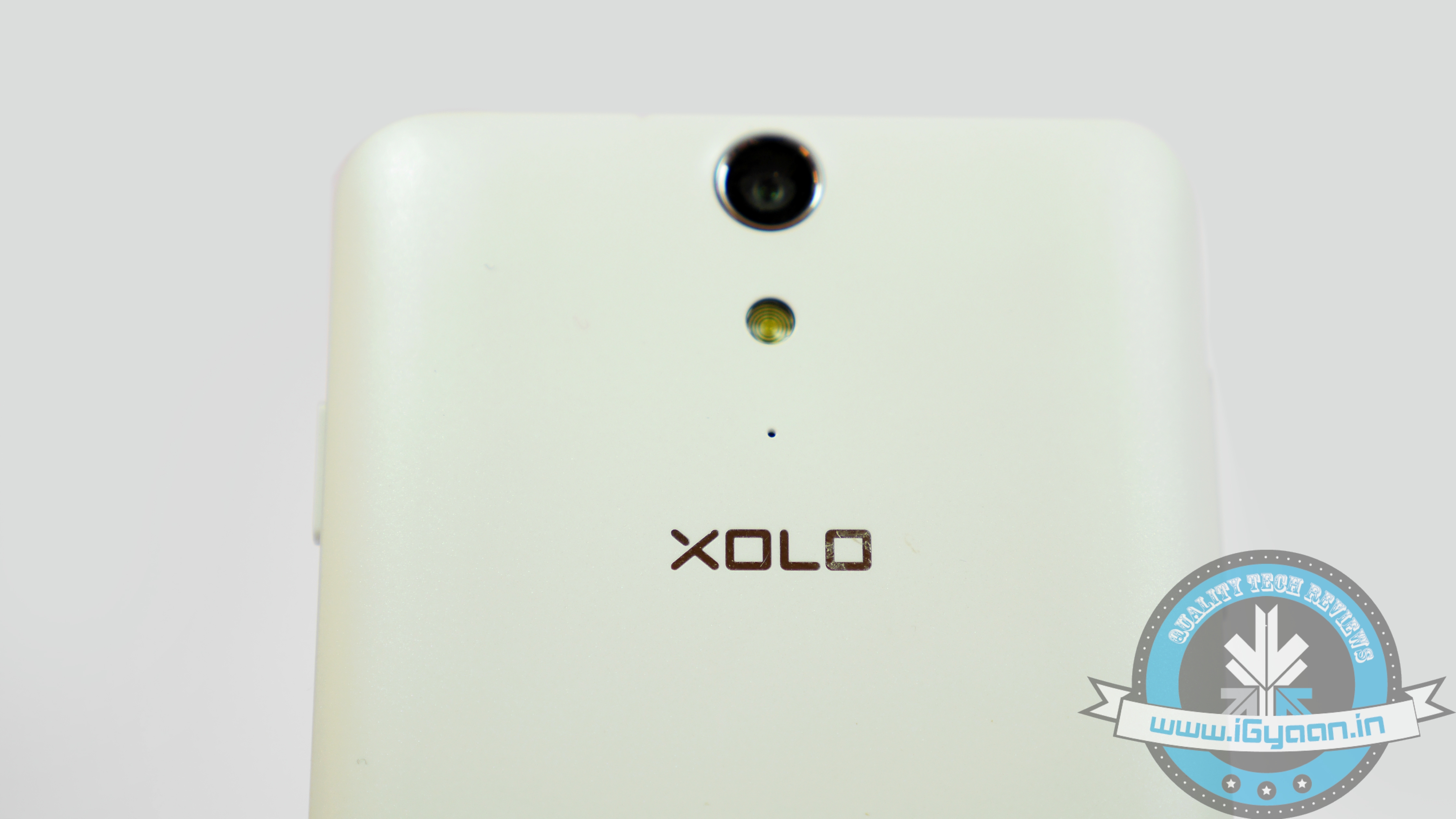
The XOLO Q1020 comes with a wooden finish at the edges.
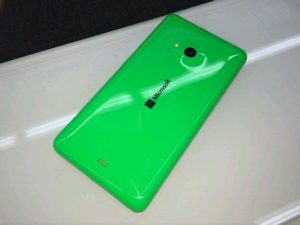
The first-ever Microsoft-branded Lumia is a hot topic these days. The software giant is all geared to announce their first Lumia device without the Nokia branding next week, marking the end of Nokia as a smartphone manufacturer. Now, the new reports have surfaced that showcases leaked images of the Microsoft Lumia RM-1090. Courtesy: China’s Tieba, an online community powered by Baidu.
According to the leak, the expected Microsoft-branded Lumia smartphone will be a low-end device and will feature a 5-inch QHD display with 960×540 pixel resolution. It will be powered by a Snapdragon 200 chipset clocked at 1.2 GHz bundled with 1 GB of RAM, dual-SIM, 8 GB ROM, a 5MP primary camera with LED and a 1900mAh battery.
Microsoft Lumia RM-1090 will be 140.2×72.45×9. 32 mm and weighs 145.7 grams. It will be available in following colour variants – white, black, grey, green and orange. Connectivity features will be limited to 3G with HSPA and GSM. The handset is said to have been cleared for US FCC certification in October after being cleared for TENAA certification.
We can expect it to go head to head against the Android One series.
Airtel India has launched a unique ‘One Touch Internet’ portal in an attempt to persuade first-time Internet users in India. The initiative primarily aims at assisting beginners to learn and get acquainted with the nuances involved as far as the mobile data is concerned. This ploy clearly suggests that Bharti Airtel is tapping into the steadily growing mobile database across the country, eventually increasing its user base in the process.
The One Touch Internet service will bring all the information regarding Airtel’s various popular services concerning Mobile Internet under one roof. The WAP portal eventually will work as a guide that will provide users with free online tutorials and offer them free Internet access for 10 days. The purpose is to make the new users understand how to navigate and work around social networking websites, watch videos or shop online without paying.
As of now, this service is currently available for prepaid mobile customers on Airtel (2G and 3G). What all users have to do is simply dial 111 or visit http://one.airtel.in on their mobile phone’s web browsers to get the tutorials. These informative videos will be available in English and Hindi as of now, though Airtel plans to introduce eight other Indian regional languages in a few weeks.
Chinese technology powerhouse Xiaomi is all set to acquire chip maker Leadcore. The company might take a 51% stake in the company. It is expected that with the inclusion of these chips, the price of Redmi phones might go even further down.
Xiaomi presently uses Qualcomm Snapdragon chipsets in its handsets. It’s the power of the snapdragon line of chipsets that has given a boost to Xiaomi to take on the world market. Its inclusion of high-quality equipments even on its lower-end devices has created a trust factor amongst its present and future customers.
The company debuted with the Xiaomi Redmi line. But the spec-sheet of these devices helps them to take on other available devices with much higher price tag. Xiaomi has to be very cautious about the quality of its products. They should make sure that the Leadcore chipsets provide the same level of performance as they got from Snapdragon chipsets. Xiaomi will still be using Snapdragon chipsets for its devices that are higher up in the food chain.
There is also a great news for the potential consumers with this development. With Leadcore chips under their belt, the Redmi line of devices can see a major price cut. The phones are expected to lose as much as Rs. 2,000 off their price tag. The device will then truly become disruptive for the market and may cause loads of worry for the competitors. The ones who will seriously feel the brunt will be local manufacturers like Micromax, Lava and others. Guess we just have to wait to see another bloodbath, courtesy again by Xiaomi.
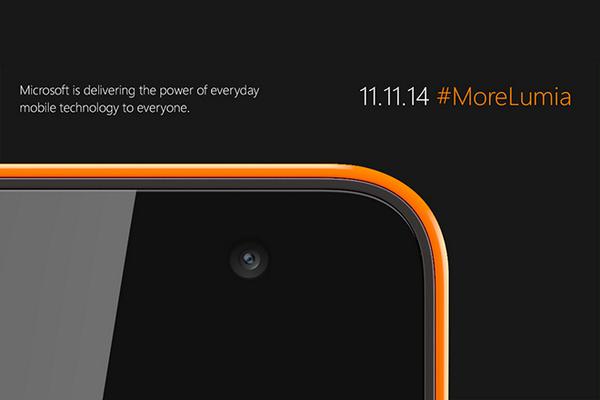
Microsoft confirmed that the first Lumia which is going to launch under the company’s banner will arrive on Tuesday. The software powerhouse has already started sending teasers of an unveiling for the 11th of November, with a tag line that says, “Microsoft is delivering the power of everyday mobile technology to everyone.” The teaser displays an orange curved Lumia device.
Microsoft officially killed the Nokia brand for its upcoming Lumia handsets, and Tuesday’s launch will mark the first time when Lumia device will come without the Nokia branding. While many are speculating it as a flagship device, sources believe that Microsoft will launch this budget device next week.
Microsoft did hint at the possibility of a new Lumia launch soon, with features similar to that of the Lumia 830. It appears to be the latest addition to the low-end Windows Phone from Microsoft. A ploy that the company is using to compete against Android and iOS, as it struggles to stamp its authority in terms of overall OS market share.
It’s still a mystery as to how Microsoft will name its first Lumia; it could even do away with the number scheme we have seen with Lumia devices in the past.
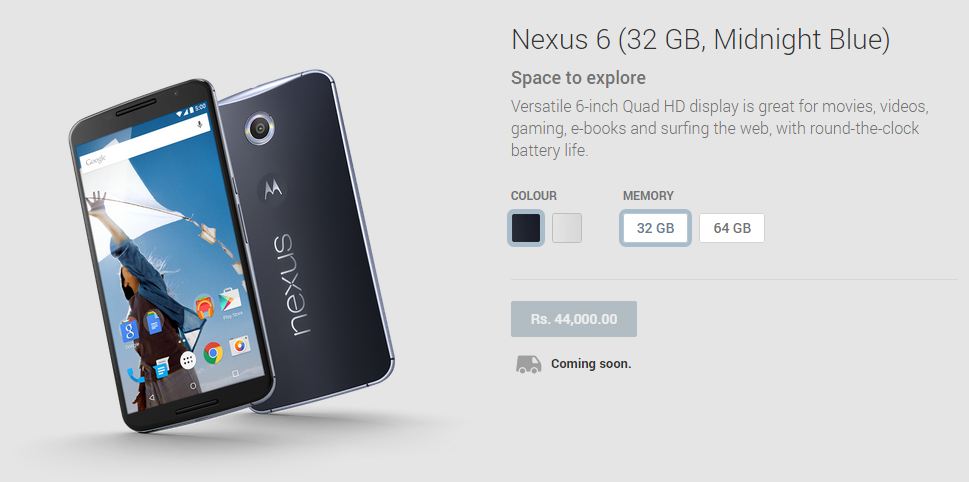
Google’s latest smartphone Nexus 6 is now listed on the Google Play store in India. While the smartphone still appears with a ‘Coming Soon’ tag according to the listing, the final price has been revealed on the Google’s official store.
Earlier, we surfaced the news that the 32 GB variant will be available at a price of Rs. 42,999. But now, according to the listing, Nexus 6 32GB version will retail for Rs. 44,000, while the 64 GB version is priced at Rs. 49,000. The phone is expected to release in two colour options in the country – midnight blue and cloud white.
Anyhow, there is no word on the official release date of the handset. However, it is said that the smartphone is more likely to go on sale during the first week of December. Last month, Google launched the new smartphone Nexus 6 in the country, along with Nexus 9 tablet, Nexus Player and Android 5.0.
Nexus 6 features a 5.96-inch Quad-HD AMOLED display, 2.7 GHz quad-core Qualcomm Snapdragon 805 processor, 3 GB of RAM, 32/64 GB of internal storage and 3220 mAh battery with wireless charging support. Nexus 9 which is also listed as ‘coming soon’ on the Play store powers Android 5.0 Lollipop, 64-bit NVIDIA Tegra K1 Dual Denver processor clocked at 2.3 GHz.
While, the Nexus 9 comes with 2 GB RAM and is available in 16 GB and 32 GB storage variants. The device has an 8.9-inch IPS LCD display with 4:3 aspect ratio. It has a resolution of 2048×1536p and is covered in Gorillla Glass 3. The 16 GB variant is priced at Rs. 28,900 and the 32 GB one will cost you Rs. 44,900.
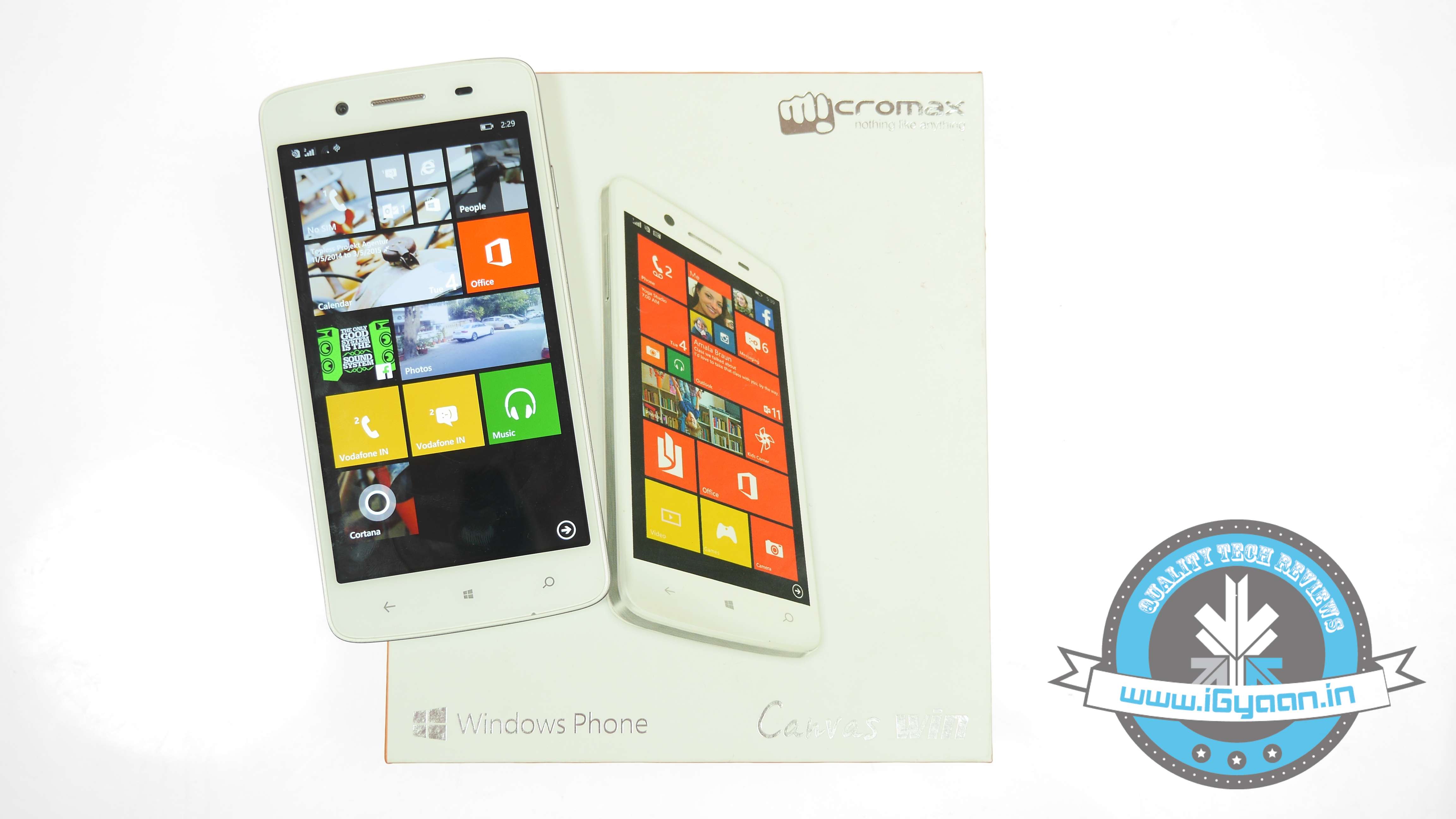
A few domestic manufacturers have launched handsets sporting the Microsoft’s Windows Phone OS, for instance, the likes of XOLO with the launch of their Windows Phone 8.1 OS smartphone, the XOLO Win Q900s. The Redmond-based giant, Microsoft, at its Build Conference in San Francisco announced a few hardware partners for the Windows Phone platform, and you guessed it right, Micromax was one of them.
It’s just been two months since the announcement, and Micromax has already launched the Canvas Win W121 at a relatively economical price of Rs. 9,500.
OVERVIEW
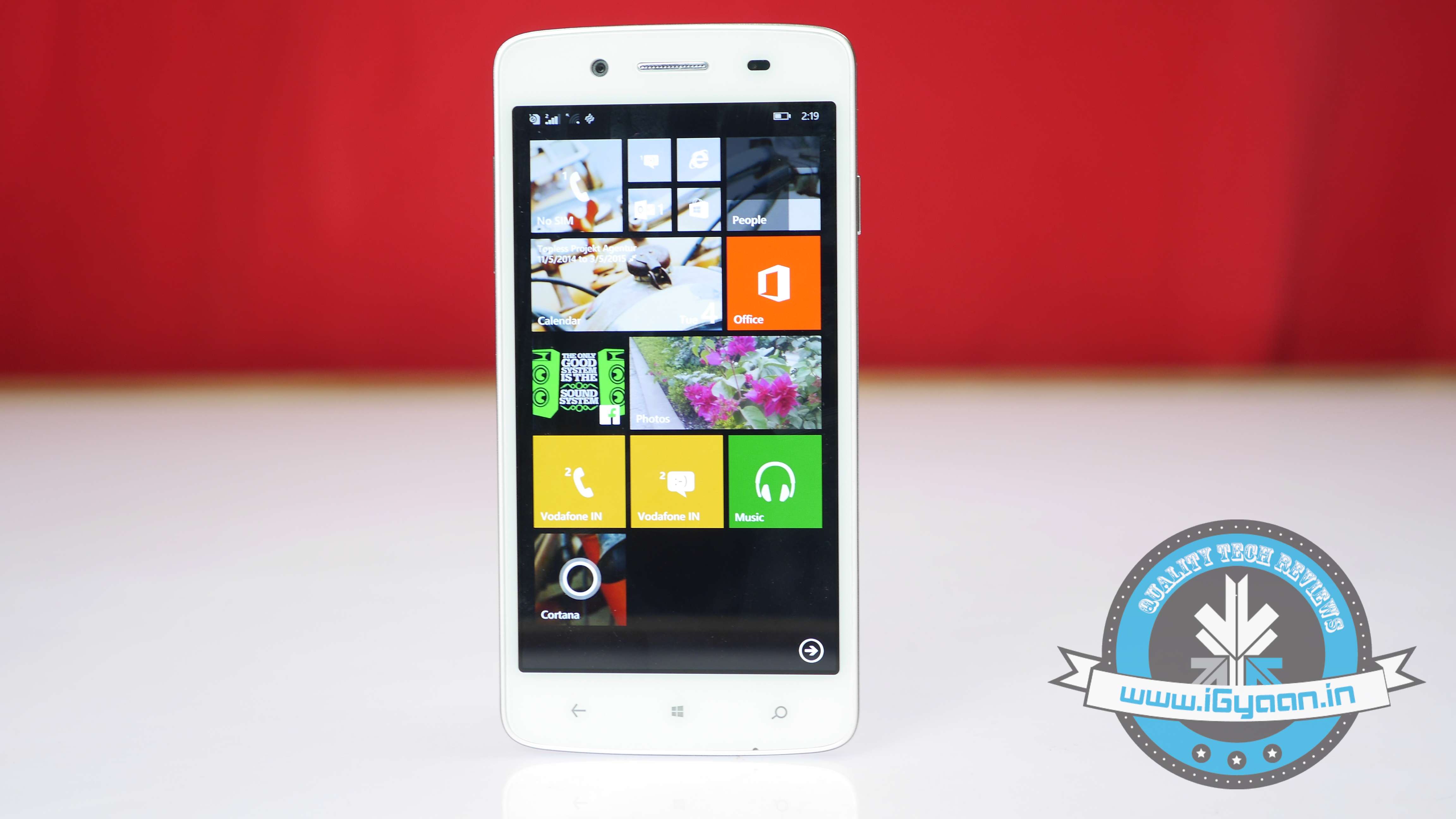
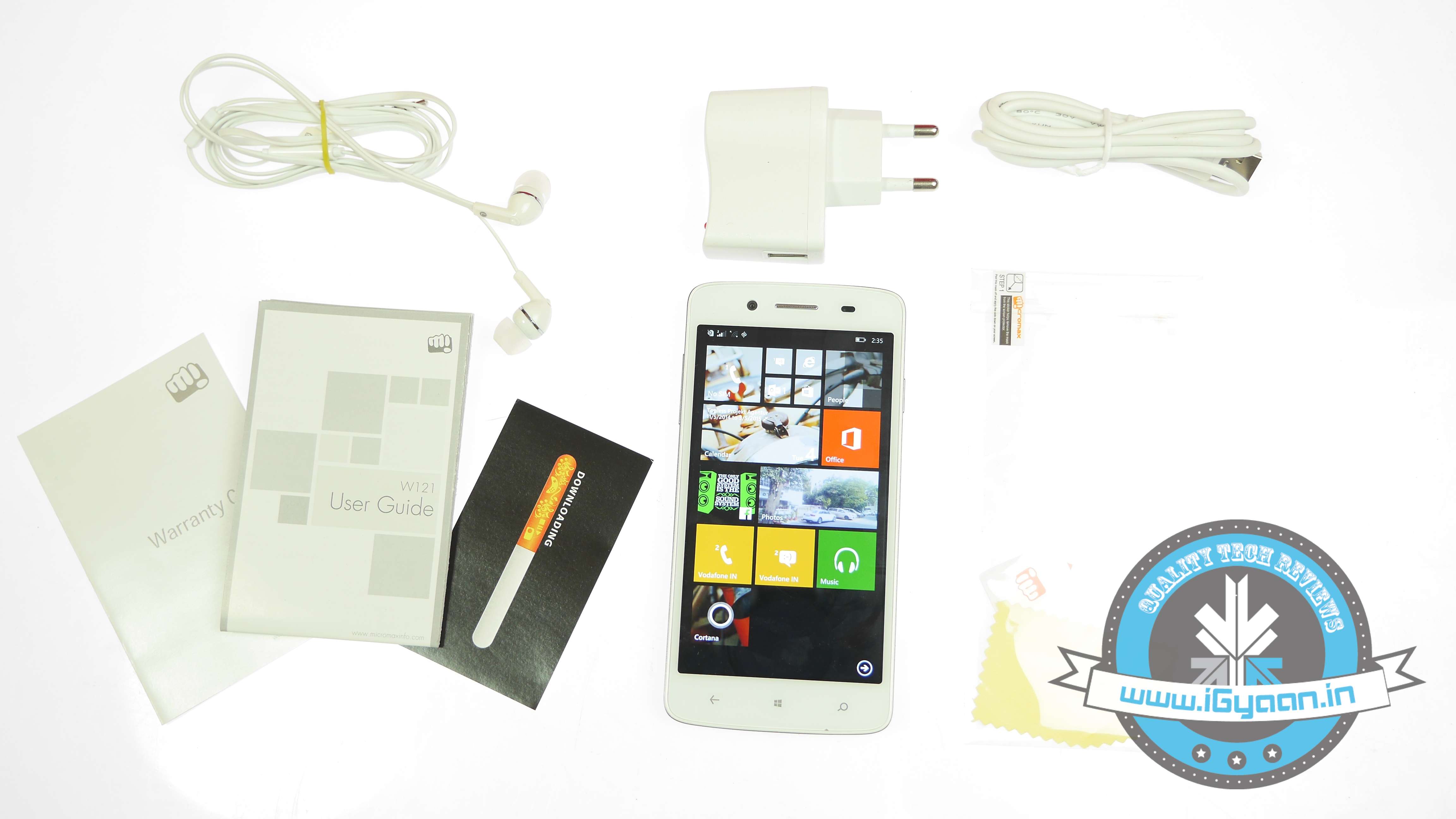
The Micromax Canvas Win W121 runs the latest Windows Phone 8.1 OS and is powered by the Qualcomm Snapdragon 200 quad-core CPU clocked at 1.2 GHz bundled with 1 GB of RAM. Priced at just under Rs. 10,000, it should have a lot of rivals in the over-crowded budget category of smartphones. Boasting a 5-inch HD IPS screen, it can be pitted against the likes of the XOLO Win Q900s, the Lumia 520 and 630 as its closest rivals.
HARDWARE
The Canvas Win W121 is powered by the Qualcomm Snapdragon 200 SoC with four cores clocked at 1.2 GHz, a chipset we are quite used to in this price segment. It has decent enough 1 GB of RAM with a 5-inch 720p HD IPS display, and a 2000mAh battery capacity. It has 8 GB internal memory expandable via microSD up to 32 GB. Connectivity options include GPRS, EDGE, 3G, Bluetooth and USB.
Optics includes a primary 8MP camera with AF, along with a 2MP secondary cam. Specs on the phone do look good but do they translate into real-time performance. Let’s find out.
Specifications
Canvas Win W121
Display
5-inch IPS LCD 1280x720p
Processor
1.2 GHz Qualcomm Snapdragon 200 quad-core
Storage
8 GB + microSD
RAM
1 GB RAM
Camera
8 MP primary camera, 2 MP front camera
Battery
2,000 mAh
Operating System
Windows Phone 8.1
DESIGN AND BUILD
The Canvas Win W121 does have that niche look to it, courtesy of a leather (read: p-leather) back panel, something we saw on the Galaxy Note 3. There’s a lot of plastic on the body, which might be a turn-off for some of us, but the Canvas Win W121 is a bit sleeker and more compact than any of the Canvas’s Android counterparts.
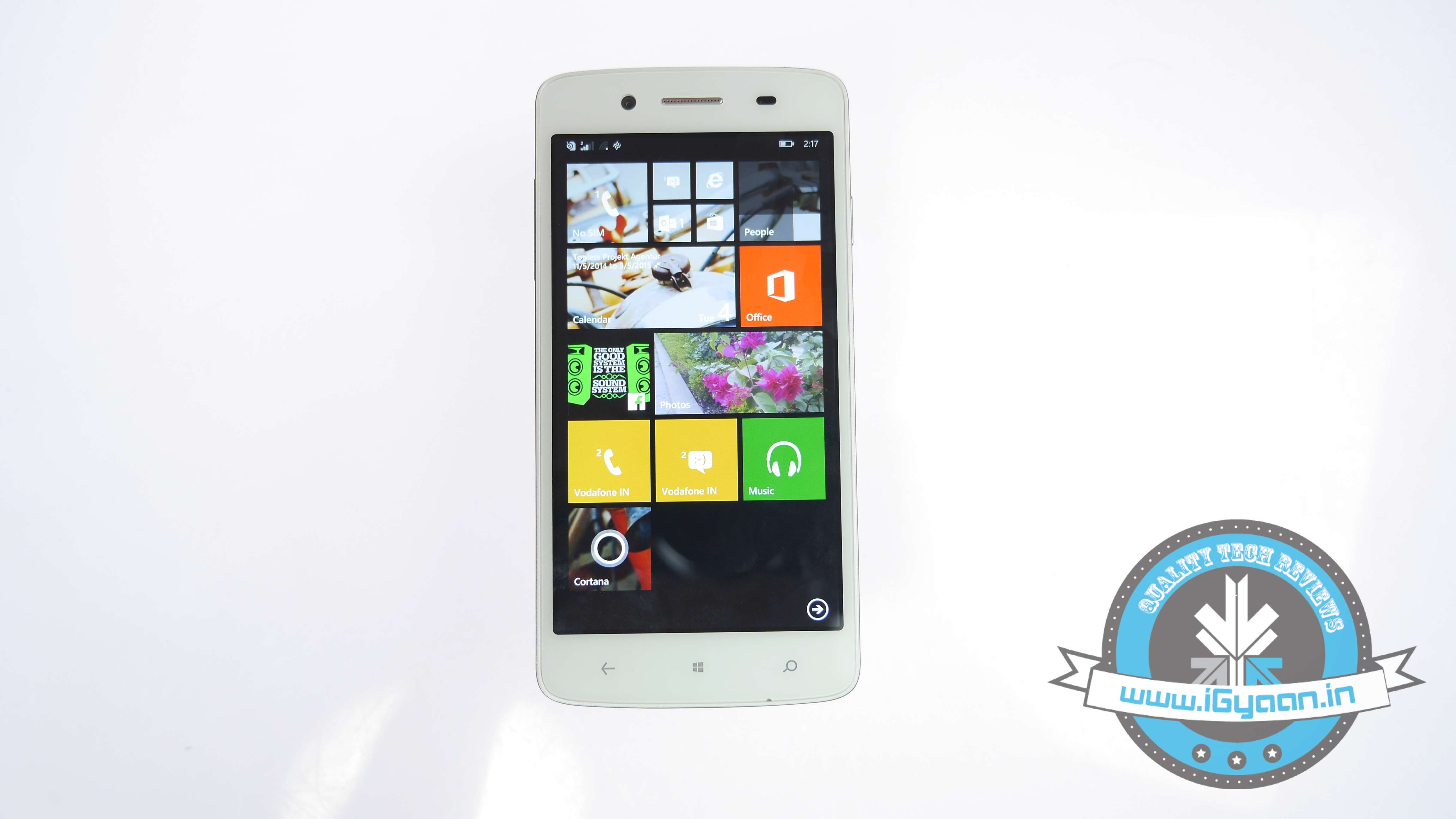
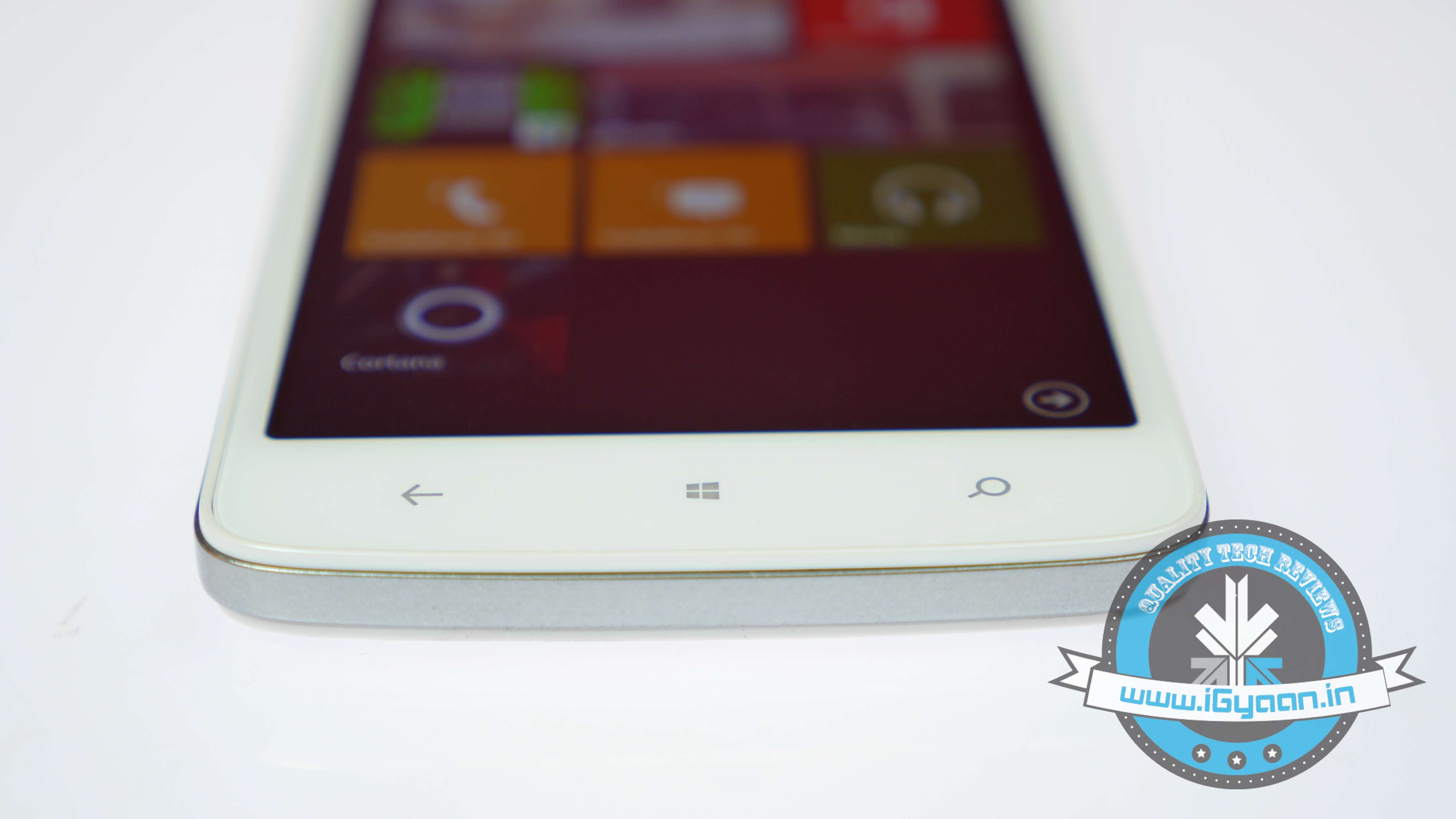
With a 5-inch screen, the device fits in the hand quite well; it is slim and makes for easy one-handed usage. The front houses three capacitive buttons with a Windows logo in the middle, which was absent in the XOLO Win Q900s. However, the capacitive buttons appear to be a tad untidy and seem like a rushed job. They don’t illuminate the way we have seen with other phones, and just lacks the finesse.
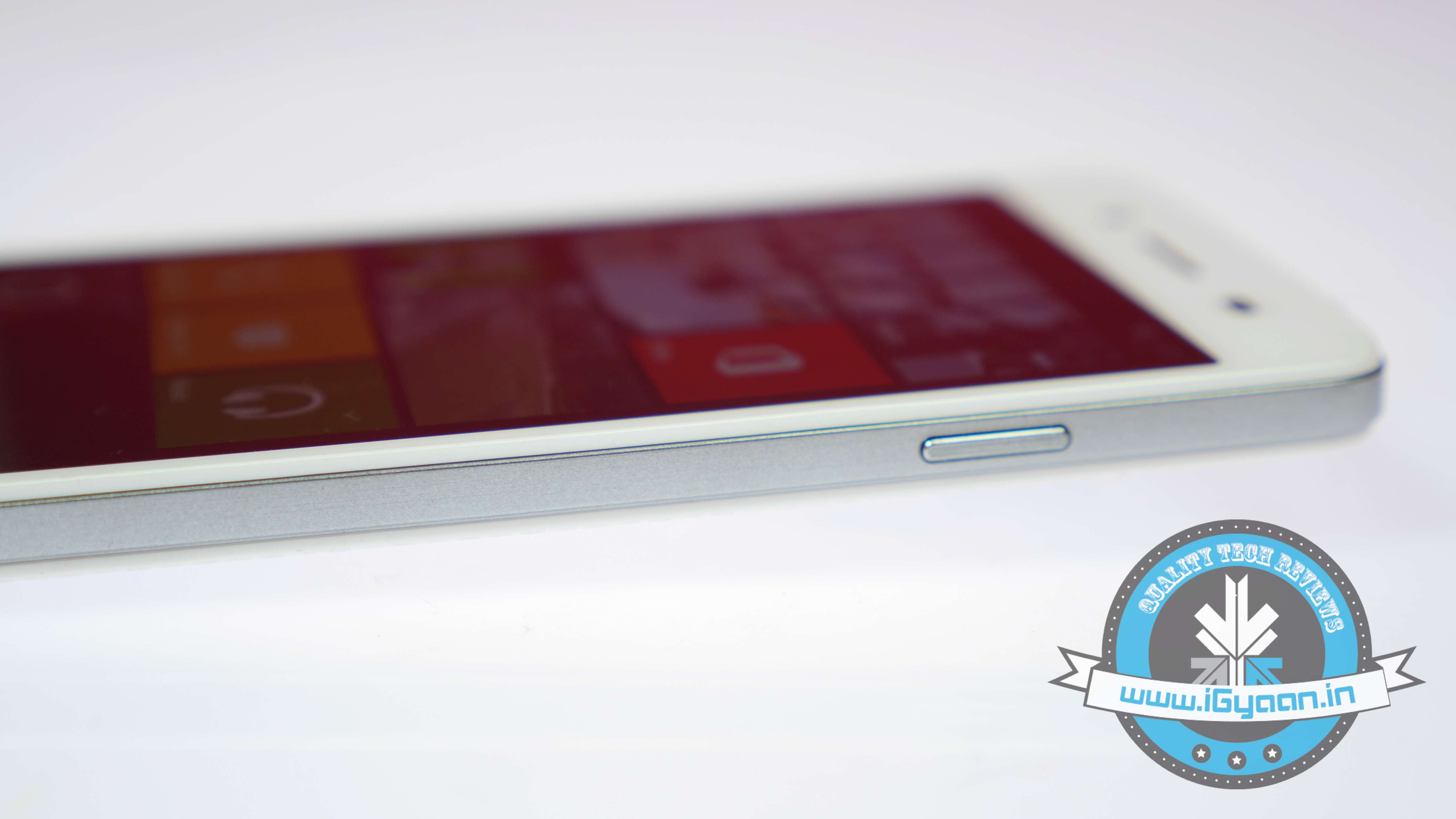
Coming to the sides, it has a metal rig that runs throughout the phone’s entire body, with volume rockers placed on the left and the power button on the right. The keys have a nice touch feel to it. Meanwhile, both the MicroUSB and headphone jacks are located on top.
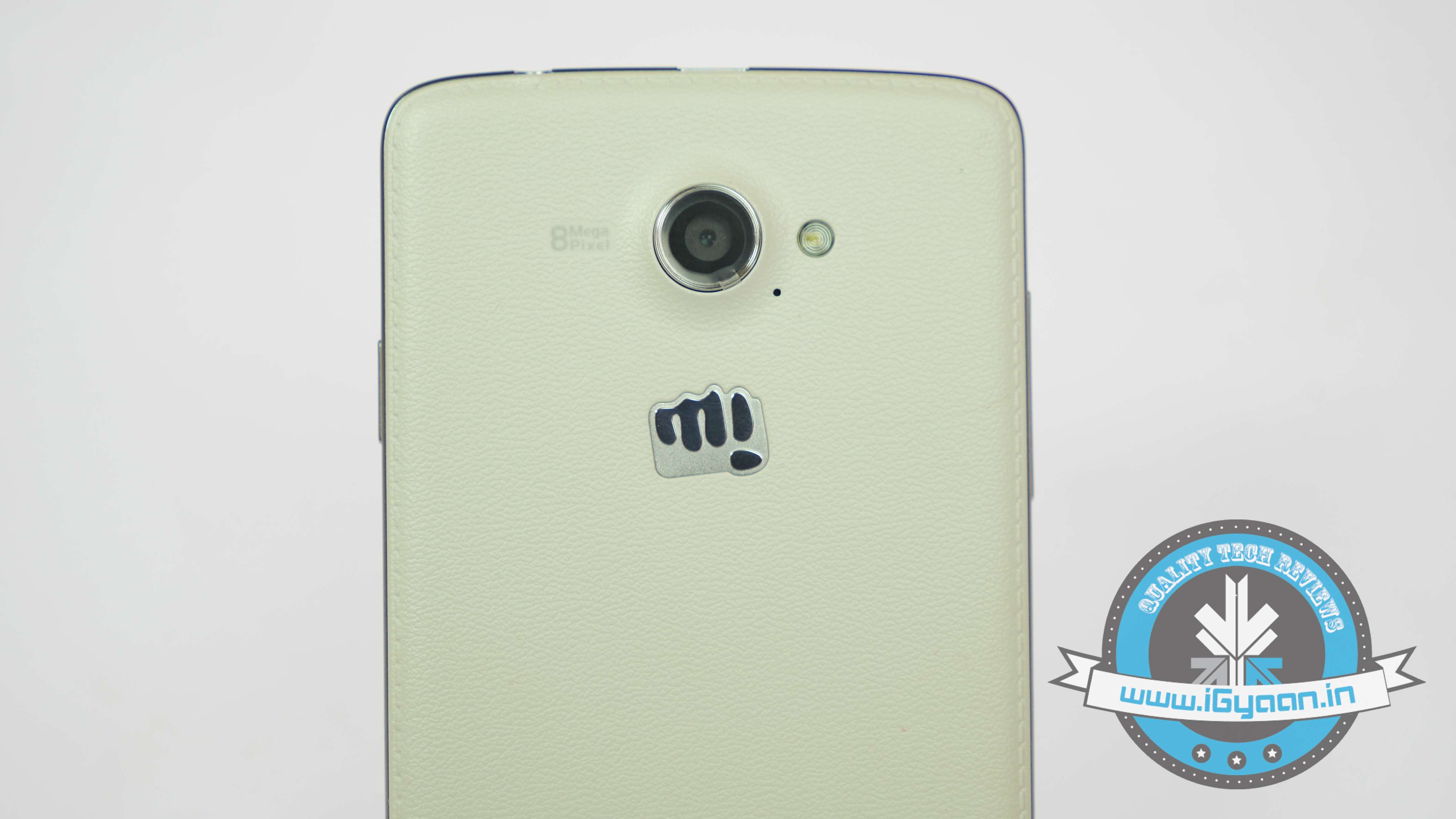
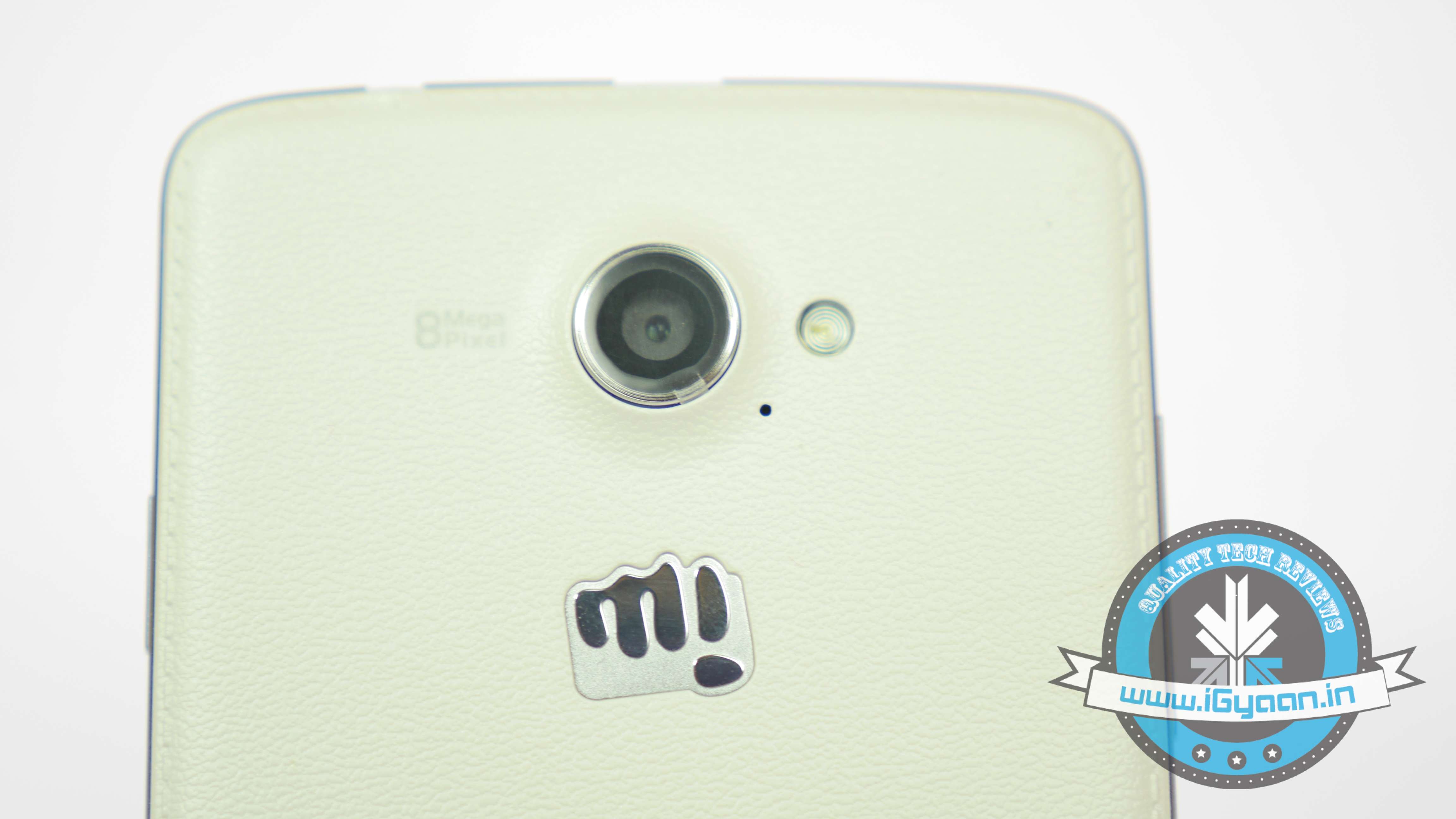
As already mentioned, the rear of the phone has a premium looking leather-esque back panel with stitches around the edges, giving it a more classy appeal. It’s a neat job done on the rear of the phone, with cuts for the camera, flash and external speakers done with absolute precision along with the Micromax logo. The back panel is removable that houses the two SIM card slots, battery and the microSD slot. The phone does impress us when it comes to build quality and design.
PERFORMANCE AND OS
With a Qualcomm Snapdragon 200 chipset clocked at 1.2 GHz bundled with a healthy enough 1GB of RAM, handling everyday usage is like a walk in the park for the Canvas Win W121. It handles multiple apps at ease without any noticeable lags. We did not see any problem using any app, they load up real quick and with Windows Phone 8.1, it allows users to run eight apps in the background. You can navigate and switch between emails, games and other apps like Facebook and WhatsApp in no time.
Moreover, WP 8.1 not being a very power-hungry OS combined with decent hardware results in no issues in launching apps, browsing through the internet or switching apps. In our AnTuTu benchmark test for Windows, the phone managed an impressive 11, 767 points, just edging past the Lumia 630 which managed 11, 760, also surpassing the XOLO Win Q900S which scored 10, 870 in our Antutu Benchmarks.
Model
Antutu Benchmark
XOLO Win Q900s
10,870
Canvas Win W121
11,767
Lumia 630
11,760
High-end games like Real Racing and Asphalt 8 do give the phone a real tough time as the phone starts heating up. That said, the overall performance is quite satisfactory on the Canvas Win W121. Apart from the heating issue, these games run quite well at the highest settings; there aren’t any noticeable hiccups during performance specific stressful instances and loading time is just fine. Considering the price of the phone, this shouldn’t be much of an issue, and arcade/basic games like Subway Surfers and Temple Run look and play quite well on the phone.
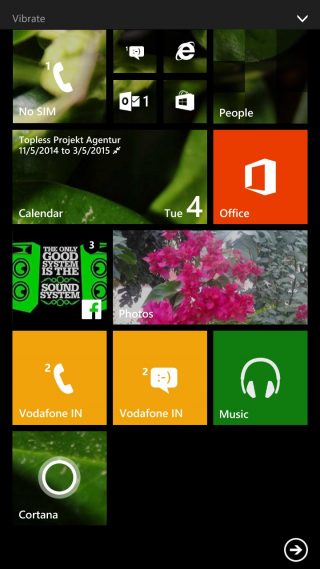
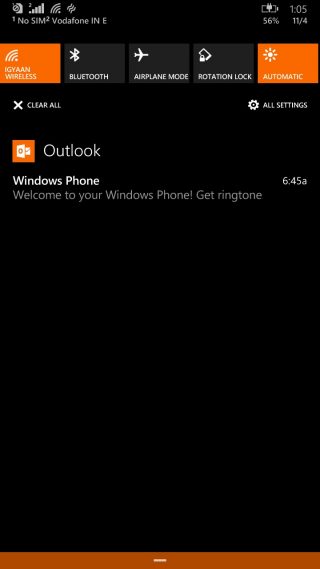
Coming to the OS, the Canvas Win W121 runs on the latest Windows Phone 8.1 OS. The OS has a neat refreshed feel to it, with those signature Live Tiles, and the new action centre that was missing with earlier version of the platform. The OS now looks much more functional and complete.
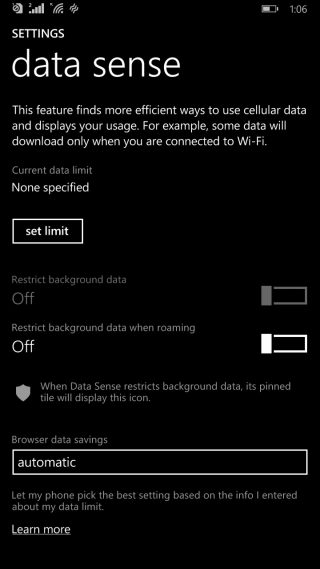
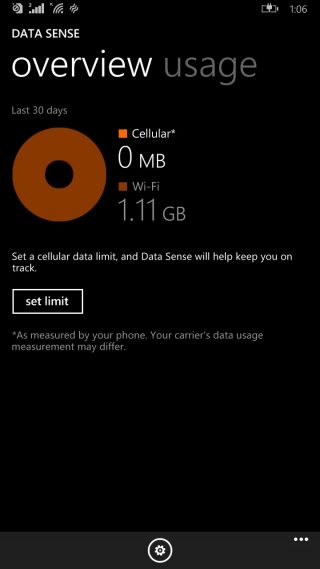
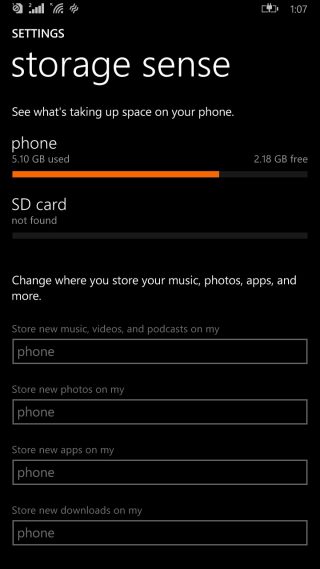
It looks really neat and brings along a slew of nifty features with a lot of customisation options. The new Swipe keyboard feels great, Data sense and Wi-Fi sense keep a tab and look after your data and Internet usage, meanwhile Storage sense offers easy ways to organise your data.
The phone offers dual-SIM support, and the OS offers an exclusive section to manage the SIMs along with setting the default SIM slot for calls and 3G.
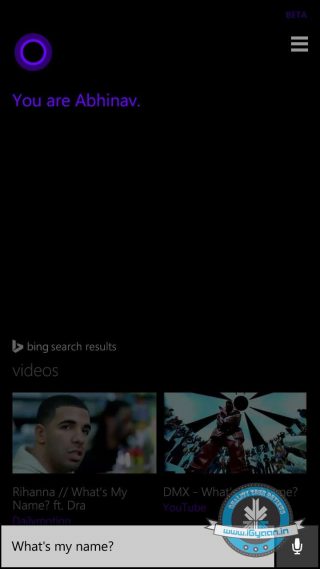
Not to forget Cortana, a real life personal assistant, who has a quirky attitude and makes interaction with the device a lot more fun. She can gather info, manage your appointments, set alarms, dictate your messages and can do a lot more. She definitely adds to the whole OS experience. (NOTE: Cortana is not available in India as of now, though users can change the phone settings to US to make it functional).
As already mentioned, WP 8.1 as an OS does not demand a lot of the phone, so navigating and switching between apps is quite smooth. Compared to its previous iteration, WP 8.1 is a significant improvement with faster loading, a better keyboard, nice touch response and an interactive personal assistant is quite a ride.
However, the device does not have support for apps that we saw in the Lumia range. This smartphone is devoid of popular apps like Here Maps, Nokia Music and all the camera apps.
CAMERA
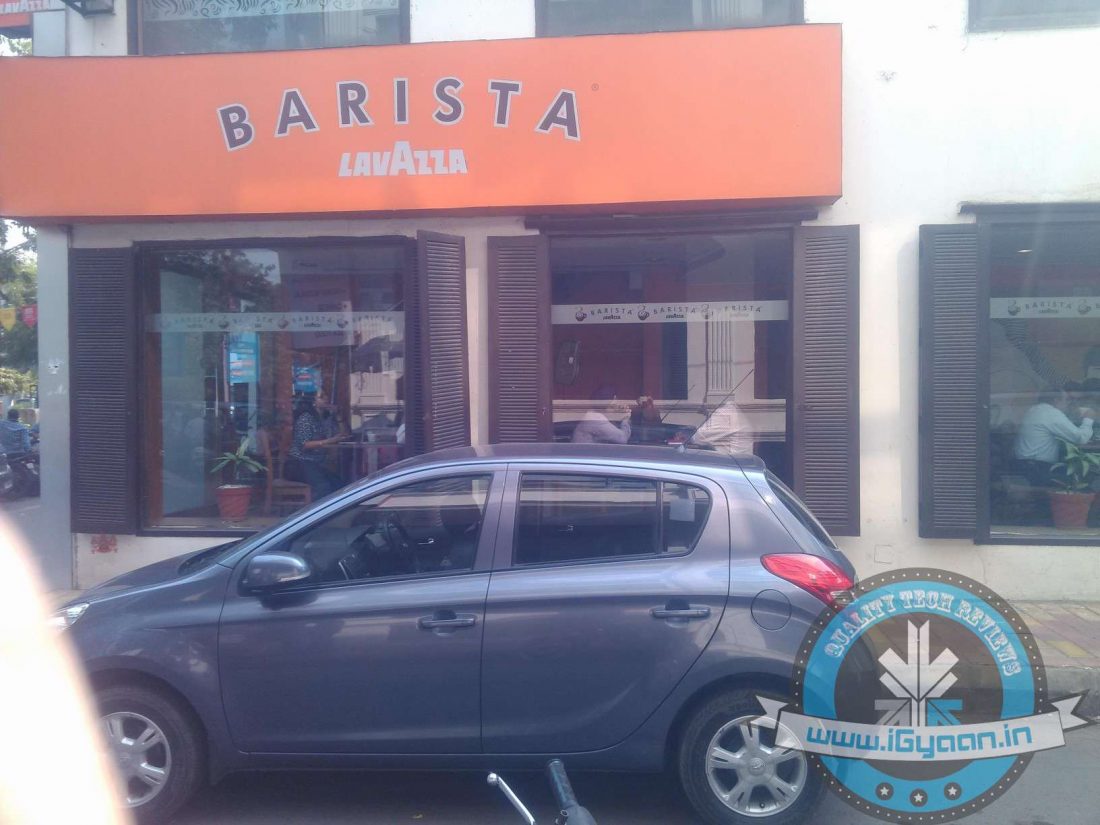
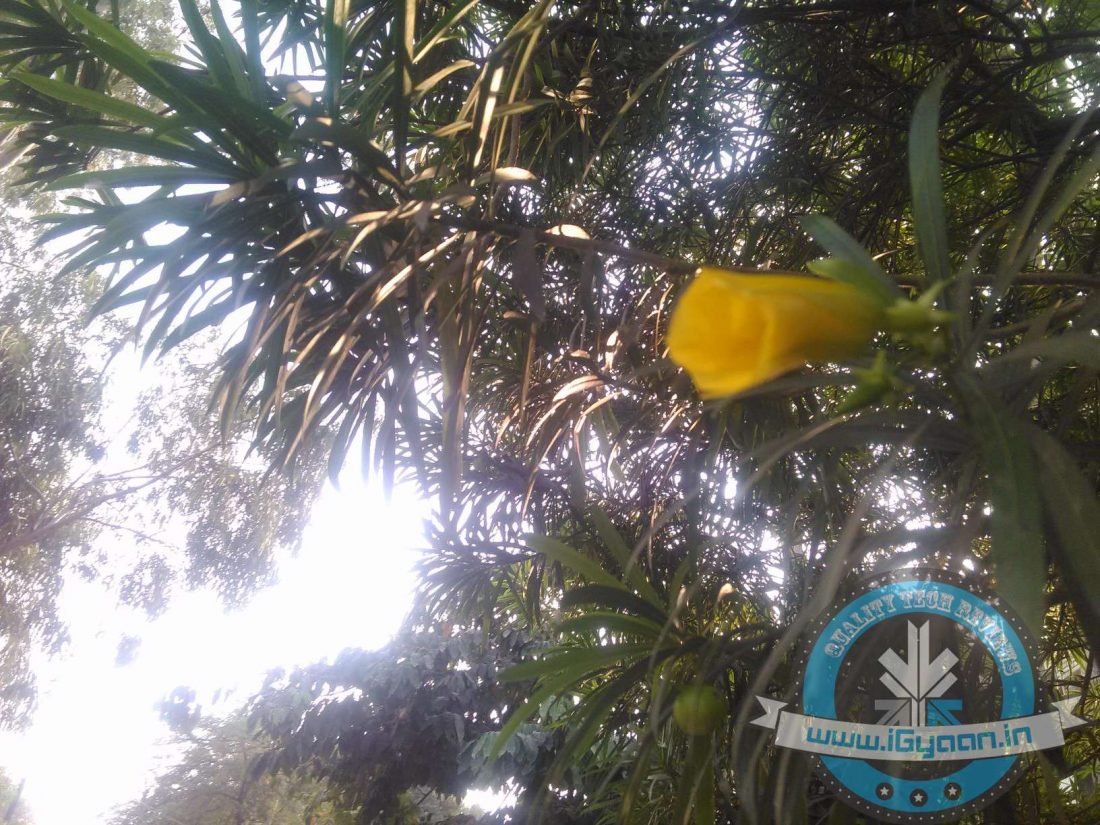
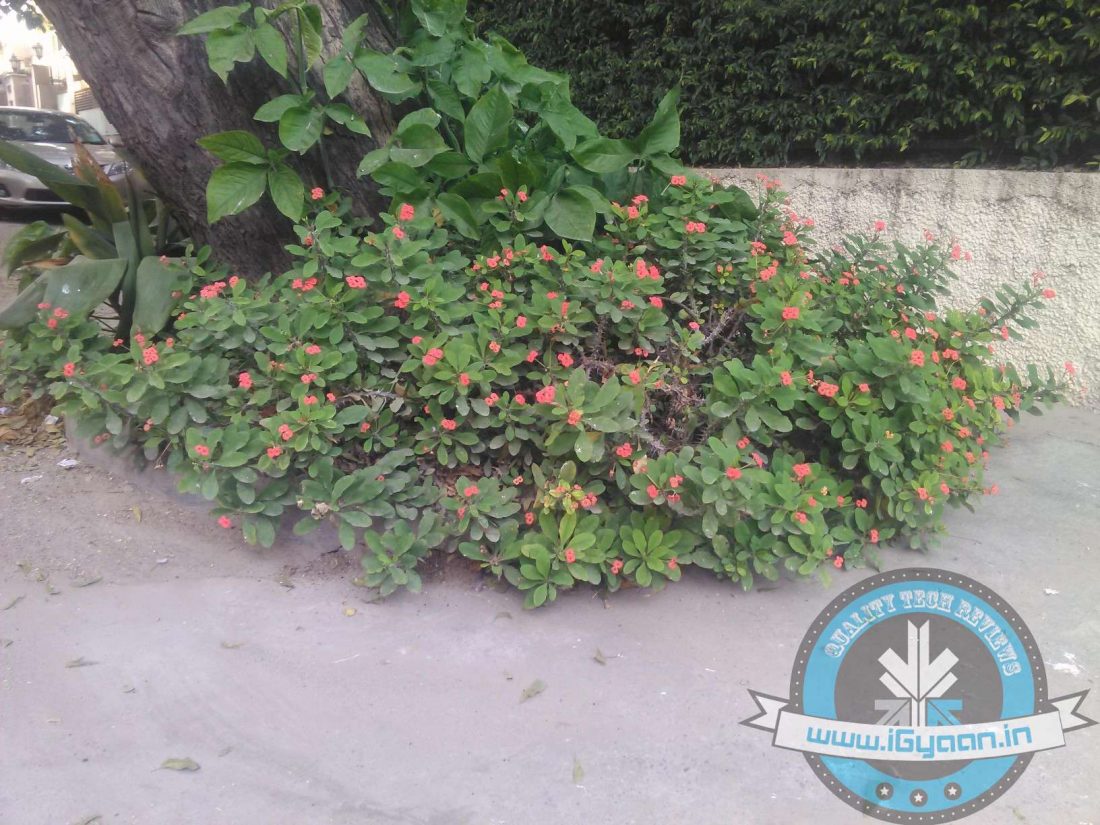
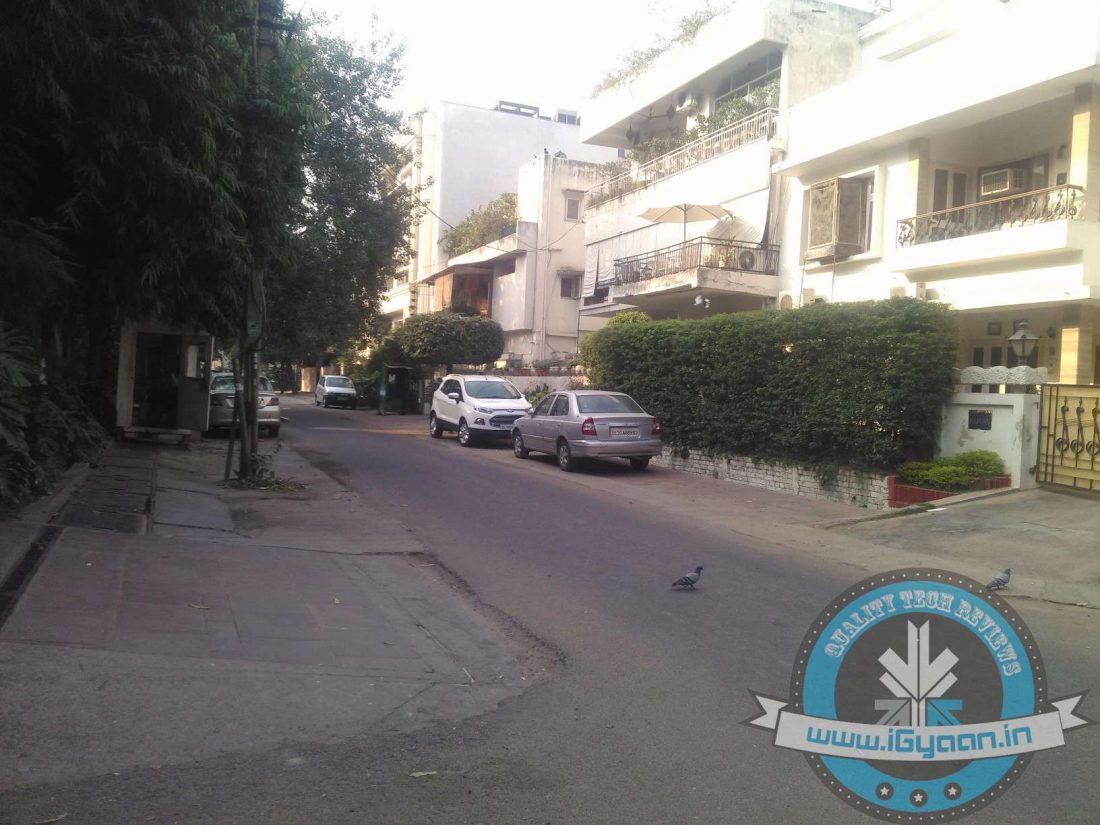
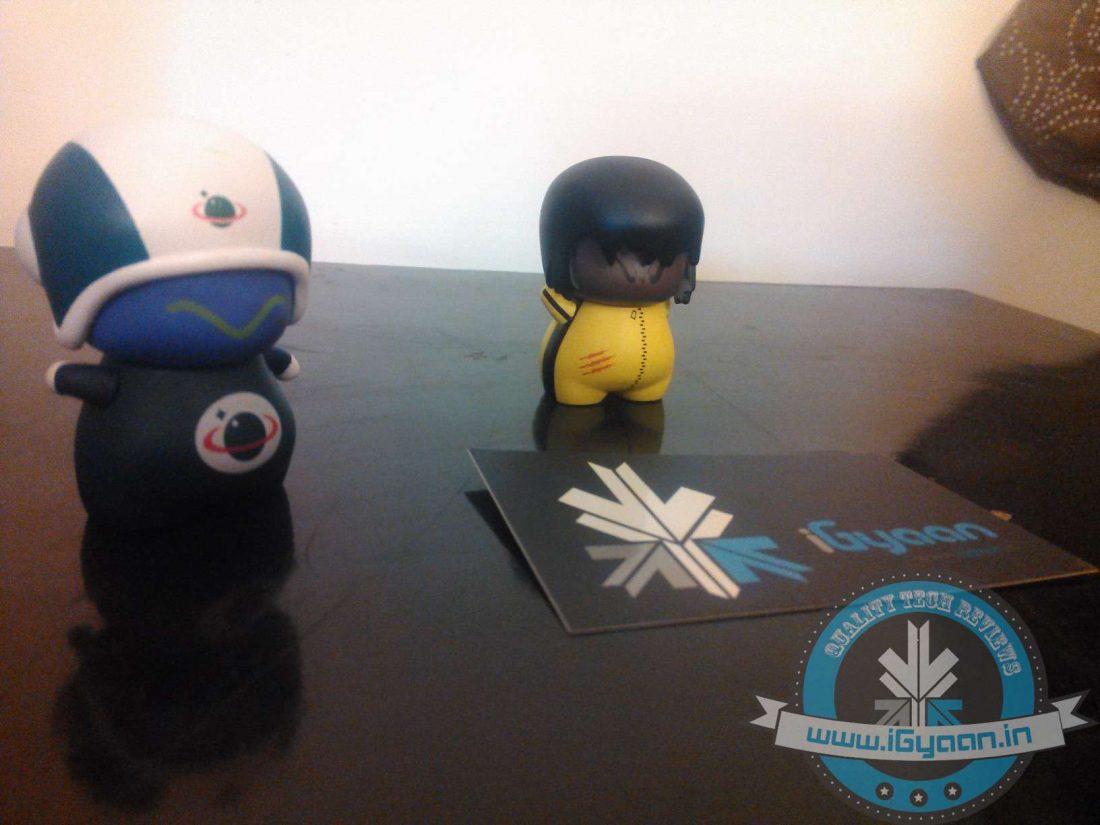
The Canvas Win W121 has an 8MP primary camera with flash, which in our opinion should have done better. The images captured lack texture and the colour reproduction is quite lame. They appear dull and washed out which takes away the overall feel of the photos.
Another issue is absence of the Nokia Camera app, users will have to rely on the default camera app. Meanwhile, the front has a 2MP snapper which just does its job. Its lens is not that wide either, which makes it quite a task to take wider selfies.
Low light isn’t great either as the lack of OIS is apparently clear and images appear a bit shaky. We also noticed that the AF of the camera takes a very long time to focus on a particular object, which can be quite annoying at times.
Macro
Daylight Shot
Close up Shot
Daylight Shot
Long Shot
Low Light Shot
Also, there’s no support for HD recording, videos are recorded at 480p, which is quite a bummer as the chipset can support 720p recording. Finally, it will be fair to say that the camera is perhaps one of the weaker links of the phone.
DISPLAY AND MULTIMEDIA
The phone features a 5-inch 720p HD IPS display, which is rather brilliant with sharper texts and offers great readability in all lighting conditions. Even in well-lit conditions, the readability is quite good. Moreover, you have options to adjust brightness as per requirements. The display renders sharp colours and great viewing angles. Being a 5-inch screen, it does add to the whole experience of watching a movie or playing a game.
Powered by a dual-core clocked at 1.2 GHz with 1 GB RAM, the multimedia performance of the phone is quite good. We tested Asphalt 8: Airborne and it ran absolutely well; not flawless, but there are no major lags and stutters that would take away the overall experience of the game. The phone can withstand those frame rates; though surprisingly, it could not run a 720p HD movie. The phone just could not withstand those frame rates and transitions while playing a 720p HD movie. Max resolution possible is 480p, which is a major let down.
However, the audio performance of the phone is awesome. The phone’s external speaker is bit loud and renders good sound quality while playing games, watching a movie or listening to music, it does pack a punch. Moreover, the earphone set provided as a part of the standard accessory is also high quality, something which other OEM’s should strive for.
PHONE, NETWORKS AND BATTERY
The call quality of the phone is really good whether incoming or outgoing, and the signal reception is excellent indoor as well as outdoor. Coming to network, the phone latches onto the networks around at ease, thanks to a lot of plastic which has significantly improved Wi-Fi connectivity across most Micromax devices, including this one.
In terms of battery backup, the Canvas Win W121 comes with a 2000mAh battery. We tested the battery on different parameters and overall, the battery performance is quite decent and could easily last a day of normal usage. It appears that the battery performance of Windows Phone is much better when compared to Android.
CONCLUSION
Priced around the Rs. 7,800 , the Canvas Win W121 is a decent choice if you are on a lookout for a smooth overall Windows experience without any compromise on screen size and build quality. It has some great features but completely misses out on other aspects. For instance, lack of support for HD Playback, lack of decent camera apps might make you consider other alternatives. Though, it has a solid 5-inch display and is great for everyday usage. It could have been a top-notch smartphone if some of these aspects were not missing.
The Canvas Win W121 can compete against the likes of the Lumia 630 and the XOLO Win Q900s. Though, there are much better Android options available at the same price point.
The most brutal brand wars are fought at the lower end of the smartphone market. It’s not just the name brands who try their luck here, but it’s the home ground for Indian smartphone makers. Every once a while a device shows up that changes the dynamics of the market. First there was Motorola and then came Xiaomi, who disrupted the balances in this fragile market space. The devices offered by these two brands have led everyone else to play catch-up. Panasonic is trying its hands at dethroning the current king of the 10,000-15,000 market space, the Moto G.
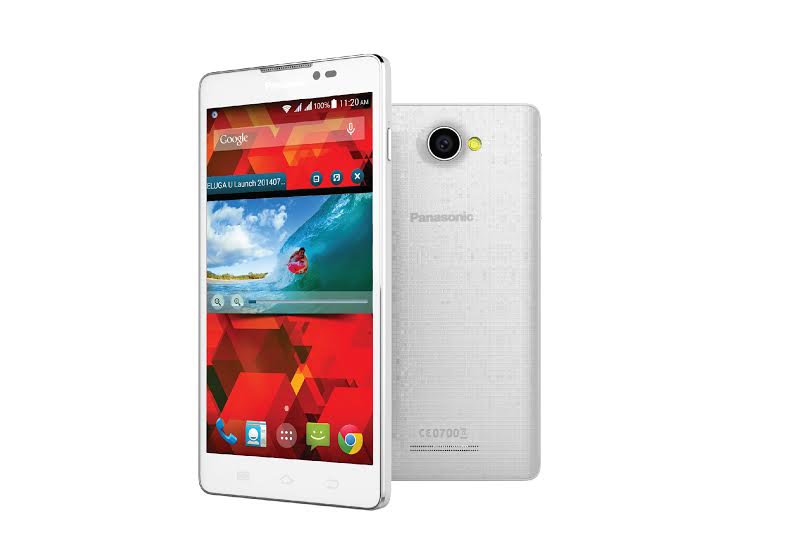
Panasonic has launched the P55, a phone which will compete again the unanimously loved Moto G. The phone packs in a 5.5 inch IPS LCD screen, a rarity at this price point apart from the cheaper Chinese models. This will attract the multimedia loving crowd who want portable entertainment on a budget.
On the specs end, the P55 comes with a 1.2 GHz quad-core processor along with 1GB of RAM. The phone has 4GB of internal storage that is expandable up to 32GB. Not a lot in comparison to other phones in this price point. The SD card is a must with a device like this, if you want to make use of the big screen for multimedia purposes.
The device runs on Android Kitkat 4.4.2 while the Moto G will be getting the Android Lollipop update soon. This seriously tips scales towards the G. The main camera on the device is an 8 MP shooter capable of Full HD capture. To the phone employs a 2500 mAh battery to power its big screen.
There are some useful gesture features on the device. Using P55’s “Tap Play” you can double tap on the screen of your phone to wake it up from sleep mode. You can also put it back to sleep by double tapping on the display. The phone also features “Gesture Play” through which you can use gestures to launch apps directly from the home screen.
Using the “Pop-i Player” you can work while simultaneously watching a video, and end up with severe ADHD. The phones unique “Music café” player lets you access it using just one hand, almost paying tribute to Apple’s reachability feature.
The device will sell at a price of Rs. 10,290. It’s a fairly decent price for the spec sheet, but the low internal memory might dissuade customers to consider this device. It is though an affordable phablet and considering the price and the screen size, it looks like a good device. But it is nowhere near the Moto G, it still stands strong.
The emergence of Chinese companies into the Indian market has taken most of the sheen off the Indian phone makers. Even Motorola’s high specification, low priced devices have taken customers away from the Indian handset manufacturers. But with the combined strengths of feature phones and smartphones, the Indian brands have continued to grow. The companies have benefitted from the shift to smartphones in the lower segment, and their offerings are perceived as affordable. These factors have helped Lava reach the second spot on the podium amongst the Indian handset model.
The report was published by market research venture called Cybex Exim. The company took into consideration the following handset manufacturers: Micromax, Lava, Motorola, Karbonn, Gionee, Lenovo, Spice, Intex, XOLO, Panasonic, Zen, Maxx, Videocon, Xiaomi and Lemon.
To elaborate on their findings, Mr. Amit Gupta, Cybex Exim said, “To understand the market dynamics, we track the import shipments of various players on a daily basis. Domestic players have shown remarkable growth over the last two quarters; majorly credited to the success of Indian brands like Micromax, Lava and Karbonn. With local vendors reducing the price gap between the entry level smartphones and feature phones, usage for mid-price phones is expected to increase at a high rate. At the same time, the recent launch of Android One devices is expected to drive more volumes in the price sensitive market with many other local players geared up to introduce their devices in the coming quarter.”
Cybex Exim’s findings is as follows:
Volume data of Top 5 Indian players (in Mn) July – September’14 – Cybex Exim Solutions Pvt Ltd
Company
Feature Phones
Smart Phones
Total Volume
% Volume Share
MICROMAX
5,058,002
3,723,445
8,781,447
31.2%
LAVA
5,307,184
1,968,575
7,275,759
25.8%
KARBONN
4,591,947
1,803,583
6,395,530
22.7%
INTEX
2,542,483
965,627
3,508,110
12.5%
SPICE
1,764,181
426,992
2,191,173
7.8%
This has been a good year for Micromax. According to a study by Counterpoint Research, Micromax outsold Samsung in Q2 of 2014 to become India’s biggest smartphone supplier. Also, Micromax finished on the pole position of Cyber Exim’s report. The company is also taking some risks like introducing a Cyanogen-powered smartphone in the coming future.
Lava has said that the company will be investing about 500 crores in a phased manner to set up its own manufacturing unit in India over the next couple of years. This would be a positive step towards increasing tech-based manufacturing workforce in the country.
It’s great to see these Indian companies on a growth track. But looking at the competition they are facing against the Chinese companies, its time the companies up-ed their game. The phones need to get better in terms of specs and overall quality. The Indian companies may also want to take a leap into the flagship business and challenge the name brands.