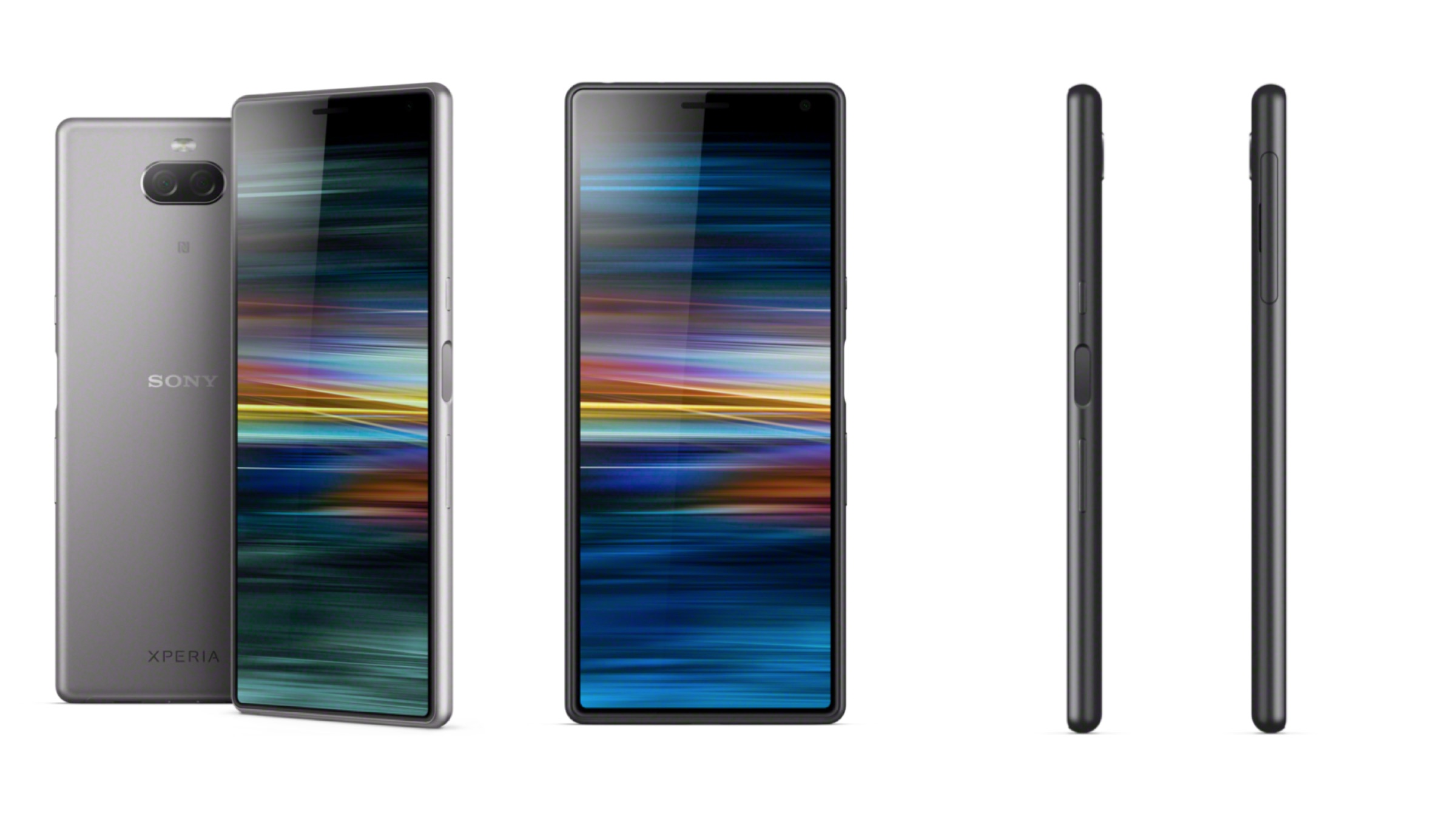
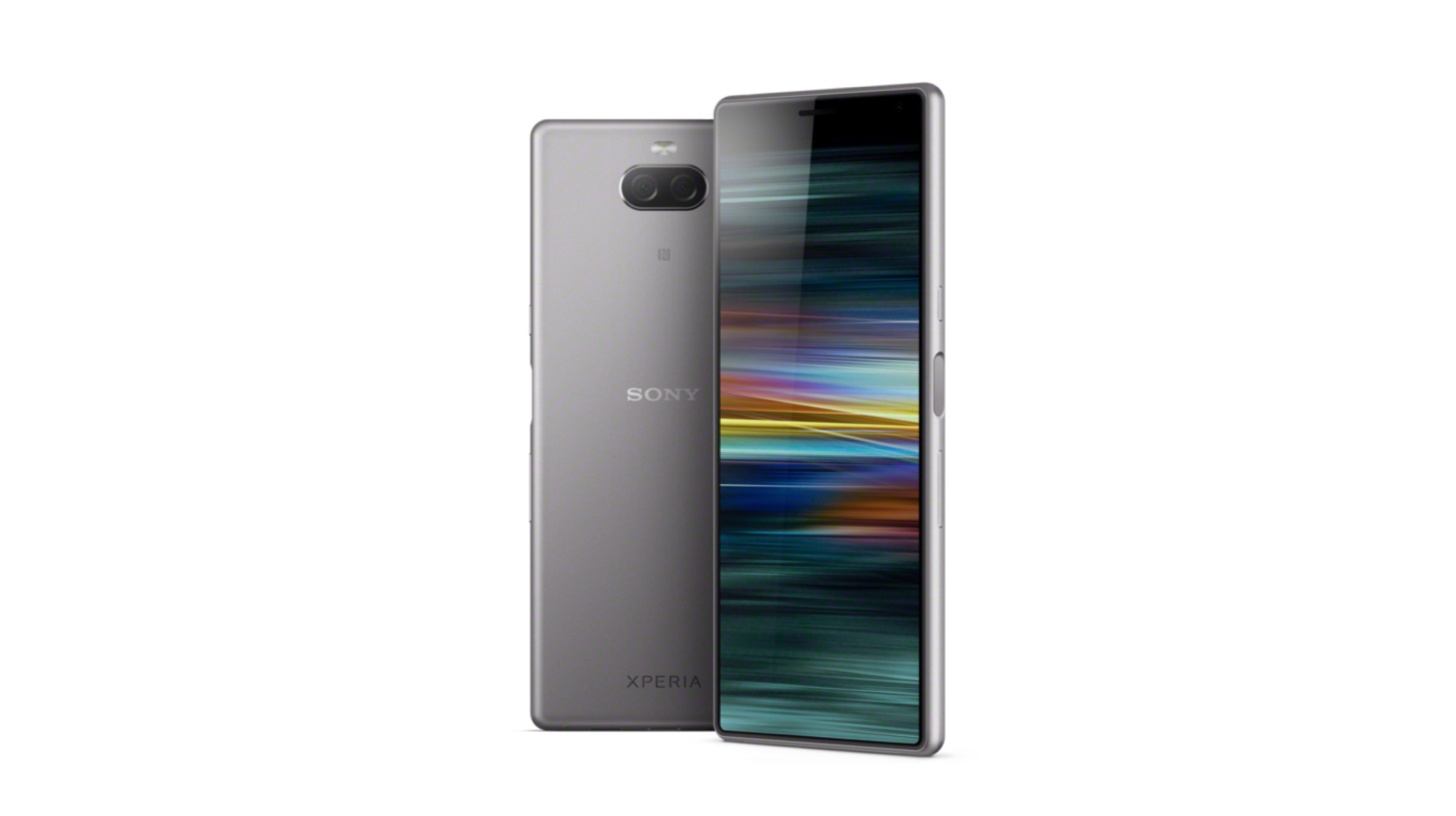
Unconventionally tall displays were never a trend in the smartphone arena, but it seems that Sony is challenging the same niche with their latest devices, which were showcased at the MWC 2019. The Xperia 10 and 10 Plus are the latest additions to the Xperia family, and both the devices sport a tall 21:9 display. Noteworthy, the devices may have a 21:9 aspect ratio, but they don’t feature the CinemaWide display which is present in the Xperia 1.
Design & Display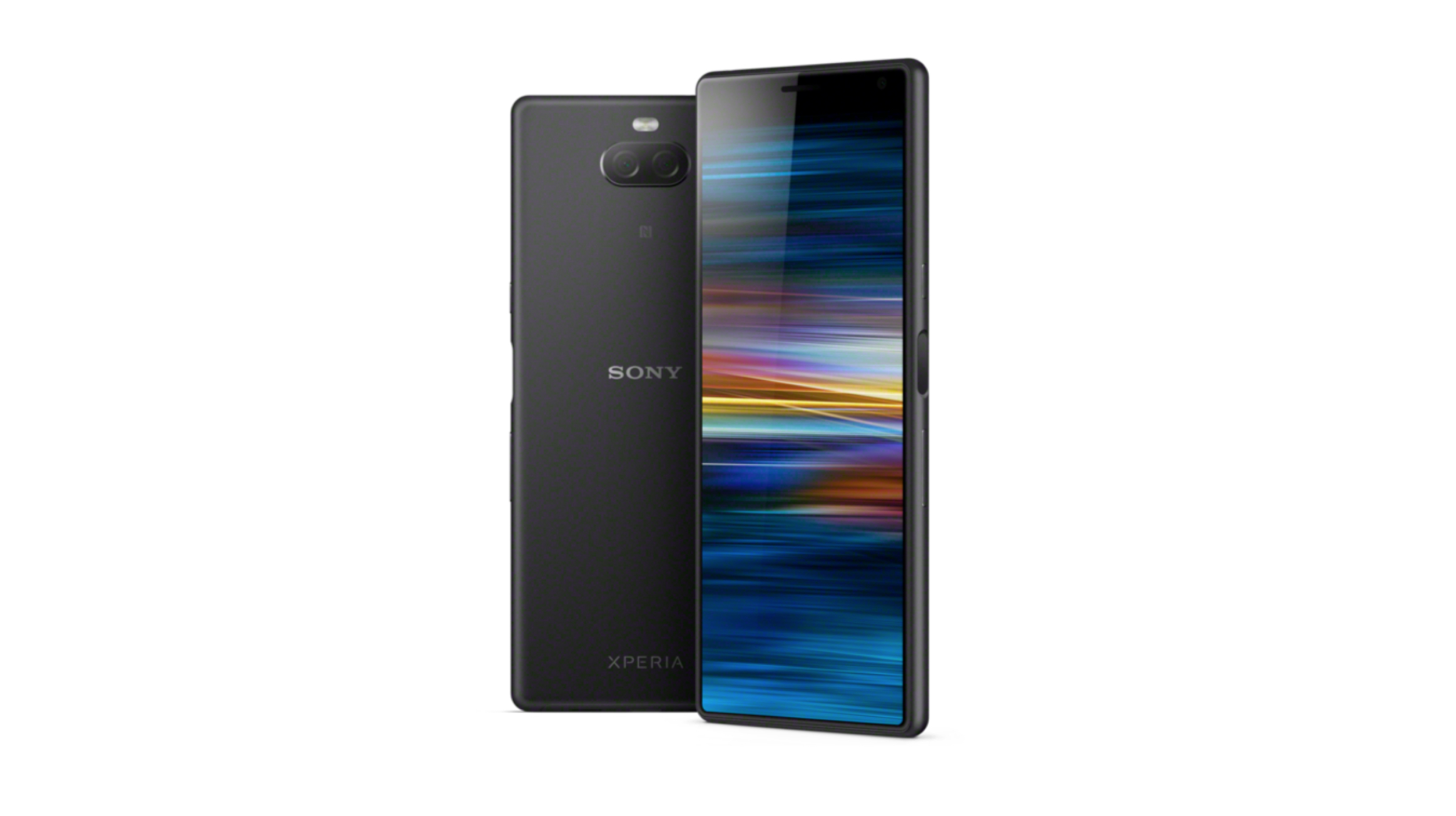
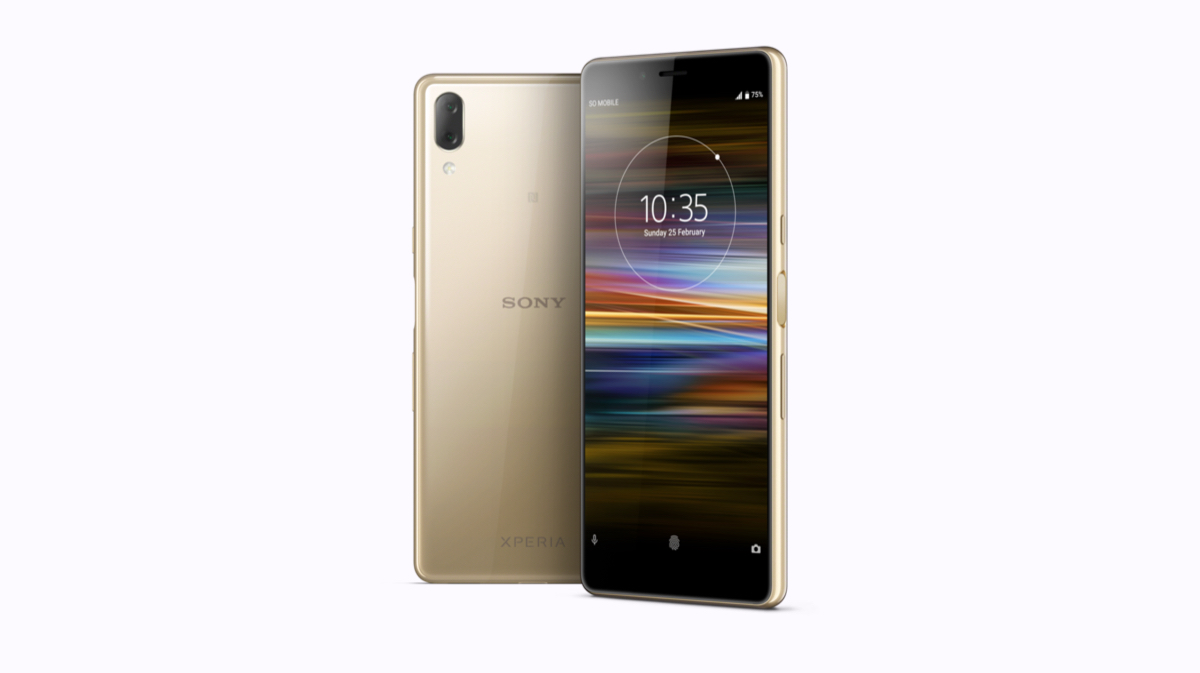
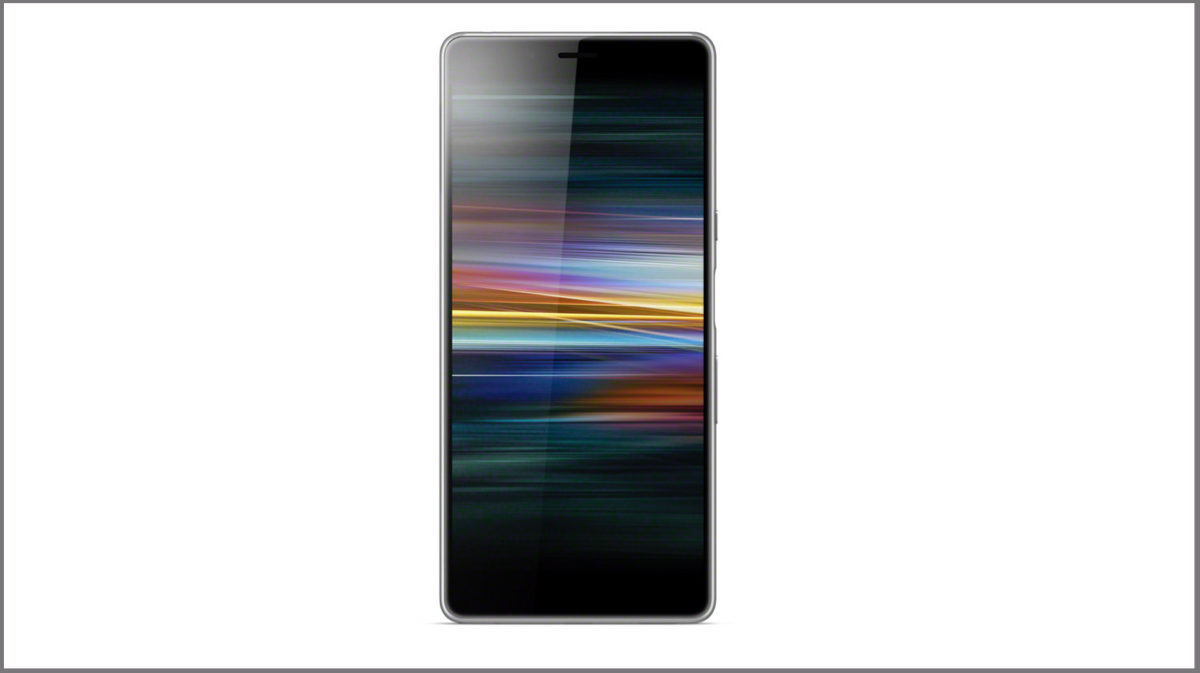
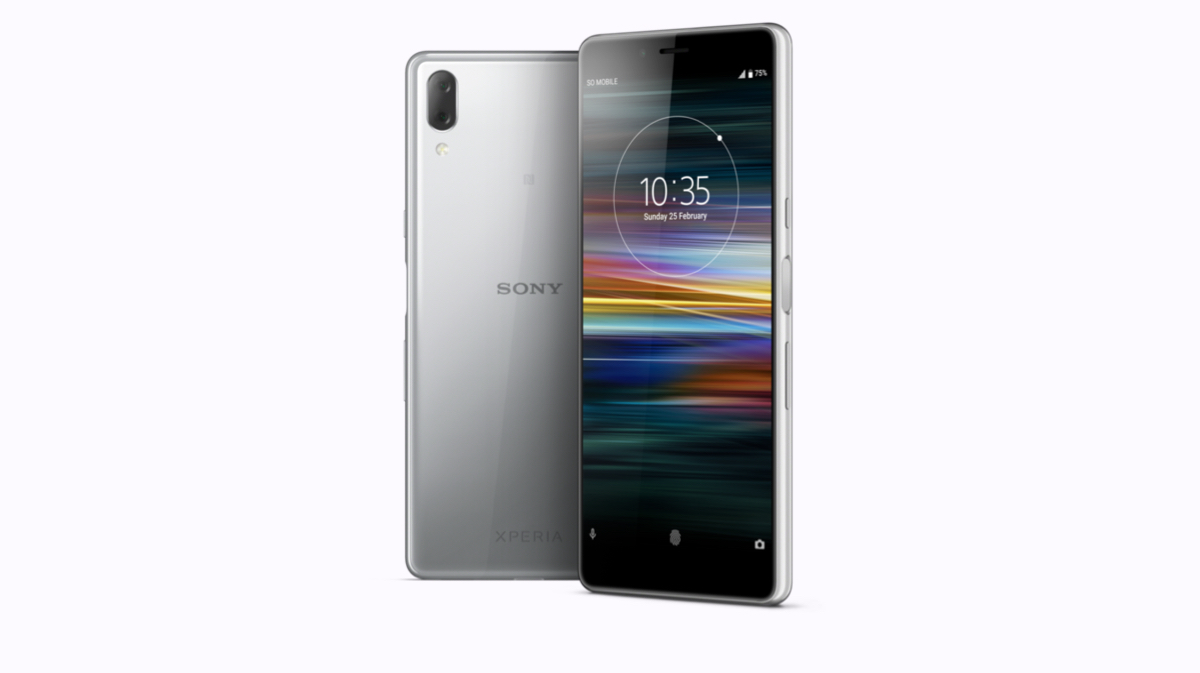
Both the Xperia 10 and 10 Plus look identical, except for the fact that Xperia 10 Plus is a bit larger than its counterpart. The Xperia 10 has a 6 inch full HD+ display with a distinct 21:9 aspect ratio, whereas the 10 Plus features a larger 6.5 inch display with the same aspect ratio. The device has a visibly large ‘forehead’ which holds the front camera, earpiece and an ambient light sensor. The rear camera setup is horizontally aligned. The volume rockers, the power button and (this time) a separate fingerprint sensor are present on the right edge of the smartphone, whereas the left edge houses the SIM card tray. The 3.5mm headphone jack can be found on the top edge of the device, while the USB Type-C port is located at the bottom of the device.
Specifications
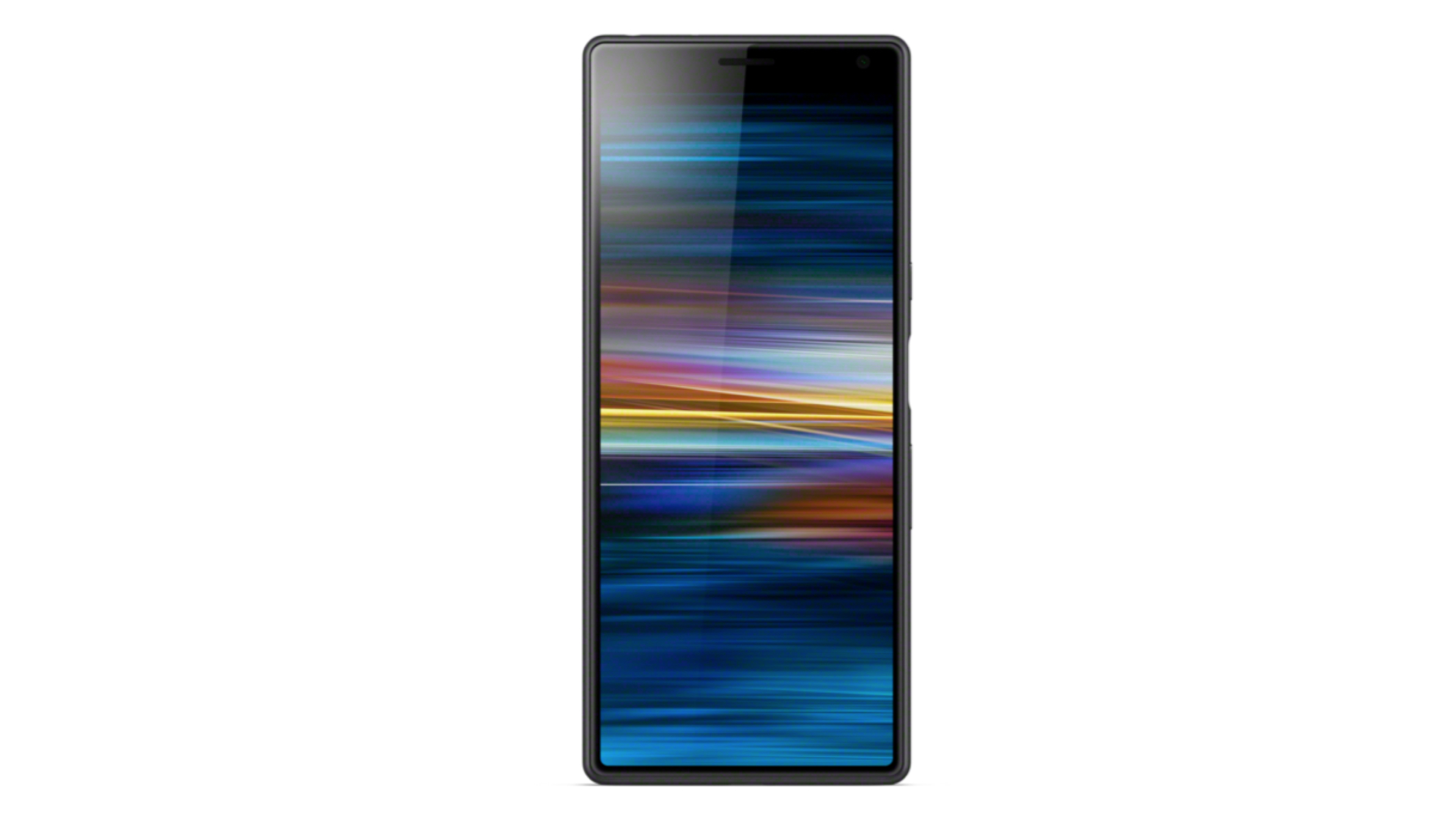 The Xperia 10 runs on the 14nm Snapdragon 630 SoC, which consists of the 64 bit 8x ARM Cortex A53 CPU clocked at 2.2 GHz. It is paired with the Qualcomm Adreno 508 GPU. The device has 3 GB of RAM and 64 GB of internal storage, which is expandable via the microSD slot (up to 512 GB). The elder sibling of the Xperia 10, the 10 Plus is equipped with the Snapdragon 636 chipset, which comprises of the Kryo 260 octa-core CPU, with four cores clocked at 1.8 GHz and the rest of the cores clocked at 1.6 GHz. The SoC also packs the Adreno 509 GPU. In terms of memory, the smartphone is available with 4 GB RAM and 64 GB of storage, which is expandable upto 512 GB.
Camera
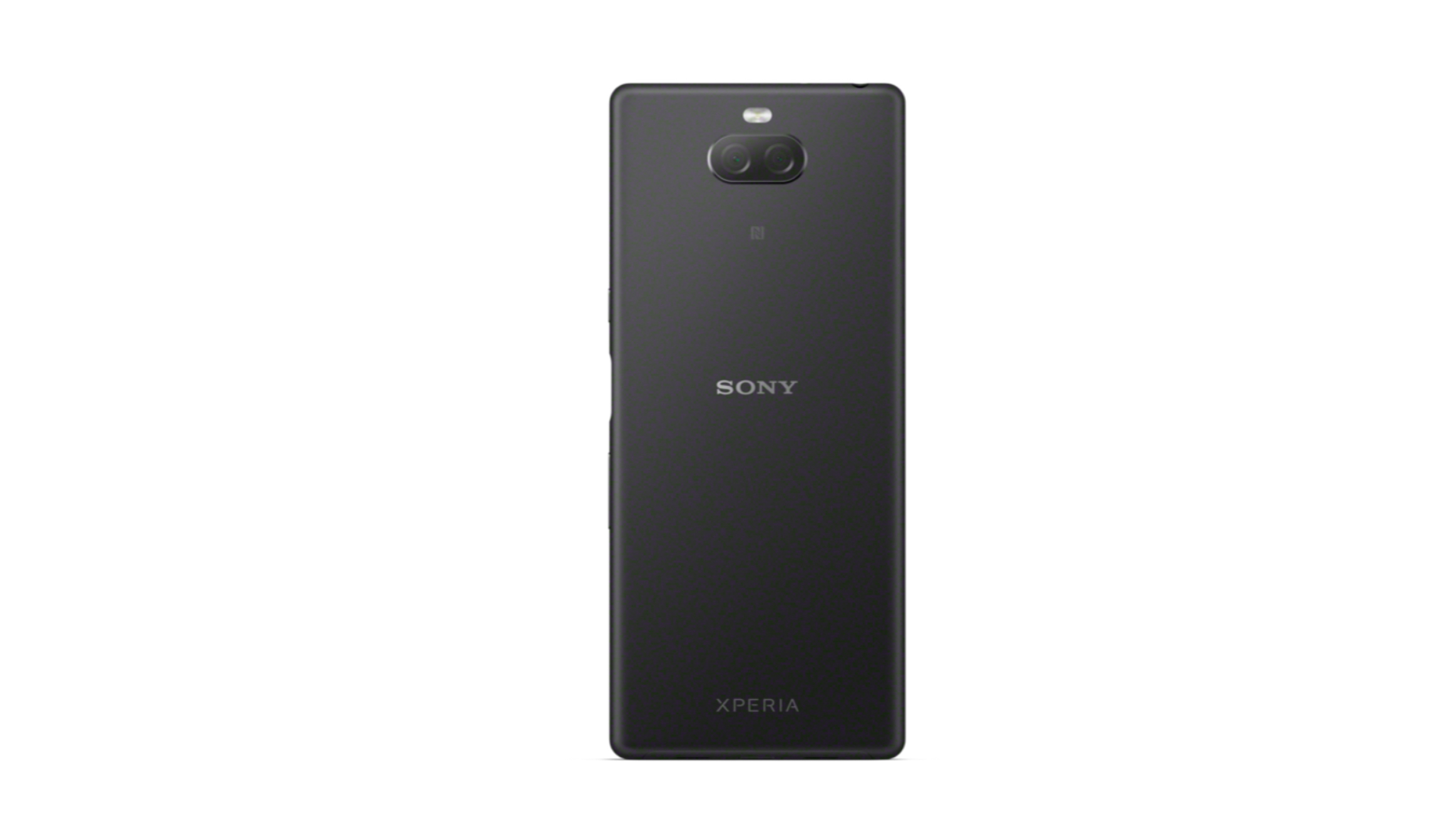 The Sony Xperia 10 has a dual camera setup, with one 13 MP (f/2.0) wide-angle sensor and a second 5 MP (f/2.4) sensor, whereas the Xperia 10 Plus has a combination of a 12 MP (f/1.75) primary sensor and a secondary 8 MP (f/2.4) sensor. Both the devices have the identical 8 MP (f/2.0) front camera equipped with an LED flash. Camera features include hybrid autofocus, bokeh effect, HDR, 5X digital zoom and 4K video recording.
Features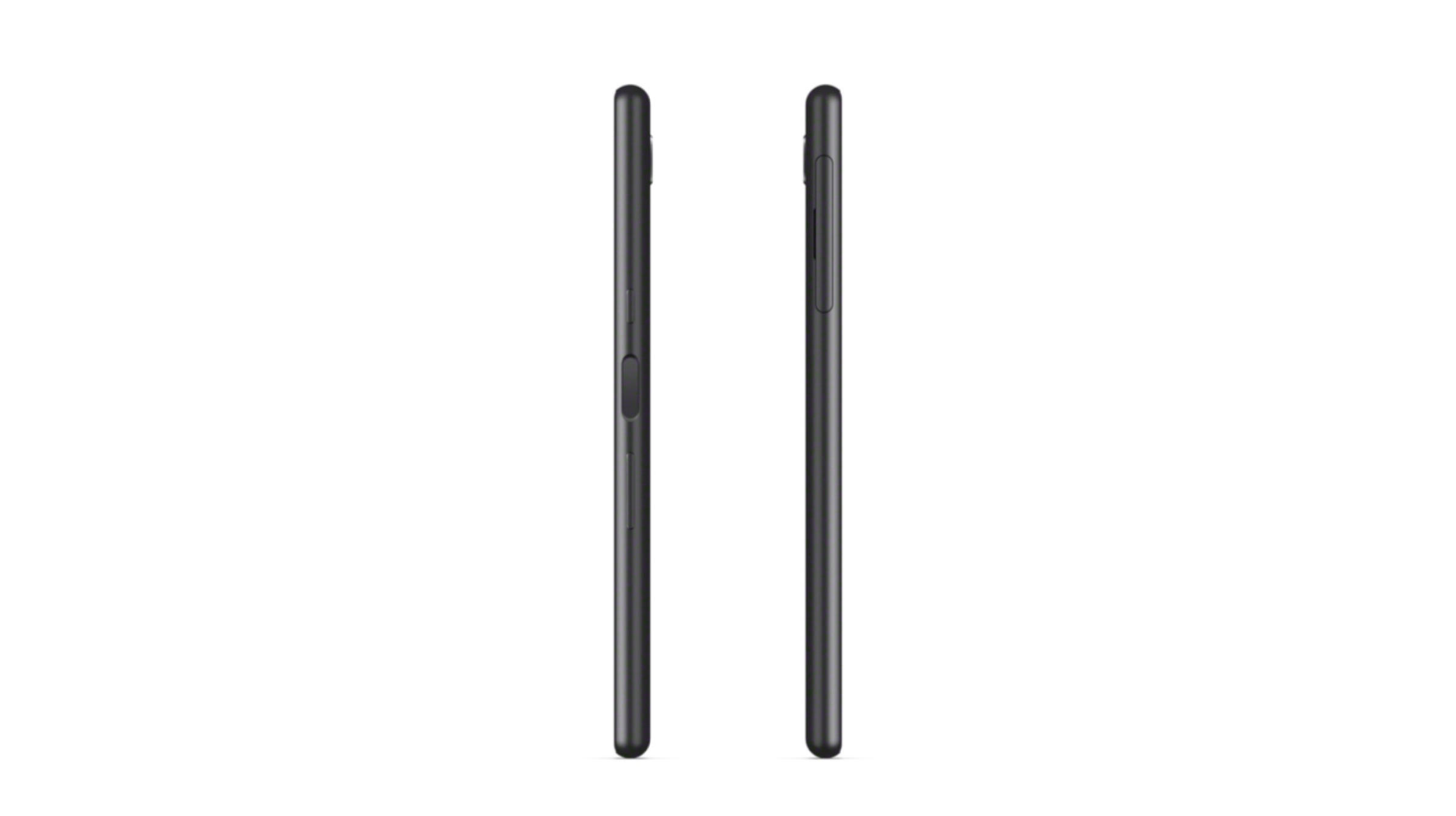
The Sony Xperia 10 is powered by a 2,870 mAh battery, whereas its larger variant packs a 3,000 mAh battery. Both the devices have fast charging support, in addition to features like 4G VoLTE, NFC, USB Type-C etc. In terms of audio, it supports high-resolution audio, LDAC, Smart Amplifier and Qualcomm aptX HD audio. The Xperia 10 weighs in at 162 g, while the Xperia 10 Plus weighs 180g.
Availability
Also Read: Sony Launches The Xperia 1 With 21:9 CinemaWide Display
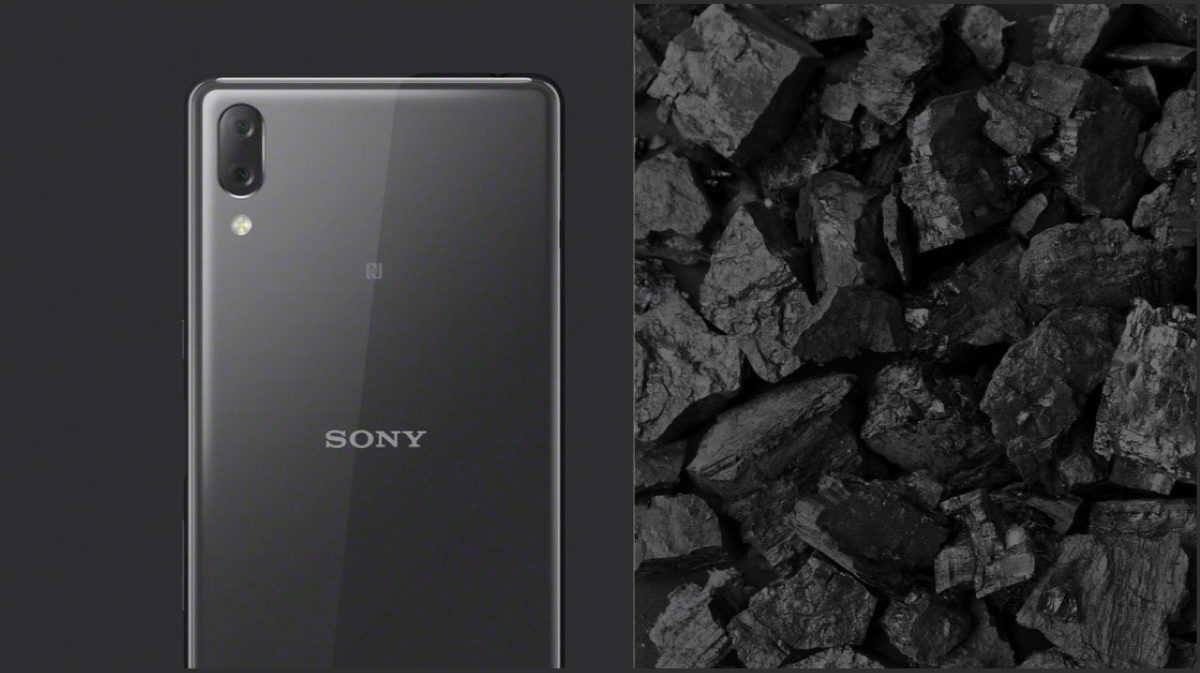
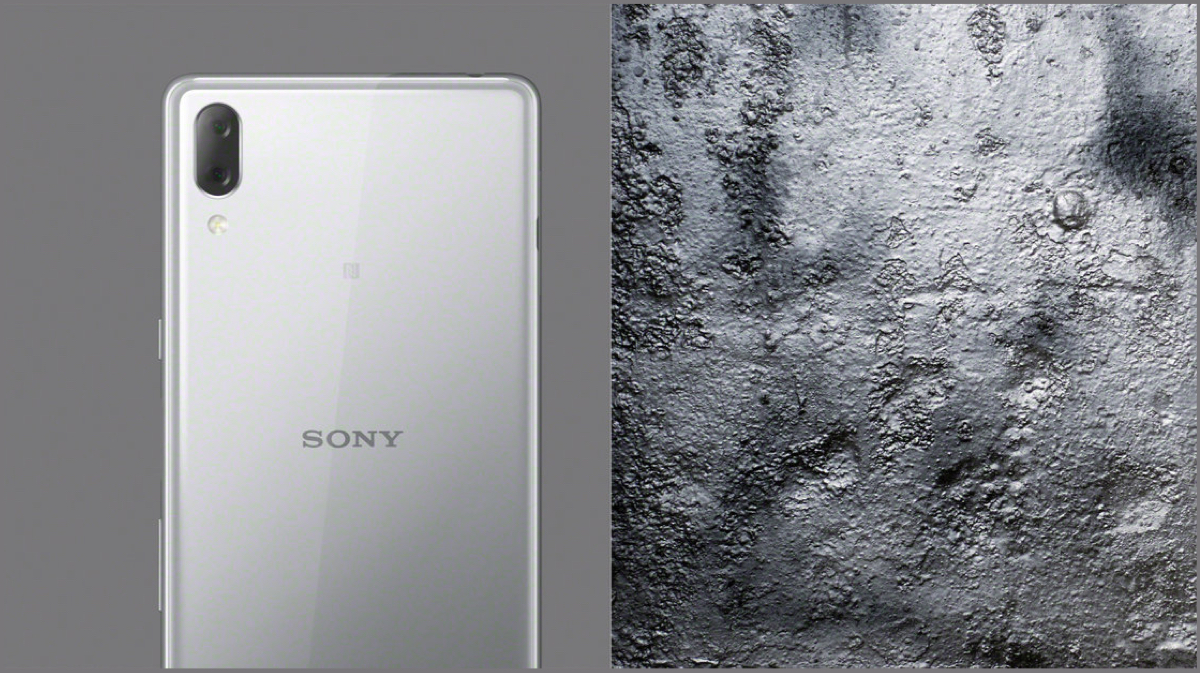
The Xperia 10 has a price tag of US$ 349.99 (around Rs. 24,800) and will be available in Black and Silver colour options. On the other hand, the Xperia 10 Plus has a price tag of US$ 429.99 (around Rs. 30,500) and will have the same colour options as the Xperia 10. Both the smartphones will go live on sale on March 18 in the US. Indian pricing and availability are not confirmed as of now.

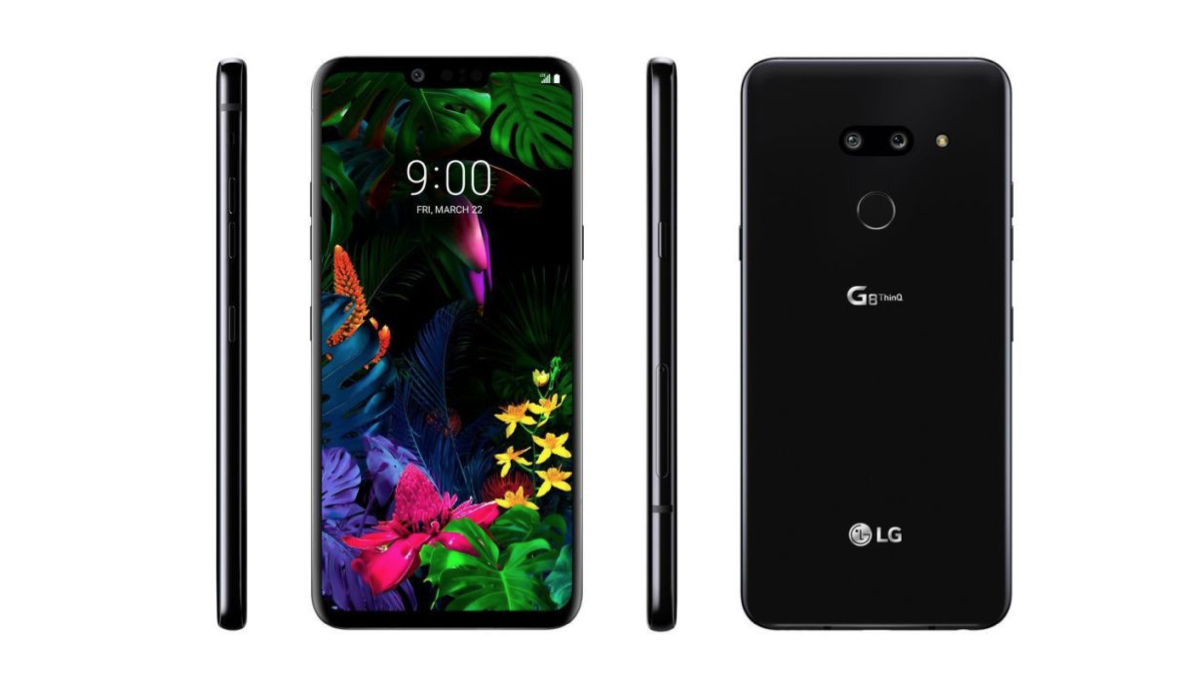
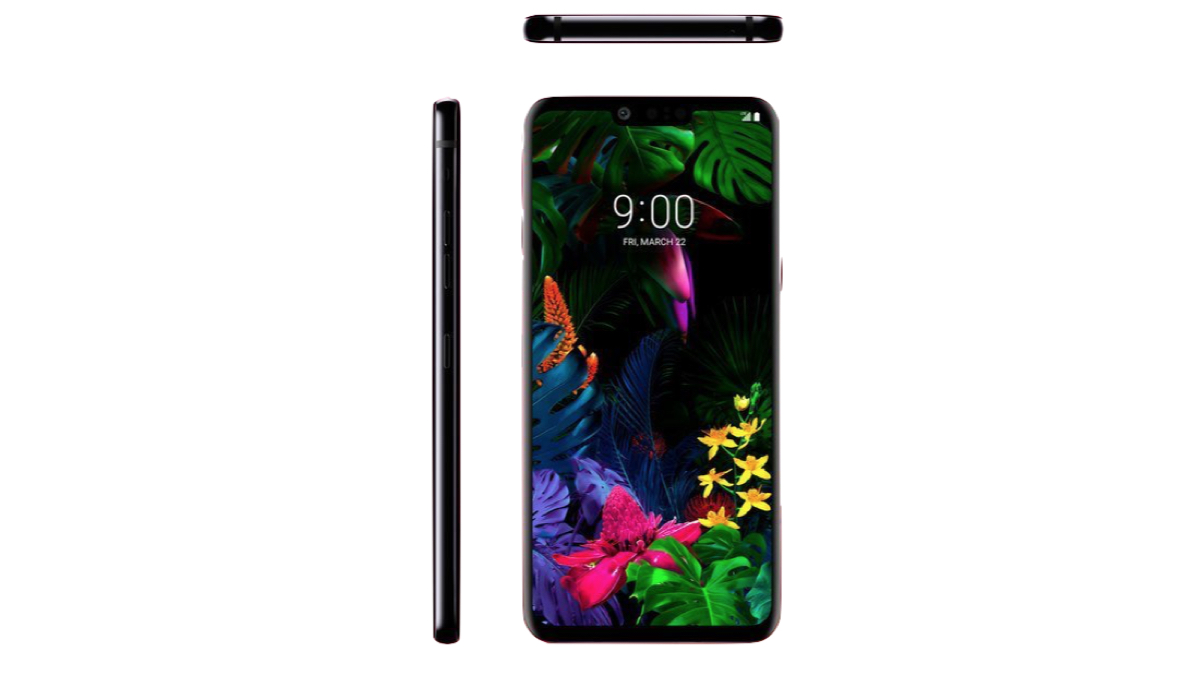 The G8 ThinQ stands out owing to its glass-sandwich design built around a metal frame. Glass panels adorn both the front and the back of the device, which are protected by Gorilla Glass on both the sides. Interestingly, the rear of the device has Gorilla Glass 6, while the display is covered by Gorilla Glass 5. The bezels are thin, but not thin enough, giving the G8 an 83.5 percent screen-to-body ratio.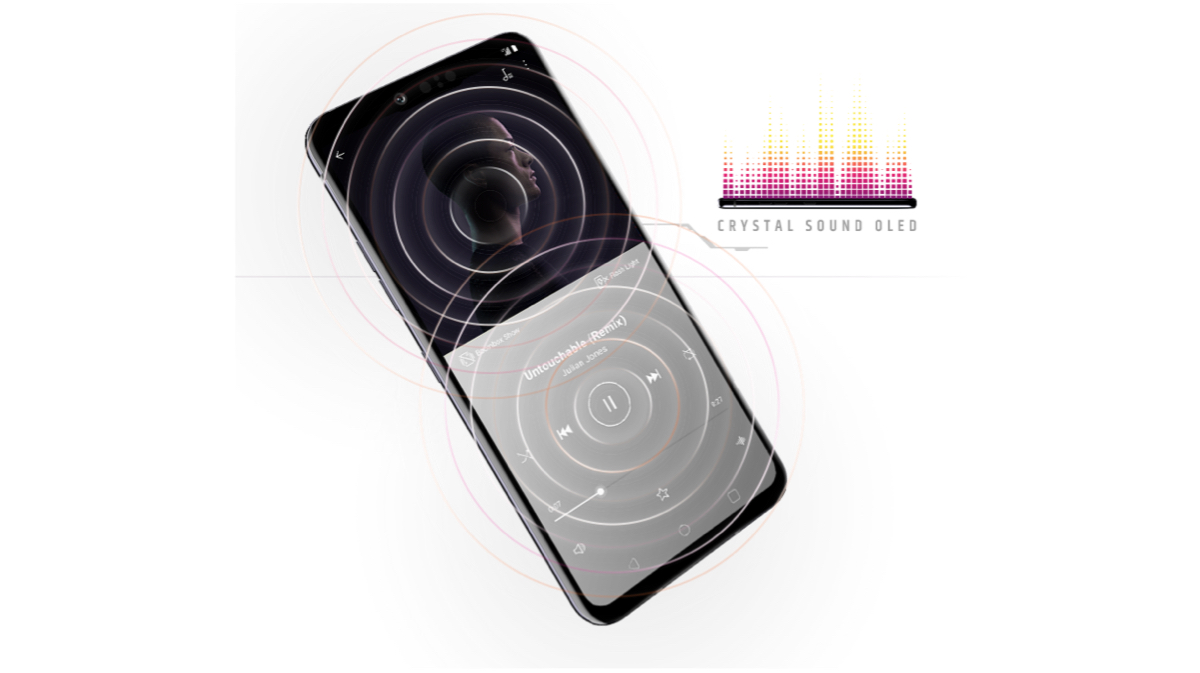
 The G8 ThinQ runs on a 7nm Snapdragon 855 chipset, which comprises of an octa-core processor (1×2.84 GHz Kryo 485, 3×2.42 GHz Kryo 485 and 4×8 GHz Kryo 485) and the Adreno 640 GPU. In terms of memory, the smartphone packs 6 GB of RAM and 128 GB internal storage, which can be further expanded using the microSD slot with support for up to 2TB microSD cards. It will run Android 9 Pie out-of-the-box.
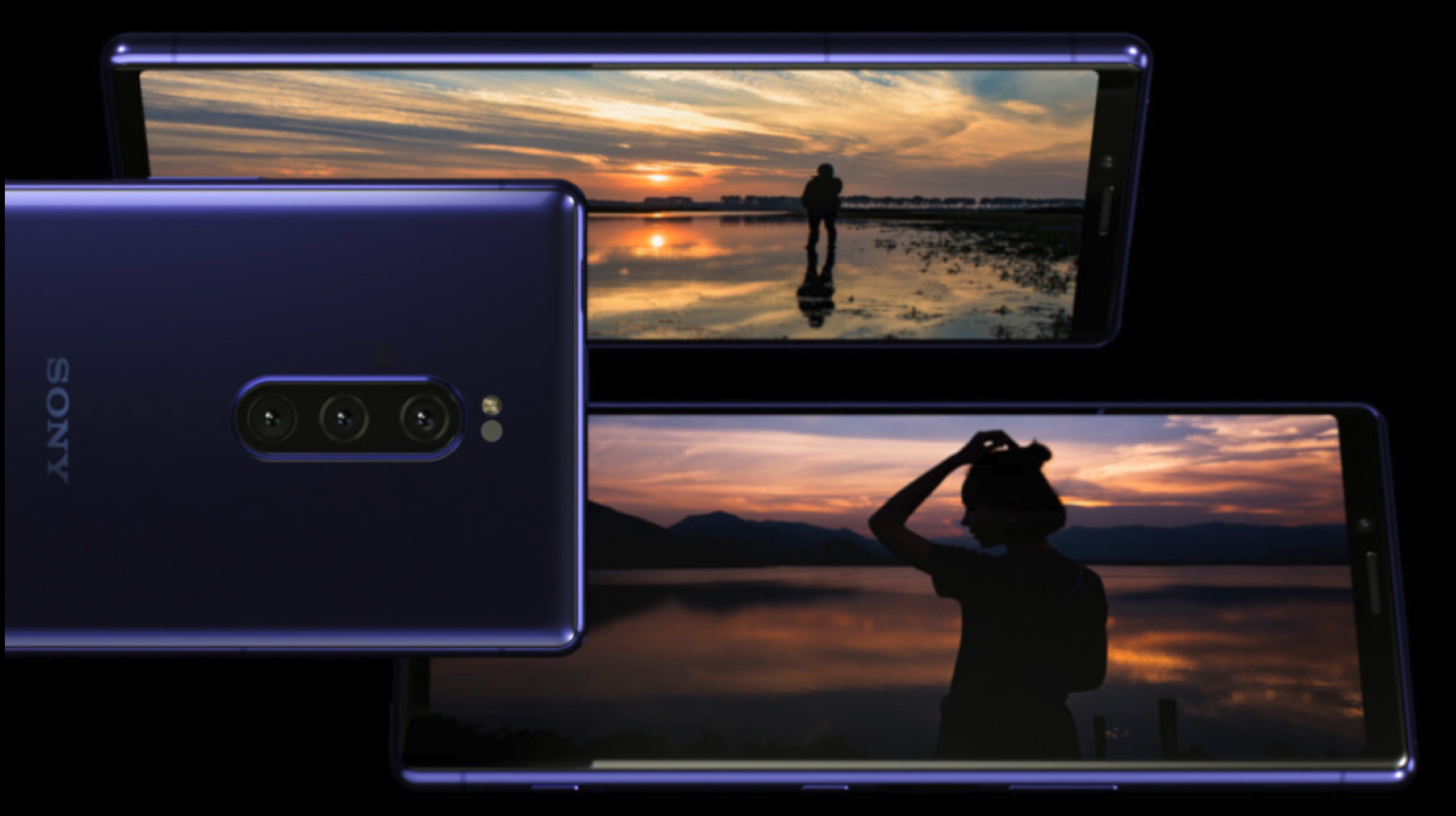
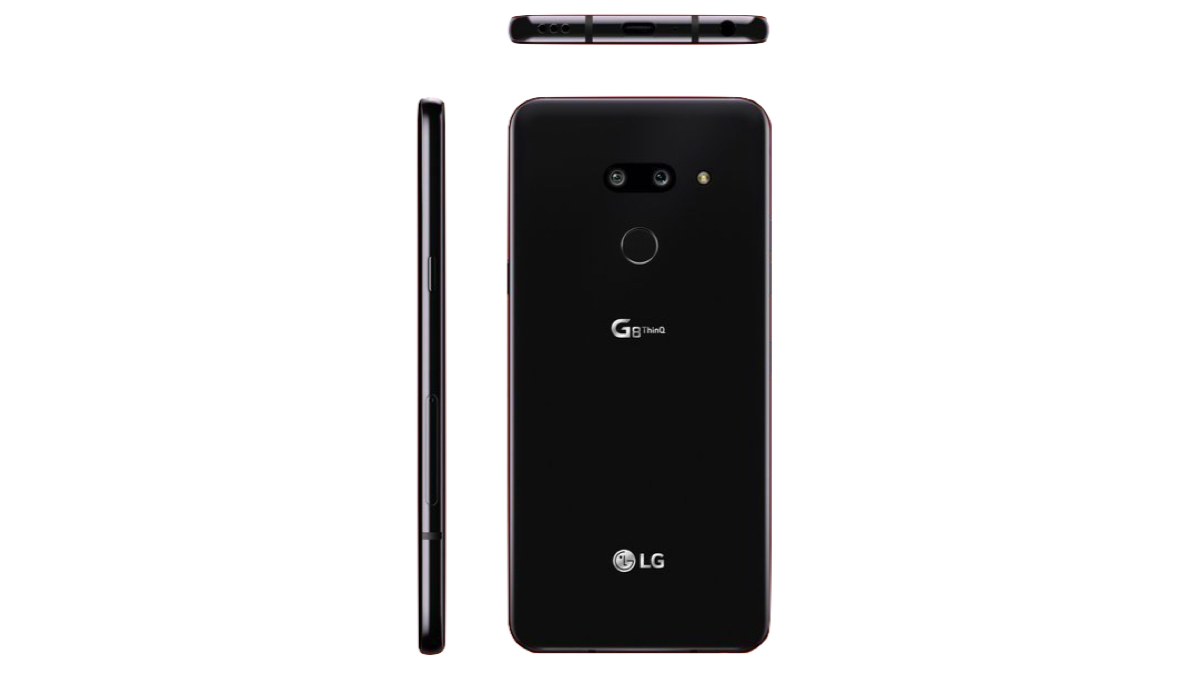 The triple camera module on the back panel of the LG G8 ThinQ is almost identical to the
  The device has a 3.5 mm headphone jack, which lies next to the USB Type C port and a ‘grille’ at the bottom of the device. One of the highlighting aspects of the LG G8 ThinQ is the resonating panel that can produce sound. Known as the CSO (Crystal Sound OLED), LG claims that the panel act as stereo speakers and adds an acoustic touch to the sound quality. Moreover, the CSO also acts as an earpiece for receiving phone calls, so users can literally listen to any part of the screen while conversing. The beforementioned ‘grille’ may be a part of the resonating chamber beneath the screen which is used to redirect audio. 32-bit Hi-Fi Quad DAC is integrated with in addition to DTS:X 3D Surround Sound for headphones. The device packs a 3,500 mAh battery which supports Quick Charge 3.0. It is also IP68 dust and water resistant and meets 14 MIL-STD 810G standards, which means that it can survive drops of over 8 feet without taking any damage.
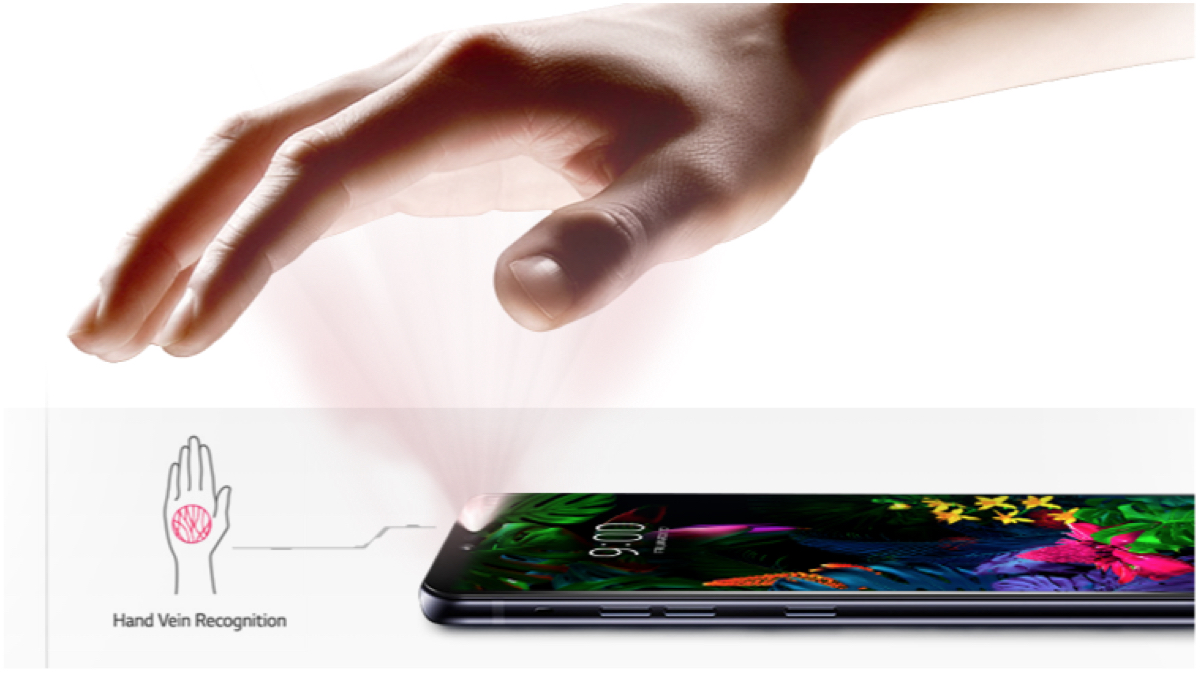
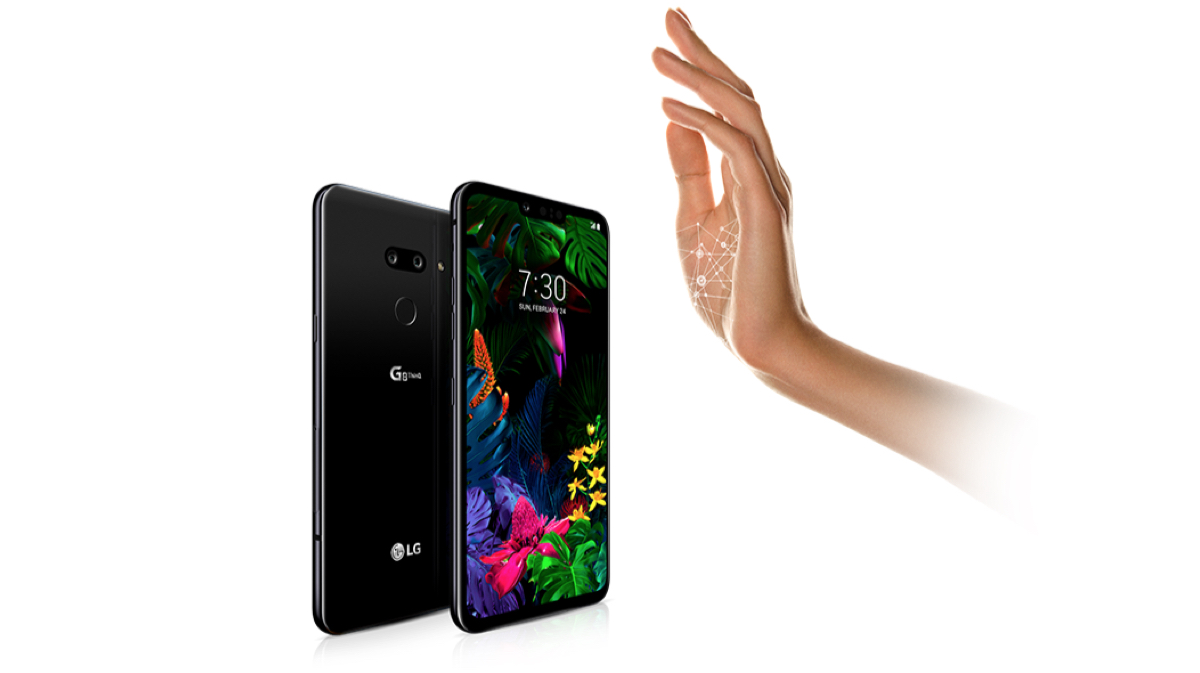 The LG G8 ThinQ has support for Portrait Video Recording in the front camera. It is really intriguing to see how the device will record videos with the bokeh effect. Also, as mentioned previously, the handset has a front facing 3D ToF sensor. Positioning it at the front ensures more functionality from the sensor. Also called the ‘Z Camera’, it claims to be more precise than a dot projector and faster than Apple’s current ‘Face ID’ technology. Also, the ToF sensor can capture an accurate image of a user’s palm – complete with wrinkles and the blood flowing through the veins. Since every person has unique wrinkles and veins, placing the hand in front of the sensor will instantly unlock the smartphone. It can also be used for hand gestures to control various apps in the device. It is still unclear how practical can this be, but sure, it’s an example of ‘useful innovation’ by LG.

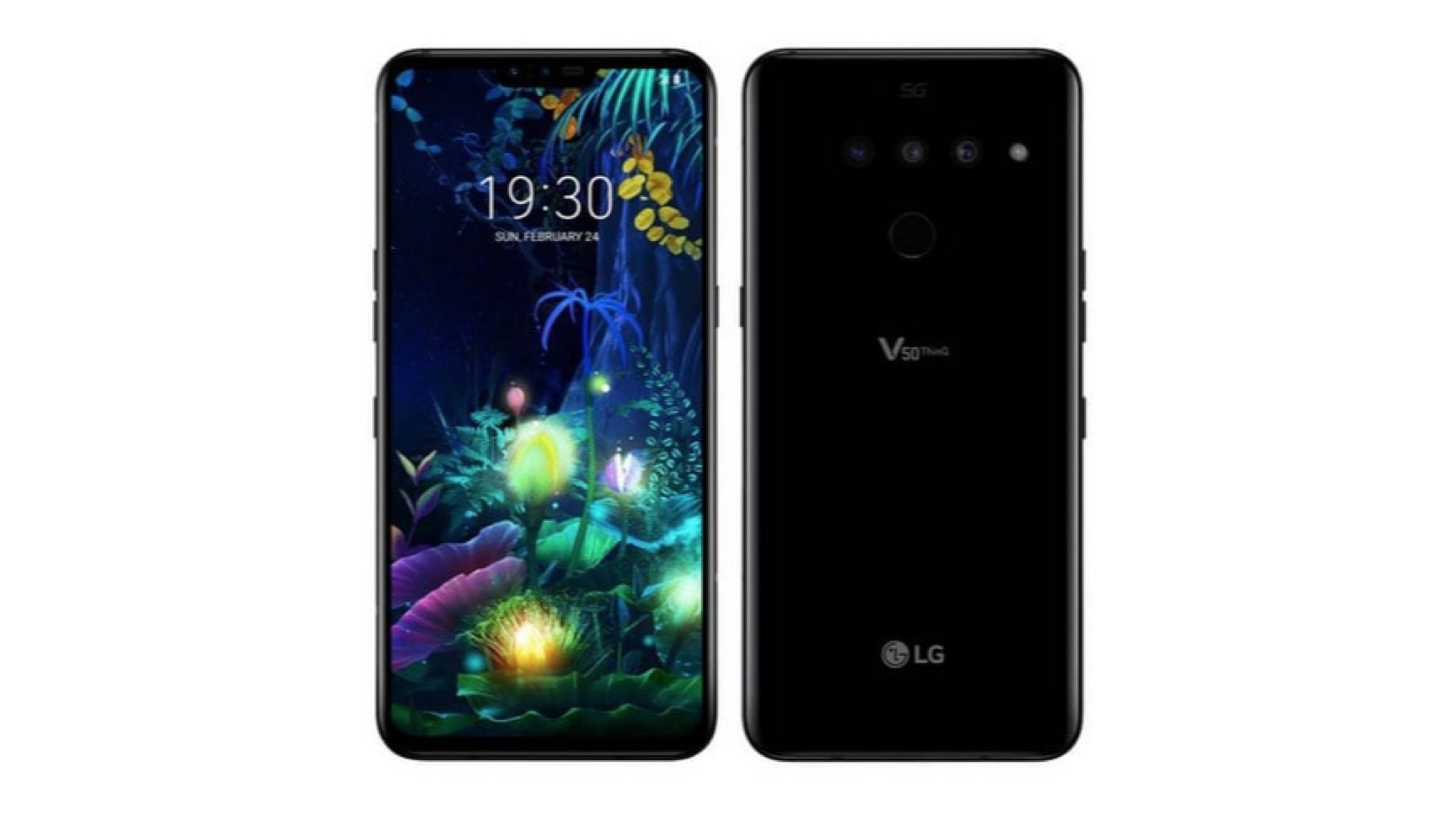
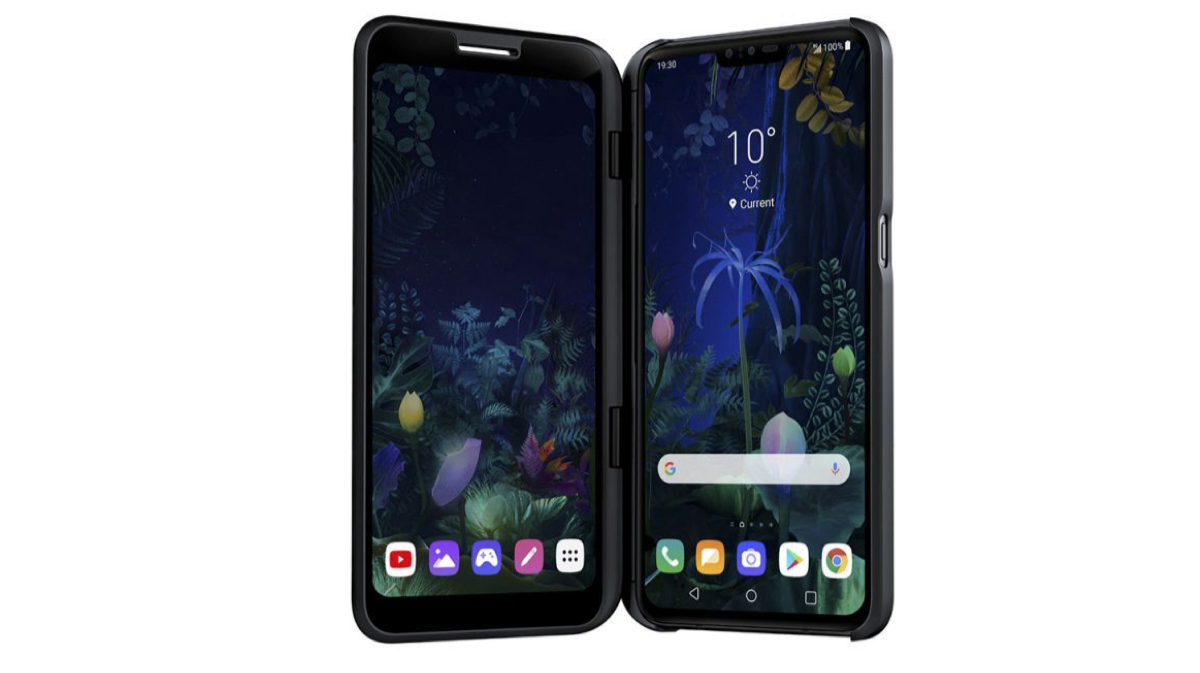
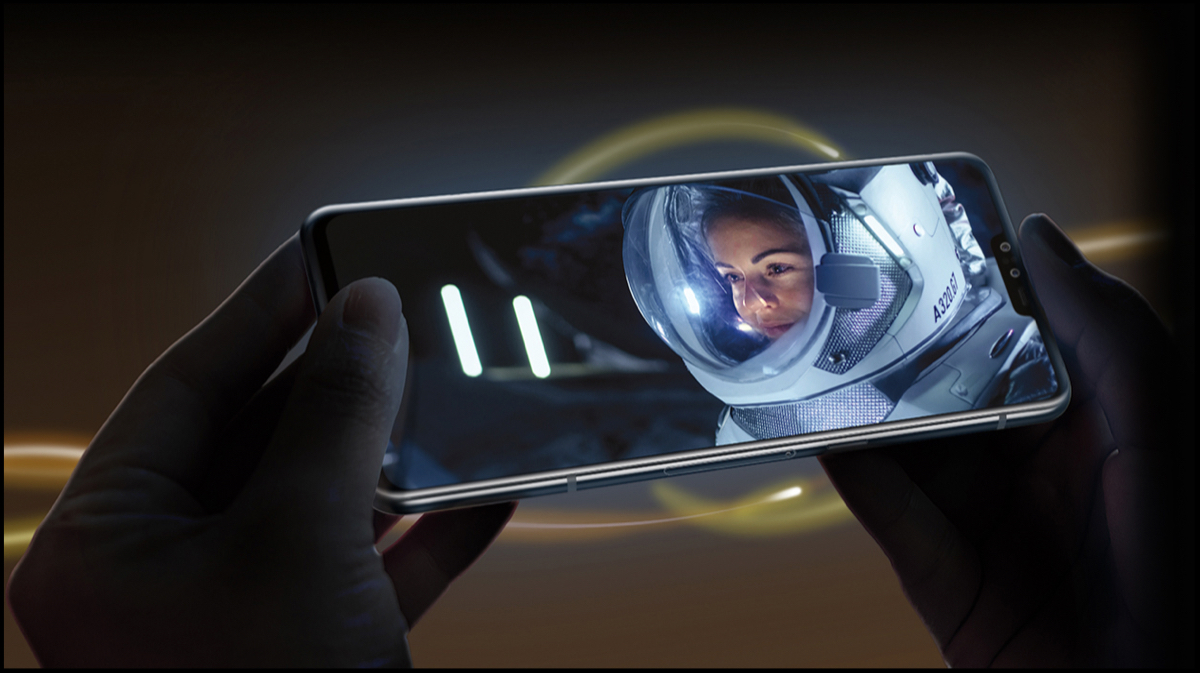 The V50 ThinQ is a dual glass smartphone with a glass-sandwich design, which gives the smartphone an elegant look. The device sports a 6.4 inch OLED screen with a resolution of 3120 x 1440 px and an aspect ratio of 19.5:9. The display panel has a pixel density of 537 ppi, and supports HDR 10. It has a similar notch to the
 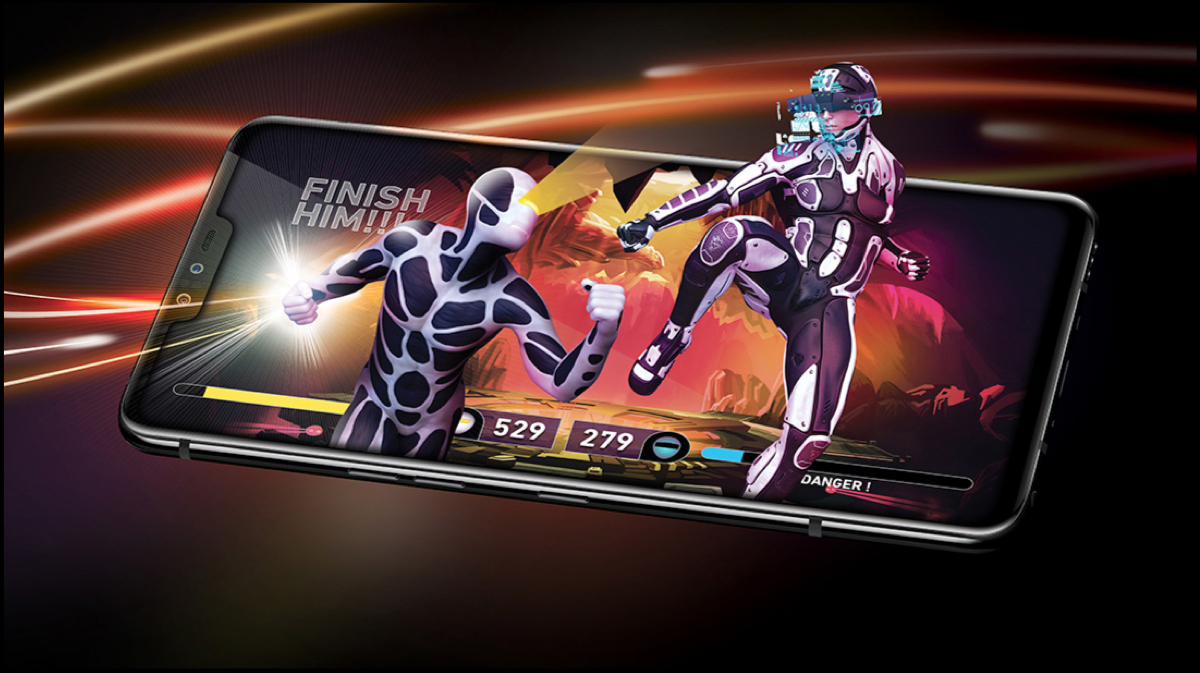 The LG V50 ThinQ runs on the 7nm Snapdragon 855 chipset, which consists of an octa-core processor (1×2.84 GHz Kryo 485, 3×2.42 GHz Kryo 485 and 4×8 GHz Kryo 485) and the Adreno 640 GPU. The device also features Qualcomm’s 5G modem. In addition, the V50 has an advanced cooling system to keep the temperature of the device under check. It runs on Android 9 Pie out of the box, with a layer of LG UX on top. The device has 6GB of RAM and 128GB of internal storage, which can be further expanded via the microSD slot.
 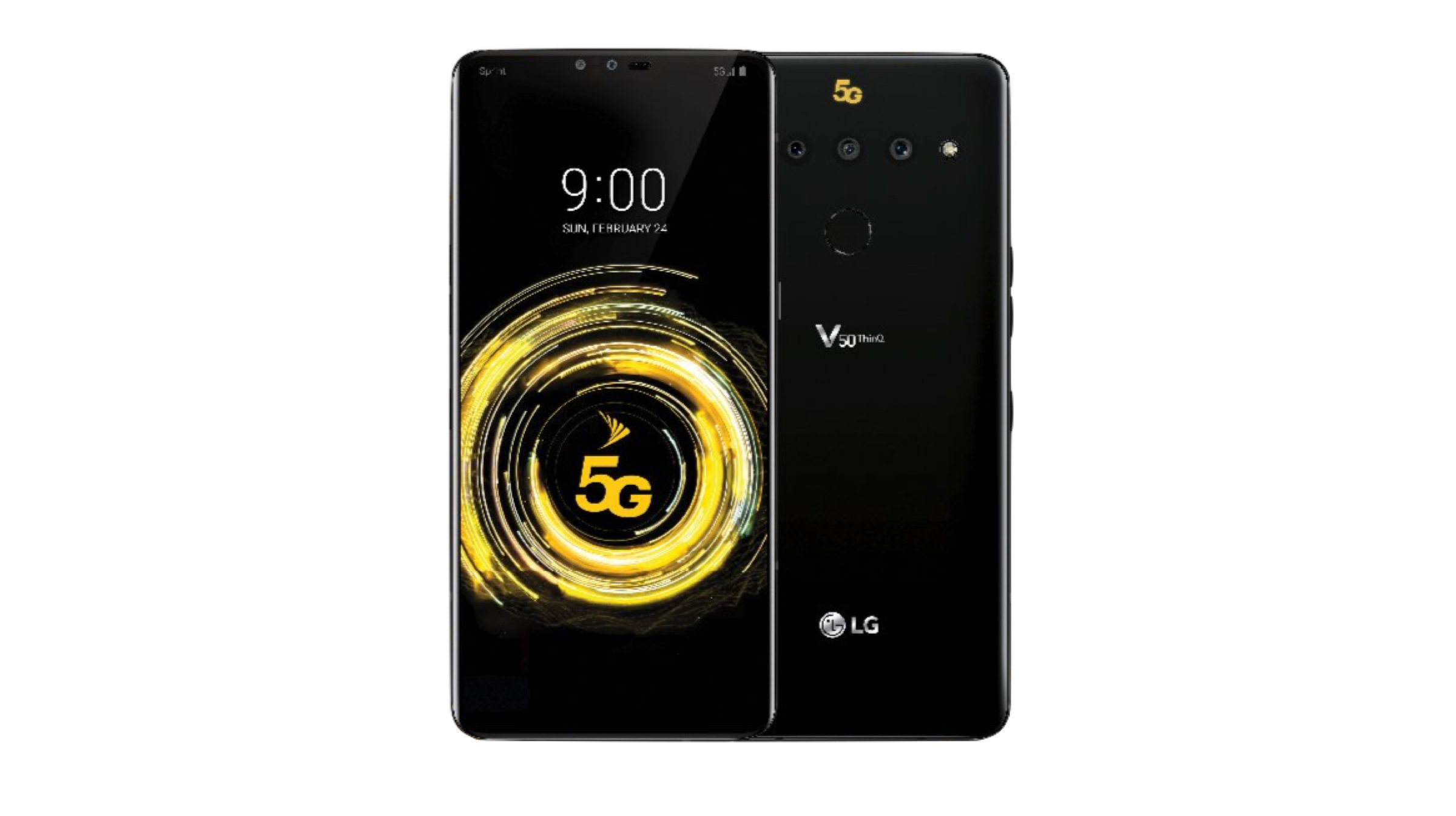 The V50 ThinQ features a triple rear camera setup, which comprises of a 12MP (f/1.5) camera sensor, a 12MP (f/2.4) telephoto sensor and a 16MP ultra-wide-angle snapper. The camera also supports Optical Image Stabilization (OIS) for taking high quality blur free images. In addition, the smartphone sports a dual front camera module which is housed in the notch along with the earpiece. The selfie camera setup consists of an 8MP (f/1.9) standard sensor and a 5MP (f/2.2) wide-angle camera.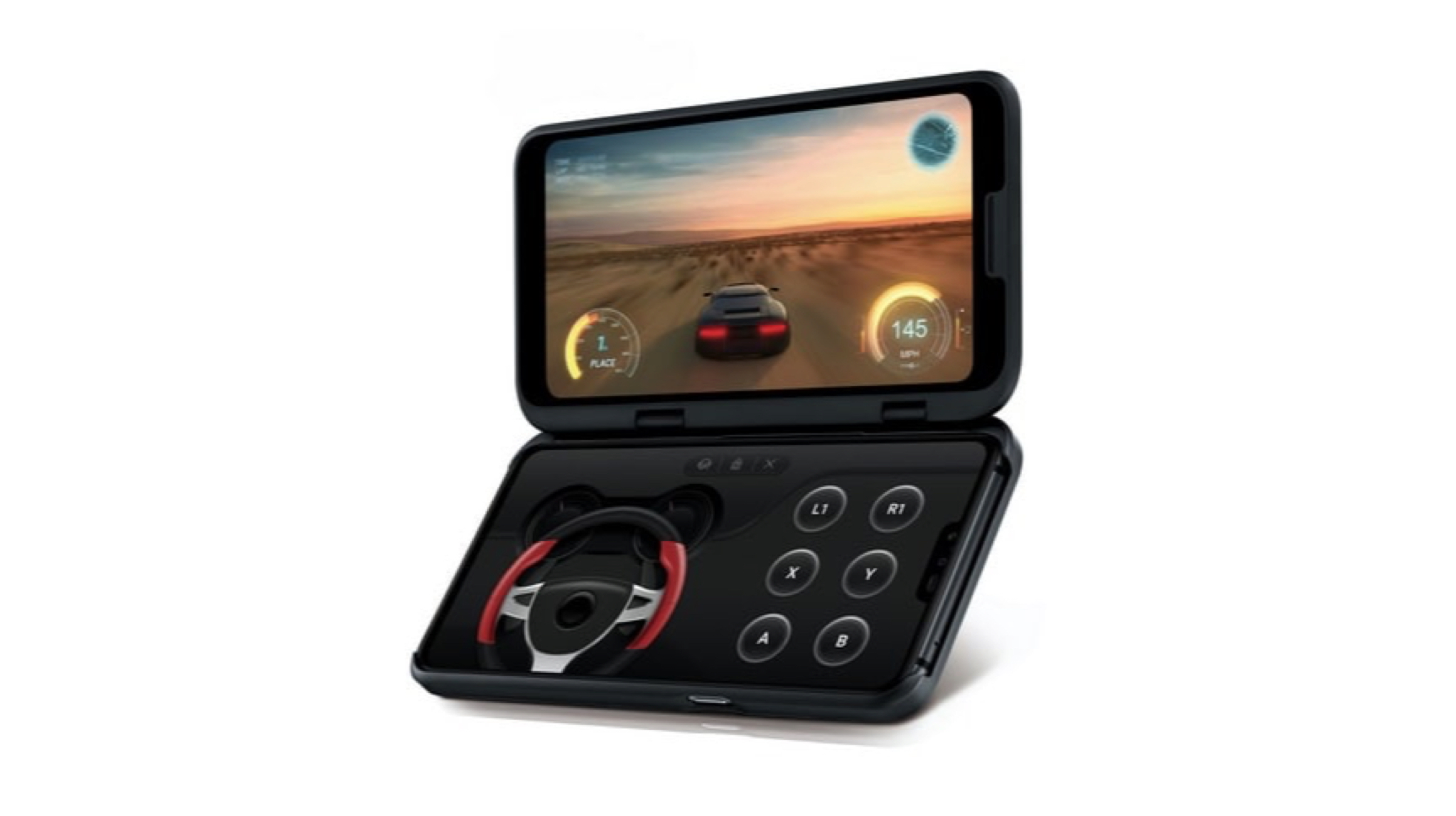













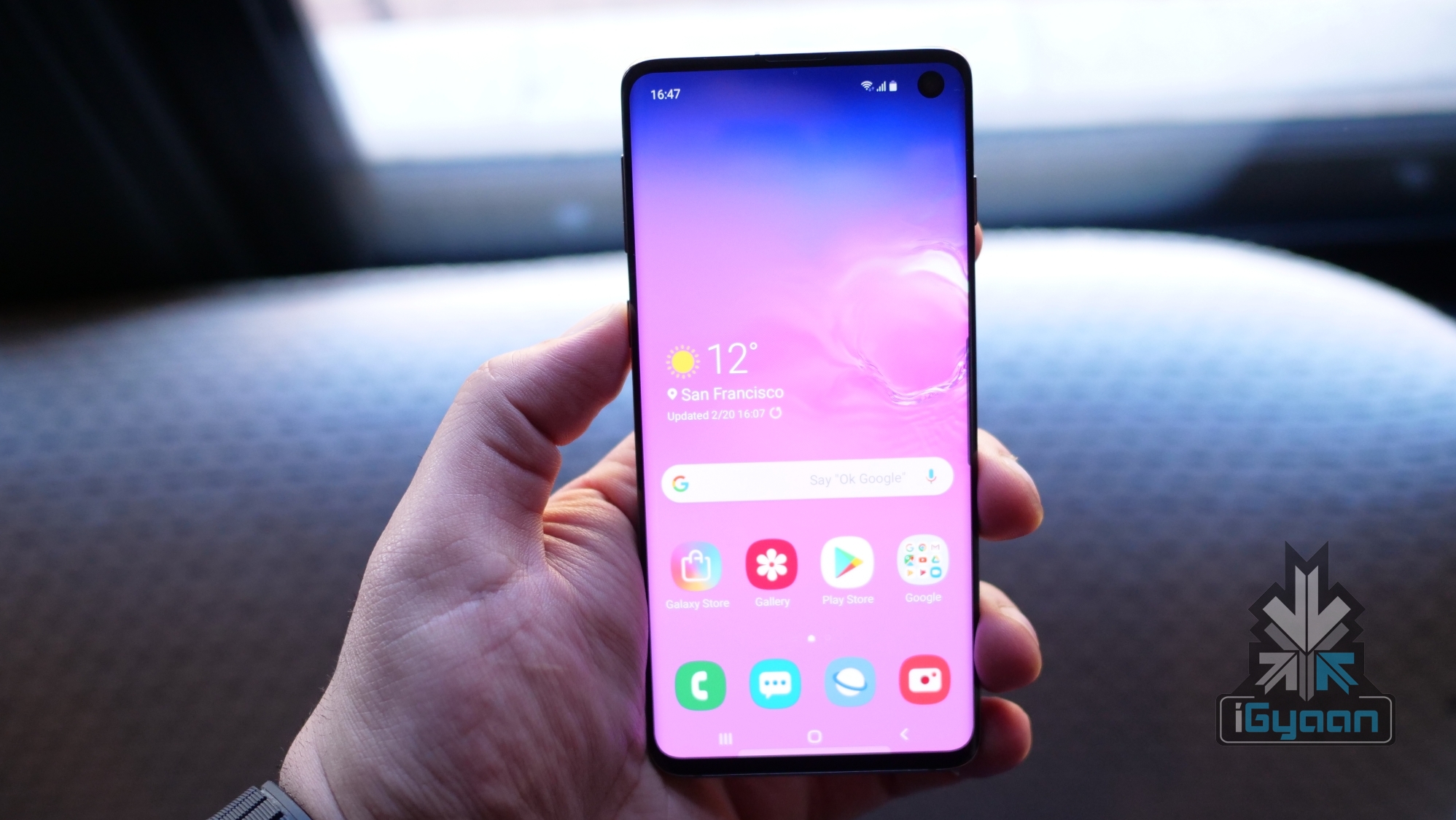
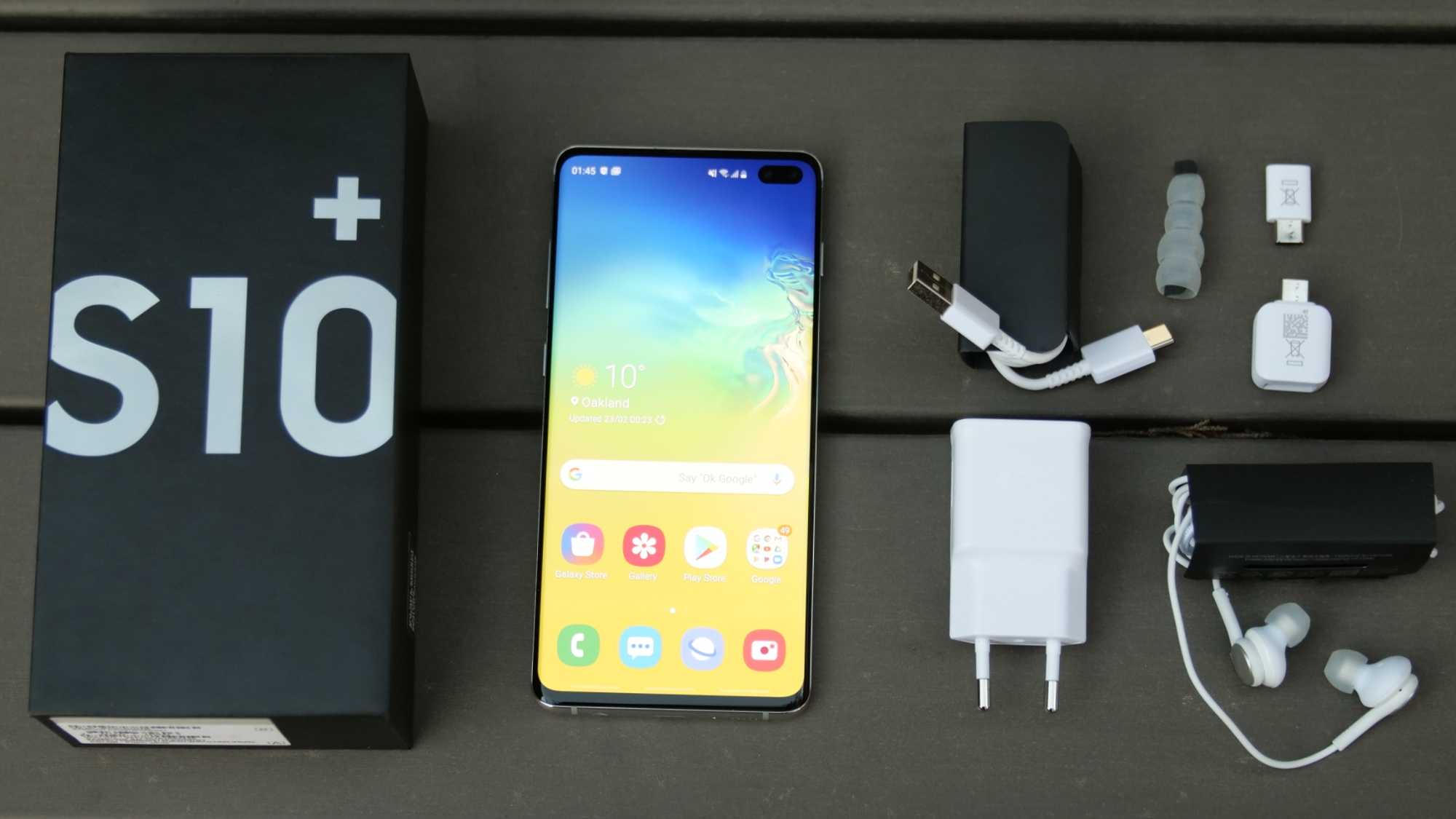
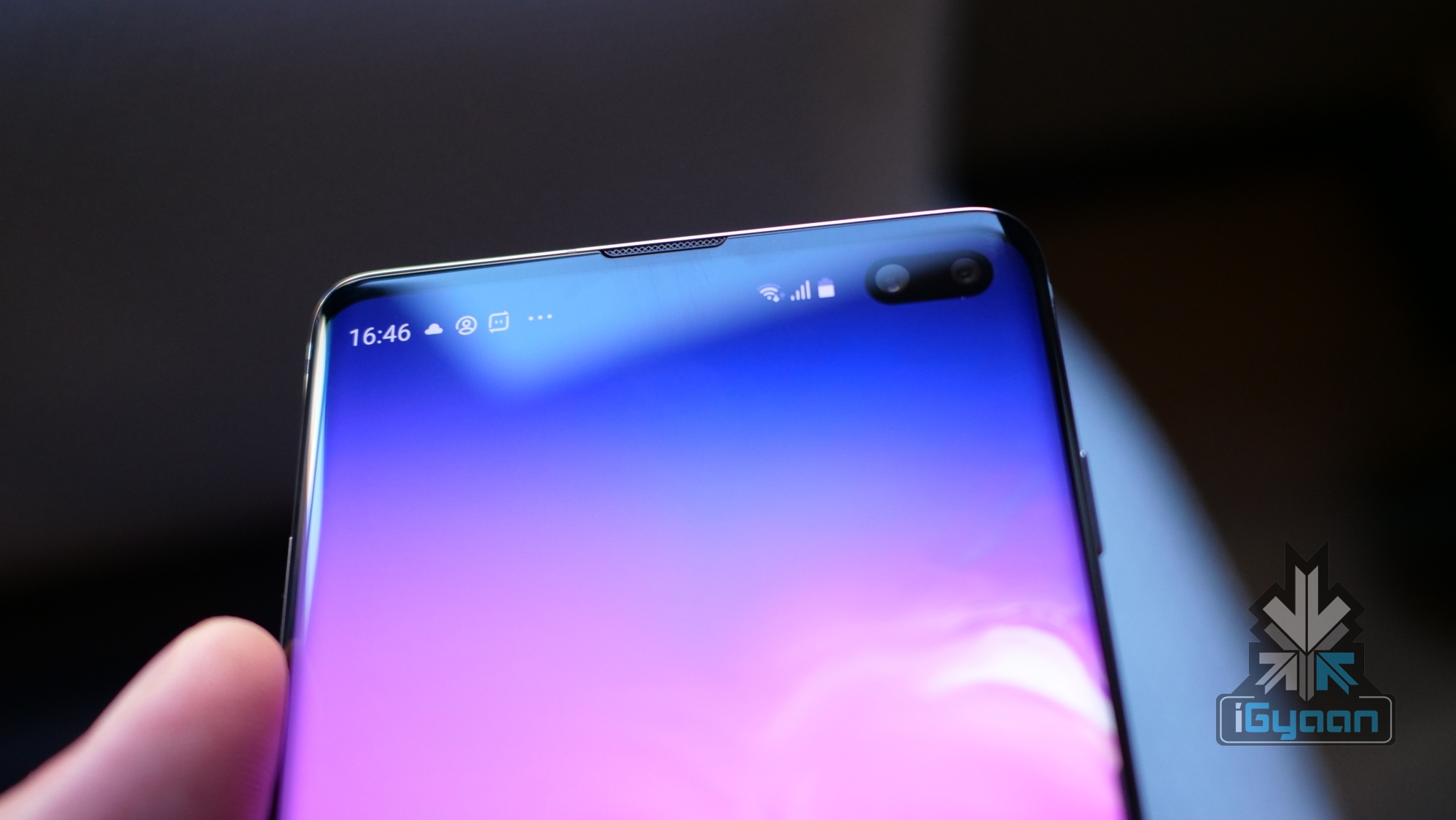
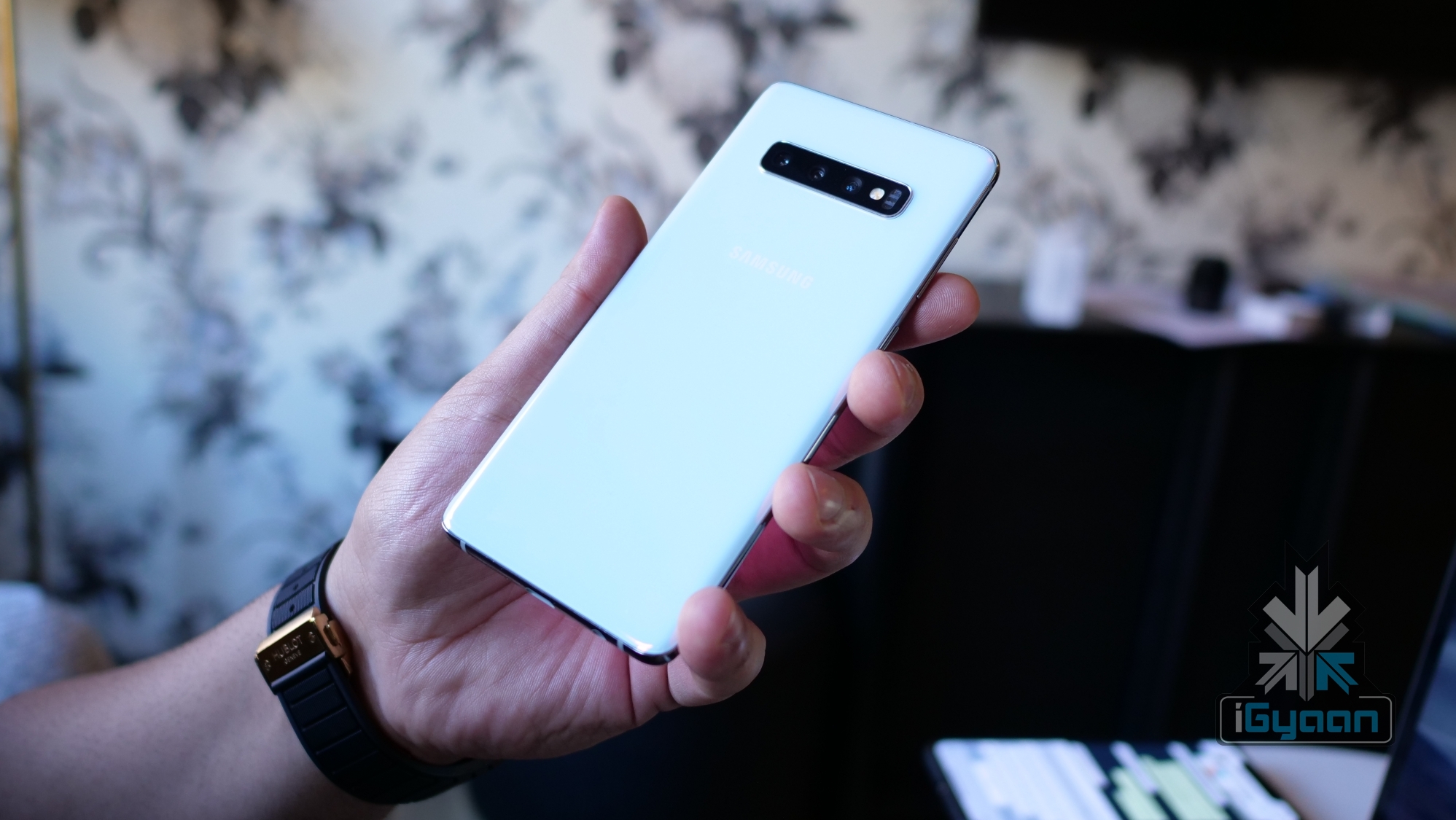
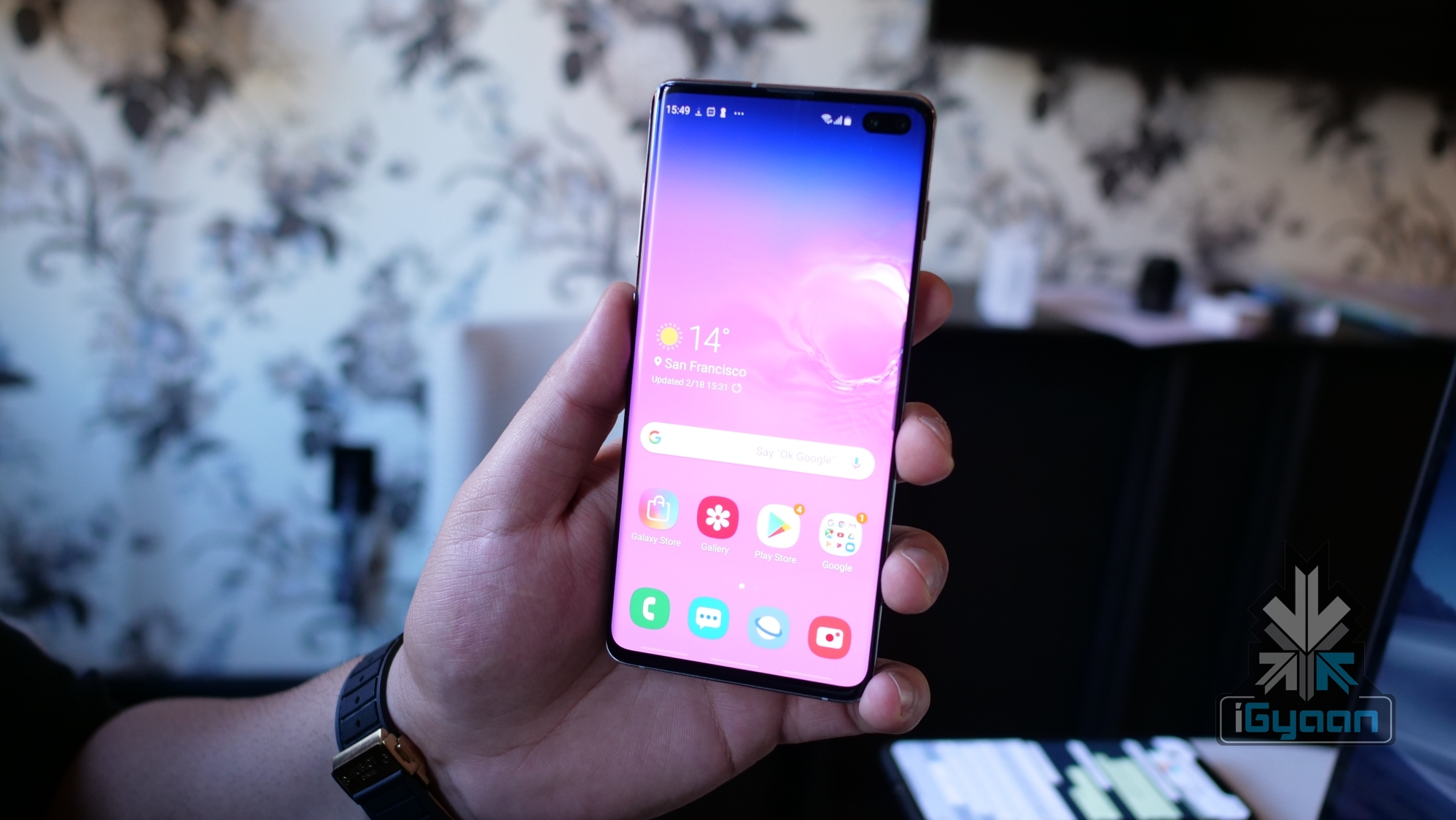 The Samsung Galaxy S10+ features a 6.4 inch Dynamic AMOLED Infinity-O display. Featuring an edge-to-edge HDR+ display that tapers towards the edges, the screen has a resolution of 3040 x 1440 px and a pixel density of 522 ppi. The display on the smartphone has a 19:9 aspect ratio. The front and the back of the smartphone have Corning Gorilla Glass to safeguard it from scratches and accidental drops. The Galaxy S10+ is offered in two different finishes which include glass and ceramic. Regardless of the material choice, both variants have a premium look.
 The right side of the device houses the power/lock button, while the left side of the phone houses the volume rockers and the dedicated Bixby button which can also be remapped as per the user’s convenience. The S10+ weighs 175 g for the glass version and 198 g for the ceramic version. The 3.5 mm headphone jack is retained by Samsung and is placed at the bottom of the handset along with the USB Type C port and loudspeaker grille. The SIM card slot is present at the top of the smartphone which can either house two nano SIM cards or one SIM and microSD card.
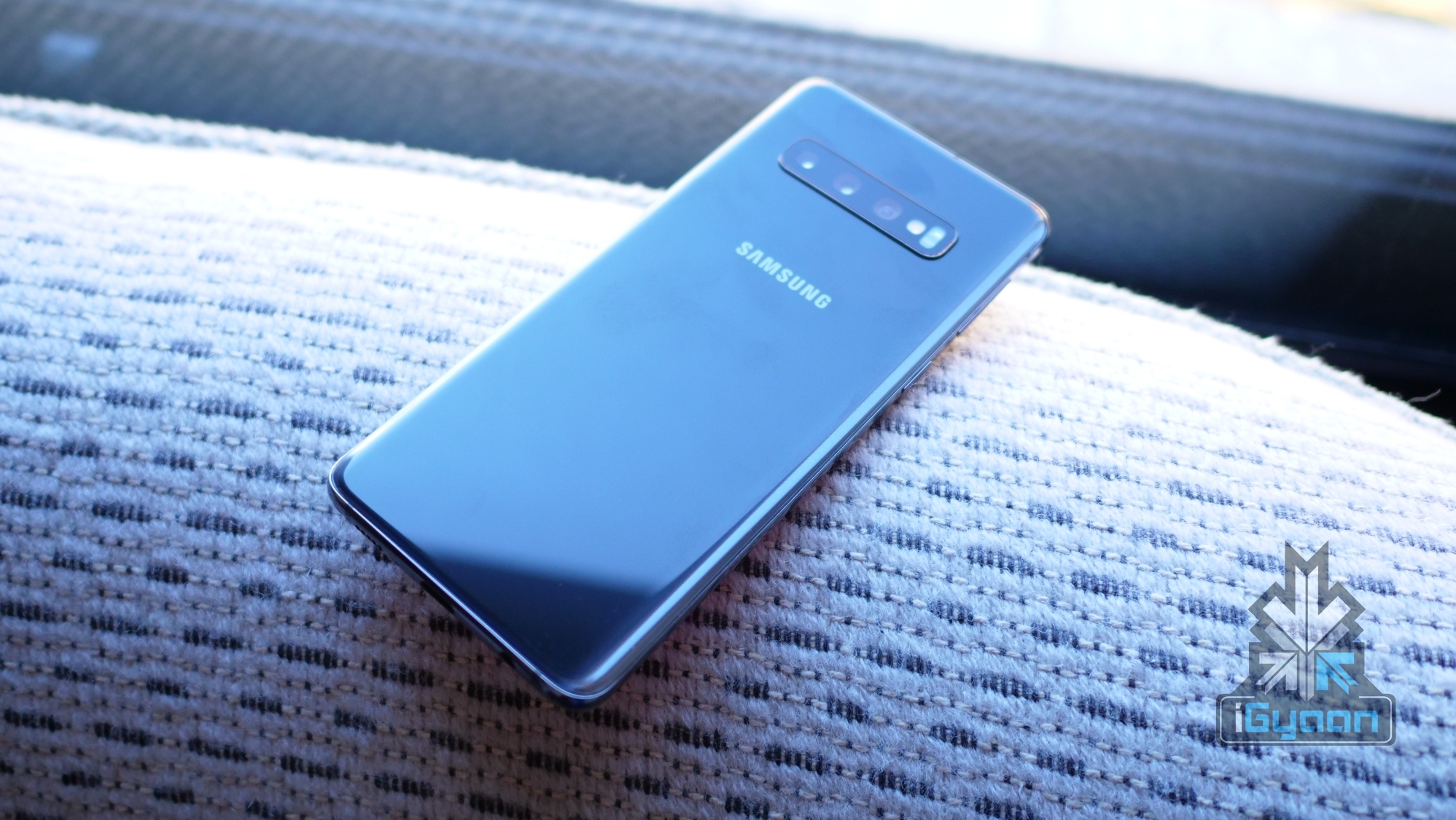 The US/China variant of the Samsung Galaxy S10+ runs on the Qualcomm Snapdragon 855 chipset, which comprises of the Kryo 485 octa-core CPU and Adreno 640 GPU. On the other hand, the EMEA version of the device runs on Samsung’s own Exynos 9820 SoC consisting of an octa-core CPU and Mali G76 MP12 GPU.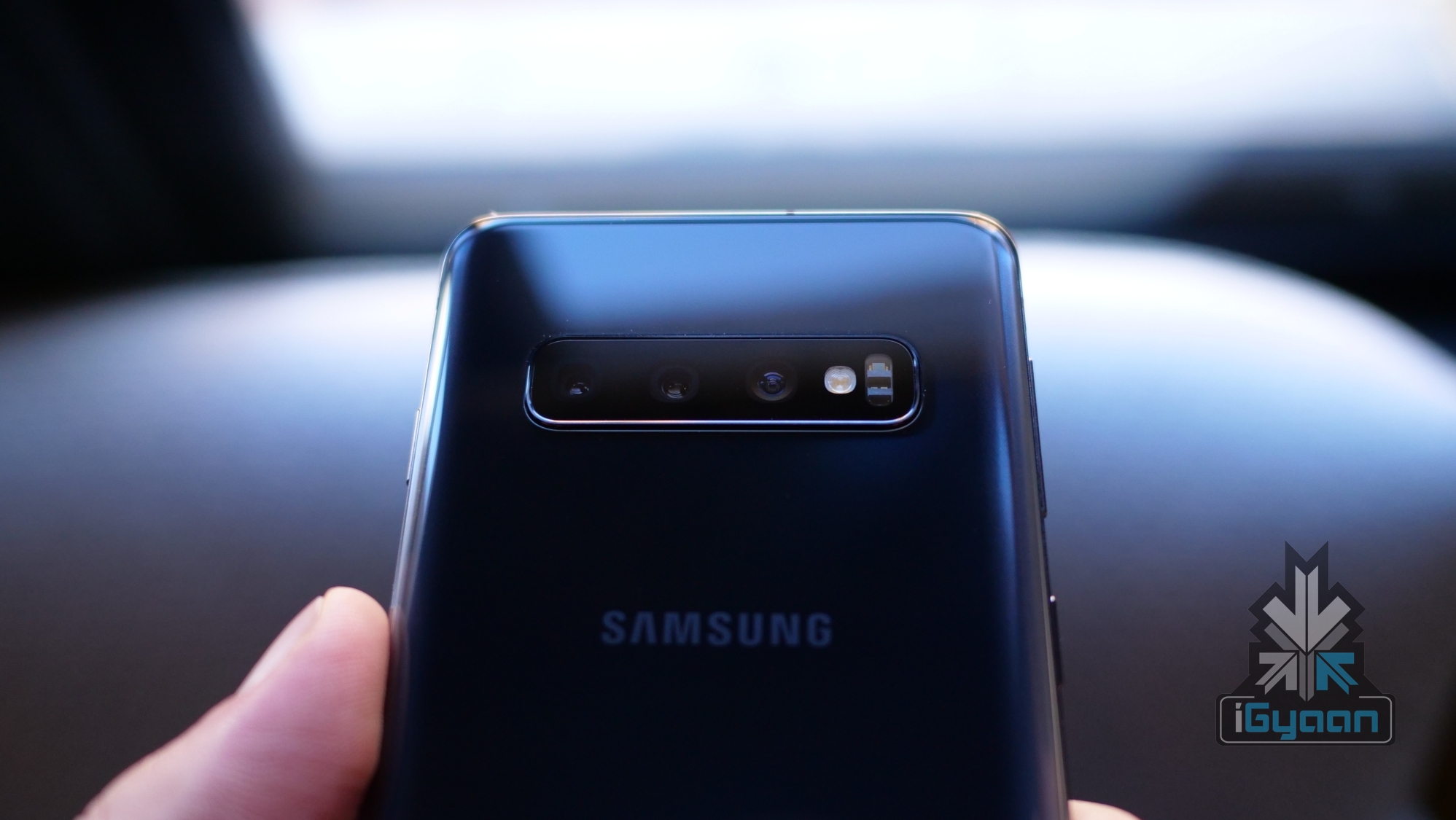
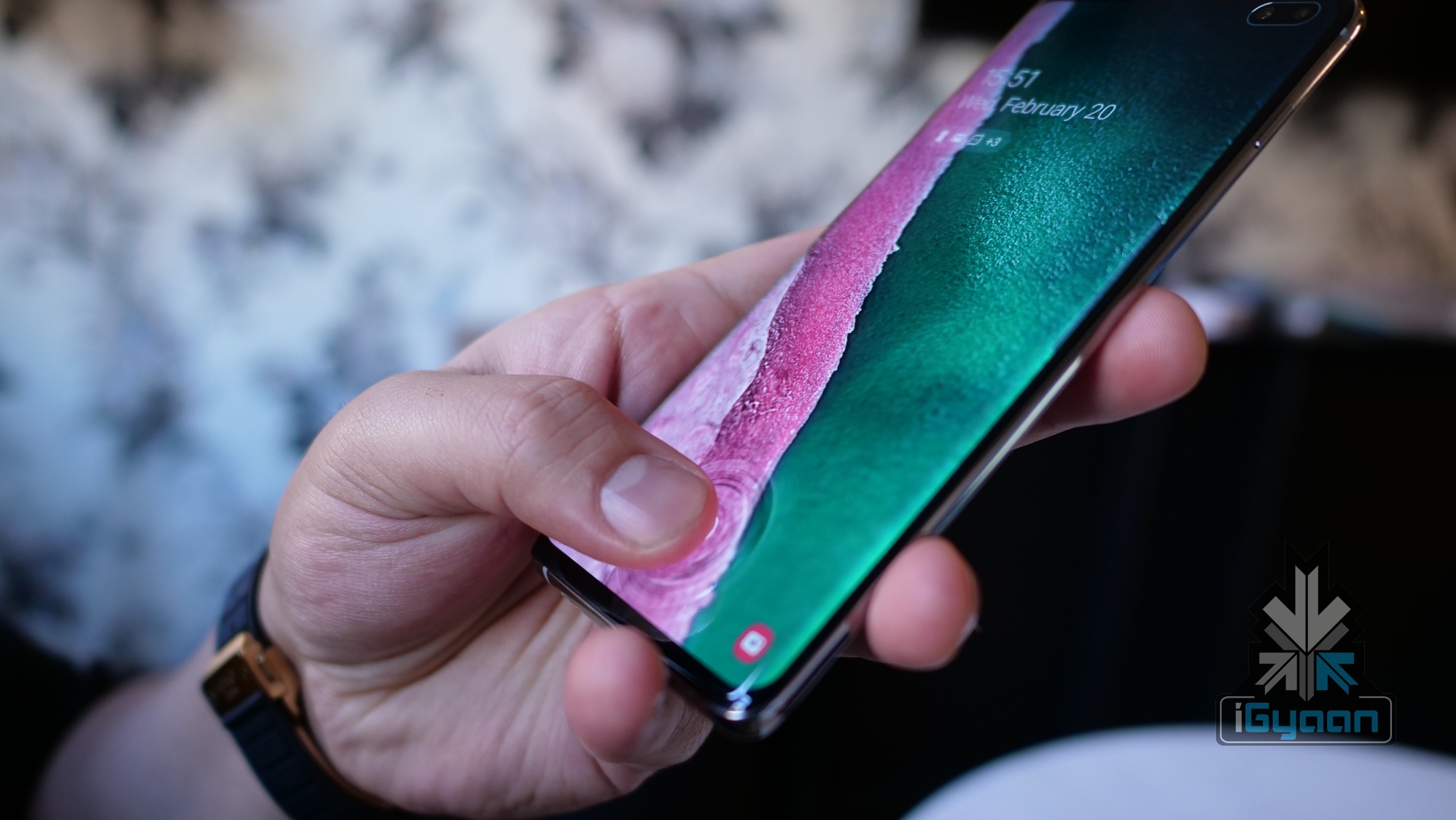 The Samsung Galaxy S10+ is the first smartphone ever to feature an ultrasonic in display fingerprint sensor. In addition, the device has 3D face scanning technology for quickly and securely unlocking the device. The Galaxy S10+ is powered by a 4100 mAh battery, which supports both fast charging and wireless charging at maximum 15 w. The device also supports reverse wireless charging called ‘Powershare’, enabling the user to charge other ‘Powershare supported’ devices by placing them on the rear of the smartphone. Moreover, the premium smartphone is IP68 certified that makes it dust and water resistant.
 The Galaxy S10+ is available in three storage variants which include a 6GB+128GB version, an 8GB+512GB version, and the limited edition 12GB+1TB variant. The two base variants of are available in four colour options which include Prism White, Prism Black, Prism Green, and Prism Blue colour options. The 12GB+1TB storage variant of the device is available in Ceramic Black and Ceramic white colour options. The Samsung Galaxy S10+ will go live on sale in India on the 8th of March.
 Also Read: