Category: Tech

Latest Technology News, Alternative, Bio-Tech, Medical, R&D and Innovations

  • Google Might Rebrand Android Wear To Wear OS

    Google Might Rebrand Android Wear To Wear OS

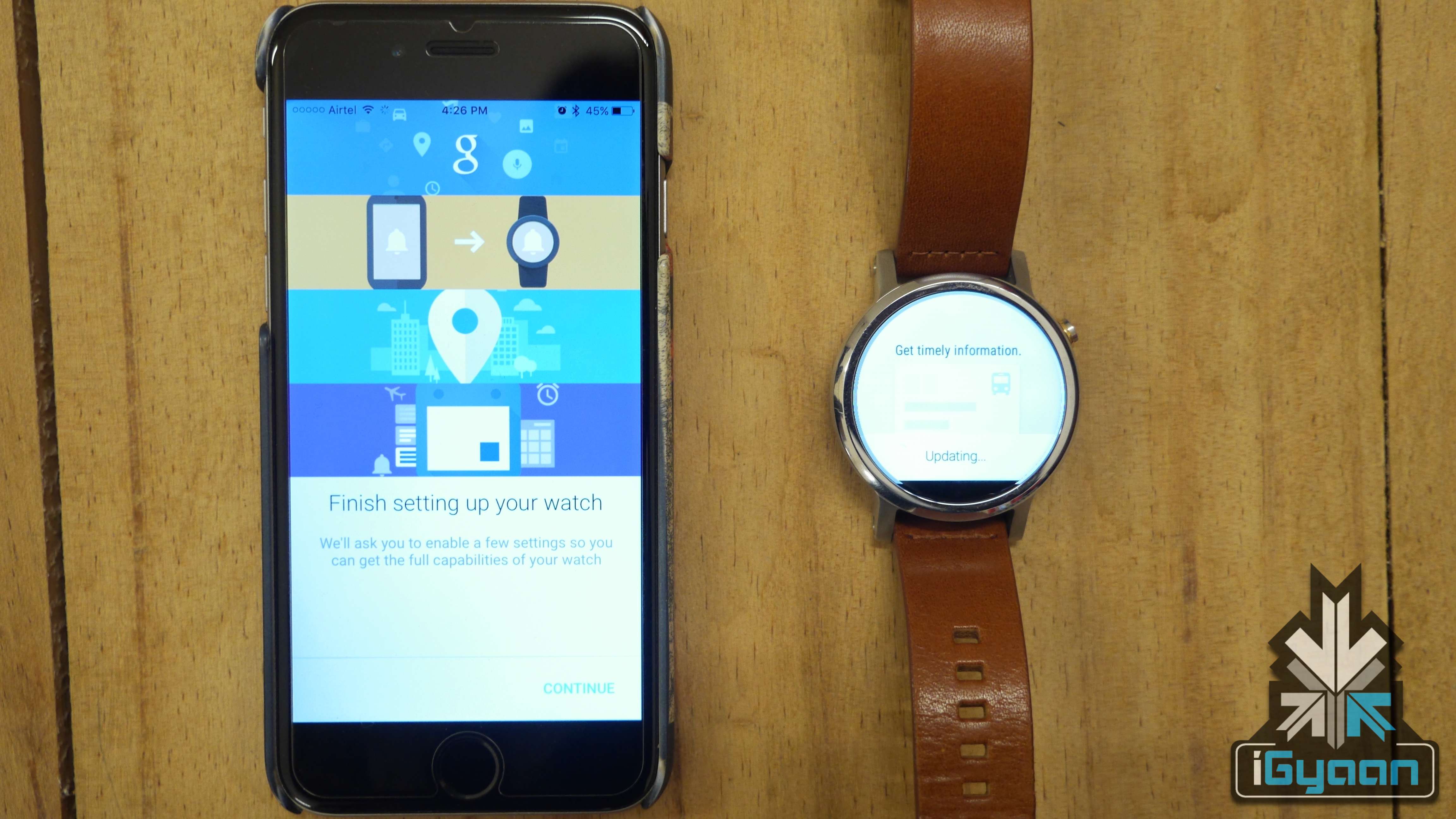
    Android Wear has long fought a losing battle against Apple’s Watch OS. Smartwatches are the most predominant variant of wearable smart devices and it seems like Google just can’t crack the code. In a bid to reignite the interest and anticipation around Android Wear, the company might be willing to change things up a bit. Google is planning to re-instate Android Wear under a new moniker called, “Wear OS”. In fact, the name resembles Apple’s “Watch OS“, which powers the Apple Watch.

    A new screenshot from a Reddit page clearly mentions the name “Wear OS” with a new logo, similar to the Google Assistance. This change was spotted in the Google Play Services Beta 1.25 with the “Nearby” feature.
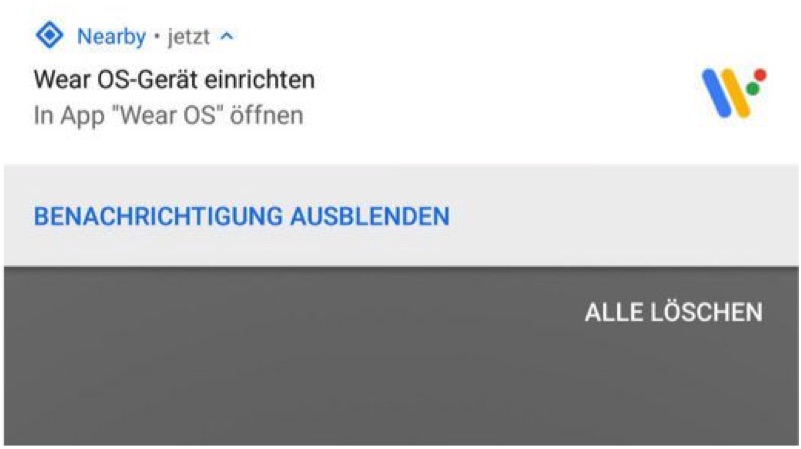
     Wear OS

    According to statistics, Android Wear OS holds 18% share in the smartwatch market while Apple dominates with more than 50% of the share. It is also worth noting that even Qualcomm has stopped working on chipsets that power smartwatches. In fact, Qualcomm’s Snapdragon 2100 was the last Android Wear chipset, which was announced in April 2017.
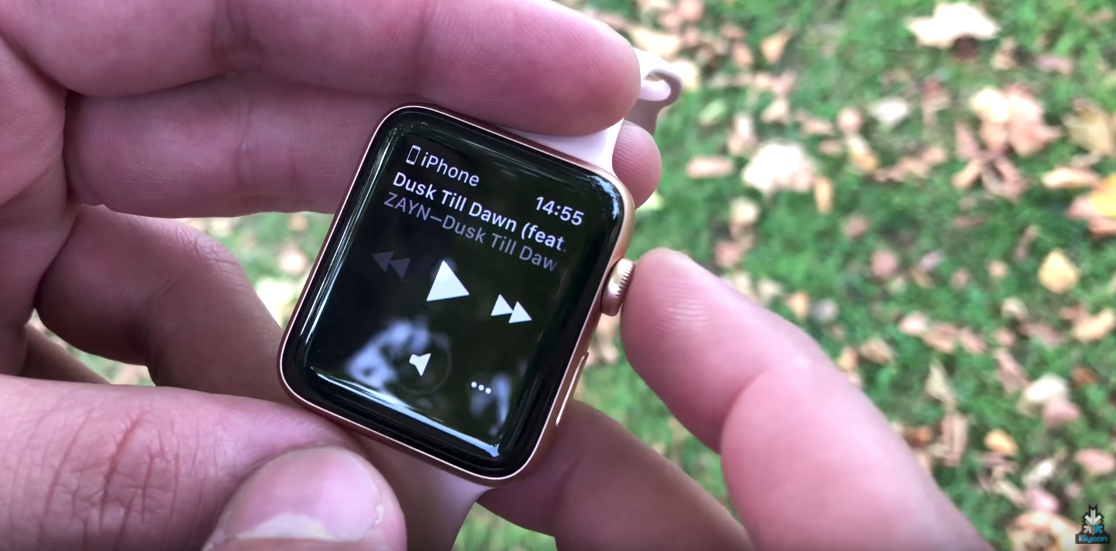
    Apple Watch Series 3

    Apple has created a complete ecosystem, that works seamlessly with the Apple Watch, iPhone, and Mac. However, Google has failed to replicate that user experience of the smartwatch across the devices. However, Google and Android Wear has failed to replicate the same ease of use and fluidity across its devices. The Wear OS is expected to offer seamless integration with a new user interface.

    Expected Debut of Wear OS

    Google is expected to announce the Wear OS along with Android P at I/O 2018. Similarly, the company is expected to launch Google Pixel Watch along with the Pixel 3 smartphones in late 2018.
  • Nokia 9 Might Have An iPhone X Like Notch And In-Screen Fingerprint Sensor

    Nokia 9 Might Have An iPhone X Like Notch And In-Screen Fingerprint Sensor

    The Apple iPhone X introduced a new design language to the iPhone lineup. After three generations of very similar looking devices, the iPhone X represented what the future of iPhones would be. And that future includes a notch on the display. Panned at first and appreciated later, the notch on the iPhone X has gained quite the status since September 2017. So much so that the Mobile World Congress 2018 saw plenty of iPhone X clones being unveiled.

    Even Google introduced support for a notch in the first developer preview of Android P. This means that the notch is here to stay and Google wants as many apps as possible to be acclimatised with the new aspect ratio. A new report claims that Nokia, too, will launch the Nokia 9 with a notch on top. Apart from that, it might have an in-display fingerprint sensor as well.

    notch
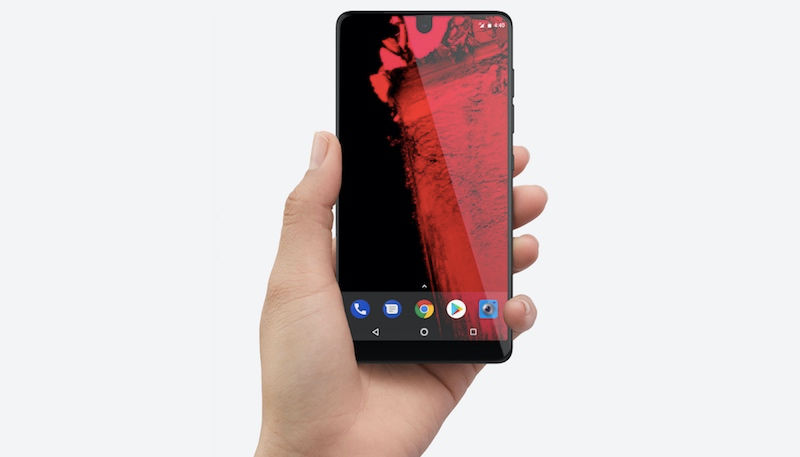
    Essential Ph-1

    The Essential Ph-1, although was the first Android device with a notch, did not really turn heads like the iPhone X did. With companies like Huawei expected to launch their new smartphones with a notch, it looks like Apple’s design decision will shape the industry’s design language as a whole.

    Expected Specifications of Nokia 9

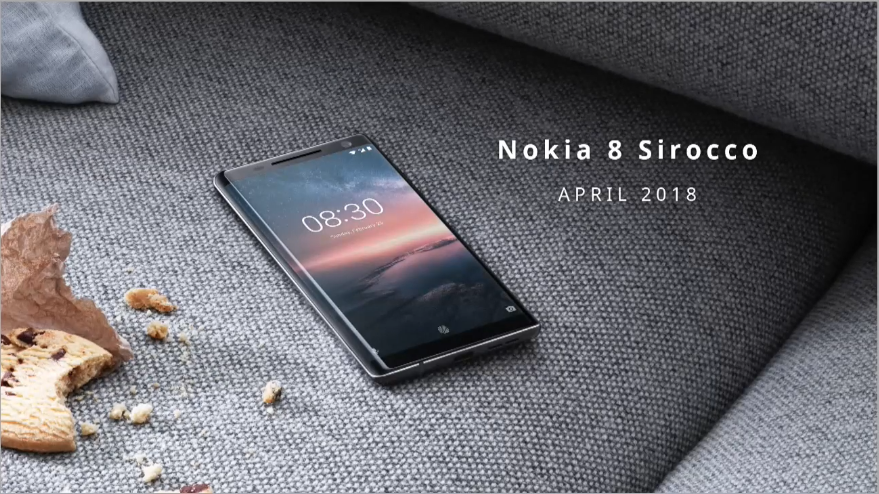
    Similar to the Nokia 8 Sirocco, the Nokia 9 will have an OLED QHD+ display. An OLED display is a pre-requisite for Clear ID. Under the hood, the device will have the Qualcomm Snapdragon 845 chipset with a custom CPU for AI. The device will have premium glass design with support for wireless charging.

    Nokia 8 Pro

    Zeiss optics will, in all probability, co-engineer the cameras for the Nokia 9. However, recent reports claim that it might have a Penta-lens setup which will house both the wide angle and telephoto lens.


  • Honor 7X Gets Face Unlock Feature Via New Software Update

    Honor 7X Gets Face Unlock Feature Via New Software Update

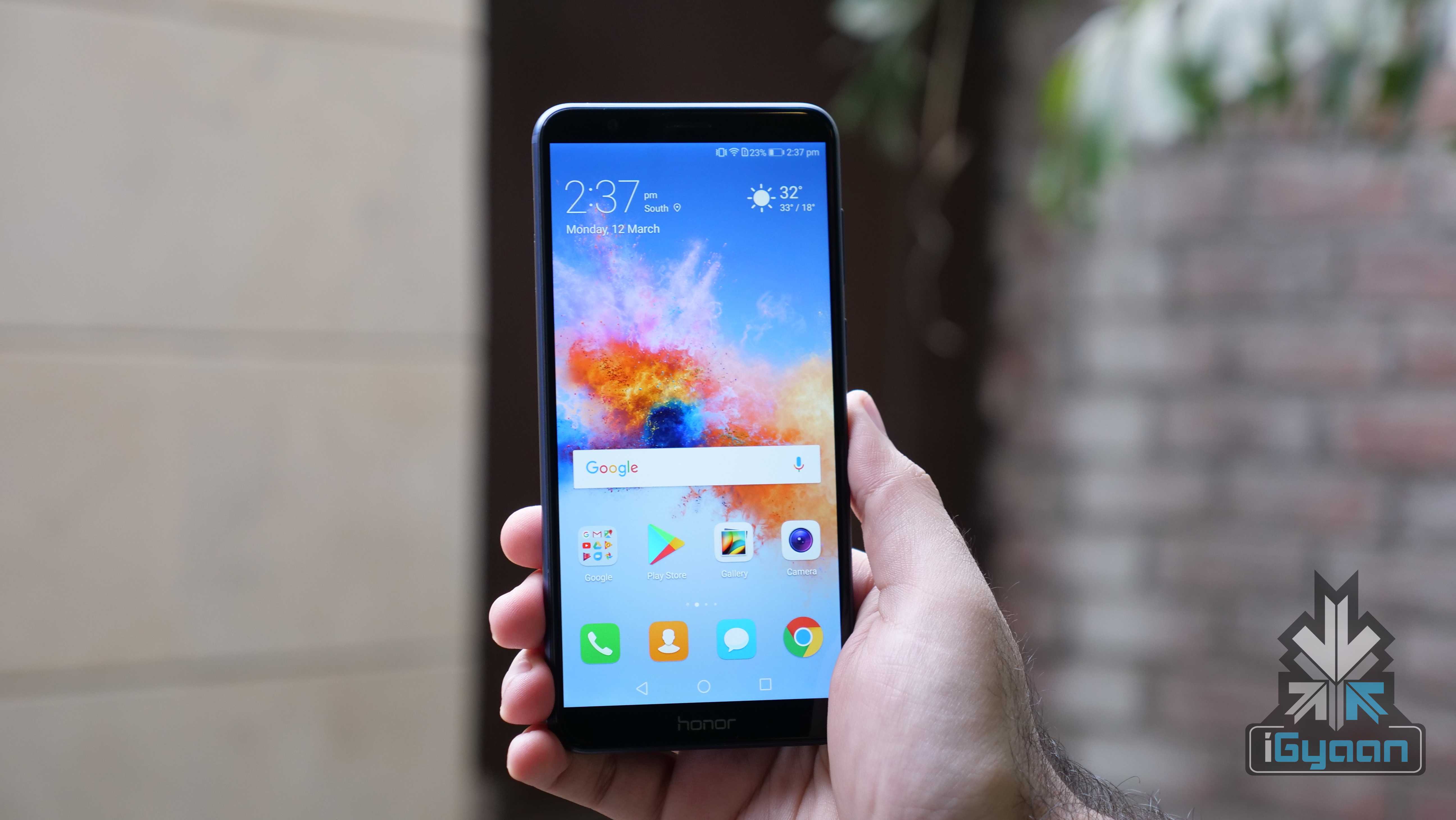
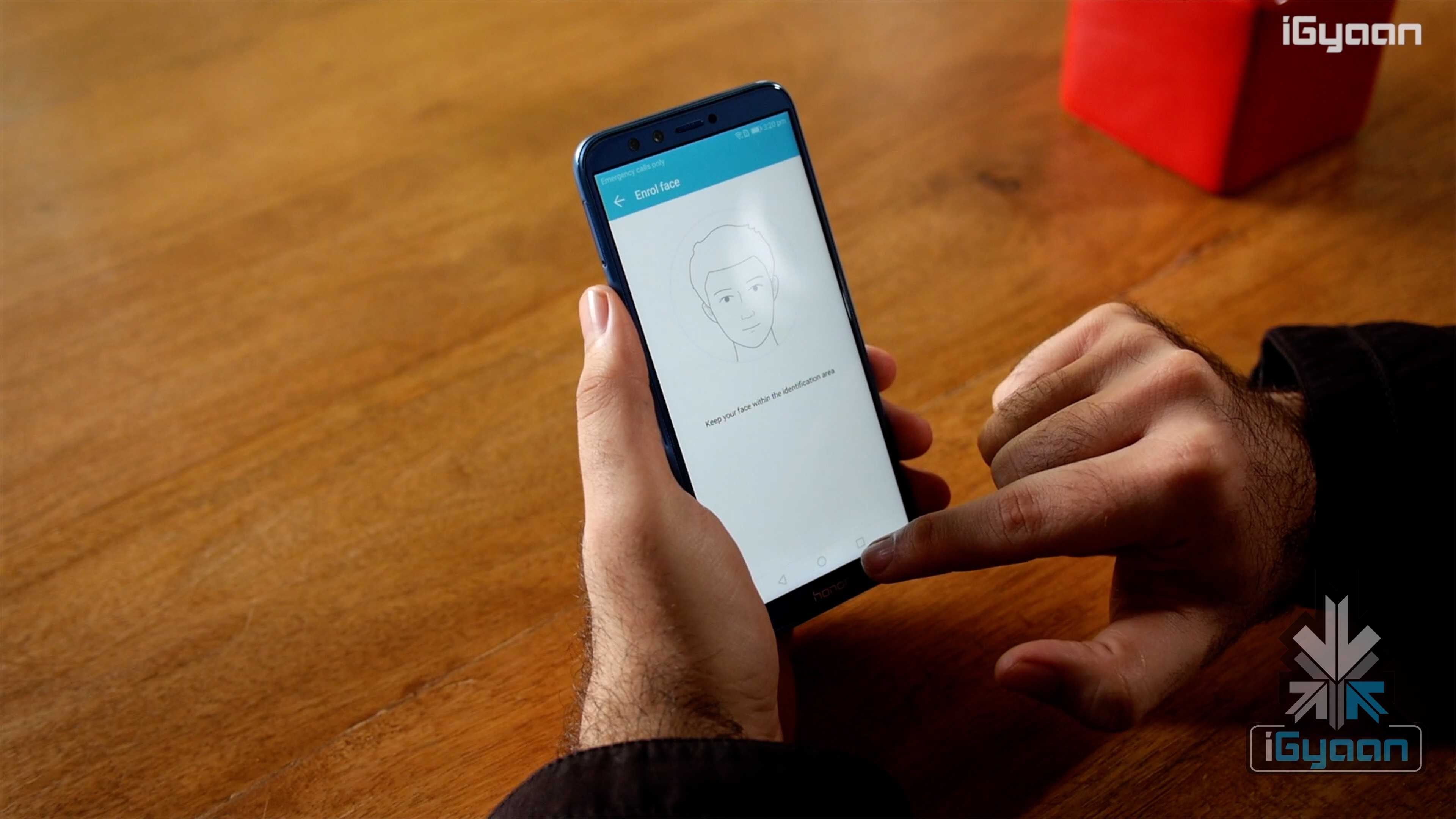
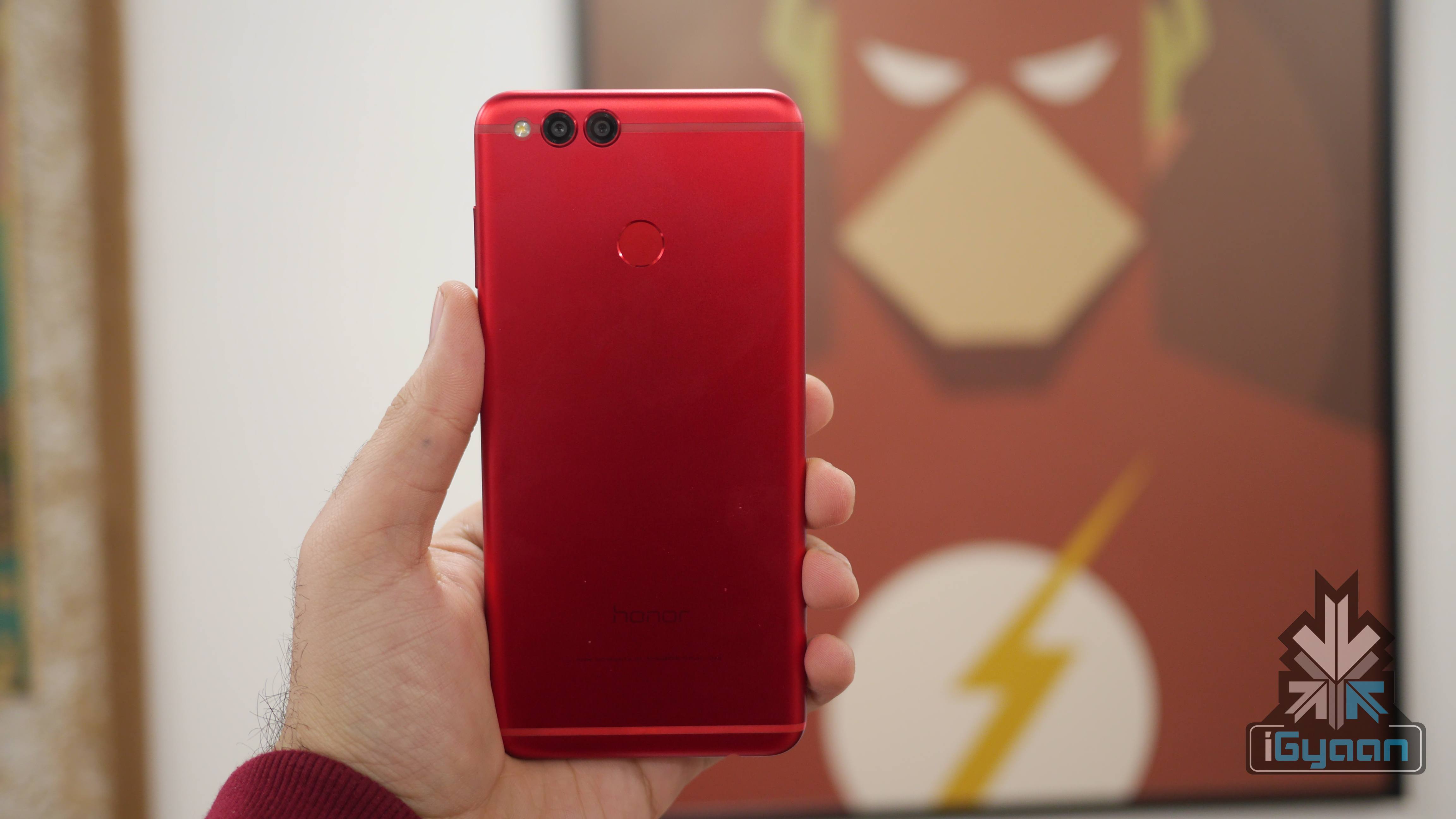
    Honor launched the Honor 7X in India back in December 2017. The company subsequently announced that the Honor 7X will soon get the revered Face Unlock feature. The company has delivered on the announcement and rolled out the new feature to Honor 7X via an OTA. Priced at Rs 12999, it is one of the best smartphones in the price bracket with its dual-camera setup and 18:9 aspect ratio.

    P Sanjeev, Vice-President, Sales, Huawei Consumer Business Group said:

    Face Unlock Intelligent feature is usually available in flagship level smartphones, however, Honor in its endeavor to deliver unmatched smartphone innovation to the Indian consumers has introduced this feature in the coveted Honor 7X
    The Huawei OTA update will be incrementally rolled out to all Honor 7X devices by mid-March. It is worth noting that the Honor 7X is the third Honor device after the View10 and Honor 9 Lite to receive the Face Unlock feature. In its price bracket, only the Xiaomi Redmi Note 5 Pro has Face Unlock.
    Honor 9 Lite Face Unlock
    Face Unlock Features

    With Face Unlock, users can unlock their smartphones without reaching for the fingerprint sensor. This comes in even more handy with the Honor 7X since its fingerprint sensor is placed on the back. Hence, it is easier to unlock your device when it’s laying flat on a surface. With the new feature, you can also hide your notifications for other via smart notifications. This basically means that the notification preview will be hidden unless the phone detects the stored face.

    Honor 7X Specifications

    The Honor 7X has a 5.9 inch LTPS IPS LCD display with a 2160 x 1080 px display which translates into an 18:9 aspect ratio.

    Under the hood, the Honor 7X has the HiSilicon Kirin 659 chipset, Mali-T830 MP2 GPU, 4GB of RAM and 64GB onboard storage. The onboard storage is expandable up to 256GB via microSD card. The device is powered by a 3340 mAh battery which charges via a micro USB slot.

    The smartphone has a dual camera setup at the back. The camera setup at the back has PDAF and records 1080P videos at 30fps. On the front is an 8MP camera which also records 1080P videos.

    • 5.9 inch IPS LCD
    • HiSilicon Kirin 659
    • 4GB RAM
    • 32GB/64GB expandable storage
    • 16MP+2MP depth sensor
    • 8MP front camera

  • Android 8.1 Oreo Now Available For OnePlus 5/5T Via Open Beta

    Android 8.1 Oreo Now Available For OnePlus 5/5T Via Open Beta

    When it comes to incremental Android OS upgrades, most of the OEM’s tend to neglect them. However, OnePlus is known for updating its smartphones with the latest OS, at least its new smartphones. The OEM has a track record of pushing incremental updates, and the company continues to do the same.

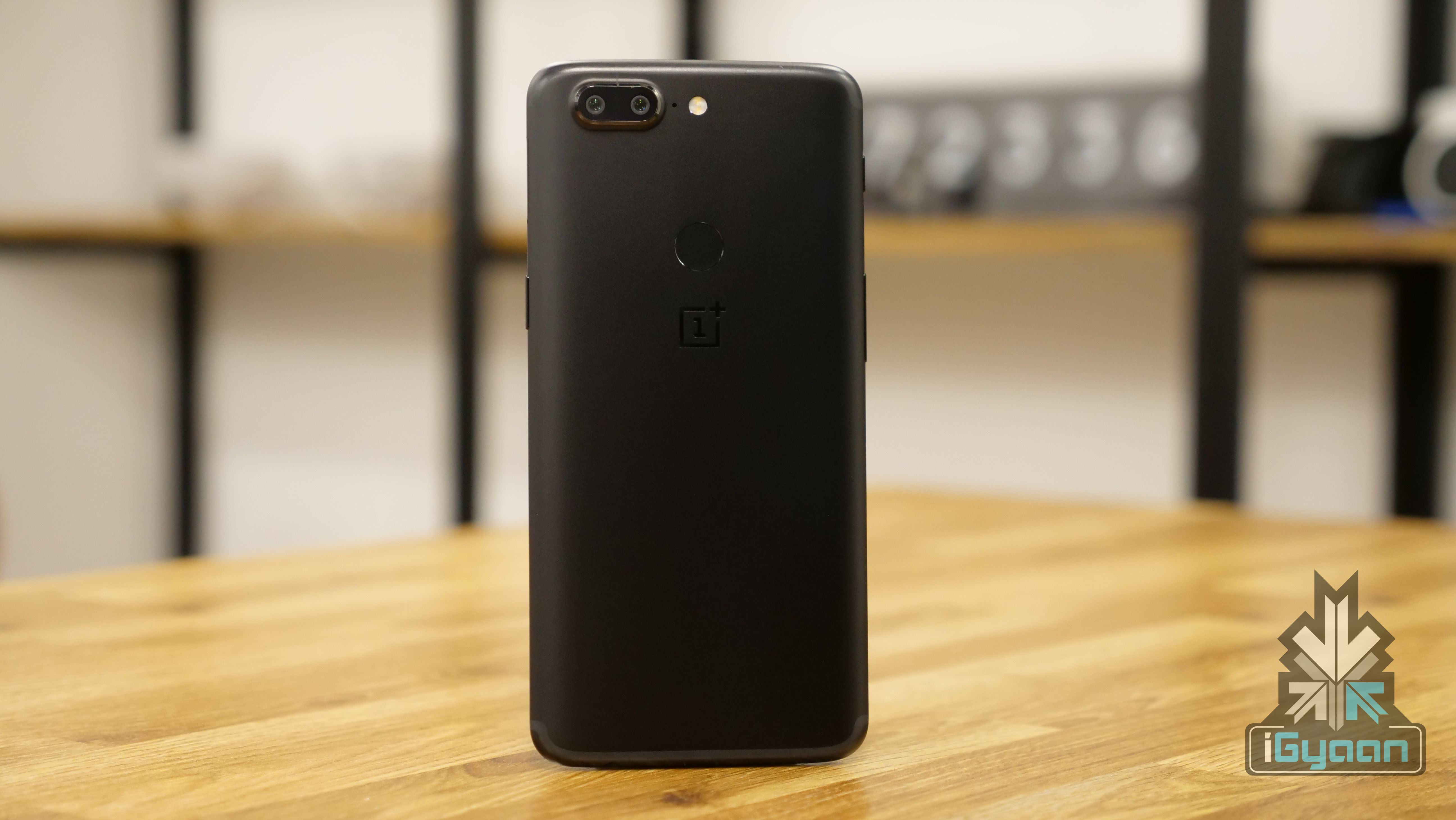
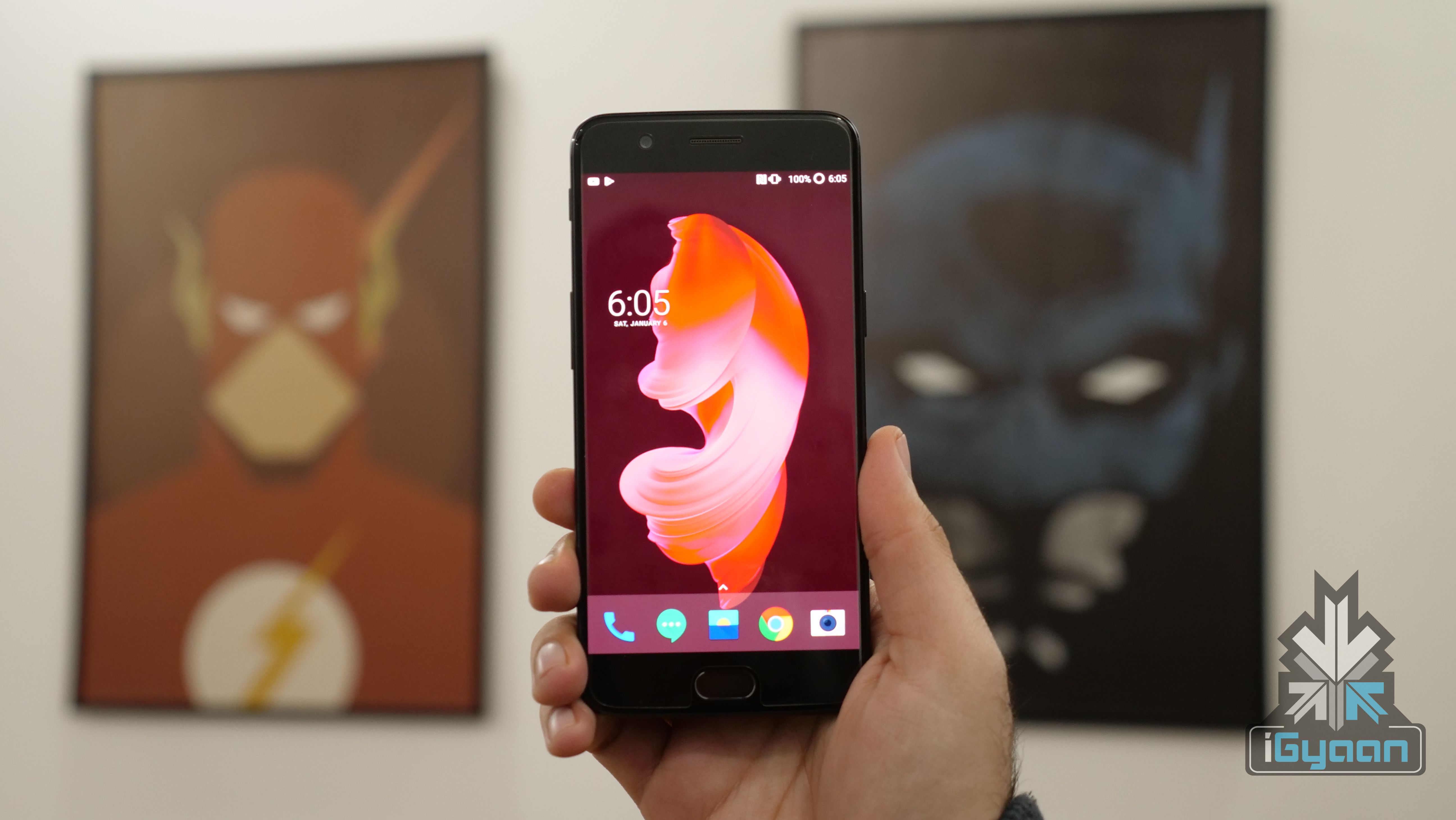
    OnePlus has released the Oxygen OS Open Beta 4 build for the OnePlus 5 and 5T based on Android 8.1 Oreo. Users can install the update by downloading the file from the OnePlus official website. The update weighs at about 1.6GB and the first time Beta testers have to manually download and flash the update. However, if you are already on a Beta build, then the device will receive an OTA update.

    Release notes

    The update adds new gesture-based auto call pickup by raising the smartphone. Similarly, the company has added more clock styles for the ambient display. The update also optimises full-screen gesture support (only for OnePlus 5T) with updating the device to latest February security patch.

    The update introduces a new feature called “Gaming Mode”, which enables immersive gaming experience including power saving and pausing adaptive brightness. The OnePlus switch feature helps to migrate application data, allowing you to switch between devices seamlessly.

  • Possible Xiaomi Mi MIX 2s Spotted On Geekbench

    Possible Xiaomi Mi MIX 2s Spotted On Geekbench

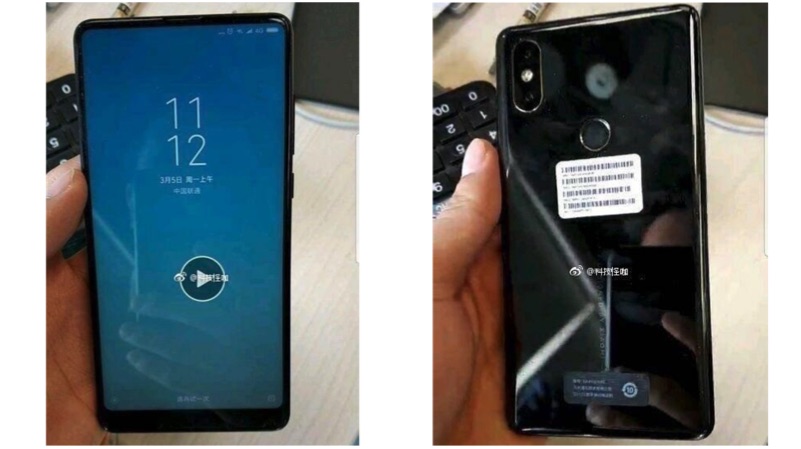
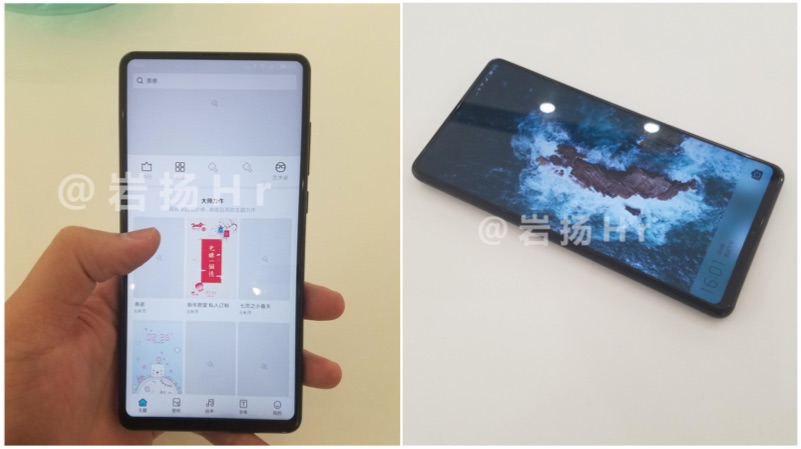
    Xiaomi confirmed that the Xiaomi Mi MIX 2s will be launched in China on March 27th. Subsequently, the company has also teased about some of its features and specifications in the past few days. The device will support wireless charging. Also, the device will have AI-powered dual camera setup. Similarly, a new batch of live images has been leaked, which tells a different tale from what we have heard until now.

    As per the newly leaked images, the device has a display similar to the Mi MIX 2, with a front-facing camera located on the bottom left corner. However, this goes against most of the leaks, which predicted a completely bezel-less design. Interestingly, the dual-camera setup is similar to the one found on Redmi Note 5 Pro.

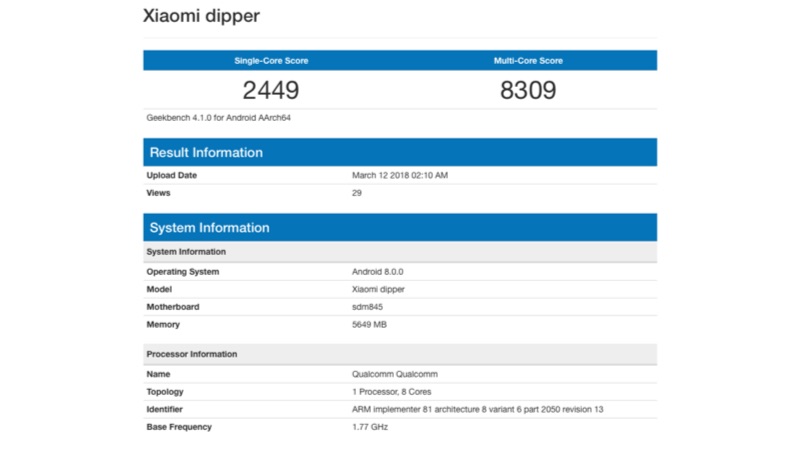
    Similarly, an unknown Xiaomi smartphone was also listed on Geekbench with the code name Xiaomi Dipper. The Xiaomi Dipper has 6GB RAM and powered by the Snapdragon 845 chipset. The device scored 2449 points on single-core and 8309 on multi-core performance. Since Xiaomi has already confirmed the presence of the Snapdragon 845 chipset, chances are that this could be it.

    Xiaomi Mi MIX 2s
    Source: Geekbench
    Specifications of Xiaomi Mi MIX 2s

    The smartphone is expected to have a 6 inch 2160 x 1080p display with a notch at the top right corner. Under the hood, the smartphone will be powered by the Qualcomm Snapdragon 845 chipset with 8GB RAM and 256GB storage. However, the smartphone will not support memory expansion.

    The device will have an AI-powered dual camera setup. However, the dual camera implementation is yet to be known.

    Xiaomi Mi MIX 2s

    The device is expected to have a 3400 mAH Li-ion battery with wireless and fast charging. The phone will run on Android 8 Oreo OS with custom MIUI 9 skin on the top. However, none of the Xiaomi devices, barring the Mi A1, run on Android 8 Oreo as of now.

    • 6 inch 18:9 aspect ratio display
    • Qualcomm Snapdragon 845 chipset
    • 6/8GB RAM and 128/256GB Storage
    • AI-powered primary camera setup
  • Xiaomi Mi TV 4A Vs Xiaomi Mi TV 4: What’s The Difference?

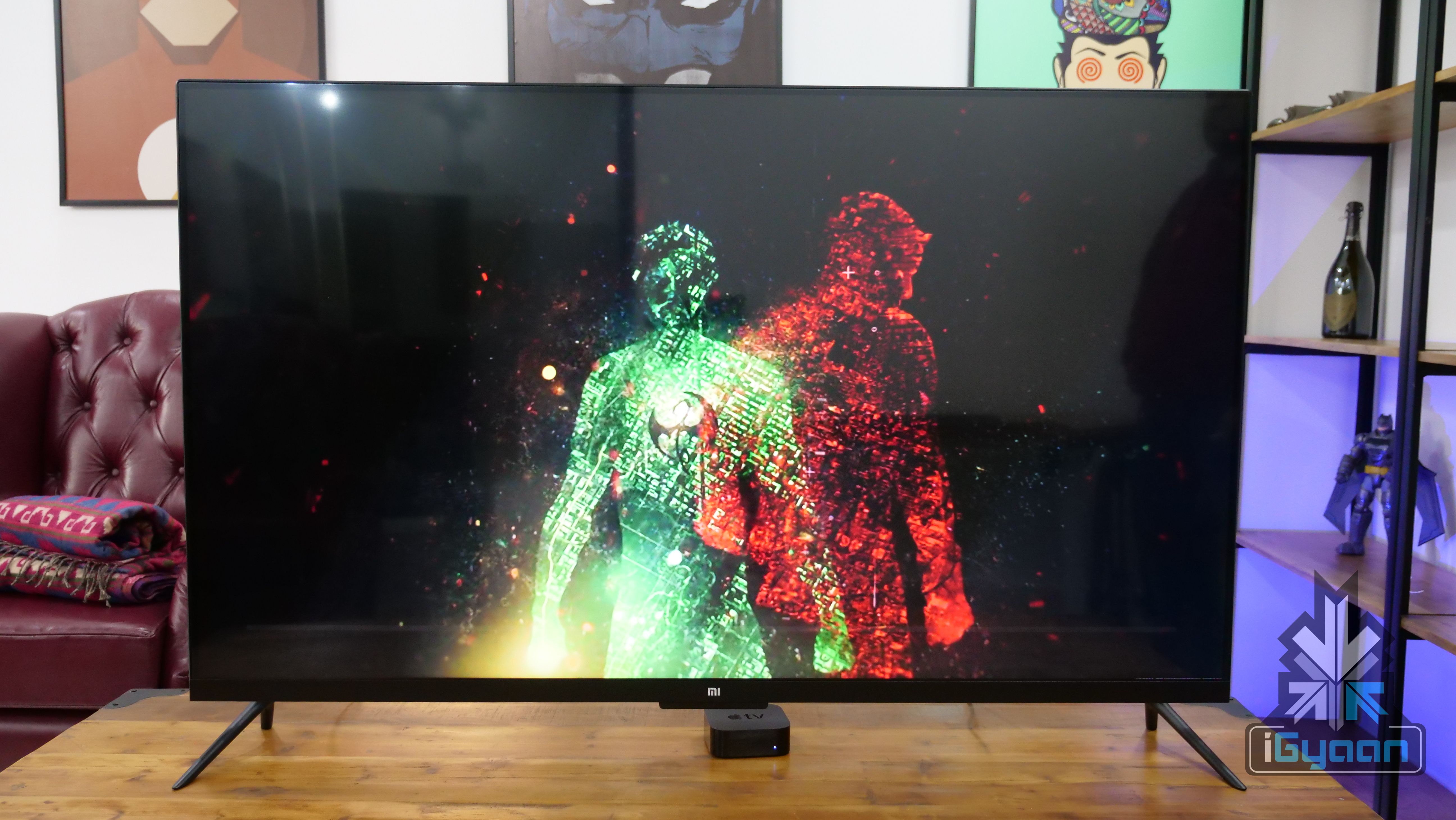
    Xiaomi Mi TV 4A Vs Xiaomi Mi TV 4: What’s The Difference?

    Ever since entering the Indian market, Xiaomi has predominantly focussed on the smartphone market. However, one look at the company’s Mainland China website and you realise that Xiaomi has a much more diverse repertoire. Xiaomi has launched power banks, air purifier, earphones and speakers as well but, these are accessories and never really ignite any excitement. However, most of the company’s smartphone launches have been excellent so far and has created enough anticipation around the brand.

    On the 14th of February, however, that changed. Along with the much-awaited launch of the Redmi Note 5, the company unveiled its first-ever television in India. At a price of Rs 39,999 the Mi TV 4 offers a 4K LED display, smart TV functionalities and an enhanced UI based on Patchwall. No other 4K LED TV comes close to its price in the Indian market. In fact, it has been sold out within a couple of minutes every time it has gone on sale. Similarly, that is also its biggest issue. The TV is only available via flash sales which are extremely cumbersome.

    However, Xiaomi appeared to have more things in the plan as it held a live stream launch 7th March. Everyone expected the company to launch a smart TV and so it did. At a price of Rs 13999 and 22999 for the 32 inch and 43 inch models of the Mi TV 4A, respectively. At such a price range, the Mi TV 4A is a great option for people who are on a tight budget. However, the 32 inch variant has a 720P display only. The 43 inch variant has a more respectable 1080P display albeit, the same internals.

    However, along with the price, there are some major differences between the Mi TV 4A and Mi TV 4. So, let’s take a look at what differentiates these televisions from Xiaomi that has re-ignited the interest in the TV industry again!

    Specifications
    Specifications Mi TV 4 Mi TV 4A 32 inch Mi TV 4A 43 inch
    Price Rs. 39,999 Rs. 13999 Rs. 22999
    Display Size & Type 55 inch
    LED
    32 inch
    LED
    43 inch
    LED
    Resolution 3840 x 2160 px
    60Hz refresh rate
    Viewing Angle: 178º
    1366 × 768px
    178 degree
    60Hz refresh rate
    1920 x 1080px
    178 degree
    60Hz refresh rate
    Processor 64-bit Amlogic L962 64-Bit Amlogic L962 64-Bit Amlogic L962
    RAM 2GB 1GB 1GB
    Storage 8GB 8GB 8GB
    Connectivity 1 x USB 2.0
    1 x USB 3.0
    1 x Ethernet
    3 x HDMI 2.0
    Bluetooth 4.2
    Wi-Fi ac 802.11 a/b/g/n
    2 x USB 2.0
    3 x HDMI
    1 x Ethernet
    Wi-Fi ac 802.11 a/b/g/n
    2 x USB 2.0
    3 x HDMI
    1 x Ethernet
    Wi-Fi ac 802.11 a/b/g/n

    The Mi TV 4 at a price of Rs. 39,999 offers a lot of features that no other television at that price has. However, 32 inch model has a 720P display resolution which is a bit low by modern standards. But, at a price of Rs 13,999, there isn’t much to complain.

    At the end of the day, however, all three TVs are a great deal. It all comes down to the user’s budget and expectations out of their TV.

  • Huawei Y9 2018 Officially Launched

    Huawei Y9 2018 Officially Launched

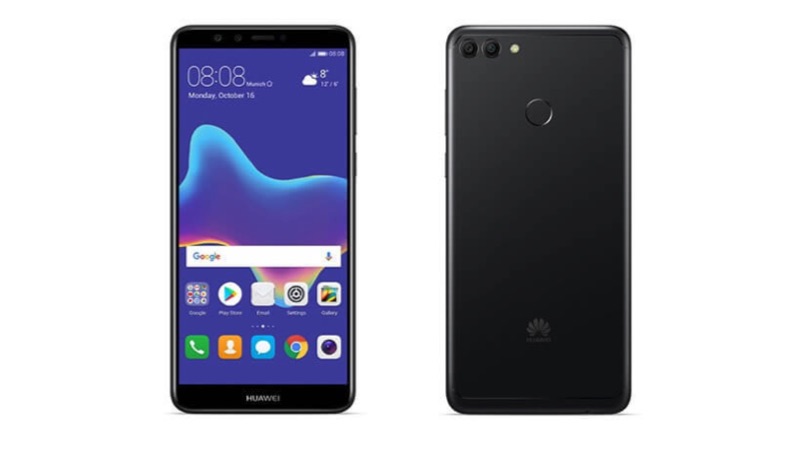
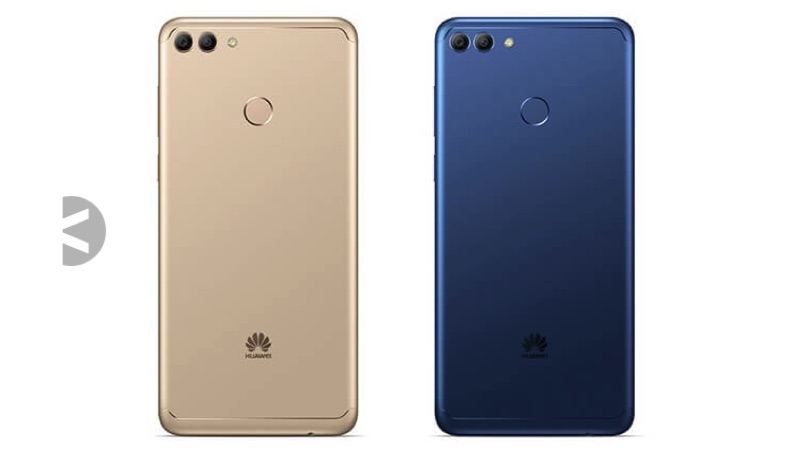
    Huawei officially launched the Huawei Y9 2018 in Thailand. The Huawei Y9 2018 is a slightly redesigned version of the Honor 7x with a dual front-facing camera. However, the company is yet brief the pricing and availability of the Huawei Y9 2018.
    Specifications

    The smartphone has a 5.93 inch FHD+ 2160 x 1080px IPS LCD display with 18:9 aspect ratio. The device will be powered by Kirin 659 Octa-core chipset with 3GB RAM and 32GB storage.

    The phone has a rear dual camera setup with a 13MP primary sensor and a 2MP secondary depth sensor. Similarly, the phone has a dual front-facing camera with a 16MP primary sensor and a 2MP depth sensor, which helps to capture depth effect. In fact, the primary camera setup is similar to the Honor 7x and the front-facing camera setup is similar to the Honor 9 Lite.

    The device will run on Android 8 Oreo with custom EMUI on the top with face unlock. The device still has a micro USB port and a 3.5mm headphone jack. The volume rockers and power button are on left side and the SIM tray is on the right side. The smartphone packs in a 4000 mAh battery, which is the largest that we have seen in the recent Huawei/Honor smartphones.

    Summary:

    • 5.93 inch FHD+ display with 18:9 aspect ratio
    • Kirin 659 Octa-core Chipset
    • Dual primary camera setup
    • Dual front-facing camera
    • Android 8 Oreo with custom EMUI skin
  • Xiaomi Redmi Note 4 Vs Redmi Note 5: A Real Upgrade?

    Xiaomi Redmi Note 4 Vs Redmi Note 5: A Real Upgrade?

    Xiaomi India claimed that the Redmi Note 4 was the number one budget-centric smartphone in 2017. The device had almost everything that a user can ask for in a smartphone in that budget. However, by the end of 2017 things changed. Users were looking for a smartphone with features like bezel-less display and dual cameras, and the Redmi Note 4 had none of those.

    Xiaomi recently launched the Redmi Note 5, the successor to the Redmi Note 4. Is this the smartphone that users were anticipating from the brand? Is a rebranded Redmi 5 Plus a worthy upgrade over the Redmi Note 4?

    Display

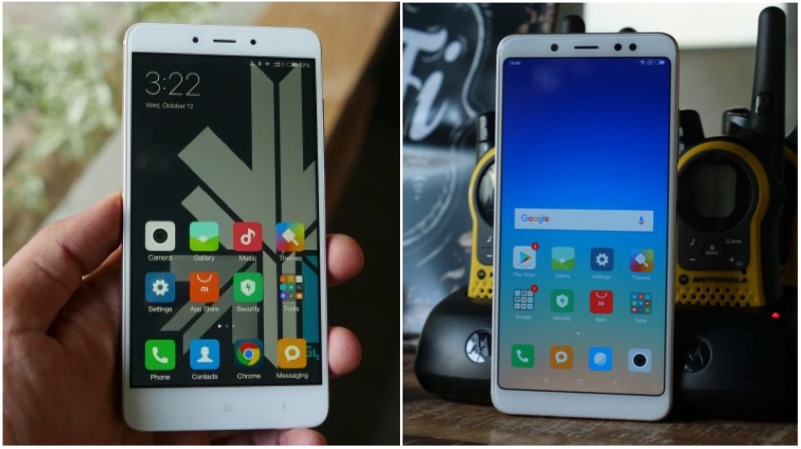
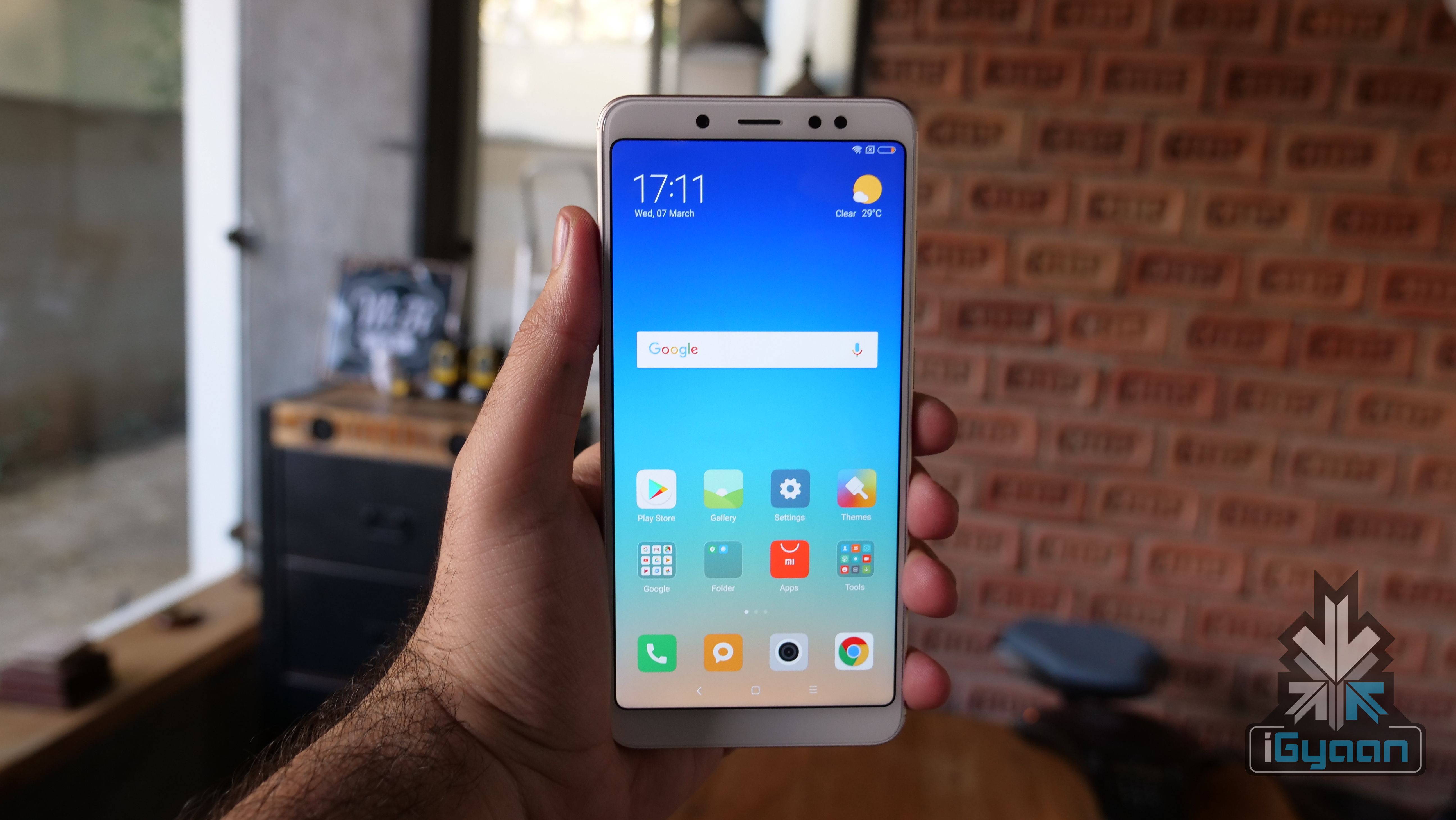
    The Xiaomi Redmi Note 4 has a 5.5 inch 1920 x 108px IPS LCD display with prominent bezels. The display is vivid and has great viewing angles. However, it has big bezels and looks dated for today’s standards. However, the Redmi Note 5 has a 5.99 inch FHD+ 2160 x 1080px IPS LCD display. Colours and contrast have been improved over the Redmi Note 4. Finally, the Redmi Note 5 opts for “Full Display” design with a taller 18:9 aspect ratio.

    Note 4
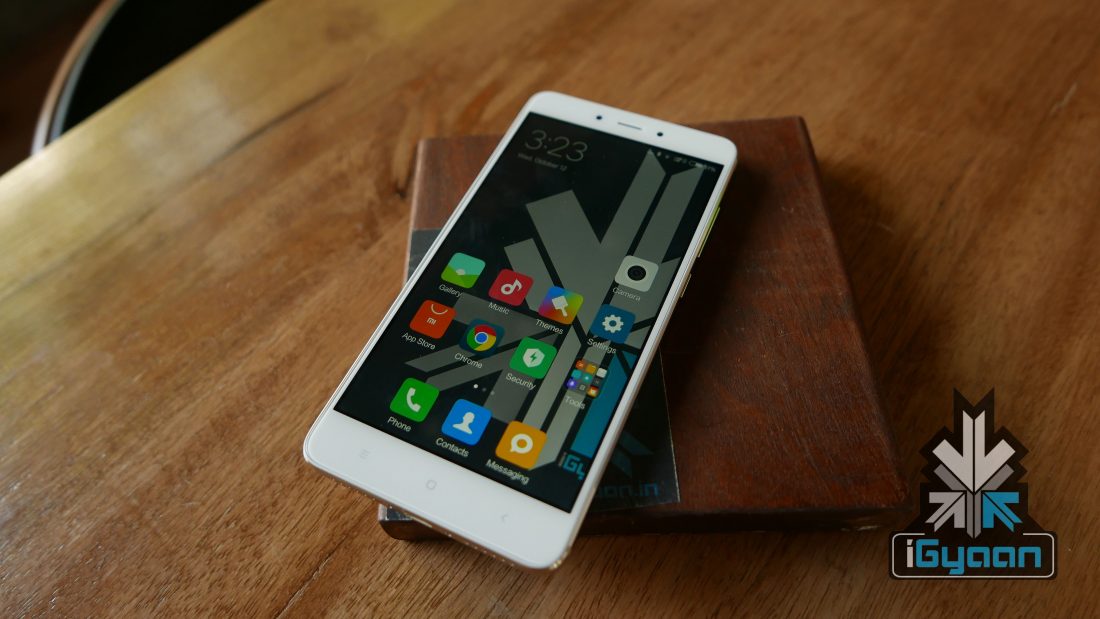
    Xiaomi Redmi Note 4
    Under The Hood

    The Redmi Note 4 and Note 5 are powered by the Snapdragon 625 Octa-core chipset. The chipset is based on the 14 nm FinFET architecture with great thermal efficiency and battery life. So, both the devices will offer similar user experience as they use an identical chipset. So, you will not feel a difference in terms of performance.

    Design

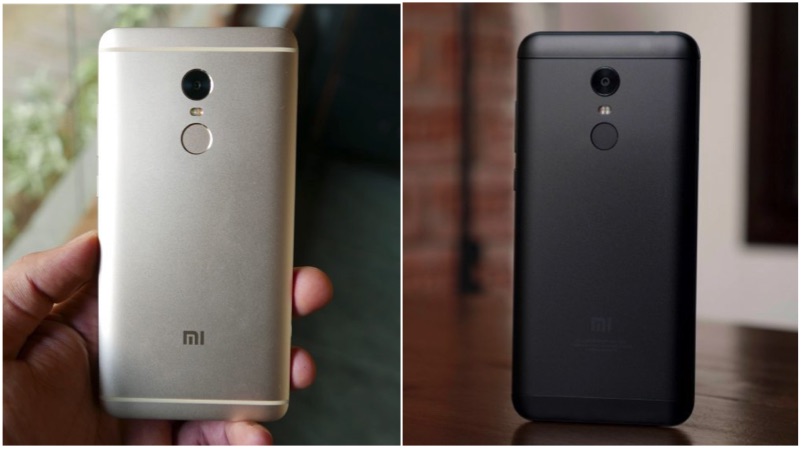
    Except for the display, the smartphones have an identical metal unibody design. However, the design feels old-fashioned in front other smartphones like the Honor 9 Lite.

    Note 4
    Left: Redmi Note 4 Right: Redmi Note 5
    Camera

    The Xiaomi Redmi Note 4 has a 13MP primary camera and the Note 5 has a 12MP primary camera. Though the number of pixels has been decreased, the 1.25-micron pixel size on the Note 5 helps the device to take better photos. Similarly, the Redmi Note 5 also excels in video department with 4K @30fps video recording capability, as the Note 4  maxes out at 1080 @30fps. For the front-facing camera, these phones use an identical 5MP sensor with f/2.0 aperture.

    Battery

    The Redmi Note 5 has a 4000 mAh battery and the Redmi Note 4 has a slightly bigger 4100 mAh battery. However, the Note 5 does support Quick Charge 2.0 and the Note 4 doesn’t.

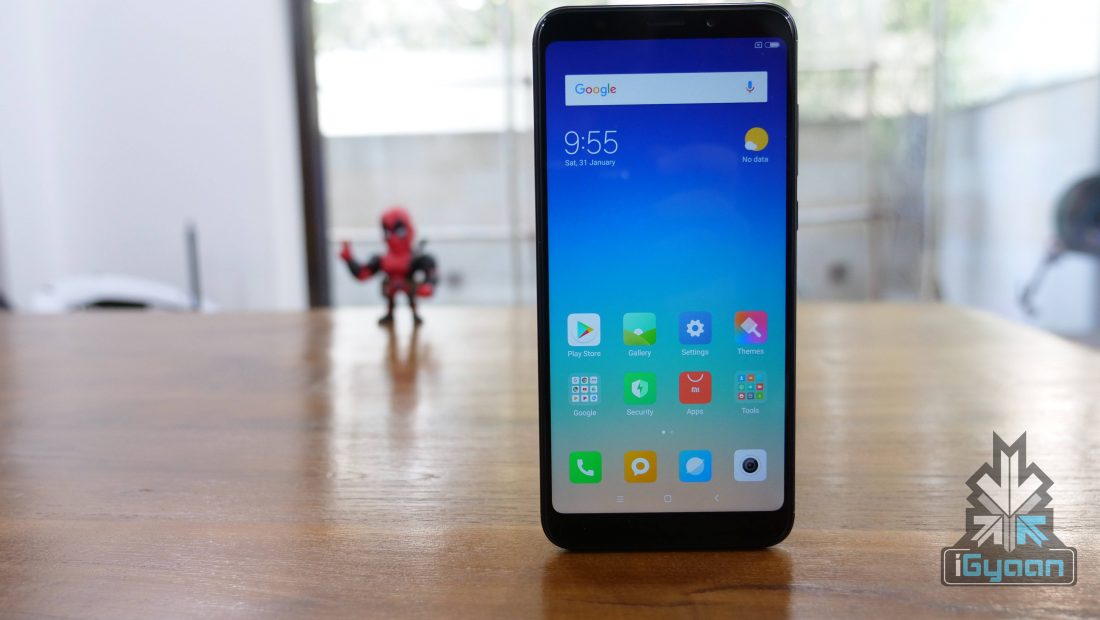
    Redmi Note 5
    Xiaomi Redmi Note 5
    Conclusion:

    If you have a Redmi Note 4 and happy with the performance but not happy with the display and the camera, then go with the Redmi Note 5. However, if you are not happy with the performance and camera, then better skip the Redmi Note 5, as there are no differences. Similarly, consider the Xiaomi Redmi Note 5 Pro, which offers better performance with a much better dual camera setup and a front-facing camera with face unlock. It is also powered by the Snapdragon 636 chipset.

  • Huawei P20 Lite Live Images Leaked

    Huawei P20 Lite Live Images Leaked

    Huawei is all set to launch the Huawei P20 Pro, P20, and the P20 Lite on the 27th of March. After skipping a major mobile launch at MWC 2018, the company has been promoting its launch event that will take place in Paris.

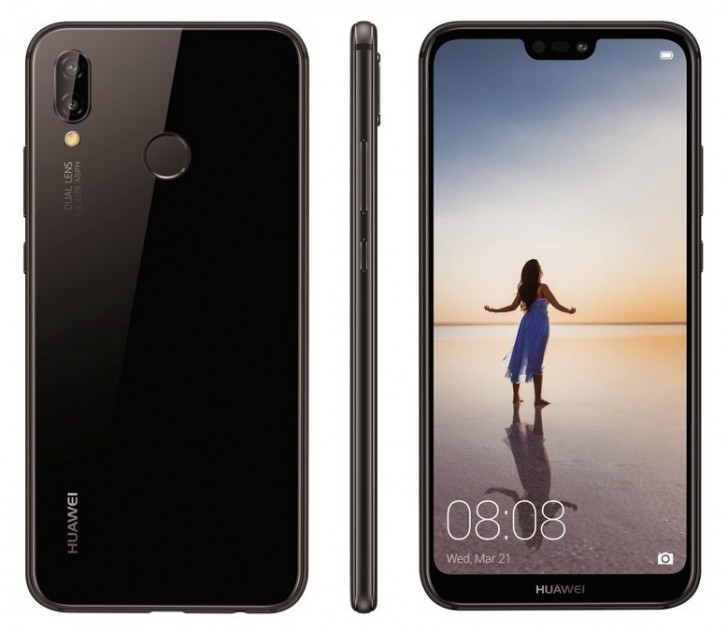
    After a few leaked renders, a new set of live images have surfaced online of the P20 Lite. The Huawei P20 Lite is expected to be the most affordable one of the three smartphones.

    The leaked photo shows the back-side of the upcoming Huawei P20 Lite in Orchid Blue colour. Similarly, the smartphone has a dual primary camera setup with a rear-facing fingerprint sensor with a blurred IMEI information. In fact, this is the only P20 model, which has a rear-facing fingerprint sensor.

    Huawei P20 Lite

    Specifications of Huawei P20 Lite

    The smartphone is expected to have a 6 inch display with a 2160 x 1080 px resolution. Under the hood, it will have the HiSilicon Kirin 970 chipset along with 4GB or 6GB of RAM. However, as this is a Lite edition, we expect the company to go with a Kirin 600 series chipset, instead of Kirin 970.

    While the smartphone will be thin, it is expected to house a big battery that will support SuperCharge. The Huawei P20 Lite is expected to have a 16 MP + 2 MP primary camera setup and a 16 MP front-facing camera.

  • Bose Announces The World’s First Audio-Based Bose AR Glasses

    Bose Announces The World’s First Audio-Based Bose AR Glasses

    Virtual and Augmented Reality are expected to be the next big thing in the tech industry. In fact, over the past few years, the technology has grown tenfolds. Using these technologies, companies are coming up with products, which completely change the way we interact with our surroundings.

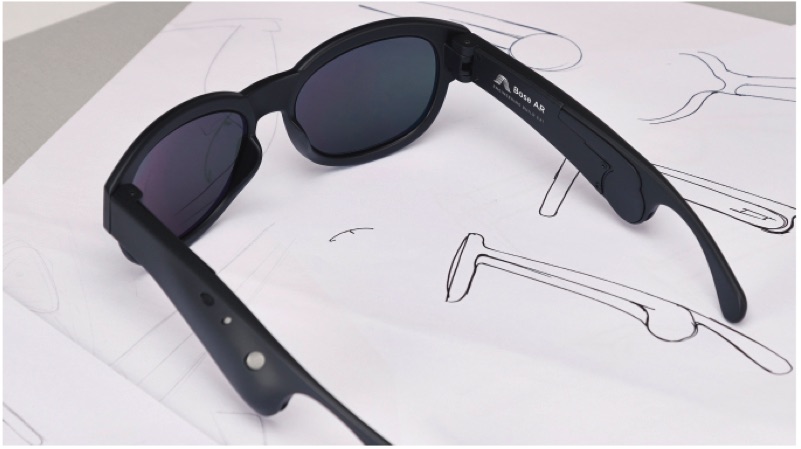
    Bose, a well-known audio technology company, has announced a new platform called Bose AR. The idea is to focus on what you hear, rather than what you see. This is similar to Intel’s smart glasses. However, unlike Intel’s visual-based AR, Bose uses sound as the AR element.

    Bose AR

    What is Bose AR?

    Most of the AR-based platform is built on visual elements. However, the Bose AR is a platform which uses sound as the AR medium. Bose demonstrated this platform on a pair of sunglasses. In fact, the Bose AR technology can be implemented into headphones, eyeglasses and helmets with ease.

    The company tells that, the glasses will be useful for people who travel a lot. The technology can provide proper information on a place like the Eiffel Tower or a crowded market in London. Similarly, in day to day life, the glasses can come up with basic information like weather details, reading signboards or even translating a food menu.

    The Bose AR SDK is now available for the developers. Similarly, the company has fixed a grant of US$ 50 Millions for start-ups.

  • Xiaomi Redmi Note 5 Pro Gets iPhone X Like Gestures For Navigation

    Xiaomi Redmi Note 5 Pro Gets iPhone X Like Gestures For Navigation

    The Apple iPhone X has a display with 19.5:9 aspect ratio with almost no chin, which eliminates the space for a home button. So, the company introduced gesture-based navigation, which replaces the home button.

    Similarly, Xiaomi has also started testing the gesture-based UI on its “Full-Screen” devices. The list of compatible devices includes the Xiaomi Mi MIX, MIX 2, Redmi Note 5 Pro, and the Redmi Note 5. Similarly, OnePlus is also testing gesture-based navigation for the OnePlus 5T on an open beta ROM.

    Xiaomi introduced the gesture-based navigation system in the Mi MIX 2 initially. This comes after Apple introduced similar gestures in the iPhone X. With devices moving toward an all-screen and no bezel design, gestures could be the future. While the transition for iPhone users from the home button to gestures was organic, same can’t be said for Android users.

    iOS used gestures before the introduction of the iPhone X as well. Swiping from left to right on the screen to go back in an app was one of them. However, Android has always used three buttons for navigation. Hence, the transition could be a bit more cumbersome. That being said, we expect more smartphone makers to introduce gestures within their UI as time goes by.

    It is worth noting that one has to install Global MIUI 9.5 Beta ROM to test out the feature on this smartphone. Similarly, as this is a beta ROM, we do not recommend installing this on a daily driver. To enable gesture control, go to Settings, full-screen display, select full-screen gestures. Go through the tutorial ones to understand basic commands.

    Basic Gestures
    • Swipe from the middle bottom to go Home from anywhere
    • Swipe and hold from the middle to open multi-tasking tray
    • To go back swipe from the left edge
  • Fortnite Battle Royale Launching On Mobile Platform

    Fortnite Battle Royale Launching On Mobile Platform

    Fortnite Battle Royale, a popular cross-platform game by Epic Games is soon coming to the mobile platform. The company is planning to roll out the title to popular Android and iOS devices.

    The Fortnite Battle Royale is already available on different platforms like Play Station, Windows OS, and macOS. By launching the game on iOS and Android, the company is planning for the cross-platform gameplay across the devices.Fortnite Battle Royale

    Epic Games has stated that the gameplay will be identical. In fact, they have mentioned that the 100-player game will have same maps, content, and weekly updates.

    iOS users can sign up on the 12th of March for the launch event and the invites will start rolling out at midnight of the same day. Users will receive an e-mail, with an URL to download the game from App store. As the game is in a testing period, everyone may not receive the invite and the company has promised to add more users in the coming days. However, Android OS users have to wait a few more months.

    Fortnite Battle Royale

    Requirements for Joining invite list
    • Active internet connection
    • Apple iPhone SE/6S or newer model running on iOS 11
    • Apple iPad Mini, iPad Pro, iPad Air 2, and, iPad 2017
  • Motorola’s Virtual Reality Headset MotoMod Leaked

    Motorola’s Virtual Reality Headset MotoMod Leaked

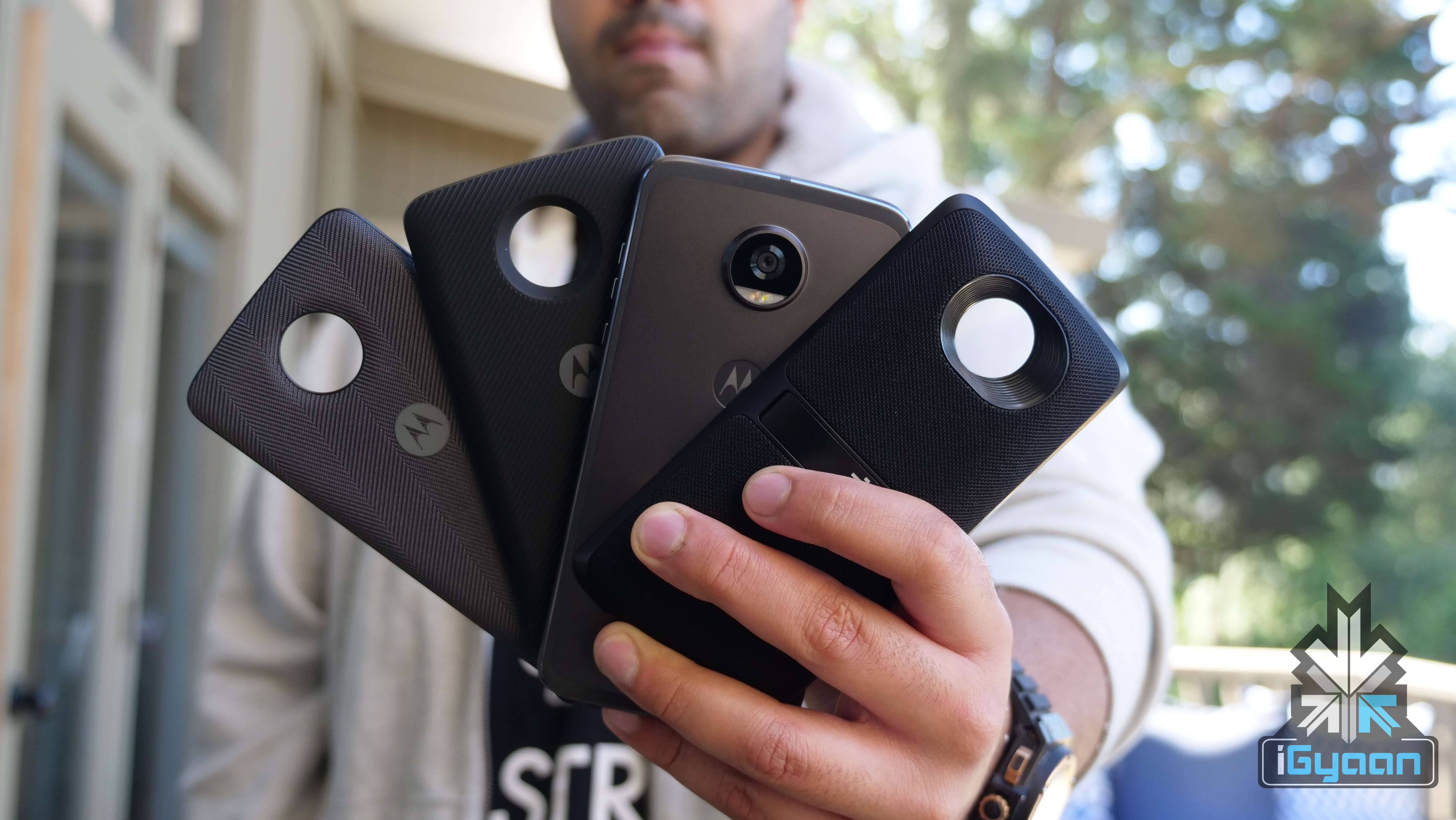
    Motorola and its high-end Moto Z series are known for their modularity. The Moto Z smartphones are compatible with all the MotoMods that the company has launched. The Mods attach to the back of the smartphones like a lego to add extra functionality. Mods like a JBL speaker, Hasselblad camera Mod also comes with their own battery. In fact, these Moto Mods works fine with both the generations of Moto Z devices.

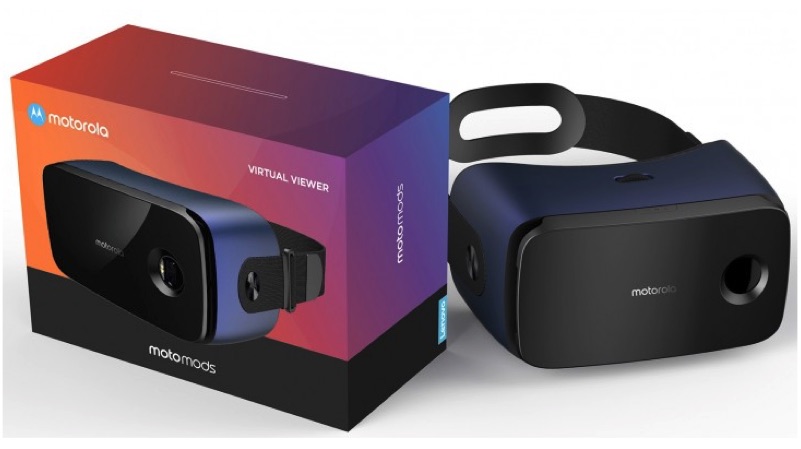
    Virtual Viewer MotoMod

    An upcoming MotoMod, which is similar to the Google Day Dream VR headset has been leaked online. This could be the first VR centric mod from the company. However, things are not very clear and there is no information on the specifications.

    The round camera cut-out is similar to the one that we have seen in all of the MotoMods. The Mod has an opening on the right and the left side, which should help for the sliding mechanism. The camera cut-out might hint towards the AR capabilities of the Mod. However, the leak does not suggest anything about its functions, capabilities, or even the pricing.

    MotoMod

    A recent report has claimed that Motorola will only focus on mods that are profitable. This means that niche mods like the gamepad or Polaroid camera might be scraped off. However, virtual reality has recently picked up the pace which means that the Moto Virtual Viewer makes sense for the company. There is a lot of VR content available now. However, the pricing will be key to the success of this MotoMod.


  • There May Not Be A Moto X5

    There May Not Be A Moto X5

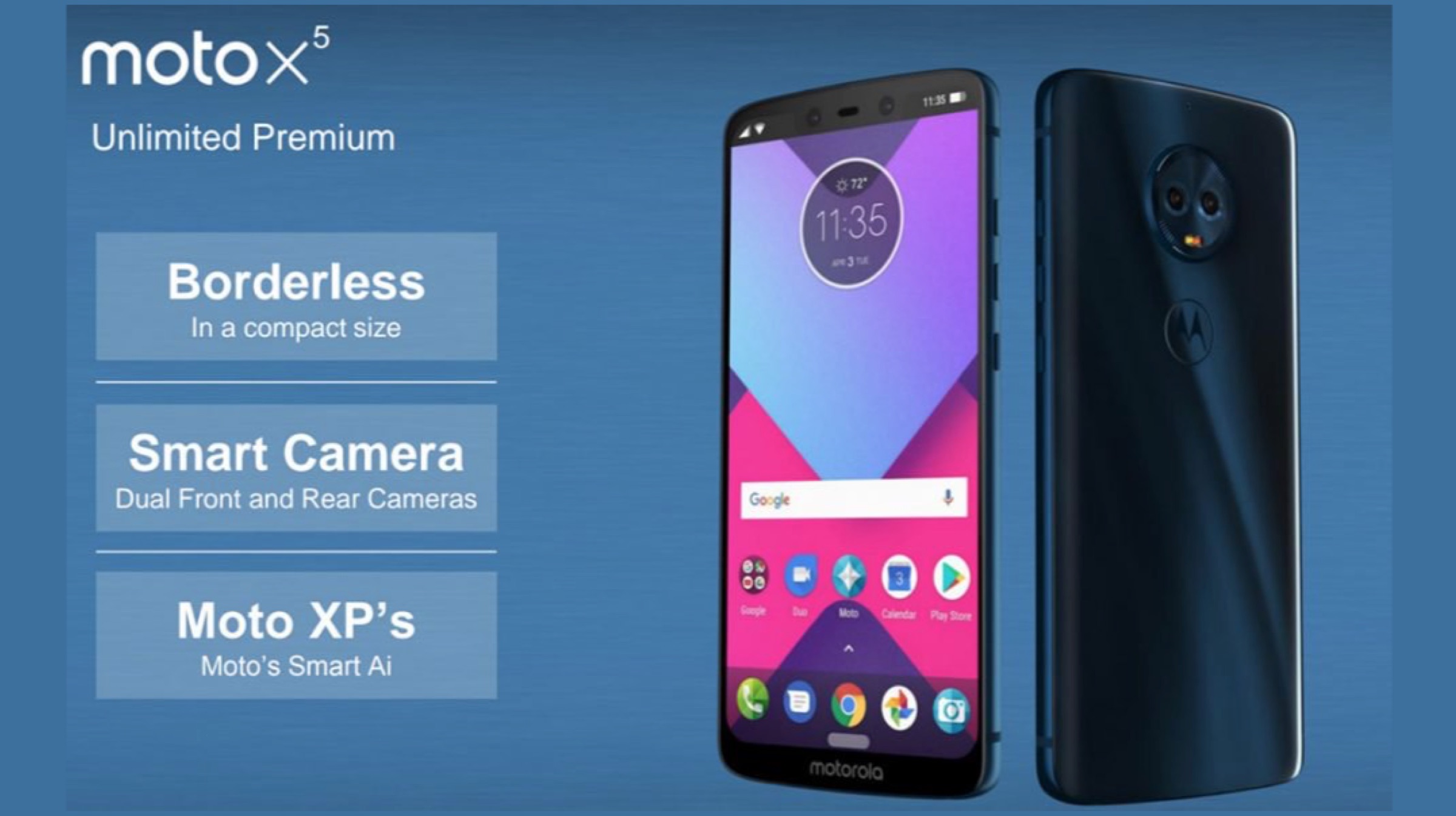
    Lenovo-owned Motorola is expected to launch quite a few devices in the coming weeks. As many as six smartphones in the Moto E and G series have been leaked so far. However, there appears to be a shadow of uncertainty over the company’s X lineup. A new report has claimed that the company won’t launch the Moto X5 and instead focus on the E, G and Z series of smartphones.

    Leaked Moto X5 Render

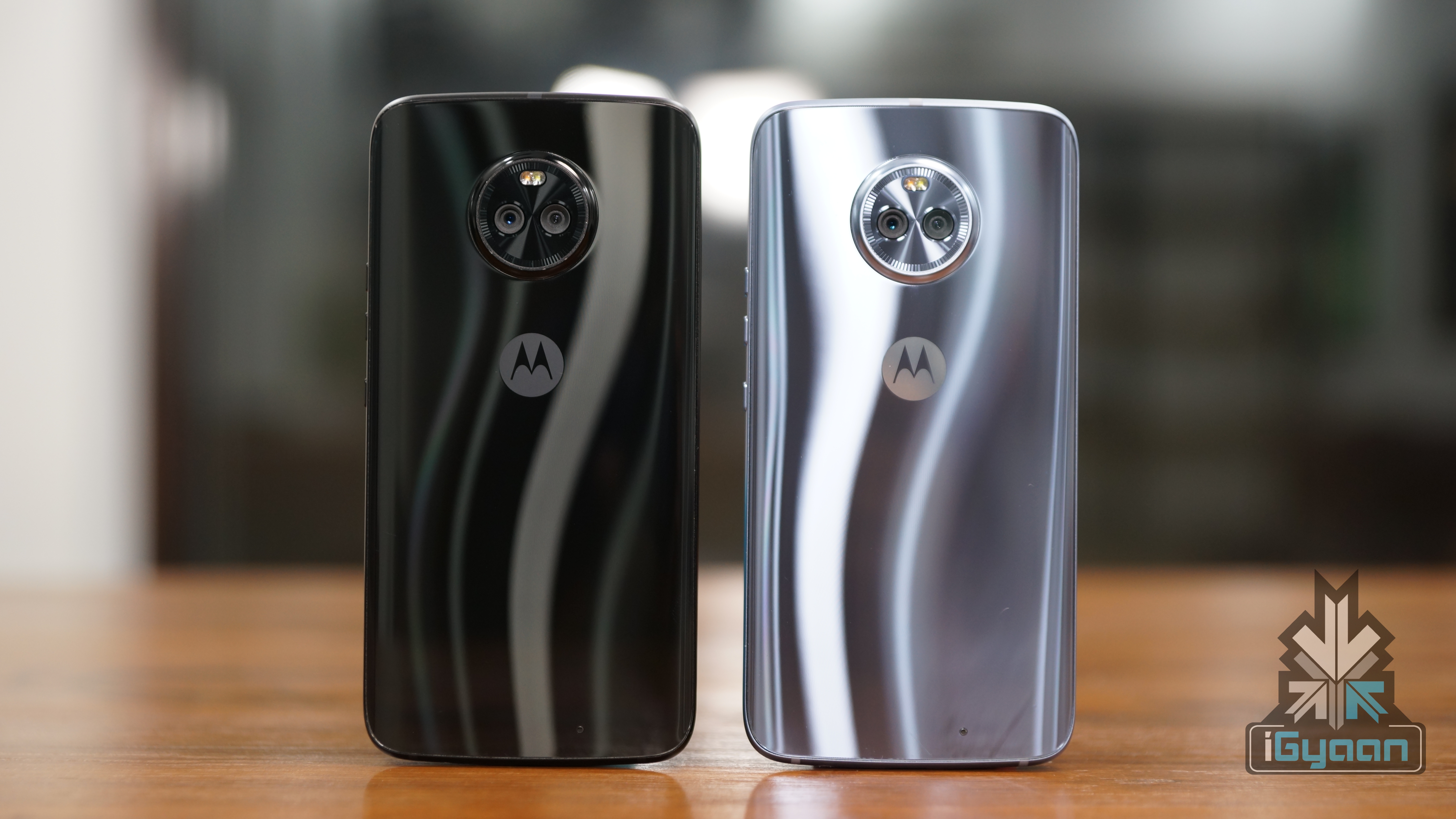
    However, the report hasn’t claimed that this is the end of the road for the X series. The Moto X4 was launched in India back in November 2017. The device entered that segment of the market where not a lot of phones resided. With a great build quality, software and camera performance, the Moto X4 is still a great pick for people willing to spend about Rs. 20,000 on a smartphone.

    However, Motorola appears to have other plans for the smartphone series. Along with the Moto X series, the company will also do away with niche Moto Mods. This means that Motorola might concentrate on more battery and style mods instead of a gamepad or the Polaroid camera mods.

    Rumours

    This report has surfaced after Lenovo apparently laid off about 50% of Motorola’s workforce. However, the company, later on, cleared the air around the rumours:

    In late 2017, Lenovo announced a worldwide resource action that would occur over the next several quarters, and impacting less than two percent of its global workforce. This week’s employment reductions are a continuation of that process.

    We are reducing our Motorola operations in Chicago however this did not impact half of our workforce there and our Moto Z family will continue.

    The Moto X5 was leaked back in January along with the Moto G lineup. This could mean that the company was working on the Moto X5 and then decided to scrape it off. However, nothing can be said with certainty as of now.

  • Apple iPhones And iPads Might Get A New Type Of Charging Port

    Apple iPhones And iPads Might Get A New Type Of Charging Port

    For years, Apple’s iOS devices have come with a lightning port for charging and data syncing. In fact, it has been the only port on an iPhone since 2016 after the company ditched the headphone jack. While the rest of the smartphone makers are making a switch to the USB Type C port for all their devices, Apple might have different plans.

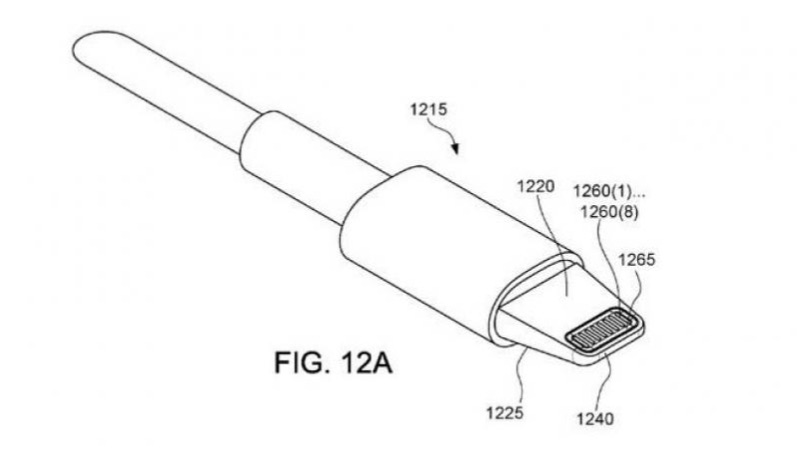
    A leaked patent has revealed that the company might introduce a new type of charging port for its upcoming iPhones. The new charging port will be wedge-shaped for better water resistance while charging. The new port will have a wedge-shaped pin and a rubber gasket. This arrangement will squeeze to create a vacuum, making the charging port water and dustproof.

    It is worth noting that the same arrangement has been applied to the USB Type C ports found on the company’s laptops. If this does happen to be a legitimate plan, it won’t be surprising. In fact, it was surprising to see Apple go the Qi standard route for its iPhone X. Everyone expected a proprietary technology of wireless charging as well.

    Conclusion

    Many have called for Apple to switch to USB Type C ports for its iOS devices. Apple has already made its laptop lineup almost only USB Type C so it makes sense for the company to do it with its iOS devices. This will play well into Apple’s ecosystem as well. People who own a MacBook and an iPhone could only carry a single cable to charge their devices.


iGyaan Network
Privacy Overview

This website uses cookies so that we can provide you with the best user experience possible. Cookie information is stored in your browser and performs functions such as recognising you when you return to our website and helping our team to understand which sections of the website you find most interesting and useful.