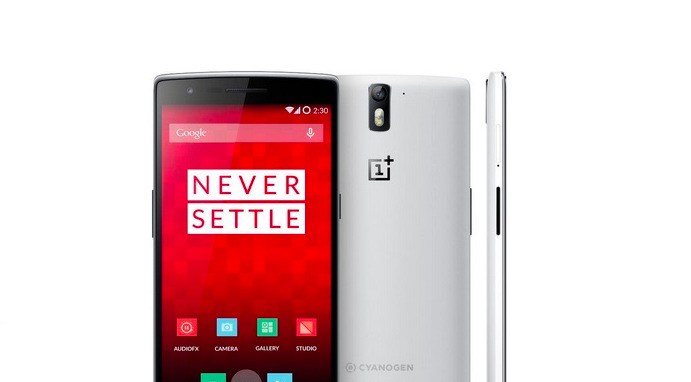
In spite of being almost a year old, OnePlus has earned a reputation for being a renowned smartphone brand. For now, it has just OnePlus One in its Devices segment, but the Chinese manufacturer announced earlier this month that it would soon launch an entirely new product in April.
OnePlus turned down all the possibilities of the new device being a smartphone, tablet, or a smartwatch, and declared that it will be a ‘game changing’ product. Now, it seems like we have an idea of what the company was talking about.
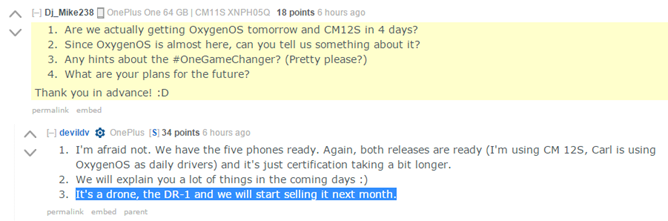
OnePlus made the announcement during an Ask Me Anything (AMA) session on Reddit, and what came out from the conversation was unpredictable. The forum administrator David S. replied to the queries saying that the upcoming product would be a drone. It’s not certain if he was trolling, but his comment reads, “It’s a drone, the DR-1 and we start selling it next month.”
It’s surprising to hear that how drone technology, at this point of time, could be a game changer when many companies have already come up with remarkable unmanned aerial vehicles. For now, the OnePlus fans have to wait till April for the company to officially make an announcement.
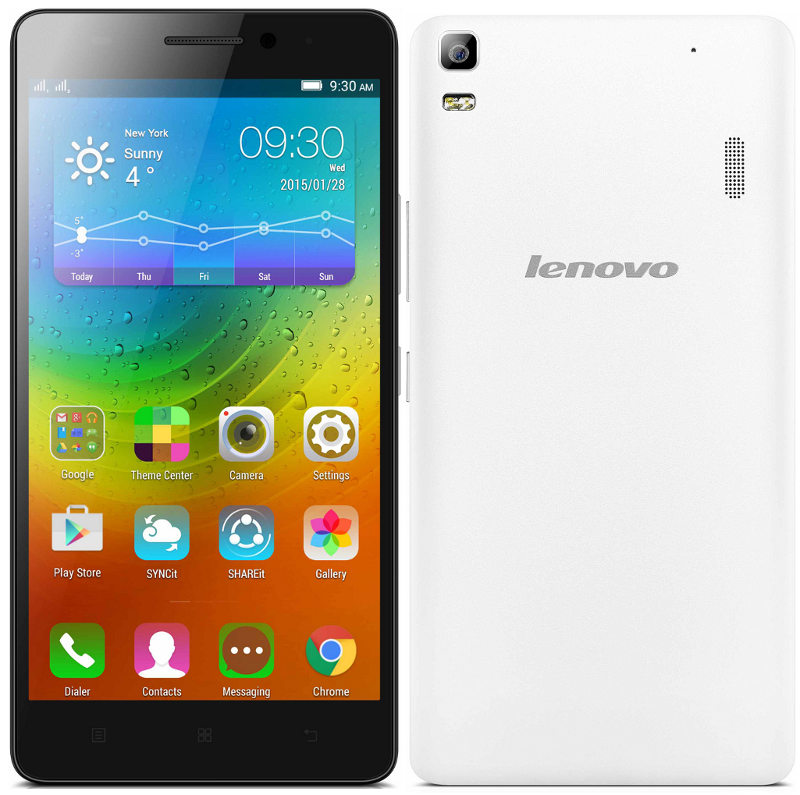
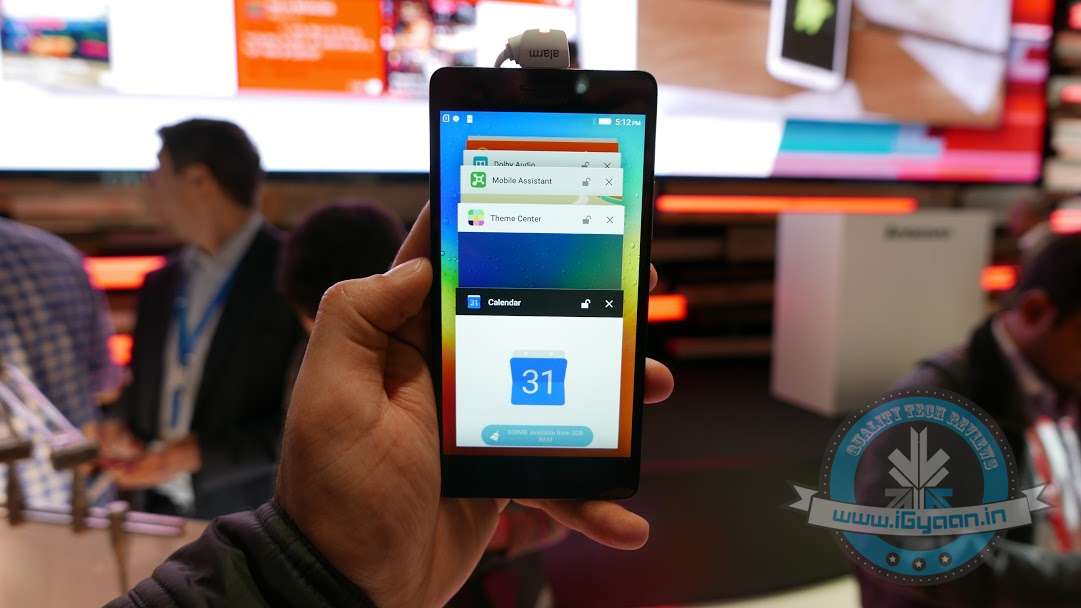
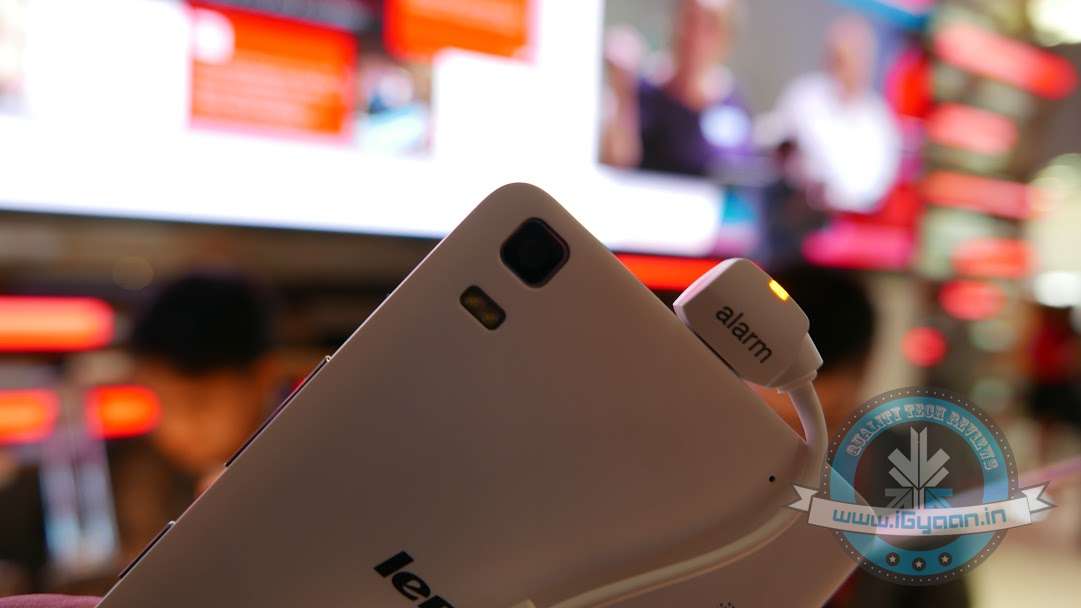
When Lenovo unveiled its latest offering, the A7000 at MWC this year, it was evident that the smartphone can stand against the likes of Xiaomi Redmi Note 4G and YU Yureka. The smartphone is expected to come to Indian shores on April 7 and the company has sent out invites for the same. Along with its all-round specification, users have one more reason to own a Lenovo A7000.
According to a source citied by Times of India, the Lenovo A7000 will cost users somewhere around Rs. 8,999 to Rs. 9,999. The price range will put it directly at odds against the Yu Yureka and the Redmi Note. This is the first commercial handset to boast Dolby Atmos technology. Interestingly, the company has chosen a Dolby Atmos sound equipped movie theatre as their event venue.
Talking about the specifications, the Lenovo A7000 sports a 5.5 inch HD display. It is powered by a 1.5 GHz MediaTek True8Core processor with 4G LTE. It flaunts 2 GB RAM and 8 GB internal storage which is expandable through MicroSD. The device is 7.9 mm thick and weighs just 140g. The smartphone runs on Android 5.0 Lollipop.
On the camera front, this budget device offers an 8 MP shooter on the back and a 5 MP selfie camera on the front. It gets its juice from a 2900 mAh battery that might just cut it for its massive display.
The USP of the device is the Dolby Atmos sound, the technology make the content sound like it is coming from all directions. You will, of course, require a pair of headphones to get the true Atmos experience.
Keep checking iGyaan for more updates on the Lenovo A7000.
On March 18, we broke the news that OnePlus will be releasing the upgrades; CM 12S and OxygenOS. The Chinese electronics manufacturer promised the OnePlus One users that OxygenOS, the Lollipop-based ROM, will officially be made public on or before March 27, which is today. But OnePlus has missed the deadline leading to disappointed customers who were really looking forward to their Lollipop updates.
OnePlus notified its users saying that there will be further delay in the release of the update. The company representative David posted on Reddit –
We are gonna be giving away the 5 devices sometime tomorrow, yes :(
However the company is ready to give away five 64GB OnePlus One smartphones as promised, It is not the first time OnePlus missed a deadline for the launch of its new OS. It had previously declared that it will release its own new operating system Oxygen on February 12, but didn’t carry out the roll out.
OnePlus is a young smartphone brand that has released just one smartphone till now. It is planning to expand its line of devices and is expected to launch a second smartphone soon. It’s certain that the delay would be because of the company’s efforts to bring out a stable version, and we appreciate its dedication. We hope that the firm will not keep its users waiting for long this time and will release OxygenOS as soon as possible.
When Bill Gates and Warren Buffet, two of the richest individuals on the planet join their hands to form the Giving Pledge, it was seen as a call to action to the bourgeois population to engage in philanthropic efforts. About 128 billionaires have joined the initiative and agreed to donate most of their wealth to charity. The list includes the likes of Mark Zuckerberg, Richard Branson, and Elon Musk. Now Apple’s current CEO; Tim Cook will now join the ranks of the affluent philanthropists.
Tim Cook has announced that he will be giving away most of his wealth to charity. He wants to have enough to pay for his 10-year-old nephew’s college education. Tim Cook, being the CEO of the company that made the biggest profit ever in history recently, has a quite a healthy savings account, as you can imagine. His estimated wealth currently is said to be around $785 million.
Tim Cook has worked with Apple since 1998 and has led the company since 2011 when Steve Jobs stepped down.
The announcement was made in an interaction with Fortune magazine. He said that he has already started donating money to various unspecified causes and is looking forward to developing a more systematic approach for his donations.
The 54 year old, has commanded the Apple ship since 2011 when its illustrious founder Steve Jobs stepped down. Under his watch, the company has brought several new products including the new Mac Pro, recent iPhones, and the new Apple Watch.
Tim Cooks wealth may not be at par with the likes of Bill Gates and Mark Zuckerberg, but it does present an encouraging scene where billionaires and millionaires show interest in the public good. We hope this trend catches on, and we get to see more individuals with massive capital interested in investing the people instead of stashing that money in offshore banks.
The Global Positioning System (GPS) technology has been in use from many years now. Different sections of the society like military, civil, and commercial sector make use of GPS to track down accurate location and time information. However, the satellite navigation system has its own limitations and gets obstructed by weak signals. To rise above the vicious circle, DARPA, the agency of U.S. Department of Defense, is working on an alternative of GPS.
The advanced research wing of US Military is building up a cutting edge location technology that will offer real-time navigation-tracking inspite of blind spots and jammers. This will lend a hand for the U.S. Defense department to get instant information about the location of their soldiers and tanks and also the rivals. The research wing of U.S. Department of Defense said in a statement :
The need to be able to operate effectively in areas where GPS is inaccessible, unreliable or potentially denied by adversaries has created a demand for alternative precision timing and navigation capabilities.
This technology won’t just benefit the military; a range of new self-contained instruments are under development that will give real-time details about time, location, and motion to civil and commercial users. The organization is working on self-calibrating gyroscopes, accelerometers, high-precision clocks and navigation instruments that work without wireless signals or other external sources.
The agency is reportedly eyeing on new technological sensors that could pick up “signals of opportunity” such as television, radio, cell towers, satellites, and even lightning, and assist the receiver in navigation and real-time positioning. Termed as ASPN (All Source Positioning and Navigation), the innovation will help soldiers in harsh conditions such as in dense jungle, underwater or underground, deep foliage, etc. In short, it will reach all the places where GPS access gets obstructed.
Also it is learnt that the upcoming device will be compact in a way that it can be carried by the soldiers or can be installed on tanks to know about their positioning. The sensors will be cut down in size to reduce power consumption.
All this sounds good, but don’t expect it to come to your hands anytime soon. This GPS alternative is presently under development and it will take a few years to come to the market.
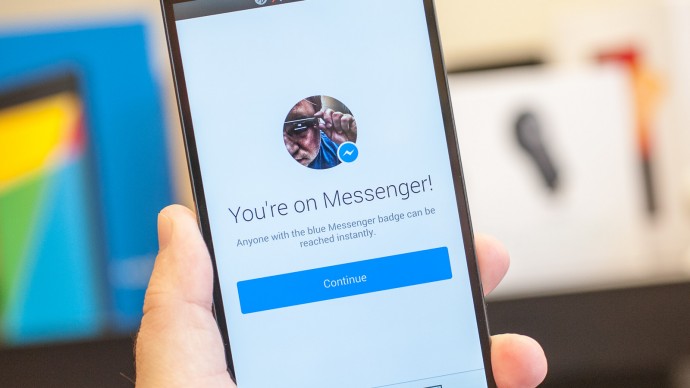
At the Facebook F8 developers conference recently, the social media powerhouse announced a slew of new updates for the Messenger app to make it a formidable messaging tool. The addition of third party apps to the ecosystem is the most prominent upgrade to the new Messenger platform. But Apple might prove a major hindrance to Facebook’s plans.
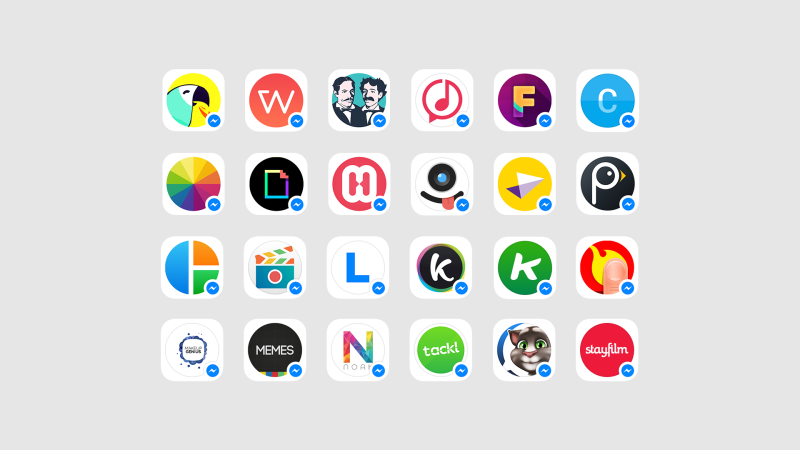
Facebook inducted third party apps on its Messenger platform to make it a more powerful messaging tool.
Apple, the makers of iOS devices, have strict policies in place for apps on its App Store. Section 2.25 of the App Store Review Guidelines, states, “Apps that display Apps other than your own for purchase or promotion in a manner similar to or confusing with the App Store will be rejected.” The addition of support for third party apps on the Messenger platform puts it directly in conflict with the above app store policy.
The gist of the policy is that Apple doesn’t allow apps to set up their own app store on their ecosystem. If the policy is enforced against the Messenger platform, it will be a major downer for Facebook. As of now Apple has given no indication about its policy towards the new messaging platform. But we might get to hear something soon as Apple might still be studying the situation. Considering the massive market for Apple devices, Facebook is likely to get a deal sorted out to prevent a rejection from the App store.
Since the announcement of Honor 6 Plus, the company has been putting stress on the one-of-a-kind dual lens camera of the device. The Chinese smartphone brand called it a competitor of iPhone 6 and even claimed that it is better than the latest iPhone in various camera aspects.
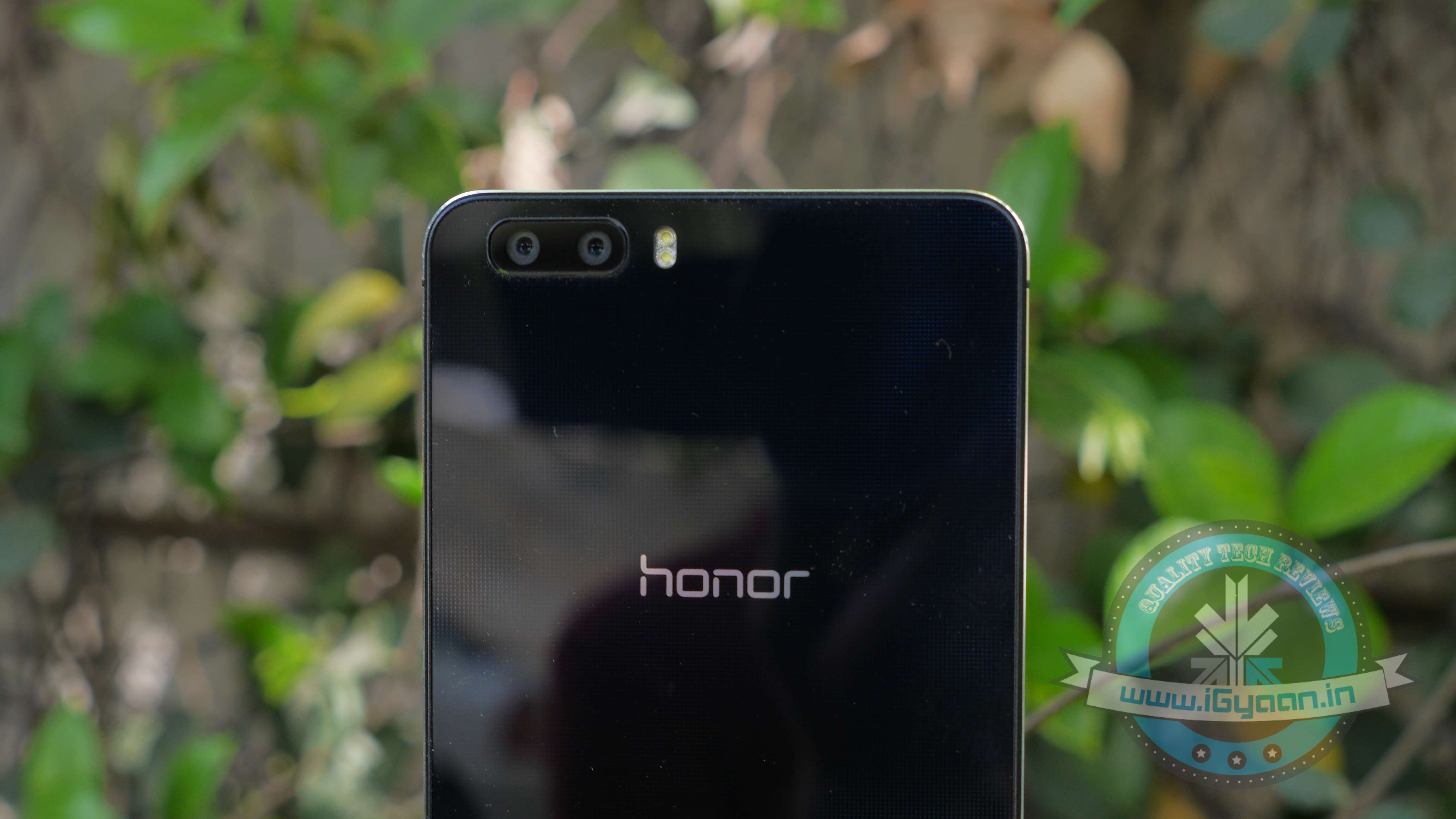
The rear shooter on the Honor 6 Plus is an 8MP bionic parallel dual lens, which offers users an advanced camera experience. Honor claims this innovative camera lets you capture DSLR quality images. It also allows users to refocus images after the shot is taken. The focus time on the camera is claimed to be just 0.1 seconds, which means you won’t ever have a lost moment.
The Camera Interface :
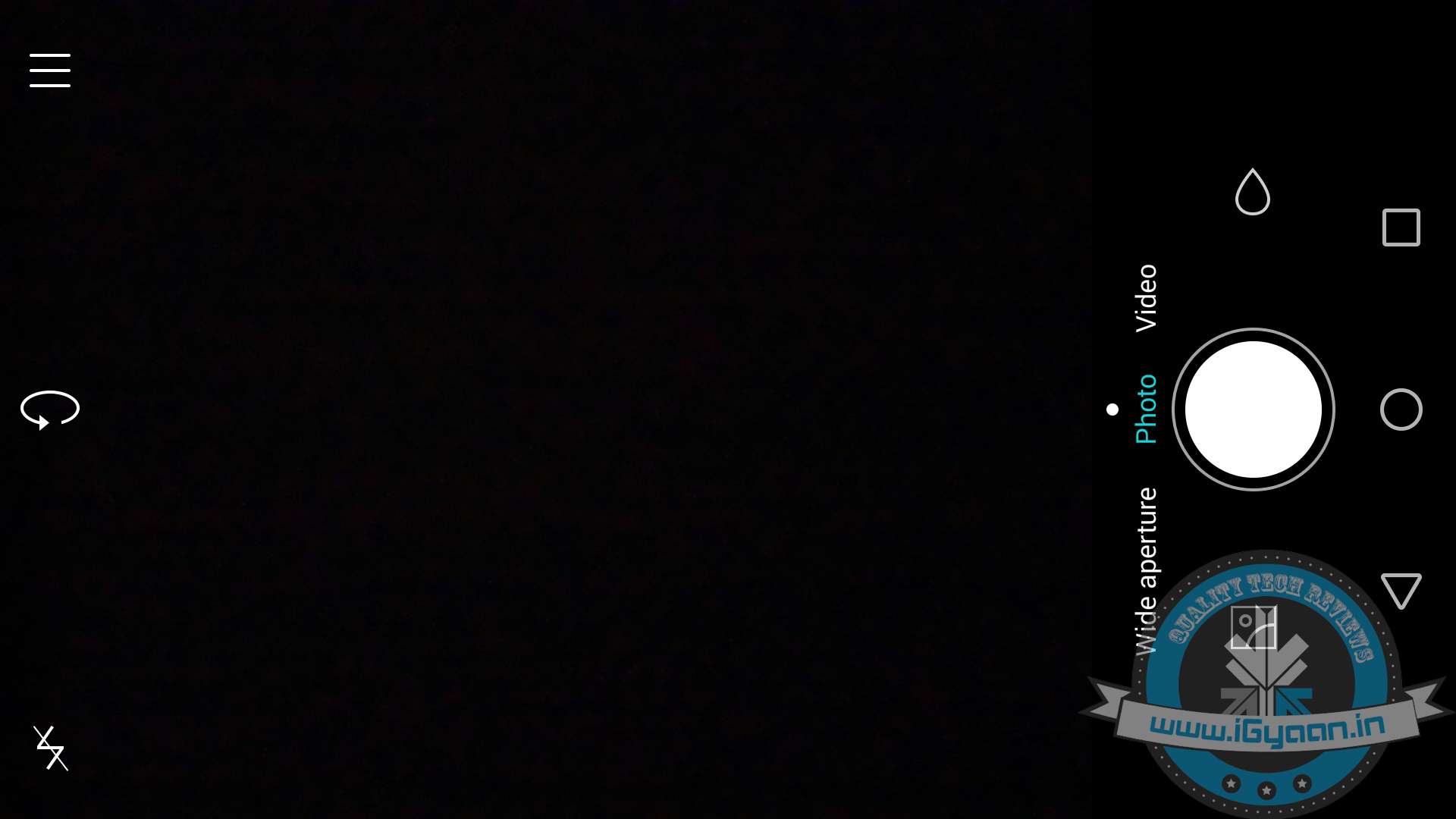
The camera interface of the Honor 6 Plus is fairly simplistic. You can conjure up the camera just by hitting the volume key twice from the lock screen and it will bring up the interface within 1.3 seconds. You can switch between Photo, Video and Wide aperture mode here. The various picture modes are present next to the shutter button on the right side.
The camera interface doesn’t offer a lot of manual options to the user. You can set the ISO and the white balance, but that’s about it. The device though offers excellent object tracking feature that keeps the object you want to click in sharp focus but unfortunately this feature is not available for video where it could have been more useful.
Here are a few camera samples of the different modes to give you a better idea of its performance:
Photo Modes:
Mode: Halo
Mode: Valencia
Mode: Sweet
Mode: Pure
Mode: Vintage
Mode: Mono
Mode: Illusion
Mode: Dawn
Mode: Nostalgia
Mode: Normal
No doubt, the camera of Honor 6 Plus functions brilliantly in normal mode and takes shots in fine detail. It captures true colours of the subject with minimal noise. The other modes offered by Honor 6 Plus include Childhood, Illusion, Halo Effect, Nostalgia and few more. True to their names, each of the modes give the image a new look by adjusting the colour tone. You probably won’t need any Instagram filters with this camera.
Wide Aperture Shot:
The Wide aperture mode creates an artificial bokeh effect. The depth can be adjusted manually with the help of slider provided in the camera app. The aperture can be adjusted from f/0.96 to f/16. By moving the slider, you can see the change in the depth of field and adjust it as you please.
HDR:
HDR OFF
HDR ON
The HDR mode is productive in high contrast light environments. The colors get more saturated and sharpness increases.
Super Night Mode:
Super Night Mode
The super night mode is basically a slow shutter shot and won’t be useful for people with shaky hands. When the shutter button is clicked in super night mode, a countdown starts. The duration of the countdown depends upon the amount of light you have in your vicinity.
So when we took the above shot with the wood block in an almost dark room, it took about 25 seconds to click the image. With a fair amount of lighting, the counter comes down to 3-7 seconds. To get the best out of this feature you need to invest in a tripod or find a stable surface to keep the phone.
Video:
Honor 6 Plus does allow you to tap for focus while shooting videos. This feature will come really handy for folks who want to focus on a particular part of the frame. But every time you tap to focus, there is a visible jerk in the video. So it is advisable to use this feature sparingly.
Conclusion:
Overall, the camera is undoubtedly good. The 8MP dual parallel lens camera shows promise, but it is a slight bit low on software support. Honor should work towards adding more manual features to this camera. The company should also add features like slow motion and time-lapse to let it take on the top-end devices. Honor can also allow users to take 3D images through its dual lens camera which will be appreciated by the consumers. Honor 6 Plus is a great all round device and its unique camera will attract customers towards itself, all it needs is a few software upgrades to become their primary shooter.
Honor which is now an independent smartphone under Huawei dazzled the Indian audience with the launch of the Honor 6 Plus and Honor 4X in the Indian market. Honor 4X will take on the likes of Moto G, Redmi Note, Yu Yureka and similar devices. The first flash sale for the 4X will be held on the 30th March and looking at the registrations for the device, it seems like Honor has a winner on their hands.
Honor claimed to have registered over 1,00,000 registration for the Honor 4X within just 24 hours. The device is priced at Rs. 10,499. The registration started on e-commerce website Flipkart at 4:00 pm on March 24, 2015, and will last until midnight on March 29, 2015.
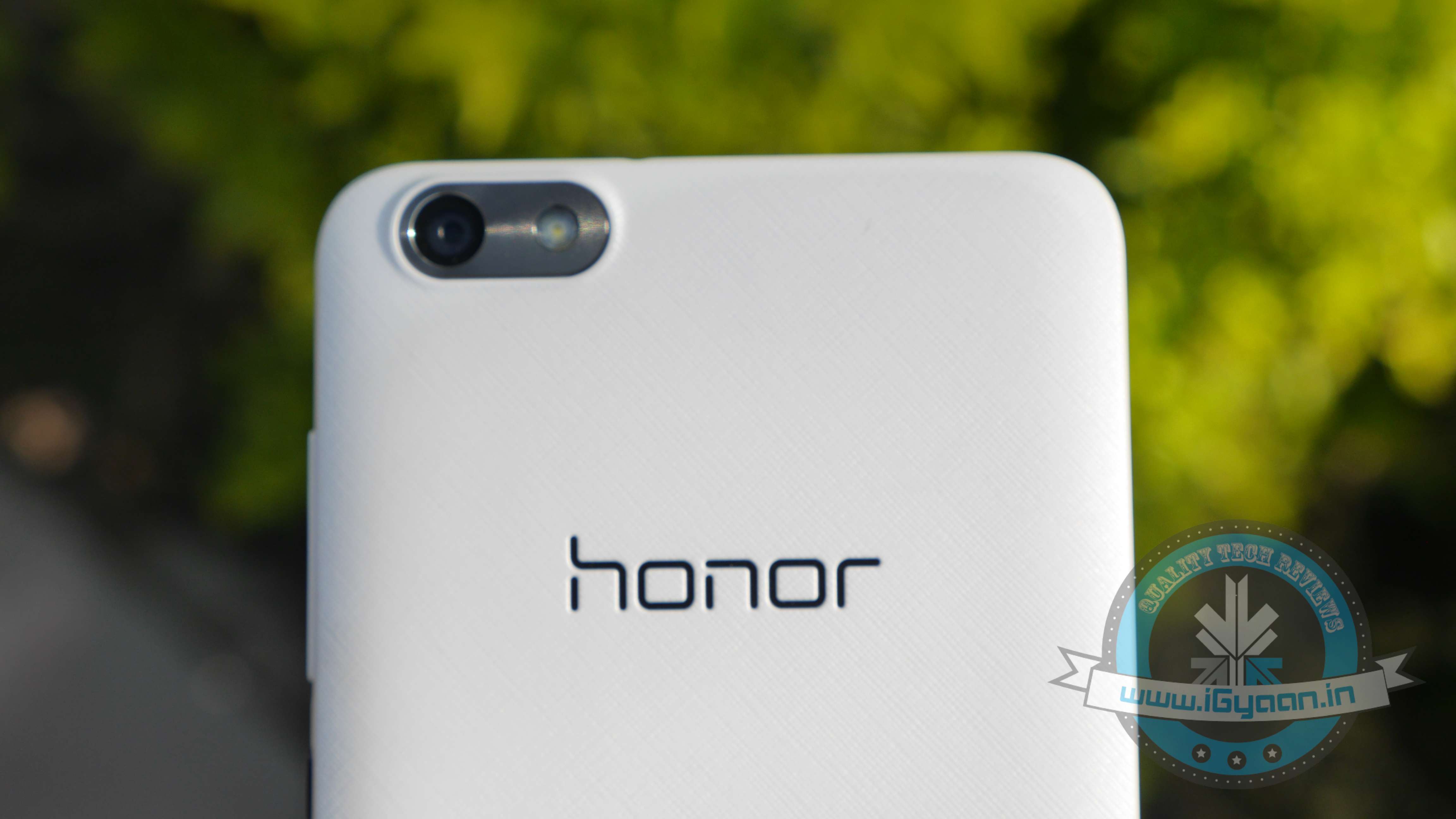
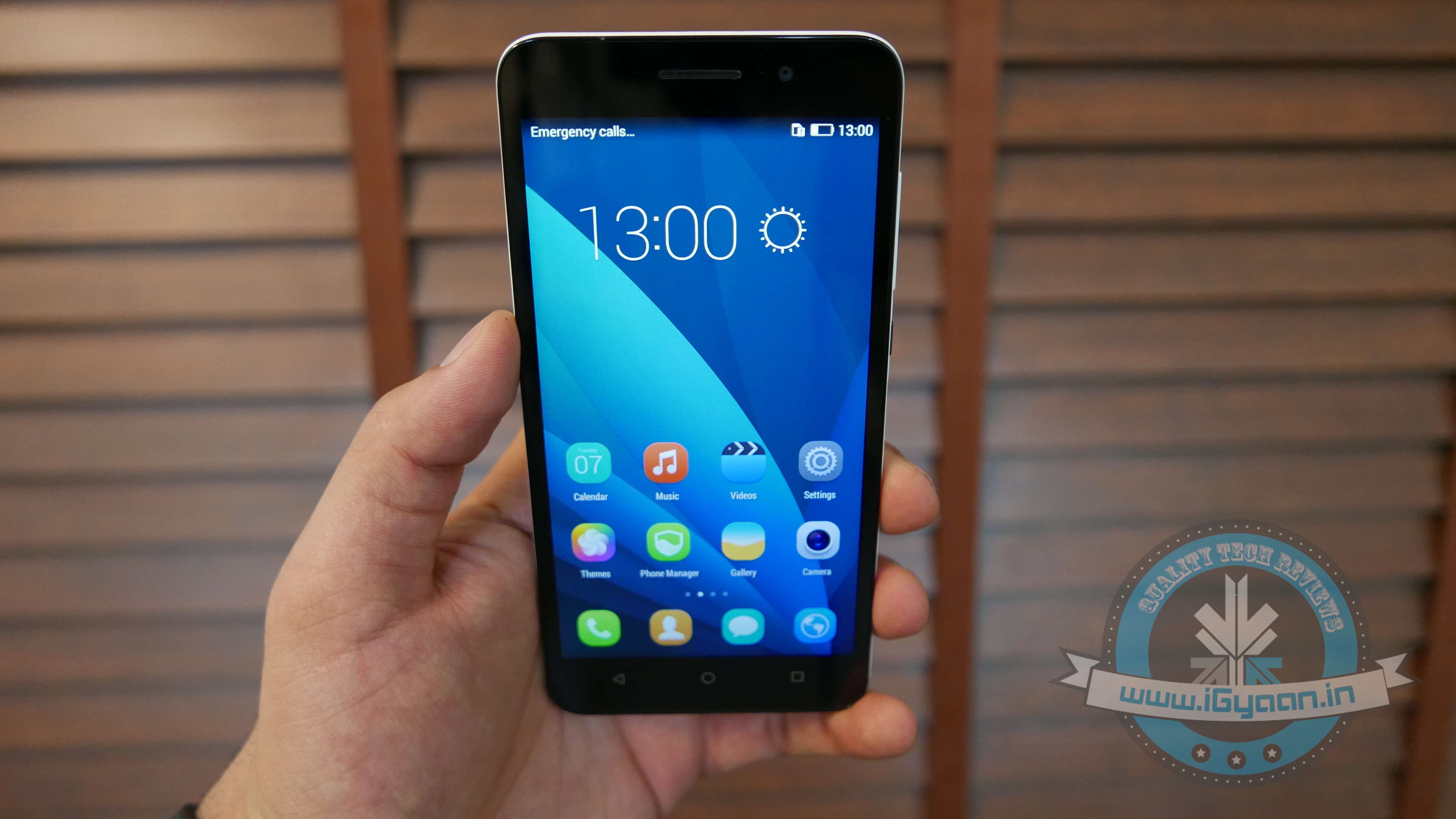
Honor 4X feels like a bang for the buck device. It sports a 5.5 inch HD display and is powered by 1.2 GHz, Snapdragon 410 processor. It offers 2 GB RAM and 8 GB of storage which is expandable up to 32 GB.
The phone flaunts a 13 MP camera on the back and a 5 MP selfie shooter in the front. The device runs EMYI 3.0 which is based on Android 4.4.4 KitKat. It is juiced up by a 3000 mAh which will ensure that you have enough juice to keep you going all day.
It seems that the companies are finally ready to offer quality handsets to budget consumers. The intense competition between the brands is great for the Indian consumers who now gets great features without emptying up their wallets.
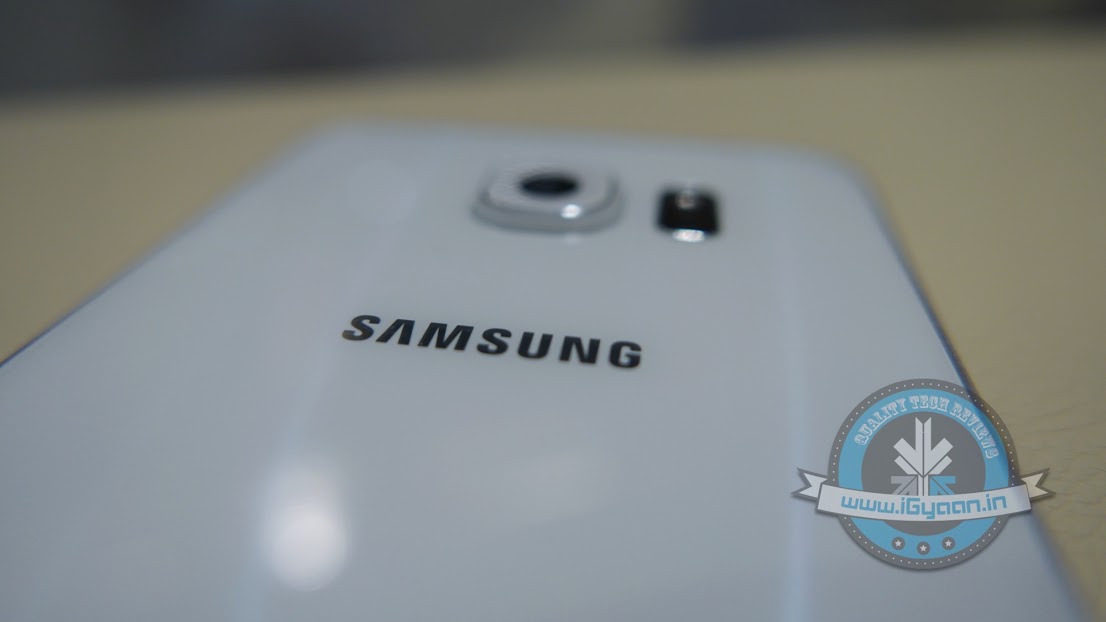
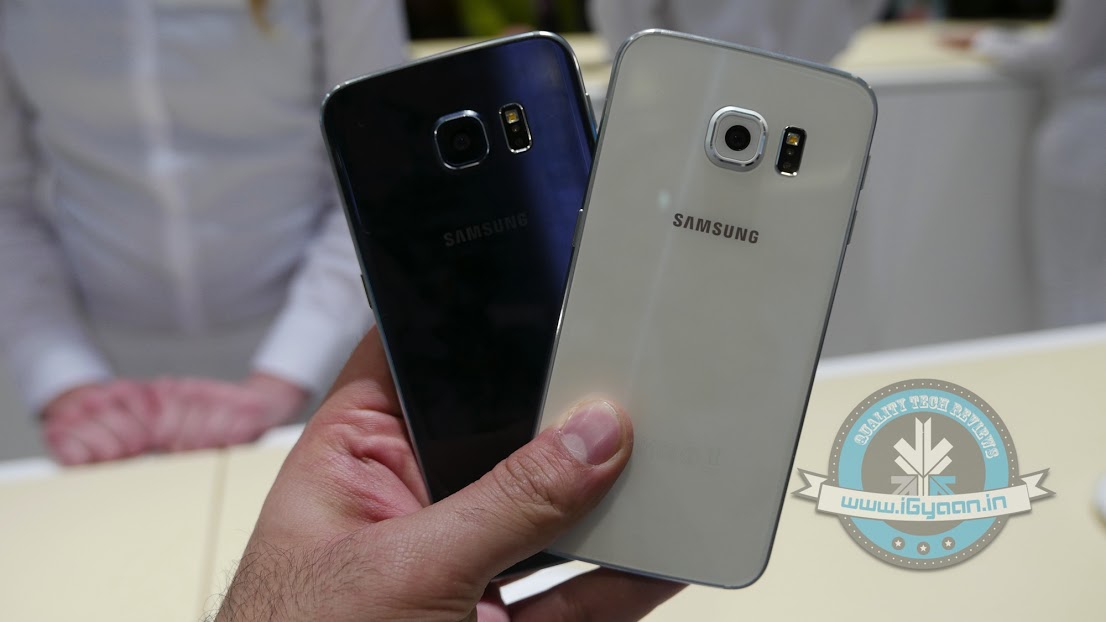
Samsung recouped the lost reputation with the launch of Galaxy S6 and S6 Edge this year at MWC. Both the handsets received tremendous positive response by customers over the world. The Galaxy S6 received lofty admiration because of its powerful processor and unbeatable specs, but it also carries with itself a some flaws that fails to impress a vast section of Samsung fans. The latest Galaxy handset doesn’t have a removable battery, expandability option to hold more content, and is not waterproof. The Korean firm now is aiming to overcome the weak points and is reportedly bringing out a new smartphone called ‘Galaxy S6 Active.’
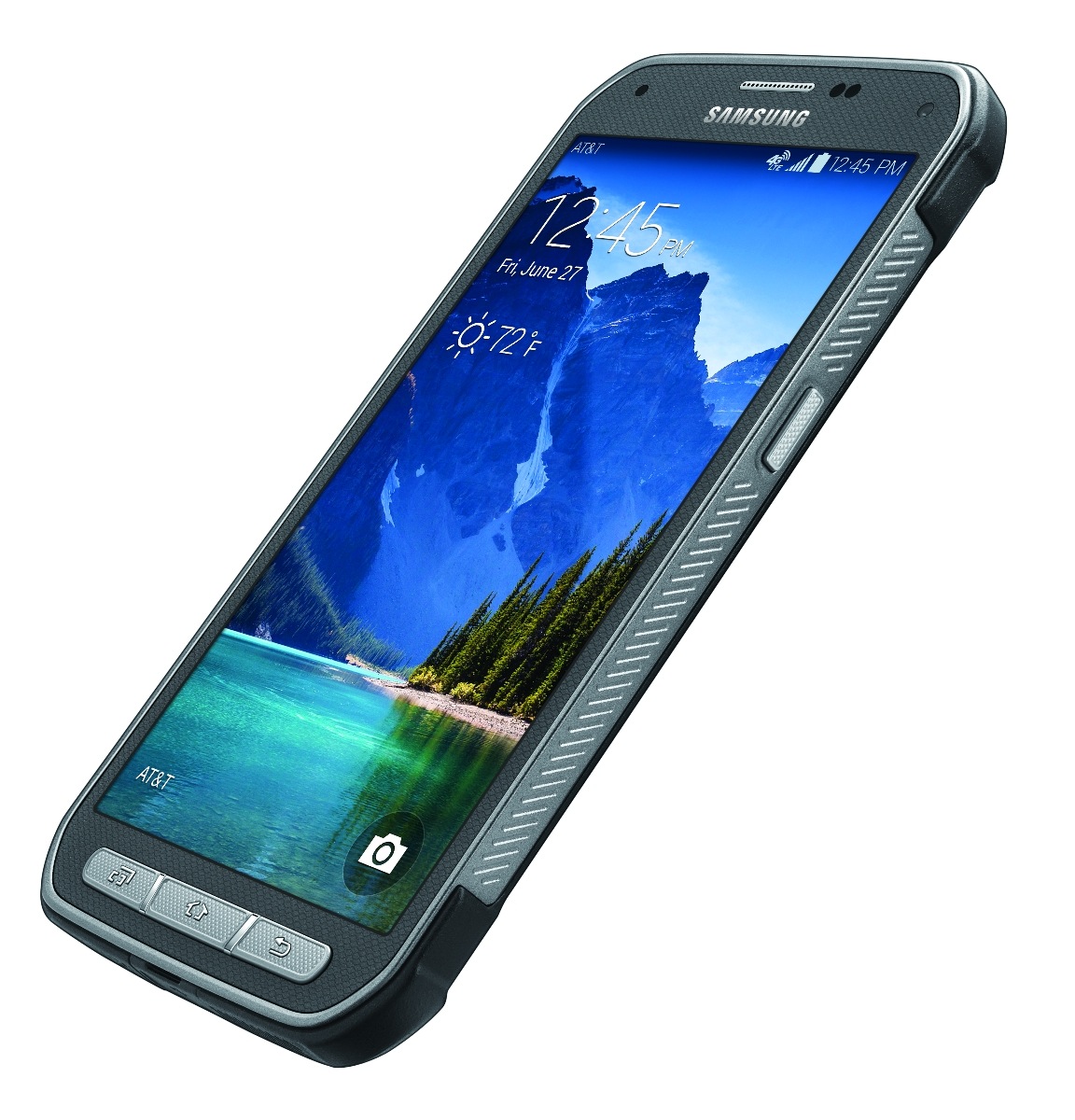
According to the rumors, the new Galaxy S6 Active will be an overhaul of Galaxy S6 and will boast features like detachable battery, MicroSD card space and few more. The word about the S6 Active is spread by a Reddit user who claims to have drawn information from a Samsung representative. The source reports that the next smartphone from S series will not have a fingerprint sensor or a heart rate monitor. It is said to pack the same set of specs as that of S6, but the camera will be altered to bear low resolution. As said earlier, the phone is anticipated to hold a removable battery which is supposed to be bigger than that of S6. The protective features include water and dust resistance.
He also stated that Galaxy S6 Active could bear buttons at the front, just like Galaxy S5 Active. It is expected to come out in Mid-summer. From what the user has disclosed, it is clear that Samsung doesn’t want to lose any single potential customer. The extra storage and bumped battery will surely lure users who earlier made up their minds to switch because of the hyped price of the higher variants.
There are no further details about Galaxy S6 Active and the device is in developmental stage. Another Samsung device that the company is planning to bring out is Samsung Galaxy Xcover 3, as per the same source. The smartphone houses the identical features as that of the S6 Active and will come with dust and water resistance, removable battery, and MicroSD card space.
Meanwhile, it should be noted that these are just rumors and the company hasn’t authenticated any of these reports. Customers who view the Galaxy S6 Active as a better alternative to the Galaxy S6 have to wait till summer to own this still rumored device.
Samsung is all set to bring out its Virtual Reality headsets, the Gear VR in the hands of the consumers. The Korean electronics firm along with Oculus is rolling out the Innovator Edition of VR headset to the developers who will be able to purchase it from the 100 Best Buy retail locations. The sale of the VR Headset Innovator Edition will start from tomorrow i.e. March 27, 2015.
For now, the virtual reality headset will be available in the retail stores of the US. One can stroll into a Best Buy store and grab one for $199. The Innovator Edition of VR Gear is compatible with Galaxy Note 4 smartphone. Drop the Note 4 or the Note Edge into the VR headset and the phones display will do all the work. It lets the user indulge into the immersive virtual experience and gives you a tour of an alternate world. The Best Buy has exciting offer in store for those who don’t own a Galaxy Note 4. Willing buyers can buy a combo of the Note 4 and VR Headset at discounted rates.
We got a chance to try out the Gear VR at Samsung’s event in Bangkok and we were quite impressed by the graphics. The device lets you watch movies while sitting in a giant empty theatre. If you don’t like the empty theatre then you can easily shift to the Moon, yes with the Gear VR you can watch your favourite movies on the moon with the Eagle lunar module next too. We loved the brief experience and hope Samsung gets it to our shores soon.
With the launch of its new flagships, Samsung has also unveiled a new version of the VR headset. The new iteration is compatible with the two latest handsets, the Galaxy S6 and S6 Edge. The latest edition is built to fit the smaller screen of the smartphones and is not on sale till yet. It is likely to arrive post the arrival of Galaxy S6 and its edgier counterpart on April 10.
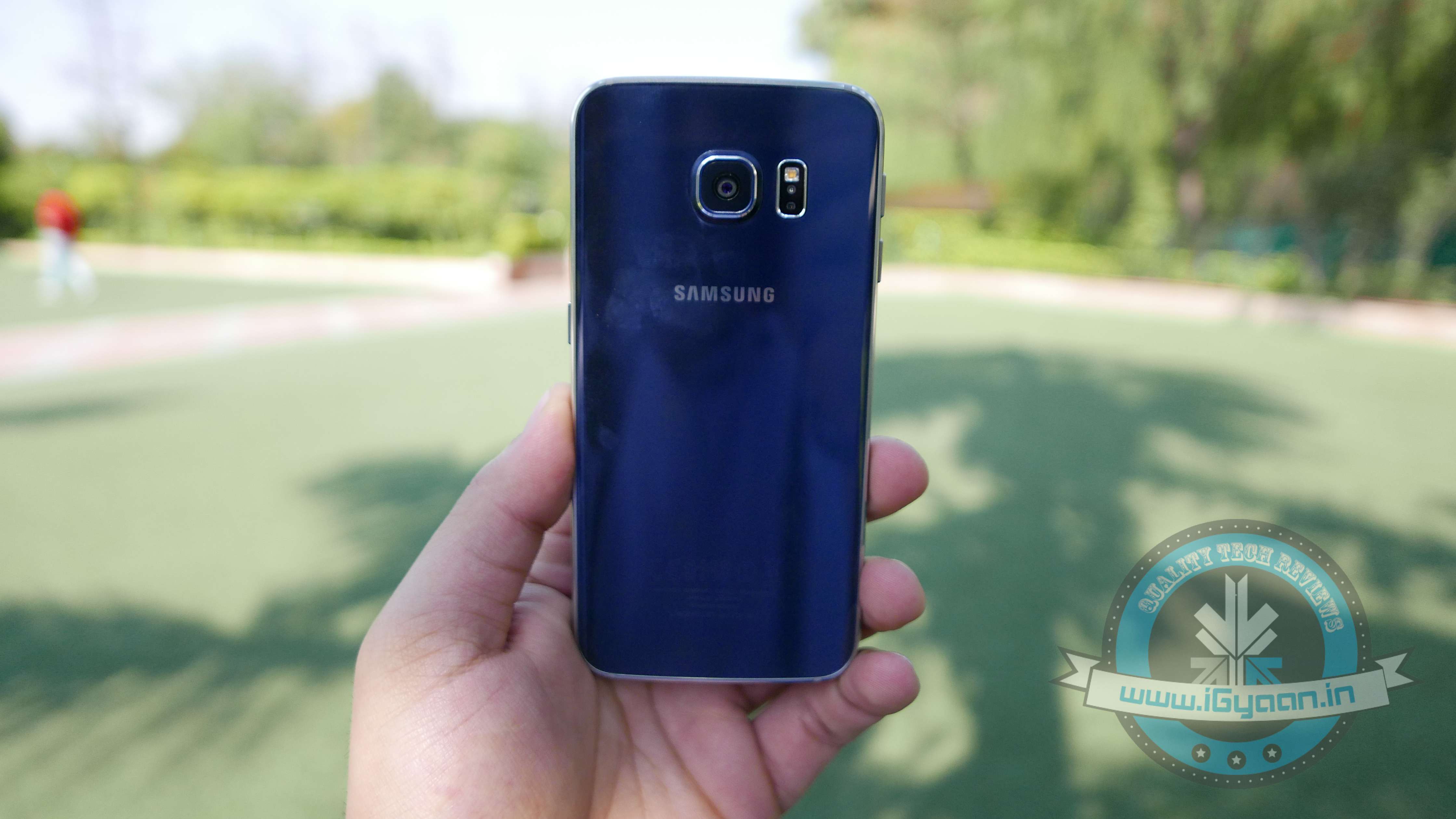
Samsung finally launched products which are worthy of the Korean giant’s stature in the tech industry. The Galaxy S6 and its curvy sibling the S6 Edge bring unique features to the market that set a standard for others to follow. Samsung paid heed to all the criticisms directed towards it and built a smartphone that seeks to address all the issue and take smartphones to the next step.
Here are the ten features of the new Galaxy S6 and the S6 Edge which make it stand apart from the rest of its competition.
Fact #1: Metal and Glass
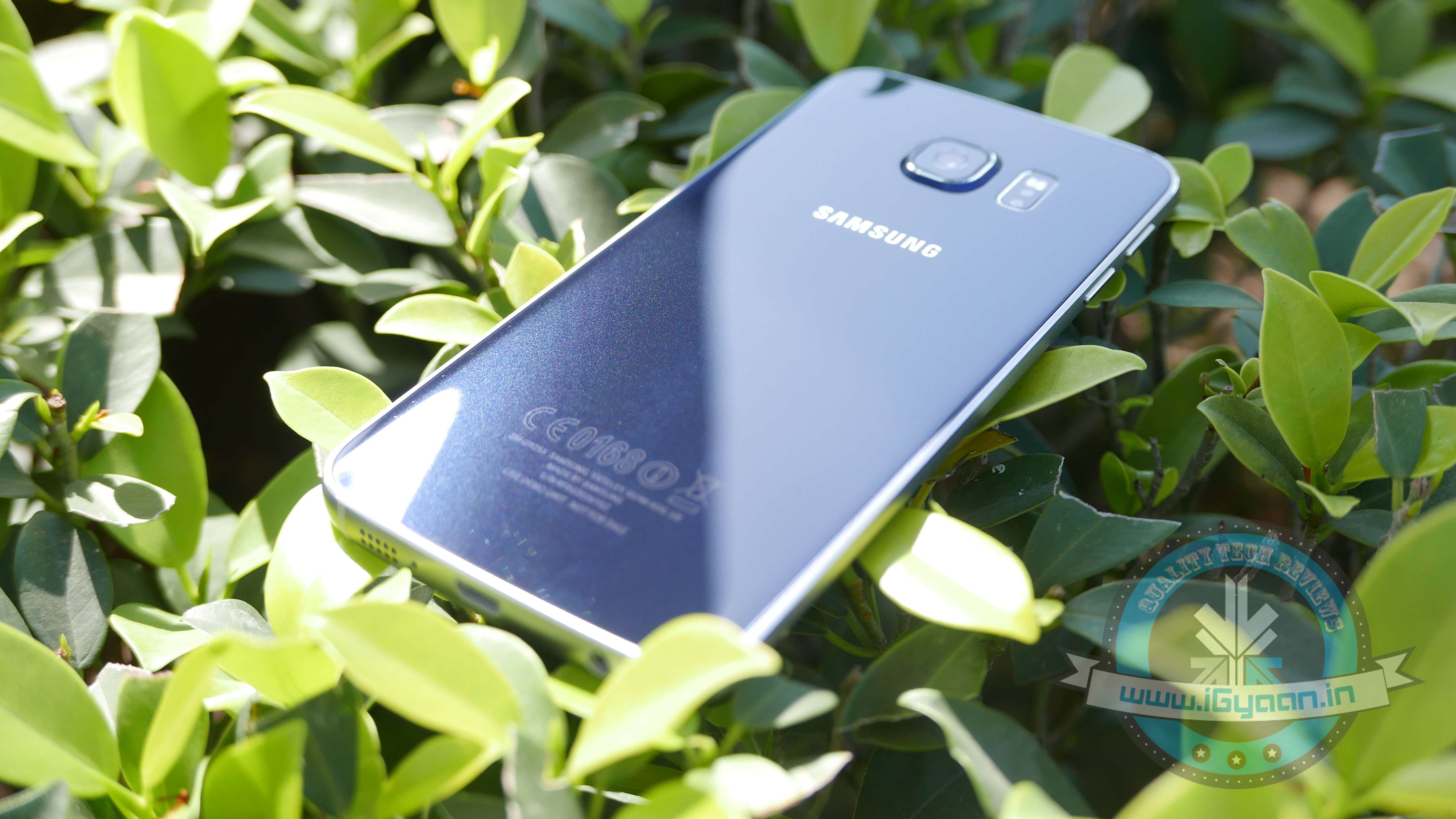
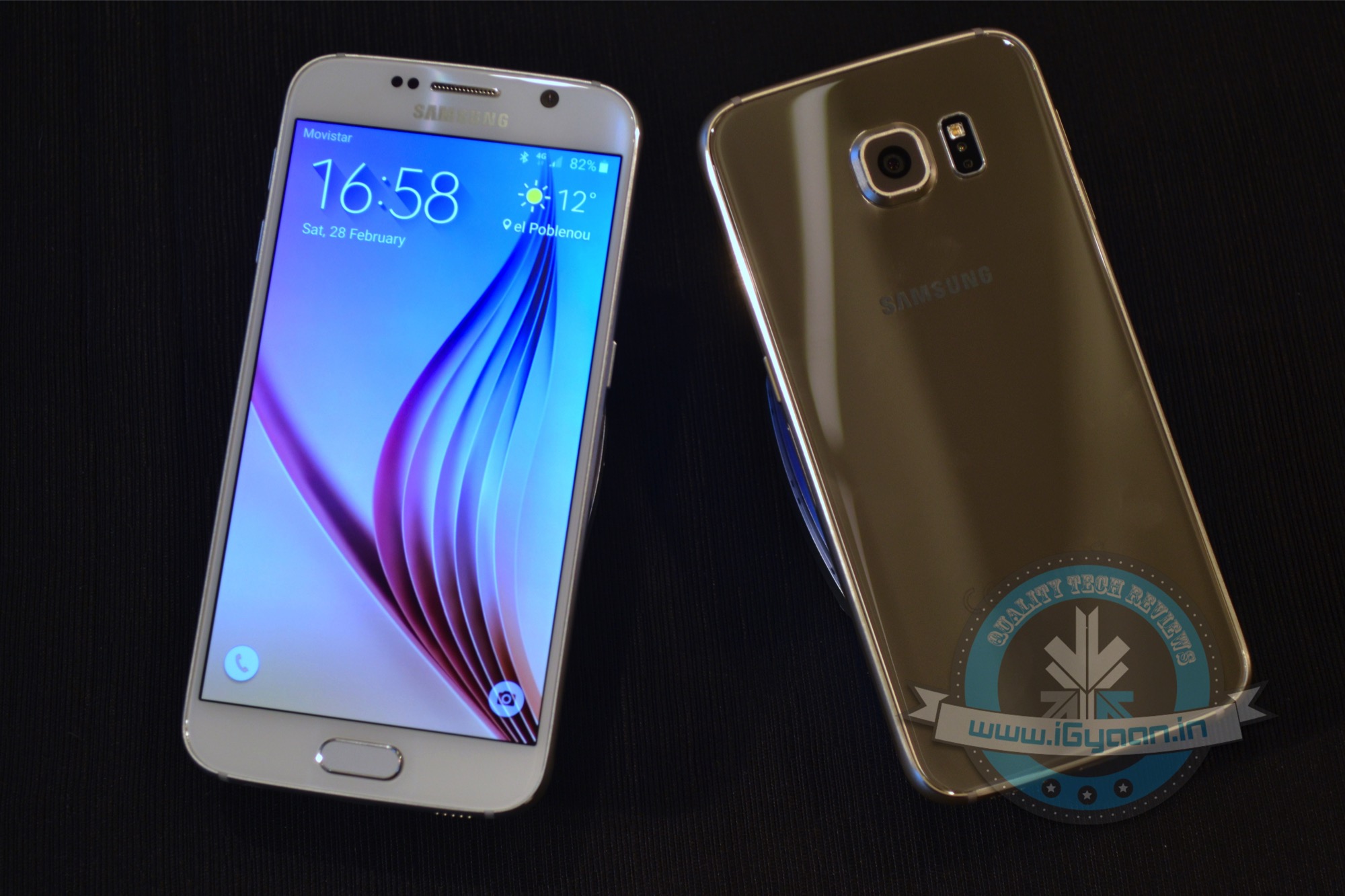
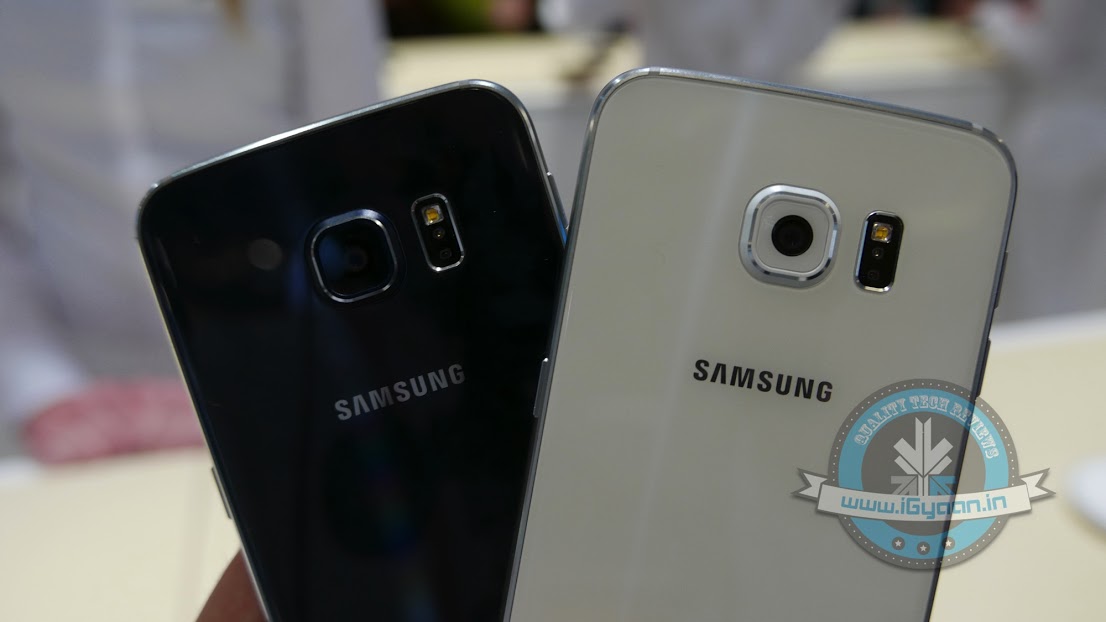
Samsung has been making Android smartphones since the early days of the operating system. Smartphones are its most prominent product, but the company was criticised lately for bringing products with lackluster designs and made mostly of plastic. So this time around Samsung gave its devices the premium look and feel that its target consumers were looking for. The new flagship handsets are crafted with metal and glass which makes them flaunt-worthy. It has an aluminium frame and is strengthened with Gorilla Glass 4 on both sides.
Fact #2: Wireless Charging
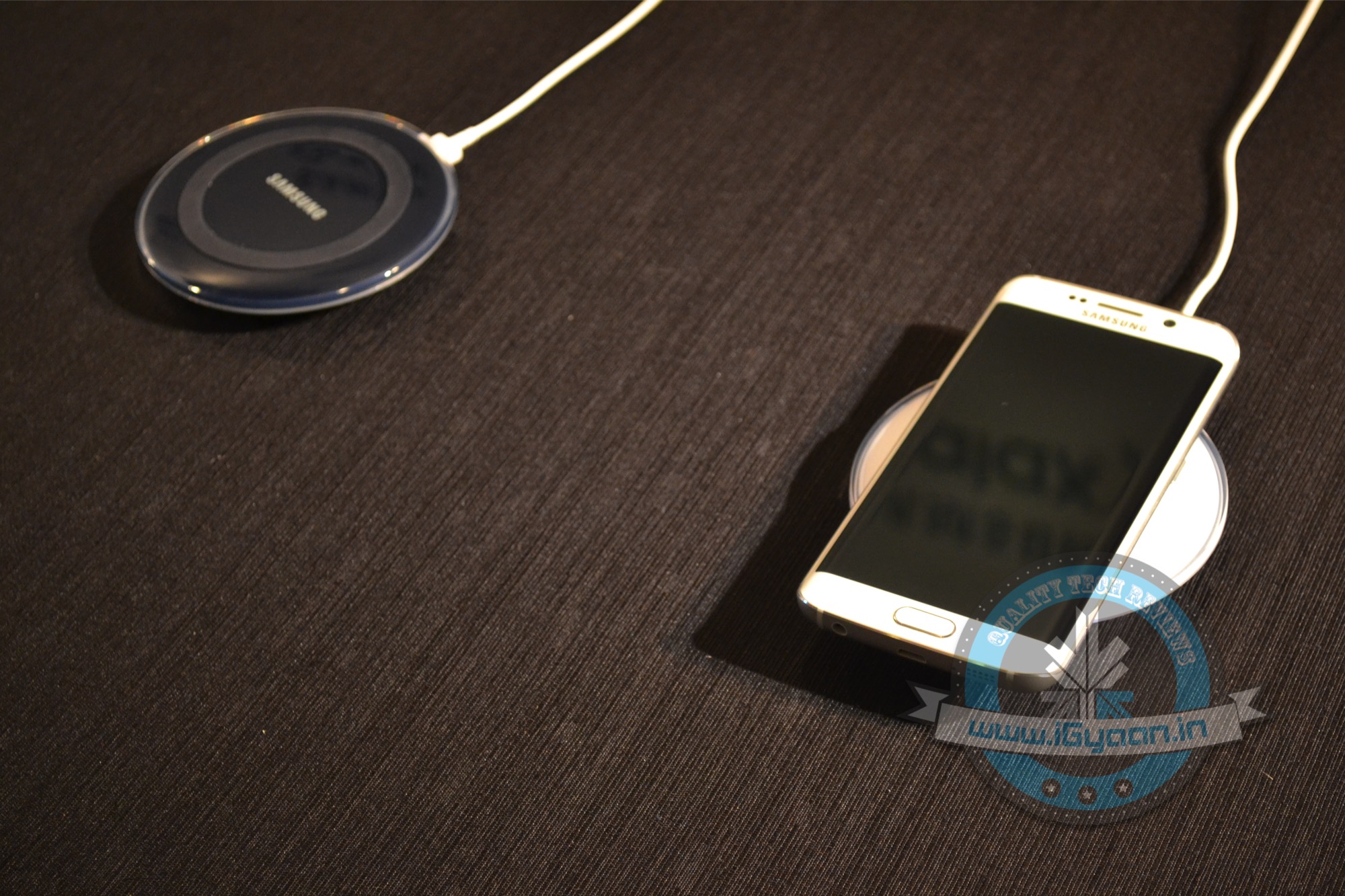
Both the Galaxy S6 and the S6 Edge offer wireless charging that supports major standards including Qi charging.
Fact #3: Quick Charge
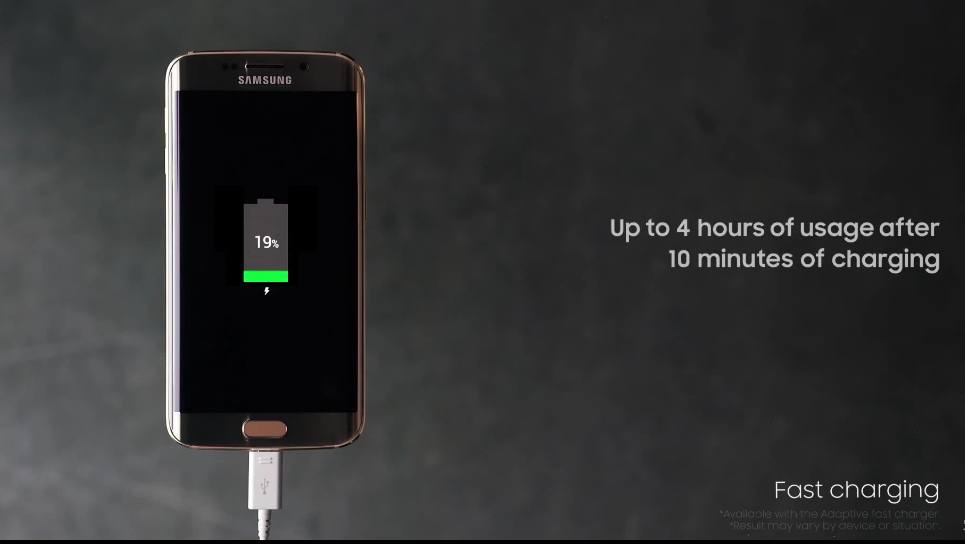
The new flagships feature Quick Charge capability that allows you to get 4 hours worth of juice with just 10 minutes of charging.
Fact #4: Non-Removable Battery and No Expandable Storage
Samsung had in past flaunted the fact that you can easily pull off the back cover, pop in your secondary battery, and you’ll be ready to go. Galaxy S6 and S6 Edge are the first smartphones from the company to feature a unibody design with no removable battery and expandable storage. Samsung said that they were confident of their battery’s features, so they decided to lock it in. The phones are available in 32, 64, and 128 GB storage options.
Fact #5: The First Dual Edge Curved Smartphone
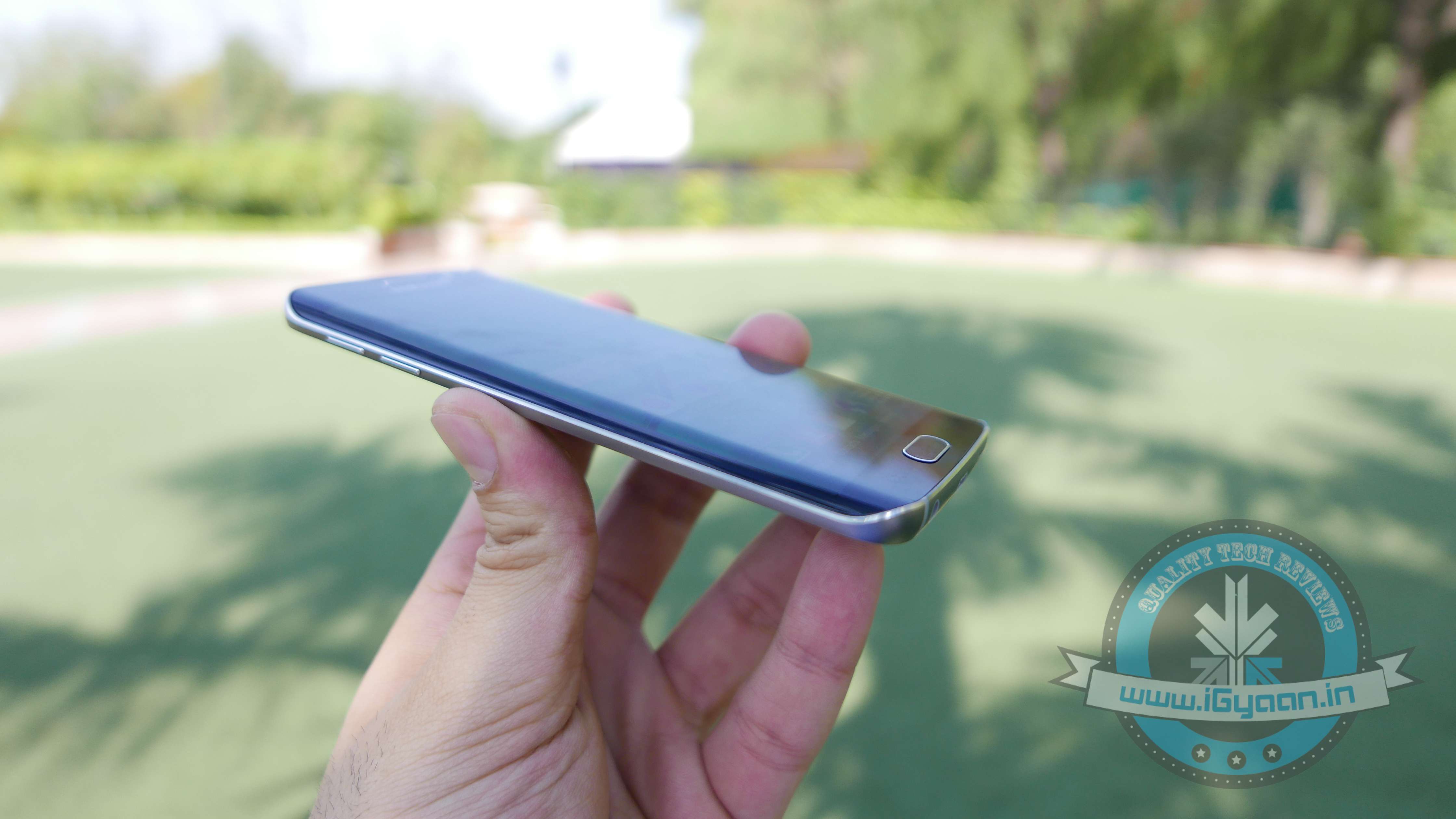
The Galaxy S6 Edge is a one-of-a-kind device. It is the only handset in the world to have a dual edge display. Samsung hasn’t really added a lot of features to the two curved displays, but they sure look fantastic. The curved displays are open for developers to innovate so we might see new utilities for the edge displays in the future.
Fact #6: Gorilla Glass 4
The premium metal and glass design asks for ingredients that look appealing while being tough and robust. Corning Gorilla Glass 4 is one of the strongest protective glass in the world, and the new Galaxy S-series flagships are covered with it on both front and back ends.
Fact #7: Samsung Pay
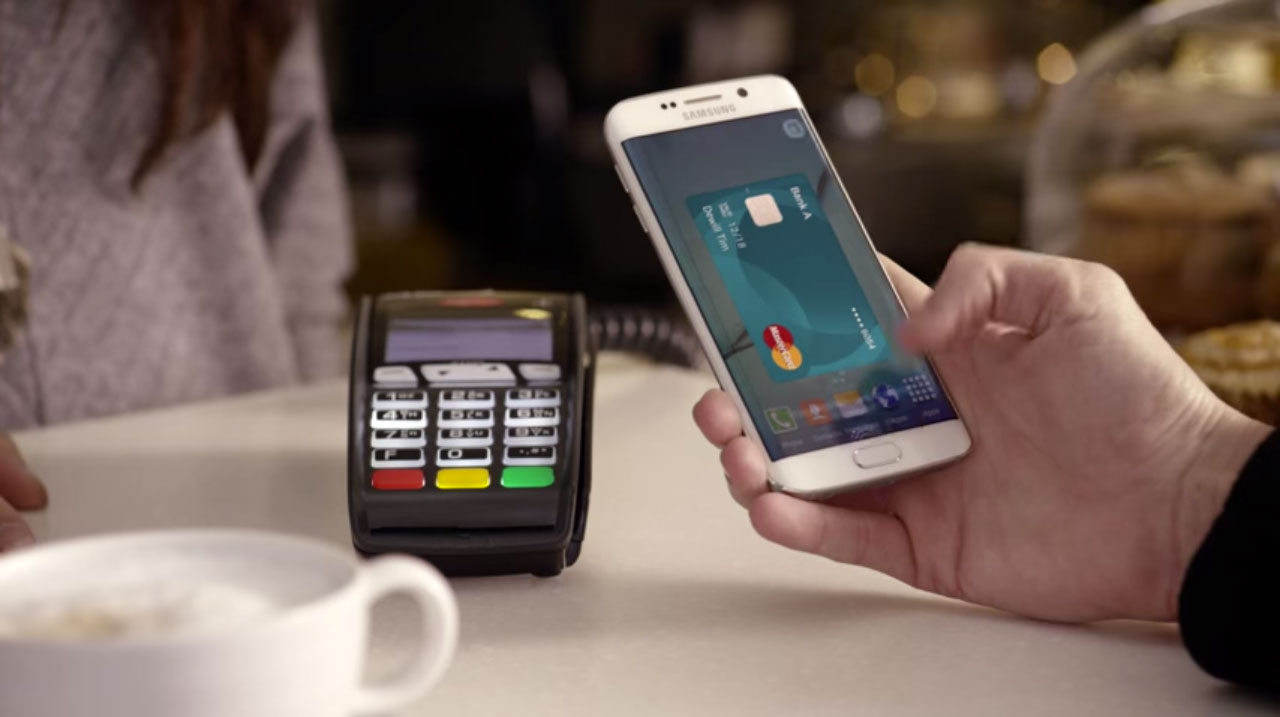
Mobile payments are the next step in payment technologies. Apple has already introduced the NFC-based payment system called Apple Pay with the new iPhones. Samsung went further and introduced Samsung Pay, a mobile based payment method that even works with conventional credit/debit card readers. Your payments will be secure as they will have to be authenticated with the phones inbuilt fingerprint reader located in the home button.
Fact #8: Flagship Camera
Both new Galaxy S flagships feature amazing camera modules. Both these devices have f/1.9 mm lens on both front and back cameras which ensure that you get bright photos and great night-time imagery. The 16 MP main camera with F1.9 on the back also comes with OIS, so you get fantastic images and videos devoid of any shakes.
Fact #9: Powered By Exynos
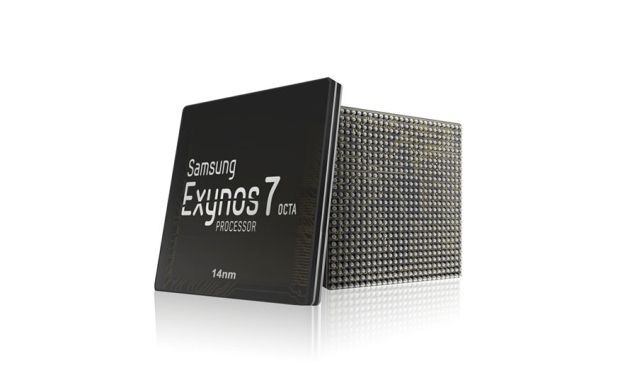
Samsung has previously marketed devices based on its homegrown processor, Exynos along with Snapdragon options. This time around, Samsung has put the task of powering the new flagships solely to the new octa-core Exynos chipsets based on 14 Nm architecture.
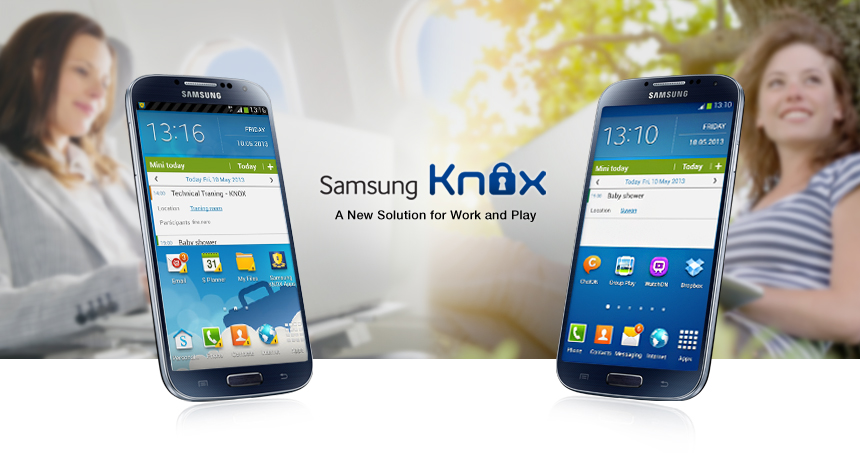
Fact #10: Samsung Knox
Considering the prices of these premium devices, you can guess that its target audience is the executive and businessman on the move. Mobile devices are playing a major role in the enterprise ecosystem. It’s important here that the crucial enterprise data remain secure while being convenient to access. Samsung Knox attempts to do just that. You can have two device in one, for professional and personal use. With Knox, your enterprise data remains separate and secure from your personal data. Samsung Knox also addresses several security concerns of the Android ecosystem and thereby becomes a valuable addition to the new smartphones.
Xiaomi embarked on a journey into the tech segment on March 31, 2010. The company has had a splendid time in the world of electronic equipments and the brand went bigger and bigger every passing year. On March 31 this year, the Chinese manufacturer will become five-year-old and it has some big plans to celebrate the fifth anniversary with its fans.
According to Gizmo China, Xiaomi is geared to release some products that are different from its present offerings. Xiaomi’s co-founder Lin Bin posted an image through the company’s official account on Weibo which suggest that the next product from Xiaomi would be women-centric.
As one can see, the teaser image comprises an outline of a dress with a feminine pink background. A text in block letters NSSJ in written on the top of the dress. The dress is enough a hint to inform users that the upcoming product would cater to females.
Apart from that, Xiaomi is shifting its focus from sleek construction and curvy edges to being more fashionable. As per a conversation between Bin Lin and a fashion group, it appears like Xiaomi is collaborating with the fashion group to bring out a gadget that is high on fashion.
Meanwhile, there is no information if Xiaomi will launch an all-new device or will just give a fashion angle to its already existing line of gadgets. But according to Times of India, it could launch a mid-range smartphone codenamed ‘Ferrari’. The handset appeared on the graphics benchmarking website GFXBench.
If the source is to be believed then the next device could be a 4.9-inch FHD device with 1.6GHz Qualcomm Snapdragon 615 octa-core processor, Adreno 405 GPU and 2GB of RAM. The phone is said to pack 16GB of internal memory storage along with 12MP rear and a 5MP front-facing camera. The phone will run on Android 5.0 Lollipop out of the box.
The best part is that users don’t have to wait for long. We are less than a week away for March 31 and buyers will get to know about the devices shortly at the forthcoming event.
At Facebook’s F8 Developer conference yesterday, the CEO of the company Mark Zuckerberg took the stage to announce the future of its Messenger Platform. The company recently spun off Messenger into its own independent app. Messenger will now become a superpowered messaging app that can become the most formidable competitor in the market.
Mark Zuckerberg spoke about the new service at the conference –
It’s a new platform that developers can use to build apps that help people connect.
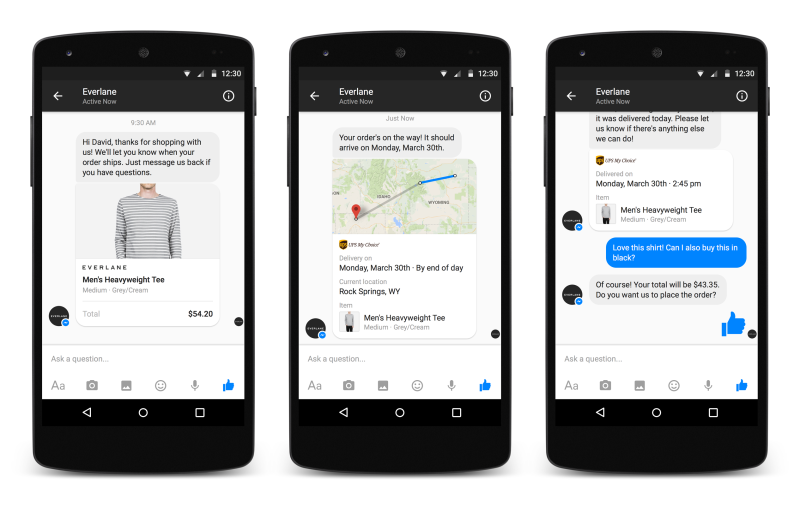
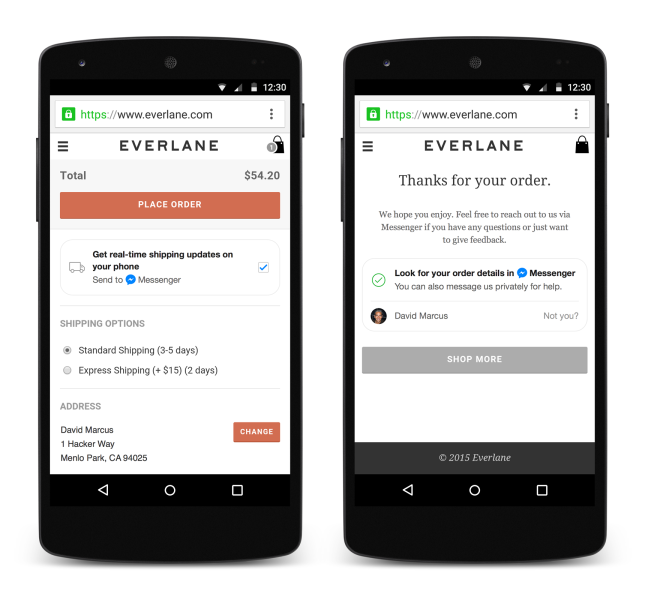
Facebook introduced 40 new apps for the Messenger Platform. These apps come within the Messenger service and adds up to the vast ecosystem of apps on Android and iOS. The newly developed tools allow users to interact with businesses like online retail brands, where they can place their order directly and get details about the order through chat. Also, you would be able to send messages to the Messenger app store to download an application. Facebook can use its reach and introduce a Messenger tab on major websites to speak directly with businesses or content creators. By opening up Facebook Messenger platform, the social networking platform has given the third-party apps access to the millions of Facebook users. Besides, it has made Facebook Messenger a strong contender among other messaging platforms like WeChat and Line, who are all-round services that offer for gaming, e-commerce, and of course, communication. The new platform is said to be open for all the developers, but the company has already finalised 40 launch partners. Some of them includes ESPN, Imgur, The Weather Channel, and Giphy.
A while back, Facebook detached Messenger from its smartphone app and asked the users to install the new independent app. The decision by the social networking giant led to mass disapproval at that time, but it has now begun to make sense. Facebook was preparing its user-base to explore the new developments of the Messenger store and its scope for business communication.
Th company has been continuously building up its Messenger platform. Few days back, Facebook announced a new payment feature that allows you to send money via instant message. Messaging app will soon become the center of future communication and might replace tools like e-mails and become our primary mode of communication. Facebook also said that Messengers new features can act as a model for WhatsApp in the future. The future of messaging apps looks great.
WhatsApp recently led a direct assault at telecom companies’ core business, voice calling. By introducing the voice calling feature, WhatsApp became a complete phone utility in itself. The feature is being rolled out gradually on Android and WhatsApp’s founder has announced that iOS users of the app will be bestowed with voice calling feature really soon.
WhatsApp’s co-founder, Brian Acton was speaking at Facebook’s F8 developers’ conference when he made the announcement. He said iOS users will be getting the voice calling update in a “couple weeks”.
There have already been a few unofficial efforts towards bringing the feature on iOS through jailbroken iPhones, but an official version is definitely better and secure.
As the date mentioned by the company is still vague, you can expect it to take a few weeks more. Facebook Messenger chief, David Marcus had said that WhatsApp had spent years creating and testing the voice calling feature before bringing it to Android phones. So maybe it’s better to wait a few weeks to get a fully functional voice calling feature instead of bug filled versions that may be available now.
It would also be interesting to see how the telecom companies respond to this as it’s a major threat to their core business. If past is an indication, they might steeply increase the price of data packs and may also try to take initiatives to break the internet. This is no ordinary feature, and we should anticipate a major legal battle soon between the old powers and the new innovative tech developers over the future course of communication technology.
It was once the only way to connect to the internet in most personal computers. For years, Microsoft’s Internet Explorer brought internet to the masses. Before the arrival of multiple tabs, search from address bars, and a multitude of browsers to choose from, there was the Internet Explorer (IE). Now it’s the year 2015, and we have come a long way from 1995 when IE first came into existence. The browser landscape has changed dramatically, and Microsoft has decided to slowly say farewell to the good old IE.
Microsoft launched the Internet Explorer in 1995 as an add-on package Plus! for Windows 95. After its launch, Microsoft had to face a much publicised lawsuit against the American government who alleged that by integrating the internet browser with the operating system, the company was engaging in monopolistic behaviour. It was said Microsoft’s inclusion of a web browser would be severely detrimental to other browsers of that time such as the Netscape Navigator. Microsoft used its monopoly power and eventually won the war of browsers as well as reached a settlement, in that case.
Over the years, IE has constantly lost ground to newer browsers like Firefox and Chrome.
In recent years, there have been immense developments in the field of browsers and IE has now taken a back-seat. Not just that, it has received much ridicule over the internet for not keeping up with the times. Browsers like Mozilla Firefox and Google Chrome are fast eating into the IE’s market share though IE still enjoys a comfortable majority with almost 40% of the market share as its present by default in most systems.
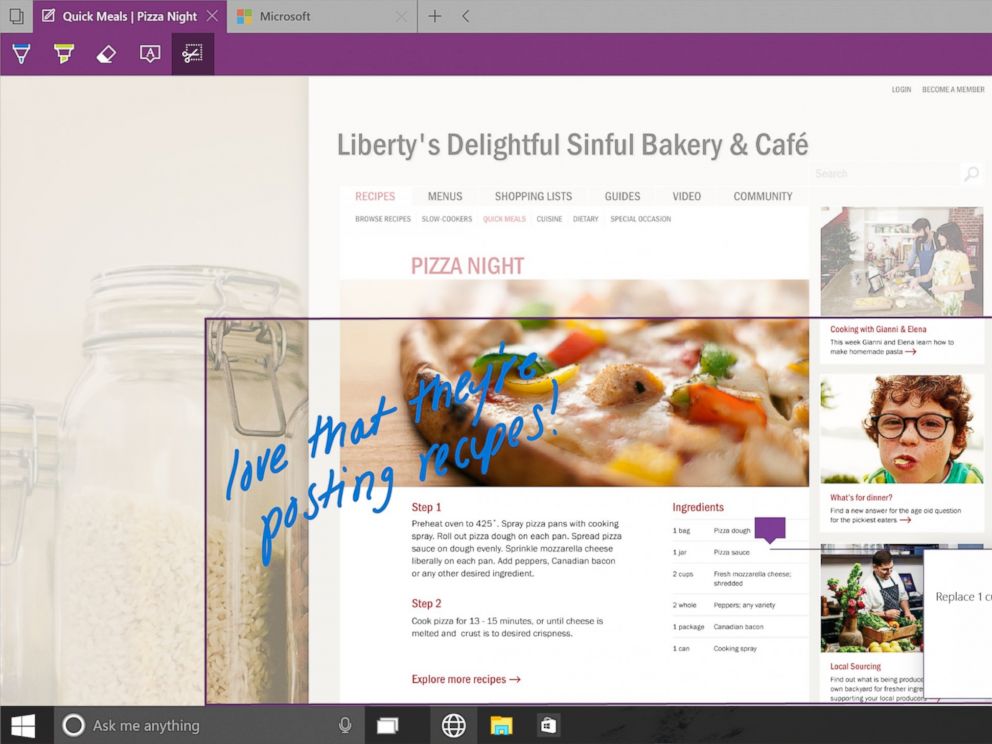
Coming to the future of IE, Microsoft has already announced that it would be replacing IE for a whole new default browser for Windows 10 OS with what is presently known as Project Spartan. Internet Explorer will still be present on a few Windows 10 systems, for enterprise consumers who use it for its business applications. Microsoft had previously said that the new rendering engine for Spartan will also be shared with IE, but the company said that it would not be doing that any more.
Internet Explorer will be replaced with Spartan which will be the browser of the future for Microsoft.
In Windows 10, IE will be carried forward unchanged from Windows 8.1. Spartan, on the other hand, will offer unique features that would let it take on the present giants of the business. Microsoft’s voice assistant, Cortana, will also feature in this new browser to make it easier for you to find what you are looking for.
Every journey has its end, and IE is on the last leg of its journey. As the enterprises and governments who still use IE shift to newer browsers, IE will rapidly lose its share in the market. But considering the iconic stature of the browser, Microsoft needs to send it off in style. We hope Microsoft gets this message, and it hosts a legendary farewell event for the grand old Explorer.
 OnePlus made the announcement during an Ask Me Anything (AMA) session on Reddit, and what came out from the conversation was unpredictable. The forum administrator David S. replied to the queries saying that the upcoming product would be a drone. It’s not certain if he was trolling, but his comment reads, “It’s a drone, the DR-1 and we start selling it next month.”