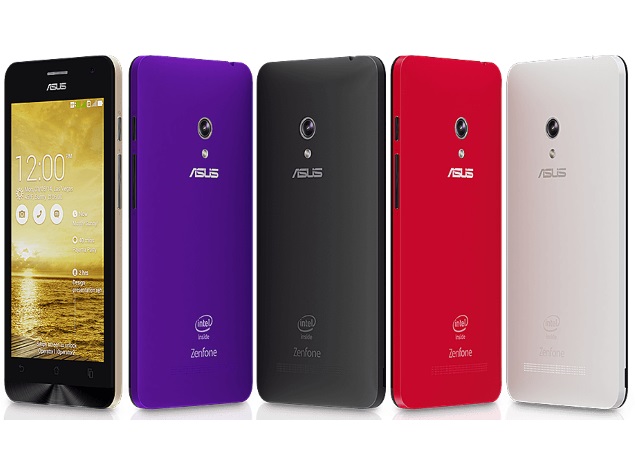
Asus, Taiwanese smartphone maker, has revealed its plan for the next quarter. Asus CEO Jerry Shen on Thursday said that the company plans to introduce the successors to the popular ZenFone 2 series of smartphones next year at CES 2015.
Shen also said that the company is going in to business with another chip maker to swell their shipments next year. He stressed that the new chip maker will help the company produce affordable devices which can be priced as low as NTD 4,990 which is Rs. 10,000 approximately.
Currently, Asus uses chipsets from Intel for its devices starting from the price tag Rs. 5,999 for the ZenFone 4 in India. However, Shen did not reveal the name of the chip maker. The company is planning to bring second generation of ZenFone series with two of the biggest Chinese carriers – China Mobile Ltd and China Telecom Corp, along with various other models designed for global market.
“All of the new phones scheduled for release at the annual trade show will be powered by Intel Corp. chips and will support 4G LTE connectivity. LTE-enabled phones will account for about 30 percent-40 percent of Asustek’s total smartphone shipments in 2015,” Shen said in an interview.
He also added that 4G-LTE handsets powered by Intel chipsets will start at the price of NTD 9,990 (Rs. 20,000 approximately). This is quite high comparing to the current offerings by Asus in India.
The Taiwanese handset maker estimates that it will ship 8 million smartphones by the end of this year and 16 million next year. It intends to double its shipments with availability of its ZenFone series to about 6 new markets, currently the company is present in 14. Shen said that the company will now focus on China and Japan.
The winter season is almost here. If you are living in places of higher elevation, you might have already started experiencing the chills. Now winters are the best season to step outside if you live in the tropical side of the planet, but the drippy nose sure spoils the fun. Well, in the age of technology, there is a lot of stuff you can get that can keep you warm while letting you hit that picnic that you’ve been waiting for through the grueling summer months.
We decided to present some tech fixes to battle the chill and make the best of this season.
1. USB Heated Blanket
You are in an office where the most protection you get from the winter is the layers of clothes you put on yourself. Well, there is a savior for you to get warm and cozy while others shiver around you. The blanket comes with a heating pad which can be removed for washing, you know because all that heat is bound to induce some sweat off you.
2. USB heated Gloves
With the body taken care of, its time to address the issue of the parts of the body that are mostly exposed, the hands. Here a USB heated gloves will come in handy. The best part of this “device” is that even when it stops working, it would still be a working pair of gloves.
3. USB heated Mouse pad
If you are not into gloves then, there is a convenient option for you. The mouse pad comes with a heating plate that heats it up to a comfortable temperature. This might literally be the first thing you’ll dip your hands into. And looking at the funky design options that are offered, you’d want to have these babies everywhere.
4. Earmuff’s with inbuilt headphones
You might be asking right about now, we get that, USB’s are a great source of preserving body heat, but what about the commute to office? Well technology has even got you back here. Headphones are a must for the commute but what if they keep those exposed ears covered while you take the arduous journey to your workspace.
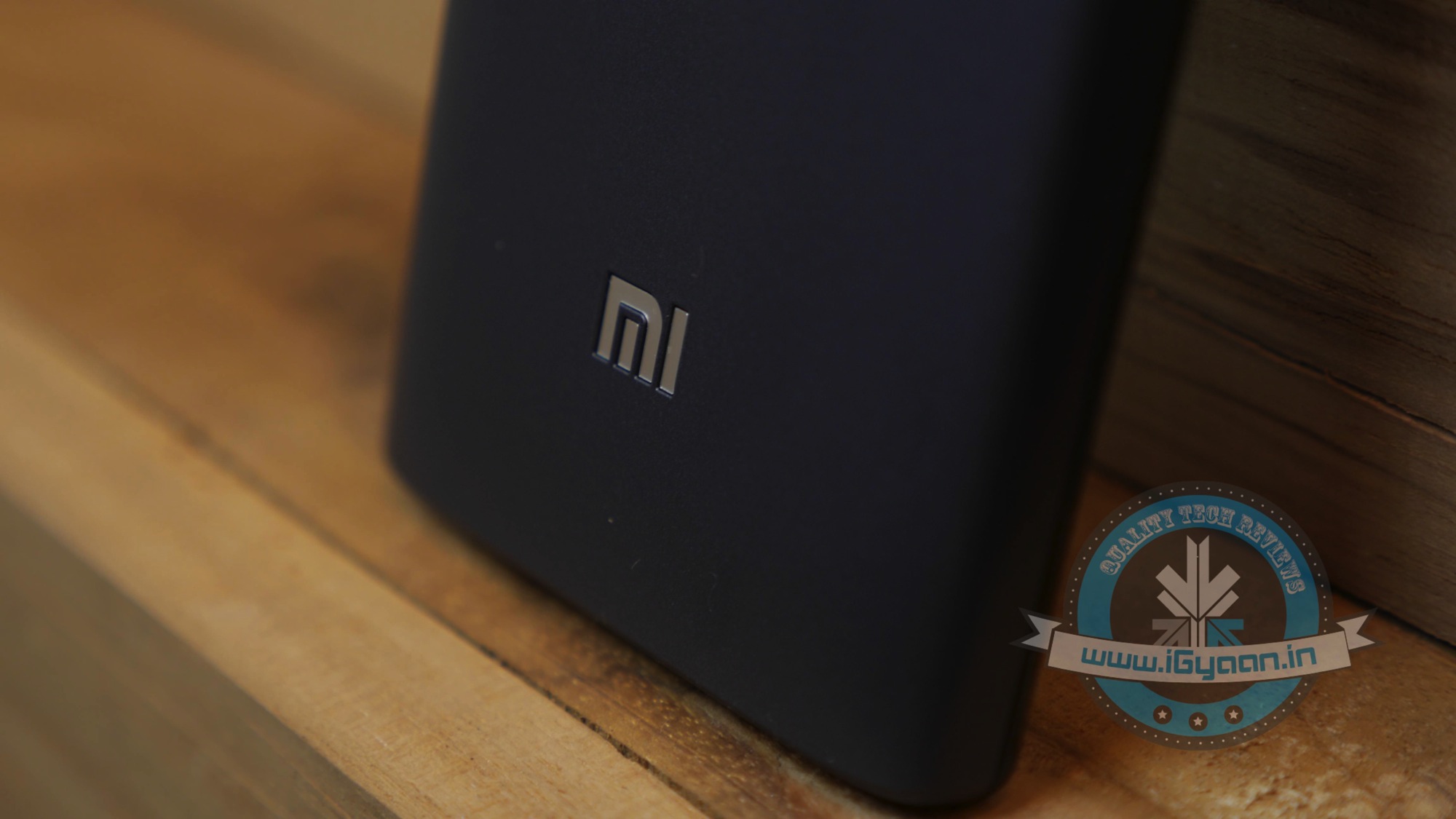
5. Xiaomi 10400mAh Mi Power Bank
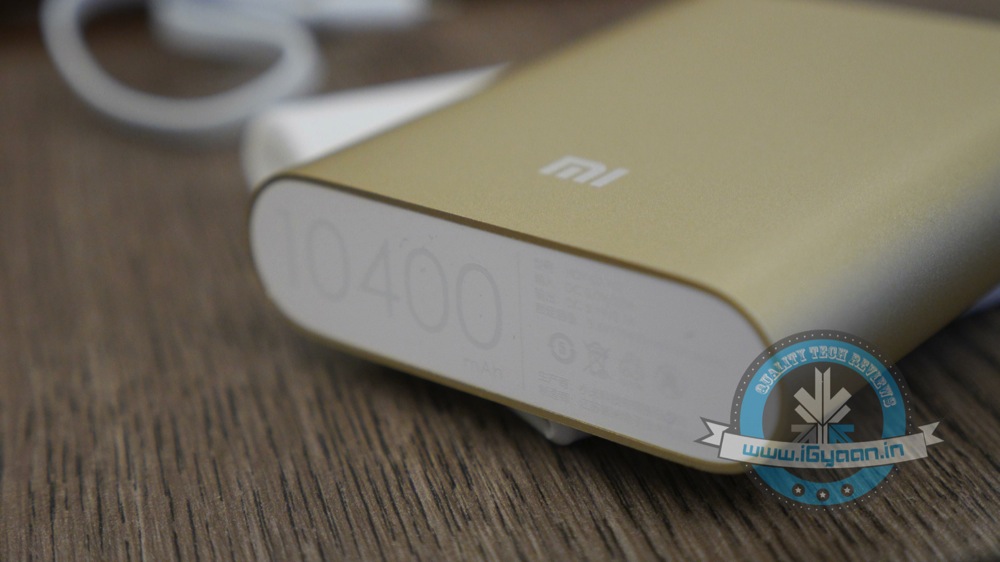
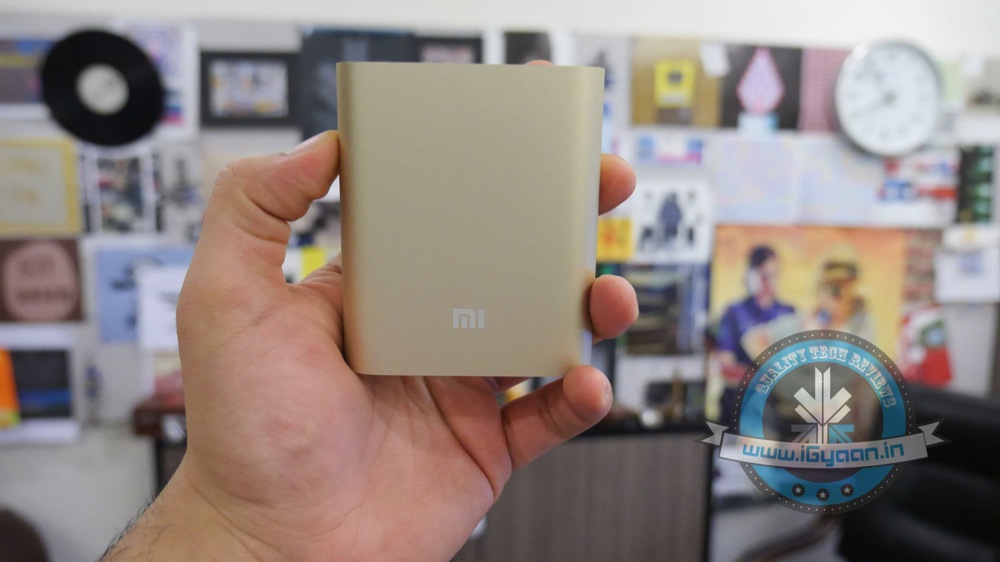
Now that we have listed all the cool stuff that you can use to feel warm and cozy, the power source comes into question. Not everyone has an office job so how do you get the juice to your warmer devices when you are away from your computer. The answer lies in power banks. With massive backup and a cheap price tag, Xiaomi’s power bank is ideal for long trips and is a great energy source on the move.
These are some great gadgets to help you beat the chill. If you have some suggestions for some cool gadgets that help you heat up, please feel free to share it with us.
It’s no mystery that smartphones are big time battery hoggers. Given the diverse range of multi-function capabilities, battery life has always been a concern for developers, manufacturers and users. Surely, the smart move would always be to have your charger handy. But life doesn’t always go according to the plan. Fortunately, there are plenty of options you can opt to stem the flow of juice from your device.
Here are some essential tips to make sure your phone battery never dies when it is actually needed.
1. Let the battery drain once in a while
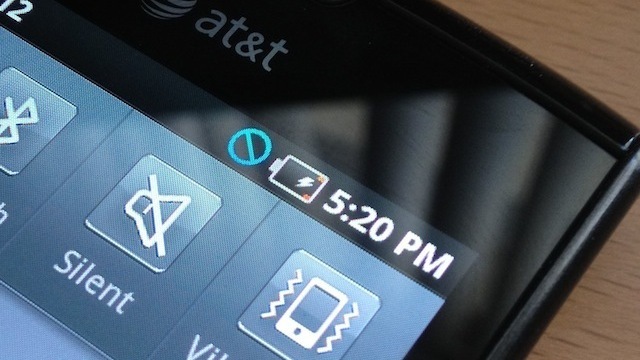
For optimum performance, ‘reboot’ your battery whenever you can by waiting to charge until the battery is down to about 10 percent. Then, charge it up to 100 percent—and remember not to overcharge it. Overcharging actually reduces a battery’s capacity, and every rechargeable battery can only go through the cycle a limited number of times.
2. Minimise notifications
With constant connectivity to the Internet, we tend to get notifications on our smartphones all the time – be it updates on the latest news, emails, high scores from games, add-ons for apps etc. But I’m sure that you would only want to be notified about the more essential events like new text messages or messages from WhatsApp. Set ‘Sleep time’ or ‘Blocking mode’ to switch off Wi-Fi and mobile data when you don’t need them. If your phone is basically off limits at work, set your device to not ring, vibrate or connect to the internet while you’re at work. Likewise, you can set your phone to Airplane mode when you’re asleep, or use sleep or blocking modes to set up limits for what your phone does during certain times of the day, whether that’s while you’re asleep, at work or in a meeting.
3. Update your Apps regularly
Keep your apps up to date. Developers often release updates for apps and games that offer improved optimisation and this can have a big impact on the battery life. If you discover a battery hog, then consider removing it. Don’t use task killer apps. Also, keep your smartphone as cool as possible. Sitting in direct sunlight on the dashboard of your car will actually drain the battery faster.
4. Turn off ‘in-active Apps’
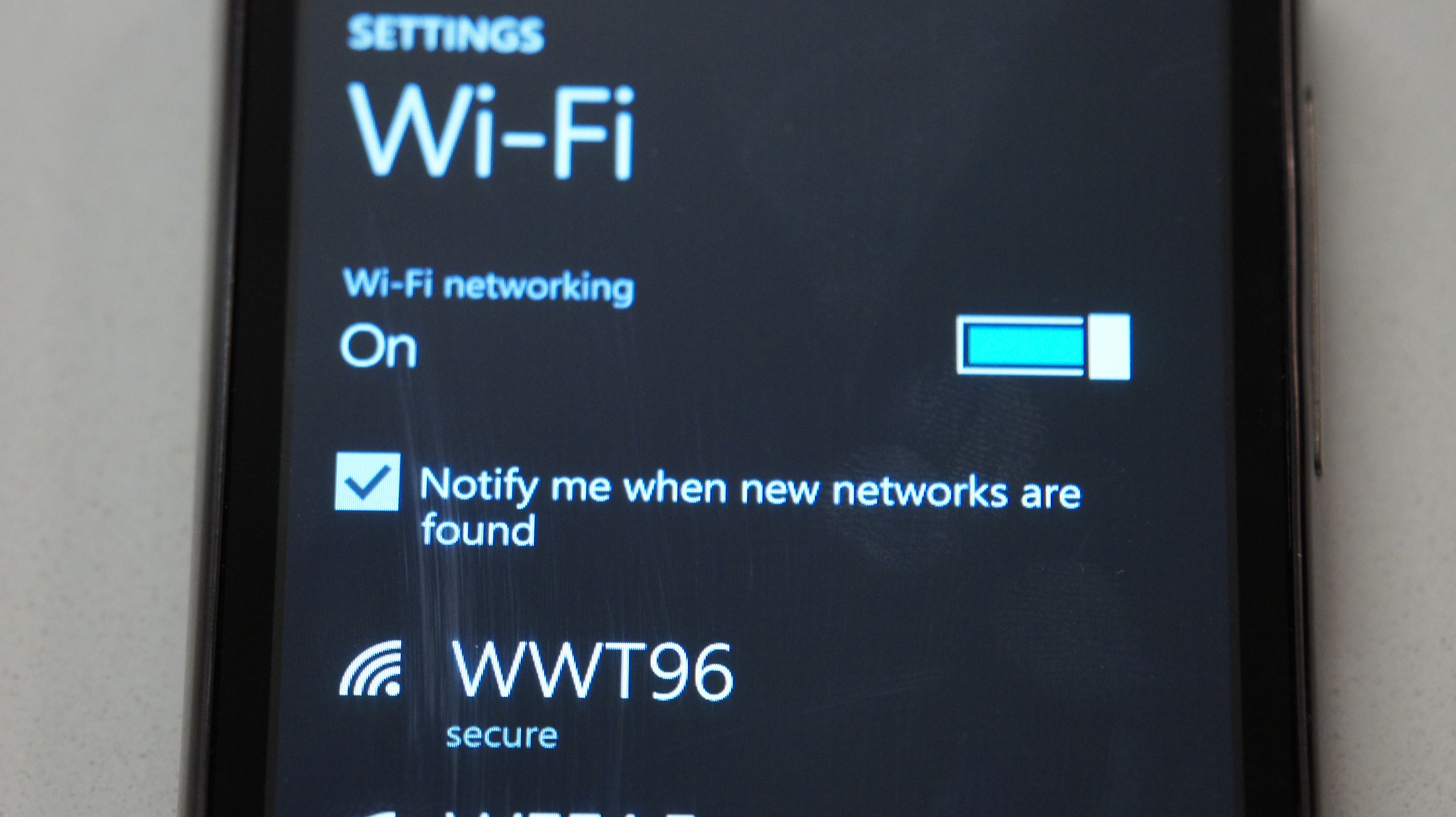
It is amazing that today’s phones have LTE, Wi-Fi, NFC, GPS and Bluetooth, but do you really need them all round the clock? Your phone lets location-based apps reside in the background, and the constant drain of your battery will become noticeable, fast. Wi-Fi hogs a lot of juice on all devices because it’s always searching for a signal. You can also turn off 4G LTE if you happen to be somewhere without a strong signal. Keep the screen as dim as you can stand it, and close apps when you are done with them. This way, they don’t run in the background. Extend the refresh time: Set your email to get new messages every 15 minutes (or even longer) rather than as soon as they arrive on the server. And whenever possible, put your device to sleep. Also, unless you really need that added awareness, turn off vibration. It actually takes more power to vibrate your phone than it does to ring it.
5. Invest in a Mi Power Bank
Its massive capacity can handle all your charging needs for the weekend
Power Banks are the most popular and convenient way of charging your phone on the go. Xiaomi has two offerings at present in the power bank category.With massive capacity and modest pricing, the devices are perfect for the juice thirsty smartphone batteries. The Chinese electronics giant had launched 5200 mAh and 10400 mAh power bank variants. Read our full review of them here.
6. Battery Cases
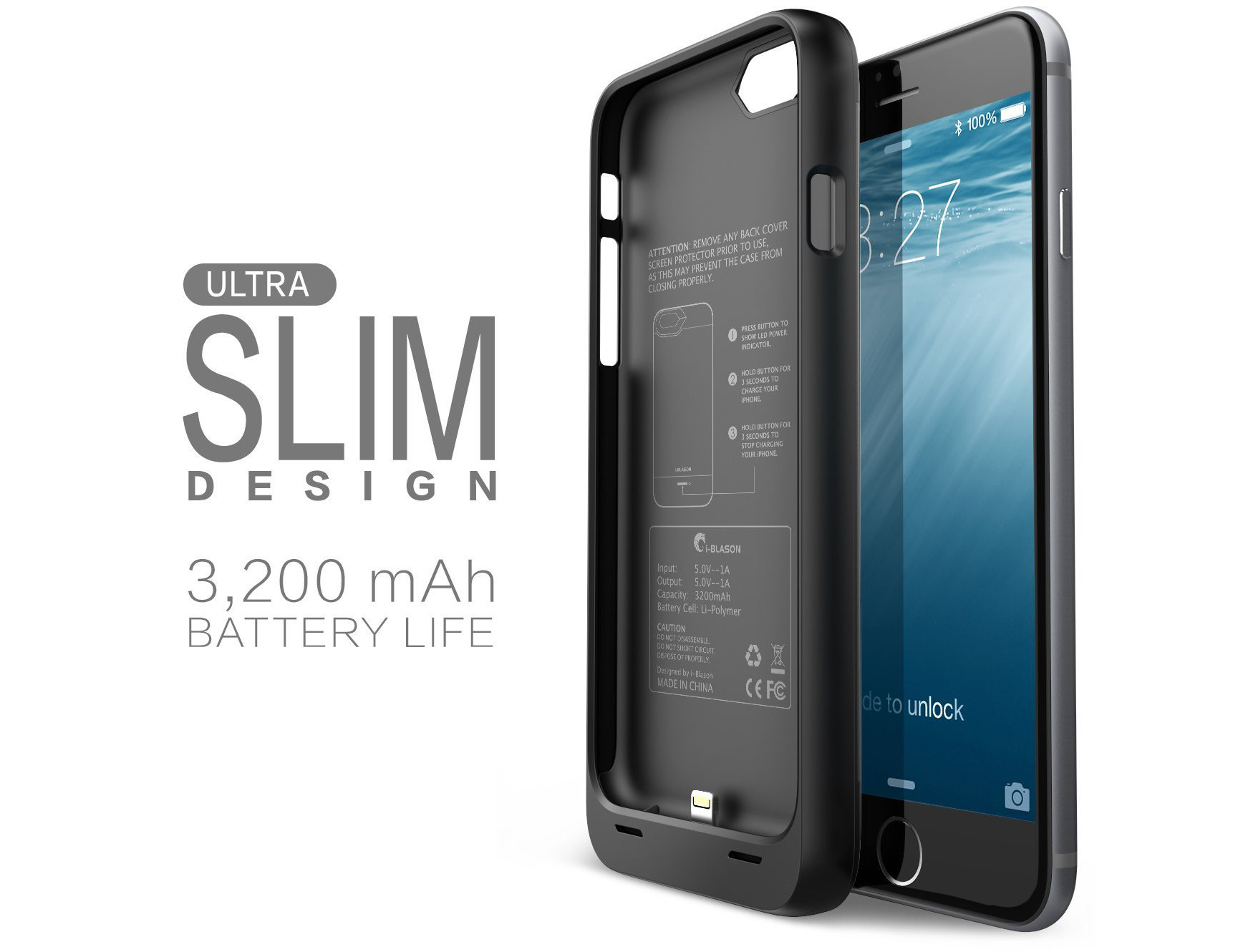
Battery cases combine a hardware enclosure, which protects your phone with an extended battery life that can double your phone’s endurance. You can find models compatible with popular phones from a variety of manufacturers. Also, carrying a power bank might be a tedious option when you are traveling and are during fieldwork for long hours. So, we’re listing some of the best ones for you:
i-Blason cases for iPhones: i-Blason power cases come with amazing advantages which can help you charge your iPhone to 100% battery capacity while working, shopping, or travelling. They are fabricated with impact-absorbing materials and comes with rechargeable battery up to a 4700 mAh capacity battery.
Mugen Power Battery Case for Moto G : Specifically for Moto G, this battery case provides you with 2800 mAh of extra battery. The case has a robust design which, according to makers, can withstand handfull of slips and falls.
ZeroLemon for LG G3 :Rugged Zero Shock Hybrid Protection Case, ZeroLemon case includes Free High Quality Screen Protector and yes a whooping 9000 mAh extended battery (probably the world’s highest).
Samsung Extra Battery Kit for Note 4 : This isn’t exactly a battery case, however it is as useful. The Spare Battery Charger is great for when your battery is low, but you need to continue using your device and are not able to attach it to a wall outlet. Samsung extra battery kit charges your battery without needing to connect the handset. Simply slip the battery into the storage compartment and connect your charging cable. The size of this charger makes it easy to charge at home or on the go.
Earlier we reported that Xiaomi was planning to invest in a Chinese chipmaker Leadcore to offer more cheap devices. Now, according to a report, Xiaomi has acquired 51% stake in the company. It is expected that with the inclusion of these chips, the price of Redmi phones might go even further down.
Leadcore is generally not recognised when it comes to system chips as this segment is ruled by the likes of Qualcomm and MediaTek. However, that isn’t to say that they should be ruled out, especially after a healthy cash injection from Xiaomi. The only processor that could catch our attention is Leadcore LC1860 chip, which will reported be used by Xiaomi in its future devices.
The LC1860 system chip is built around the a 28nm Cortex A7 architecture running at 2.0GHz with a Mali T628 GPU. Now, according to a report by Gizchina, the company is working on a device powered by LC1860 that will be priced at ¥399 and will be LTE capable. This translates to approximately Rs. 4,000 as per Indian currency.
A leaked specification sheet suggests that the SoC can support 2k LCD displays and record up to 720p videos at 120fps and 1080p videos at 60fps. It also has 4G LTE support. In addition, the Gizchina’s report also said that the device will have a 720p HD display and 1 GB of RAM.
Xiaomi’s handsets are really cheap as it is. Now, the phones with LC chips would bring that price further down, which is a good thing (as long as these LC chips can offer decent performance). However, we doubt that Xiaomi will give up on Qualcomm’s Snapdragon processors though, we think that Xiaomi will include these LC chips in their cheapest smartphone line and once again push the limits of low-cost smartphones, while sticking to Snapdragon for their high-end phones.
Good times are about to arrive for the residents of Delhi in a couple of days, especially for those who are frequent to the city’s most prominent market, Connaught Place. The Lieutenant Governor of Delhi Mr. Najeeb Jung will be inaugurating the Public Wi-Fi access facility in the central market on 16th of this month. This will be a great incentive for people to go out of their houses and be stuck on their screens in the open air.
The facility is being provided through a collaboration of Tata Teleservices and NDMC (New Delhi Municipal Corporation). The Wi-Fi service is provided in a range of 4.5 sq.km. The provider claims that the connectivity will be seamless and uninterrupted across the inner and outer circle of the market.
Tata DOCOMO has good service feedback when it comes to Wi-Fi setup. The company holds two records in the Limca Book of Records for the largest Wi-Fi coverage for an indoor and outdoor event. The cellular service provider already provides Wi-Fi service in prominent places like Indira Gandhi International airport (T3), amongst other associations such as Bangalore Airport, Chinnaswamy Stadium, Wankhede Stadium etc.
The service will be inaugurated for the public by the Lieutenant Governor at the Central Park in Delhi at 3.30 PM. Plans are also taking shape to introduce Wi-Fi service in other major population-centric markets in the city. Now, we won’t get truly excited about this until we take it for a spin ourselves.
Google has started rolling out Android Lollipop 5.0 update for Nexus 5. You can expect the new update soon on your device via OTA in the coming days. However, there are some of us who don’t want to wait anymore. It is true that the OTA method is the most convenient way to upgrade your phone. However, we don’t mind doing some hard work to get the new upgrade.
So, here is how you can get Android Lollipop 5.0 right now on your Nexus 5.
1. Go to the phone Settings and make sure the Developer mode is enabled.
2. Put the downloaded Lollipop Zip file into a new folder in the desktop and rename it according to your preference.
3. Make sure the USB debugging option is on; you can find it under Developers option in your phone’s ‘Setting’ window.
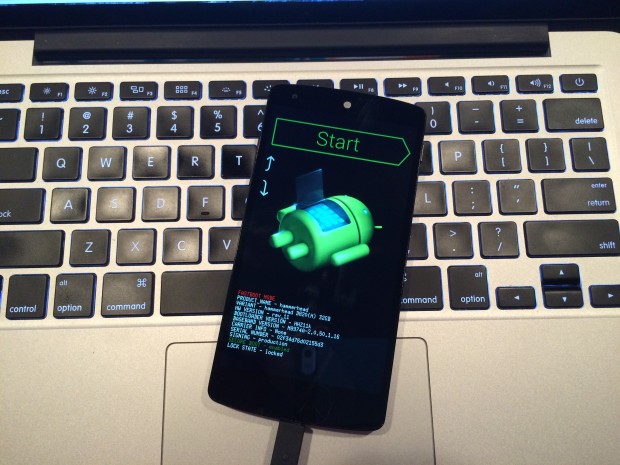
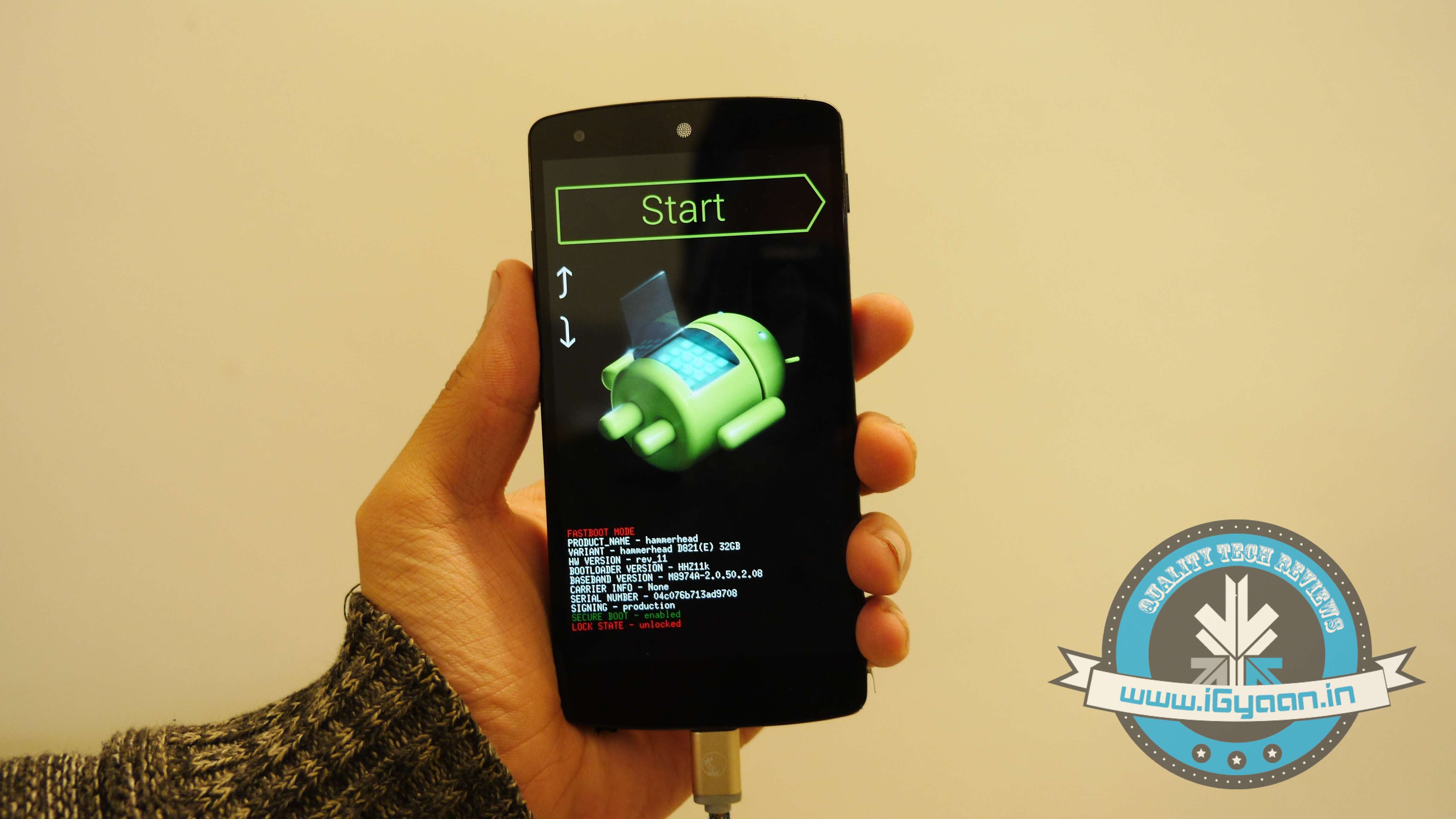
4. Switch off your phone. Now press Volume Down + Power button simultaneously. This will switch on the phone in Fastboot. You will see Start written in big letters on the top of the screen. Use volume buttons to navigate to Recovery Mode. Once found, select it using the Power button.
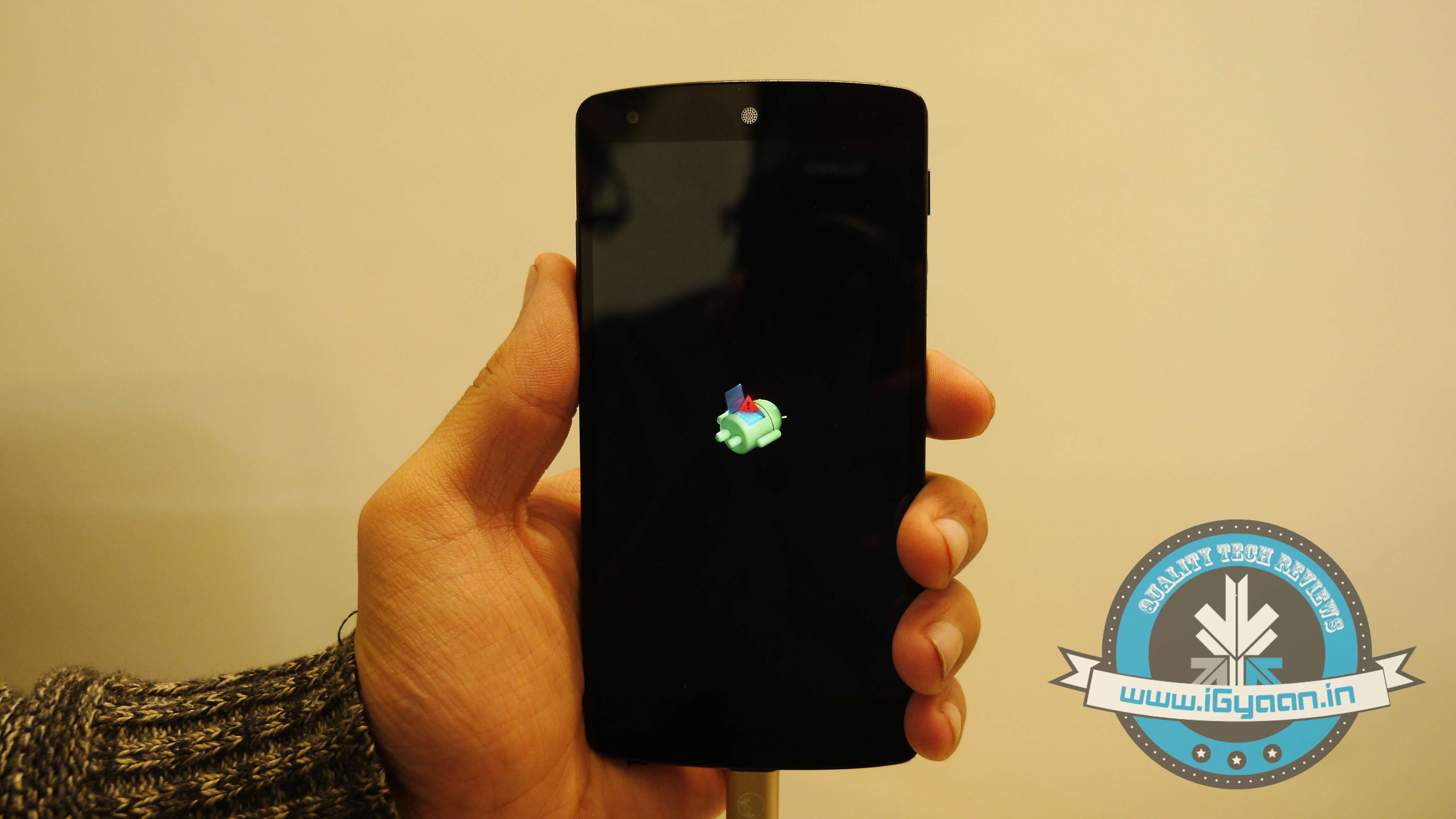
5. You’ll see small Android robot lying flat with a red mark over its belly. Now press the Power button for a couple of seconds and press the Volume Up button once while holding the power button. This will turn on the ADB mode in your device. If it doesn’t, try it again starting from step 4.
6. Once the phone is in Recovery Mode, use volume buttons to highlight ‘apply update from ADB’ and press Power button to select it.
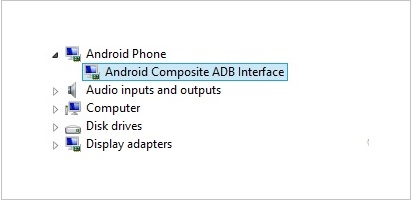
7. Connect your phone with the PC via USB. Make sure the PC recognises the device as Android phone with Android Composite ADB Interface functionality in your computer’s Device Manager. If not, uninstall the drivers and install them again.
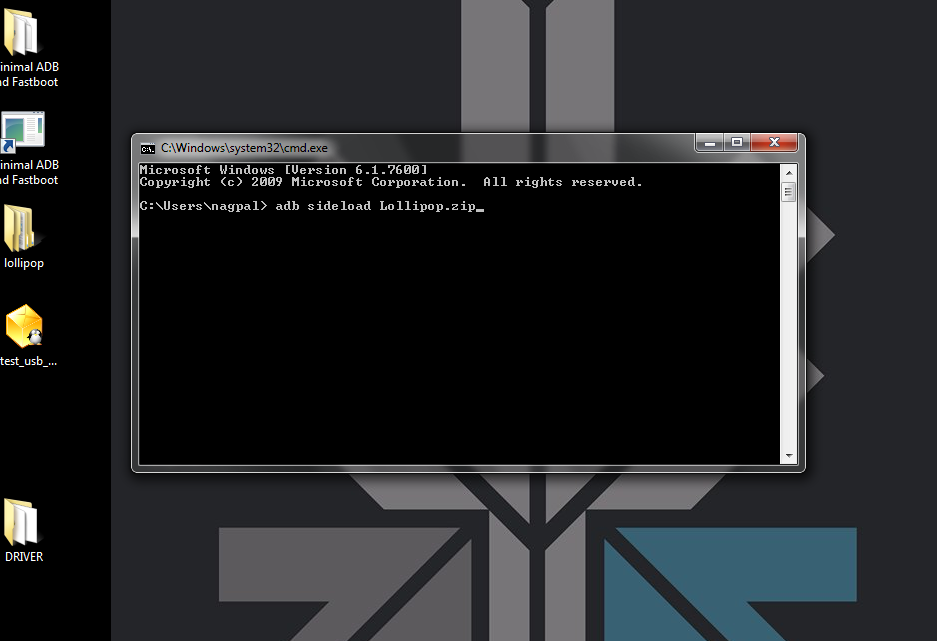
8. Now press ‘Windows+R’ on you keyboard to launch RUN and type ‘cmd’ to open the Command window.
9. Type ‘adb sideload <name of the Lollipop zip file>’. For example, if your file name is Lollipop.zip, then write: adb sideload lollipop.zip and press Enter.
10. Now, you will see that the ROM will be copied onto your phone. This way, Lollipop will be installed. The whole process will take around 10 minutes.
TIP: If you get confused or lose the track somewhere in between, press the Volume Up, Volume Down and Power buttons together to reboot the phone. And remember, never ever pull it off charging.
The online social networking giant Facebook has rolled out a privacy policy which is said to be more user-friendly. This rewritten policy being more user-friendly can be judged by the fact that it is summed up in just 2,700 words, rather than 9,000 words used earlier.
With this, a new feature has also been launched and that is Privacy Basics. It is simply an easy-to-use guide through which you can control your visibility to the world. According to a report by Wall Street Journal, Facebook’s Chief Privacy Officer Erin Egan was quoted saying, “Our goal is to make the information about Facebook as clear as possible. Our hope is that it will not take long for people to read through this and really get it.”
The policy will surely be welcomed by the users as it now informs about what kind of information do the website collects and how you can manage and delete information about yourself. Also, the company shared the fact about how the payment data, credit card data, account authentication information, billing, shipping, and contact information is used.
Meanwhile, users who have gone through this policy can comment on the website. Facebook will finally launch a new policy version next month on the basis of the comments.
BlackBerry is going back to its roots. In the age of generic bar-shaped smartphones, the company is trying to attract users with the good old days feel. With the release of Passport, the company has made it clear that it will give their most successful form factor a second chance. Now the Passport was a unique device with features unheard of before. But BlackBerry’s Classic promises the goods of yesteryear for people who long for a different user experience.
The Classic will remind you of the era of BlackBerry Bold. The phone is now available for pre-orders in America. It is currently priced at $450 for an unlocked version. The shipments are supposed to start by mid-December.
What is really peculiar though is that BlackBerry hasn’t yet released any other information or specs of the device. The company got people excited about the Passport by showing off its unique 1440X1440 resolution square display. This time around, there was no such revelations. Considering it’s trying to make a comeback, BlackBerry should have released some sneak peeks by now. All we know right now is how the phone looks based on a leak on a Chinese website.
It is expected that BlackBerry Classic is expected to be powered by a 1.5GHz Qualcomm Snapdragon S4 processor with 2 GB of RAM. To provide the classic appeal, the phone has a 3.5-inch screen coupled with a QWERTY keyboard.
Considering the speed at which BlackBerry brought the Passport to India, you can expect the Classic to show up soon in this part of the world. We’ll let you know of the future plans of BlackBerry right here at iGyaan. Keep checking back.
Smartphones are not just a communication device anymore. They are business gadgets and a storage for tons of personal information. With the number of revelations of hacking and stealing content from users phones and cloud account, security of the smartphones has become an important topic of discussion amongst all stakeholders. Samsung has decided to step up its game on security and has partnered with Blackberry for the effort.
Samsung’s own Knox was reported to have a flaw that apparently left the system ‘completely compromised.’ Here Blackberry can come really useful as it has been unanimously praised for having one of the best enterprise security.
This will also be a good opportunity for Blackberry to share the limelight with the global consumer electronics giant. Blackberry has had serious issues in the recent past with the rapid decline in sales.
Blackberry will provide its expertise to enhance the performance of Samsung’s Knox system. It will integrate its BES12 end-to-end encryption system with Samsung’s Knox. The offspring of this alliance will be introduced early next year.
The security option is essential for corporate and government sectors as they deal in sensitive information. These sectors also consume massive inventories from the companies so it would be important for Samsung to convince them of its security standard.
There is no place for silly mistakes in the tech industry and Microsoft has realised that. After dropping the Nokia brand completely, the company has a lot of work to do in terms of brand image as all its key smartphone components are at stake. Windows Phone OS is one of them.
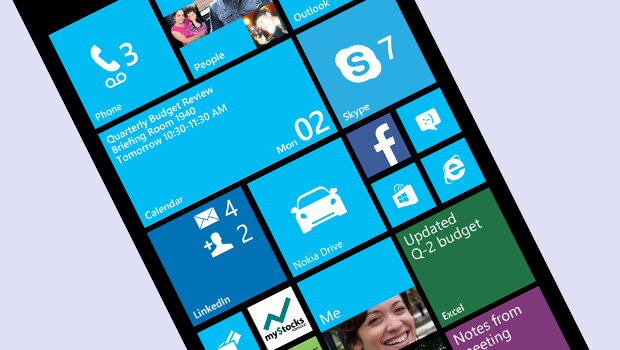
The company, responding to a customer’s query on Twitter, has made it clear that it “plans to upgrade all Windows Phone 8 devices to Windows 10 in the future.” This also includes the Windows 8 devices launched under the name of Nokia. The next big Windows OS, Windows 10, is still in the early development stage, hence, Microsoft is tight-lipped about the arrival of the new OS.
@Kalars07 We plan to upgrade all Windows Phone 8 devices to Windows 10 in the future :)
However, it is a sign of relief to the Nokia Lumia owners who felt backstabbed when the company completely dropped the Nokia branding. Earlier in 2012, Windows lovers were disappointed when Microsoft decided that the existing devices wouldn’t make the jump to Windows Phone 8.
The new operating system was unveiled at San Francisco for Business customers. Microsoft has already released a technical preview version for selected users. It is expected to unveil new consumer features early next year. Windows 10 is expected to reach the market by mid-2015. Considering Microsoft nails its flagship operating system in every alternate release, we have a lot of hopes with this one.
Space travel is an amazing and audacious task. Over the course of last 60 years, we have made incredible advancements in the field of space research and space travel. We were literally catapulted to the technology age just through our investments into space travel. Milestones after milestones have encouraged us to peer further in the history and workings of the universe, and how it’s connected to us. We did face some political difficulties in the middle that slowed down our efforts into space, but seems like things are looking up again with the Rosetta mission by the European Space Agency (ESA). The Rosetta mission created history today by landing the first human object on a comet.
Comets are the building blocks as well as leftovers of solar systems. The comet in spotlight currently is called 67P/Churyumov–Gerasimenko, or if you are not in the mood for a tongue twister, you can simply call it 67P. Rosetta had to embark on an arduous journey of 10 years to reach the comet.
Image from first rendezvous of Rosetta with Comet 67P.
The planning for the Rosetta mission began almost 25 years ago. The mission was launched on 2nd March, 2004. It reached the comet on 6th August, 2014. Since then it vigilantly orbited around the comet. The space probe features 12 instruments, and the Philae robotic lander, with an additional nine instruments. It’s this Philae lander that created history by being the first human made object to reach a comet. Rosetta mission will orbit 67P for 17 months and is designed to complete the most detailed study of a comet ever attempted.
Philae did cause a bit of a scary moment for the scientists as for some hours they were unsure if the lander was able to hold on to the giant rock in space. Apparently, the comet bounced back two times before landing on the comet in its third attempt. The bouncing happened because the thrusters and anchors which were supposed to aid in landing failed to operate. Don’t blame them, they were in the cold dark space, cramped up for 10 years, might have found it hard to stretch their legs.
Rosetta and the Philae Lander will journey with 67P to uncover the roots of life.
It was not an easy feat to achieve as told by Matthew Genge, who is a lecturer in Earth and Planetary Sciences at Imperial College, London. He said, “This is the most difficult landing in space history, like landing a balloon in a city center on a windy day with your eyes closed.”
The scientists report that the lander is safe and stable, but they are unsure if they’ll be able to drill into the surface to collect samples. They say that the loss of anchors might make it difficult to drill. It is being said that the probe has landed on a soft layer of dust. But considering it’s a once in a lifetime opportunity, the scientist will make the best of it.
Rosetta and Philae will tag along with 67P for its journey around Sun. The mission will be able to answer some questions that we have been asking for a long while, like where did all the water on Earth come from. It is for long been theorized that comets brought the water and building blocks of life from outer space to Earth. If Rosetta proves that, we’ll have added another ancestral root to our family tree. So, go on Rosetta, live long and prosper at a place where no man has gone before.
ESA also made a Hollywood grade short film to explain the importance of the mission. It stars Aiden Gillan from the Game of Thrones.
It is been a while since Xiaomi has launched a new product in India. While the Chinese company is busy preparing for occasional flash sales and celebrating the new tag of being the world’s third-largest smartphone maker, it seems like the company is moving forward in the Indian market with new offerings.
In a recent post on Facebook, Hugo Barra (Vice President of International for Xiaomi) mentioned that the Redmi Note is finally ready for India. The device was expected to launch a month back, however, it didn’t happen. In an interview with a popular publication last month, Barra said that the Redmi Note will come to India in late October or early November. It looks like the early November in the Chinese calendar is here.
In the Facebook post, Bara mentioned “Mi Indonesia: 10,000 Redmi Note out of stock in under 40 secs today!” adding that the next in the list will be India. The post further mentioned that the Xiaomi’s Vice President’s may have landed in Bangalore, India for the same reason – launch of Redmi Note. Xiaomi India Head Manu Jain also confirmed that the company is aiming for the end of this month or early next month for the device.
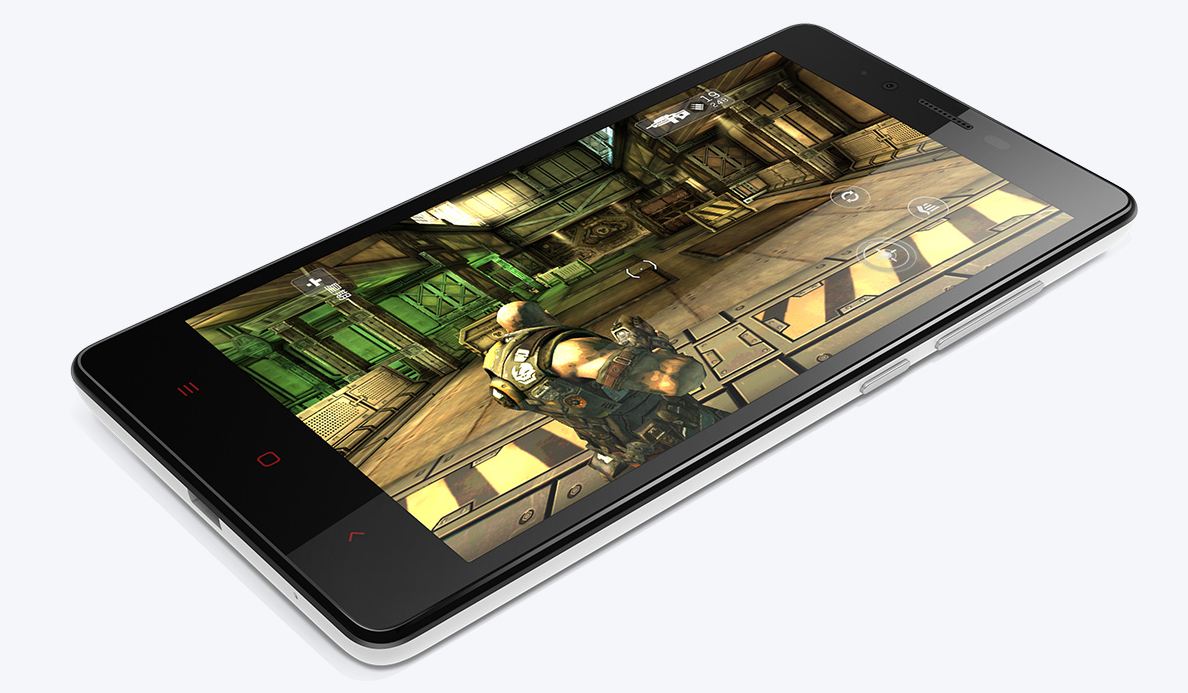
Redmi Note is a 5.5-inch phablet, which comes with a MediaTek MT6592 octa-core SoC, and has a 13MP and 5MP rear back and front cameras respectively. The device also has a 8GB of internal storage, which is expandable up to 32 GB using a micro-SD card. The company has already announced that the Redmi Note in the country during Mi3 launch will be priced at Rs. 9,999. However, it is expected the Redmi Note will be available for Rs. 8,999, once it is launched.
If you are into installing custom ROMs onto your phones, you definitely know about CyanogenMod. It is also the default OS on the legendary OnePlus One. ROM has one of the best customisation features and is regularly updated. Having said that, CyanogenMod is ready with the next in its line-up (CM 11.0 M12) for supported devices.
CyanogenMod 11.0 M12 has been released for the following devices: HTC One (M8), Samsung Galaxy S4, Galaxy Note 3, Galaxy S4 Mini, Motorola Razr, Sony Xperia Z, Xperia Z Ultra, Xperia Tablet Z, Amazon Kindle Fire HD 7, HTC One Max, and Nexus 7 Wi-Fi.
The new build brings many new features over its predecessor. 9to5google reports that this new update is based on Android 4.4.2 KitKat. They also report that the new update offers “range of bug fixes and improvements: a fix for signal strength on certain devices, updates to frameworks and core apps, a list of devices connected to tethering and more.”
On its Twitter page, Cyanogen teased the new pin scrambling feature. It jumbles the numbers when asking for pin so that the perpetrator would have to work harder to get access to your phone. This seems like a simple, yet elegant solution to pin code theft.
Worry about people catching a glimpse of your PIN code strokes? Check out Scramble PIN Layout feature on Cyanogen OS http://t.co/nqJtPHfhim
If you were wondering, then yes, CyanogenMod is already working on the Android Lollipop update for its ROM. All good things ask for patience and for something as sweet as CyanogenMod, the wait has been worth it in the past, so you should do the same this time around.
It is quite evident that smartphones have become extensively useful and capable day-by-day. We have achieved so much as a society in terms of communication. However, there is still a section in our society which is not familiar with the revolution of communication in the form of smartphones, and that is physically disabled people.
Oded Ben Dov and Giora Livne, founders of Sesame Enable, want to change that. Sesame Enable is an Israel-based startup that has spent past two years developing the Sesame Phone. This phone can be controlled through voice or just with head movements.
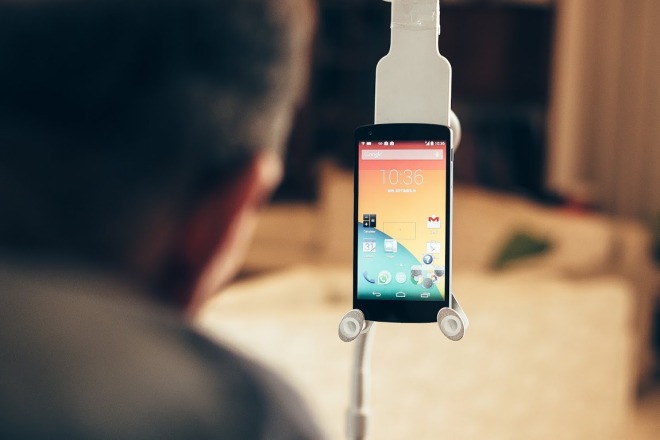
Dov and Livne, using a Google Nexus 5 for hardware, crafted Sesame Phone with complex software that allows disabled users to use the phone with simple movements and commands. “Smartphones bring the world to us. But for people with disabilities, current smartphone technology falls short,” Sesame wrote on its Indiegogo crowdfunding page. “Sesame is the first smartphone designed for people with limited or no use of their hands. Offering touch-free accessibility in a small, mobile, and elegant form factor.”
This software works only with the Nexus 5 for now, but the duo is already working to bring it to other smartphones in the future. The software essentially uses a combination of facial recognition, gesture recognition and voice recognition to give users complete control over the phone. A cursor floats on the screen of the smartphone, follows user’s head movements which are tracked by the front camera of the phone.
Users can click and open apps with the help of simple pre-defined head gestures. Also, voice commands can be used to carry out the task, suiting the need of every user. The company has recently launched an Indiegogo campaign to raise an amount of $30,000, needed to continue developing the phone.
Drones are fast becoming their own individual market. By offering an opportunity to capture images that were simply not possible some time back, they are rapidly becoming the darling of professionals and average consumers alike. They are also constantly getting smaller and better at what they do; some models are even available in an affordable consumer price range. DJI, a company that might instantly bring the thought of a drone in your head, is ready to take things further with the new DJI Inspire 1.
The Inspire 1 is one of the coolest drones out there. The drone looks like a vicious predator on the hunt. The quadcopter flaunts its 4K camera and retractable landing gear.
This latest offering by DJI sorts a three-axis gimbal on which the camera is mounted. The camera is capable of shooting 12 megapixel images and 4K video at 30, 25 and 24fps. Talk about options for a filmmaker. The camera also has a wide 94-degree field of view so you can take those sexy fly-bys. Also, as the arms go up during flights, you can also get amazing 360 degree visuals.
Stabilizing this drone isn’t too much trouble either. The device uses a stereoscopic ‘optic flow’ camera to help stabilize the drone. Using the camera, the drone can stabilize without locking on to GPS. Also using the Lightbridge, a wireless HD transmitter, you can get a live feed of what you are shooting. The range of Lightbridge is 1km, which is just fantastic.
Operating the drone is also a breeze. This drone gives you an option for two people to operate the device. One person can direct the drone while the other can control the camera. Though the second remote can set you back $500.
Inspire 1’s awesome features come at a price though. If you are thinking about getting this bad boy be ready for a lighter pocket as the price tag on this device is $2900. The average drone comes in under $1000 mark. But the Inspire One’s amazing new features definitely help justify its price. So if you got the cash and an itch for shooting epic aerial footage, the DJI Inspire One is exactly what you were looking for.











 For optimum performance, ‘reboot’ your battery whenever you can by waiting to charge until the battery is down to about 10 percent. Then, charge it up to 100 percent—and remember not to overcharge it. Overcharging actually reduces a battery’s capacity, and every rechargeable battery can only go through the cycle a limited number of times.